Let’s get one thing out of the way before we dig in: I love street photography. I love the grit, the timing, the honesty mixed with mystery. Some of my closest friends are street shooters, and I admire them for chasing the unpredictable, often unforgiving rhythm of the public stage. Many of them take their cues from the masters—icons like Henri Cartier‑Bresson, Garry Winogrand, Vivian Maier, Bruce Gilden, Robert Frank, Diane Arbus, Alex Webb, Joel Meyerowitz, Saul Leiter, and Mary Ellen Mark. We honor them. We study them. We nod to them when crafting our handheld moments.
But here’s something I’ve been chewing on: among the thousands of iPhone photographers I know, a stunning number gravitate toward street as their main playground. It’s undeniable: for iPhone shooters, street work isn’t just popular—it’s almost magical. And yet, there are plenty of shooters who feel uninspired by it, or even think they’d be bad at it. So whyis it so hyped? Why does it command such devotion, even from people who don’t feel “streety”?
Let me offer some thoughts—without disdain, without judgment—for anyone who feels like yourself: uninterested in the genre, unsure of your timing instinct, or convinced you’re somehow missing the street photography boat.


1. It’s the Poetry of the Every Day
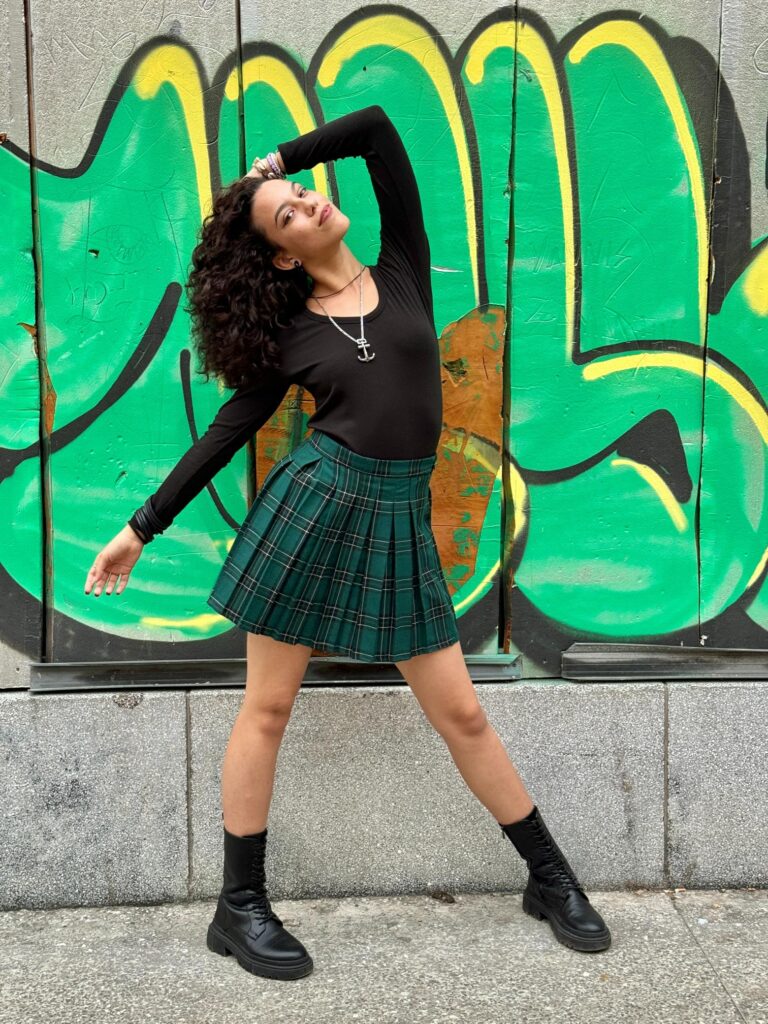
Street photography is often sold as pure reality—almost documentary in form—but what really hooks people is the stories between the cracks. The way someone leans against a graffiti wall, the way a shadow frames an ancient bus stop, the way a stranger’s gesture is so human it resonates. That’s not elitism—it’s meaning. With an iPhone in hand, your world becomes full of tiny anthologies. It’s not about grandeur. It’s about the strangeness and the truth. That resonates like nothing else.
2. It’s Raw. Rawer Than Why-Would-You-Post-It Raw for Some
Nobody sets up street photography. You walk to a place. You see something. You shoot. It’s messy. It’s surprised. It’s quick.
When you’re carrying a phone—it’s outward simplicity, inward intimacy. You don’t have to kit up, brace yourself, or explain. You don’t even have to ask permission. Street is the epitome of “grab and go.” It’s as brutal and beautiful as the real city. That speed feels like freedom.
3. It’s the Great Leveler
In street photography, your subject—whether it’s your best friend or a stranger halfway around the world
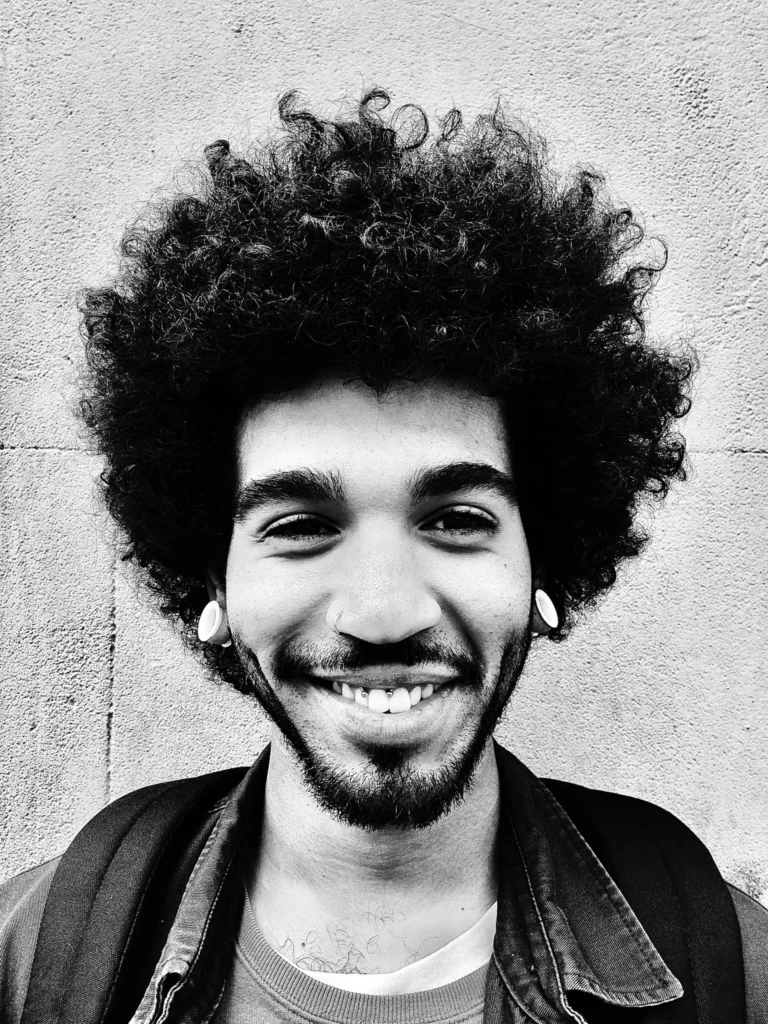
—is human. A human in motion. A human in time. A human who isn’t performing. That’s universal. No airbrushing. No lighting. No fuss.
The iPhone grants everyone access to that moment. And strangely, moments feel sacred when shared via pocket camera. The mundane transforms to monumental. The passerby becomes co-author. And suddenly, we’re all memory-makers.
4. It’s Validation-Free (But It Feels Like It)
Let’s be real—likes matter. Comments matter. They’re emotional feedback loops. And street photography delivers that loop better than most genres.
Street frames tend to garner deep reactions because they’re human, emotional, and a little mysterious. Think of a kid’s shadow splashing across a puddle versus a posed portrait in your backyard. We relate to the hint of narrative. To the suggestion of something unseen. That kind of reaction keeps people shooting
—because it turns strangers into moments, moments into mini stories.
5. It’s a Classroom That Doesn’t Ask for Enrollment Fees
Street is a crash course in the elements every photographer needs: timing, contrast, shape, color, narrative, spacing, blocking, listening. It is visual wrestling made accessible. No gear checklist, no tutorials. Just you and the world doing improvisation together. That’s seductive for anybody trying to grow without a workshop curriculum.
6. It’s Everywhere. Literally Everywhere.
New York. Tokyo. Nairobi. Your downtown. Your corner store. Your Sunday brunch. Street is inescapable. You don’t need to wait for a mountain summit or a golden hour shoot. You only need to walk.
That makes it addictive. It means you can always shoot. You can always keep hunting—or observing, or clicking. It doesn’t care about planes, buses, or tripods. It travels well.
7. Street Photography Can Hide as Play—and Reveal Why You Create
People sometimes don’t feel “street enough” to do it. And if that’s you, you’re not wrong—but you’re missing the bigger game.
You don’t have to be a philosophical European to shoot street. You just have to notice. You don’t have to chase strangers all day—shoot reflections, signs, moving frames. Fold story into structure. Surprise yourself with what you didn’t see until after the click.
That’s where it’s transformative. Street photography becomes your mirror, not just a genre.
8. It’s Adaptive—From iPhone to Mirrorless and Back Again
Street photography isn’t camera-dependent. If anything, it’s device-agnostic. But here’s why it meshes with iPhones: your phone is there more often than any camera you own. You don’t have to pack. You don’t have to justify. It’s the perfect street weapon.
Your iPhone becomes a personal archive of atmosphere. A visual notebook. A weathered companion. A temporal witness. Street built for spontaneity.
So What If Street Isn’t Your Thing?
Here’s the point: you don’t have to do it. There’s no law. No “street superiority” badge. It doesn’t define your ability to make powerful photographs.
Your world could be intimate portraits. Macro petals. Night light abstractions. Panoramic landscapes. Still lifes in your kitchen. Infrared urban ghost shots. Eyeball your own emotional terrain—and shoot there.
Street is only one of many. It’s not the be-all and end-all. But it calls to a lot of people because humans orbit around stories—and street is the purest snippet of story outside of narrative fiction.
Final Word: See Beyond the Genre
If you love street, you’re in a vibrant tradition with a wild frontier. Keep shooting. Keep layering moments into narratives.
If you don’t—don’t sweat it. This blog’s not a street-only club. It’s a space for making meaningful photographs. Whatever your genre, whatever your subject.
Look to street for lessons—even if you never shoot it. Watch how street frames light. How they space. How they suggest. Then apply that to what you love shooting.
Because this isn’t about pigeonholing you into street. It’s about recognizing why it hooks people, and about encouraging you to find your hook—wherever it lives.
Street works—with an iPhone, especially—because it rewards curiosity, presence, and surprise. But those are universal rewards, not street-exclusive. So whether your lens points at faces, flowers, food, flora, or fog, your challenge is the same:
See deeply. Shoot honestly. And find your path through your world. That’s the mission here—street-adjacent or not.
—Jack
iPhoneJack. For all styles. Making matters.