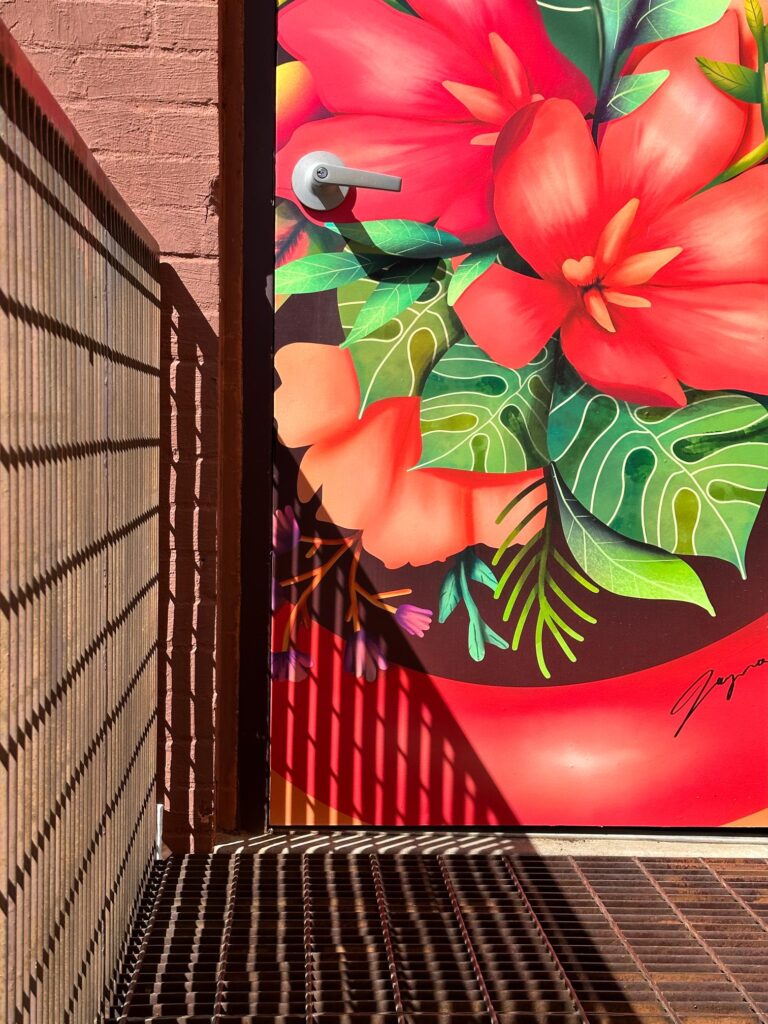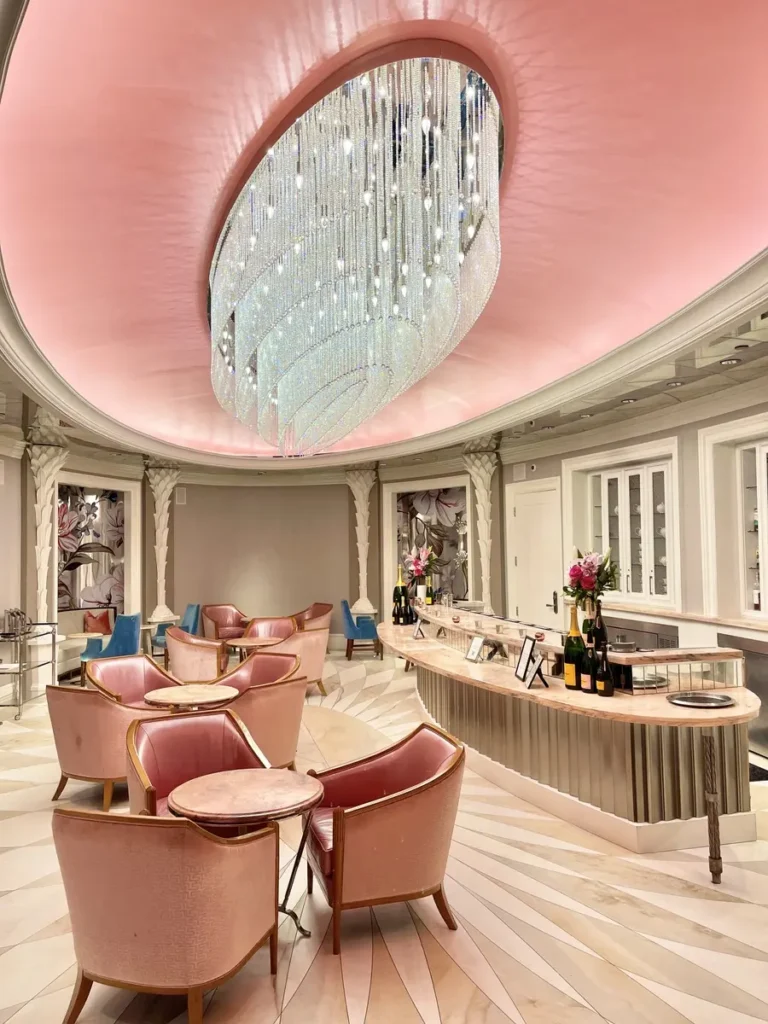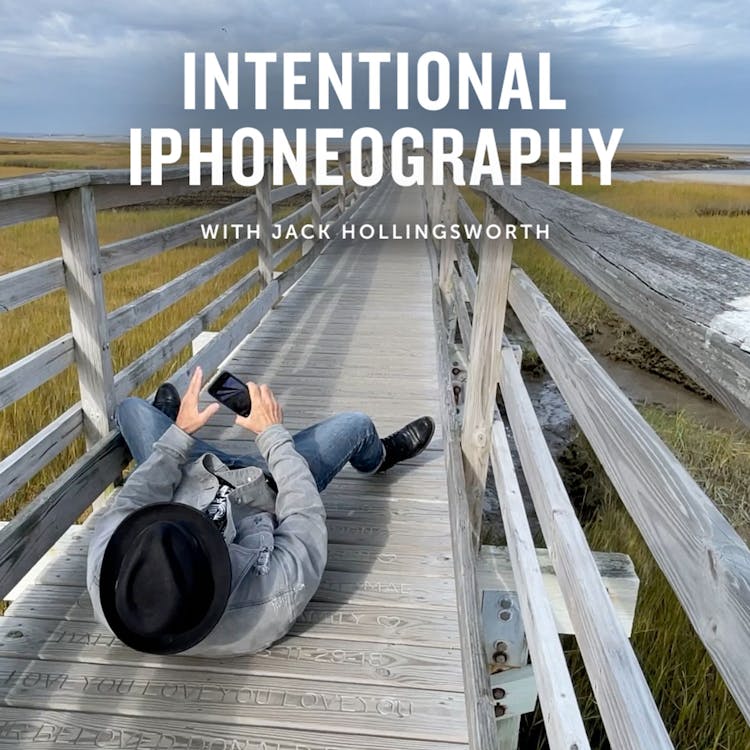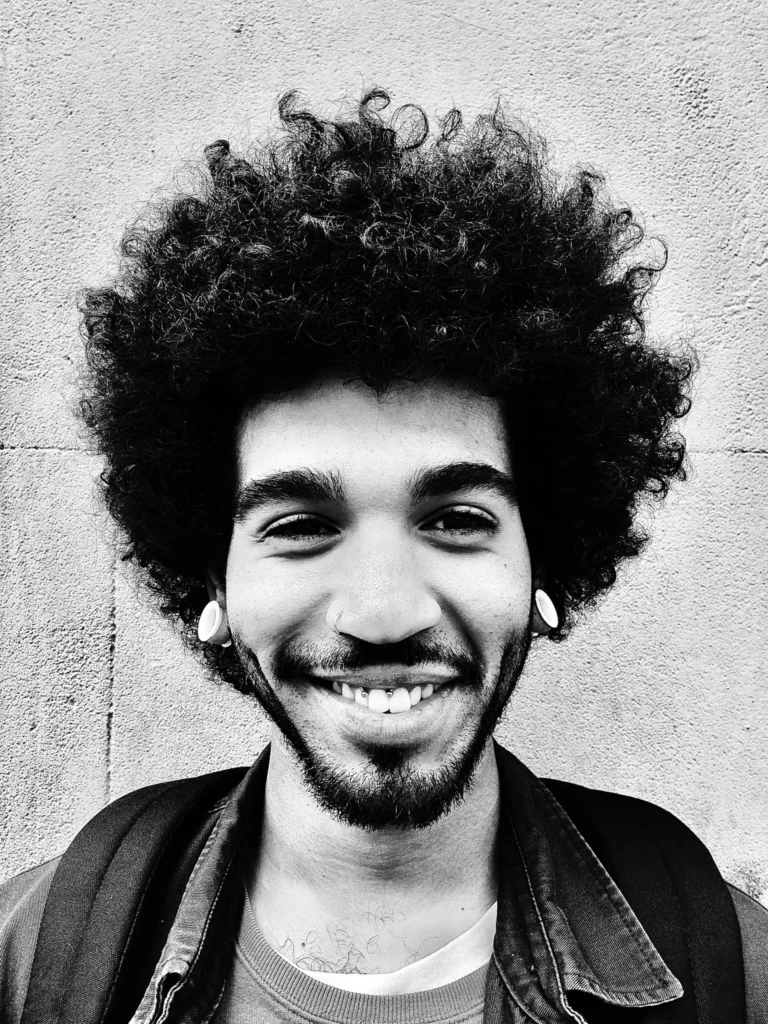
Everywhere I look lately—on social, in groups, at festivals, workshops, and even on the job—more and more pro photographers are dipping their toes into iPhone photography. And not just dabbling. Some are beginning to make serious work with it. This warms my damn heart.
But what I find equally fascinating is how they’re showing up to this new creative playground.
Most, at least at first, still look at iPhone cameras with a bit of cautious curiosity. Like, “I guess I’ll use it for behind-the-scenes,” or, “It’s good enough for scouting.” A few go further—slapping the iPhone onto their rigs as a secondary or tertiary camera. Some test it for vertical video or social content while keeping their main gear locked in for “real” work.
And then there are the brave few who jump in headfirst—no safety net, no DSLR tucked in the backpack “just in case.” These are the ones who go all in with mobile photography.
Every time I see that? I smile.
Because I’ve been there. Done that. Fifteen years ago. Long before it was cool. Or even considered “legit.”
I’ve seen this movie. And let me tell you—it’s a damn good one. But it has a predictable opening act.
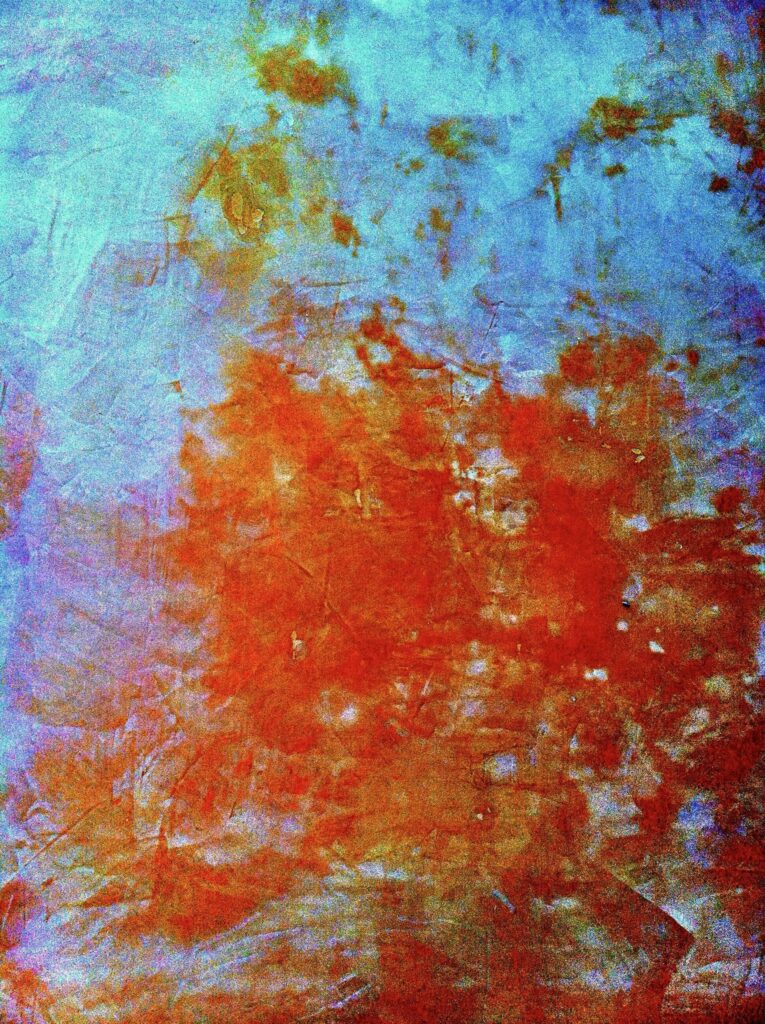

The App Phase: We All Go Through It
Here’s what I’ve noticed with most of these new iPhone converts: they get app-happy. Like, really app-happy.
Suddenly they’re swimming in grunge textures, watercolor filters, light leaks, faux-film overlays, grain sliders, vignettes, 1970s palettes, plastic lens distortions, painterly presets, and other forms of retro-techno sauce. They’re experimenting with frame borders, tilt-shift blur, AI filters, sticker packs, and everything short of dropping a rainbow sparkle unicorn in the sky.
I get it. I truly do. It’s fun. It’s accessible. It feels liberating to break free from years of menu-diving and firmware updating and get back to something that just feels good.
iPhone photography—with all its apps and instant creative control—feels like play.
And that’s a beautiful thing.
But here’s the thing nobody tells you: when you use apps like everyone else, your voice starts to disappear. You slowly begin to blend in with the millions of others chasing the same aesthetic. The same presets. The same vintage vibes. The same AI-enhanced, algorithm-driven style of “look what I made!” photography.
You lose the you in your work.
And if you’re not careful, you trade your eye for someone else’s overlay.
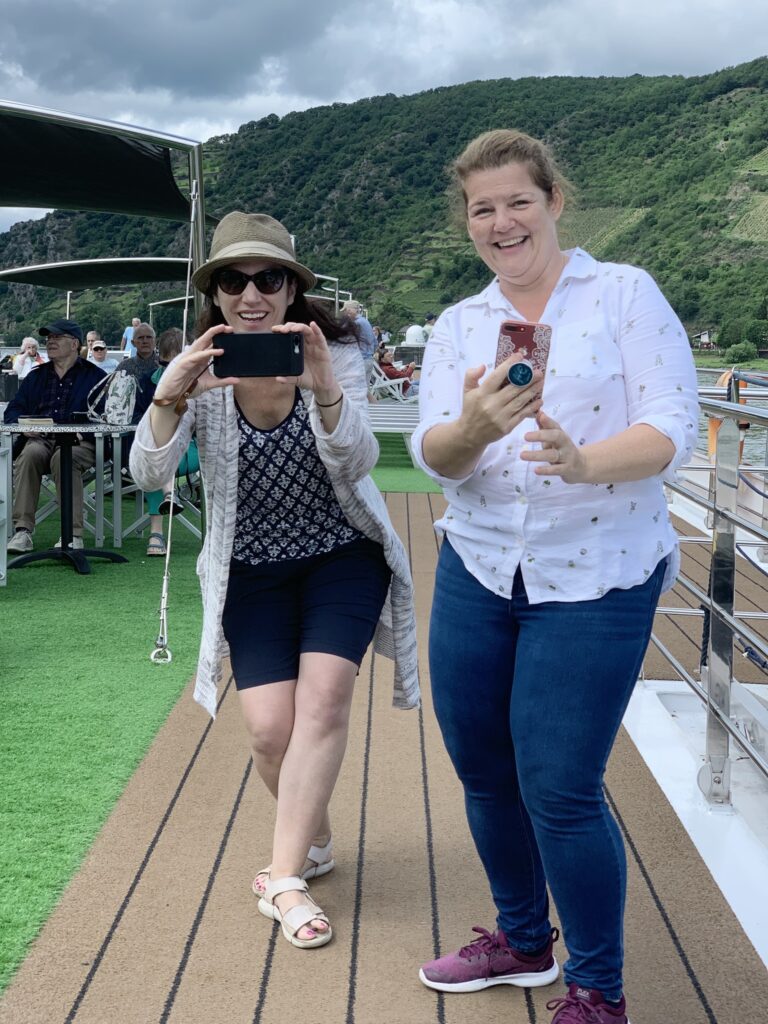
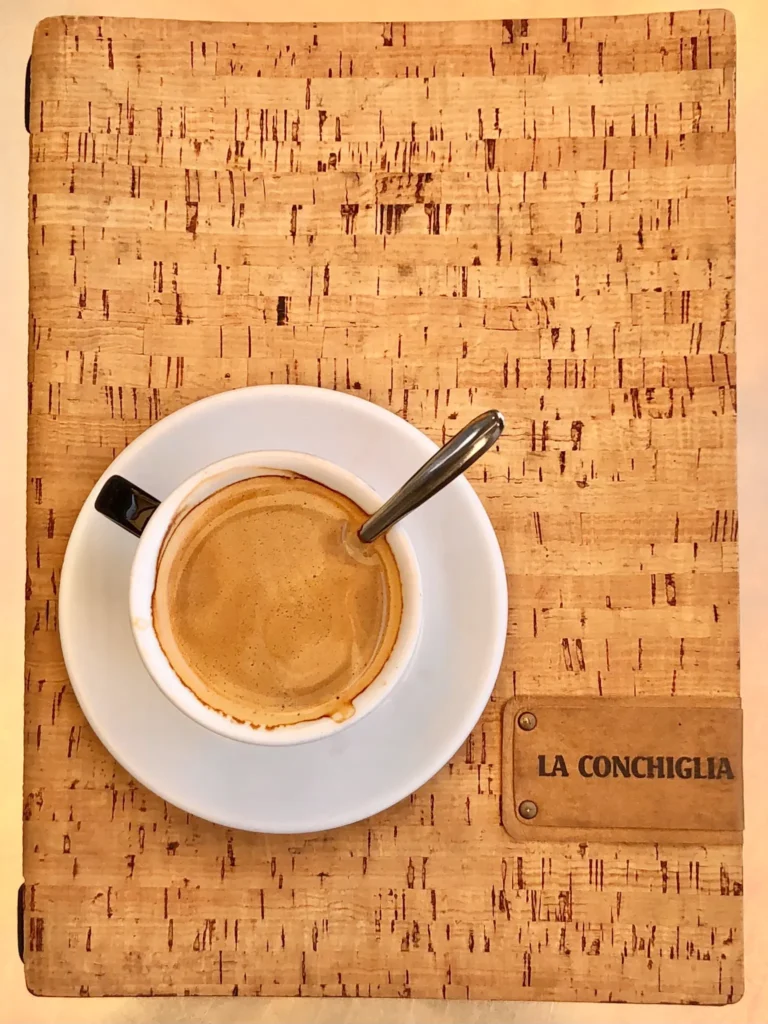
Why We All Go Through This Phase
When I first made the switch to iPhone photography full-time—after a 30+ year career in commercial photography—I went app-crazy too. Trust me, I was a junkie. I had folders full of editing tools, effects, camera replacements, light modifiers, noise reducers, and color toys.
I spent more time inside apps than I did behind the camera.
At the time, it made sense. It felt like a rebirth. Like I was discovering photography again, only this time with paintbrushes instead of pixels. I loved the play. I loved the mess. I loved the endless creative possibilities.
But over time, the novelty wore off. The trends started to fade. And the work started to feel more and more disposable.
It took me a while to realize: I didn’t switch to iPhone photography just to be a digital effect artist. I switched because I wanted to reconnect with the heart of photography. With light. With color. With design. With story. With presence.
And none of that came from a preset.
Returning to the Fundamentals
Here’s my friendly prediction—born not out of judgment, but out of experience: most of these new iPhone converts will eventually find their way back to the foundations.
Not because they’ll feel guilty.
Not because they’ll get shamed by the “purists.”
But because they’ll feel something shift.
The photos that stay with them—weeks, months, years later—won’t be the ones run through seven apps with a glitch and a fade.
They’ll be the ones where the light was just right. Where the moment was real. Where the composition was thoughtful. Where the emotion came through.
They’ll return to the basics—not out of obligation, but out of desire. Because that’s where the soul of photography lives.
And the iPhone, as modern and sleek and computational as it may be, is still just a camera.
What you point it at, what you notice, and how you frame the world… that’s the magic. That’s where voice lives. That’s where vision forms.
It’s Not a Phase—It’s a Journey
So no, I’m not here to shame the app-heads. Play on, friends. Wreck your pixels. Layer your hearts out. Find your groove however you need to.
Just don’t confuse decoration with depth. Don’t let the tools do all the talking.
Because the more you chase other people’s styles, the longer it takes to find your own.
At the end of the day, photography—any kind of photography—is about seeing. It’s about slowing down enough to notice. It’s about looking so deeply that you start to feel things.
The best photographers I know, regardless of gear, know how to see first.
And the more you shoot, the more you strip away what doesn’t matter, the more you’ll realize: the apps are a fun stop on the journey, but they’re not the destination.
Final Frame
If you’re new to iPhone photography—welcome.
You’re going to love it here.
And if you’ve already filled your phone with every editing app under the sun, take it from someone who’s done the same:
Eventually, you’ll come full circle.
Back to light. Back to story. Back to wonder.
Back to photography.
Unfiltered. Unfussed. Undeniably yours.