Sandhills: The Geography of Memory
How certain landscapes never really leave us.
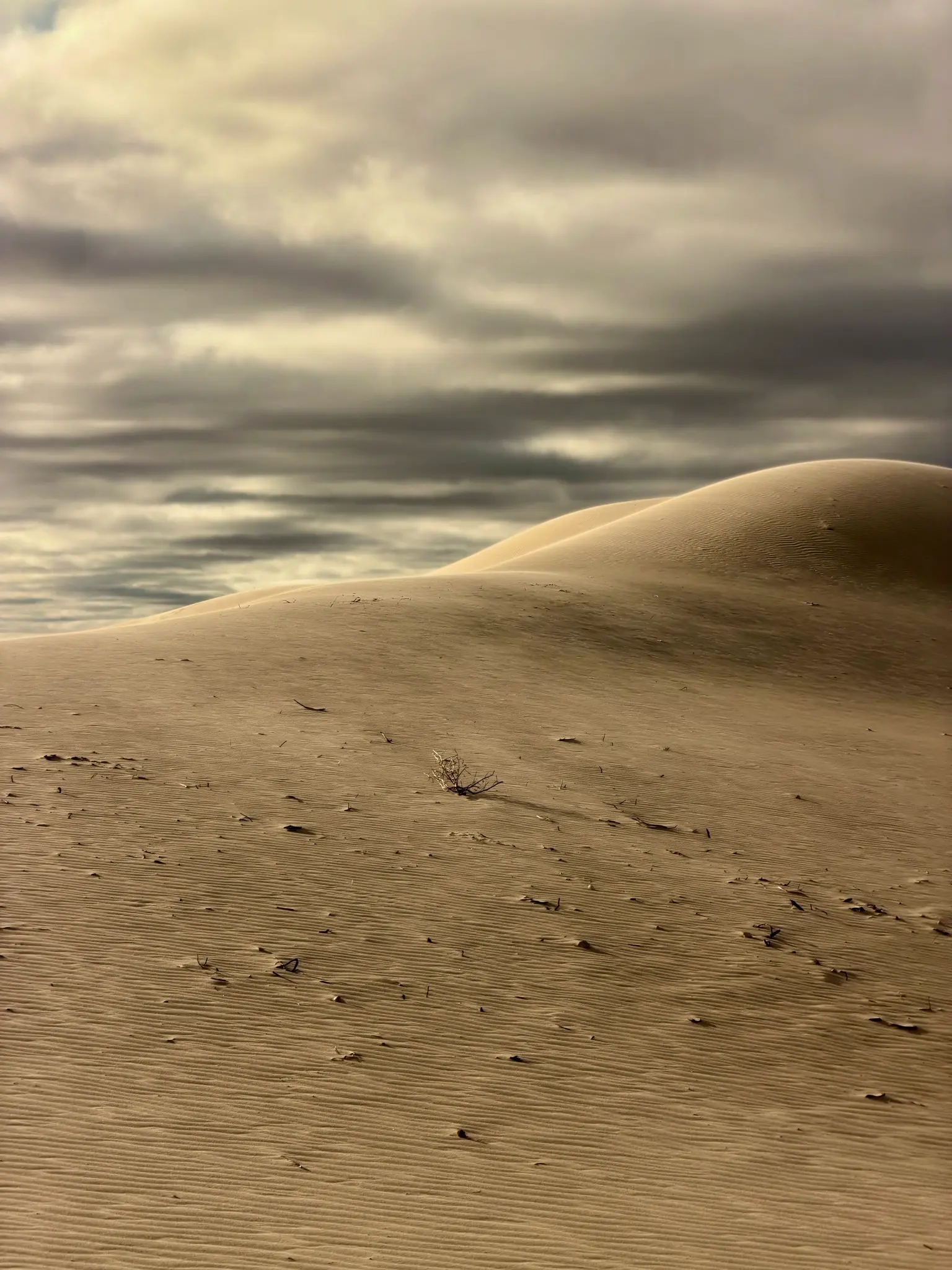
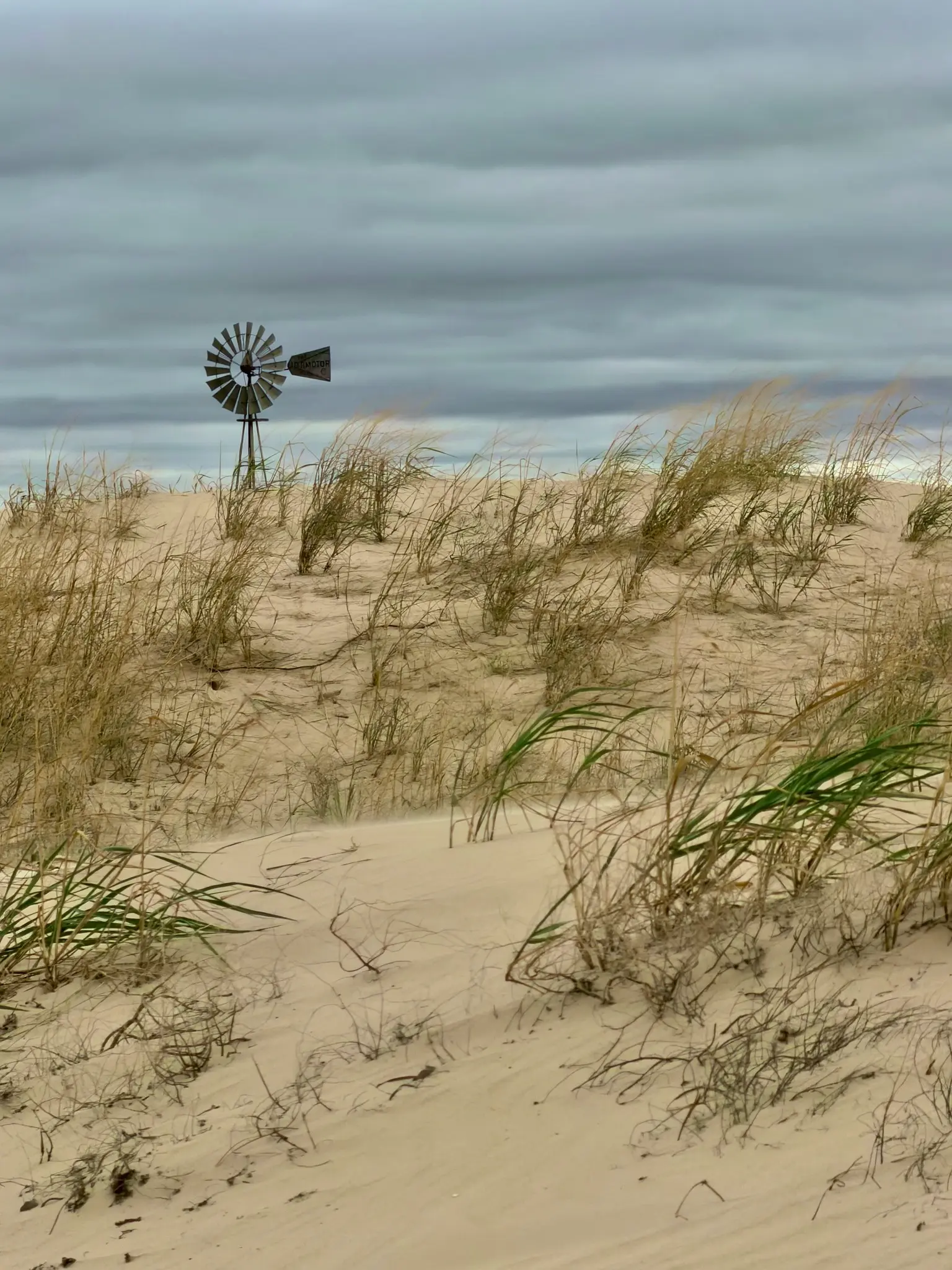
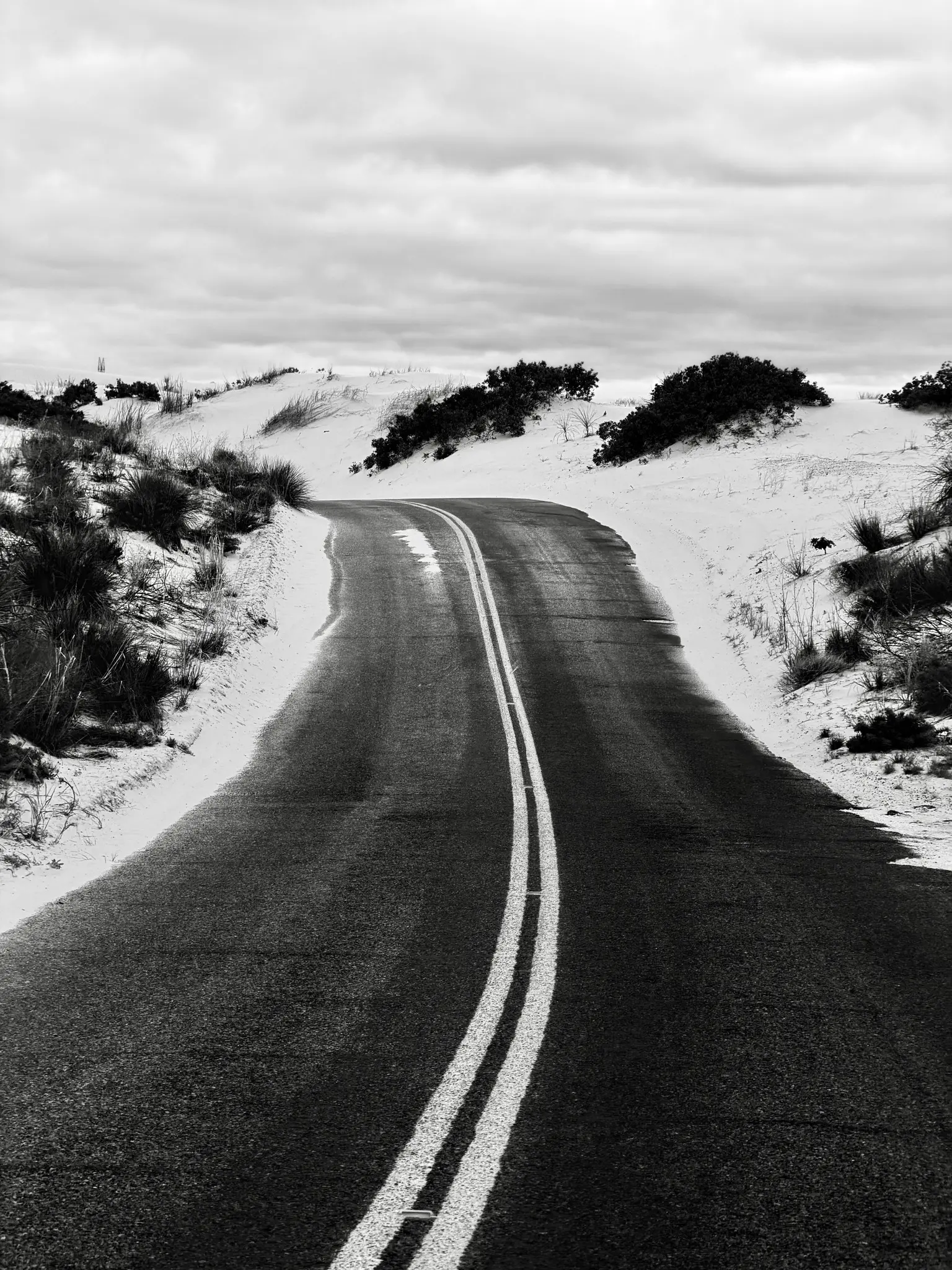
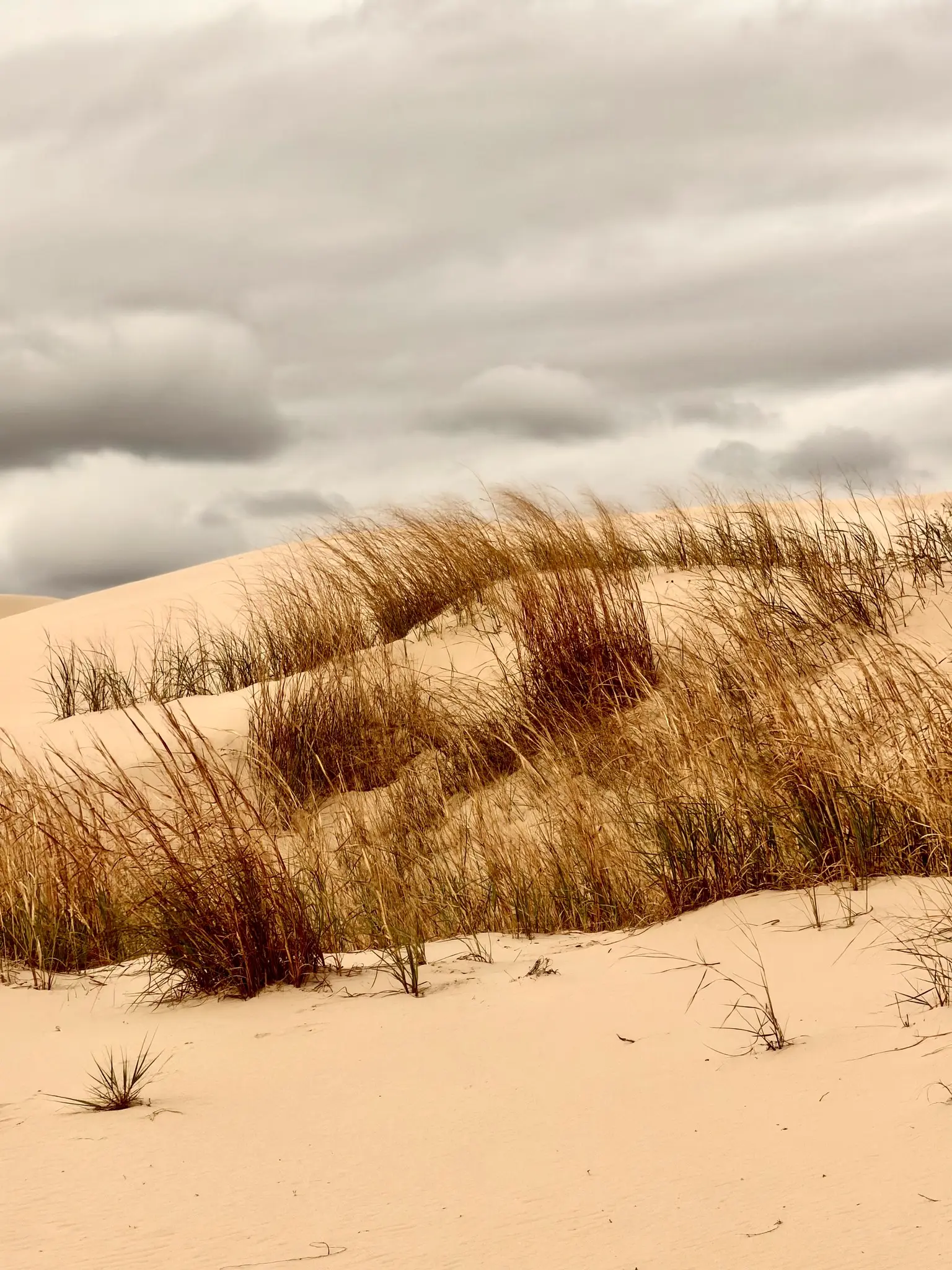
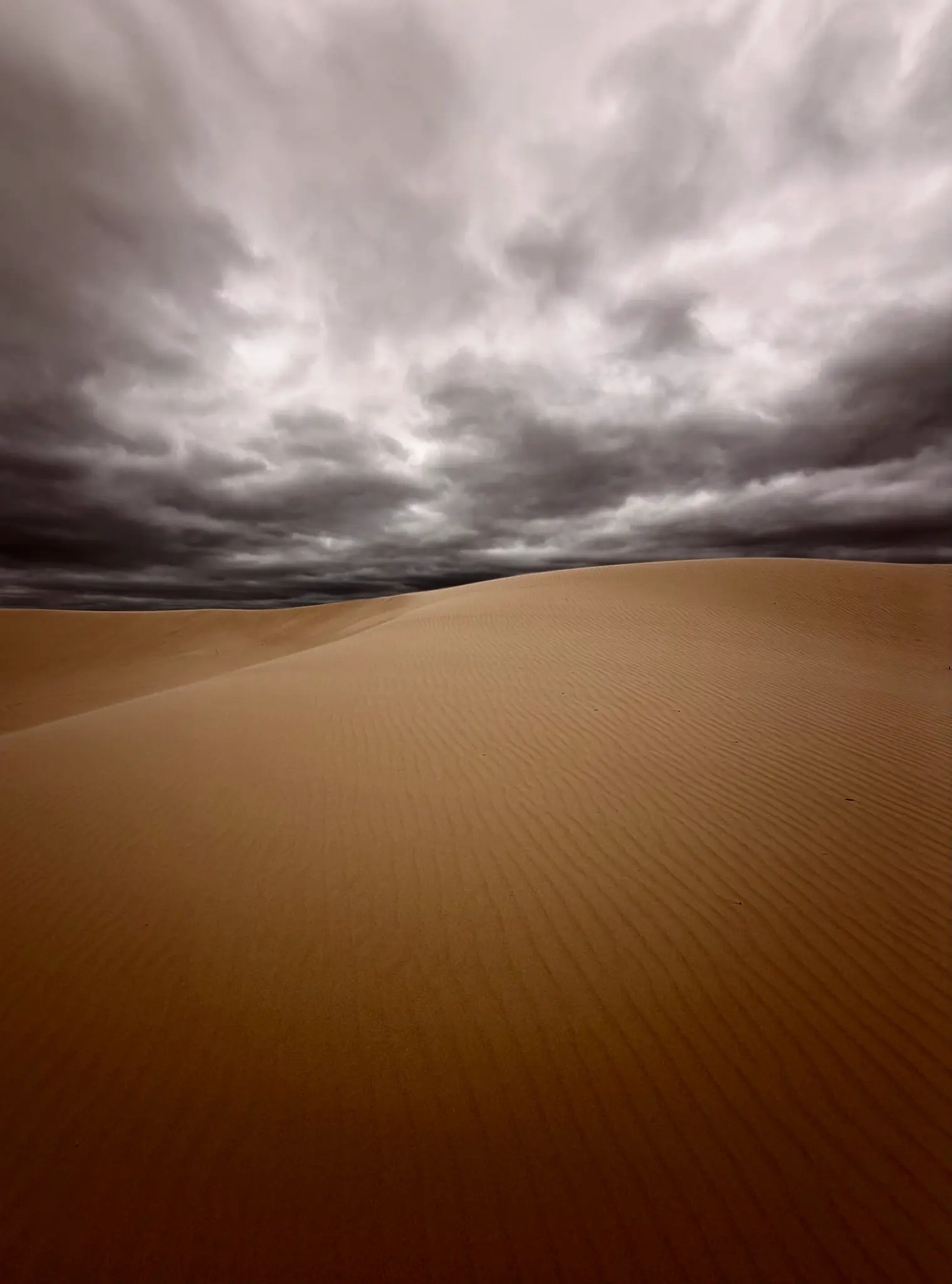
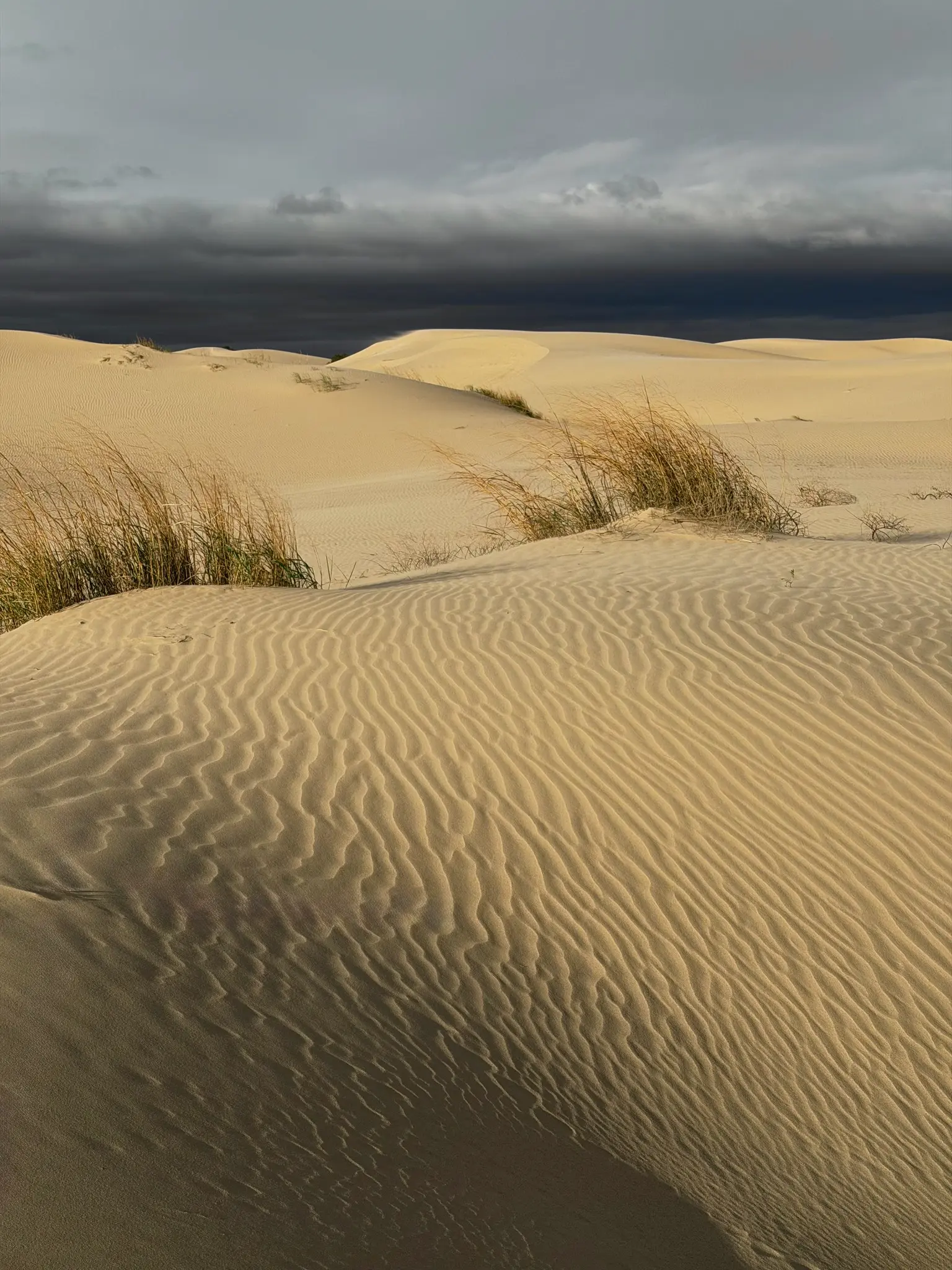
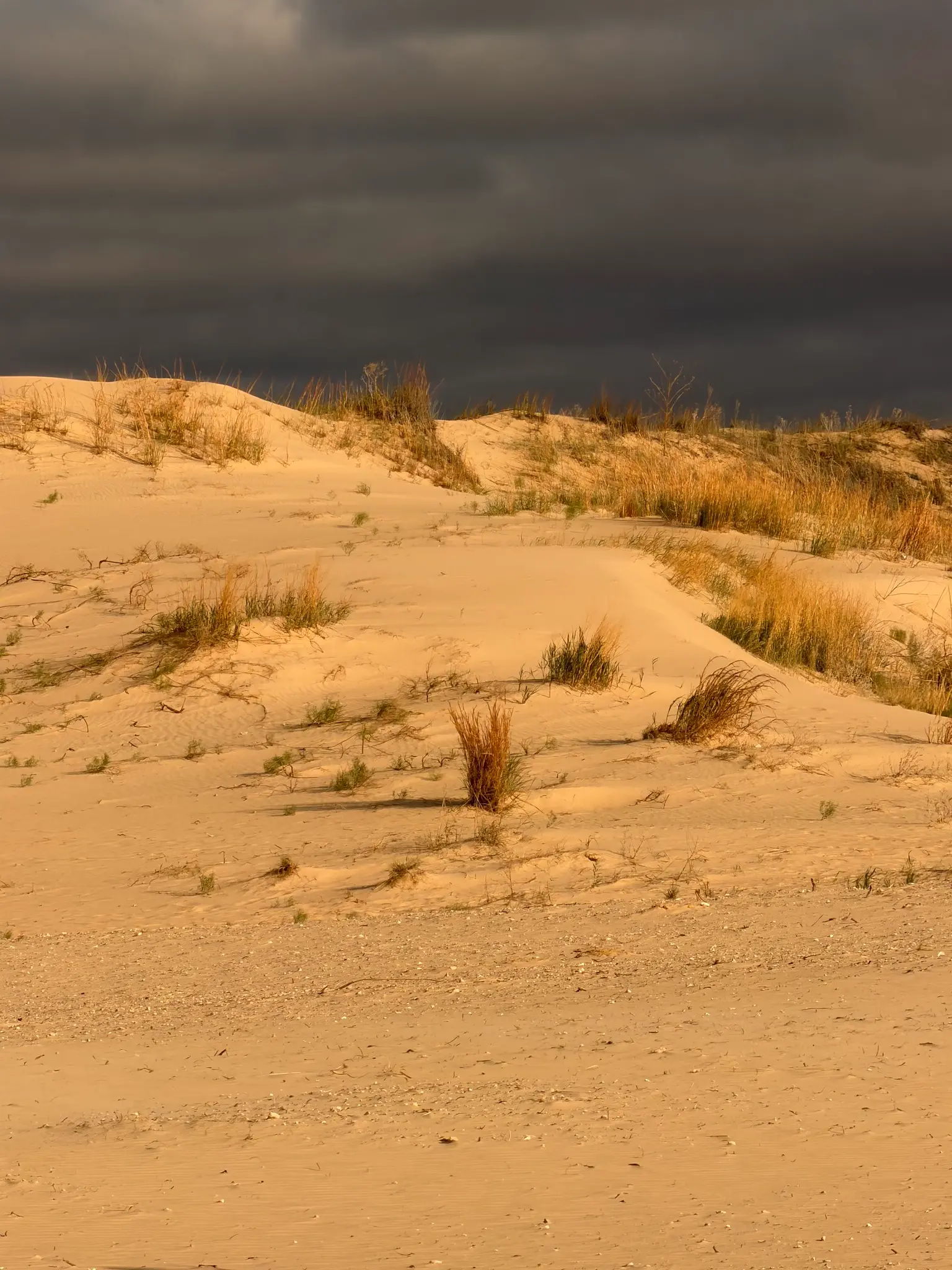
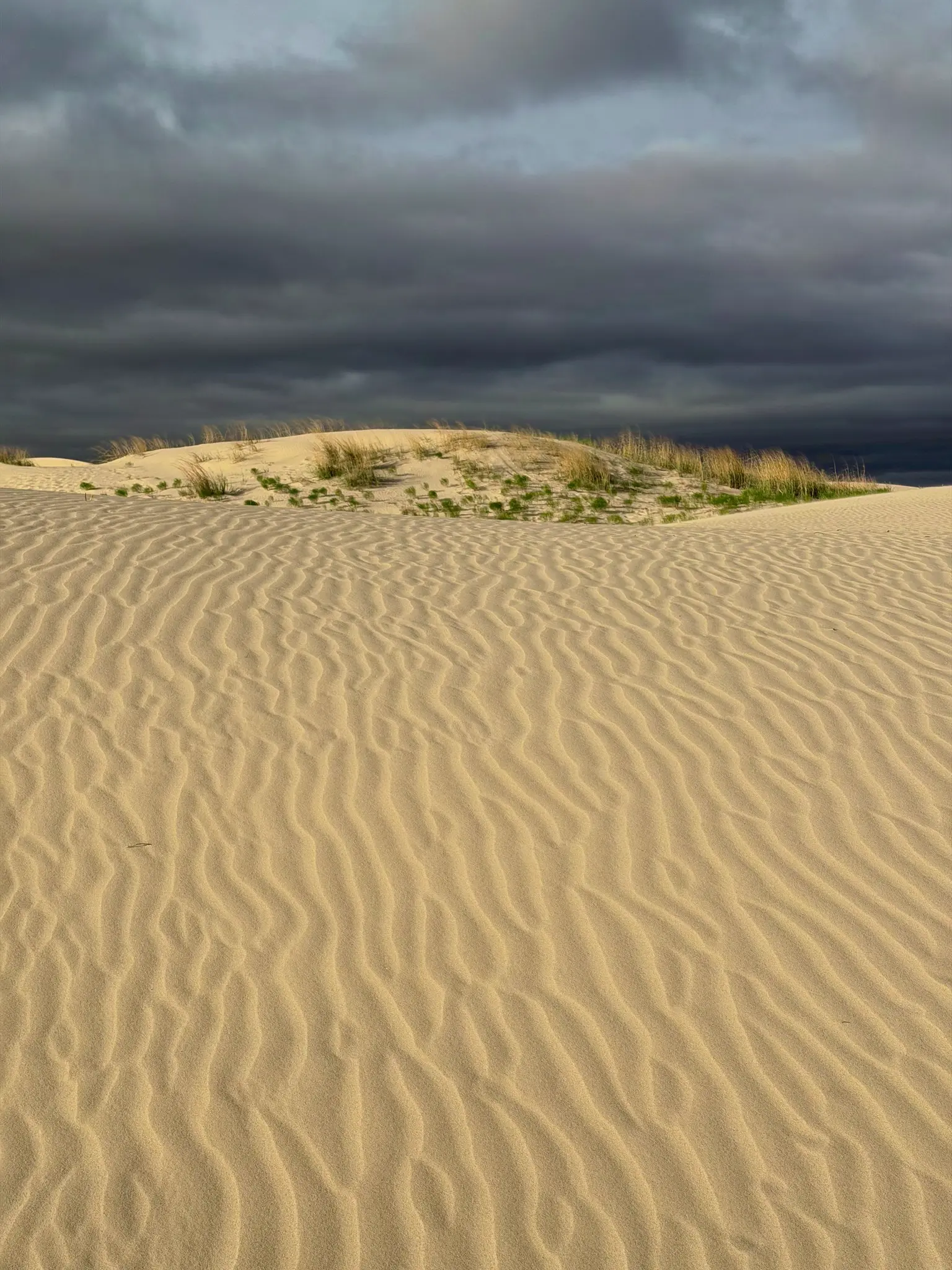
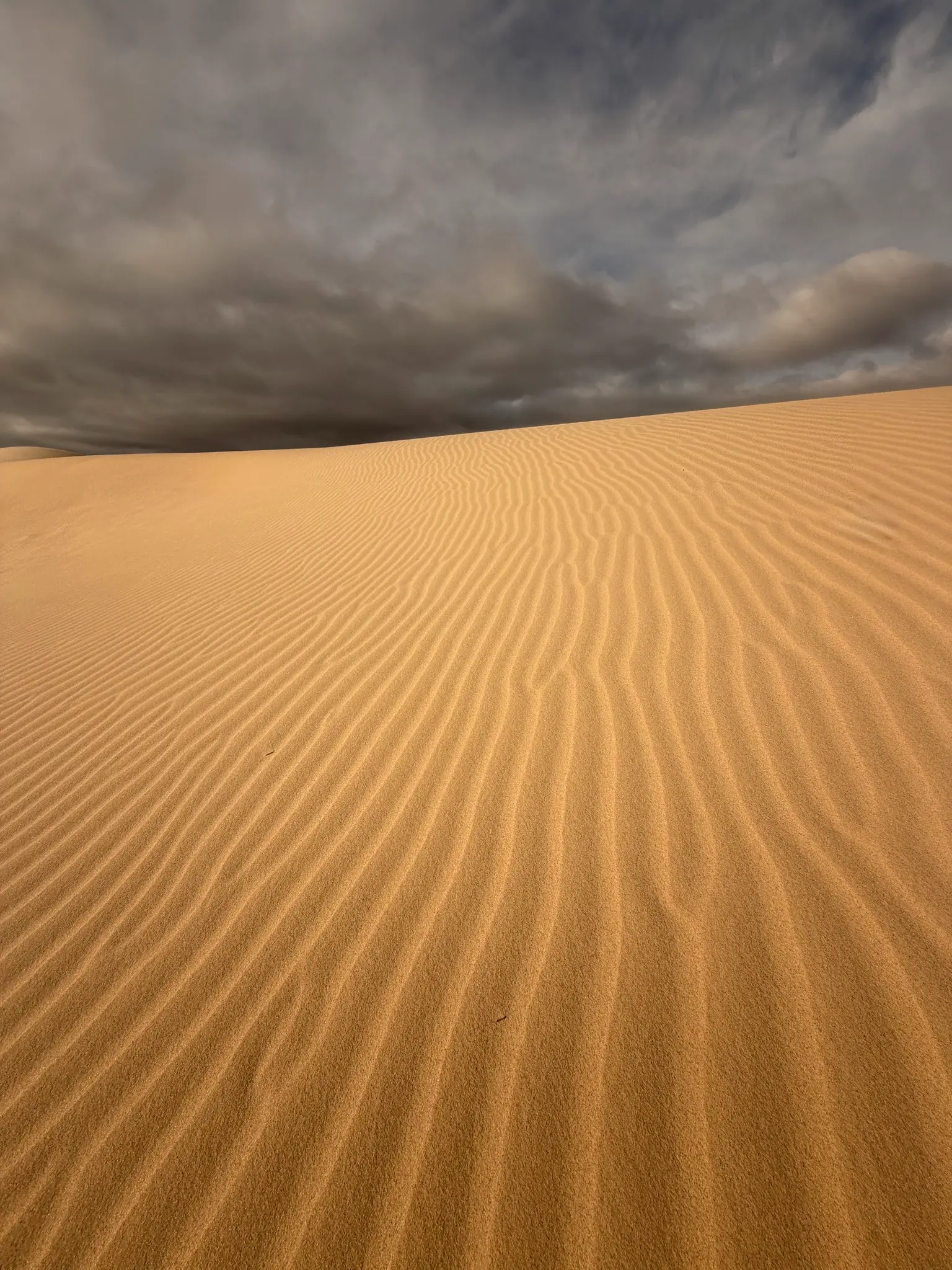
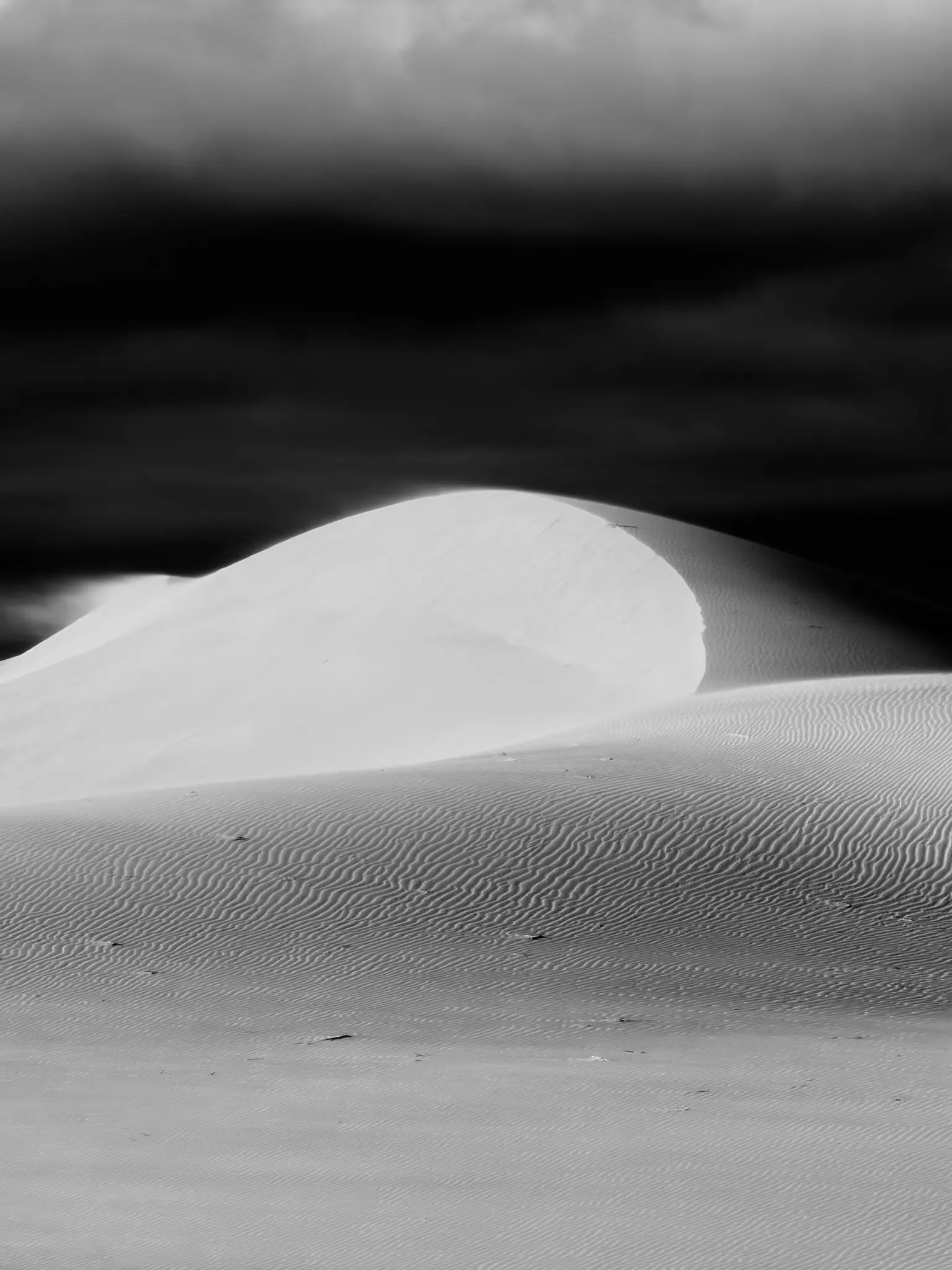
Sand dunes, in and of themselves, are not all that visually interesting to look at. At least not to me. A pile of sand is still a pile of sand, no matter how many tourism brochures try to convince you otherwise. Beige on beige. Curves. Ripples. Texture. Fine. But without interesting light, atmosphere, weather, or mood, dunes can quickly become visually repetitive and emotionally flat. What makes them compelling is not necessarily the dunes themselves, but what happens when extraordinary light collides with an otherwise ordinary subject.
That’s when photography happens.
Bam. Click.
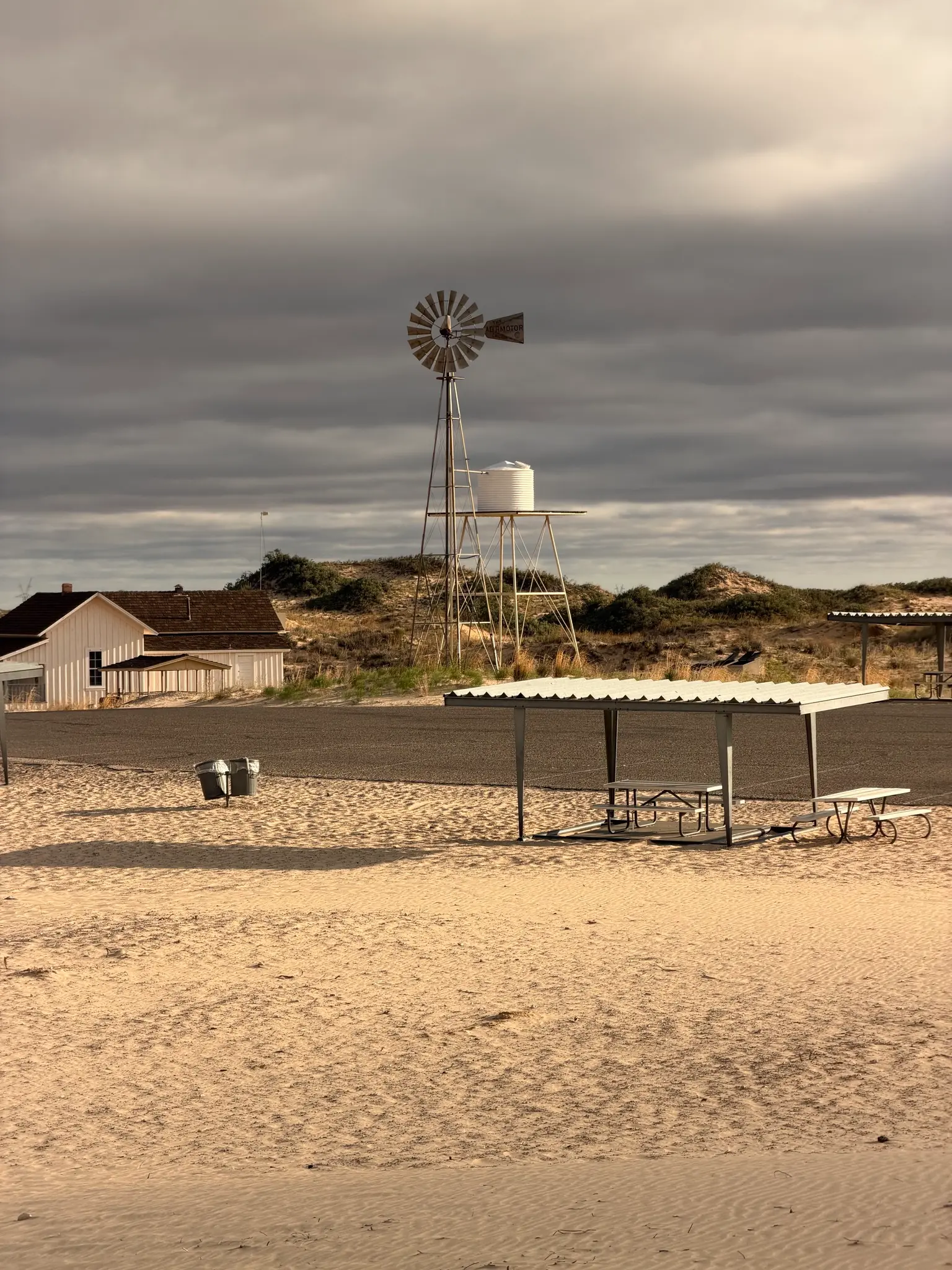
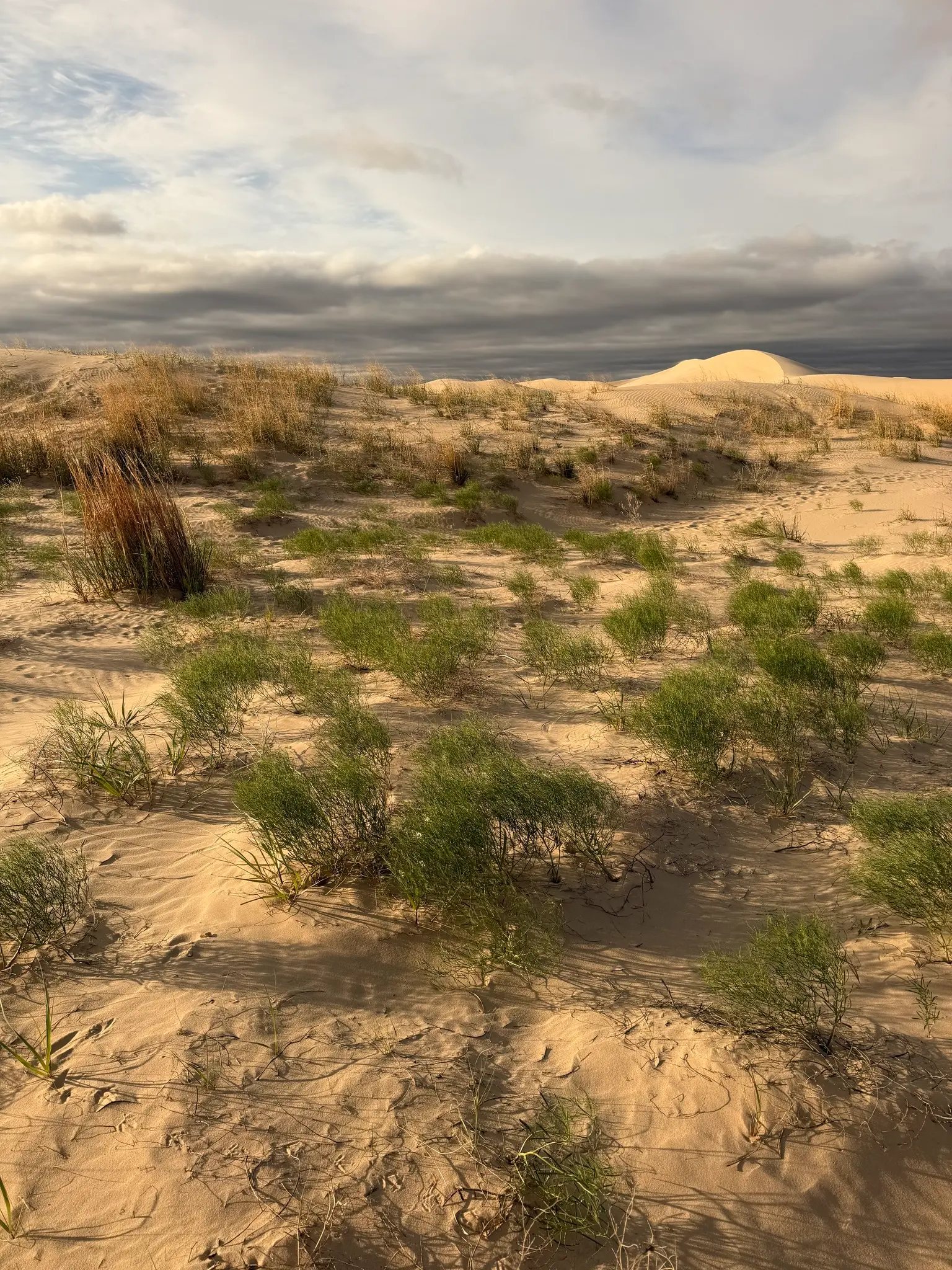
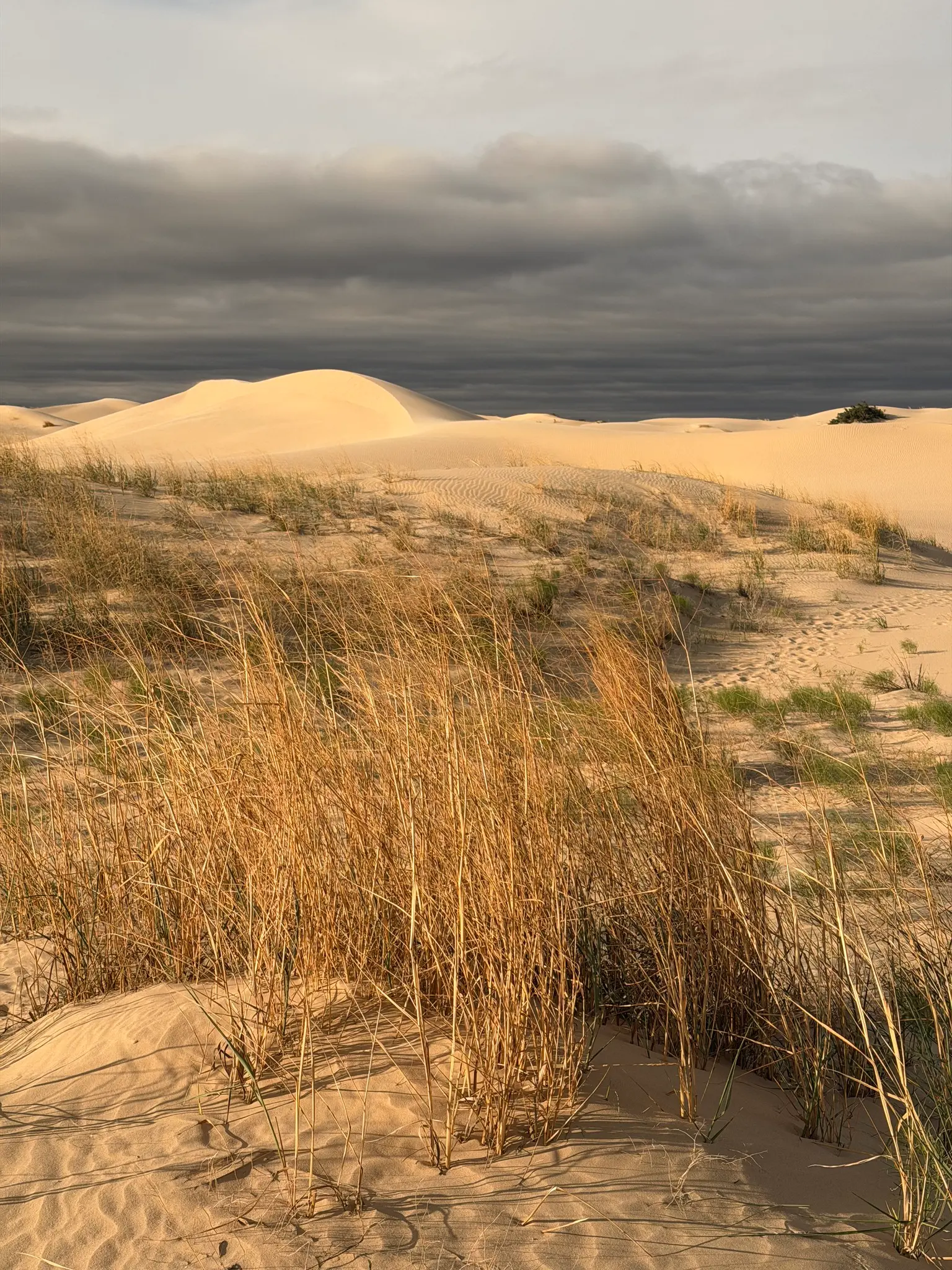
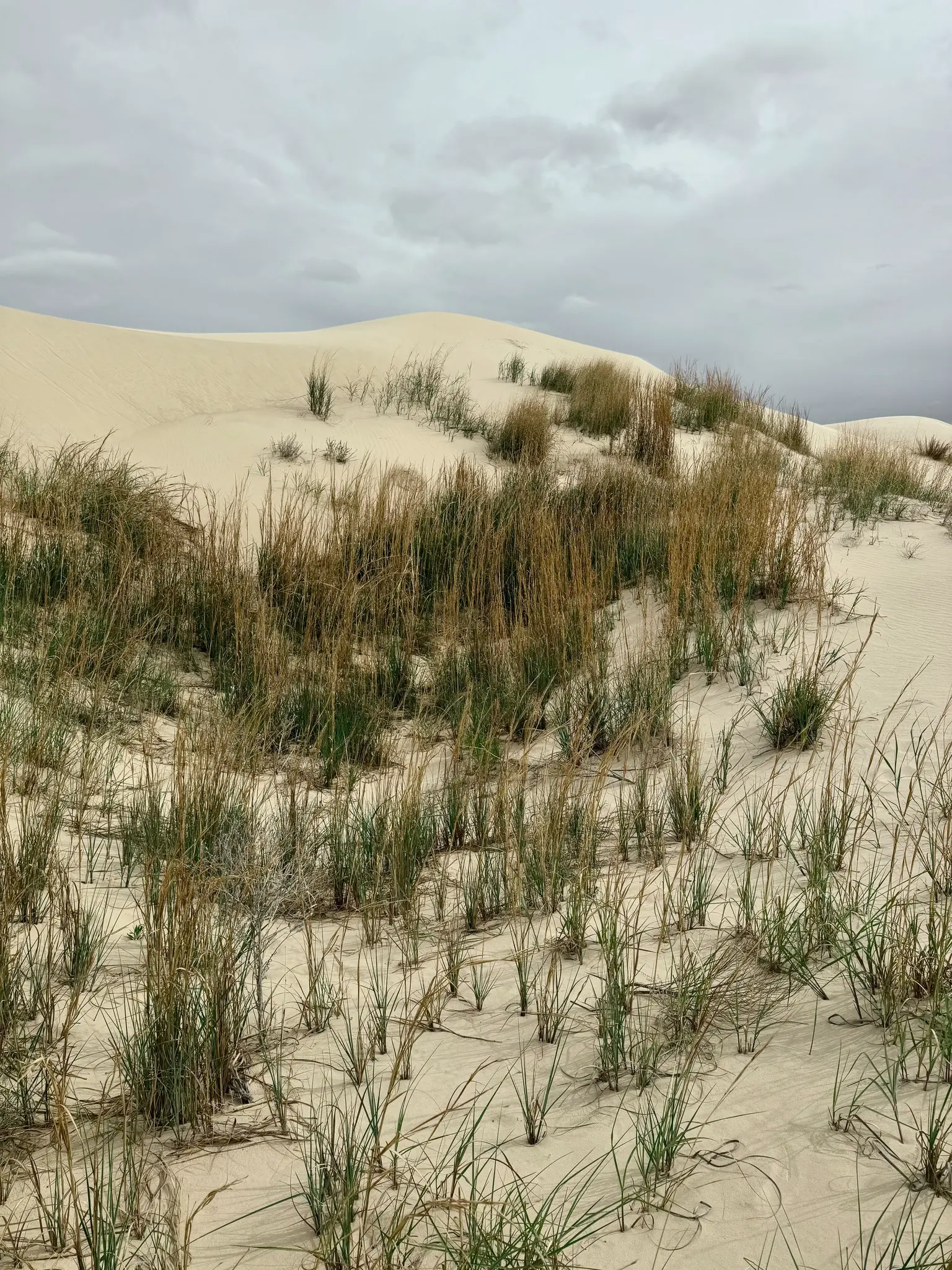
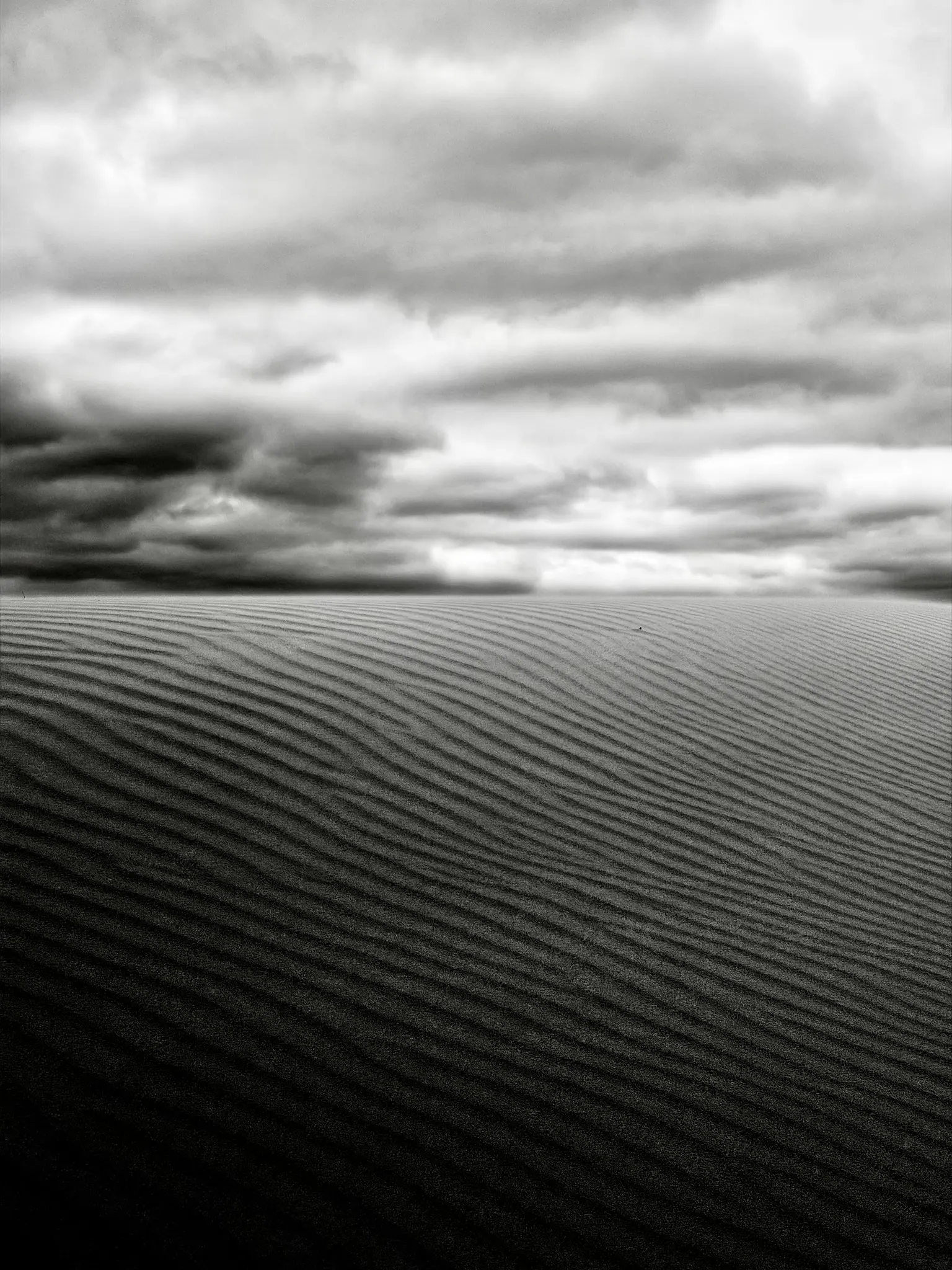
On my last quick visit to Monahans Sandhills State Park, the optimum light wasn’t very optimum. I waited and waited and waited some more, hoping the late afternoon sky would finally crack open with enough drama to transform the dunes into something cinematic and emotionally alive. Instead, all I got were brief slivers of sunlight slipping through layers of stubborn gray cloud cover. Tiny windows. Fleeting moments. Just enough light to tease possibility before disappearing again.
Still, I clicked.
That’s photography sometimes. You wait hours for twenty worthwhile seconds.
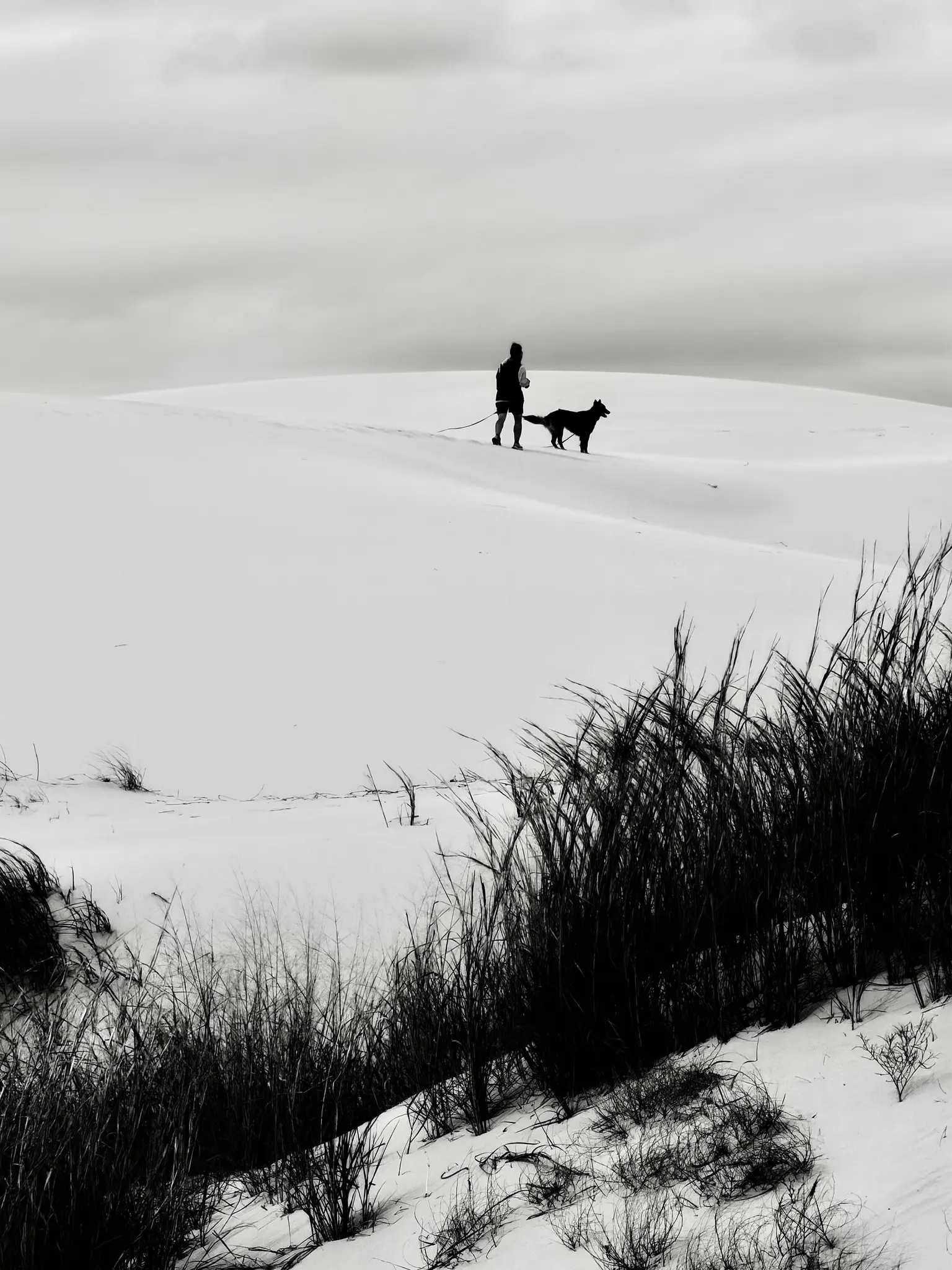
So there I sat, perched halfway up a dune, staring across the shifting sand with nothing to do except think. No distractions. No noise. No schedule. Just wind, silence, and time. The kind of silence that allows your mind to drift backward into old memories you didn’t necessarily plan on revisiting.
And drift it did.
I was born and practically raised on Cape Cod. The sea, surf, dunes, salt air, weathered fences, beach grass, and Atlantic wind are deeply embedded in me. They’re not simply places I once lived around. They became part of my emotional wiring. Even now, after decades of travel, thousands upon thousands of photographs, and countless road trips across America and beyond, Cape Cod still occupies some permanent internal geography inside me.
It’s funny how that works. Physically, I was sitting in West Texas. Emotionally, psychologically, spiritually, I was somewhere else entirely. The dunes in front of me became less about Texas and more about memory itself. About childhood summers. About station wagons packed with towels and coolers. About sandy feet burning across hot parking lots toward the beach. About the smell of low tide mixed with sunscreen and humidity. About a younger version of myself who had absolutely no idea where life would eventually carry him.
Our childhood experiences stay with us far longer than we realize. They attach themselves to our bones. They become emotional reference points we unconsciously return to again and again throughout adulthood.
I think photographers understand this better than most people, even if they struggle to articulate it.
We don’t merely photograph what’s in front of us. We photograph what’s inside of us. Every frame carries emotional residue. Personal history. Associations. Longings. Echoes. Memory fingerprints. When I photograph sand dunes in West Texas, I’m not just photographing dunes. Somewhere buried within those images is a little boy from Cape Cod who spent endless summers staring at waves and windblown sand while unknowingly developing his earliest understanding of beauty, mood, solitude, and atmosphere.
Photography, at its deepest level, often becomes memory work disguised as observation.
That realization sat heavily with me while I waited for dramatic light that never fully arrived.
The older I get, the more convinced I become that geography shapes us in profound ways. Certain landscapes become part of our emotional DNA. Ocean people remain ocean people. Desert people remain desert people. Mountain people remain mountain people. And no matter how far we travel, those early environments continue whispering to us throughout our lives.
Sometimes loudly. Sometimes quietly. But they whisper all the same.
I suspect that’s one of the reasons road-tripping affects me so deeply. The road does more than transport me physically from one location to another. It transports me psychologically between different versions of myself. One moment I’m a sixty-something-year-old photographer sitting alone on a West Texas dune with an iPhone in my hand. The next moment I’m fourteen years old again, riding through Cape Cod with my family, staring absentmindedly out the car window while music crackled through a cheap transistor radio.
Memory rarely moves in straight lines.
Neither does photography.
That’s partly why I’ve never fully connected with photographers who reduce the craft down to equipment comparisons, megapixel debates, sharpness charts, or endless discussions about dynamic range. Those things matter a little, I suppose, but they miss the larger mystery entirely. Photography is not merely technical documentation. It is emotional archaeology. We photograph to preserve, revisit, process, rediscover, and sometimes even repair parts of ourselves.
Most photographers don’t realize how autobiographical their work truly is.
Sitting there on those dunes, I found myself thinking less about photography and more about time itself. About how quickly life moves now. About how childhood simultaneously feels impossibly distant and strangely close at the exact same moment. The dunes intensified that feeling because dunes themselves are constantly shifting. Wind reshapes them endlessly. Nothing remains fixed. Their surfaces evolve hour by hour, day by day, year by year.
People aren’t much different.
The version of me walking those dunes today barely resembles the version who once sprinted barefoot across Cape Cod beaches forty-five years ago. Different body. Different beliefs. Different fears. Different ambitions. Different understanding of the world. And yet, underneath all those accumulated layers of change, there remains some unbroken thread connecting who I was to who I became.
Photography helps me locate that thread.
At this stage of my life, I’m less interested in pretending to be cool and more interested in being honest. One of the unexpected gifts of aging is that you slowly stop apologizing for sincerity. You stop hiding behind irony. You become more comfortable admitting that certain places, sounds, smells, and landscapes still have the power to emotionally undo you a little.
Those dunes did that to me.
Not because the photographs themselves were spectacular. Most weren’t. In fact, many were subtle, quiet, minimal studies of texture and shifting light. But the experience mattered. The waiting mattered. The silence mattered. The remembering mattered.
That afternoon at Monahans wasn’t really about capturing sand dunes at all. It became something else entirely. A meditation on memory. A conversation with childhood. A reminder that photography is sometimes less about seeing new things and more about rediscovering old parts of yourself hiding beneath the surface.
And maybe that’s why I continue road-tripping the way I do.
Not because every destination is extraordinary. Most aren’t. Not because every photograph becomes portfolio-worthy. Most don’t. But because the road continues creating unexpected collisions between landscape and memory, between present and past, between observation and reflection.
Click.
Sometimes that’s more than enough.
Jack.