Monahans: I Like What I Like
On fathers, judgment, photography, and finally learning to trust my own eye
My father and I were not the best of friends.
That prize went to my younger brother Kenny.
Yes, of course, we loved each other, as fathers and sons often do. There was never any question about that. Love existed. Loyalty existed. Respect existed, at least in the traditional sense of the word. But friendship? Real emotional intimacy? Shared worldview? Mutual understanding? Those things were much harder to come by.
We were very different human beings.
As long as we kept our conversations orbiting around safe subjects—sports, seafood, Cape Cod summers, the Red Sox, old neighborhood stories—we did pretty good together. We could laugh. We could connect. We could coexist comfortably for short periods of time. But the moment the conversation drifted into deeper waters—identity, personality, creativity, culture, emotion, individuality—the wheels often started wobbling.a bit.
Part of that distance was circumstantial. I left home when I was eighteen years old and never really came back in any permanent way. I visited during summers, holidays, funerals, weddings, and the occasional family obligation, but I wasn’t around enough for the relationship to evolve naturally into adult friendship the way it often did with my brother and sister. They stayed geographically and emotionally closer. I drifted. Or maybe wandered is the better word.
My father was very much a post–World War II kind of man. Strong. Rugged. Athletic. Disciplined. A Navy veteran. A teacher. A provider. A coach. He carried himself with a kind of old-school masculine certainty that people admired. In the town of Reading, Massachusetts, many people viewed him as some blend of Vince Lombardi, JFK, and John Wayne. He had presence. Authority. Charisma. He looked like the kind of man who naturally took charge of a room without even trying.
And both he and my mother, good or bad, had fairly specific ideas about who they thought I should become.
That became increasingly complicated during my adolescent years, especially as I began pushing back against expectations and trying to figure out who I actually was. One of the biggest recurring tensions between us involved my smaller circle of friends. Neither of my parents could fully understand why I gravitated toward certain people. My friendships often confused them. Some of my friends were hippies.. Some eccentric. Some rebellious. Some emotional. Some outsiders. Some unconventional. Some simply different from the polished, athletic, socially acceptable mold my parents naturally understood and trusted.
My father would often say, sometimes jokingly but often judgmentally, “Why do you like this person?” Or, “What do you even see in that guy?”
At the time, I didn’t yet possess the emotional vocabulary to articulate what I was actually feeling. I couldn’t explain intuition. I couldn’t explain chemistry. I couldn’t explain why certain people simply felt more alive, more interesting, more authentic, more emotionally safe to me than others.
So instead, I would just shrug and say, “I like them.”
That was the best I could do.
And honestly, even now at seventy-two years old, it still may be the truest answer.
Last week, while roadtripping through West Texas, I found myself unexpectedly revisiting those conversational memories.
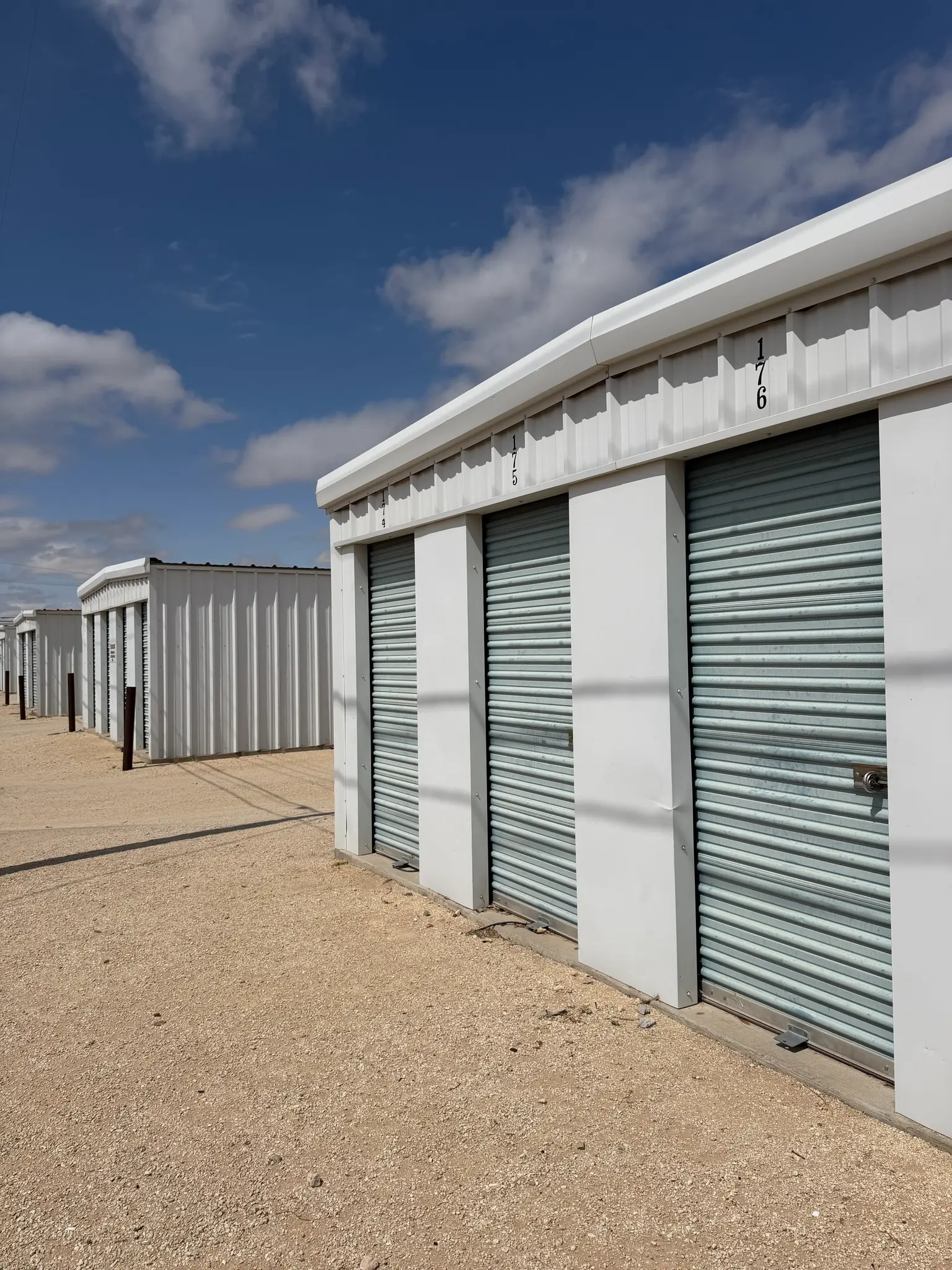
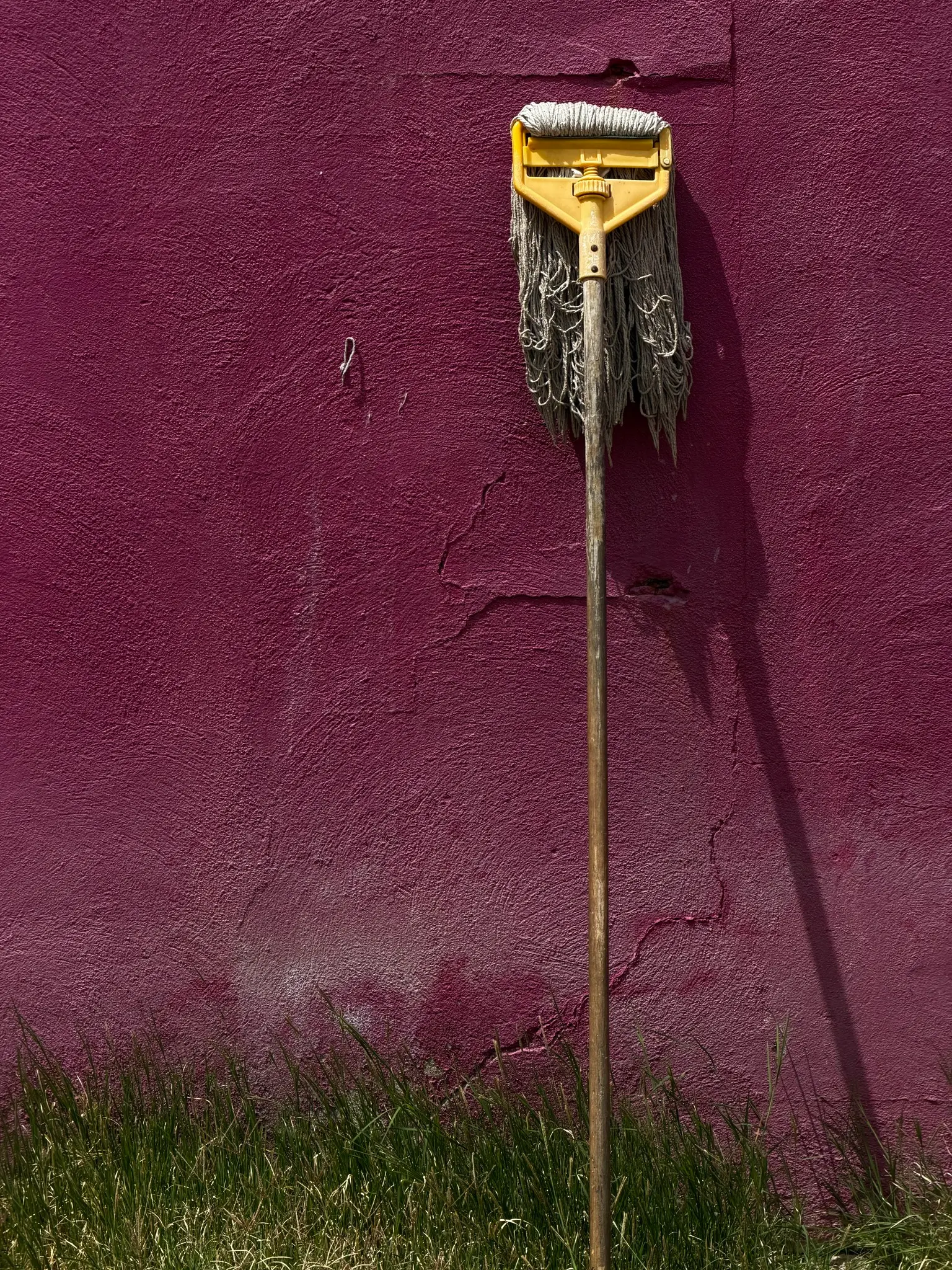
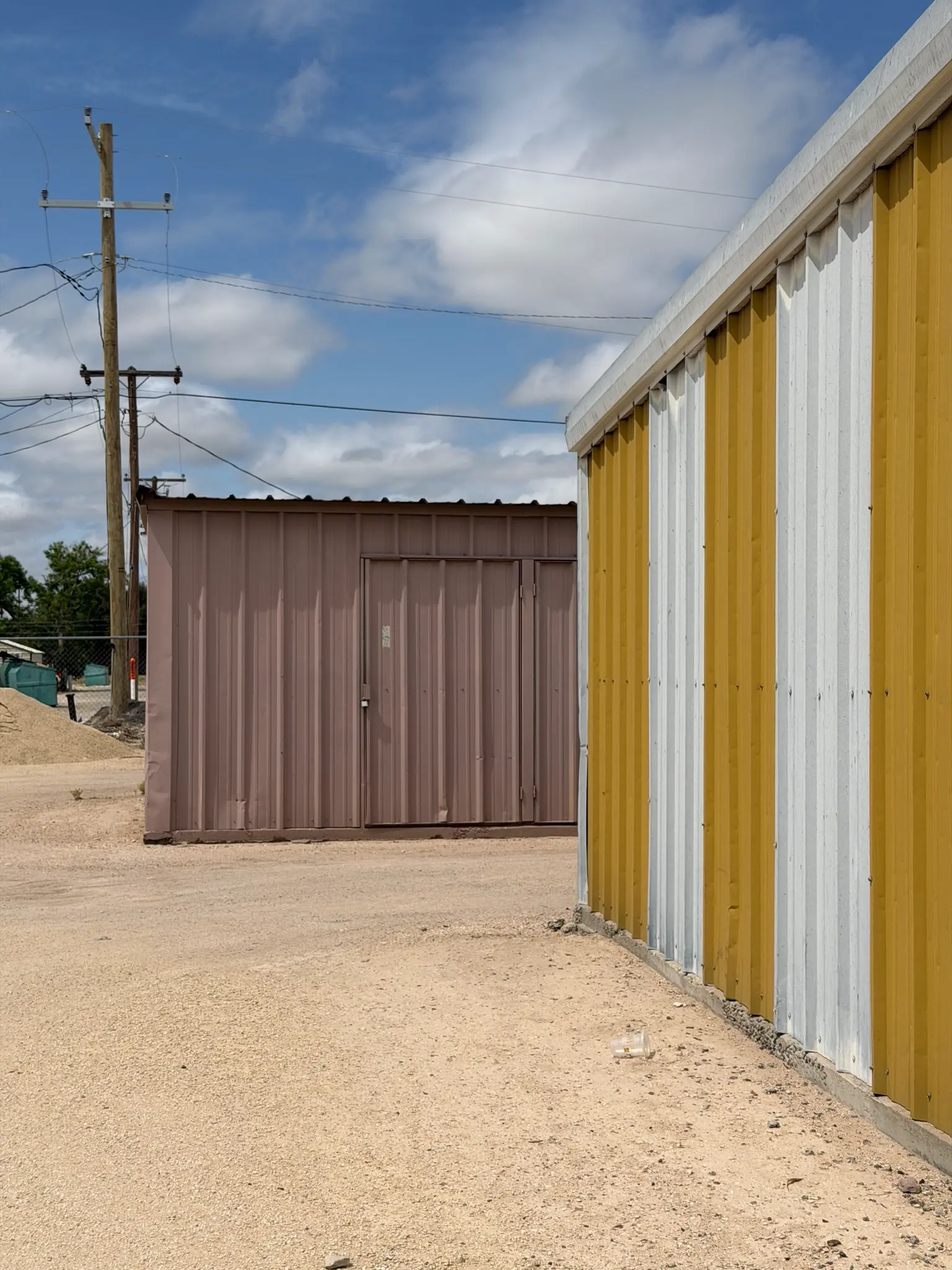
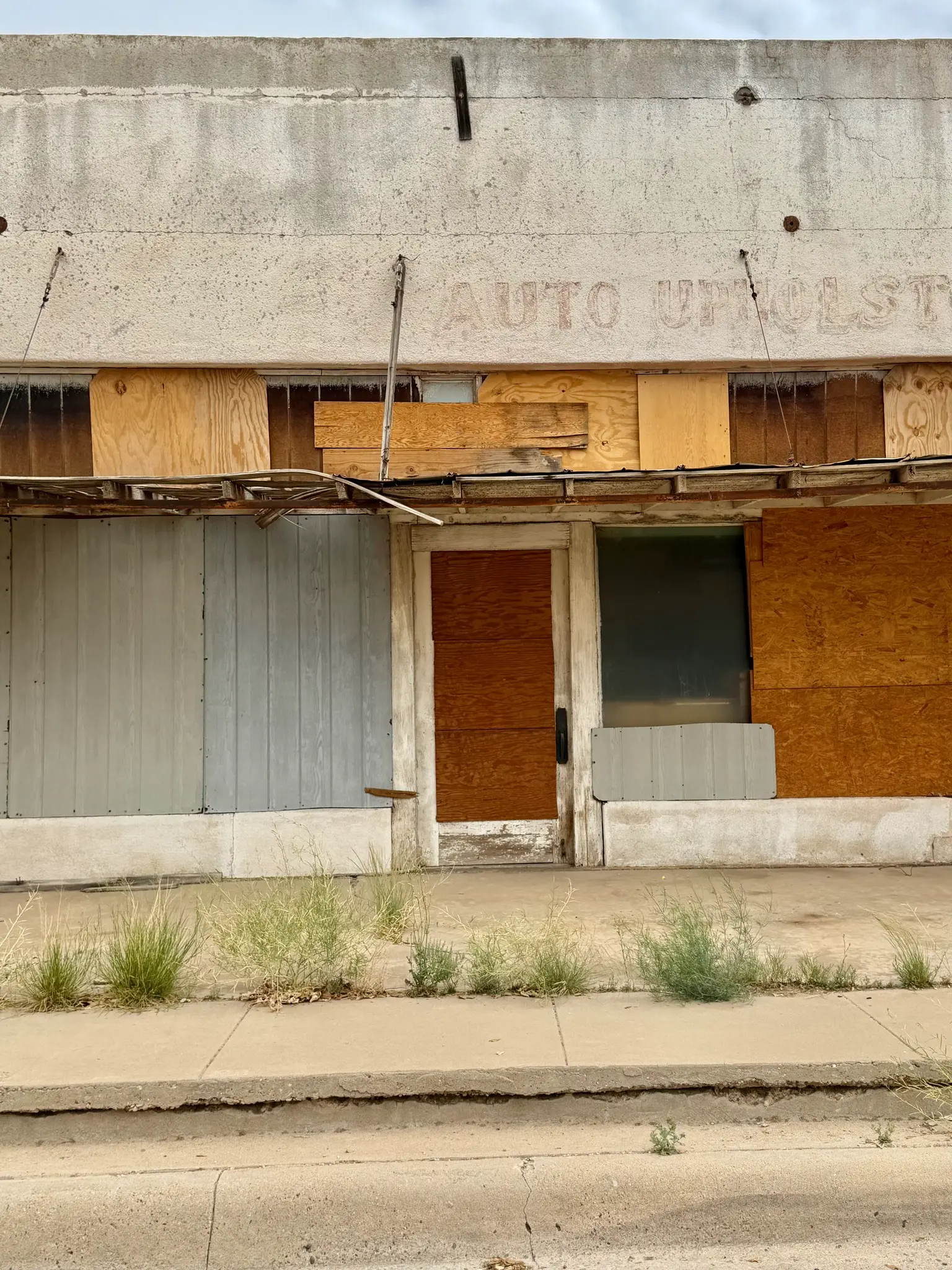
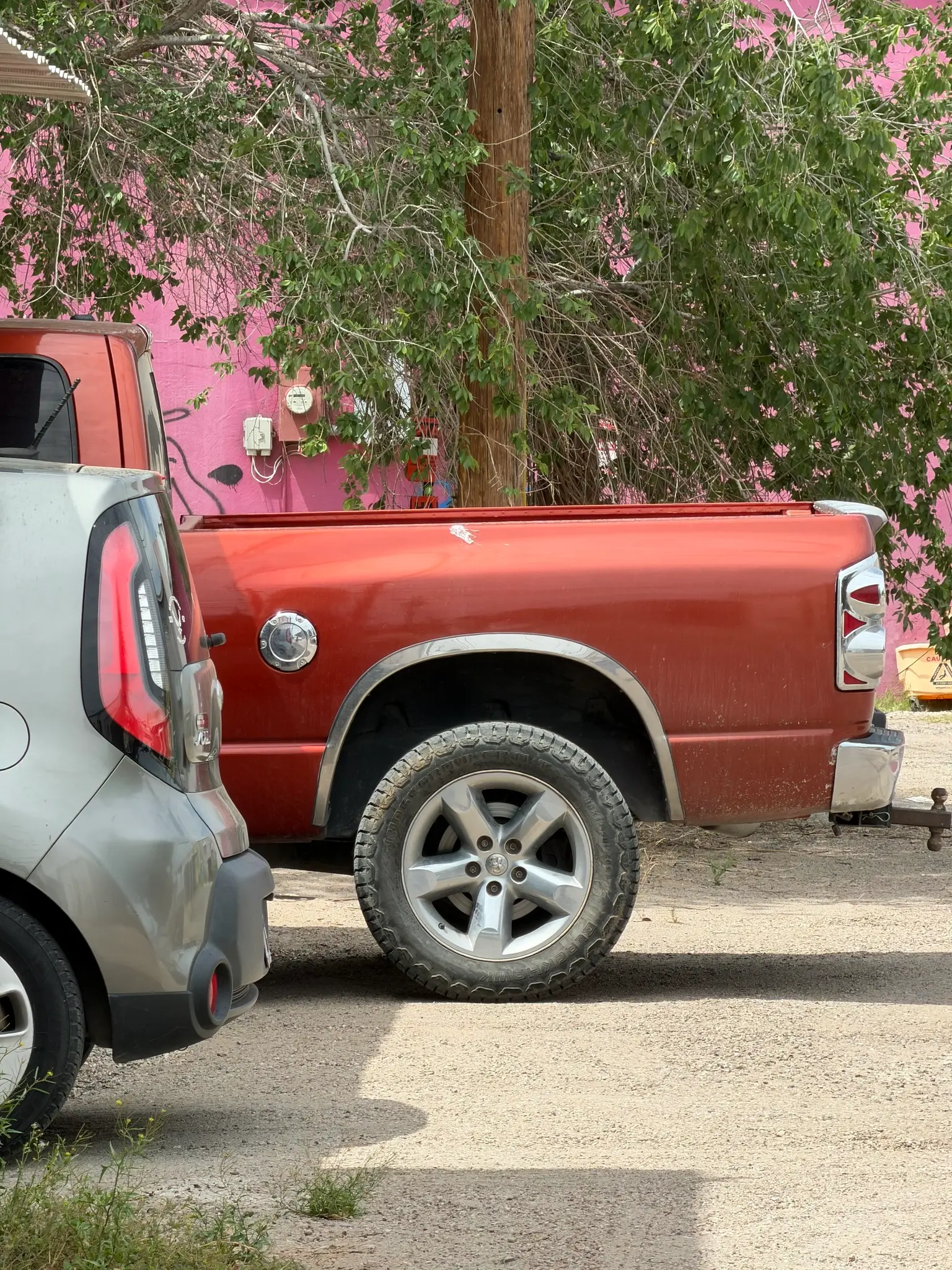
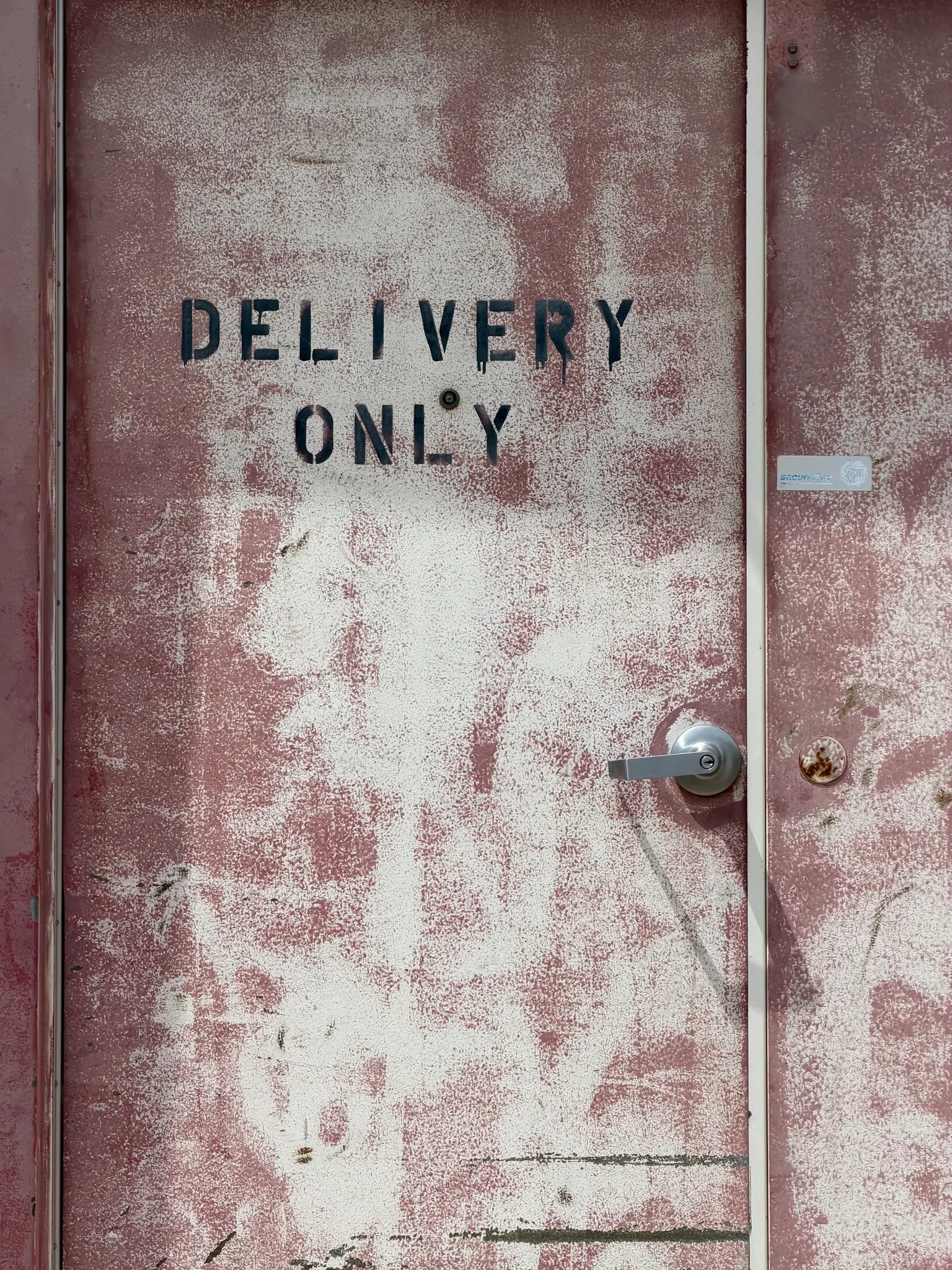
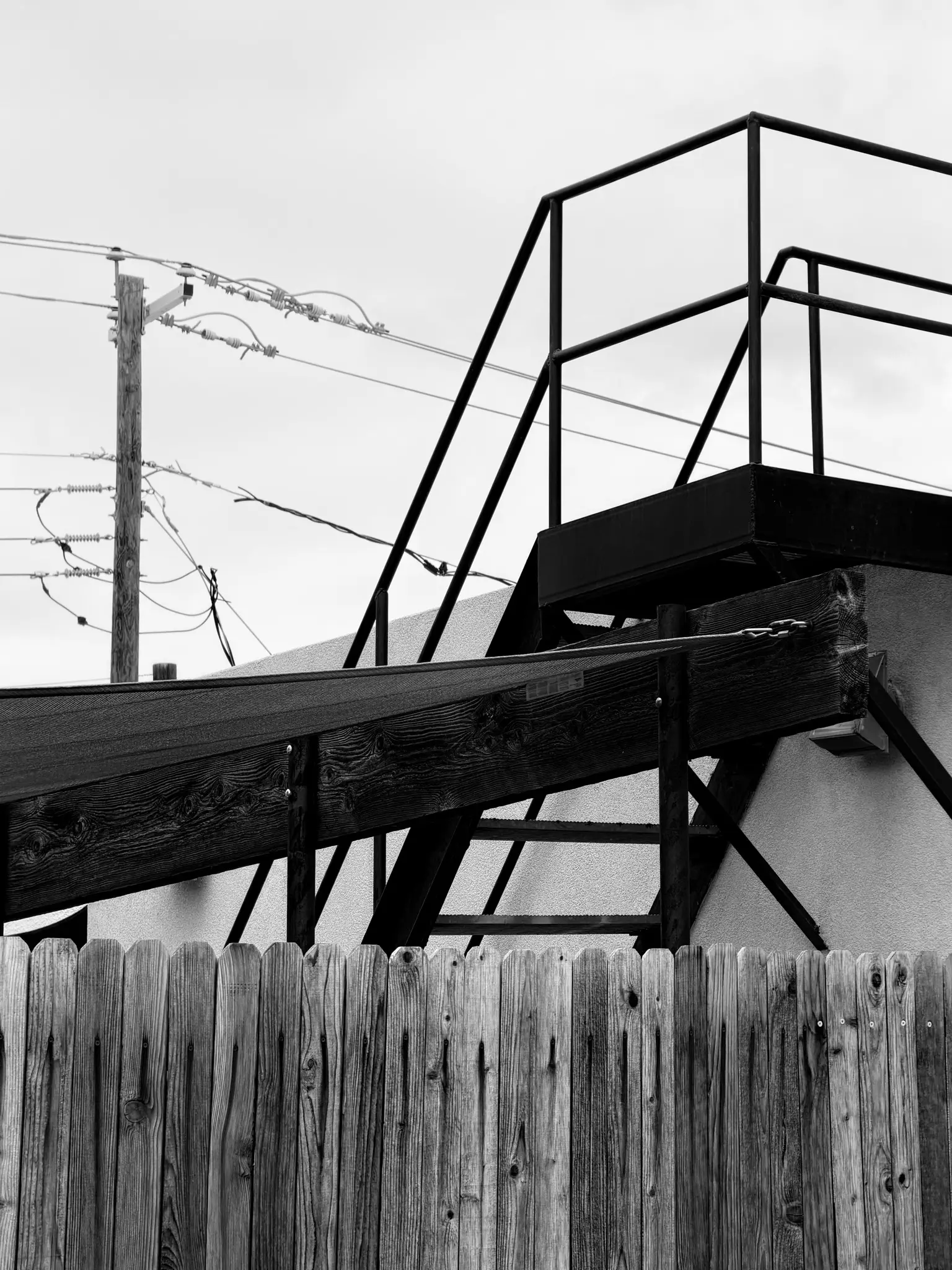
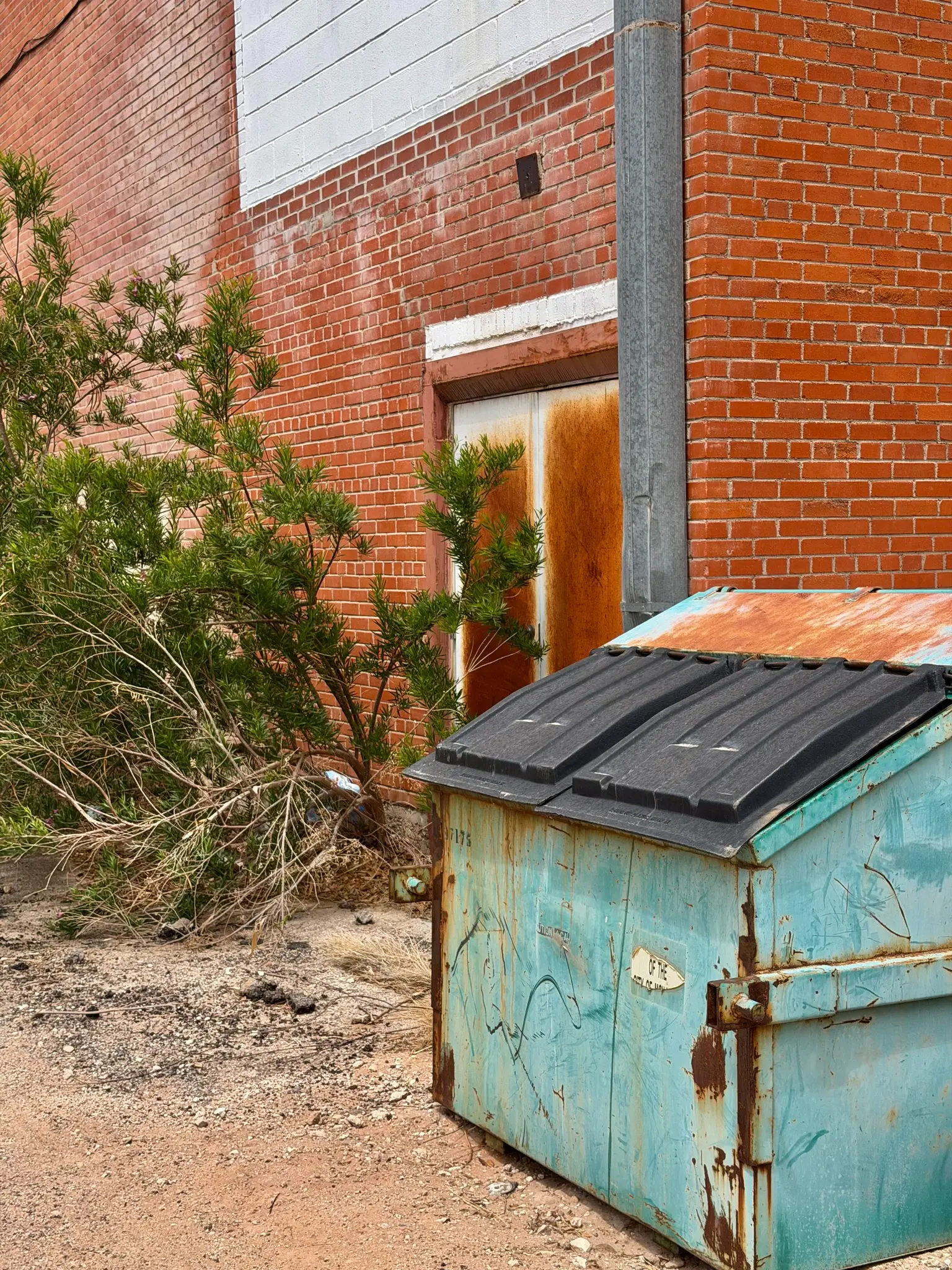
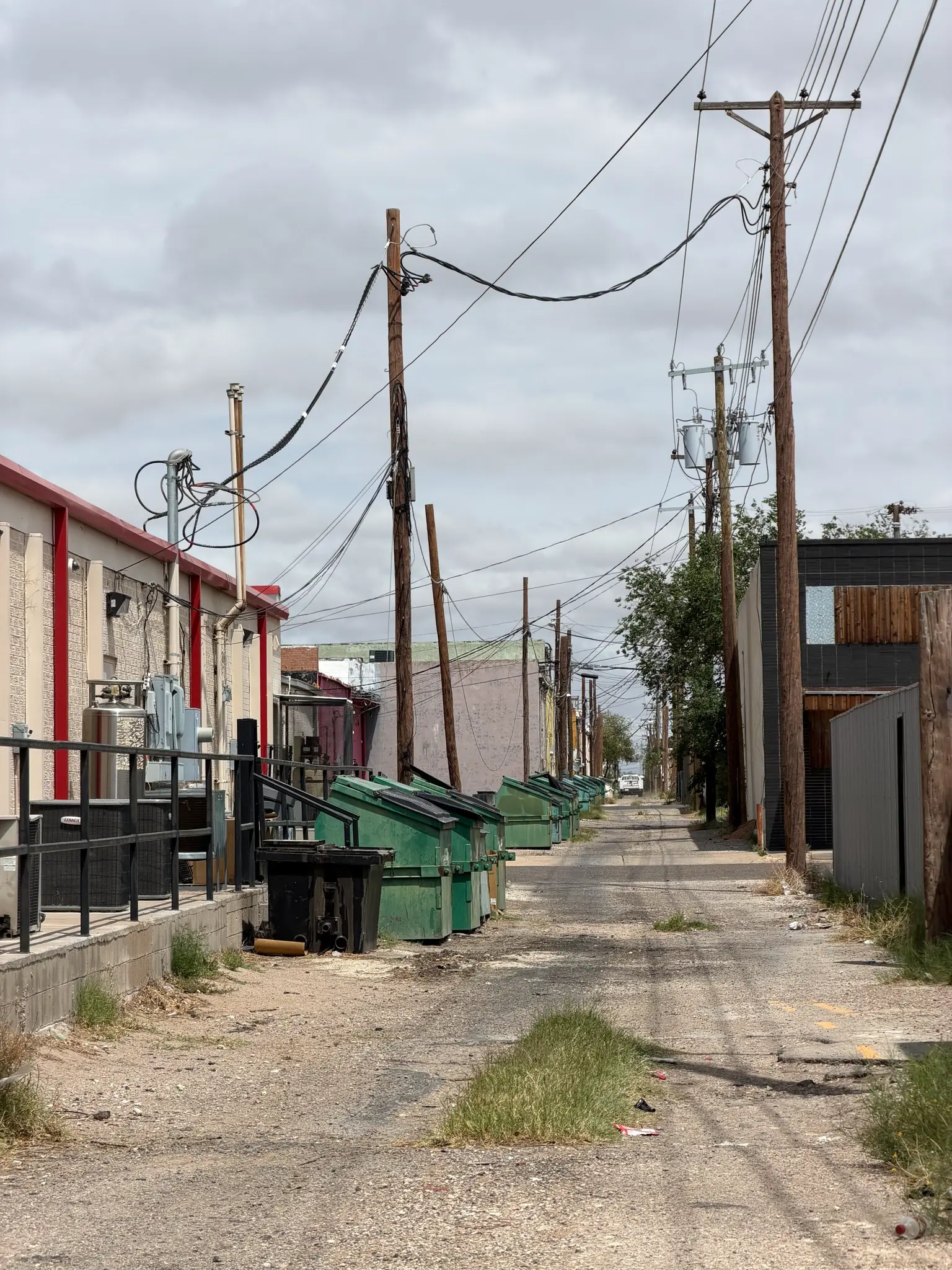
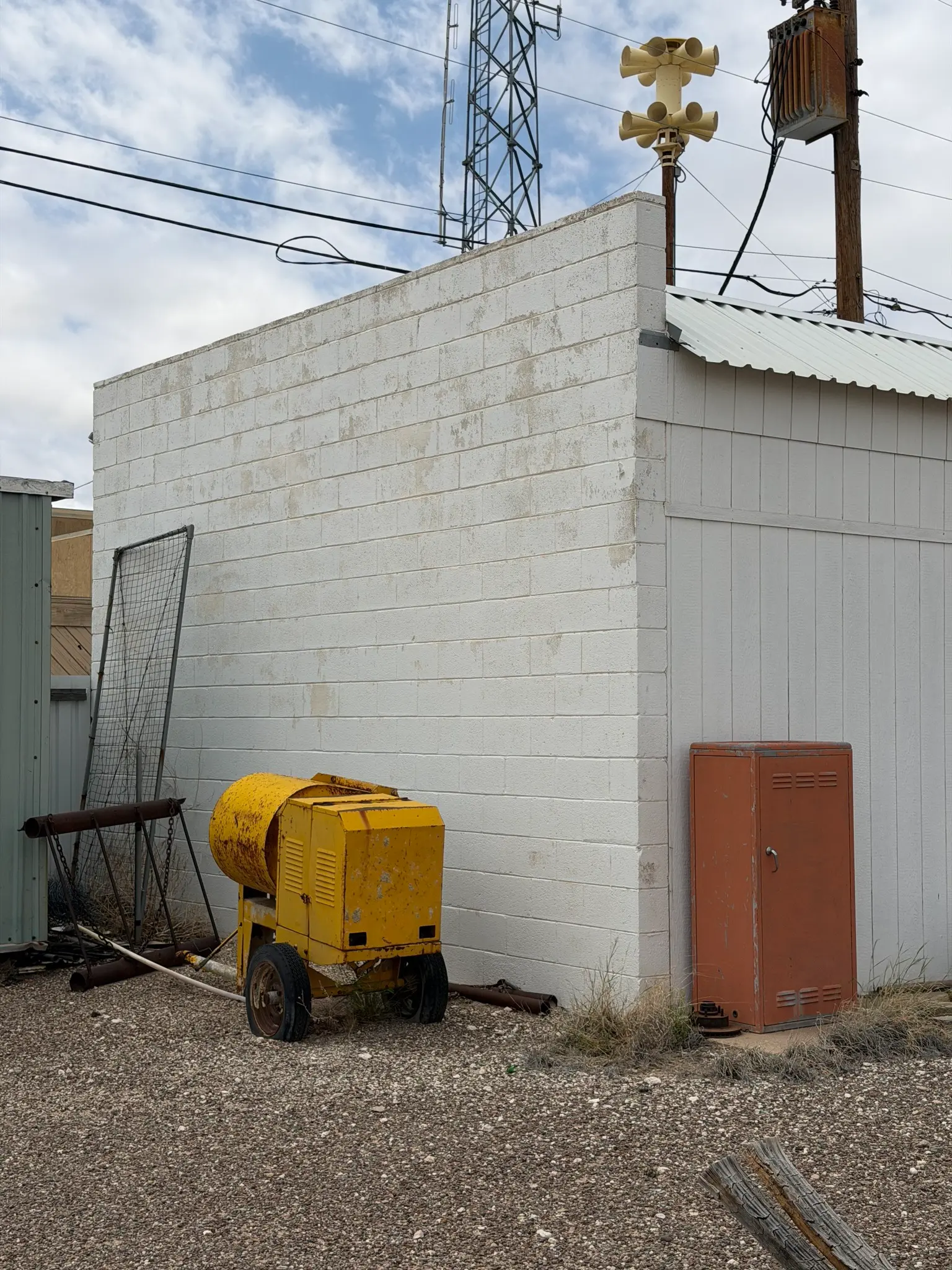
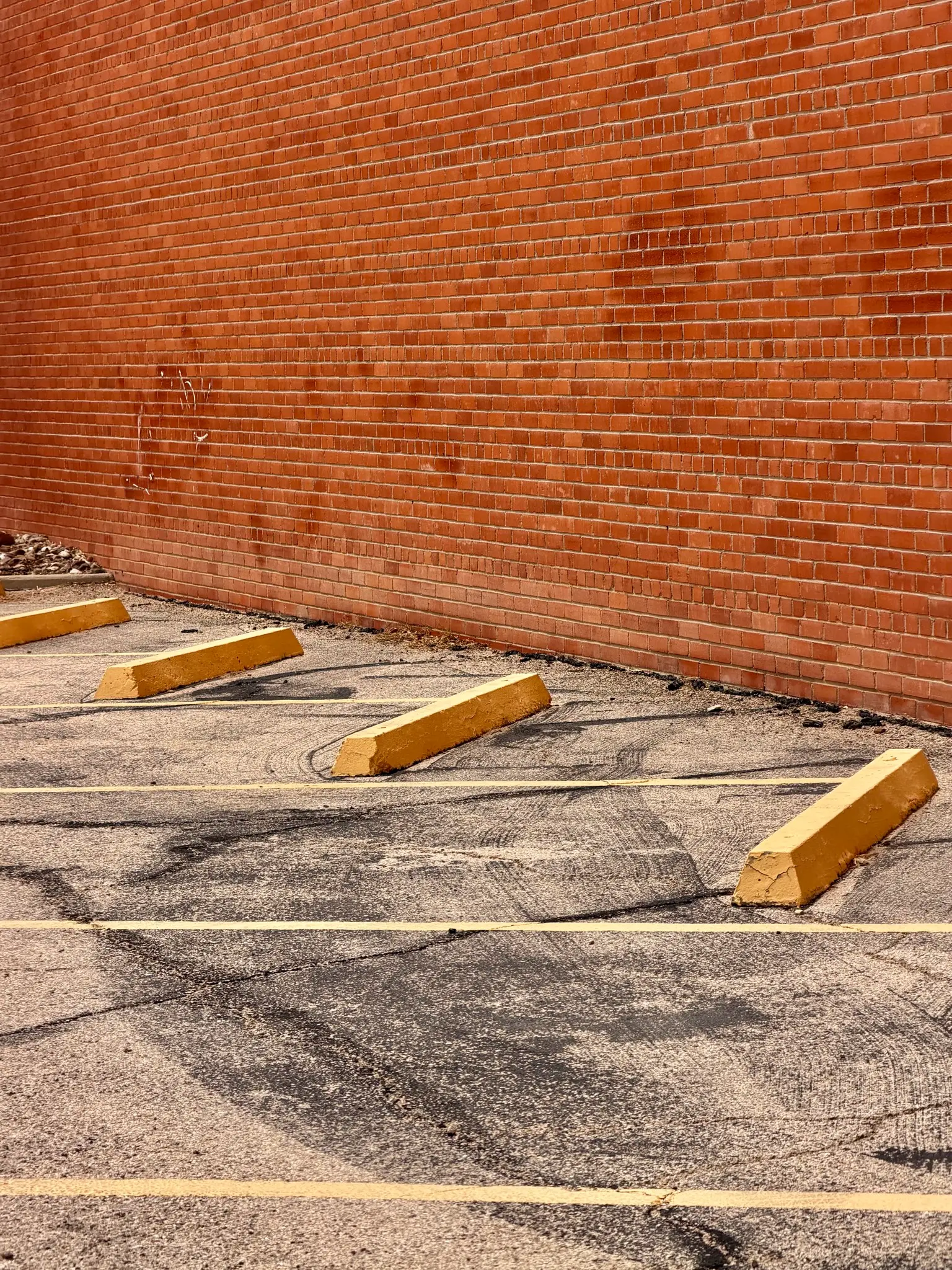
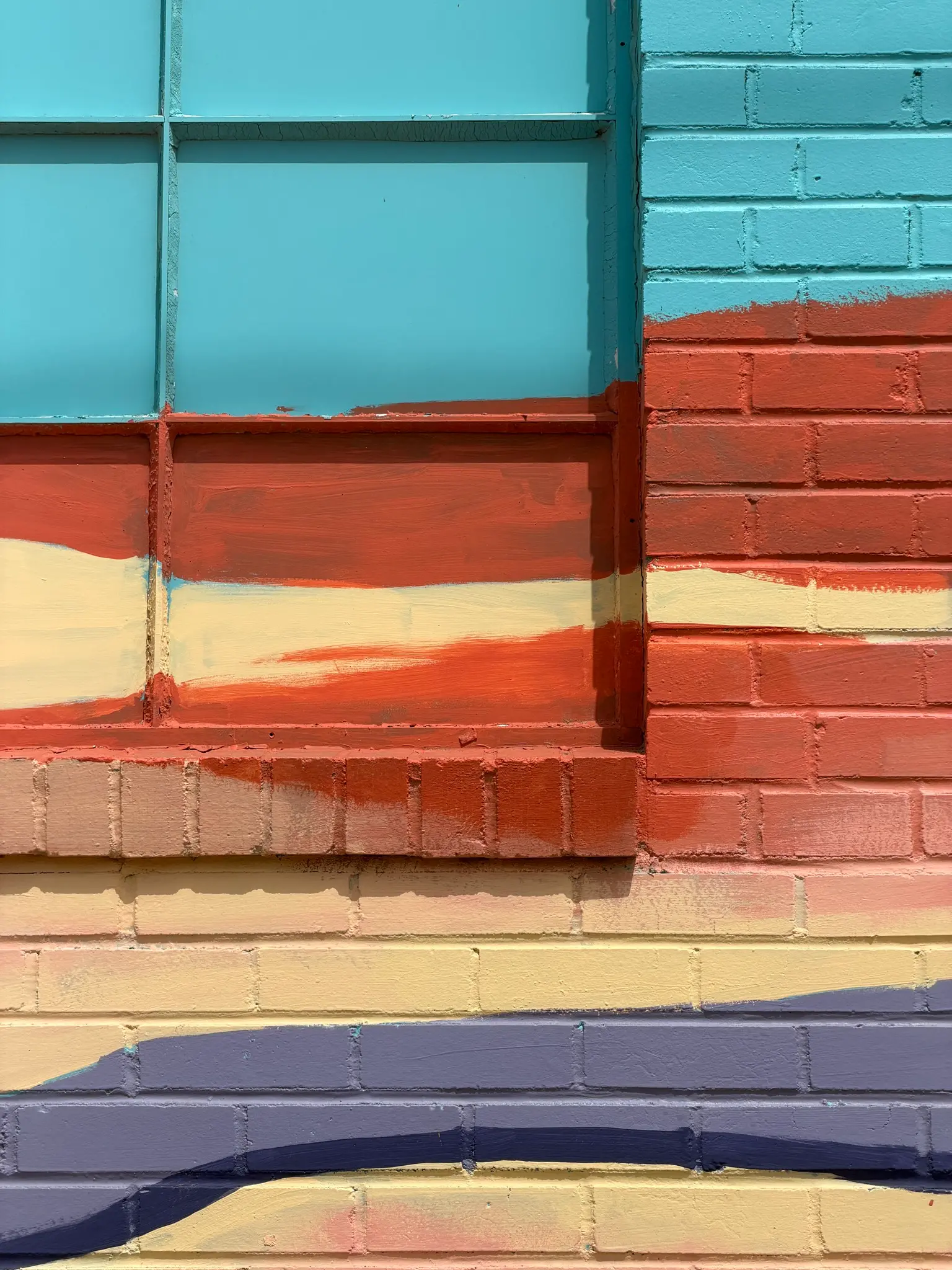
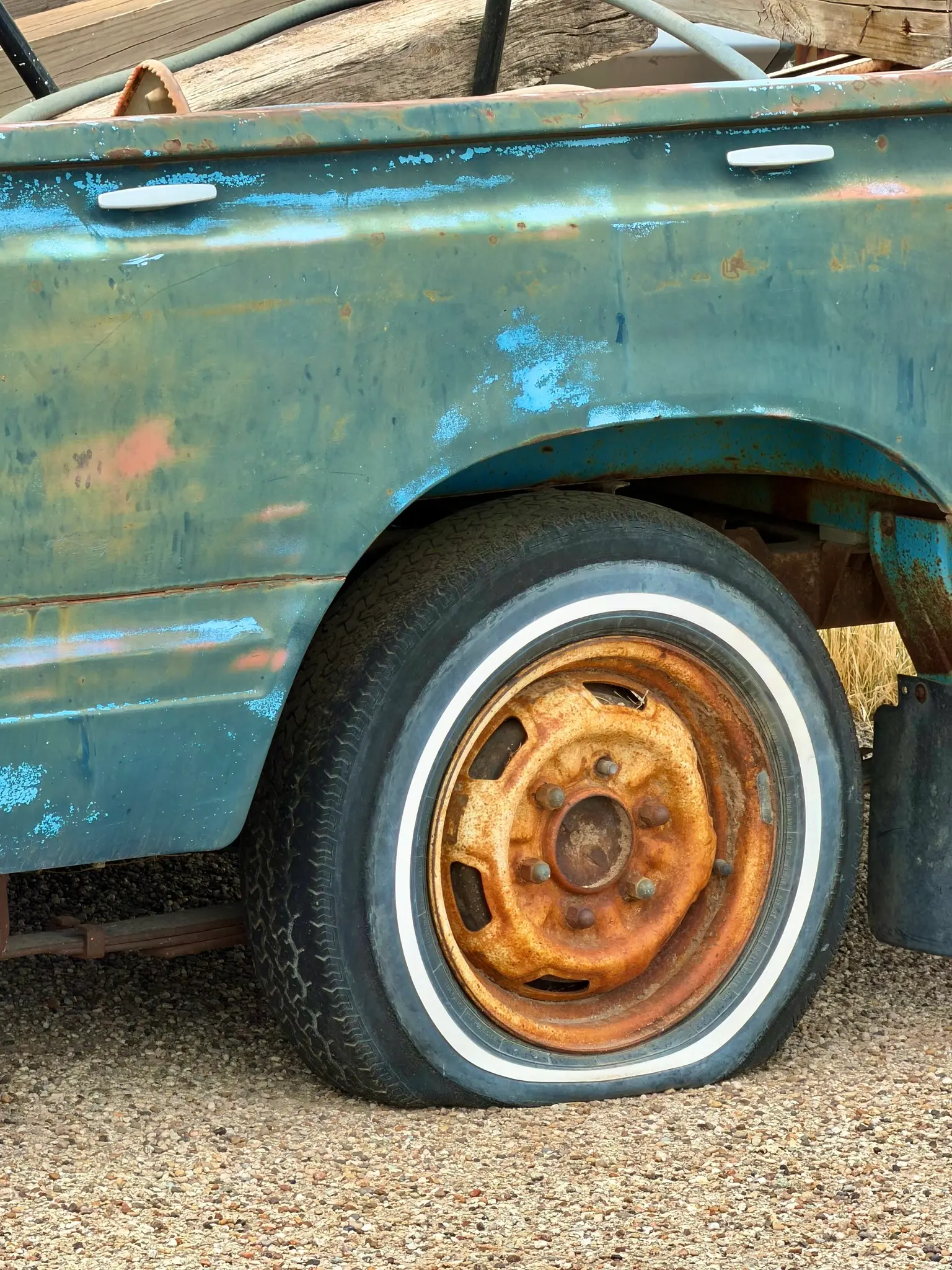
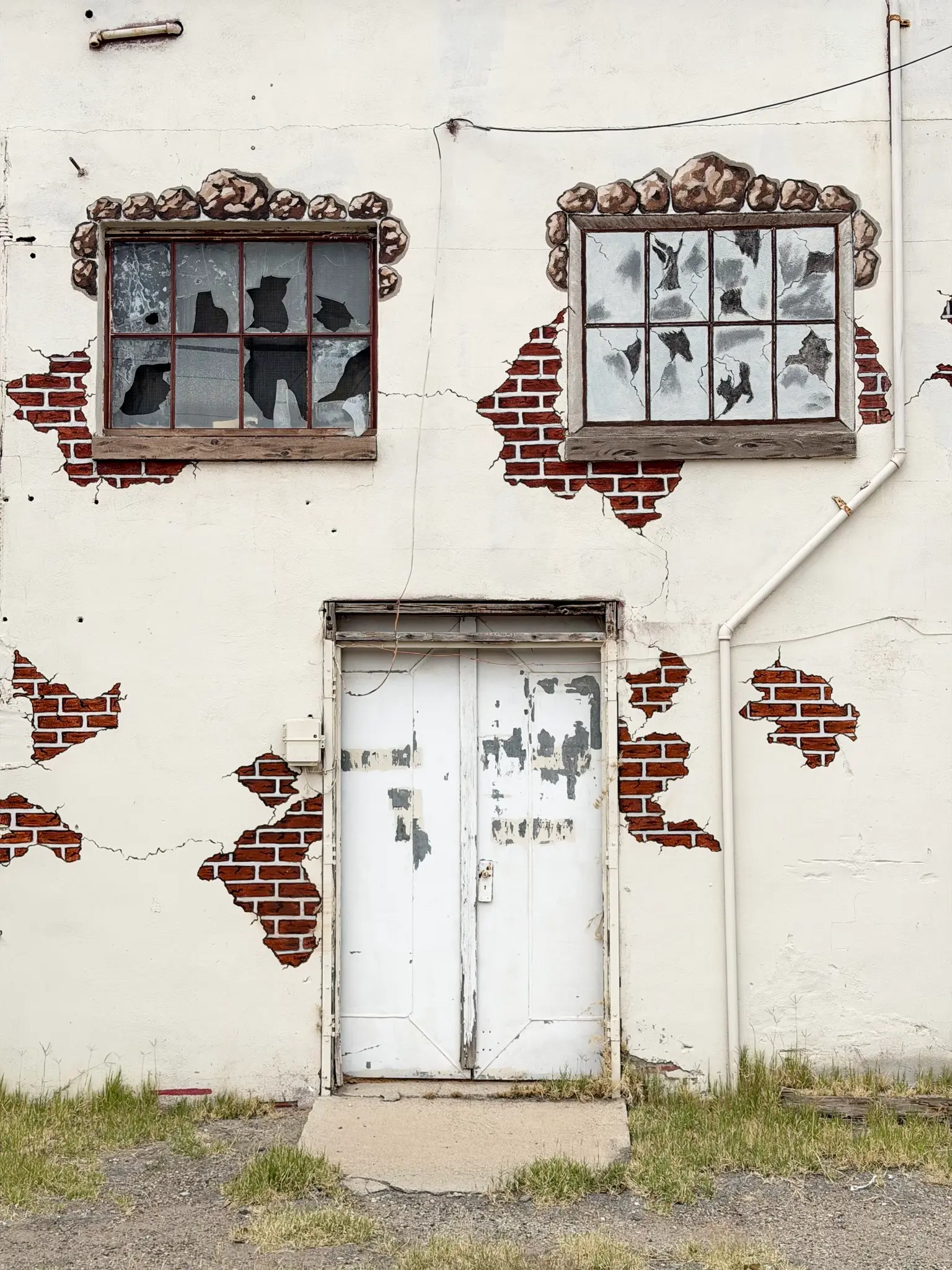
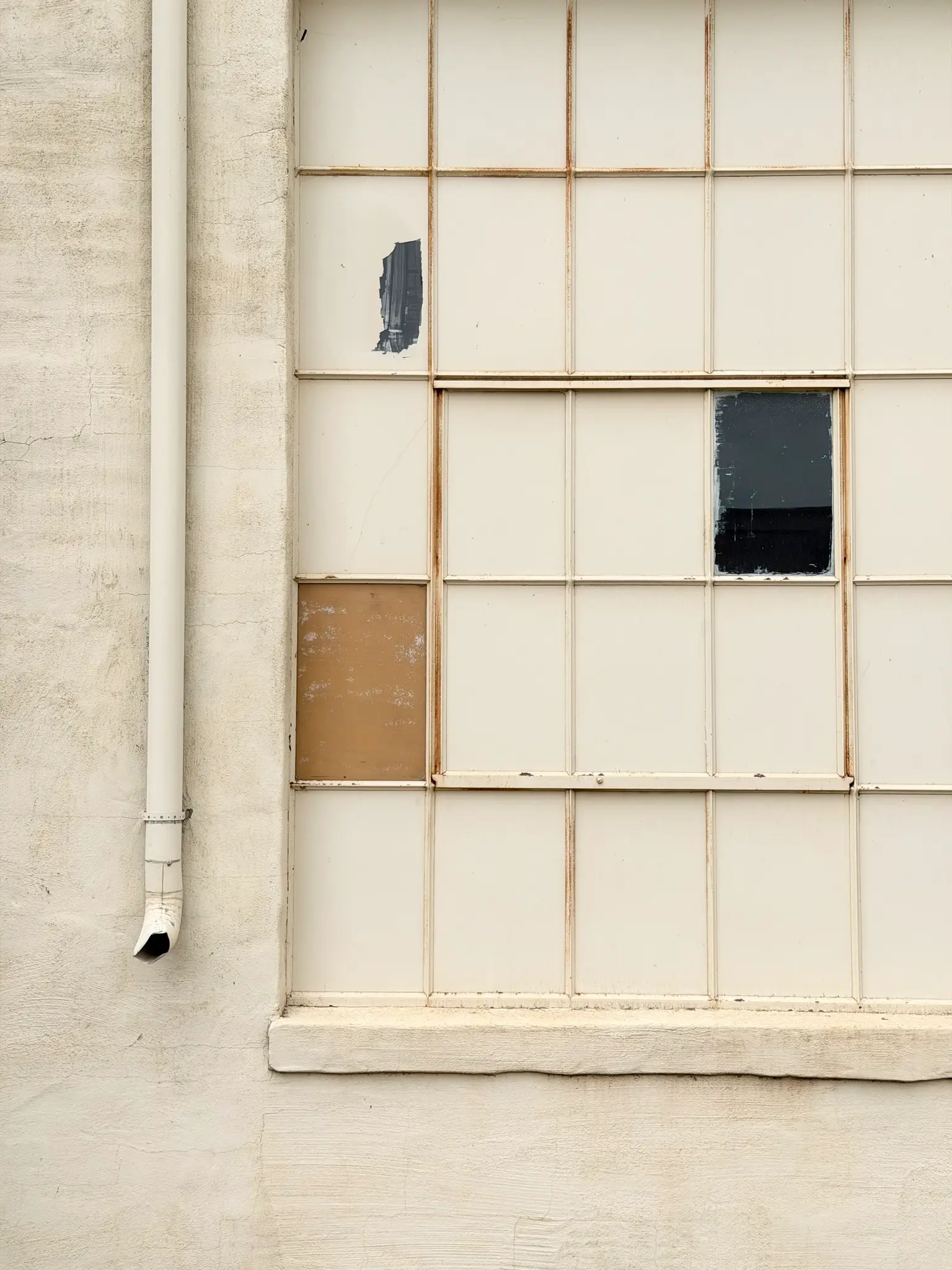
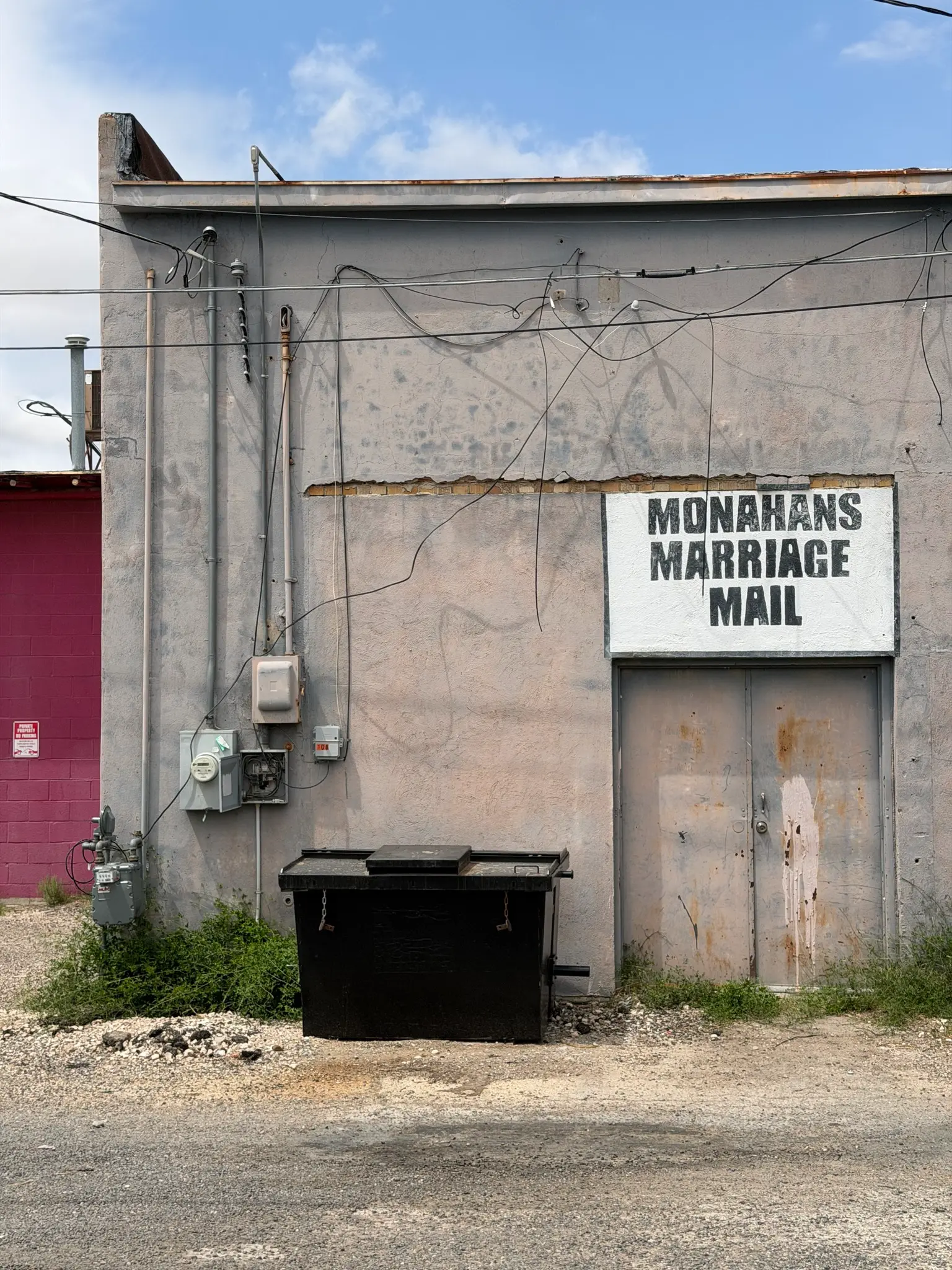
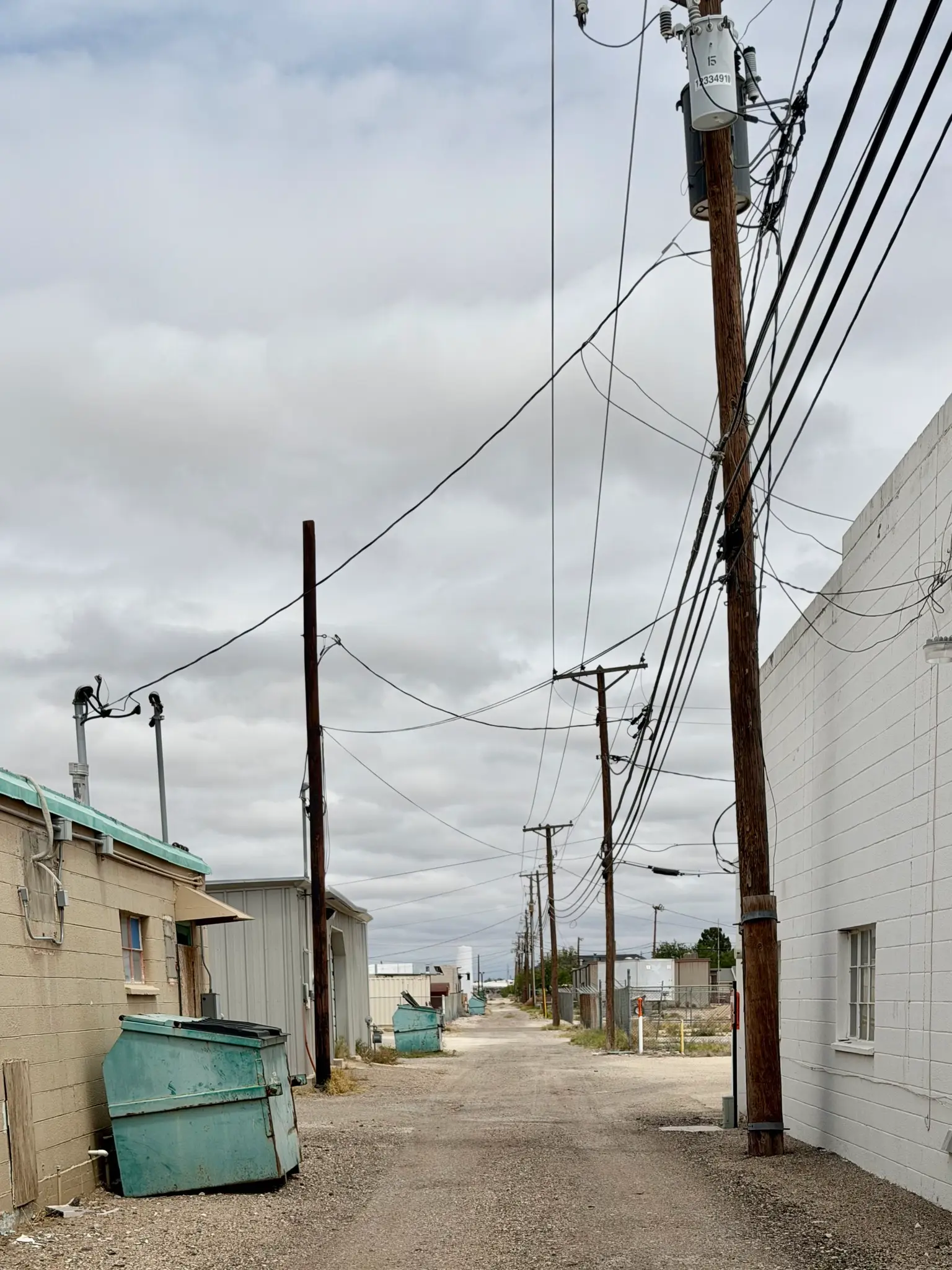
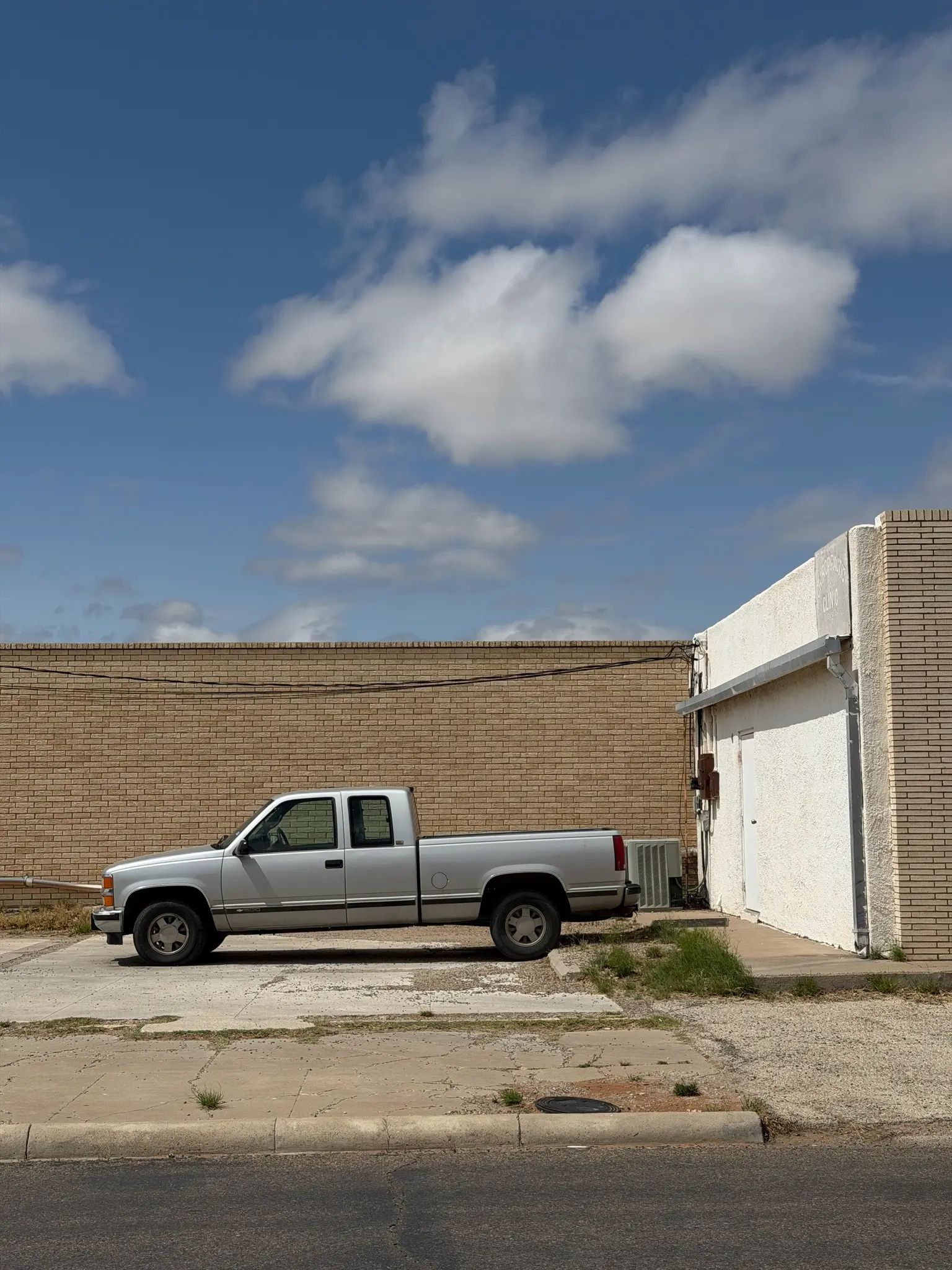
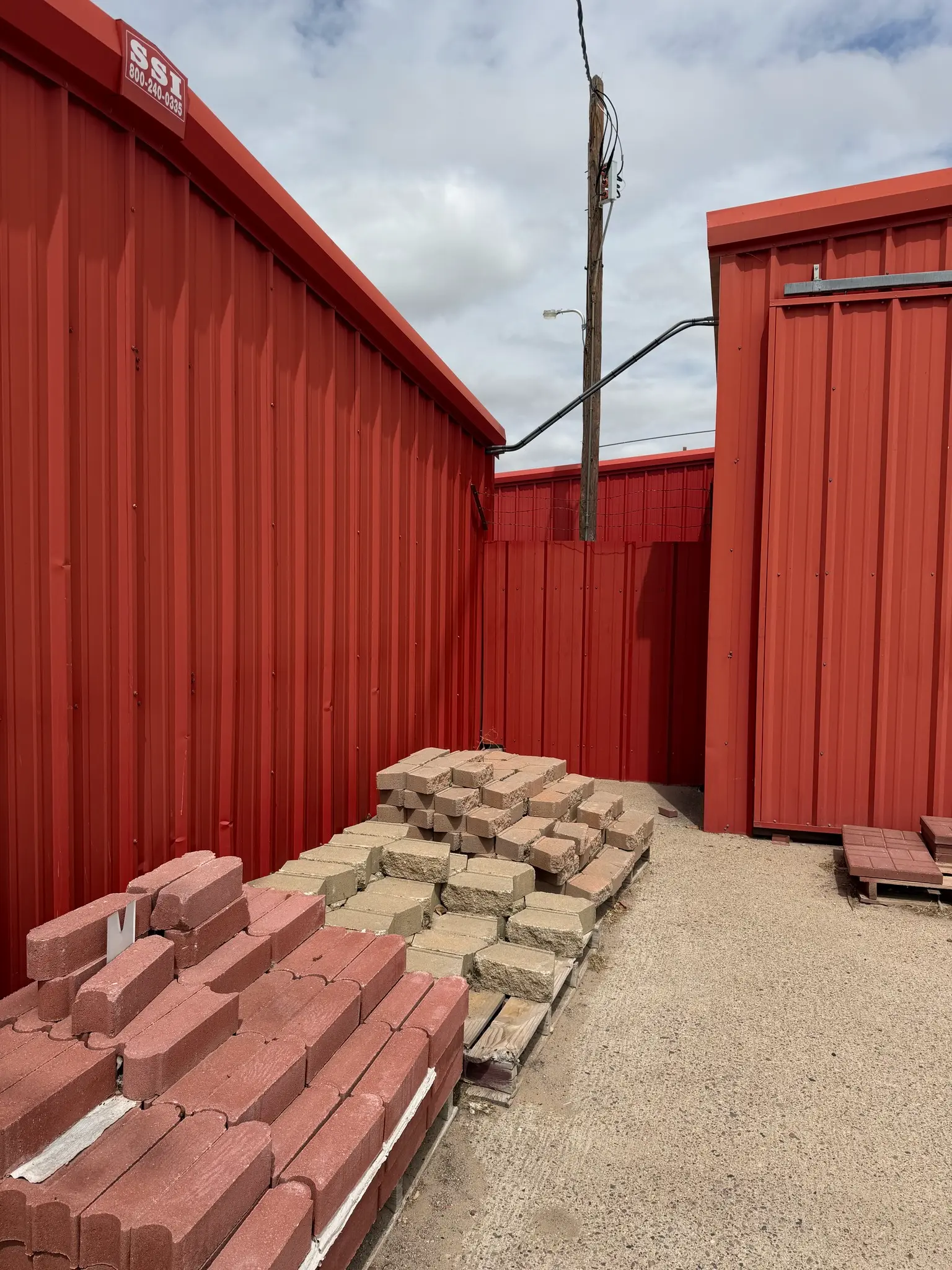
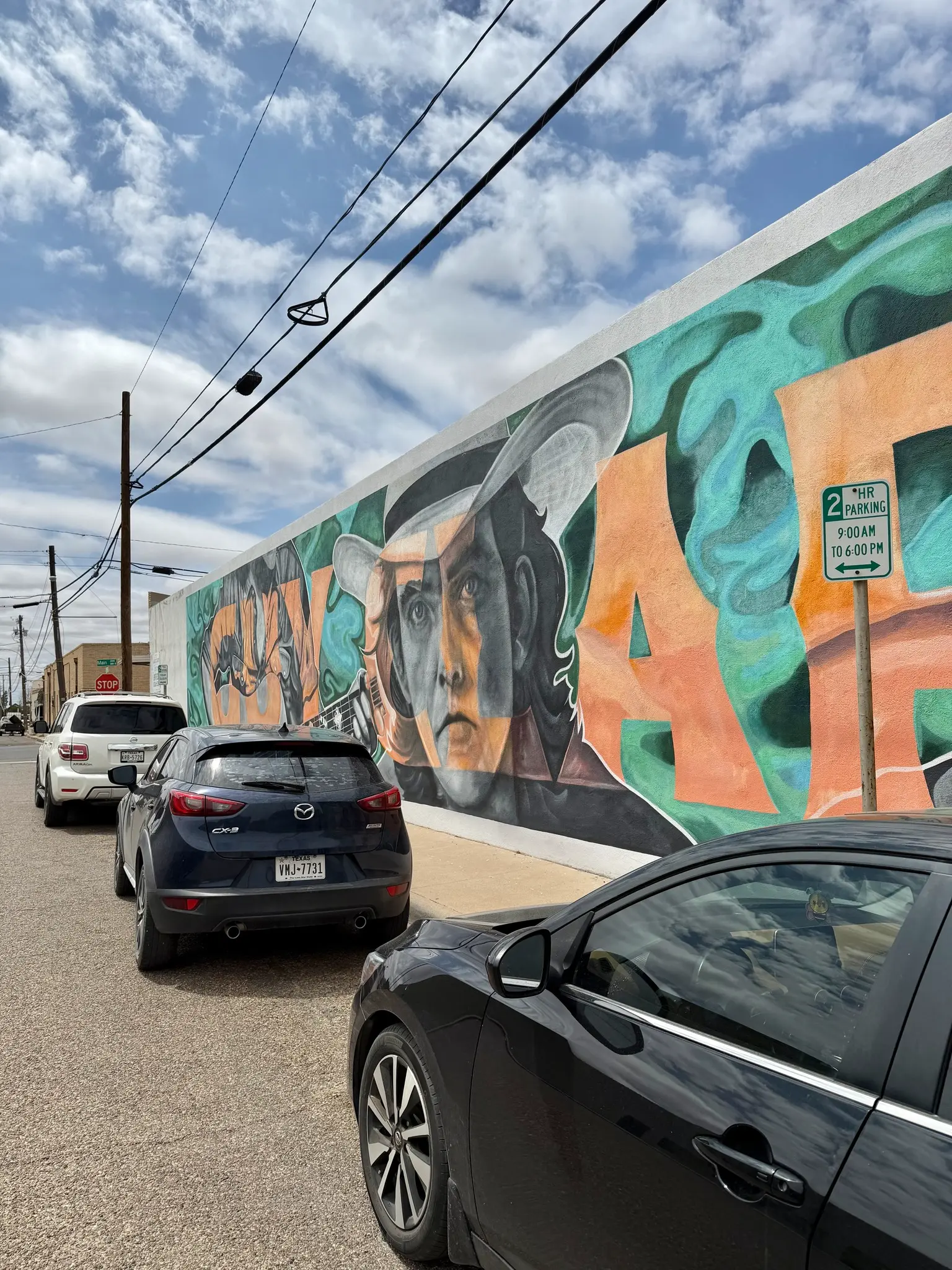
I was in an alley in Monahans with my bike, photographing something most people would probably drive right past without a second thought. Some weathered textures. Faded paint. Rust. Utility lines. Harsh light bouncing off an ordinary wall. Nothing dramatic. Nothing iconic. Nothing remotely “bucket-list photography” worthy.
But I was completely absorbed in it.
I saw something there. Click. Click again.
Not everyone would. Maybe not even most people. But I did.
Suddenly, this pickup truck rolled slowly into the alley and stopped near me. The driver rolled down his window and asked, “What are you doing?”
Now, to be fair, he wasn’t rude exactly. But there was definitely suspicion in his voice. Disapproval too. That familiar look people sometimes give photographers when they can’t quite understand why you’re photographing something they themselves consider meaningless. I could feel him trying to size me up. Like he wasn’t entirely buying whatever explanation I was about to offer.
I told him I was a photographer.
Then I pointed toward the subject I was photographing and simply said, a bit flippantly,, “I like what I like.”
He looked unconvinced.
Then he drove off.
And standing there in that dusty alley in Monahans, camera still in hand, I suddenly felt this strange emotional flashback to all those conversations with my father decades earlier.
Why do you like that?
Why are you drawn to this?
Why would you photograph that?
Why would you hang around those people?
Why does this matter to you?
And the answer, now exactly as it was then, remains remarkably simple.
I like what I like.
The older I get, the more radical that statement actually feels.
Because most people spend enormous portions of their lives seeking approval before trusting their own instincts. They learn to filter their taste through popularity, status, trends, algorithms, peer groups, critics, institutions, politics, religion, or whatever cultural machinery happens to dominate the moment. People become frightened of their own eye. Their own voice. Their own curiosity. Their own emotional compass.
Photography taught me to trust mine.
Not immediately. Not easily. But eventually.
And maybe that’s one of the hidden gifts of aging. At some point, if you’re lucky, you stop needing universal validation for every deeply personal thing that moves you emotionally. You stop apologizing for your taste. You stop overexplaining your attractions. You stop defending every choice as though you’re standing trial before the universe.
You simply arrive at a quieter, more peaceful realization:
I like what I like.
That realization applies to far more than photography, by the way. It applies to art. Music. Movies. Friends. Politics. Spirituality. Food. Books. The people we love. The roads we travel. The life we ultimately choose for ourselves.
And yes, it absolutely applies to photography.
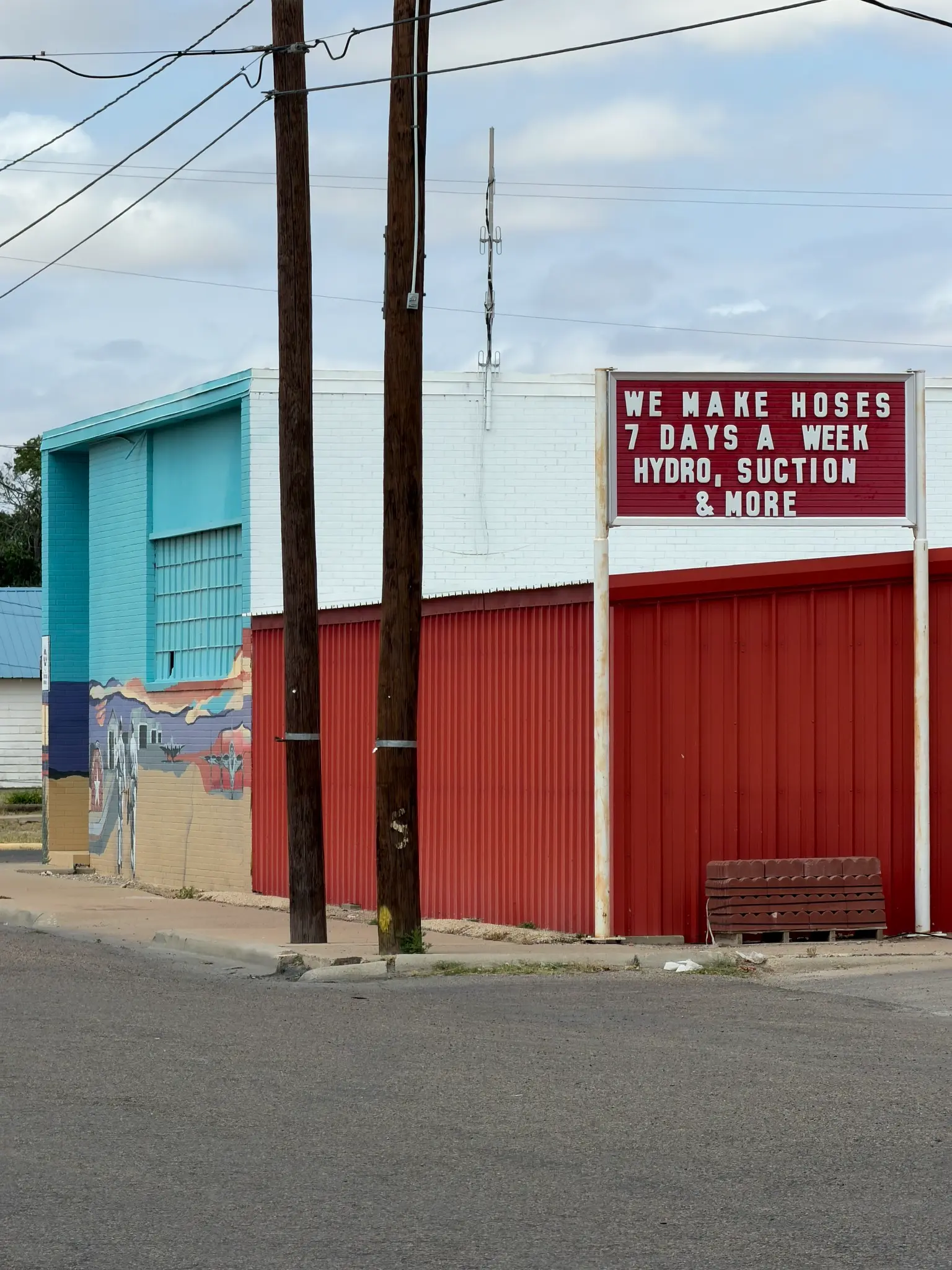
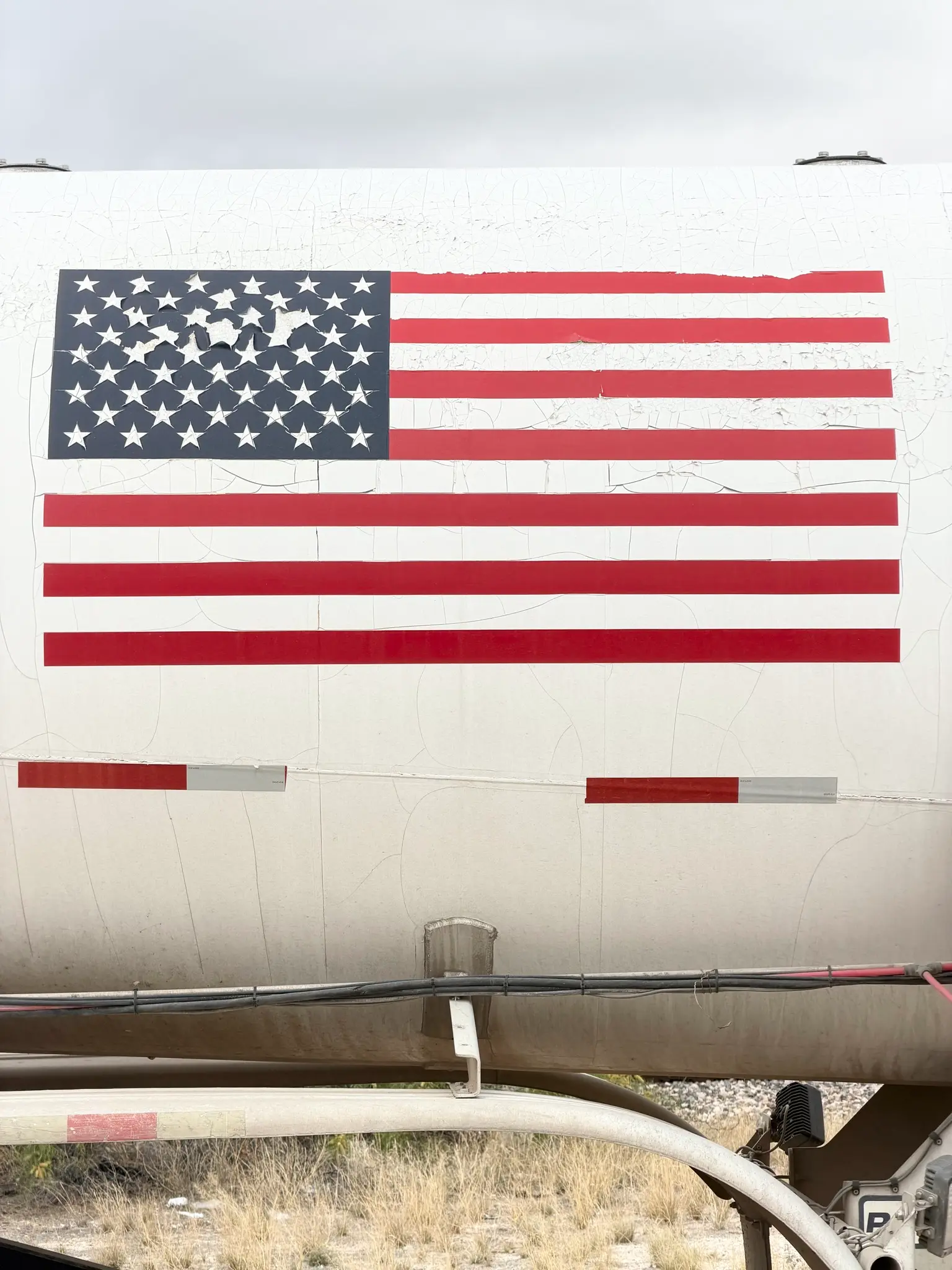
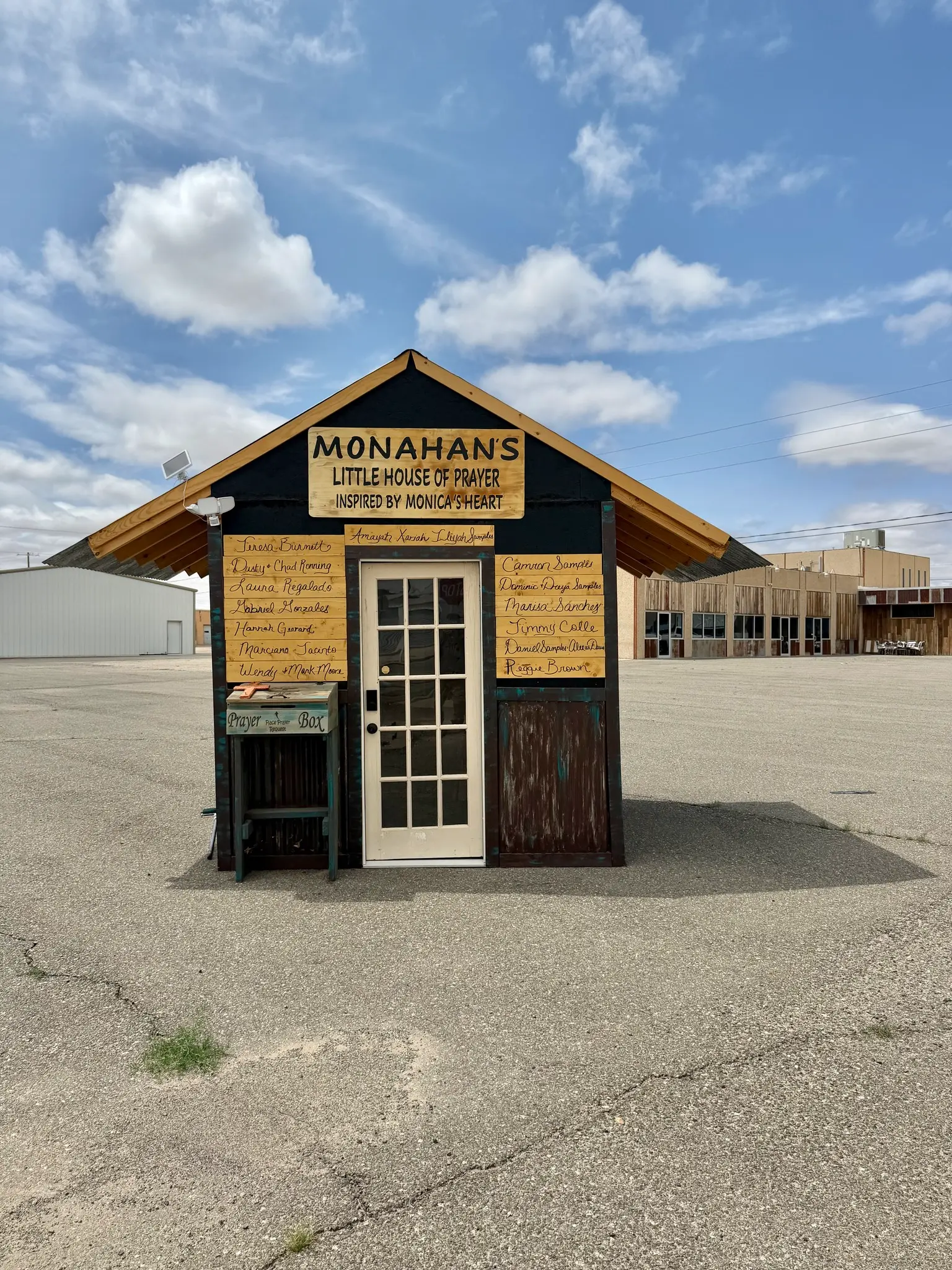
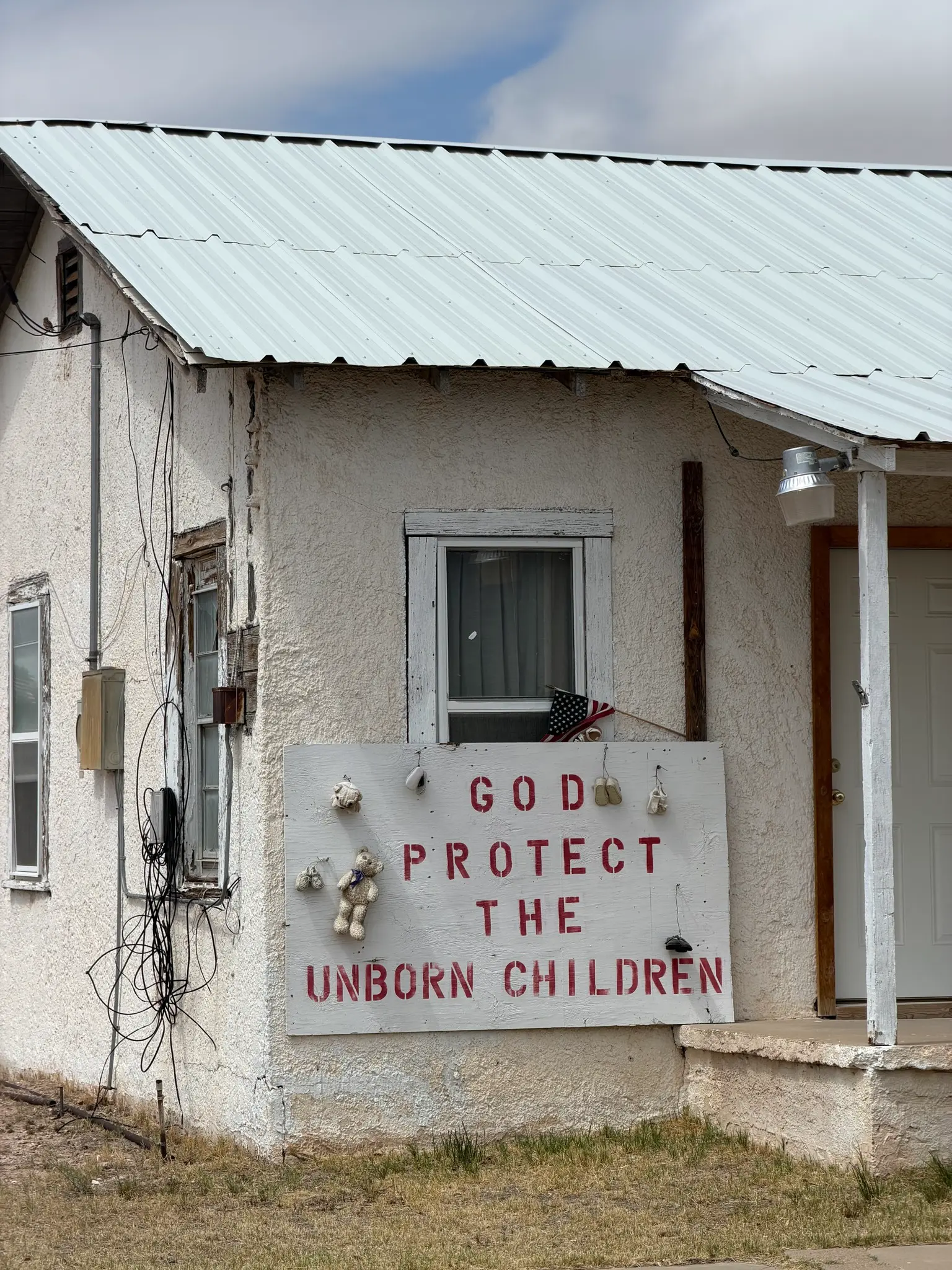
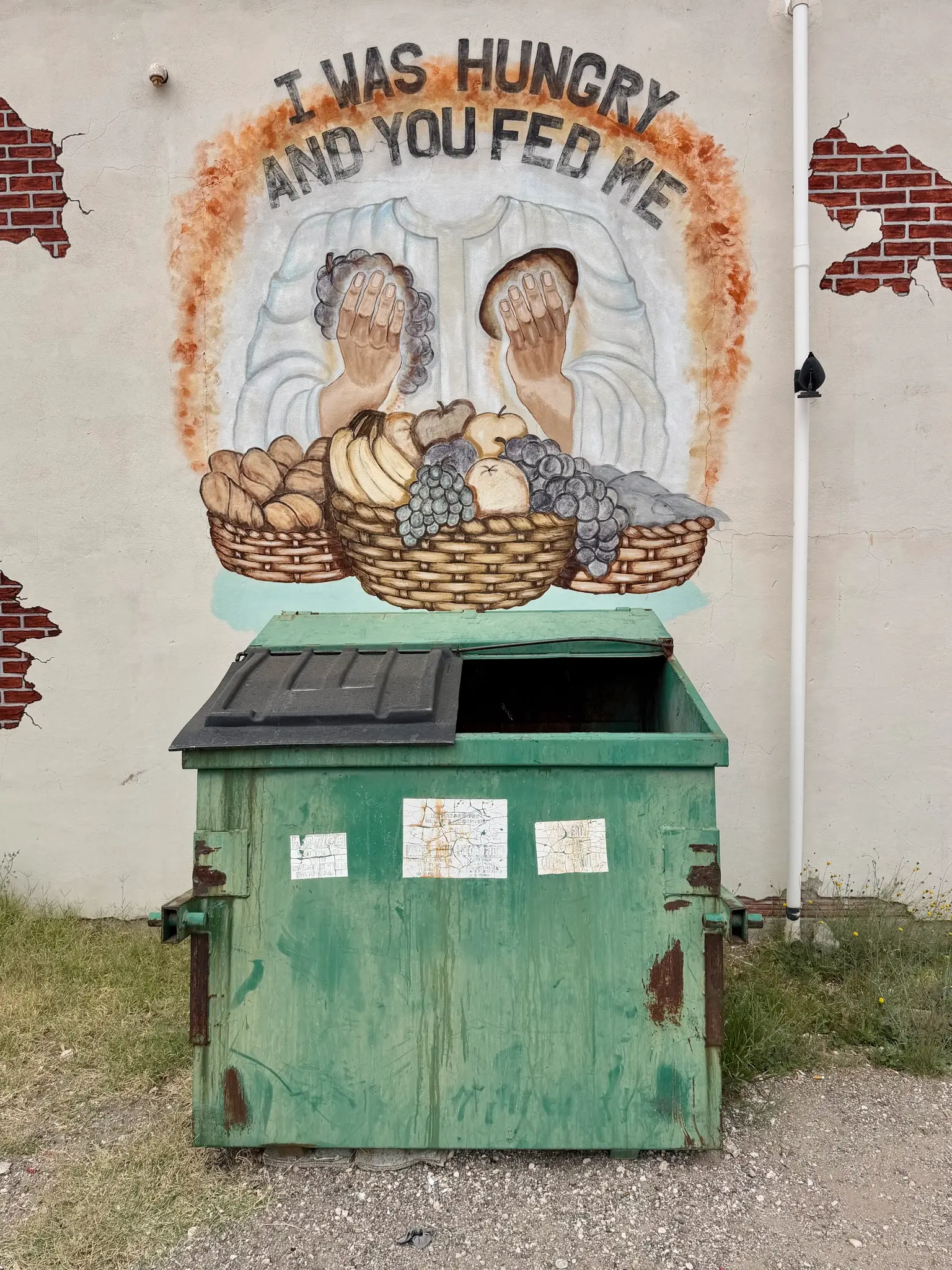
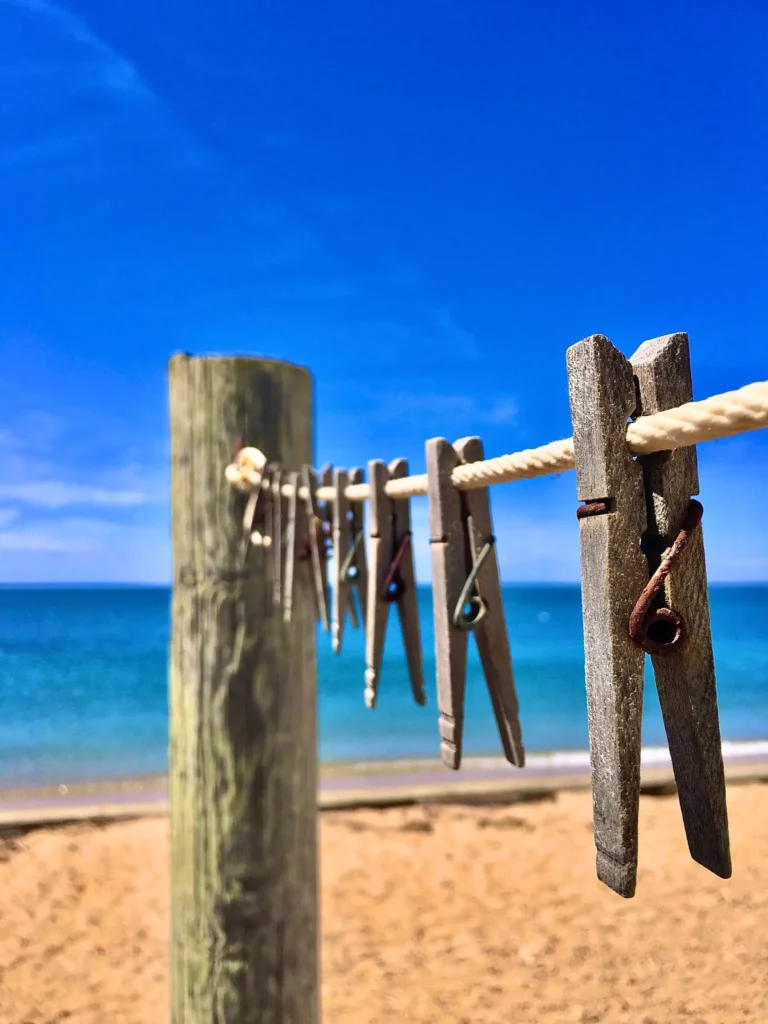
Here, in this small gallery, I’ll be sharing a couple dozen photographs from Monahans. At first glance, many of them may not look like much of anything. No dramatic sunsets. No majestic mountains. No epic wildlife encounters. No Instagram-bait spectacles engineered for instant applause.
Just ordinary fragments of a small West Texas town that somehow spoke to me.
And honestly, that’s the whole point.
Because those photographs represent the single most important thing in photography:
My voice.
My vision.
My vibe.
At seventy-two years old, after more than fifty years with a camera in my hand, I finally understand something my younger self struggled desperately to explain to his father all those years ago.
I still like what I like.
And I no longer need permission.
Click.
Jack.