Photography: It’s Always Been Personal
An intimate roadtrip through West Texas, memory, identity, and the photographs that quietly reveal who we are
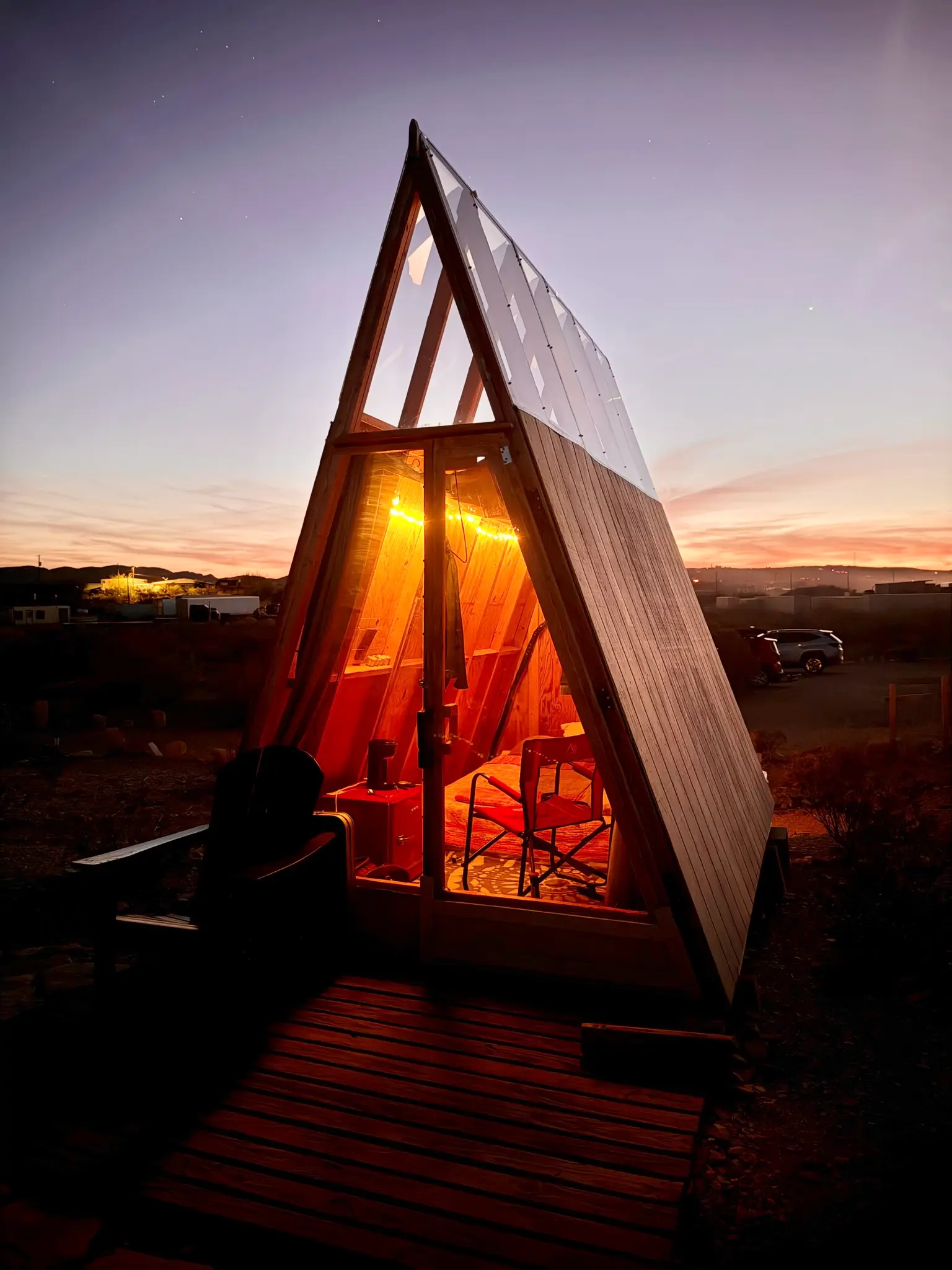
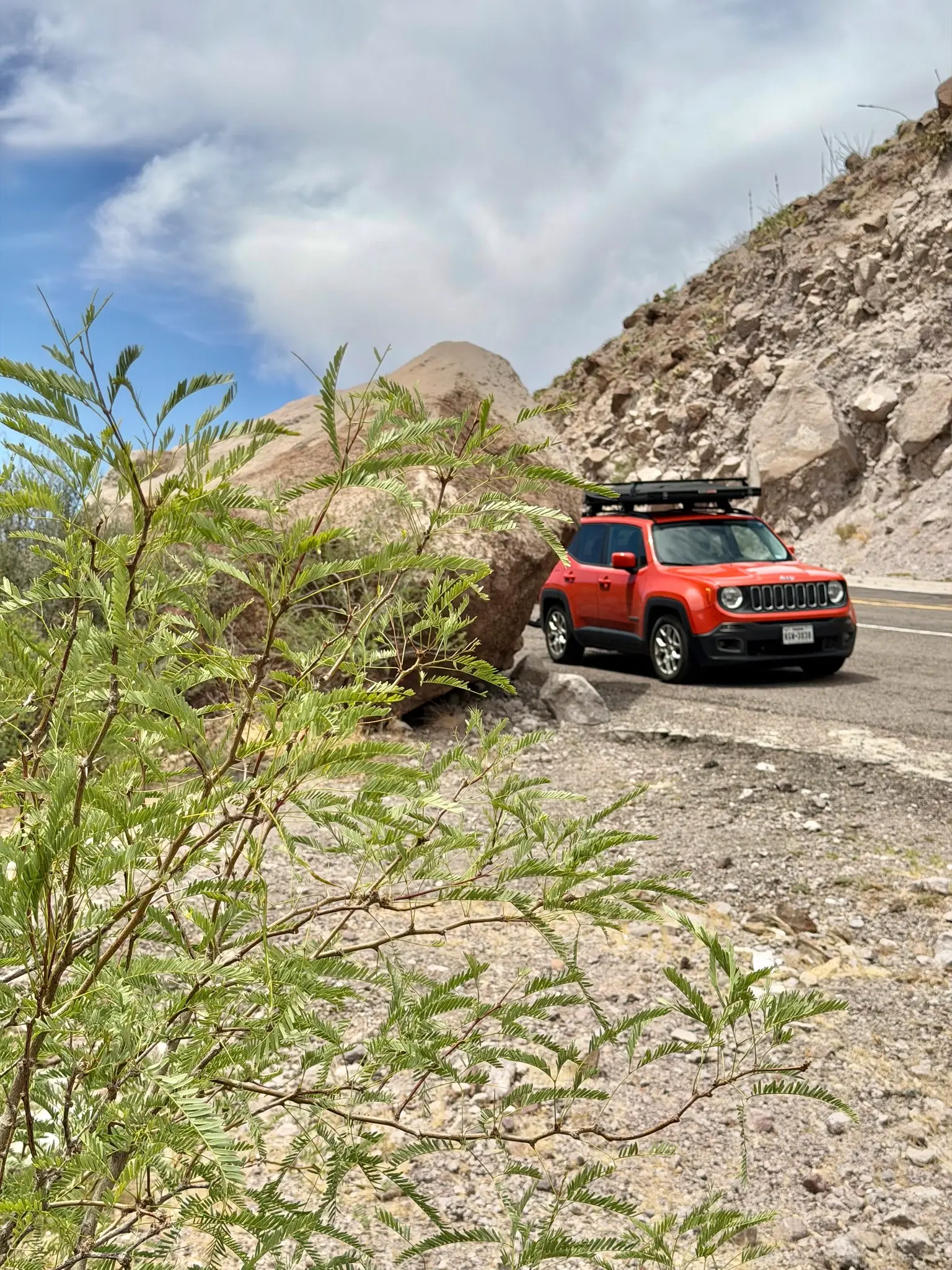
Over the next few posts, I want to take you on a roadtrip with me through West Texas. But this won’t be a travelogue.
I’m not interested in giving you a list of scenic overlooks, fuel stops, taco joints, or hidden gems along FM170. This isn’t one of those “Top 10 Things To Do in Big Bend” stories. What I want to offer instead is something far more autobiographical. More intimate. More revealing. I want to talk about the strange and deeply personal relationship between who we are and the photographs we make.
Sometimes, when I’m roadtripping and writing at the same time, the writing comes before the experience. I leave home with thoughts already forming in my head. Little emotional sketches. Fragments of ideas. Questions I’m wrestling with. Other times, the road itself does the talking and the writing only arrives later, after the dust settles and the camera roll is full. And still other times, the photographs become the writing. They quietly explain things to me that I didn’t fully understand while I was living through them.
For this short series, I originally wrote most of the pieces before I even left Austin. I thought I knew what I wanted to say. I thought I understood what the trip was going to mean. But when I got home and started editing the photographs, something felt off. The words no longer matched the emotional reality of the pictures. The writing felt too neat. Too rehearsed. Too disconnected from what I had actually experienced out there on those empty West Texas roads.
So I scrapped most of it.
What I’m bringing you now instead is something rawer. Less polished. More autobiographical by intention. Less about photography itself and more about the person behind the camera. Because the older I get, the more convinced I become that photography has never really been about cameras at all. Photography has always been personal.
Not surprisingly, photographers eventually become what they shoot.
Or maybe more accurately, they reveal who they already are through what they choose to shoot.
It’s inevitable.
You frame the world based on your past and present life experiences. You photograph through memory. Through longing. Through heartbreak. Through curiosity. Through fear. Through nostalgia. Through loneliness. Through joy. Through loss.
You photograph through the people you have loved. The books you have read. The movies you have seen. The heartbreaks you have fought through. The food you have eaten. The culture you were born into. The faith that raised you.
But it goes even further than that.
You photograph through the arguments you survived. The cities that shaped you. The music that carried you through difficult years. The parents who encouraged you—or failed to. The lovers who stayed. The lovers who left. The jobs that exhausted you. The risks you were afraid to take. The roads you regret not traveling. The teachers who changed your life. The silence you carry inside yourself. The aging face staring back at you in the mirror. The childhood wounds you never completely outgrew. The politics that anger you. The loneliness that humbles you. The wonder that still manages to find you anyway. The spiritual questions that refuse to leave you alone. The ache to matter. The ache to belong. The ache to understand.
All of it enters the frame whether you realize it or not.
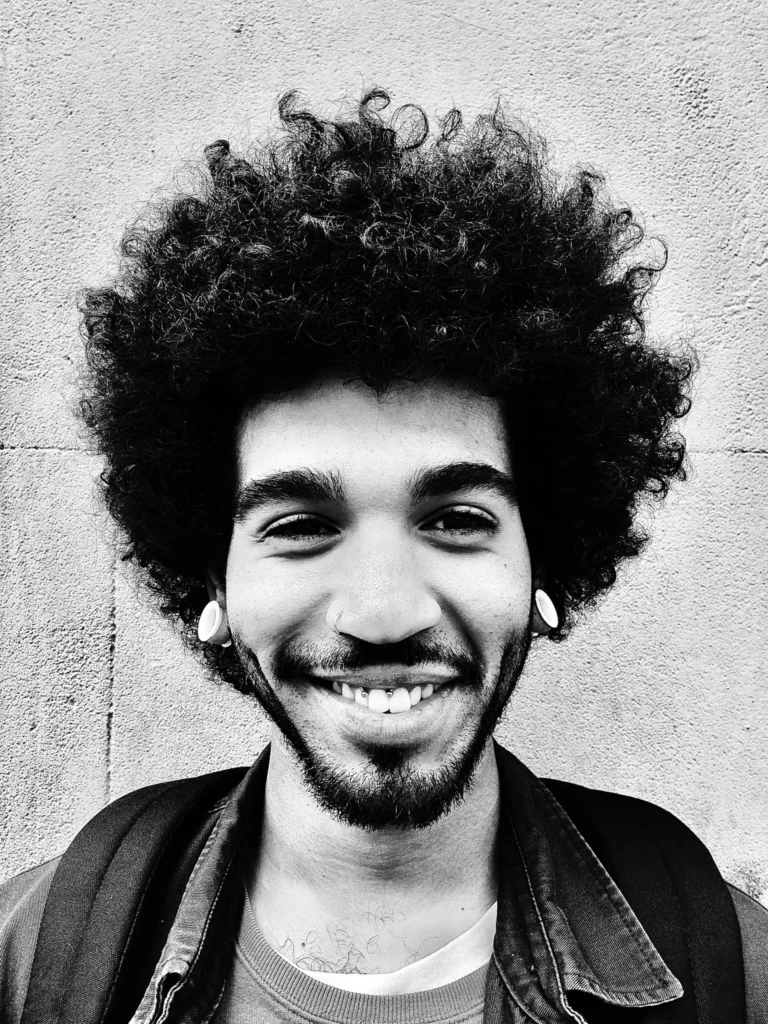
That’s why I’ve never fully believed photography is merely a technical or mechanical hobby. Sure, there’s technique involved. Exposure matters. Composition matters. Timing matters. Light matters. But those things alone don’t explain why one photograph feels emotionally alive while another feels emotionally empty. Two photographers can stand shoulder-to-shoulder, shooting the exact same scene at the exact same time, with the exact same camera, and come away with entirely different photographs. Why? Because they are entirely different human beings.
The camera doesn’t erase identity. It amplifies it.
I think this is partly why I became so obsessed with iPhone photography over the past fifteen years. The iPhone stripped away much of the performance and machinery that used to stand between me and the world. It simplified things. It removed the production. The gear. The baggage. The theater of photography. Suddenly, I wasn’t walking around with thousands of dollars of equipment hanging off my shoulders trying to look like a photographer. I was simply living my life with a camera already in my pocket.
And strangely enough, the photographs became more honest.
More human.
More me.
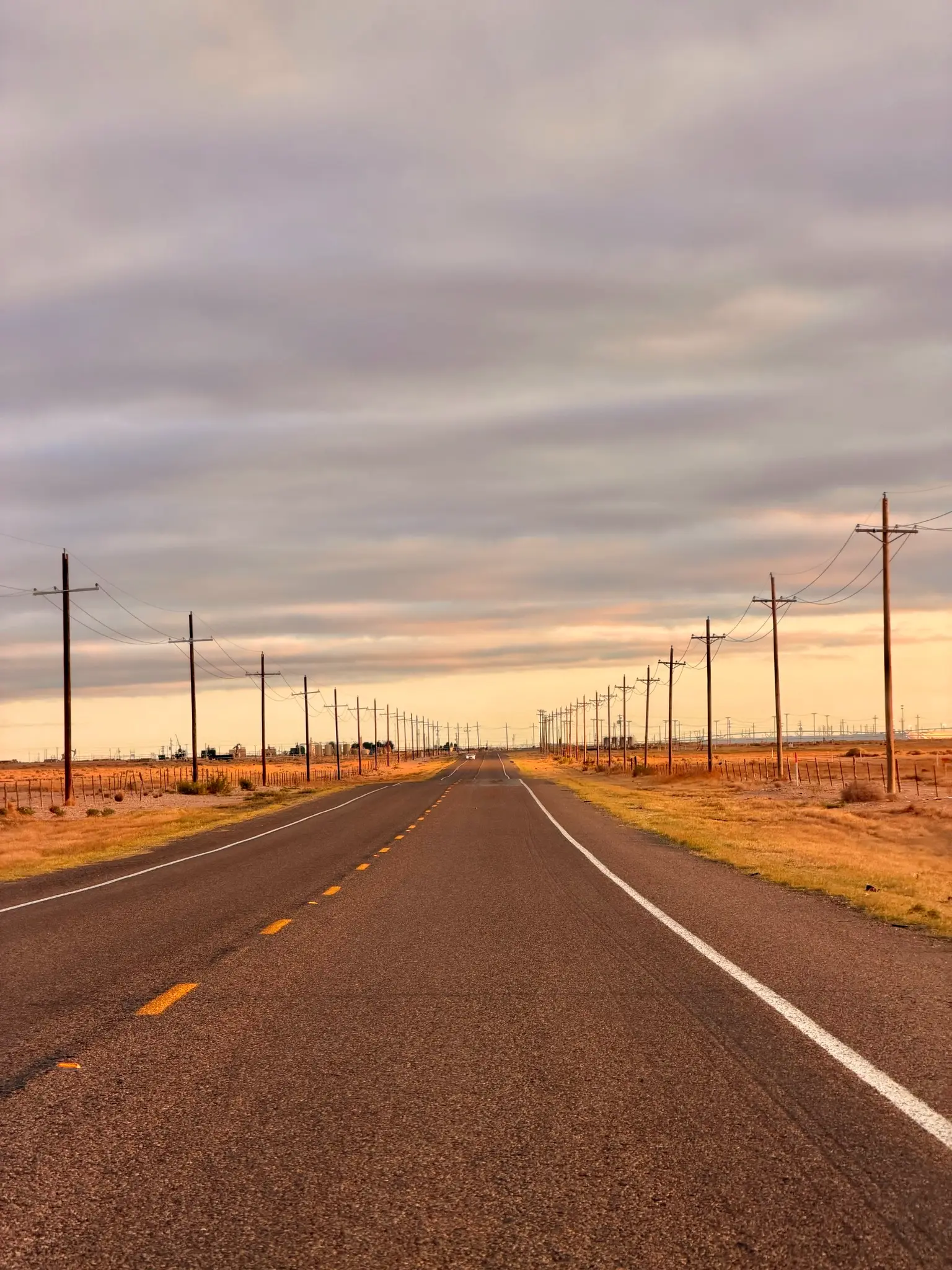
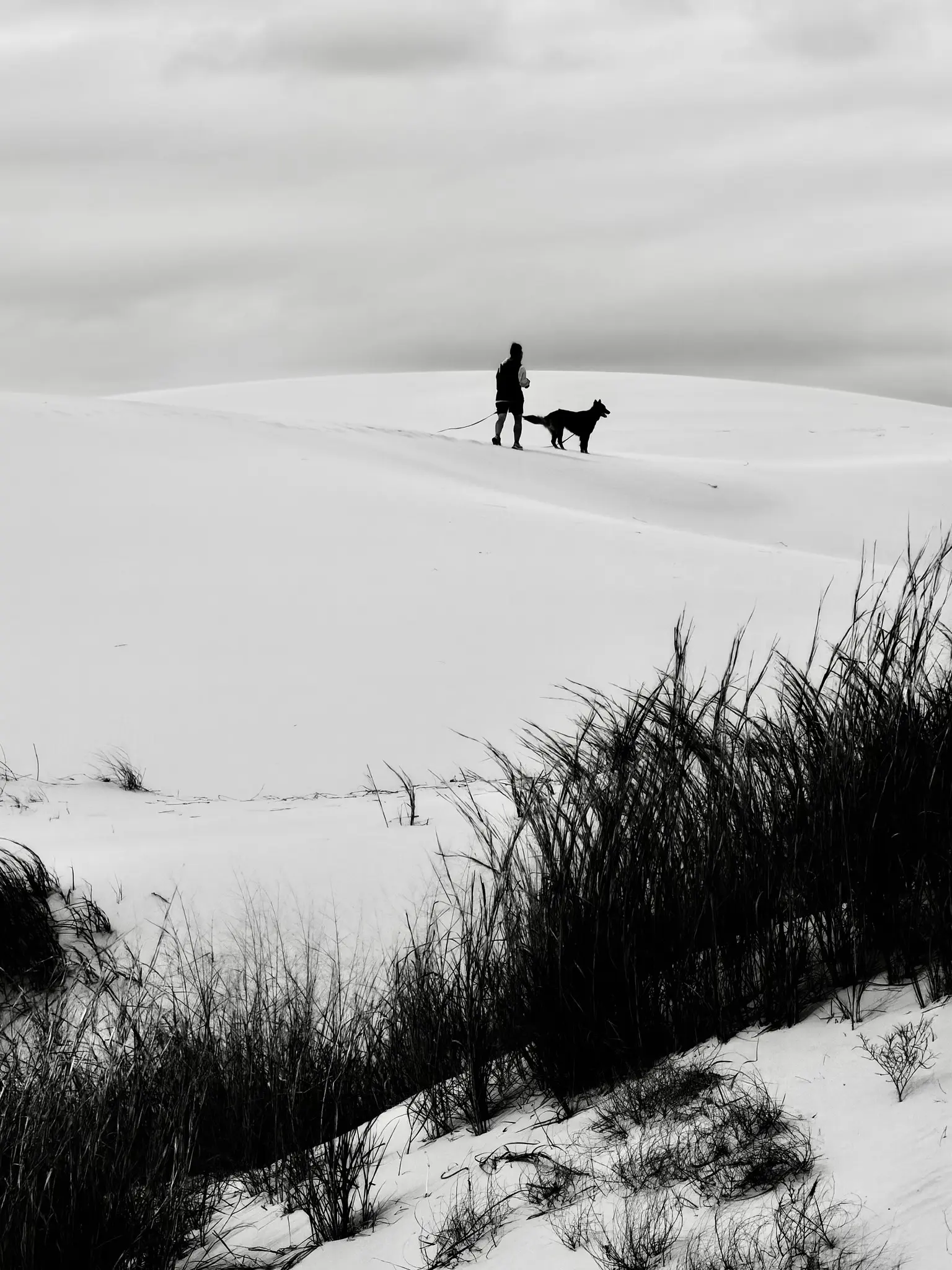
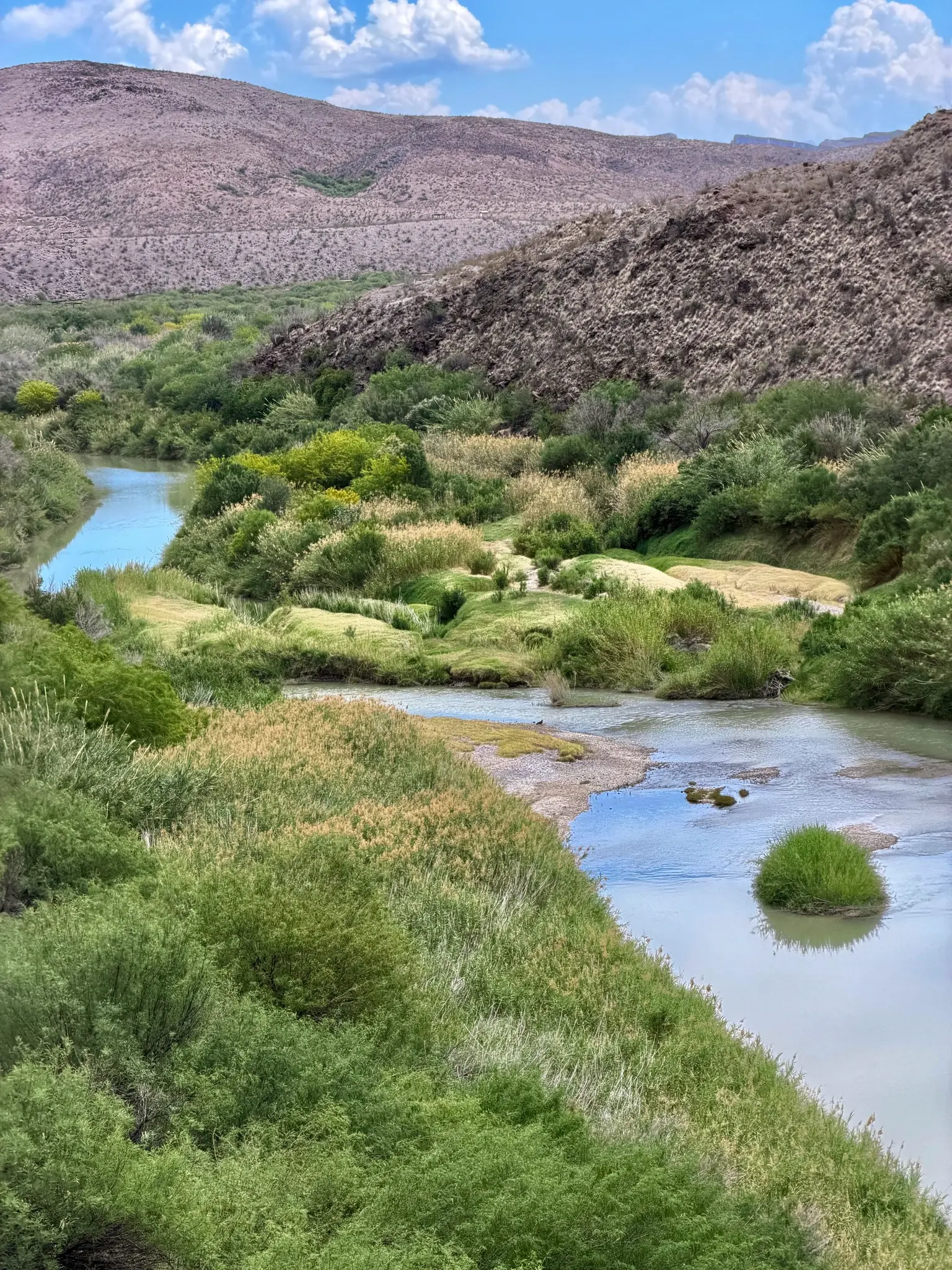
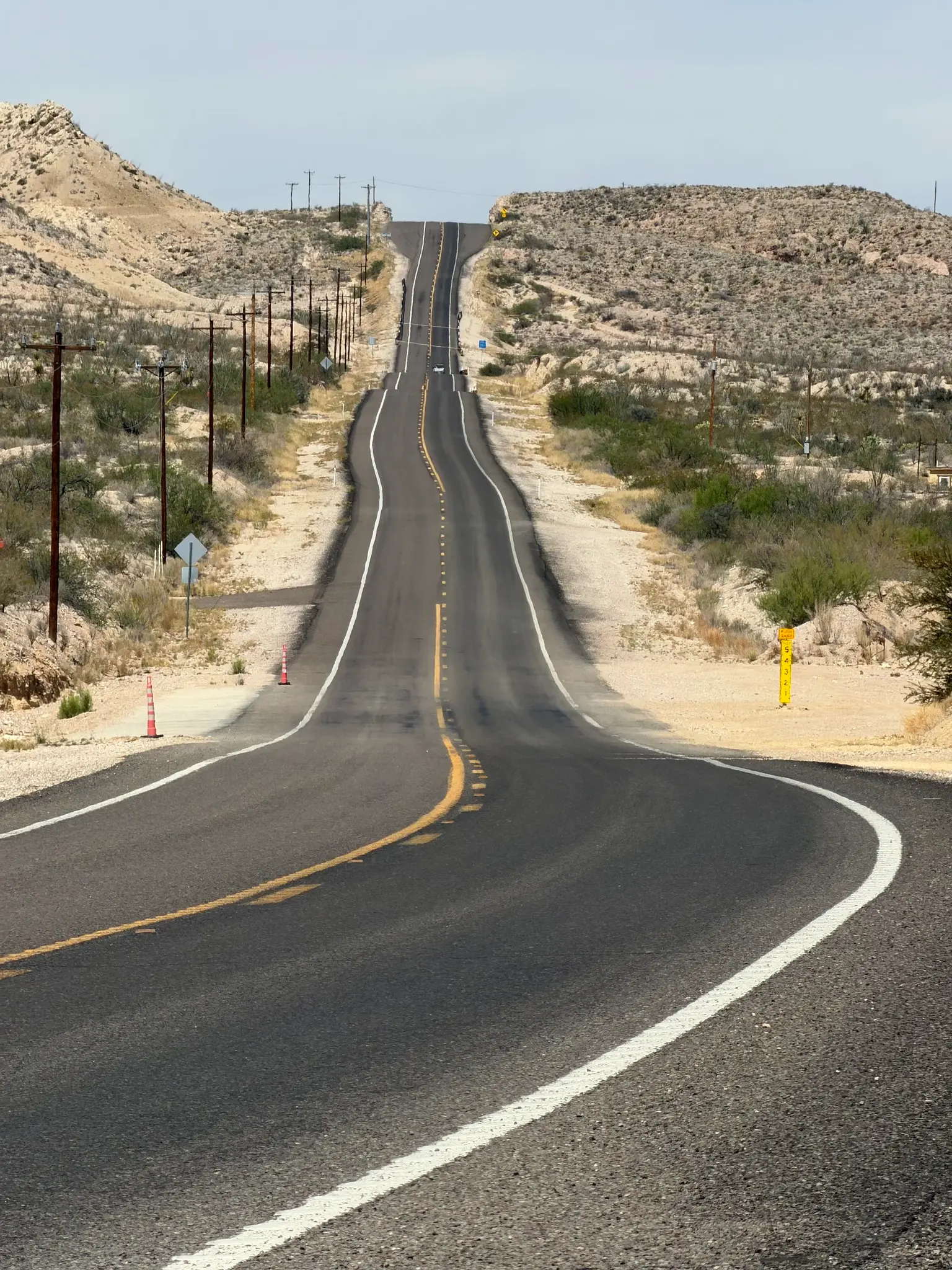
West Texas tends to do that to people too. There’s something about those giant skies, empty roads, abandoned buildings, long silences, and endless horizons that strips away the noise of modern life. Out there, you start hearing yourself think again. You notice the internal conversations that normally get drowned out by notifications, obligations, politics, deadlines, social media, and the nonstop chatter of everyday existence.
Out there, photography slows down.
And when photography slows down, self-awareness speeds up.
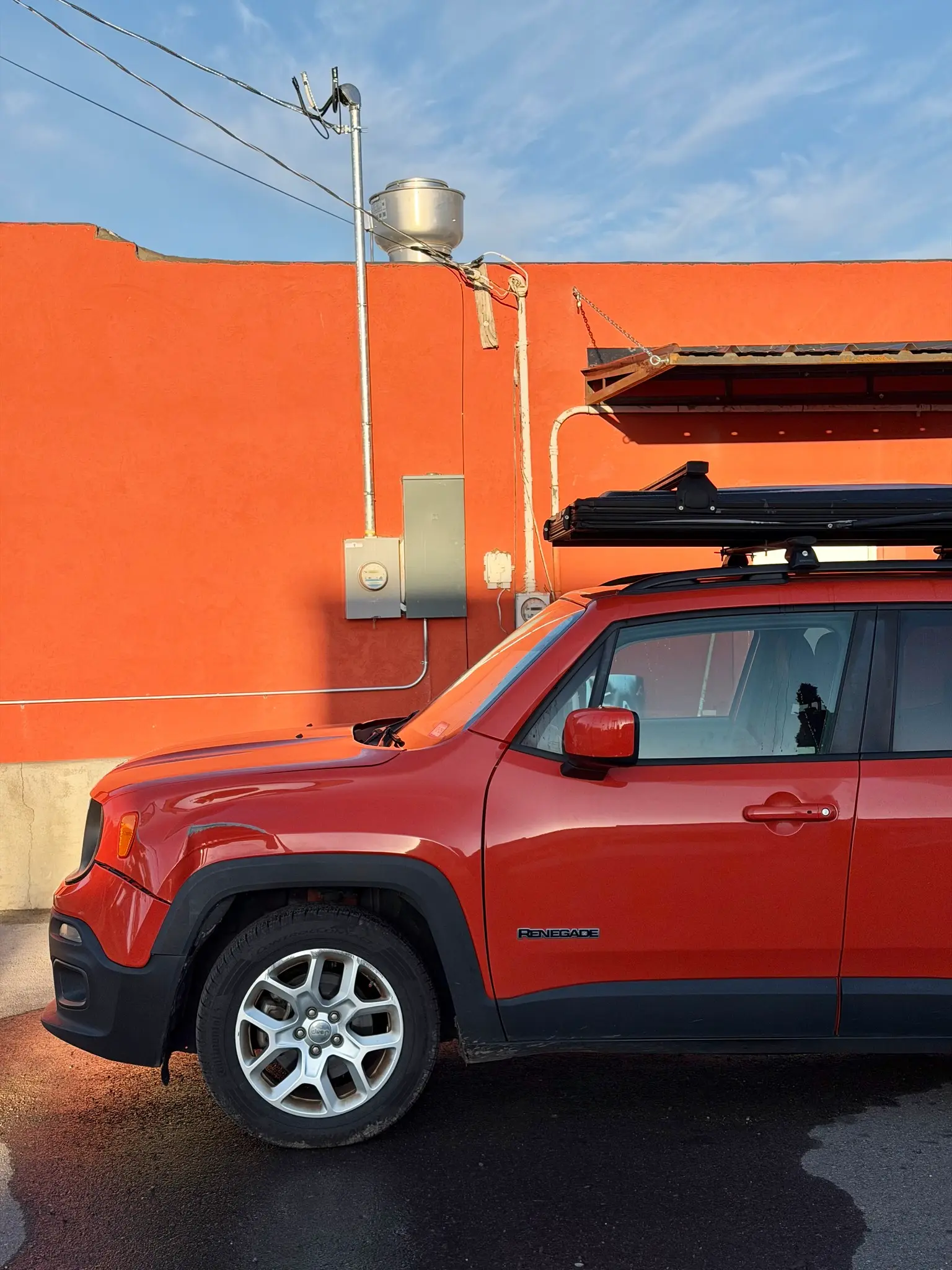
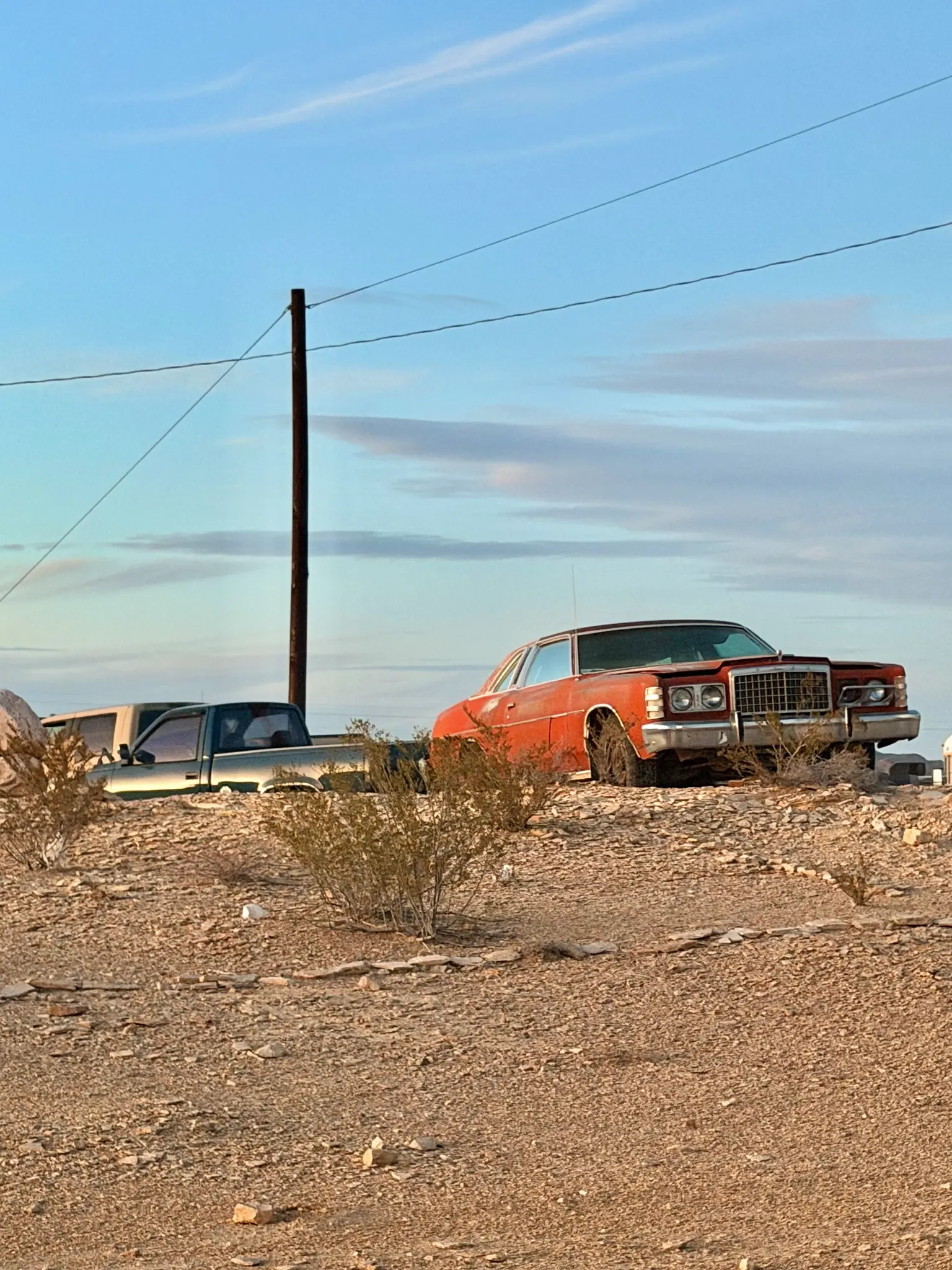
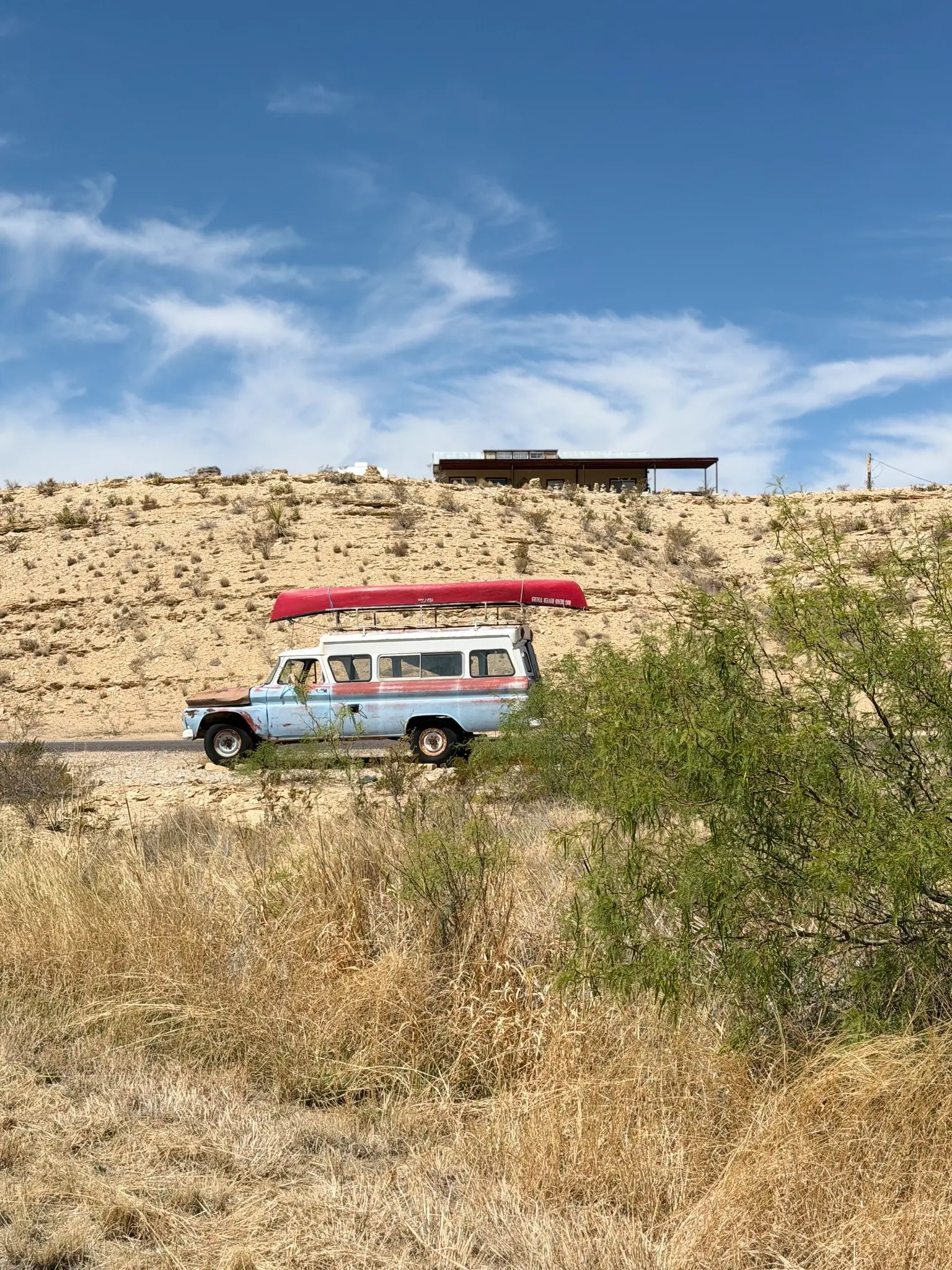
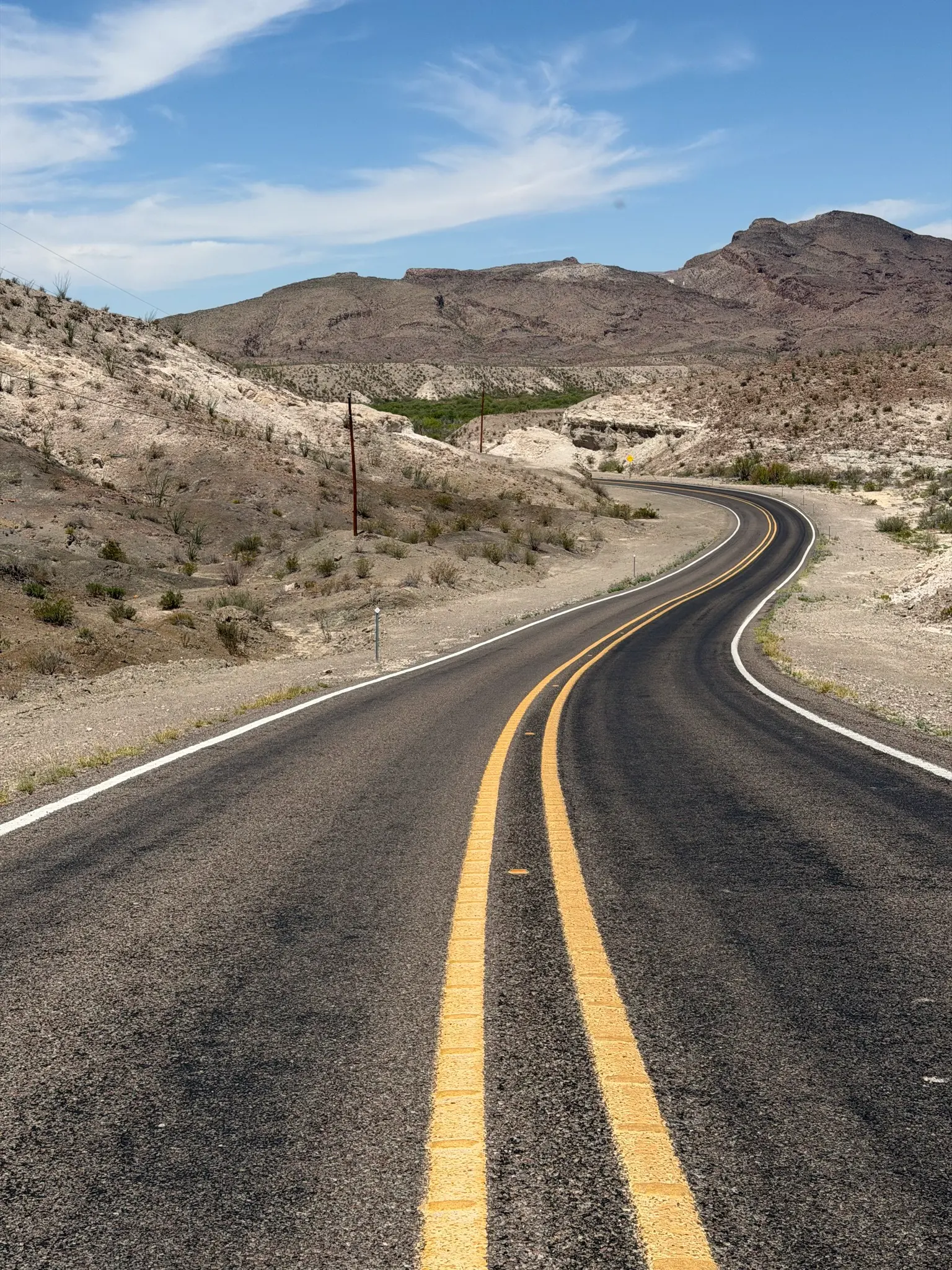
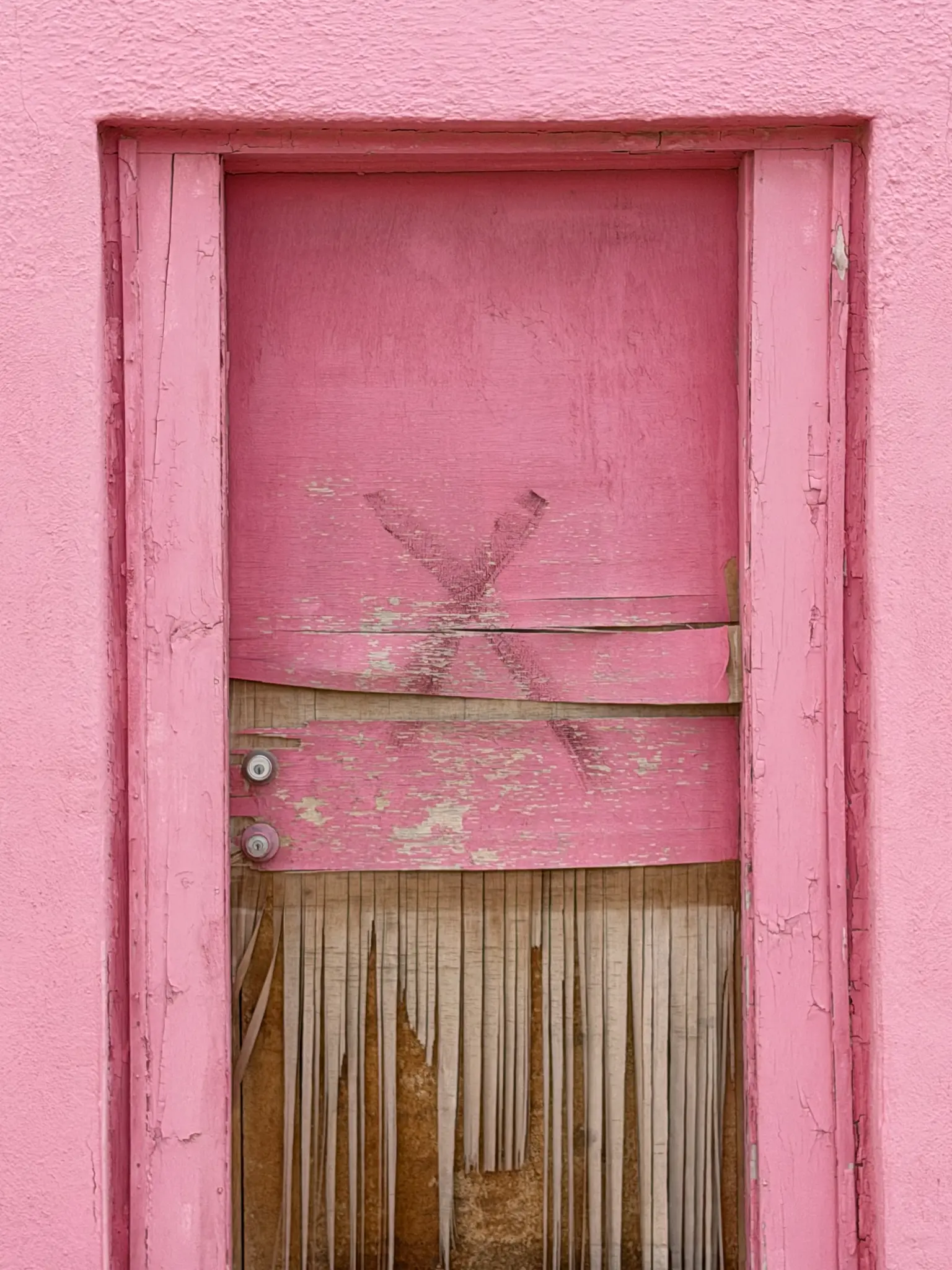
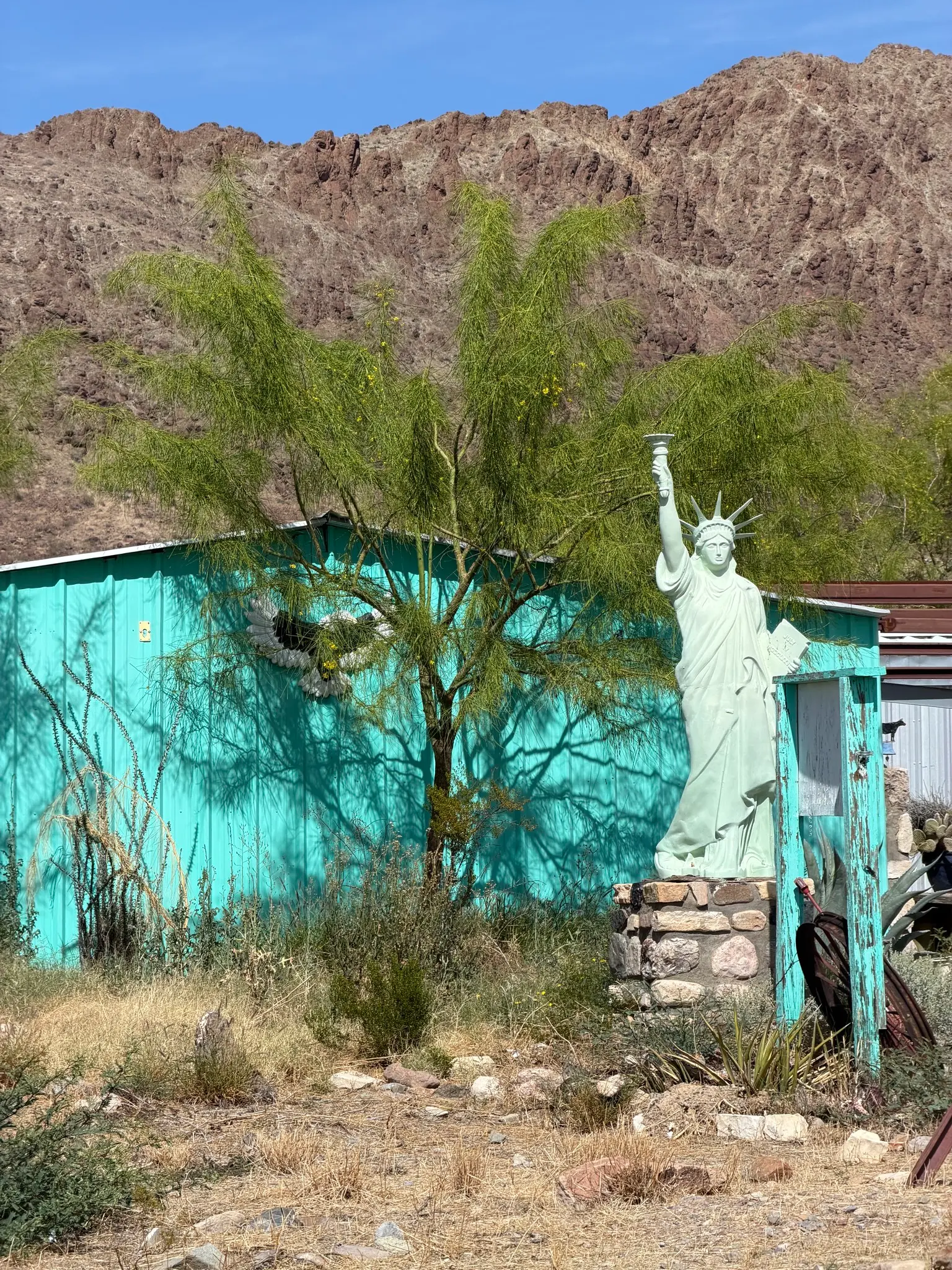
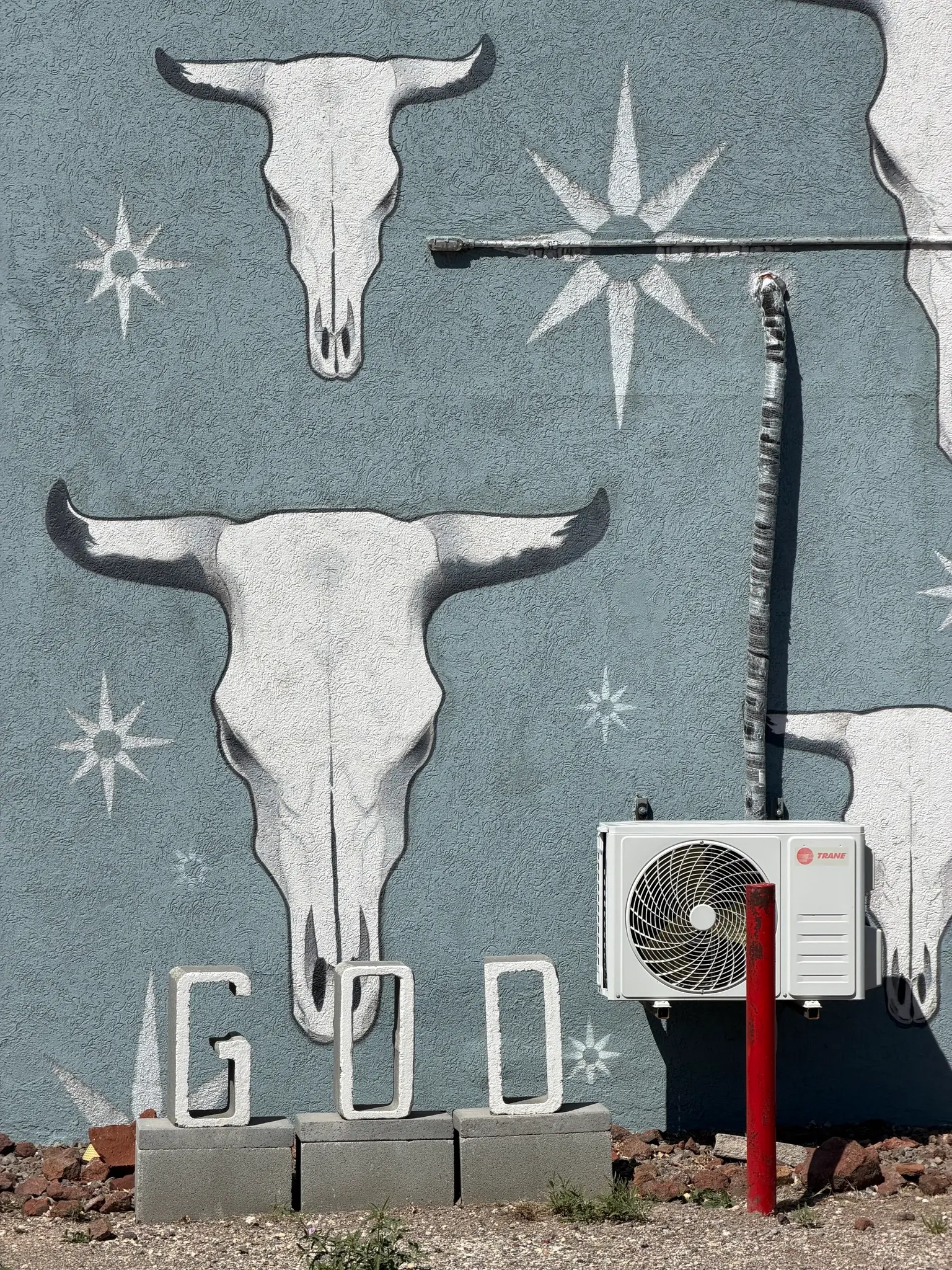
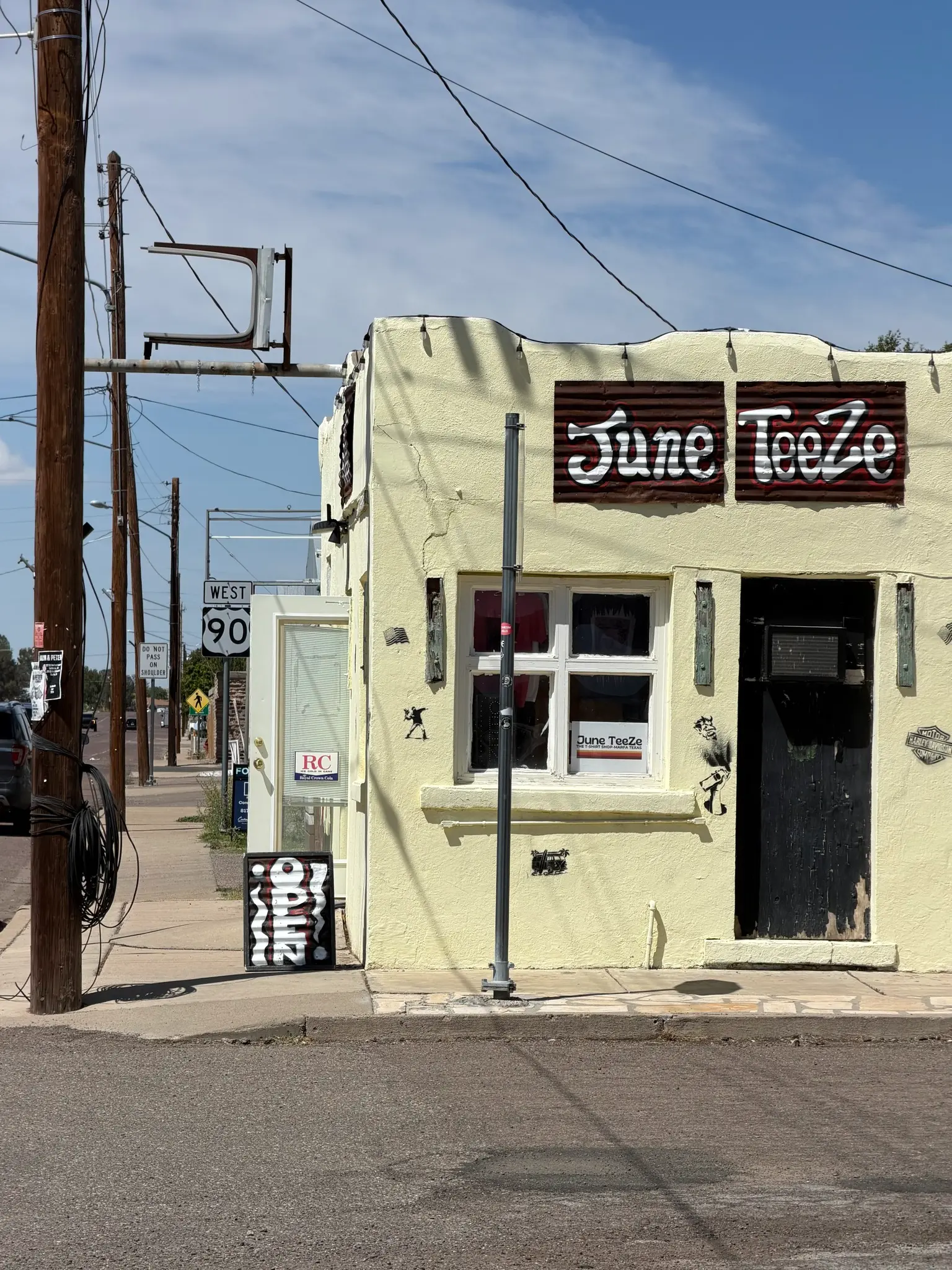
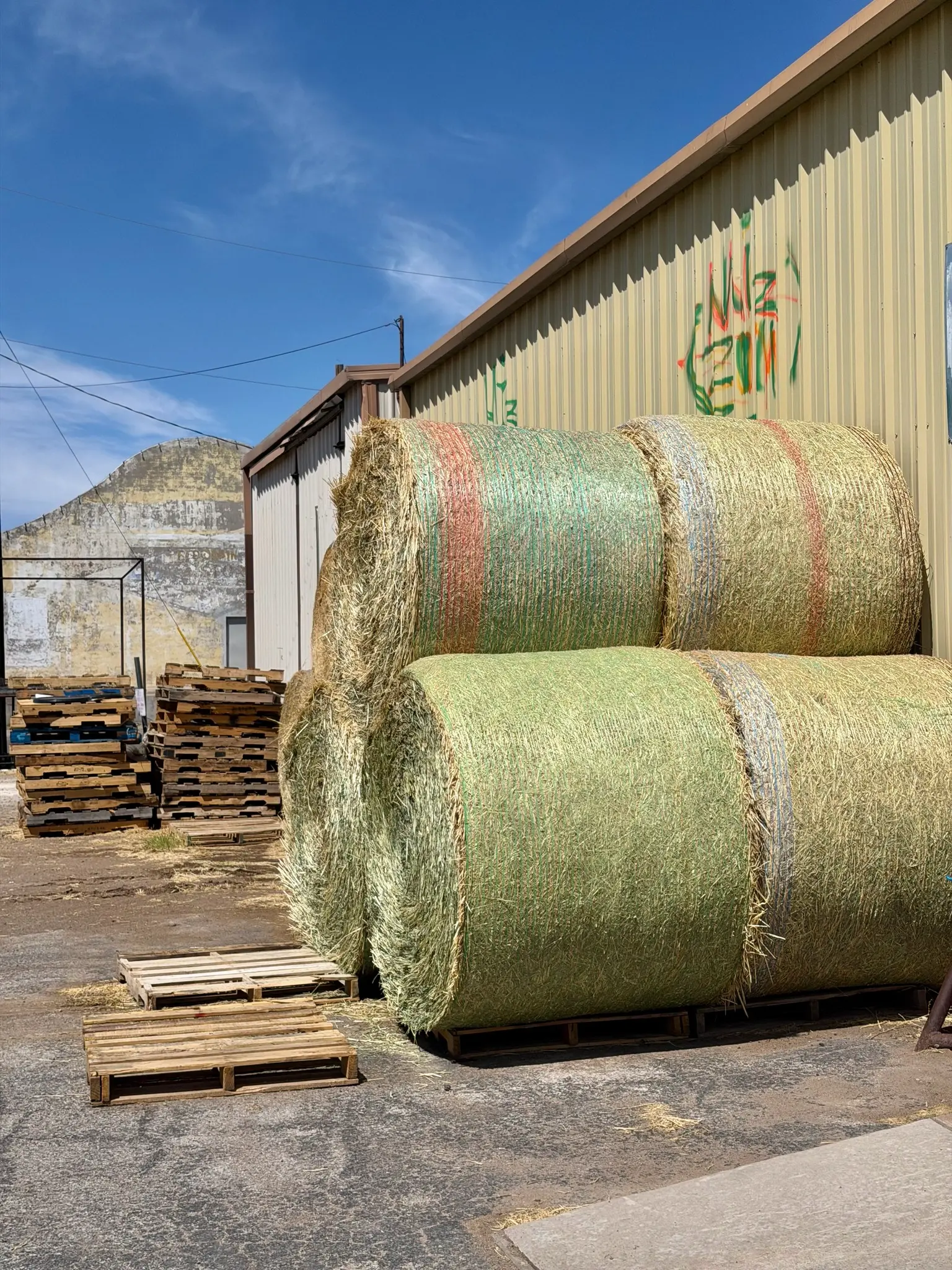
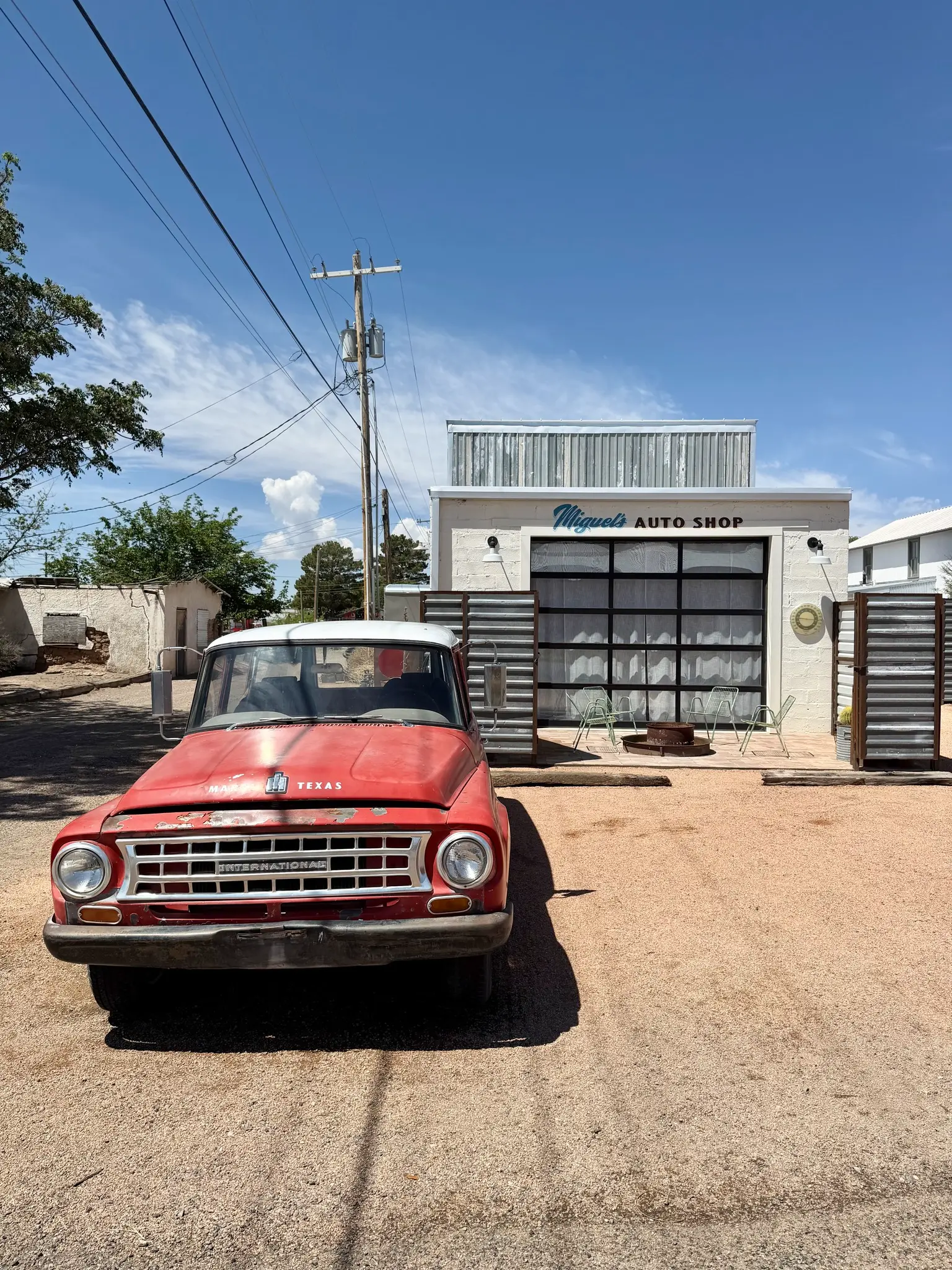
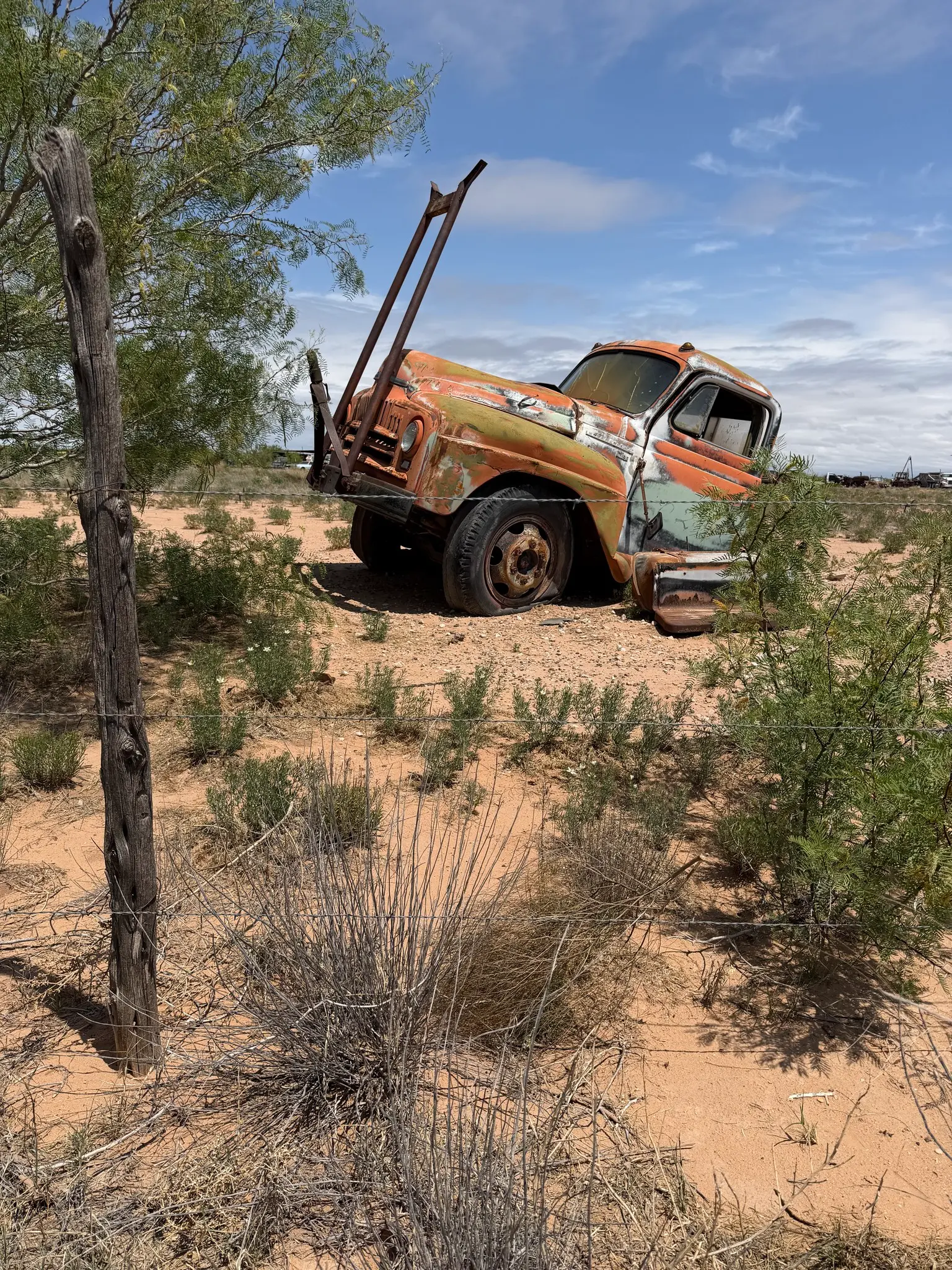
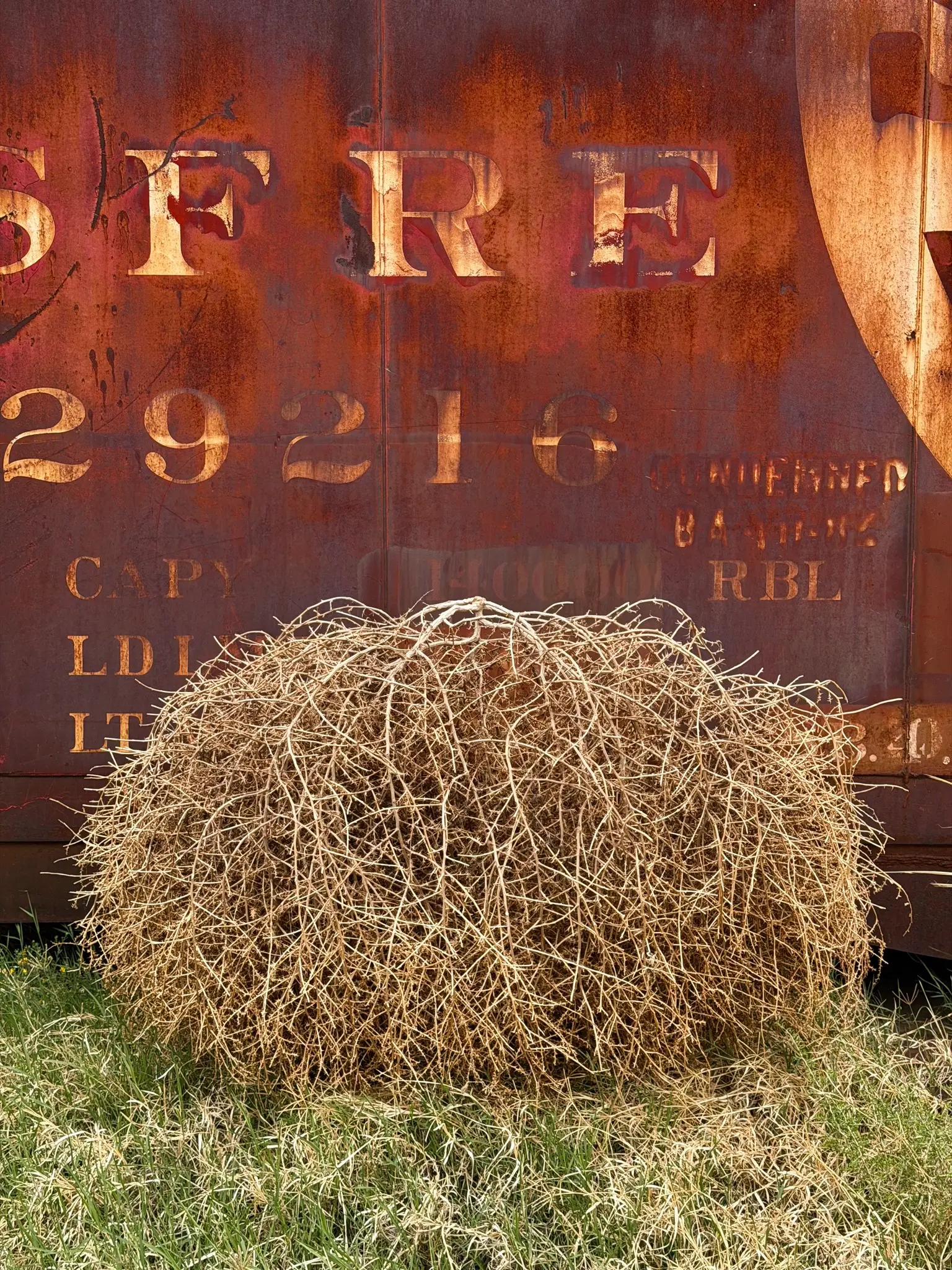
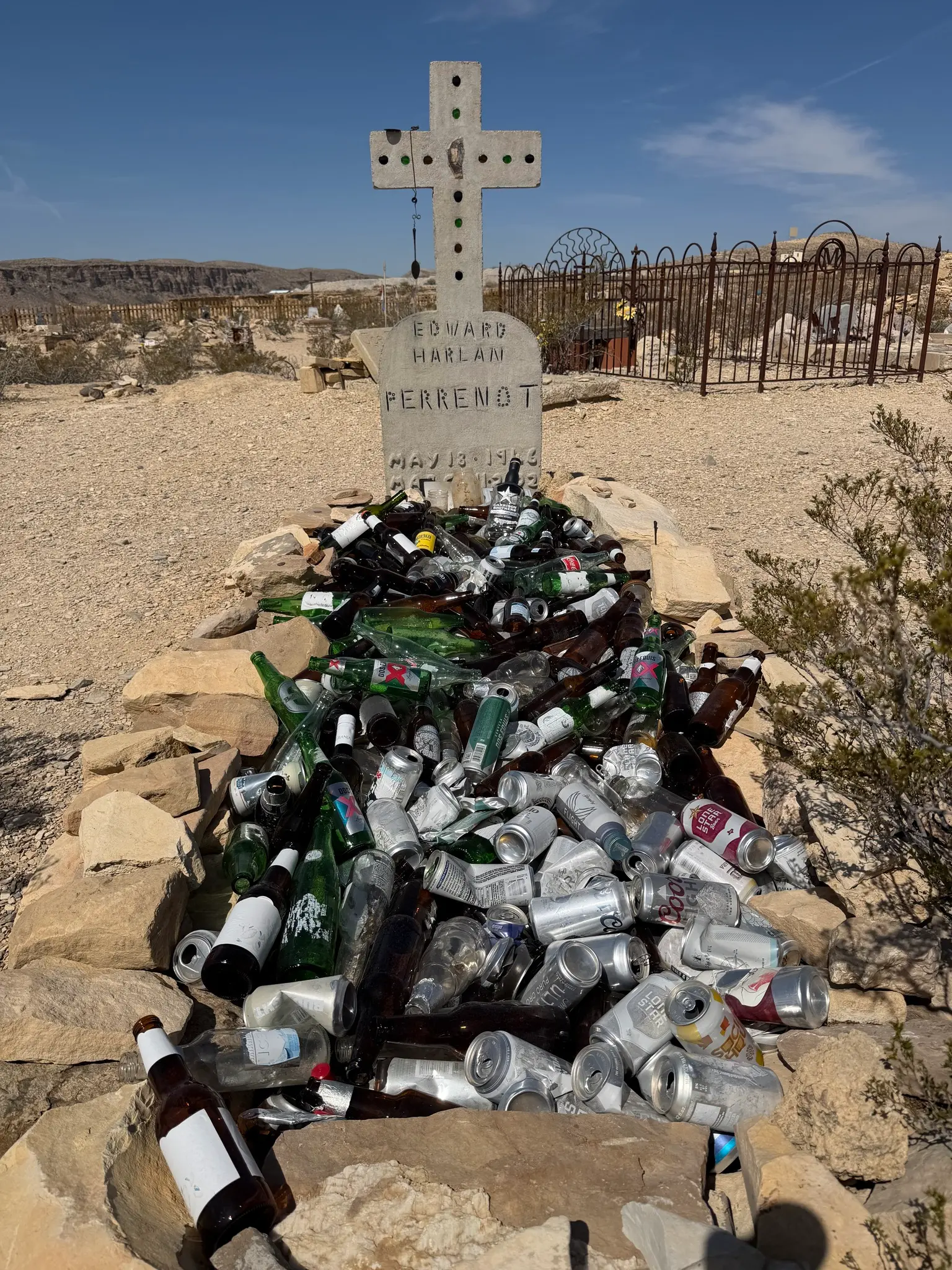
That’s what happened to me on this recent roadtrip. I found myself less interested in “capturing content” and more interested in understanding why certain scenes emotionally pulled me in. Why did I keep photographing broken-down tractors? Why was I drawn to abandoned motels, weathered signs, rusted machinery, empty roads, lonely gas stations, and vast stretches of silence? Why do those subjects feel emotionally familiar to me? Why do they feel strangely comforting?
I don’t fully know.
But I suspect photography has always been my way of trying to understand myself without having to directly say so.
Maybe that’s true for all photographers.
Maybe we’re all leaving little autobiographical breadcrumbs behind in our camera rolls whether we admit it or not.
I know this much: when I look back across fifty years of photographs—from my early Minolta days in the 1970s to my Nikon and Canon years to the million-plus iPhone photos I’ve now shot—I can clearly see the evolution of a human being. Not just a photographer. A human being.
I can see insecurity. Ambition. Ego. Loneliness. Curiosity. Wonder. Restlessness. Grief. Growth. Aging. Acceptance.
The photographs document all of it.
And maybe that’s the real power of photography in the first place. Not simply preserving what the world looked like, but preserving who we were while we were looking at it.
Photography, done well, isn’t separate from your identity. It is your identity. It is the emotional residue of your life experience. It is the visual fingerprint of how you move through the world. Long after the camera changes, long after the trends fade, long after the algorithms move on to the next thing, what remains is something much deeper and far more enduring.
You.
And honestly, I think that’s what I’ve been photographing all along.
Click.
Jack.
P.S. Over the next little while, I’ll also be releasing a small companion eBook inspired by these roadtrips and reflections titled Roadtripping: Not All Who Wander Are Lost. It won’t be a technical photography manual or a travel guide. More a personal meditation on wandering, seeing, solitude, photography, and the strange emotional pull of the open road. Simple. Honest. Human. It’ll be available as a downloadable eBook for $12.95. I’ll share more details soon.