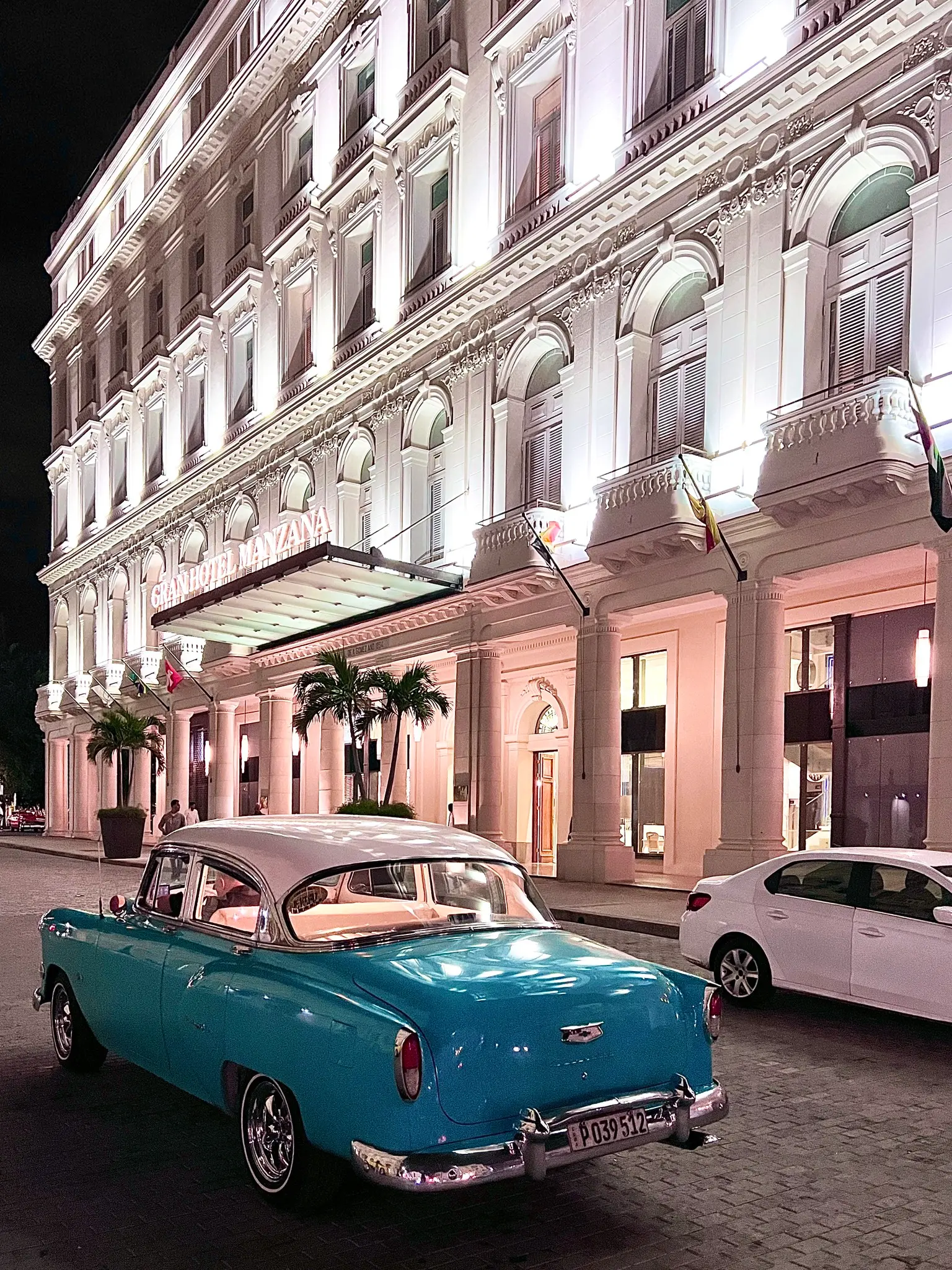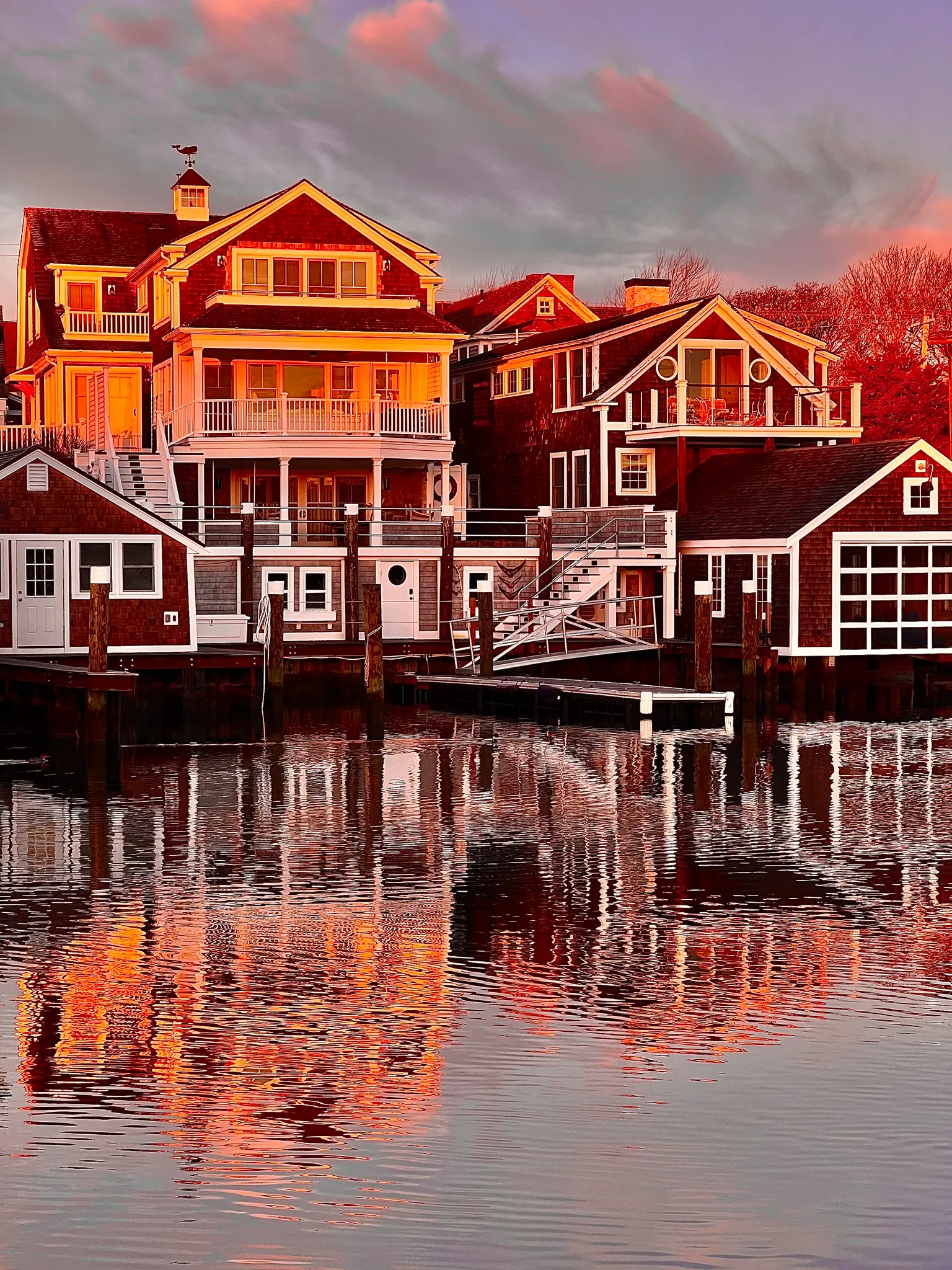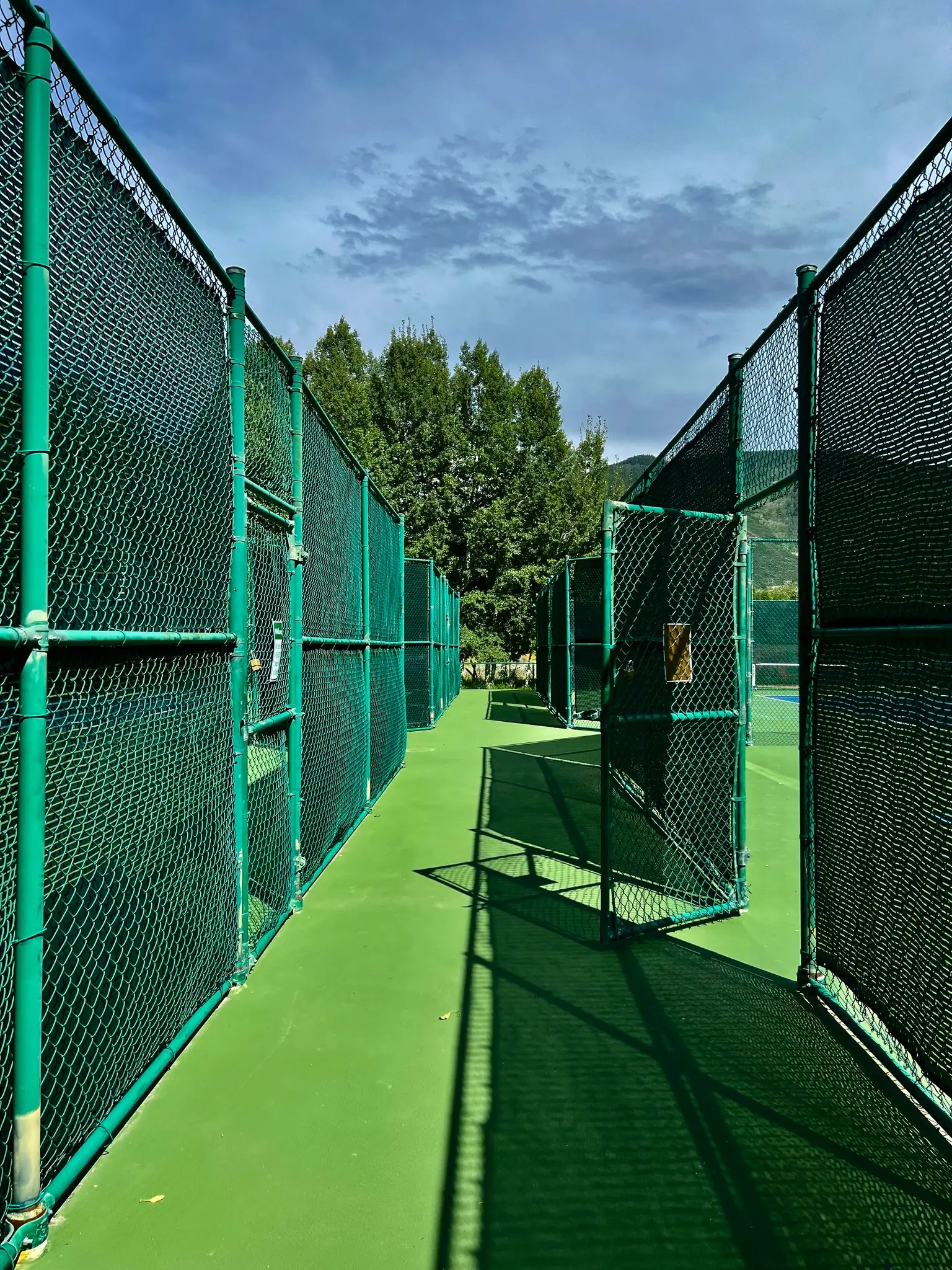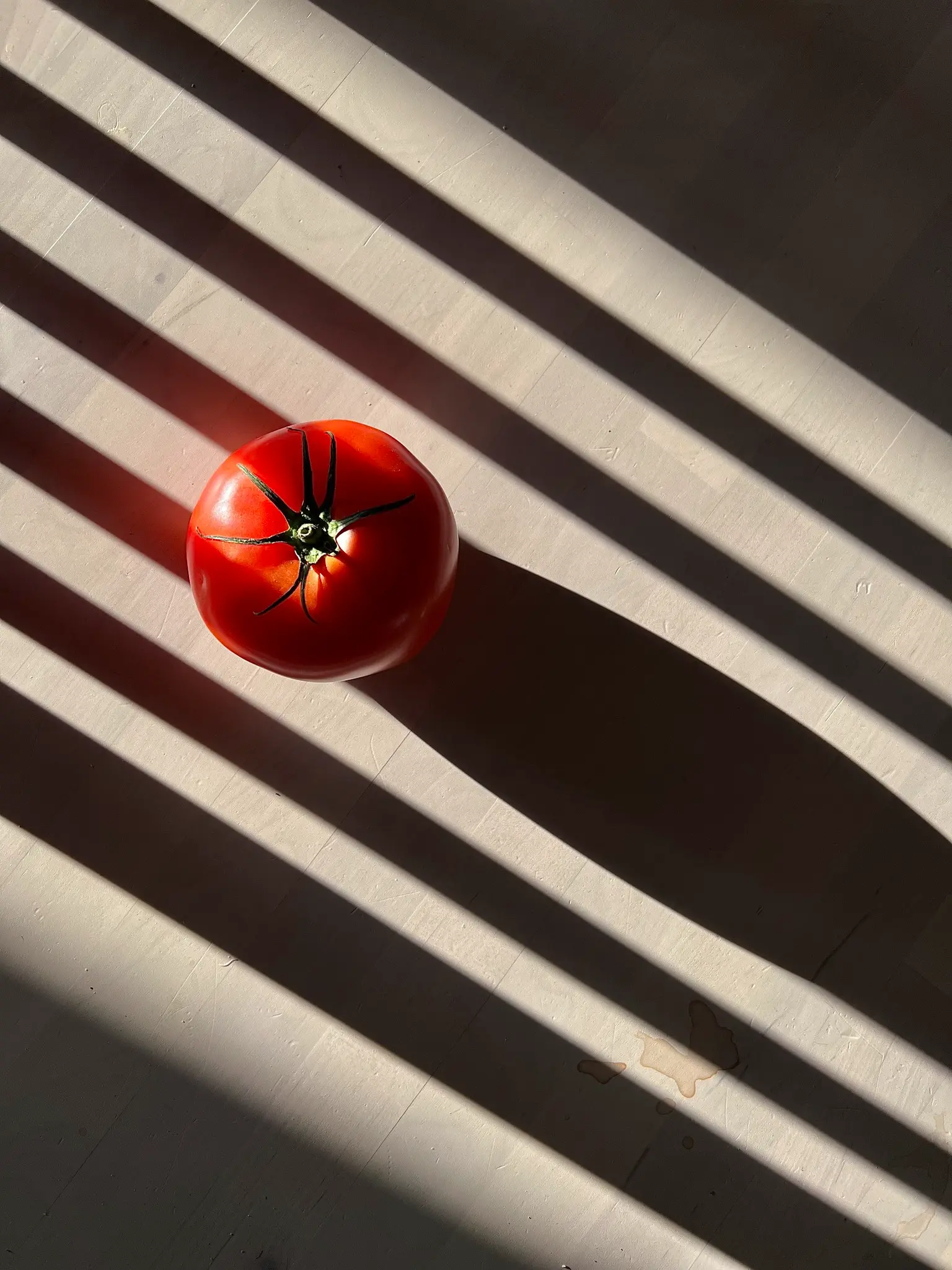
How the viewfinder pulls me back from the edge
As soon as I put the final period on that last piece—Hate Trumps Love—I felt a kind of emotional recoil, like I had been holding my breath too long inside something heavy and airless. Writing it forced me to sit in the anger, the division, the ugliness that seems to saturate so much of our cultural landscape right now. And almost instinctively, without thinking it through, my mind reached for the one place it always goes when things feel this off-balance, this overwhelming. I reached for photography.
Not as an escape in the sense of denial, but as a counterweight. As a way to recalibrate. As a way to remind myself that the world I see in headlines and comment sections is not the only world that exists.
Photography, at least the way I practice it, doesn’t have a political affiliation. It doesn’t take sides. It doesn’t vote red or blue. It doesn’t scroll, react, argue, or pile on. It doesn’t carry yesterday’s grudges into today. It doesn’t reduce people to labels, slogans, or tribes. It doesn’t rush to judgment. It doesn’t need to be right. It doesn’t keep score. It doesn’t seek revenge. It doesn’t inflame. And it doesn’t hate.
That alone feels like a kind of quiet miracle right now.
Because when I pick up my iPhone and step out into the world—whether that’s a stretch of desert road, a crowded street, or a quiet corner of my own neighborhood—I’m not looking for confirmation of what I already believe. I’m looking to see. Really see. And the act of seeing, when done with intention, changes everything.
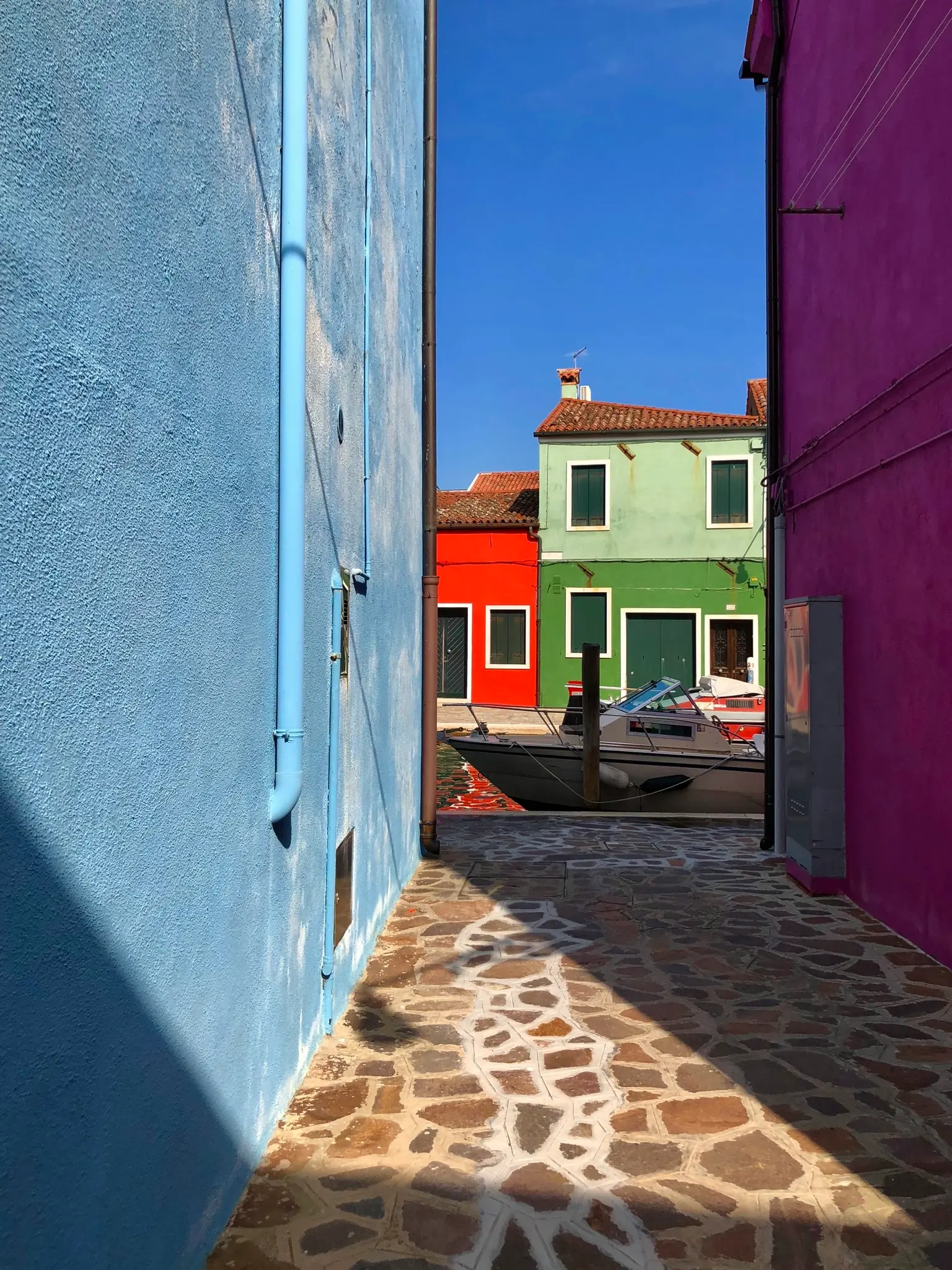
Photography slows me down. It interrupts the constant churn of opinions, reactions, and narratives. It pulls me out of the abstract and drops me into the specific. Light falling across a face. Color bouncing off a wall. The geometry of a shadow cutting across a sidewalk. These things don’t argue. They don’t demand allegiance. They simply are.
And in that simple “are-ness,” there is relief.
What I’ve come to understand is that photography doesn’t just document the world—it filters my attention. Not with presets or gimmicks, but with focus. It redirects me away from what’s loud and abrasive and toward what’s quiet and often overlooked. It reminds me that beauty isn’t rare or reserved for postcard moments. It’s everywhere, hiding in plain sight, waiting for someone to notice.
When I’m in that mode—camera in hand, curiosity engaged—it becomes incredibly difficult to hold onto hate. Hate needs a narrow frame. It needs certainty, rigidity, and a steady diet of reinforcement. Photography widens the frame. It invites context. It asks me to consider not just what I’m looking at, but how I’m looking.
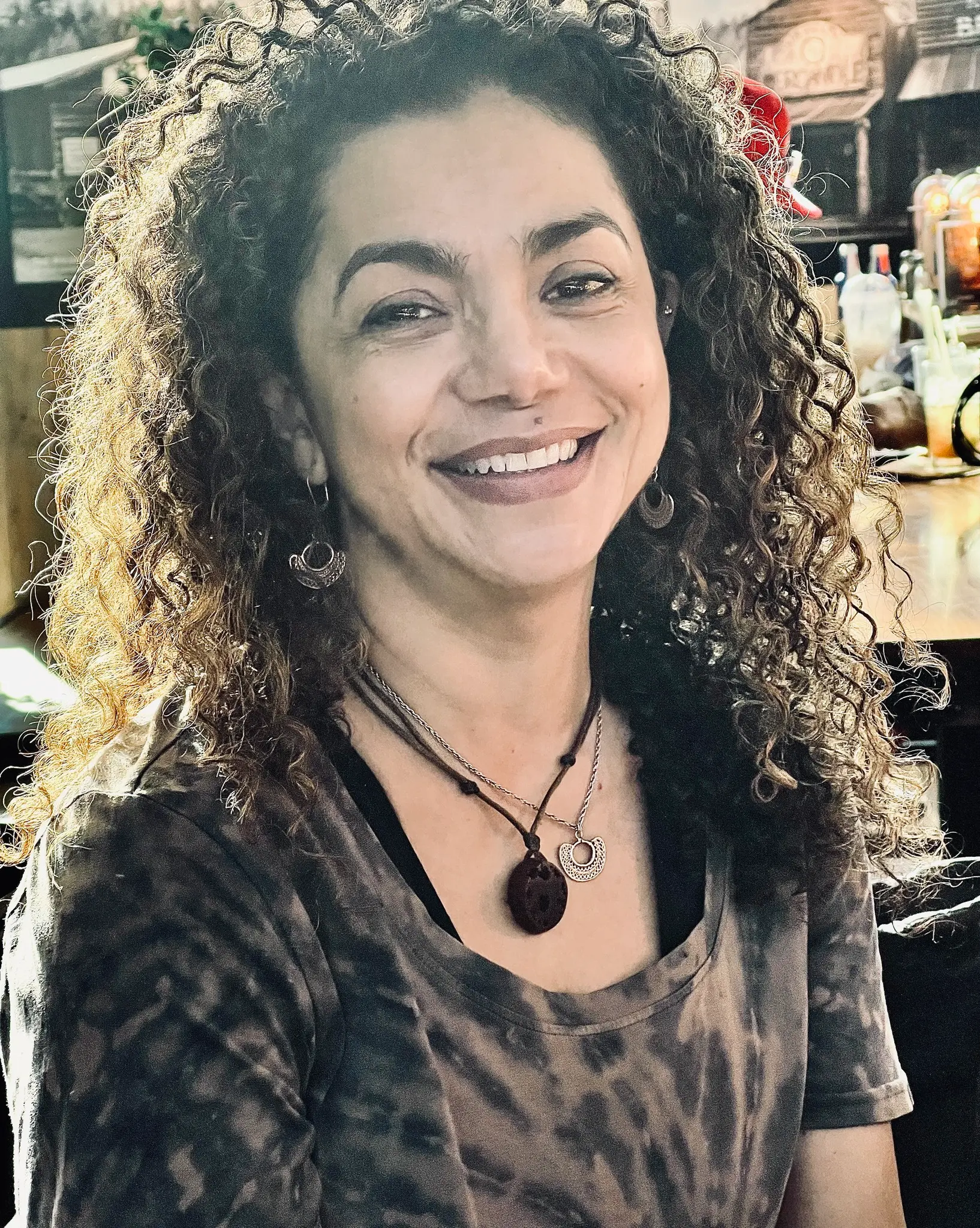
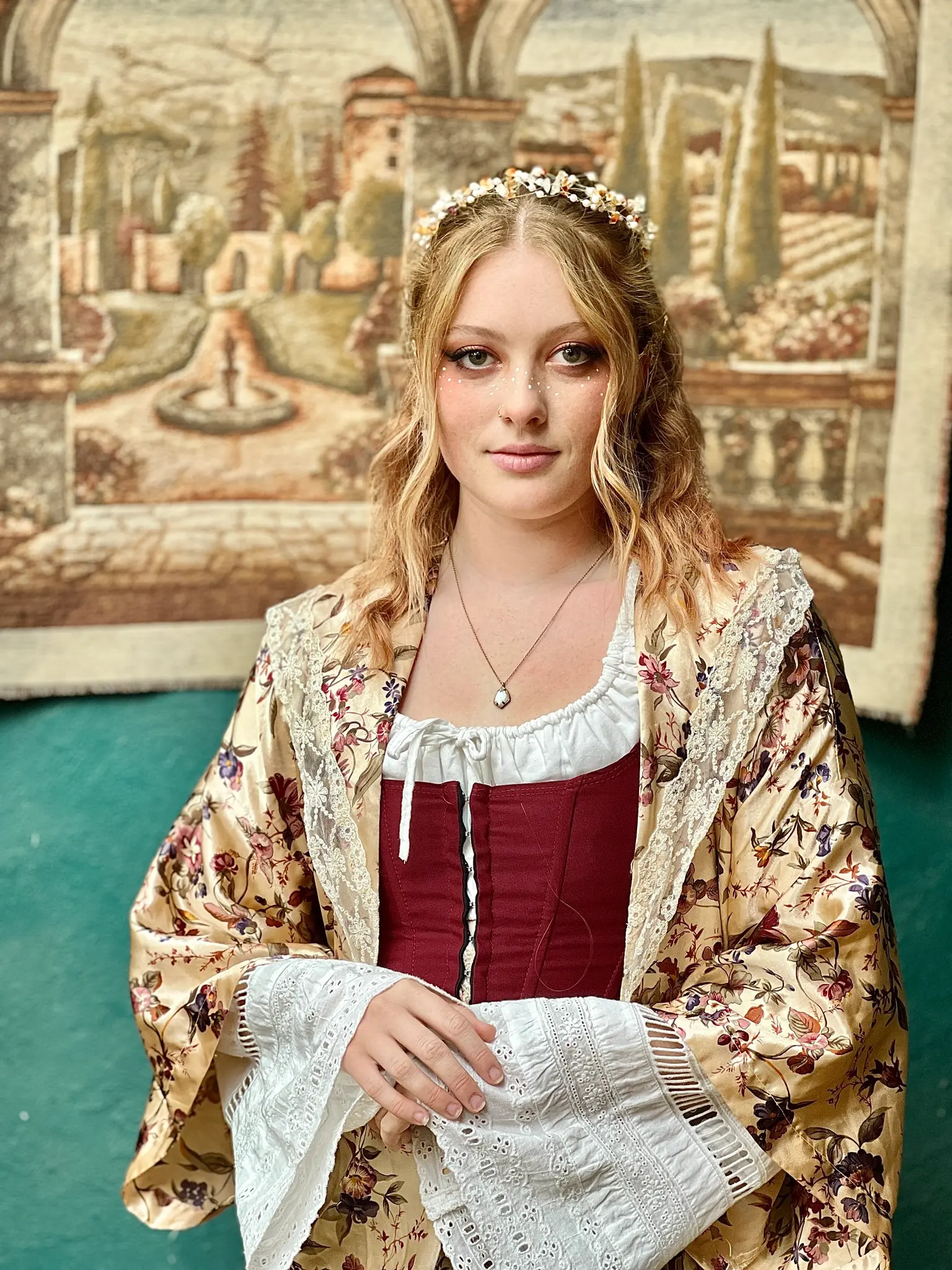
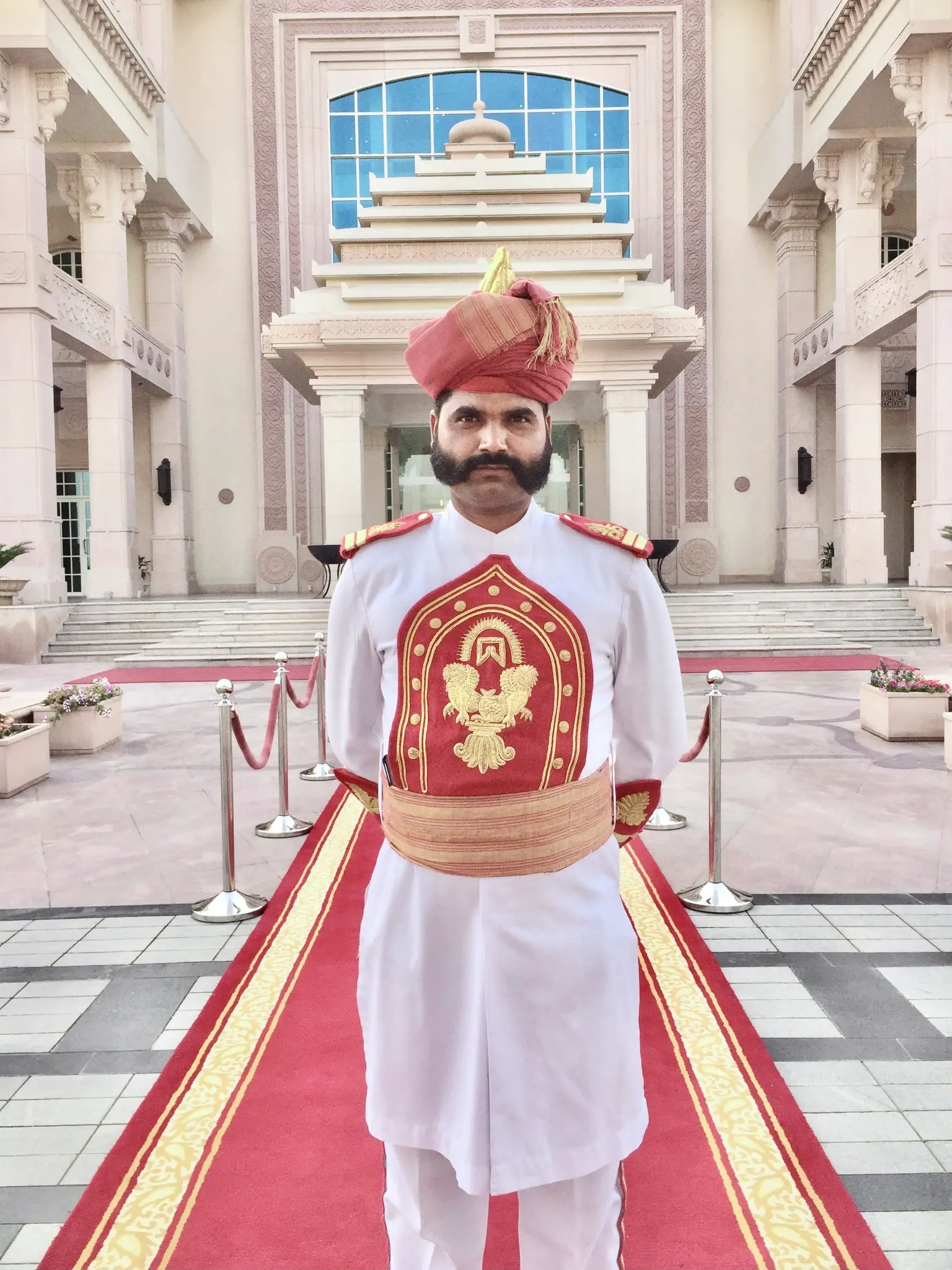
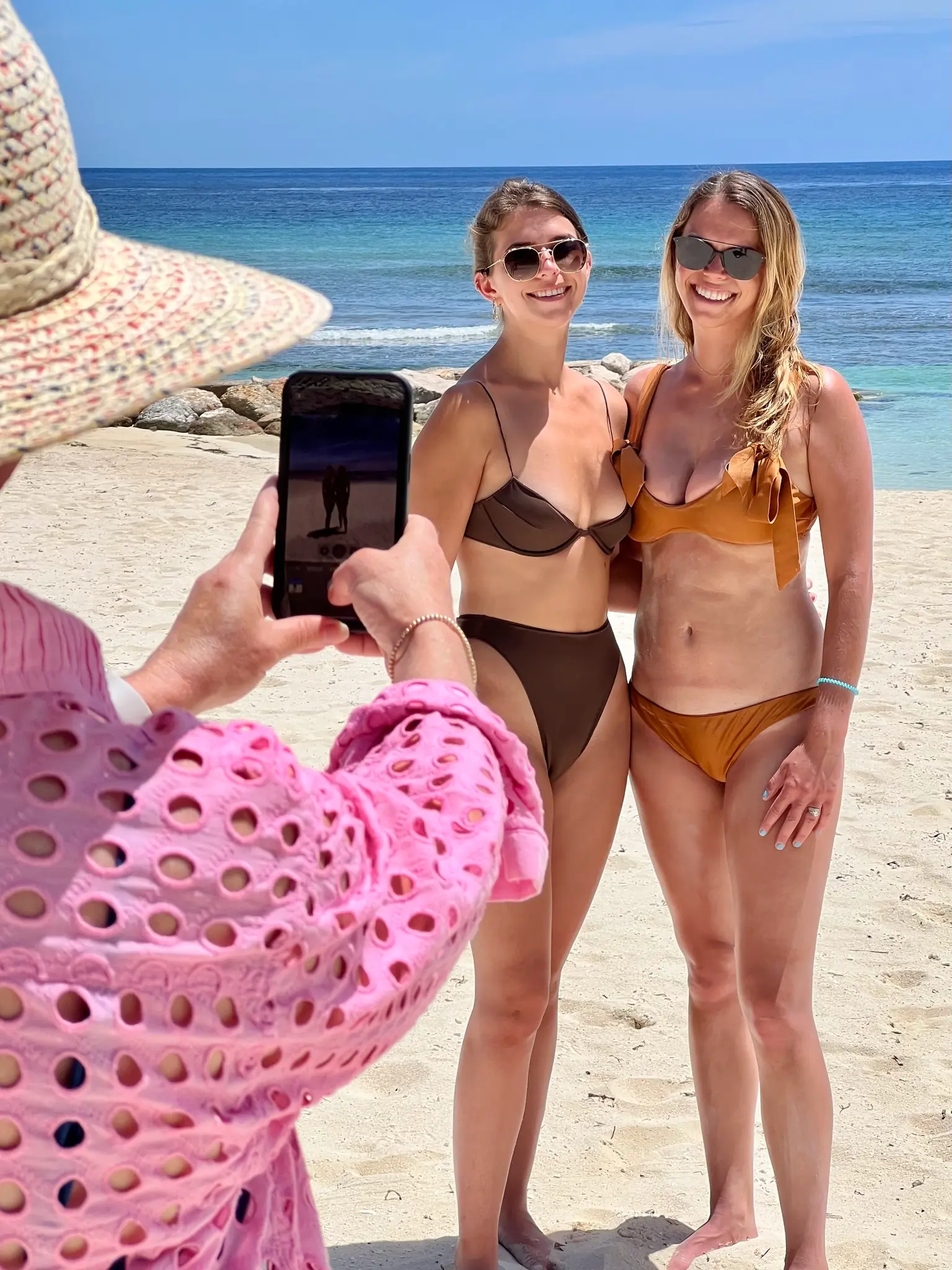
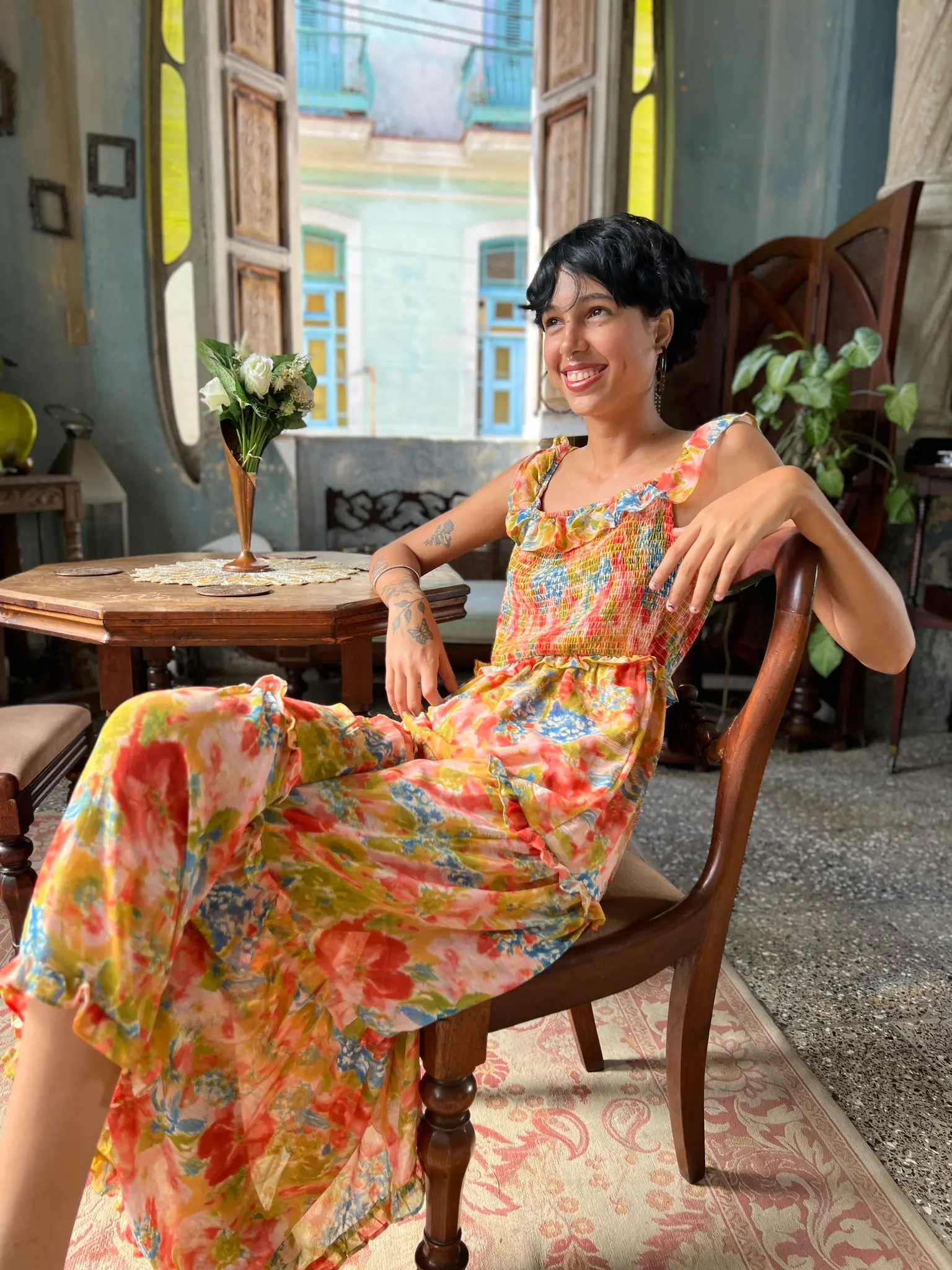
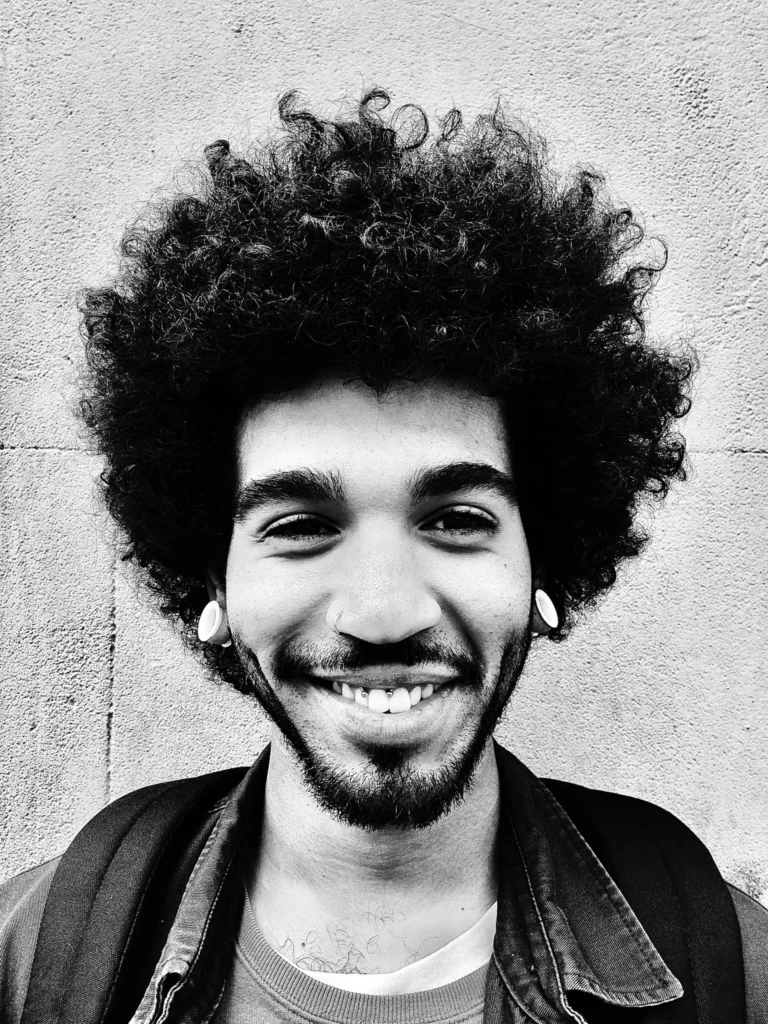
The people I photograph are where this shift becomes most obvious. In the abstract, it’s easy to sort people into categories—political, cultural, ideological. It’s easy to assume, to project, to build a story before a word is spoken. But when I’m standing in front of someone with a camera, none of that holds the same weight. What matters is the light on their face, the expression in their eyes, the small, unguarded moments that reveal something undeniably human.
In that moment, they are not a position or a party. They are a person.
And that changes everything.
Photography has shown me, frame by frame, that the world is far more nuanced than the versions we carry in our heads. That contradiction is normal. That someone can hold beliefs I strongly disagree with and still possess kindness, humor, vulnerability—qualities that only reveal themselves when you get close enough to actually see.
The camera, in that sense, becomes a bridge.
It doesn’t solve division. It doesn’t erase disagreement. But it humanizes it. It reminds me that behind every loud opinion is a life as complex and real as my own.
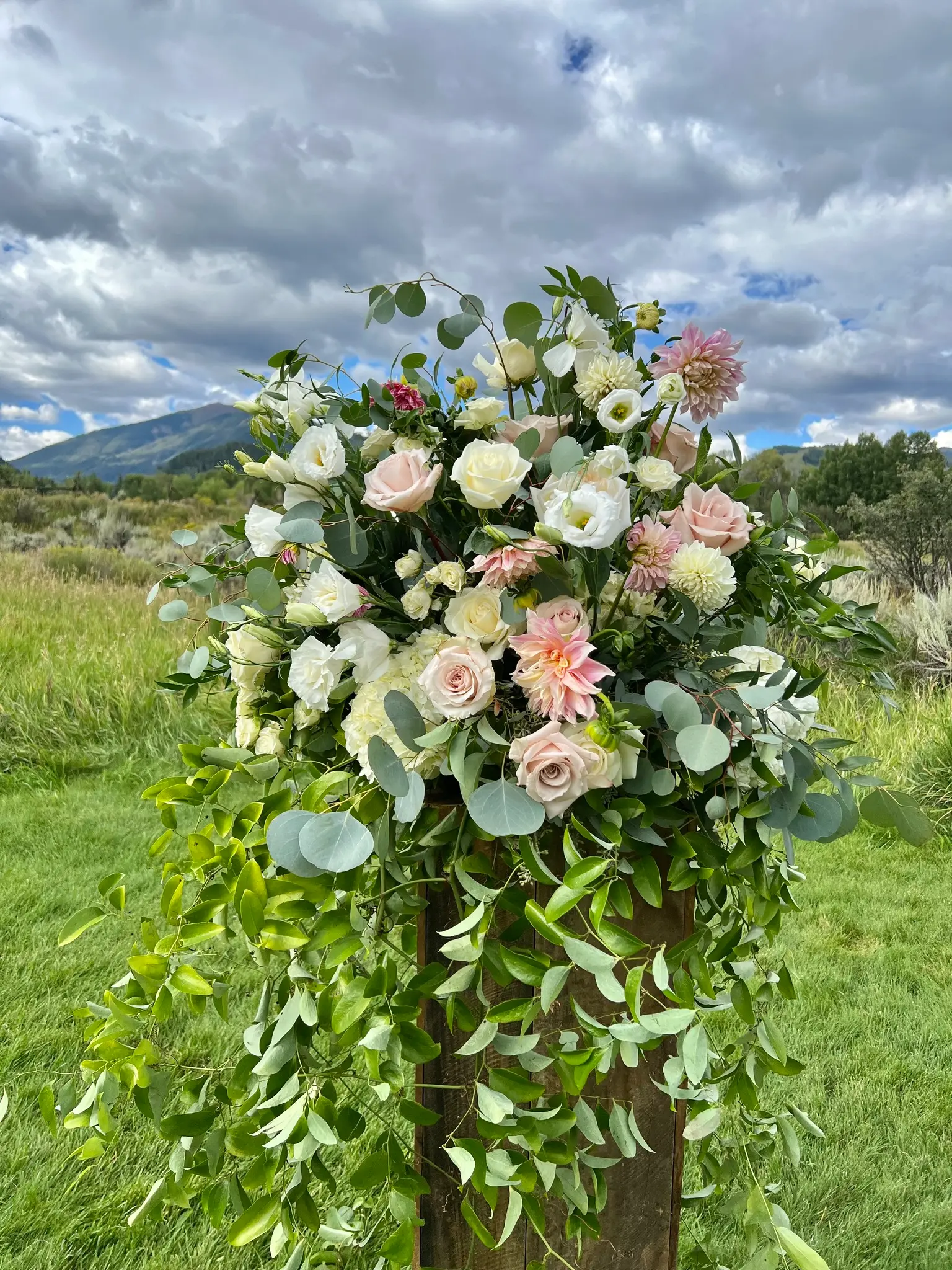
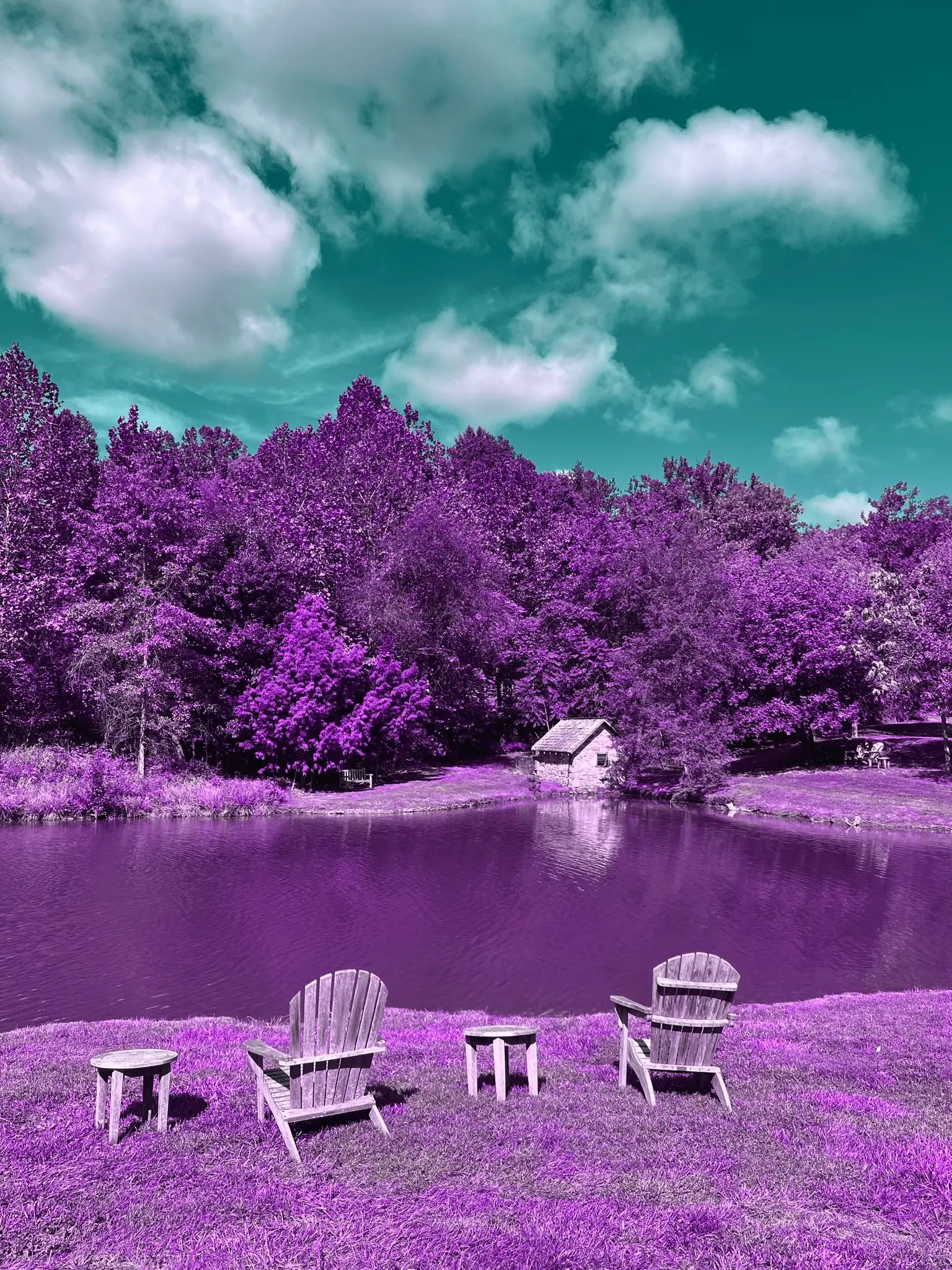
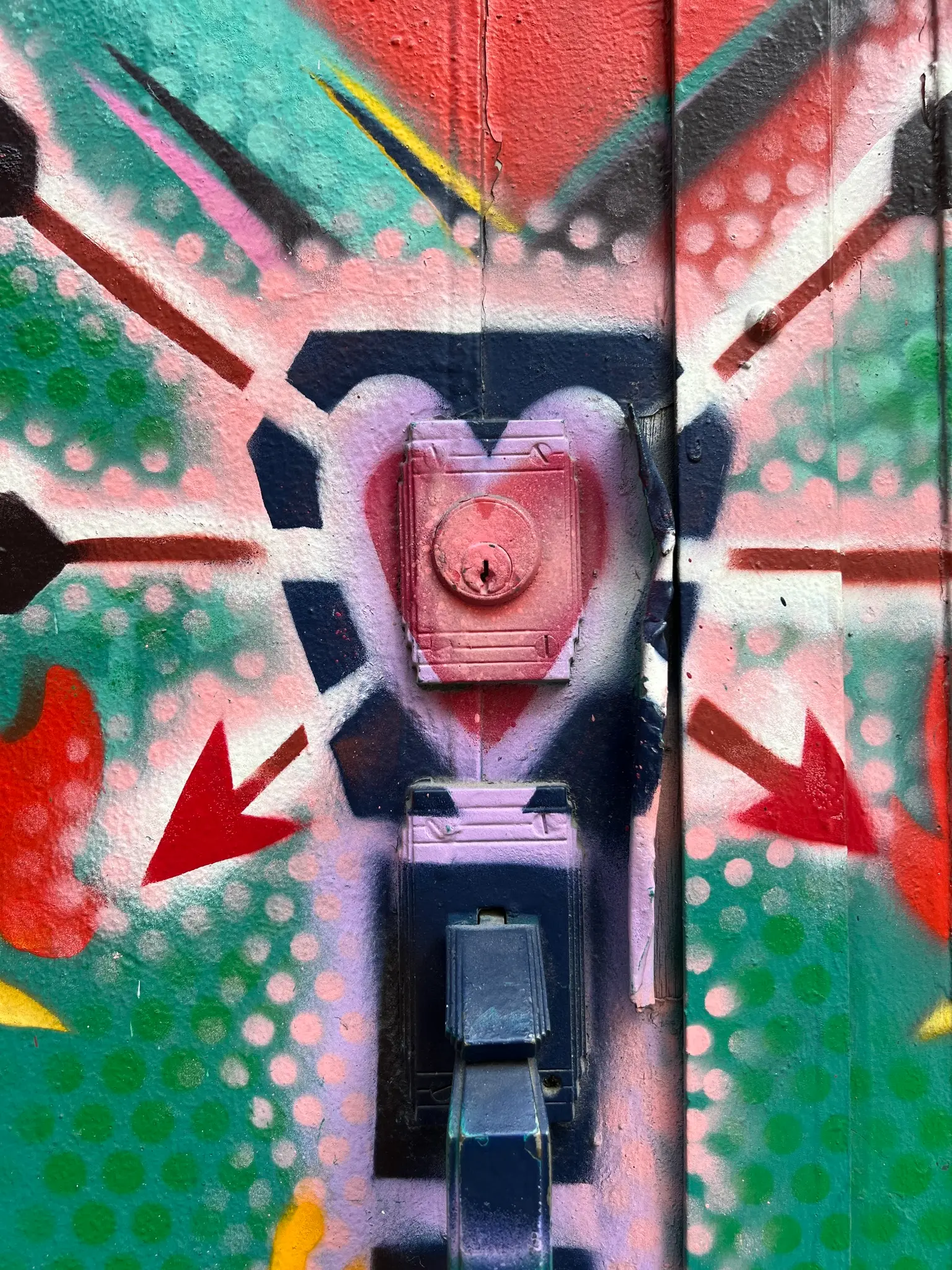
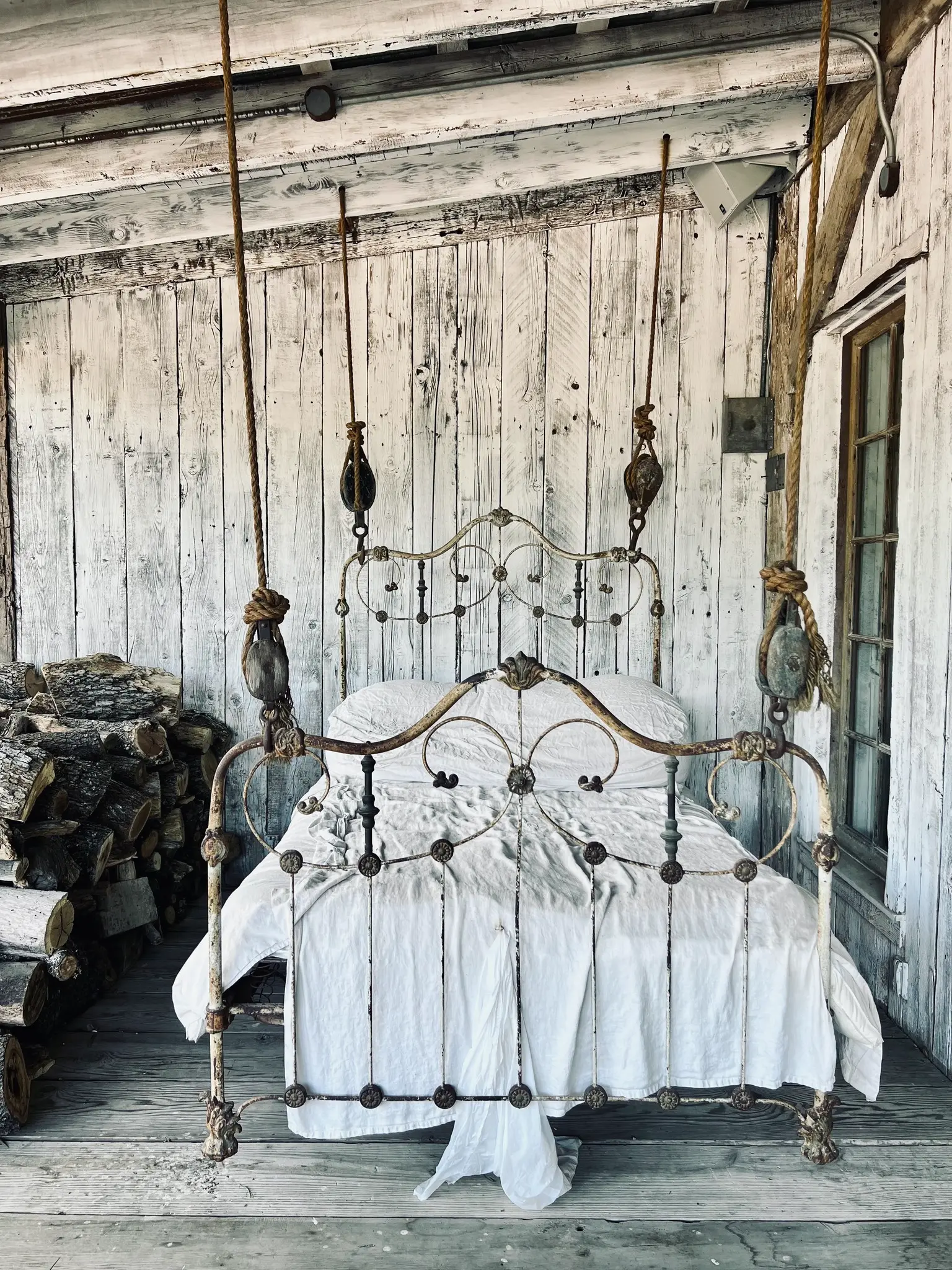
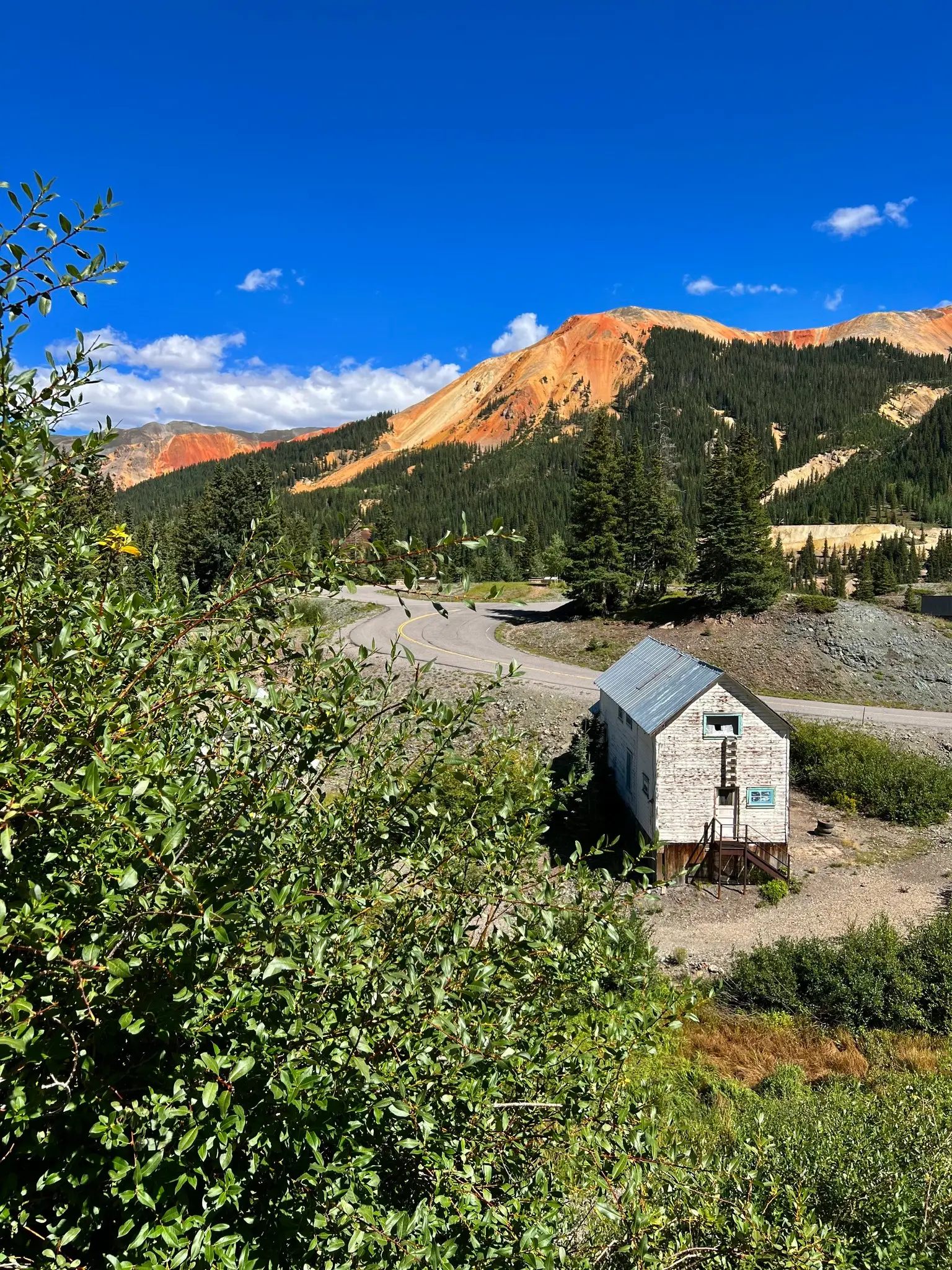
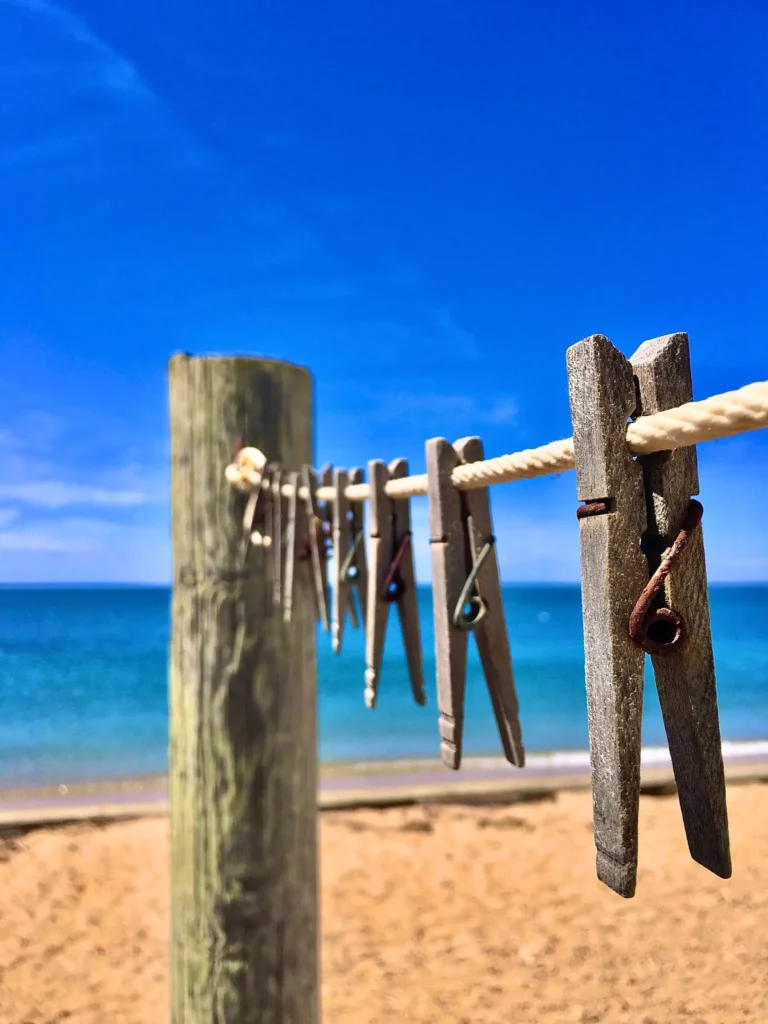
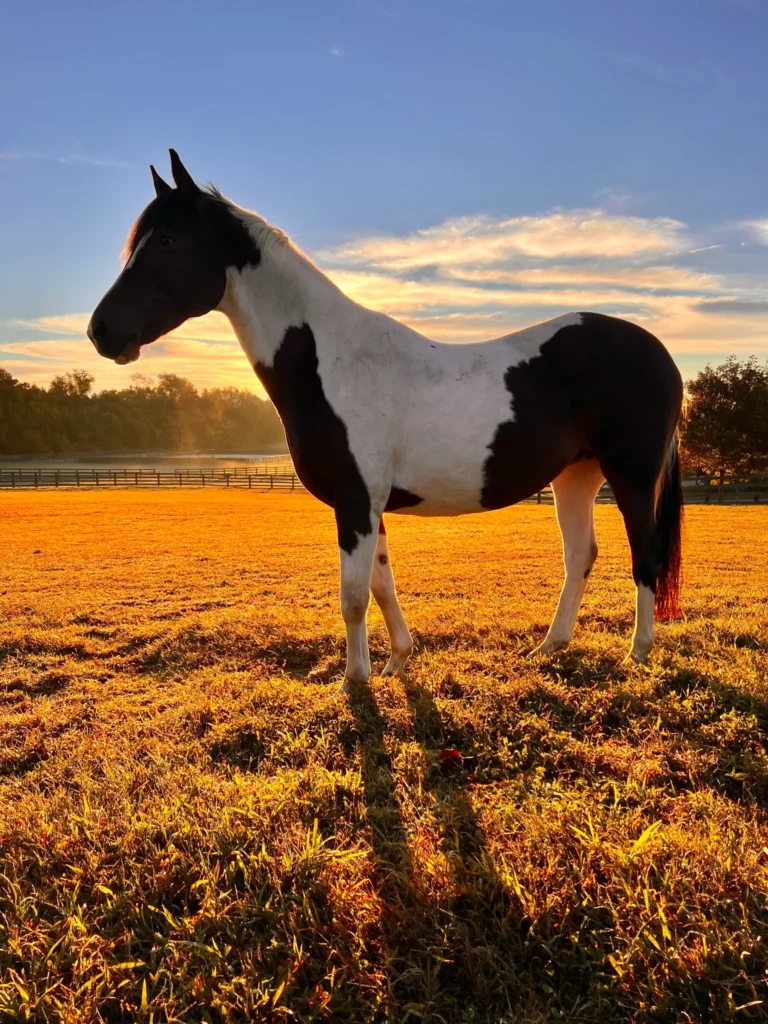
And then there’s the broader canvas—the world itself. The landscapes, the towns, the small, quiet scenes that never make the news. When I’m out there, waiting for light, framing a shot, I’m struck again and again by the sheer, unfiltered beauty of it all. The way a desert glows at sunset. The way an old building wears its history in every crack. The way ordinary moments—laundry on a line, a couple on a bench, a dog asleep in the shade—carry a quiet elegance we so often overlook.
Photography makes that visible to me.
It doesn’t erase the ugliness. The world is still messy. People are still divided. The headlines don’t soften just because I’ve chosen to look elsewhere. But the balance shifts. The scale tips, even if just slightly, toward something that feels grounded, real, and worth paying attention to.
And in that shift, I find relief.
I find a way to stay engaged without being consumed. I find a way to acknowledge the hate without letting it define my entire field of vision. I find a way to keep my curiosity intact, to keep my sense of wonder alive, even when everything around me seems to be pushing in the opposite direction.
Photography, for me, is not about pretending everything is fine. It’s about insisting that everything is not broken. It’s about holding two truths at once—the world can be deeply flawed and deeply beautiful—and choosing, consciously, to give my attention to the latter without ignoring the former.
So yes, I wrote about how hate feels like it’s trumping love right now. But when I pick up my camera, when I step into that quieter, more observant space, I’m reminded of something just as true.
Love is still here.
It’s in the light. It’s in the faces. It’s in the ordinary, unremarkable moments that, when seen clearly, are anything but ordinary.
All I have to do is look.
Click.
Jack.