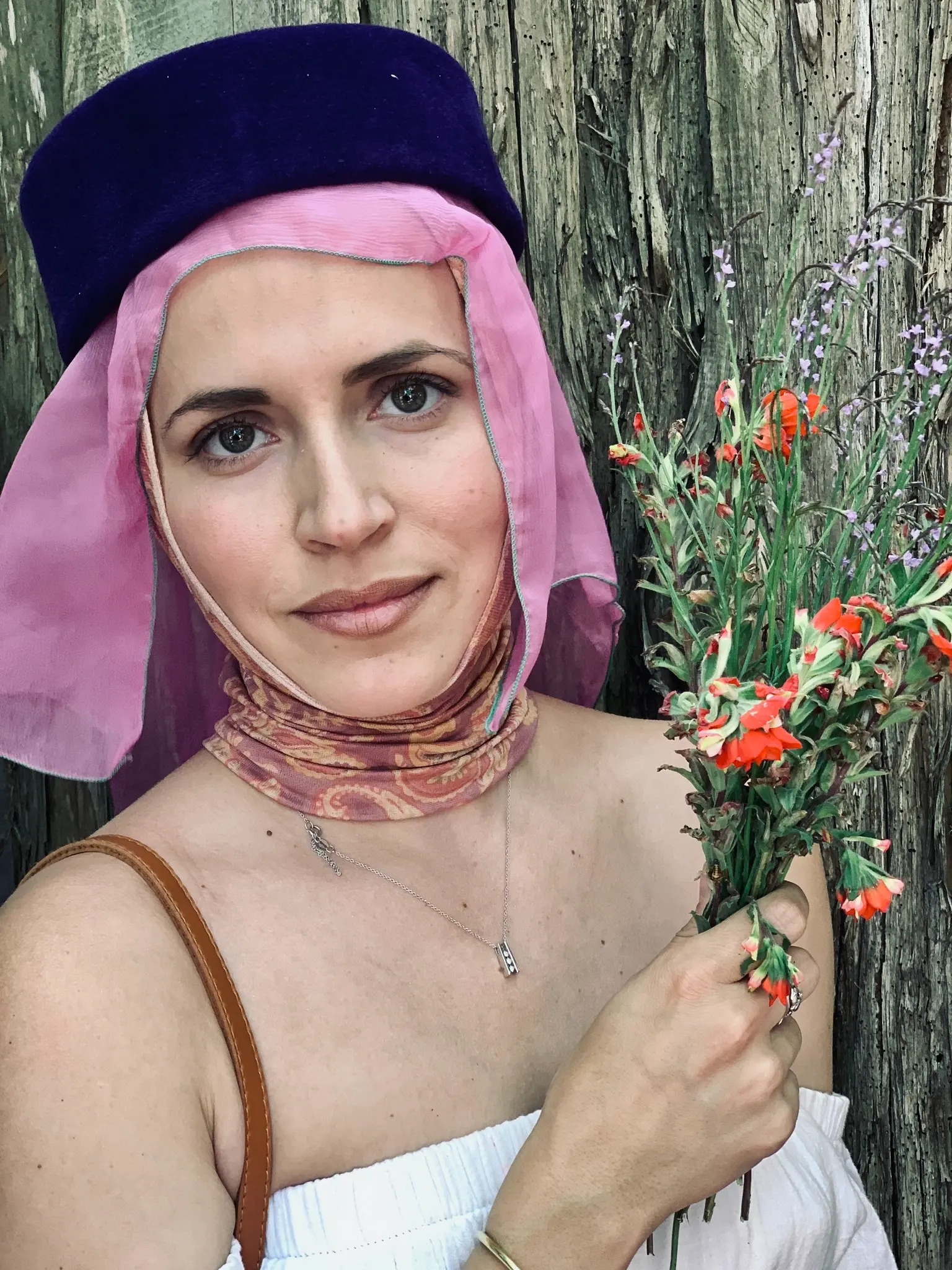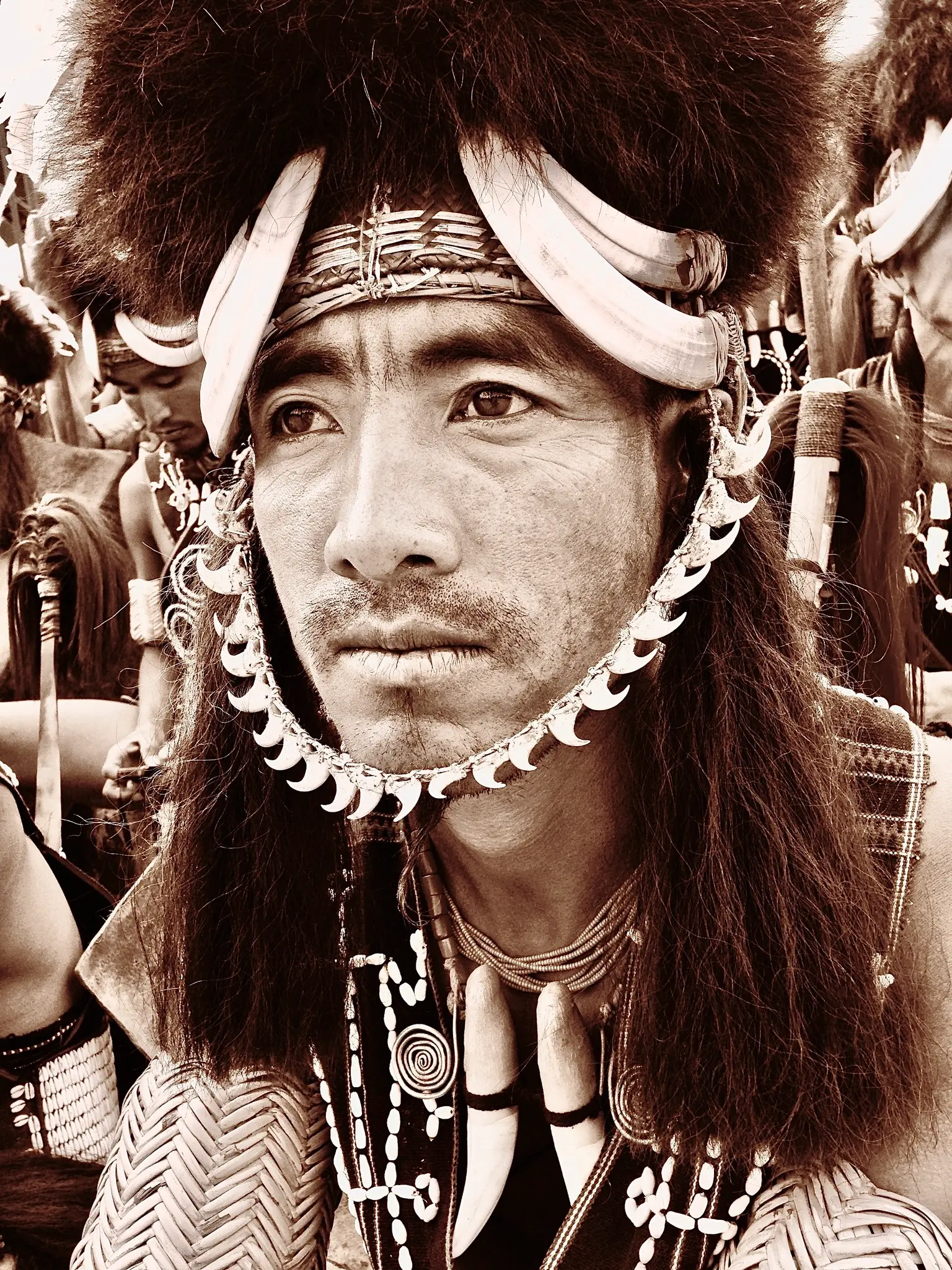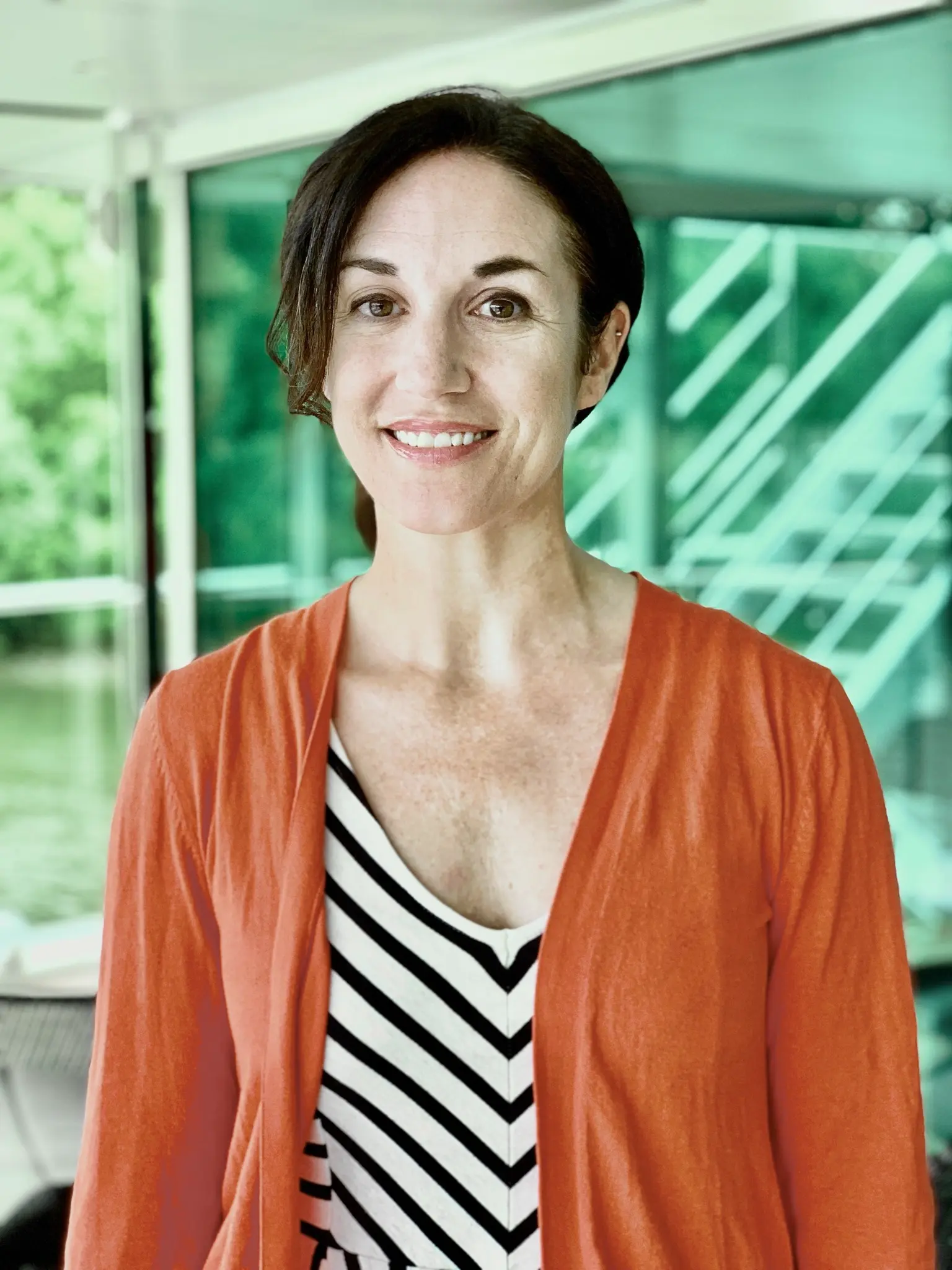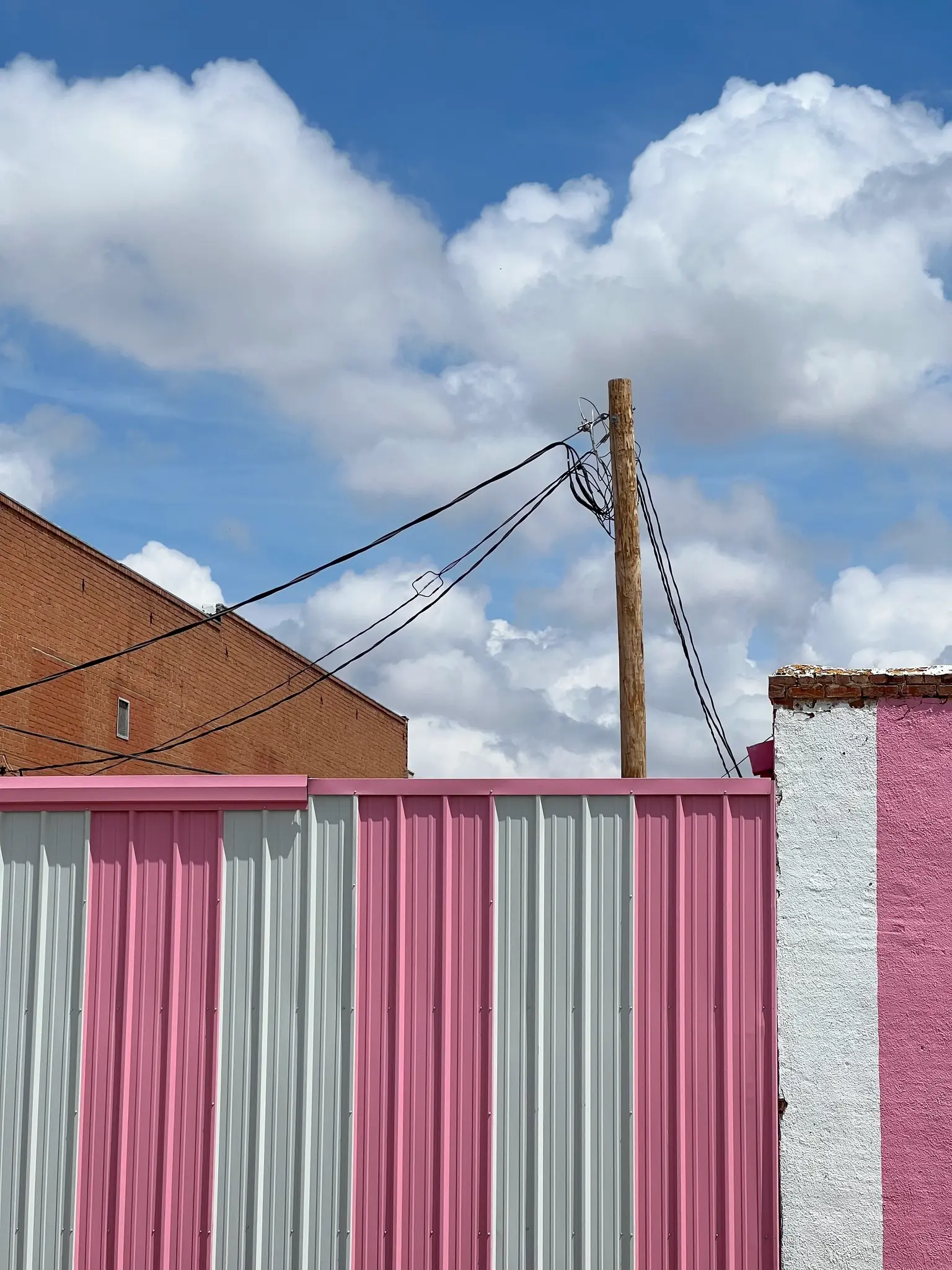
Why some people want better snapshots, and others want to become better photographers
Let me be raw, personal, and honest about something that has been forming in my mind for a long time.
I teach people how to take and make better iPhone photographs. I’ve done it for years. Workshops, classes, cruises, talks, online sessions, private coaching, chance conversations in coffee shops, airport lounges, and hotel lobbies. I answer a hell of a lot of questions from a hell of a lot of different people. Different ages. Different incomes. Different backgrounds. Different motivations. Different levels of seriousness.
And over time, patterns emerge.
Without trying to be elitist, dismissive, or dramatic, I’ve come to believe that the people who show up to learn iPhone photography generally fall into three broad camps. They are not rigid categories. There is overlap. People move from one camp to another. Some carry traits from all three. But the distinctions matter, especially if I’m being truthful about who benefits most from what I teach.
Because not everyone needs me. And not everyone is a fit for me.
Camp One: Consumers
This is the largest group by far. These are everyday people using the iPhone camera as part of everyday life. They do not identify as photographers. They are not trying to become artists. They are not studying visual culture or reading books on composition. They are living their lives, and the phone happens to be in their pocket.
They photograph birthdays, grandkids, dogs, dinners, sunsets, vacations, flowers in the yard, something funny at Costco, a cracked windshield for insurance, a recipe card, a parking spot marker, a selfie with friends. Their photography is practical, social, emotional, and immediate.
They mostly shoot in default settings. They rarely edit beyond maybe cropping or brightening. They seldom print. Most of their photos live on the phone, in text threads, or on social media. Their standard is simple: “Does it look decent?” “Can I remember this moment?” “Will this embarrass me if I post it?”
There is absolutely nothing wrong with this. In fact, it is beautiful in its own way. Photography as memory. Photography as witness. Photography as family glue.
But this group usually does not want to hear me talk for twenty minutes about the direction of light, negative space, tonal contrast, edge tension, color harmony, or why moving three feet left changes everything.
They want cleaner, better, easier.
And that is fair.
Camp Two: Prosumers
This middle camp is where things get interesting.
These people use photography not only for personal life, but for purpose. They may run a small business, sell products online, manage a social media presence, market real estate, promote a side hustle, build an Etsy shop, document a brand, or create content for clients. Photos and videos are tools that help them move something forward.
They care more than Camp One. They notice trends. They follow creators. They are more likely to buy accessories, download apps, test lighting tools, chase a viral style, or ask what settings someone else used. They want better results because results matter.
They often ask practical questions. How do I make my products look more expensive? How do I blur the background? How do I make my food pop? How do I shoot faster? What reel format works best? How do I look more polished online?
This group can be energetic, ambitious, and fun to teach. They are motivated. They apply what they learn quickly.
But their relationship to photography is often instrumental. The image serves commerce, attention, branding, efficiency, momentum.
Again, nothing wrong with that. Photography has always had utility.
But when I start talking about patience, observation, restraint, mood, mystery, design discipline, and the lifelong craft of seeing, some of them drift toward the next shortcut.
Because they often want performance more than practice.
Camp Three: Enthusiasts
Now we arrive at the people who tend to benefit most from me.
These are enthusiasts, hobbyists, advanced learners, serious amateurs, and even seasoned photographers who happen to be using an iPhone. This is the group that wants more than tips. They want understanding.
They care about why a photograph works. They want to train their eye. They are curious about composition, light quality, gesture, framing, timing, mood, editing decisions, sequencing, storytelling, and personal style. They ask deeper questions because they are chasing deeper growth.
Many have some background with dedicated cameras. They know the language of photography. Aperture. Perspective. Depth. Dynamic range. Focal length. They may own cameras still, but are increasingly intrigued by what can be done with the phone.
They edit with care. They revisit frames. They compare versions. They print occasionally. They look at books. They notice history. They understand that strong photography did not begin with smartphones and will not end with them.
Most importantly, they know there are no hacks.
They know that better photographs come from better seeing. Better seeing comes from attention. Attention comes from repetition. Repetition comes from discipline.
That is my tribe.
Not because they are superior human beings. Not because they spend more money. Not because they know more jargon.
Because they are teachable in the way craft requires.
Why This Matters
I’m not trying to disrespect Camp One or Camp Two. I genuinely appreciate them. They keep photography woven into daily life. They prove that pictures matter to ordinary people. They bring energy, curiosity, and practical needs.
But if I’m being honest, the people who get the most from my teaching are those who want to become photographers, not merely users of a camera.
I focus on foundations and fundamentals. I obsess over light, color, design. I care about timing, discipline, and intentionality. I believe one thoughtful photograph is worth more than fifty careless ones. I believe style grows slowly. I believe seeing is trained. I believe excellence is earned.
I do not traffic in secrets, hacks, gimmicks, miracle apps, magic presets, or gear fantasies.
I traffic in work.
Look harder. Move your feet. Wait longer. Simplify the frame. Study the light. Shoot again tomorrow.
That message lands hardest with Camp Three.
The Position Piece
So if someone asks whether I’m the right teacher for them, here is my honest answer.
If you simply want quick snapshots that won’t embarrass you, there are many people who can help you faster than I can.
If you need trendy content tricks for immediate business use, there are specialists for that too.
But if you want to understand photography through the most democratic camera ever made, if you want to sharpen your eye, refine your instincts, and build something lasting with the device already in your pocket, then I may be exactly your guy.
Because I’m not teaching casual photography.
I’m teaching intentional photography.
And there is a world of difference between the two.
Click
Jack.