Valentine — The Devil Wears Prada
The Warm-Up Shot
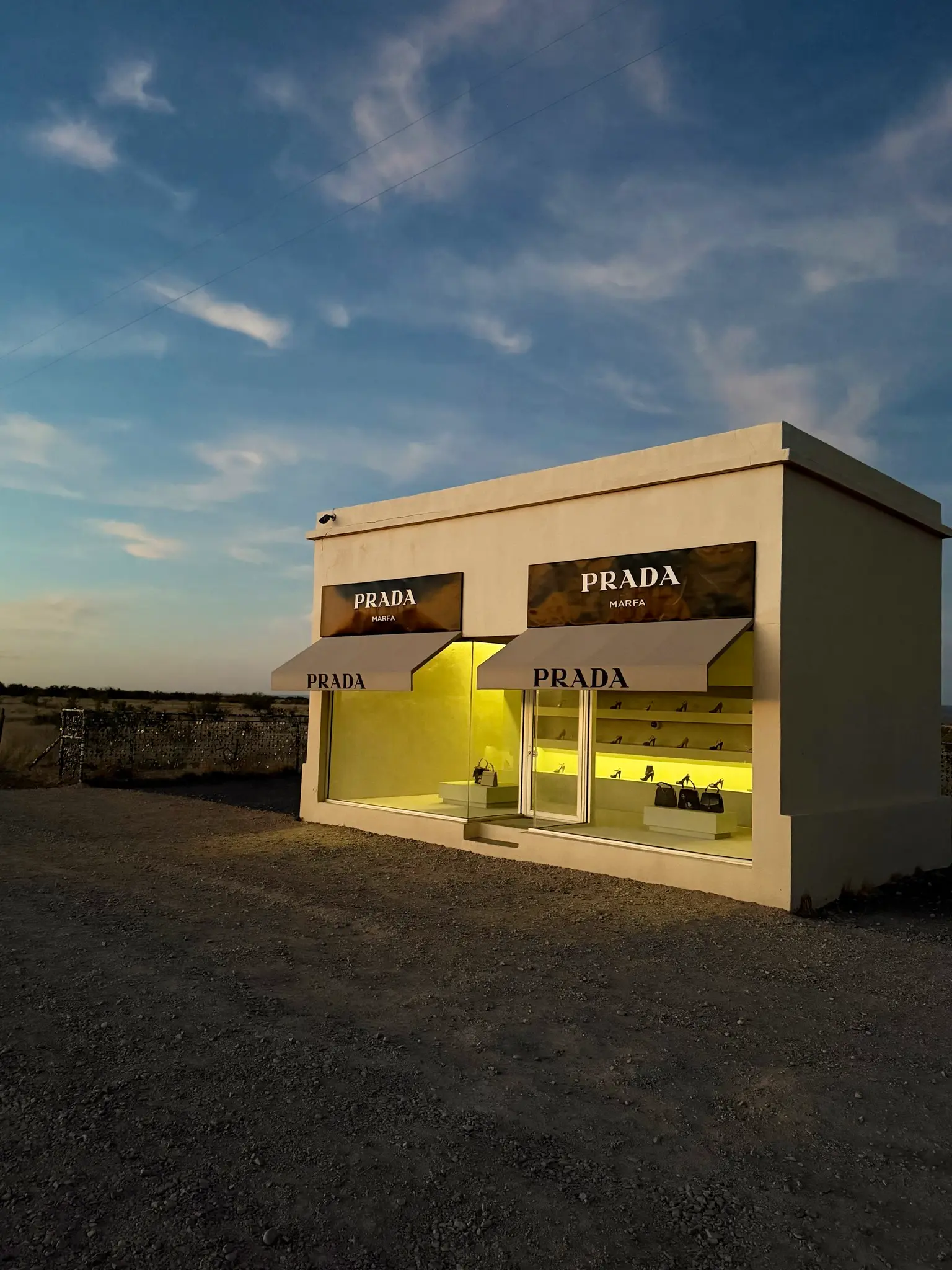
I never go to Marfa without also visiting Valentine. Not Valentine the town, exactly. Valentine the detour. Valentine the pause. Valentine the strange little ritual that has somehow become part of the road-trip liturgy for me. Because sitting out there, isolated along a lonely stretch of West Texas highway, is that famous Prada installation everybody photographs, talks about, hashtags, and turns into proof they were there.
I’ve written about this place before, so I’m not especially interested in pretending I’ve discovered something new about it. It’s a piece of art. Period. A strange one, admittedly. A fake Prada storefront dropped in the middle of the Chihuahuan Desert like some luxury hallucination. It’s absurd. It’s clever. It’s photogenic. It’s ridiculous. It’s all those things at once. And honestly, I think that’s partly why it works.
The first time I saw it years ago, I remember thinking: Who in the hell thought this was a good idea? And then, maybe thirty seconds later, I remember thinking: Damn, this photographs well.
That’s usually how it goes with me.
I generally arrive long before sunrise. Still dark. Still cold. West Texas cold is different than northern cold. It sneaks into your bones quietly because the desert has no softness to it. No humidity. No insulation. Just air and silence and distance.
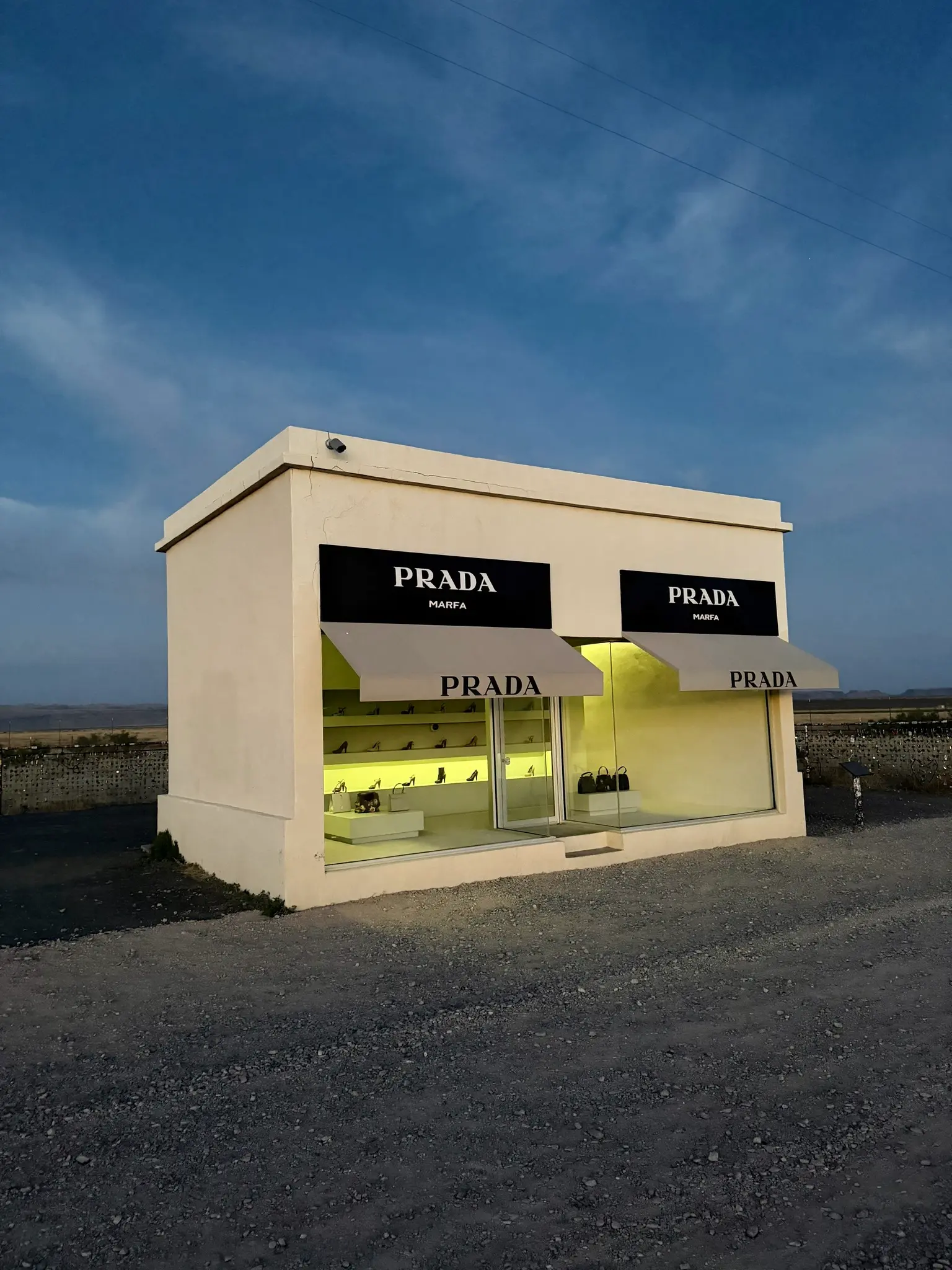
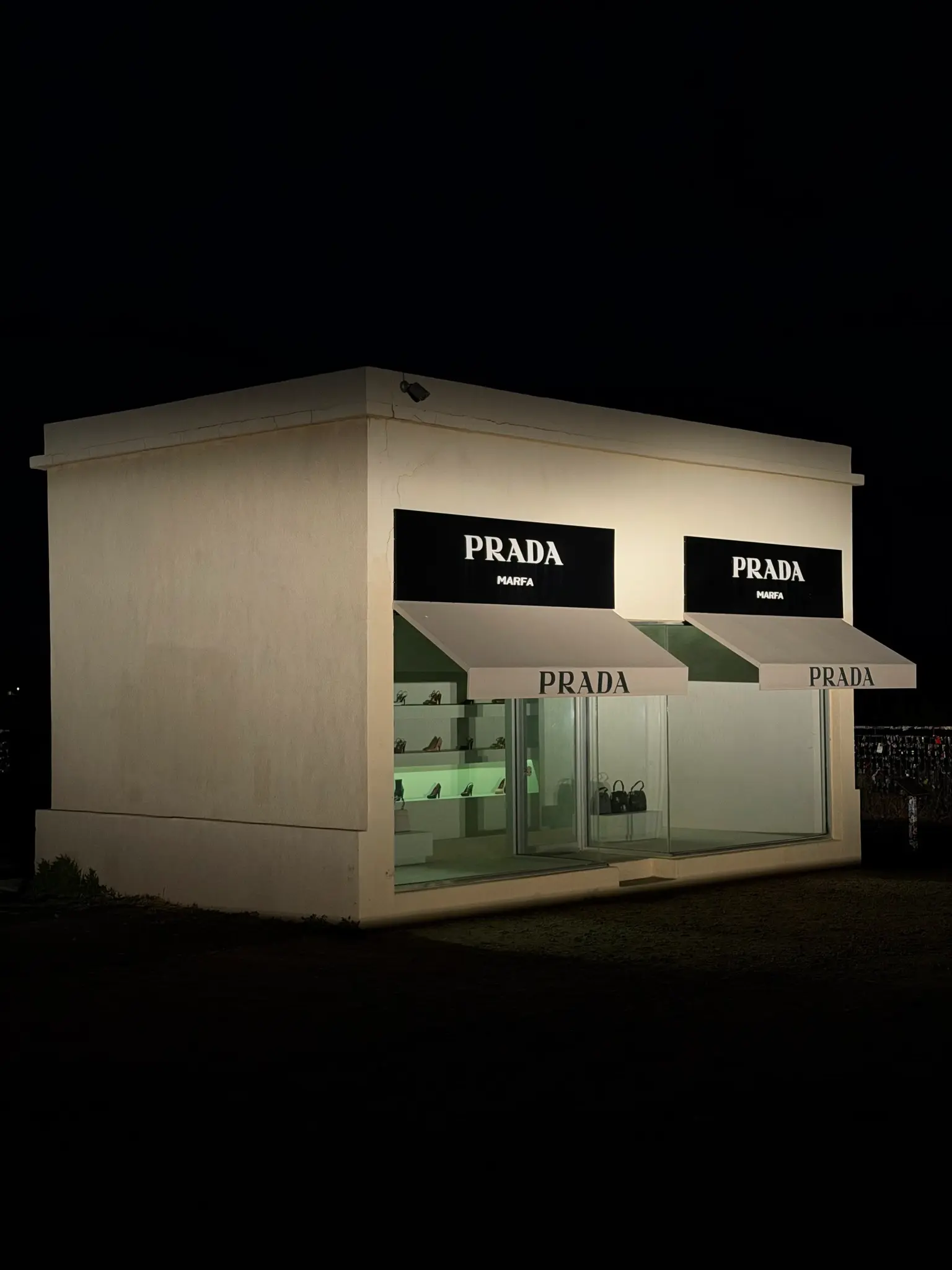
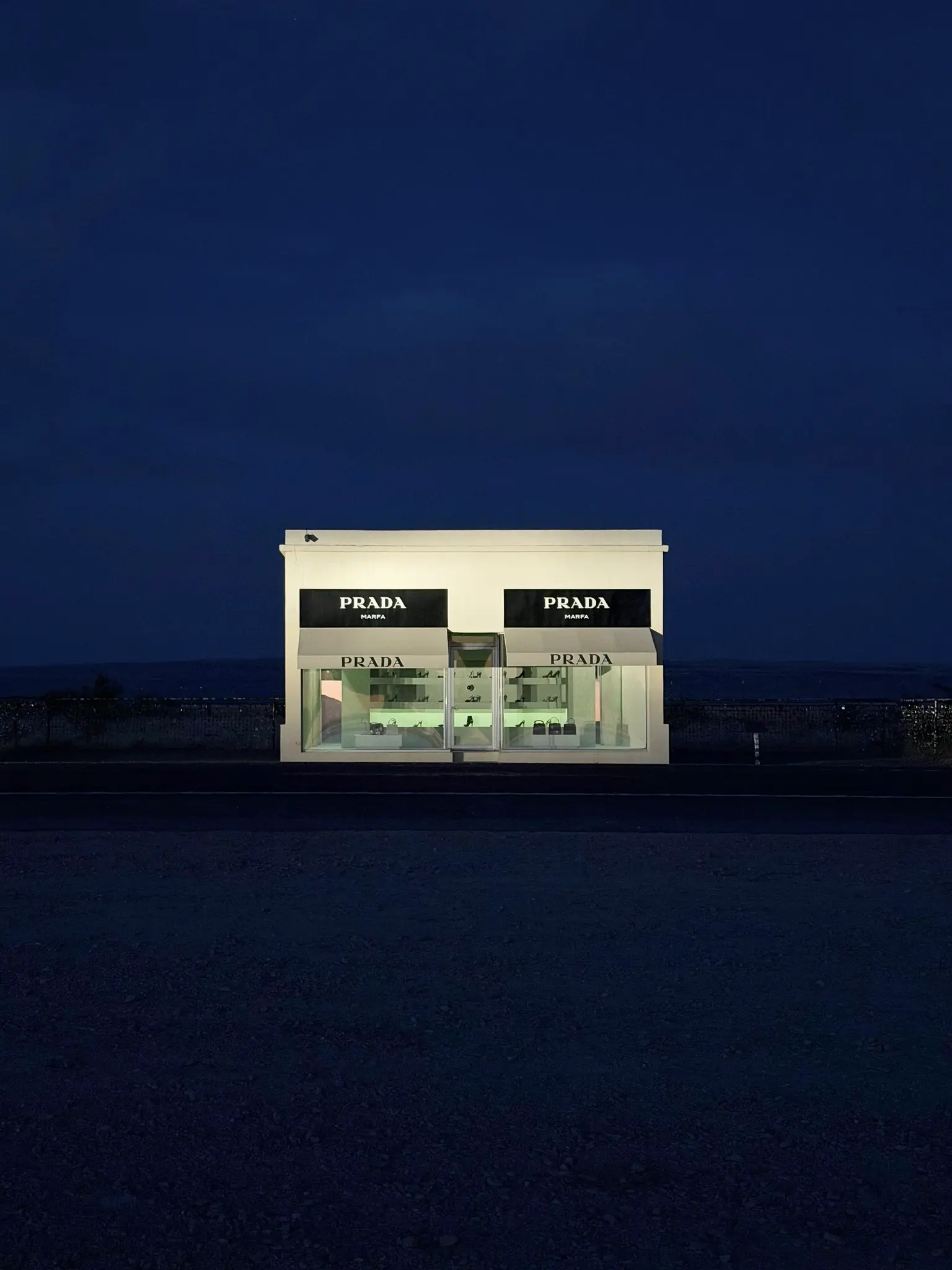
I park across the road at a slight incline so my headlights naturally rake across the front of the building. It creates this crude, makeshift theatrical lighting effect that I’ve grown oddly attached to over the years. Nothing fancy. Just enough illumination to separate the structure from the darkness around it. Click. Warm-up shots. Nothing serious yet. More like stretching before a long walk.
What fascinates me most at that hour isn’t really the building itself. It’s the emptiness surrounding it. The blackness. The isolation. The idea that somebody intentionally placed a luxury fashion statement in the middle of absolutely nowhere and then walked away from it. That contradiction feels deeply American to me somehow. Excess sitting alone in the desert while tumbleweeds drift past.
Selfies in the Desert
Once dawn begins to crack open the horizon, the visitors arrive. Always. Like clockwork.
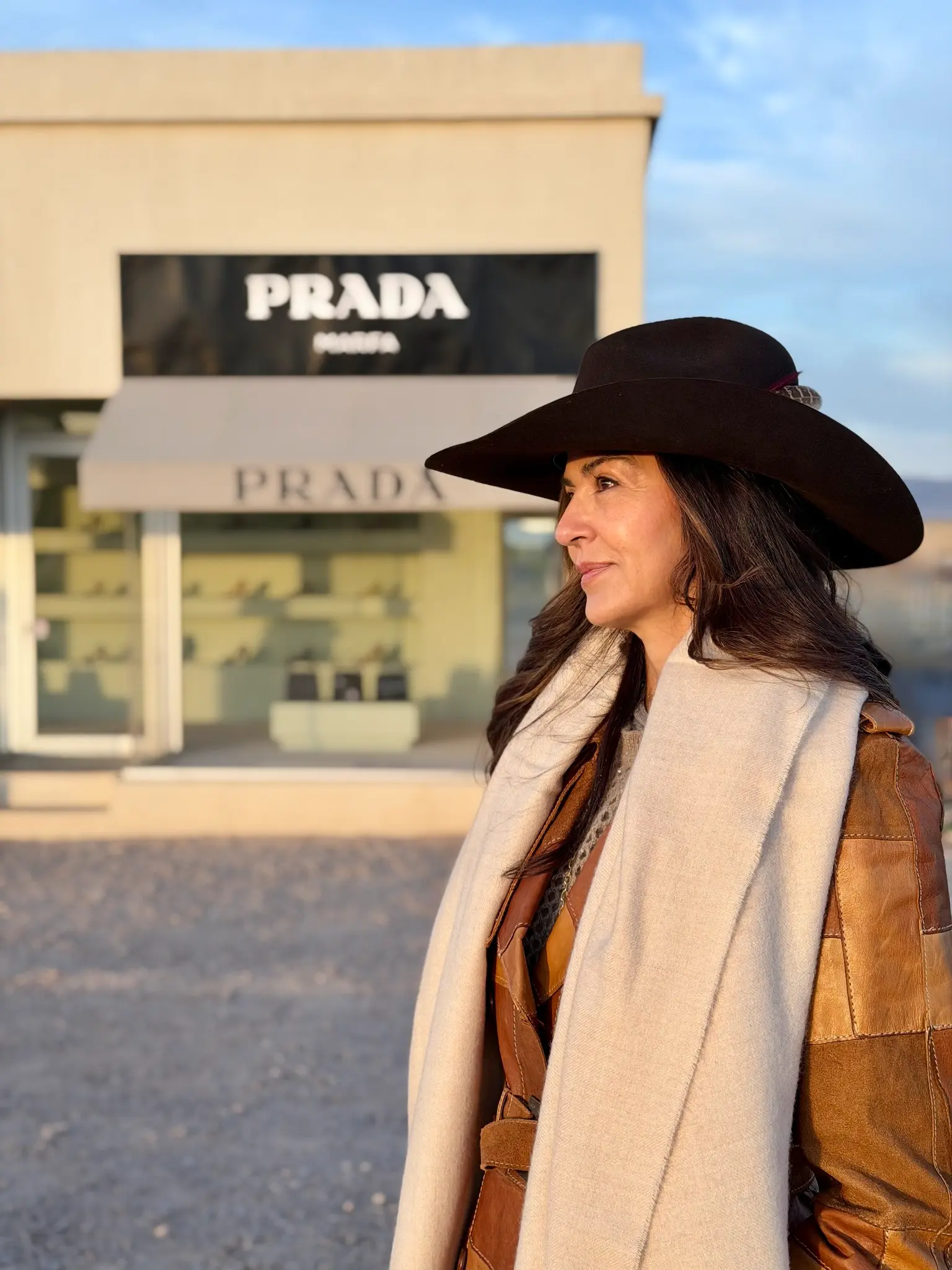
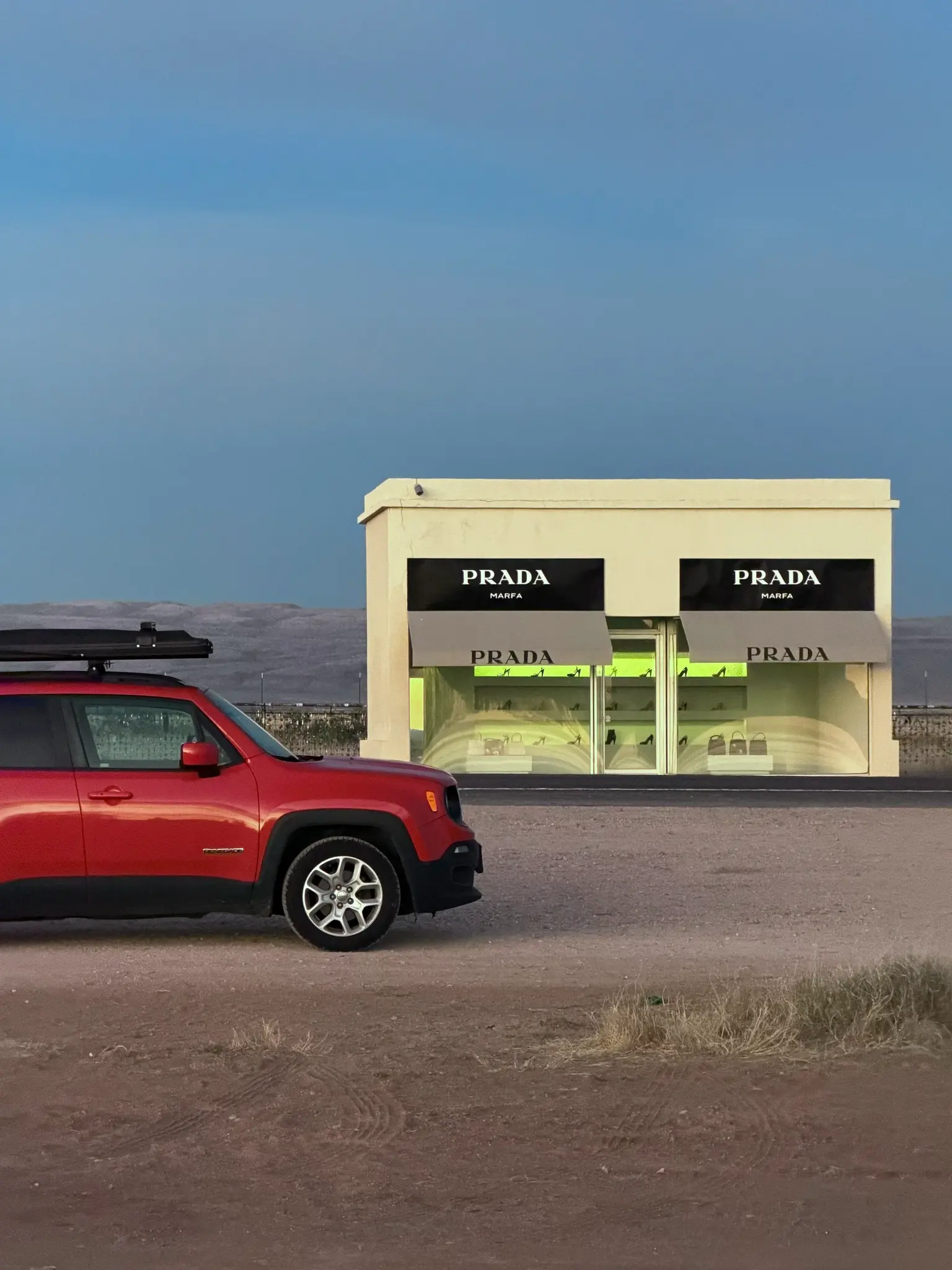
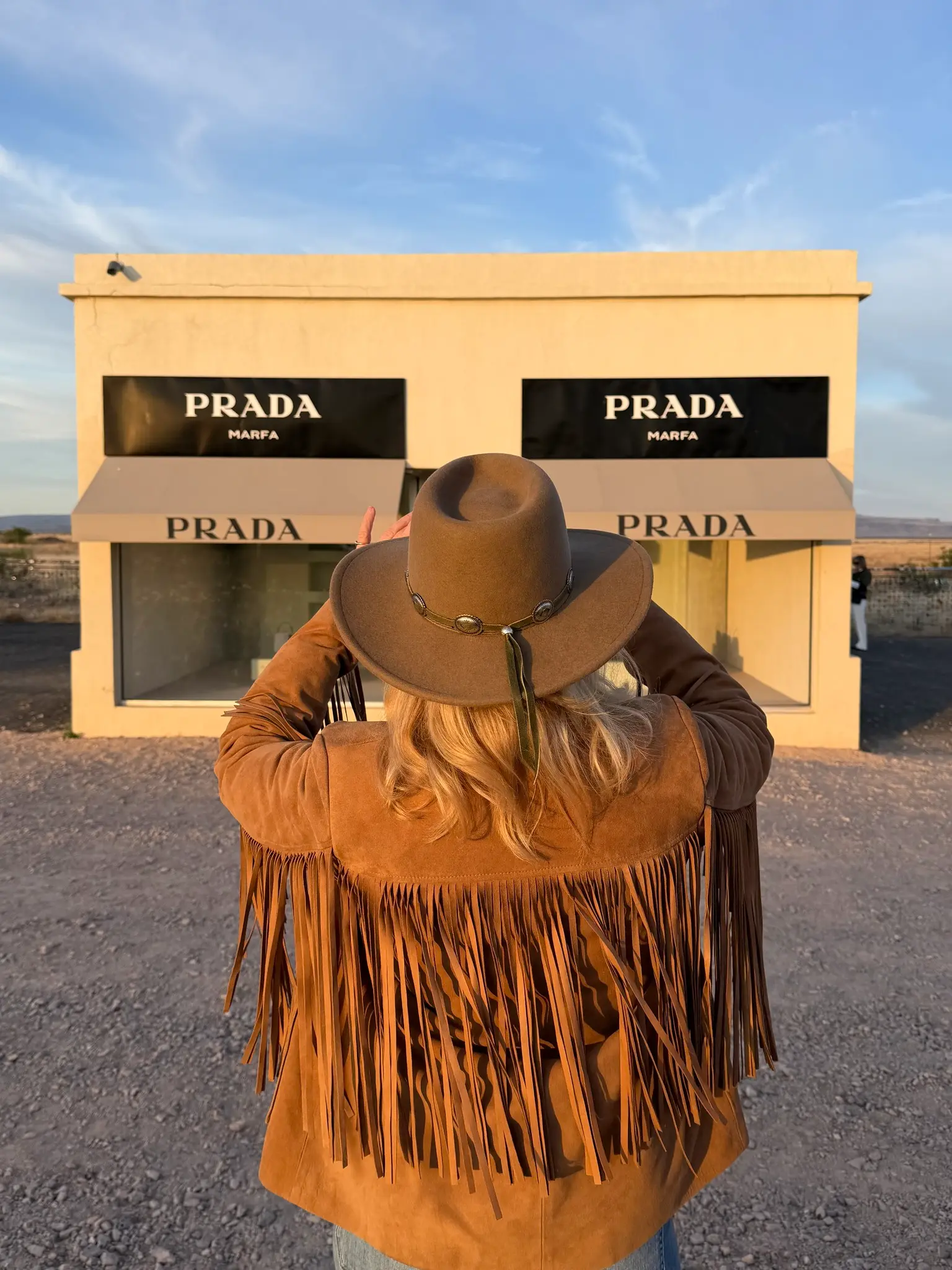
Rental cars. Jeeps. Sprinter vans. Influencer mobiles. Couples with coffees. Girls in giant hats. Guys pretending not to care while very much caring. You can practically set your watch by it.
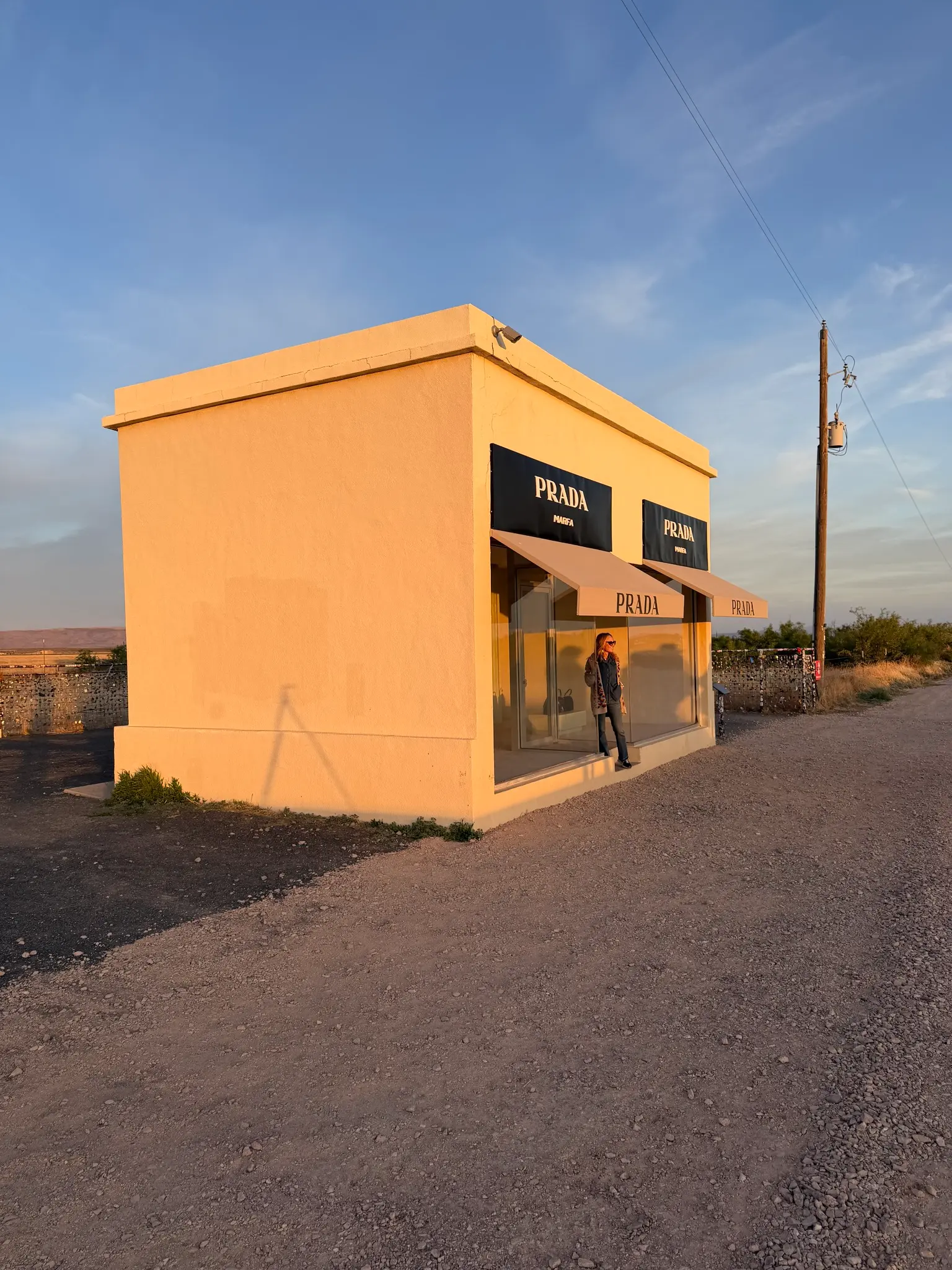
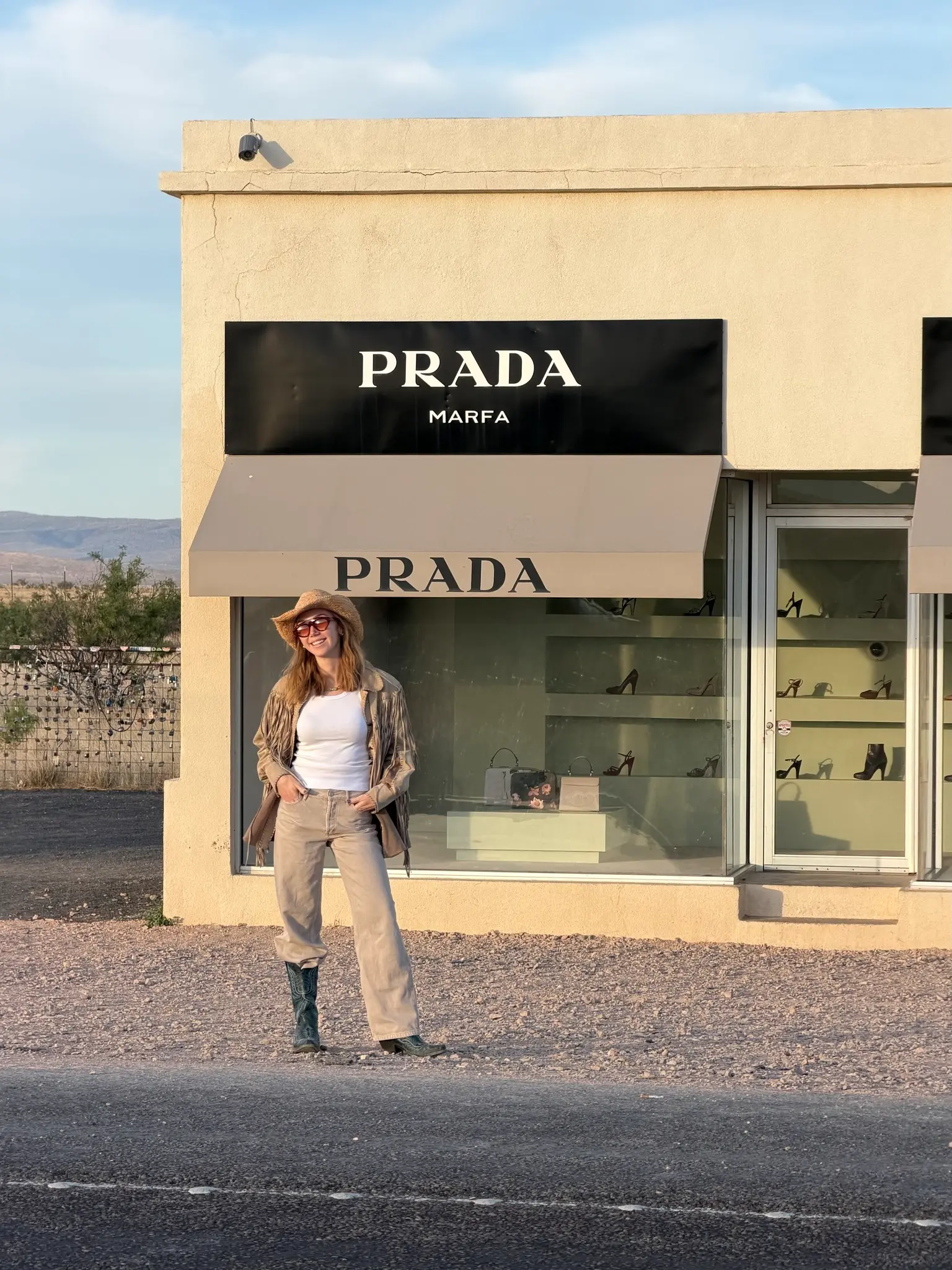
And over the years, I’ve noticed something interesting. Most of the visitors don’t really seem interested in photographing the installation itself. The art object is almost secondary. Sometimes maybe even irrelevant. What they actually want is photographic evidence that they stood in front of it.
That’s a very different thing.
The building becomes a prop. A backdrop. A credential.
Look where I am.
Look what I found.
Look at me looking at art.
Now listen, I’m trying hard not to sound judgmental here because I understand it. Hell, we all participate in this culture to some degree. Photography has always contained elements of memory, proof, and personal validation. Vacation snapshots existed long before Instagram showed up to ruin everybody’s attention span. Families have been standing shoulder-to-shoulder in front of landmarks for over a hundred years.
But something feels different now.
Faster.
Hungrier.
More performative.
And stranger still, of all the years I’ve photographed this installation, not once have I ever taken a selfie there. Not one. That’s not some moral achievement. It’s just not how I relate to photography. When I’m there, I’m far more interested in what the subject feels like than in proving I occupied the same physical coordinates as it.
That distinction matters to me.
Because snapshots often say, “I was here.”
Photographs, at least the ones I care about, ask something deeper:
“What does this place feel like?”
“What does this light do?”
“What happens if I move twenty feet left?”
“What if I kneel down?”
“What if I wait?”
Five Minutes After Sunrise
Another thing I’ve noticed over the years is how quickly everybody leaves.
The sun peeks over the horizon. Phones come out. Poses happen. A few quick laughs. Click click click. Maybe a Reel. Maybe a TikTok. Maybe somebody jumps in the air for reasons nobody fully understands anymore. Then, almost immediately, they’re gone.
Bye-bye.
Five minutes after sunrise, the place empties out again.
And honestly, that’s when my photography actually begins.
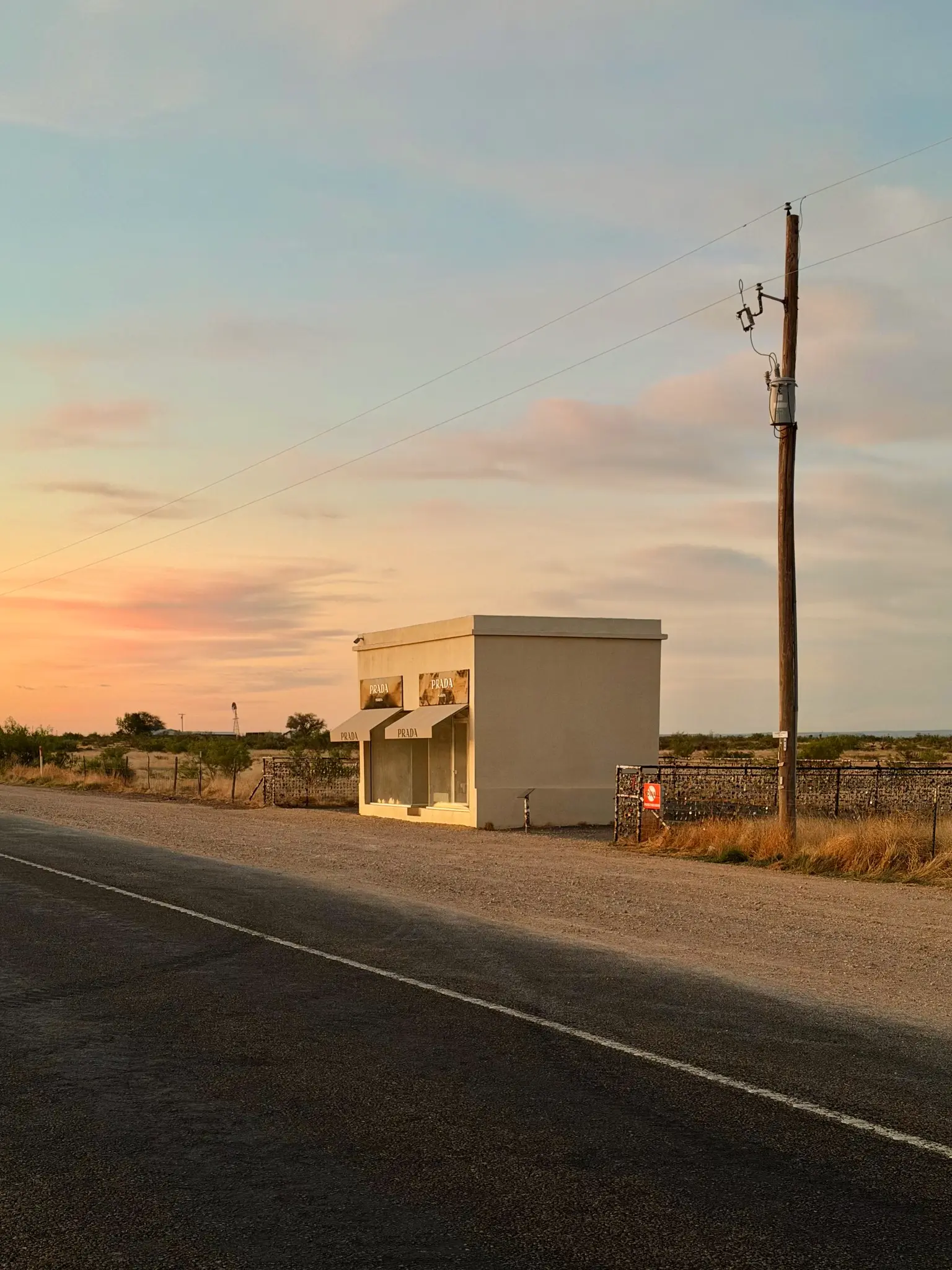
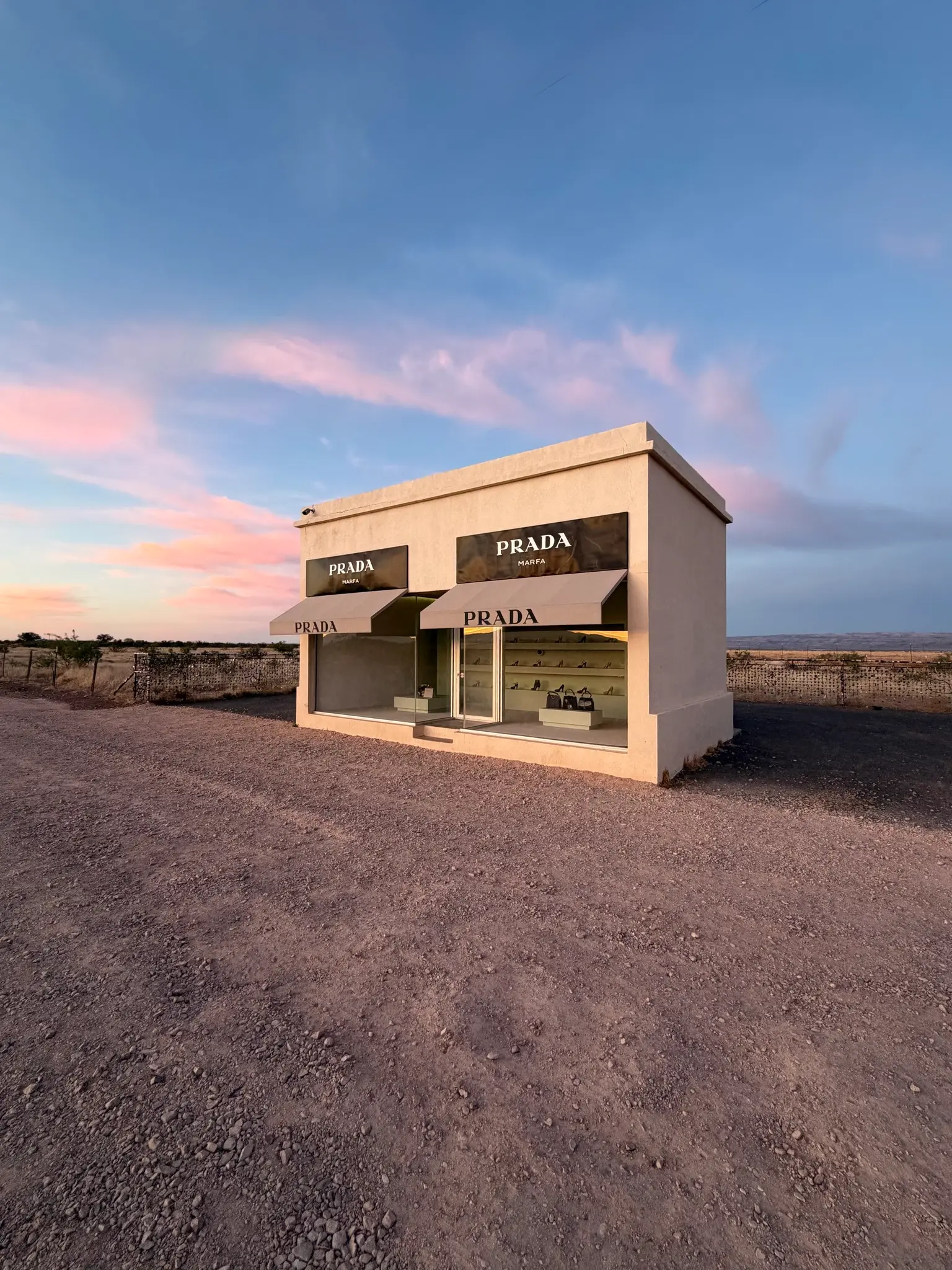
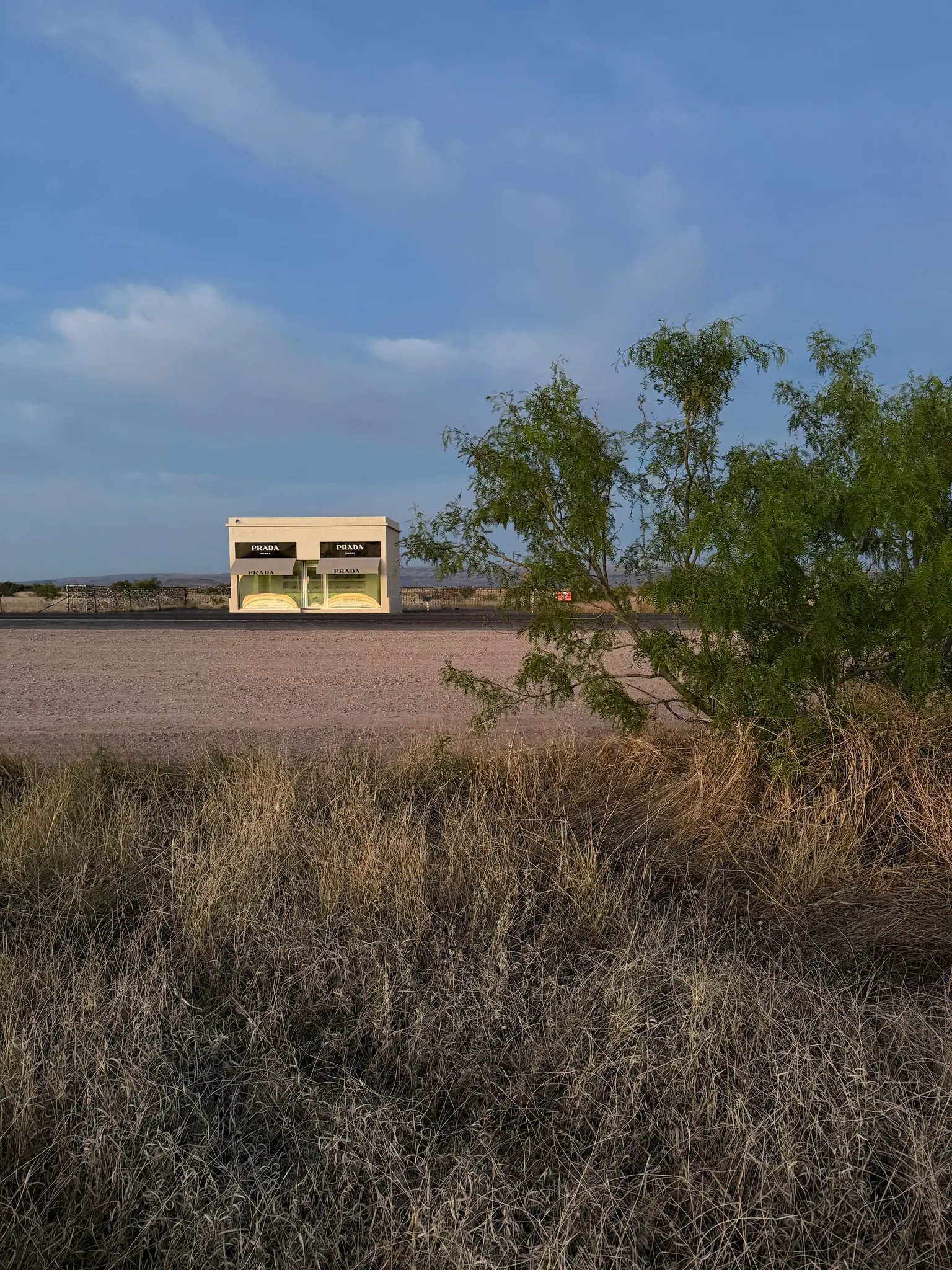
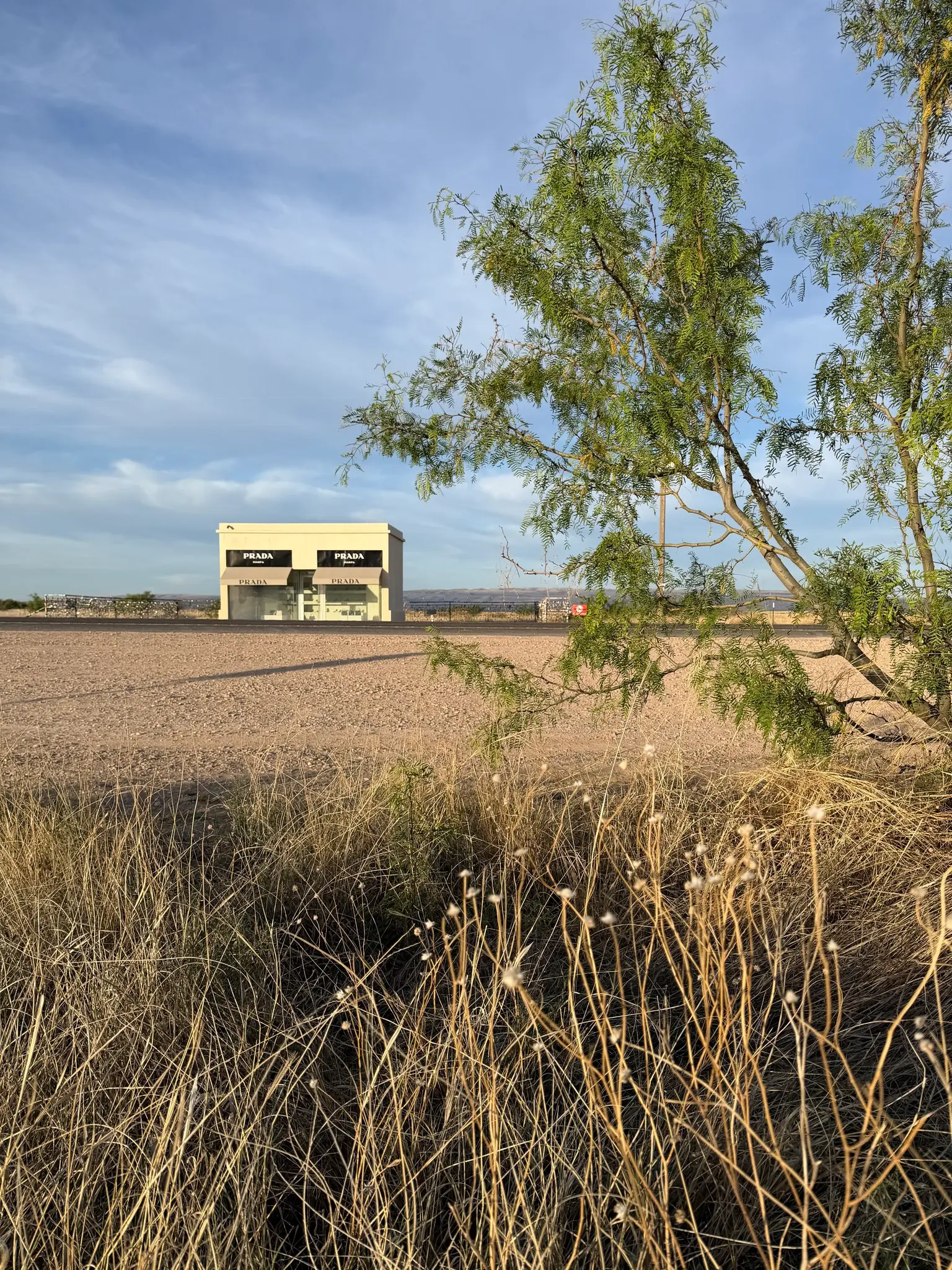
That’s when the silence returns. That’s when I stop thinking about people and start thinking about shape, shadow, geometry, distance, compression, framing, and light. I begin circling the structure slowly, sometimes shooting tight, sometimes wide, sometimes standing hundreds of feet away with a telephoto focal length just to flatten the whole thing against the desert backdrop.
The funny thing is, most visitors photograph the Prada building from almost the exact same spot: standing directly in front of it at eye level. Weird. It’s like there’s some invisible X on the ground everyone collectively agrees upon. They walk up, stand center-frame, take the photo, then leave as if the assignment has been completed.
Done.
But photography, at least for me, has never really worked that way.
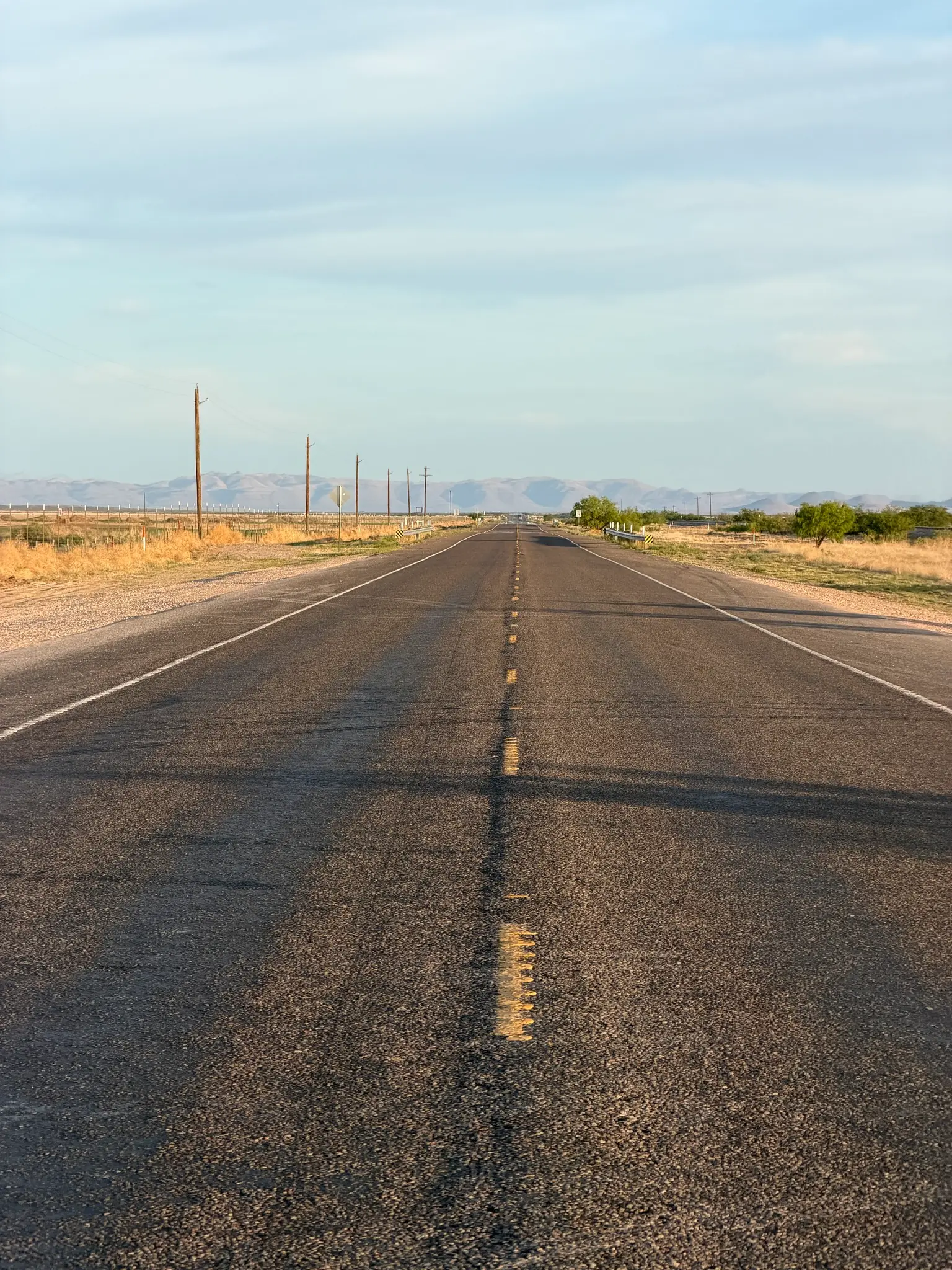
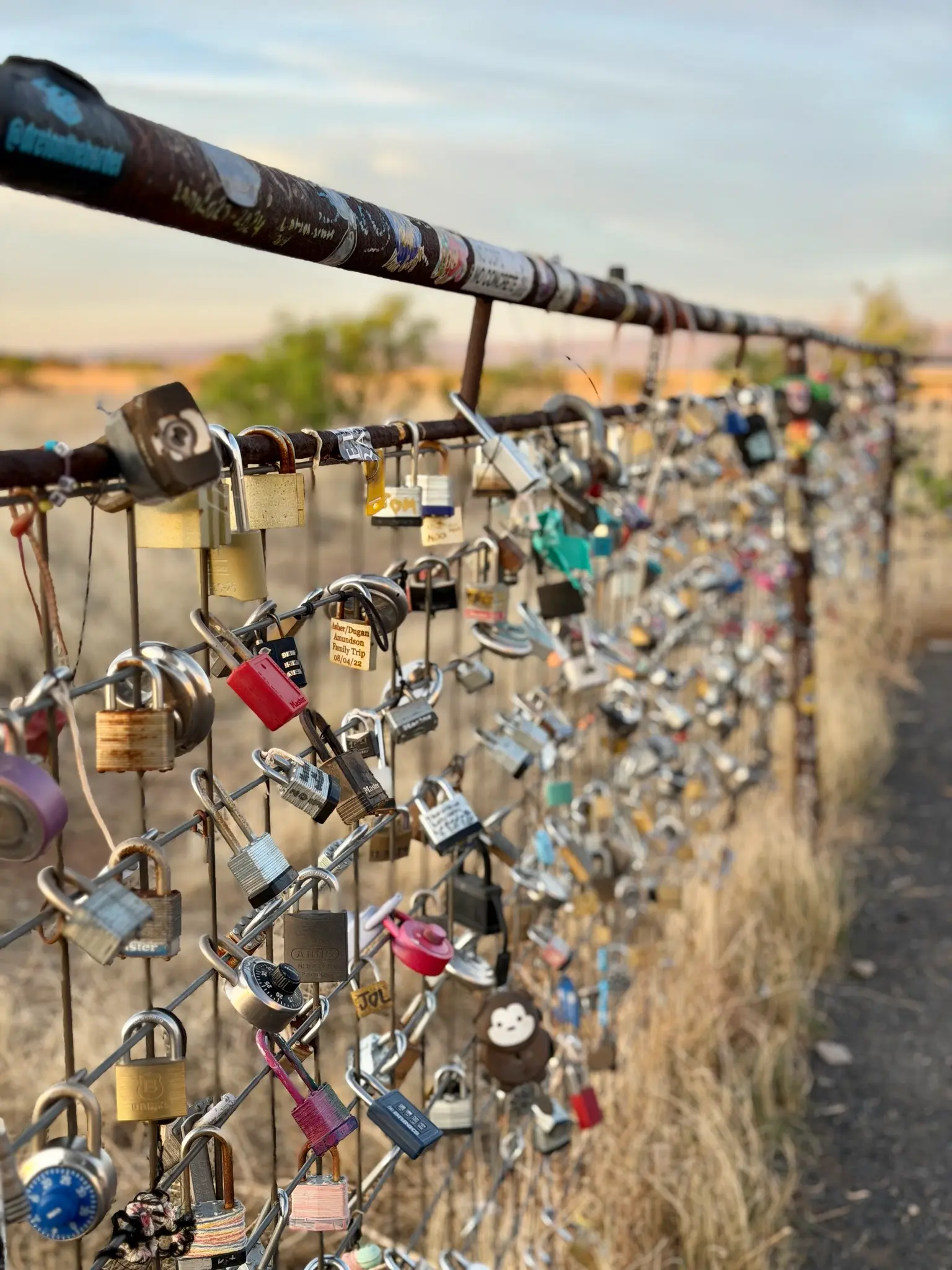
Photography is movement. Curiosity. Exploration. It’s asking more from a subject than the obvious first glance. Some of my favorite frames out there barely show the storefront at all. Sometimes the real photograph is the empty road leading toward it. Sometimes it’s the fence line. Sometimes it’s the pale morning light wrapping around the side wall.
Sometimes it’s tire tracks. Sometimes it’s atmosphere.
The installation itself almost becomes incidental.
And maybe that’s the larger thing I keep wrestling with as both a photographer and somebody who has now spent decades watching photography evolve from prints and shoeboxes to phones and feeds and algorithms and endless self-documentation.
We have confused recording ourselves with seeing.
Those are not the same thing.
Snapshots vs. Photographs
The older I get, the less interested I become in photographs that simply validate existence. I’m far more interested in photographs that reveal attention. There’s a difference.
A snapshot says:
“I saw this.”
A photograph says:
“I noticed this.”
That difference may sound subtle, but creatively it’s enormous.
One is consumption.
The other is observation.
And maybe that’s why I keep returning to places like Valentine. Not because the Prada installation changes. It doesn’t. The building remains largely the same year after year. But I change. My eyes change. My patience changes. My relationship to photography changes.
Every visit becomes less about capturing the object and more about understanding my own way of seeing it.
That’s the real work.
Not the selfie.
Not the proof.
Not the social post.
Not the performance.
The seeing.
And out there, in the cold desert dawn, after the visitors disappear and the silence settles back in around that strange little luxury storefront in the middle of nowhere, I finally get to do exactly that.
Click.
Jack.