Terlingua — Till Death Do Us Part
Some places make you think more clearly about life because death is sitting quietly in the background the entire time.
Visiting Terlingua, the longest stop on my short week-long West Texas road trip, was, well, trippy. Not in the psychedelic sense. More in the existential, late-night, staring-into-the-distance kind of way. I spent three days and nights there photographing all the usual things I normally photograph whenever I drift through that strange little desert outpost near Big Bend. Dilapidated adobe ruins. Tex-Mex edibles. Desert tchotchkes. The Chisos Mountains glowing at sunrise and sunset. Handmade signs nailed crookedly into weathered wood. Rusted trucks slowly surrendering themselves back to the earth. Off-the-grid desert dwellers who look like they arrived forty years ago and simply forgot to leave. Porch chairs facing open nothingness. Stray dogs sleeping beneath picnic tables. Neon beer signs flickering inside dark cantinas. Dust, heat, silence, and the sort of hard directional light photographers dream about.
And, like every visit to Terlingua, as if it were some strange rite of passage, I ate too much, drank too much, flirted too much, stayed up too late, and wandered around pretending, for a few brief days, that I belonged to the desert instead of merely passing through it. Terlingua seems to invite that sort of fantasy. It attracts drifters, wanderers, artists, bikers, retirees, burned-out professionals, free spirits, and people who simply no longer feel at home in the polished, overdeveloped, algorithm-driven modern world. There is something deeply uncurated about the place. Nothing matches. Nothing is overly manicured. Nothing feels focus-group tested. The entire town appears to exist somewhere between collapse and reinvention, which may explain why so many people arrive there trying to escape some former version of themselves.
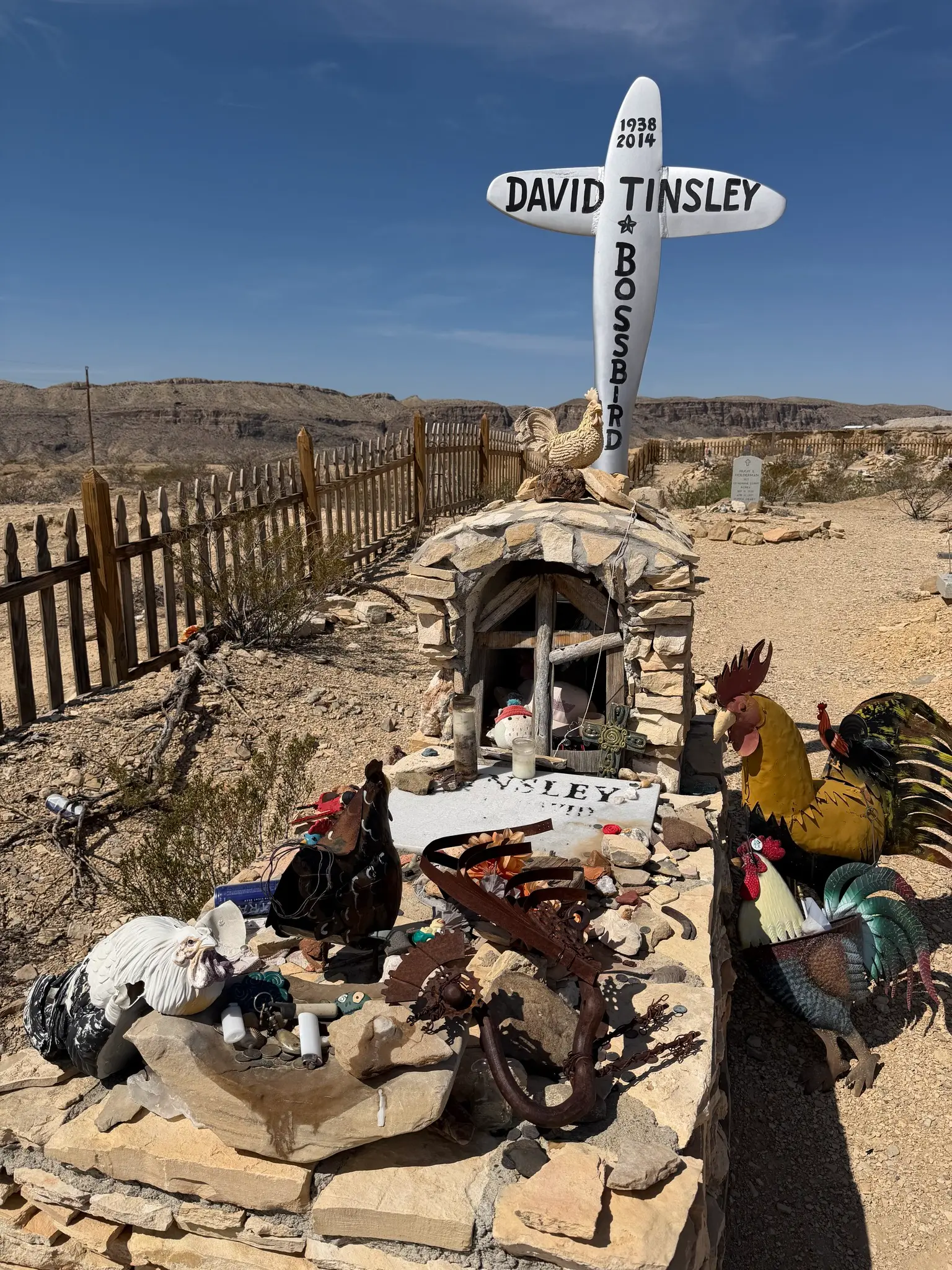
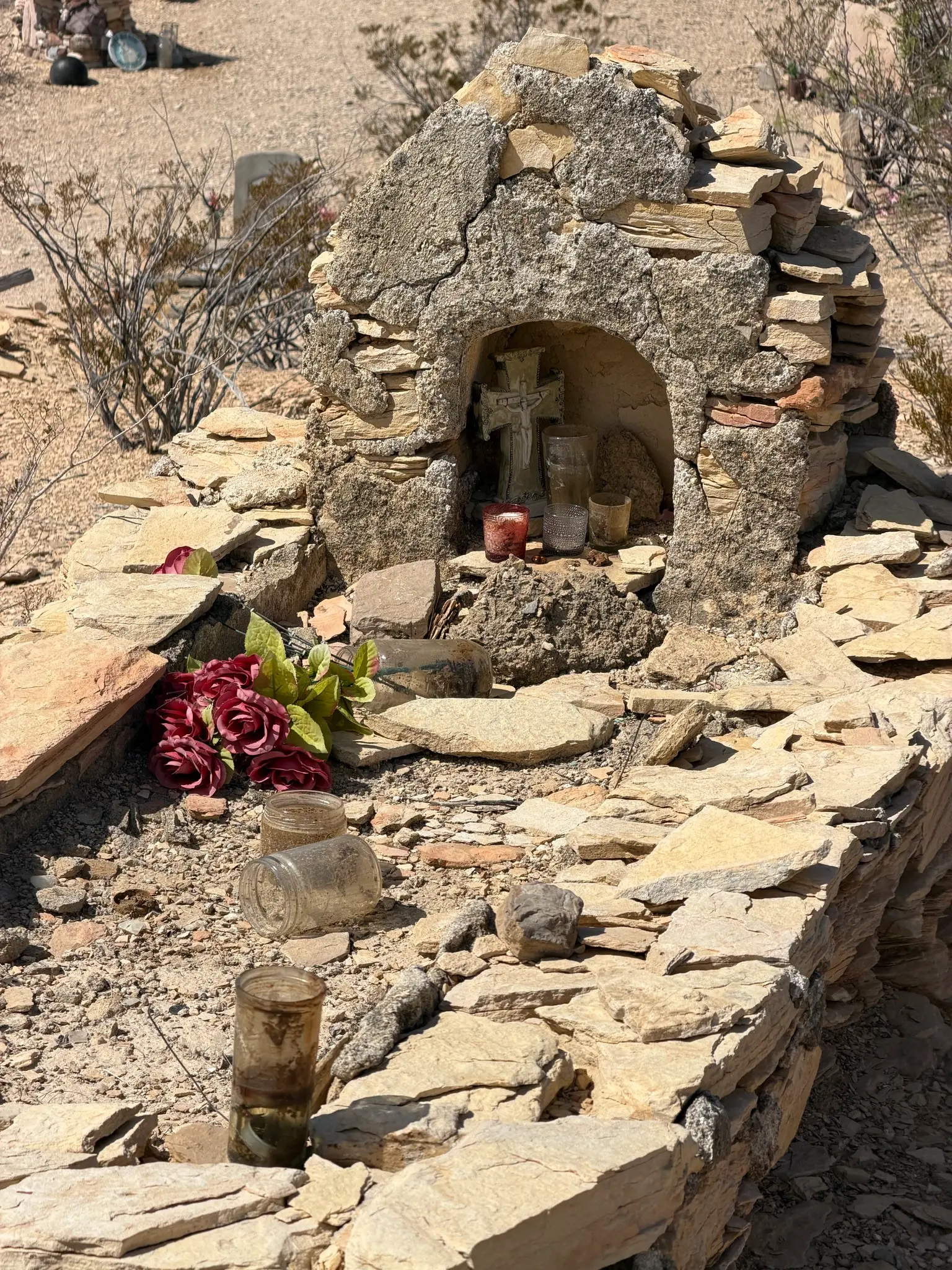
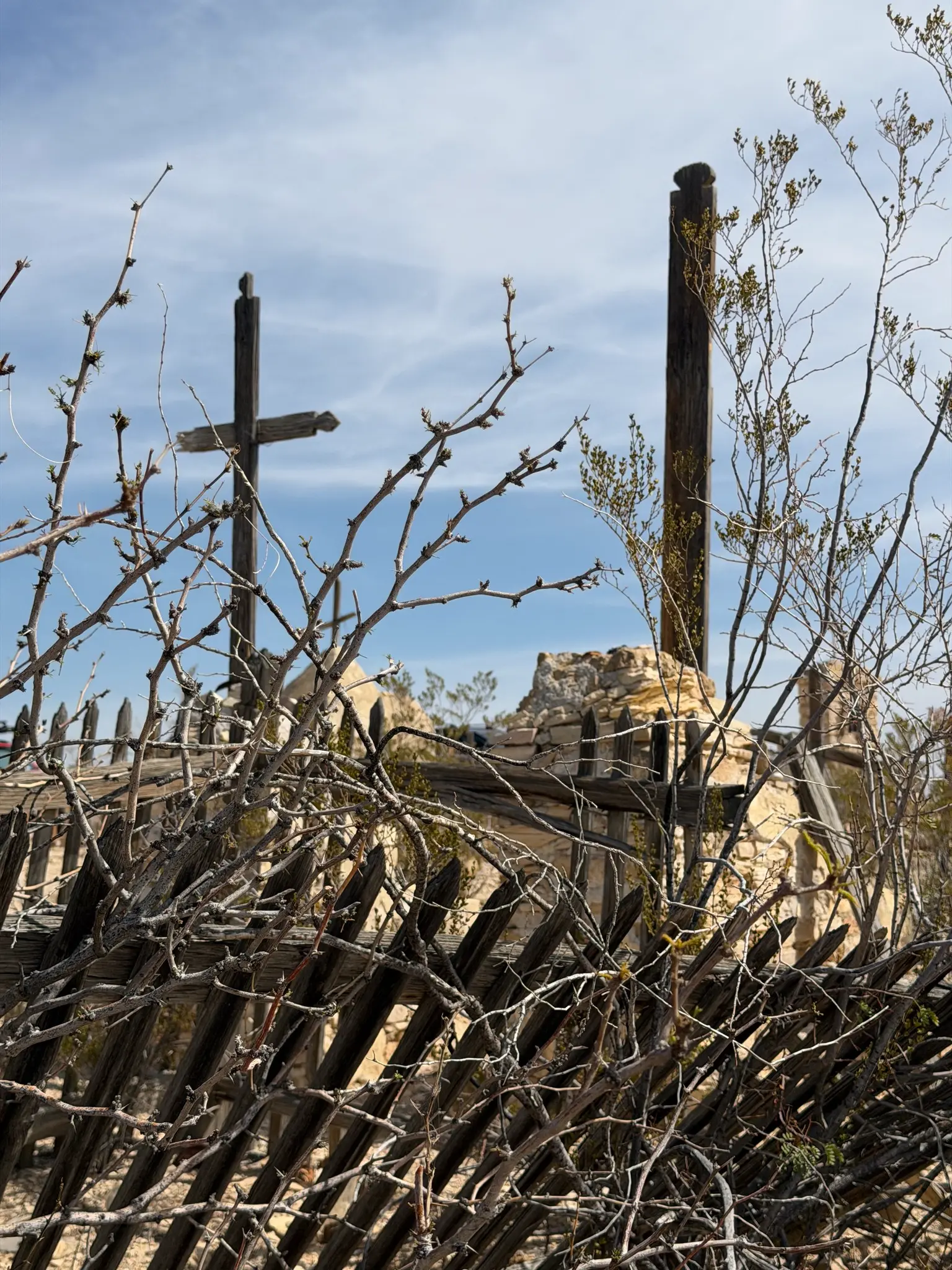
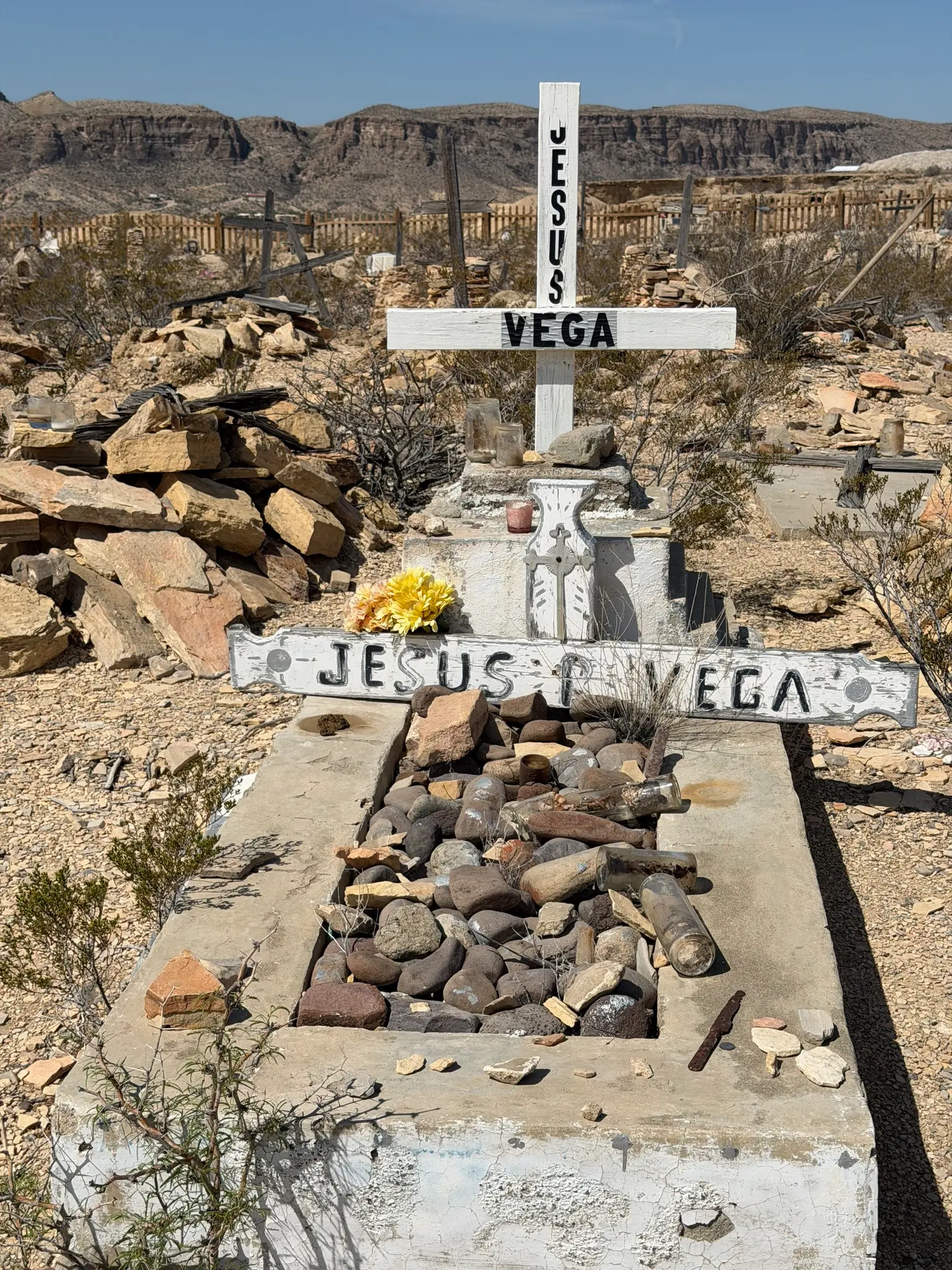
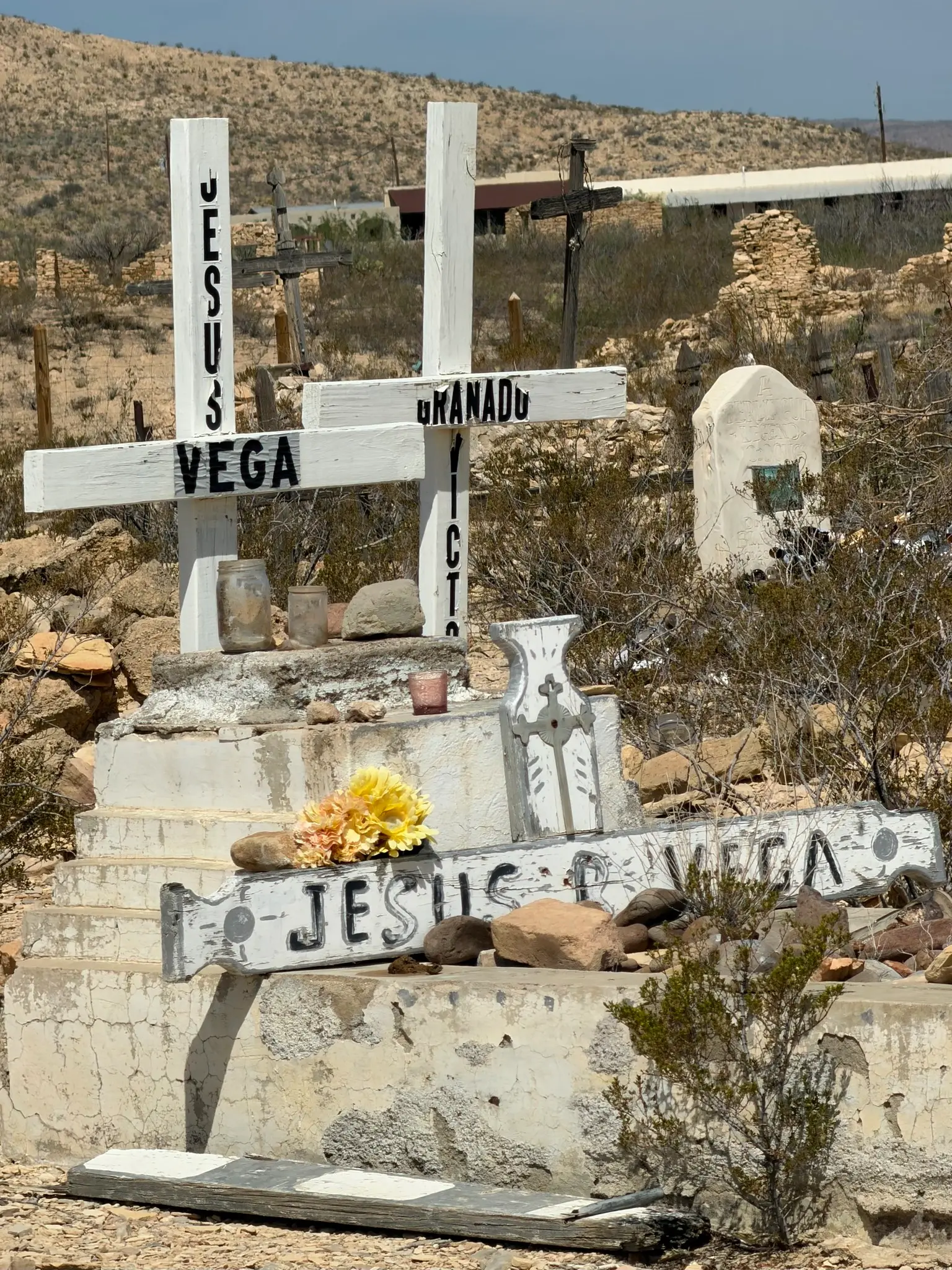
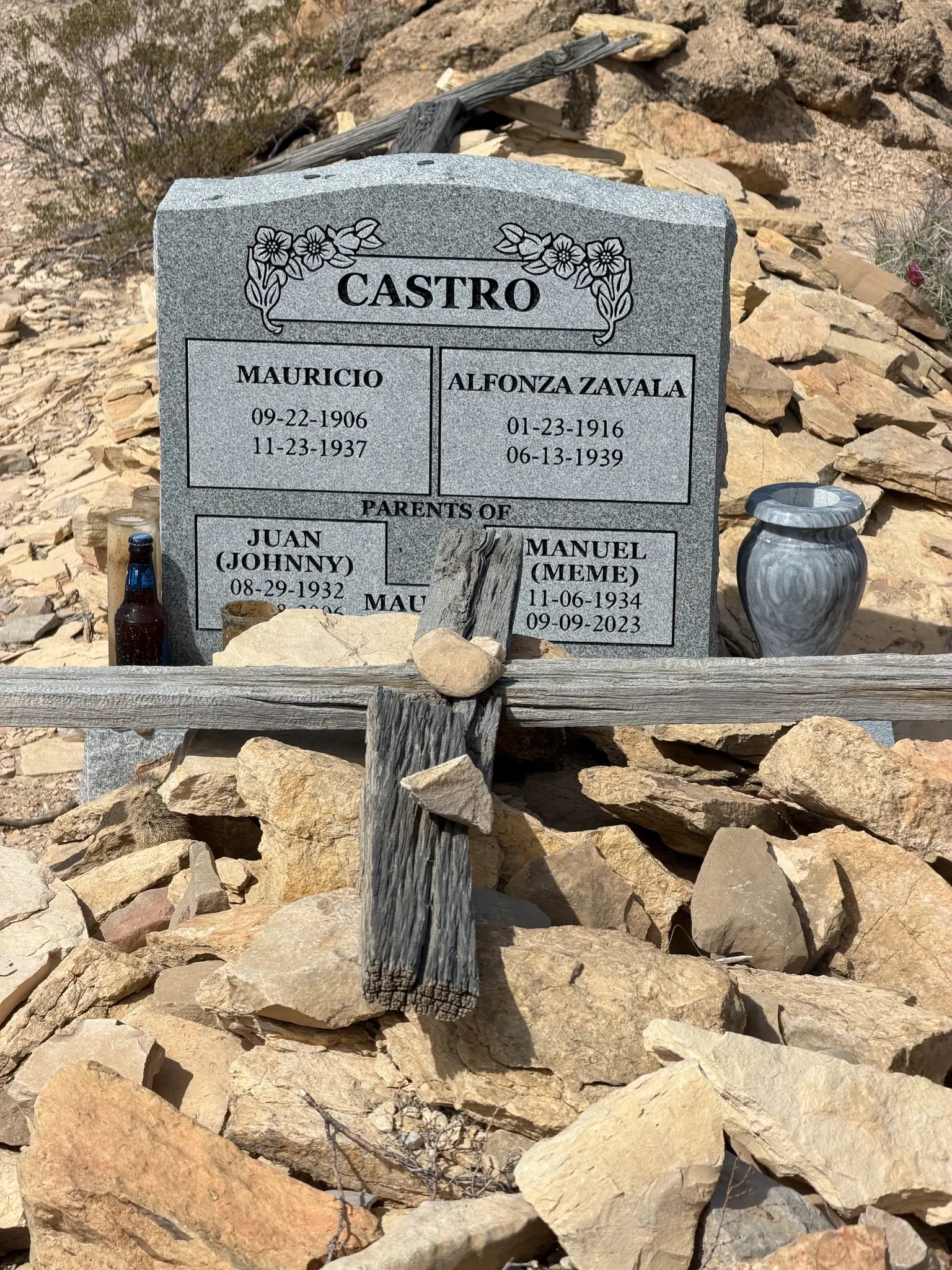
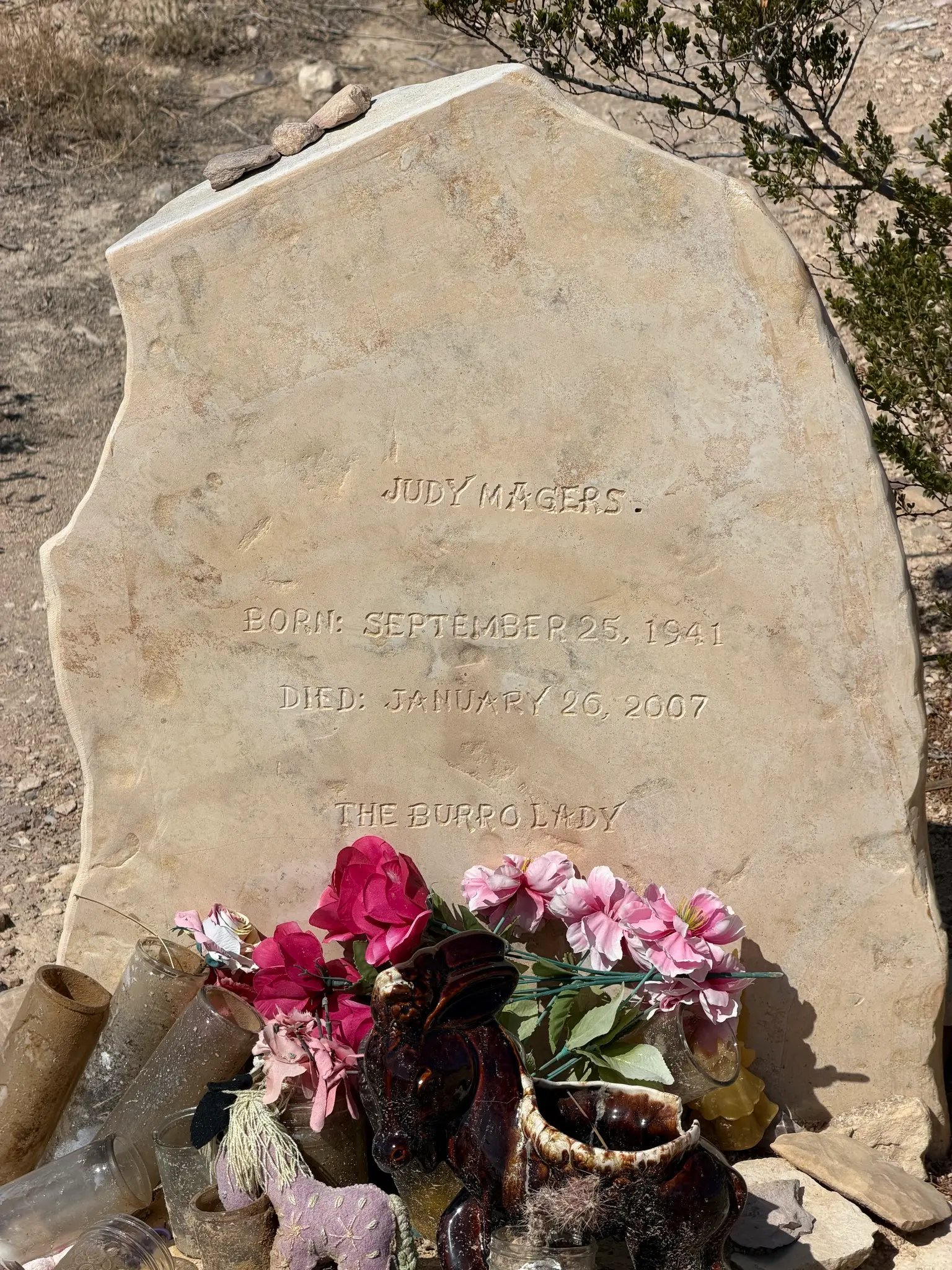
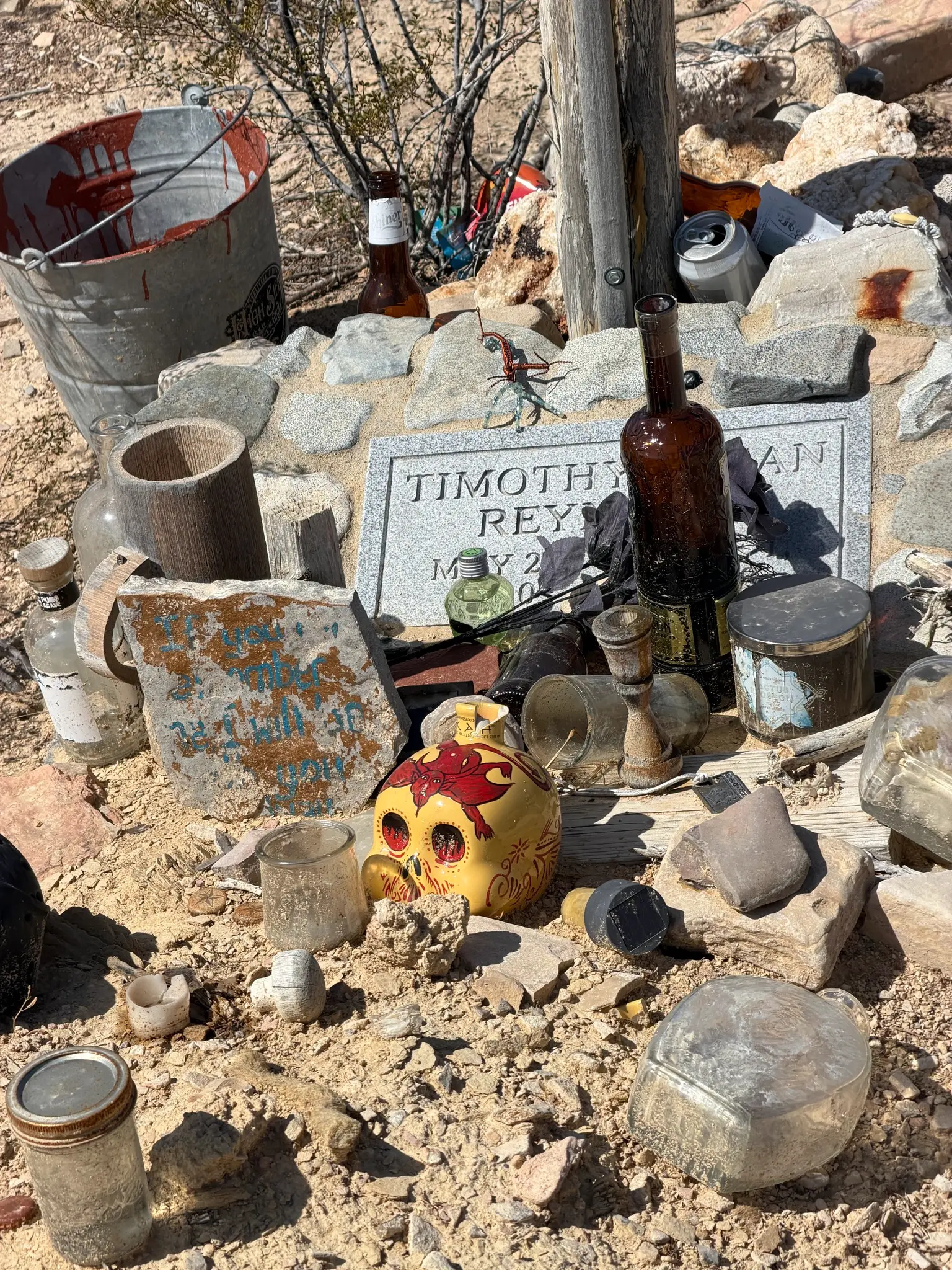
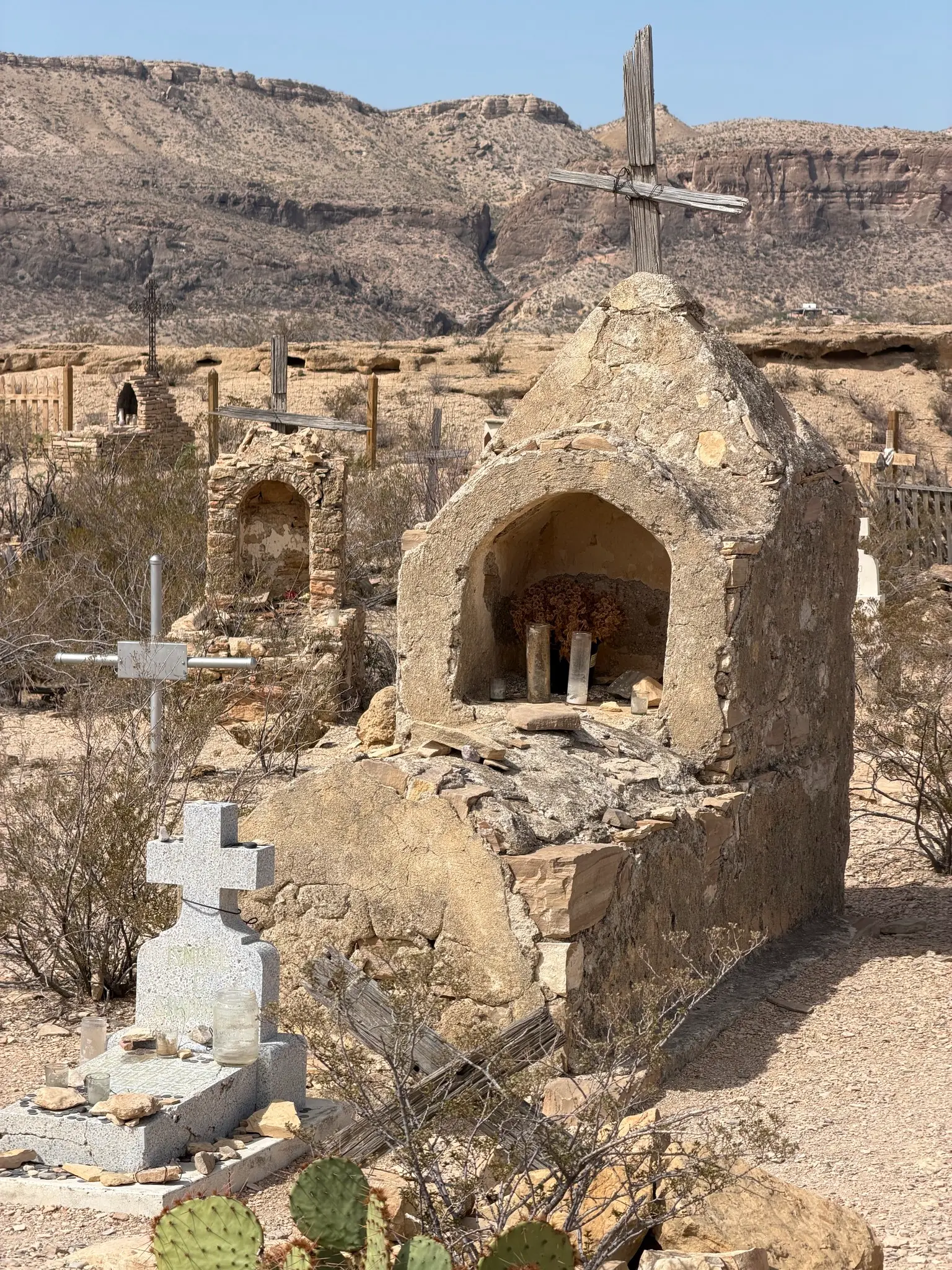
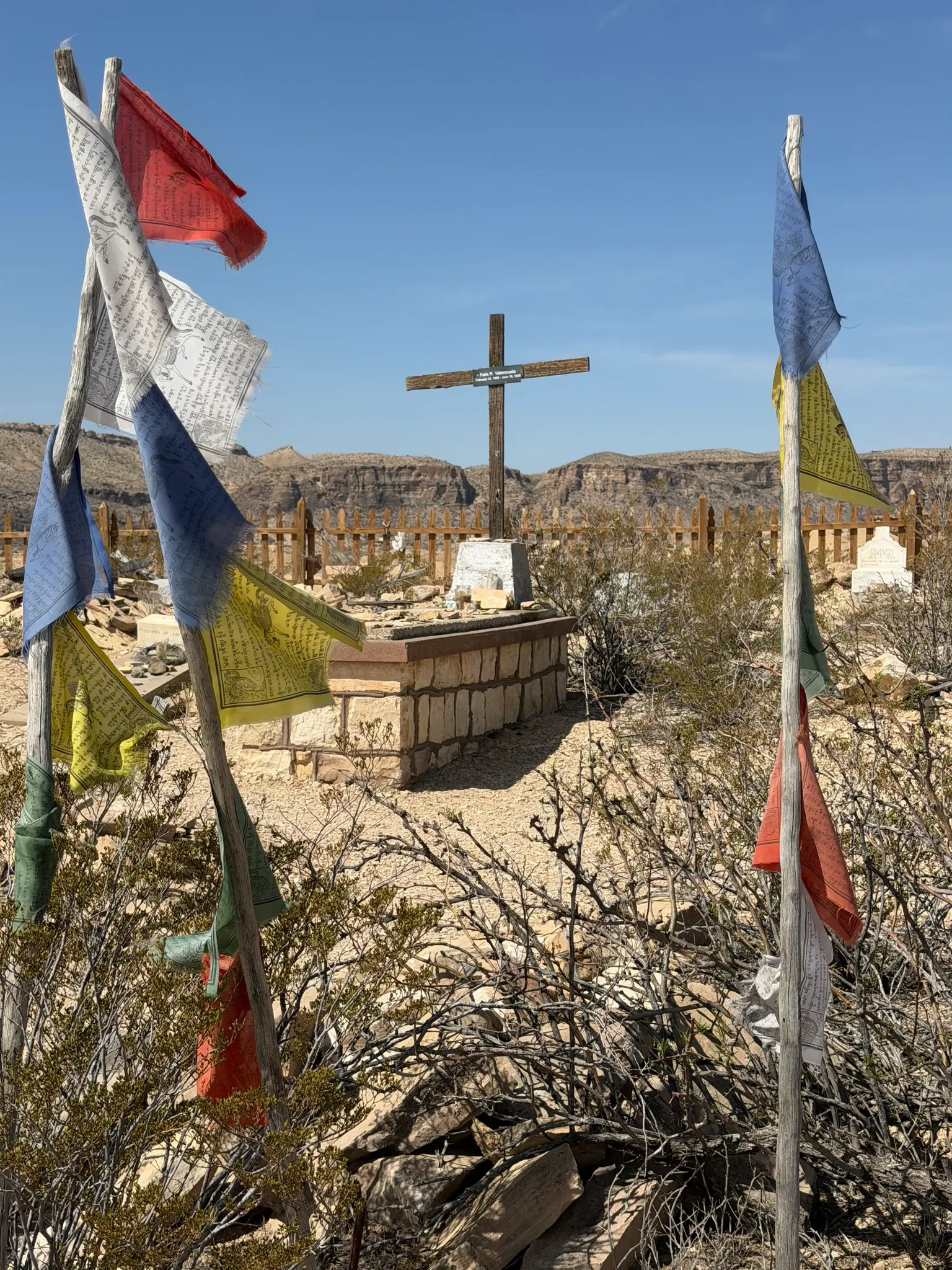
But it was the little cemetery overlooking the old ghost town that kept pulling at me during this visit.
Not in some morbid or gothic way. Not because I have a fascination with death itself. Quite the opposite, actually. The cemetery made me think about life. About how fragile it is, how temporary it is, and how strangely beautiful that temporary nature becomes once you stop fighting against it. Sitting there above the old mining ruins, with the desert wind moving softly through the dry grass and handmade grave markers scattered across the hillside, I found myself thinking less about the people buried there and more about the people who remembered them.
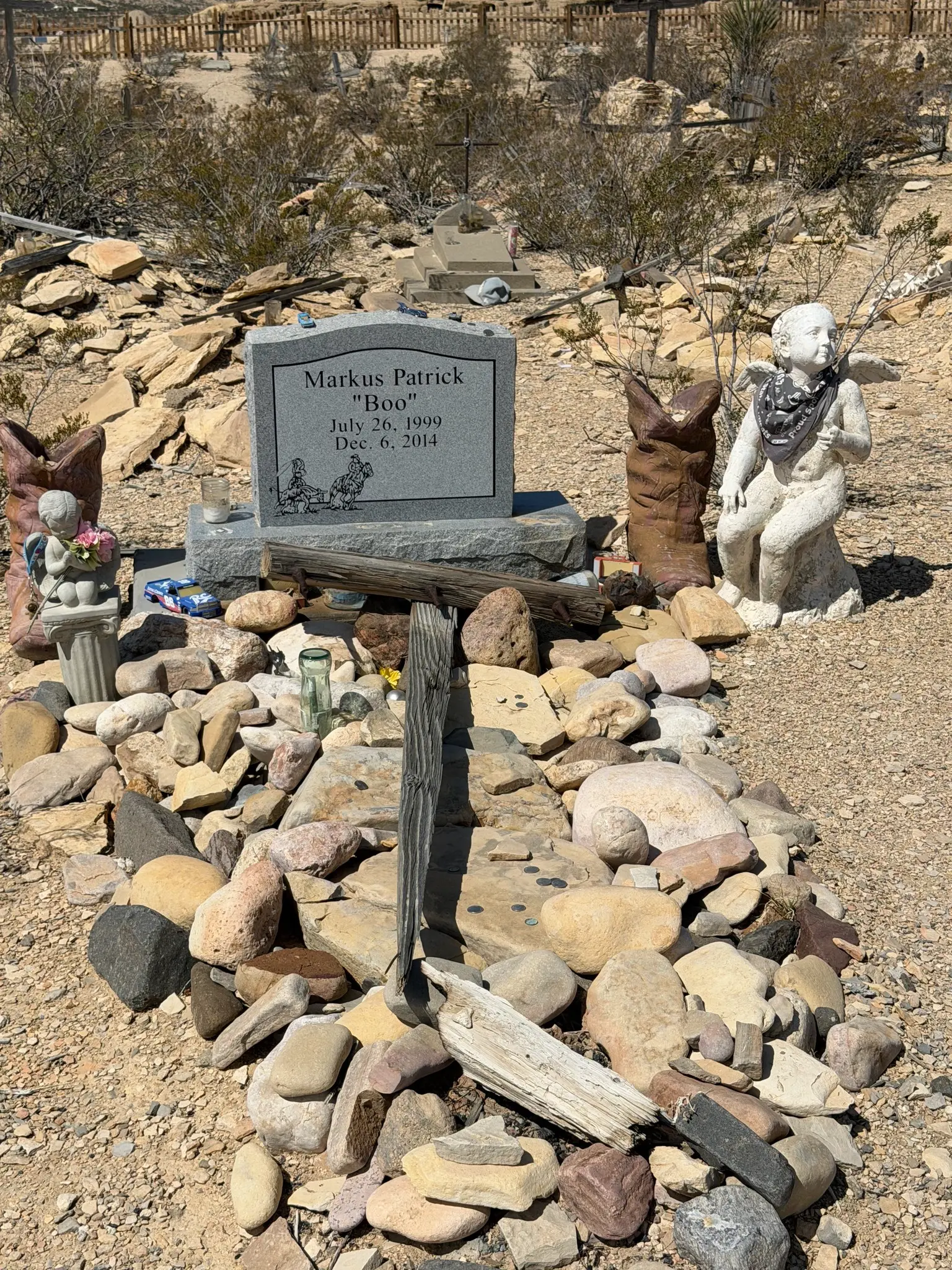
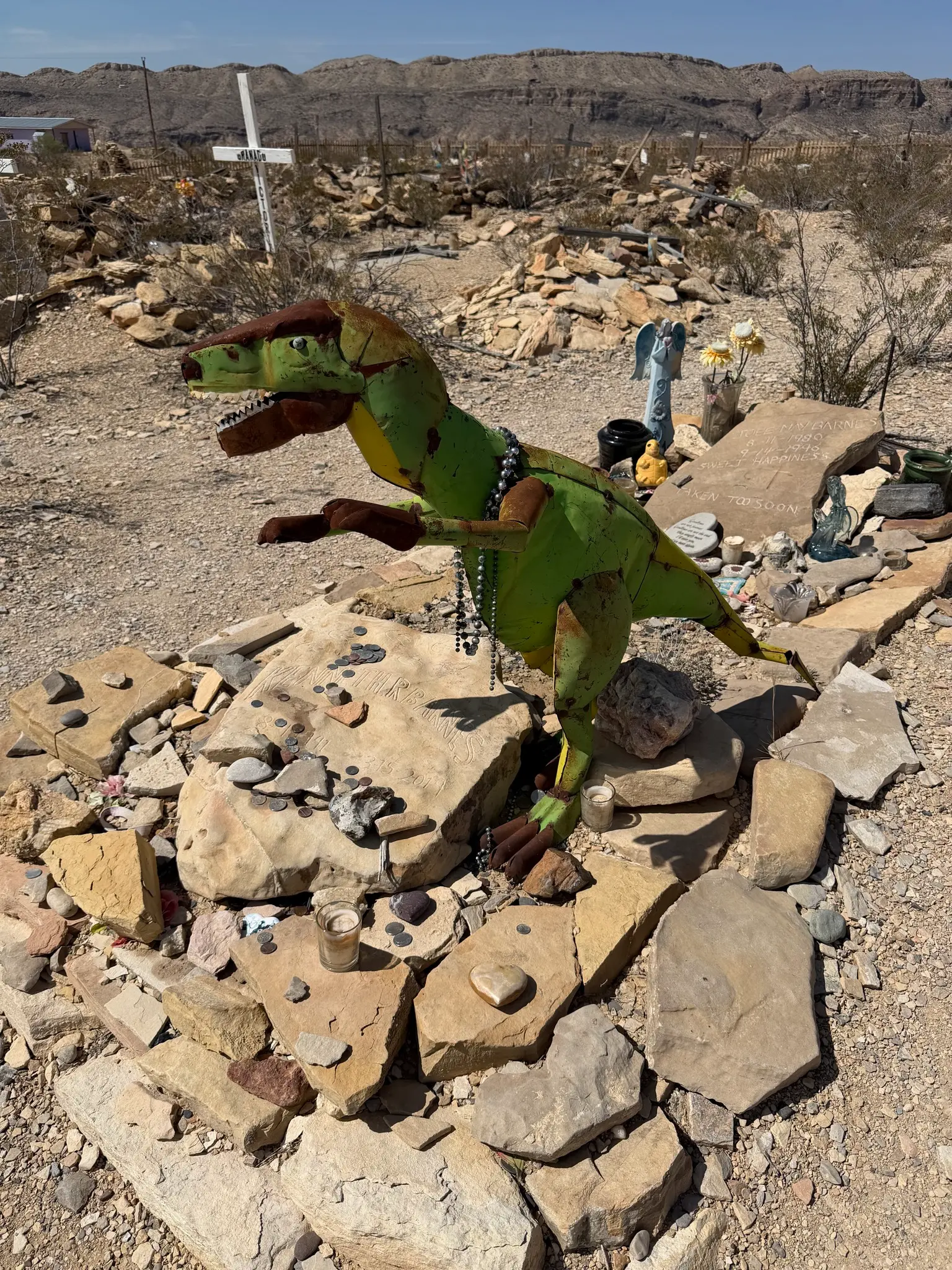
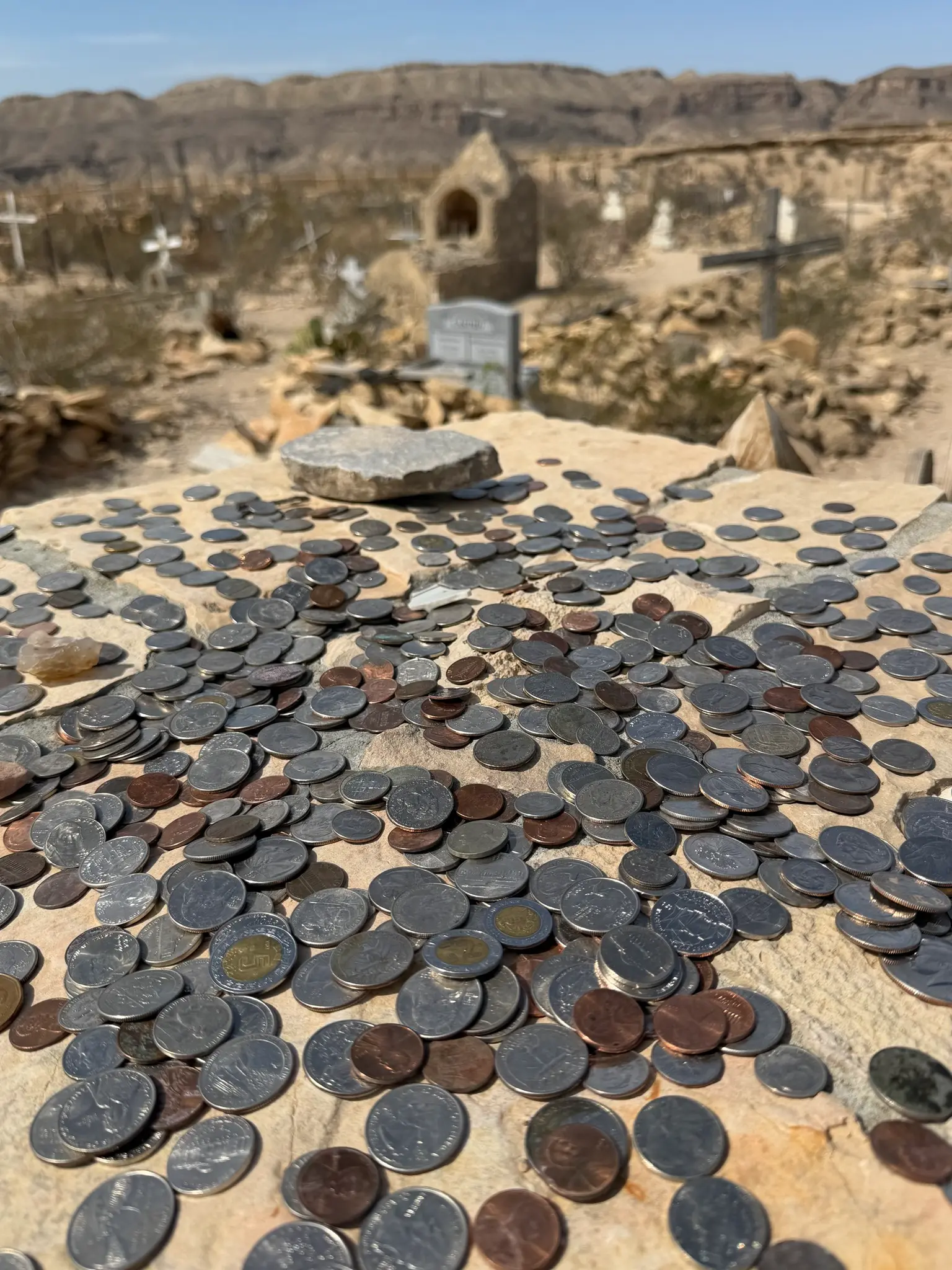
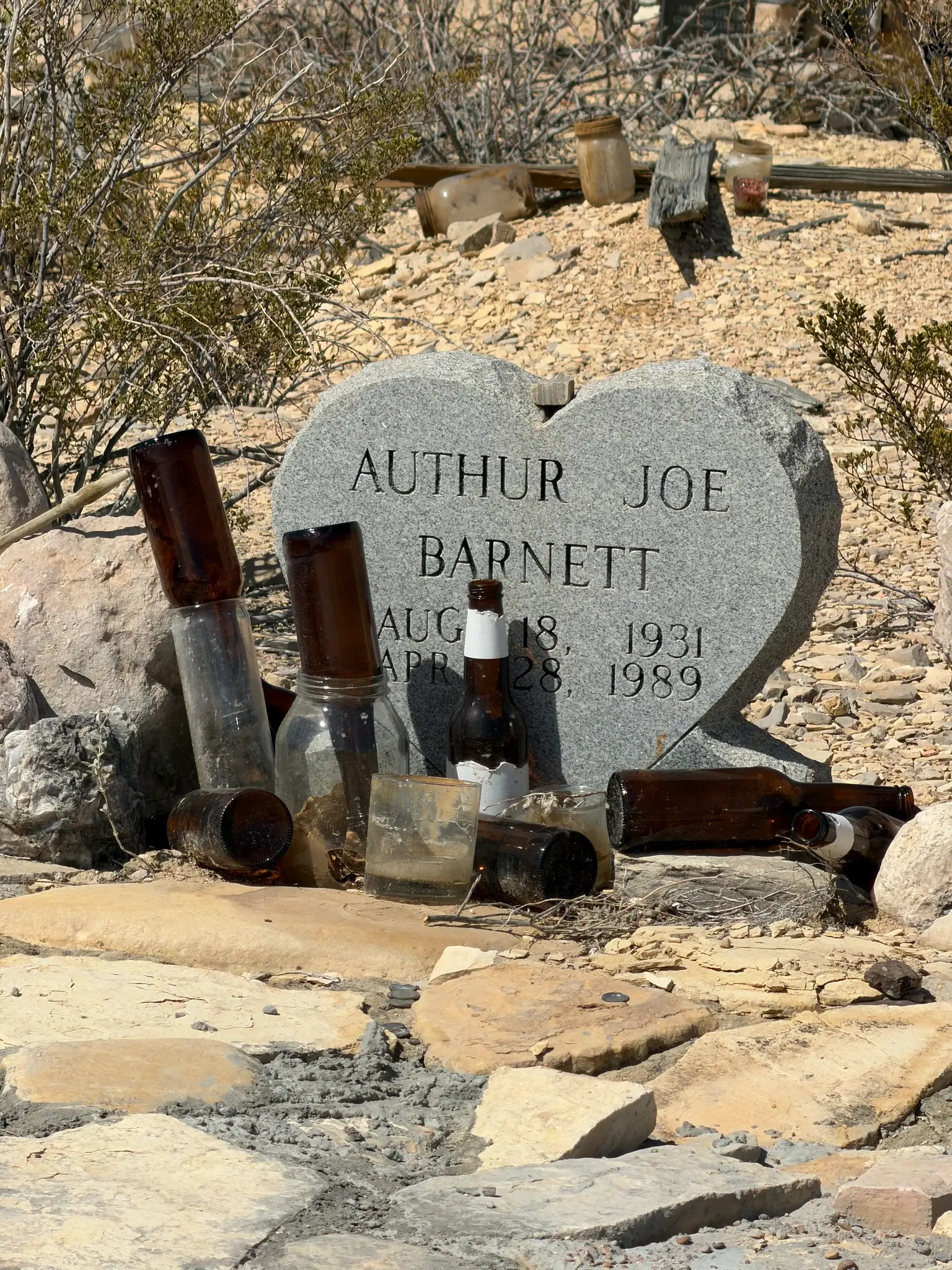
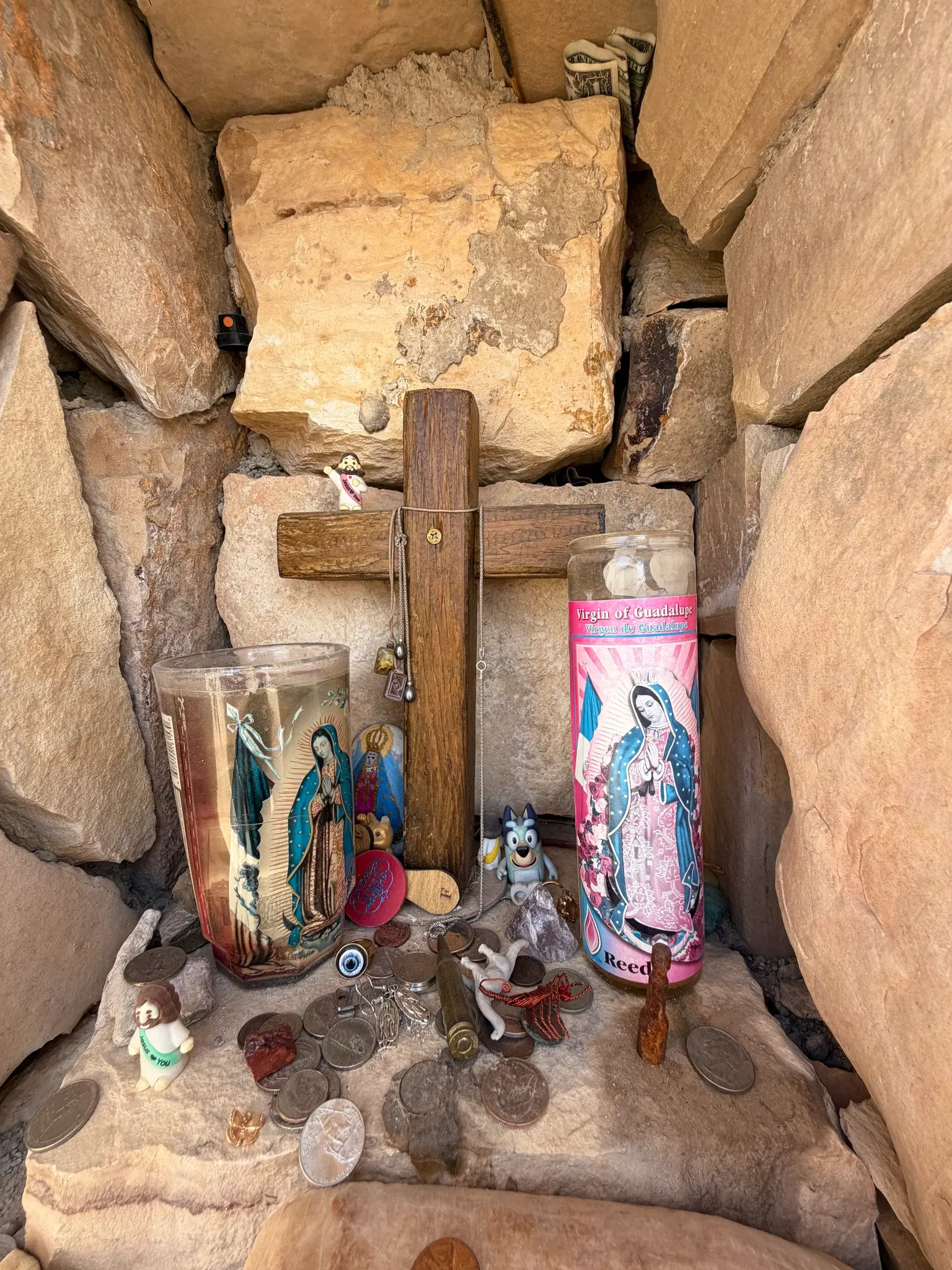
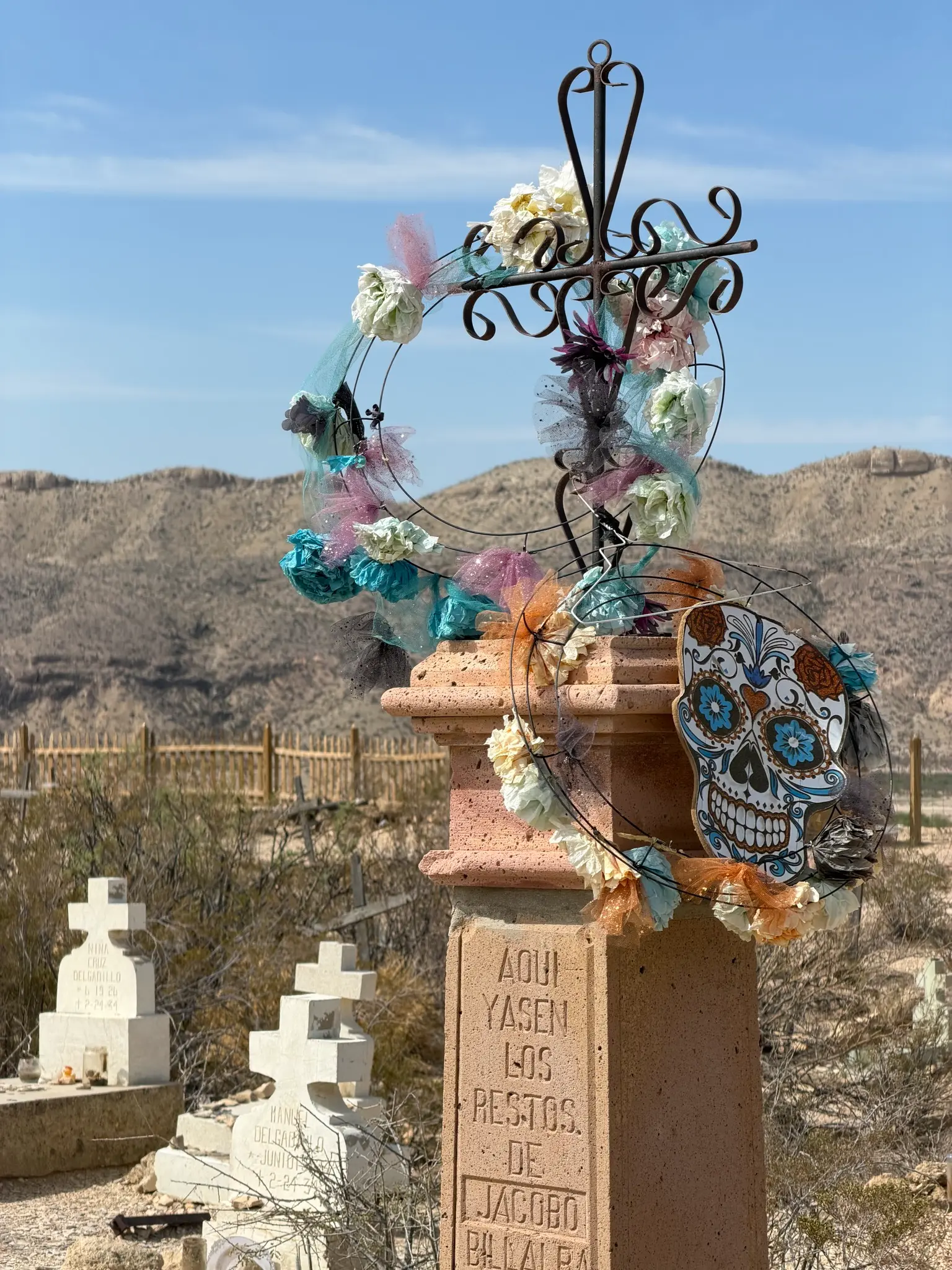
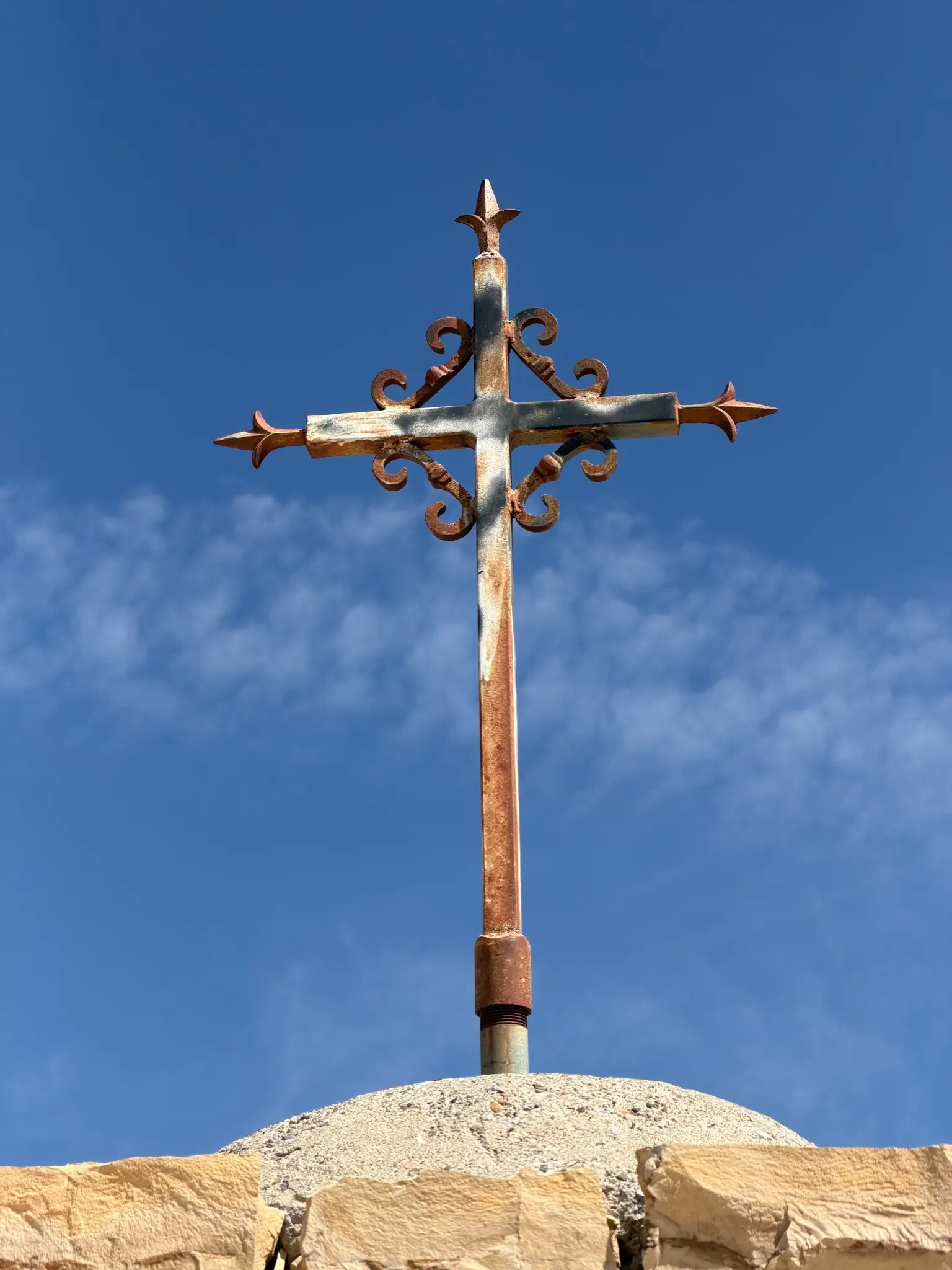
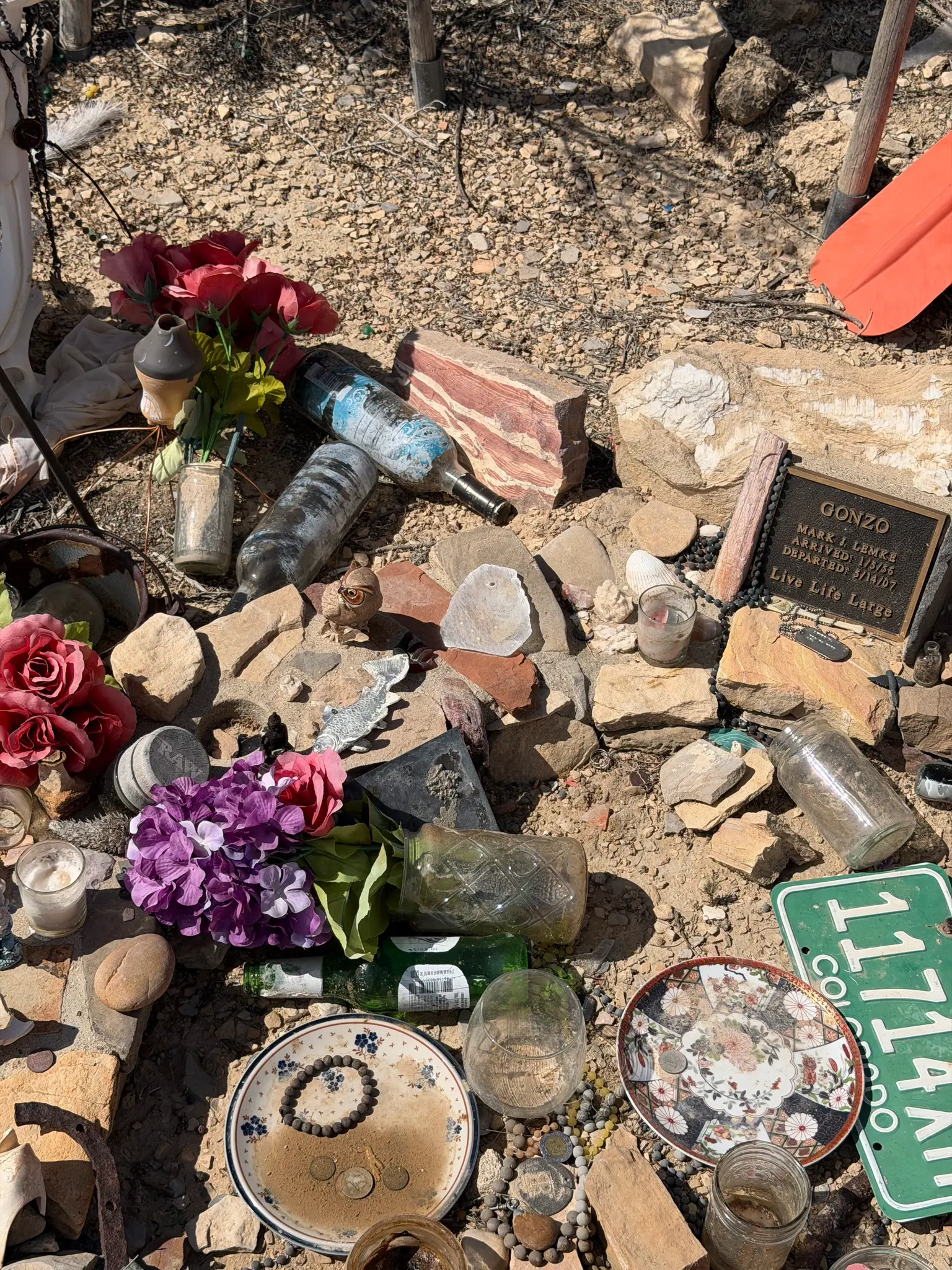
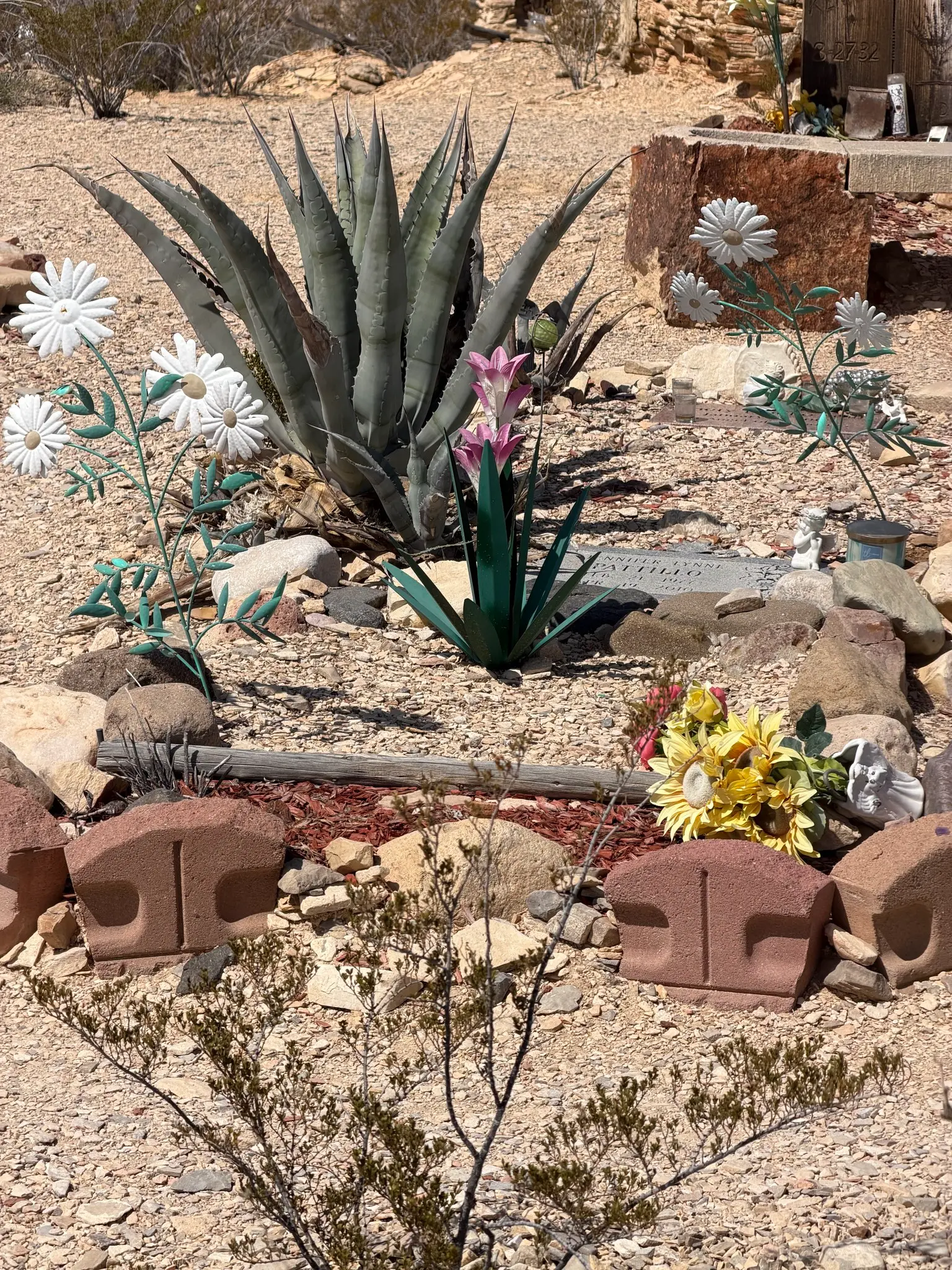
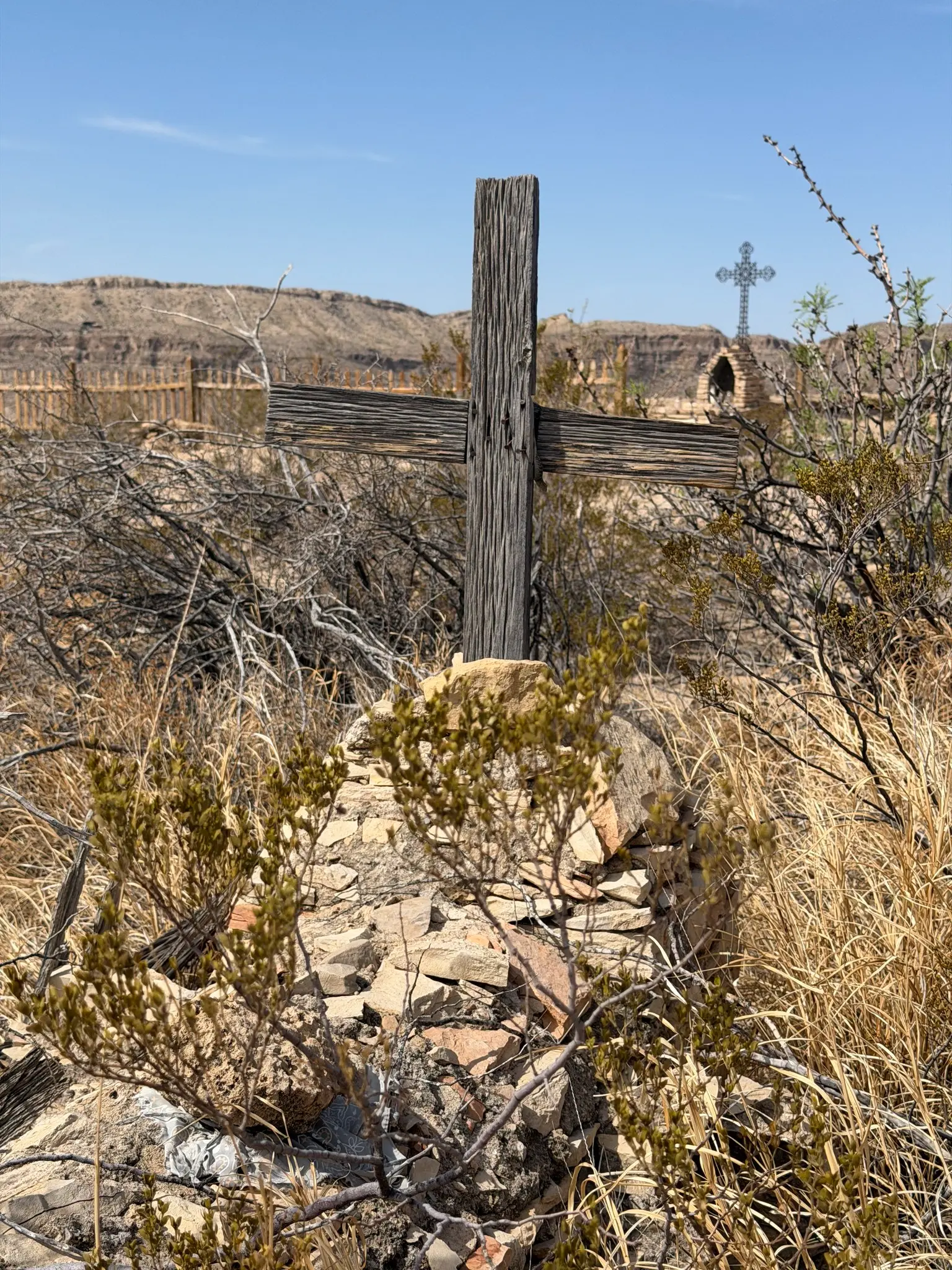
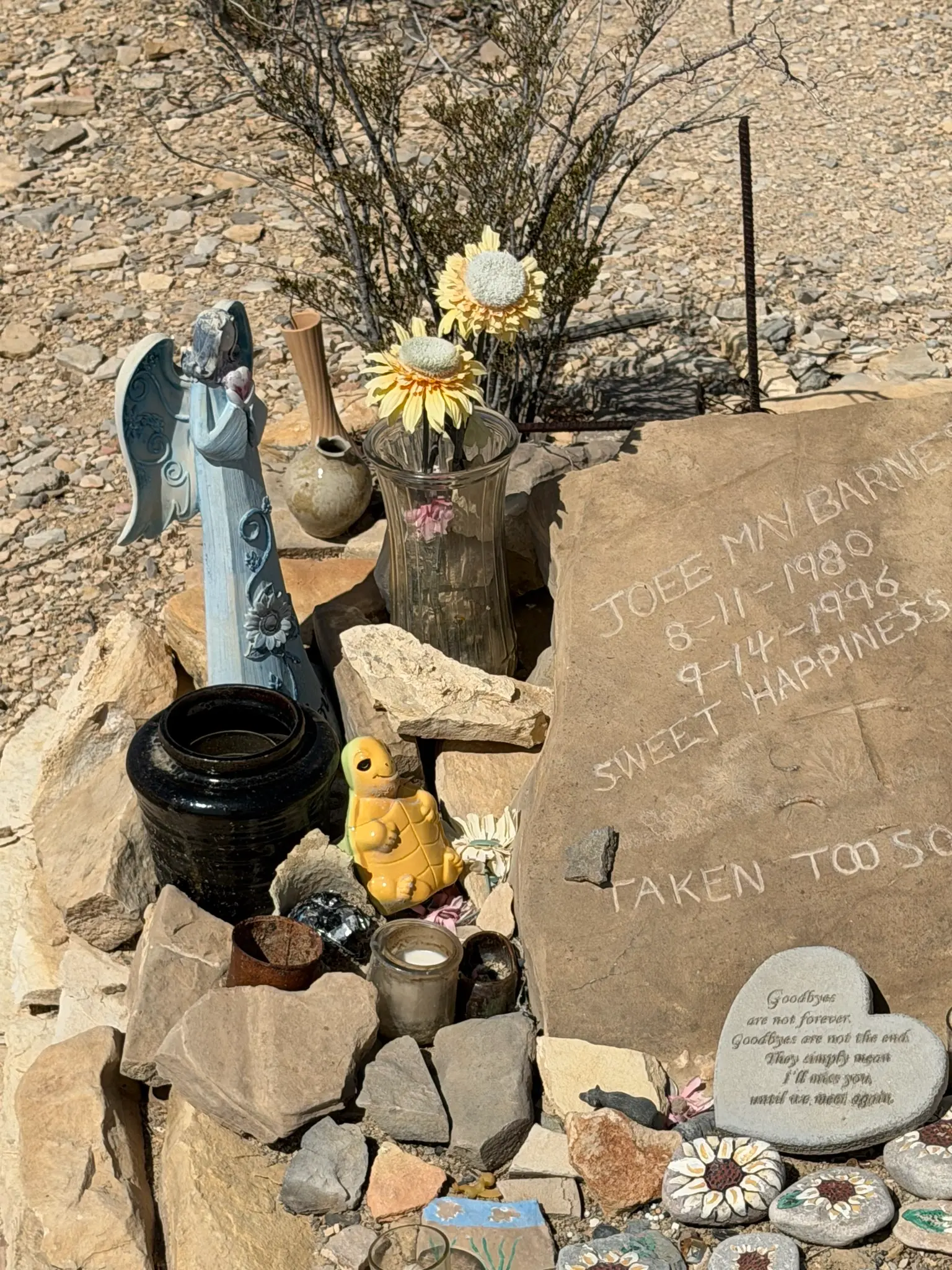
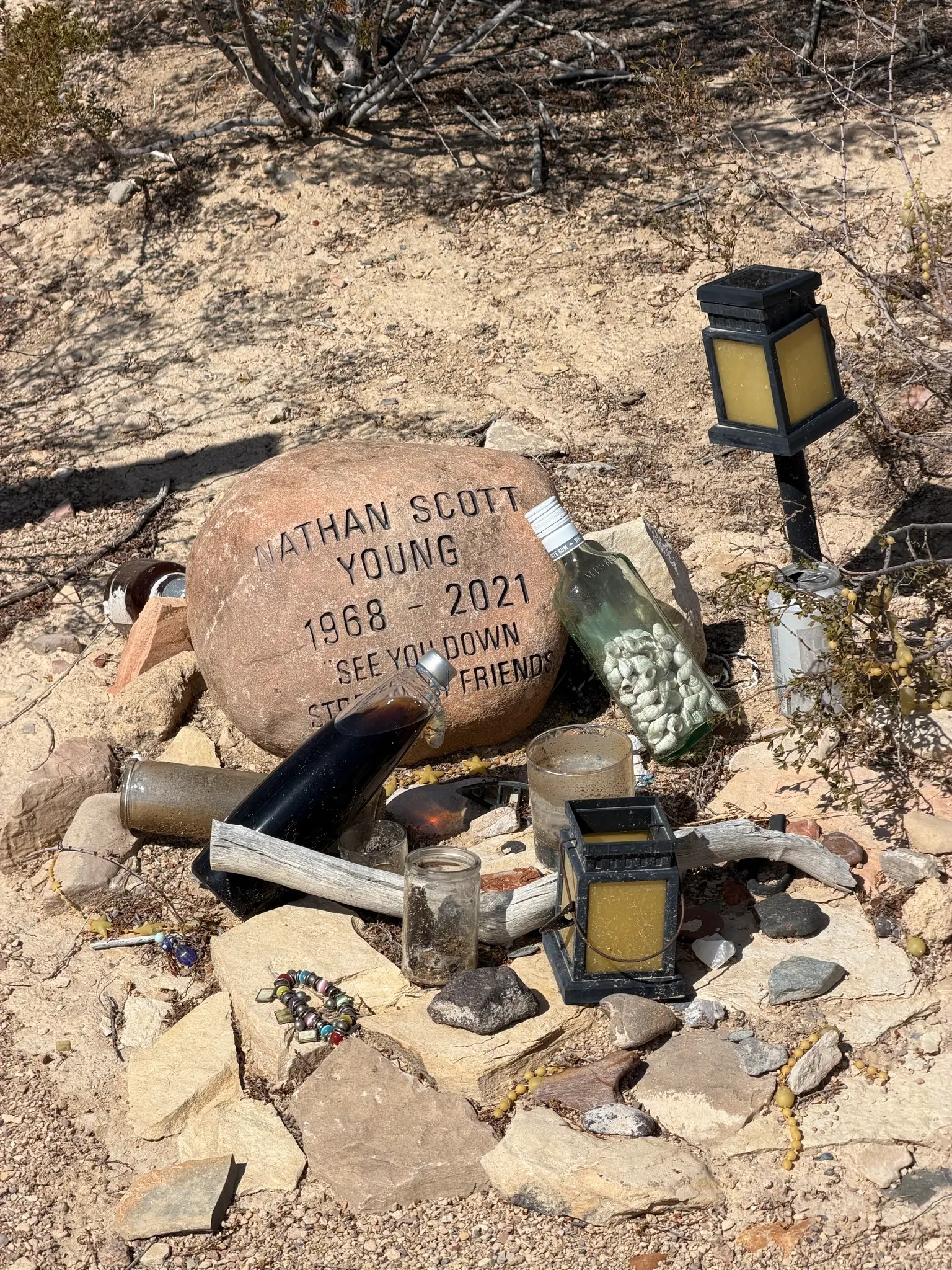
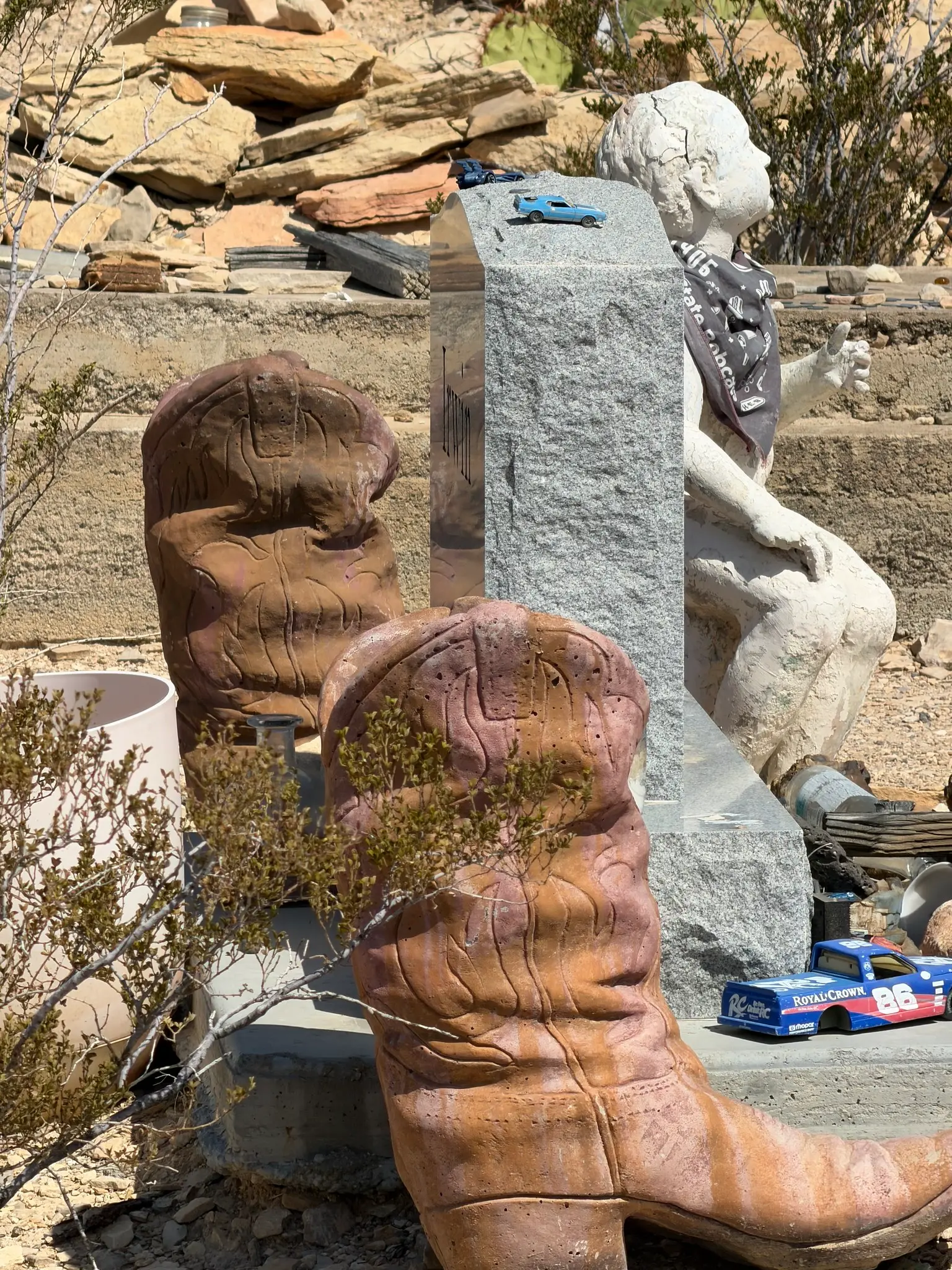
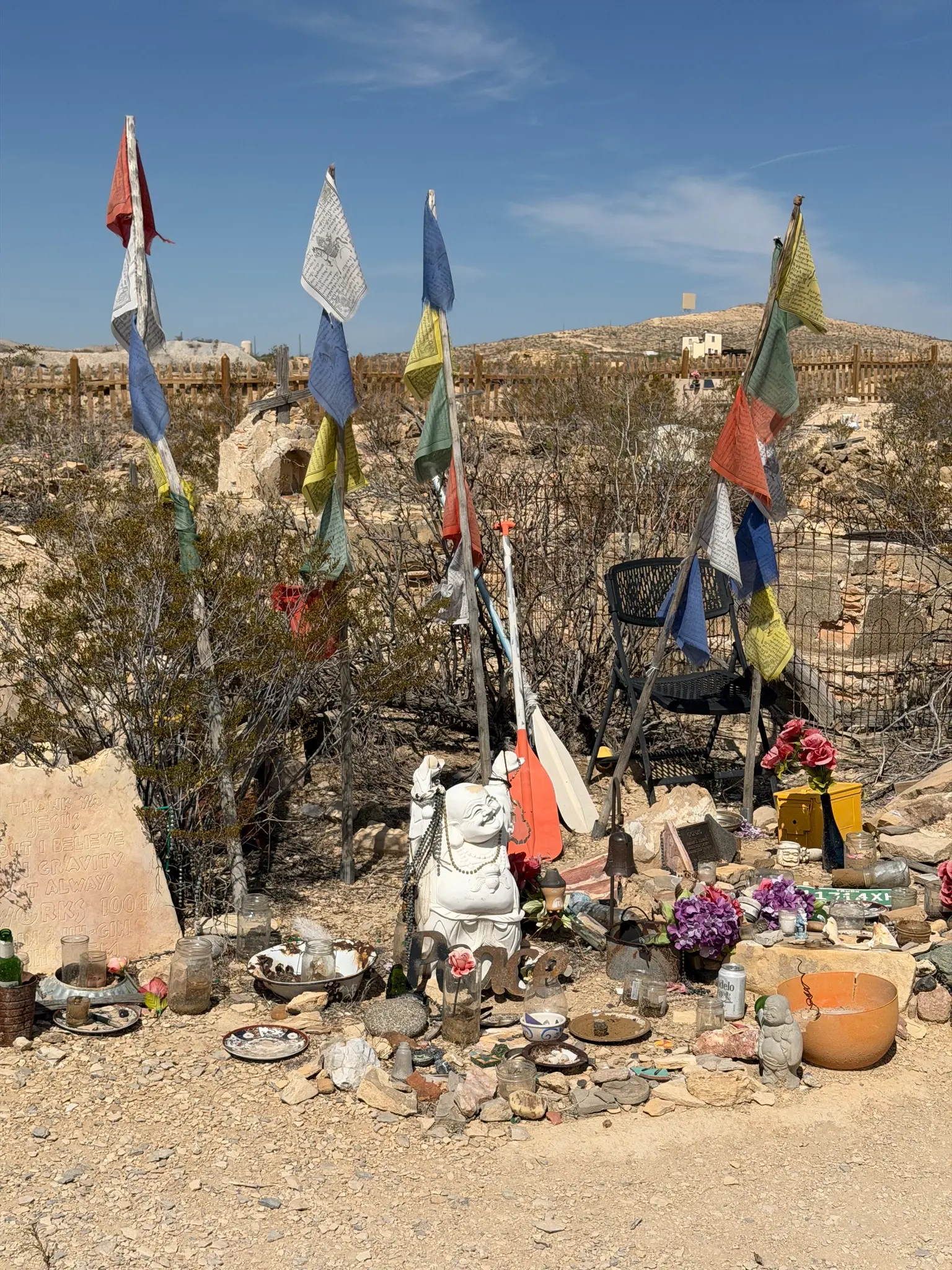
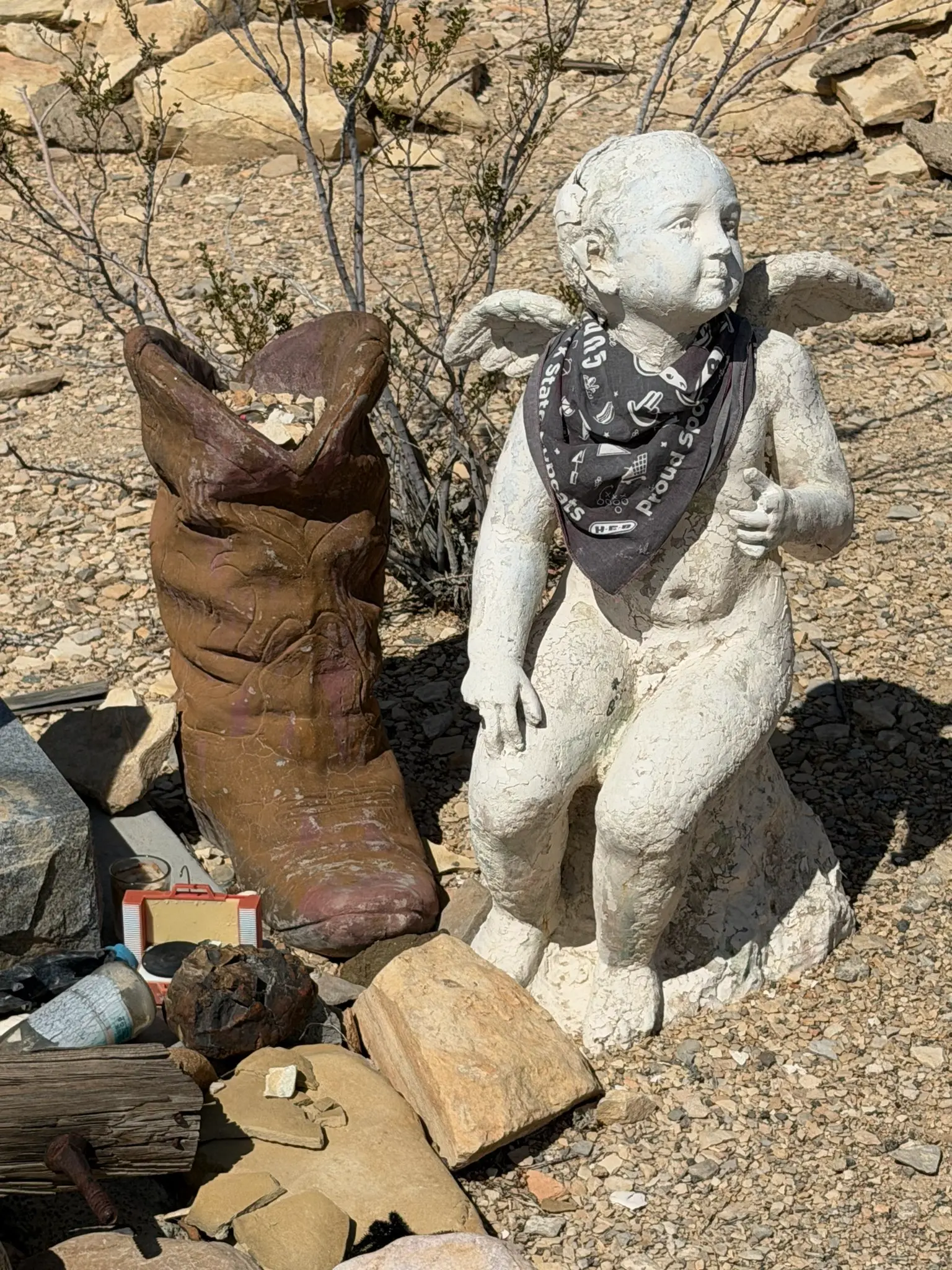
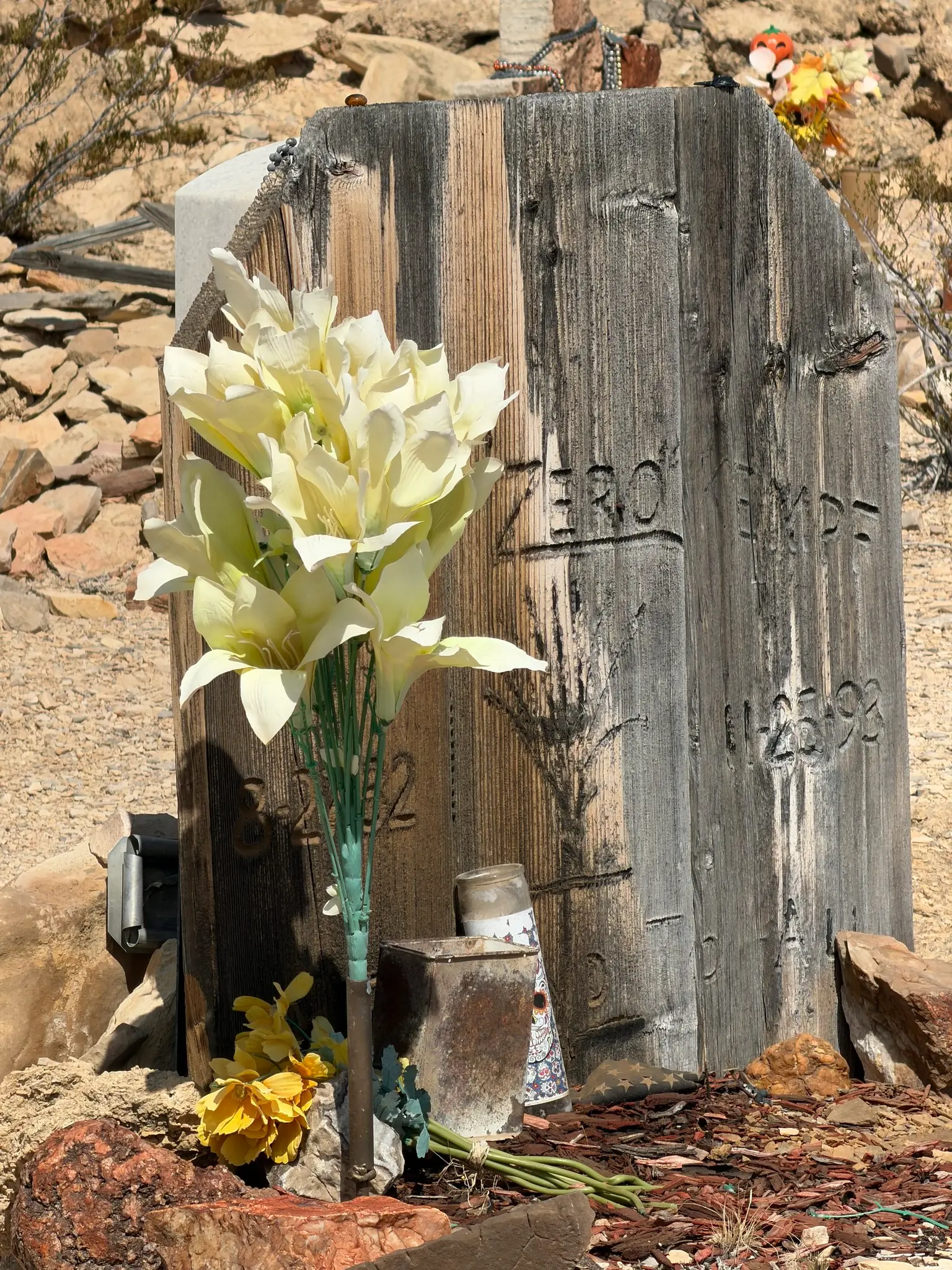
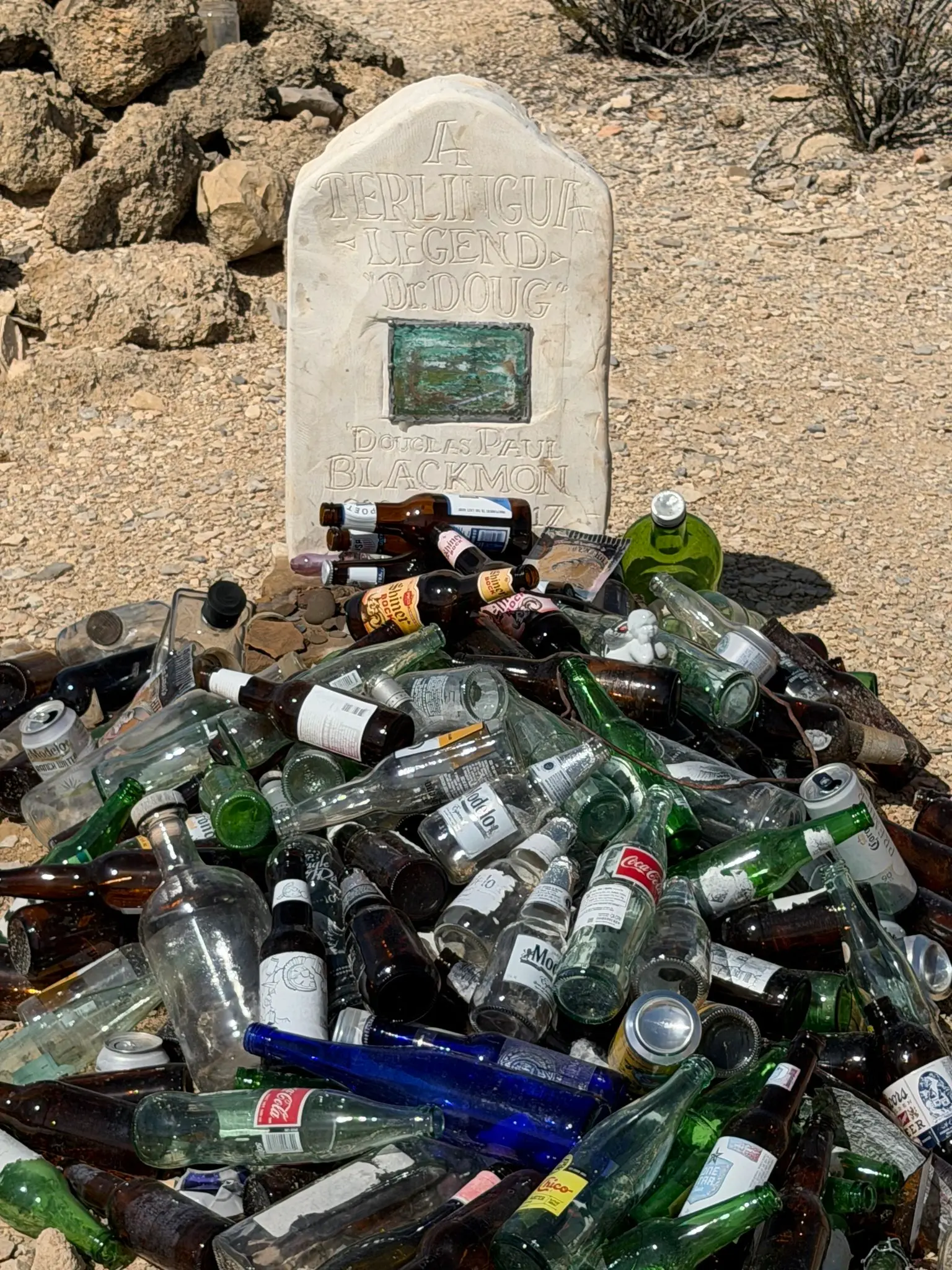
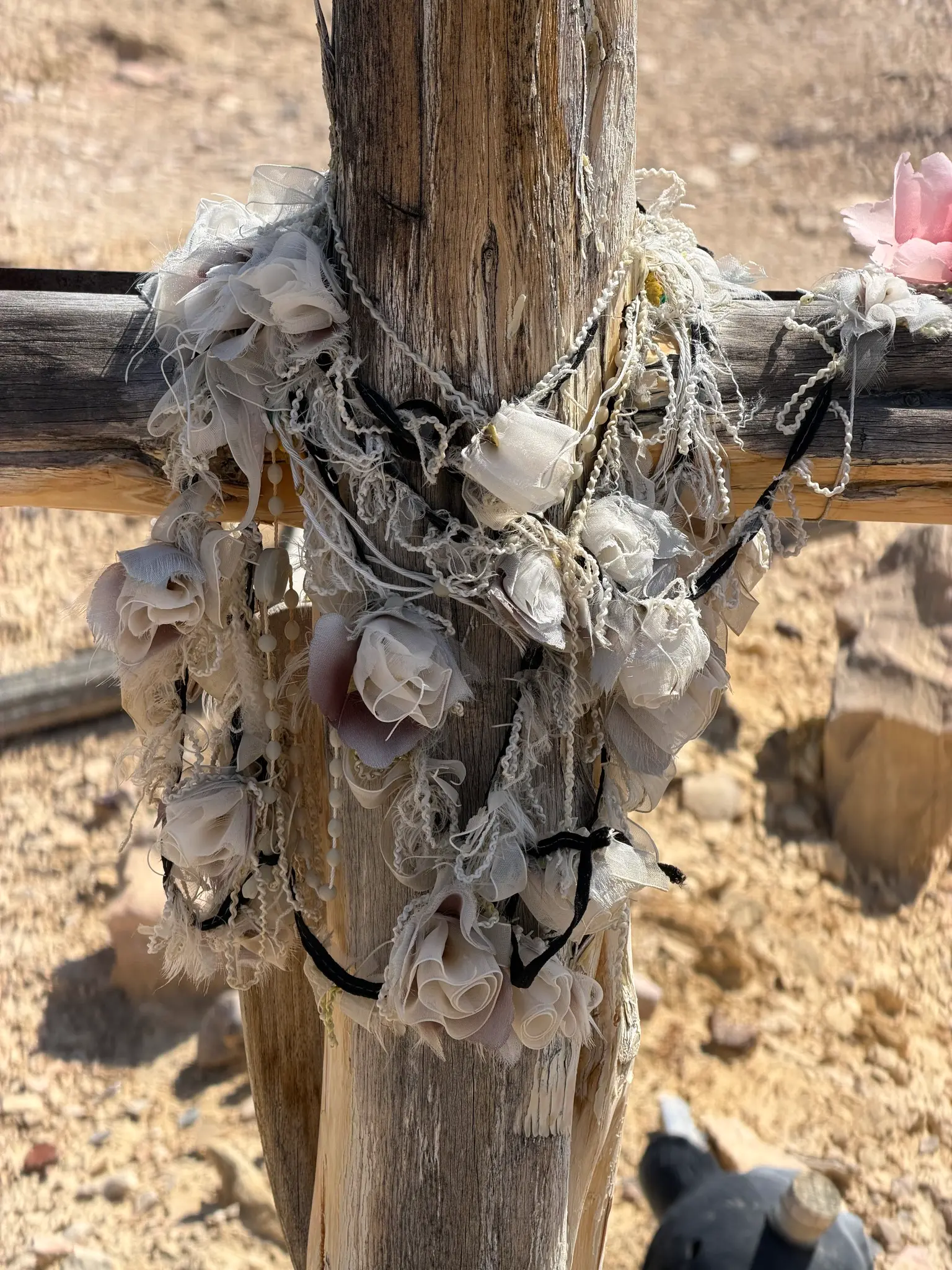
The cemetery is deeply personal in a way modern cemeteries often are not. Some graves are decorated with beer bottles, handwritten notes, old photographs, plastic flowers faded by years of desert sun, cowboy hats, crosses made from scrap wood, trinkets, toys, and random objects that clearly meant something to somebody. There is nothing sterile about it. Nothing polished. It feels improvised, emotional, human. You get the sense that the people buried there were loved imperfectly but honestly, which, when you think about it, is probably the best any of us can hope for.
I couldn’t stop thinking about how human beings remember each other. Not theoretically, but practically. What actually survives us once all the noise fades away. Standing there in the desert, all the things modern culture tells us are important suddenly felt very small. Followers. Status. Visibility. Success. Personal branding. Influence. Achievement. Most of it evaporates almost immediately. What seems to endure instead are the simpler, more intimate things. The emotional residue we leave behind in the lives of others. The way we made people feel. The stories they continue telling about us after we’re gone. He made people laugh. She loved this place. He could talk to anyone. She danced every chance she got. He was difficult but kind. She flirted until the very end.
The older I get, the more I realize legacy has very little to do with greatness and almost everything to do with presence. Did you fully inhabit your own life while you were here? Did you pay attention? Did you remain curious? Did you love people well enough? Did you allow yourself moments of joy without constantly apologizing for them? Those questions feel far more meaningful to me now than whatever professional accomplishments once occupied so much of my energy and attention.
And maybe this is where my own worldview quietly enters the frame. Standing in that cemetery, I could not help but think that this life, in all probability, is all there is. Birth and death are the bookends. The lights come on. The lights go out. No golden streets waiting somewhere beyond the clouds. No eternal choir practice. No cosmic courtroom. No fire of torment. No reunion banquet in the sky. Just existence, brief and astonishing, followed eventually by nonexistence, the same nonexistence from which we came before we were born.
Oddly enough, I do not find that bleak.
I find it electrifying.
Because if this really is our one and only shot, then every ordinary moment suddenly matters more, not less. Every sunrise becomes more valuable. Every road trip more sacred. Every conversation more meaningful. Every photograph more emotional. Every person sitting across the table from you becomes infinitely precious precisely because none of this lasts forever. Mortality does not cheapen life for me. It intensifies it.
Photography itself has become one of the primary ways I process all of this. Every photograph, whether we consciously realize it or not, is a tiny confrontation with impermanence. The photograph exists because the moment itself does not. Light hits the sensor. The shutter clicks. The moment vanishes forever. Photography trains you to notice temporary things. Fleeting light. Fleeting expressions. Fleeting weather. Fleeting youth. Fleeting beauty. Even the act of road-tripping carries this emotional undercurrent. You are always arriving and leaving at the same time. Every town temporary. Every motel room temporary. Every sunset temporary. Every version of yourself temporary.
And the desert reinforces that reality in ways cities often conceal from us. Out there, decay is impossible to ignore. Buildings collapse slowly back into the earth. Paint peels. Metal rusts. Wood cracks beneath decades of brutal sun and wind. Entire lives disappear into dust. Oddly enough, I do not find this depressing. I find it clarifying. Once you stop demanding permanence from life, you become more available to life itself. You stop clinging so tightly to certainty, identity, possessions, and ego. You begin understanding that impermanence is not some cruel design flaw. It is the very thing that gives beauty its emotional weight.
That realization does not make me want to retreat from life. It makes me want to throw myself into it even harder. Eat the meal. Take the trip. Stay out too late once in awhile. Fall in love. Tell people what they mean to you. Watch the sunrise. Photograph the damn sunset even if a thousand photographers have already stood in the same spot before you. Stop postponing joy. Stop waiting for permission. Stop acting as though life is a rehearsal for something later.
No.
Seize the day.
No, seize the fucking day and give it everything you have.
Standing there above that old Terlingua cemetery one evening, with the final light sliding across the desert and the Chisos Mountains fading softly into shadow, I realized I wasn’t feeling fear at all. What I felt instead was gratitude. Gratitude that I am still here. Still wandering. Still curious. Still able to stand beneath an enormous Texas sky with a camera in my hand and feel overwhelmed by the strange miracle of simply being alive at all.
Click.
Jack.
P.S. My next post is, in many ways, “Part 2” to this piece. A deeper look inside my head regarding death, heaven, certainty, and the stories we tell ourselves to soften the hard edges of mortality. Some here probably won’t like what I have to say. Some may strongly disagree. That’s okay. Fear of rejection has never really been my strong suit anyway. I’m not trying to offend anyone or destroy anyone’s faith. I’m simply trying to be honest about where my own road tripping has taken me.