Terlingua: Westward Ho
Every Landscape Has a Visual Voice
Austin is a pretty decent-sized city by Texas standards. Not Dallas huge. Not Houston sprawling. But big enough to feel constantly in motion. Tech money. Live music. Food trucks. Cyclists. Tattoo artists. Startup dreamers. Influencers with Labradoodles. Software engineers carrying laptops into coffee shops like they’re transporting nuclear codes. The city still hangs onto its “Keep Austin Weird” identity, although these days it feels slightly less weird and a whole lot more polished than it once did. Still, photographically speaking, Austin delivers. Murals. Street life. Quirky personalities. Concerts. Bikes. Bars. Strange little visual collisions happening every few feet. I photograph the living hell out of this city.
But for one reason or another, my road-tripping heart keeps pulling me west.
Way west.
Out toward Terlingua, Marfa, Alpine, Monahans, and Big Bend.
West Texas feels like another planet compared to the life I grew up knowing. The landscape is stark, dry, dusty, sunburned, windblown, and stripped down to the bone. Brown mountains. Desert brush. Empty highways. Rusted trailers. Faded signs. Cracked pavement. Dry riverbeds. Tiny towns barely hanging on. Heat shimmering off the road like invisible fire. In the middle of summer, the place feels almost hostile to human existence. There are stretches of highway out there where you begin questioning your own sanity for driving through it voluntarily.
And yet I cannot stay away.
Maybe because it is so radically different than where I came from.
My falls, winters, and springs belonged to Reading, Massachusetts, just north of Boston. Real seasons. Real weather. Autumns that looked like a damn postcard. Trees exploding into reds, oranges, and yellows so beautiful they almost seemed fake. Wet leaves stuck to sidewalks. Old colonial homes. Church steeples. Saturday afternoons meant local football fields before stadium lights fully took over the culture. Cold air. Marching bands. Small-town crowds bundled in jackets. Everybody there because, back then, that’s just what people did. Winters brought frozen ponds, snowbanks, gray skies, and that strange New England toughness that settles into your bones whether you want it to or not. Springtime meant thawing mud, little league baseball, puddles, and finally seeing color return to the world again after months of monochrome skies.
Then came Cape Cod summers.
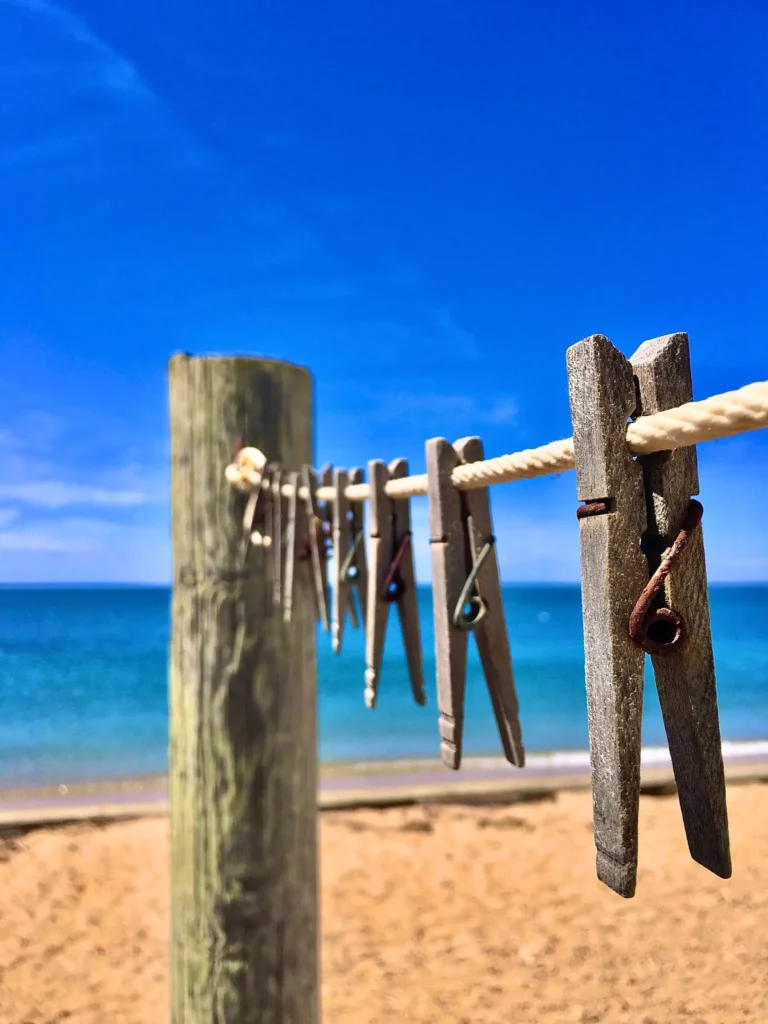
That world was all salt air, beach grass, seafood shacks, sunscreen, humidity, and ocean light. Weathered cedar shingles faded silver from decades of coastal wind. Lobster traps piled beside docks. Fried clams. Bike rides to the beach. Harbors packed with boats rocking against old wooden piers. The smell of low tide and sunscreen mixing together in the summer heat. To this day, I still think the sea got permanently wired into my DNA growing up there.
So no, it’s not a stretch at all to say that West Texas feels like the complete opposite of my childhood landscape.
And maybe that is exactly the attraction.
Photographers are often drawn toward what feels unfamiliar. What wakes us up. What interrupts our visual habits.
New England felt layered, historic, textured, crowded, and emotionally familiar. West Texas feels ancient, stripped bare, quiet, indifferent, and enormous. In New England, nature often wraps around you. In West Texas, nature dwarfs you. Human beings feel tiny out there. Temporary. Almost accidental.
And that changes the way you photograph.
Every place we visit with a camera has its own visual voice. Its own rhythm. Its own emotional weight. Cape Cod speaks differently than Terlingua. Austin speaks differently than Marfa. New Orleans speaks differently than Big Bend. Every location carries its own color palette, mood, energy, geometry, light, and pace.
Our job as photographers is not to overpower that voice.
Our job is to find it.
Too many photographers arrive somewhere already carrying a mental checklist of shots they want to force into existence. Same compositions. Same edits. Same social-media-safe clichés. They photograph locations the same way tourists buy refrigerator magnets — proof they were there. But the best photography happens when we stop imposing ourselves quite so aggressively onto a place and instead allow the place itself to teach us how it wants to be photographed.
West Texas taught me restraint.
It taught me patience.
It taught me minimalism.
Out there, there is nowhere to hide weak compositions. No giant city distractions. No overwhelming architecture. No visual clutter to lean on. Just shape, light, shadow, distance, texture, and silence. Sometimes a single road disappearing into nowhere says more than an entire crowded city block. Sometimes an abandoned gas station under harsh desert sunlight tells the whole story. Sometimes emptiness itself becomes the photograph.
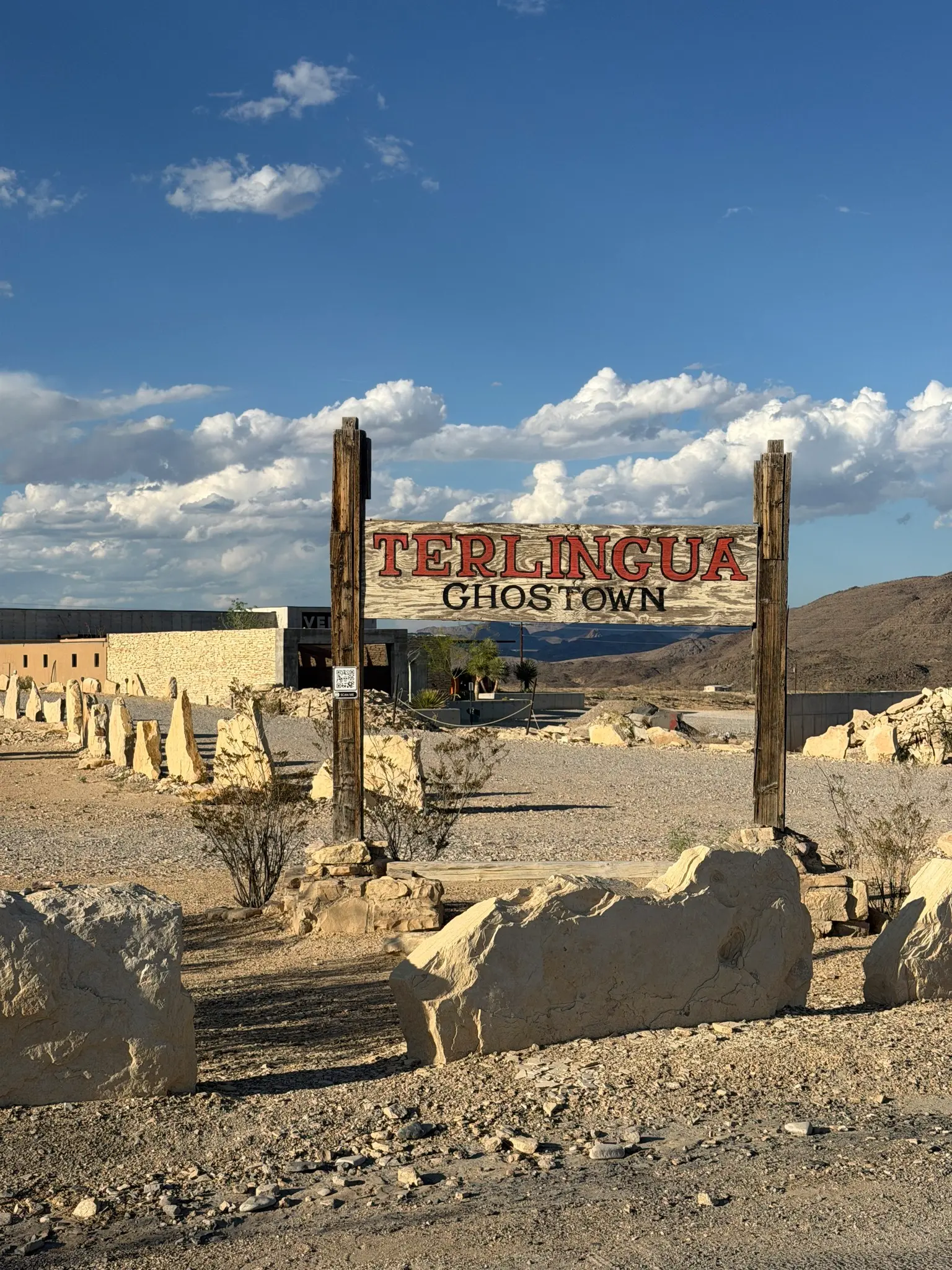
That is what I was chasing in Terlingua.
Not perfection.
Not postcard beauty.
Not some romanticized cowboy fantasy version of Texas.
I was chasing the visual voice of the place itself.
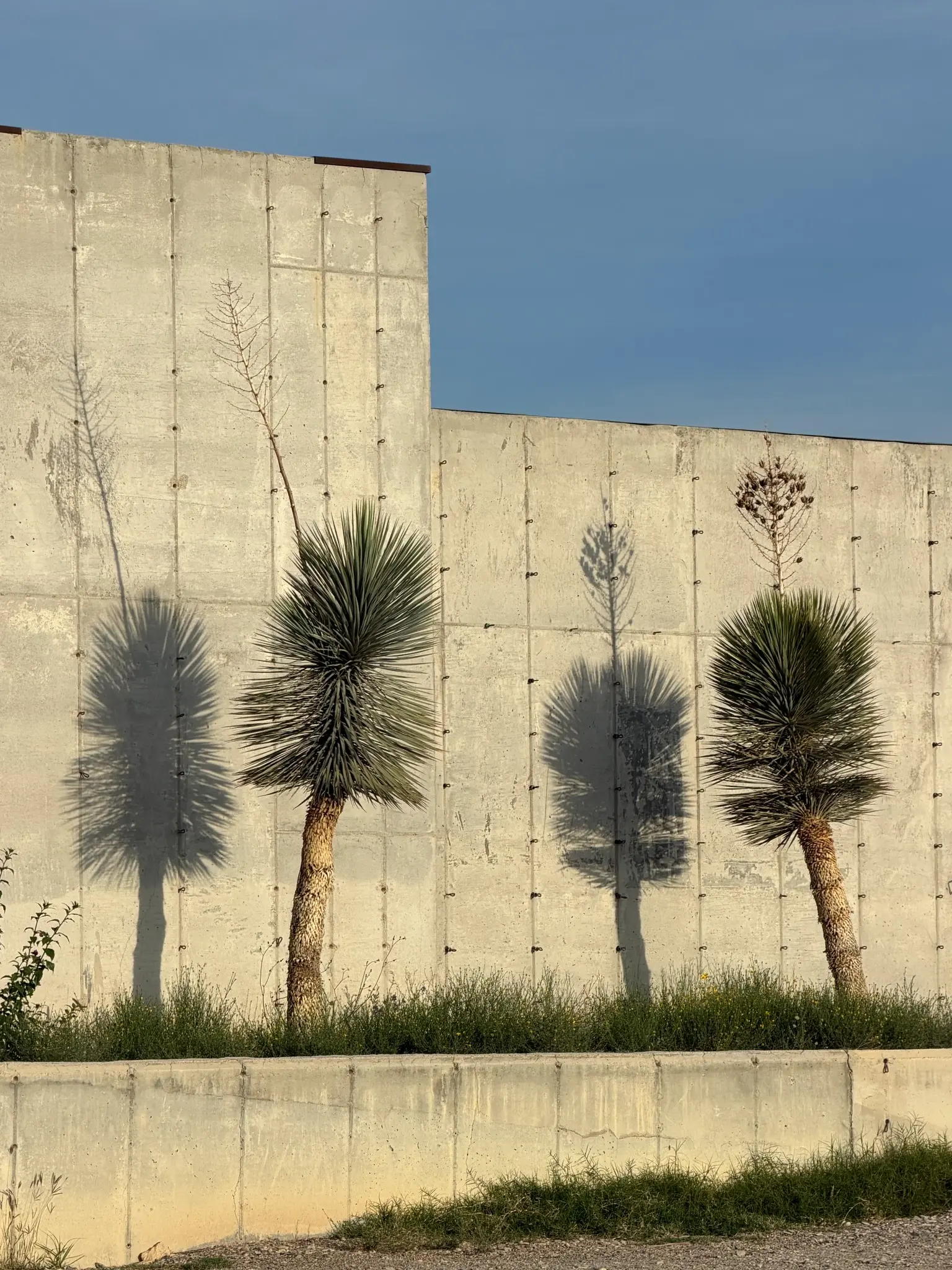
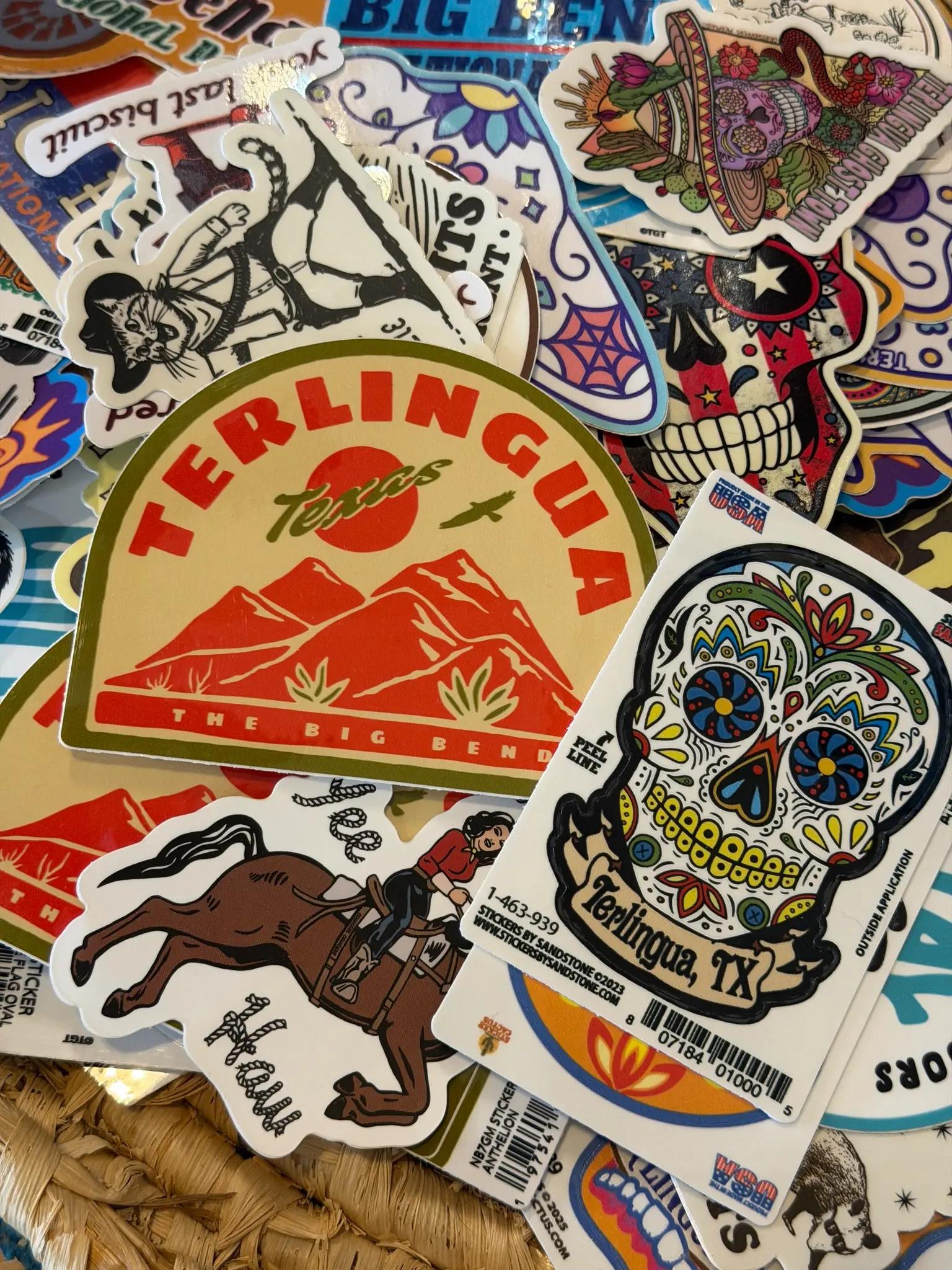
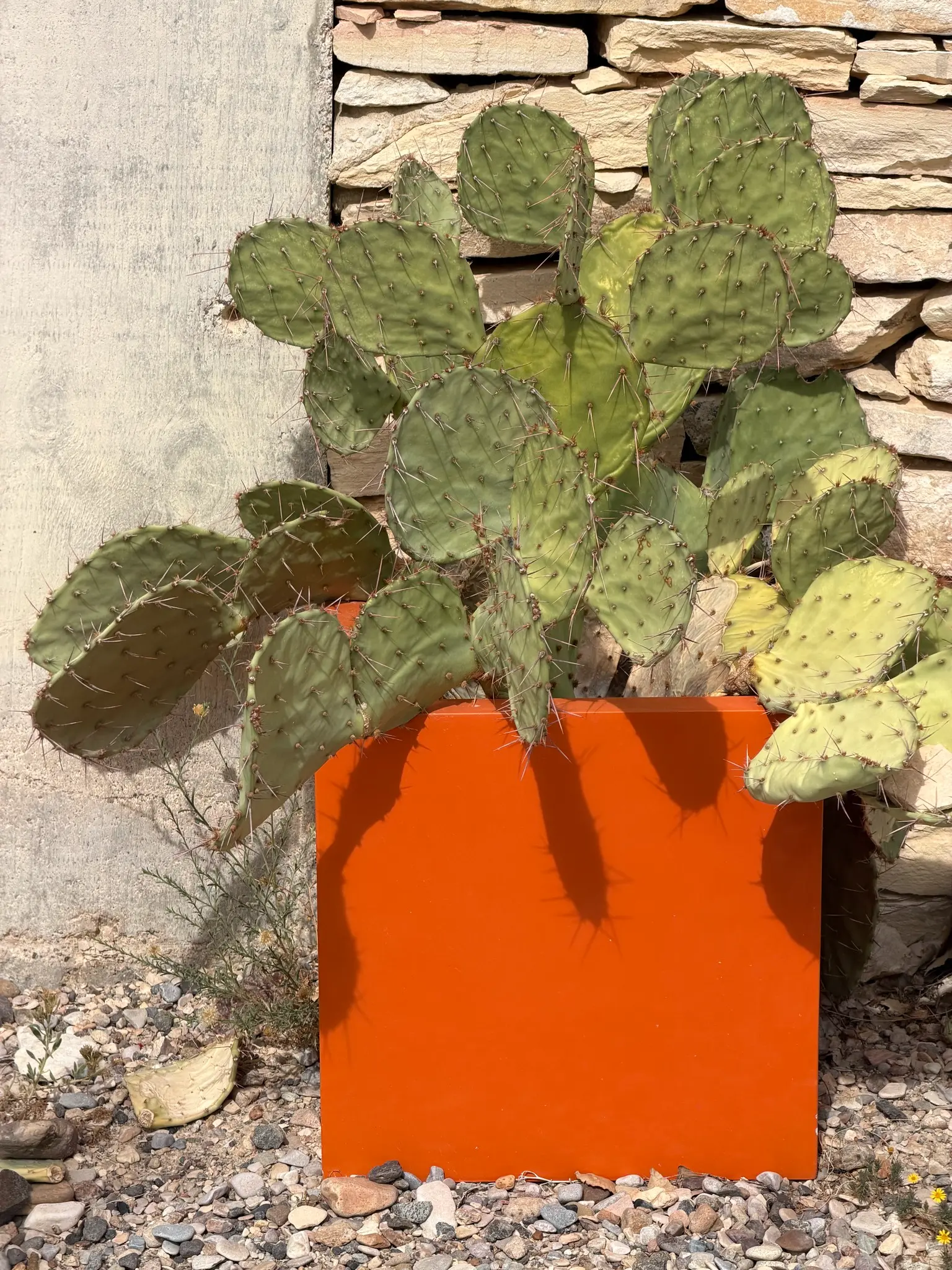
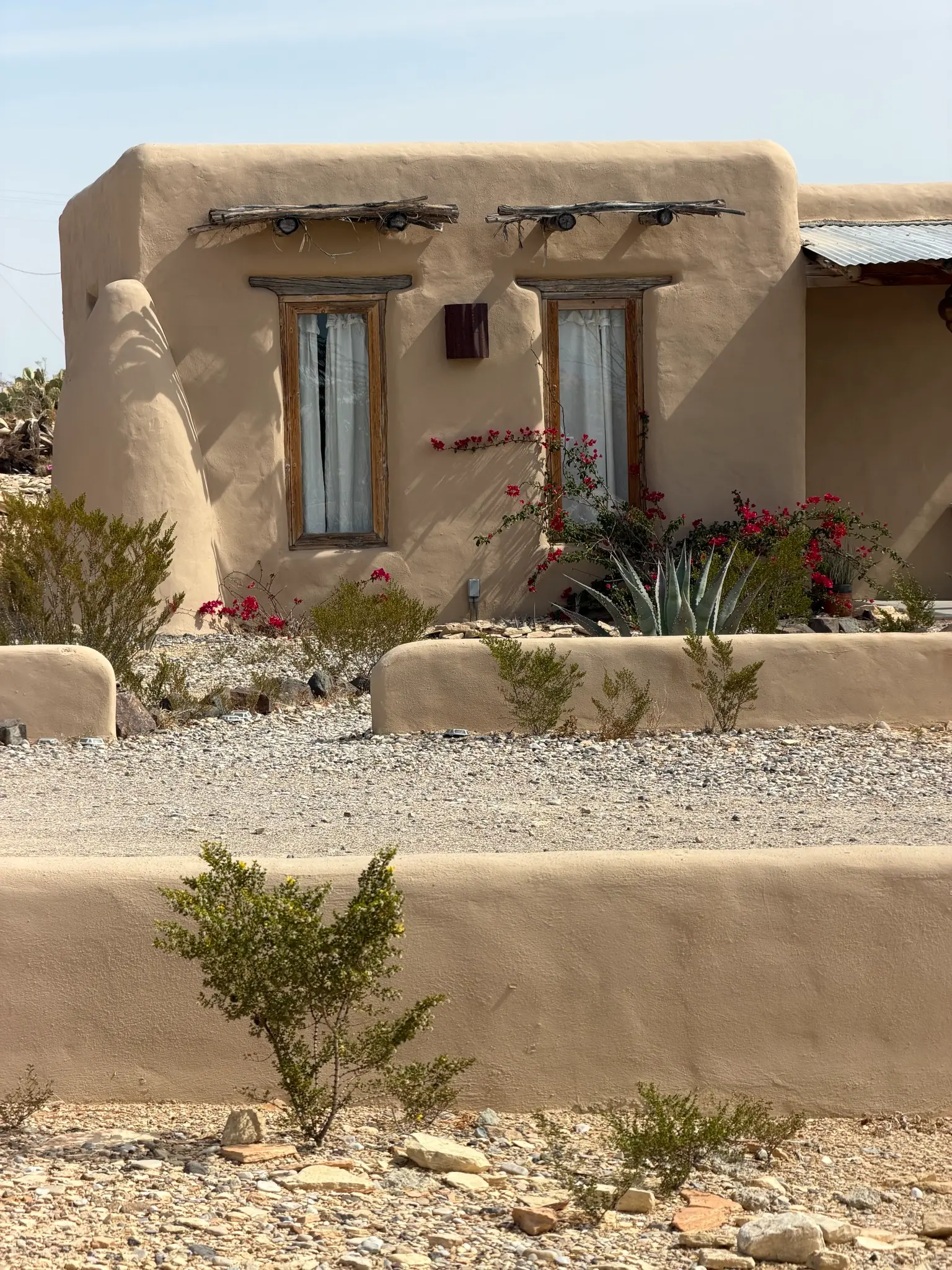
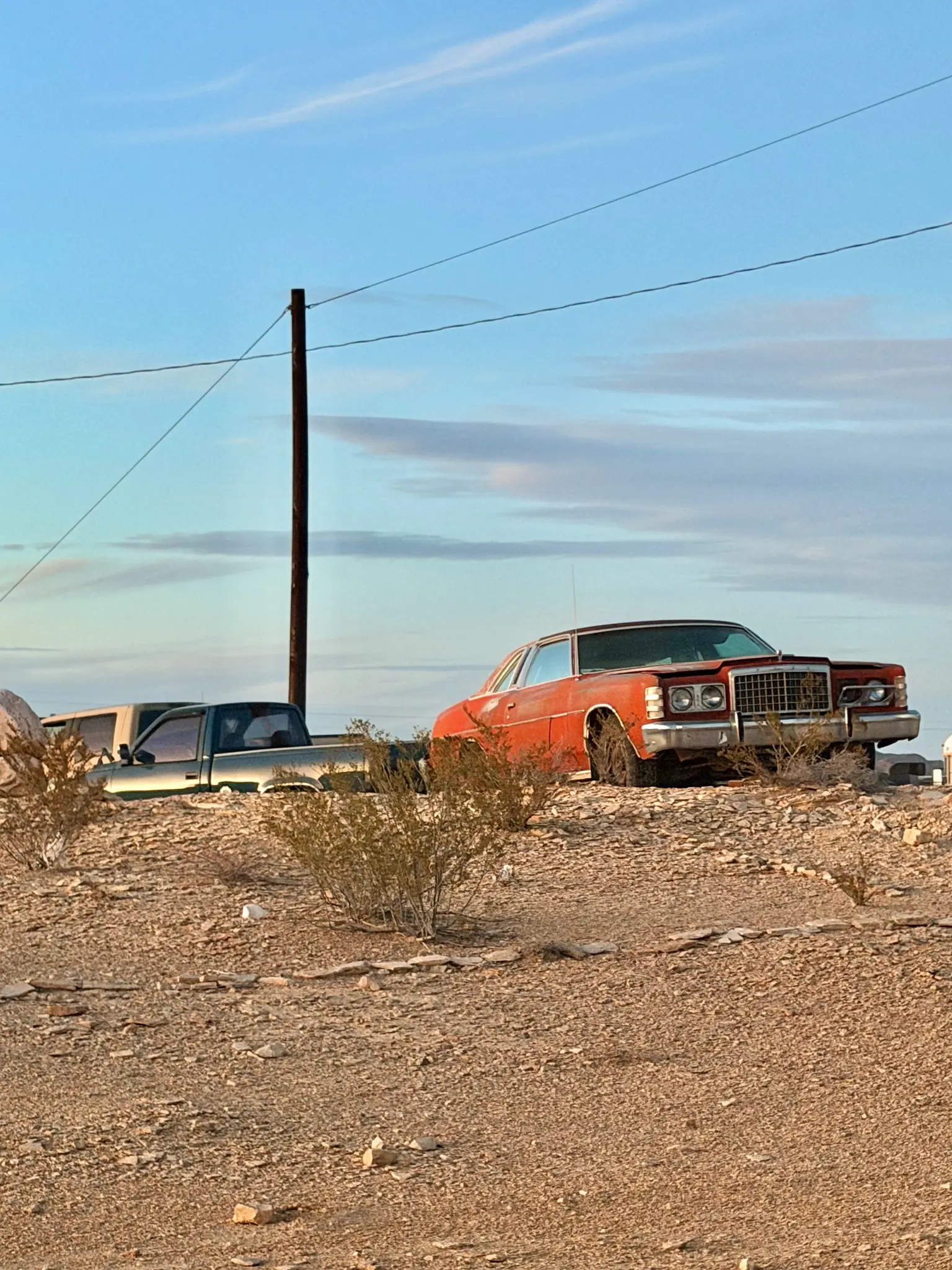
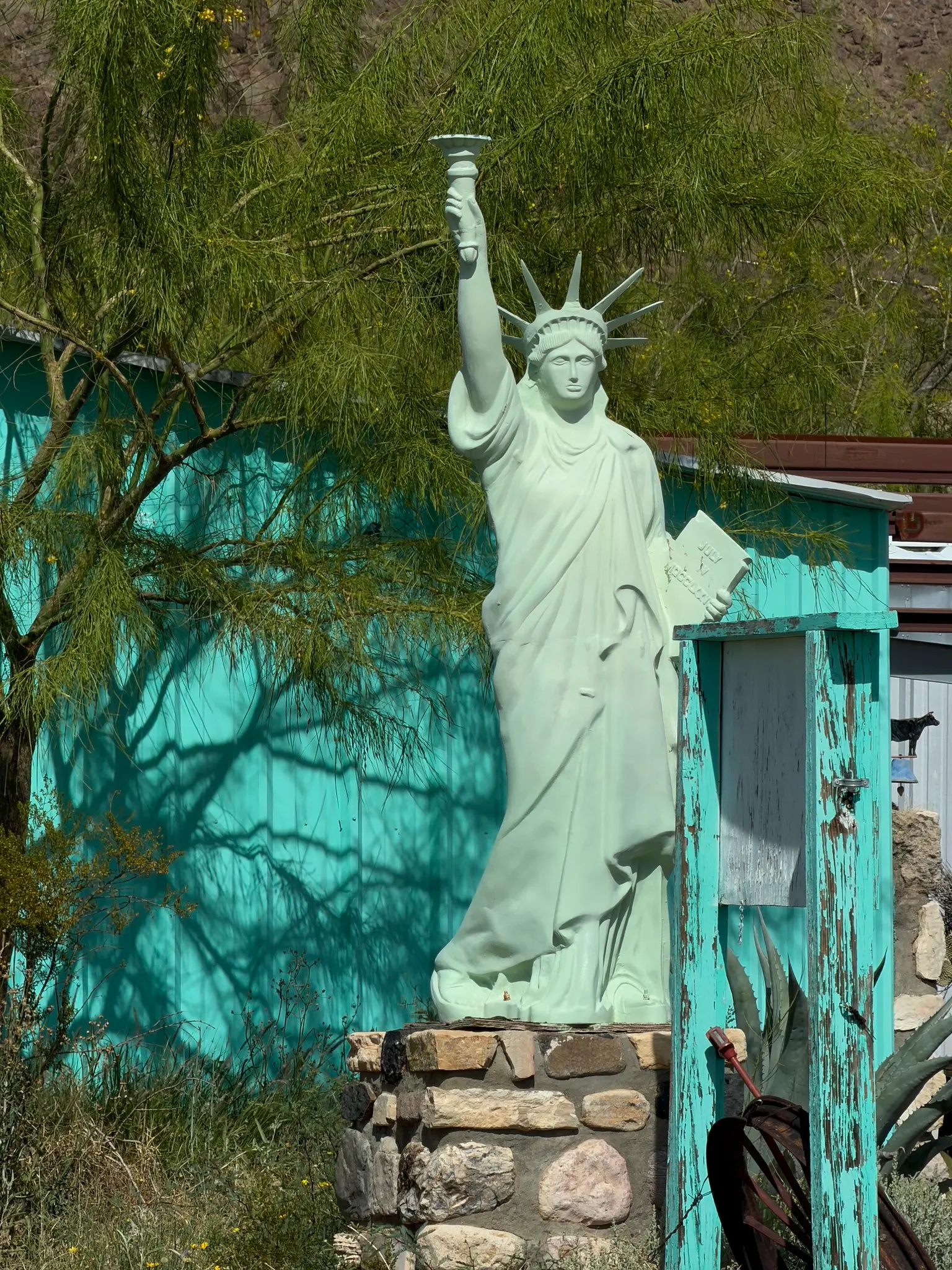
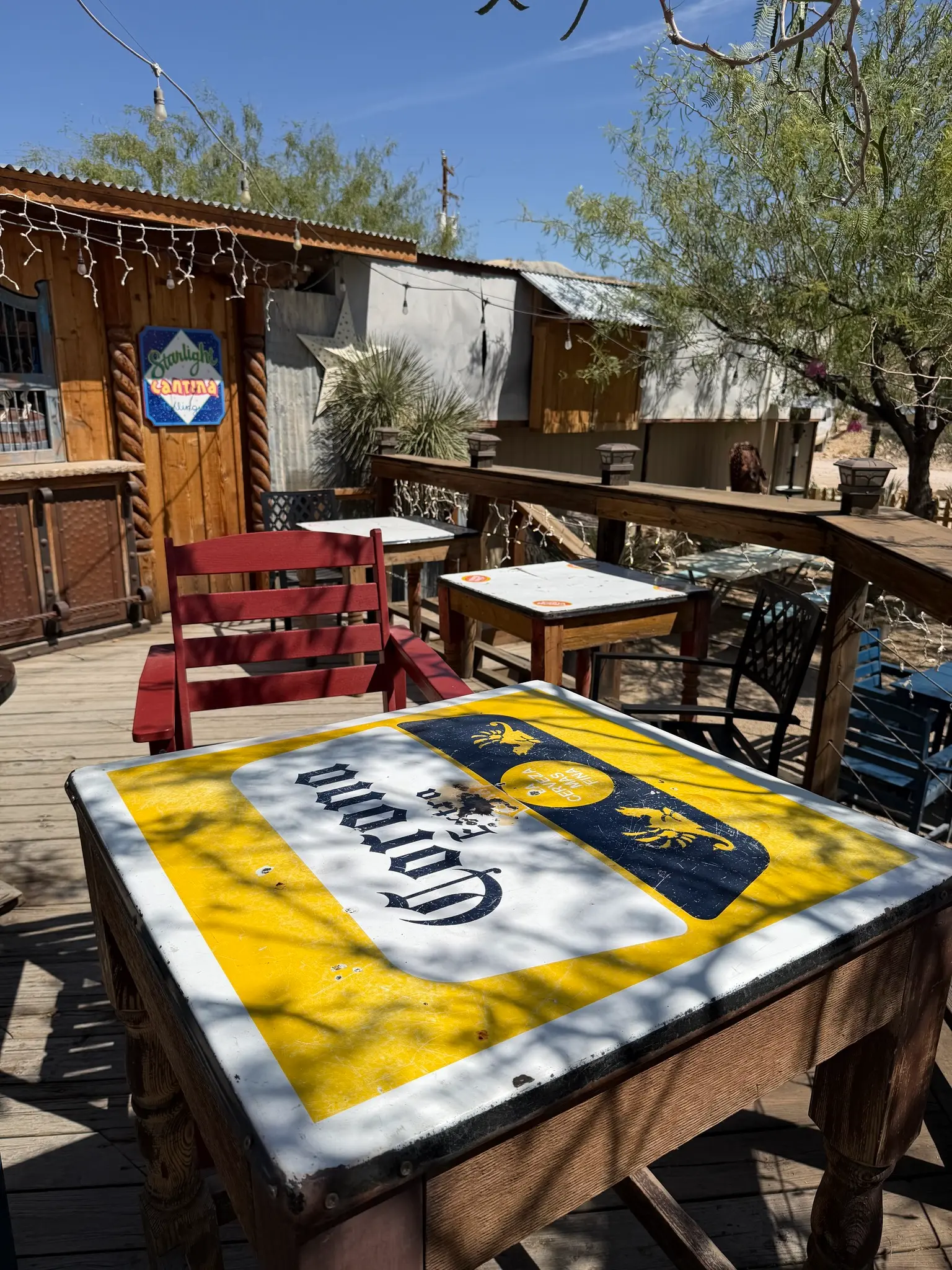
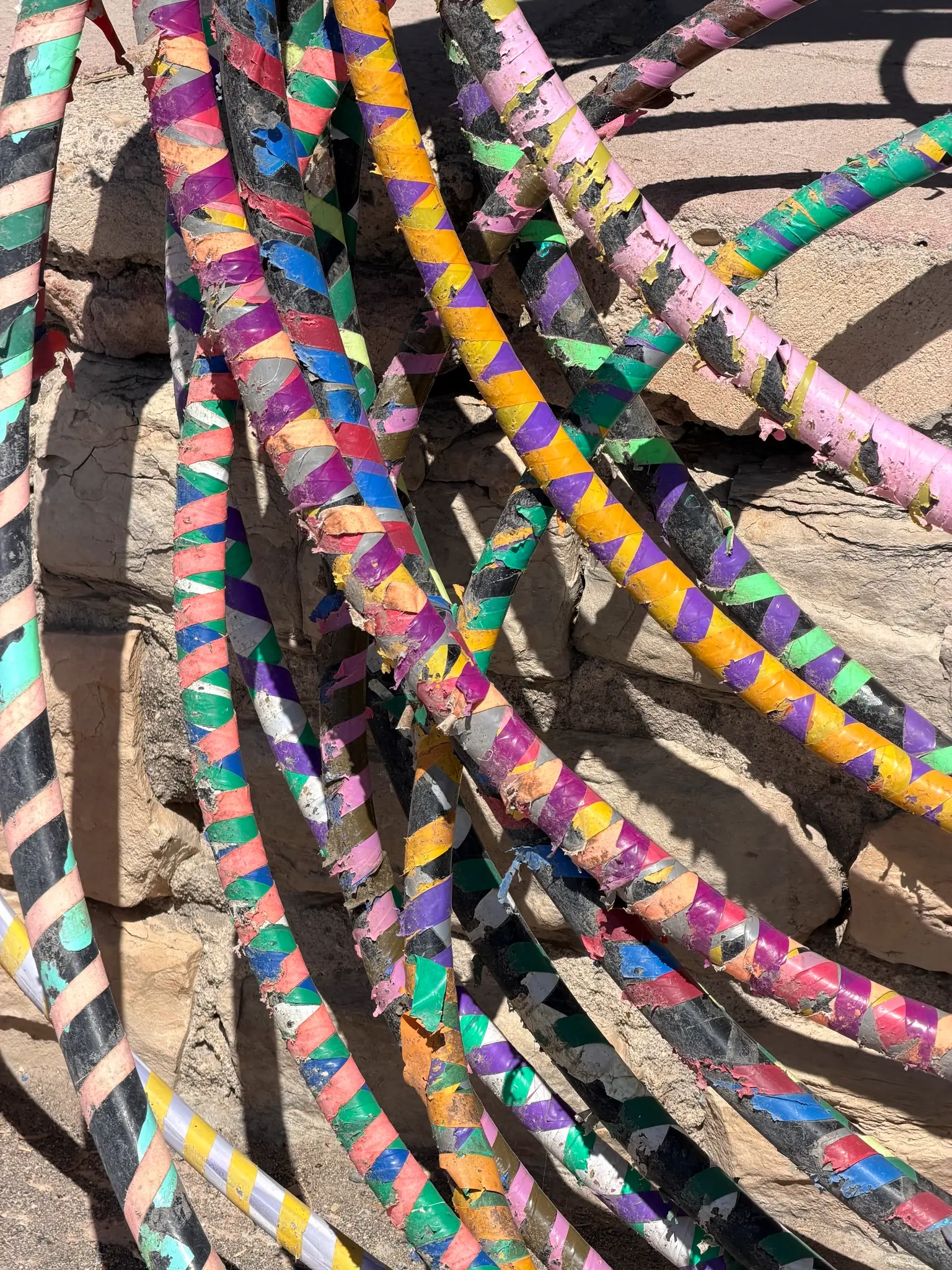
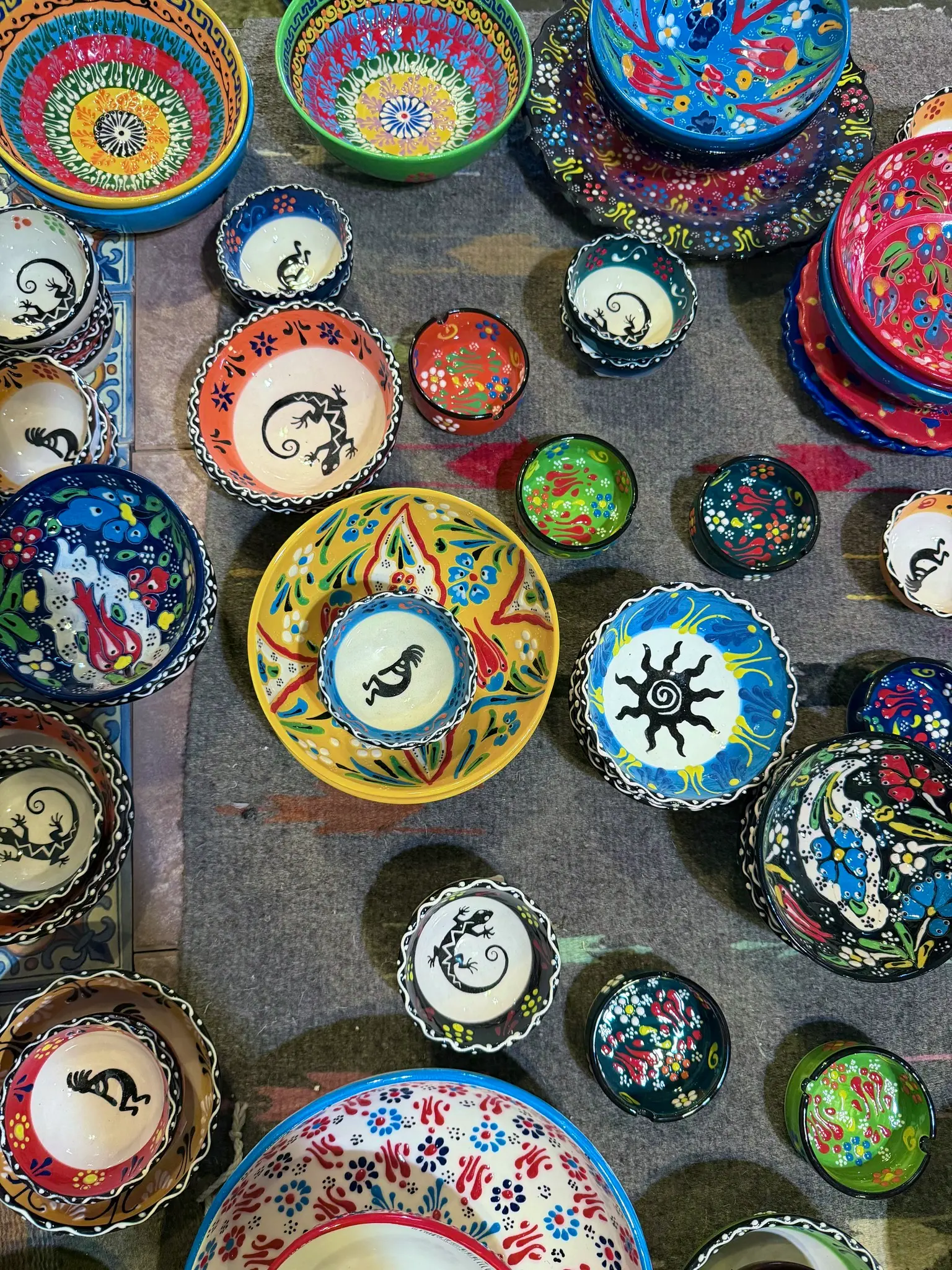
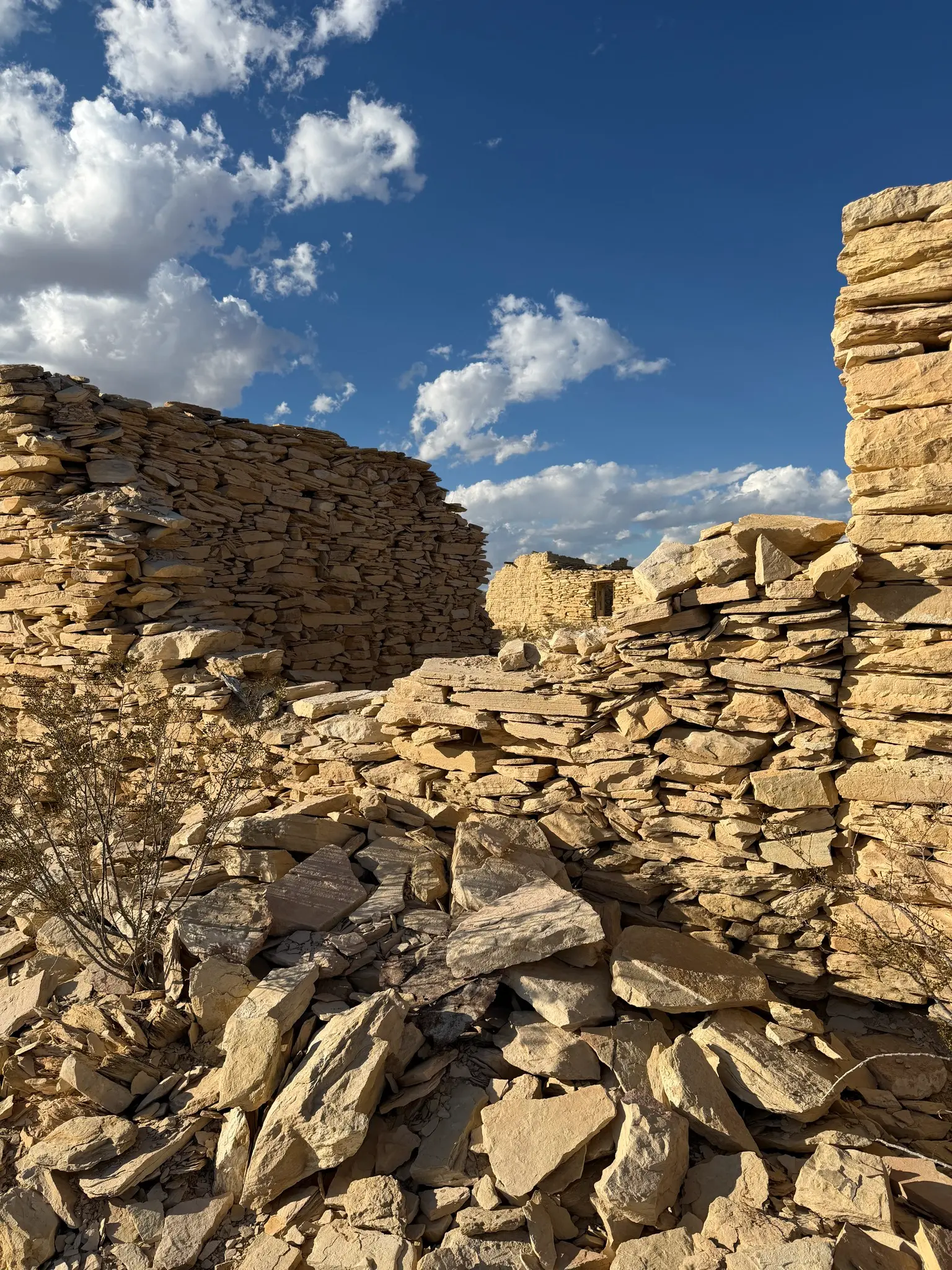
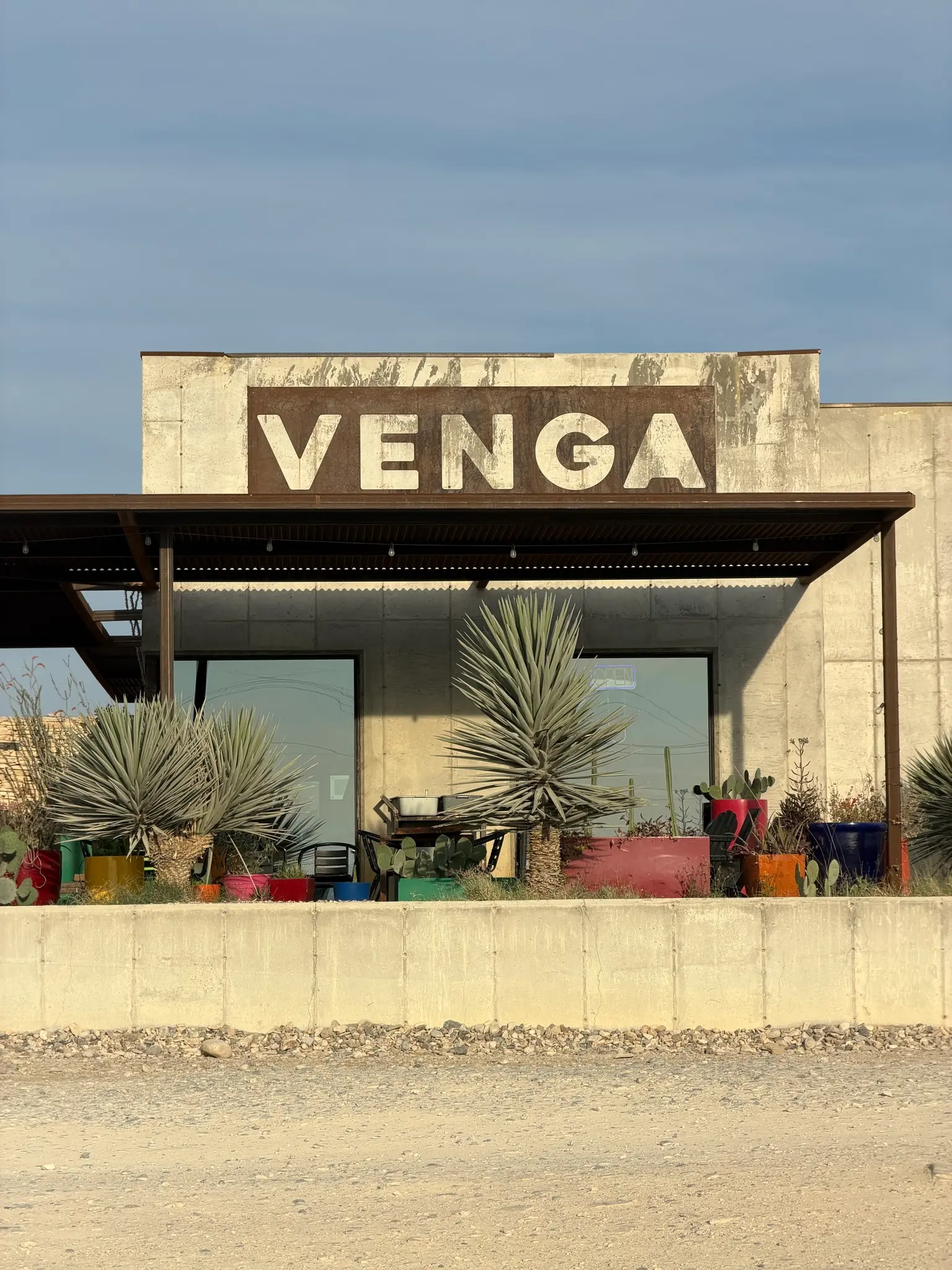
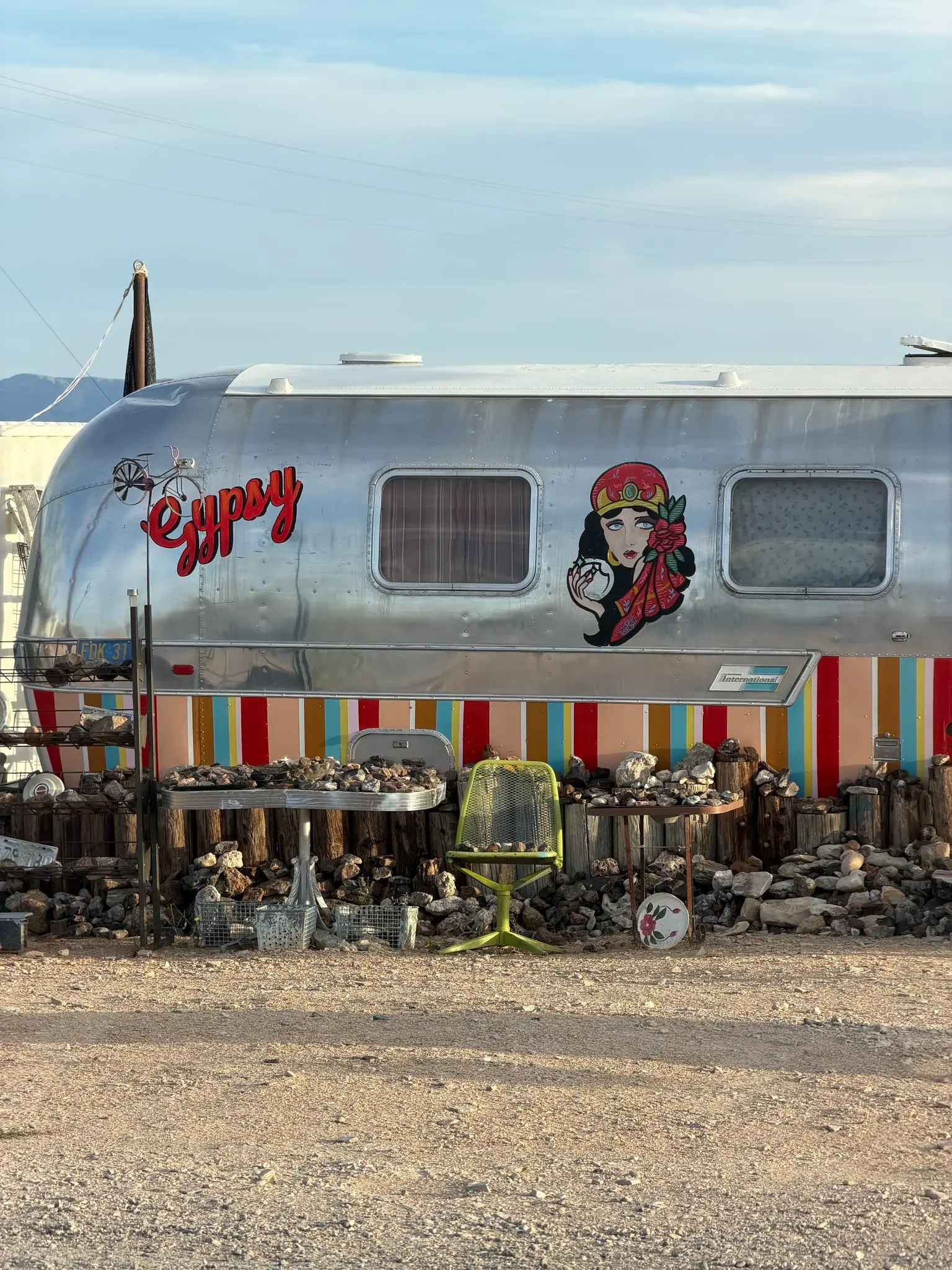
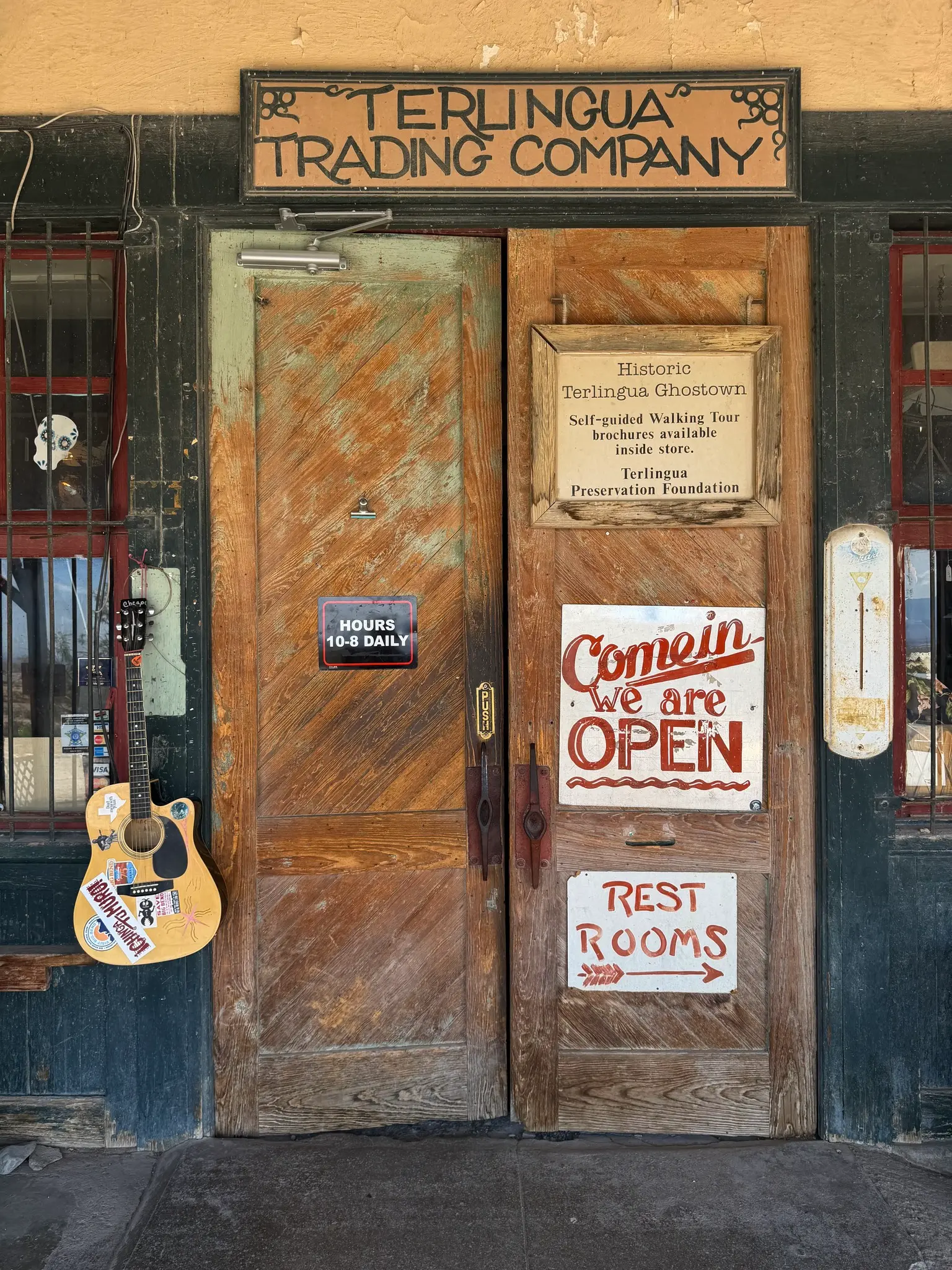
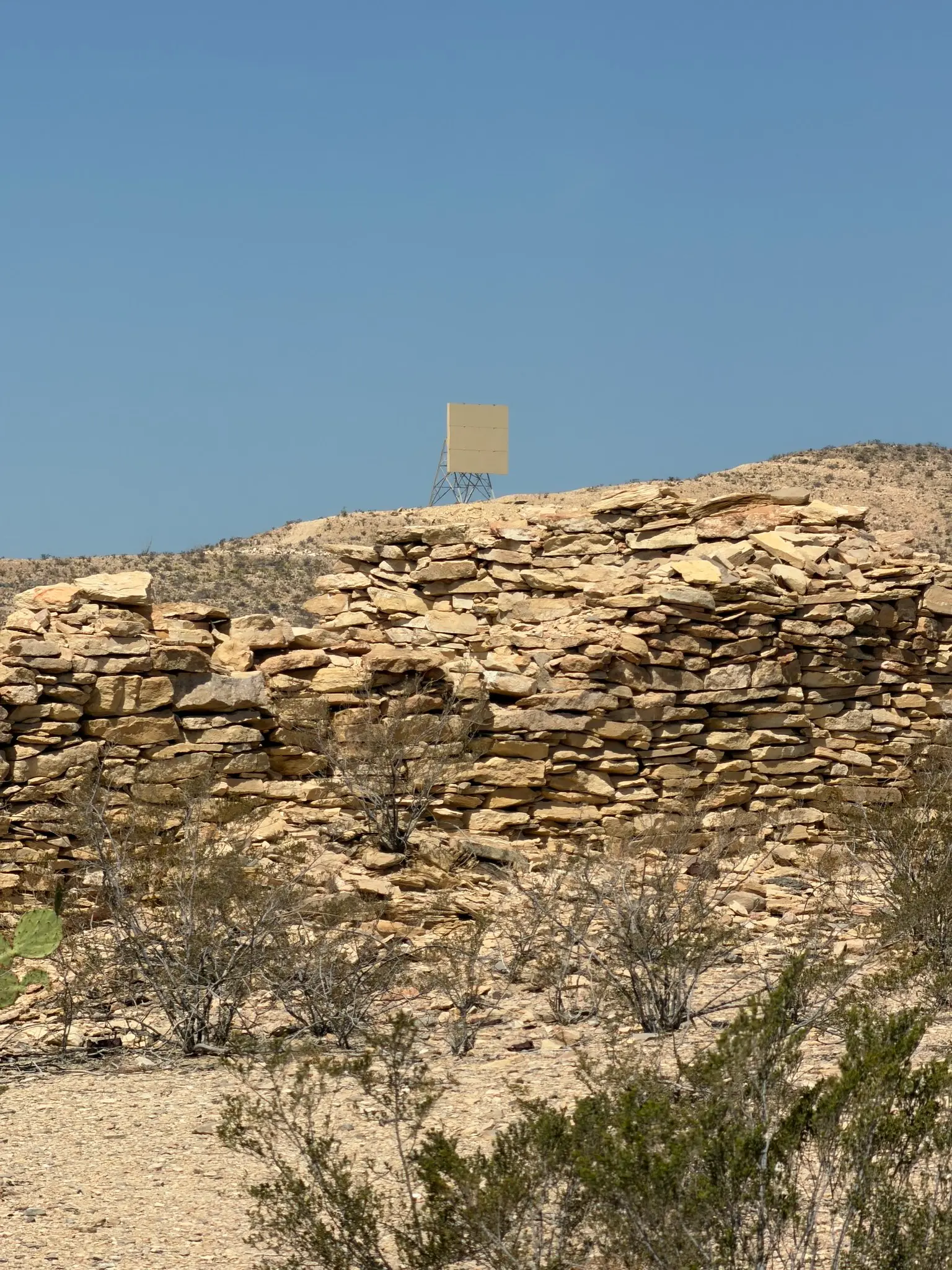
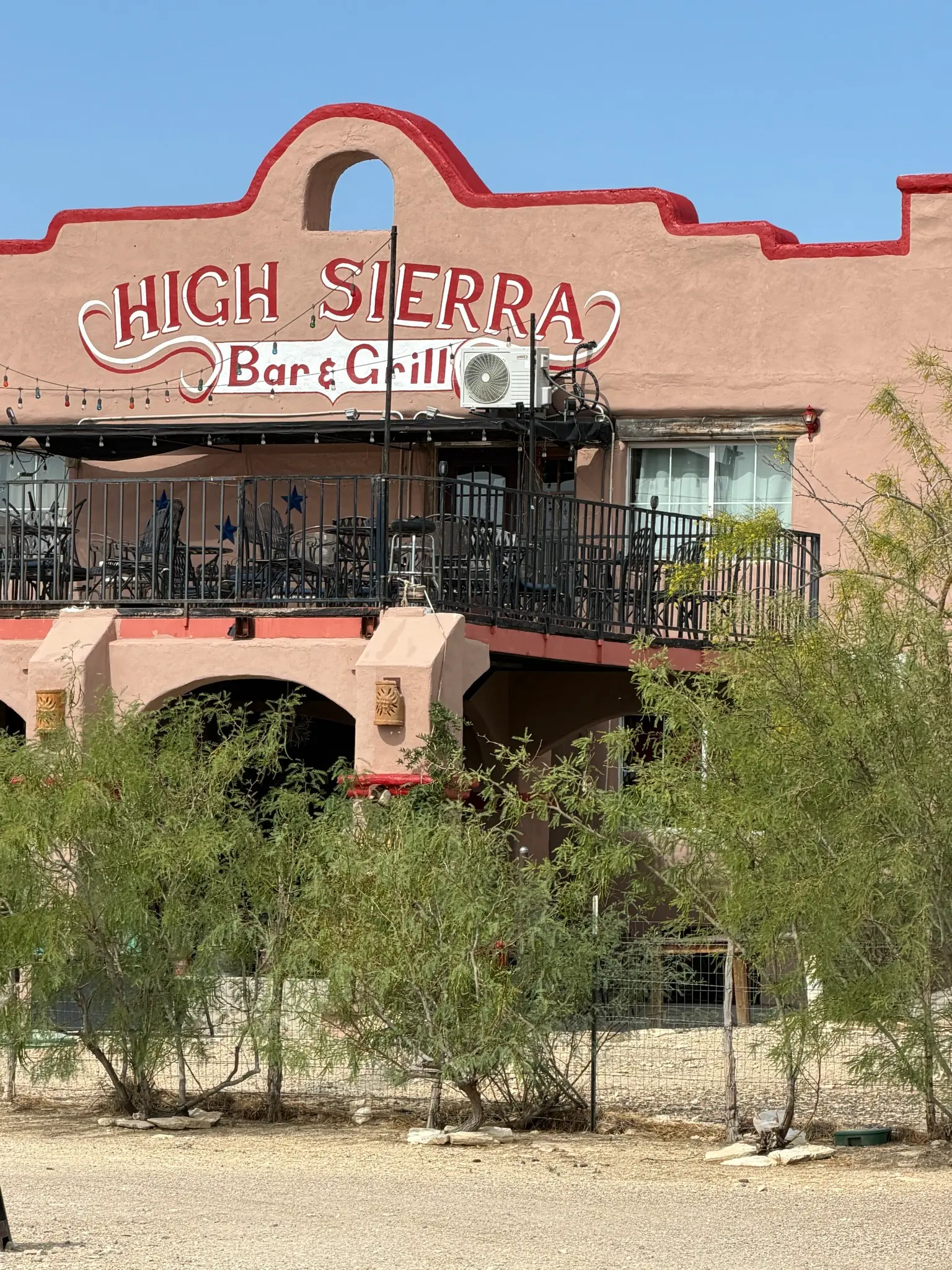
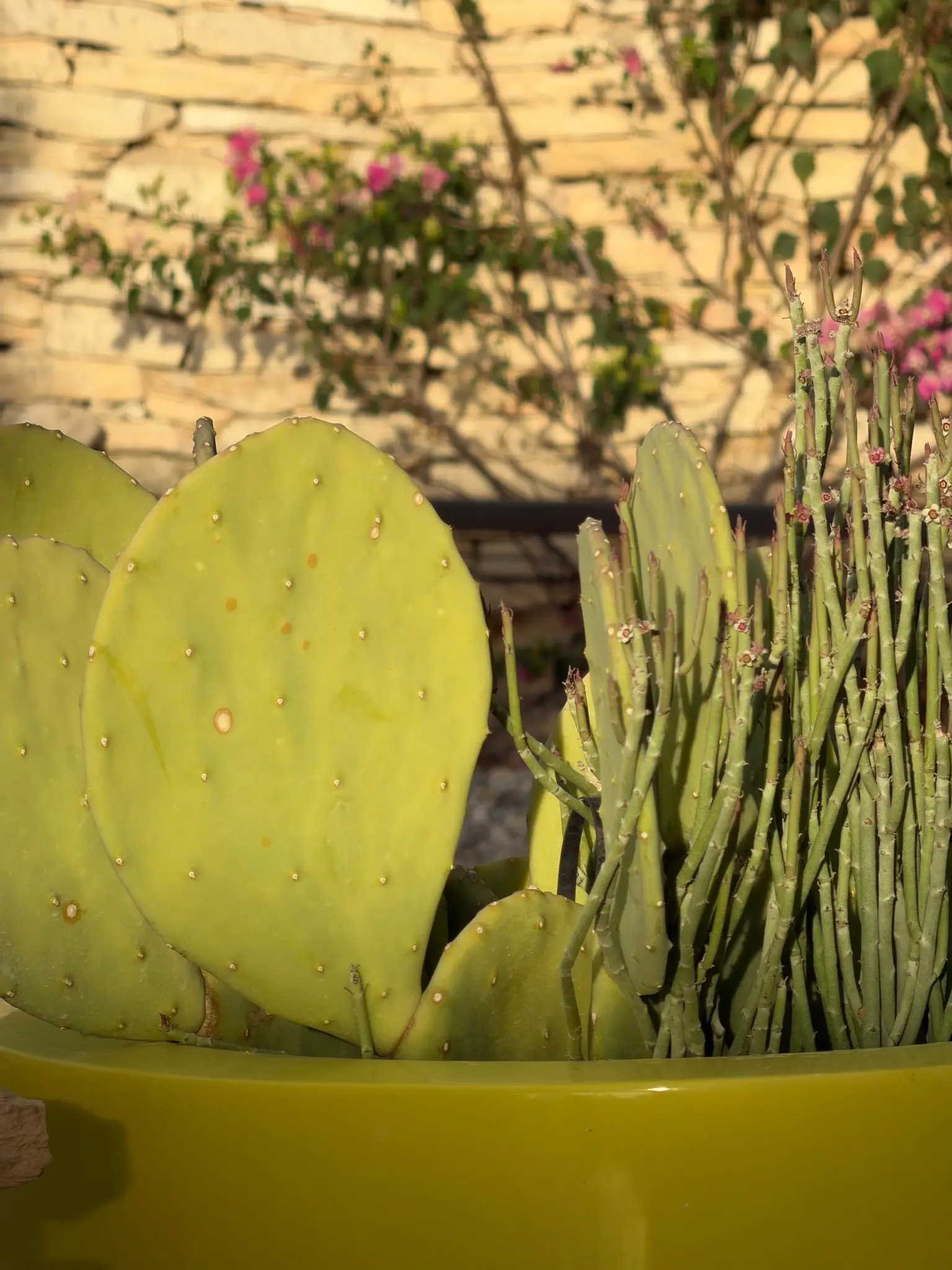
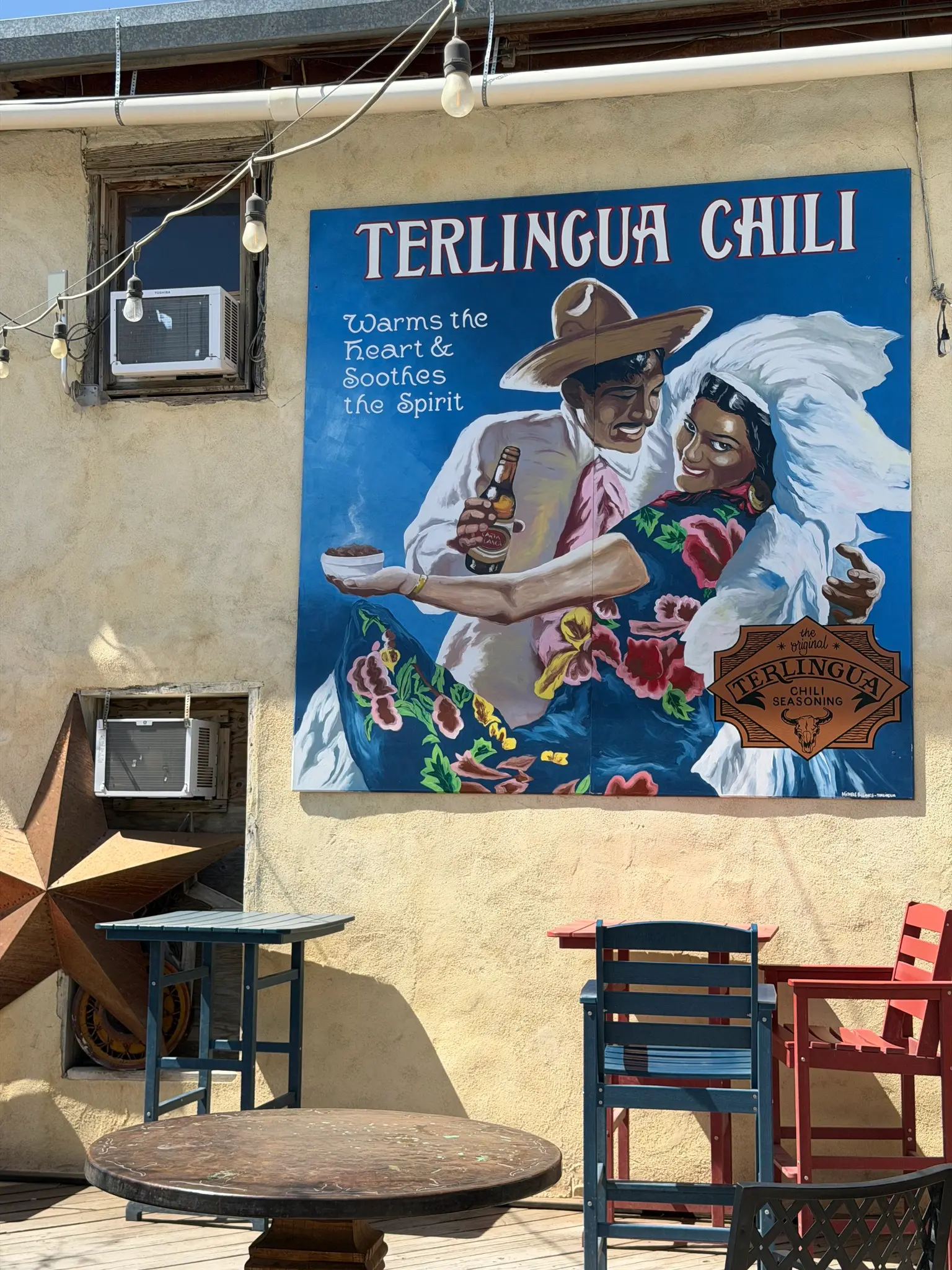
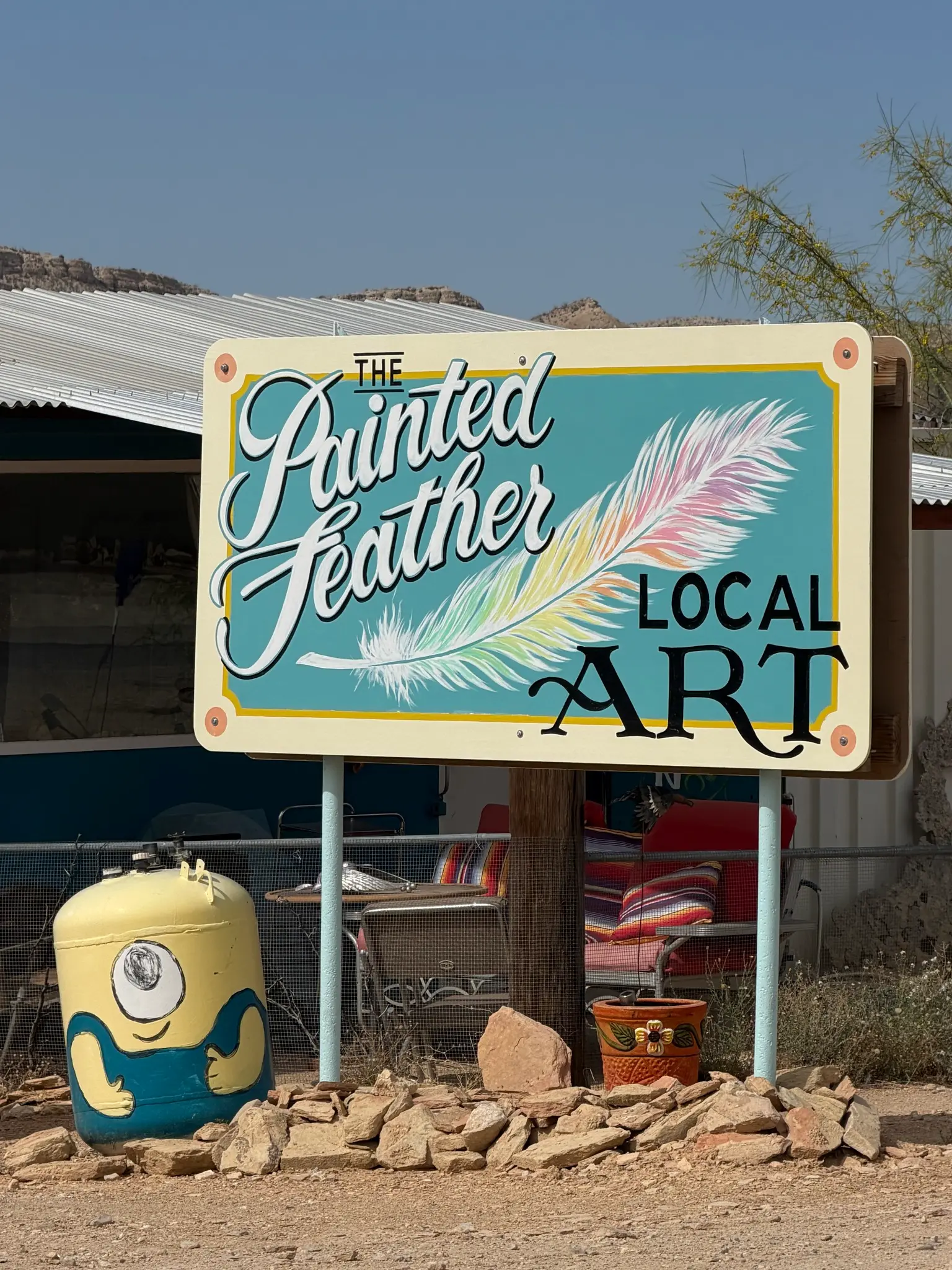
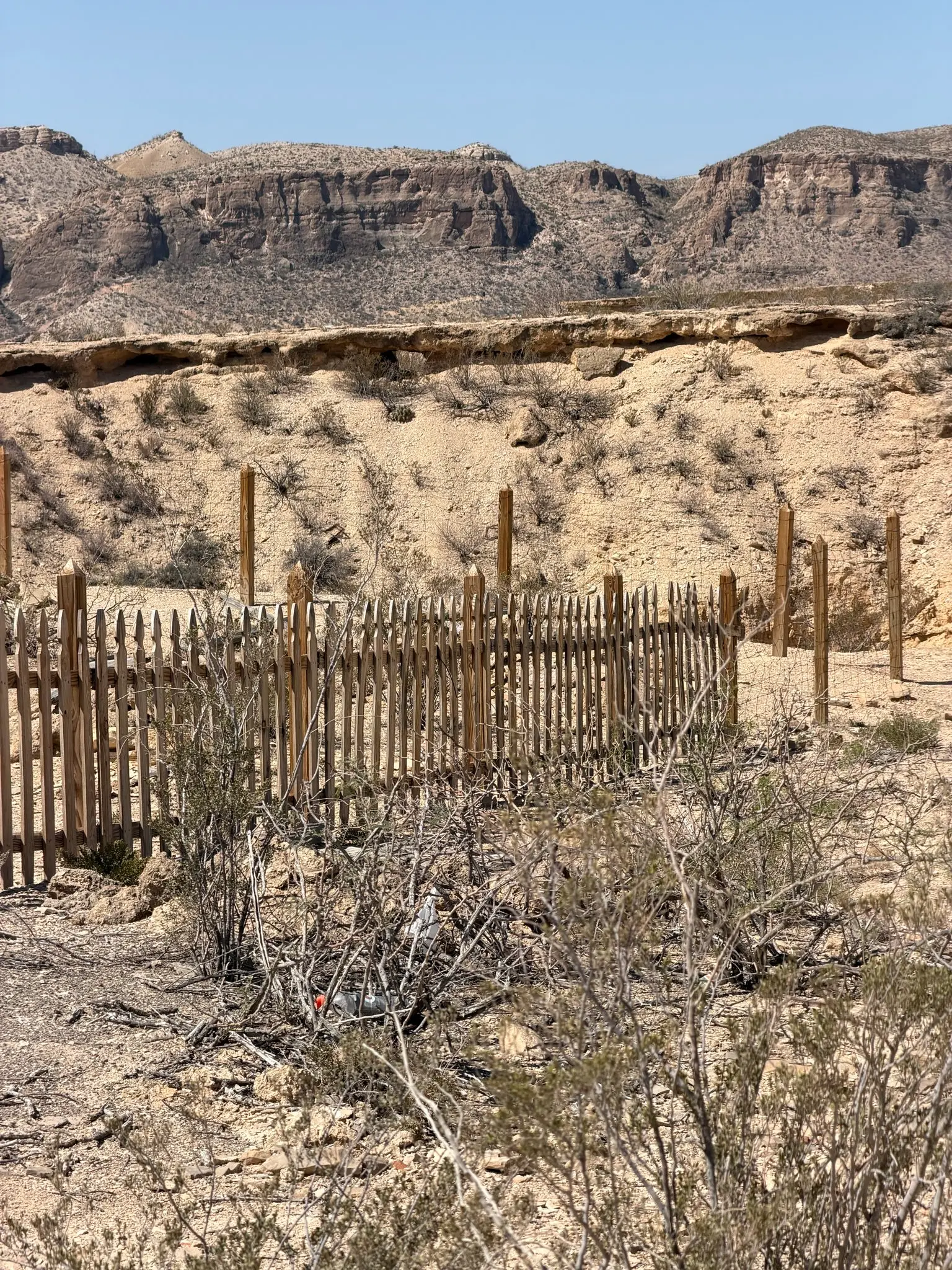
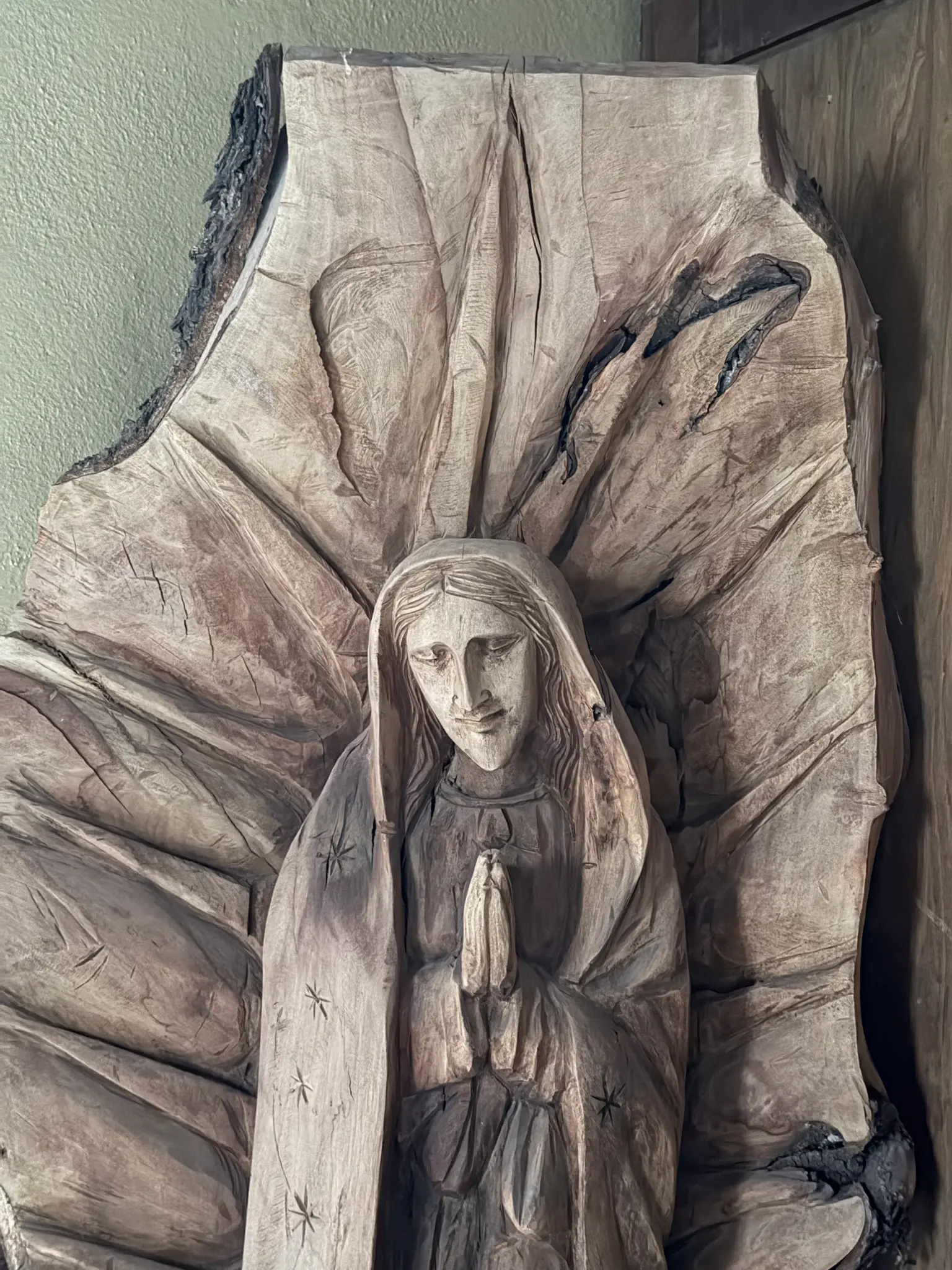
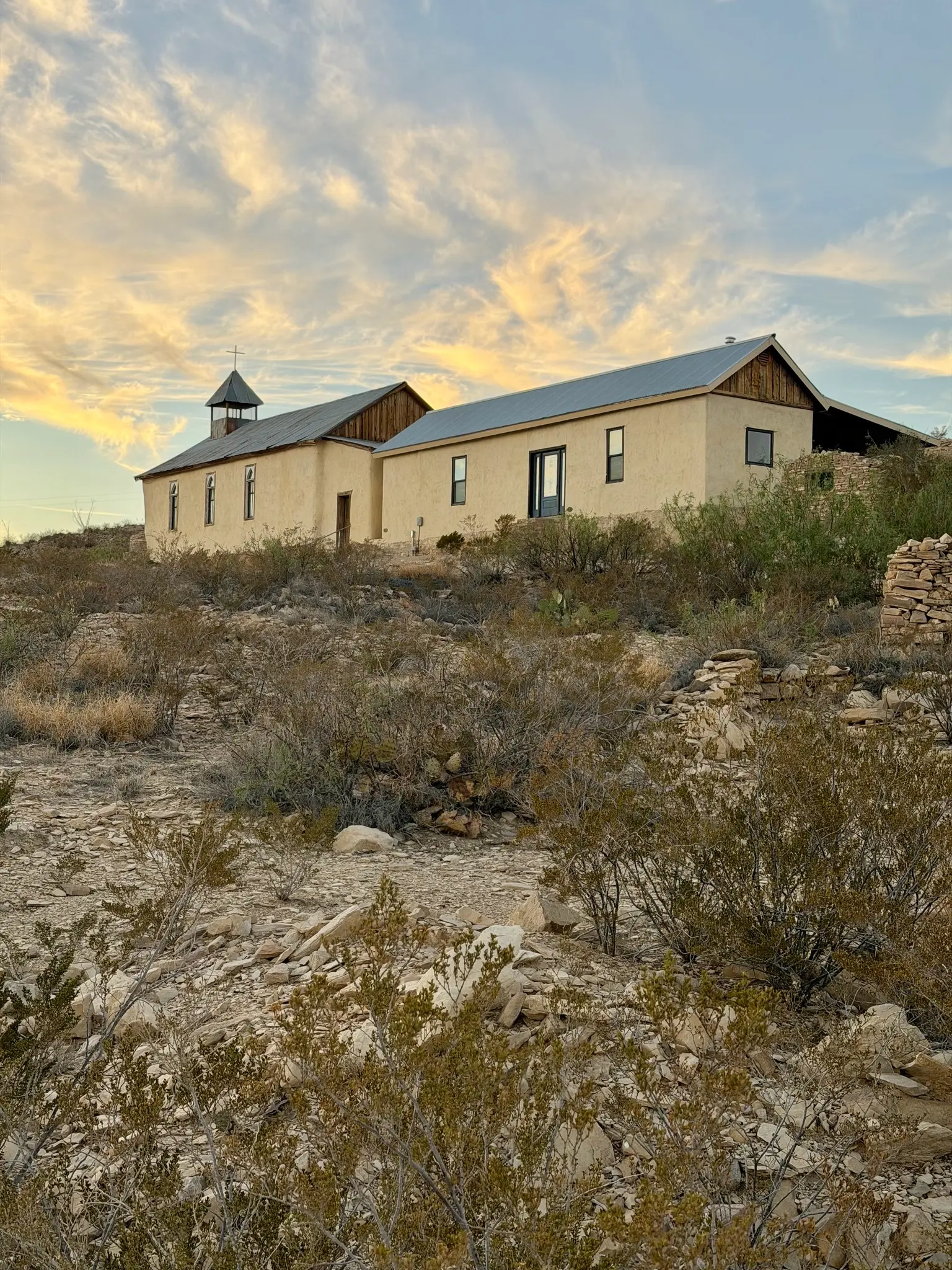
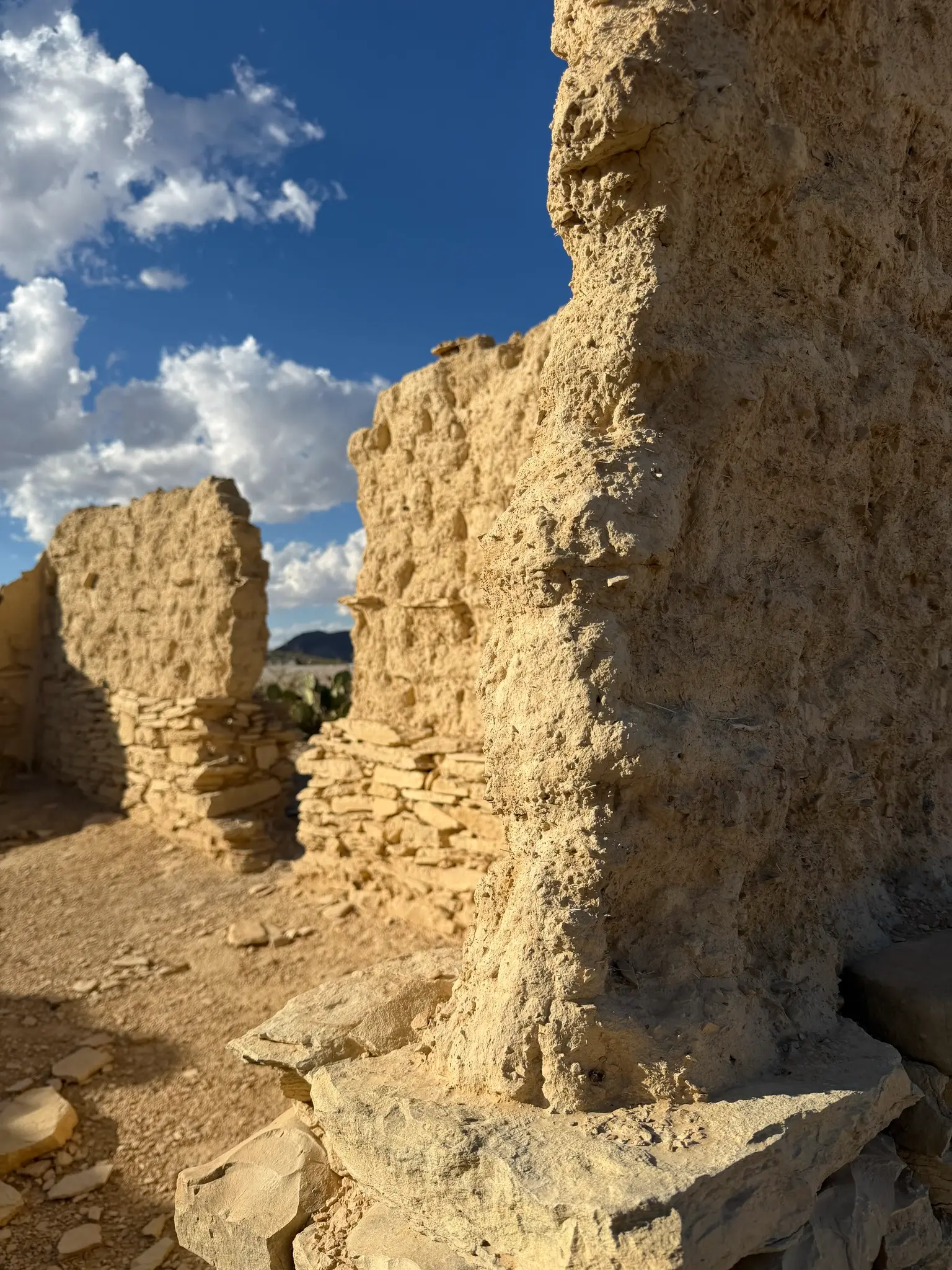
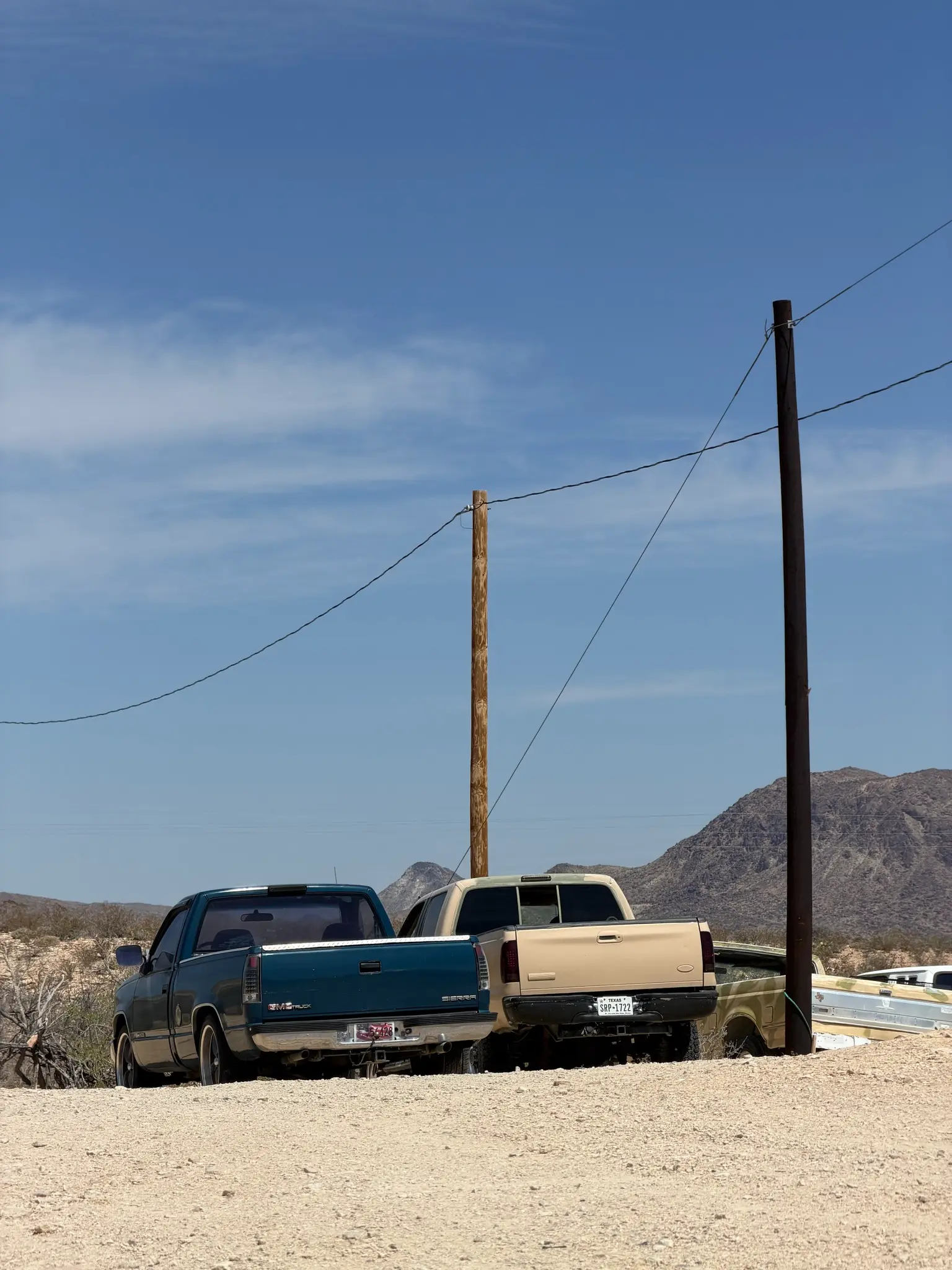
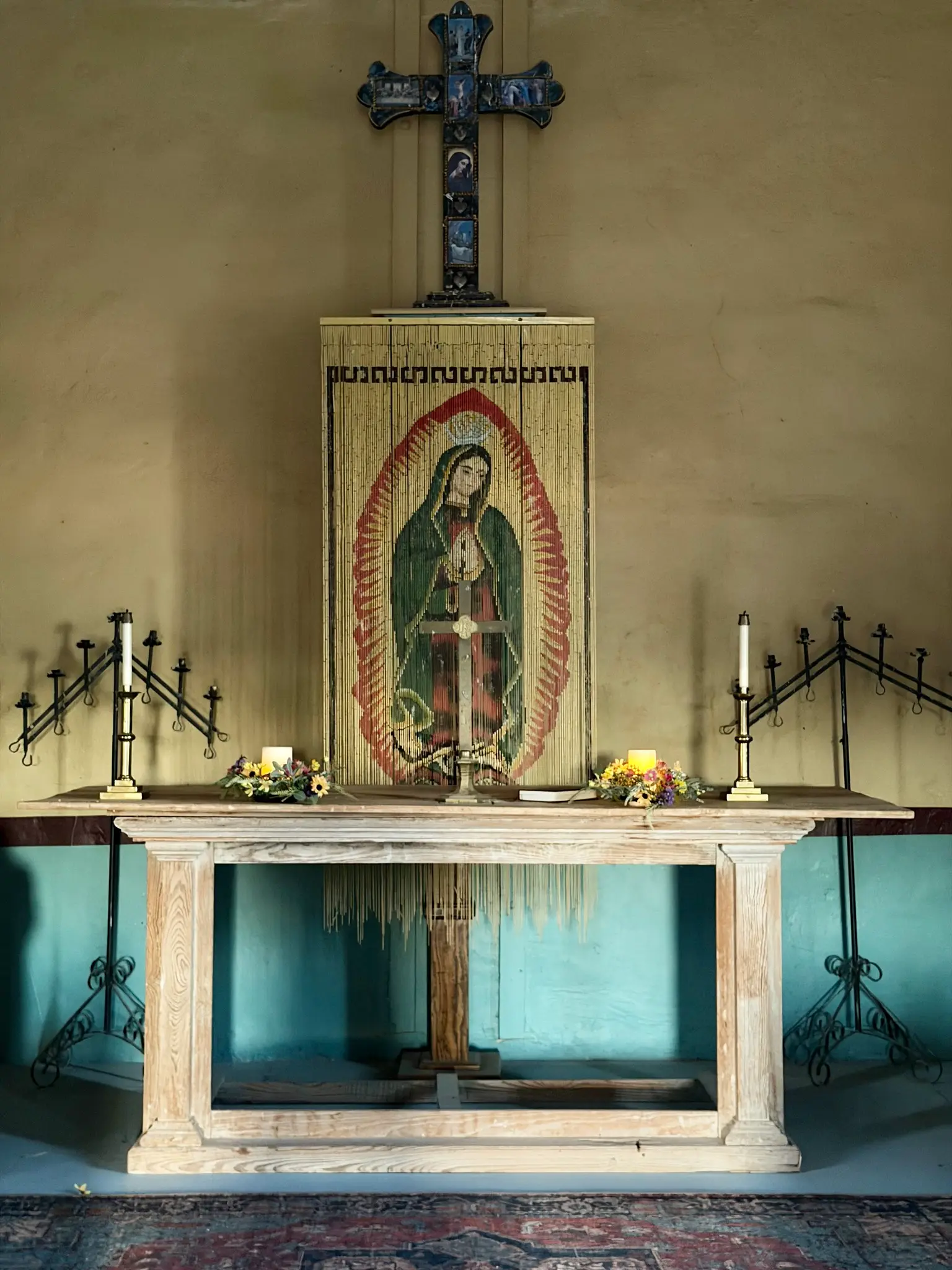
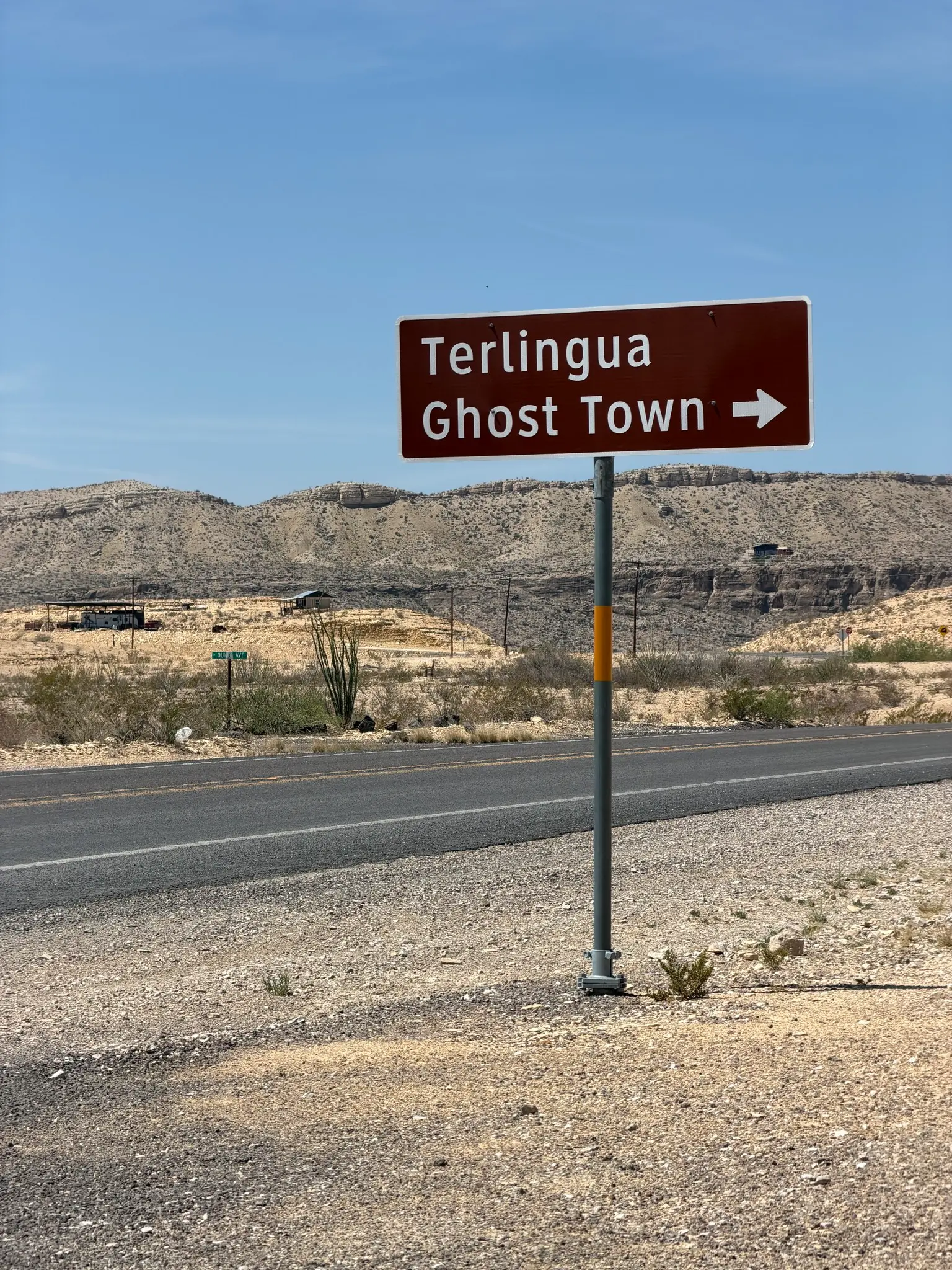
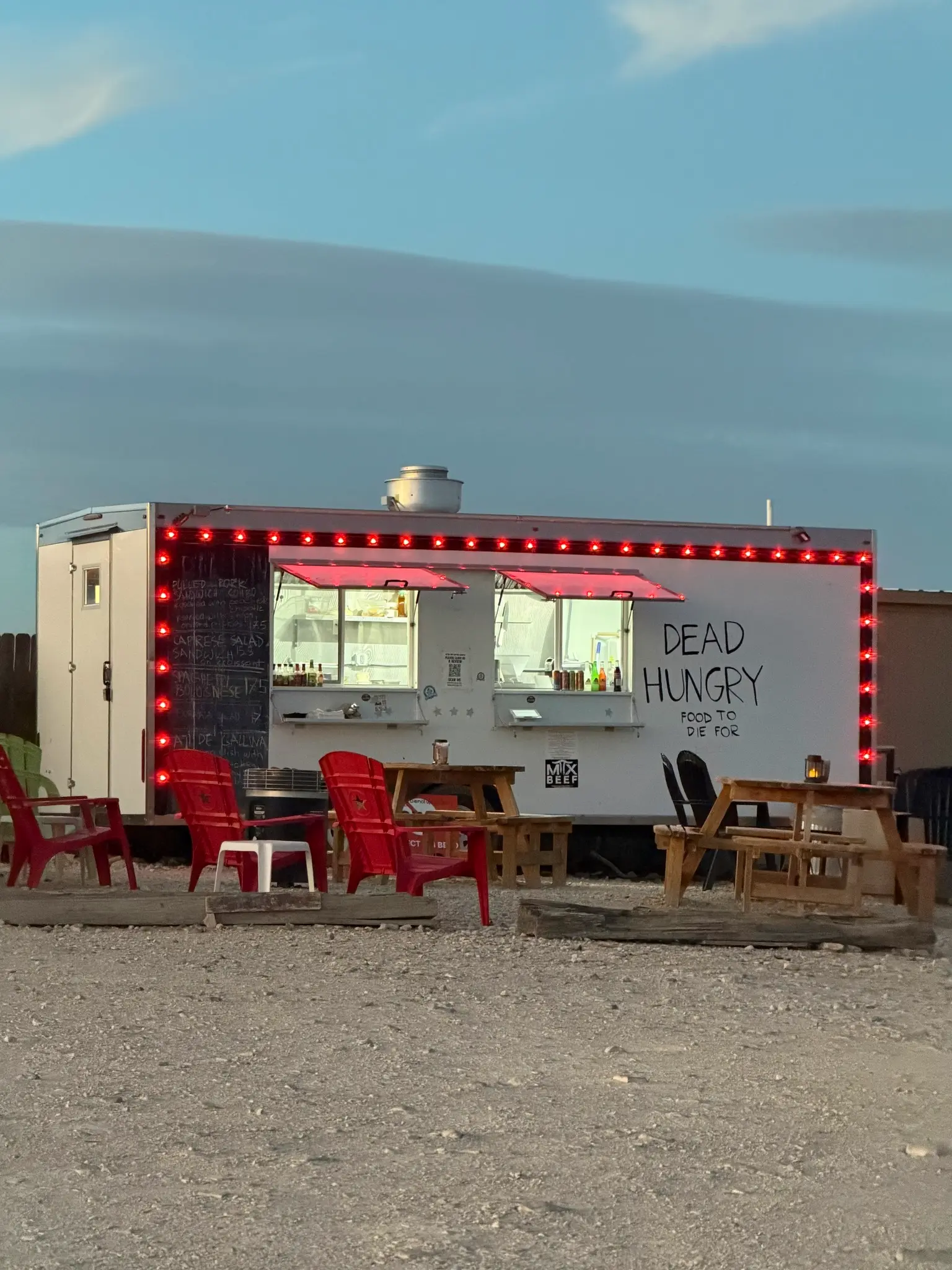
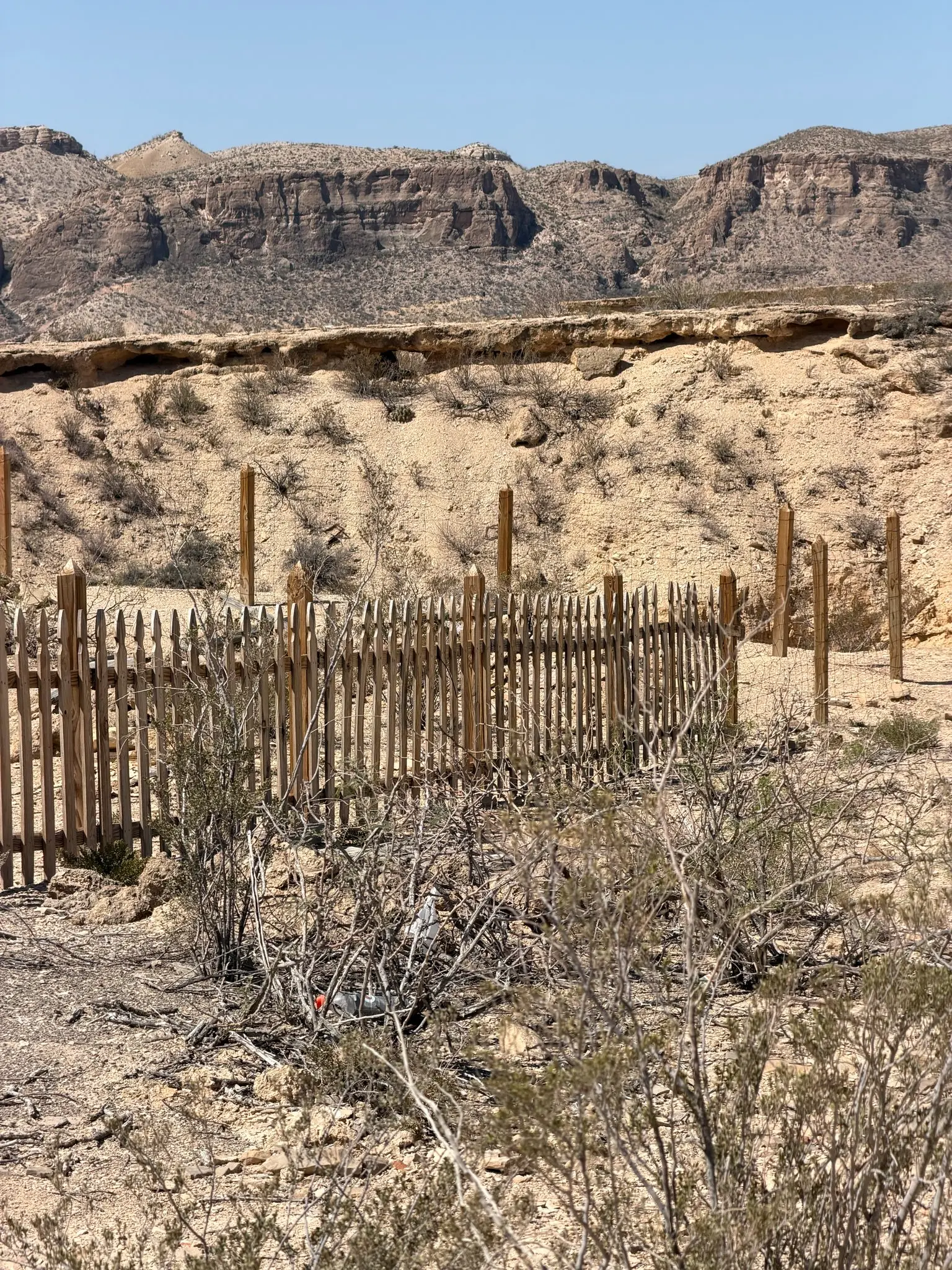
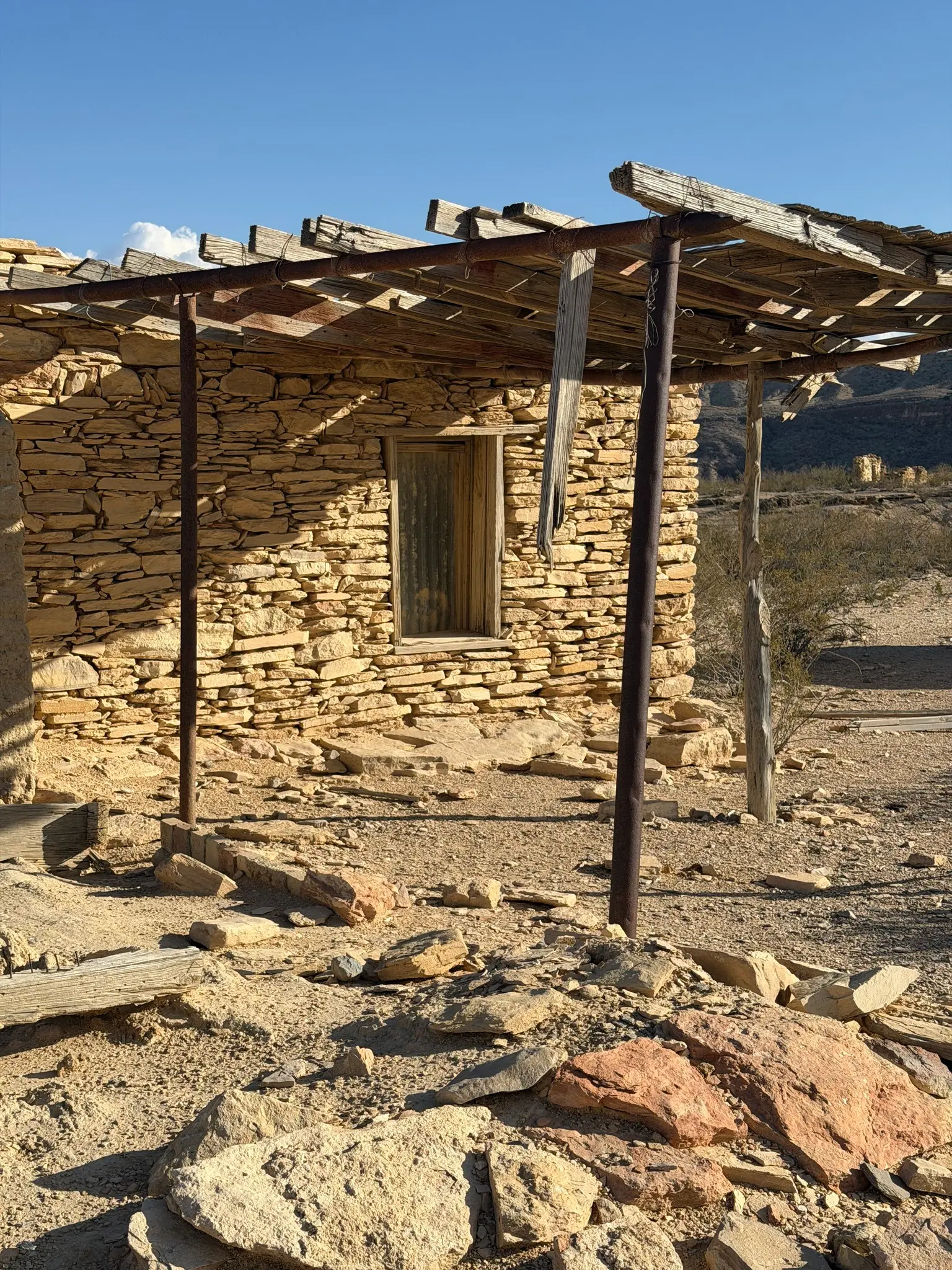
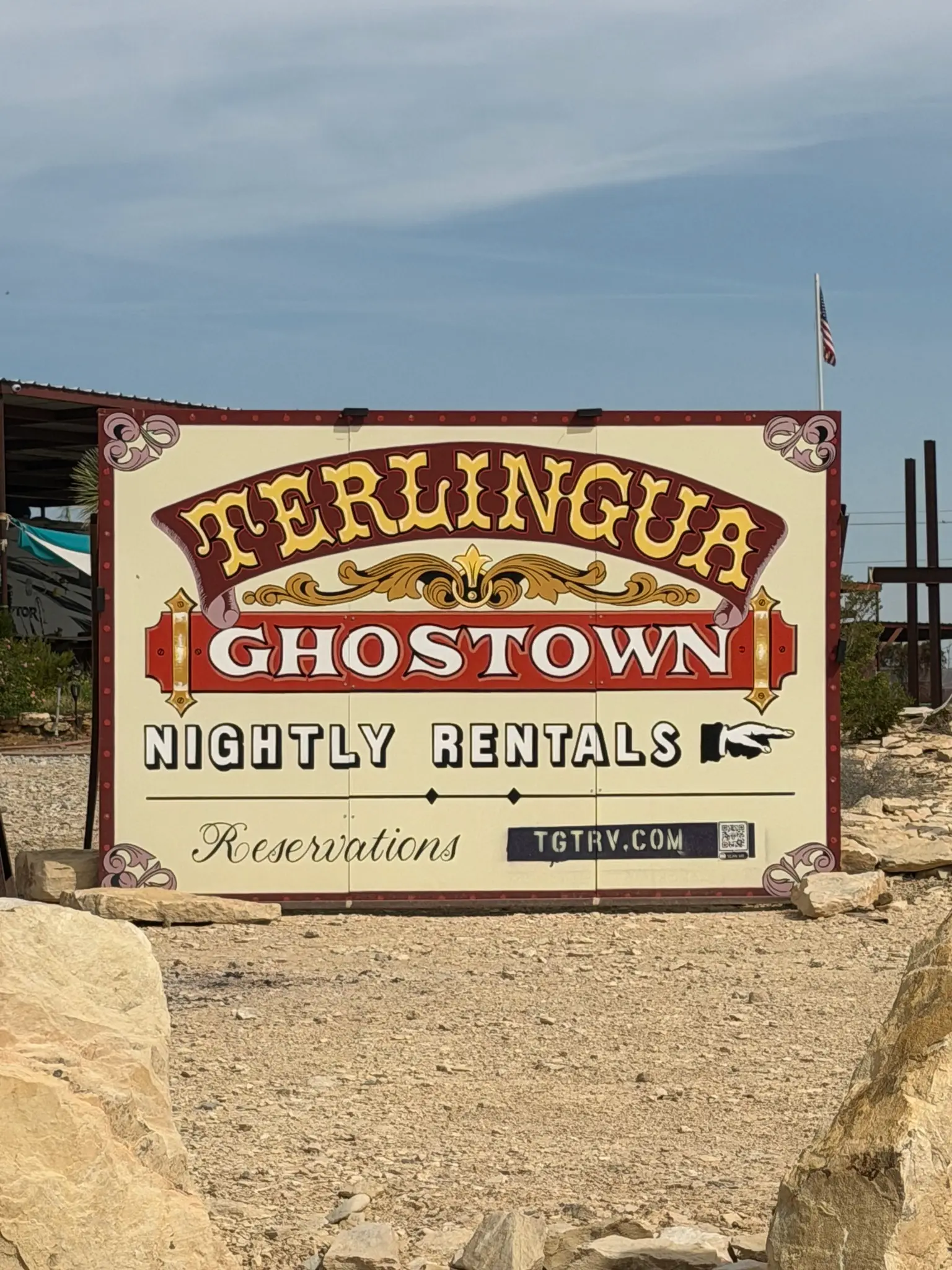
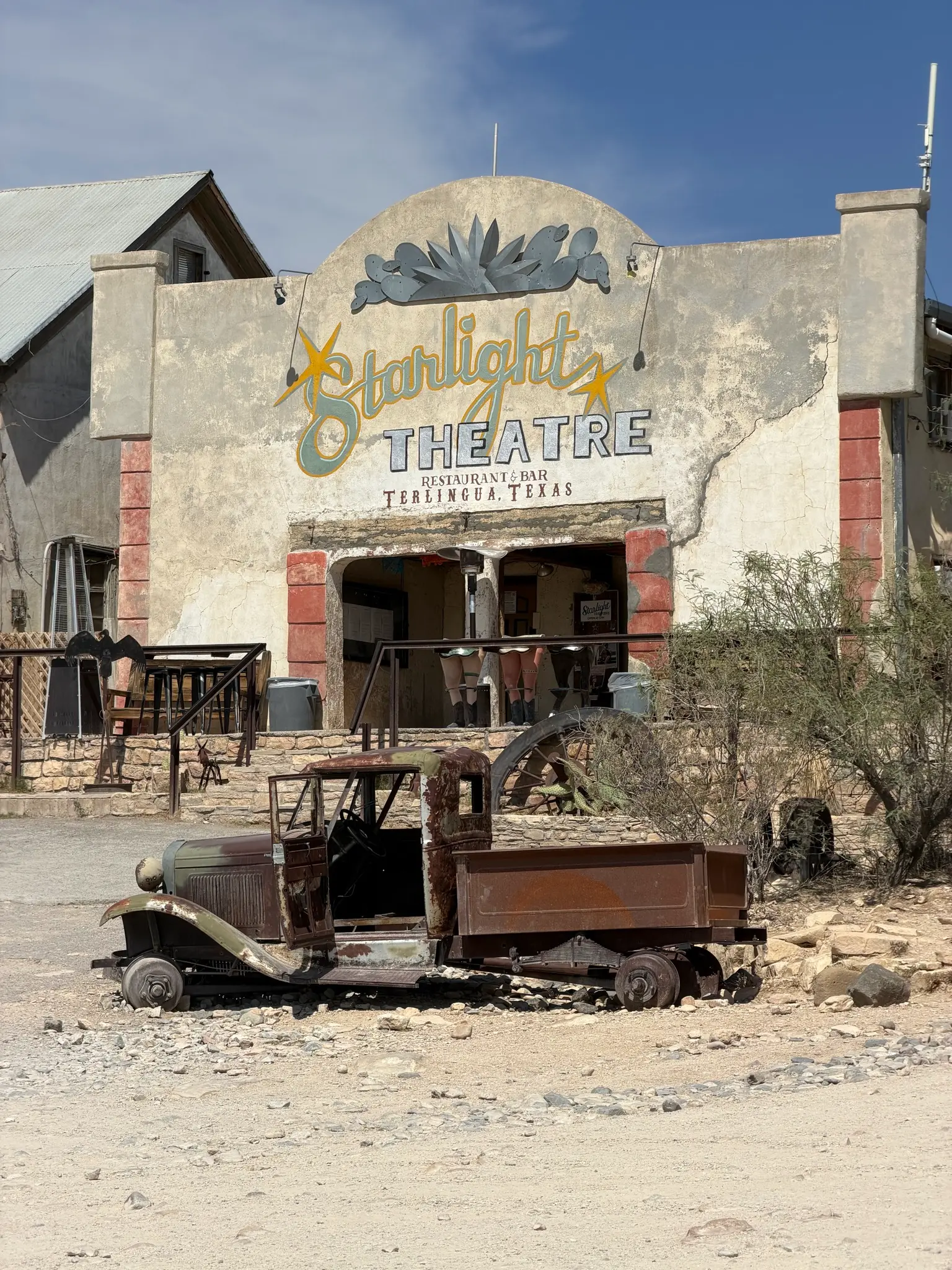
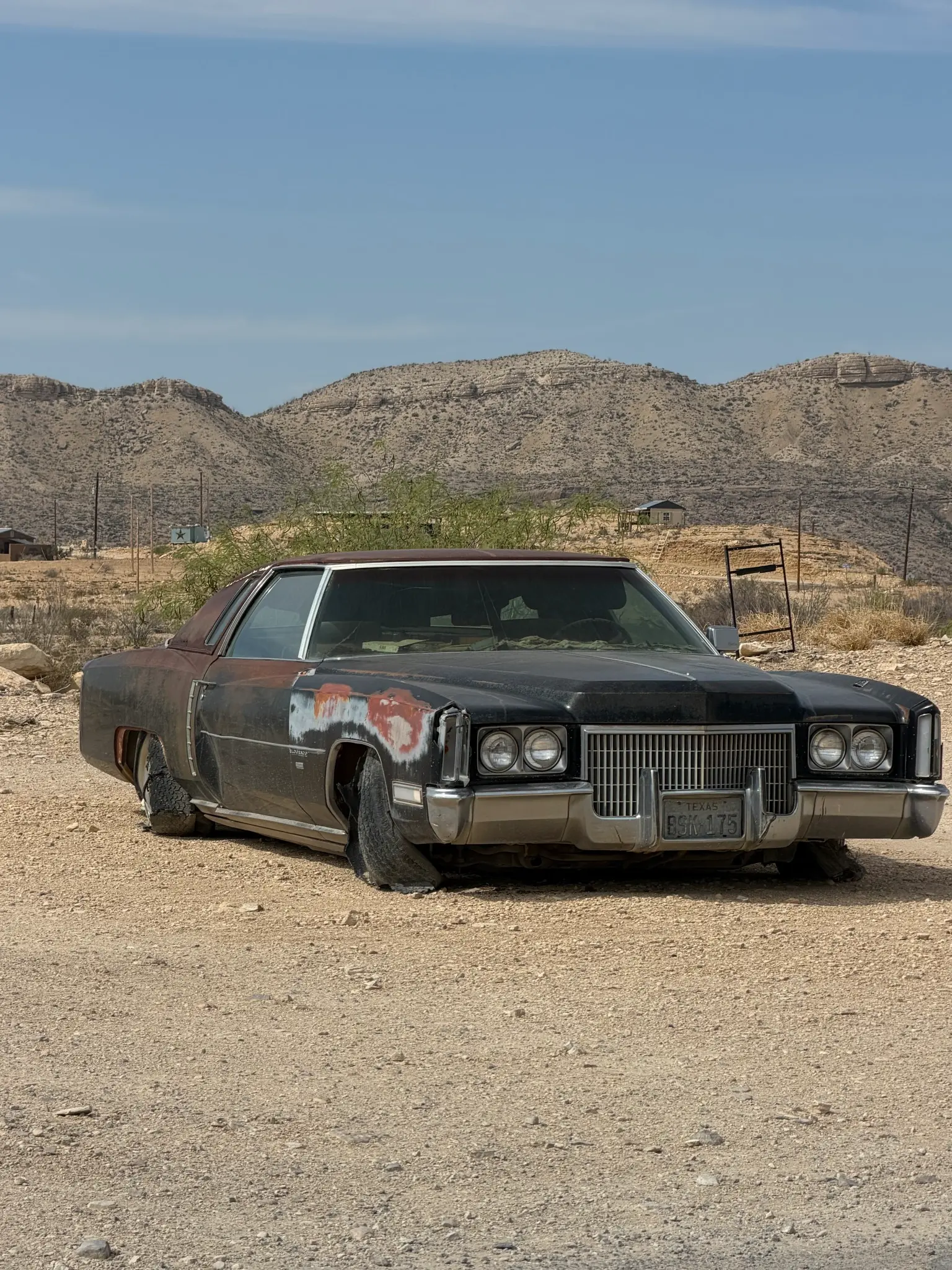
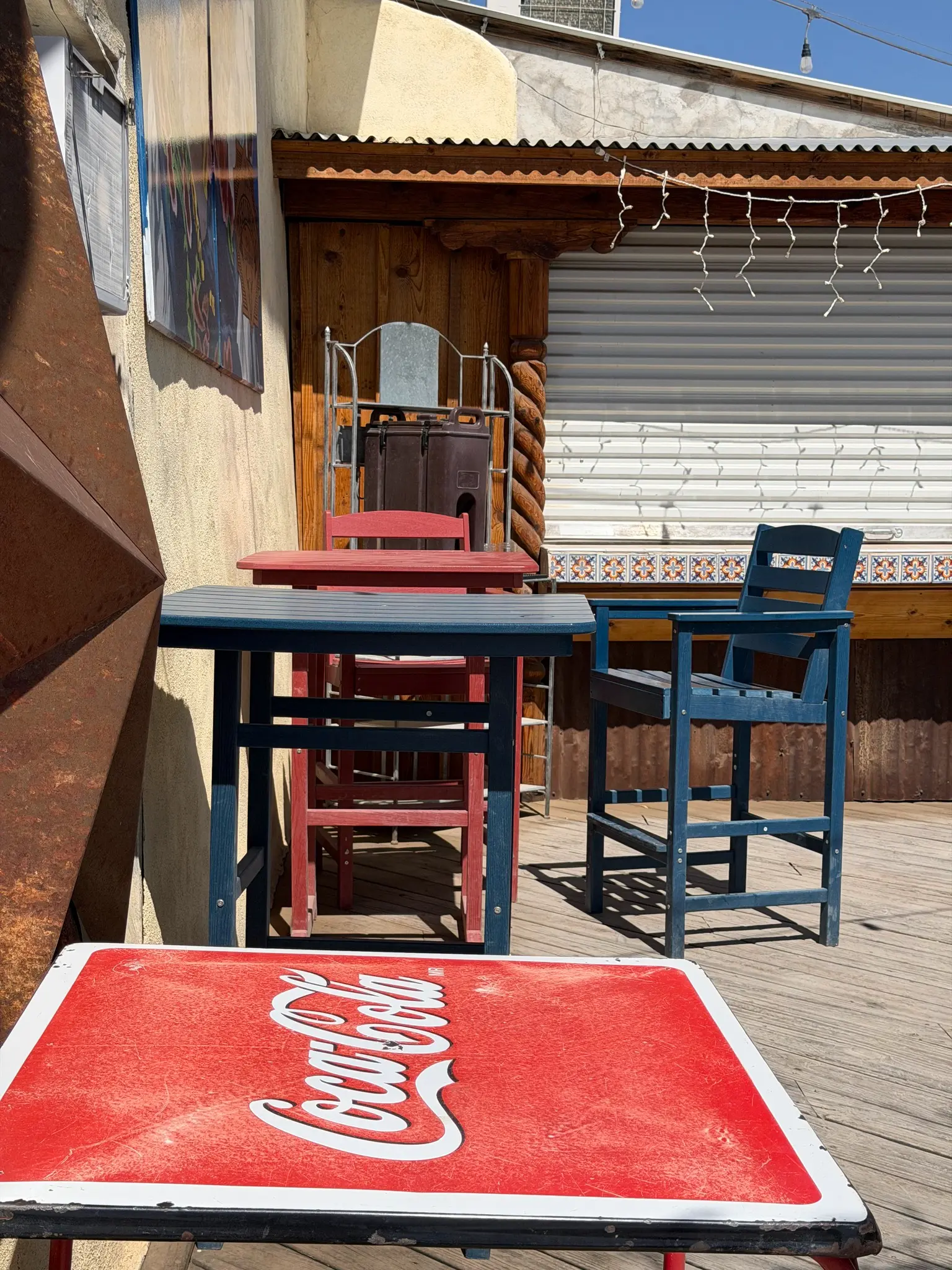
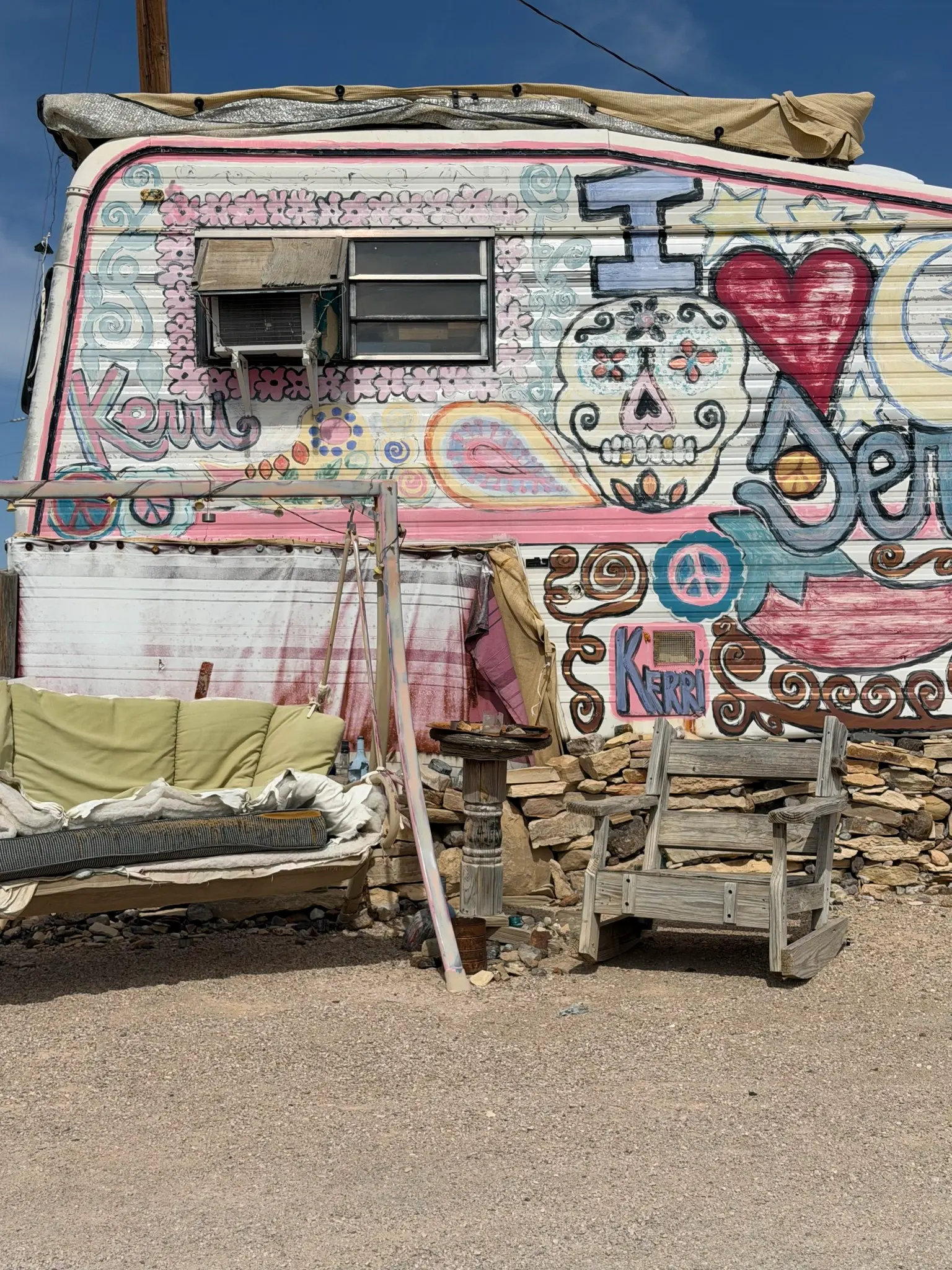
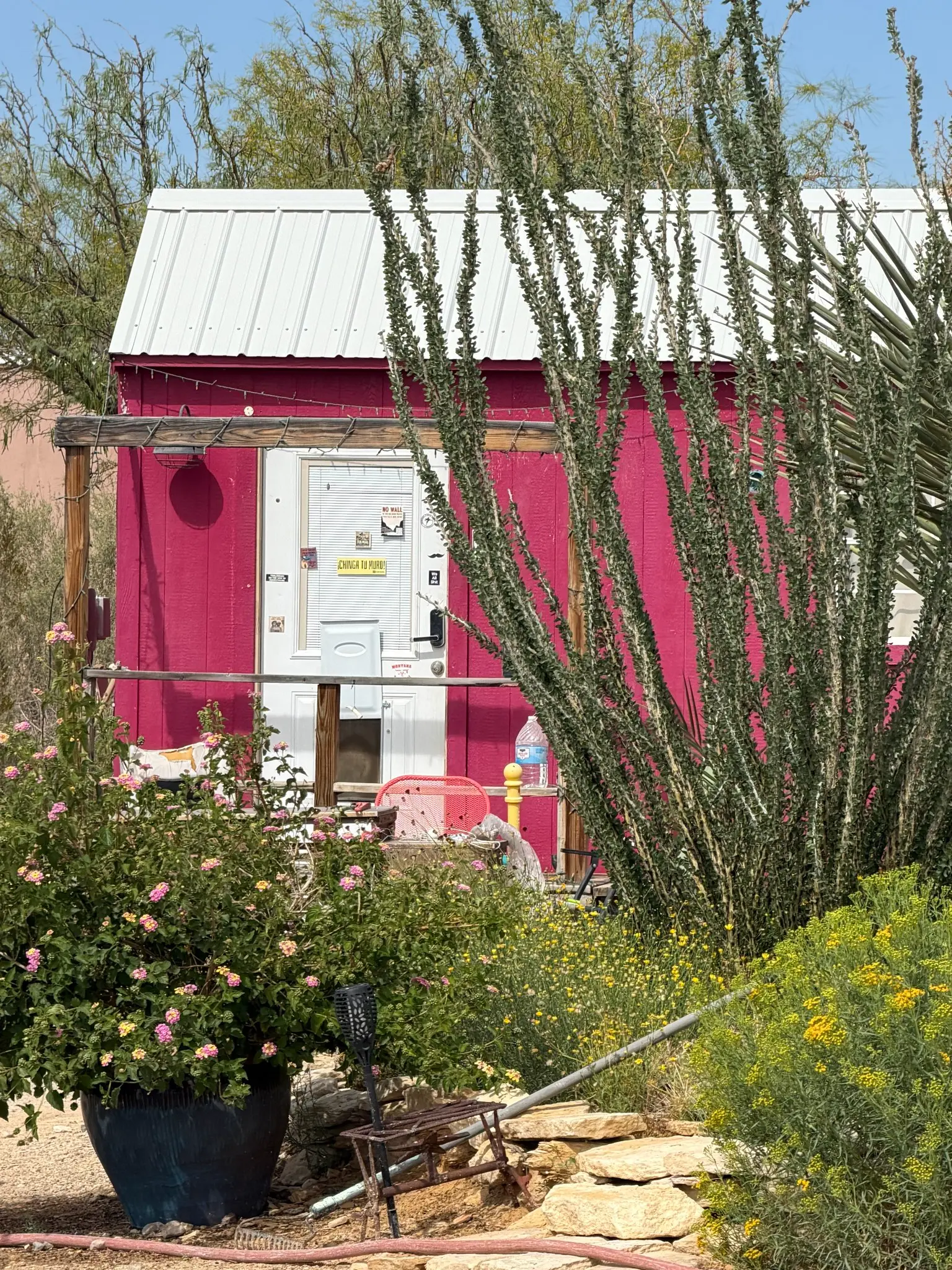
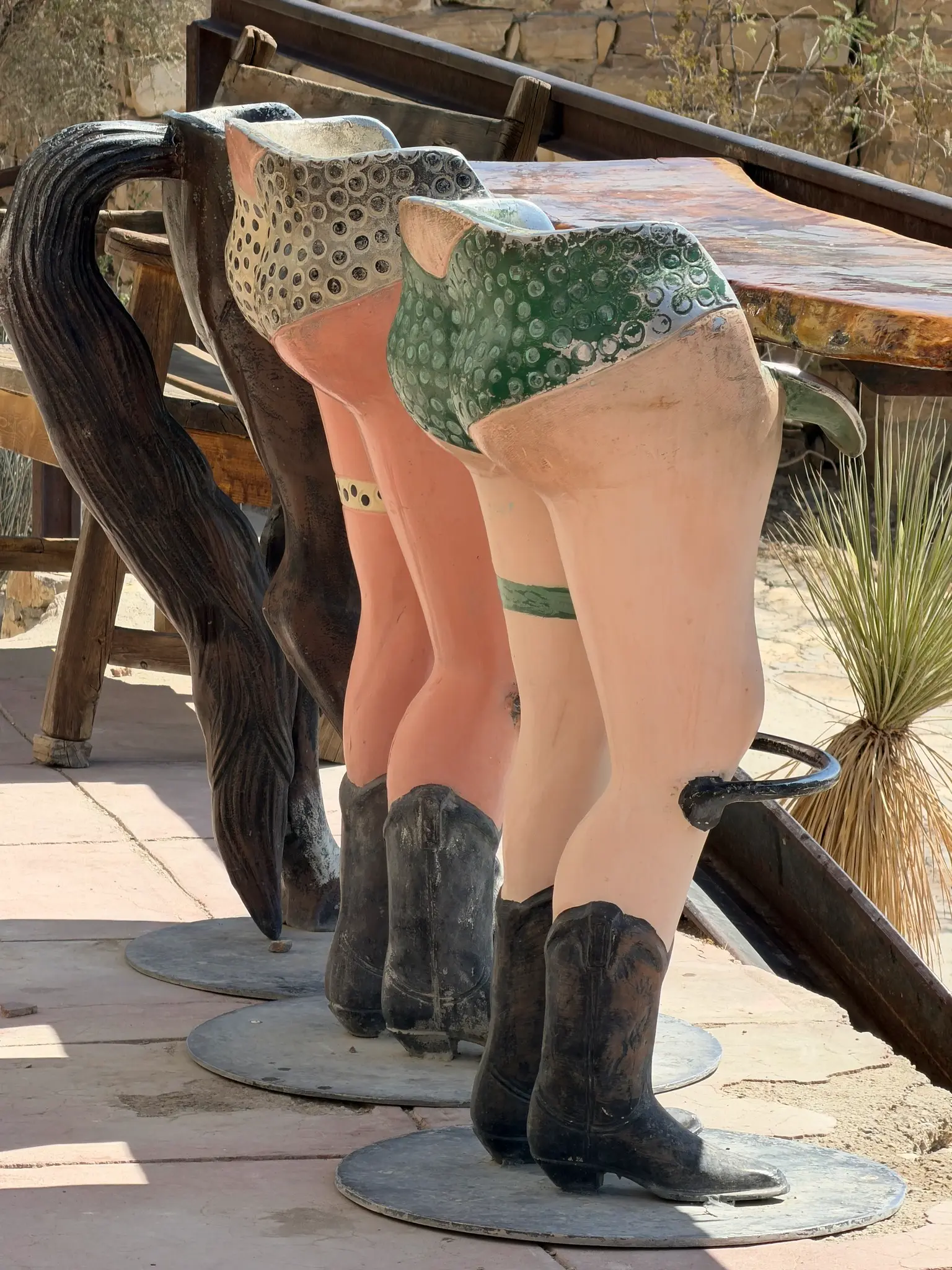
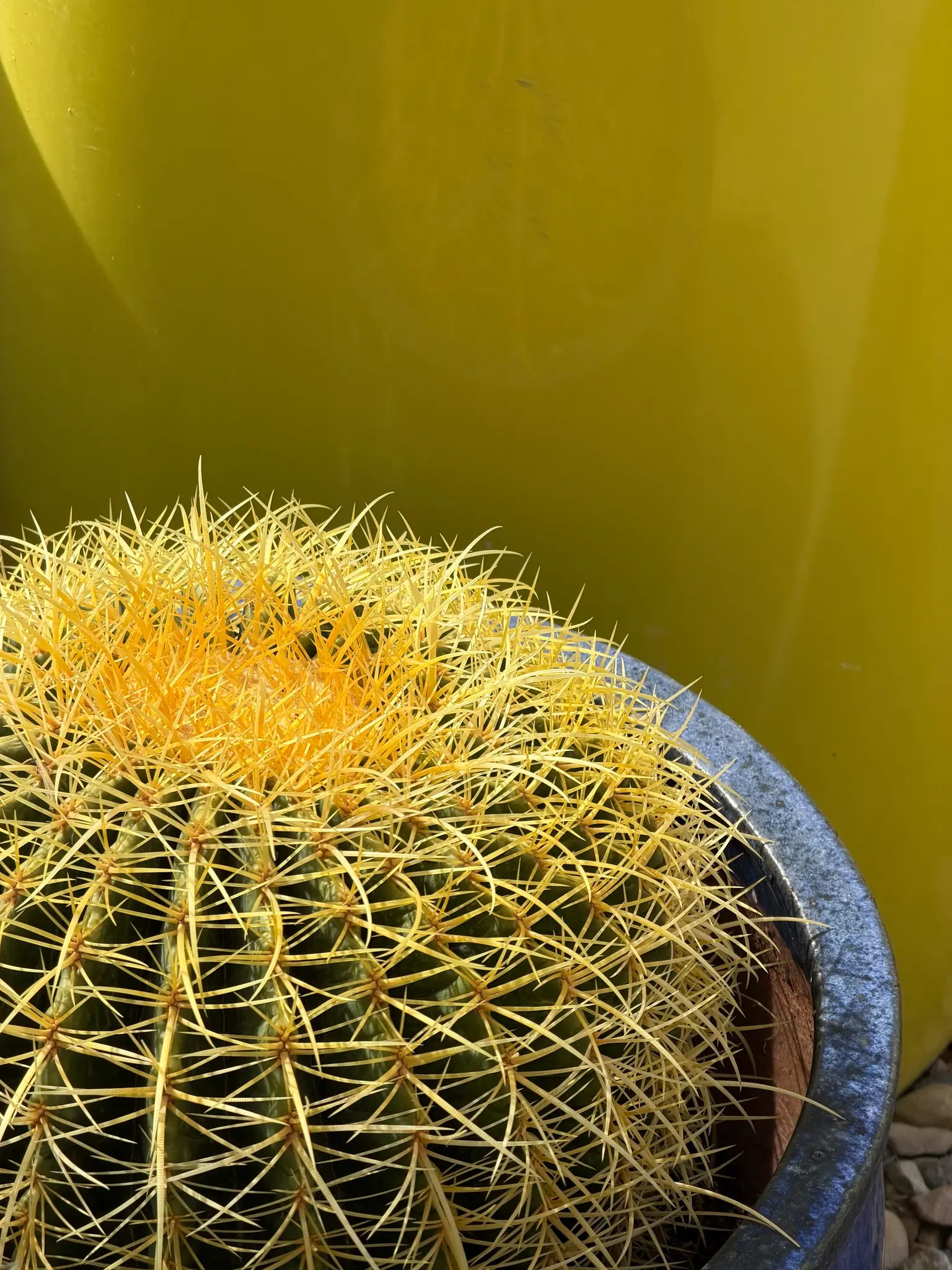
The faded adobe ruins. The rusted signs. The desert tchotchkes. The sunburned buildings. The long shadows. The loneliness. The beauty hiding inside decay. The strange mixture of harshness and poetry that seems to exist in nearly every corner of that tiny desert town.
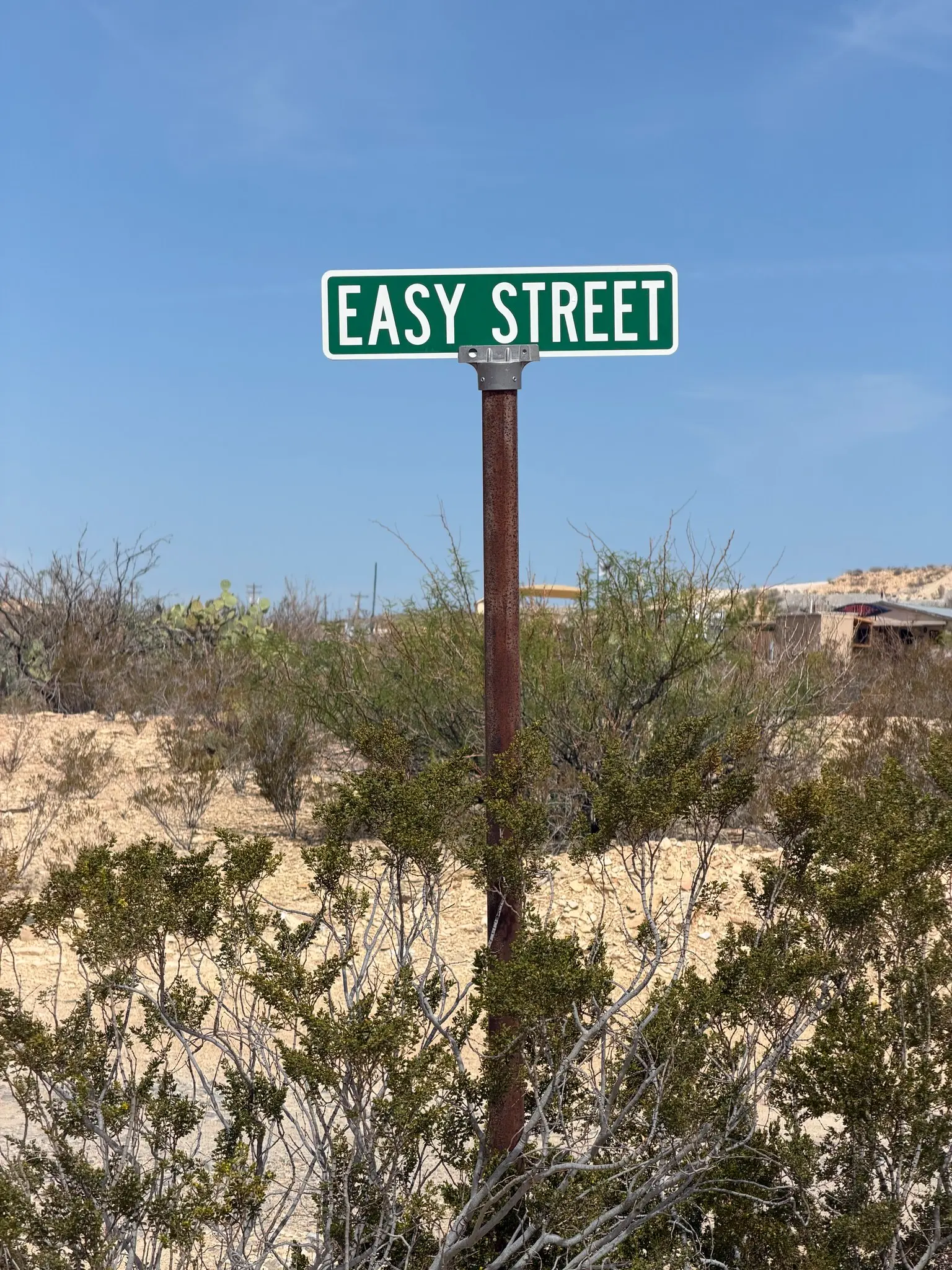
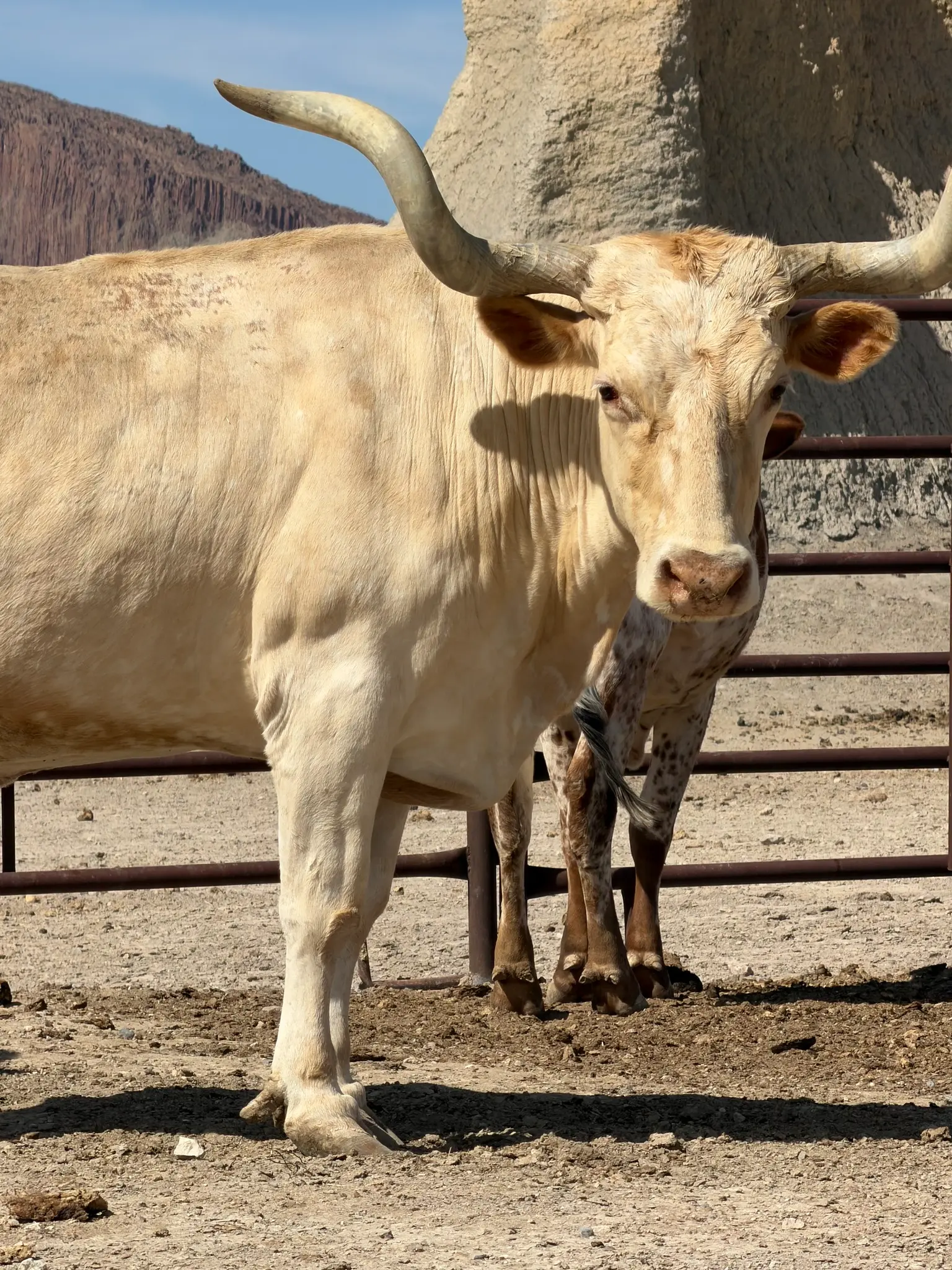
The small gallery of photographs below is less about documenting what Terlingua looks like and more about trying to capture what Terlingua feels like.
Hot.
Quiet.
Weathered.
Worn down.
Timeless.
And somehow, despite all of that, still strangely alive.
Click.
Jack.