Marfa: The Art of Almost Nothing
“You simplify to amplify.”
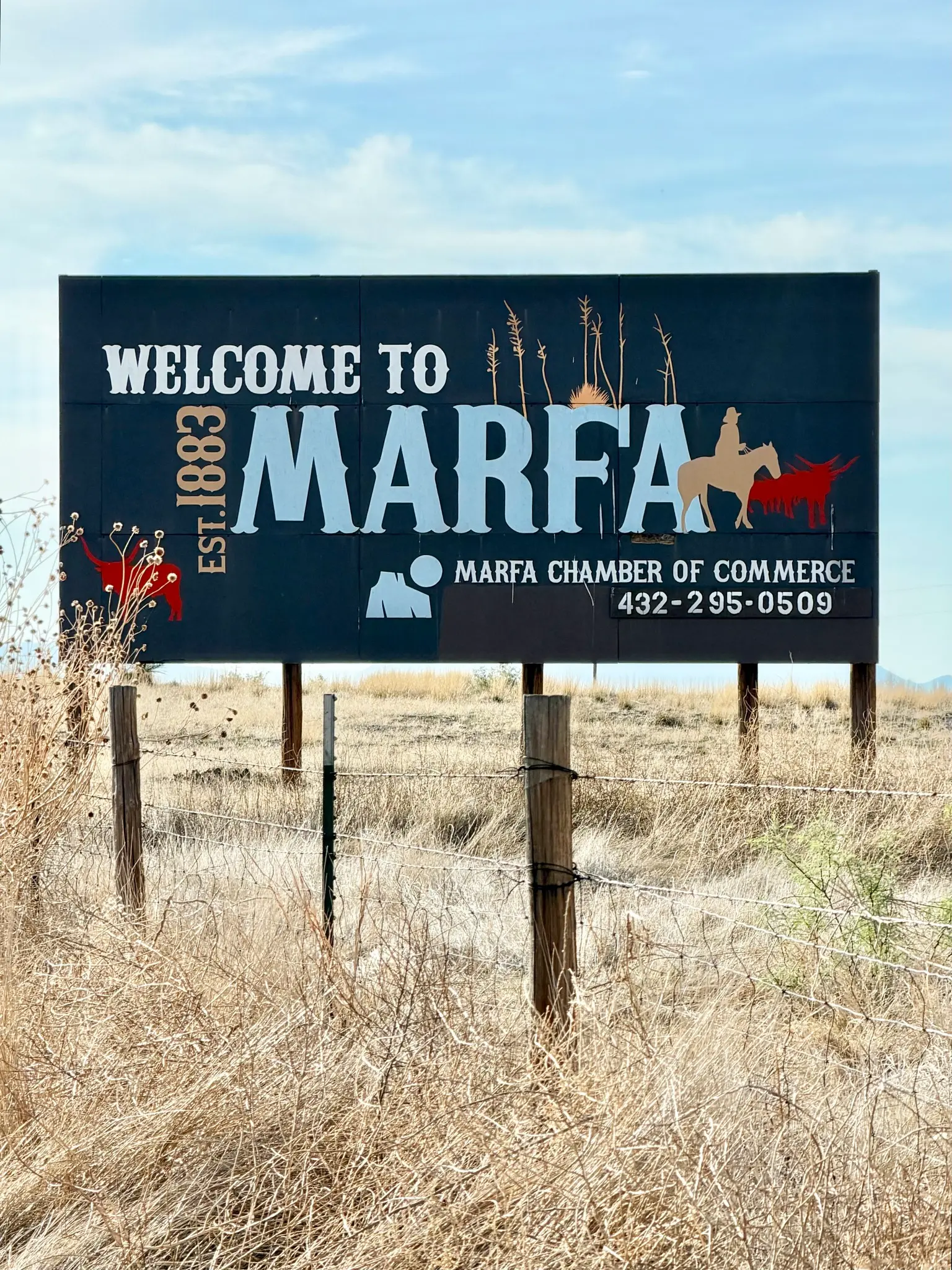
Marfa is one of those tiny West Texas towns that has somehow managed to become internationally famous without actually becoming very large, very exciting, or very busy. That, in itself, is almost impressive. Out here, in the middle of nowhere, surrounded by dry desert, scrub brush, abandoned ranch land, long freight trains, and more sky than any human reasonably needs, sits this strange little cultural oasis filled with minimalist art galleries, wealthy creatives, expensive coffee, carefully distressed architecture, and enough black clothing to convince you a Scandinavian funeral procession just rolled through town.
People absolutely love projecting meaning onto Marfa.
Especially the woo-types.
You know the crowd. The spiritually-overcaffeinated seekers who arrive carrying crystals, notebooks, unresolved trauma, and a deep belief that the desert is somehow going to whisper ancient truths directly into their nervous system. They speak reverently about “energy” and “stillness” and “holding space.” They stare into the distance like they’re one cactus away from enlightenment. Half the people visiting Marfa look like they either own a podcast, are starting a podcast, or recently completed a sound bath in Joshua Tree.
That’s not really my thing.
I’m not against weird. Hell, I’m a photographer. We’re all weird. But Marfa occasionally feels like Burning Man for people with trust funds and tote bags.
Still, I keep coming back.
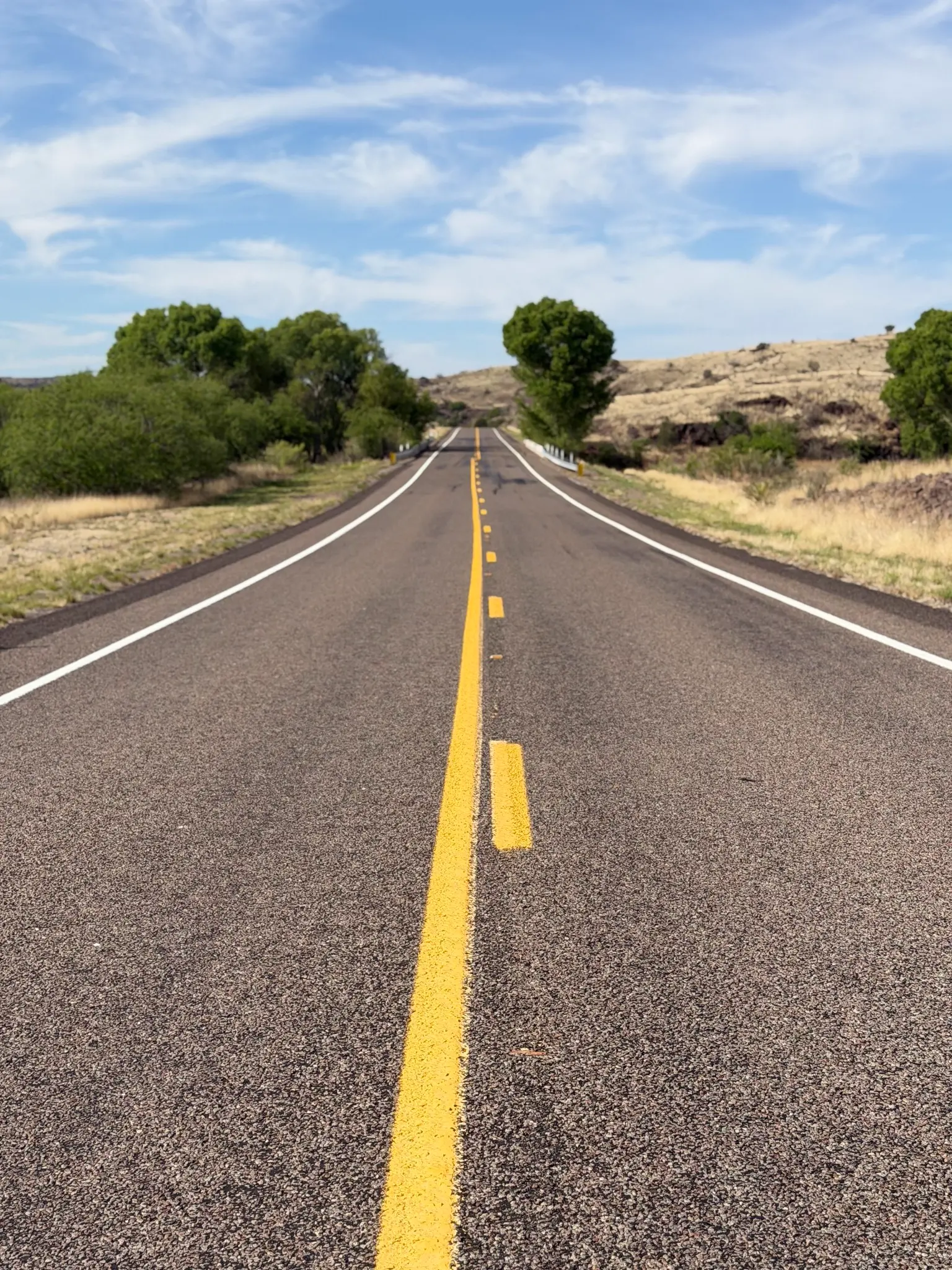
Not really for Marfa itself, if I’m being honest. I rarely drive to Marfa as the final destination. I’m usually on my way somewhere else. Big Bend National Park, most often. Sometimes Alpine. Sometimes Marathon. Sometimes nowhere in particular except the open road itself. Marfa simply exists along the route, like some strange visual palate cleanser sitting quietly between enormous stretches of Texas emptiness.
And every single time I arrive there, something shifts photographically inside me.
I go minimal.
Not because I planned to. Not because I suddenly become an art snob. It just happens naturally, almost unconsciously, as if the environment itself begins editing my vision for me. The noise inside my head settles down. The compositions simplify. The frames become quieter. Cleaner. More restrained.
Maybe that’s what this town does best.
It subtracts.
I’ve said for years that photography is fundamentally different from painting because painting is an additive process while photography is largely subtractive. Painters begin with a blank canvas and slowly add information until meaning appears. Photography begins with the exact opposite problem. Everything is already there before you even lift the camera. The world arrives visually overcrowded. Signs. Cars. Telephone poles. Reflections. Shadows. Tourists. Visual clutter. Random distractions leaking into every corner of the frame.
The photographer’s real job is not adding meaning.
It’s removing distraction.
That’s why I’ve always believed what you leave out of the frame is often more important than what you leave in. Good photography is less about accumulation and more about elimination. Less clutter. Less confusion. Less visual yelling. You simplify to amplify.
Marfa practically forces this philosophy onto you.
The town itself feels stripped down to essentials. Flat walls. Quiet streets. Singular objects floating in giant spaces. Harsh desert light. Long shadows. Minimal color palettes. Even the soundscape feels edited. You can walk entire stretches of town hearing almost nothing except your own footsteps and the occasional pickup truck rumbling somewhere in the distance.
It’s the kind of silence modern people are no longer comfortable with.
Most people today need stimulation the way smokers need cigarettes. Noise. Notifications. Headlines. Music. Content. Podcasts. Background chatter. We are terrified of empty space. Terrified of silence. Terrified of sitting still long enough to hear ourselves think.
Marfa gives you no choice.
And maybe that’s why so many people project mystical nonsense onto the place. Americans are deeply uncomfortable with stillness, so the second they encounter silence they immediately assume something spiritual must be happening.
Personally, I don’t think the desert is speaking ancient cosmic truths. I think you’re finally hearing your own thoughts because Instagram, cable news, Spotify, TikTok, politics, and modern life stopped screaming at you for five consecutive minutes.
That alone probably feels supernatural to most people.
Photographically speaking, though, that silence can be incredibly useful.
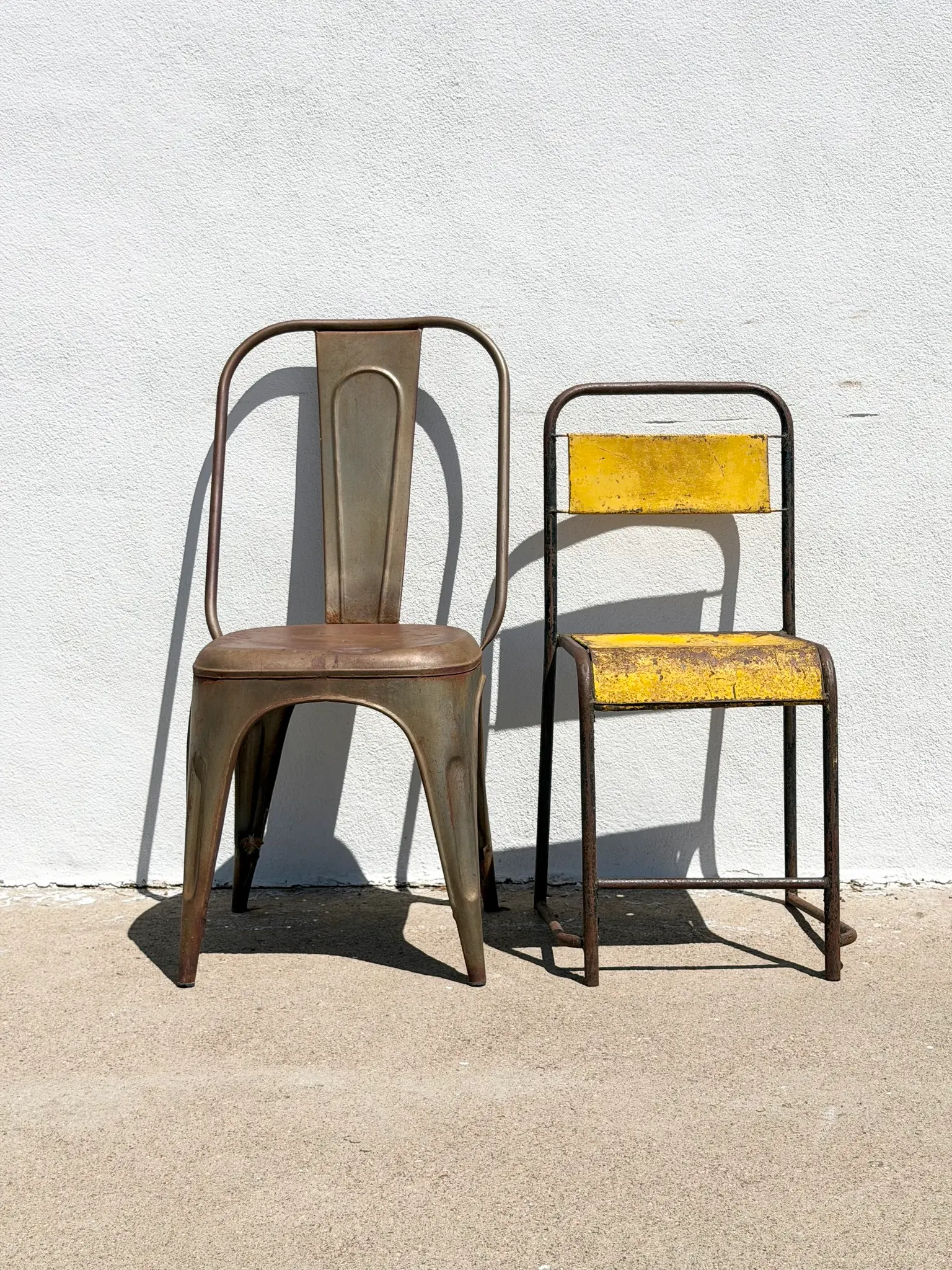
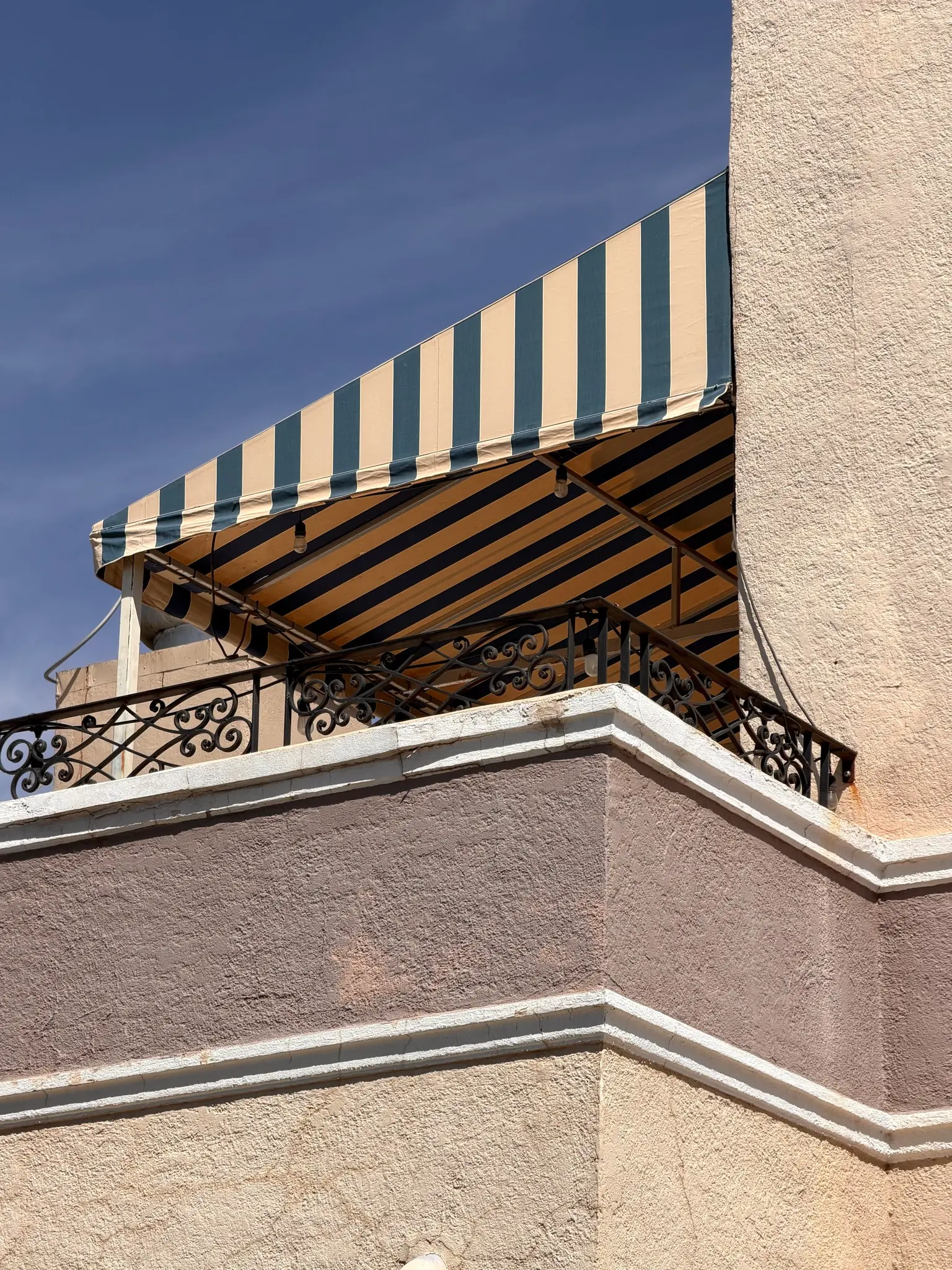
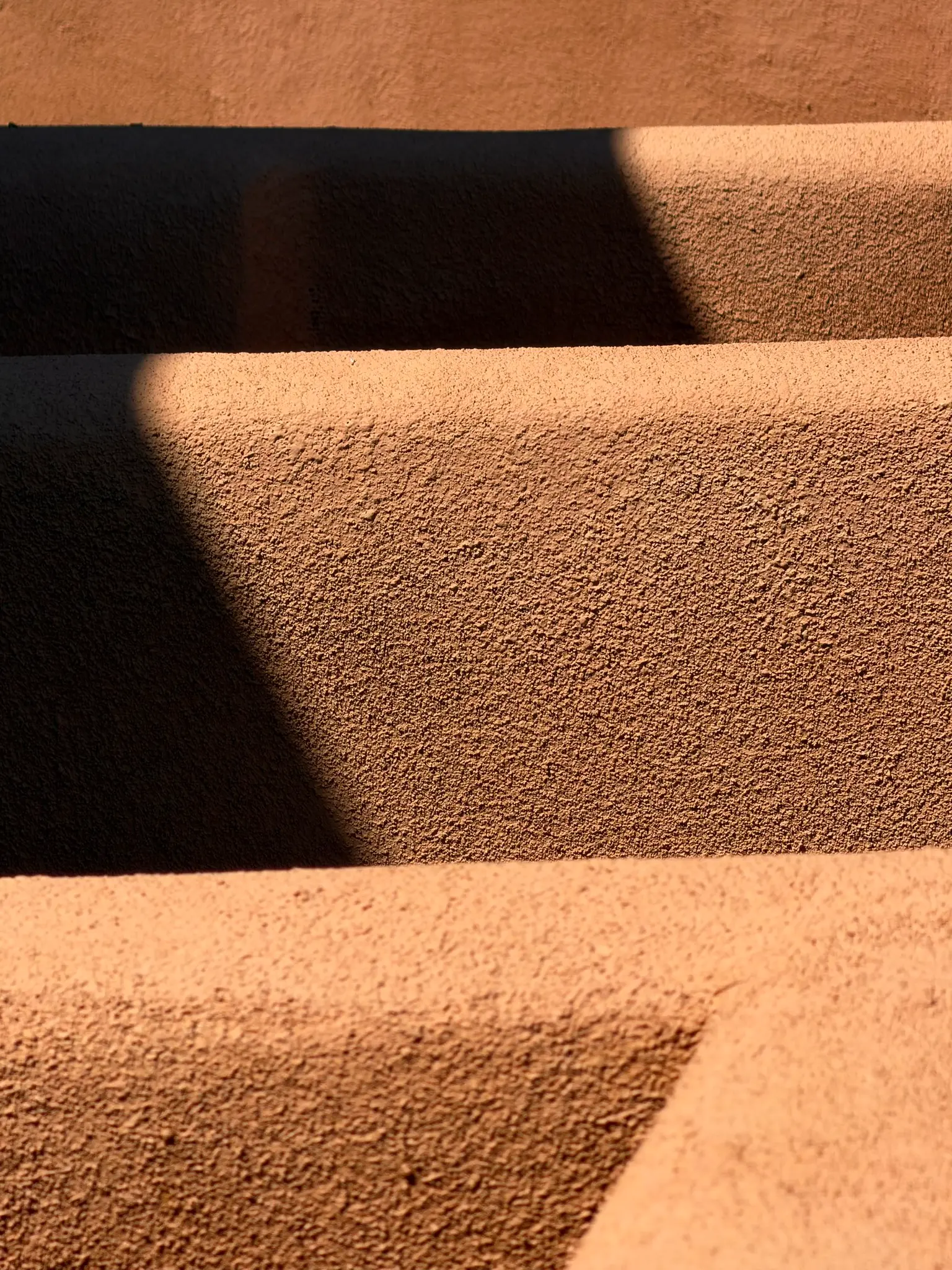
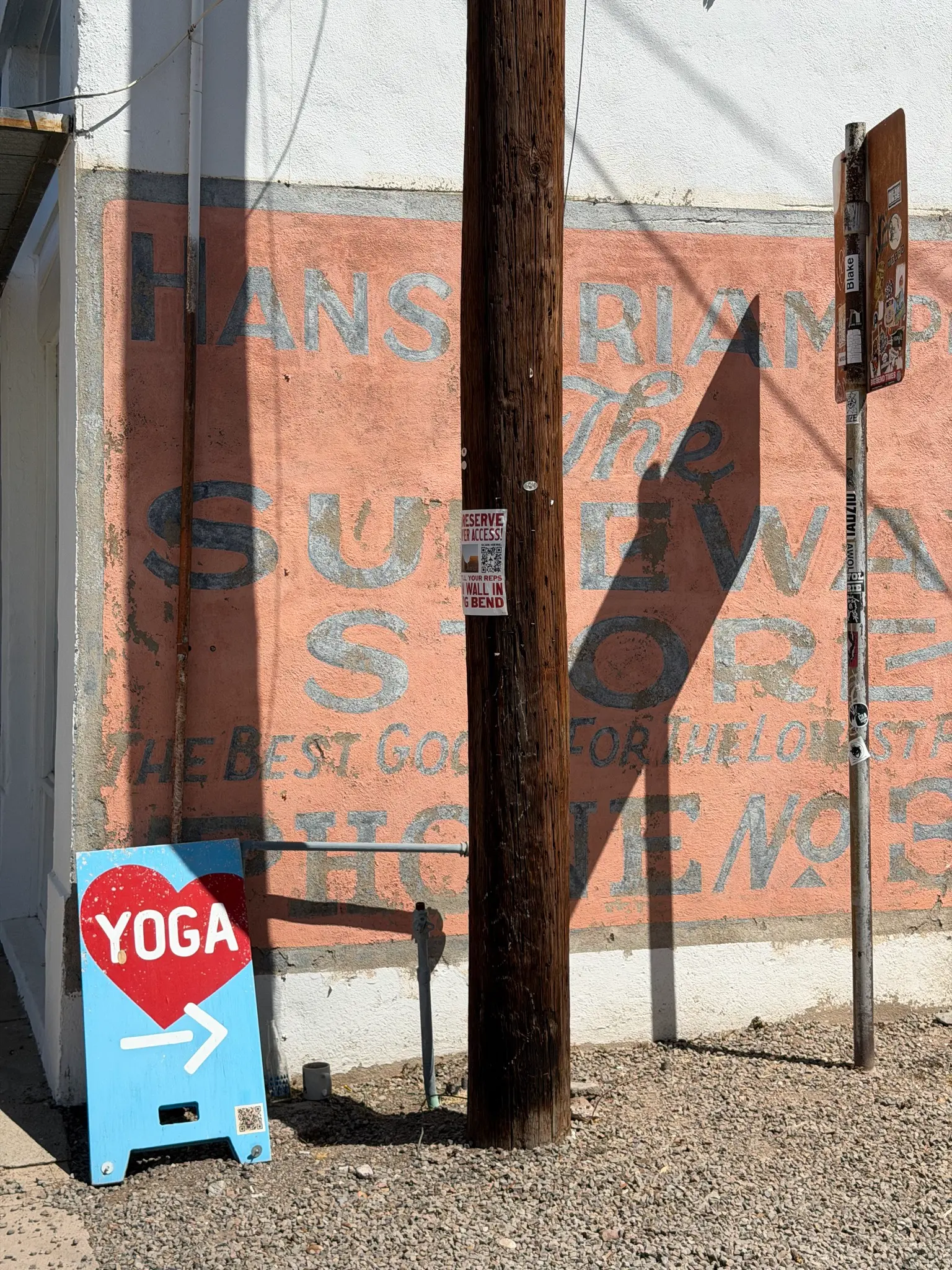
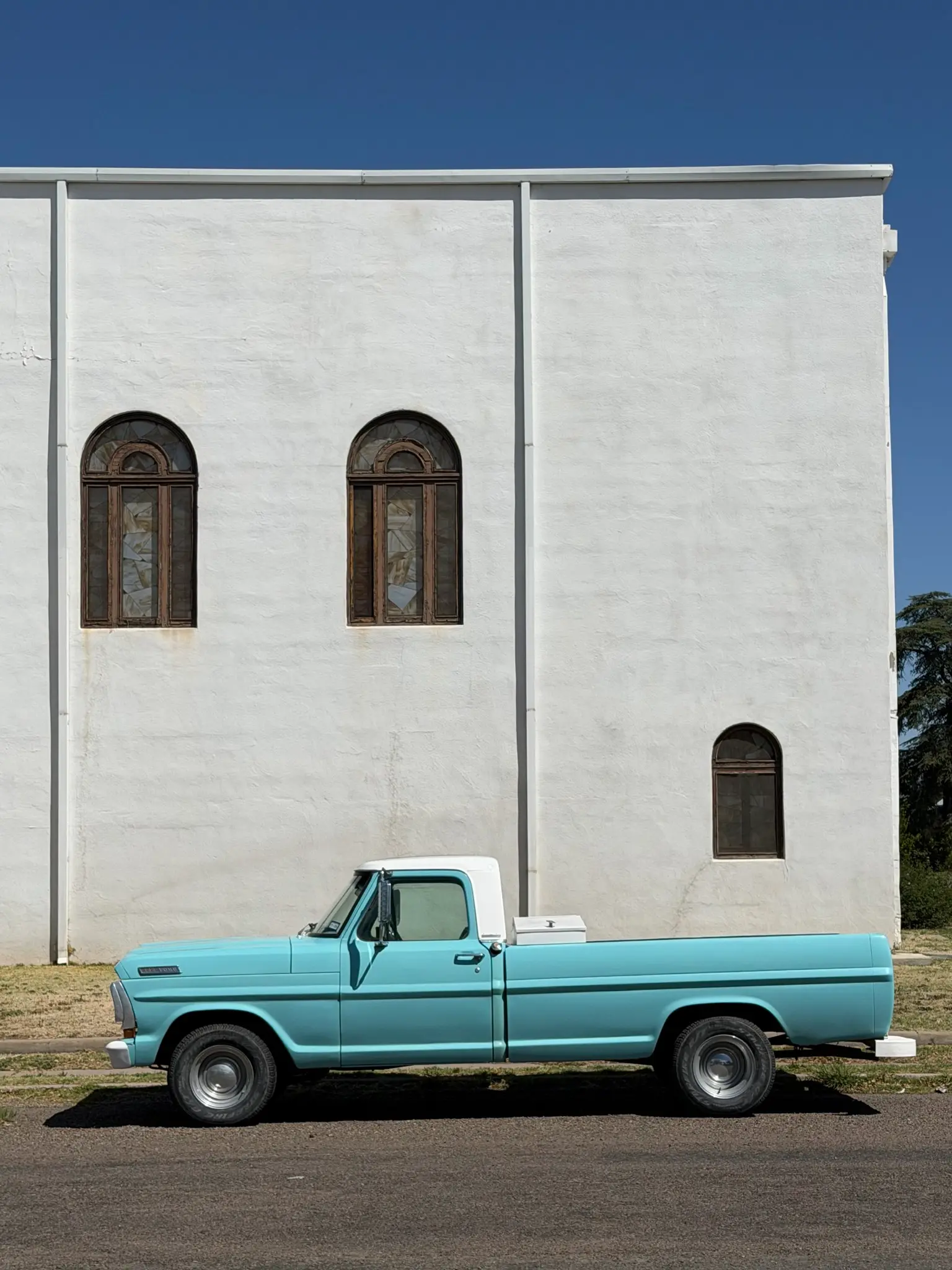
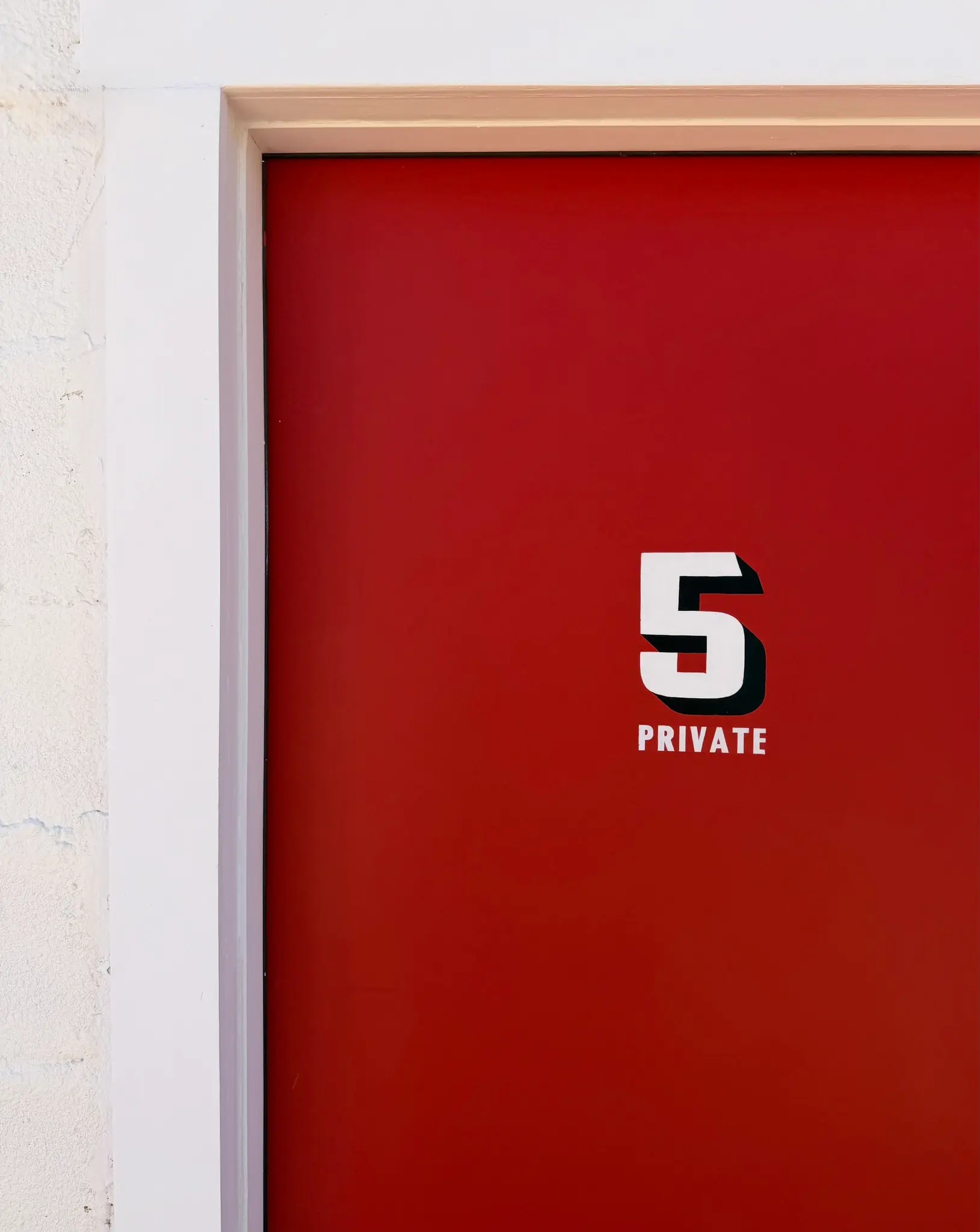
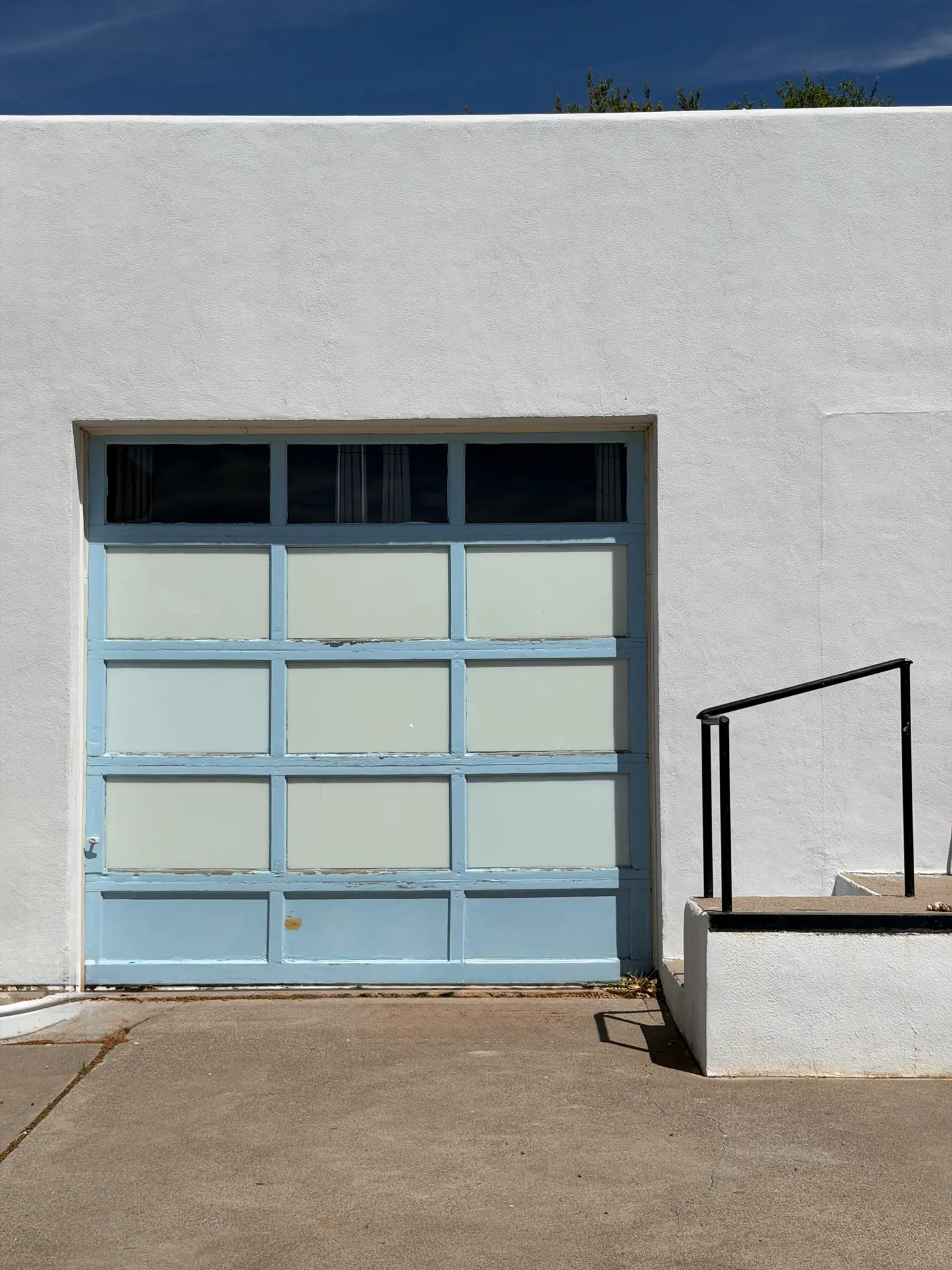
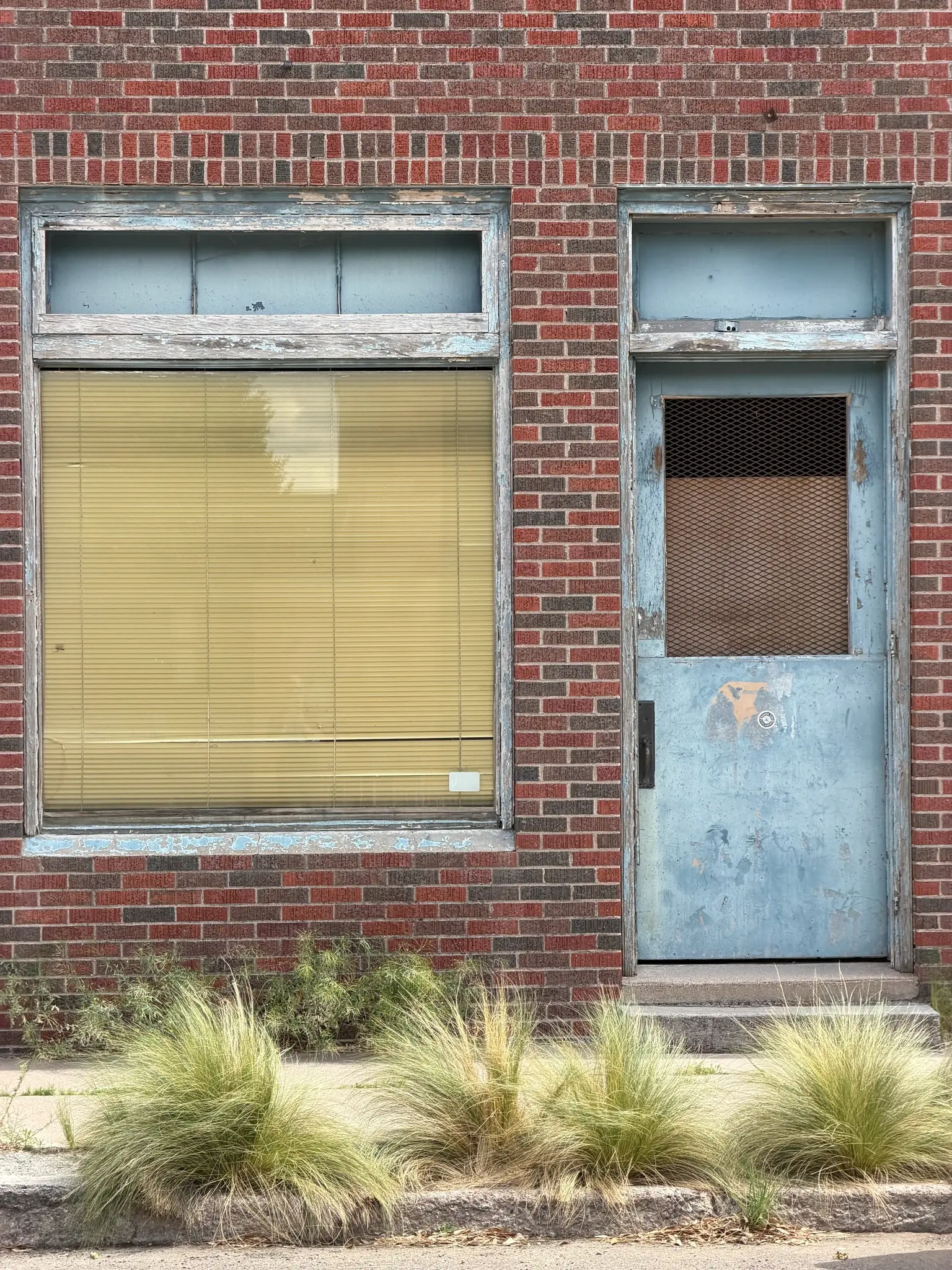
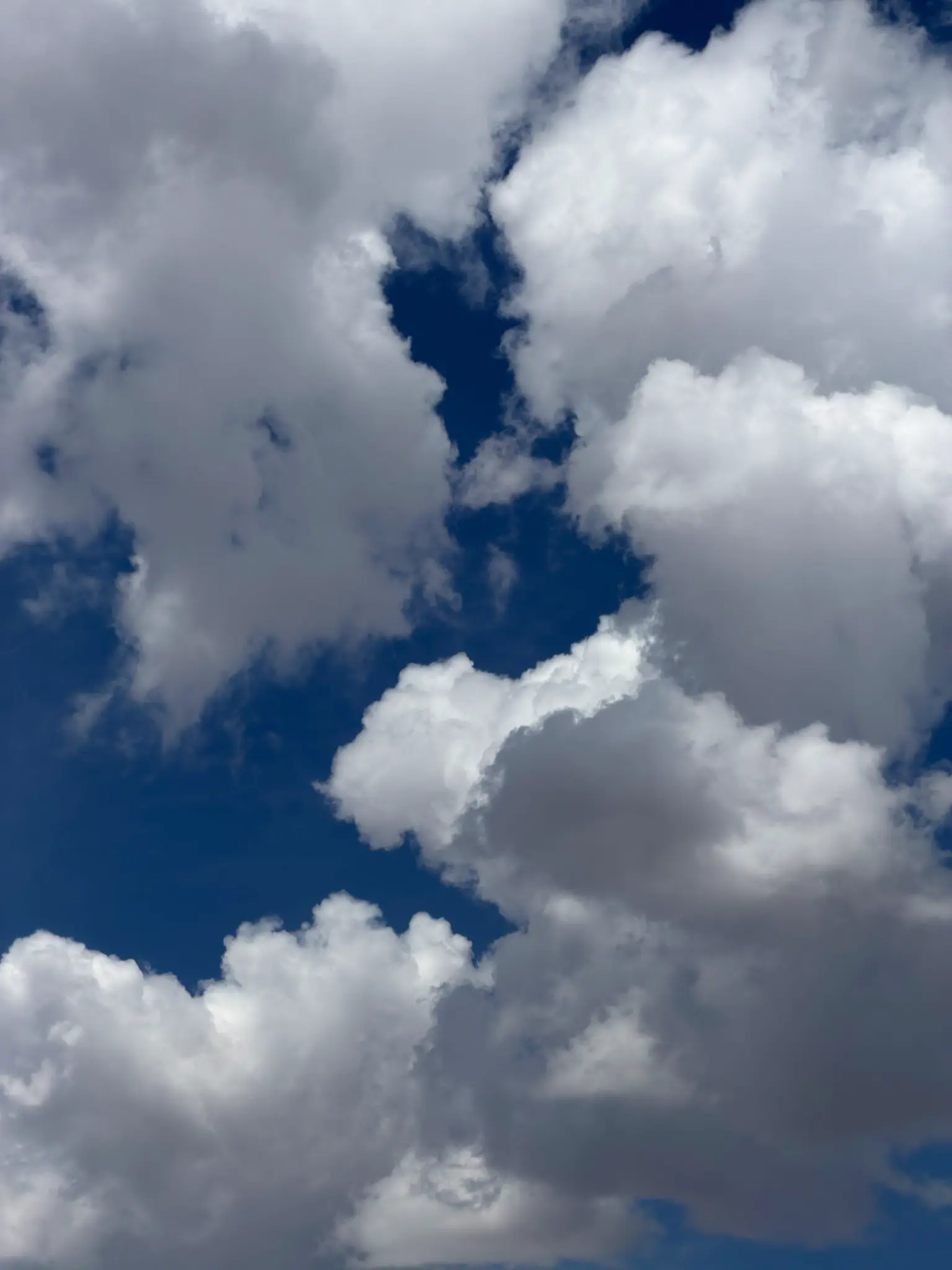
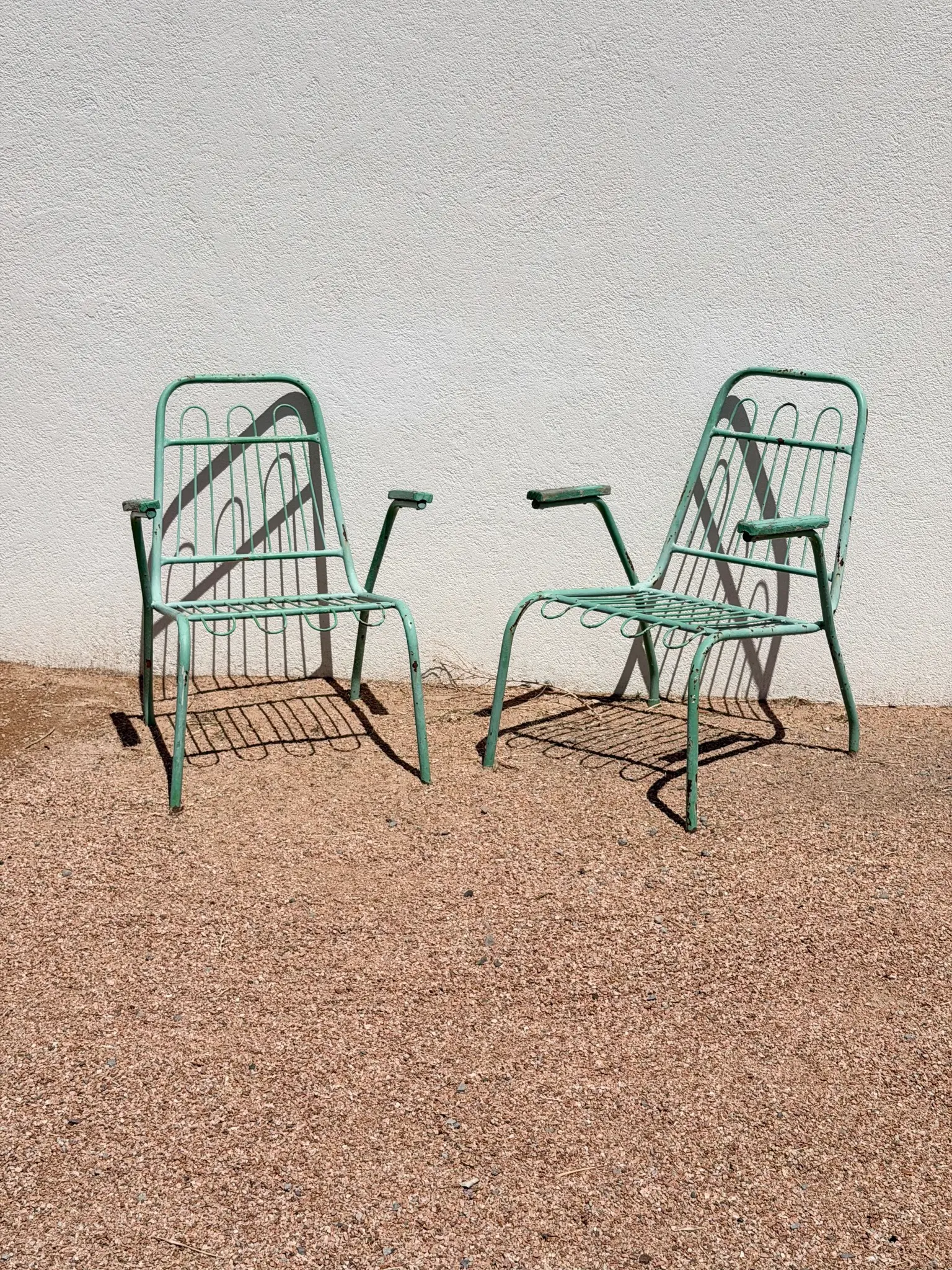
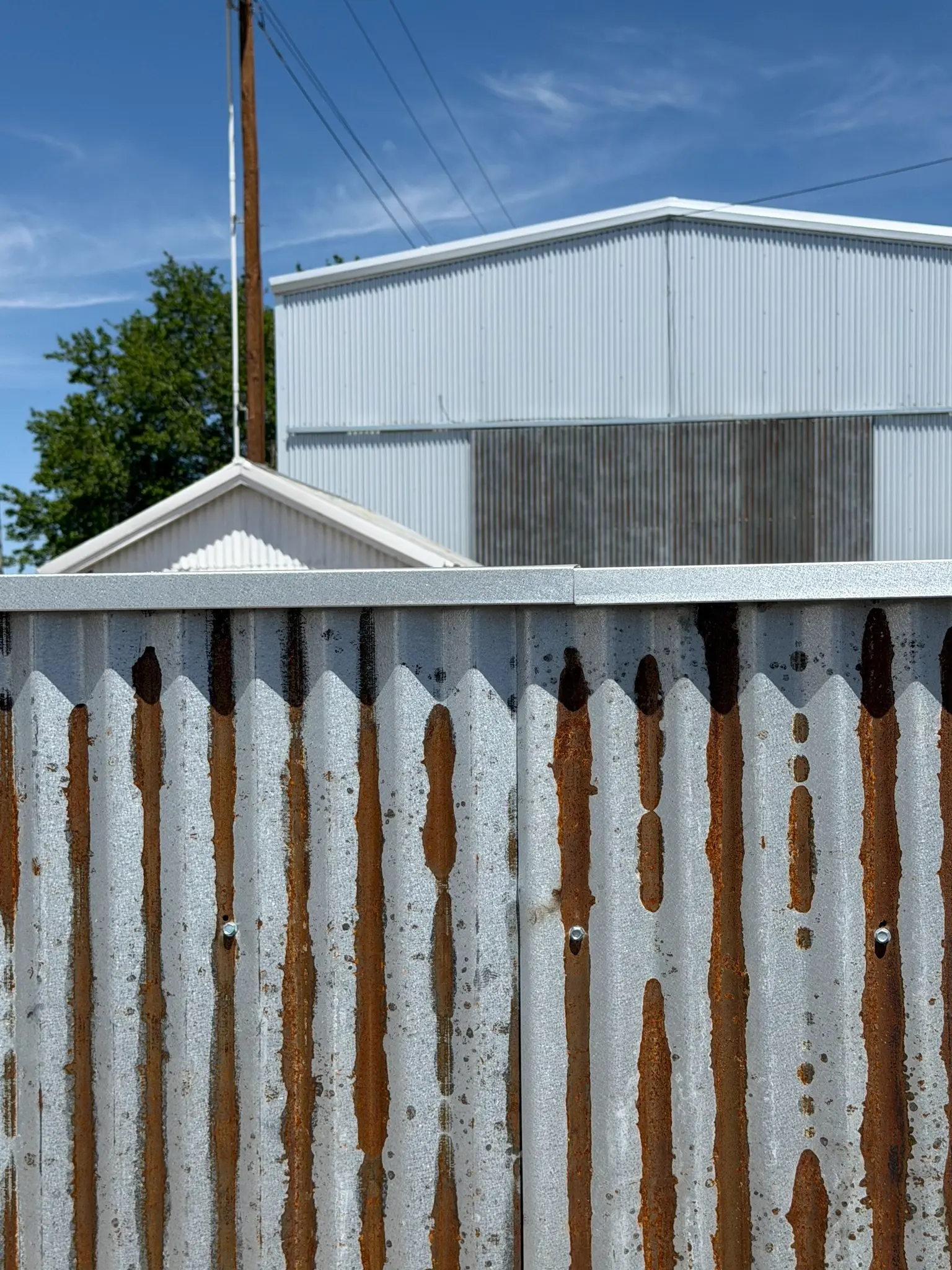
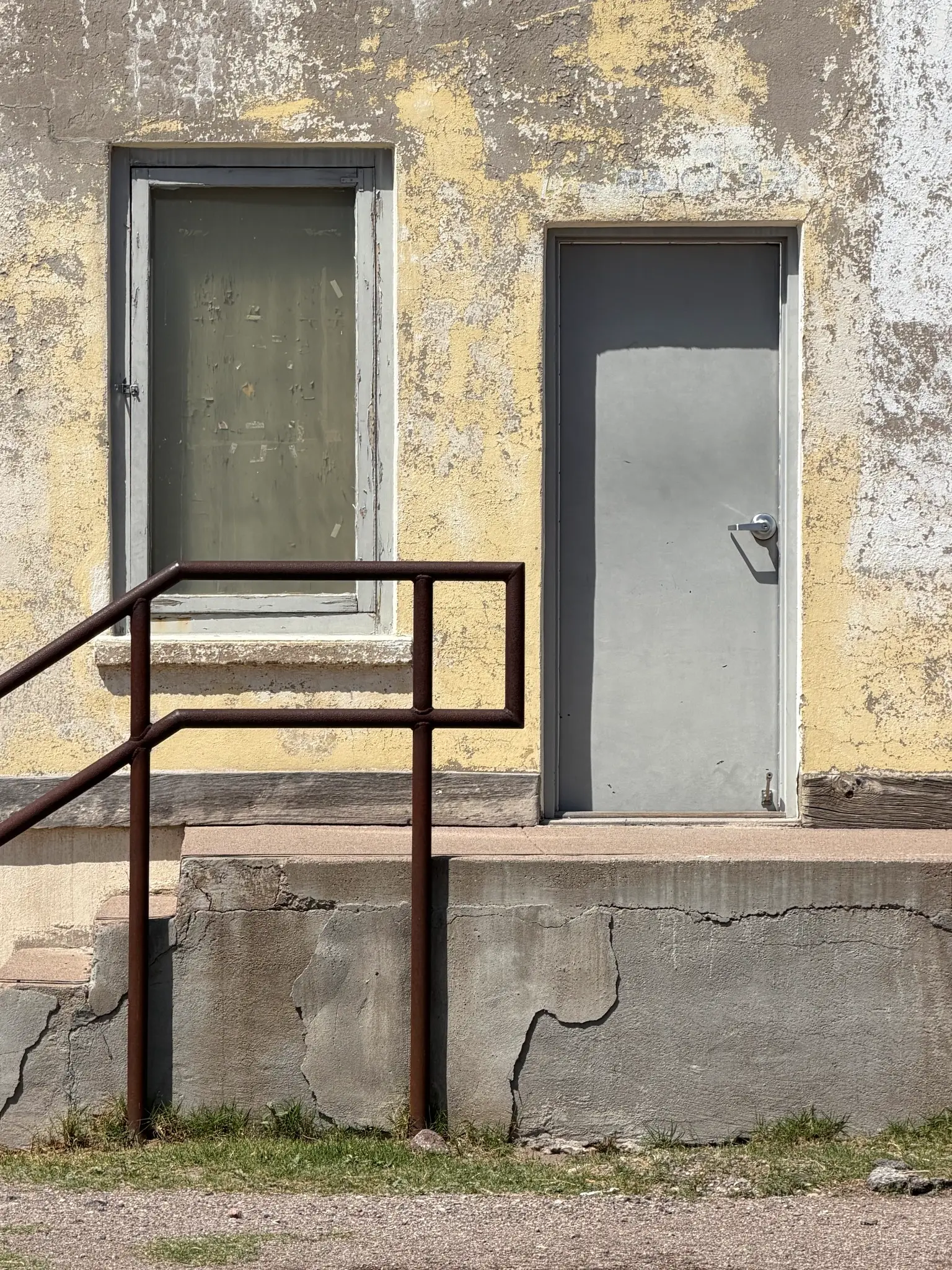
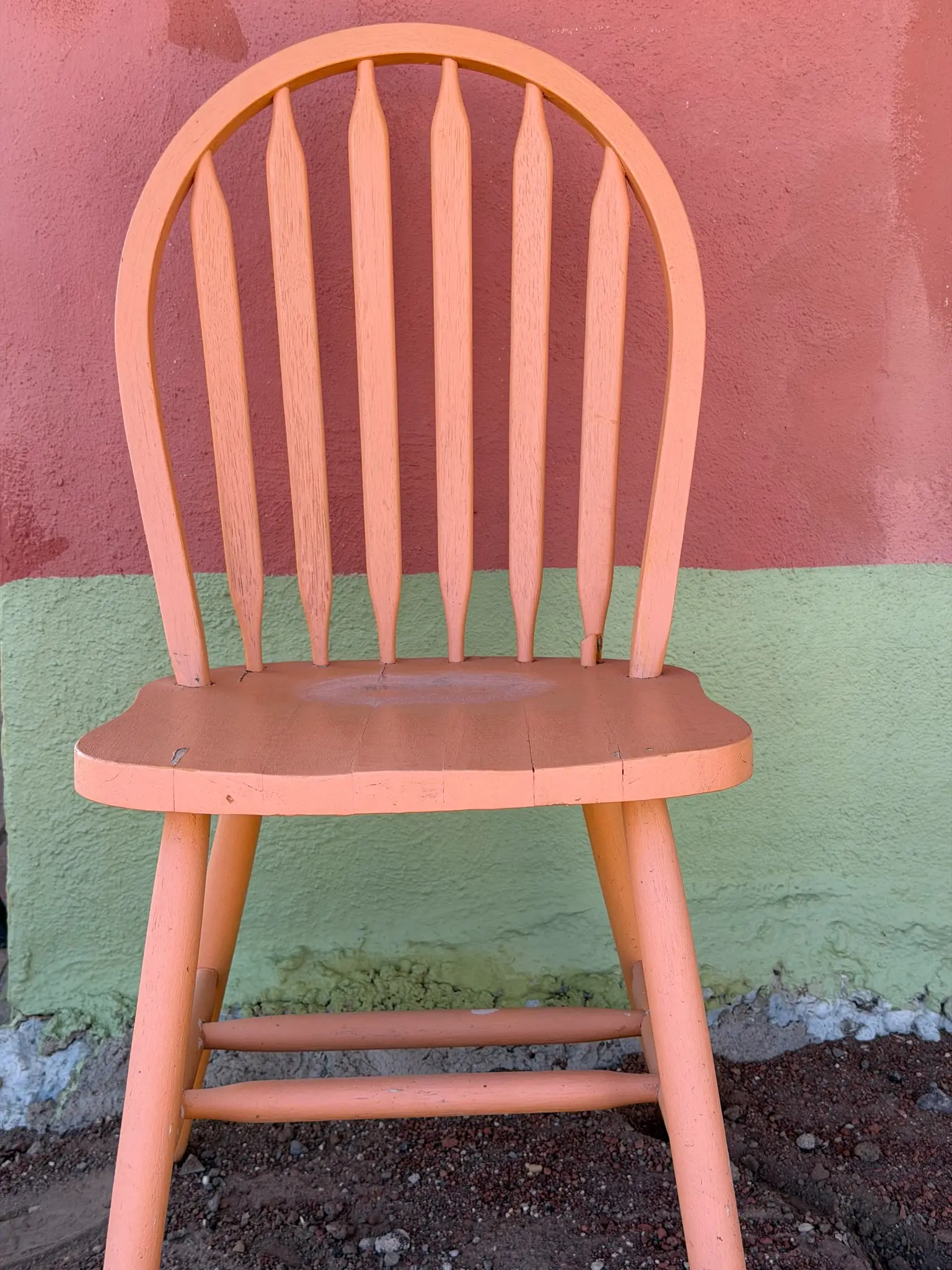
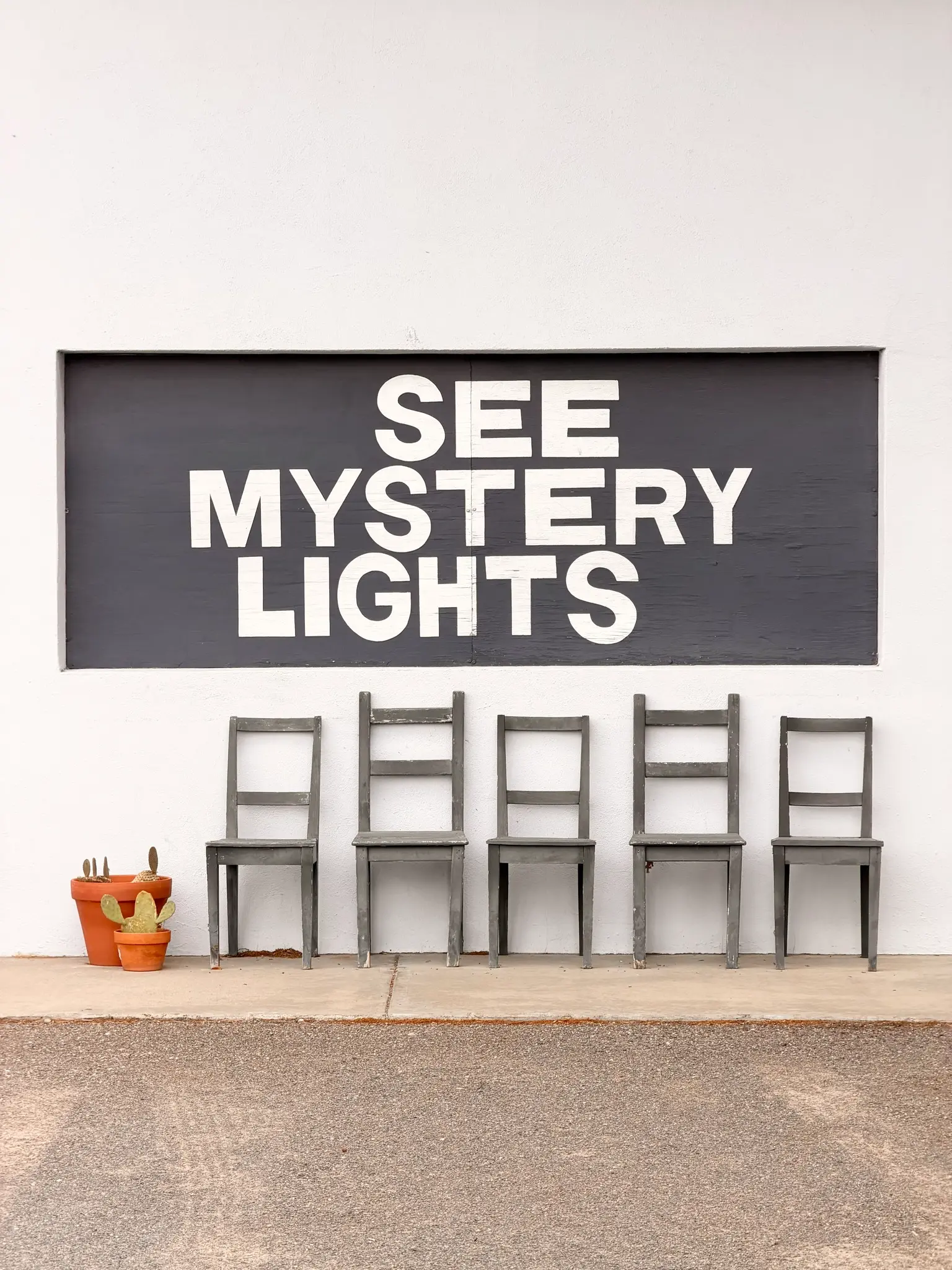
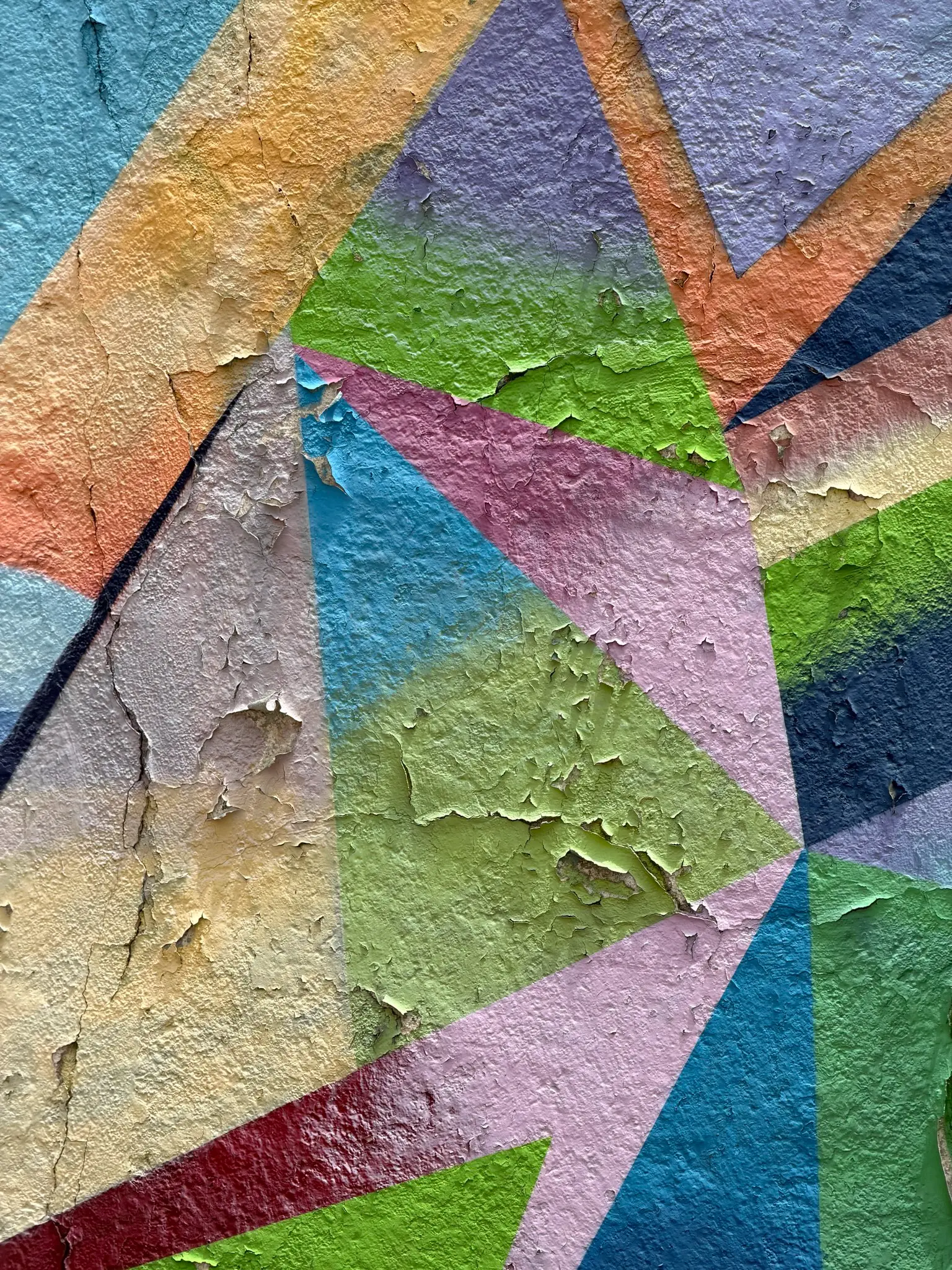
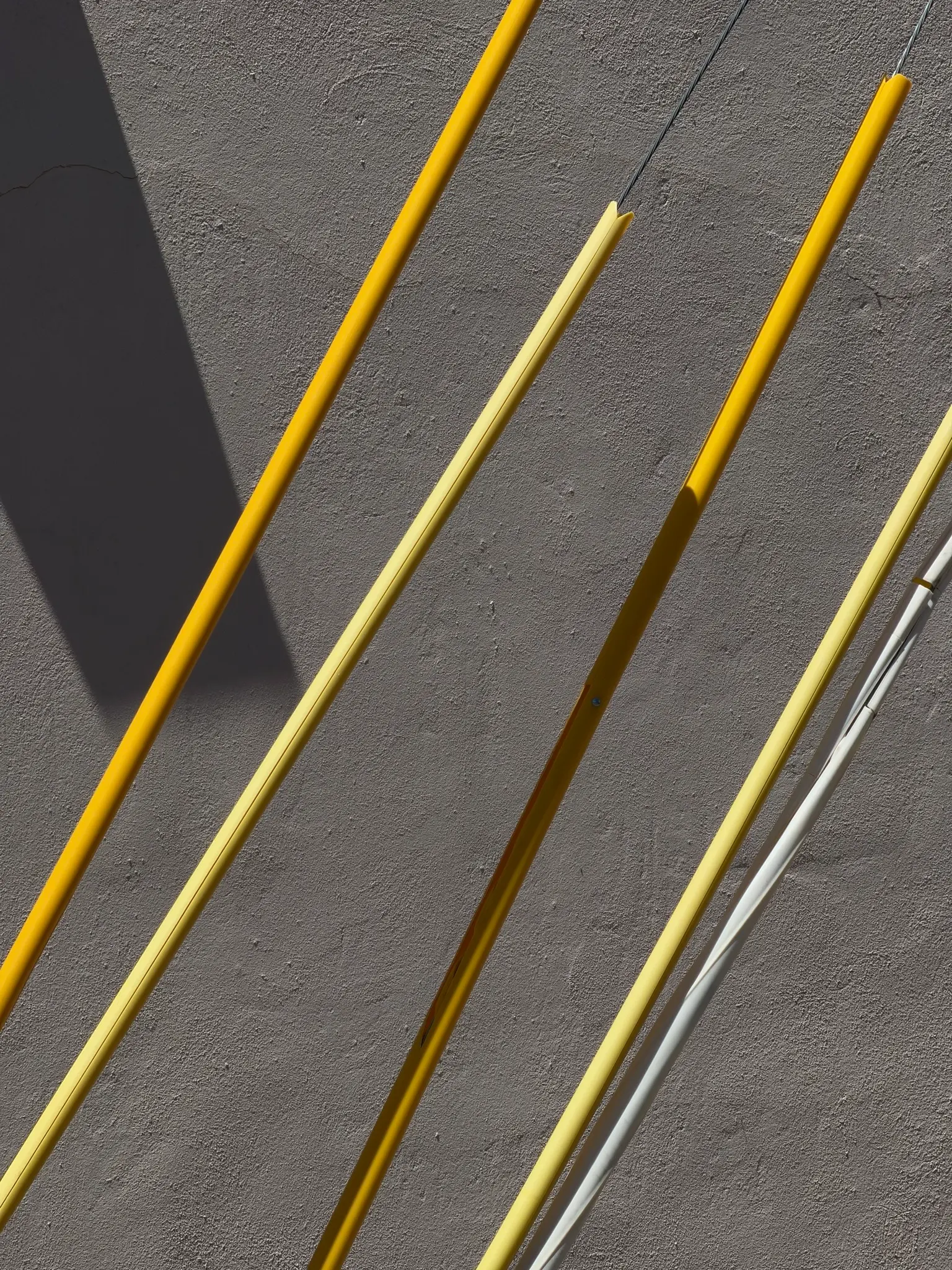
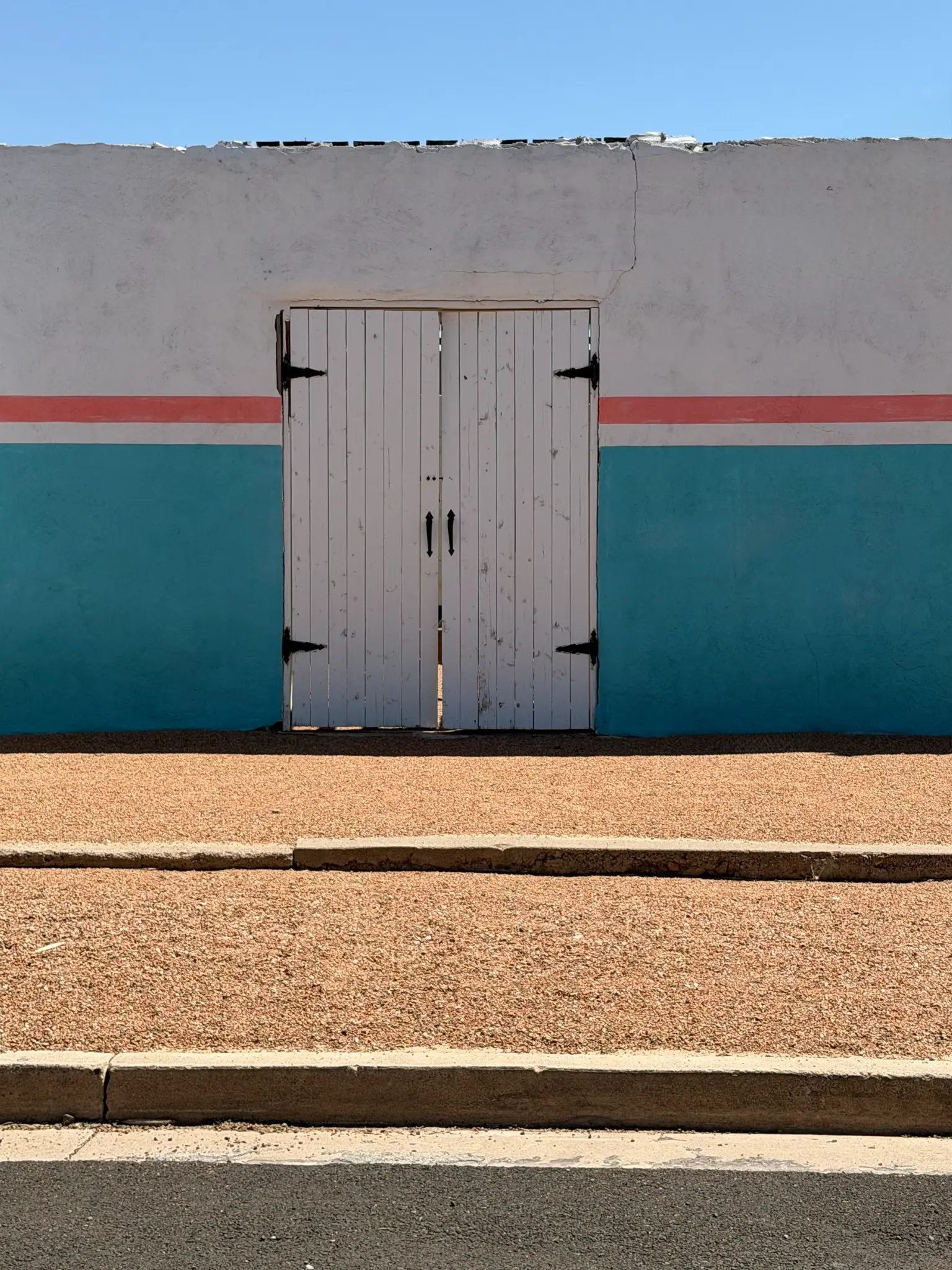
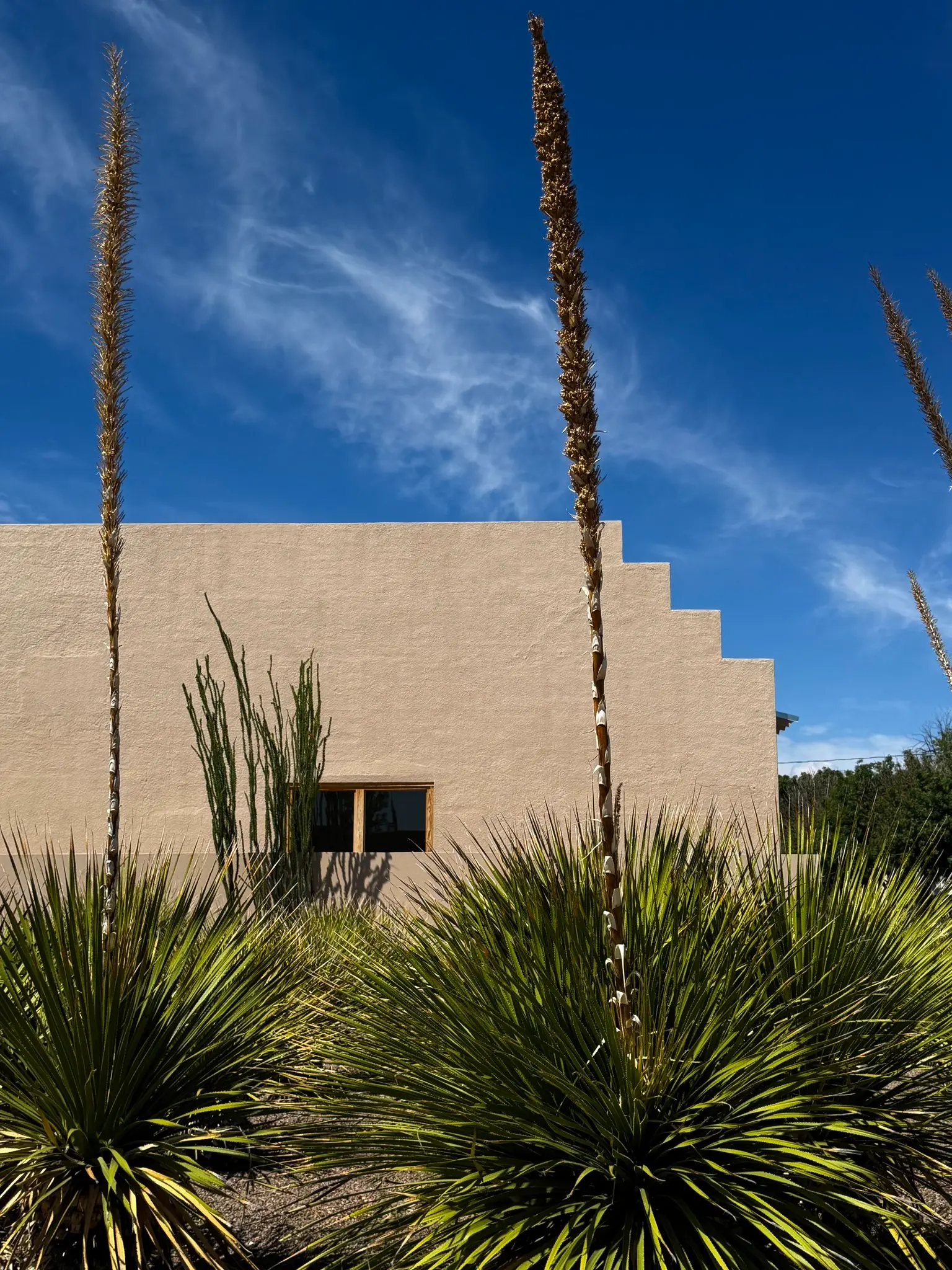
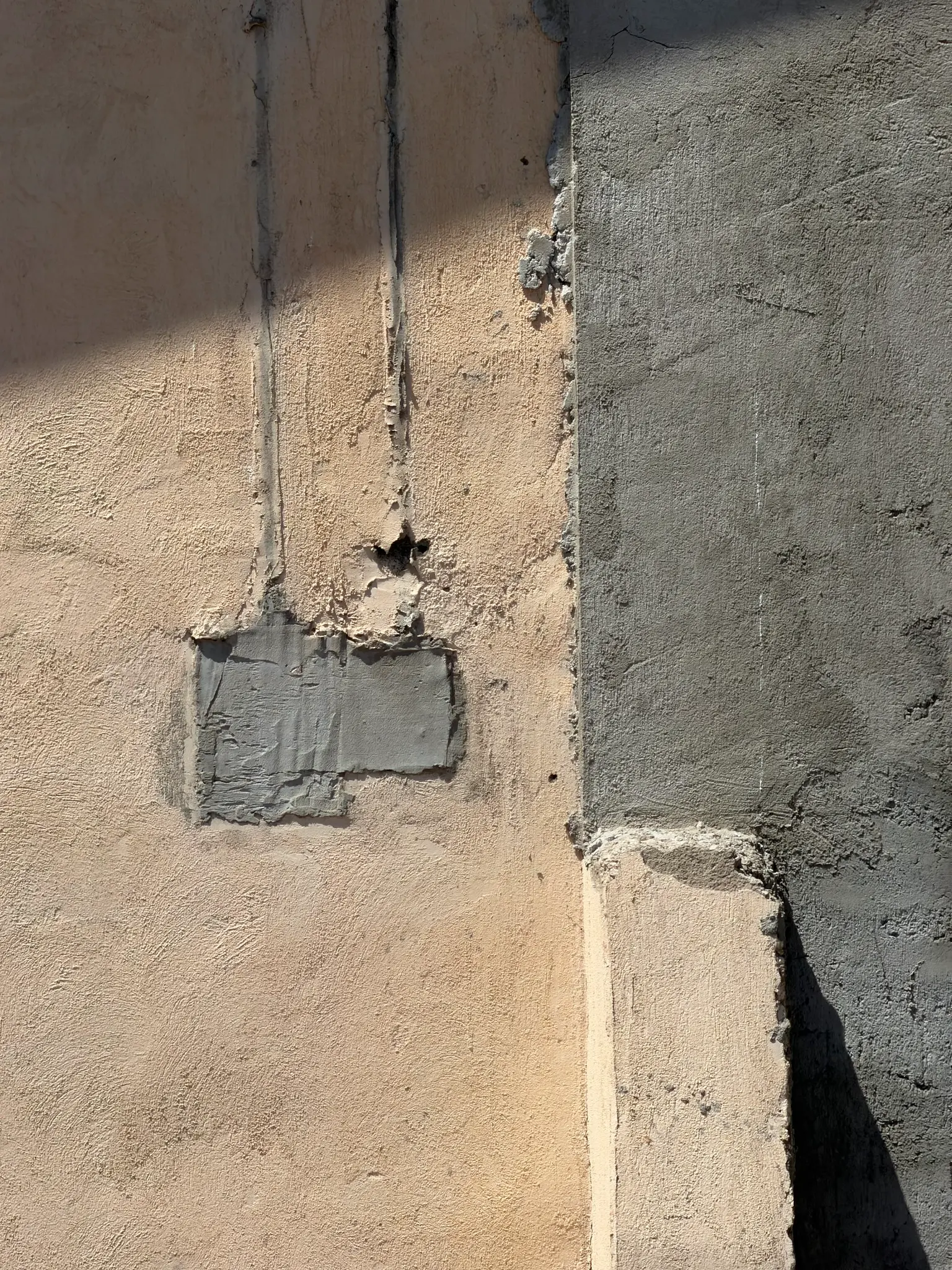
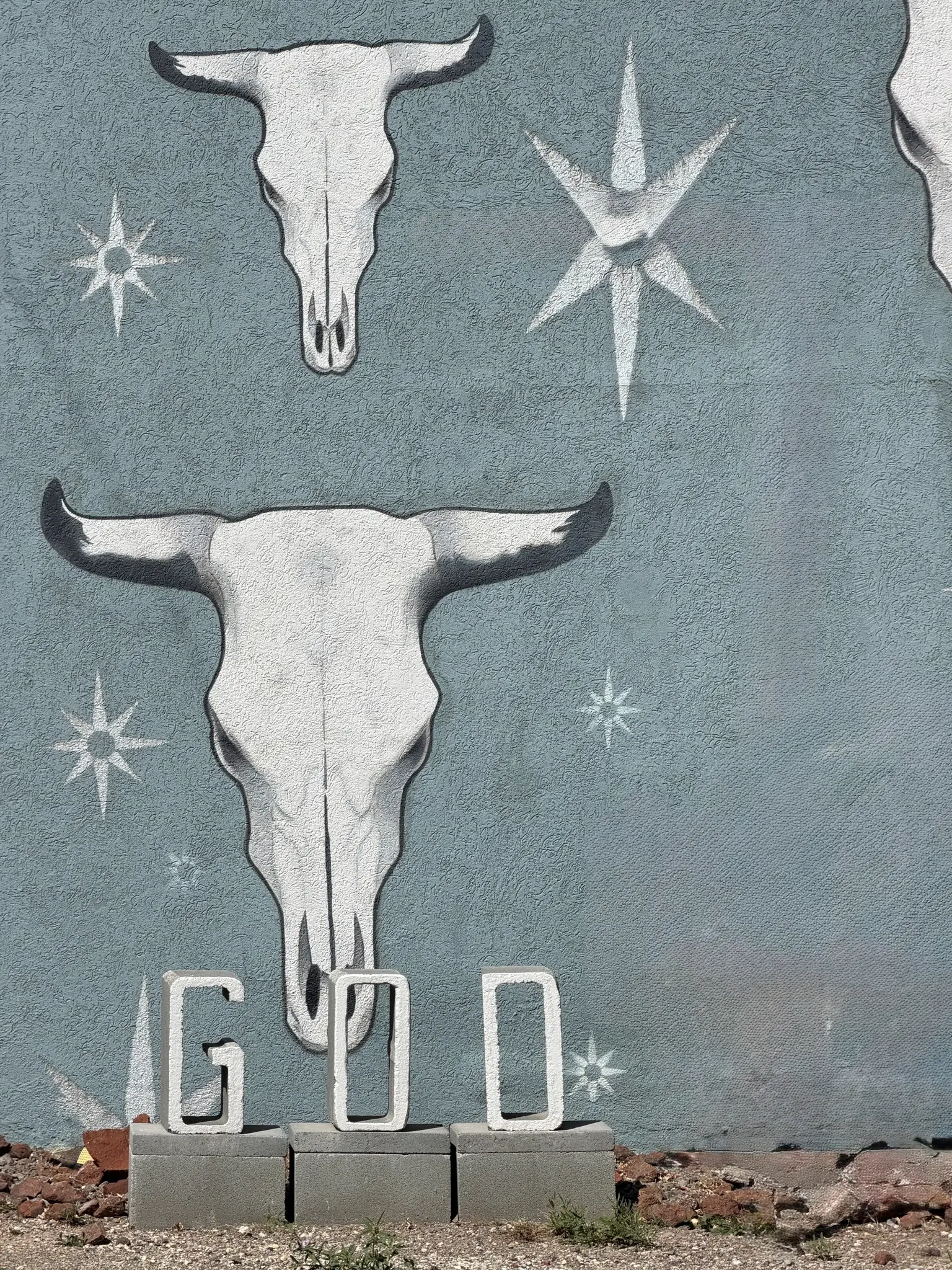
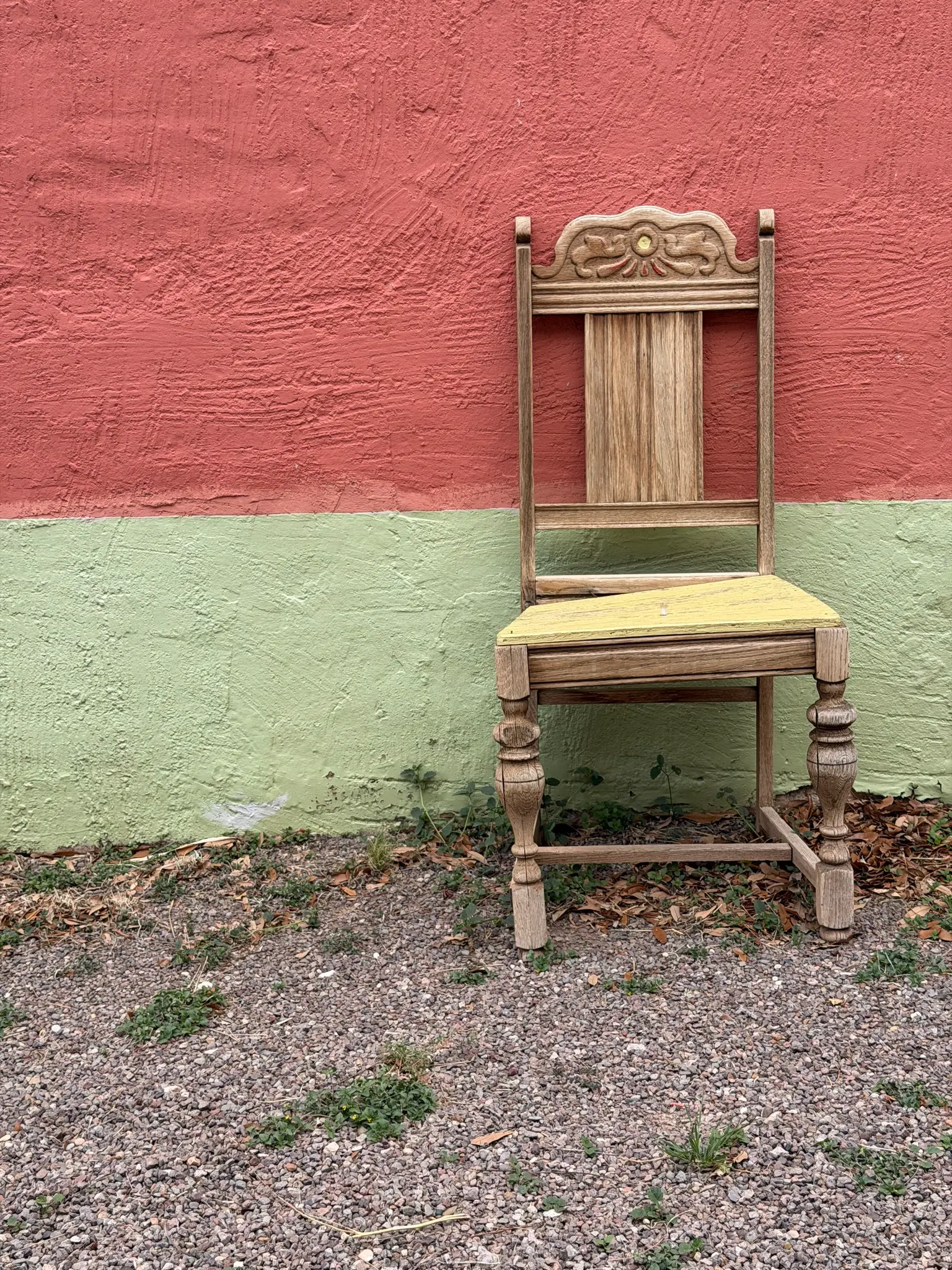
Because once the mental static dies down, you begin noticing smaller things. A single doorway. One faded blue wall against the desert light. A lonely gas station sign. The geometry of shadow cutting across concrete. A white pickup truck sitting under an enormous sky. Tiny details suddenly feel emotionally significant because there’s nothing else competing for your attention.
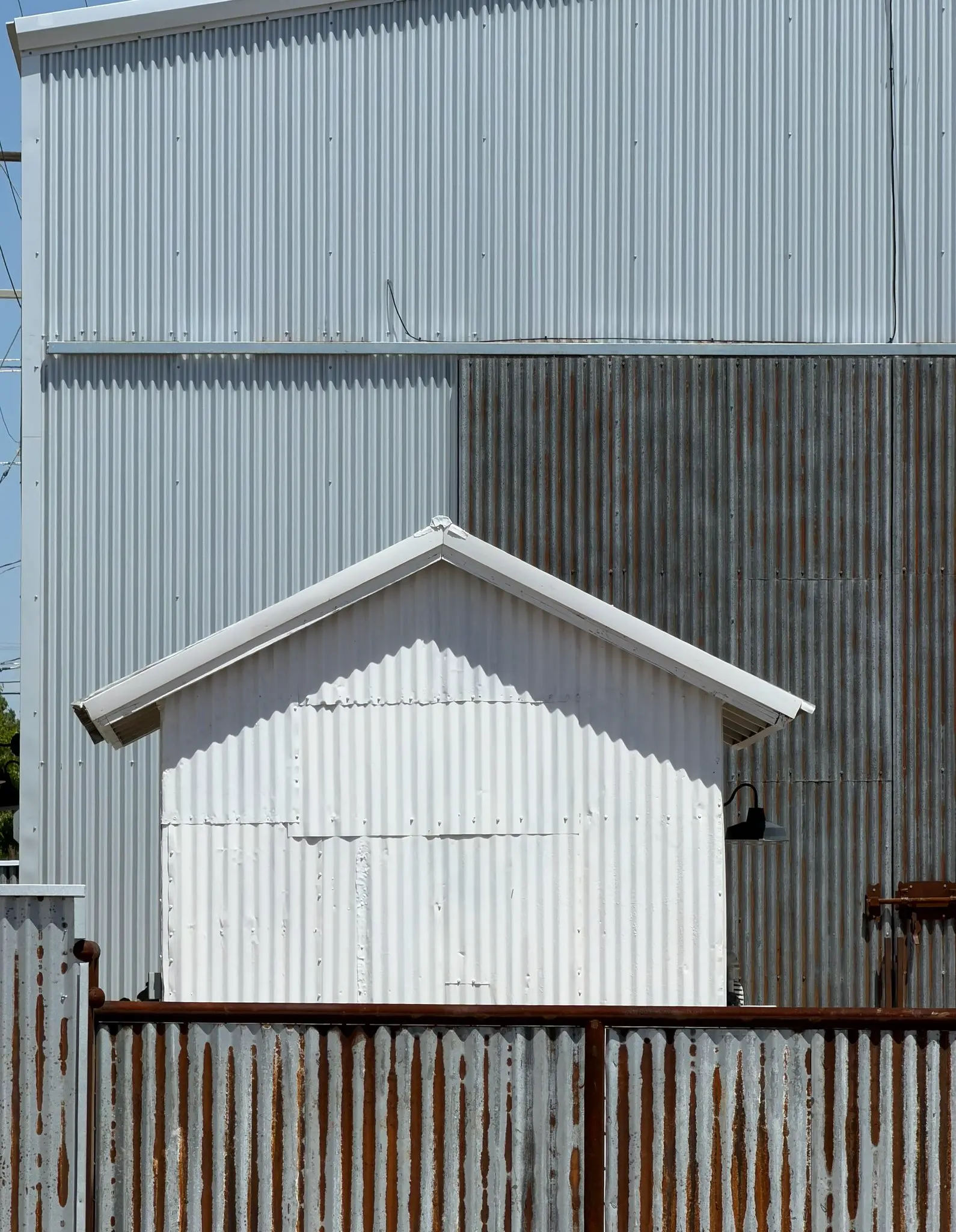
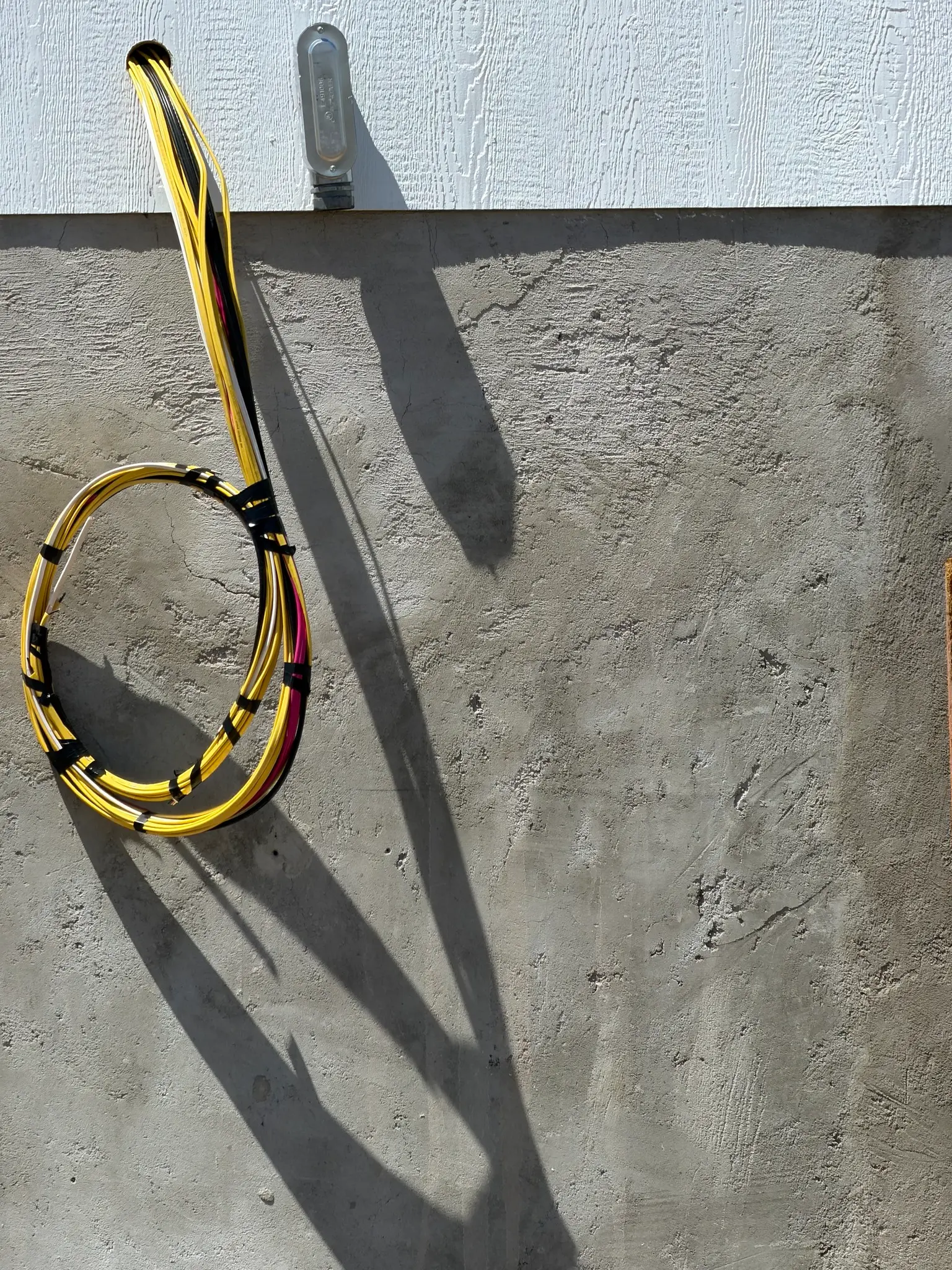
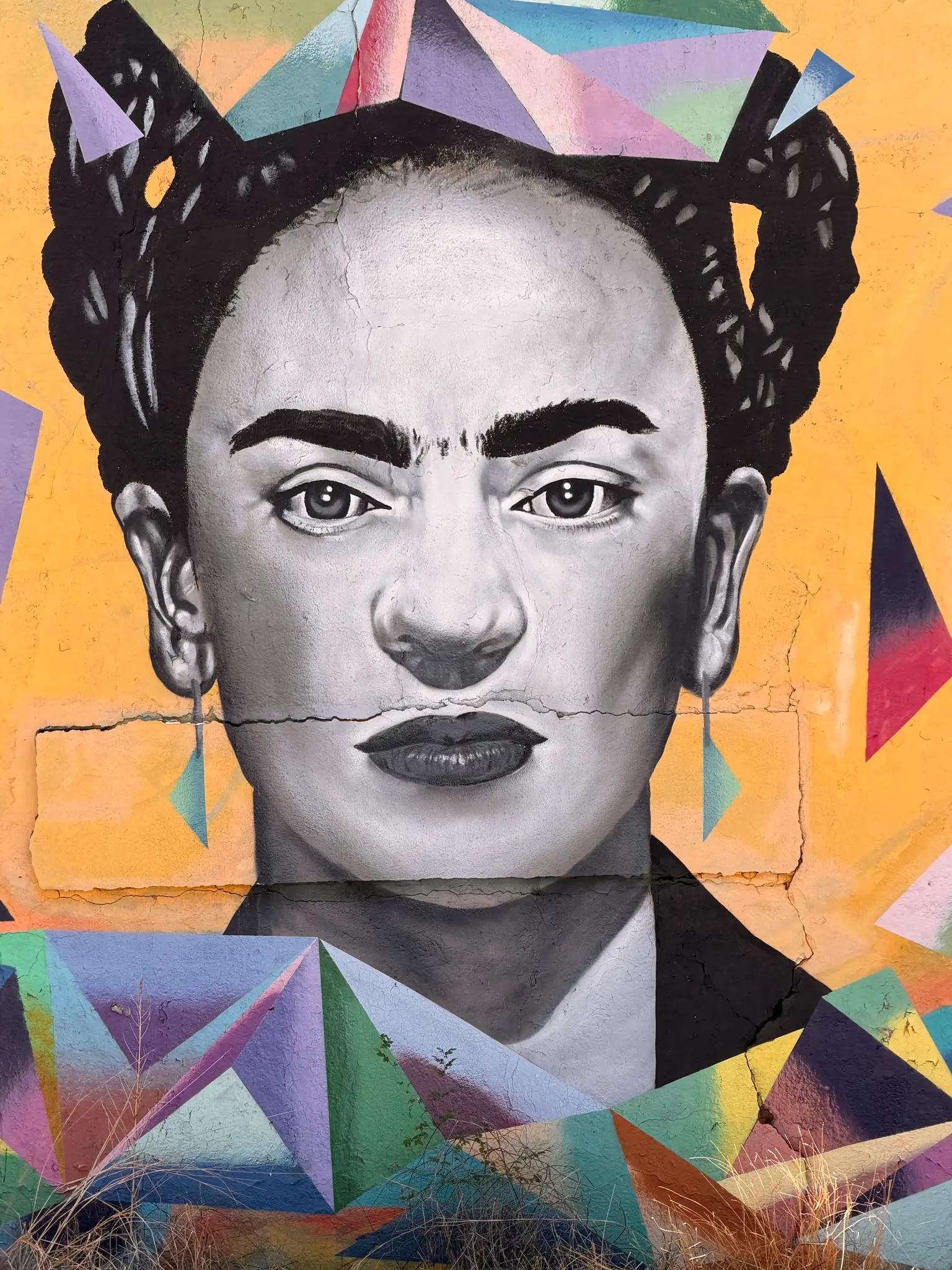
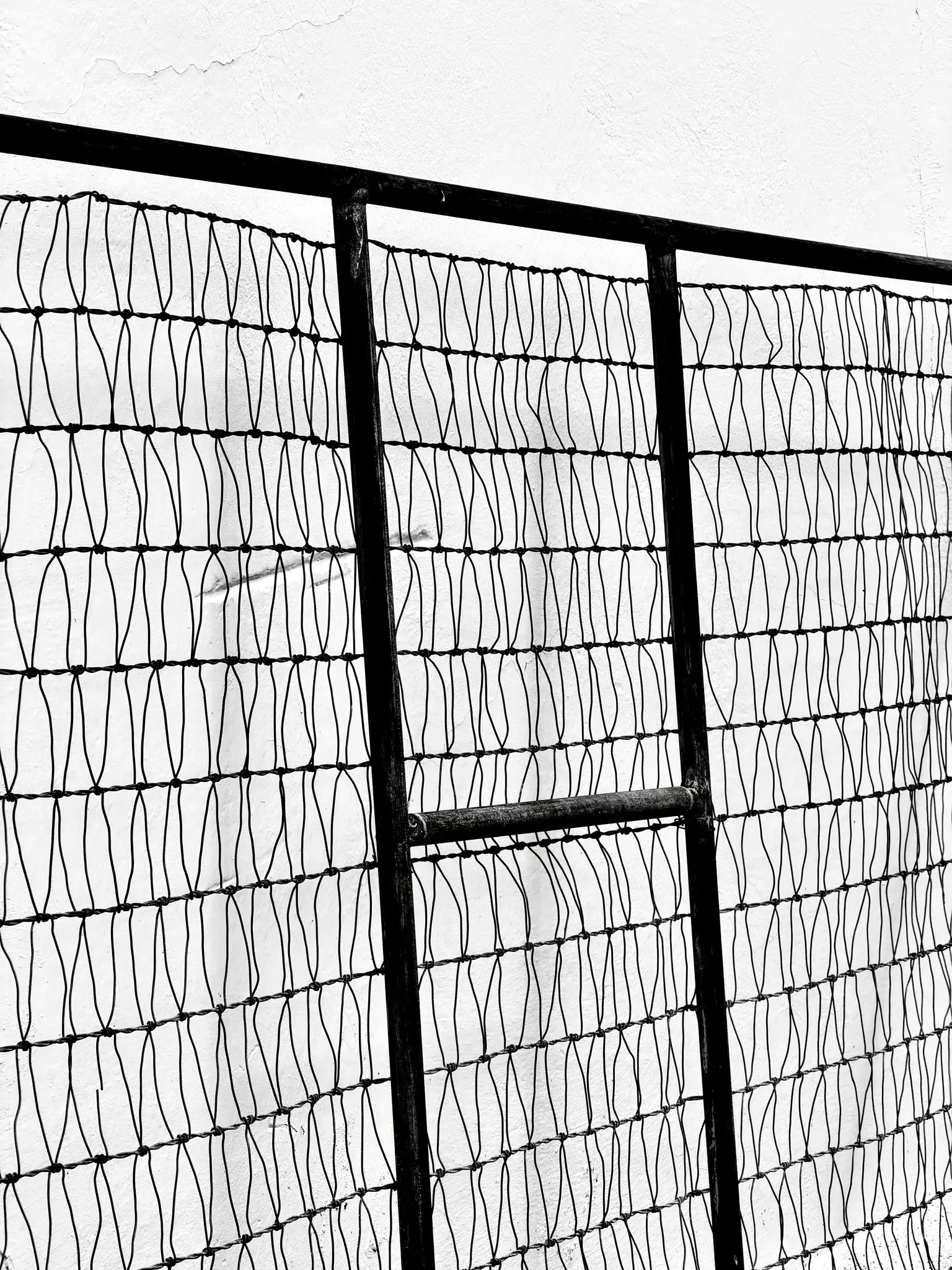
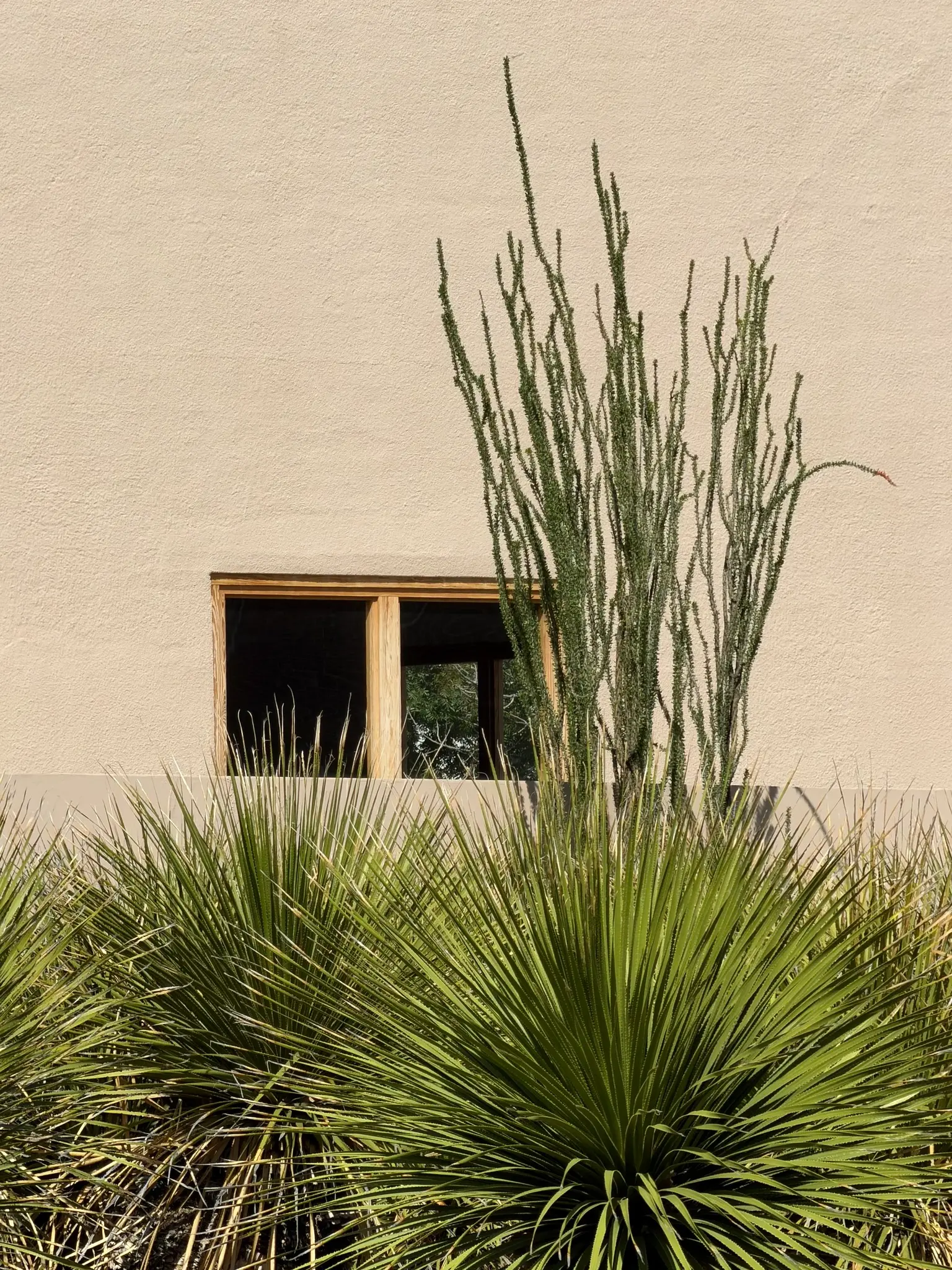
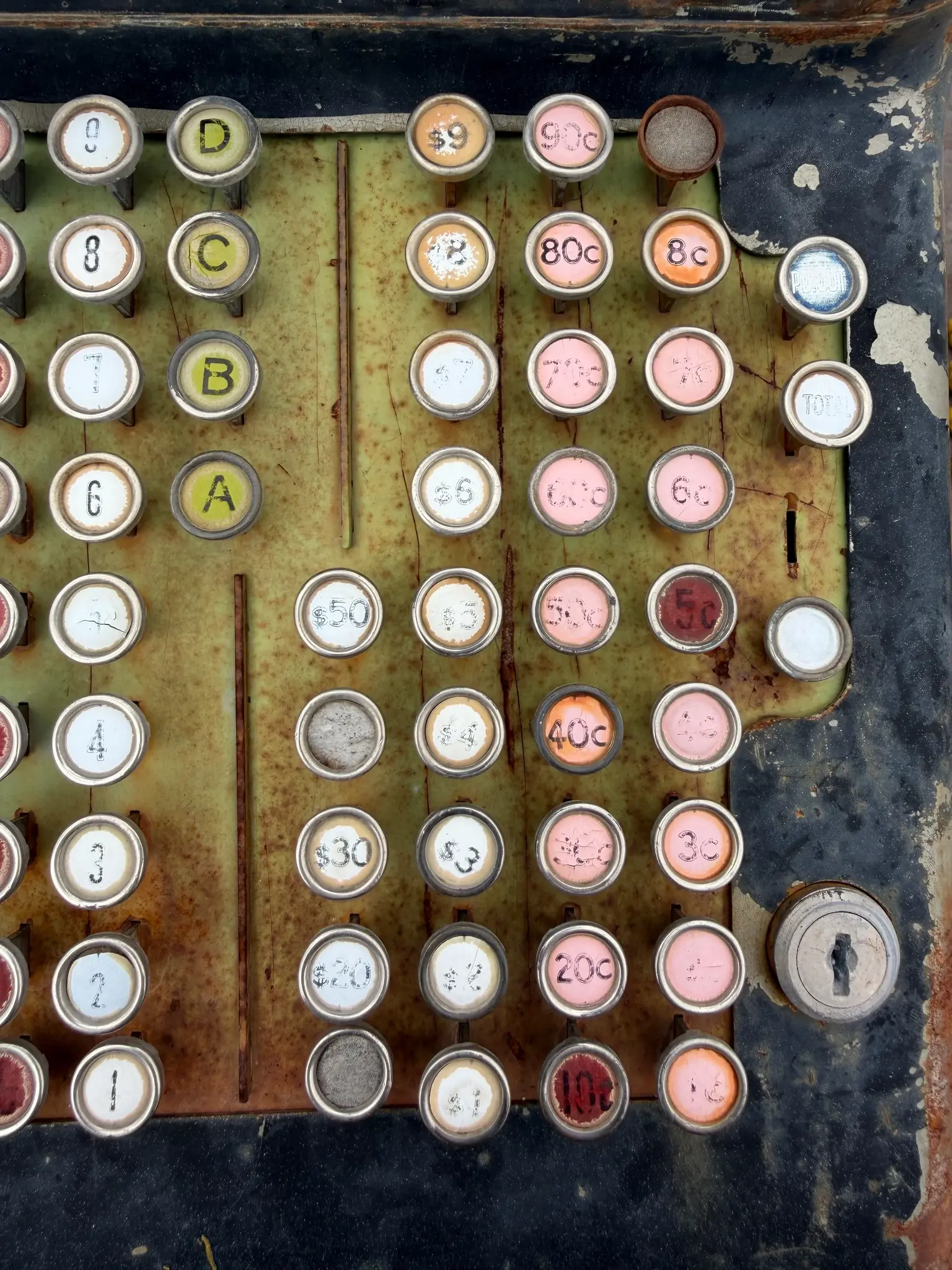
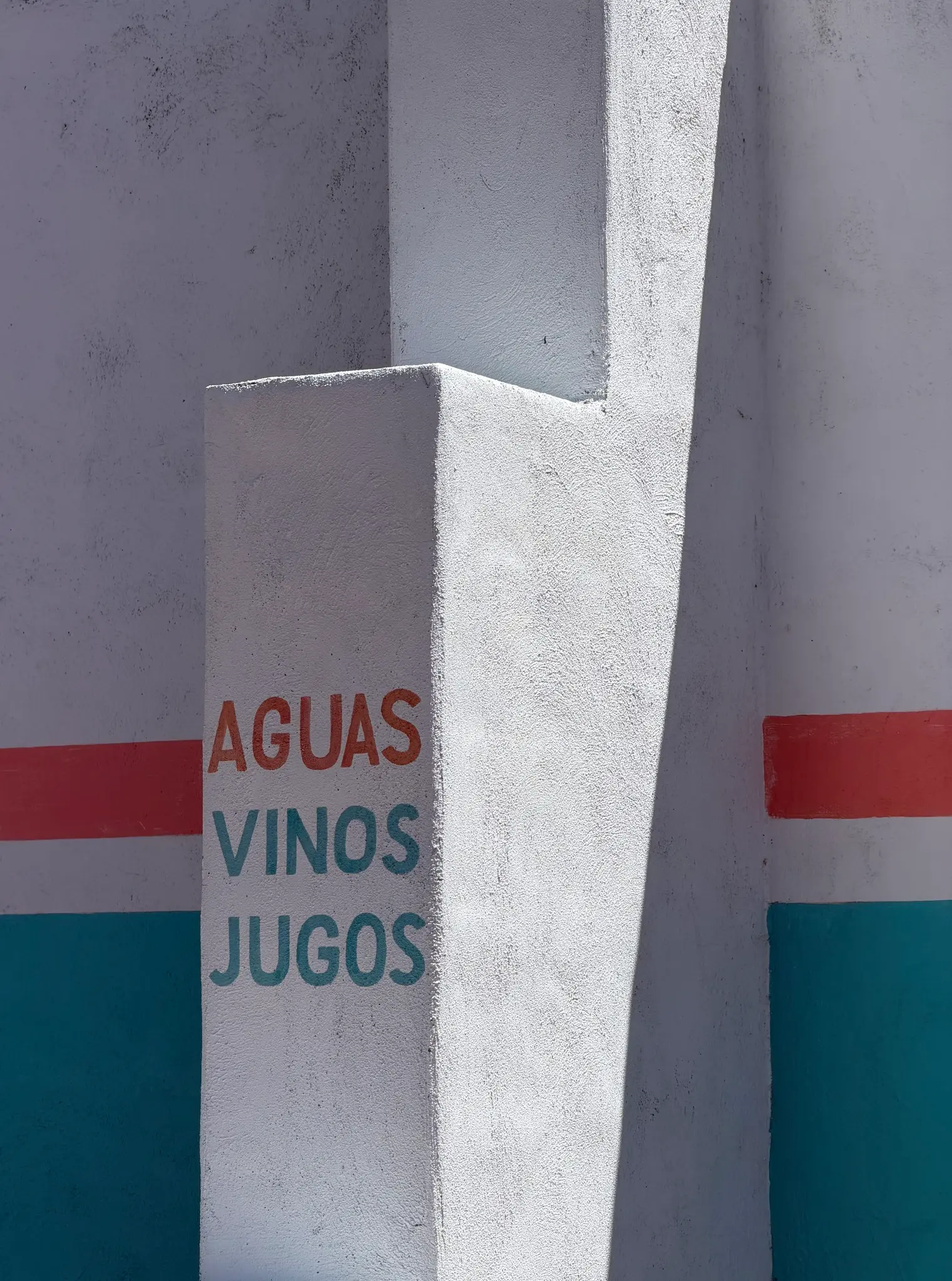
And that’s really what these Marfa photographs are about.
Almost nothing.
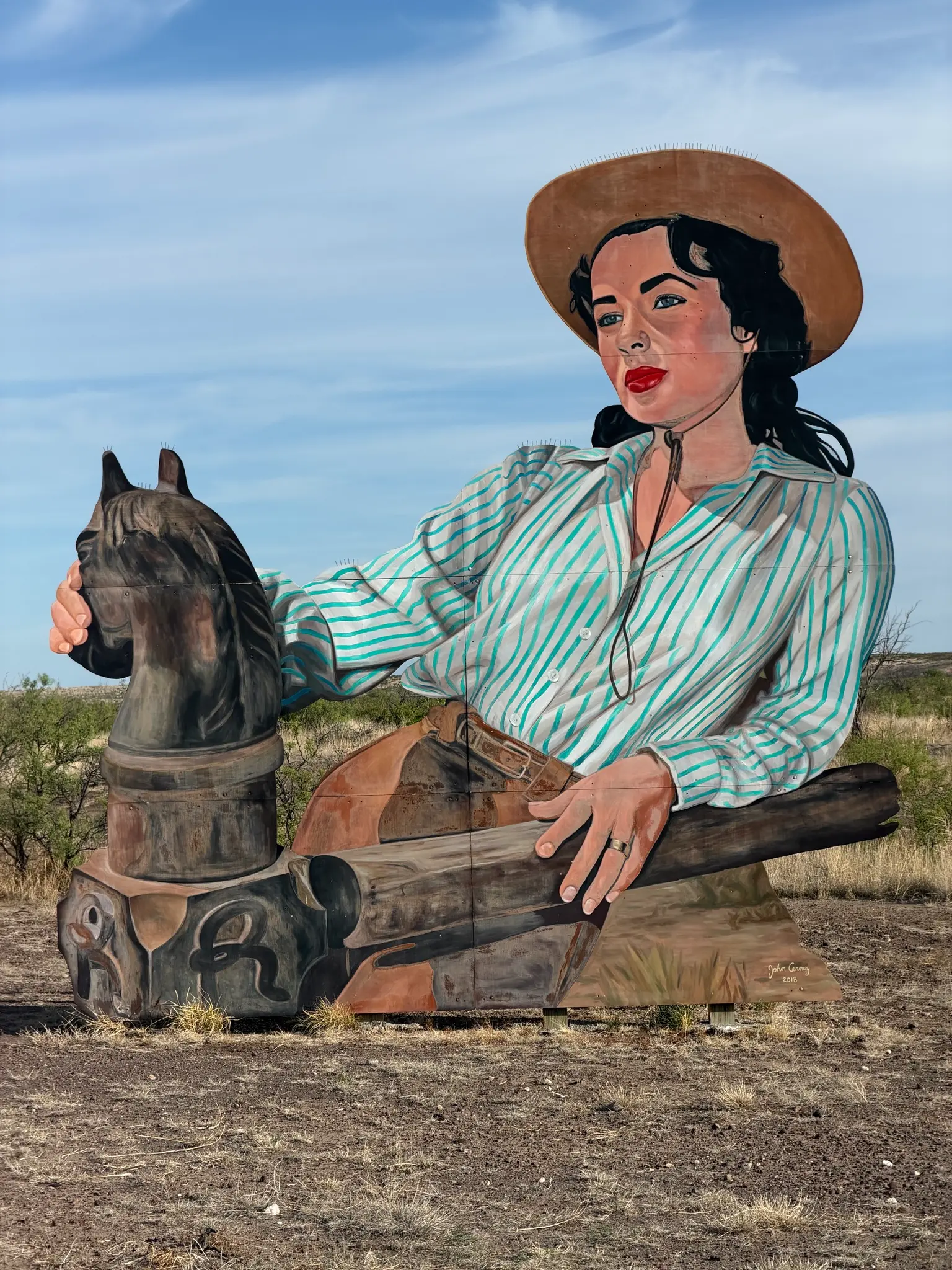
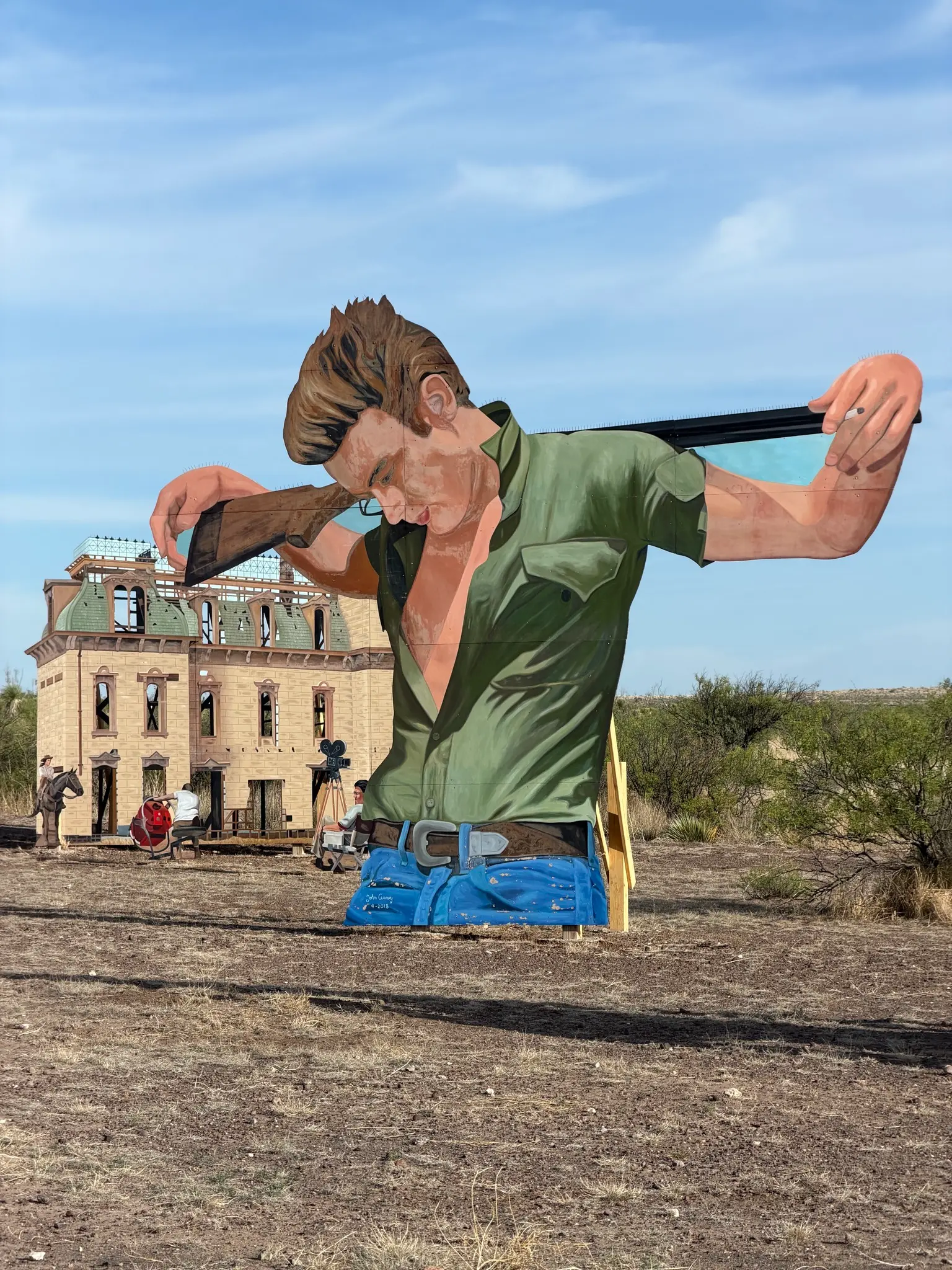
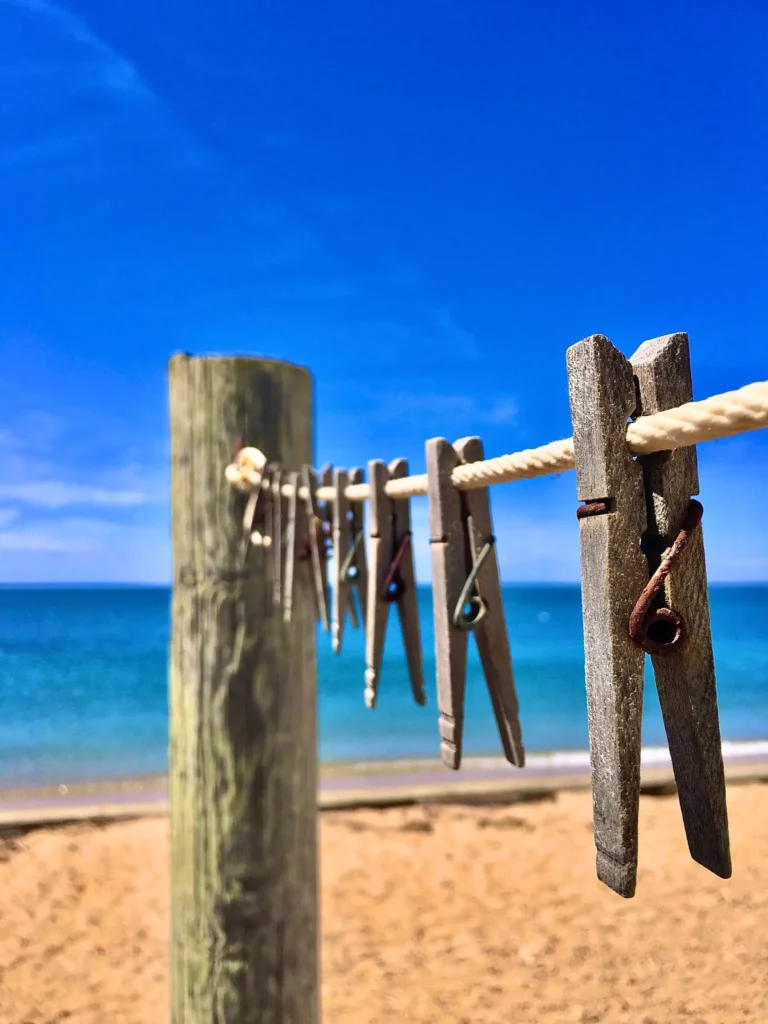
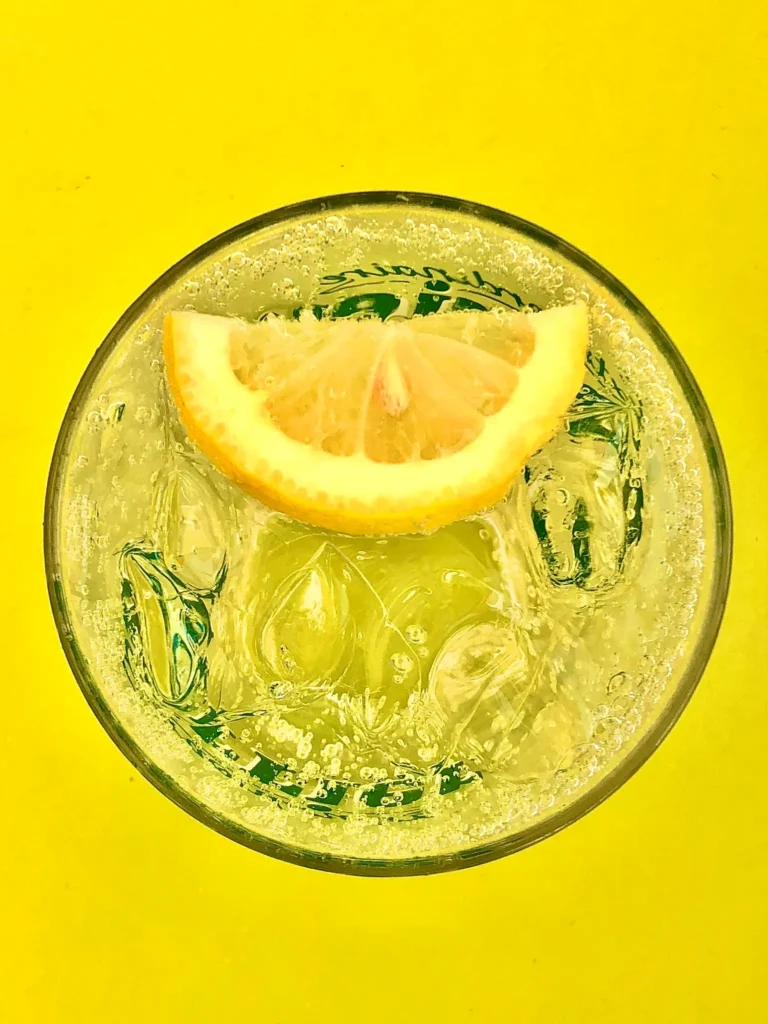
I’m going to show twenty-plus photographs that many people will likely glance at and think, “That’s it?” No dramatic sunset exploding over mountains. No cowboy galloping through dust. No sweeping national park vista with orchestral movie-trailer energy. Just restrained compositions built around shape, light, color, balance, tension, and negative space.
Almost nothing.
But I’ve come to believe that “almost nothing” is often where photography becomes most honest.
Minimal photographs don’t hand you emotional instructions. They don’t scream. They don’t beg for applause. They simply sit there quietly and ask whether you’re patient enough to actually look. That’s harder than it sounds. Most people don’t really look anymore. They consume images the way people shovel popcorn into their mouths during a Marvel movie. Fast. Disposable. Forgettable.
Marfa slows that process down for me.
Or maybe age does.
At seventy-two, I increasingly find myself pulling away from excess altogether. Excess noise. Excess gear. Excess opinions. Excess certainty. Excess performance. I spent decades photographing giant productions, complicated assignments, expensive shoots, crews, assistants, lighting setups, stylists, schedules, expectations, pressure. It was exciting. Sometimes exhilarating. Sometimes exhausting.
Now I’m just as happy photographing one quiet wall with my iPhone.
Maybe happier.
That probably sounds ridiculous to certain photographers. Fair enough. But I’ve learned that simplicity is not photographic laziness. Simplicity is discipline. Anybody can overcrowd a frame. Anybody can point a camera at visual chaos and hope energy magically appears. Minimalism requires confidence. It requires resisting the urge to over-explain. It trusts that mood, silence, shape, and space are enough.
Marfa reminds me of that every single time I pass through.
Not because the town is magical.
Not because the desert contains hidden spiritual frequencies.
Not because mysterious lights are summoning higher consciousness from another dimension.
But because silence, space, and simplicity still matter.
And in a world addicted to more, sometimes almost nothing feels like a damn revelation.
Click.
Jack.