How Smartphones and Dedicated Cameras Are Steering Different Photographic Futures
There’s a quiet migration happening in photography—not of people, but of attention. A shift in what we point our cameras at. And if you haven’t noticed, it might be because you’ve been too busy looking through your own lens to see how the rest of the world is aiming theirs.
We live in a split-screen era of photography. On one side, we’ve got smartphones—ubiquitous, ever-ready, snapping away at life in real time. On the other, handwe’ve got DSLRs and mirrorless cameras— intentional, high-performing, and wielded with purpose by a much smaller population.
These two photographic tools aren’t just different in form. They’re different in function. And more importantly, they’re beginning to define completely different kinds of photography.
What Smartphone Shooters Aim At Most
Let’s start with the top 10 most common things smartphone users photograph:
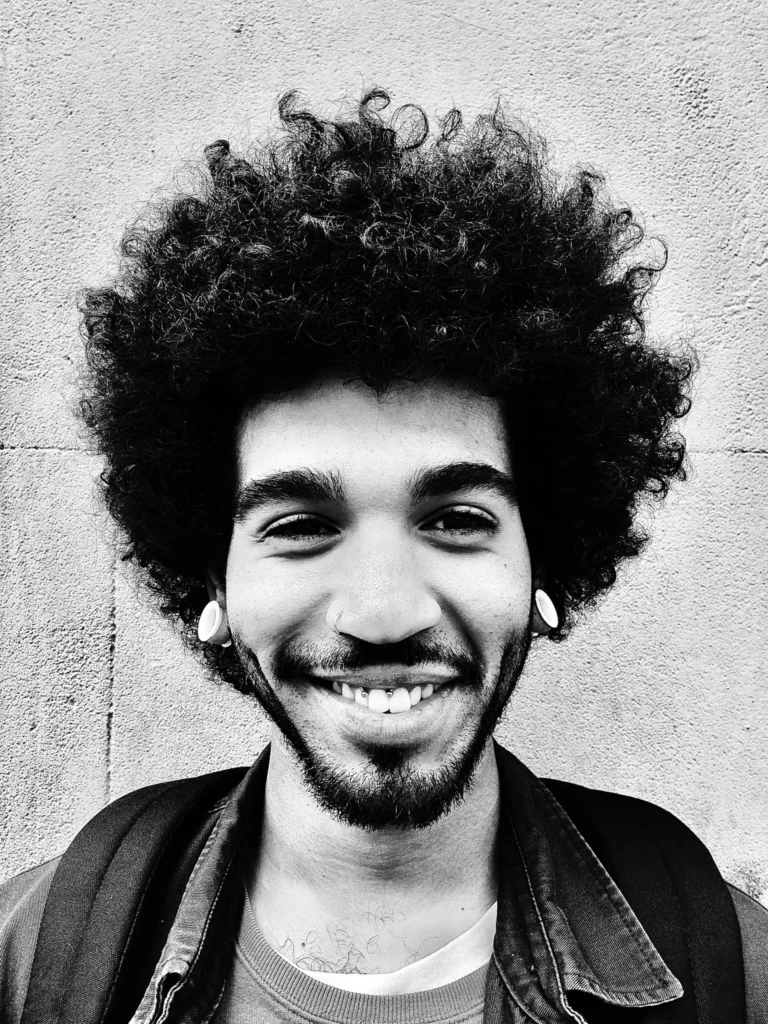
- Selfies
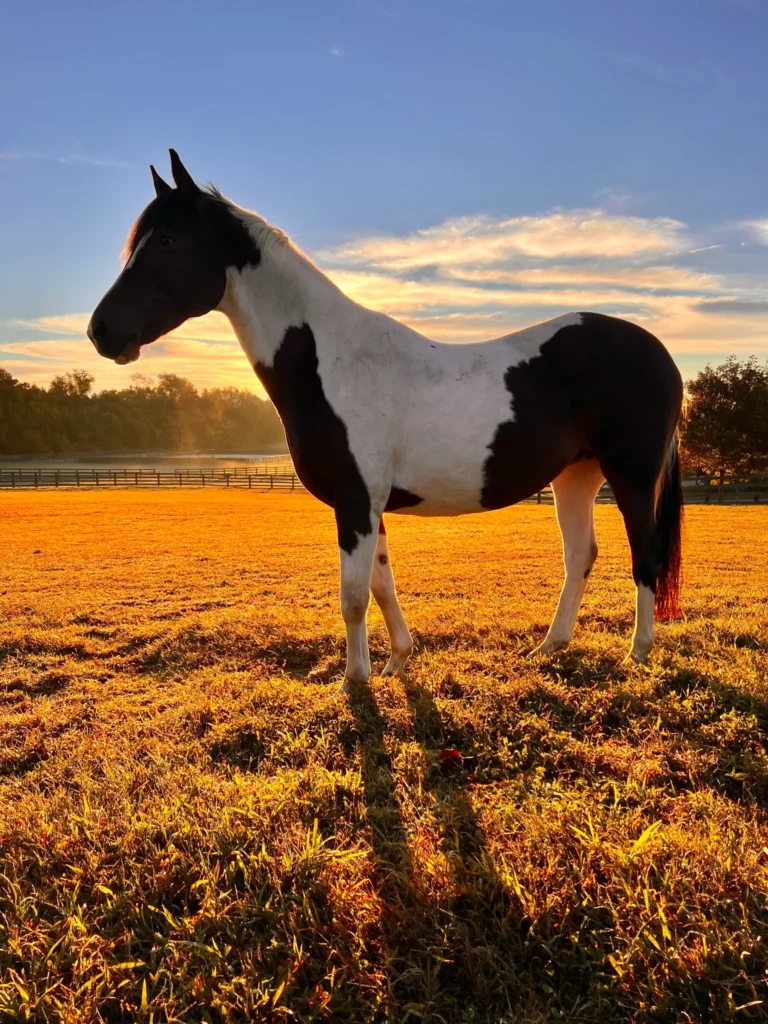
- Pets
- Food
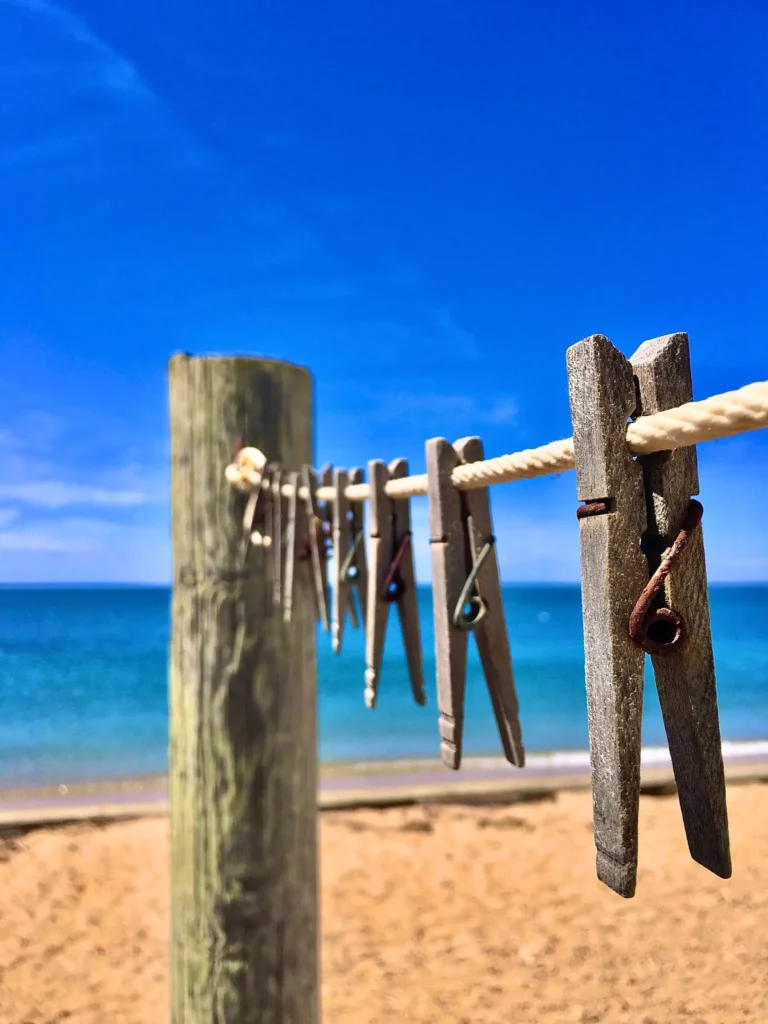
- Landscapes and scenic views
- Events (birthdays, weddings, get-togethers)
- Daily routines (coffee, commutes, errands)
- Travel snapshots
- Urban textures and patterns
- Family members and kids
- Moments of spontaneity (street shots, humor, quirks)
This list says a lot. It tells us that smartphones are about presence, about immediacy. They’re tools for storytelling in the here and now. They capture life as it’s happening, often without pause or pretense. The subjects are mostly personal, cultural, familiar. They reflect how we live, not just what we see.
What DSLR and Mirrorless Shooters Tend to Focus On
Now, contrast that with the subjects most commonly pursued with DSLRs or mirrorless gear:
- Landscapes with dramatic light and dynamic range
- Portraiture (studio or environmental)
- Wildlife and action sports
- Astrophotography
- Fashion or editorial work
- Macro (insects, flowers, textures)
- Architectural photography
- Product photography or still life setups
- Documentary/street work with deliberate framing
- Client or commercial assignments
See the difference? There’s more planning. More control. More gear. More investment—of time, skill, energy, and money. These shooters aren’t reacting to life in the moment. They’re often staging, waiting, refining. They’re chasing technical excellence just as much as emotional resonance.


What the Divide Tells Us
On one level, it’s clear: the tools we use push us toward certain subjects. The iPhone in your pocket encourages you to capture the now—your life, your people, your lunch, your walk. The big camera slung around your shoulder nudges you toward something more considered—big scenes, precise lighting, optimal framing.
One is a pencil sketch in a field notebook. The other is an oil painting in a studio.
But here’s where it gets more interesting: even though both tools are valid, over 90% of the world’s photos now come from smartphones. That’s not a fluke. That’s a transformation.
Where They Converge
There are certainly overlaps. Great light is still great light, no matter the gear. Emotional moments still resonate, regardless of megapixels. Composition, timing, and curiosity remain the beating heart of photography.
But it’s undeniable that each device is shaping a different philosophy of photography:
The smartphone is democratic, impulsive, reactive. The DSLR is deliberate, technical, curated.
And depending on who you are, one might feel more natural than the other. One might feel like play, the other like pressure. Or vice versa.
A Shift in Purpose
Smartphones have redefined why we take photos.
The question used to be: “How do I capture this scene well?”
Now the question is often: “How do I remember, share, or feel this moment again?”
Photos have become more than records. They’re emotional touchstones. Personal trophies. Pieces of our identity and routine.
Meanwhile, the purpose behind big-camera photography has remained tied more to excellence, exhibition, or execution—whether that’s gallery work, client delivery, or visual mastery.
What This Means for You
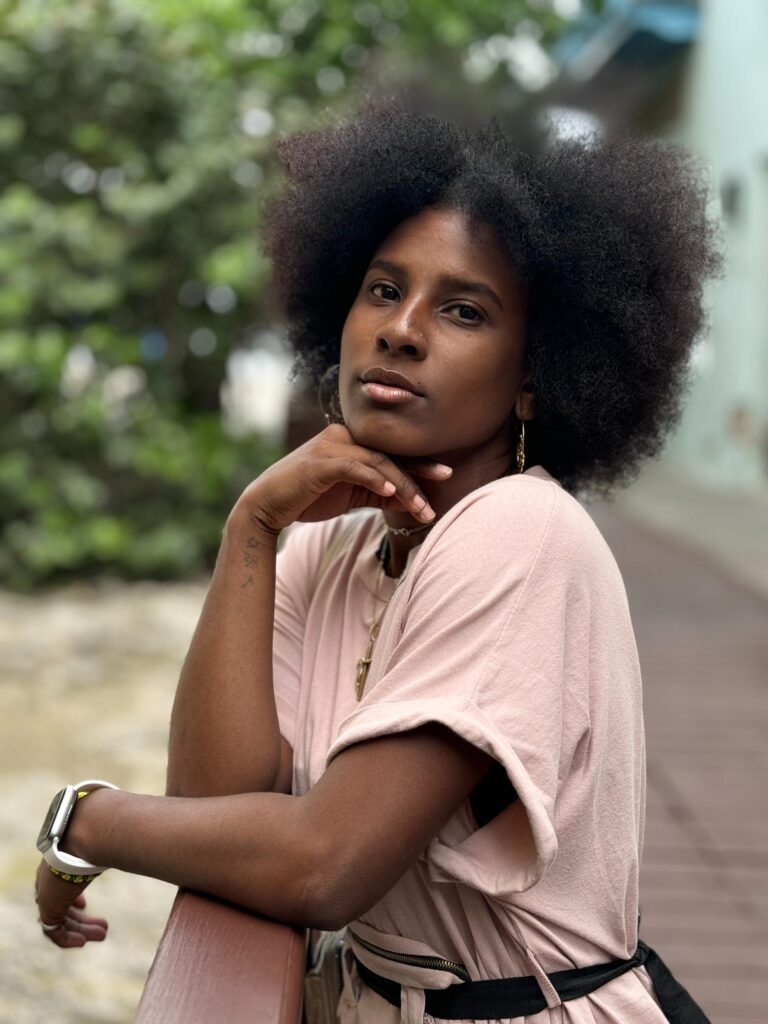
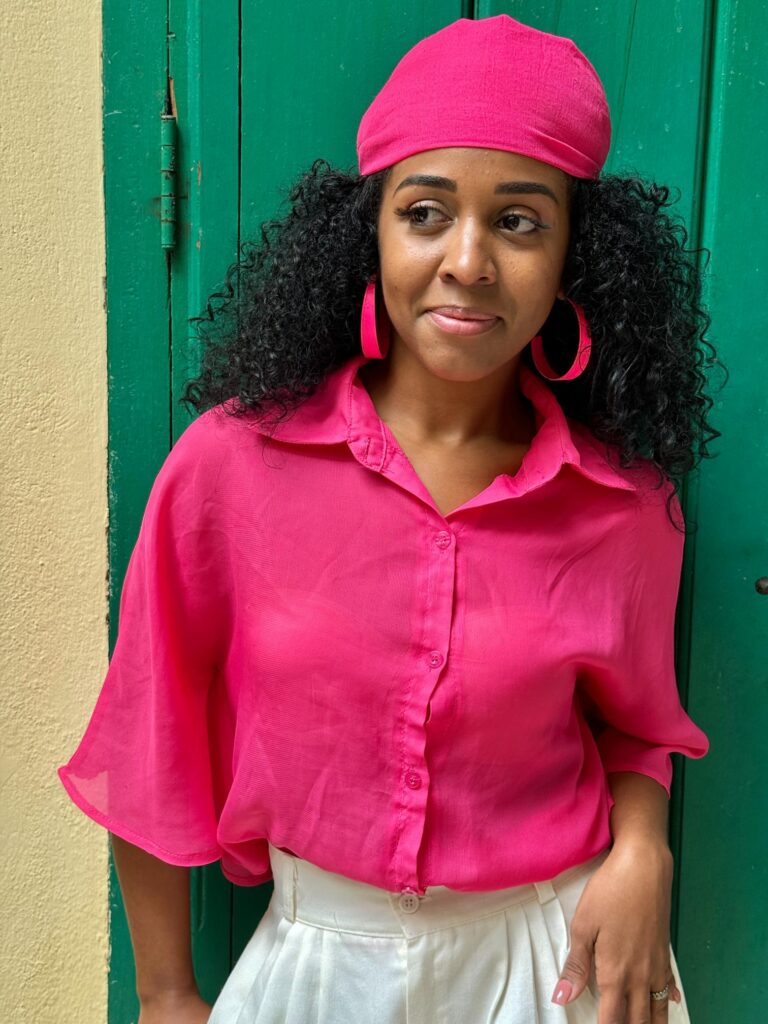
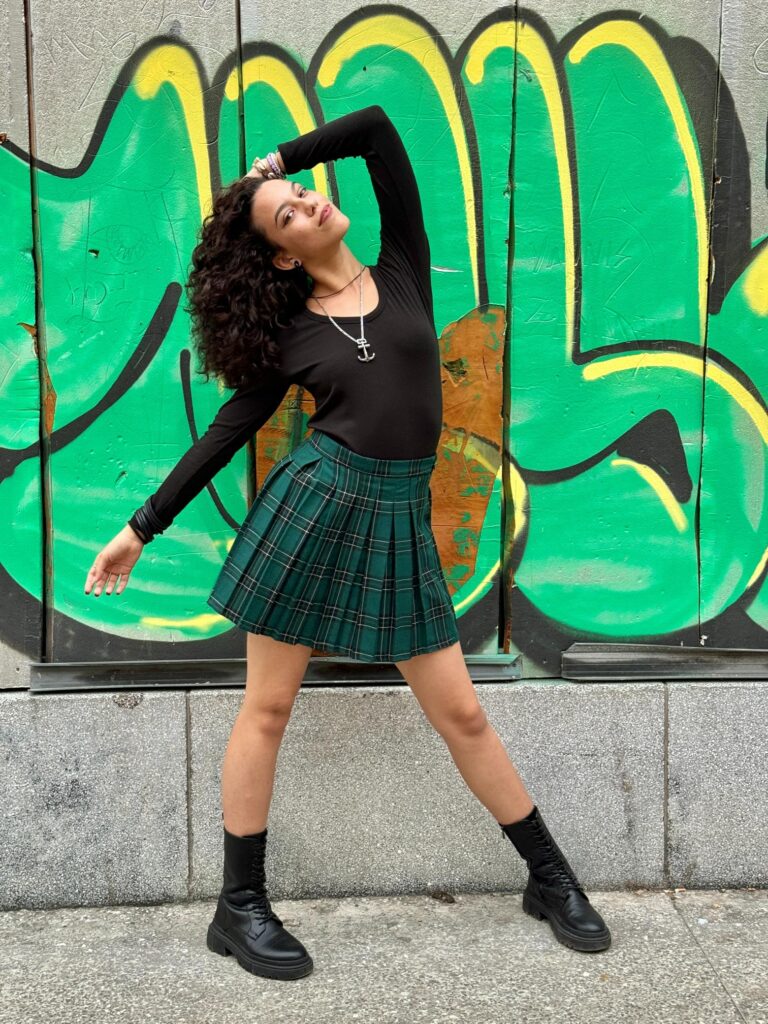
If you’re a smartphone shooter, embrace your instinctual, in-the-moment advantage. Your camera is always on, always with you. You don’t need to wait for the perfect light or assemble a lens lineup. The world is your studio, and your life is your subject.
But don’t confuse ease with lack of opportunity. Just because smartphone photography is convenient doesn’t mean it’s disposable. Quite the opposite—it demands intention. And it rewards those who treat it seriously.
If you’re a DSLR or mirrorless shooter, keep chasing precision. Honor your craft. But don’t overlook the charm and agility that mobile shooters enjoy. There’s value in spontaneity, even in your world of technique and settings.
The Future Is Not Either/Or
This isn’t a turf war.
Phones and big cameras don’t need to compete. They complement each other. They fill different roles. And they cater to different kinds of photographers.
You don’t have to pick sides. You only have to pick yourself. Your vision. Your path.
But understand this: the gap in subject matter will likely continue to grow. Why? Because the tools we choose define the way we see.
Your iPhone makes it easy to notice joy in a puddle or reflection on a storefront. A DSLR might help you capture the majesty of a waterfall in long exposure, or a bird mid-flight at 1/8000 shutter.
Each tool reveals different stories. Each story has a place.
My Take
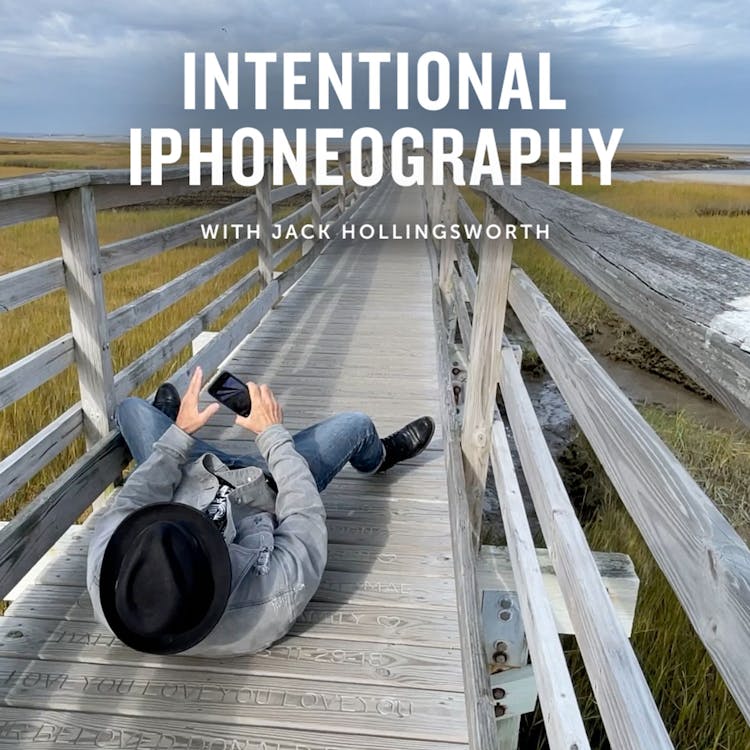
I lean toward iPhone photography not just because it’s easier—but because it’s freer. It unshackled me from decades of gear dependency. It gave me back my eye. It made photography fun again.
I don’t miss the neck strain, the 12-lens backpack, or the endless Lightroom tweaks. I like being light. I like being fast. I like reacting to the world as it is.
For me, photography is about seeing—and the iPhone is the fastest conduit between what I see and what I shoot.
So what does this shift in photographic focus mean?
It means we’re in the middle of a migration—not just of gear, but of mindset. From perfection to presence.
From setup to spontaneity. From the rare to the real.
Photography is no longer just about pointing your camera at the perfect thing. It’s about pointing your attention.
And for that, the best camera really is the one you have with you.
That’s not a cliché.
That’s a compass.
Click.
Jack.