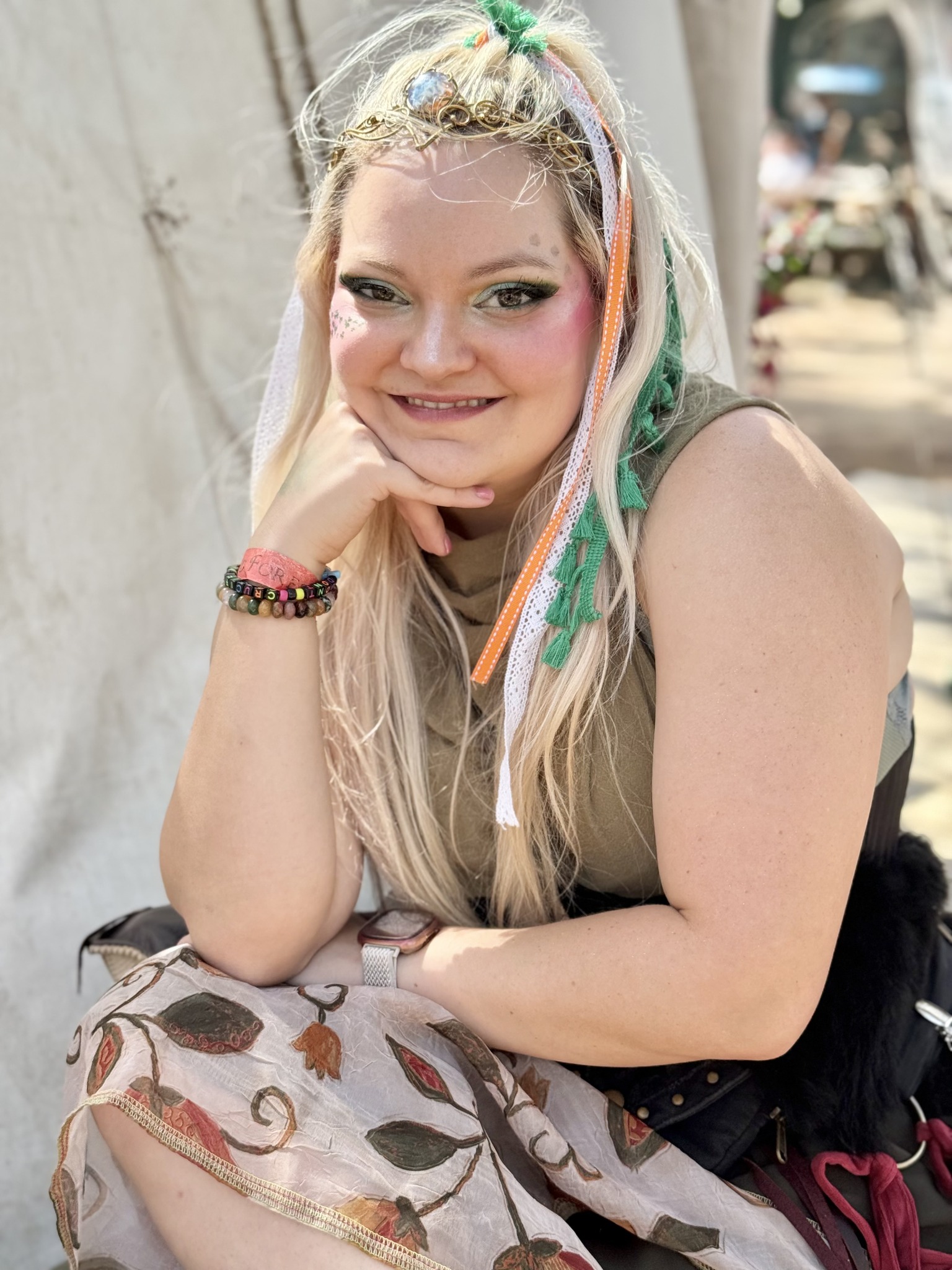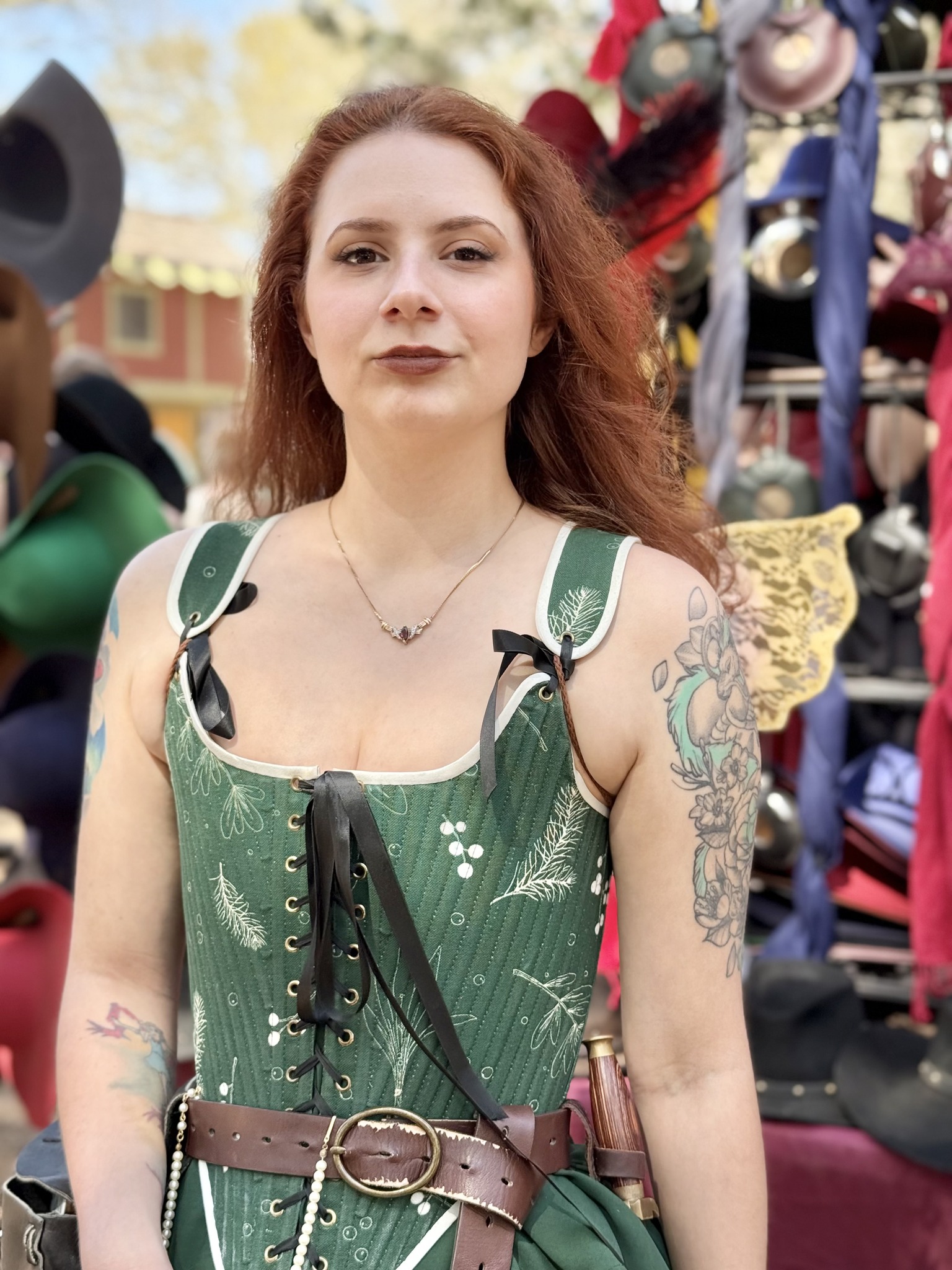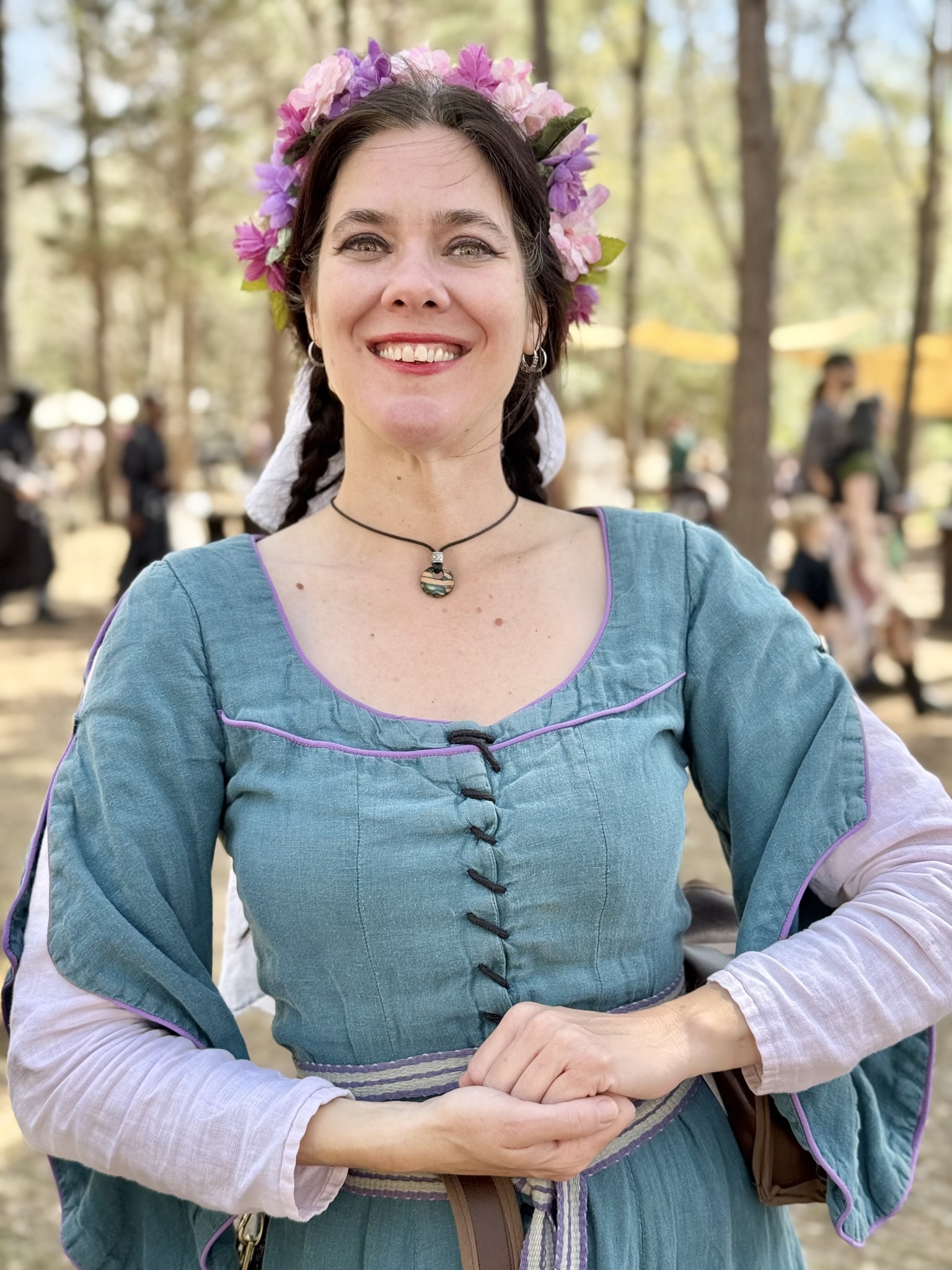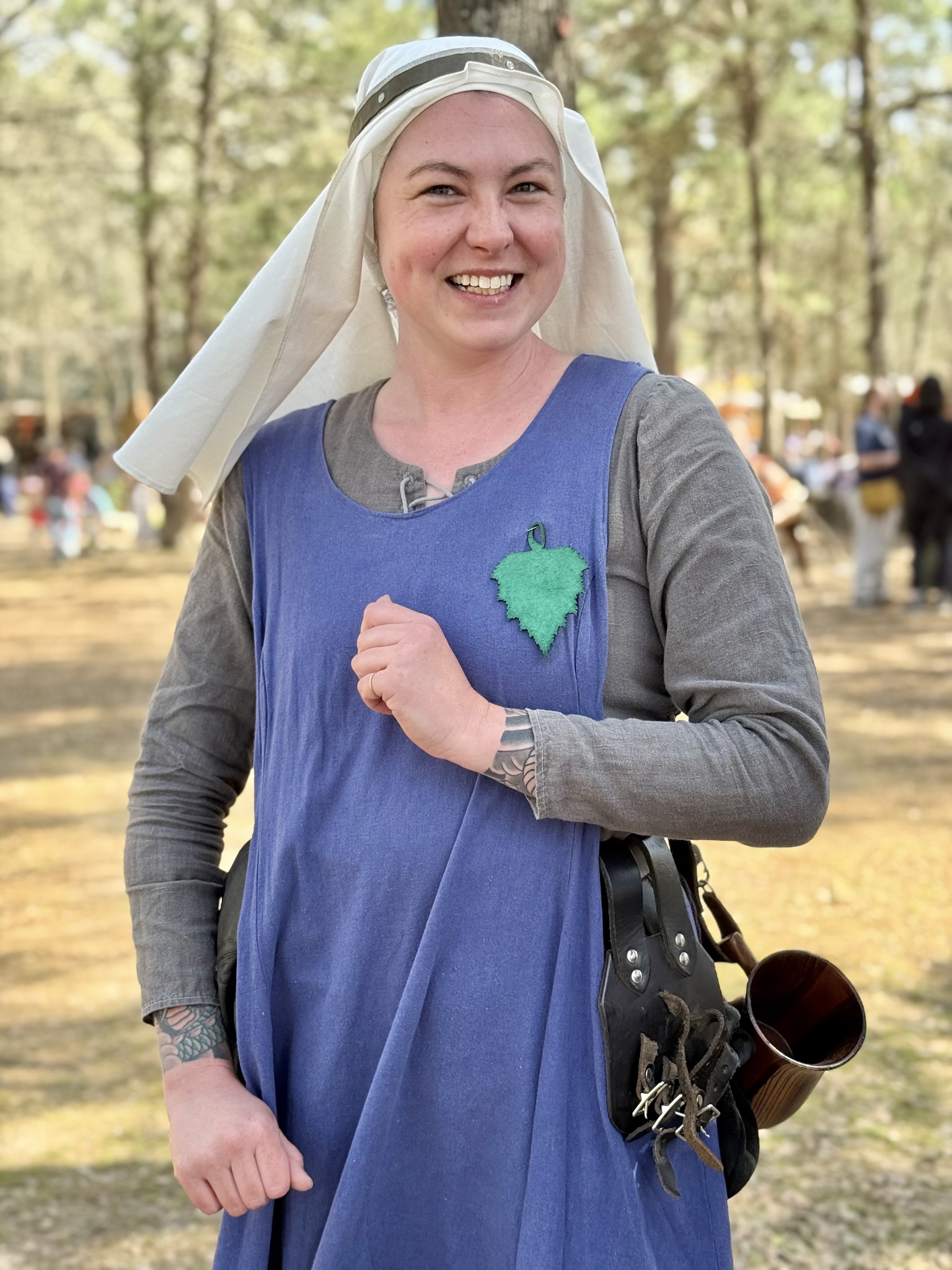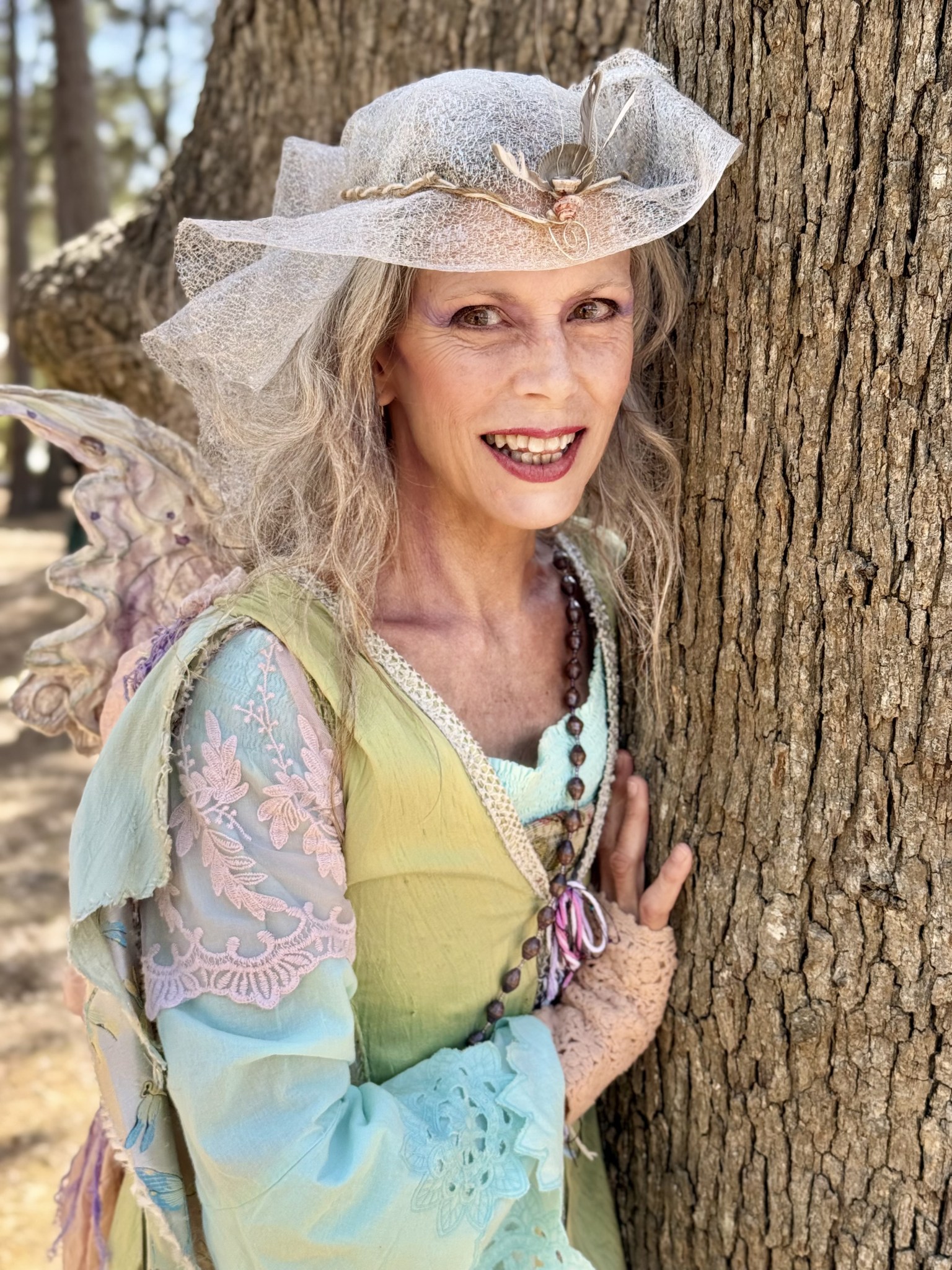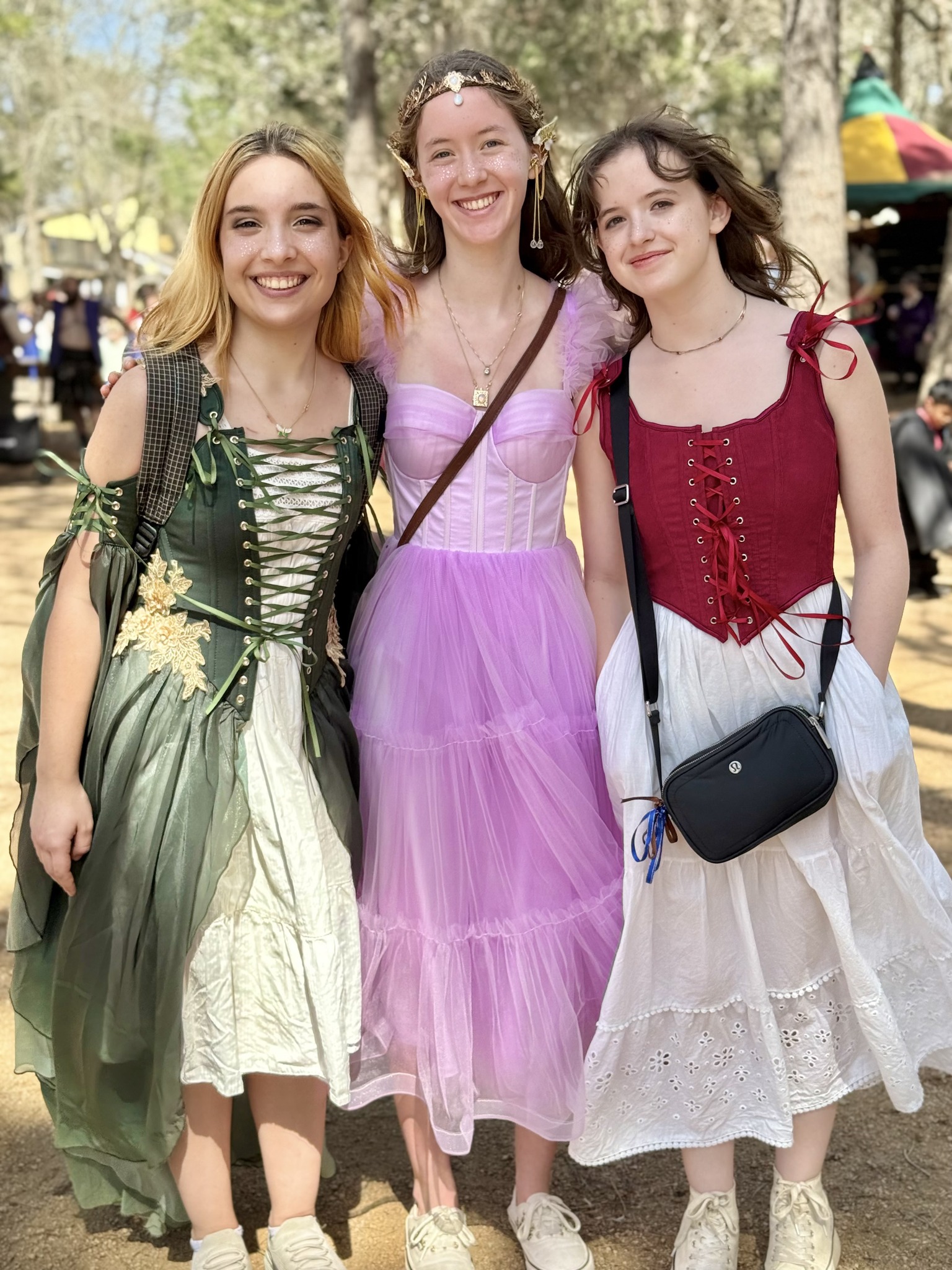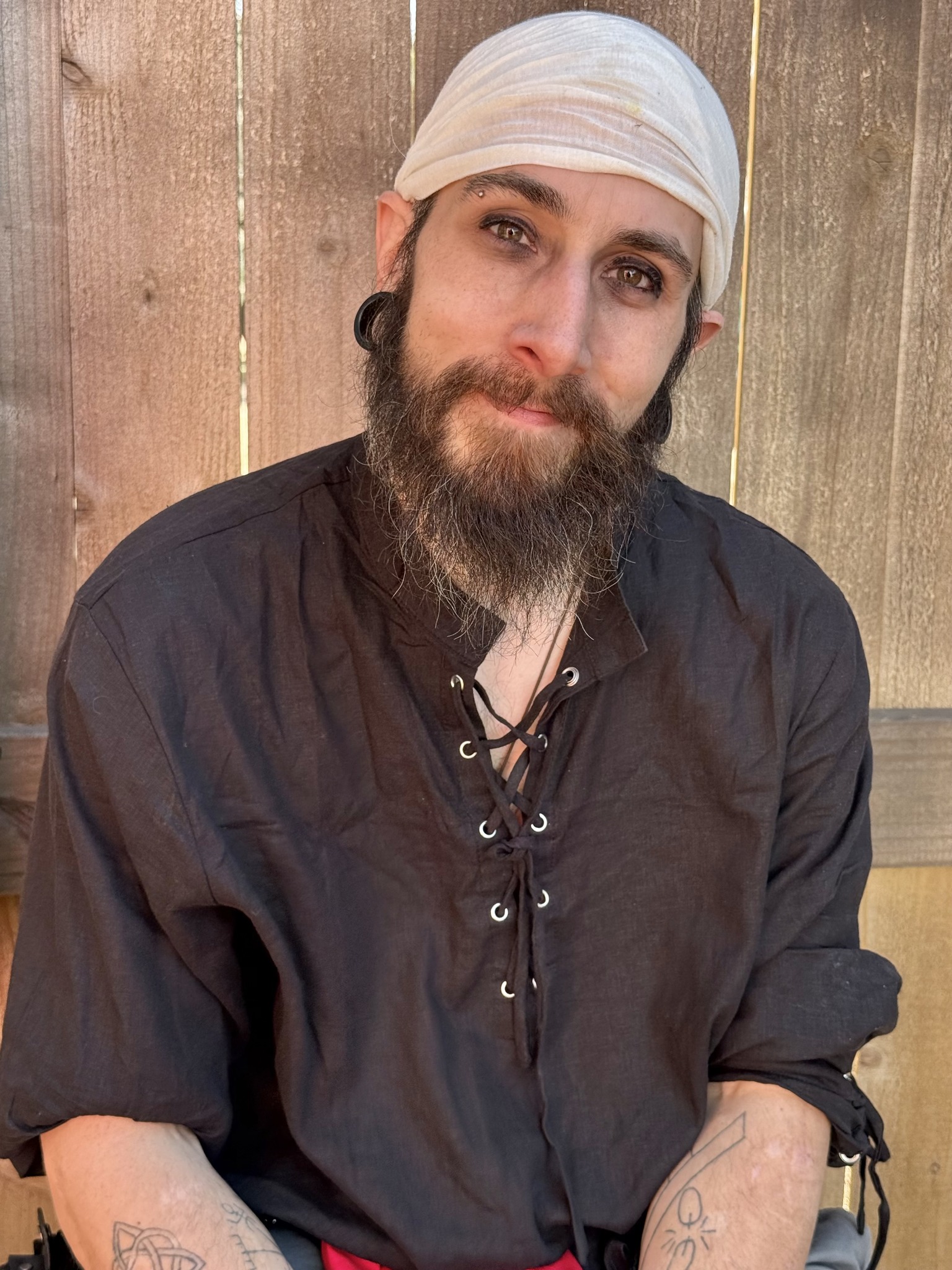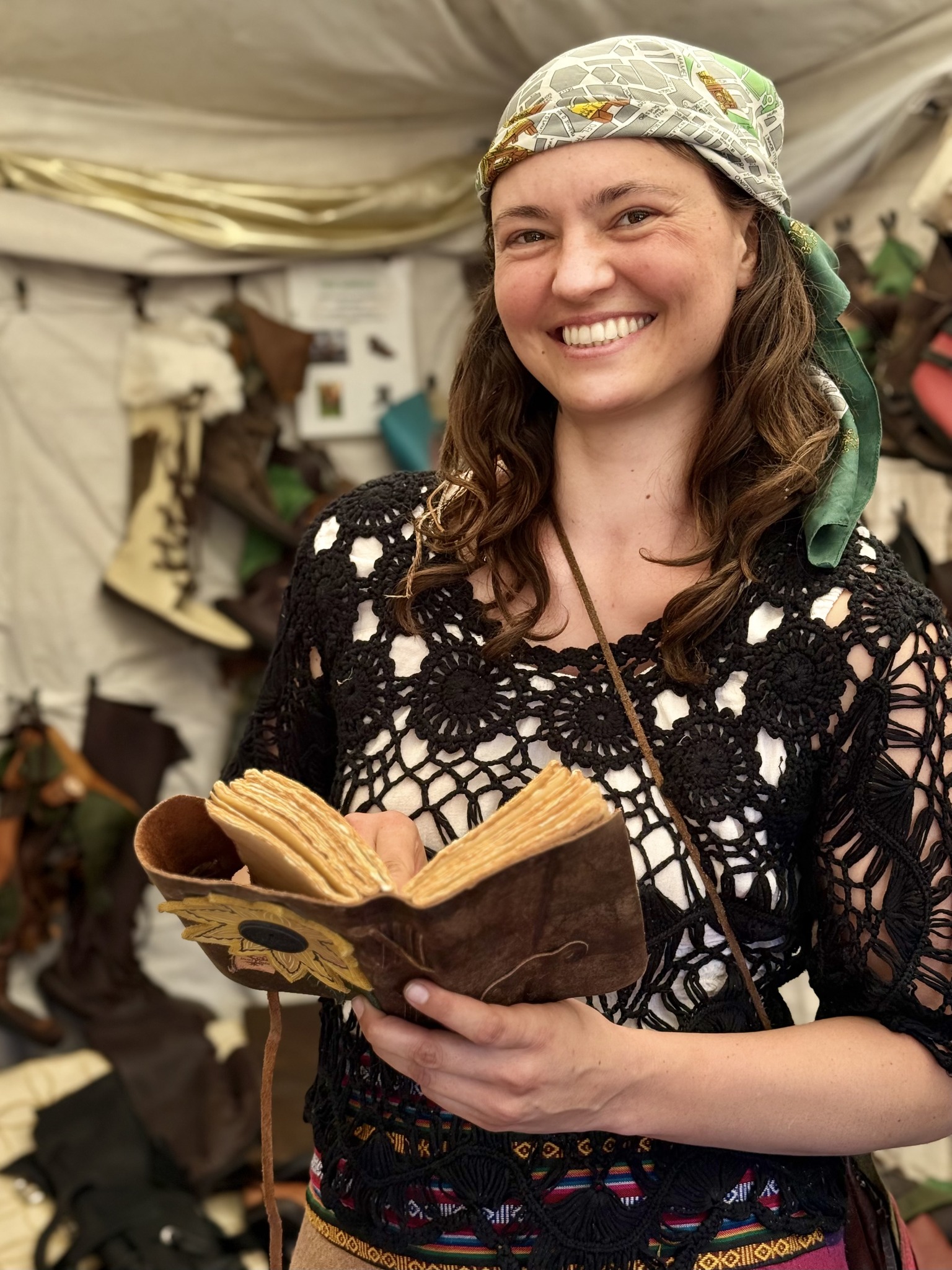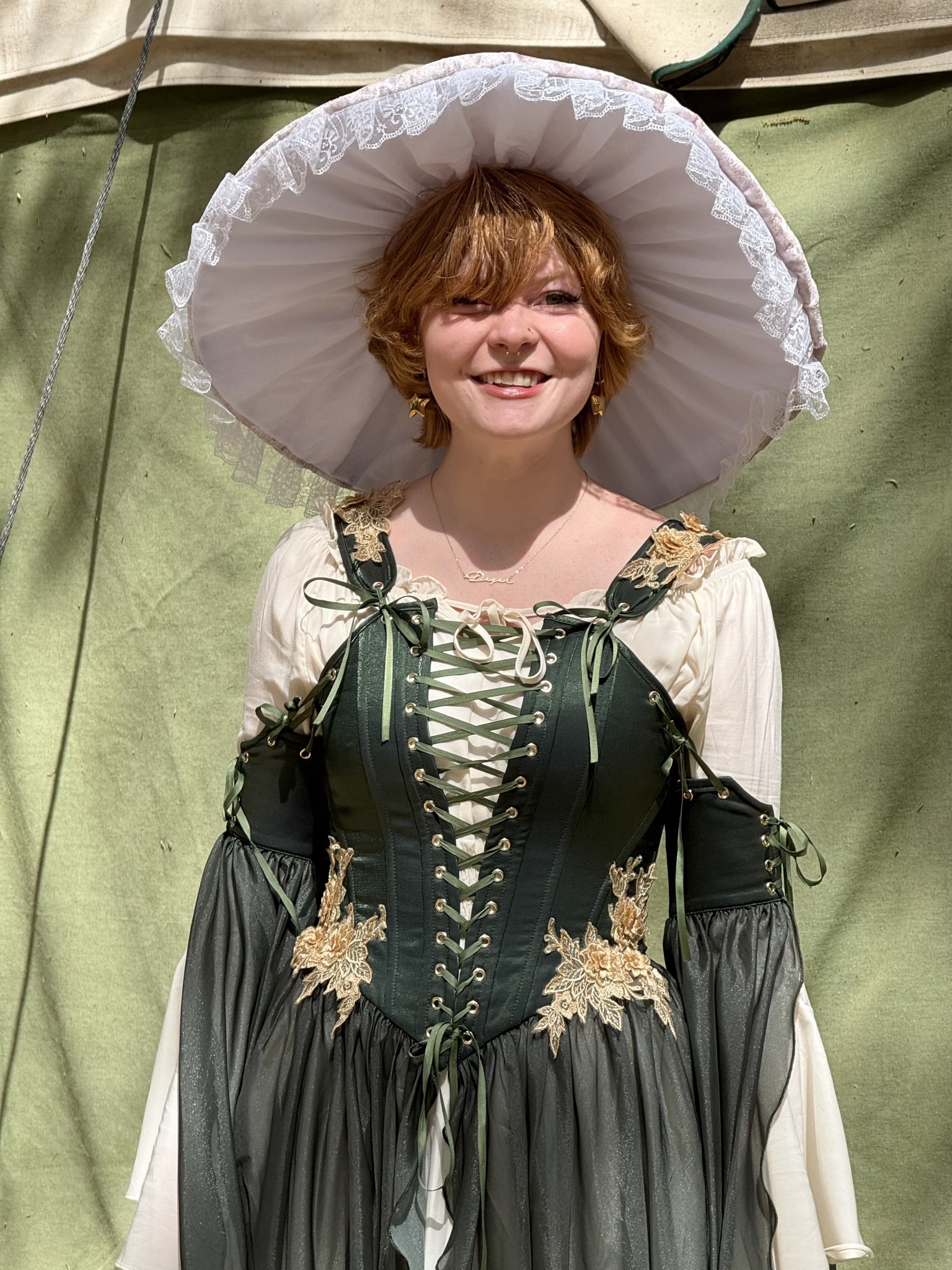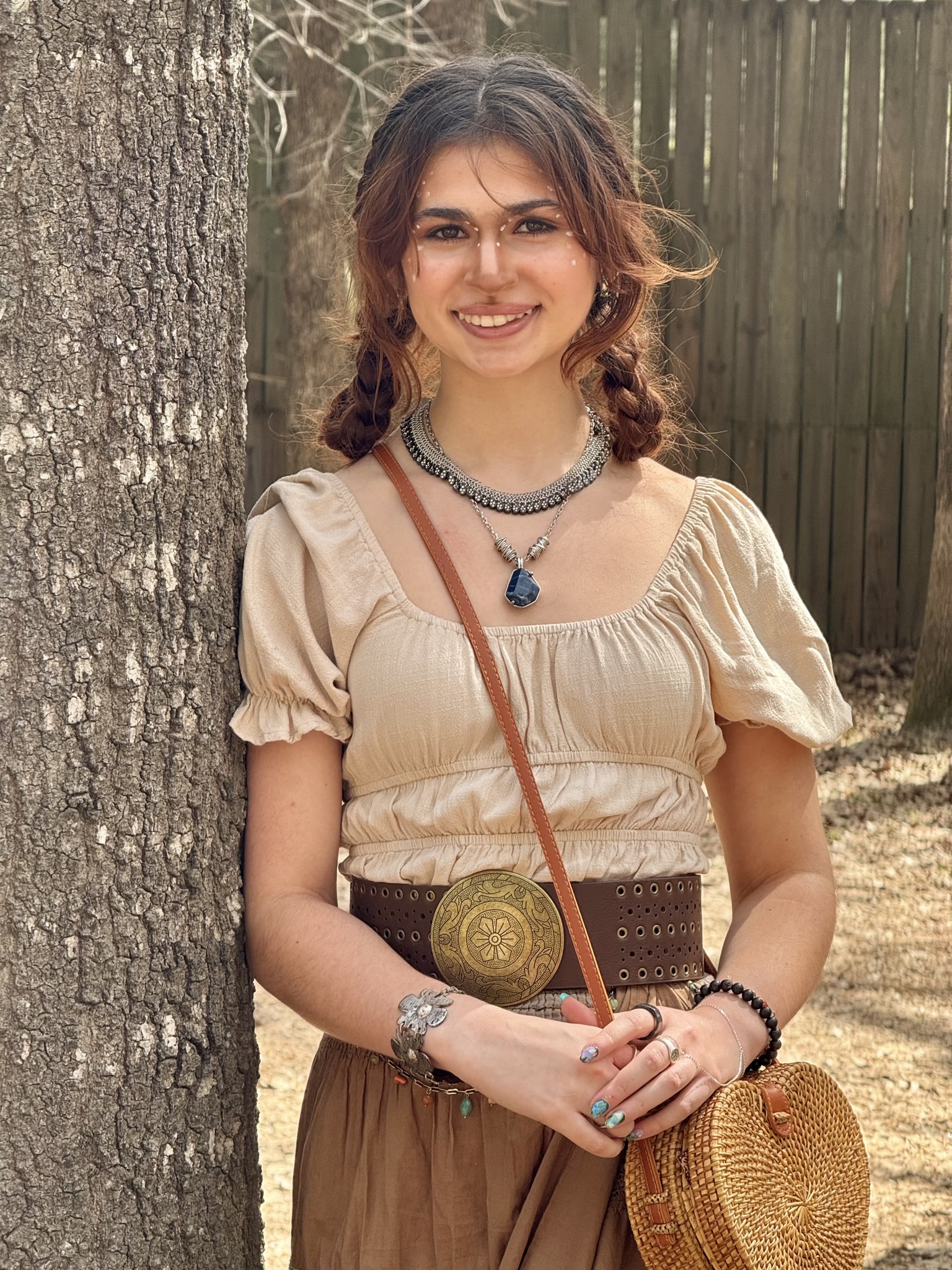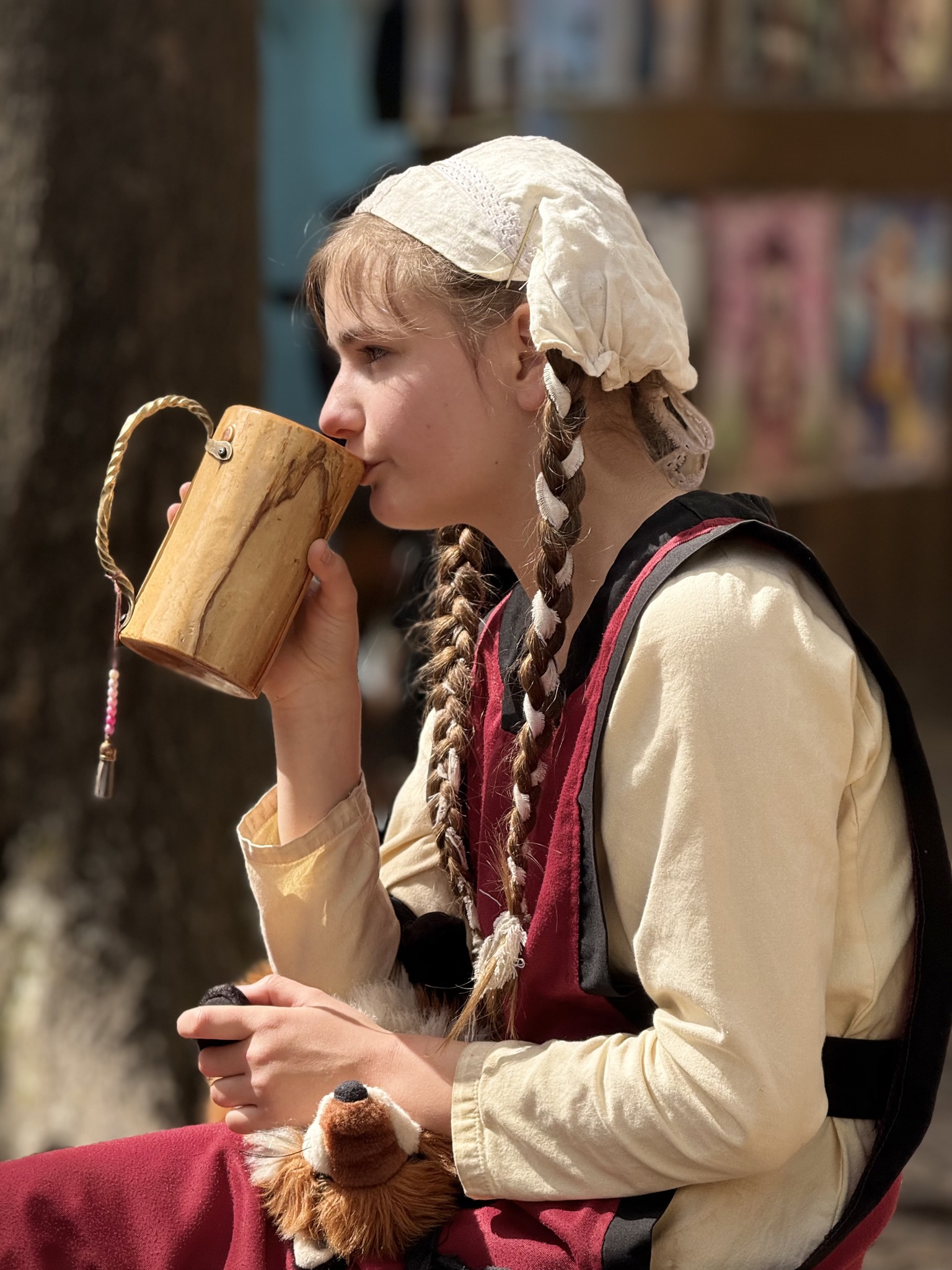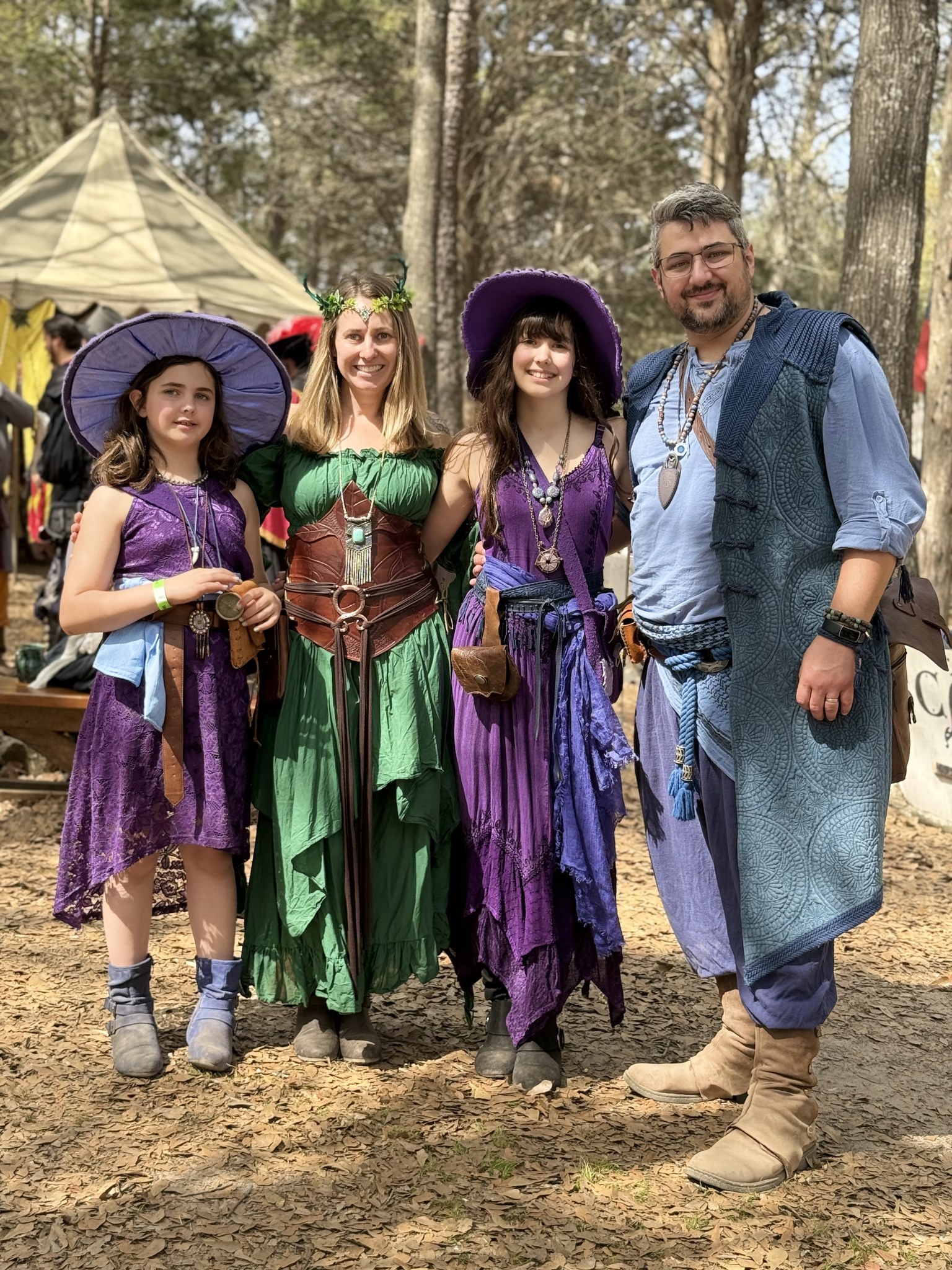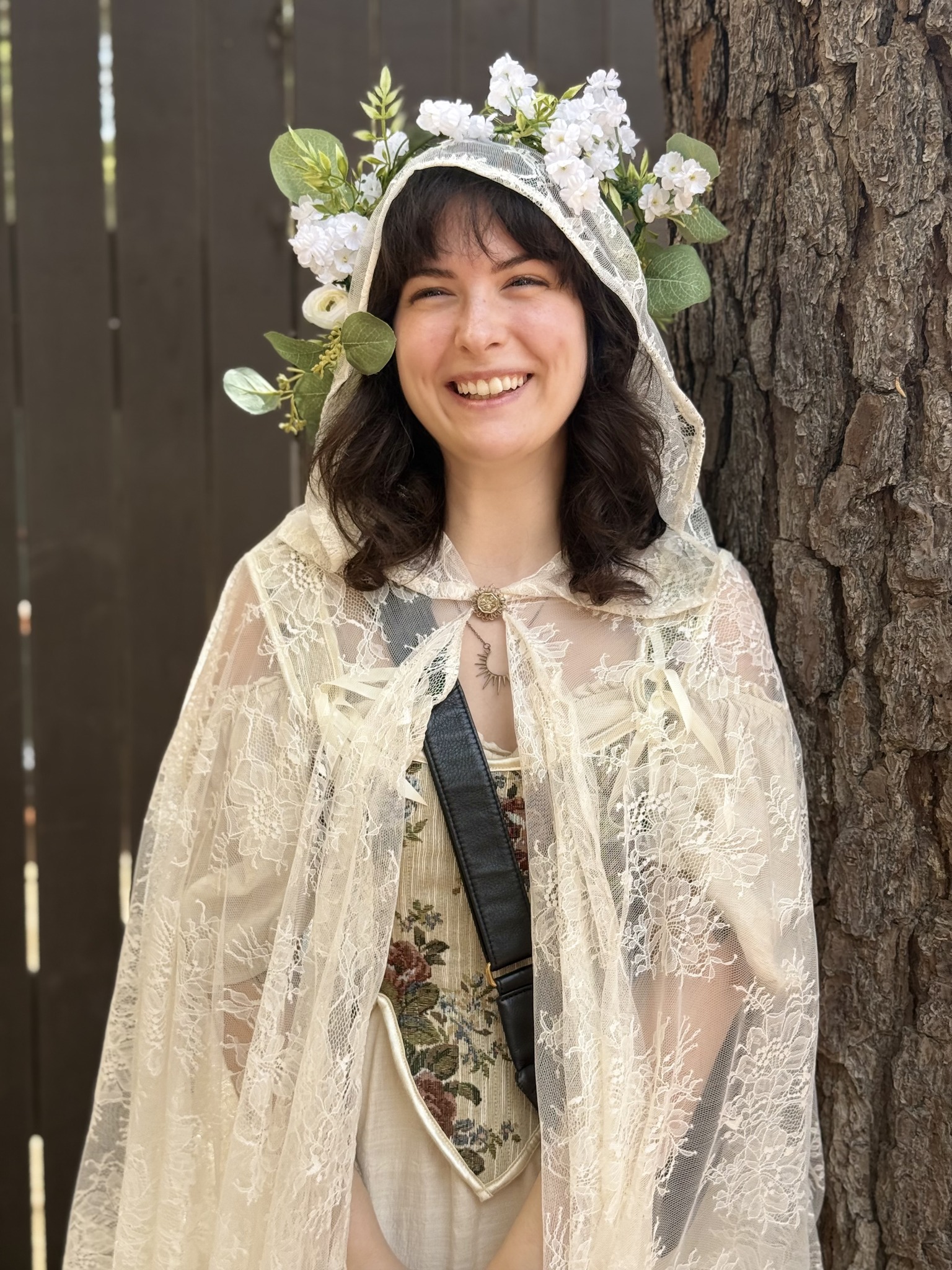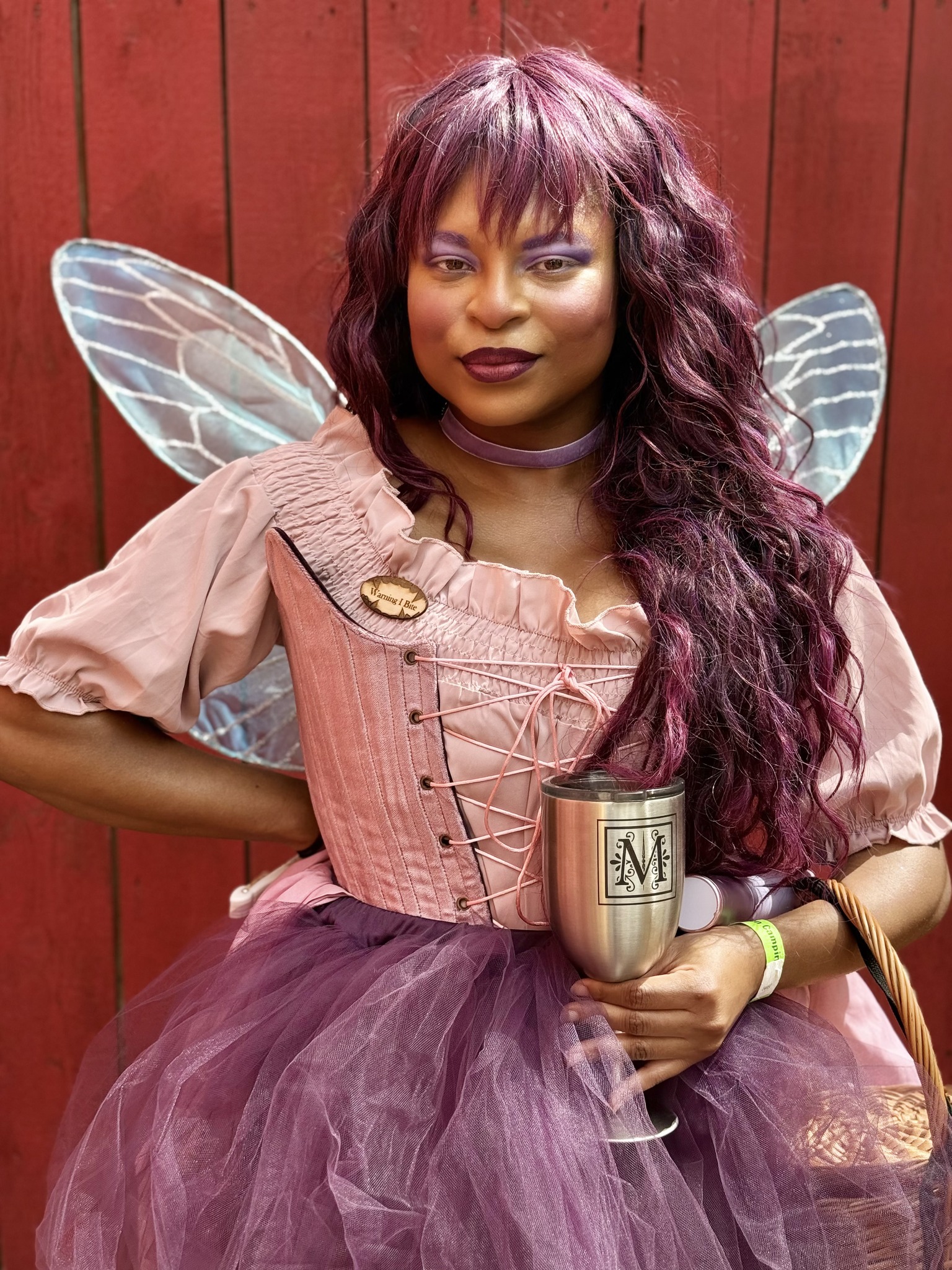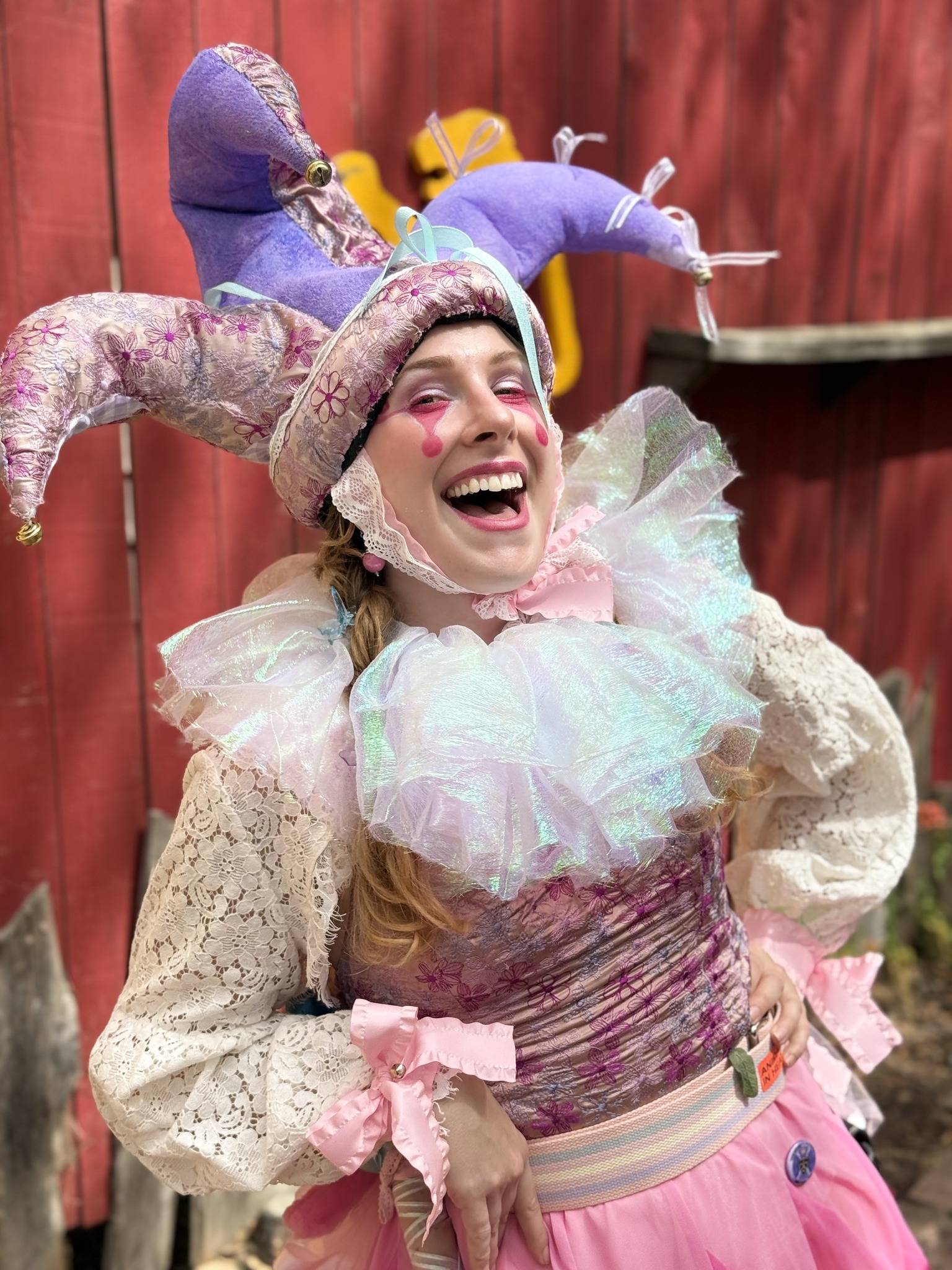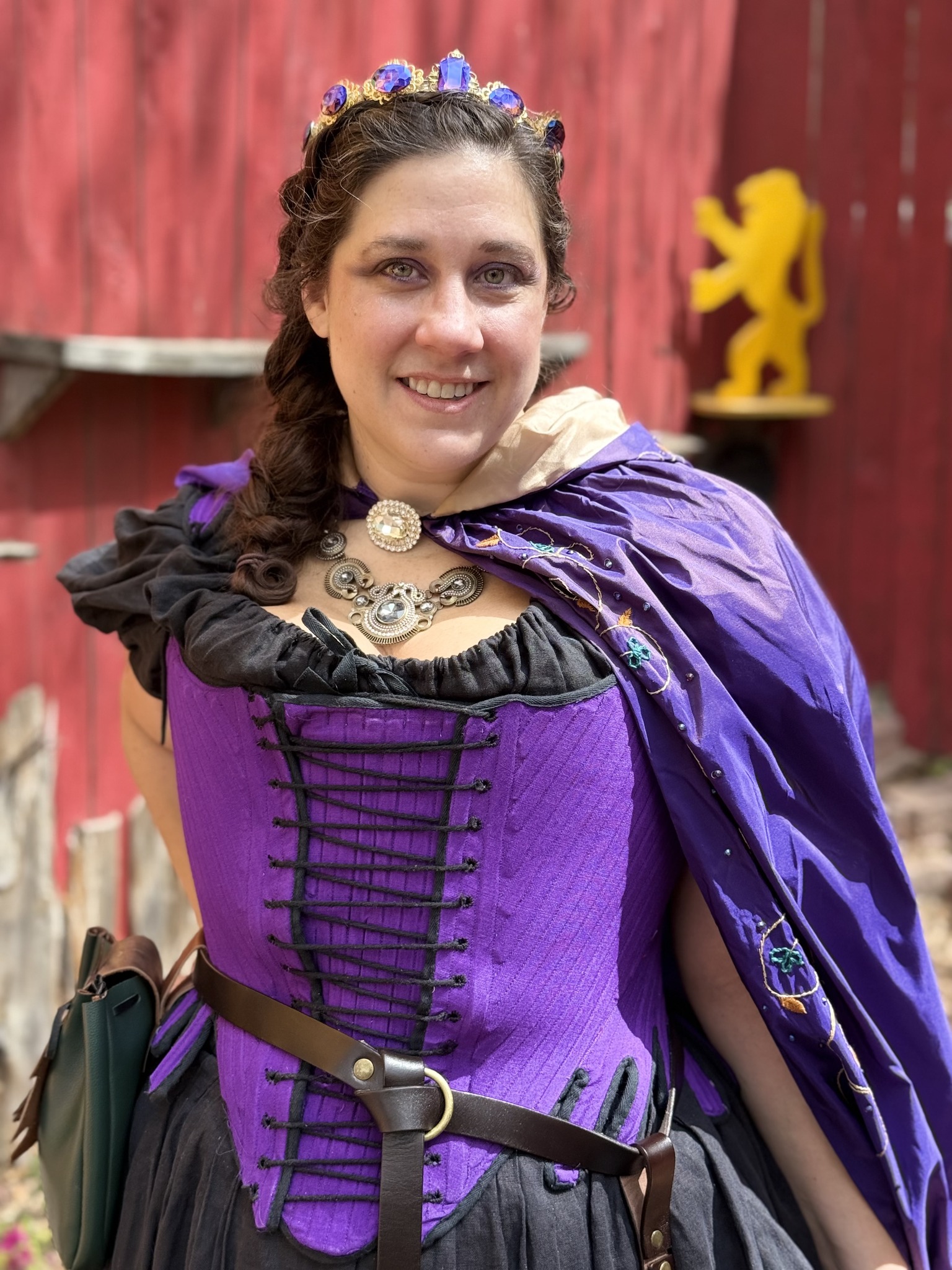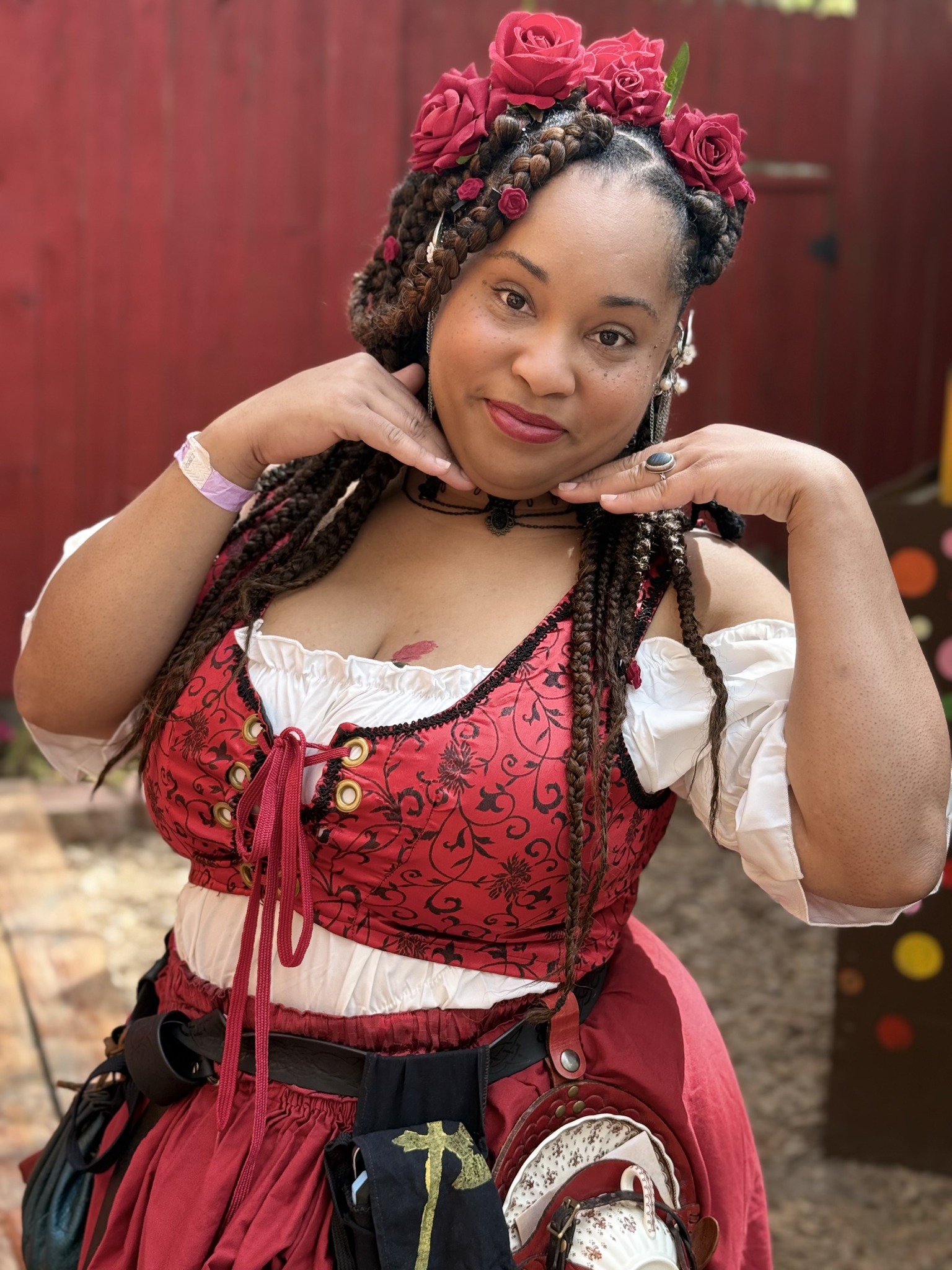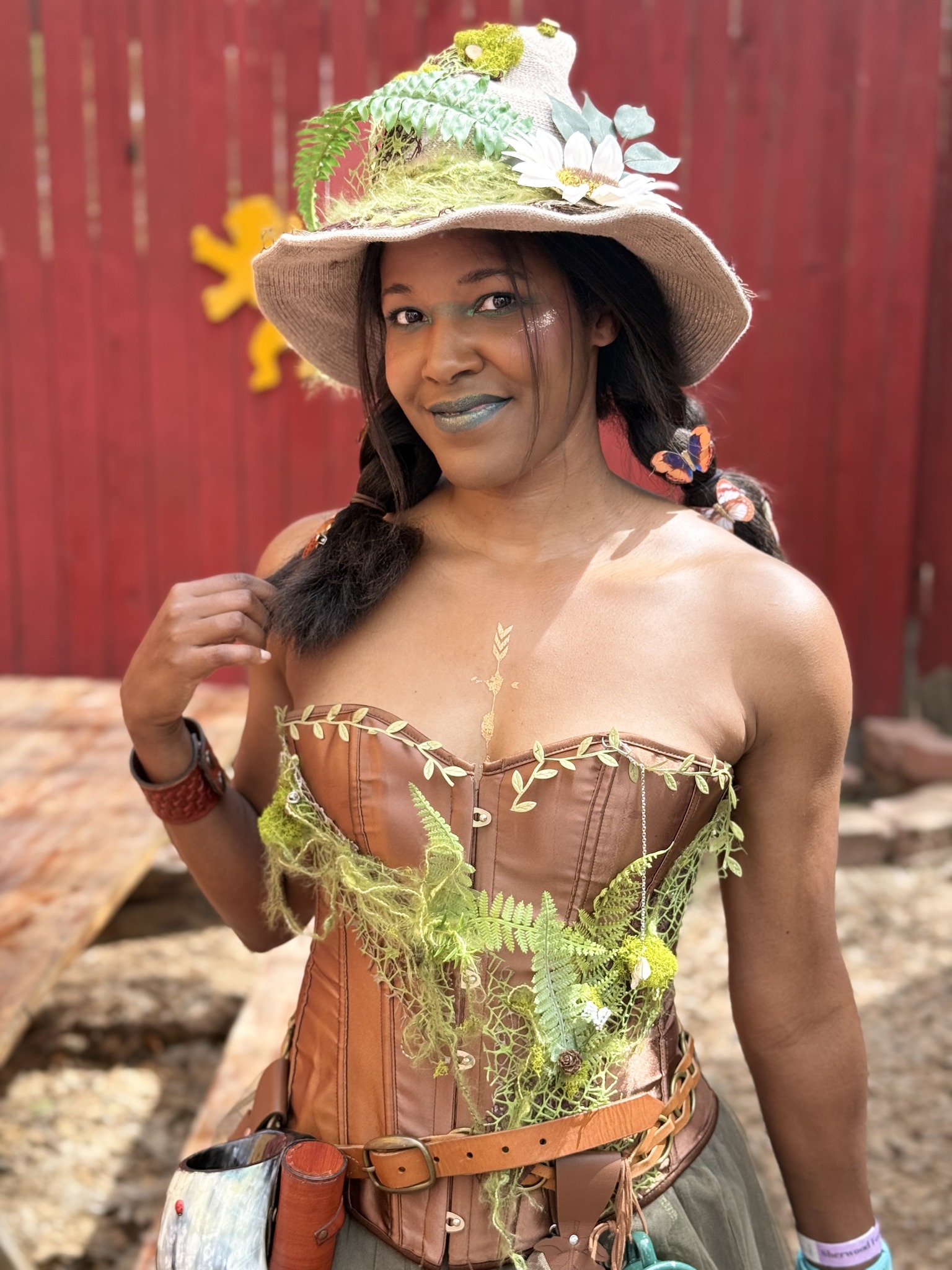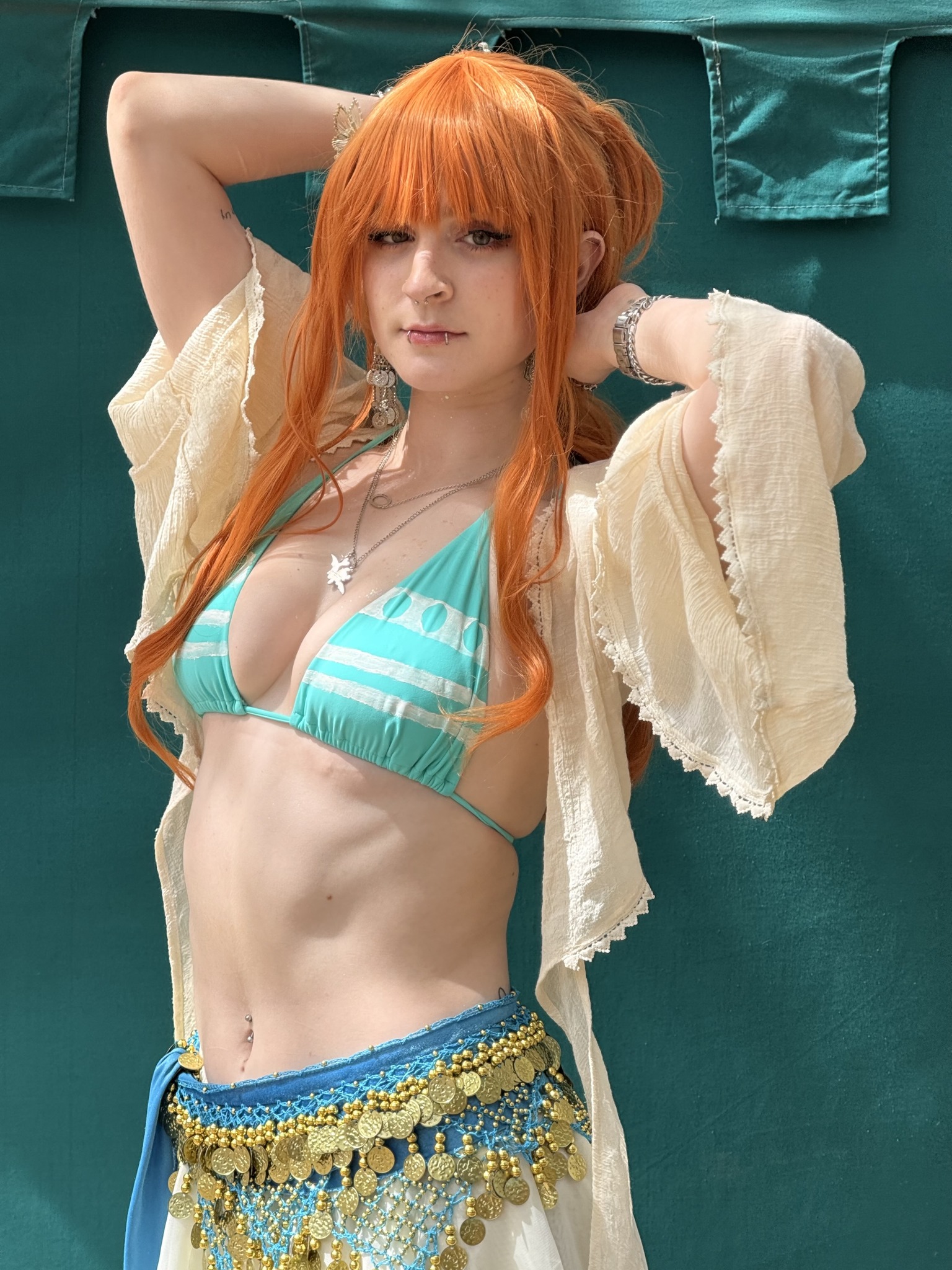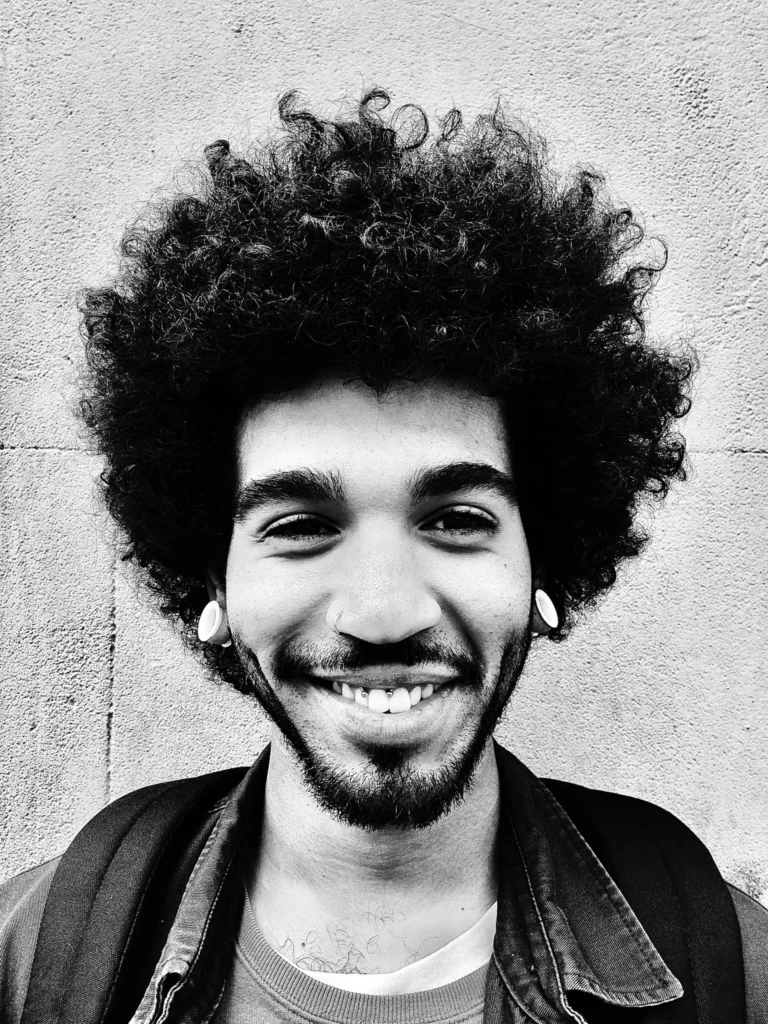
I’ve been taking portraits—candid and staged, personal and commercial—for a long, long time. Long enough that the mechanics of it all have settled deep into my bones. I wouldn’t say the process is automatic, but it is reflexive. Second-nature. Natural. My brain just kicks into “portrait mode,” and my hands follow. The dance between eye, subject, and shutter becomes something closer to instinct than technique.
But because the physical part is second nature, my mind is free—free to drift, to wander, to wonder. The camera may be focused on a face, but I am focused on the human behind the face. And that small gap of time—sometimes a minute, sometimes only a few rushing seconds—opens a pocket of curiosity inside me. Quiet curiosity. Almost sacred curiosity.
Who are you?
It’s the first question that rises every single time. Not what do you do, not how old you are, not what you want the photo to look like. But: Who are you? Who are you when no one is looking? Who are you in those moments when life presses in? Who are you when the world forgets to applaud?
The camera gives me access to a sliver of your truth—but never all of it. A portrait is an introduction, not a biography. And yet, whenever I lift the camera, I feel the presence of your whole story, even if I never hear a word of it. A portrait is a thin slice of a very large life.
Where are you from?
Not in the way a form asks for it, but in the way a soul carries it. Are you from a place that hardened you? Or softened you? Or shaped you into someone who walked into my lens with a little more courage than you realize? Are you from a home where love was plentiful, or one where it was rationed and rare? Did the streets you grew up on teach you hope or suspicion? Did you run toward the world, or did you have to run from it?
Do you love your body?
This one is whispered—not because it’s private, but because it’s universal. I’ve photographed runway models and factory workers, actors and accountants, children, elders, strangers, friends. And across every face, every age, every background, the question lingers. Do you feel at home in your own skin? Do you trust your reflection? Do you believe you deserve to be seen—not just looked at, but seen?
Most people don’t. Most people bring a quiet ache into the frame. You can feel it even before the first click. A stiffness in the shoulders. A hesitation in the jaw. Eyes that want to give but can’t quite. They’ve spent their lives being judged by mirrors and lenses, by comments and comparisons. And here I am—another lens pointed at them—asking them, without saying it: Can you let me see you?
Do you love yourself?
Not the curated, polished version of yourself. Not the one you show co-workers or followers or extended family. I mean: Do you love the unguarded version? The bruised version? The one that doubts things. The one that carries memories heavier than they look. The one that survived moments you never talk about.
Because when you stand in front of my camera, that is the person I’m photographing. Not your social mask. Not your public résumé. The quiet you. The real you. Somehow the lens knows when you’re pretending. And it knows when you’ve stopped.
Do you have sisters and brothers?
This is really another way of asking: Who held you when you cried as a kid? Who taught you to fight, to forgive, to hide, to speak up? Who shaped the cadence of your laughter? Who taught you the early grammar of intimacy? Did anyone protect you? Did anyone hurt you? Do you carry someone’s absence into this moment with me?
A portrait is never just a picture of a person. It’s a picture of every person who molded them.
Did you go to school?
Not for the sake of credentials or degrees, but because education—formal or otherwise—stitches itself into a face. Curiosity does too. Some people walk into a portrait as if everything in the world is interesting. Others walk in as if everything is dangerous. You can’t always tell which is which just by looking, but the camera can. Learning leaves marks that aren’t visible but are felt.
Are your parents still alive?
This sounds intrusive, but the question lives in me more often than you’d think. It’s really a question about roots. About belonging. About childhood shadows and blessings. I can’t tell you how many portraits I’ve taken where the person in front of me carries the unmistakable weight of unresolved grief—or unresolved gratitude.
We inherit more than eye color. We inherit ways of standing in the world. Ways of hiding or showing. Ways of hoping. That all shows up in a portrait.
And then there are the questions I never speak aloud but always feel:
What have you lost?
What have you gained?
Who broke your heart?
Who healed it?
Who believes in you?
Who doesn’t?
What keeps you up at night?
What gets you out of bed in the morning?
The act of photographing someone is far more human, for me, than most people imagine. It’s not about angles or formulas or hacks. It’s not about flattering light or technical perfection. Those things matter, sure, but they’re not the heartbeat.
The heartbeat is this: a portrait is two strangers agreeing, silently, to trust each other.
Most people assume the vulnerability runs in one direction—out of the subject and toward the photographer. But it doesn’t. It goes both ways. I am just as vulnerable as the person in front of me. The moment I raise the camera, I’m saying, without words: I want to honor you. I want to do right by you. I want to hold your humanity with care.
And that is never automatic.
No matter how many portraits I’ve taken in my life, I never get casual about the responsibility. I never assume I have you figured out. I never pretend the click of the shutter tells the whole story. It tells a story, yes, but not the story.
Because even in that split second—1/60th of a second, 1/125th of a second—I know there is a whole universe behind your expression. A universe I’ll never fully know.
Some people think portrait photographers judge their subjects. I don’t. I study them. I listen to them. Even when they’re silent. Especially when they’re silent. Silence is where the good stuff is. Silence is where the truth gathers.
And maybe this is why I’ve never tired of taking portraits. Every face is a new doorway. Every expression is a sentence in a story I will never read but will always respect. Every encounter is a brief, flickering reminder that everyone—every single person—is carrying something unseen.
Some people walk into my frame confident. Others walk in guarded. Some approach with joy. Others with memories that watch from behind their eyes. But no matter who they are, no matter what they bring, I have the same quiet thought:
Who are you, really?
And in that tiny window of time—five seconds, ten seconds, one minute—I do my best to let the photograph answer. Not fully, not conclusively, not permanently. But honestly. Enough to remind them, and me, that being human is a complicated, fragile, beautiful thing.
Portraits aren’t just pictures. They’re encounters. Short ones, yes. But real ones. Human ones. And somewhere in that fleeting exchange between my curiosity and your courage, the shutter clicks. And something true—something quietly true—finds its way into the frame.
That’s why I keep coming back. Not for the photograph, but for the humanity behind it.
Jack.