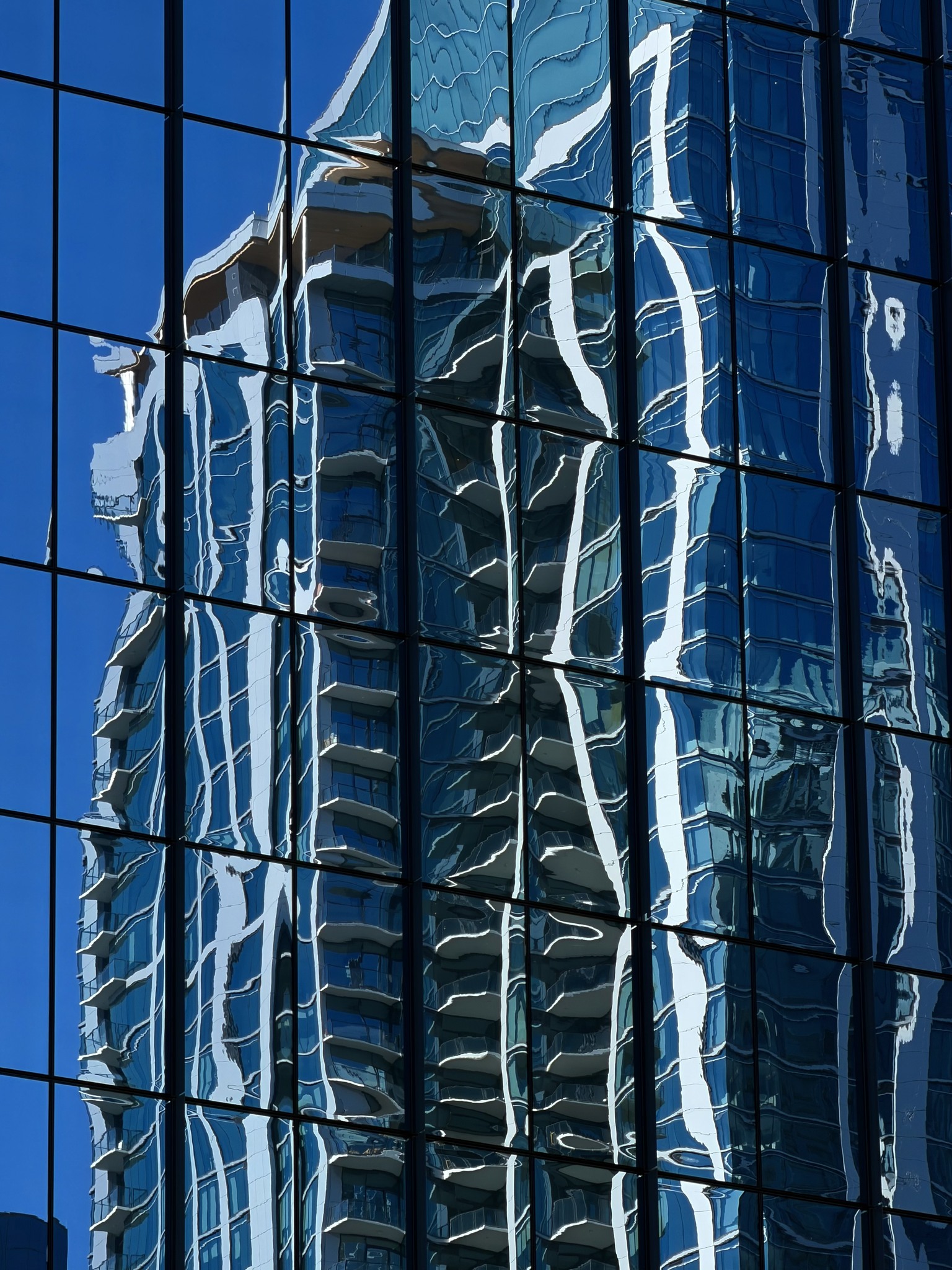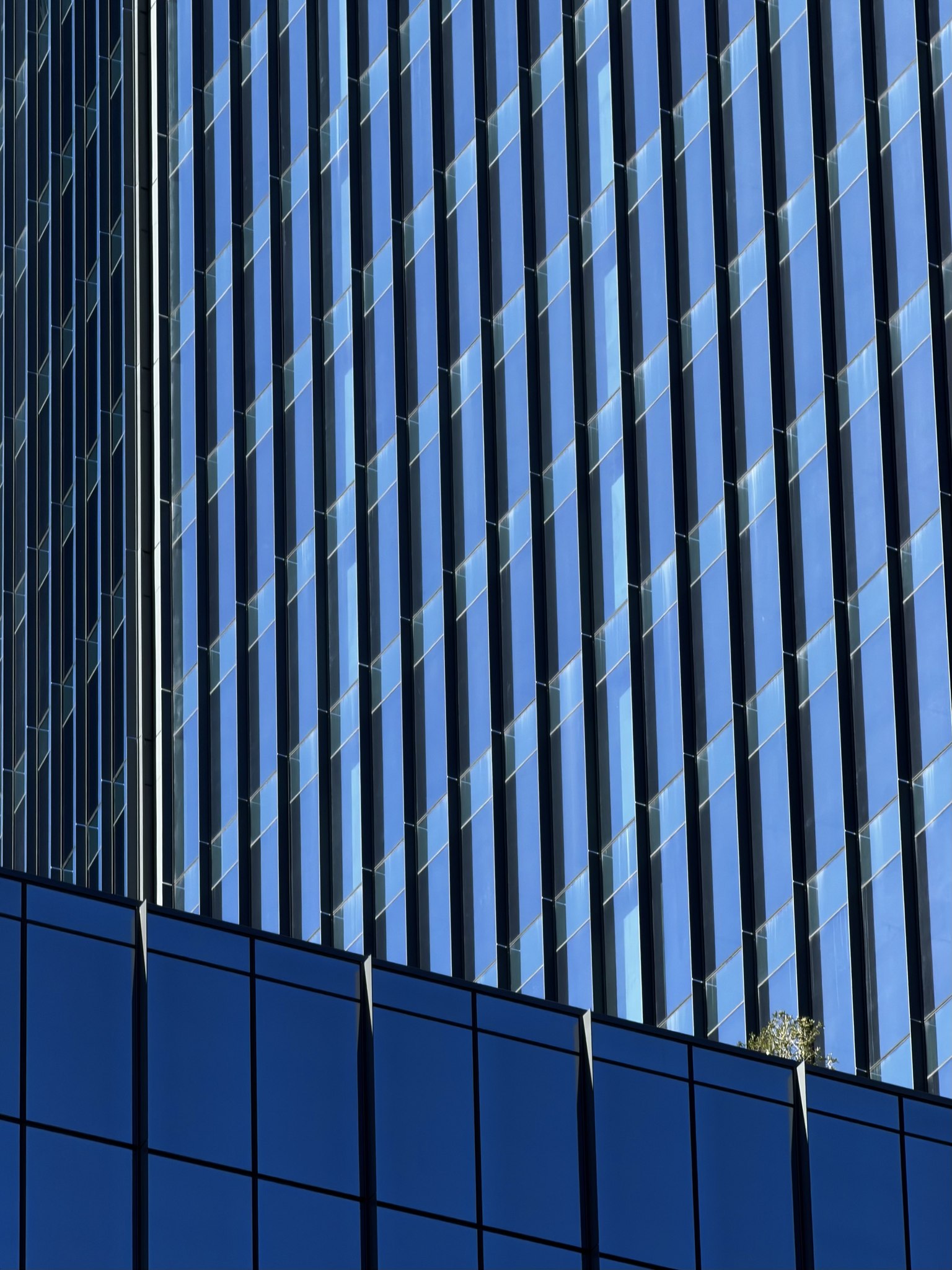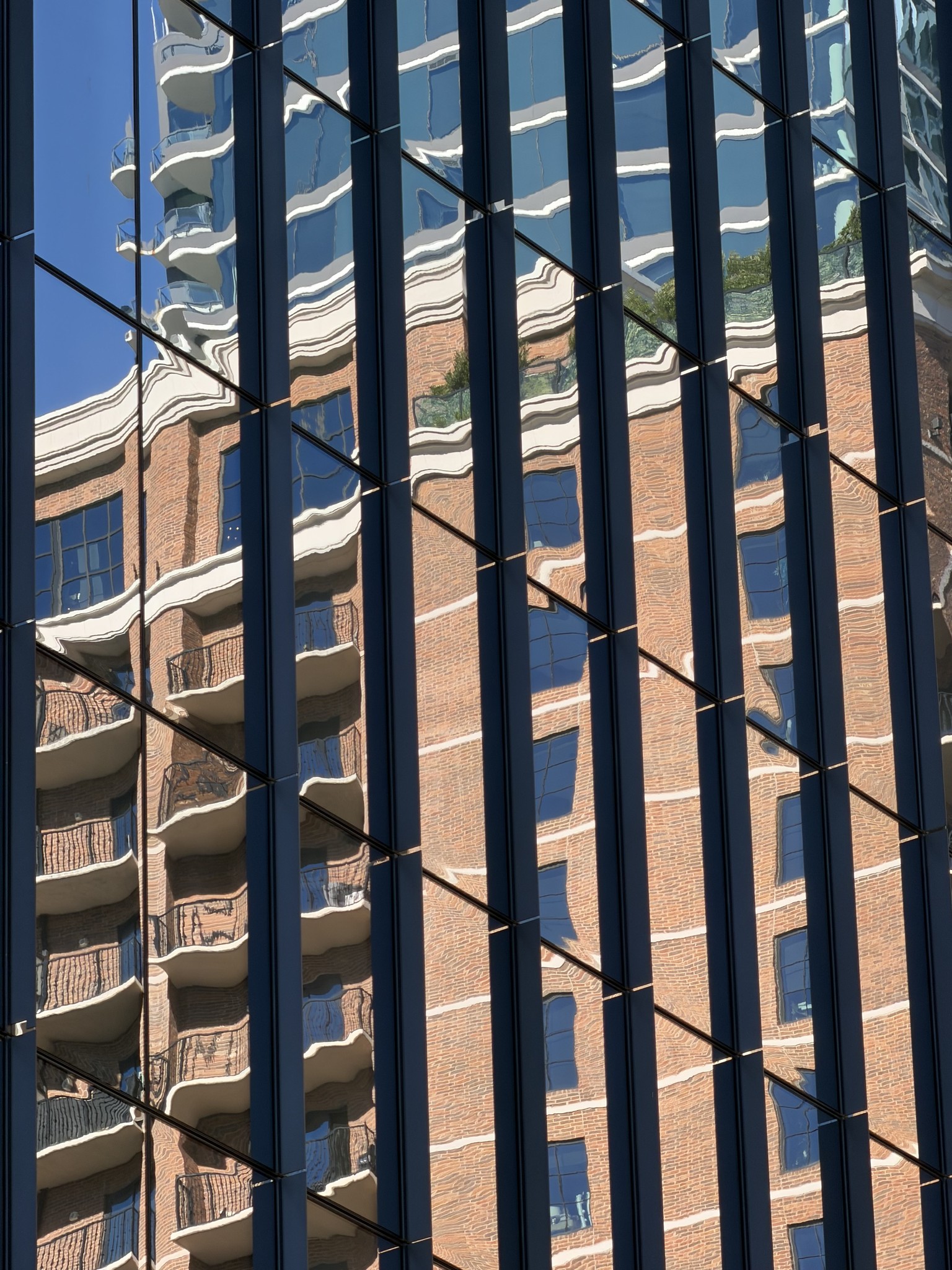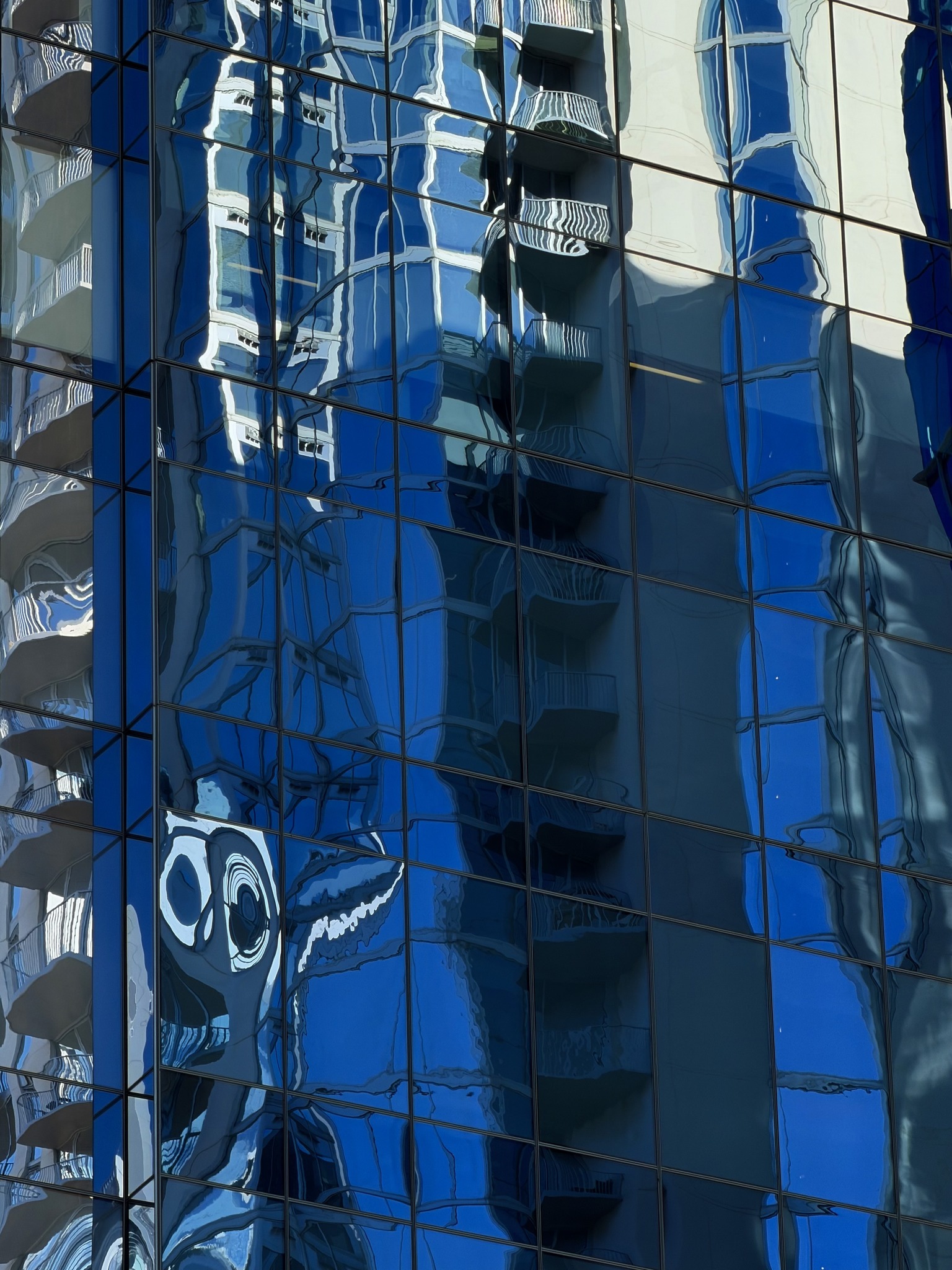
I’ve been shooting professionally for over four decades, long enough to know the difference between marketing spin and photographic reality. Long enough to have carried cameras that weighed more than some toddlers. Long enough to remember when a 200mm field of view required a shoulder, a strap, and a commitment. And here we are, in 2025, with an ultra-thin slab of glass and silicon giving me something I once needed a duffle bag of gear to achieve.
Let me start with the simple truth: the iPhone 17 Pro Max’s 8X mode is so damn good it almost feels unfair. Apple won’t call it a proper optical lens—and technically it isn’t—but in bright light, it delivers what I’d describe as optical-quality results. Not “good for a phone.” Not “surprisingly decent.” I’m talking about genuinely impressive, usable, print-worthy telephoto images straight out of the Camera app. And the more I shoot with it, the more convinced I am that this is one of the great under-celebrated focal lengths in modern iPhone photography.
Before we hype the 8X, let’s set the table.
The iPhone 17 Pro Max ships with three optical lenses:
0.5X (13mm) Ultra-wide — the big-sky, bring-it-all-in view.
1X (24mm) Wide — the everyday anchor point.
4X (100mm) Telephoto — the short, elegant reach.
That’s your hardware. But Apple, in typical Apple fashion, gives you a couple of “virtual” focal lengths layered on top of this—settings, modes, or computational focal lengths, depending on how you want to describe them. 2X (48mm) is the first. It’s become the new normal for so many shooters I know. The classic, human-eye perspective with just the right touch of compression.
But then there’s 8X (200mm).
The sleeper.
The overlooked gem.
The feature hiding in plain sight on the very device half the world carries in their pocket.
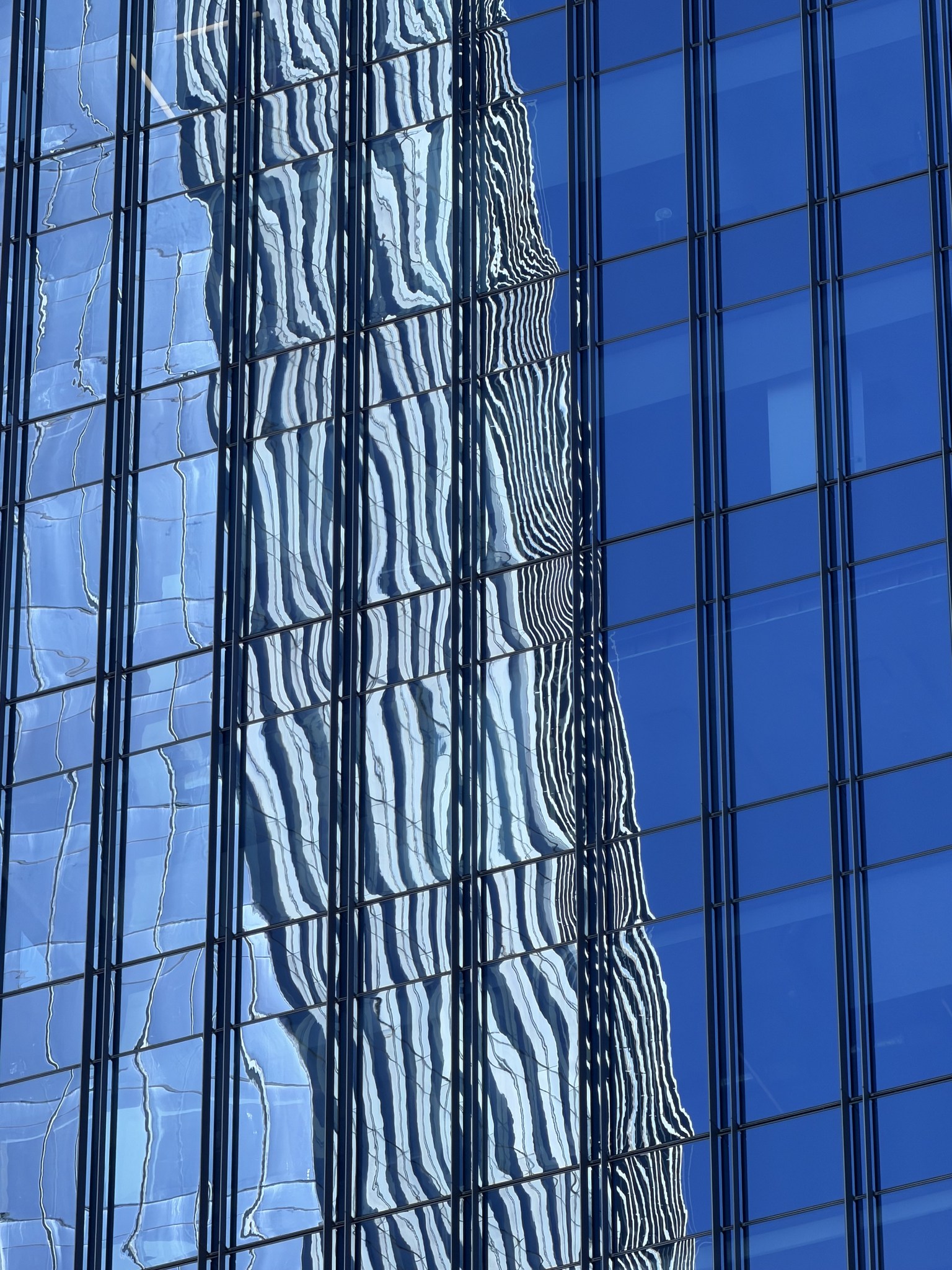
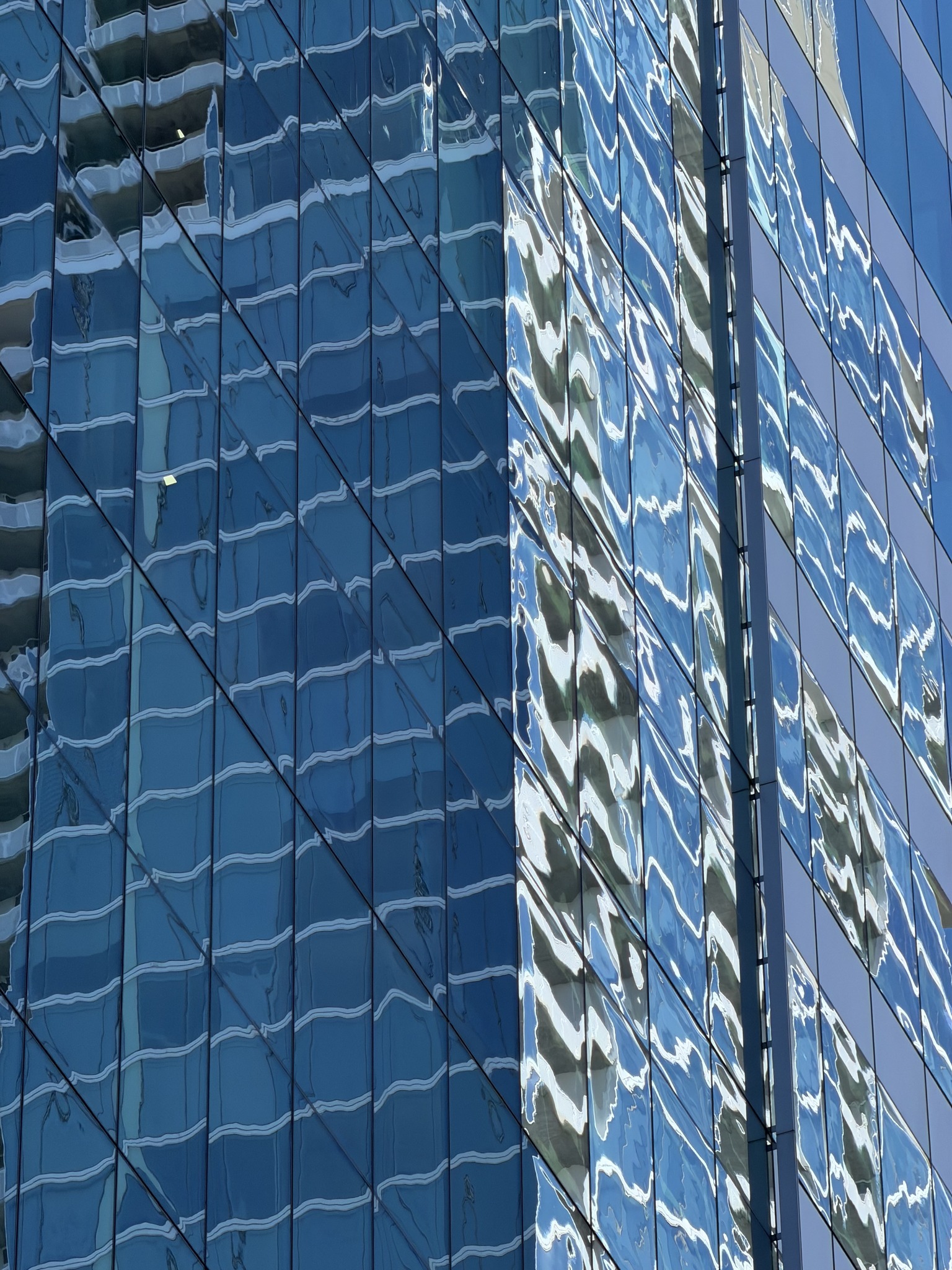
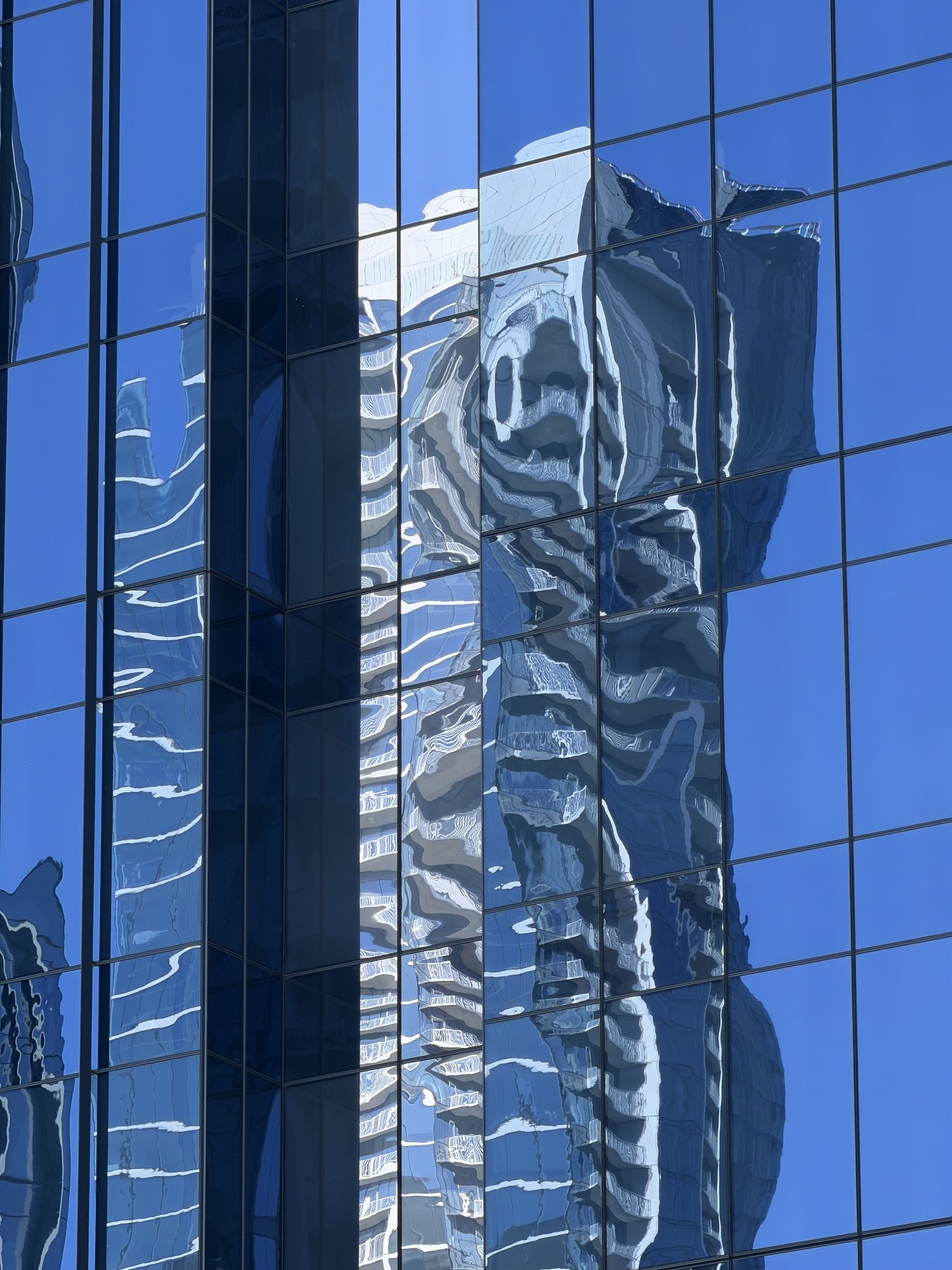
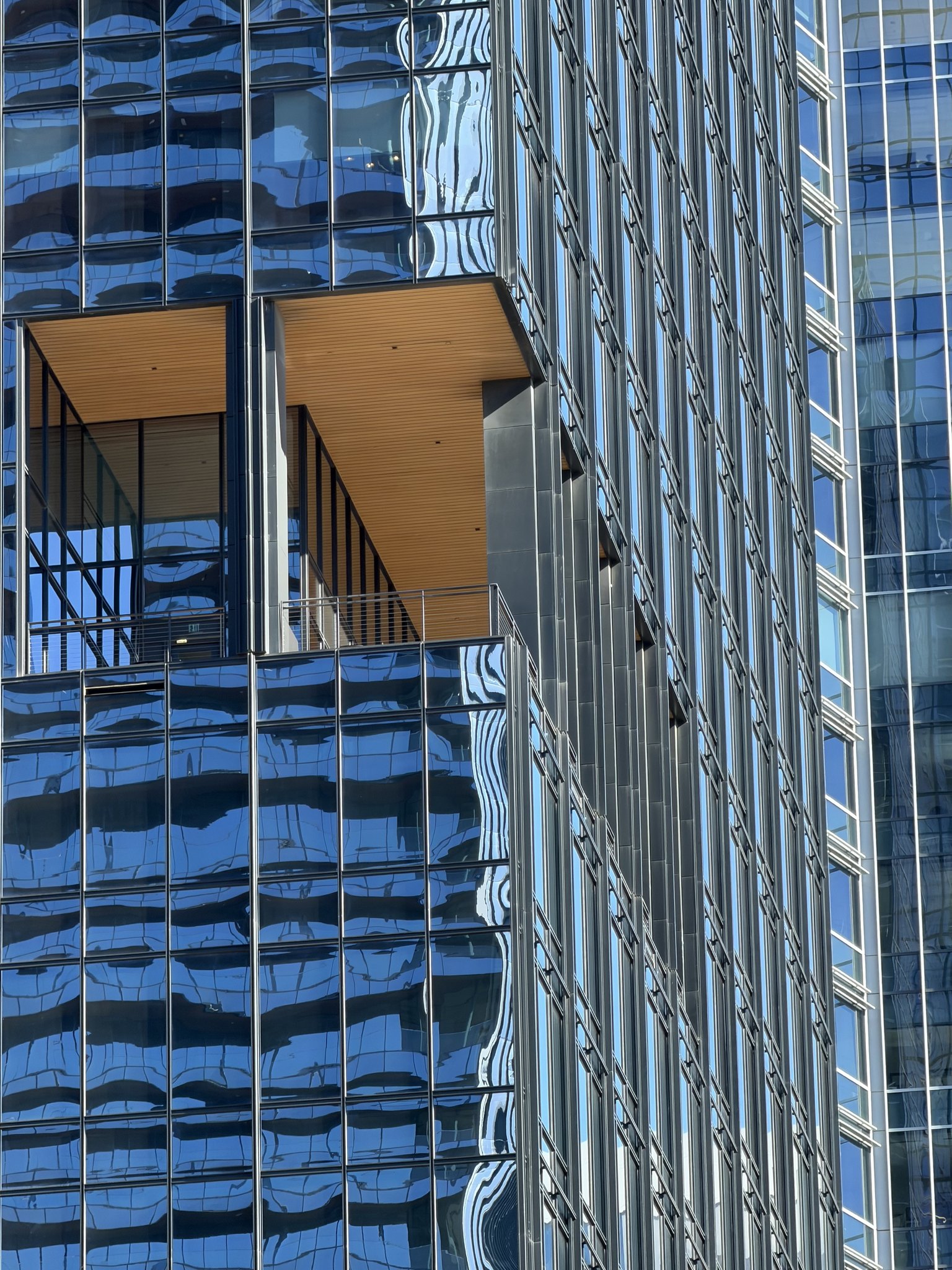
Today, on my bike ride through downtown Austin, I shot exclusively at 8X. No tripod. No strapping on cages or filters or “kits.” Just the damn iPhone—the way most people shoot most of the time. And what I got back was magic: crisp detail, painterly compression, and that unmistakable sense of sitting closer—much closer—to the world than you actually were.
This is where 8X shines.
It pulls things together.
It compresses the visual space.
It isolates without suffocating.
It creates intimacy at a distance.
Telephoto perspective is one of the great secrets in photography. People assume zooming in simply brings things closer, like binoculars. But what telephoto truly does—what it has always done—is reorganize the world. It collapses space. It lets you carve out a moment from the background noise of everyday life. It lets you emphasize connections that your own eye might overlook. That compression is emotional as much as optical. It creates a sense of drama and presence that demands attention.
And the iPhone’s 8X delivers that drama in a way that feels shockingly true to the telephoto tradition. I don’t use that phrase lightly. My history with long lenses stretches back to decades of 180mm, 200mm, 300mm, 400mm setups—some that required tripods, monopods, and prayer. Shooting long was always a commitment. Always a choice. Always a risk in low light or shaky hands.
So imagine my surprise—my joy—when I discovered how confidently the iPhone handles 8X in bright conditions. The detail holds. The noise stays sane. The lines stay crisp, even when shooting from a moving bike. You get that satisfying background compression, that elegant narrow angle of view, that unmistakable telephoto look without any of the gear, weight, or excuses.
There’s something liberating—creatively liberating—about having 200mm in your pocket at all times. And not a fake 200mm. Not a mushy, pixel-washed, digital guess. But a computational refinement built on the backbone of a clean 100mm optical lens, fused with Apple’s 48MP pipeline, and optimized for what most people actually shoot: good light, good scenes, everyday moments worth remembering.
Most iPhone photographers will never touch 8X.
That’s the irony.
They’ll scroll right past it chasing 1X or 2X or maybe 4X if they’re feeling adventurous.
But the 8X setting—that is where some of the most dramatic, artistic, and emotionally charged images on the iPhone are waiting. It’s a storytelling focal length. A perspective of intention. A point of view that says: Look here. Look closer. Look differently.
And maybe that’s why I’m falling in love with it. After four decades of carrying heavy gear, I now get to walk—or ride—through the world with the kind of telephoto compression that once required a padded case and a chiropractor. I get to react. To move. To respond to light and life and fleeting moments without the burden of logistics.
On today’s ride, I stopped over and over not because I needed to but because I wanted to. Shooting with 8X brings back that old thrill of discovery—the “what happens if…” curiosity that powered so much of my early photography. You don’t just see differently at 200mm. You feel differently. The camera encourages you to tighten, distill, refine. It asks you to decide what really matters in the frame.
And when images come back this good—this unexpectedly good—you can’t help but lean into the experience.
So yes, the 8X “lens” isn’t a lens in the traditional sense. It’s a computational creation shaped by optics, algorithms, and Apple’s decade-long obsession with making the smartphone camera behave like a serious imaging system. But when the results look this strong, I honestly don’t care what Apple calls it. Focal lengths are about what they do for my creative life, not how they’re engineered behind the scenes.
All I know is this: 8X is so damn good it feels like cheating. And if you haven’t explored it yet—if you’ve been stuck in the comfortable cycle of 1X and 2X—do yourself a favor. Step out into some good light. Raise the camera. Tap 8X. And start seeing the world the way I did this afternoon: compressed, dramatic, intimate, inviting.
A phone shouldn’t be able to do this. And yet—here we are.
The future of telephoto is already in your pocket.