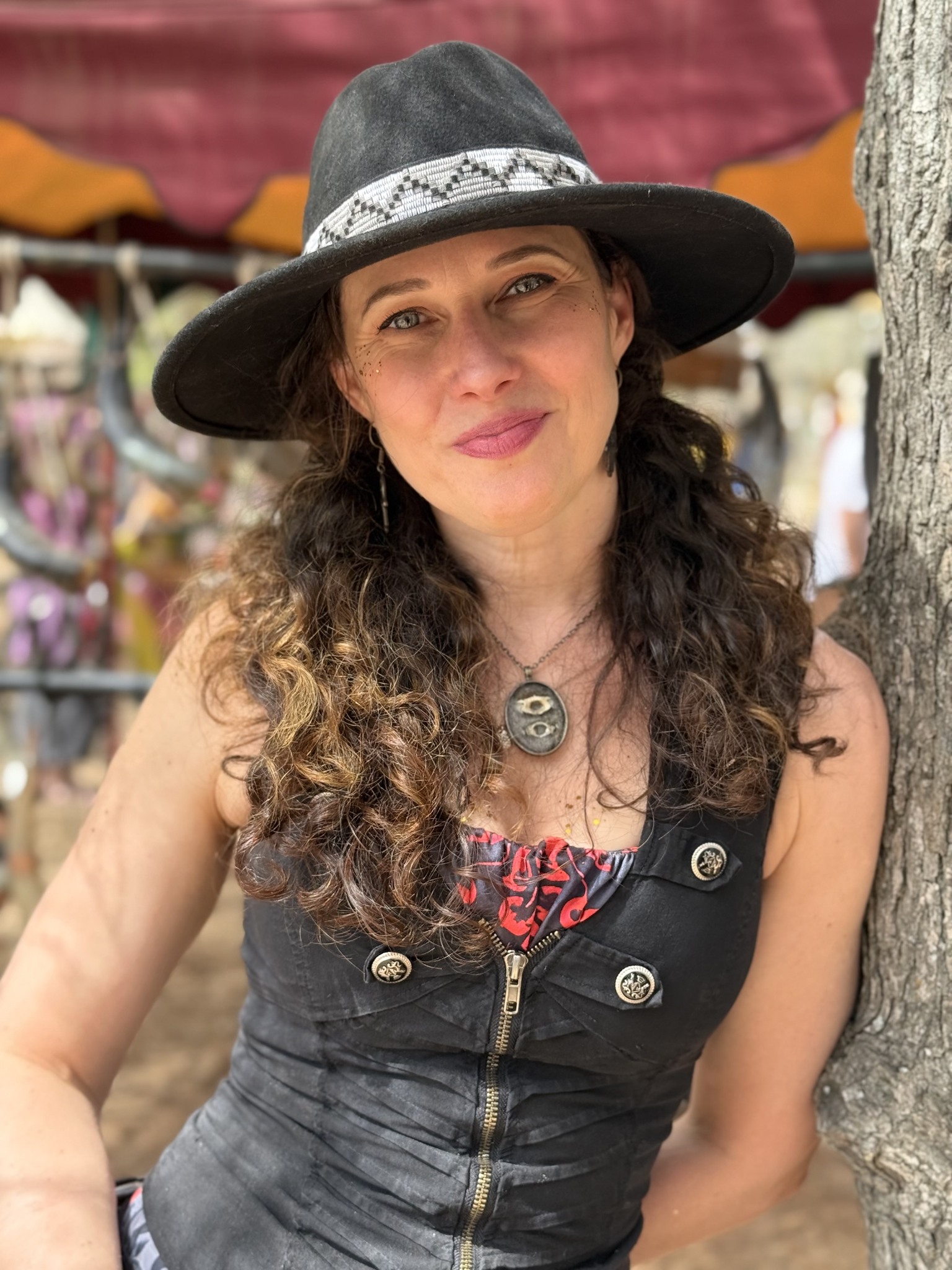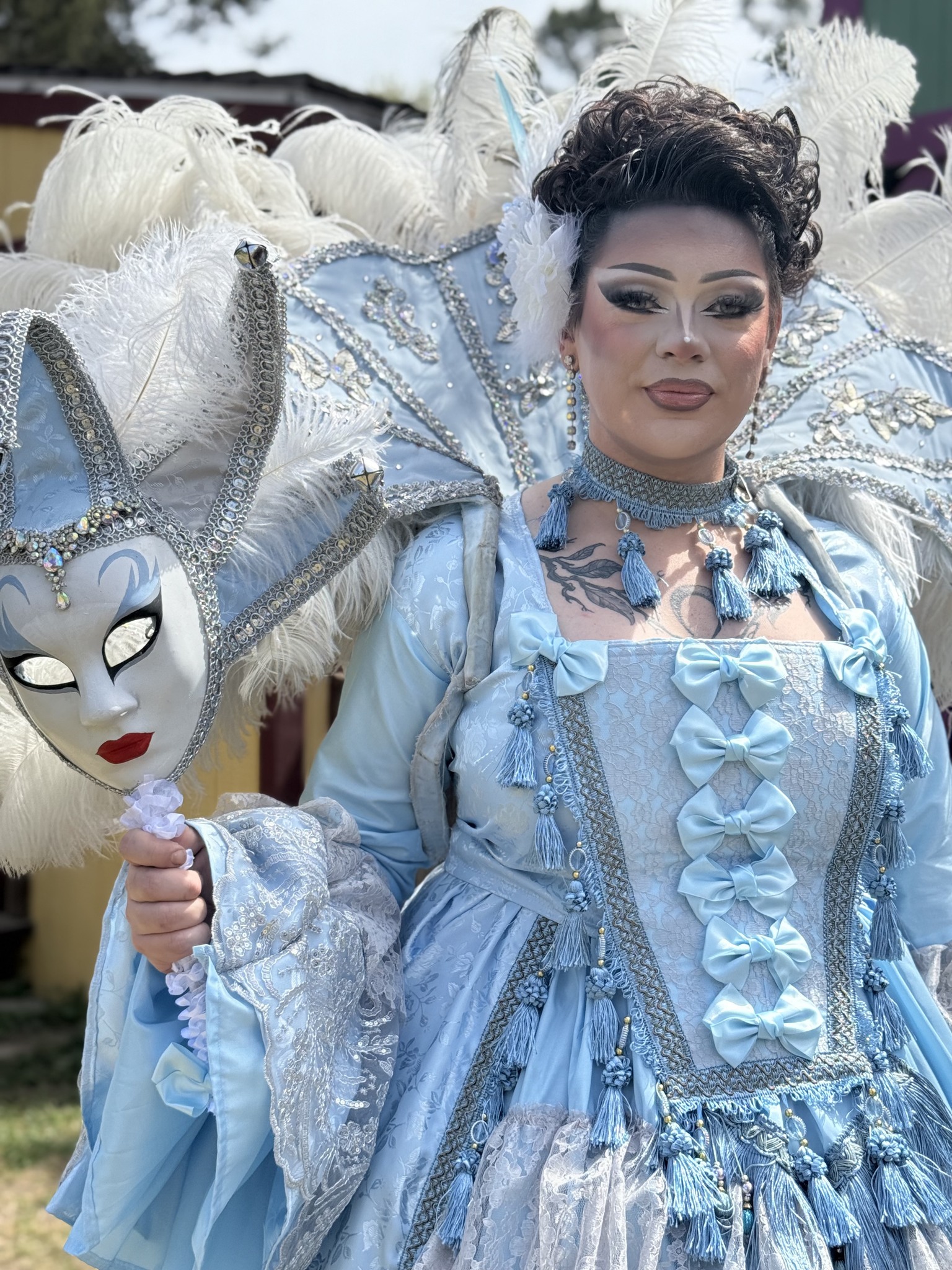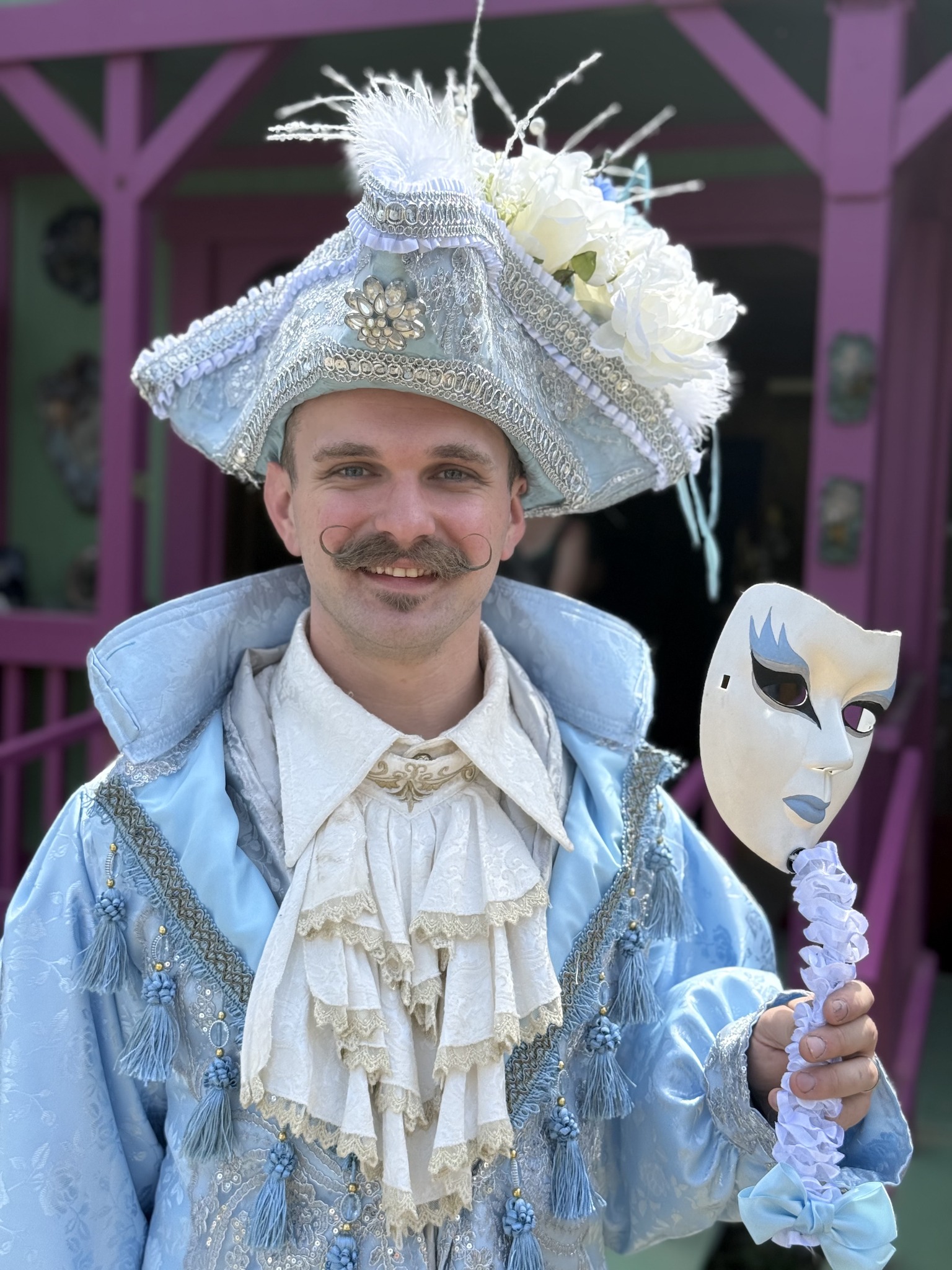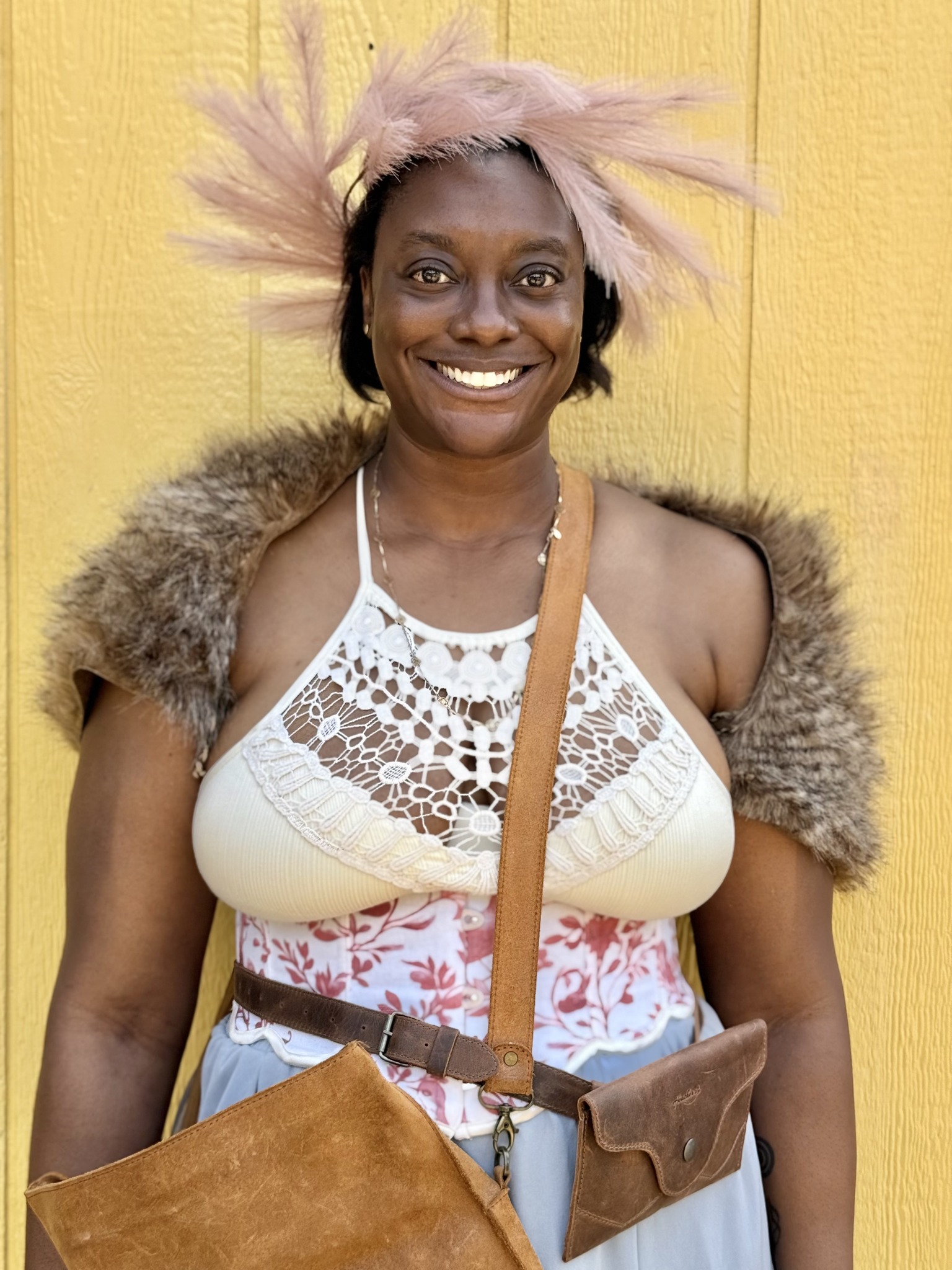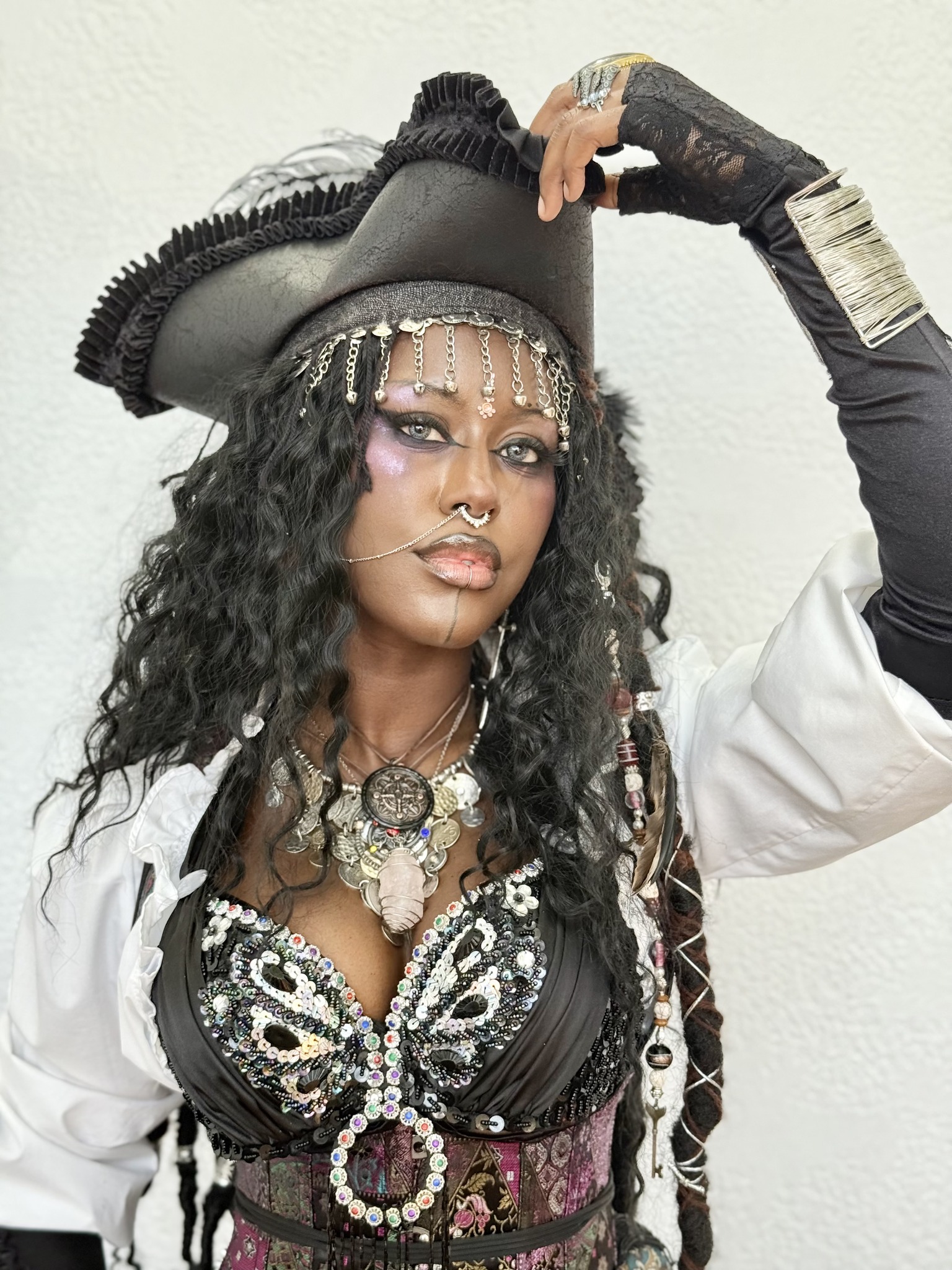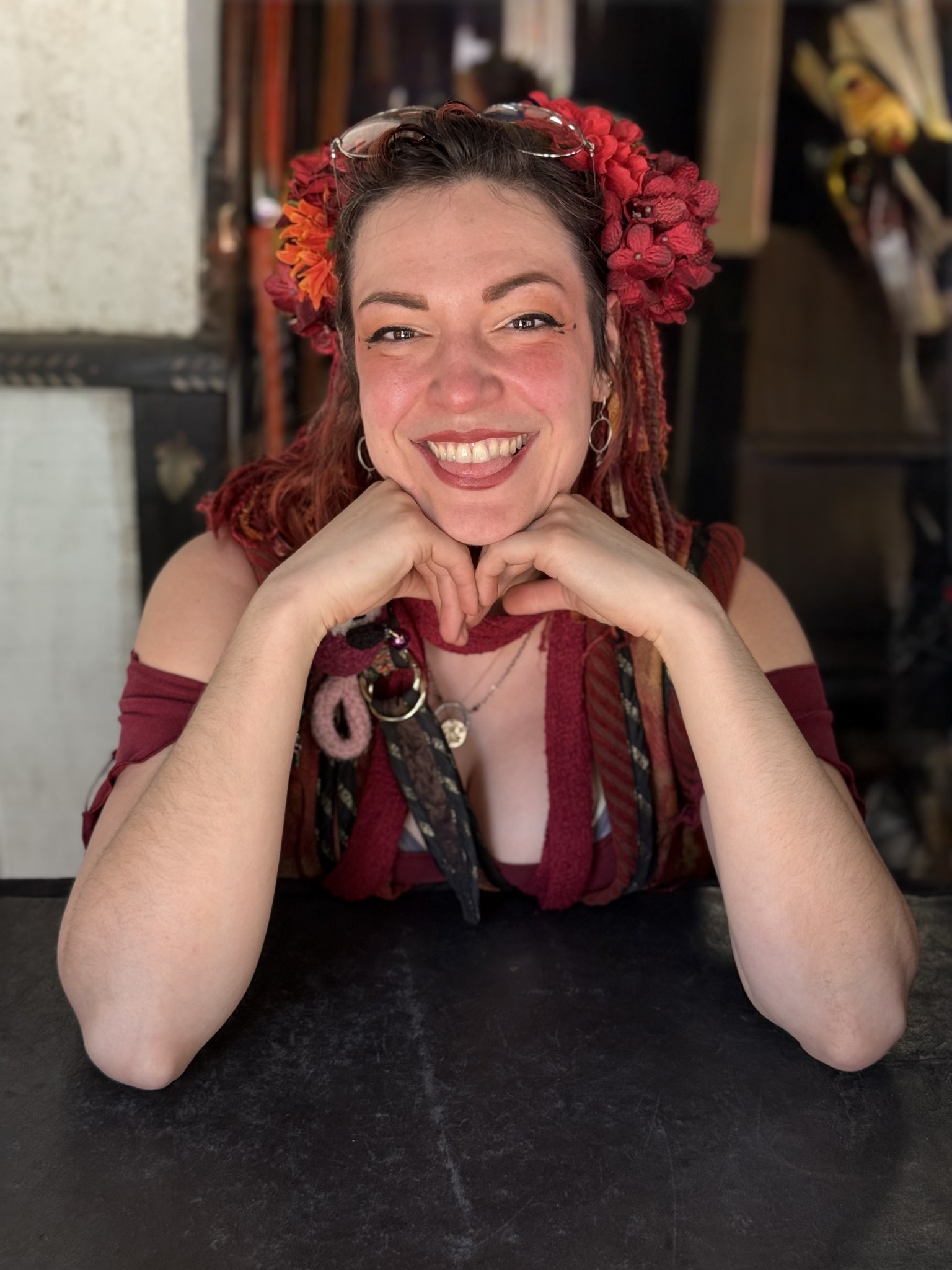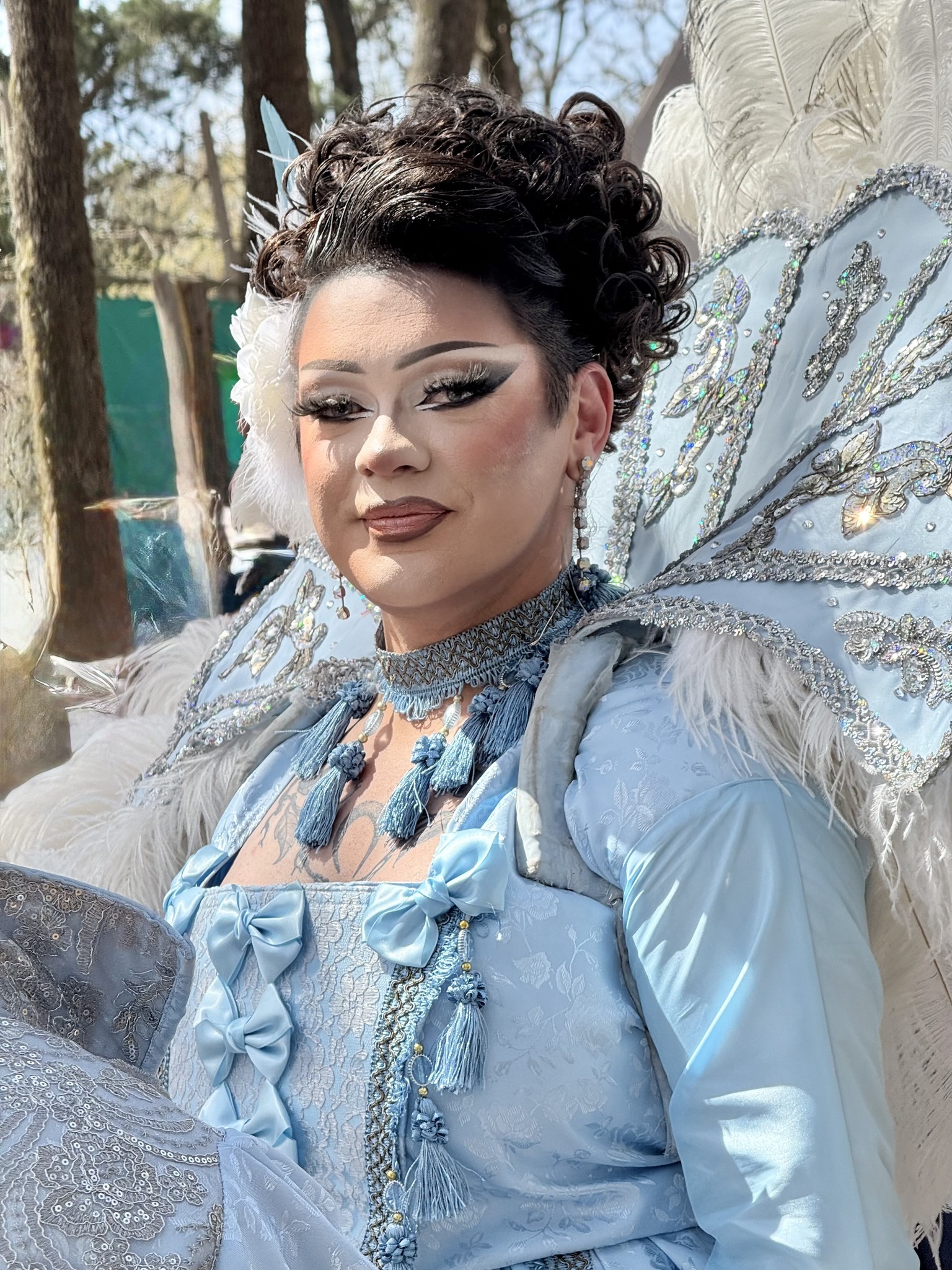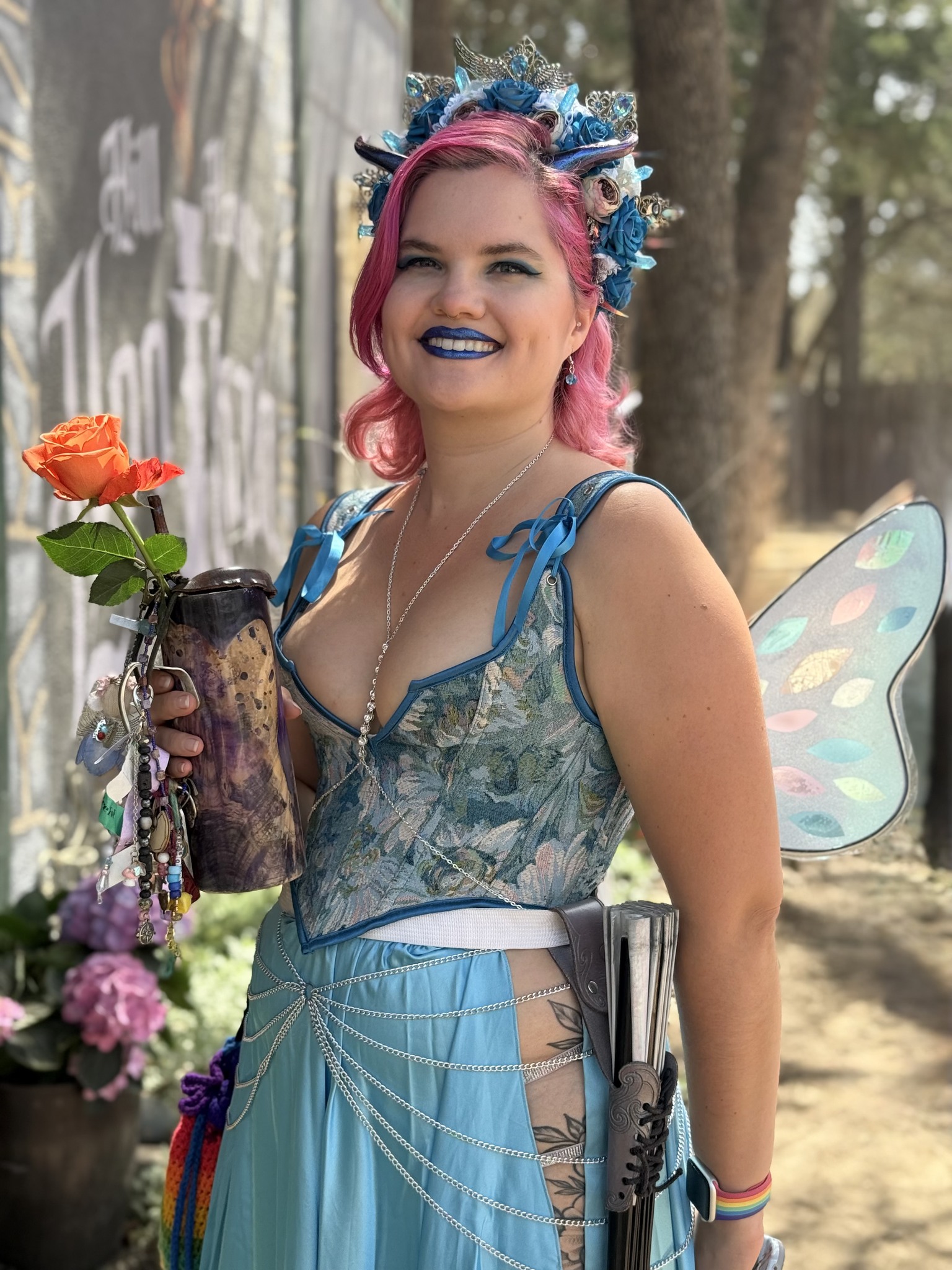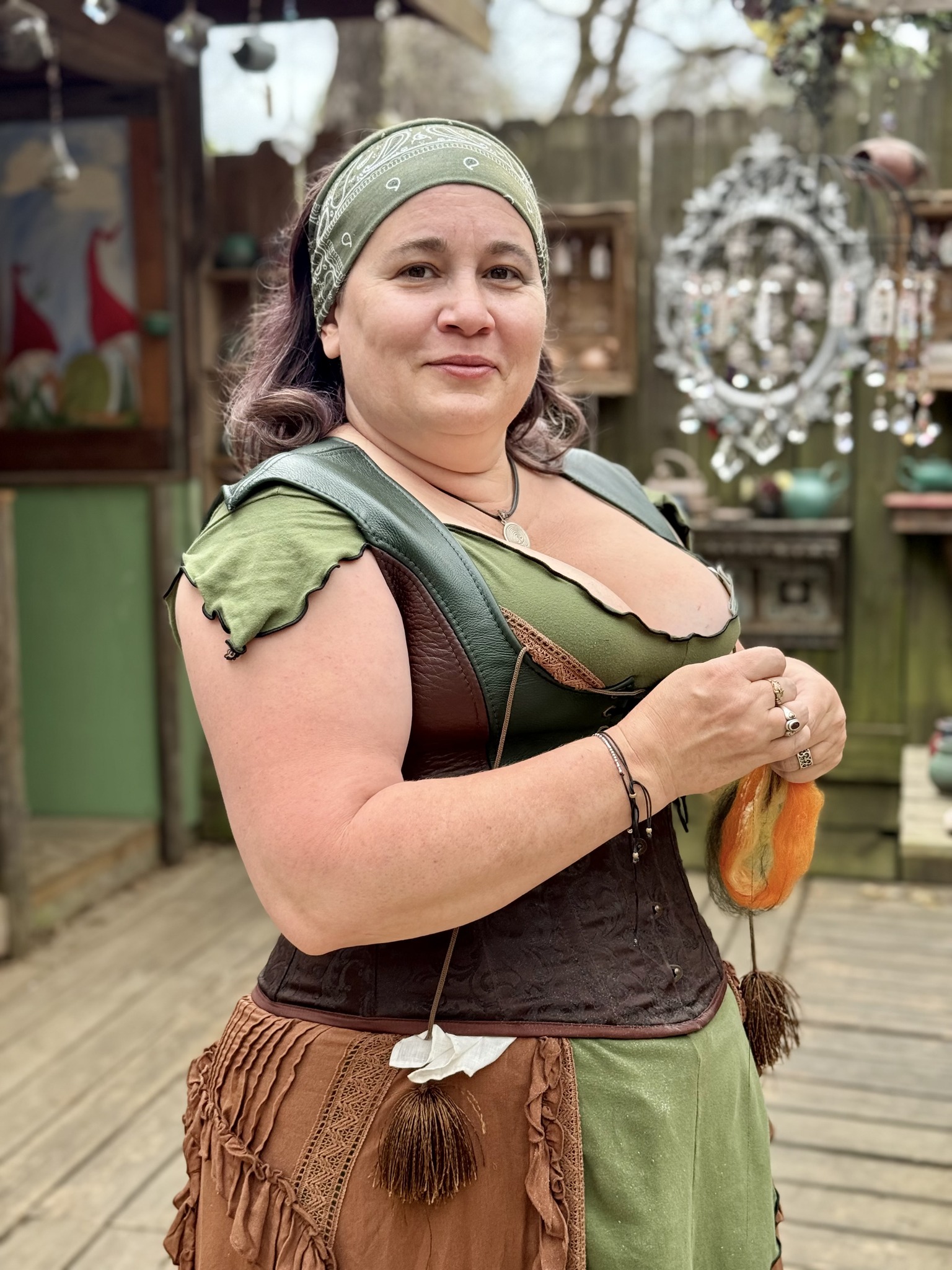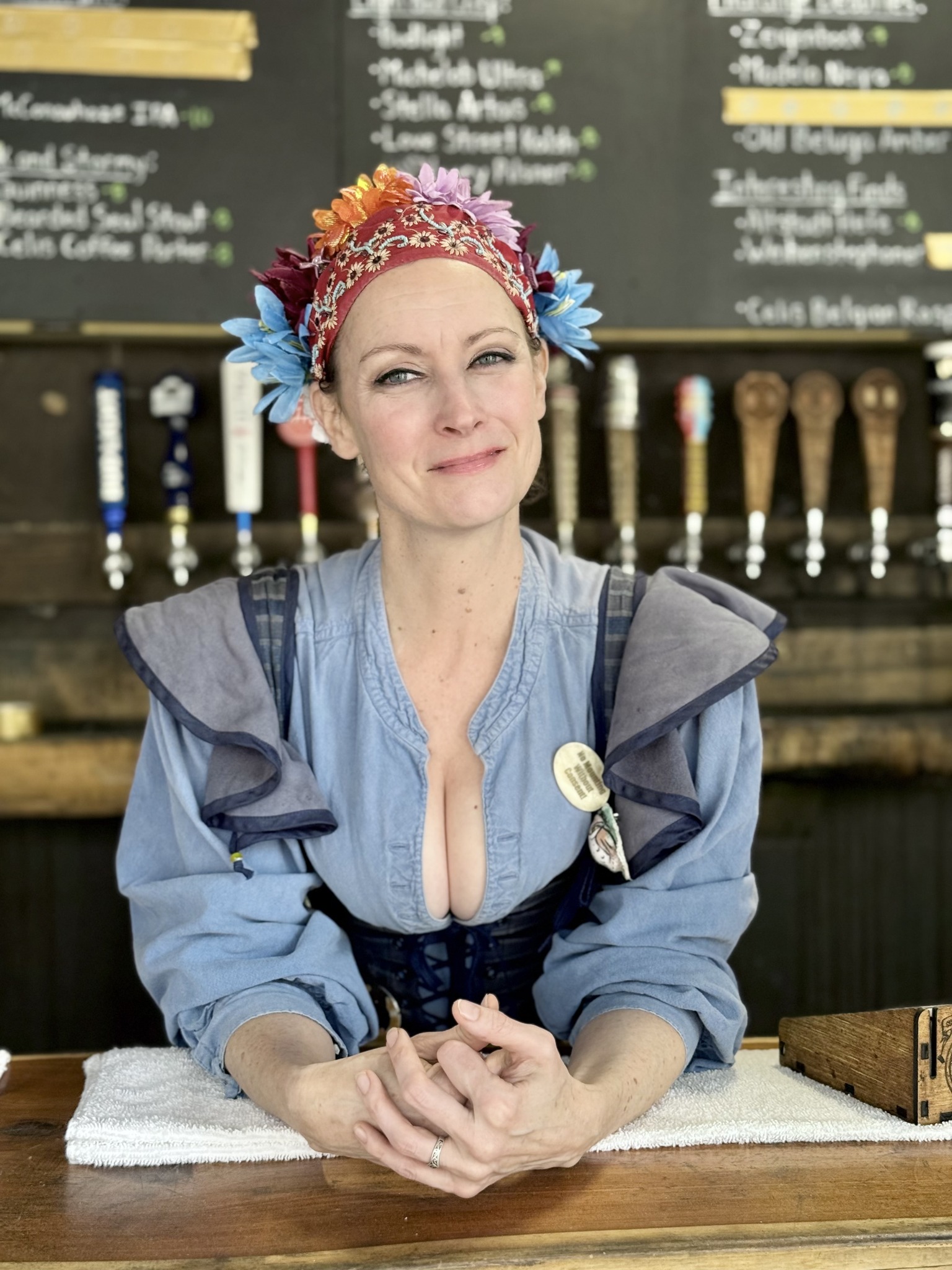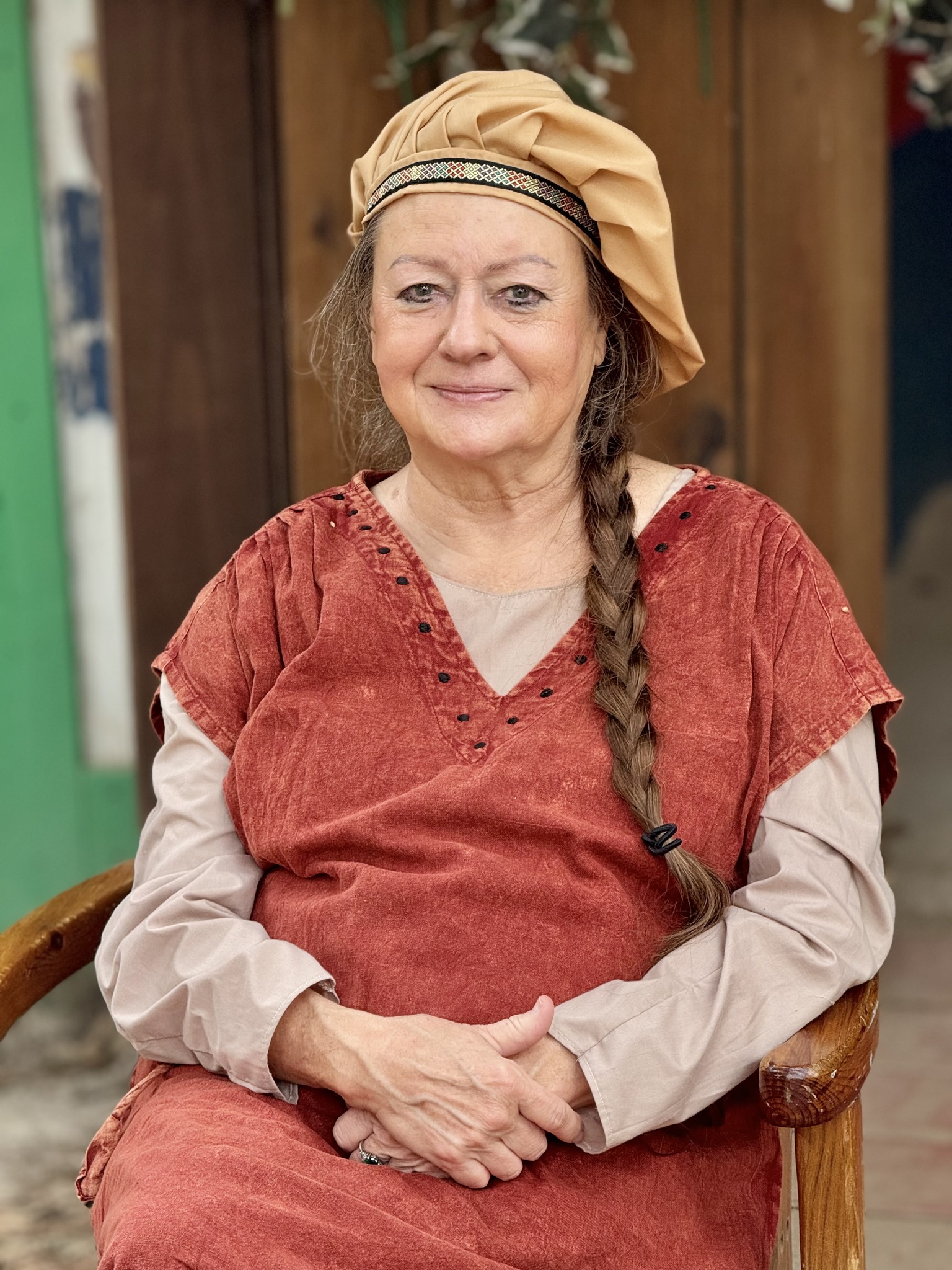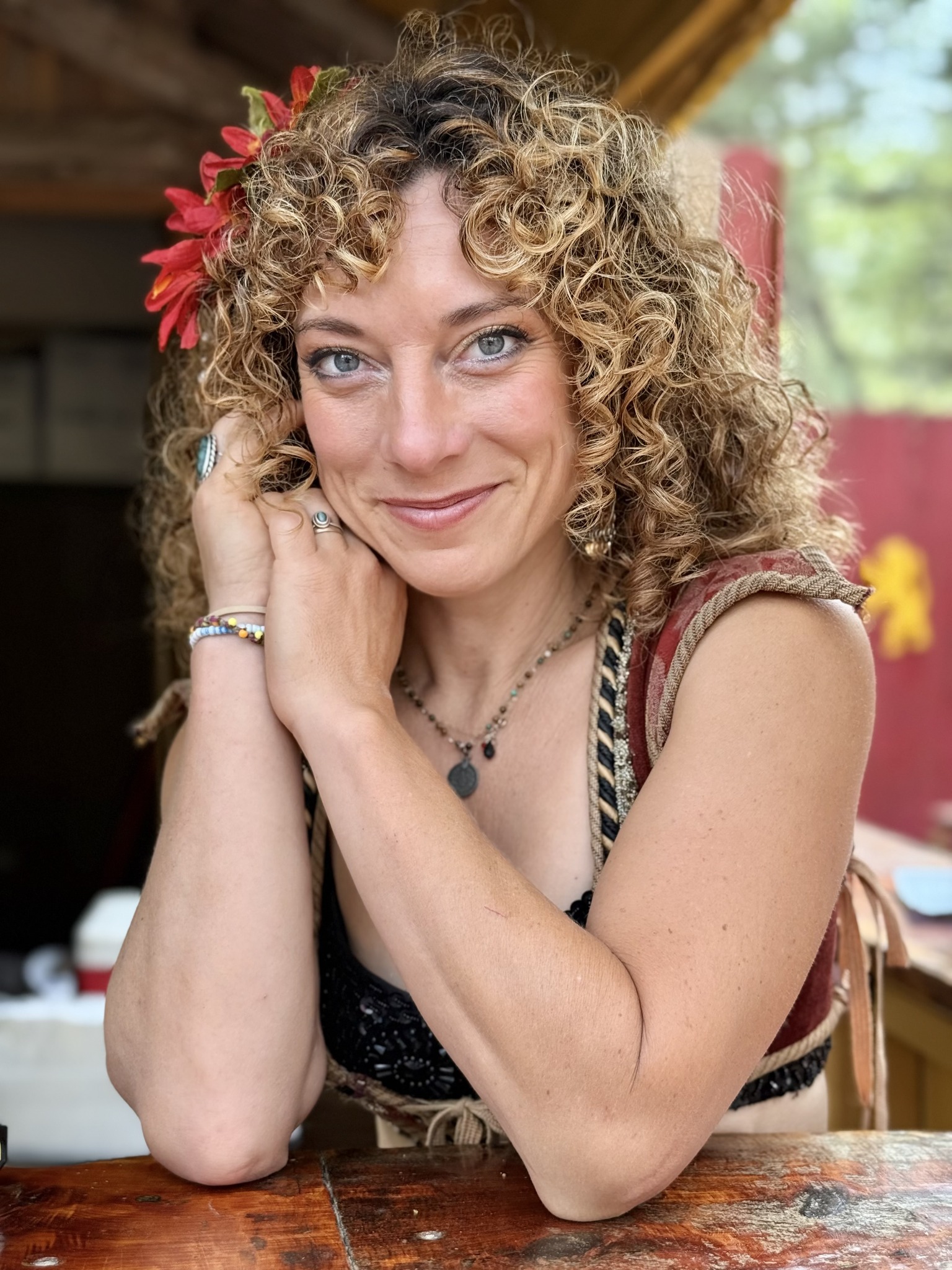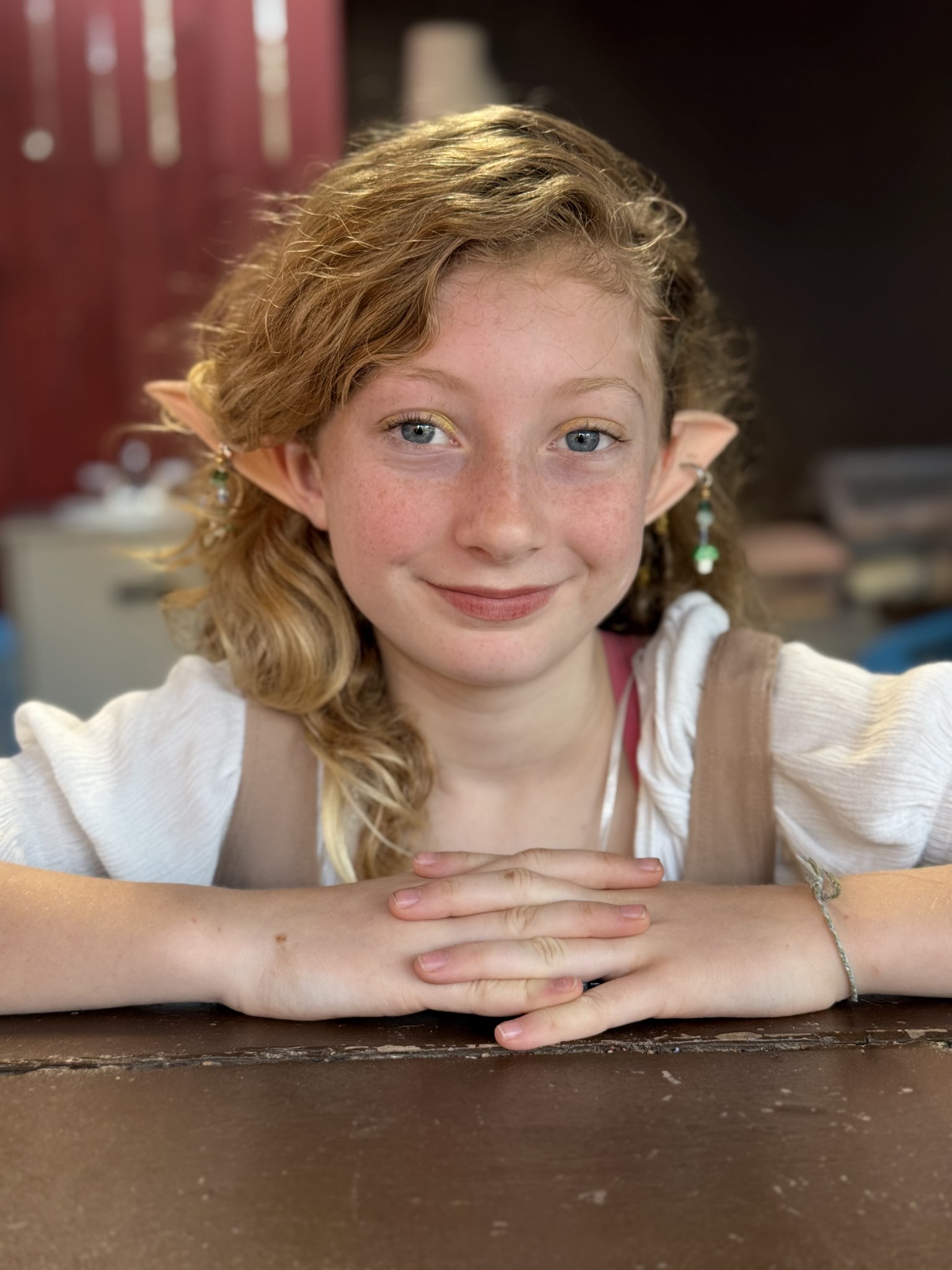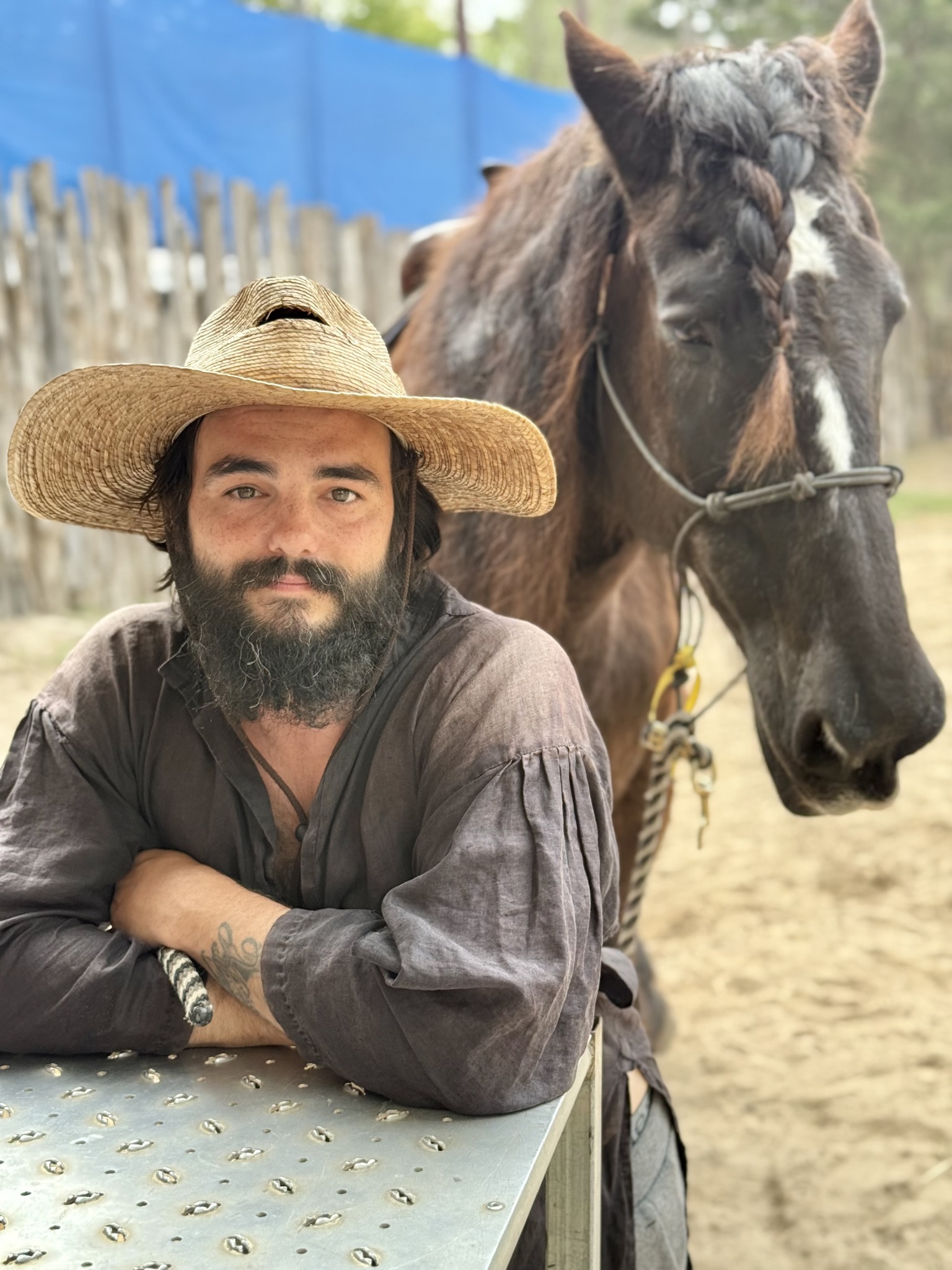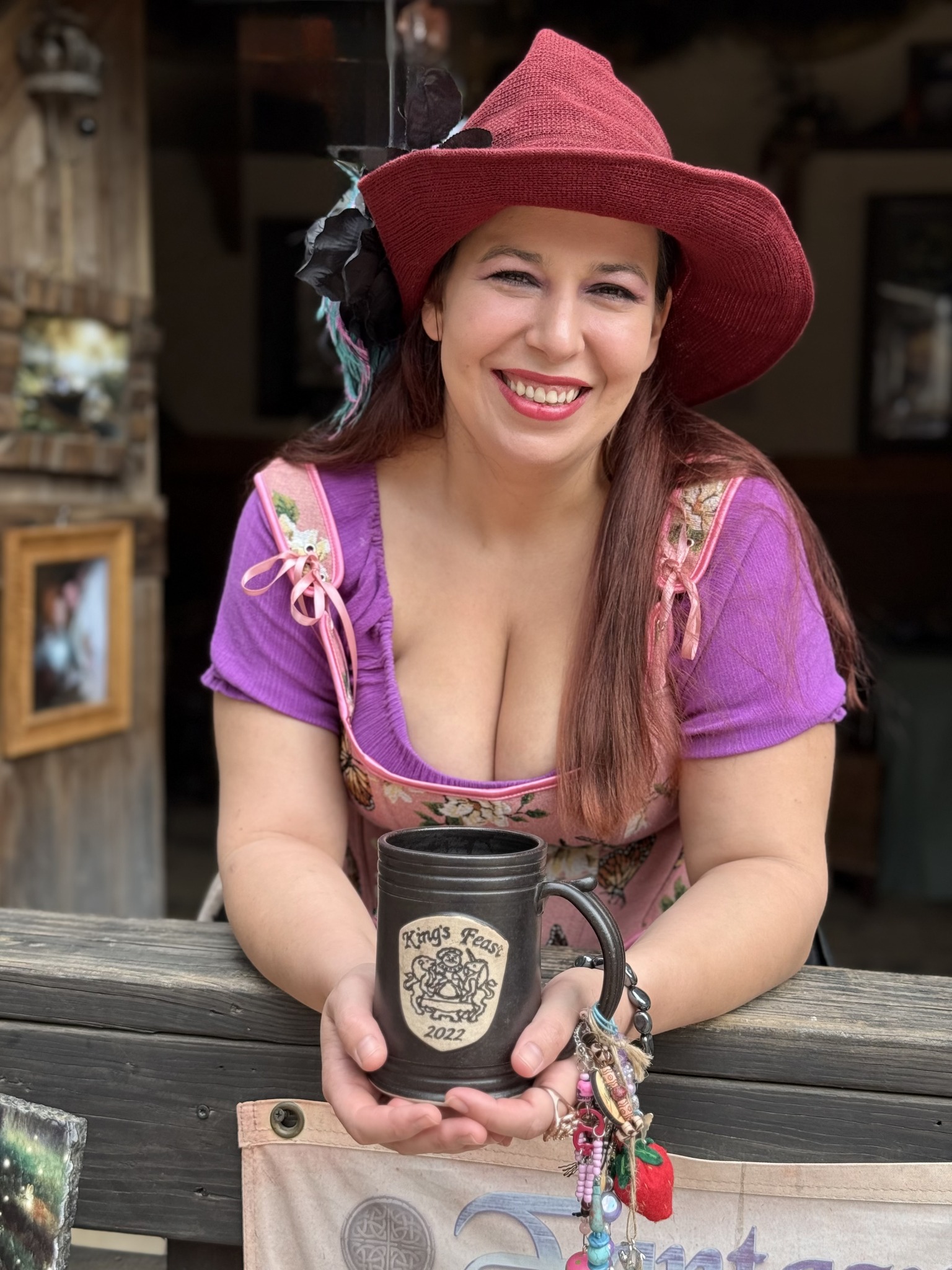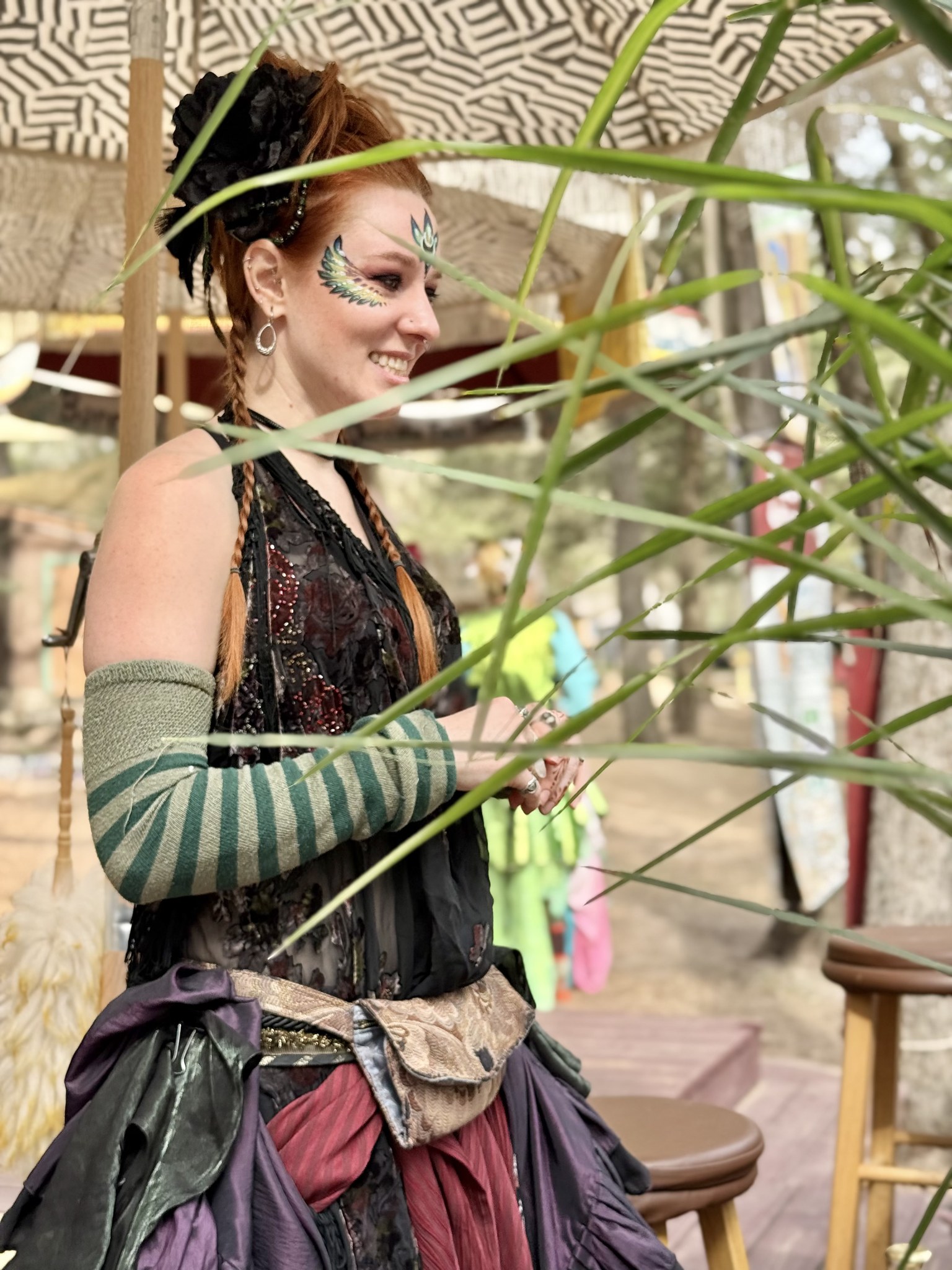
In portrait work, without a doubt, this is my biggest rush—the moment I realize that the person in front of my lens feels seen. It rarely comes as a sentence. Almost never as a spoken thank-you. But I can feel it. I can read it. I can sense it settle across their face or loosen across their shoulders. A subtle shift, but unmistakable. It’s the unspoken phrase every portrait photographer waits for:
Thanks for seeing me.
It’s not said out loud. It doesn’t have to be. The body says it. The eyes say it. The breath says it. A person can tell when someone is actually paying attention to them—not the costume they wear for the world, not the performance they’ve rehearsed, not the armor they’ve carried for years. Them. The person under the noise, under the history, under the insecurities, under the expectations.
That is the real subject of every portrait I’ve ever taken.
And this, truly, is the high. Not the click, not the edit, not the final image. The moment of recognition. The moment someone realizes—often to their own surprise—that I am not photographing the surface. I’m photographing the person living inside the surface.
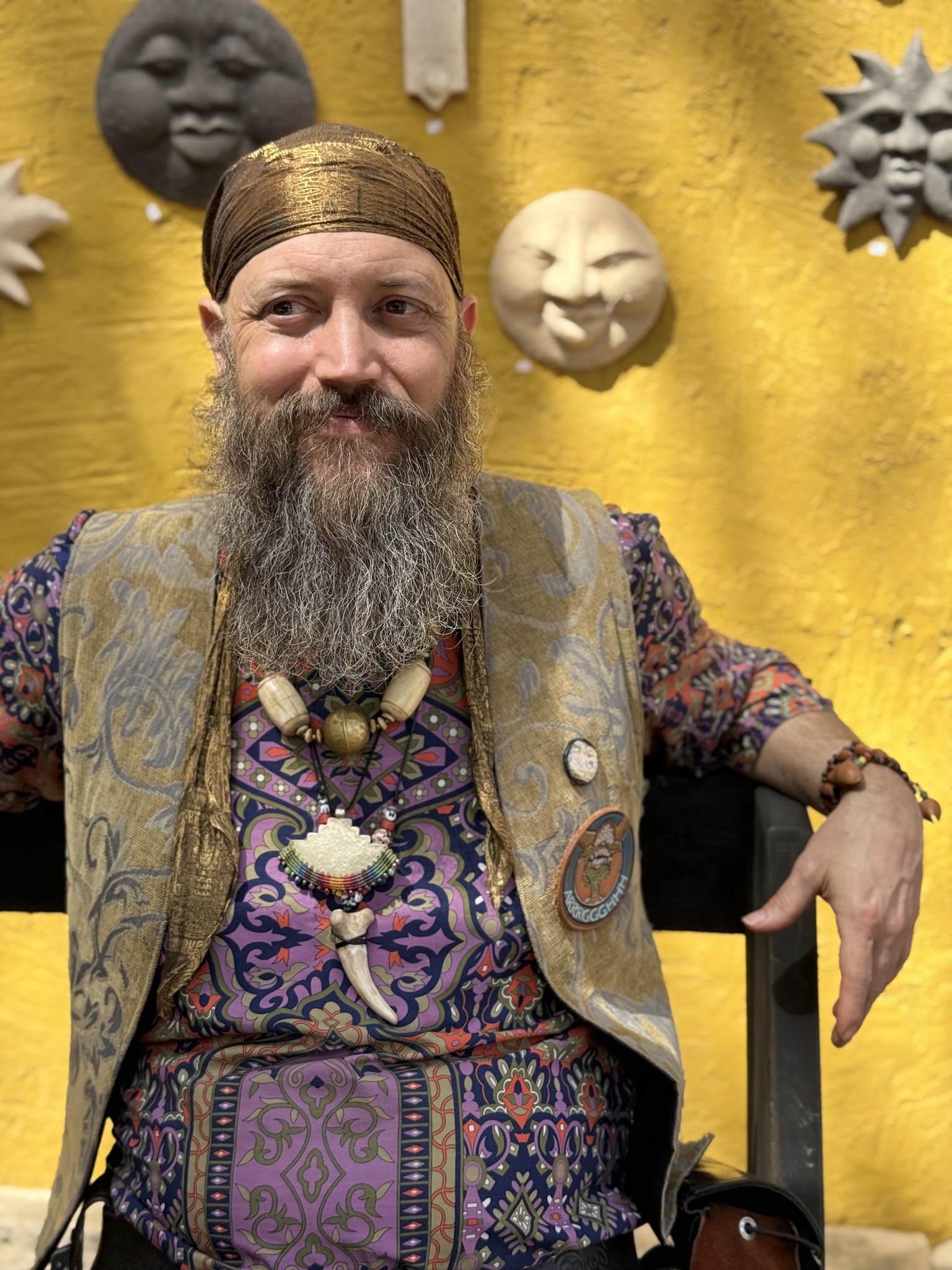
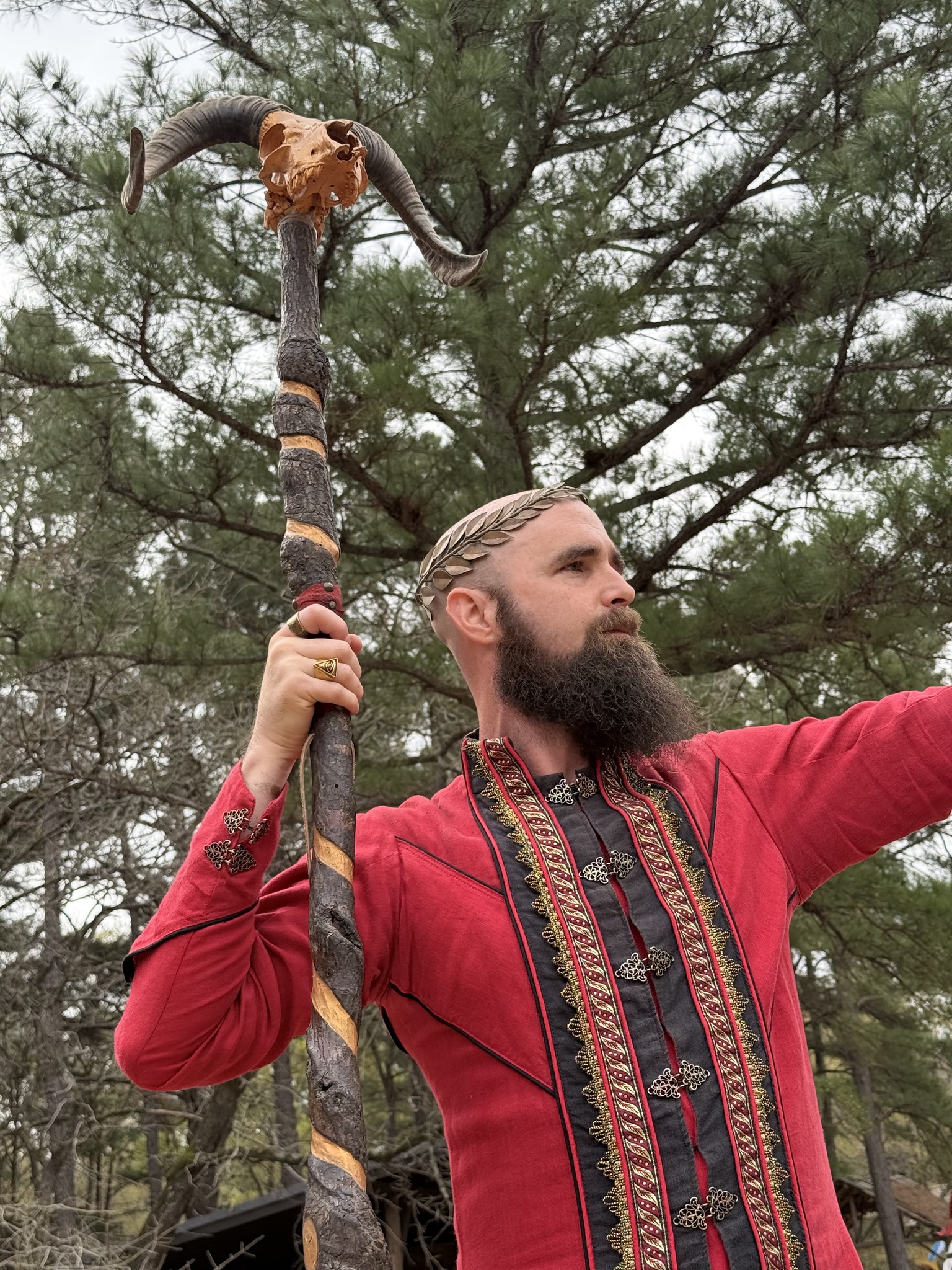
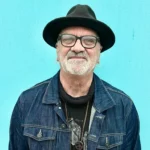
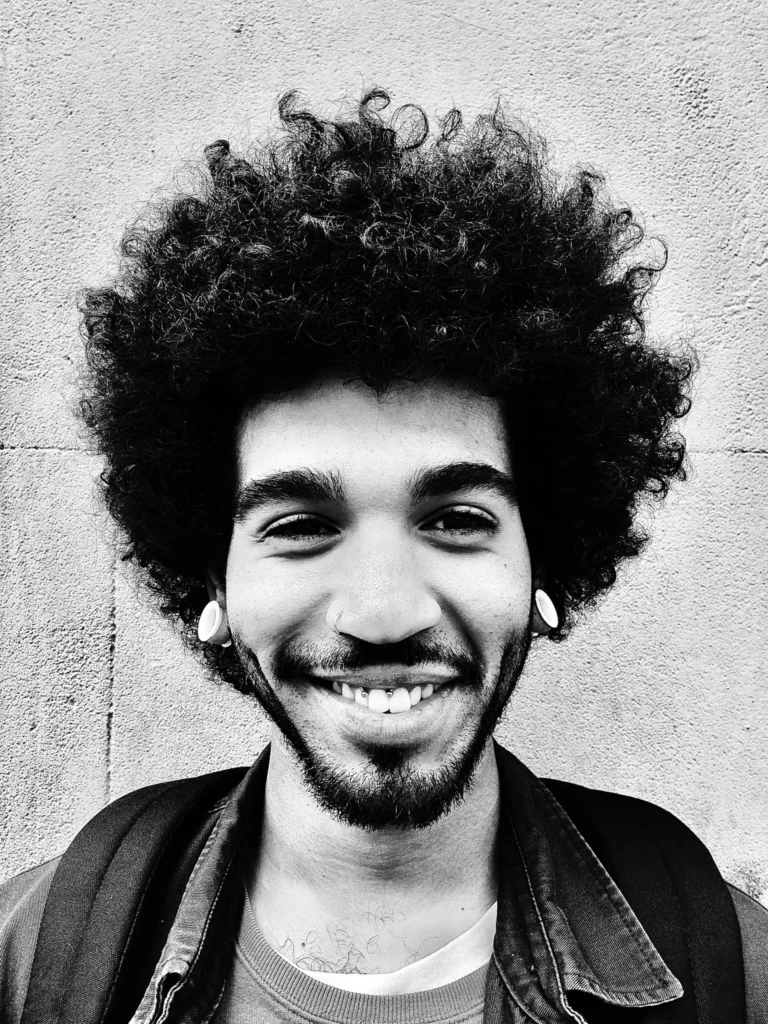
I see it in their faces. That tiny exhale that tells me the guard has dropped half an inch. The eyebrows soften, the eyes widen, the jaw unclenches. You can’t fake that kind of surrender. You can’t manufacture it. It arrives when someone decides, briefly but sincerely, to be known.
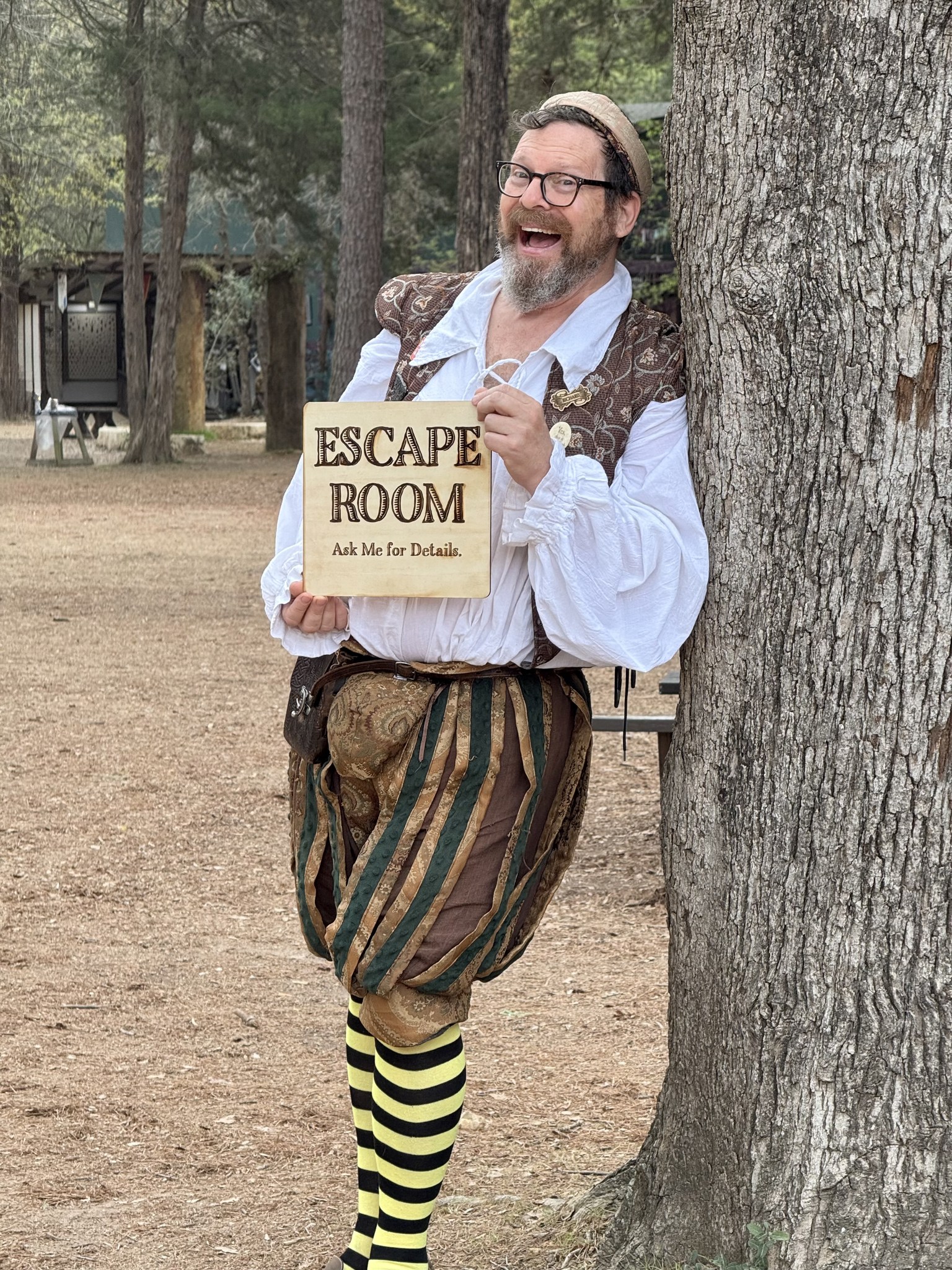
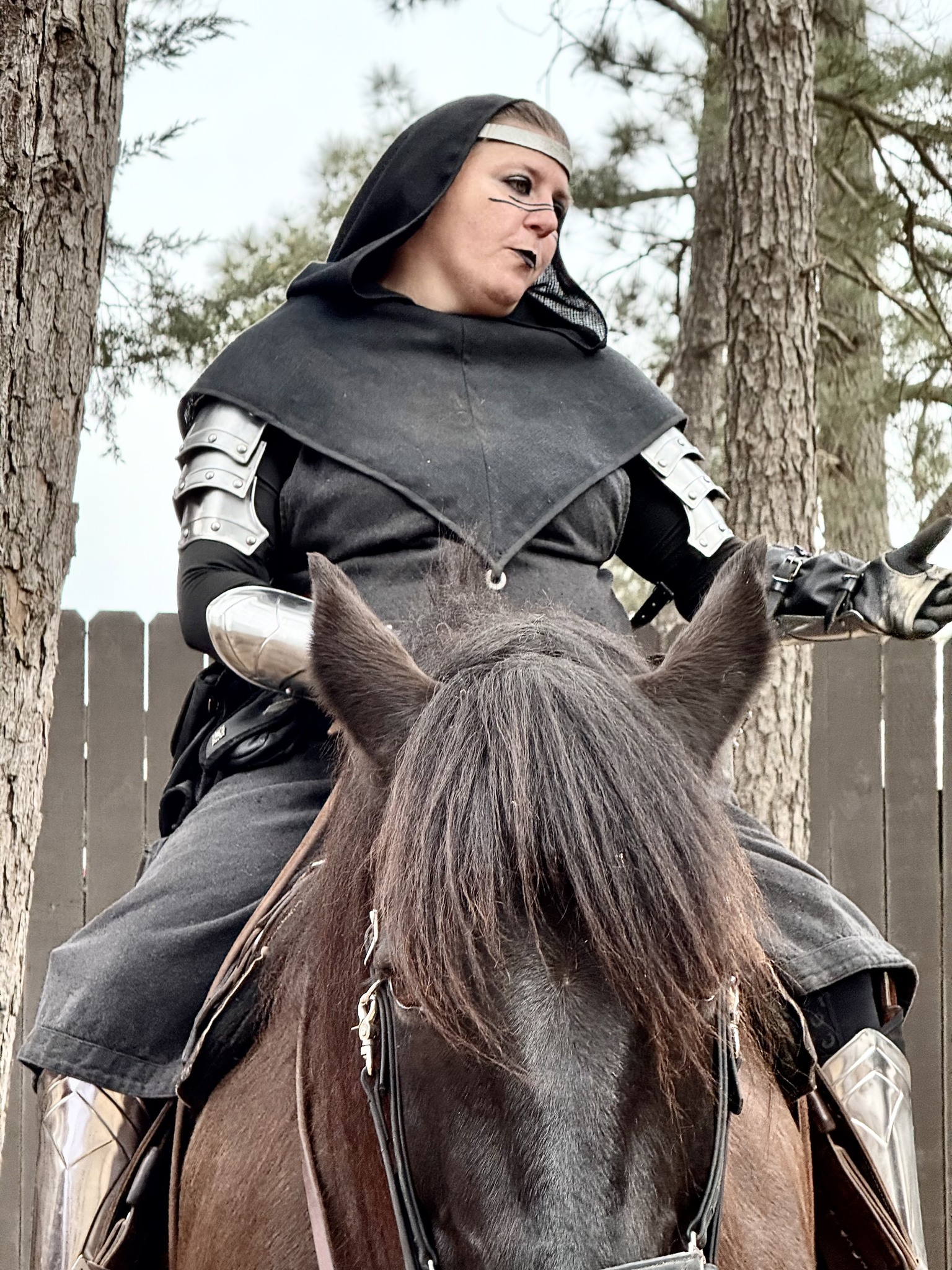
I see it in their body language. Shoulders that were tight relax. Arms that were crossed slip open. A chin that was stiff with caution angles in a way that says, Do what you need to do. A posture that was defensive becomes available. This is not about posing. It’s about permission—permission to be photographed as a human being rather than a curated character.
I see it in their fears. Fear is not always trembling or panic. Sometimes it’s a quick glance to the side. Sometimes it’s a half-smile that flickers and disappears. Sometimes it’s the way someone holds themselves as if the camera might reveal too much. But even fear has a softness when someone chooses courage over hiding. Fear, when acknowledged, becomes a doorway. And I often find that the most powerful portraits come from people who were afraid but let me in anyway.
I see it in their smiles. Not the social smile. Not the practiced smile. Not the taught-from-childhood smile. The real one. The one that doesn’t need approval or applause. The one that shows a person returning to themselves for a split second. When that smile appears, even faintly, even briefly, it tells me they feel safe. It tells me they feel seen.
And here’s the truth most people don’t understand: everyone wants to be seen. Everyone. It doesn’t matter who you are or where you’ve been or what you believe about your face or your body or your worth. We all want confirmation that we exist in someone else’s eyes. We all want the dignity of being noticed—not as an object, not as a project, not as a stereotype, but as a human being with a story.
The camera, for me, is not a tool to record what someone looks like. It’s a tool to acknowledge that they are. That they matter. That they carry something interesting simply by being alive. That their presence, in that moment, deserves attention.
I see you.
These three words are the foundation of portrait photography. They are the silent contract between photographer and subject. They are the difference between a picture and a portrait. And they are the difference between someone enduring the lens and someone offering themselves to it.
I validate you.
Most people don’t say they’re seeking validation, but their bodies tell the truth. We live in a world that spends enormous energy making people feel unseen—overlooked, dismissed, ignored, graded, critiqued, compared, diminished. So when someone steps in front of a camera, they bring that weight with them. They bring every comment they’ve ever heard about their face or body. They bring every insecurity that’s been carved into them. They bring every moment they felt invisible.
My job, whether they realize it or not, is to return something to them that the world has taken away. Not beauty. Not perfection. Not youth. Visibility.
You are interesting.
This is what I say with my attention, with my silence, with the way I watch their face change from guarded to real. Everyone is interesting. Everyone carries a story behind their eyes. Everyone holds something—grief, joy, regret, hope, longing, resilience—that deserves to be witnessed. Portraiture, at its best, is not about aesthetics. It’s about honoring the simple fact that people contain worlds.
And that’s the part that moves me. The part that keeps me doing this after forty-plus years. The part that never becomes routine. There is humanity in the quiet few seconds before the shutter clicks. Humanity in the micro-expressions. Humanity in the shift from uncertainty to trust. Humanity in the delicate transaction of being seen and allowing yourself to be seen.
People think portrait photographers spend their time thinking about lenses and light and angles. And sure, those things matter. But they’re not the engine. The engine is empathy. Presence. Curiosity. The willingness to pay attention to someone in a way they rarely experience.
Most people go through their lives half-seen, if at all. Photographed constantly but rarely regarded. Posted but not perceived. Captured but not understood.
And then, for a minute or two, they stand in front of a stranger who is actually looking—really looking—at their face, their posture, their emotions, their essence. Not to judge. Not to critique. Not to flatter. But to understand.
You can feel the electricity when that understanding lands. You can feel someone shift from performing for the camera to participating with it. That’s the moment. The rush. The quiet boom. The reason I keep doing this after all these years.
Some photographers chase the extraordinary. I chase the ordinary made honest. I chase the moment when someone stops pretending. When someone drops the mask they’ve worn for decades. When someone lets their humanness leak through the cracks.
And whether the portrait is candid or staged, whether it’s a commercial client or a stranger on the street, whether it’s a two-hour shoot or a three-second exchange, the feeling is the same.
I see you.
Not the version you show the world. Not the version you’ve filtered or edited or armored. You. The person beneath the noise. The person beneath the expectations. The person beneath the accumulated history of your life.
You are worth seeing.
This is what portrait photography has taught me: people aren’t afraid of cameras. They’re afraid of being seen and not recognized. They fear being visible but misunderstood. That’s why the greatest gift a photographer can give isn’t a perfect image—it’s acknowledgment.
You exist.
You matter.
You carry something real.
You belong in the frame.
When that message gets through—even faintly—it changes the way someone stands. It changes the way they breathe. It changes the way they look back at you. It changes the entire trajectory of the portrait.
And in that moment, the rush hits me again, as fresh as it was the first time.
Thanks for seeing me.
They don’t have to say it.
I already know.
Jack.