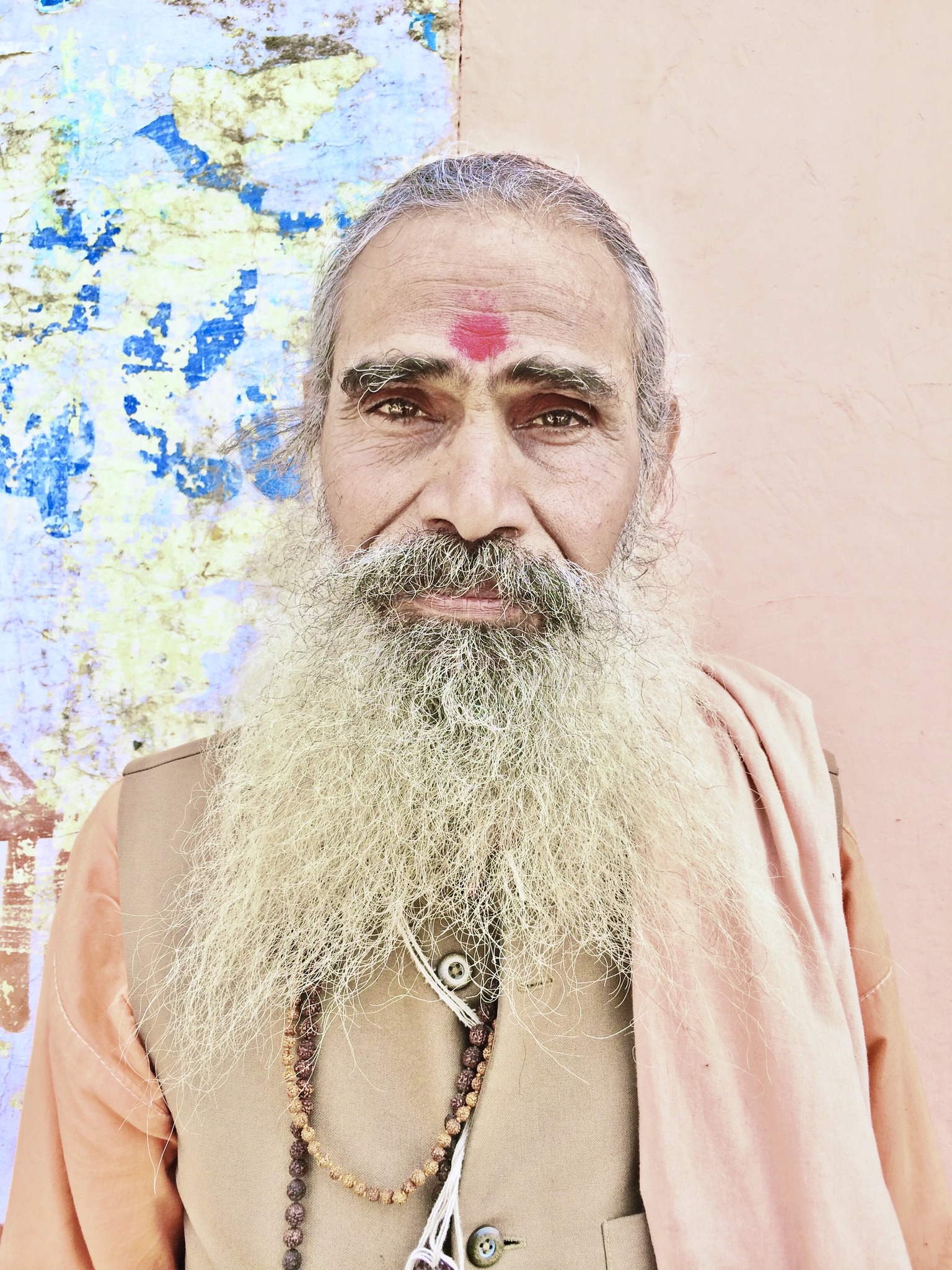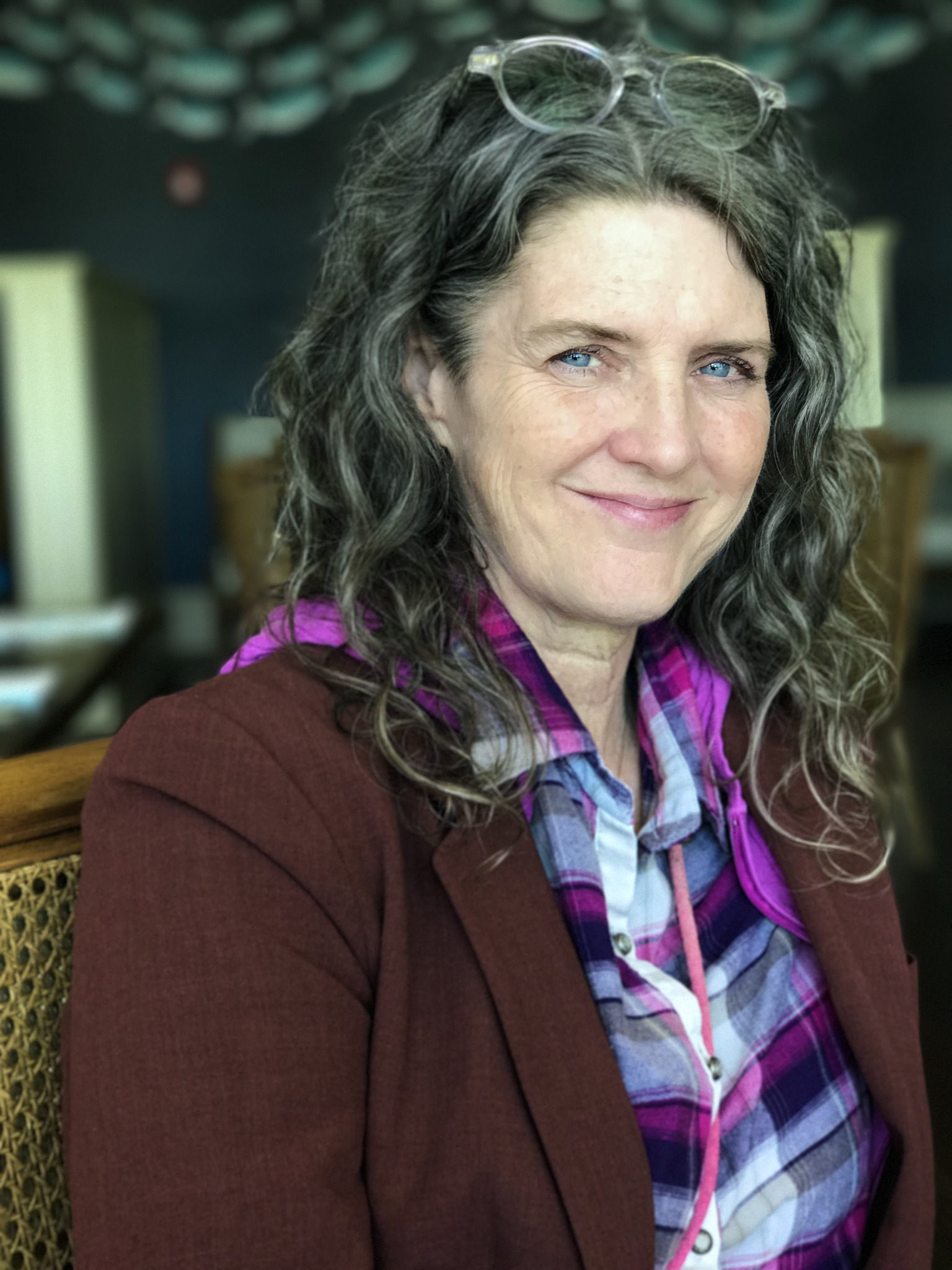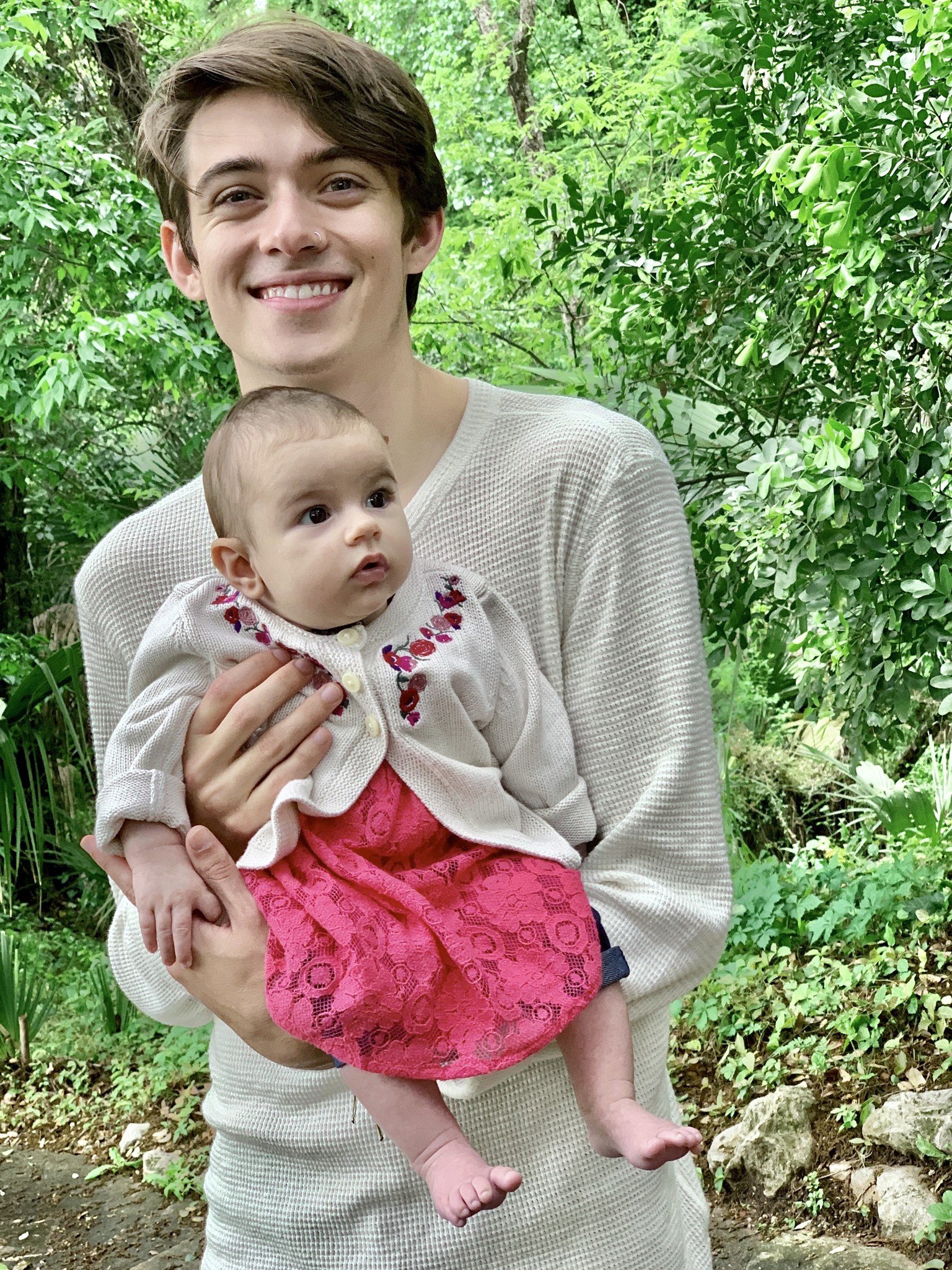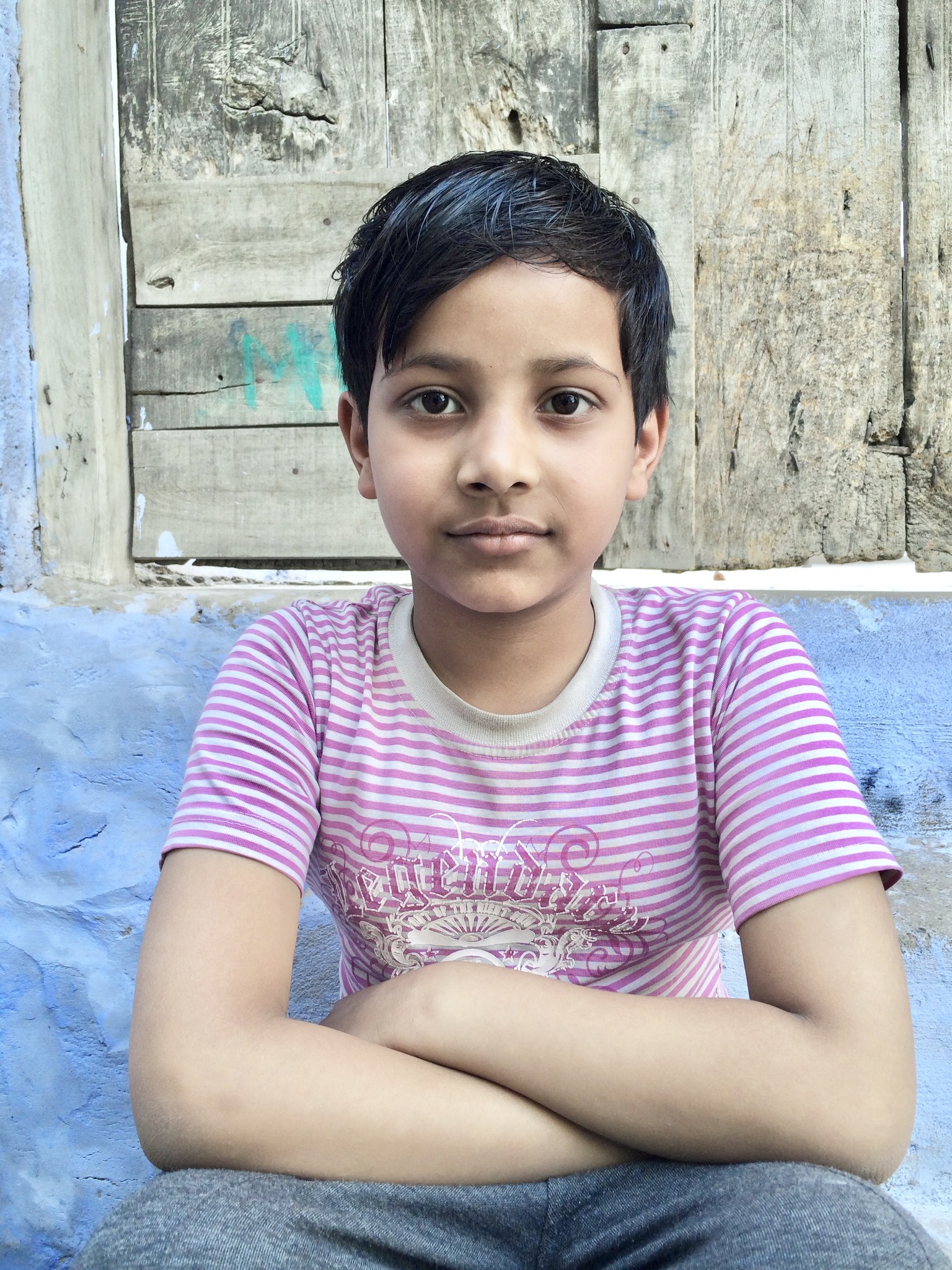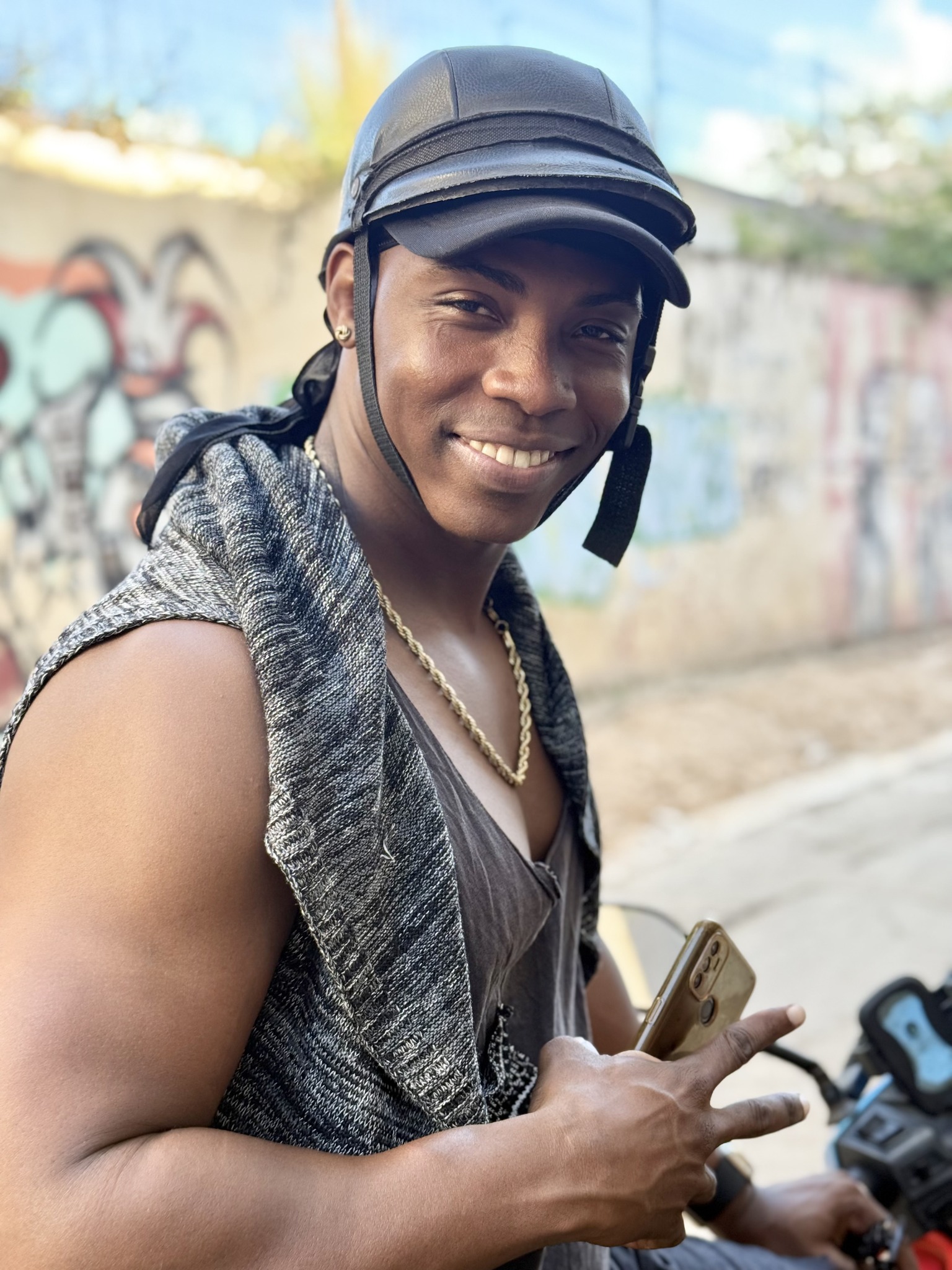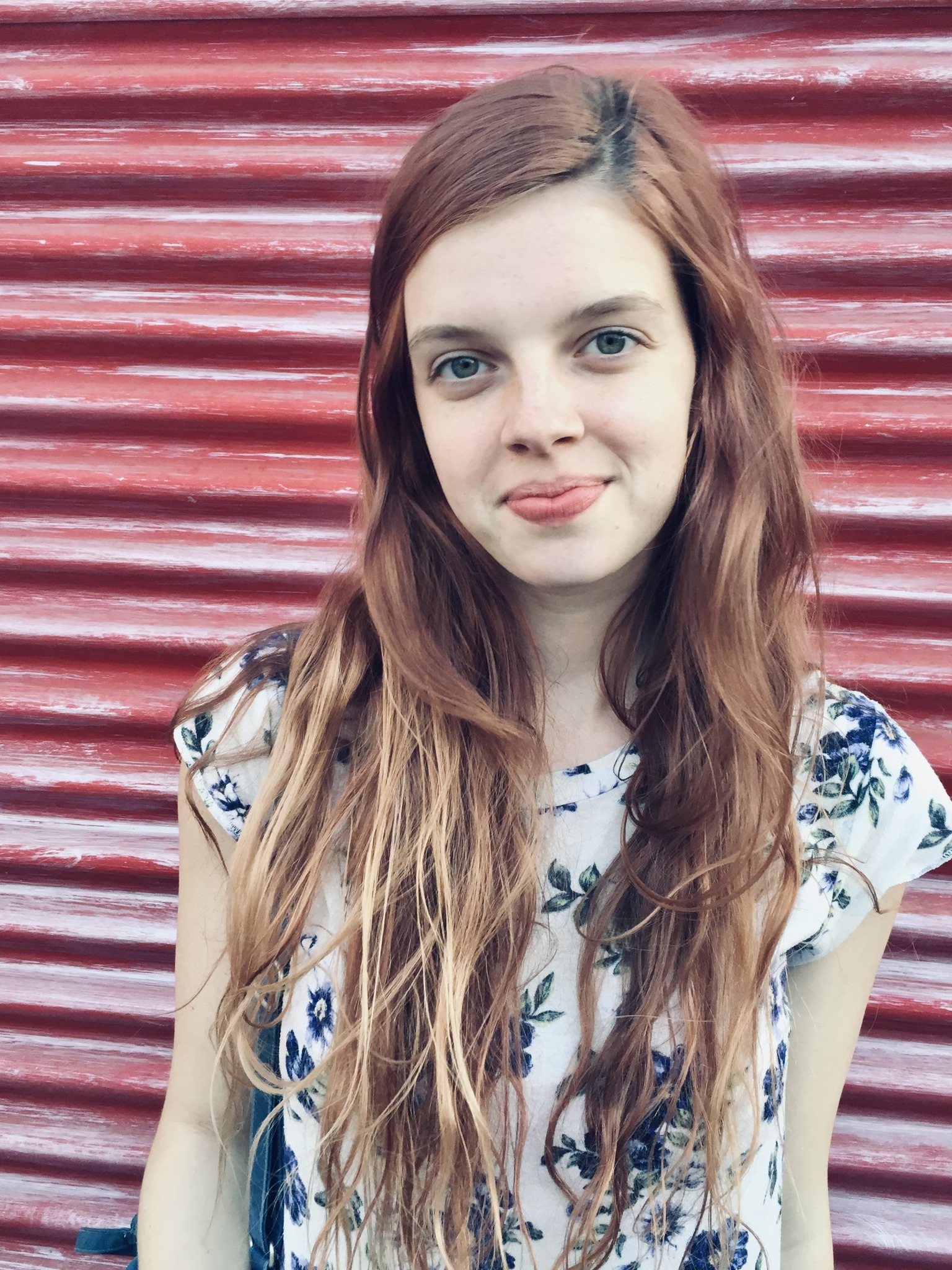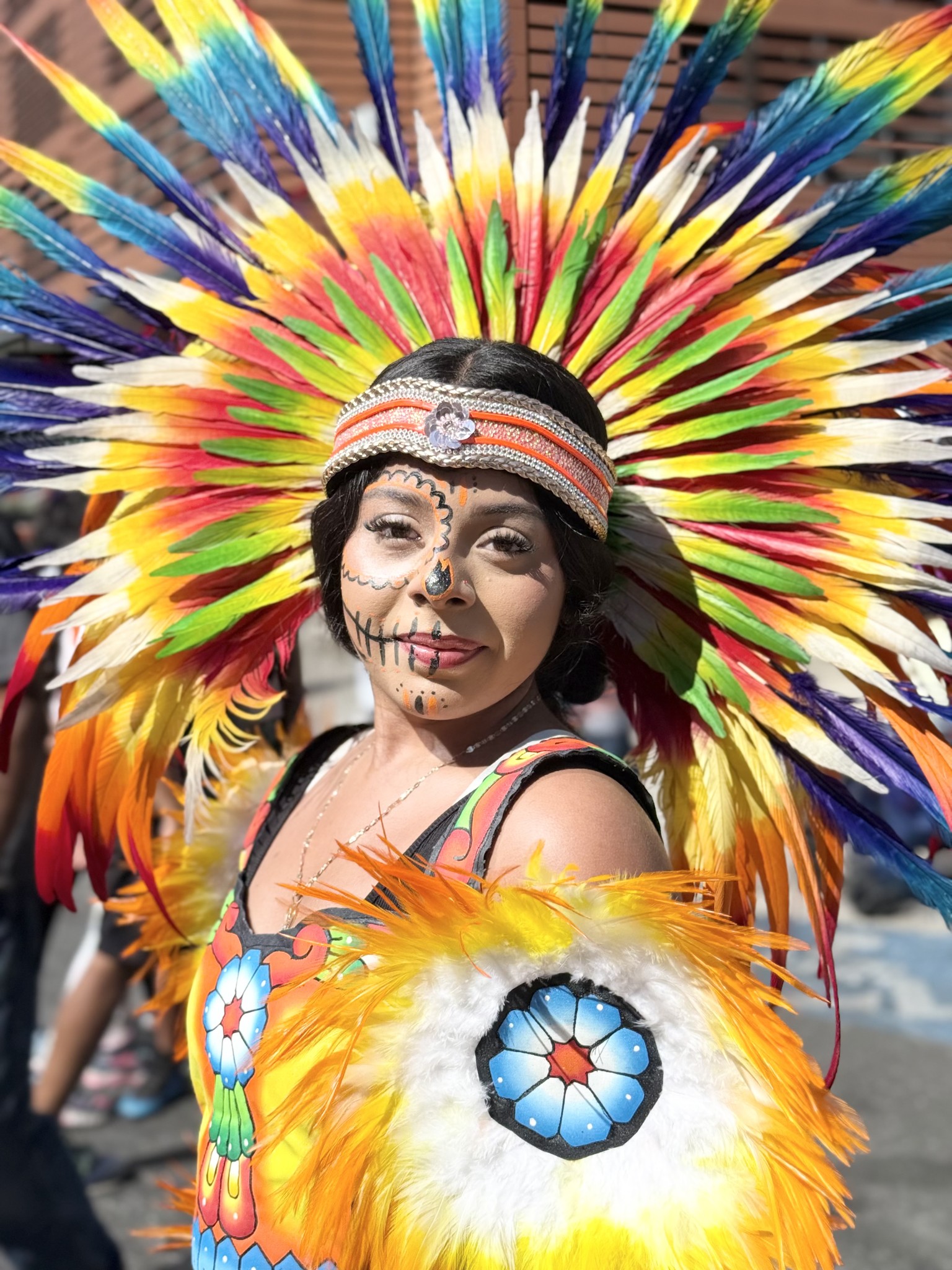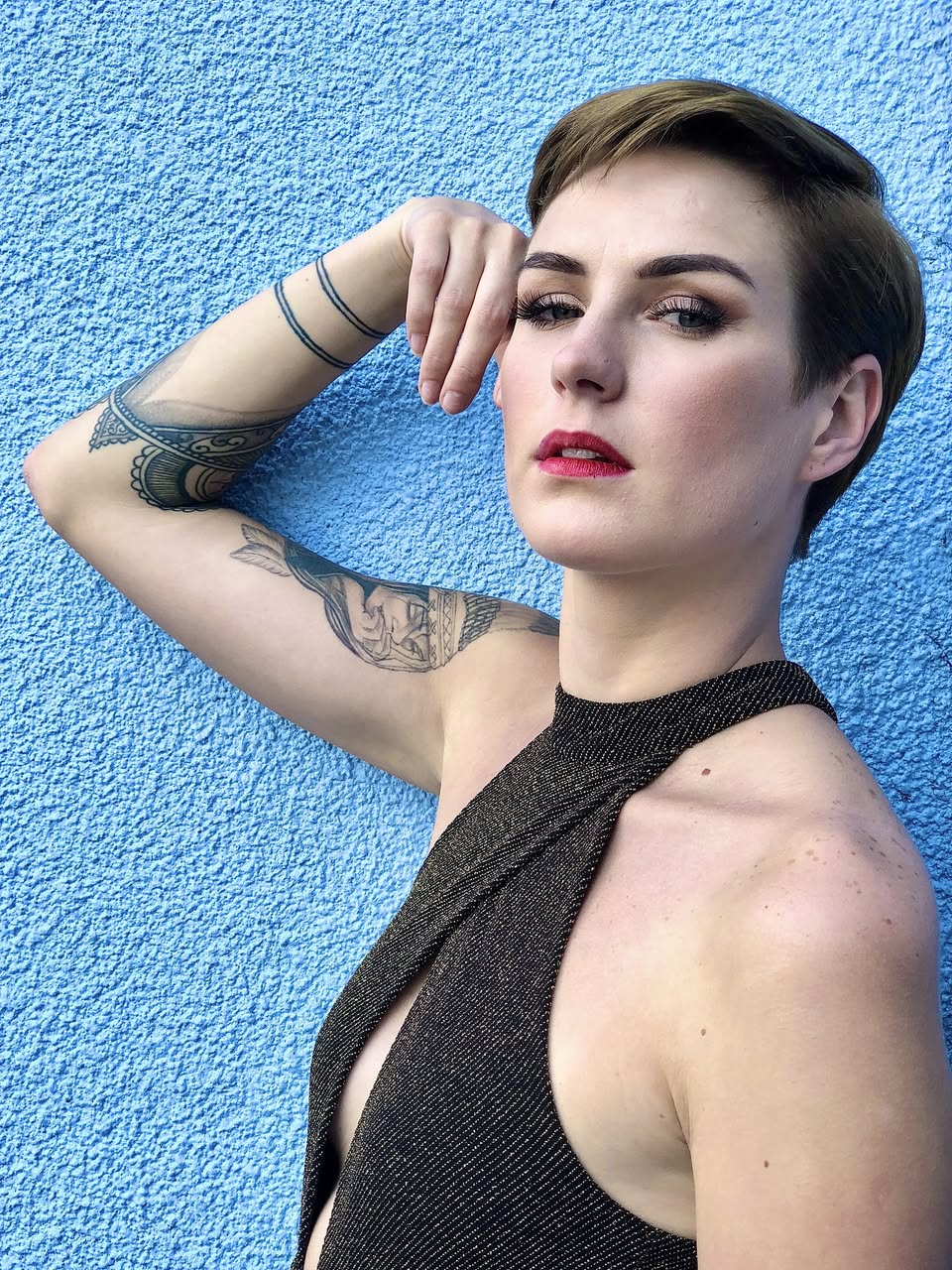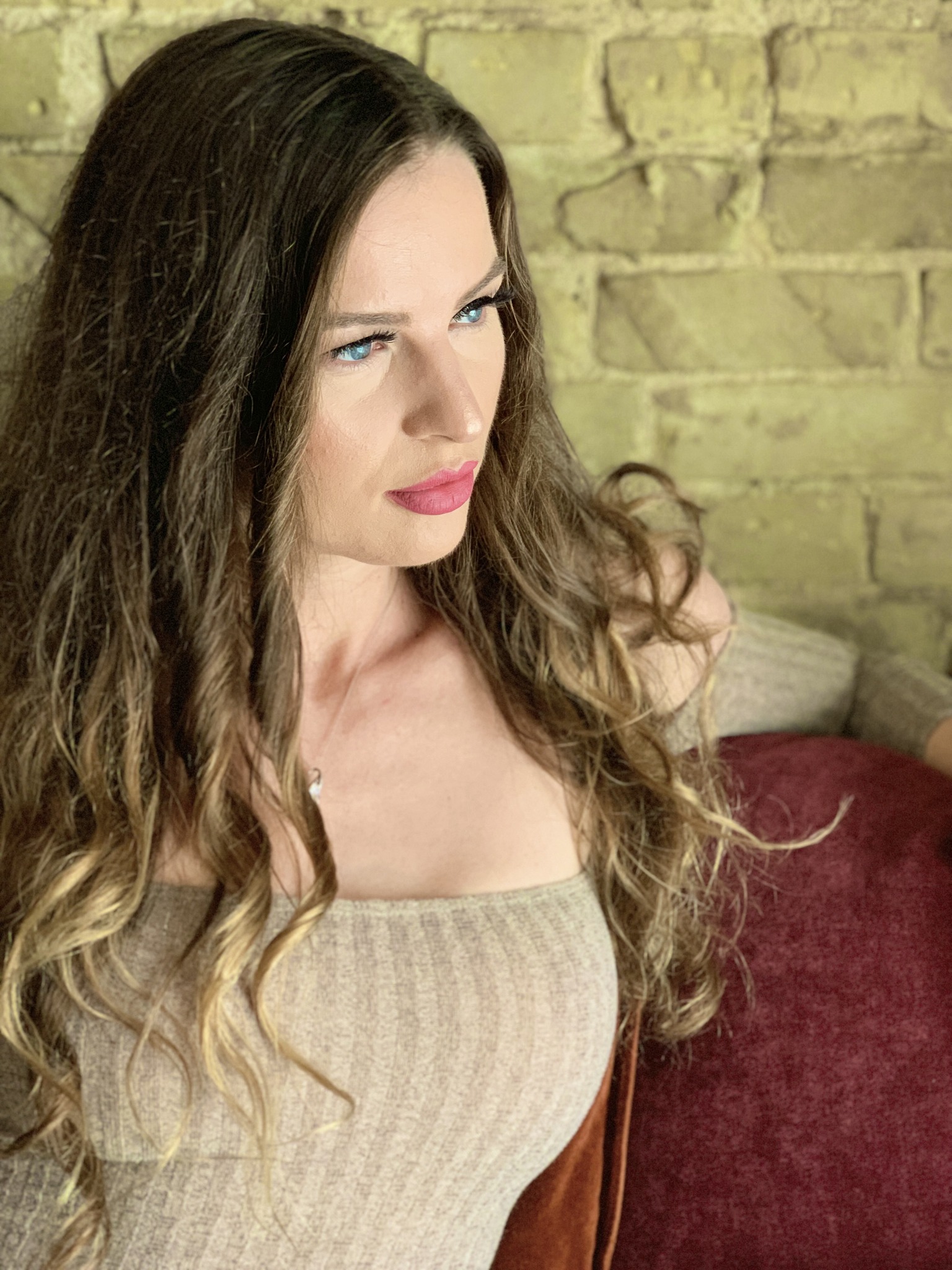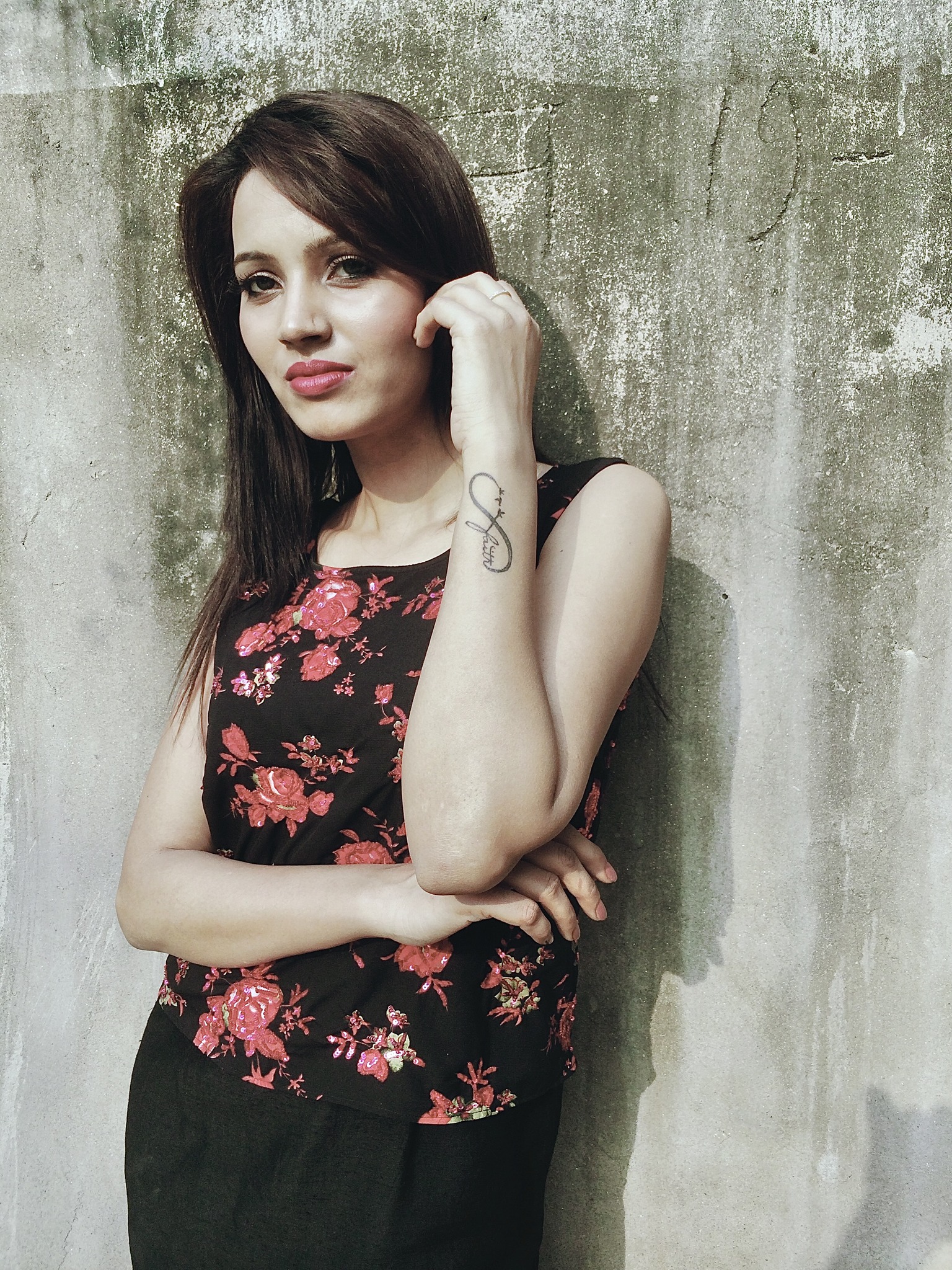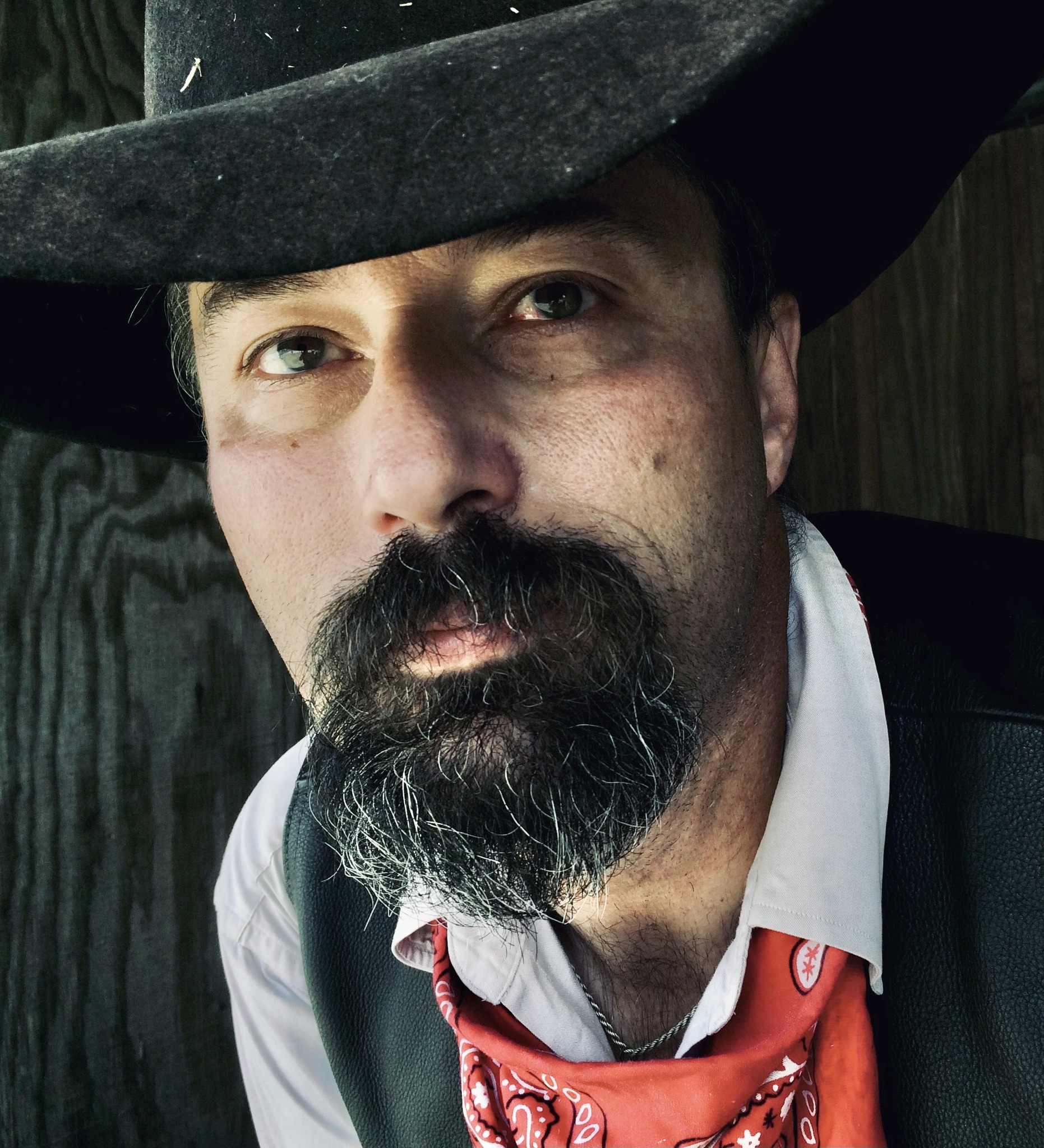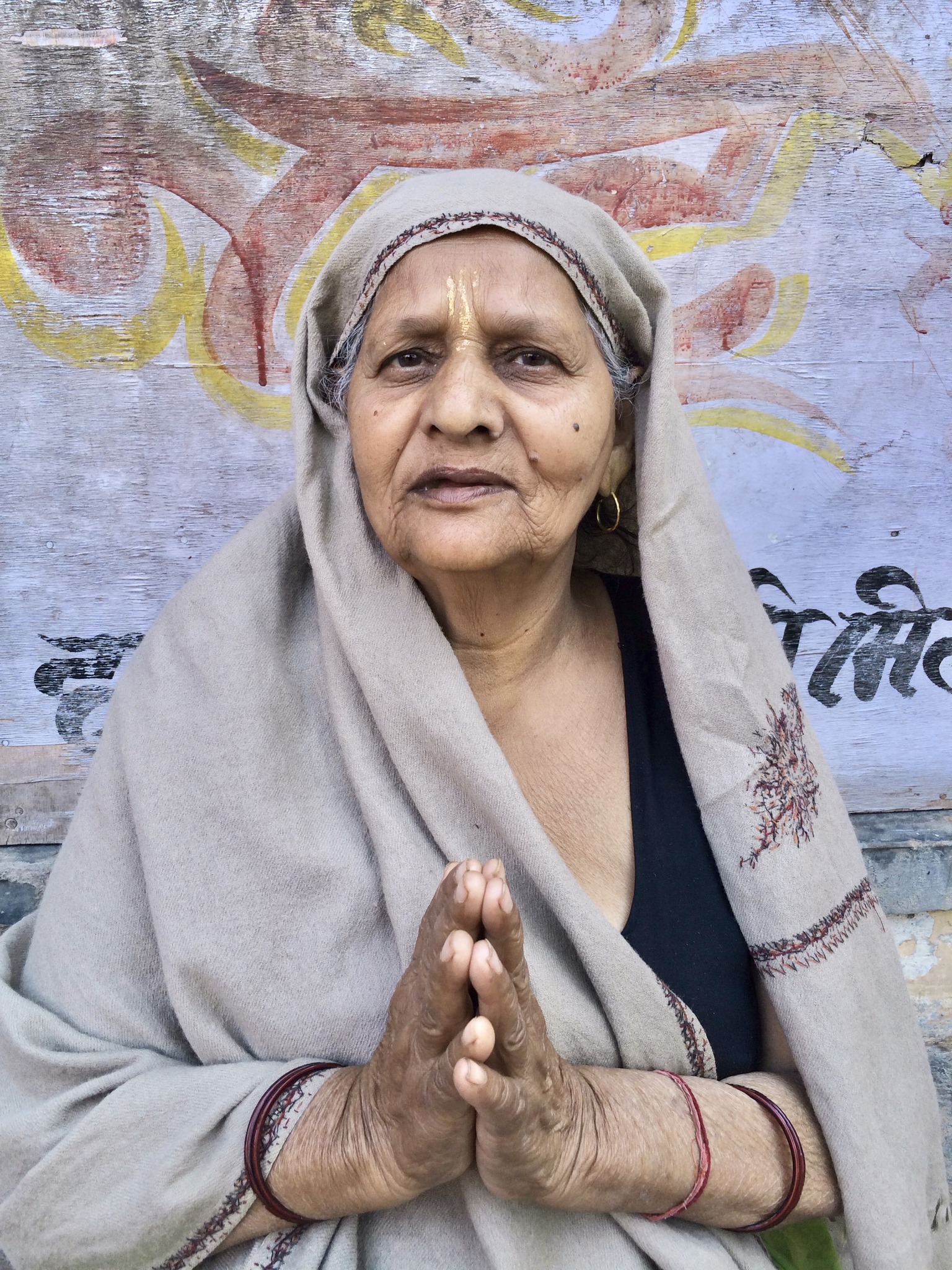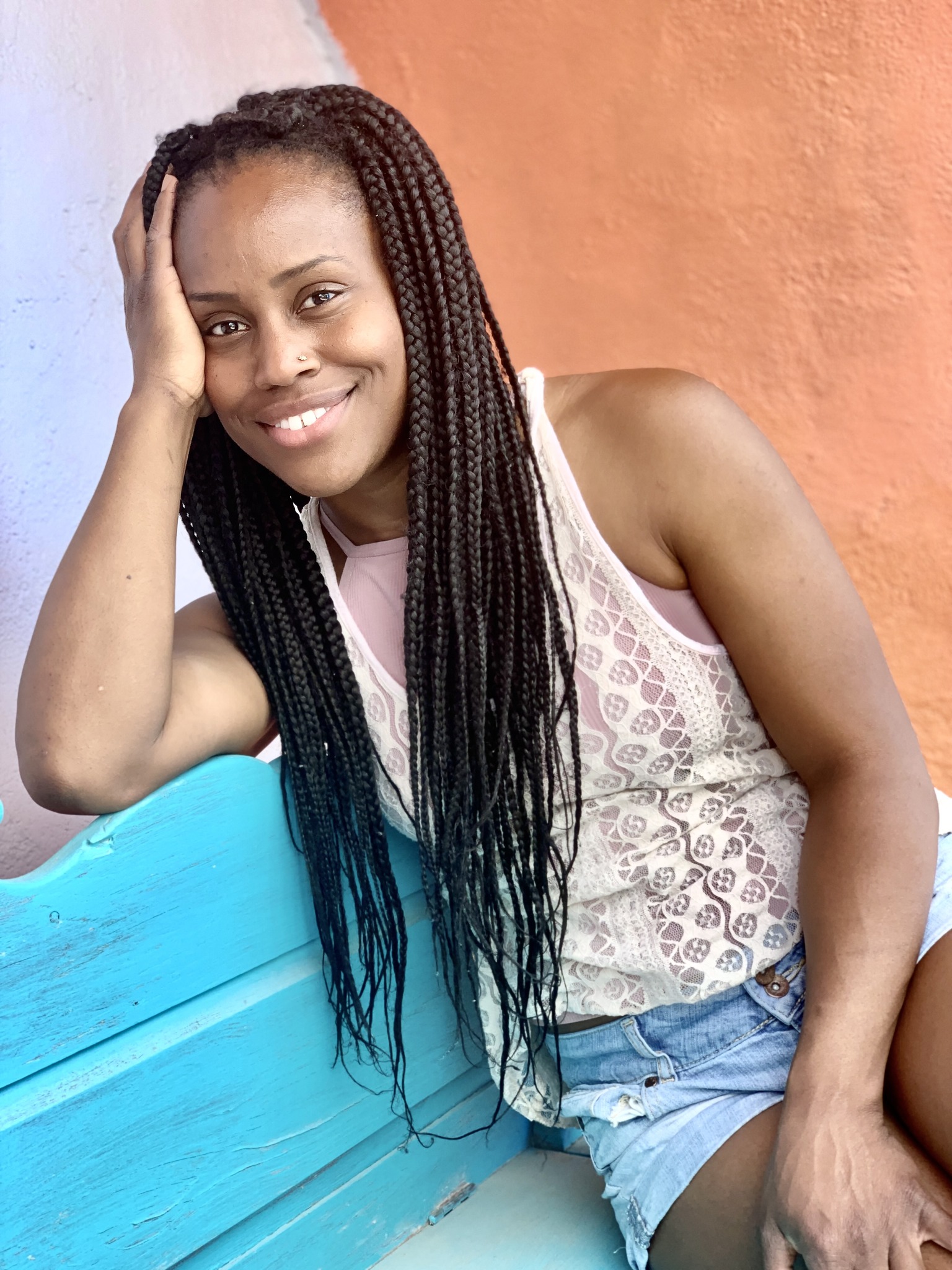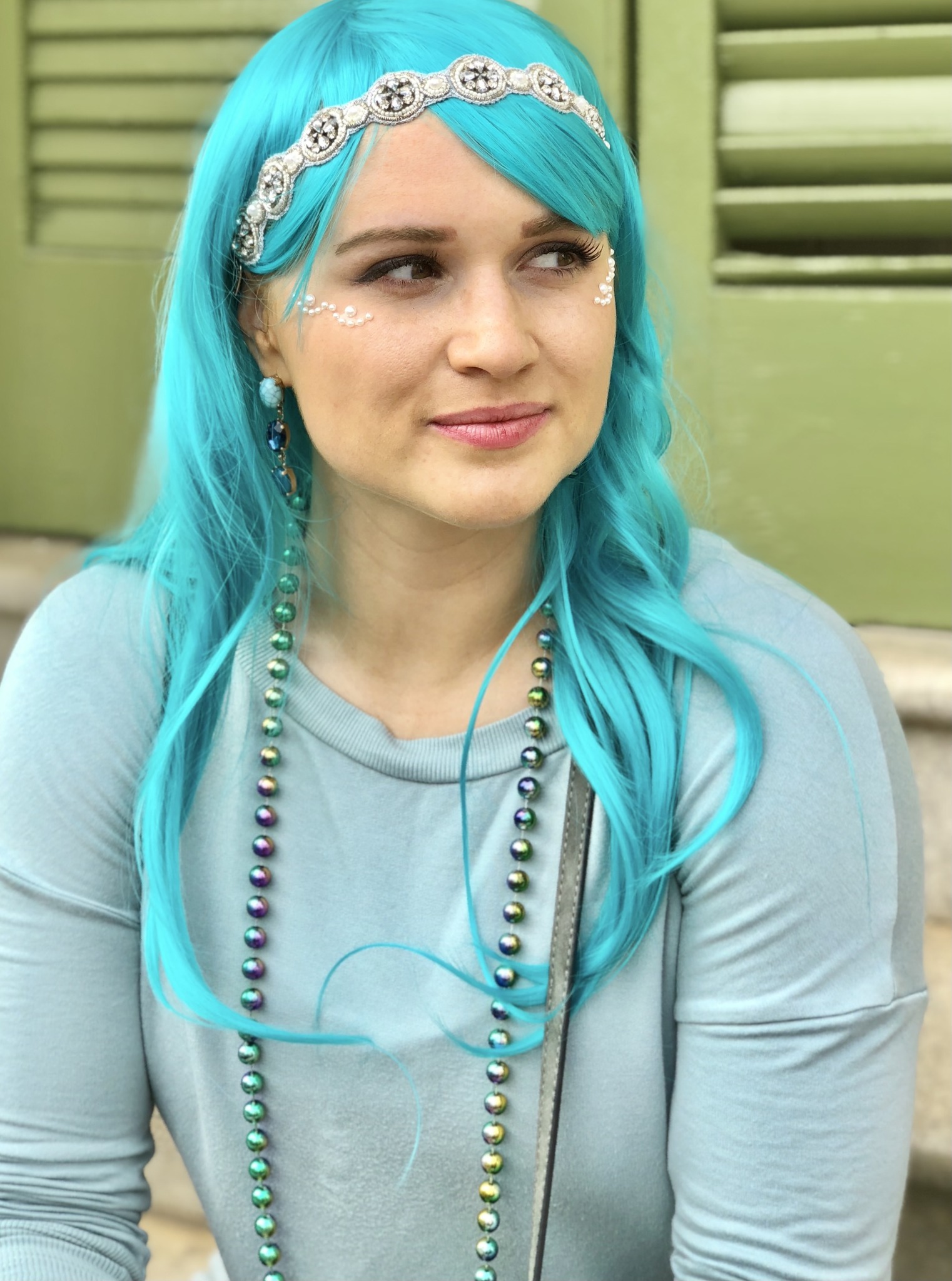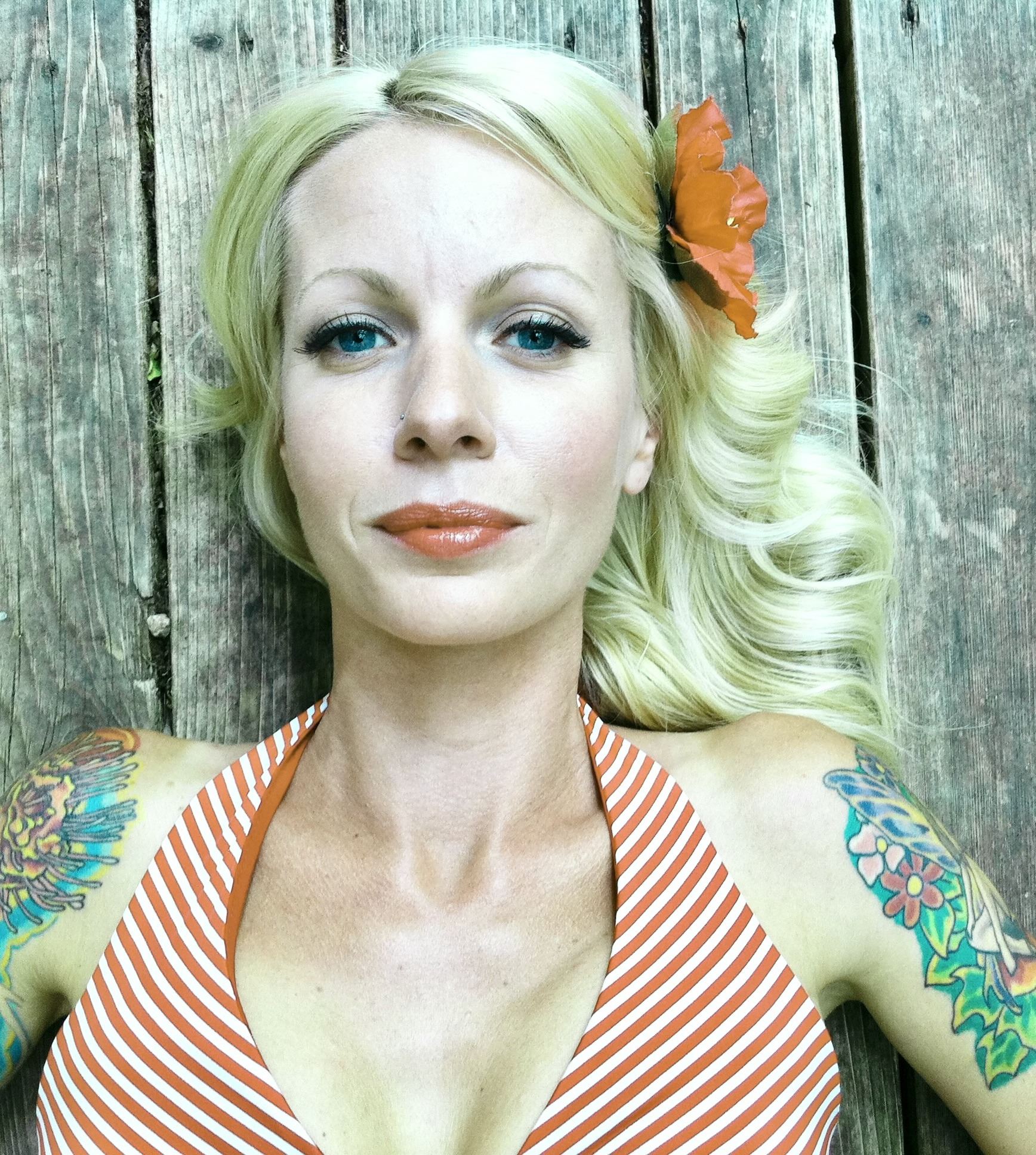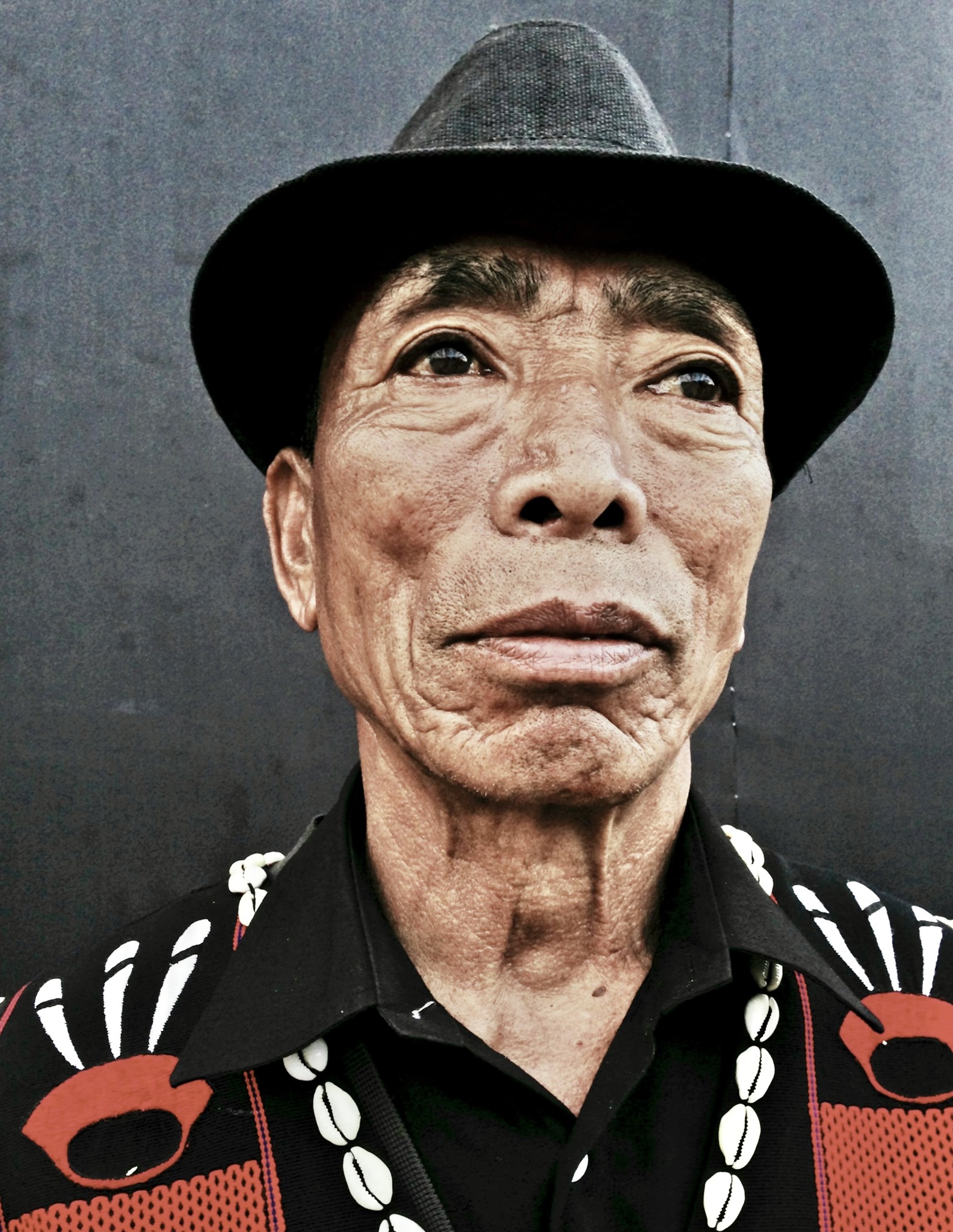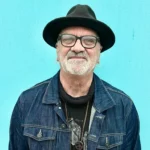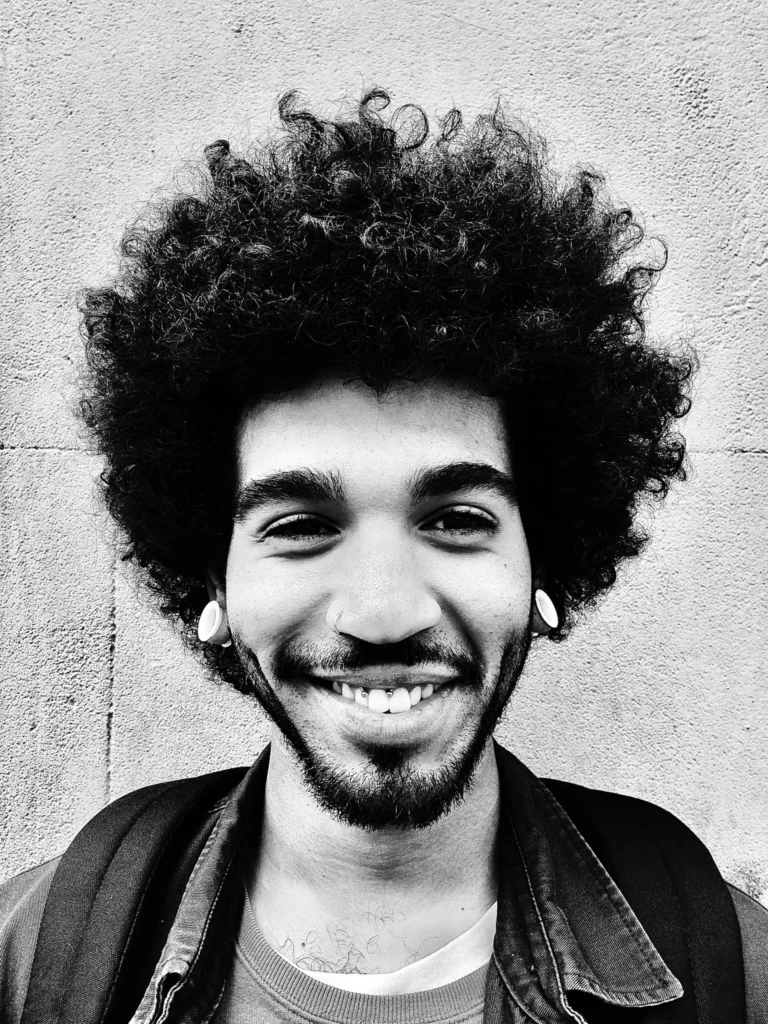
There are entire books written about how to ask a stranger if you can take their photo. Workshops, courses, YouTube tutorials, elaborate step-by-step systems. Scripts. Strategies. Psychological frameworks. All meant to prepare you for the supposedly monumental task of walking up to another human being and asking a simple question.
I’ve always found that a bit weird.
Not wrong. Just… unnecessary.
Because in my experience—decades of portrait work, tens of thousands of encounters, every kind of face in every kind of setting—there isn’t much to it. Certainly not a book’s worth of it. You don’t need a dissertation on social dynamics or a tactical plan that reads like a hostage negotiation.
All you need are five words.
“May I take your photo?”
That’s it. The whole enterprise begins and ends there. Say it clearly. Say it calmly. Say it confidently. And more often than not, the answer is yes. Not because you perfected some mystical psychological trick, but because most people, when asked politely and respectfully, are open to the idea of being photographed.
But here’s the part most photographers overcomplicate: the delivery matters more than the wording. If you ask with shrinking energy, people feel it. If you hesitate, if you look nervous, if you seem apologetic for even existing in the same space as them, people feel that too. Humans are astonishingly perceptive creatures—we read tone, posture, intention, and authenticity in a fraction of a second.
So the rule is simple:
Don’t shrink.
Don’t shrink your voice.
Don’t shrink your presence.
Don’t shrink your humanity.
Stand tall. Maintain eye contact. Not in a challenging way, but in an open, approachable way. Approach people the same way you’d want to be approached—without pressure, without pretense, without a long-winded speech trying to justify your existence.
Confidence is disarming. Confidence tells the other person they can trust the interaction. Confidence says: I know what I’m doing, and I’m not here to take advantage of you. Confidence is what turns a stranger’s uncertainty into curiosity.
And really—what’s the worst someone can say?
No.
That’s it. Just “no.” Two letters. A complete sentence. An answer that has absolutely no weight beyond the moment. A no does not wound you. A no does not define you. A no does not mean you overstepped, or misread the situation, or committed some grave social error. People get to choose, and their choice is not a commentary on your worth as a photographer or a person. They might be shy. They might be in a hurry. They might be having a rough day. It doesn’t matter.
If they say no, you smile, thank them anyway, and move on.
There are millions of faces left in the world.
But most of the time, they say yes.
And the yes usually doesn’t come with ceremony. Most strangers don’t launch into a monologue. They don’t make a fuss. They simply nod, or shrug, or give a quiet smile that says, Sure—why not? And in that moment, you’re in. The door has been cracked open, and you step into a soft and fleeting space of permission.
Once someone agrees, your job is extremely straightforward:
Be quick.
Be respectful.
Be present.
This is not the time to fumble through your settings or scroll through menus or begin experimenting creatively while they stand there feeling awkward. You are not shooting an editorial spread. You are not sculpting a masterwork. You are honoring the courage of a stranger who said yes.
Raise the camera.
See them.
Photograph them.
Thank them.
All in under a minute. Sixty seconds, beginning to end. If it takes longer than that, you’re doing too much.
I believe in the one-minute rule because it keeps the encounter human. It keeps it real. It keeps people from feeling like they’ve been captured rather than invited. When you keep things simple, the emotional temperature stays warm, not exploitative.
After the shot, if they’re an iPhone user, Airdrop them the photo on the spot. This is one of the greatest modern gifts in street portraiture—a way to instantly give back. To show them what you saw. To close the loop of connection. And if they don’t have an iPhone? Smile. Thank them again. Maybe show the photo briefly if they seem curious. Then let them go on with their day.
What matters most is the moment—not the perfection of the file.
What most photographers don’t realize is that asking a stranger for a portrait is not about strategy. It’s about intention. People can feel what you’re after. They can feel whether you’re hungry, timid, manipulative, or genuine. They know when you’re collecting people like trophies. They know when you’re hiding behind the camera instead of stepping into the moment with them.
But when you approach with sincerity—when your body language says I see you and I respect you—most strangers feel that too. And they respond to it. They warm to it. They lean into it.
People don’t say it, but here’s the truth: most of us want to be noticed. Not stared at. Not judged. Not evaluated. Not objectified. But truly noticed—by another human being who sees something interesting, something compelling, something worth pausing for.
“May I take your photo?”
is not a question about photography.
It’s a question about recognition.
You’re saying:
I find you visually compelling.
I honor your presence.
You matter enough for me to stop time for a second.
And that lands, deeply, even when the entire exchange lasts under a minute. Sometimes especially when it lasts under a minute. The brevity makes it pure. There’s no agenda. No negotiation. No buildup. Just a simple, honest request between two strangers occupying the same small square of space and time.
When you’ve done this for years—decades—you begin to understand that strangers are not nearly as intimidating as photographers make them out to be. People are far more open, far more generous, far more willing to participate in a moment of shared humanity than we give them credit for.
The real fear lives in the photographer, not the subject.
Fear of rejection.
Fear of awkwardness.
Fear of misreading the moment.
Fear of stepping into someone’s personal boundary.
But portrait photography is not about avoiding fear. It’s about walking through it with kindness. Fear dissolves when intention is honest.
And the simplest, most direct, most human way to begin that honest exchange is still:
“May I take your photo?”
No more.
No less.
Walk up with your head high.
Ask with clarity.
Receive their answer with grace.
Honor their yes with speed and respect.
Honor their no with humility.
Sixty seconds, beginning to end.
The easiest thing in the world.
And somehow—the most profound.
Jack.