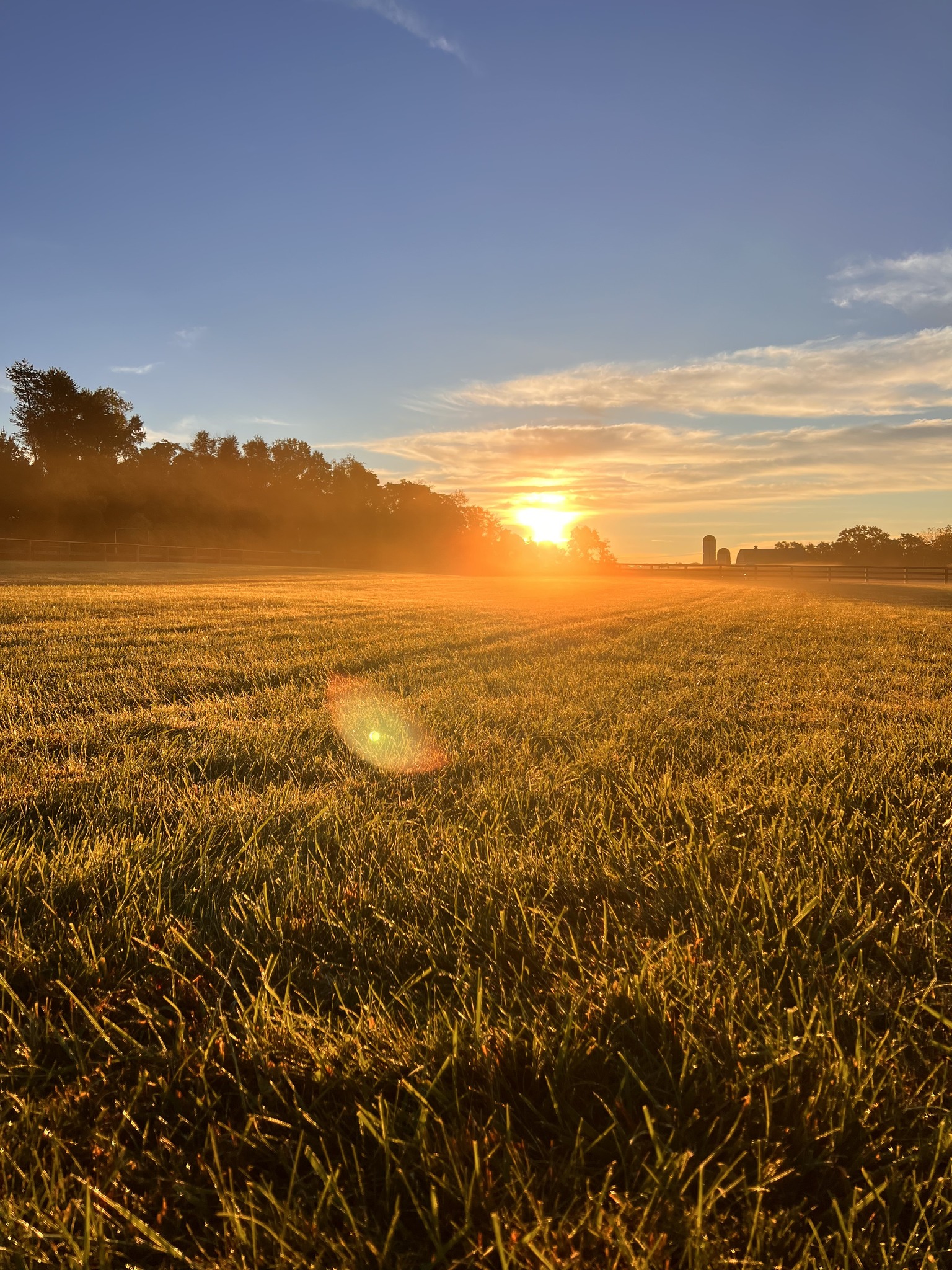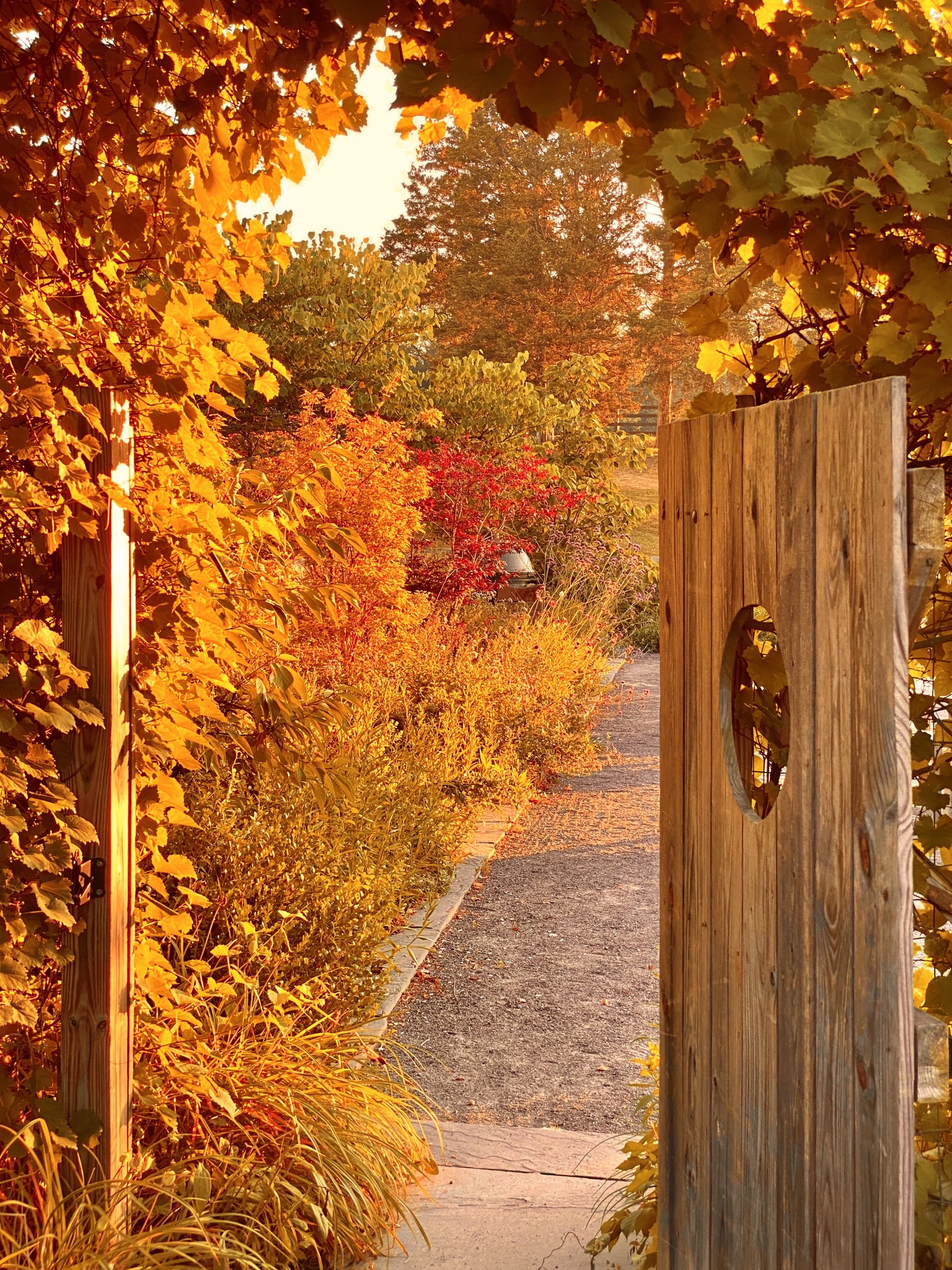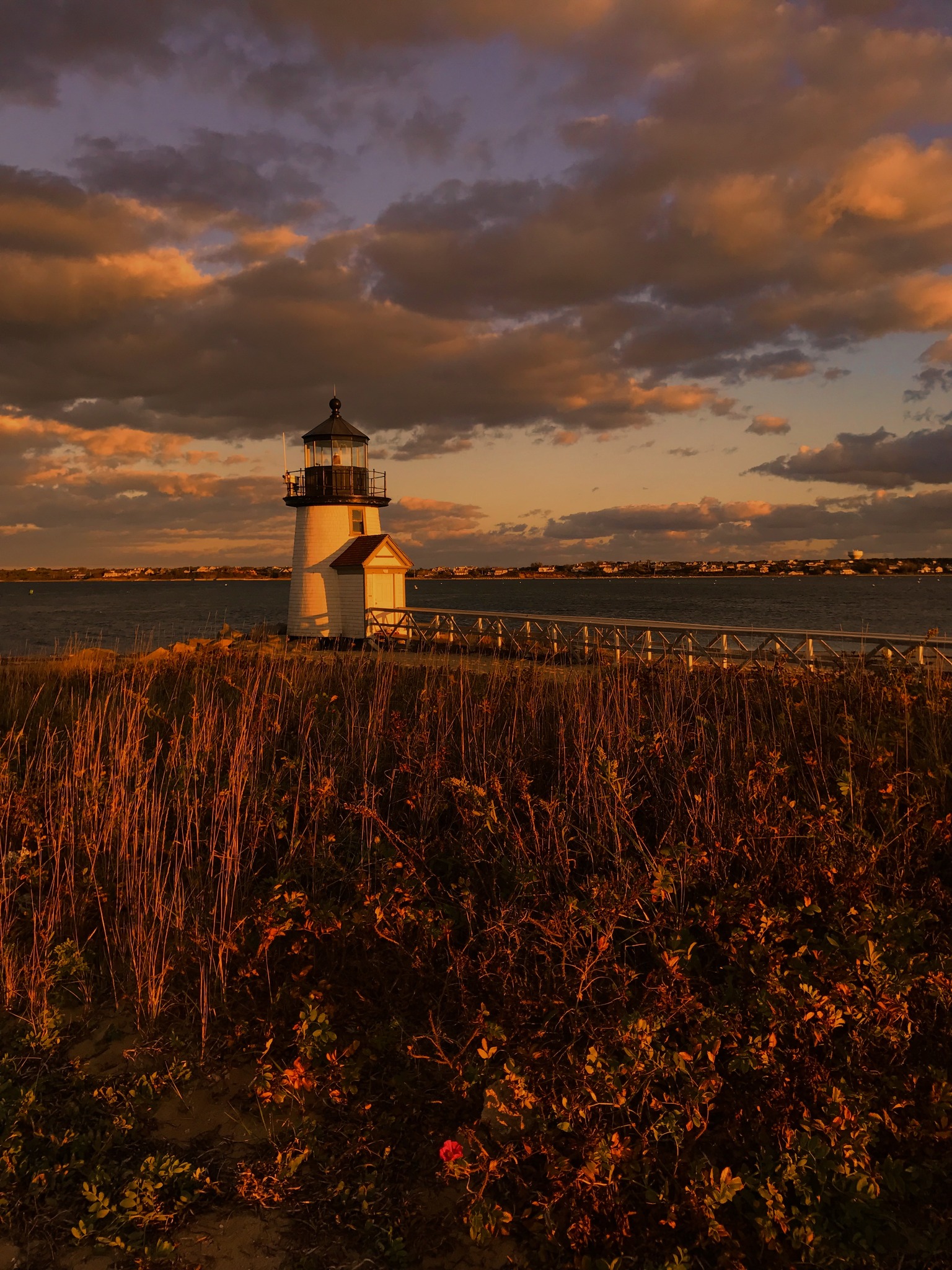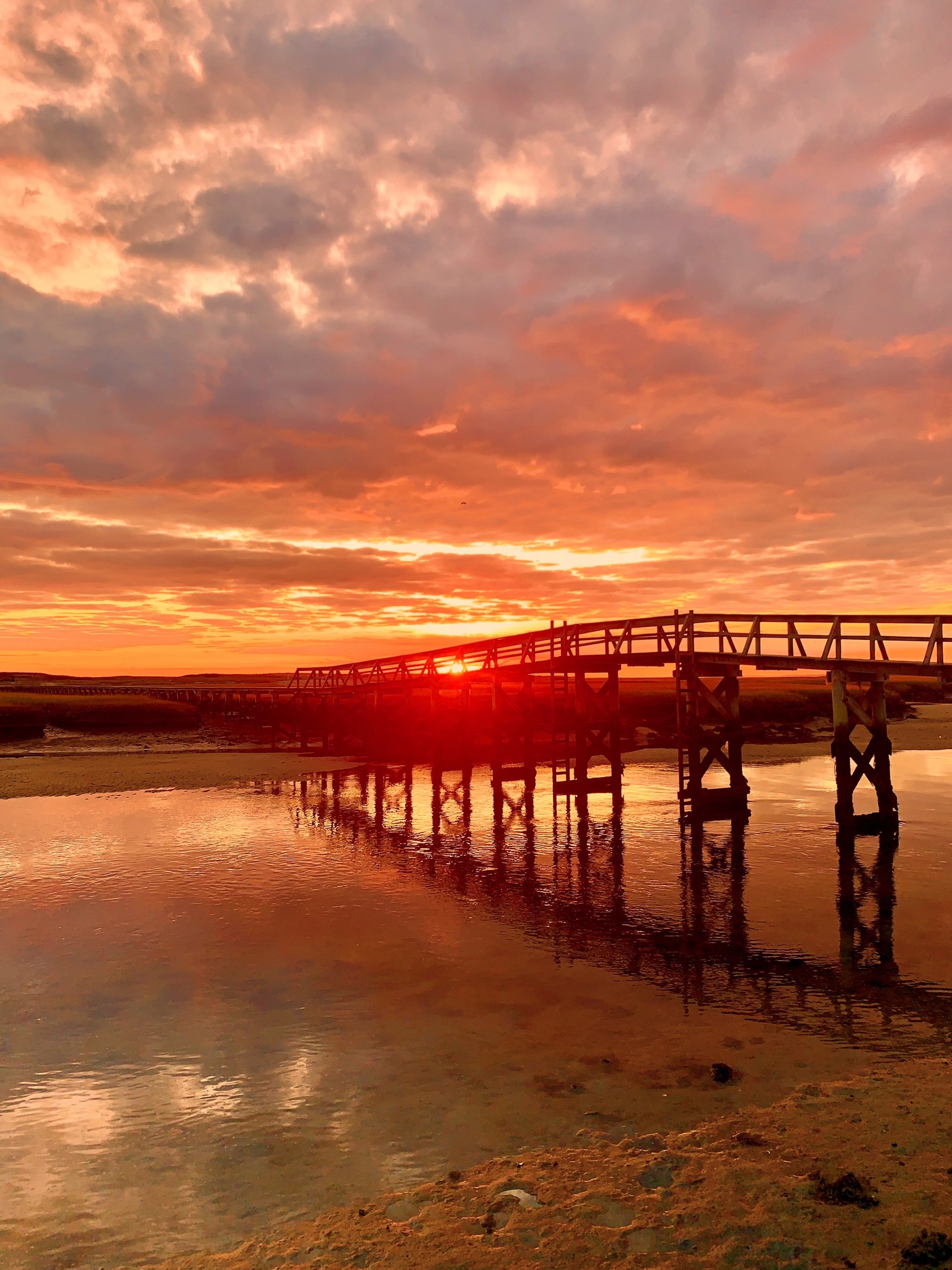
Aging, Winter Darkness, and the Quiet Work of Holding On to last light.
The older I get, the less I seem to enjoy this time of year.
That sentence would have surprised a younger version of me. I used to like the ritual of it all—the tightening of schedules, the social gravity, the sense that the year was being tied up with a bow. There was comfort in the predictability. Comfort in the noise. Comfort in the collective agreement that this was the season we were all supposed to feel a certain way.
Now, it lands differently.
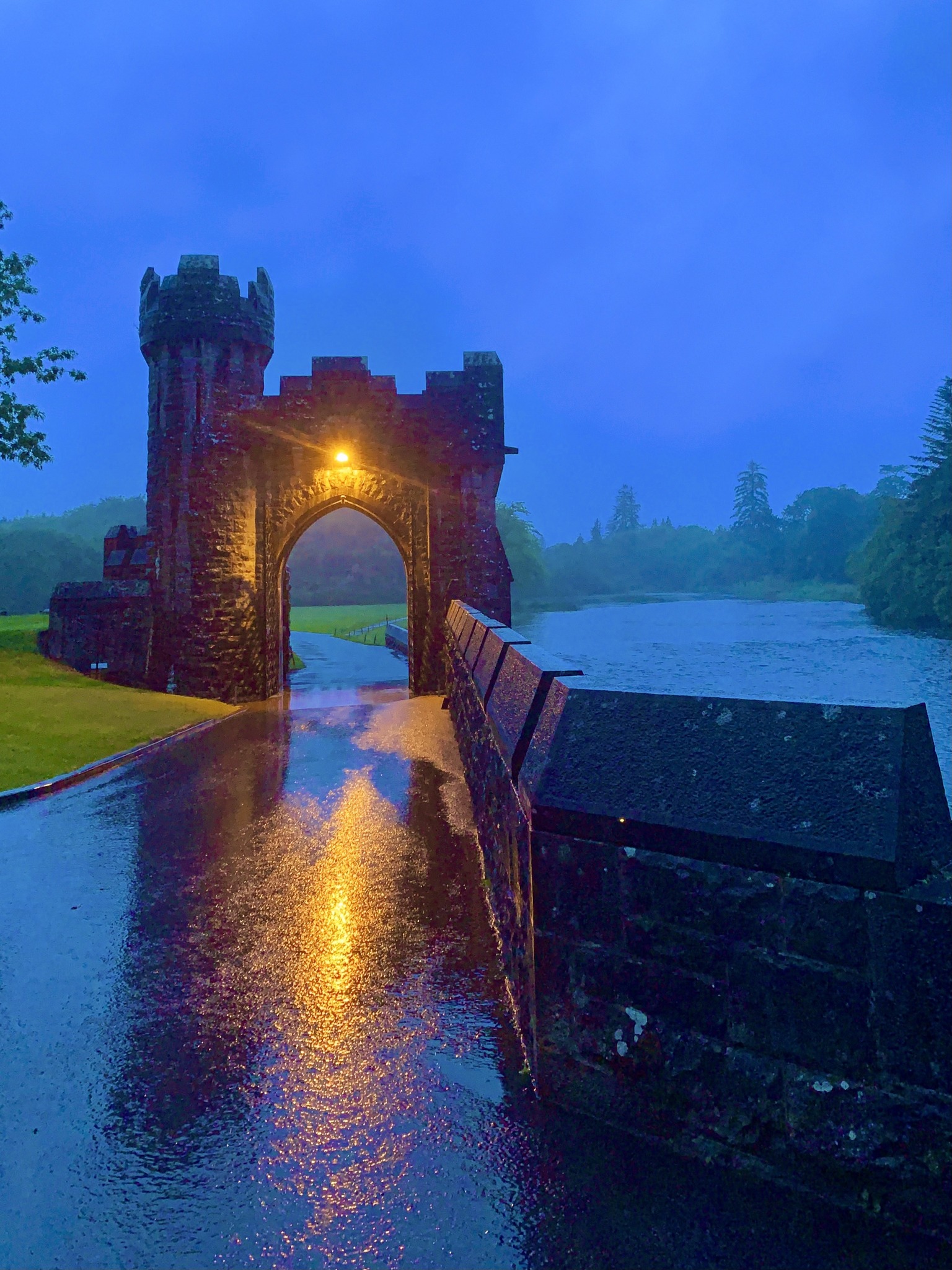
The days shorten. The light disappears earlier than feels reasonable. At four-thirty in the afternoon, the world behaves as if it’s already done with the day, even though my body insists it isn’t. The mismatch is jarring. I’m still awake, still thinking, still wanting to move—but the light has clocked out without asking my permission.
There’s a simple, non-mystical reason it gets dark so early. It has nothing to do with mood or memory or age, even though it feels deeply personal. It’s physics. The Earth is tilted on its axis. As we move closer to the winter solstice, the Northern Hemisphere leans away from the sun. The sun’s arc across the sky becomes lower and shorter. Less daylight reaches us. Sunrise comes later. Sunset comes earlier. End of story.
And yet—of course—that’s not the end of the story.
Because human beings are not built to live by explanation alone. We live by rhythm. We live by light. Our brains are calibrated, over thousands of years, to respond to brightness, warmth, and the slow reassurance of morning arriving when it’s supposed to. When that rhythm gets disrupted, so do we.
This is why people talk about seasonal depression as if it’s a personal failing, when it’s anything but. When light decreases, serotonin levels can drop. Melatonin production can increase, making us feel sluggish and out of sync. Energy dips. Motivation thins. The world narrows. For some people, this shift is mild—a low-grade grayness they can’t quite name. For others, it’s heavier, more insistent, a genuine form of depression that deserves seriousness and care.
This isn’t weakness. It’s biology.
But here’s the part I keep circling back to: understanding why doesn’t always make it easier to live with.
What changes as we age isn’t just our bodies—it’s our tolerance for pretense. I find myself less interested in performing cheerfulness on command. Less interested in pretending that forced festivity compensates for the quiet sense of contraction that winter brings. Less willing to lie to myself about how I’m actually feeling just because the calendar tells me I should feel something else.
The darkness arrives earlier now, but so does honesty.
There’s also something else happening as we get older, something subtler but no less real. Time doesn’t feel infinite anymore. Seasons don’t just cycle—they accumulate. Each winter carries the memory of the ones before it. Losses stack. Absences become more visible. Chairs remain empty that once weren’t. Traditions echo instead of land.
You don’t mourn loudly anymore. You mourn sideways.
And yet—this is where I refuse to end the sentence in a minor key.
Because if I weren’t obsessed with photography, I might be sadder than I am. I might be swallowed by the narrowing days instead of curious about them. I might resent the darkness instead of studying it. I might experience winter as deprivation rather than as a different kind of invitation.
But I am obsessed.
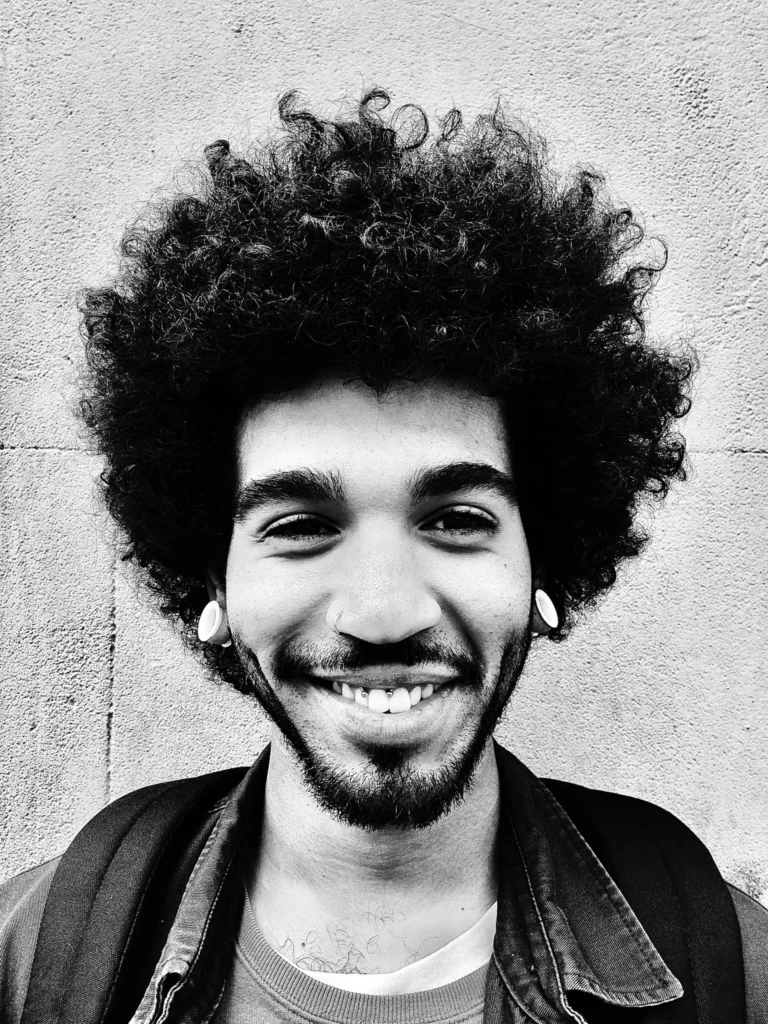
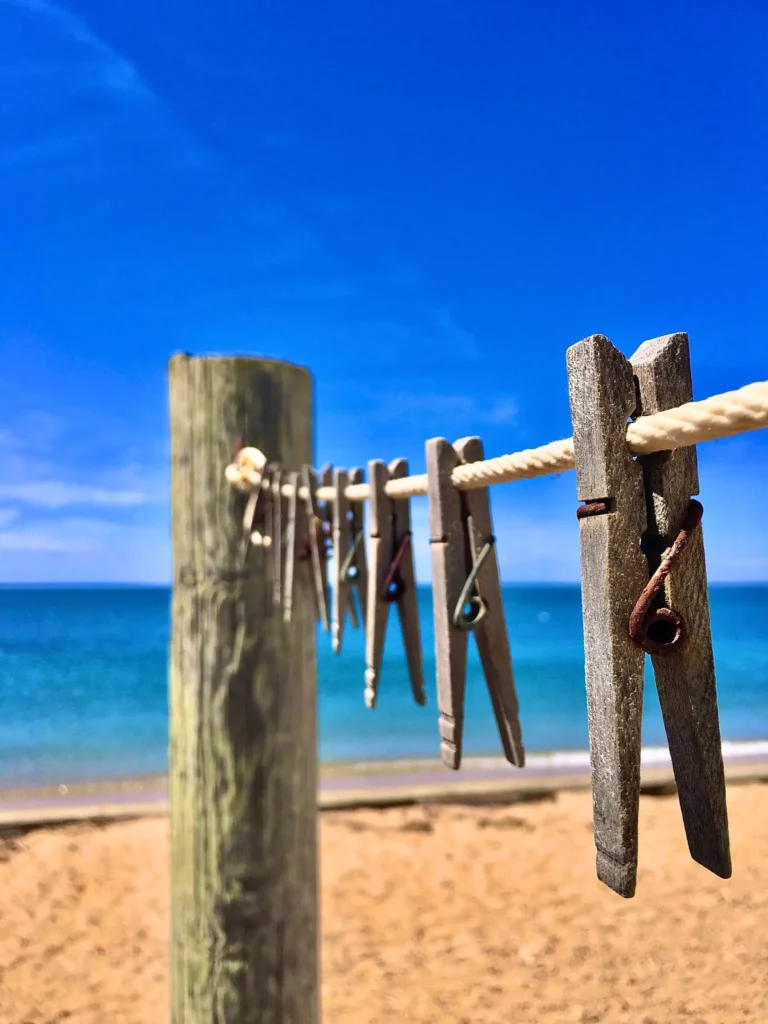
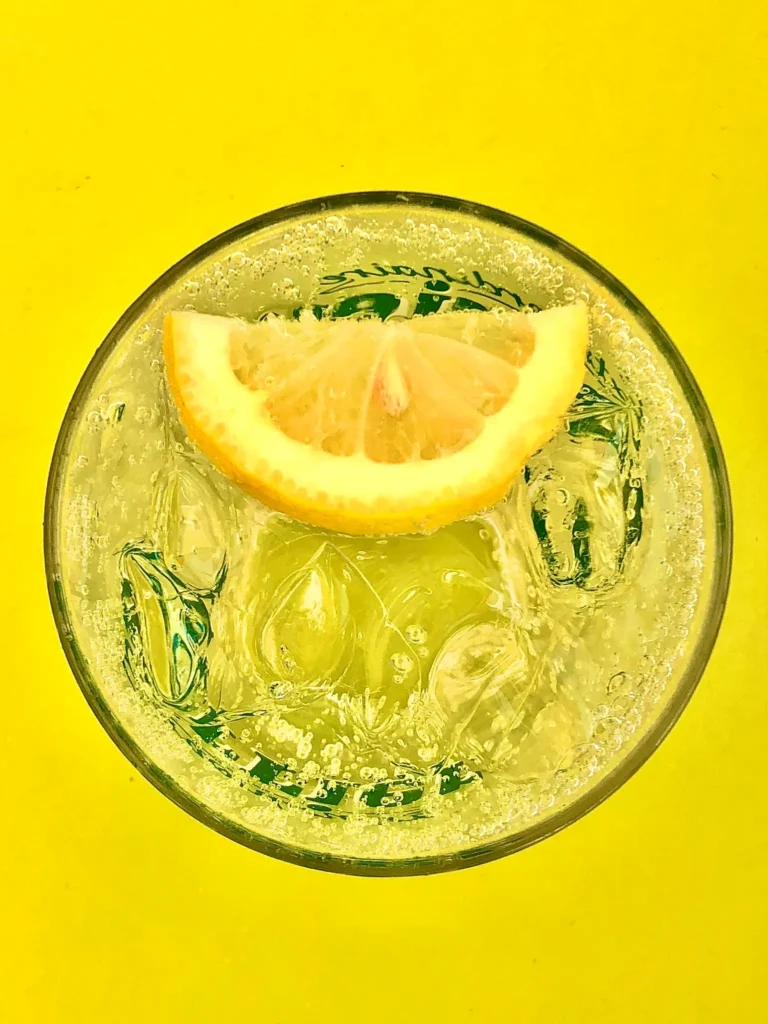
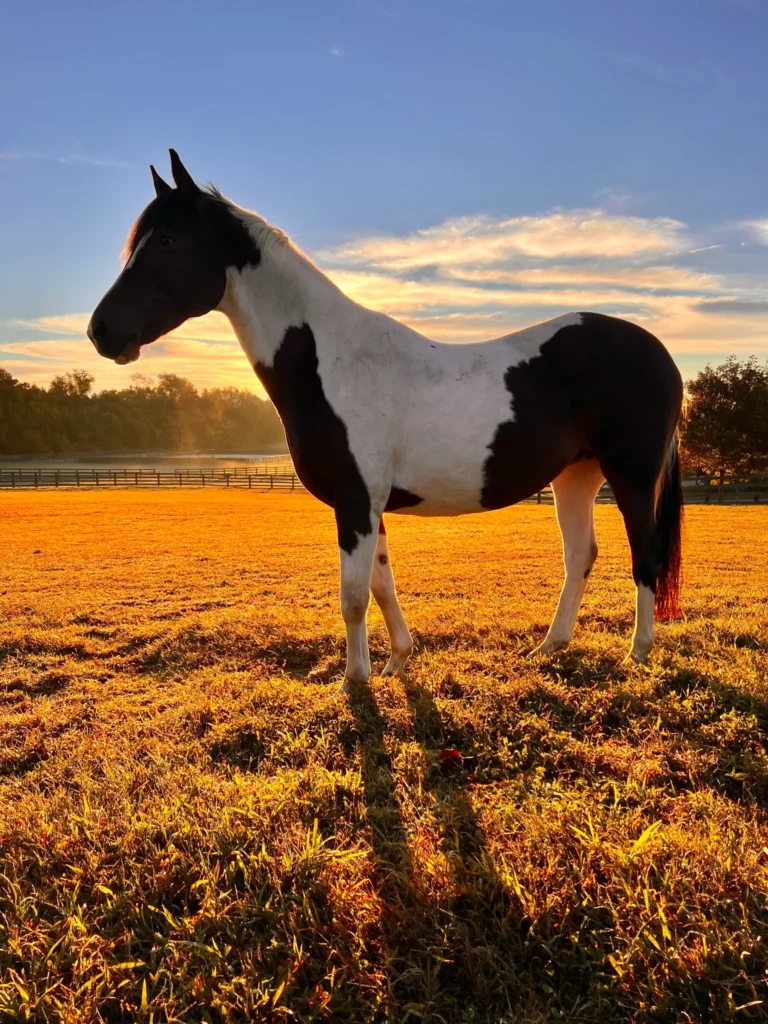
My life is full of pictures.
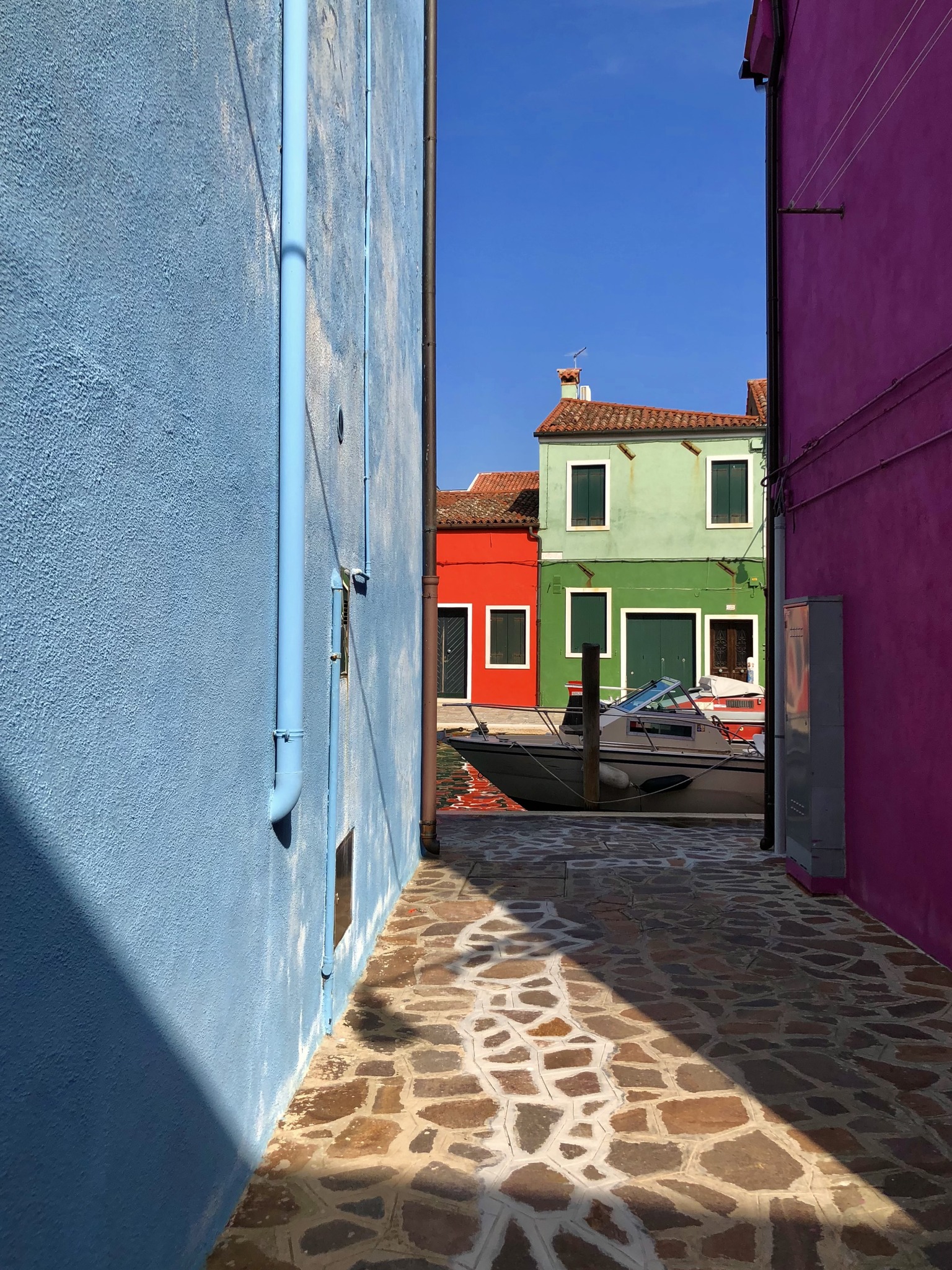
Full of color, light, and design.
Full of moments and memory.
Full of beauty and—maybe most importantly—attention.
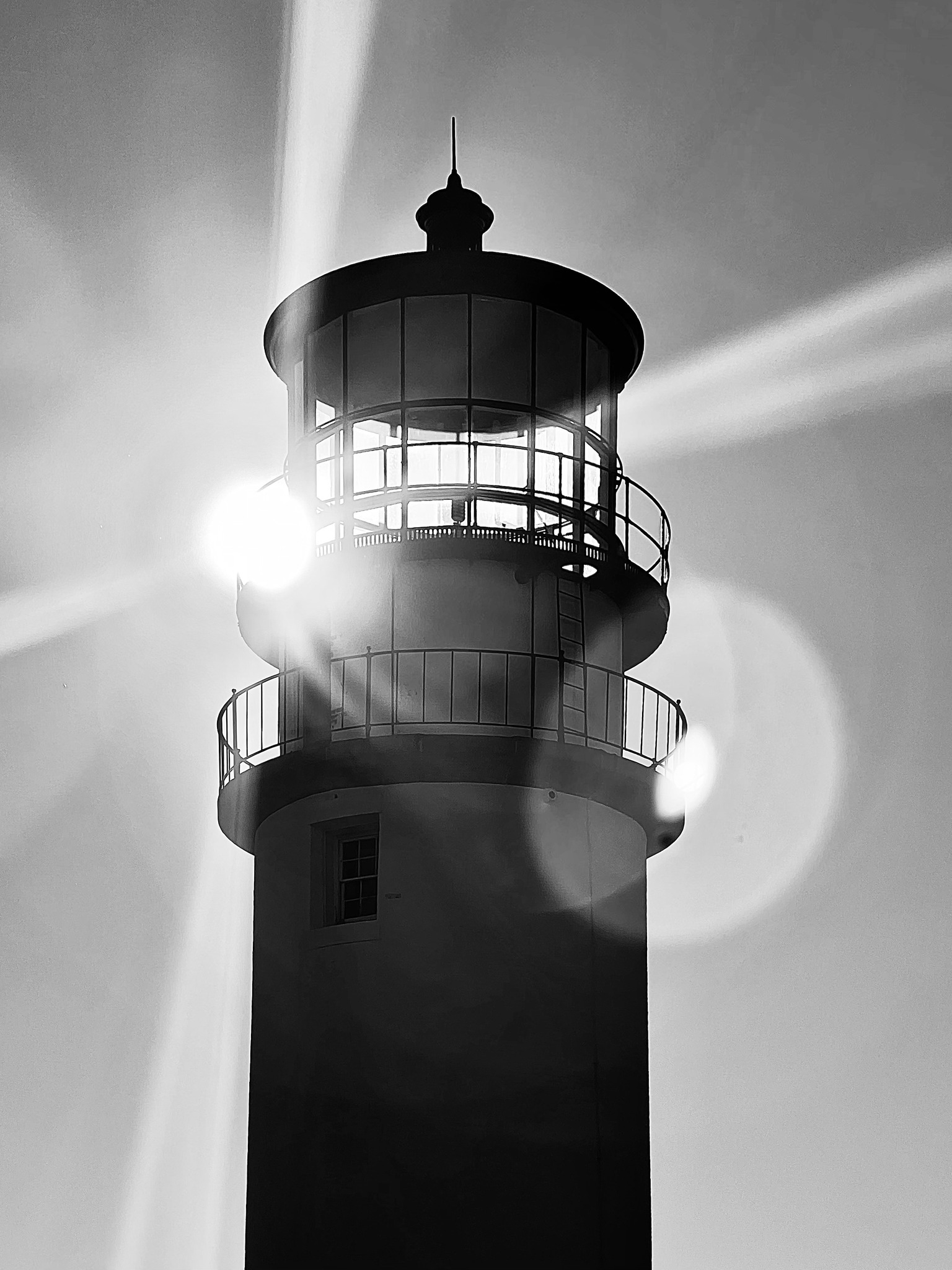
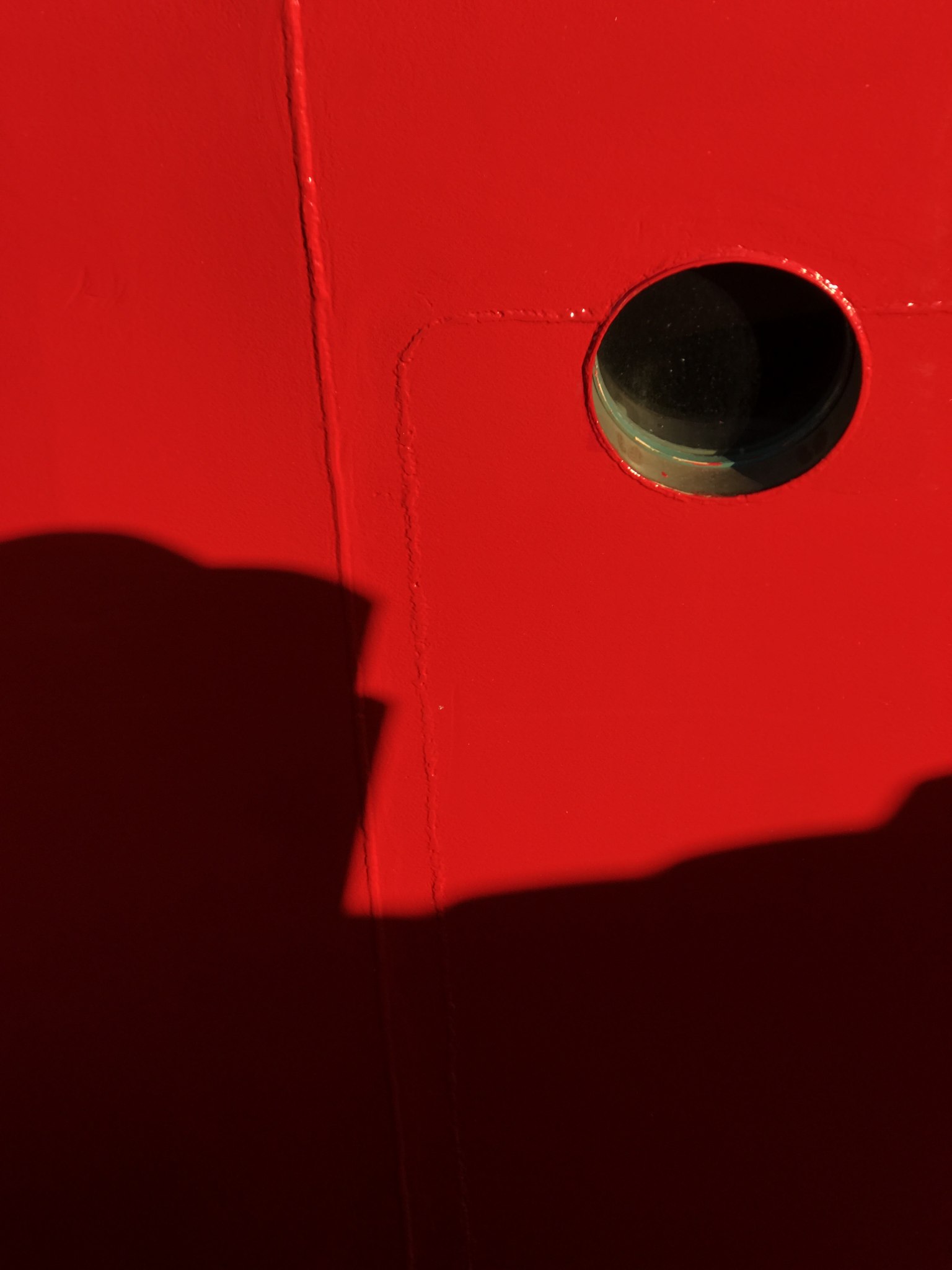
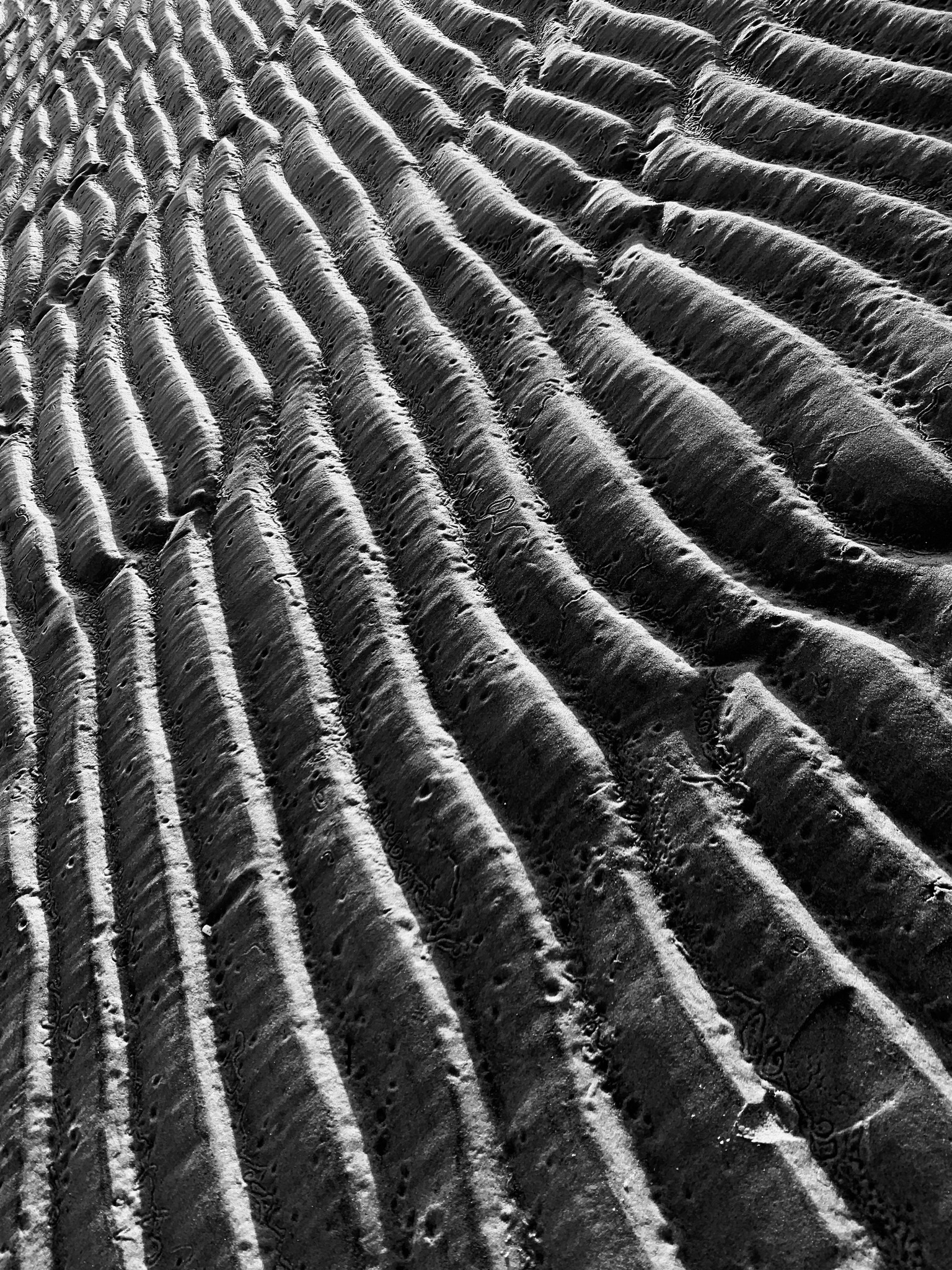
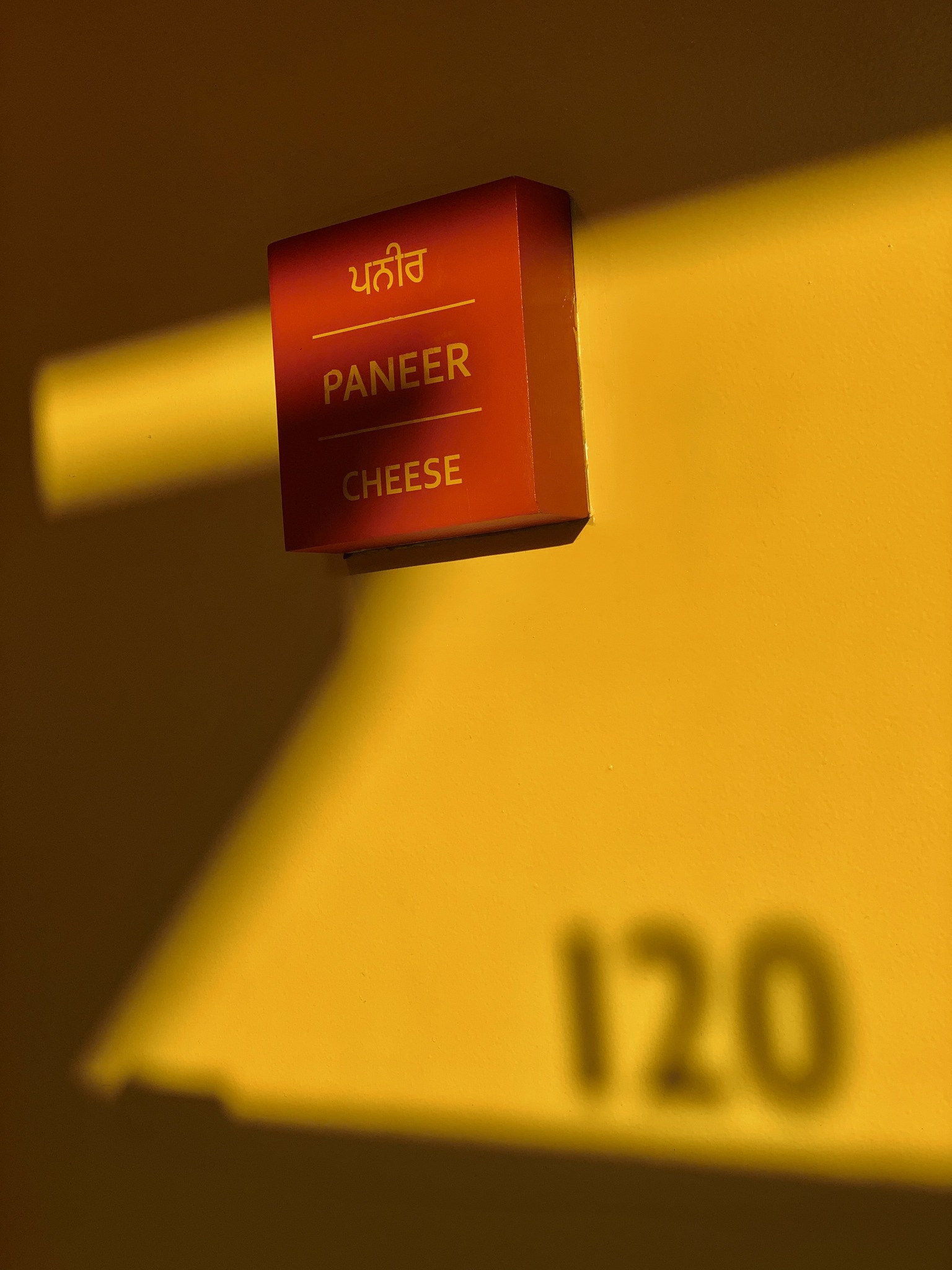
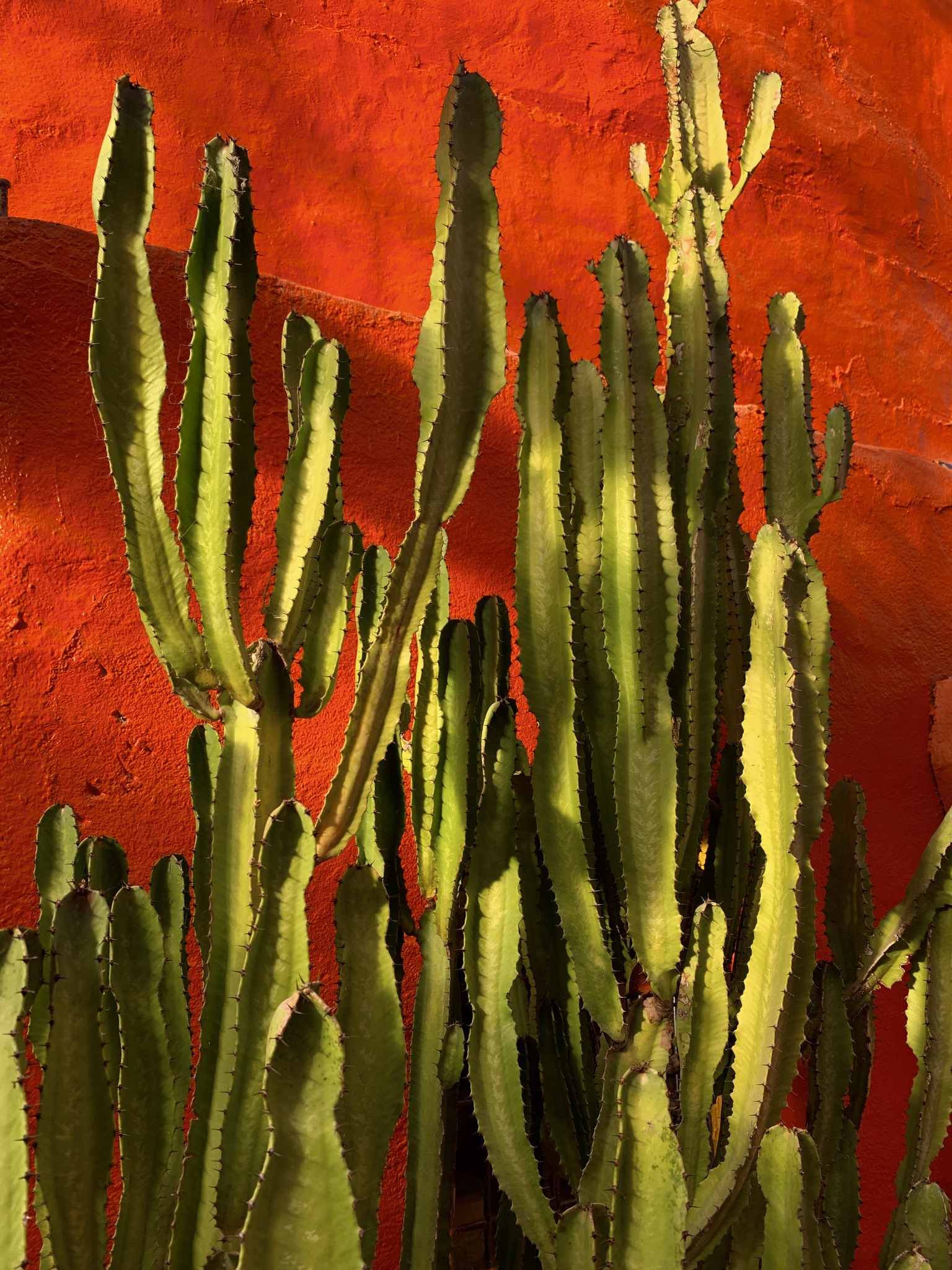
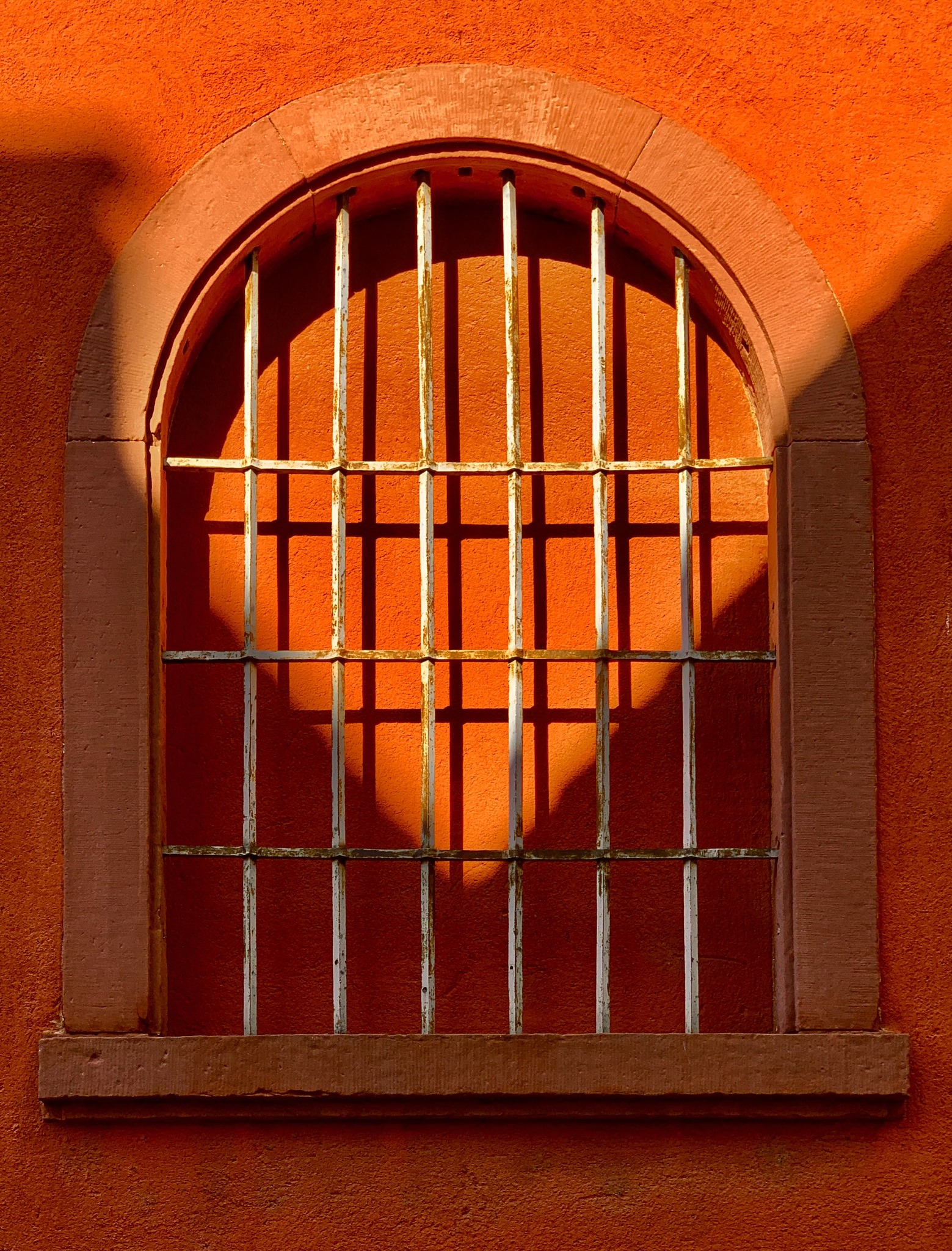
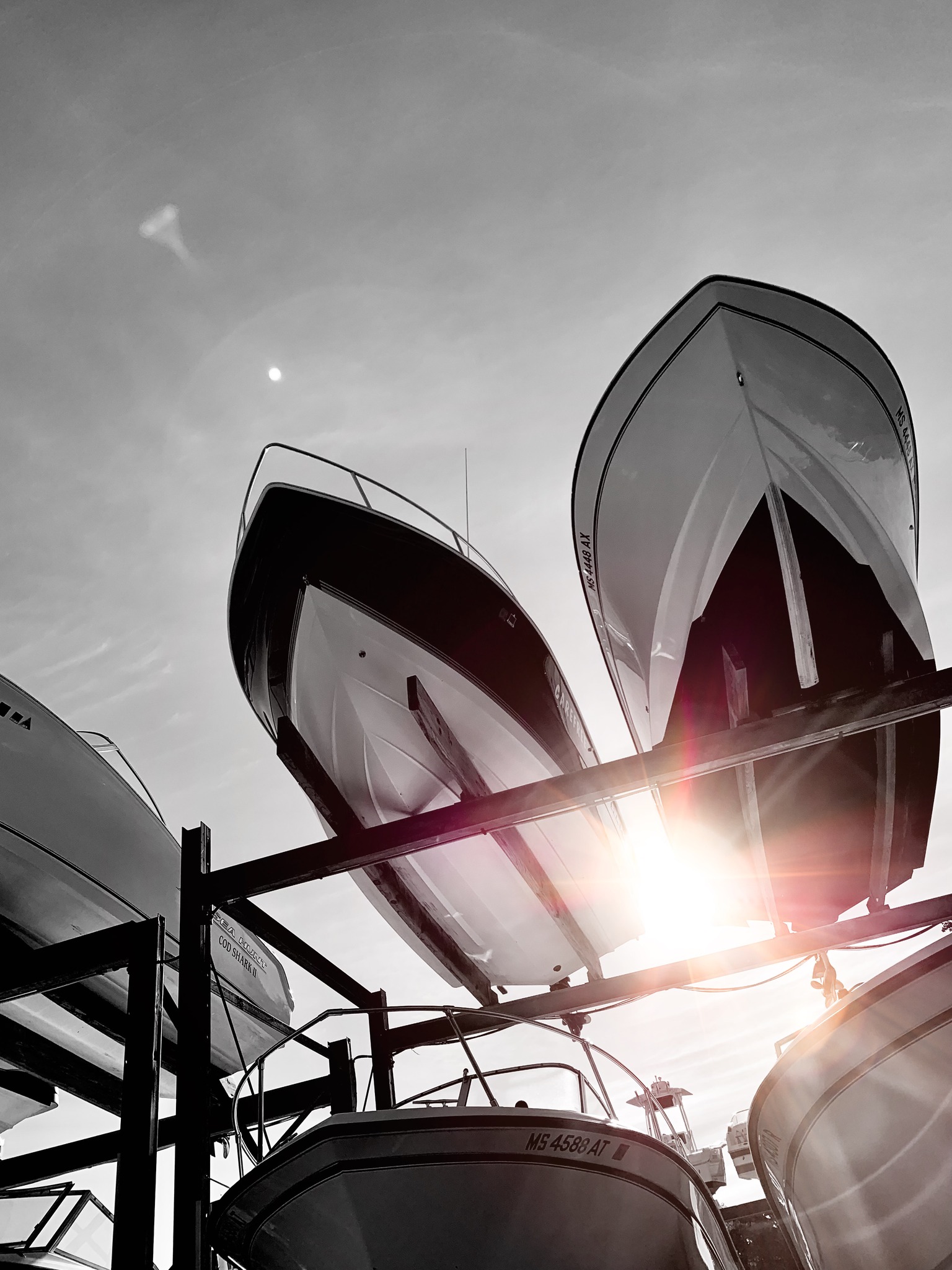
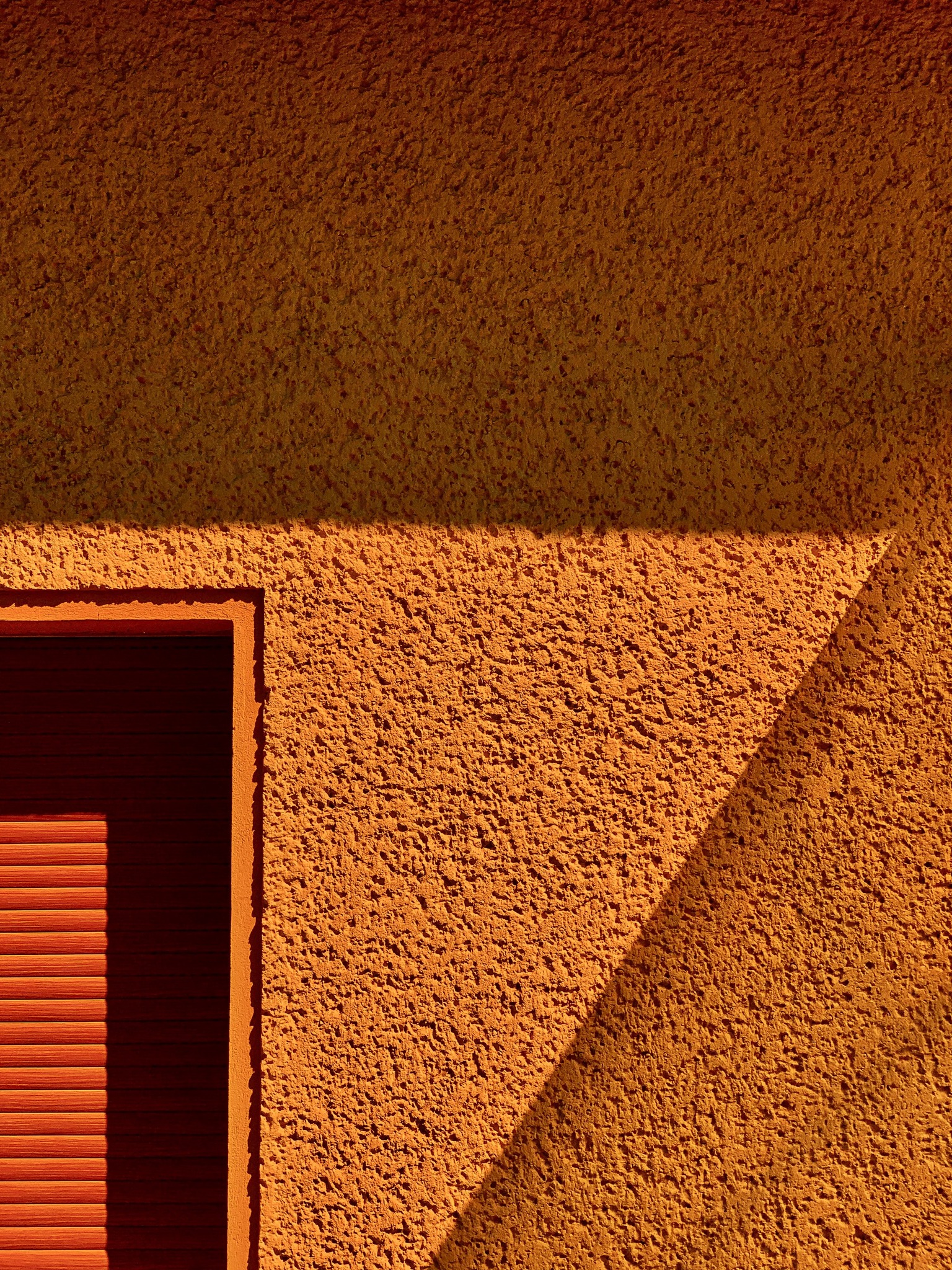
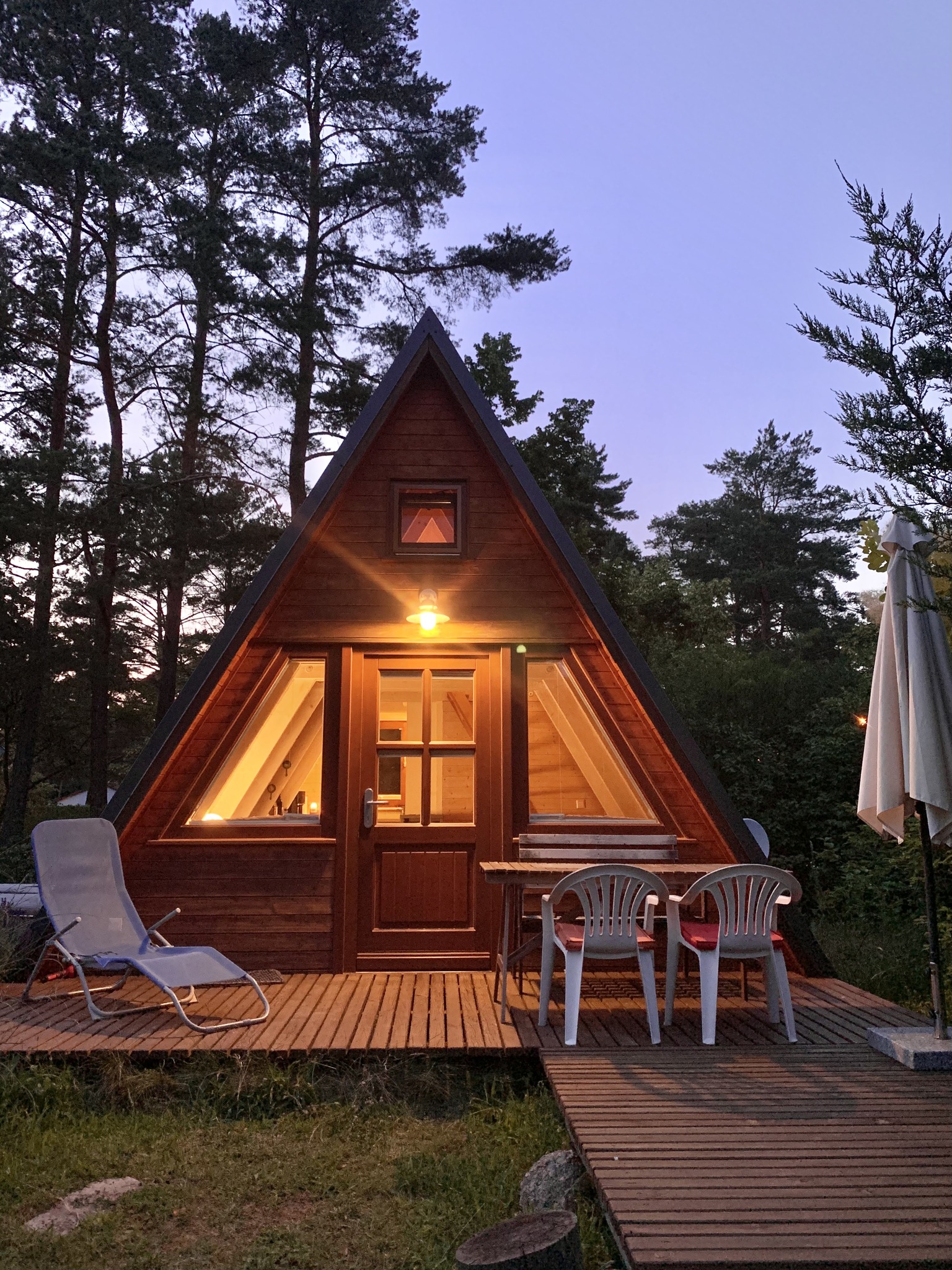
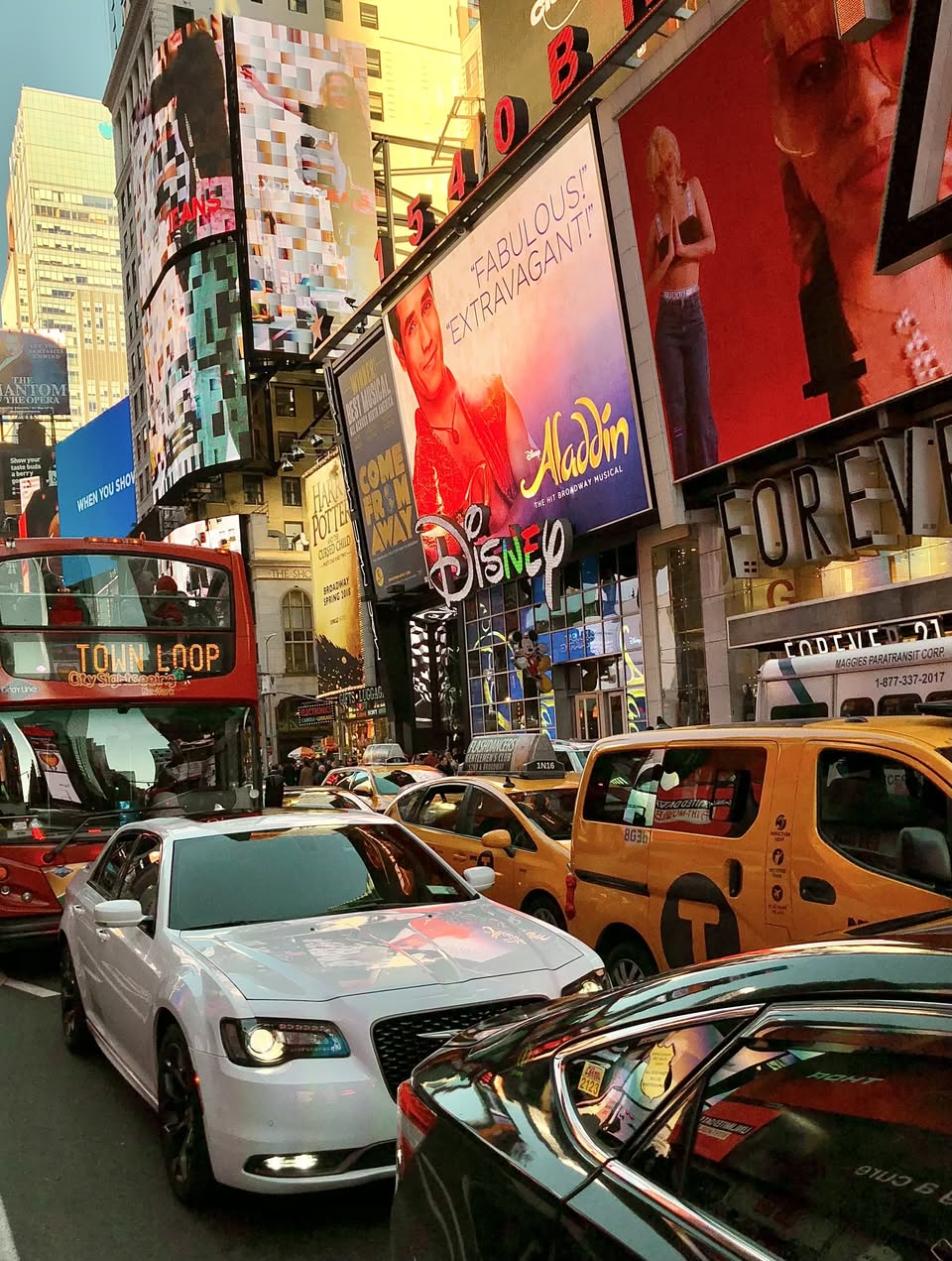
Photography has trained me to notice what remains when the obvious light is gone. It has taught me that darkness isn’t the absence of possibility; it’s the presence of contrast. Winter light is thinner, yes—but it’s also cleaner. Shadows stretch longer. Colors simplify. The world becomes more graphic, more deliberate.
You don’t get summer’s abundance in winter. You get winter’s clarity.
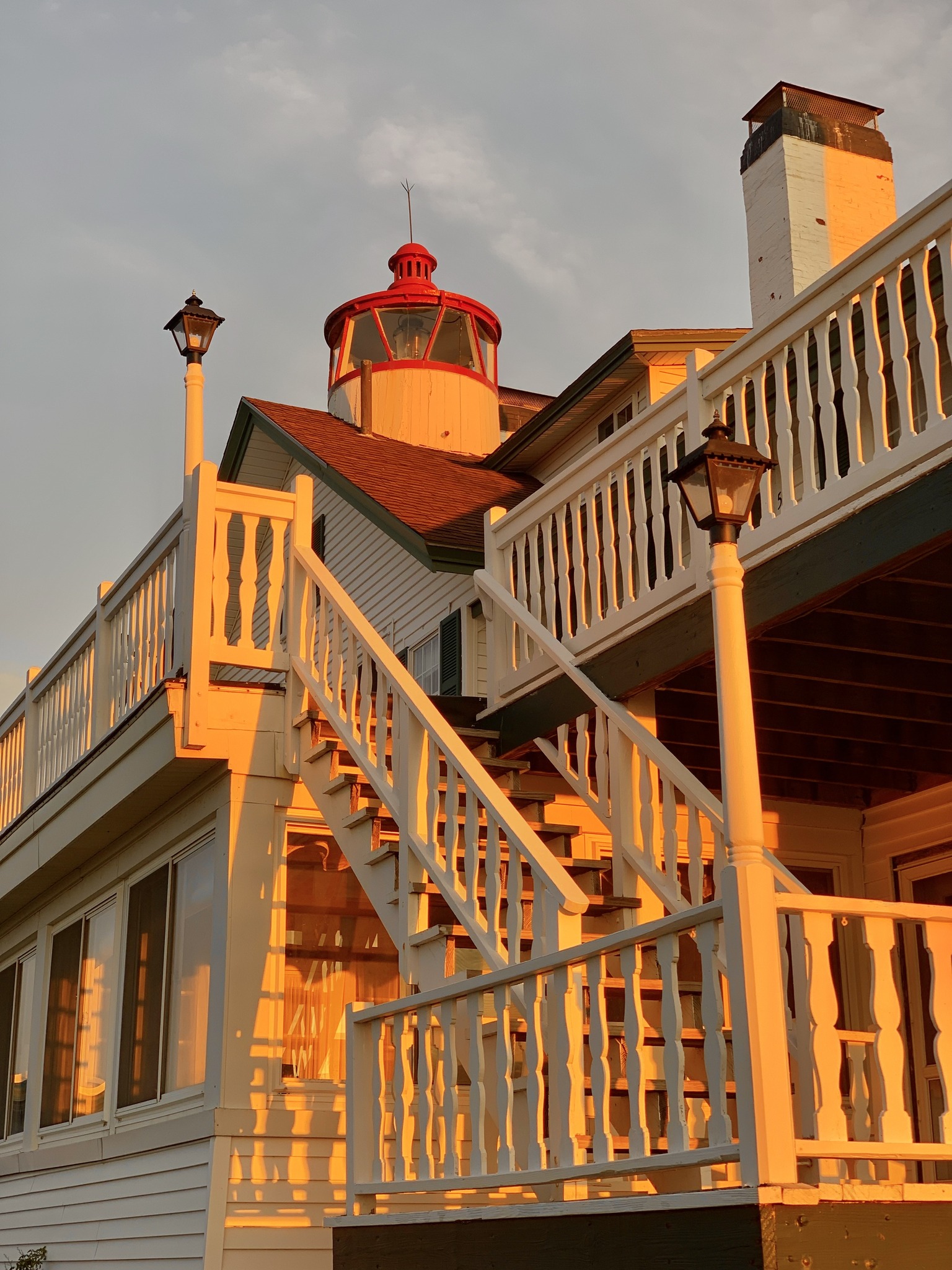
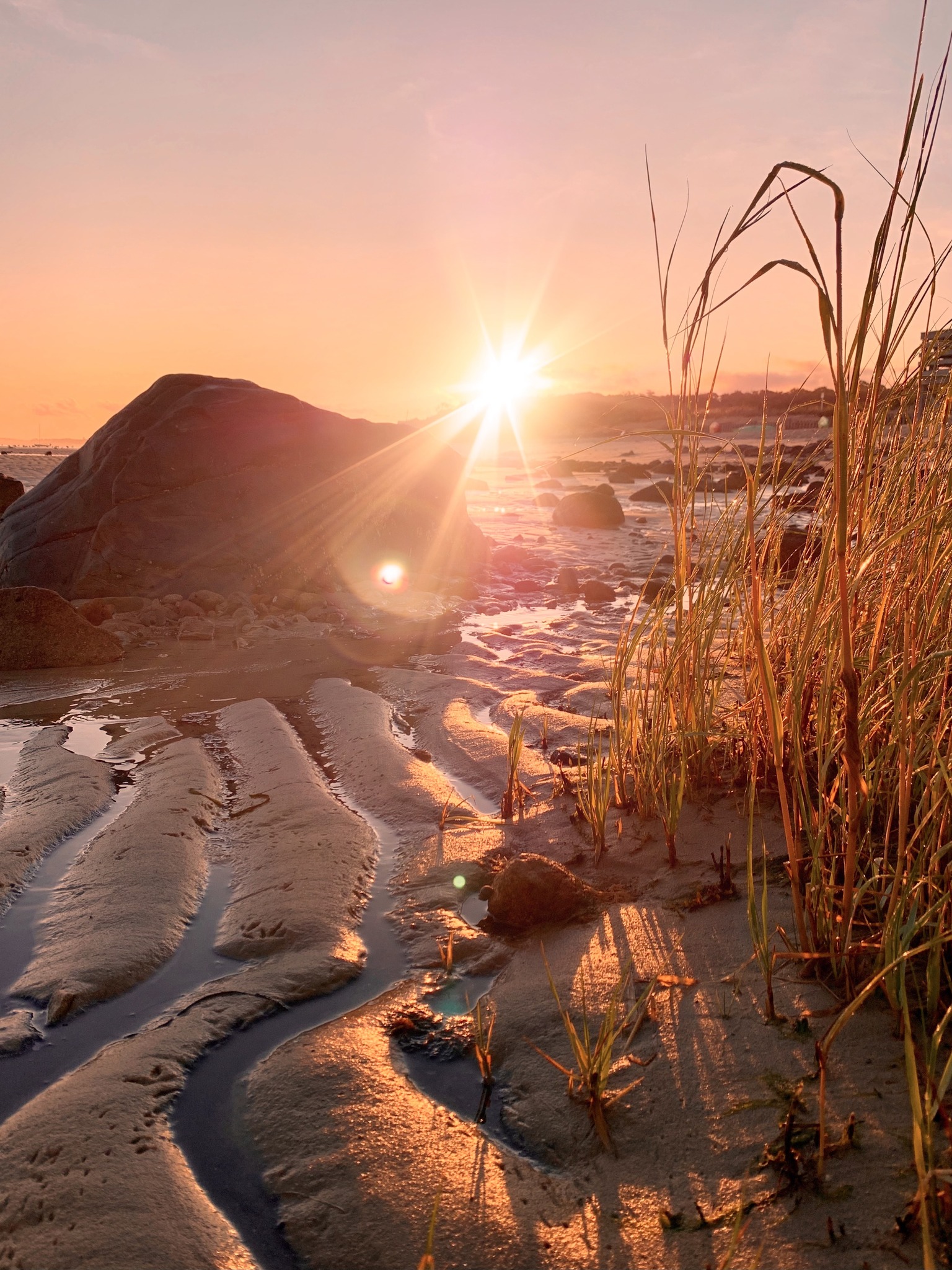
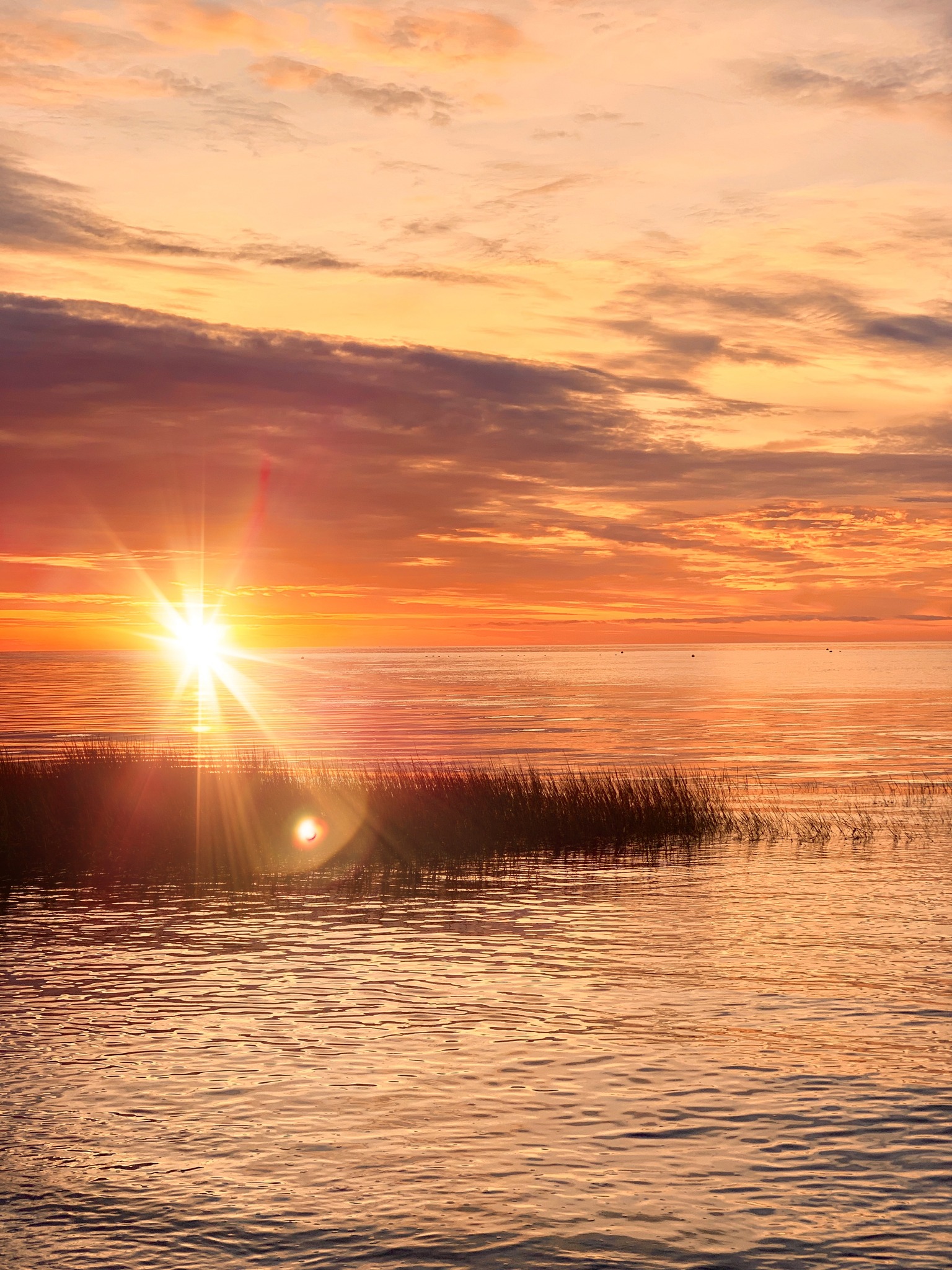
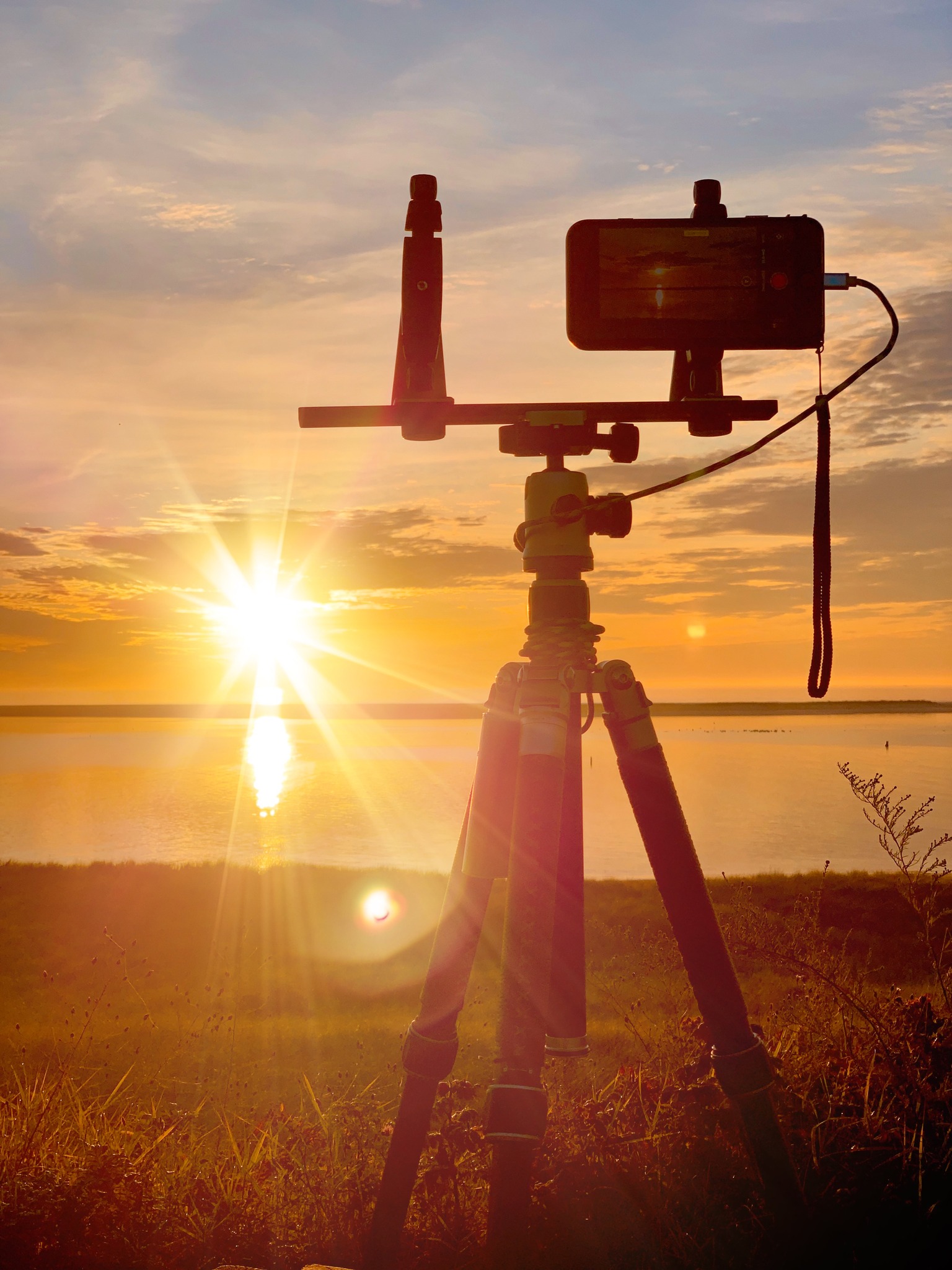
Photography gives me something to do with the shortening days. It gives me a reason to go outside when staying in would be easier. It gives me a way to turn my face toward what is still working instead of what has retreated. Even on the darkest afternoons, there is always some light—sliding across a wall, pooling at a window, outlining a tree stripped down to its essential shape.
And here’s the quiet truth I don’t talk about enough: photography doesn’t just document life—it anchors it. It slows me down when the year tries to rush me. It reminds me that presence is not seasonal. It insists that beauty is not canceled by weather or mood or age.
I don’t need the holidays to feel meaningful. I need meaning. I need to be engaged. I need to be awake to what’s in front of me instead of nostalgic for what used to be behind me.
As I get older, I’m less interested in brightness for its own sake and more interested in depth. Less interested in spectacle and more interested in resonance. Winter, for all its limitations, offers that in spades. It strips the world down until only what matters remains.
This season asks different questions than summer does.
It asks:
What do you do when things slow down?
What do you keep when the extras fall away?
What kind of light are you carrying inside, independent of the sun?
I don’t love this time of year the way I once did—but maybe that’s because love itself evolves. Maybe what I’m feeling isn’t dislike so much as discernment. A refusal to romanticize what doesn’t feel true, paired with a deeper gratitude for what still does.
The days will lengthen again. They always do. The tilt will correct itself. The sun will climb higher. This is not a belief—it’s a guarantee. But until then, I’ll keep making pictures. I’ll keep chasing slivers of light. I’ll keep filling my days with color, form, and quiet attention.
Because even when the world darkens early, a life full of seeing stays bright longer than most.
Jack.