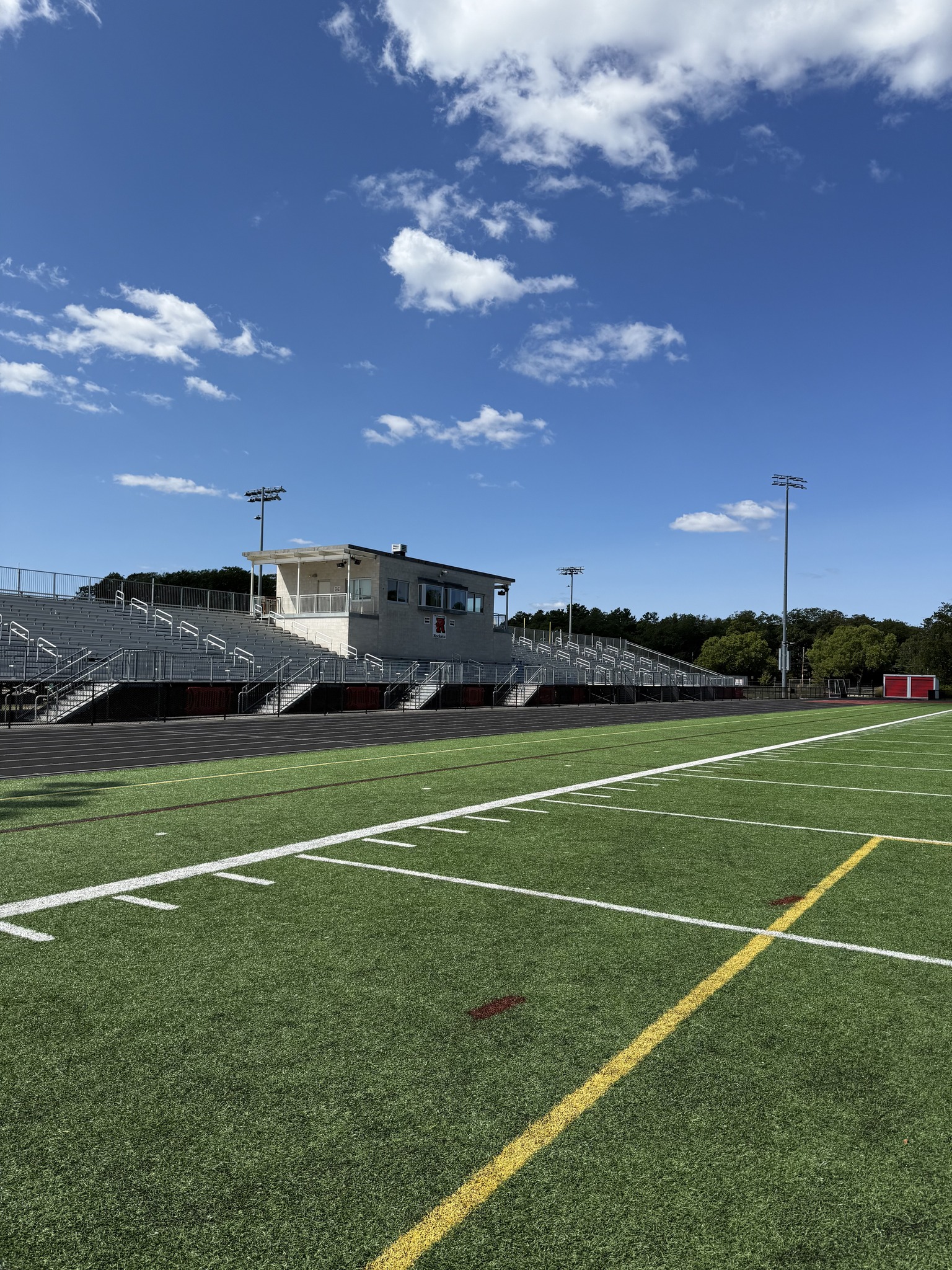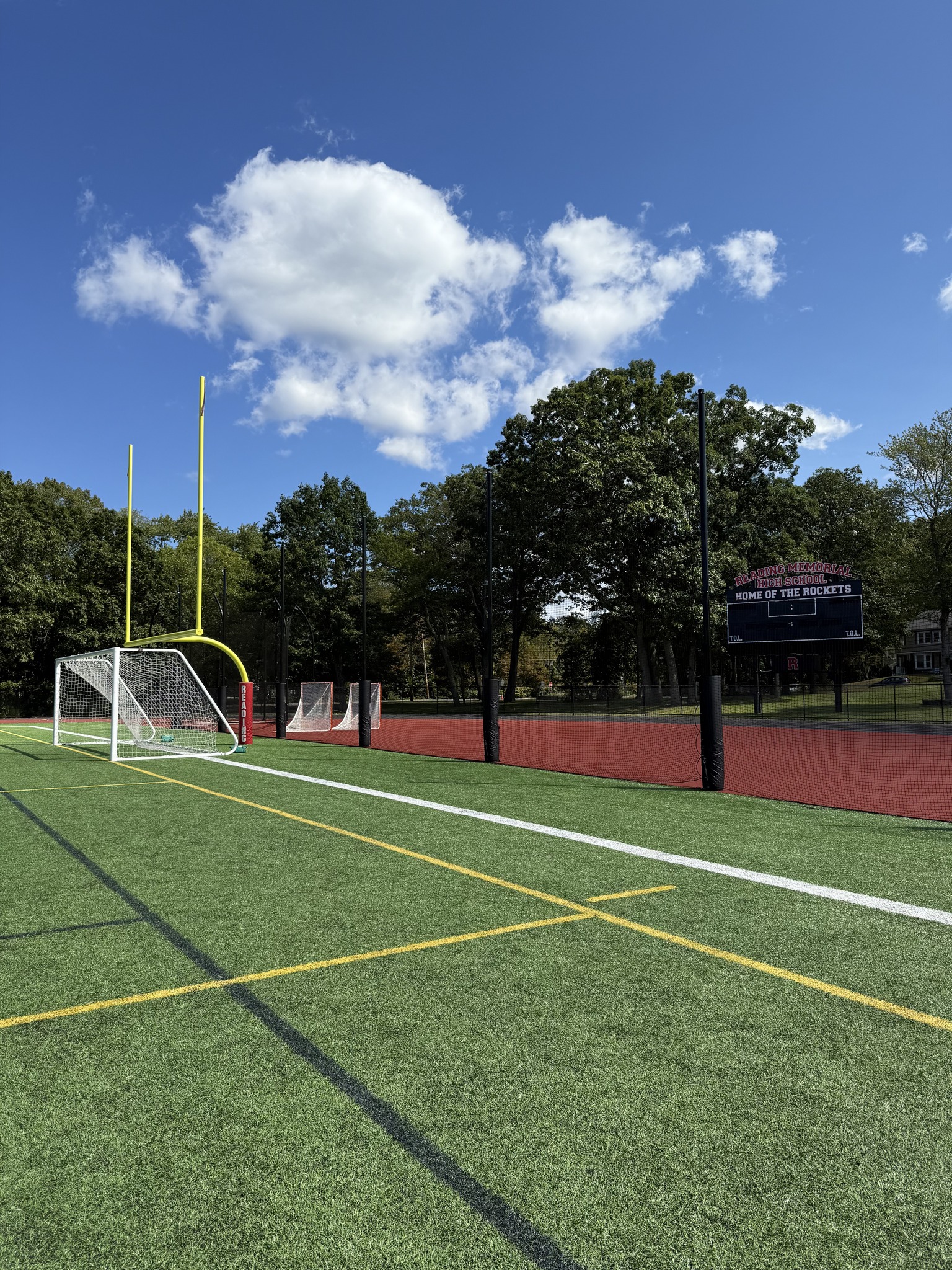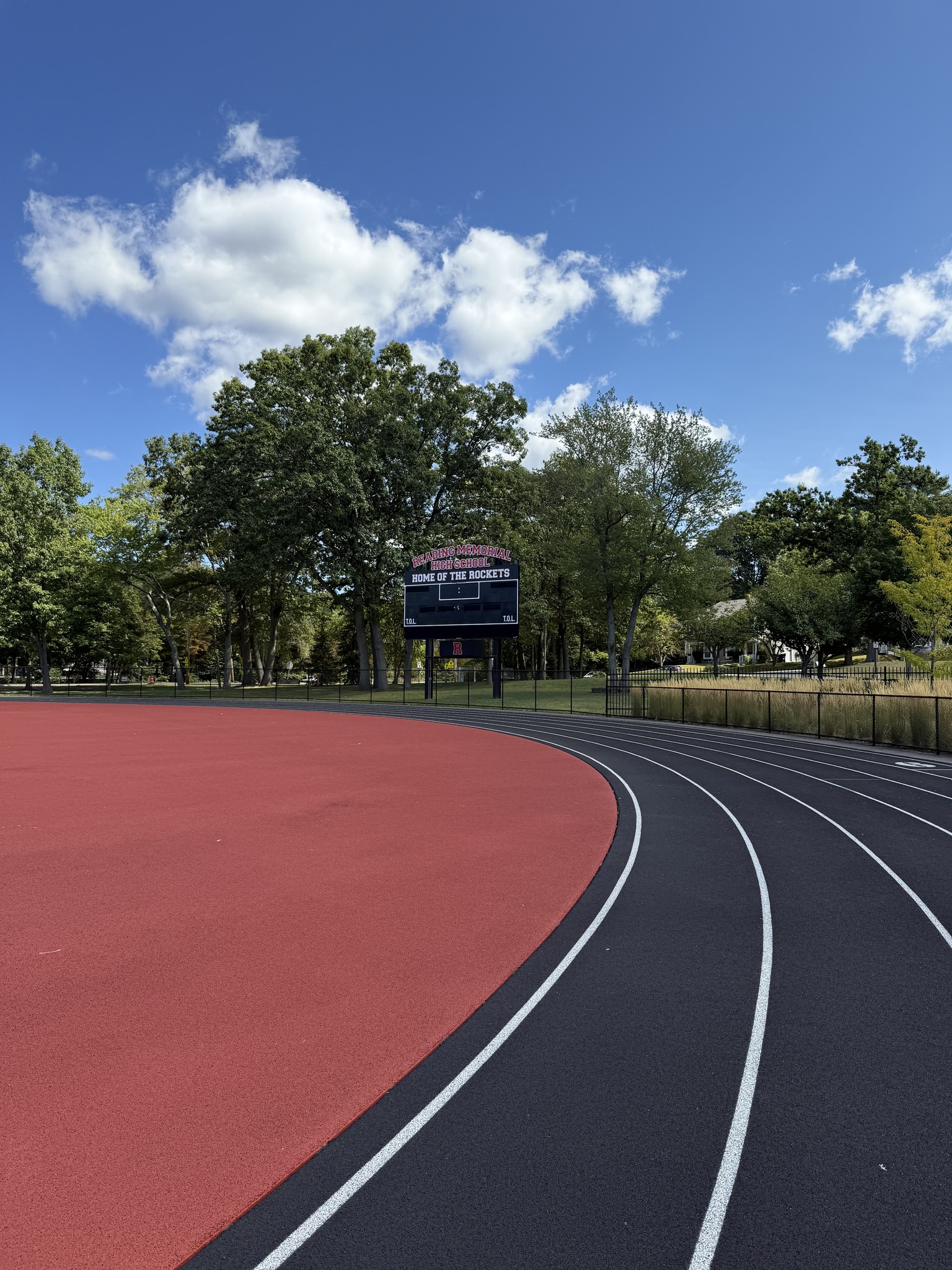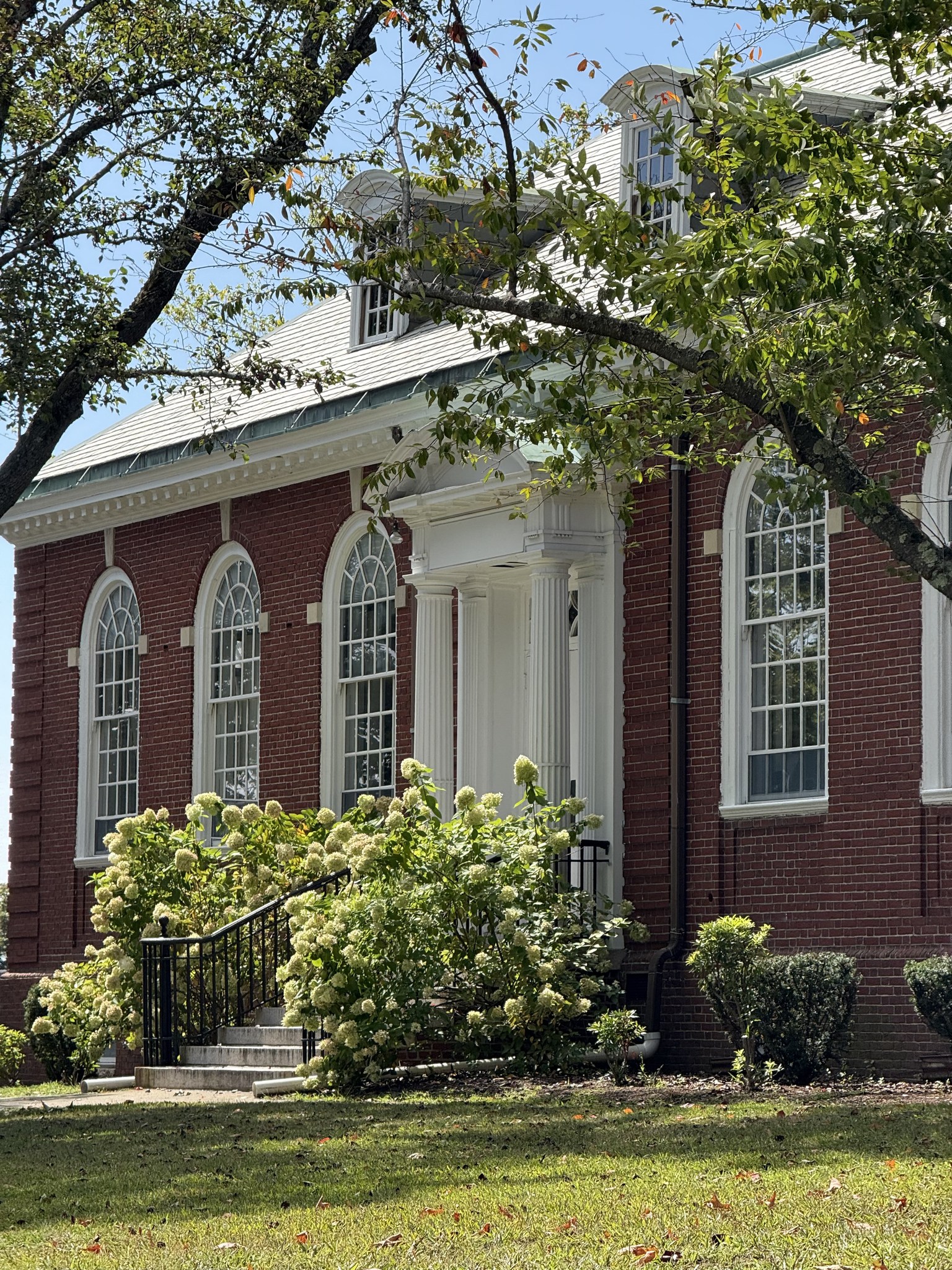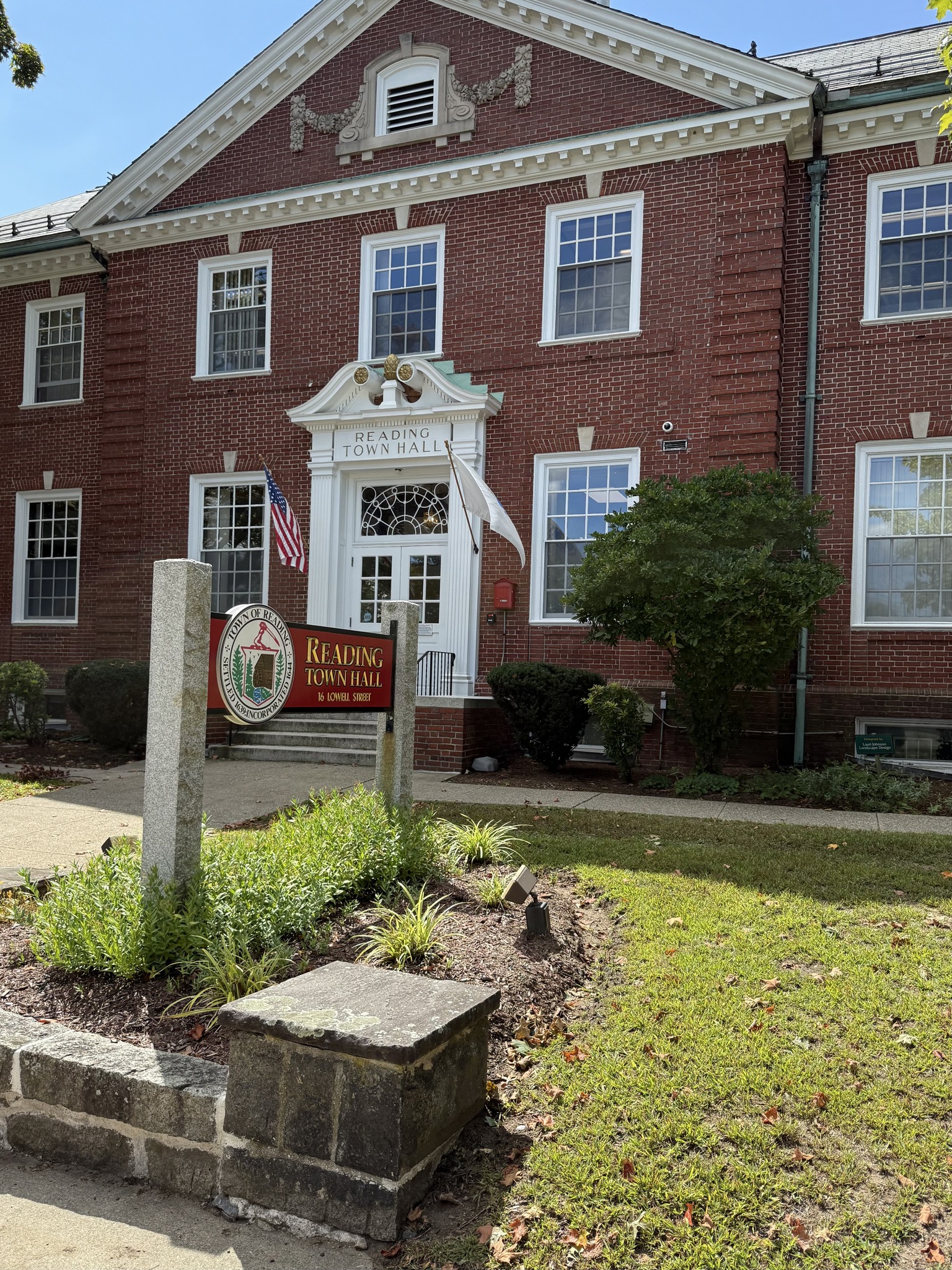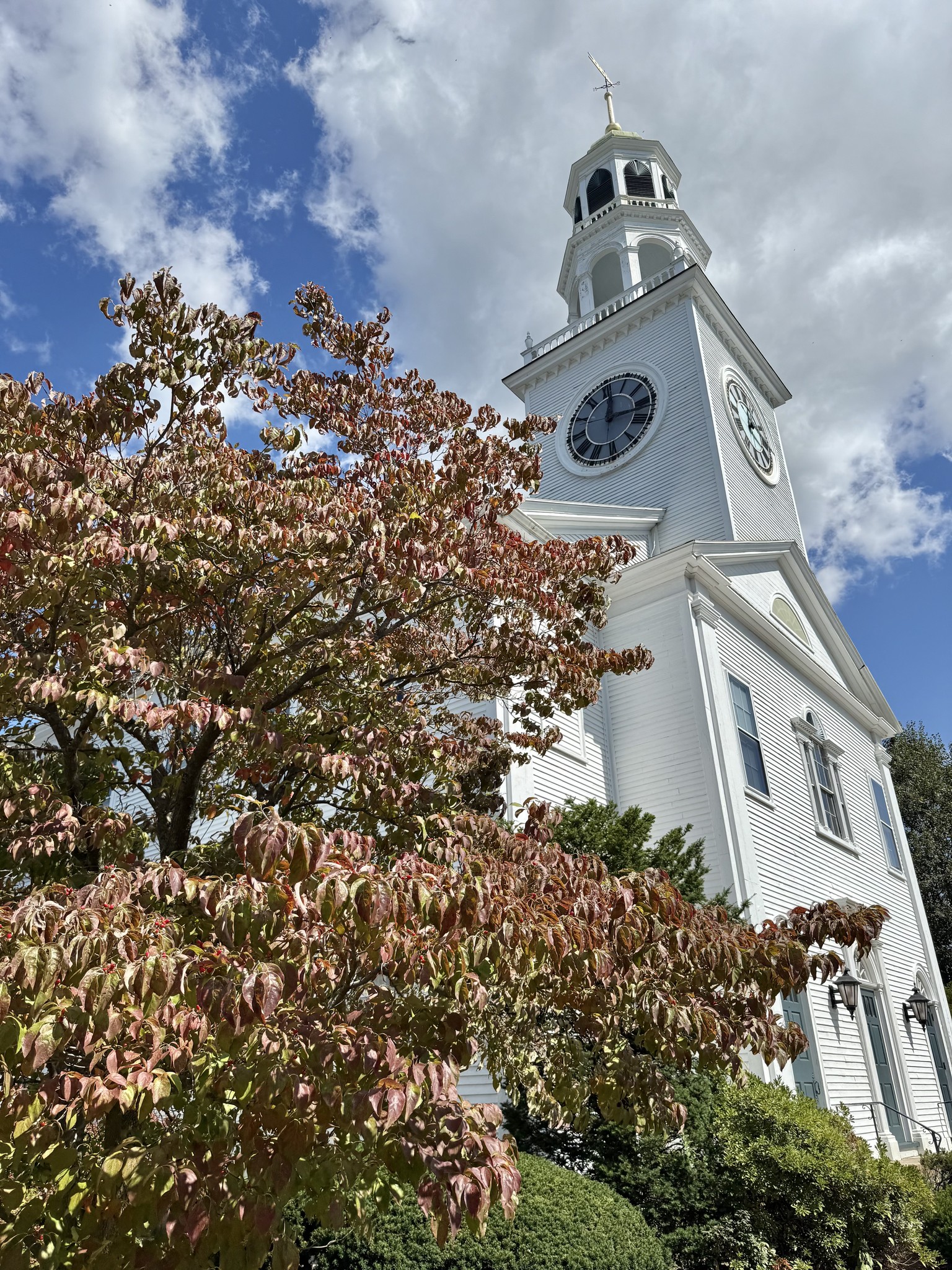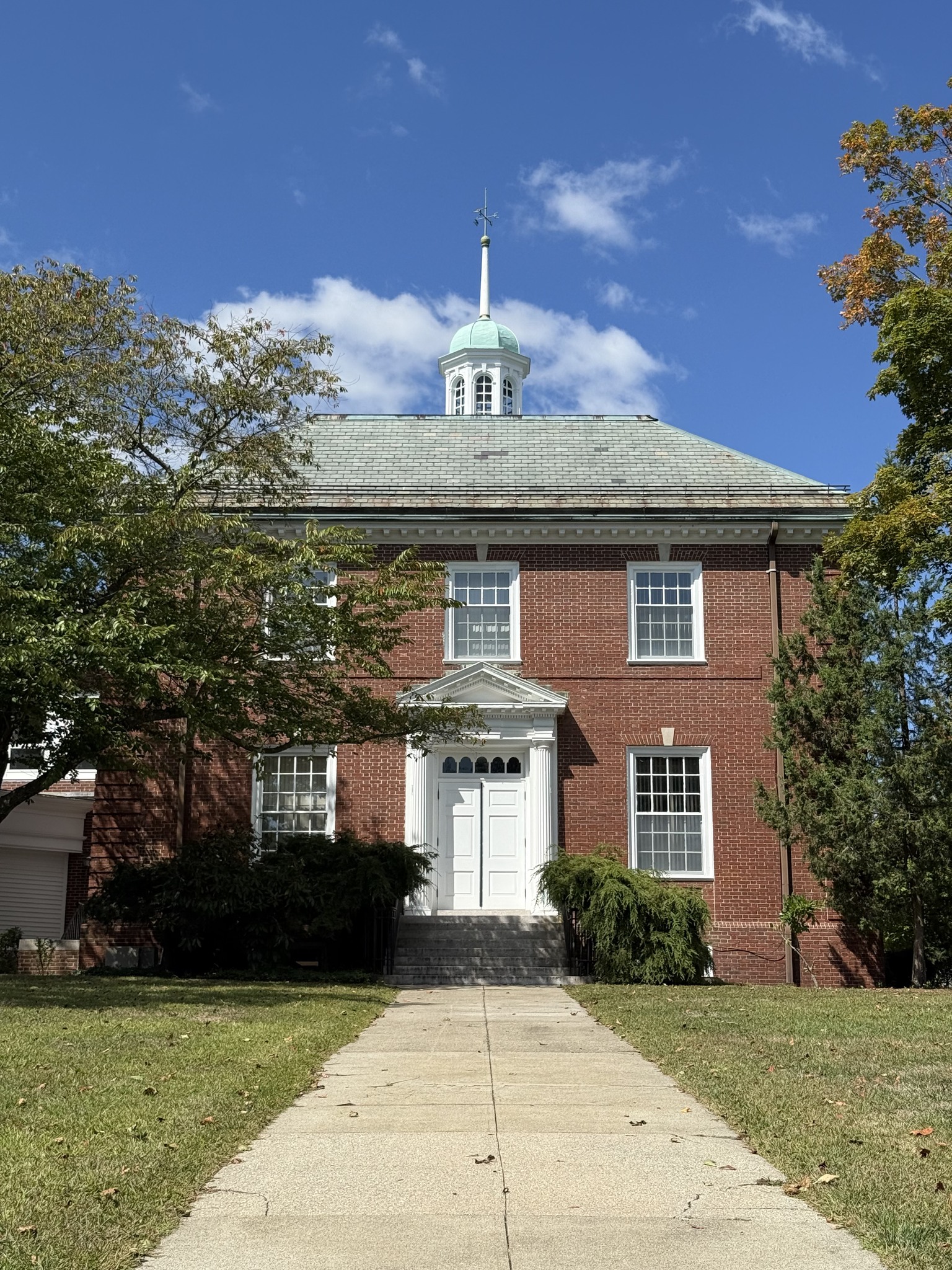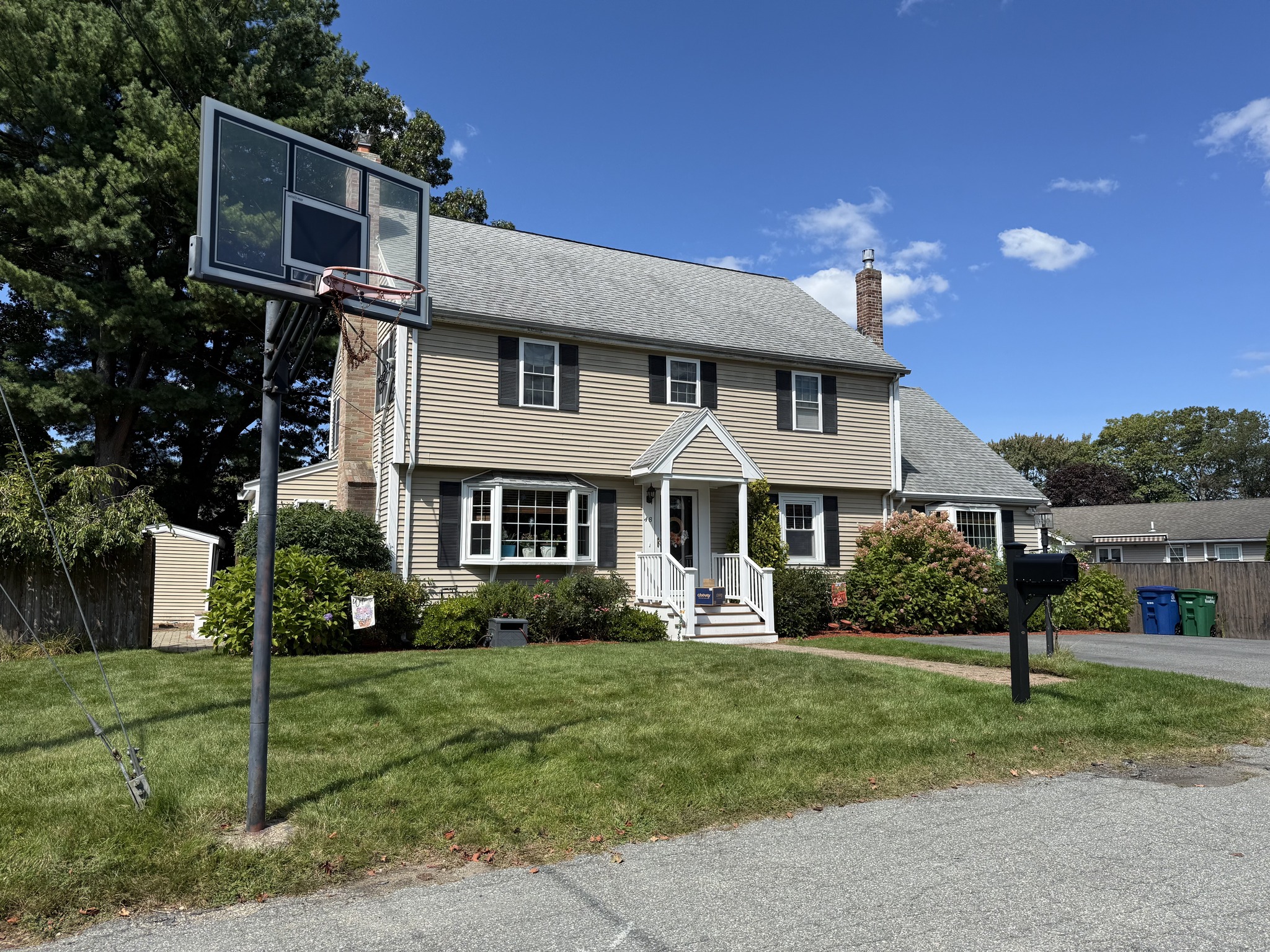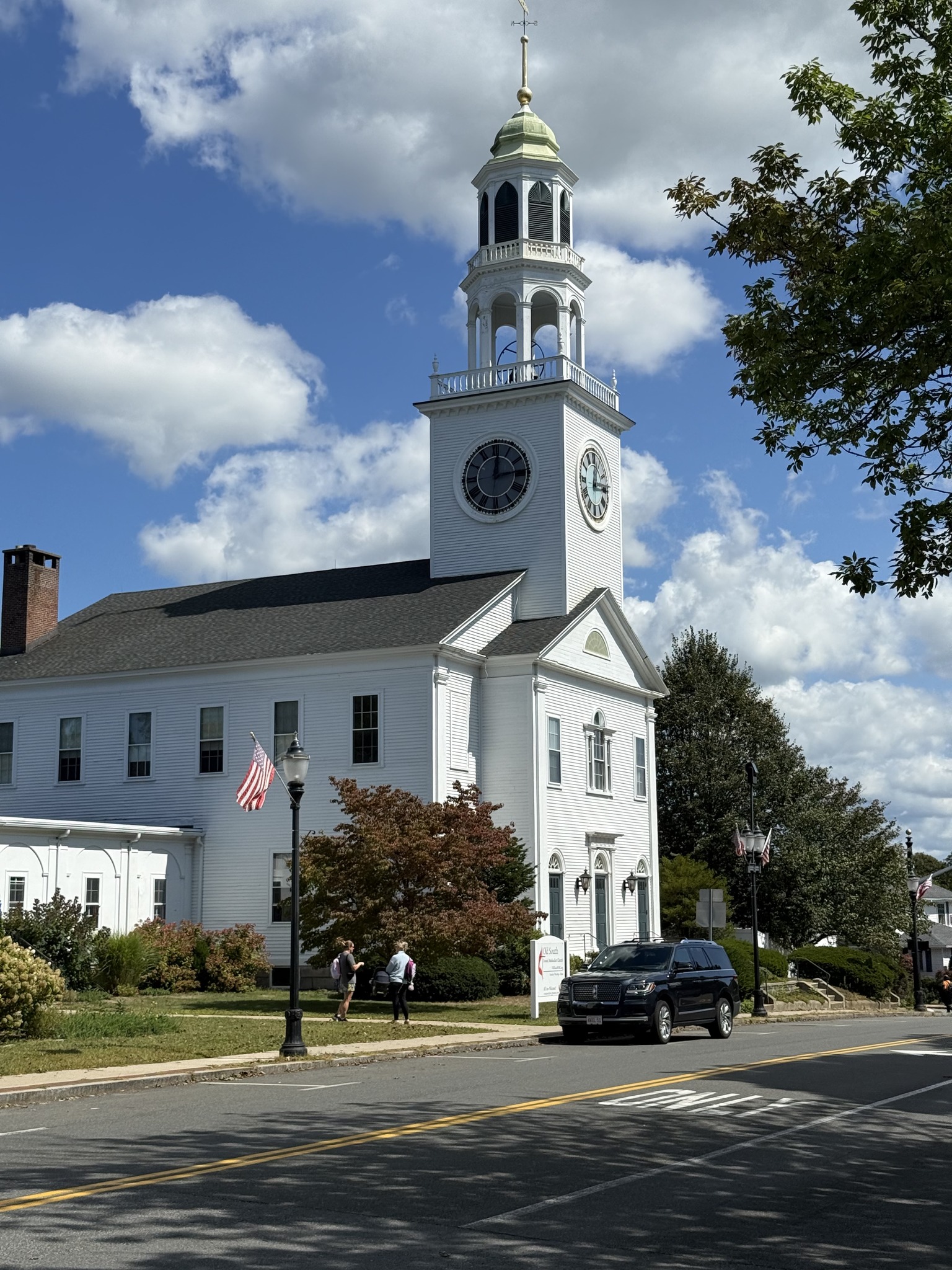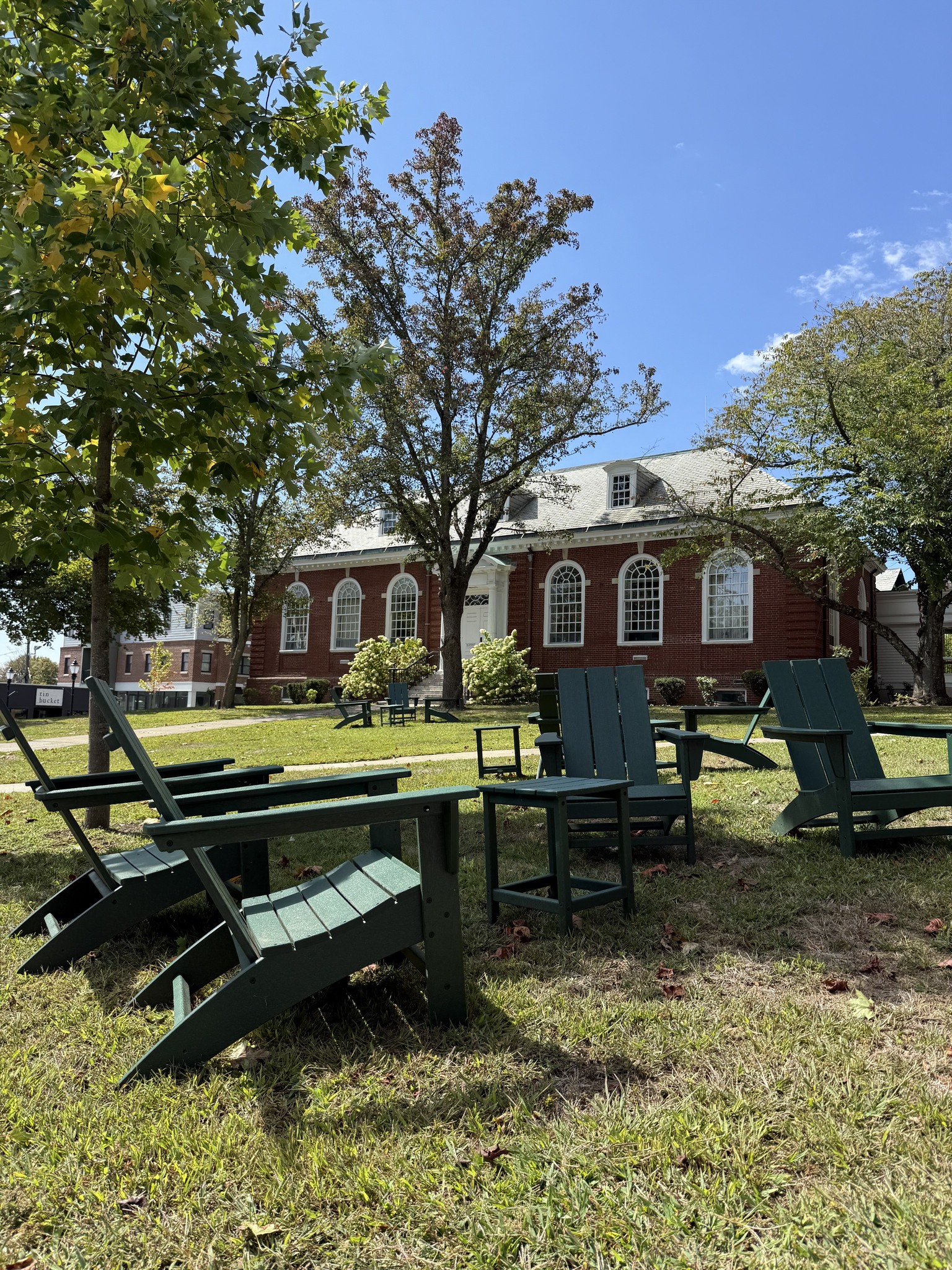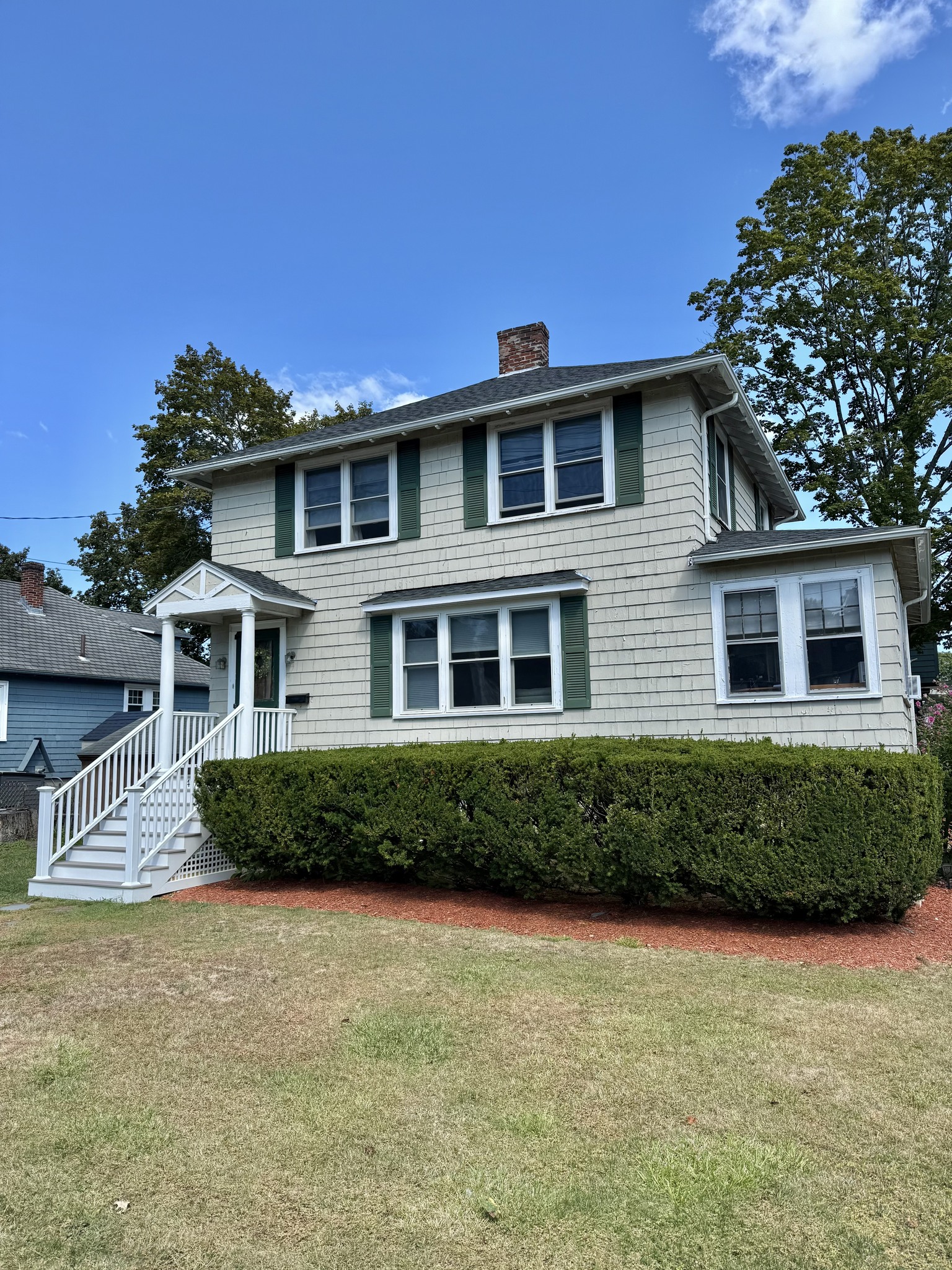
There are towns we come from, and then there are towns that never quite let us go. Reading, Massachusetts, for me, falls squarely into the latter category. It’s a place I left a long time ago—by geography at least—but never completely left behind in the ways that matter. Shannon and I passed through this past summer, on our way from Cape Cod up to Vermont, and I felt that familiar pull in my chest. Not nostalgia exactly. More like recognition. As if the landscape itself were leaning in, whispering something I used to know by heart.
Most people feel this way about their hometown, whether they admit it or not. There’s something about those early streets and intersections that becomes part of our internal wiring. We grow up, move away, build new lives, travel the world—but somewhere inside, there’s always the map of home. You don’t have to romanticize it. You don’t even have to like it. But it’s there, stitched into the musculature of your memory.
Reading was never perfect—no place is. But it was a solid, human, sturdy place to grow up. It had the right kind of scale. Big enough to feel connected to something beyond itself, small enough that you couldn’t disappear completely. You learned quickly that people knew who you were, where you lived, who your family was, and—if you were a kid—what you got up to on your bike or skateboard. Community back then wasn’t a buzzword; it was just the default.
Driving through again, all these decades later, I felt the familiar contours of the town even where the details have shifted. The hardware store that’s now something else. The school that expanded. The corner where the old bakery used to be. And yet the feel of it—the emotional temperature—hasn’t changed. Not really. That’s the part that’s hard to explain unless you’ve felt it yourself. Hometowns evolve the way people evolve: details age, edges soften, but the underlying personality remains.
As we rolled down the streets I used to know blindfolded, it struck me how many versions of myself are still cached in this place. The kid waiting for the bus. The teenager rehearsing who he might become. The young man looking beyond the horizon. All those selves, layered like old negatives left in a box, waiting for someone to bring them back into the light.
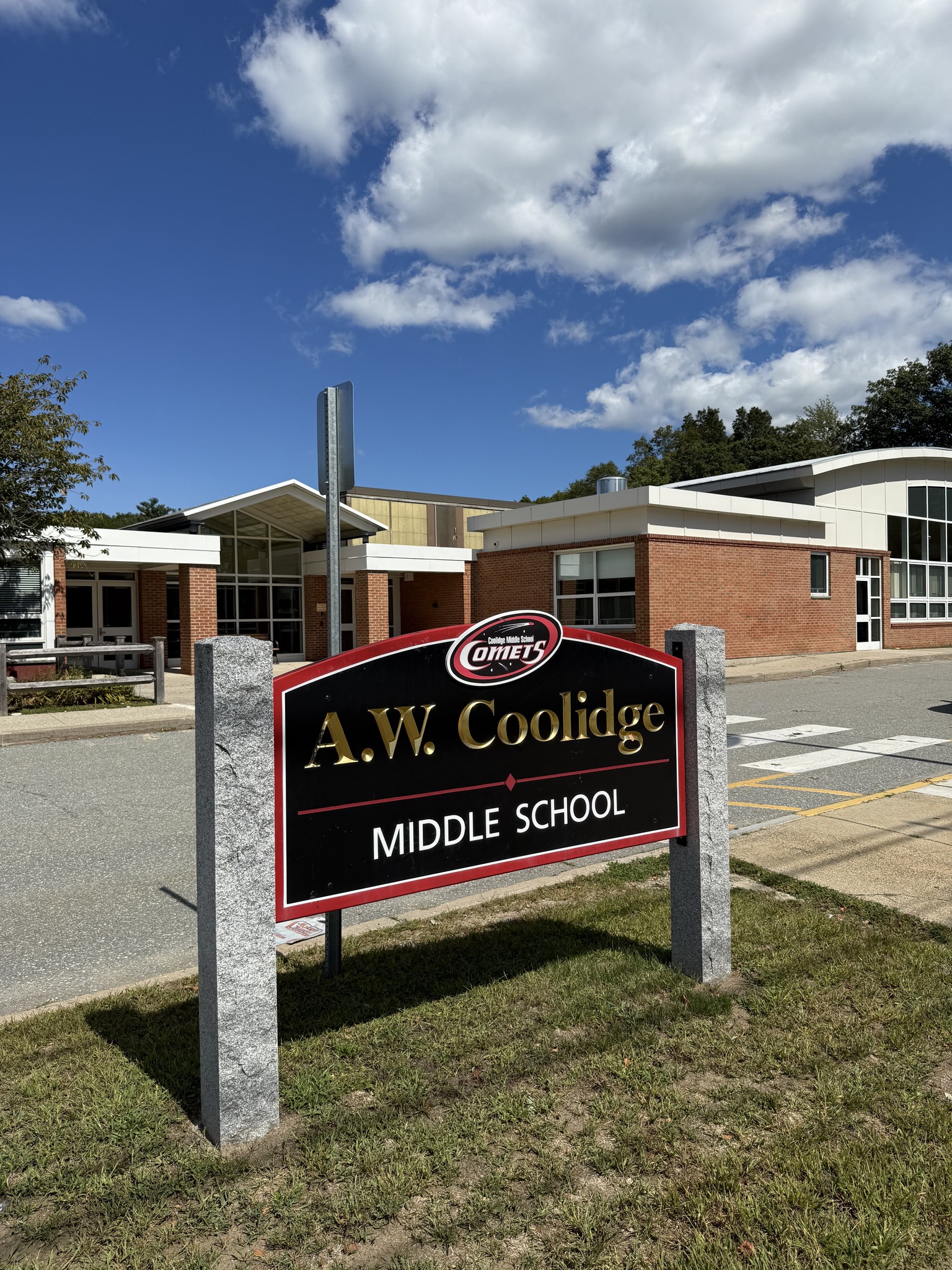
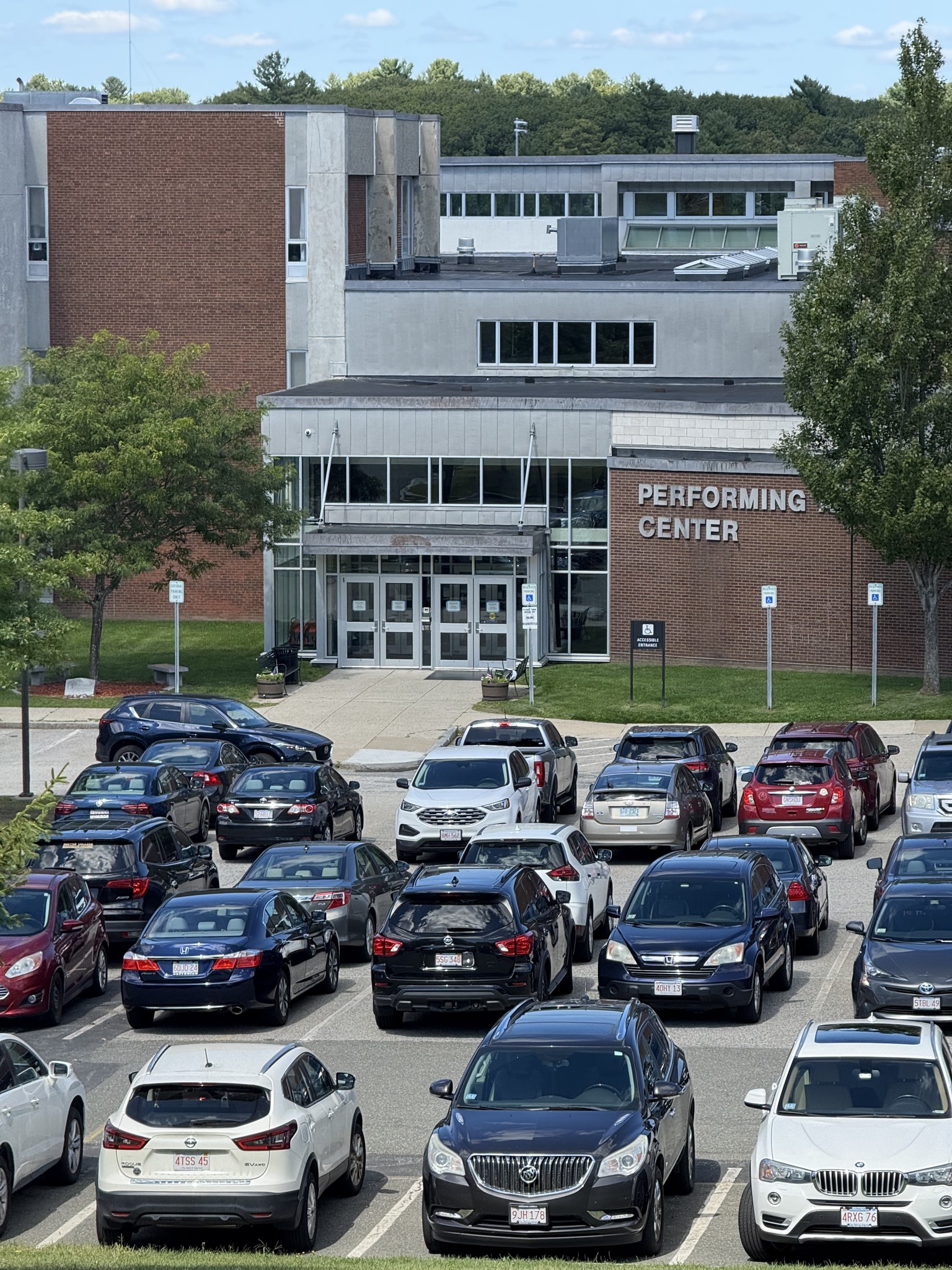
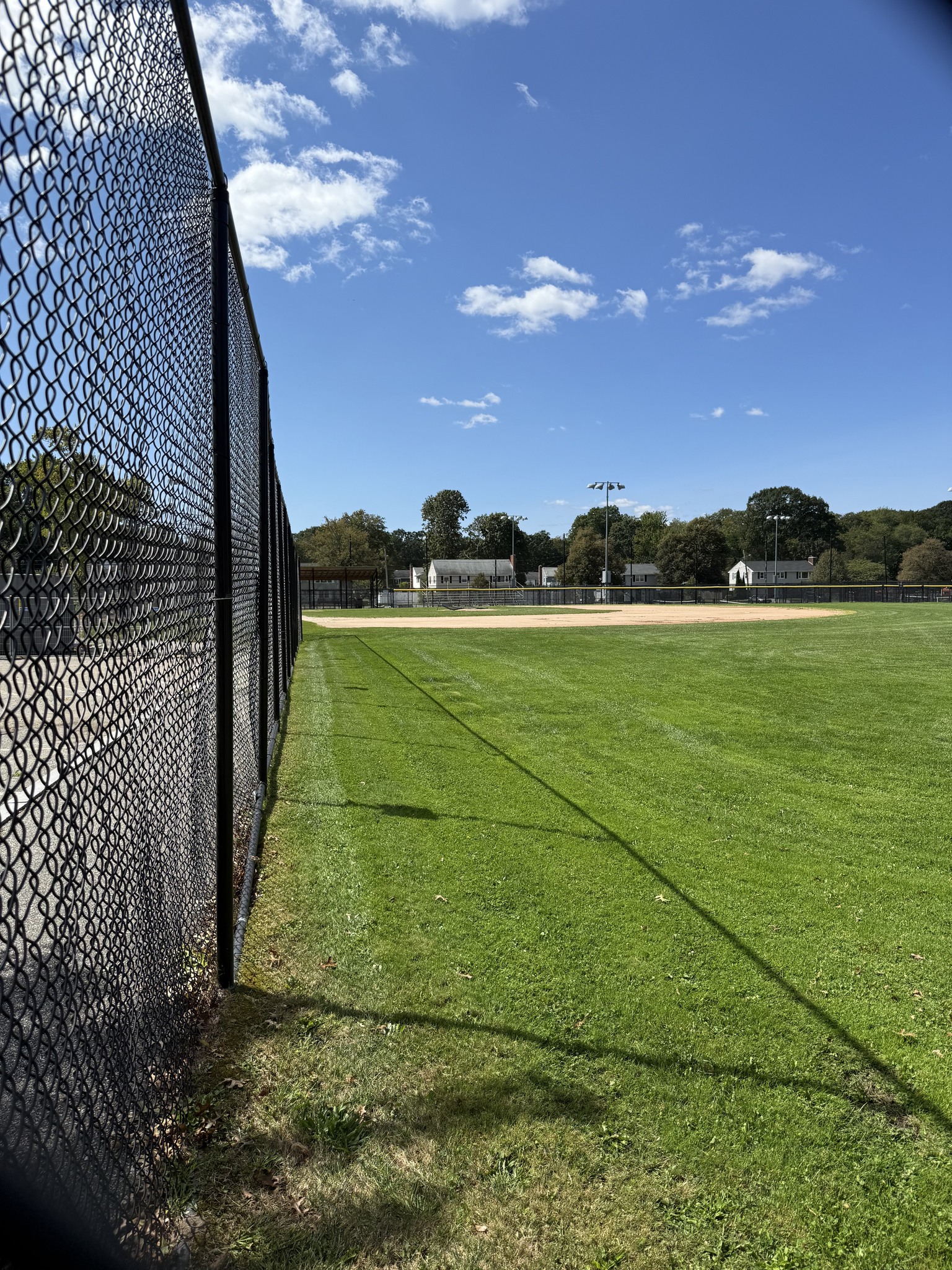
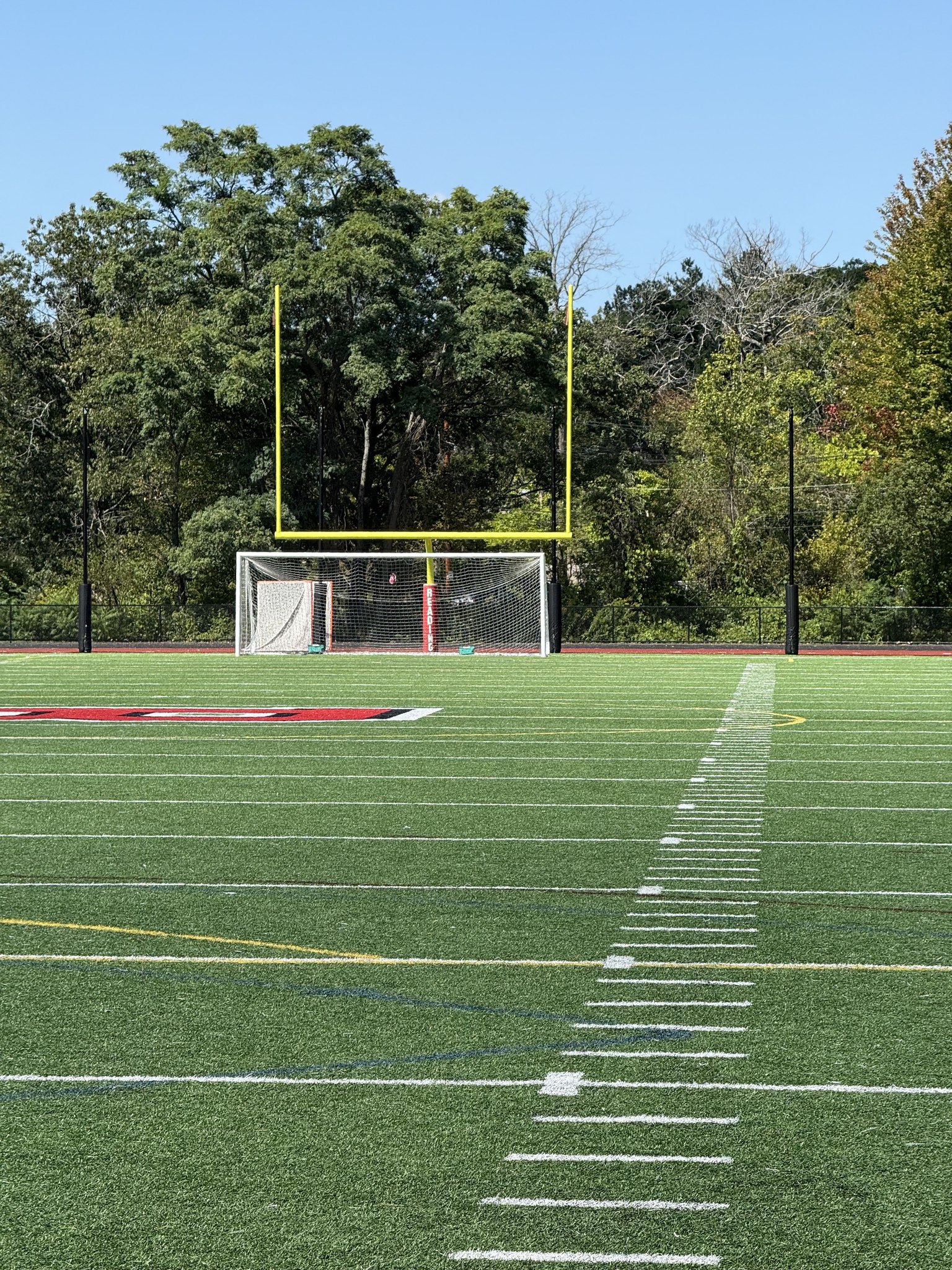
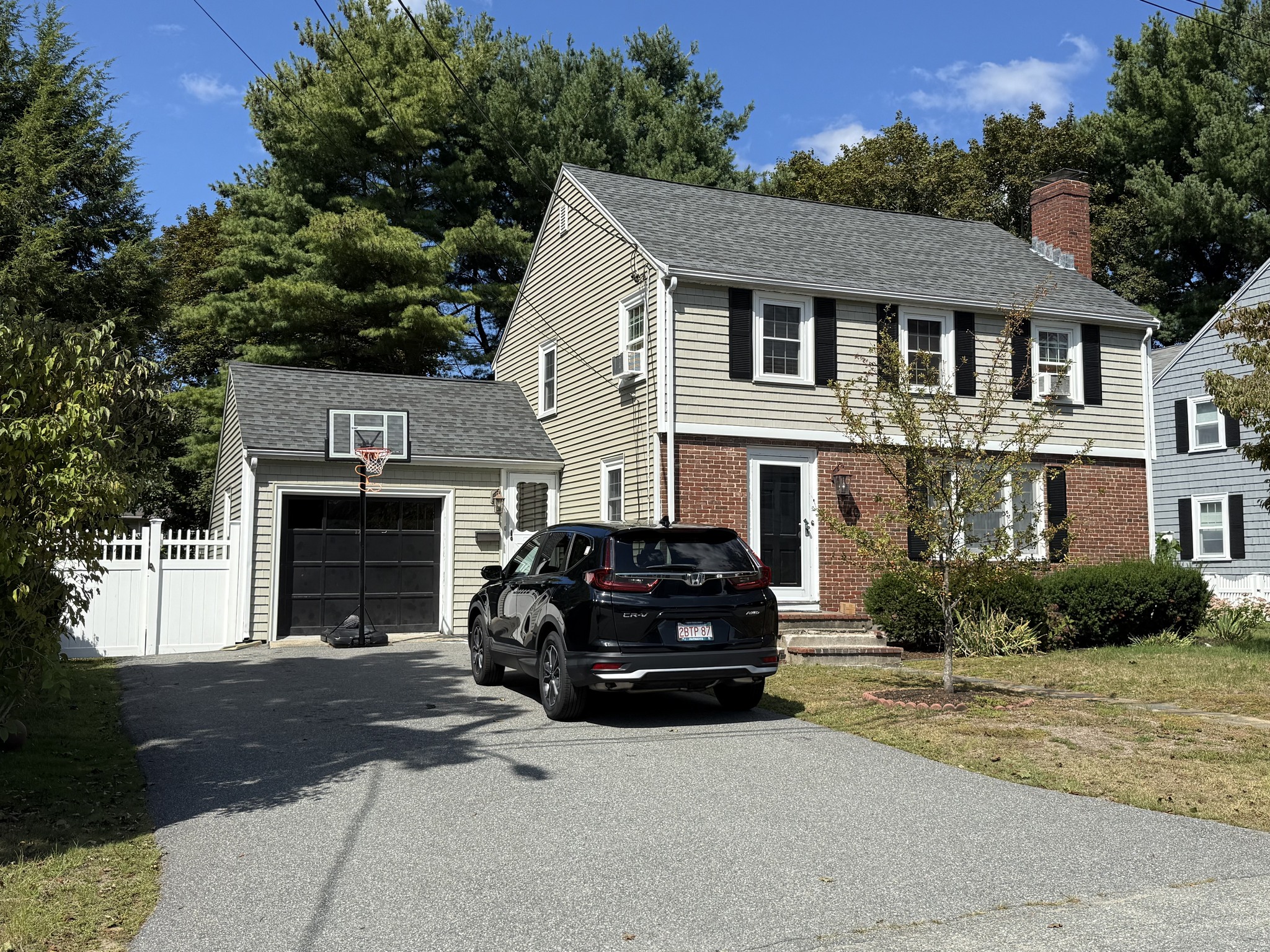
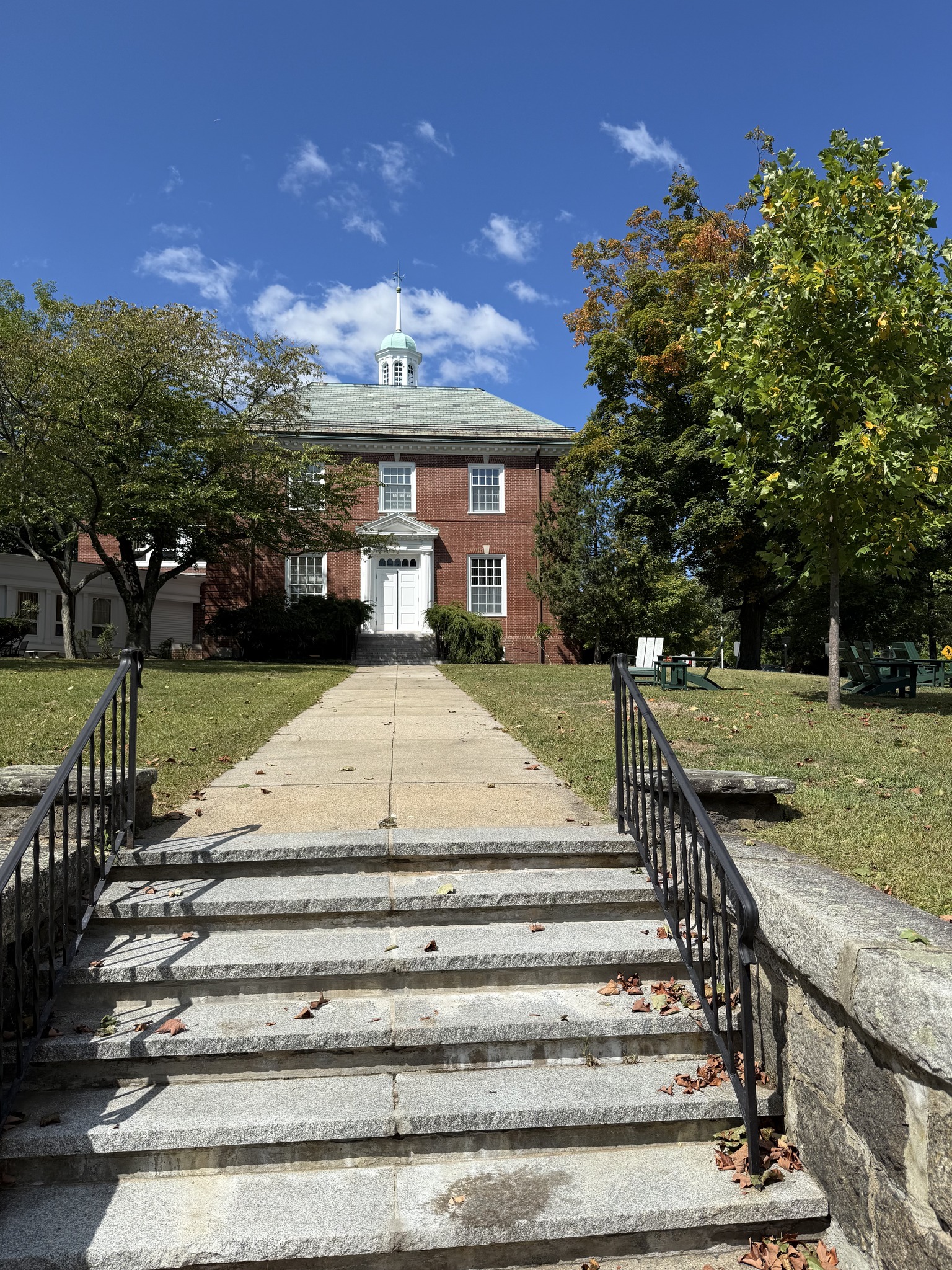
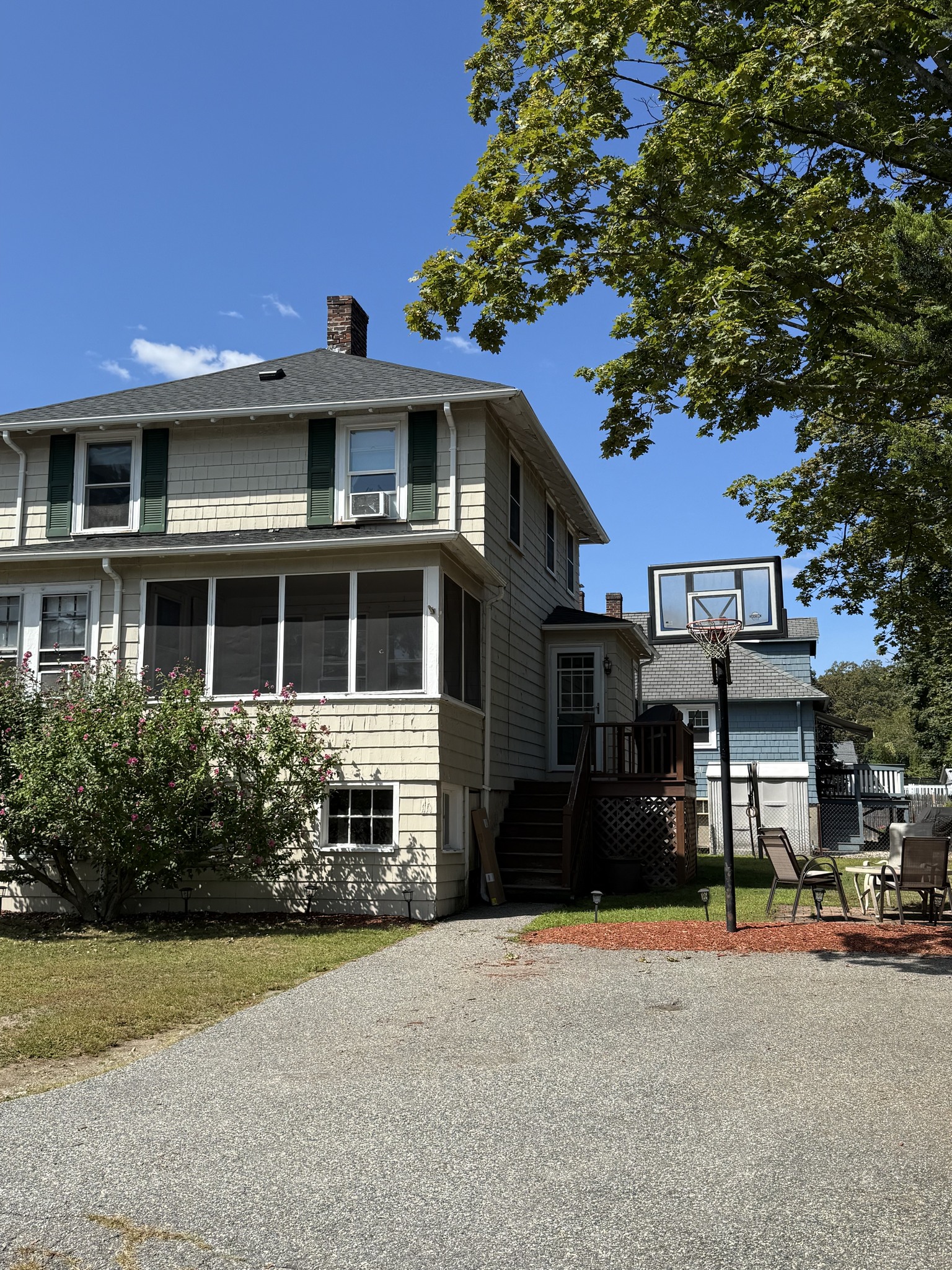
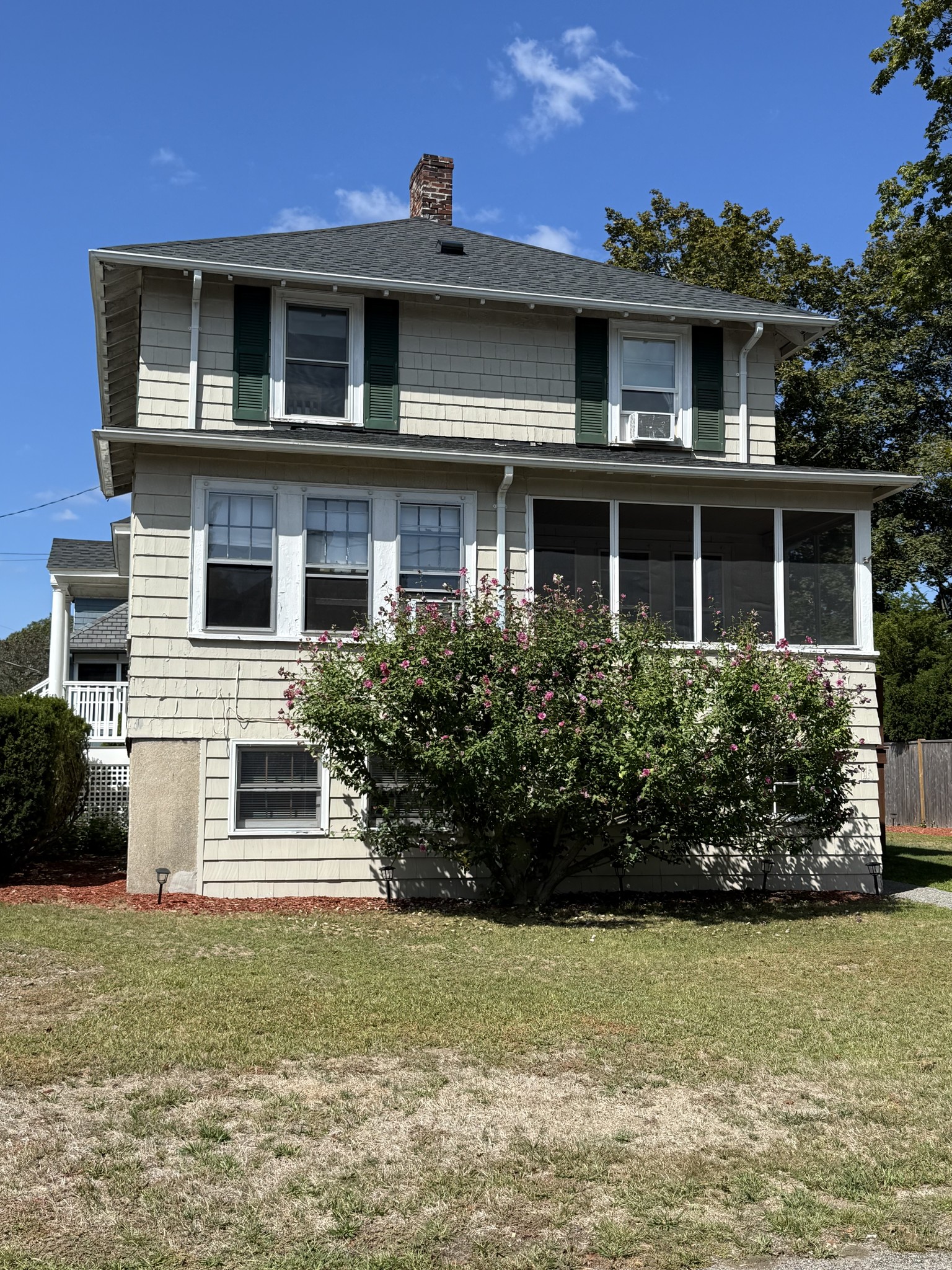
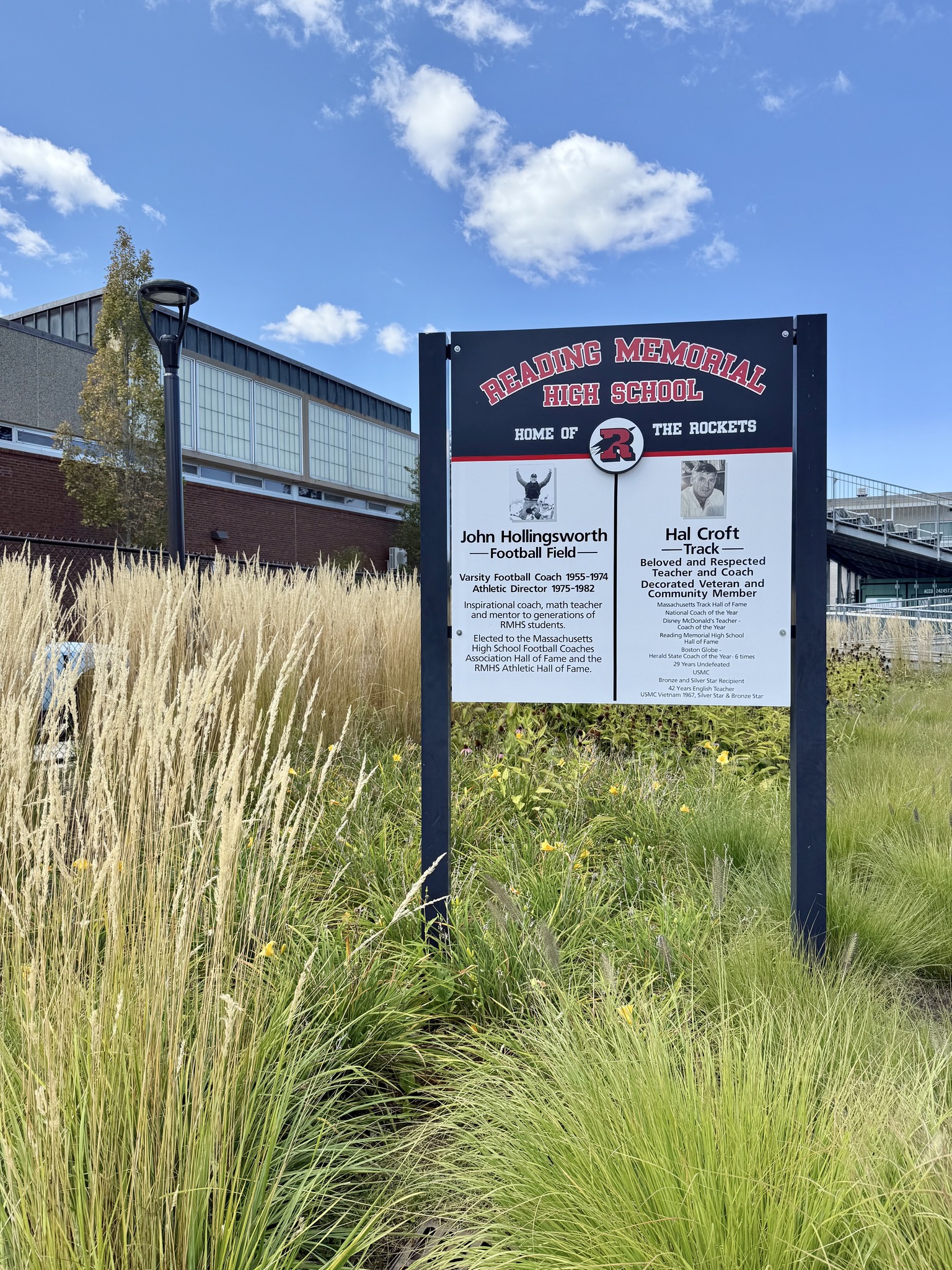
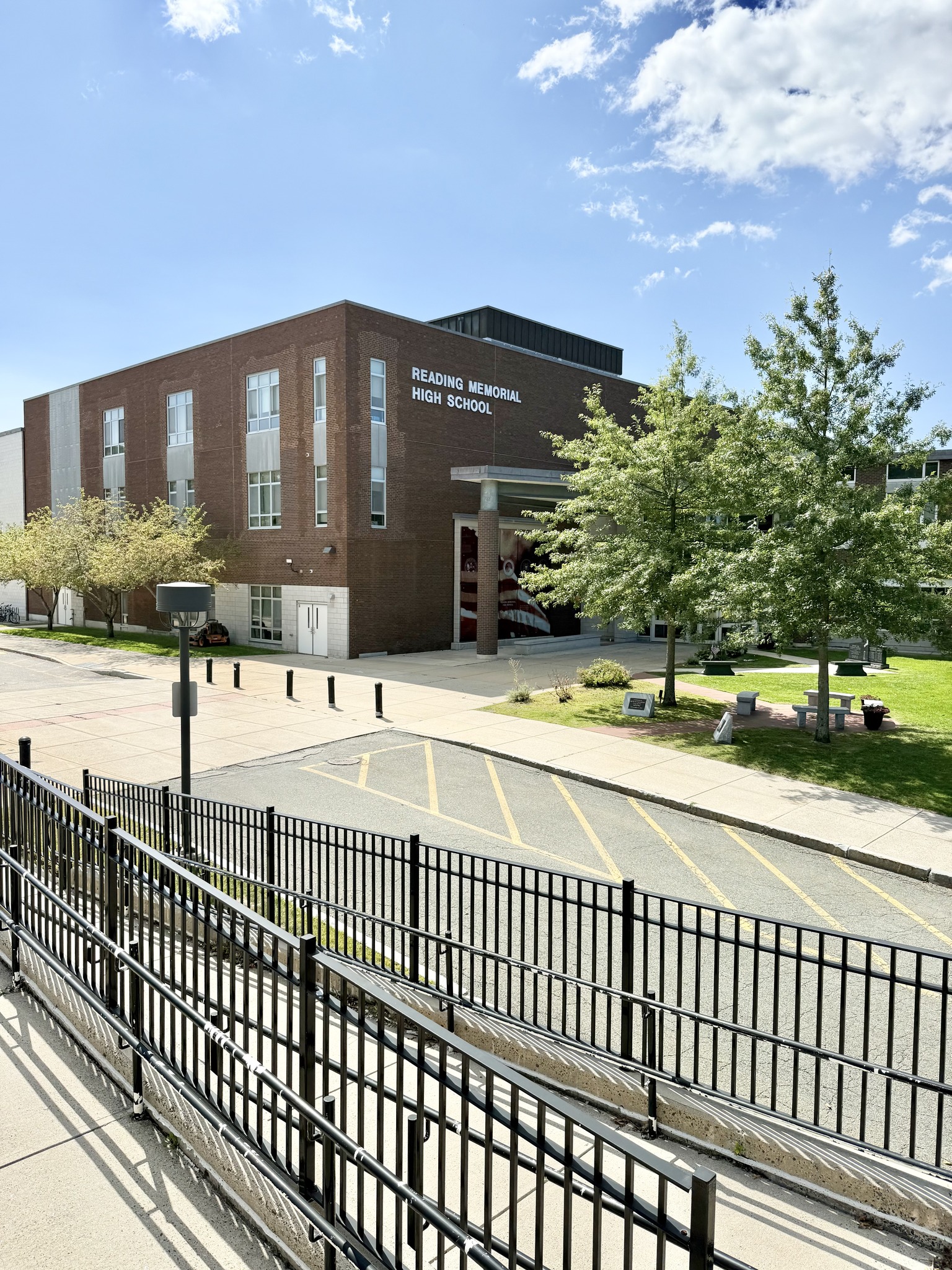
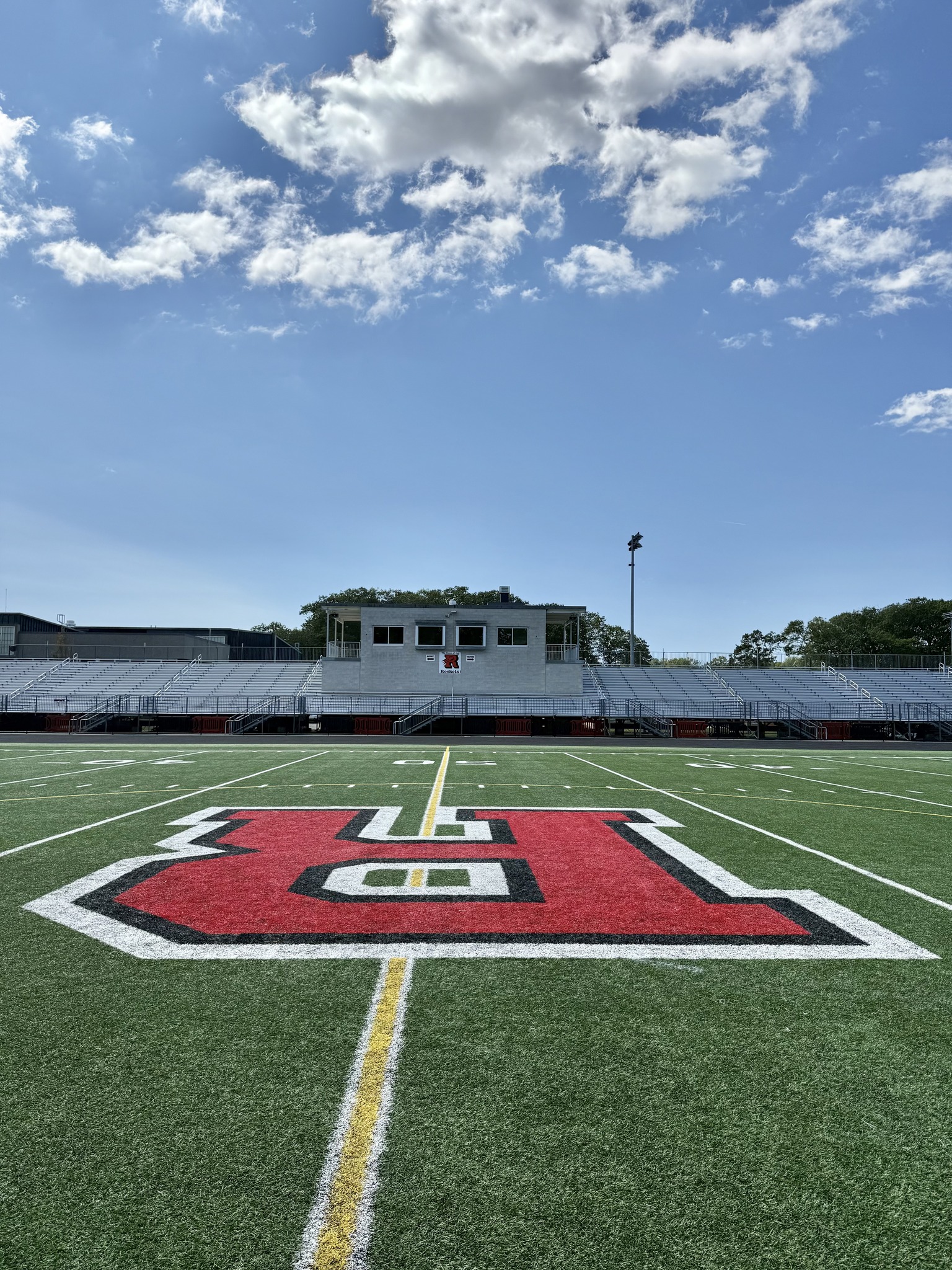
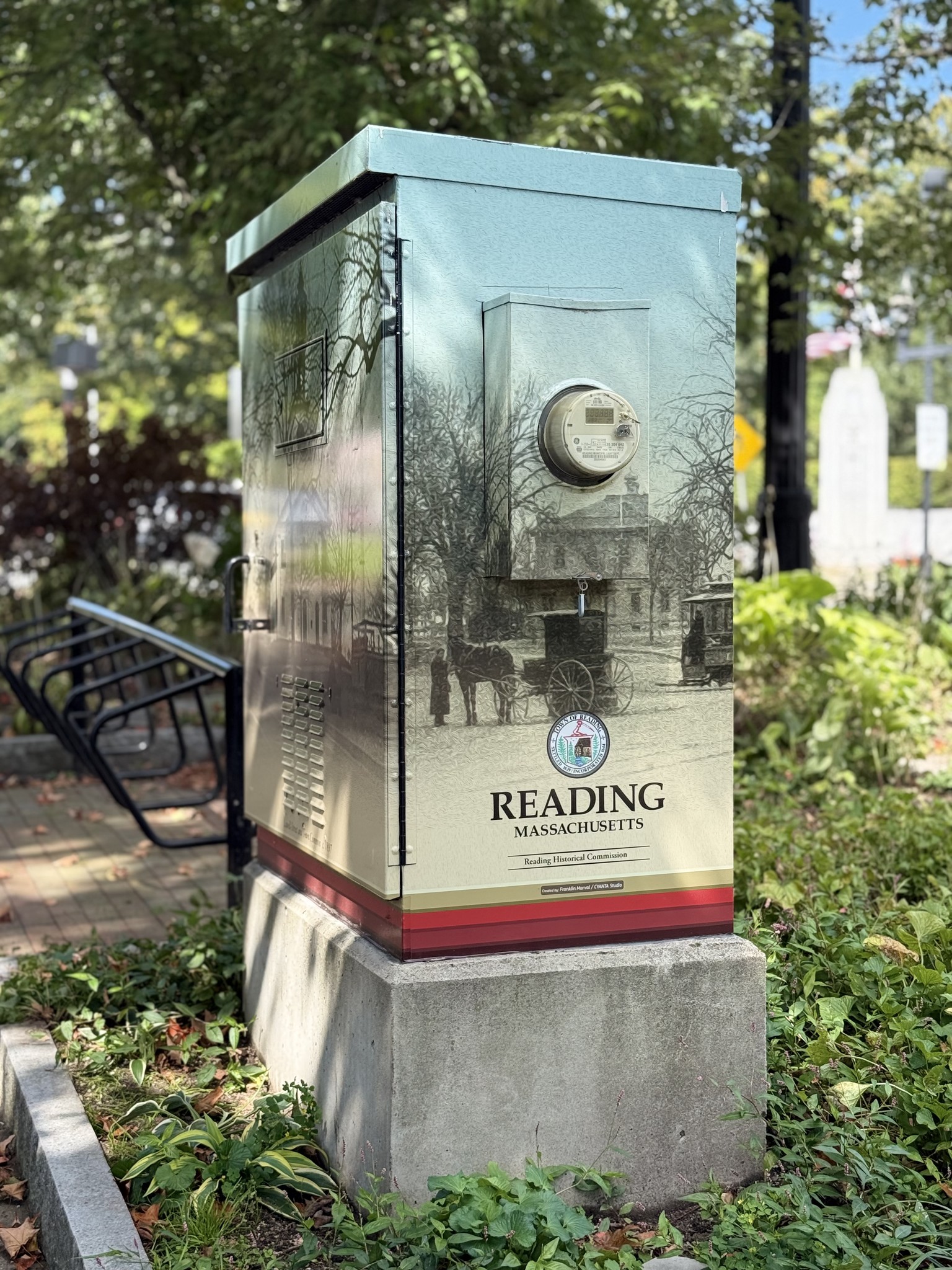
We pulled over so I could take a few snaps—nothing award-winning, nothing precious. Just modest proofs of memory. The neighborhood streets. A few storefronts downtown. The school I attended. They’re not photographs you dissect for composition or color. They’re photographs that remind you you’re still tethered, however loosely, to the soil you came from. They’re snapshots of the ordinary, which is precisely what gives them their staying power. Ordinary is where belonging lives.
There is something unguarded about returning to the place where your story began. You feel that mix of gratitude and distance. Gratitude because this place—however imperfect—brought you into the world and gave you your first vocabulary for it. Distance because you’re not that person anymore, and can never fully be him again. The older I get, the more I understand that hometowns hold our ghosts gently. They don’t demand that we return, but they welcome us when we do.
It’s funny how memory works. You can walk a block that meant nothing to you at five, and suddenly it’s the most vivid page in the book. You see the crack in the sidewalk you used to jump over. The angle of light that once marked the hour you had to head home for dinner. The field where you learned how to lose and win with something like dignity. None of this asks to be extraordinary. It just asks to be remembered.
Reading gave me that early sense of scale—how big the world felt and how small I was within it. But it also taught me that being small isn’t a problem. It can even be a kind of superpower. When you’re young, you take everything in, wide-eyed, impressionable, porous. You don’t know you’re forming a worldview; you just live. And then years later you realize that the cadence of your sentences, the way you navigate a crowd, the way you look at a street corner—is all shaped by this quiet New England town where the seasons turned in their own time and people minded each other’s business just enough to feel human.
On this return visit, I wasn’t chasing closure or clarity. I wasn’t trying to relive anything. I just wanted to see it again, to stand in its presence long enough to let a small truth rise to the surface: you don’t have to stay connected to a place for it to matter. You don’t even have to visit often. Meaning doesn’t require maintenance; it just needs acknowledgment.
And maybe that’s what this small detour offered—an acknowledgment. A nod to the place that held my earliest dreams, mistakes, ambitions, disappointments, friendships, triumphs. A place that formed me long before photography ever entered the frame. Long before I knew how wide a life could stretch, or how far a person could travel and still feel the imprint of home.
There’s a particular humility in returning to your beginnings. Not shame. Not regret. Just the humility of seeing the long arc of your life in one concentrated view. The roads feel smaller. The houses closer together. The scale of childhood returns, not because you shrink back into it, but because you finally see it for what it was—a starting point, not a destination.
People sometimes assume you outgrow your hometown, as if moving on means leaving behind. But what if the opposite is true? What if the farther you go, the more clearly you see the foundation beneath you? What if distance sharpens rather than blurs? I think about that often—how the emotional truth of a place can outlast its physical details. The town changes. We change. But the relationship stays intact.
There’s also the quiet intimacy of knowing that the streets of Reading once held your entire understanding of the world. And then life opened up, dramatically, beautifully. You left. You wandered. You worked. You built. You learned. You lost. You grew. And through all of that, this little town stood still in the background, unchanged in the ways that count, waiting to be recognized again.
I don’t have a poetic ending for this, because hometowns don’t really offer endings. They offer origins. And origins don’t resolve; they reverberate. Driving out of Reading, heading north toward Vermont, I felt none of the sentimentality I might have expected—just a quiet steadiness. A sense of continuity. A feeling that this place, for better and worse and everything in between, is part of my bloodstream.
And maybe that’s enough. Maybe that’s the whole point. We don’t return to measure how much we’ve outgrown. We return to remember where we began—and to feel, if only for a moment, the faint but unmistakable echo of belonging.
There is truly no end without a beginning.
Jack.