Life has a funny way of circling back on you. It loops, it arcs, it bends in ways you never expect. You think you’ve moved on, moved past, moved beyond—but somehow the places, the people, the moments that mattered most have a way of finding you again. Sometimes quietly. Sometimes loudly. Sometimes with such emotional force that you just sit there and whisper to yourself, “How is this my life?”
February 18, 2026 will mark fifteen years of iPhone photography for me—fifteen years of the most significant, meaningful, transformative work I’ve ever done with a camera. Fifteen years that completely upended my photographic identity. Fifteen years that re-anchored my sense of purpose. Fifteen years that rewired how I see the world and what I want from my life.
If you trace that entire journey back to its ignition point, you land at a single moment:
7:01 a.m., February 18, 2011, The Crane Resort, Barbados.
That was the instant my life in photography snapped into a new gear.
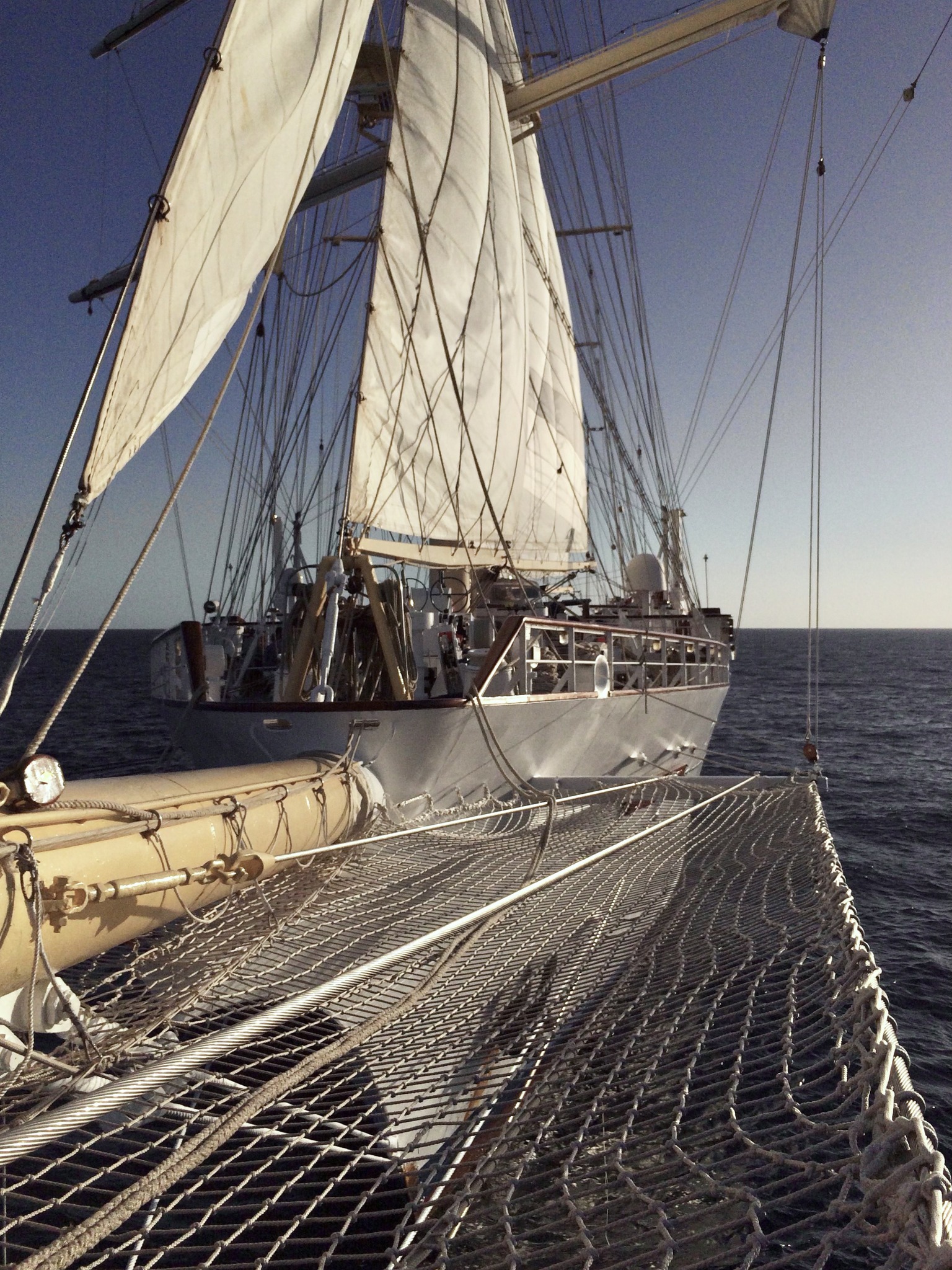
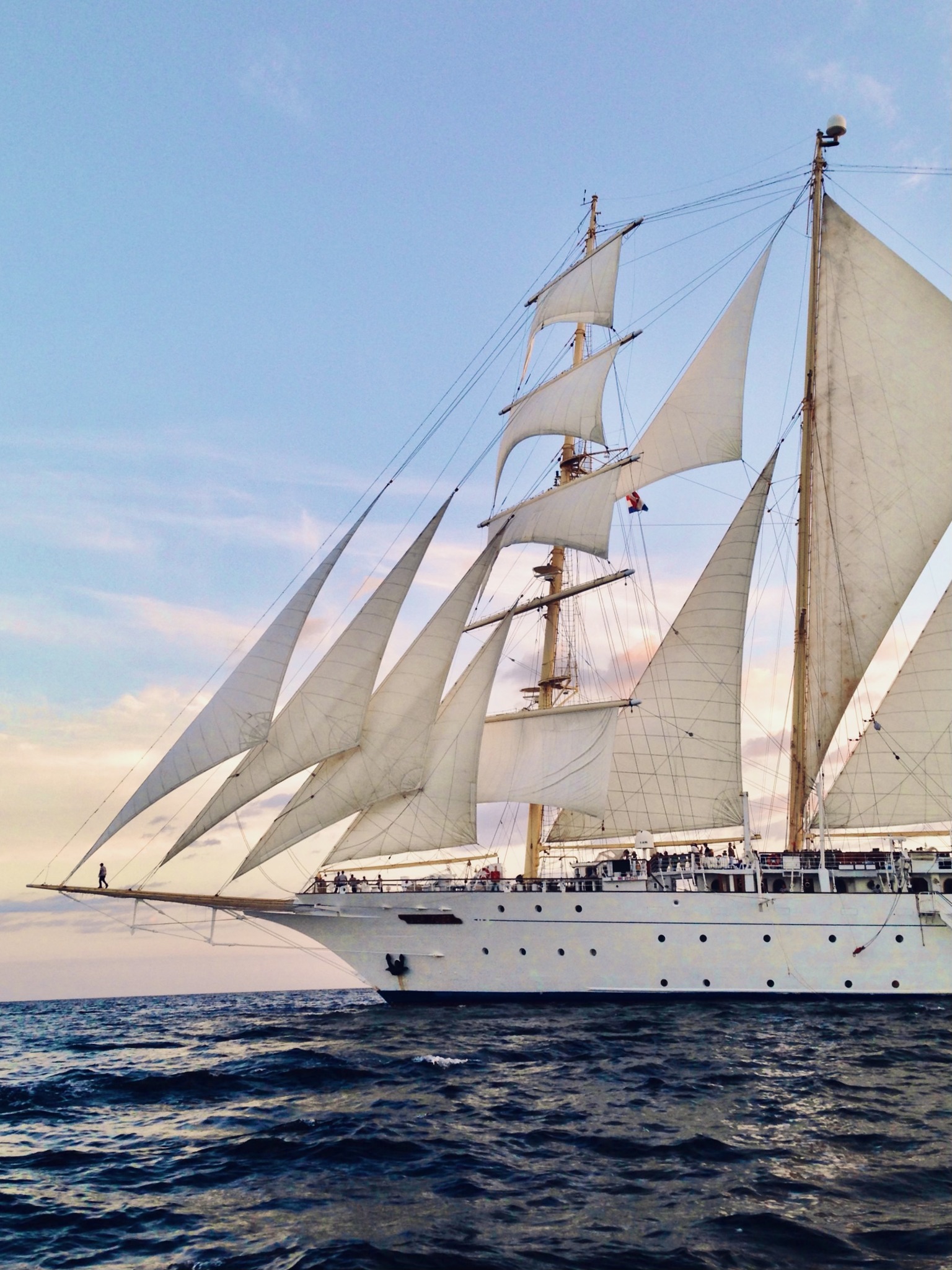
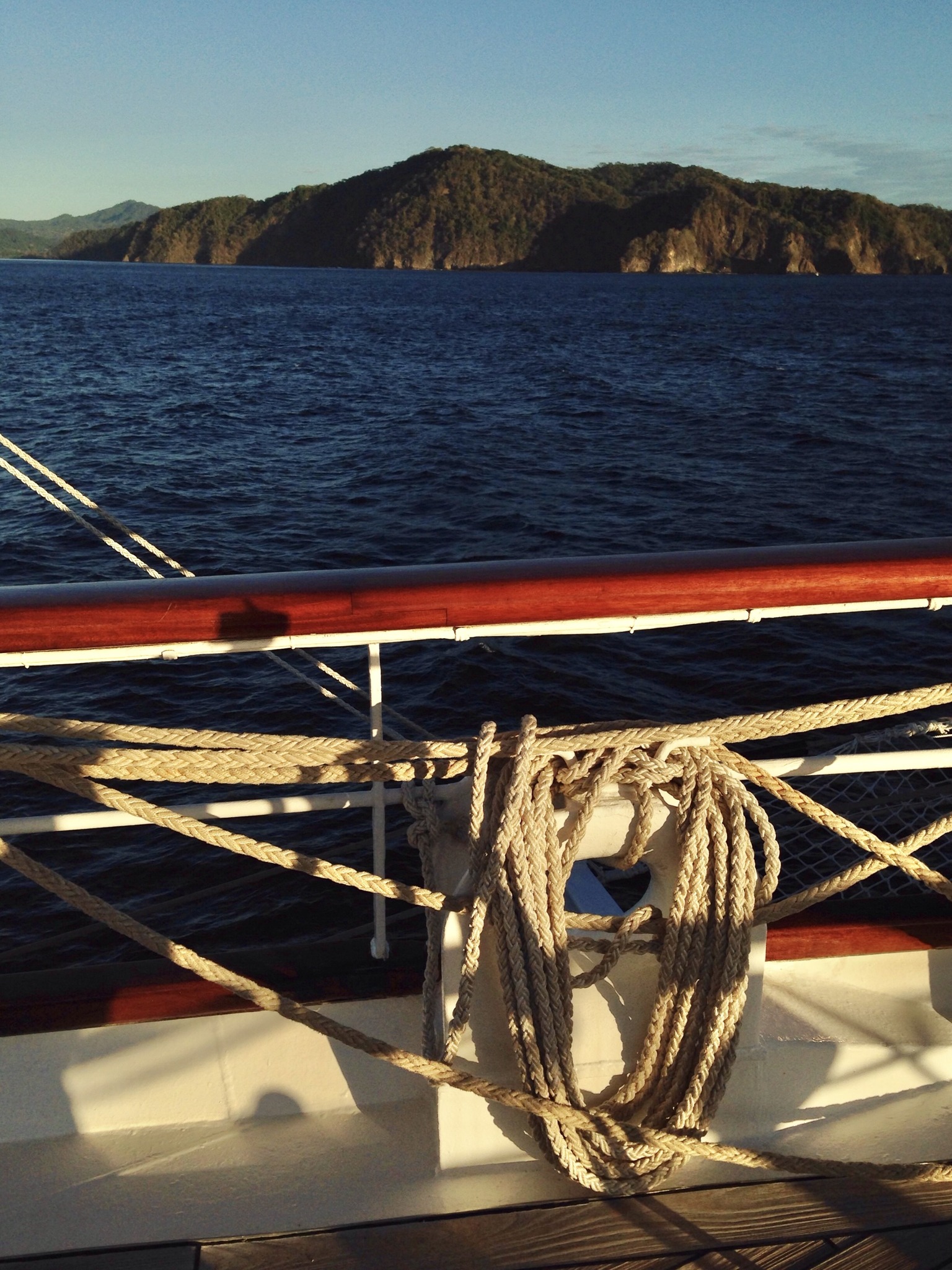
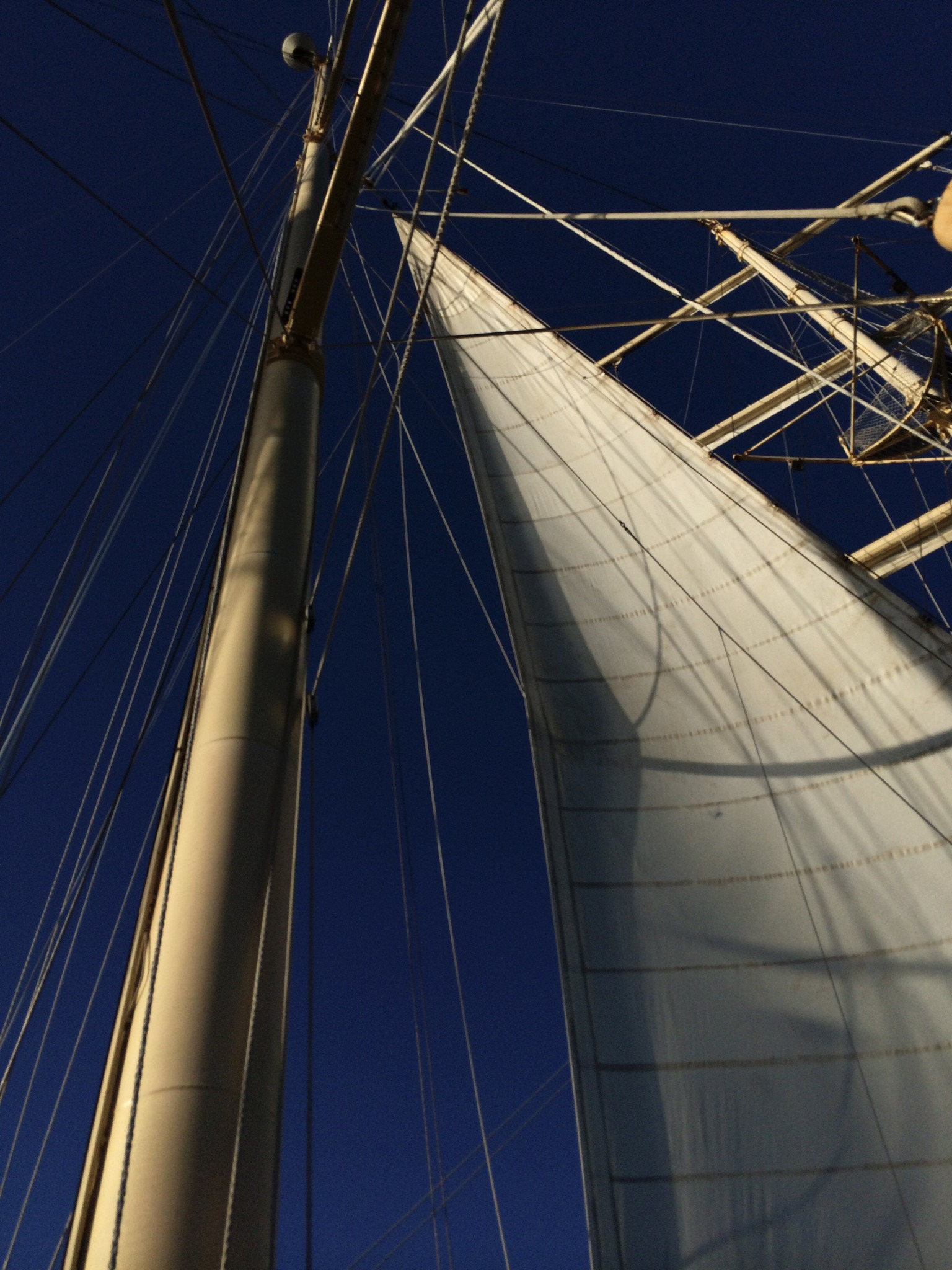
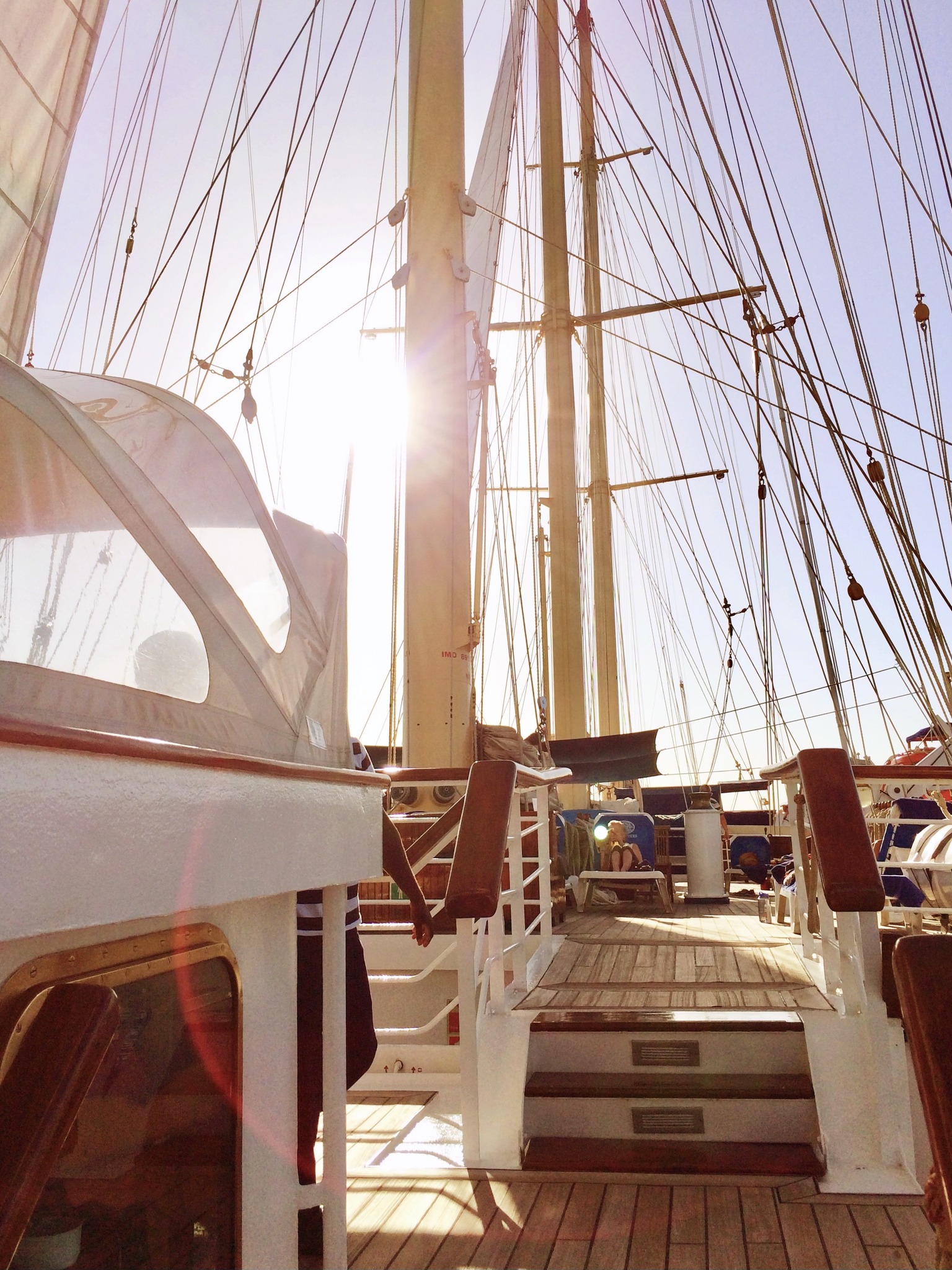
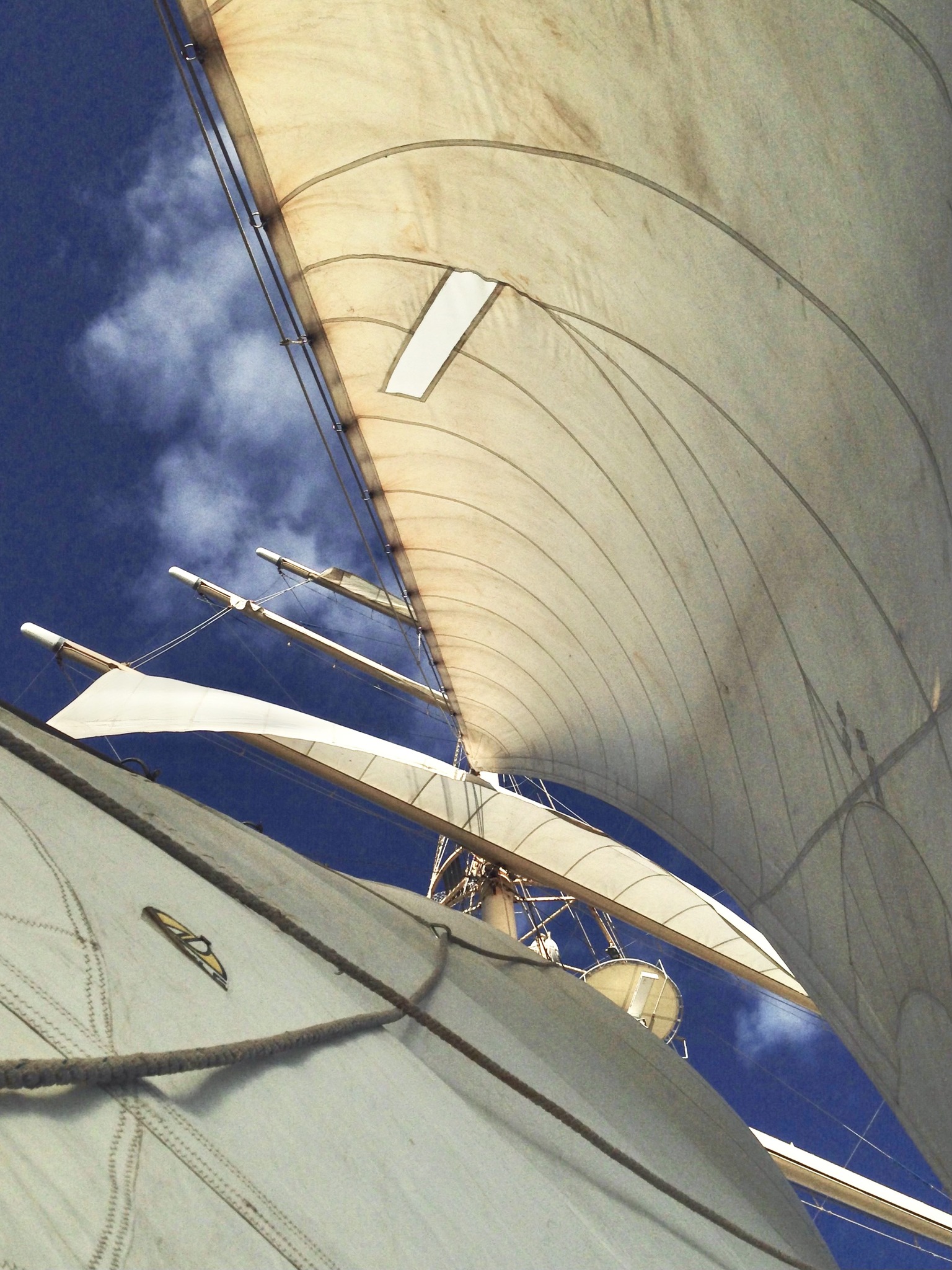
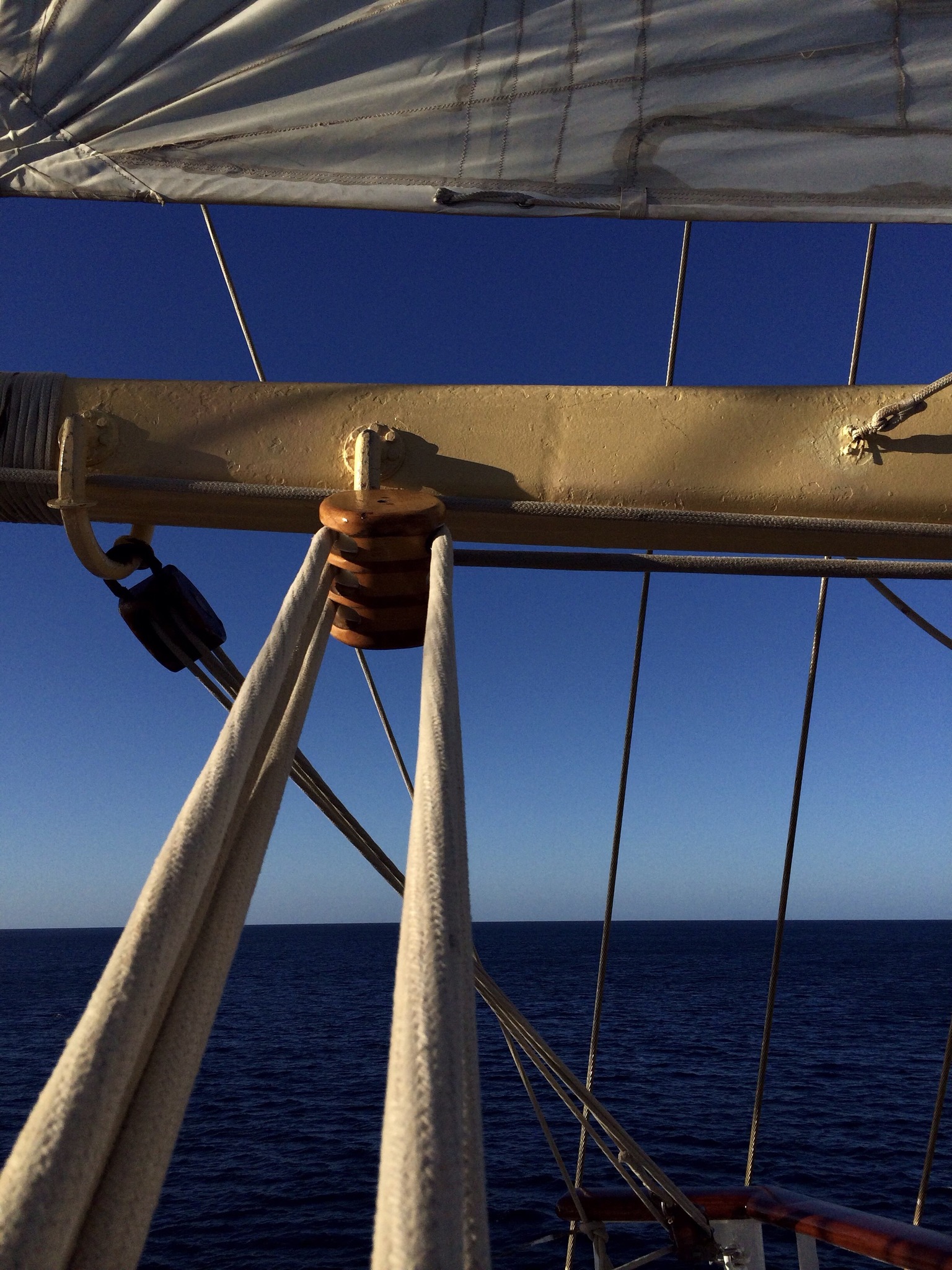
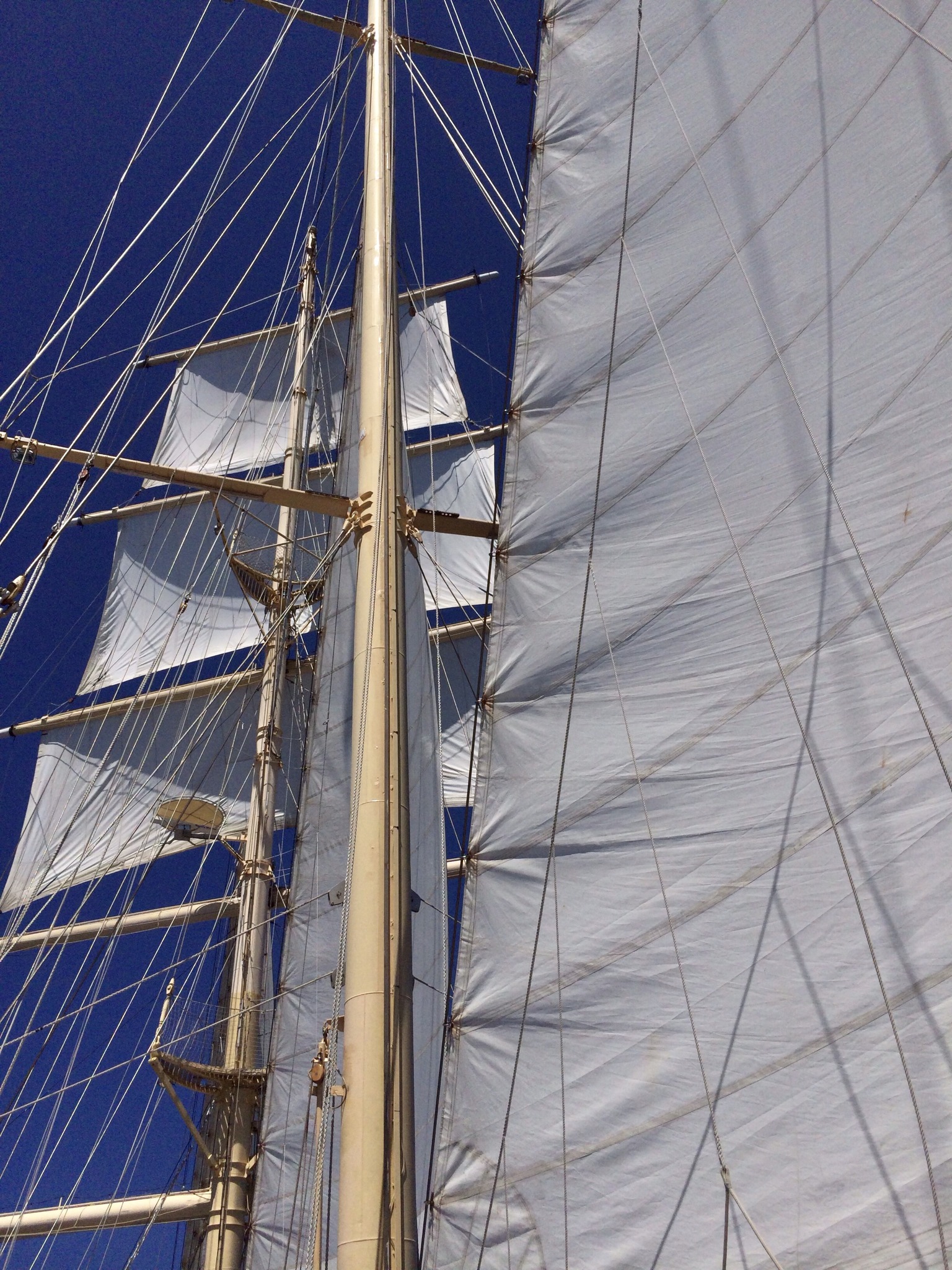
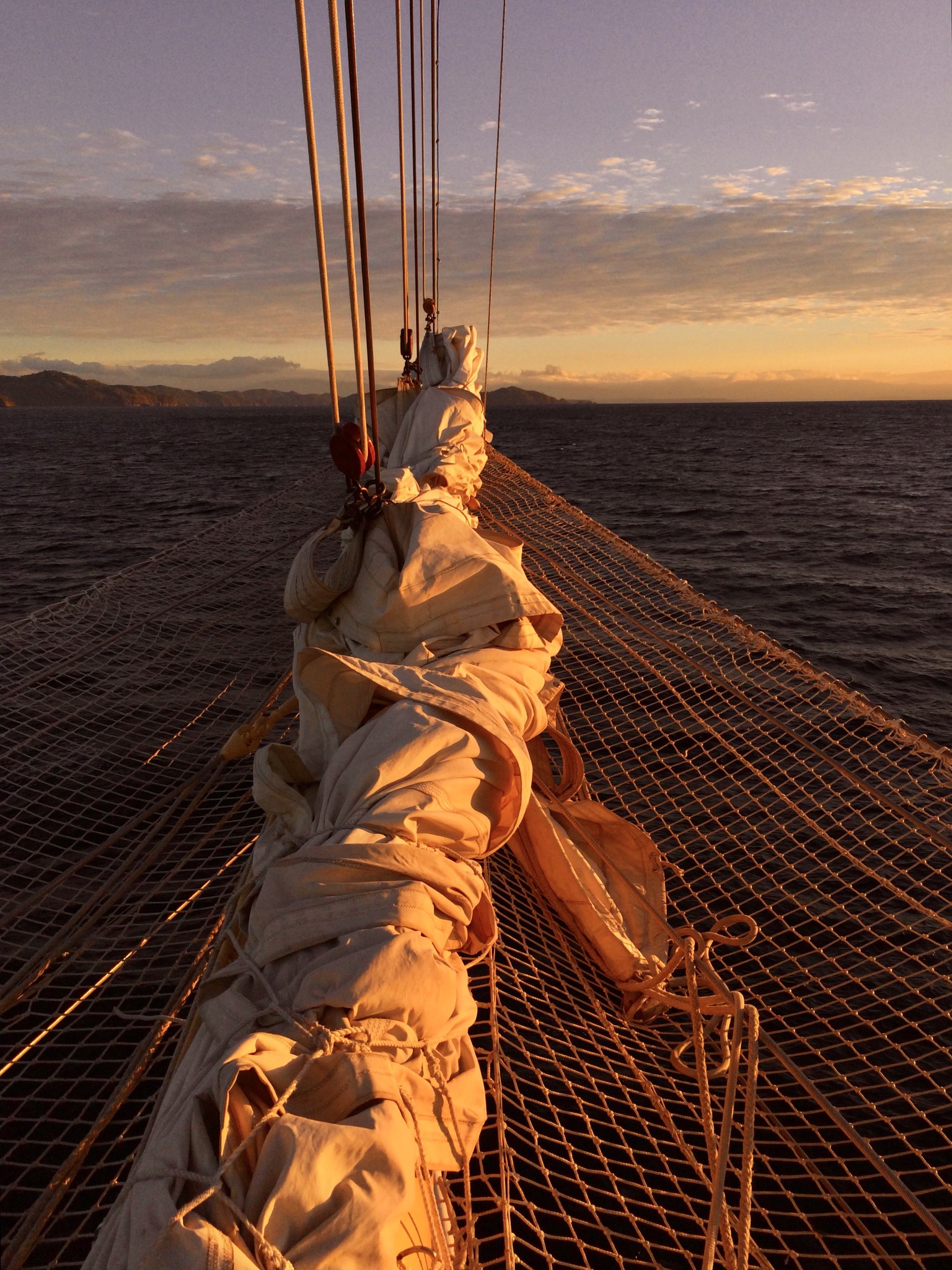
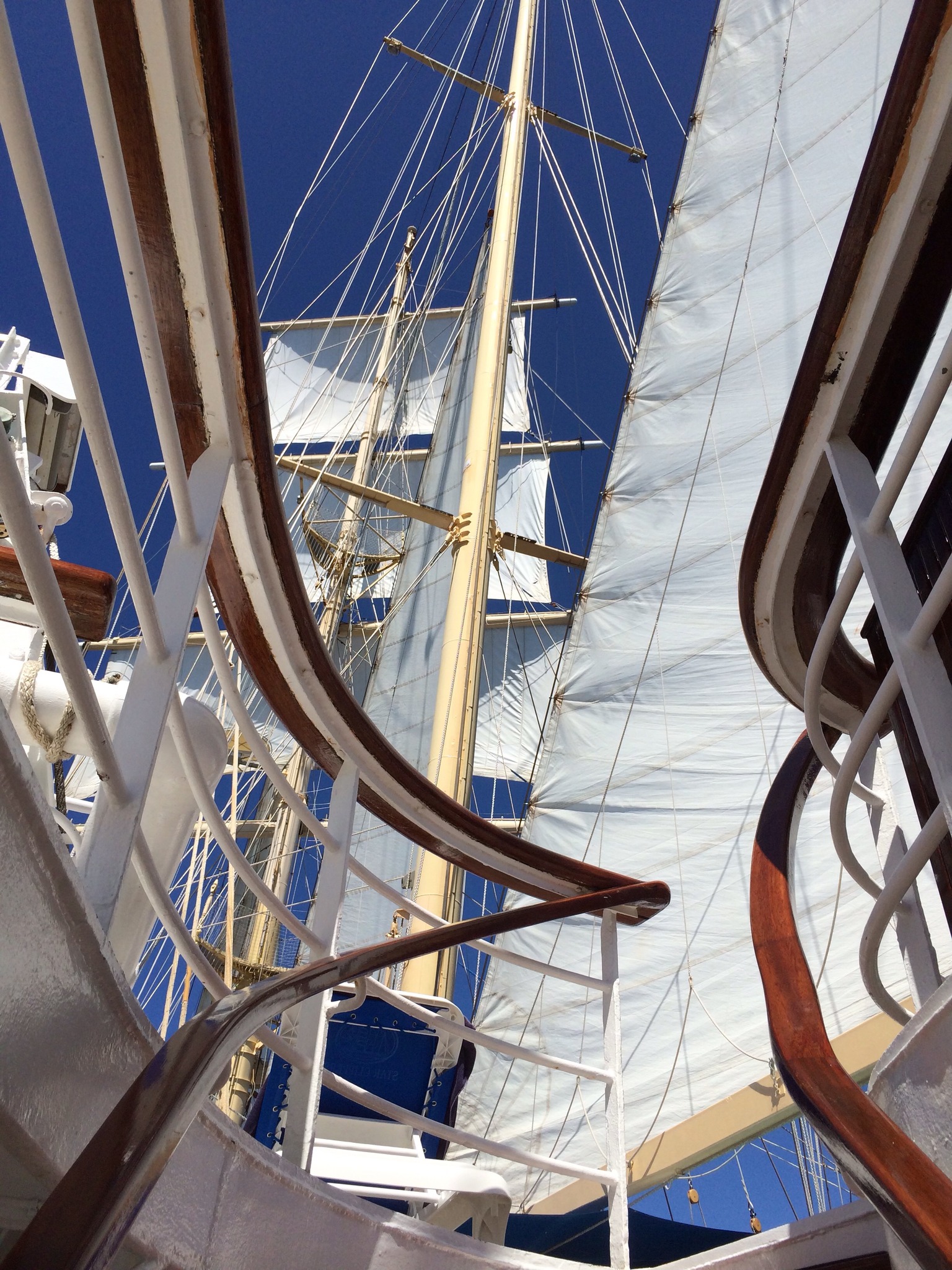
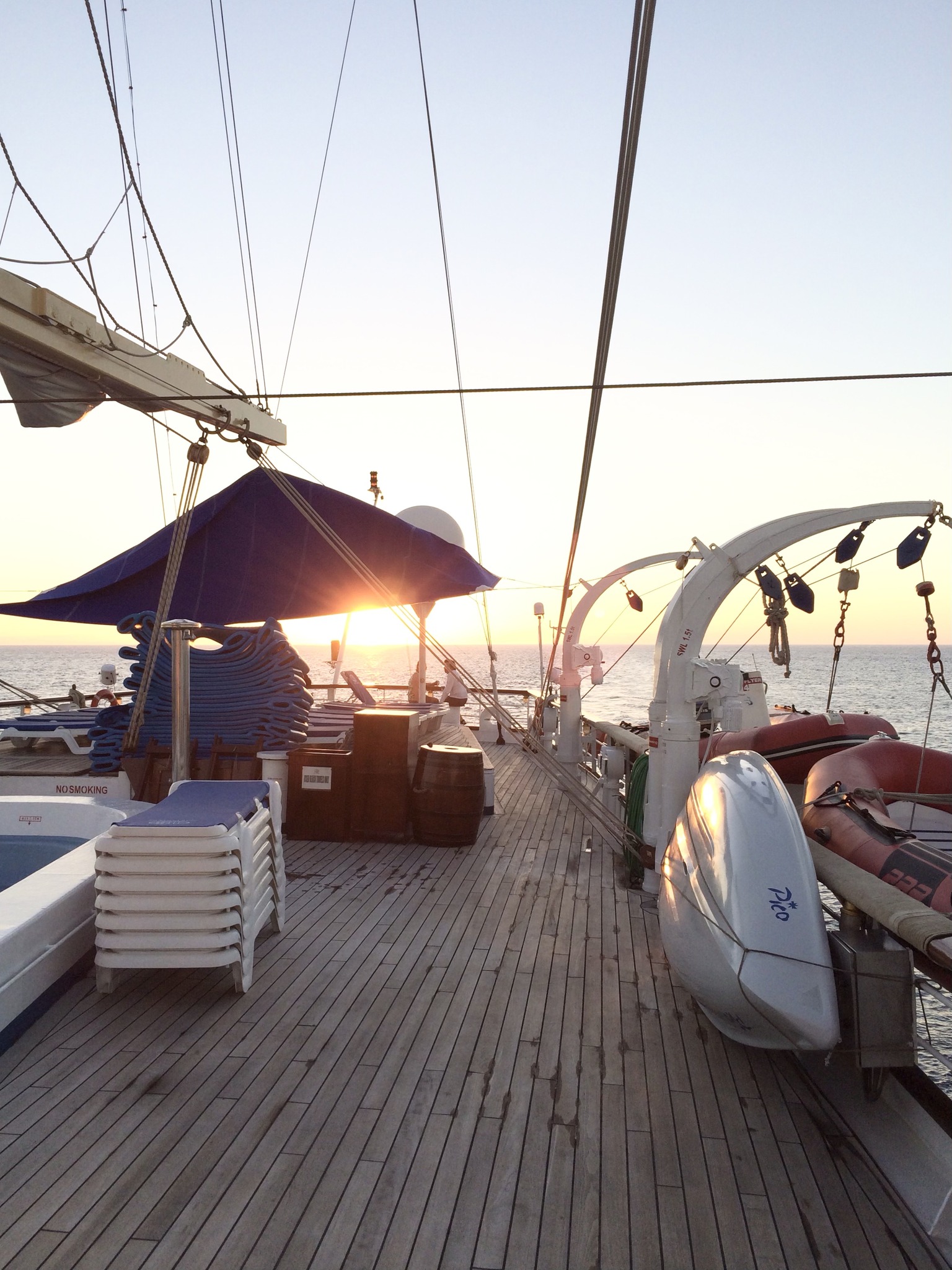
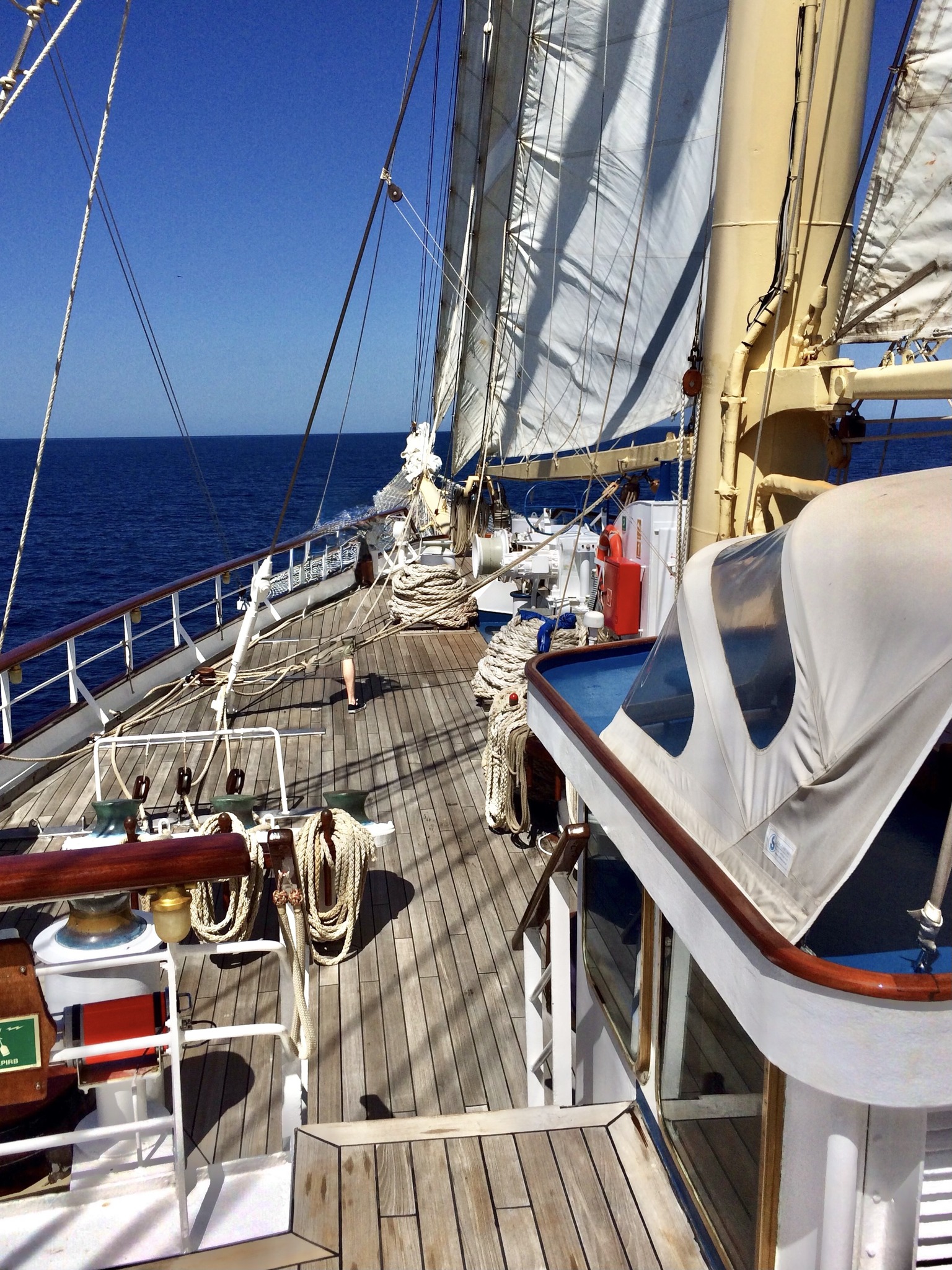
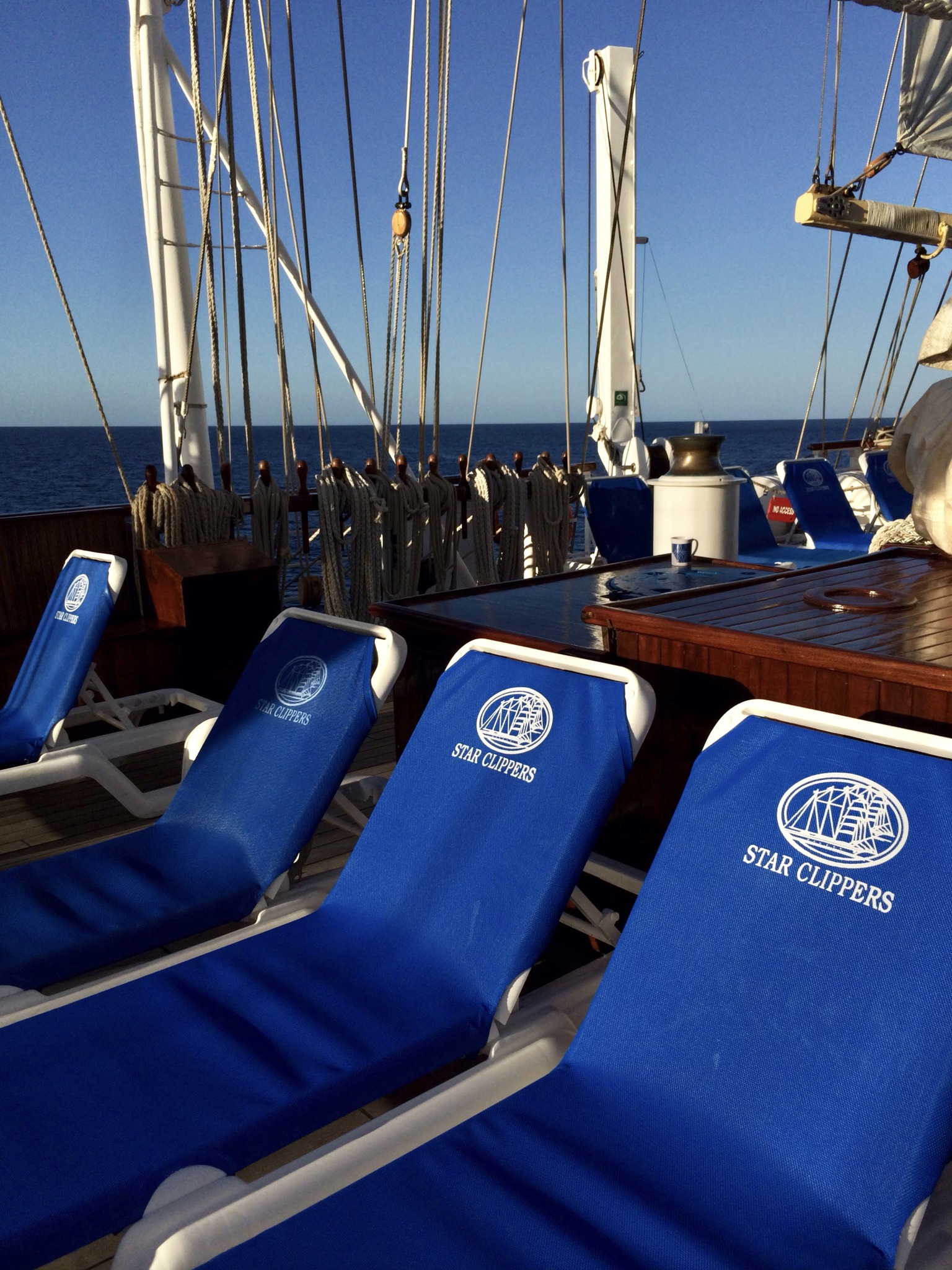
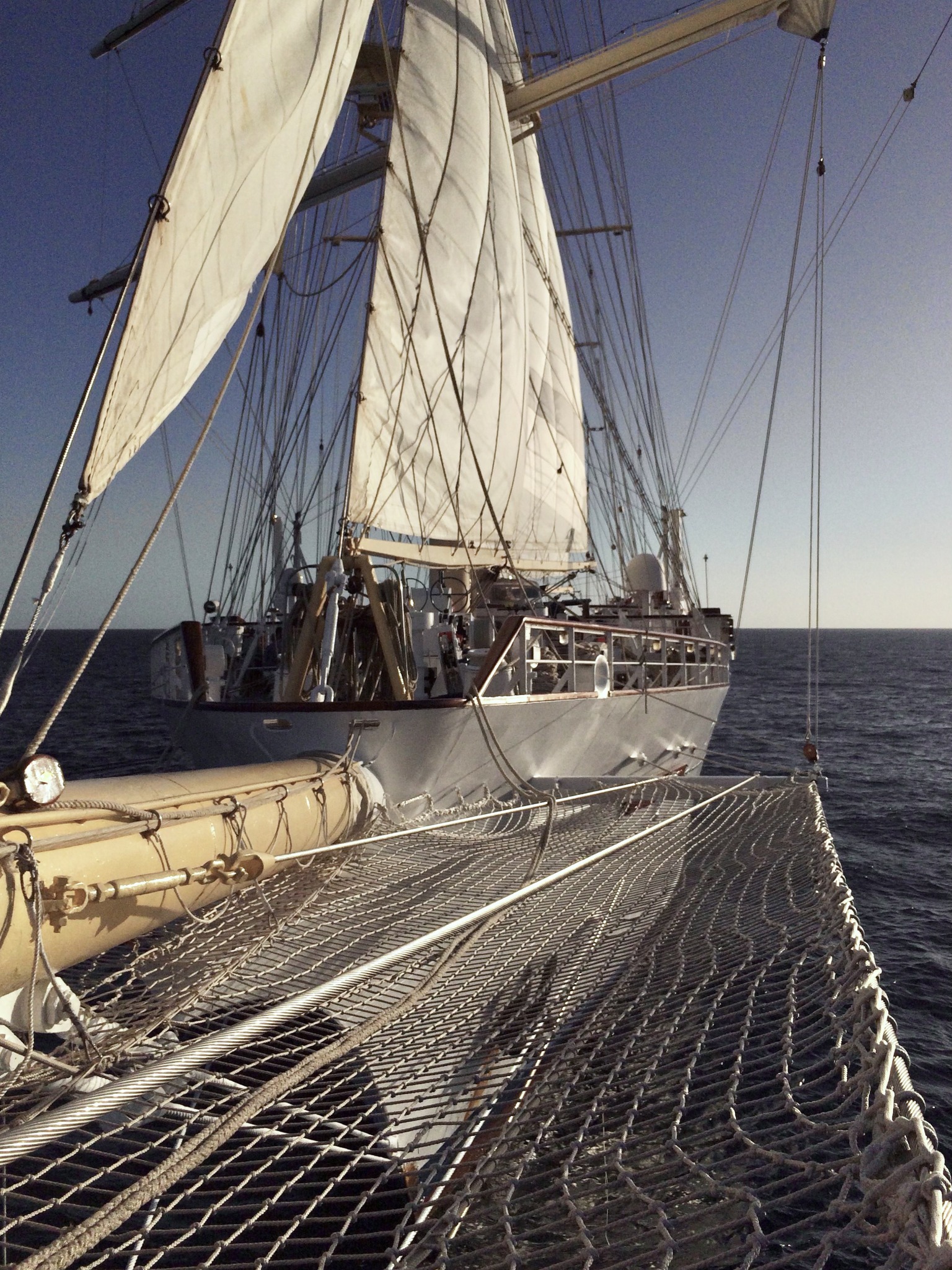
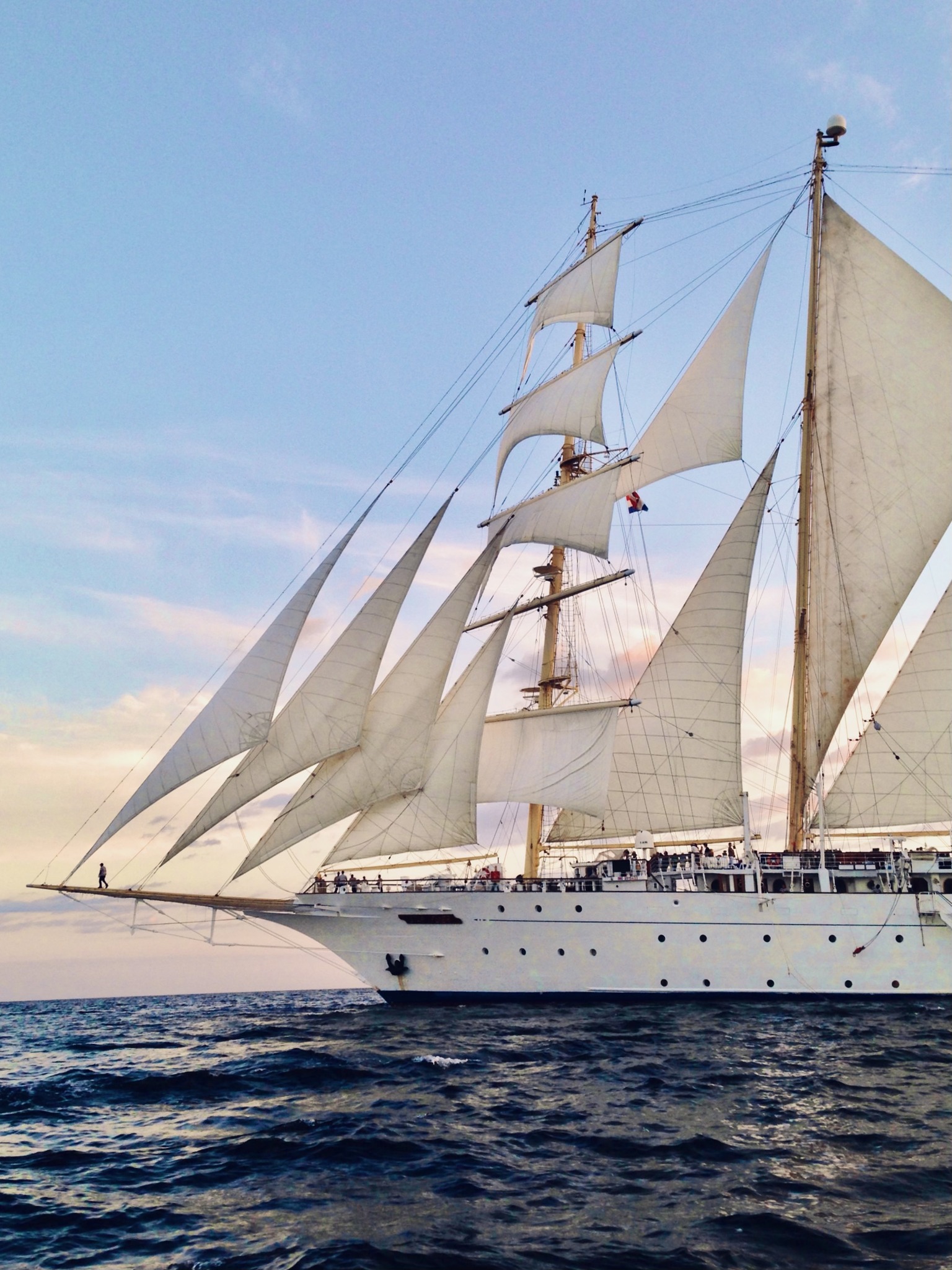
I was packing up my gear, rushing out the door, on my way to board the Royal Clipper for a Caribbean sailing itinerary that took us from Barbados up through the Windward Islands—St. Lucia, Dominica, Antigua, St. Kitts, Îles des Saintes, Grenada, back to Barbados. I had photographed hundreds of commercial shoots, four countries’ worth of studios, decades of assignment work. But nothing in my creative life compared to how it felt that morning, standing on a balcony in Barbados, holding an iPhone 4 in my hand and realizing—actually realizing—that this little slab of glass and aluminum was about to take over my photographic life.
I didn’t plan the conversion. I didn’t intellectualize it. I didn’t chart it out on a whiteboard. It was instinct—pure, unfiltered instinct. The kind I’ve trusted for fifty years. The kind that has never steered me wrong. Something in me said, This is it. This is the future. This is your next chapter. And I followed it.
Eight months later, the universe handed me another unplanned, unforgettable moment.
I was sailing again with Star Clippers, this time in the Mediterranean, off the volcanic shores of Lipari, a tiny Aeolian Island north of Sicily. It was October 5, 2011—the day Steve Jobs died, at age 56, from complications related to his long battle with a pancreatic neuroendocrine tumor.
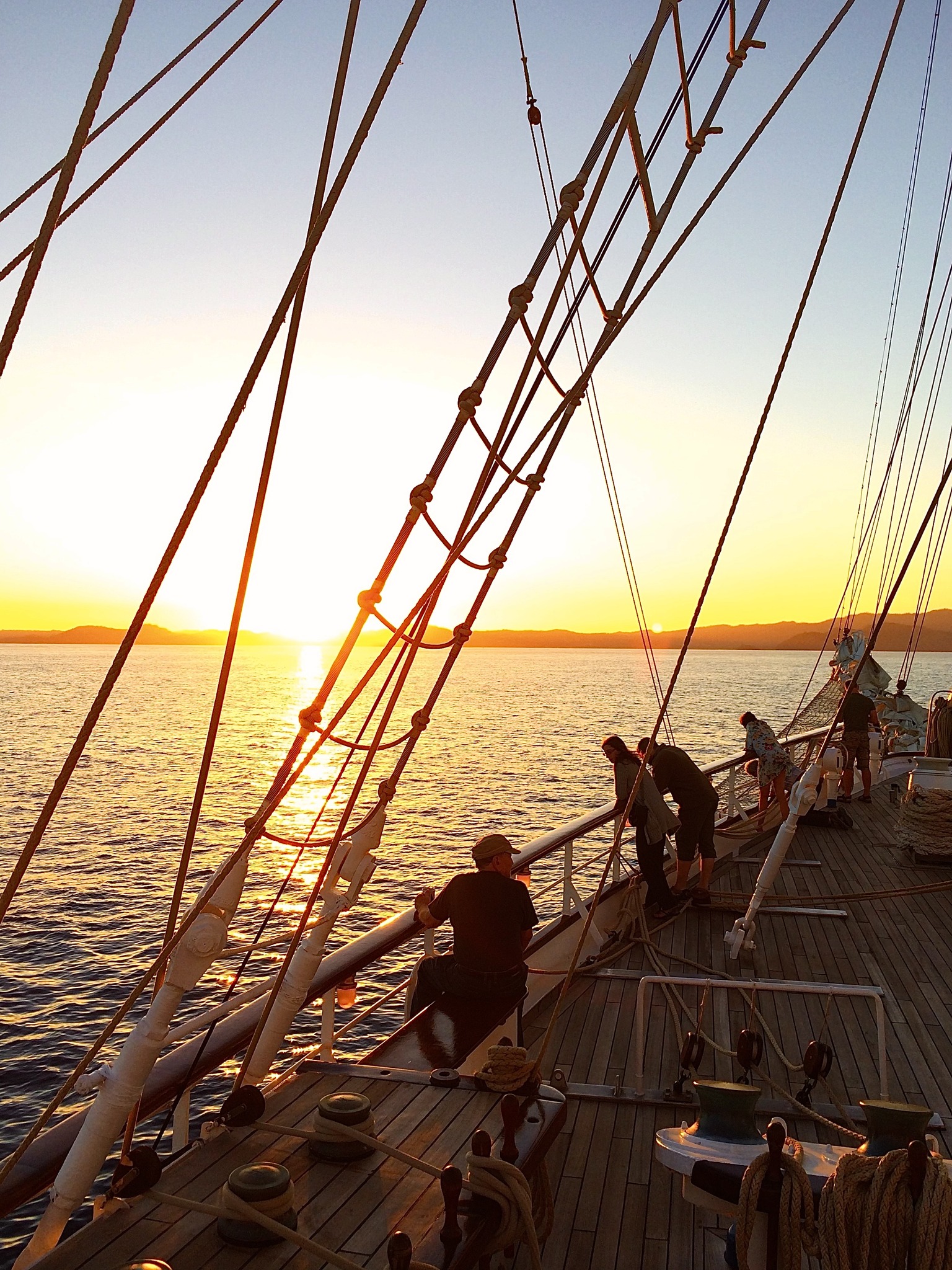
Most people remember where they were when heroes fall. I was leaning on a railing of a tall ship, feeling the Mediterranean wind slap my face, trying to wrap my heart around the news. Jobs’ death wasn’t an abstract loss for me. It was personal. This was the man whose obsession with simplicity, elegance, and human-centered design had just changed my entire creative life.
I wanted to honor him. So I shot like hell that day. I shot like it was my last day on earth. I shot with abandon—no hesitation, no second-guessing, no self-editing. Just pure photographic presence.
And that day, somewhere between Lipari and the fading Sicilian coastline, I had another epiphany:
Technology isn’t something we use. It’s something we are.
It’s woven into our identity, our memory, our attention, our expression. It mediates how we see the world and how the world sees us. That realization has never left me.
Now here I am, nearly fifteen years later—almost to the exact day—and life has pulled its circle tight again.
On January 10, 2026, I will step aboard the Star Flyer, bound for a fresh Caribbean adventure. New ports, new people, new seas. And yet, somehow, it feels like a homecoming. A return. An echo. A rendezvous with the younger version of myself who stepped onto the Royal Clipper back in 2011 not knowing that his entire photographic life was about to change.
That’s the part that floors me. I’m not returning as the same man.
I’m returning as the person I became because of what happened the first time.
I don’t want this to sound spiritual. It’s not that. But it is full of awe. Full of wonder. Full of that rare sense that life occasionally—just occasionally—lets you see the architecture behind the curtain. These tall ships have become something more than a destination or a vacation or an assignment for me. Star Clippers feels like destiny. A place where my life keeps intersecting with turning points. A place where the big shifts seem to happen when I least expect them.
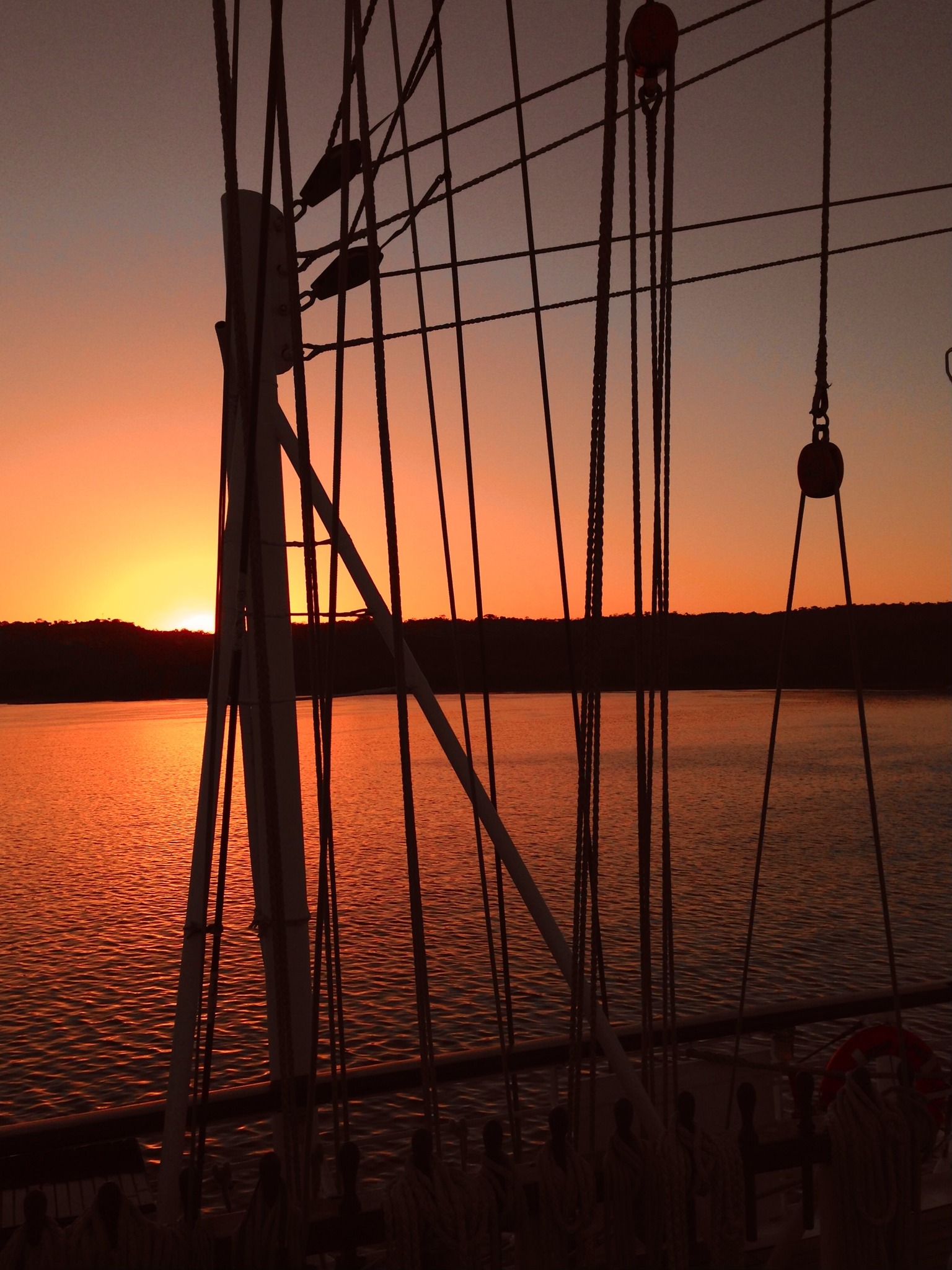
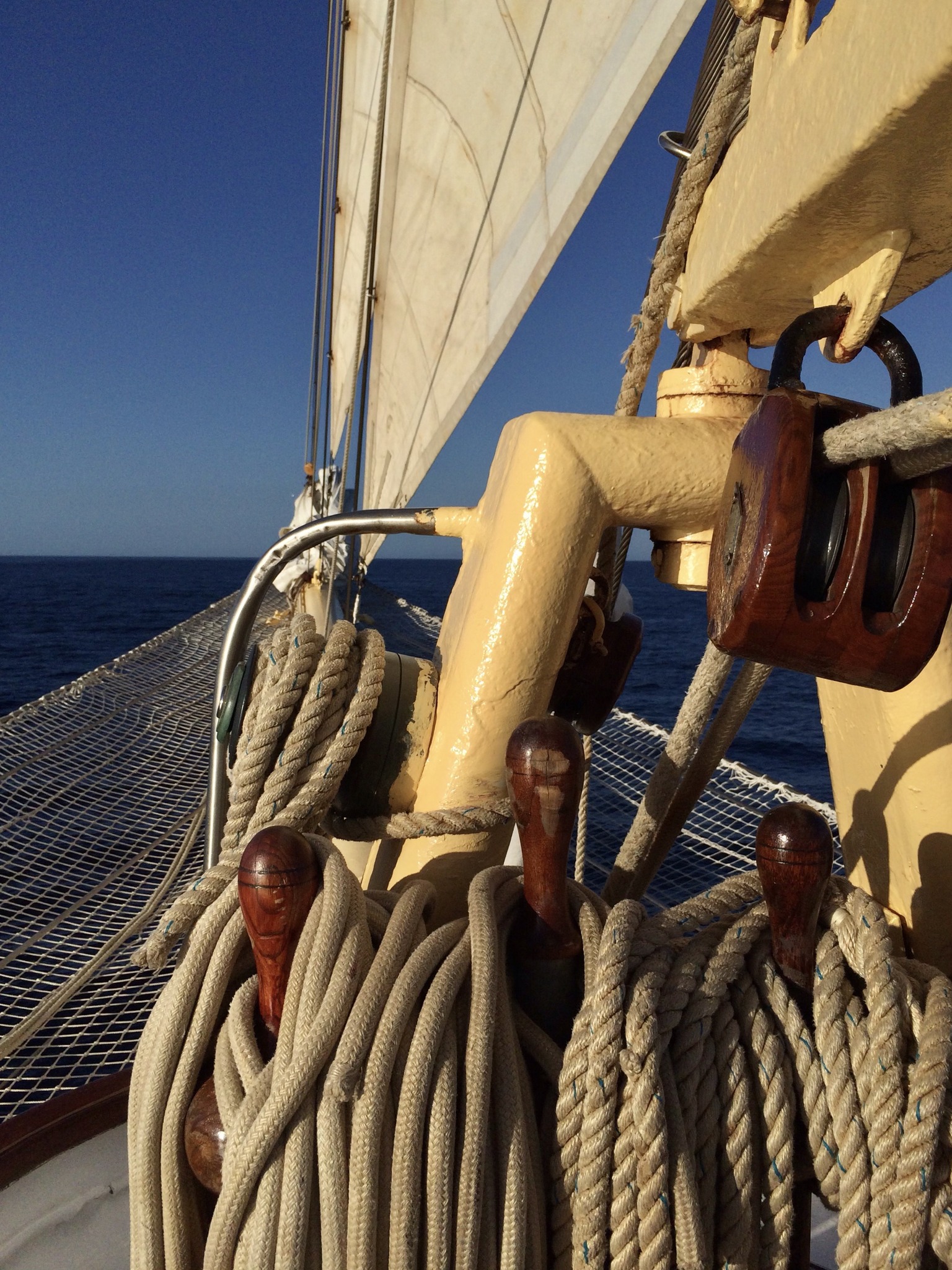
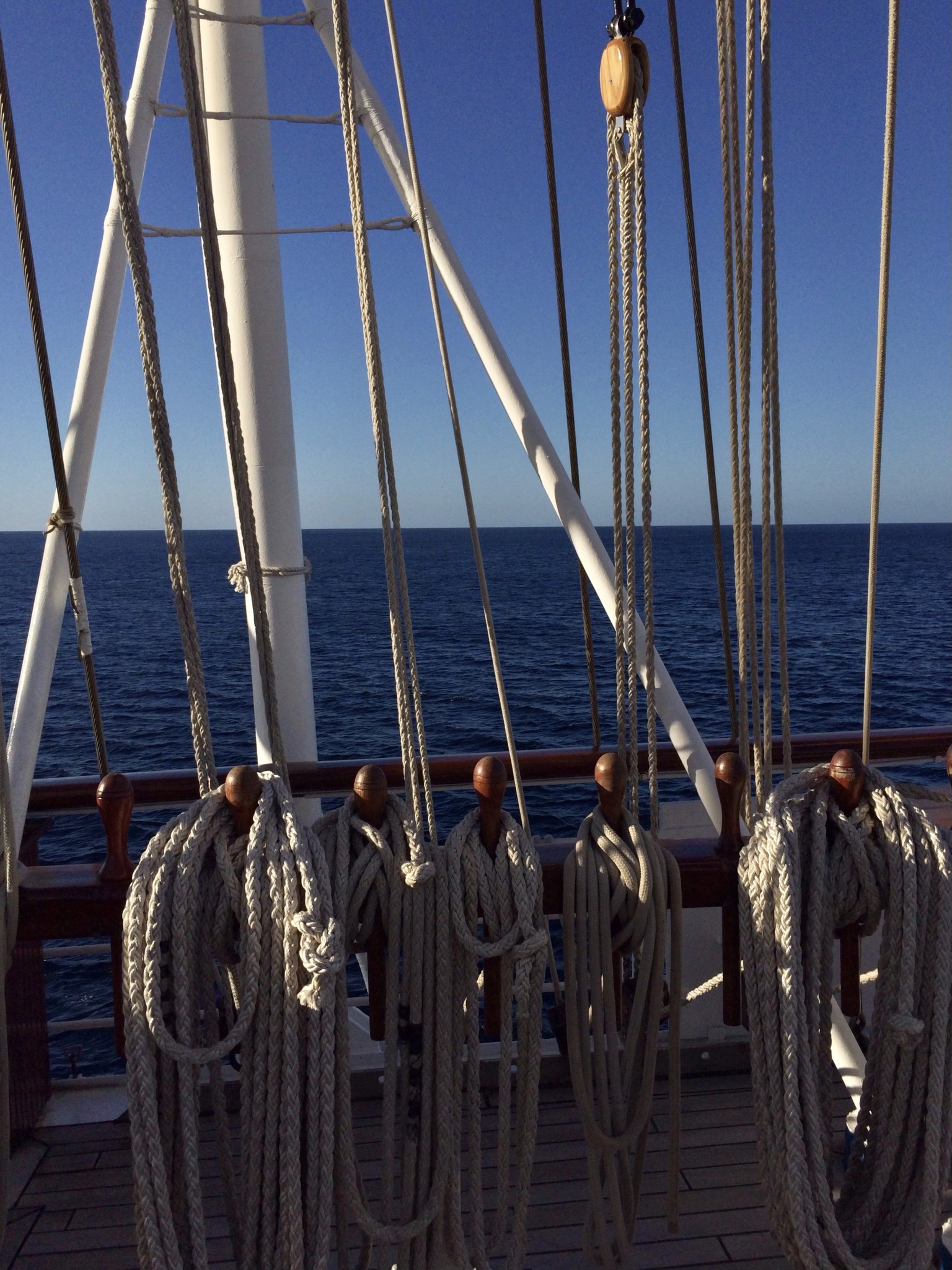
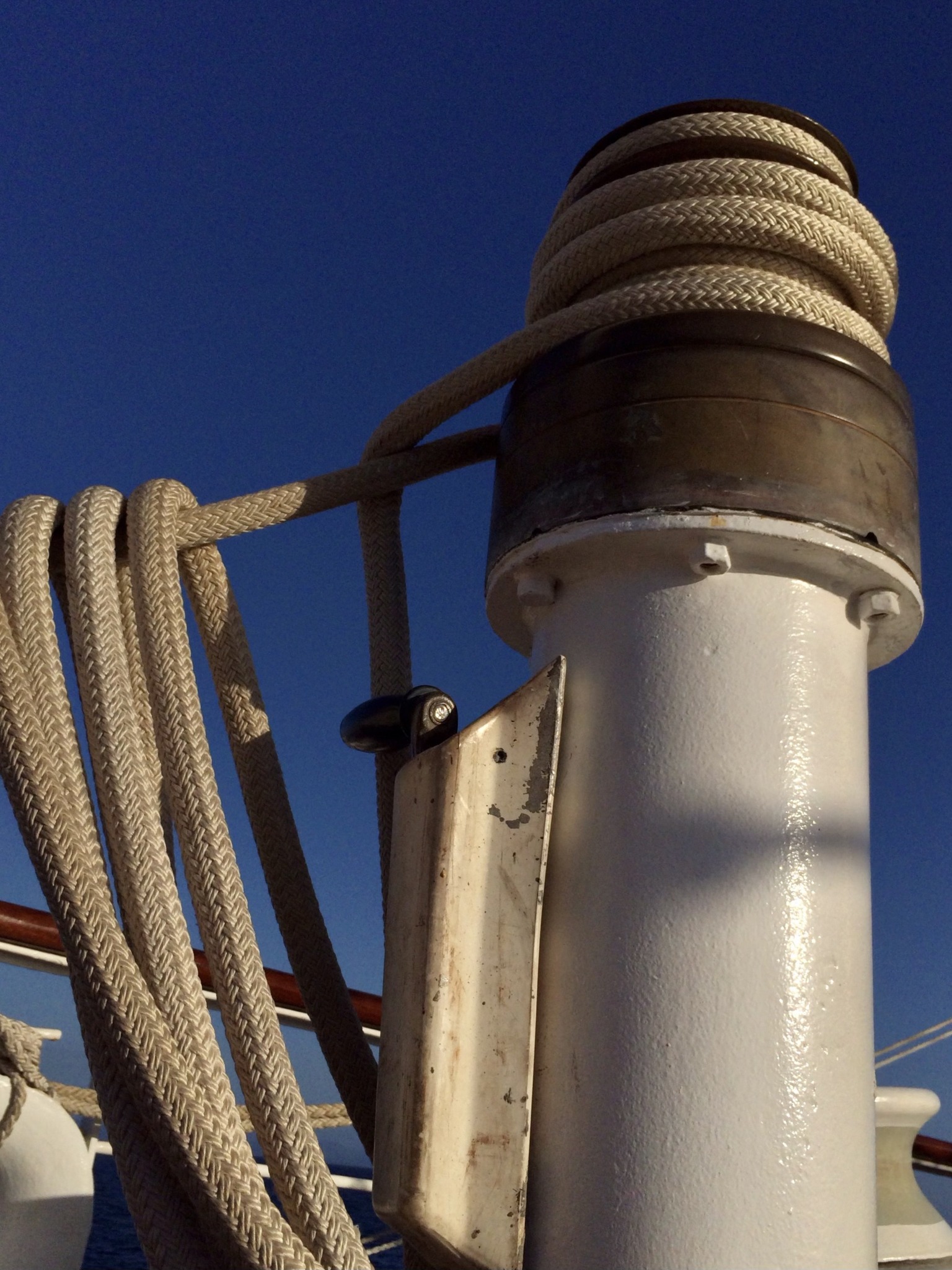
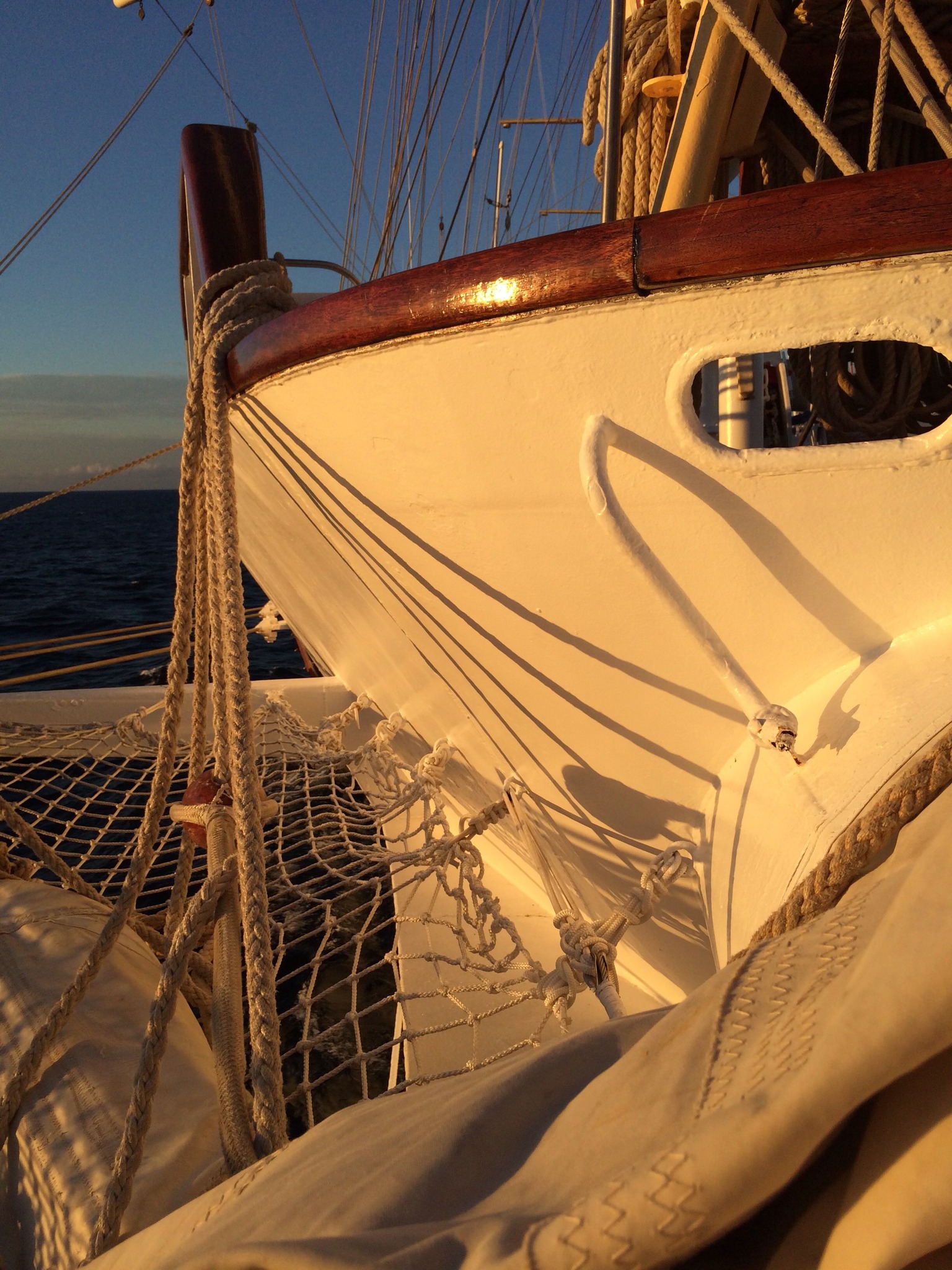
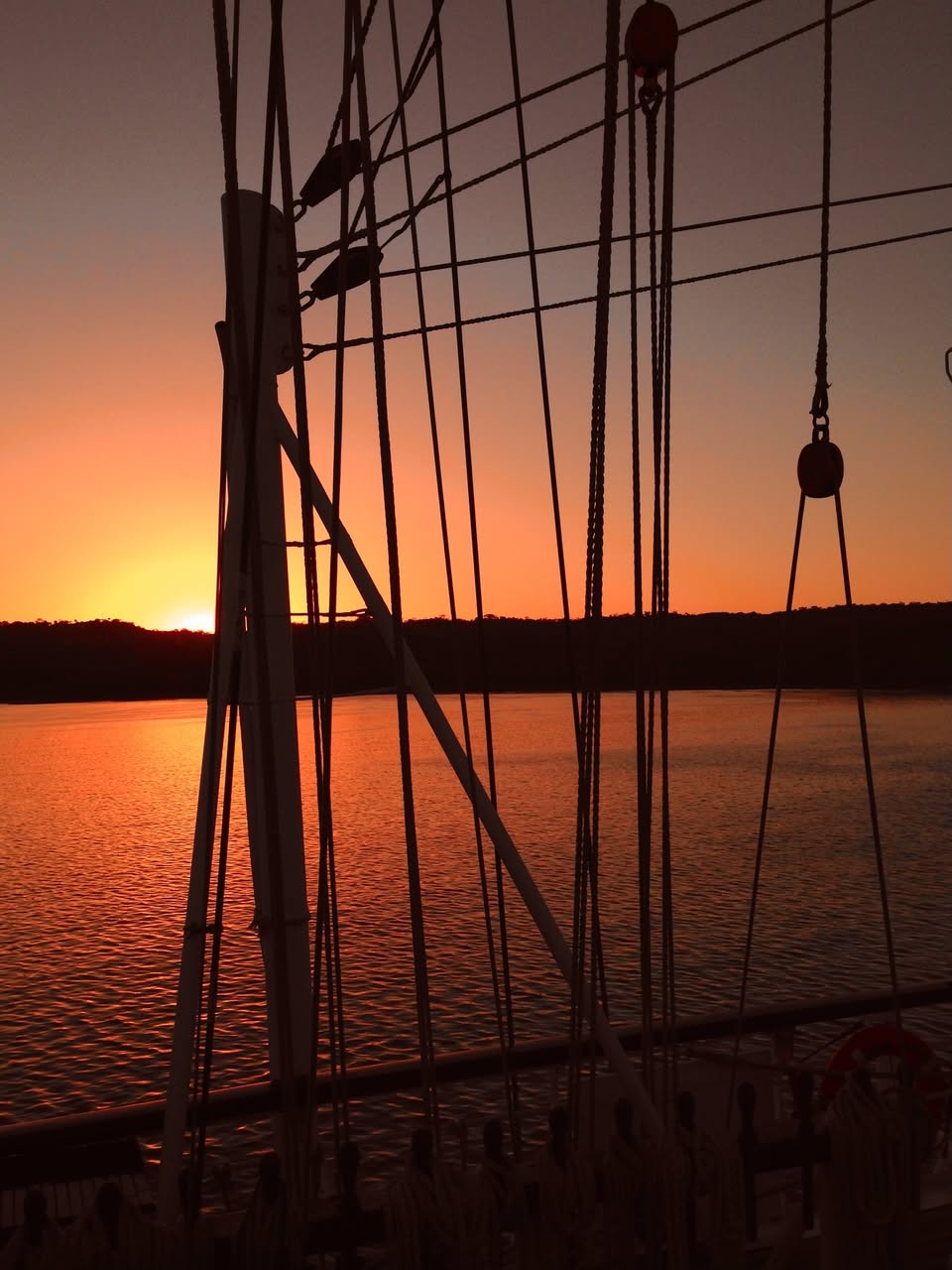
Most photographers talk about the studio they built, the camera they mastered, the client that launched them. But my story—my real story—has sails in it. Has rigging in it. Has sea spray in it. Has early mornings on teak decks and the quiet hum of engines beneath my feet. Has friendships forged on open water and ideas born under impossible skies.
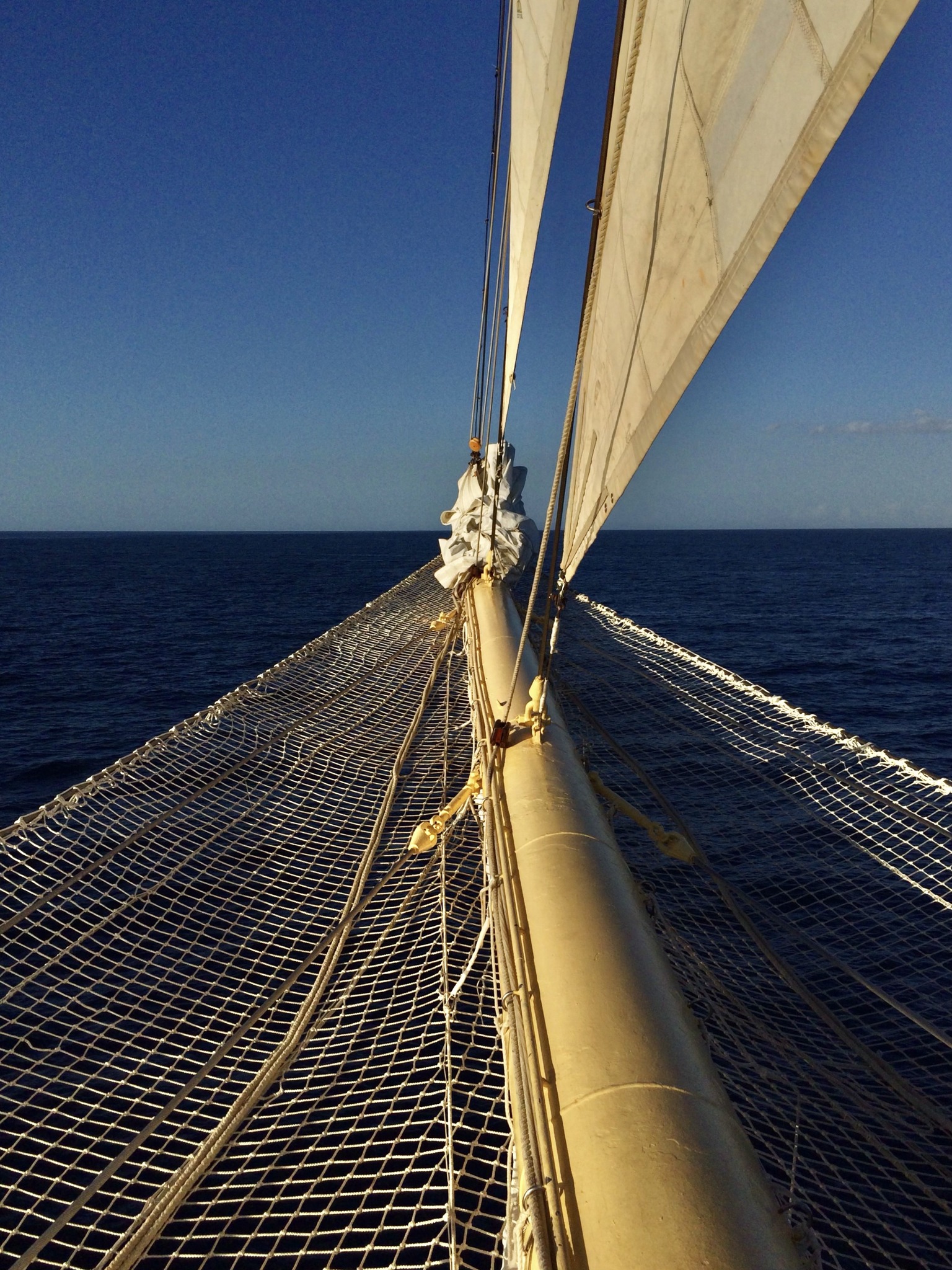
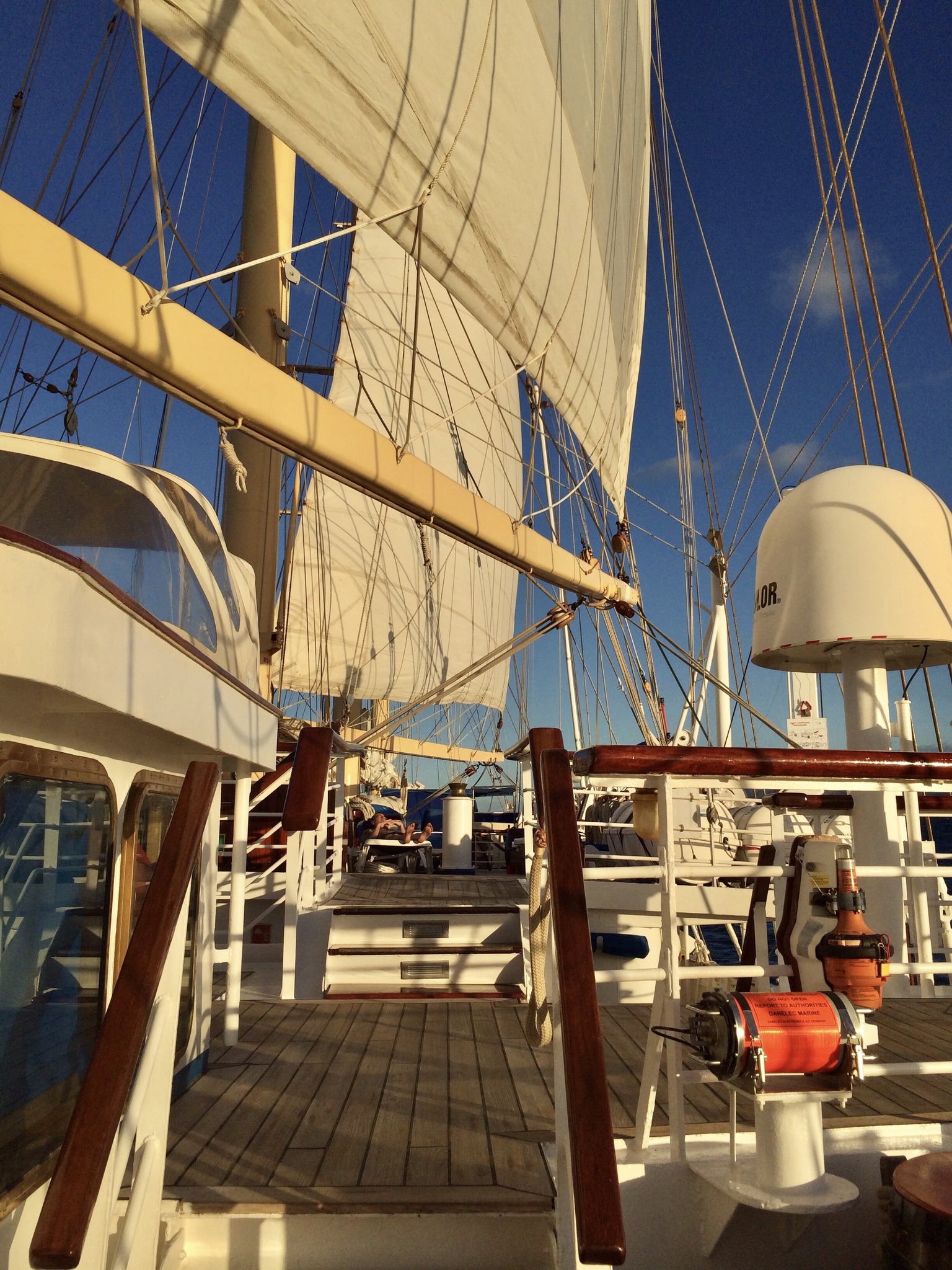
I’ve spent most of my professional life on the high seas photographing for cruise lines, travel brands, and tourism boards. But the Star Clipper ships are different. They’re intimate. Human-scale. You can feel the ocean, not just witness it. You can feel the ship move beneath you, not just glide. There’s a purity to it—a kind of honest, elemental simplicity that mirrors what the iPhone gave me: a return to essence.
The iPhone stripped the bullshit out of my photography—no bag full of lenses, no assistants, no lights, no cases of gear.Star Clippers stripped the bullshit out of travel—no Vegas-on-water entertainment complexes, no glitzy floating shopping malls, no artificial spectacle. Just wind. Water. Wood. People. Presence.
Of course it makes sense that the two would collide in my life.
Fifteen years later, I understand things I didn’t have language for in 2011.
I understand that the iPhone wasn’t a downgrade from “big cameras.” It was a return to the beginning of why I ever picked up a camera: curiosity, immediacy, instinct, seeing.
I understand that the tall ships weren’t just another travel assignment. They were creative accelerants—containers for clarity, mirrors held up to my life at exactly the right time.
I understand now that these ships aren’t simply vessels crossing the sea. They are vessels crossing my story.
And now I get to return to one.
I’ll board the Star Flyer with the same wide-open heart I had in Barbados in 2011. But this time I come with the weight and wonder of fifteen years of seeing the world through a device that reshaped the entire trajectory of my craft.
I’m not expecting magic. But I’m open to it. I’m not predicting another epiphany. But I’m not ruling it out. Life has already shown me that the seas have their own timing, their own rhythm, their own way of telling you what chapter you’re in.
Maybe all this is coincidence. Maybe it’s nostalgia. Maybe it’s nothing but good timing. But I’ll tell you what it feels like:
It feels like a circle completing itself.
It feels like everything I’ve learned since 2011 is being brought back to the place where it started—so I can see it with new eyes.
On January 10, when I step onto that teak deck, I’ll take a long breath, lift my iPhone, and start shooting again—just like I did fifteen years earlier.
And maybe—just maybe—the sea will whisper something new.
Jack.