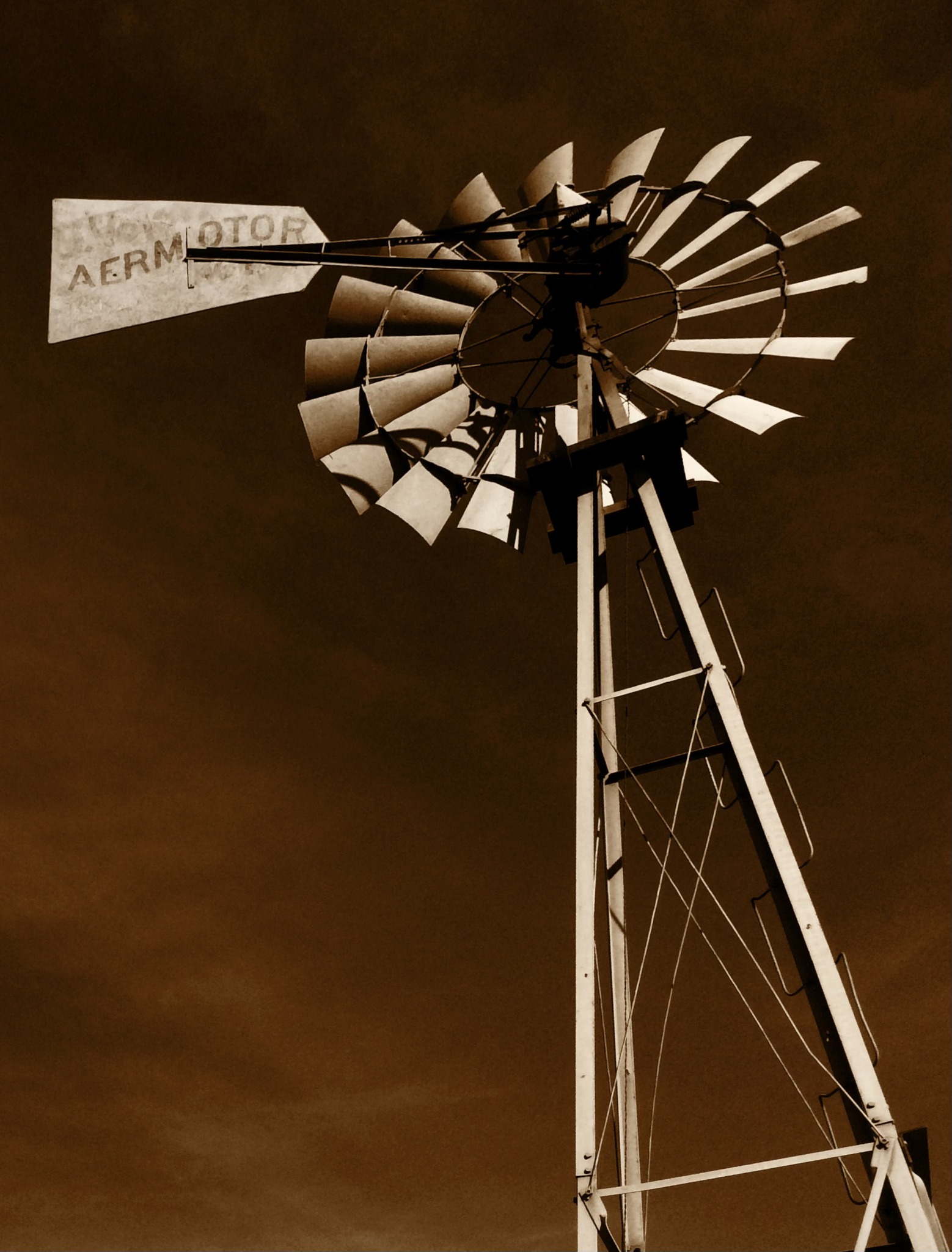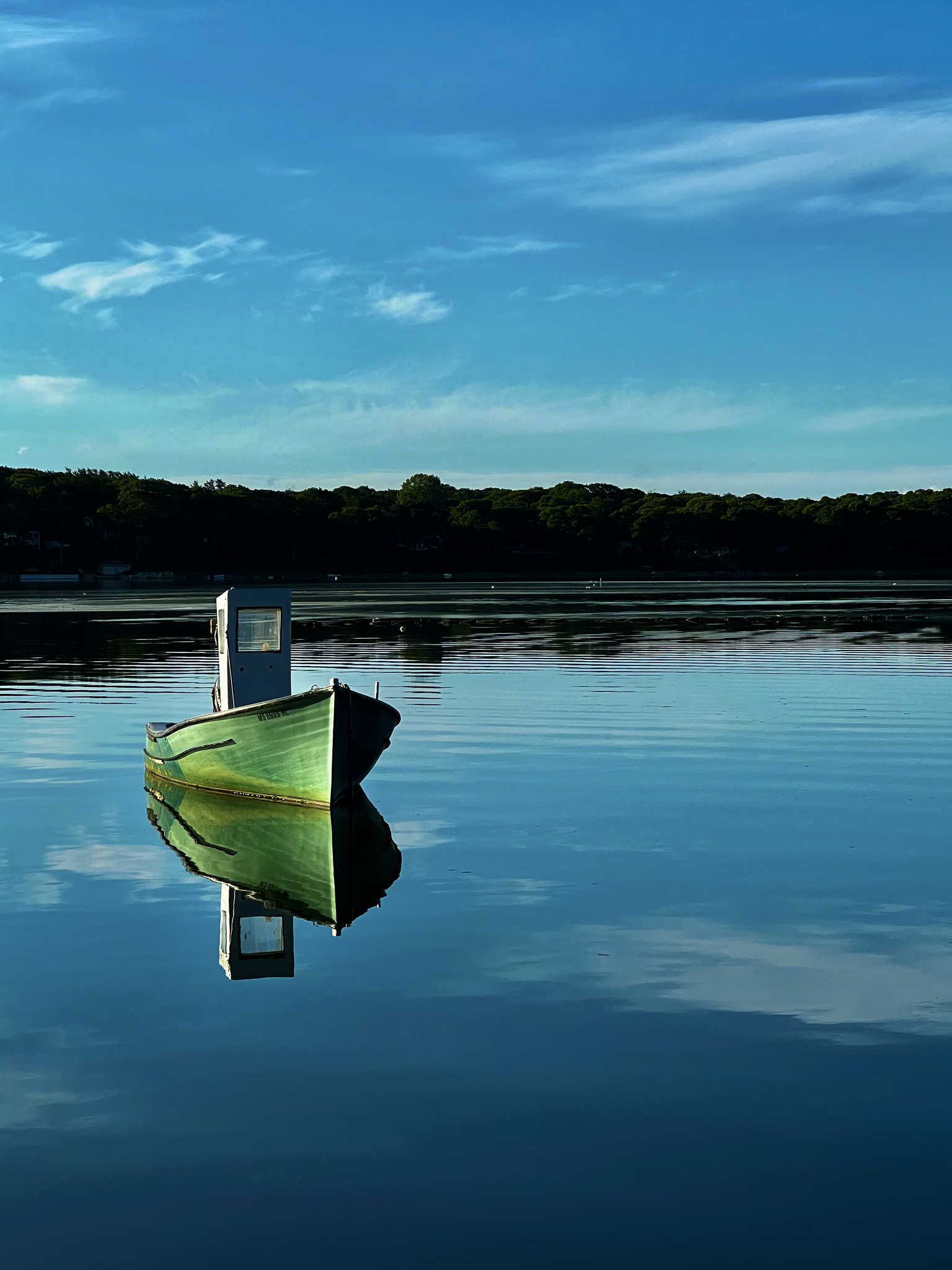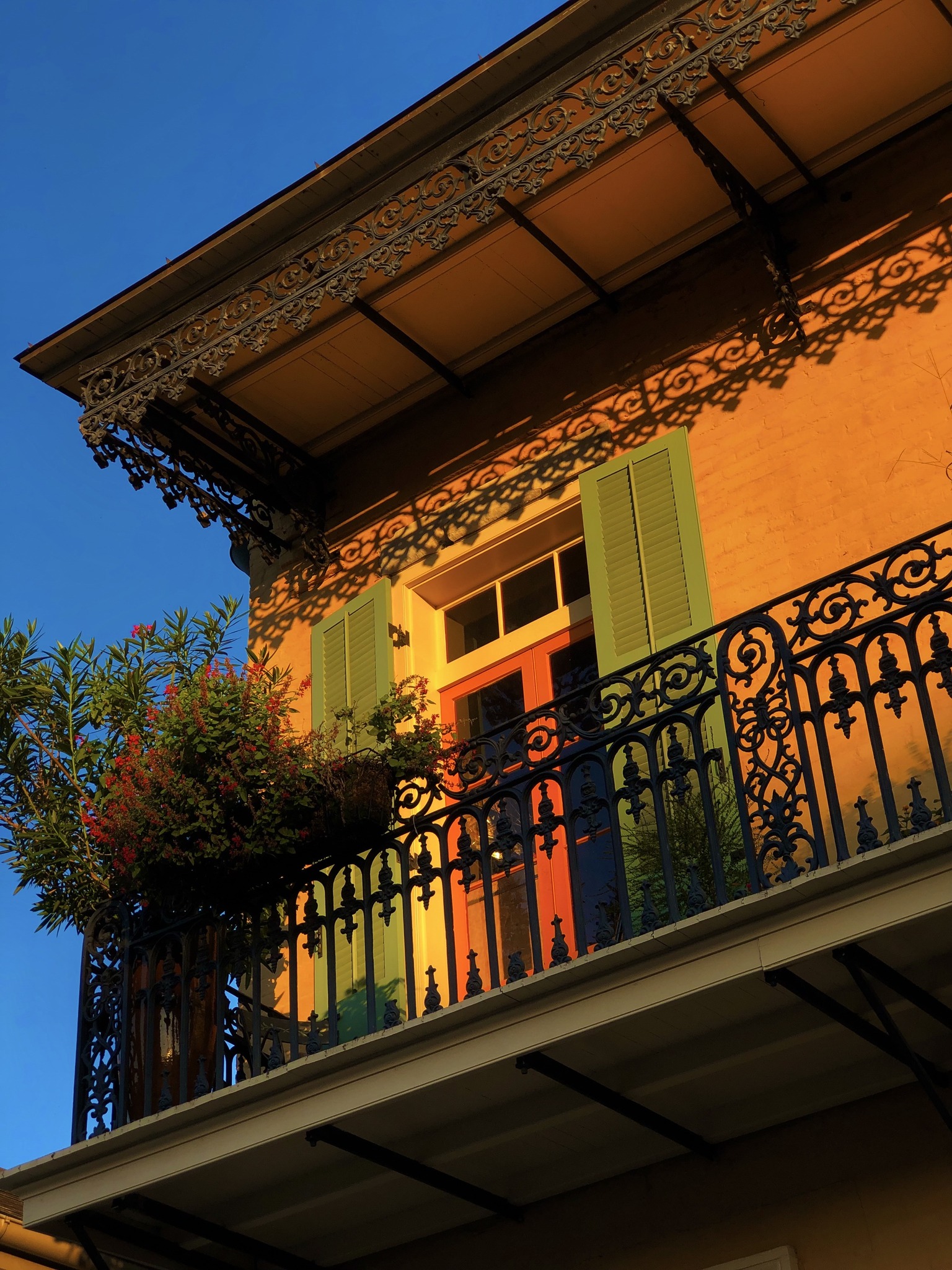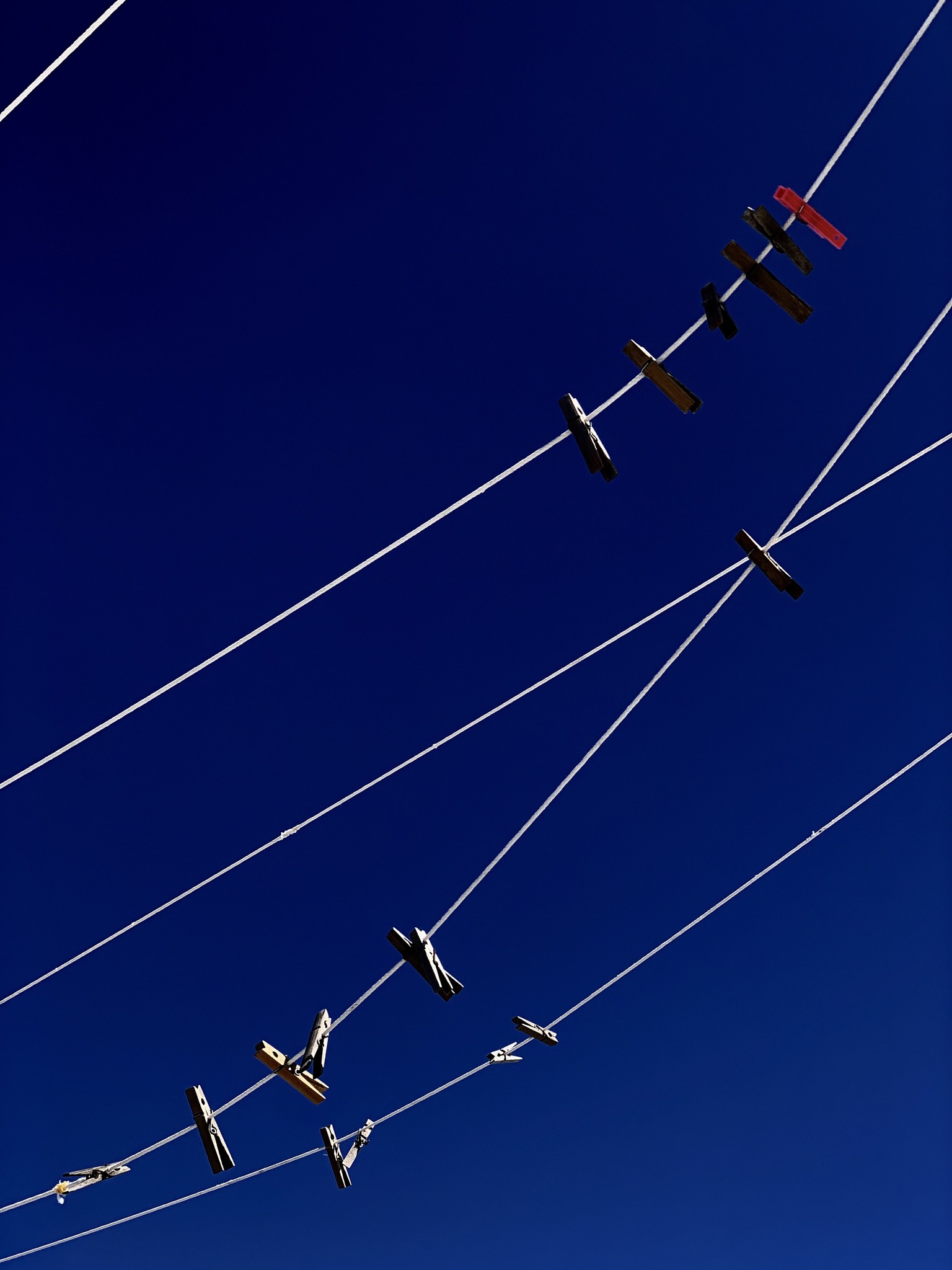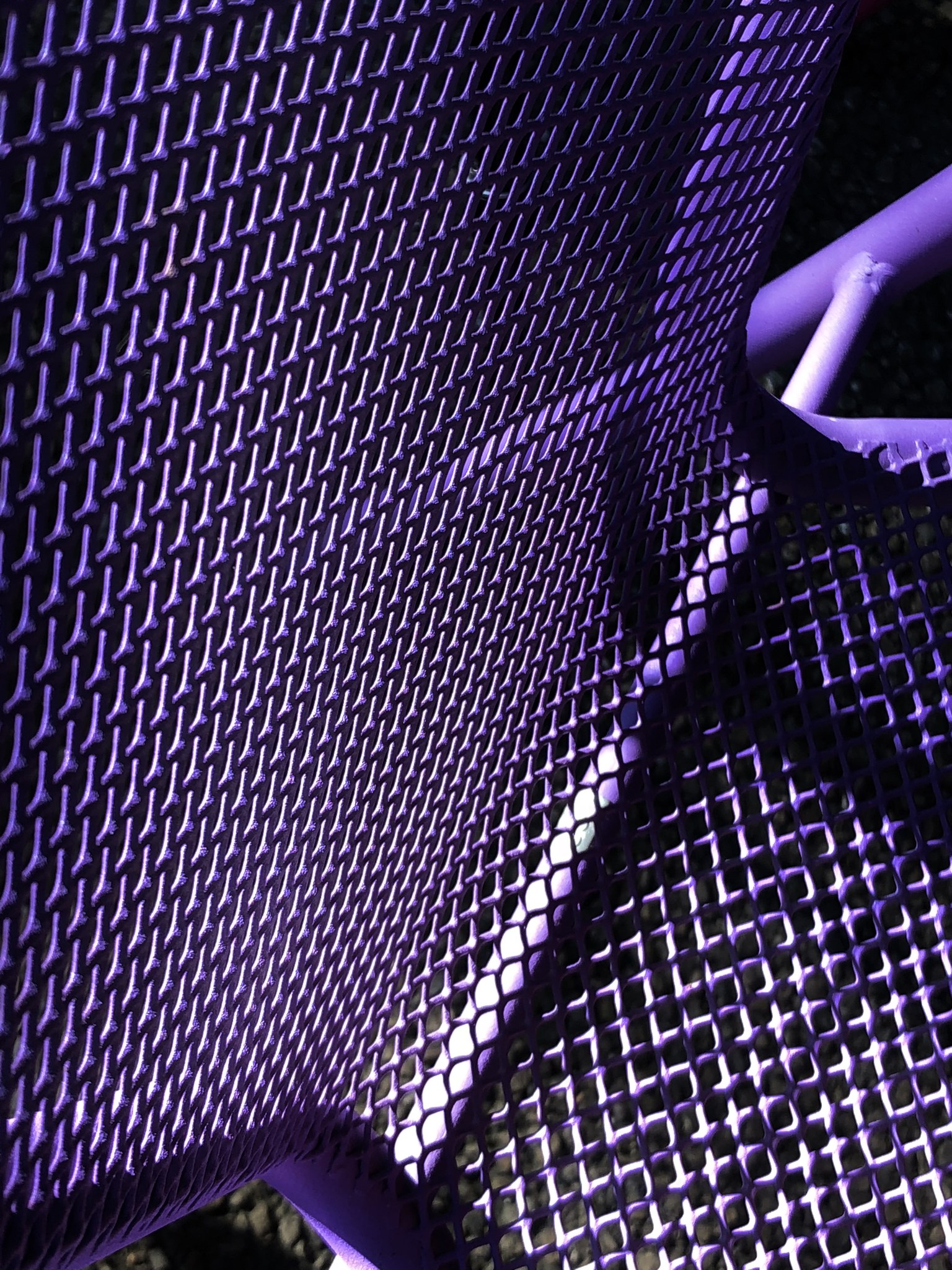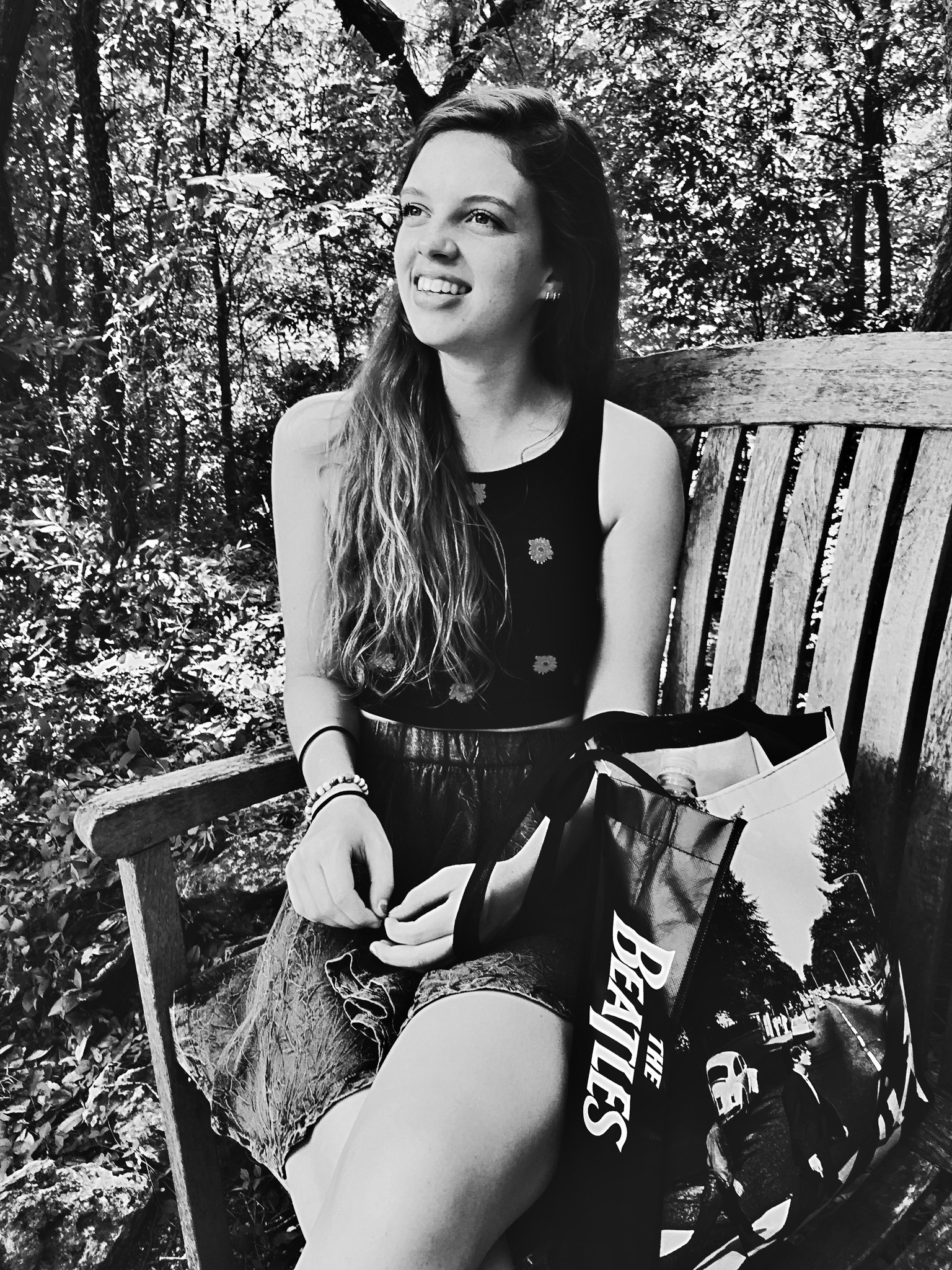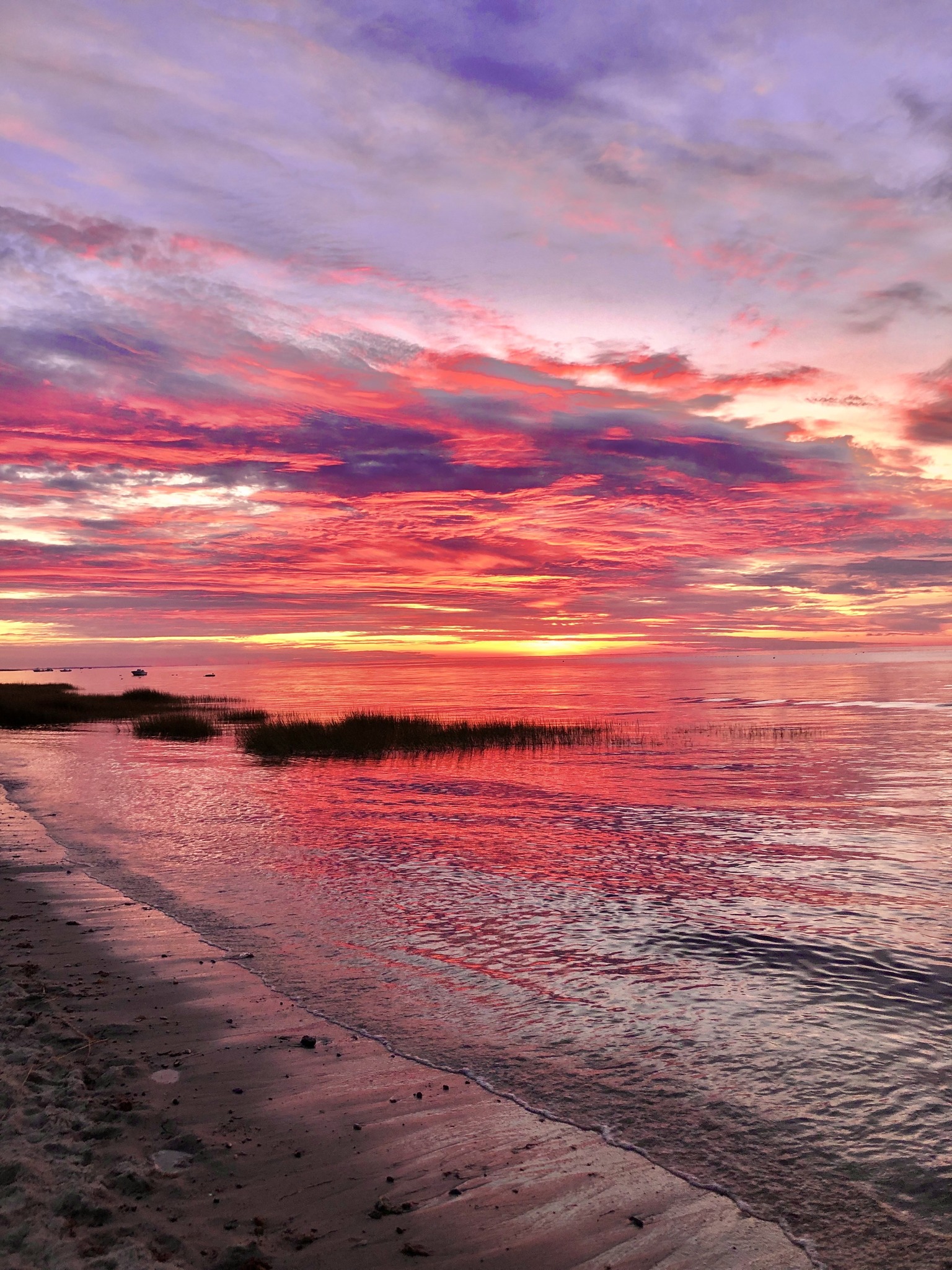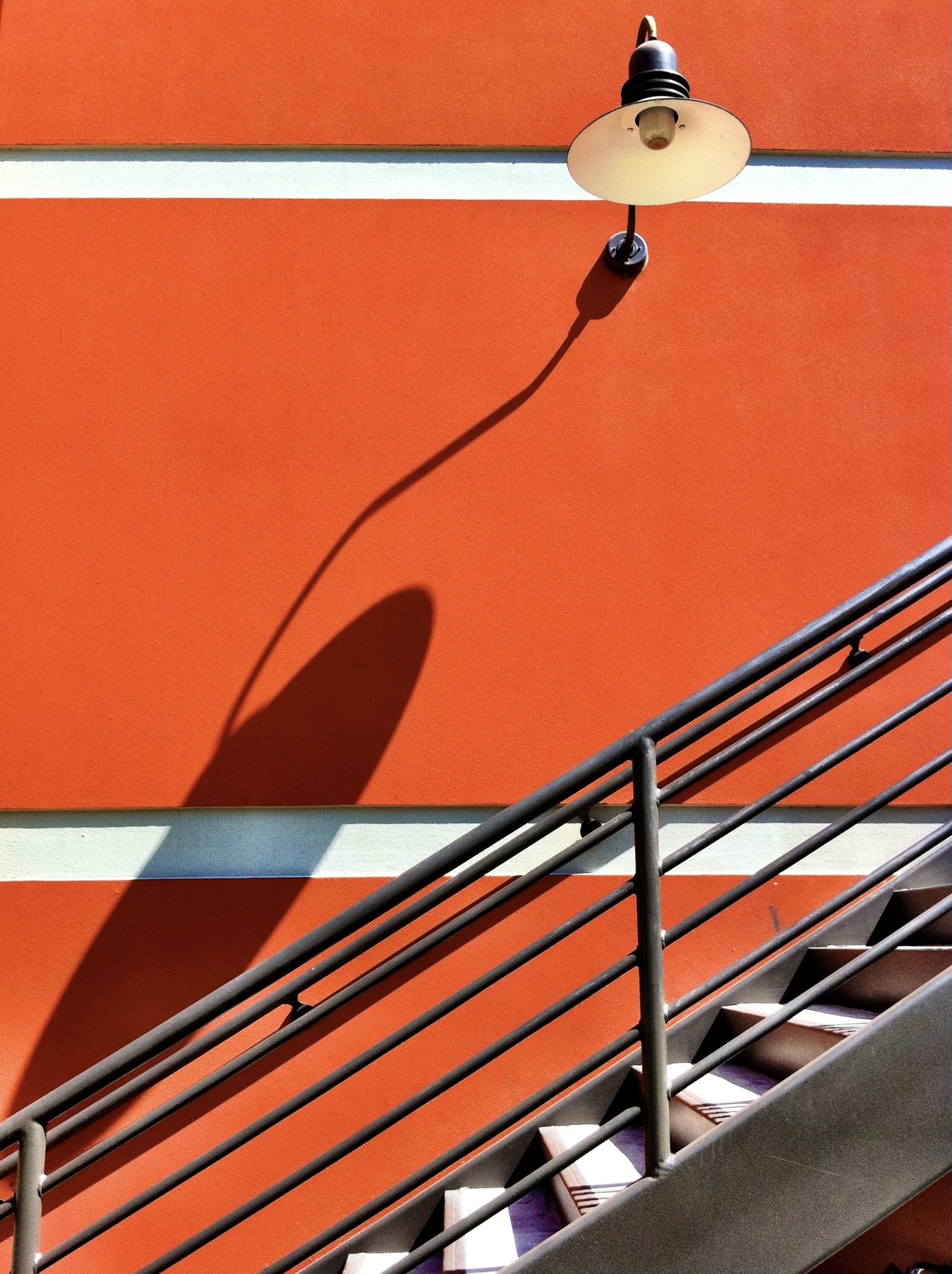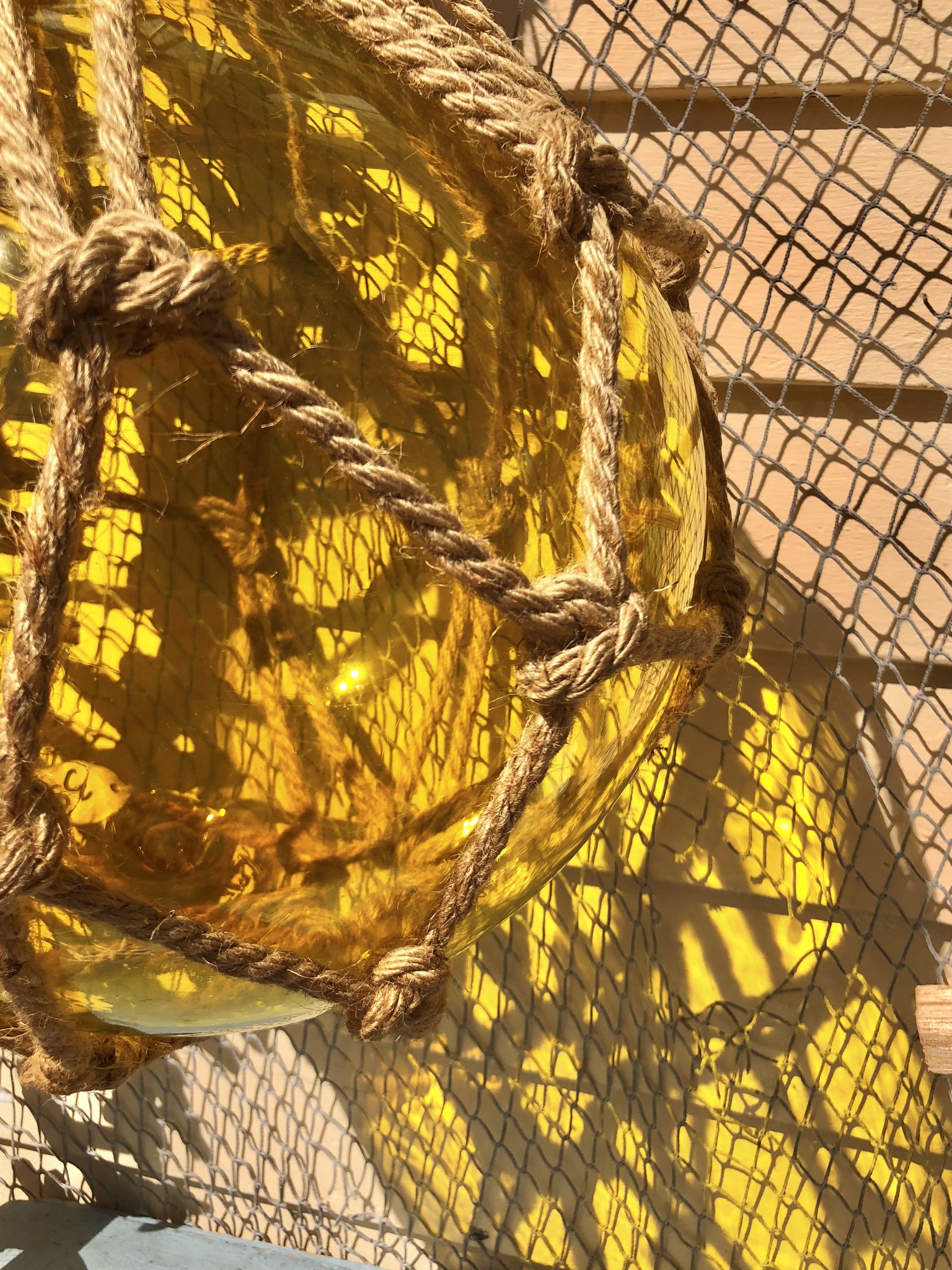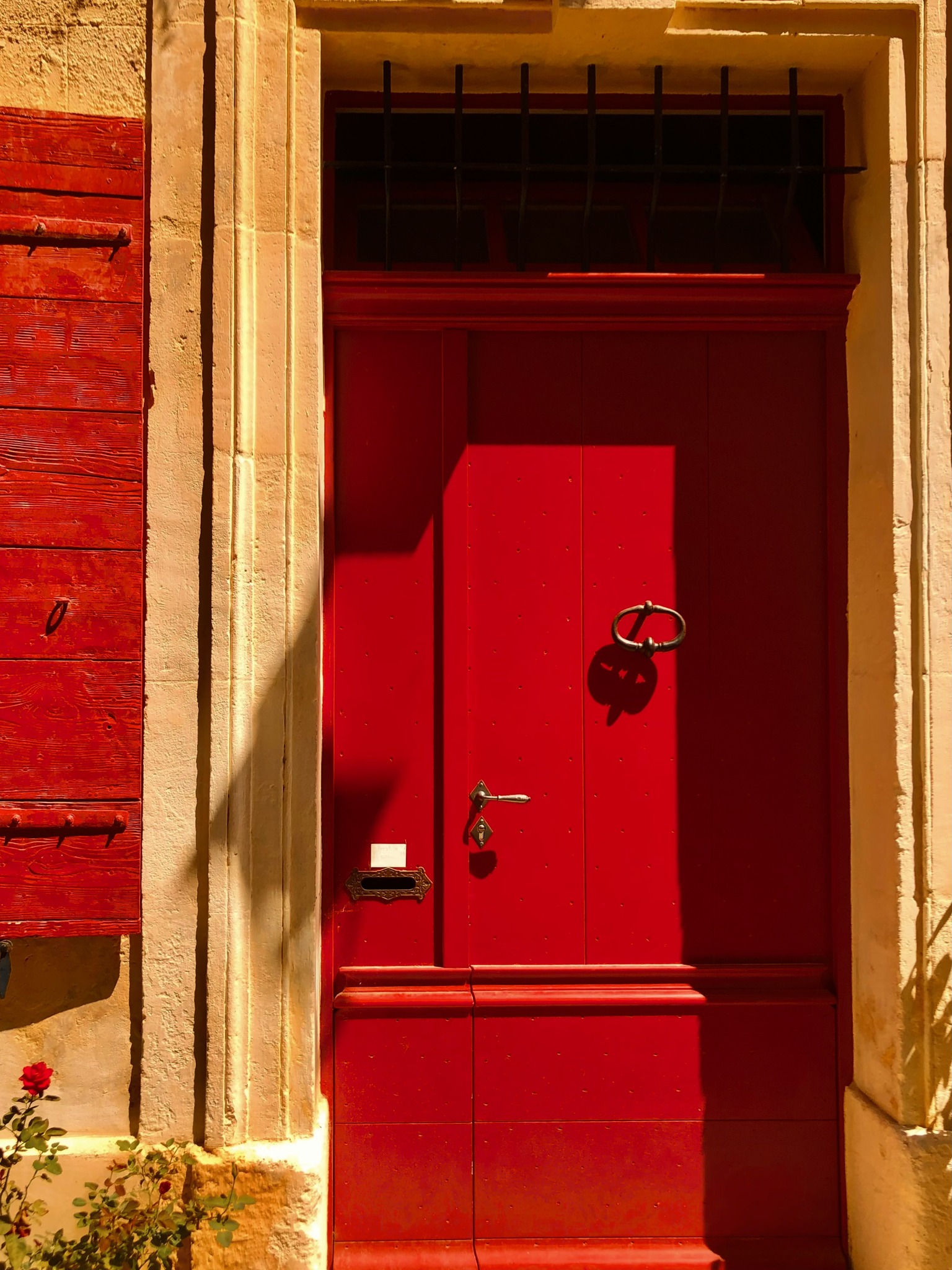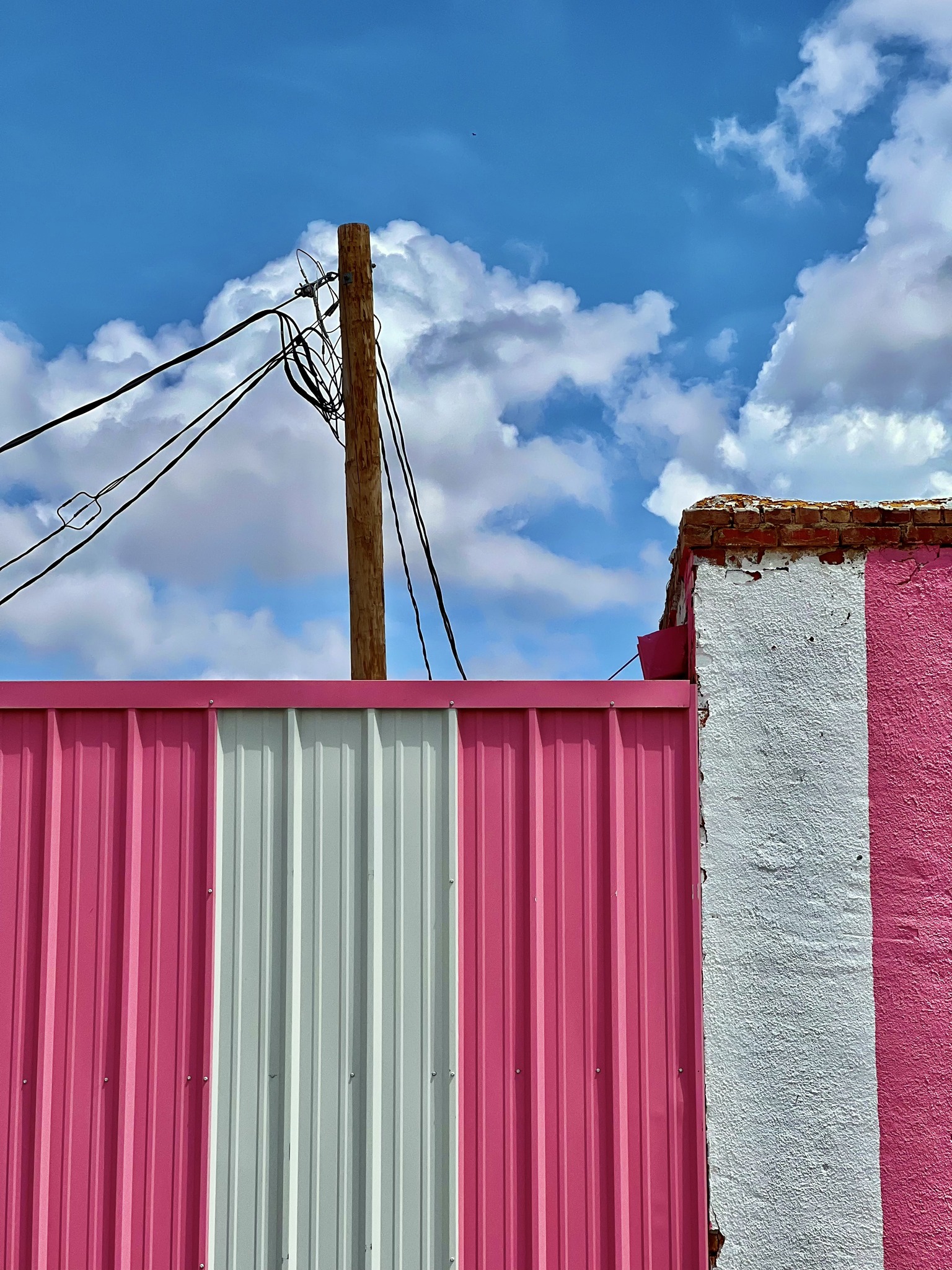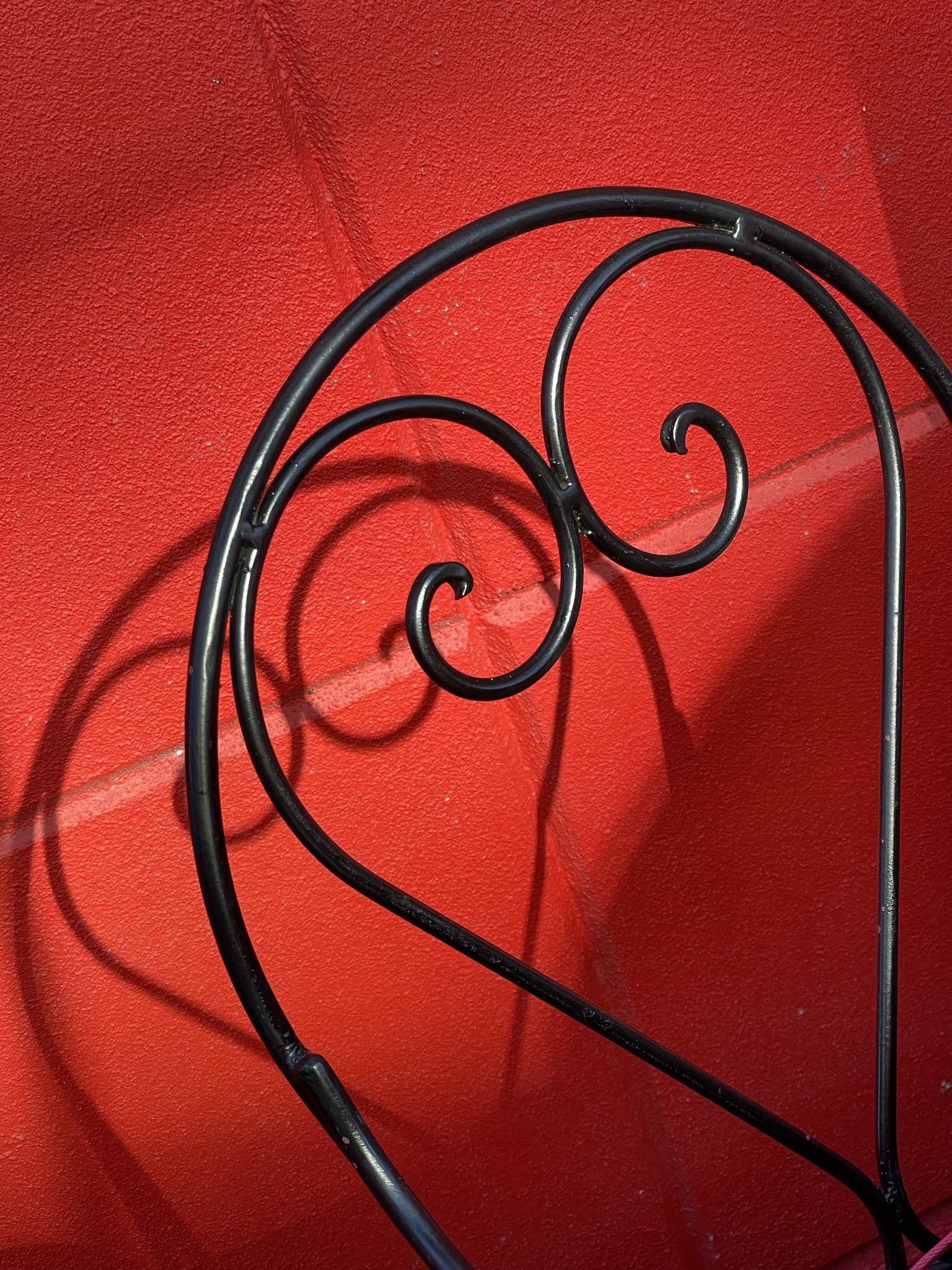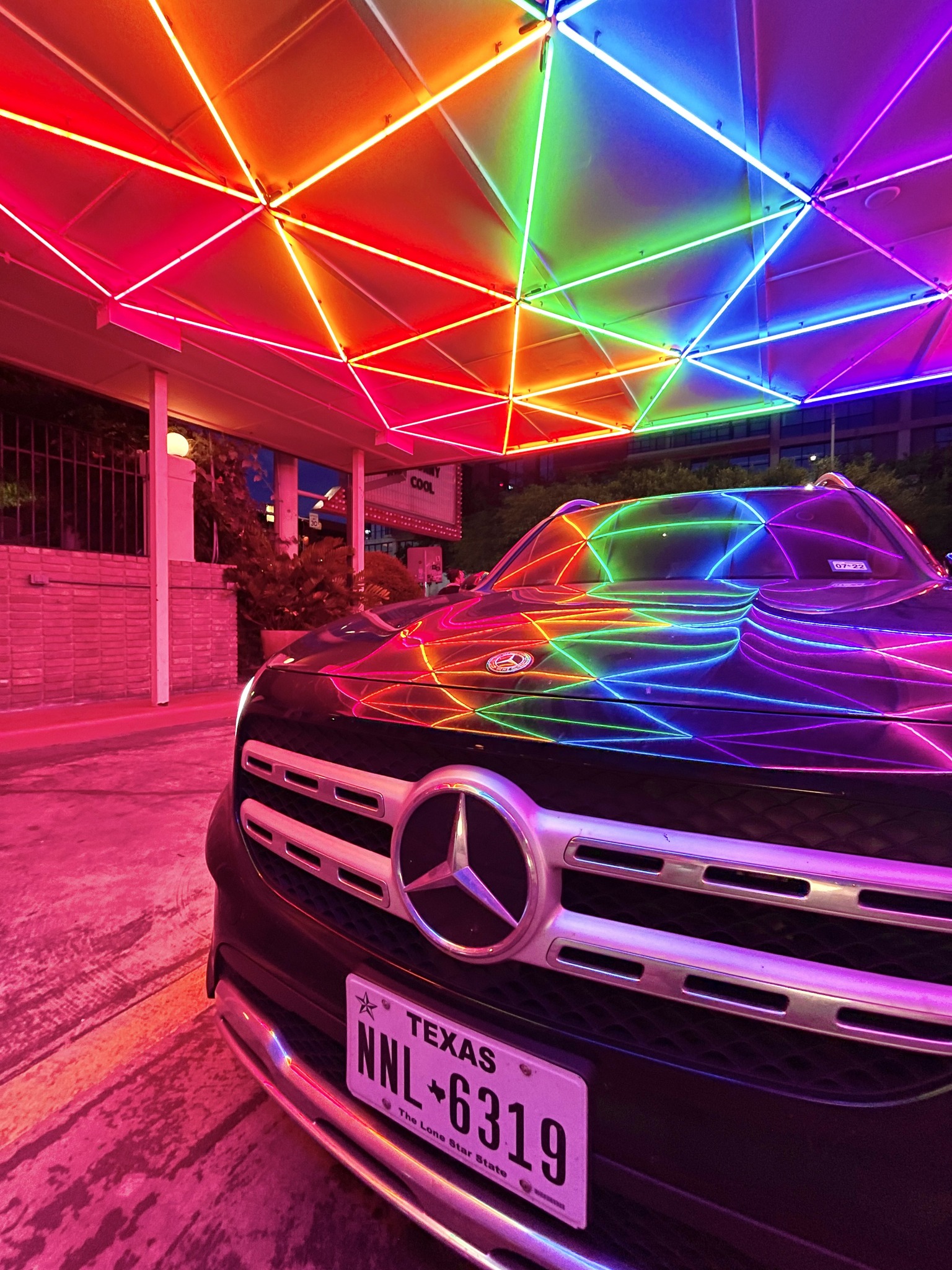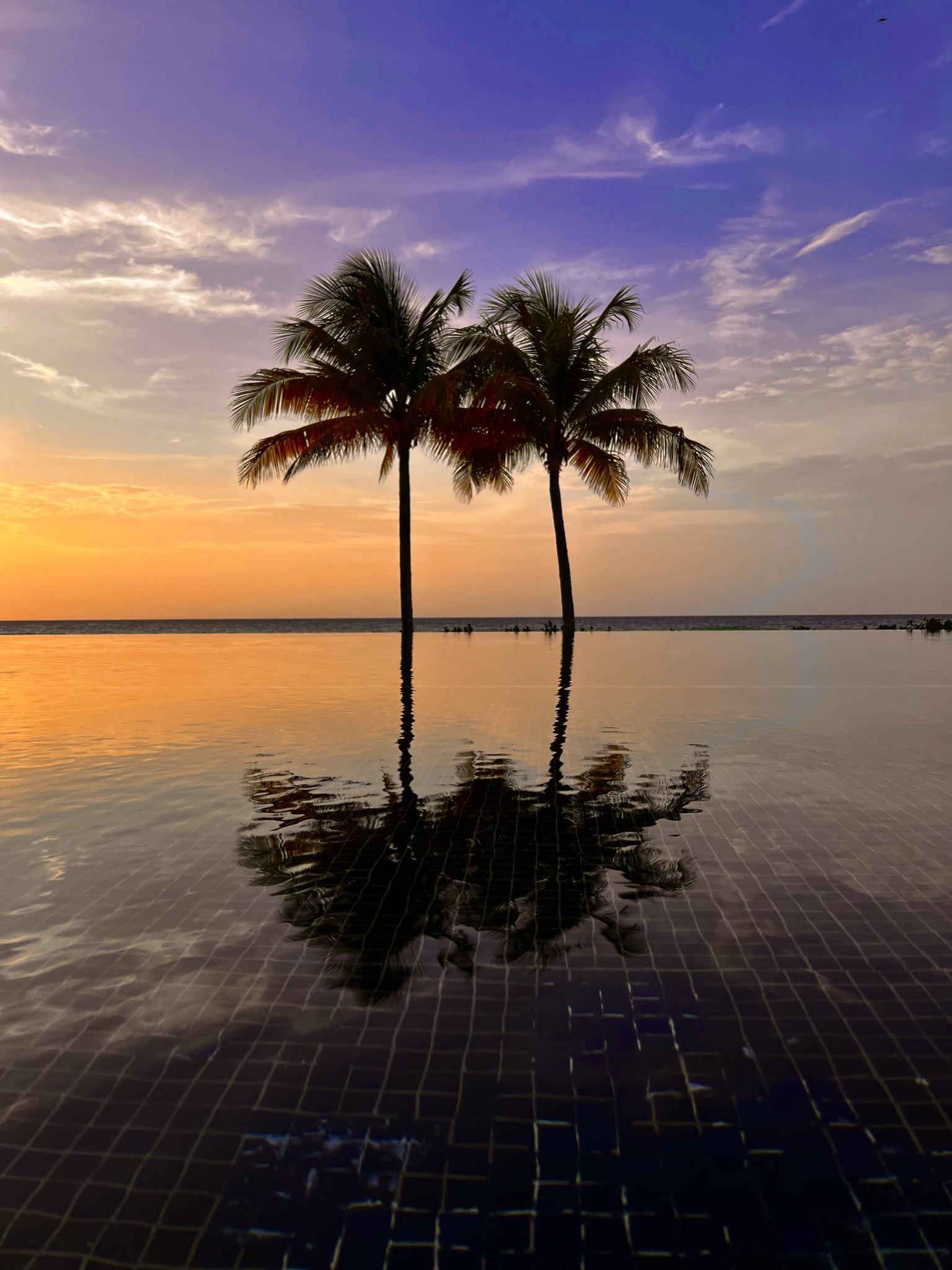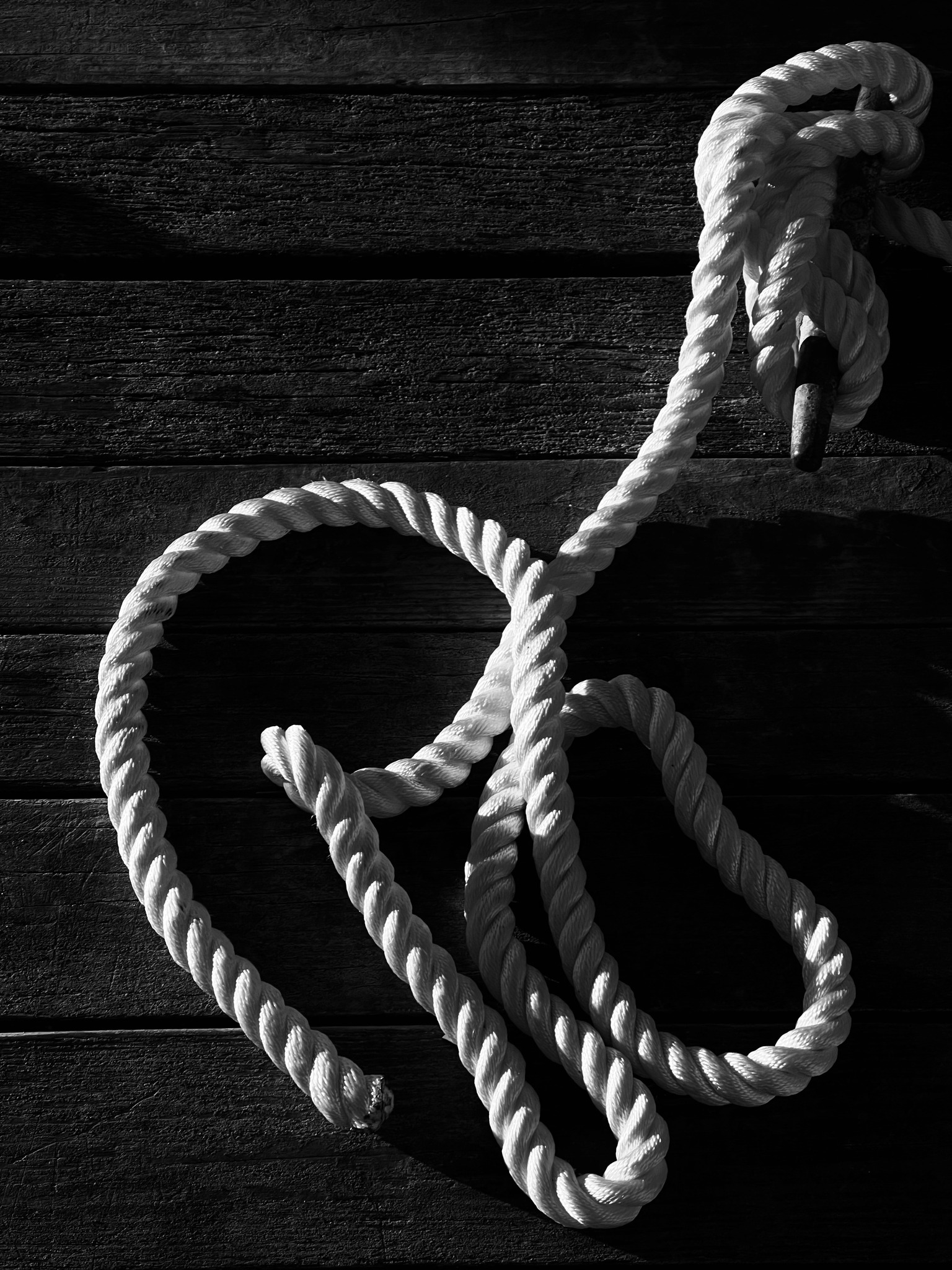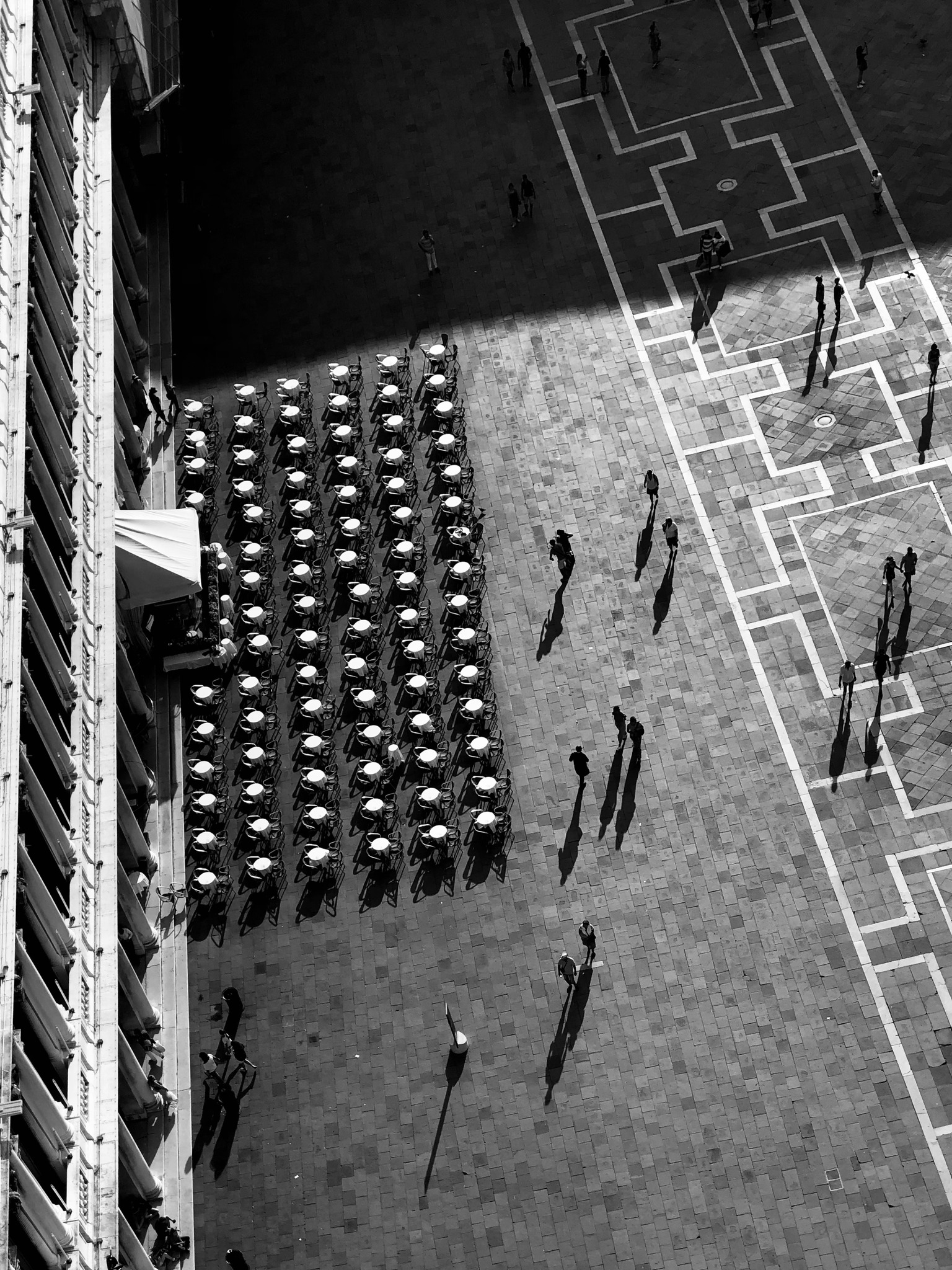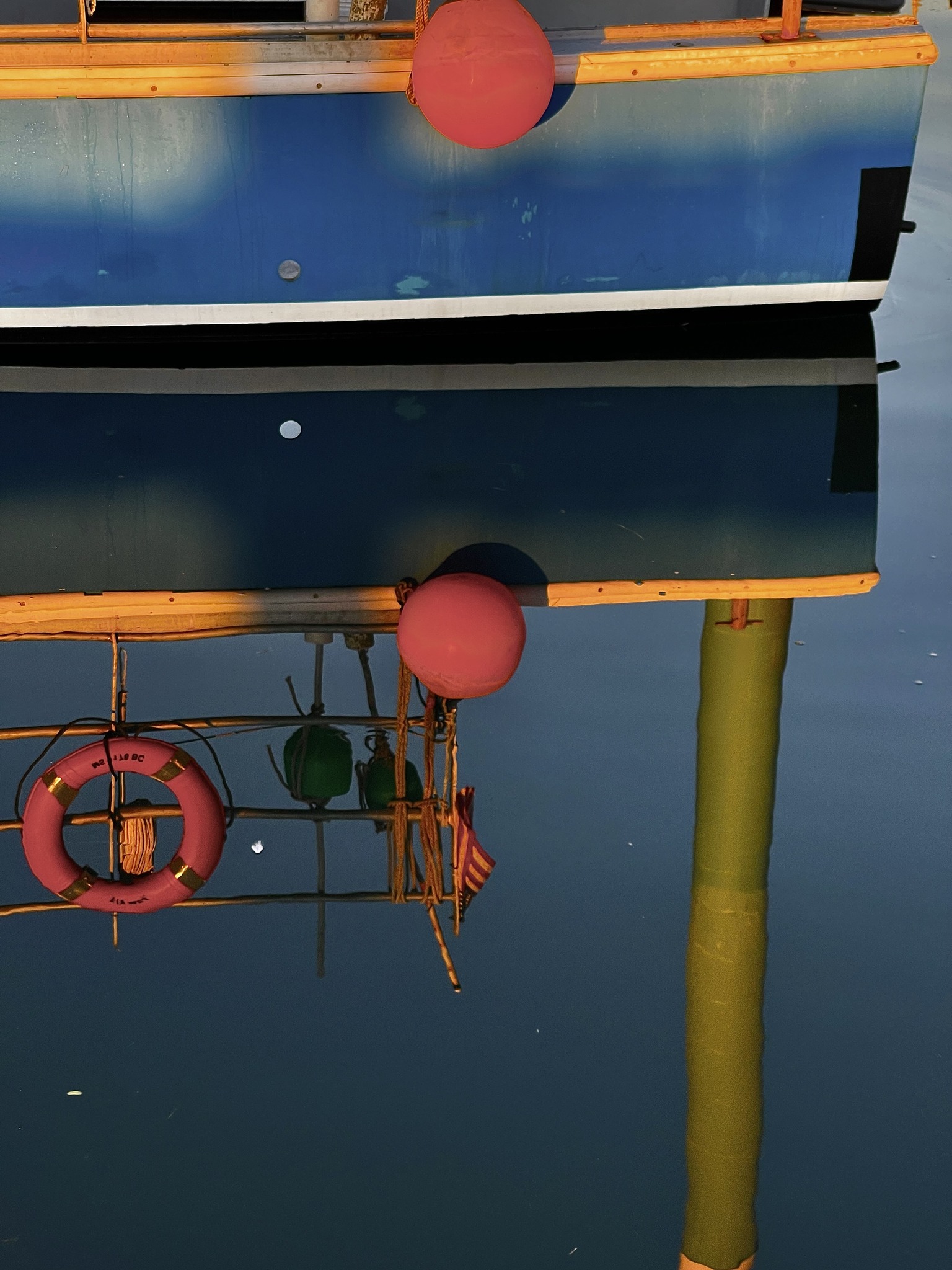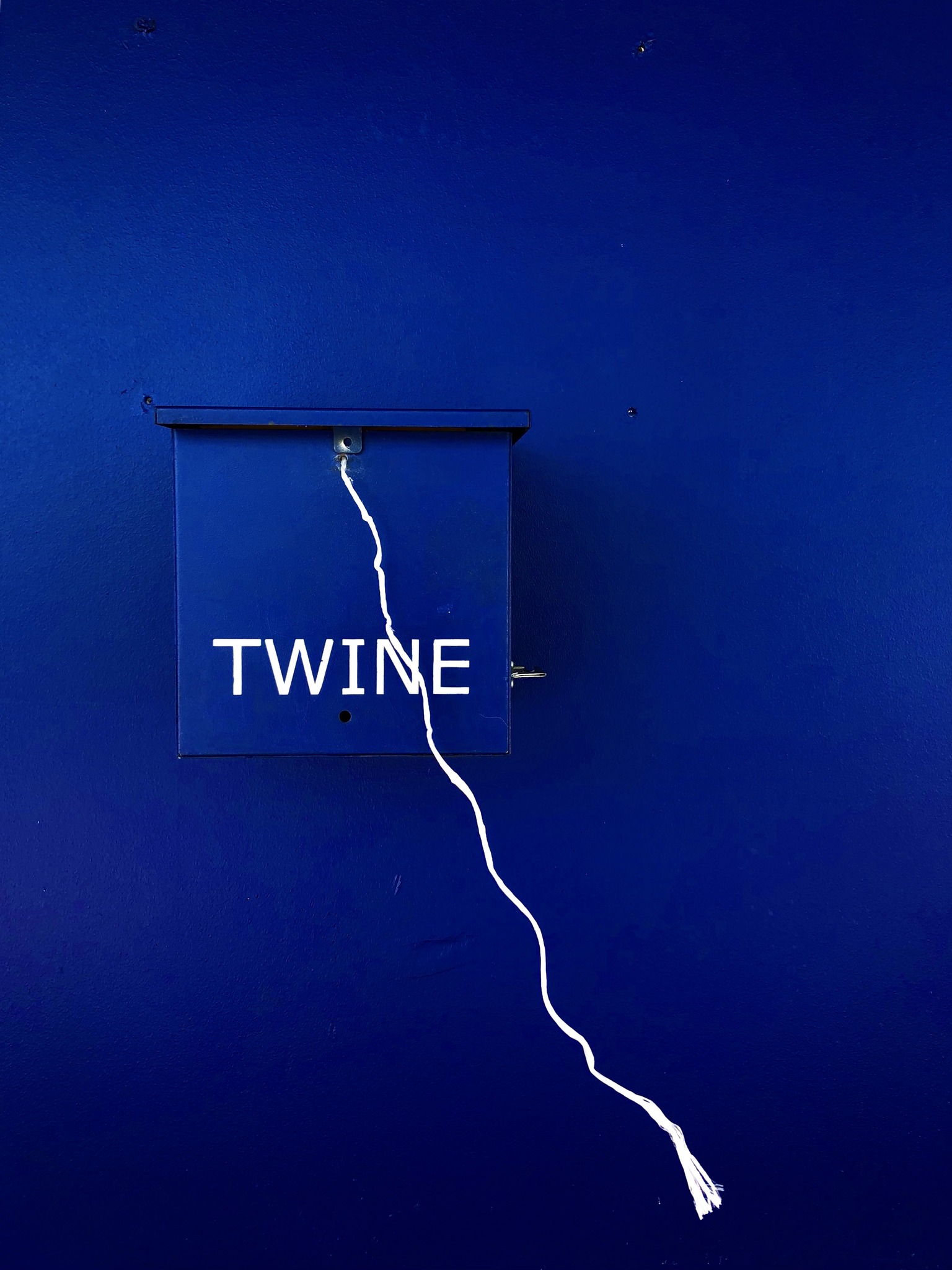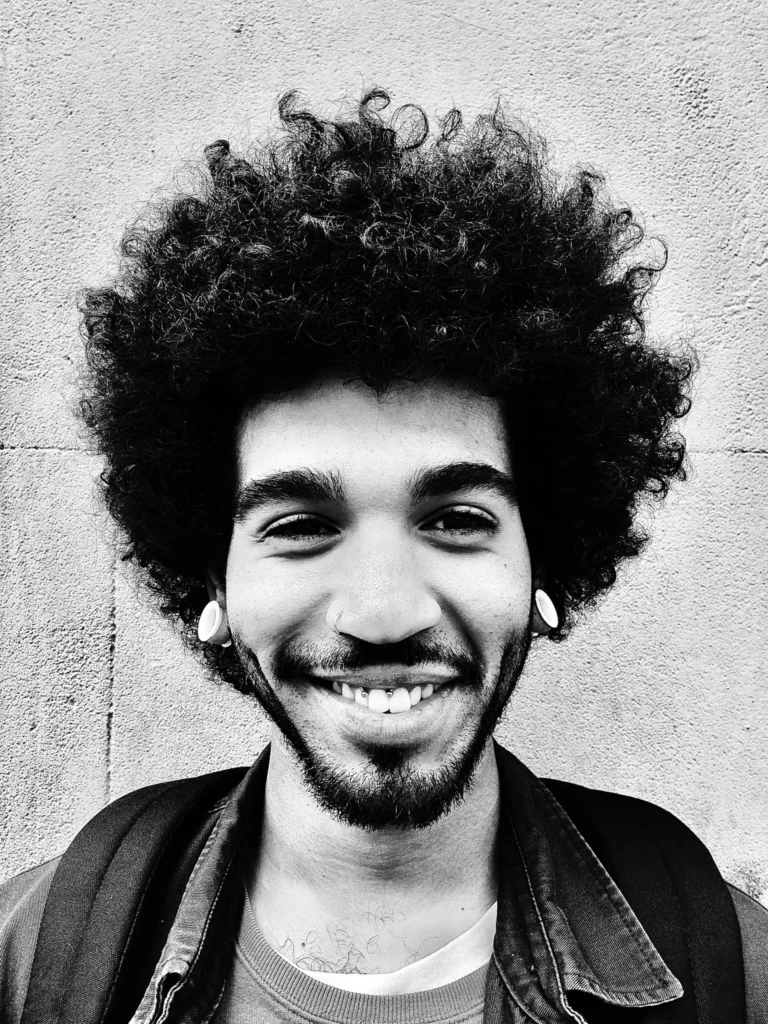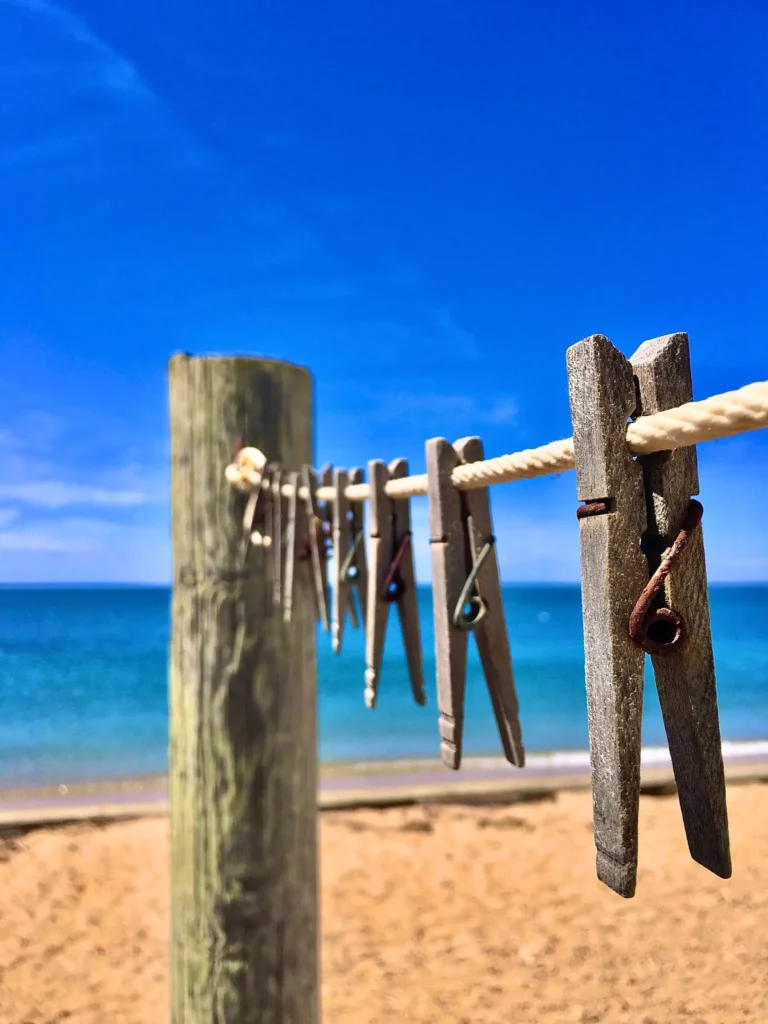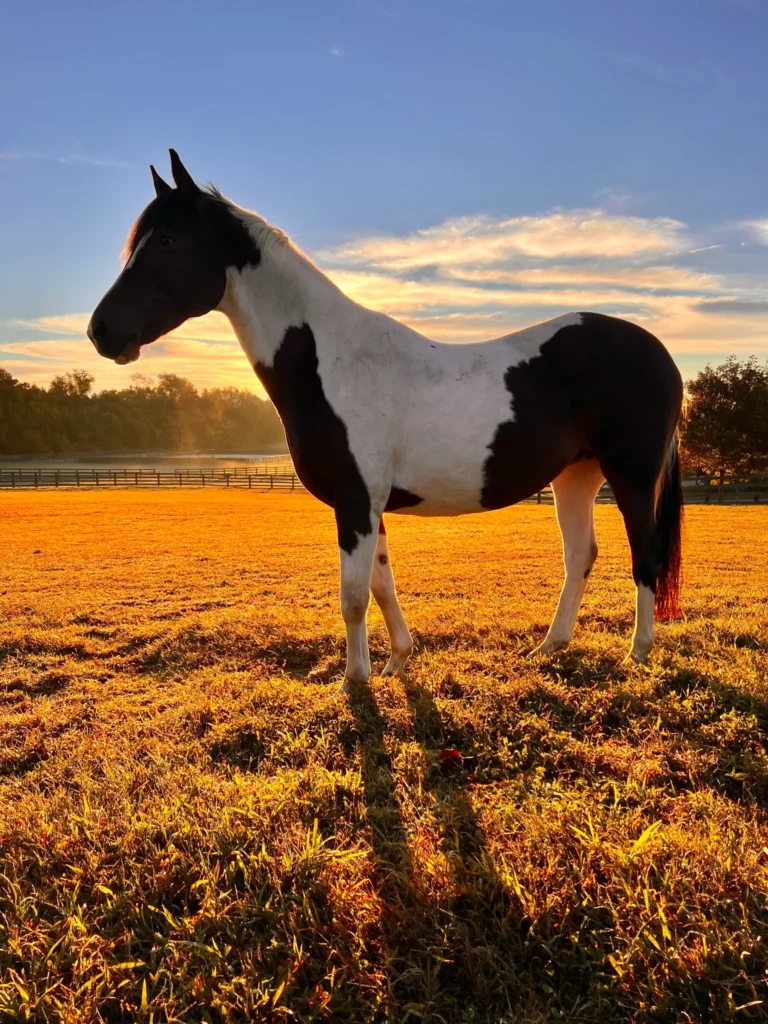
In photography, exposure is simply how much light you allow in.
That’s it.
No mysticism. No jargon required.
Too much light, and the photograph blows out—details vanish into white.
Too little light, and the image sinks into darkness—shapes collapse, information disappears.
Exposure is the balancing act between light and dark, between what is revealed and what is hidden. It’s the difference between a photograph that feels alive and one that feels dead on arrival.
In plain English: exposure is how much of the world you let show up in the frame.
Exposure, Minus the Tech Talk
Strip photography down to its bones and exposure becomes almost childishly simple.
You’re standing somewhere.
Light is bouncing off something.
Your camera—any camera—has to decide how much of that light to keep.
That’s the whole job.
Every technical choice photographers argue about—settings, modes, meters, RAW vs JPEG—exists for one reason only: to control exposure. Not sharpness. Not gear flexing. Exposure.
Get exposure right, and almost everything else becomes negotiable.
Get it wrong, and no amount of cleverness saves you.
What’s interesting is that the camera doesn’t actually see light the way we do. It doesn’t understand mood, nuance, memory, or meaning. It only measures. It averages. It guesses.
Which means exposure is never purely technical. It’s interpretive. It’s personal.
Two people can photograph the same scene, from the same spot, at the same moment—and produce wildly different exposures. One favors shadow. The other chases highlights. One wants drama. The other wants clarity.
Both are “correct.”
And neither is neutral.
What Exposure Reveals About the Photographer
Here’s the part most photography books don’t tell you:
How you expose your photographs often mirrors how you expose yourself to life.
Some people lean bright. They open things up. They want detail everywhere. They fear losing information. They fear darkness. They fear what can’t be clearly seen.
Others lean dark. They protect highlights fiercely. They let shadows fall where they may. They trust mystery. They believe not everything needs to be revealed to be felt.
Neither approach is better. But they are revealing.
Photographers who overexpose often want reassurance. They want safety. They want to see it all, name it all, control it all.
Photographers who underexpose often trust ambiguity. They understand that meaning doesn’t always live in the obvious places. They know some truths only exist at the edges.
Exposure becomes biography.
Exposure as Risk
In life, exposure is never just about light.
It’s about risk.
To be exposed is to be seen.
To be seen is to be judged.
To be judged is to be vulnerable.
Which is why so many people live underexposed lives.
They keep things dim on purpose.
They don’t say the thing.
They don’t show the work.
They don’t ask the question.
They don’t make the photograph.
They protect themselves by staying safely in shadow.
On the other side are people who overexpose their lives—constantly lit, constantly visible, constantly broadcasting. Nothing held back. Nothing protected. Everything on display.
That too has a cost.
Overexposure burns out meaning just as surely as it burns out highlights.
The trick—whether in photography or in life—is knowing when to open up and when to hold back.
The Myth of “Correct” Exposure
Cameras love averages. Life doesn’t.
The camera’s idea of “proper exposure” is based on math, not meaning. It wants everything to land somewhere in the middle. Balanced. Safe. Predictable.
But the most powerful photographs are rarely average.
They’re high-key or low-key.
They’re bold or restrained.
They lean somewhere intentionally.
The same is true of people.
The people who matter—the ones you remember—are rarely perfectly balanced. They have edges. Biases. Strong opinions. Deep shadows. Bright flares.
They’re exposed unevenly.
And that’s what makes them interesting.
Living in the Highlights
Some people live for the highlights.
They’re optimistic. Energetic. Forward-facing. They see opportunity where others see risk. They walk into rooms already illuminated.
There’s beauty in that.
Highlights bring clarity. Warmth. Momentum. They make the world feel navigable.
But highlights are fragile. Push them too far and they disappear. Burned out. Gone forever.
The same goes for relentless positivity. Relentless openness. Relentless optimism.
Without shadow, light loses dimension.
Living in the Shadows
Others live comfortably in shadow.
They observe before they speak.
They notice what others miss.
They’re suspicious of easy answers and bright promises.
Shadows carry weight. Depth. Texture. They invite curiosity instead of demanding attention.
But shadows can also swallow things whole.
Stay there too long and the world becomes heavy. Cynical. Closed.
In photography, crushed blacks are as unrecoverable as blown highlights. In life, too.
The Exposure You Choose
The older you get, the more intentional exposure becomes.
When you’re young, you overexpose accidentally. You say too much. Show too much. Believe too quickly. Trust too easily.
Then something happens. Life pushes back. Reality intrudes. And suddenly you start pulling the exposure down. Protecting yourself. Guarding your edges.
That’s not failure. That’s learning.
But there comes a moment—quiet, often unnoticed—when you get to choose again.
Not to be naïve.
Not to be closed.
But to expose on purpose.
To decide what matters enough to let the light hit it.
Are You Light or Dark?
Most people think this is a personality test.
It’s not.
You’re not one or the other. You’re a mix, constantly adjusting. Just like exposure.
Some days you need brightness.
Some days you need shade.
Some seasons call for openness.
Others call for restraint.
The mistake is locking yourself into one mode and calling it “who I am.”
Photography teaches something quietly radical here: exposure is fluid. Situational. Responsive.
So is being human.
Exposure as Attention
At its core, exposure is about attention.
What do you give light to?
What do you let fade?
What do you protect?
What do you risk losing?
Every photograph answers those questions.
So does every life.
You don’t expose everything equally—not if you want meaning. You choose. You prioritize. You frame.
And in doing so, you tell the truth—not the whole truth, but the right truth.
The Final Adjustment
A well-exposed photograph doesn’t shout. It breathes.
So does a well-lived life.
Not blinding.
Not buried.
Just enough light to see what matters—and enough shadow to keep it honest.
That’s exposure.
Not a setting.
A stance.
A way of being in the world with your eyes open, your guard calibrated, and your finger ready—when the moment feels right—to let the light in.
Jack.