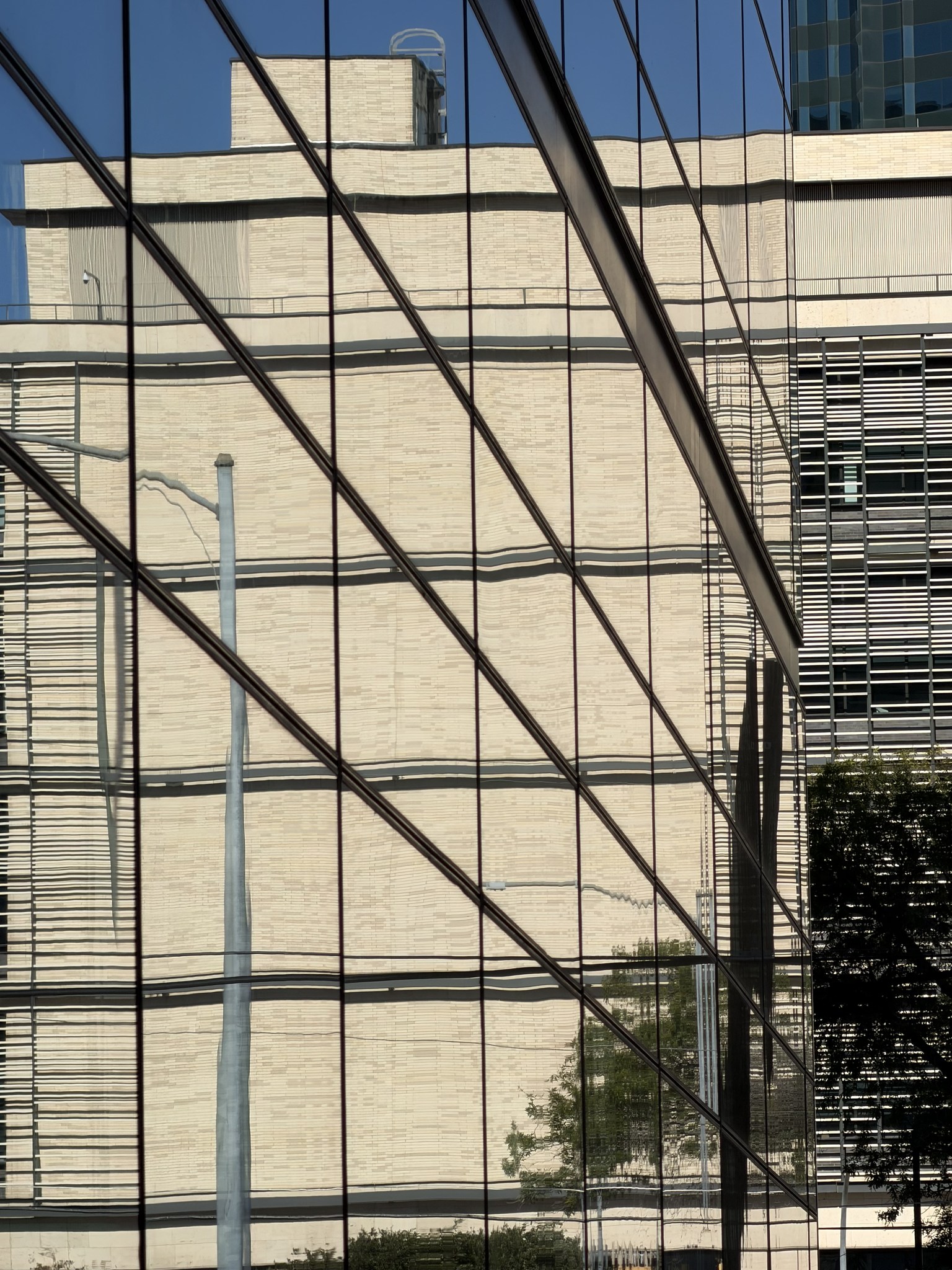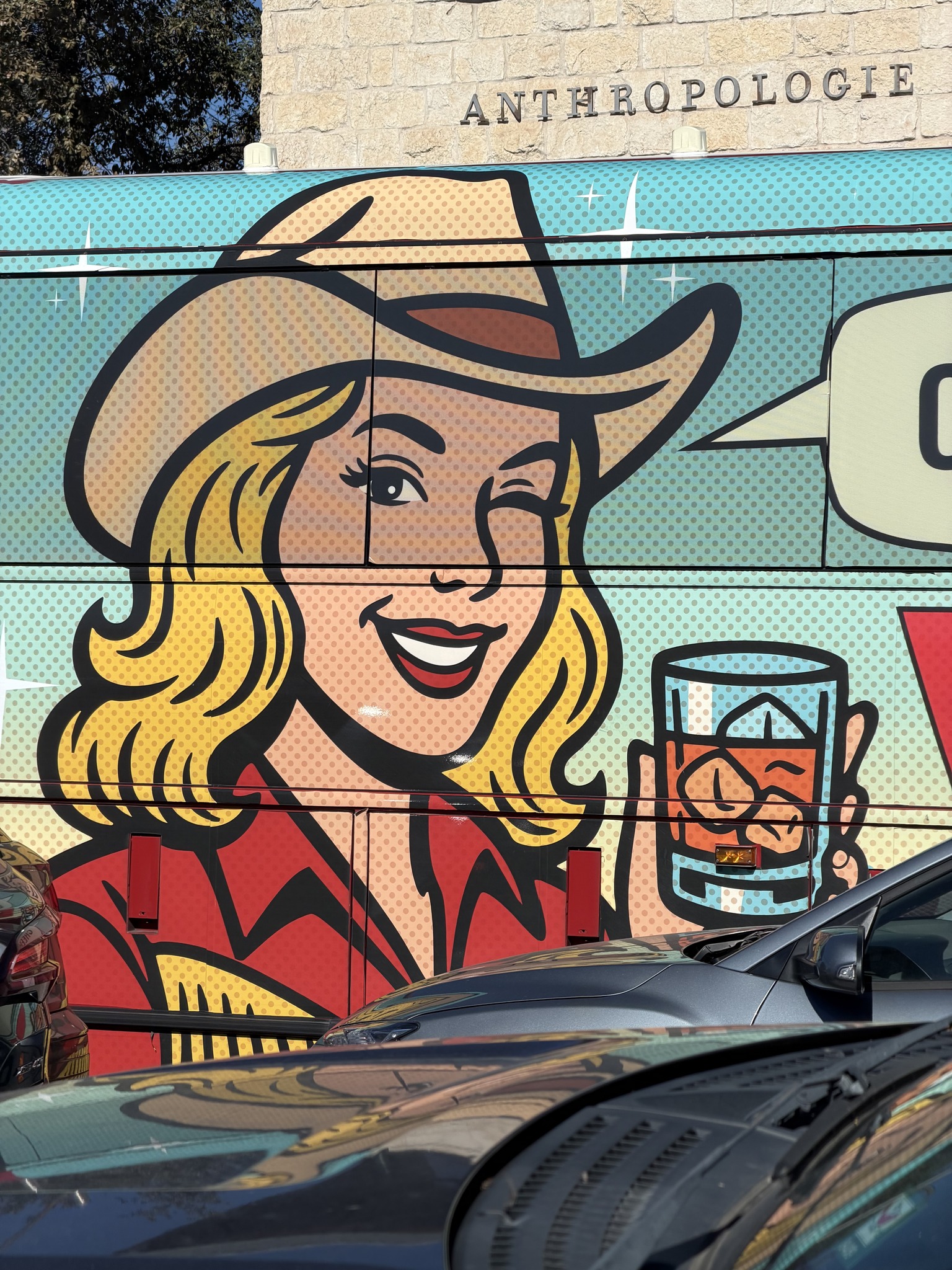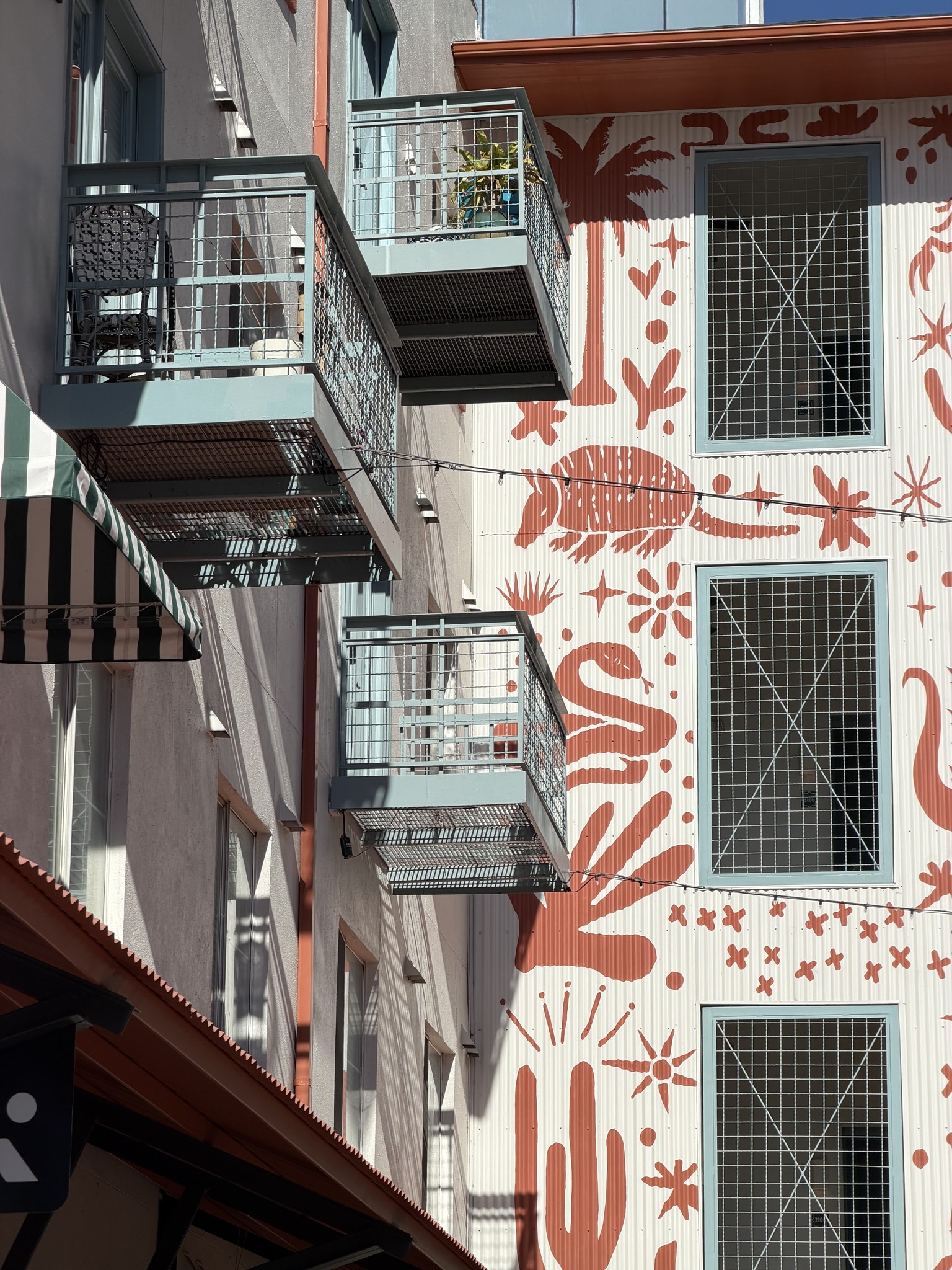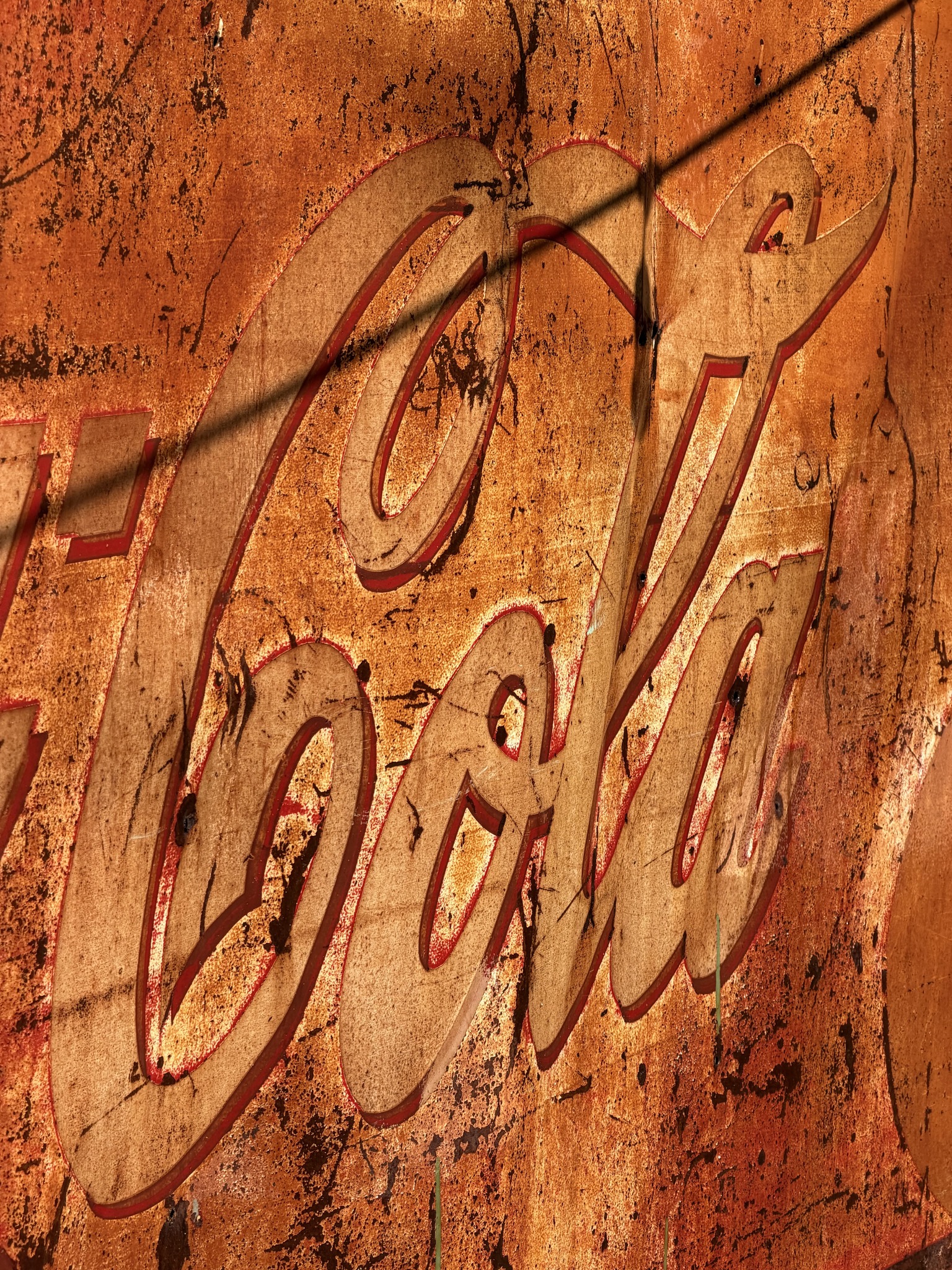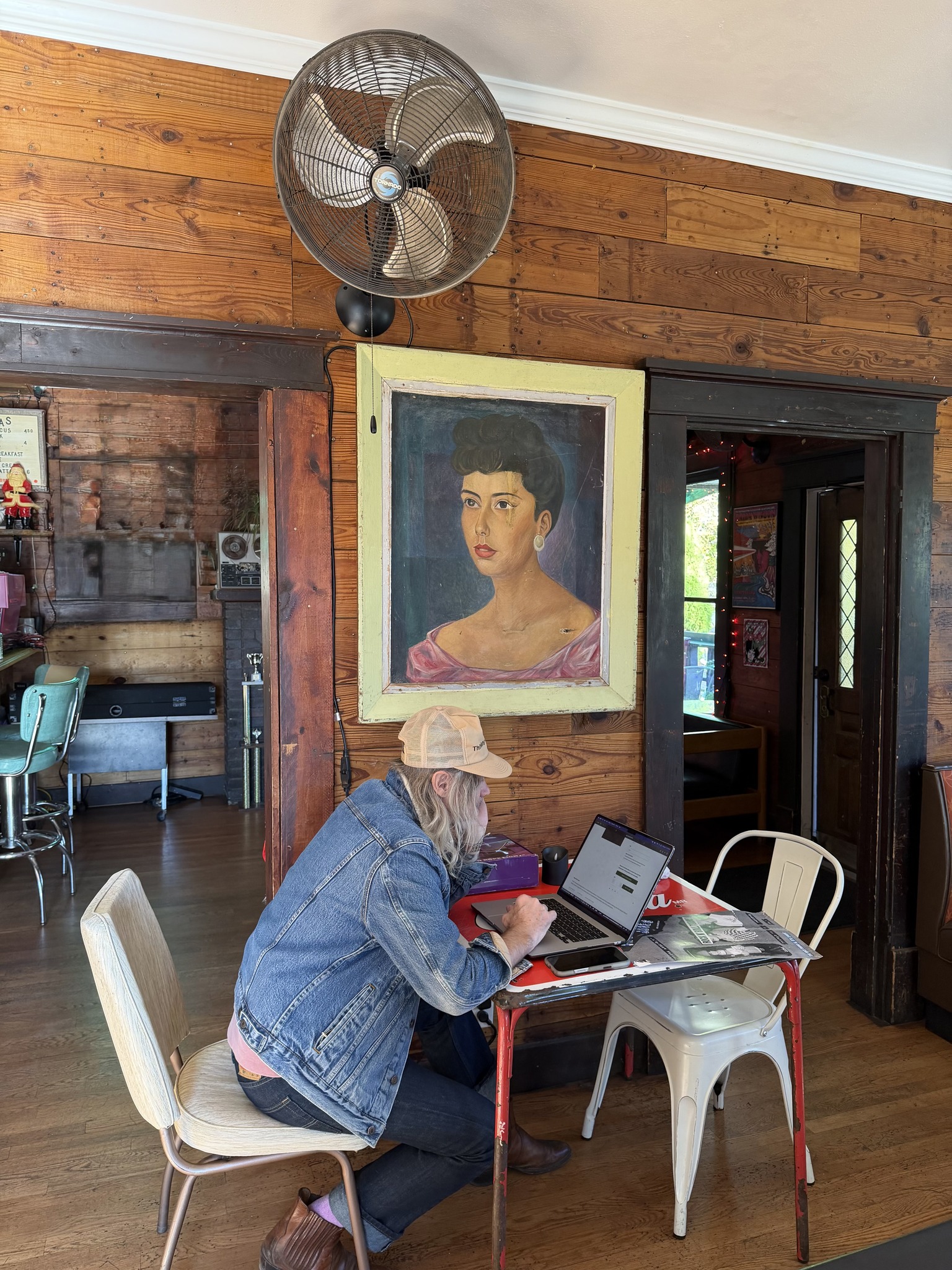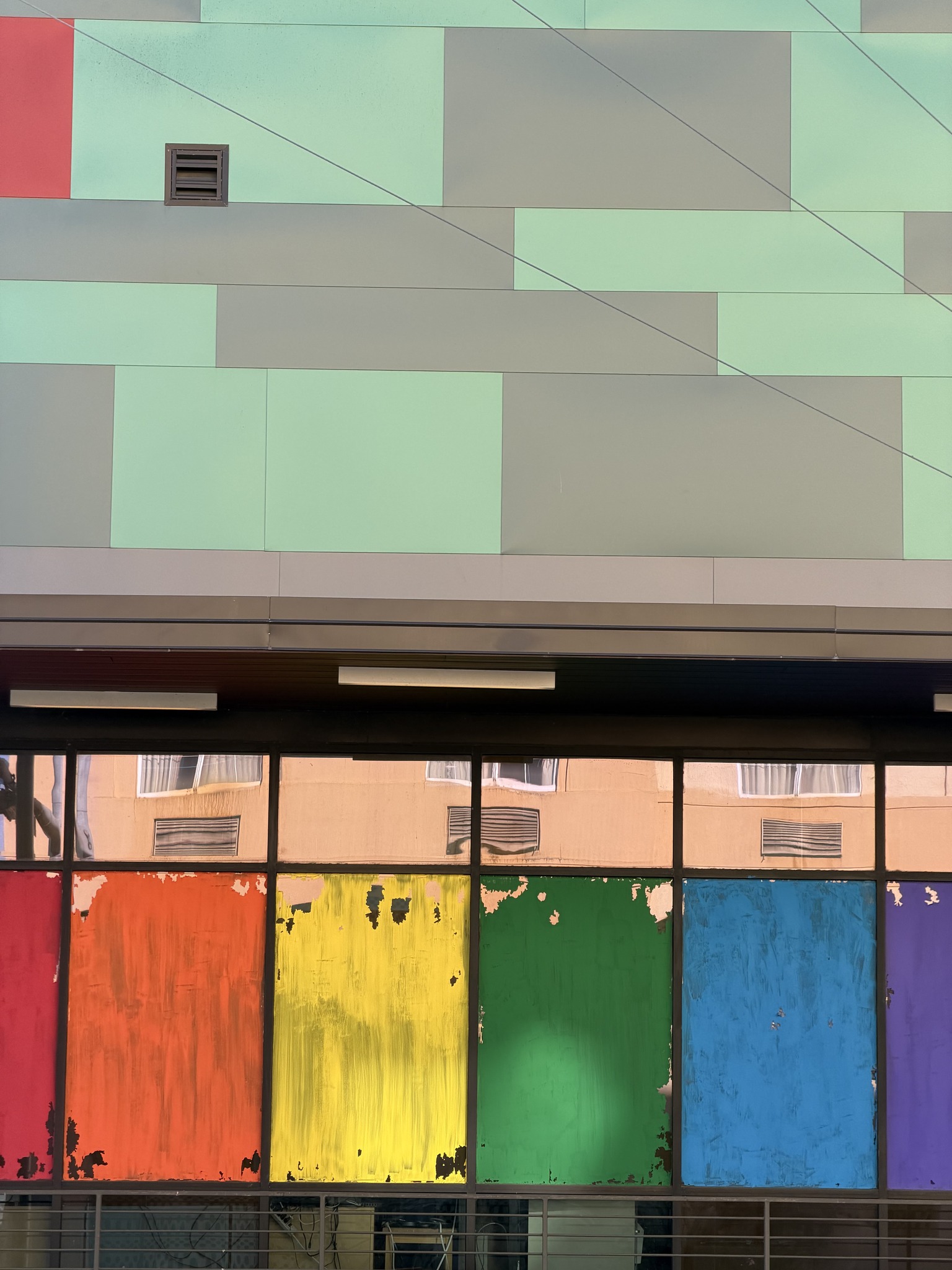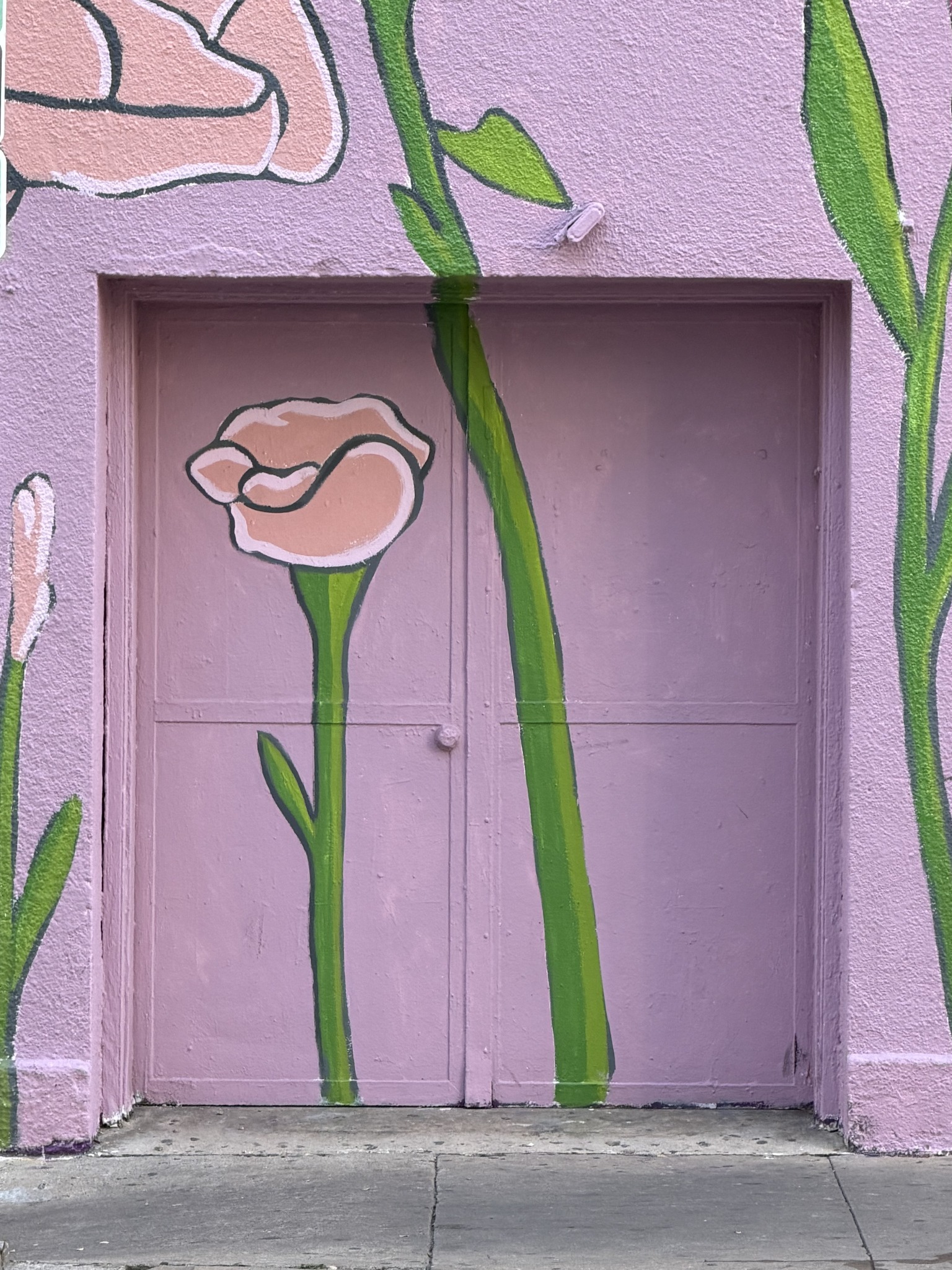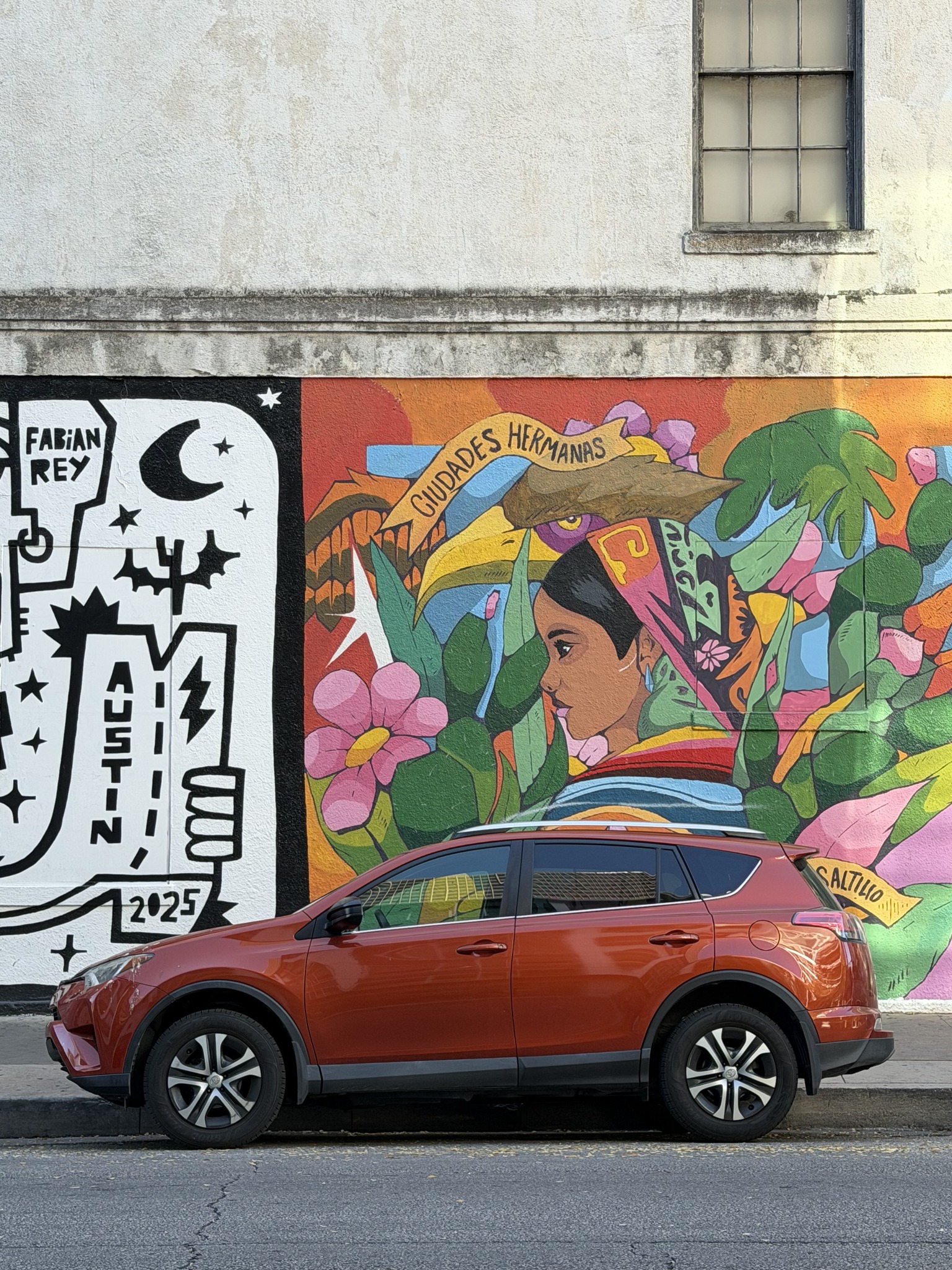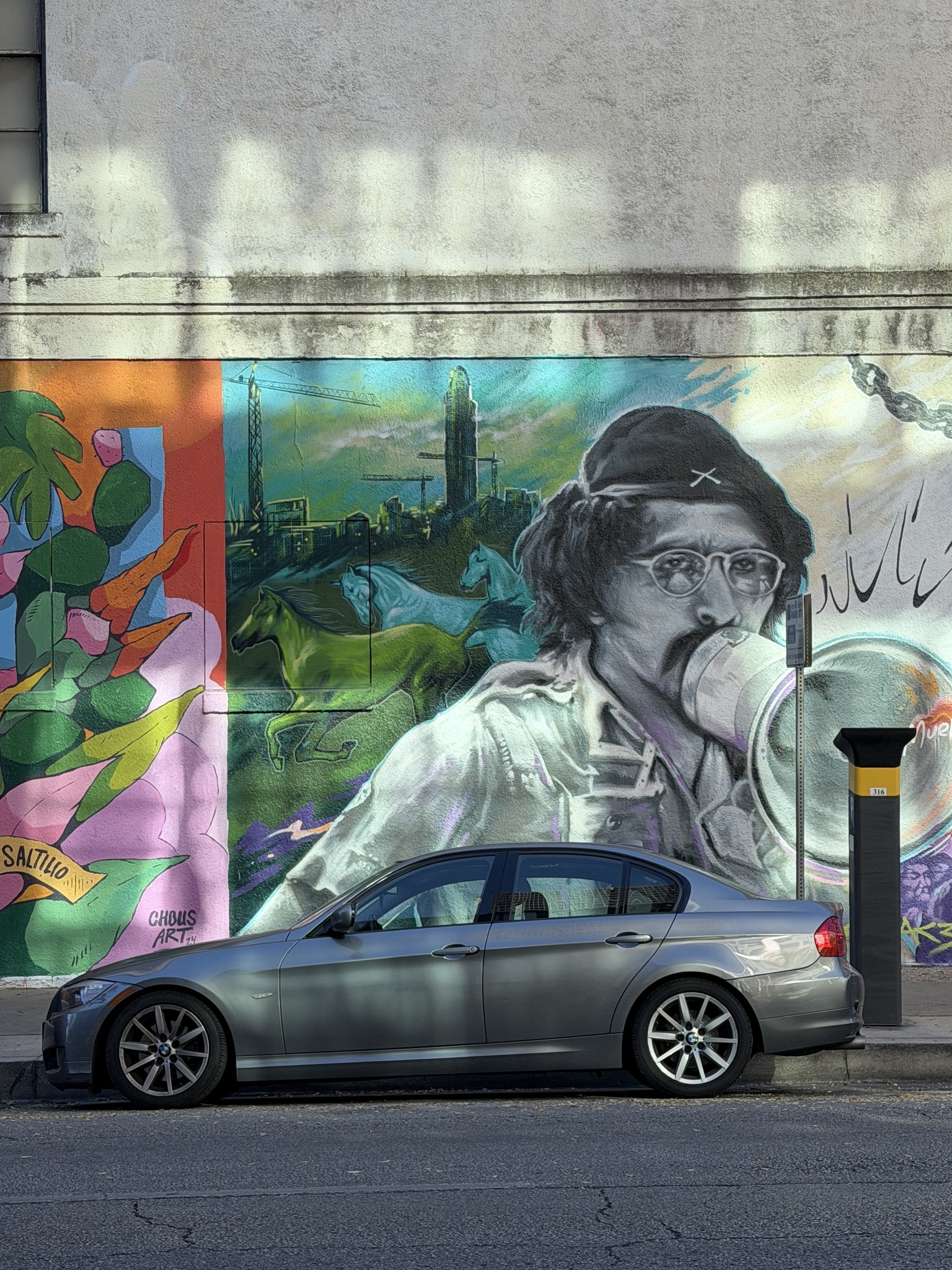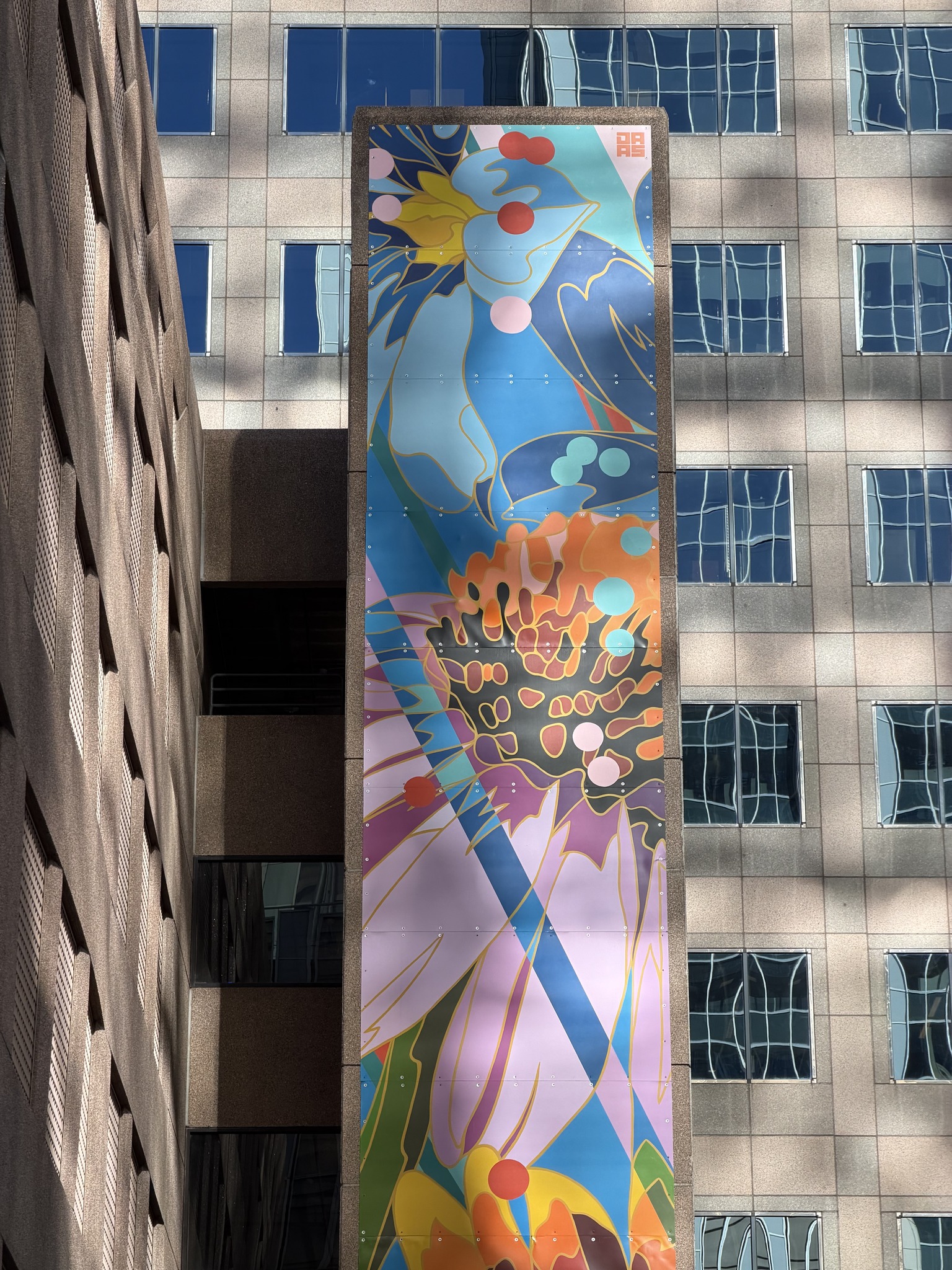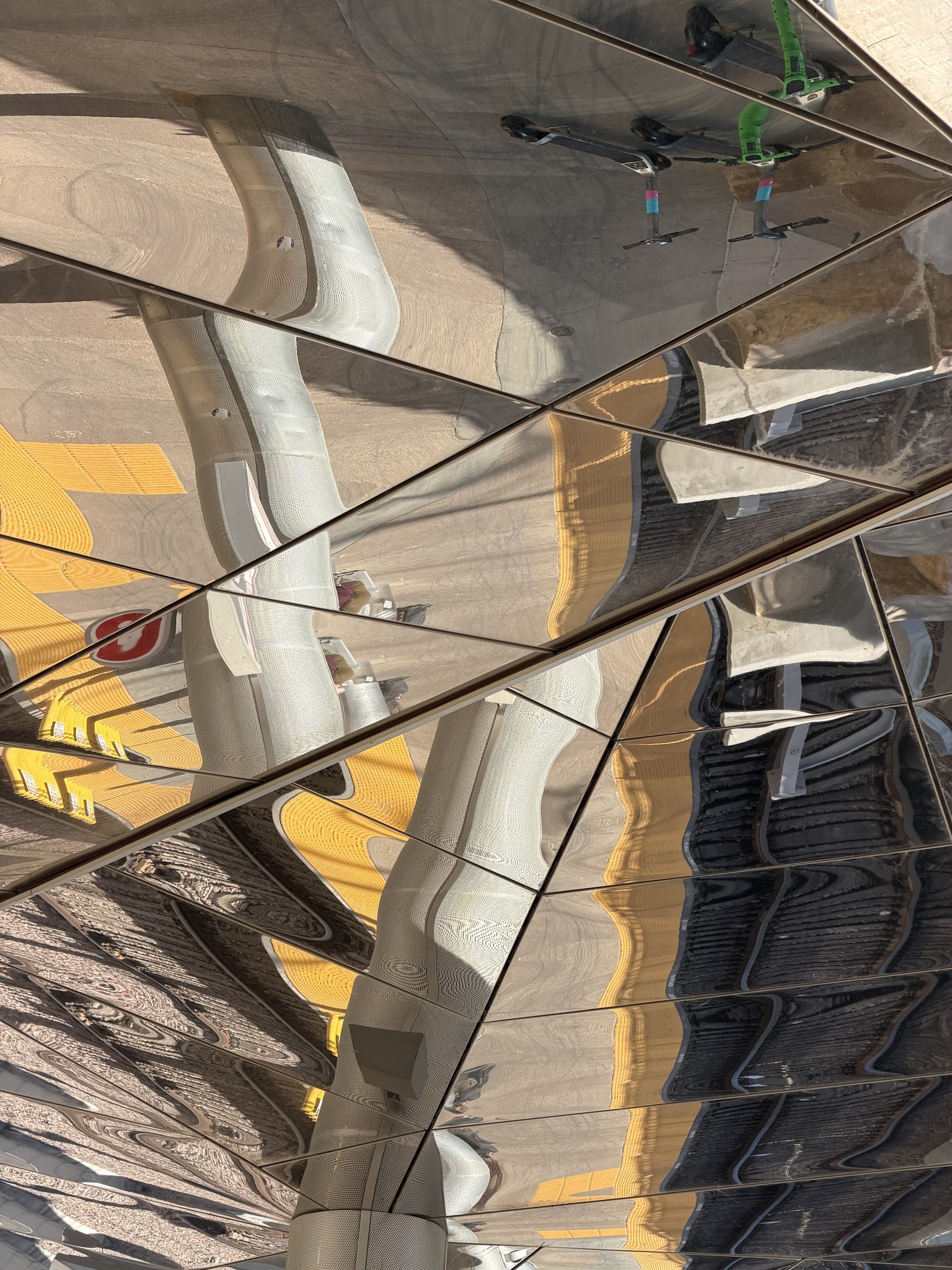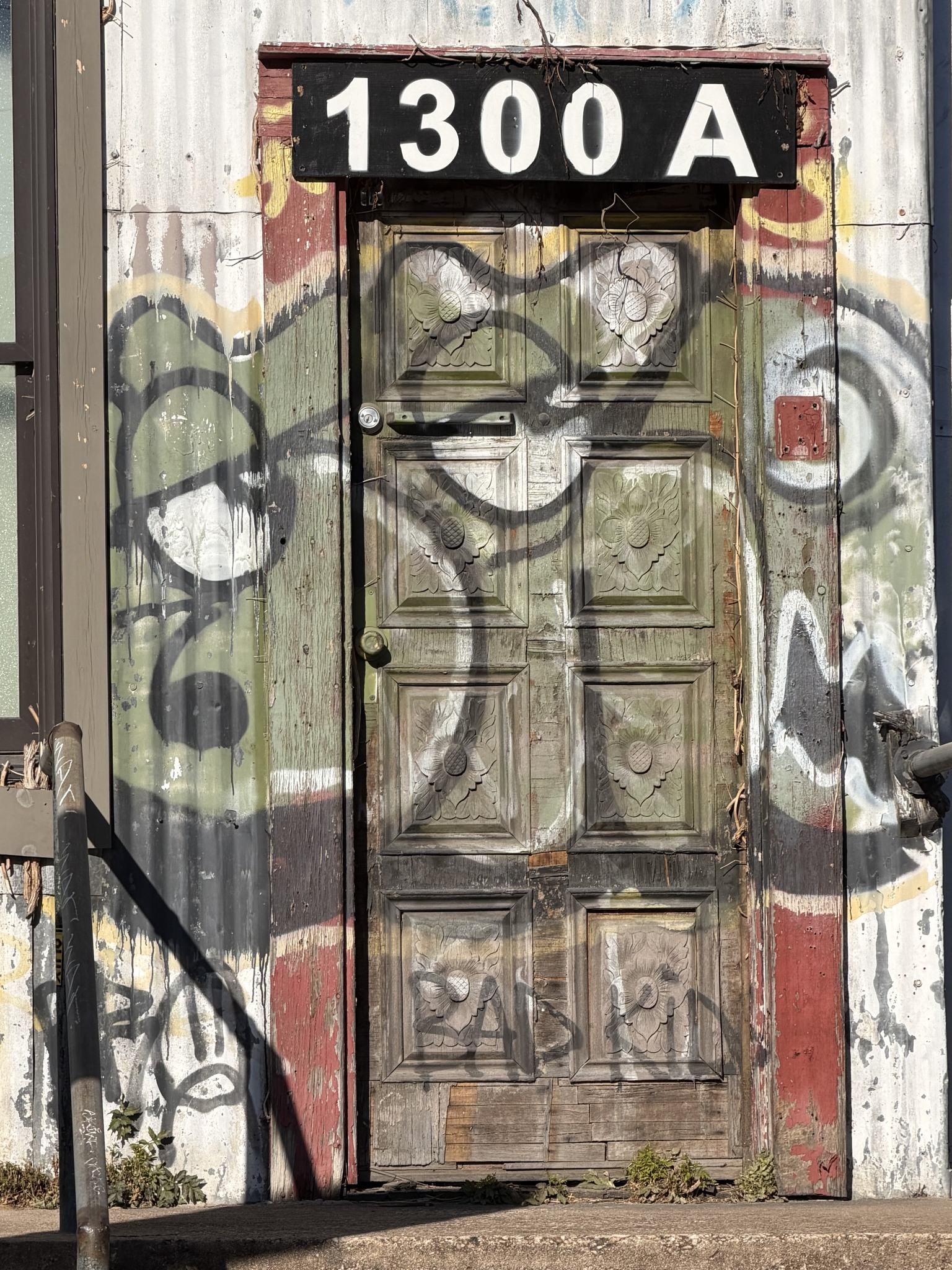
Whether you realize it or not, the history of photography has quietly, almost secretly, trained you to decide what is “photogenic” and what is not. You didn’t sign up for this conditioning. You didn’t raise your hand and say, “Yes, please, show me exactly what to value visually, and I’ll follow along.” But you’ve been shaped anyway—by museums, magazines, Instagram feeds, coffee-table books, YouTube tutorials, and even the praise you receive when you show certain types of photos. Over time, a silent hierarchy gets built inside your head: shoot this, not that. Point your camera here, not there. Celebrate this subject; ignore that one.
And it works—until it stops working. Because the more you accept this hierarchy, the more visually numb you become.
Let’s name the game.
Category One: Photography’s Greatest Hits
These are the subjects our eyes have been trained to applaud. They’re the equivalent of Top 40 radio—recognizable, repeatable, easy to digest. The world is overflowing with them because they’re seen as “safe bets.” They are the subjects most likely to earn likes, praise, approval, and validation.
Category One includes:
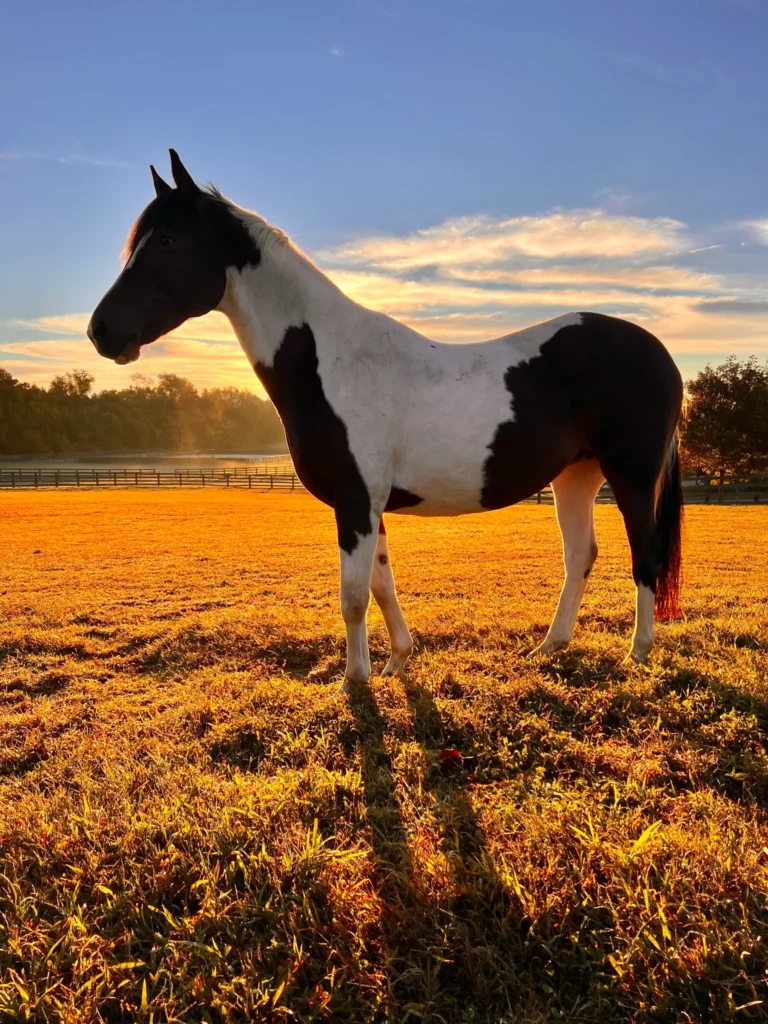
- Sunsets
- Flowers
- Beaches
- Waterfalls
- Mountains
- City skylines
- Forest trails
- Cute kids
- Old barns
- Boats at dock
- Dogs
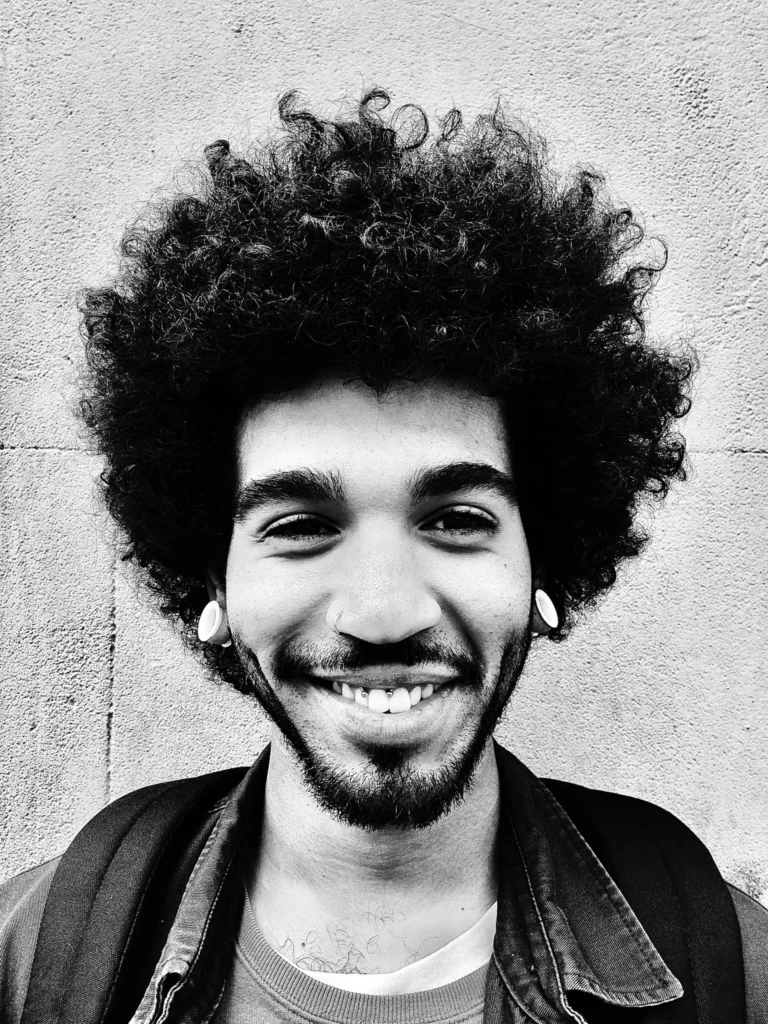
- Portraits of people smiling at the camera
- Reflections
Every one of these subjects can be stunning. They became classics for a reason. But they also became clichés for a reason. Shoot enough of them, and you can practically do it on autopilot. You start leaning on the subject itself to carry the photograph instead of leaning on your own vision. The subject does the lifting, not the photographer.
And that’s the beginning of visual numbness.
Category Two: Acceptable but Less Celebrated Subjects
These are the subjects that aren’t quite “greatest hits,” but still carry some cultural legitimacy. If you shoot these, nobody questions you. They may not get the big applause, but they’re still part of the accepted canon of things photographers point their cameras at.
Category Two includes:
- Architecture
- Street scenes
- Interiors
- Food
- Drinks
- Cars
- Silhouettes
- Macro nature
- Pets other than dogs
- Bicycles
- Boats at sea (not dock)
- Abstract textures
These subjects are still seen as worthy. They’re visually digestible. They fit inside the collective definition of “typical photography.” And so photographers fall into them easily, sometimes lazily, because they don’t require risk or experimentation. You can make a perfectly respectable Instagram feed out of these subjects alone. No one will question your sanity or your “eye.”
But that’s the problem. Respectable photography is often anesthetized photography.
Category Three: The “What-the-hell-are-you-shooting-that-for?” Subjects
This is where things get interesting. This is where visual numbness ends and visual intelligence begins.
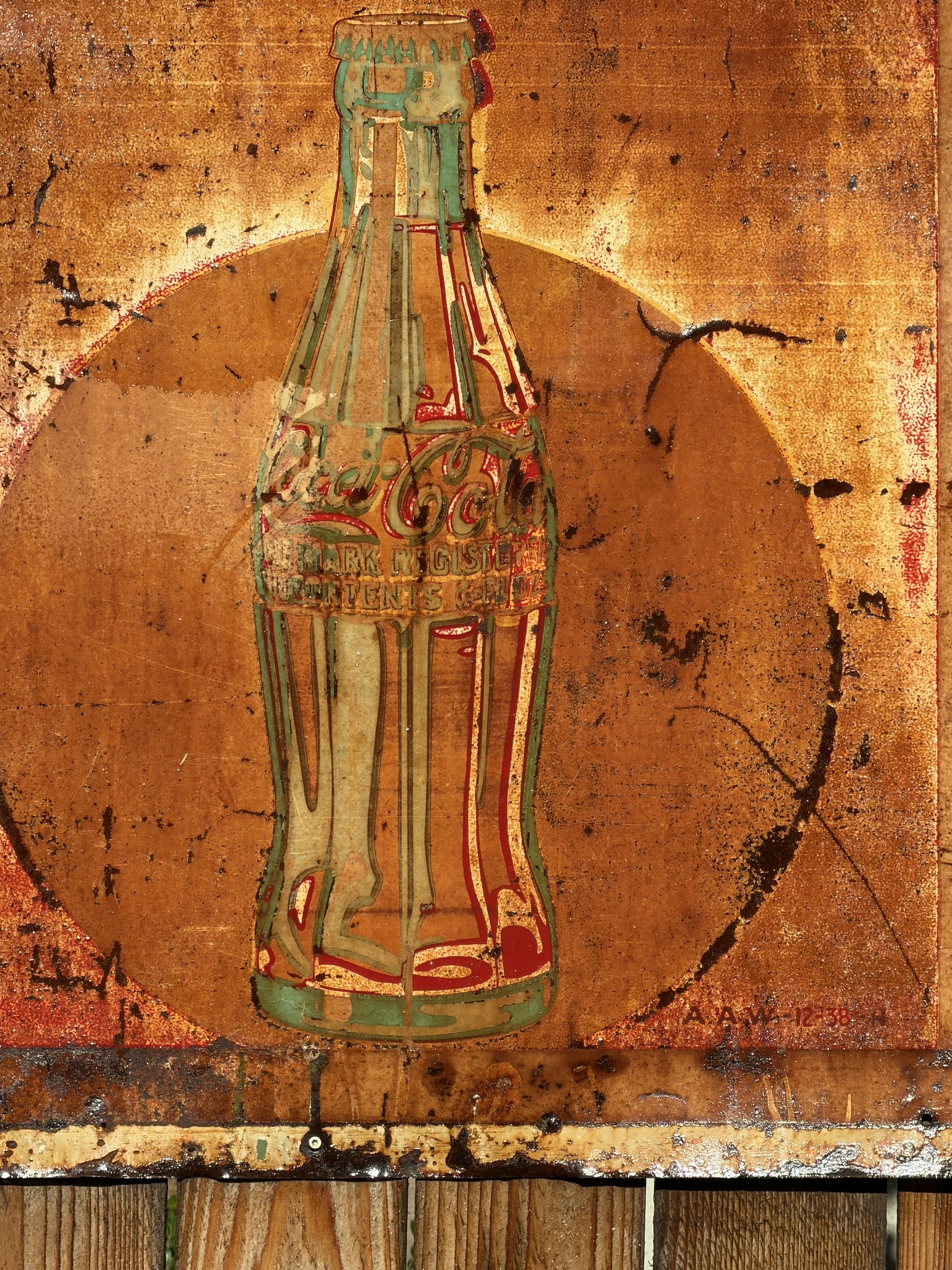
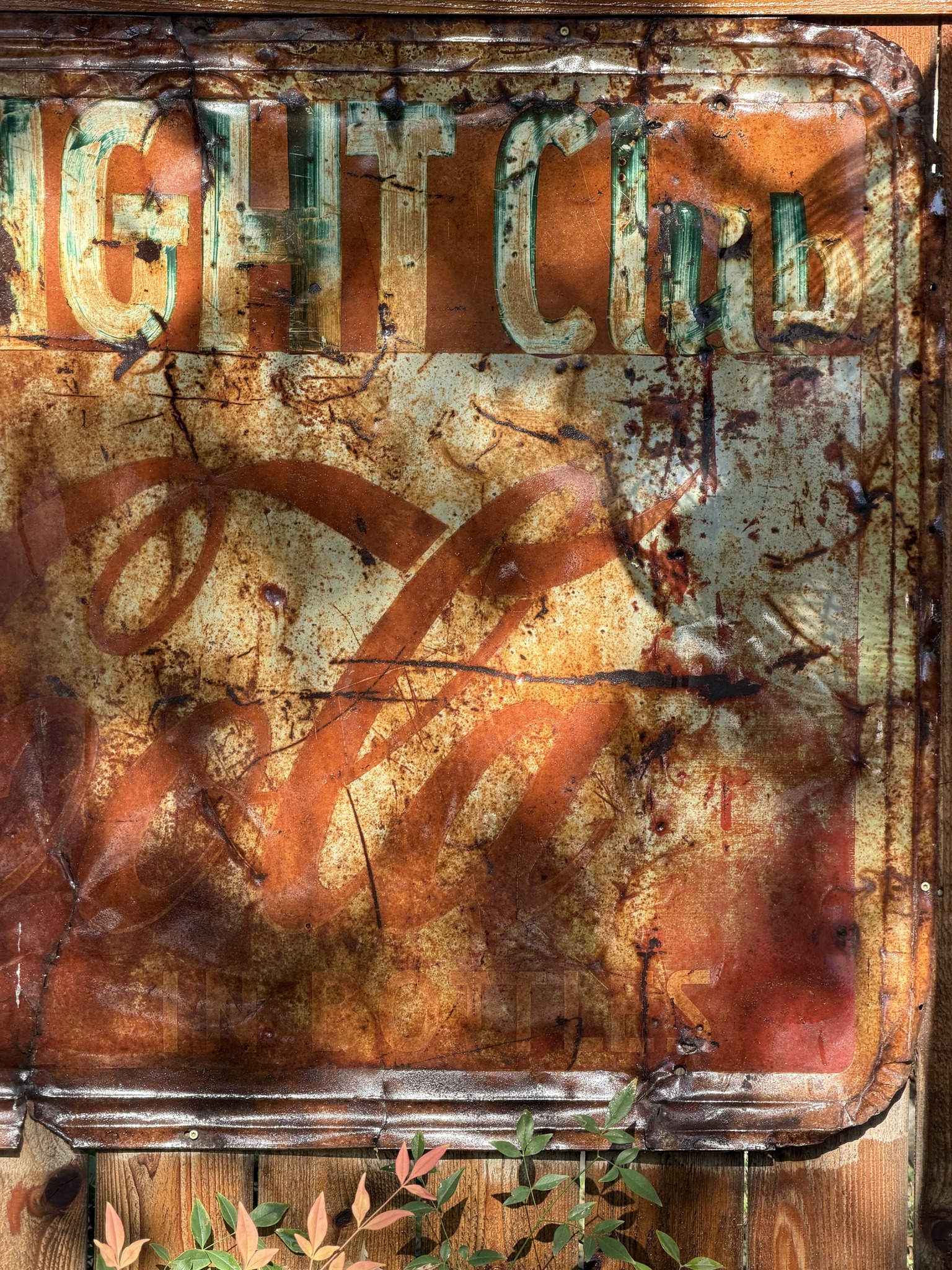
Category Three is made up of the subjects nobody ever taught you to notice. The things most photographers walk past without a flicker of interest. The everyday, the ordinary, the forgettable, the overlooked. The things with no built-in applause.
This category includes:
- Scratched metal
- Broken glass
- Rust
- Knobs
- Parking lots
- Wrappers
- Utility poles
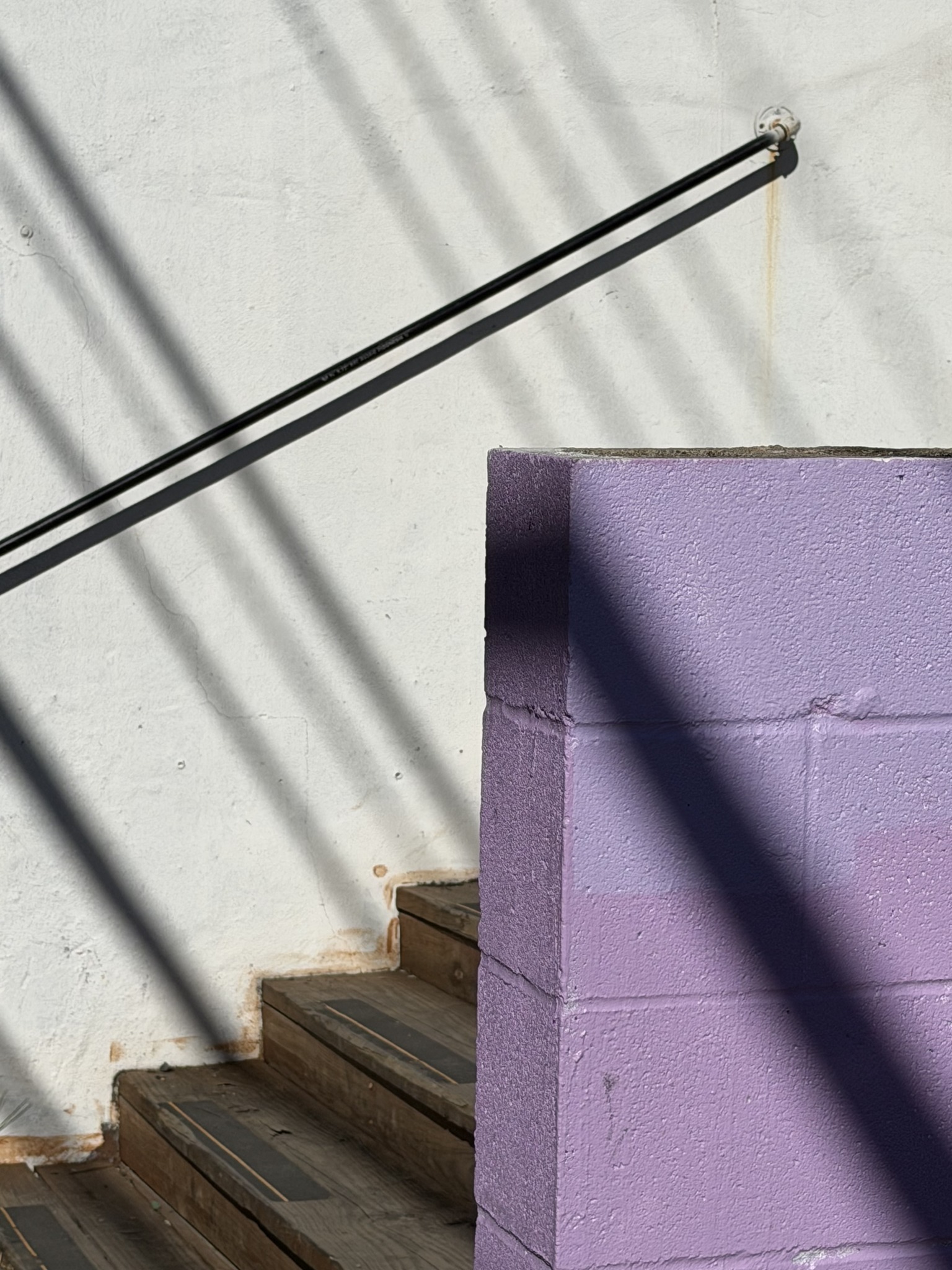
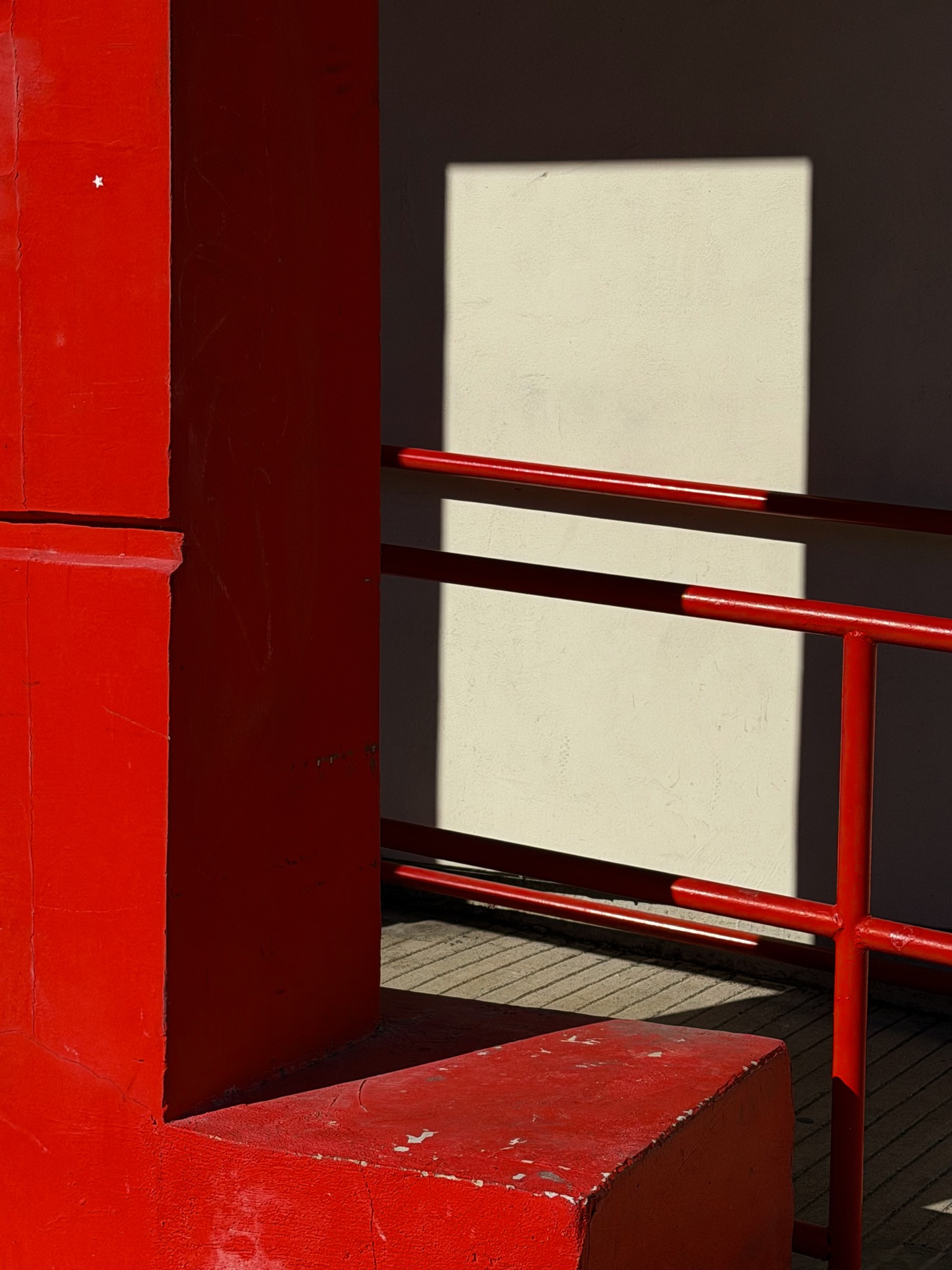
- Shadows on concrete
- Signs half-covered by tape
- Stacks of chairs
- Weathered paint
- Trash in a gutter
This is the realm of “why are you photographing THAT?” This is where you get the amused looks, the puzzled glances, the unspoken judgment that maybe you’re seeing ghosts that aren’t there.
But here’s the truth: this is where your photography becomes your photography.
Because once you stop pointing your camera at pre-approved subjects, you finally give yourself permission to see.
Really see.
Not as culture has taught you.
Not as the canon dictates.
Not as the algorithm rewards.
But as you see.
And that—right there—is the entire game.
The Price of Staying in Categories One and Two
If you only photograph the familiar, the celebrated, and the socially validated, you slowly erode your most precious photographic gift: your visual curiosity.
You become conditioned to wait for “beautiful” things to show up.
You become dependent on subjects that impress other people.
You become bored without realizing you’re bored.
You become numb.
Photographers talk a lot about creative blocks, burnout, and lack of inspiration. But what they’re often experiencing is not a crisis of creativity. It’s a crisis of noticing. They’ve stopped seeing the world because they’ve stopped trusting that the world—ordinary, unshined, unpolished—has anything worth photographing.
Categories One and Two are not the enemy. They’re just incomplete. They’re the surface of the photographic world. They’re the obvious stuff. They’re the musical scales of the visual arts—useful, necessary, but not music.
You must chase something deeper: light, color, and design.
That’s the whole premise of my life behind a lens.
That is the antidote to visual numbness.
Light.
Color.
Design.
These three ingredients exist everywhere, in every environment, in every town, in every season, in every hour of every day. They do not require grand subjects. They don’t need a mountain or a waterfall or a golden-hour sky. They exist in the cracks, the corners, the hallways, the parking garages, the back alleys, the restrooms, the floors, the ceilings, the fences, the doors, the carpets, the reflections in a toaster oven.
When you chase light, color, and design—rather than sunsets and flowers—the entire world becomes photogenic. The whole world becomes your studio.
Visual numbness dissolves instantly when your eye stops chasing subjects and starts chasing qualities.
This is the difference between photographers who plateau and photographers who evolve.
Build Muscle Memory in Visual Intelligence
Visual intelligence is not talent. It’s not a mysterious gift. It’s not something only “artistic people” have. It is a muscle, and like any muscle, it develops through repetition, curiosity, and practice.
What photographers call “vision” is nothing more than habit.
What viewers call “style” is nothing more than consistent choices.
What critics call “originality” is nothing more than paying attention to the things most people ignore.
The way to develop visual intelligence is brutally simple:
You shoot.
You look.
You shoot again.
And again.
And again.
Not at the obvious—but at everything.
You keep noticing.
You keep experimenting.
You keep chasing gestures of light.
You keep exploring shapes and colors that most people don’t even see because they’re too busy waiting for a sunset.
Visual intelligence grows every time you point your camera at something that doesn’t come pre-labeled as photogenic.
Here’s the secret: the more you shoot Category Three—the weird stuff, the overlooked stuff—the better your photography becomes across every category. Your vision sharpens. Your intuition strengthens. Your sense of composition becomes instinctive rather than analytical.
You become a photographer who sees rather than reacts.
You become a photographer who interprets rather than records.
You become a photographer who creates rather than imitates.
The Cure for Visual Numbness: Rewild Your Eye
If you want to reignite your photography—not your gear, not your workflow, not your editing, but your way of seeing—you must rewild your eye. You must undo the domestication that photographic culture has placed on you.
Start photographing what you think doesn’t matter.
Start photographing what isn’t pretty.
Start photographing what confuses you.
Start photographing what makes no sense.
Start photographing things that don’t announce themselves as subjects.
This is not an artistic indulgence. This is a discipline. A muscle. A practice. A way to stay awake in a world that constantly tries to make you fall asleep to what is right in front of you.
Photography, at its heart, is not the act of capturing only what is beautiful.
Photography is the act of discovering beauty where no one else bothered to look.
When you do that—consistently, intentionally, curiously—you will never be visually numb again.
Jack.