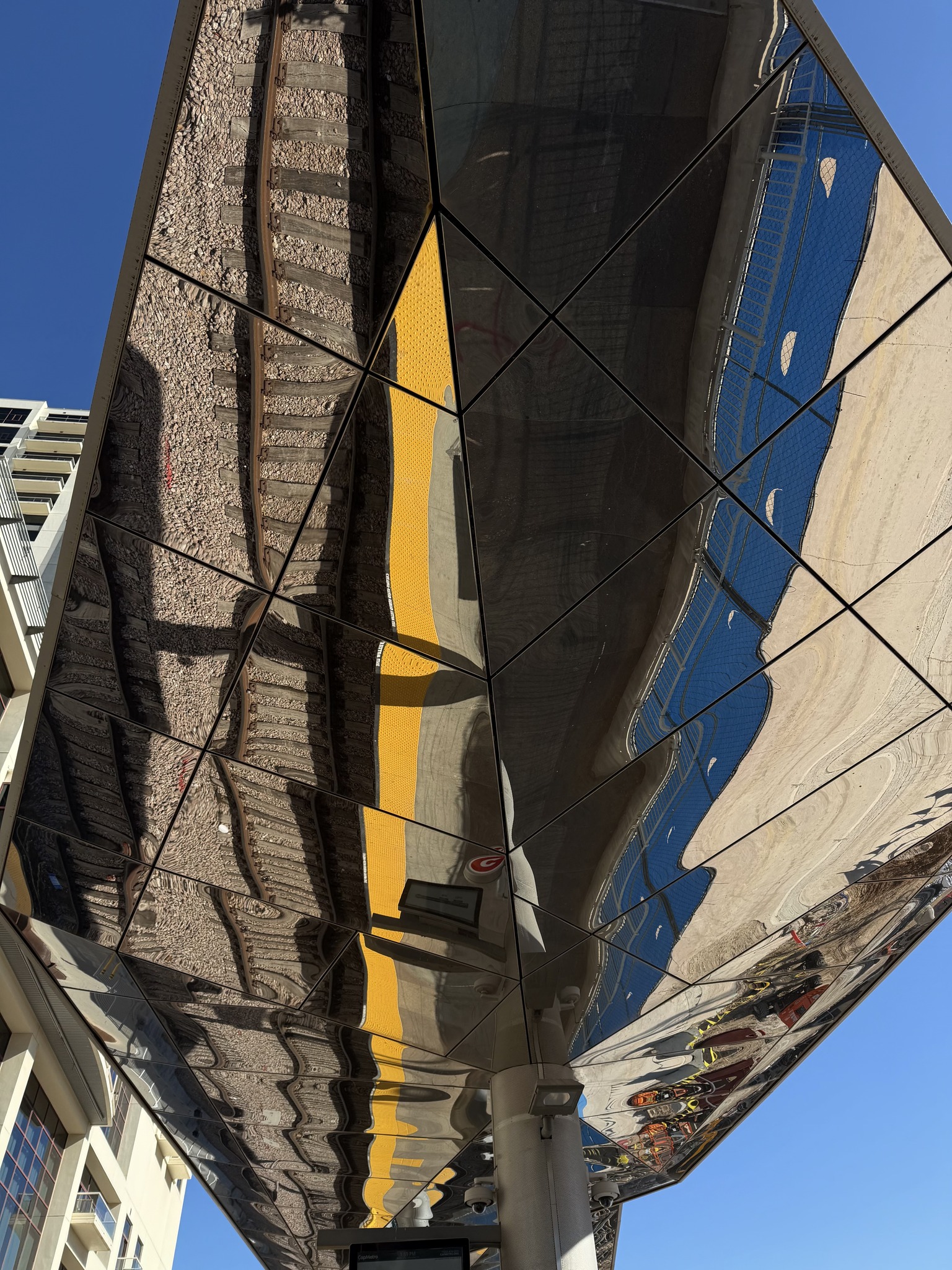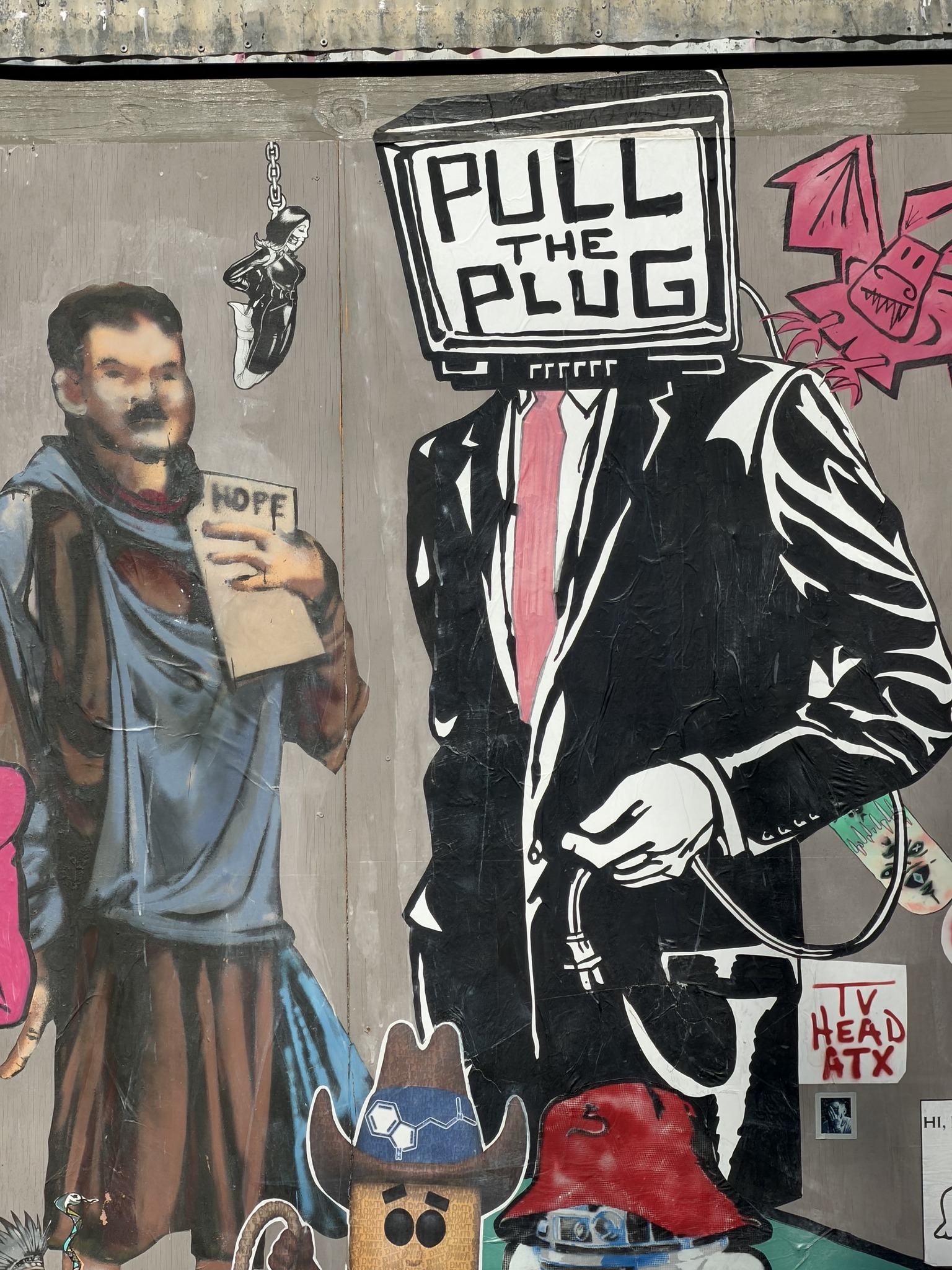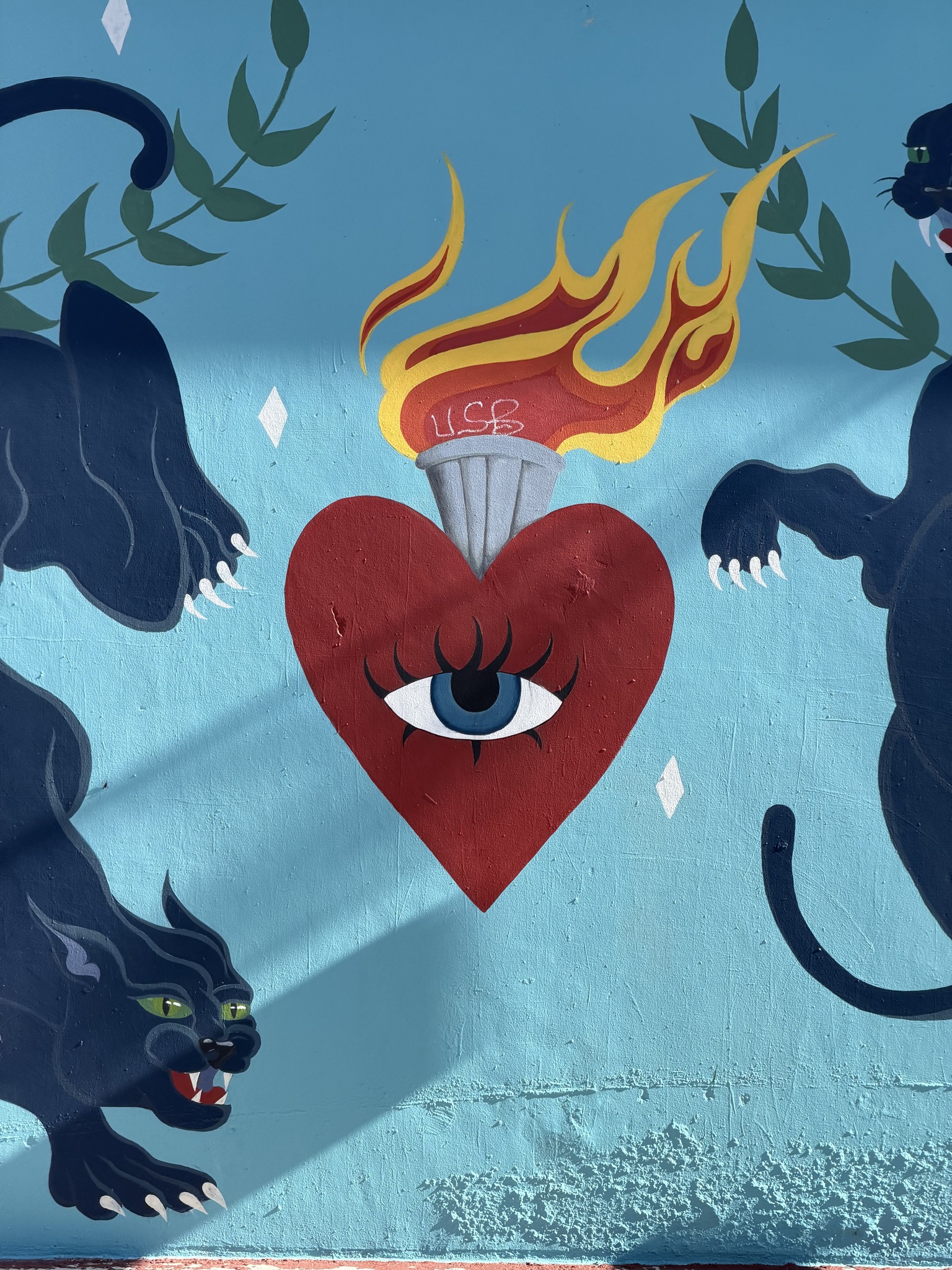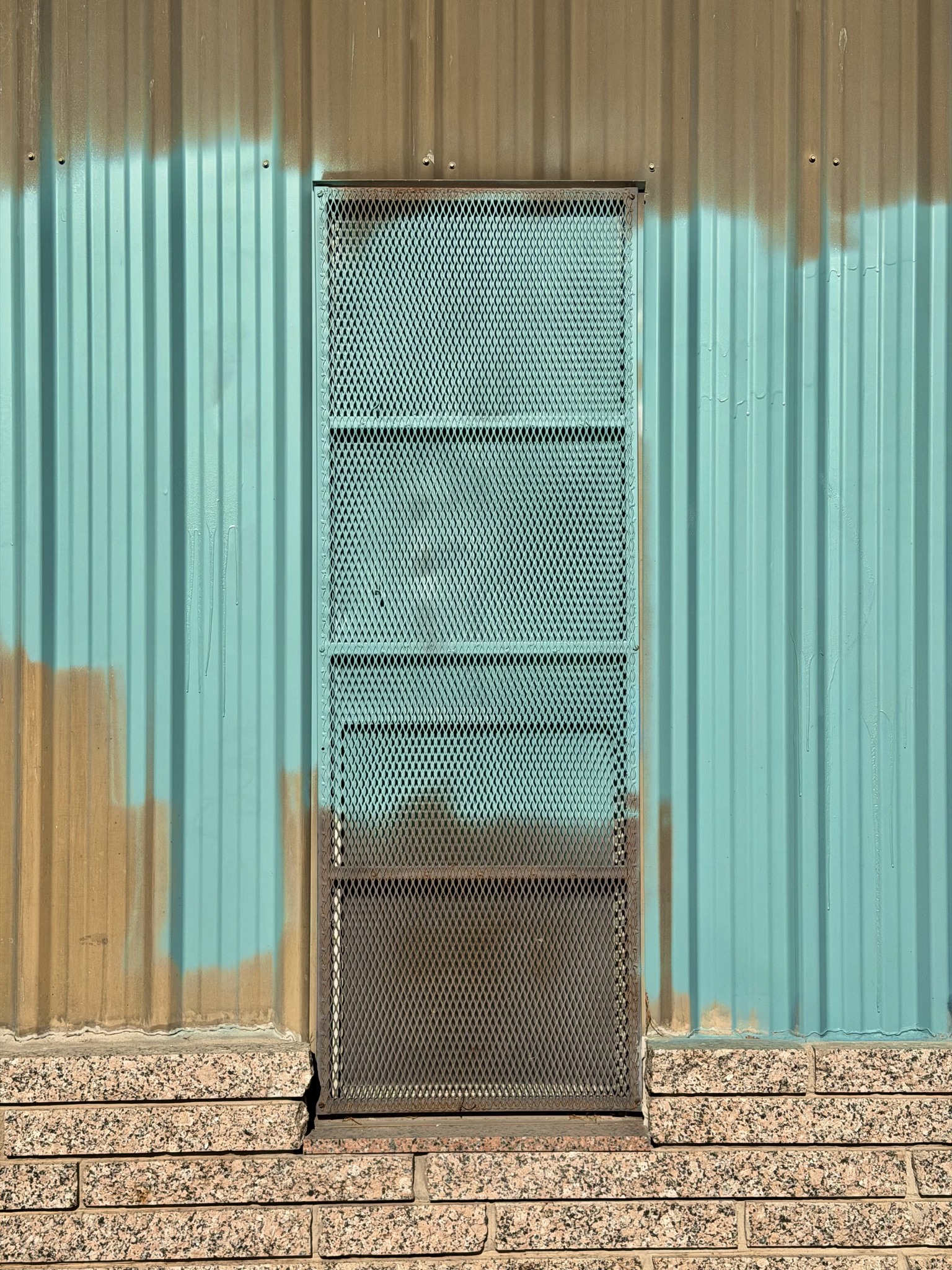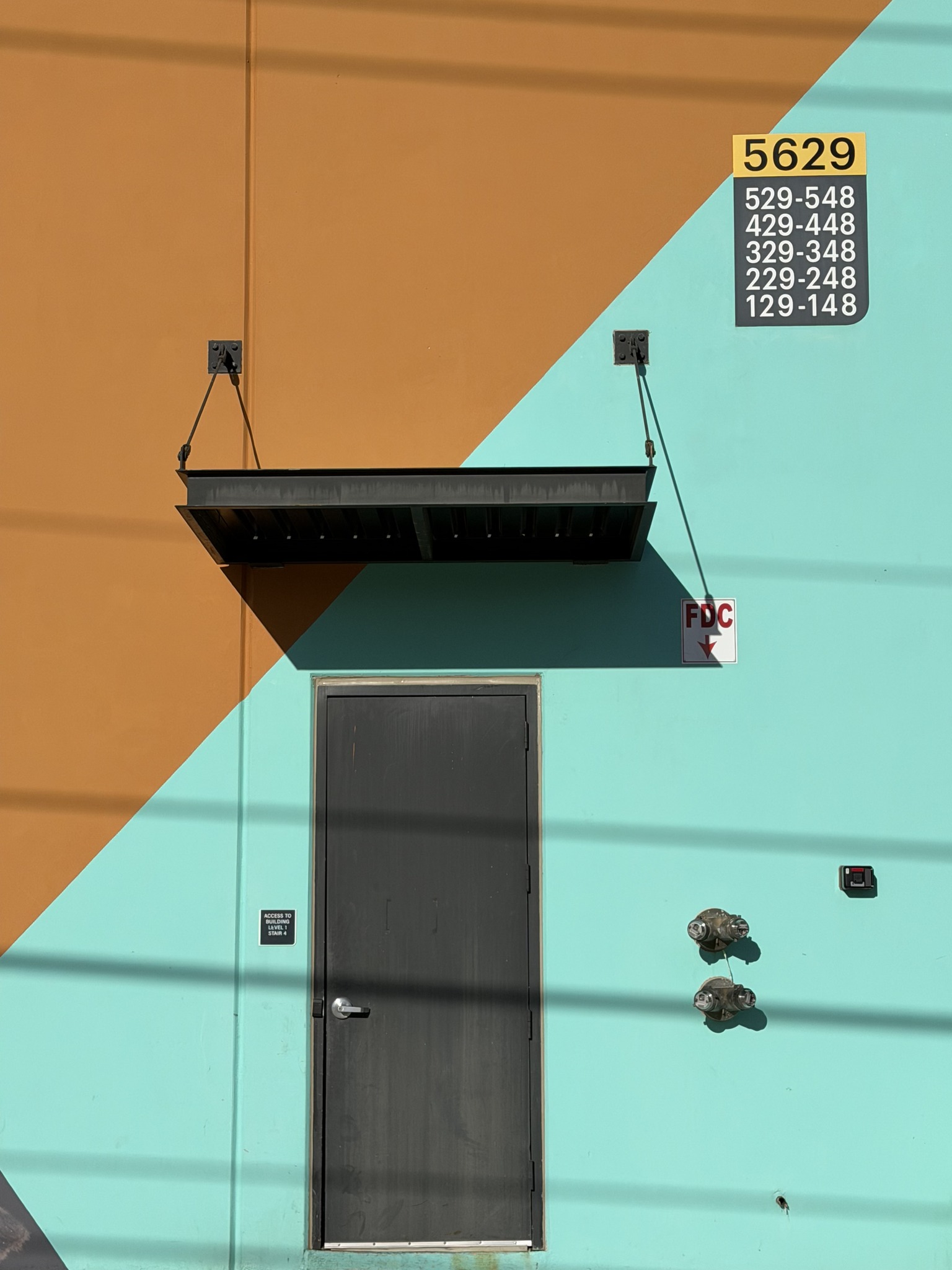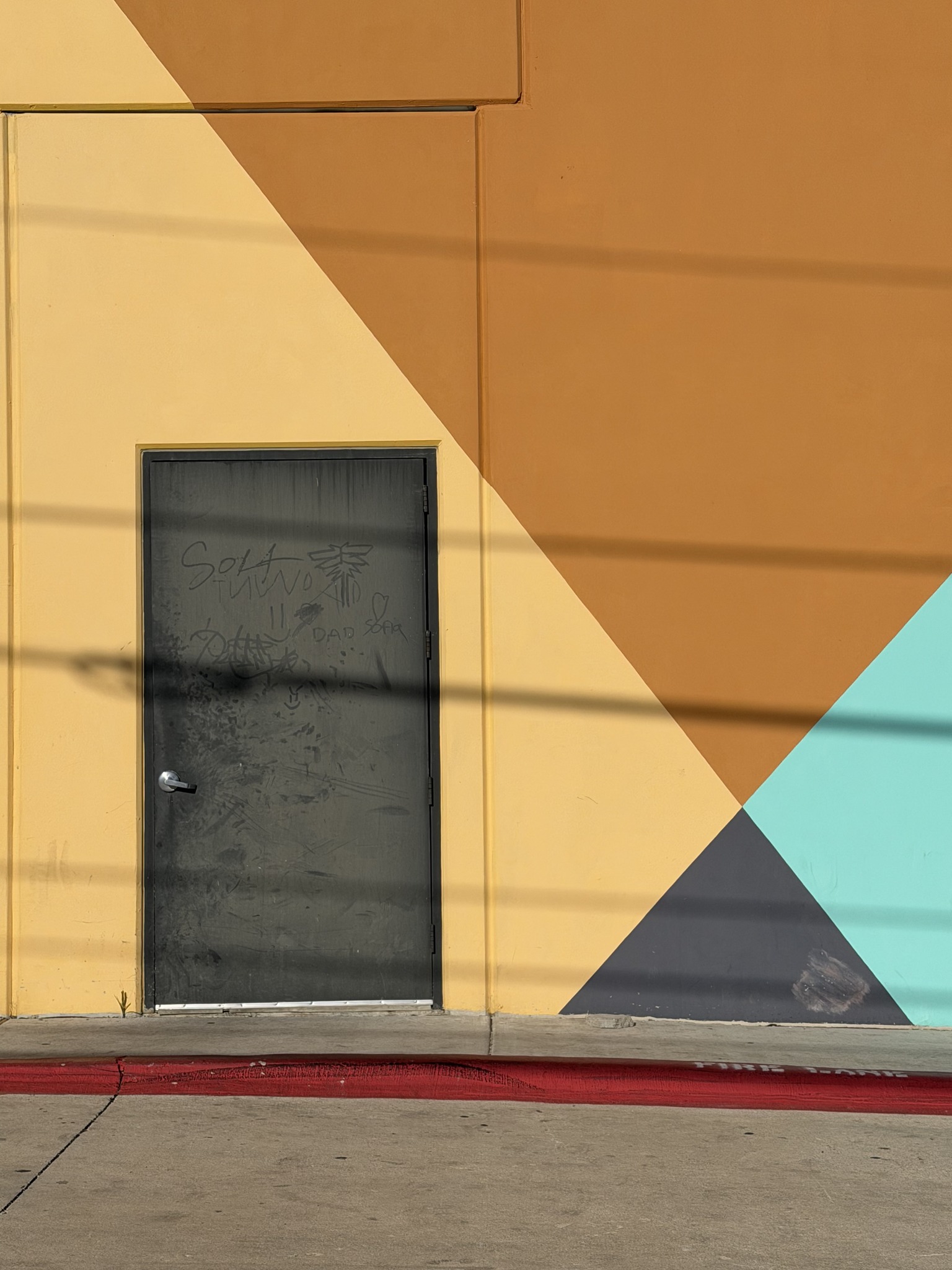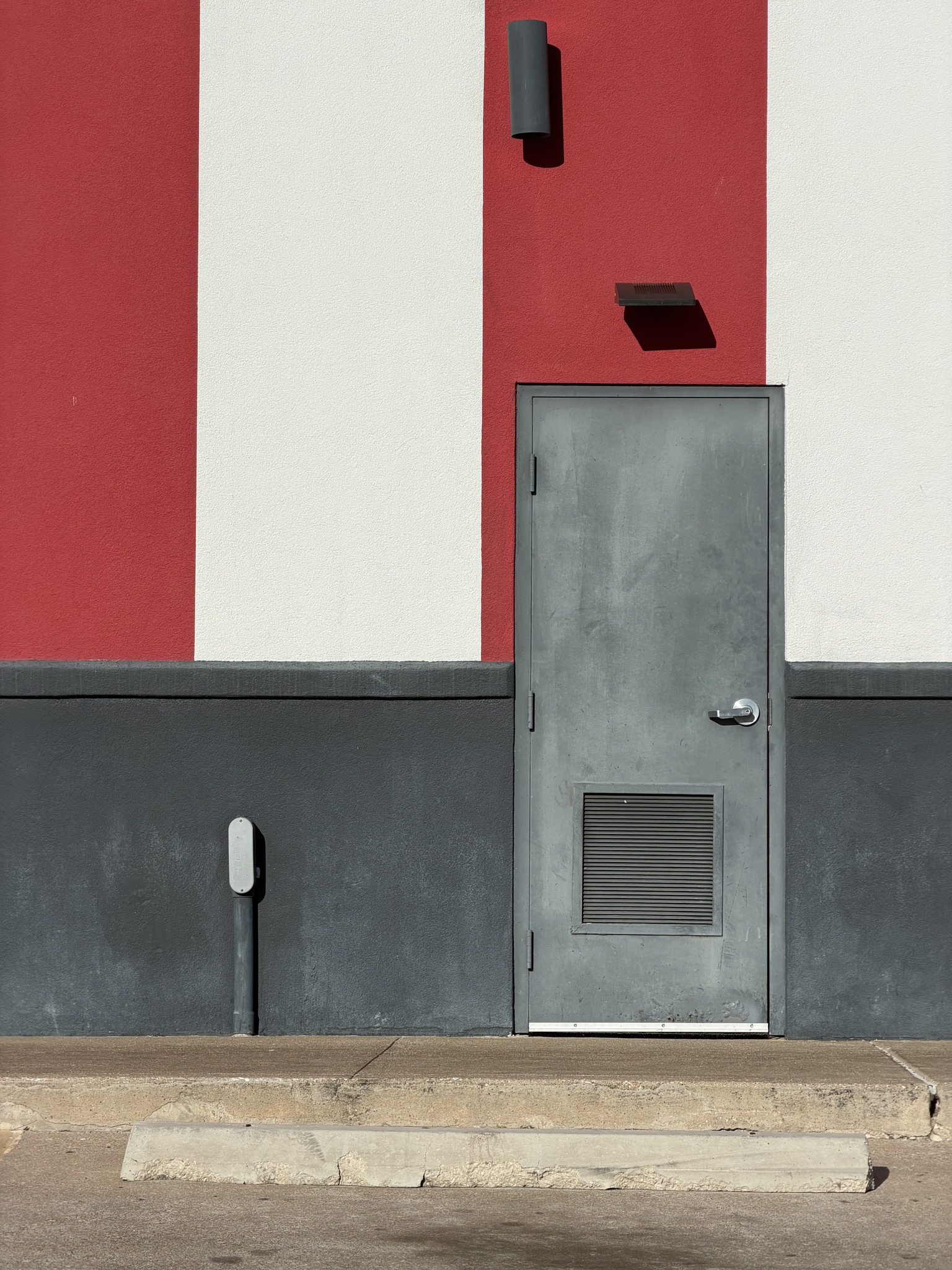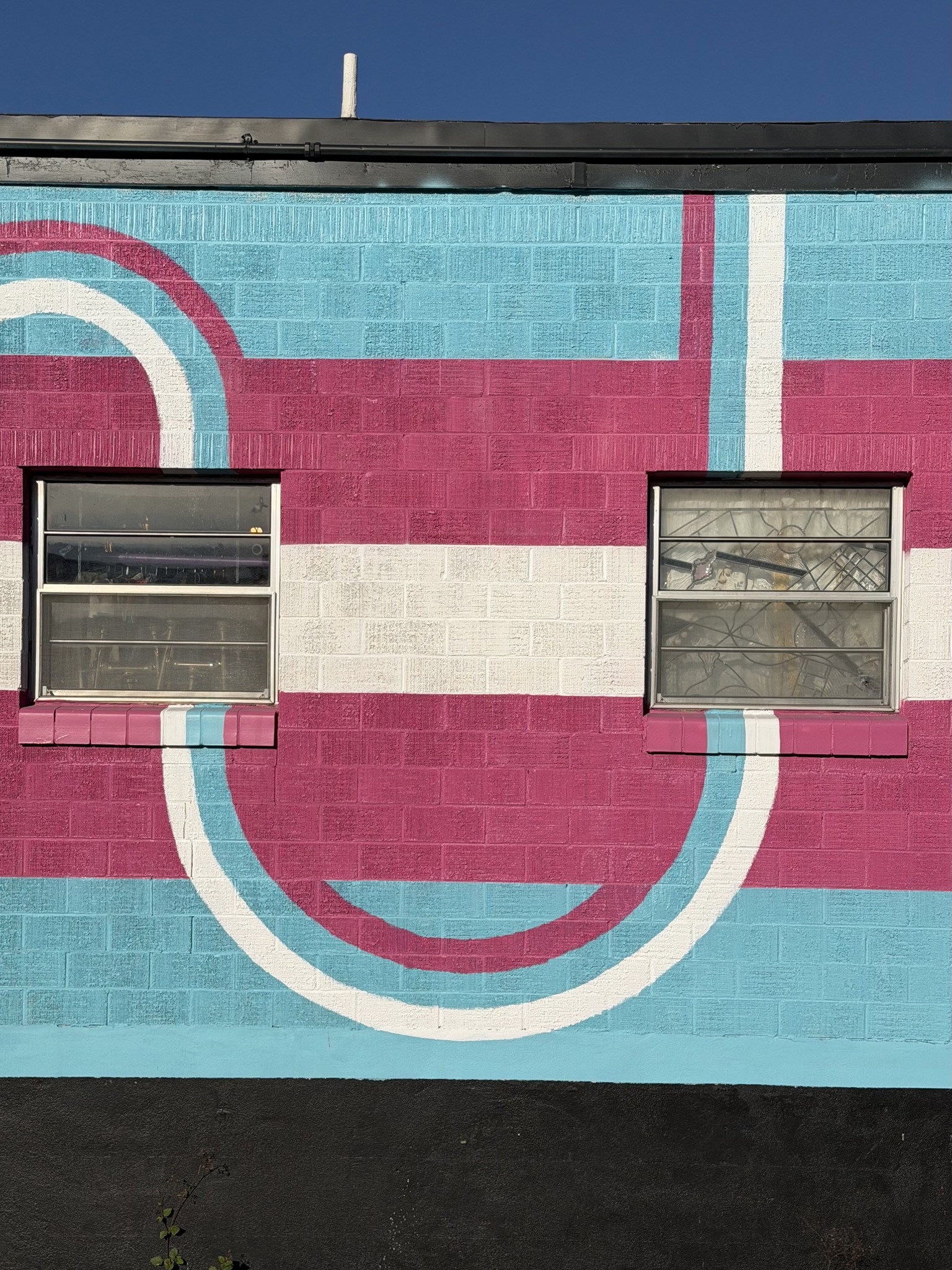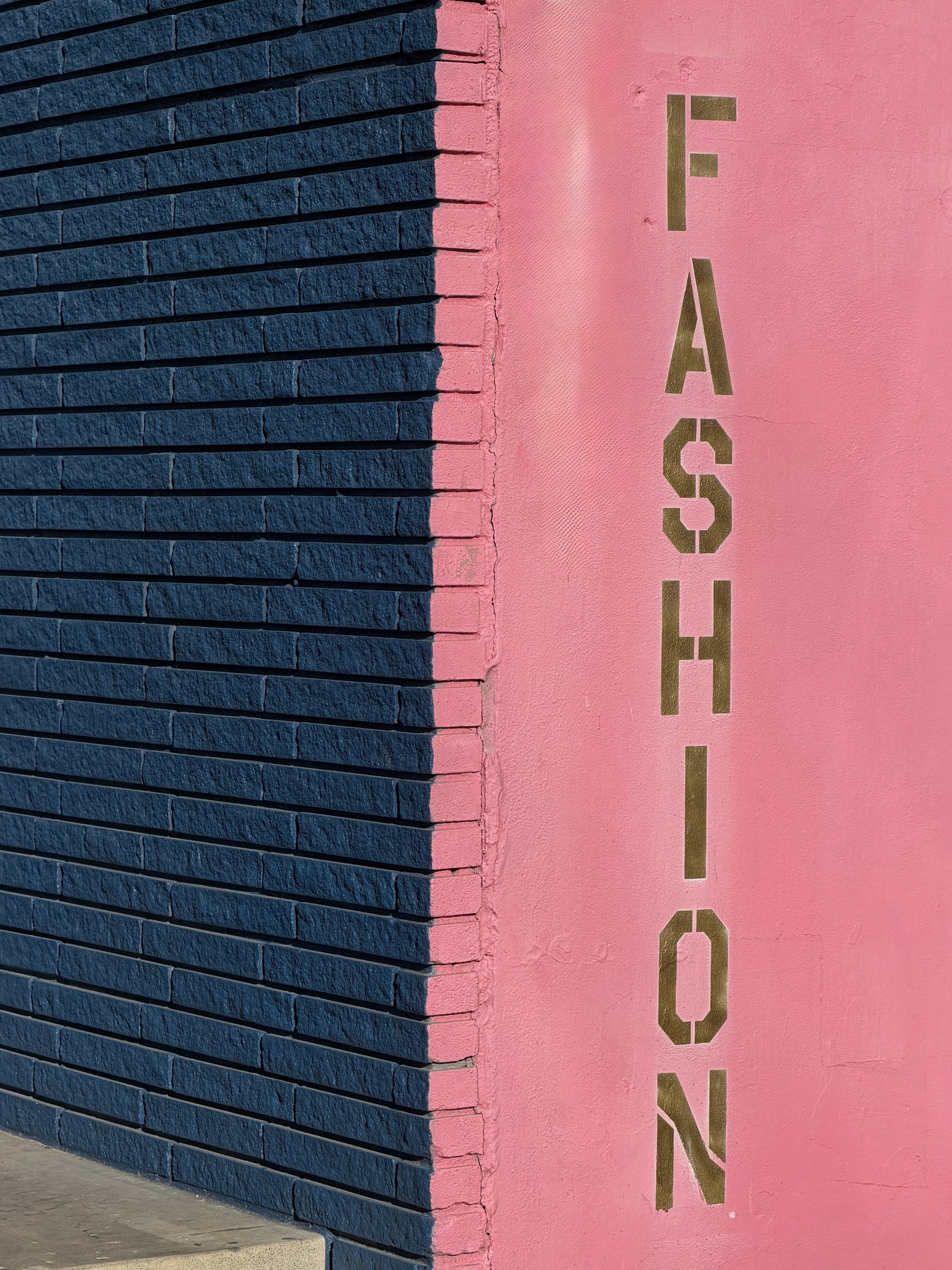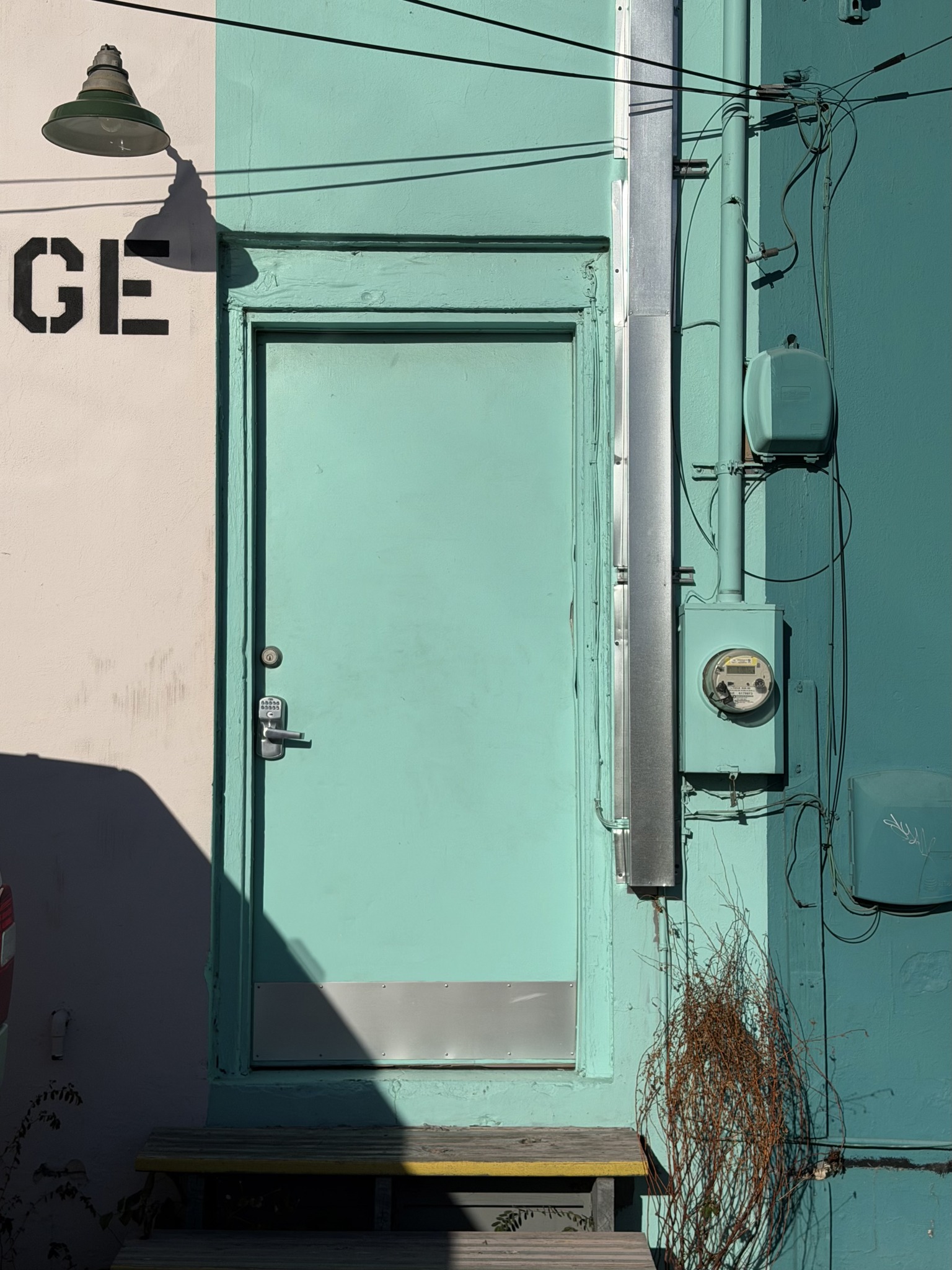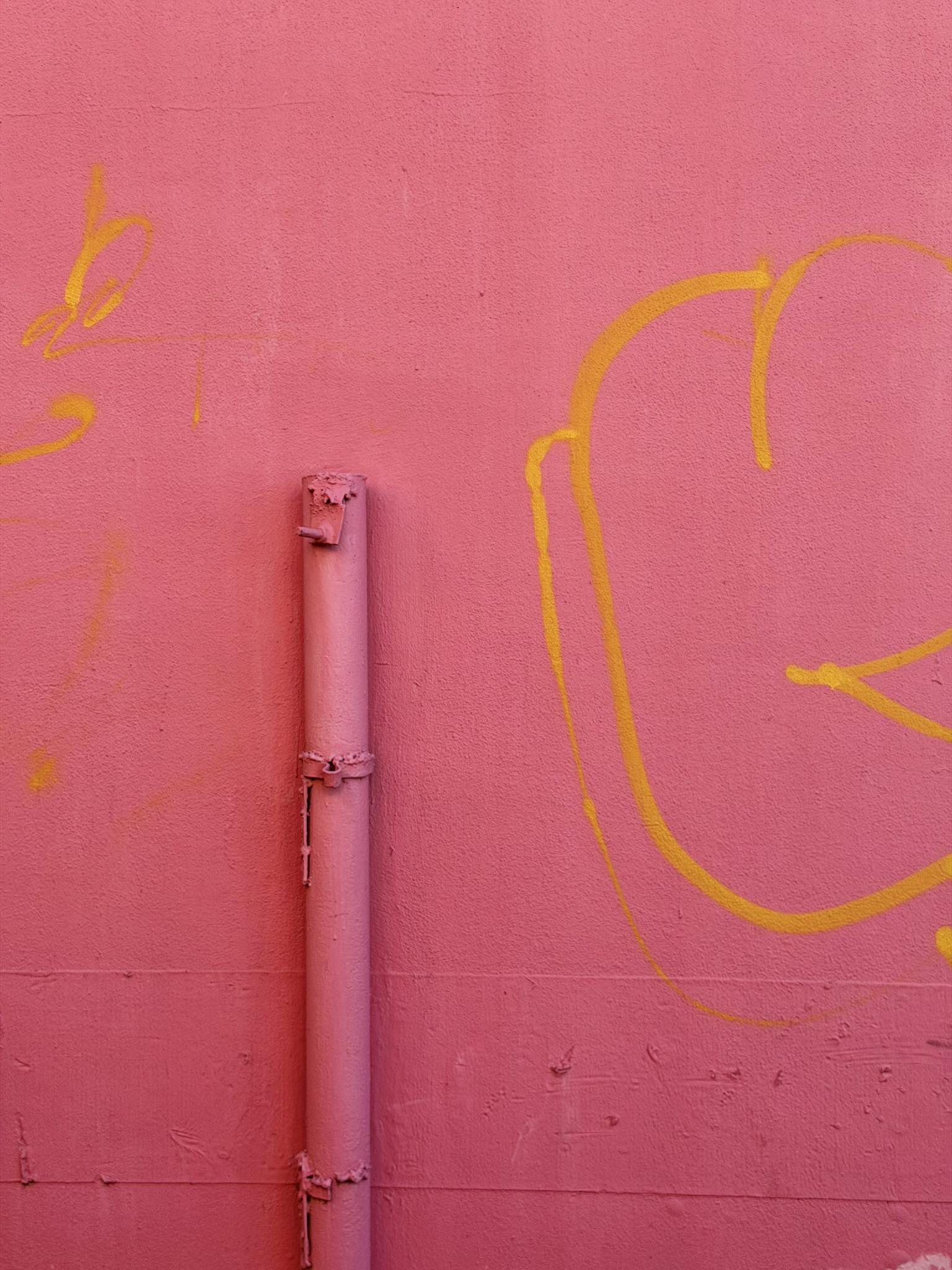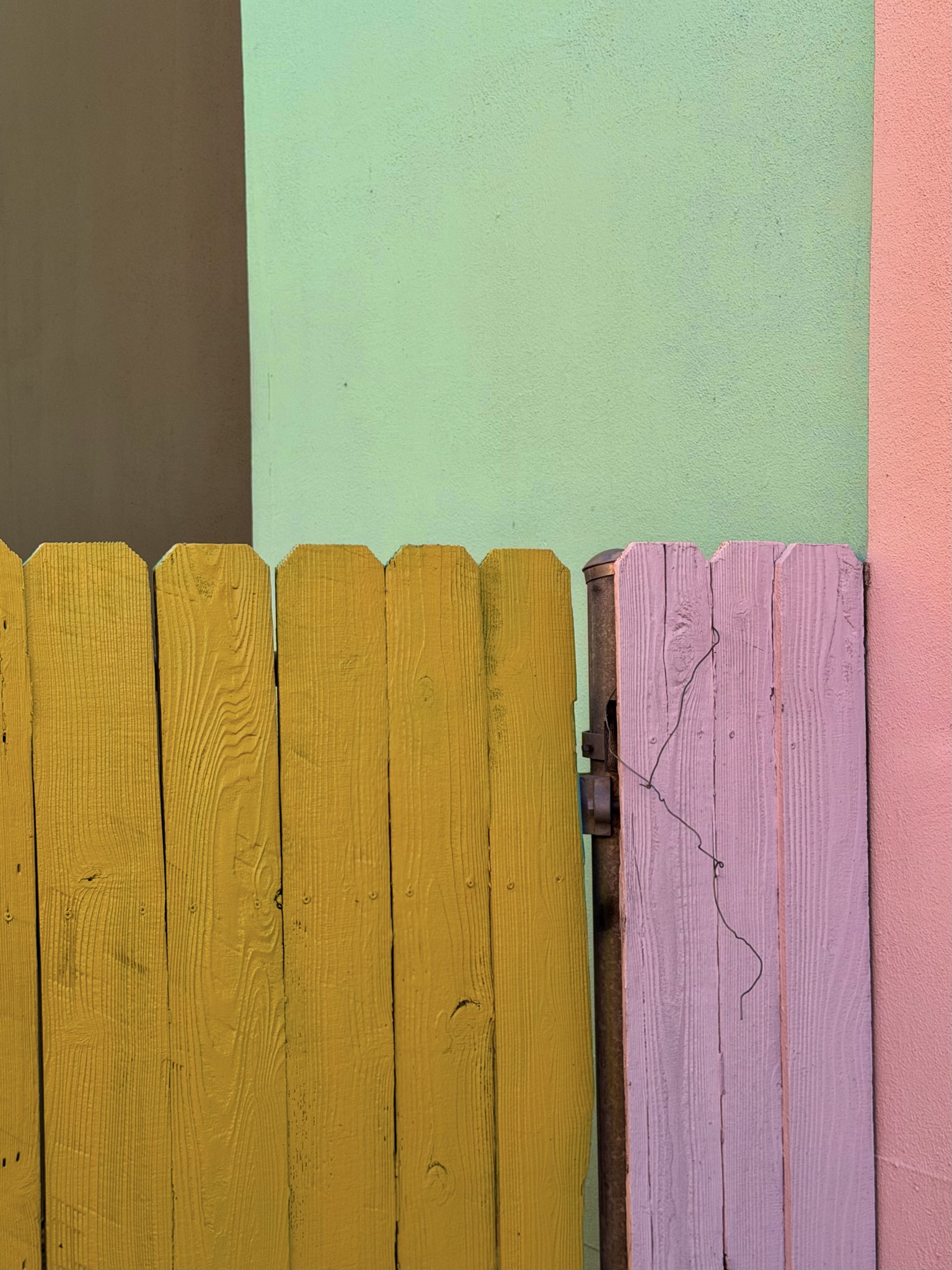
Why did you shoot that subject?
I’m curious.
Why did you shoot that angle?
I’m curious.
Why did you choose that crop?
I’m curious.
Why did you use that lens?
I’m curious.
Why did you pick that orientation?
I’m curious.
Why did you bother to stop, lift a camera, and press record on a world that would have gone on just fine without the interruption?
I’m curious.
That’s the real answer.
Curiosity.
Damn curiosity.
For fifty years—film to digital to iPhone—I’ve been driven by the same impulse that drove me as a twenty-one-year-old kid holding a Minolta SRT-101: I want to see what something will look like once it becomes a photograph. Not what it looks like with my eyes. Not what it looks like standing in front of me. But what it looks like once I put four walls and edges around it. Once I frame it. Once I crop it. Once I interpret it. Once I apply my signature habits of light, color, and design. Once the world passes through the small rectangle of my camera and becomes something else—something newly arranged, newly shaped, newly understood.
That’s the entire engine of my photographic life. I’m curious.
Anyone who has followed my work for a while knows I speak more about seeing than about gear. I’ve shot with everything—Nikon, Canon, Mamiya RZ, XPan, Holgas and Dianas, early digital bodies, and now the iPhone. But the tool isn’t the spark. Curiosity is the spark. The forward-leaning, nose-to-the-glass fascination with what something might become if I translate it into a photograph. Not what is—but what might be.
And that brings me to one of my all-time favorite photographers and thinkers: Garry Winogrand. Winogrand was a giant of American street photography, a restless wanderer of mid-century sidewalks, airports, highways, rodeos, and street corners. He photographed with an appetite that bordered on compulsion—millions of frames, many undeveloped when he died. He wasn’t chasing a decisive moment so much as wrestling with the world, trying to understand how the act of photographing alters the thing being photographed.
He once said the line that has shaped me as deeply as any sentence in any photography book:
“Photography is not about the thing photographed. It is about how that thing looks photographed.”
Let me unpack that.
Winogrand wasn’t saying the world doesn’t matter. He was saying that photography isn’t a neutral transcription. It’s not photocopying reality. It’s interpretation. Translation. Distillation. The camera alters the world—not physically, but perceptually. The moment you frame something, you change its meaning. The moment you choose a lens, you influence its gesture. The moment you tilt the camera or shift your stance or underexpose by a stop, you’re no longer documenting; you’re authoring. You’re shaping reality into a new form.
Photography isn’t the world.
Photography is what the world becomes once you photograph it.
That’s the essence. That’s the magic. That’s the mystery.
That’s why I’m still shooting every day at seventy-one years old—because I still want to know what the world will look like photographed.
I’ve never been able to predict it. And that’s the fun.
When I’m photographing, I’m not looking for beauty in the traditional sense. I’m looking for possibility. What could this be? What might this turn into? If I move closer, does it become more intimate or more abstract? If I tilt the camera up two degrees, does the whole scene collapse into chaos or click into harmony? If I shoot vertical instead of horizontal, does the energy tighten or loosen? If I choose the 8X telephoto instead of the 1X wide, am I compressing the scene into a graphic gesture or isolating something I couldn’t have seen with my eyes alone?
All of that is curiosity.
Damn curiosity.
People sometimes ask me why I still photograph things that seem ordinary or trivial or, frankly, unimpressive. Because I don’t care how impressive something is when I’m standing in front of it. I care how it transforms when I photograph it. Photography has always been a great equalizer for me. A trash can, a street sign, a shaft of light on a wall—any of these might become something surprising once framed. Maybe not Pulitzer-worthy. Maybe not portfolio-worthy. But worthy enough for me to want to understand what the world is offering through that small rectangle in that small moment.
I’ve spent decades teaching photography, and students always want “rules.” They want certainty. They want to know the correct angle, the correct lens, the correct crop, the correct subject. And I always come back to the same thing: there is no correct. There is only curiosity. The only “rule” worth anything is this:
Photograph to find out what the photograph will look like.
If that sounds circular, it is. Winogrand understood this. He photographed to see what his photographs would look like. He didn’t wait for certainty or perfection or meaning. He shot, then he learned. And that’s where I’ve landed, too. I shoot to see. I don’t see so that I can shoot. I shoot in order to see.
It’s the difference between chasing a result and chasing revelation.
My curiosity applies to every decision in my photographic process:
- Subject — What does this thing look like when photographed?
- Angle — How does the subject behave when I shift perspective?
- Crop — What story emerges when I remove everything else?
- Lens — How do distance and compression reshape the emotional tone?
- Orientation — Does the world breathe wider or climb taller here?
- Exposure — What feeling does a darker or lighter rendition release?
- Timing — What truth reveals itself one second earlier or later?Every one of these questions is a curiosity question.
I’ve lived long enough to understand something important: curiosity is renewable. It doesn’t burn out. It doesn’t age. It doesn’t get weaker with experience; it gets richer. I’m far more curious now than I was at thirty or forty or fifty. Back then, I was chasing craft, mastery, assignments, clients, big budgets, big crews, big expectations. Now I’m chasing wonder. Surprise. The tiny thrill of not knowing what the world will give me until I take the shot and look at it afterward.
And this is where the iPhone changed my life. Stripped me down, simplified me, made me small again. Big cameras once made me feel responsible. The iPhone made me feel curious. When the friction disappears, the curiosity expands. You lift the phone, point it, tap, and in that small act—easy, fast, unburdened—you open the door to surprise.
I still get that little jolt. That pulse. That hit of photographic adrenaline when the image appears. Ahh… so that’s what it looks like. Even if it’s not great. Even if it’s not special. Even if I never show it to anyone. The act alone is worth the effort.
Maybe this is what a photographic life really is—not a life spent taking pictures but a life animated by endless questions about how the world might look when framed, exposed, and shaped by your own eye.
Curiosity is the soul of this craft.
It’s the engine, the compass, the teacher, the guide.
Why did I shoot that subject?
I’m curious.
Why did I frame it that way?
I’m curious.
Why do I still wake up every morning wanting to photograph something—anything?
I’m curious.
Damn curious.
And I hope that never stops.
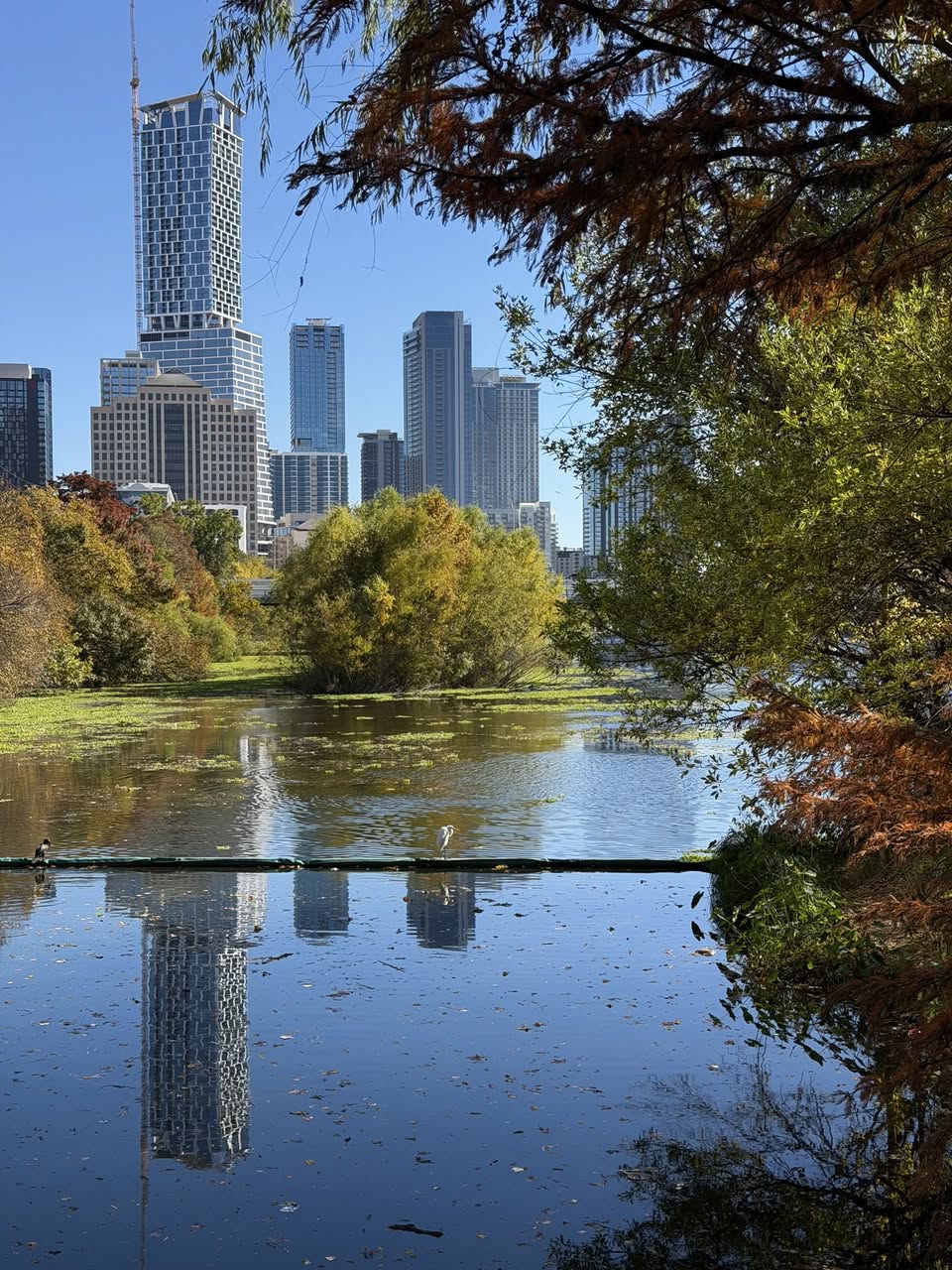
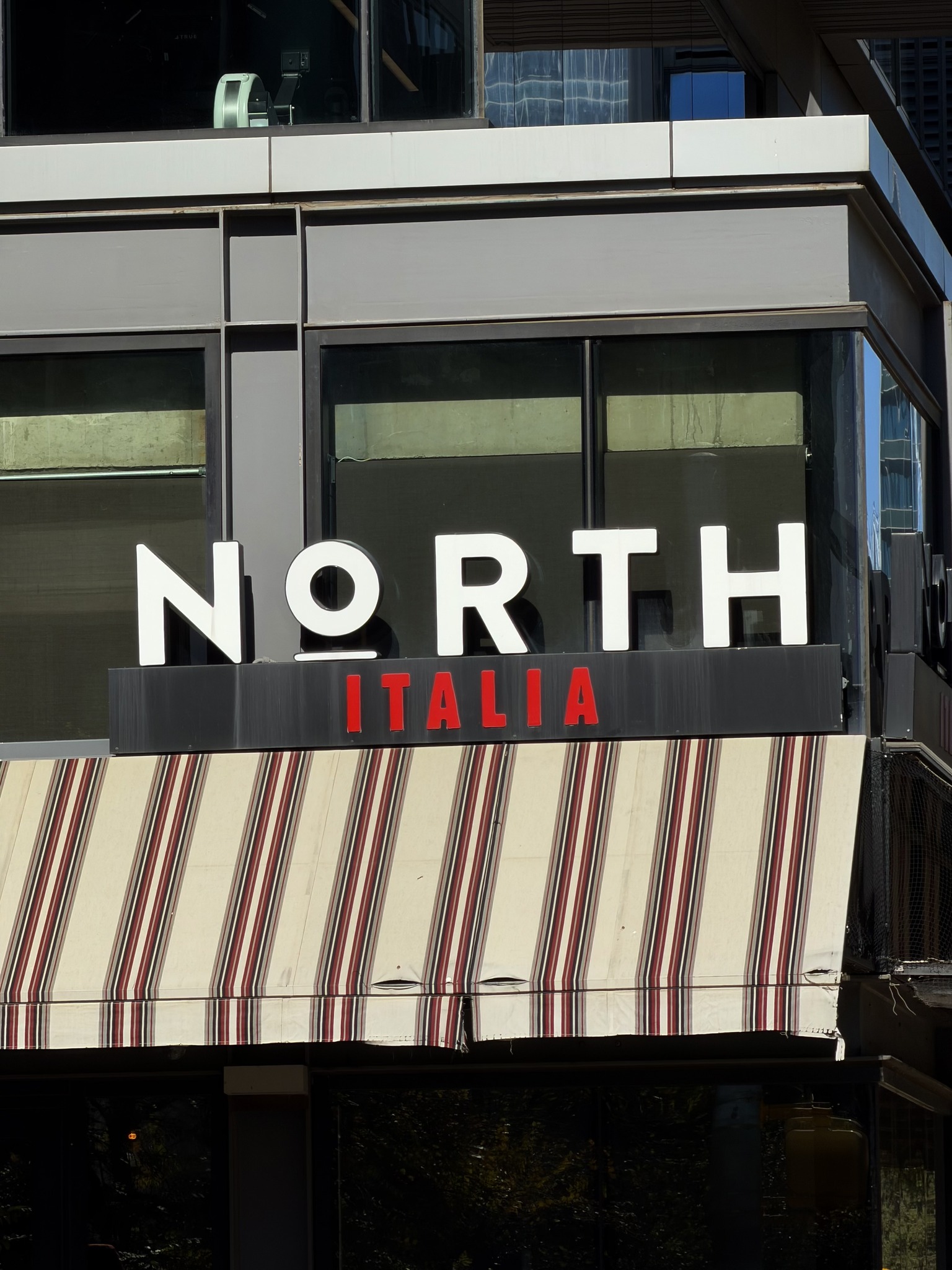
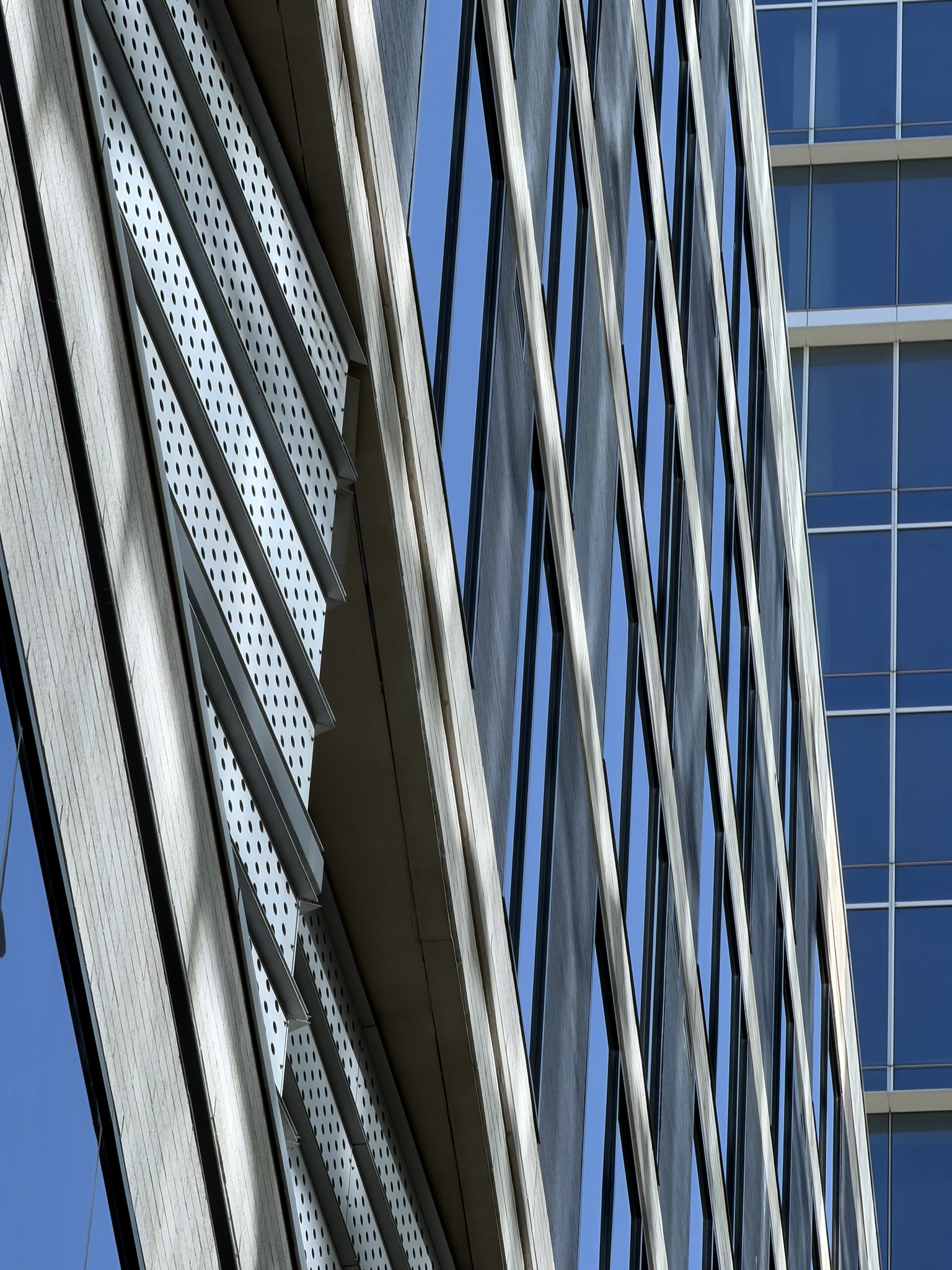
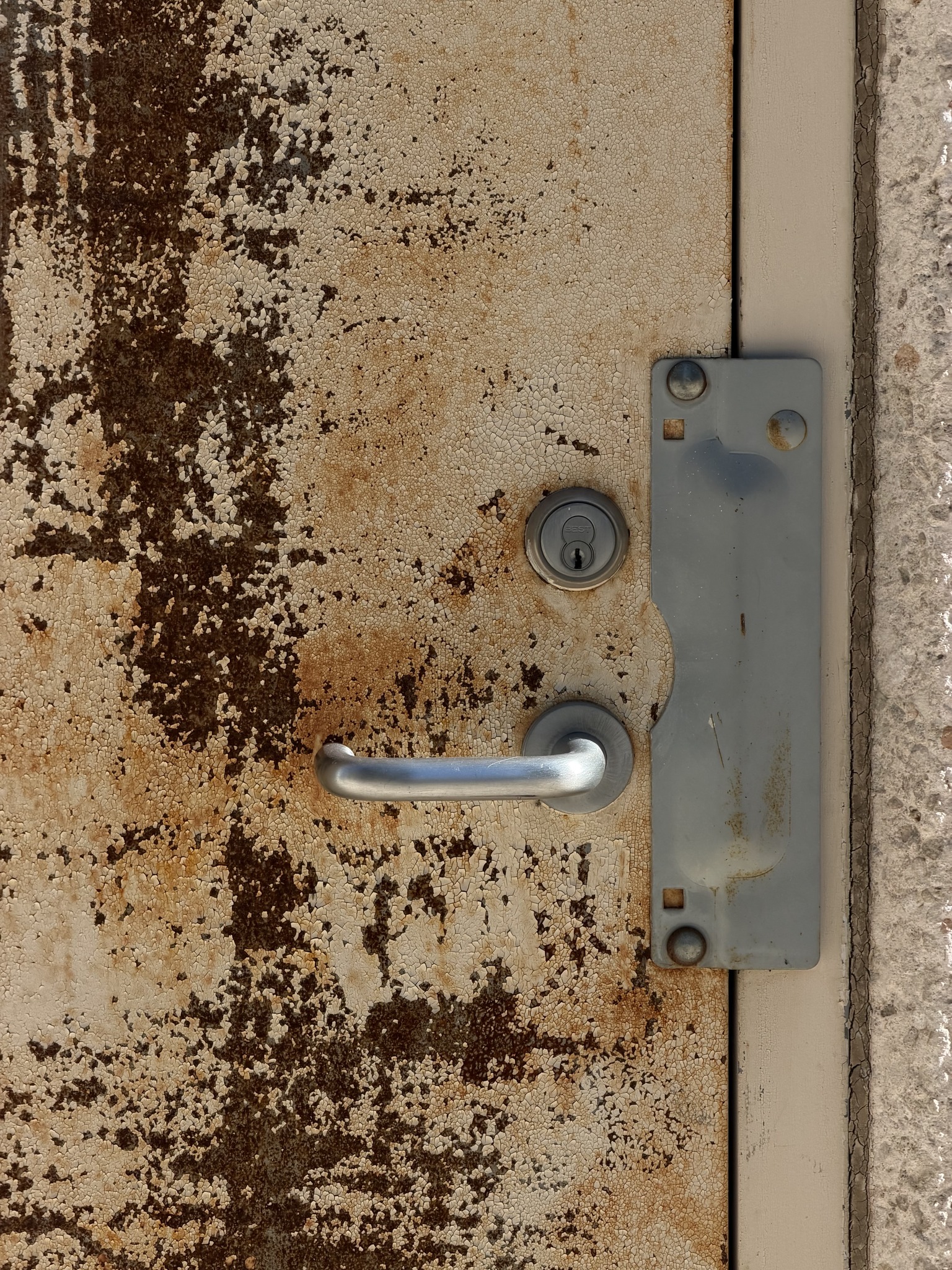
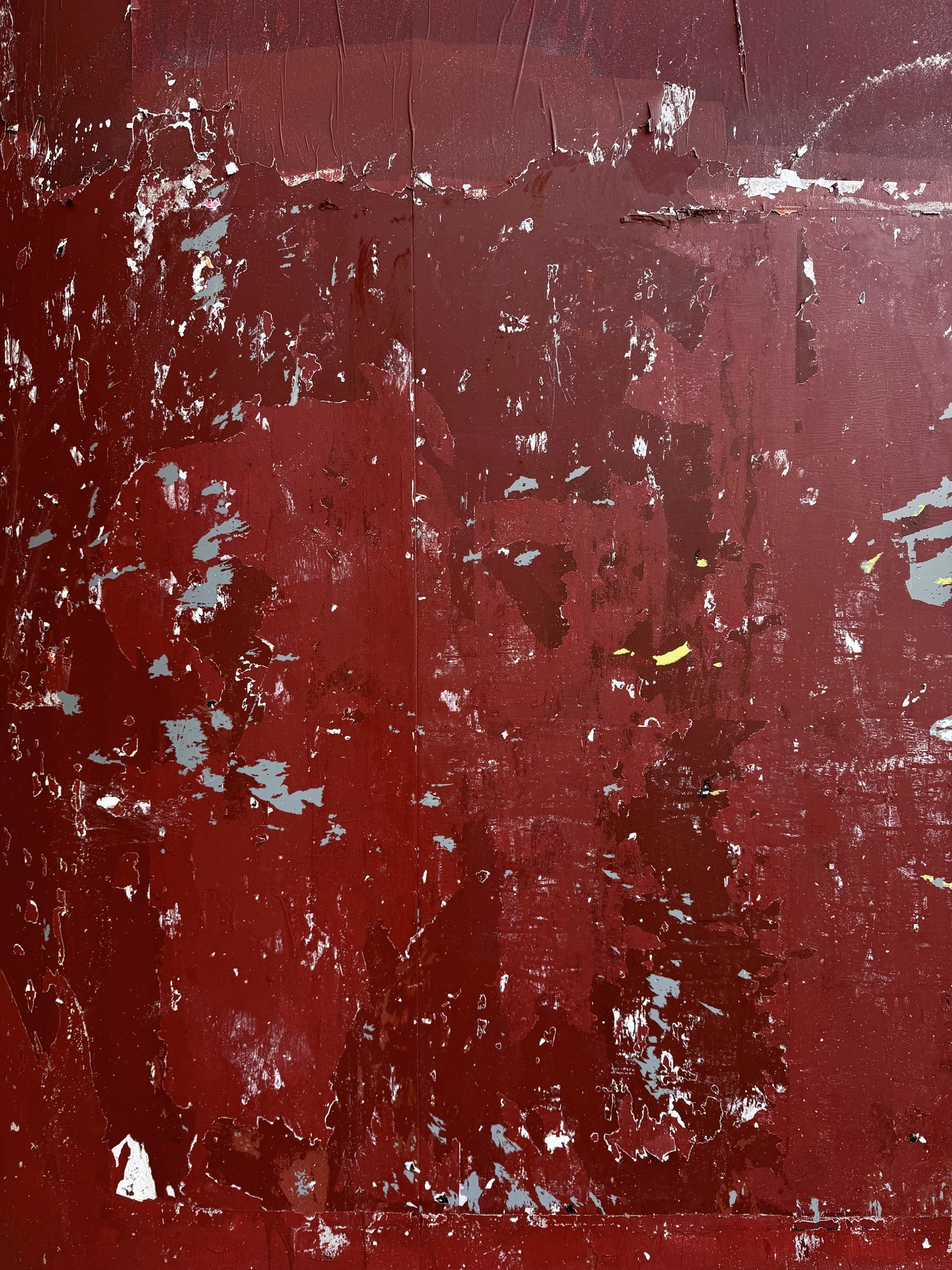
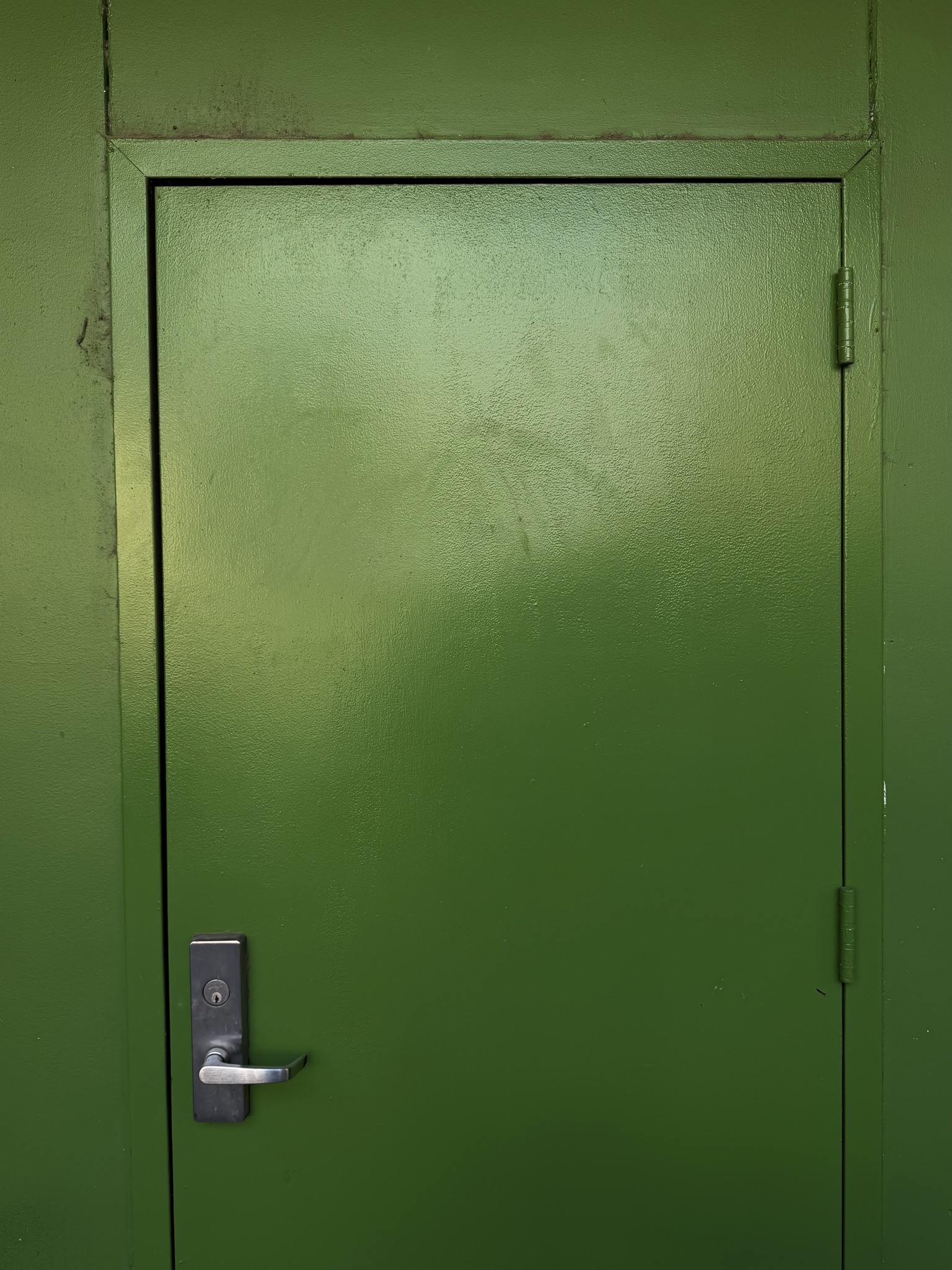
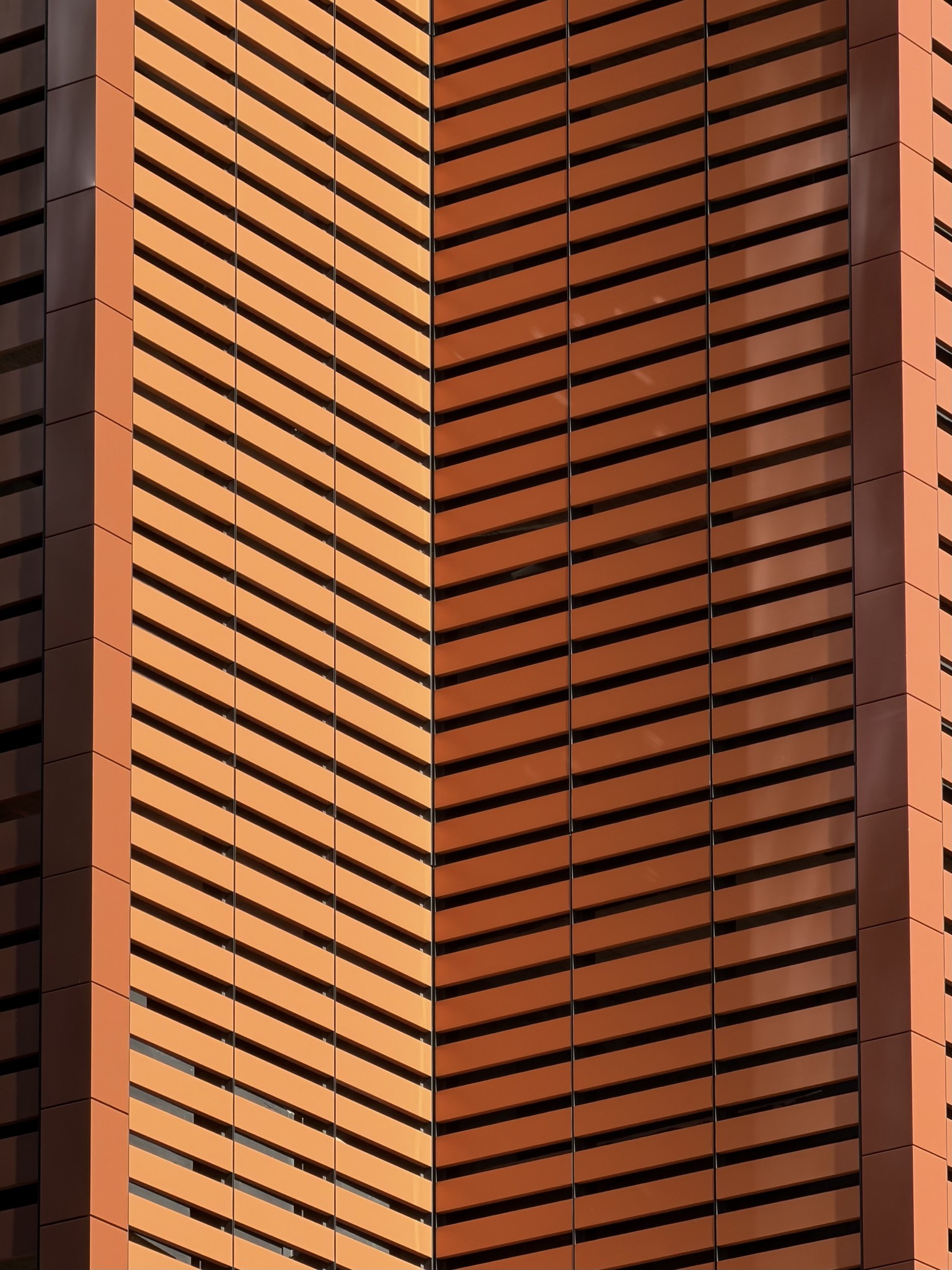
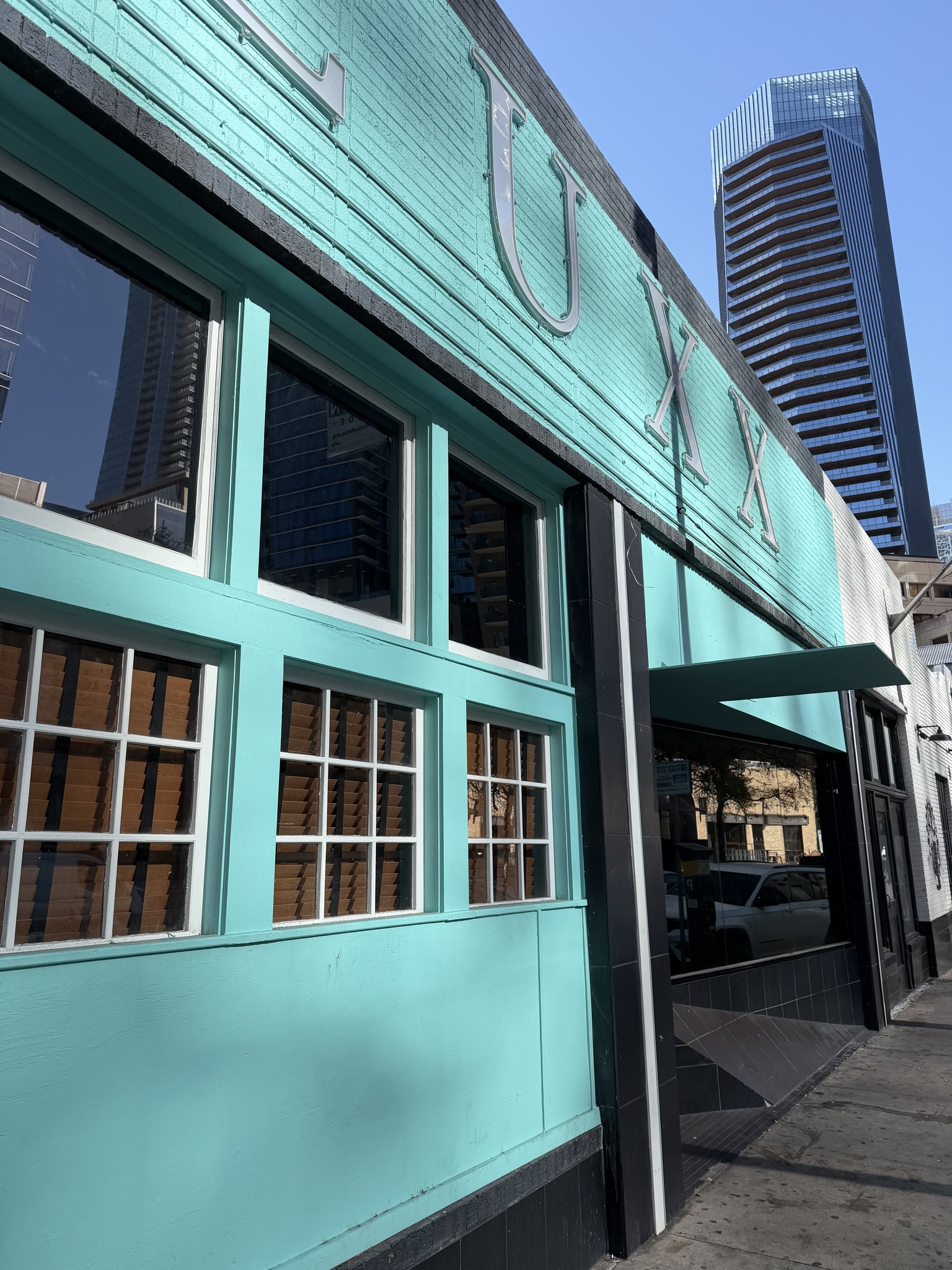
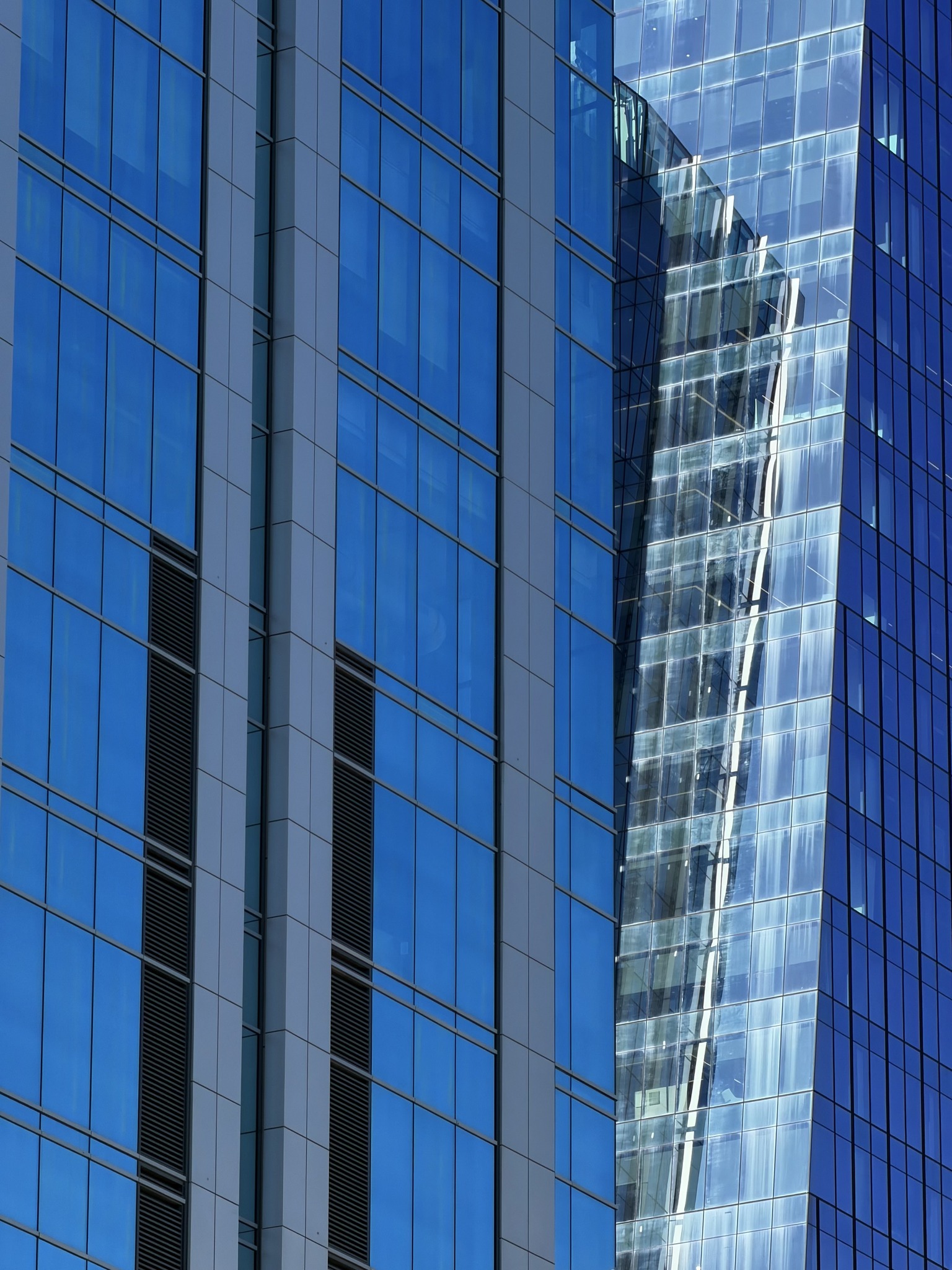
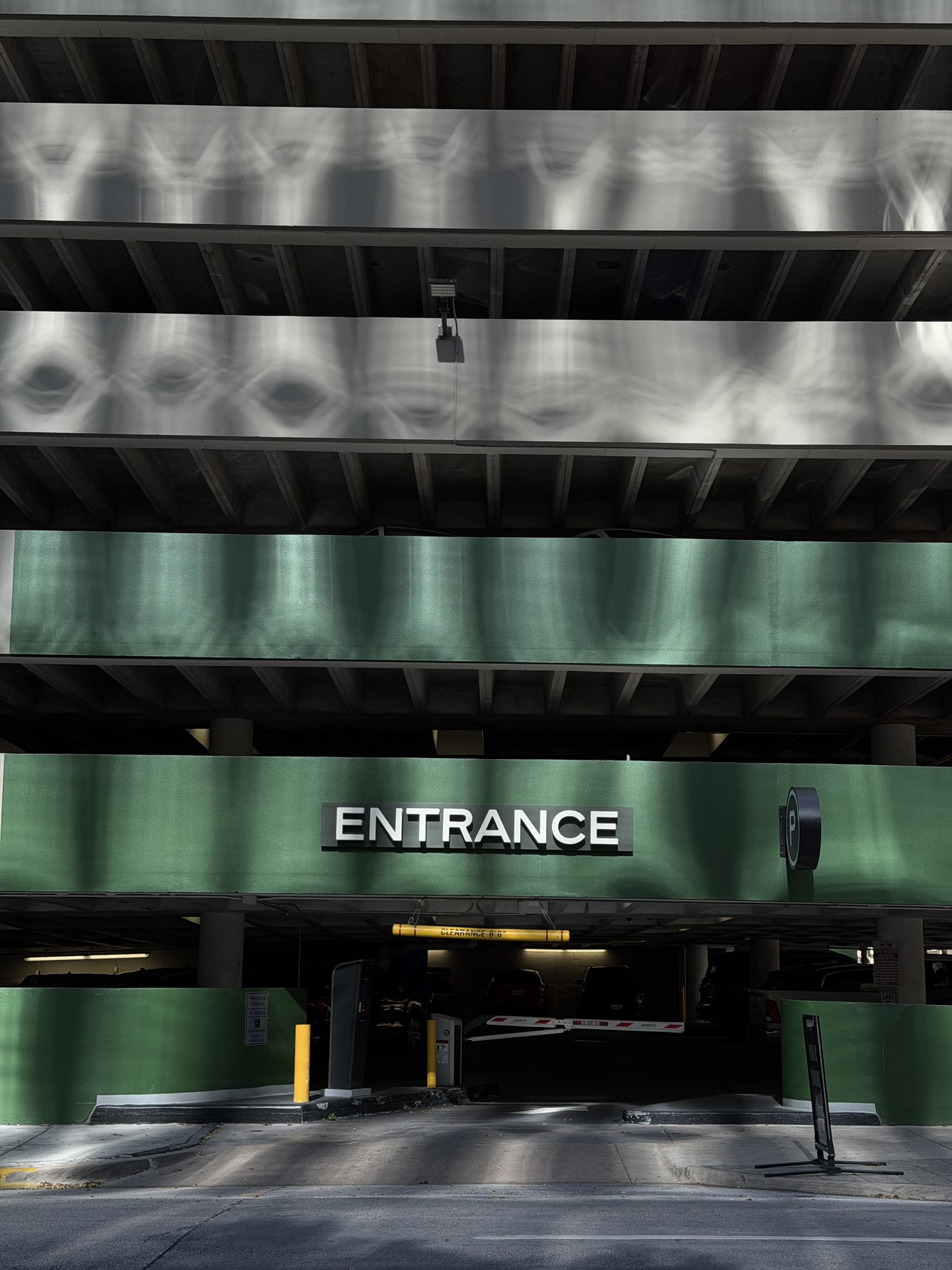
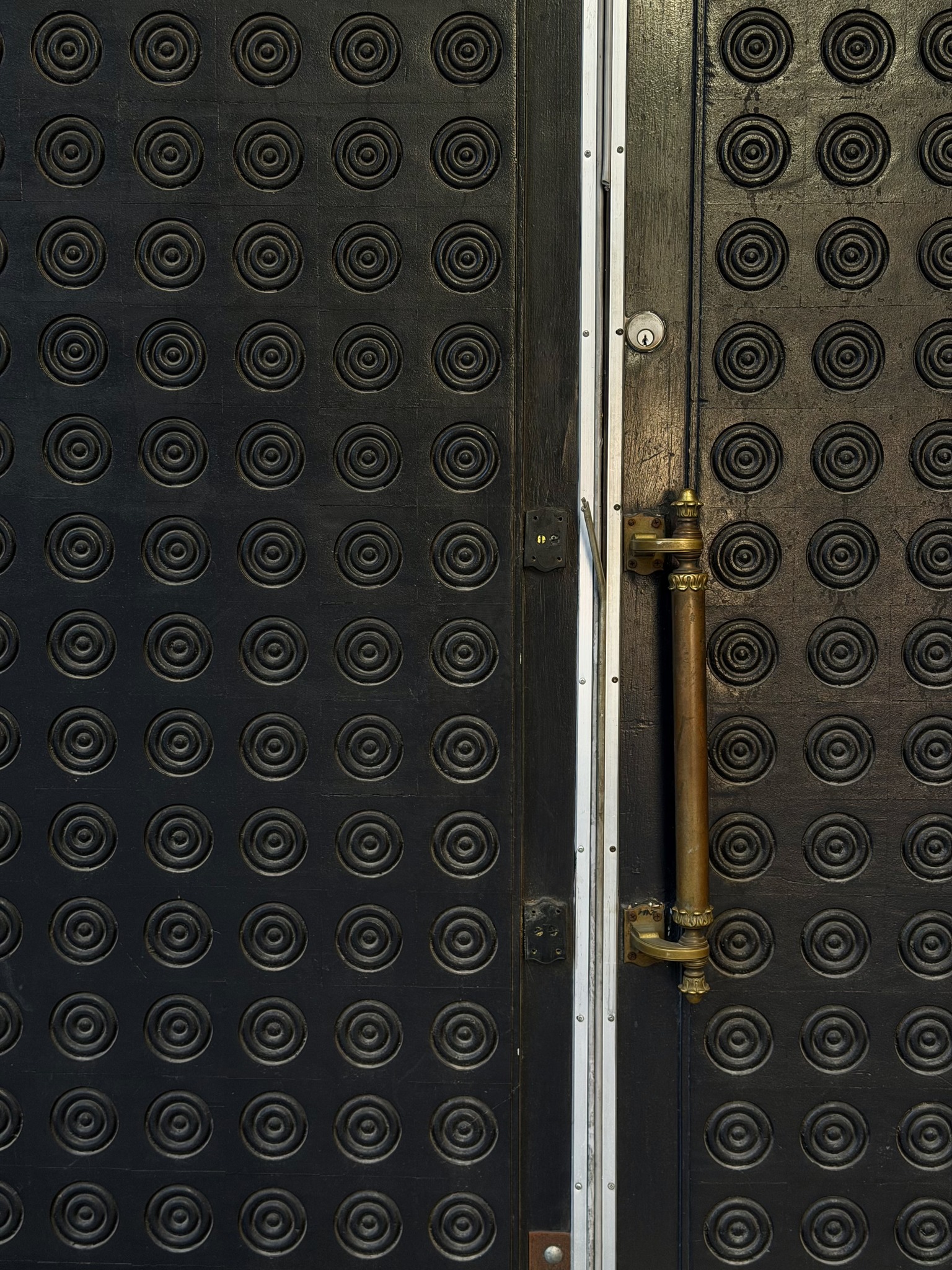
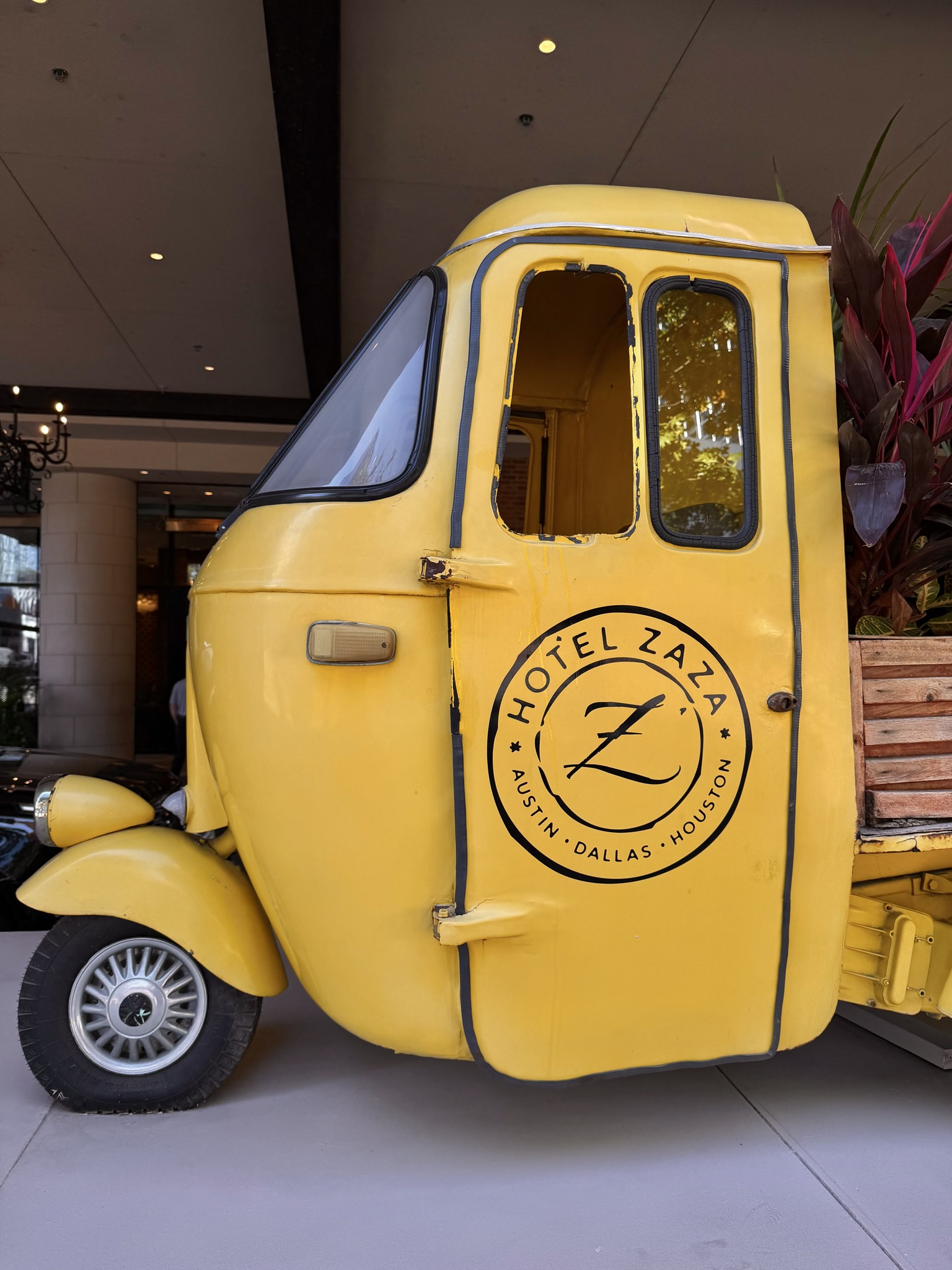
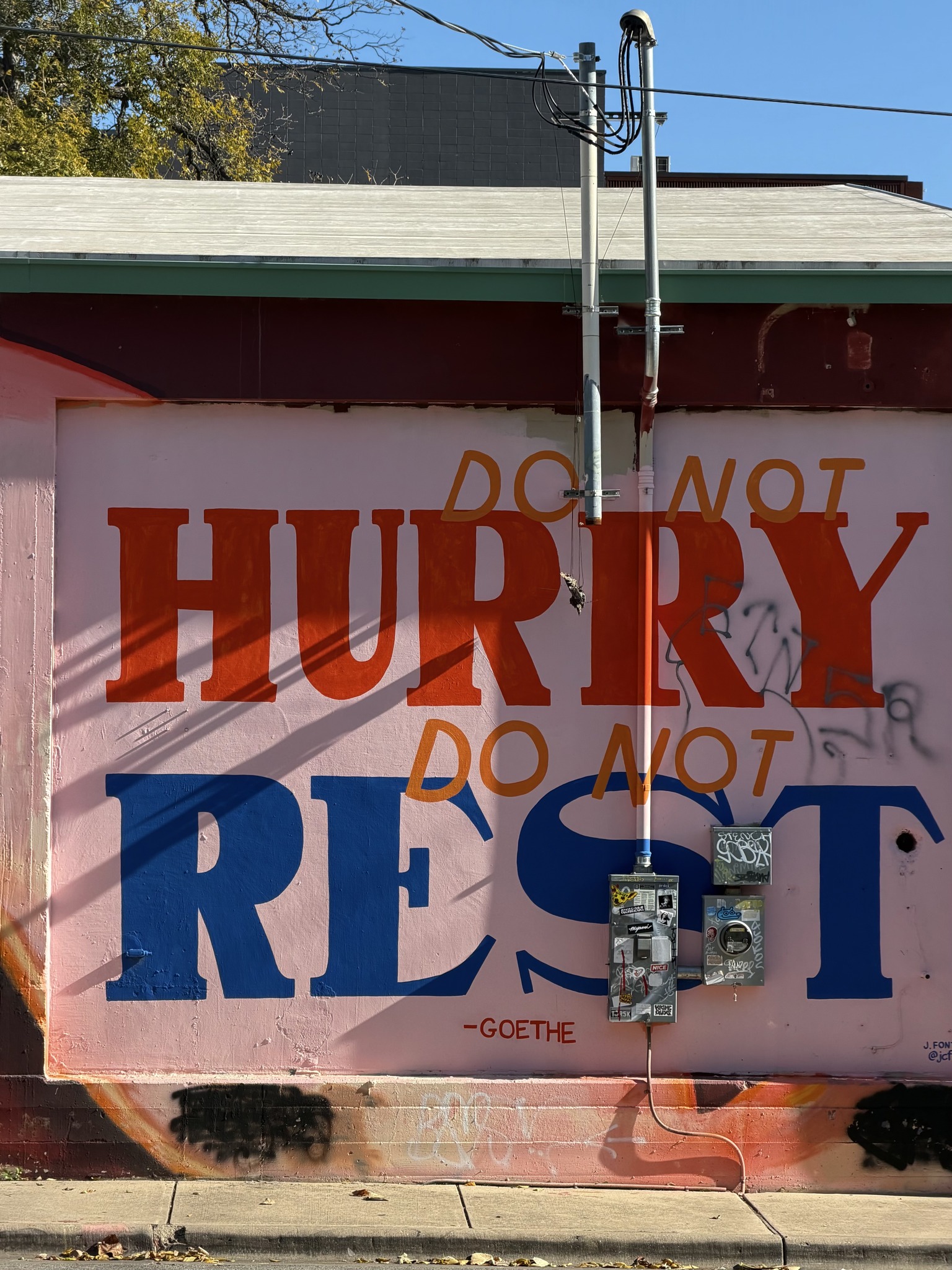
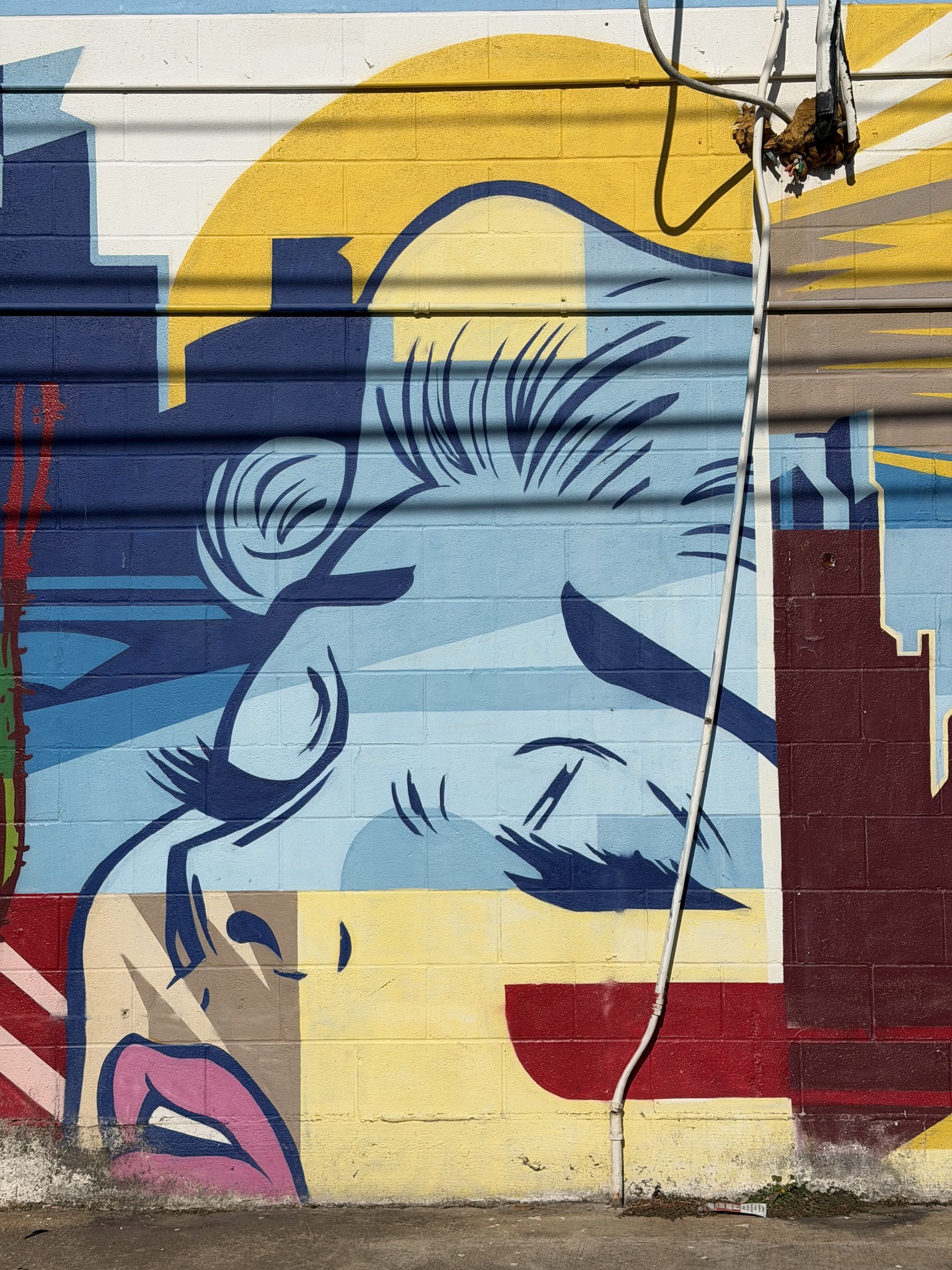
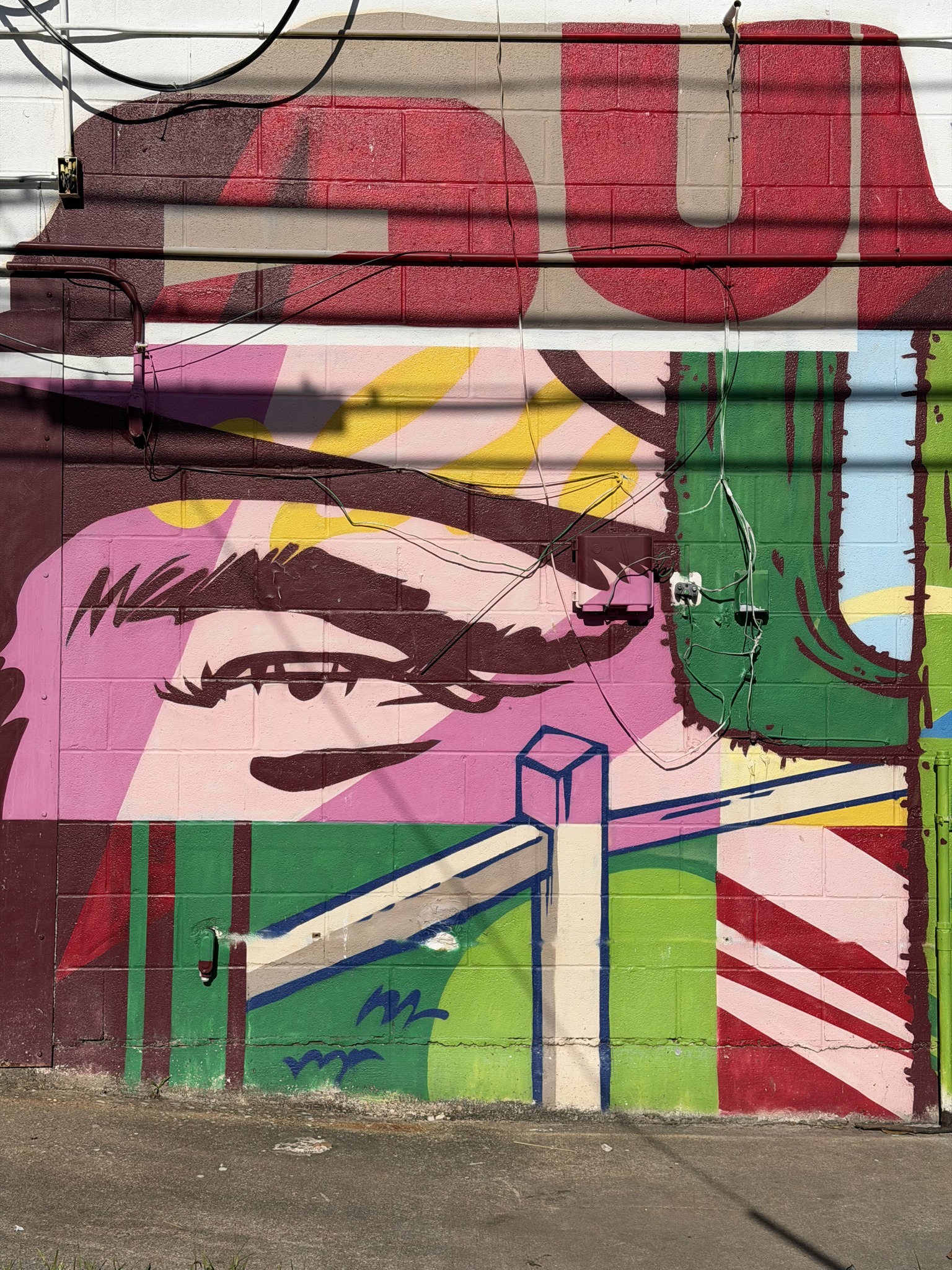
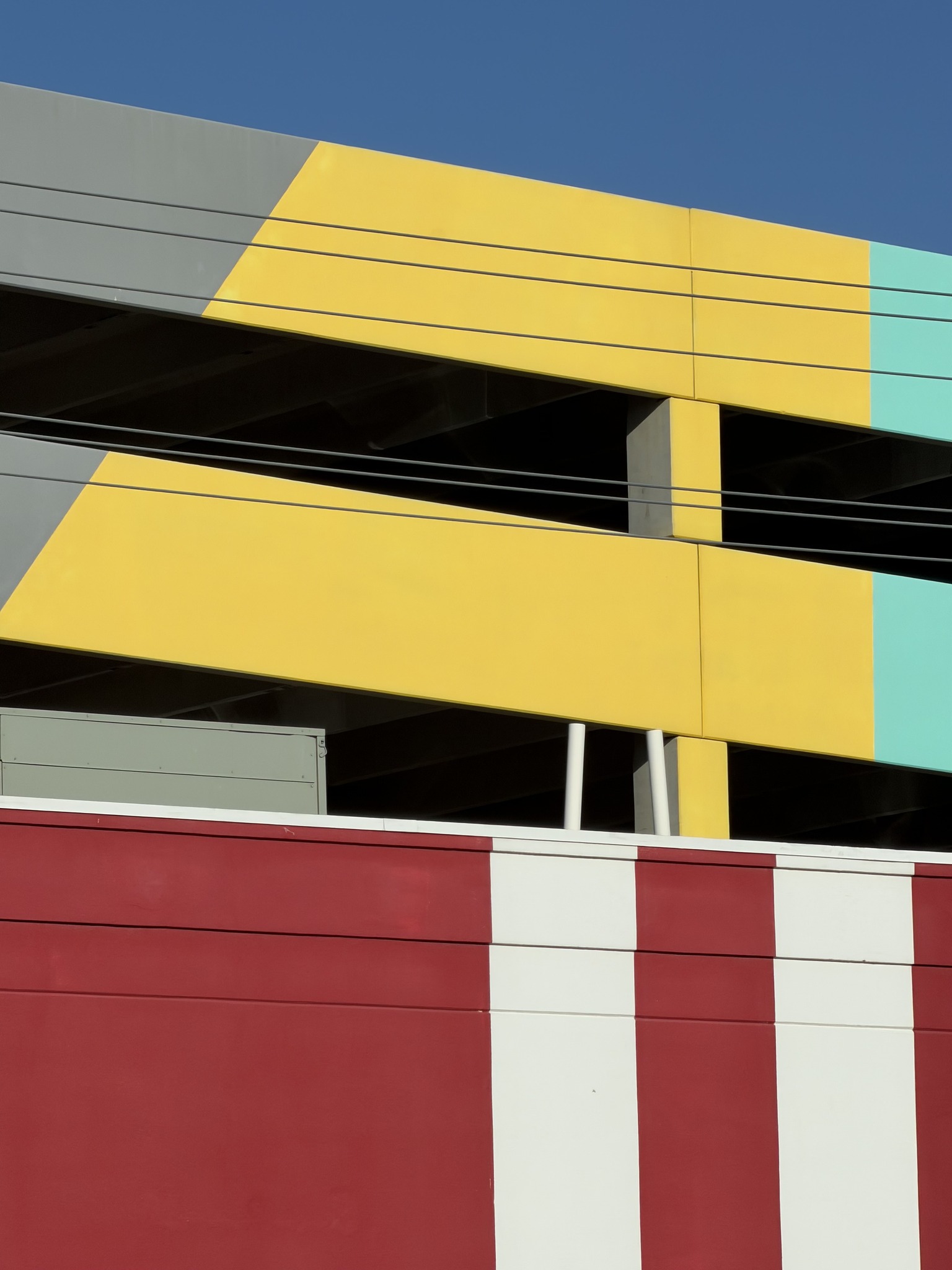
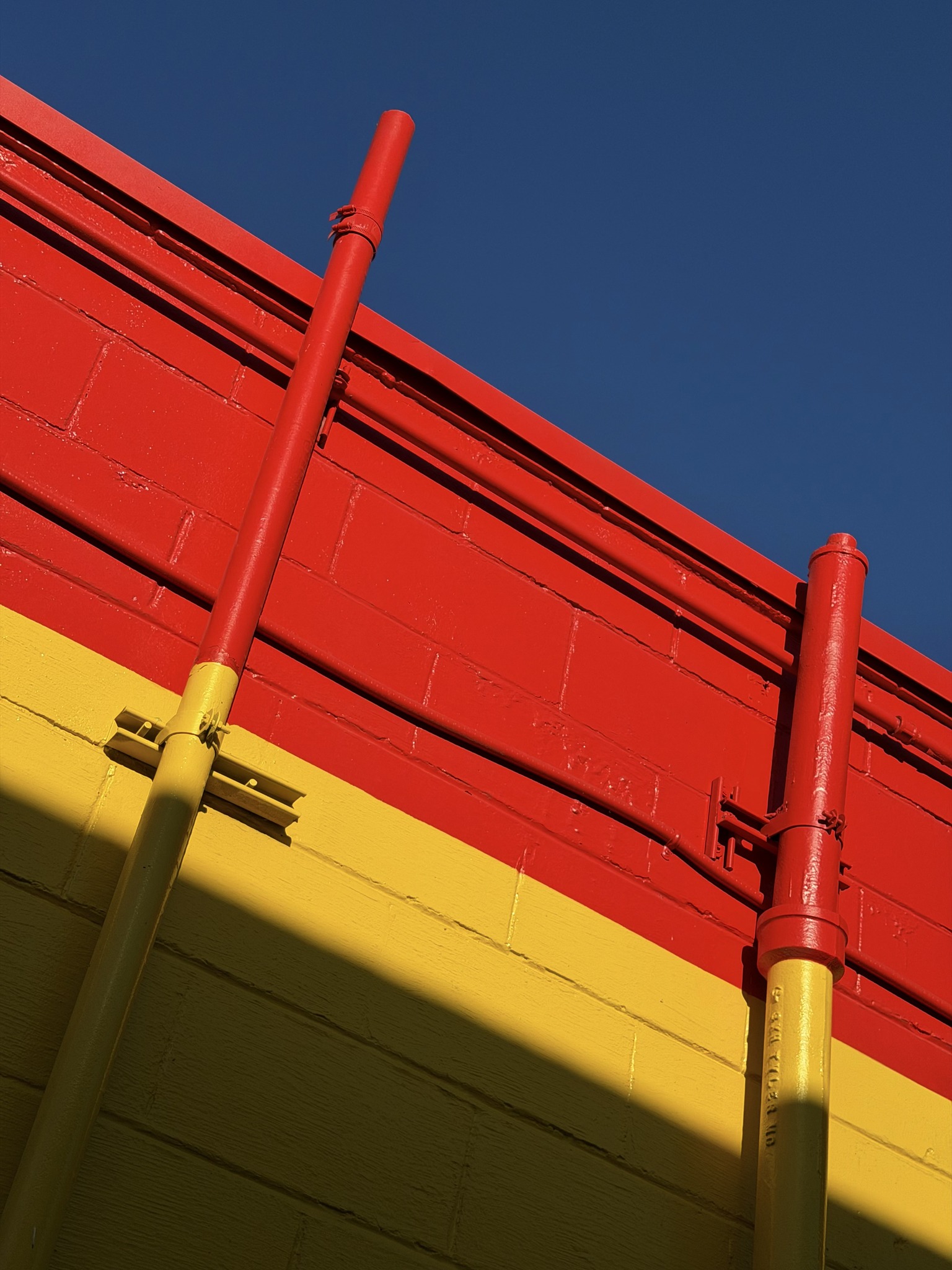
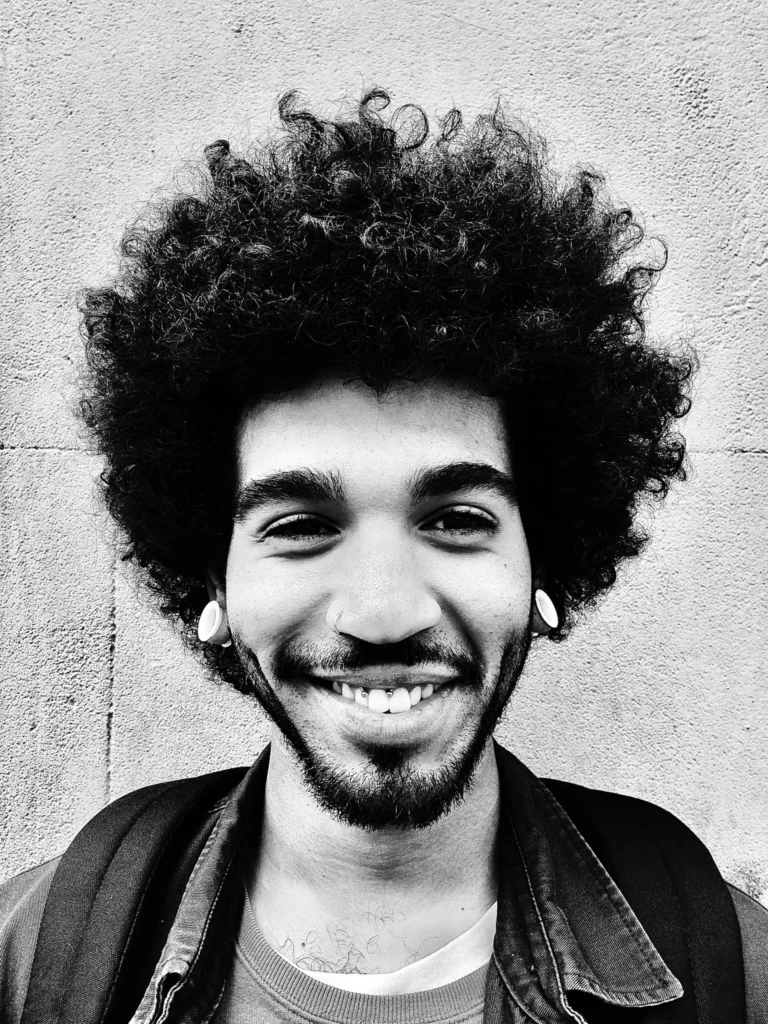
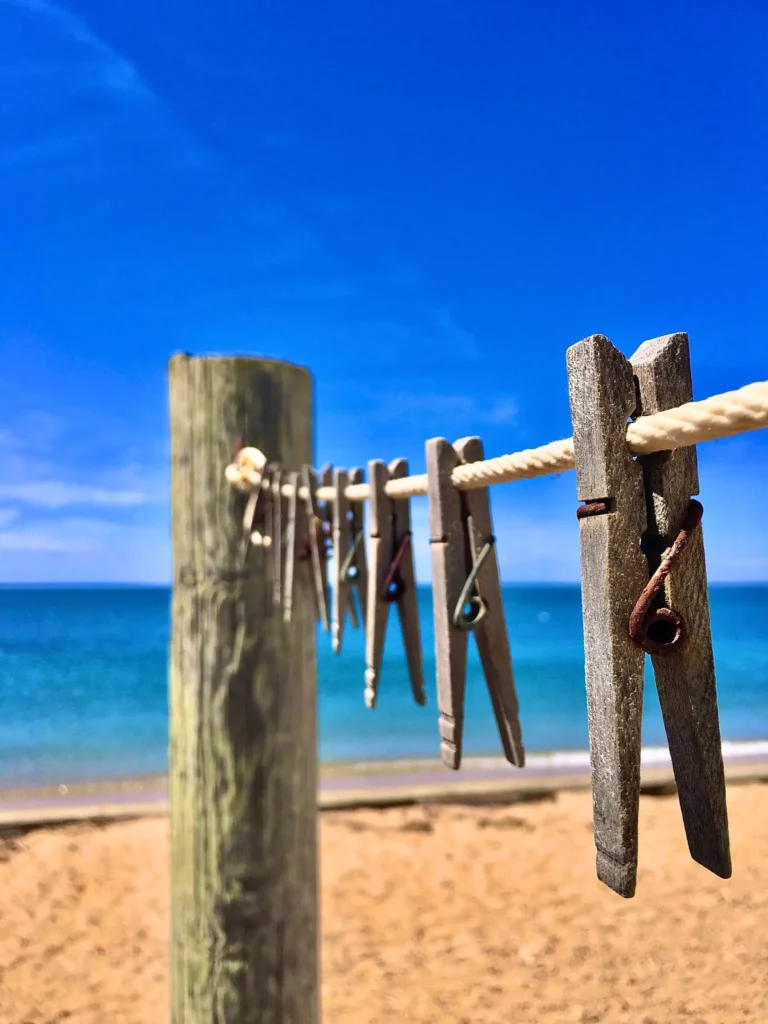
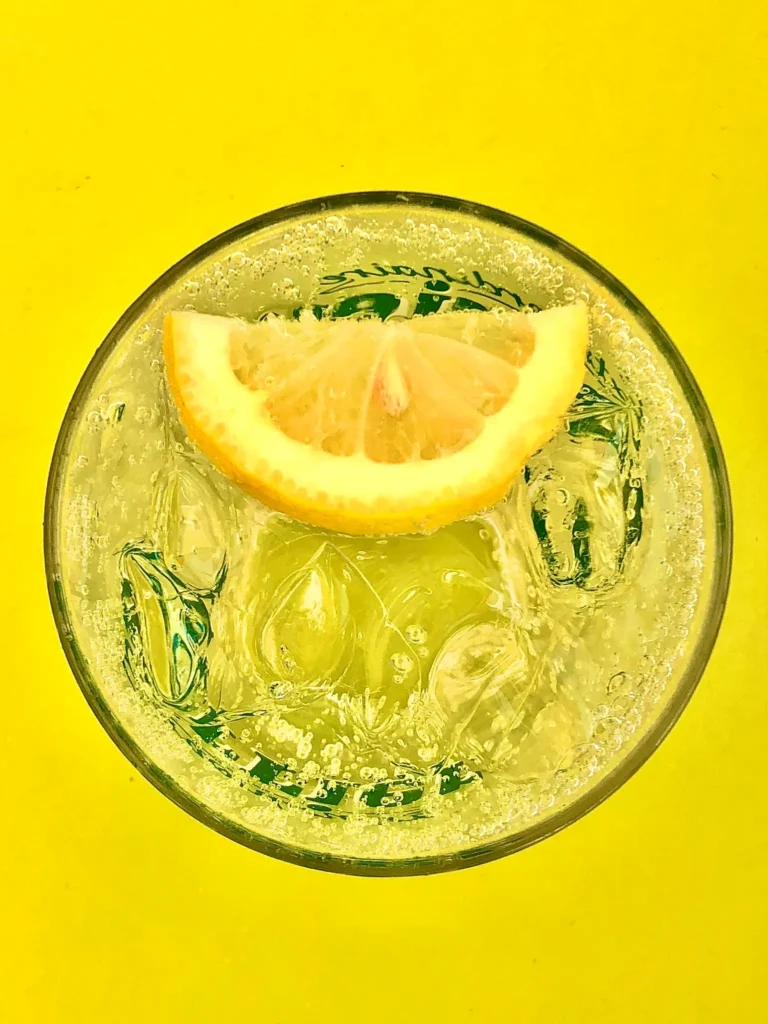
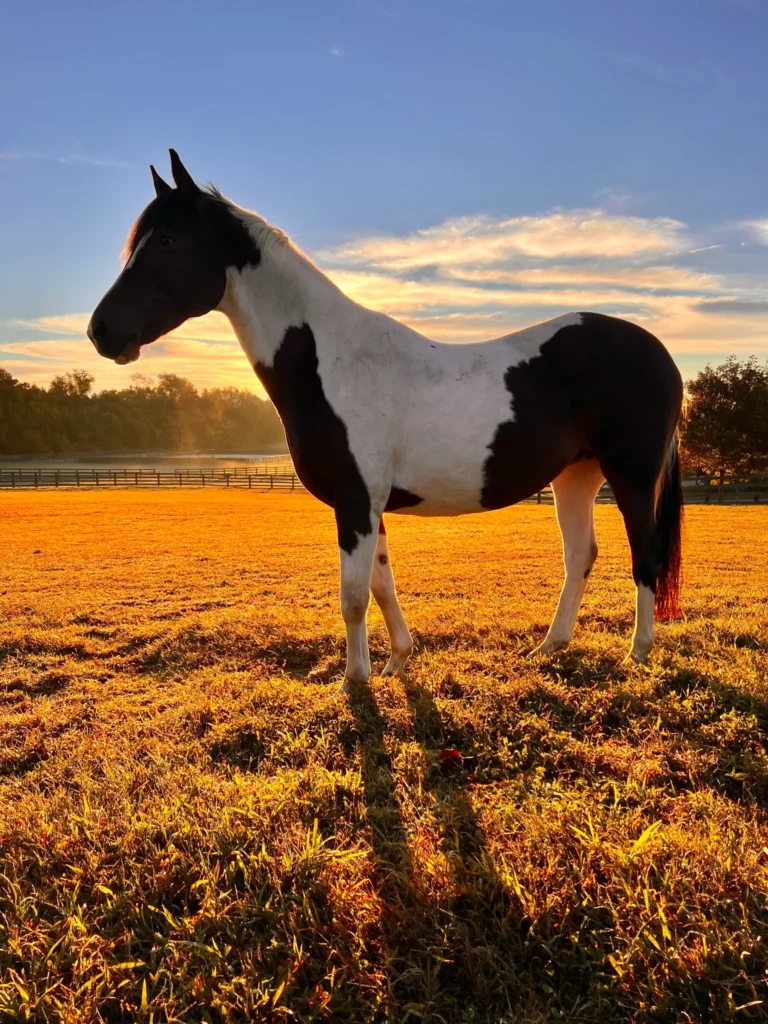
P.S. All these photos, from today, were shot on my iPhone 17 Pro Max, while I was out and about…living life