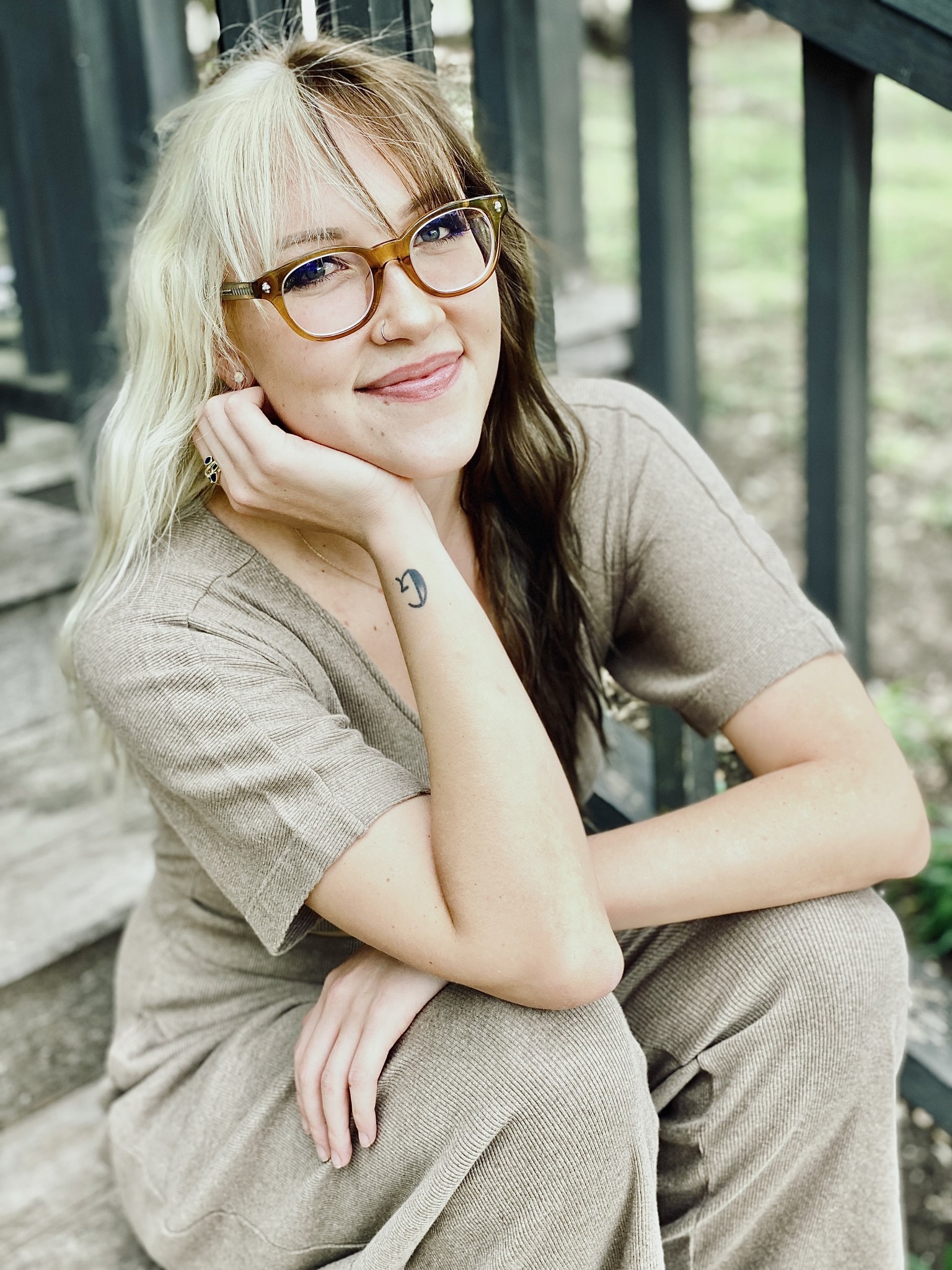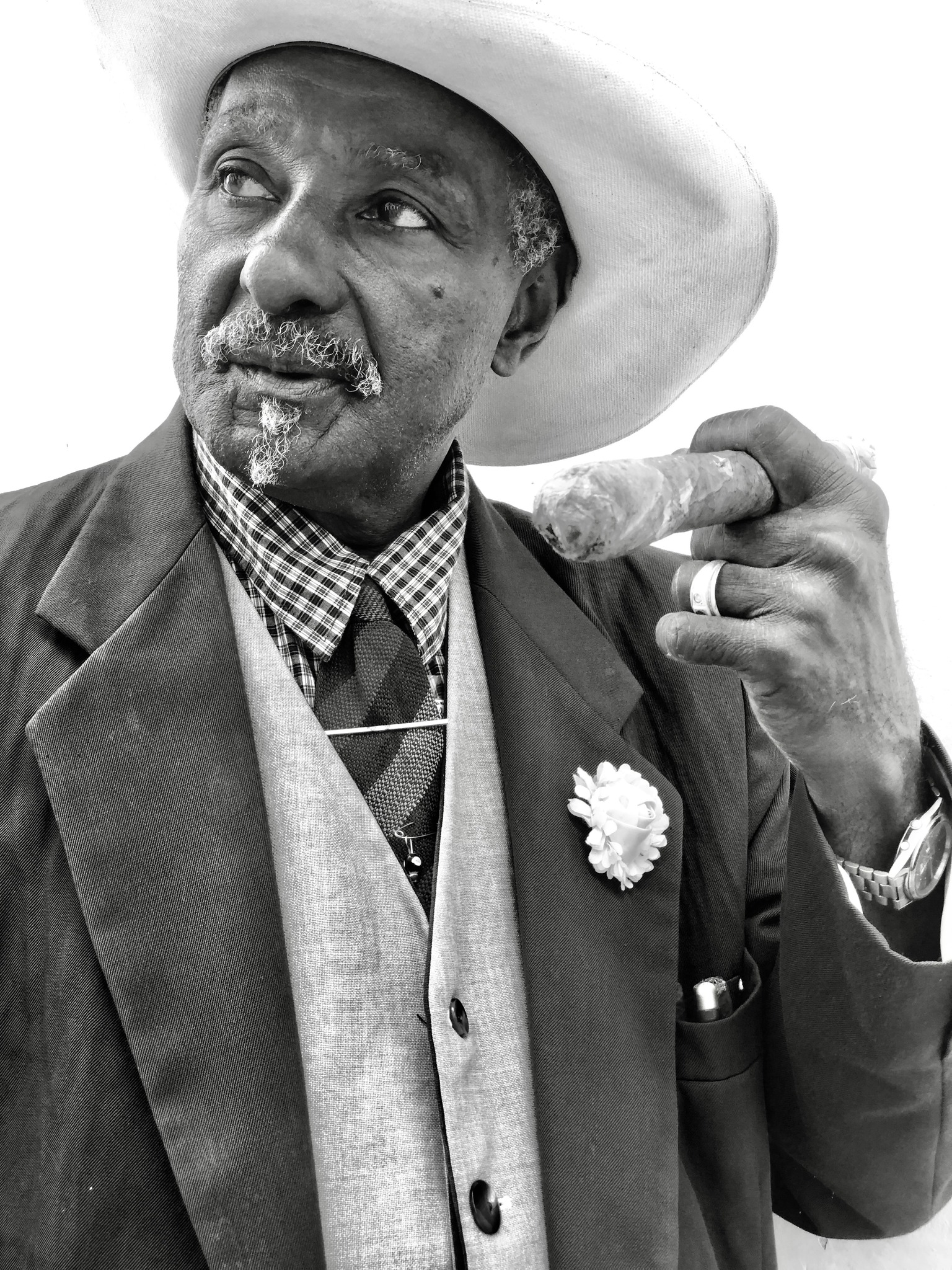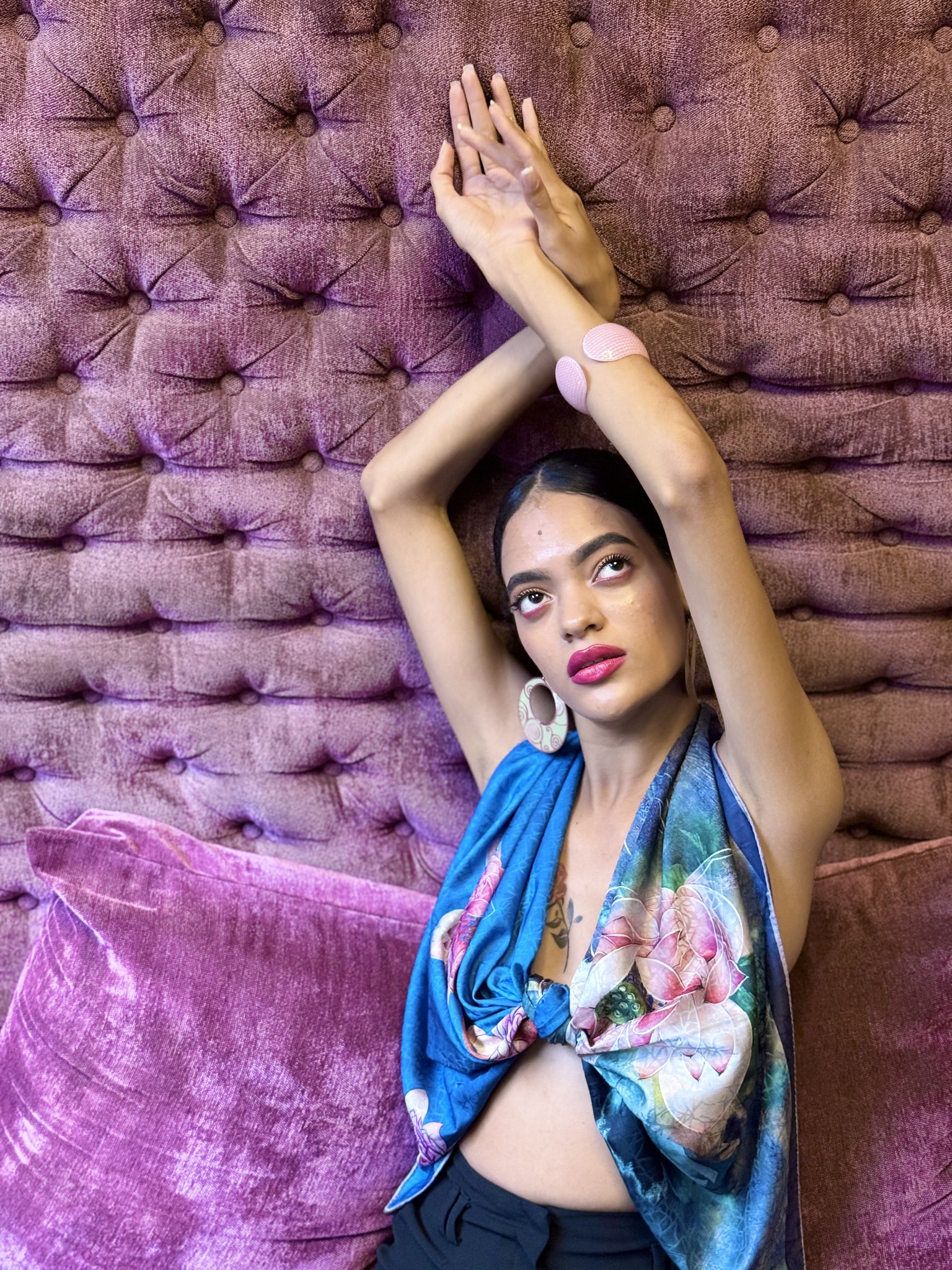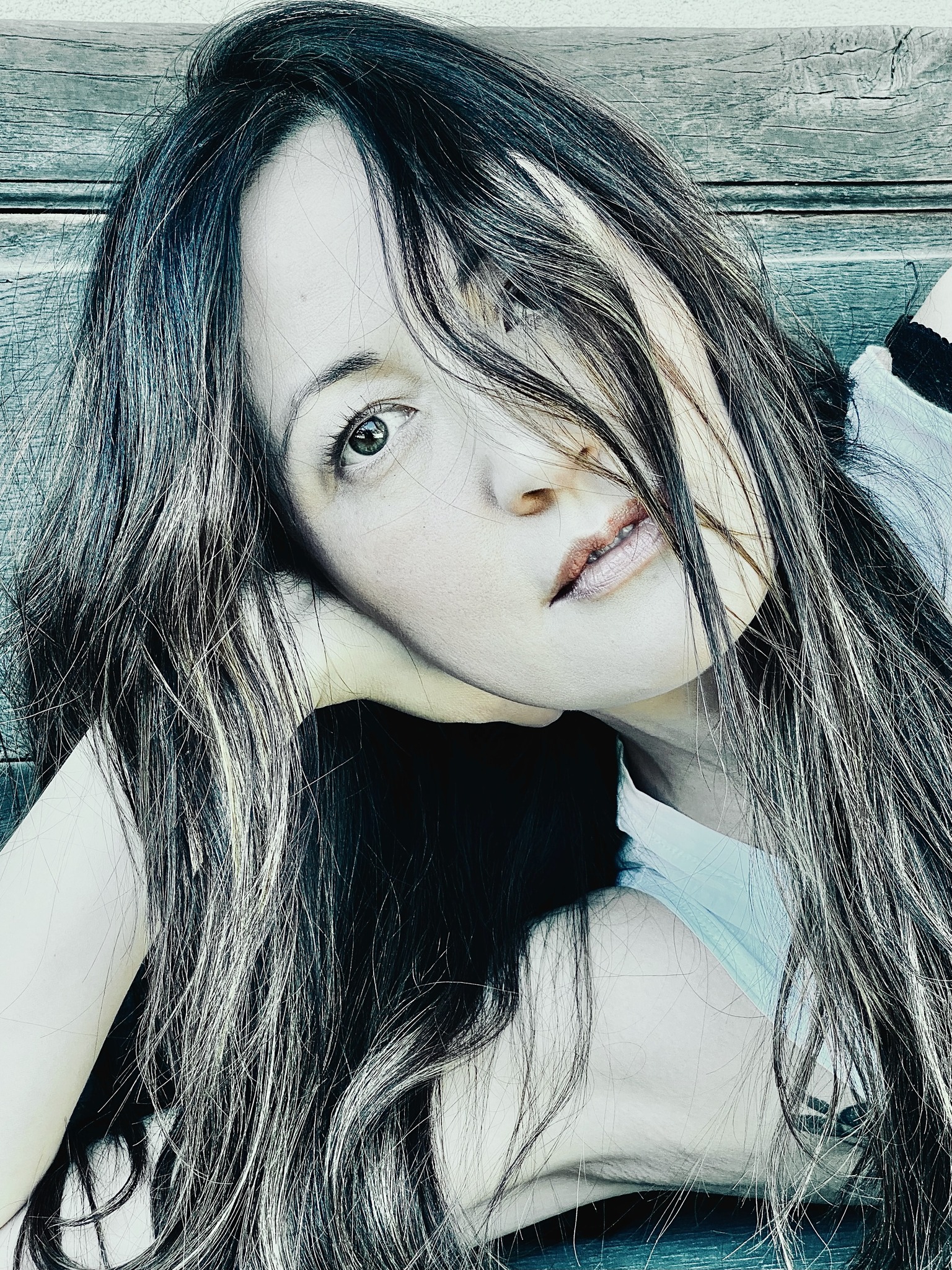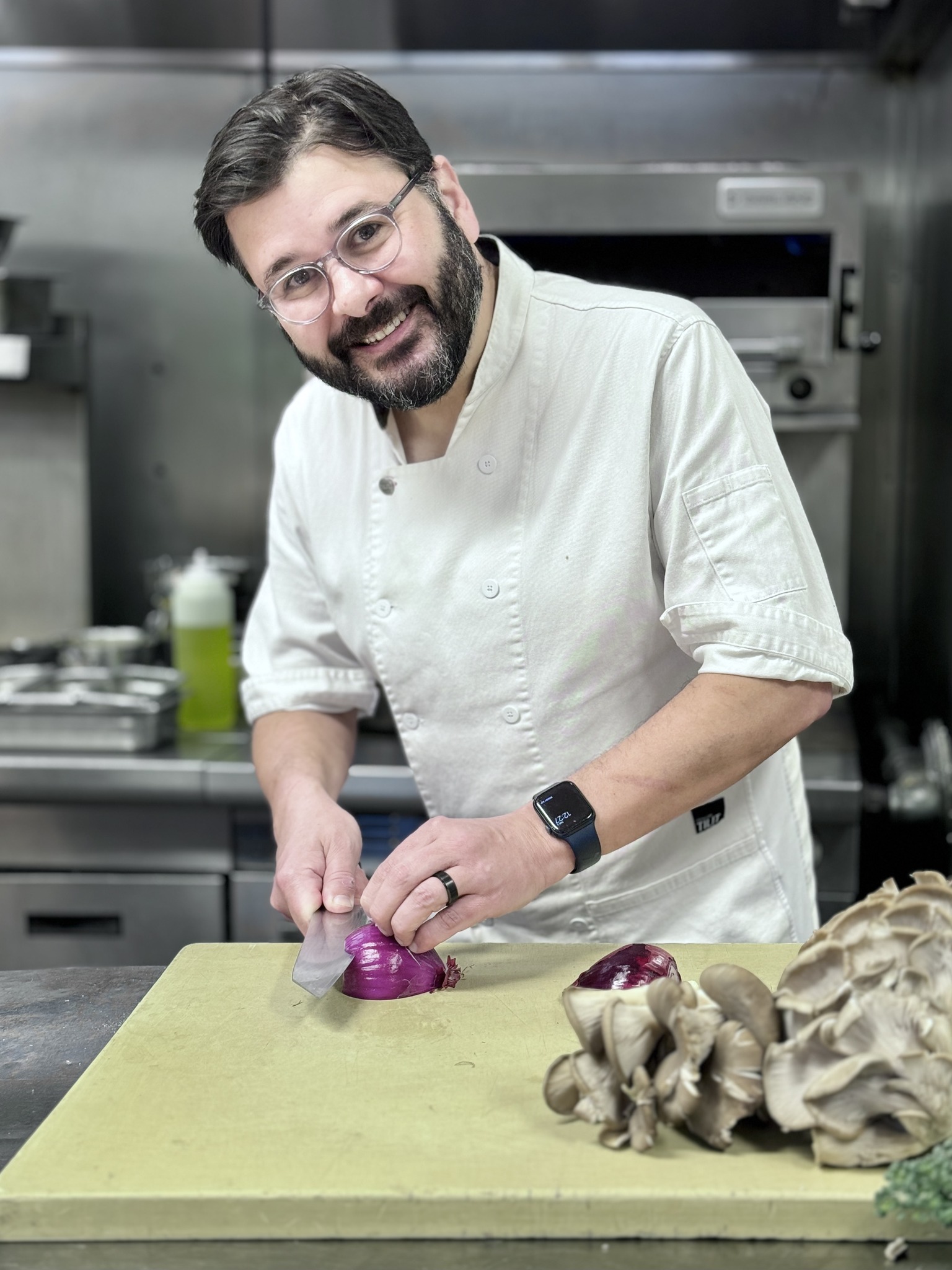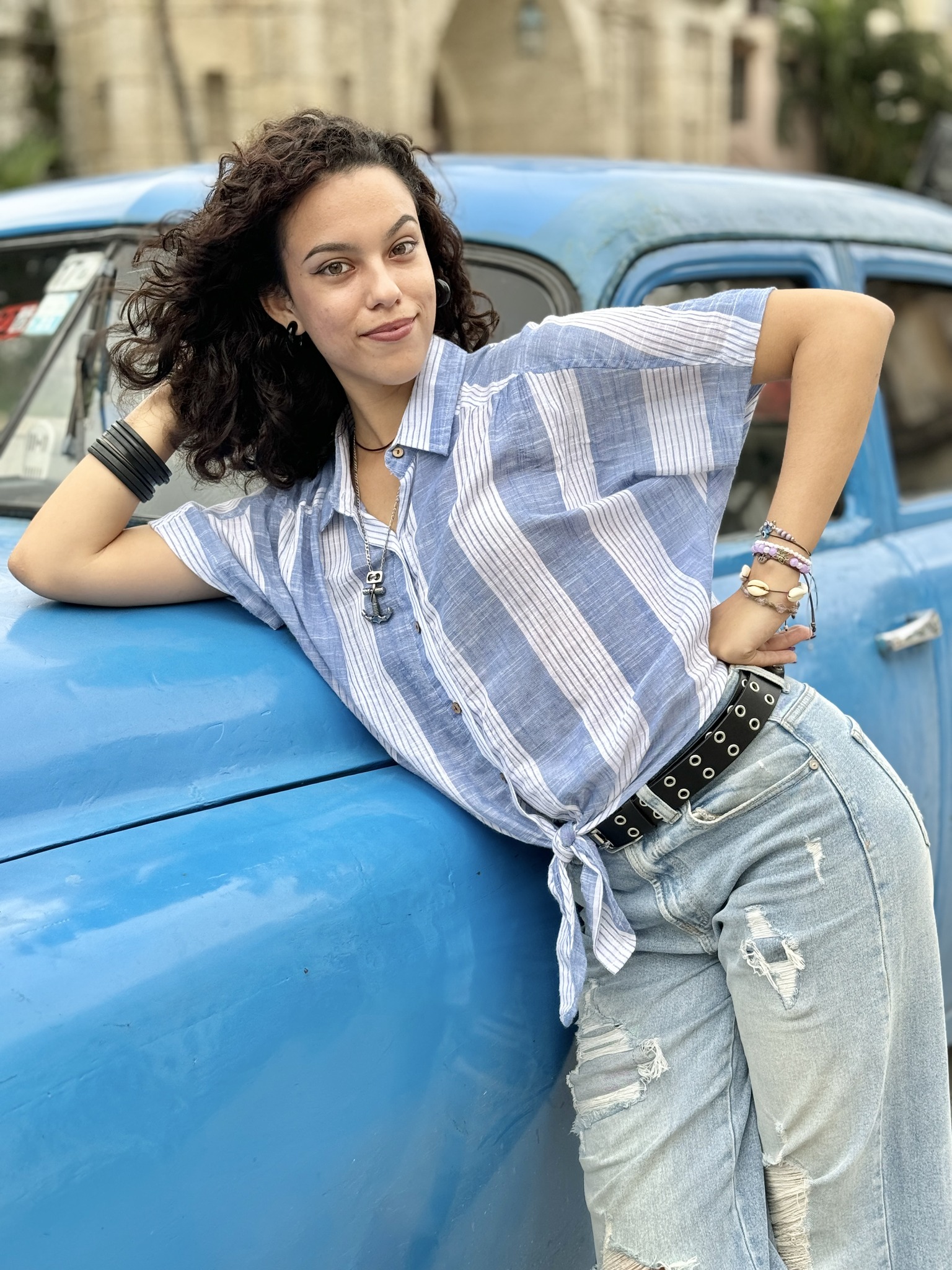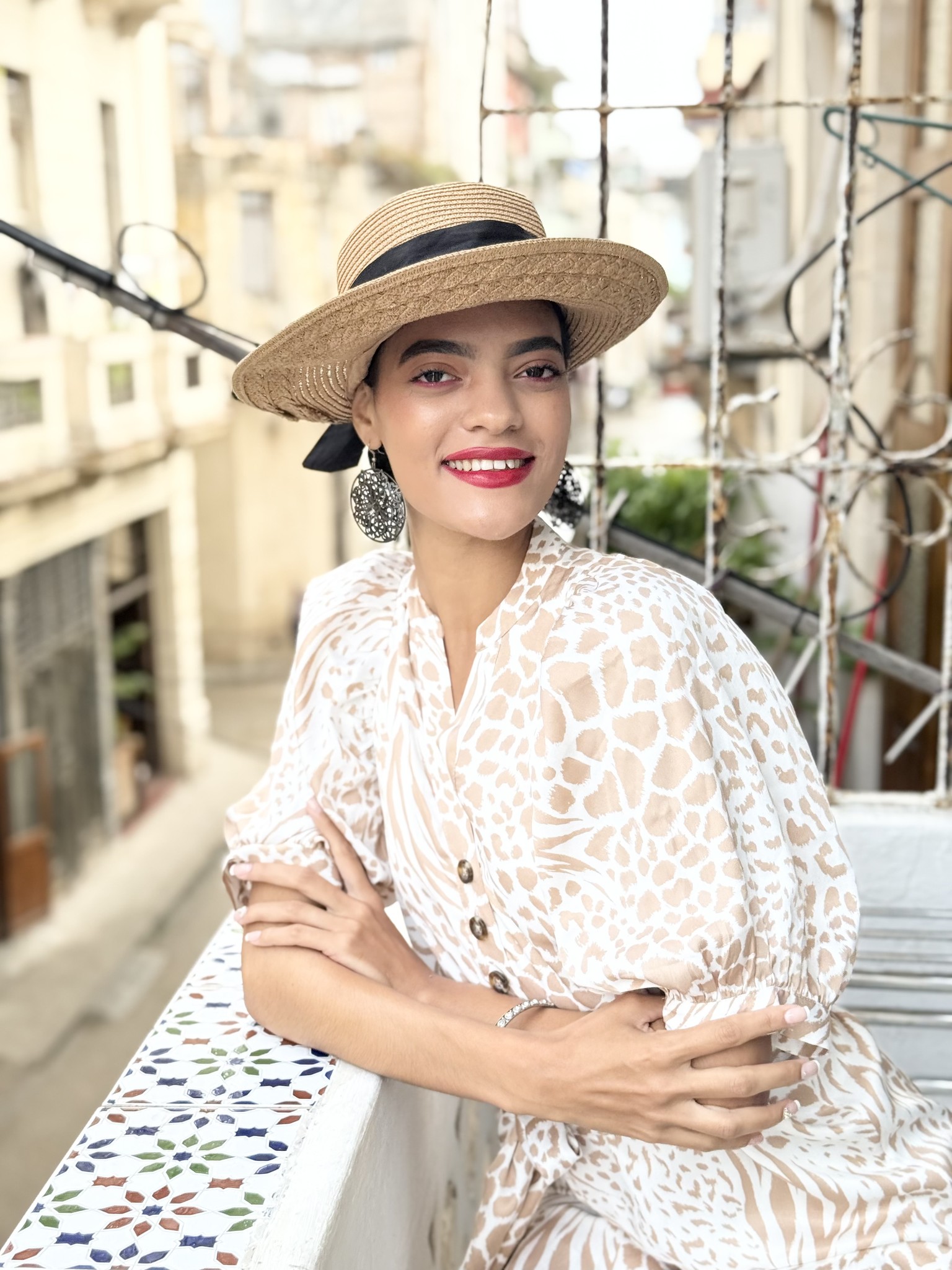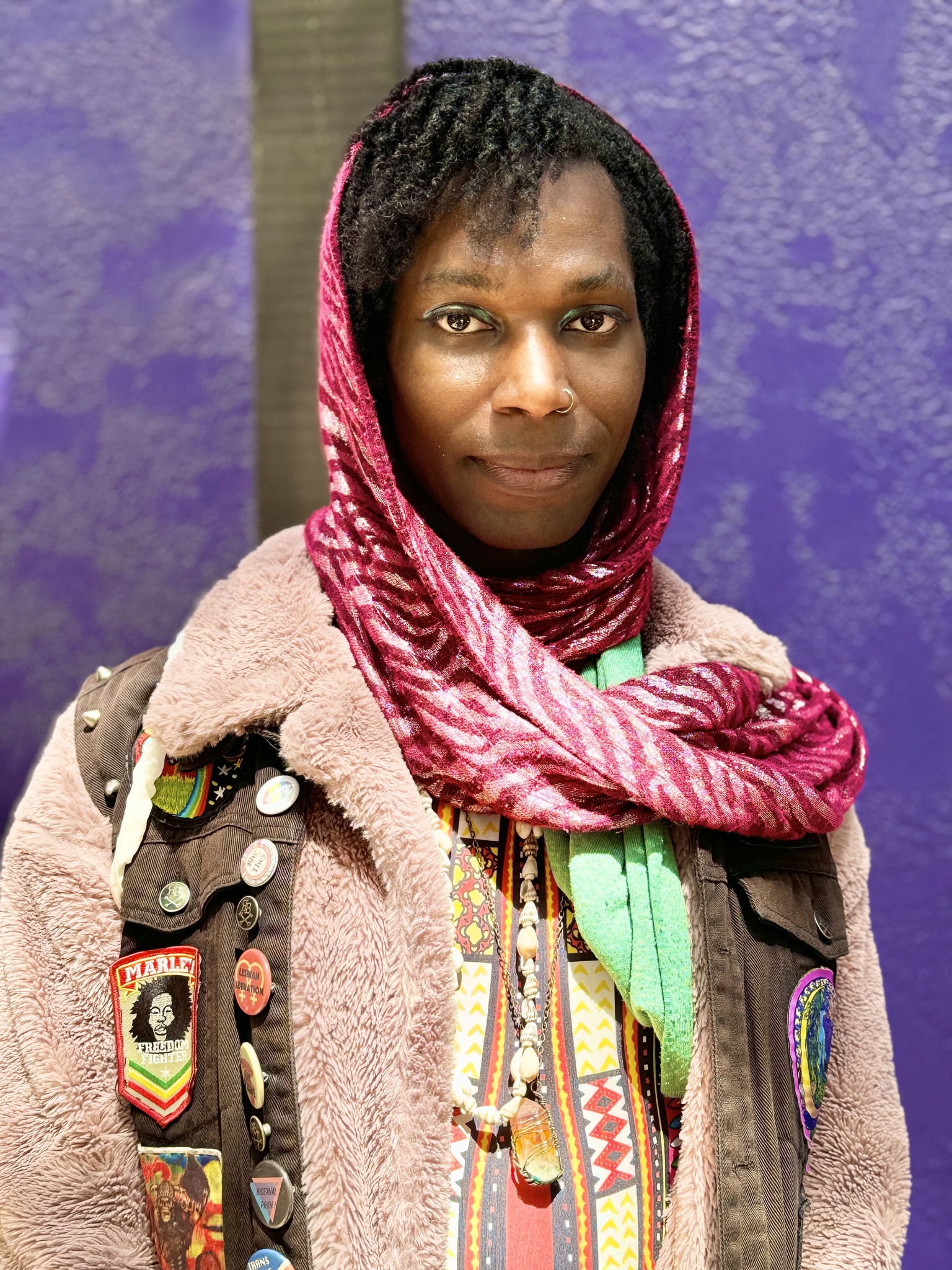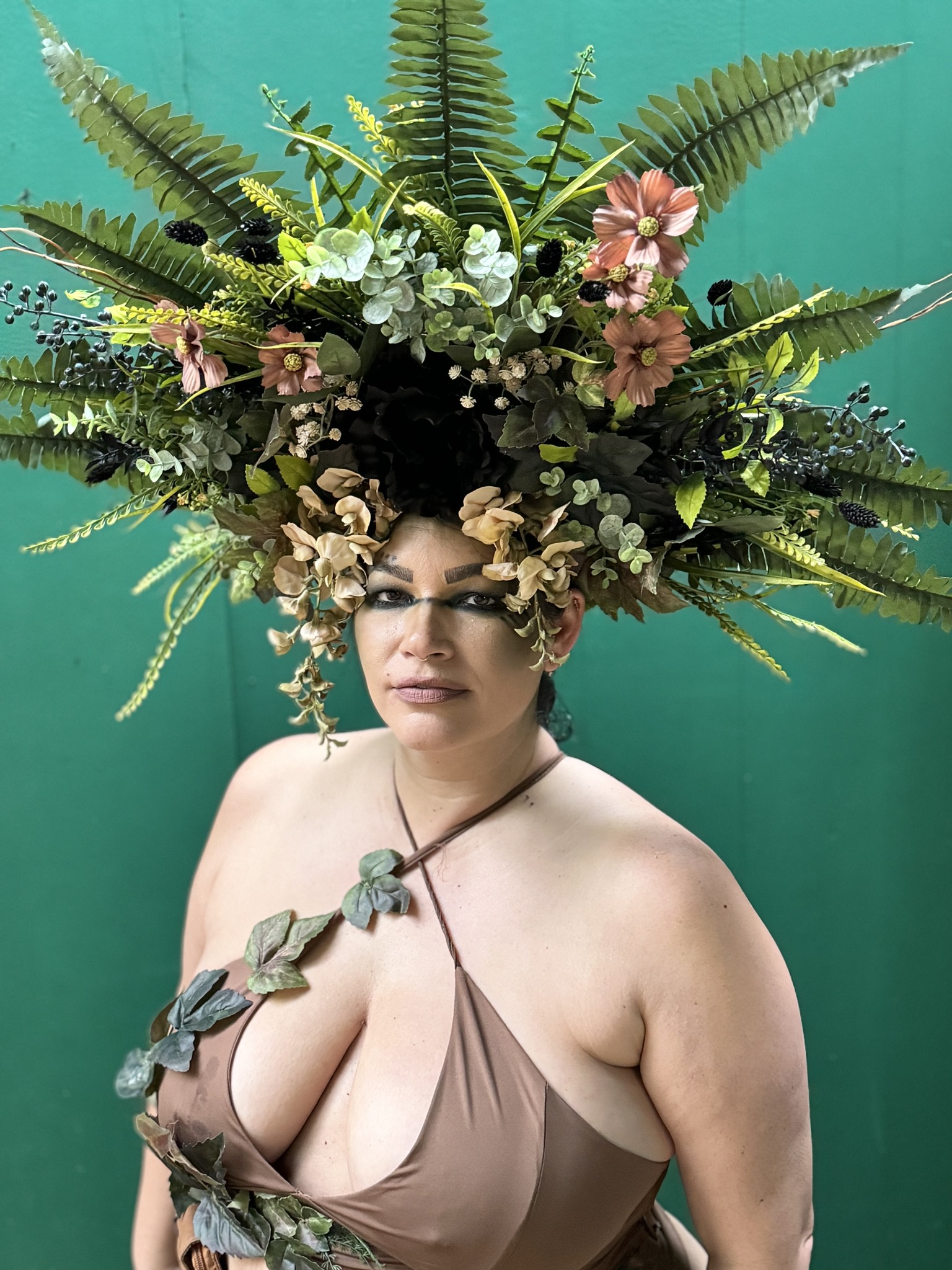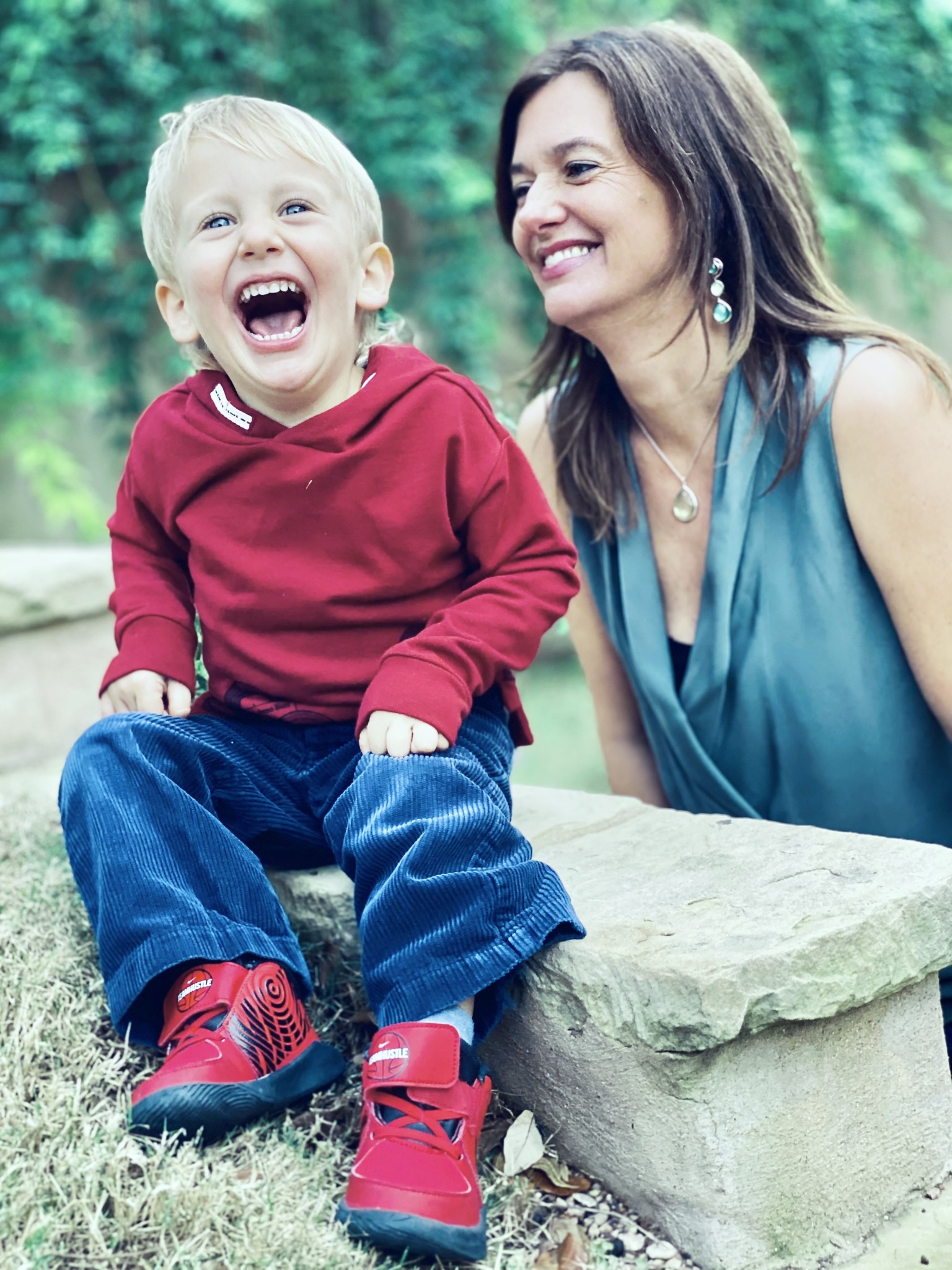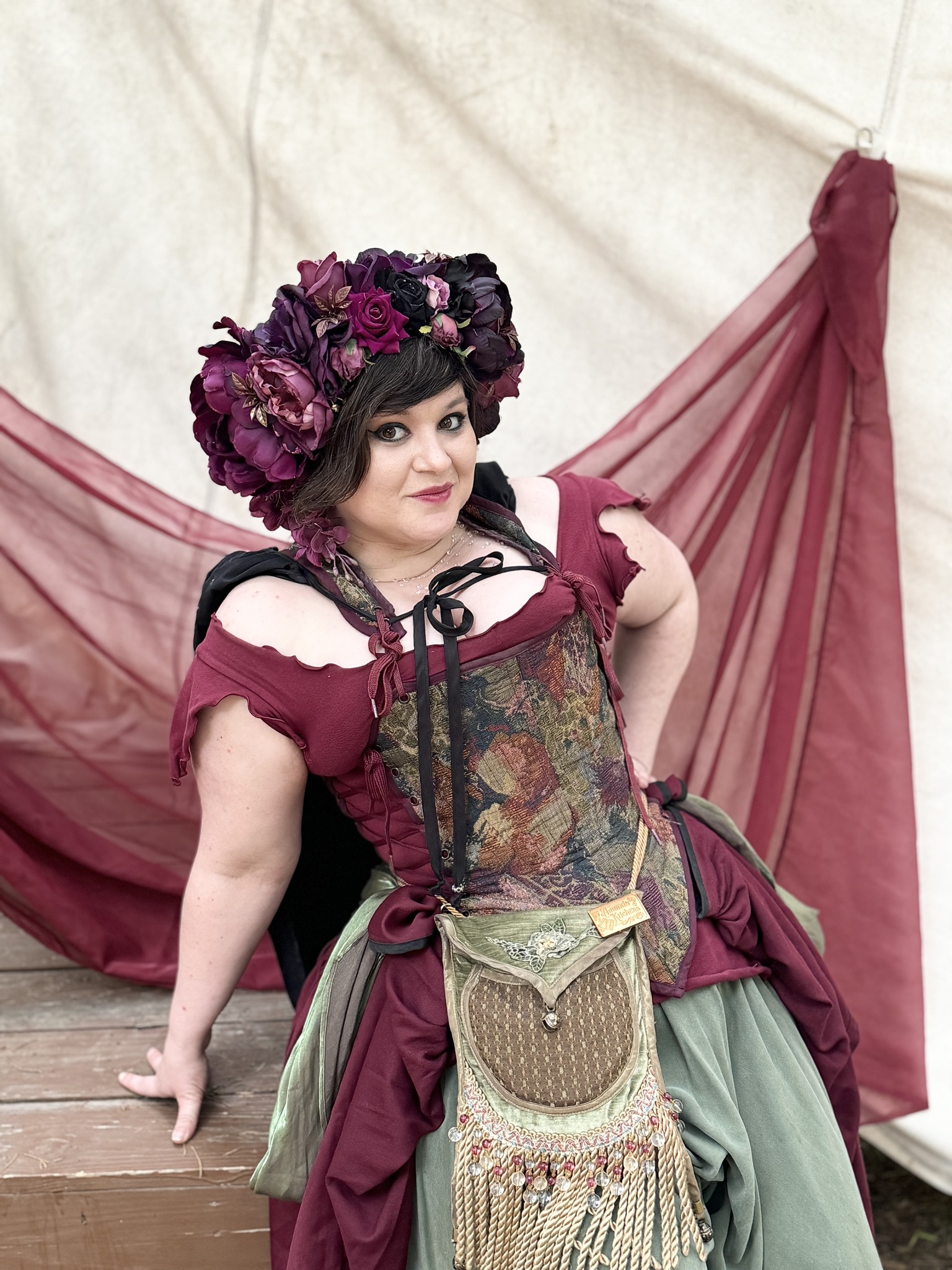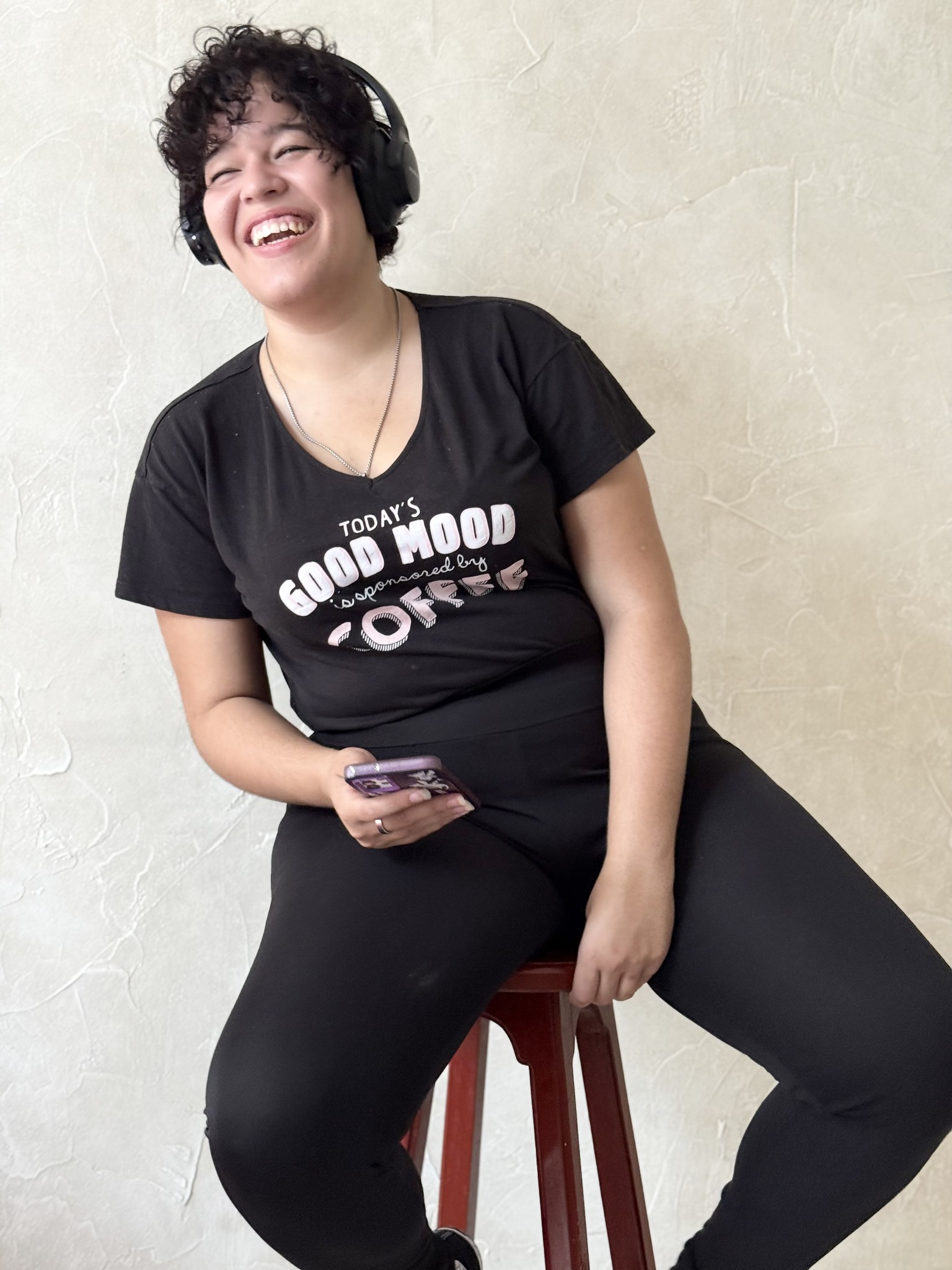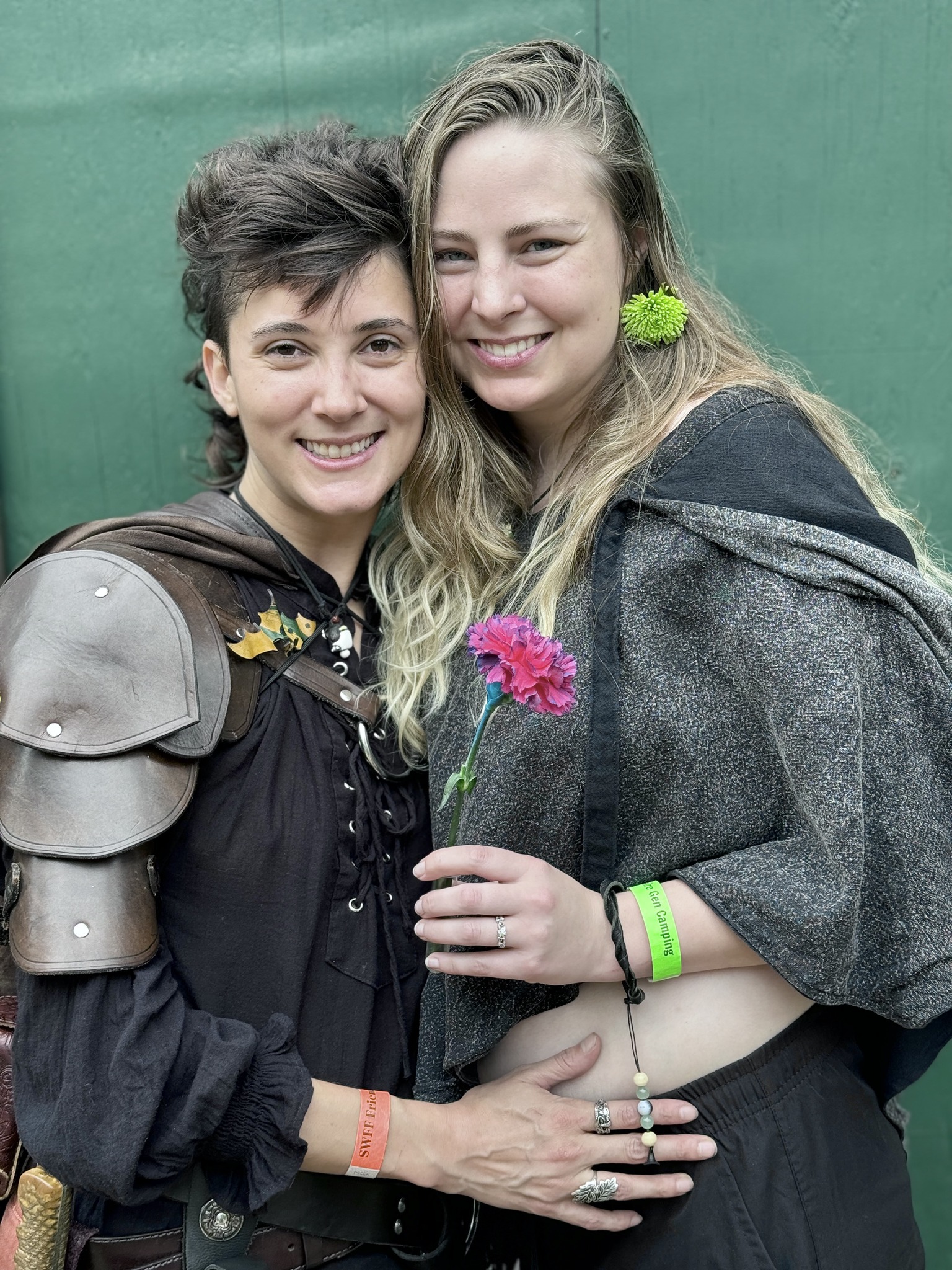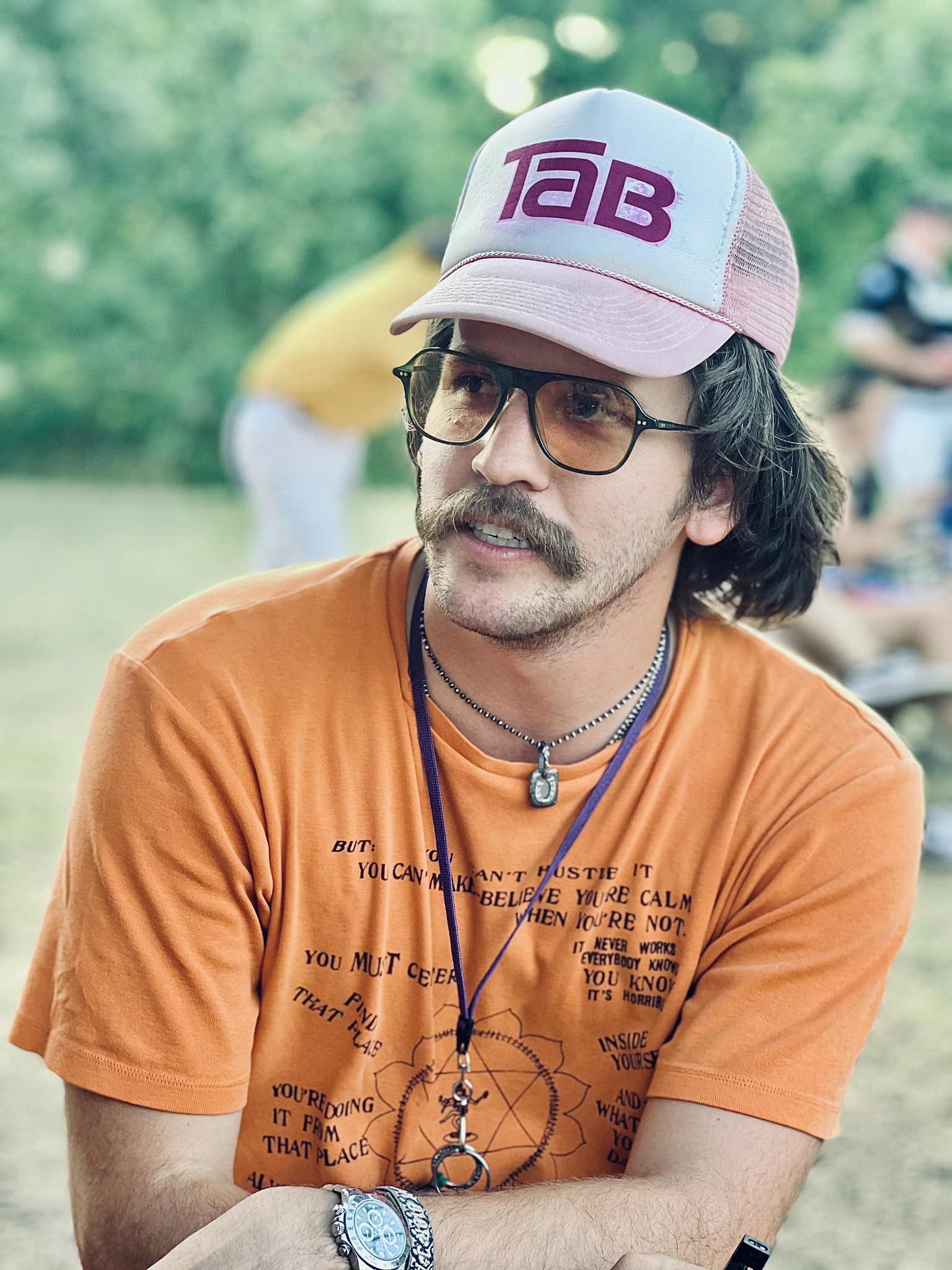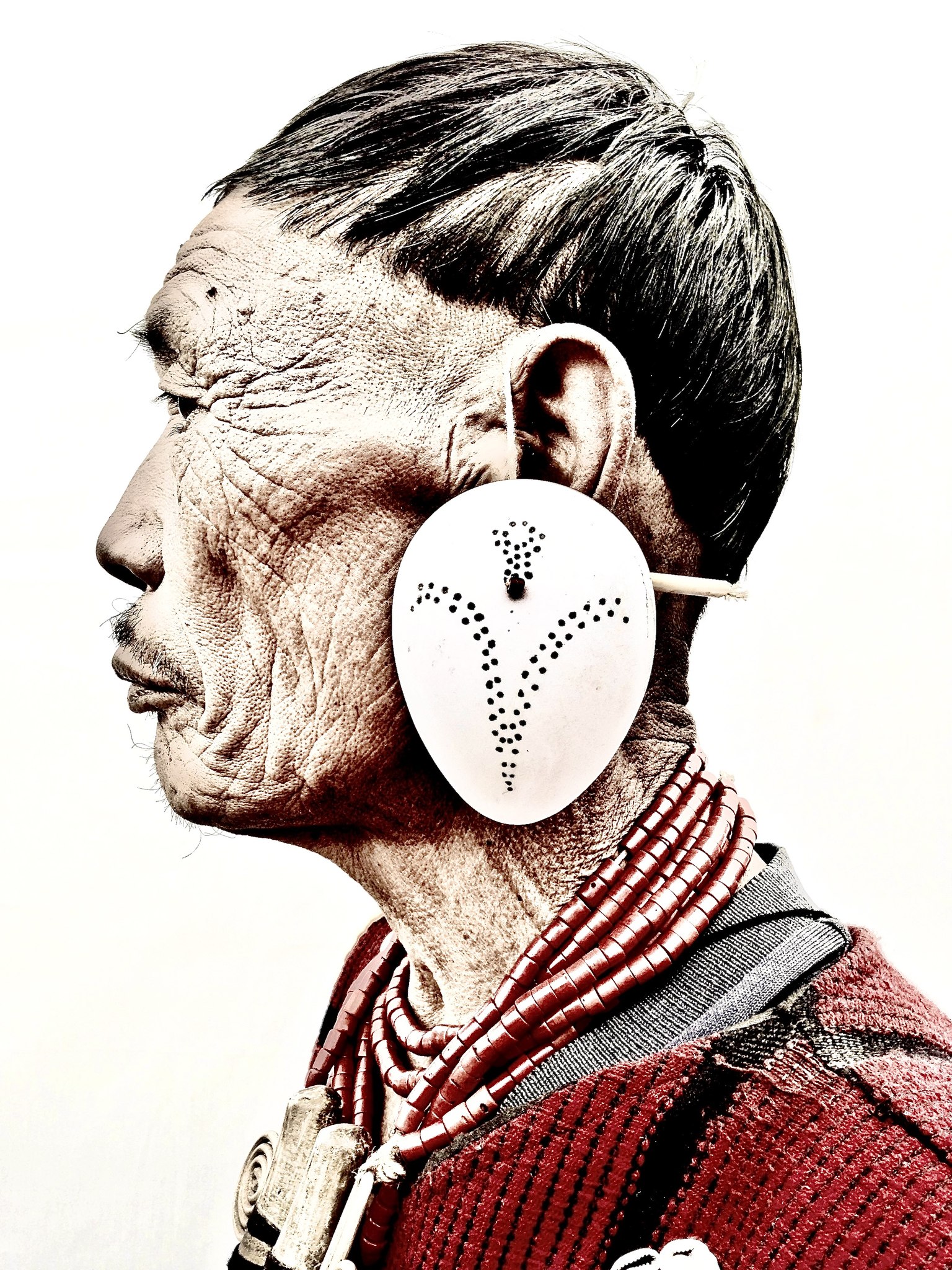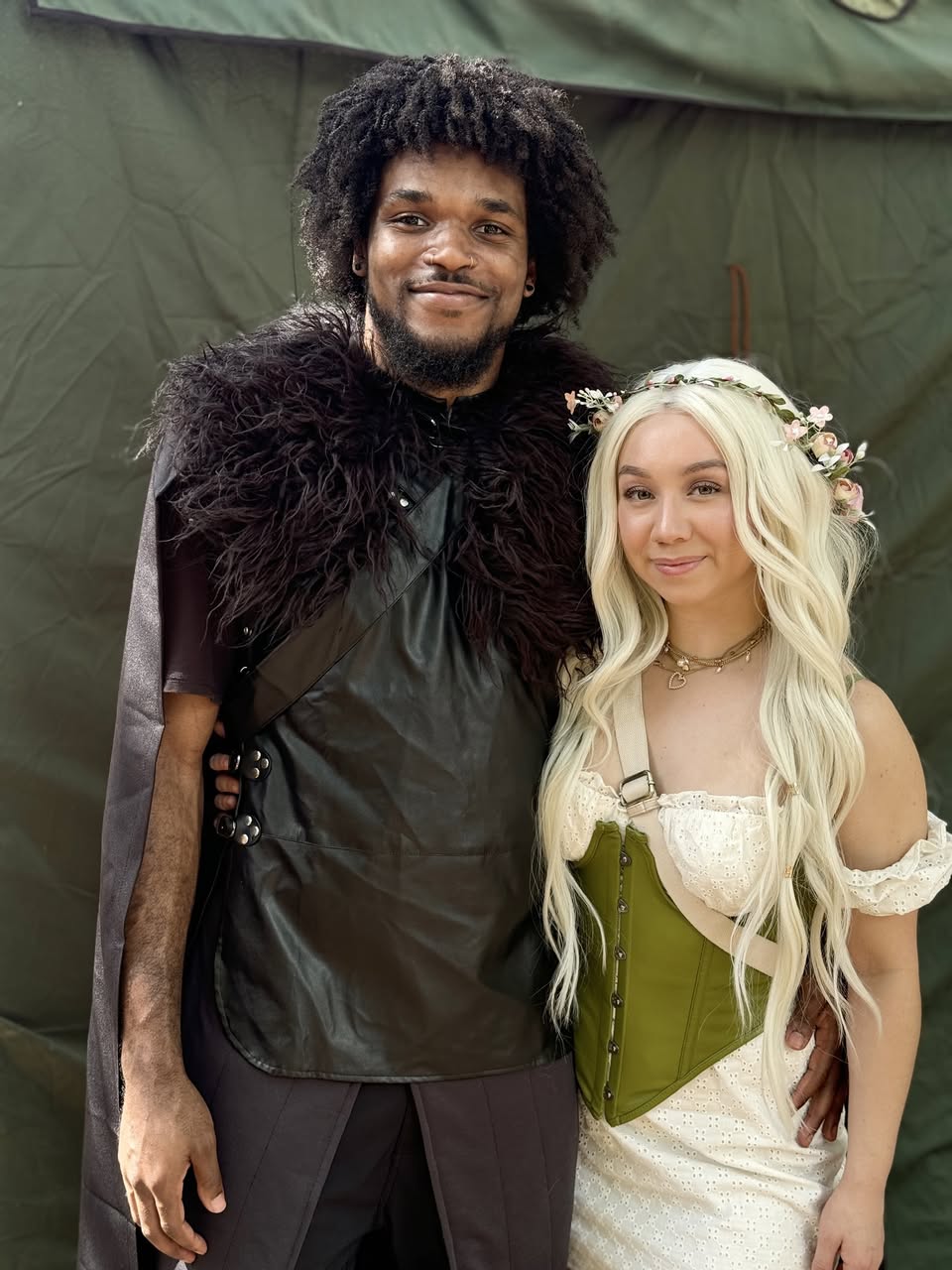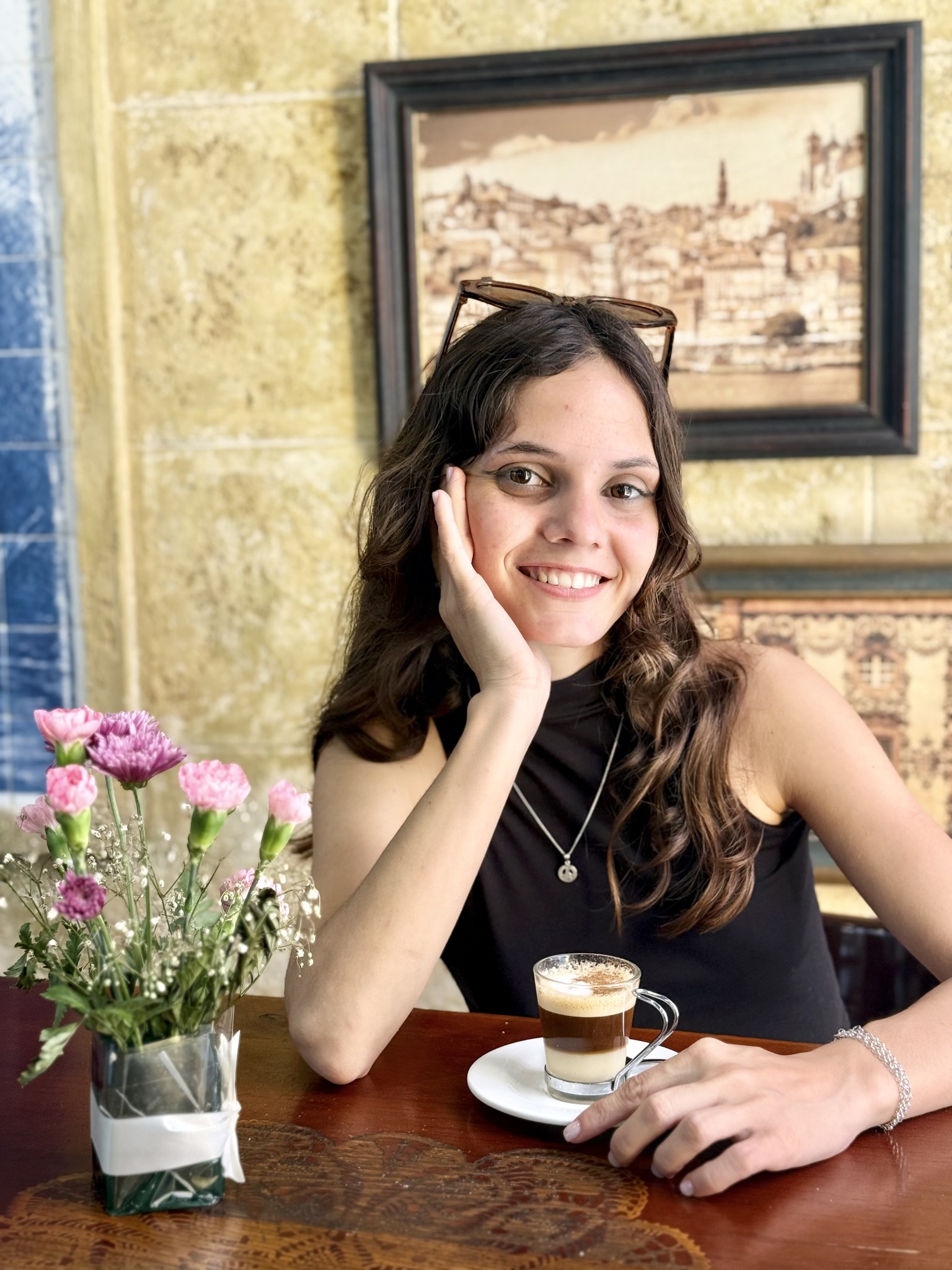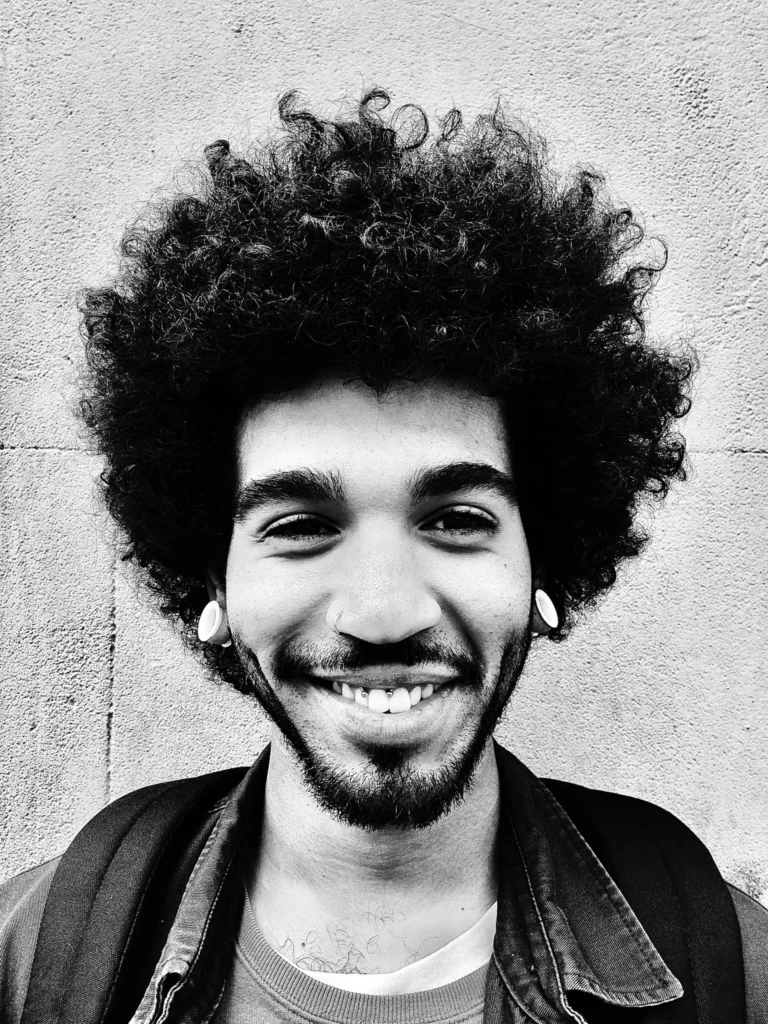
In my workshops, I get asked this a lot: “How do you figure out who to photograph?”
It’s a fair question. Not everyone you pass on the street becomes a portrait. Not every moment in a crowd becomes a frame. Not every face becomes a story you choose to tell.
For me, the process happens on two levels—technical and emotional. One is visible, the other invisible. One is teachable, the other is felt. One belongs to the camera, the other belongs to me.
Most photographers focus on the technical part first. And rightly so. The mechanical side of portrait work is real and necessary. You can’t ignore it, wish it away, or pretend that it doesn’t shape the final image.
Light.
Background.
Moment.
Subject.
Wardrobe.
These are the obvious variables—the ingredients every portrait must contend with. The direction of the sun. The contrast of the scene. The simplicity or distraction in the background. The timing of the gesture. The color and texture of what someone is wearing. All of that matters. The technical side is simply the craft. It’s the foundation. Without it, nothing else works.
But the real heart of portraiture—the part that separates one photographer from another—sits quietly behind the mechanics. It’s the emotional part. The instinctual part. The inner compass that tugs you toward one person and away from another, often without explanation.
This second part isn’t always clear, even to me. And I’ve been doing this for a very long time.
Because here’s the truth most photographers avoid saying out loud: what we point our cameras at reveals more about our life journey than our technical schooling. It’s not just about light or timing or composition. It’s about who we are. What shaped us. What we’ve lived through. What we long for. What we understand deeply. What we feel drawn to without needing to rationalize it.
Your photographic choices are autobiographical, whether you know it or not.
I’ve learned that my attraction to certain types of faces has almost nothing to do with beauty in the traditional sense. It has to do with resonance. Recognition. Something quiet in their presence that speaks to something quiet in mine. Sometimes it’s the way someone carries their history in their shoulders. Sometimes it’s the openness—or the guardedness—in their eyes. Sometimes it’s the posture of a person who has been through something and survived. Sometimes it’s the trace of tenderness or defiance or longing that I can’t name but I can feel.
And yes, photographically, I am often more drawn to women than men. Not because I’m trying to objectify or glamorize or sexualize them—none of that nonsense—but because women, in general, tend to reveal more emotional complexity in micro-expressions. The emotional range is broader, richer, more layered. Women often carry multiple stories at once—strength and vulnerability, resilience and fatigue, openness and protection. And those layers show up on the face in ways that I find deeply compelling as a storyteller.
But this is not a rule, only a tendency. I photograph plenty of men. A hell of a lot of them. And the same principle applies—when something in their presence rings true, when something about their energy aligns with mine, I feel it. It’s less about gender and more about truth. About humanity. About something unscripted showing itself for a brief moment.
People walk through the world wearing masks. Portrait photographers are drawn to the moment the mask slips.
Some faces stop me because of the light.
Some because of the moment.
Some because of the wardrobe or the setting.
But the ones that become portraits—the ones that stay with me—stop me because they feel like little storms of emotion, compressed into human form.
Finding your “pearl,” as I like to call it, is not about identifying the most beautiful or charismatic person in a sea of faces. It’s about recognizing the spark that aligns with your sensibilities. It’s about feeling that small, unmistakable tug inside that says: photograph this person.
You can’t force that moment. You can’t manufacture it. And you definitely can’t fake it. It’s instinct. It’s intuition. It’s a photographer’s version of déjà vu—a feeling of familiarity with someone you’ve never met.
People often ask me to explain this feeling as if it’s a checklist they can replicate. But it isn’t. Attraction in portraiture isn’t a formula. It’s a vibration. A signal. A moment when your interior life recognizes something meaningful in the exterior life of another human being.
Sometimes the pearl is obvious. A face so expressive or striking you’d have to be dead not to notice.
But more often, the pearl is subtle. Quiet. Unassuming. A person who doesn’t look extraordinary to the crowd but is extraordinary once they lock eyes with the lens. Some of the most powerful portraits I’ve ever taken came from people no one else noticed—not because they blended in, but because they held their truth so privately that it took a photographer paying attention to bring it forward.
Your pearl is rarely the loudest person in the room.
Your pearl is the one who carries a story the room didn’t see.
This is where the emotional part becomes inseparable from the technical. You can have perfect lighting, the perfect moment, the perfect backdrop—and walk right past someone you feel nothing toward. And you should. There is nothing wrong with bypassing subjects who don’t resonate. Photography is not a moral obligation. You don’t owe the world documentation. You owe your craft honesty.
And honesty shows up in who you choose to photograph.
I’ve walked past thousands of people in my life—beautiful people, interesting people, visually magnetic people—because nothing in me stirred. And then I’ve stopped for someone who, to anyone else, would look like a completely ordinary passerby. But something in the way they held themselves, something in the way they carried their lifetimes in their expression, something in the way they simply existed in the moment—caught me.
Your pearl is not the person everyone wants to photograph.
Your pearl is the person you can’t not photograph.
Some of this comes from lived experience. Some of it comes from personality. Some of it comes from the emotional patterns of your life—what you empathize with, what you gravitate toward, what you understand intimately. This is why every portrait photographer’s work looks different. Not because one is better or worse, but because we are not photographing the world—we are photographing our relationship with the world.
And that relationship evolves.
When you’re younger, you might be drawn to energy, novelty, drama. As you age, you might be drawn to nuance, quiet strength, emotional texture. What begins as attraction morphs into insight. What you once admired visually, you now seek emotionally.
The sea of faces never changes.
But your pearl does.
And the only way to find it—again and again—is to stay awake. Stay curious. Stay open to the subtle signals that have nothing to do with perfection and everything to do with connection.
You don’t “figure out” who to photograph.
You feel it.
The camera may record the face.
But the heart chooses it.
Jack.