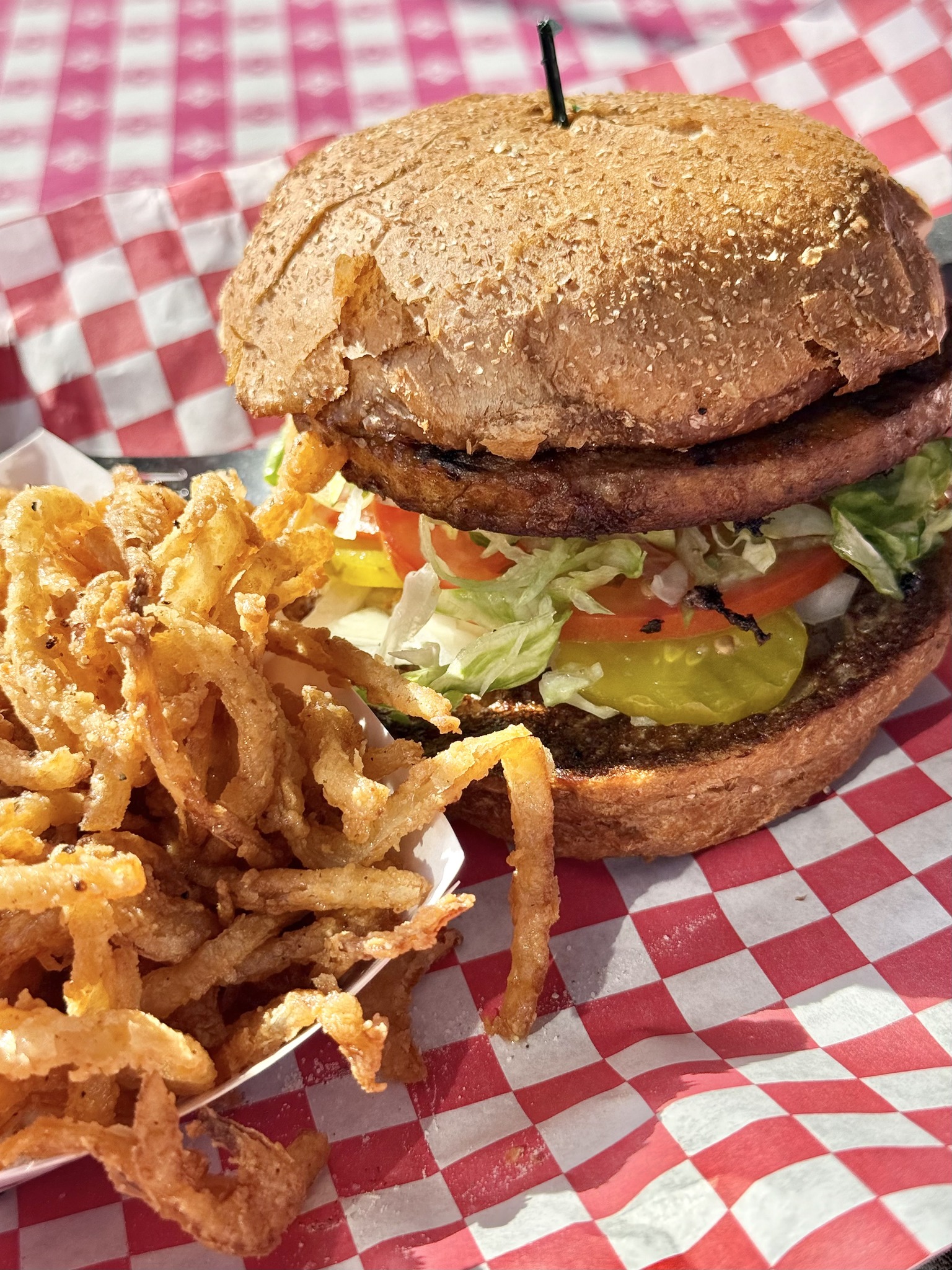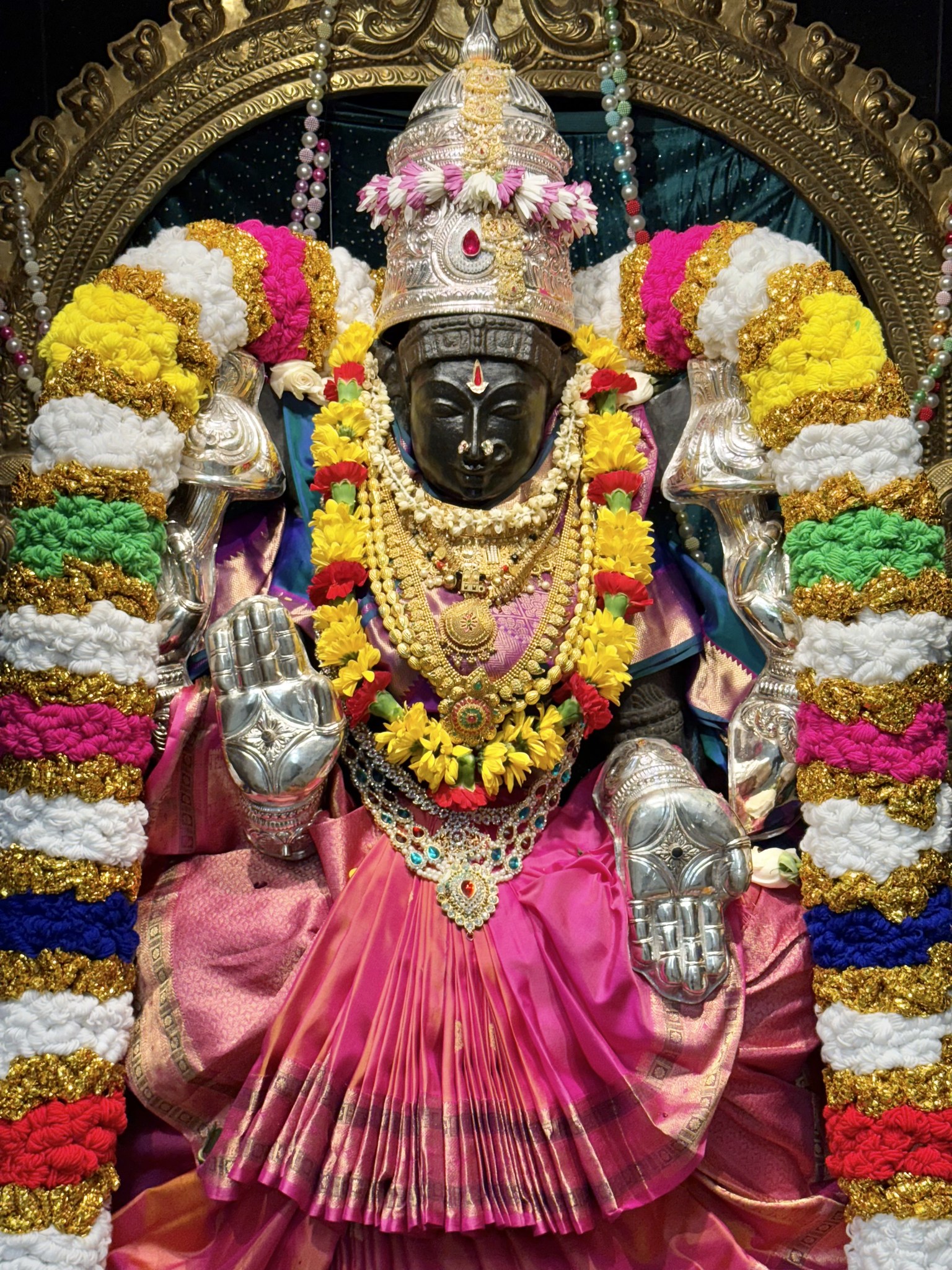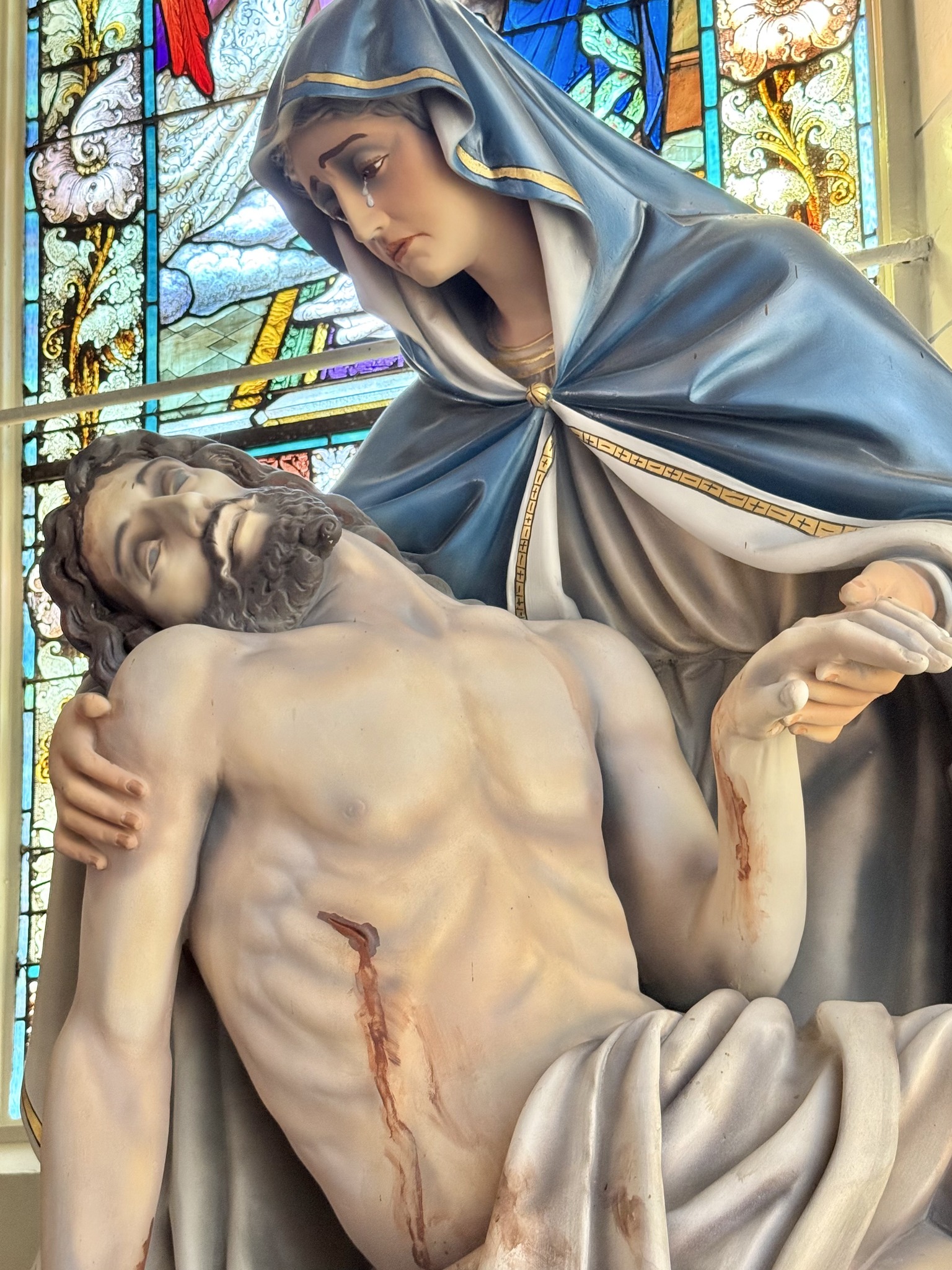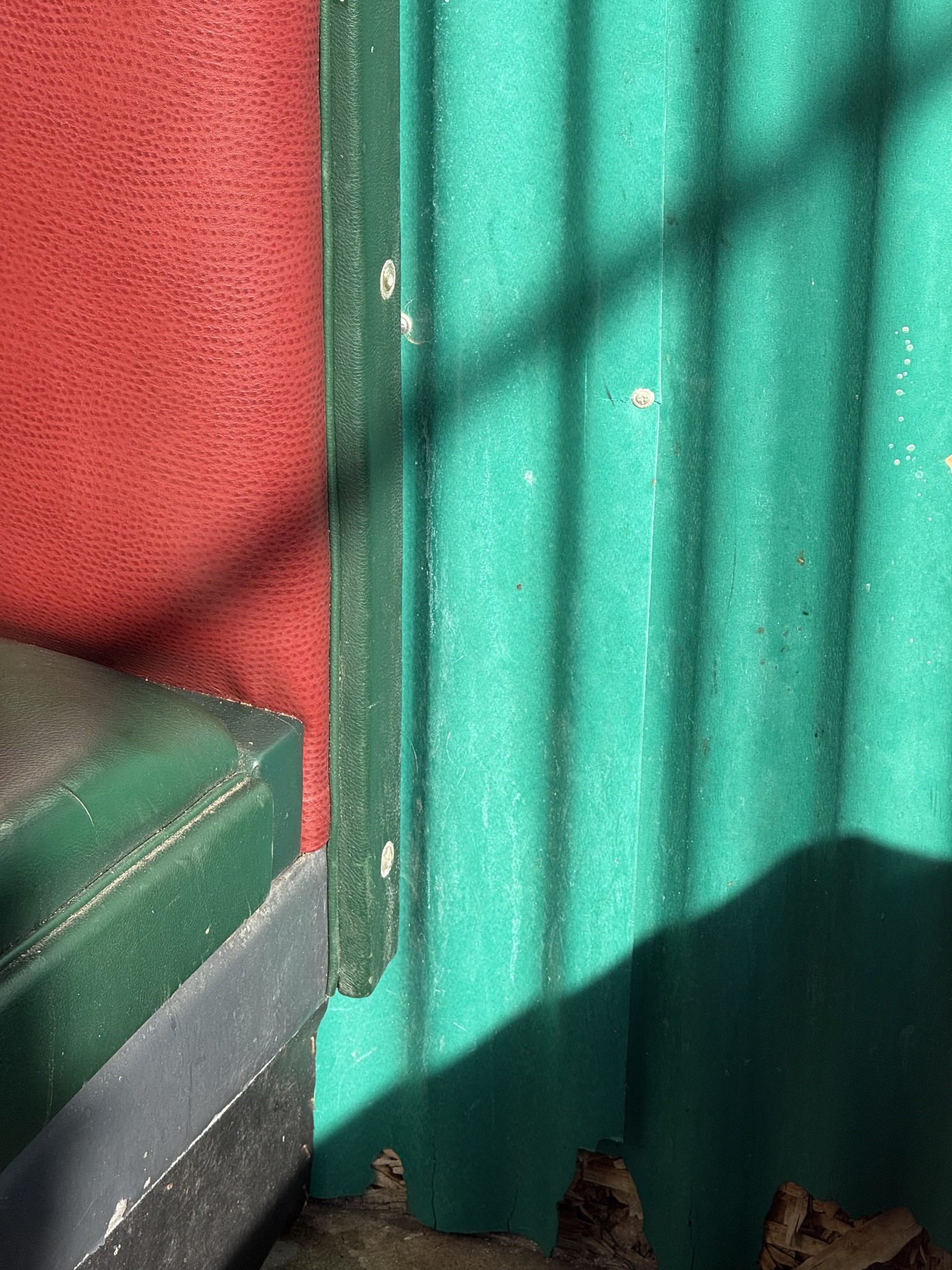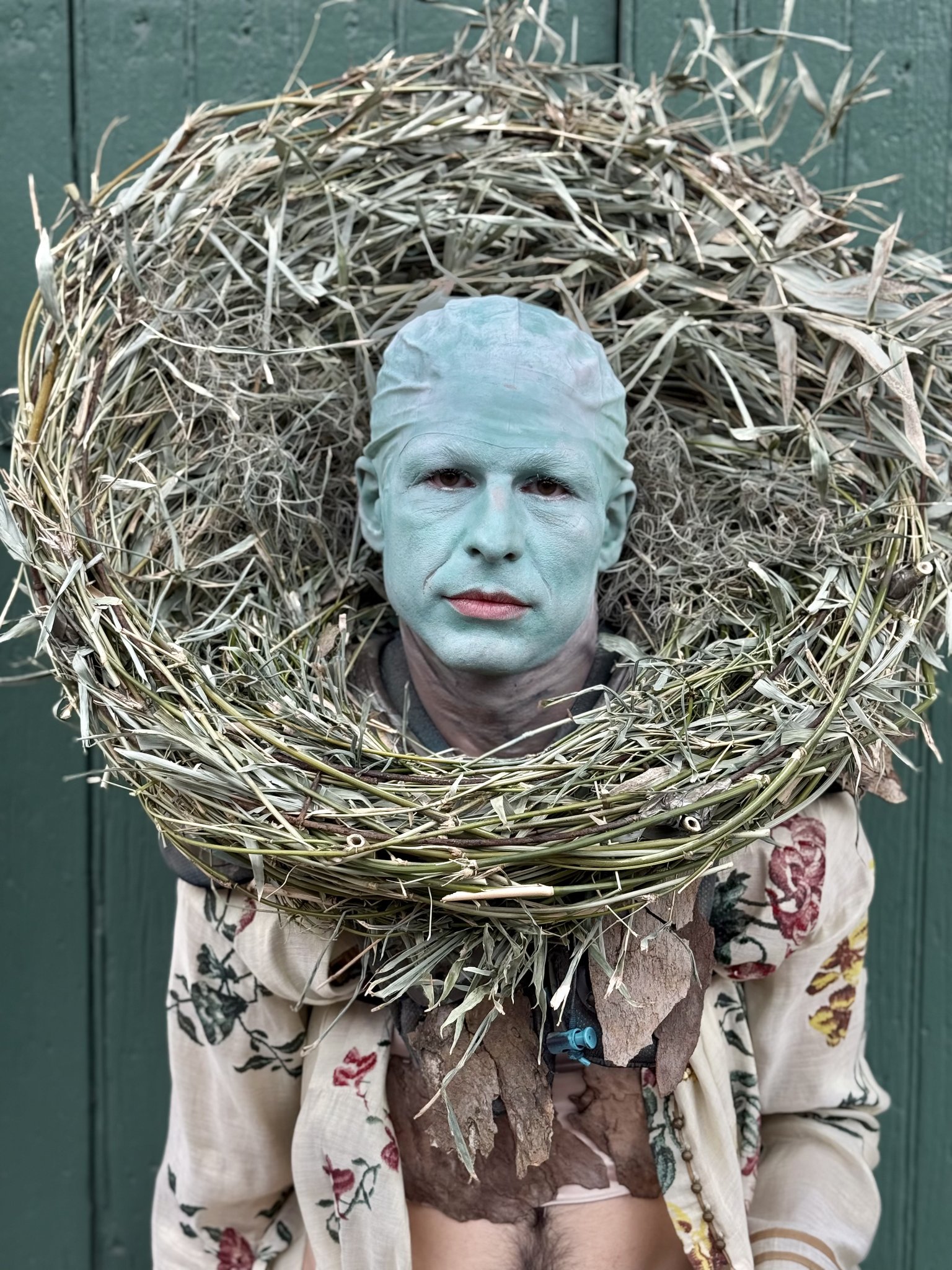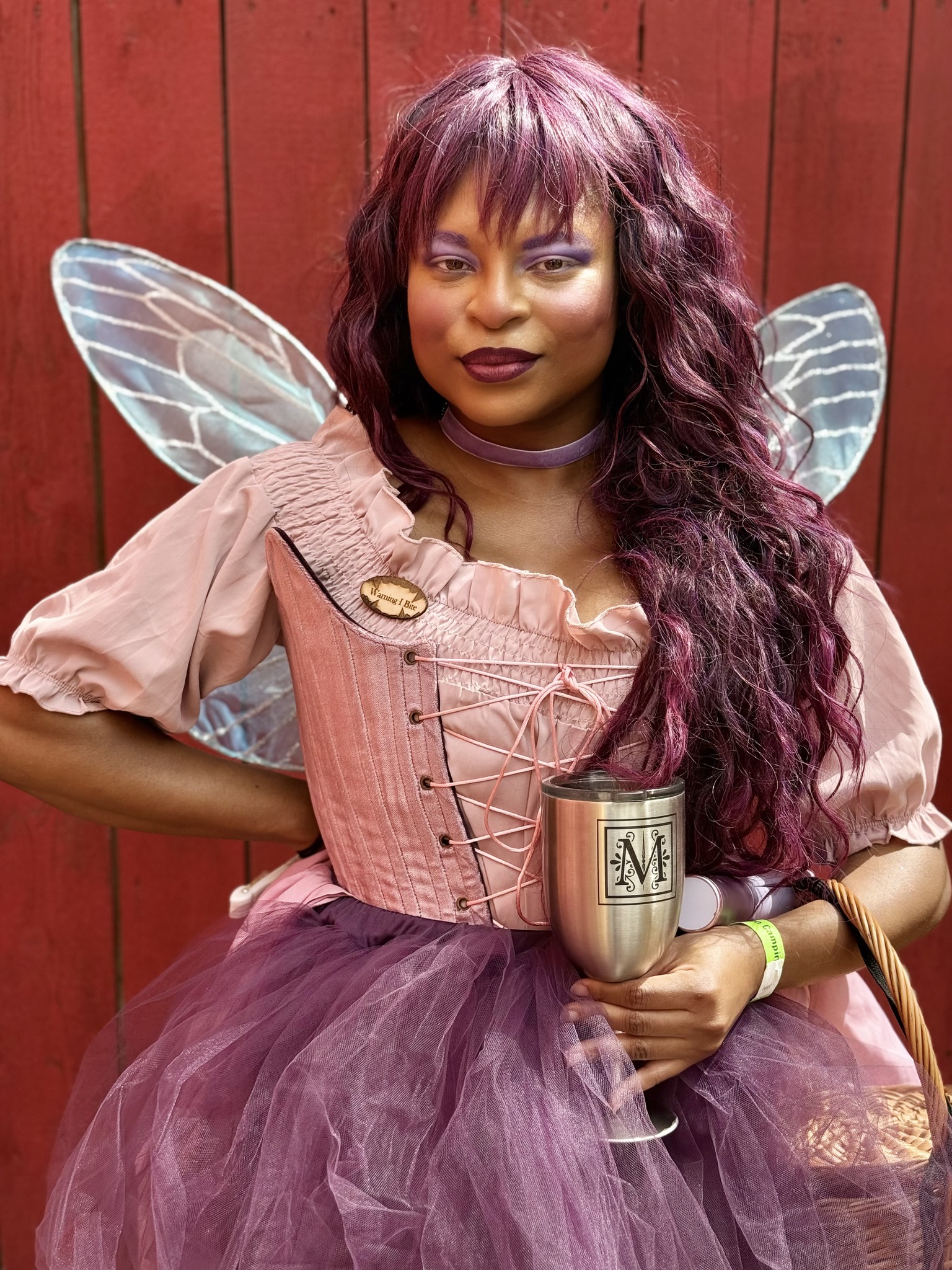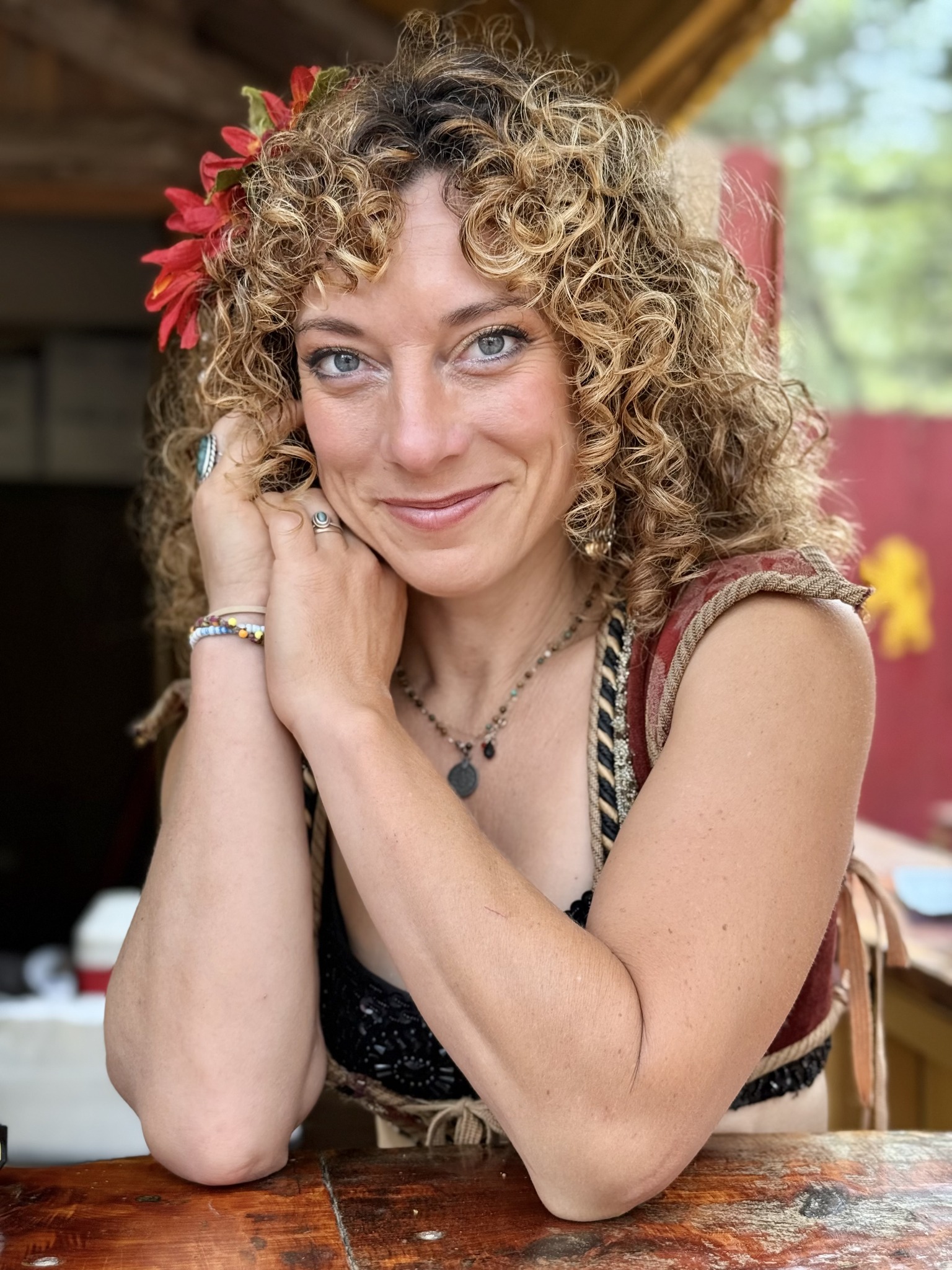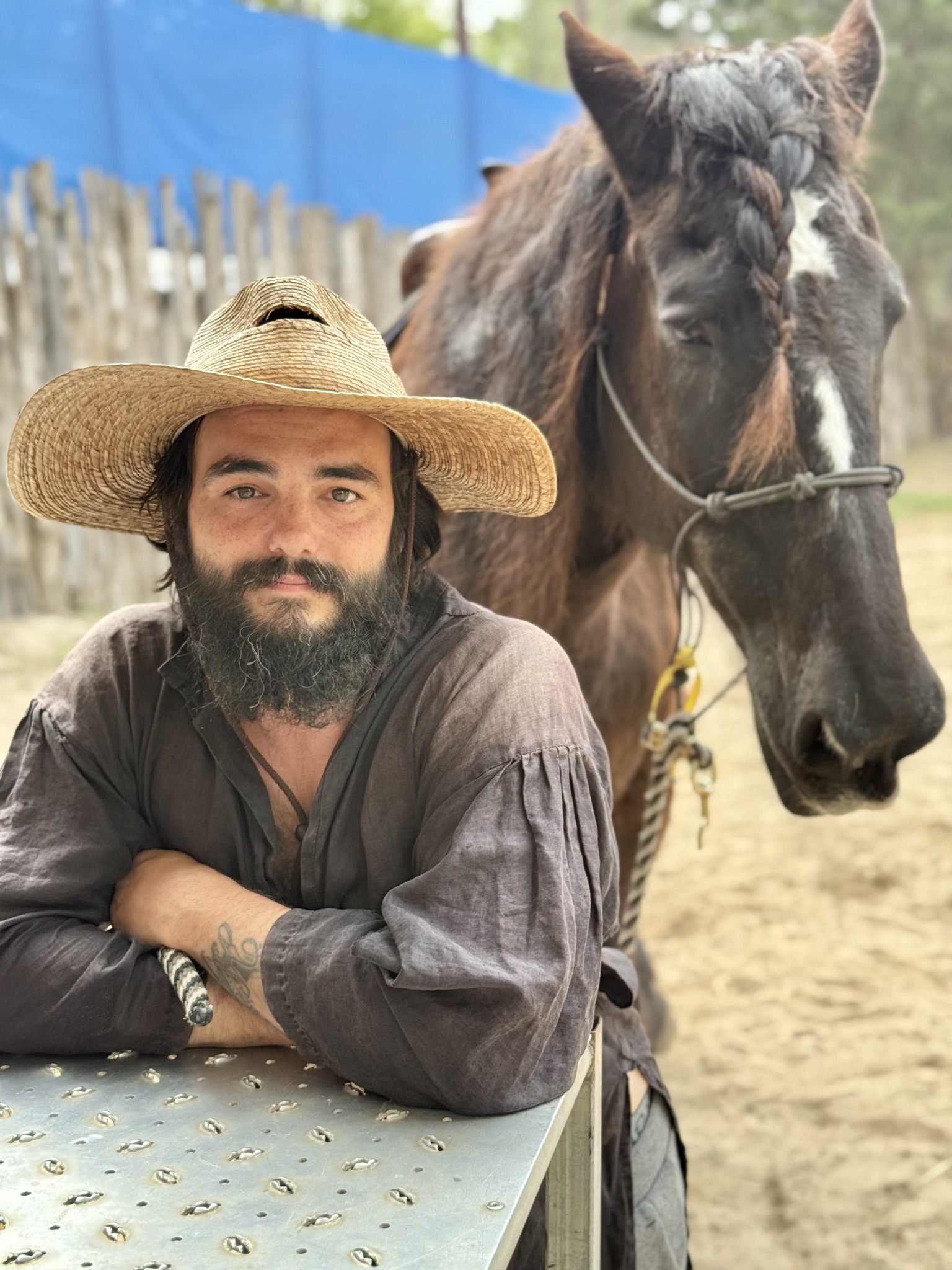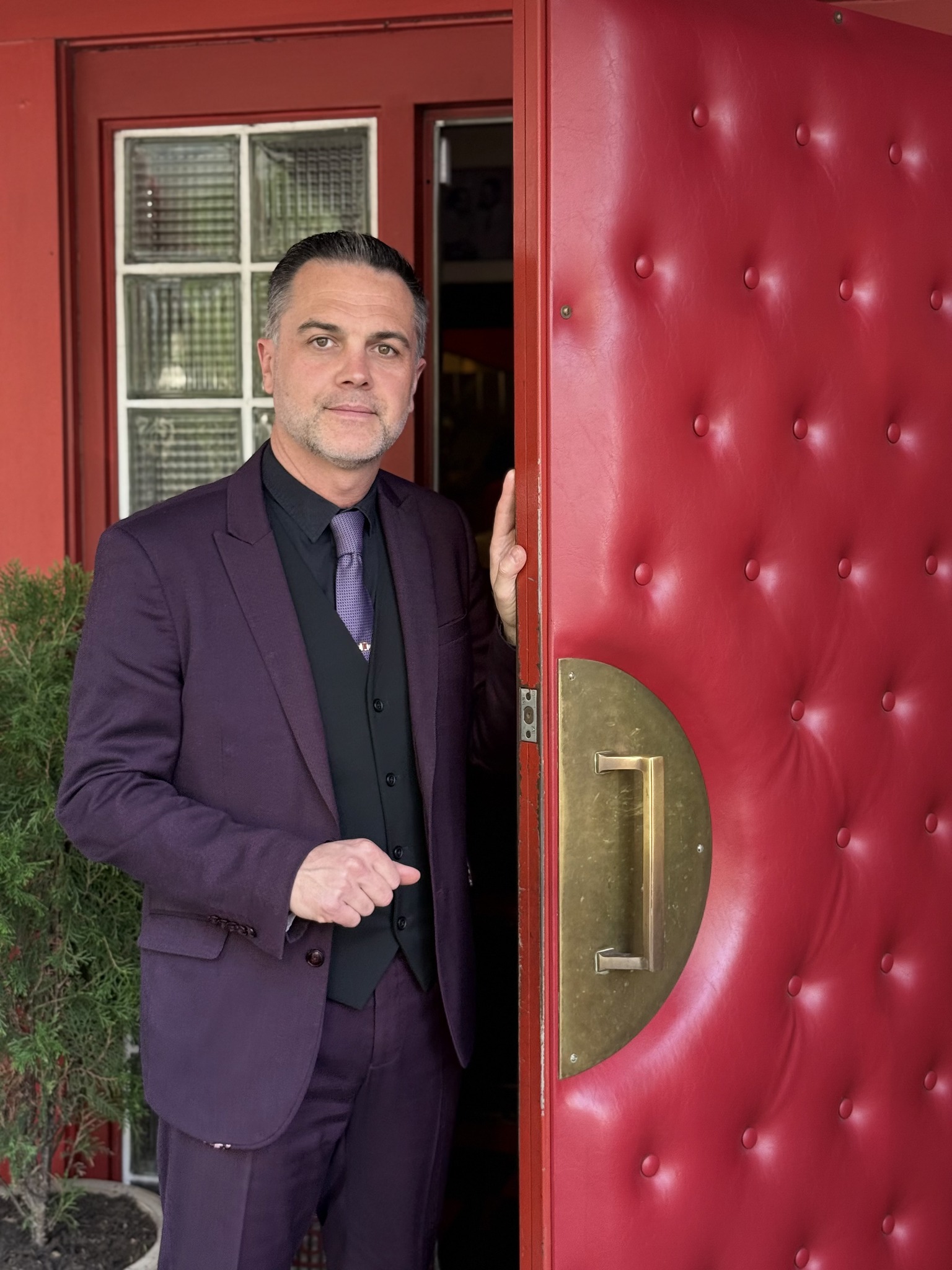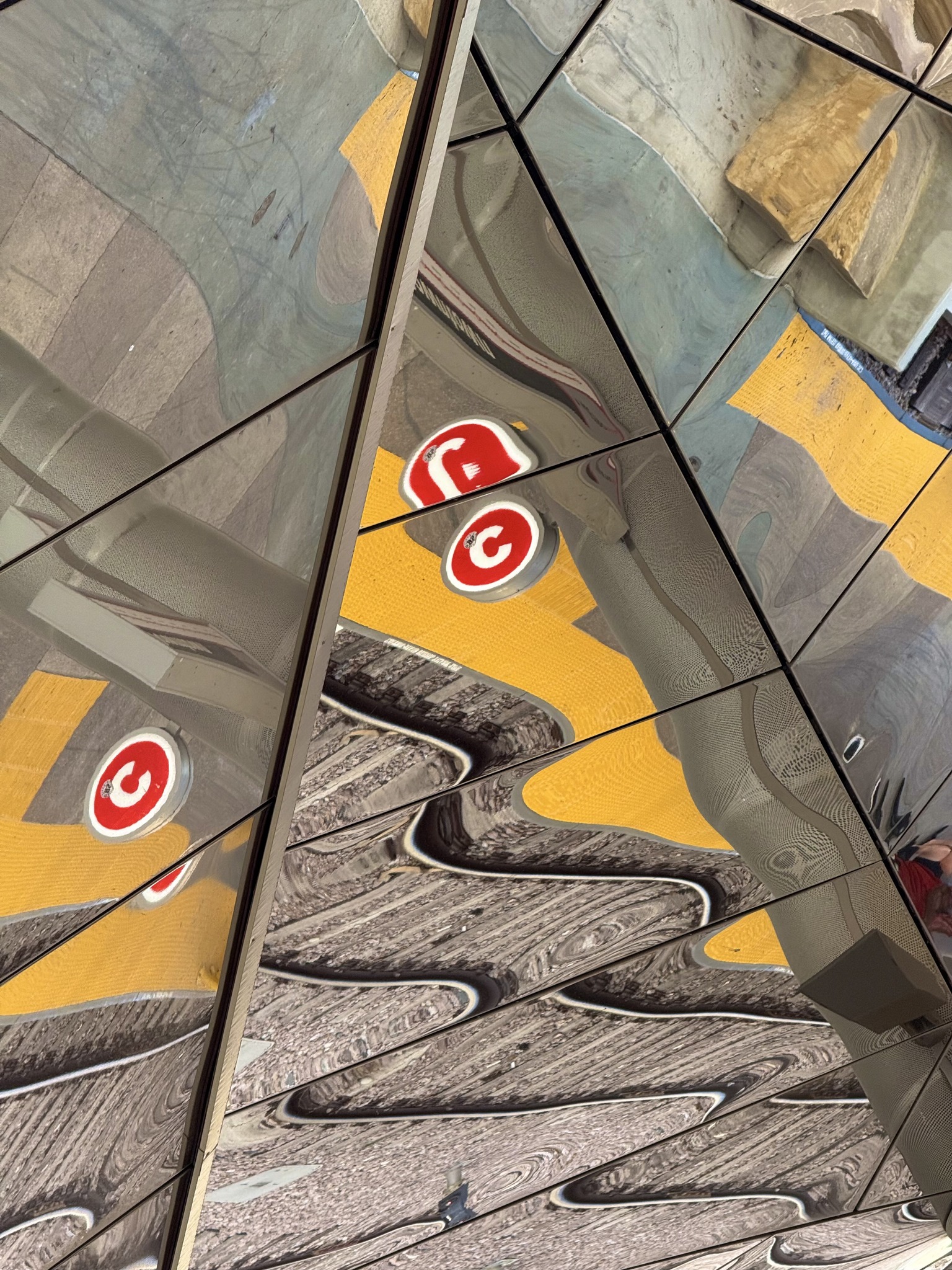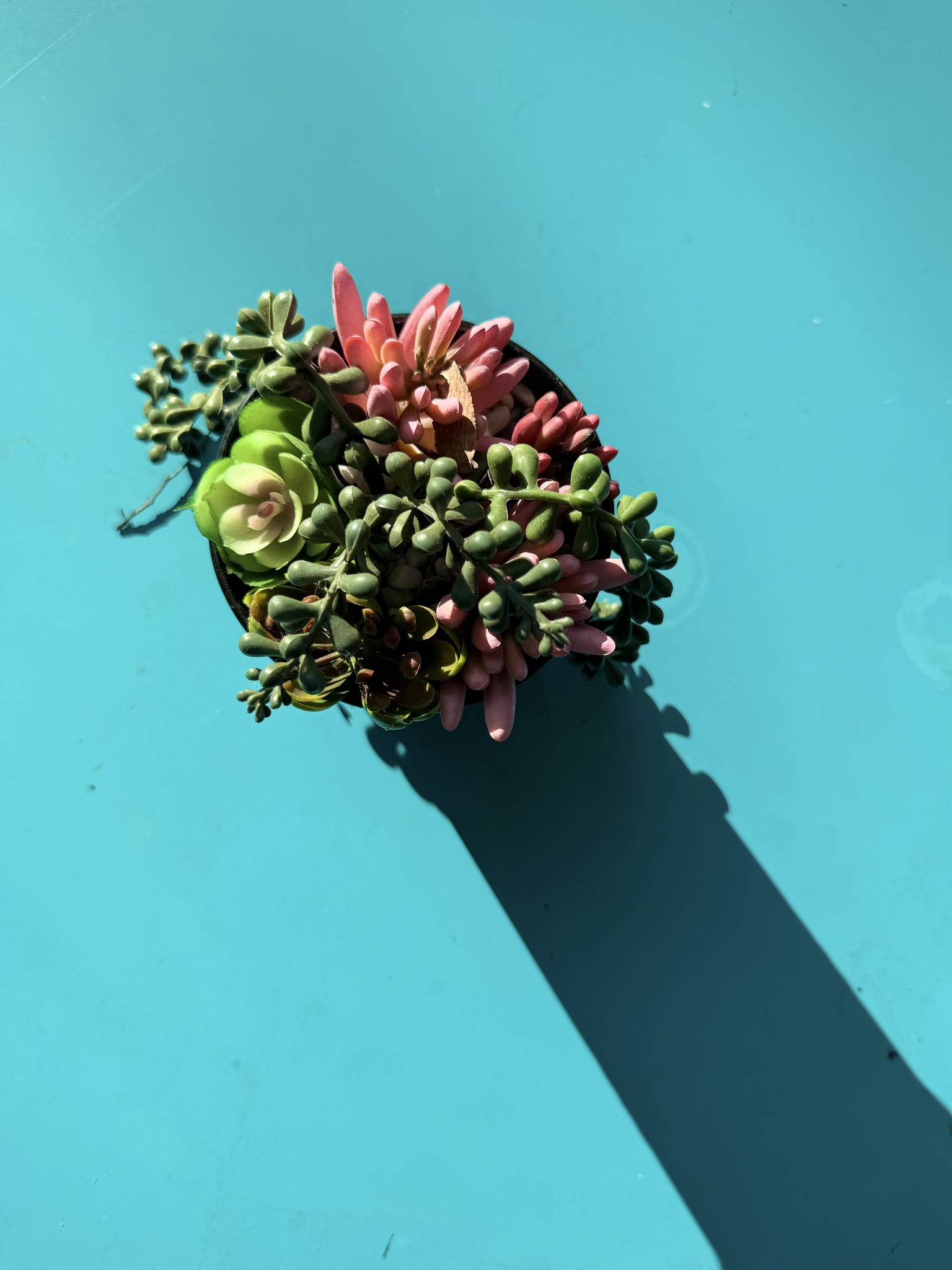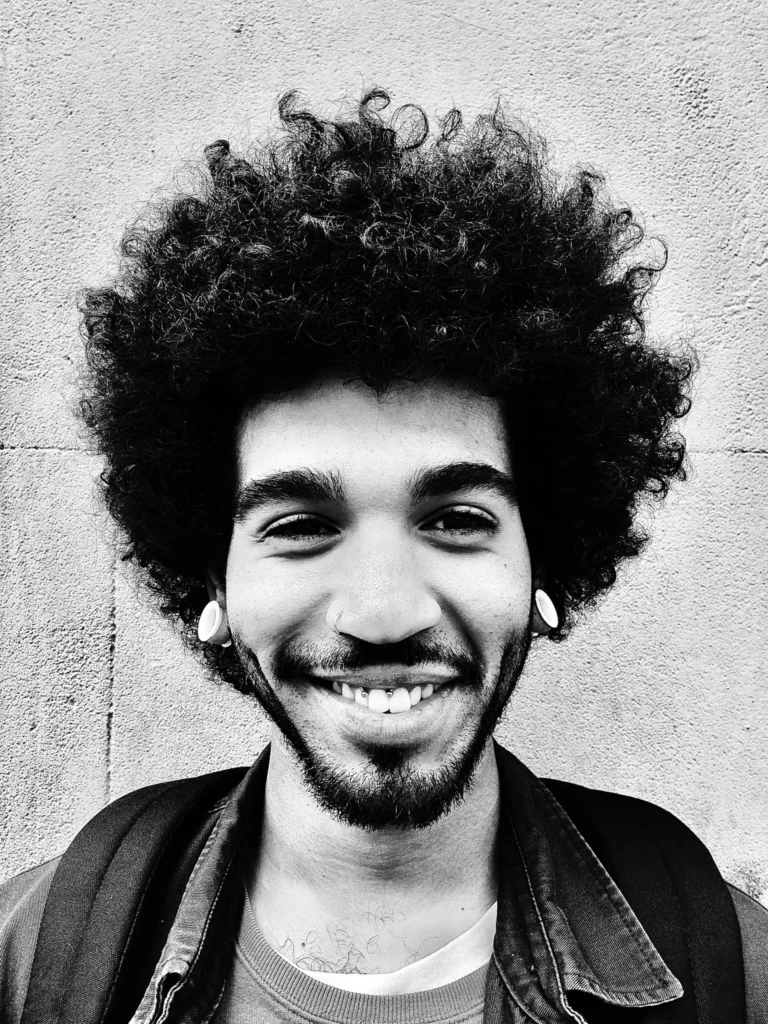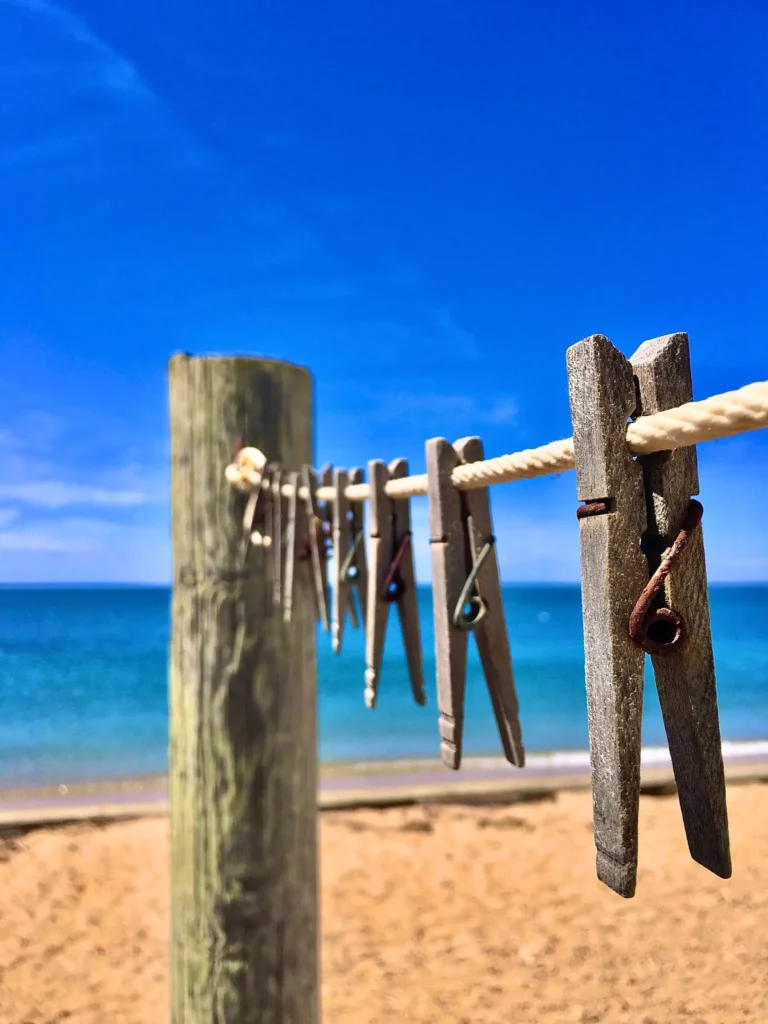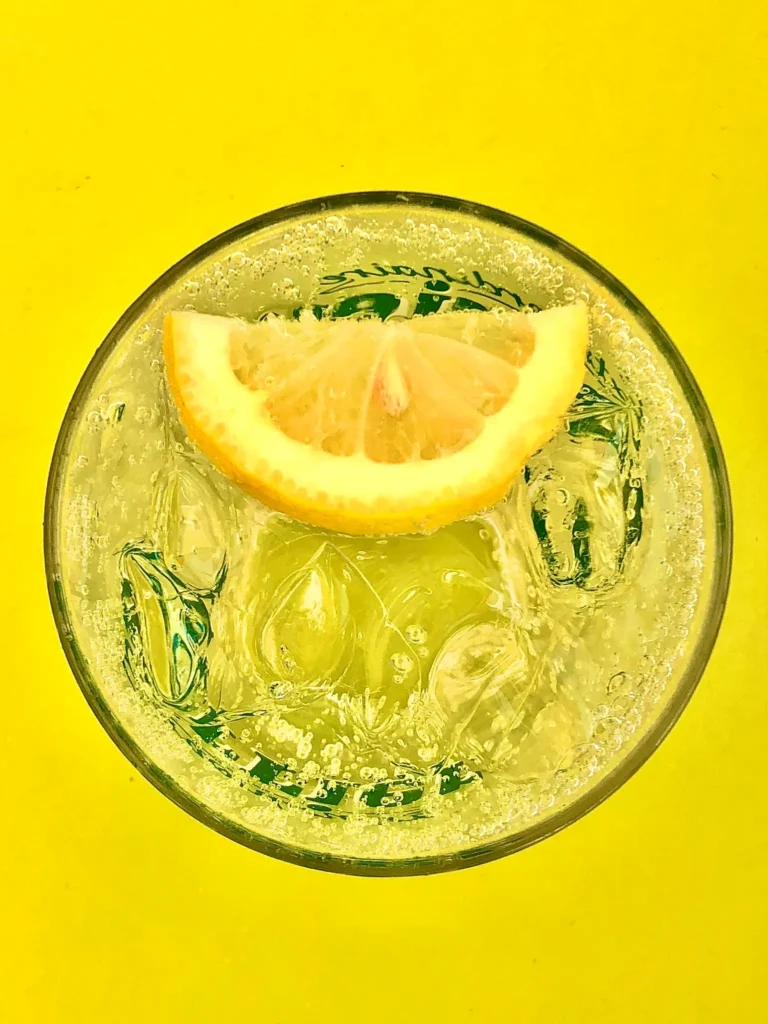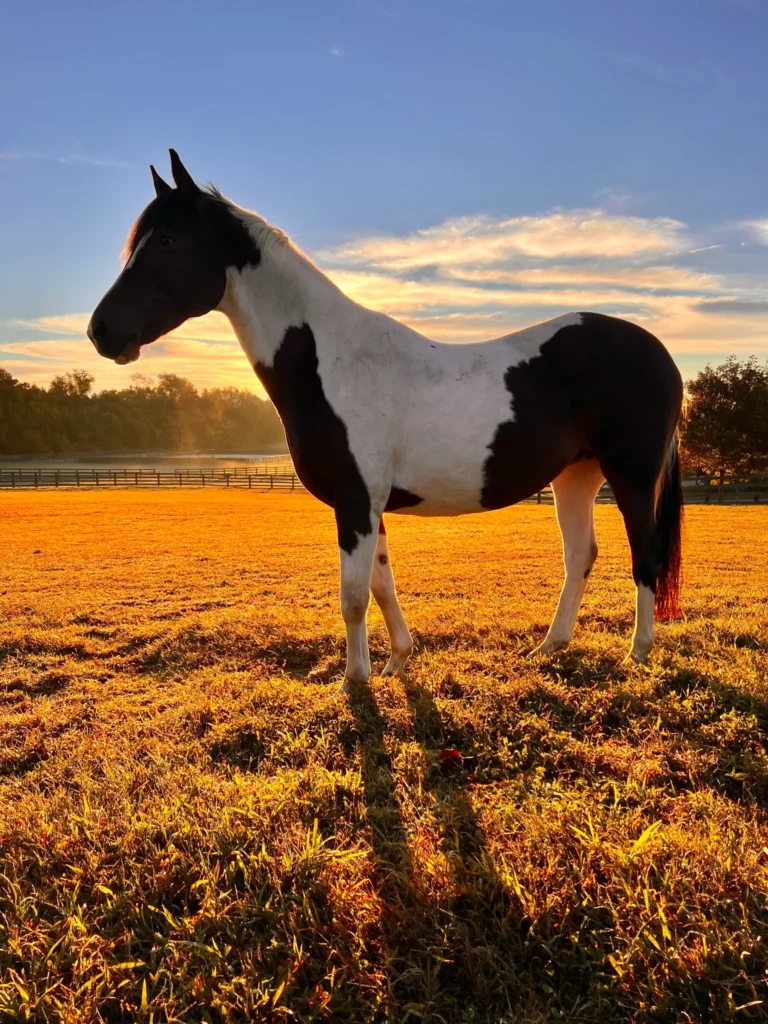
I didn’t set out in 2025 to make my “best work.”
I didn’t chase a project, a theme, a destination, or a deliverable. I didn’t have a shot list. I didn’t have a gear plan. I didn’t have a point to prove.
What I did have—finally—was space.
Space to slow down.
Space to notice.
Space to feel again what first pulled me into photography nearly fifty years ago.
Somewhere along the way, after decades of cameras, formats, darkrooms, lenses, assignments, upgrades, debates, and declarations, photography can quietly drift from being a way of seeing into a way of measuring. Measuring sharpness. Measuring relevance. Measuring likes. Measuring legitimacy.
In 2025, something shifted back.
This may very well be the most emotionally honest body of work I’ve ever made—not because it’s sharper, or more technically accomplished, or more ambitious, but because it’s truer. Truer to how I actually live. Truer to how I actually see. Truer to the reasons I picked up a camera in the first place.
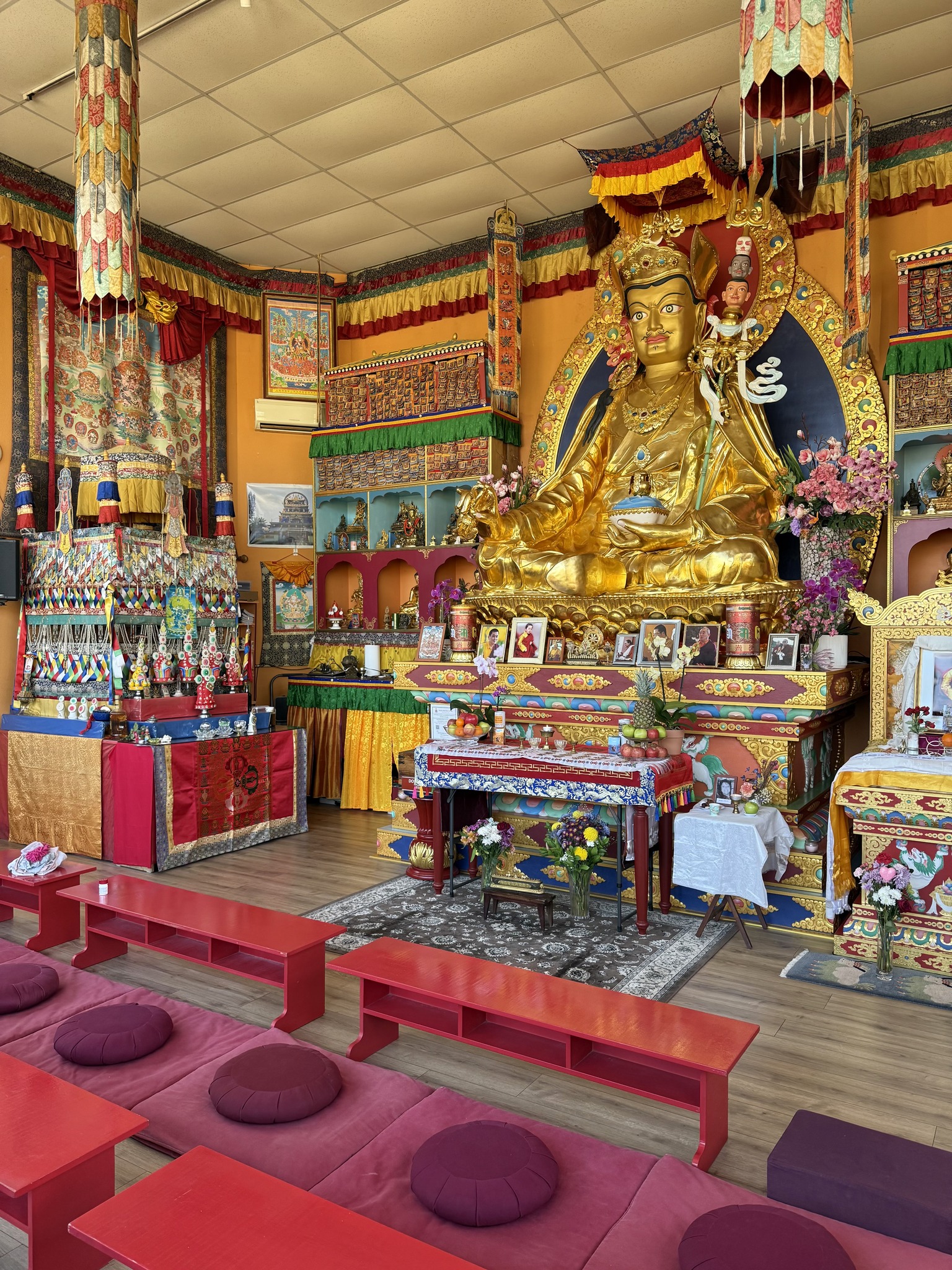
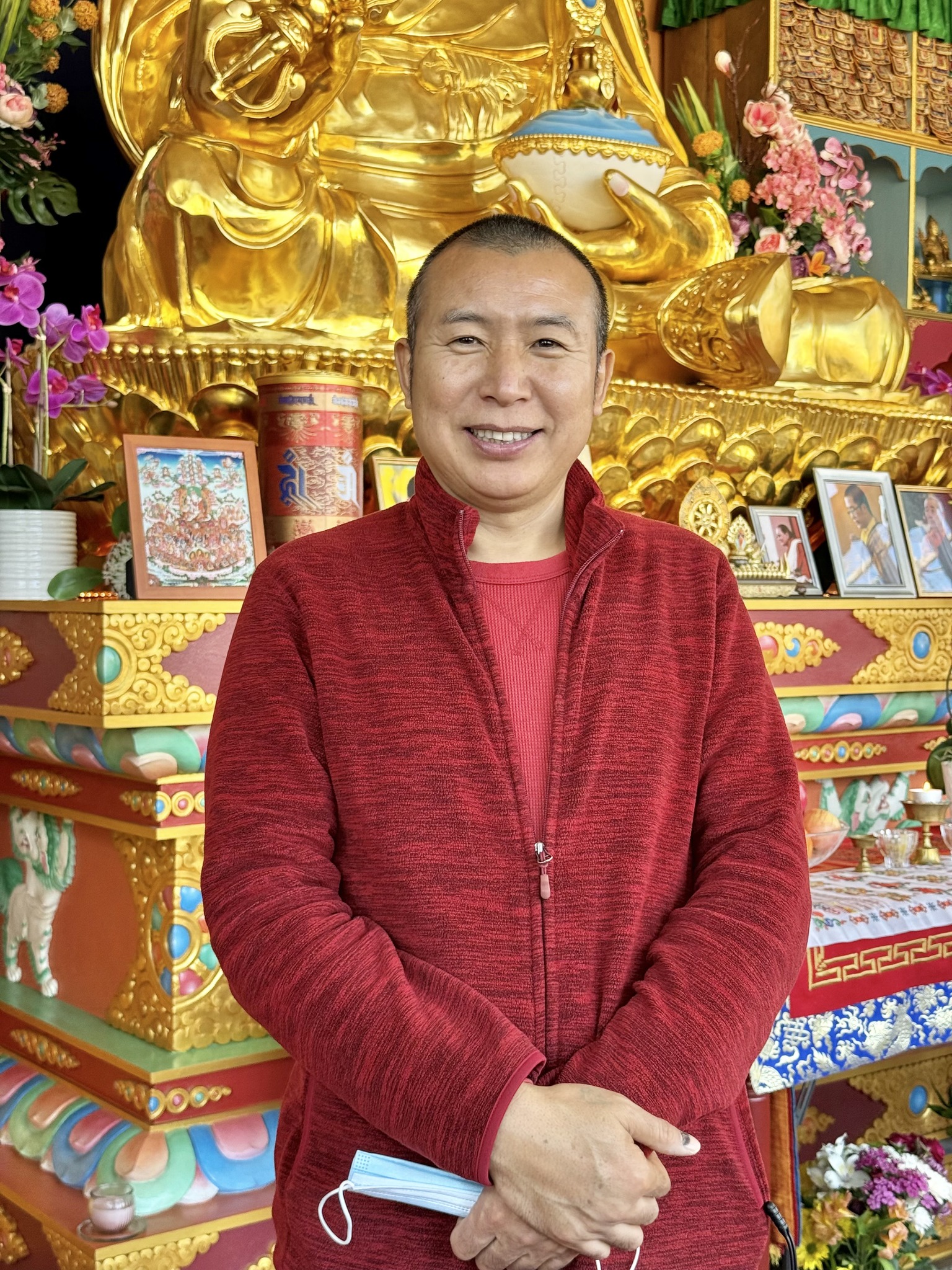
And yes, for most of this year, that camera happened to be an iPhone—specifically the iPhone 16 Pro Max and later the iPhone 17 Pro Max. But that’s not the story. Not really.
The story is what photography gave back to me this year.
Falling Back in Love with Seeing
When you’ve been doing something long enough, you don’t forget how to do it. You forget why.
In 2025, photography stopped asking me to perform and started asking me to pay attention.
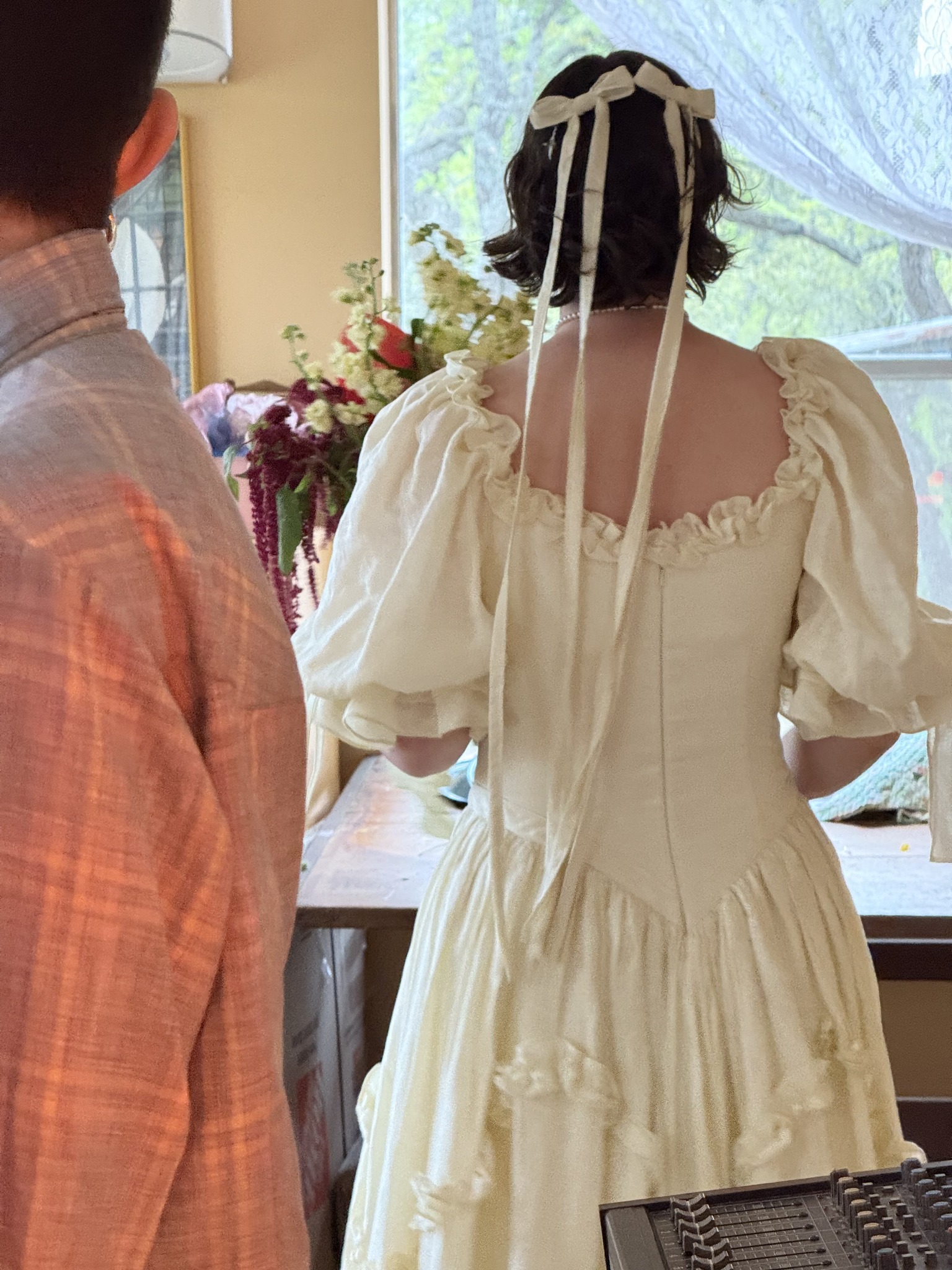
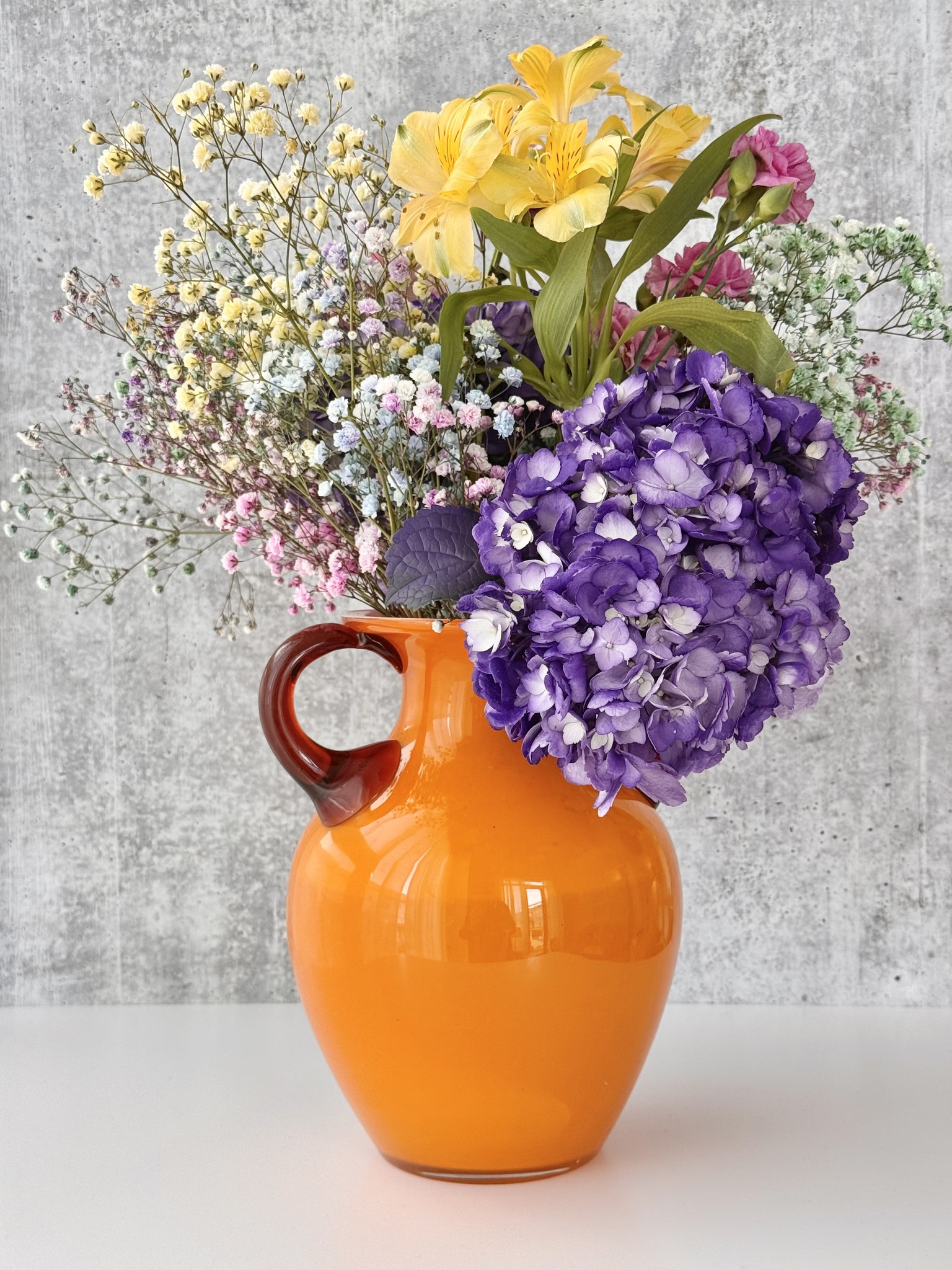
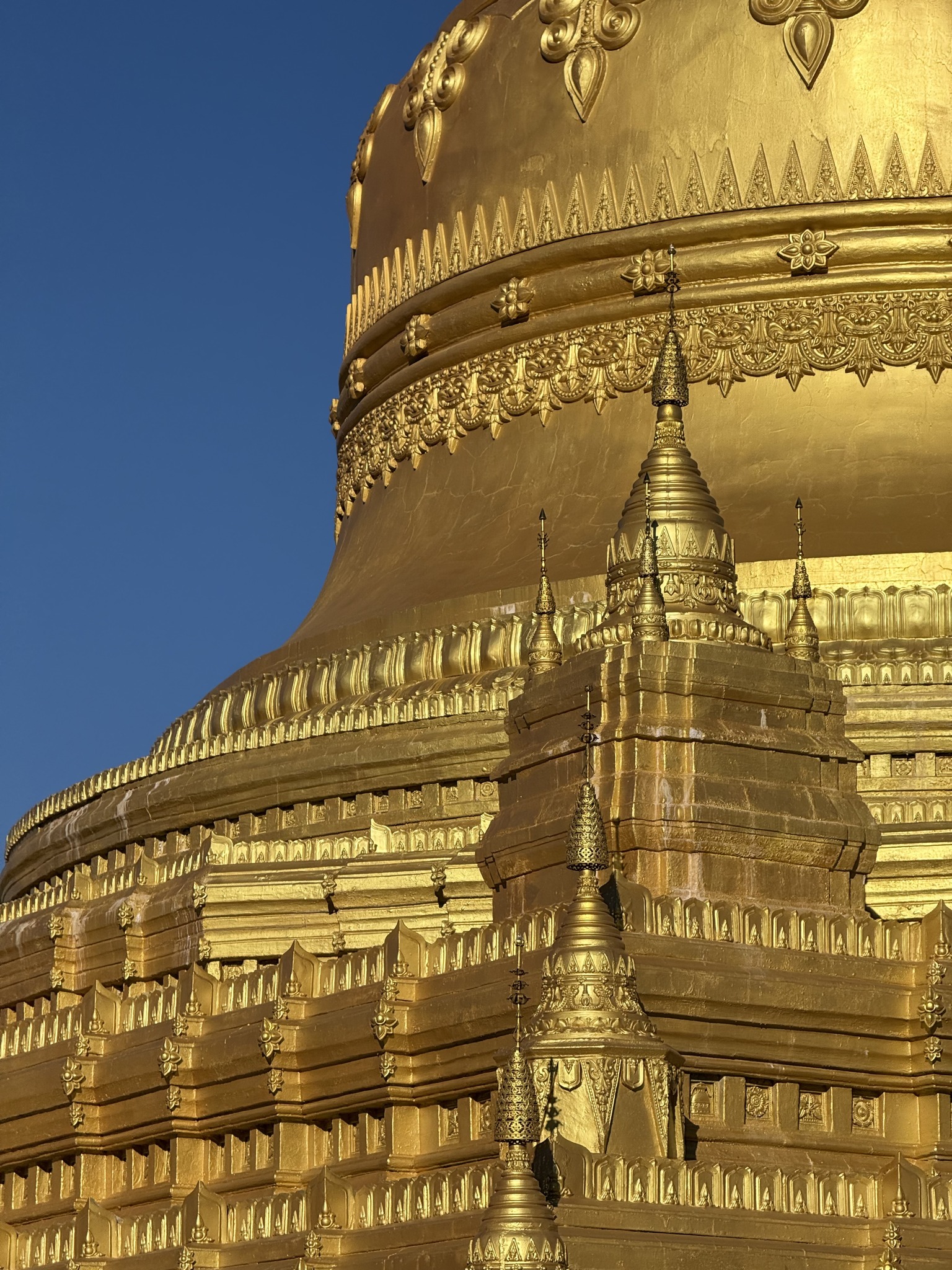
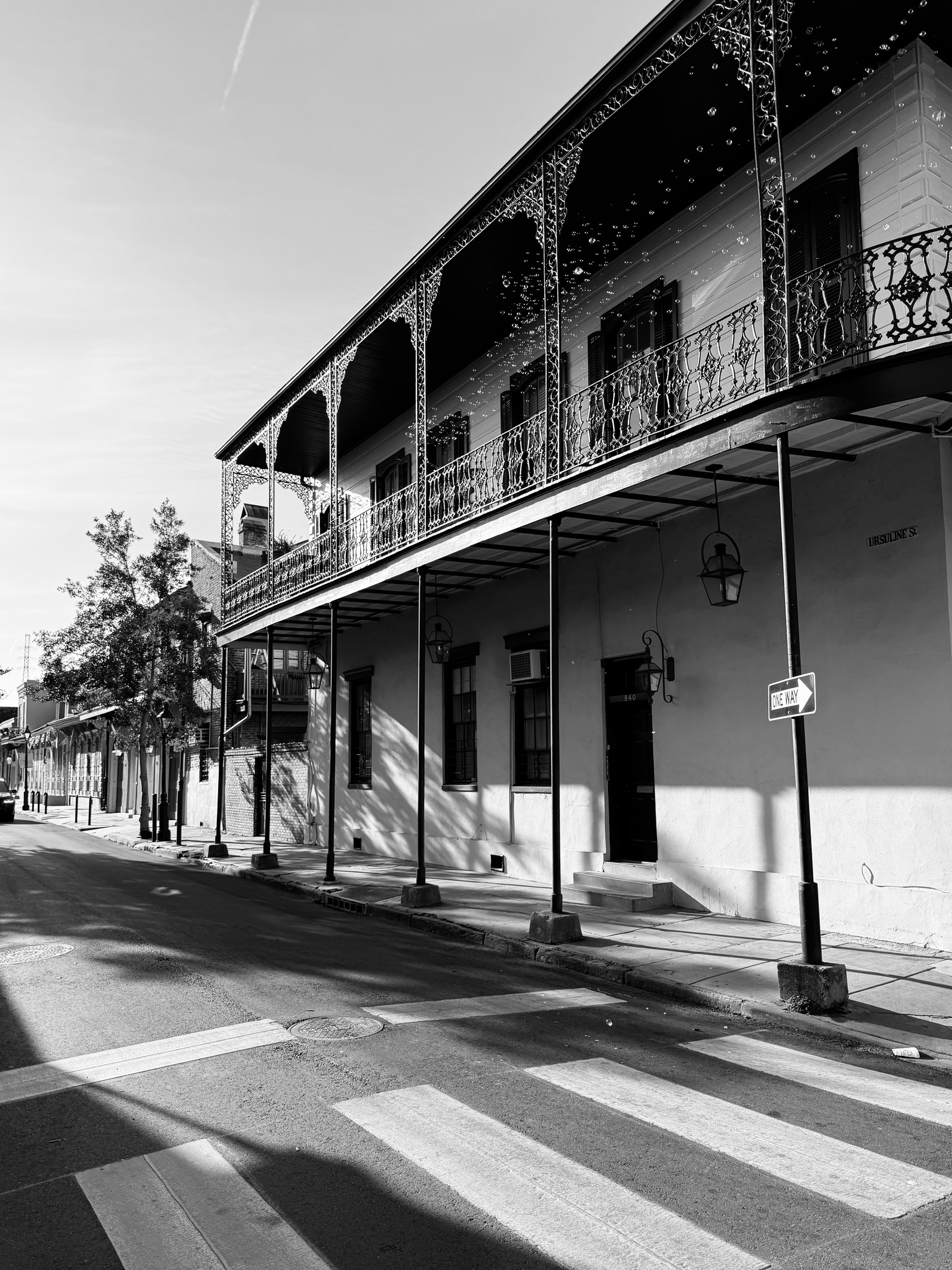
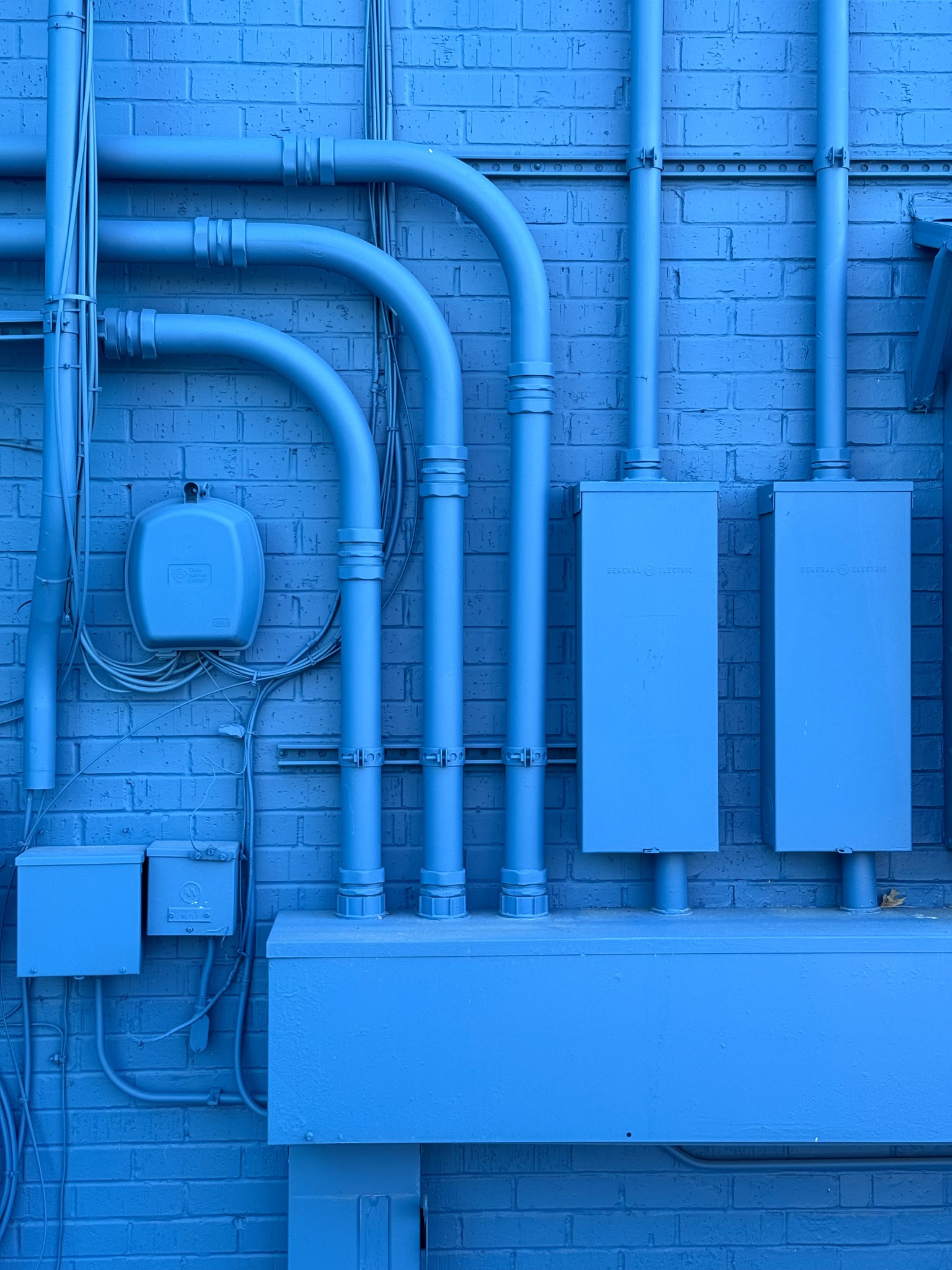
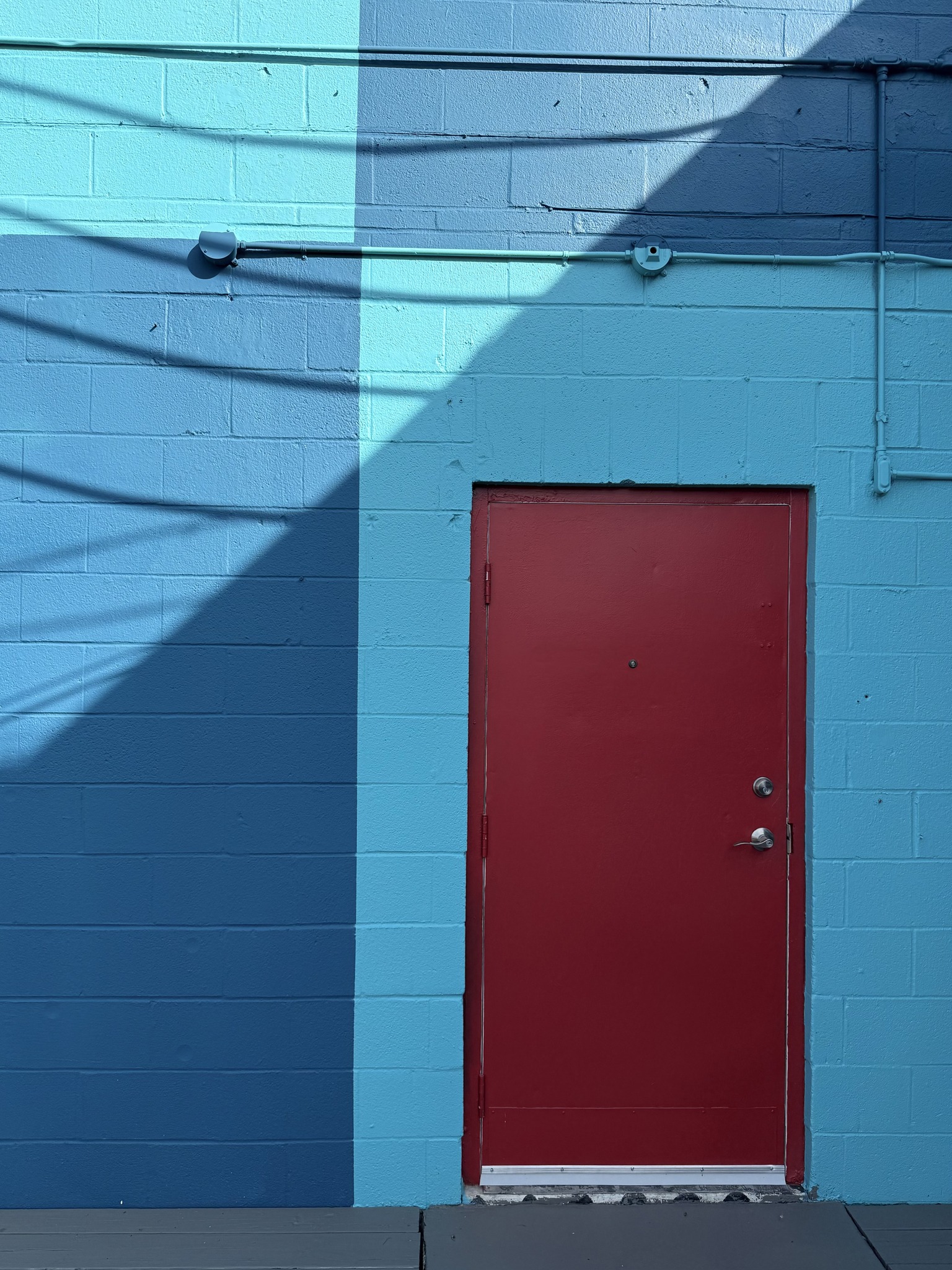
I fell back in love with light—not dramatic light, not golden-hour hero light, but ordinary light. Window light. Overcast light. Late-afternoon light slipping across a wall and disappearing before anyone else noticed. Light that doesn’t announce itself. Light that simply exists.
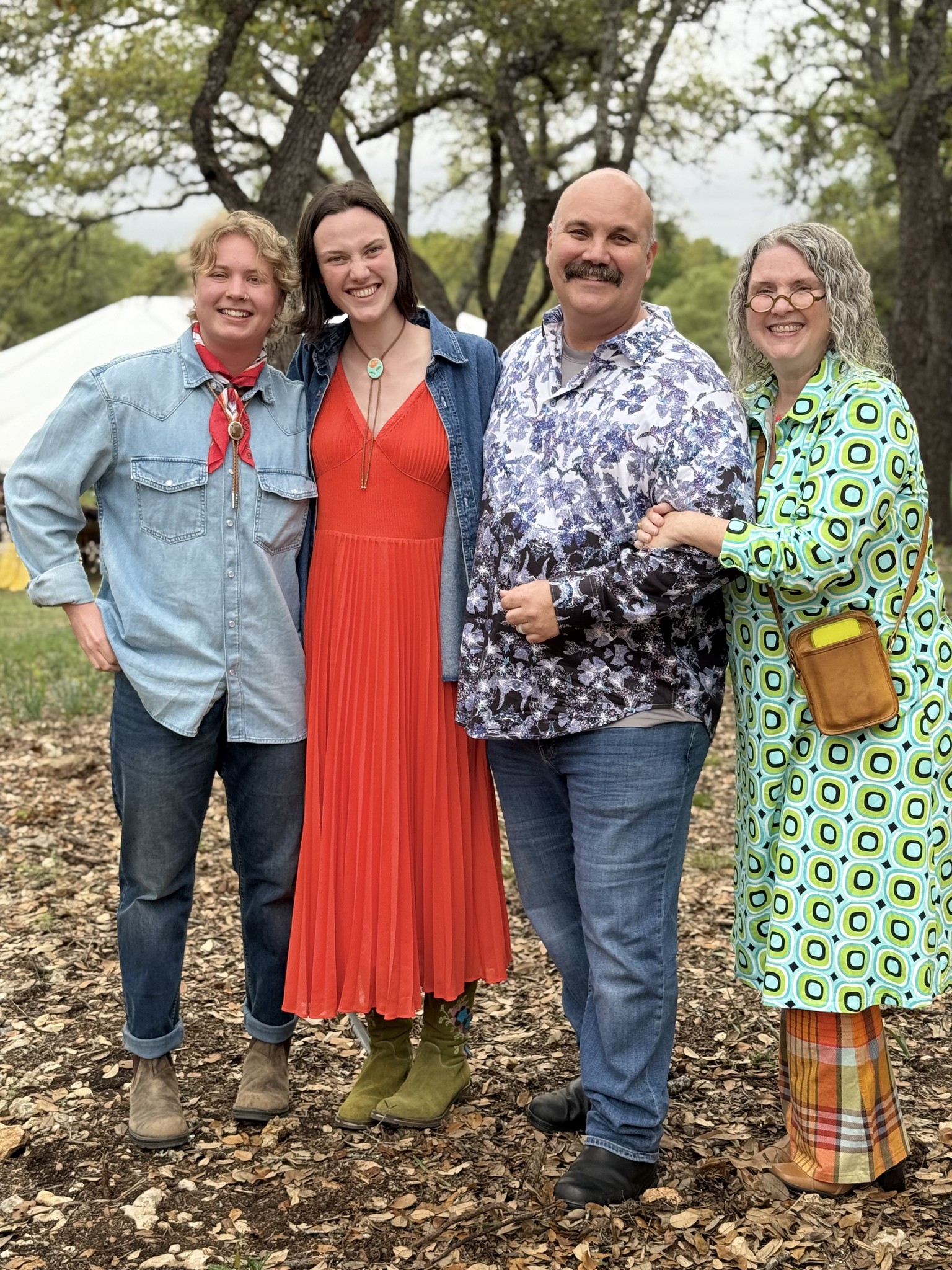
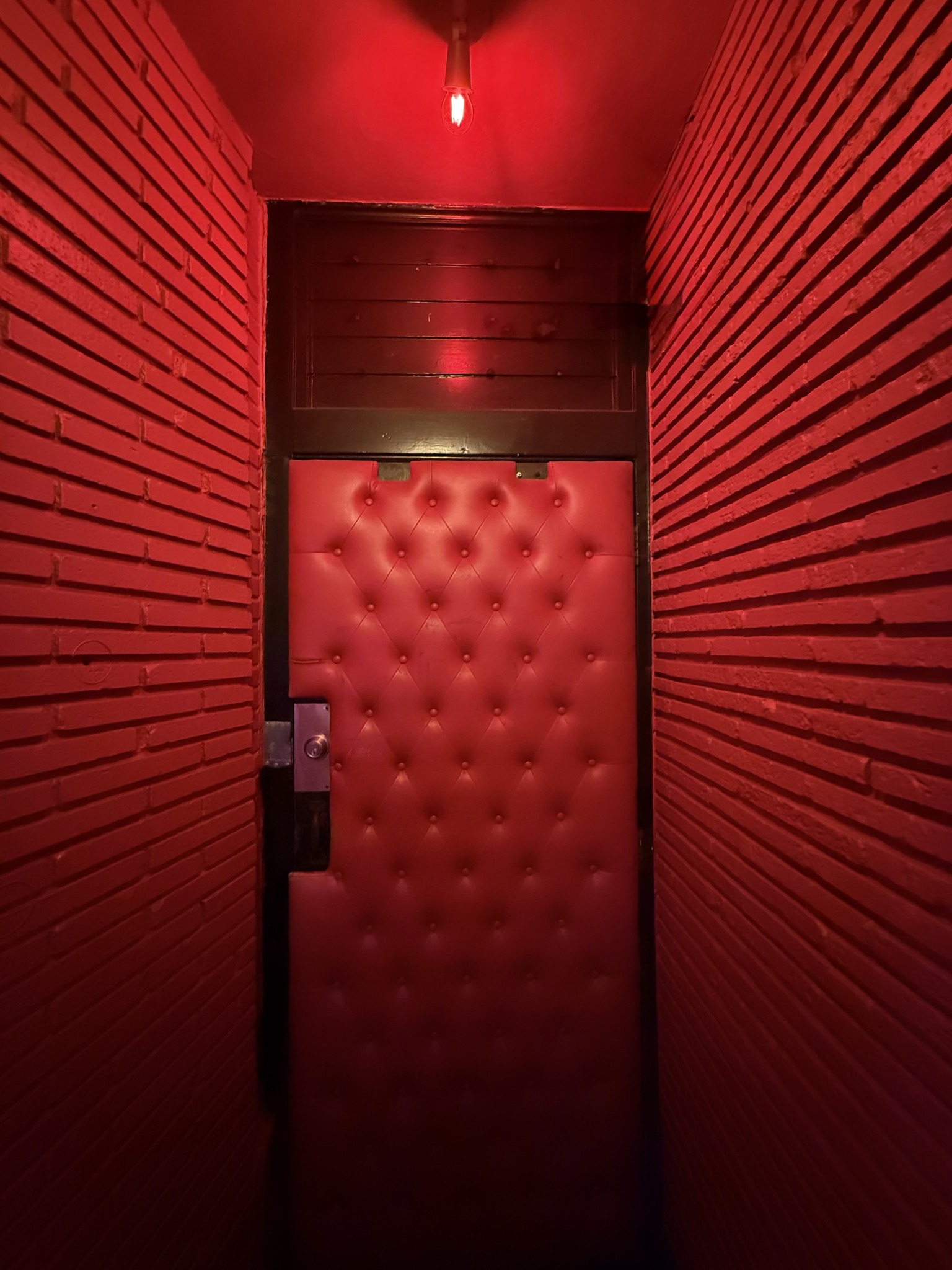
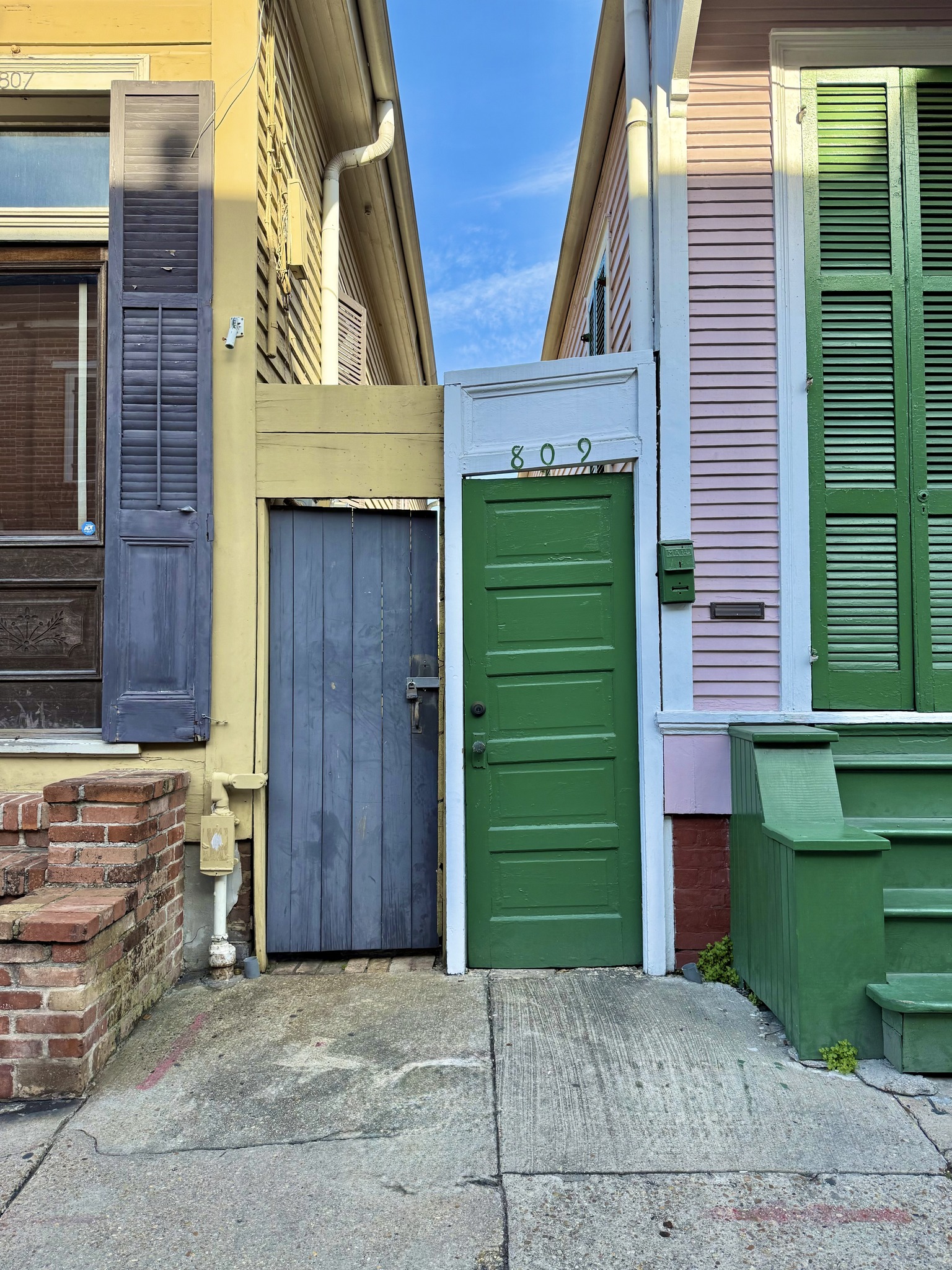
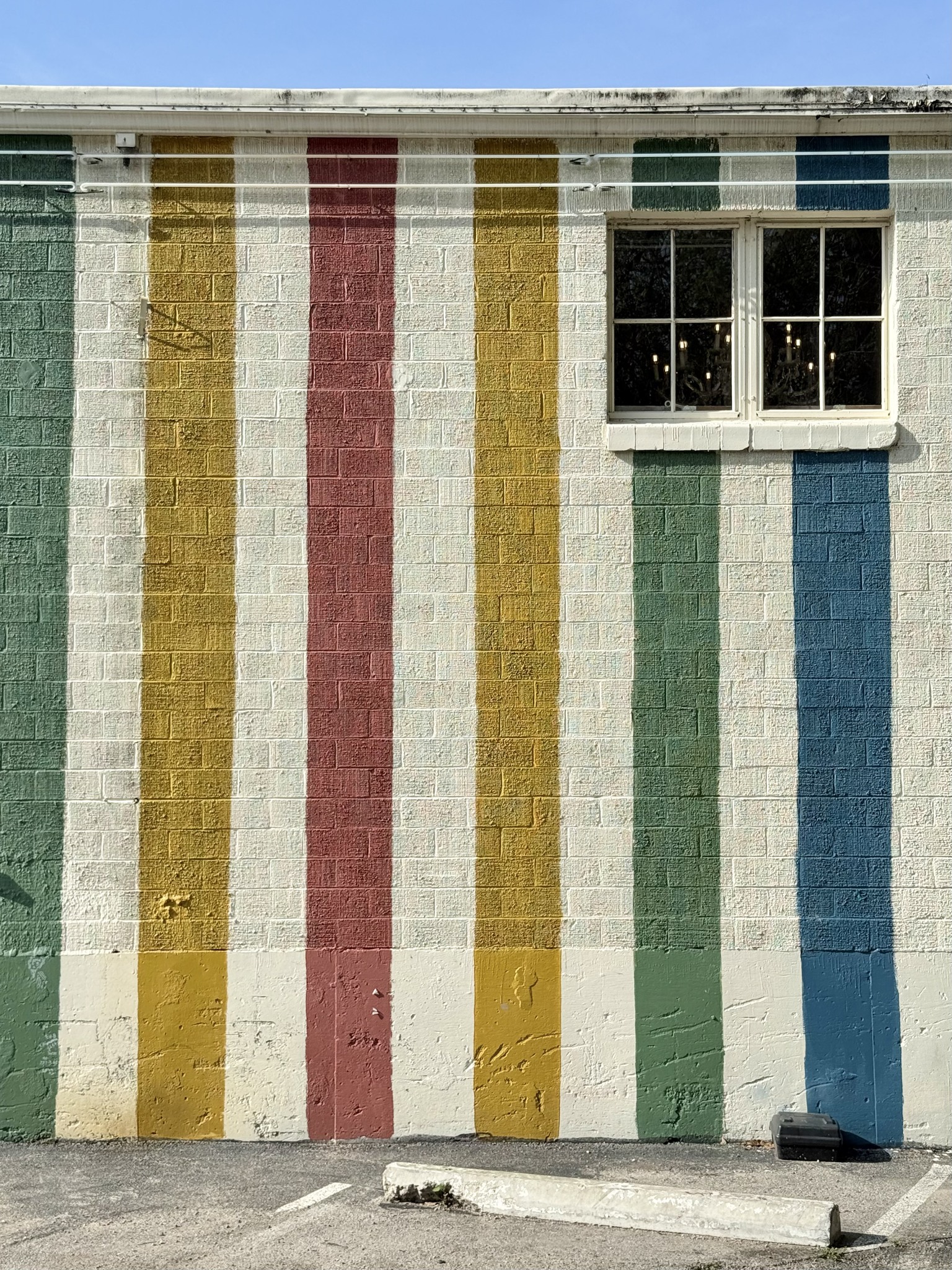
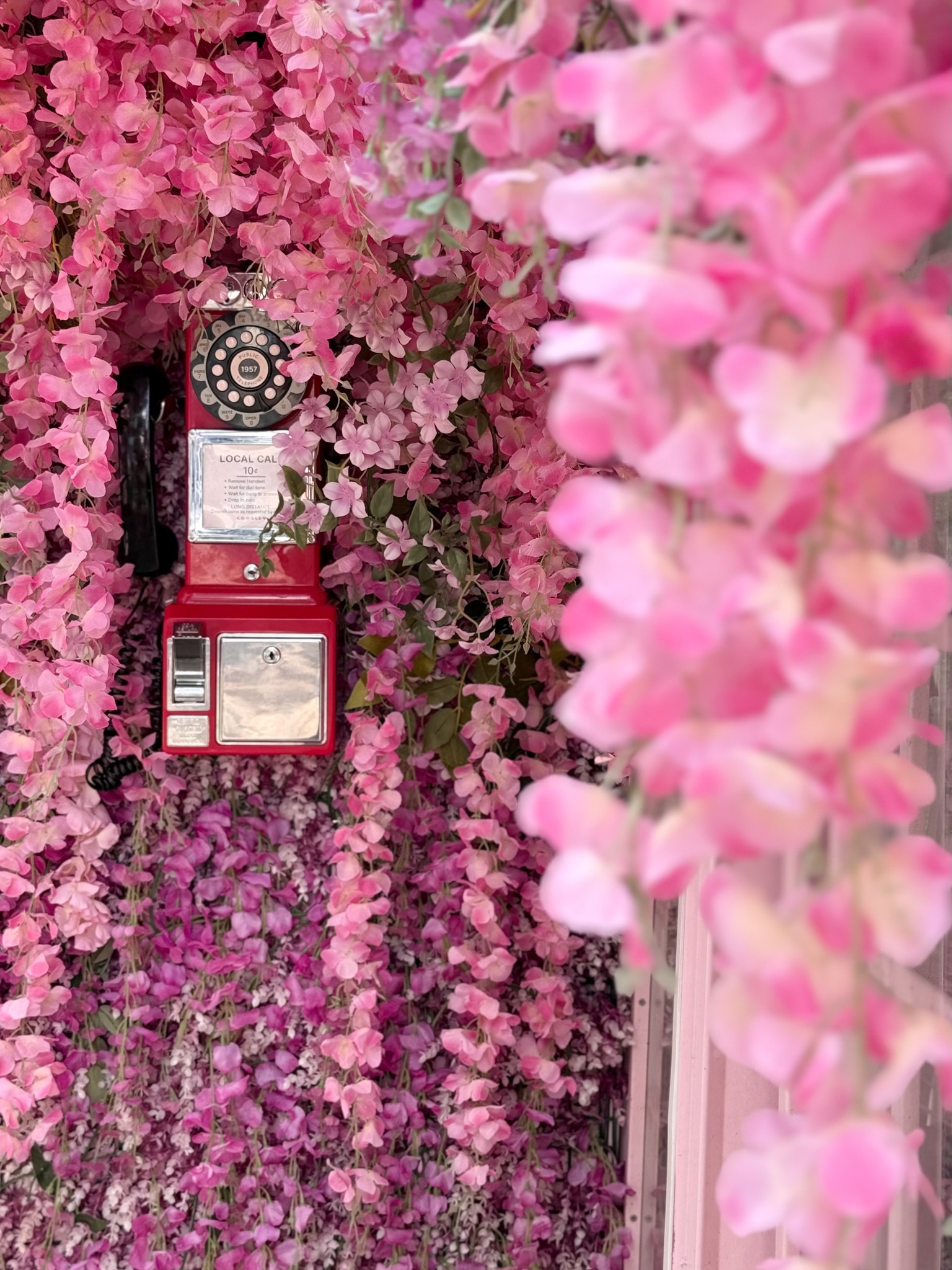
I fell back in love with color—not stylized color, not algorithmically sweetened color, but color as it appears in real life. Muted. Conflicted. Sometimes ugly. Sometimes achingly beautiful. Color that carries mood instead of punch.
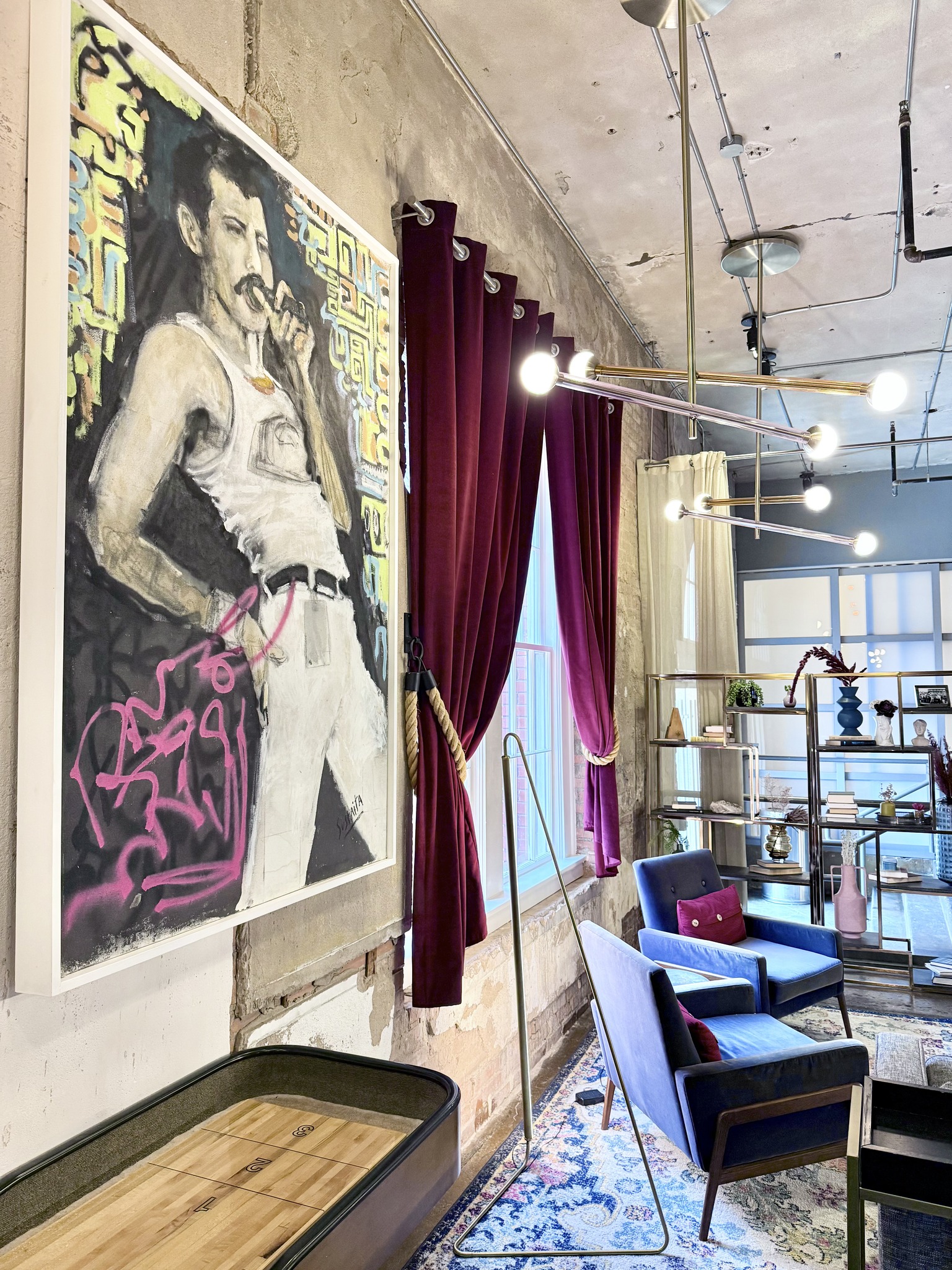
And I fell back in love with design—the quiet, often accidental arrangements of shape, line, and balance that exist everywhere if you slow down long enough to see them. Design doesn’t need a subject. It doesn’t need permission. It just needs attention.
None of these things care what camera you’re holding.
Light has never once asked me what sensor I’m using.
Color has never cared about my megapixels.
Design has never checked my EXIF data.
Those lessons were never lost. They were just drowned out by noise.
In 2025, the noise faded.
The iPhone, Reconsidered
Let’s get this out of the way.
No, the iPhone does not—and will not—produce higher-quality image files than dedicated cameras with large, full-frame sensors. Physics still applies. Surface area still matters. Photons still behave the way photons behave.
That argument is settled. It’s not controversial. It’s just reality.
But here’s the problem: we keep defining image quality as if it exists in a vacuum.
As if photographs are still primarily destined for gallery walls, archival storage, or forensic inspection at 200% magnification. As if the dominant question is how clean a file looks instead of how deeply it lands.
That’s not how photographs live anymore.
We are defining image quality today based on how images are used.
How quickly they move.
How easily they’re shared.
How intimately they’re experienced.
How often they’re revisited.
How honestly they reflect the life that made them.
By those standards, the conversation changes completely.
This isn’t a better-or-worse argument. It’s a different game altogether.
New rules.
New players.
New stadium.
The iPhone didn’t win by outperforming traditional cameras on their terms. It won by changing the terms entirely.
In 2025, the iPhone felt less like a compromise and more like an extension of my nervous system. It was always there. Always ready. Never asking to be set up, justified, or explained. It got out of the way in a way that traditional cameras—brilliant as they are—often don’t.
And when friction disappears, something else shows up.
Presence.
Photography Without Permission
One of the quiet gifts of working with an iPhone is that it doesn’t announce itself as Photography with a capital P.
It doesn’t demand reverence.
It doesn’t intimidate.
It doesn’t separate you from the moment you’re standing in.
In 2025, that mattered more to me than image purity.
I made photographs while walking, while waiting, while living. Not as a performance, not as a project, but as a reflex. The camera wasn’t something I brought to life. It was something that lived inside it.
This kind of photography doesn’t chase spectacle. It honors proximity.
It favors closeness over conquest.
Intimacy over distance.
Familiarity over novelty.
And the strange thing is, the more ordinary my subjects became, the more meaningful the photographs felt.
Not because they were important—but because they were mine.
Click and Tick
There’s a phrase I’ve returned to often: click and tick.
The click is the shutter.
The tick is time passing.
Every photograph lives at that intersection.
In 2025, I felt that more deeply than ever.
Photography became less about accumulation and more about acknowledgment. A way of saying: I was here. This mattered. This passed.
That awareness spills into everything else—how you move through the world, how you listen, how you speak, how you disagree, how you love.
I don’t separate photography from life anymore. I don’t believe you can.
How you photograph is how you see.
How you see is how you live.
And how you live—whether you admit it or not—is shaped by your values, your politics, your beliefs, and yes, your non-beliefs.
I don’t need photography to preach for me. I need it to tell the truth as I experience it. A truth rooted in presence, skepticism, wonder, and an unshakable belief that attention itself is a moral act.
The Golden Age We Don’t Know We’re In
We like to speak nostalgically about photography’s past—the great masters, the golden eras, the purity of film, the romance of limitation.
But step back for a moment.
Never before in human history have more people had access to cameras this capable.
Never before have more people had the ability to document their lives, their families, their streets, their small, fleeting moments.
Never before has photography been so embedded in daily existence.
Yes, this abundance comes with noise. Yes, it comes with banality. Yes, it comes with a flood of forgettable images.
But abundance is not the enemy.
Inattention is.
We are living in the golden age of consumer photography—and it is glorious, not because the cameras are perfect, but because the opportunity to see has never been more widespread.
The tragedy isn’t that people are taking too many photographs.
The tragedy is that they’re taking them without looking.
In 2025, I looked again.
This Mortal Coil
There’s something quietly radical about making photographs in a world obsessed with certainty.
Photography doesn’t promise permanence. It offers witness.
It doesn’t solve the mystery of existence. It simply says: this happened.
We are born. We live. We die. This is our mortal coil.
No guarantees. No rehearsals. No extensions.
Photography, at its best, doesn’t distract us from that reality—it sharpens it.
In 2025, photography reminded me how lucky we are to be here at all. To have eyes. To have tools. To have the capacity to notice beauty in a life that is fragile, unfair, and fleeting.
This isn’t a small thing.
What I’m Carrying Forward
I don’t know what cameras I’ll be using five years from now. I don’t know what form photography will take. I don’t know how the technology will evolve.
What I do know is this:
I want photography to remain a way of feeling my way through the world, not armoring myself against it.
I want it to stay human. Imperfect. Immediate.
If 2025 taught me anything, it’s that the most meaningful photographs don’t come from chasing the future or recreating the past. They come from standing exactly where you are and paying attention.
That’s the work.
And that, finally, feels like enough.
Jack.