On introversion, travel, and the quiet voice that makes the photographs
I know that many of you here—especially those who grew up with me—would swear I’m an extrovert.
Loud. Social. Comfortable in a crowd. Occasionally obnoxious. Center of attention. Cracking jokes. Always talking. Always moving.
And you wouldn’t be wrong. At least, you wouldn’t have been wrong then.
In my younger years, I absolutely presented that way. I filled rooms. I chased conversation. I thrived on momentum and motion and noise. Part of that was genuine. Part of it was survival. Part of it was simply youth mistaking stimulation for vitality.
But something has shifted.
In these later chapters of my life, I’ve come to realize that I am, without question, an introvert. Not the shy, wall-hugging stereotype. Not anti-people. Not socially anxious. Just someone whose internal battery is charged in quiet, not in crowds.
As an introvert, I am energized by being alone.
And I want to be very clear about this, because the distinction matters.
Alone is not lonely.
Lonely is absence.
Alone is presence.
Lonely feels hollow.
Alone feels full.
Lonely is wanting someone else to complete the moment.
Alone is realizing the moment is already complete.
I didn’t always understand that difference. I learned it slowly, over years, and I learned it most clearly through travel—and through photography.
Where this shows up most profoundly for me is when I’m traveling and photographing by myself. Not on assignment. Not with a group. Not leading, teaching, hosting, or explaining.
Just me.
A place I don’t fully know.
A camera in my hand.
Time stretched wide.
When I’m alone—truly alone—I hear things I otherwise miss.
I hear my own breathing again.
I notice my pace.
I feel the subtle resistance or attraction to a scene.
And more than anything, I can finally hear the whisper of my inner muse.
That word—muse—gets thrown around casually. As if inspiration is a lightning bolt. A shout. A command.
It’s not.
Muses don’t shout.
They never have.
They speak softly.
Invitingly.
Almost shyly.
They don’t demand attention. They wait for it.
If you are loud inside—busy, anxious, overstimulated—you will never hear them. They don’t compete. They don’t elbow their way forward. They simply sit there, patiently, until the noise dies down enough for them to be heard.
That’s why solitude matters so much to my photography now.
When I’m alone, I don’t have to perform.
I don’t have to narrate.
I don’t have to justify what I’m drawn to.
I can follow the quiet pull instead of the obvious one.
I can stop without explaining why.
I can linger.
I can walk past something spectacular and be magnetized by something small.
This is where my best photographs come from.
Not the technically best.
Not the most impressive.
But the ones that feel honest.
Some of my greatest pleasures in life are deceptively simple:
Traveling alone.
Waking up early before anyone else.
Walking with no agenda.
Having a camera in my hand—not as a tool, but as a companion.
Ahhhh.
That feeling—that exhale—that’s where the work begins.
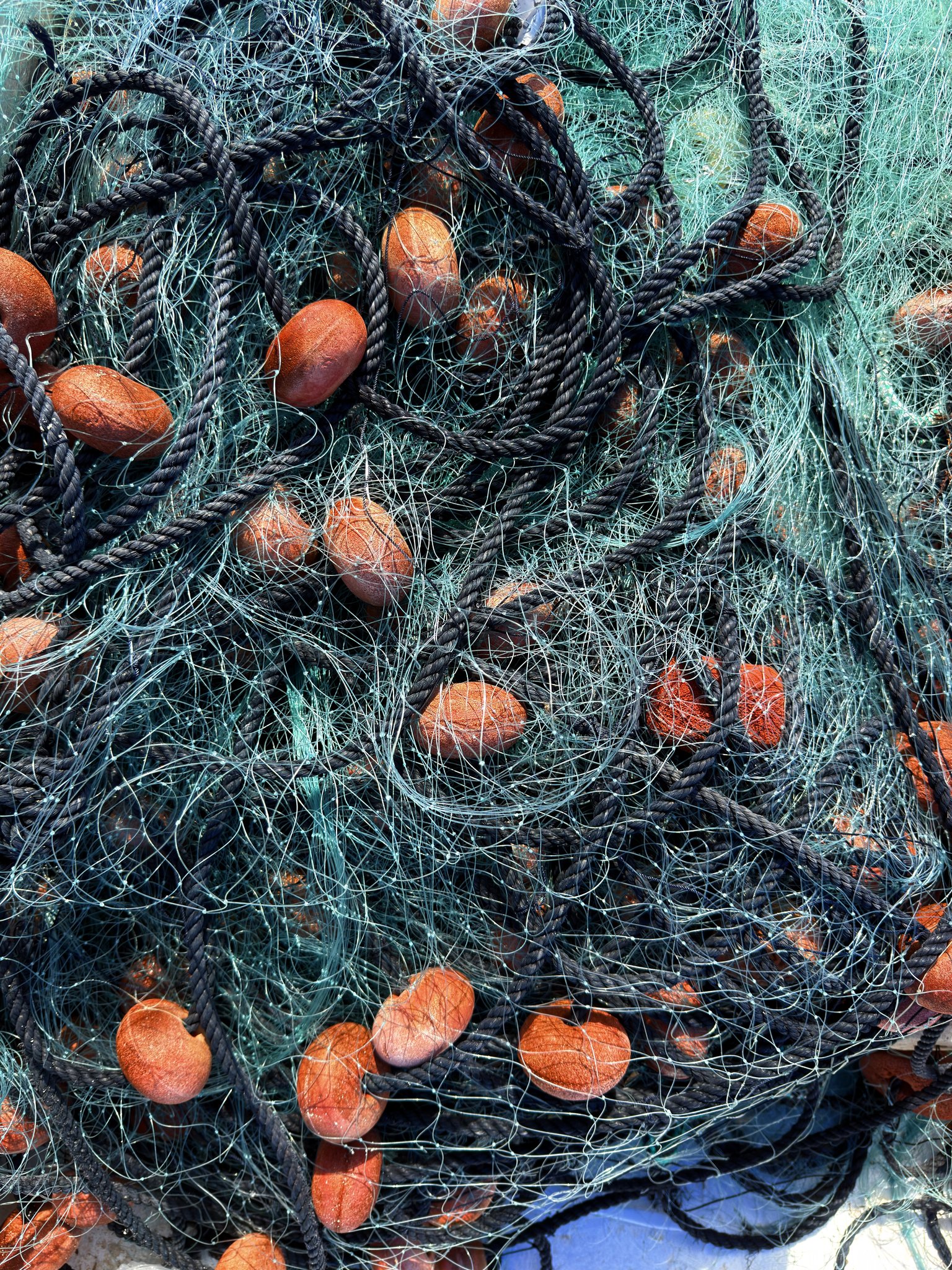
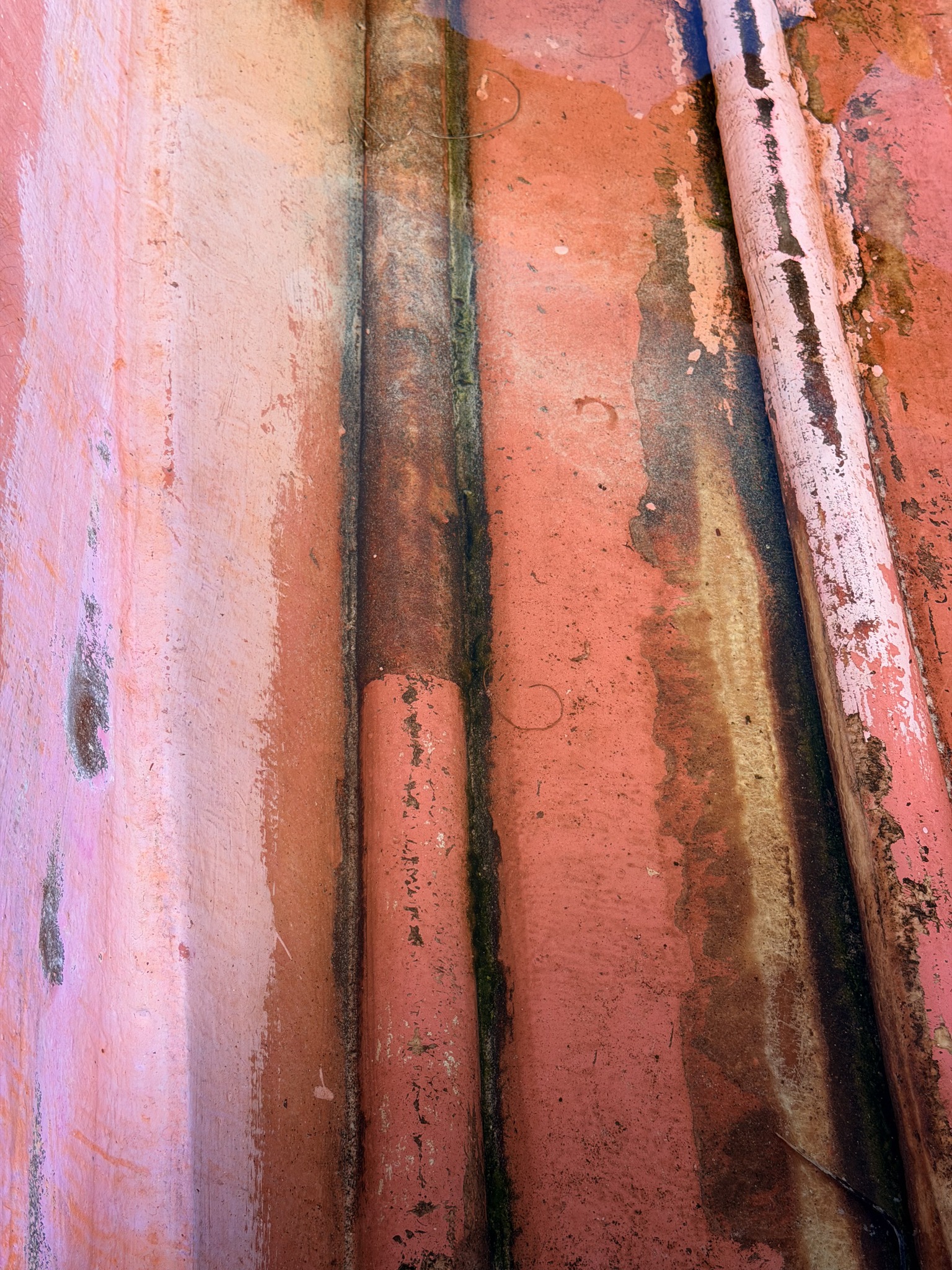
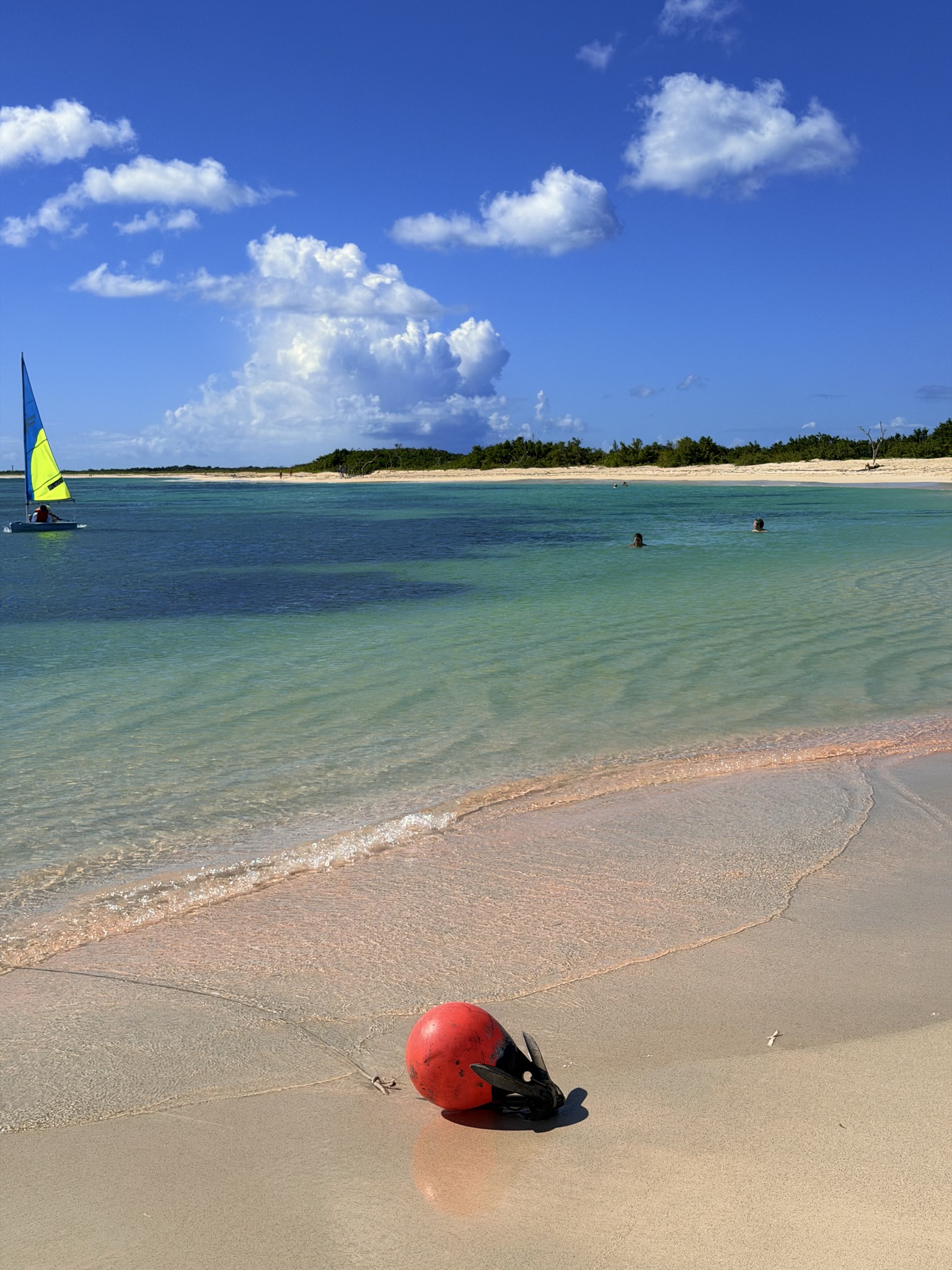
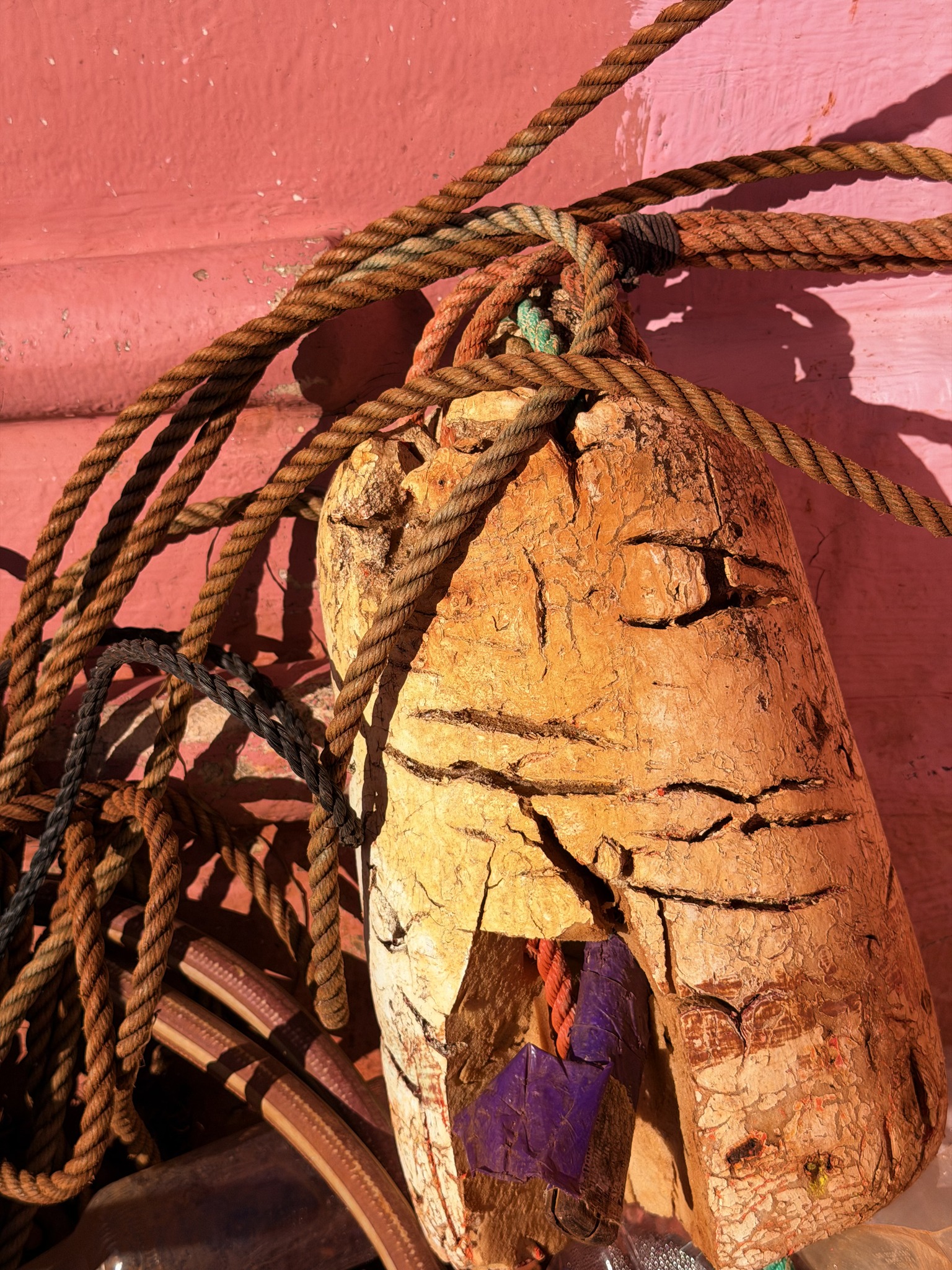
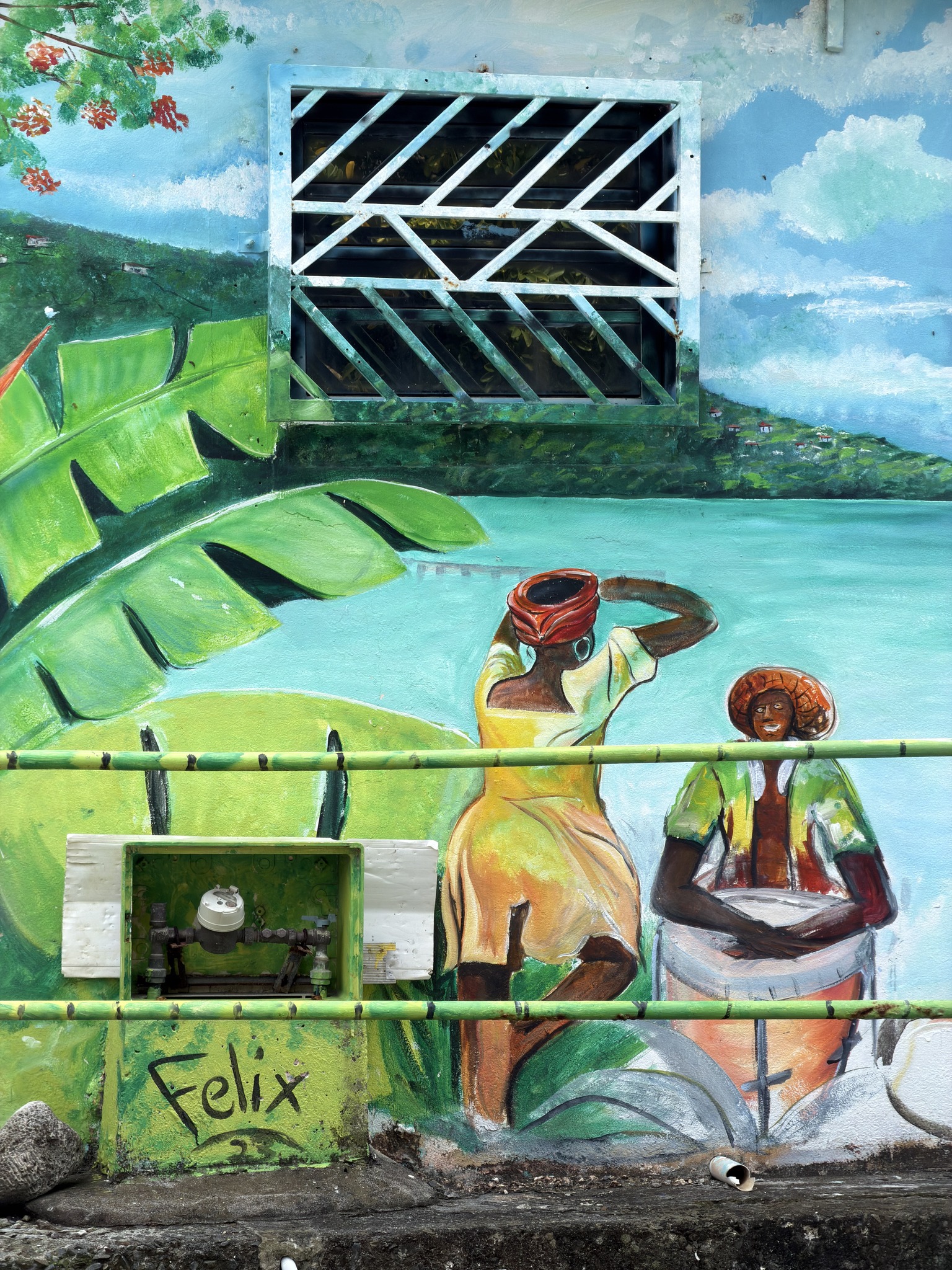
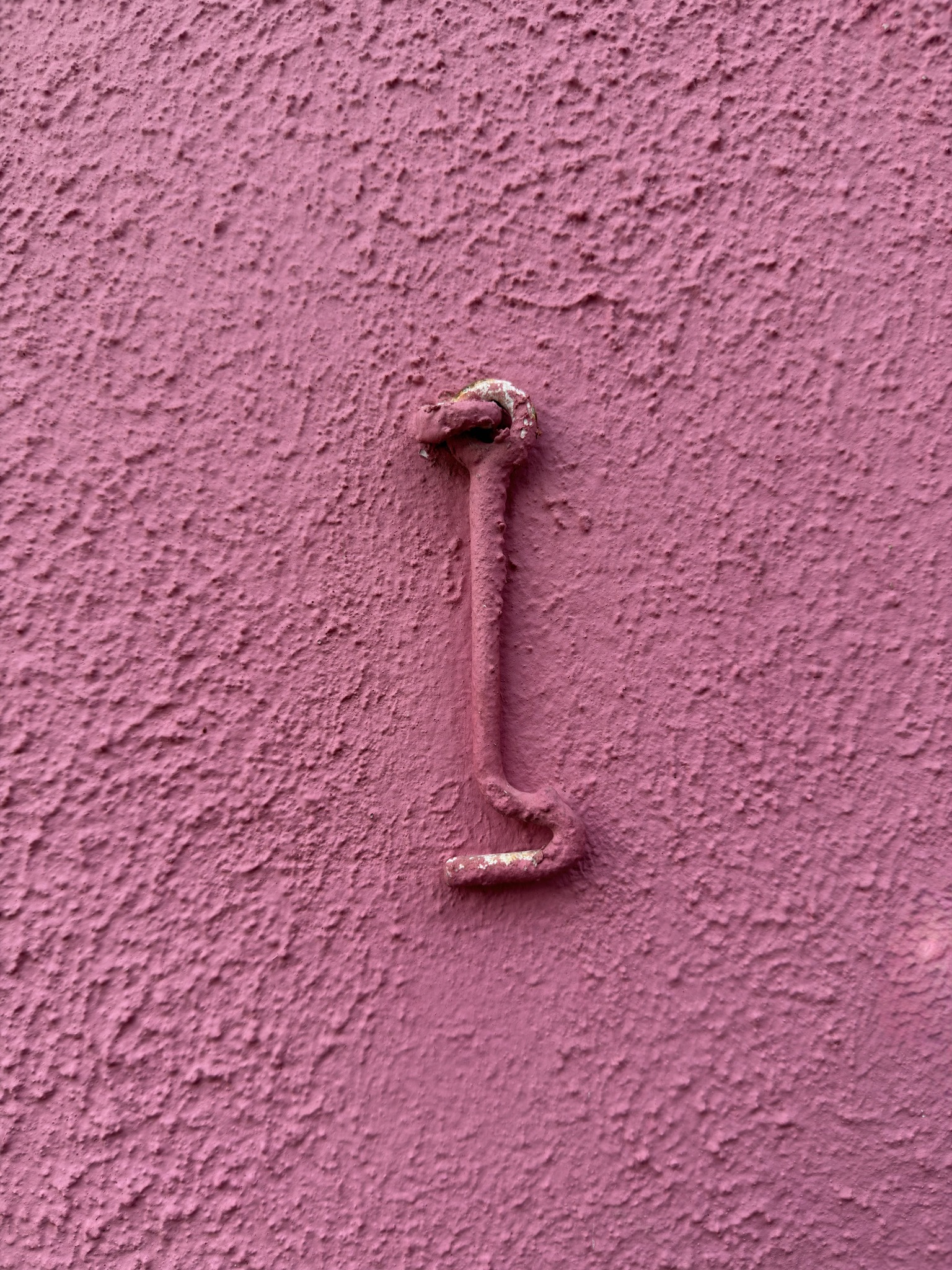
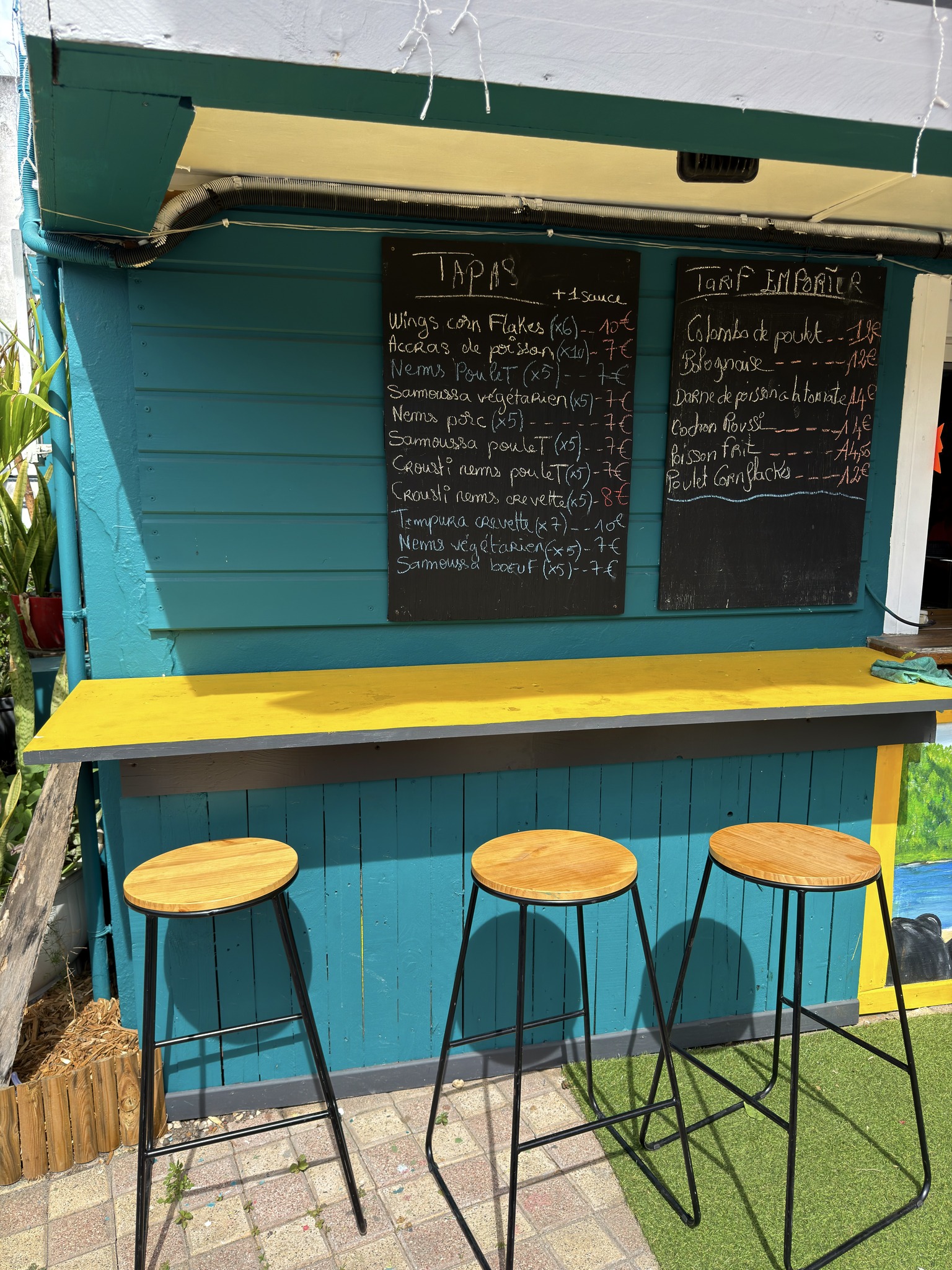
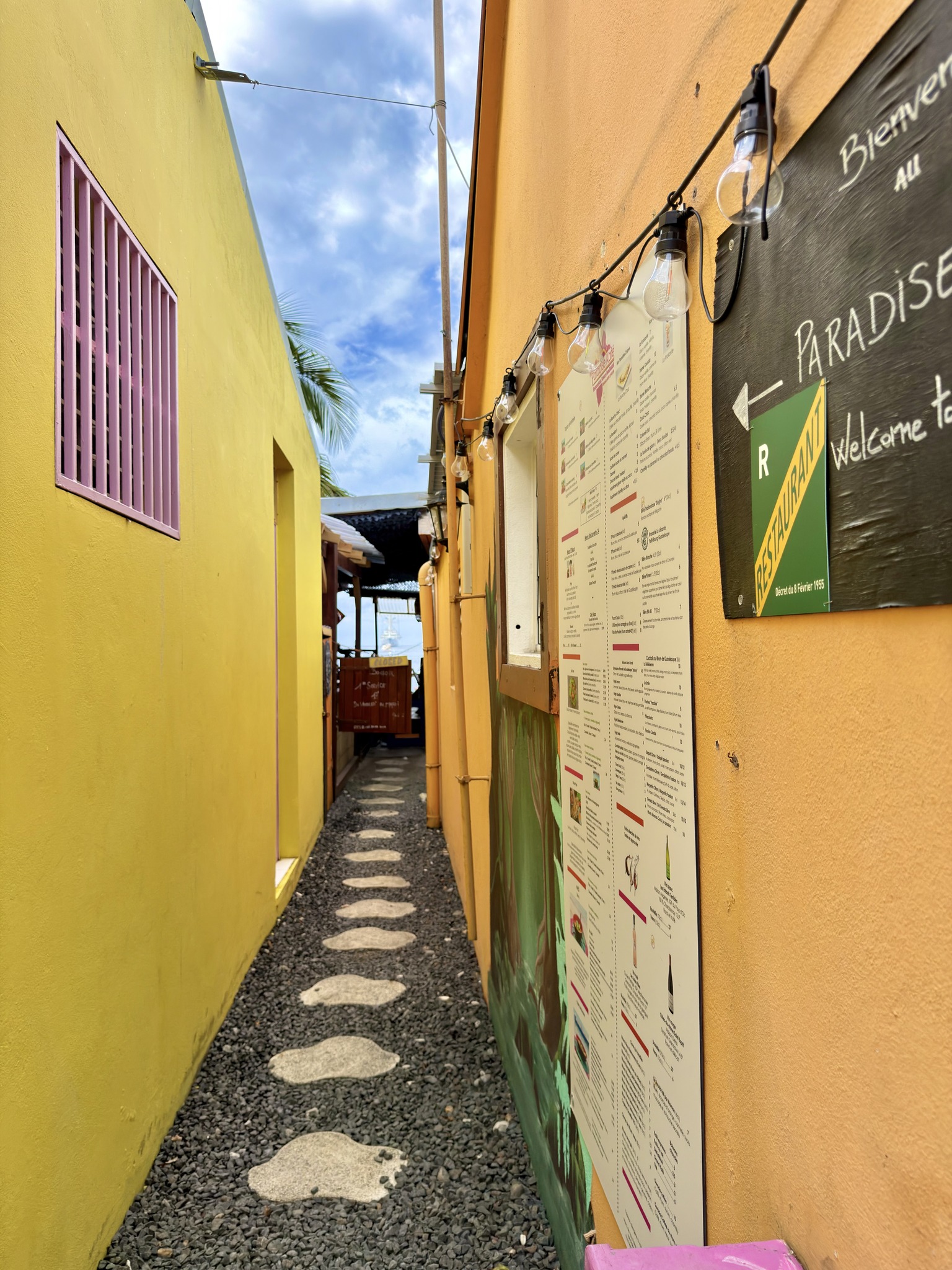
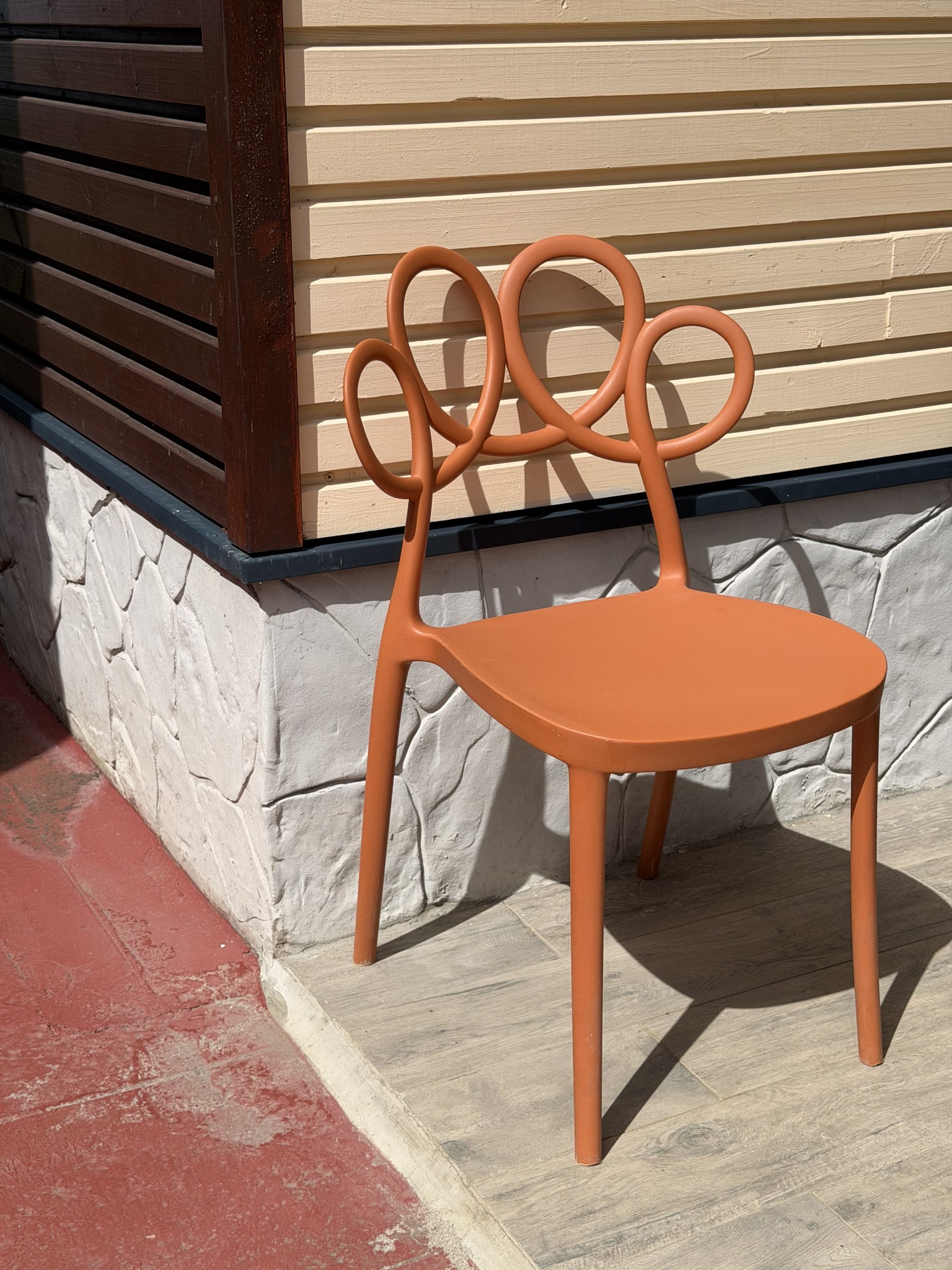
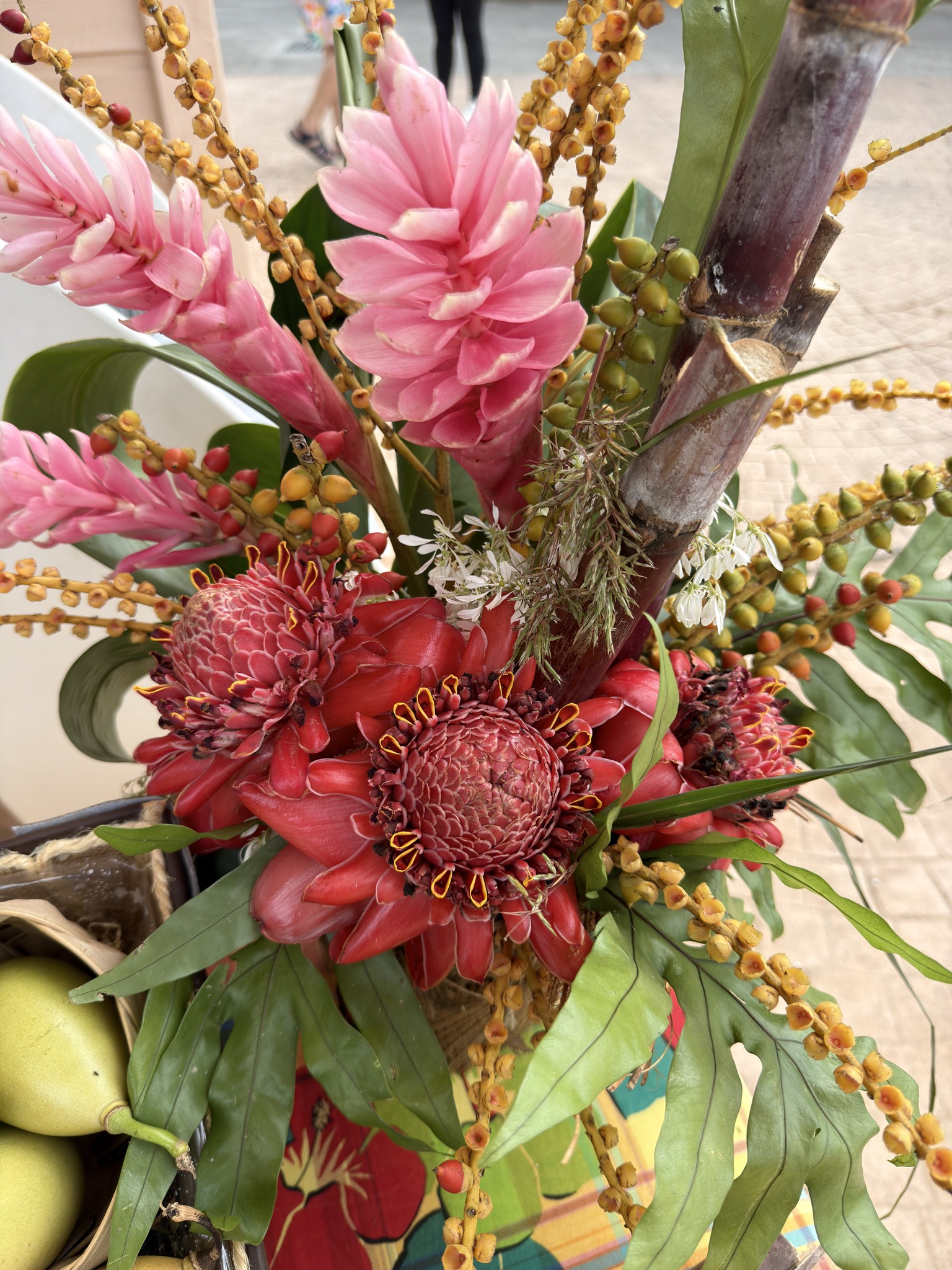
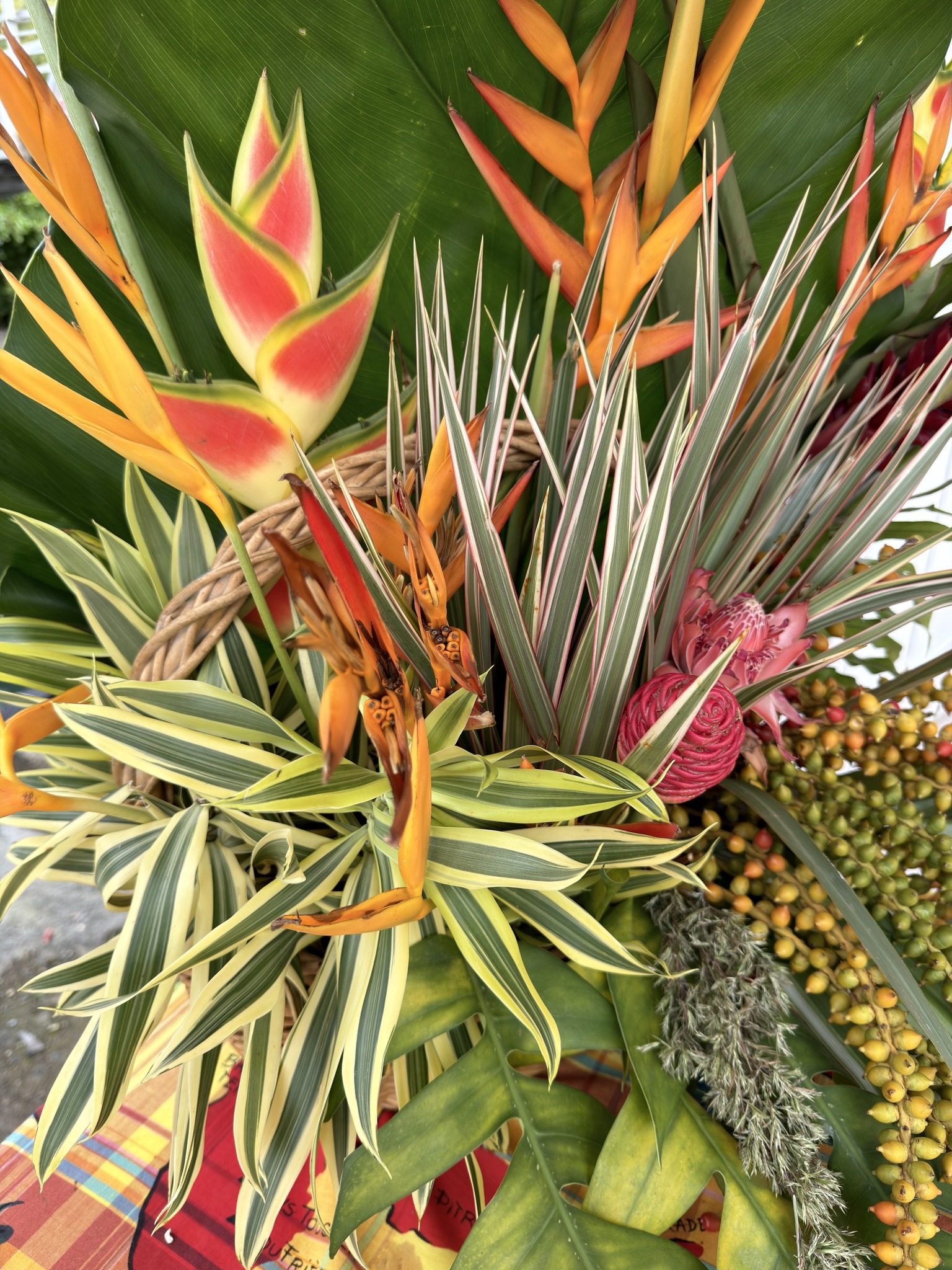
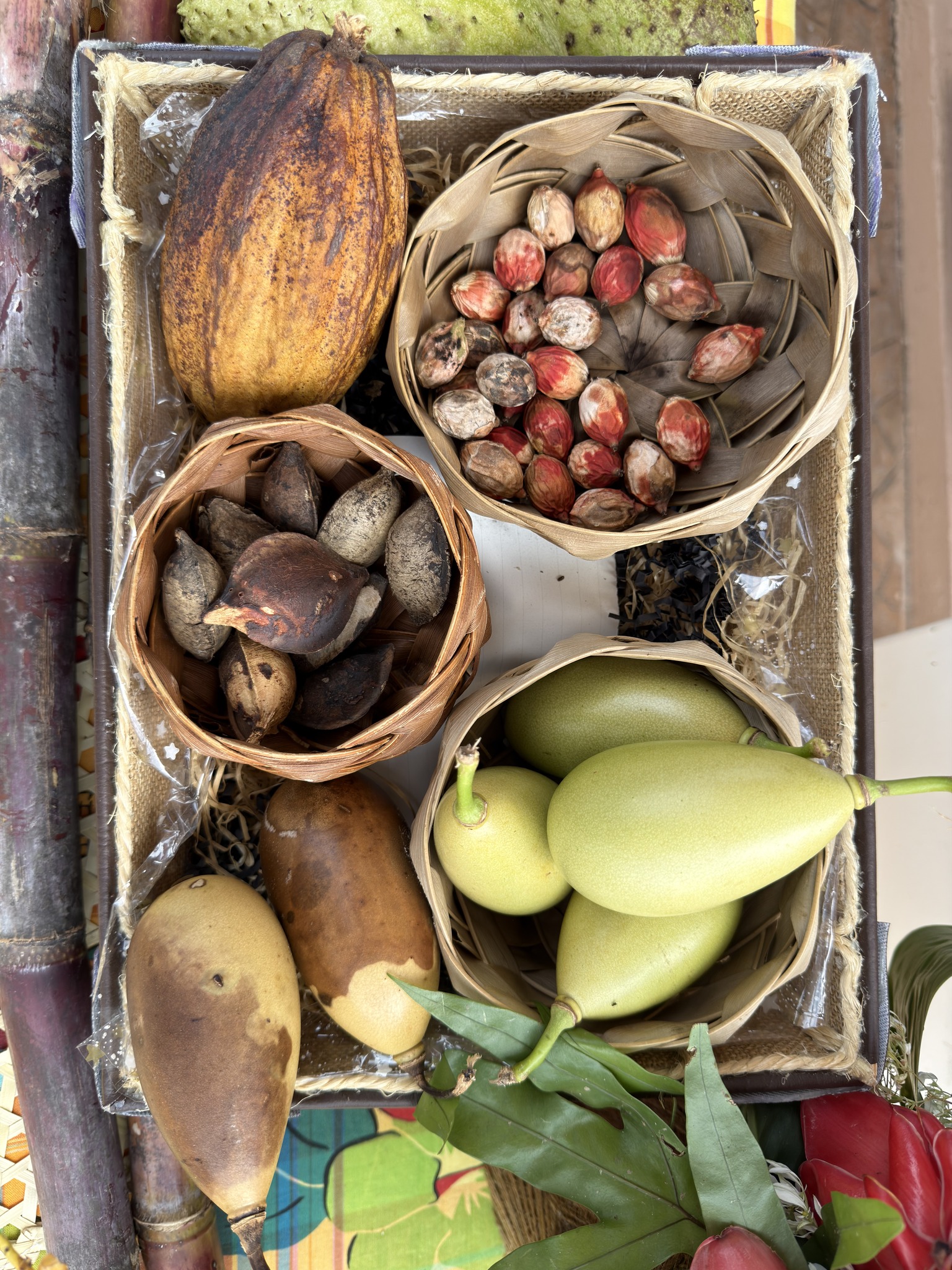
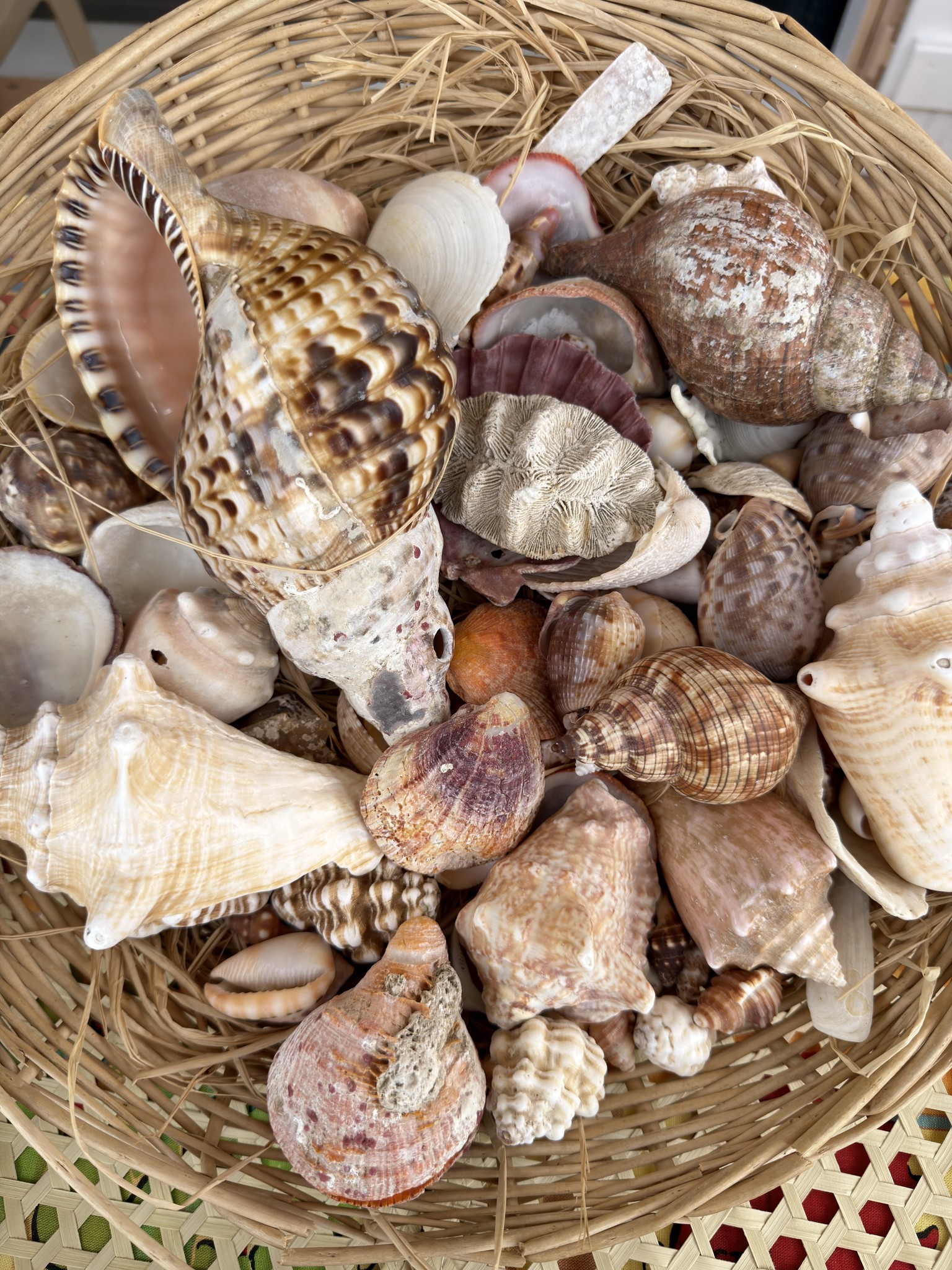
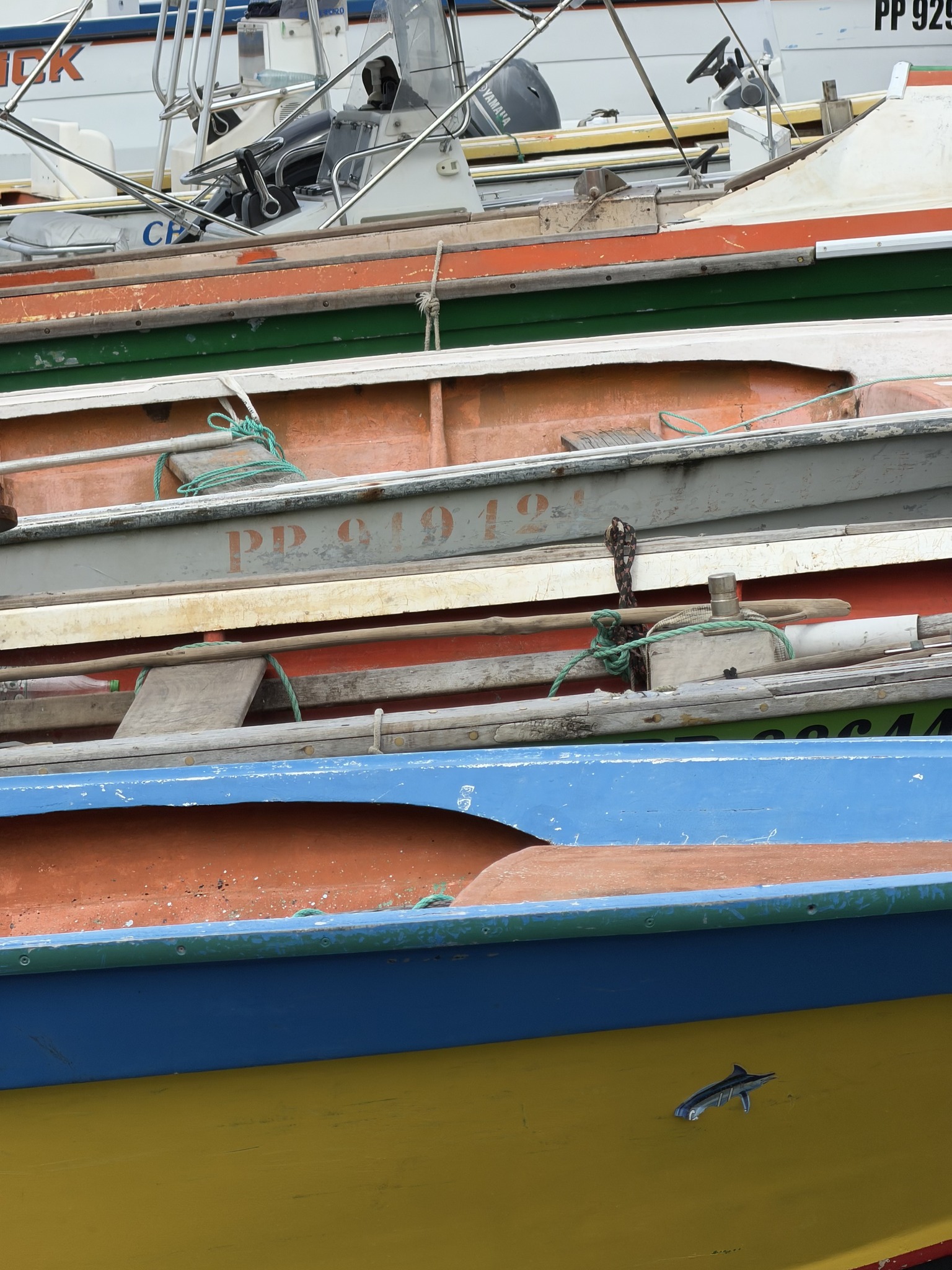
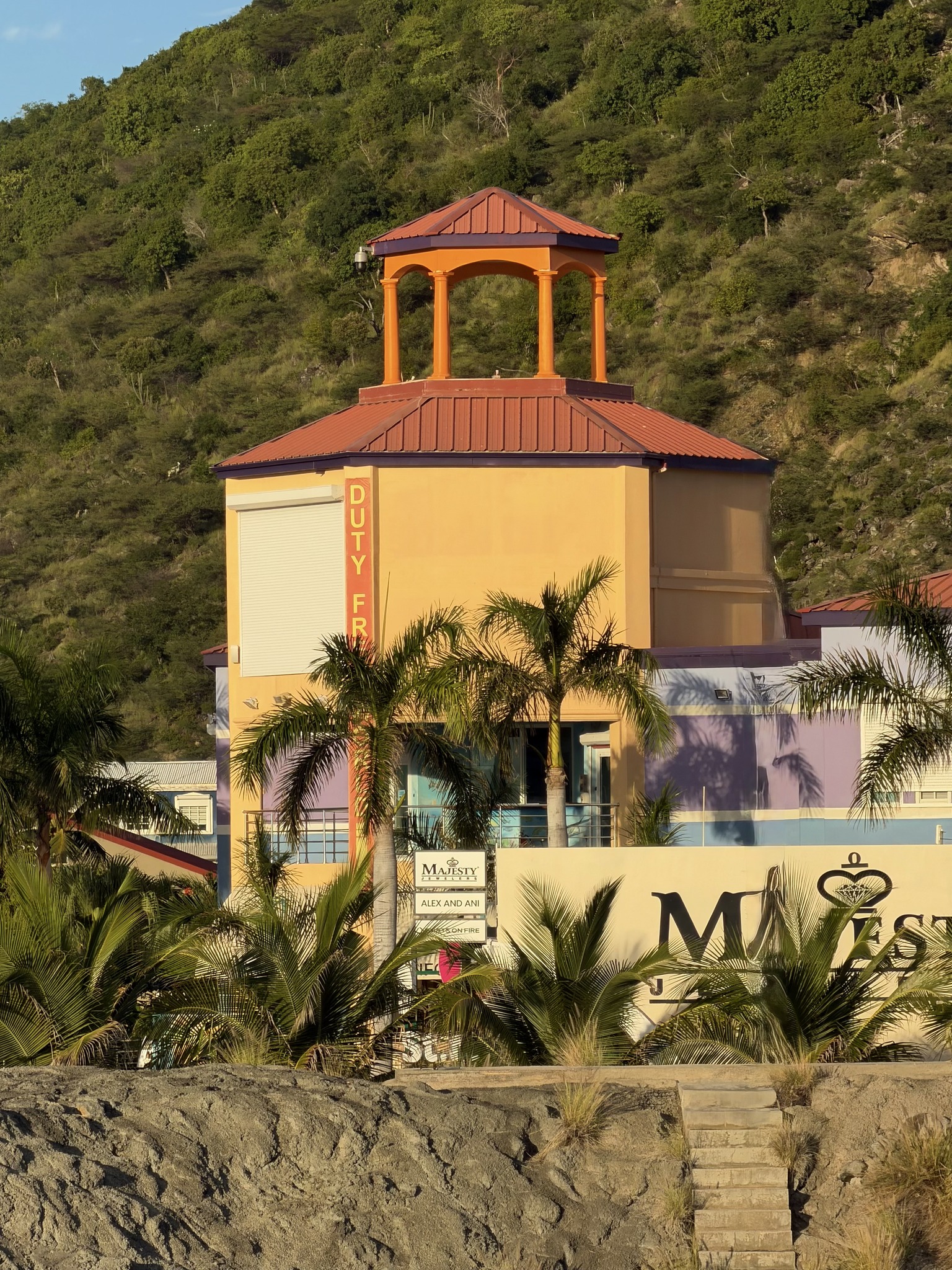
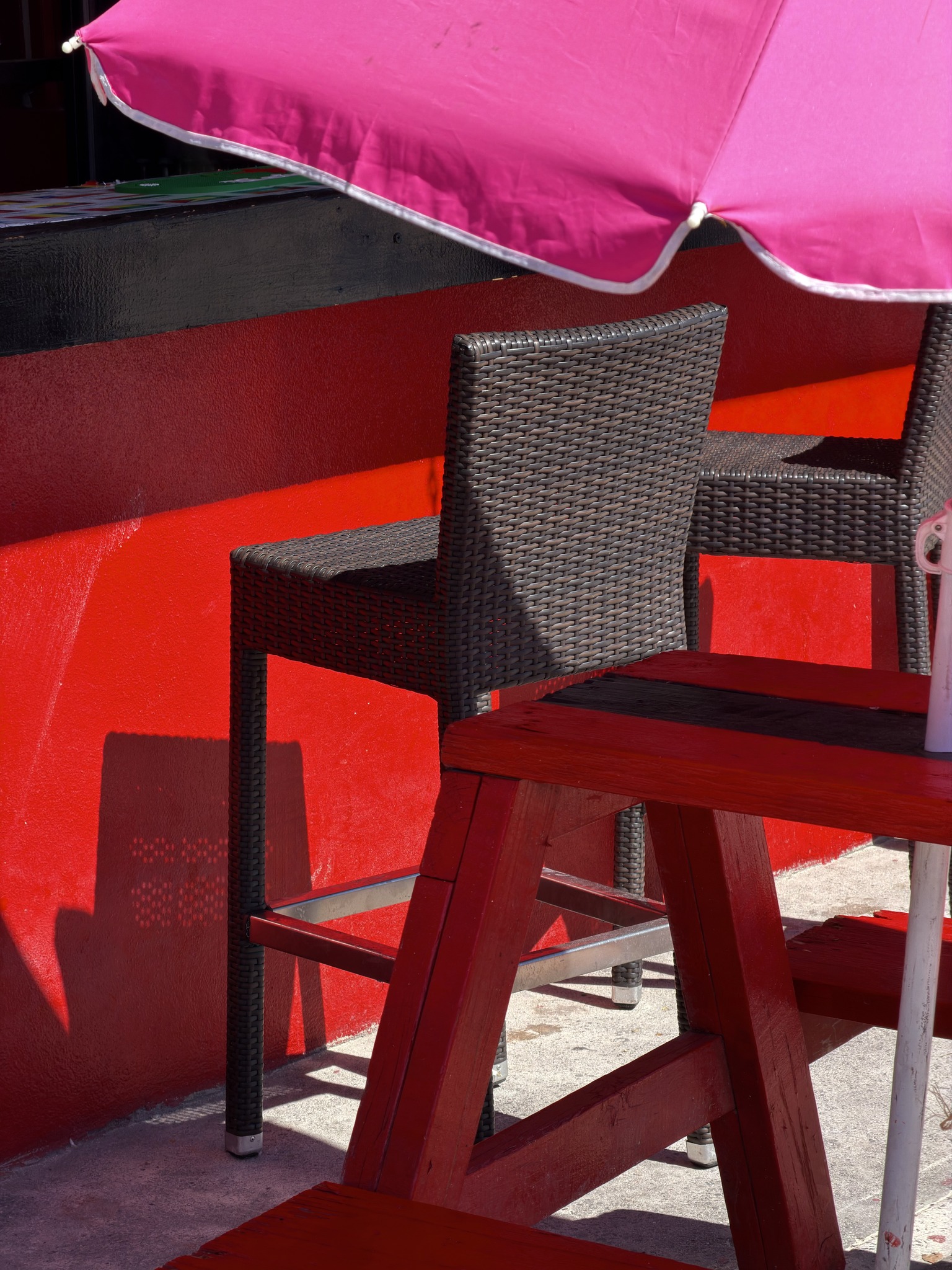
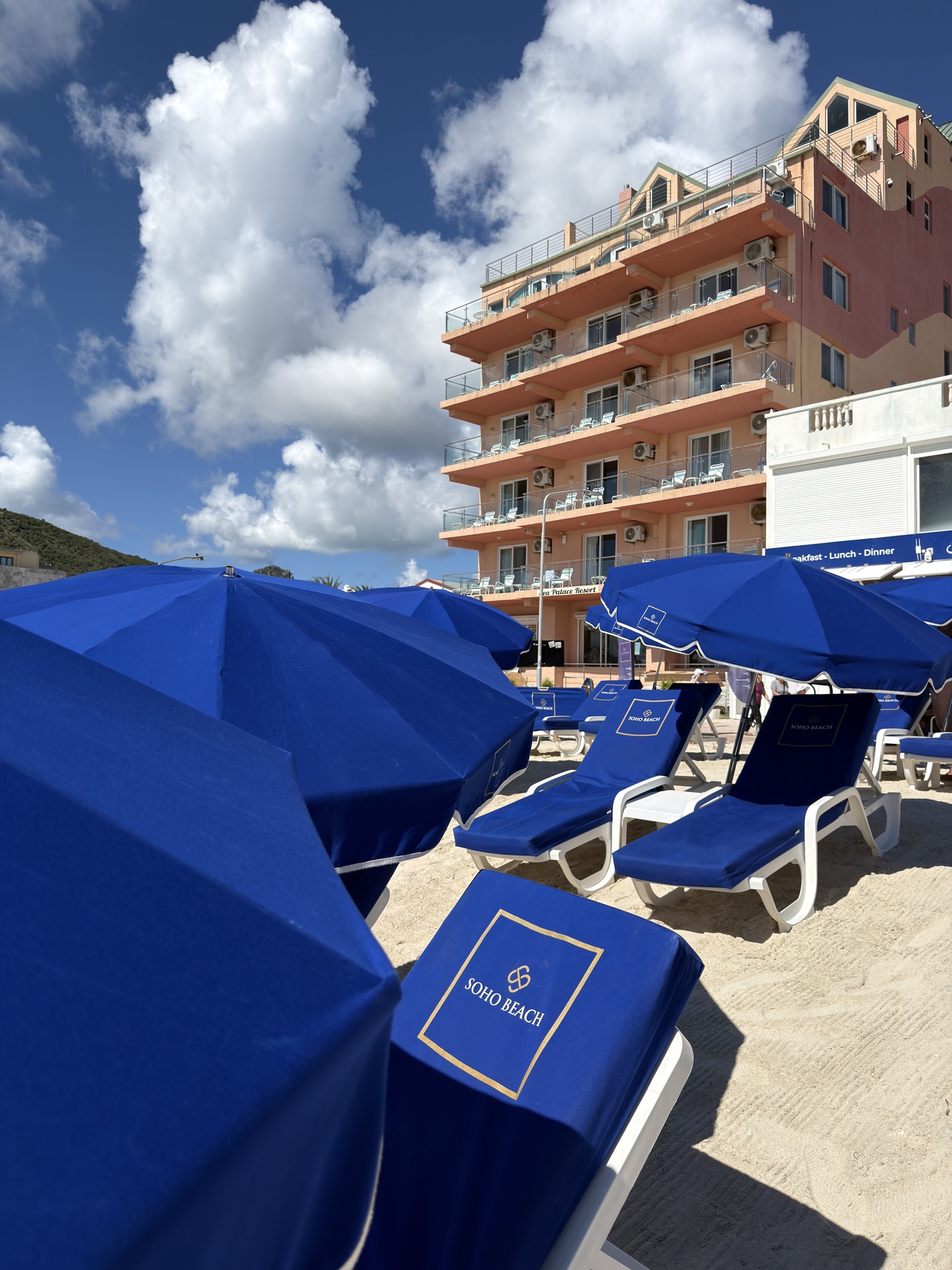
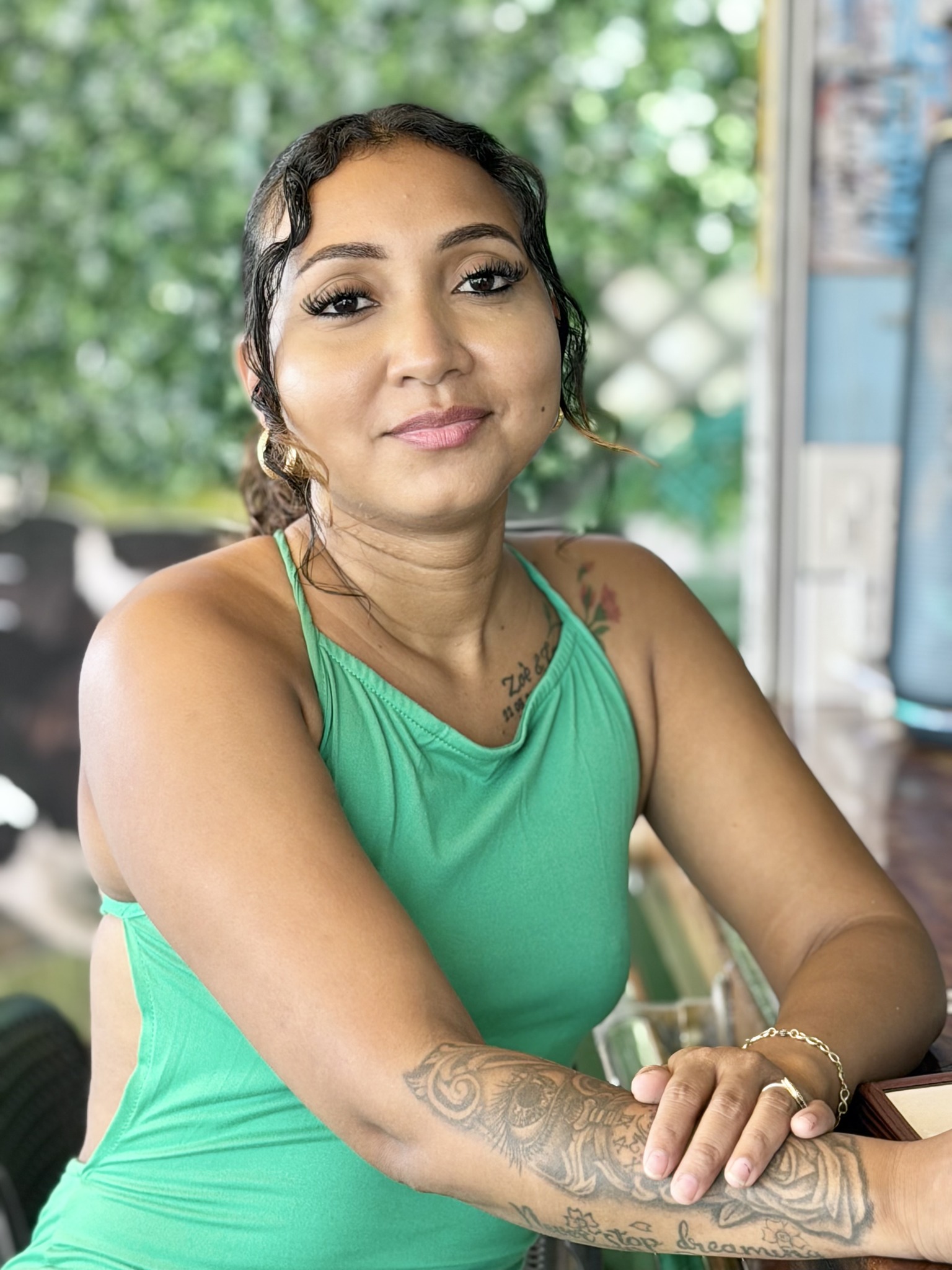
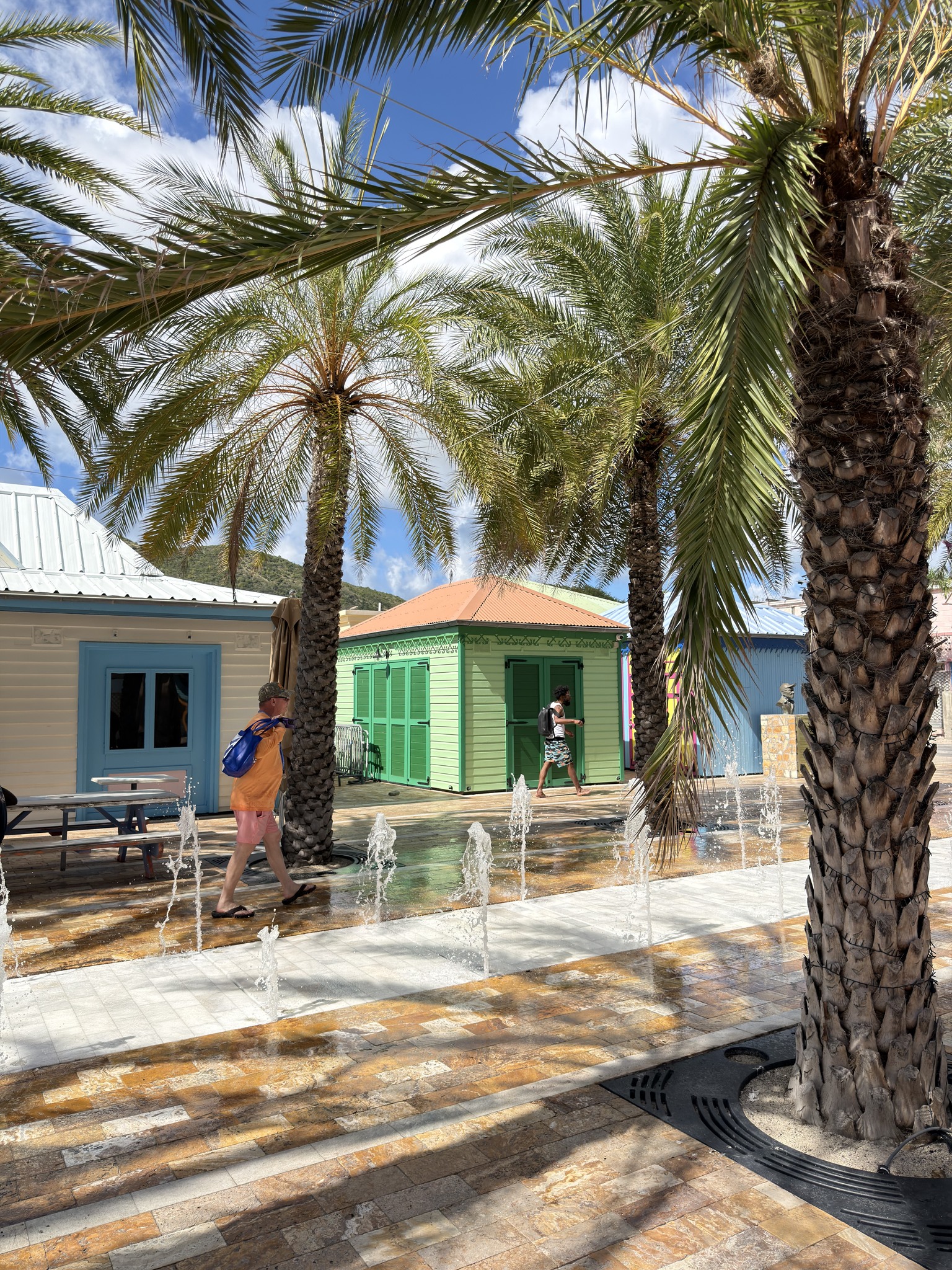
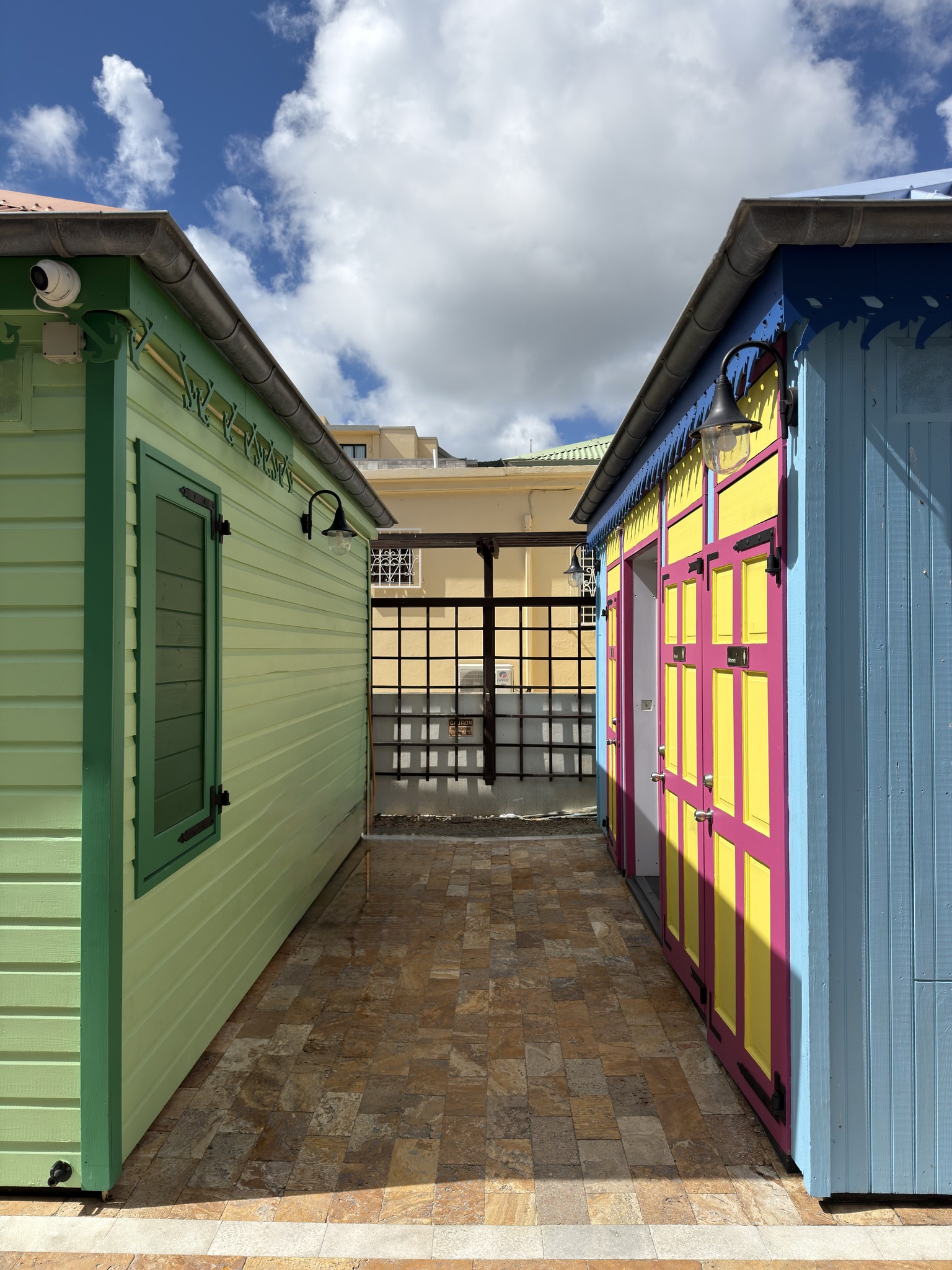
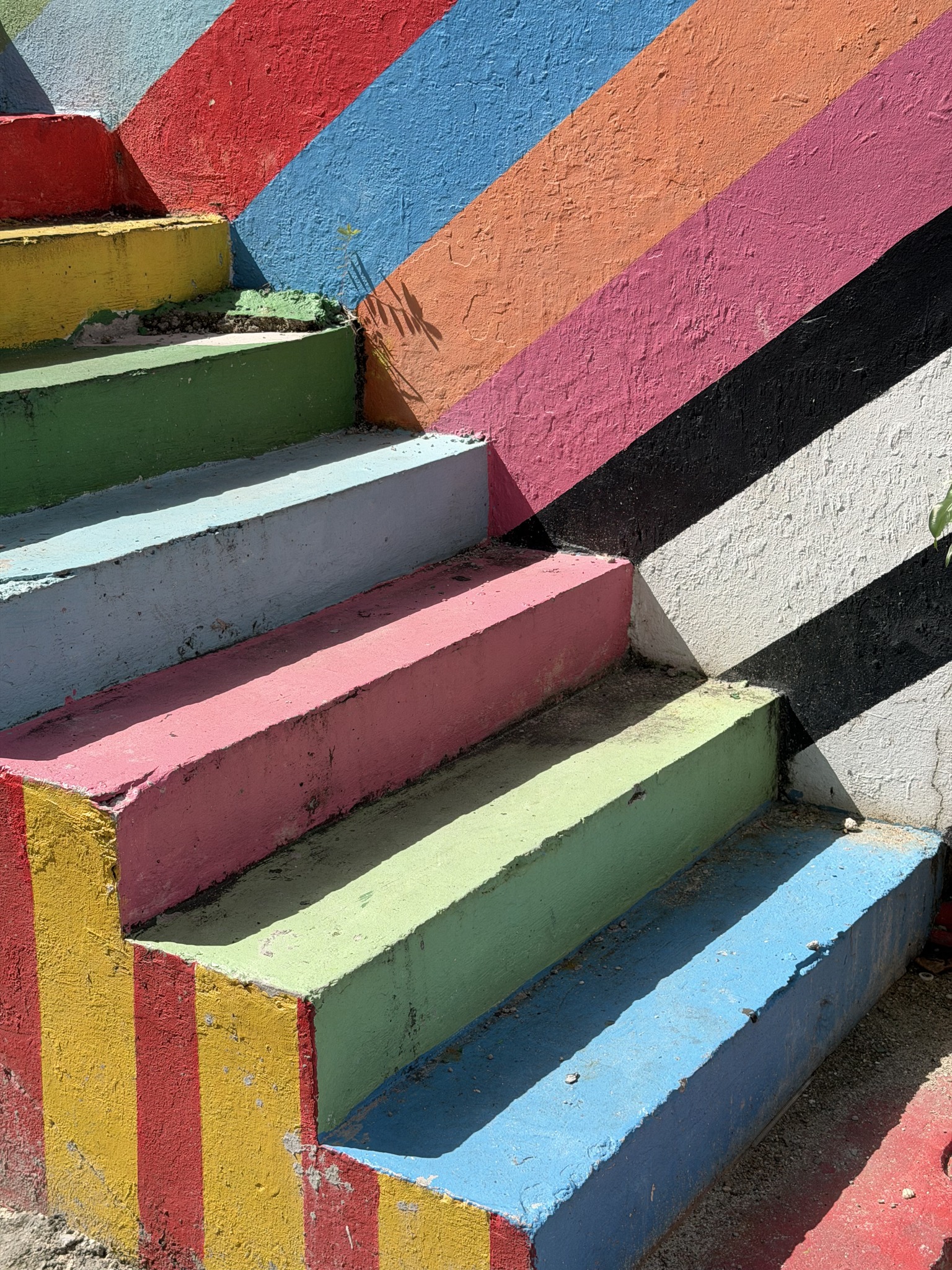
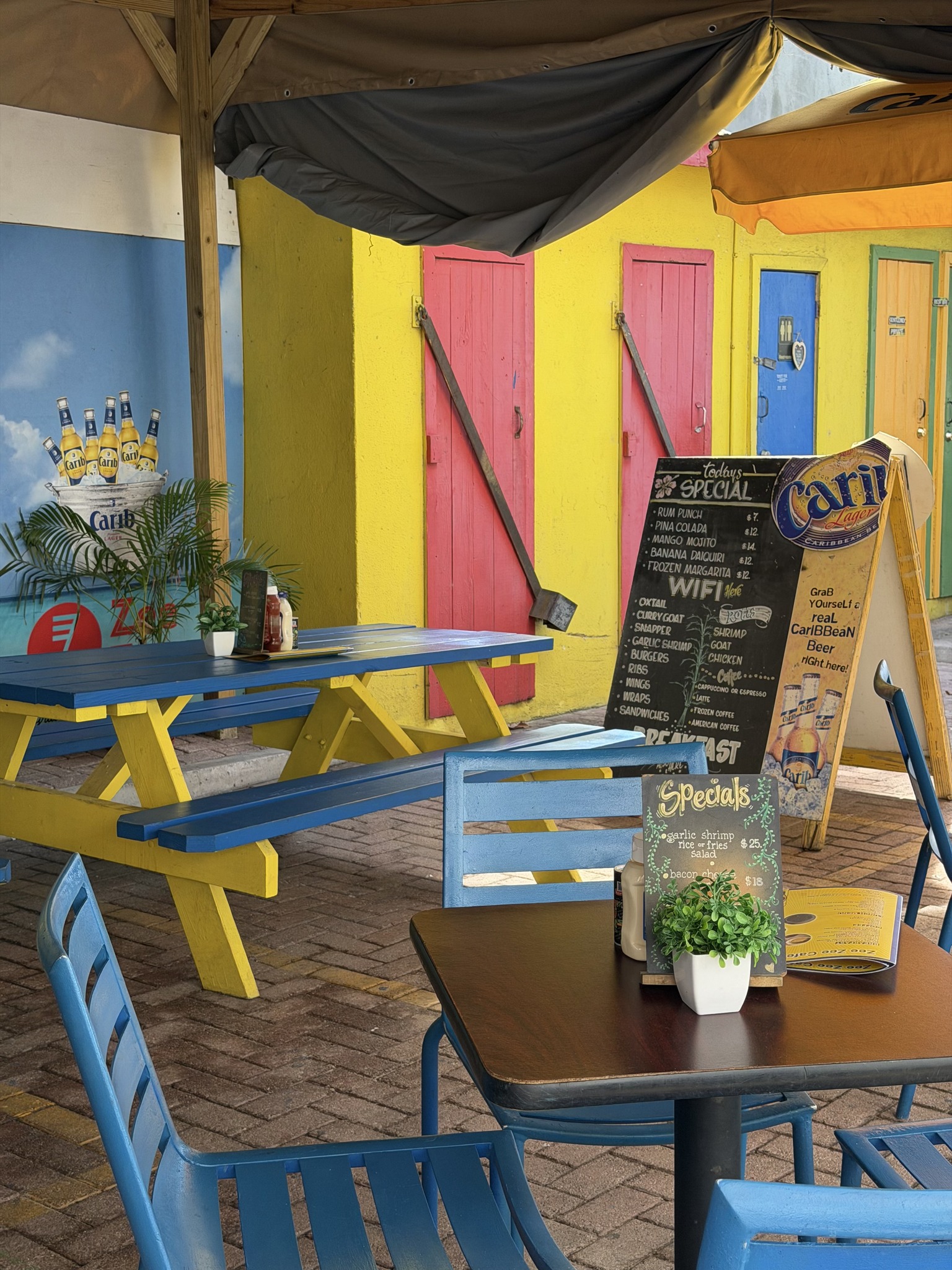
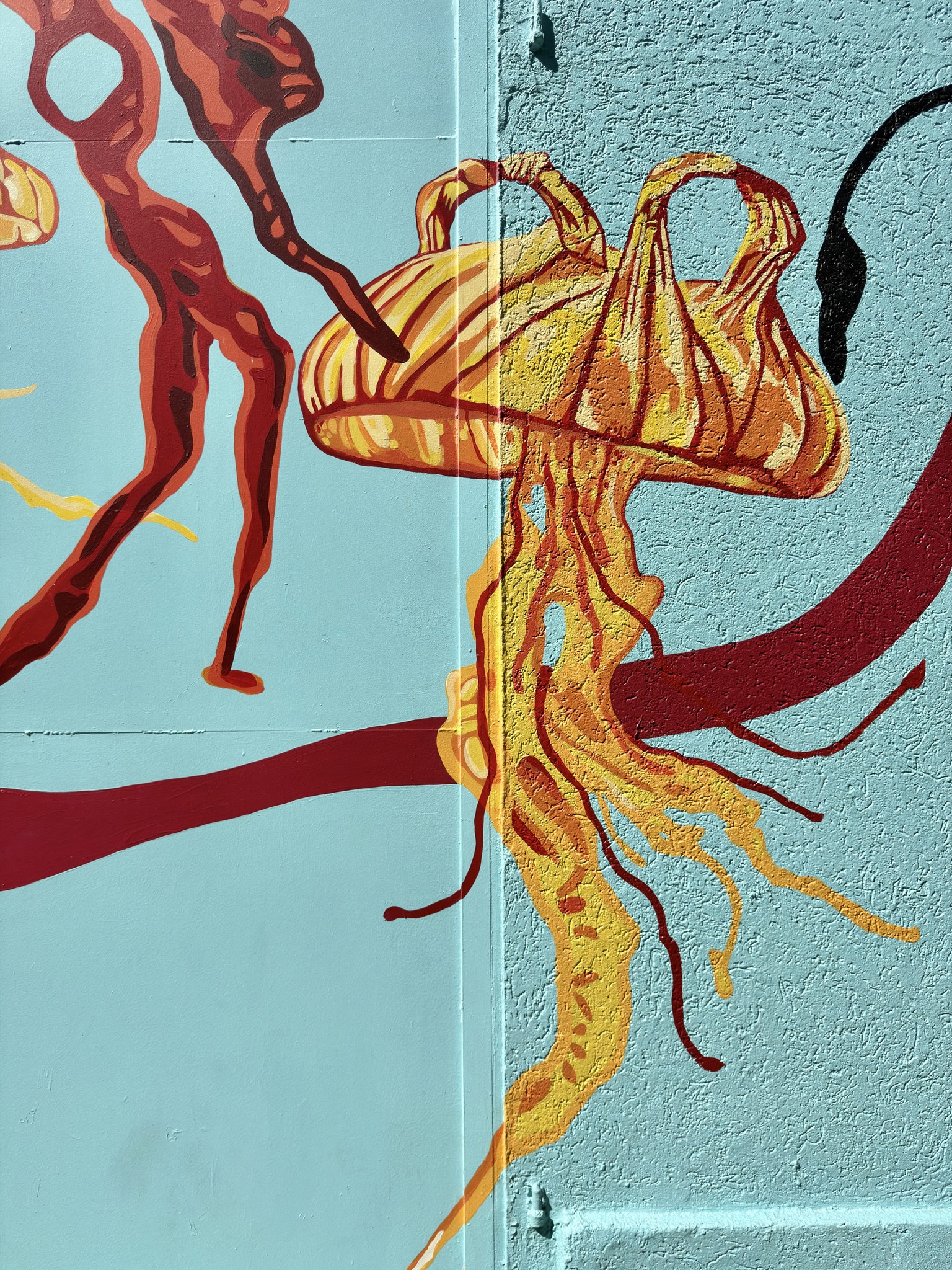
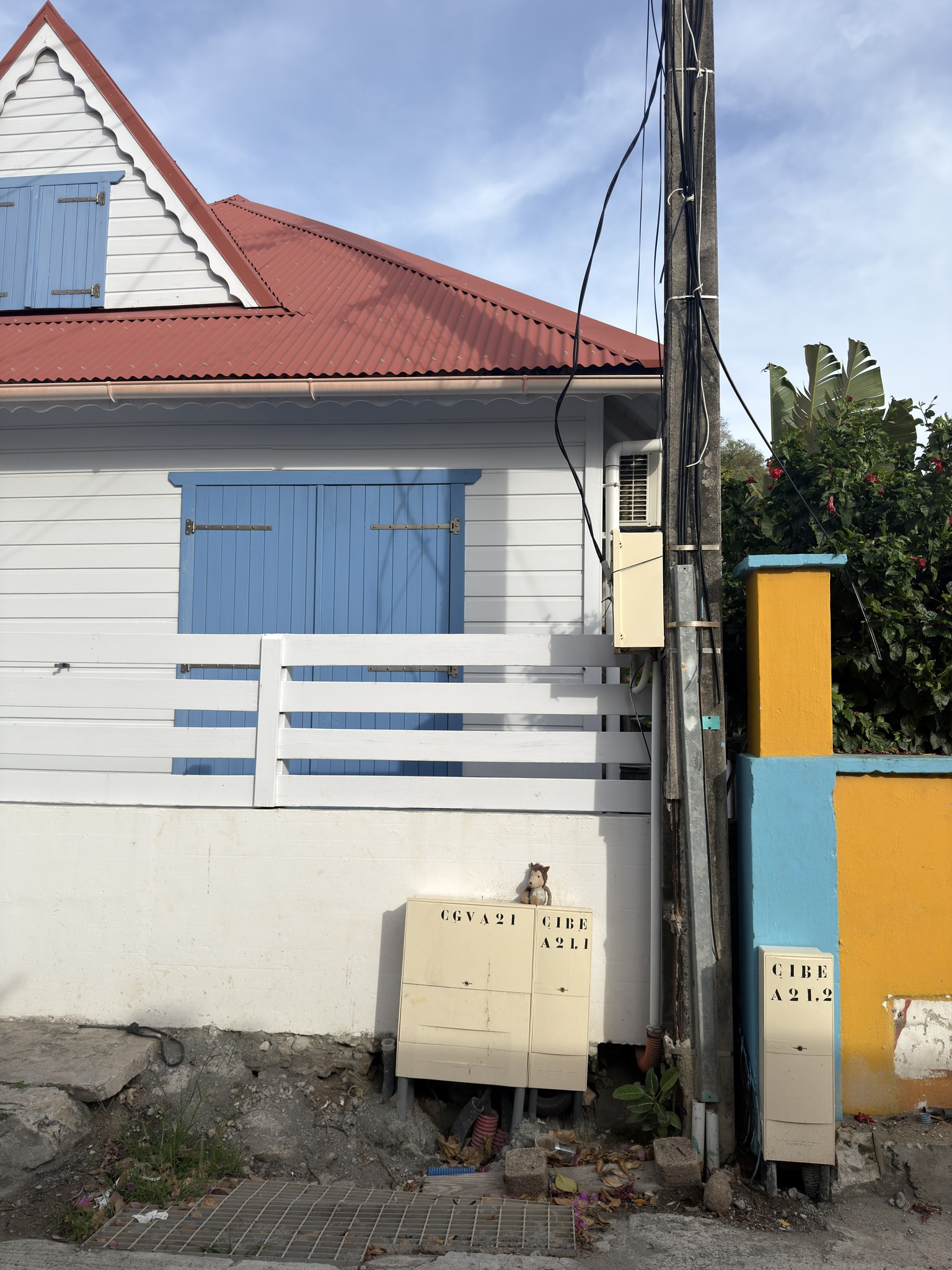
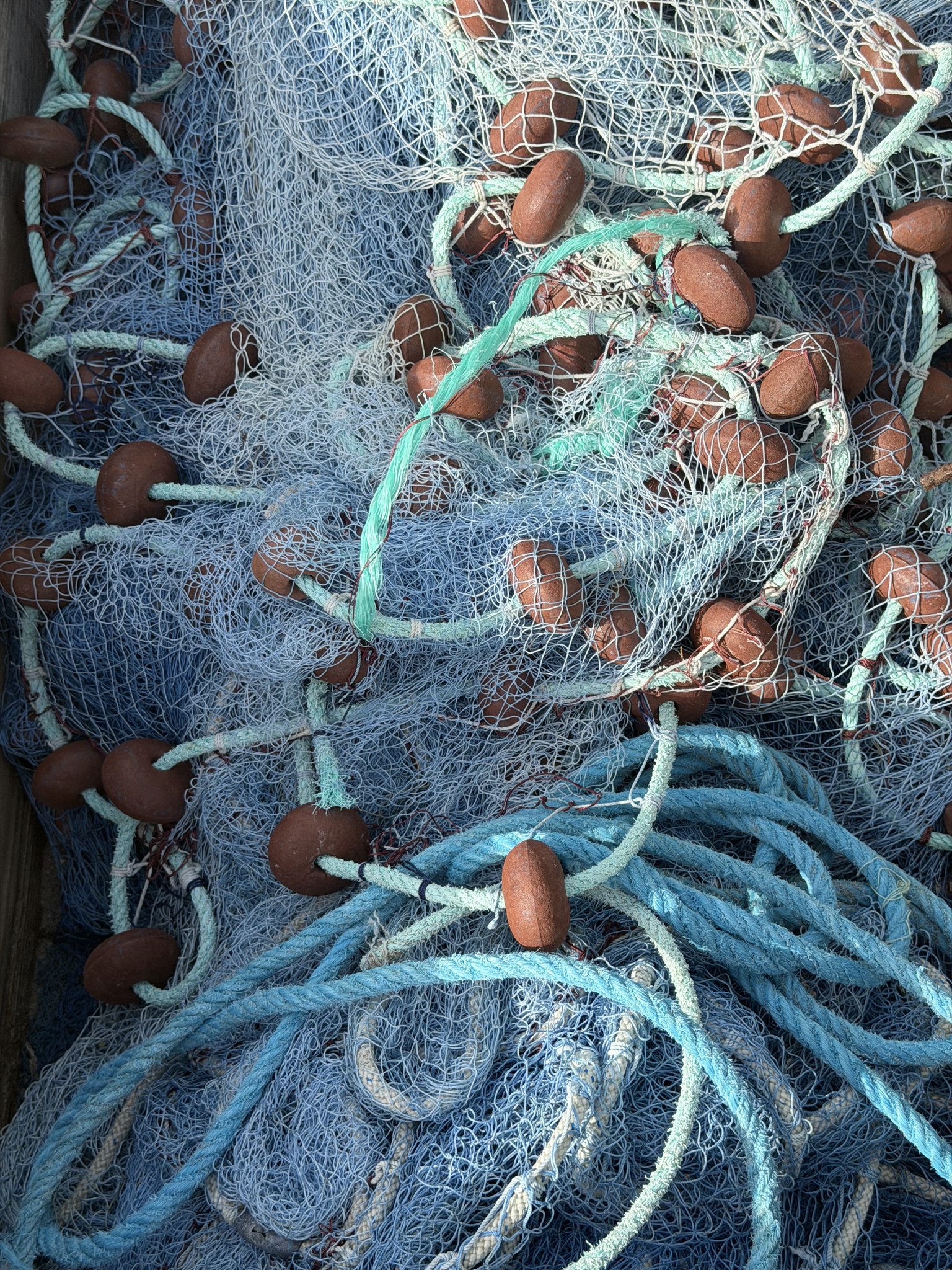
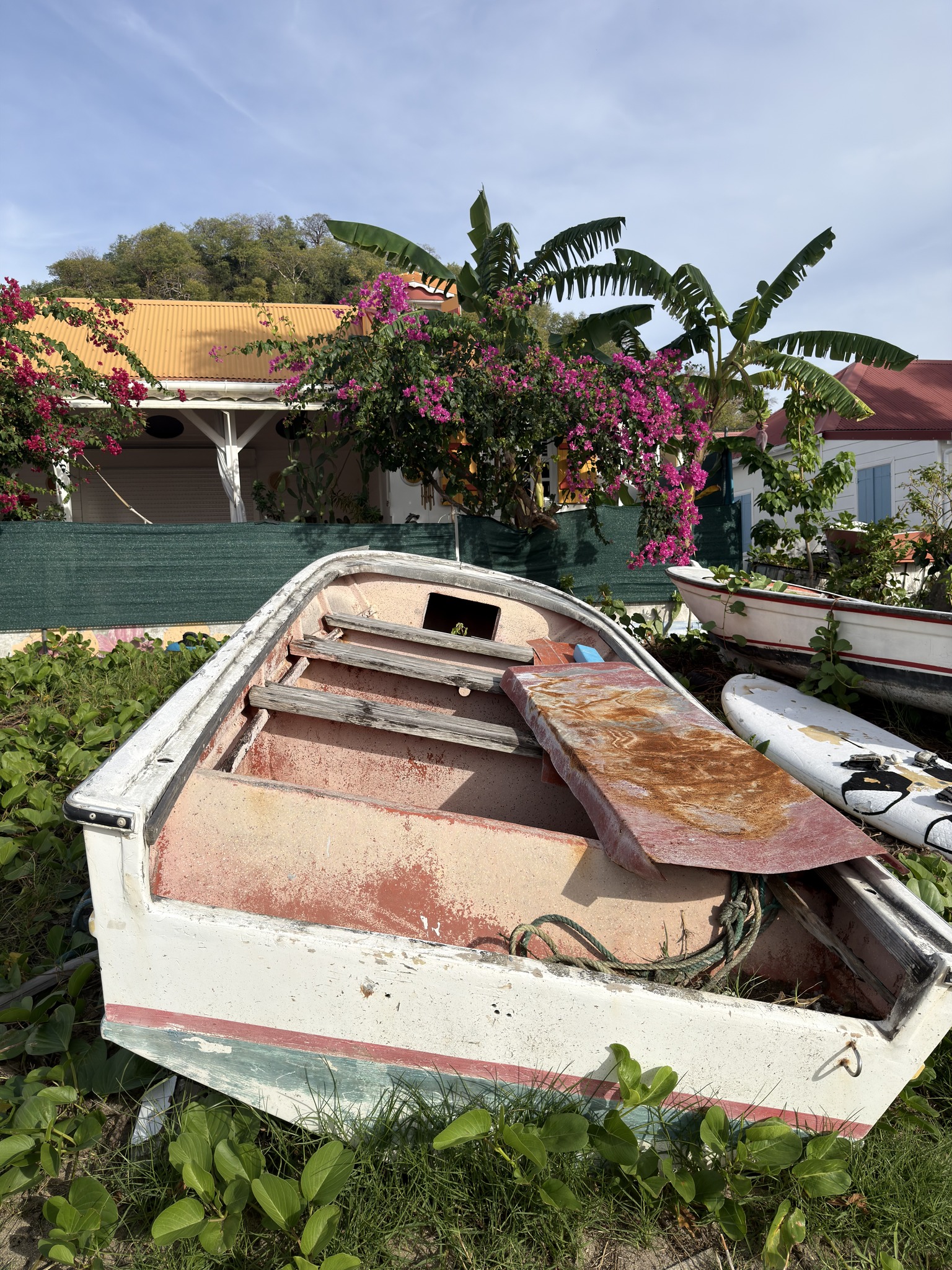
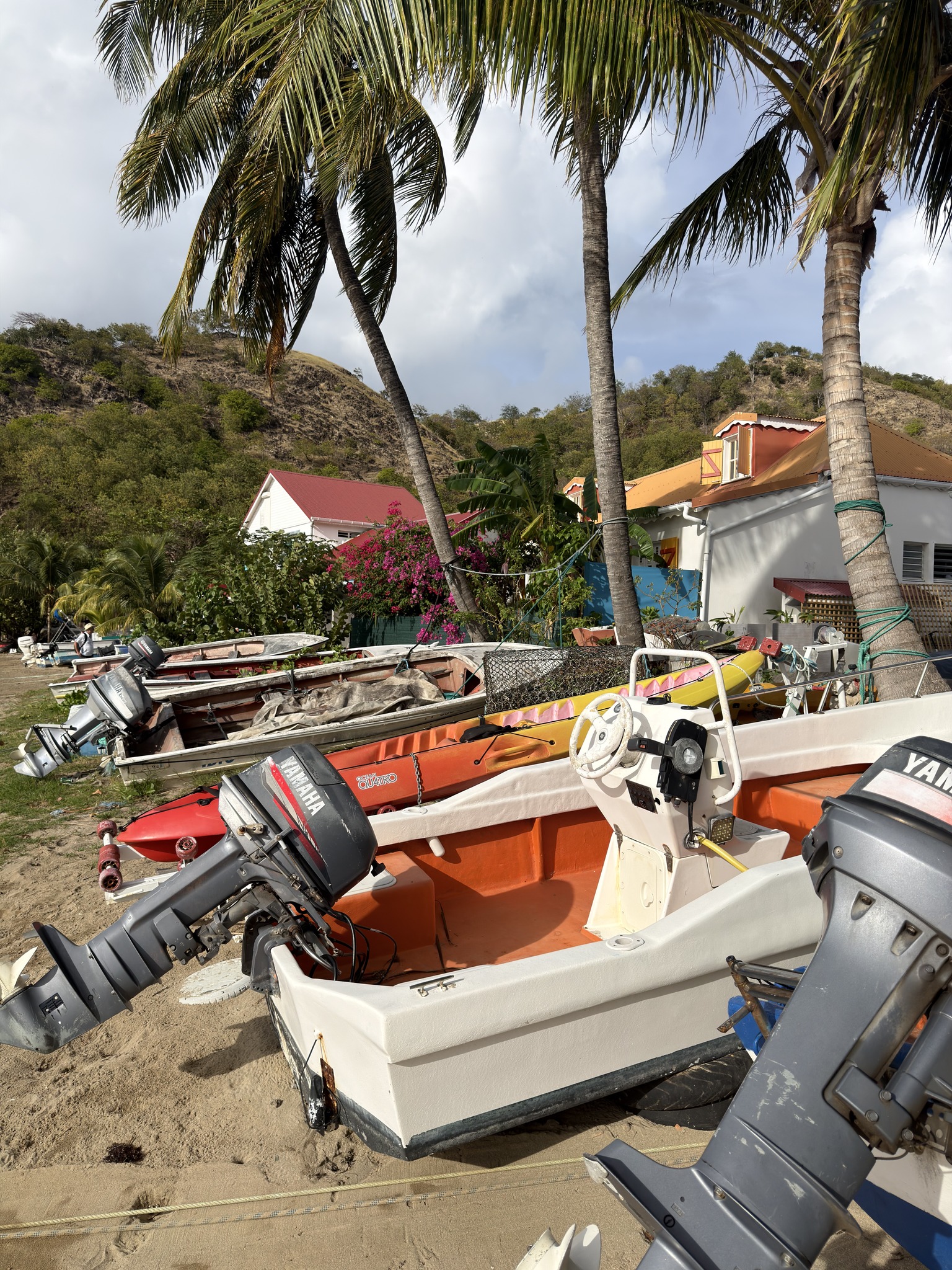
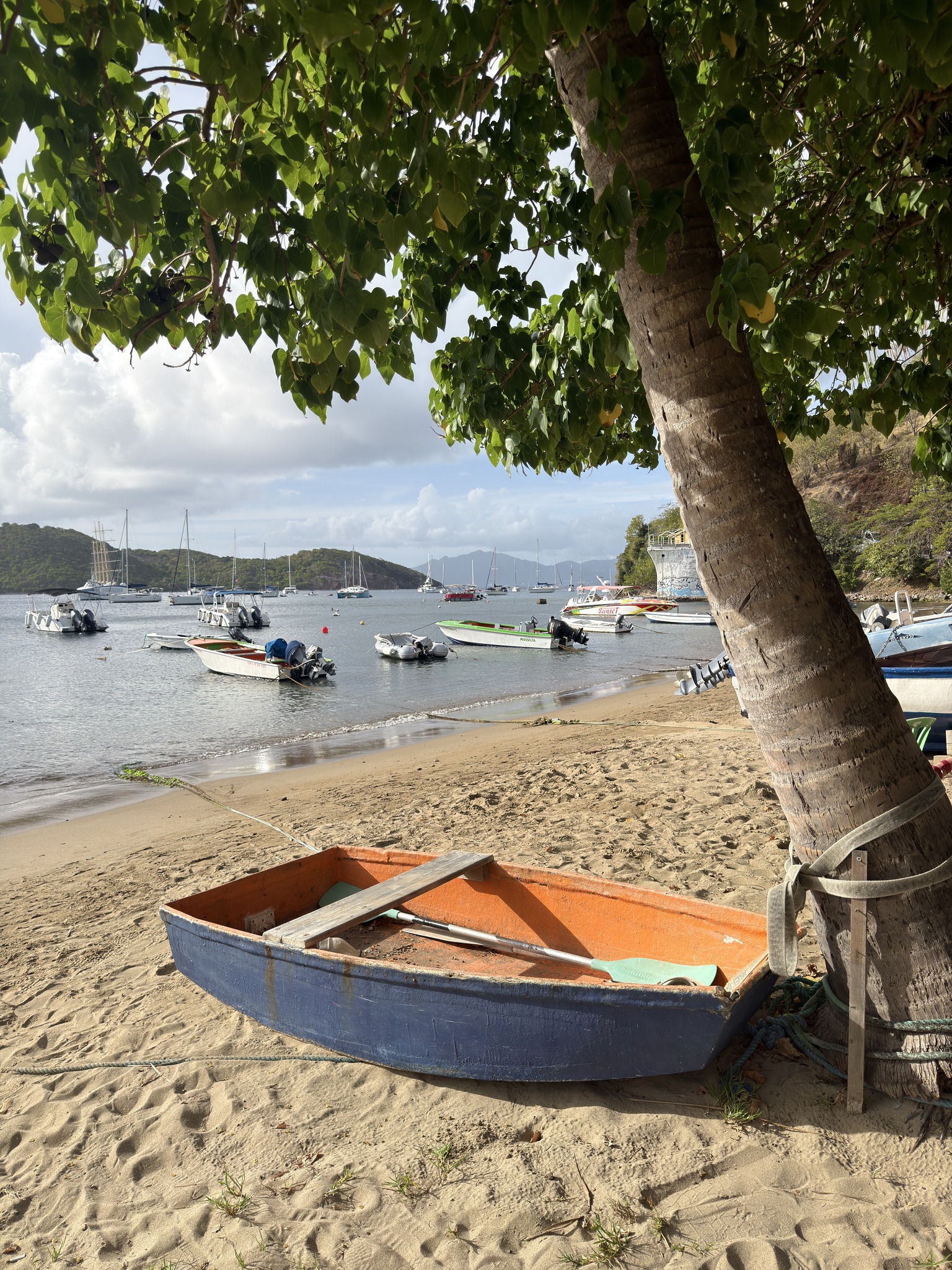
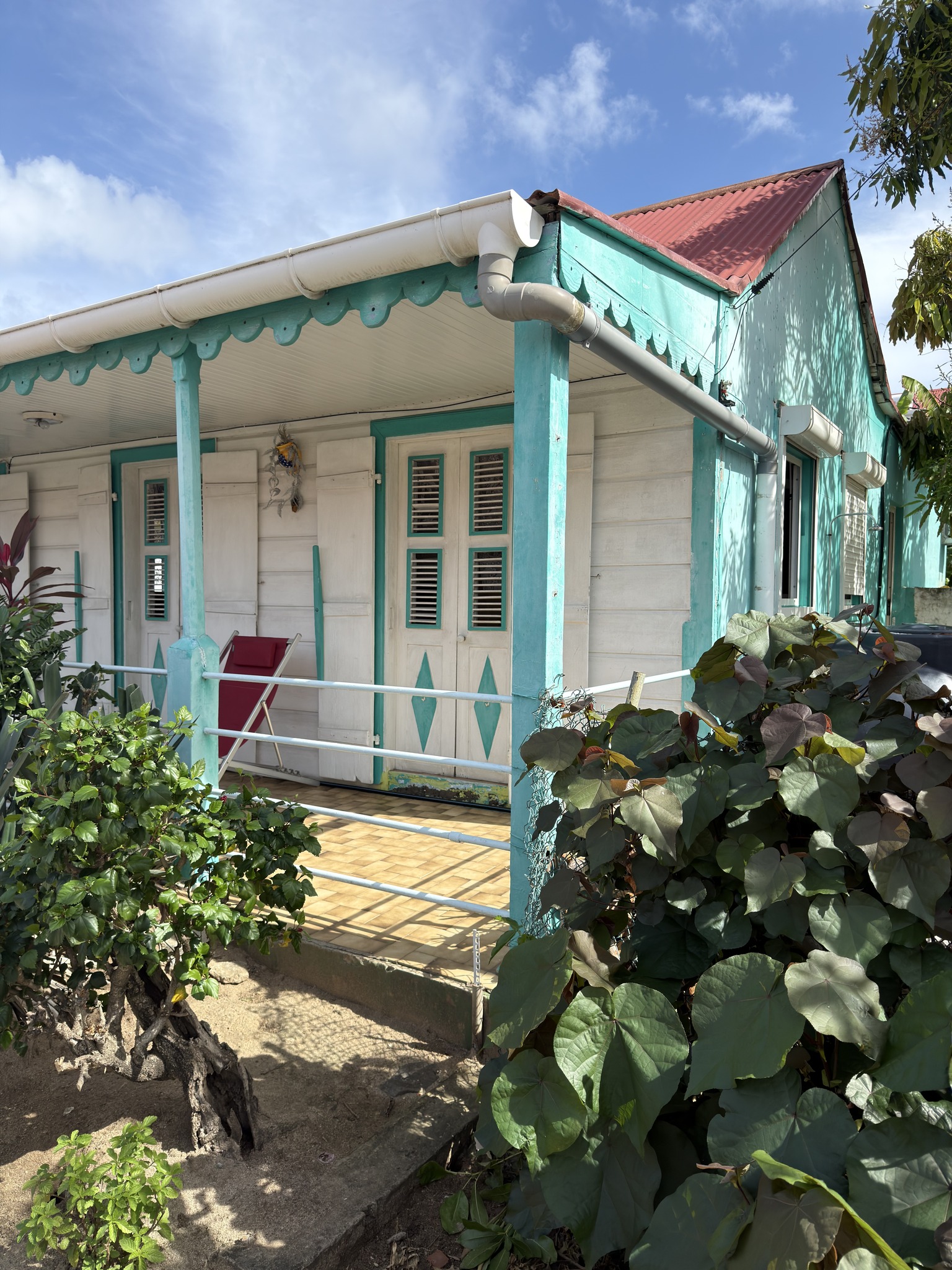
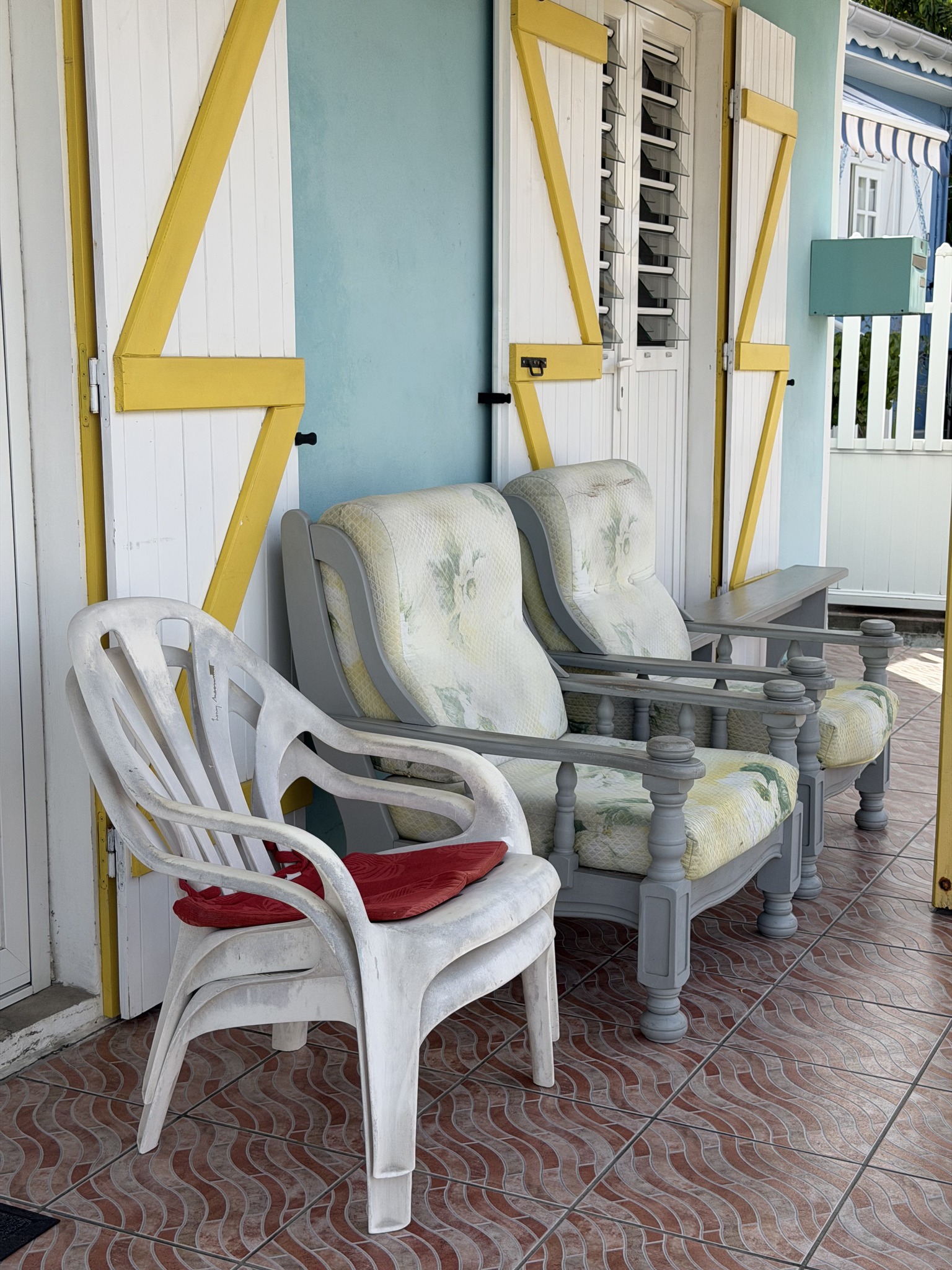
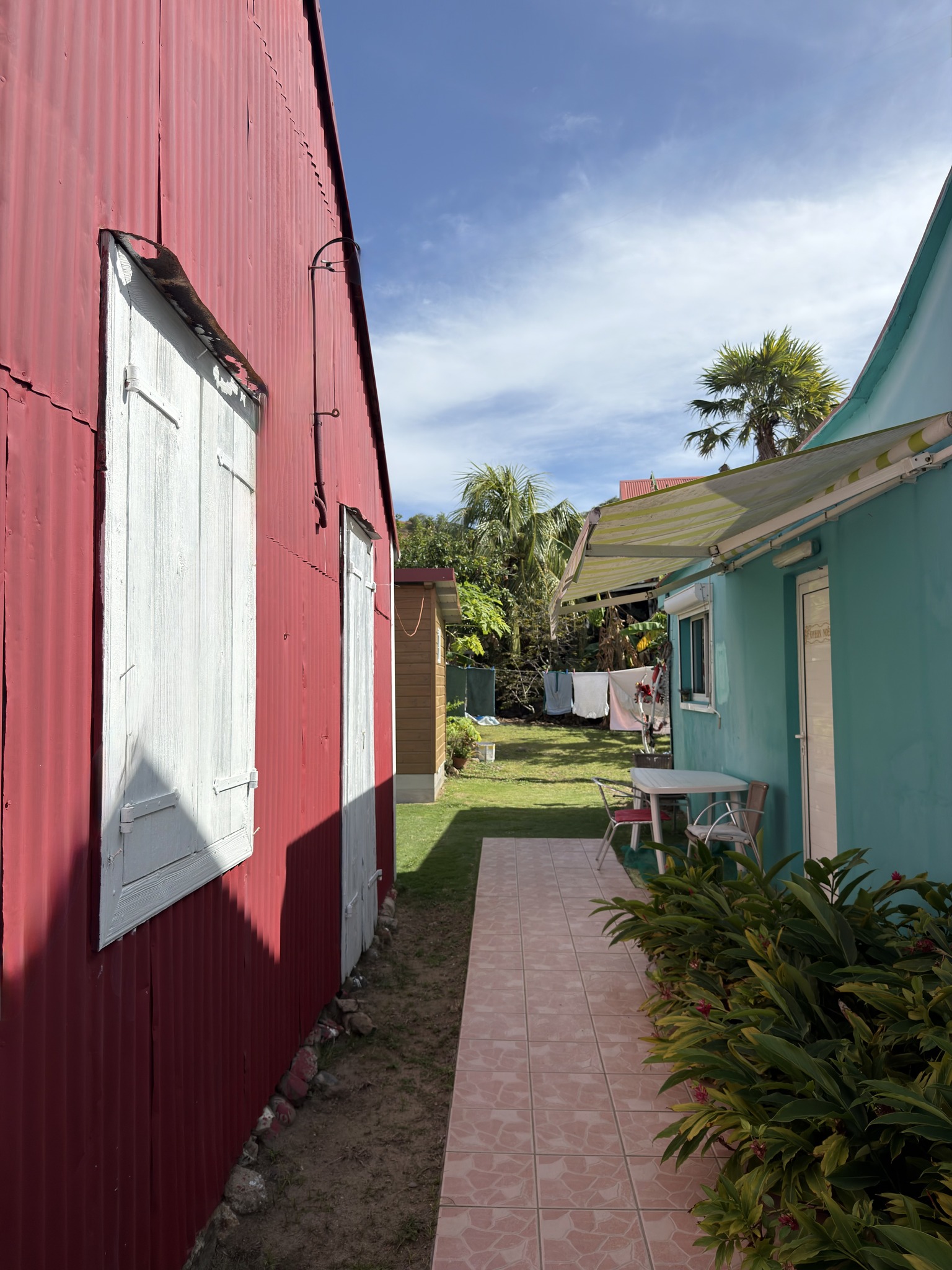
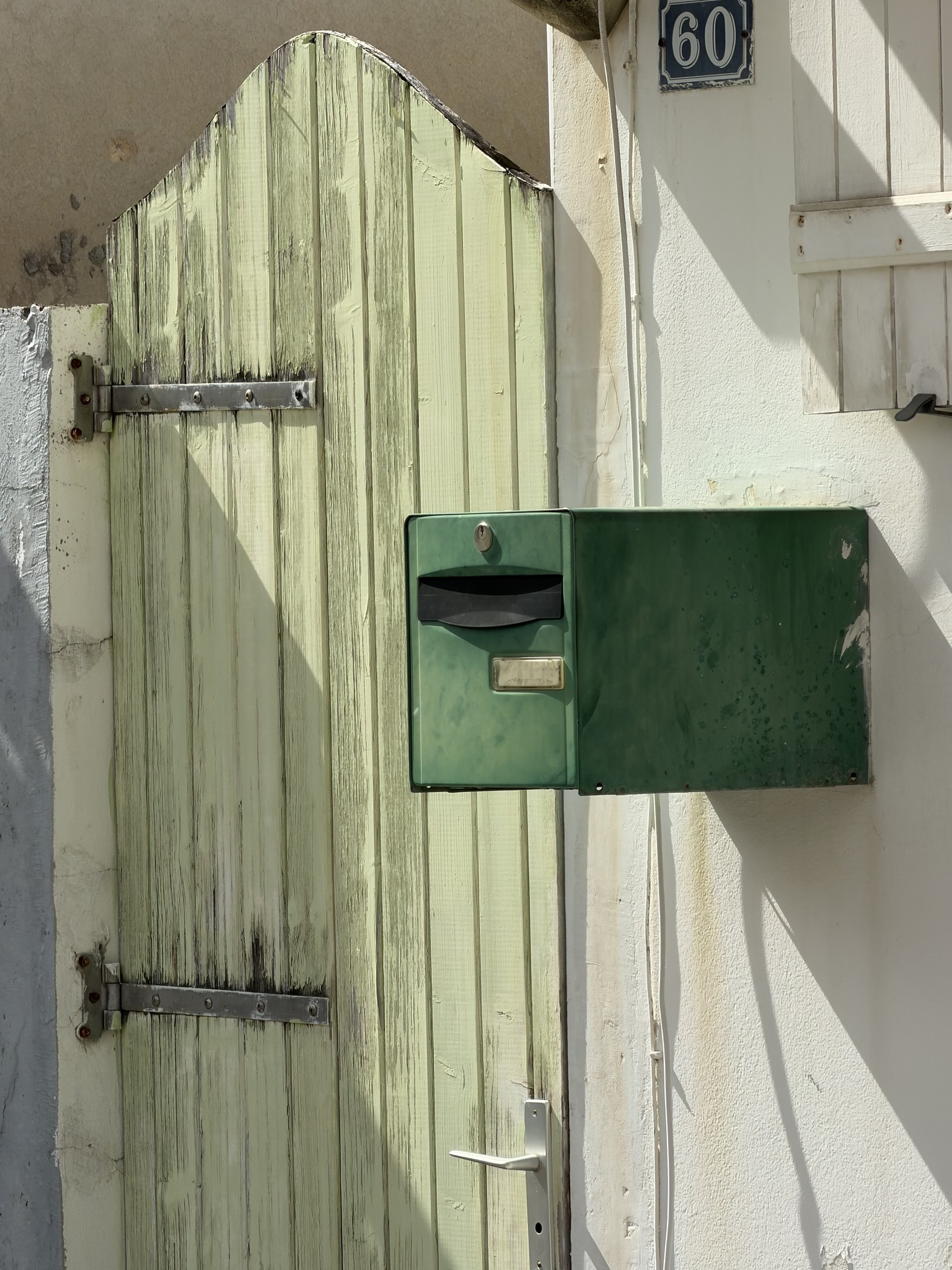
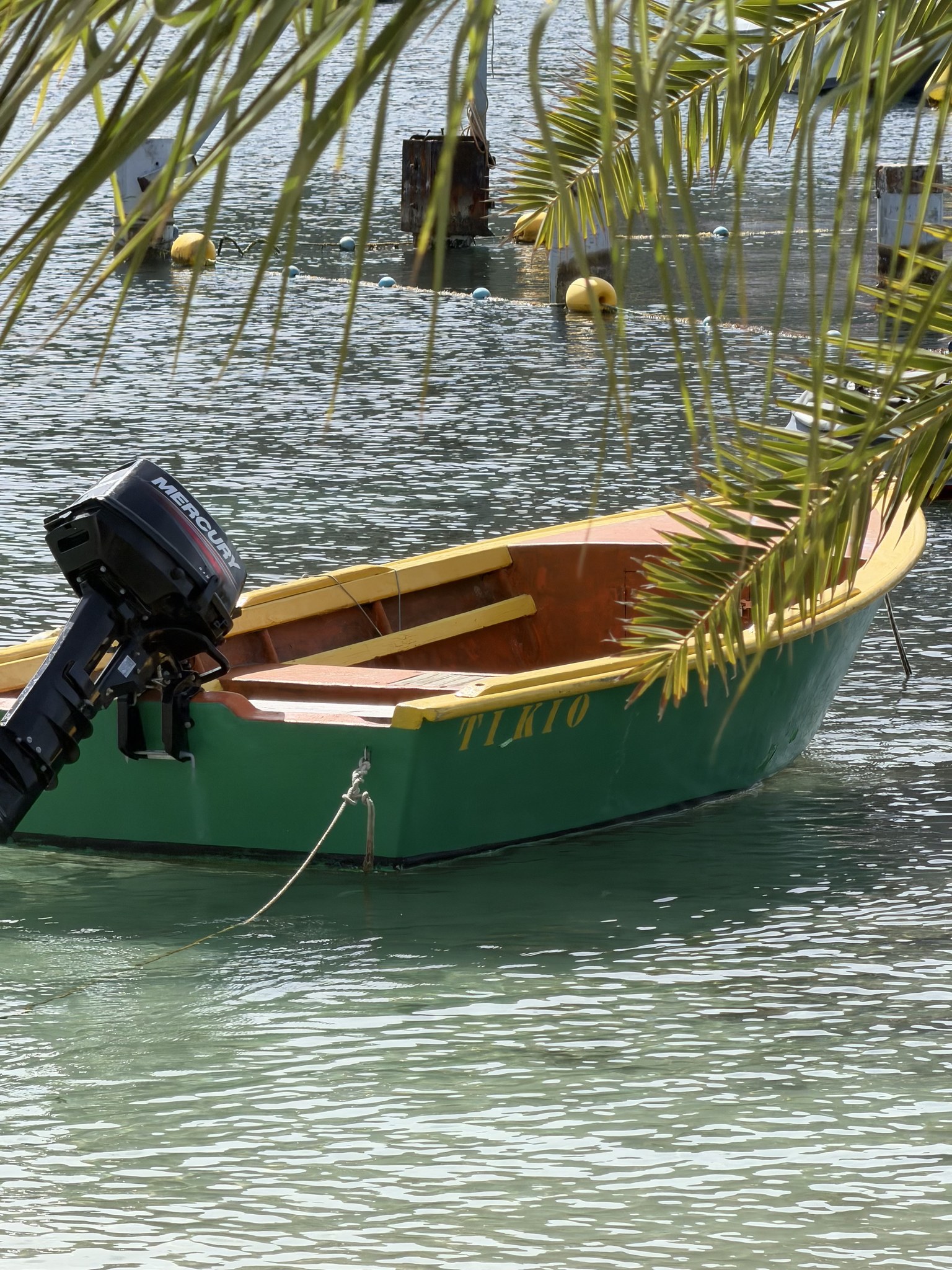
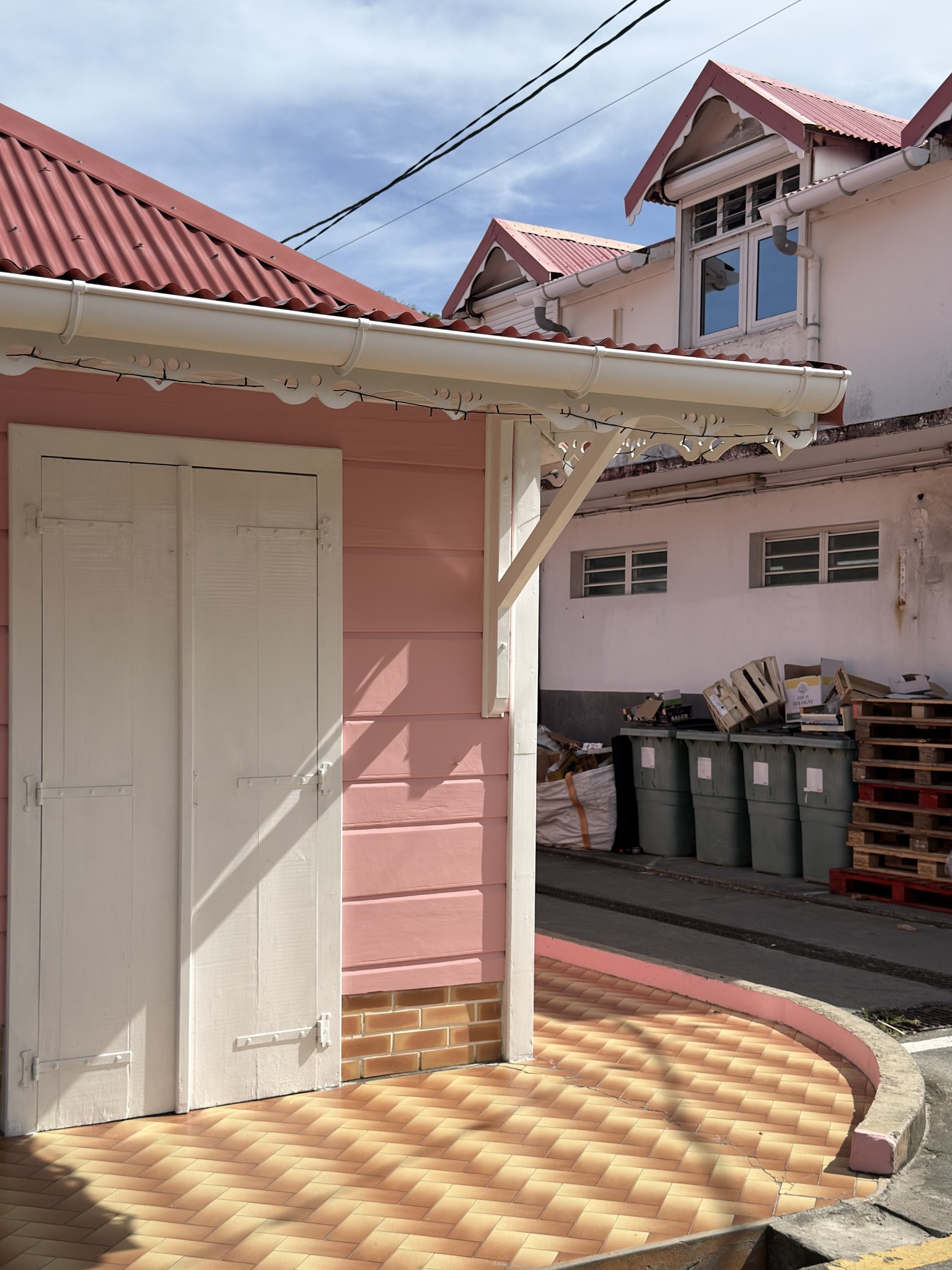
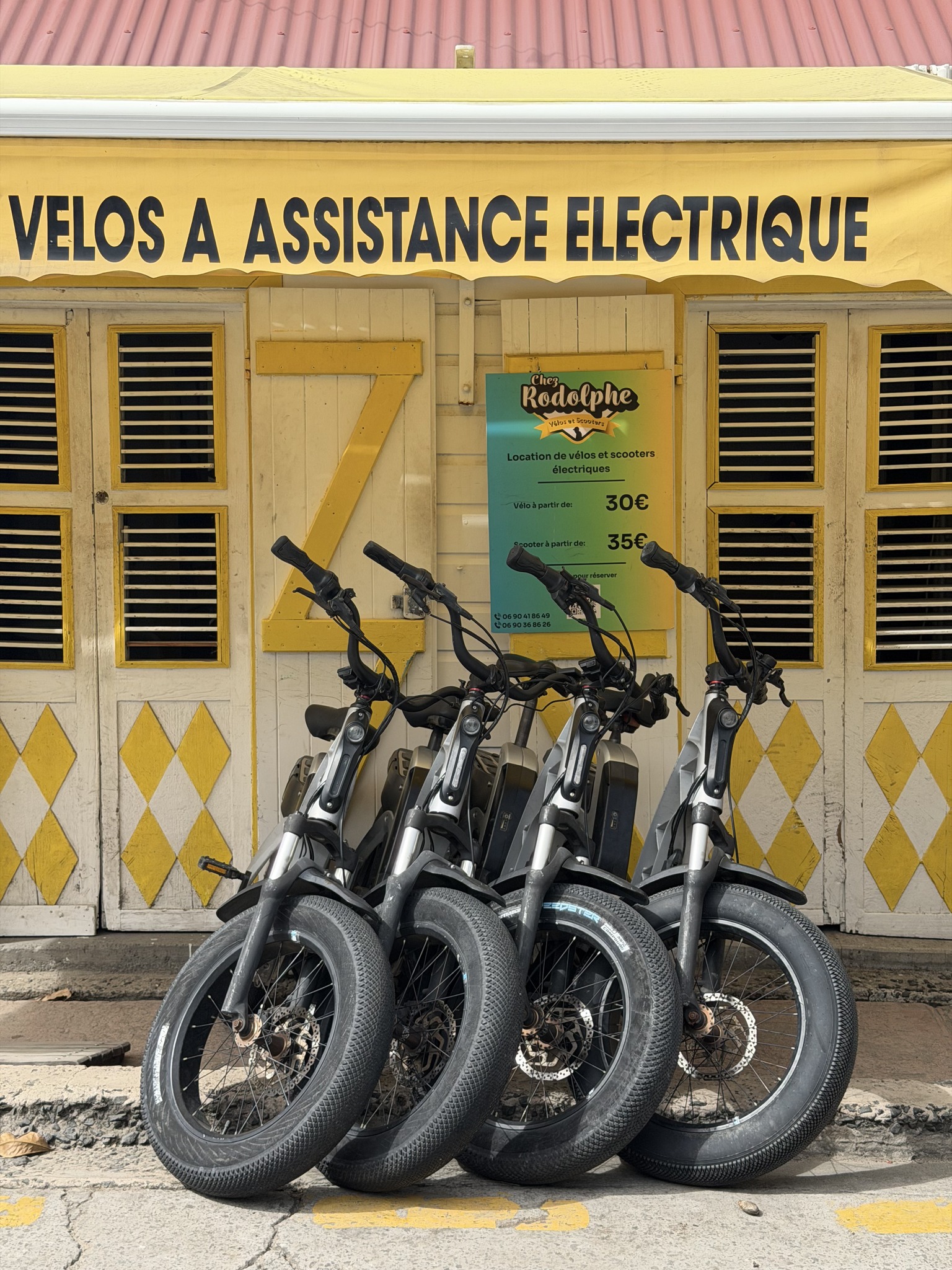
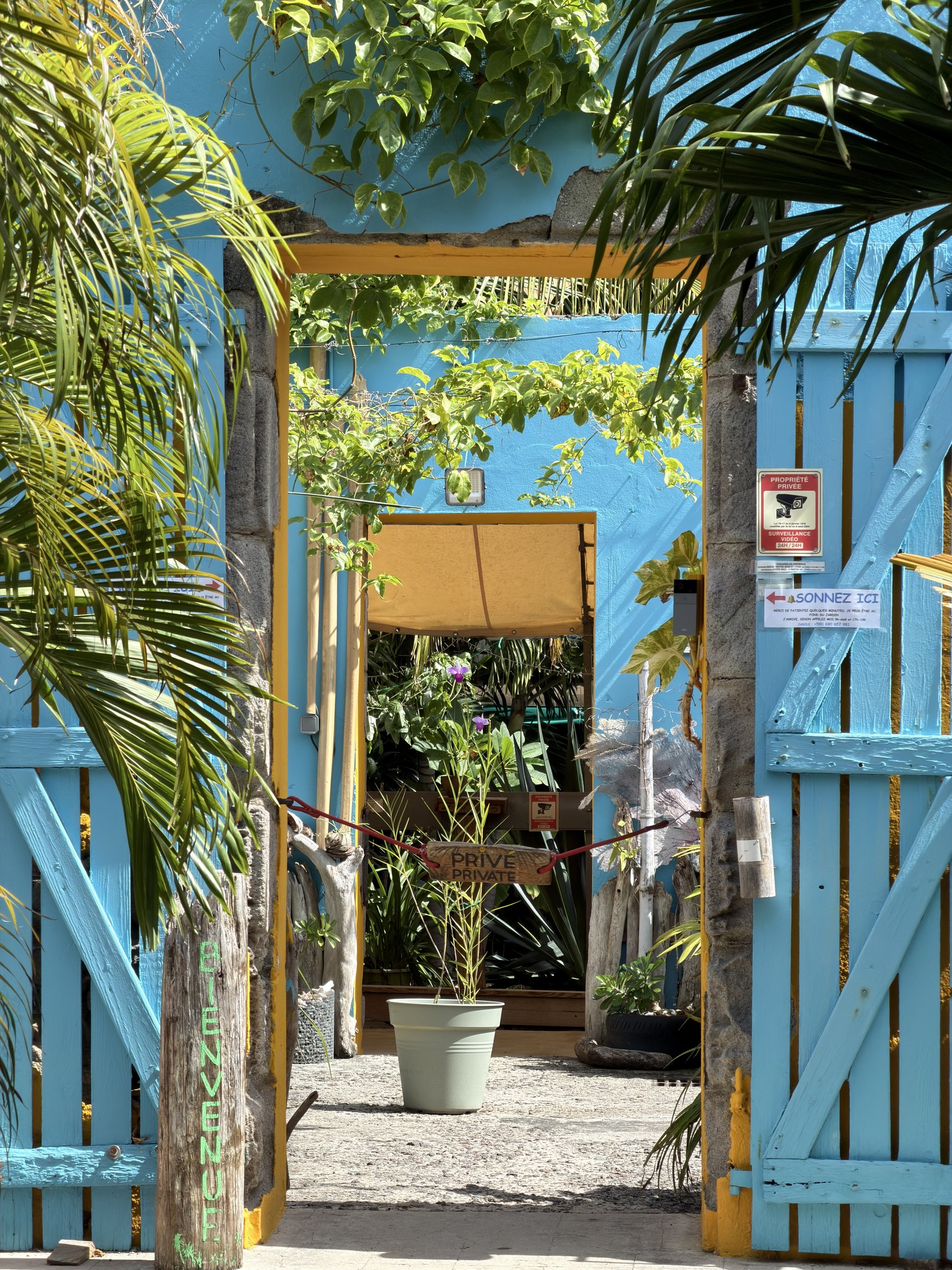
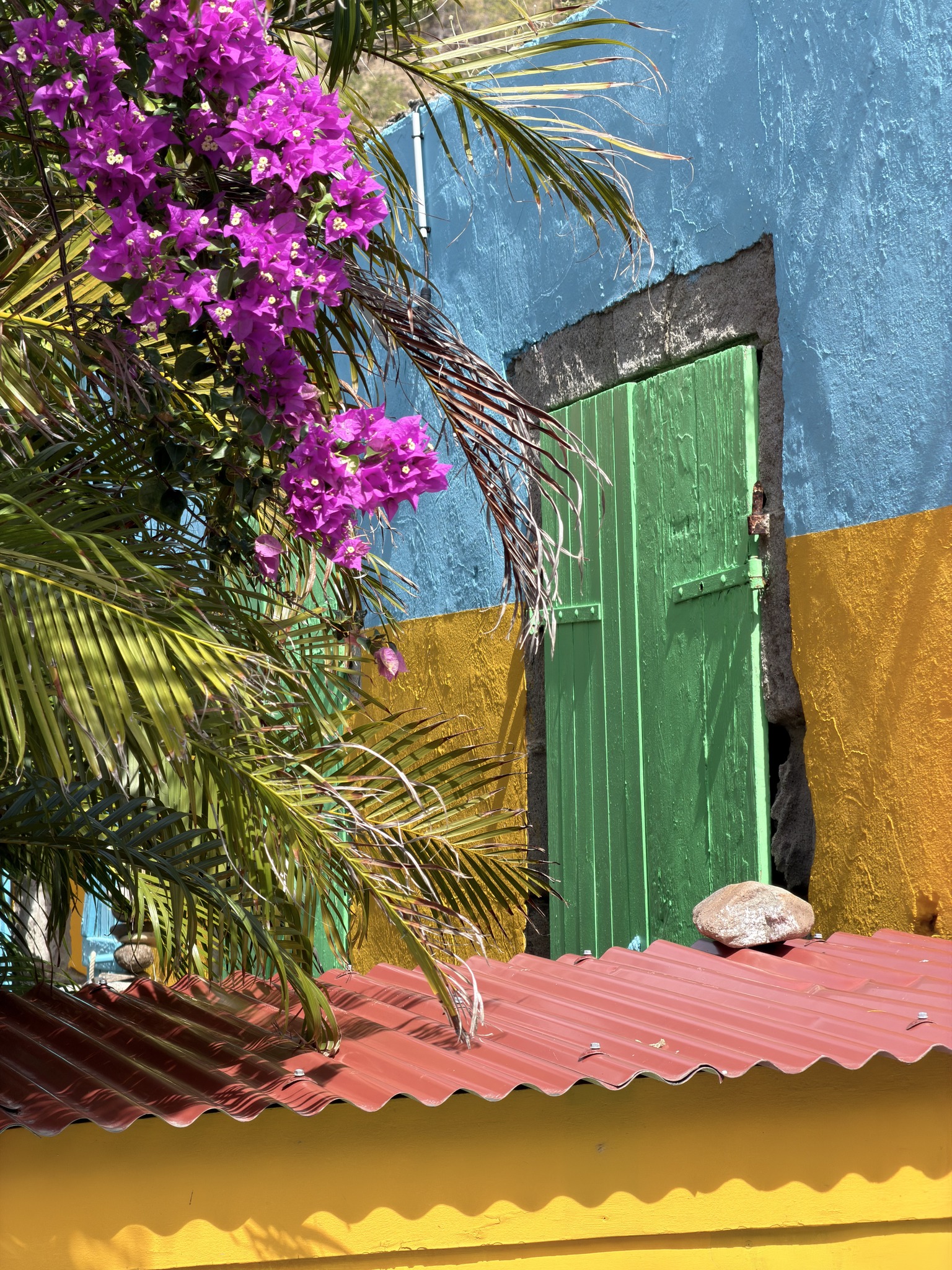
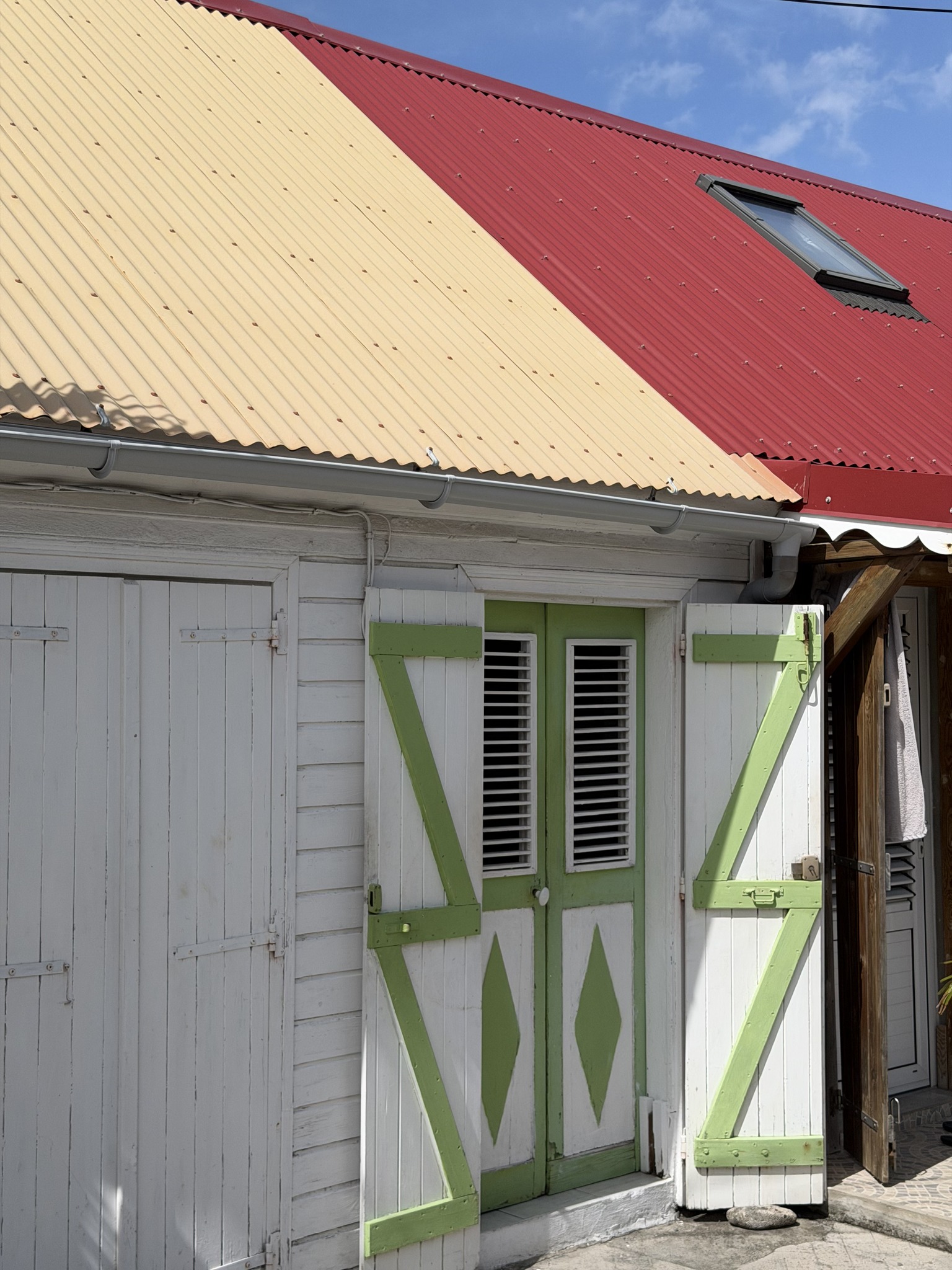
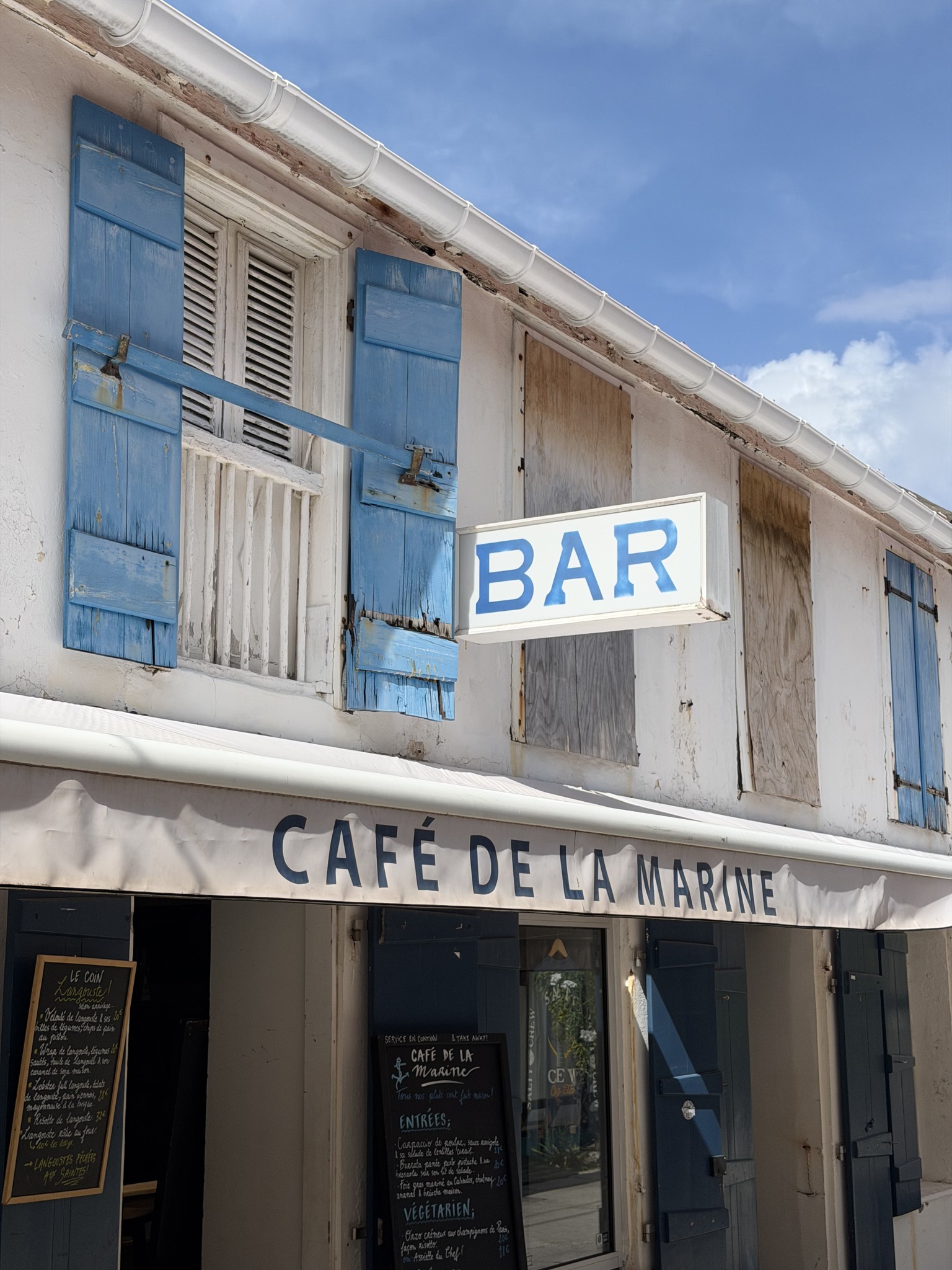
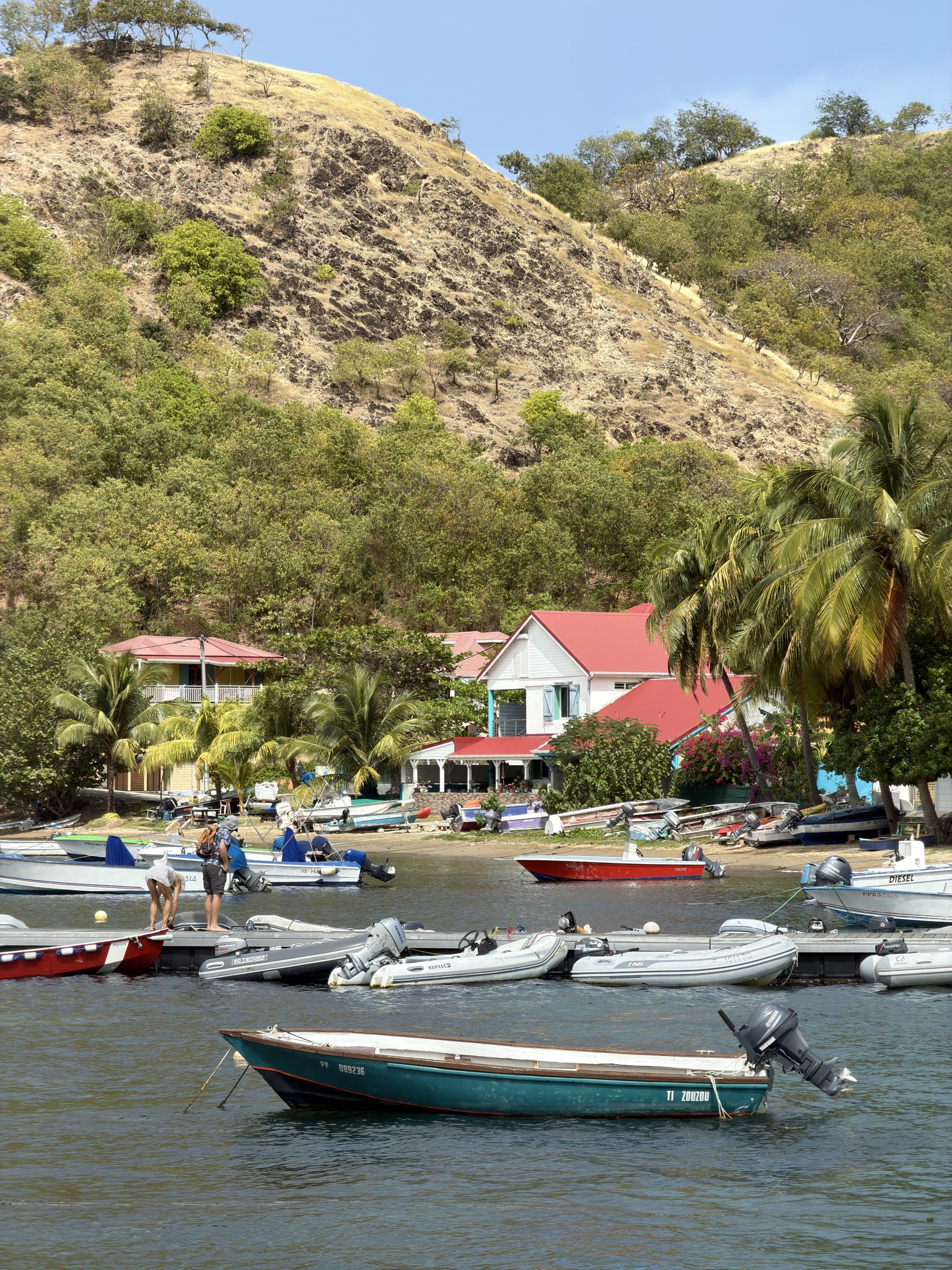
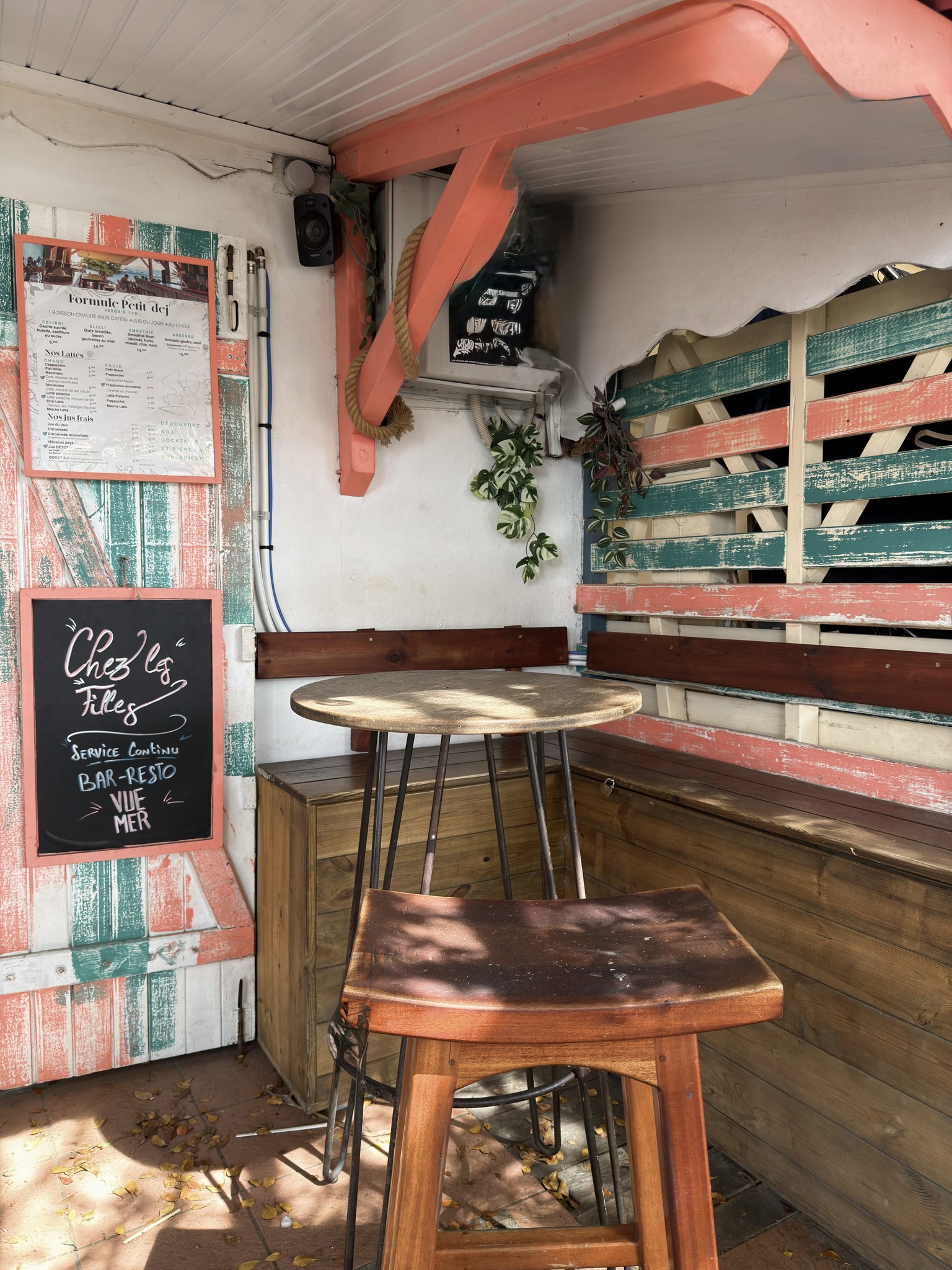
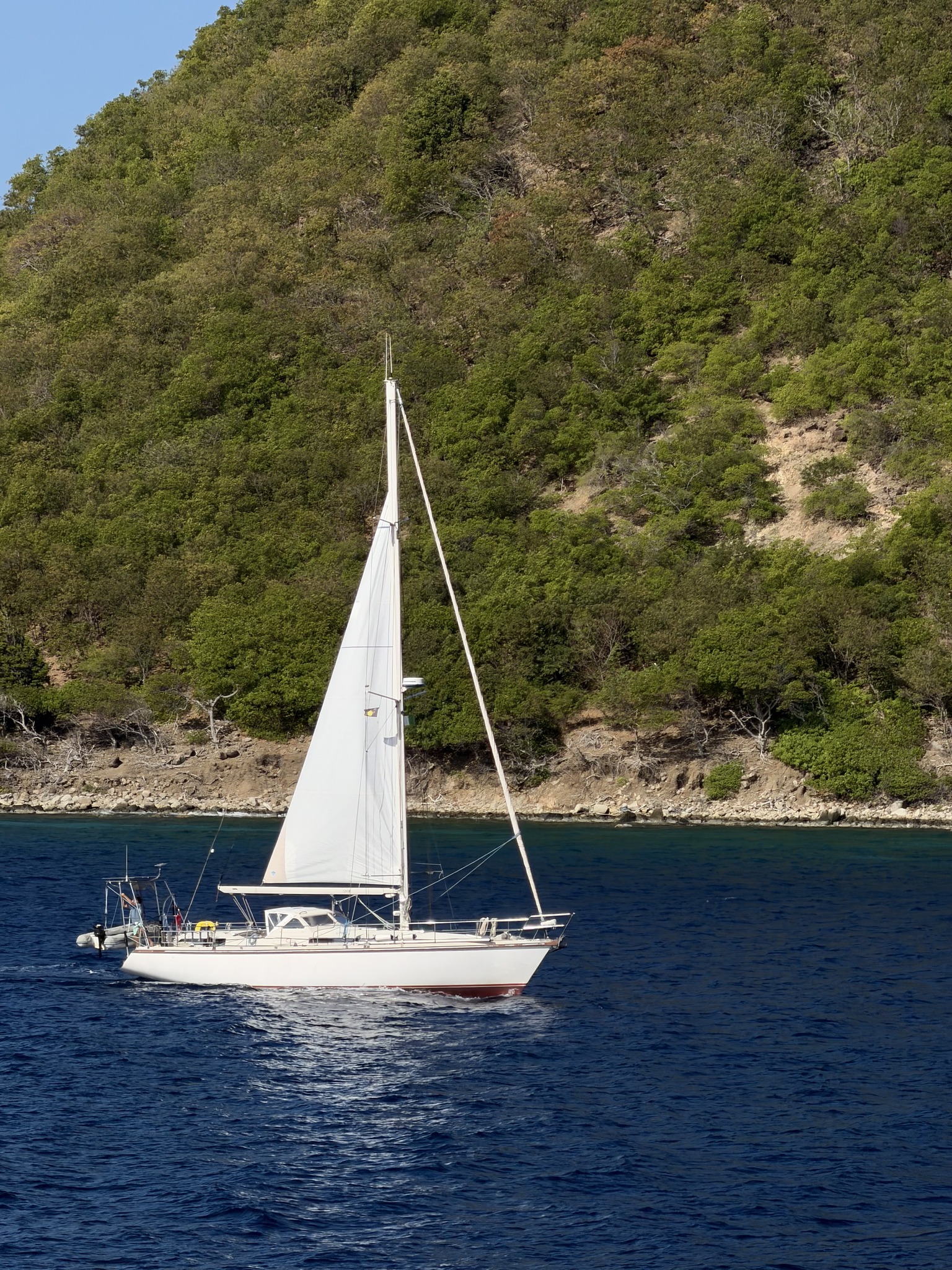
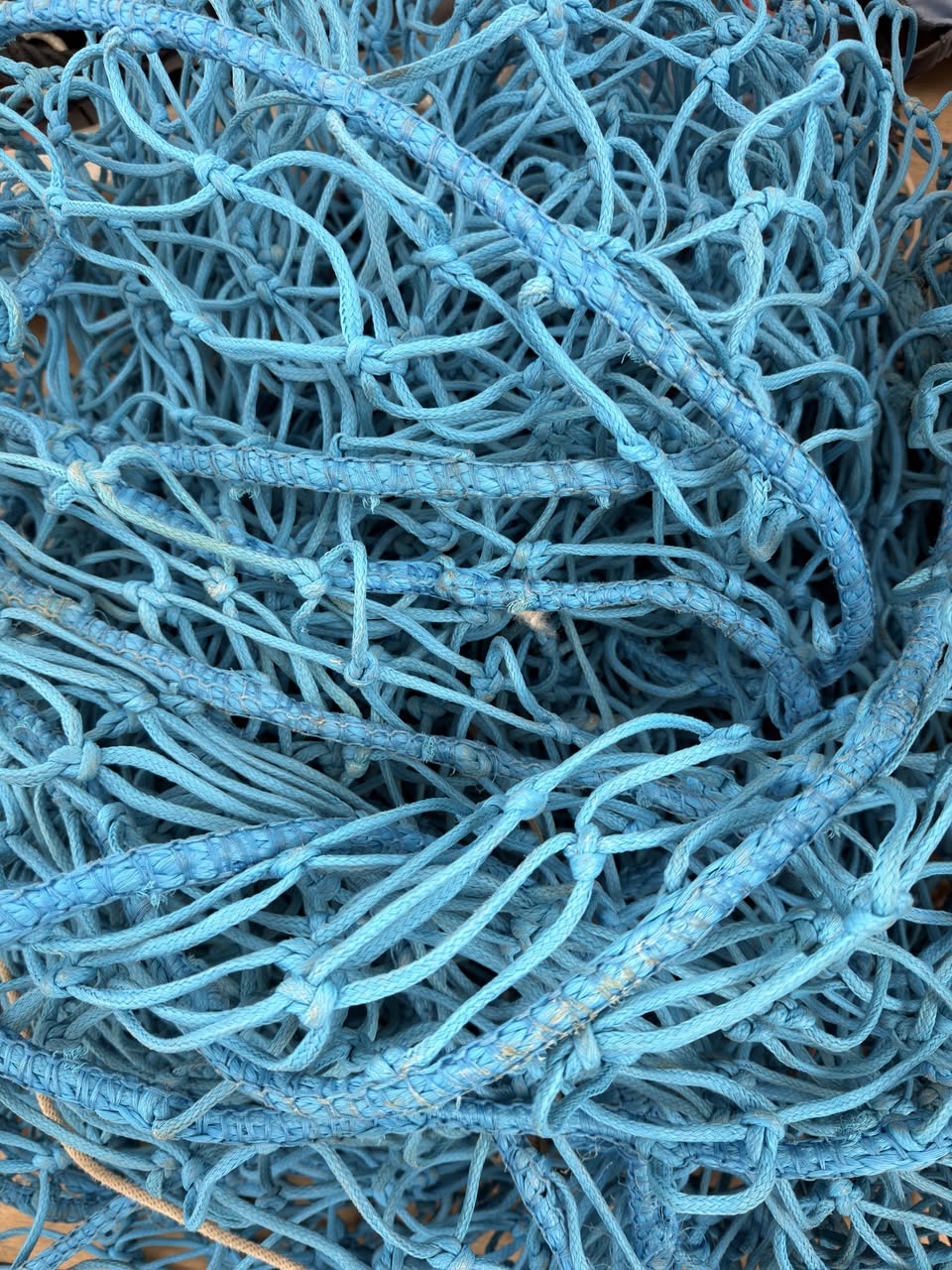
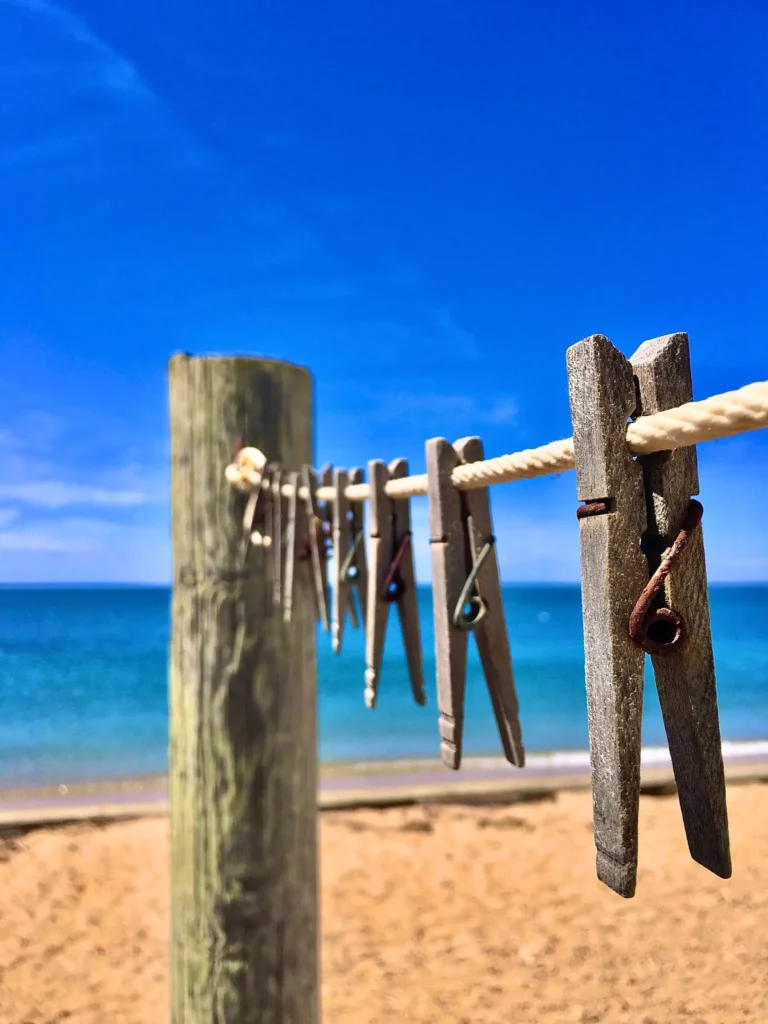
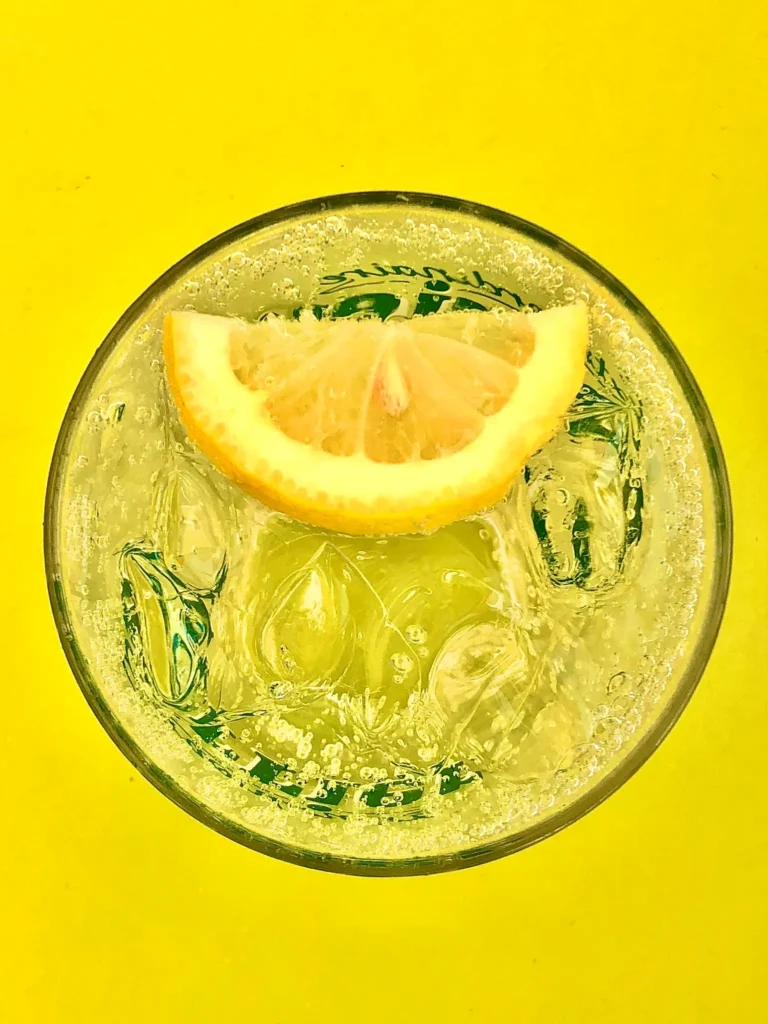
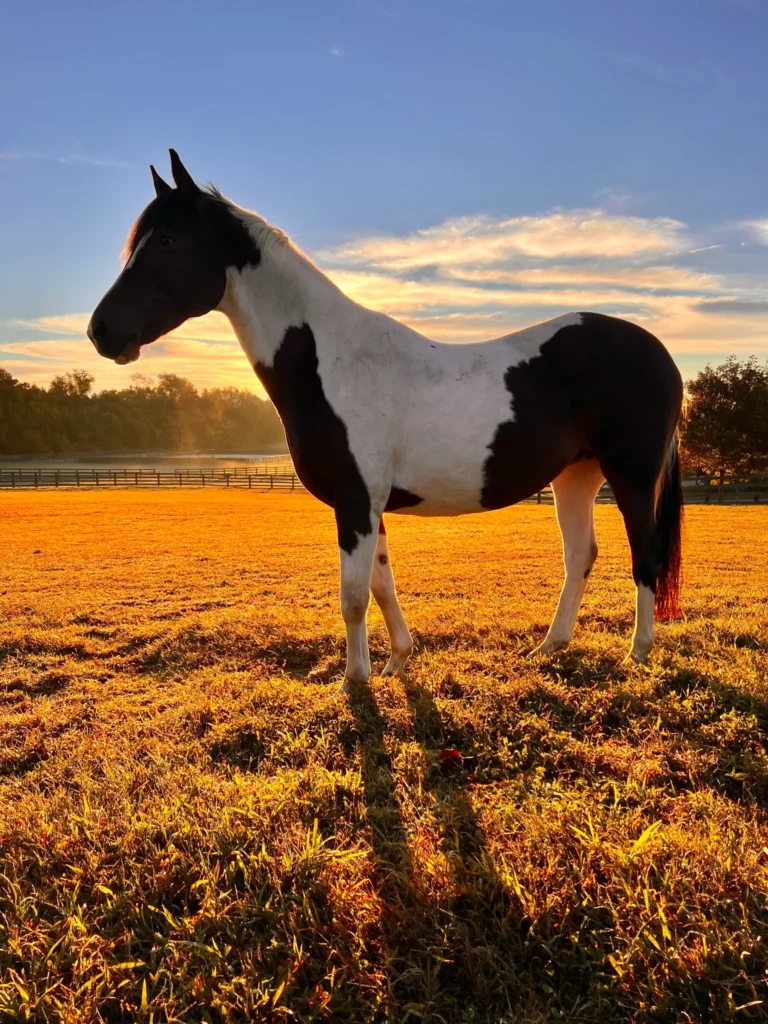
Last week, in the Caribbean, while on a Star Clippers cruise, I made a series of very simple photographs. Nothing epic. Nothing heroic. No grand vistas begging for applause.
Just color.
Light.
Edges.
Moments that would disappear if I blinked too long.
I took them quietly. Slowly. Often unnoticed.
No one tapped me on the shoulder.
No one asked what I was shooting.
No one needed to understand.
And that’s exactly why they worked.
When I photograph alone, I’m not chasing approval. I’m not anticipating feedback. I’m not subconsciously adjusting my eye to what I think will land well with others.
I’m listening.
I’m letting the place speak first.
Then letting myself respond.
There’s a kind of humility that creeps in when you’re alone with a camera. You realize very quickly that the world doesn’t need you. It isn’t waiting. It isn’t posing.
You are the guest.
That realization is freeing.
It removes the pressure to “make something happen.”
It replaces it with permission to notice what already is.
Introversion, for me, has become less about retreat and more about refinement.
I’m not withdrawing from the world.
I’m tuning myself more carefully to it.
Crowds blur things.
Silence sharpens them.
When I’m alone, my sense of seeing becomes more acute. I notice how light wraps instead of blasts. How colors hum instead of shout. How composition often reveals itself only after you’ve stood still long enough to stop searching.
This kind of seeing can’t be rushed.
And it certainly can’t be multitasked.
That’s another quiet gift of solitude: presence.
No notifications.
No side conversations.
No mental rehearsal of what comes next.
Just this rectangle.
This moment.
This choice.
People sometimes ask if traveling alone ever feels sad.
Honestly? No.
It feels honest.
There’s a difference.
Loneliness is wanting someone else to validate the experience.
Solitude is trusting the experience to stand on its own.
Some of my most meaningful memories were formed without witnesses. They live entirely inside me, and that doesn’t make them smaller. It makes them intact.
Photography, at its best, works the same way.
Not everything needs to be explained.
Not everything needs to be shared immediately.
Not everything needs to be liked.
Some photographs are simply conversations between you and the moment that offered itself.
Those are often the ones that stay with you the longest.
As I’ve grown older, I’ve become more protective of this quiet. More intentional about carving it out. More aware of how easily it gets eroded by noise, obligation, and the constant pull outward.
Solitude isn’t a luxury for me anymore.
It’s a requirement.
It’s where my eye recalibrates.
It’s where my instincts resurface.
It’s where my photography stops imitating and starts remembering who it is.
I still enjoy people. I still teach. I still speak. I still share.
But I return to myself in quiet.
And when I do, camera in hand, somewhere unfamiliar, unhurried, and alone, I feel something settle back into place.
Not lonely.
Aligned.
Listening.
Ready.
That’s where the photographs I care about most are made.
Click.
Jack.