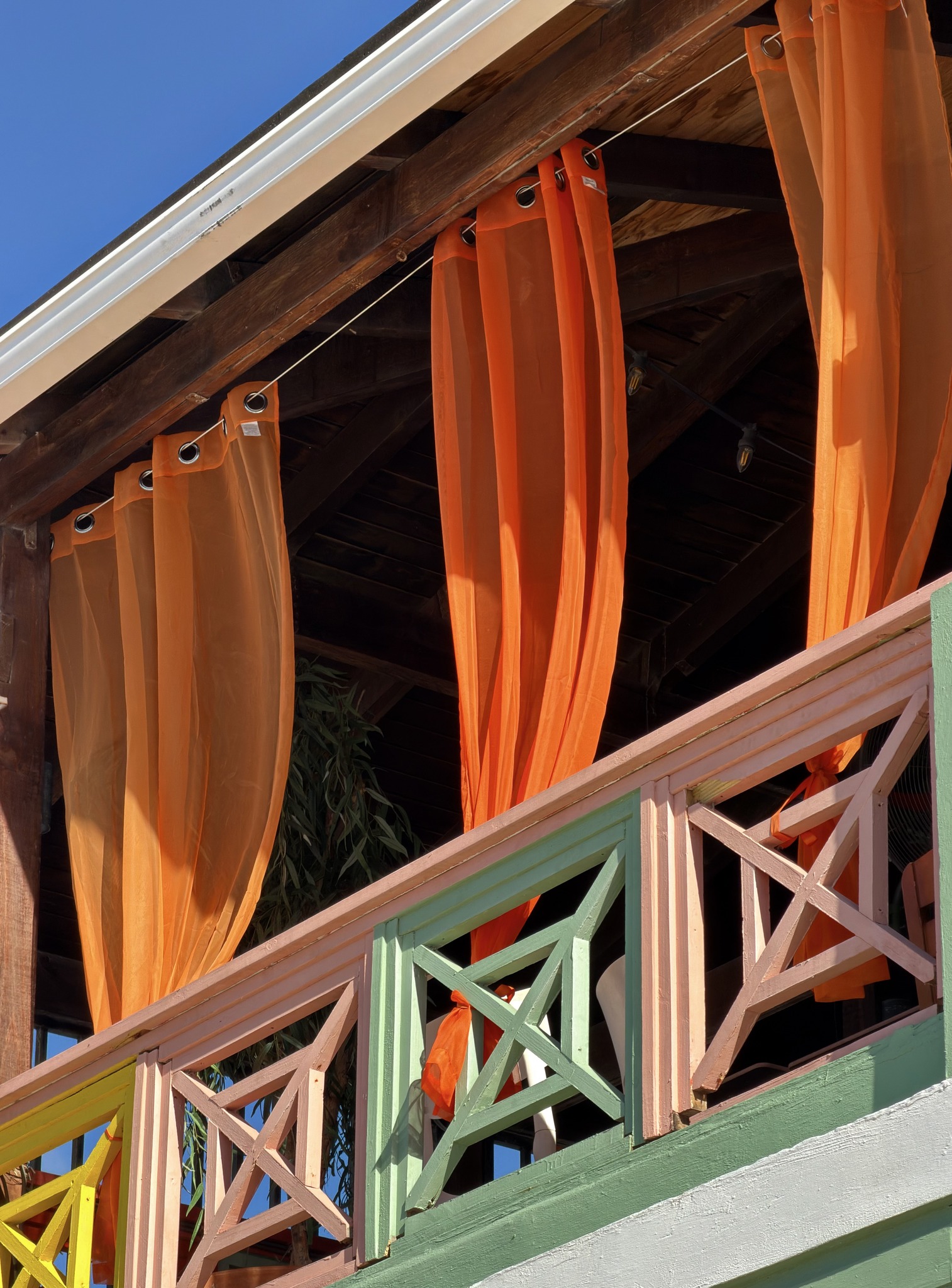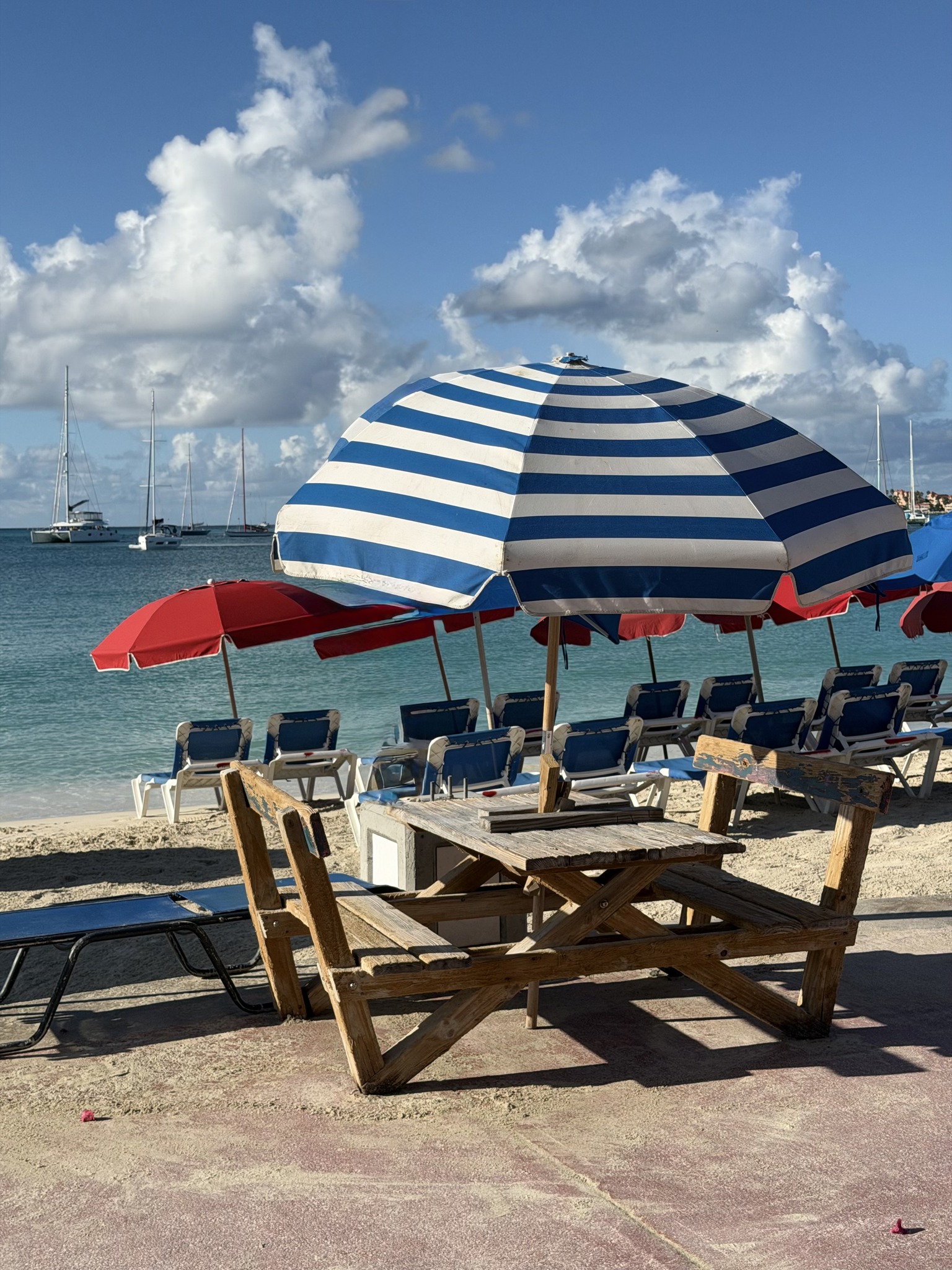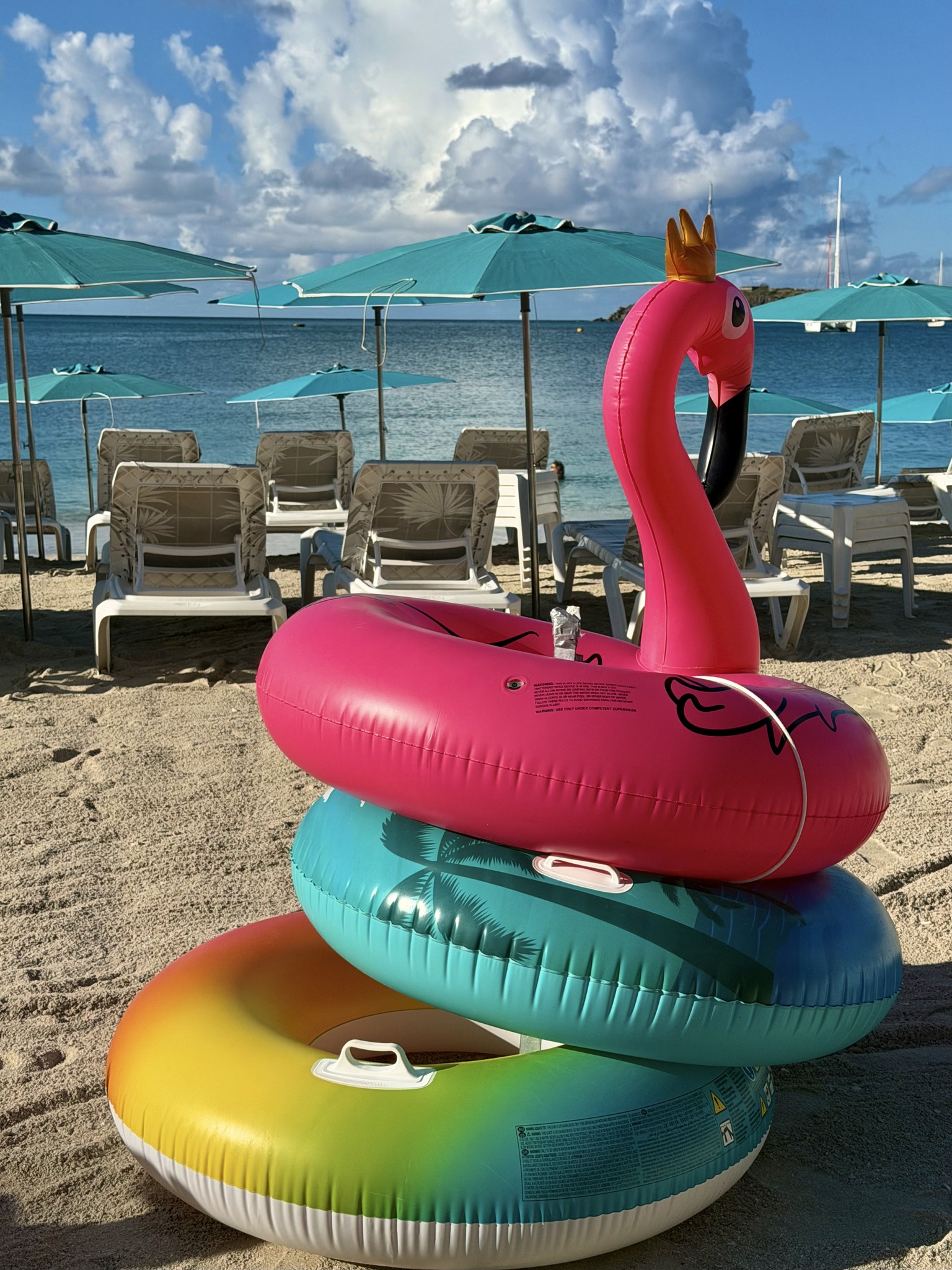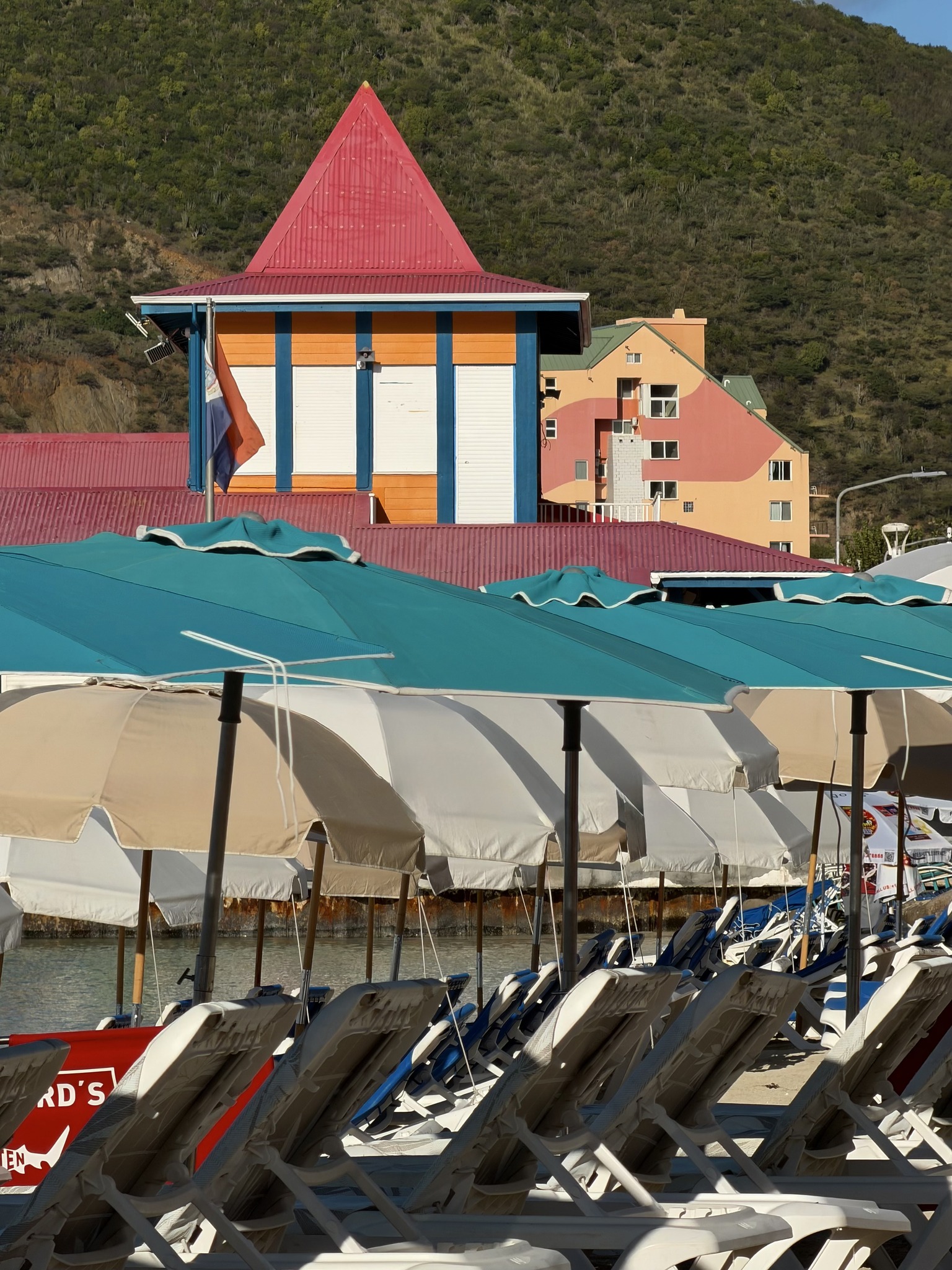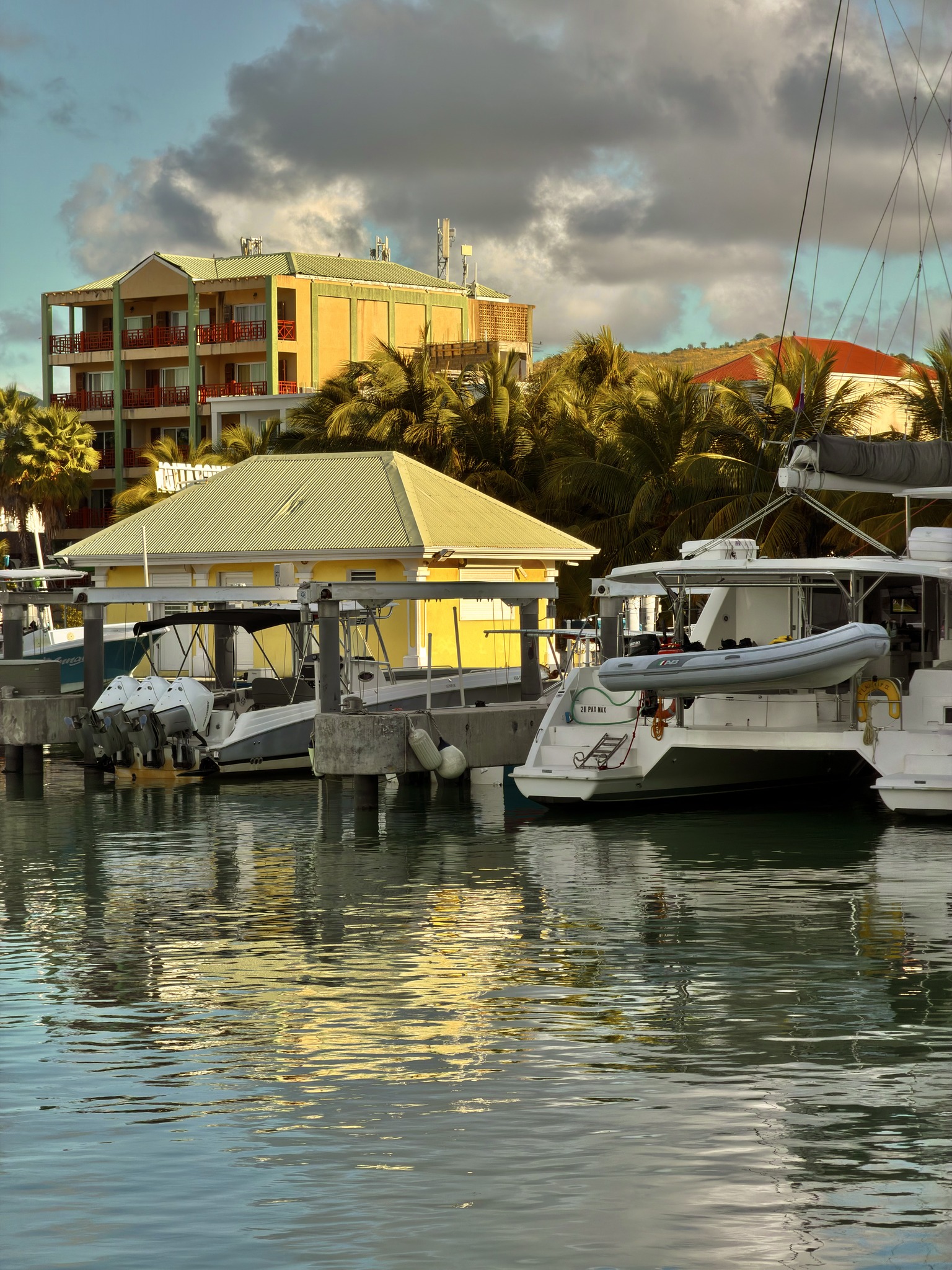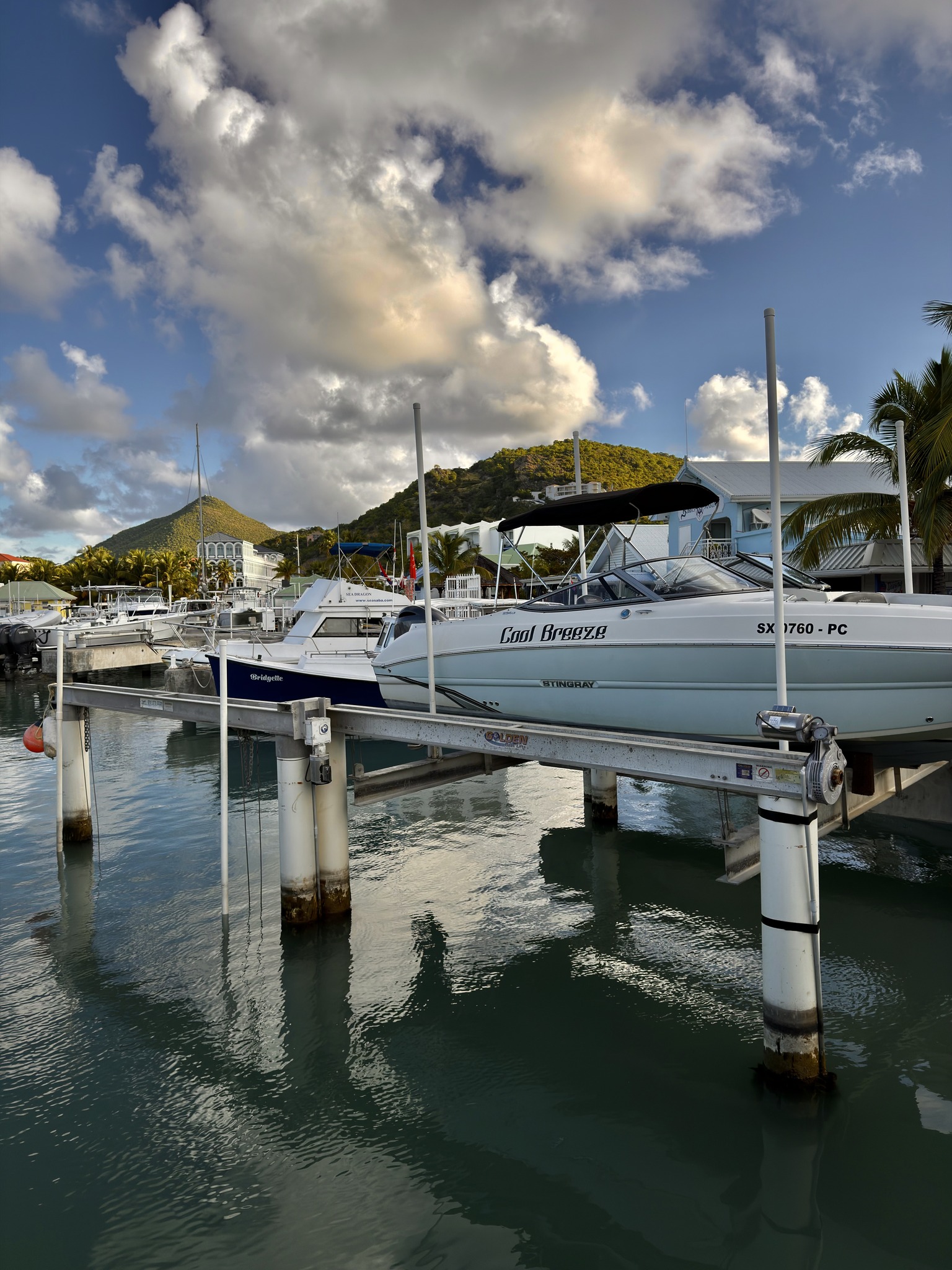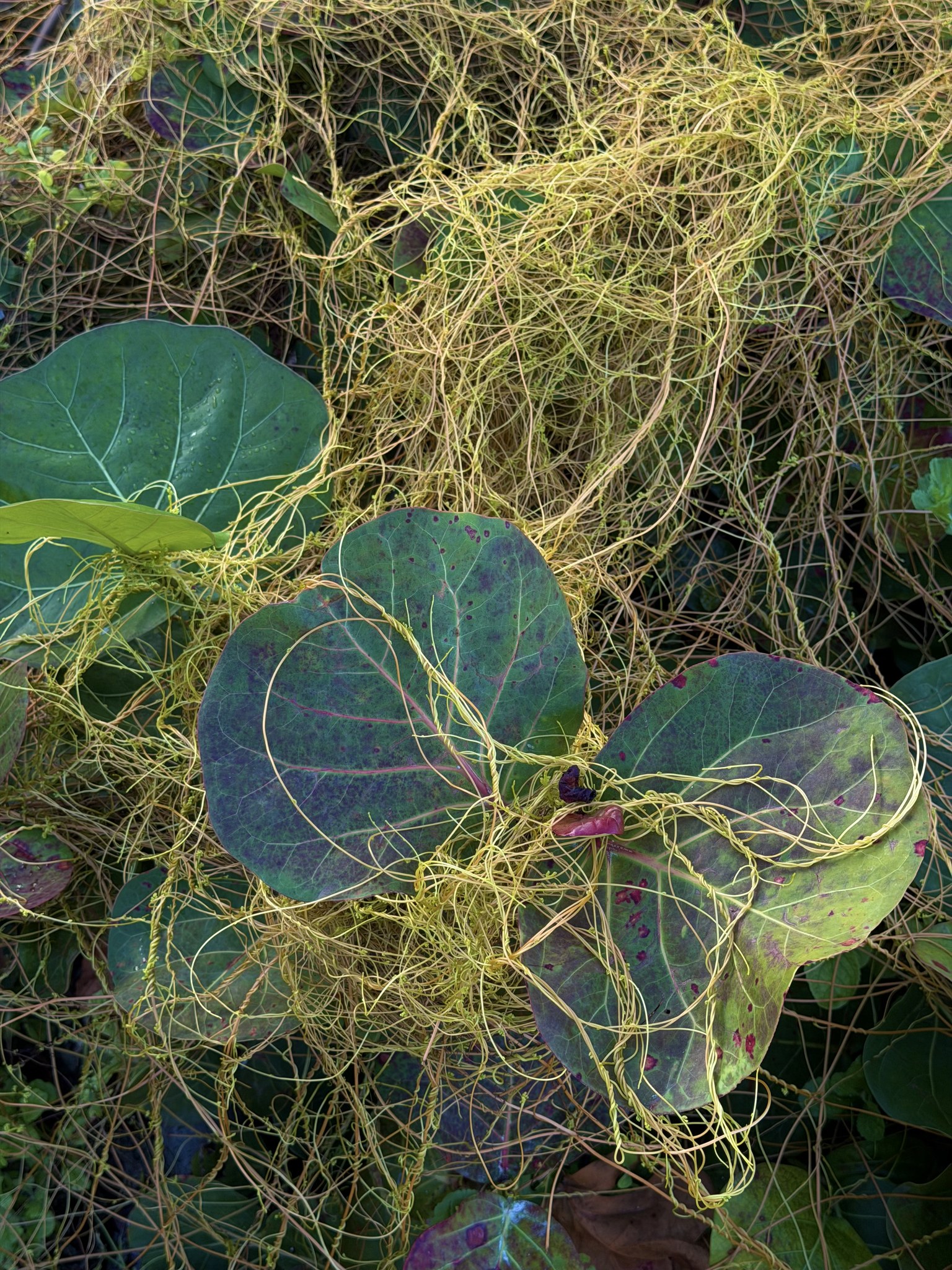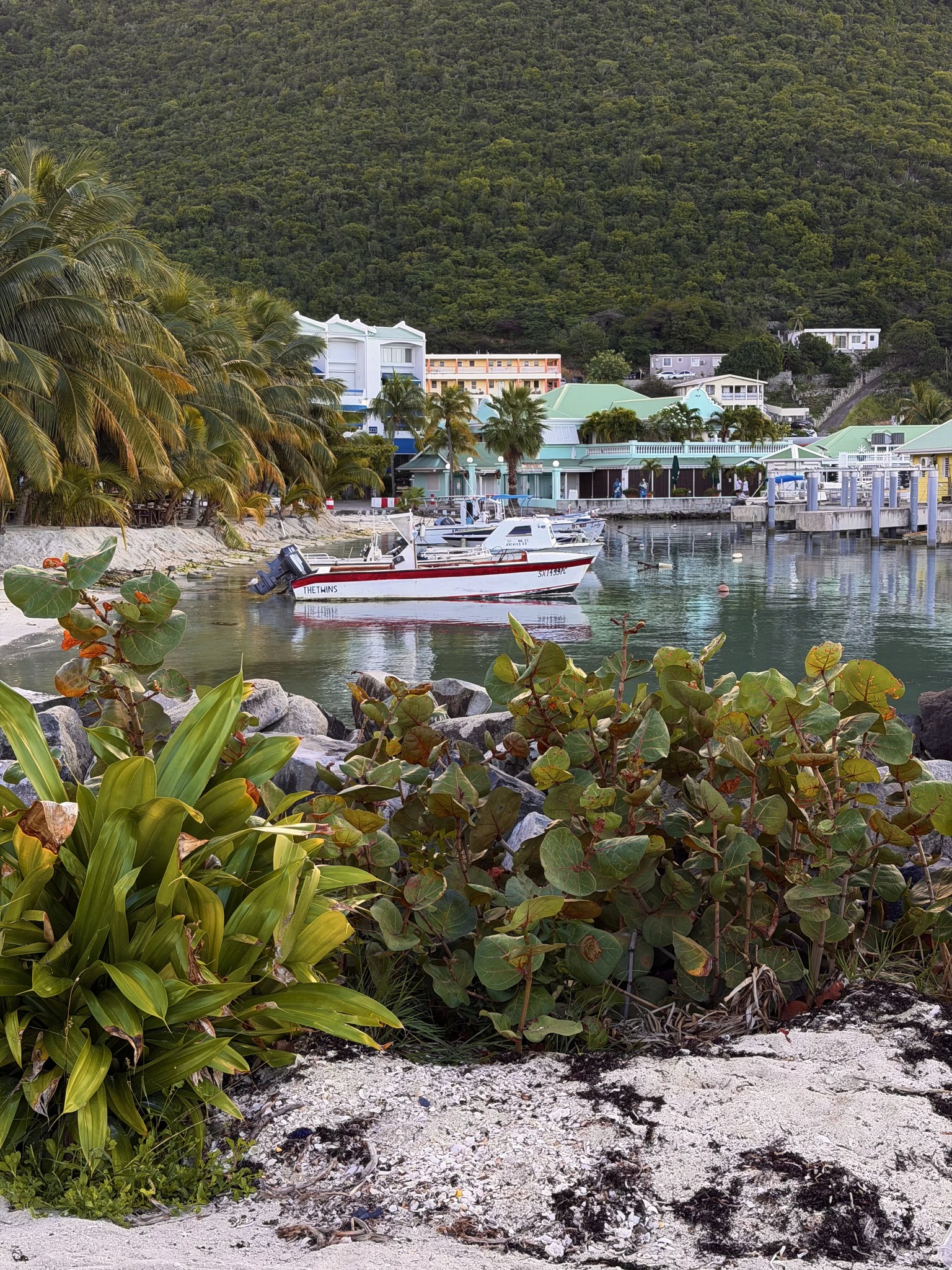
Warm-Up Frames from the Places We Go to Feel Alive
I’ve got plenty of shots of the Star Flyer coming your way—soon. Trust me. She’s elegant, photogenic, timeless, and she earns the attention she gets. Tall ships always do.
But before we get to sailing, indulge me for a moment.
Because sailing, at least the kind I care about, isn’t just about the ship. It’s about what the ship carries you toward. It’s about land. It’s about texture and color and noise and weather and people and heat. It’s about stepping off the gangway and feeling your body recalibrate to a different rhythm.
It’s about travel.
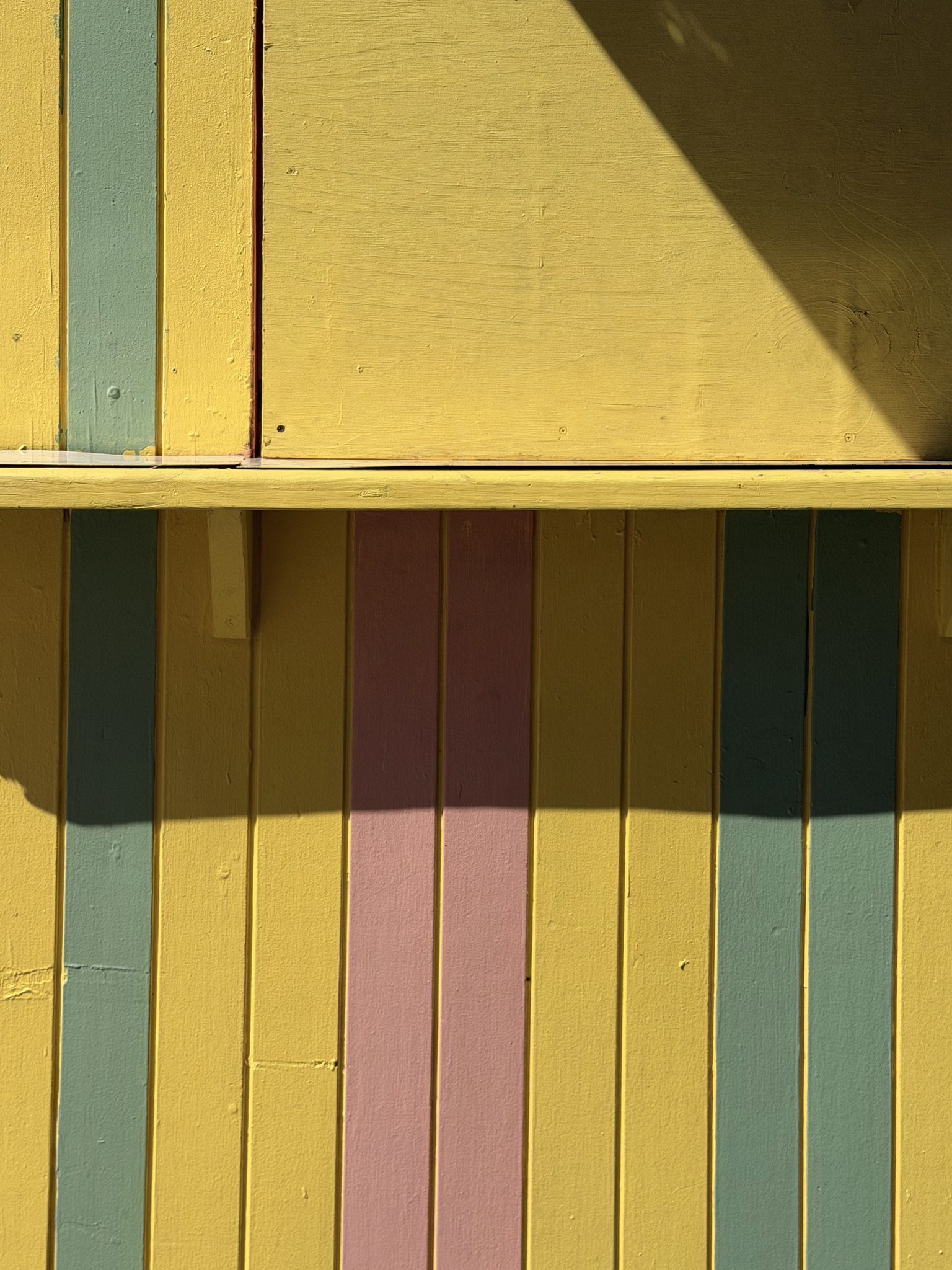
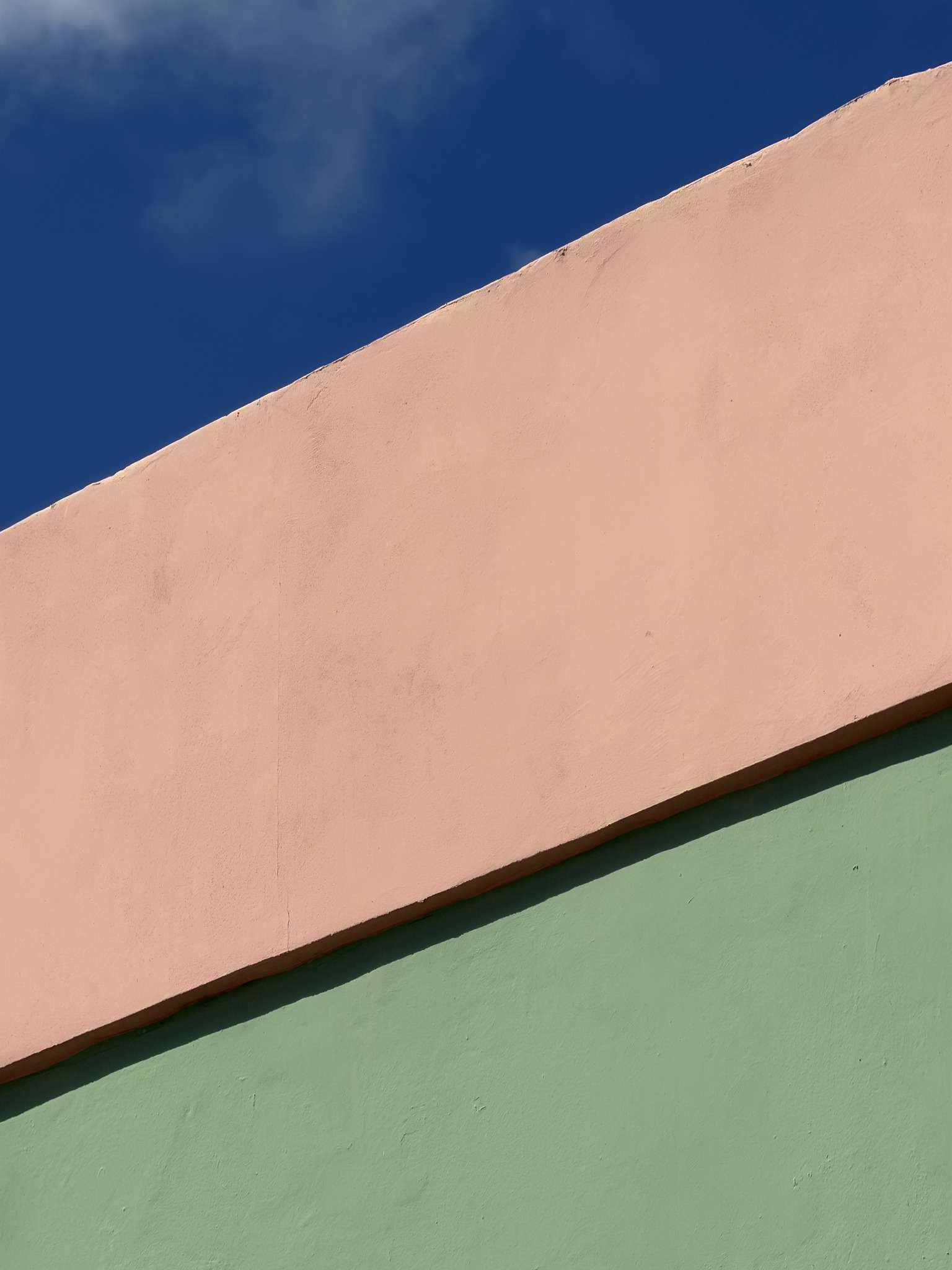
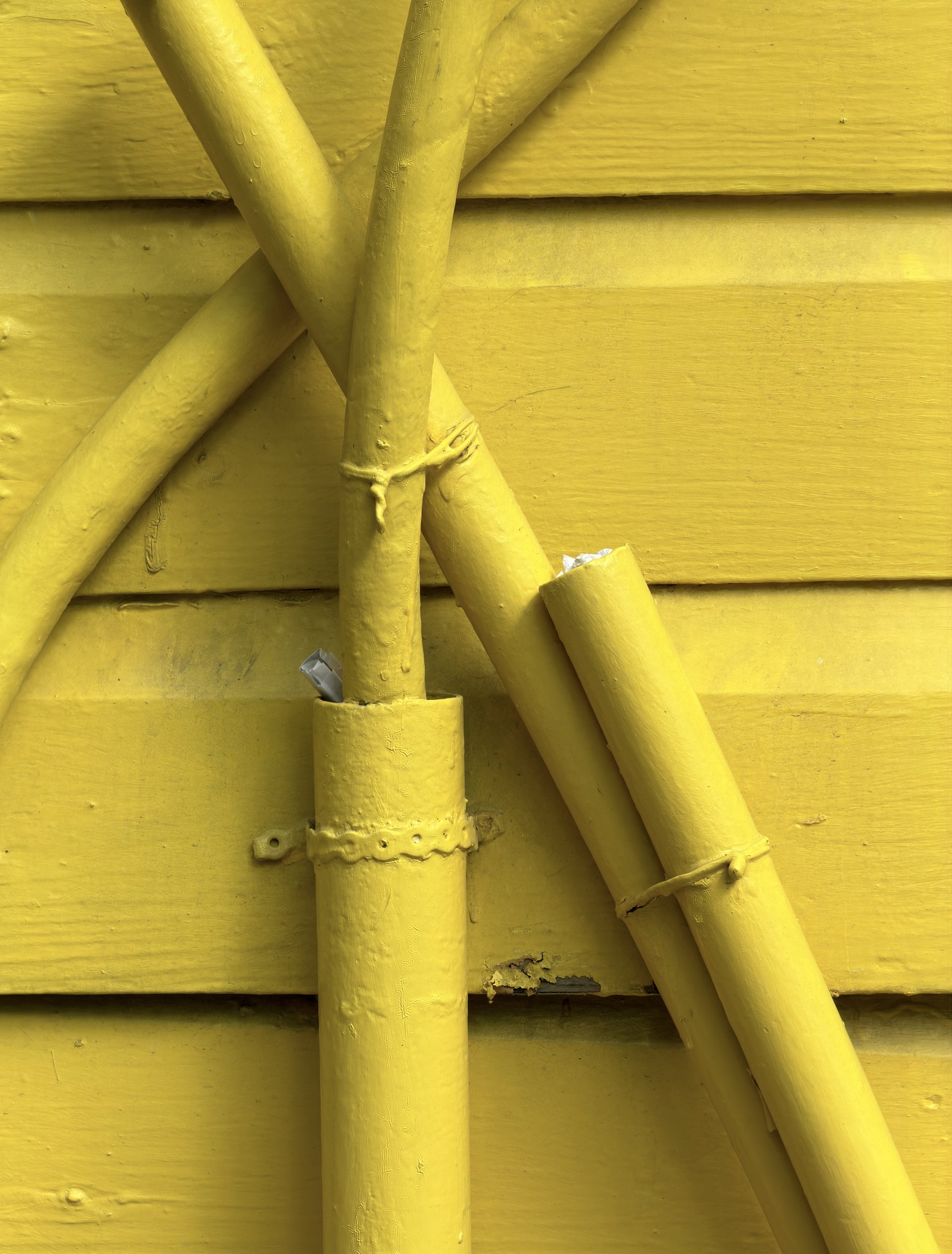
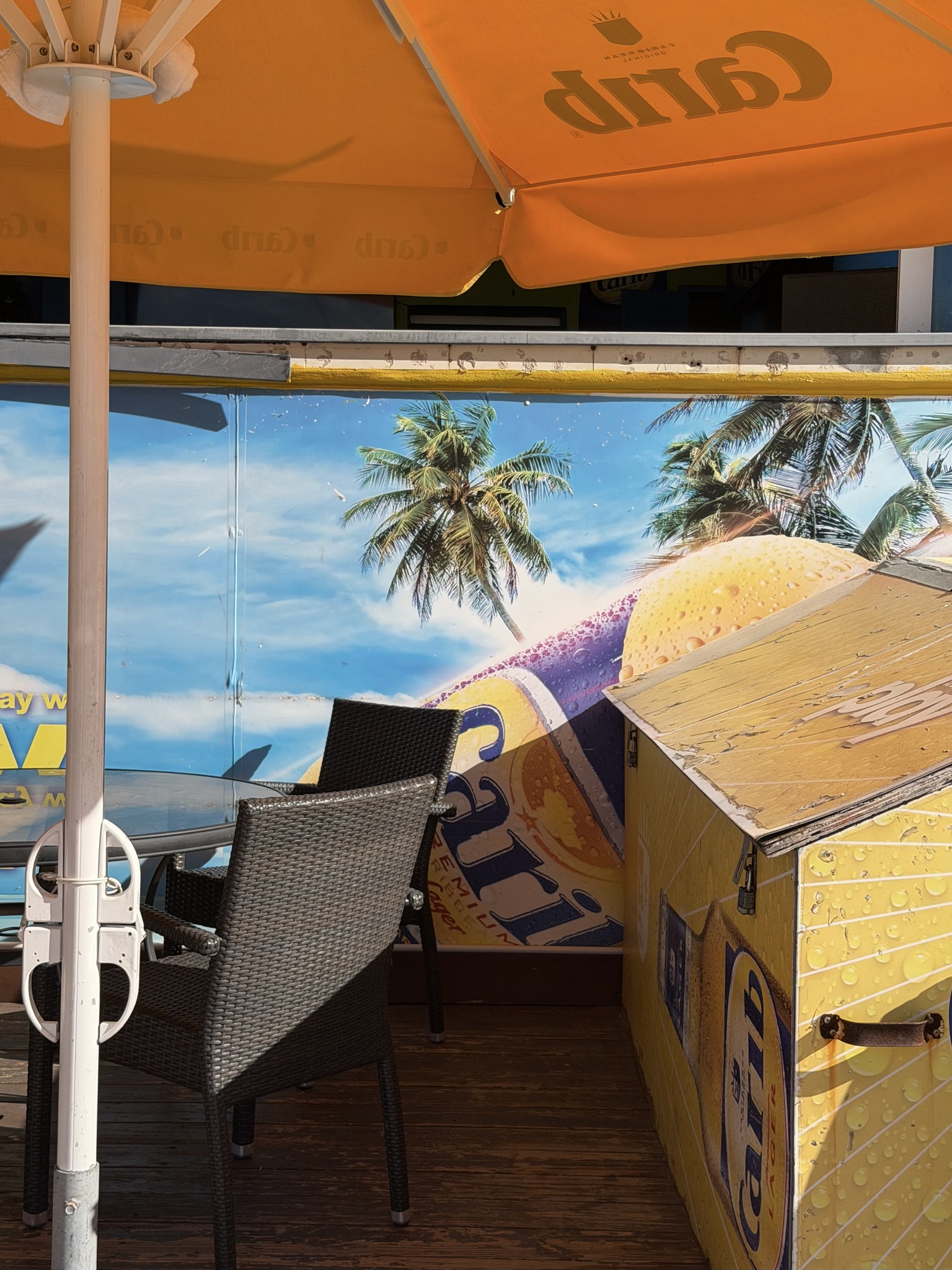
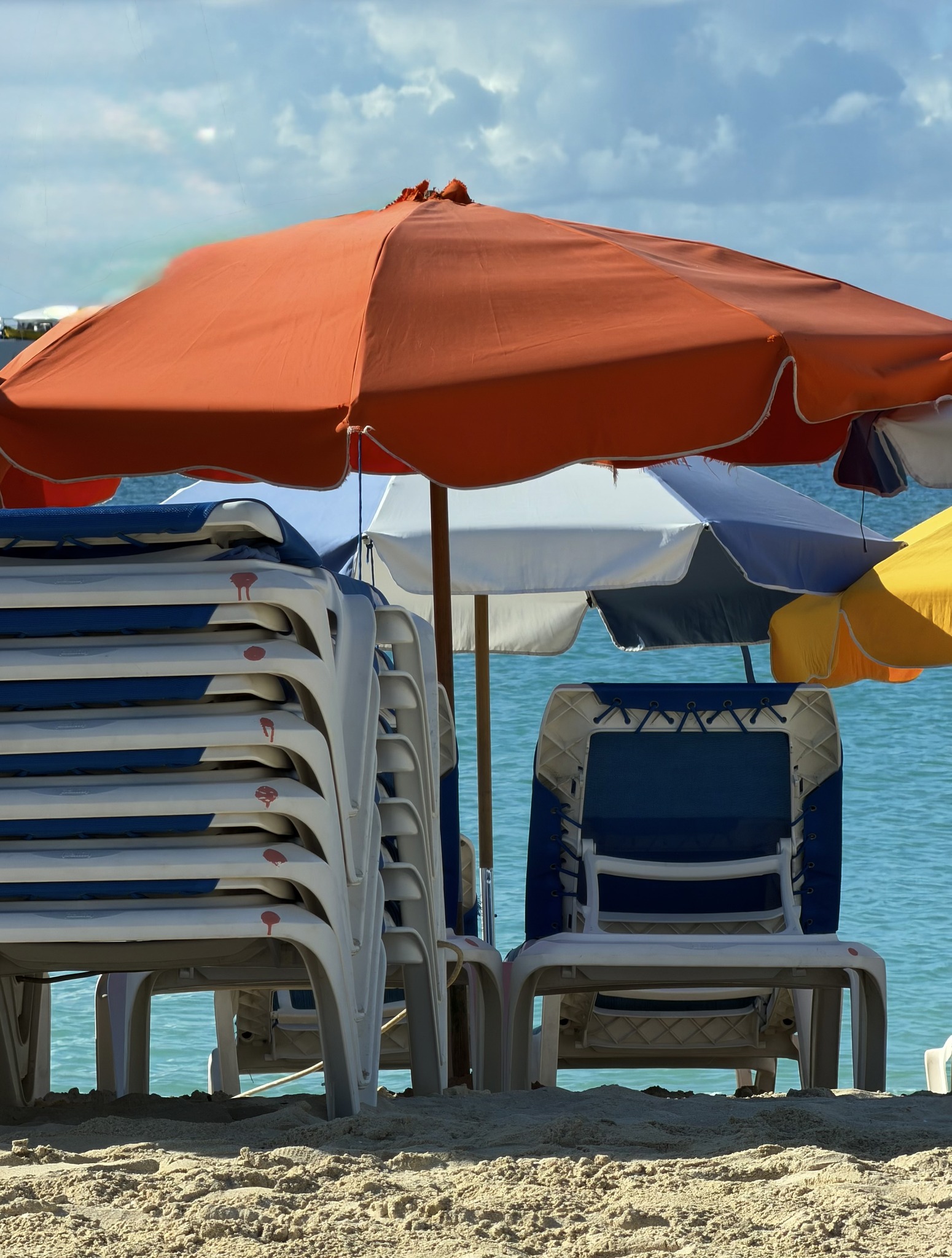
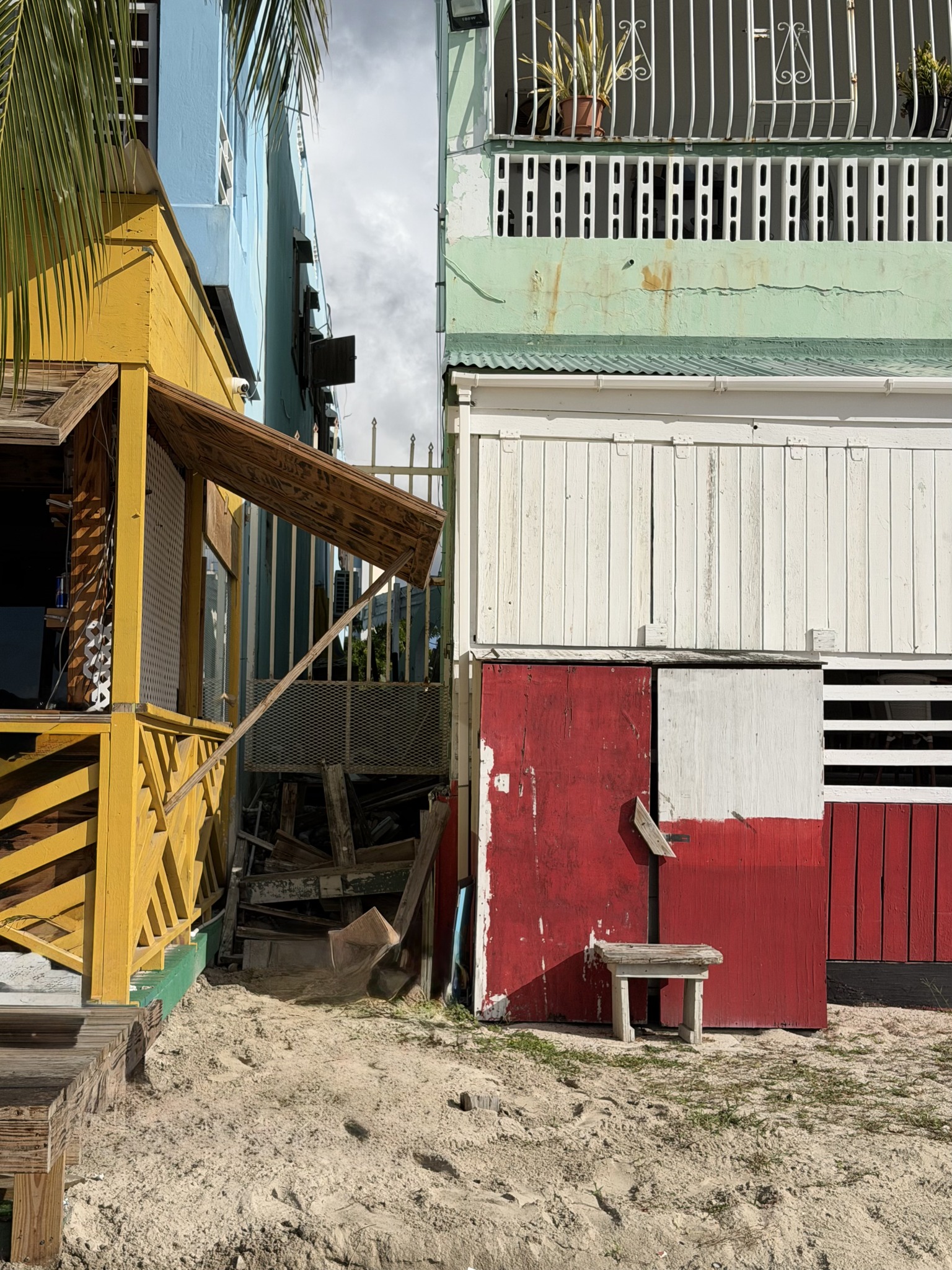
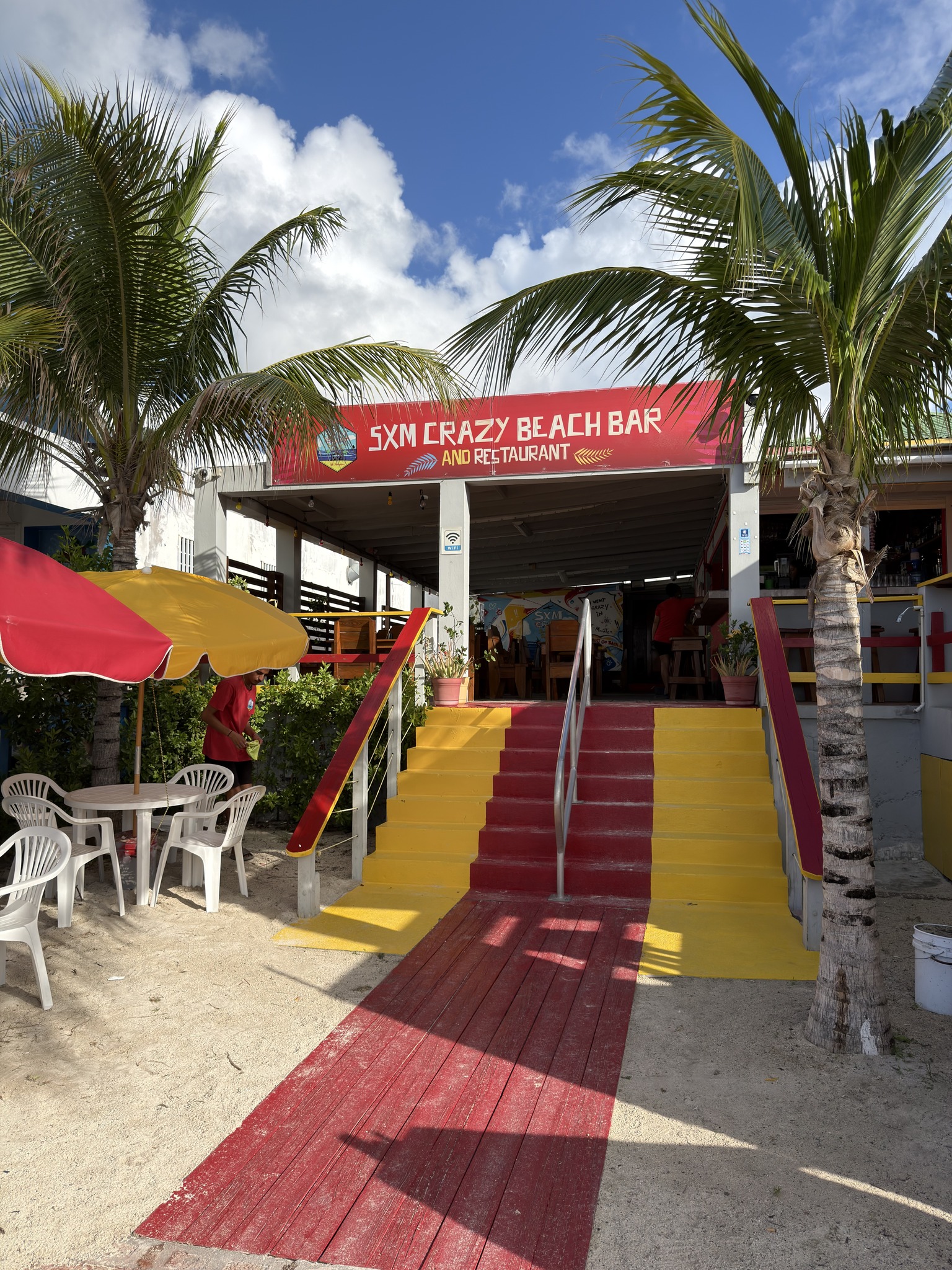
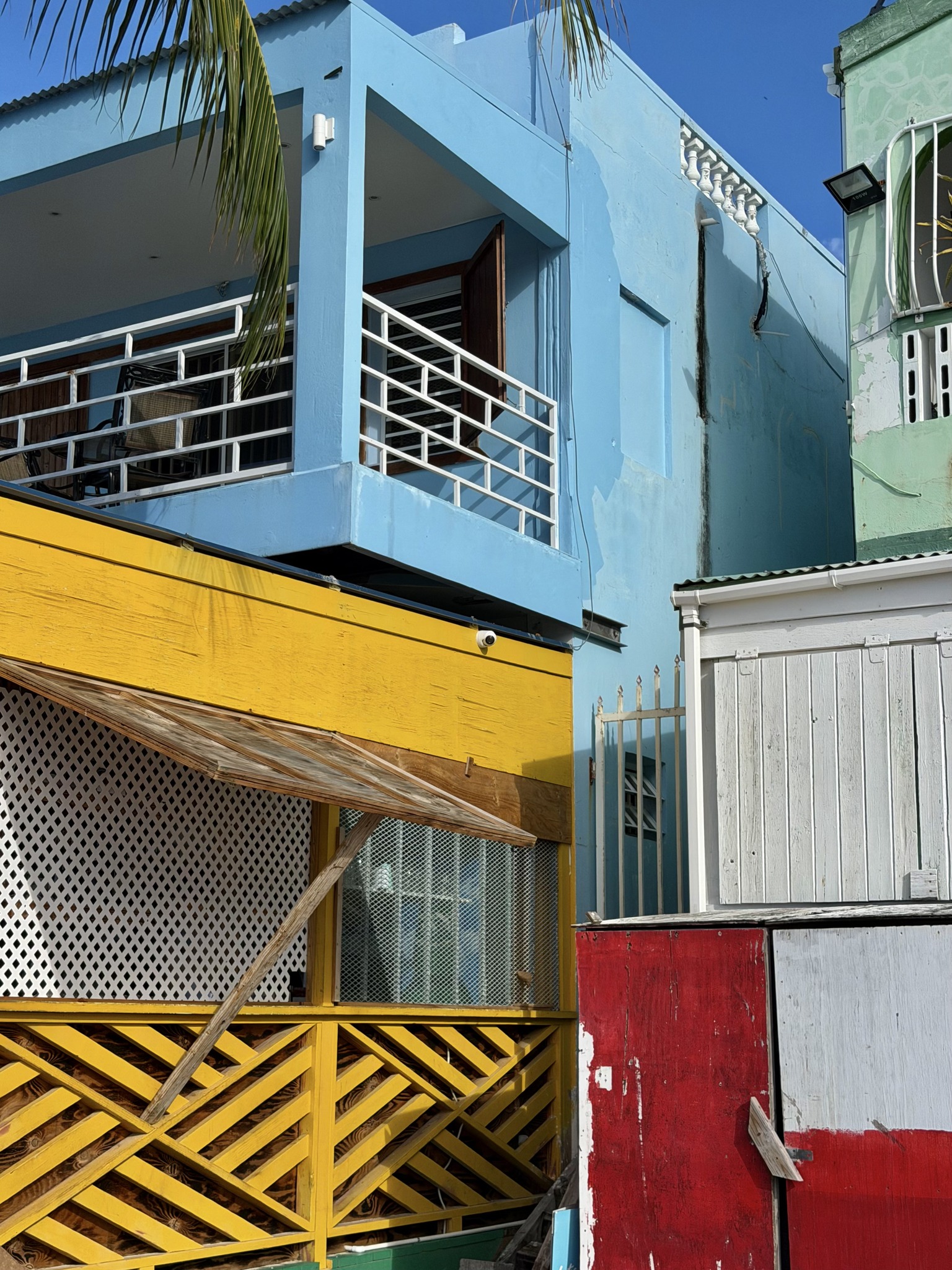
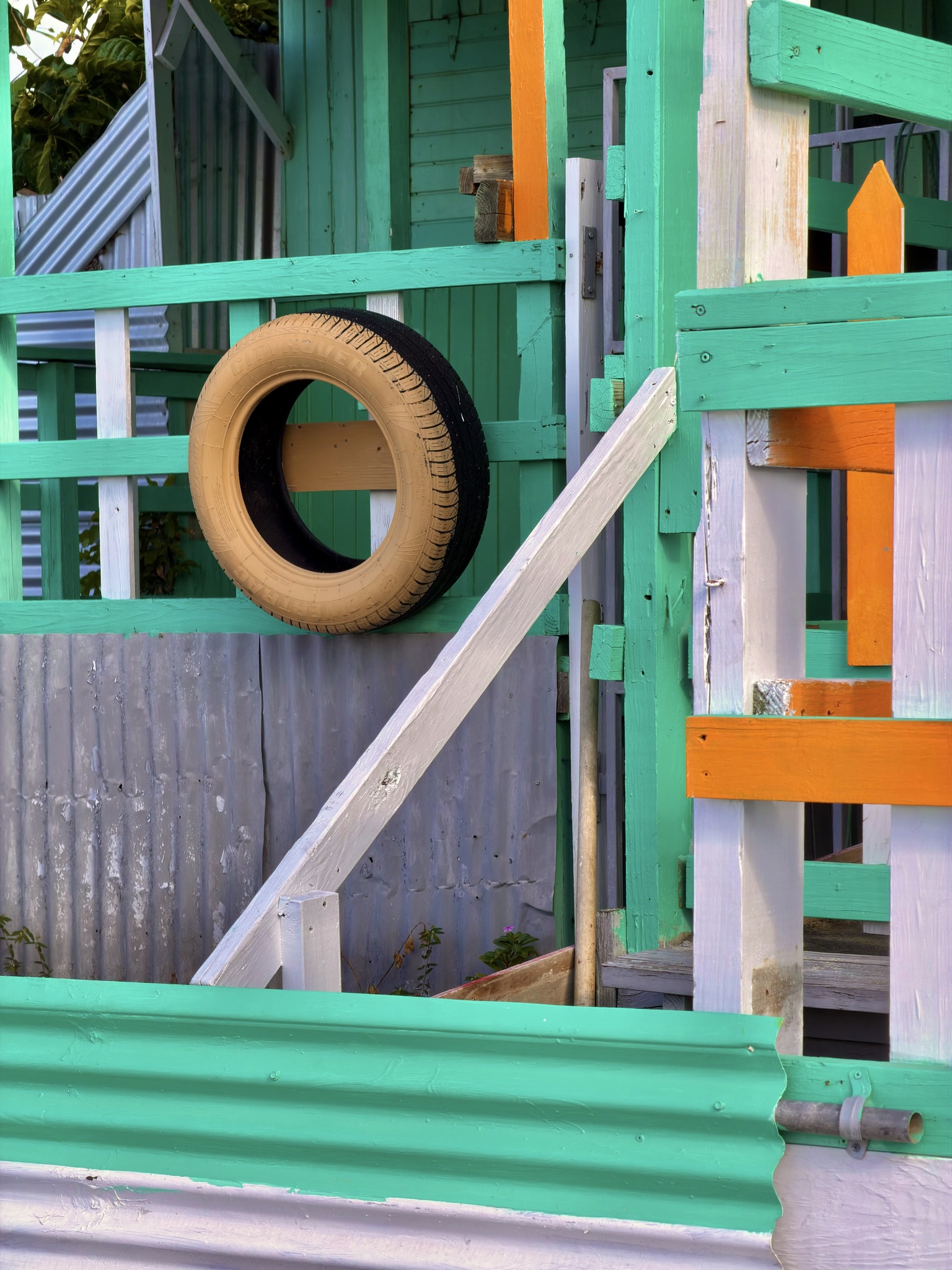
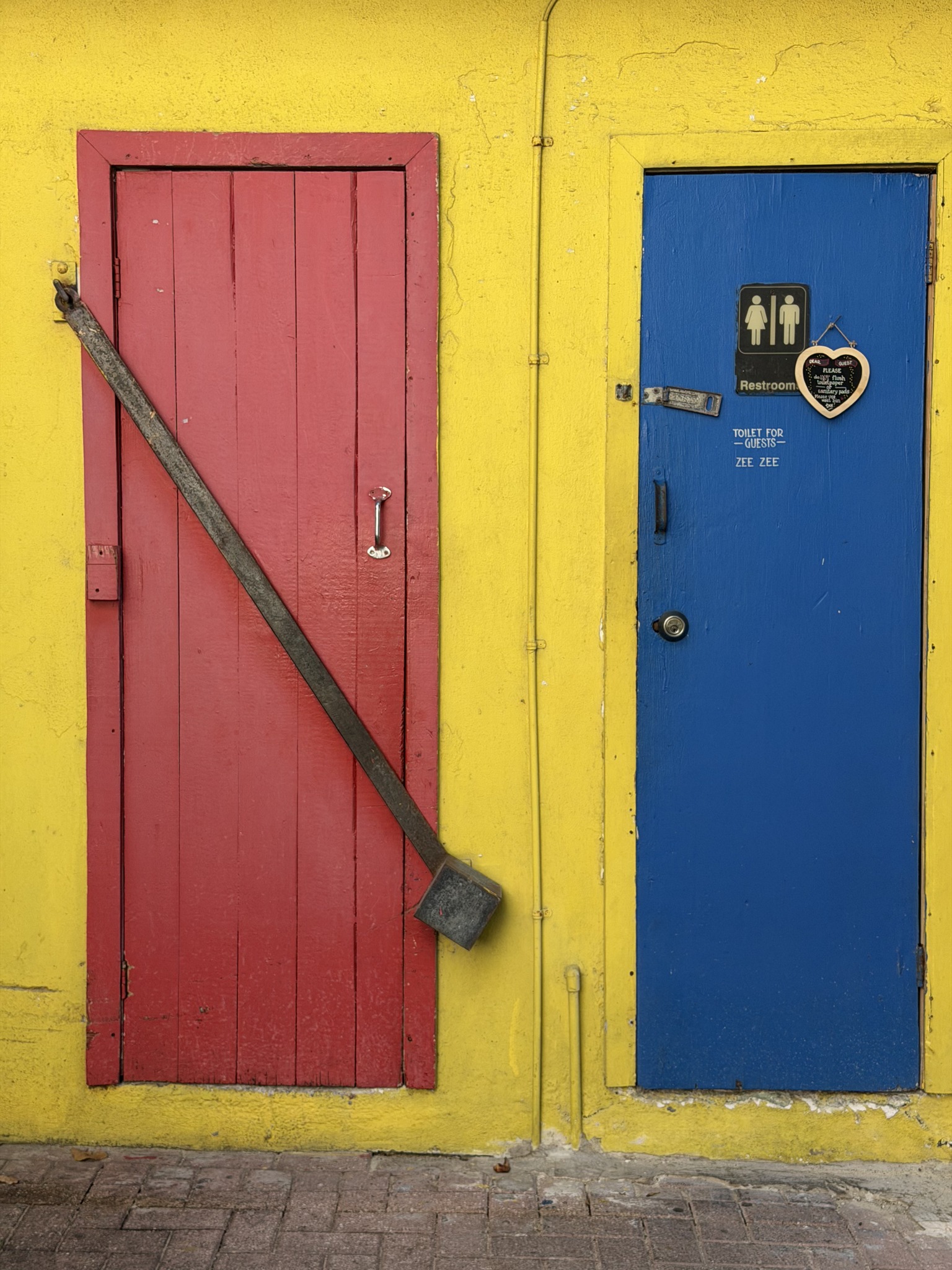
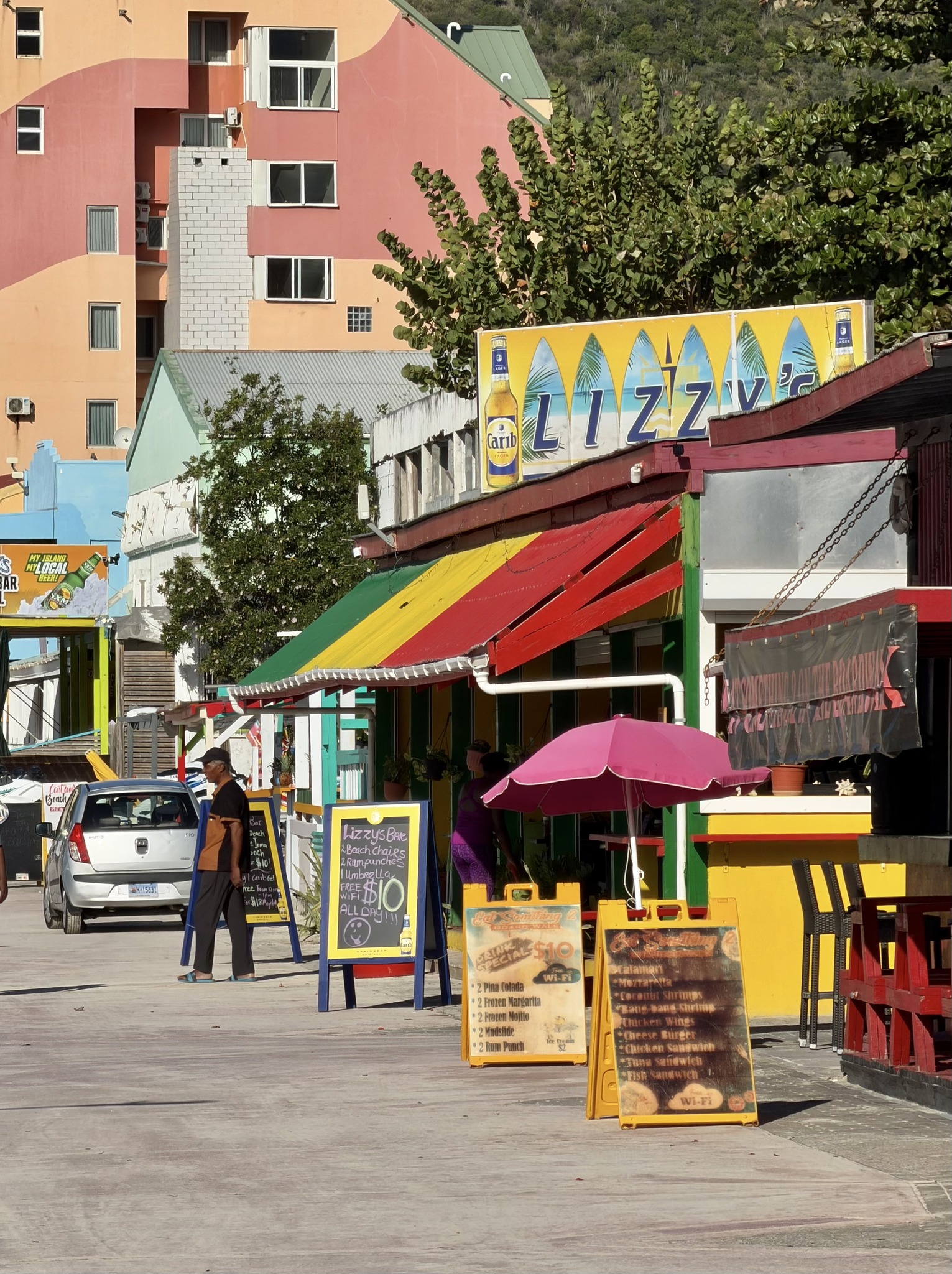
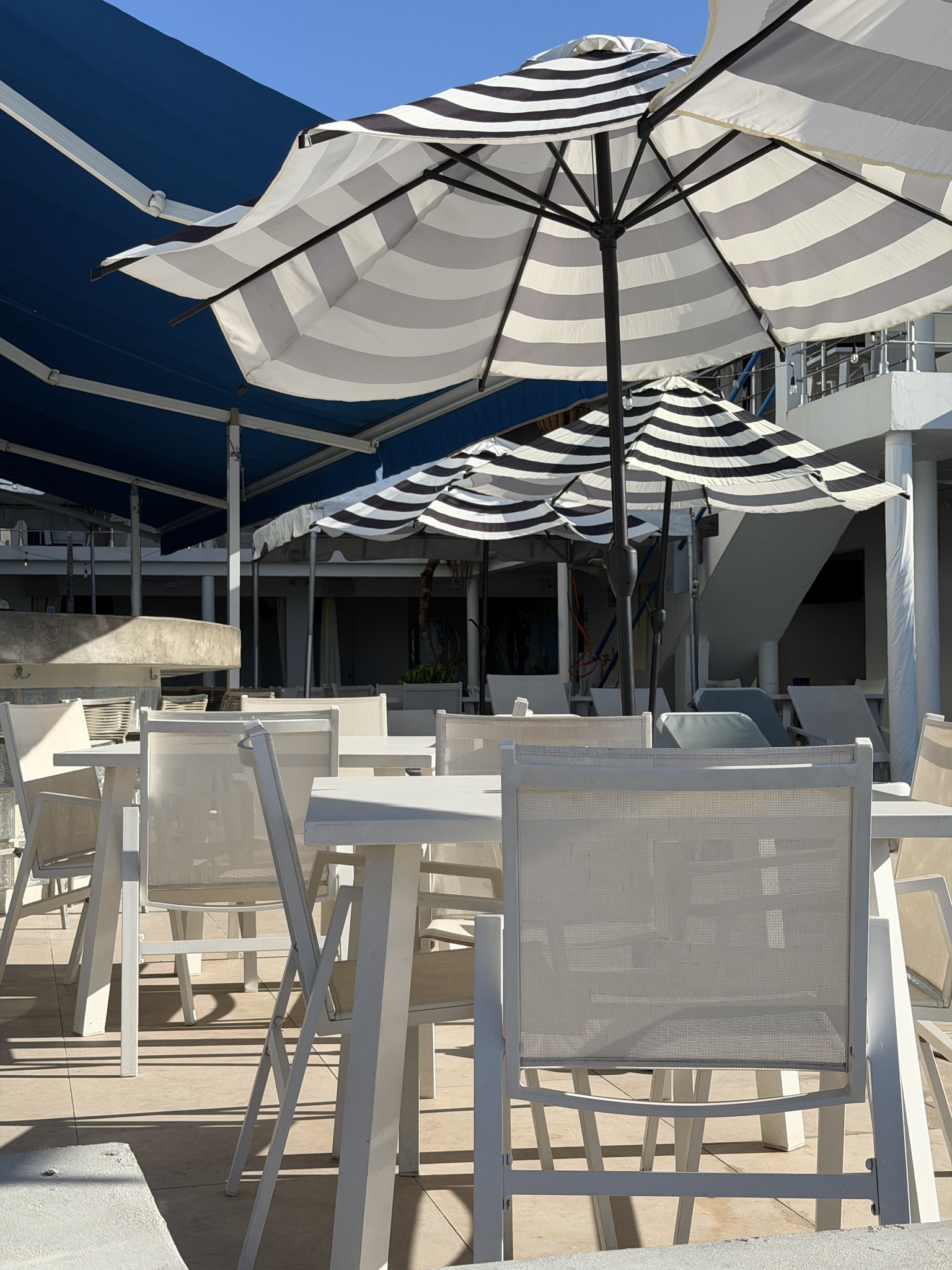
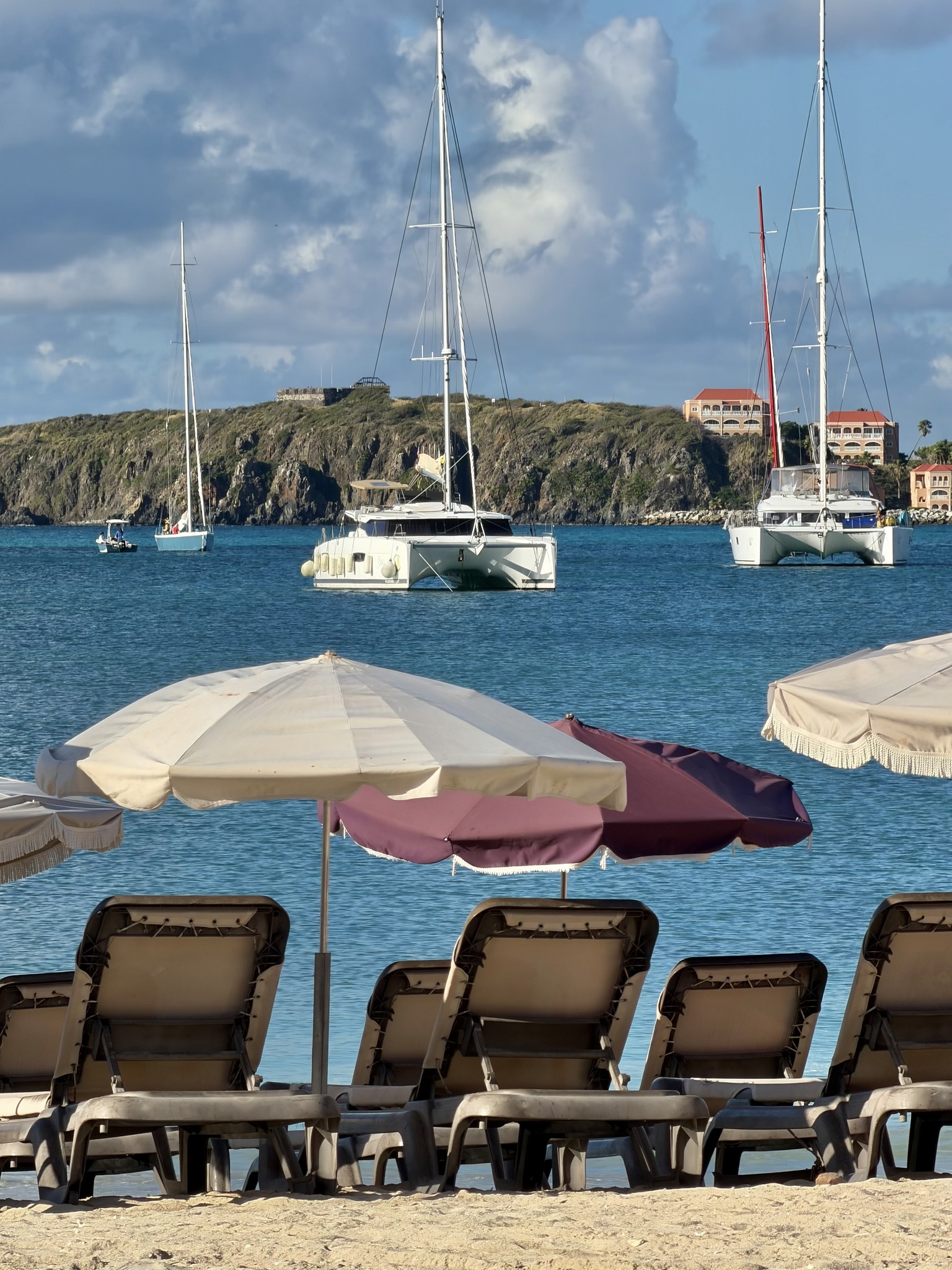
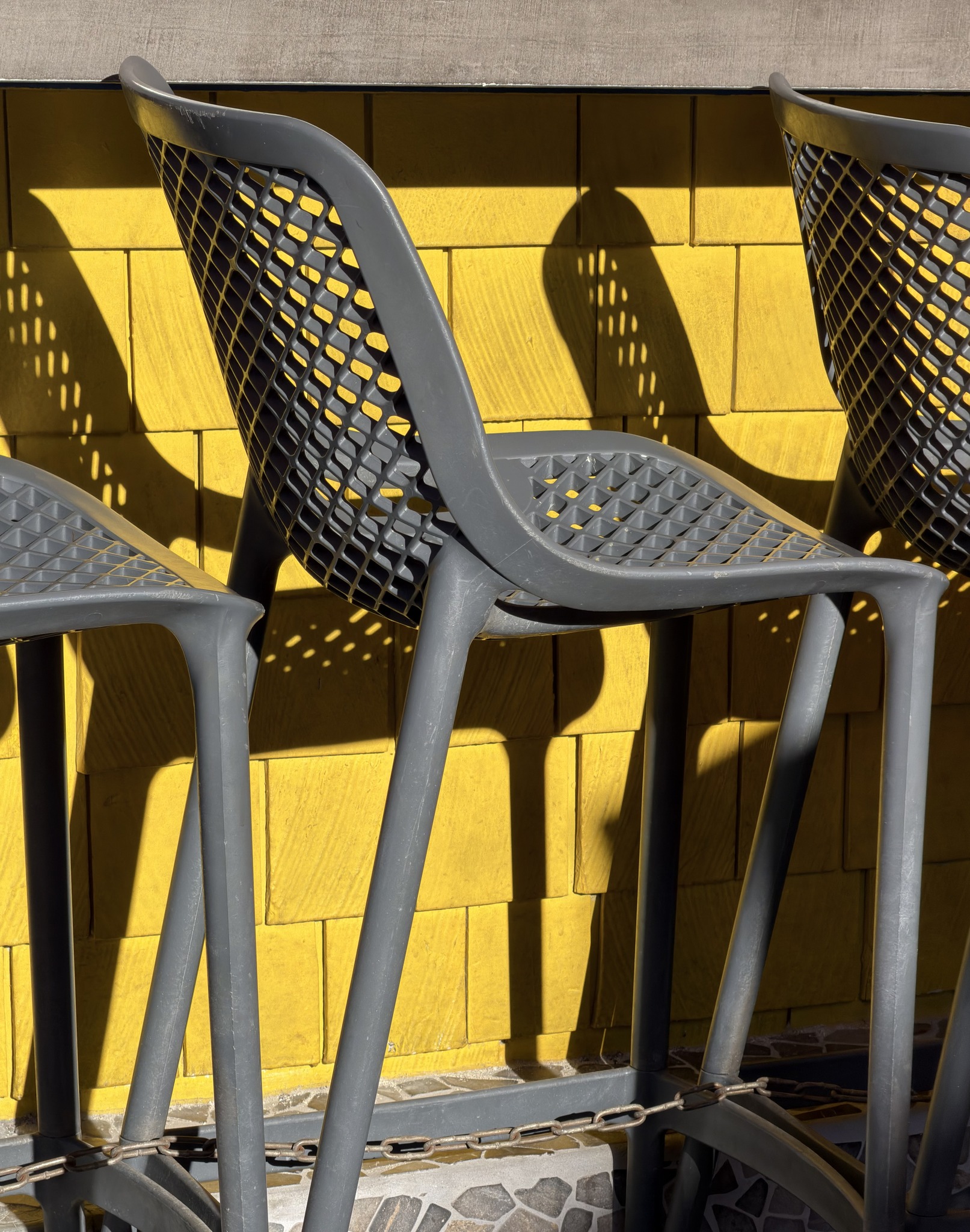
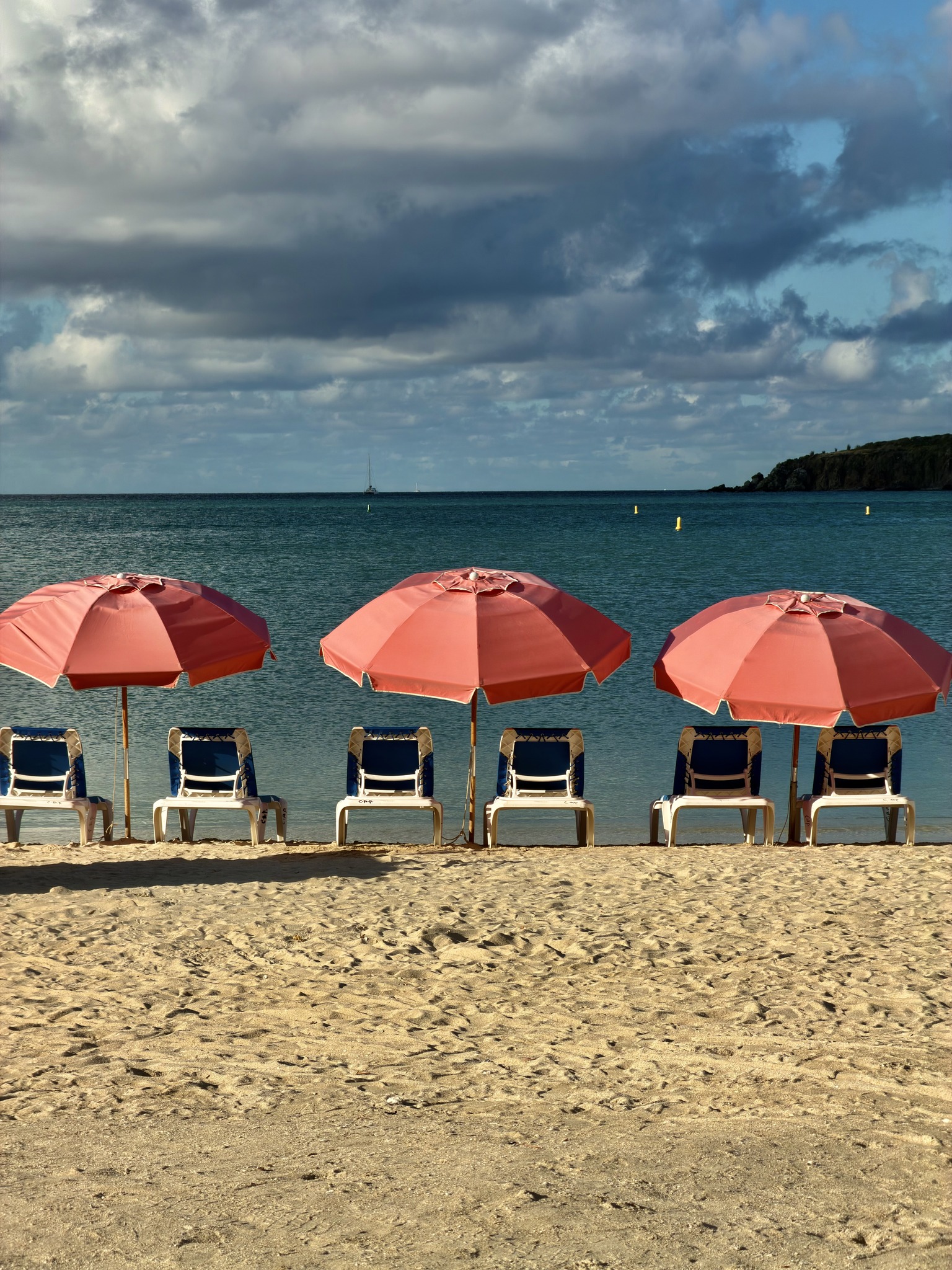
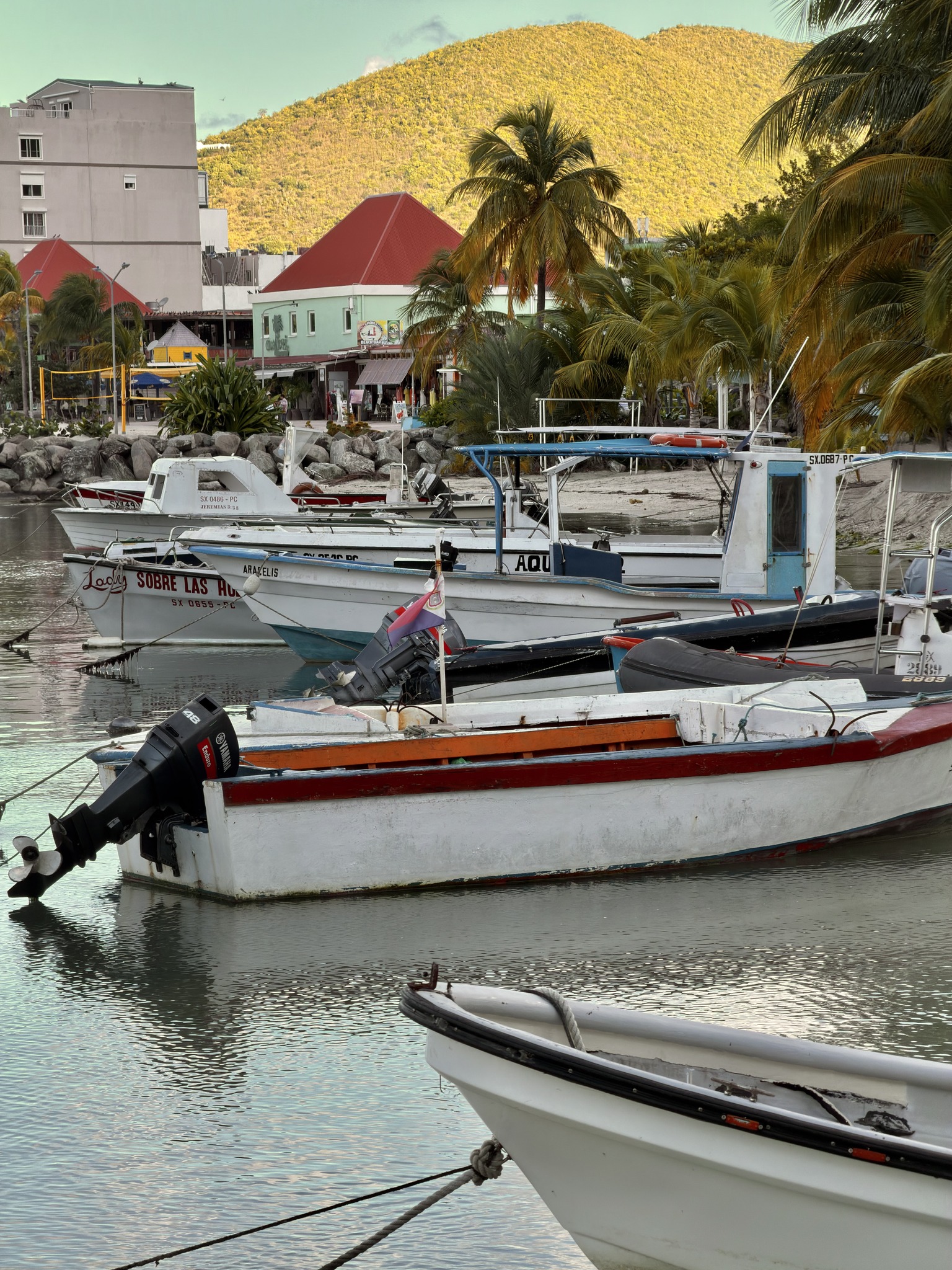
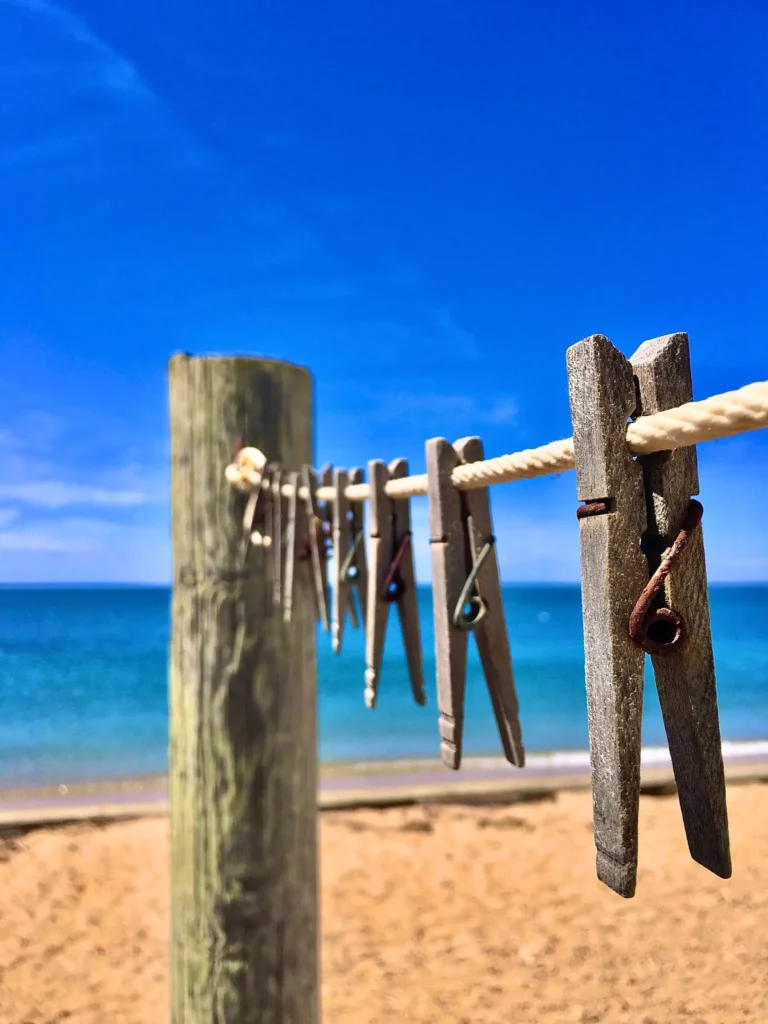
Everything you see here—these warm-up frames, these early visual notes—was shot on my iPhone 17 Pro Max. HEIF. 48MP. No drama. No tricks. I used all three optical lenses freely and instinctively: the wide openness of 13mm, the honest familiarity of 24mm, the compressed intimacy of 100mm. I didn’t overthink which lens I should use. I used the one that felt right in the moment.
All of this was shot in St. Maarten.
And I think of them exactly as that: warm-up shots. The loosening of the wrist. The clearing of the head. The visual stretching before the real journey begins.
Because when I arrive somewhere new—especially somewhere saturated with color and light—I don’t arrive with a checklist. I arrive with curiosity. I arrive ready to be surprised. I arrive ready to let the place tell me what matters.
Travel photography, for me, has never been about icons. It’s never been about collecting proof that I was somewhere. It’s about responding to what’s in front of me. About noticing what pulls at me emotionally, even if I can’t explain why.
St. Maarten does not whisper. It announces itself.
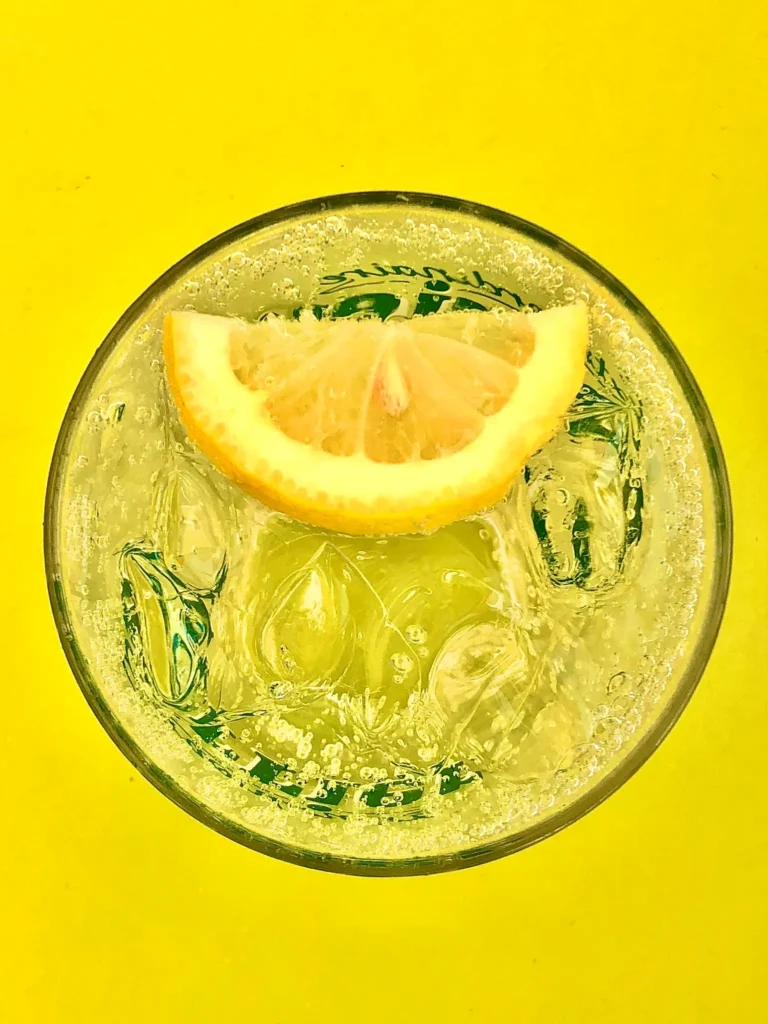
The colors don’t ask permission. They don’t wait politely in the background. They step forward. Walls are painted as if restraint were a foreign concept. Boats glow. Signs shout. Clothing pops. Even the shadows feel warmer, thicker, more intentional.
You can fight that kind of place, or you can surrender to it.
I surrender.
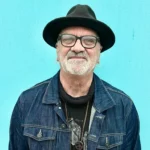
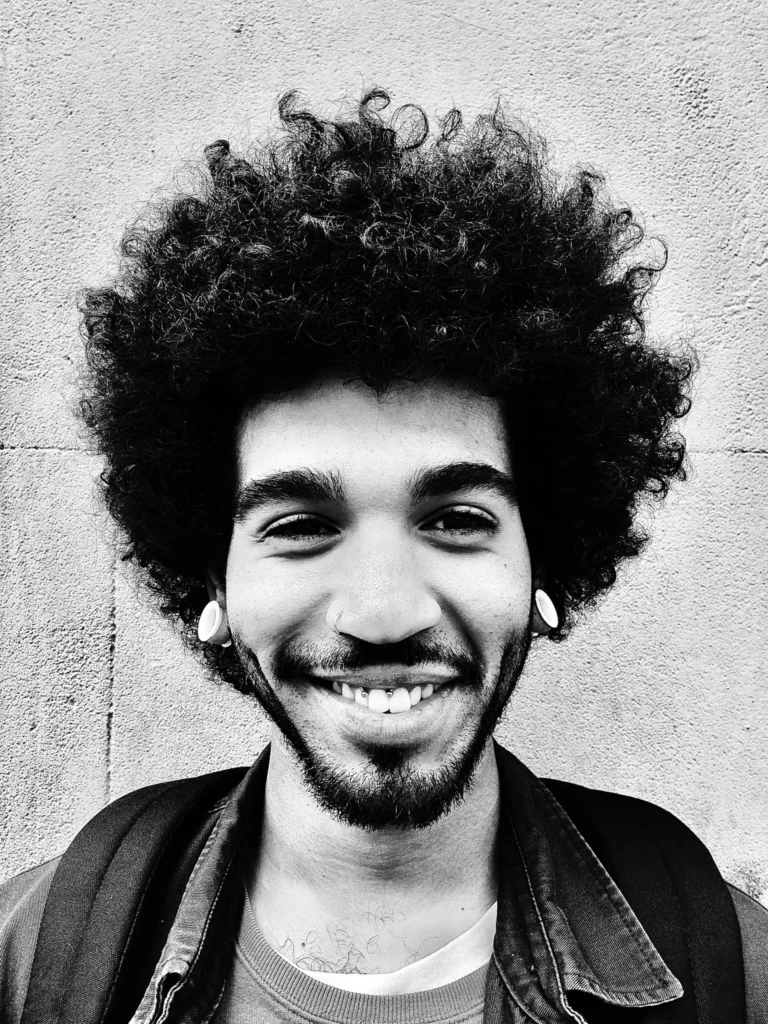
I walk. I look. I feel my pace slow without effort. I don’t hunt for “shots.” I let them come to me. Corners catch my eye. Peeling paint becomes more interesting than pristine facades. A man leaning in a doorway tells me more about a place than a postcard ever could.
I don’t try to capture St. Maarten. I let St. Maarten leave fingerprints on me.
That’s the thing about travel photography that rarely gets talked about: the photographs are secondary. The experience is primary. If the experience is shallow, the photos will be too—no matter how sharp or technically perfect they are.
But if you’re present—really present—something else happens.
You stop performing for the camera.
You stop chasing what you think you’re supposed to shoot.
You stop worrying about whether the image will impress anyone.
You simply respond.
Color becomes emotional instead of decorative. Style becomes personal instead of borrowed. Vibe becomes something you feel in your body, not something you manufacture in post.
That’s what these images are to me. Not statements. Not conclusions. Signals.
They’re my way of saying: I’m here. I’m paying attention. I’m open.
And that openness matters more than any setting ever could.
I didn’t overthink composition. I didn’t second-guess exposure. I didn’t wait for perfection. I pointed. I shot. I clicked. I moved on. And in that looseness, something honest happened.
Travel has a way of quieting the internal noise. The voices that question your choices, your worth, your direction—they don’t disappear, but they lose authority. The world outside becomes louder than the world inside, and that’s a relief.
When I’m traveling, especially in places like this, I remember why I fell in love with photography in the first place. Not because it made me better. Not because it validated me. But because it taught me how to see.
Seeing is not technical. Seeing is emotional. Seeing is relational. It’s the difference between looking at a blue wall and feeling something tug at you because that blue reminds you of somewhere else, some other time, some other version of yourself.
And the iPhone—still, after all these years—gets out of my way enough to let that happen.
It’s not precious. It’s not intimidating. It doesn’t slow me down with ceremony. It’s simply there, ready, waiting for me to respond to life as it unfolds.
That matters when you’re traveling.
Because travel doesn’t wait. Light shifts. People move. Moments evaporate. You either participate, or you miss them.
These images aren’t meant to be definitive. They’re not meant to explain St. Maarten. They’re meant to show how Iexperienced it in passing. How it felt to arrive. How it felt to begin again. How it felt to let go of expectations and trust my instincts.
They’re imperfect. Some are messy. Some are quiet. Some are loud. Some probably won’t mean anything to anyone else.
That’s fine.
They meant something to me in the moment, and that’s enough.
Sailing is coming. The ship will take center stage soon. The romance, the lines, the movement, the light against canvas—all of that will have its moment.
But before the sails fill, before the horizon widens, there is land. There is color. There is chaos. There is life up close.
And this—this going with the flow, this shooting what interests me, this refusal to overthink—is how I want to meet it.
Point.
Shoot.
Click.
Then keep moving.
Jack.