Why one of the least glamorous tools in photography still saves more photos than talent ever will
One of the funny things about iPhone photography is that people often assume the magic is all inside the phone. Better sensor. Better software. Better computational wizardry. Better lenses. Better night mode. Better artificial intelligence doing mysterious things behind the curtain. And yes, all of that matters. Apple has built a remarkable camera system into something that fits in your pocket.
But there is a humble truth hiding in plain sight.
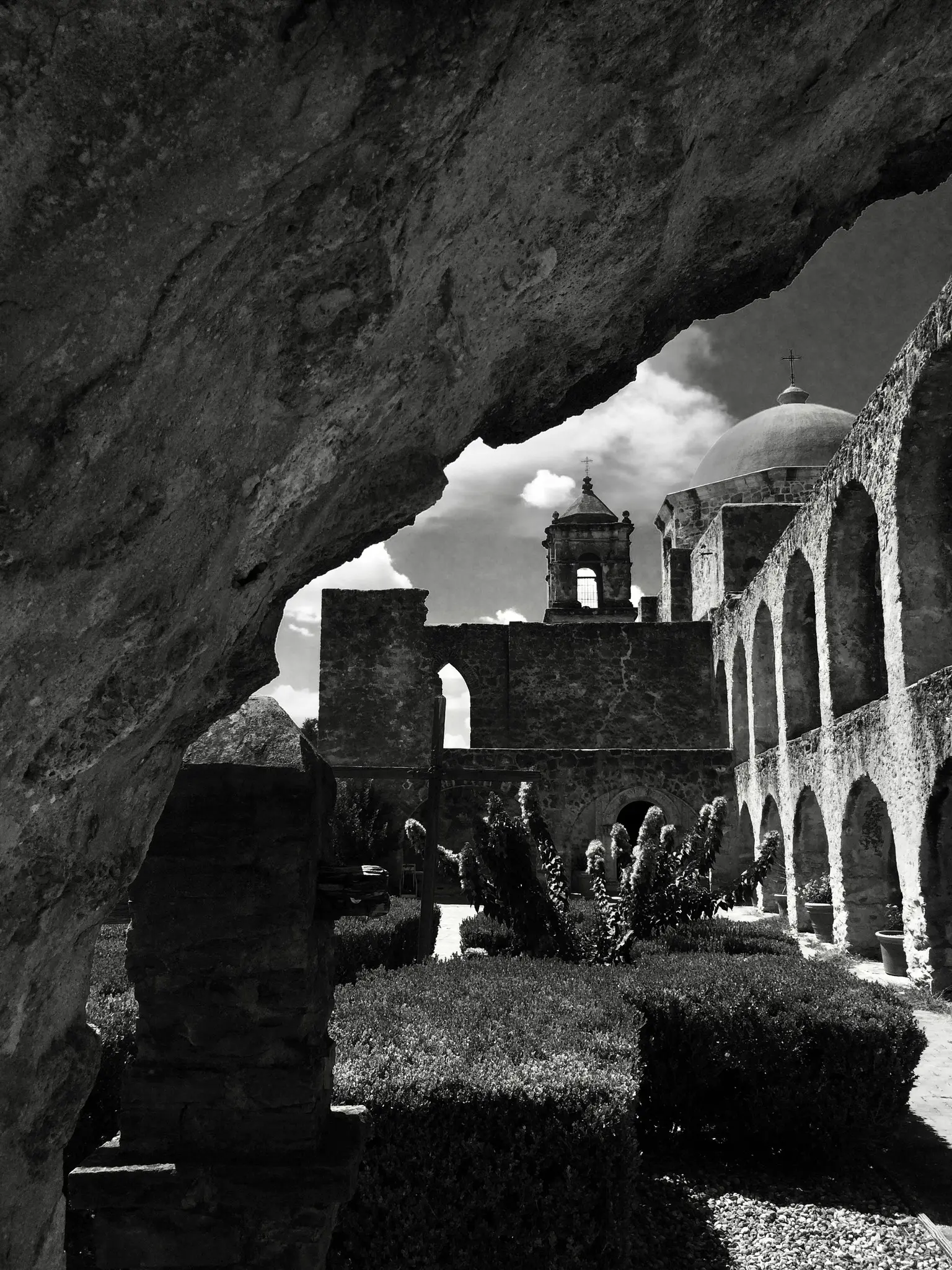
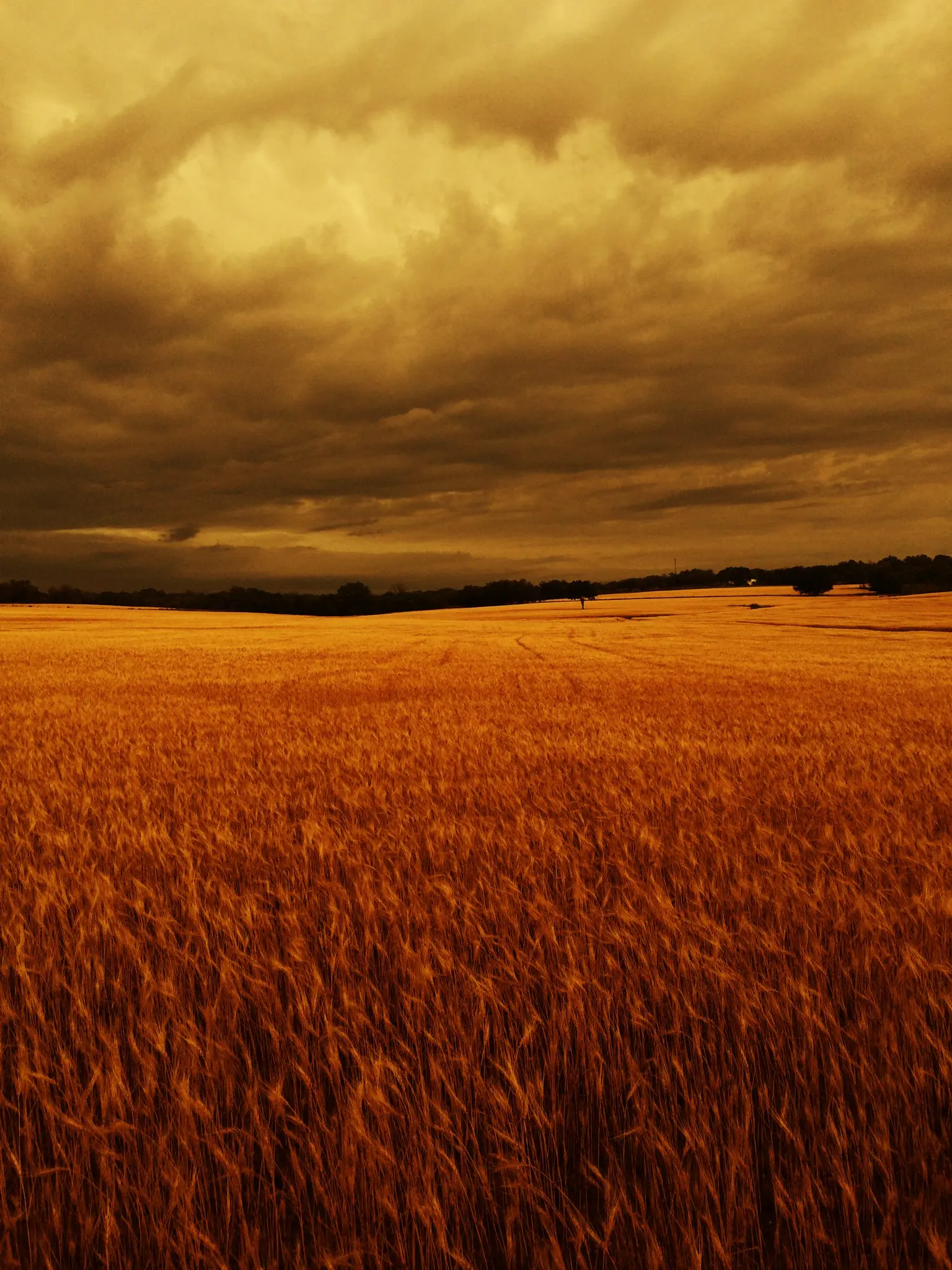
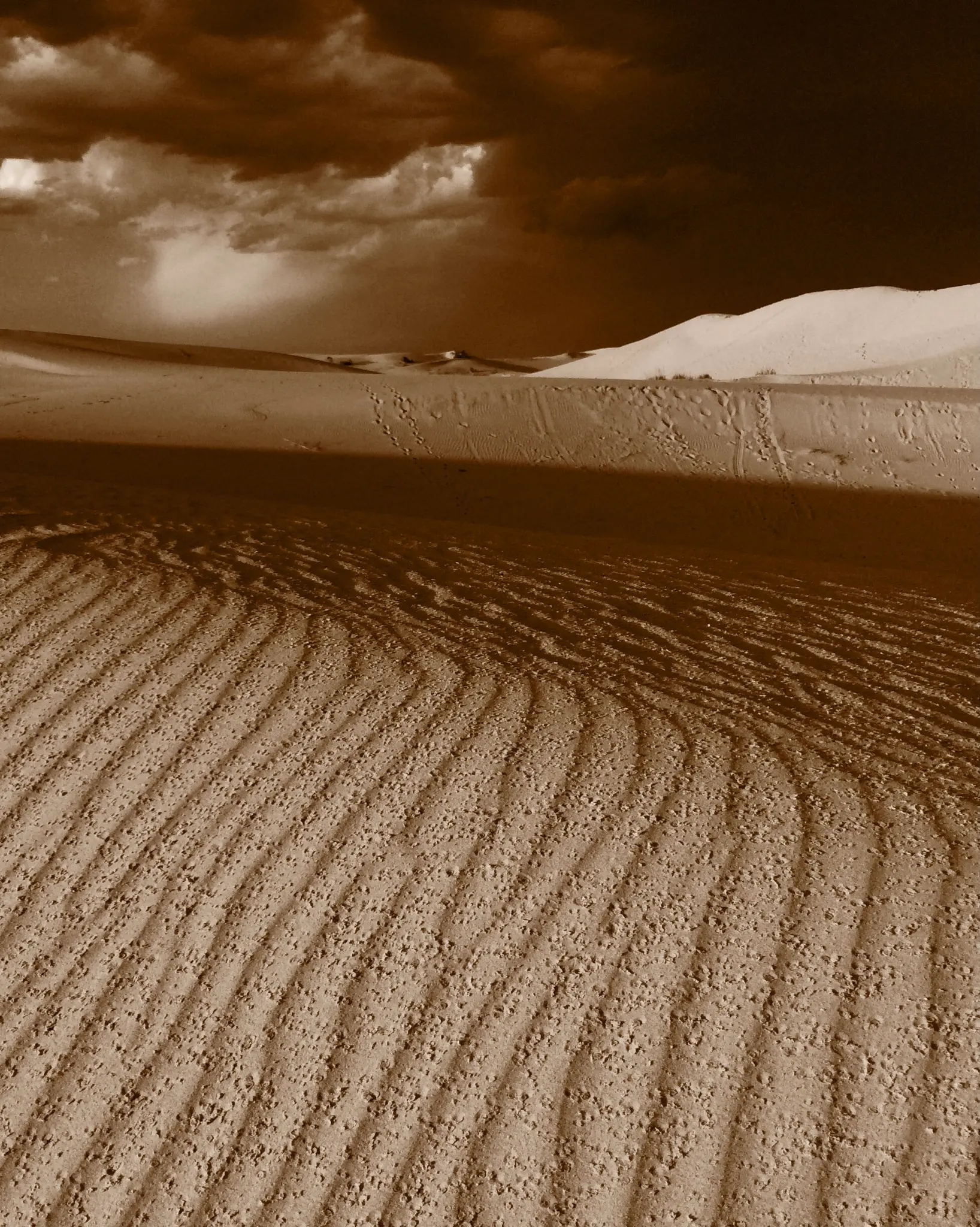
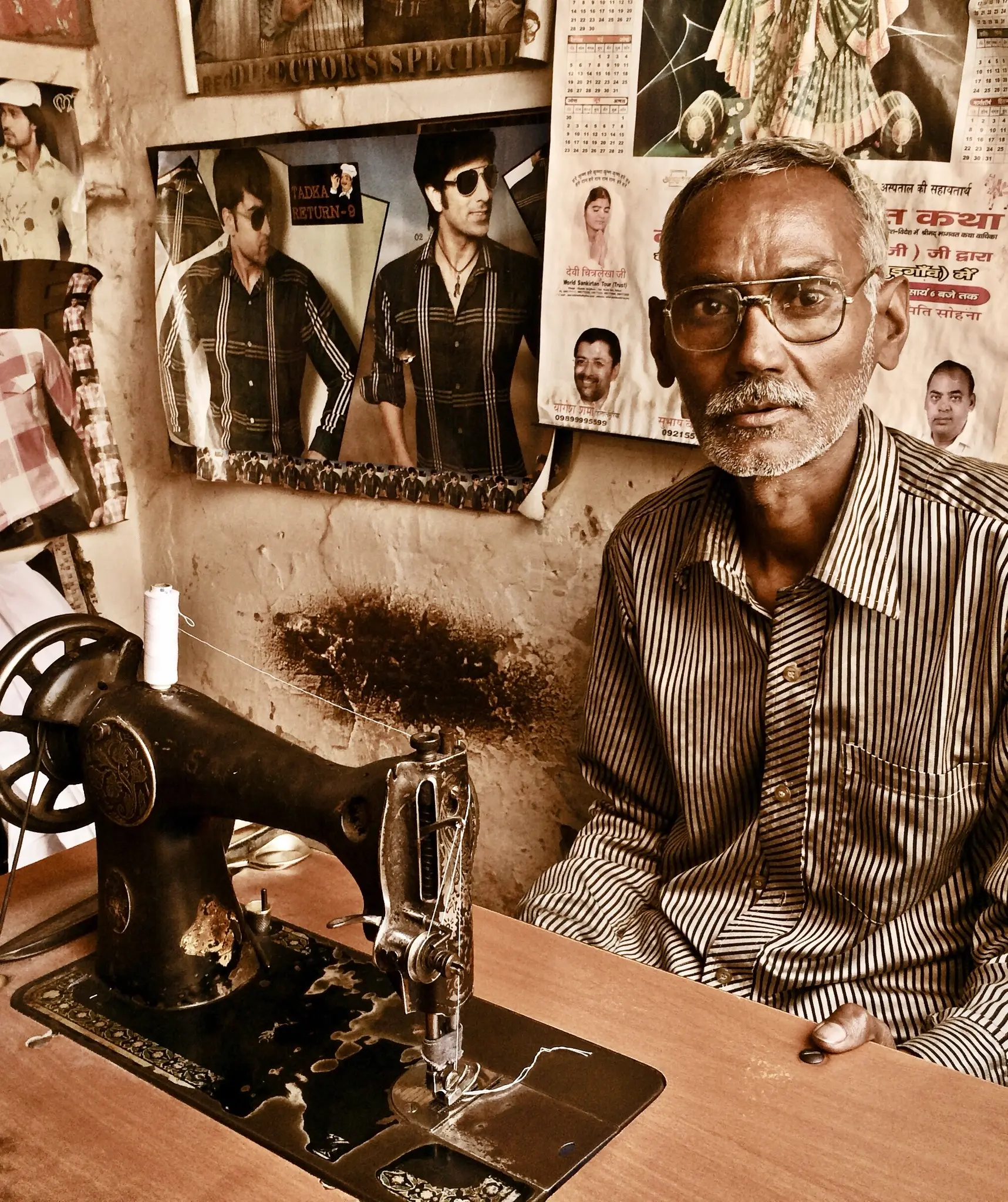
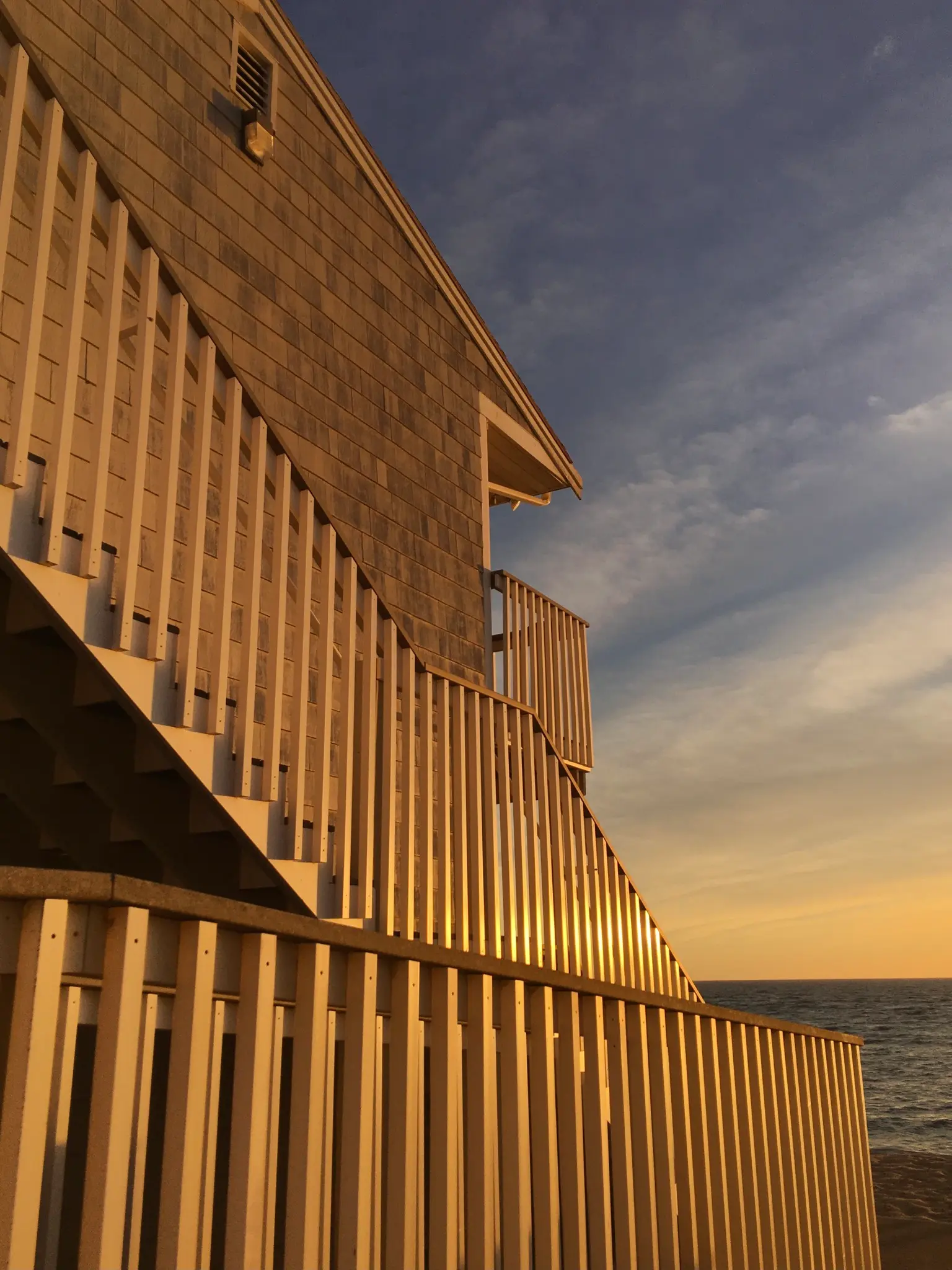
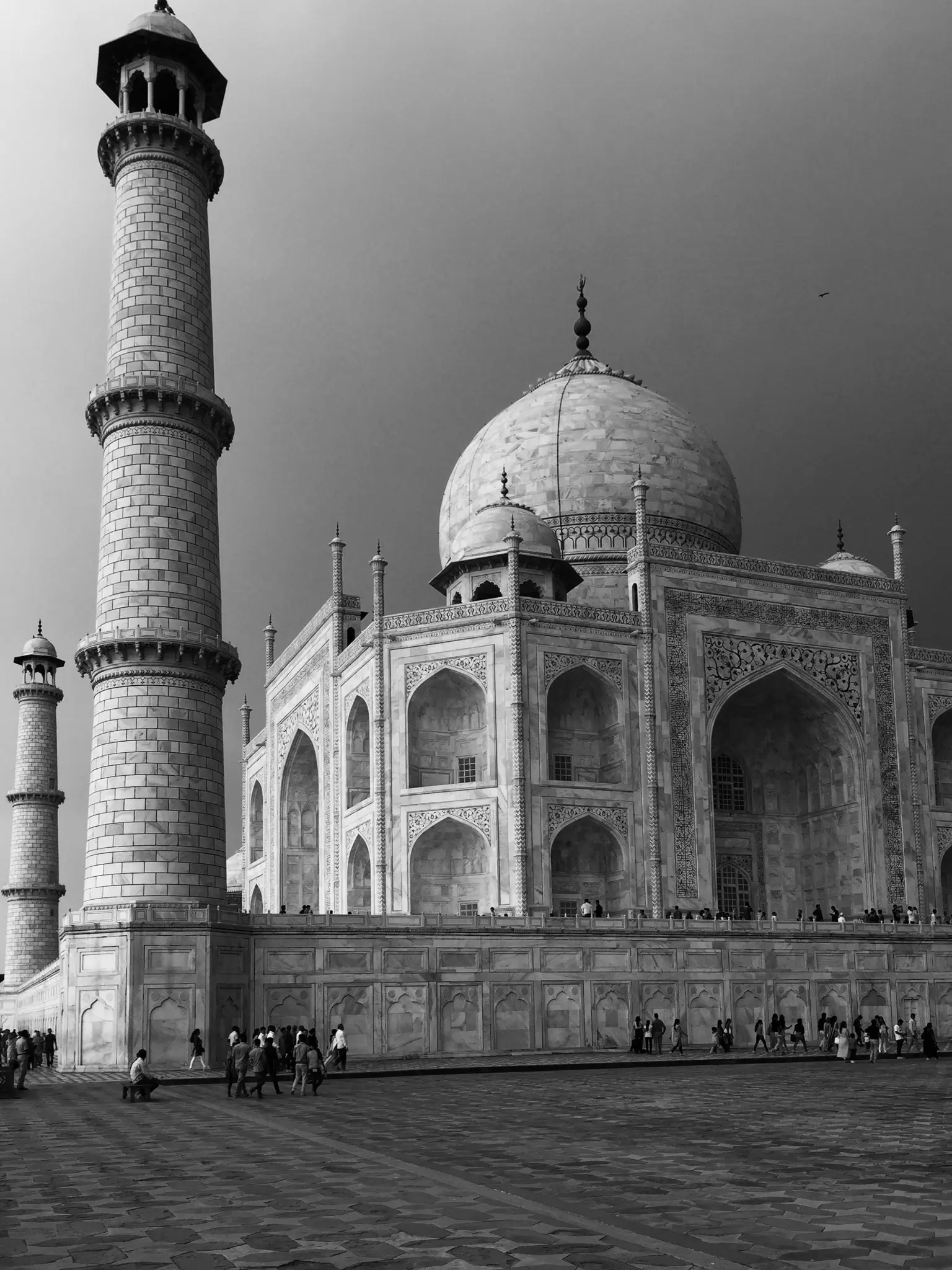
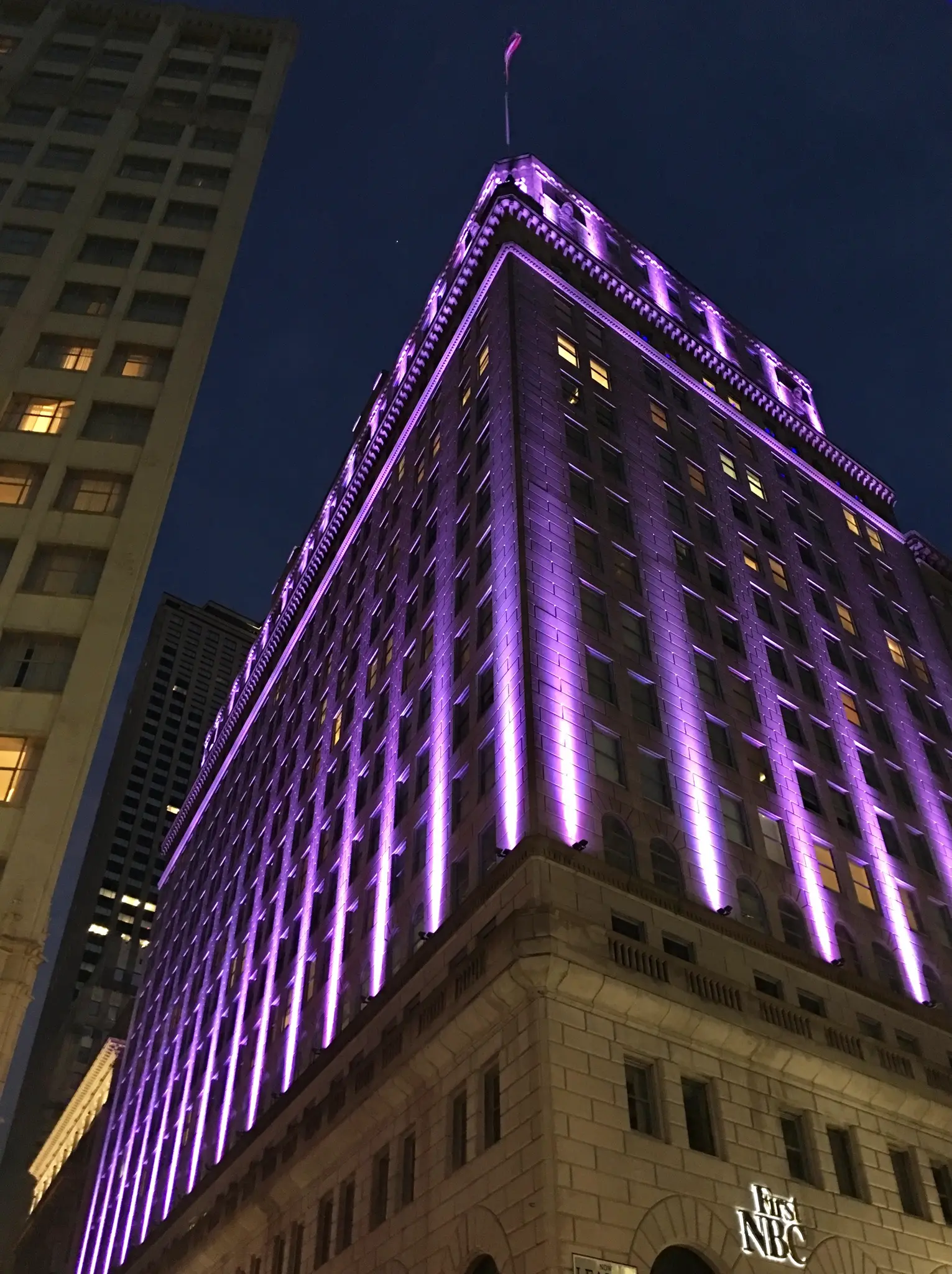
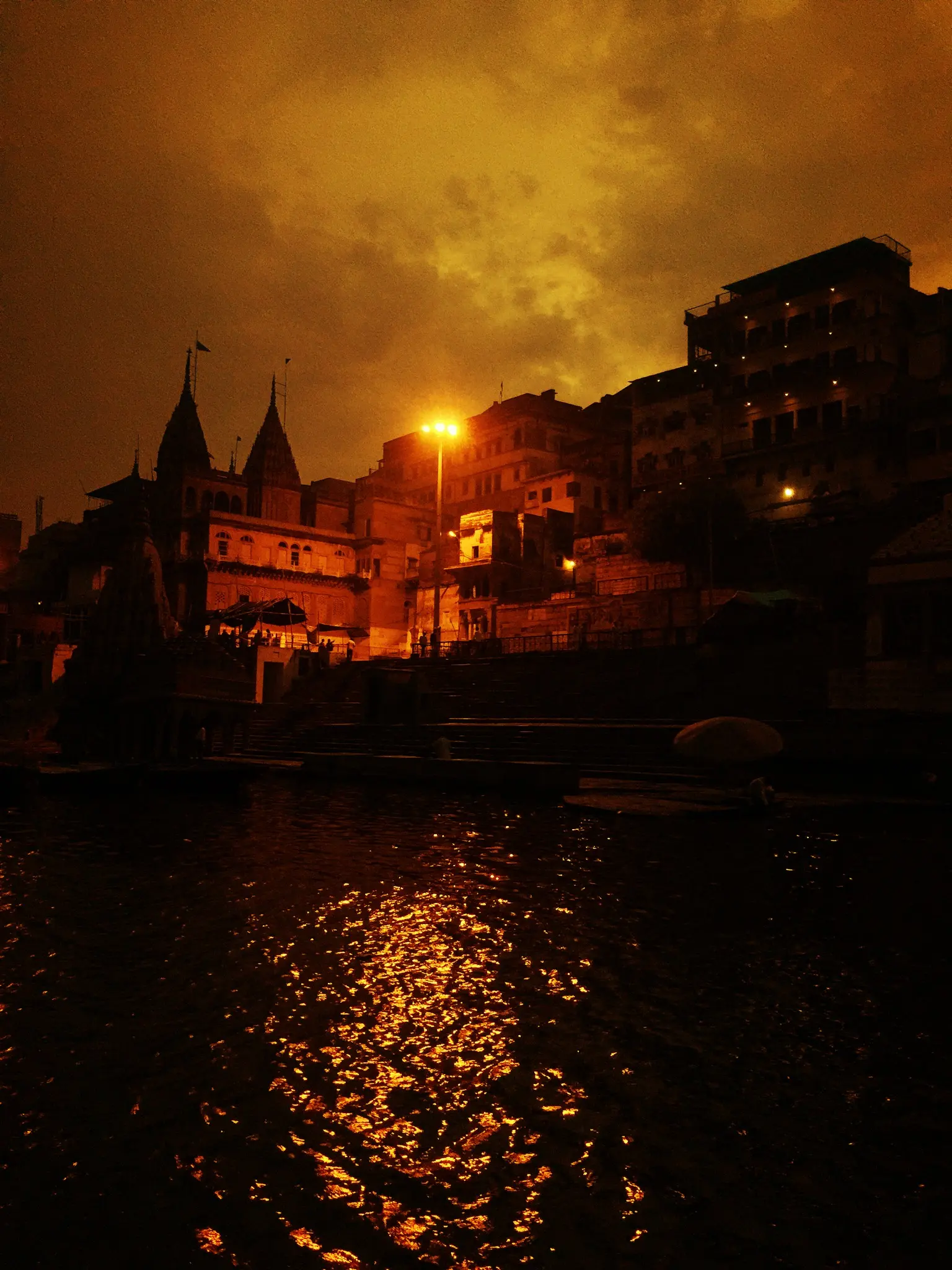
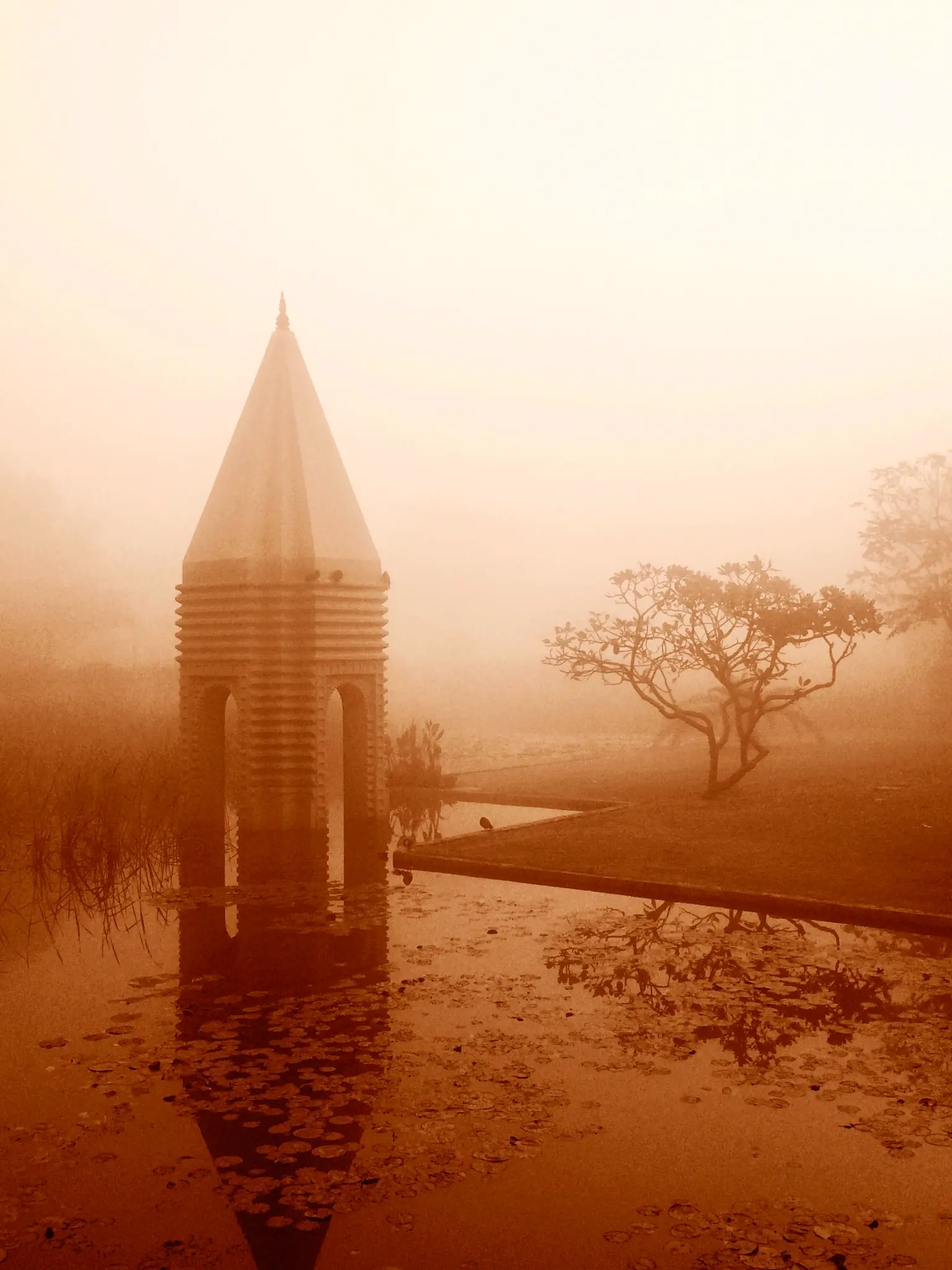
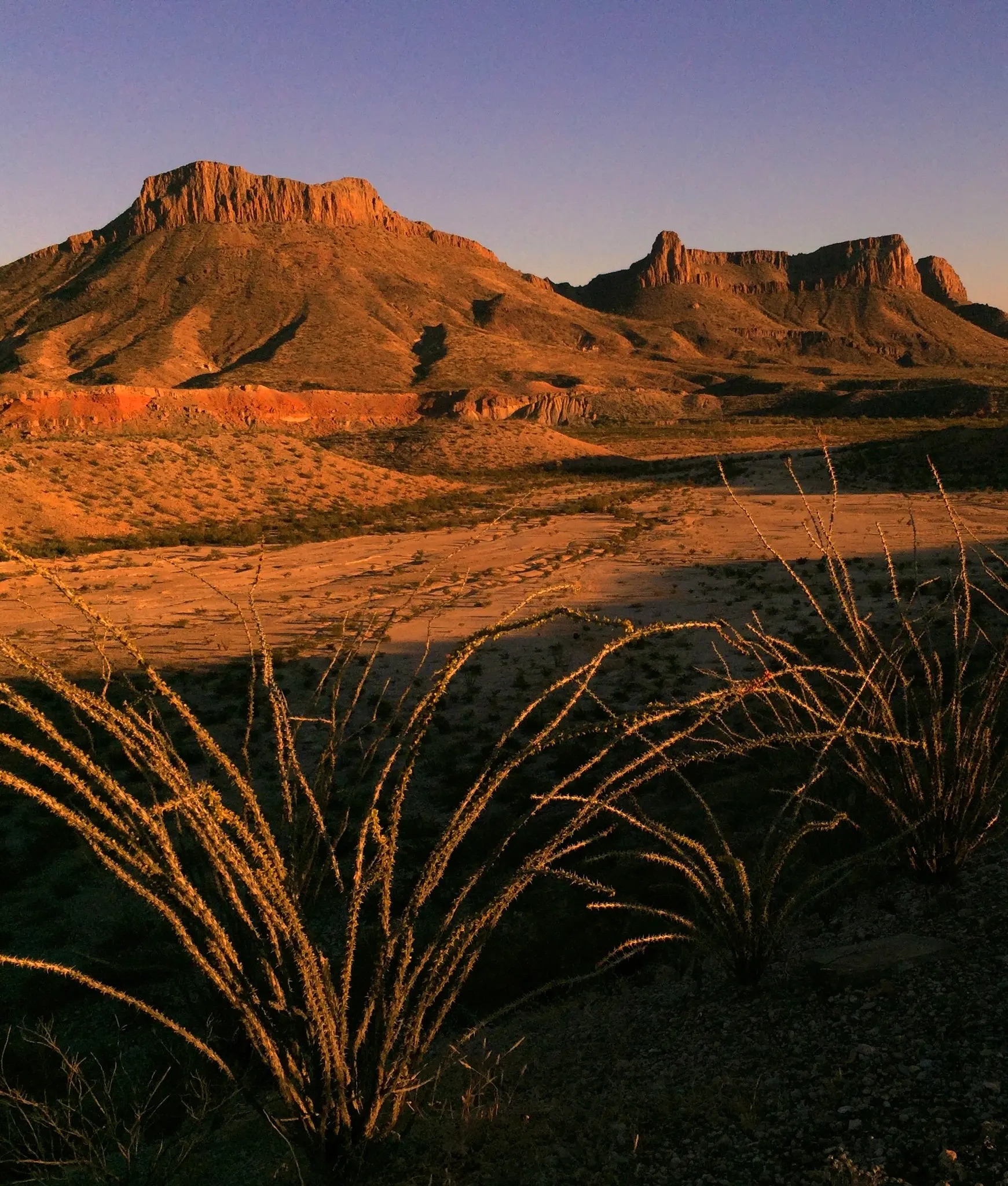
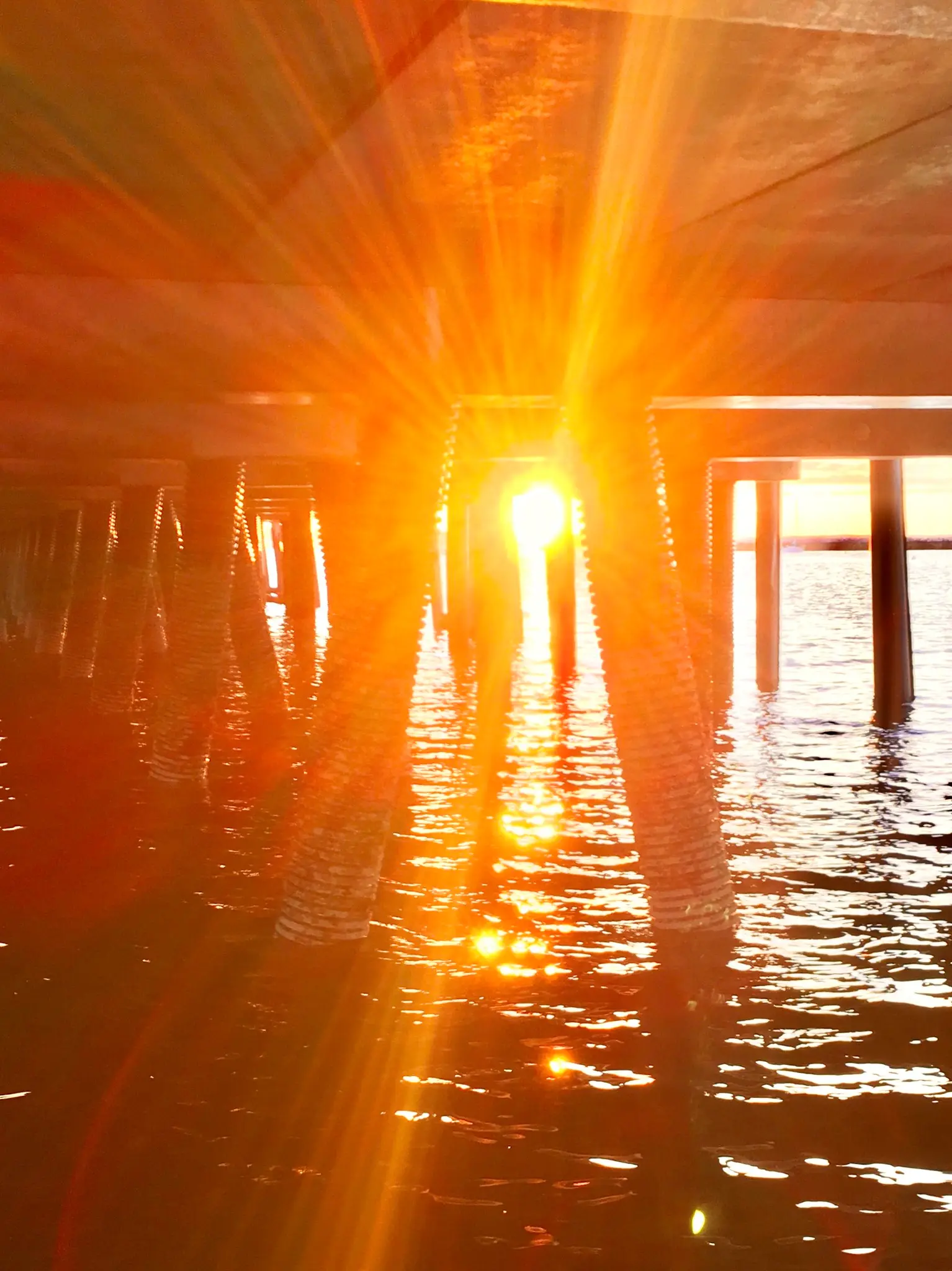
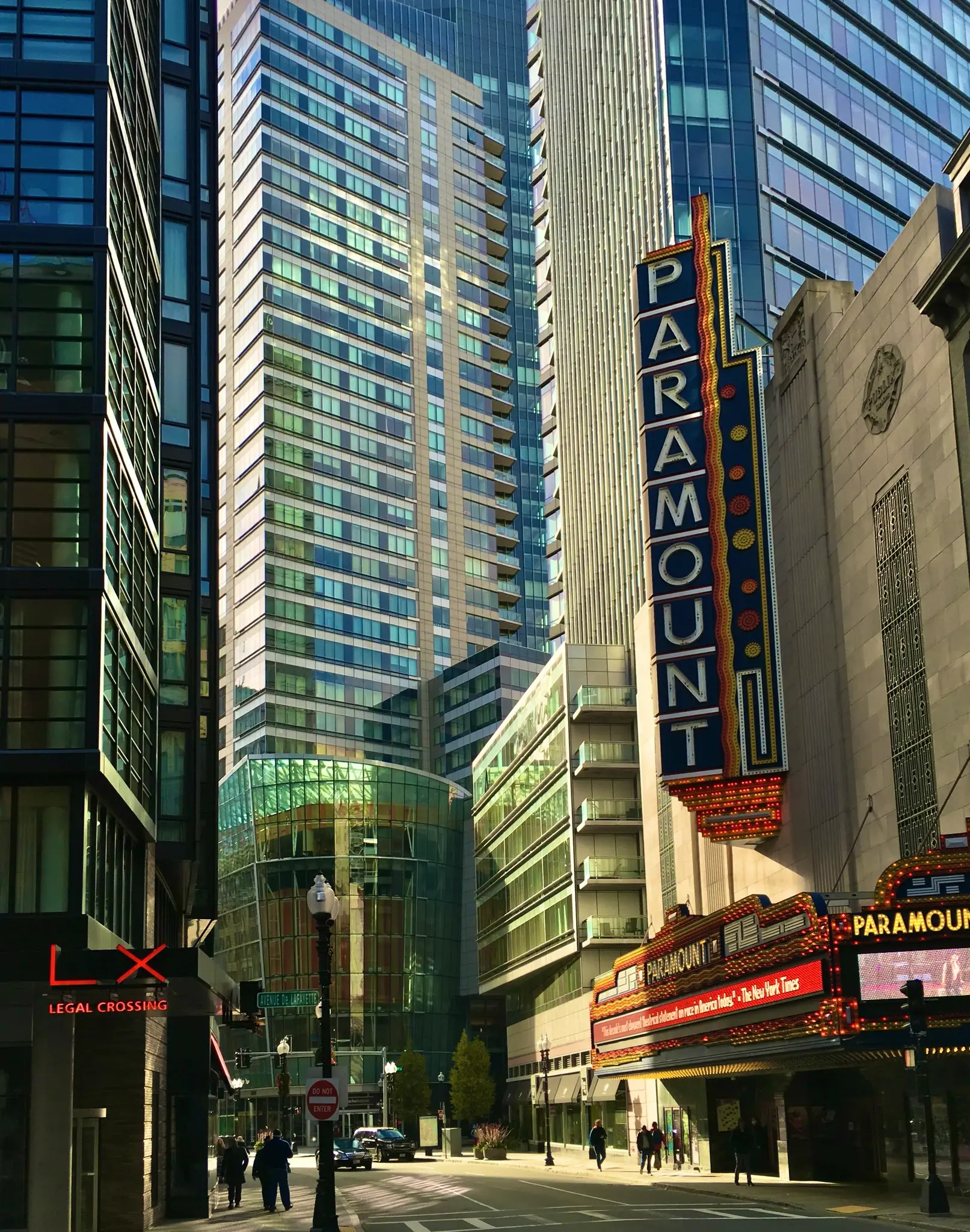
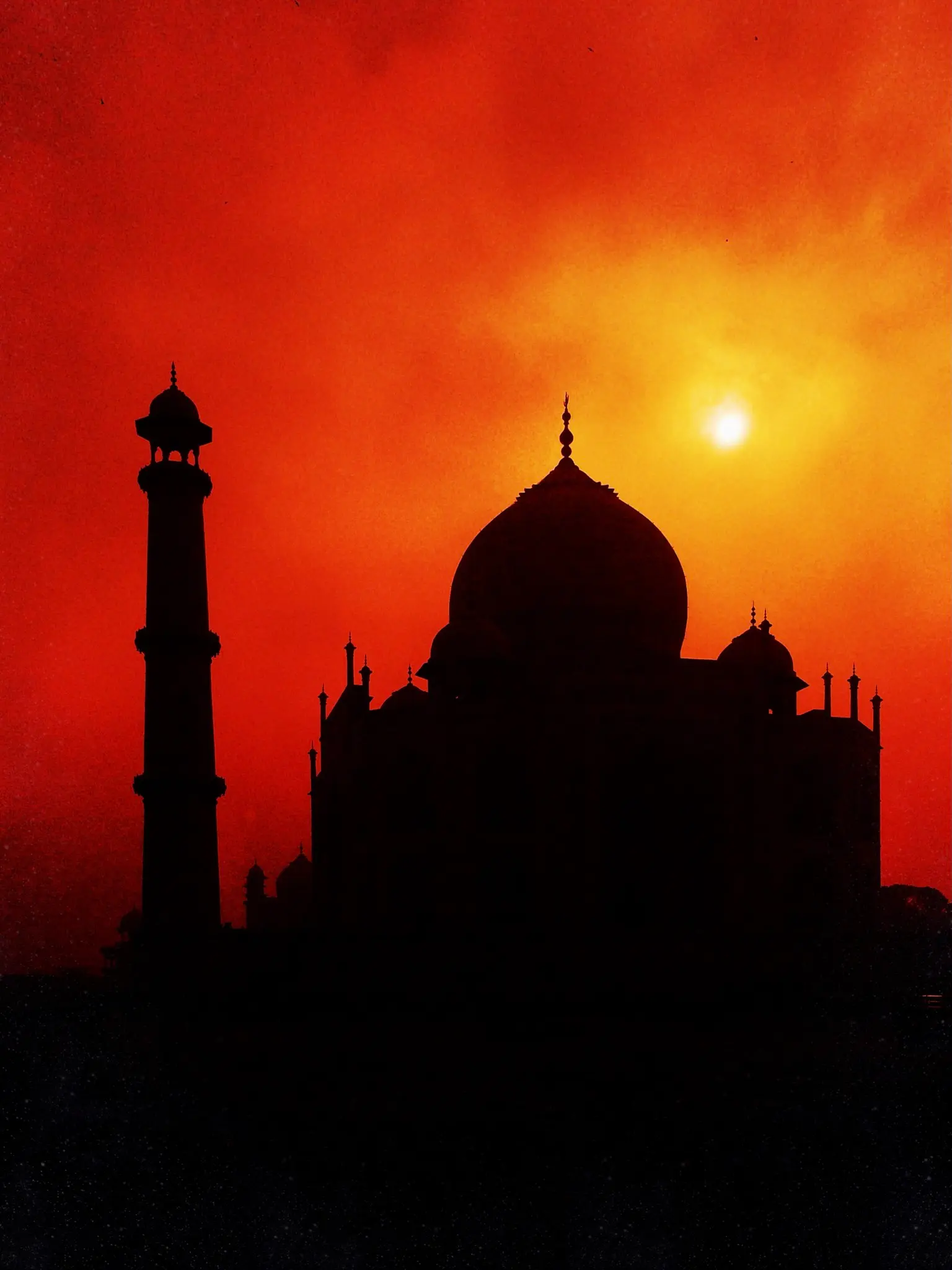
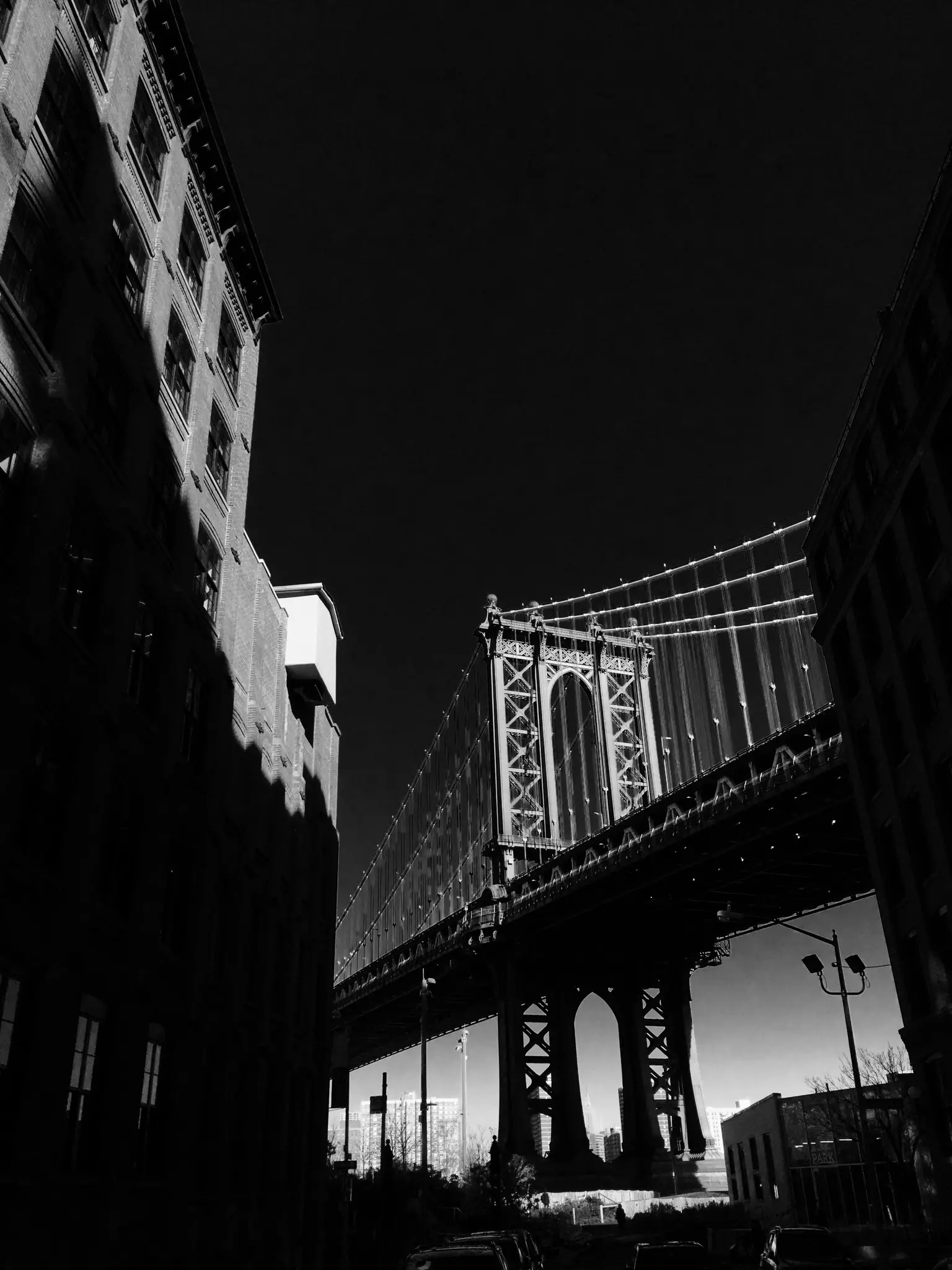
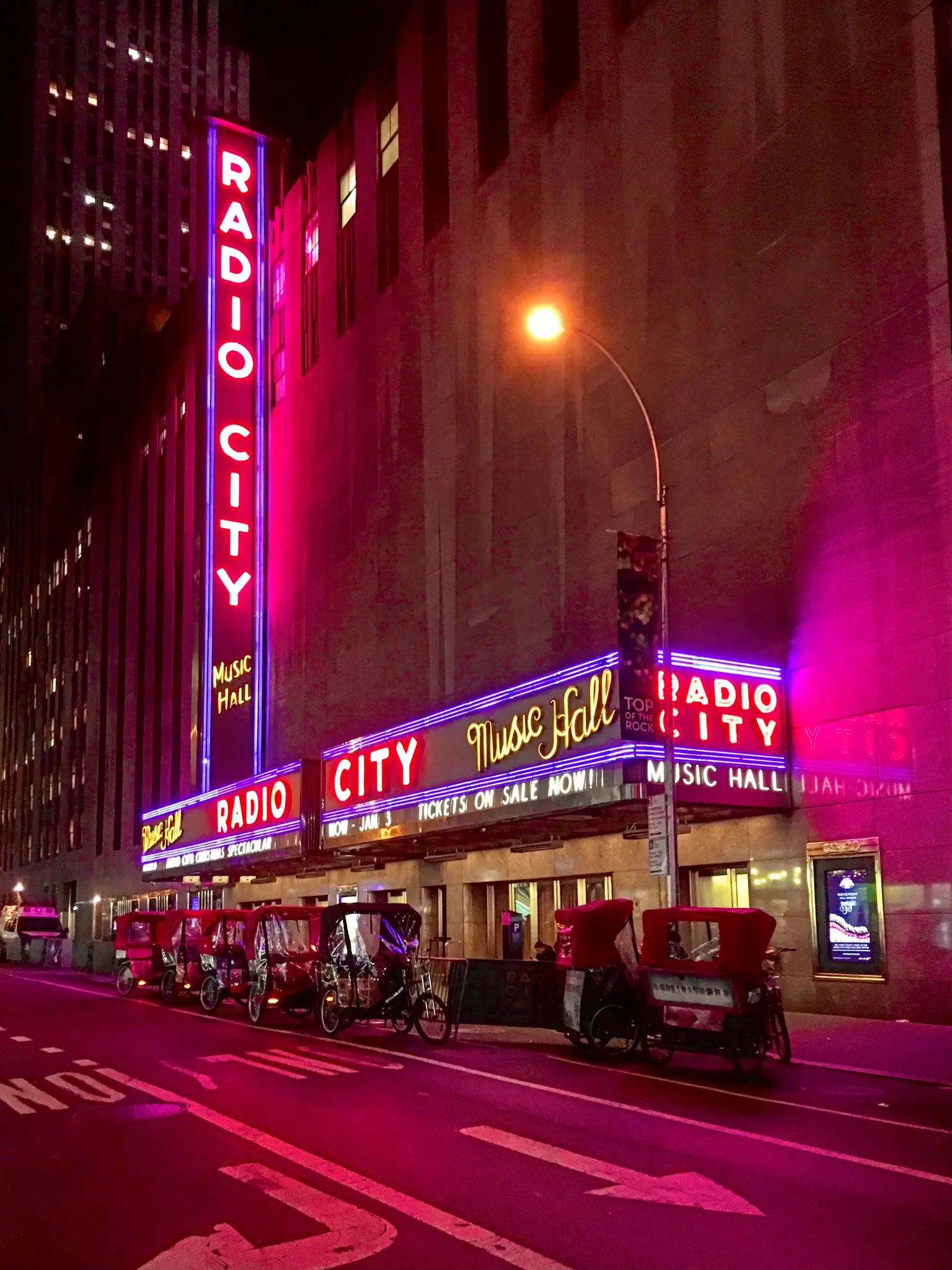
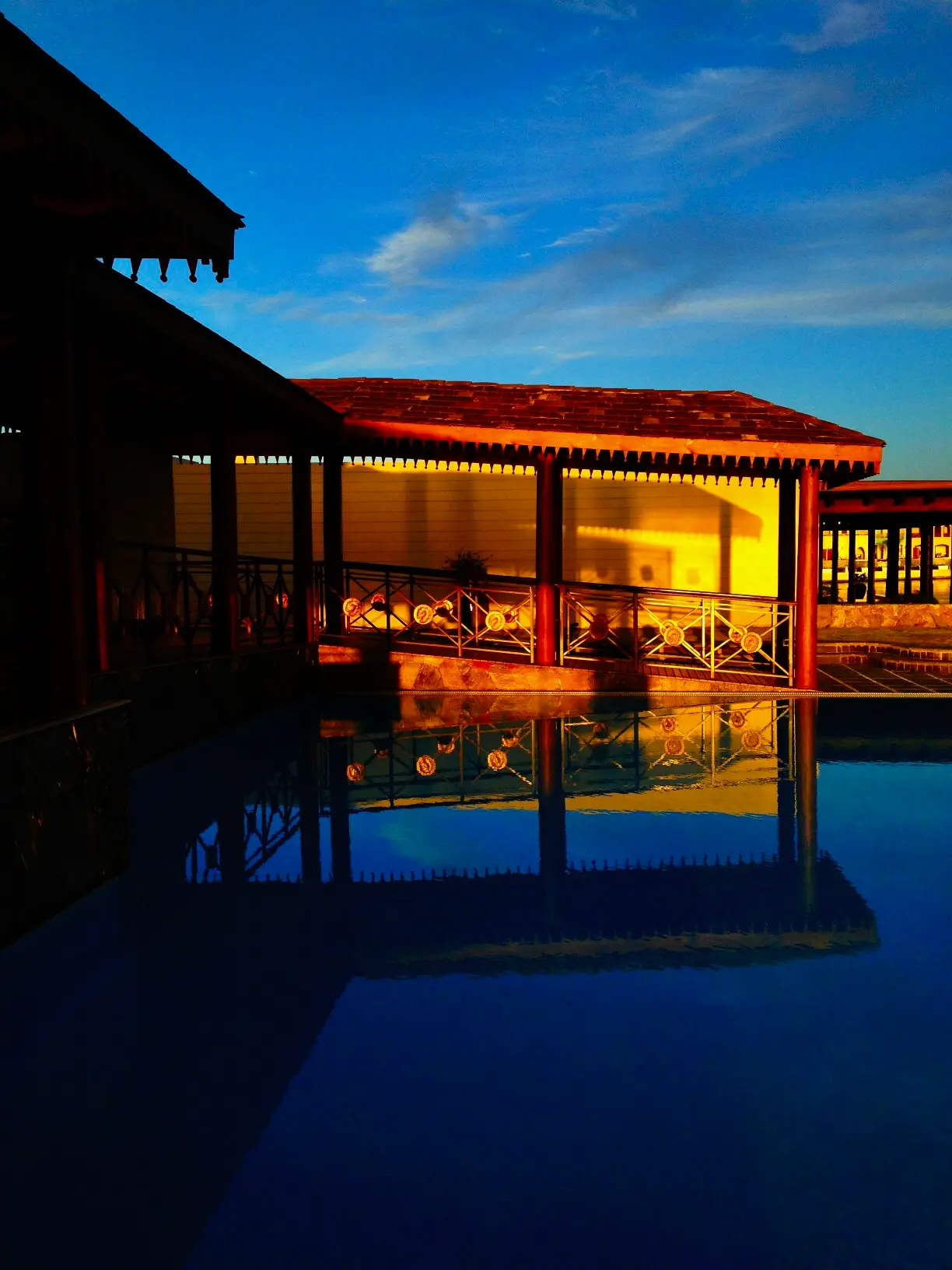
Some of the strongest low-light photos I post, the ones people assume came from some secret setting or rare natural gift, owe a lot less to genius and a lot more to three legs.
The mighty tripod.
Whether I used one or not doesn’t show up in the metadata. You won’t see a little note in the file that says: “Captured with patience, stability, and an aluminum stand.” The EXIF data won’t brag for me. It won’t confess that the reason the image is sharp, clean, and composed is because the camera was held perfectly still while the light did its slow work.
But I know. And now you know.
In bright daylight, you often don’t need a tripod. The iPhone has plenty of light to work with, so it typically selects a faster shutter speed and lower ISO. In plain English, that means the camera can grab the scene quickly and cleanly. Fast shutter speeds freeze movement and reduce blur. Lower ISO generally means less digital noise. Everything is easier when the sun is cooperating.
But when the light begins to fade, everything changes.
The camera now has a problem to solve. It still wants enough light for a usable exposure, but there isn’t much light left. So it compensates. It slows the shutter speed, meaning the sensor stays open longer to gather more light. It may also raise the ISO, increasing sensitivity. That can help, but it can also introduce grain, softness, and a general muddy look if pushed too far.
And there sits the central issue.
The slower the shutter speed, the steadier the camera must be.
This is where countless photographs die. Not because the subject was boring. Not because the composition was weak. Not because the photographer lacked vision. They die because the camera moved ever so slightly during exposure. A tiny tremor from your hand. A subtle shift in grip. A pulse beat. A breath. A rushed tap of the shutter button.
That microscopic movement is enough to rob a photo of its authority.
Enter the tripod.
The tripod does not care about trends, influencers, or camera hype. It does not need firmware updates. It does not post tutorials. It simply stands there and does its job. It removes human wobble from the equation and allows the camera to perform closer to its potential.
That’s it.
It is one of the most unsexy truths in photography: stability often beats sophistication.
Because I made a living for decades using long lenses and tripods in both the film and DSLR eras, carrying that habit into iPhone photography felt completely natural. When you spend years shooting with telephoto lenses, medium format cameras, and heavy setups, you learn quickly that sharpness is earned through steadiness. You learn that support systems matter. You learn that great images often come from slowing down.
So when mobile photography arrived, I didn’t see the tripod as outdated or unnecessary. I saw it as an old friend.
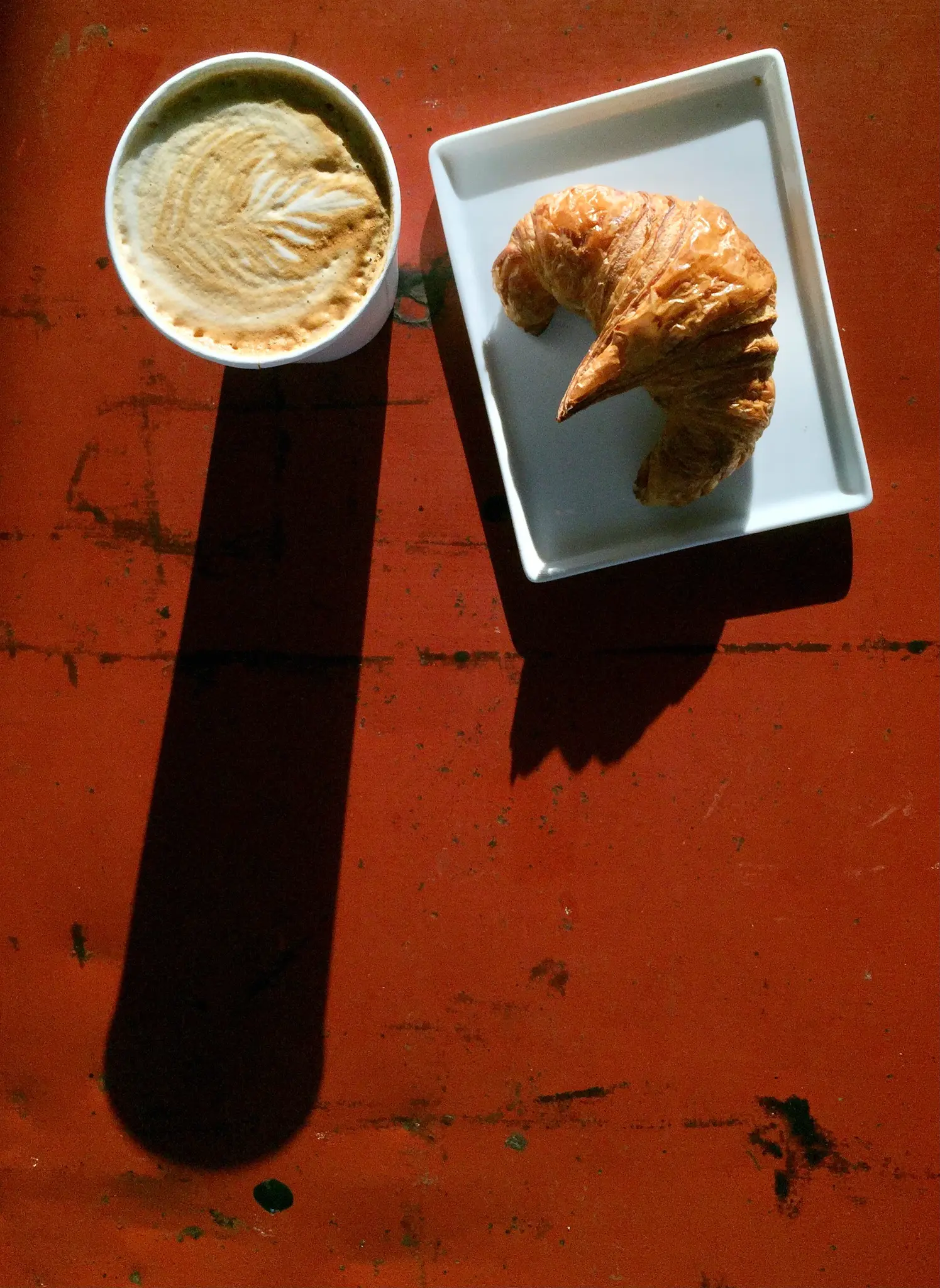
I use big tripods. I use mini tripods. I use tabletop tripods. I use travel tripods. I use clamps and adapters and whatever gets the phone locked down securely. Sometimes I’m photographing twilight streets. Sometimes interiors. Sometimes a quiet landscape at dusk. Sometimes a still life near a window. Sometimes a long exposure of water or traffic.
The tripod lets me work instead of hope.
That distinction matters.
Many people shoot handheld in difficult light and hope for the best. I prefer to control the variables where I can. The tripod gives me cleaner files, sharper detail, better framing, and the freedom to compose carefully. It lets me lower ISO when possible. It lets night mode breathe. It lets me use timers or remotes to avoid touching the phone at capture. It lets me think.
And thinking is underrated in photography.
There is also a psychological benefit to tripod use that almost no one discusses. The moment you mount a camera on a tripod, your behavior changes. You slow down. You look harder. You refine edges. You notice distractions in the frame. You become more deliberate. You stop spraying and start seeing.
That alone is worth the price of admission.
People love to ask about hidden settings, secret apps, or obscure hacks. Fine. But here is a far more reliable path to better low-light photography: stabilize the damn camera.
You do not need divine talent. You do not need expensive mysticism. You do not need to be born with photographic DNA.
You may simply need a tripod.
The mighty tripod has rescued more photographs than ego ever has. It has helped ordinary people make extraordinary images for generations. It did it in the film era. It did it in the DSLR era. It is doing it right now in the smartphone era.
And long after the next camera craze arrives, it will still be standing there, calm and useful, holding the shot steady while the rest of the world shakes.
Click.
Jack.