How the camera keeps pulling me back to what is still worth loving
I’ll admit it plainly: I think too much. Far too much. My mind has a bad habit of wandering into territories that offer no peace and very little payoff. Religion. Mortality. Politics. Human foolishness. Corruption. Decline. The endless theater of people pretending certainty about things no one can fully know. I can spend hours, even days, circling subjects that cannot be solved by me, controlled by me, or meaningfully altered by my worry. That kind of thinking can feel noble in the moment, as if one is engaged in serious matters. But often it is just another form of self-inflicted exhaustion.
There are days when I can feel myself disappearing into it. The noise of the age. The outrage machine. The heaviness of being mortal and aware of it. The absurdity of public life. The private aches people carry. My own unfinished questions. It can become a mental climate, overcast and airless, where everything feels burdened by seriousness. If I lived there too long, I suspect I would slowly harden, dry out, and become one more bitter man muttering at the world.
But then something happens.
I pick up a camera.
And almost instantly, the room changes.
Not the physical room, necessarily. The room inside me.
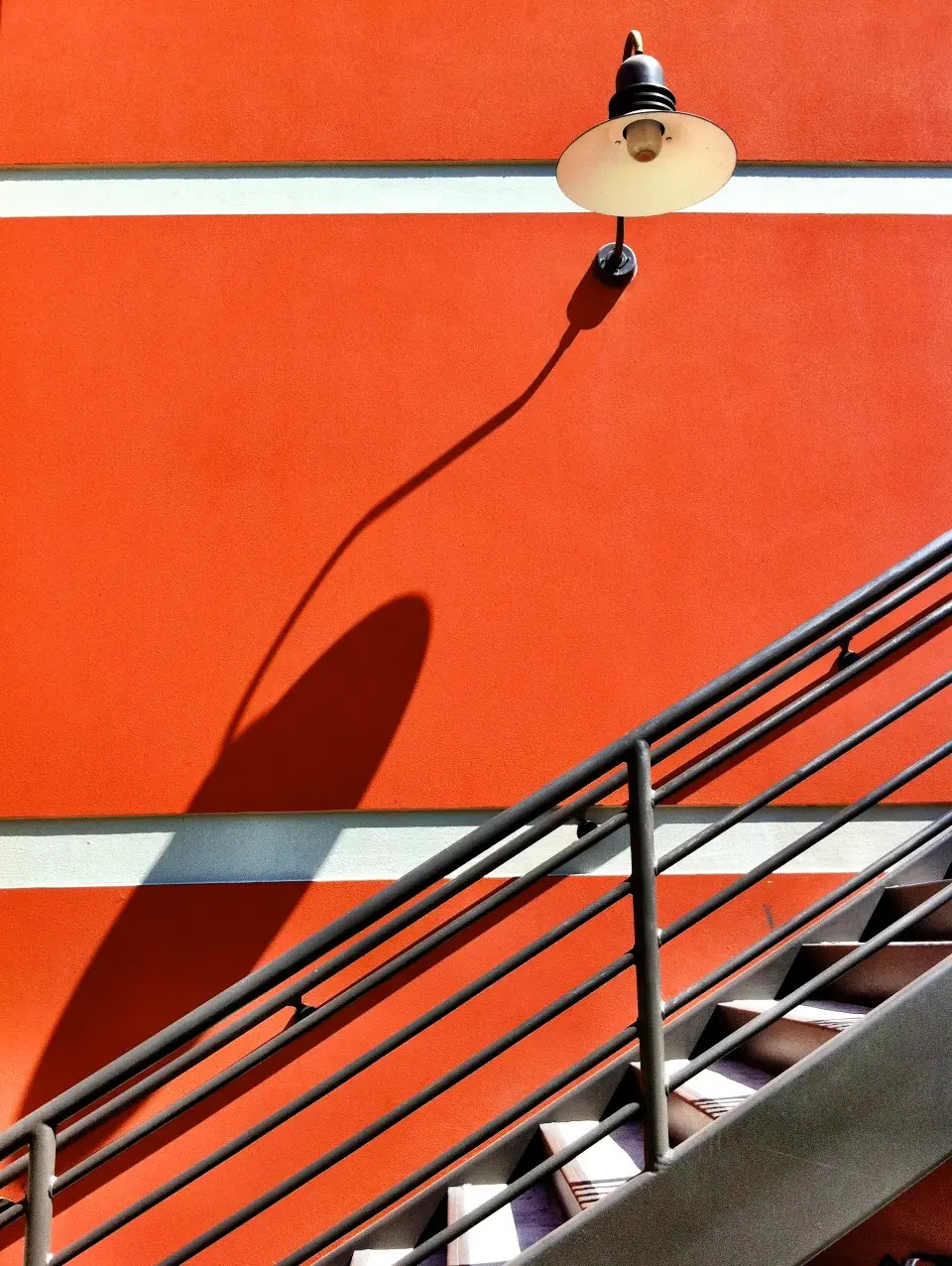
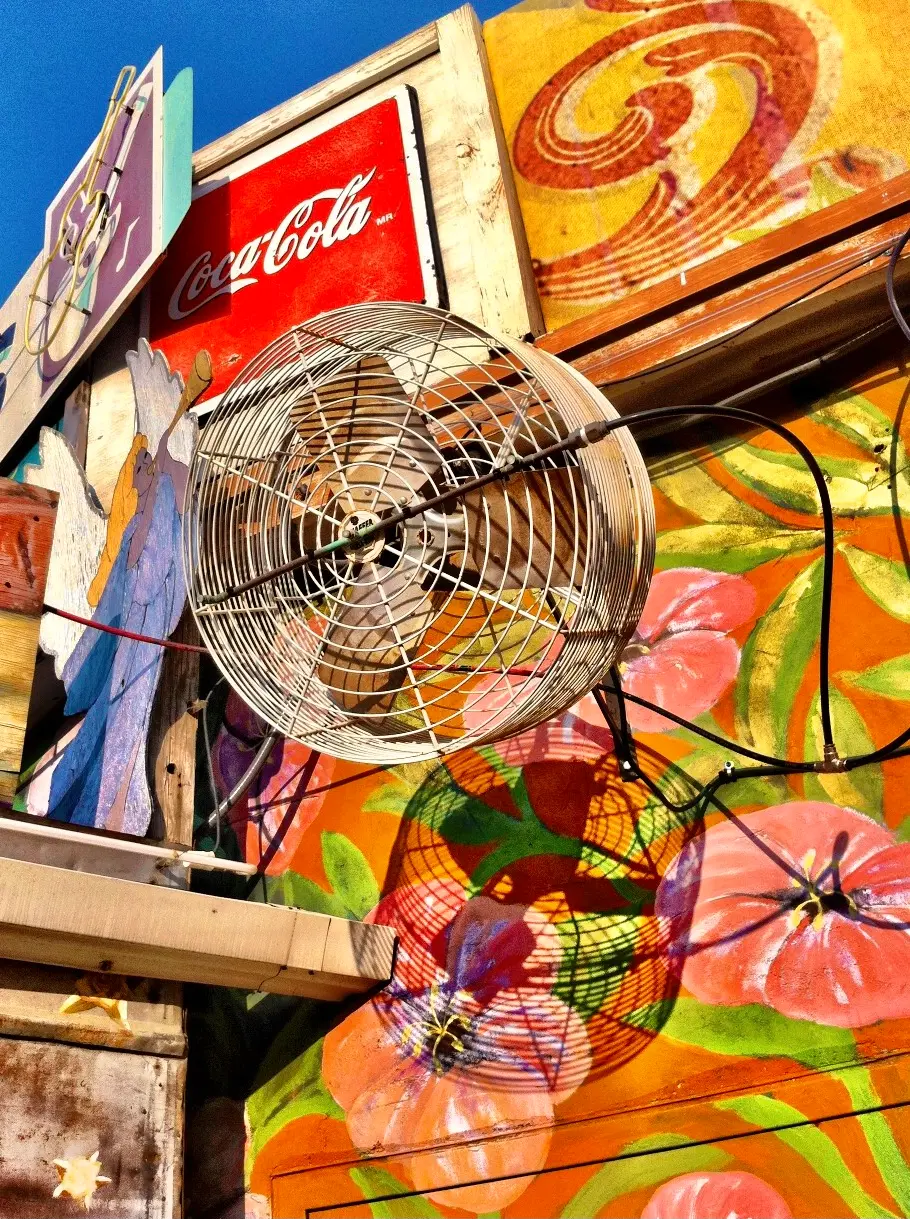
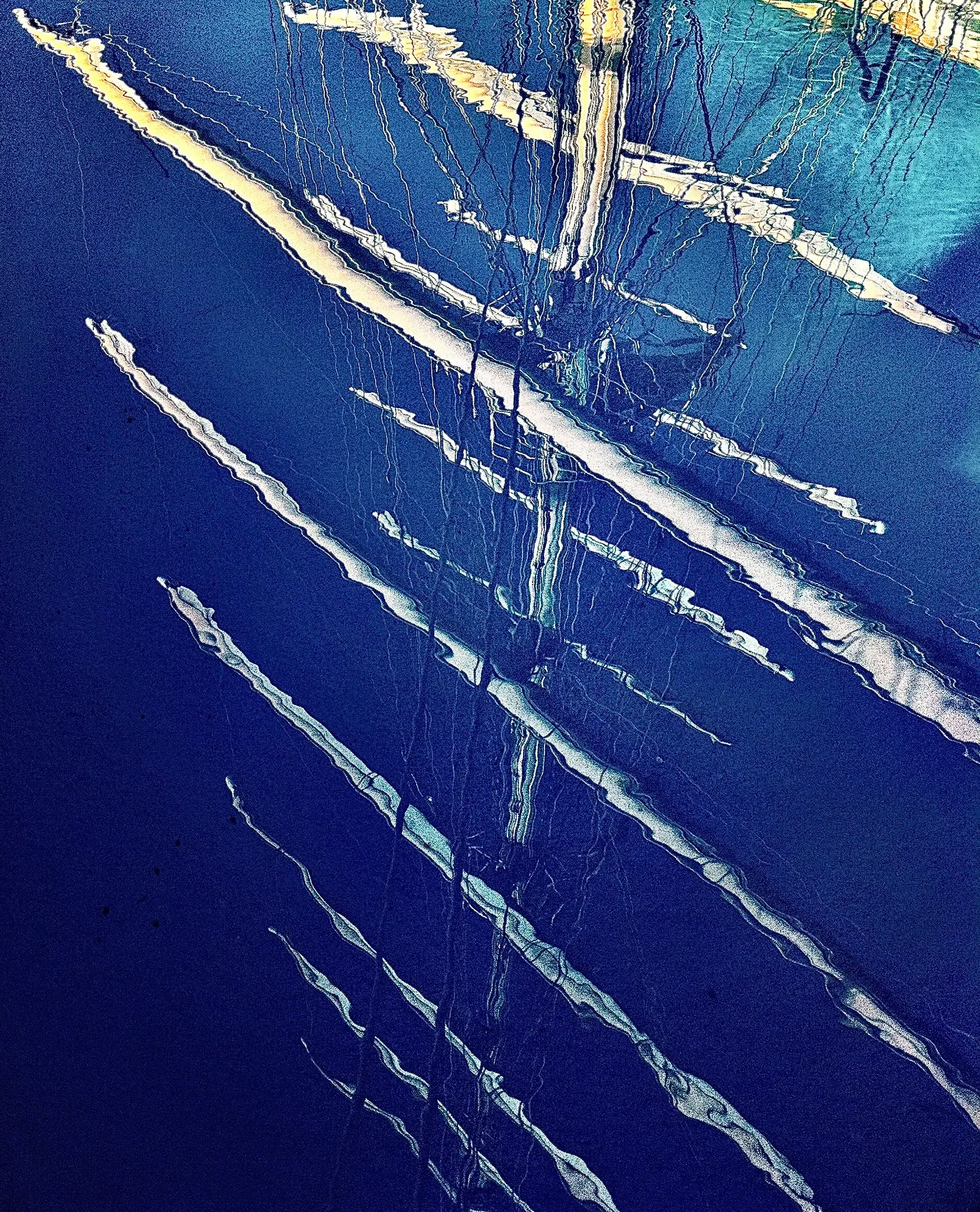
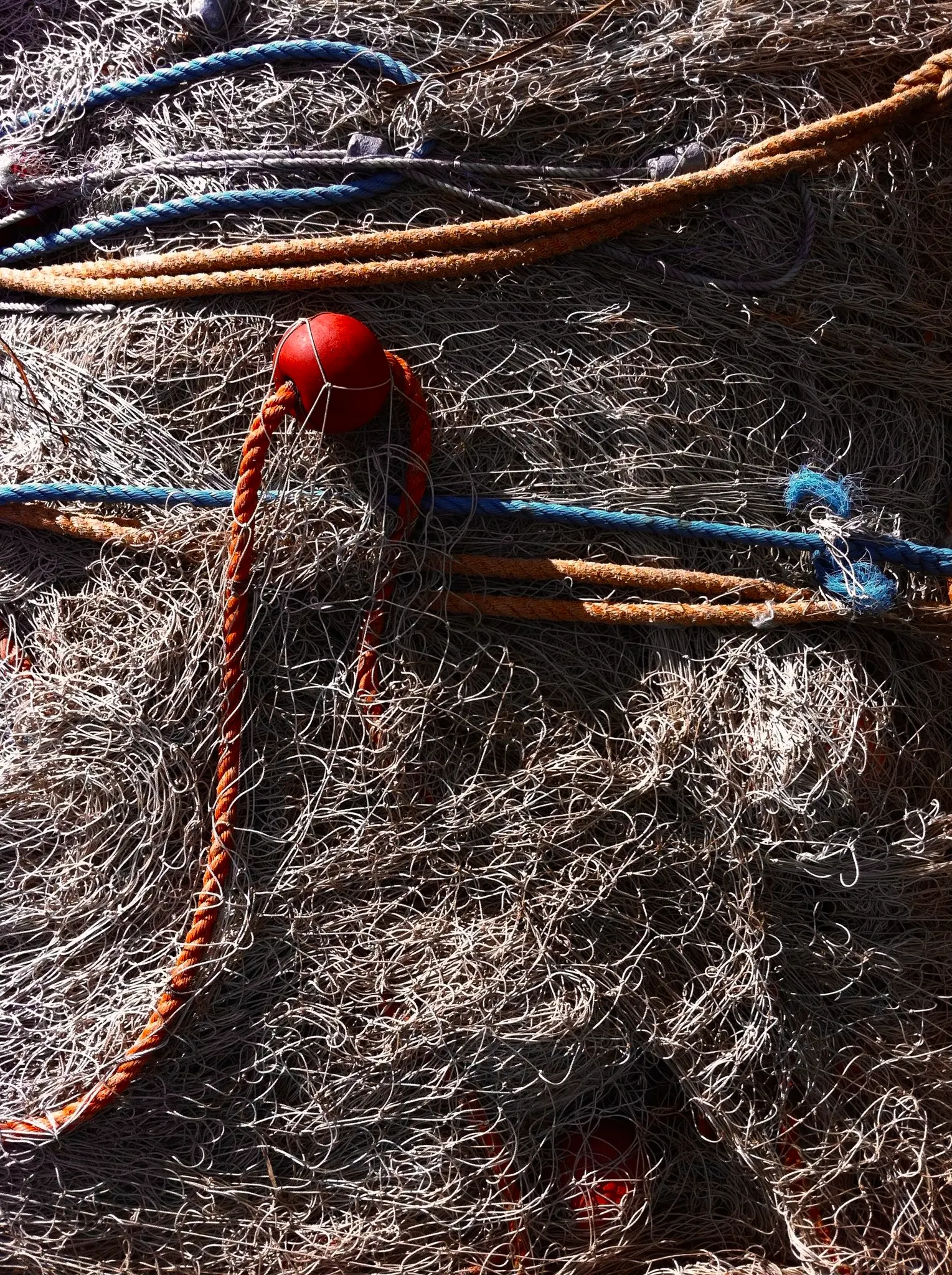
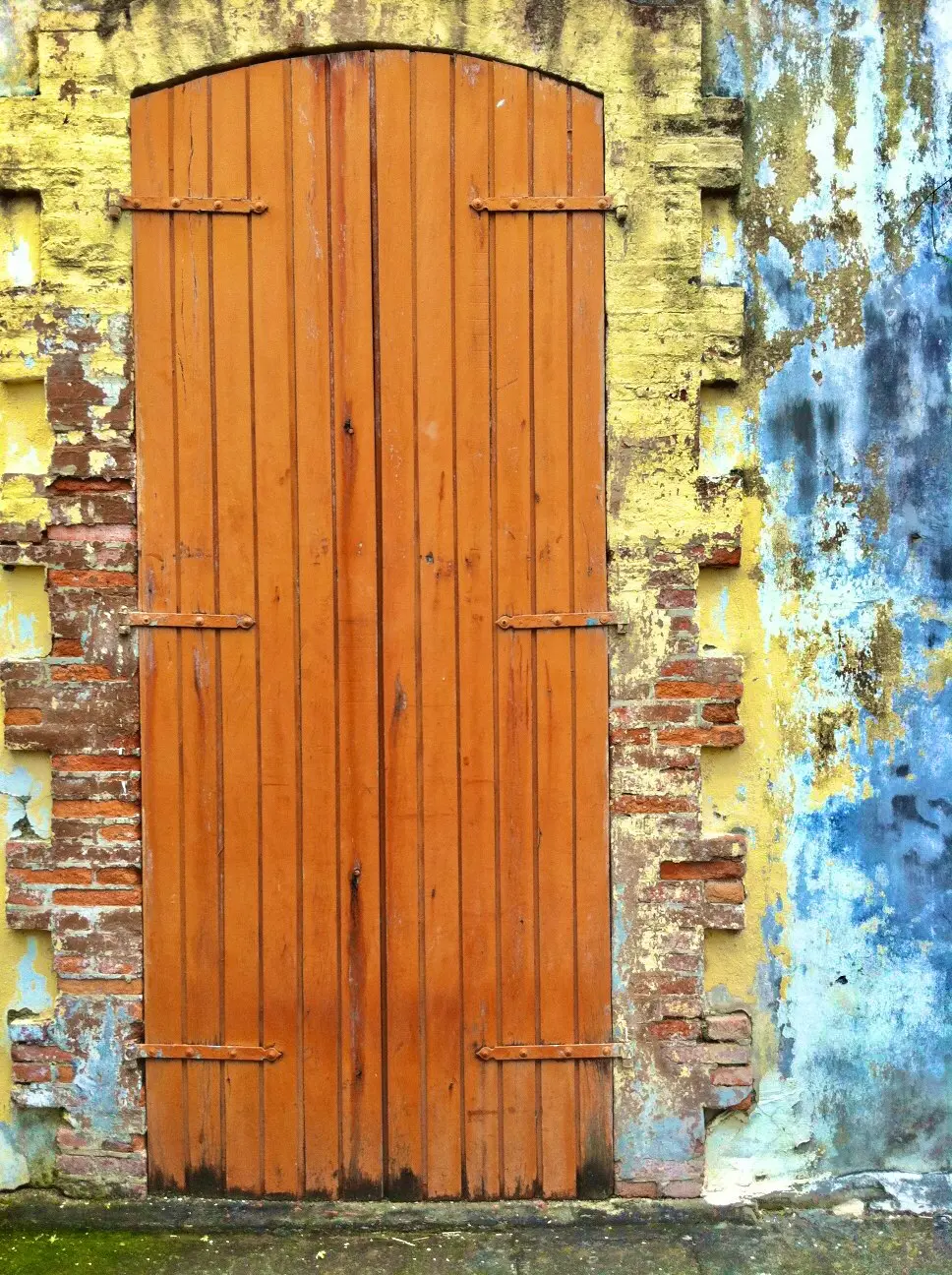
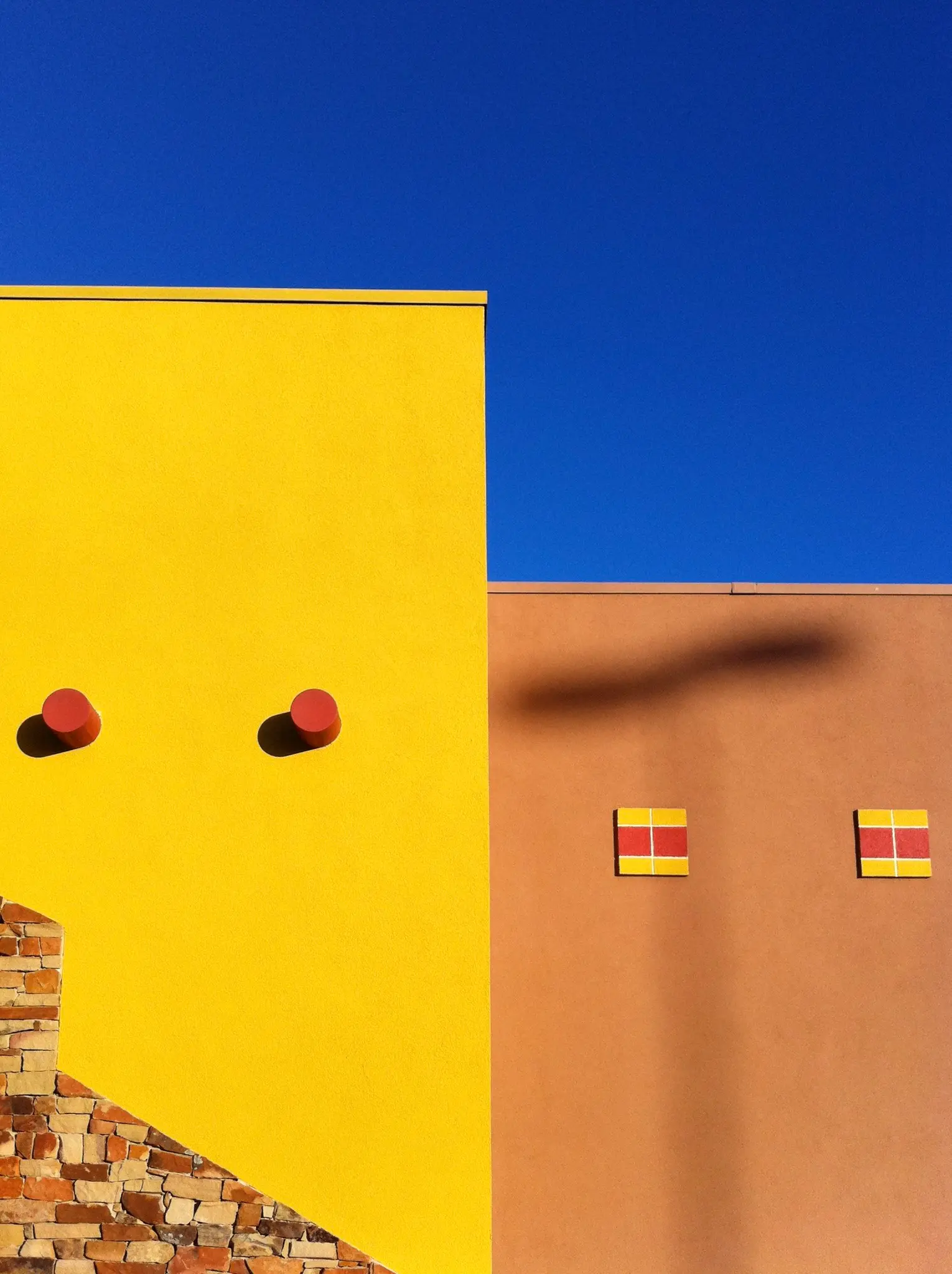
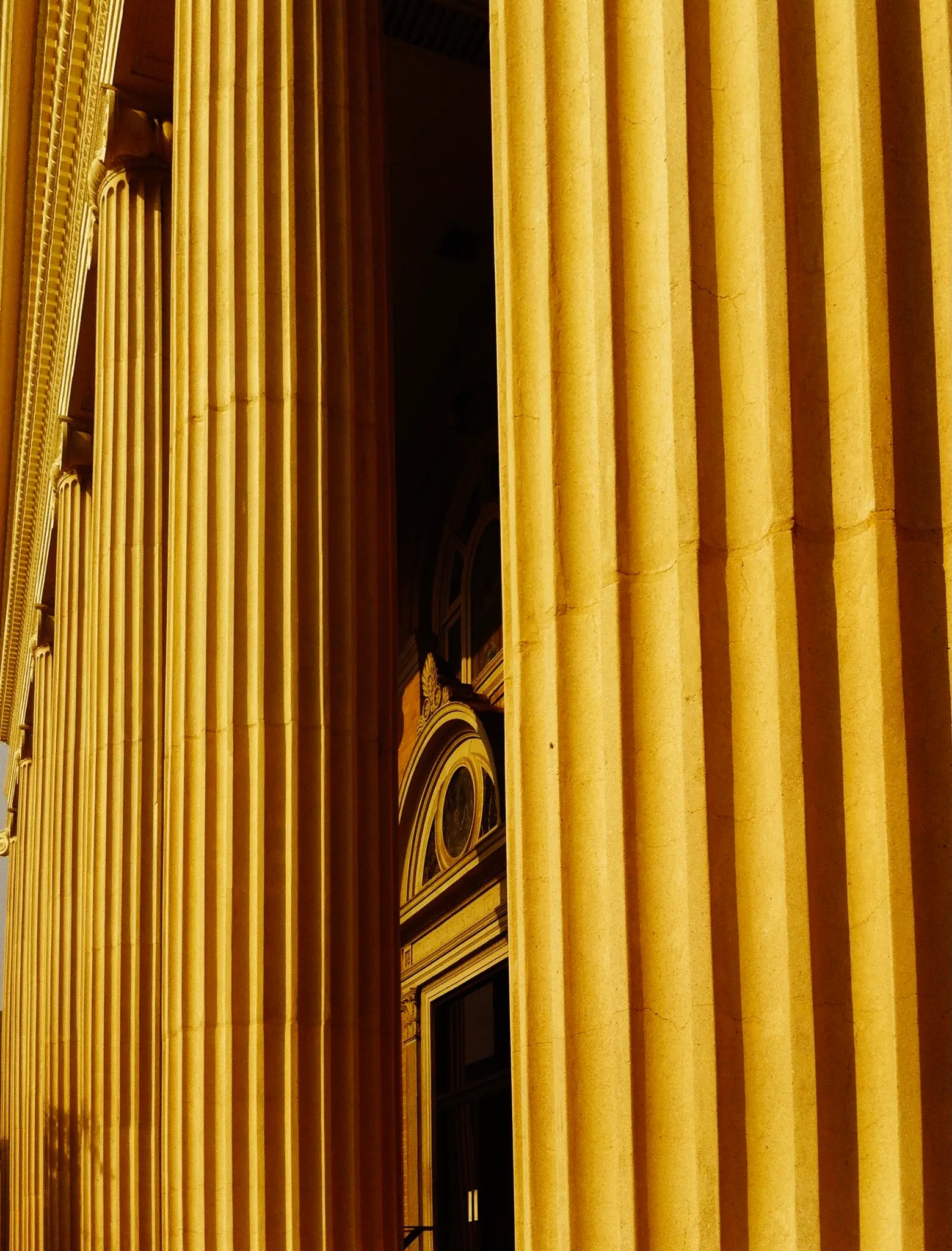
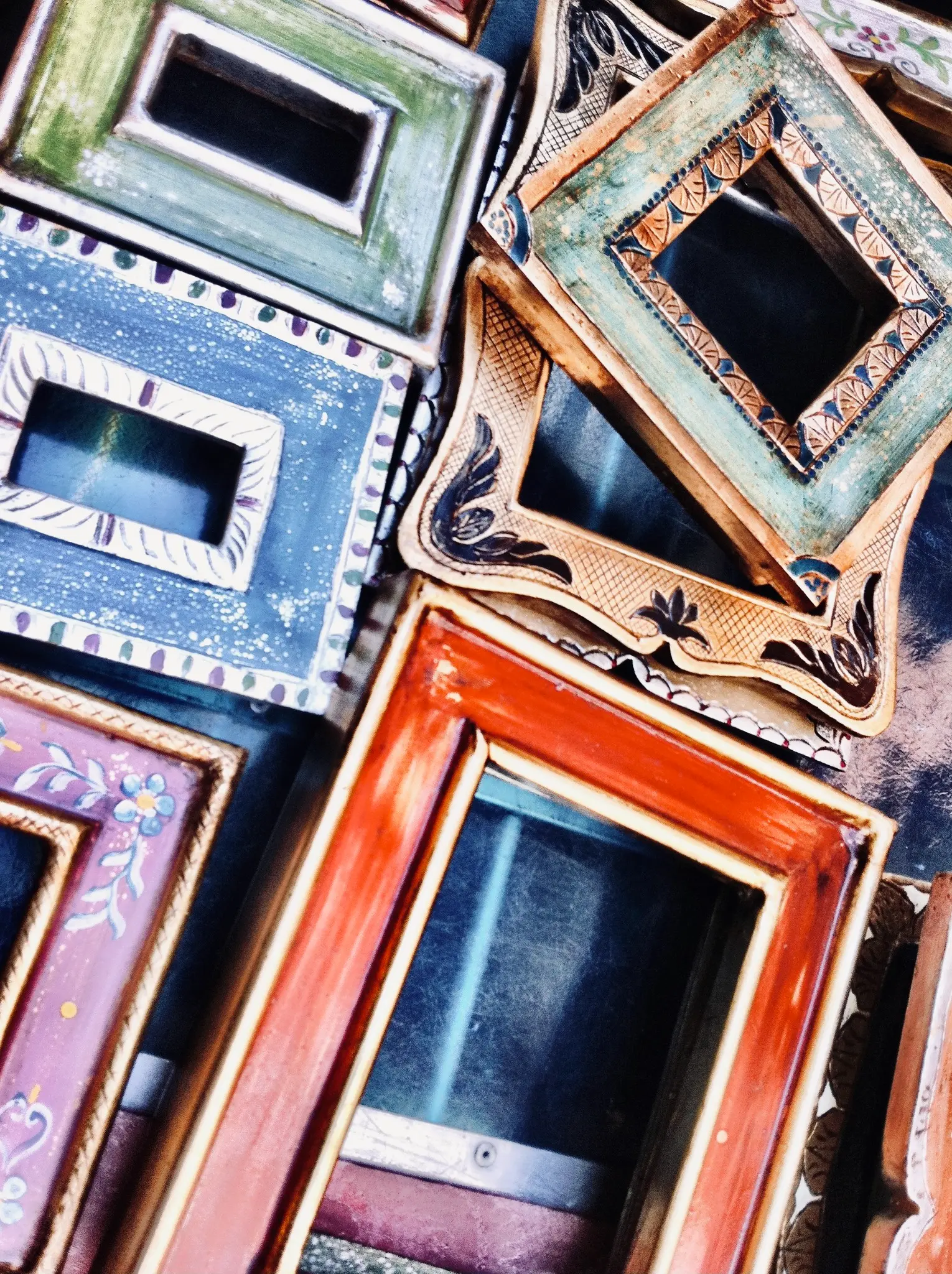
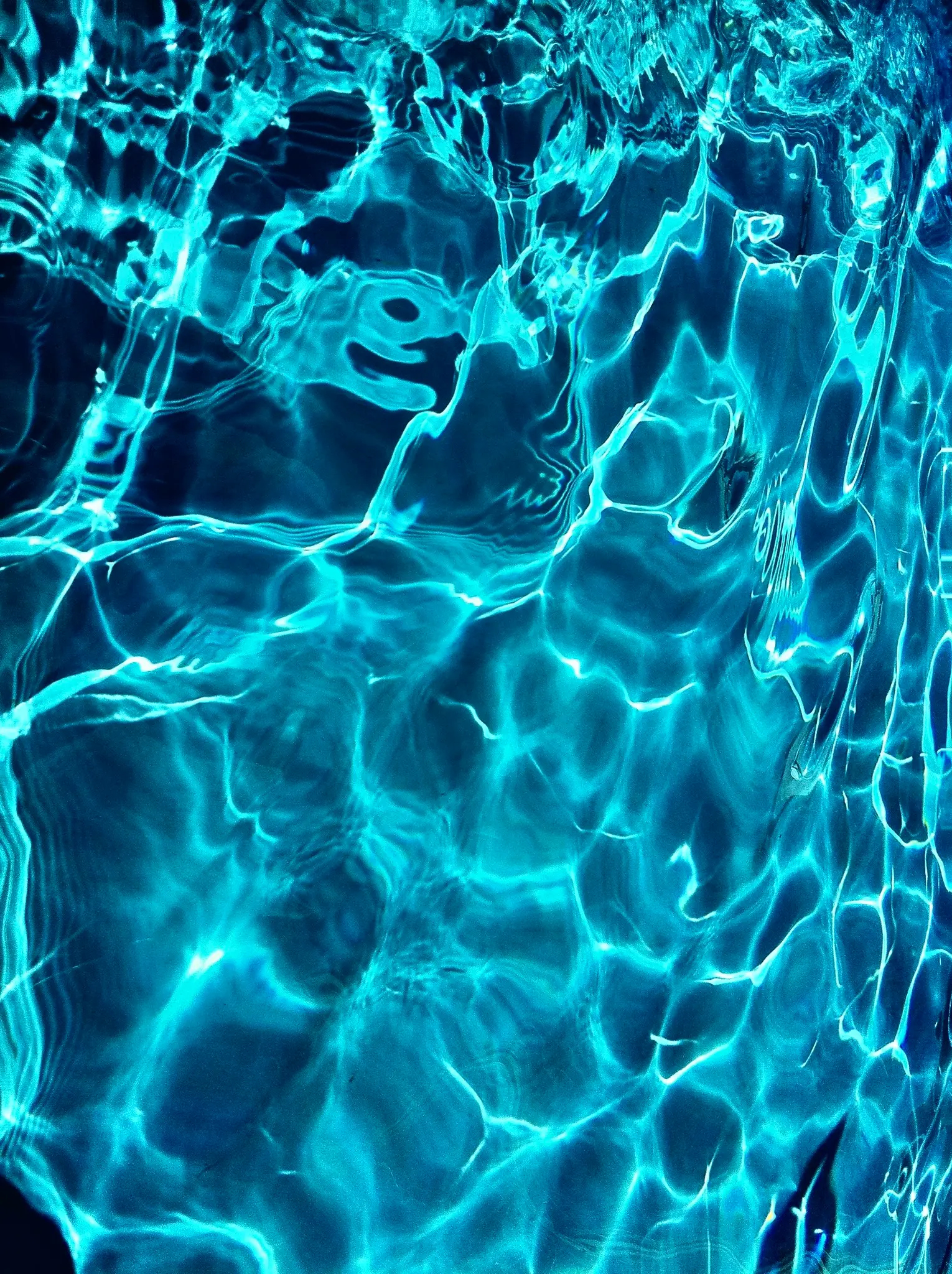
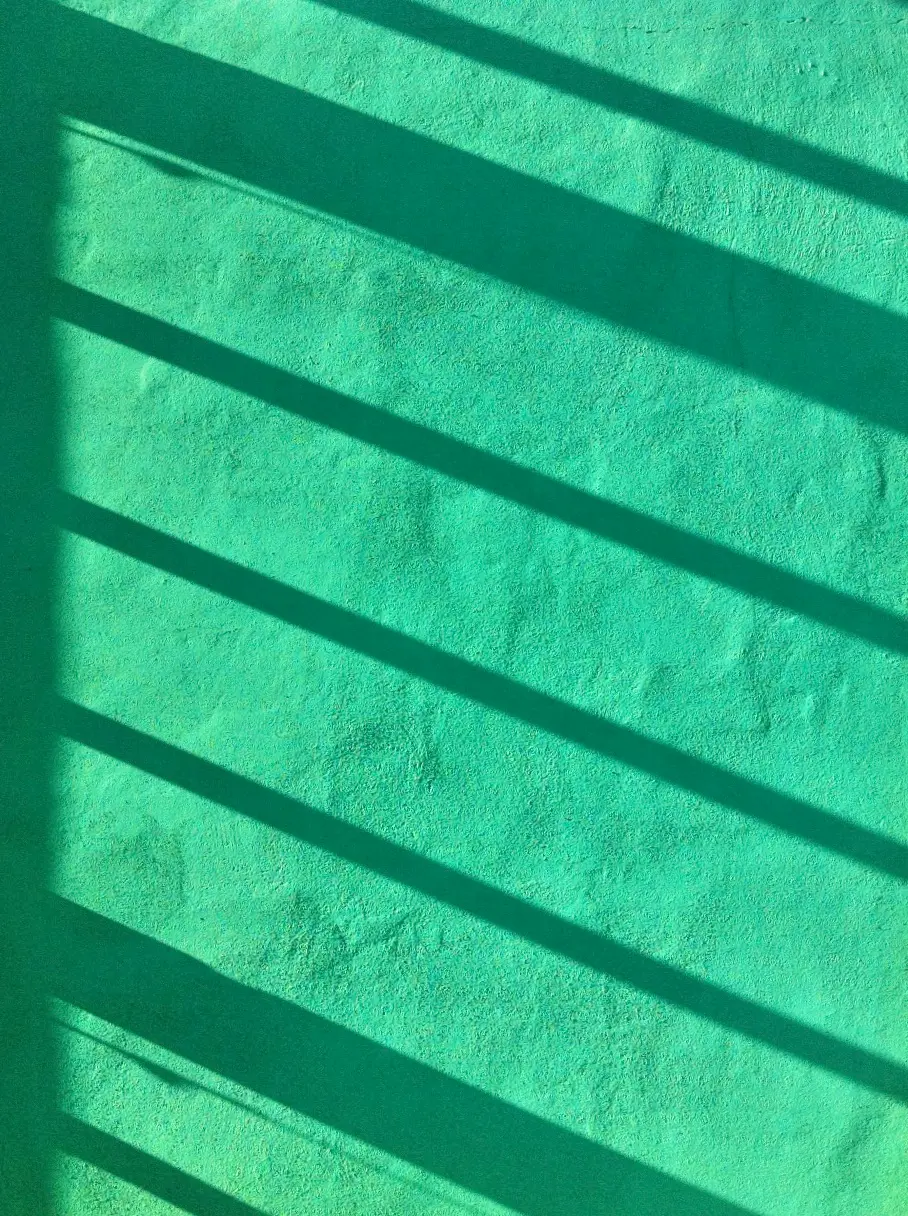
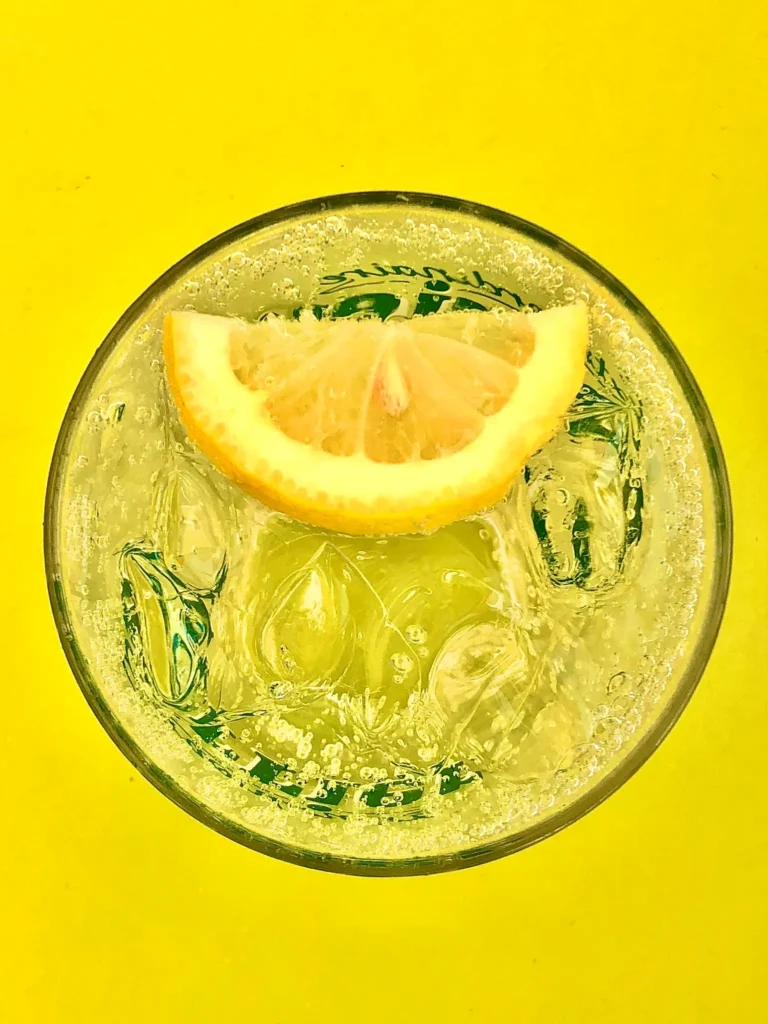
The same world that, moments earlier, seemed cluttered with tension and disappointment suddenly reveals another layer entirely. Light sliding across a kitchen counter. The curve of a coffee cup catching morning sun. The green arrogance of a houseplant leaning toward the window. Reflections in a puddle. Weathered paint on an old door. The geometry of shadows cast by blinds. A stranger’s face alive with history. A parking lot made cinematic by late afternoon light. Steam rising from food. Rain on glass. The thousand ordinary miracles that go unnoticed by the busy and the burdened.
This is not escapism. It is recovery.
Photography has taught me that beauty is not rare. Attention is rare.
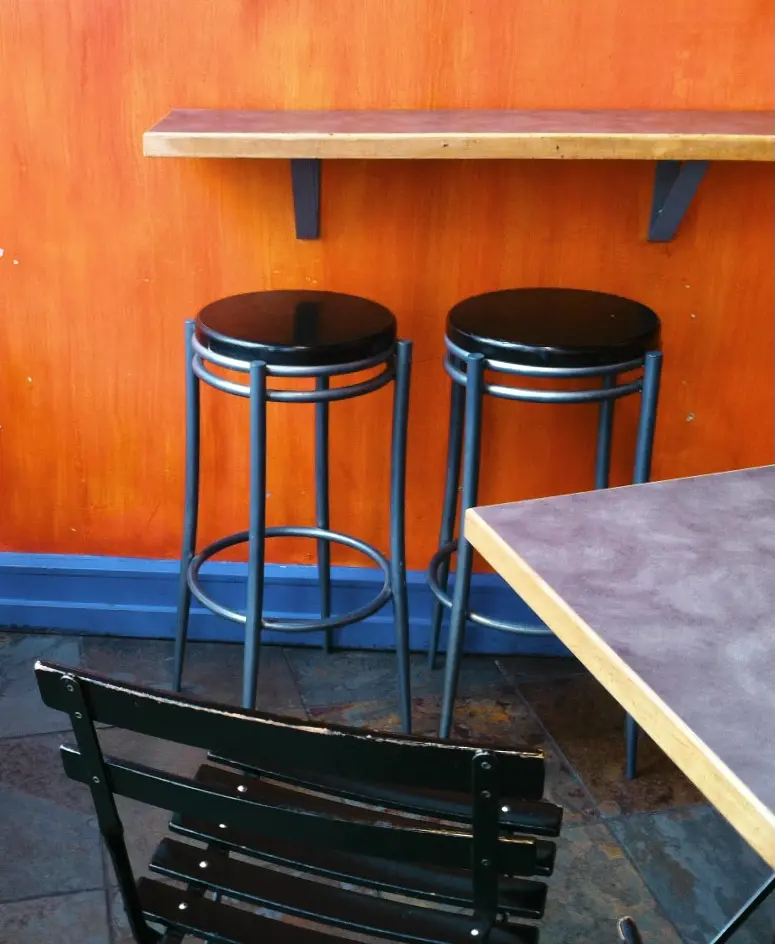
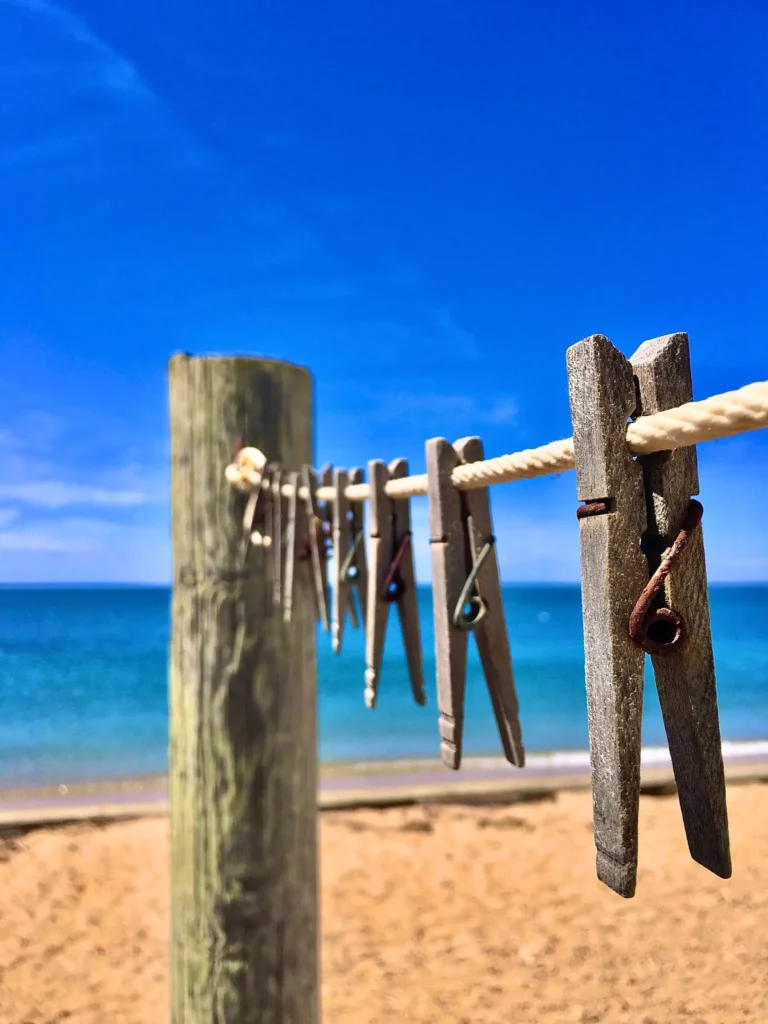
That is an important distinction. Many people move through life assuming beauty exists only in exceptional places: Tuscany, Santorini, Patagonia, a five-star resort, a dramatic mountain range, some carefully curated postcard destination. But I have learned, frame by frame, that beauty is promiscuous. It gives itself freely. It spills into alleyways, laundromats, gas stations, grocery stores, front porches, side streets, diners, airports, motel rooms, and suburban sidewalks. It is not hiding from us. We are hiding from it.
The camera, at its best, is not a machine for recording. It is a machine for noticing.
And noticing changes everything.
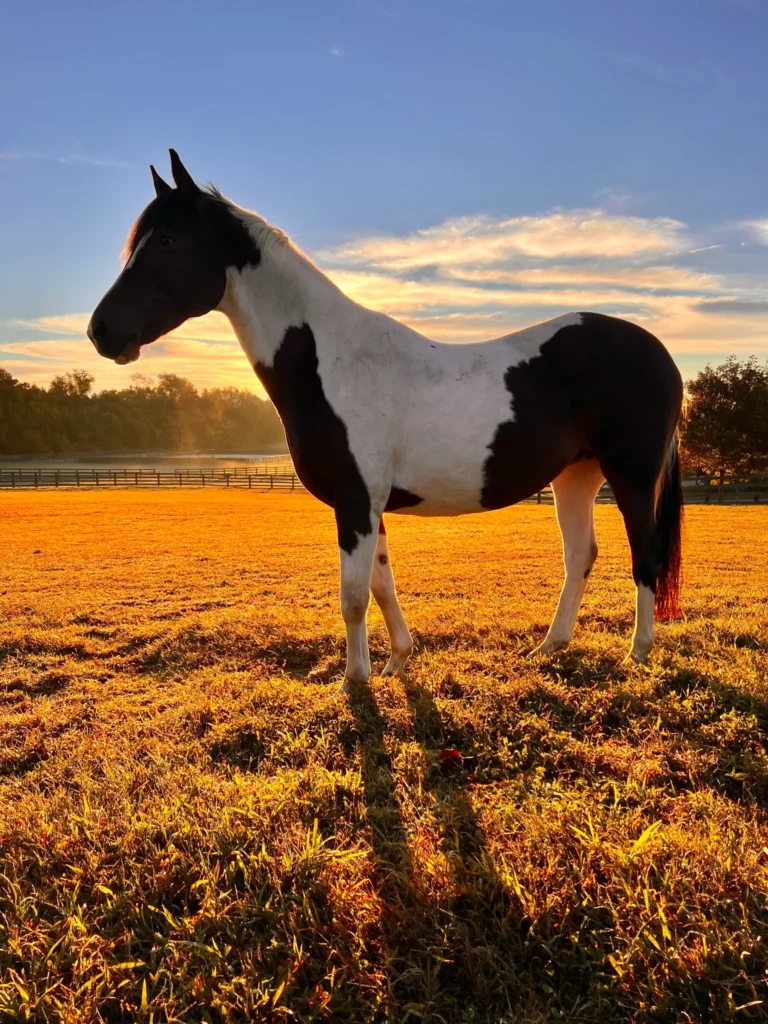
When I raise a camera to my eye, or simply hold up the phone that has become my favored companion, I become available to wonder again. I stop arguing with reality and start receiving it. I stop trying to solve civilization and start seeing sunlight strike chrome. I stop rehearsing death and start noticing color. I stop obsessing over the state of the nation and start paying attention to the shape of a tree against the sky.
That may sound small to some people. To me, it is salvation of a secular kind.
I do not mean salvation in any theological sense. I mean rescue. Return. Reorientation. A pulling back from the edge of useless despair into the vividness of what is still here. The camera has done that for me thousands upon thousands of times.
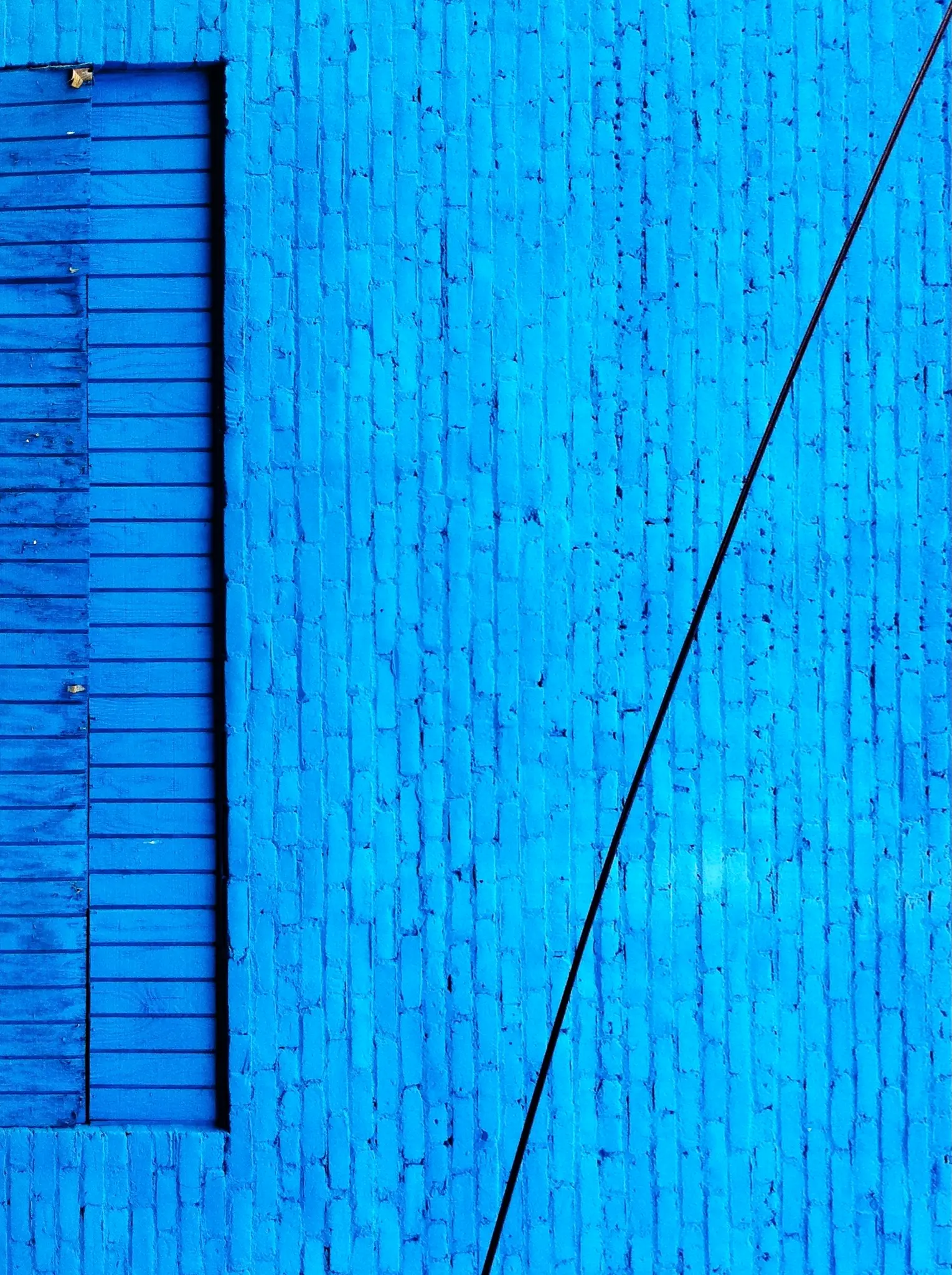
There is also something deeply defiant about choosing beauty in an age that profits from your agitation. Entire industries want your fear, your anger, your grievance, your compulsive attention. They feed on it. They monetize your cortisol. They want you scrolling, fuming, dividing, despairing. To pause and notice the elegance of light on a brick wall is, in its own modest way, rebellion. To photograph flowers in a world screaming for your outrage is not naïveté. It is independence.
I am not blind to suffering. I am not pretending darkness does not exist. I know full well the world contains cruelty, stupidity, sickness, loneliness, and loss. I have lived long enough to know that pain gets its turn with all of us. But that is precisely why beauty matters. Not because it cancels sorrow, but because it accompanies us through it.
Beauty says, even now, even here, all is not lost.
And unlike so many grand human systems, beauty asks almost nothing of me. No creed. No party loyalty. No doctrinal pledge. No tribal password. It asks only that I look.
Look carefully.
Look longer.
Look again.
That may be why photography became more than a profession for me. It became a way of surviving myself. It became a counterweight to overthinking. It became a practical method for returning to the senses when the mind became too loud. Light, color, design, gesture, timing, mood—these are not trivial things. They are anchors. They pull me back into contact with life as lived rather than life as argued.
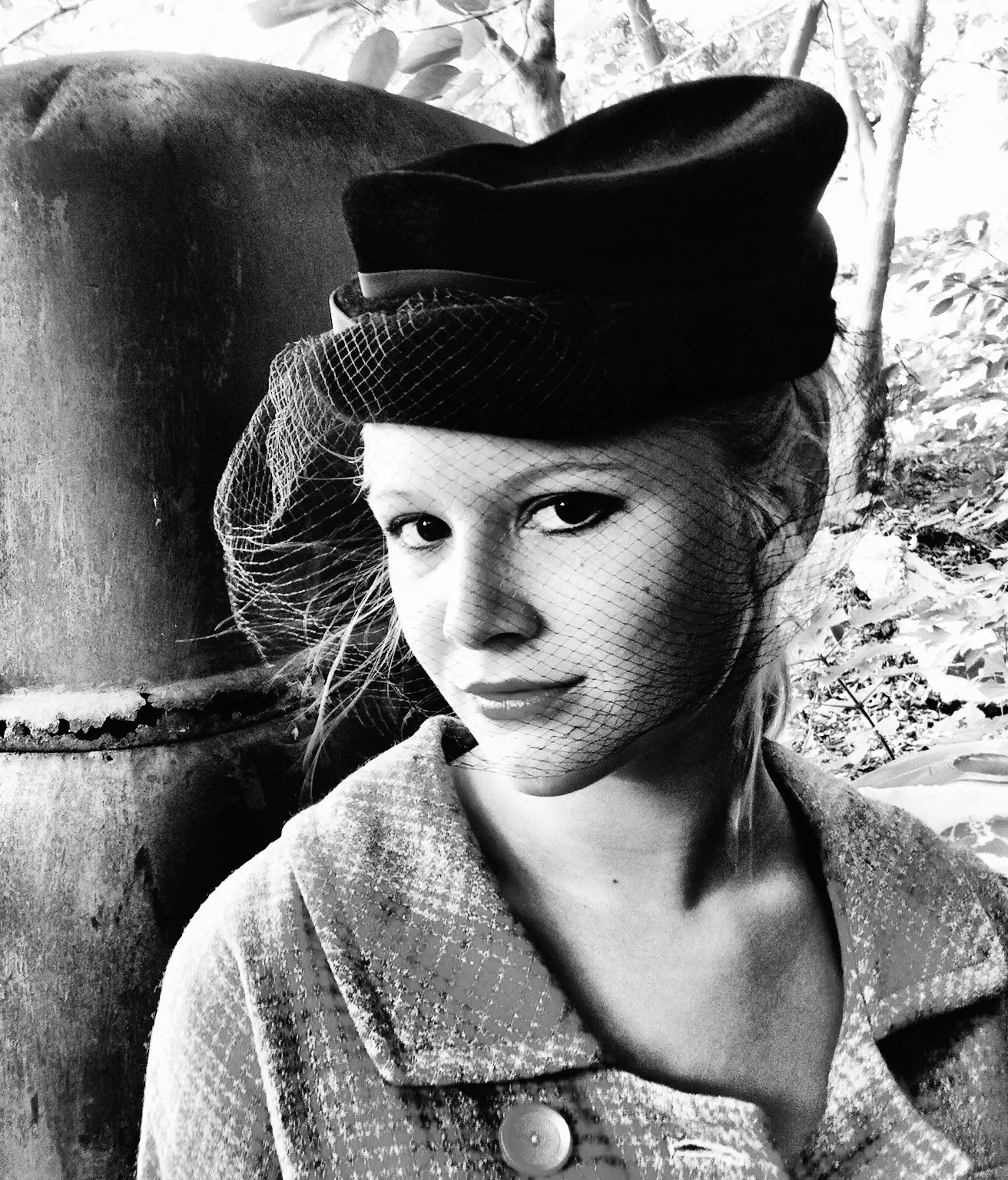
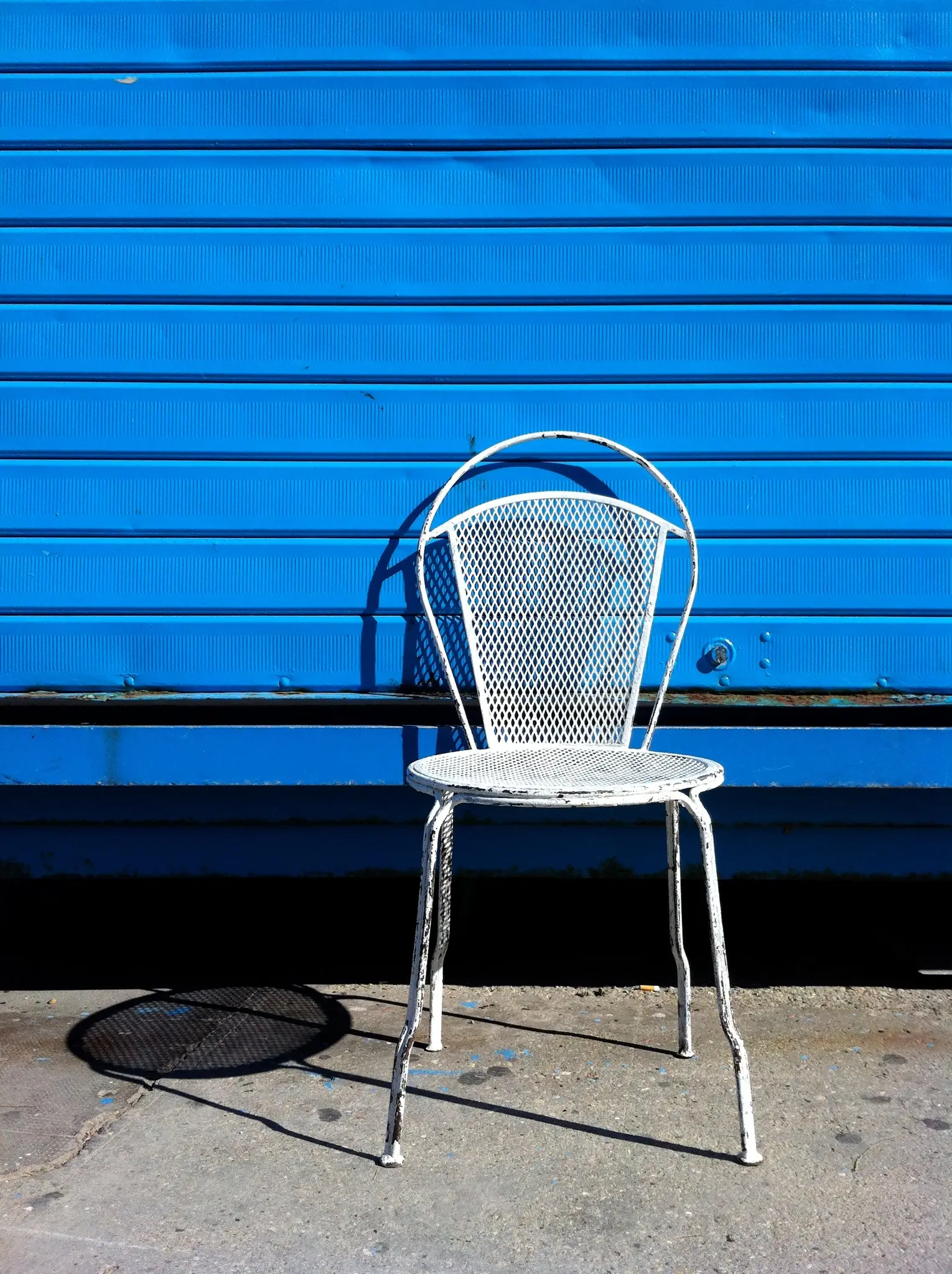
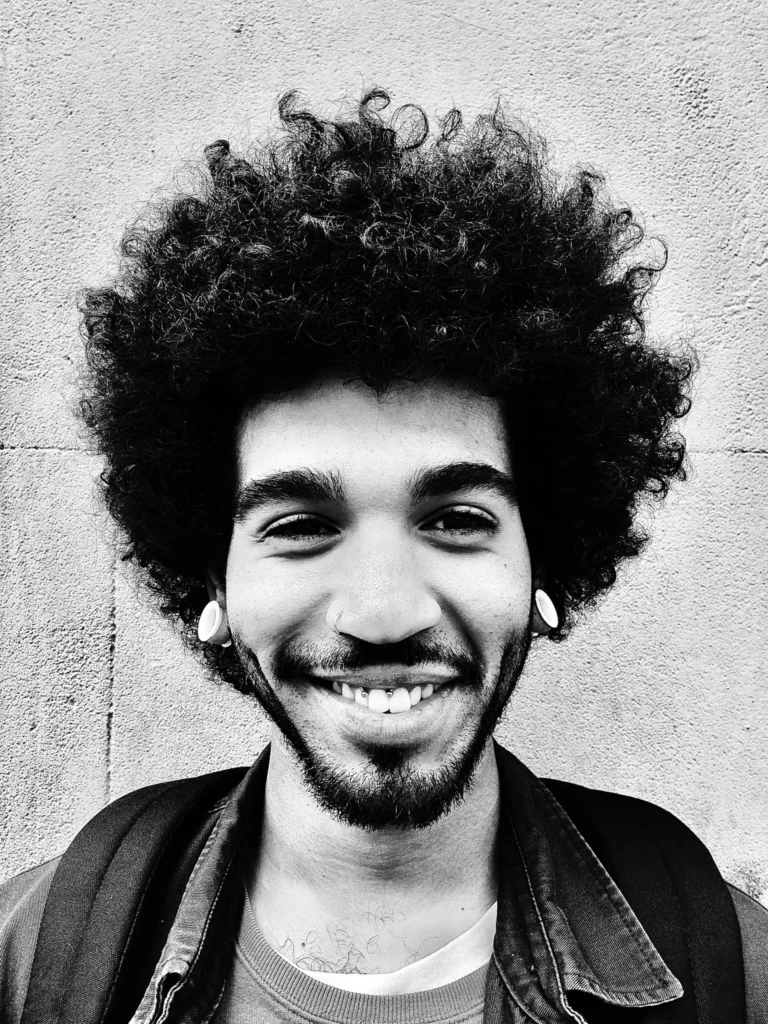
Sometimes people assume photographers are merely collectors of appearances. In my case, the opposite feels true. Photography helps me get beneath appearances and into essence. The texture of age in a face. The loneliness of an empty chair. The dignity of work-worn hands. The exuberance of a child in motion. The melancholy of twilight. The grace of ordinary objects waiting in silence. These are not surfaces. They are revelations.
So yes, I still think too much. I still get dragged into questions with no answers. I still feel the weight of things beyond my reach. But I also know where the antidote lives.
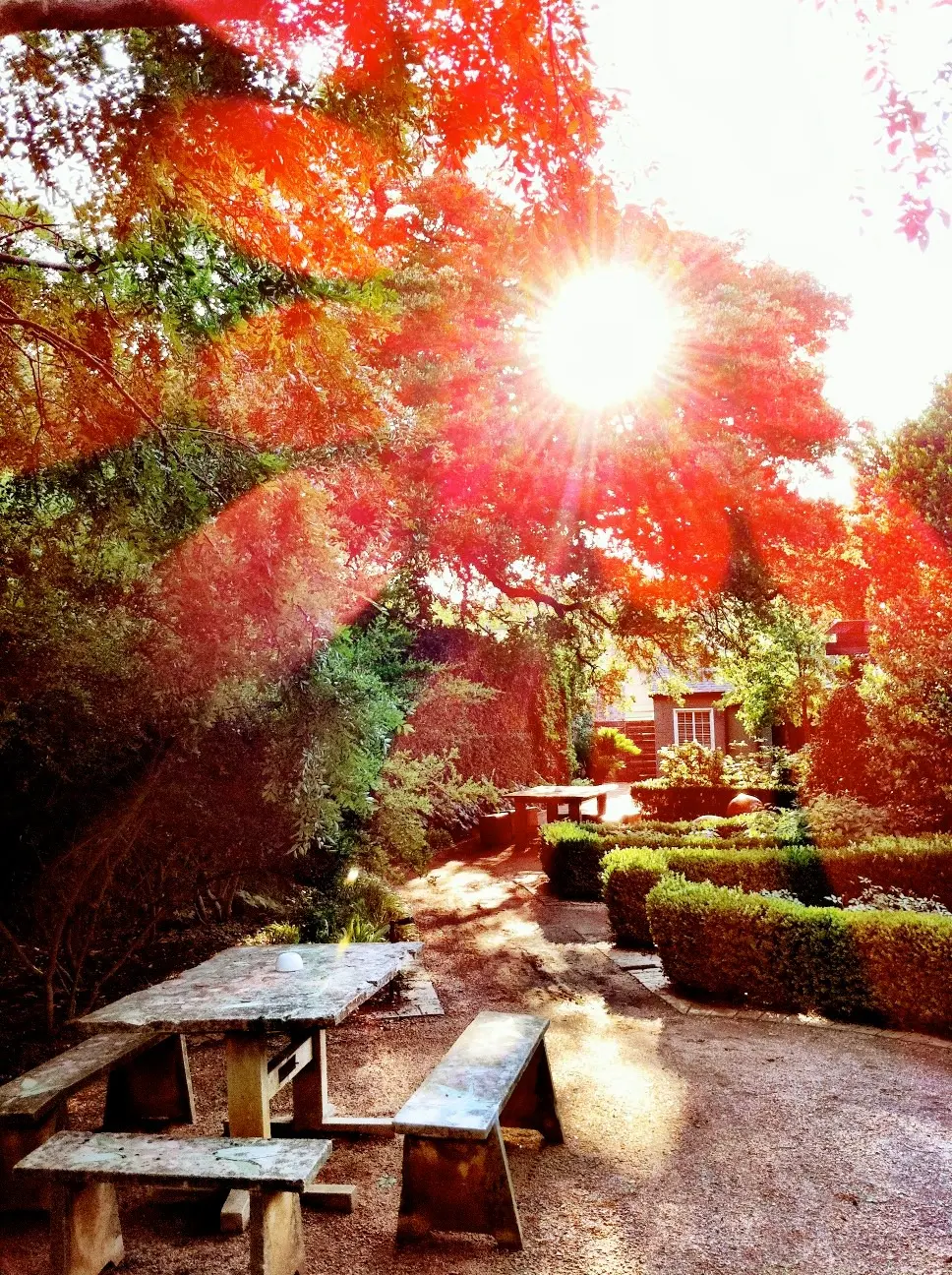
It lives in the next shaft of light.
It lives in the colors after rain.
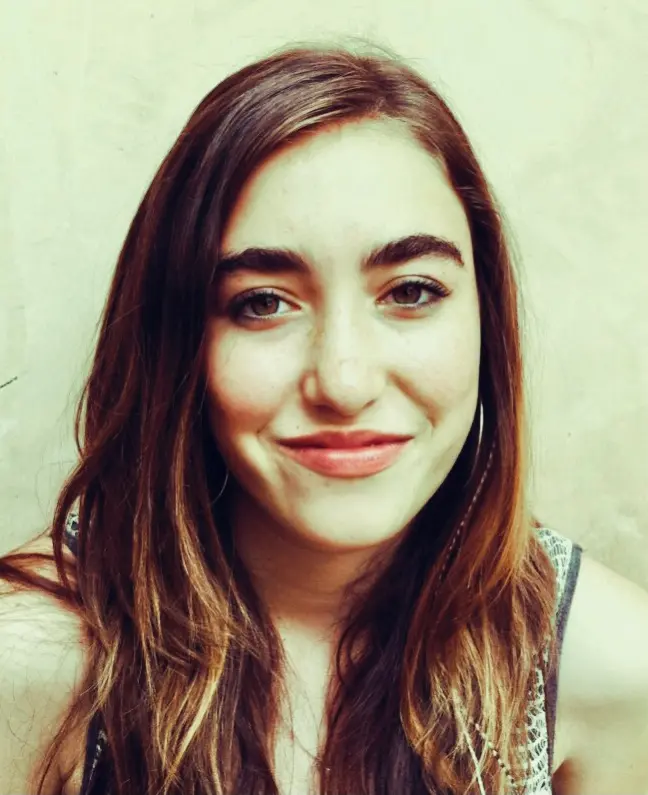
It lives in a stranger’s expression.
It lives in shadows crossing pavement.
It lives in the camera.
And if I keep reaching for it, the world keeps reminding me of something simple and profound: sheer, raw, unadulterated beauty is everywhere I look.
Click.
Jack.