Finding meaning in the act of seeing
I’m almost certain that with the way I talk about photography, many of my faith-believing friends quietly suspect that I’ve substituted one source of meaning for another. Where they hear the word God, they imagine I now hear the word photography.
Maybe.
I can almost picture the argument forming in their minds. That I have simply traded a God-source for a photography-source. That the language I use—the reverence, the gratitude, the sense of wonder—sounds suspiciously like the language of faith.
They may not say it out loud, but I suspect they’re thinking it.
And honestly, I wouldn’t blame them.
Because photography does occupy that place in my life now. Not as a doctrine, not as a belief system, but as a way of moving through the world with attention and awe.
And at this stage of my life, it’s what I’ve got.
For most of my adult life, I believed something very different.
I believed, wholeheartedly, that God existed. Not as an abstract possibility, but as a living presence guiding the arc of my life. I believed that this God had a plan for me. I believed heaven existed for those who believed correctly. I believed the Bible was inspired, infallible, inerrant, authoritative, divinely revealed, and morally binding.
I believed in prayer as a direct conversation with the divine. I believed miracles happened. I believed God intervened in the everyday details of human life. I believed that suffering had purpose and that history itself was unfolding according to a divine script.
Those beliefs brought me many things.
Comfort.
Hope.
A sense of order.
A framework that helped me make sense of life’s chaos.
They gave meaning to suffering and promised redemption beyond the horizon of this life. They allowed me to believe that nothing was truly random, that everything—every joy, every hardship—fit somewhere into a larger story.
Until, slowly, they didn’t.
It wasn’t a single moment. It was more like the slow dimming of a light you once thought would burn forever. Questions began to outnumber answers. Certainty gave way to curiosity. Curiosity gave way to doubt.
And eventually doubt gave way to something quieter and more honest.
Uncertainty.
These days, I see and experience life through a very different lens. Quite literally, through a lens.
What I see now is a life that is temporary. A brief passage through time and space. This mortal coil begins at birth and ends at death. No epilogue guaranteed. No promise that the story continues beyond the final page.
Just this.
Just the fragile, fleeting miracle of being alive for a short stretch of years on a small blue planet spinning through a vast and indifferent universe.
And yet, within those bookends—between birth and death—I have something remarkable.
I have a camera.
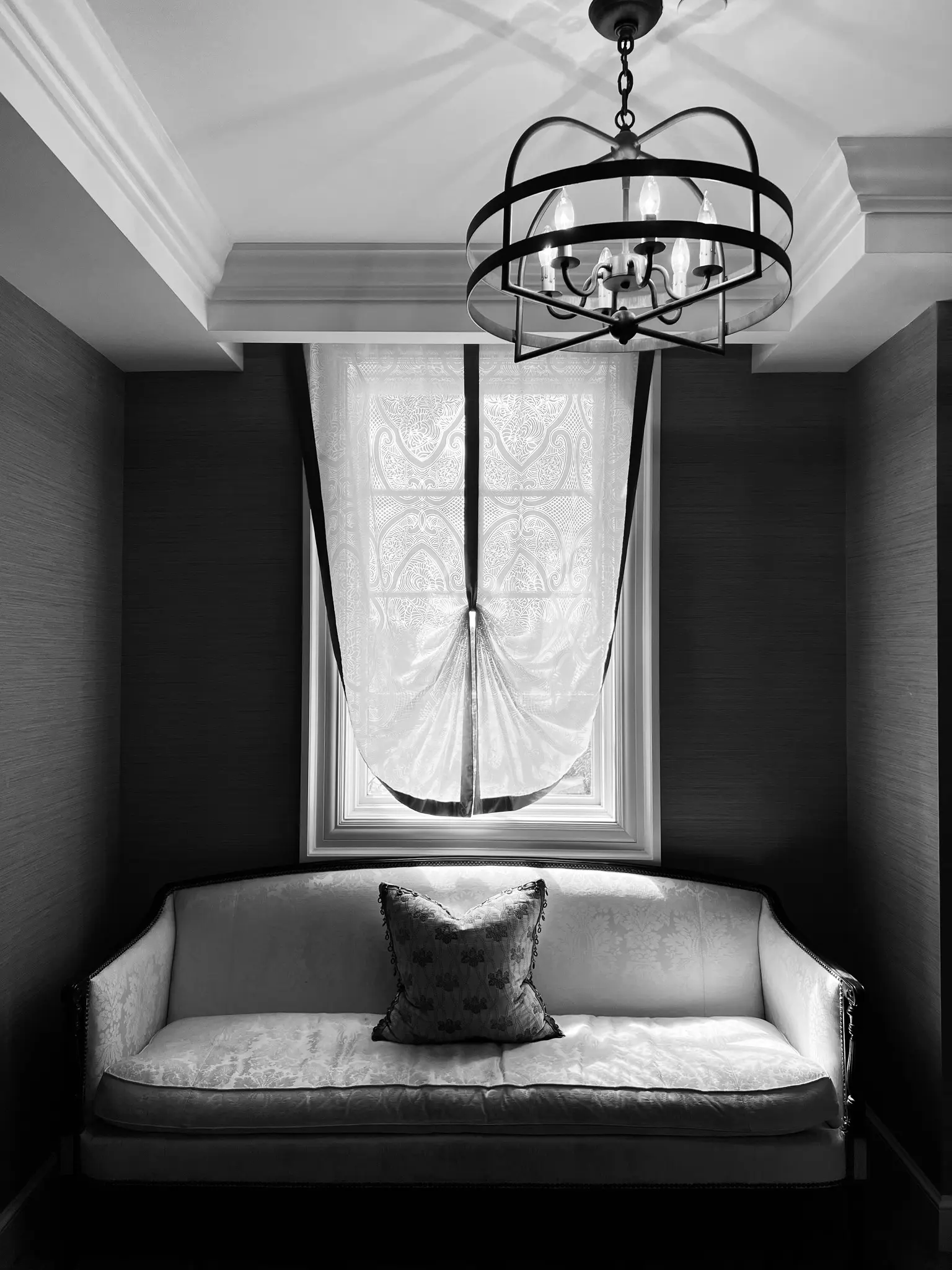
That camera, humble as it is, gives me an unfettered backstage pass into a world that most people pass through without ever really seeing. A world built not of dogma or doctrine, but of light, color, gesture, and design.
A beam of sunlight falling across a table.
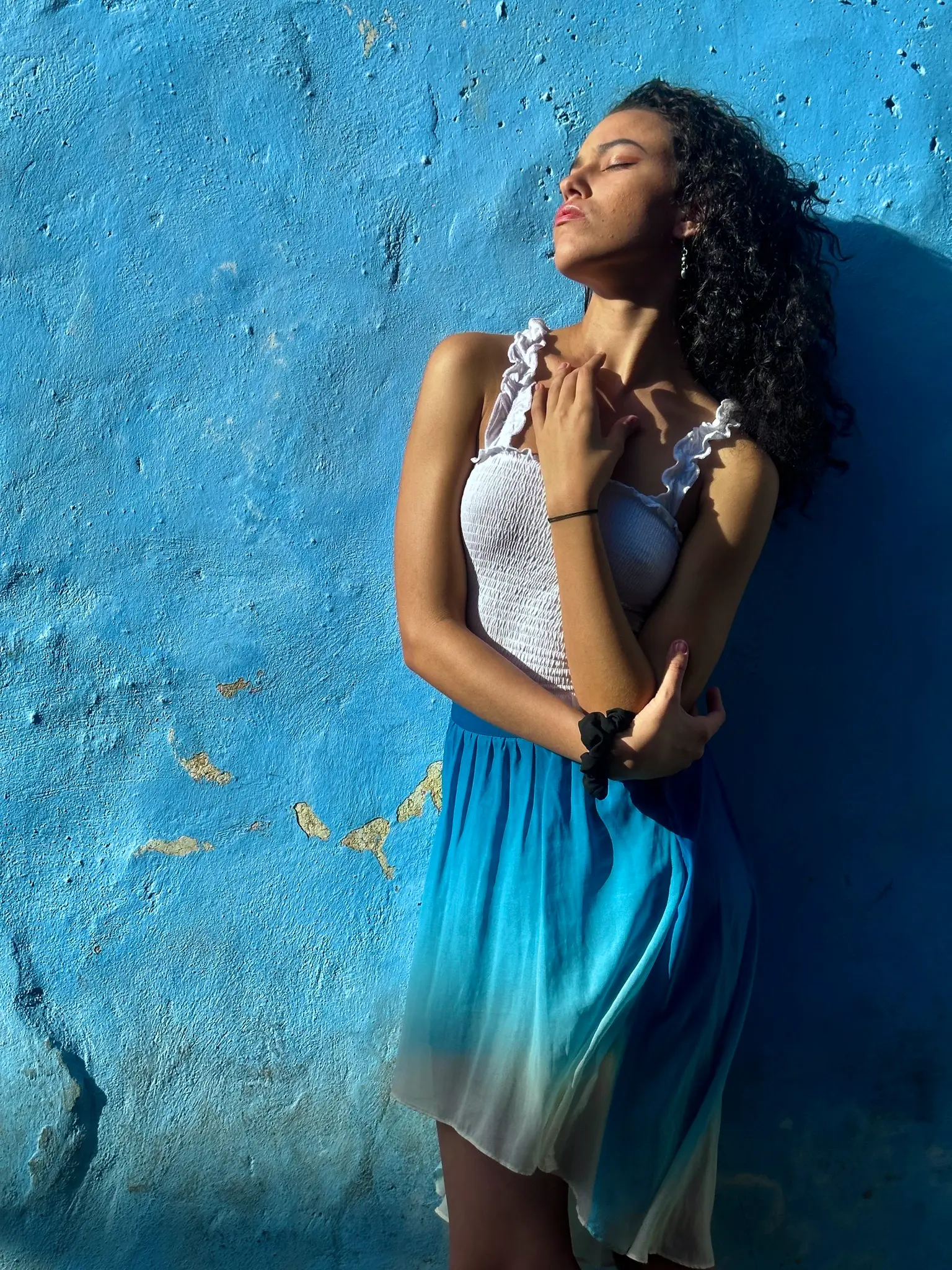
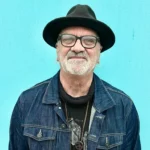
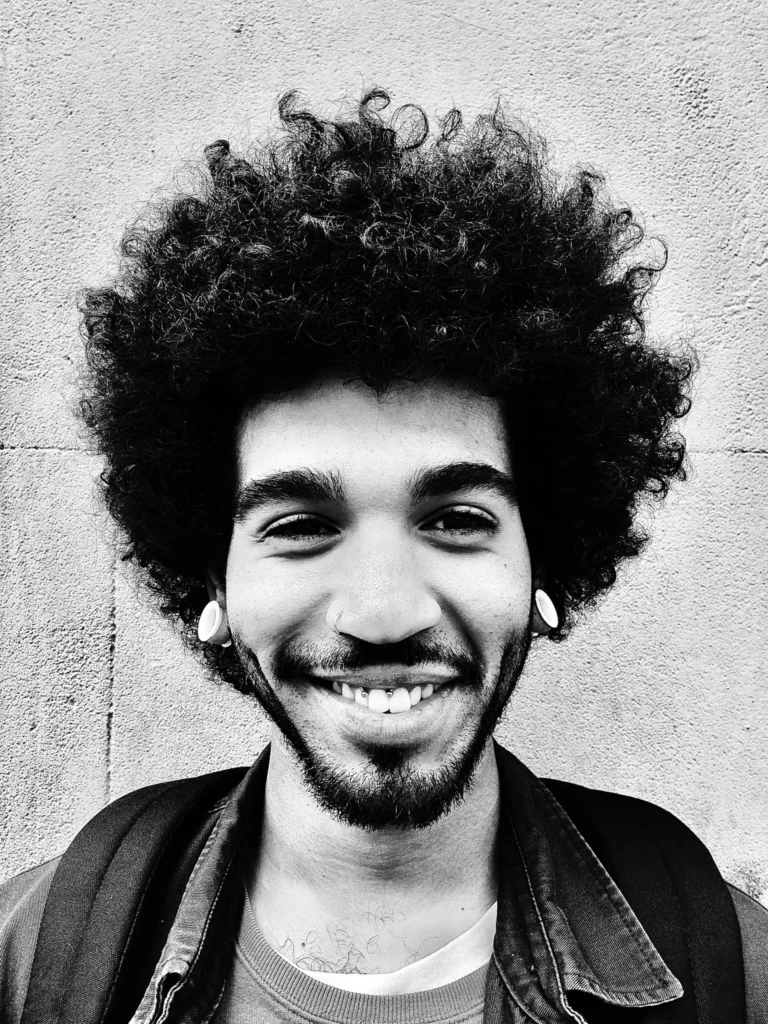
A stranger’s face revealing an emotion they didn’t know anyone noticed.
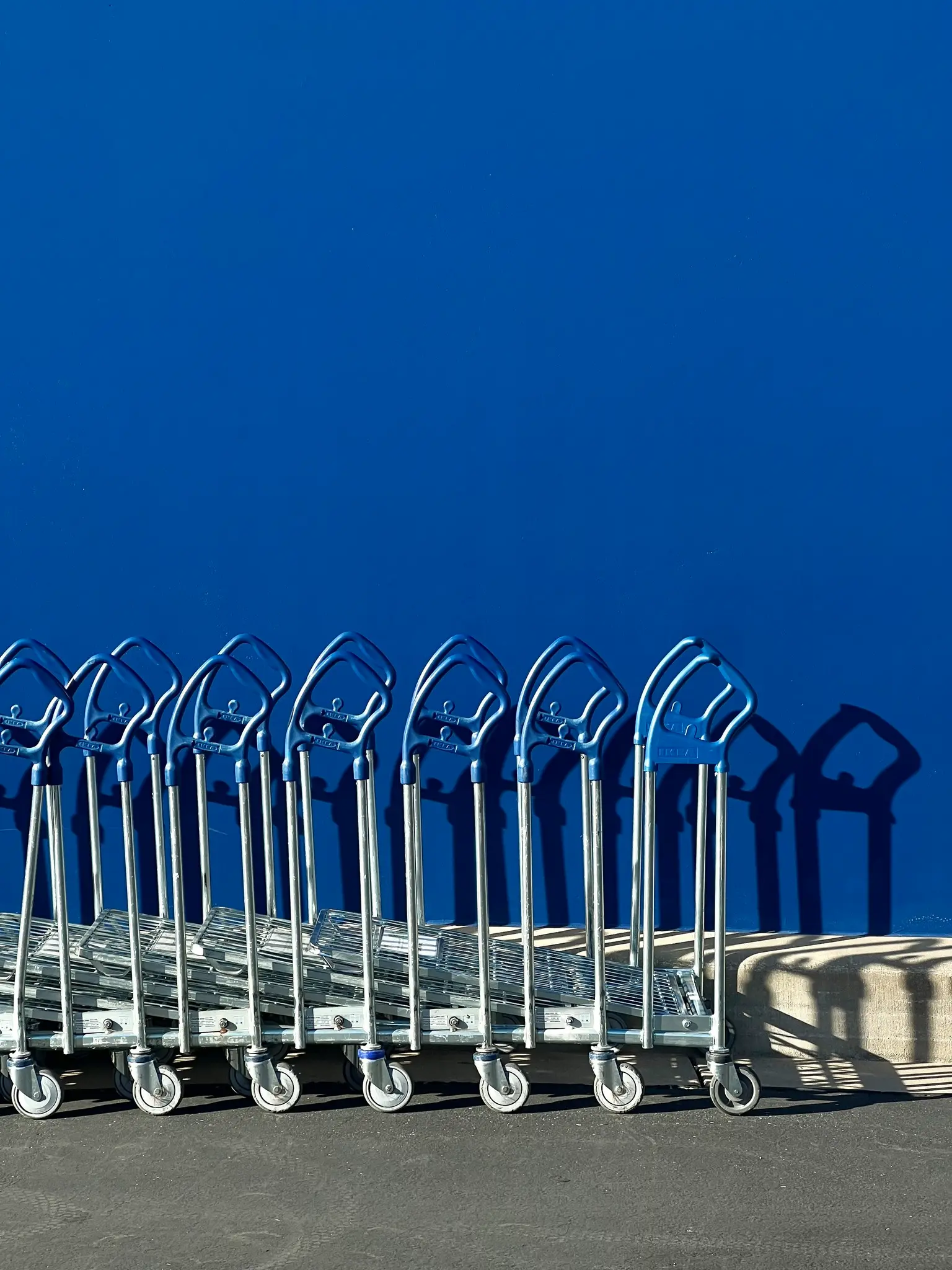
A quiet street at dawn where the geometry of shadows creates a fleeting moment of visual harmony.
Photography allows me to step inside those moments and witness them with a kind of reverence.
Not the reverence of worship, but the reverence of attention.
The simple act of noticing.
Which brings me back to the boy in the attic and the camera he found among the ruins.
That story may have been fictional, but the feeling behind it was not. When the world feels chaotic, when the headlines scream and the ground beneath our collective feet seems less stable than it once did, photography offers me a way to reconnect with something steady.
Not certainty.
But beauty.
Some might say that sounds like spiritual language.
Maybe it is.
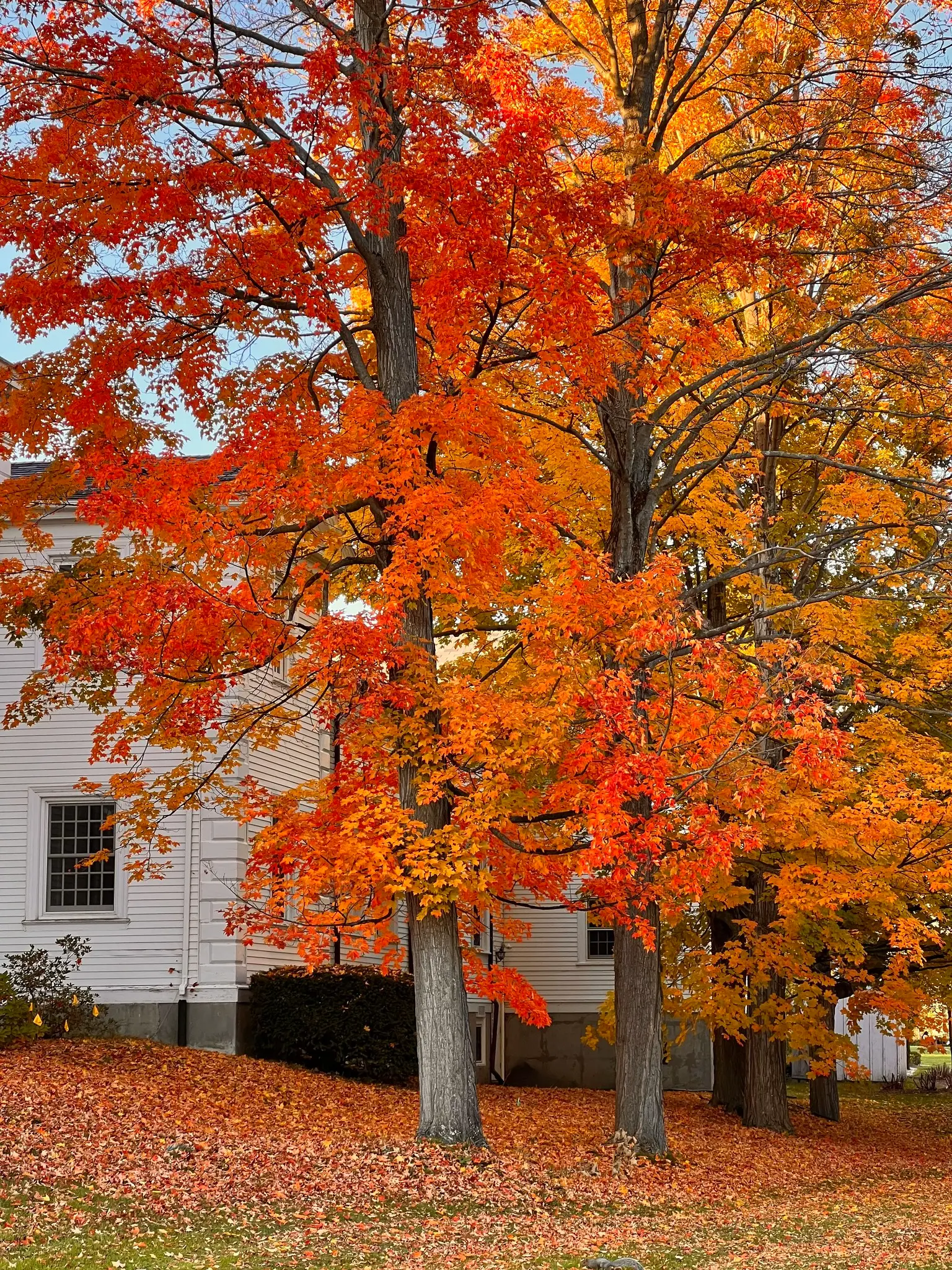
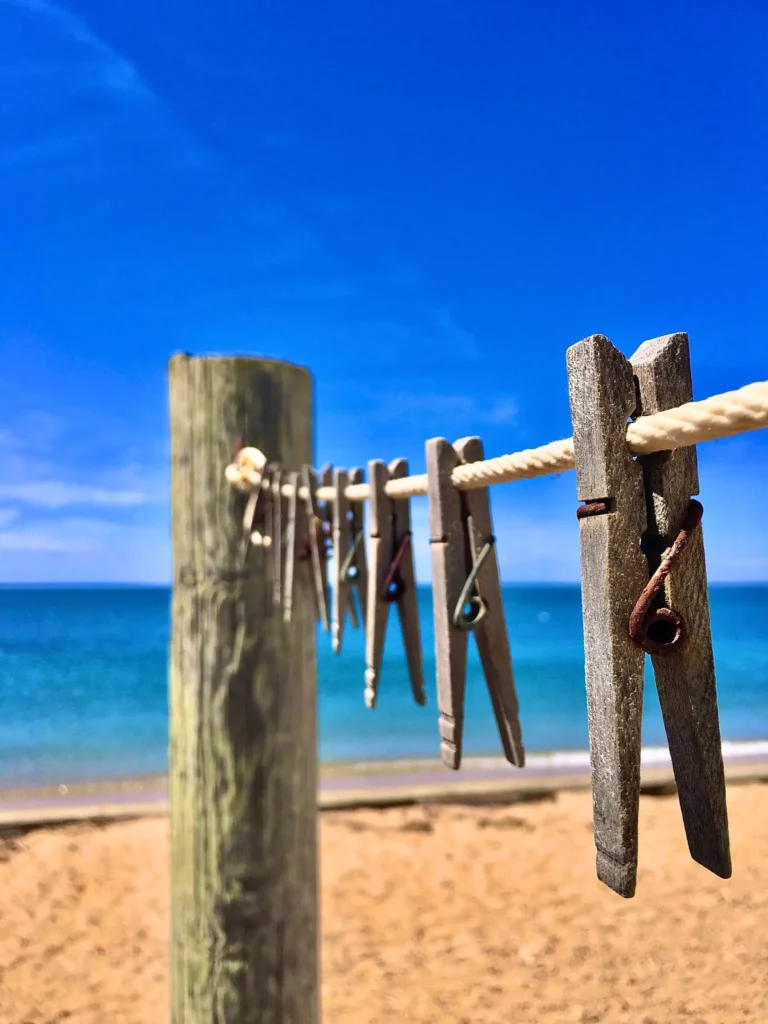
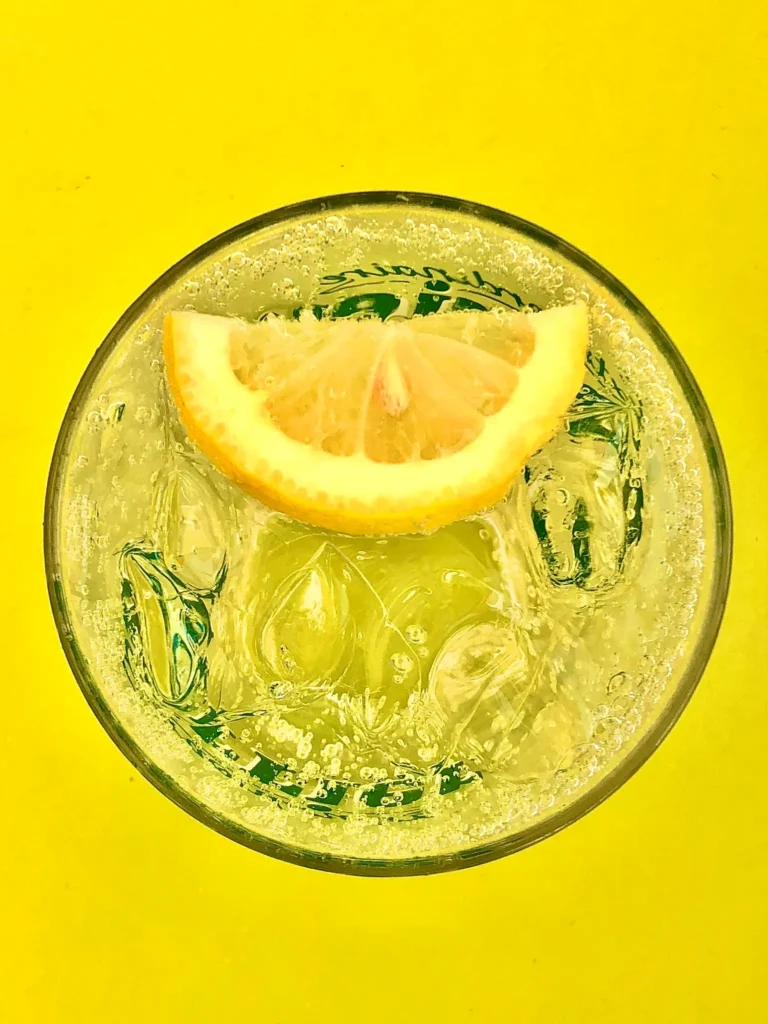
But the beauty I’m talking about isn’t supernatural. It’s the beauty that already exists in the ordinary world, waiting patiently for someone to slow down long enough to see it.
A quiet smile between strangers.
The choreography of people crossing a street.
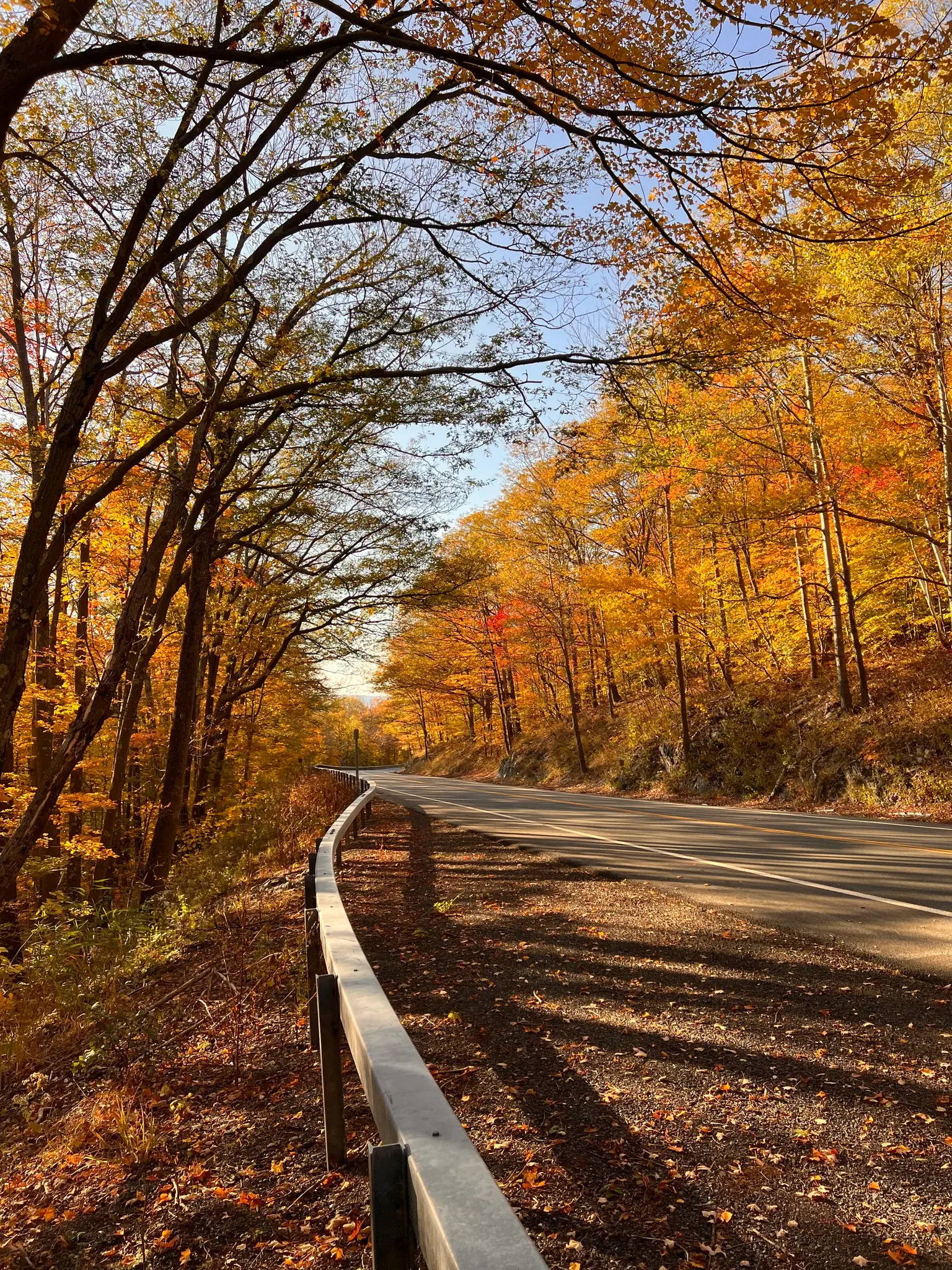
The way late afternoon light softens even the harshest architecture.
Photography invites me to notice these things with intention.
And in doing so, it gives my life something that the French express beautifully with a phrase that doesn’t translate perfectly into English: raison d’être.
A reason for being.
Not a cosmic destiny. Not a divine mandate. Simply a personal calling—a way of engaging with the world that feels authentic and meaningful.
For me, photography is that.
It gives shape to my days. It pulls me out of my own head and into the physical world. It invites curiosity where cynicism might otherwise take root. It reminds me, again and again, that even in a fractured and uncertain world, beauty continues to appear in small, stubborn ways.
So if some people hear echoes of spirituality in the way I talk about photography, I understand.
There is, after all, a certain humility in standing before the world with a camera and admitting that you are still capable of wonder.
I no longer frame that wonder in theological language.
But I do feel it.
Every time I lift the camera to my eye.
Every time the shutter clicks.
Every time a fleeting moment becomes a photograph and reminds me that this brief life—however temporary it may be—is still filled with things worth seeing.
And for now, that is enough.
Click.
Jack.