On Light, Craft, and the Foundations We’re Forgetting
A few days back, I sat in on a couple of replays from an online conference on iPhone photography.
What I heard was…
Apps.
More apps.
Editing with apps.
I jumped from the conference to a popular podcast.
What did I hear?
More app talk—this time mixed in with AI.
From podcast to blog post?
More apps.
More editing hacks.
More “workflow secrets.”
And somewhere in all of that noise I found myself asking, out loud:
What the hell happened to the foundations and fundamentals of photography?
Light.
Color.
Design.
Exposure.
Focus.
White balance.
Subject matter.
Composition.
The things that have defined photography since long before the App Store existed.
They seemed buried. Even lost.
And here’s the deal.
Apps do not equal photography.
They never have. They never will.
I’m not anti-app. I’m not anti-technology. I’ve been around long enough to see darkrooms replaced by Photoshop, film replaced by digital, DSLRs replaced by phones. I embraced the iPhone in 2011 when most of my peers laughed at me.
I am not afraid of progress.
But I am protective of craft.
And what worries me is not the existence of apps—it’s the displacement of fundamentals by apps.
It’s the subtle shift in language.
We no longer talk about seeing.
We talk about processing.
We no longer talk about exposure.
We talk about presets.
We no longer talk about composition.
We talk about “fixing it in post.”
And slowly, without realizing it, we’ve begun to equate photography with editing.
As if the act of capture is just raw material for software.
Let me be blunt.
Photography happens at the moment of seeing.
Not at the moment of sliding a saturation bar.
The photograph is born when you decide where to stand.
When you decide what to include—and more importantly—what to leave out.
When you tap to focus.
When you let the highlights breathe instead of blowing them out.
When you wait for the light to fall across a face instead of blasting it with artificial glow later.
That’s photography.
Apps are refinements.
They are seasoning—not the meal.
I’ve spent 50 years with a camera in my hand.
Minolta. Nikon. Canon. Medium format. Panoramic. Toy cameras. And now, exclusively, the iPhone.
The tool has changed.
The fundamentals have not.
Light still behaves the same way it did in 1975.
Color still creates mood.
Design still guides the eye.
Exposure still determines whether we see detail or silhouette.
Focus still tells the viewer what matters.
White balance still shapes emotional temperature.
Subject matter still determines meaning.
Composition still determines clarity.
None of that has been replaced by AI.
None of it can be downloaded.
And yet, if you listen long enough to the current chatter, you’d think photography is a series of apps stacked on top of each other.
Shoot in one.
Edit in another.
Export to a third.
Upscale with AI.
Add grain.
Remove grain.
Simulate film.
Simulate depth.
Simulate light.
Simulate.
That word bothers me.
Because simulation is not the same as experience.
And photography—real photography—is about experience.
It’s about being there.
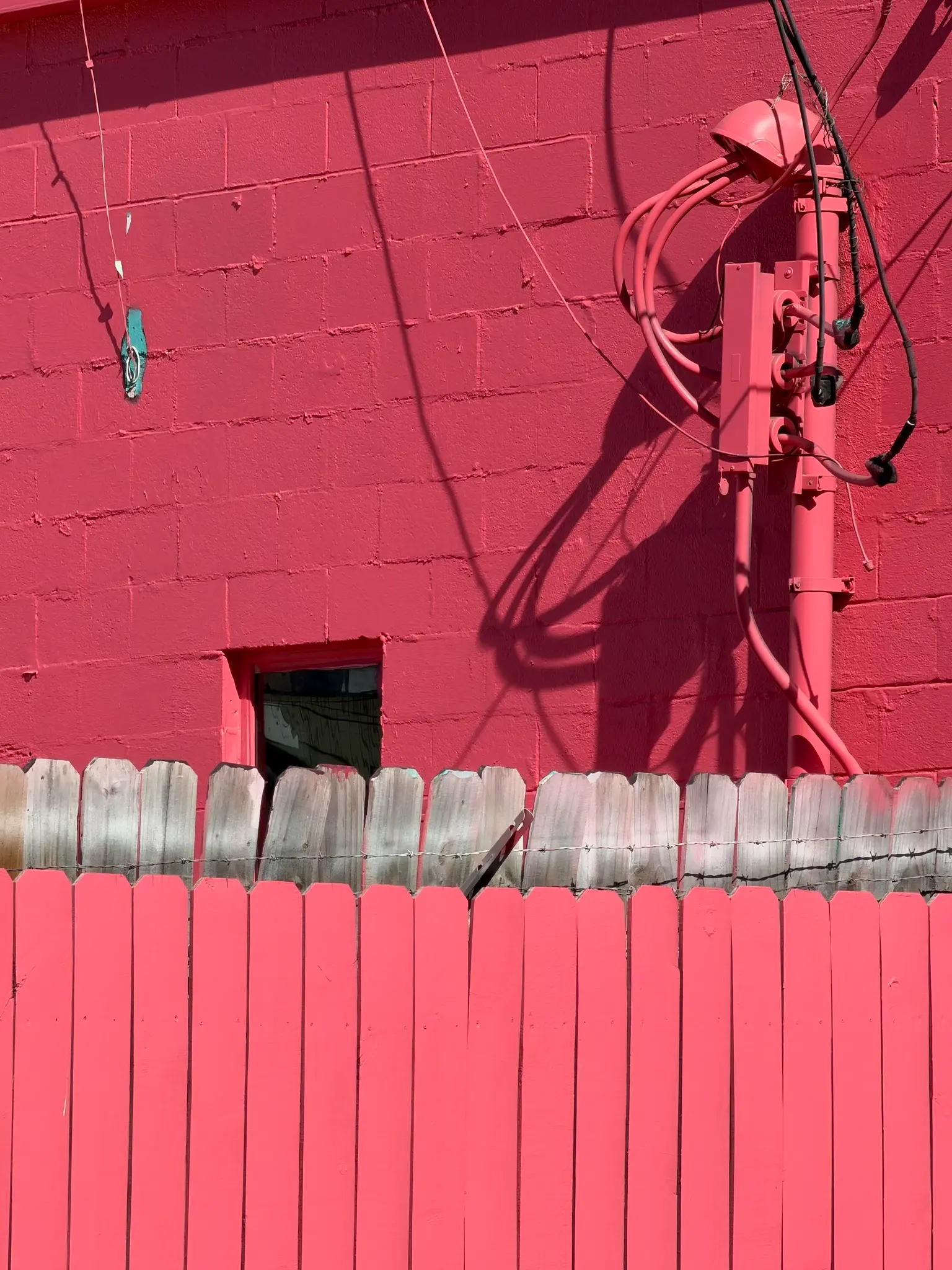
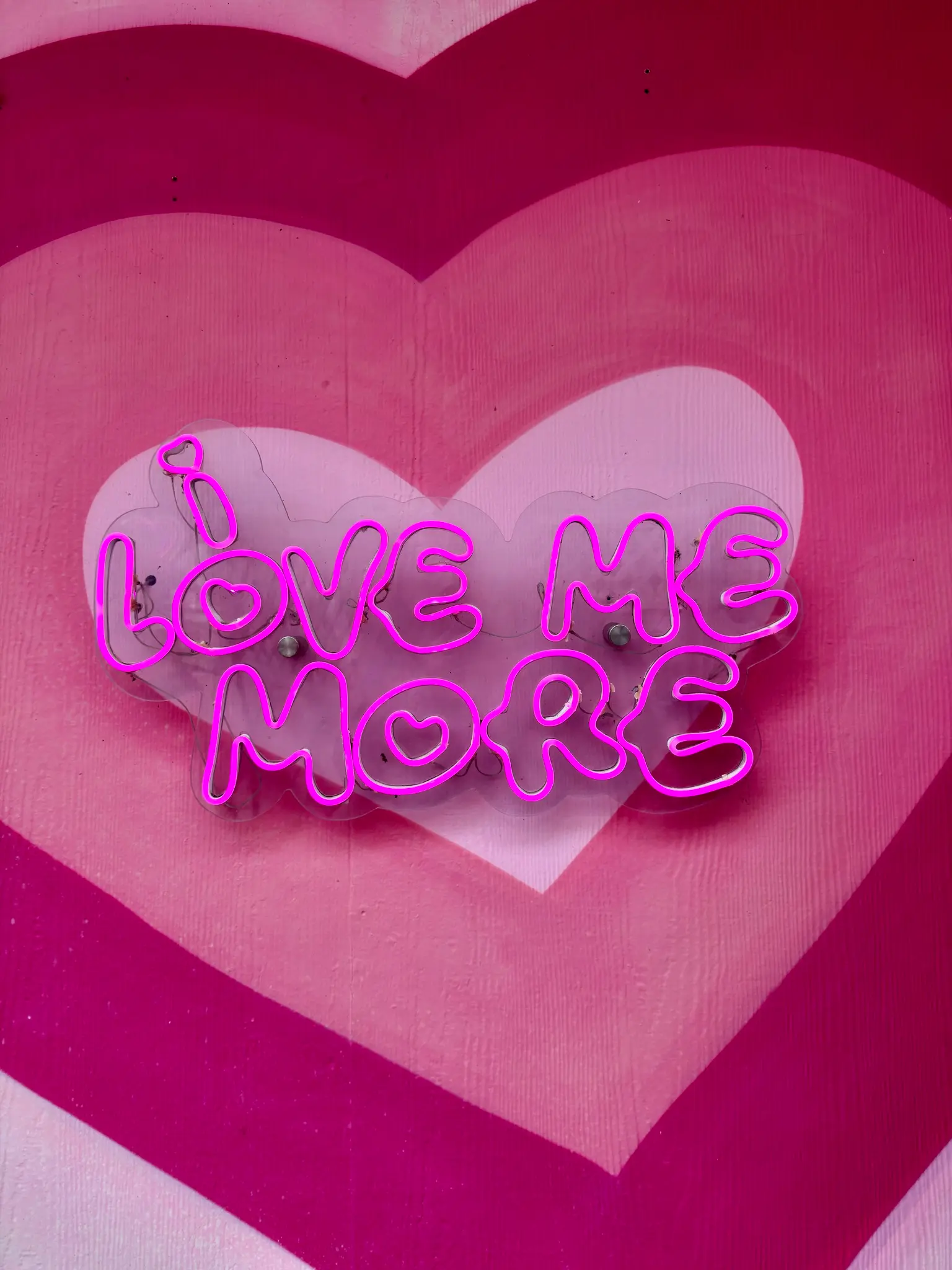
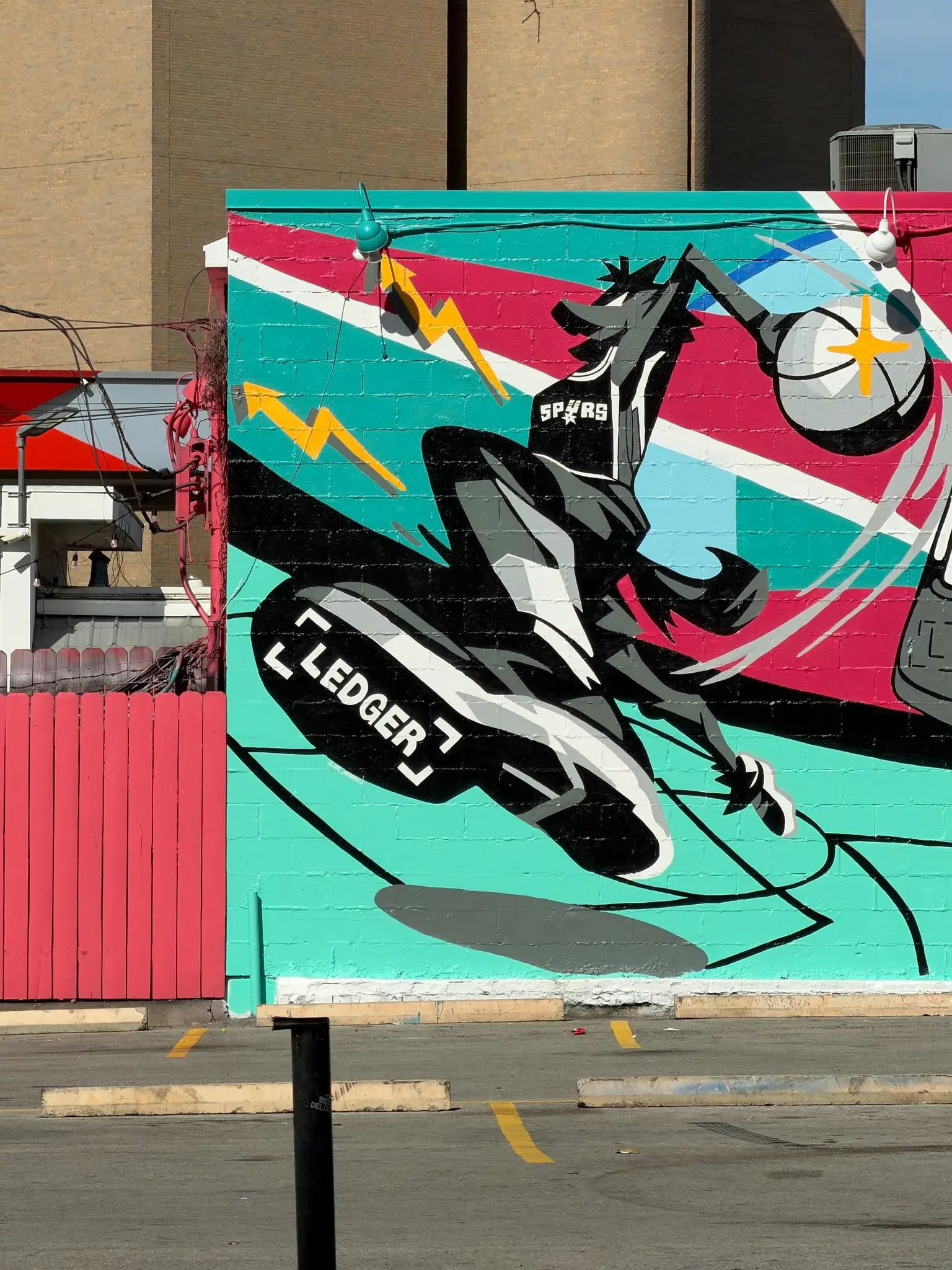
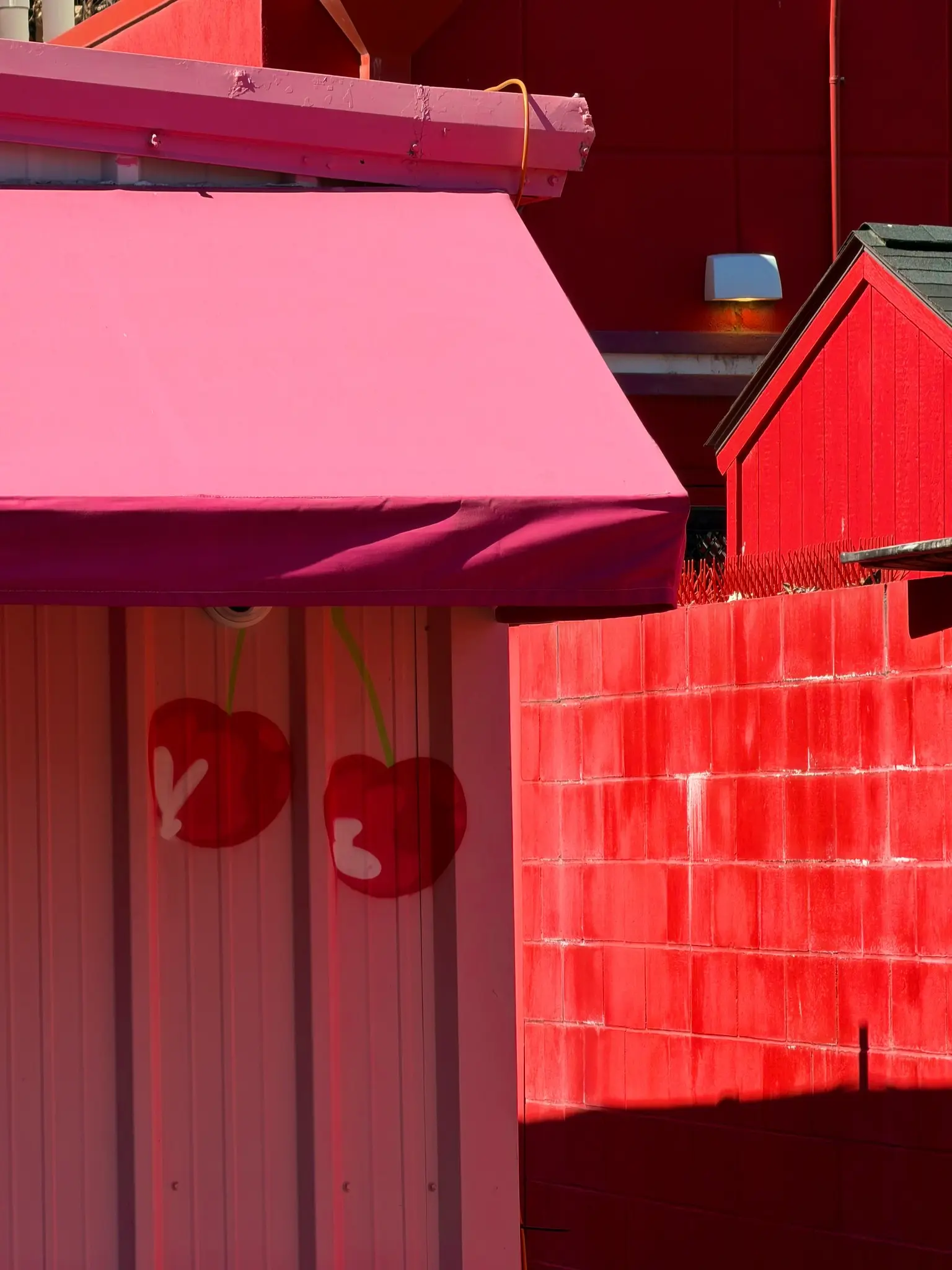
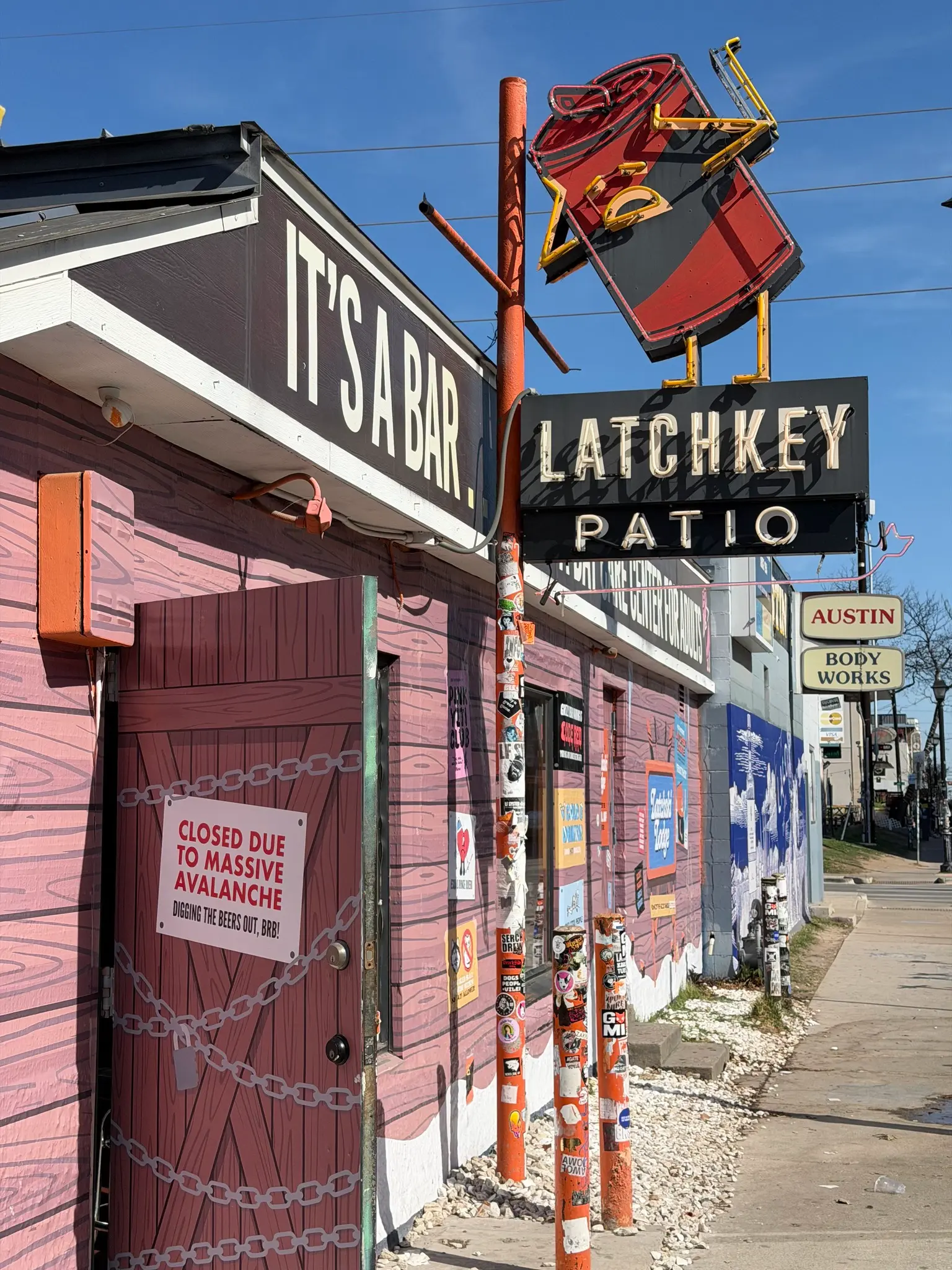
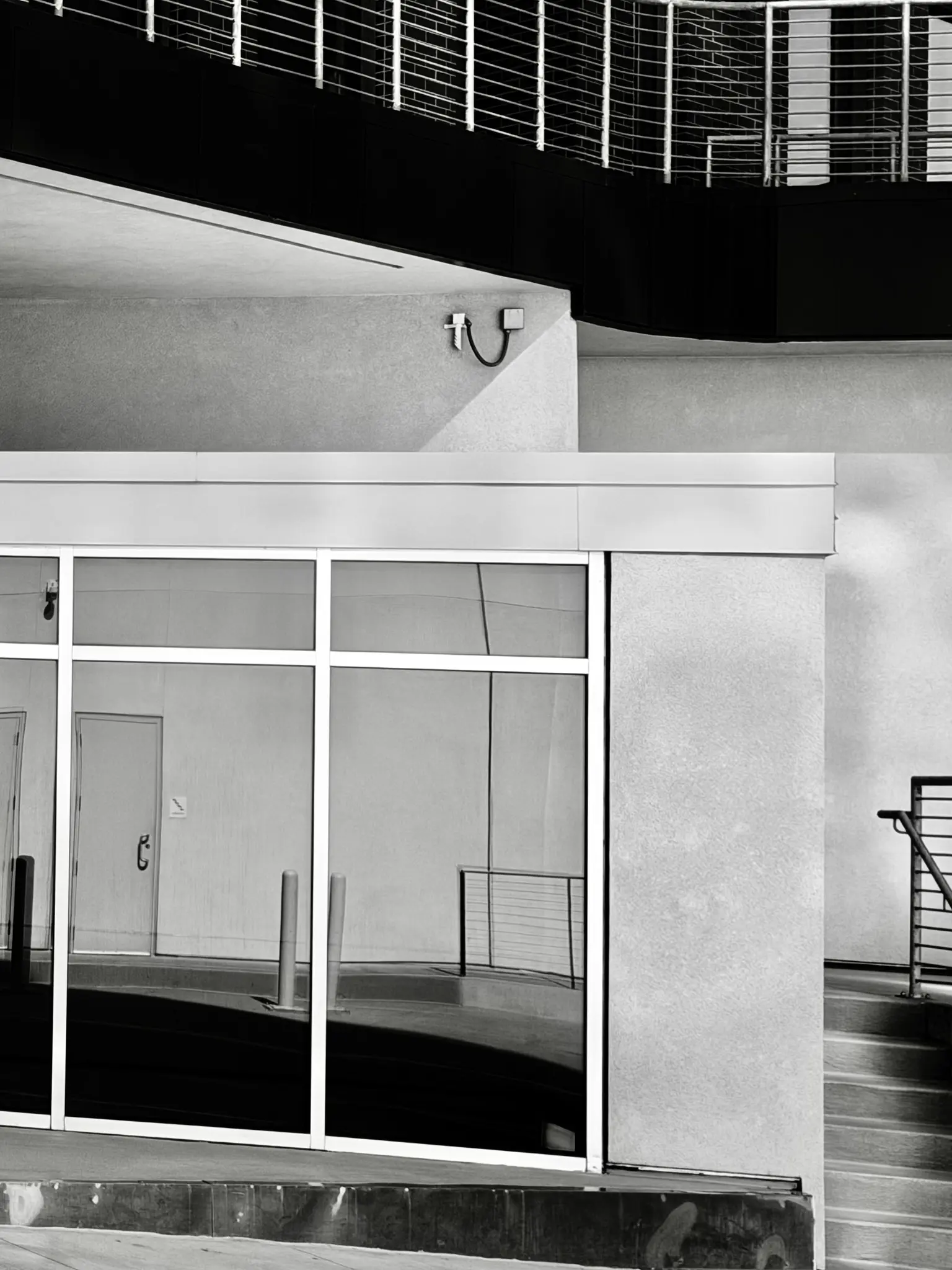
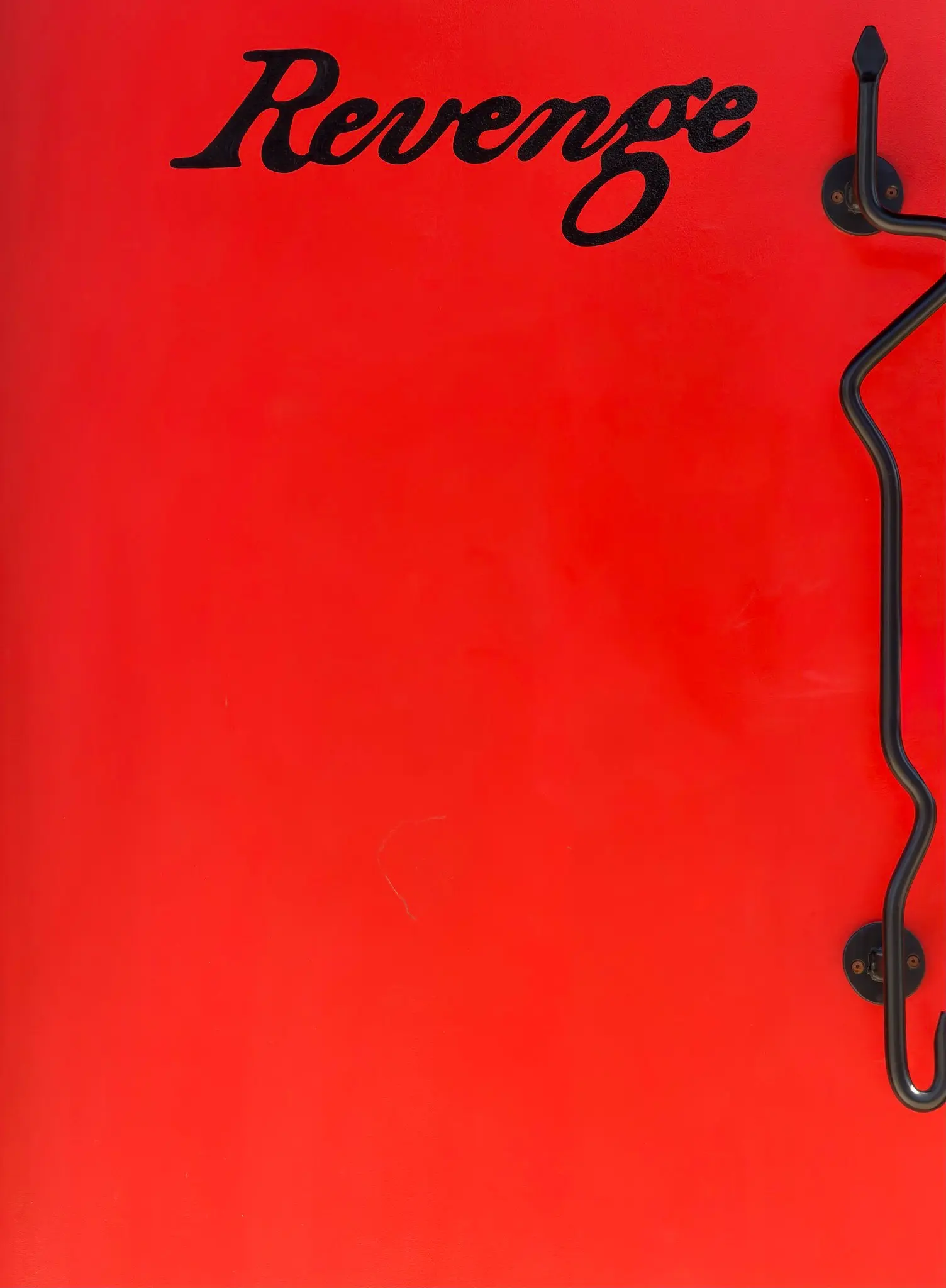
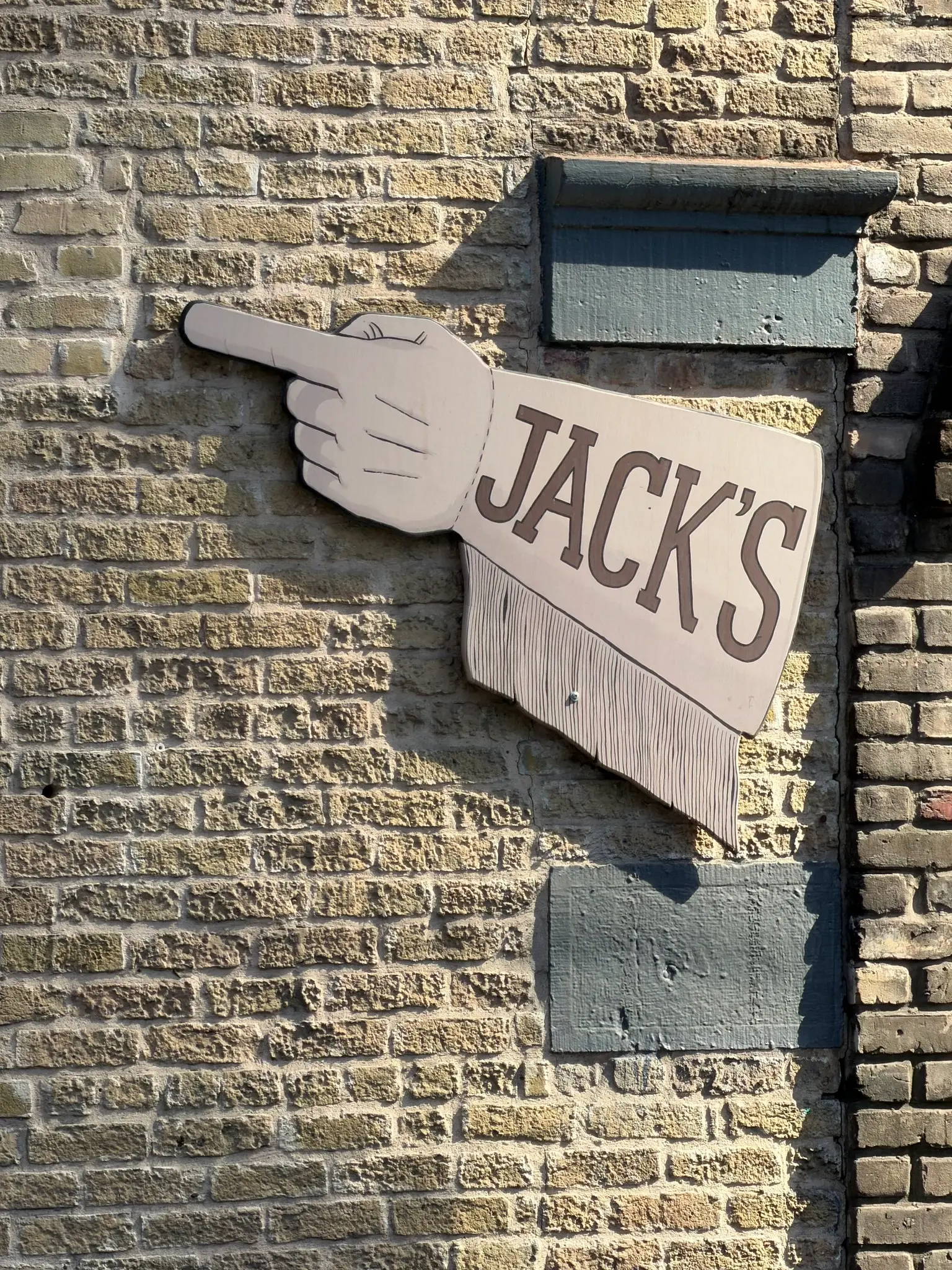
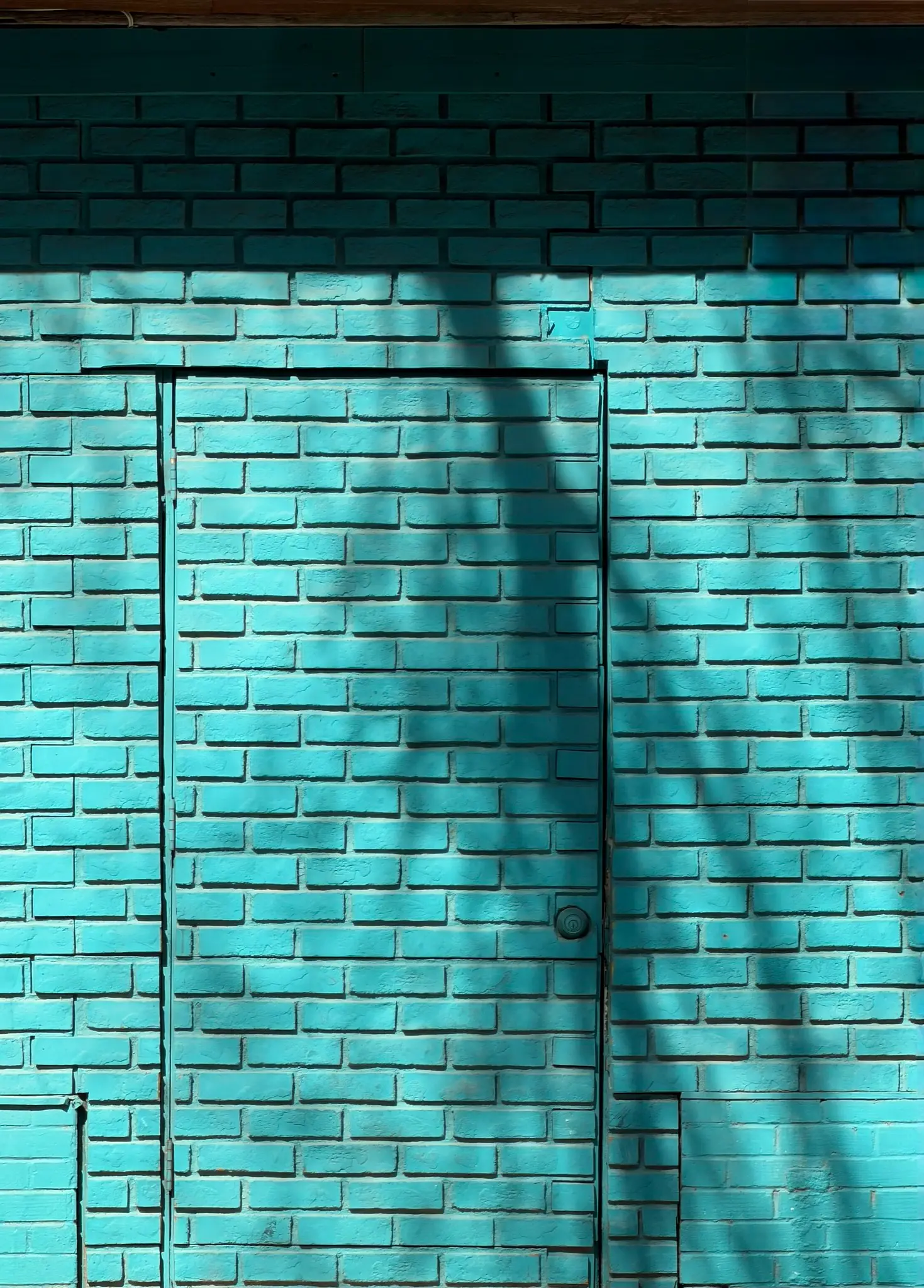
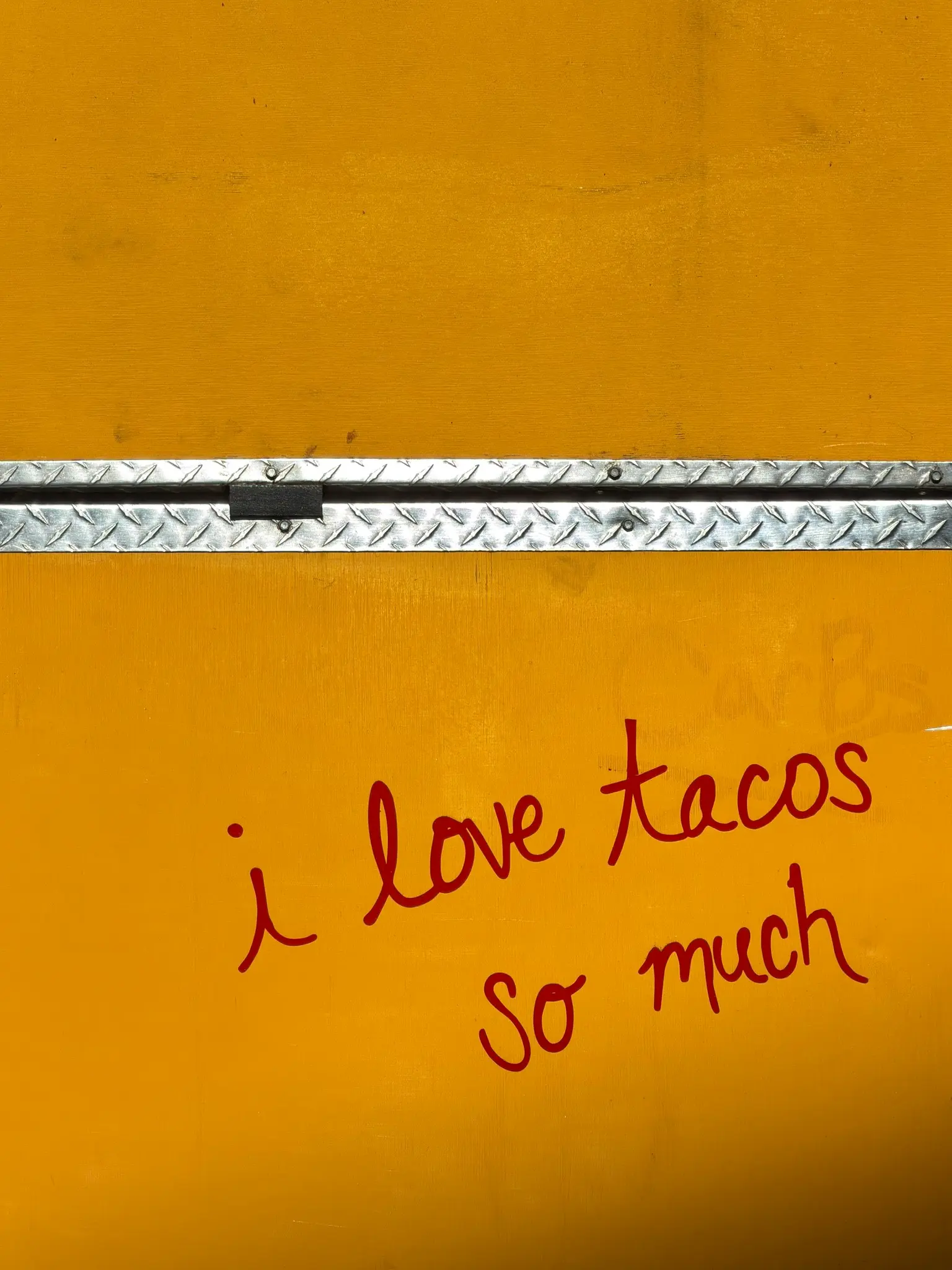
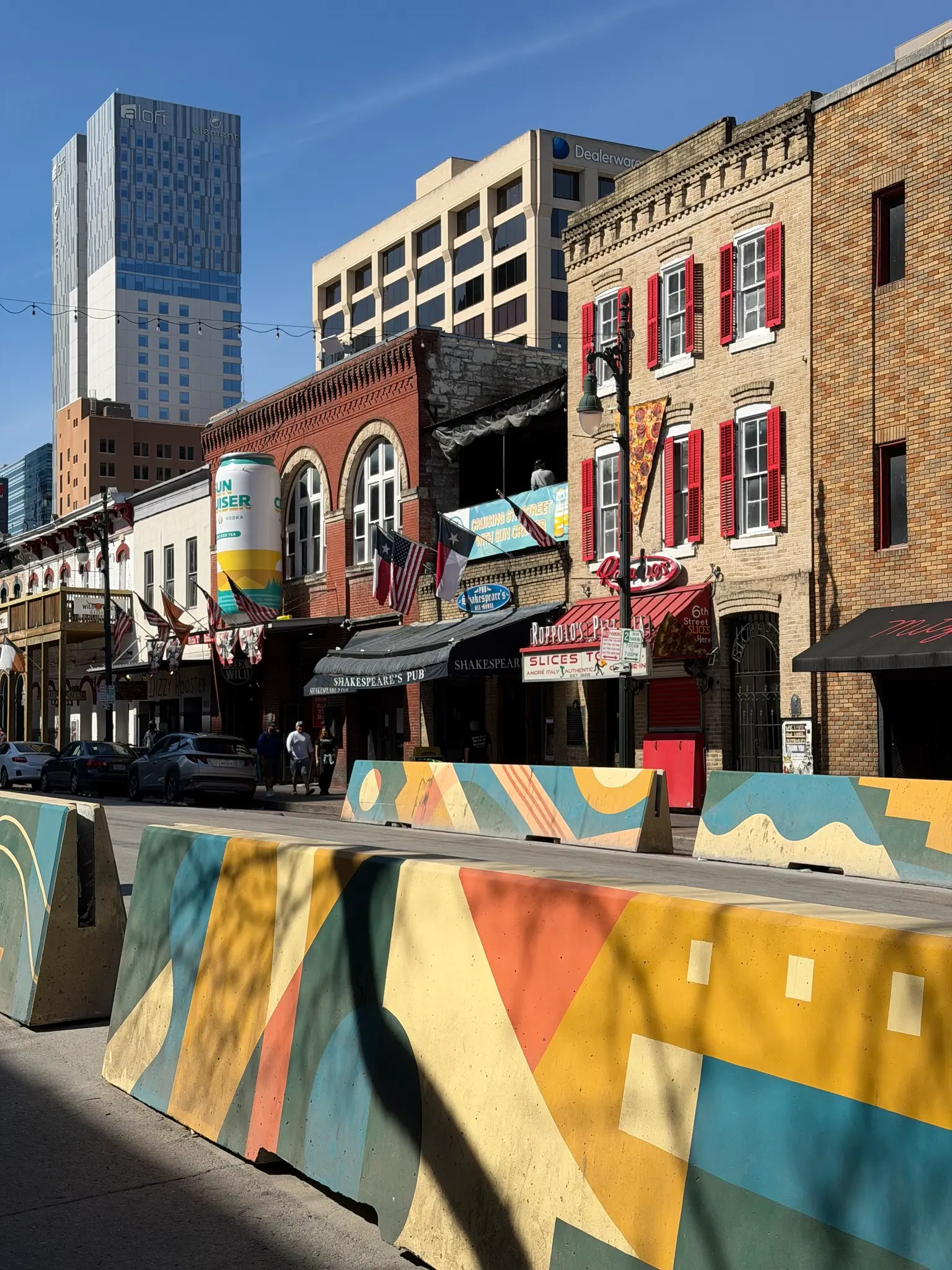
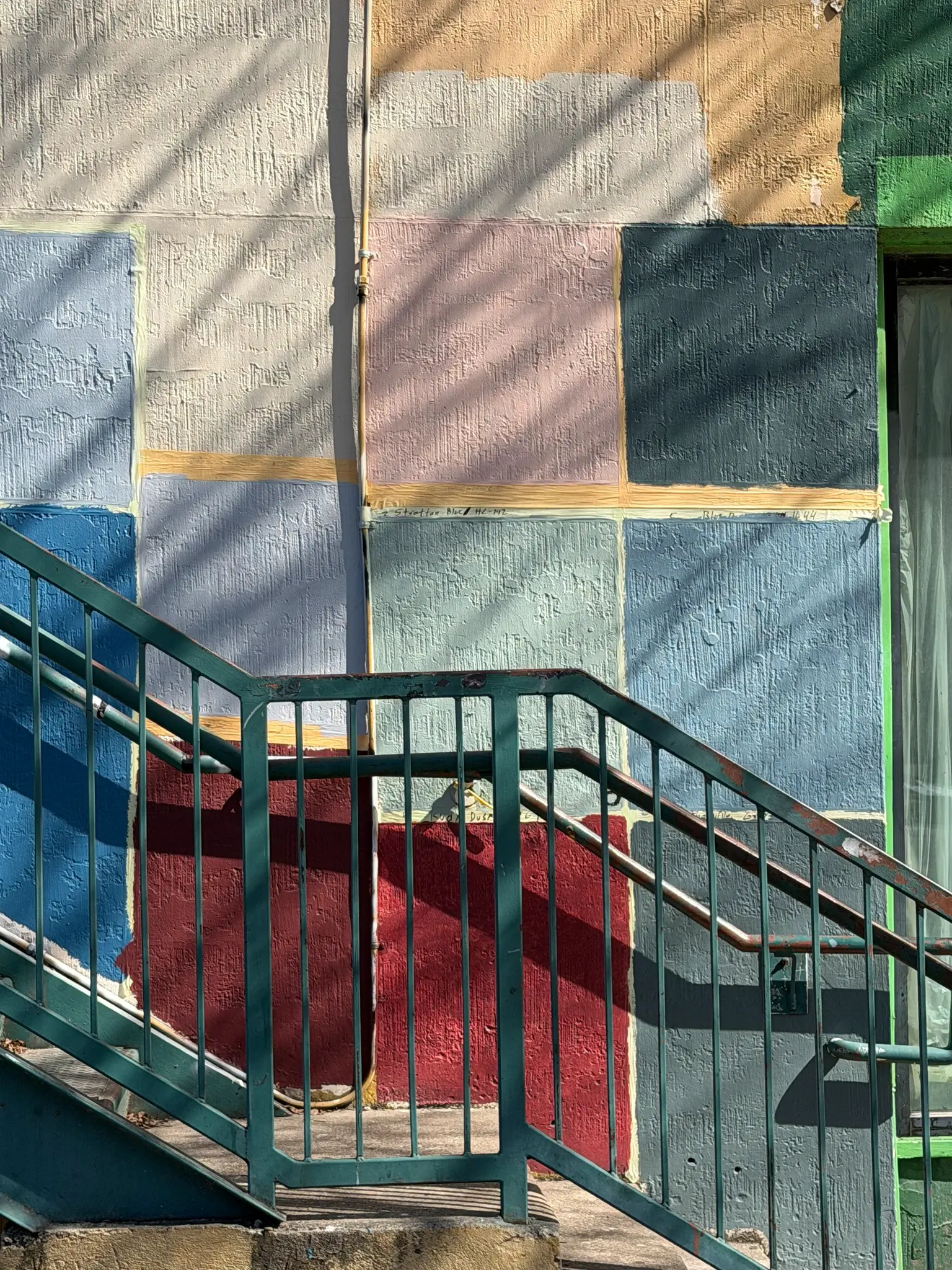
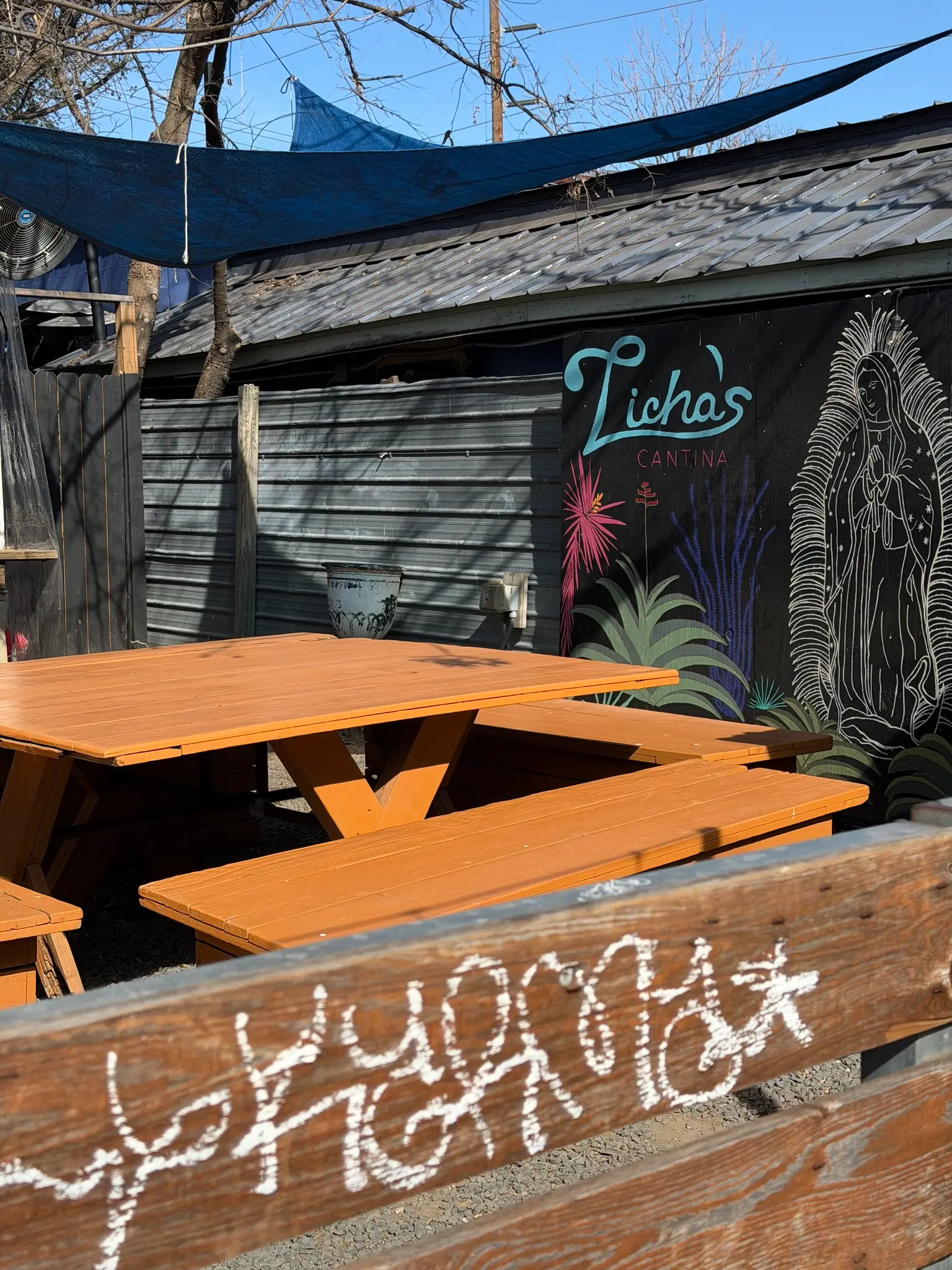
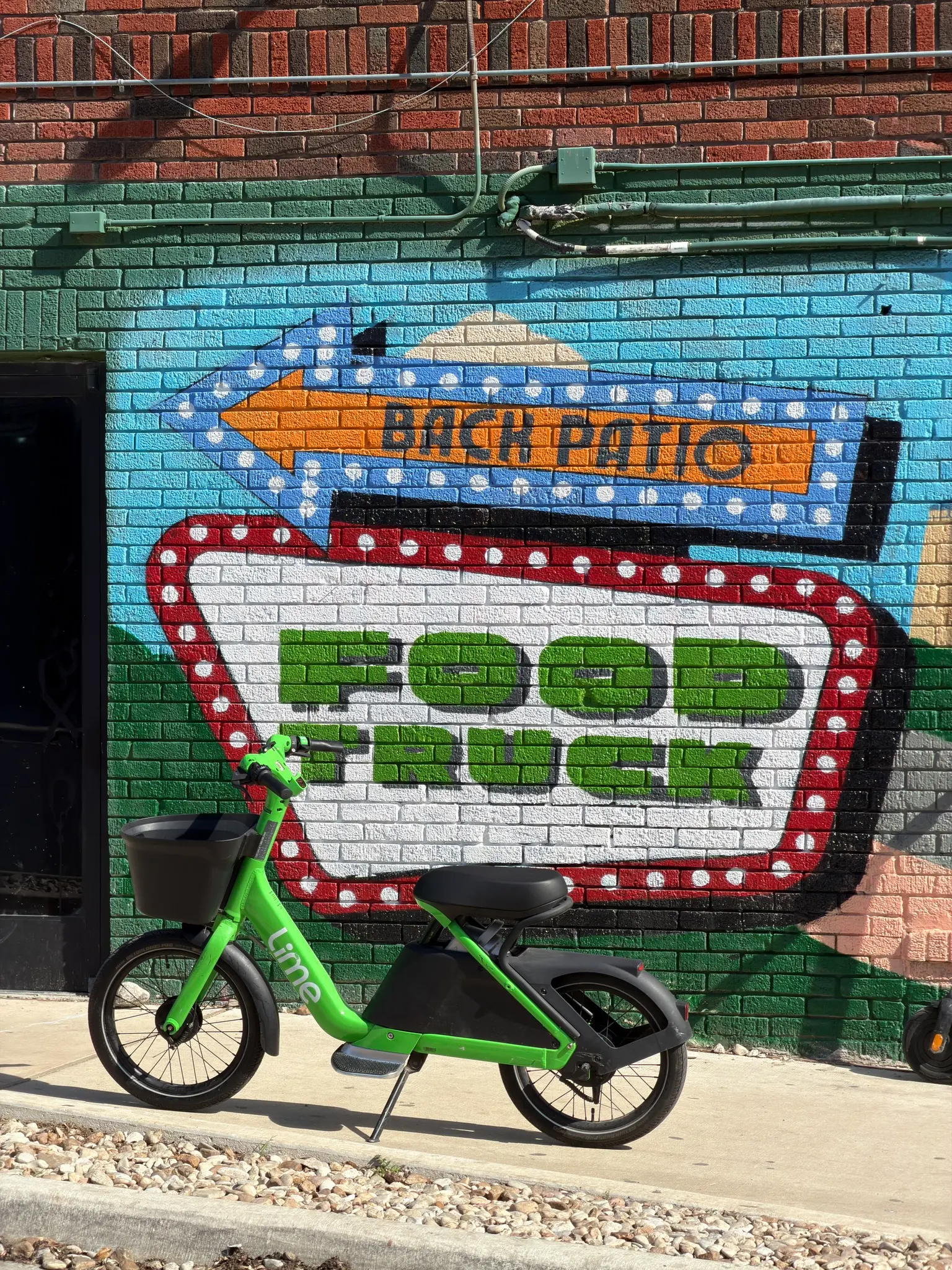
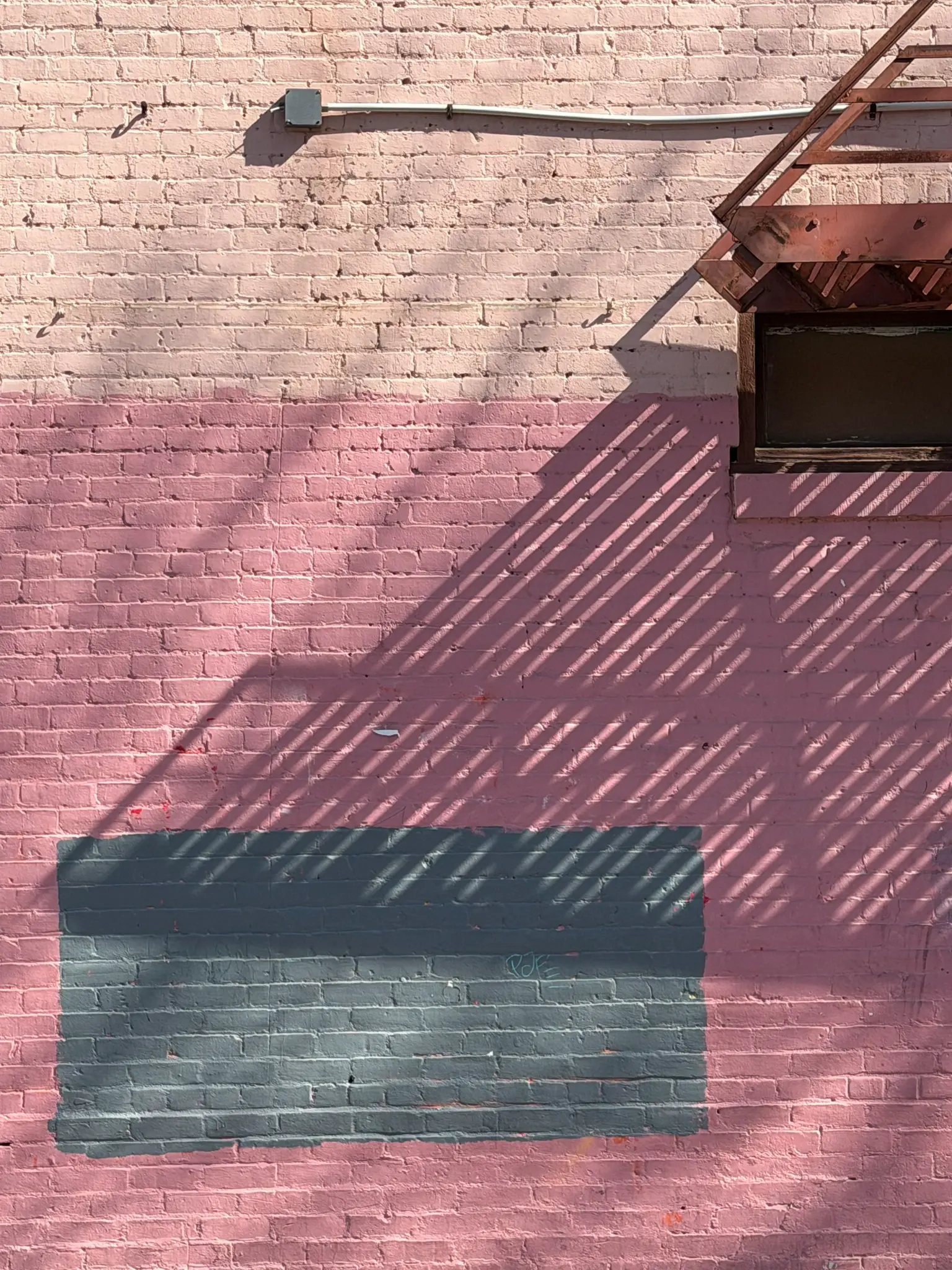
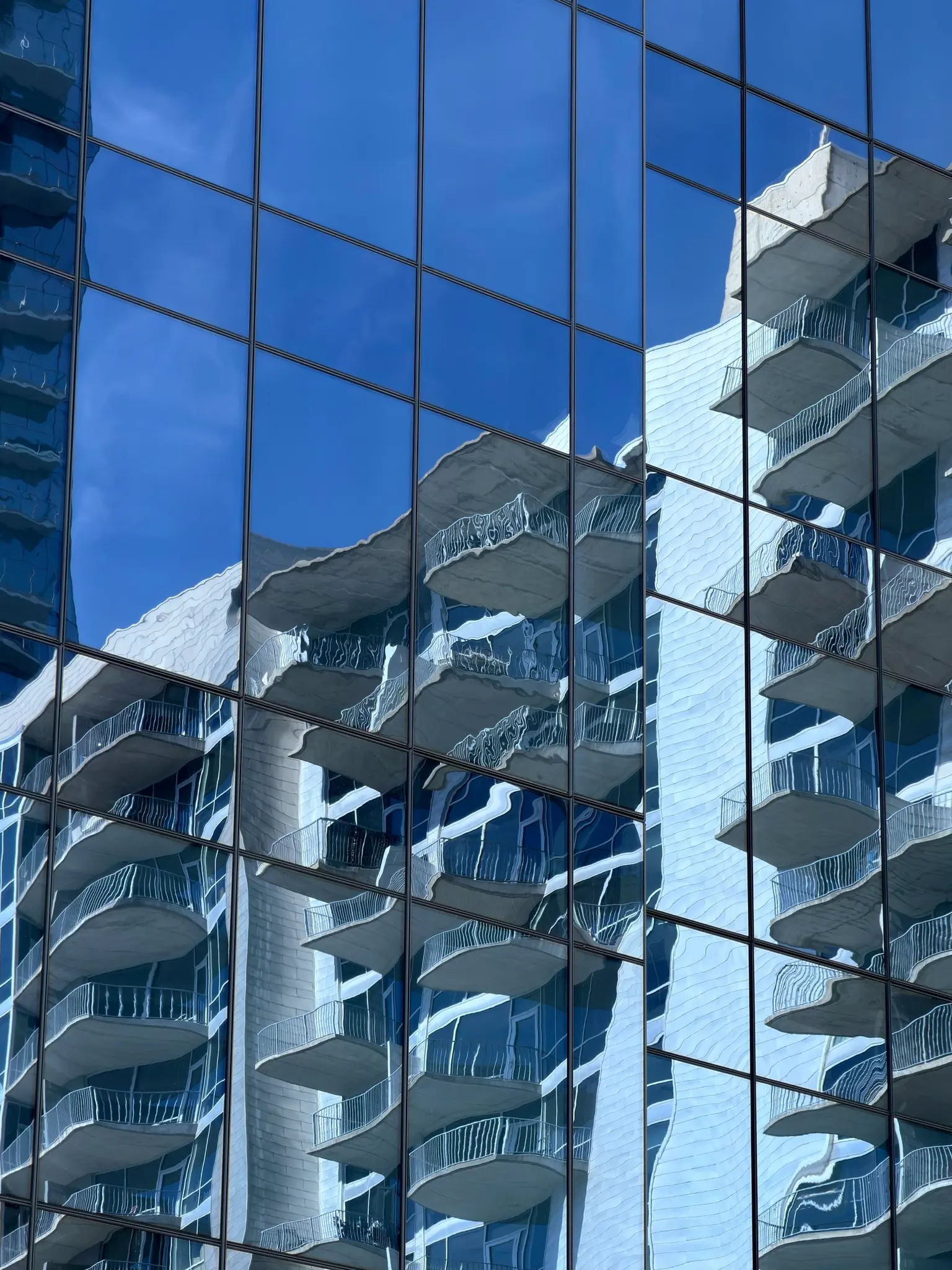
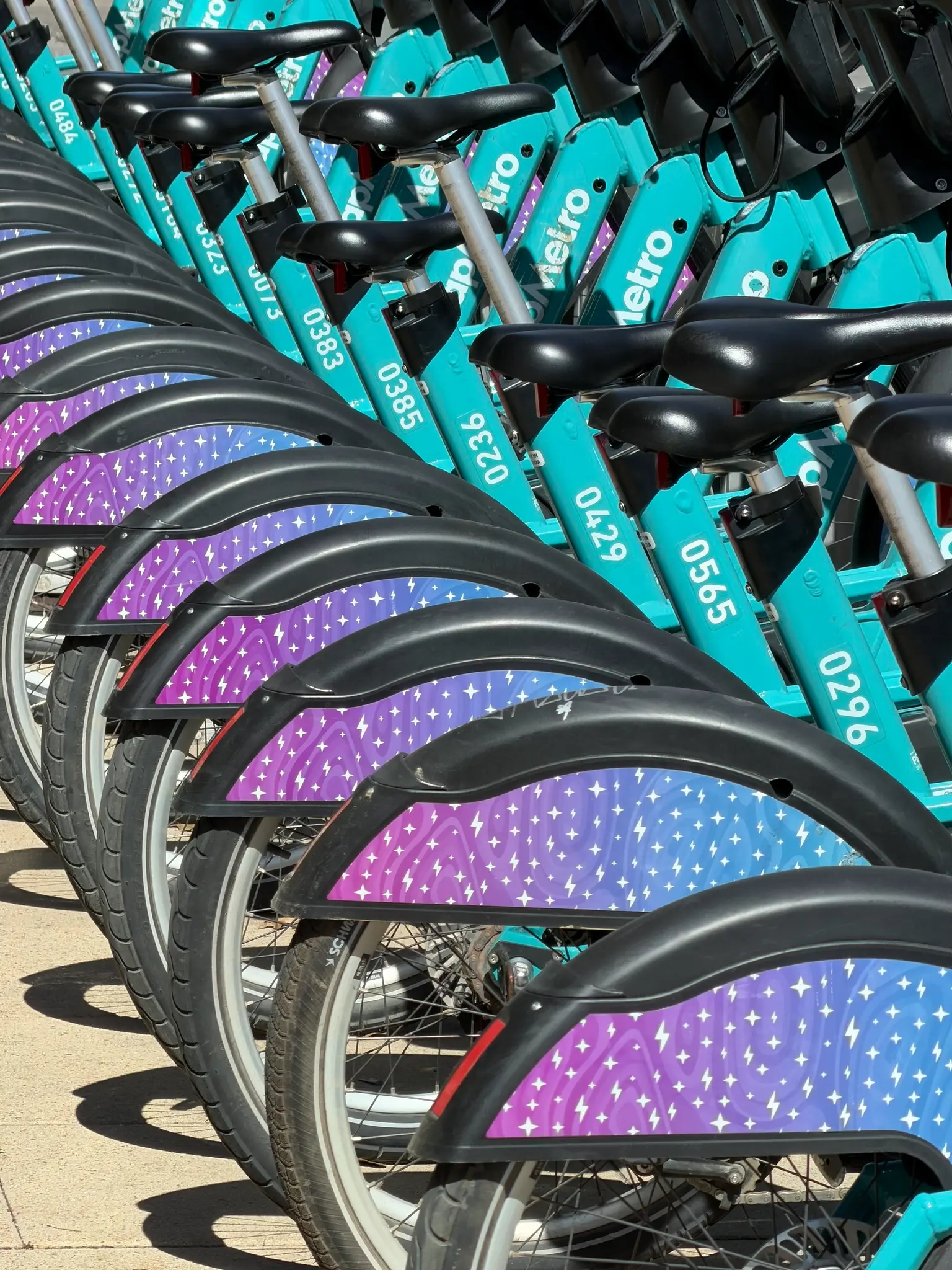
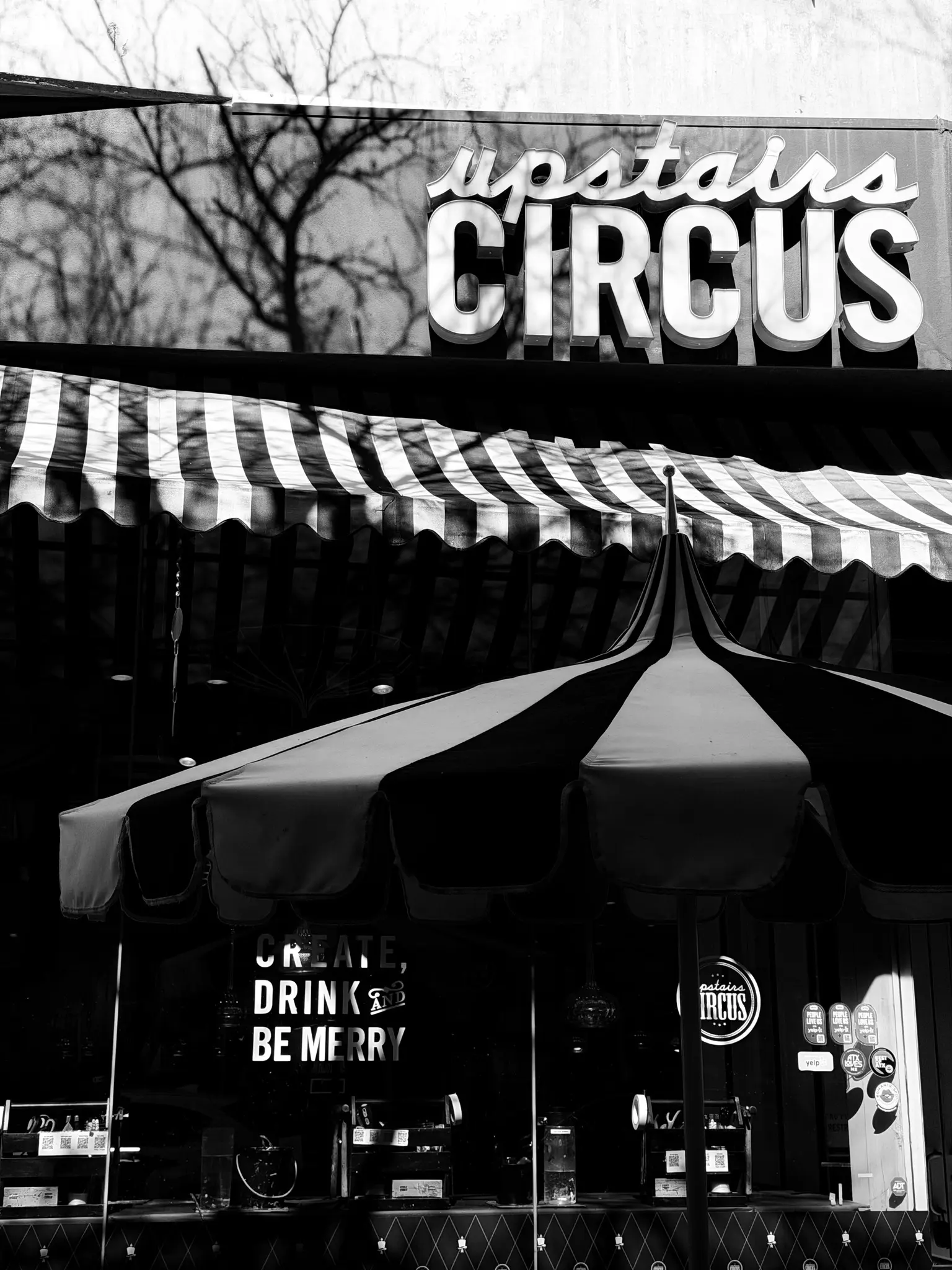
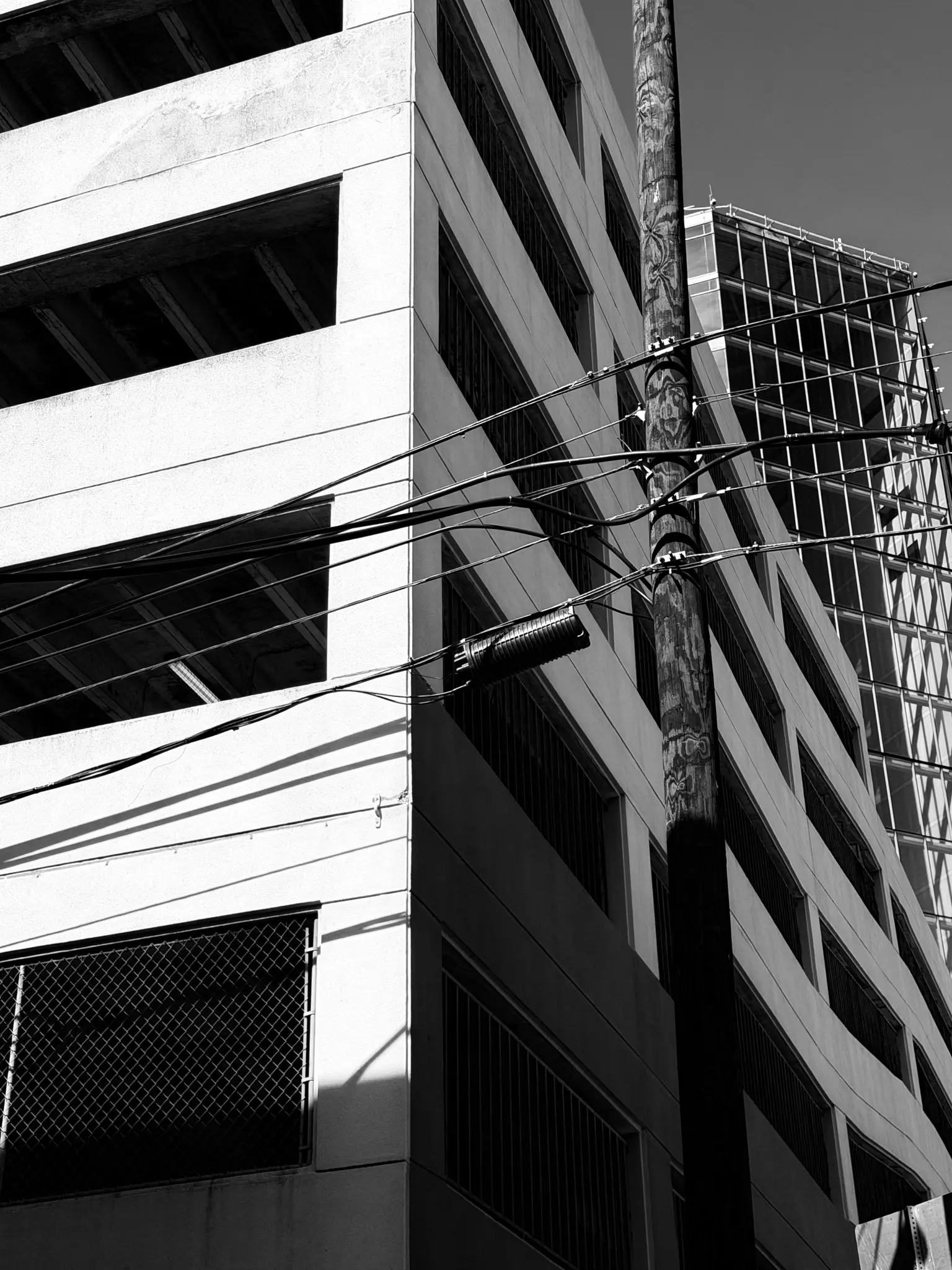
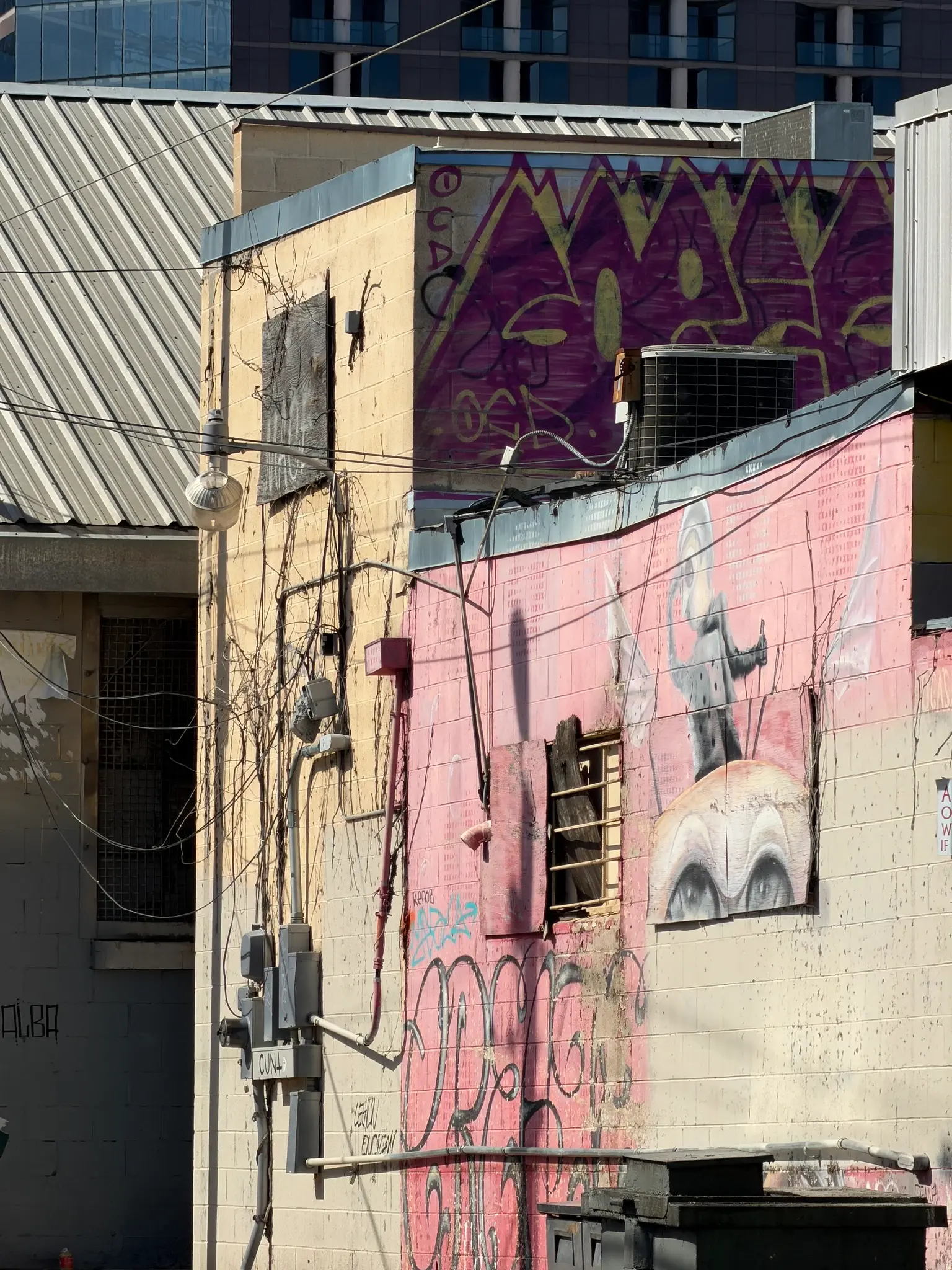
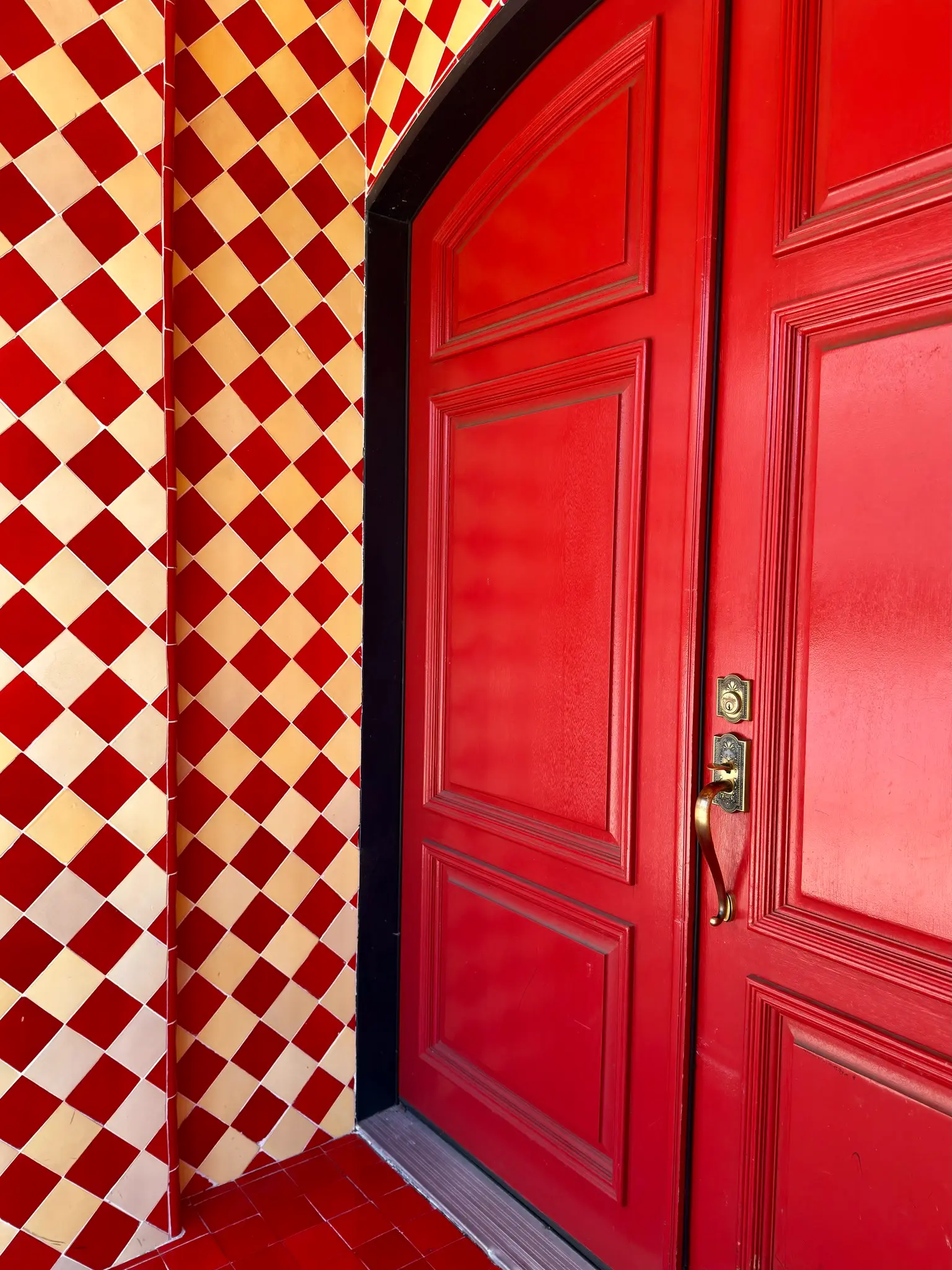
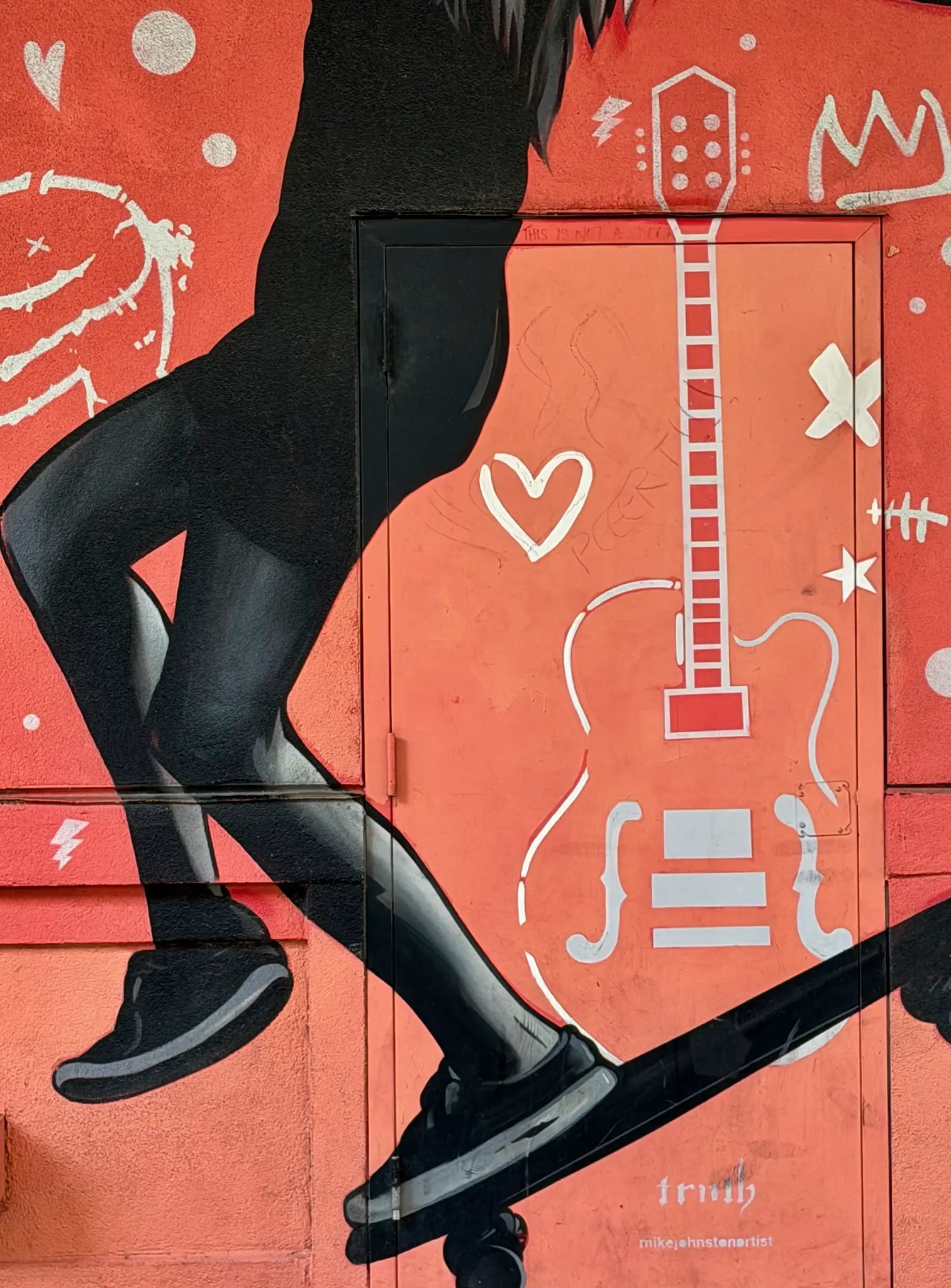
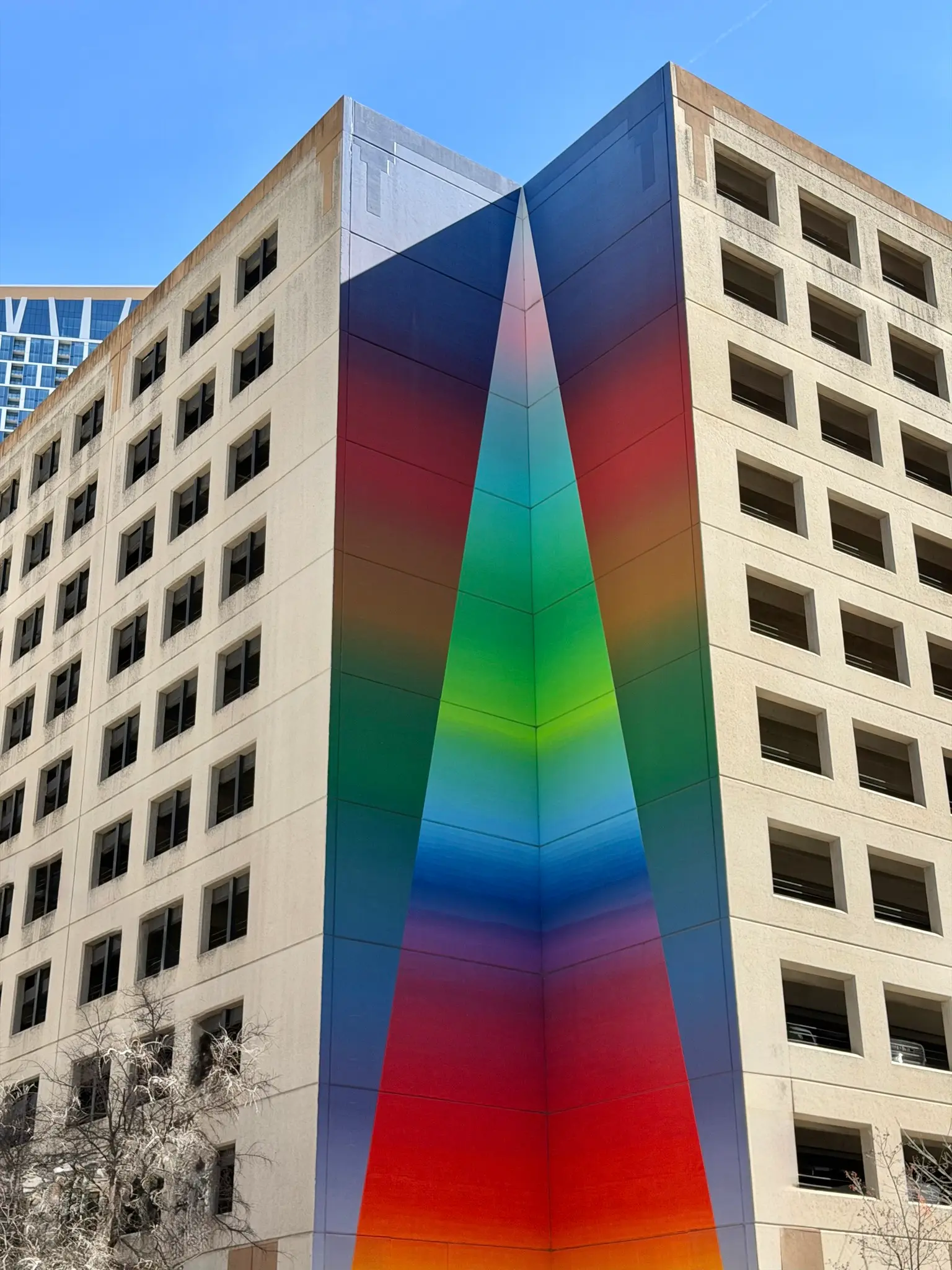
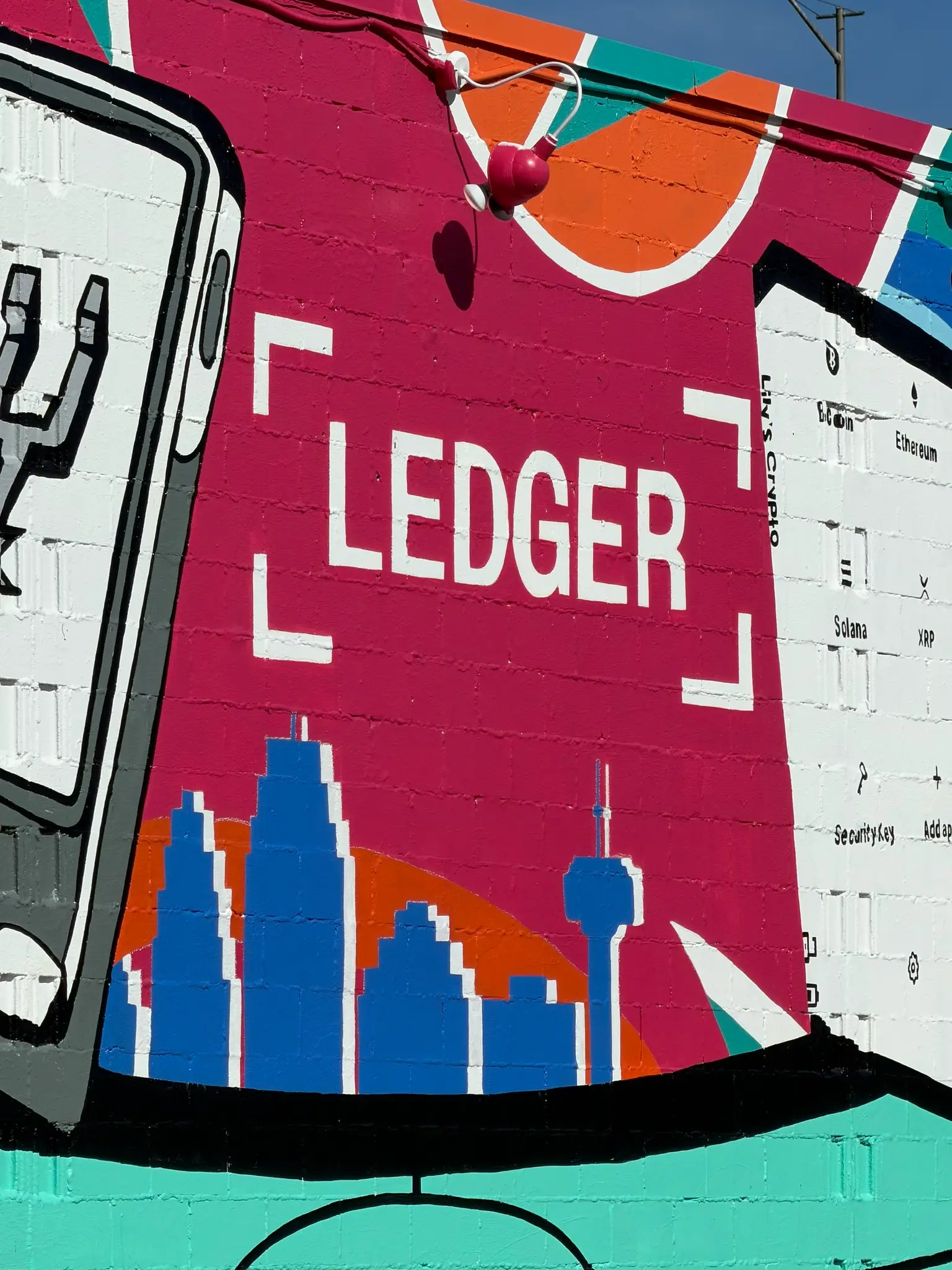
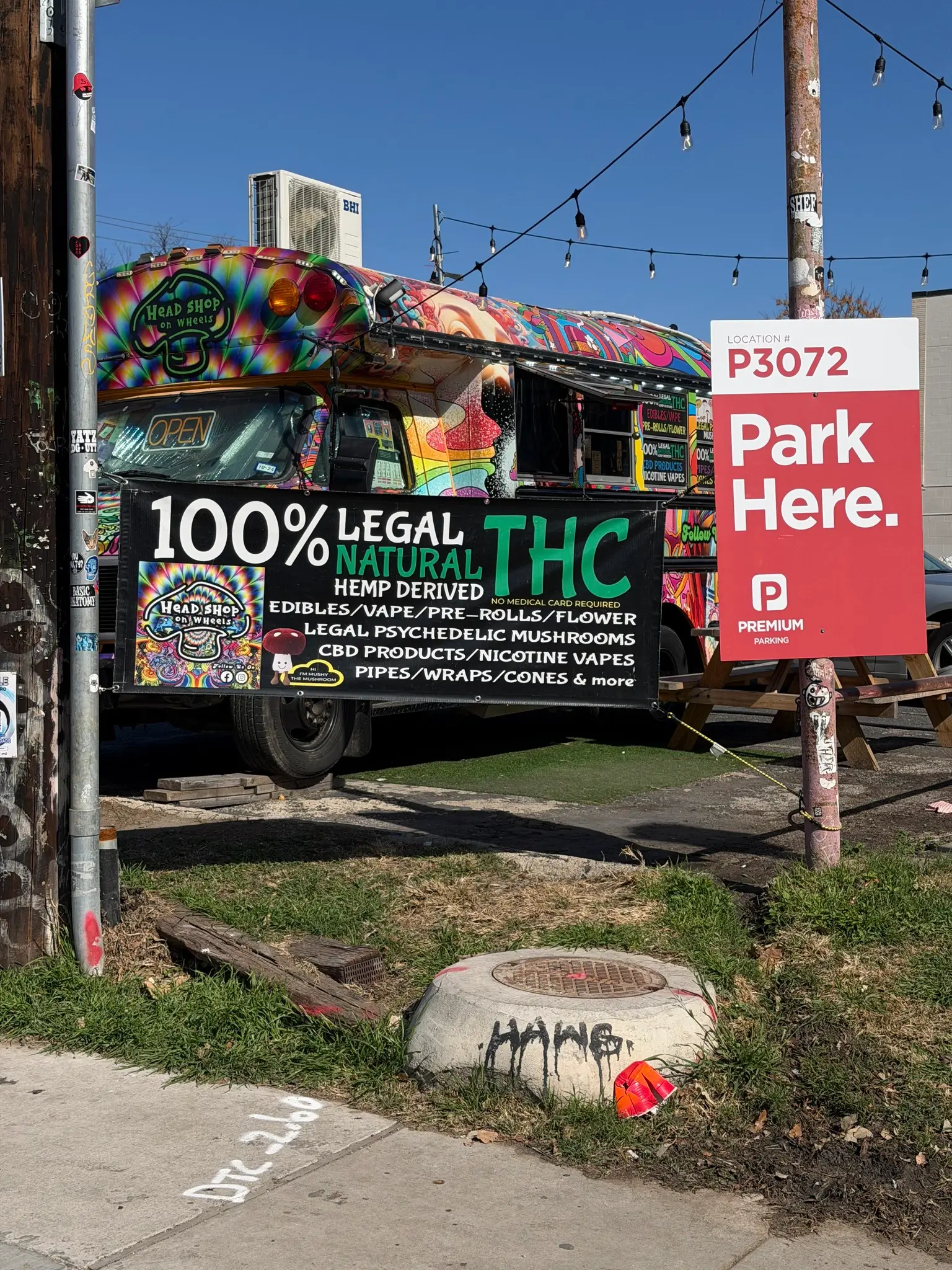
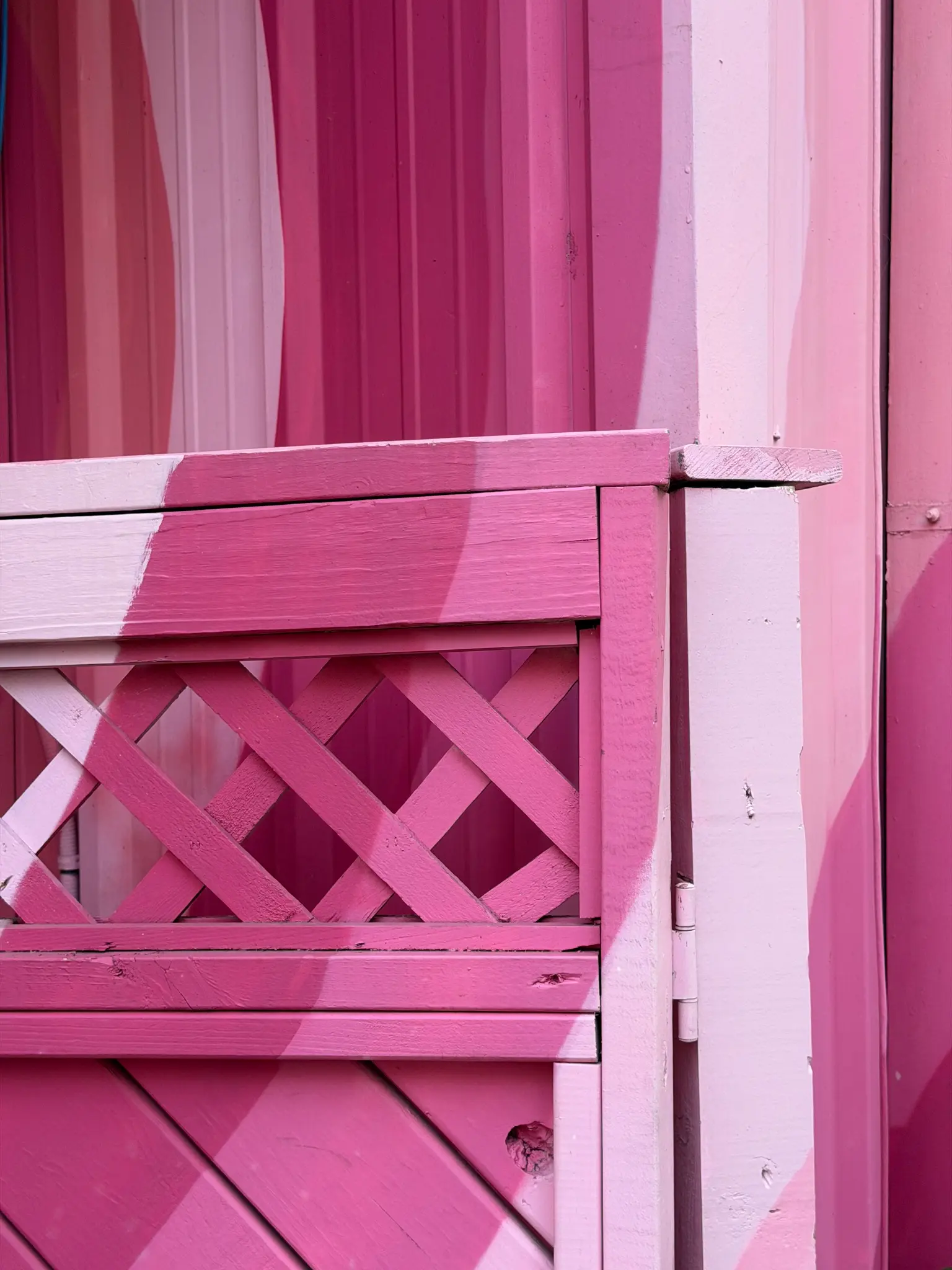
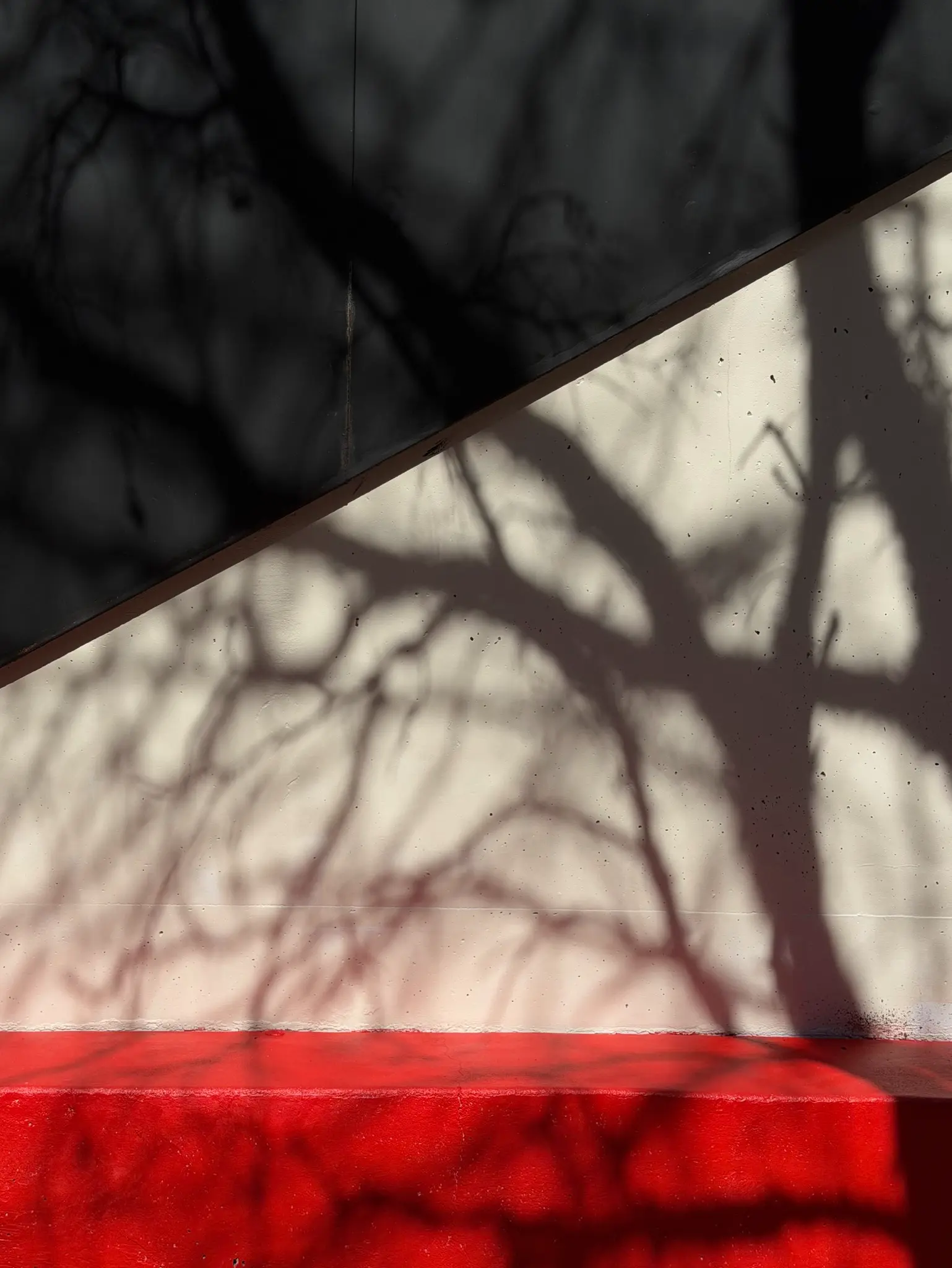
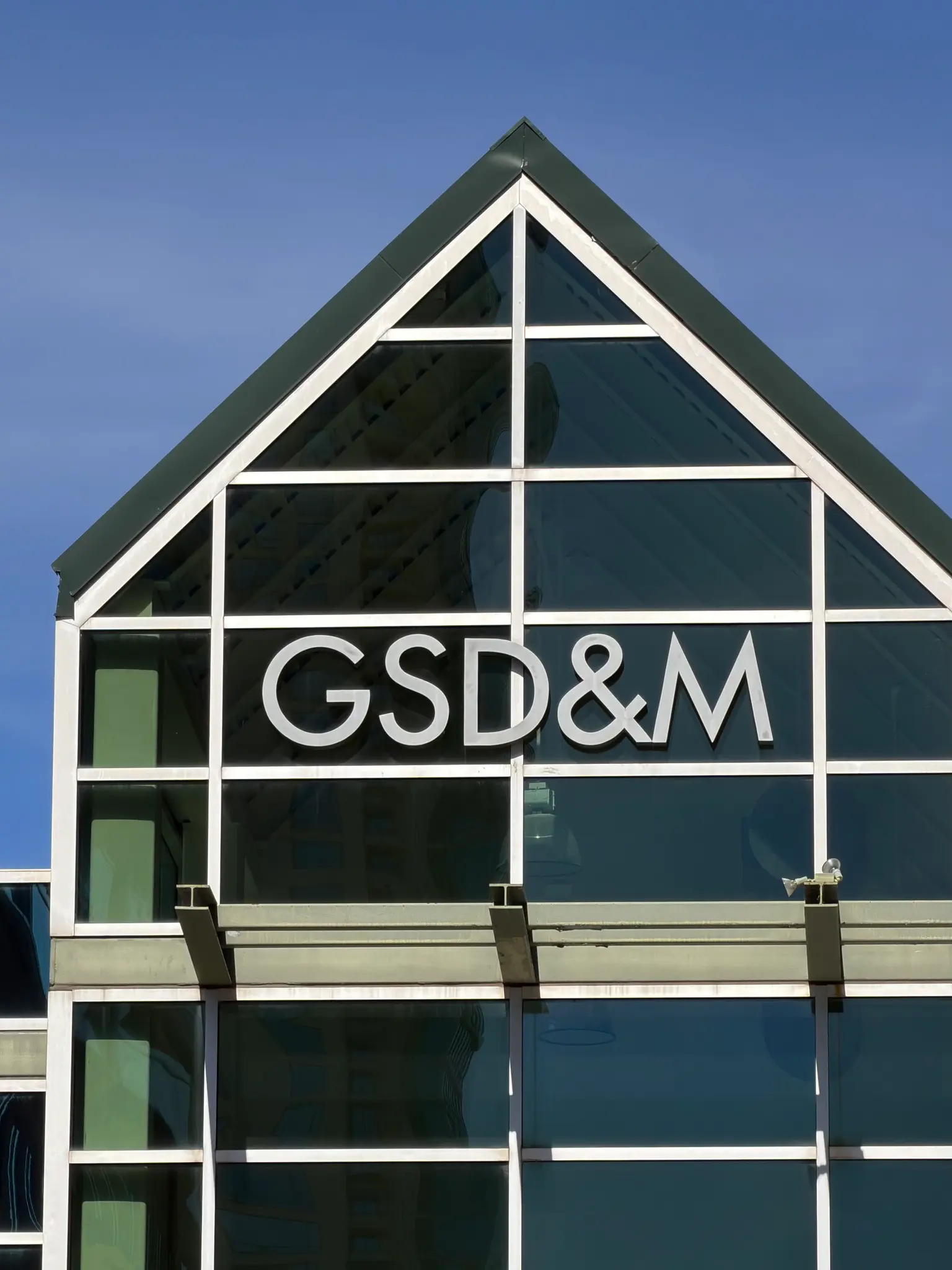
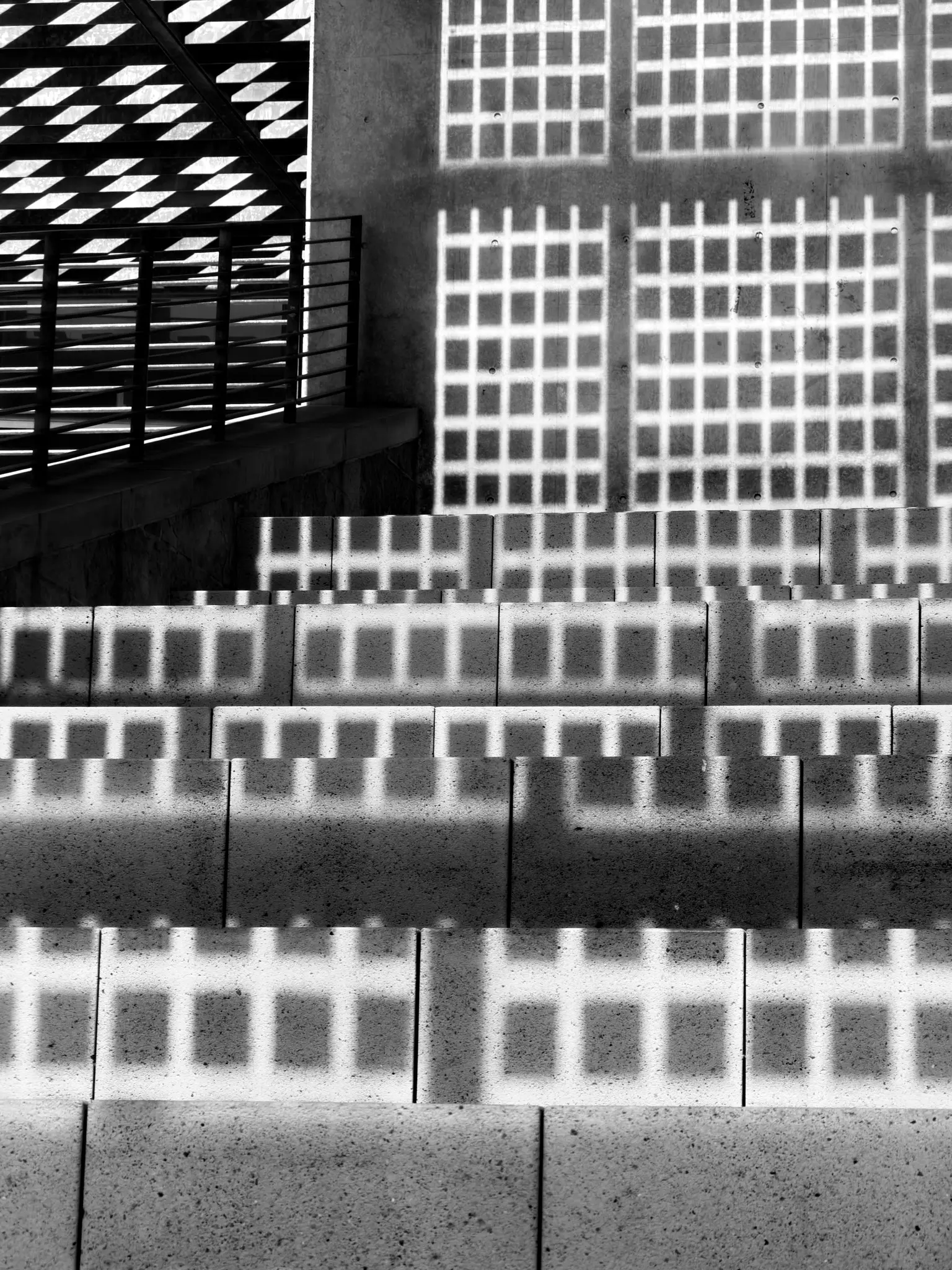
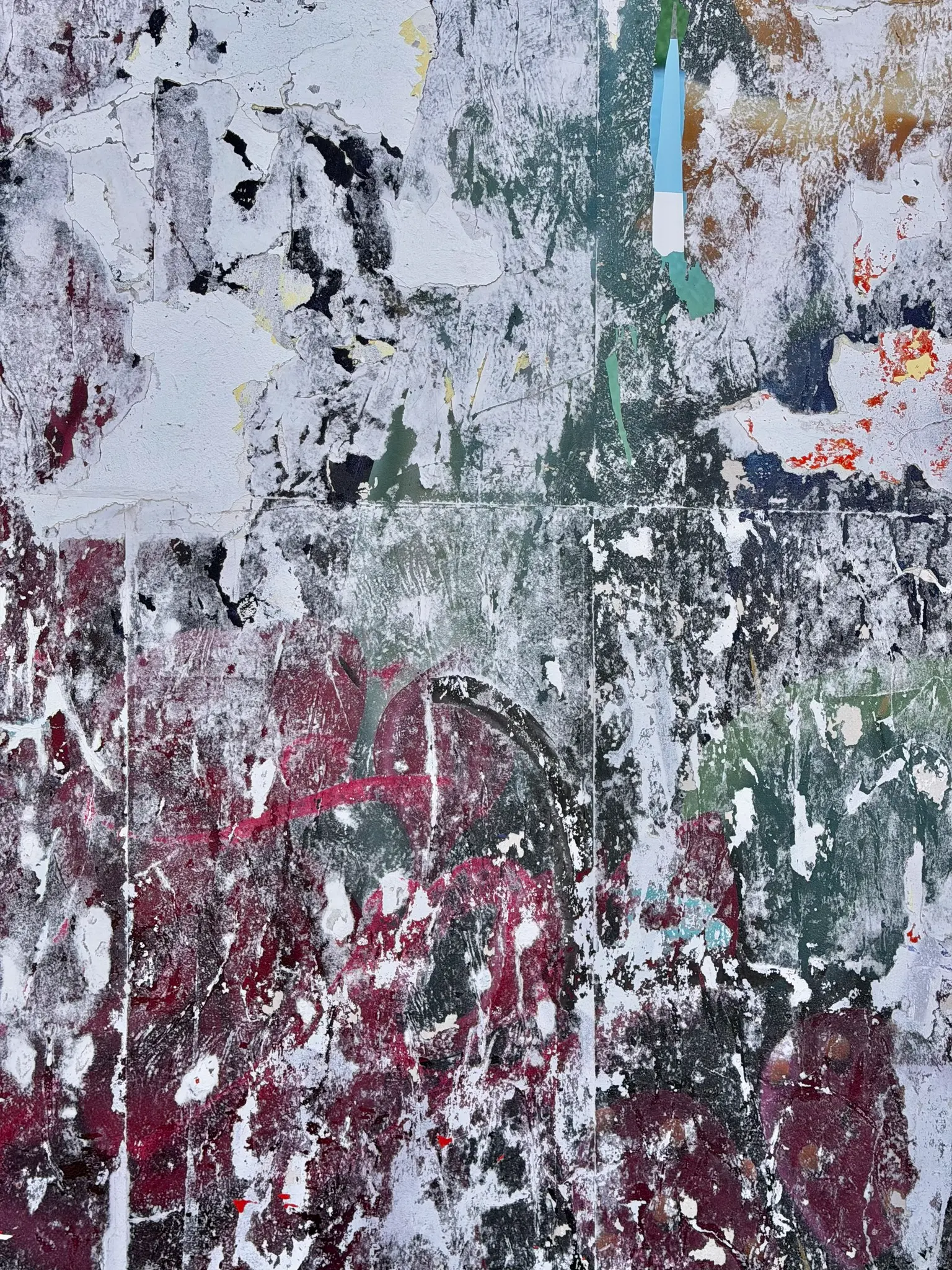
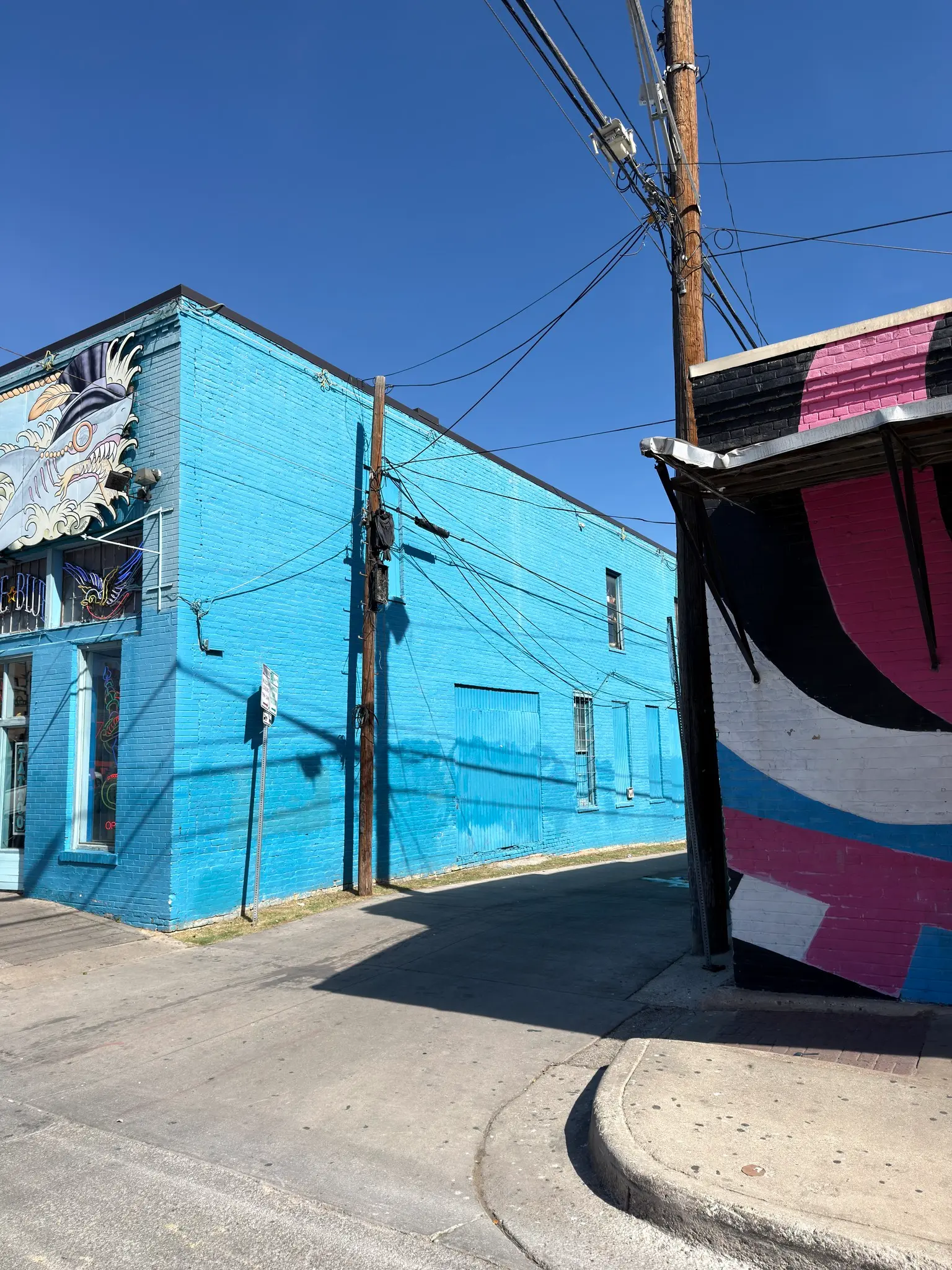
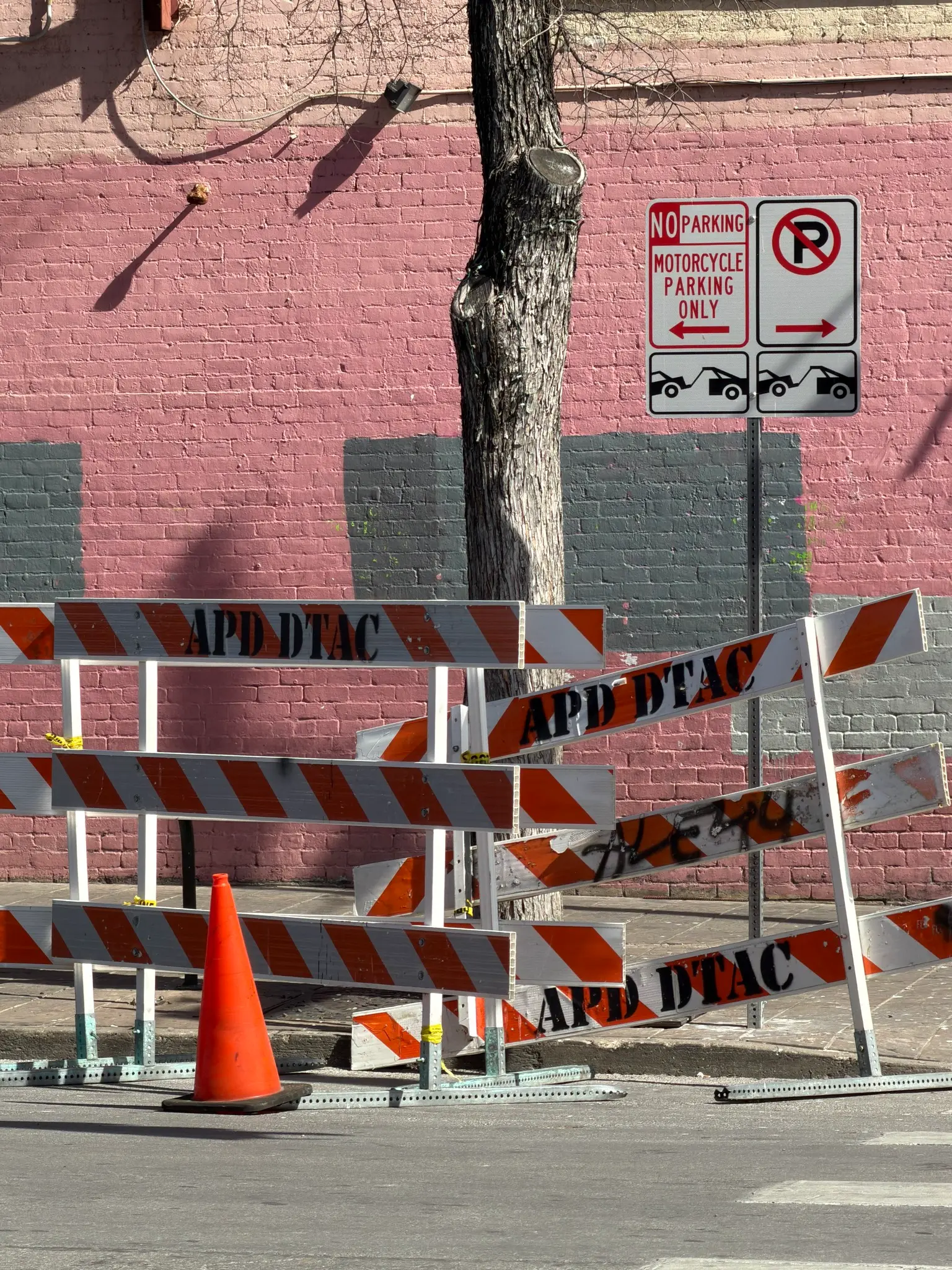
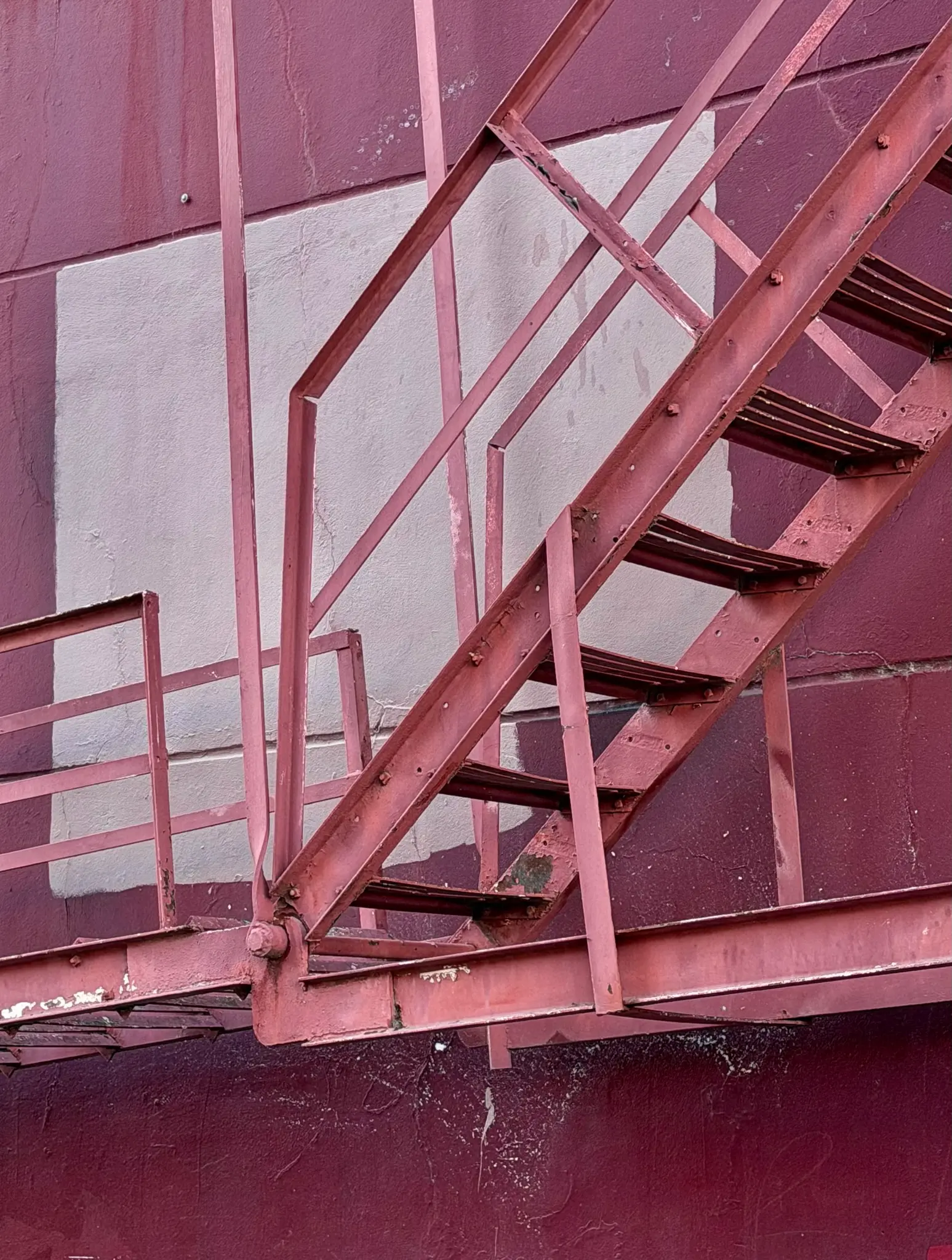
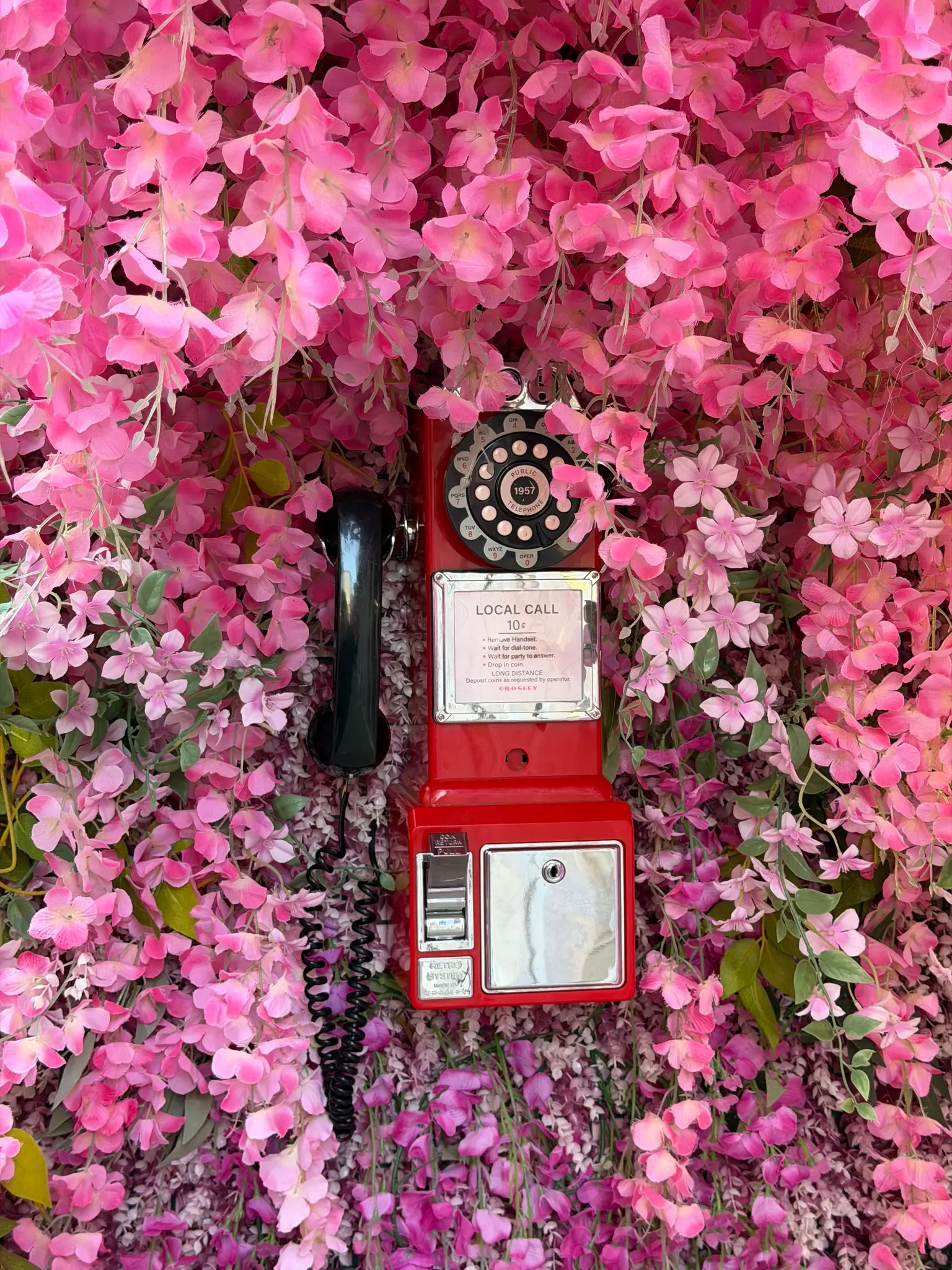
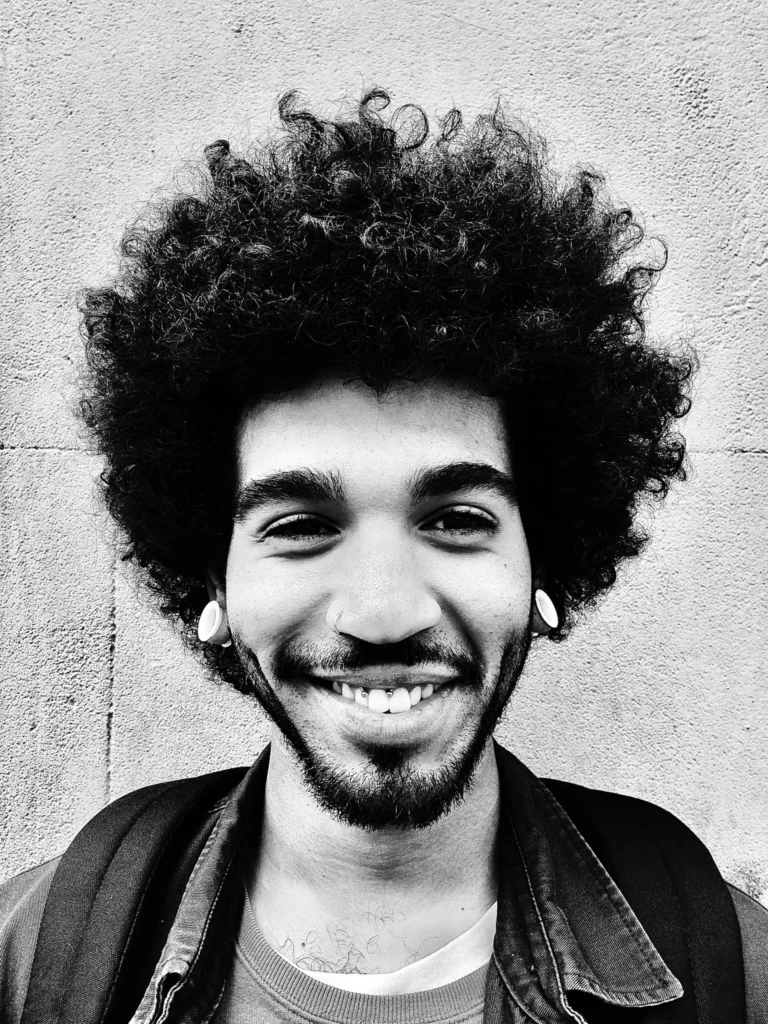
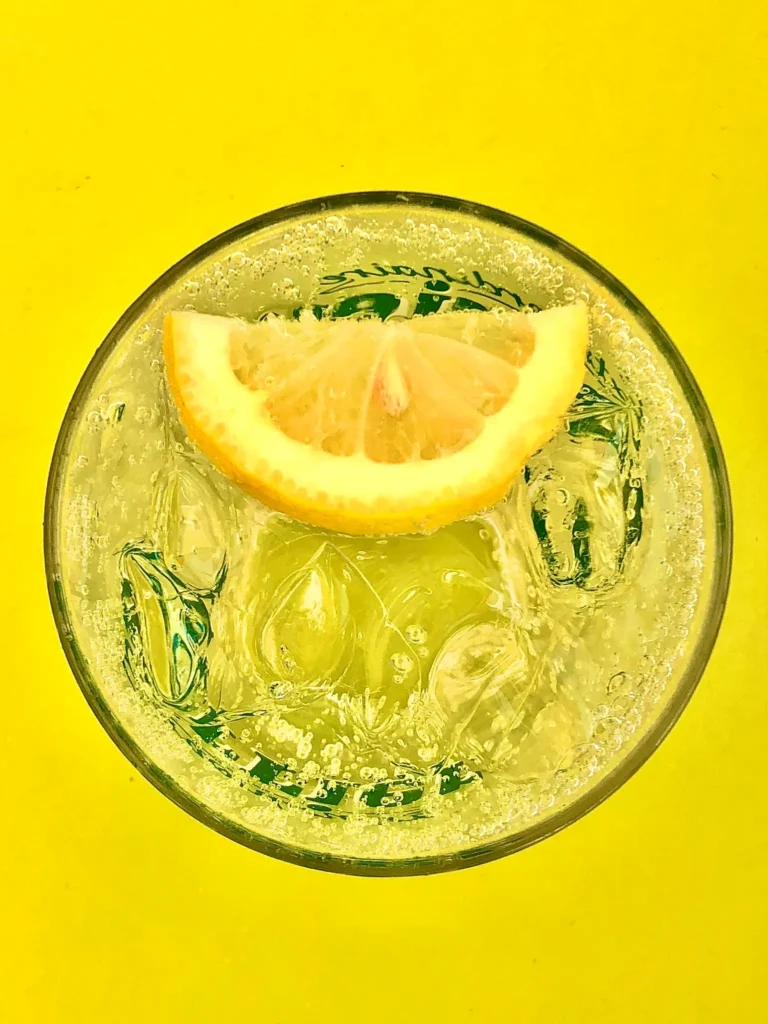
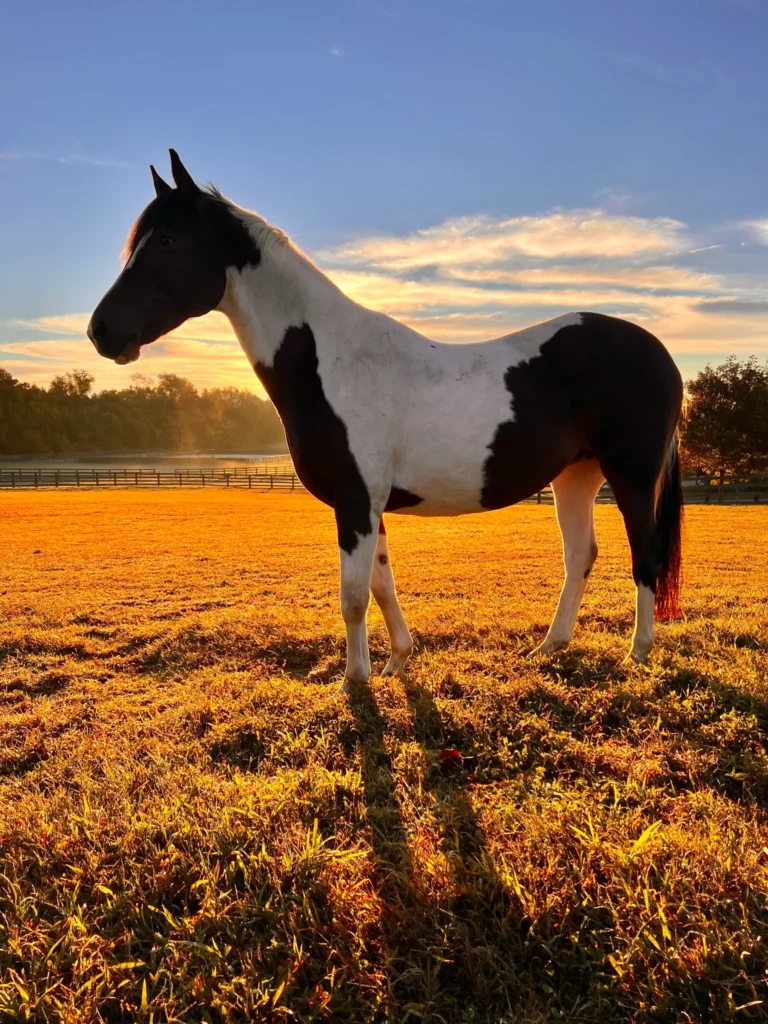
Yesterday, I walked outside with my iPhone.
No app juggling.
No AI enhancement.
No post-production gymnastics.
Just light.
Just color.
Just design.
Just paying attention.
And I made a handful of photographs that felt honest.
Not perfect.
Not hyper-processed.
Not algorithmically optimized.
Just… photographs.
Made by a photographer.
Shot on an iPhone.
There’s a difference.
An iPhone is a camera.
A photographer is a human being.
The danger we’re drifting toward is mistaking one for the other.
If you hand a Stradivarius violin to someone who has never studied music, you don’t get a symphony.
If you hand the most advanced iPhone camera on the planet to someone who doesn’t understand light, you don’t get artistry.
You get data.
Photography is not data.
It’s interpretation.
And interpretation requires restraint.
It requires knowing when not to touch the image.
When not to crank the clarity.
When not to “improve” something that was already honest.
I worry that an entire generation of photographers is being raised on the idea that the photograph is incomplete until it’s been heavily edited.
That the real magic happens later.
That seeing is secondary to processing.
But I can tell you—after a million photographs on an iPhone—that the magic happens in the moment.
It happens in the pause before you press the shutter.
It happens when you step left instead of right.
When you lower your camera instead of raising it.
When you wait.
When you decide this is the frame.
No app can do that for you.
AI can suggest crops.
It can remove power lines.
It can smooth skin.
It can brighten shadows.
But it cannot teach you to see.
And seeing is the foundation.
Without it, you’re just decorating.
Look, I get it.
App talk is sexy.
It’s marketable.
It’s new.
“Top 10 Editing Hacks” sells better than “Understanding Light Direction.”
But the latter will make you a better photographer.
The former will make you a better editor.
Those are not the same thing.
I’ve built my entire iPhone photography life around this simple belief:
The iPhone deserves to be treated like a real camera.
And real cameras deserve to be handled by real photographers.
That means understanding exposure—not just relying on auto.
It means knowing why white balance shifts in mixed light.
It means recognizing that design is about structure, not filters.
It means focusing with intention, not hope.
It means knowing that subject matter matters more than software.
We are entering an era where apps will only multiply.
AI will get smarter.
Editing will get faster.
And I suspect the conversation will tilt even further toward processing.
But foundations never go out of style.
They never become obsolete.
Light will still matter.
Color will still matter.
Design will still matter.
The photographer will still matter.
And here’s the part that gives me hope.
When you strip away the noise, when you turn off the chatter, when you stop listening to the endless app recommendations and simply go outside with your phone—
The world is still beautiful.
The sun still rises.
Faces still tell stories.
Shadows still carve form.
Moments still pass quickly.
None of that requires a subscription.
None of that requires AI.
It requires attention.
So here’s my quiet rebellion.
I will continue to shoot on my iPhone.
I will continue to upgrade it every year because I appreciate incremental improvement.
But I will not confuse tools with talent.
I will not confuse apps with artistry.
And I will not forget the foundations that made me fall in love with photography in the first place.
Yesterday’s shots?
Shot on an iPhone.
Made by a photographer.
That distinction matters.
And it always will.
Click.
Jack.