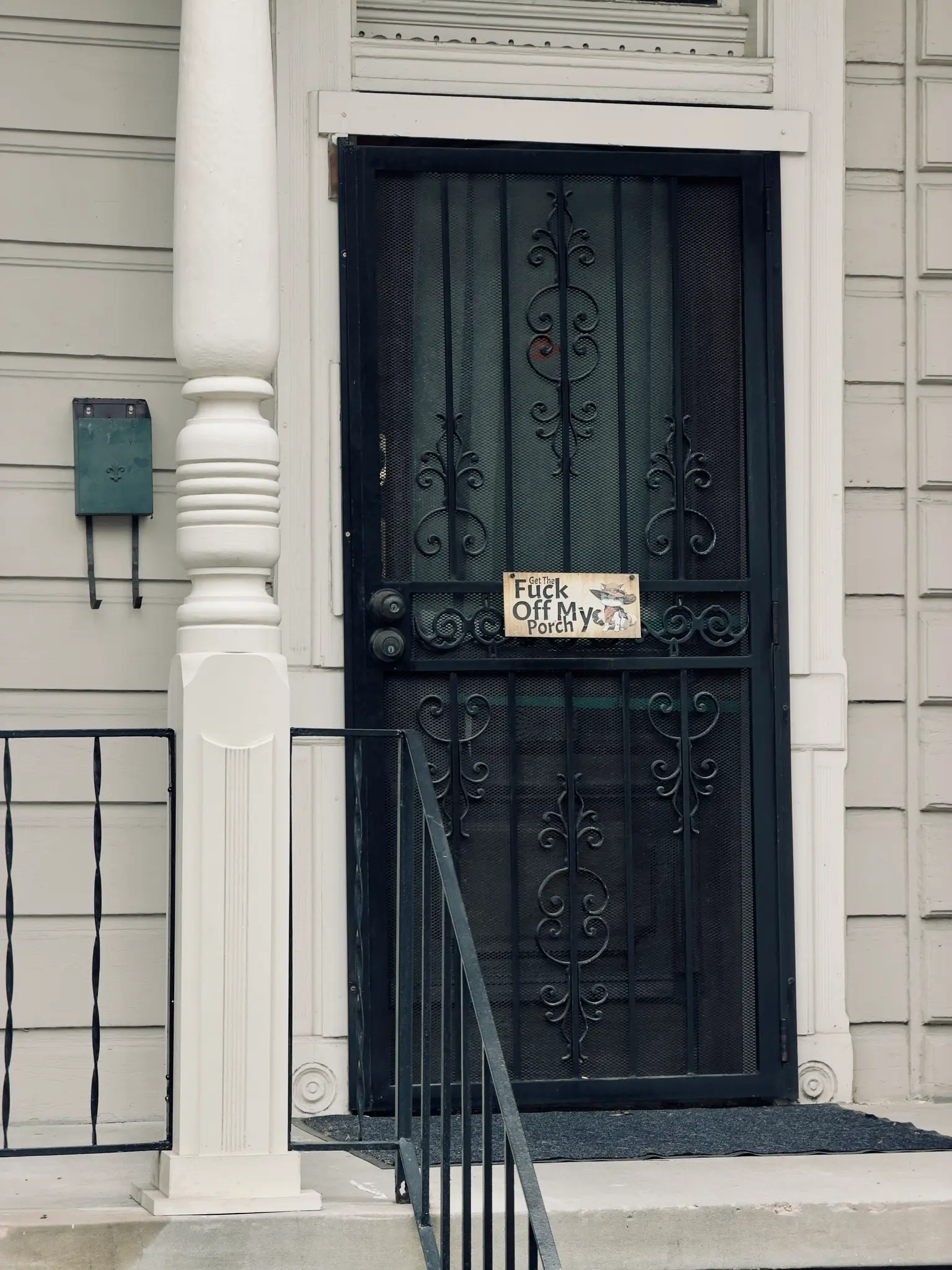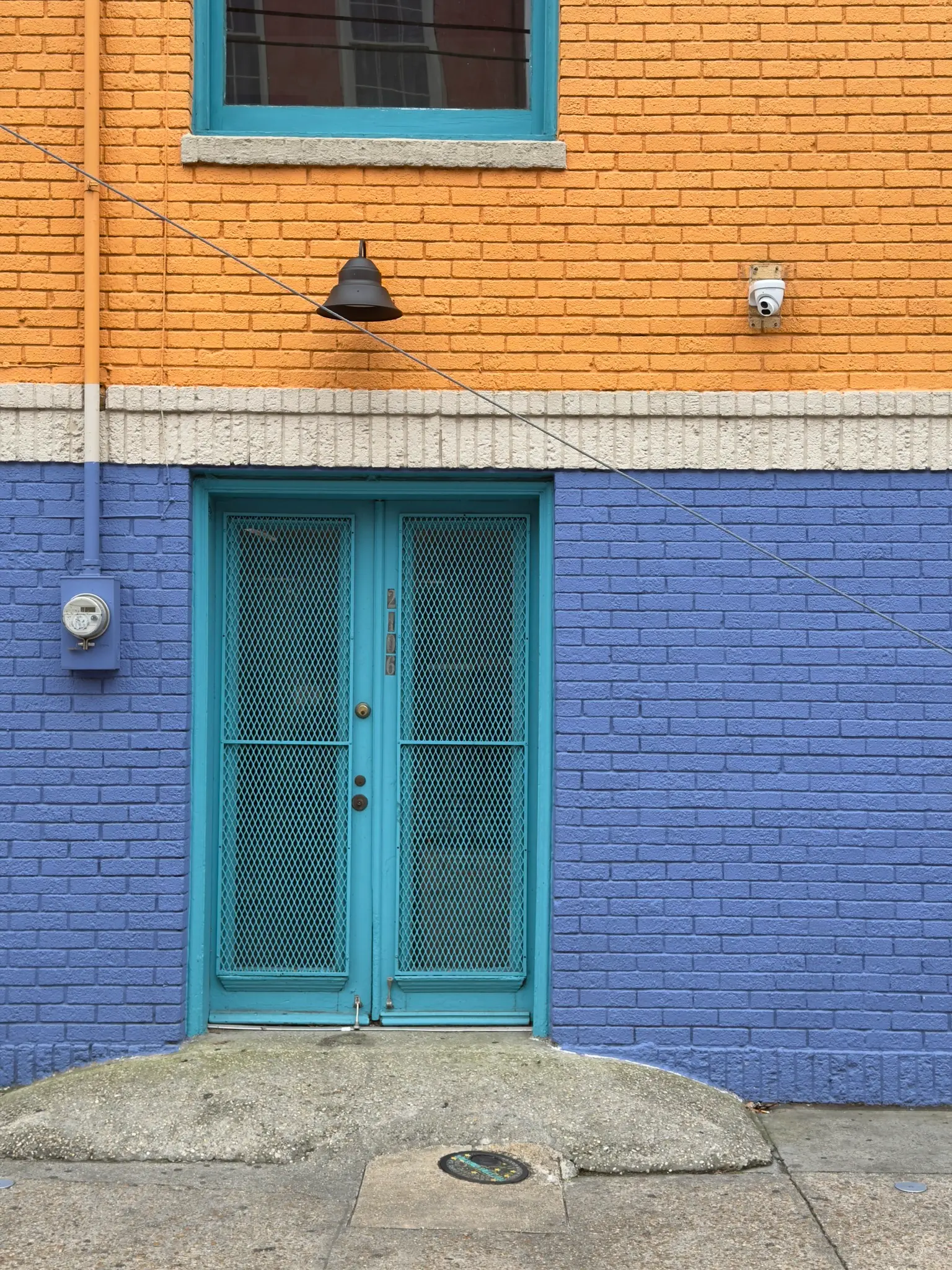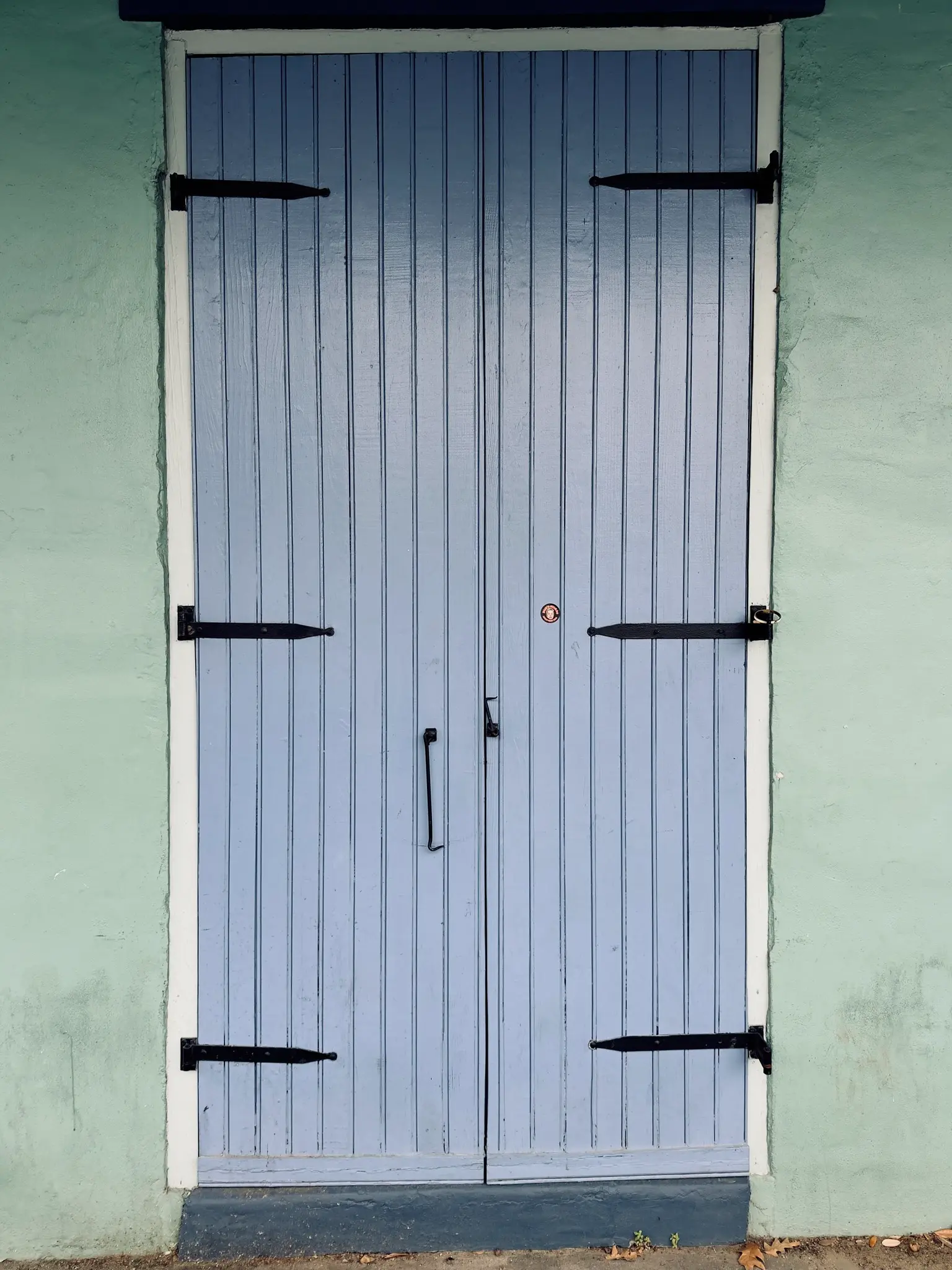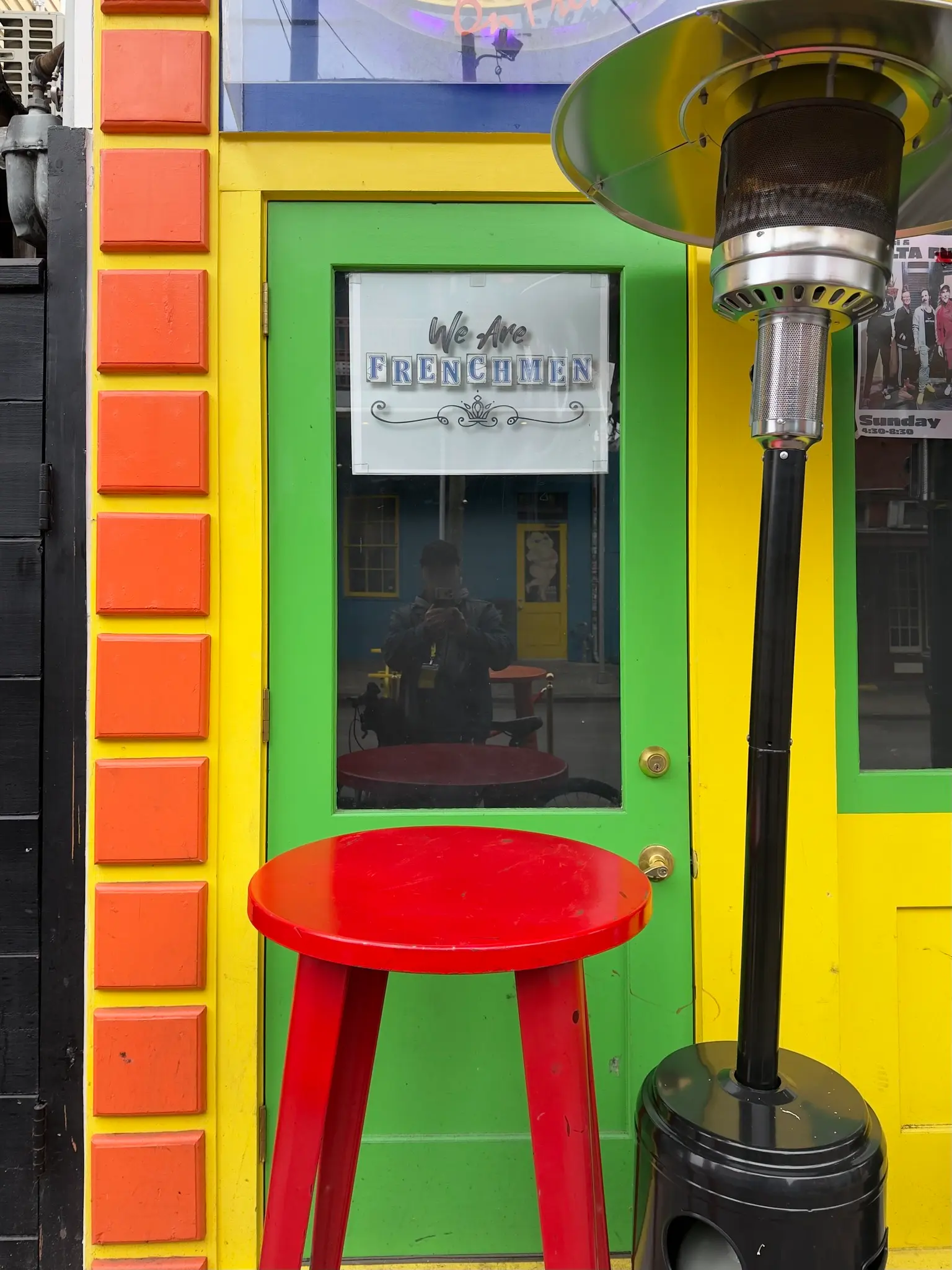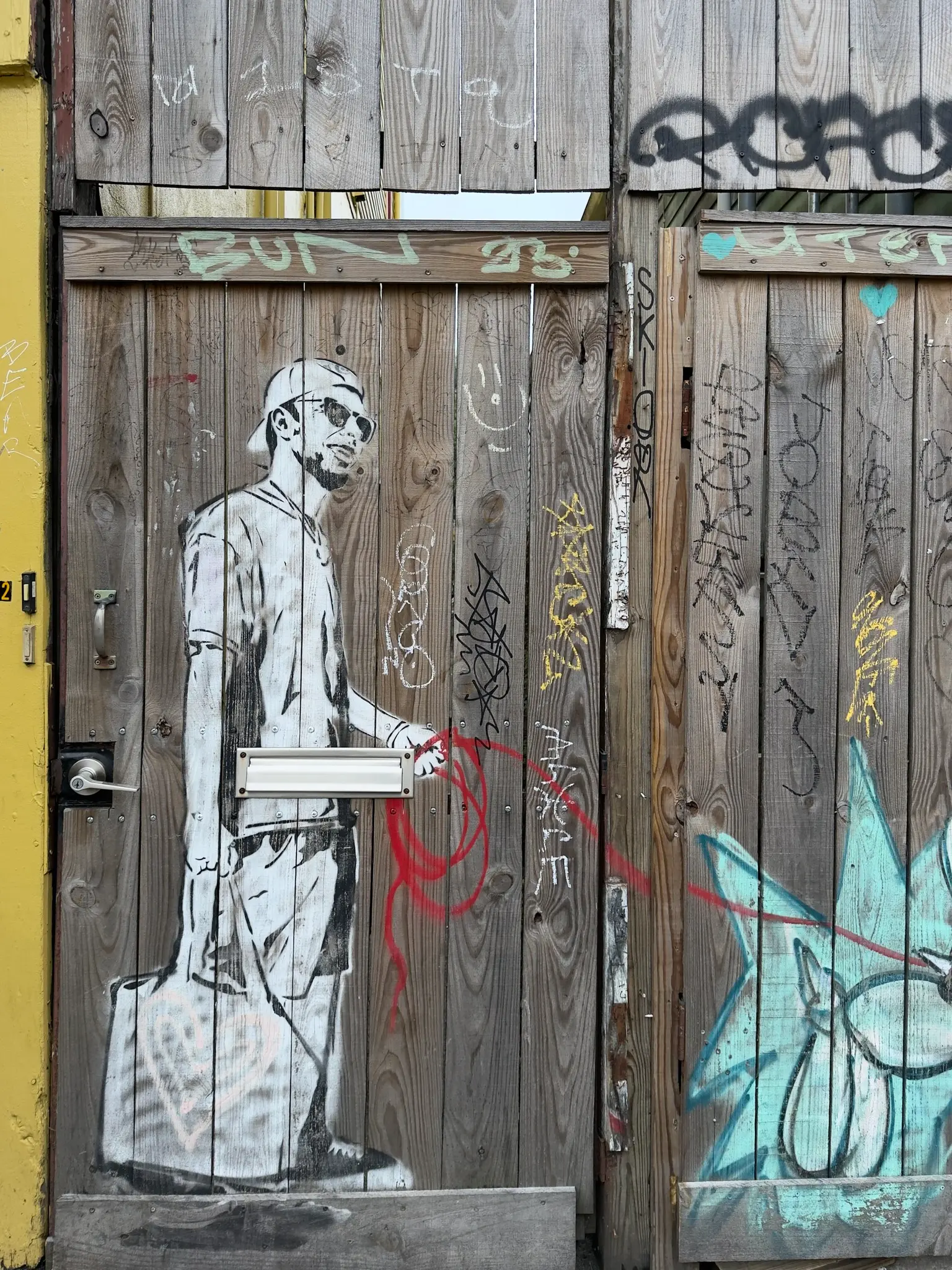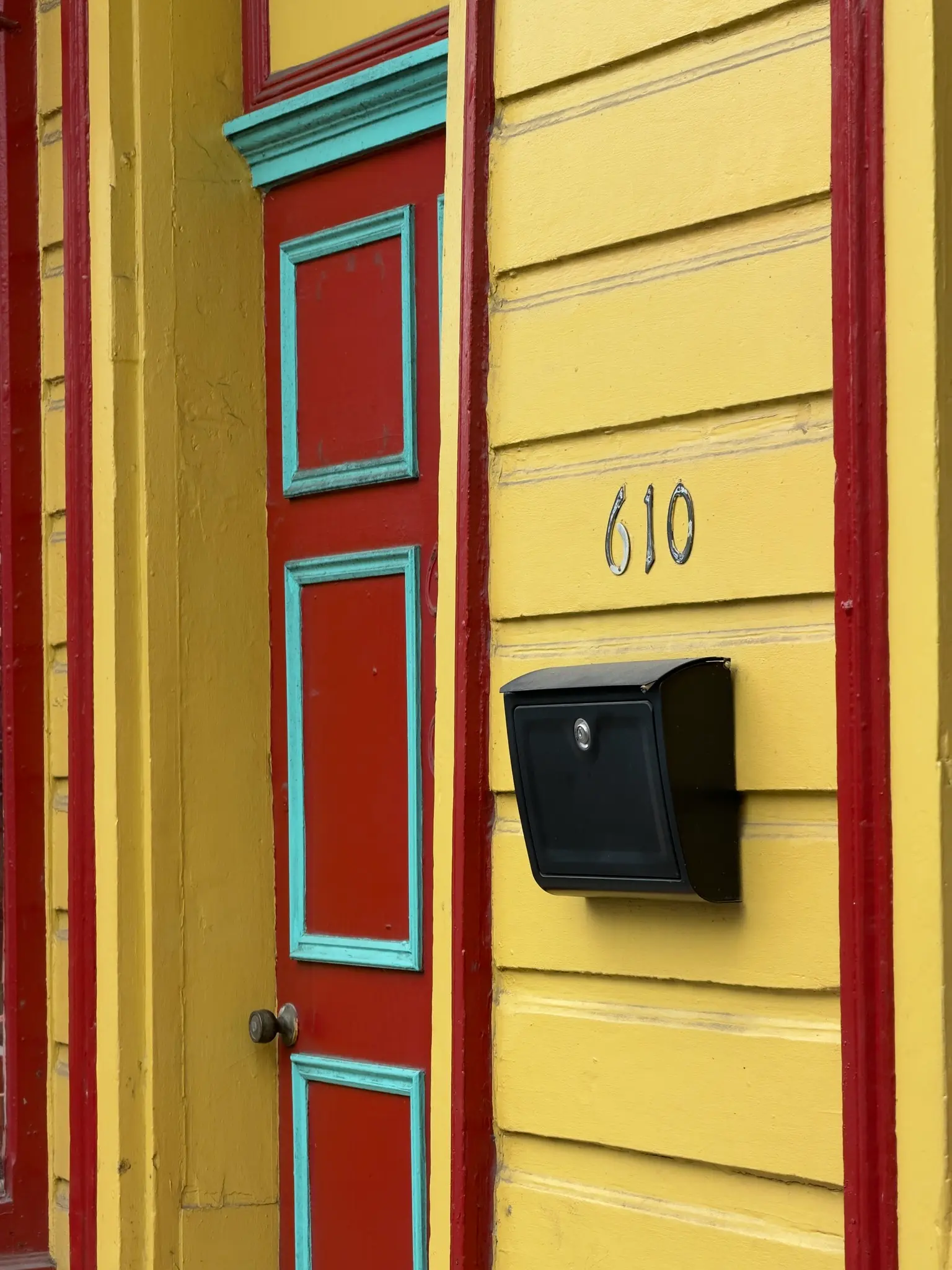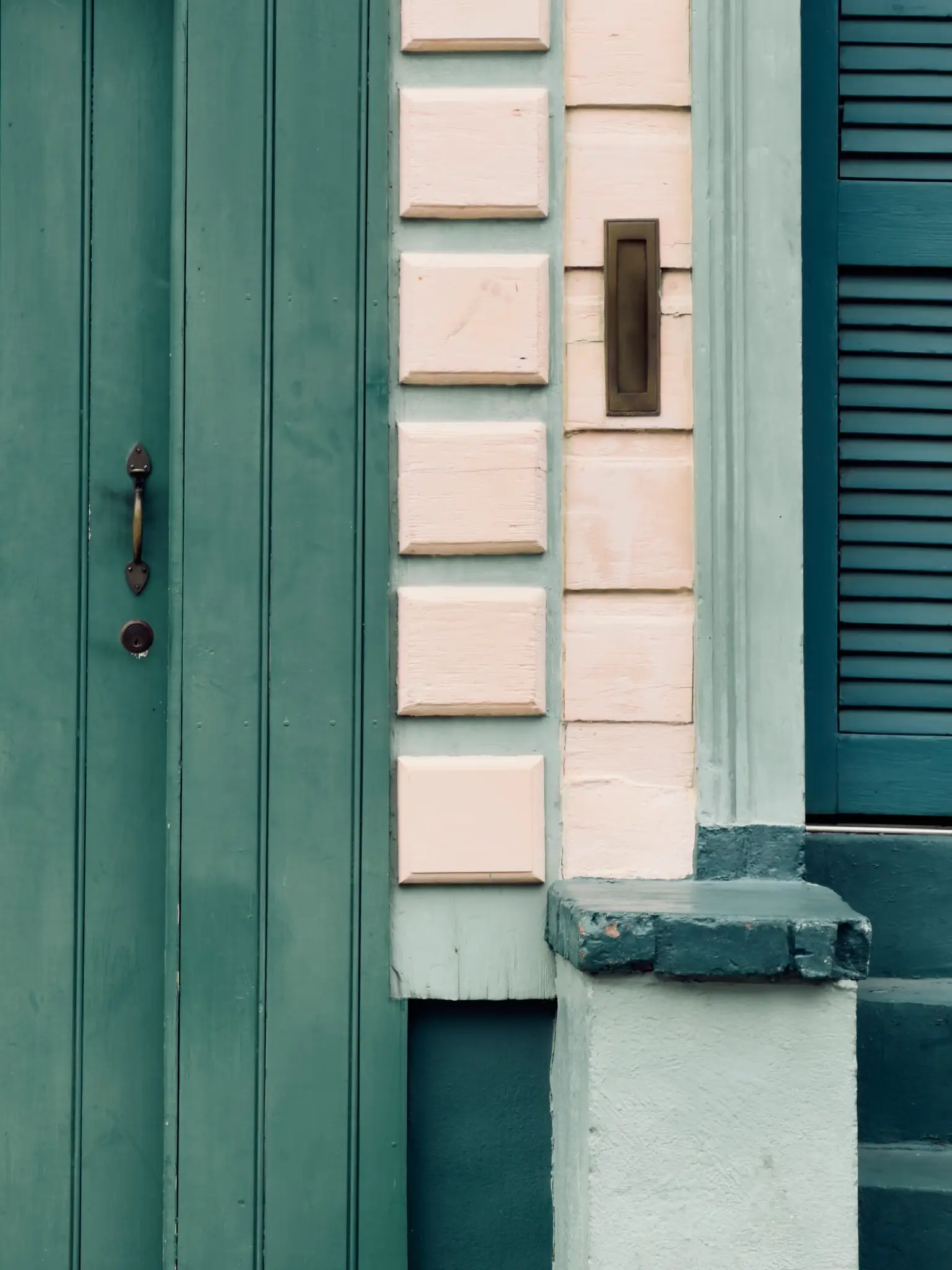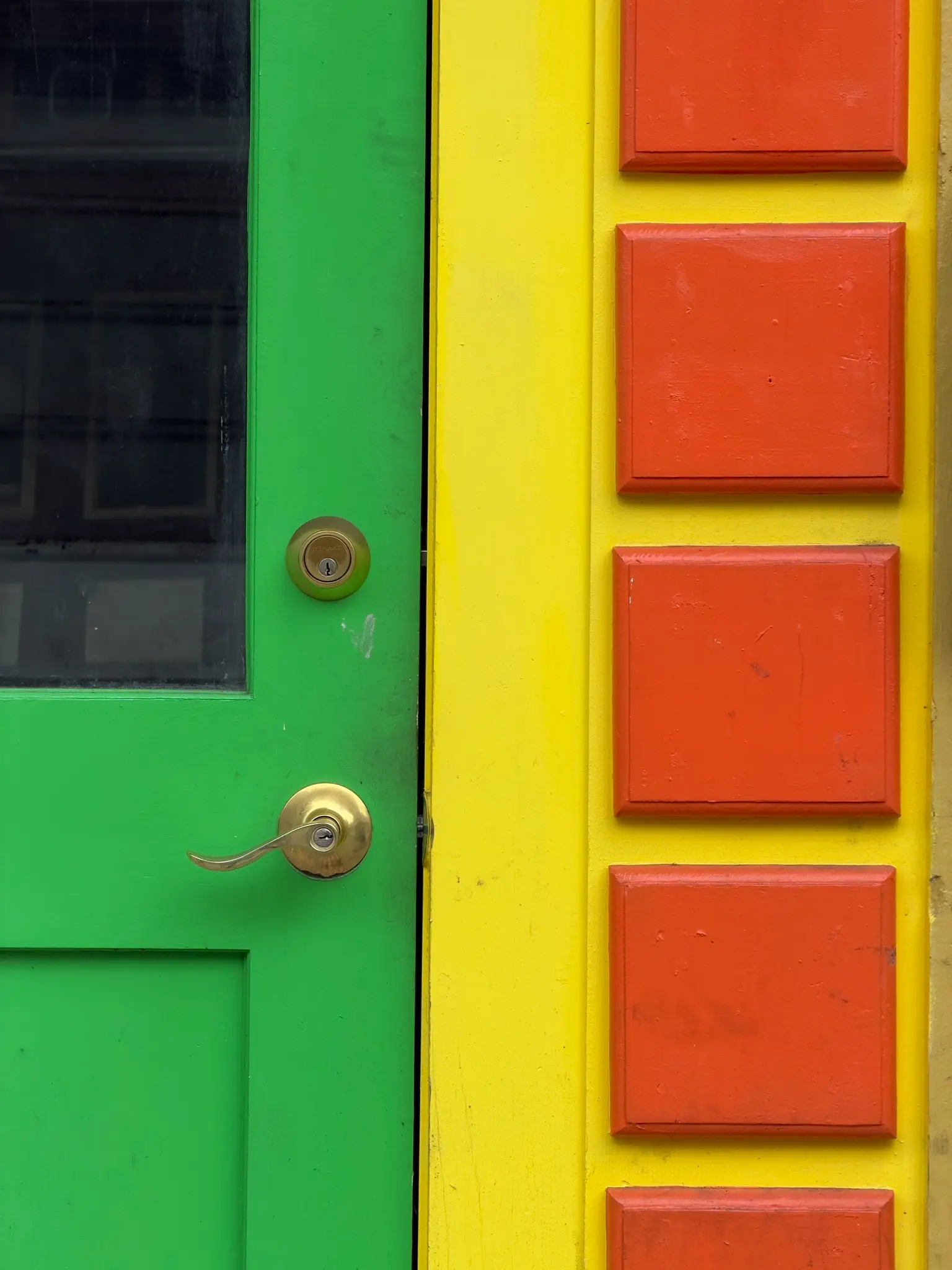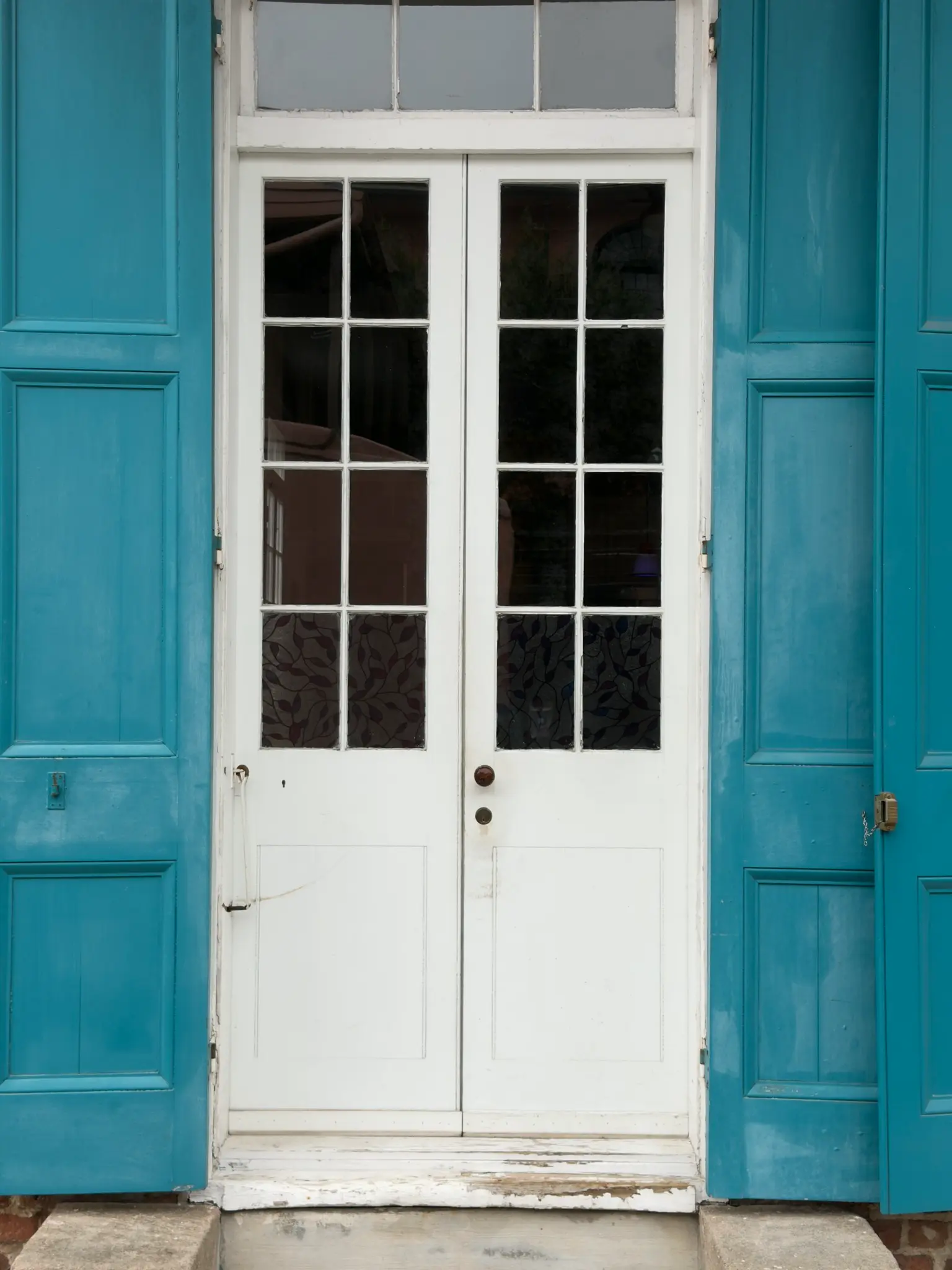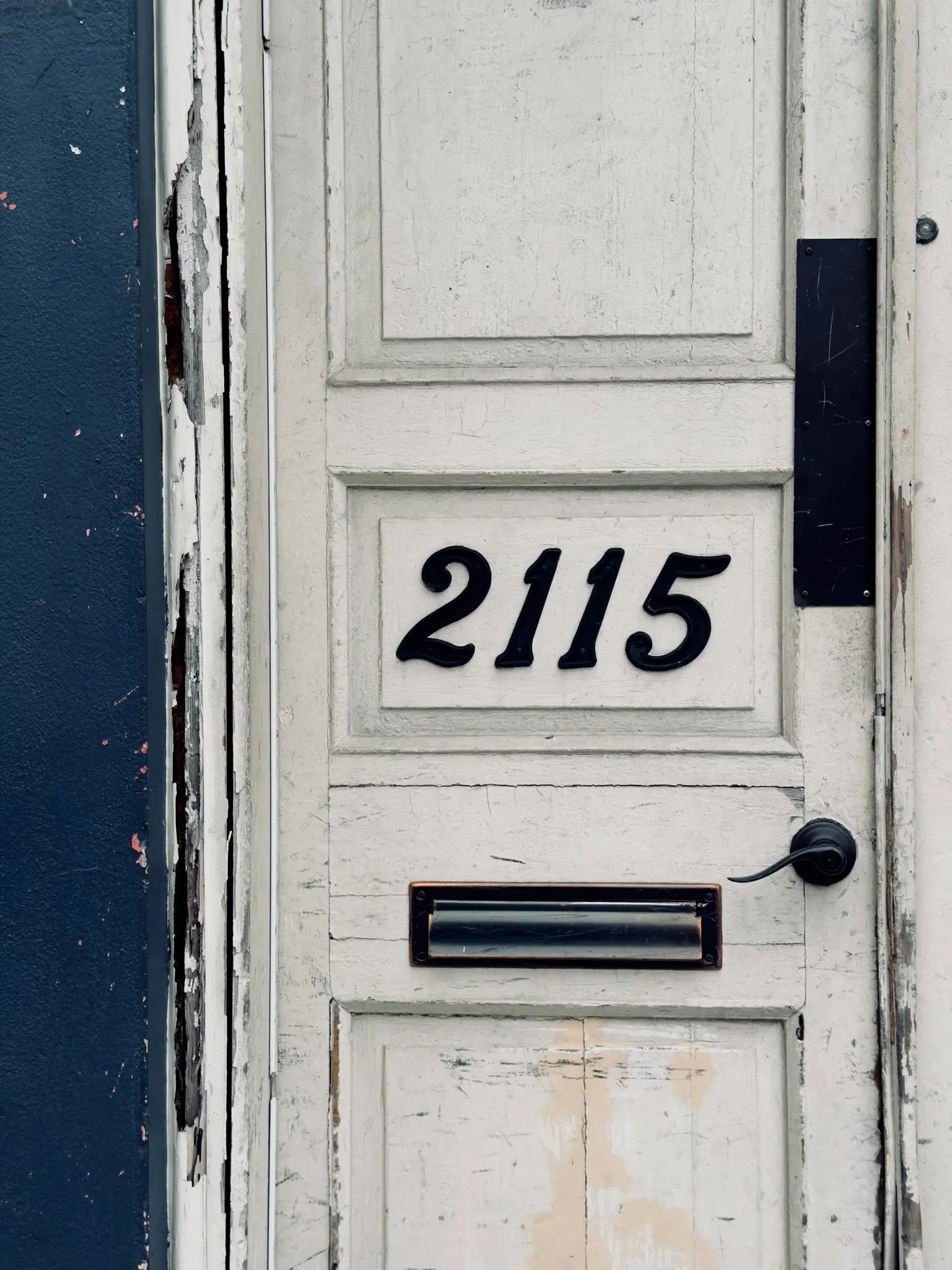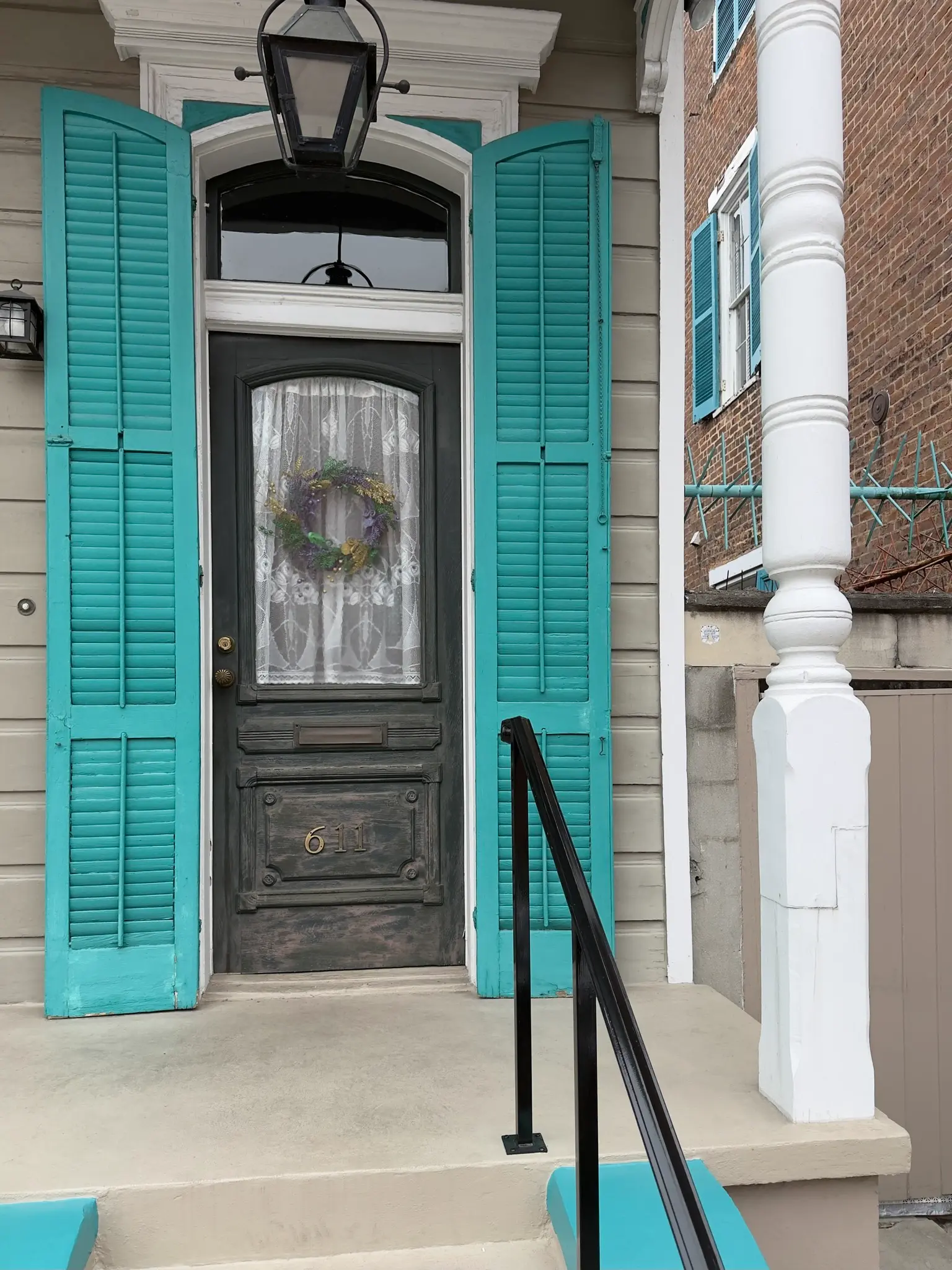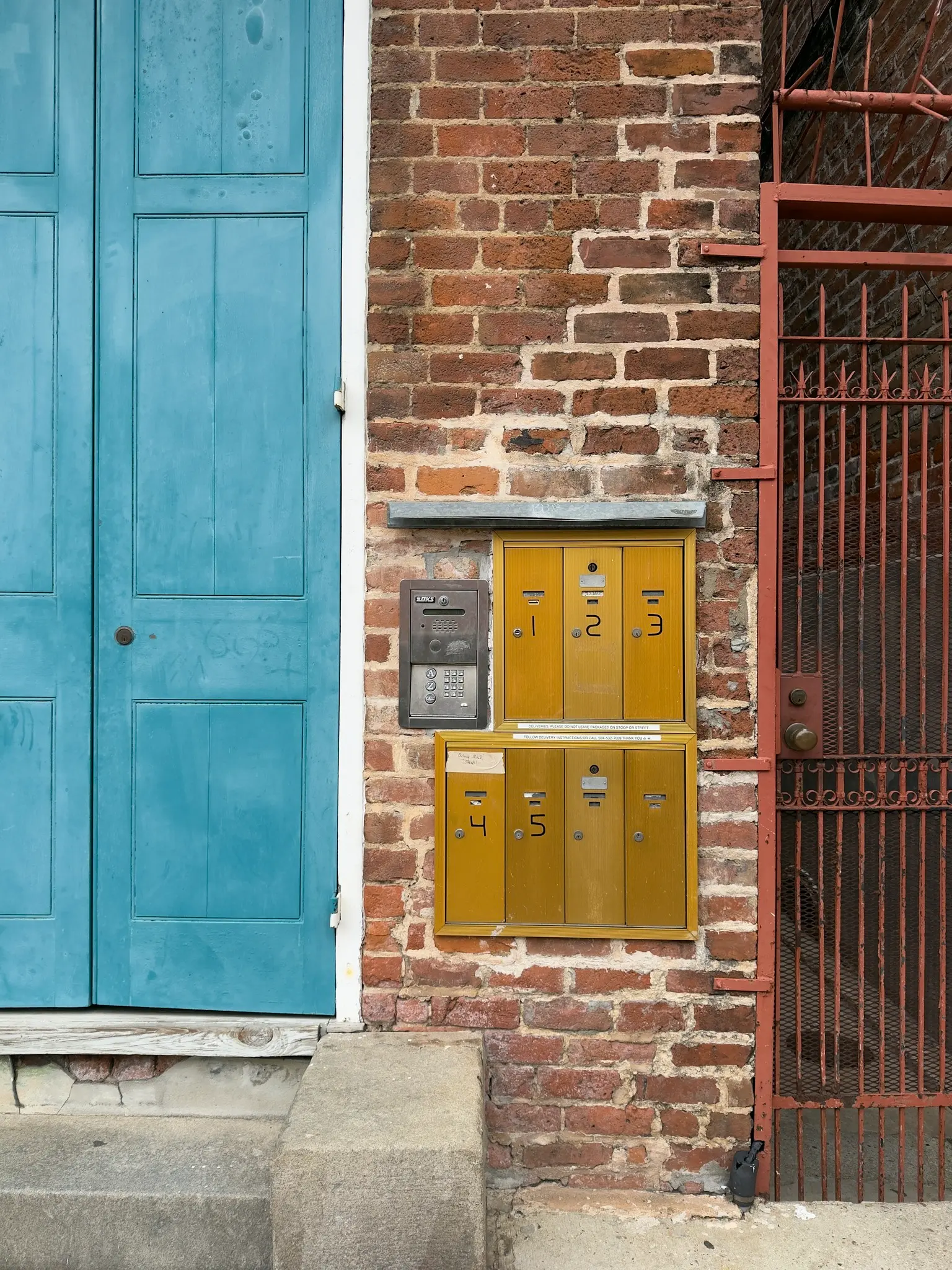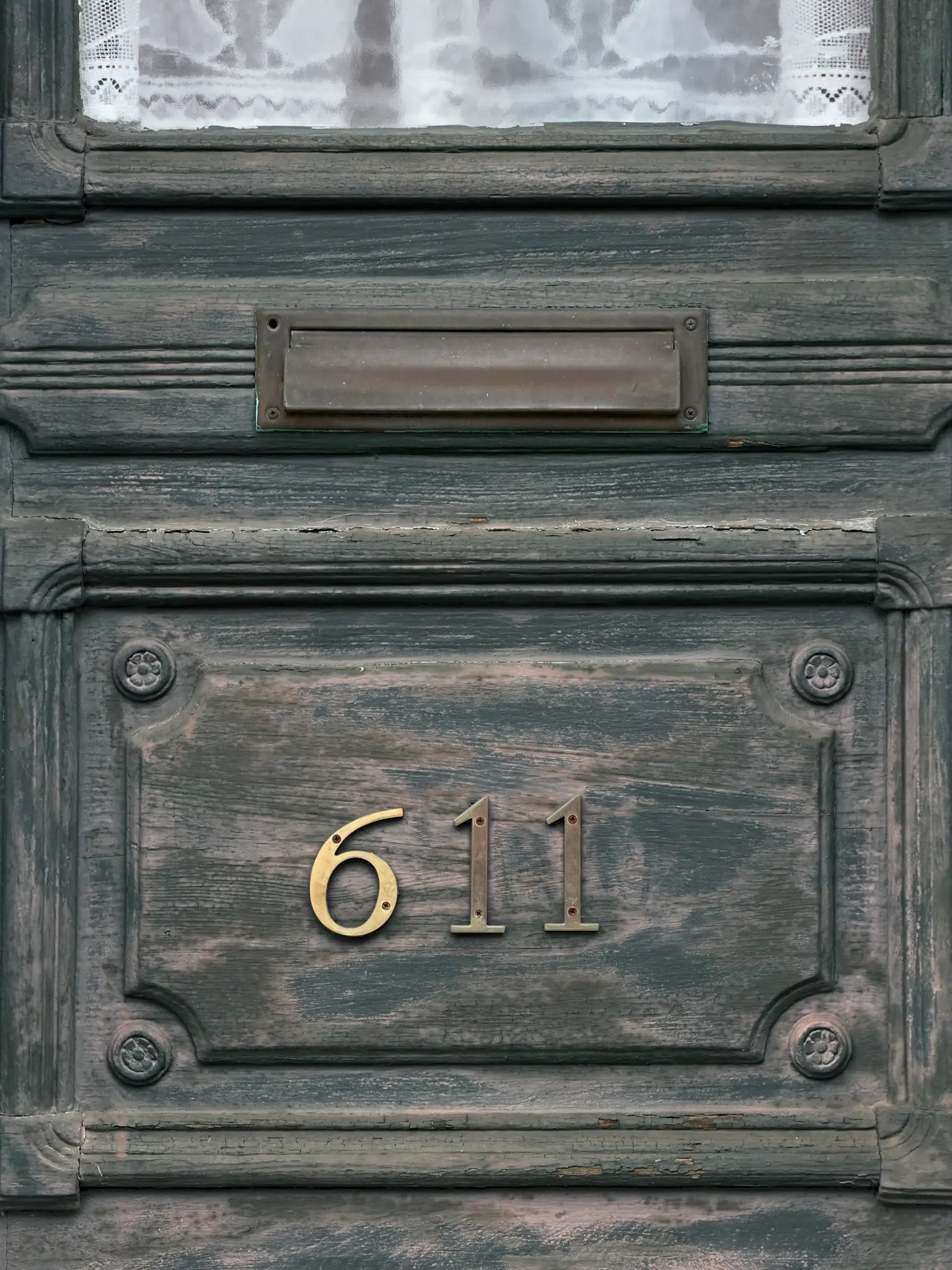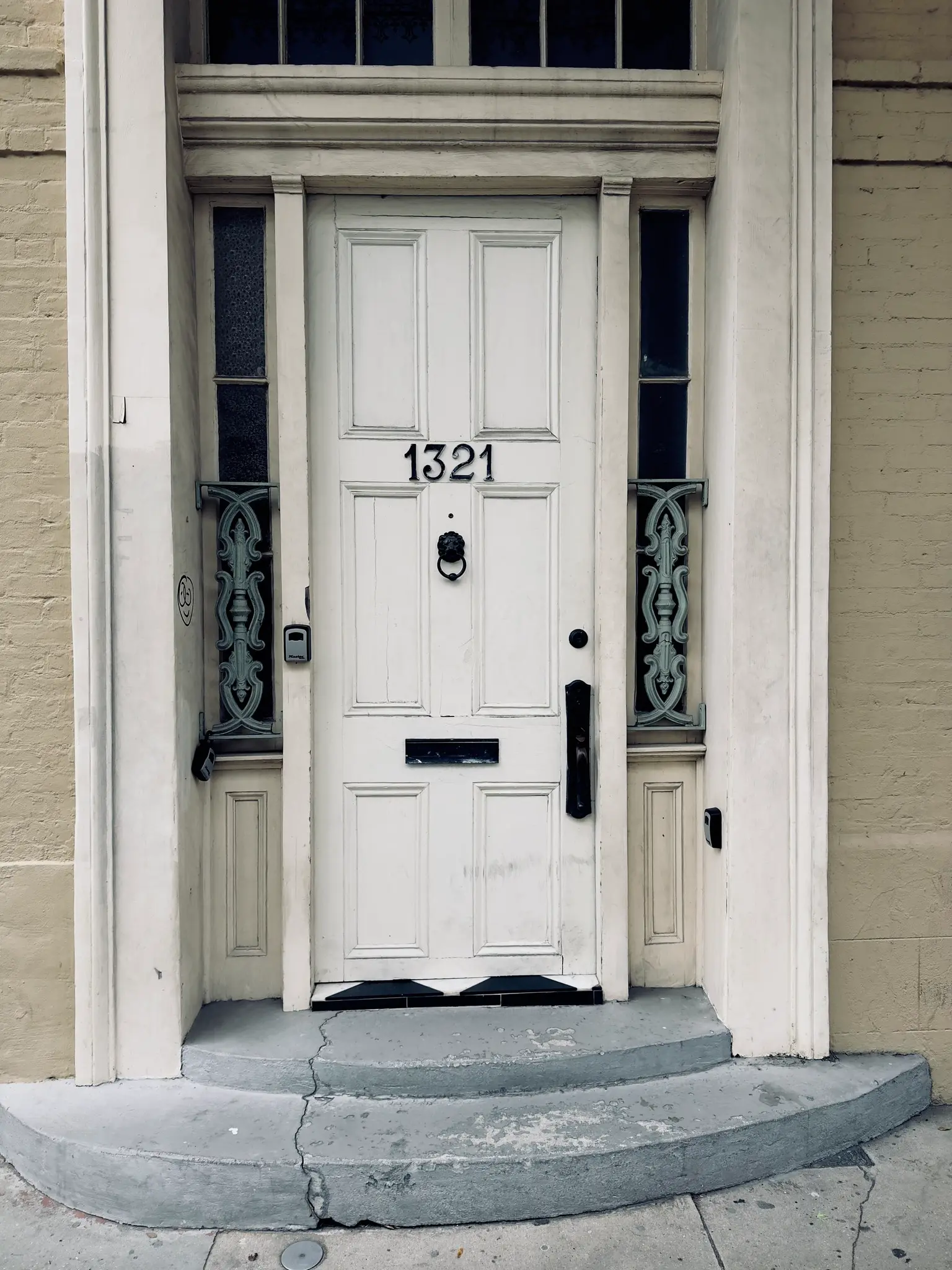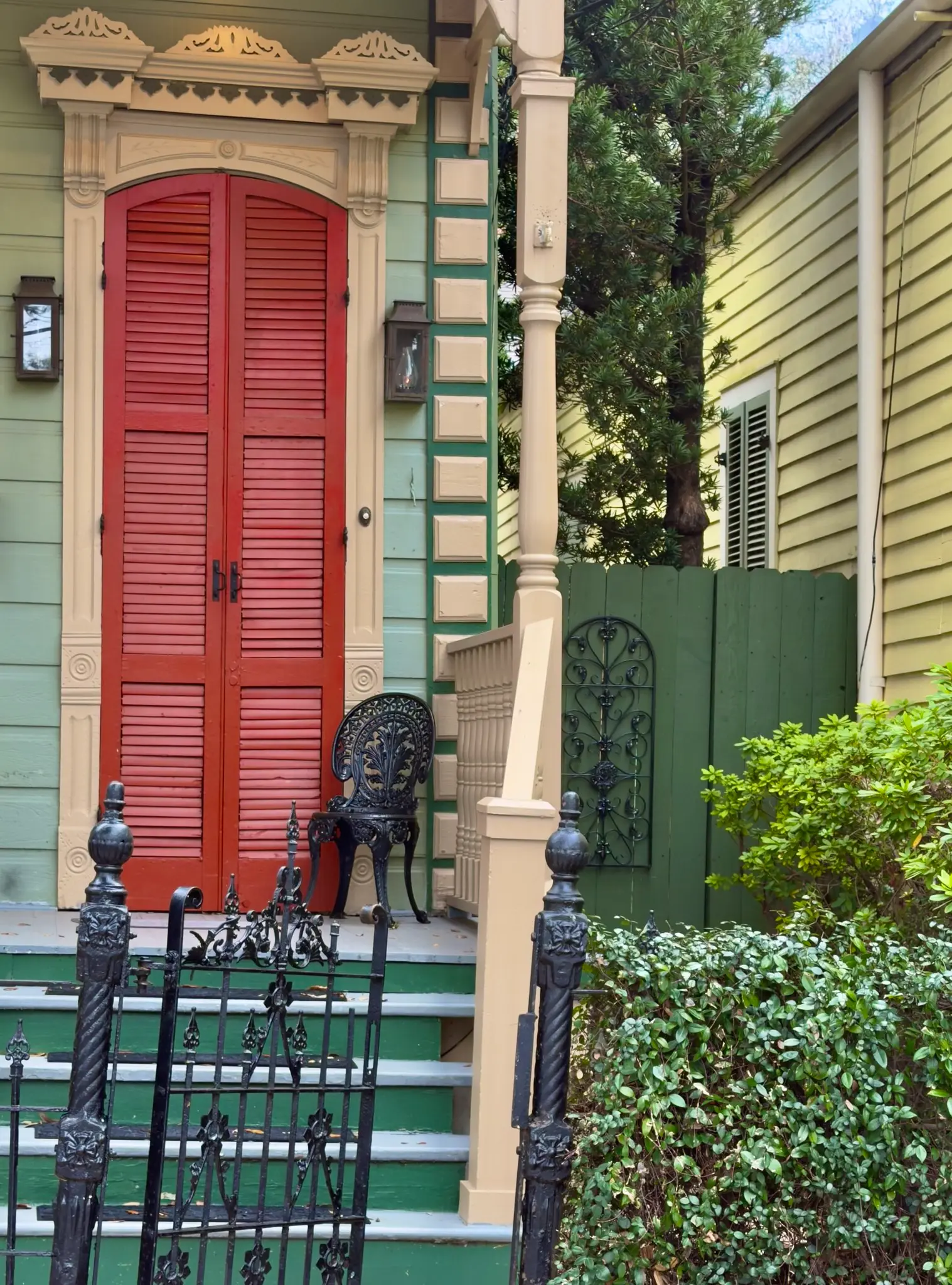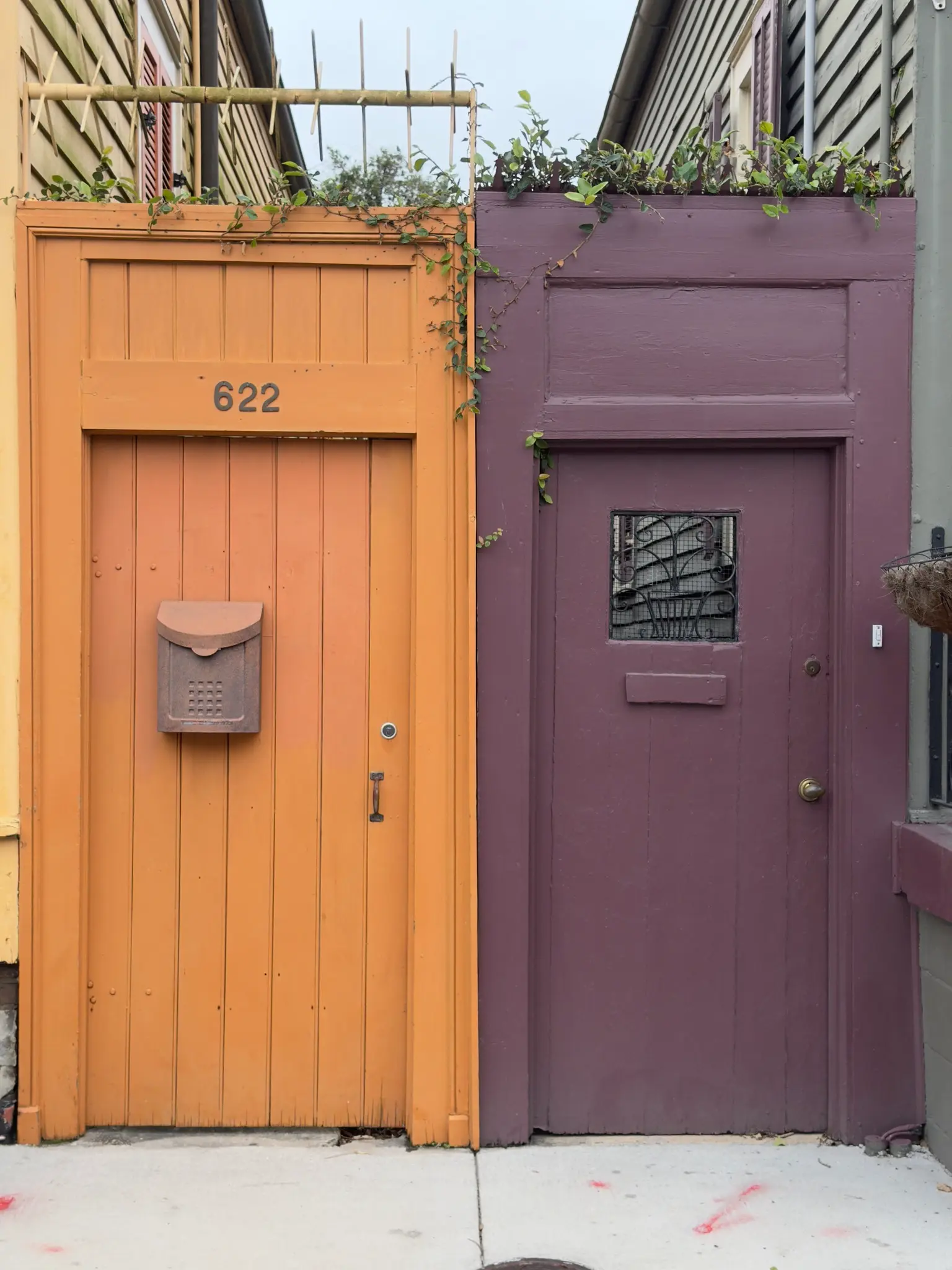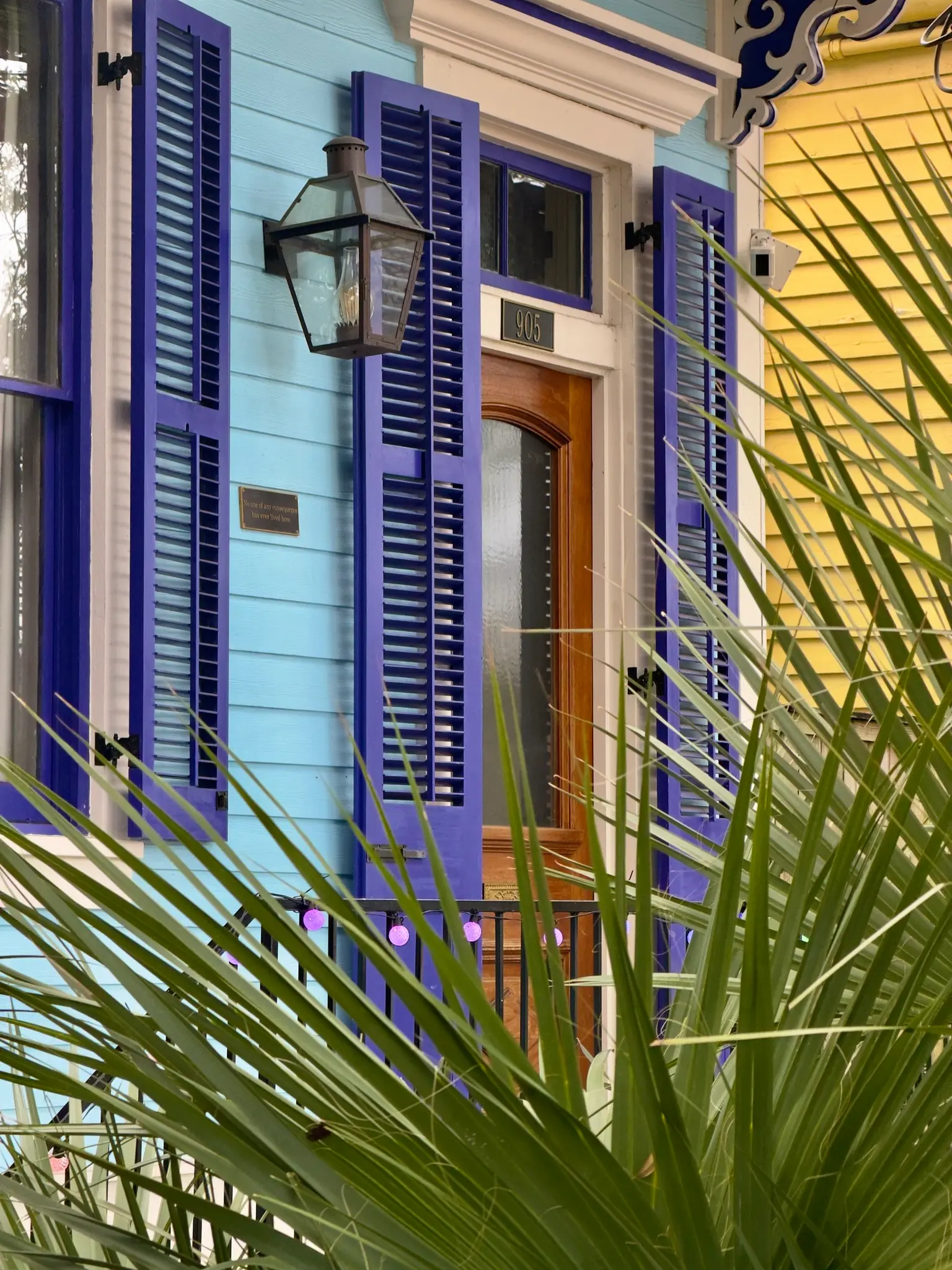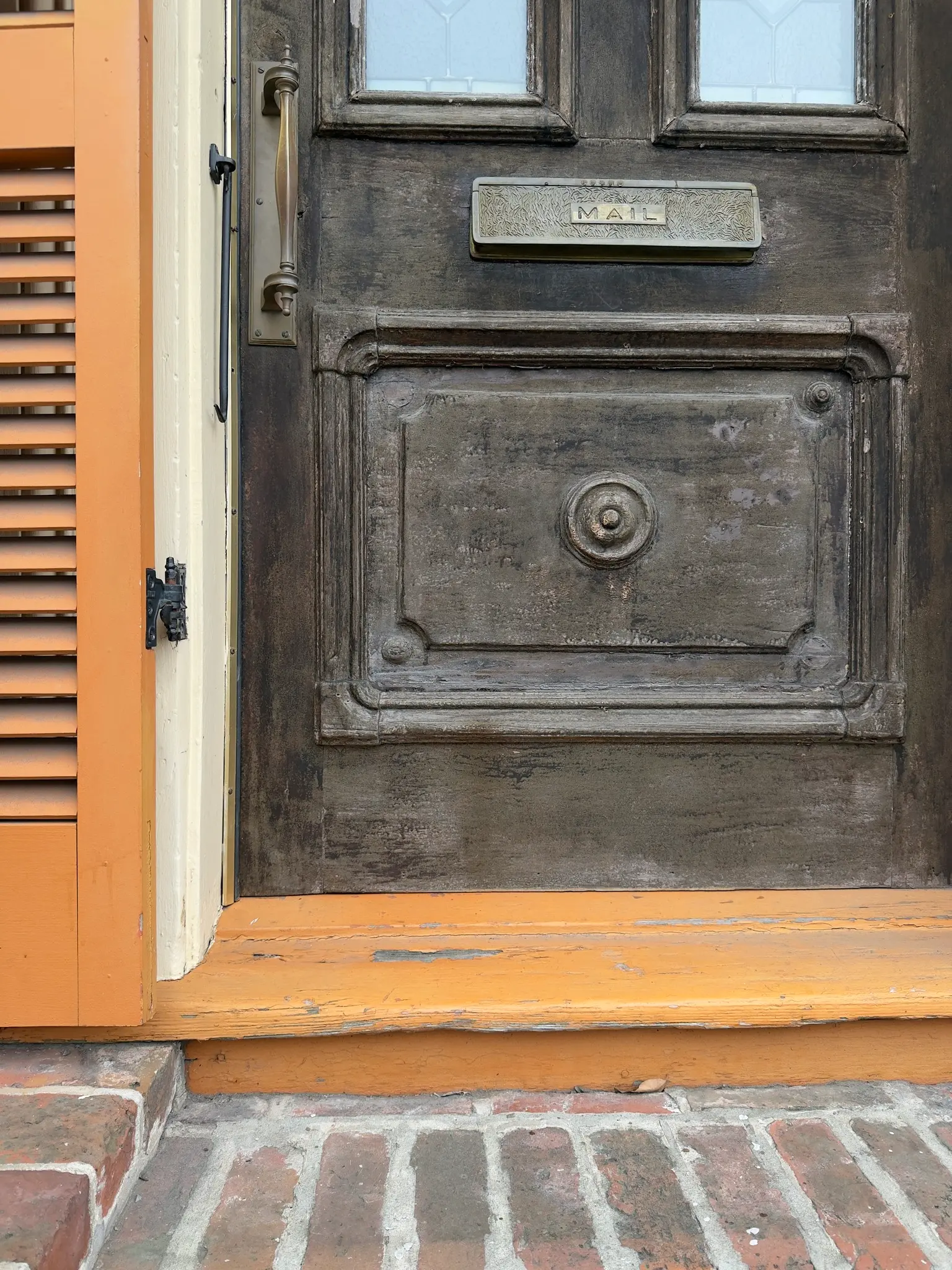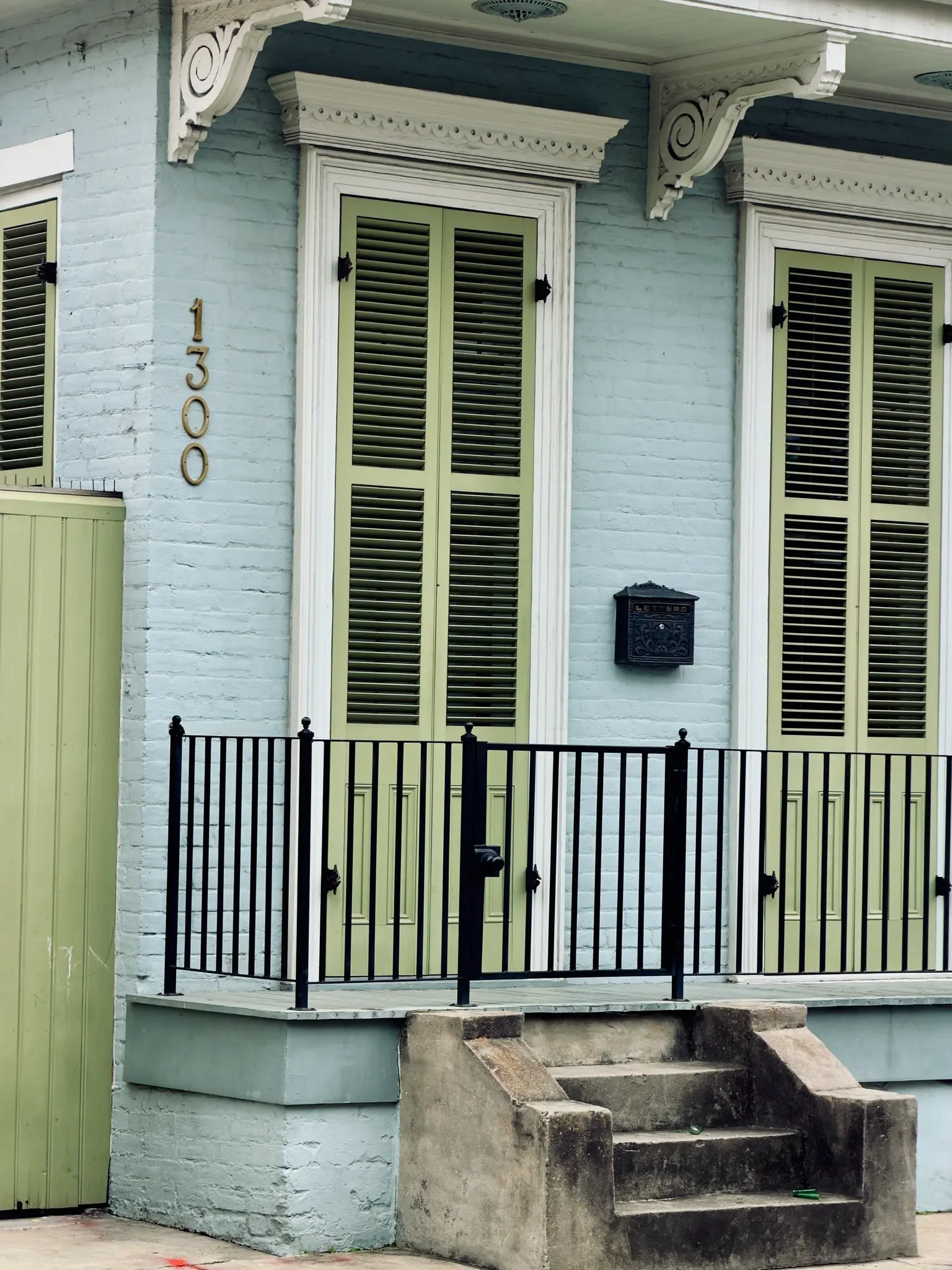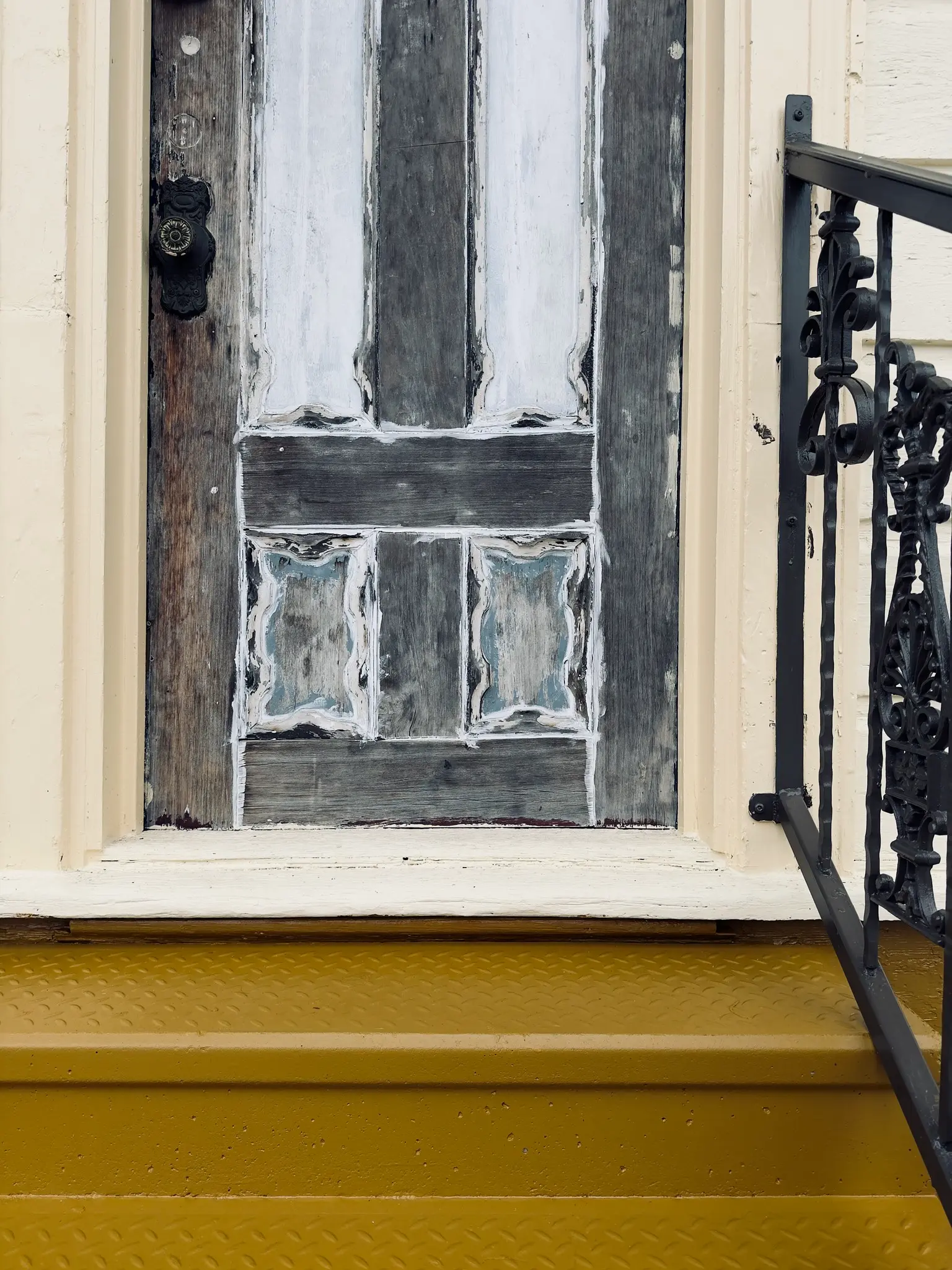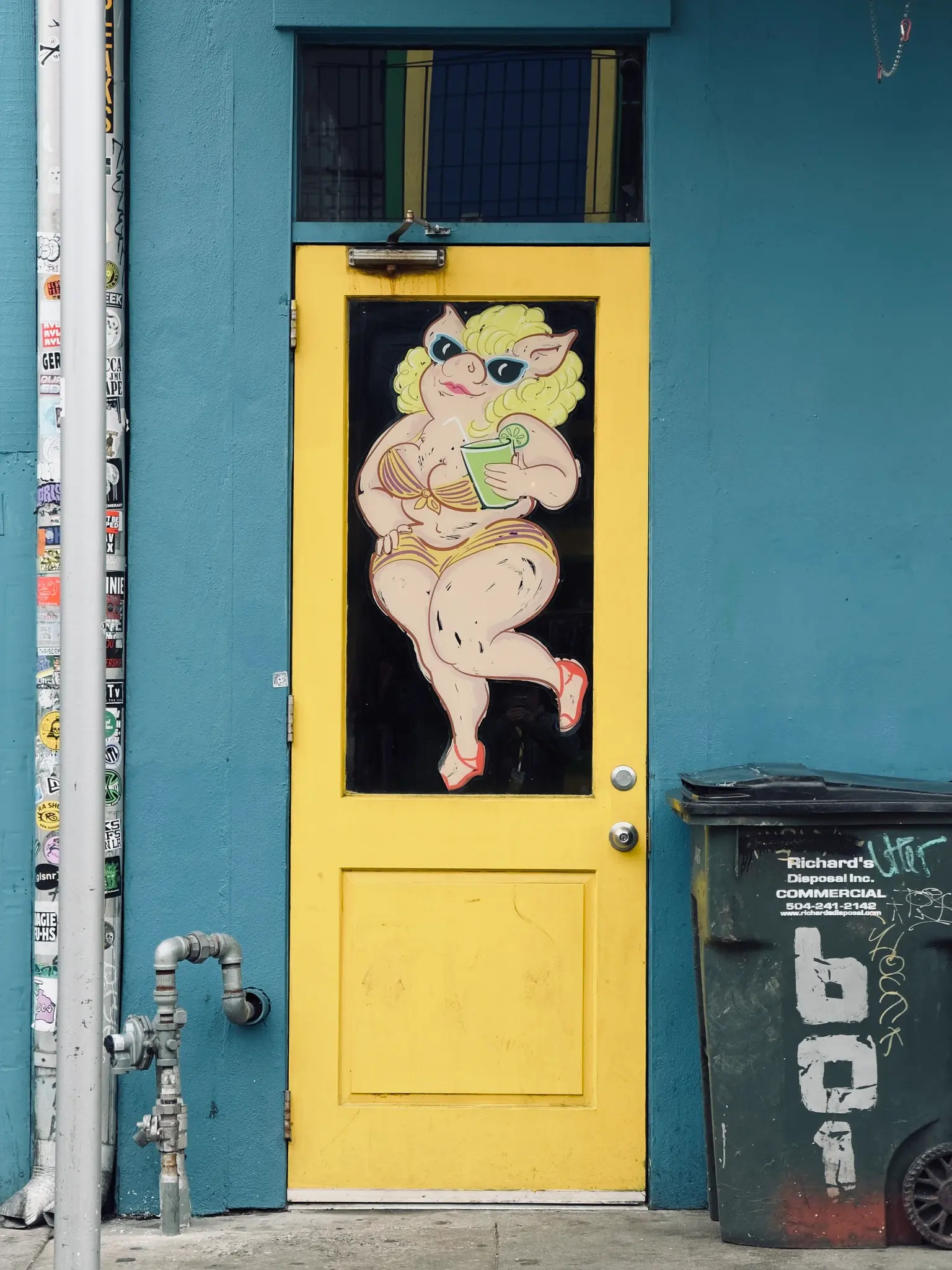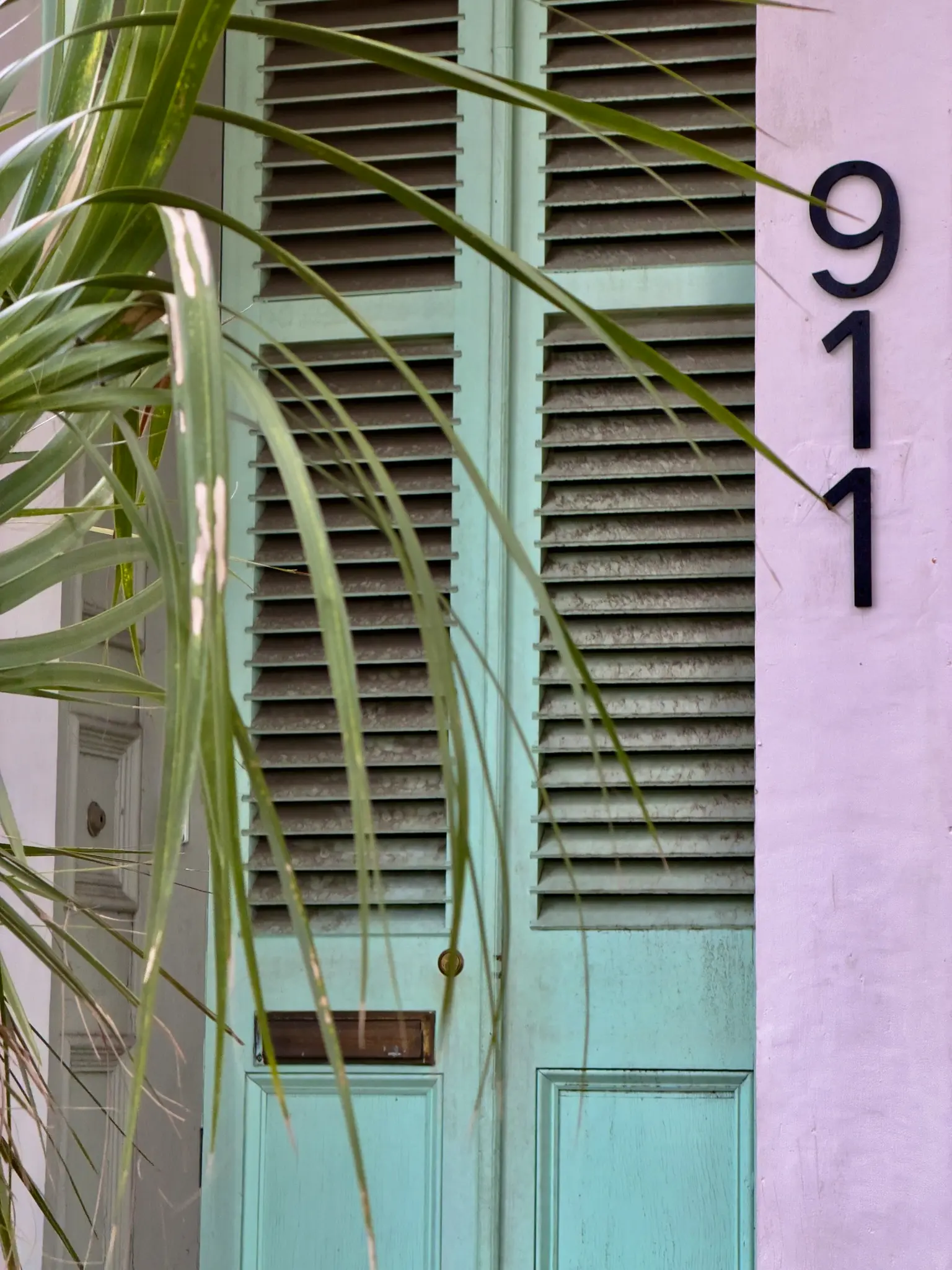
I don’t know a single photographer—myself included—who doesn’t have a private stash of doors and windows.
It’s practically a rite of passage.
Weathered wood. Peeling paint. Rusted hinges. Light spilling through cracked blinds. Reflections in glass. Shadows on thresholds.
We’ve all done it.
We see a door and we see metaphor.
We see a window and we see possibility.
For decades, I’ve photographed doors as symbols of opportunity. Entry. Curiosity. Invitation. The promise that something is happening on the other side. Something unknown. Something worth discovering.
A door slightly ajar? That’s hope.
A window glowing at dusk? That’s intimacy.
An old, chipped doorway in some forgotten alley? That’s history whispering.
As photographers, we’re wired to stand outside and wonder.
What’s in there?
Who lives there?
What stories unfold beyond that frame?
We romanticize the outsider looking in.
We frame it.
We expose it.
We publish it.
But something strange happened to me in New Orleans.
I was walking streets I’ve walked before. Photographing doors I’ve photographed before. The same old brick facades. The same wrought-iron gates. The same layered paint that tells a century of stories.
Only this time, the story shifted.
Instead of seeing opportunity, I saw protection.
Instead of invitation, I saw boundary.
Instead of “Come in,” I heard:
Keep out.
Not aggressively.
Not angrily.
Just clearly.
Keep out.
And it caught me off guard.
Because for most of my photographic life, doors have meant entry. Curiosity. Movement forward.
But standing there in New Orleans, camera in hand, I felt something different.
I wasn’t the outsider looking in.
I was the insider looking out.
And I understood something I hadn’t fully admitted before.
Once you’re inside, you have to protect what’s inside.
We romanticize entry.
We don’t talk enough about shelter.
There’s a reason doors exist.
There’s a reason windows have shutters.
There’s a reason we lock things at night.
It’s not paranoia.
It’s preservation.
Over the last few years, the world has grown louder. Hotter. Meaner. More frenzied. More performative. More brittle.
Everything feels amplified.
Outrage is currency.
Certainty is weaponized.
Nuance is suspect.
Volume wins.
You scroll for five minutes and feel worse about humanity.
You speak your mind and someone you’ve never met decides you’re the problem with civilization.
You share something personal and it becomes fodder.
The noise never stops.
And if you’re sensitive—if you’re reflective—if you actually feel things deeply—this constant barrage takes a toll.
It numbs you.
Or worse, it hardens you.
And I don’t want to be numb.
I don’t want to be hard.
I don’t want to live permanently outside, shouting at other people’s doors.
So when I looked at those doors in New Orleans, I didn’t see mystery.
I saw necessity.
Keep out.
Not because I hate you.
Not because I’m afraid of you.
But because what’s inside matters.
Once you’ve built something—peace, perspective, self-acceptance—you have to guard it.
You don’t leave the front door wide open in a storm.
You don’t let every opinion set up camp in your living room.
You don’t give strangers the master key to your emotional house.
Because here’s the truth:
It took years to build that interior space.
Years of failure.
Years of doubt.
Years of divorce.
Years of bankruptcy.
Years of public criticism.
Years of questioning what I believed, who I was, what mattered.
Peace isn’t accidental.
It’s constructed.
Brick by brick.
Choice by choice.
You wake up one day and realize that you’re finally comfortable in your own skin. Finally curious without being frantic. Finally present without being defensive.
And that peace?
It’s fragile.
Not weak.
Fragile in the way a newborn is fragile. In the way a flame is fragile. In the way trust is fragile.
You don’t expose it recklessly.
You protect it.
That doesn’t mean you stop engaging the world.
It doesn’t mean you stop speaking your mind.
It doesn’t mean you stop photographing doors.
It means you understand the difference between openness and vulnerability on one hand, and exposure without boundaries on the other.
There are devils out there.
Not supernatural ones.
Human ones.
Cynicism.
Envy.
Cruelty.
Performative righteousness.
Tribal madness.
Dragons that feed on attention.
If you invite them inside, they rearrange your furniture. They knock pictures off the wall. They sit at your table and tell you who you are.
And before you know it, your interior life doesn’t feel like yours anymore.
So sometimes the most radical act isn’t entering.
It’s closing.
Closing the laptop.
Closing the app.
Closing the argument.
Closing the door.
Keep out.
Because inside this space, I’m working on something.
Inside this space, I’m making photographs that matter to me.
Inside this space, I’m thinking thoughts that don’t need to be debated in real time.
Inside this space, I’m protecting my sensibilities and sensitivities.
And here’s the hopeful part.
Boundaries aren’t walls forever.
They’re doors with intention.
A locked door isn’t hostility.
It’s discernment.
You get to choose who comes in.
You get to choose what voices matter.
You get to decide what gets your attention.
That’s not weakness.
That’s maturity.
We live in a moment that rewards constant exposure. Constant access. Constant reaction.
But creativity doesn’t thrive in constant noise.
It thrives in shelter.
In warmth.
In quiet.
Think about a darkroom.
You don’t develop photographs in full sunlight.
You develop them in controlled light. In protected space. In careful timing.
Your interior life is no different.
If everything is exposed all the time, nothing develops.
So when I look at doors now, I still see beauty.
But I also see wisdom.
A door is a choice.
Enter when you’re ready.
Invite when it’s safe.
Close when you must.
Keep out isn’t bitterness.
It’s clarity.
And paradoxically, the more we protect our inner space, the more generous we can be when we step outside.
Because we’re not depleted.
We’re not reactive.
We’re not bleeding.
We’re centered.
Strong.
Grounded.
When your house is in order, you can open the door without fear.
When your interior life is stable, you can welcome difference without losing yourself.
When your sensibilities are protected, you don’t have to scream to be heard.
So yes.
Photograph the doors.
Romanticize the windows.
Wonder about what’s inside.
But also remember this:
You are allowed to have a private interior.
You are allowed to shut the noise out.
You are allowed to protect your peace in a world that seems intent on disturbing it.
The sign doesn’t have to be aggressive.
It can be quiet.
Simple.
Firm.
Keep out.
Not because the world is hopeless.
But because what’s inside you is worth guarding.
And once you learn to protect that space, you don’t become smaller.
You become steady.
And steady, in times like these, is a radical kind of hope.
Click.
Jack.