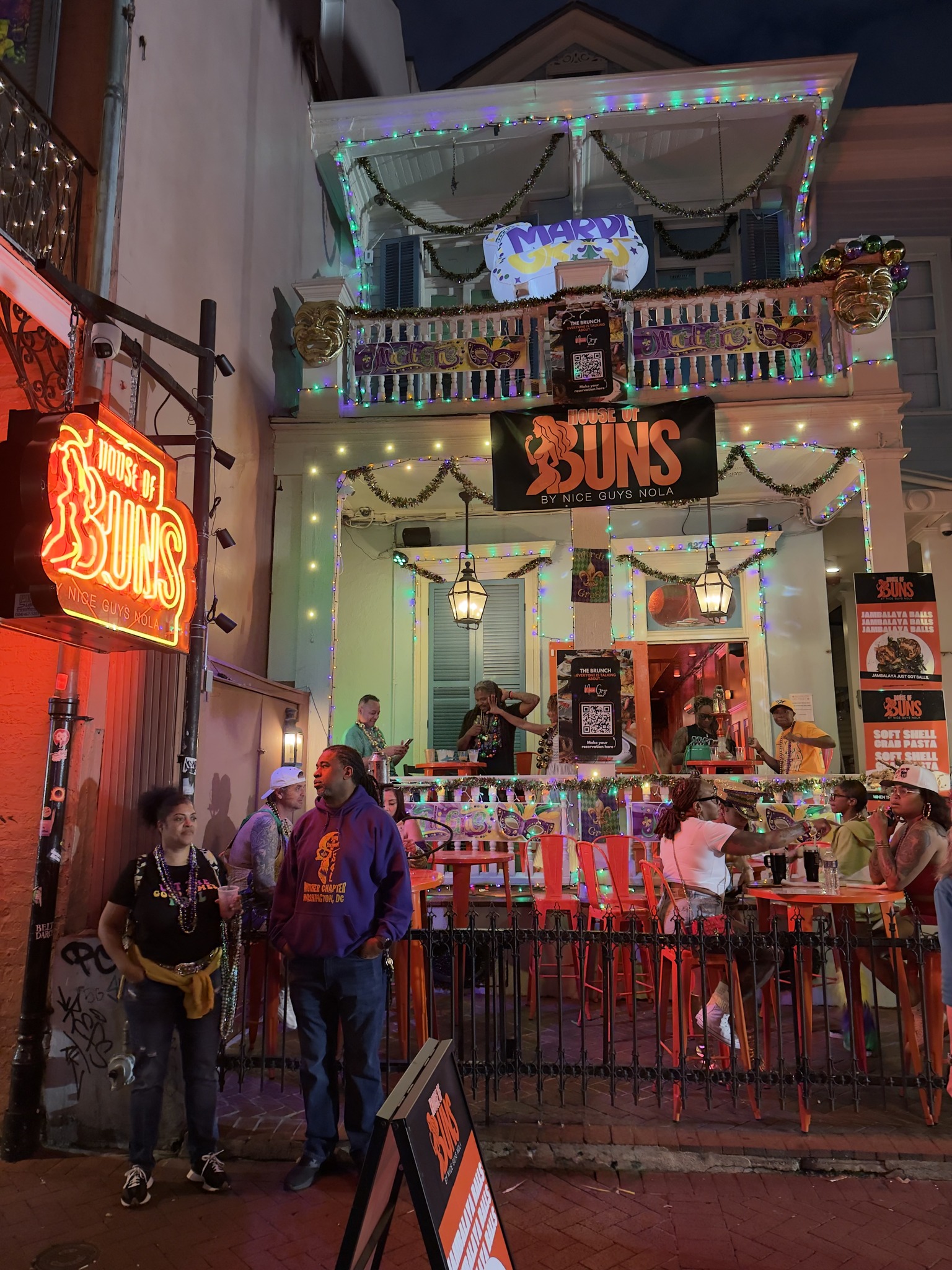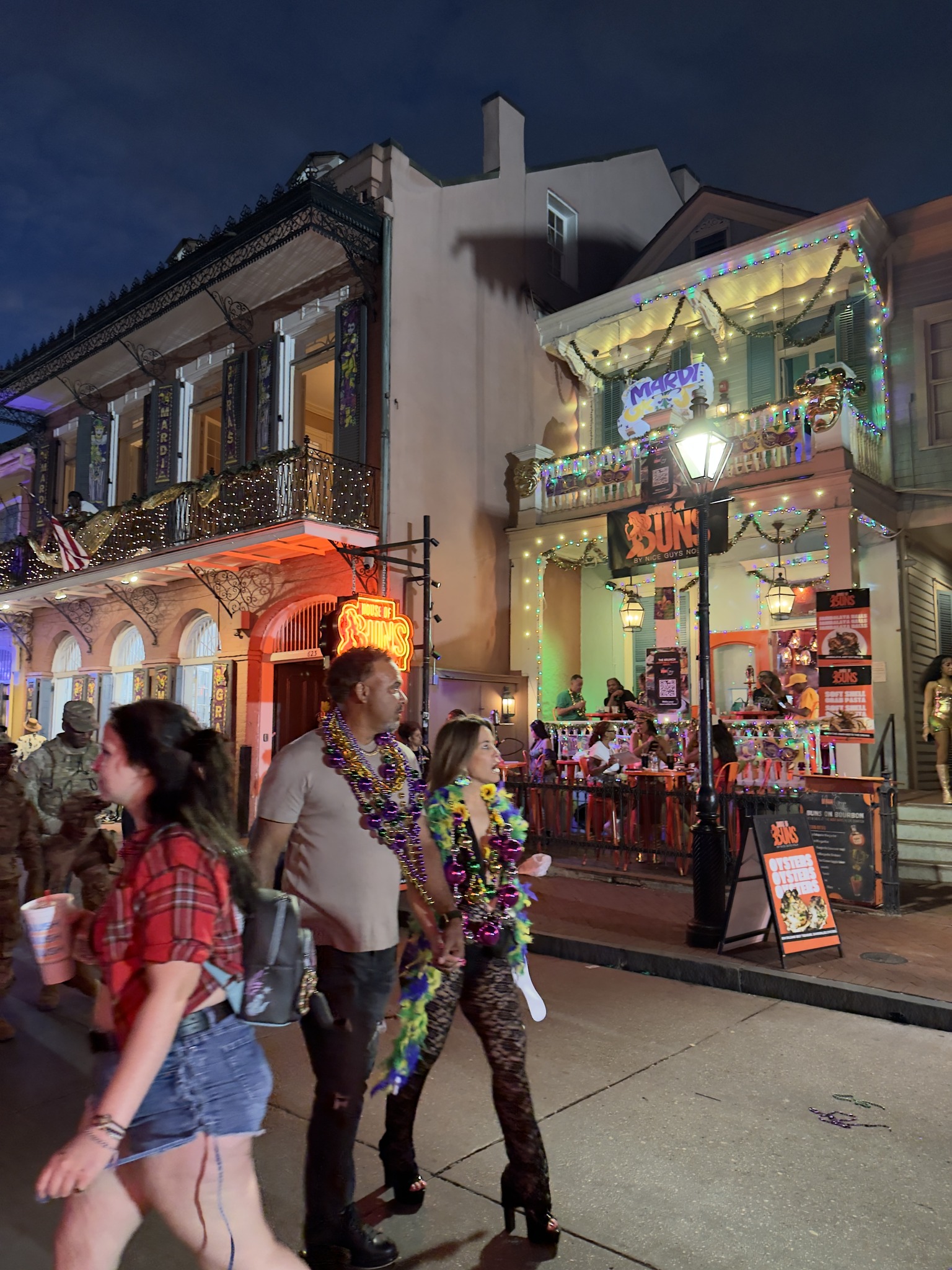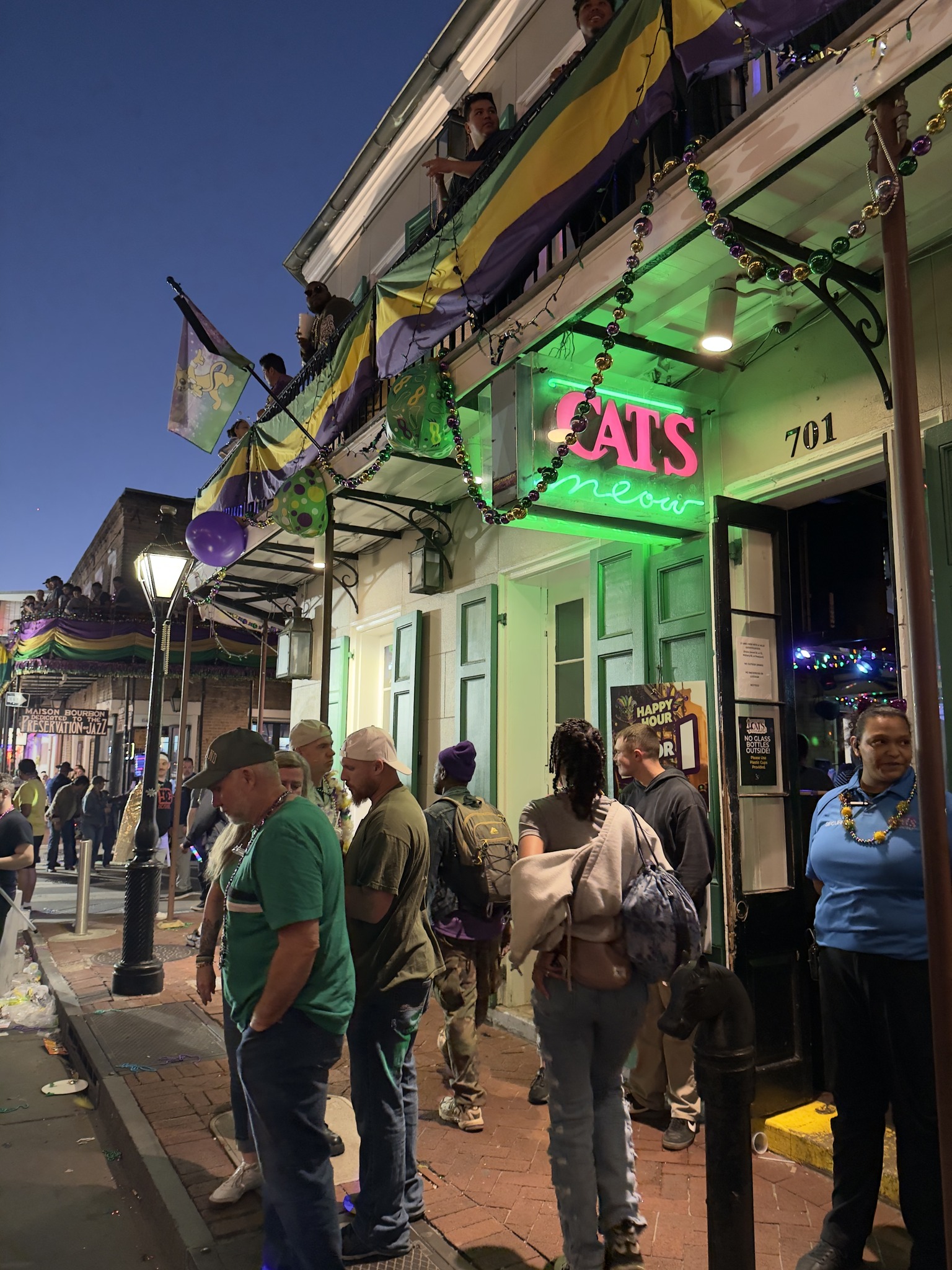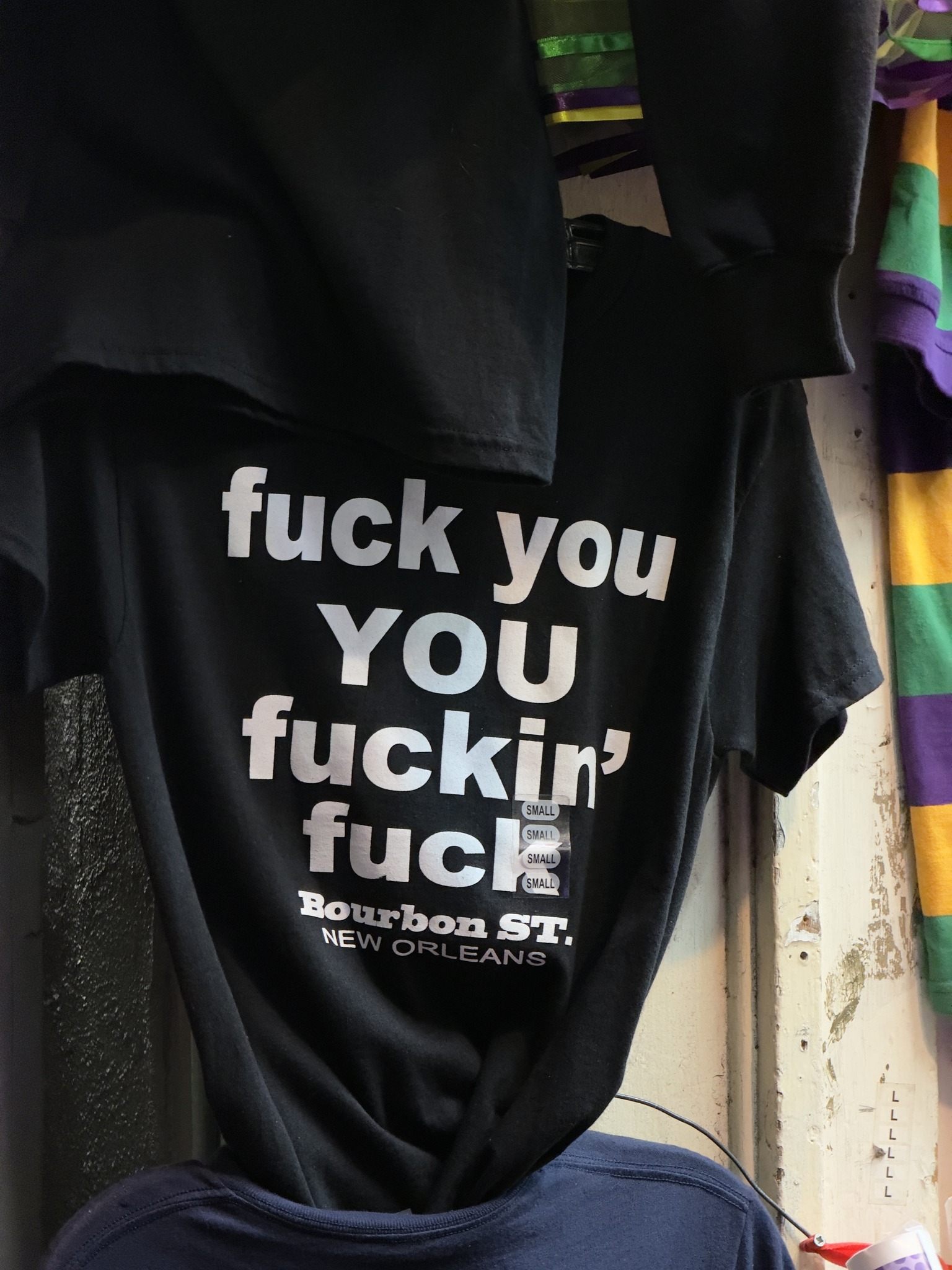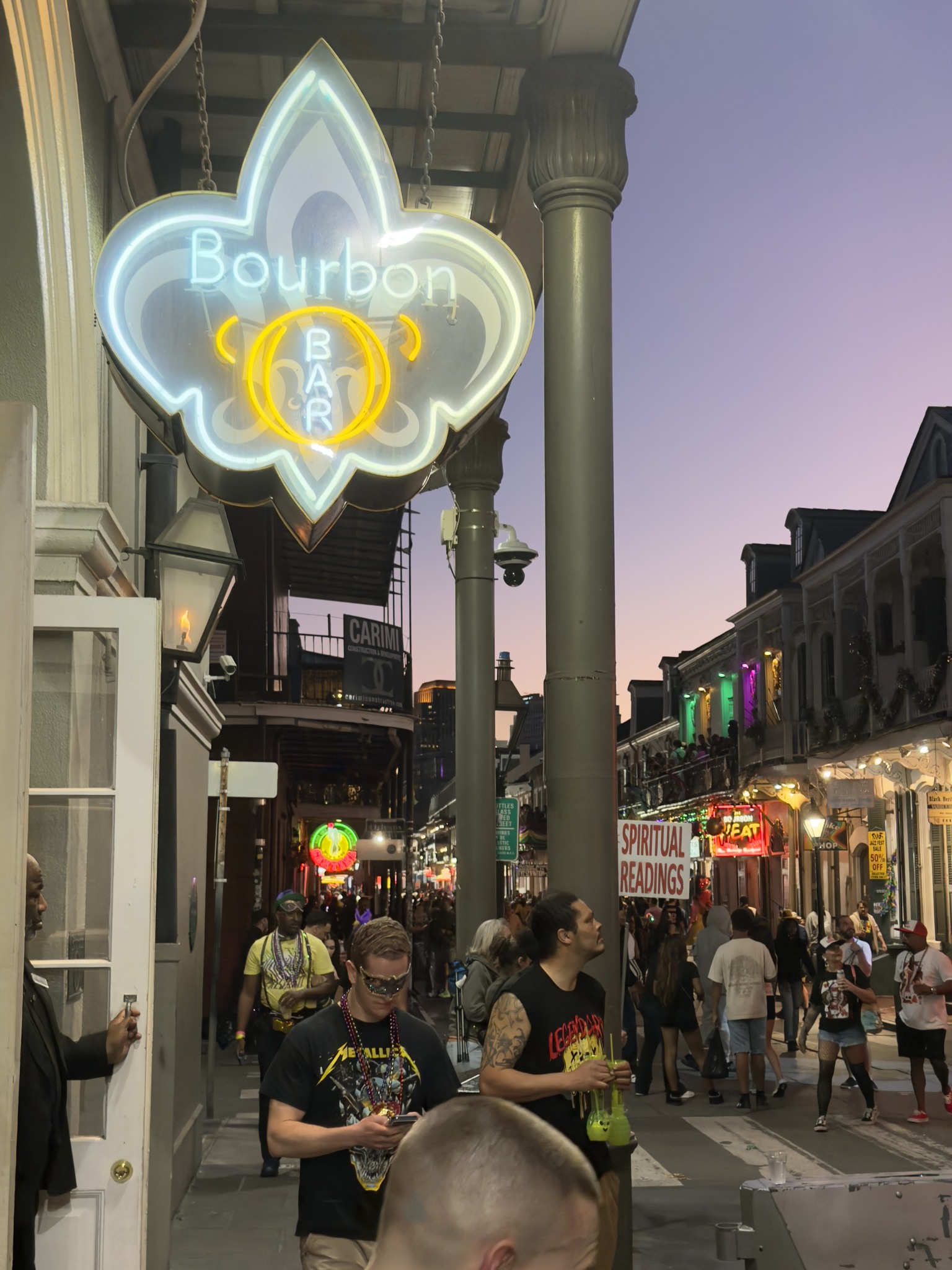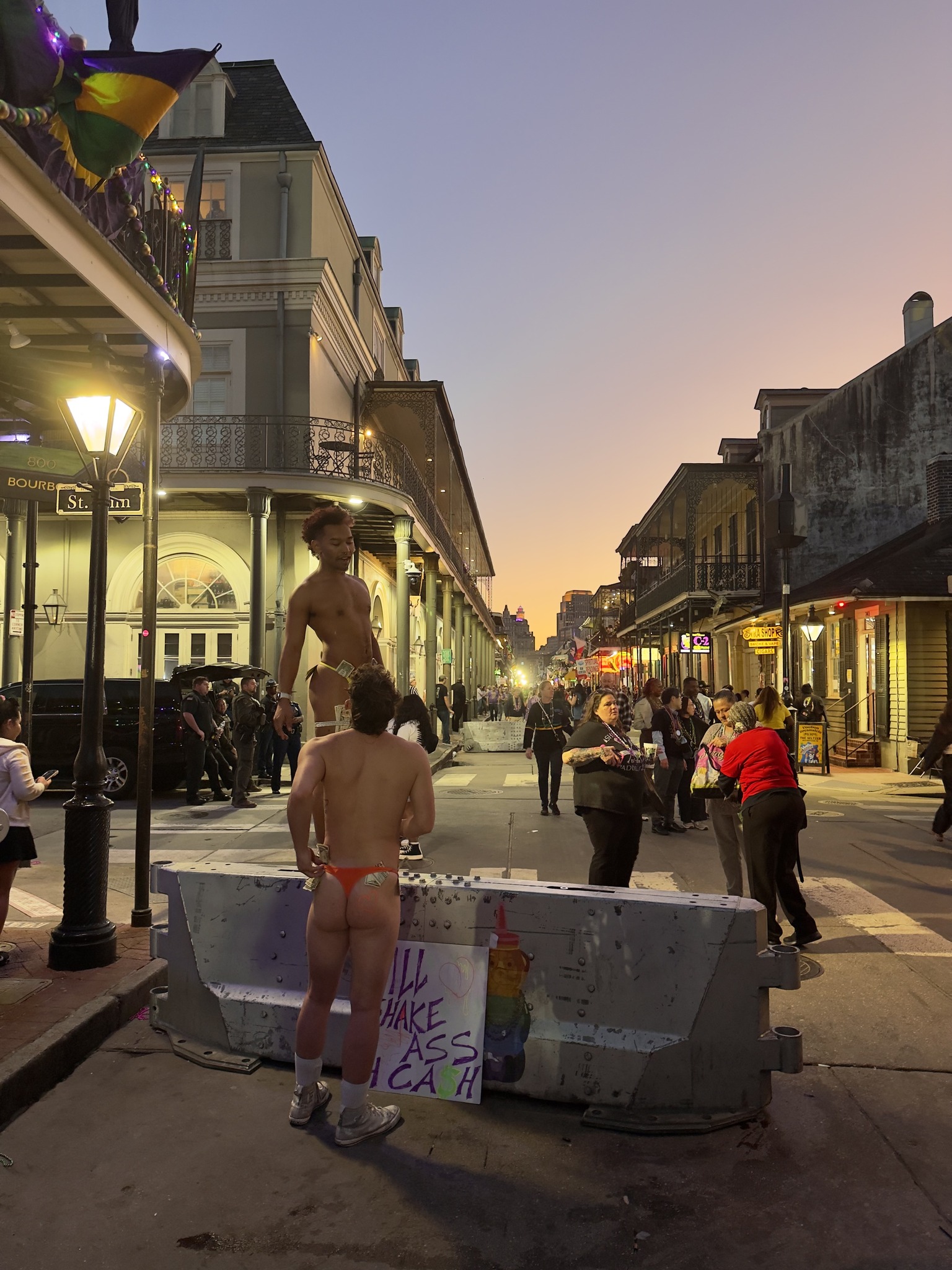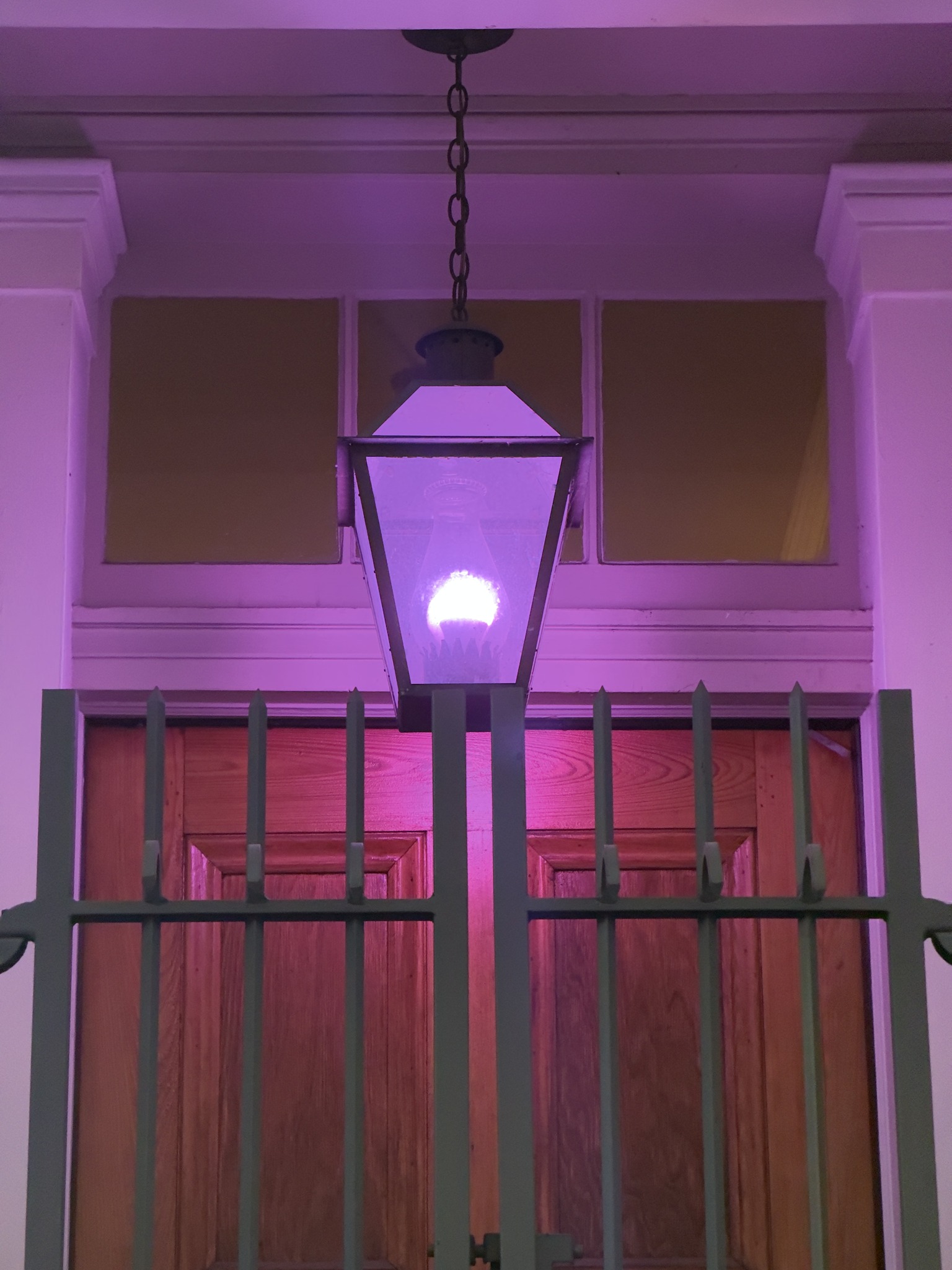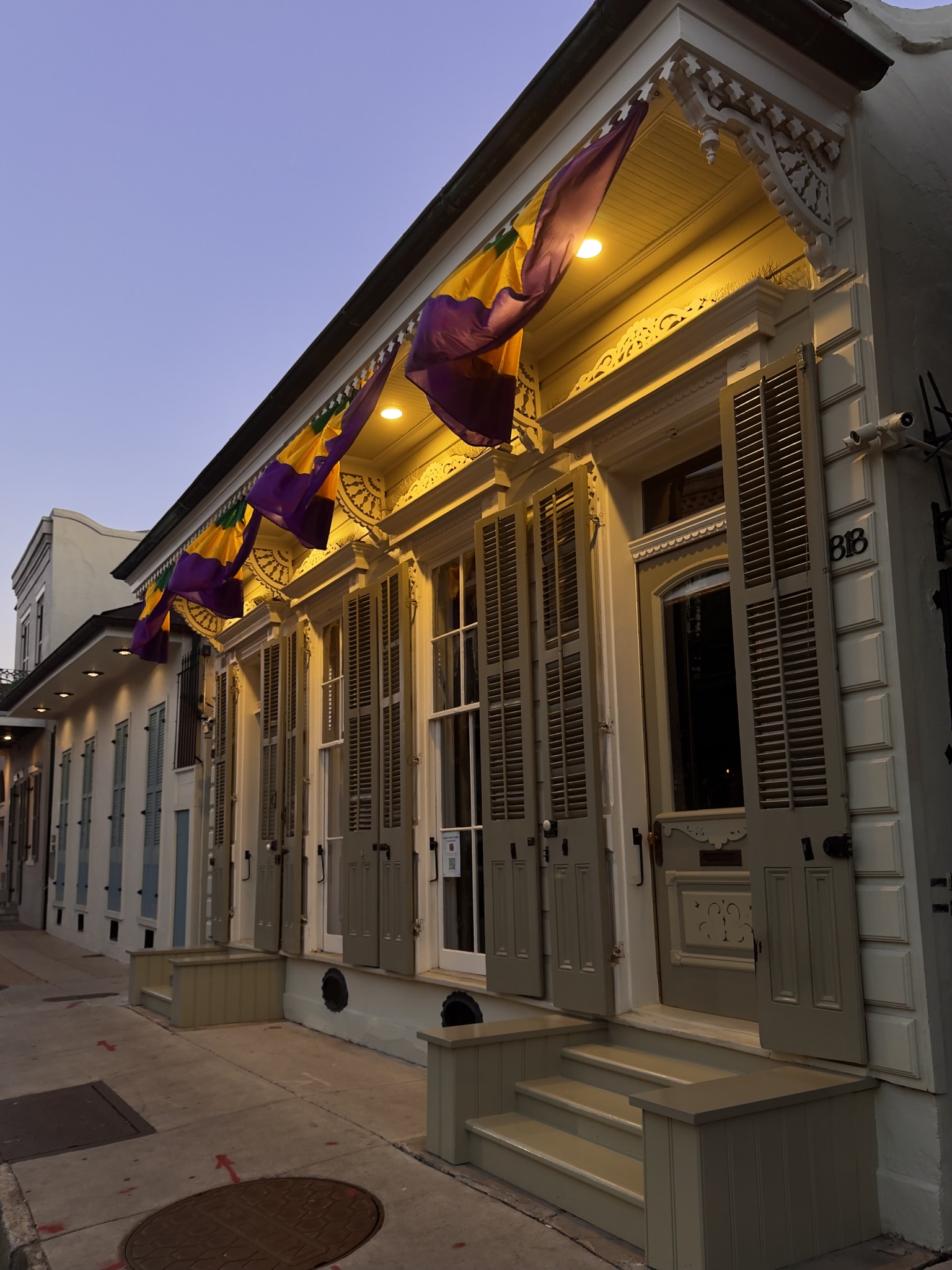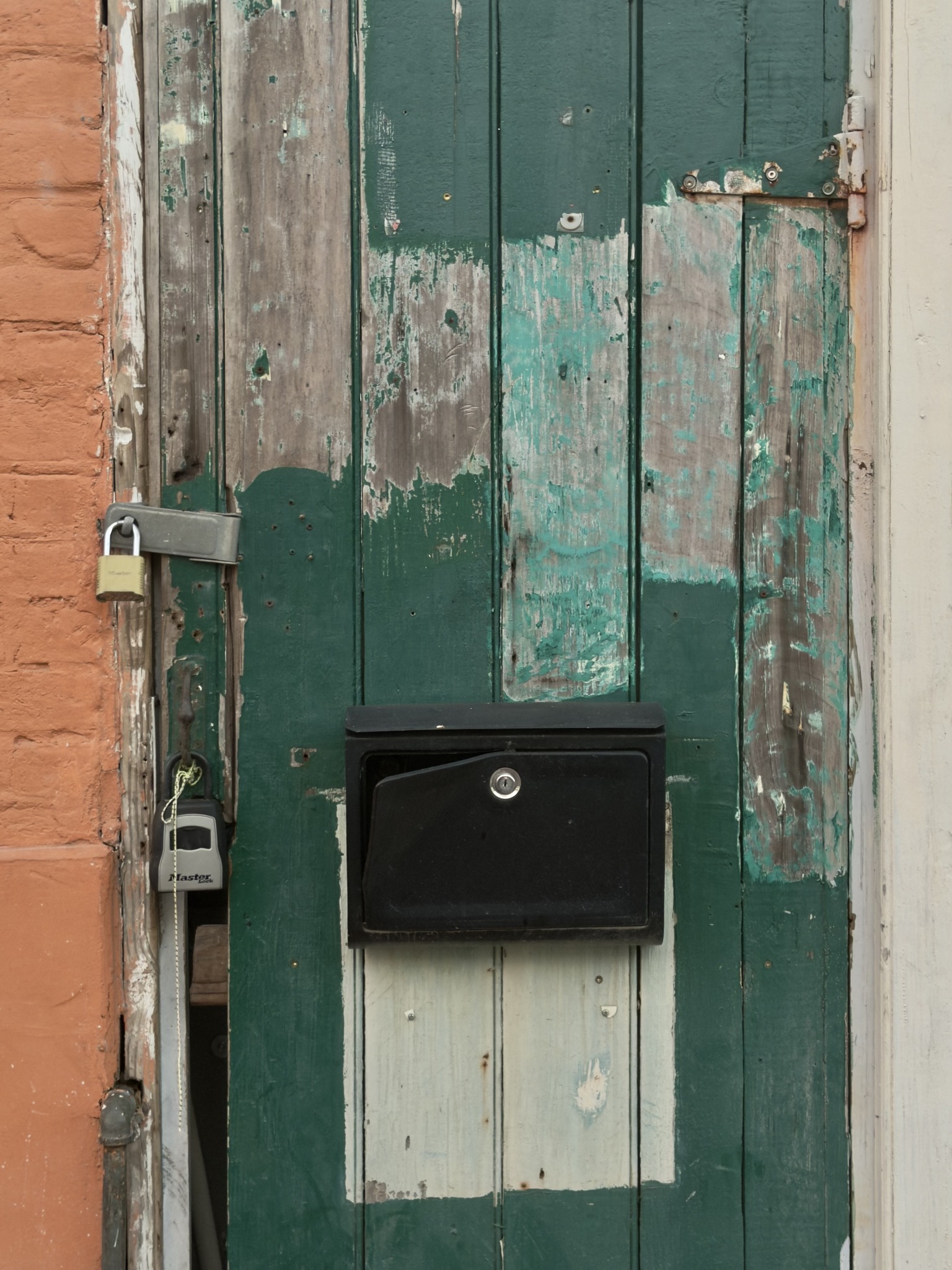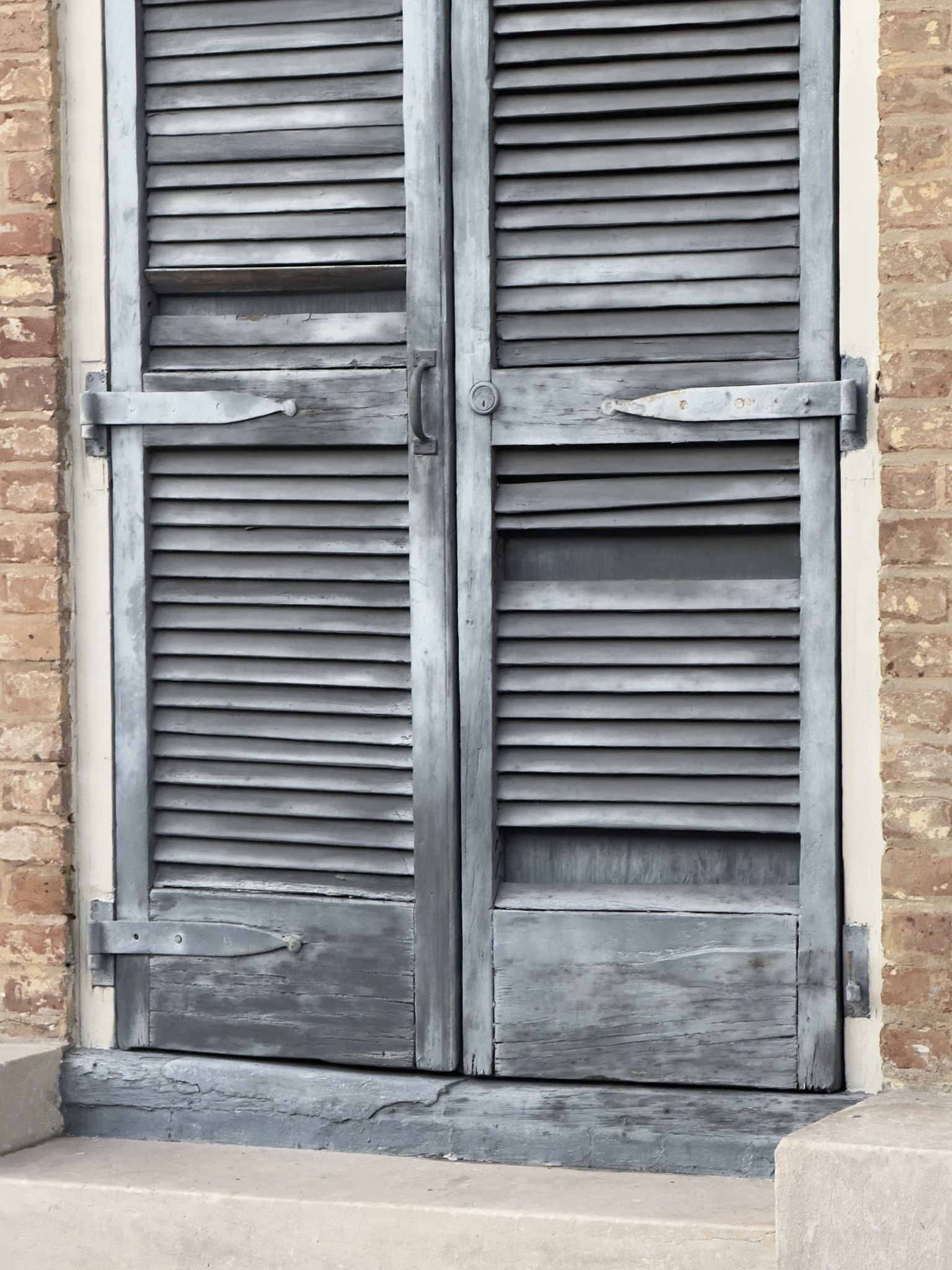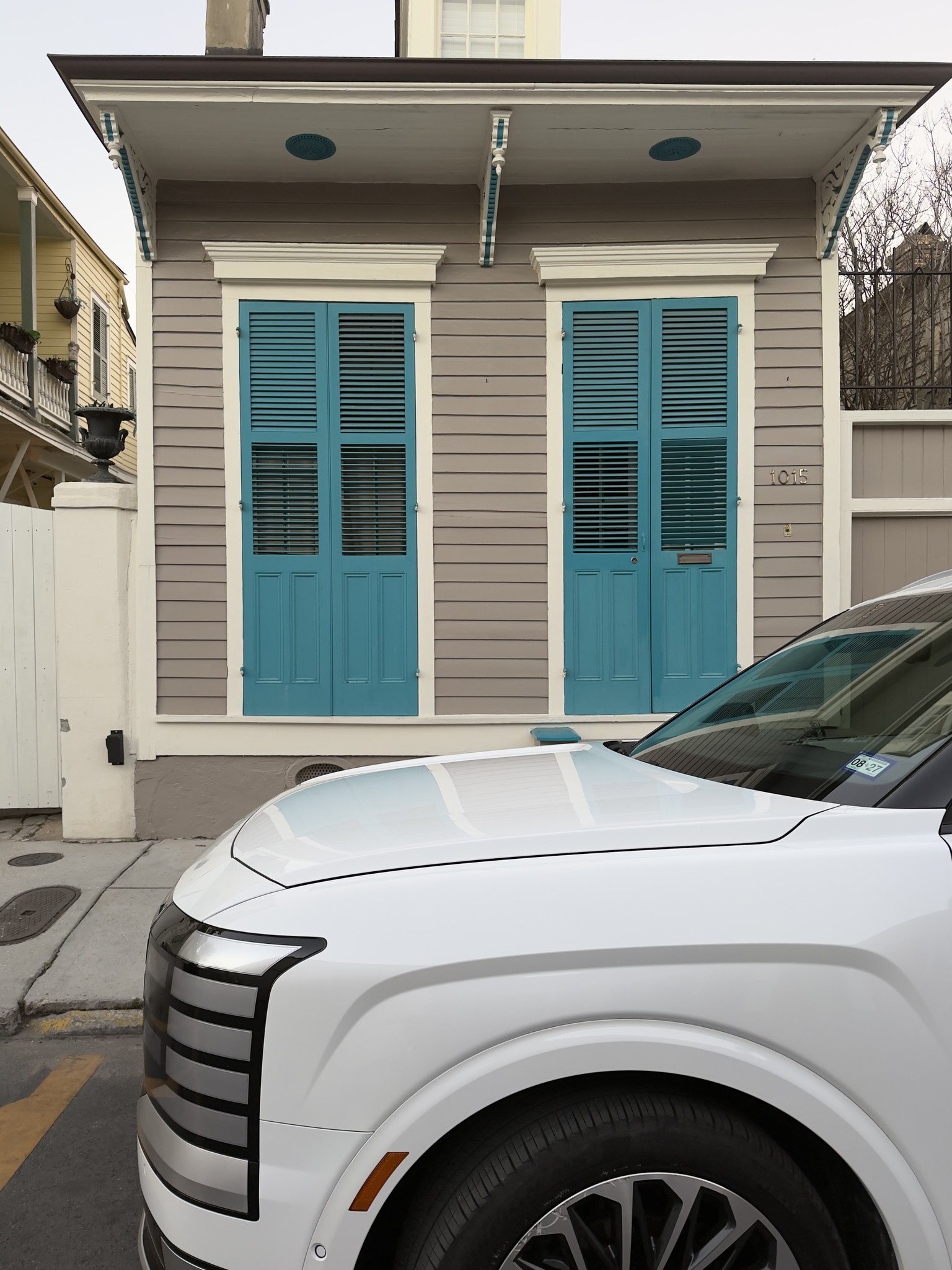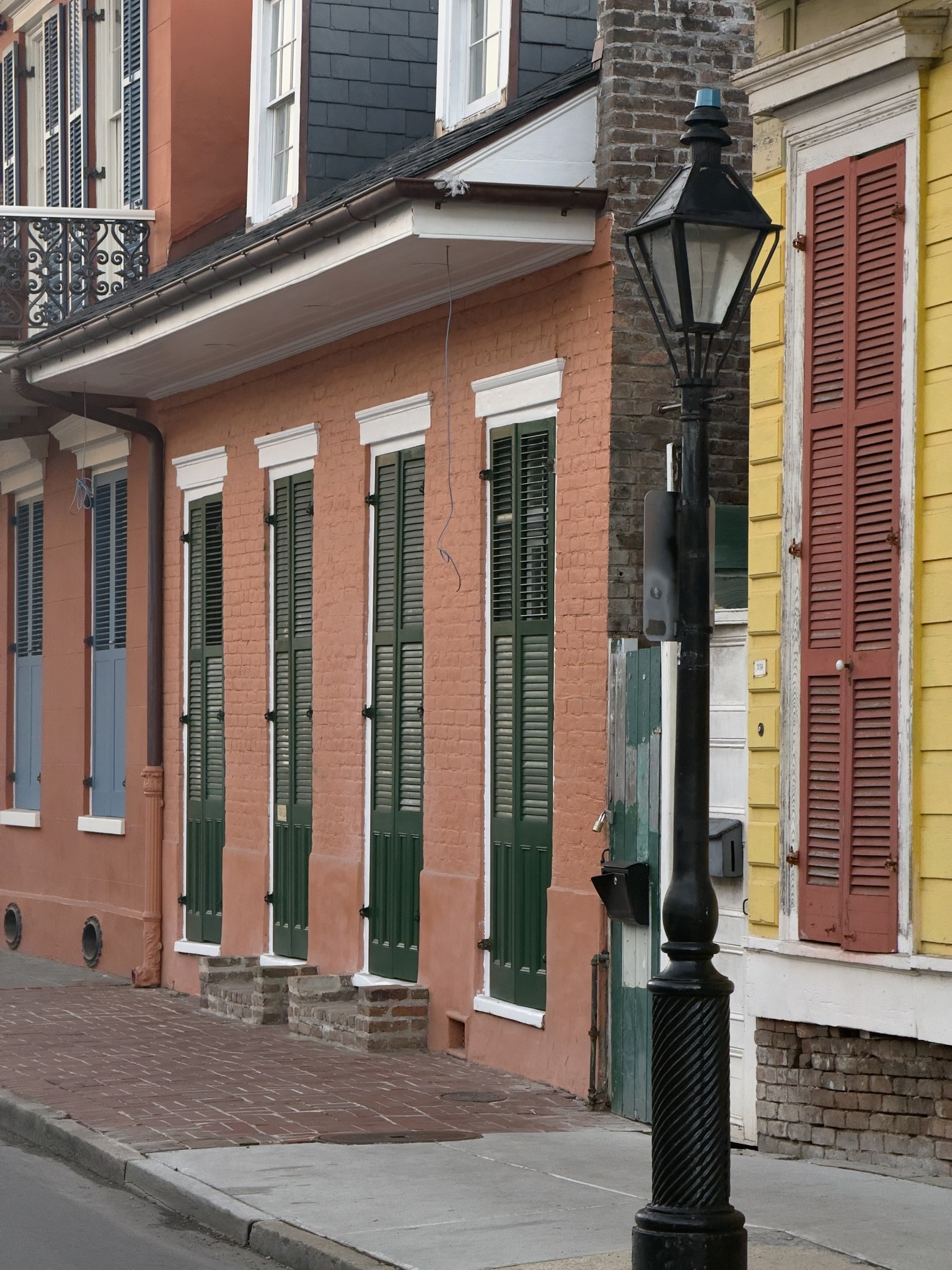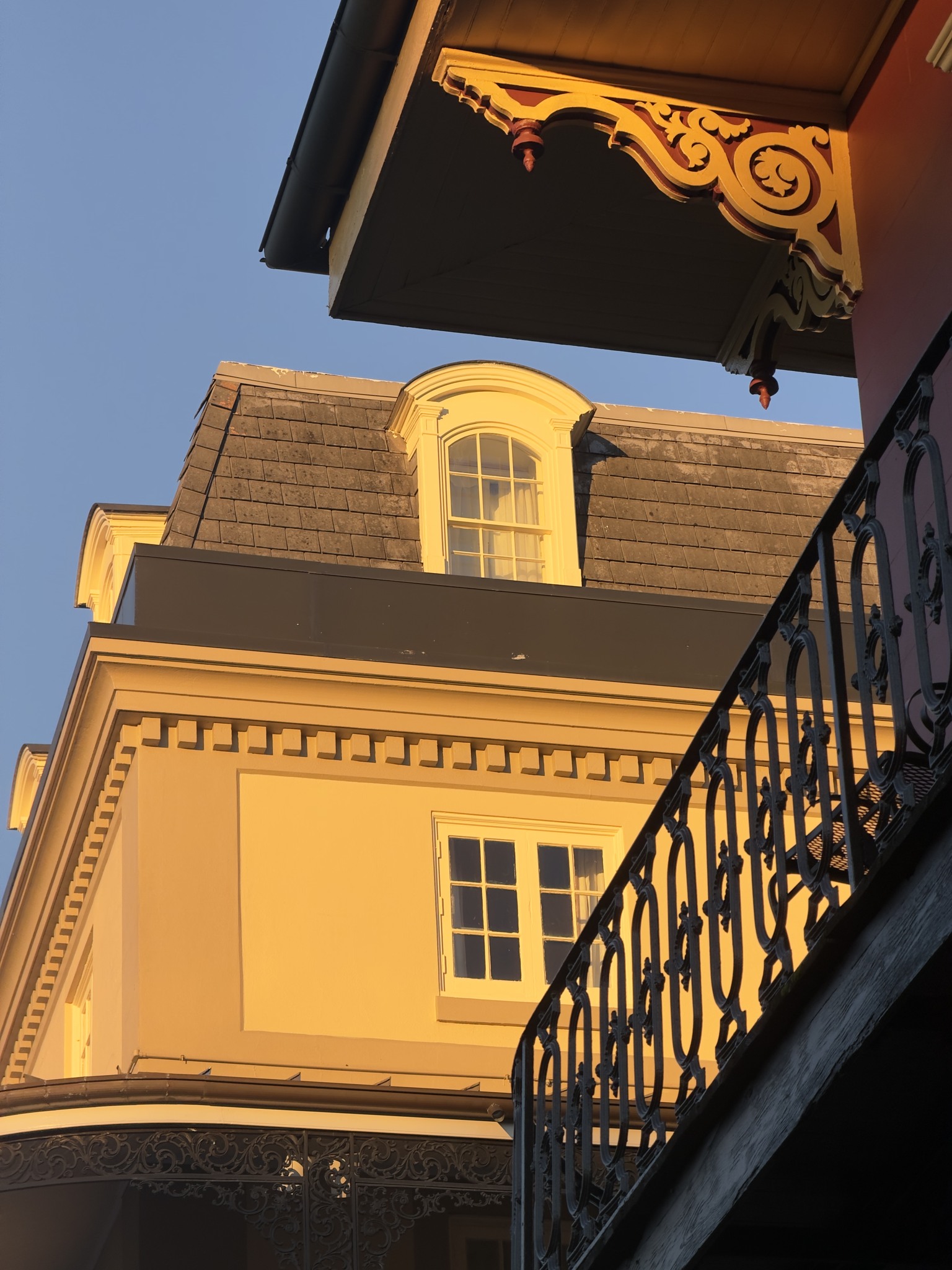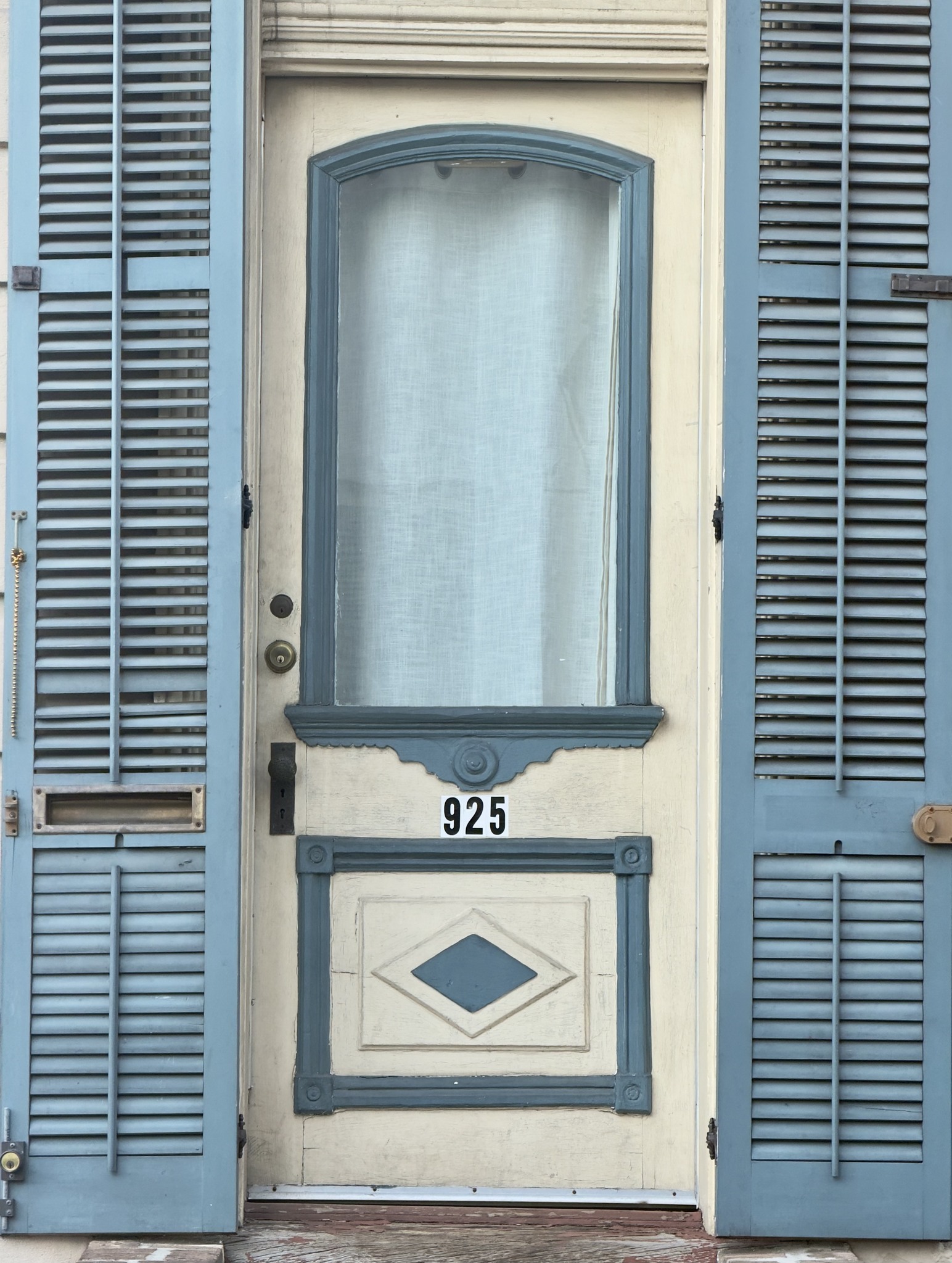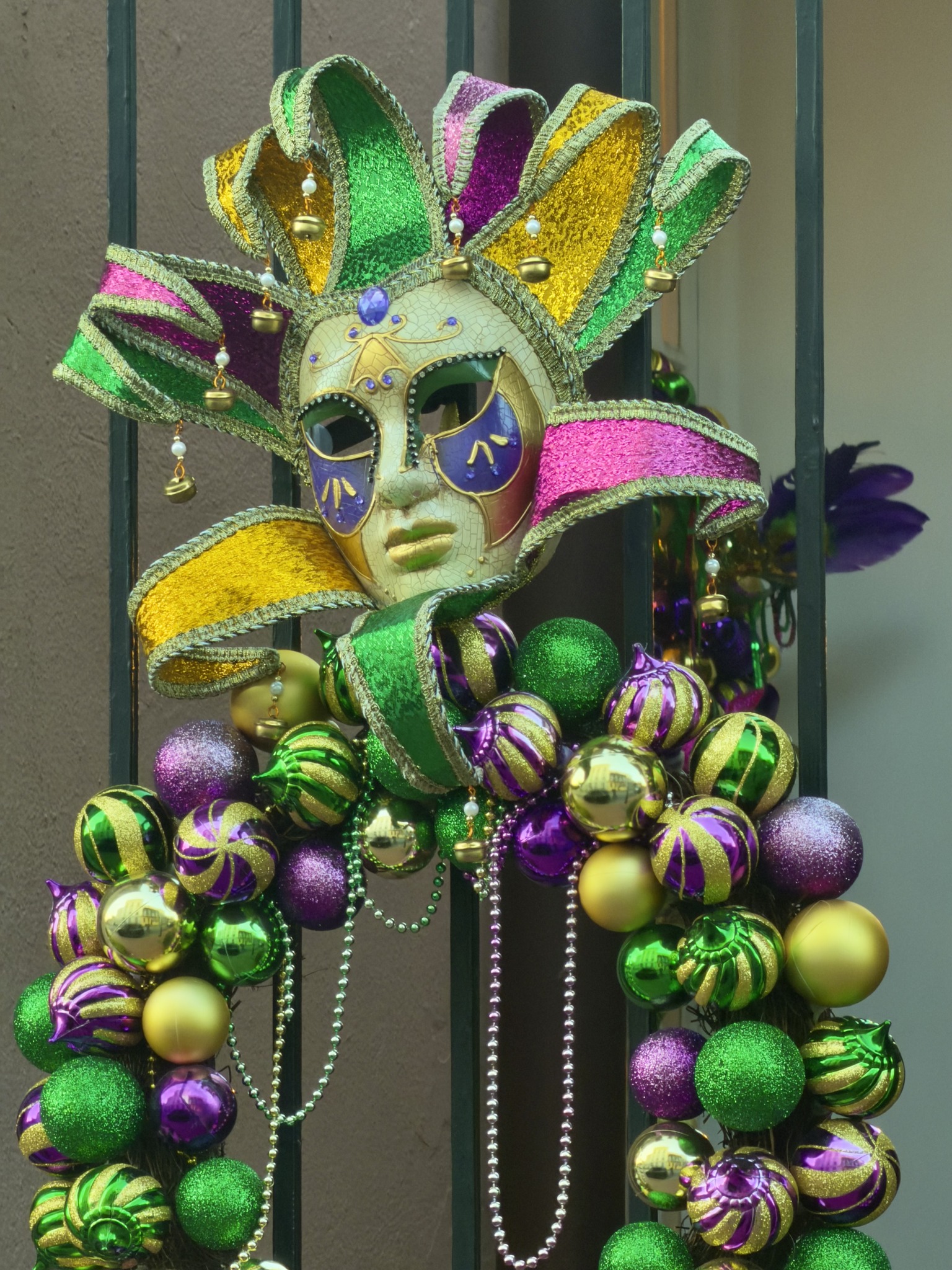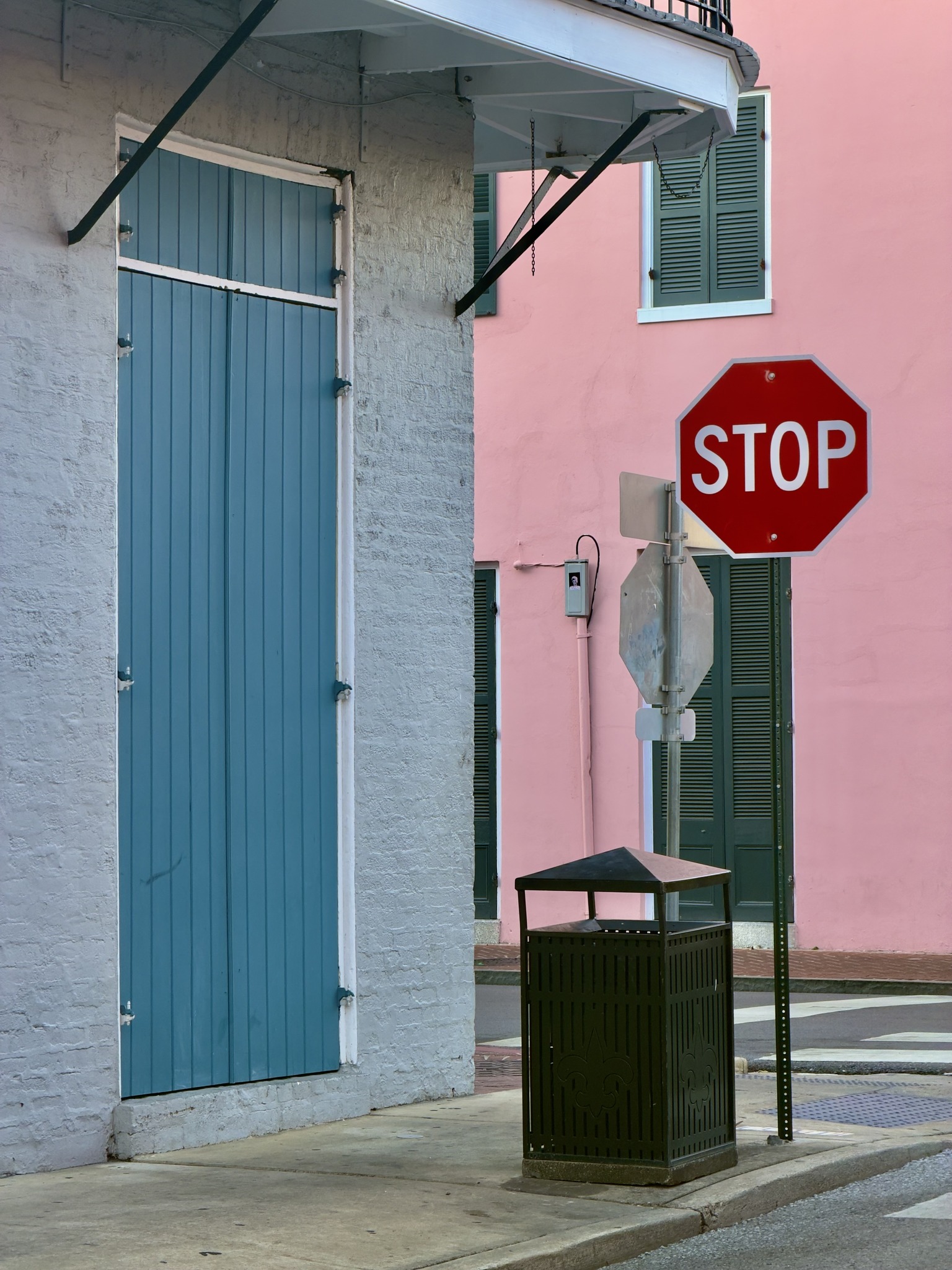
It was February 15, 2026. Five o’clock in the afternoon.
The state was Louisiana.
The mind was—well—my own.
I always arrive a couple days before Mardi Gras.
Not because it’s quiet. It isn’t. The city has already been humming for weeks. The bars are full. The brass bands are already working corners. The energy is thick and rising.
There is no calm before this storm.
But I arrive early to find my footing before I’m swallowed by it.
I don’t show up with a shot list.
I don’t show up with a theme.
Hell, I don’t even show up with a clue.
What I show up with is a camera—and a conversation.
That conversation is with my muse.
Now before you roll your eyes and think I’ve gone all incense-and-yoga on you, relax. I’m not talking about some mystical fairy whispering in my ear.
I’m talking about my inner voice. My creative voice. The part of me that has been paying attention for over fifty years.
We go way back—this muse and I.
Since 1975.
Minolta.
Nikon.
Canon.
Medium format.
And now, the iPhone.
She has been there through all of it.
She doesn’t shout.
She doesn’t demand.
She doesn’t hand me assignments.
She waits.
And she doesn’t really speak until my camera is in my hand and my feet are moving.
Click.
That first afternoon in Louisiana, I had about two hours in me. Maybe 120 minutes. That was it.
I arrived moody. Distracted. My head was full of static. Travel fatigue. Personal noise. Political noise. The usual stew that simmers in a brain that never quite powers down.
I didn’t feel inspired.
I felt elsewhere.
And here’s something important.
I warm up.
I always warm up.
When I show up in a place like Mardi Gras, I don’t marathon it on day one. I don’t grind for six hours trying to prove something to myself. I don’t force the story.
I stretch.
Those first frames are exploratory. Loose. Low-pressure.
I let my eye adjust to the light.
I let my body find its rhythm.
I let my brain slow down enough to see.
The first twenty or thirty minutes are rarely magic. They’re mechanical. I’m recalibrating. Reacquainting myself with proximity. Reacquainting myself with the emotional temperature of the street.
This isn’t hesitation.
It’s discipline.
An athlete doesn’t sprint without warming up. After fifty years, my eye knows what to do—but it still needs to wake up.
Photography, for me, has never been about pre-visualization in the academic sense. It’s about recognition. I don’t decide what I want to shoot ahead of time. I discover what I’m drawn to once I’m there.
That discovery—that pull—that’s the muse.
Not magic.
Pattern recognition sharpened over decades.
The way light hits a face.
The way someone stands slightly apart from the crowd.
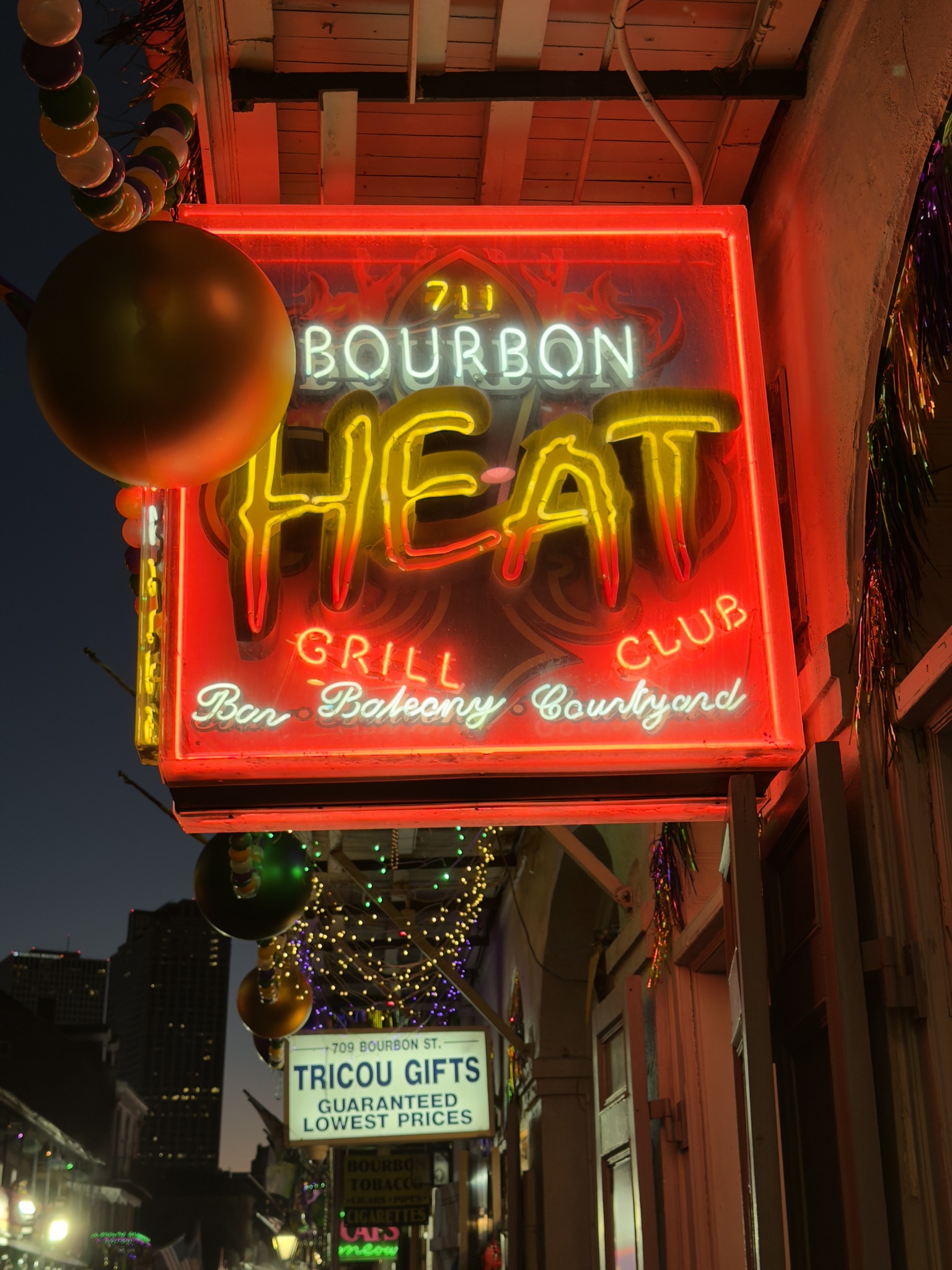
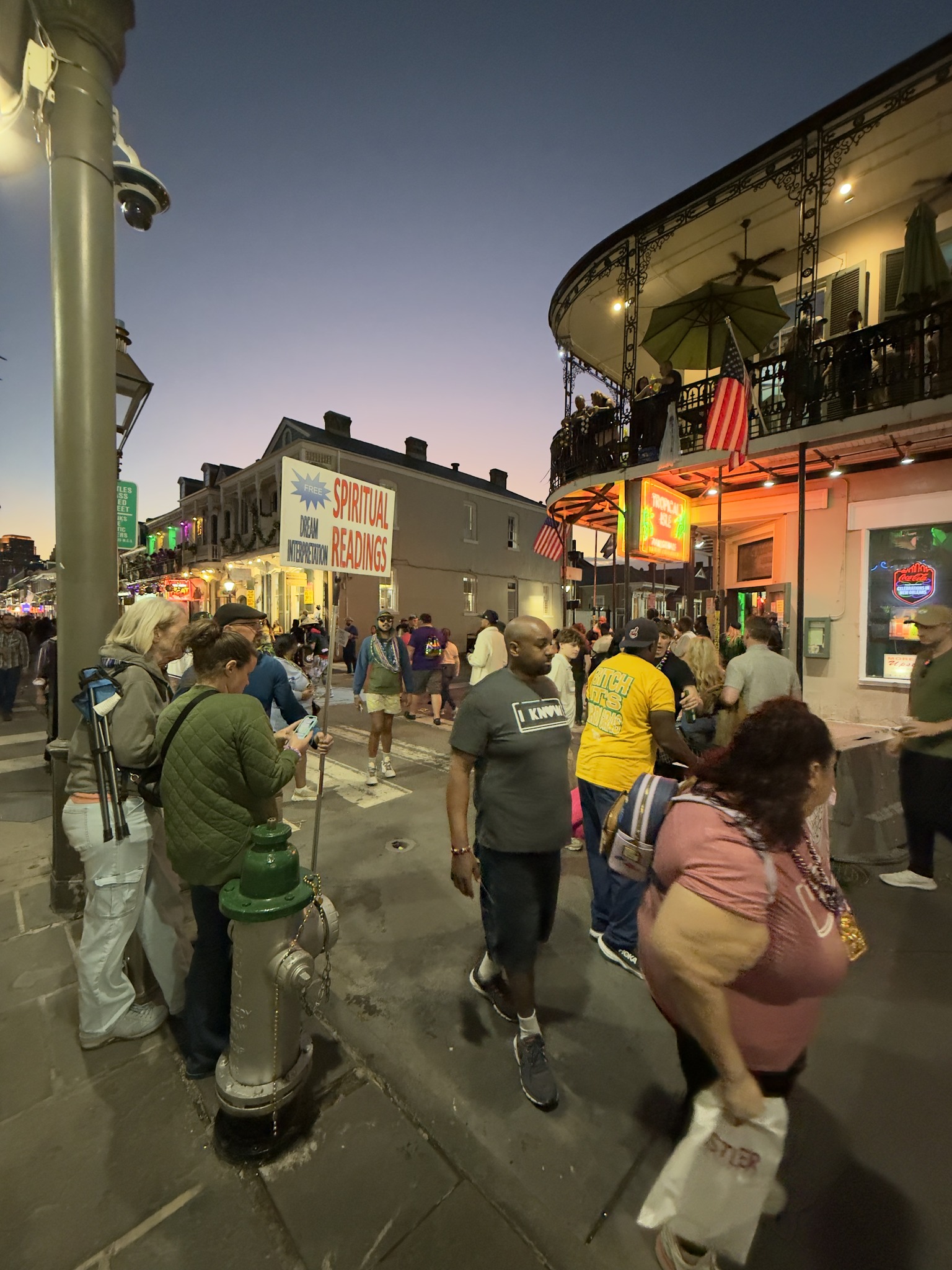
The tension between joy and exhaustion on Bourbon Street at dusk.
My muse doesn’t invent anything.
She points.
There.
Look again.
Wait.
Now.
Click.
By minute thirty, something starts to shift. My breathing changes. The distractions thin out. The chatter in my head gets quieter. Walk. Stop. Look. Tap to focus. Adjust exposure. Click.
I stop thinking about what I should be shooting.
I start responding to what’s in front of me.
That’s when she fully shows up.
The creative voice is not loud. It’s subtle. It’s the smallest nudge. A micro-second hesitation that says, “Don’t move yet.” Or a flicker of curiosity that says, “Follow that guy in the purple jacket.”
It’s instinct layered on discipline layered on experience.
And here’s the paradox: when I arrived that Sunday, I genuinely had no idea what I would shoot over the next couple of days.
No theme.
No narrative.
No clever hook.
That uncertainty is not weakness.
It’s oxygen.
Serendipity is part of the rush.
If I showed up knowing exactly what I wanted, it would feel like a job. A checklist. A campaign. I’ve done enough commercial work in my life to know the difference.
Mardi Gras, for me, is a conversation—not a commission.
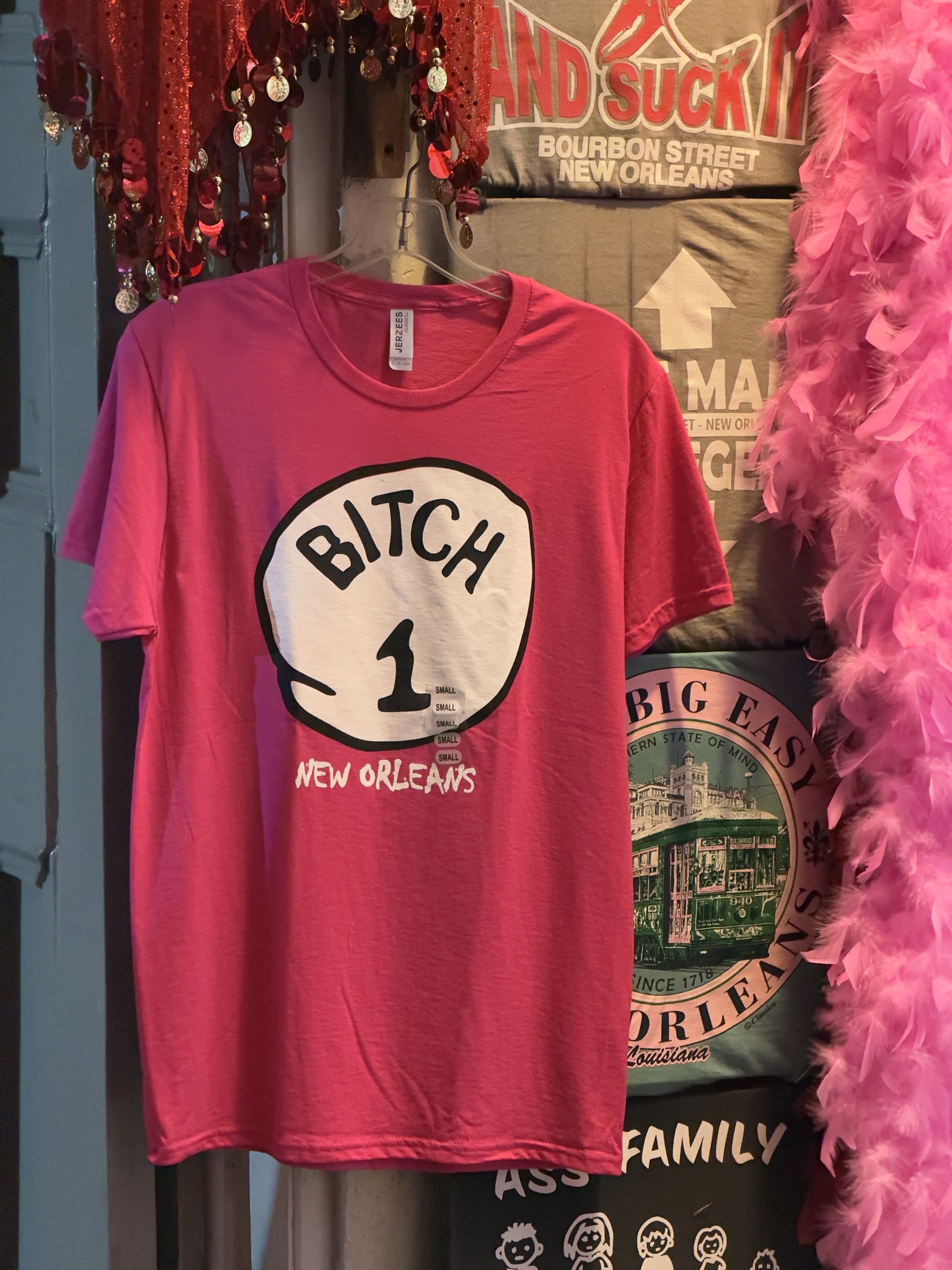
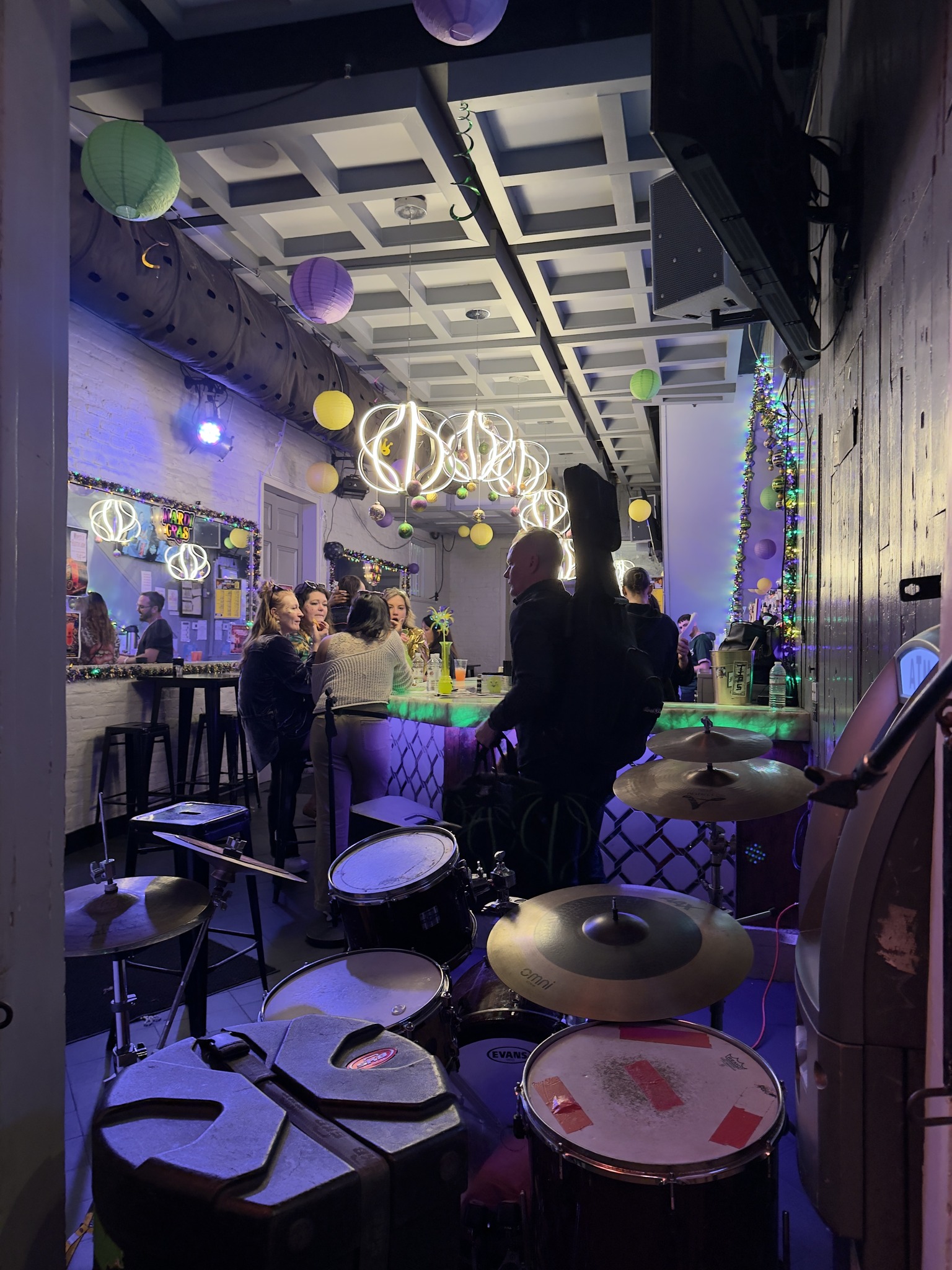
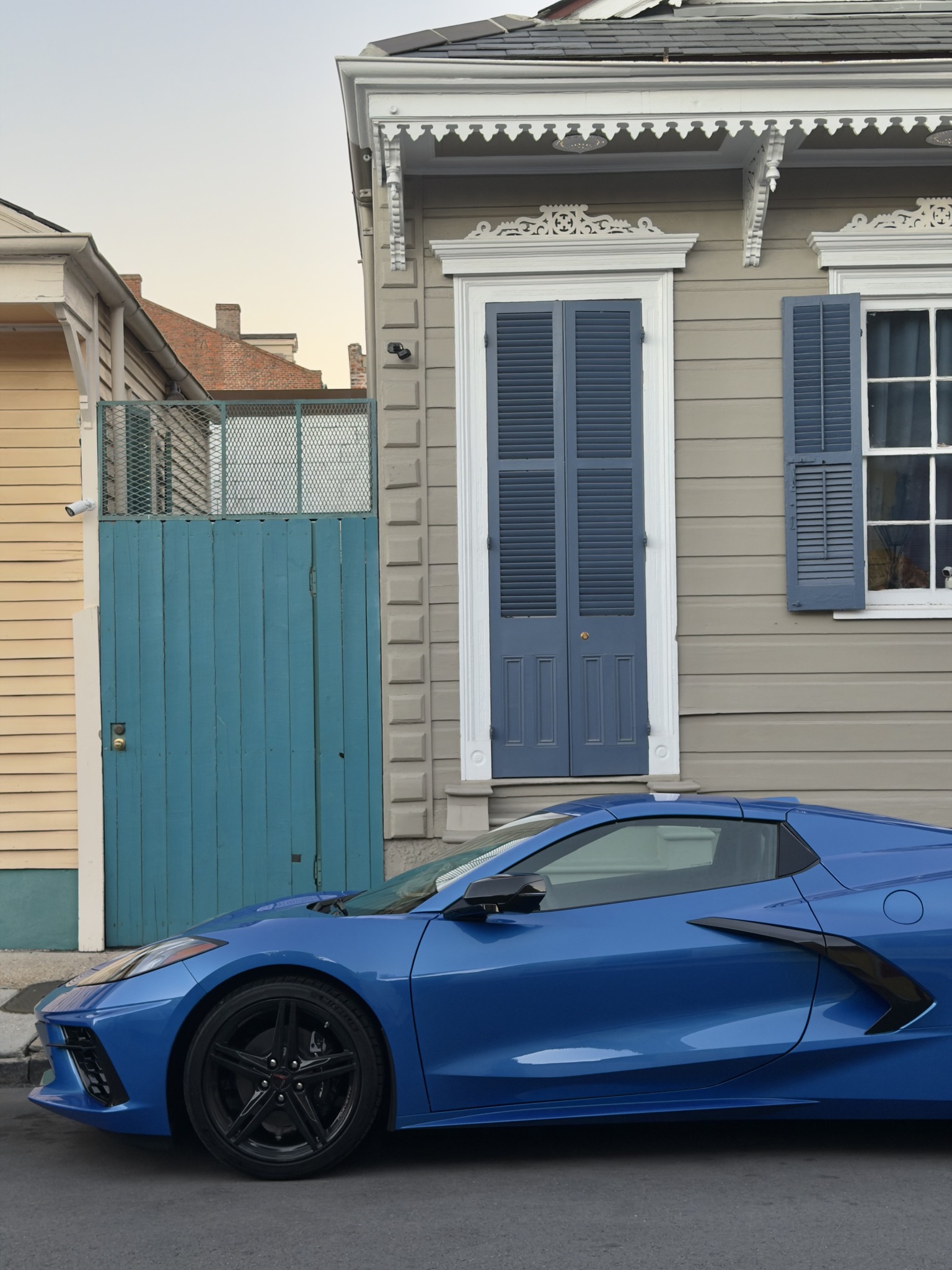
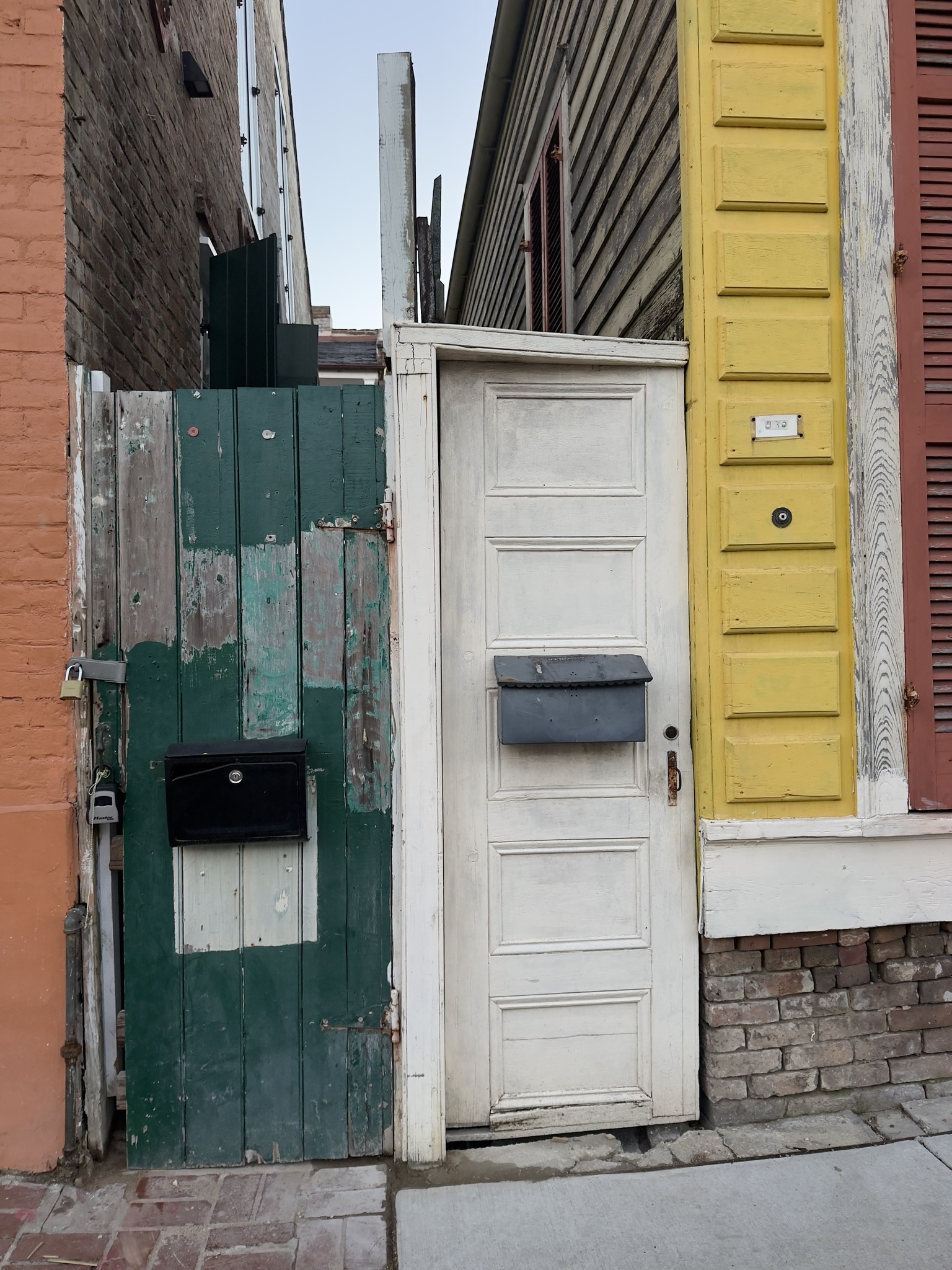
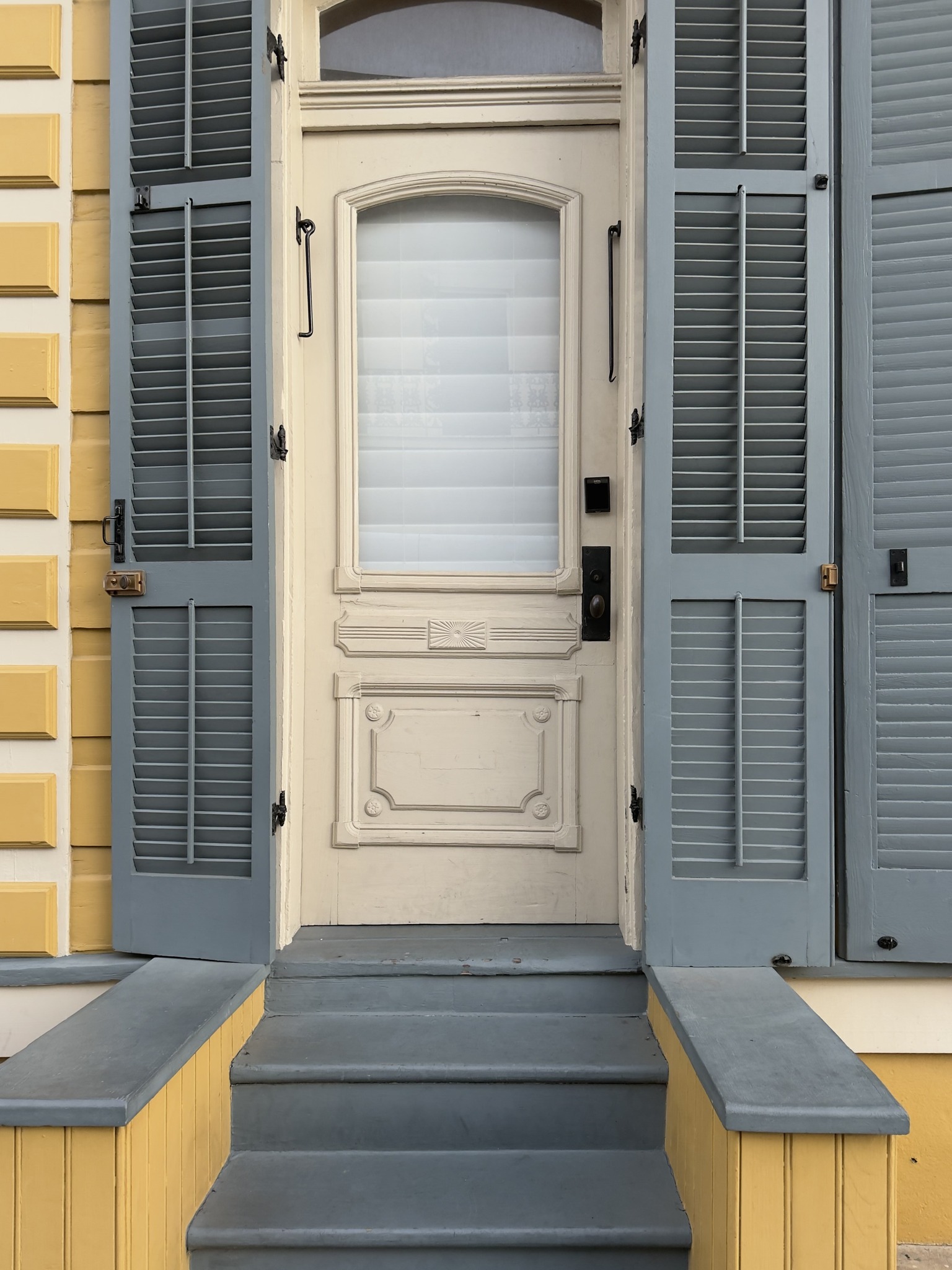
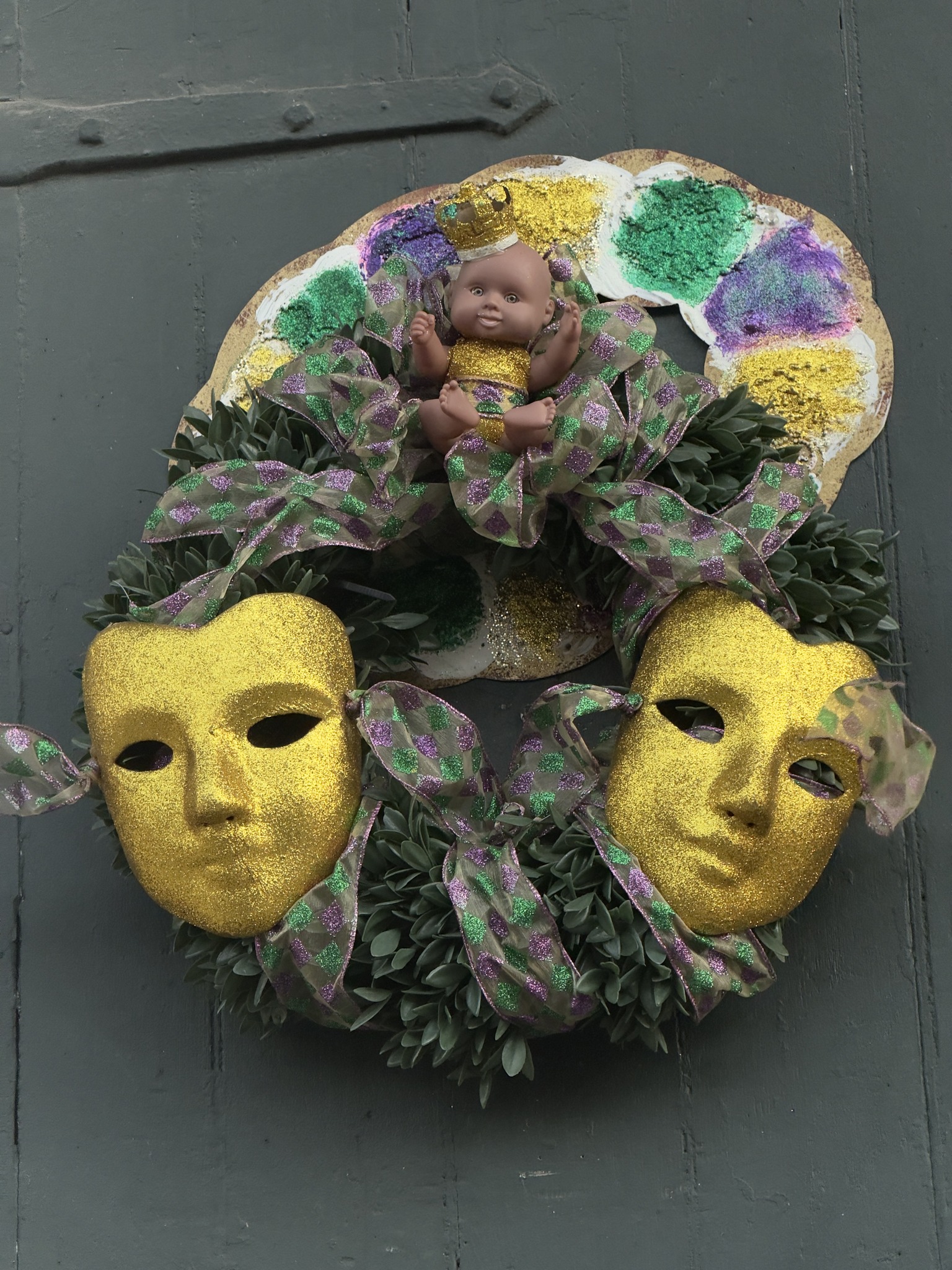
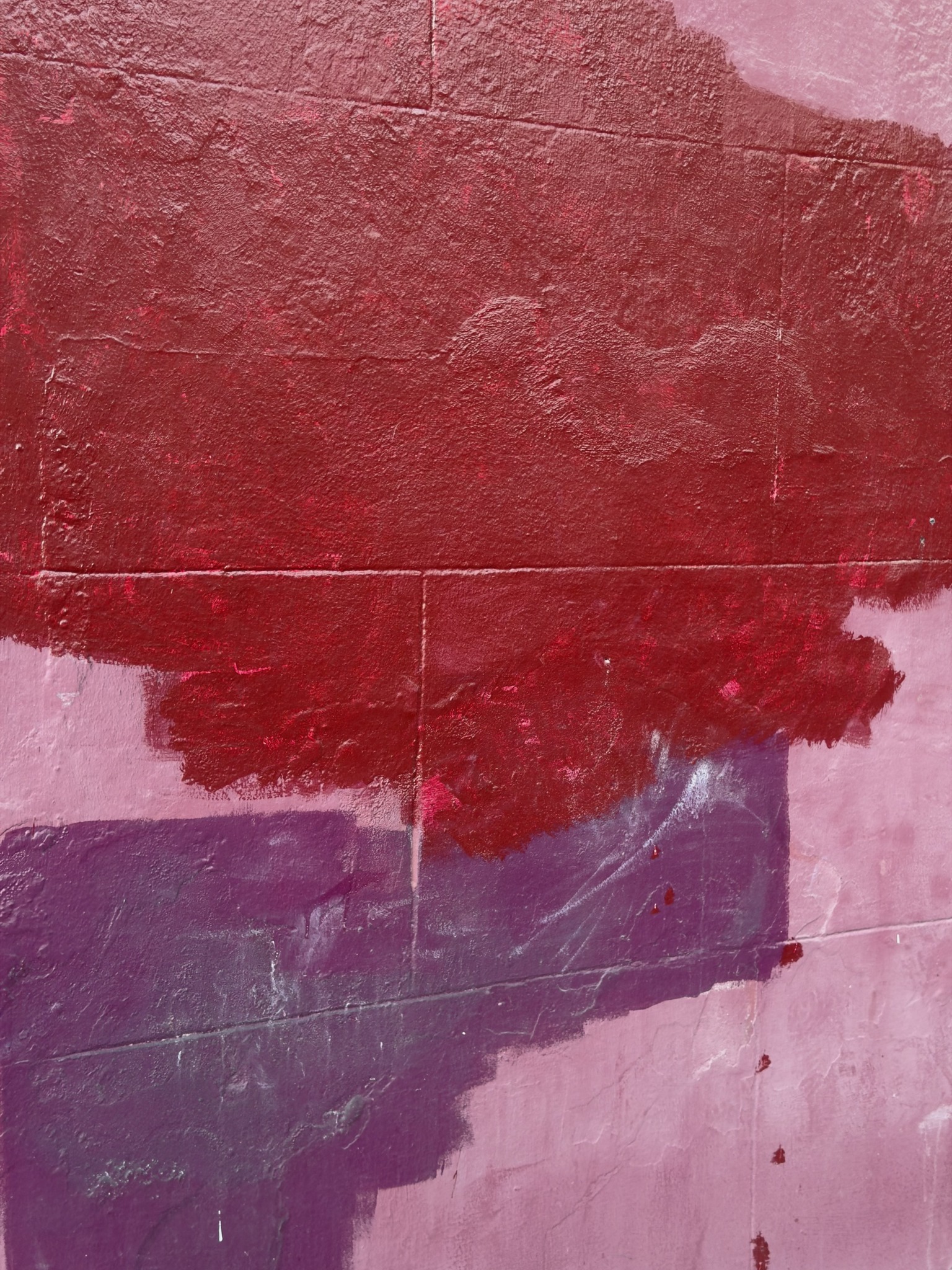
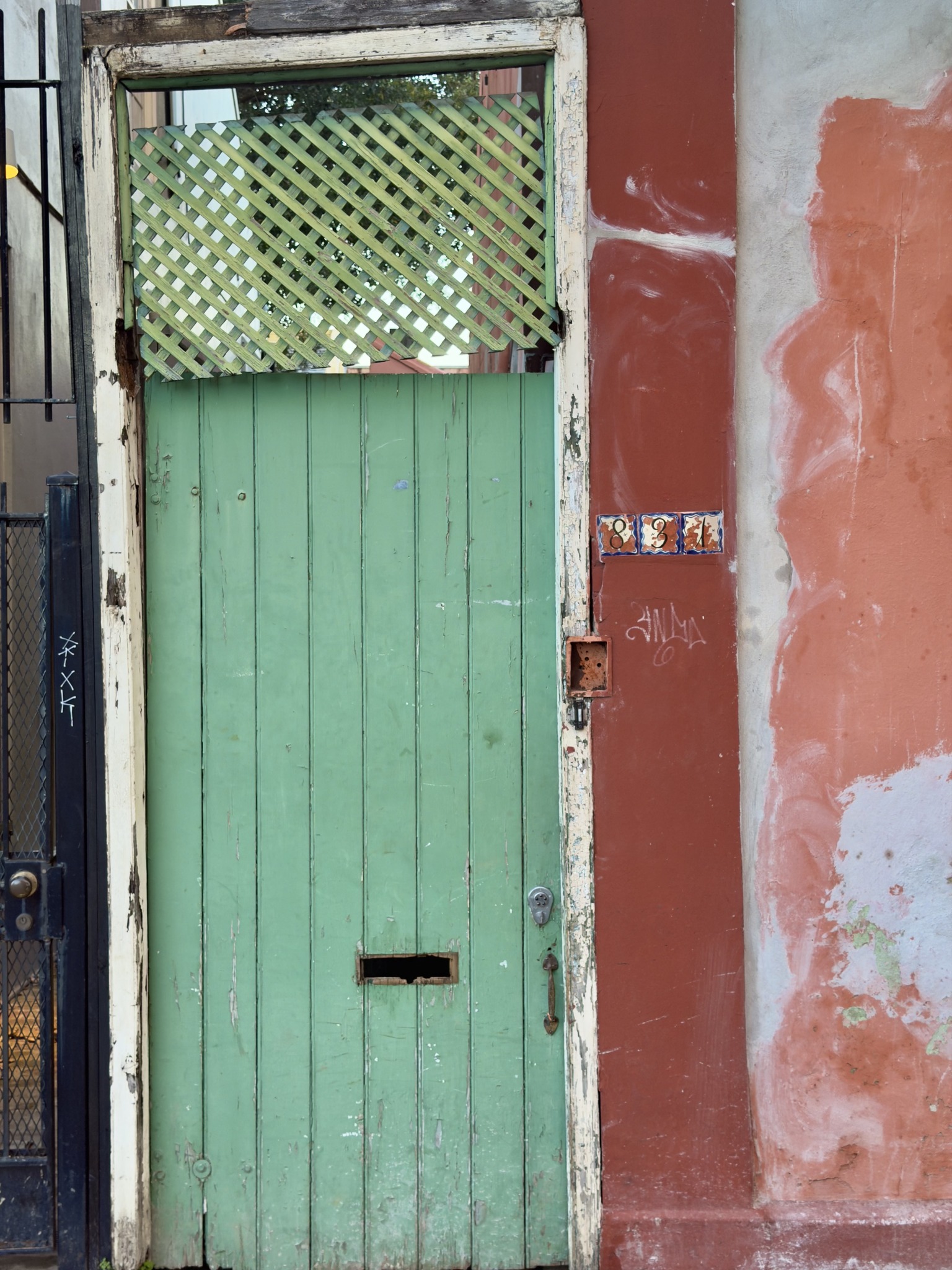
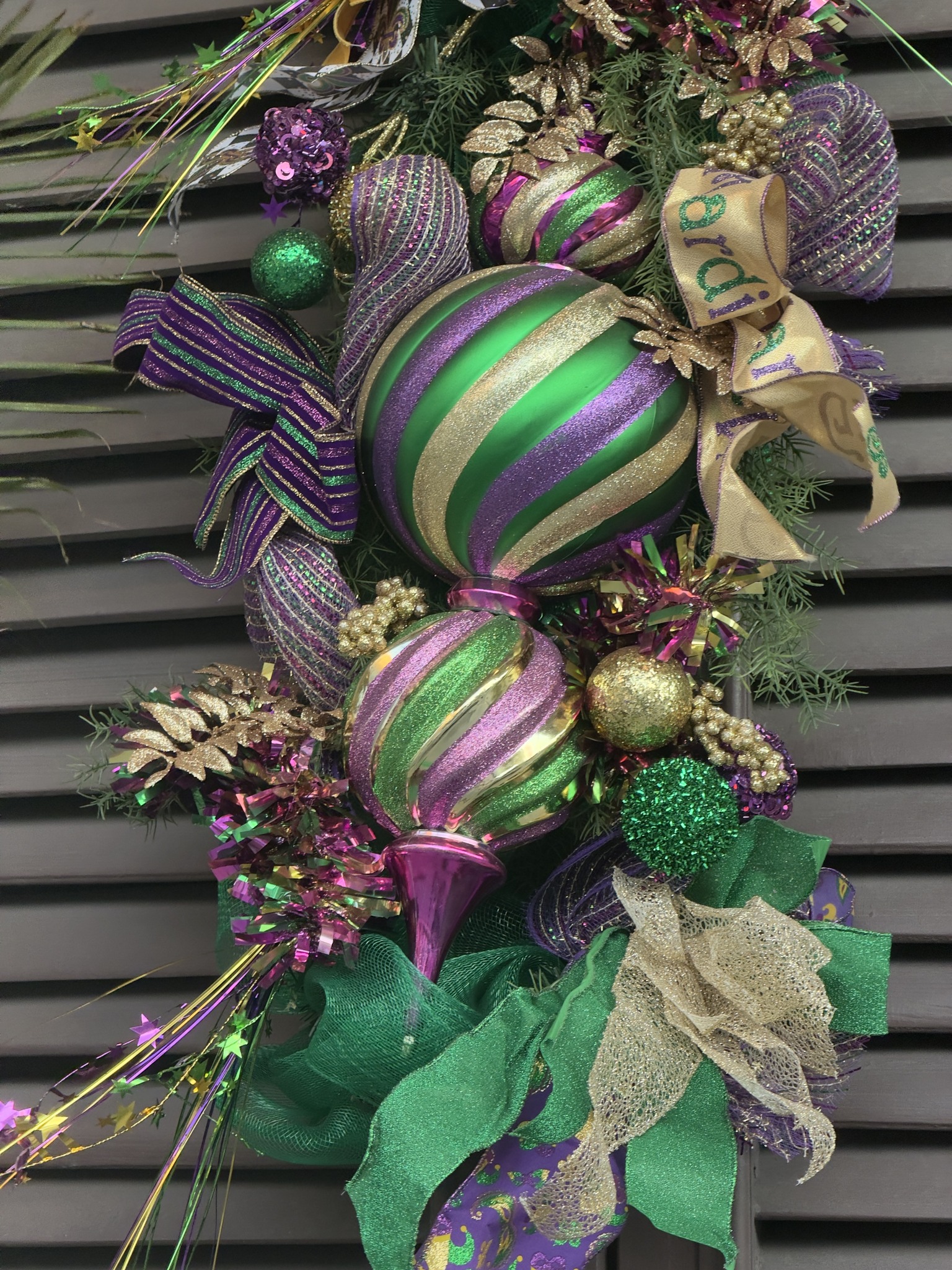
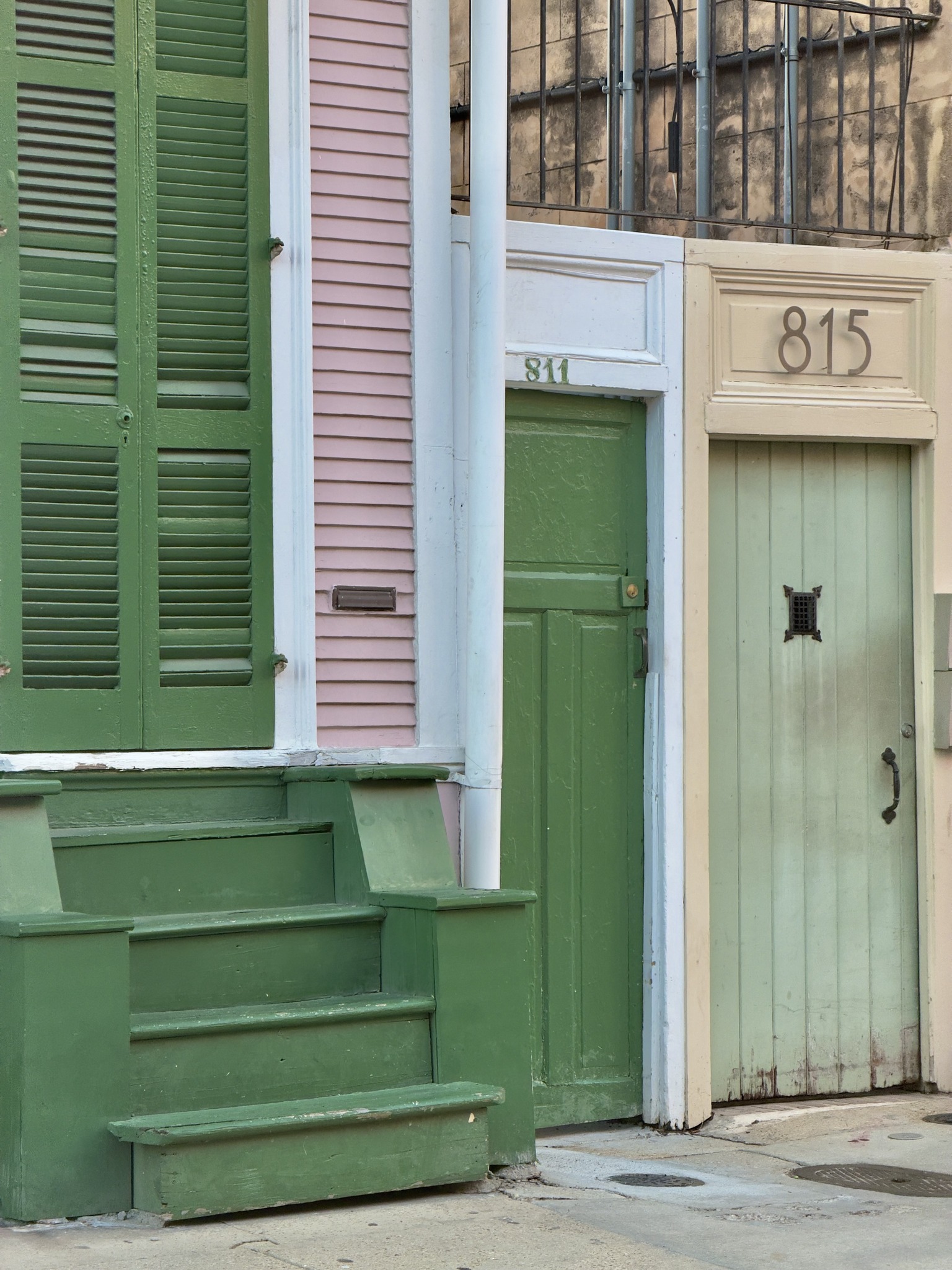
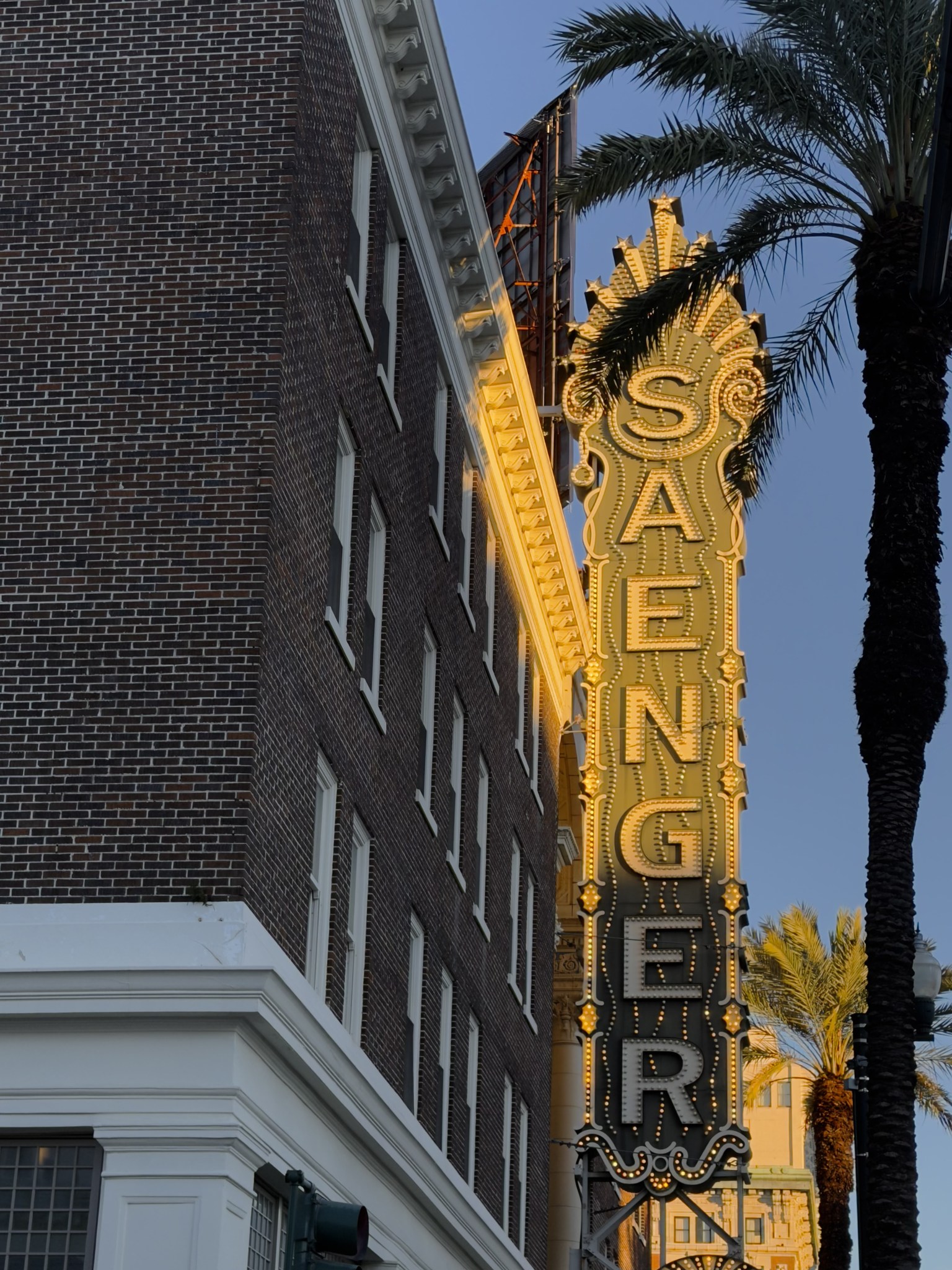
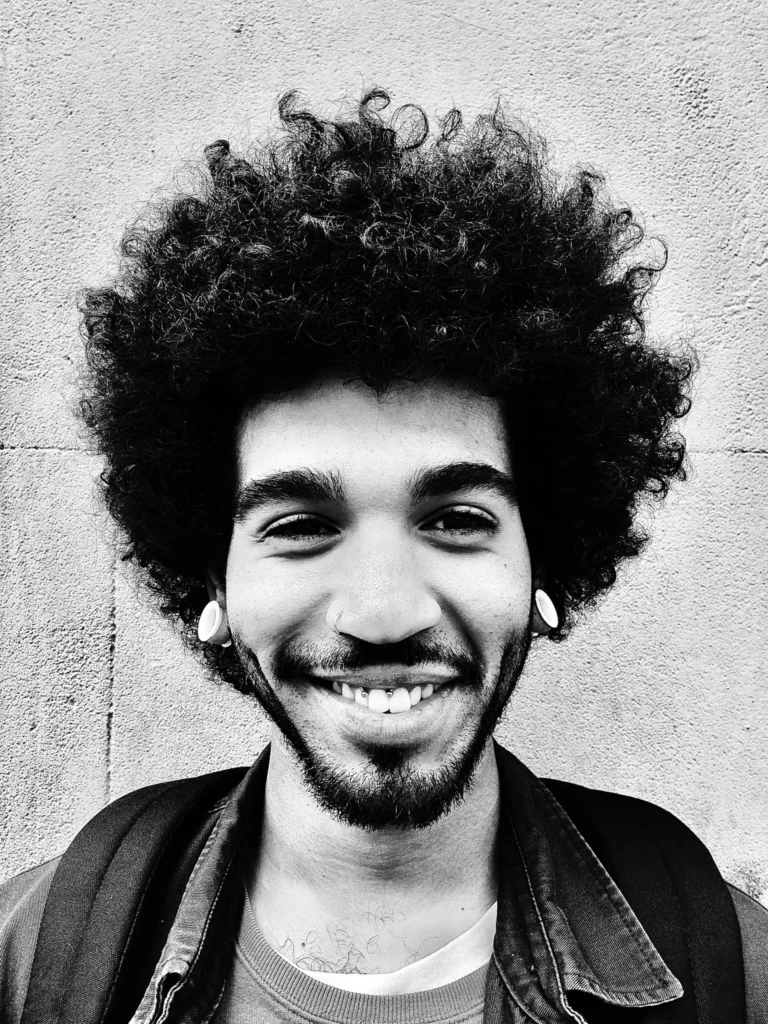
That first afternoon, I photographed fragments. A half-lit face. A bartender stacking cups before the rush. A costume being adjusted in a side alley.
Nothing epic.
But something was happening.
The muse was calibrating.
Because the state might be Louisiana—but the state of mind is what really matters.
If my mind is scattered, my frames are scattered.
If my mind is tense, my photos are tense.
If my mind softens, the images breathe.
About ninety minutes in, I felt it.
The hum.
That subtle alignment where wandering turns into seeing. Where you stop hunting and start listening.
And here’s the part that surprises people.
When I felt that hum—when I felt the creative voice fully engaged—I didn’t stay out.
I headed back to the hotel.
Two good hours.
That was enough.
Why?
Because when I feel inspiration, I protect it.
There’s a sweet spot in a shoot. A moment when the work starts humming. When the muse is fully engaged. When you know you’ve crossed from wandering into seeing.
That’s the moment to stop.
Not because you’re tired.
Because you’re aligned.
If I keep pushing past that point, the work gets greedy. I start trying too hard. I start chasing instead of responding. I start manufacturing instead of recognizing.
Two clear hours beat six forced ones.
Warming up isn’t weakness.
Stopping isn’t laziness.
It’s respect—for the rhythm.
Inspiration is not lightning.
It’s friction.
It’s movement.
It’s shoe leather on pavement.
It’s twenty mediocre frames that lead to one that hums.
Click.
That hum—that’s her.
The muse isn’t mystical.
She’s cumulative.
She’s built from every frame I’ve ever taken. Every mistake. Every triumph. Every quiet walk. Every loud parade.
After fifty years, I know when something has weight.
I know when something is hollow.
That knowing isn’t magic.
It’s mileage.
By the time I got back to the hotel that evening, the distractions weren’t solved—but they were quiet. Photography had taken over the front seat of my brain.
The state was Louisiana.
But the state of mind was clear.
Open.
Receptive.
Alert.
That’s the place I chase.
Not perfection.
Not virality.
Not applause.
Clarity.
Because when my mind clears, the photographs get honest.
And honest photographs are the only ones worth keeping.
So yes—I arrived moody. Distracted. Unsure.
I had no fucking clue what I would shoot over the next couple of days.
And that was exactly right.
The muse doesn’t work on command.
She works on motion.
She waits for the first step.
She waits for the warm-up.
She waits for the first honest click.
And once the conversation starts—
I follow.
Click.
Jack.