Why I’m Slowly Falling Back in Love with Unedited Photos
Earlier today I found myself standing in a long, slow line at an AT&T store waiting for tech support. If you’ve ever been trapped in one of those retail purgatories, you know the drill—everyone staring at their phones, pretending to be patient while quietly losing their minds.
Like most people in line, I started thumbing through the photos on the phone in my pocket.
That phone, by the way, was my everyday phone—the iPhone 13 Pro Max.
Now, for those of you who follow my work, you already know my strange little system. I talk, text, email, and browse on my older phone. But when it comes time to shoot photos and videos, I pull out the newer one—the iPhone 17 Pro Max.
The 13 Pro Max is basically my daily driver. The 17 Pro Max is the camera.
But standing there in that AT&T line, I stumbled across something that stopped me in my tracks.
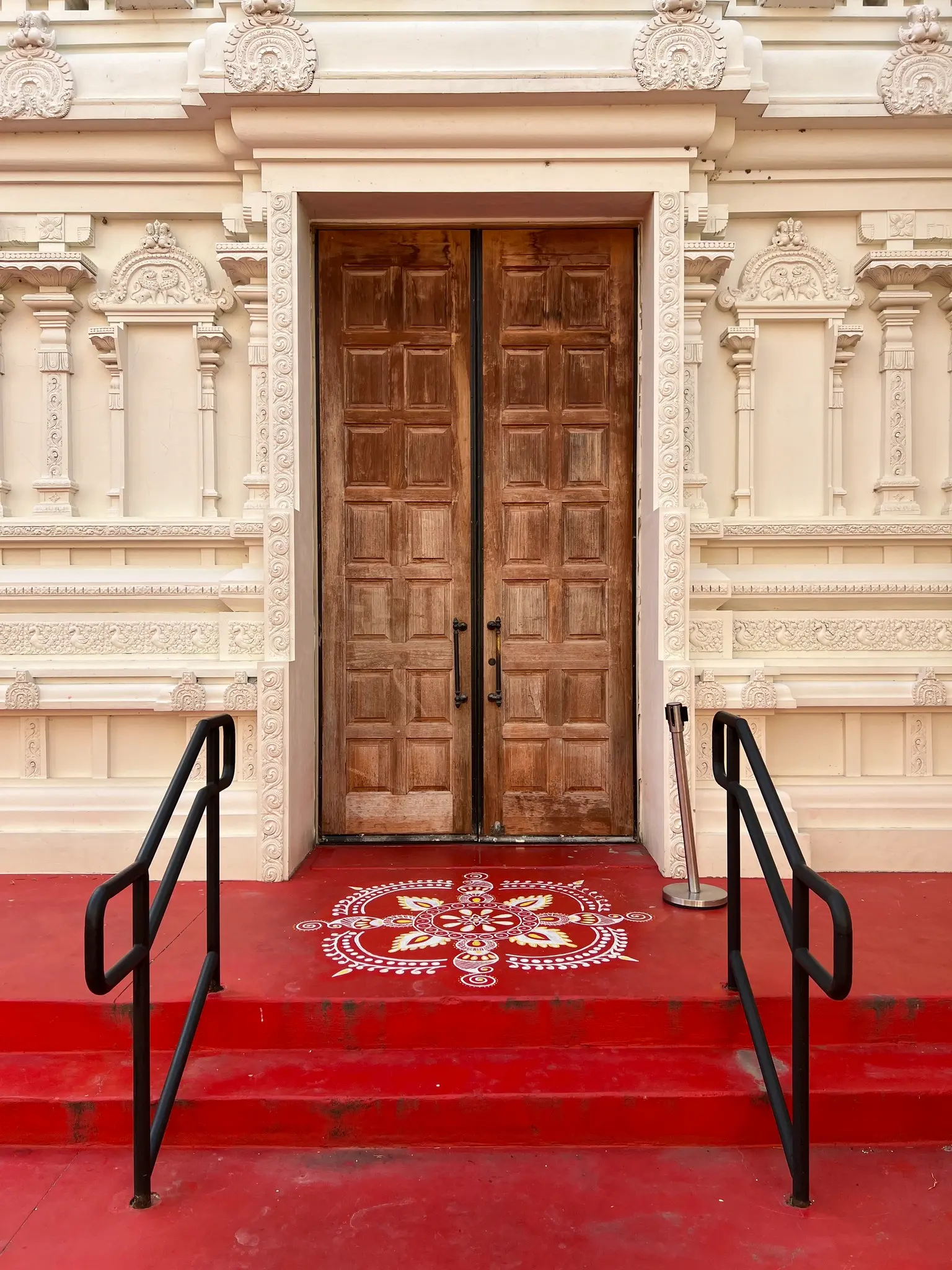
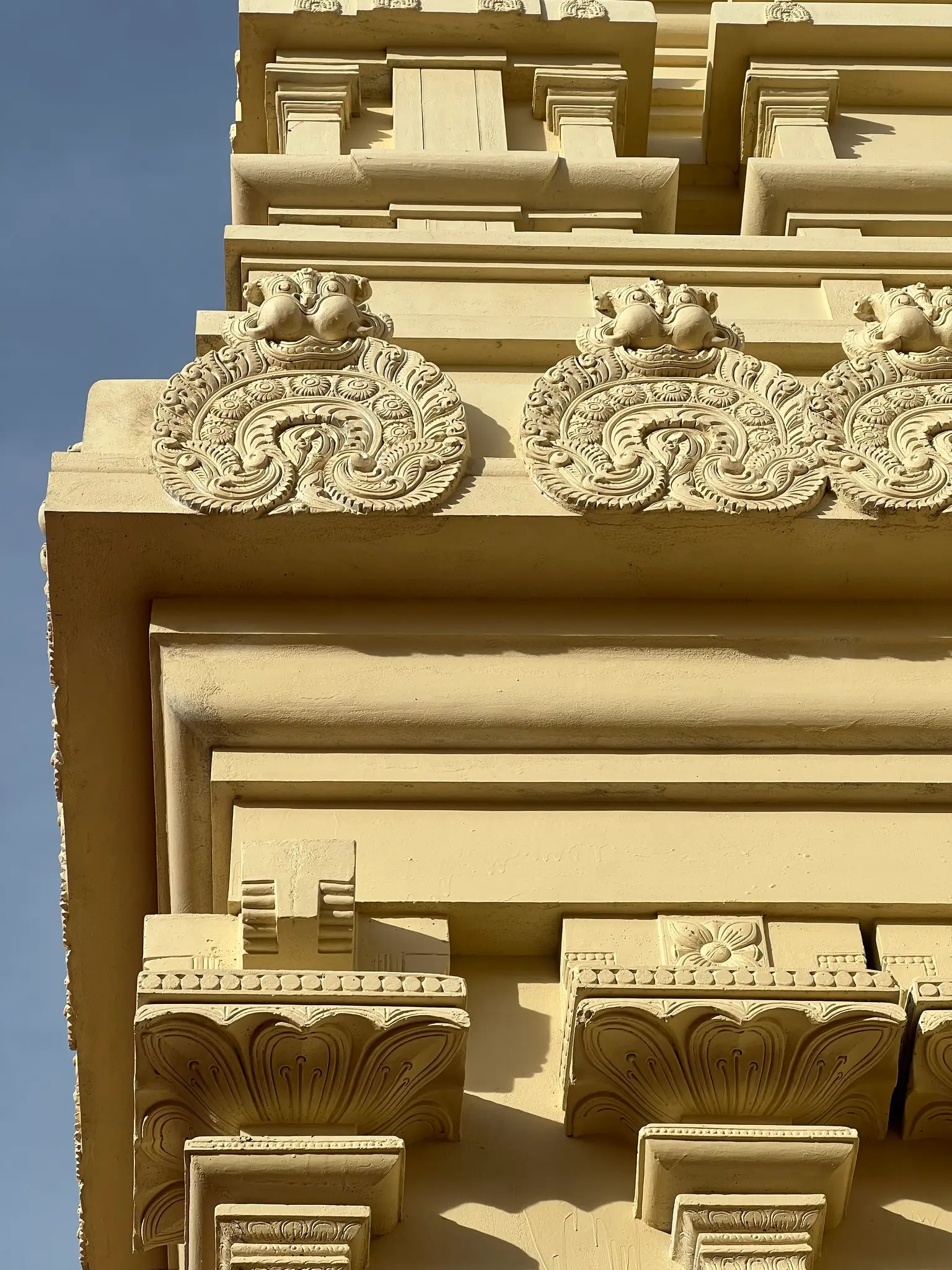
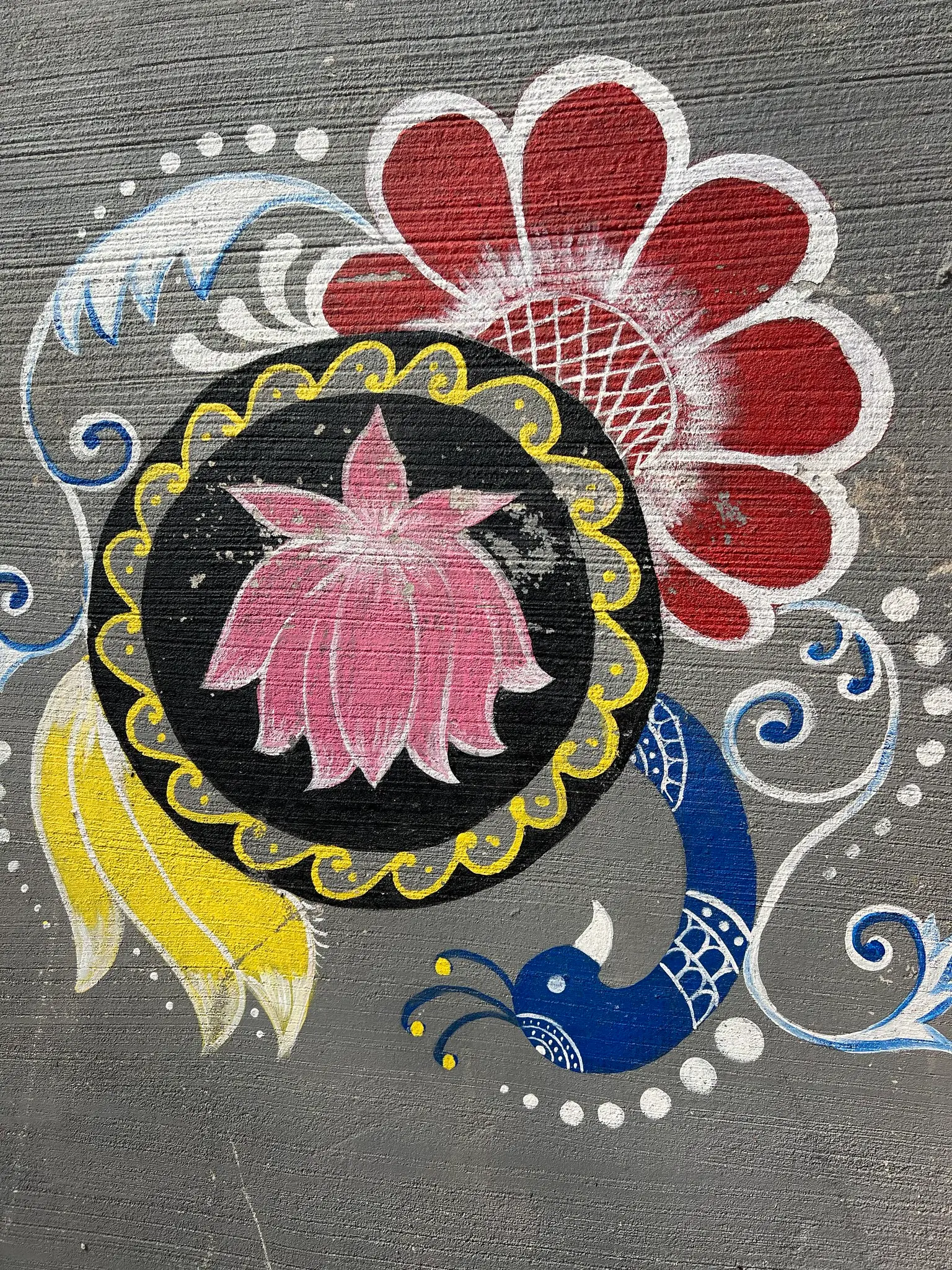
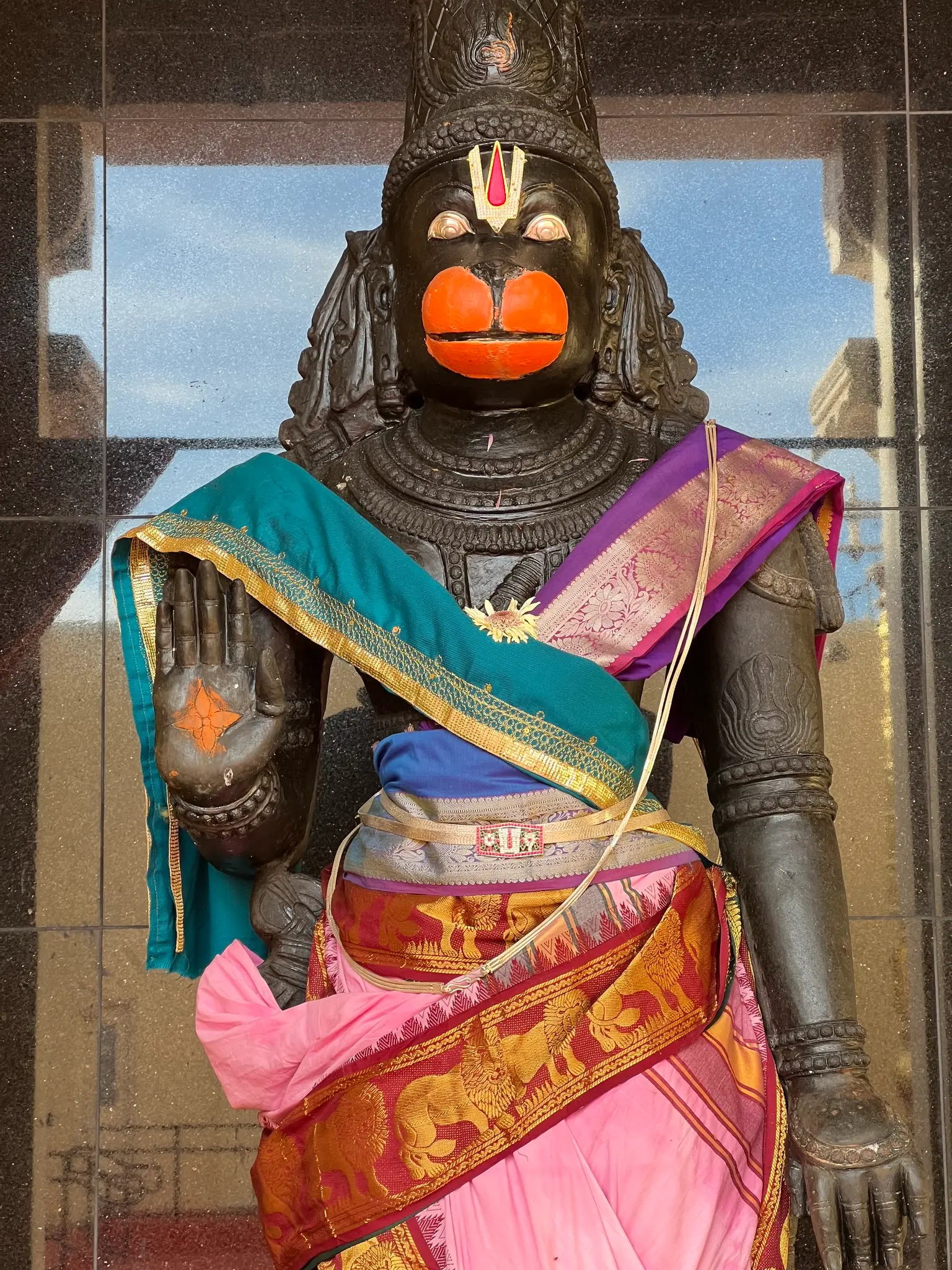
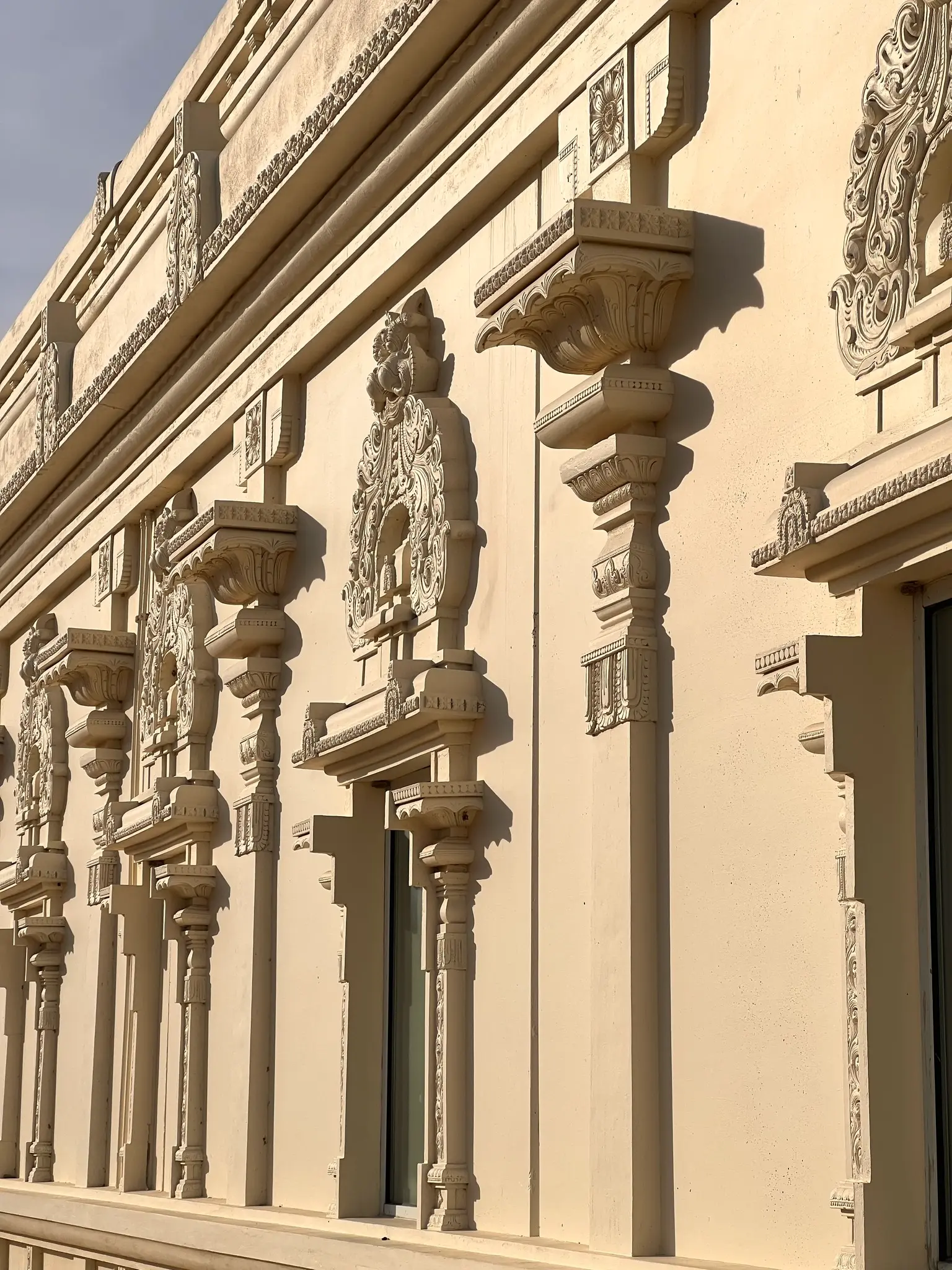
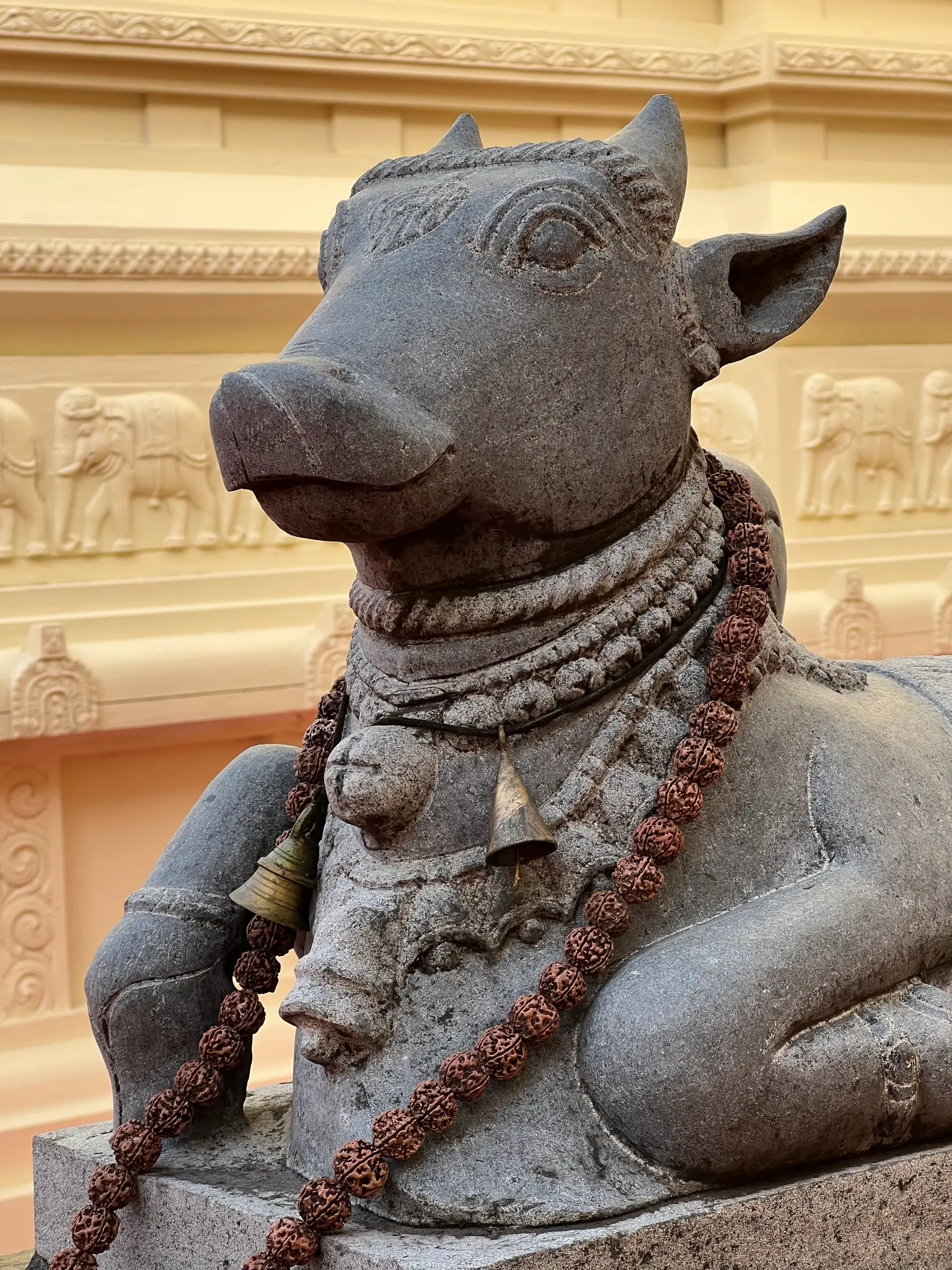
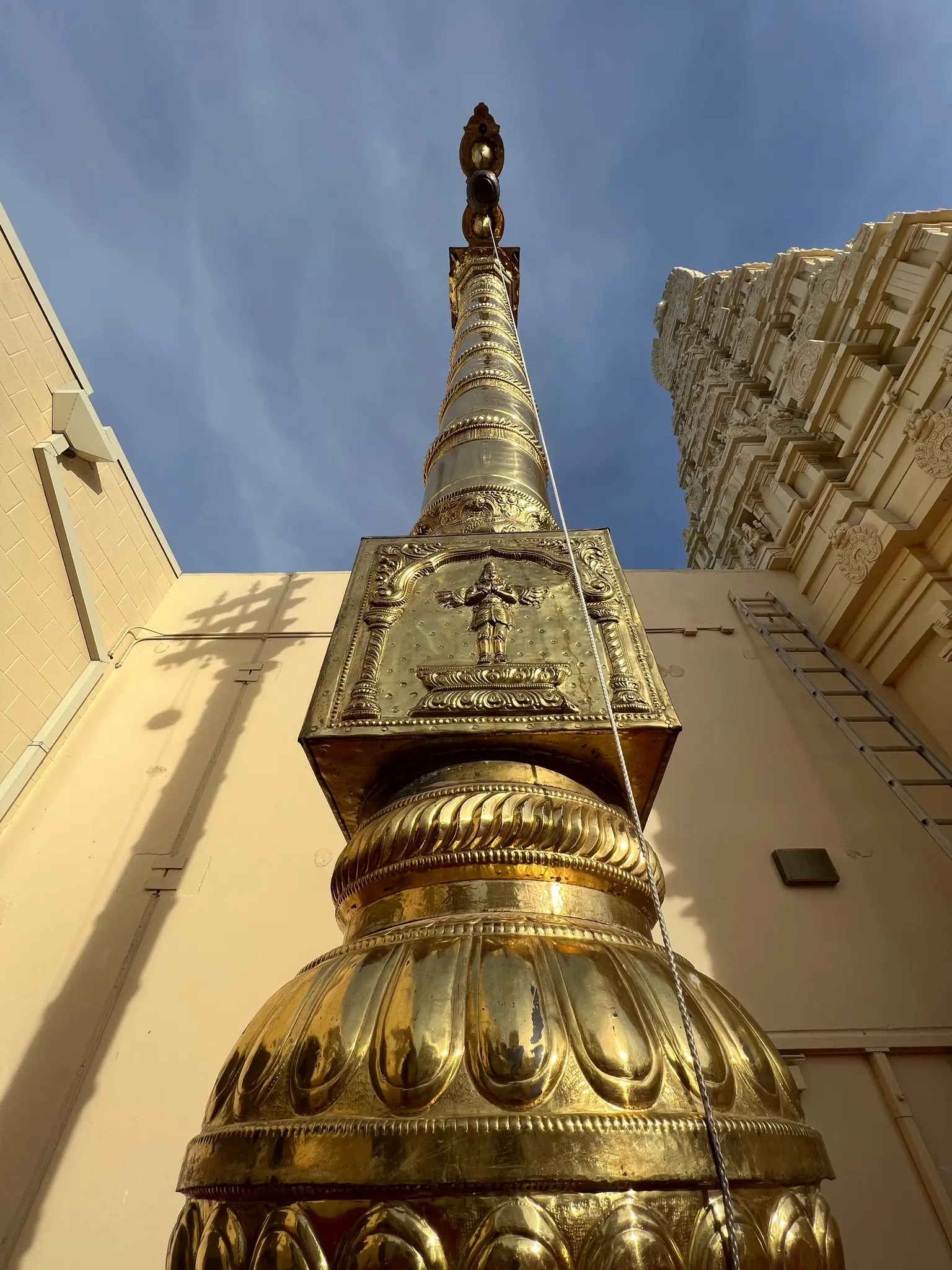
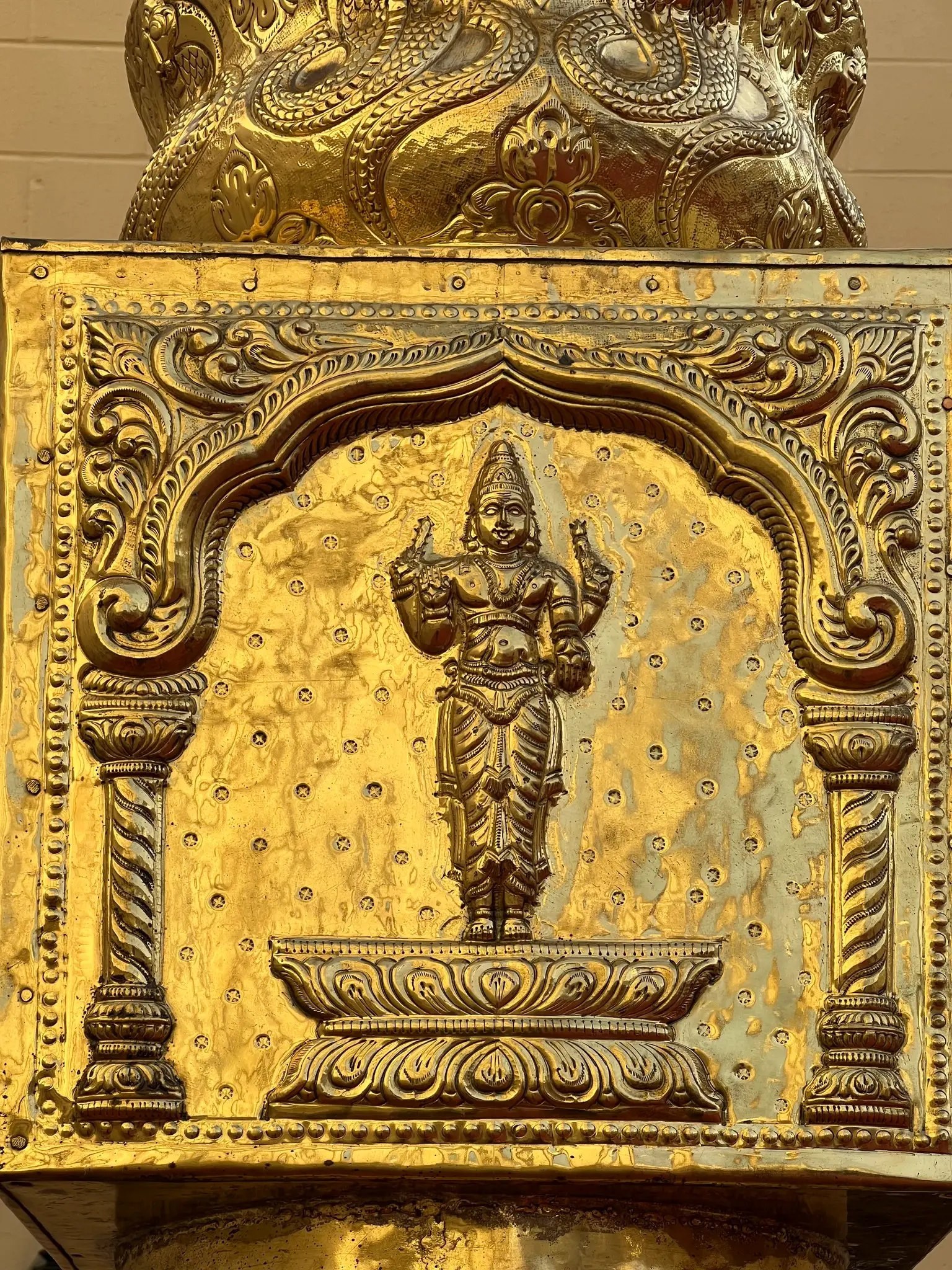
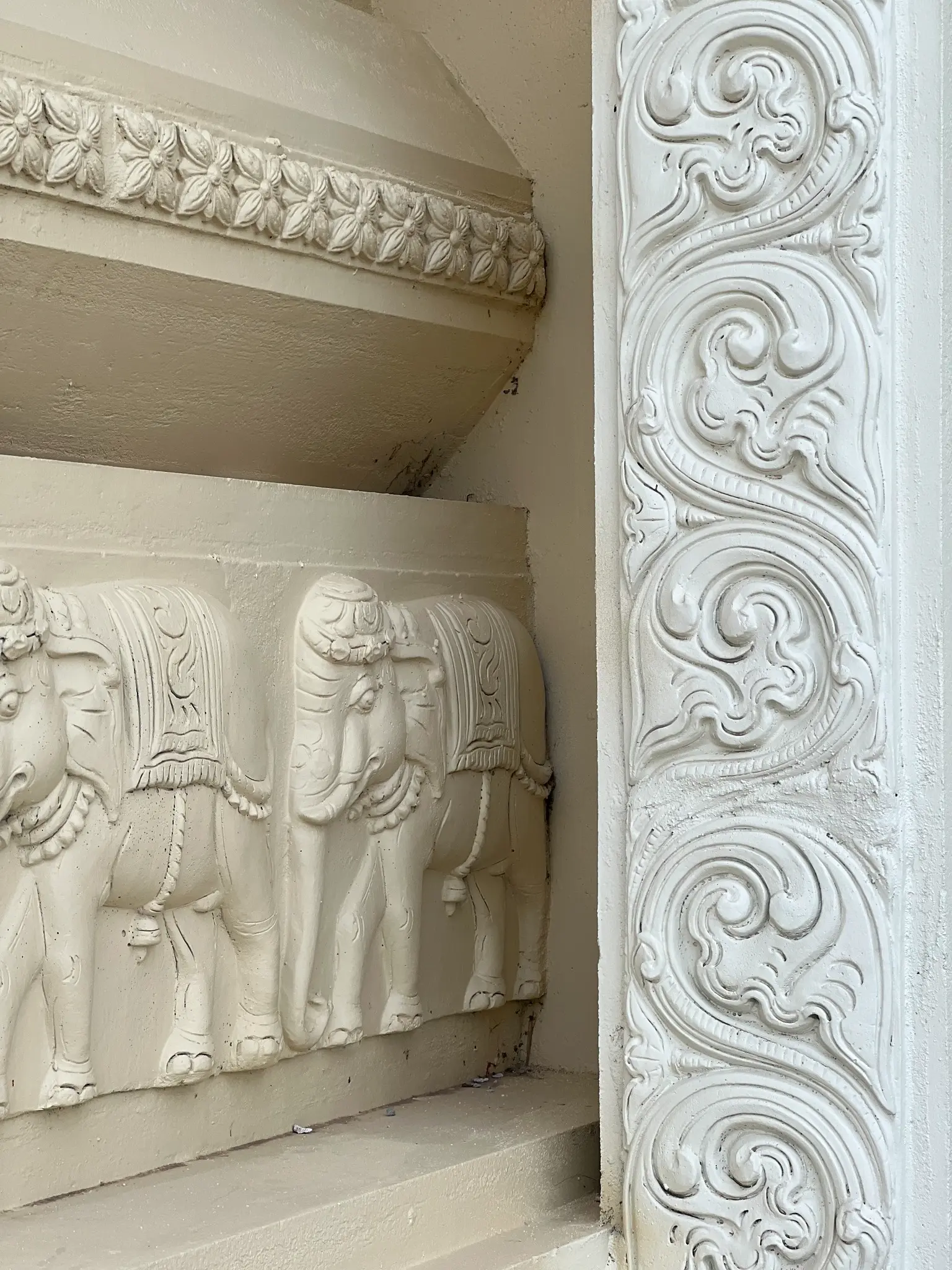
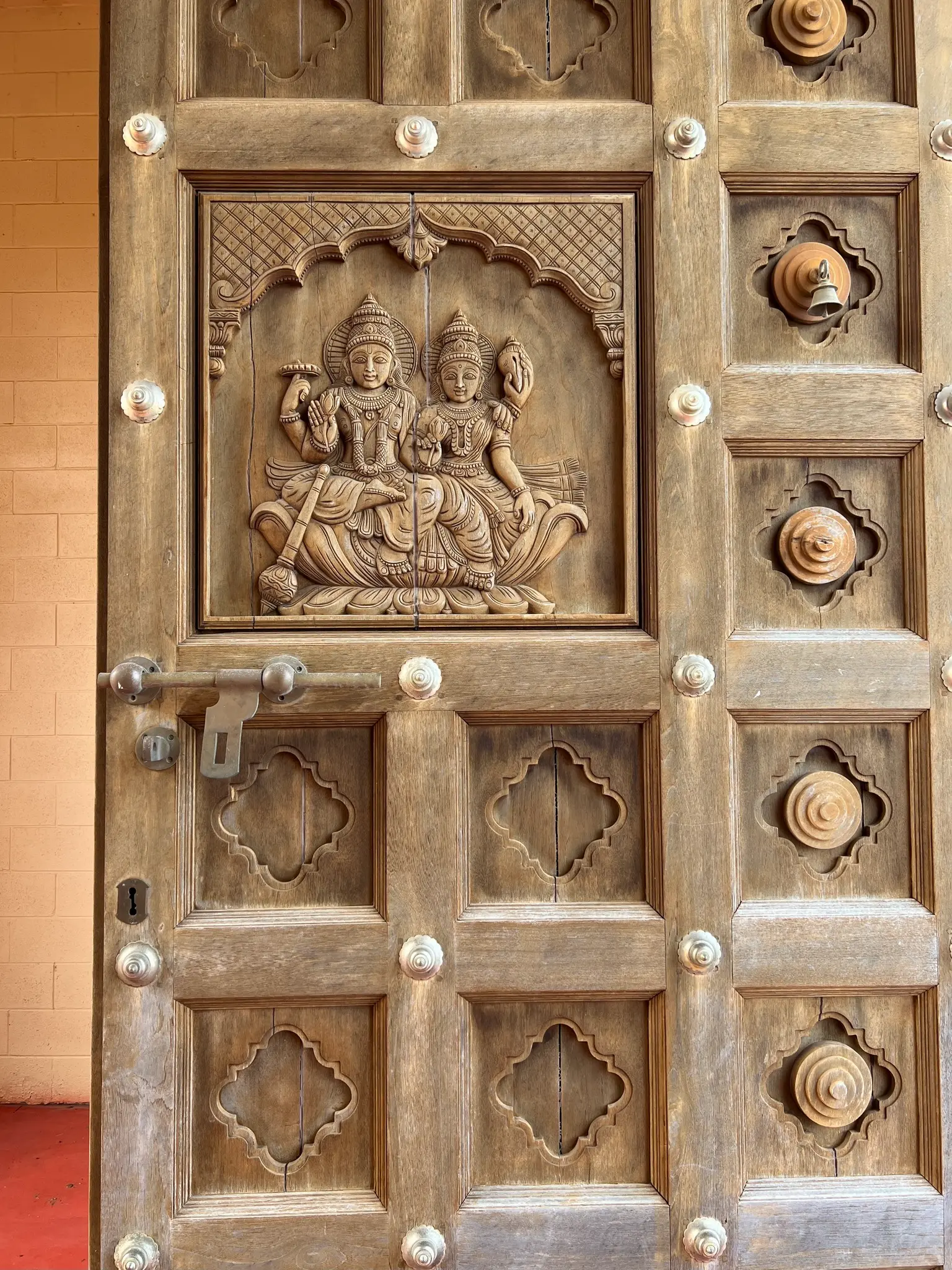
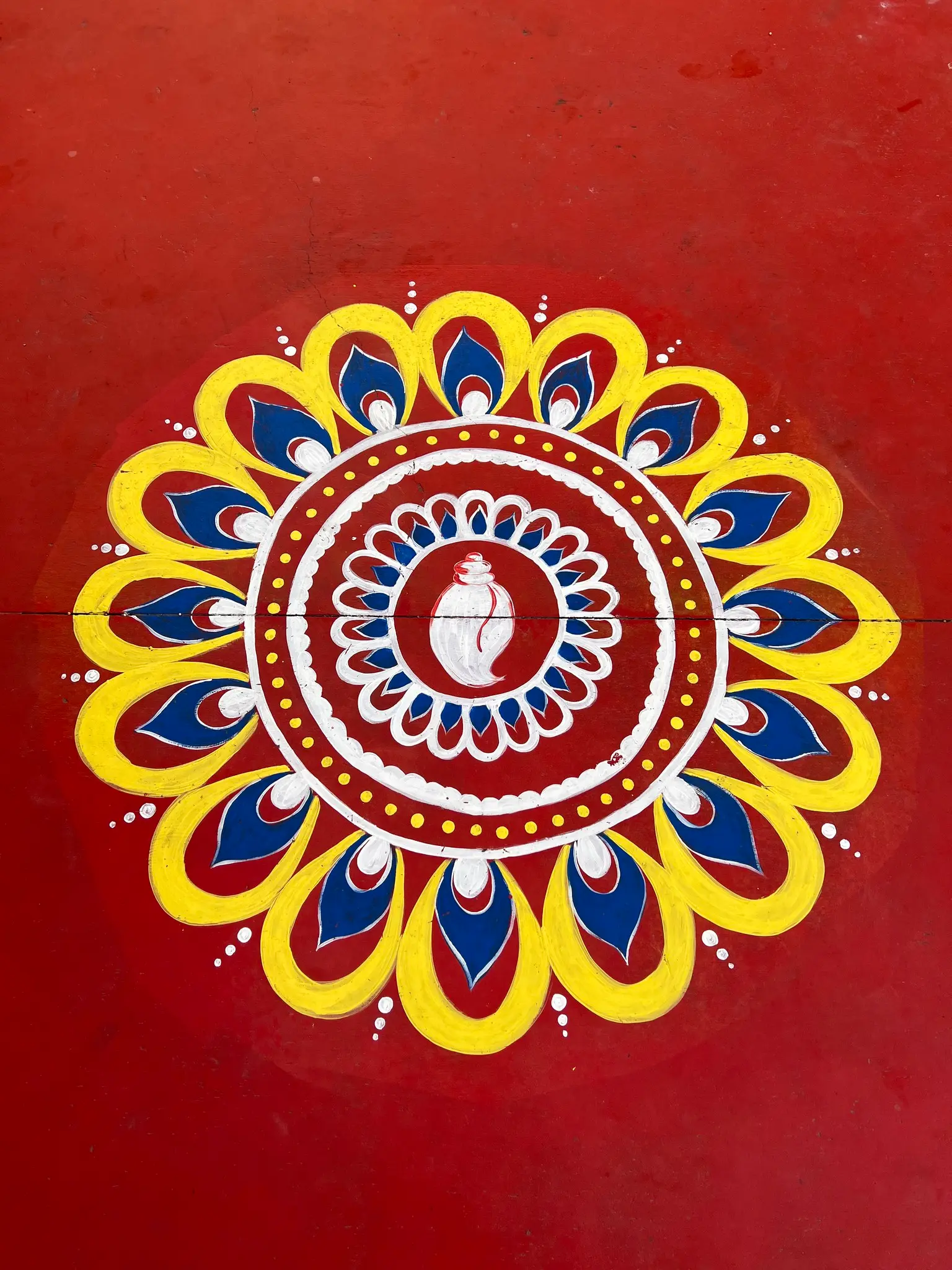
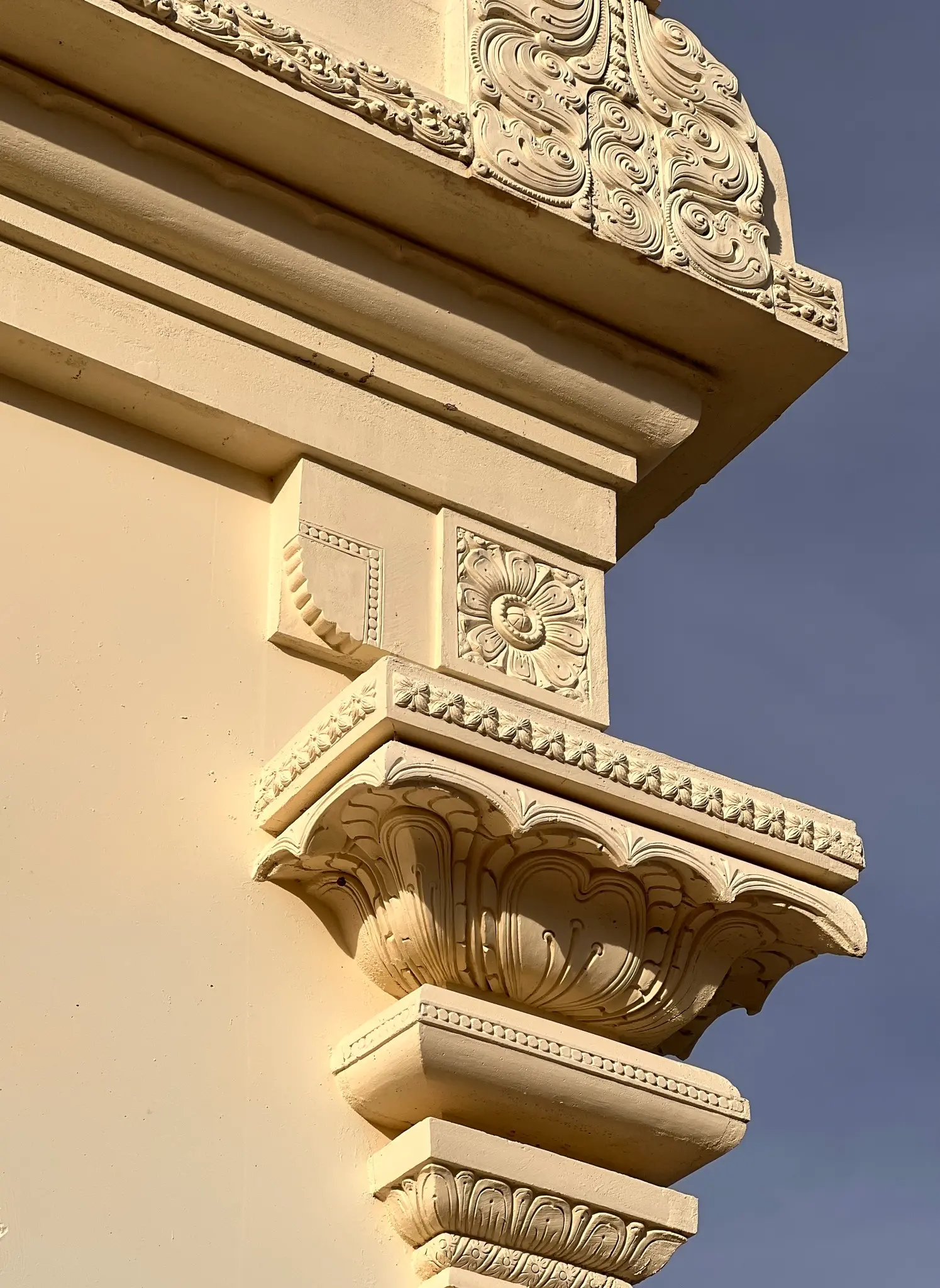
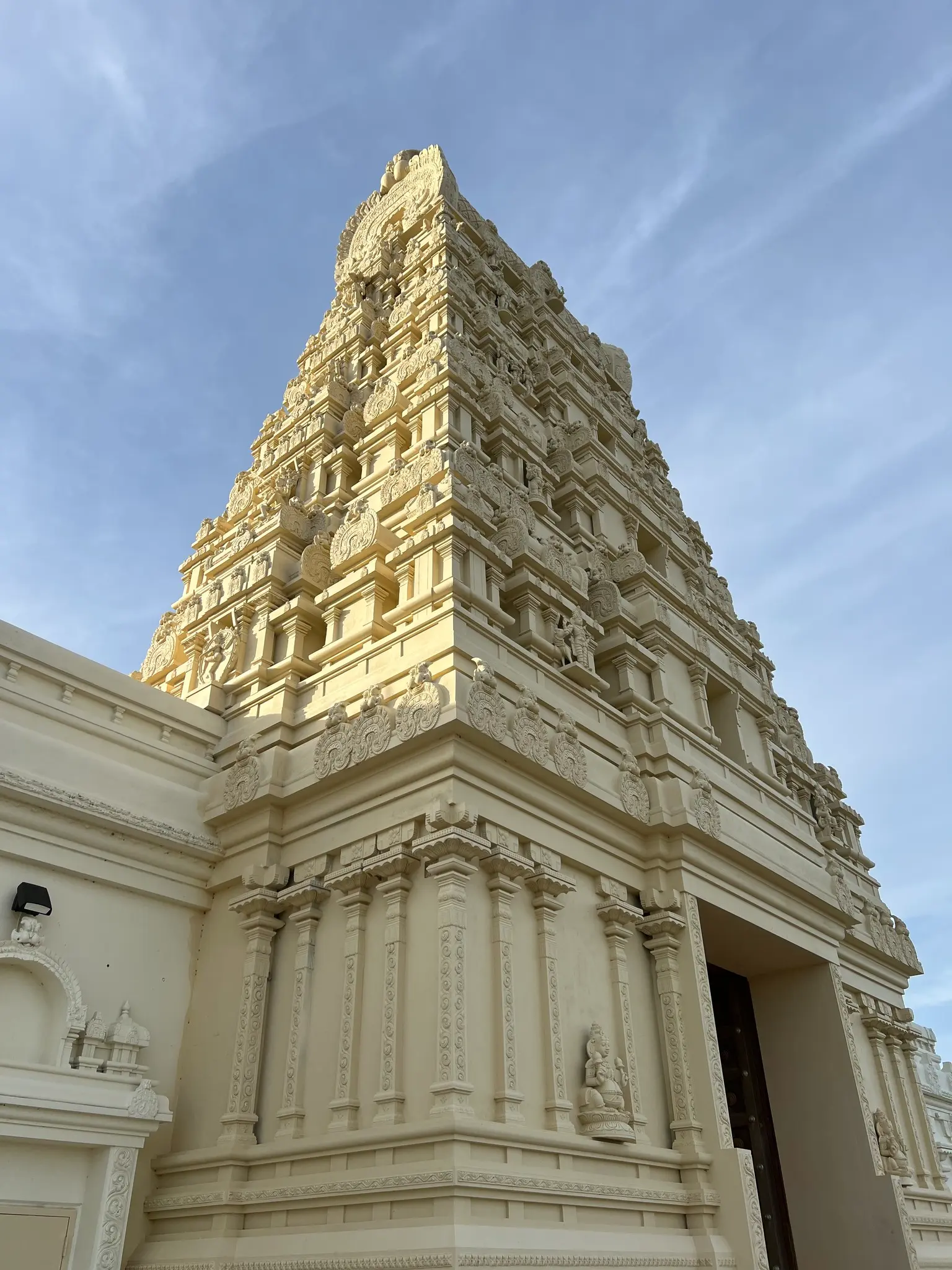
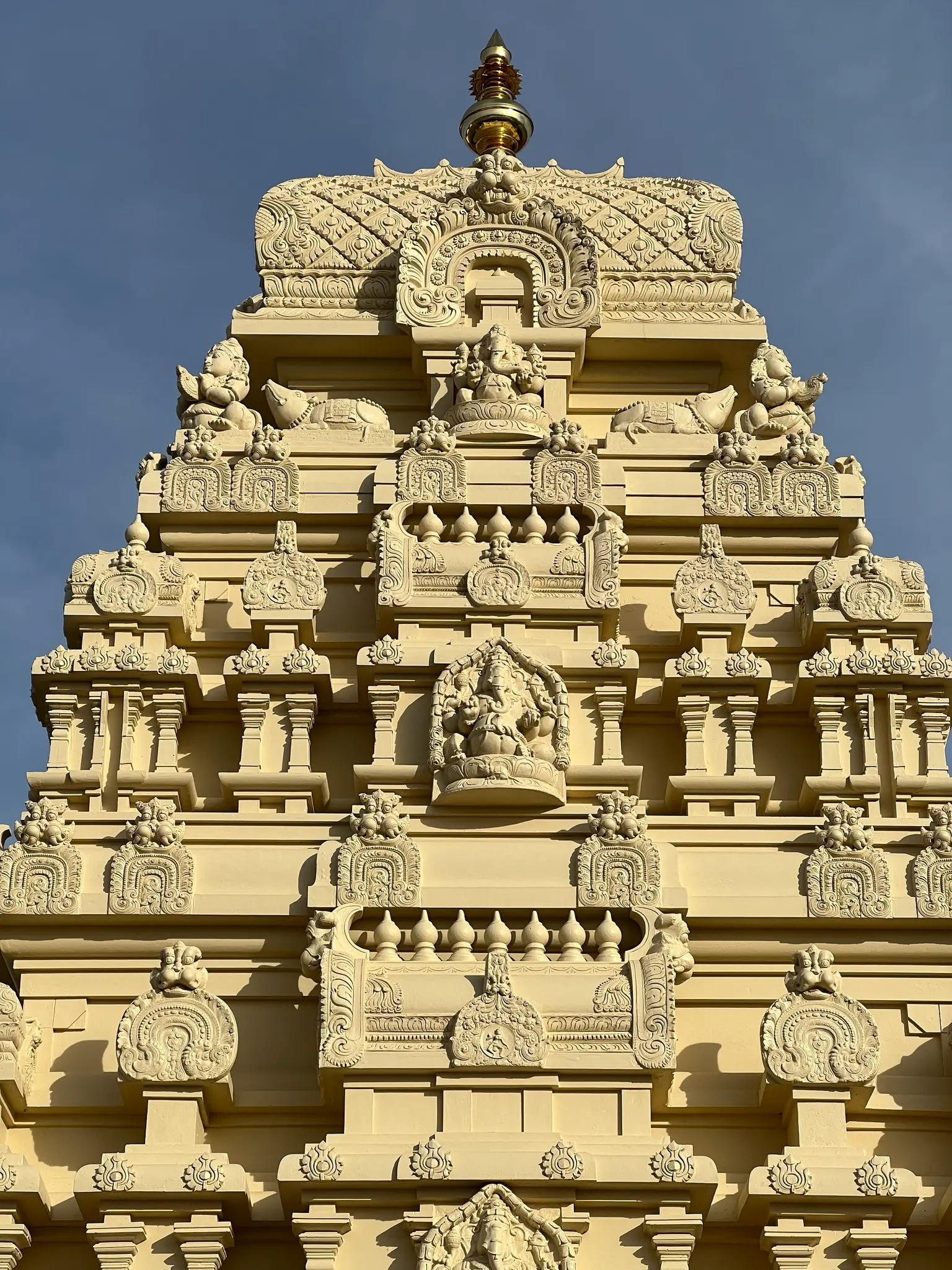
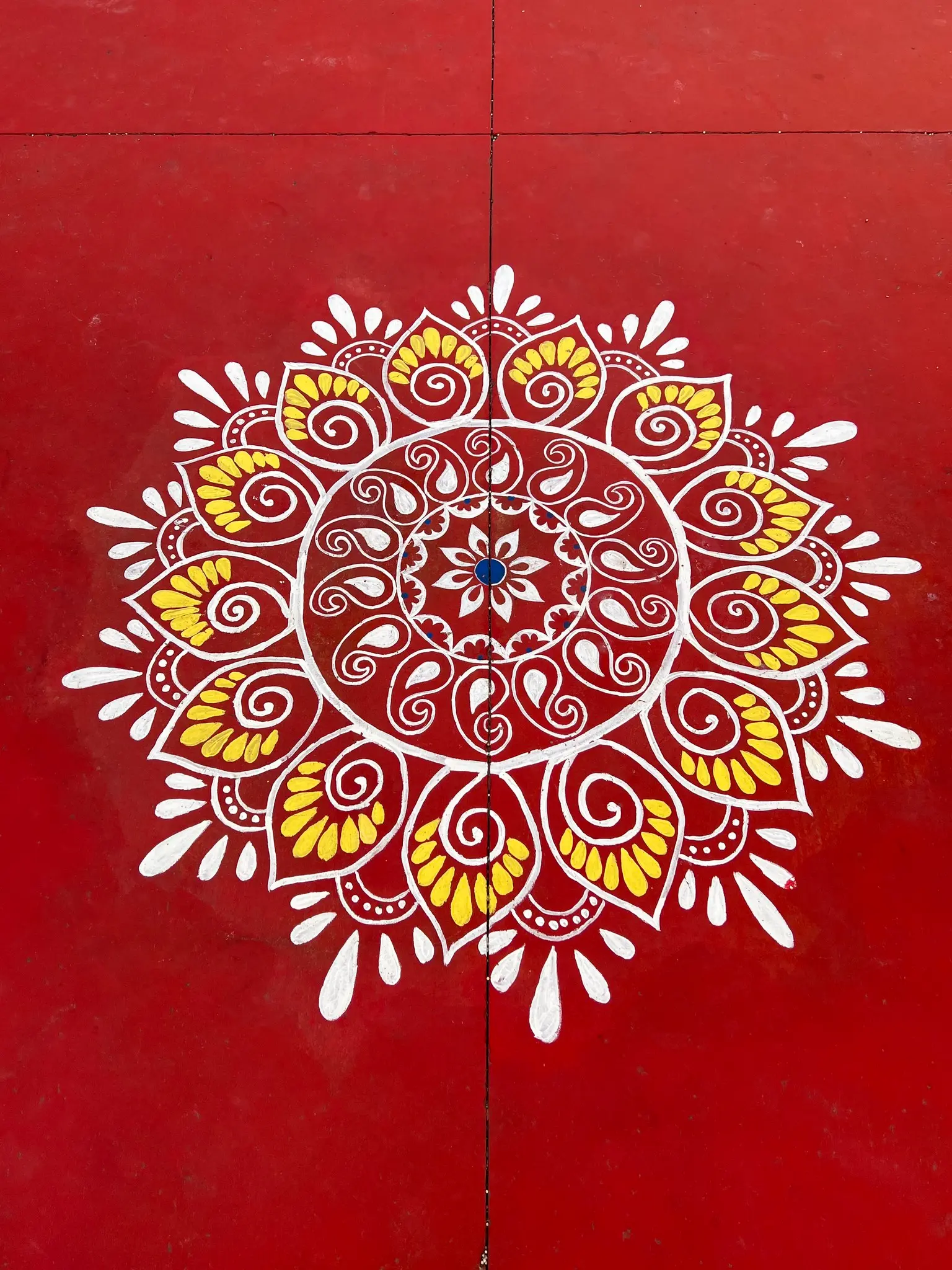
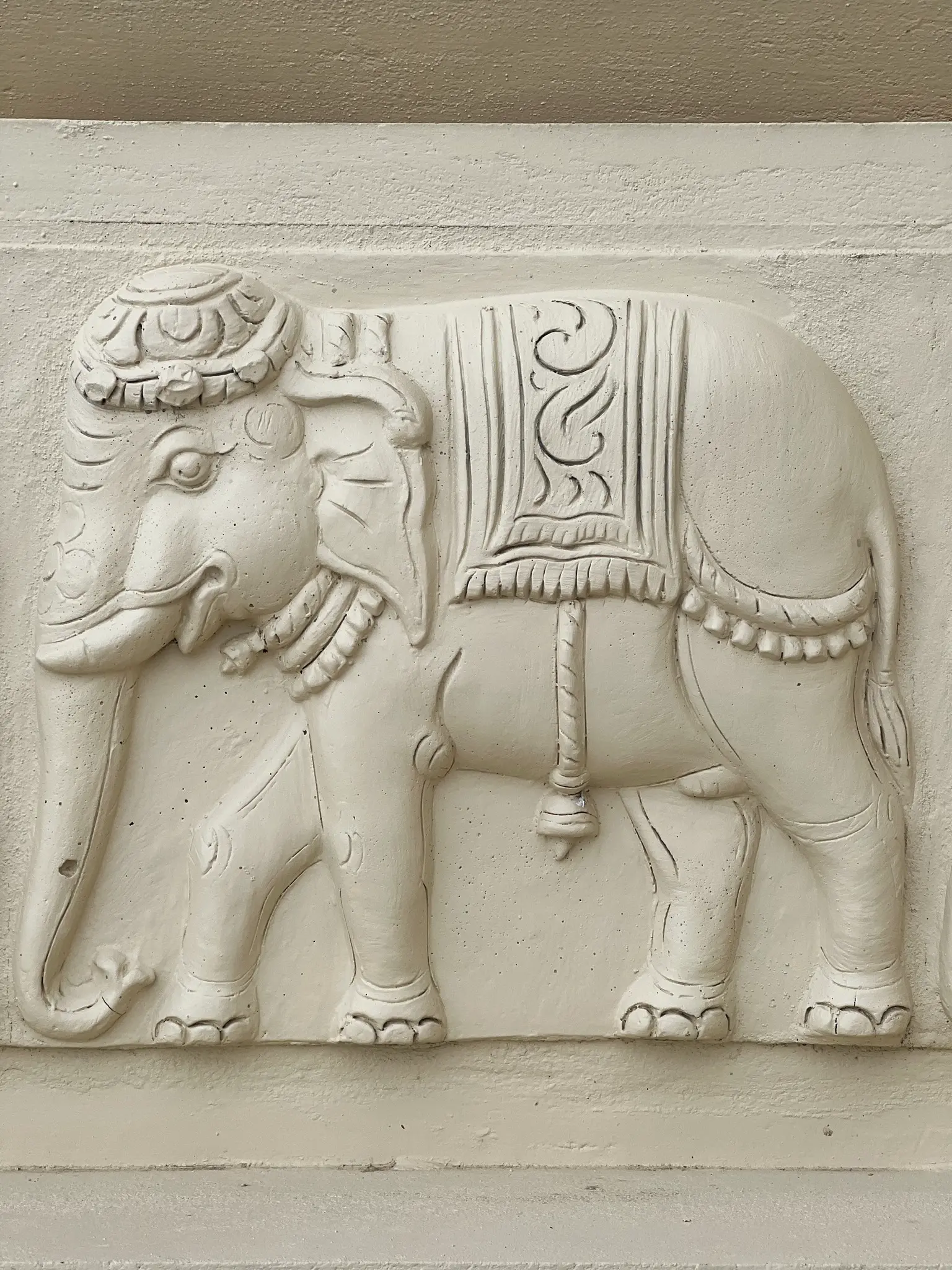
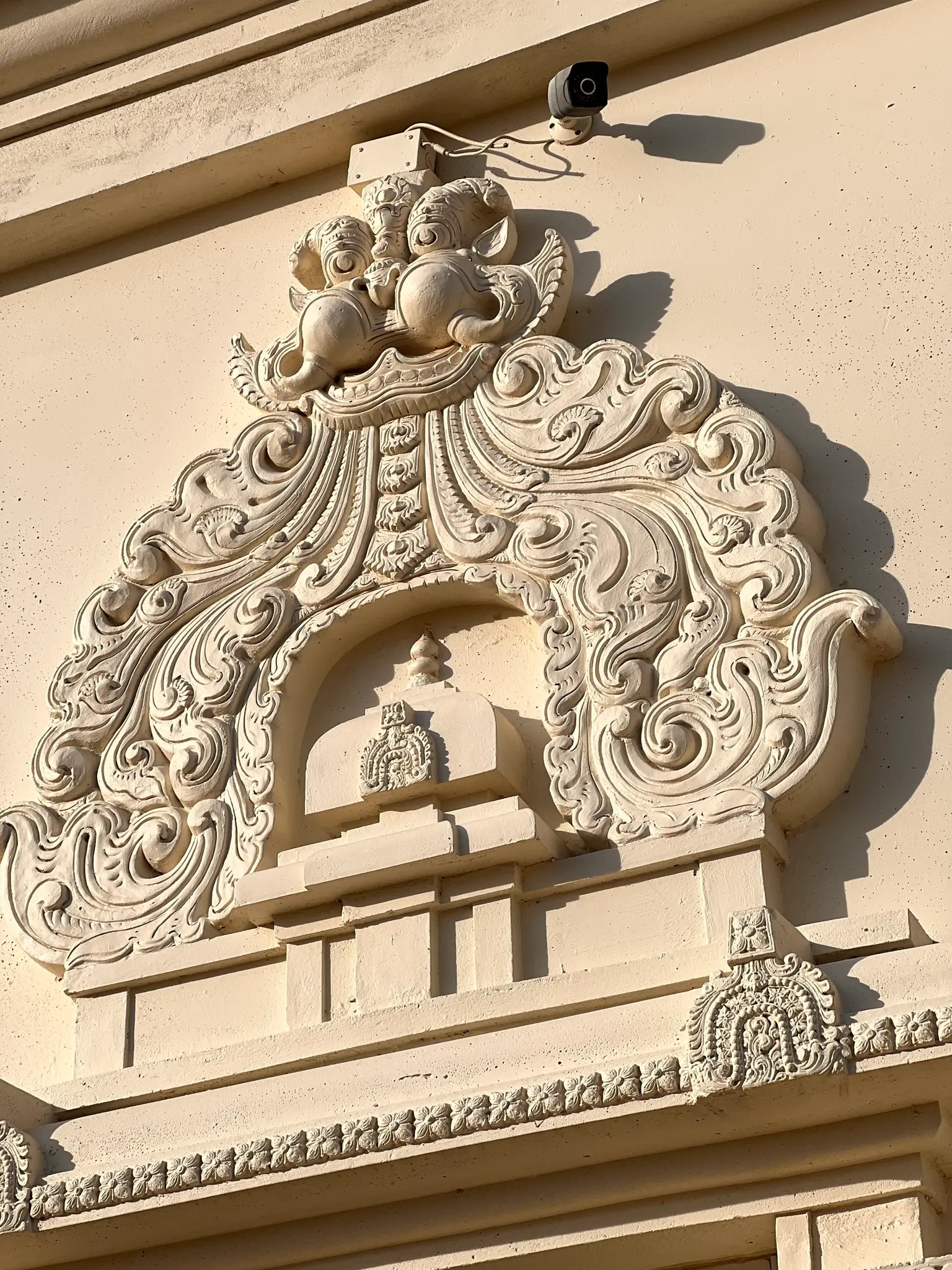
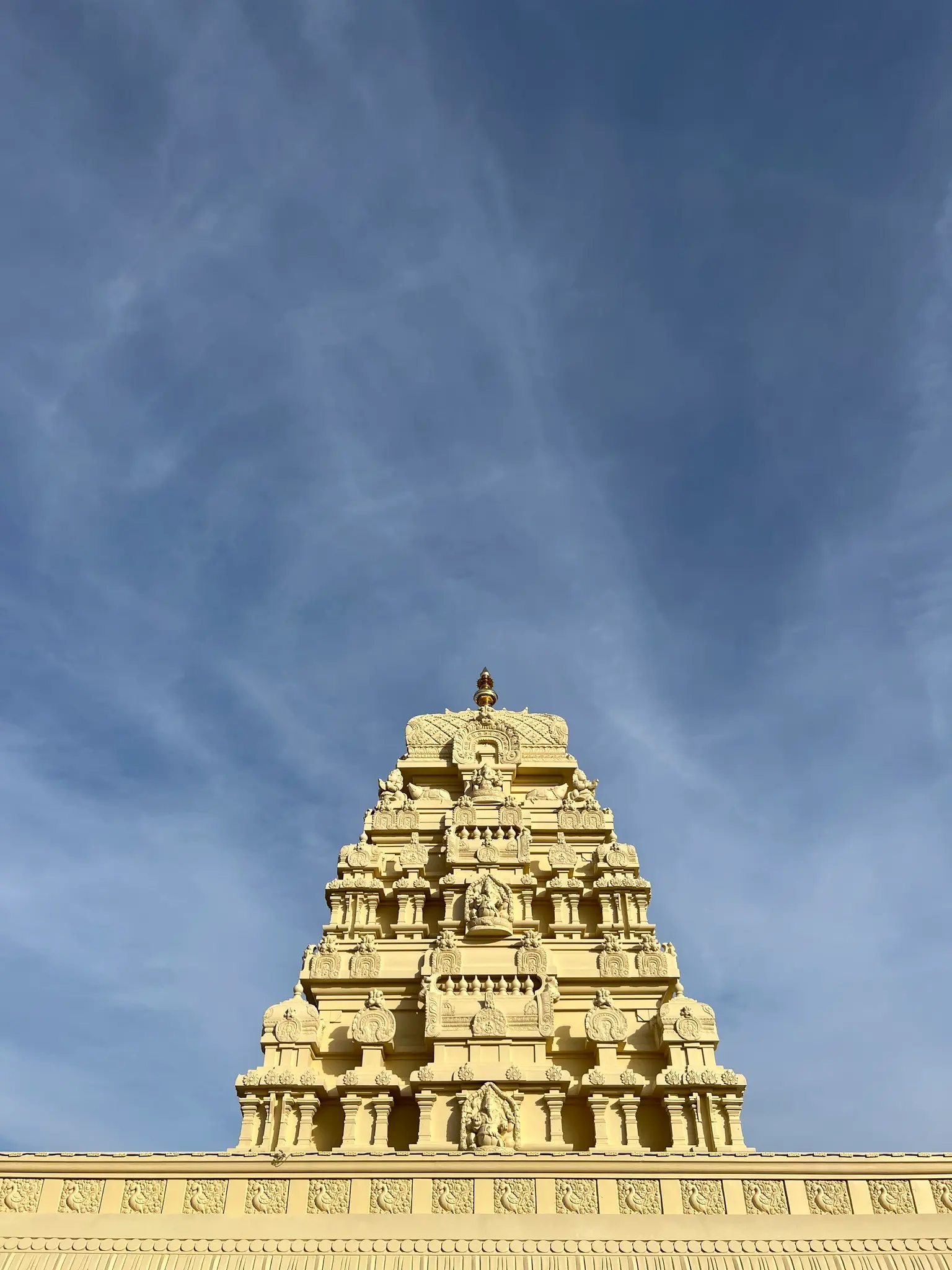
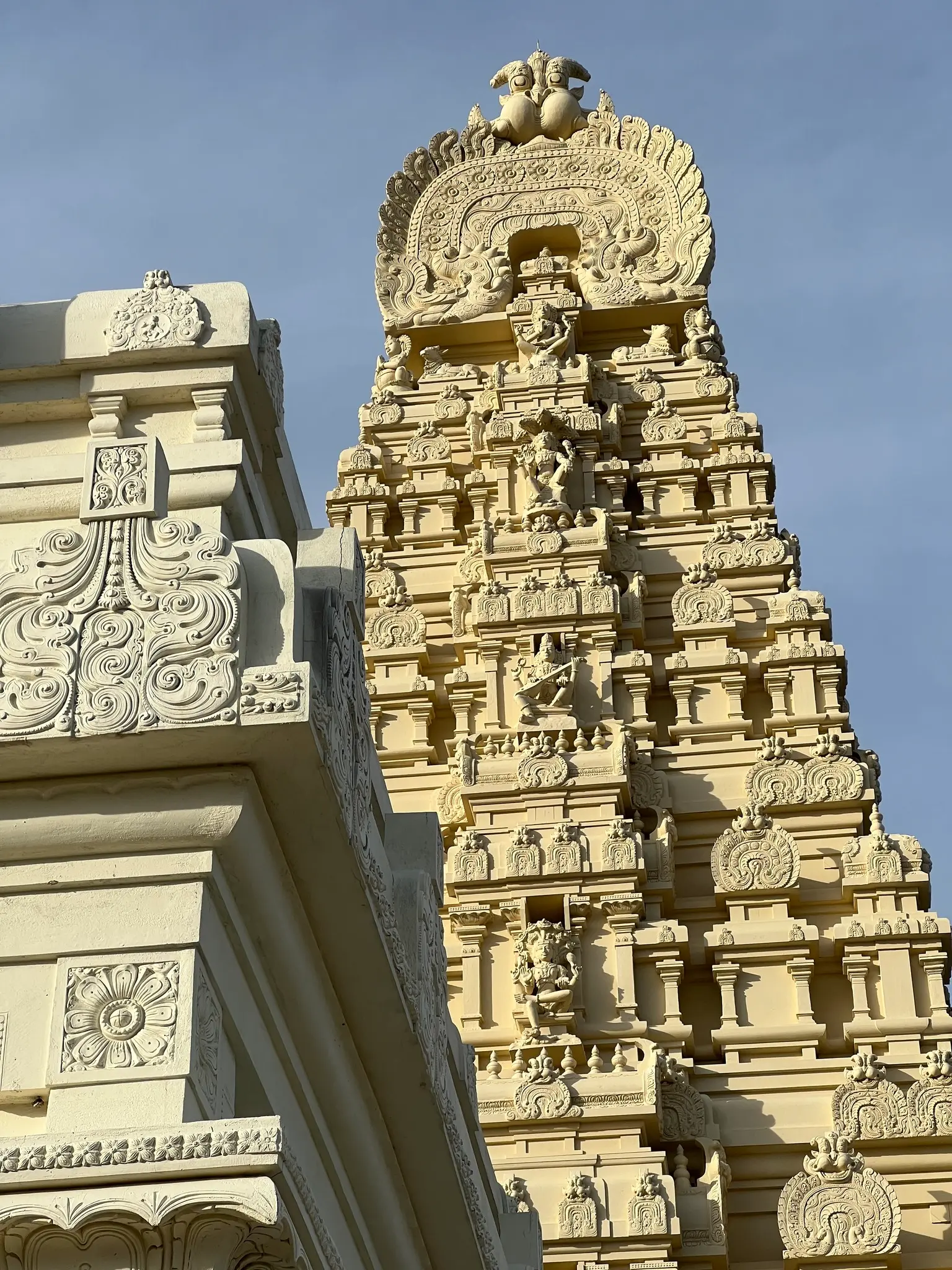
A set of photographs I had taken a while back at a Hindu temple here in Austin.
Nothing extraordinary. Nothing portfolio-worthy. Certainly not prize-winning images. In fact, if I’m being honest, they were closer to snapshots than photographs.
But something about them grabbed my attention.
They were completely untouched.
What you were seeing on the screen was exactly what the camera captured.
Straight-Out-Of-Camera.
SOOC, as photographers like to say.
No cropping.
No filters.
No tweaking sliders.
No dramatic edits.
Just the photograph as it came out of the camera.
Now let me be clear: the photos could absolutely benefit from some editing help. A little contrast adjustment here. A bit of shadow recovery there. Maybe a touch of warmth in the color balance.
The tools are all there. They always are.
But as I stood there looking at those images, I found myself hesitating.
Not because I didn’t know how to edit them.
But because I suddenly didn’t want to.
Over the past decade, editing has become almost inseparable from photography. It’s assumed. Expected. Nearly automatic.
Take the shot. Open the app. Adjust the sliders. Apply the look. Export the result.
In some corners of photography culture, the editing process has become the main event. The photograph itself almost feels like raw material waiting to be transformed.
But something seems to be shifting.
At least for me.
The longer I shoot with the iPhone—and we’re now talking about well over a million photos taken across fourteen years—the more I find myself leaning back toward an older idea of photography.
The photograph as a finished object.
The moment you press the shutter.
No second act required.
Now I know that might sound a little romantic, maybe even a bit nostalgic. After all, we live in an age where artificial intelligence can rewrite a sky, erase strangers, smooth skin, brighten eyes, and turn a dull afternoon into a cinematic sunset.
The tools are extraordinary.
And I’m not anti-technology. Not even close.
Hell, the camera I carry around in my pocket today would have looked like science fiction when I started shooting photography back in the 1970s.
But somewhere along the way, photography quietly crossed an invisible line.
It stopped being about capturing a moment and started becoming about manufacturing one.
That line isn’t always obvious. And it isn’t always wrong.
Editing can absolutely elevate a photograph. Anyone who says otherwise doesn’t understand the craft.
But editing can also become a crutch.
A way of postponing the harder work of seeing.
Because when you know you can fix everything later, the urgency of getting it right in the moment begins to fade.
The discipline softens.
The attention drifts.
Standing there in that AT&T store, staring at those humble little temple photos, I felt something I haven’t felt in a while.
Relief.
The images were imperfect. A little flat. Slightly crooked. The light wasn’t dramatic. The composition wasn’t masterful.
But they were honest.
They were exactly what the camera saw.
Exactly what I saw.
No algorithm had stepped in to reinterpret the scene. No editing software had polished it into something more impressive than the moment itself.
Just the photograph.
And the funny thing is, the more I looked at those images, the more I liked them.
Not because they were technically better.
But because they felt more human.
Maybe that’s what’s slowly happening in photography right now. After years of chasing perfection through software and artificial intelligence, some of us are beginning to rediscover the quiet pleasure of simply taking the picture.
Let the light fall where it may.
Let the colors be what they are.
Let the moment stand on its own.
Straight-Out-Of-Camera.
Human intelligence over artificial intelligence.
And you know what?
I’m happy about it.
Click.
Jack.