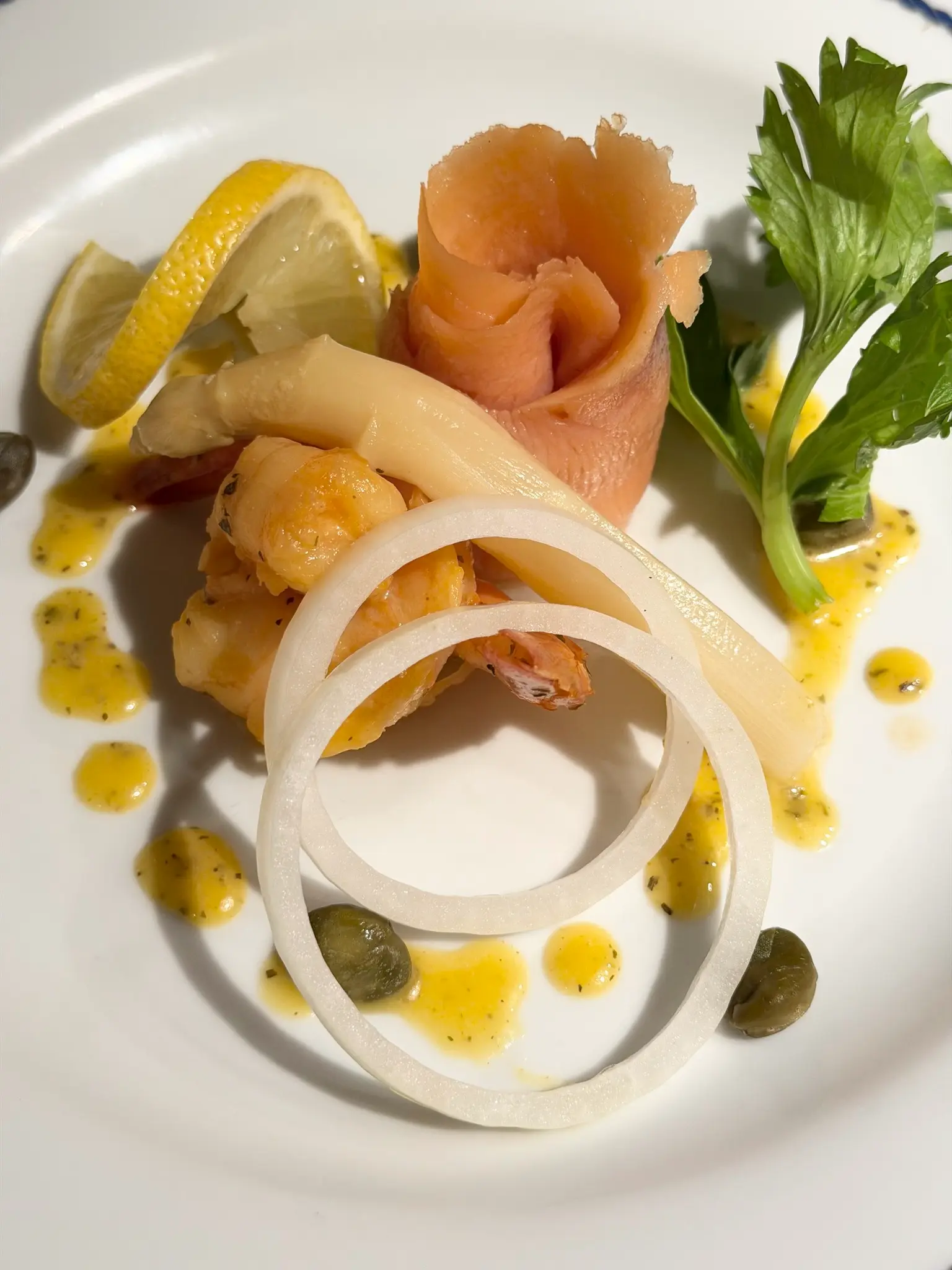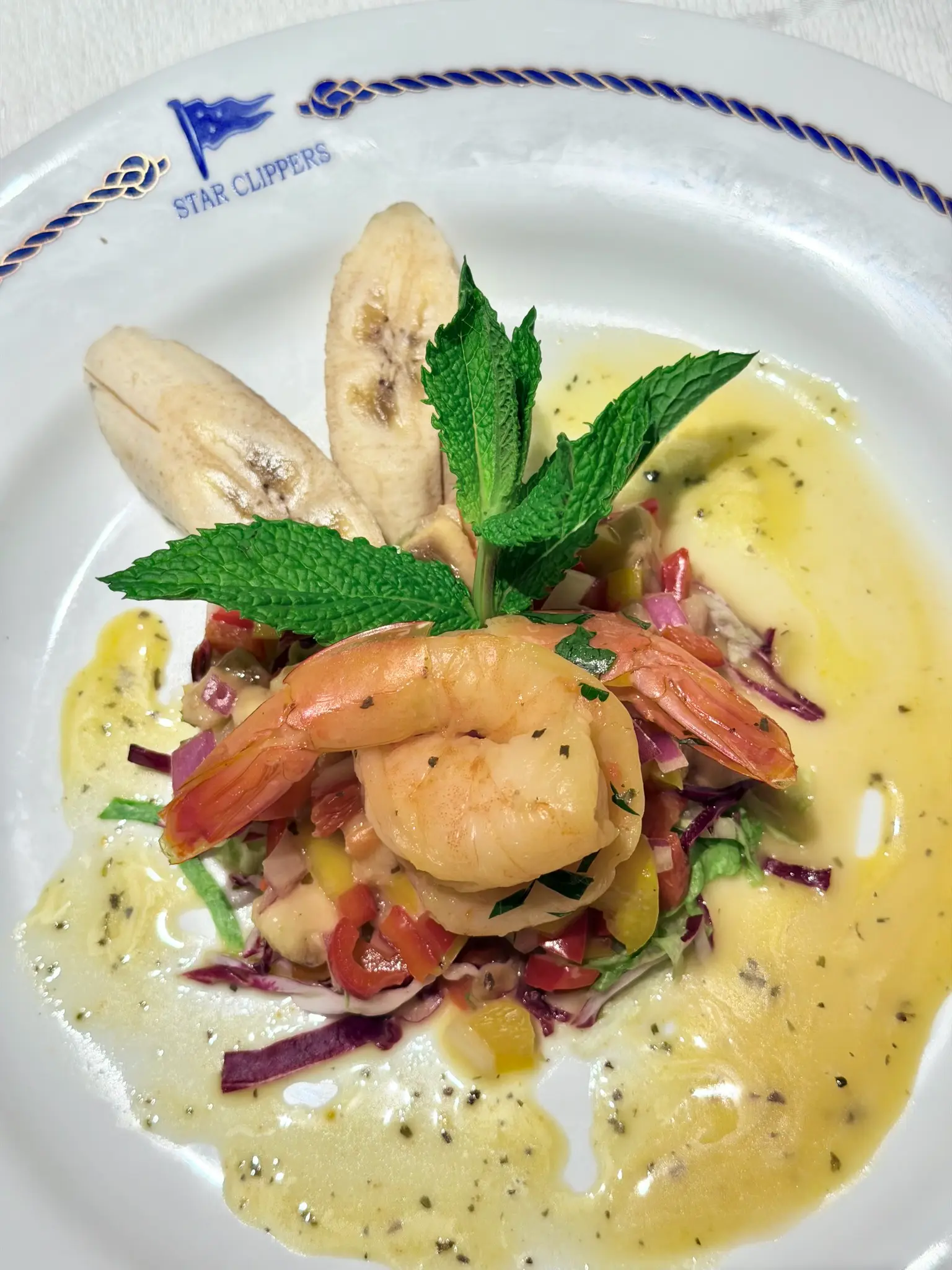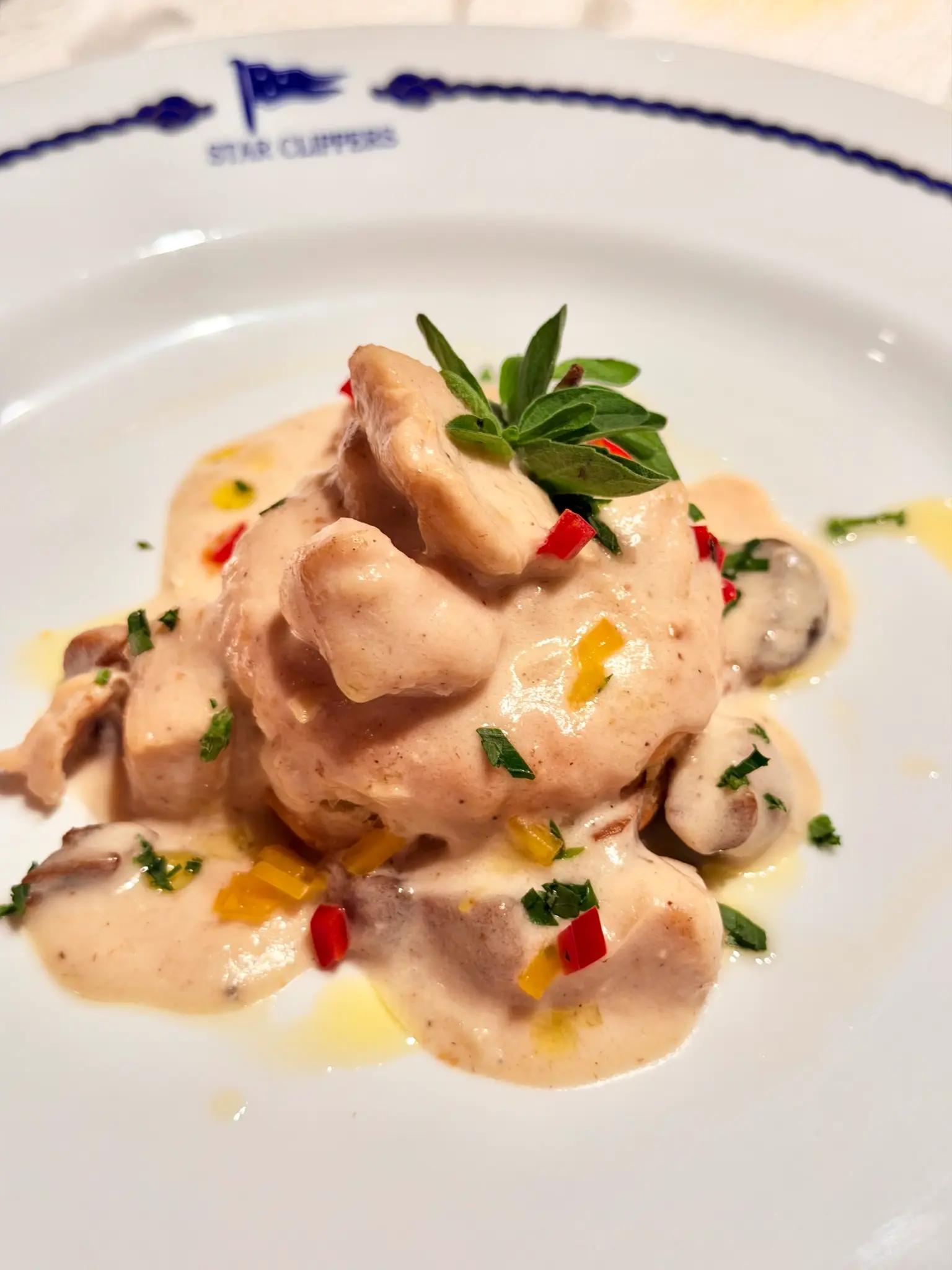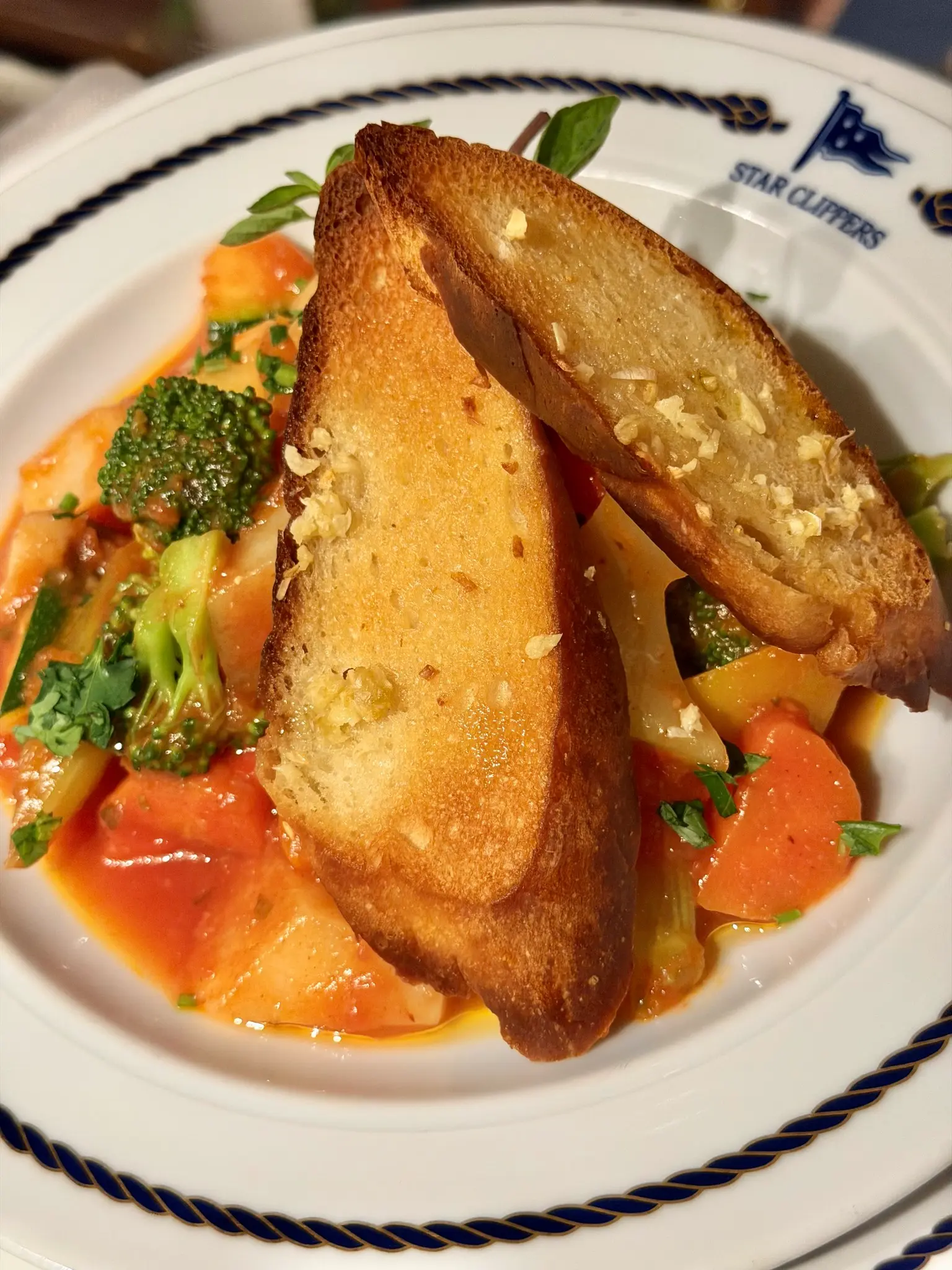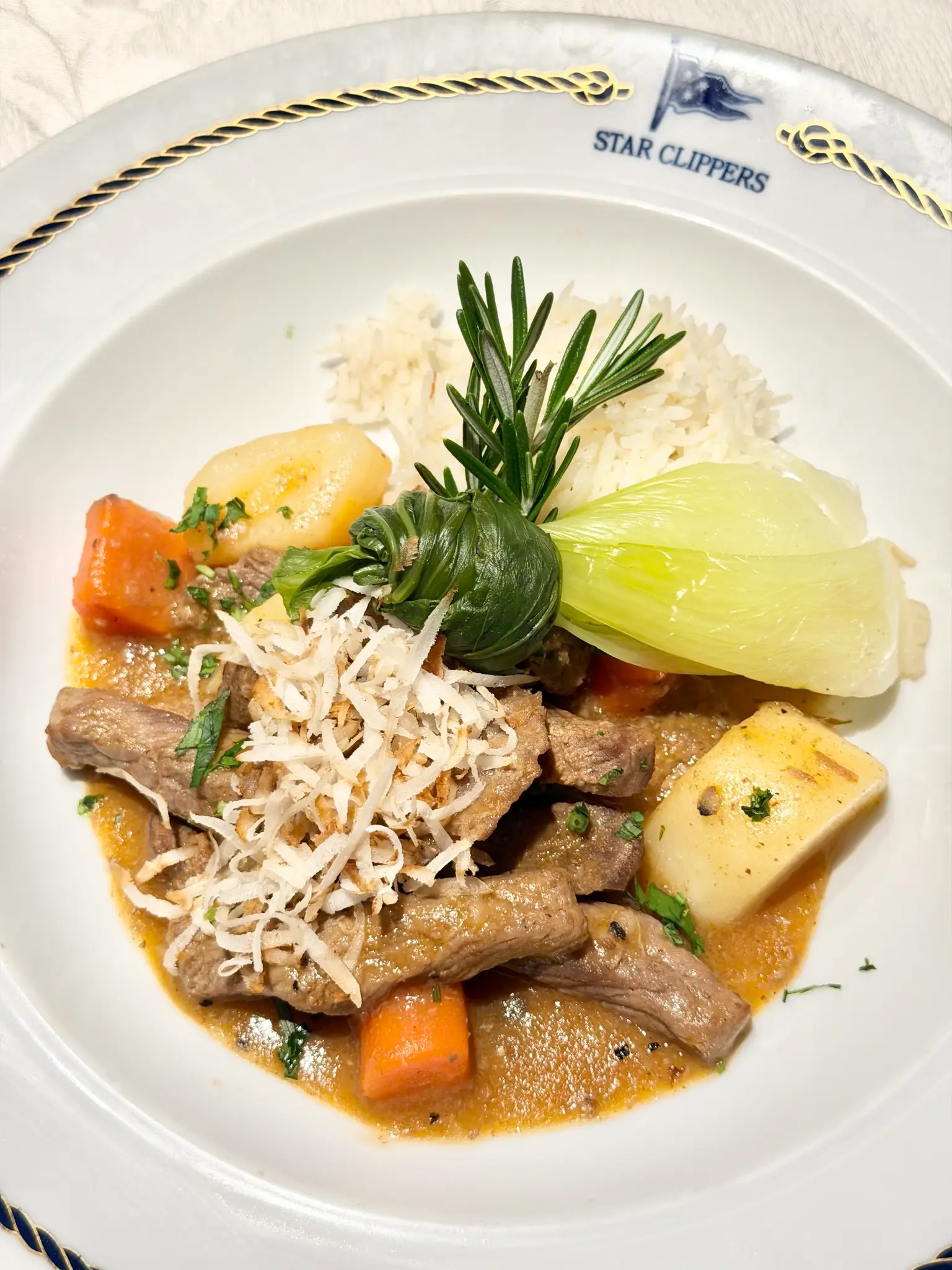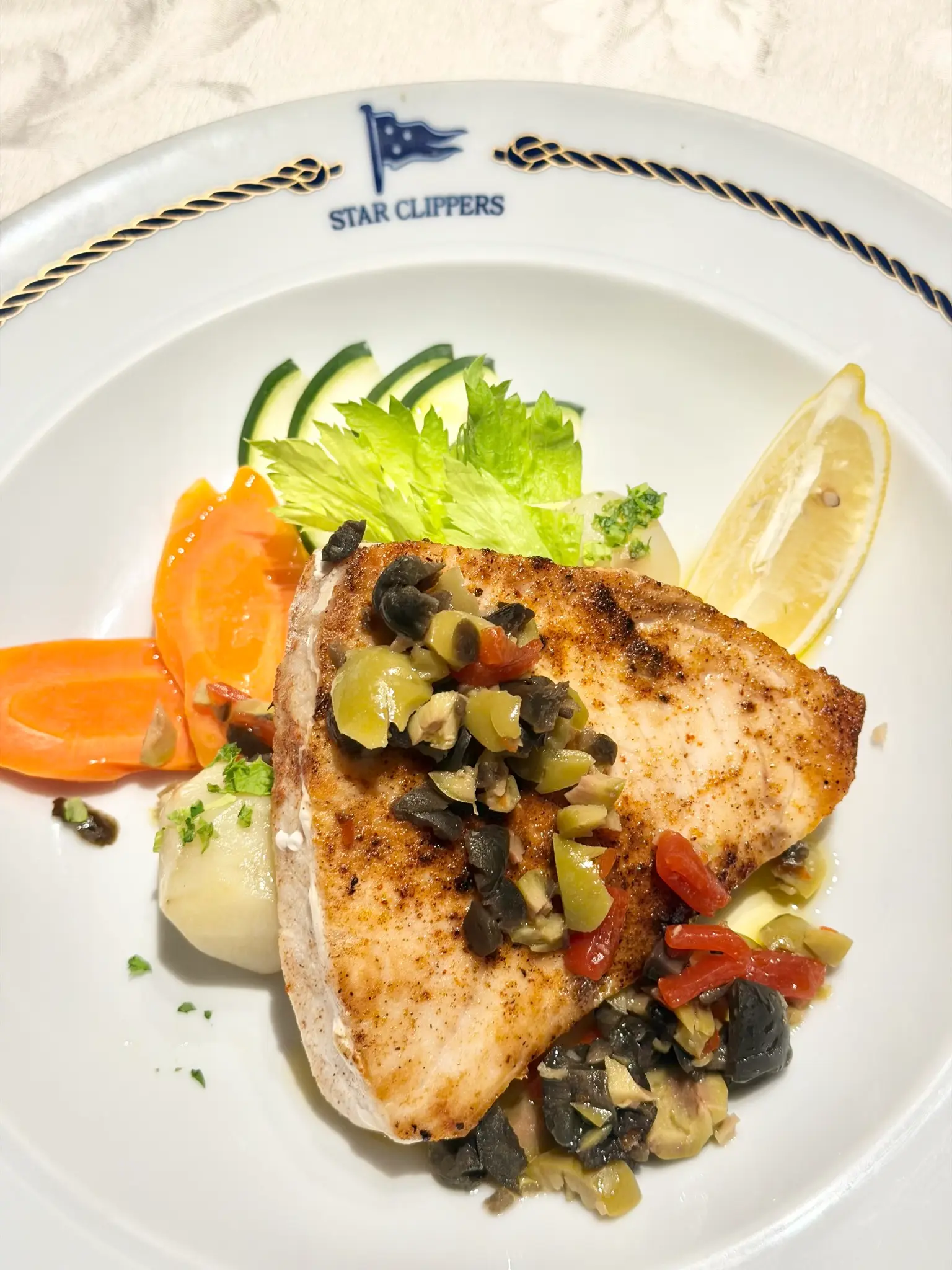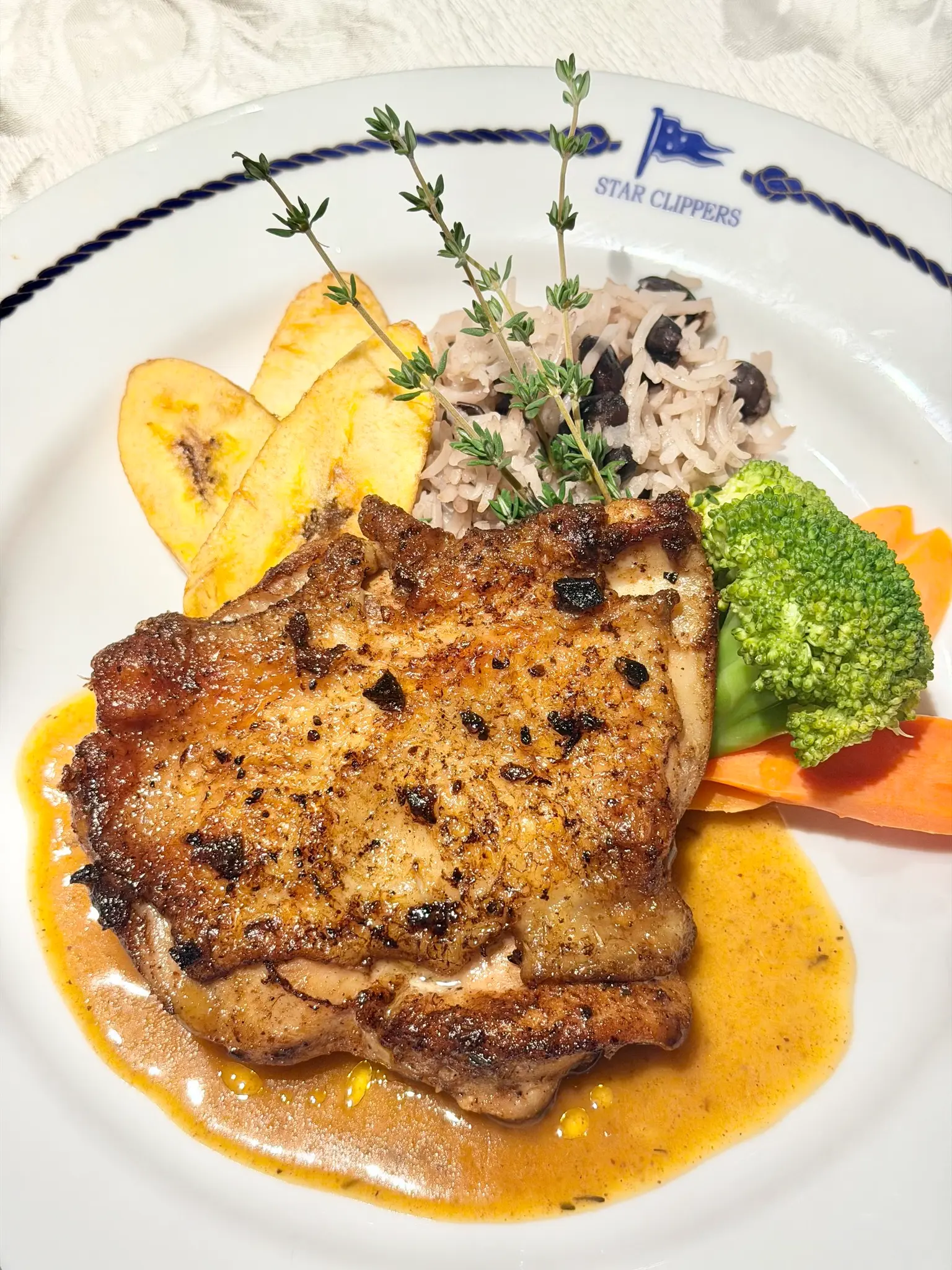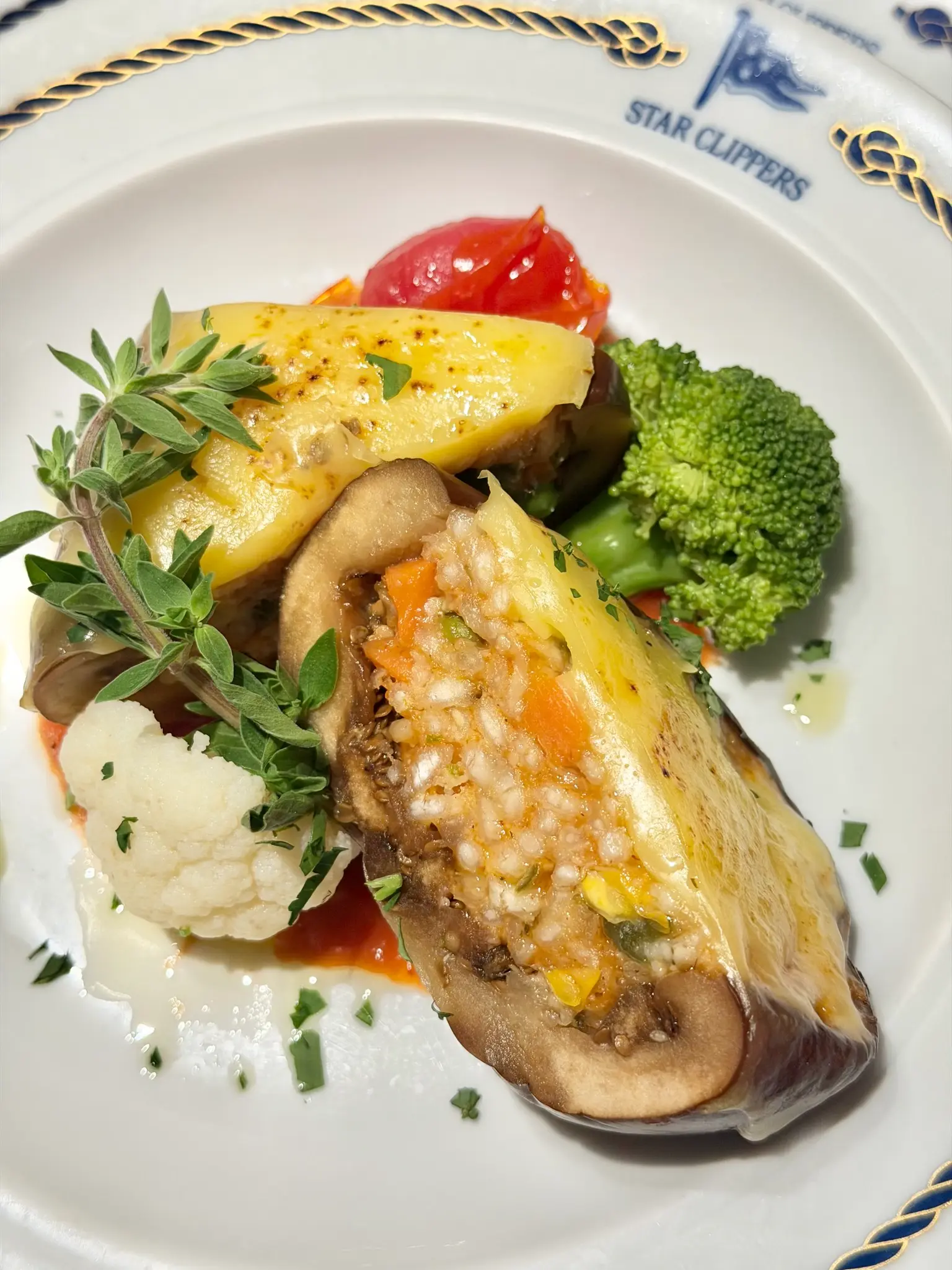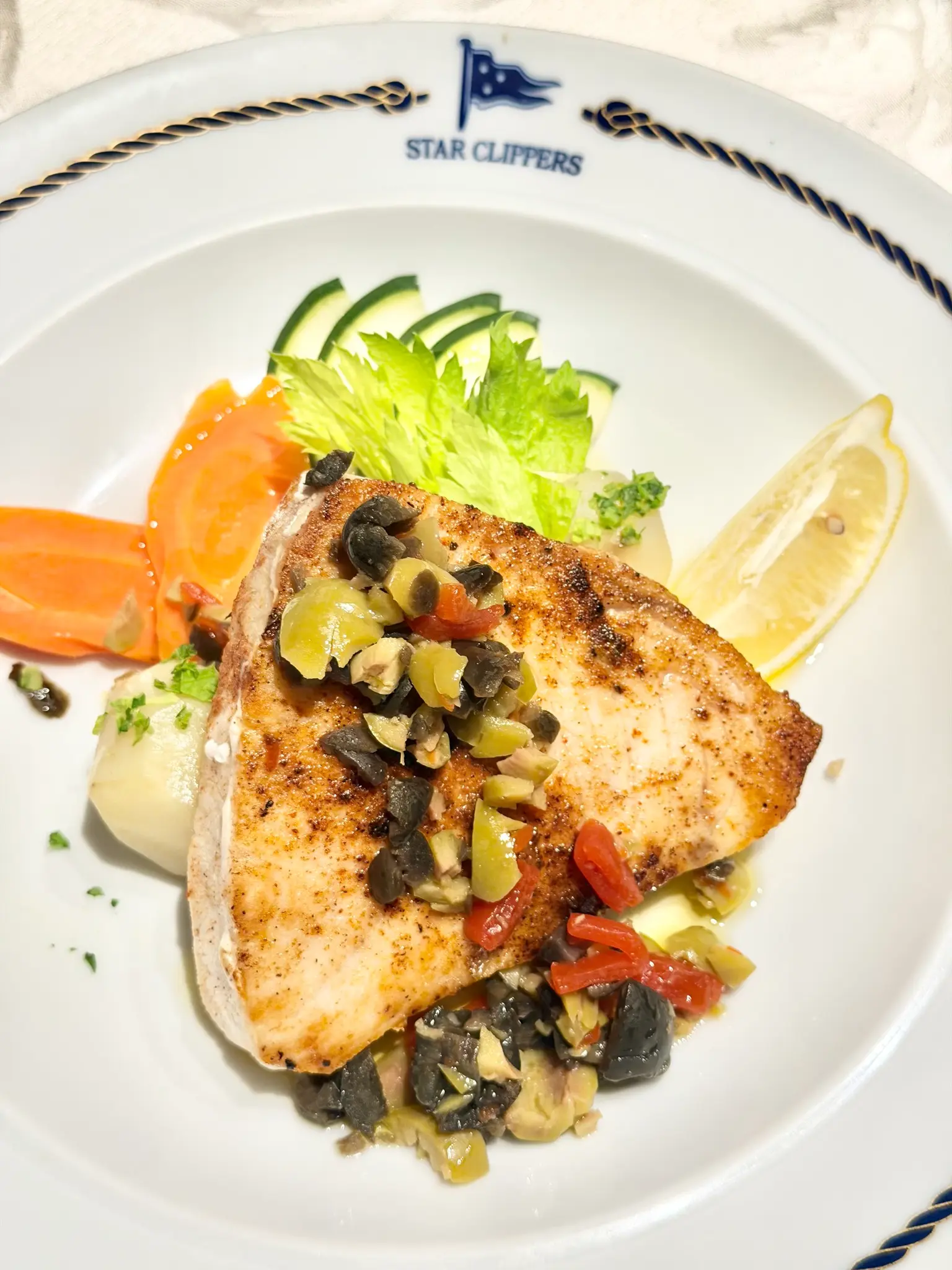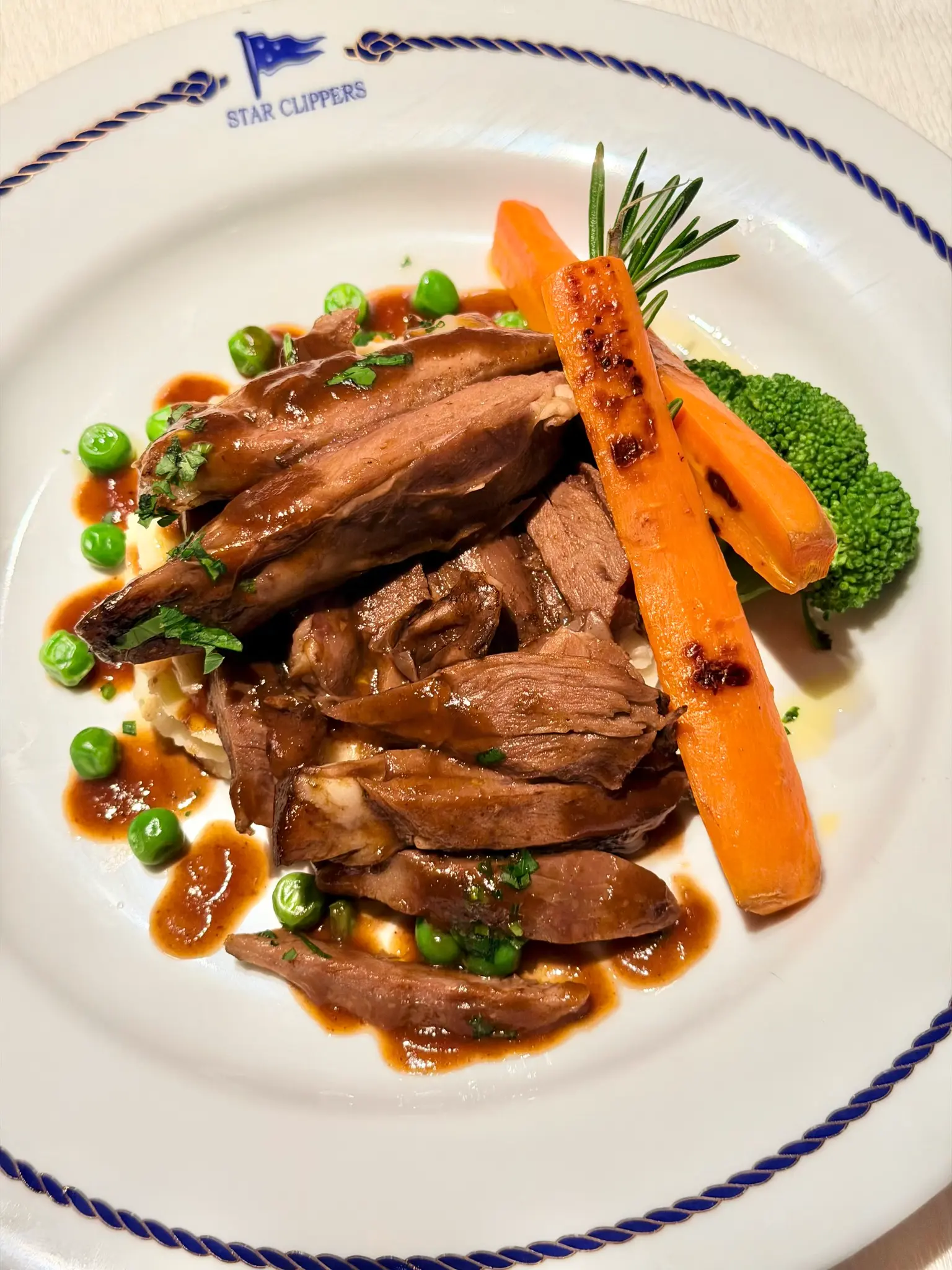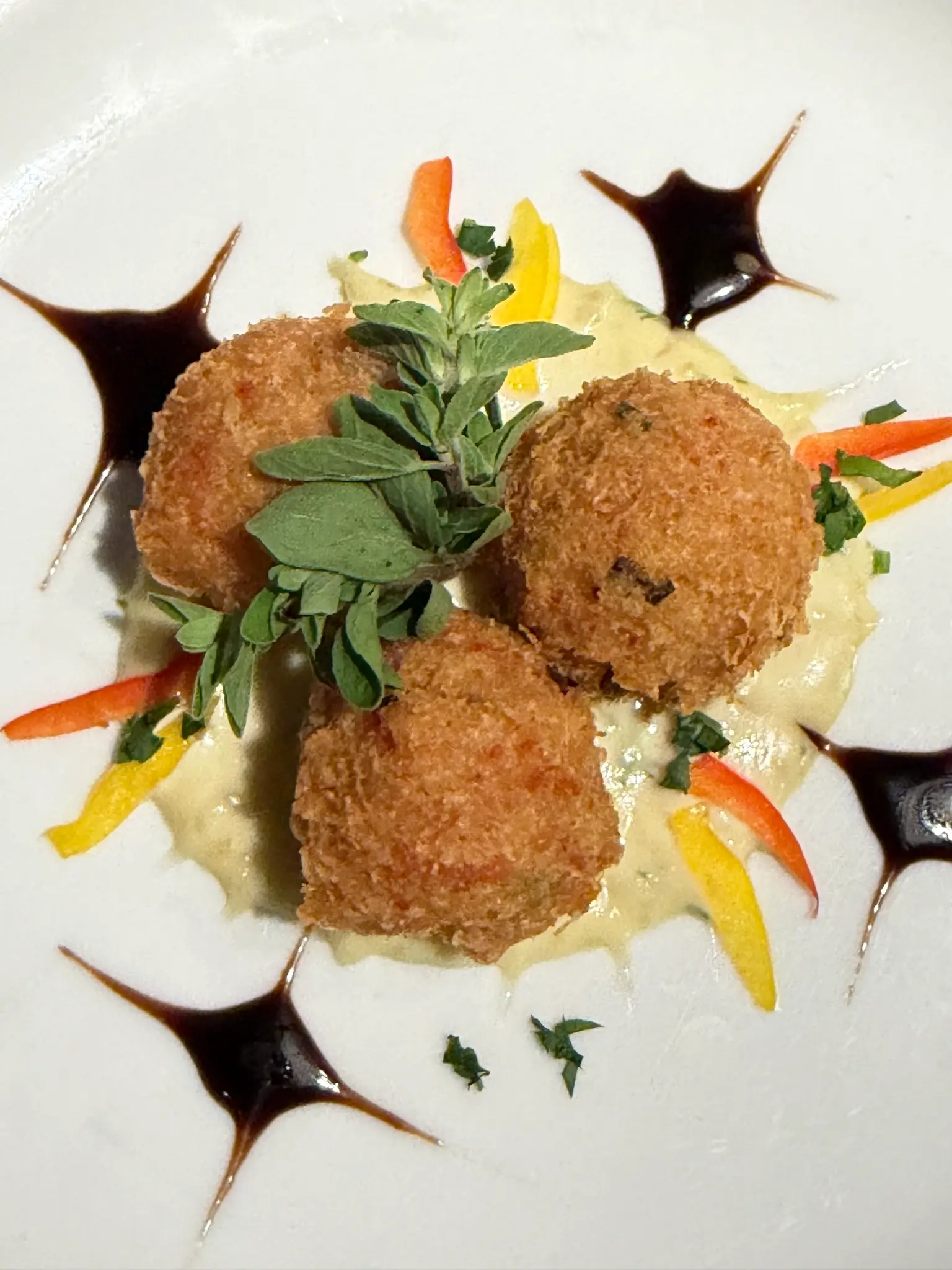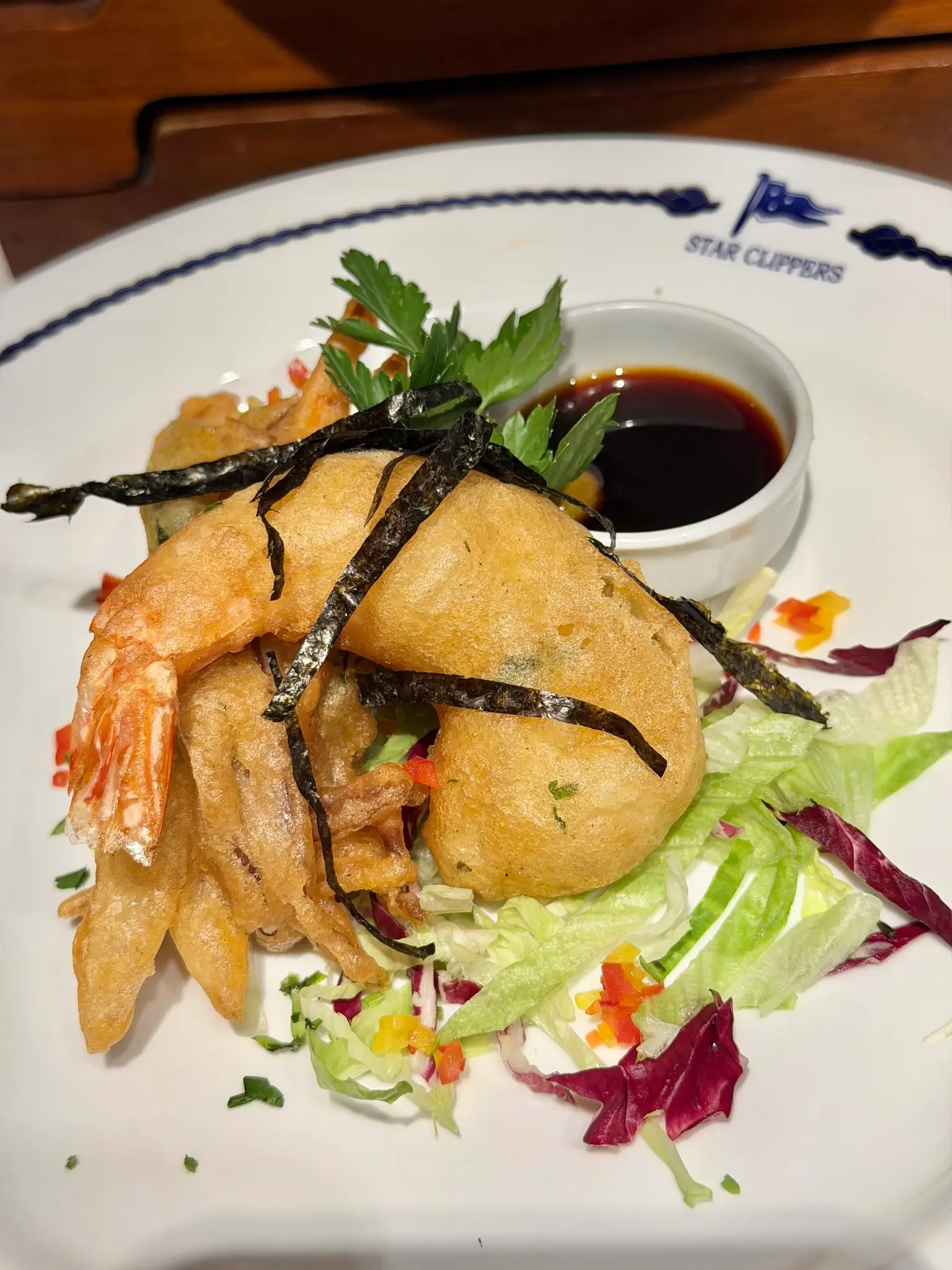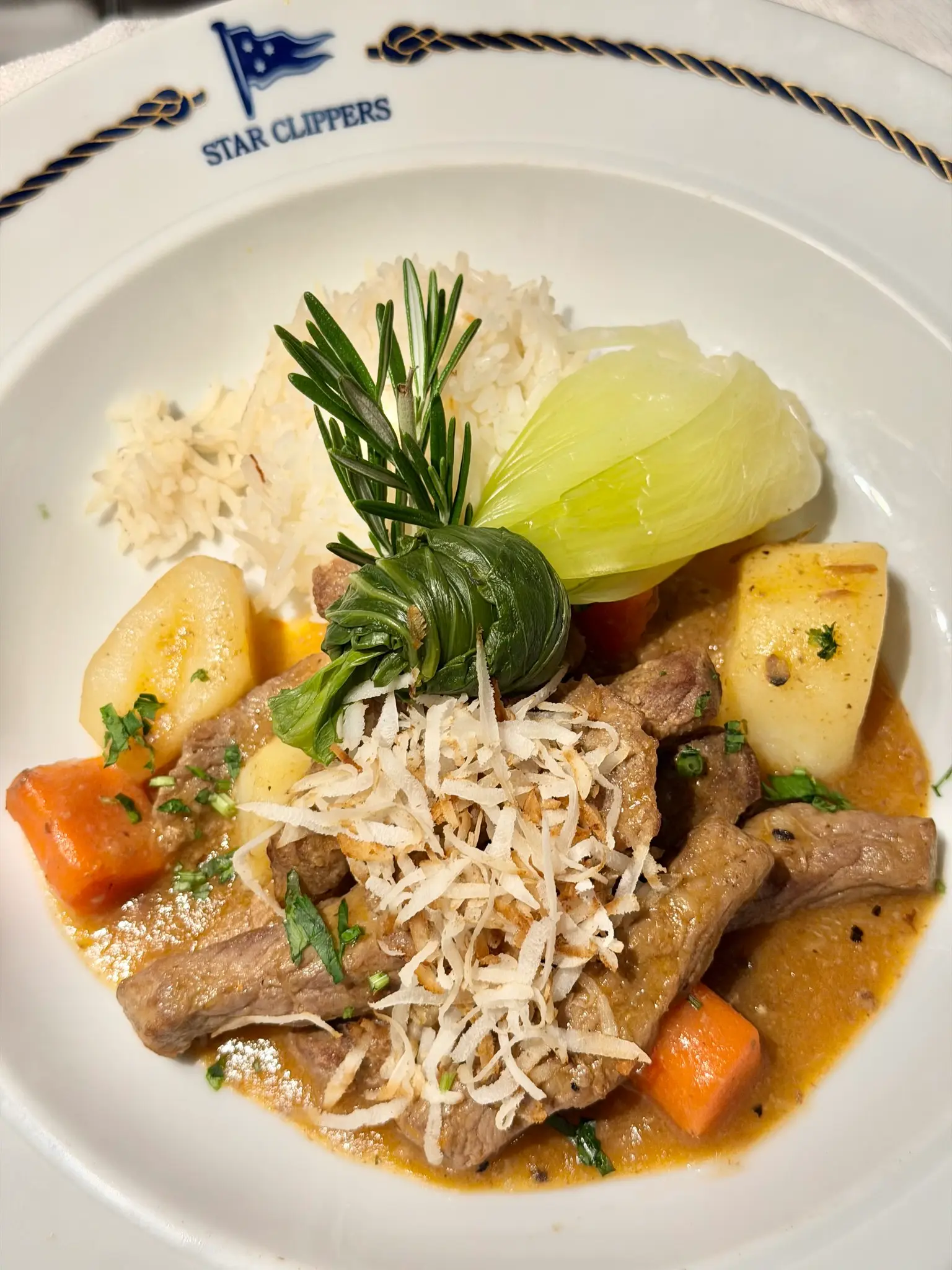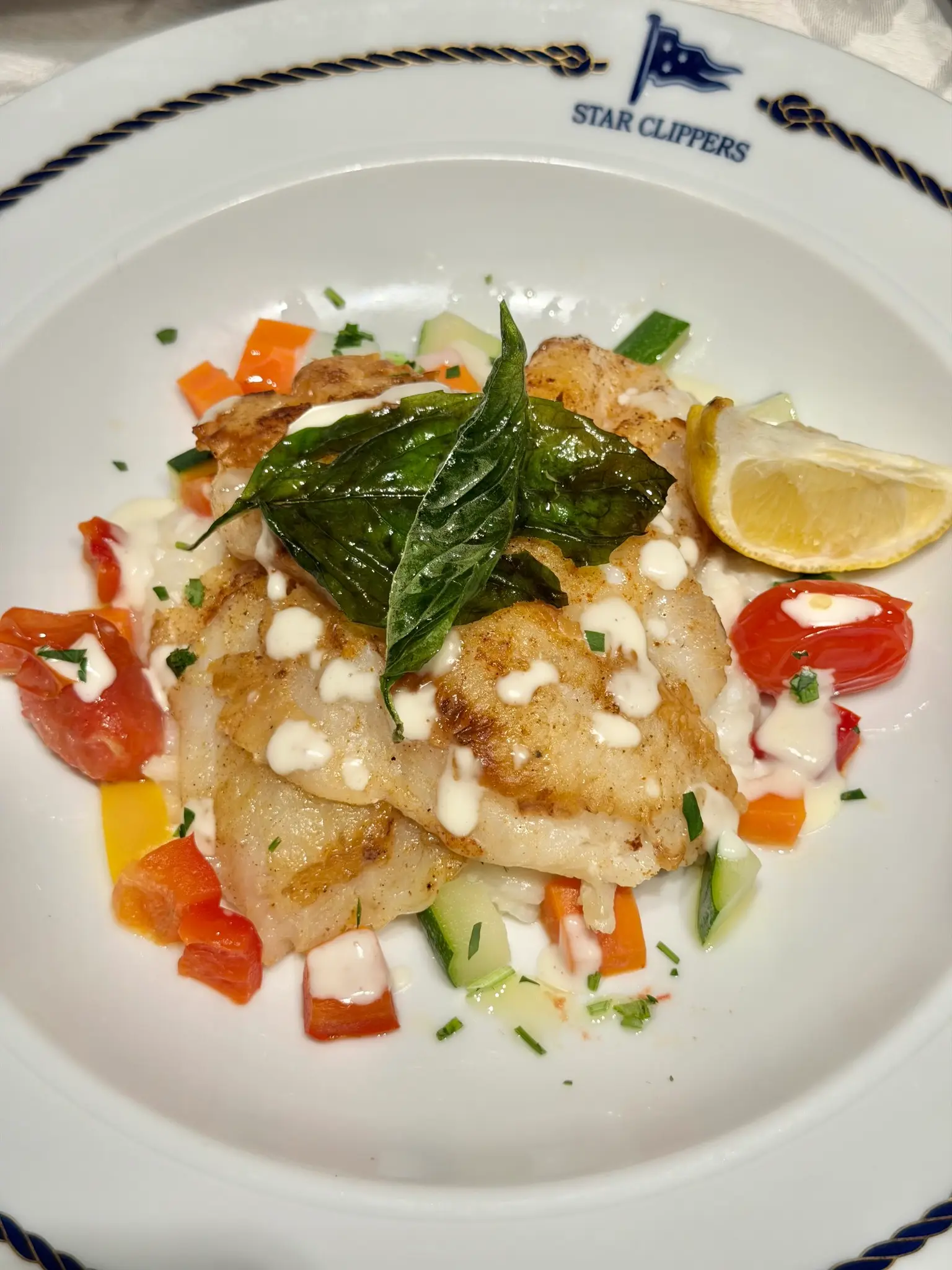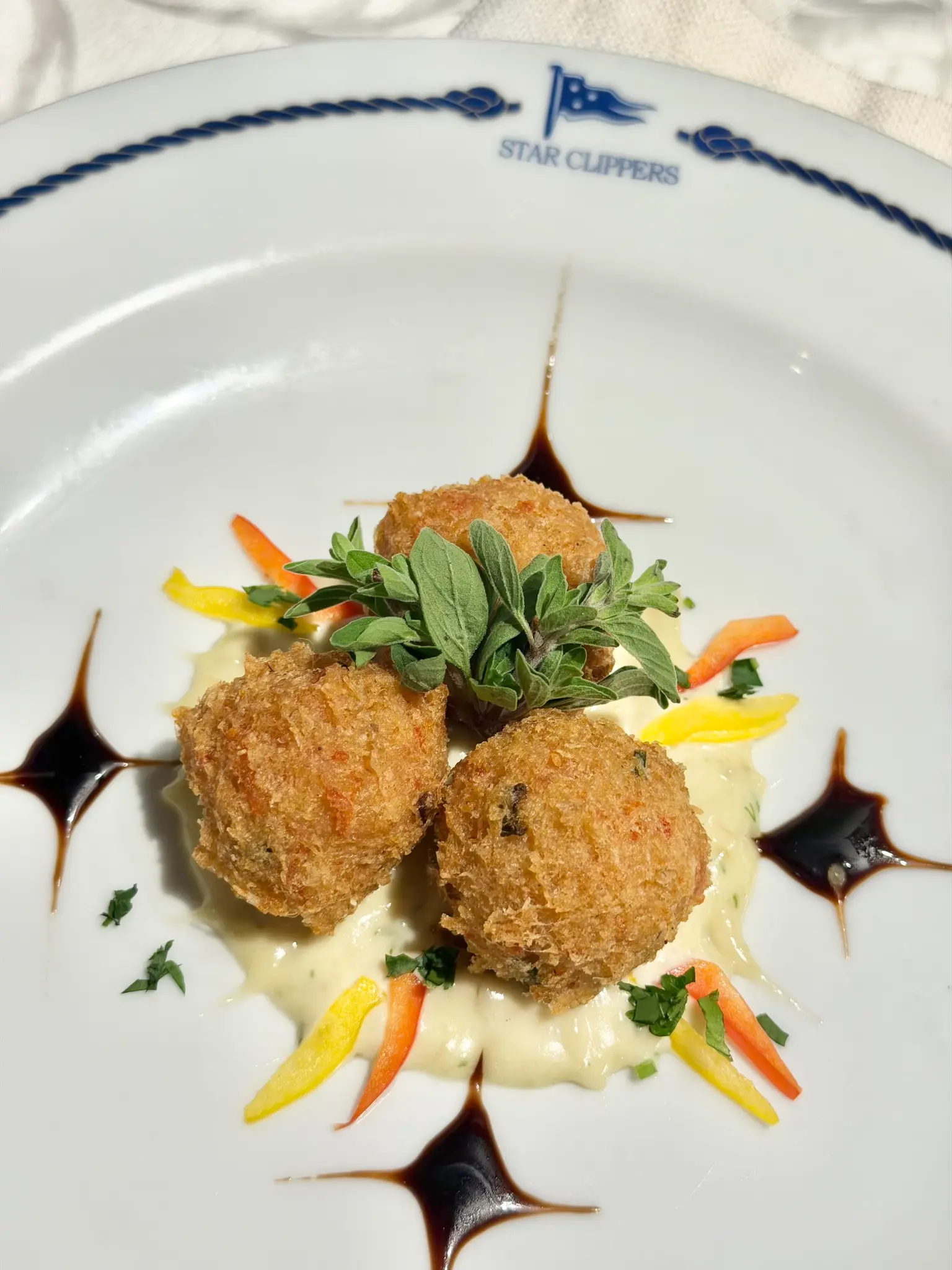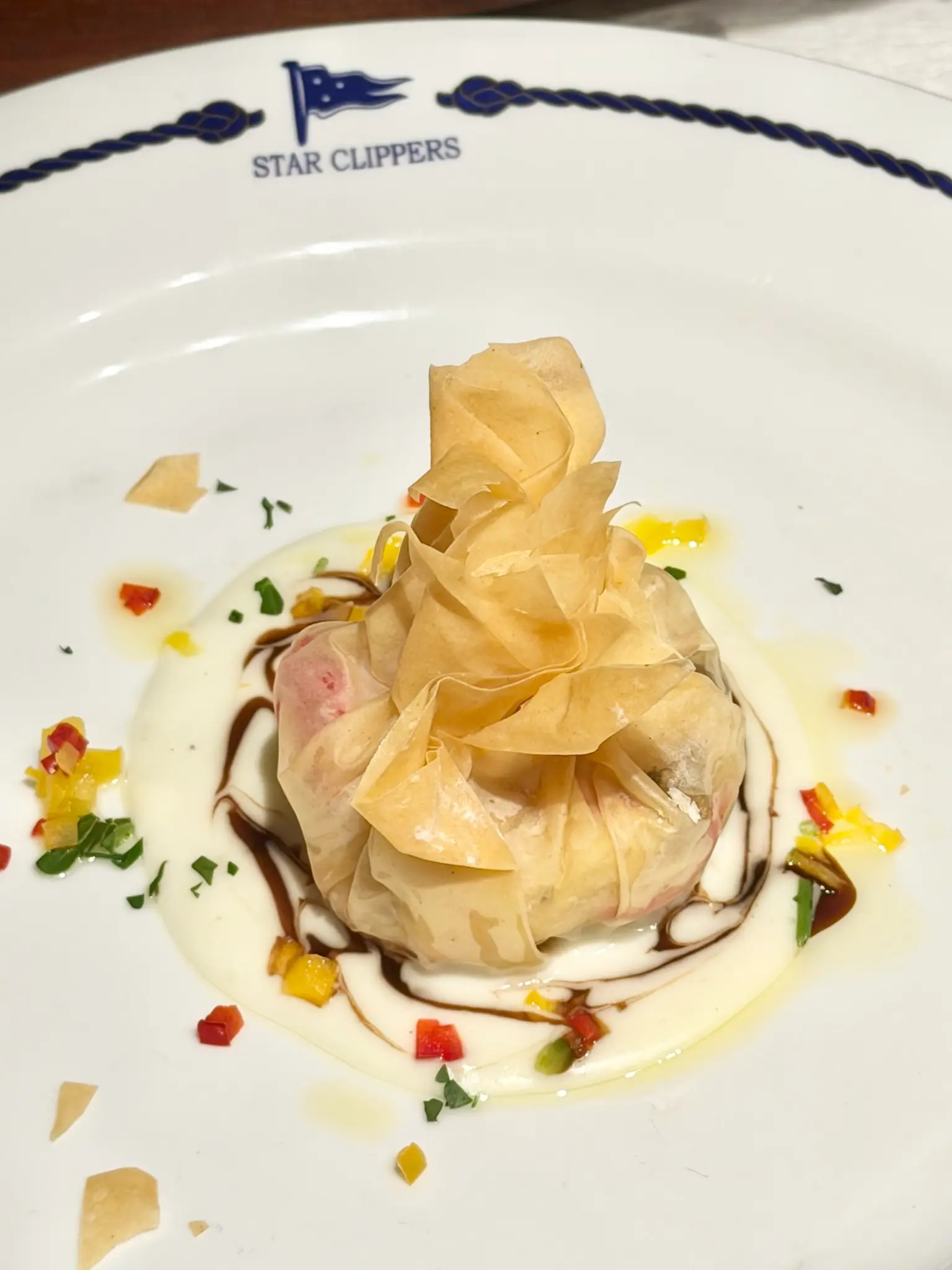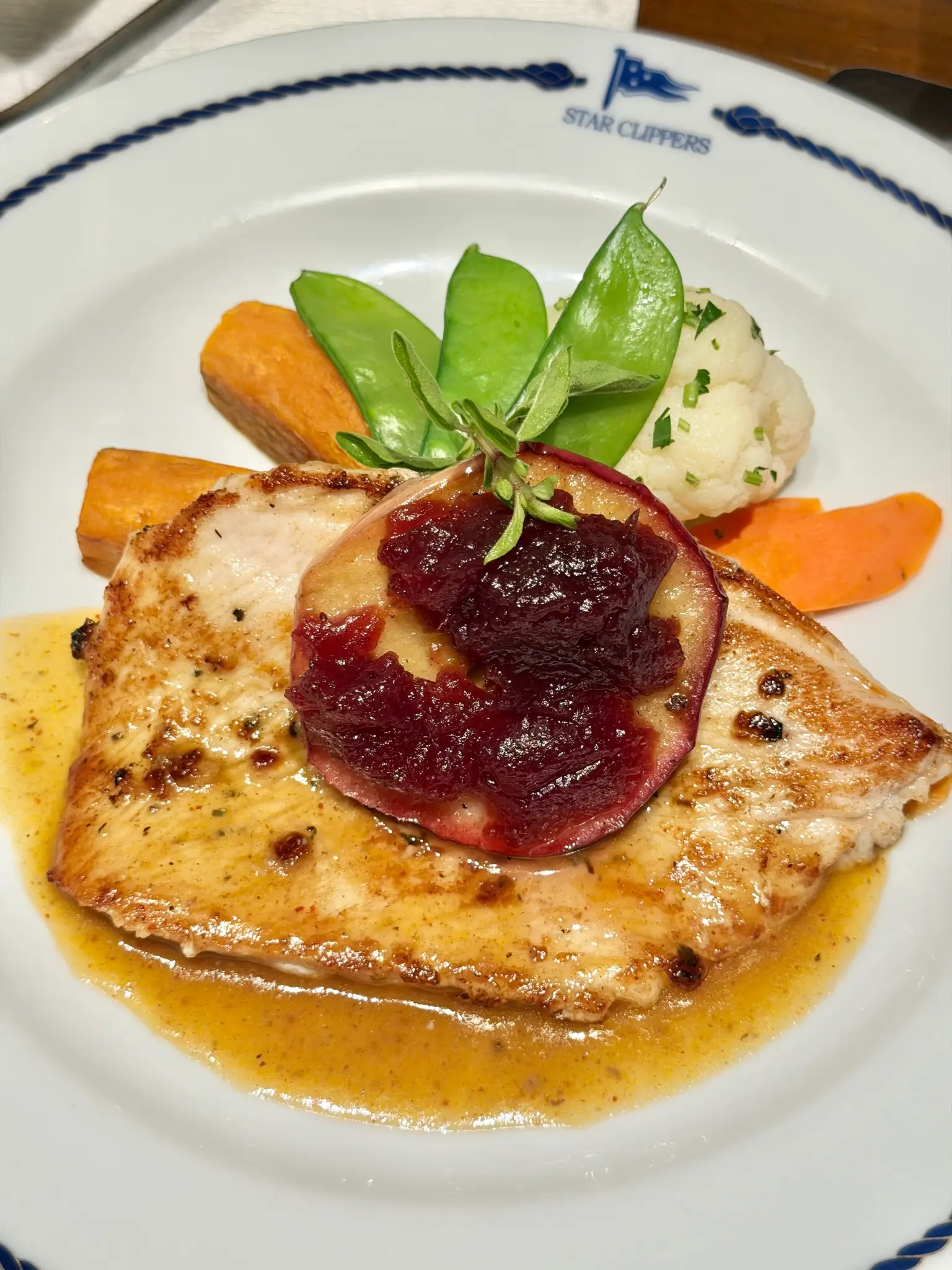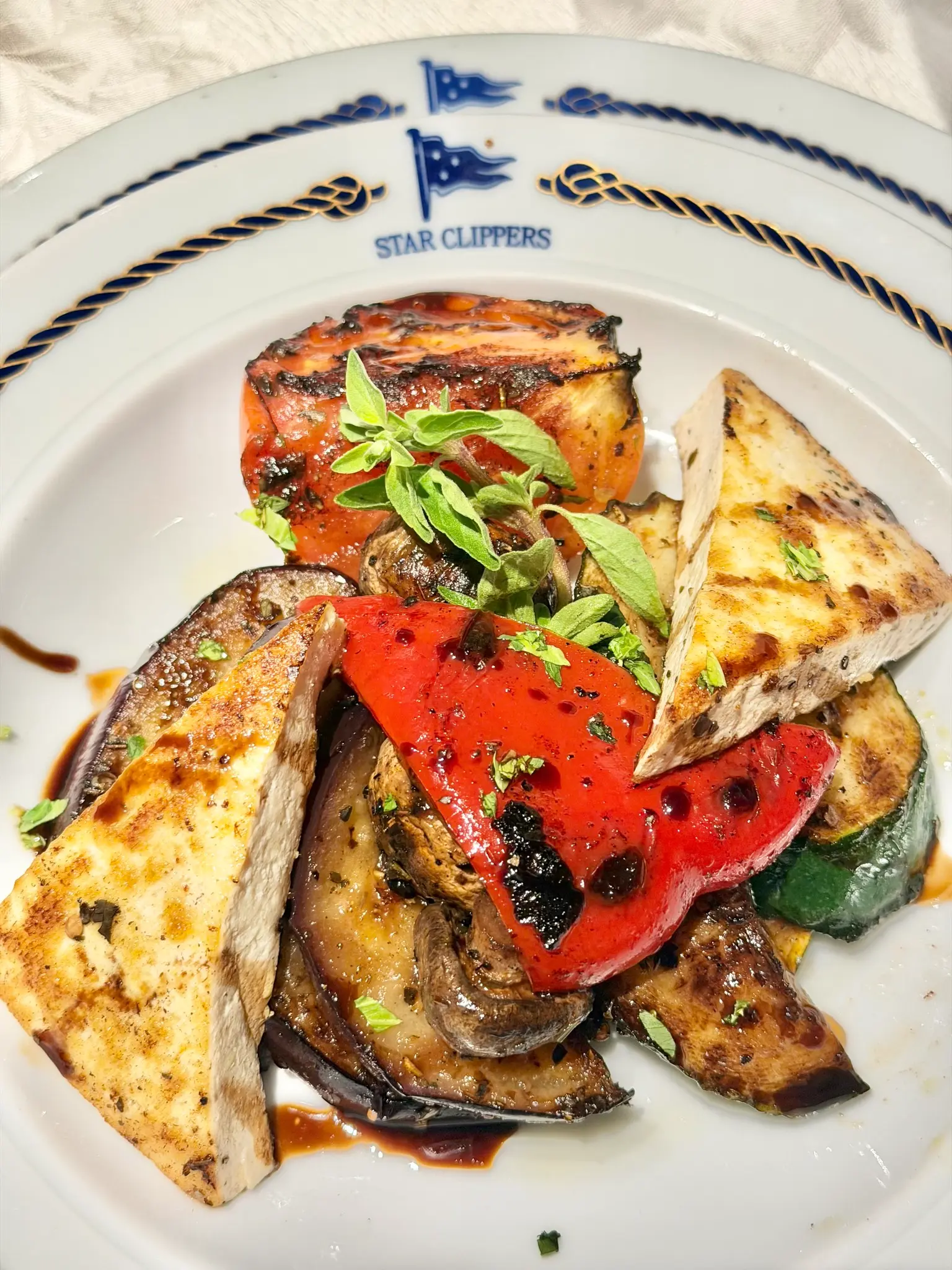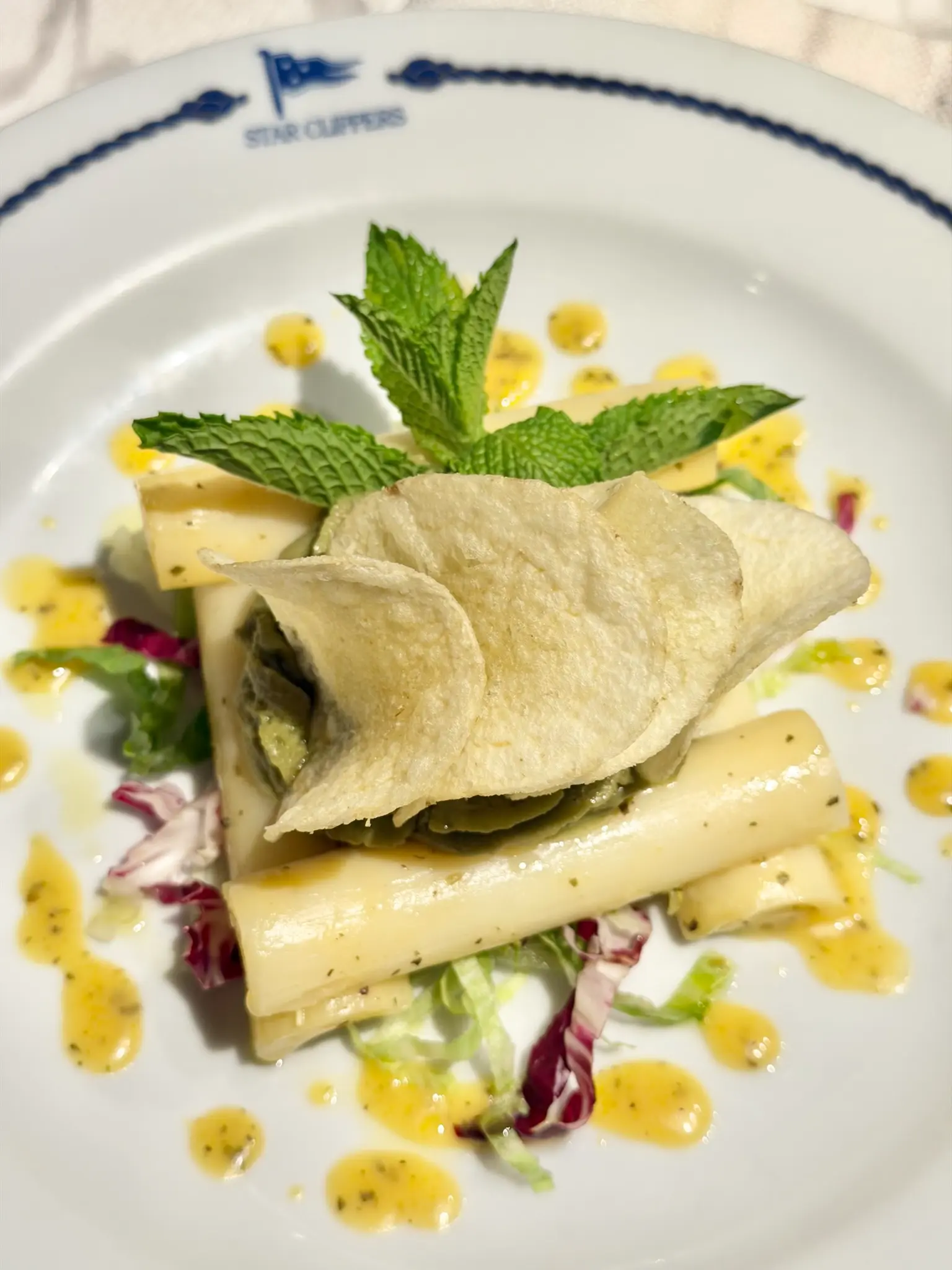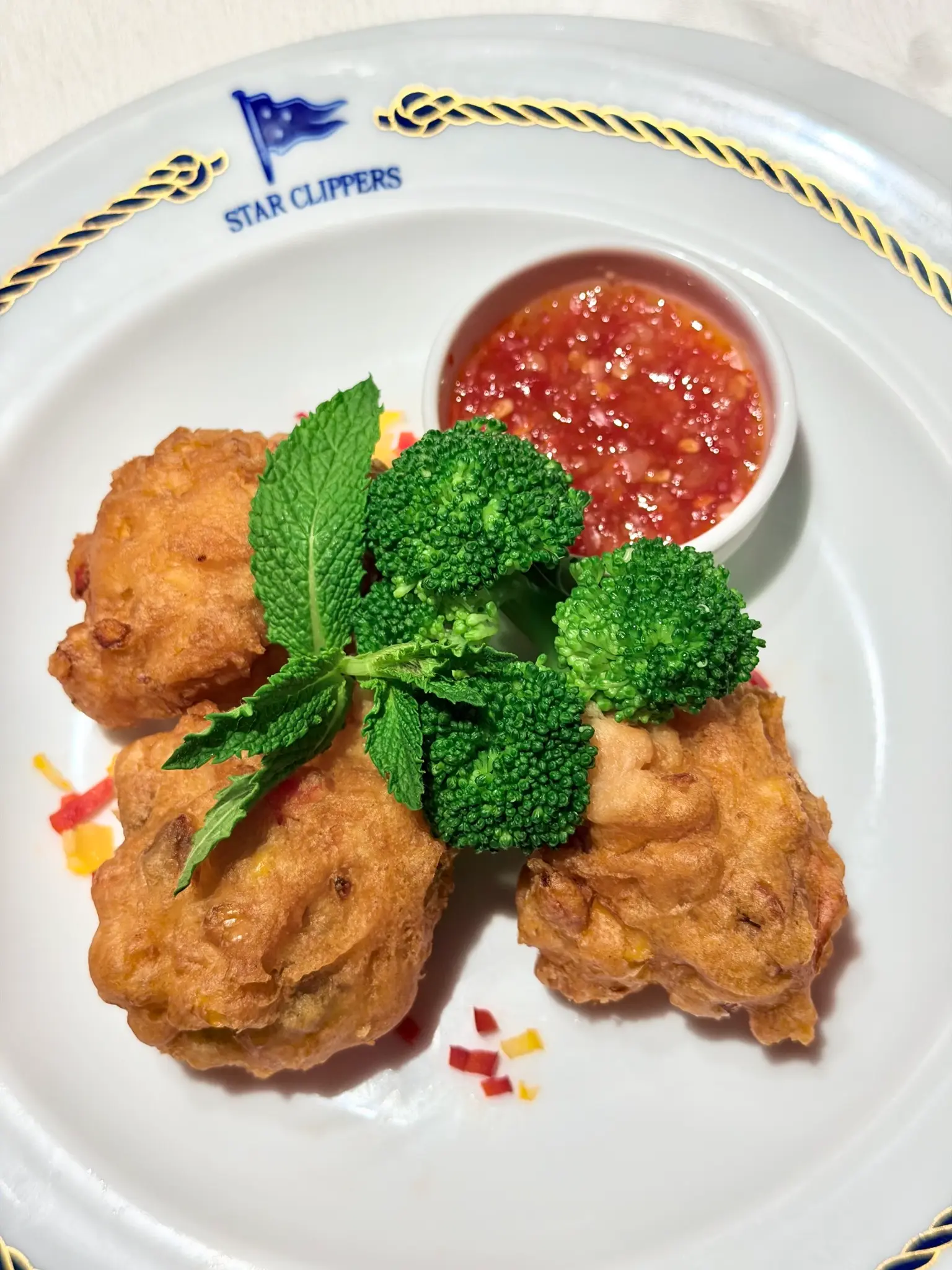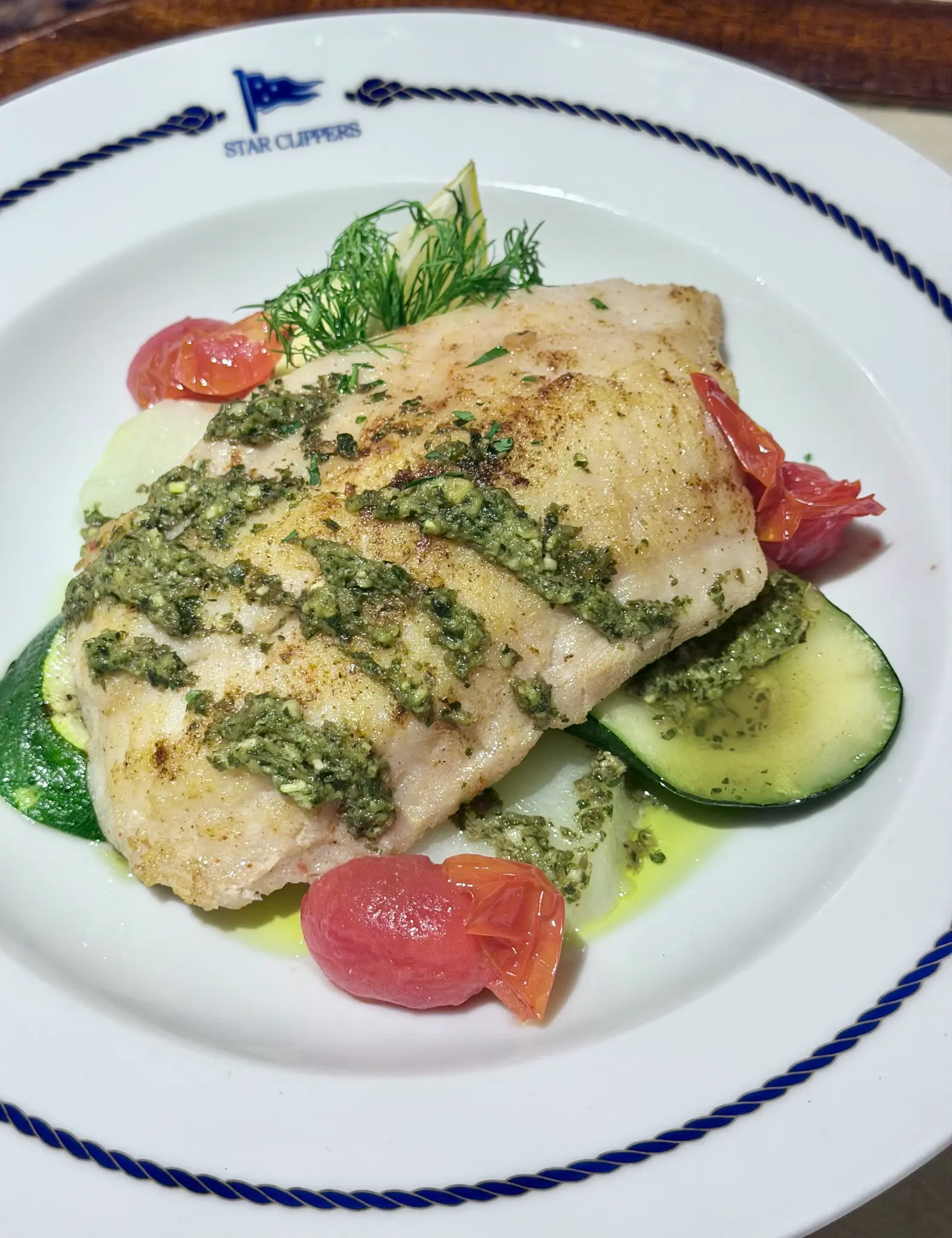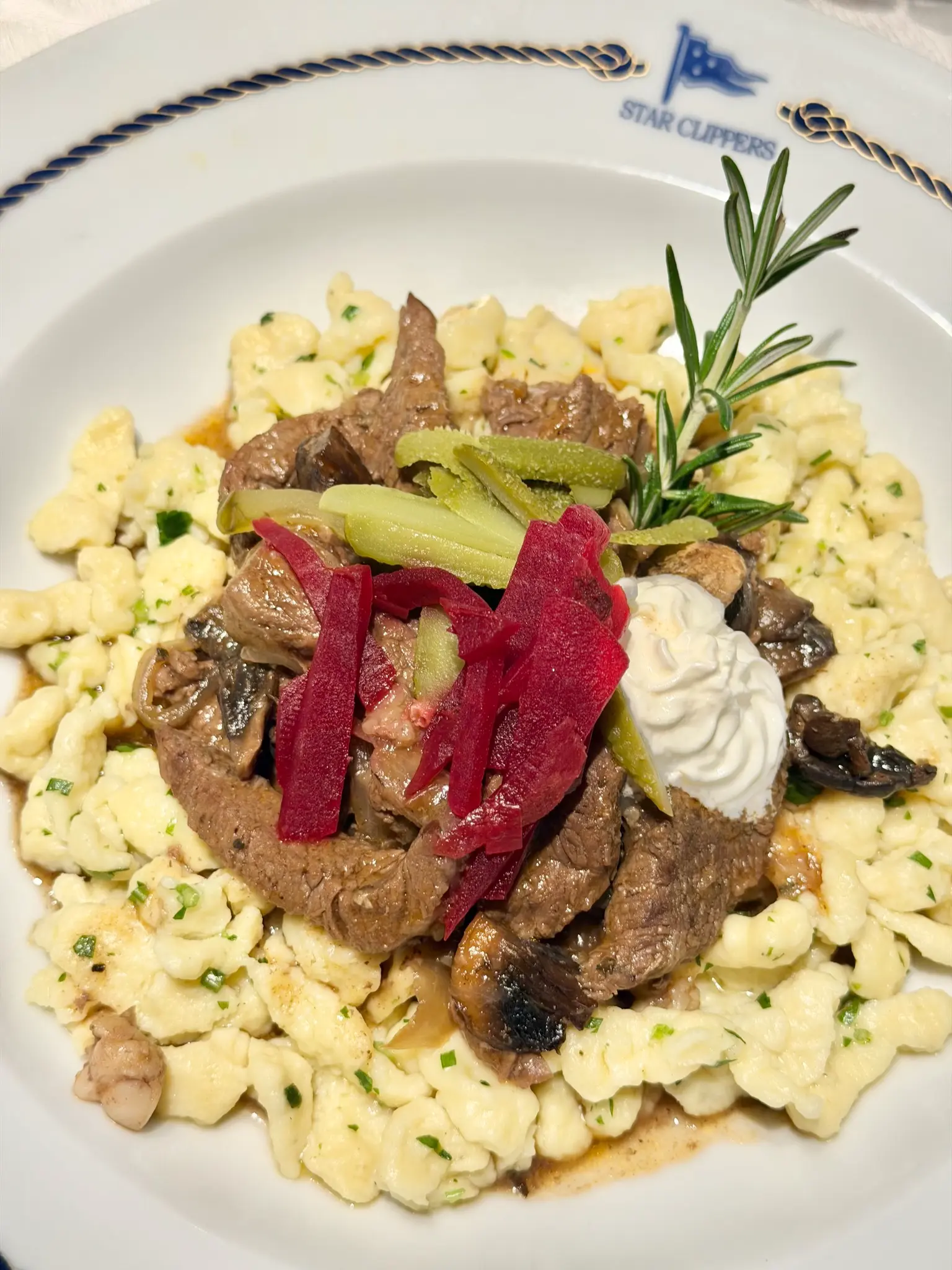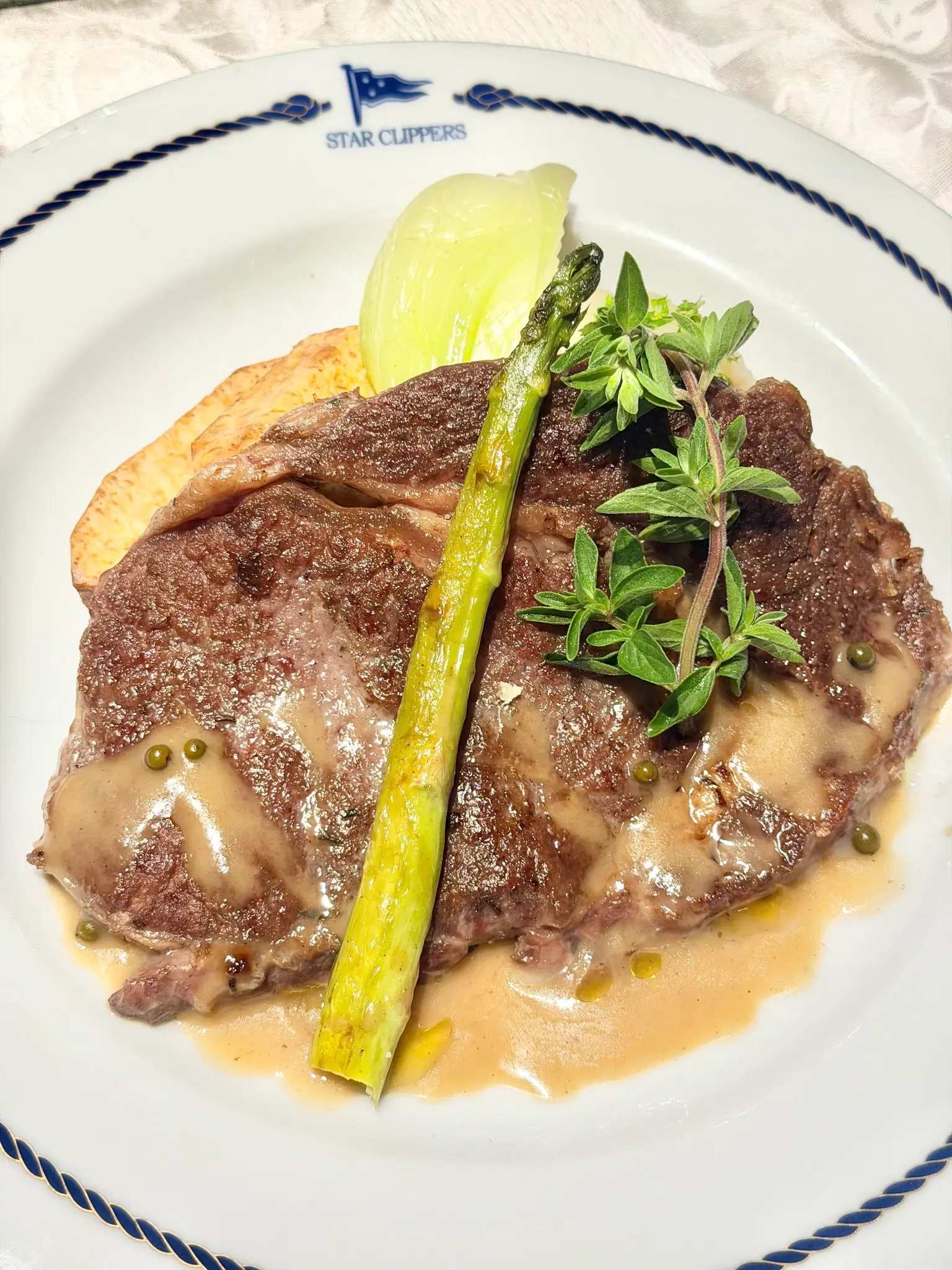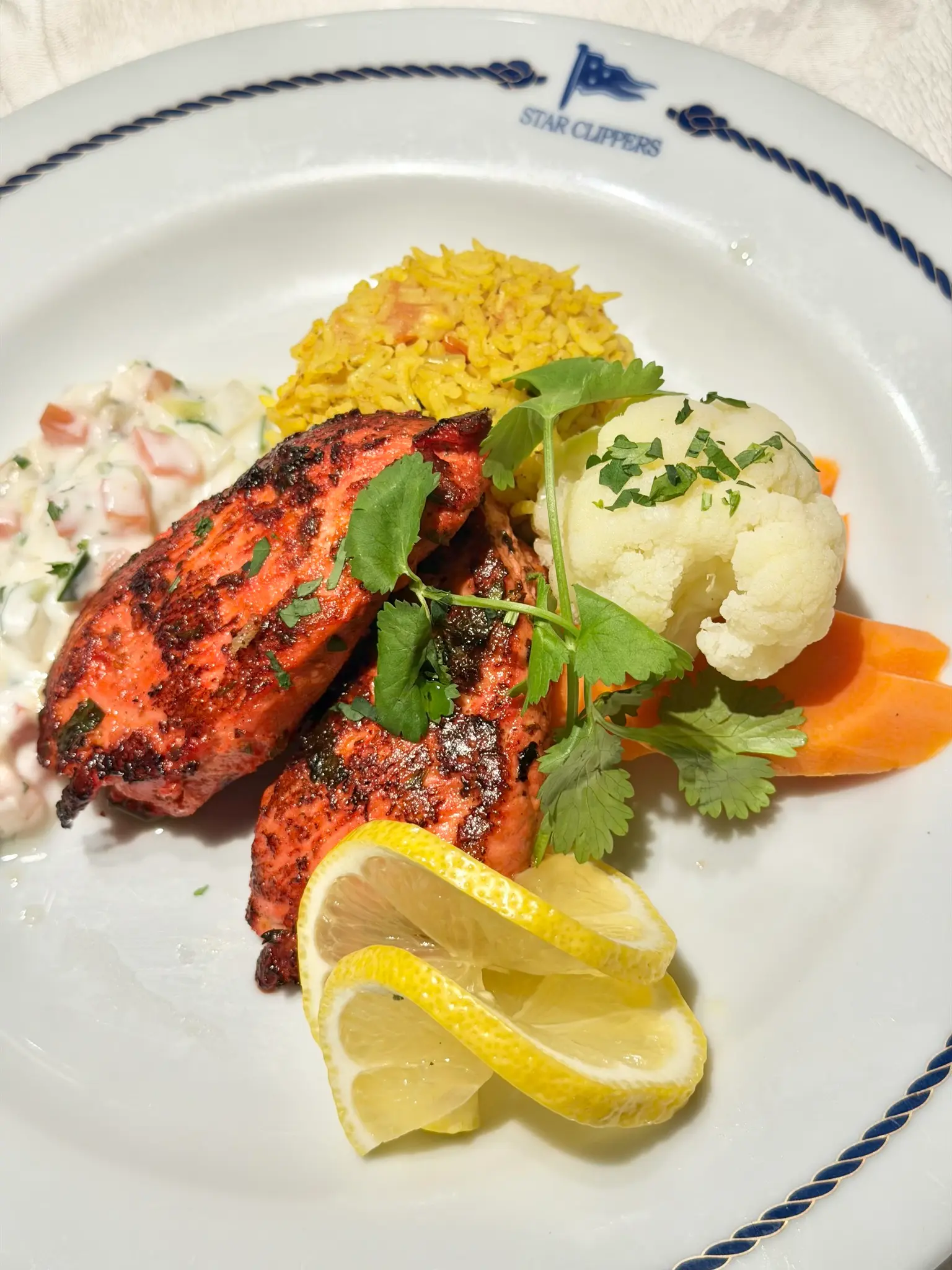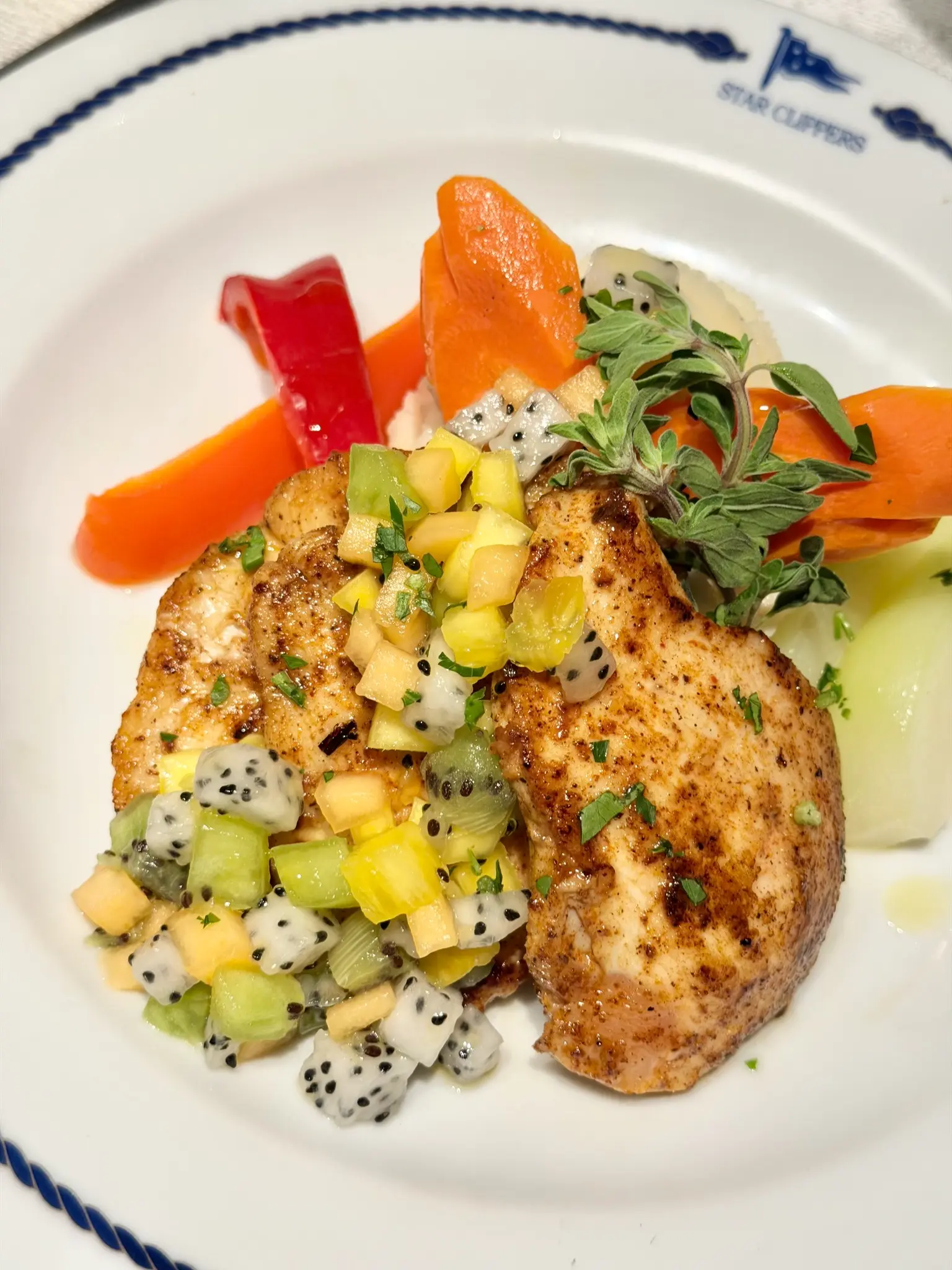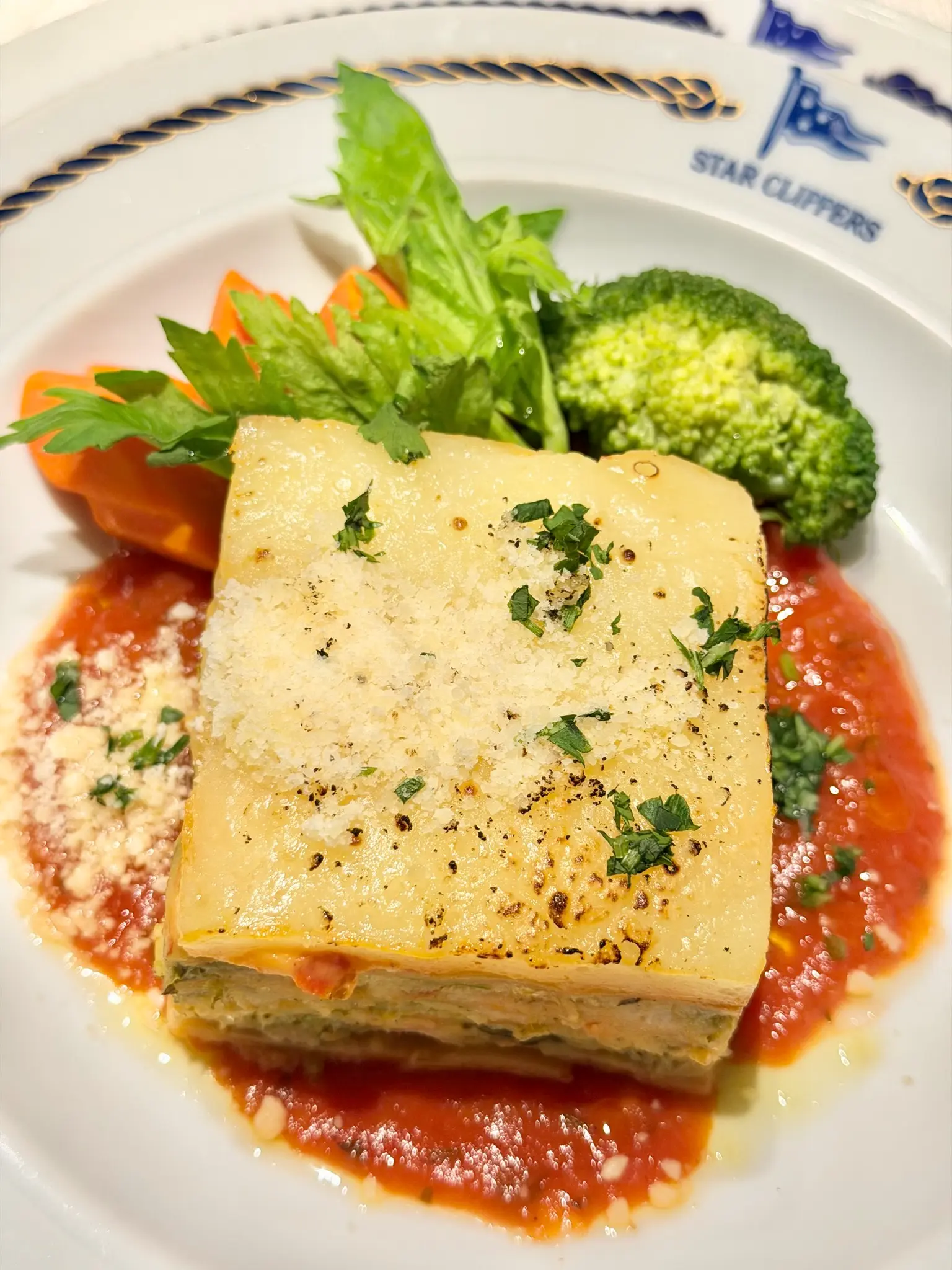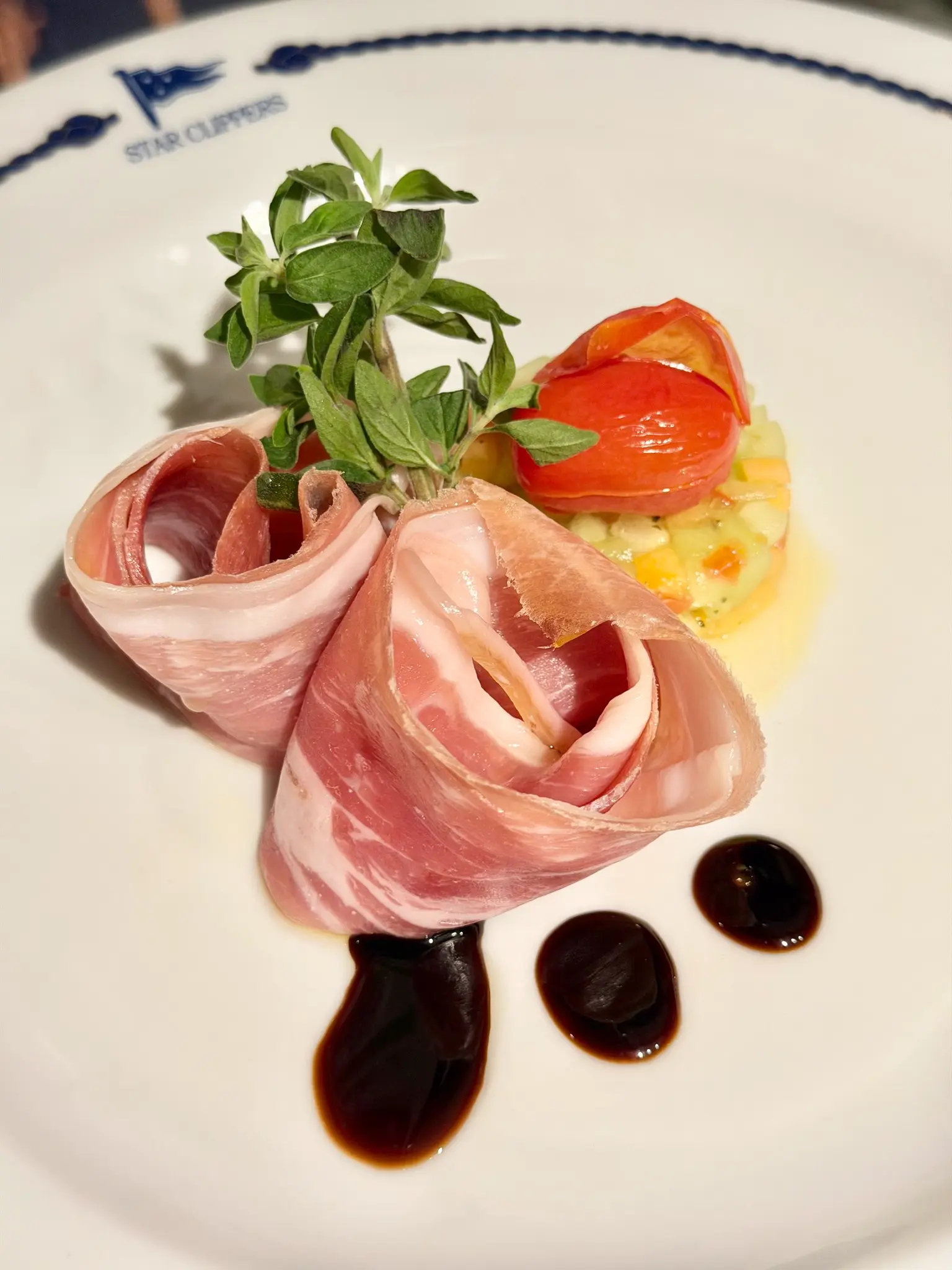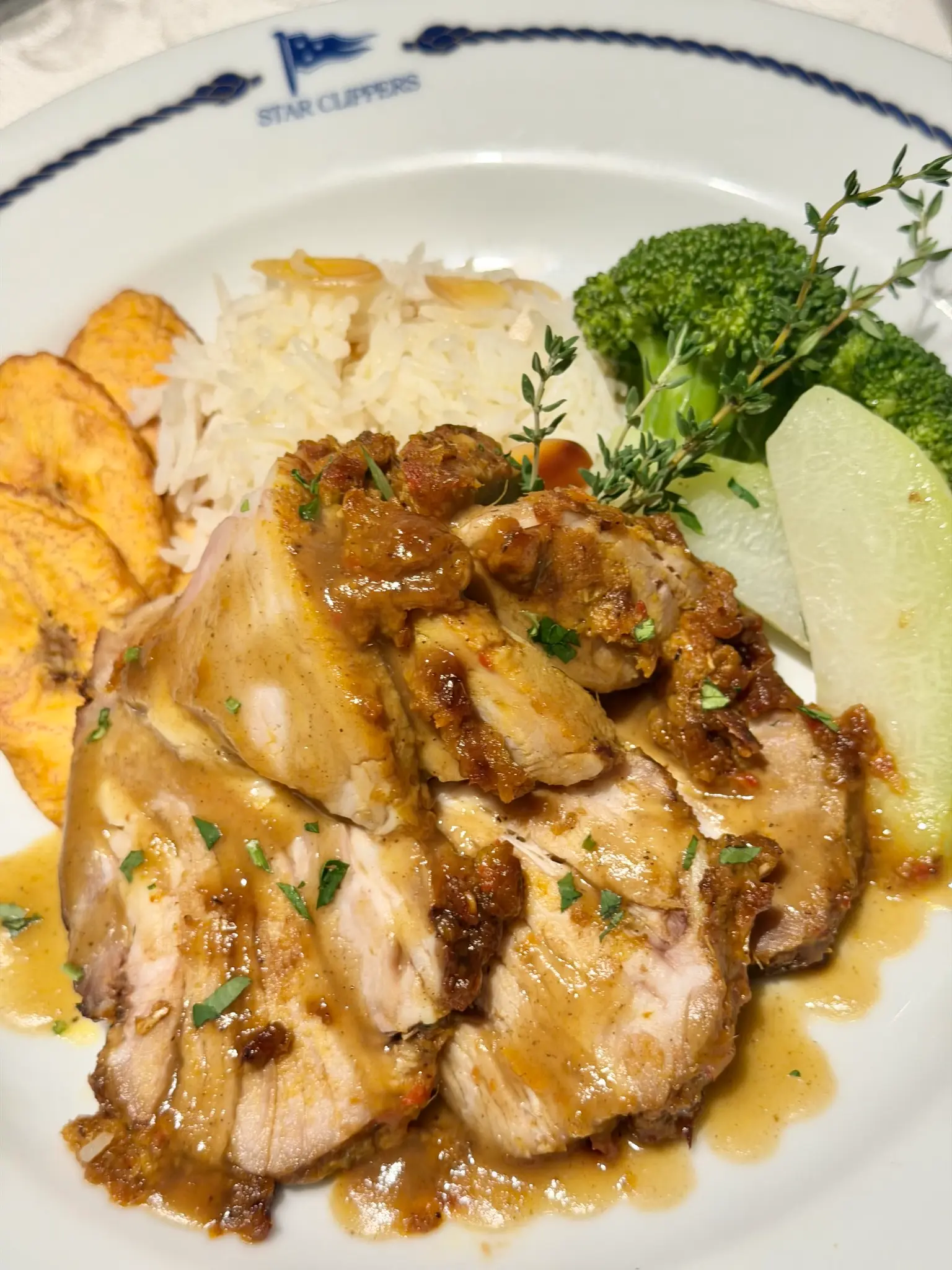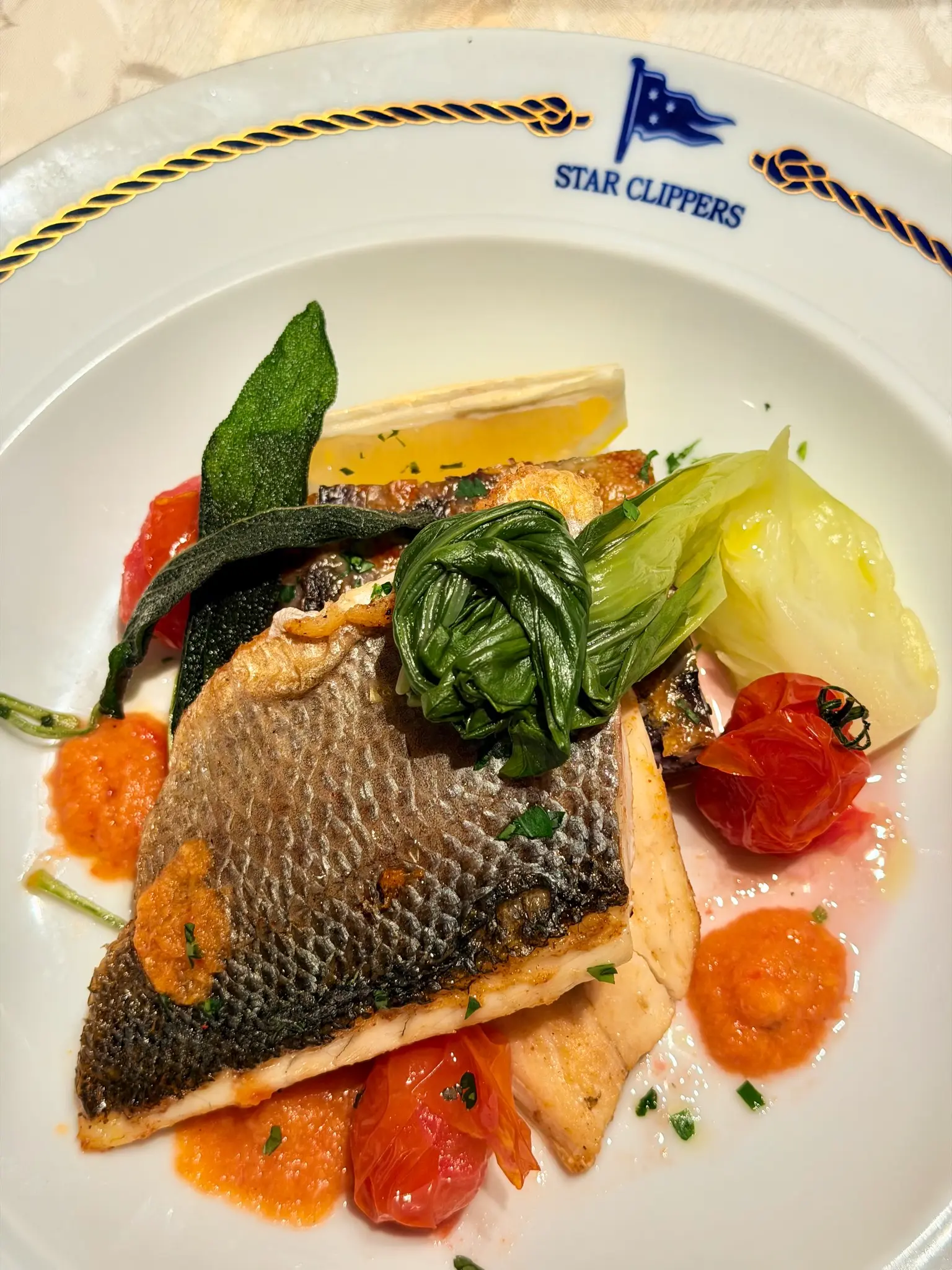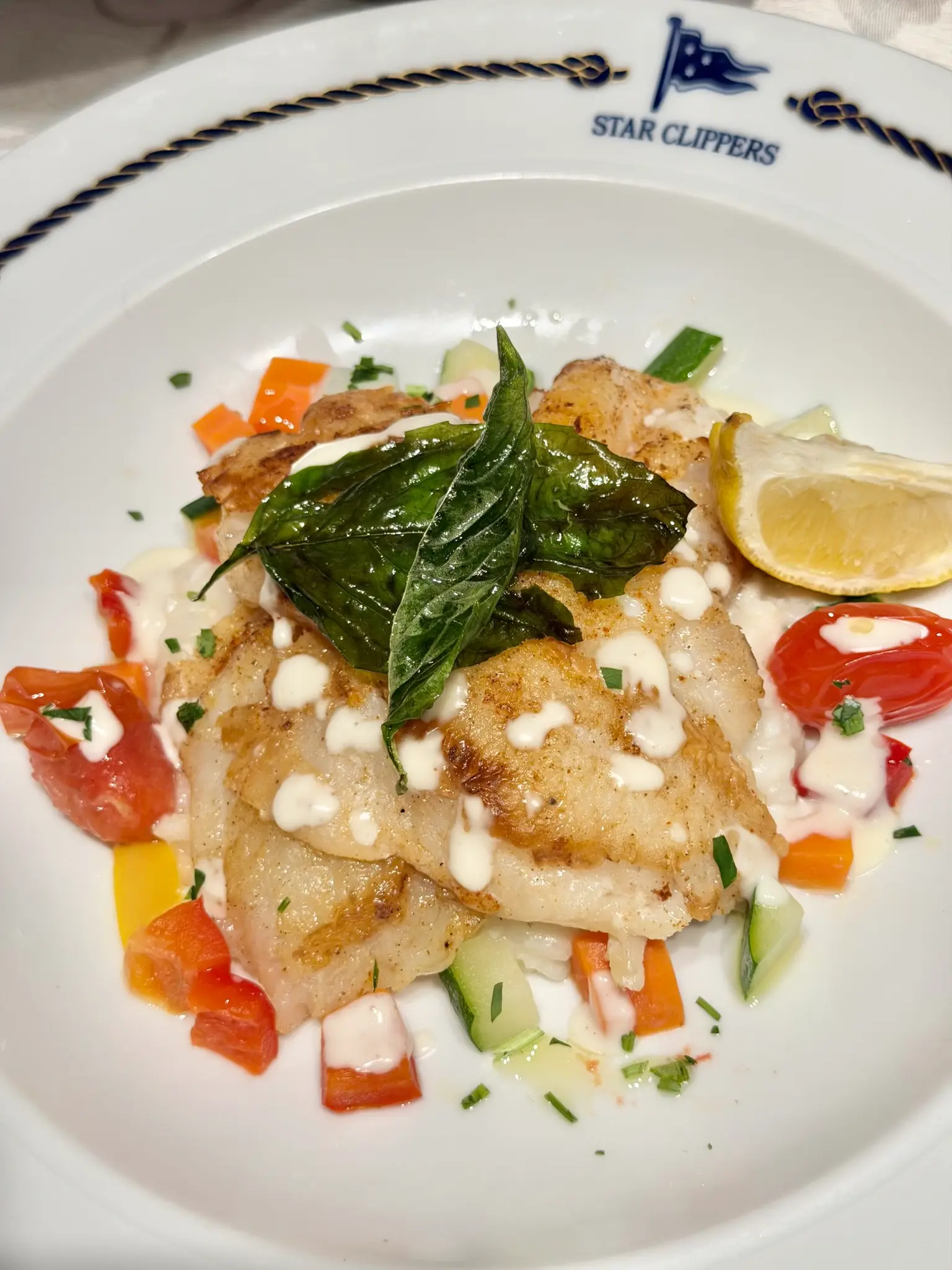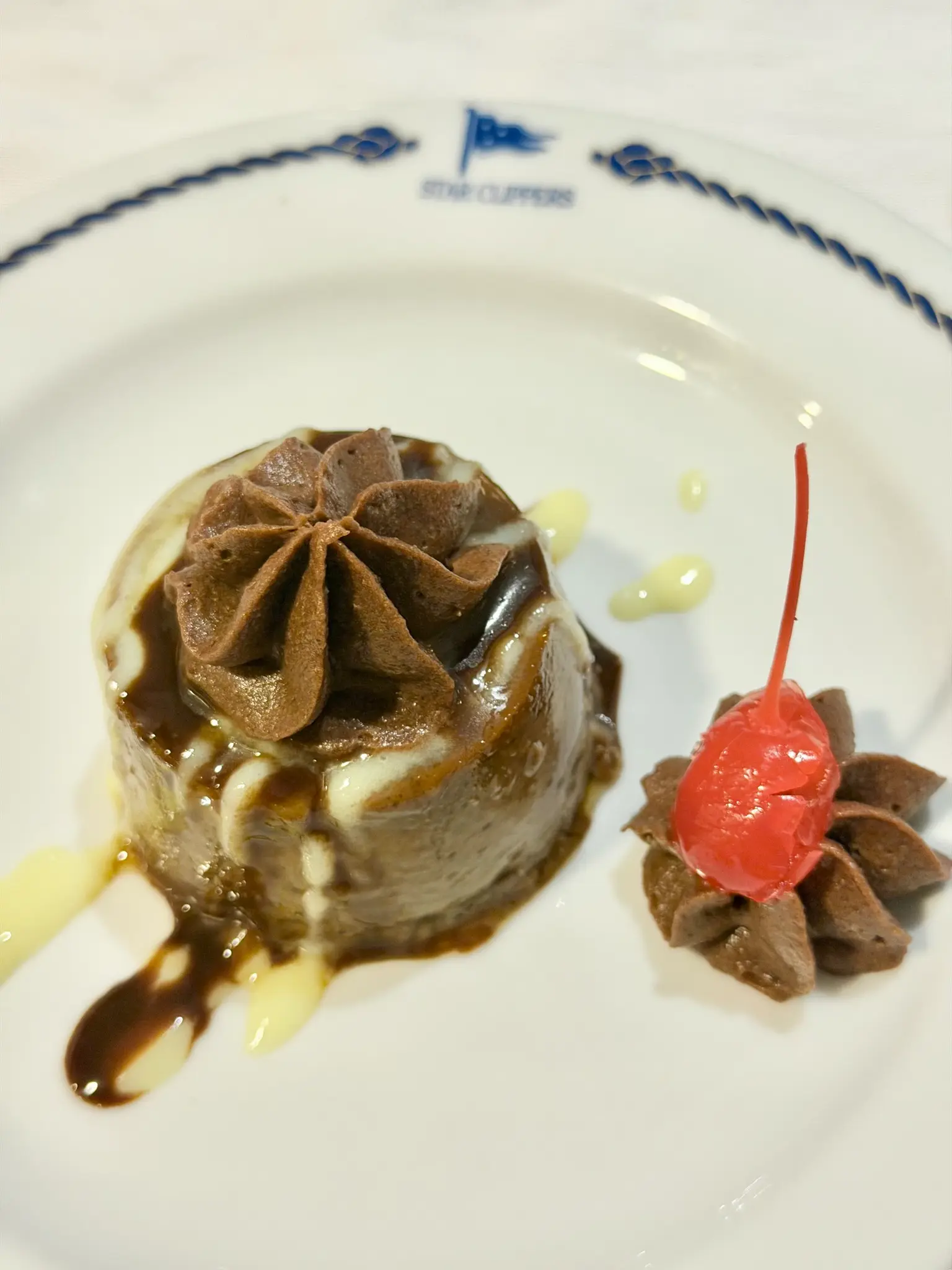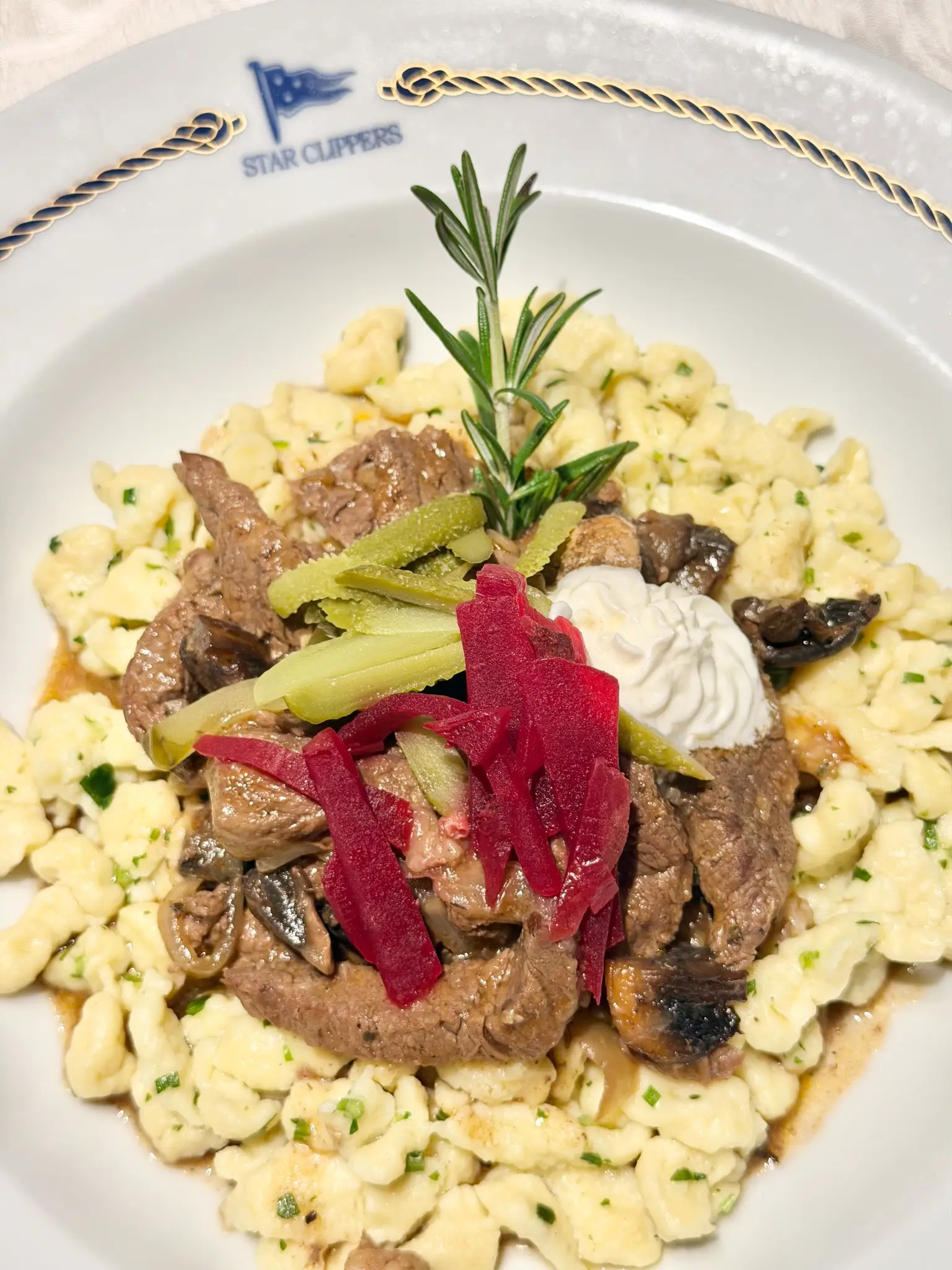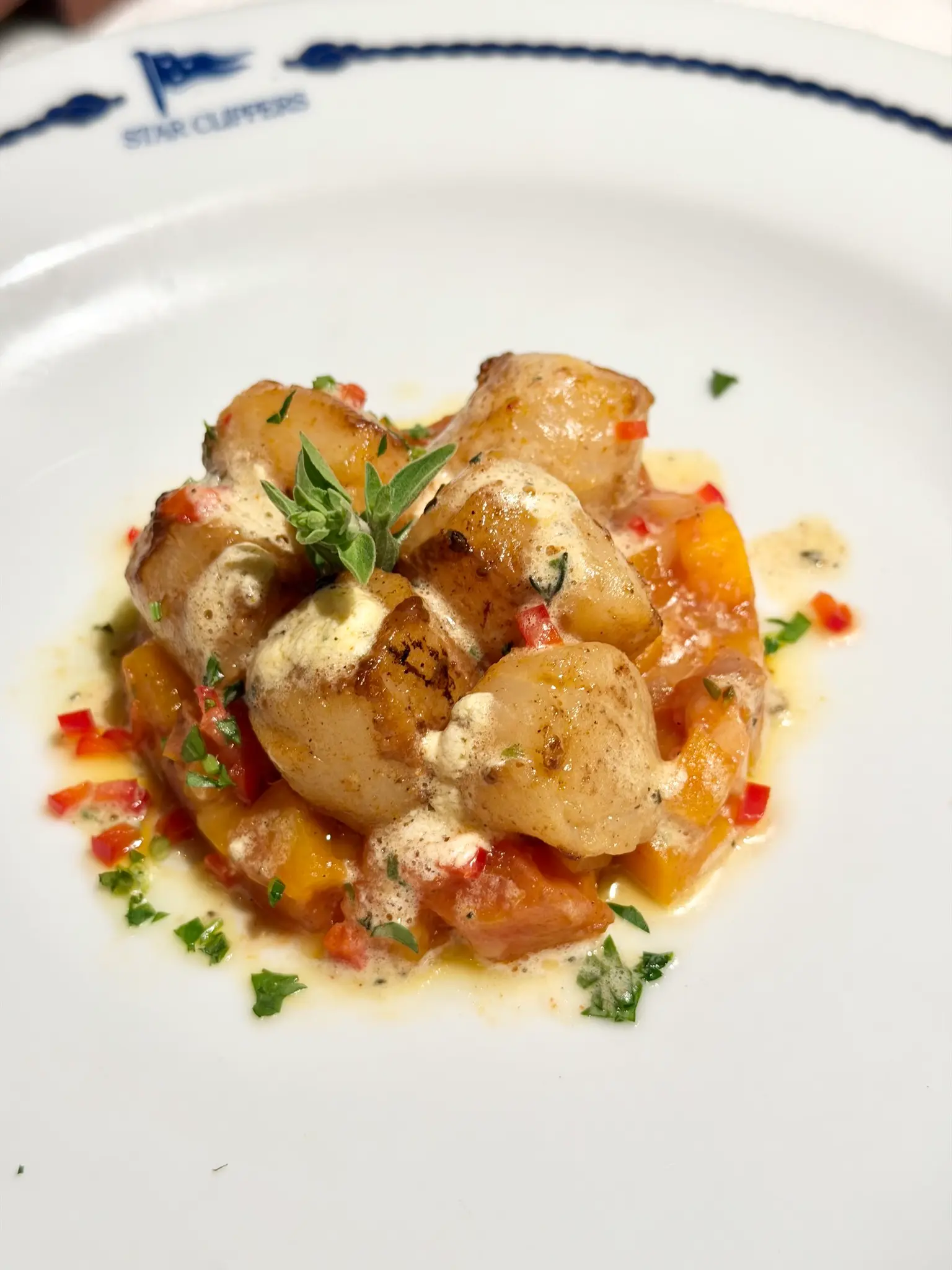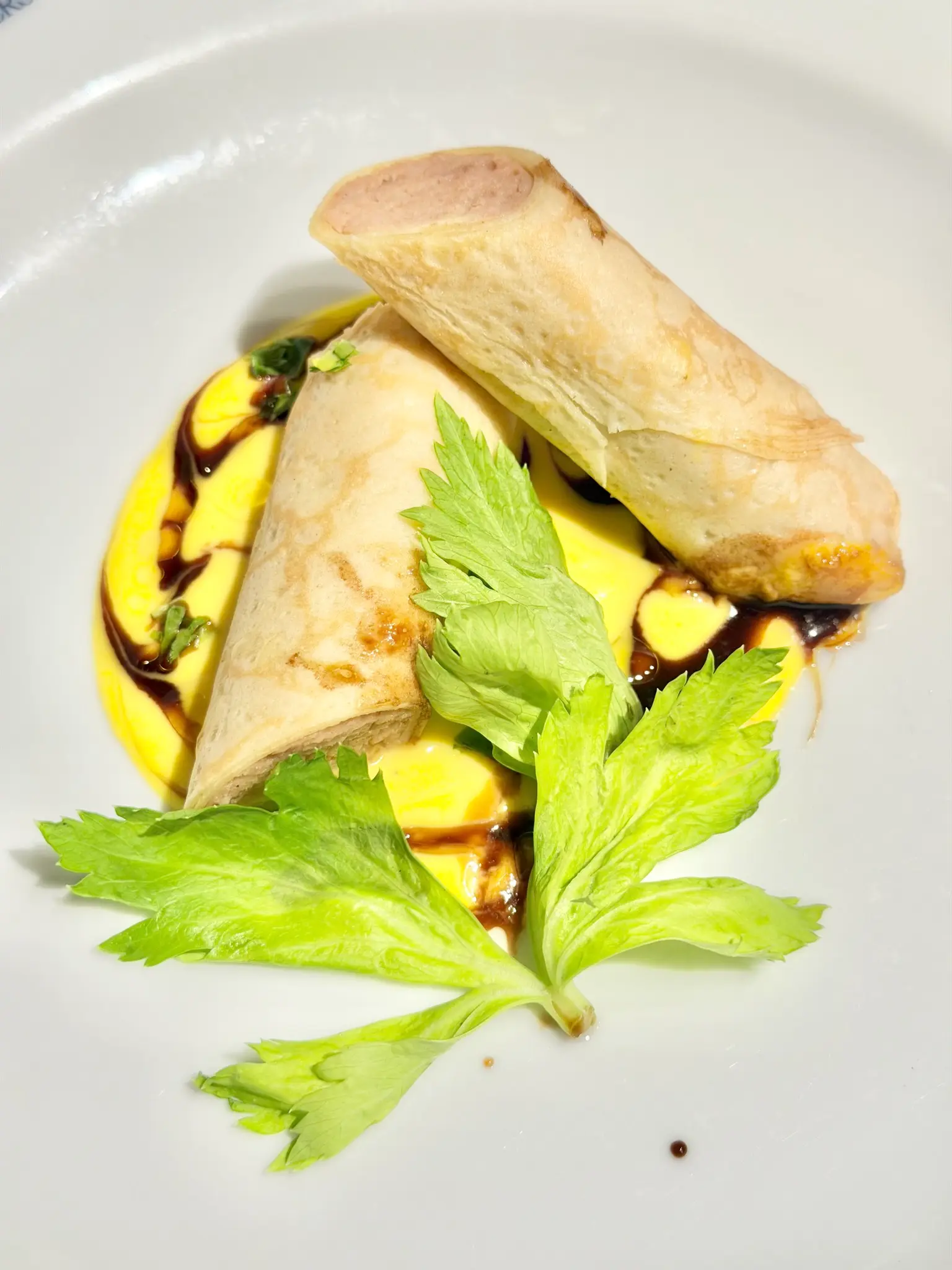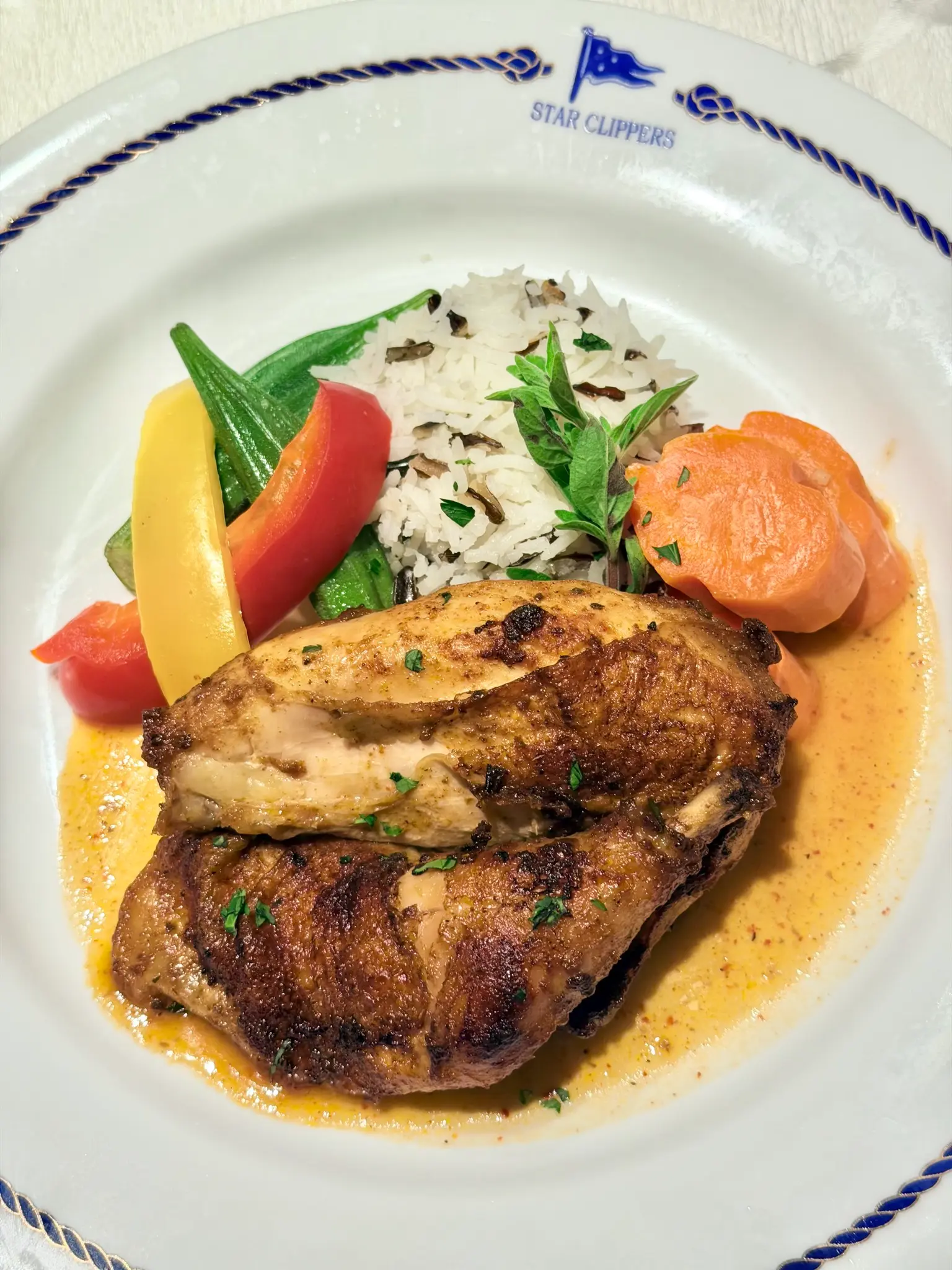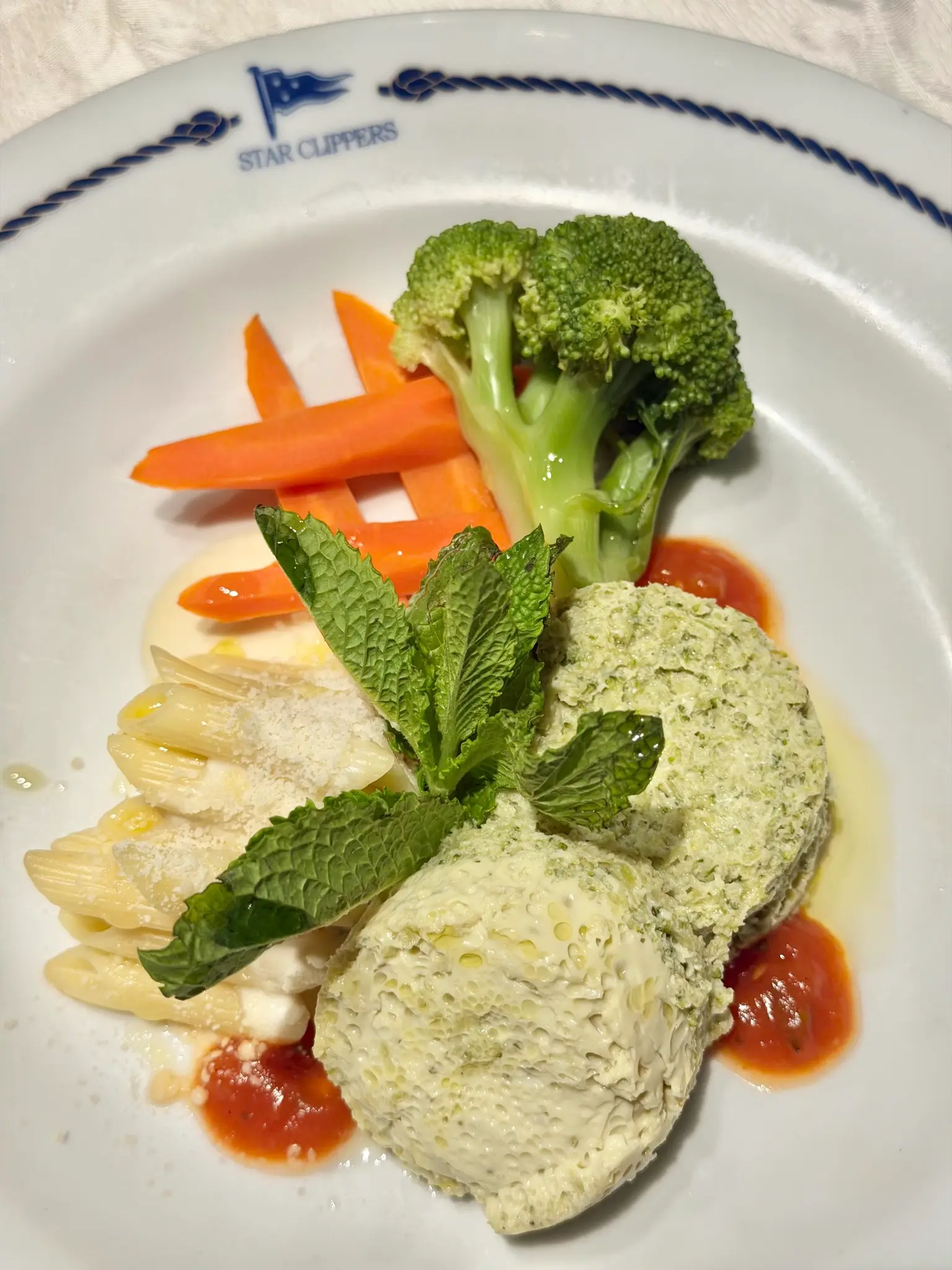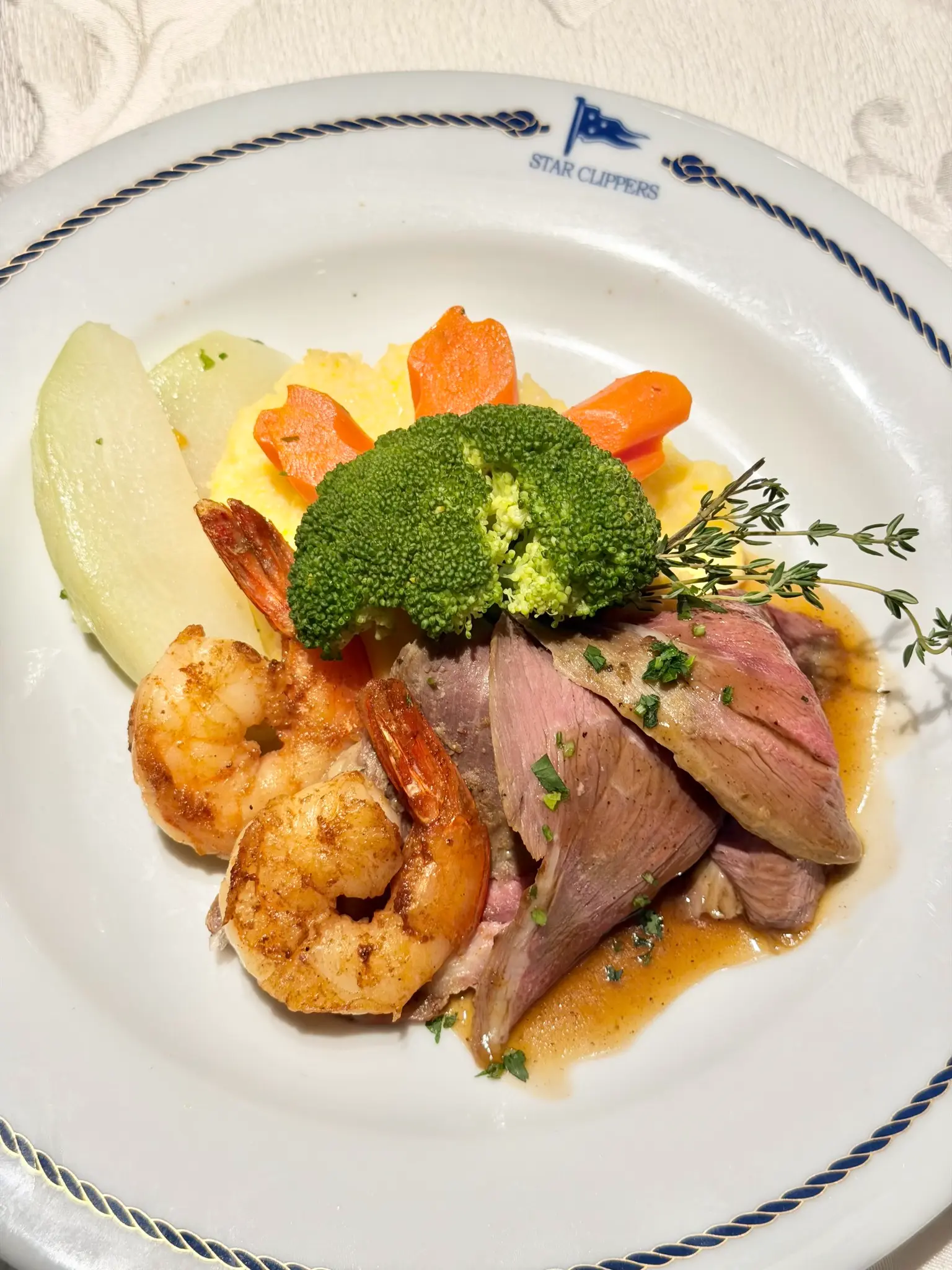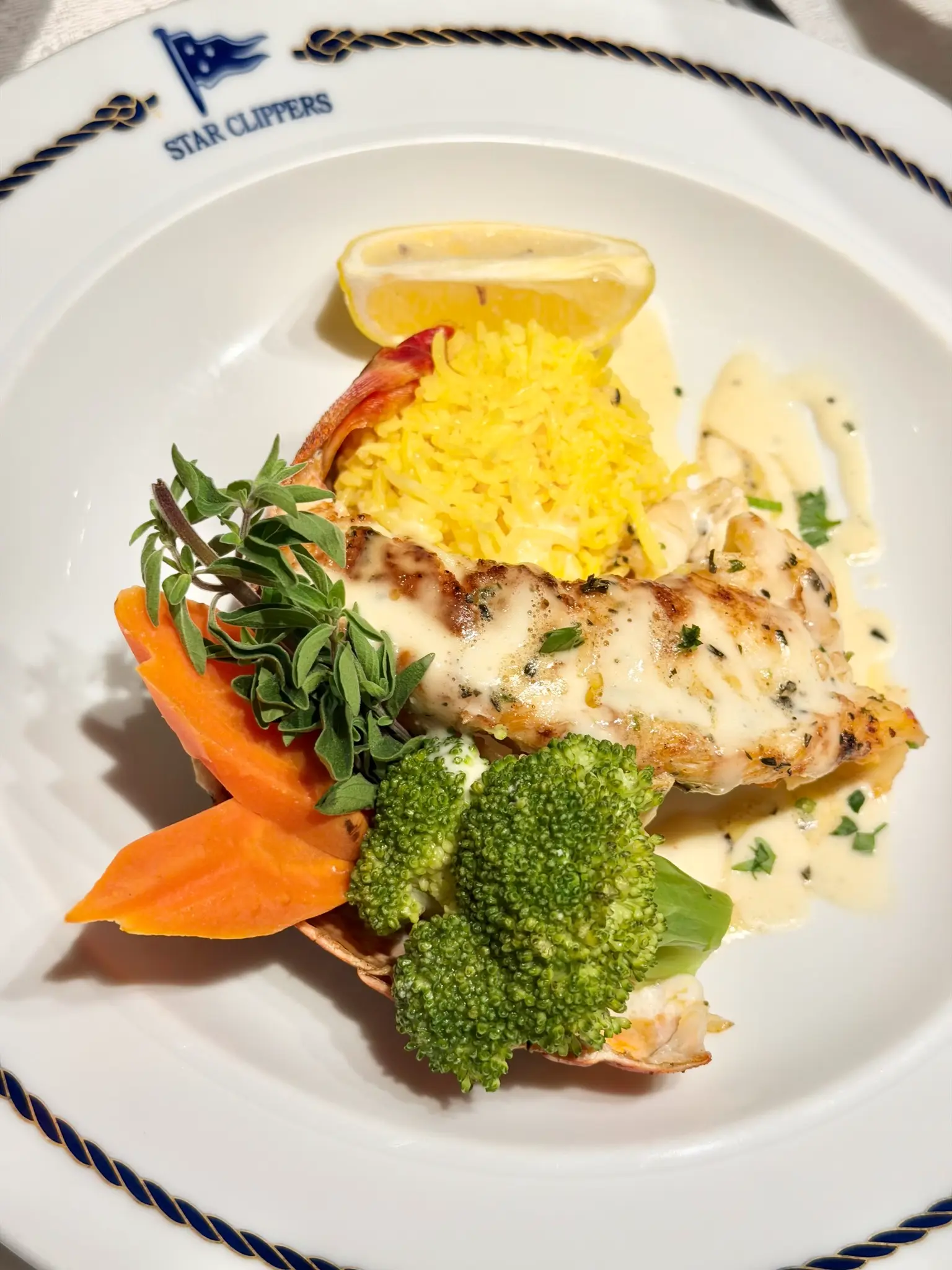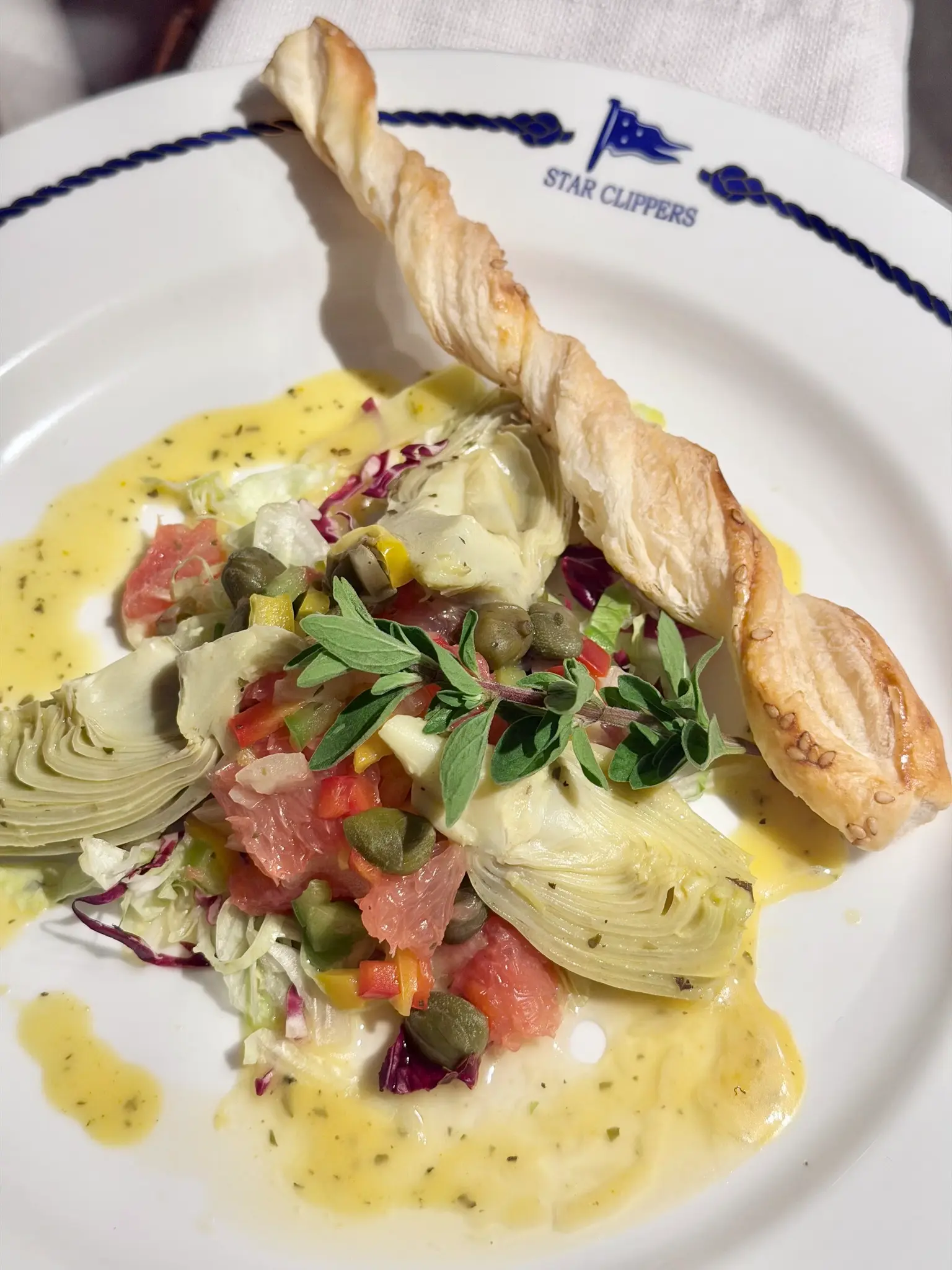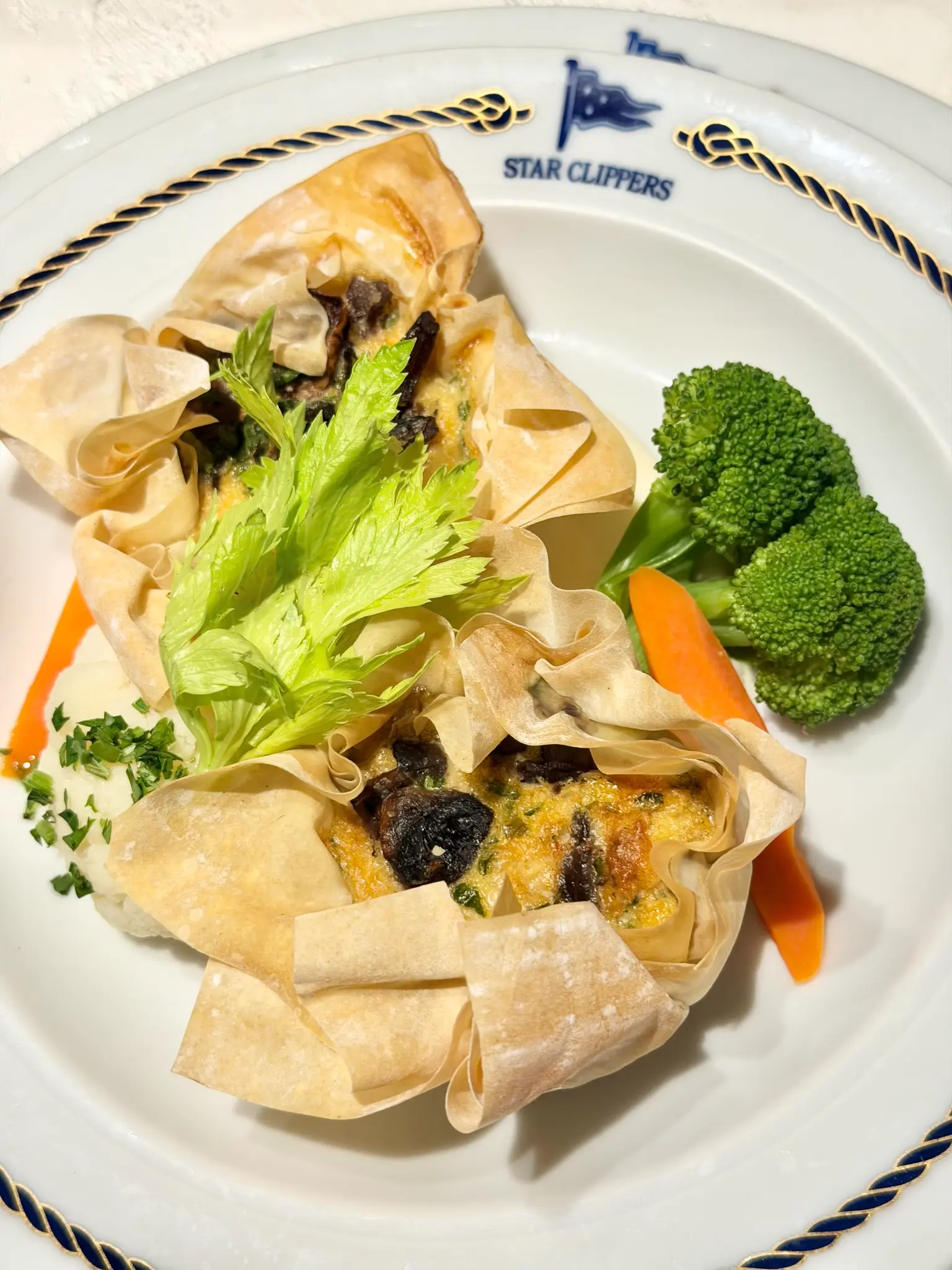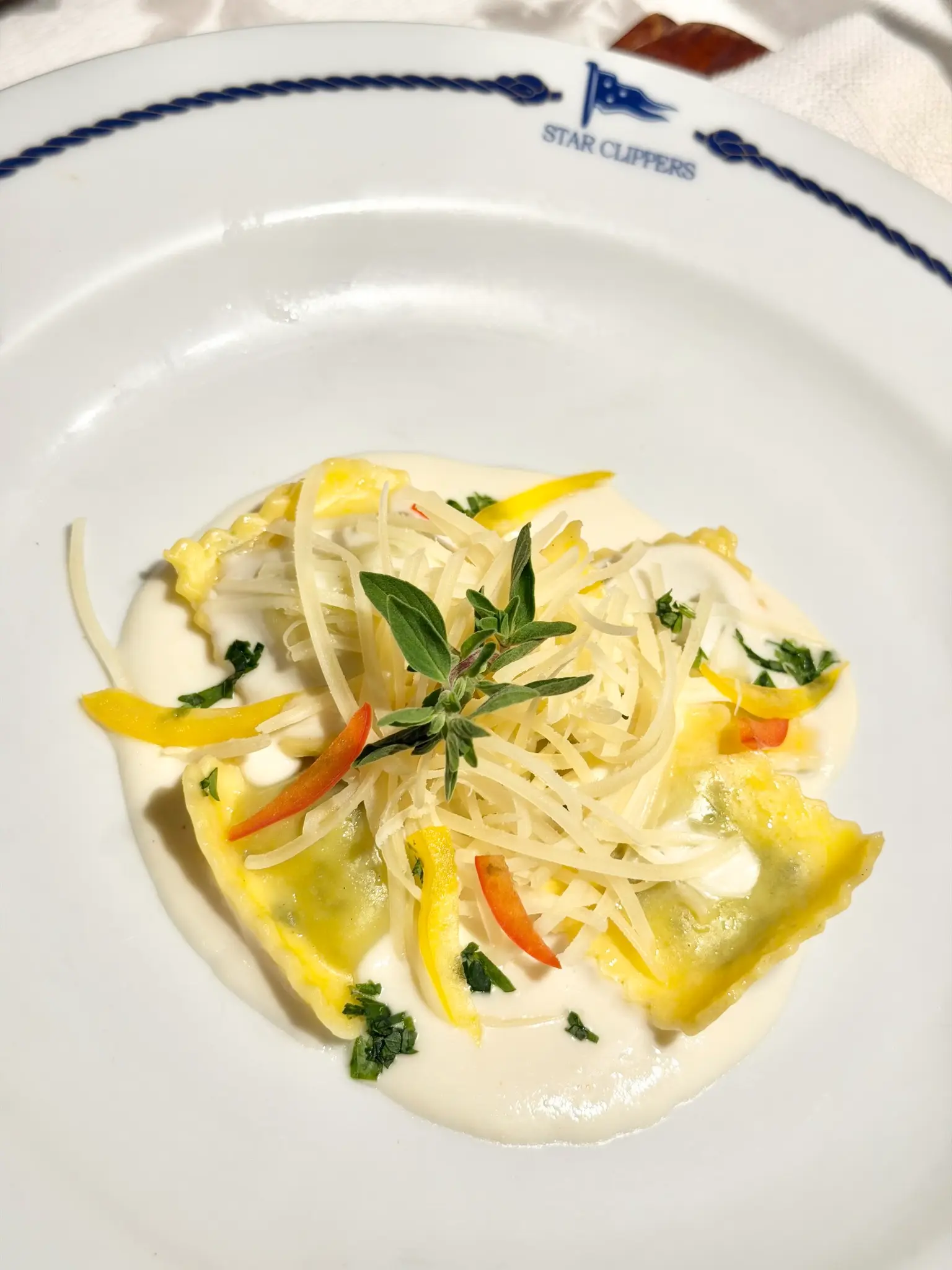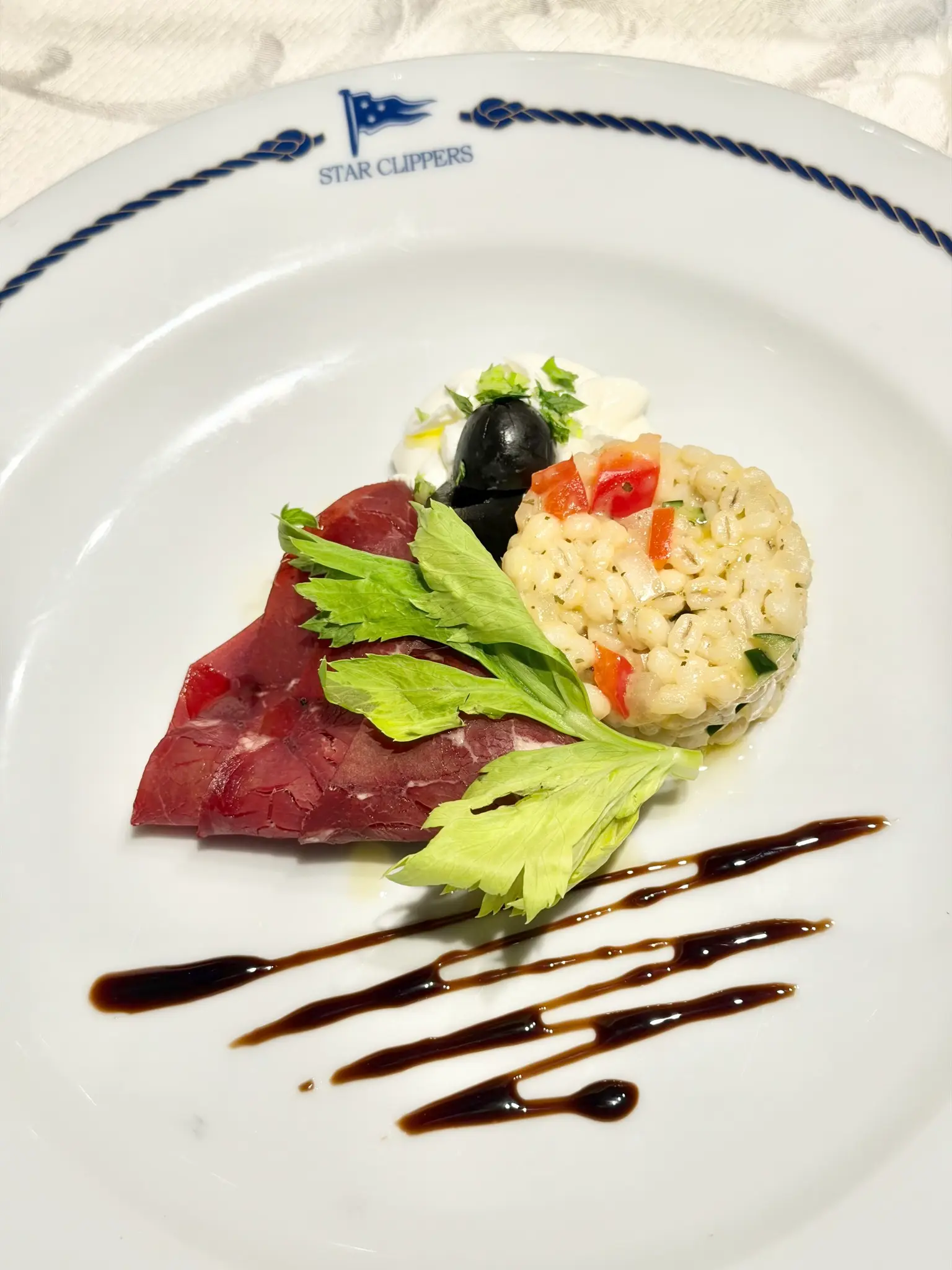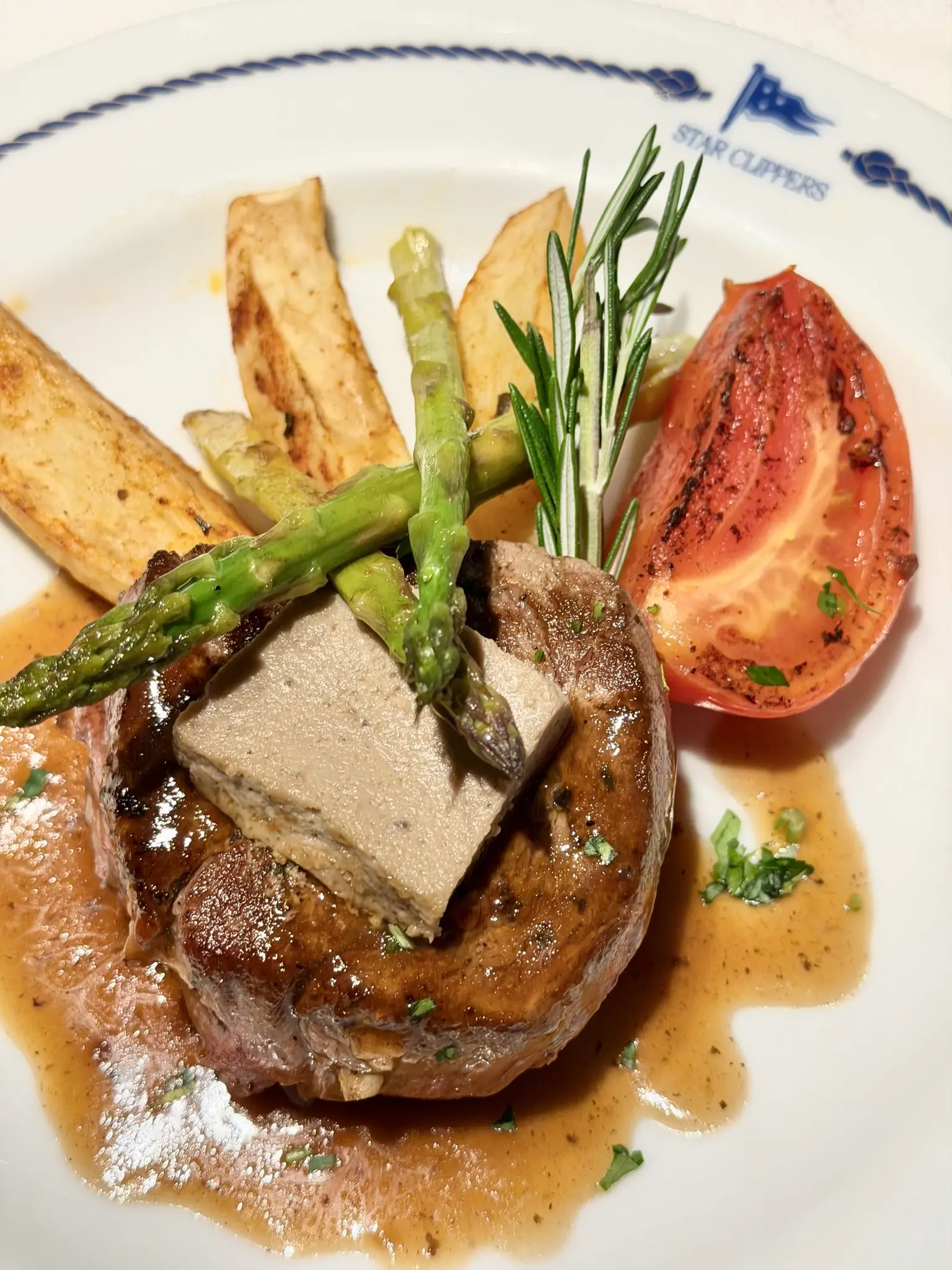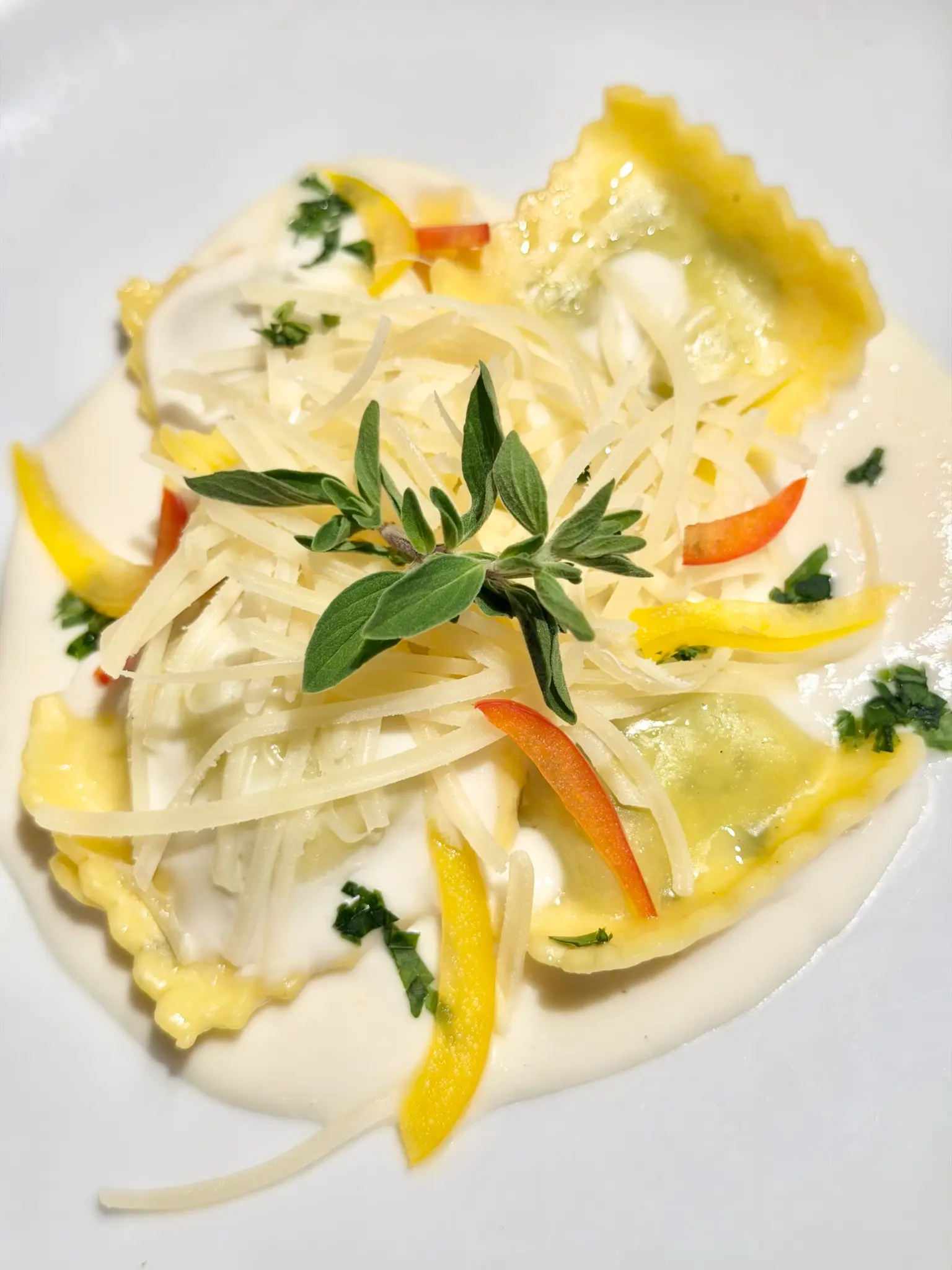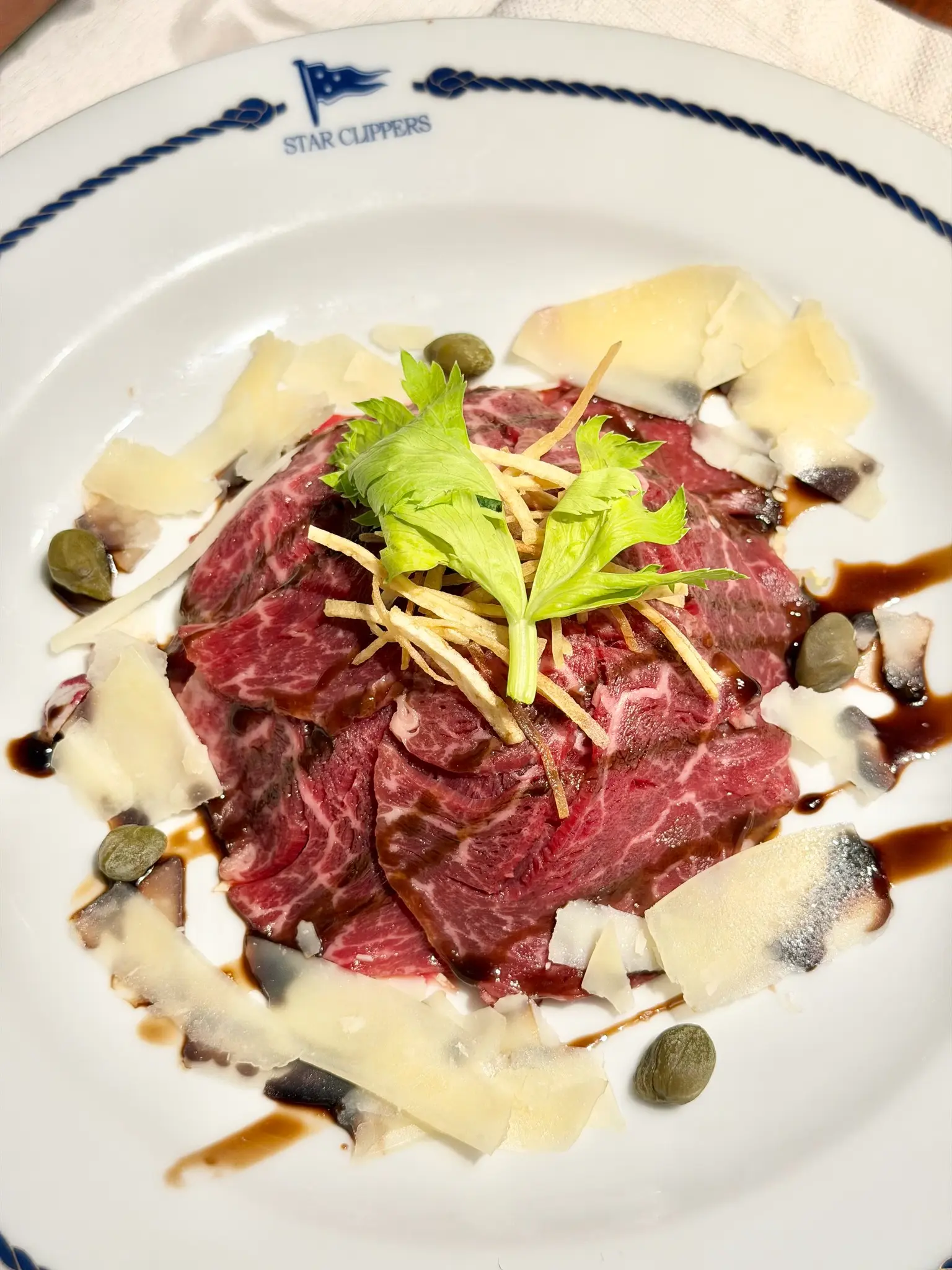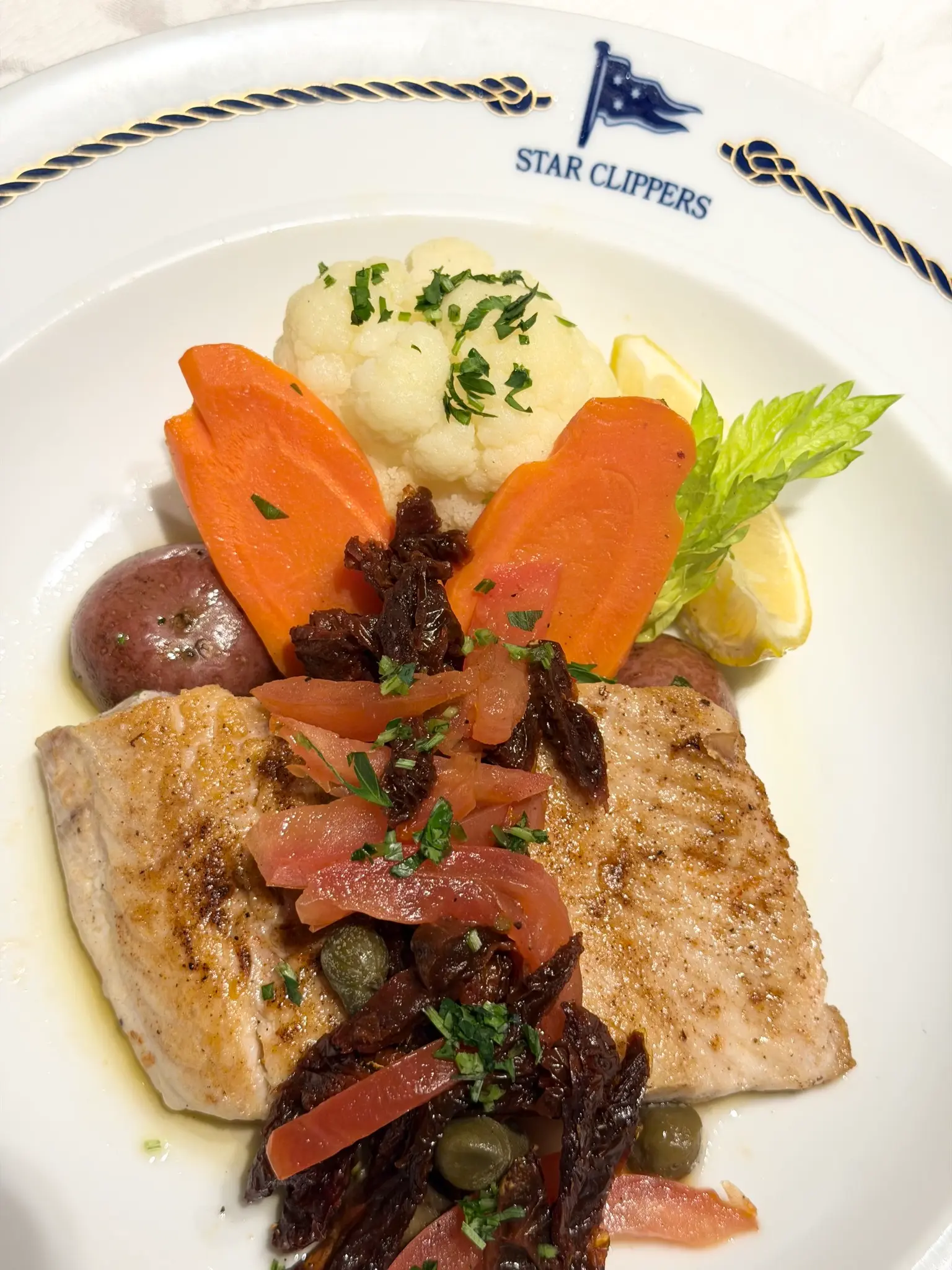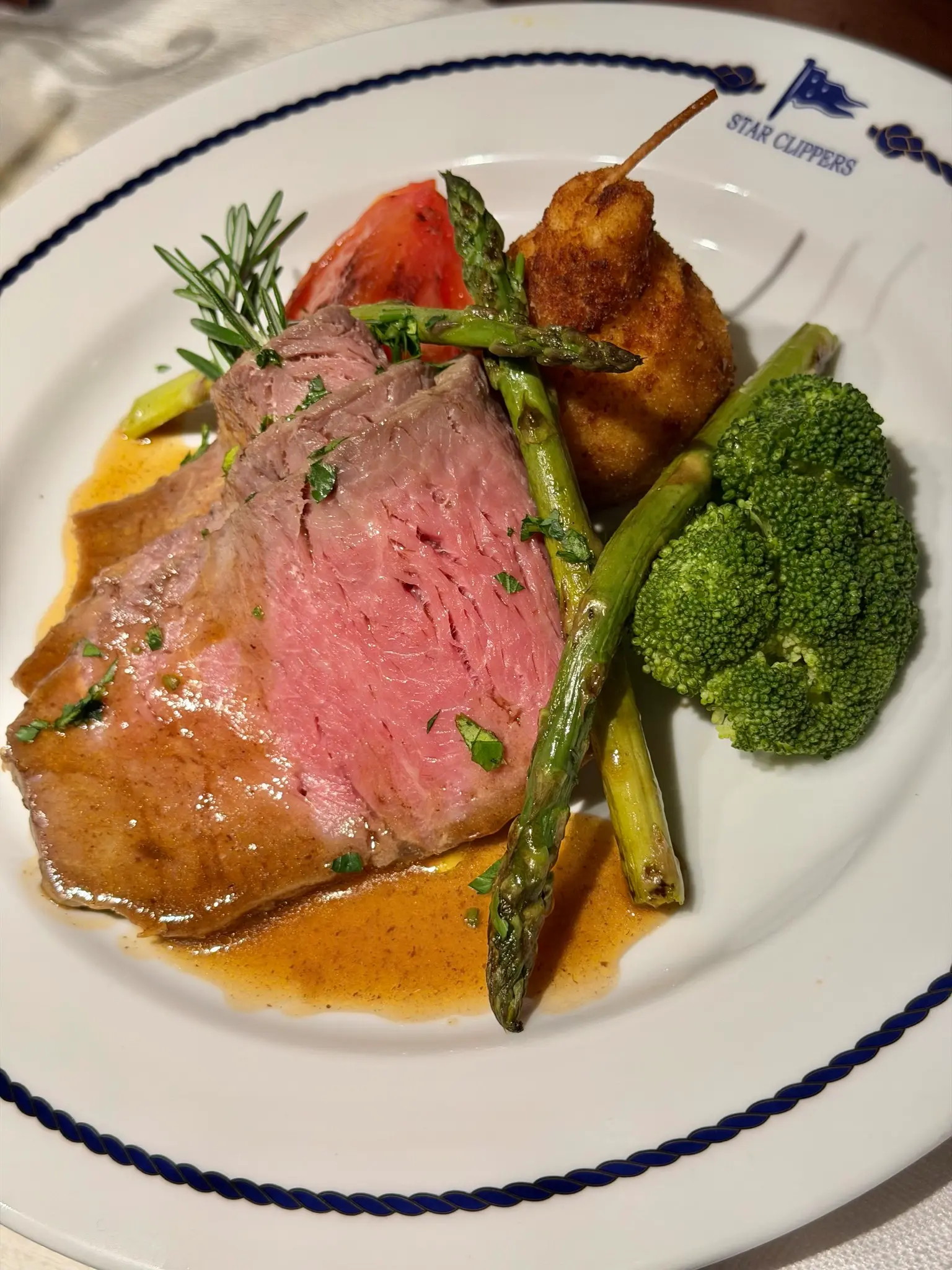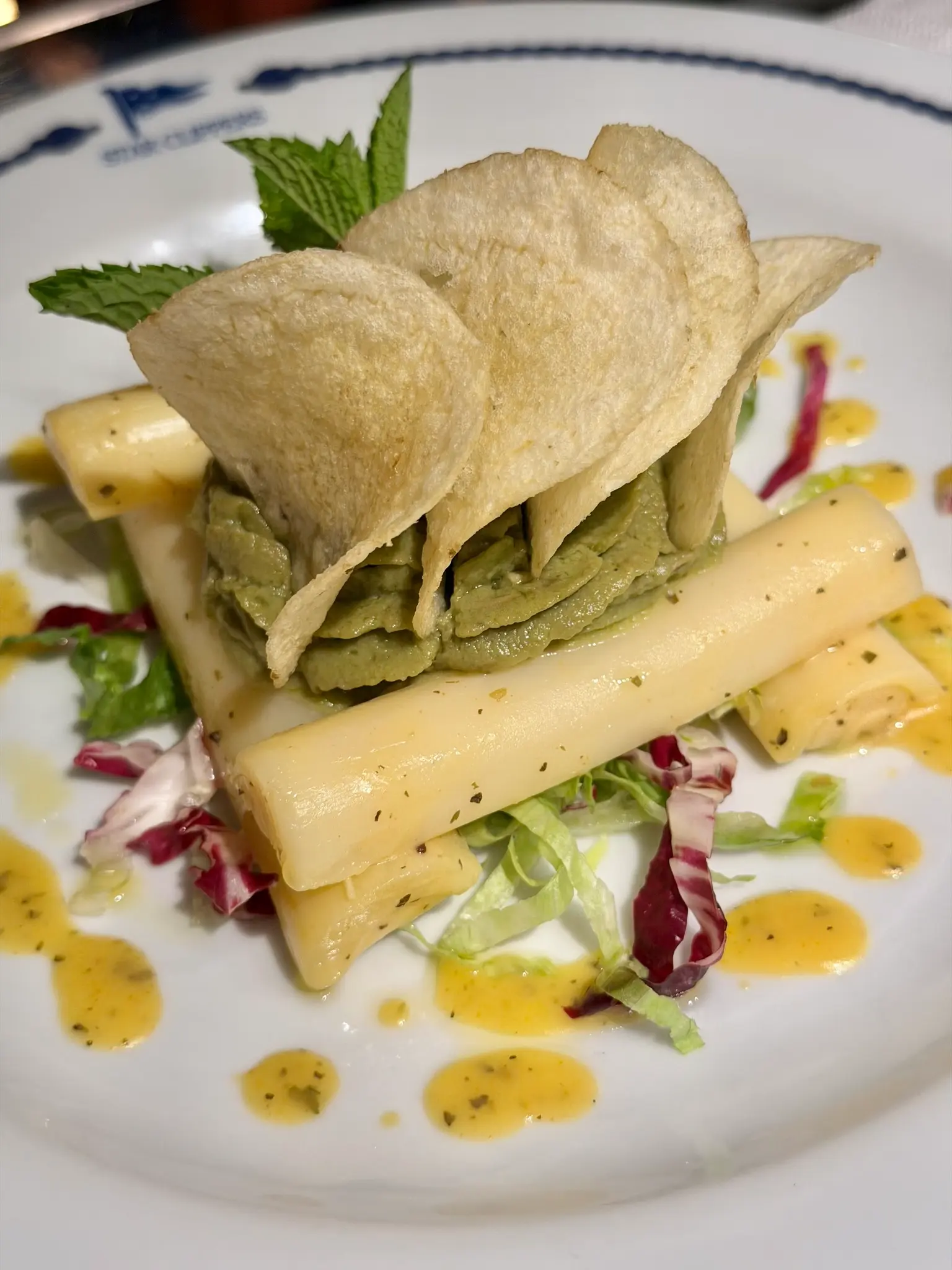
If you’ve ever sailed on one of the three Star Clippers tall ships, some of what you’re about to read—and see—will feel immediately familiar.
These dishes are part entrée, part dessert, part theater. They’re prepared by the Star Flyer chef and galley staff while sailing the Caribbean, January 10–17, 2026. Thoughtful. Balanced. Often surprisingly elegant for a ship that measures time by wind and canvas rather than engines and itineraries.
All of these plated delights were photographed with my iPhone 17 Pro Max. No strobes. No light stands. No fuss. Just natural ceiling light as my main source, with a small Telesin MagSafe LED used sparingly as fill. That’s it. Simple. Honest. Quick.
And no—before anyone asks—I didn’t eat all of these plates.
Only seven days’ worth.
Each evening, before the dining room officially opened at 7:30 pm, the staff would quietly roll out plated displays of what would be served that night. Usually around 7:00 pm. No fanfare. No announcement. Just a handful of dishes resting under warm ambient light, waiting for hungry eyes.
Those displays were my moment.
That small window—before guests arrived, before conversations filled the room, before the clink of cutlery and the hum of the evening—was when I photographed. Every time.
I love photographing food.
Especially plated cruise food.
But here’s the truth most people don’t talk about: dining rooms are designed for mood, not documentation. Low light. Warm tones. Shadows that flatter faces, not plates. They’re perfect for conversation, intimacy, and slowing down—but they’re hostile territory for food photography.
Which is precisely why I love the challenge.
Each plate took me maybe 15 to 30 seconds.
Done. Click. Move on.
No rearranging. No styling. No “hold on, let me get this just right.” I work with what’s there. I respect the plate. I respect the moment. I don’t ask the food to become something it isn’t.
And that’s important—because food photography, at least the way I practice it, isn’t about perfection. It’s about presence.
Cruise food gets a bad rap. Sometimes deserved. Sometimes not. But on a ship like Star Flyer, food becomes part of the rhythm of the day. It’s not just sustenance. It’s punctuation.
Breakfast after sunrise.
Lunch after landfall.
Dinner after the sails are furled.
Each meal marks time.
Photographing food on a cruise isn’t about showing off culinary prowess. It’s about remembering where you were, how you felt, and what the day tasted like. Food is memory made edible.
Years from now, I may not remember the exact conversation I had that evening. I may forget which island we’d just left or which one we were sailing toward. But one look at a plate—its color, its arrangement, its quiet confidence—and I’m back.
Back in the Caribbean.
Back under canvas.
Back to that soft, swaying stillness that only tall ships seem to deliver.
Food photography anchors us.
We photograph landscapes because they’re grand.
We photograph people because they matter.
We photograph food because it’s intimate.
Food is temporary by nature. It exists for minutes, not hours. Once it’s eaten, it’s gone forever. Photographing it is an act of respect—a way of saying, this mattered enough to pause.
On a cruise, especially, food becomes a shared experience. Everyone eats the same thing, at roughly the same time, in the same space. It’s communal without being forced. Familiar without being boring.
When I photograph a plate of food, I’m not trying to make anyone hungry. I’m trying to make them remember.
Remember what it’s like to sit down without rushing.
To taste something slowly.
To let the day end gently instead of abruptly.
There’s also something wonderfully humbling about food photography. Unlike landscapes or portraits, food doesn’t pose. It doesn’t perform. It doesn’t care. It simply is.
You get what you get.
That constraint is freeing.
It forces decisiveness. It sharpens instinct. It rewards attention. You learn quickly to see light, shape, and texture—not in theory, but in practice. Every plate is a still life, whether the chef intended it or not.
And still lifes have always mattered.
They slow us down.
They ask us to look longer.
They reward patience.
On a tall ship, surrounded by wind, water, and movement, a plate of food becomes a moment of stillness. A pause in the motion. A quiet rectangle of order in an otherwise fluid world.
That’s why photographing food is such an important part of the adventure.
It’s not about Instagram.
It’s not about showing off.
It’s not even really about food.
It’s about paying attention.
About noticing the care that went into something fleeting. About honoring the human effort behind a plate that will exist for only a few minutes. About marking time in a way that feels personal and grounded.
When I look back at these images, I don’t just see what I ate. I see where I was in my life. I see a week carved out from the noise. I see evenings where nothing was demanded of me except to sit, taste, and be present.
Photography, at its best, does that.
It helps us remember what it felt like to be there.
Food photography just happens to do it one plate at a time.
Click.
Jack.