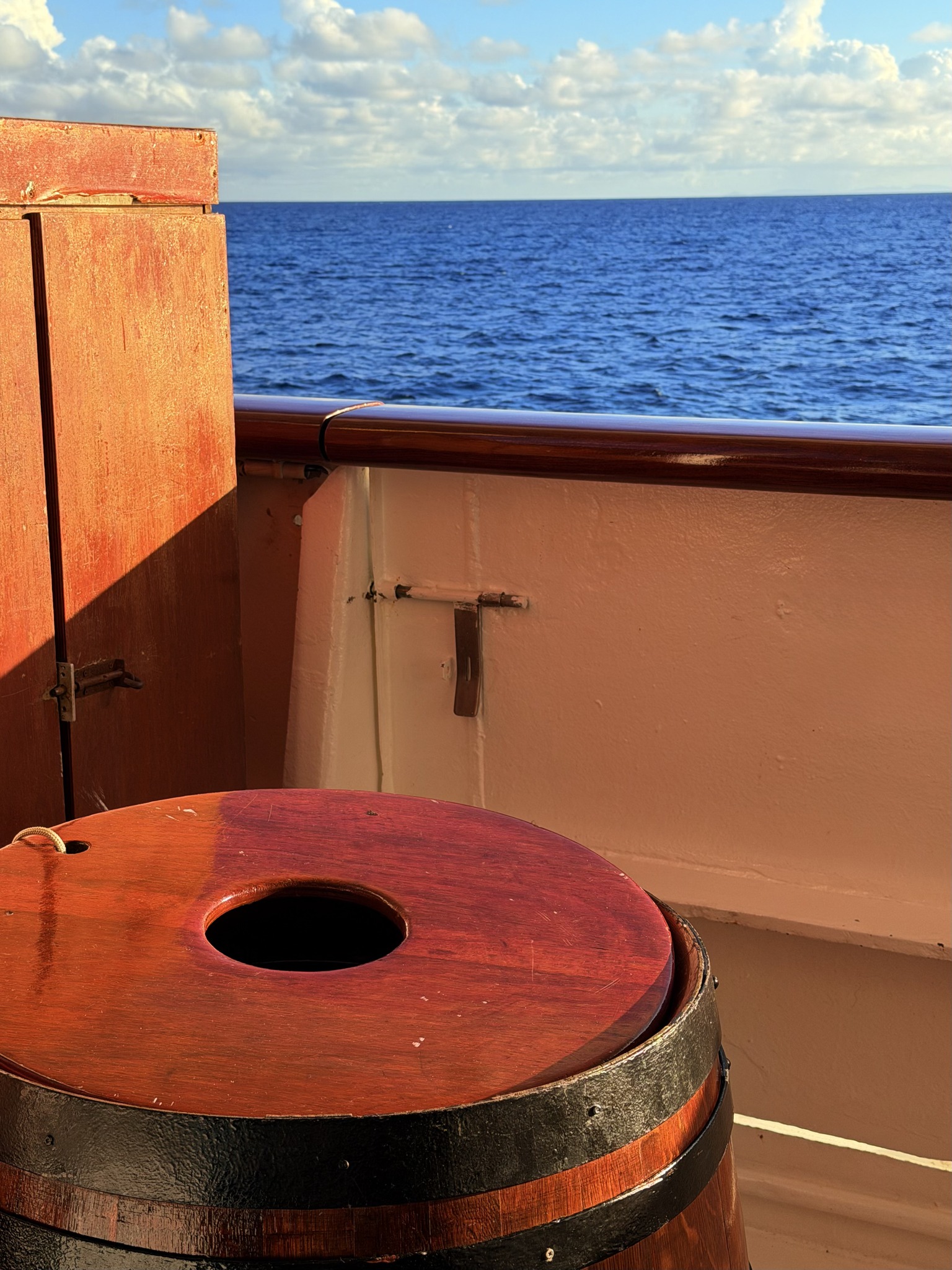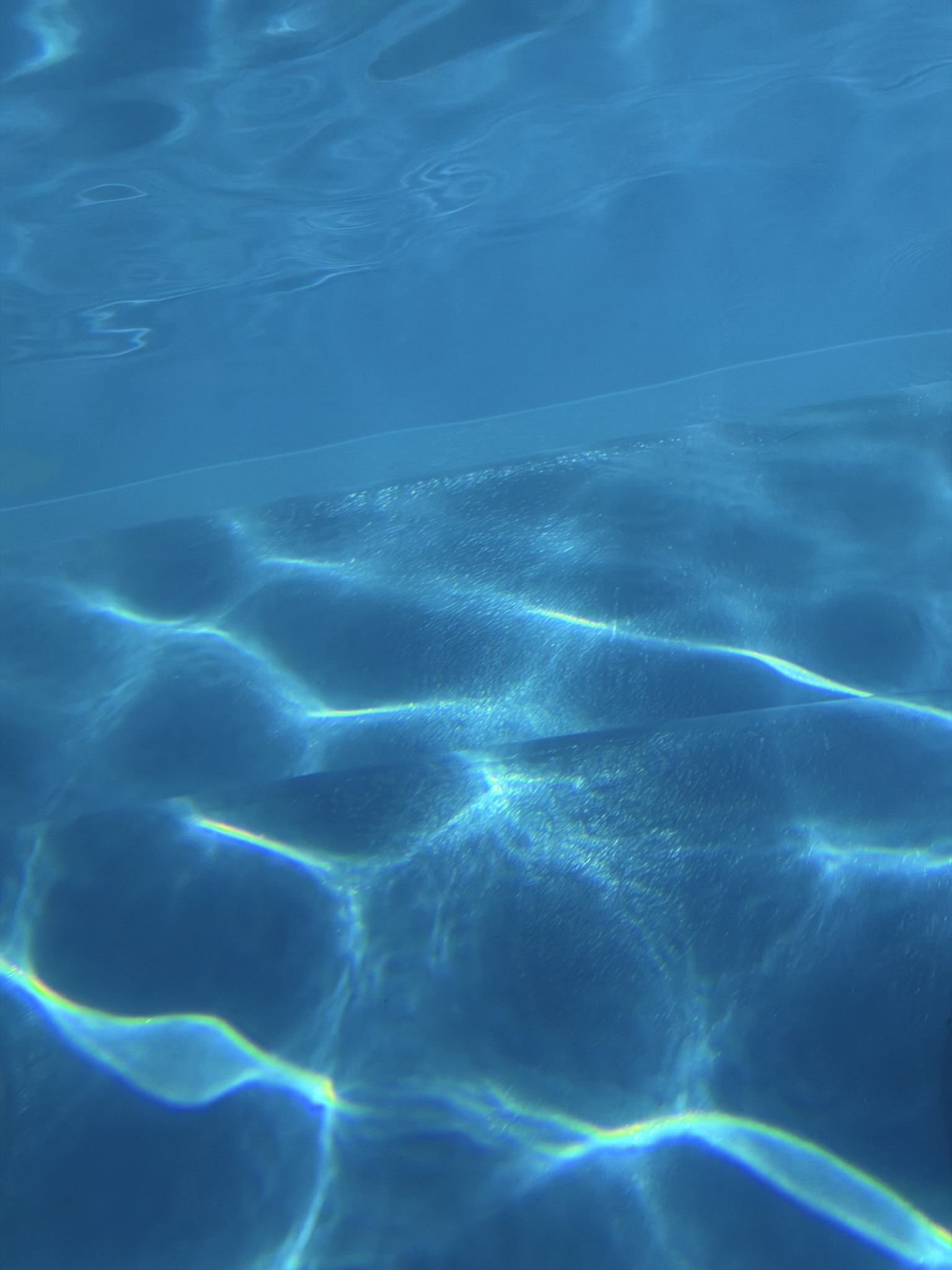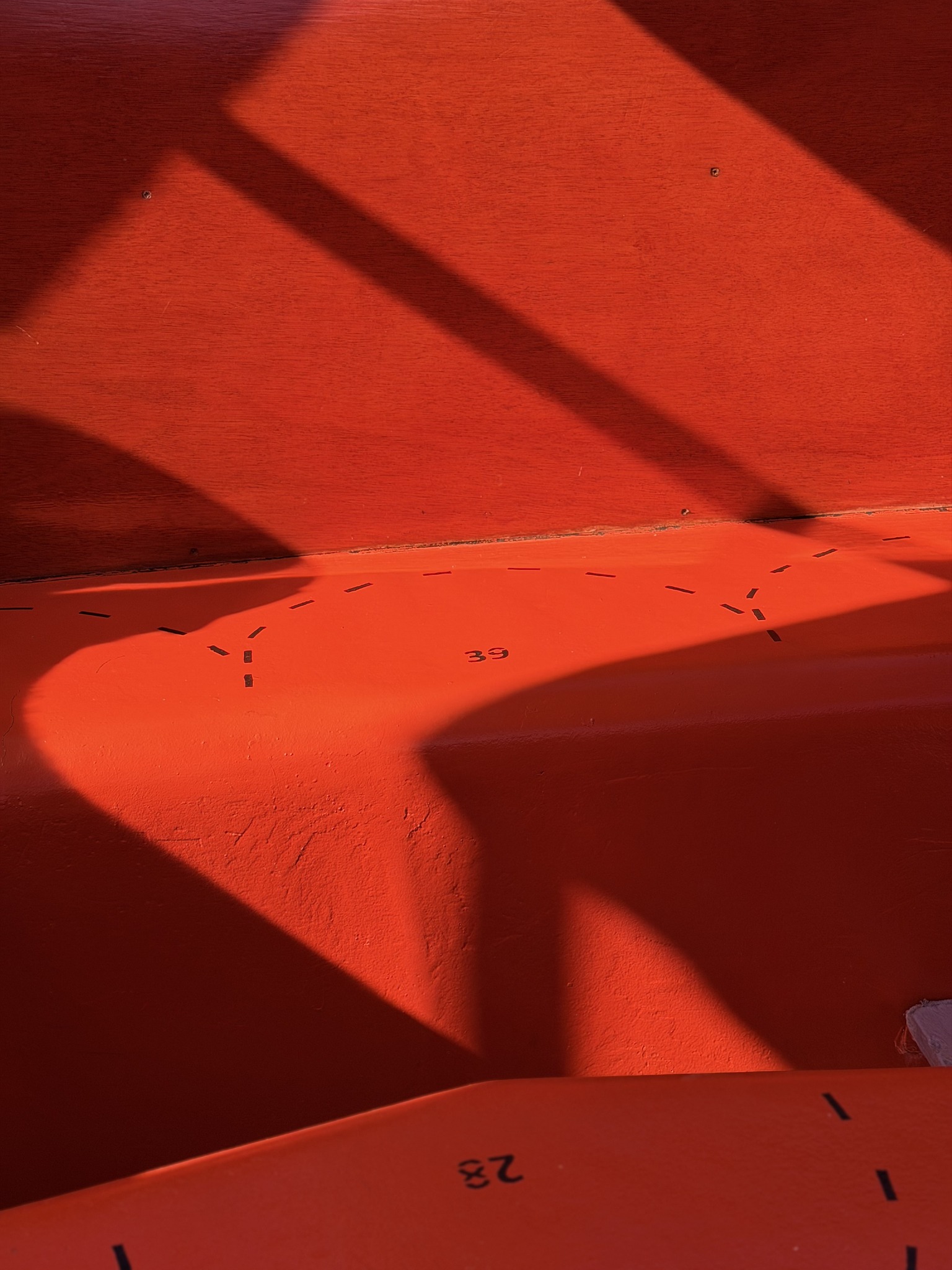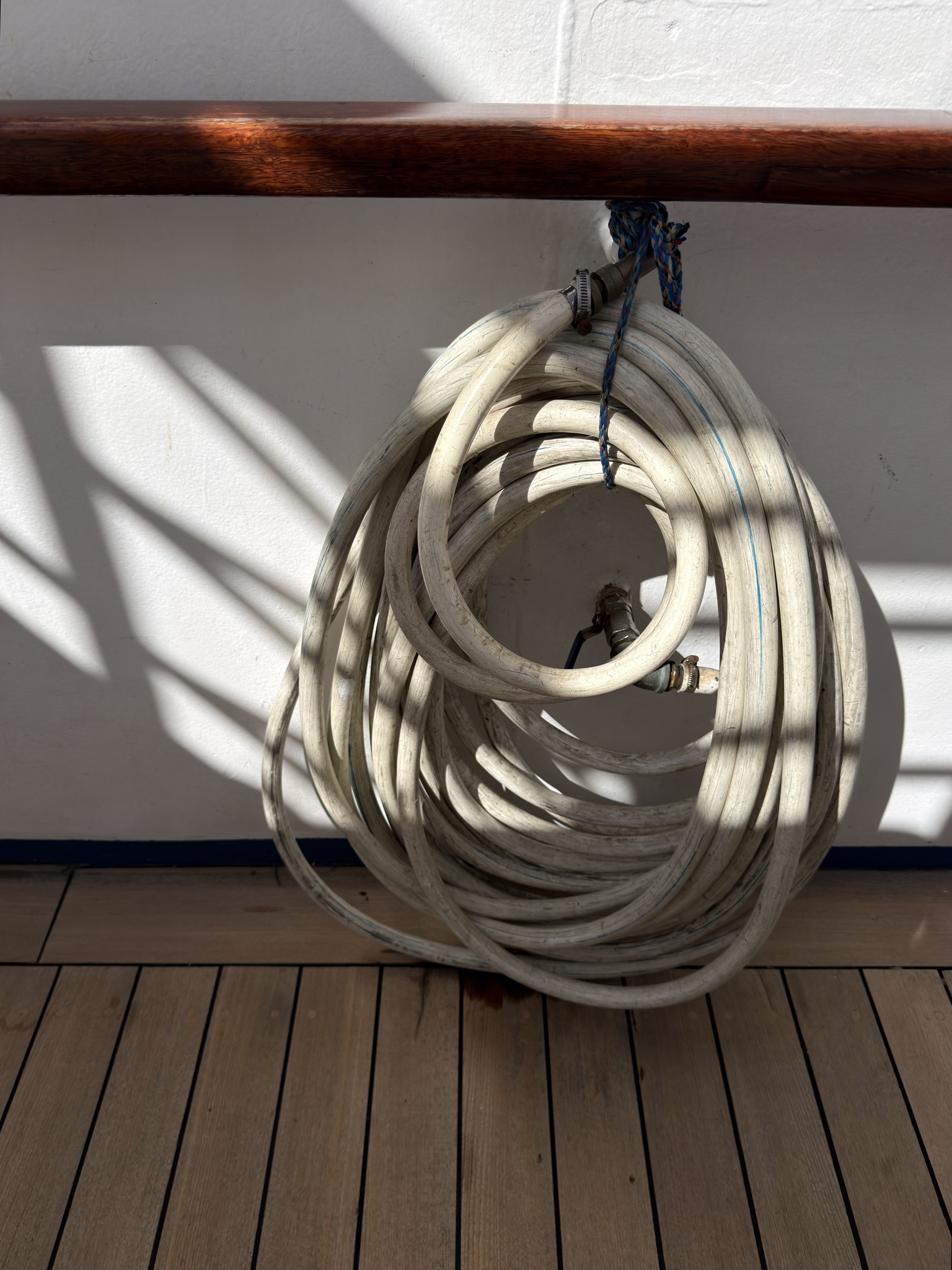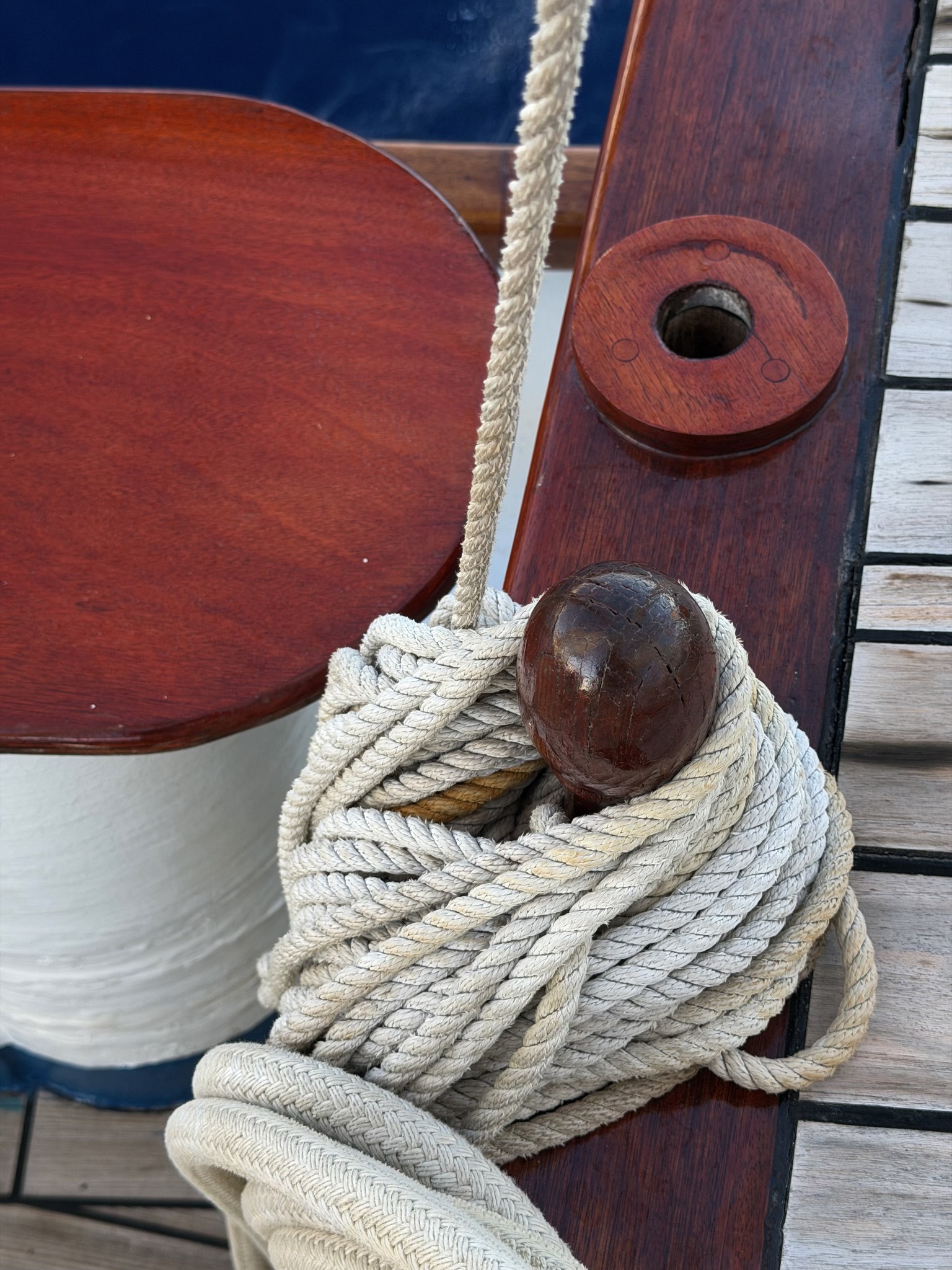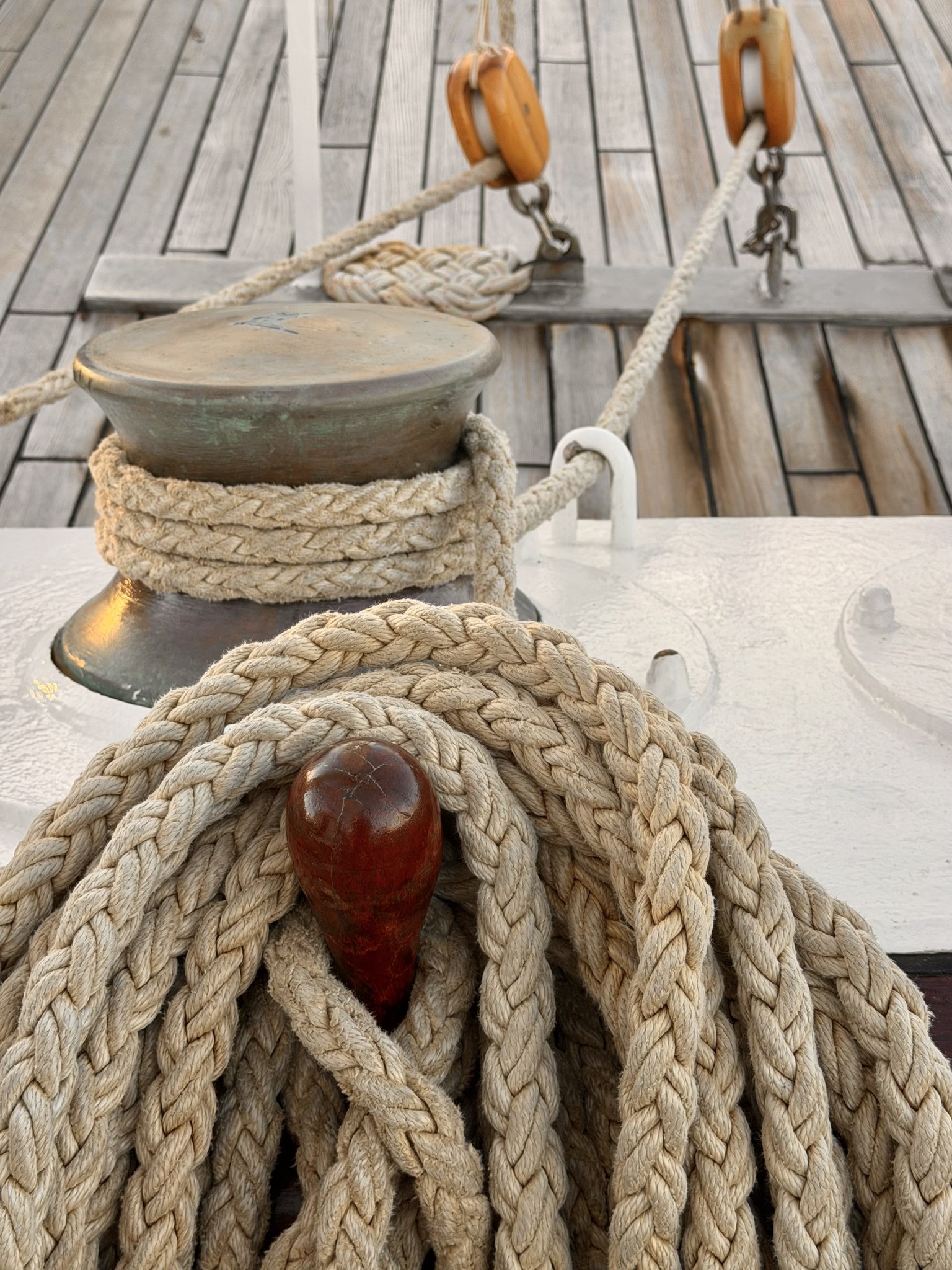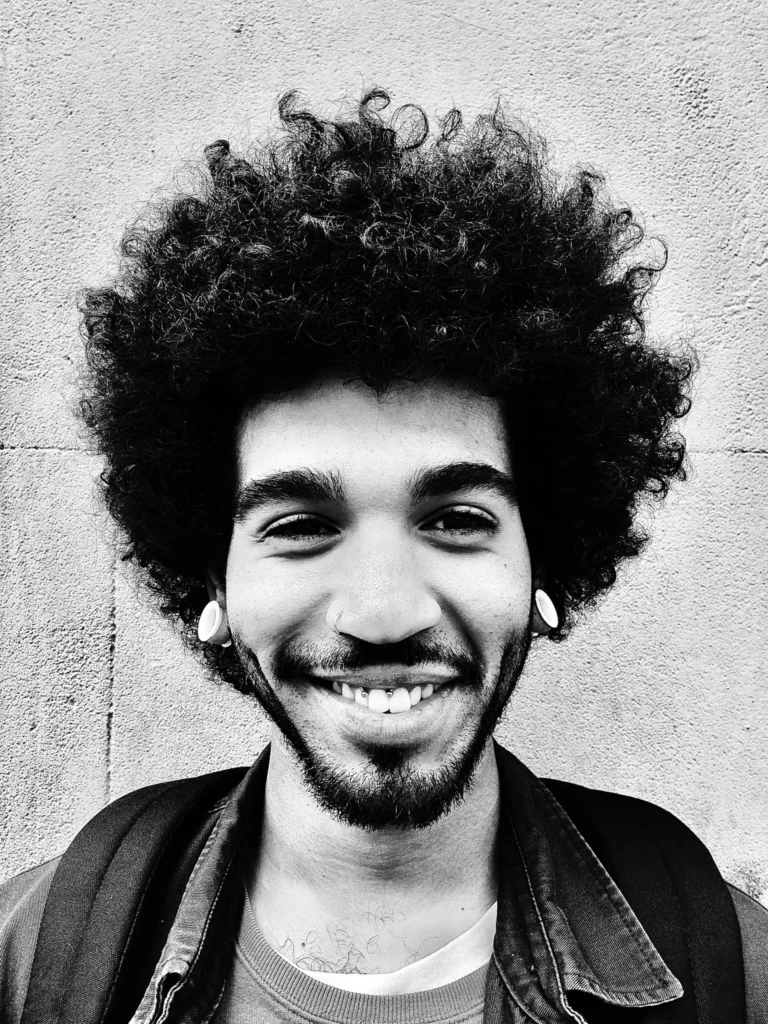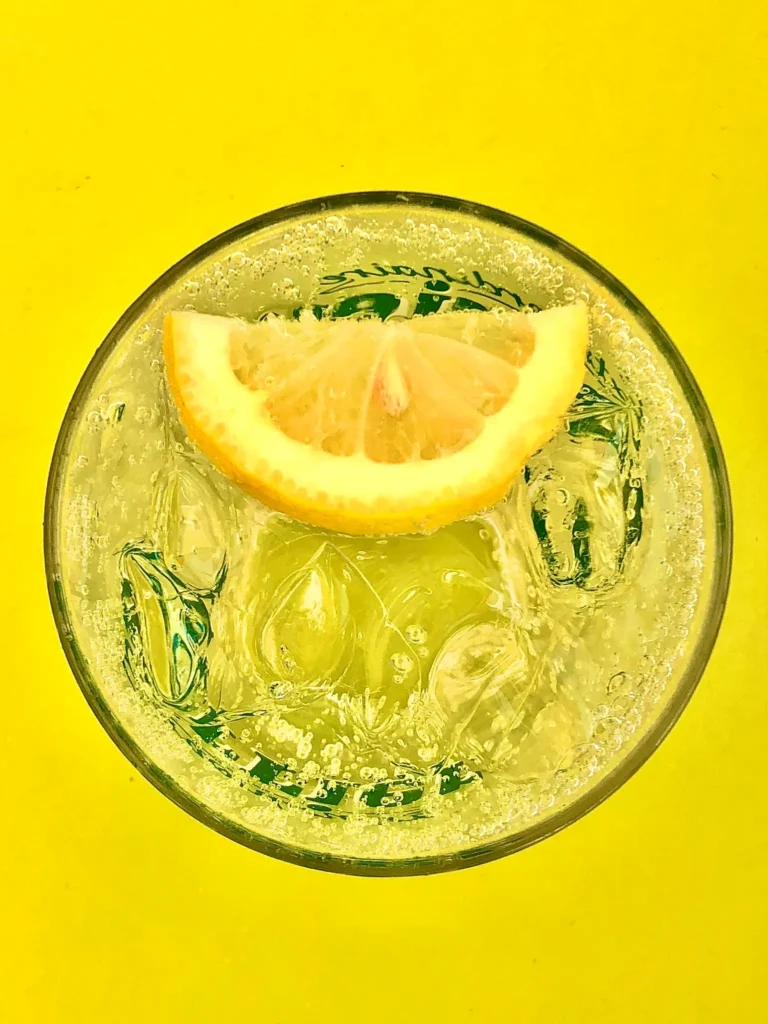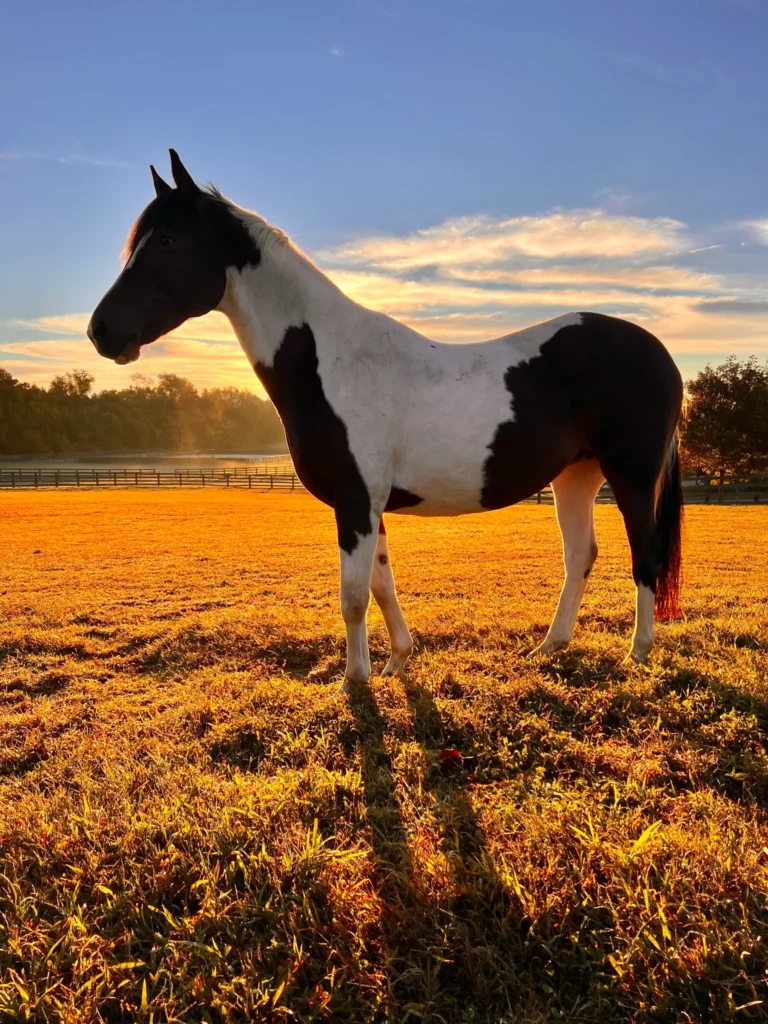
A few weeks, on the deck of the Star Flyer, every chance i would gert, morning, noon and evening, I would pick up my humble iPhone camera and repeat the same loving rhythm and routine as to my very own law of attraction.
On more than a few ocsasion, I could feel passengers looking at me and wondering what the hell I was photographing:)
Fair enough.
It has always fascinated me how we, as humans, like what we like.
Go figure.
Some people, IRL, THESE for reasons we can’t fully articulate, turn our heads. Others pass by without so much as a second glance. Some photographs stop us cold. Others—perfectly fine by any technical standard—barely register. We scroll past them as if they were never there.
Why?
What makes us stop and look?
What makes us linger?
What makes us feel something instead of simply seeing something?
This question has followed me for as long as I’ve had a camera in my hand. And longer than that, really—long before photography, back when I was just trying to understand people, places, music, books, faces. Long before I had the language for it, I was already aware of it: this quiet, undeniable pull toward certain things and not others.
We like what we like.
And we don’t owe anyone an explanation for it.
That idea alone makes people uncomfortable.
We’re often taught—subtly or explicitly—that taste should be defensible. Rational. Explainable. We’re asked to justify why we love a particular photograph, why we’re drawn to a certain style, why one image moves us and another doesn’t. We reach for words like composition, lighting, color harmony, sharpness, dynamic range. All useful concepts, sure—but rarely the real reason.
Those are post-rationalizations.
The heart decides first.
The mind catches up later.
In photography, this becomes painfully obvious when someone asks, “Why do you like that photo?”—usually with a slight wrinkle in their brow, as if you’ve chosen incorrectly. As if taste were a test you could fail.
But here’s the thing: the photograph already did its work on you before the question was even asked. It reached out, tapped you on the shoulder, and said, Pay attention. Something about it resonated. Something about it felt familiar, or mysterious, or comforting, or unsettling in just the right way.
And that “something” is rarely technical.
It’s emotional.
It’s experiential.
It’s deeply personal.
The same is true in life.
We’re drawn to certain people not because they are objectively better looking or more accomplished or more impressive on paper—but because something about them feels right. A tone of voice. A way of listening. A laugh. A pause before answering. A vulnerability. A confidence that doesn’t need to announce itself.
You can’t chart that on a graph.
You can’t reduce it to settings.
And yet, we keep trying.
In photography culture—especially now—we’ve become obsessed with explaining away attraction through specifications and features. As if liking an image is something that can be engineered. As if flipping the right switches will magically produce work that everyone must admire.
But that’s not how liking works.
You don’t decide what moves you.
You discover it.
When a photograph stops you, it’s often because it mirrors something already inside you. A memory. A longing. A way of seeing the world that you didn’t even know you carried until that moment. The photograph becomes a kind of quiet recognition: Oh. There you are.
This is why two people can look at the same image and have completely different reactions. One sees nothing special. The other sees everything.
Neither is wrong.
They’re simply responding to different internal landscapes.
Photography, at its best, isn’t about universal appeal. It’s about specific connection. The myth that great photographs must be liked by everyone is just that—a myth. In fact, the more personal a photograph is, the more likely it is to divide opinion.
And that’s a good thing.
If everyone likes your work, chances are it isn’t saying very much.
The photographs that endure—the ones we return to again and again—are rarely the safest ones. They’re the ones that carry a point of view. A bias. A temperament. A human behind the lens who wasn’t trying to please a crowd, but trying to tell the truth as they saw it.
Their truth.
Which brings us back to liking.
When we say “I like this,” what we’re often really saying is, This aligns with who I am. With how we move through the world. With what we notice. With what we value.
Some people are drawn to order. Others to chaos.
Some to minimalism. Others to excess.
Some to sharp edges. Others to soft light.
Some to grand vistas. Others to small, overlooked corners.
None of these preferences are accidents.
They’re clues.
They tell us something about ourselves if we’re willing to listen.
In my own work, I’ve long since stopped worrying about whether an image will be broadly appealing. That ship sailed years ago. What I care about now is whether it feels honest. Whether it reflects how I actually experienced the moment—not how I think it should look.
Because the moment I start chasing what I think others will like, I lose touch with what I like.
And once that happens, the work goes hollow.
There’s a subtle but crucial distinction here: liking isn’t about indulgence or laziness. It’s not an excuse to stop growing or refining your craft. It’s about honoring your internal compass instead of outsourcing it to trends, algorithms, or approval metrics.
Growth doesn’t come from abandoning what you like.
It comes from going deeper into it.
Understanding why you’re drawn to certain subjects.
Noticing patterns in your attraction.
Paying attention to what consistently stops you in your tracks.
Over time, those preferences form something far more meaningful than a style.
They form an approach.
An approach to seeing.
An approach to choosing.
An approach to life.
And here’s the quiet irony: the more you trust what you like, the more distinctive your work becomes. The more recognizable. The more human. Because nobody else has lived your life, accumulated your memories, or developed your particular way of responding to the world.
Your likes are yours alone.
So the next time a photograph—or a person, or a place—makes you pause, don’t rush past that moment. Don’t immediately analyze it to death. Sit with it. Feel it. Let it speak before you try to explain it.
Because that pause—that instinctive stop—is the real gift.
That’s where photography begins.
That’s where connection begins.
That’s where you begin to understand not just what you like…
…but who you are when you’re truly paying attention.
Click.
Jack.
P.S. These humble images are what turned my head, day after day, in the Caribbean, on the decks of the Star Flyer-shot on an iPhonee 17 Pro Max. Click.