A Field Report from an Atheist Photographer in the Heart of Catholic Texas
I spent the day in church today—all day.
Catholic Church at that.
Jesus, man.
Four churches, actually.
Not to pray. Not to kneel. Not to confess my sins, though I’ve racked up more than a few in my seventy-some years. Not to light candles or cross myself or feel the weight of heaven or hell pressing down.
I went for the light. For the color. For the silence that sometimes says more than scripture.
I went to photograph. Click. Ahhhhh.
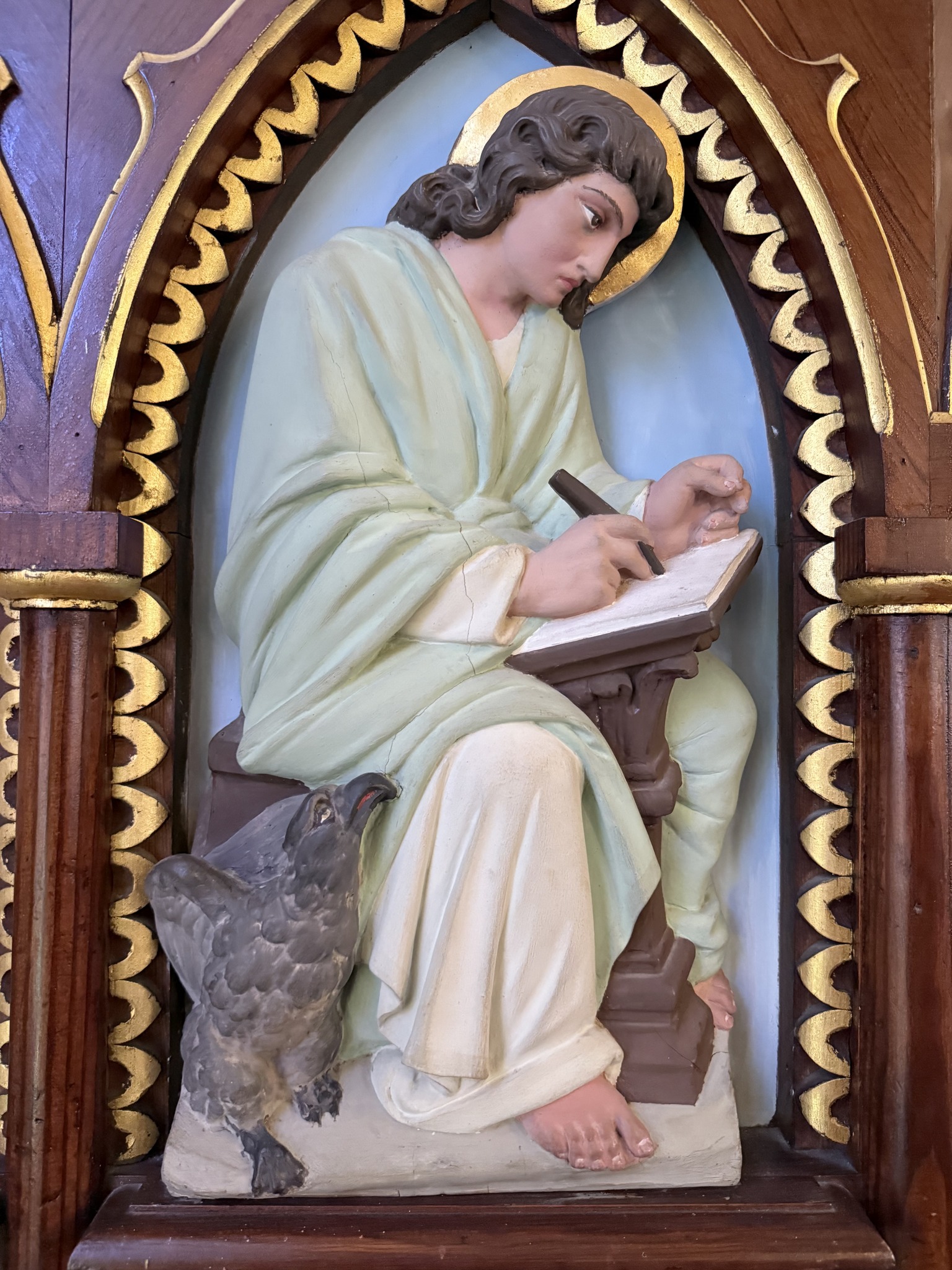
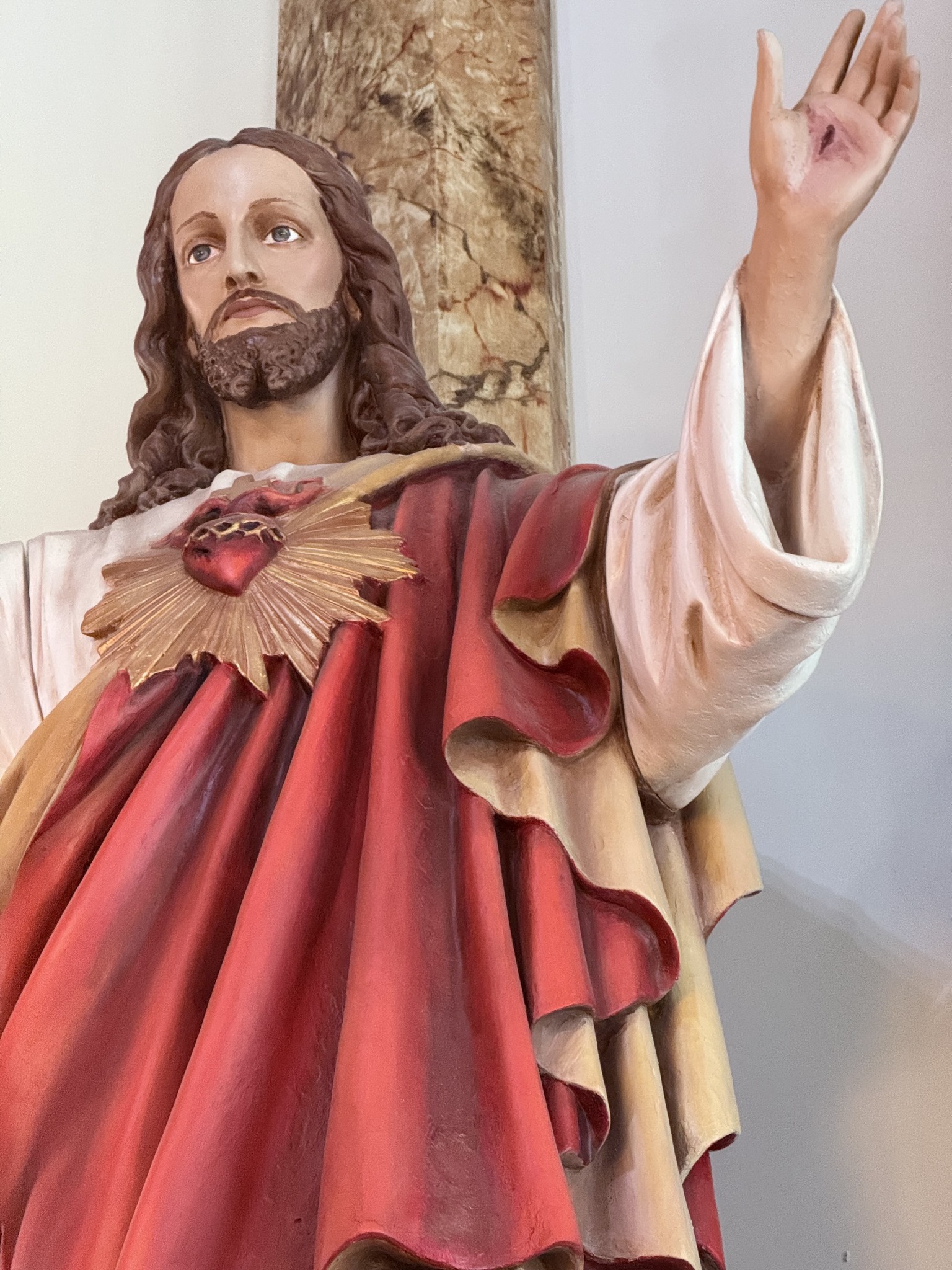
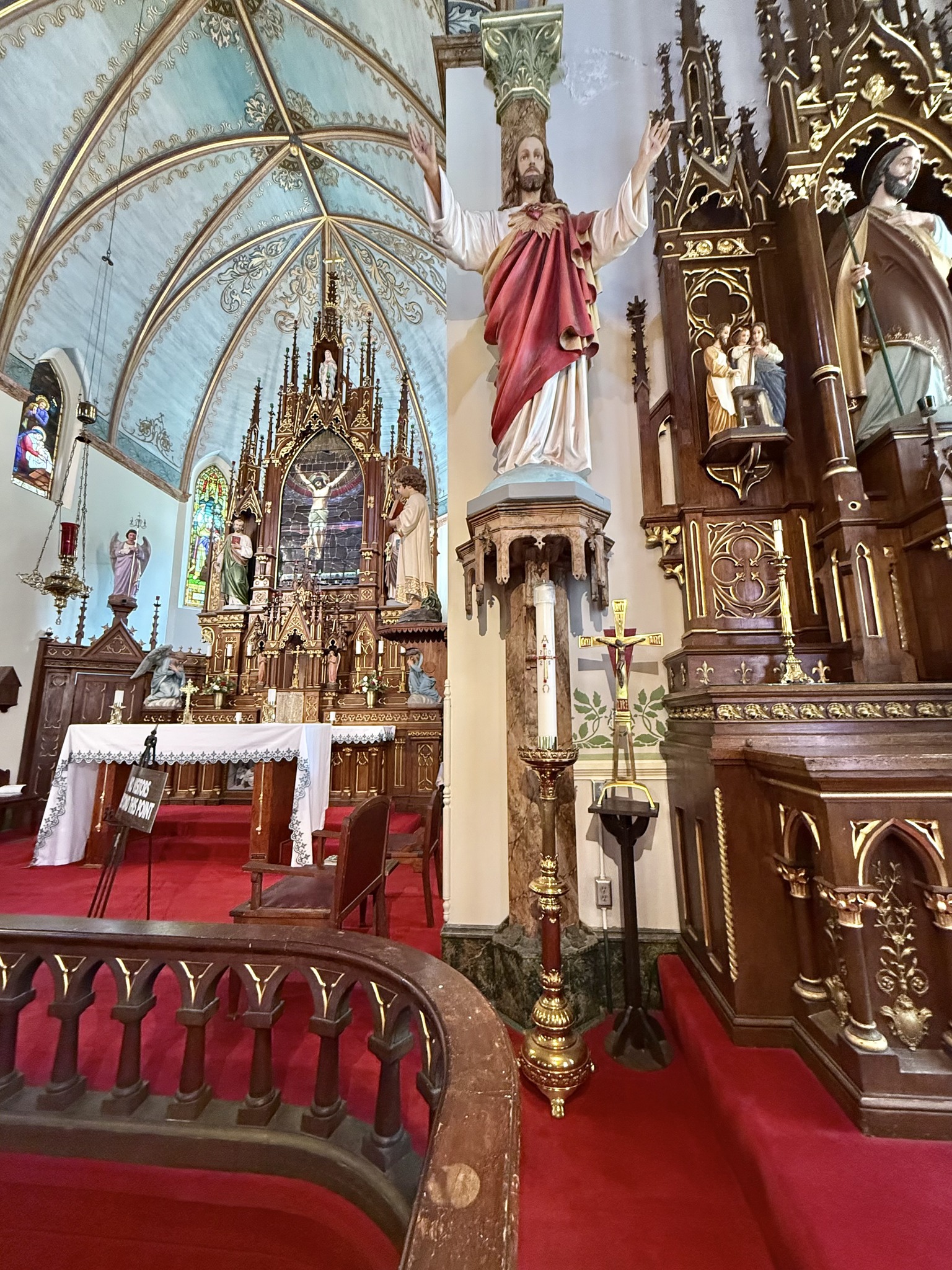
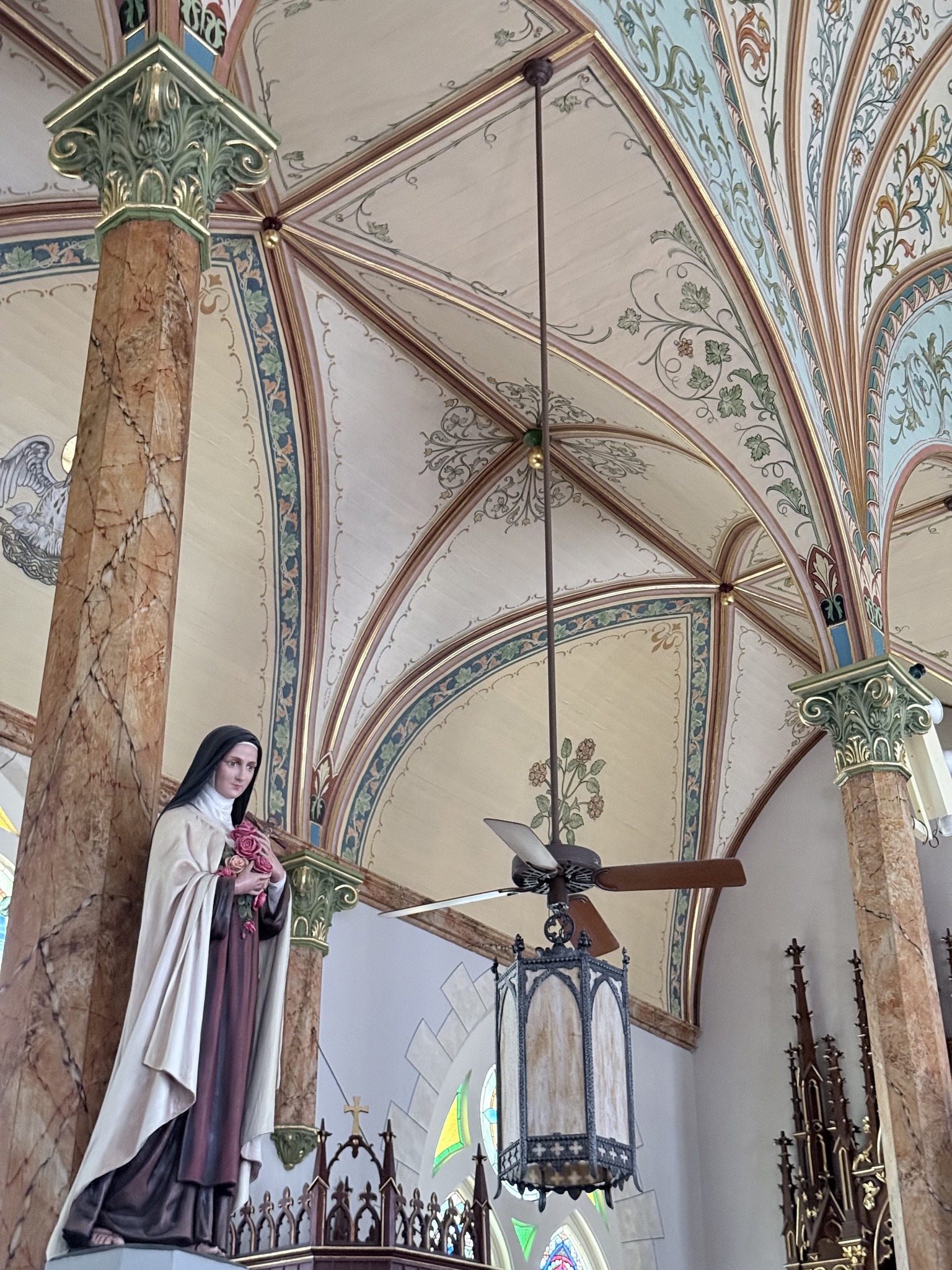
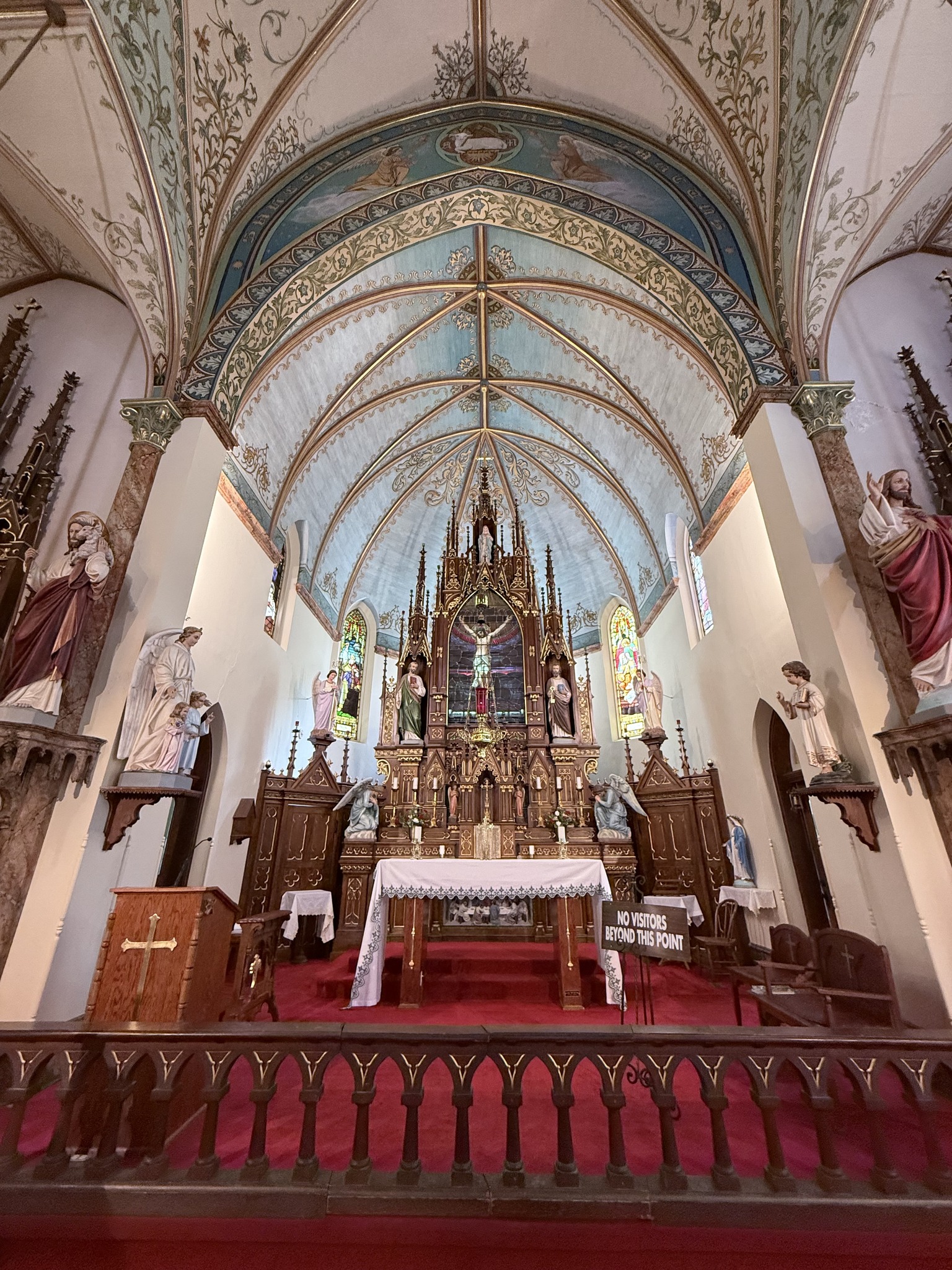
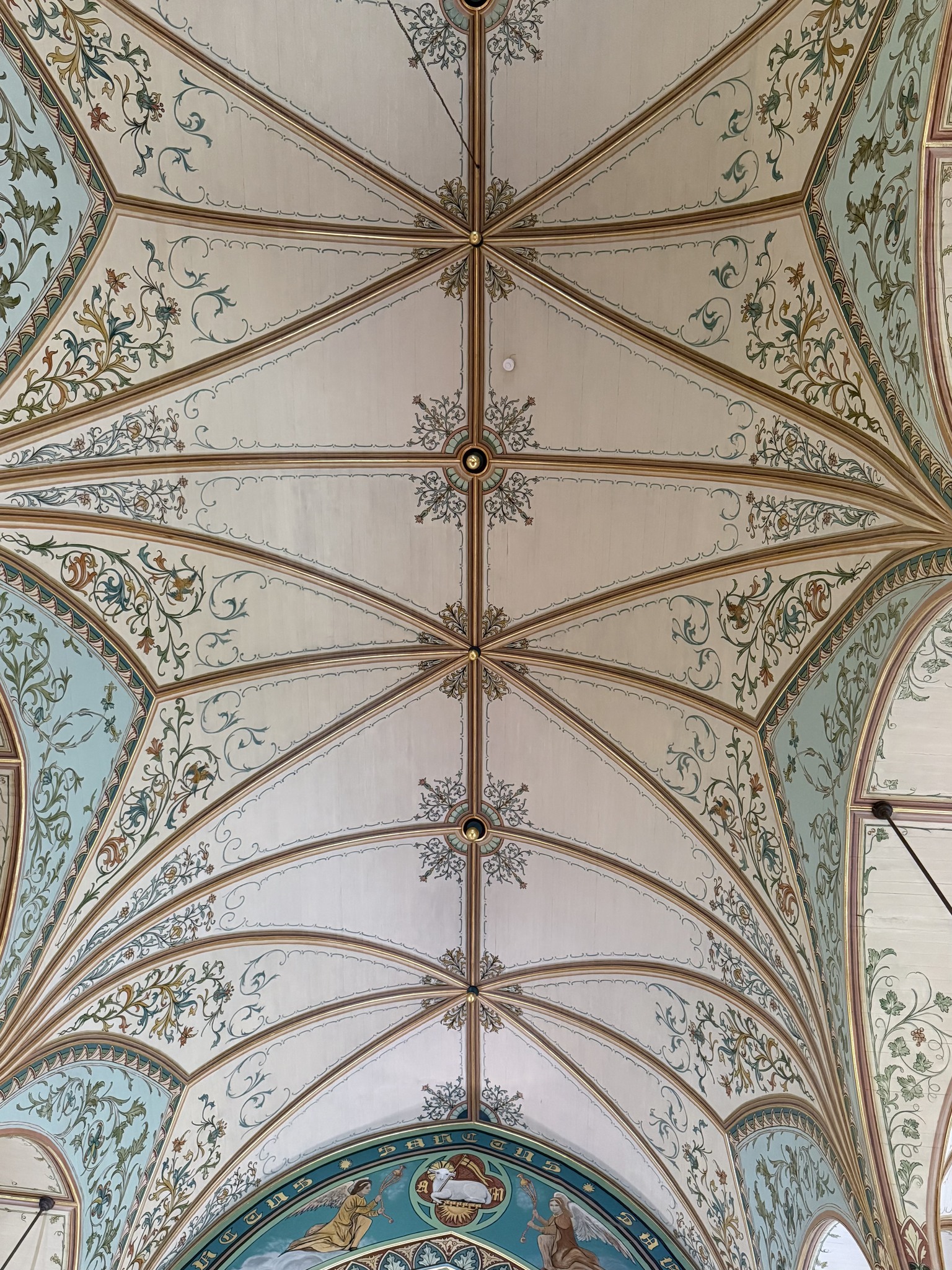
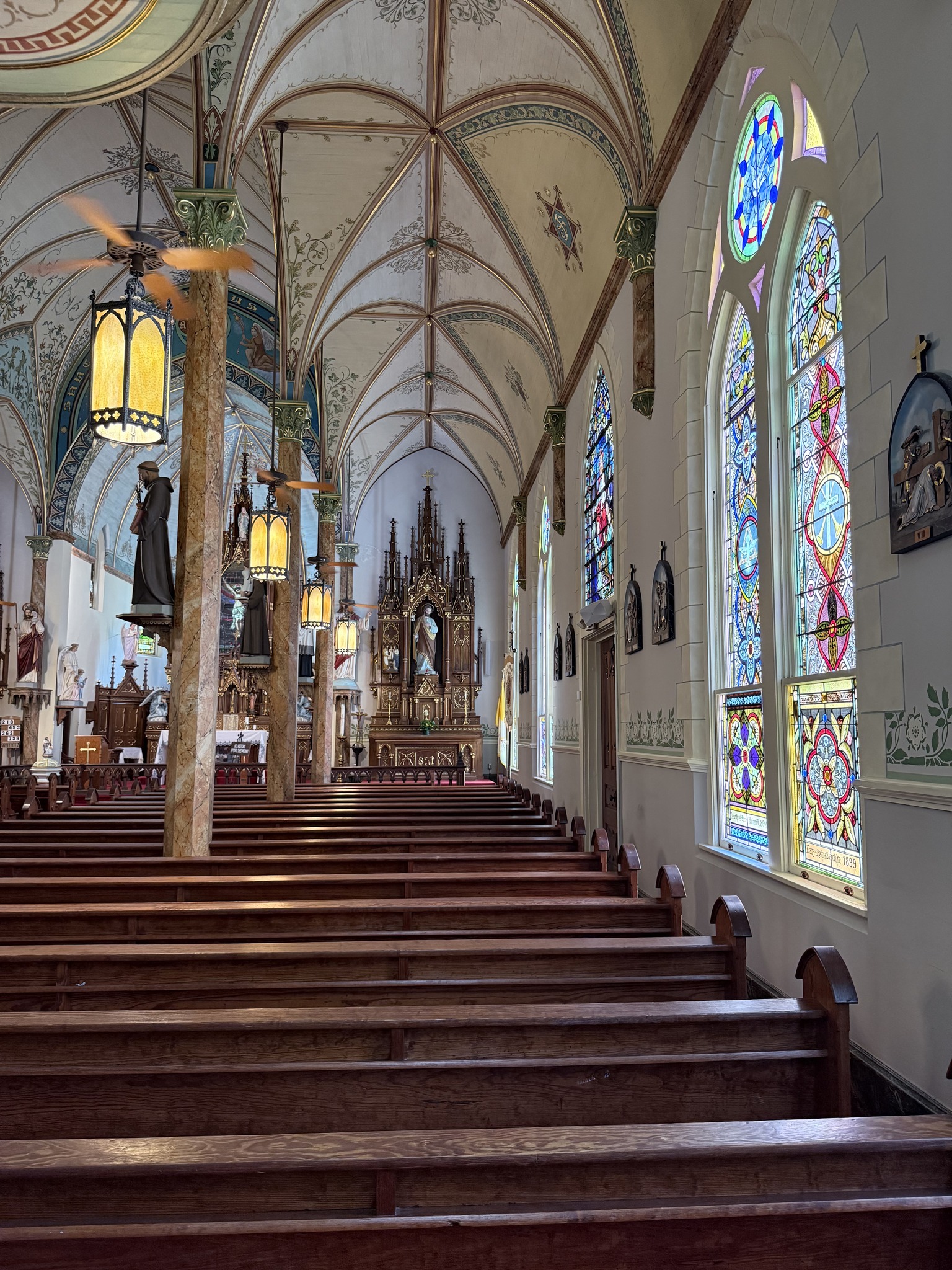
These four country churches, tucked deep in the folds of the Texas Hill Country, are known as the Painted Churches—a phrase that doesn’t do them justice. They’re not painted in the casual, decorative sense. They’re painted like the Sistine Chapel is painted—by hand, by heart, with pigments and brushes and a hundred years of memory.
Built by Czech and German immigrants in the late 1800s and early 1900s, these churches were never meant to be architectural showpieces. They were meant to be home.
These were people who had left everything behind—land, language, family, tradition—and found themselves in dusty, wind-scoured Texas, where the sun was brutal and the towns were small. But they didn’t leave their faith behind. And they sure as hell didn’t leave their beauty behind.
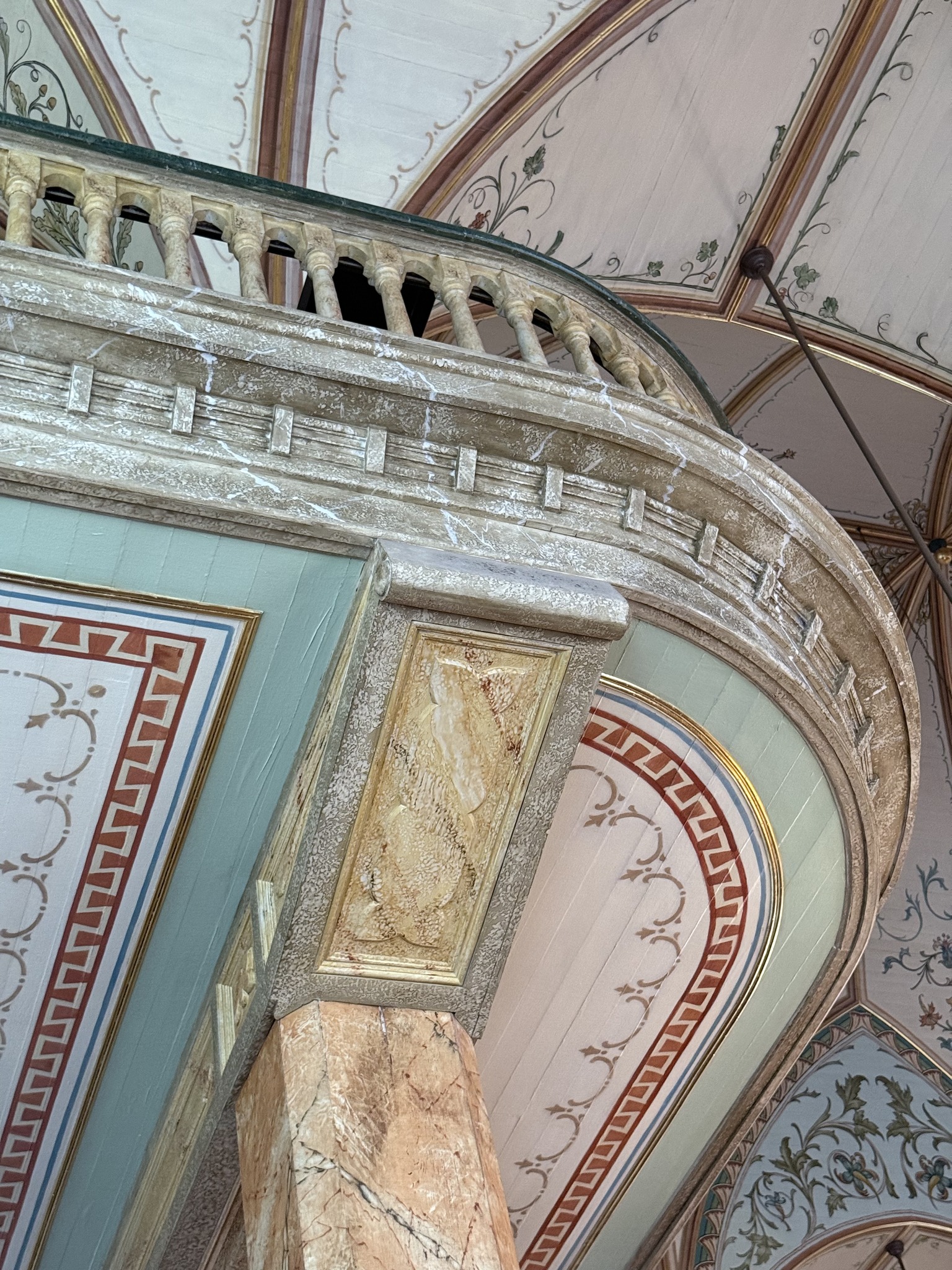
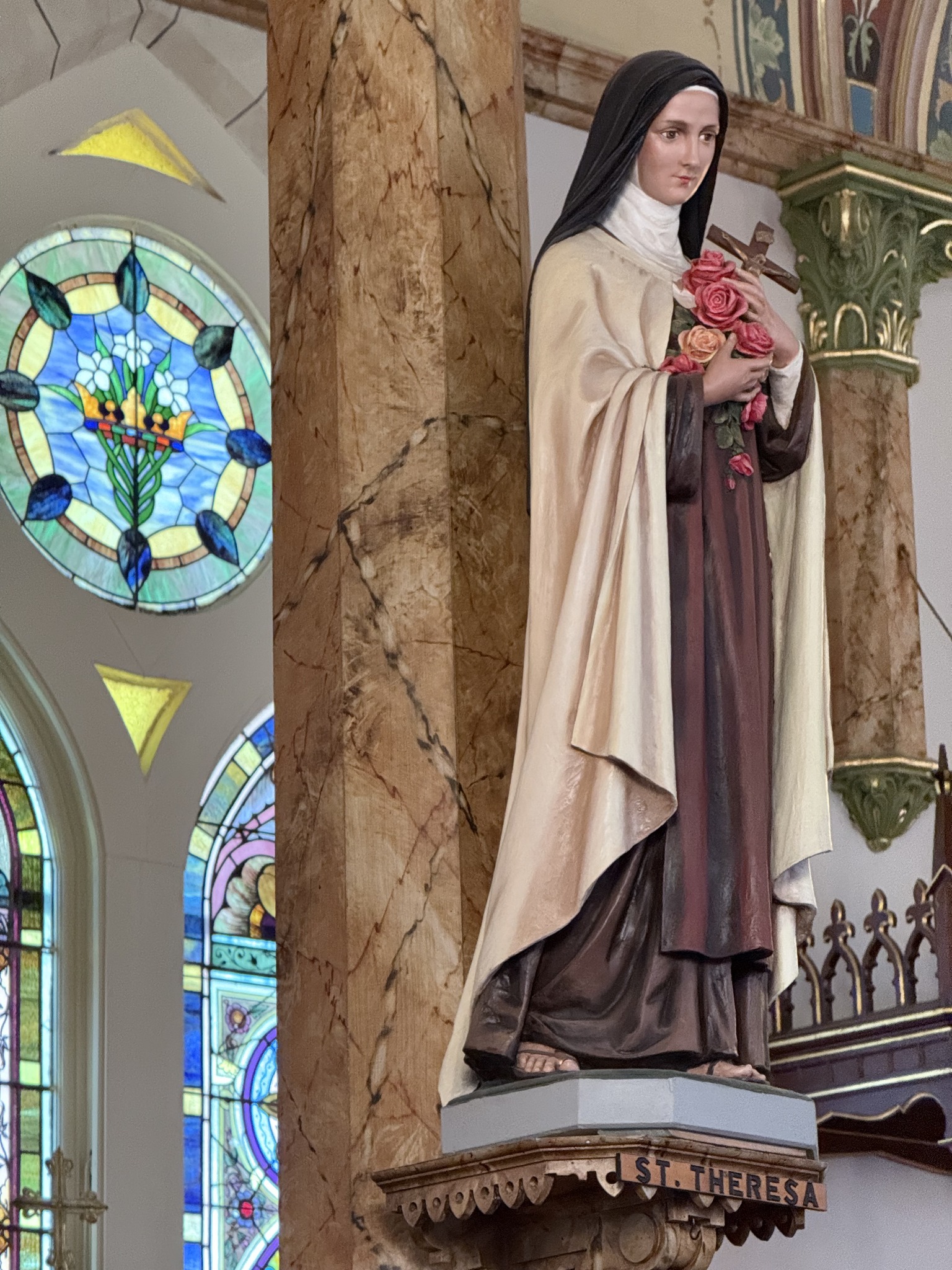
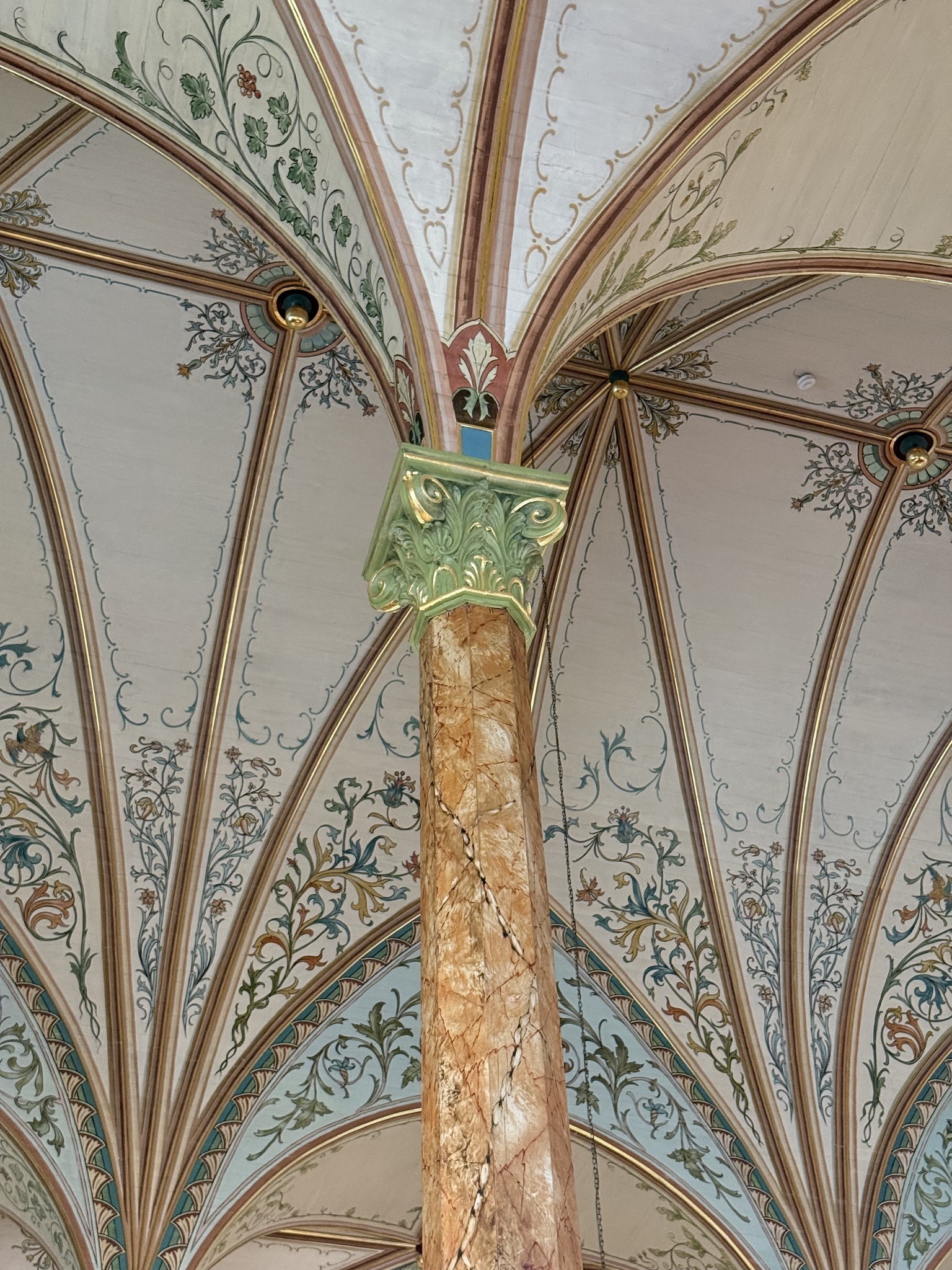
They couldn’t afford marble columns or imported stone. So they painted them.
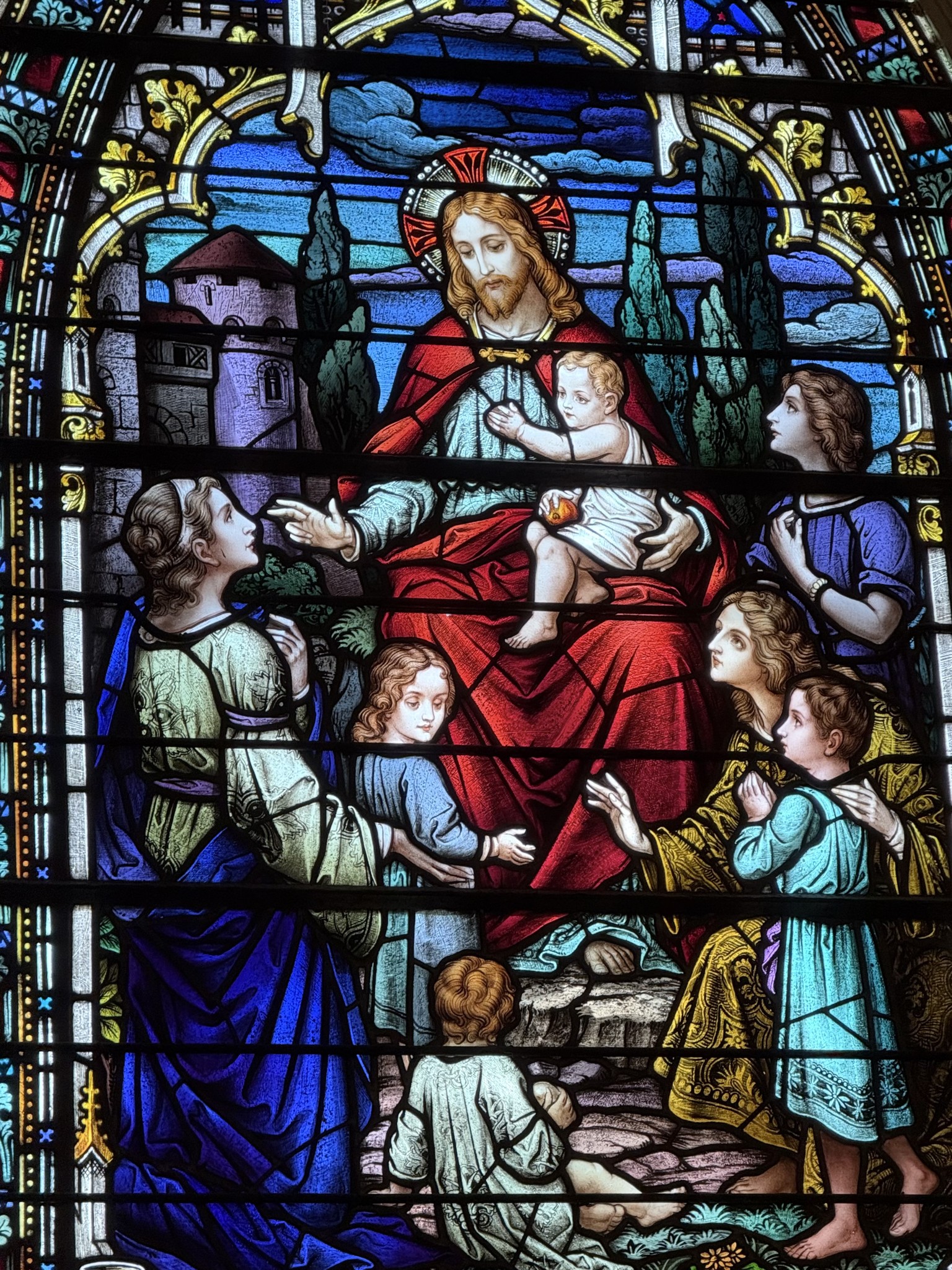
They couldn’t ship stained glass from Italy. So they stenciled heaven onto their ceilings.
They couldn’t build grandeur, but they could imagine it—and they did, every Sunday, one brushstroke at a time.
I’ve photographed these churches a dozen times before. Maybe more.
And still—they keep pulling me back.
Each one has its own story, its own silence, its own way the morning light hits the altar.
And each time, I try to walk in like it’s the first time.
I leave the tripod in the car.
I shoot handheld, usually wide open.
I listen to the sound of my feet on the wooden floorboards.
I wait until the last visitor leaves, and it’s just me—and the ghosts of a hundred thousand prayers.
Over the next four posts, I’ll show you what these Painted Churches look like—inside and out.
And then I’ll show you something else: what it feels like to walk through sacred space as an atheist.
Because yeah, that’s me.
I don’t believe in God anymore.
I don’t think heaven is real.
I don’t think someone hears you when you whisper into the air.
But I do believe in beauty.
I do believe in stillness.
And I do believe that certain places hold something ancient in their bones—even if it’s not divine.
Every time I step back into a church, because of my journey, I feel a bit… unsettled.
Not uncomfortable. Not unwelcome. Just… aware.
Aware of my distance from the thing this space is built around.
Aware of how long it took me to let go of the story I was given as an adolescent.
Aware of how many of my friends—especially the Christian ones—quietly believe that God is “calling me back.”
He’s not:)
I get that a lot.
They see me step through a sanctuary with a camera and a tear in my eye and they think:
“Ah, the Spirit is working on him.”
Nope.
The only thing calling me is “f/8 and be there.”
The only altar I kneel at is the altar of available light.
And the only trinity I’m faithful to is light, composition, and timing.
But let me be clear about something.
Just because I’m a card-carrying atheist doesn’t mean I’ve lost reverence.
I know what it is to be moved.
I know what it is to feel awe.
I know what it is to sit in a pew, camera in hand, and feel something stir in me that has nothing to do with salvation and everything to do with stillness.
I don’t need to believe in the divine to believe in the power of the sacred.
Because sacredness, to me, doesn’t come from above.
It comes from the ground we walk on.
From the people who built these spaces with calloused hands and trembling hope.
From the worn wood where knees have pressed for a century.
From the chipped paint in the archway.
From the silence that falls like velvet when the door closes behind you.
You can call it holy if you want. I won’t argue.
I’ll just call it real.
And if you open your eyes, your real eyes—not the ones conditioned by doctrine, but the ones behind the lens—you’ll see it too.
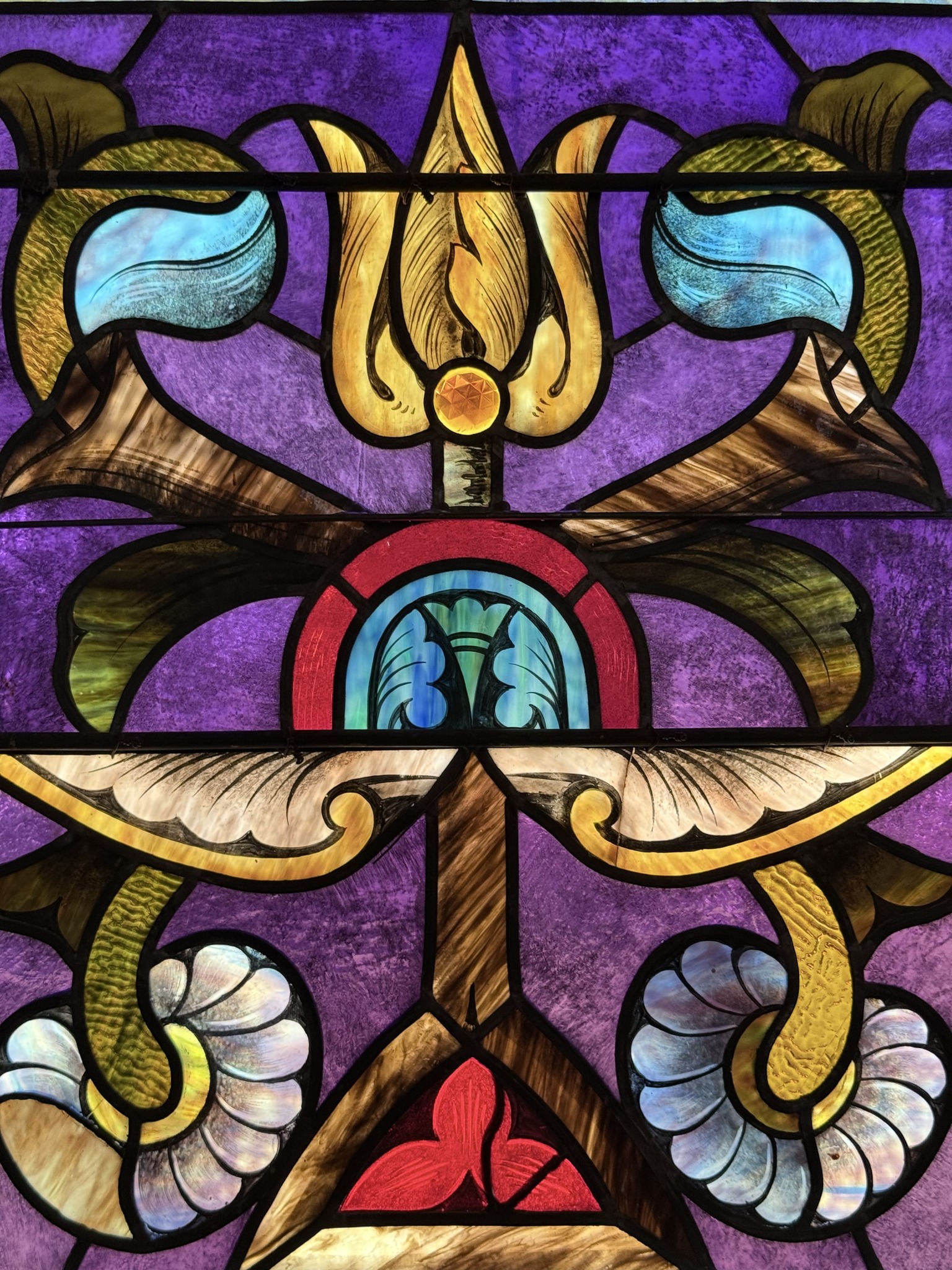
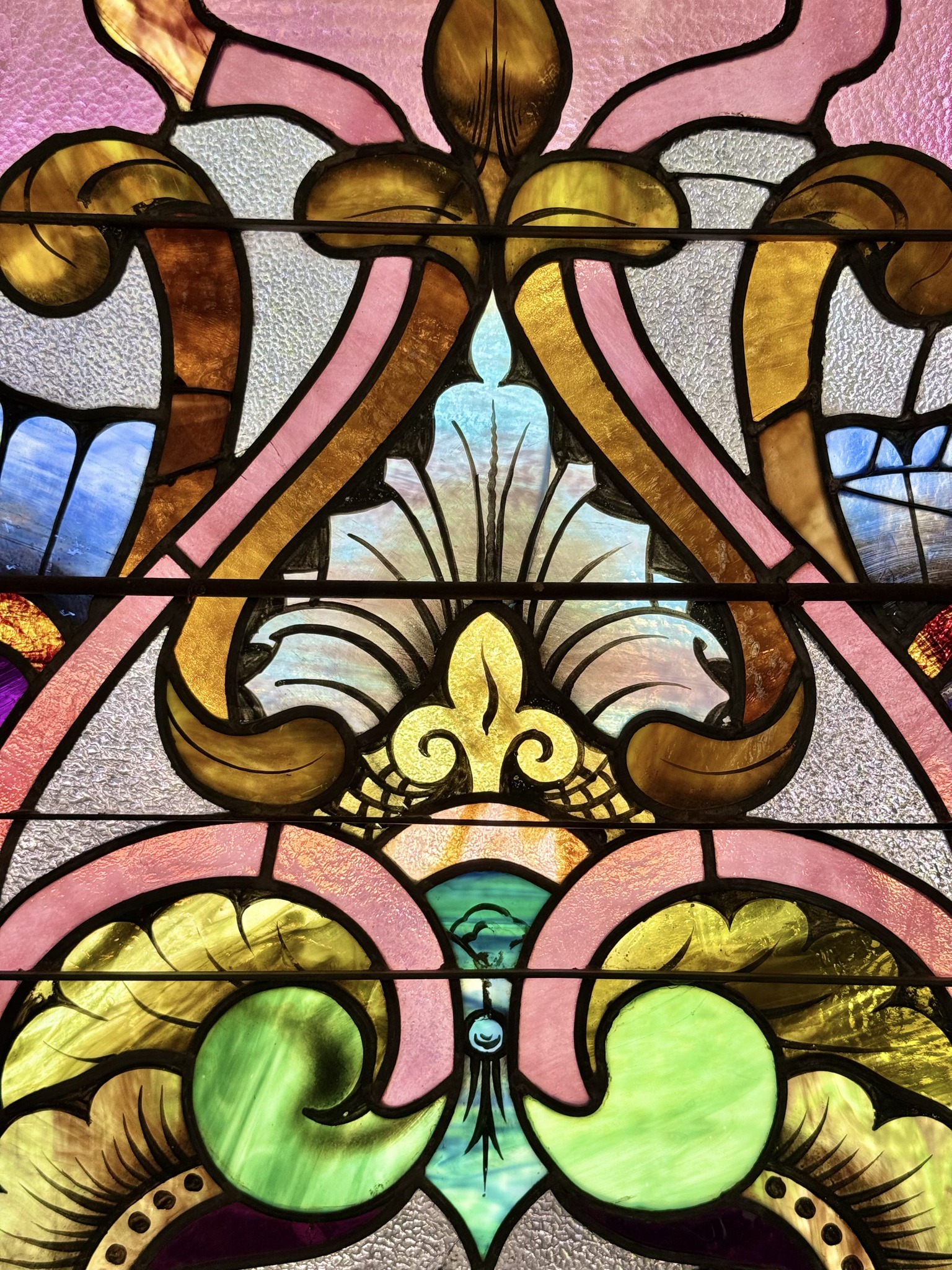
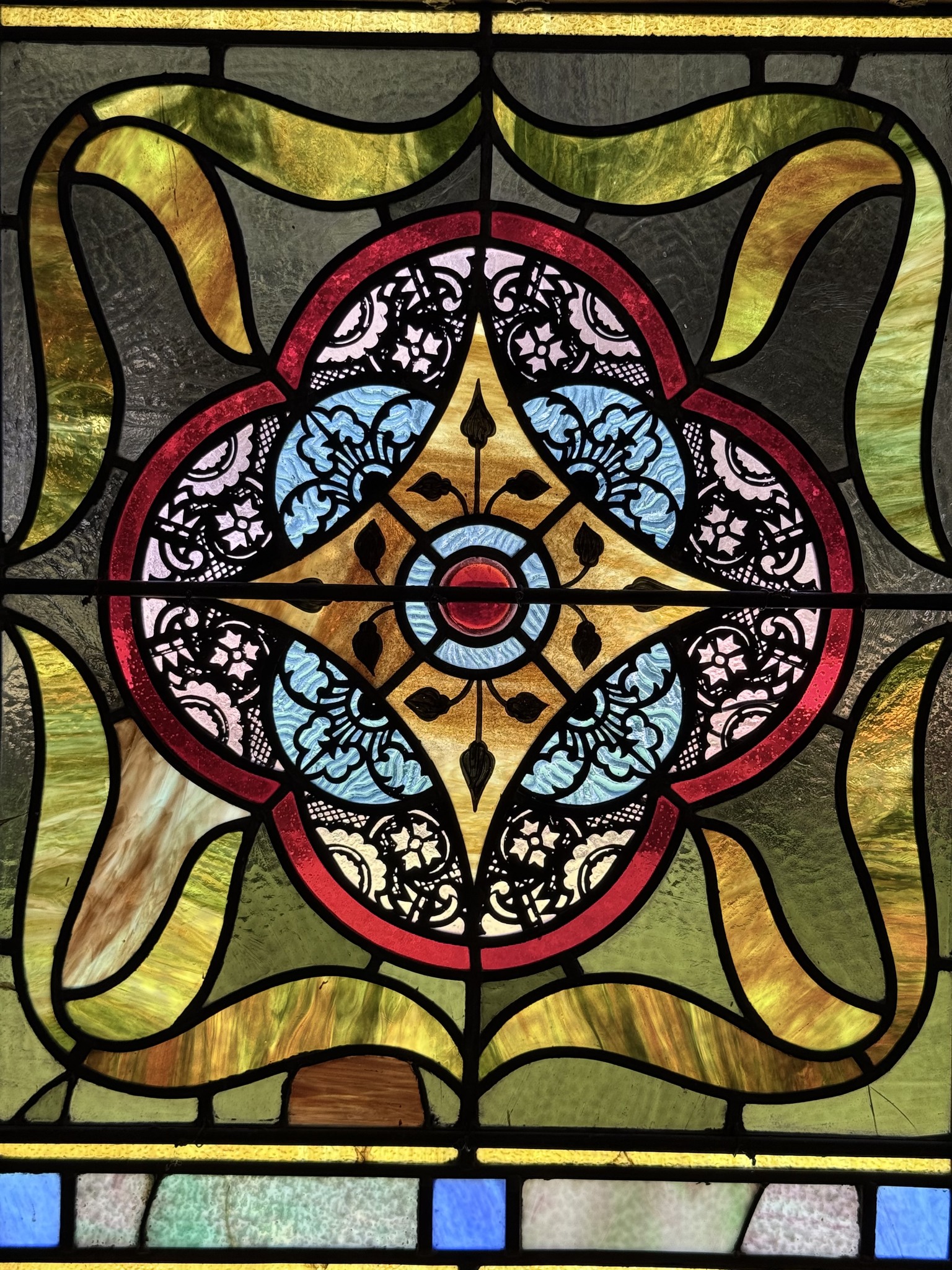
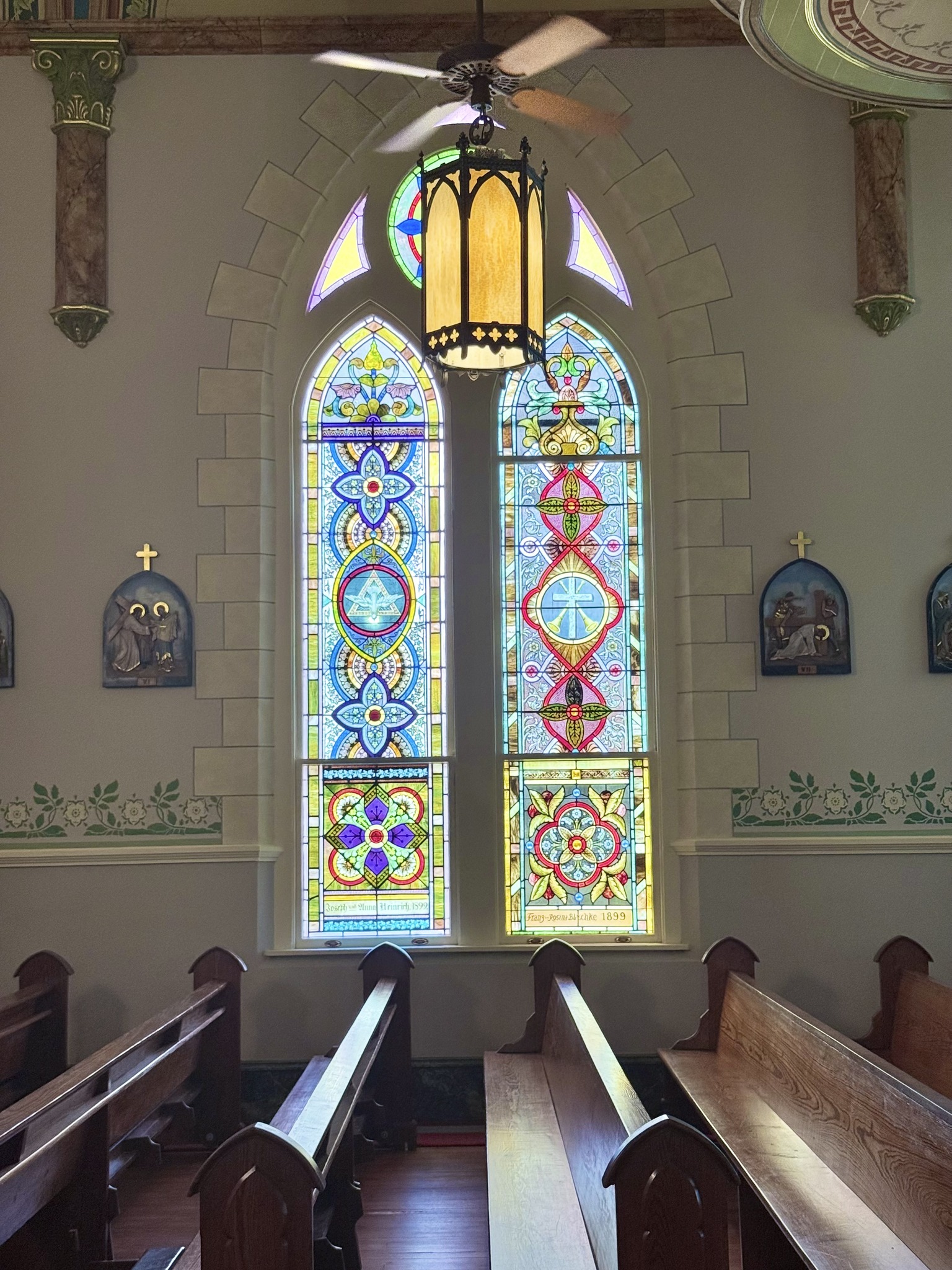
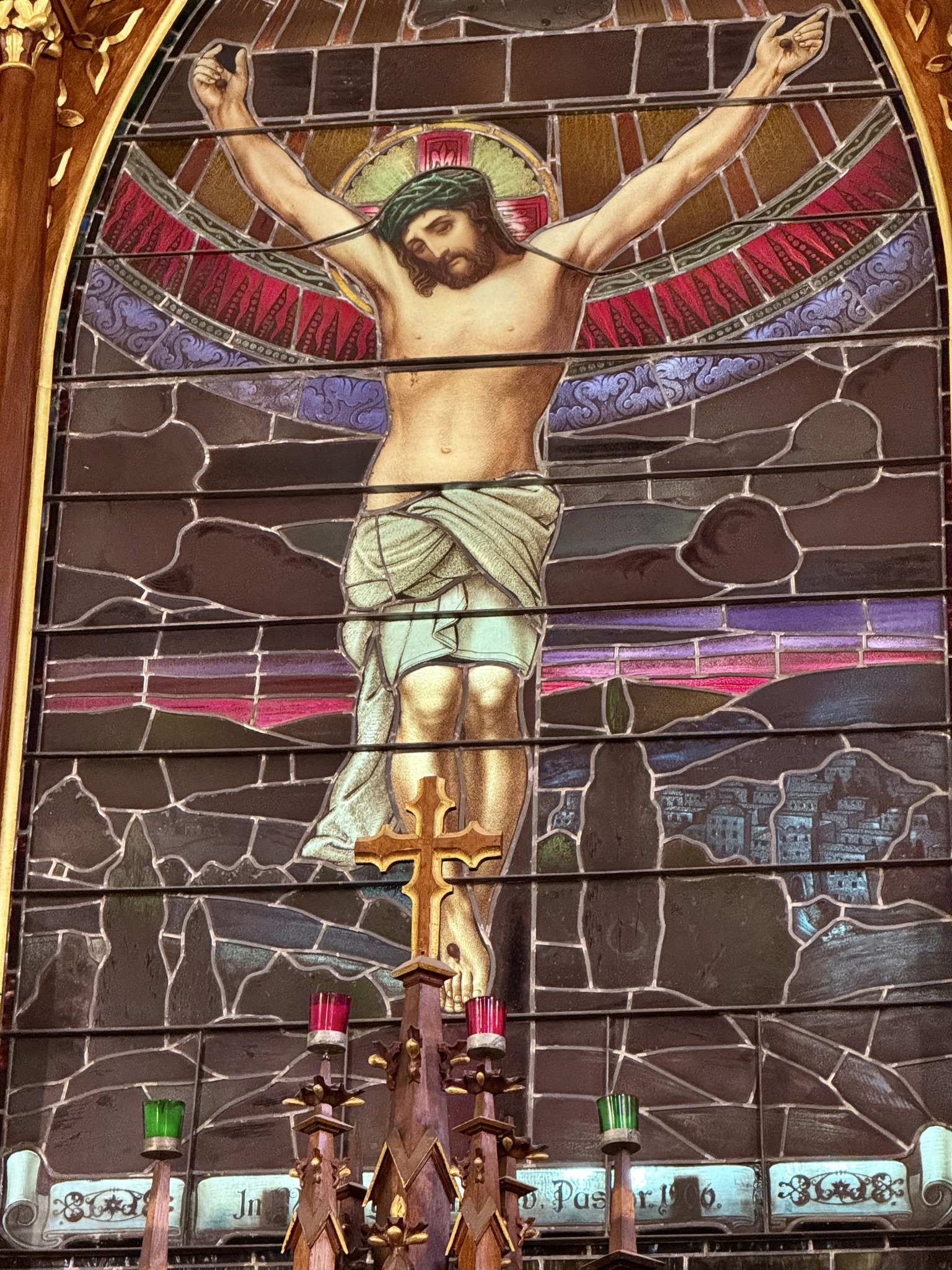
Light filtering through old glass.
Dust motes suspended like secrets.
Peeling murals that still pulse with color.
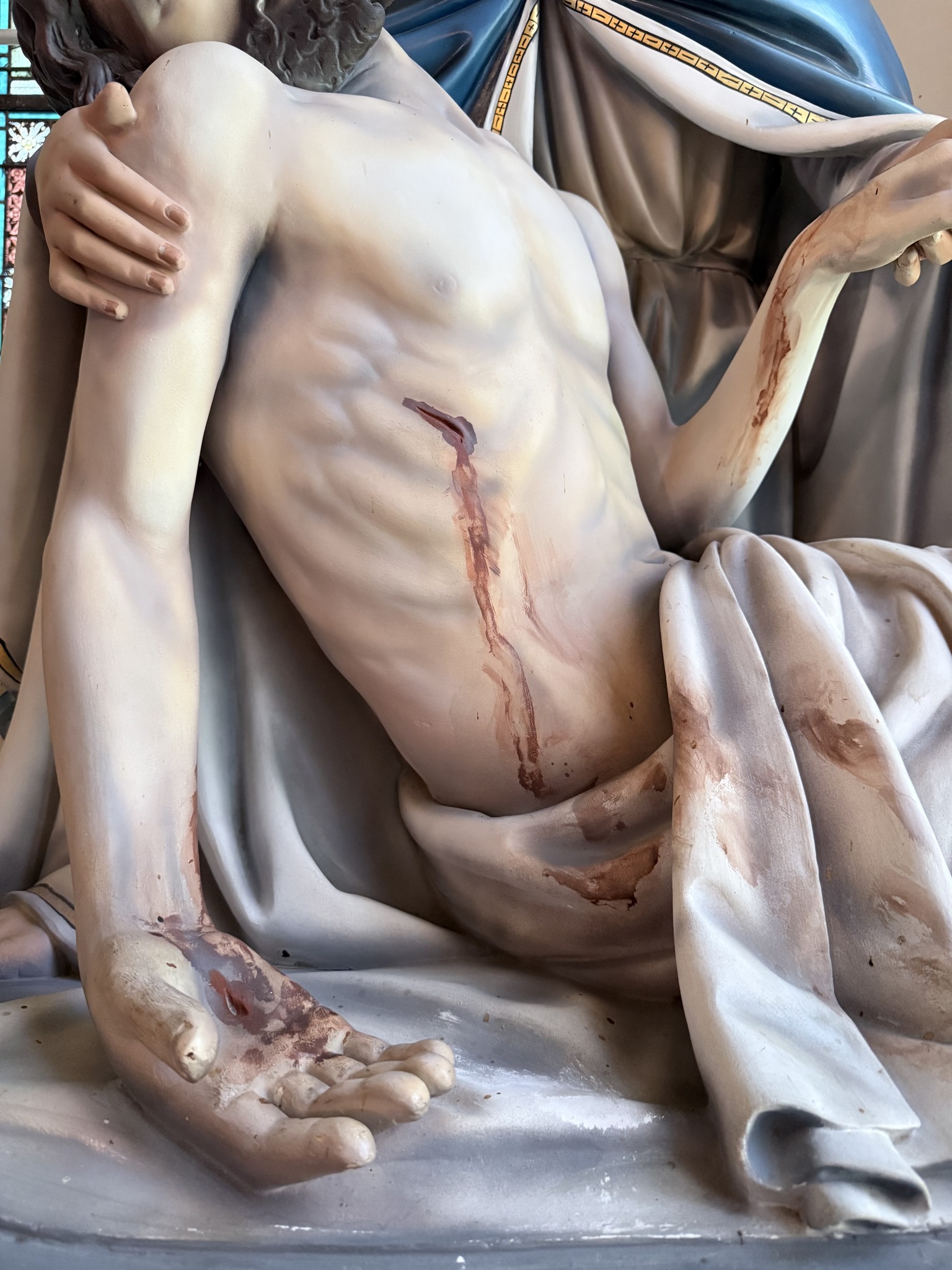
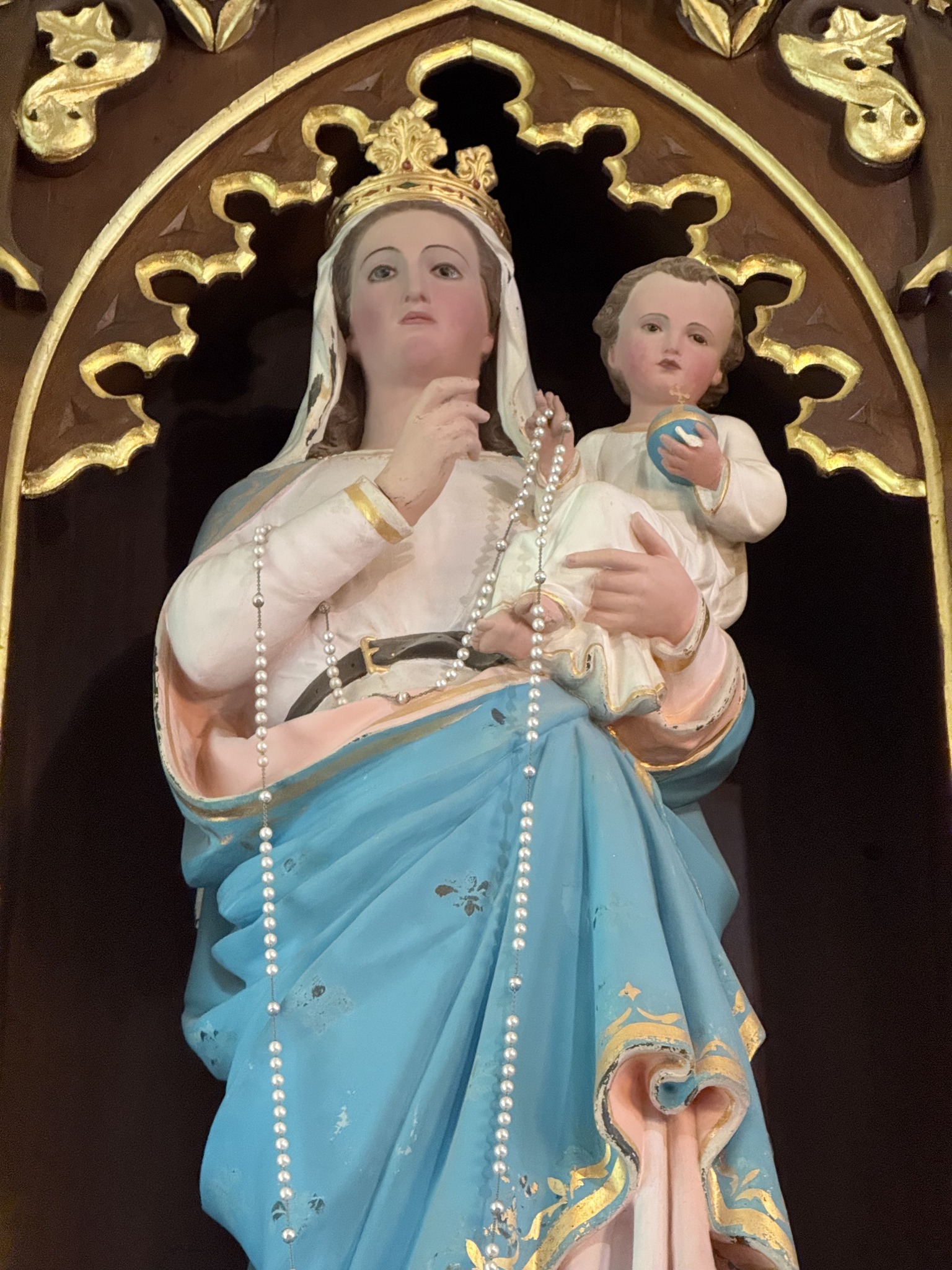
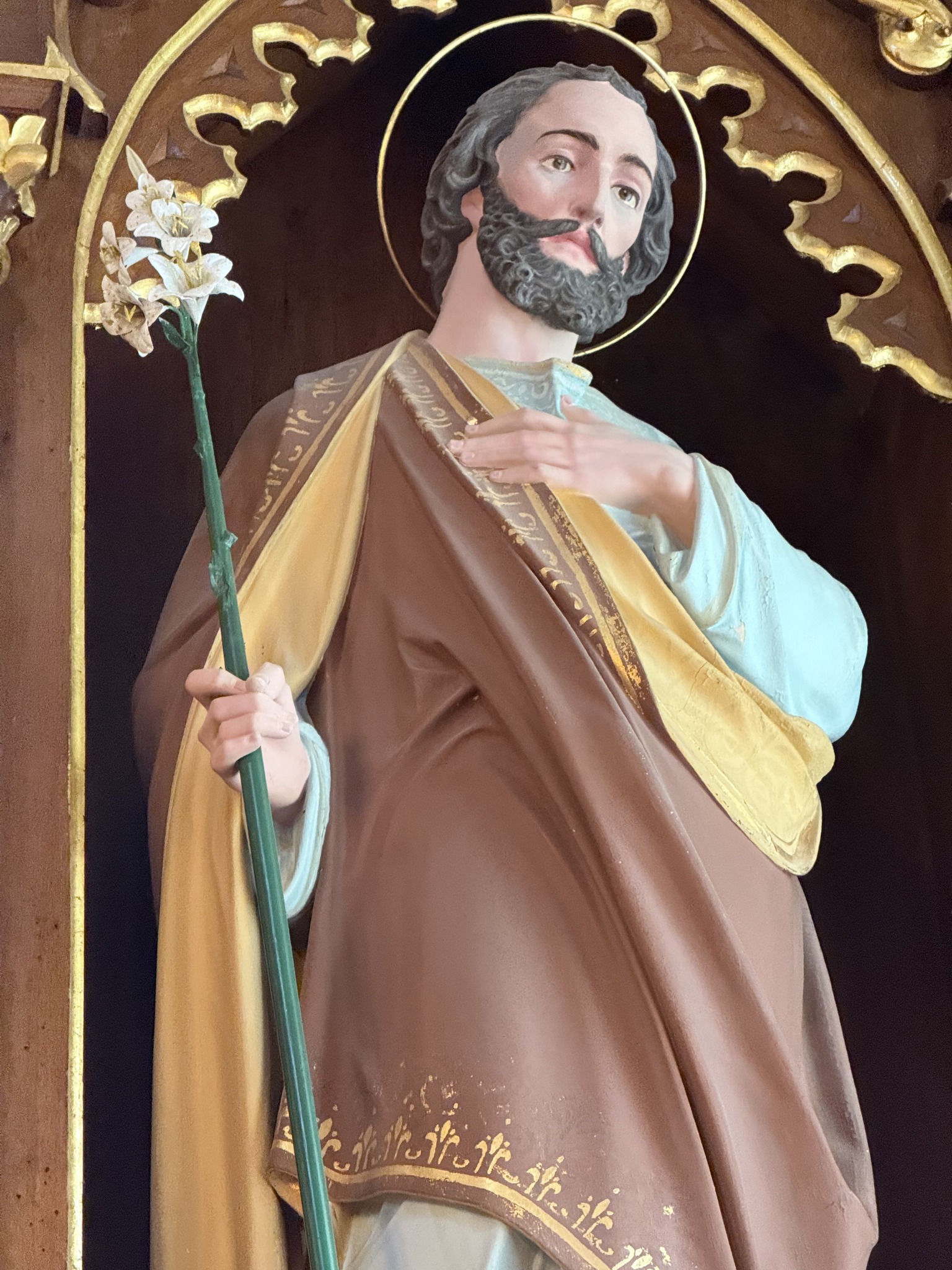
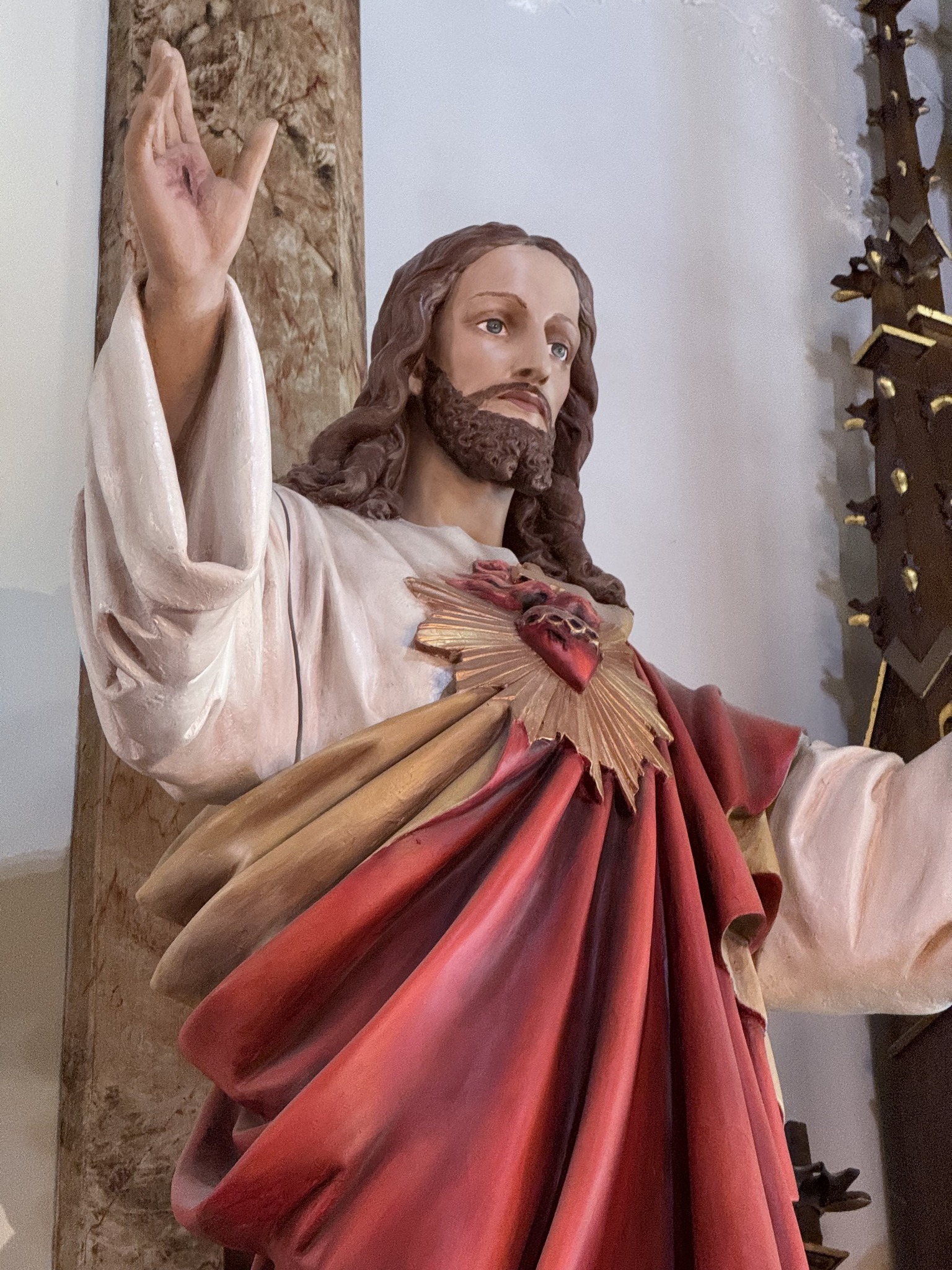
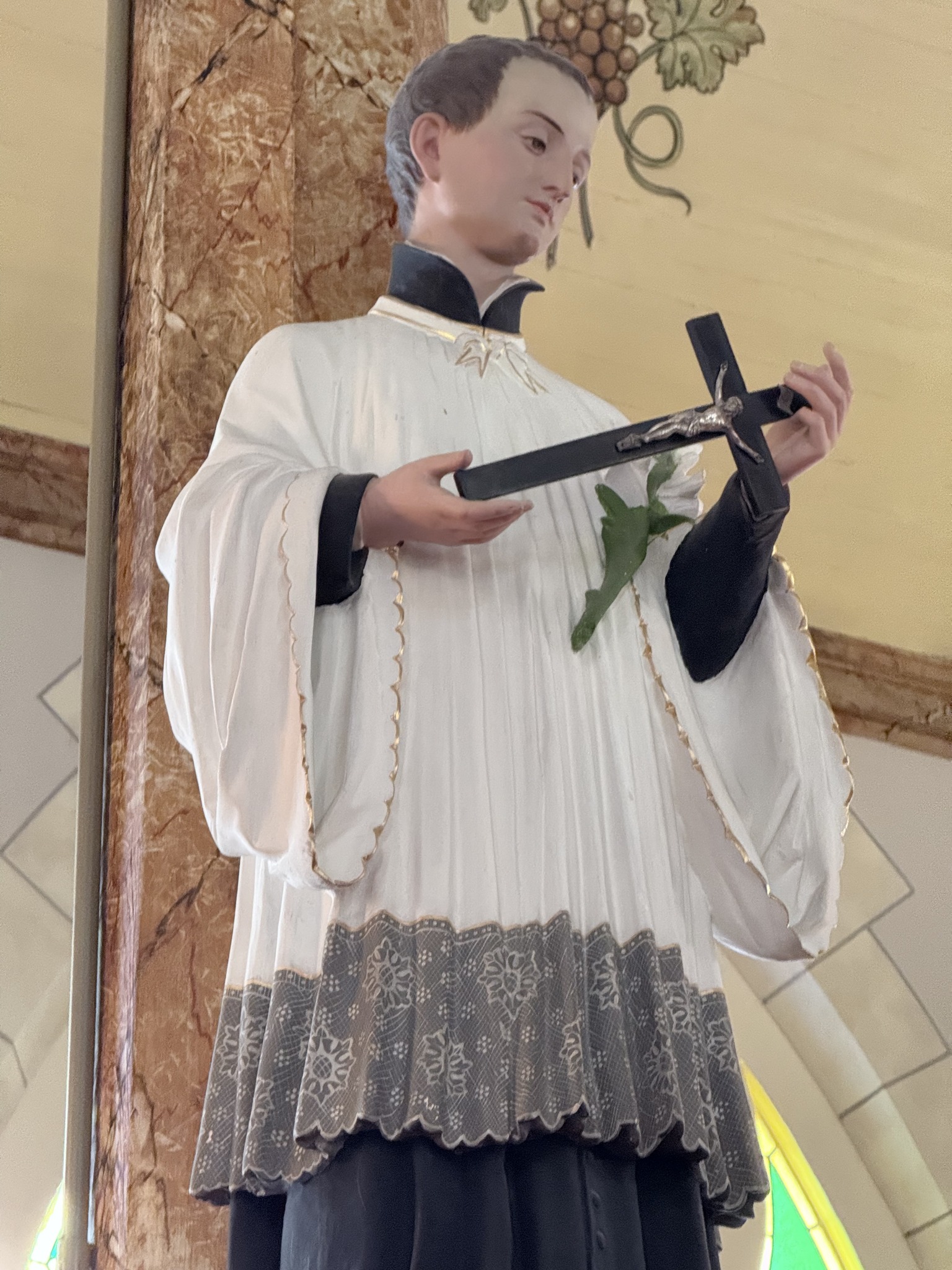
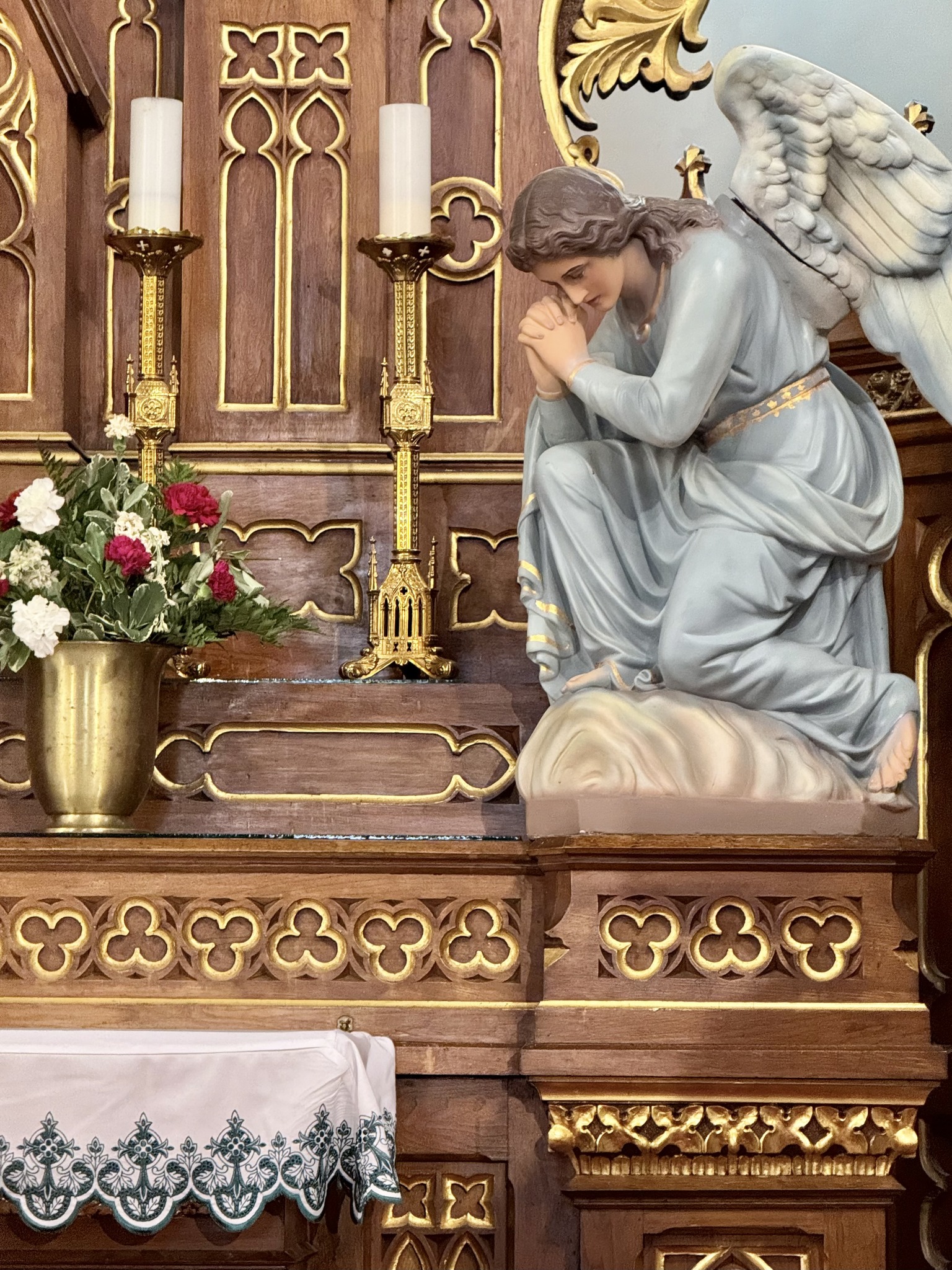
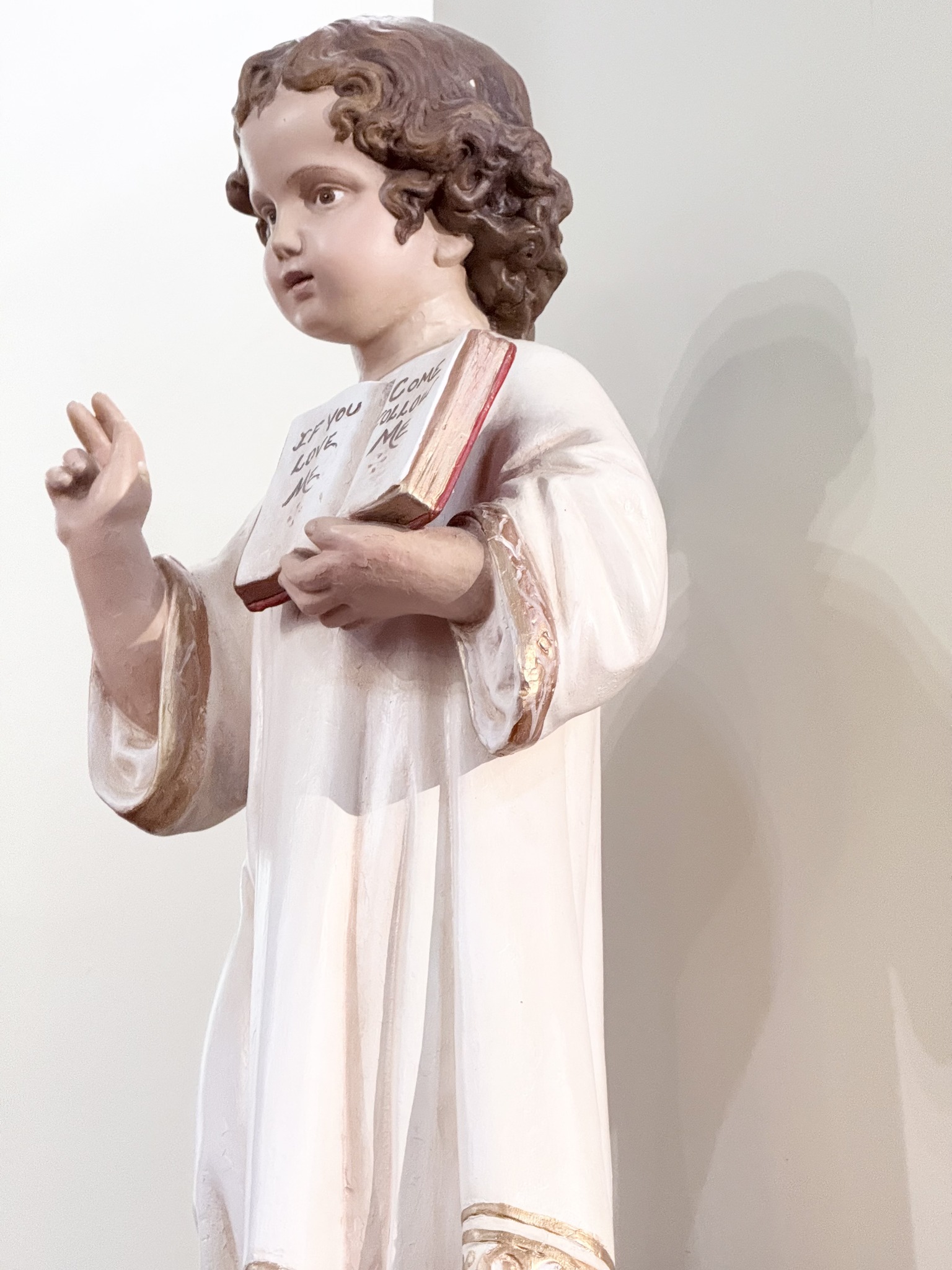
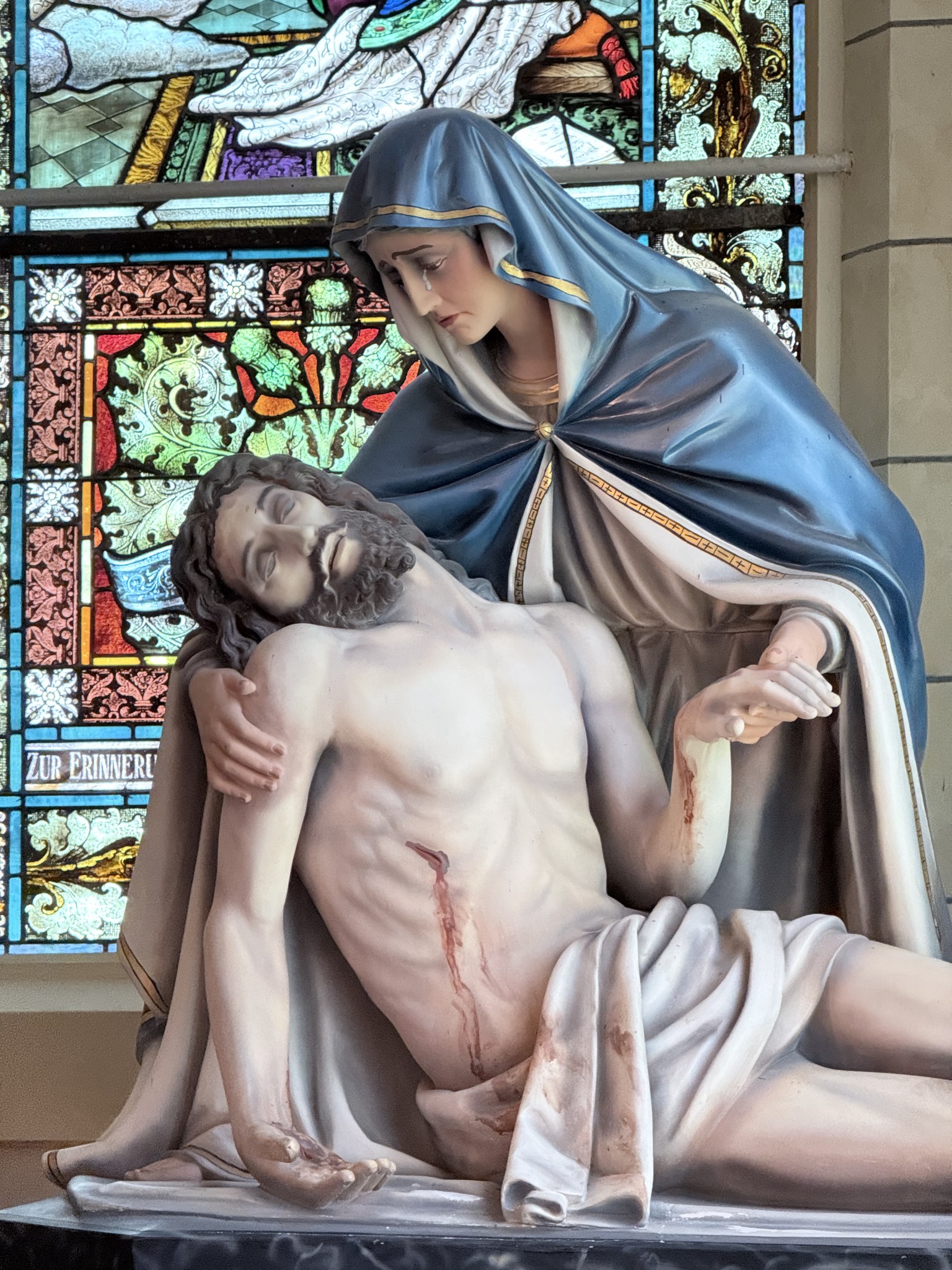
A statue of Mary, worn down by a thousand touches, as if the faithful were trying to polish her into motion.
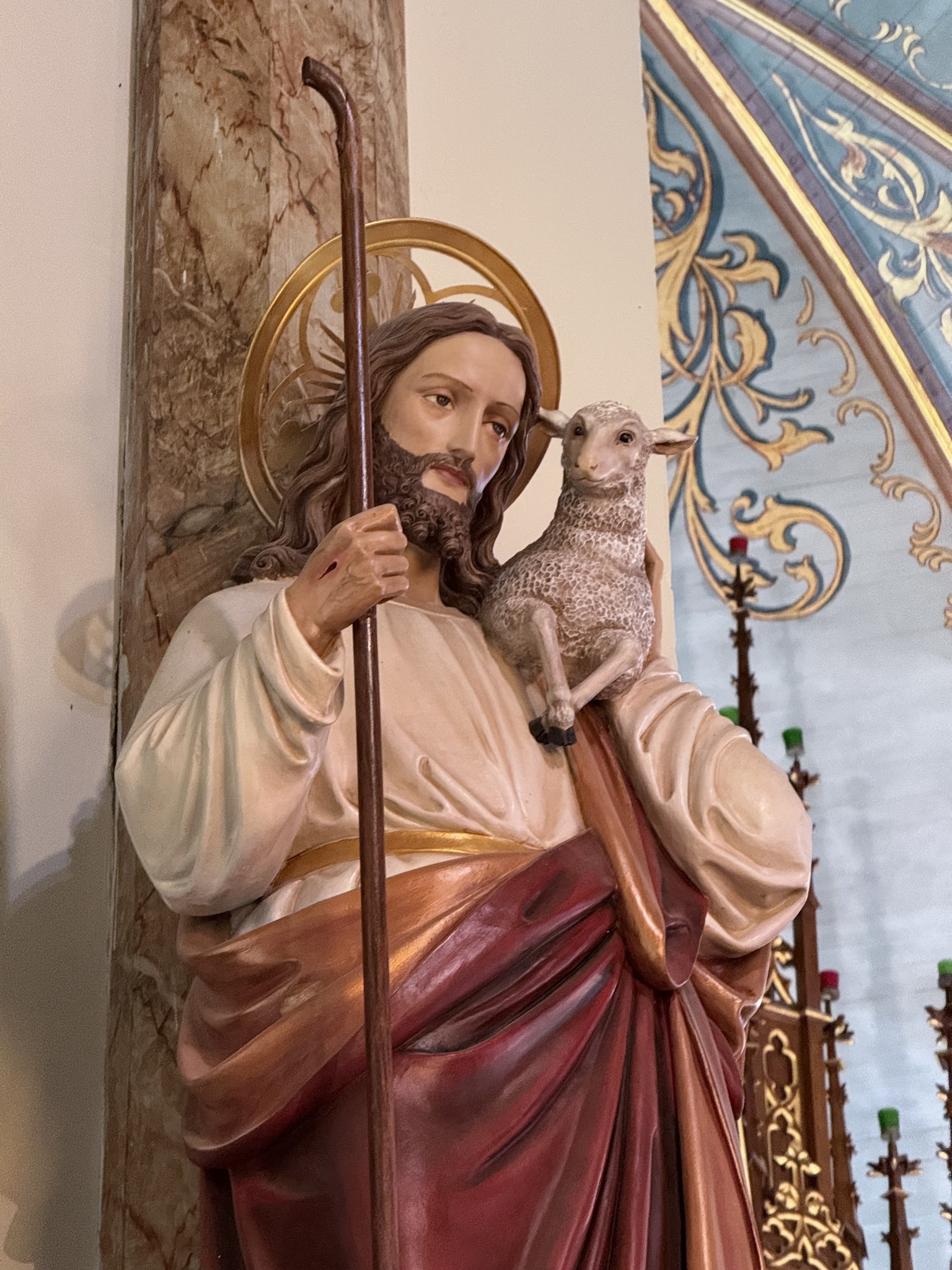
You don’t need to believe in Jesus to be humbled by that.
So no—I didn’t go to church today to confess.
I didn’t go to hear a sermon.
I didn’t go to be called home.
I went to bear witness.
To photograph.
To pay attention.
And maybe, in some small way, that’s its own kind of reverence.
Maybe God isn’t calling me.
But something is.
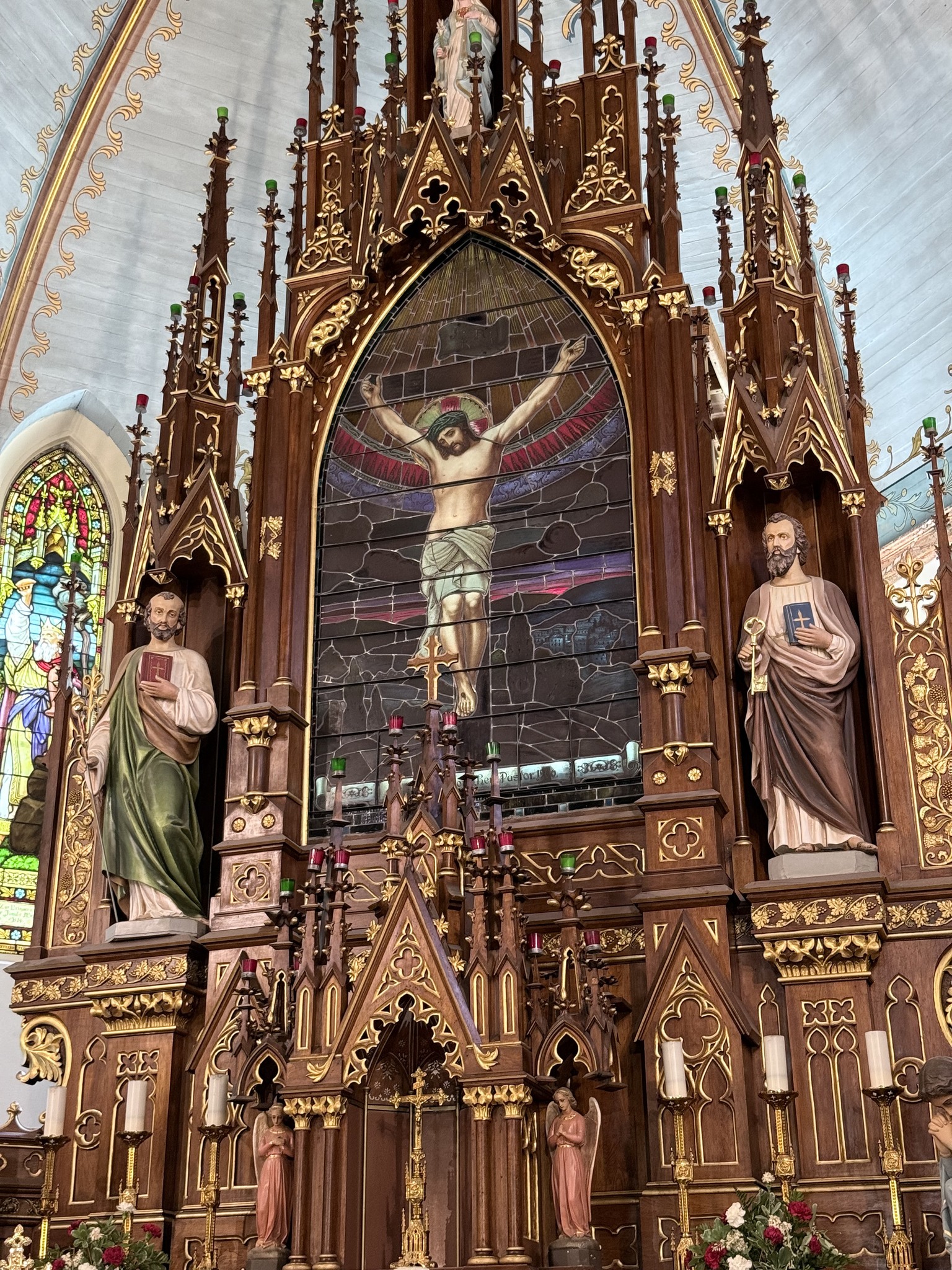
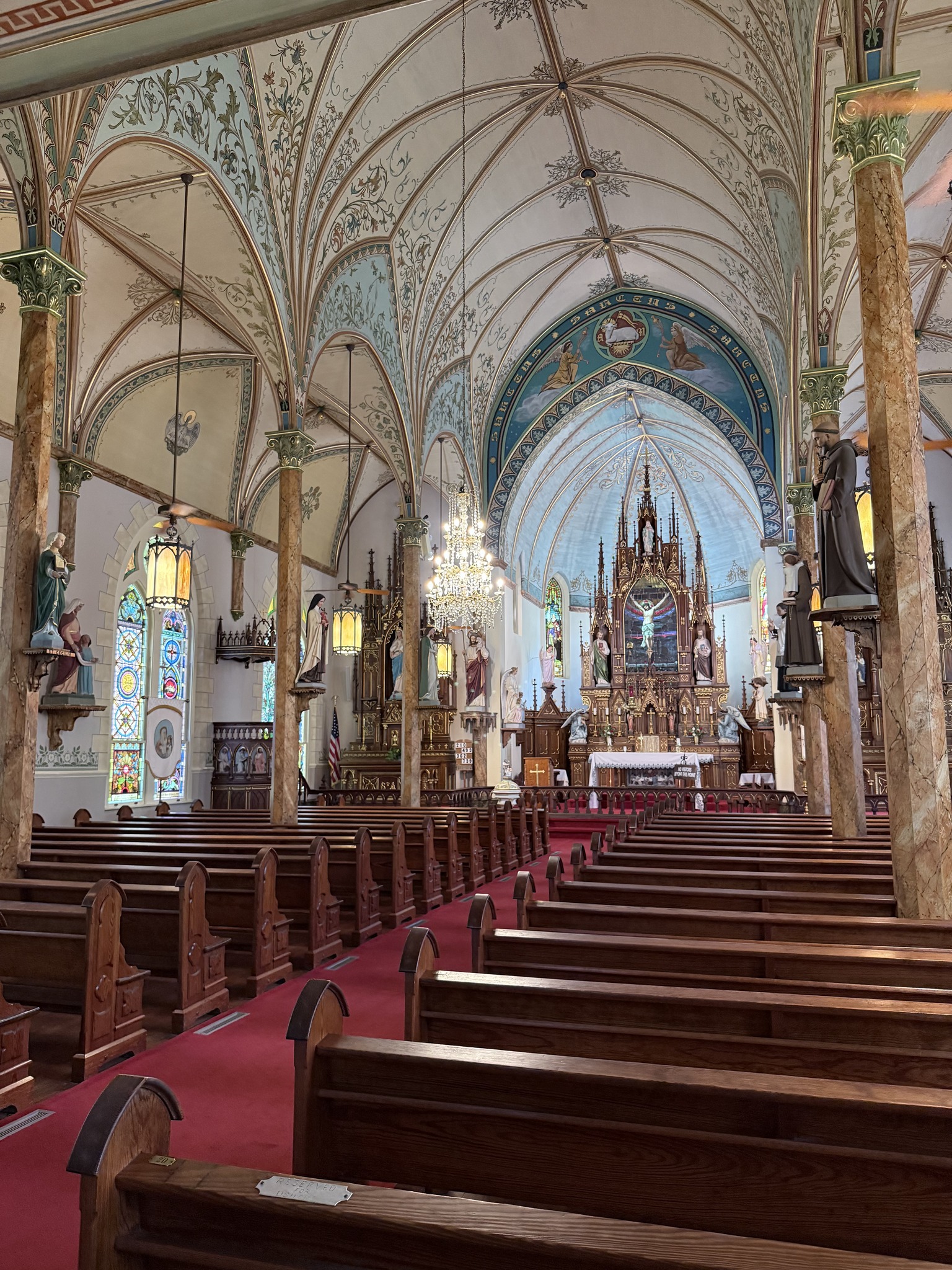
And if you look at the photos below, maybe you’ll hear it too.
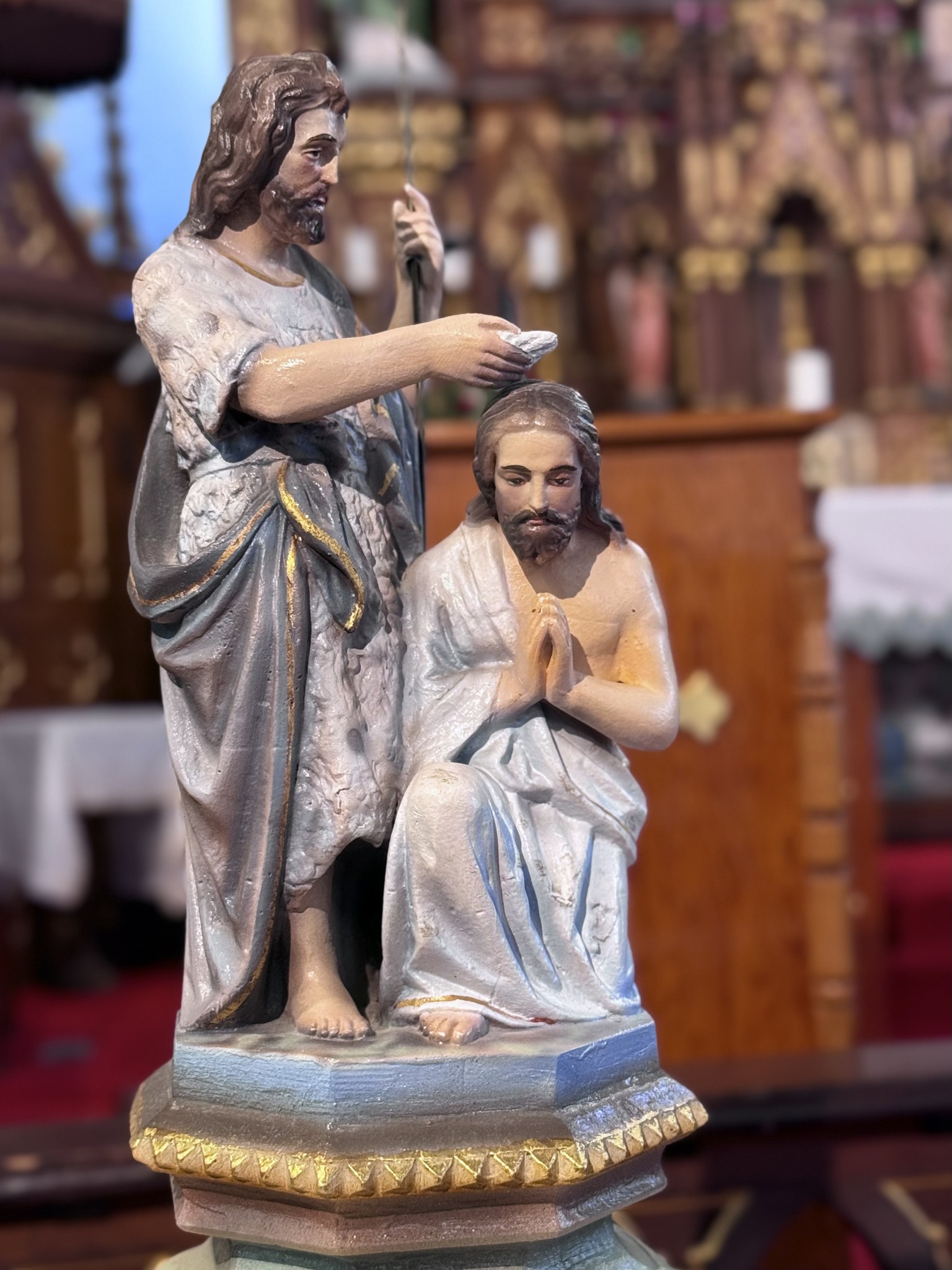
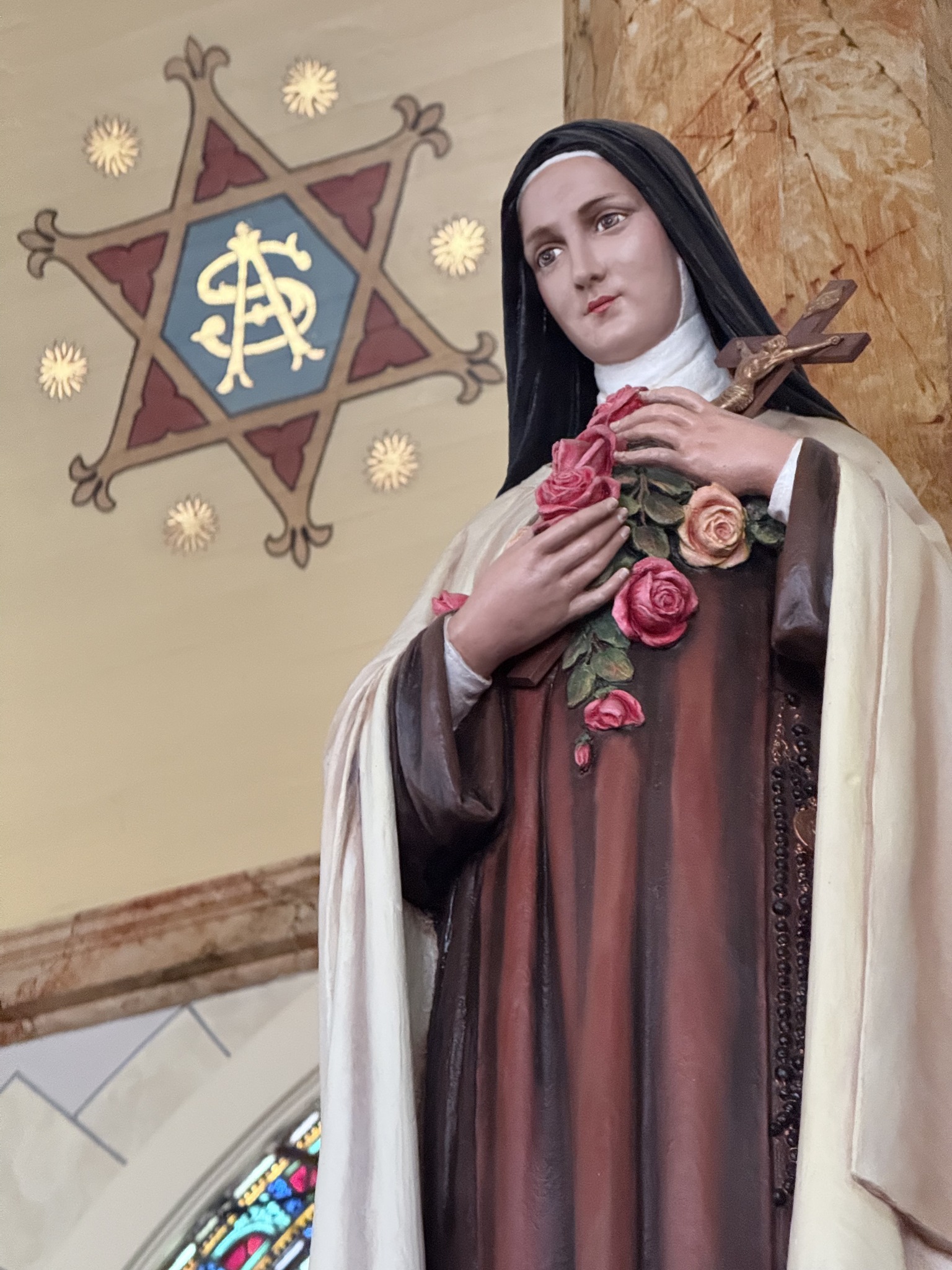
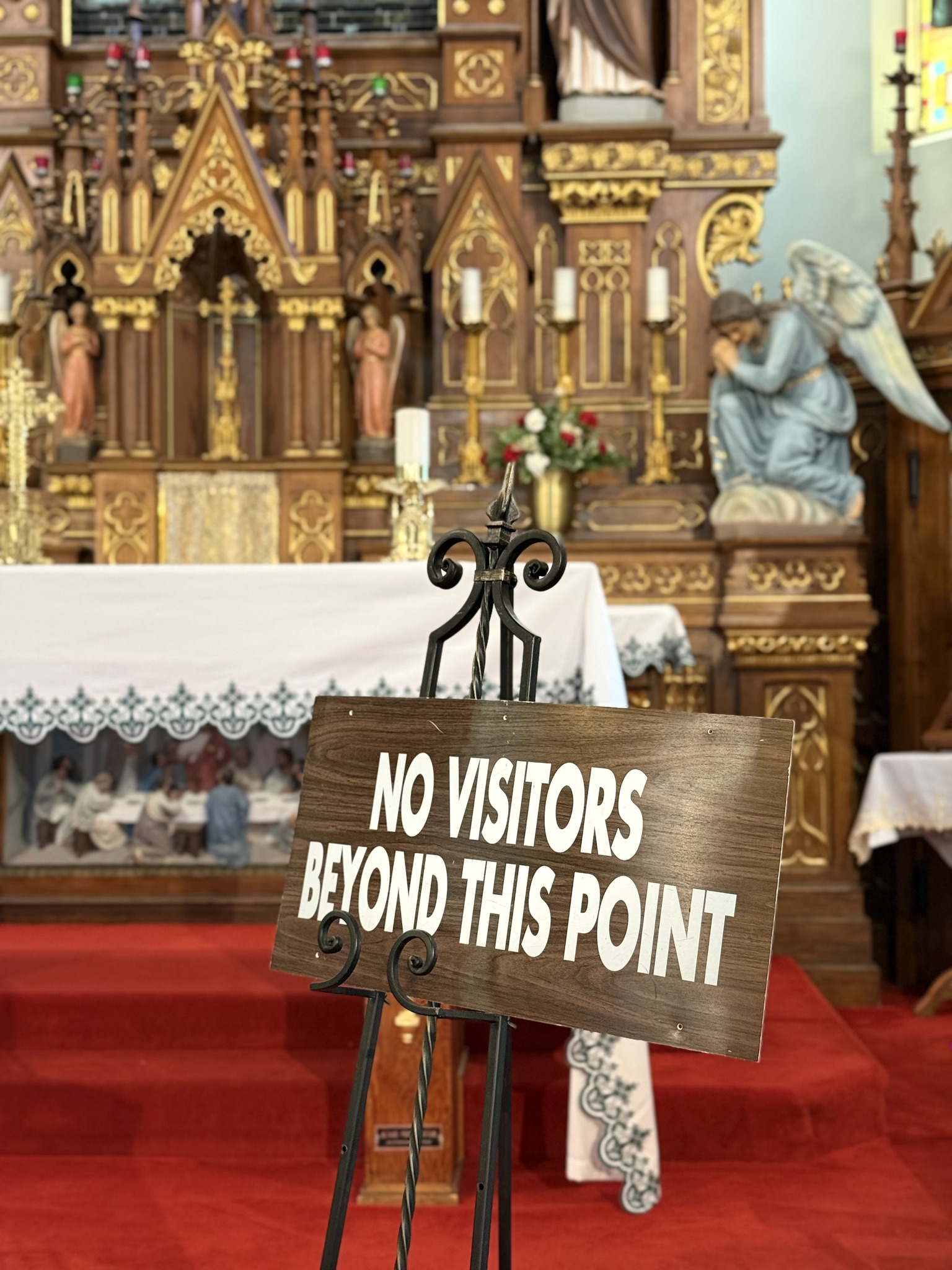
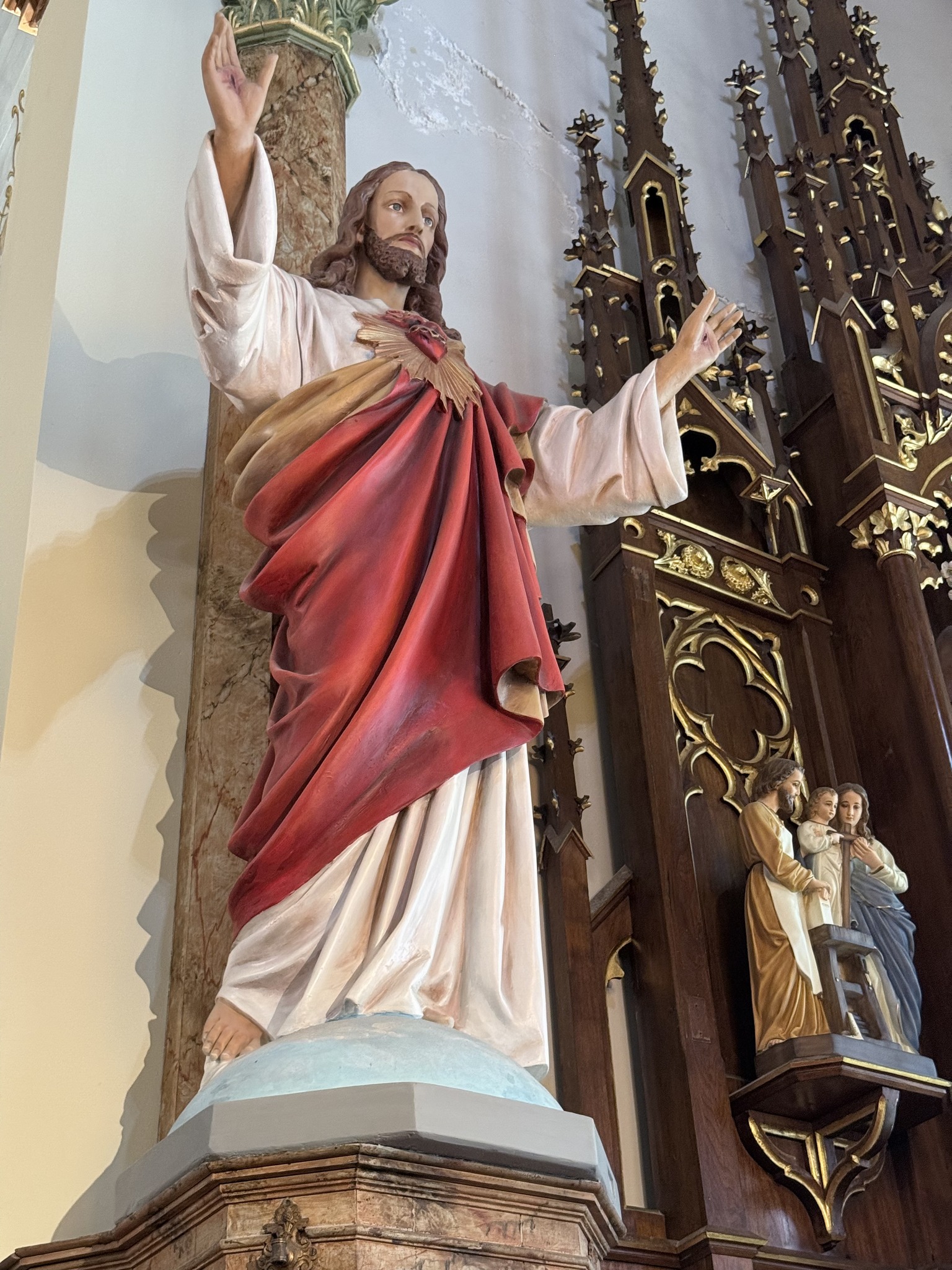
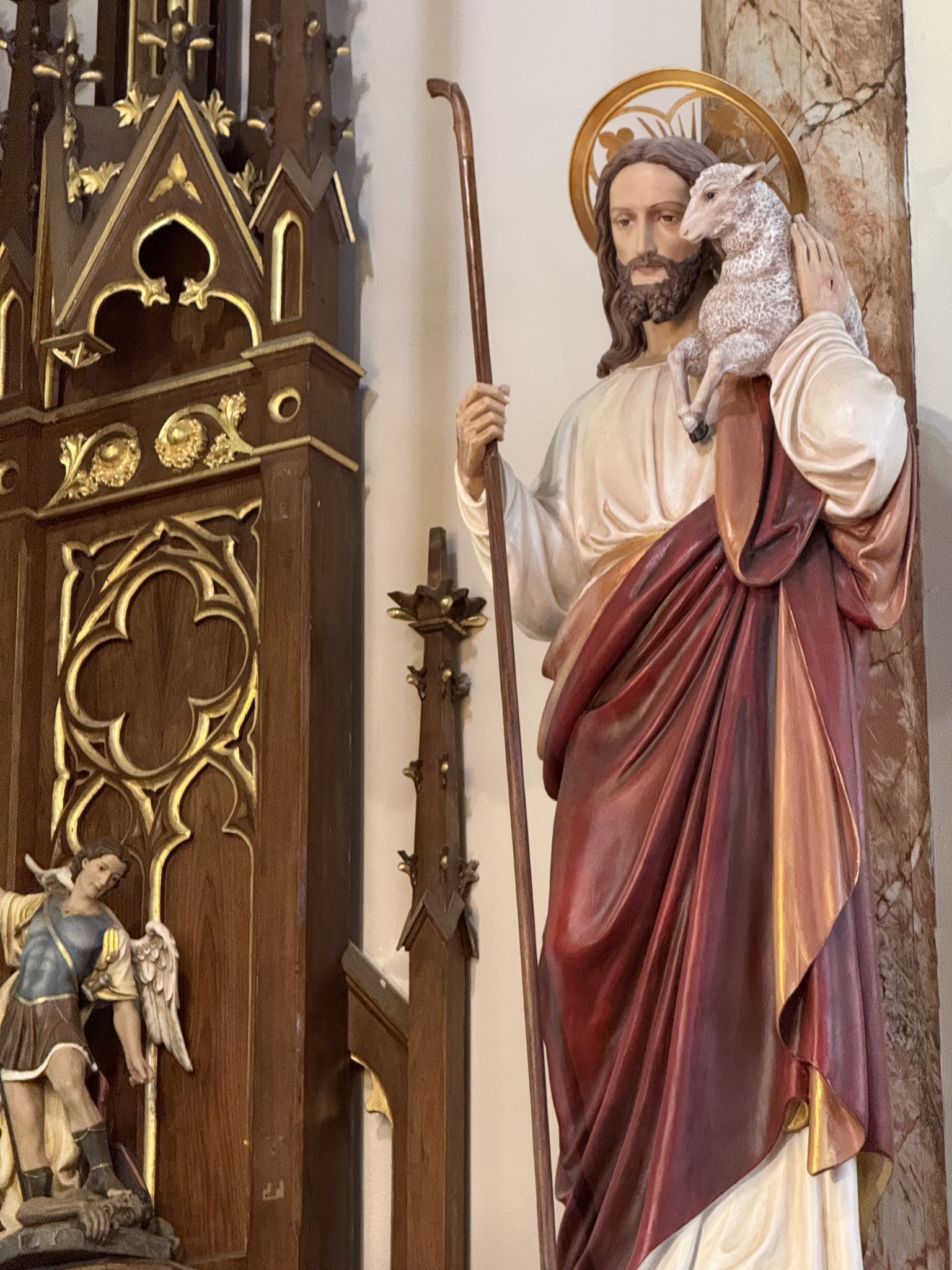
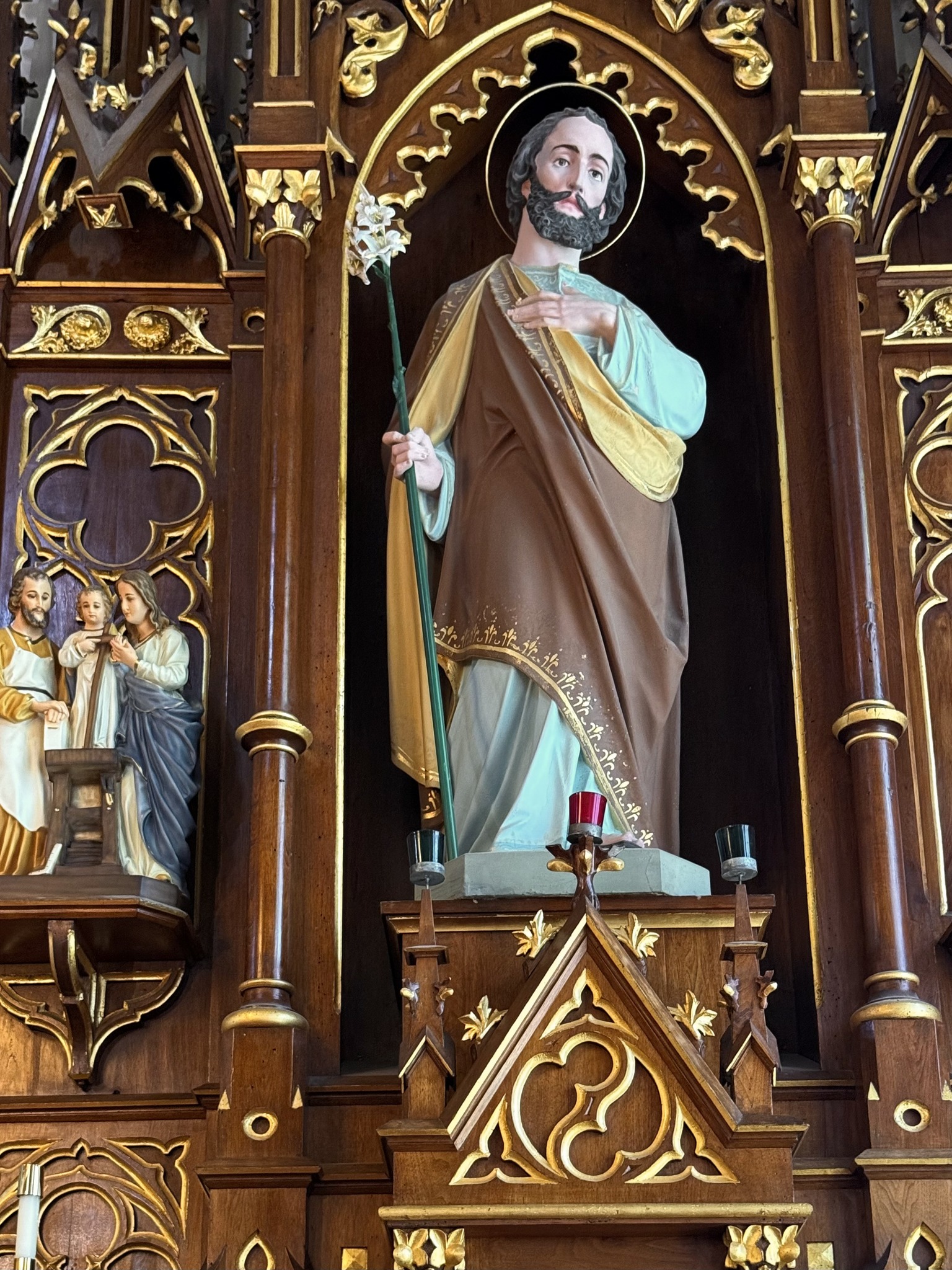
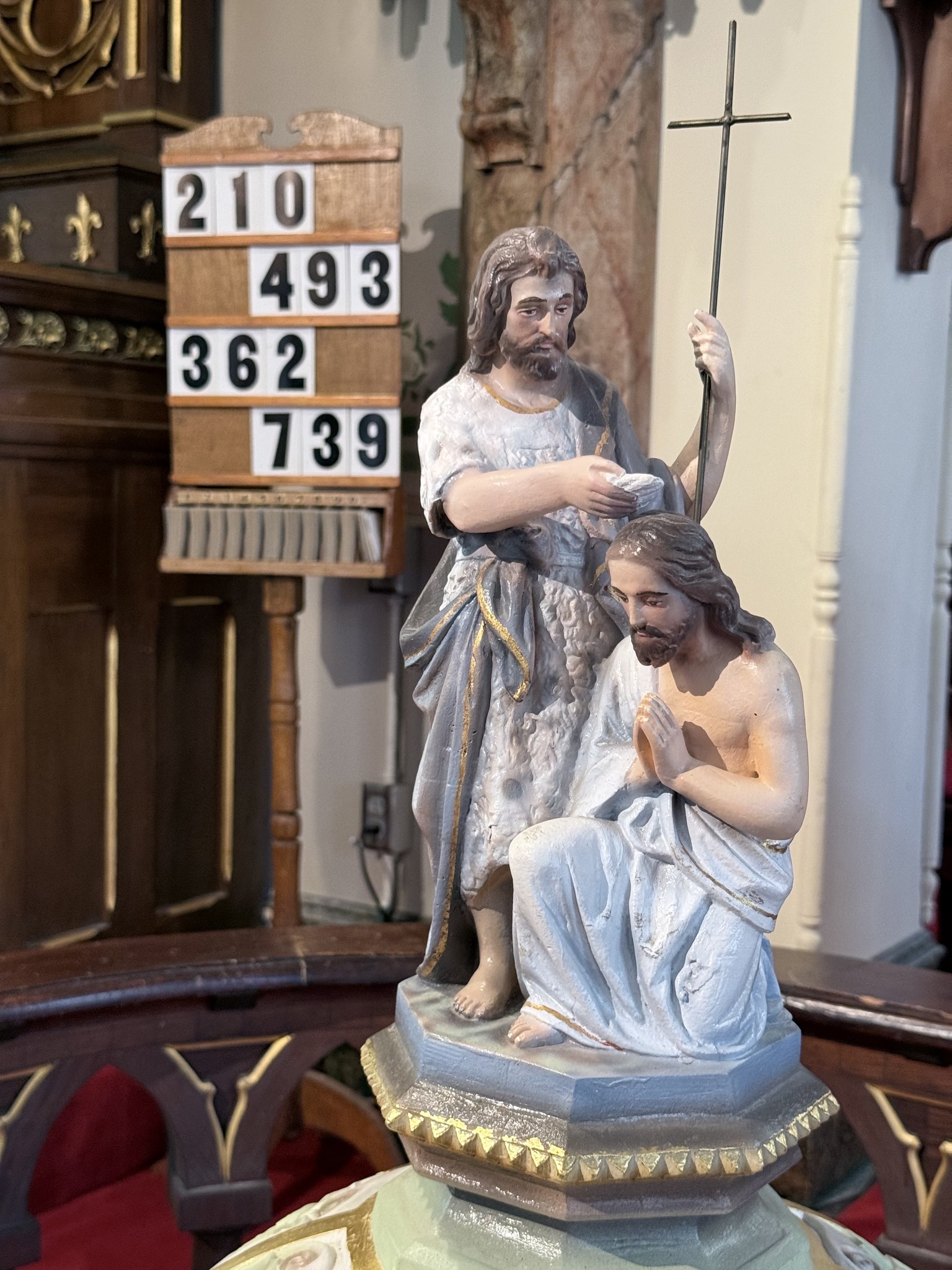
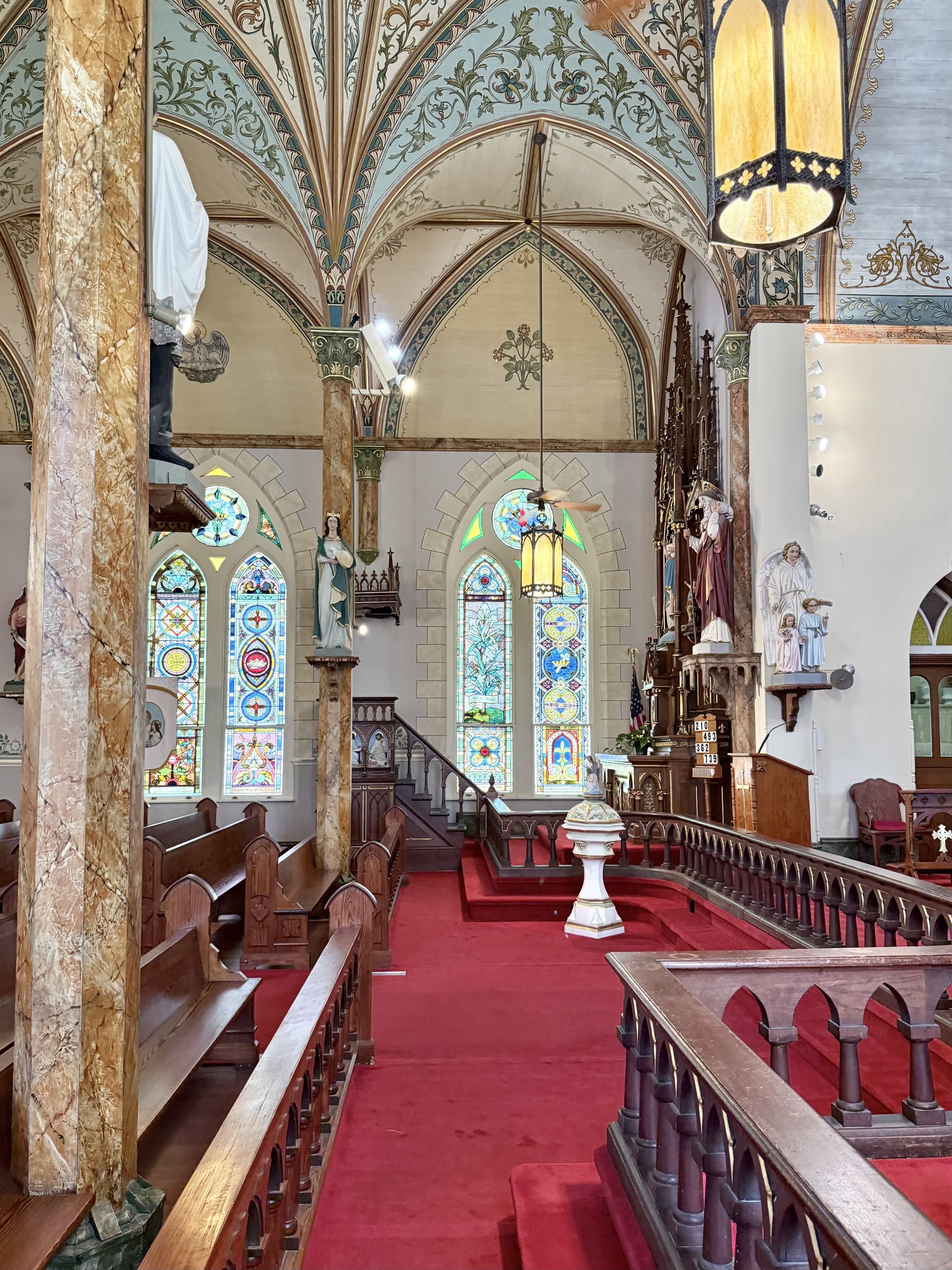
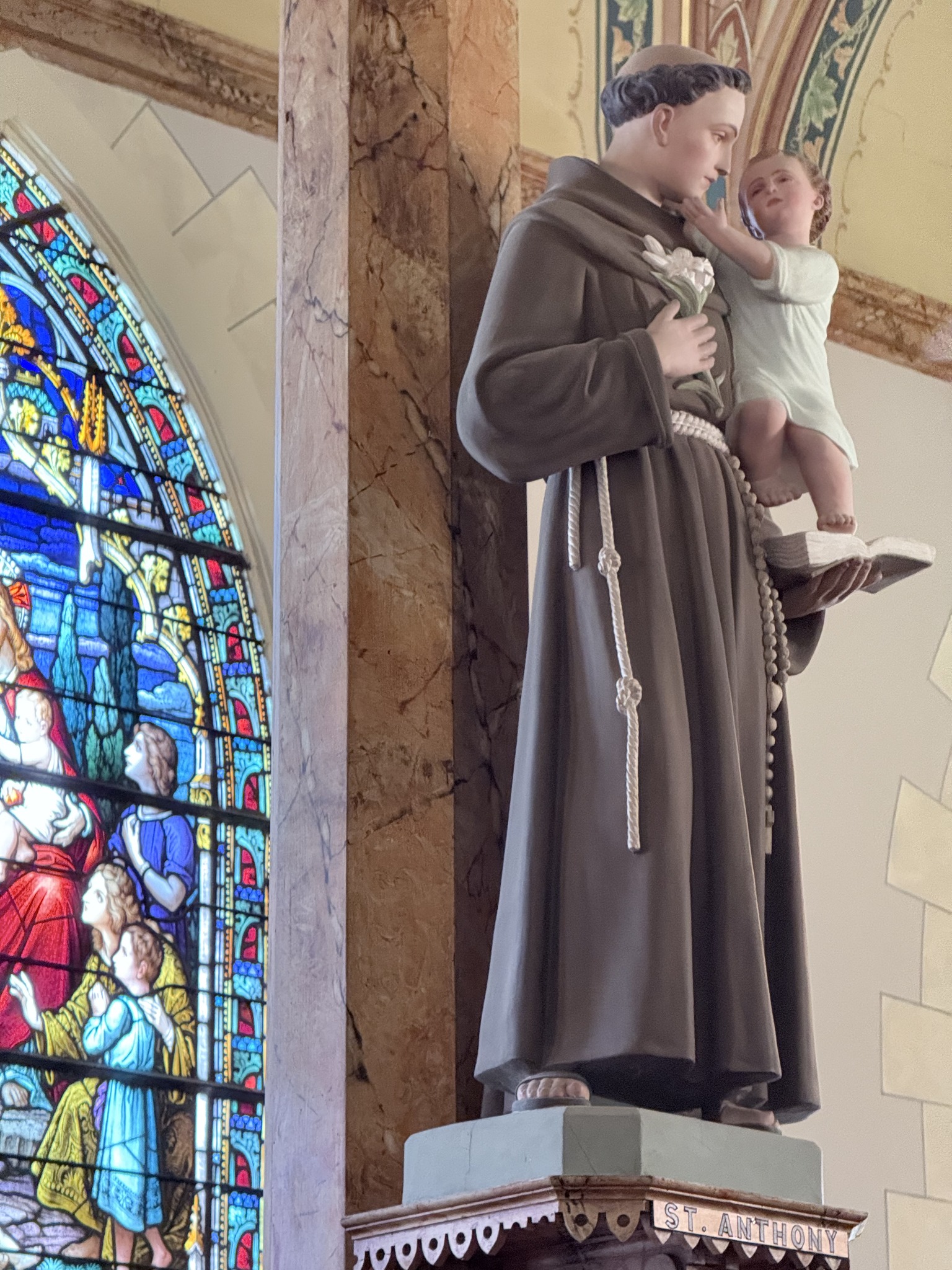
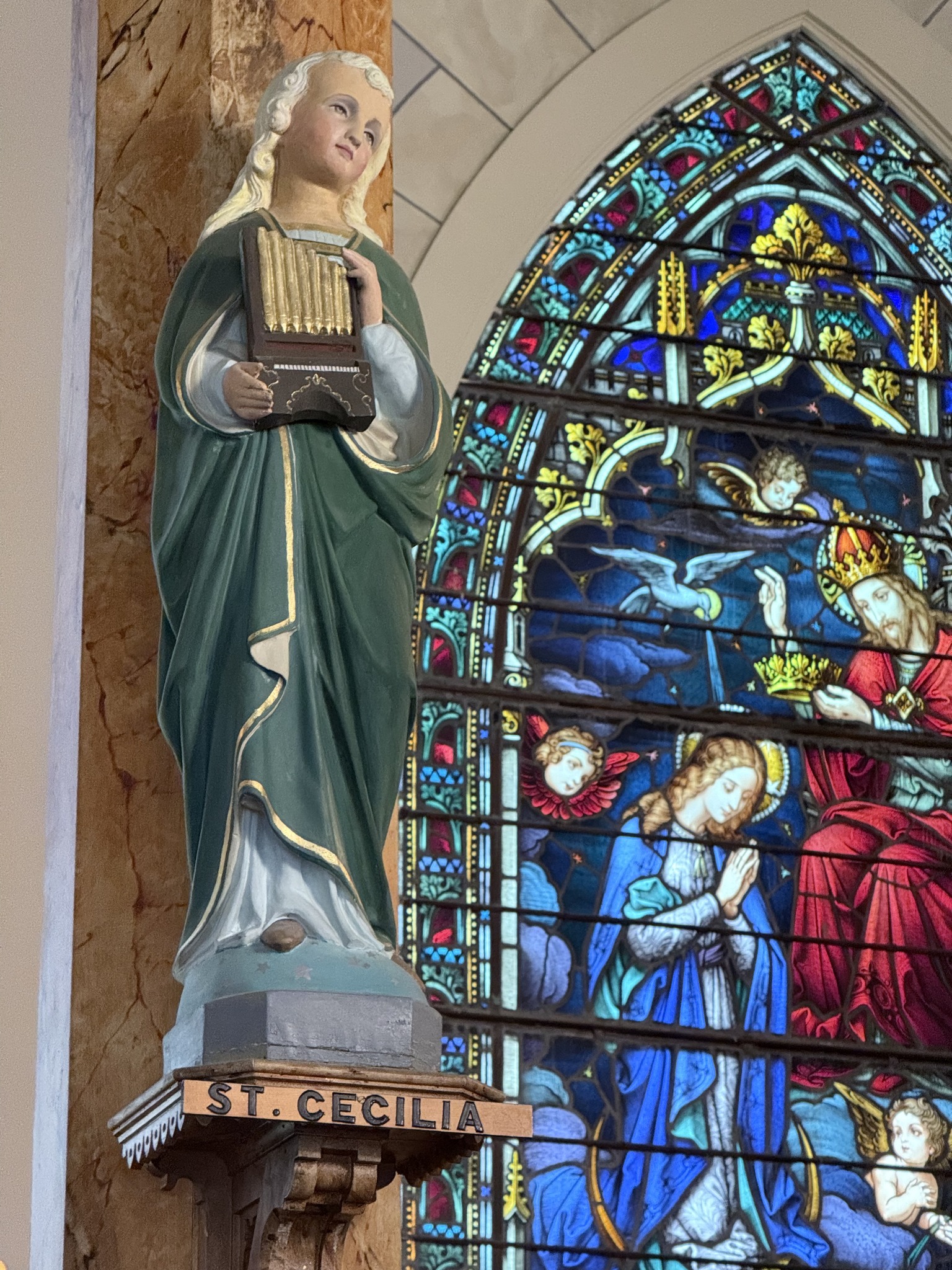
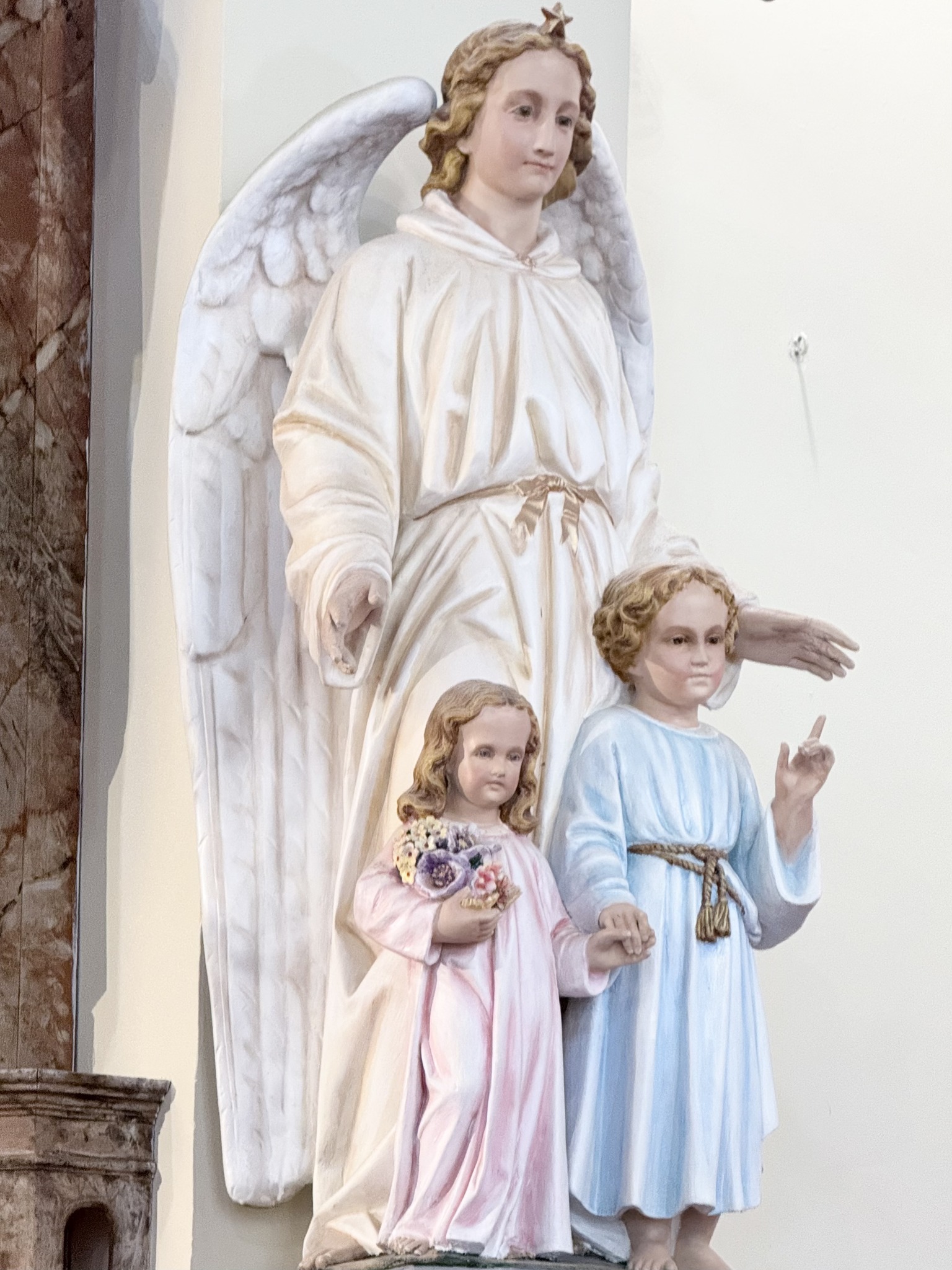
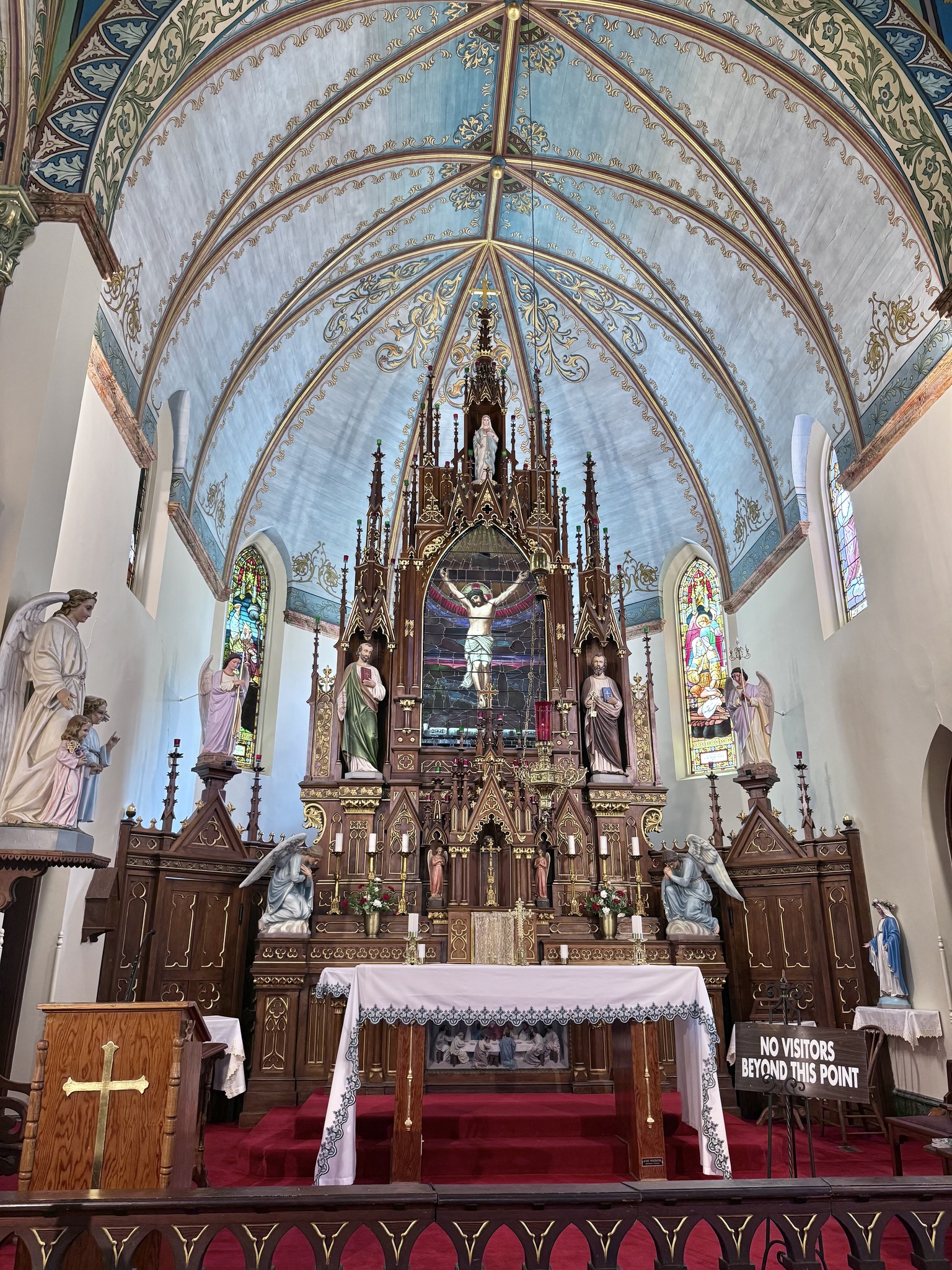
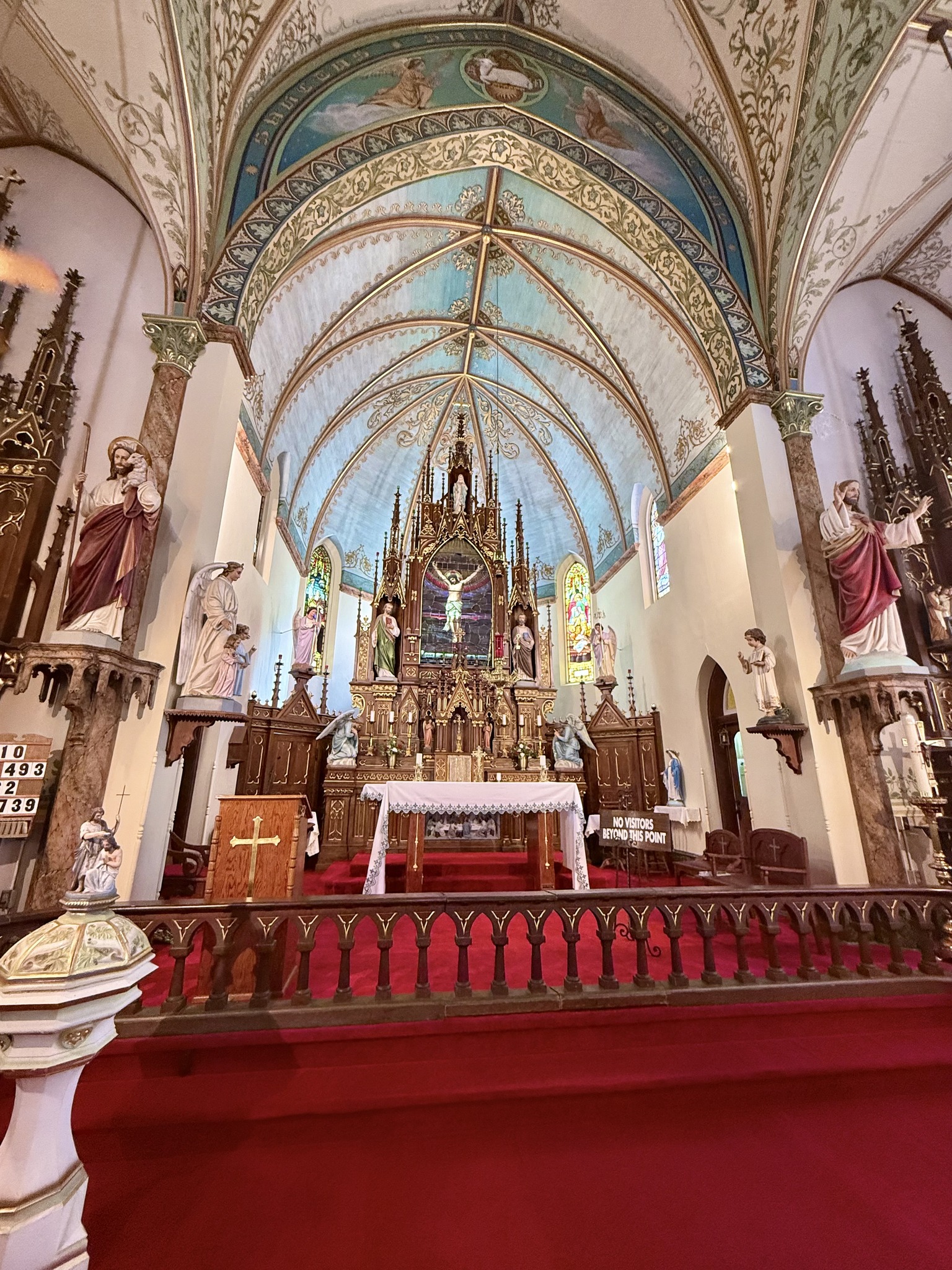
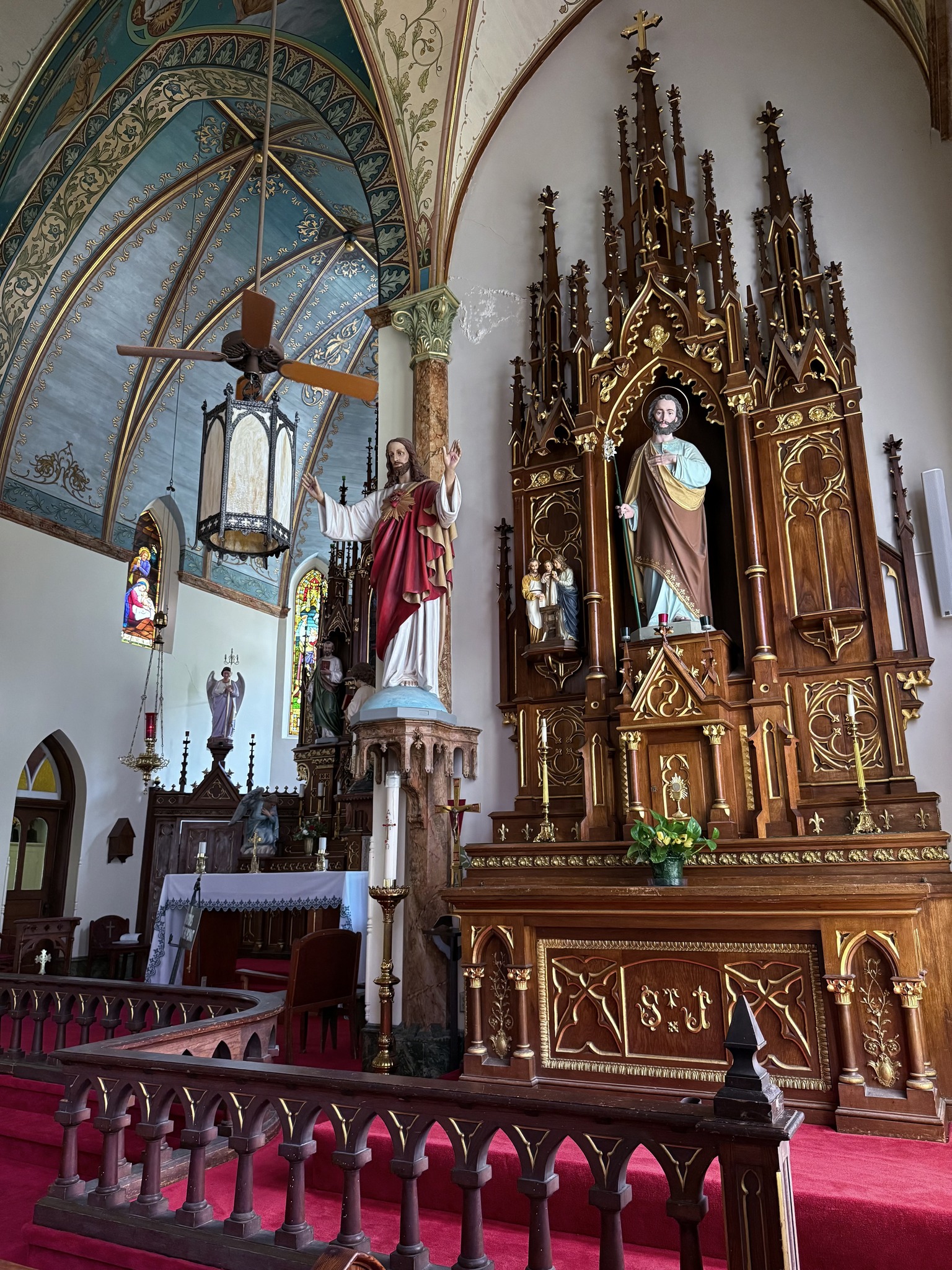
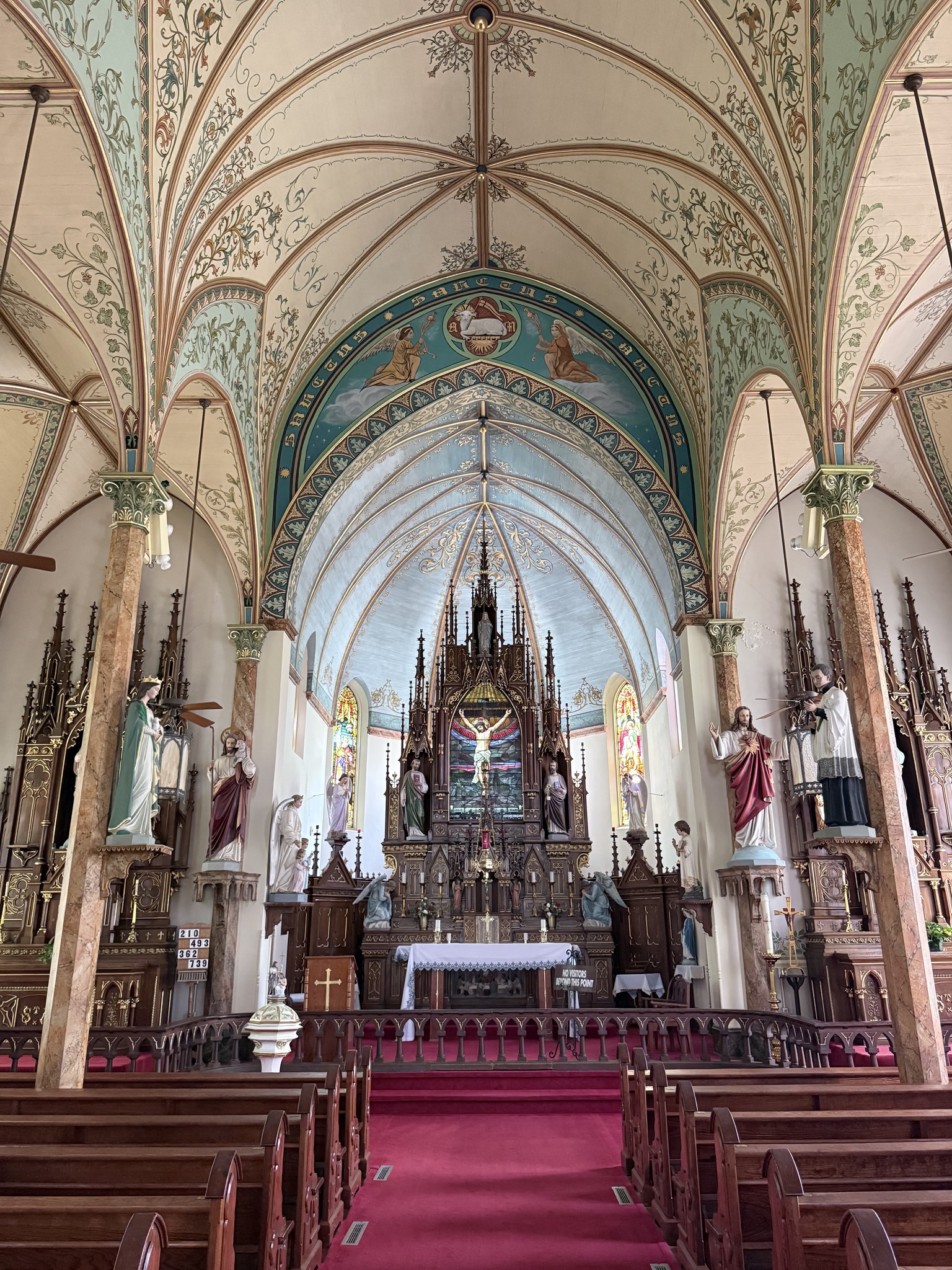
What you’re looking at here is St. Mary’s Catholic Church in High Hill, Texas—known affectionately as “The Queen of the Painted Churches.”
Built in 1906 by German immigrants and painted by hand in 1912, this church is a masterpiece of sacred imagination. It’s not made of marble, but it feels like it is. The illusion is intentional. The beauty is real.
Faux columns, trompe-l’œil ceilings, gold-accented arches—all rendered by brush on wood. There’s no trickery here. Just faith turned into color.
This is the one that always gets me.
This is where it starts.
Not heaven.
But it’s damn close.
Click.
Jack.