Why Overhead Food Photography Is So Visually Satisfying
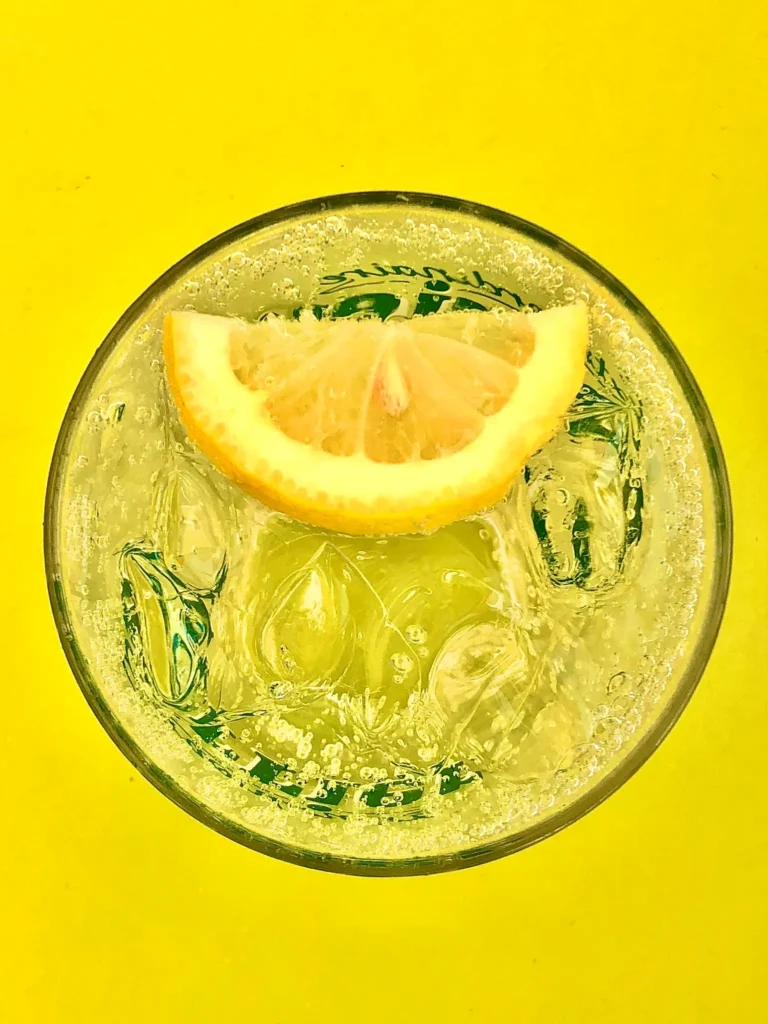
Ever since I’ve had a camera in my hand, I’ve been attracted to the top-down angle. It’s not a gimmick. It’s not a trend. It’s a timeless perspective—clear, clean, objective, and deeply satisfying. I didn’t learn this in art school or from a YouTube tutorial. I discovered it intuitively. Again and again, I’d find myself drawn to positioning my camera directly overhead. Especially when shooting food. Especially when shooting drinks.
Today, the online crowd calls it “flat-lay.” Influencers parade it like it’s some revolutionary technique, hashtagging it with aesthetic bravado. But let’s be clear—it’s not a technique. It’s a camera angle. And it’s been around long before hashtags or ring lights.
What makes the top-down angle so compelling, especially in food and beverage photography? Why does it work so reliably to produce beautiful, balanced, mouth-watering imagery? Why does it resonate with both photographers and viewers alike?
Let’s unpack that.
The Power of Geometry
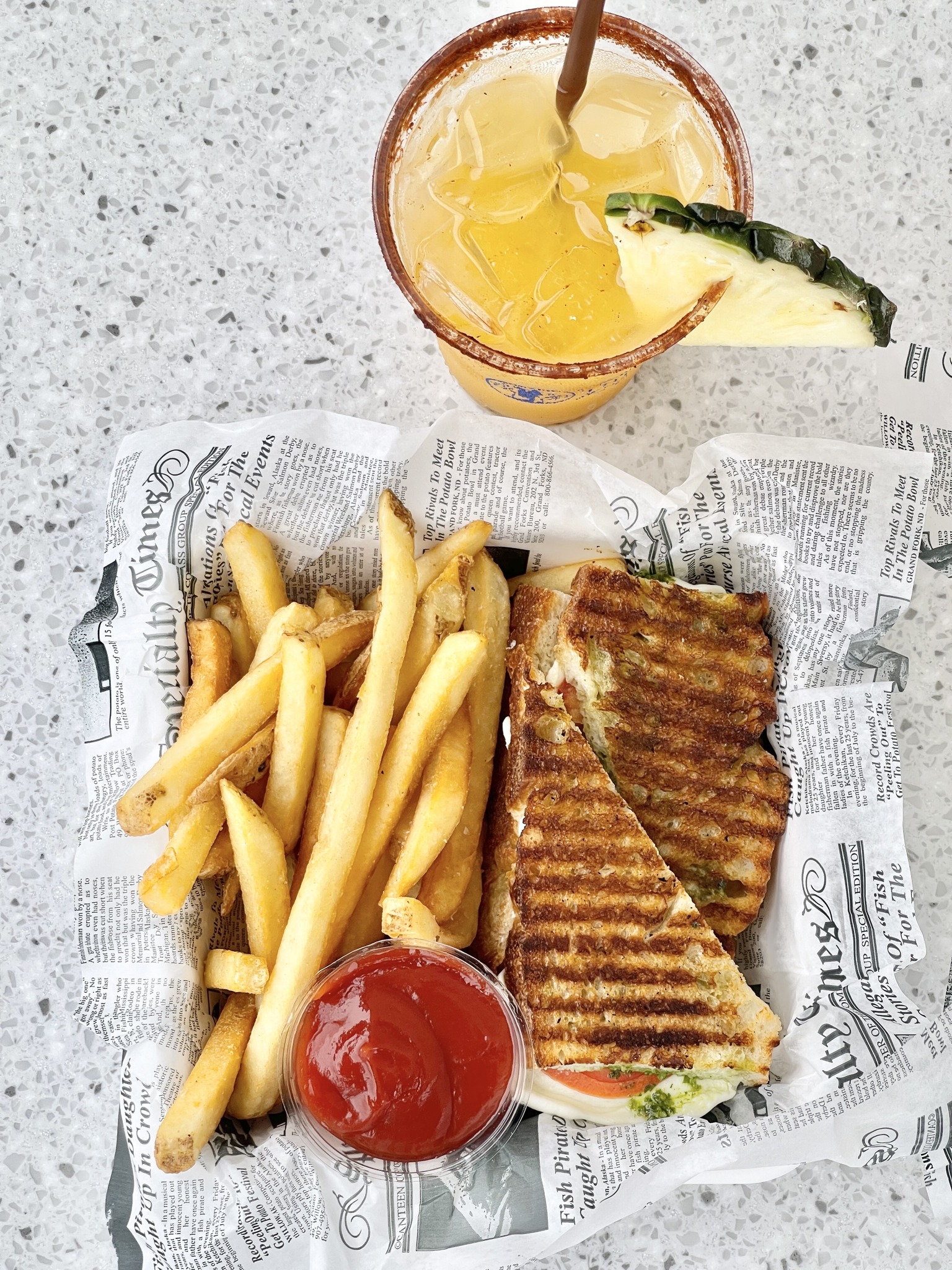
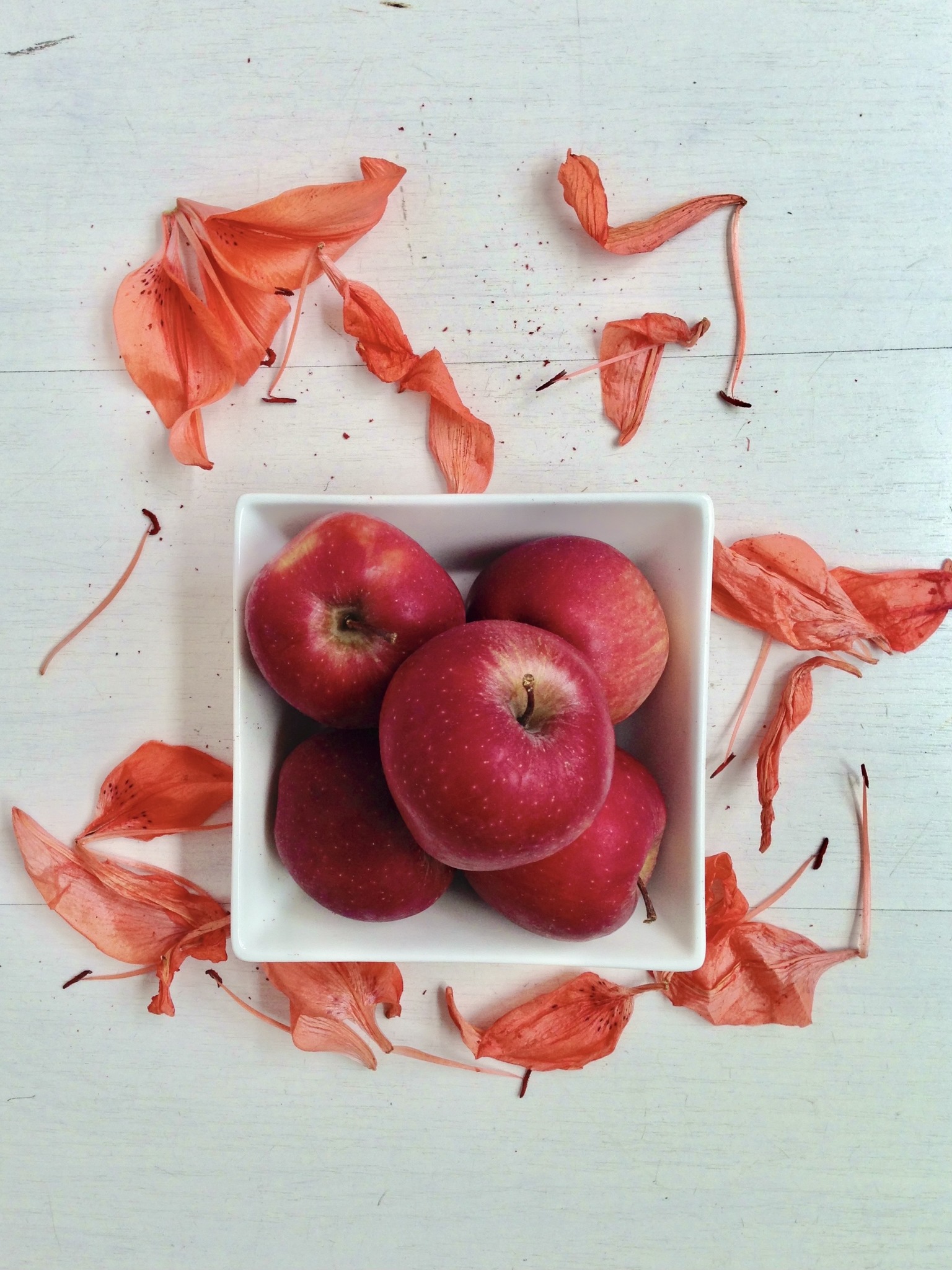
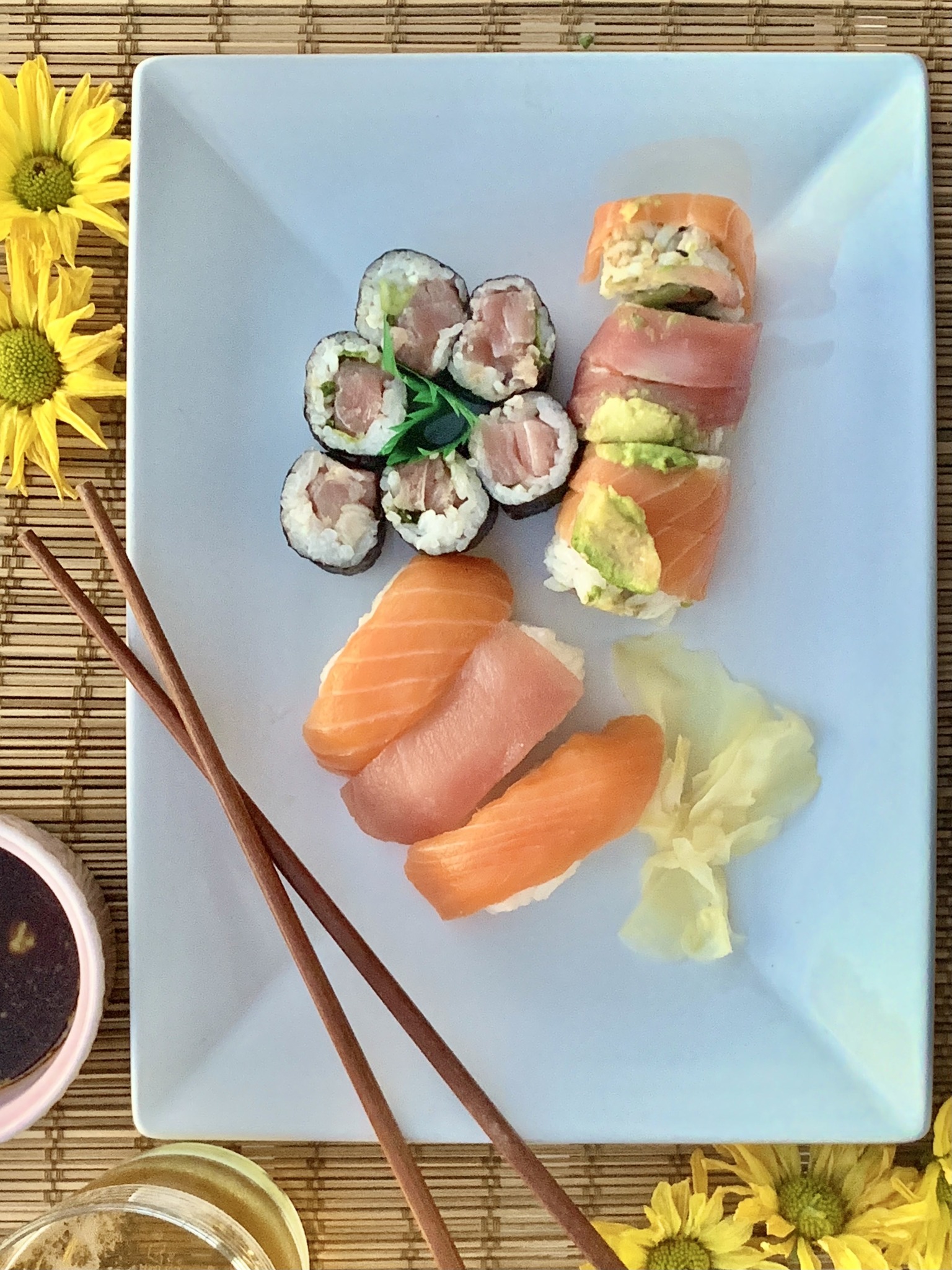
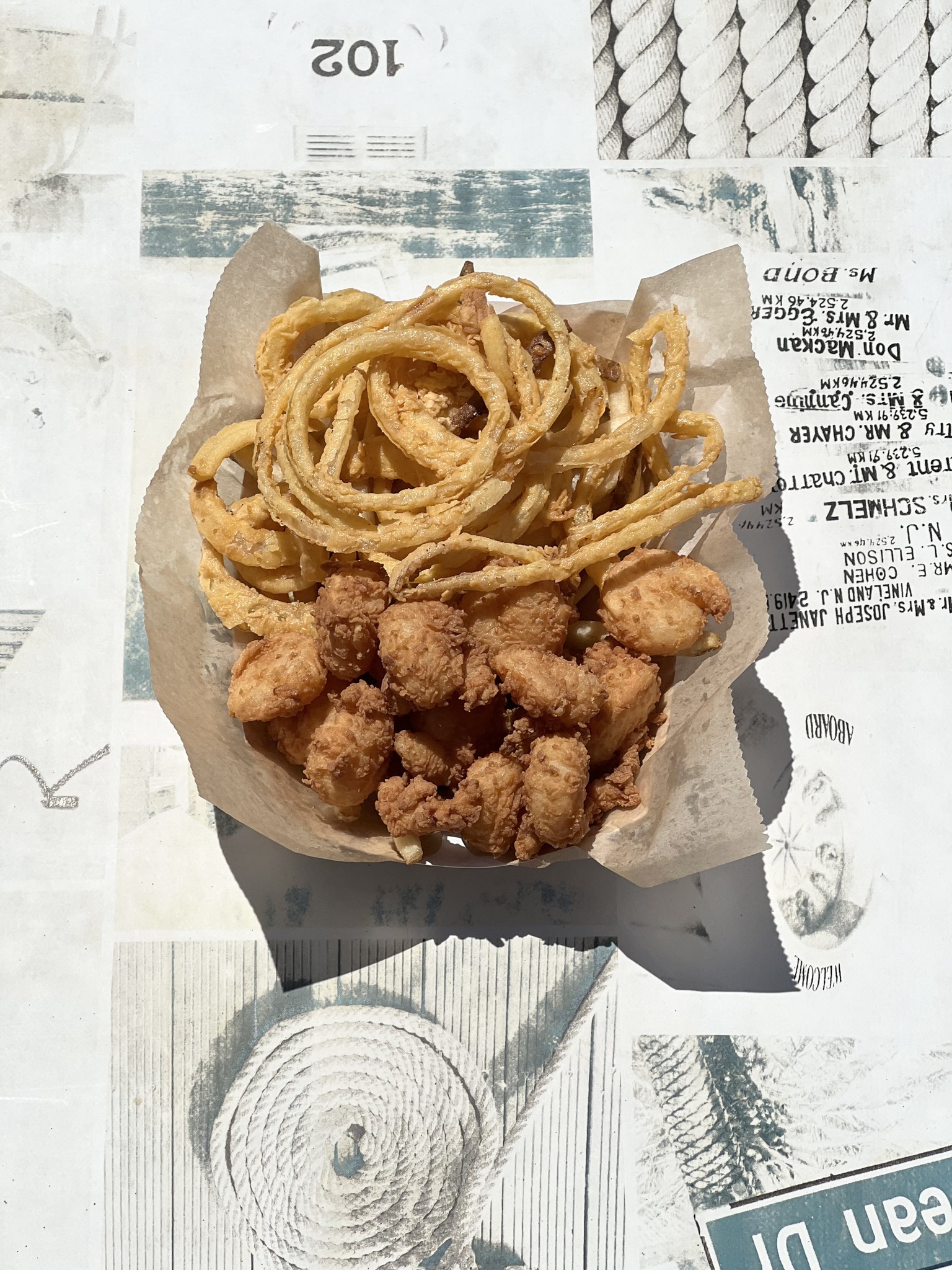
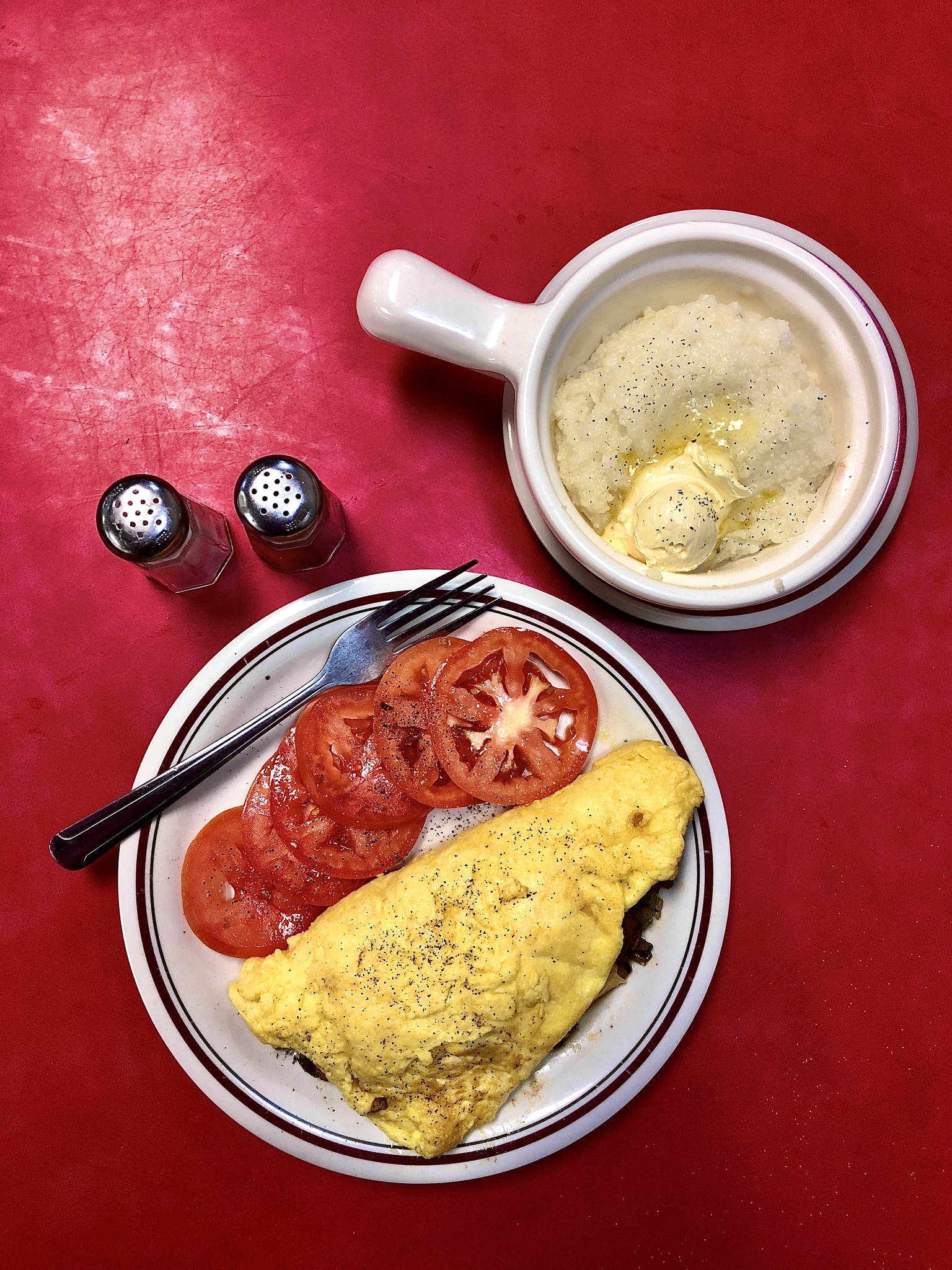
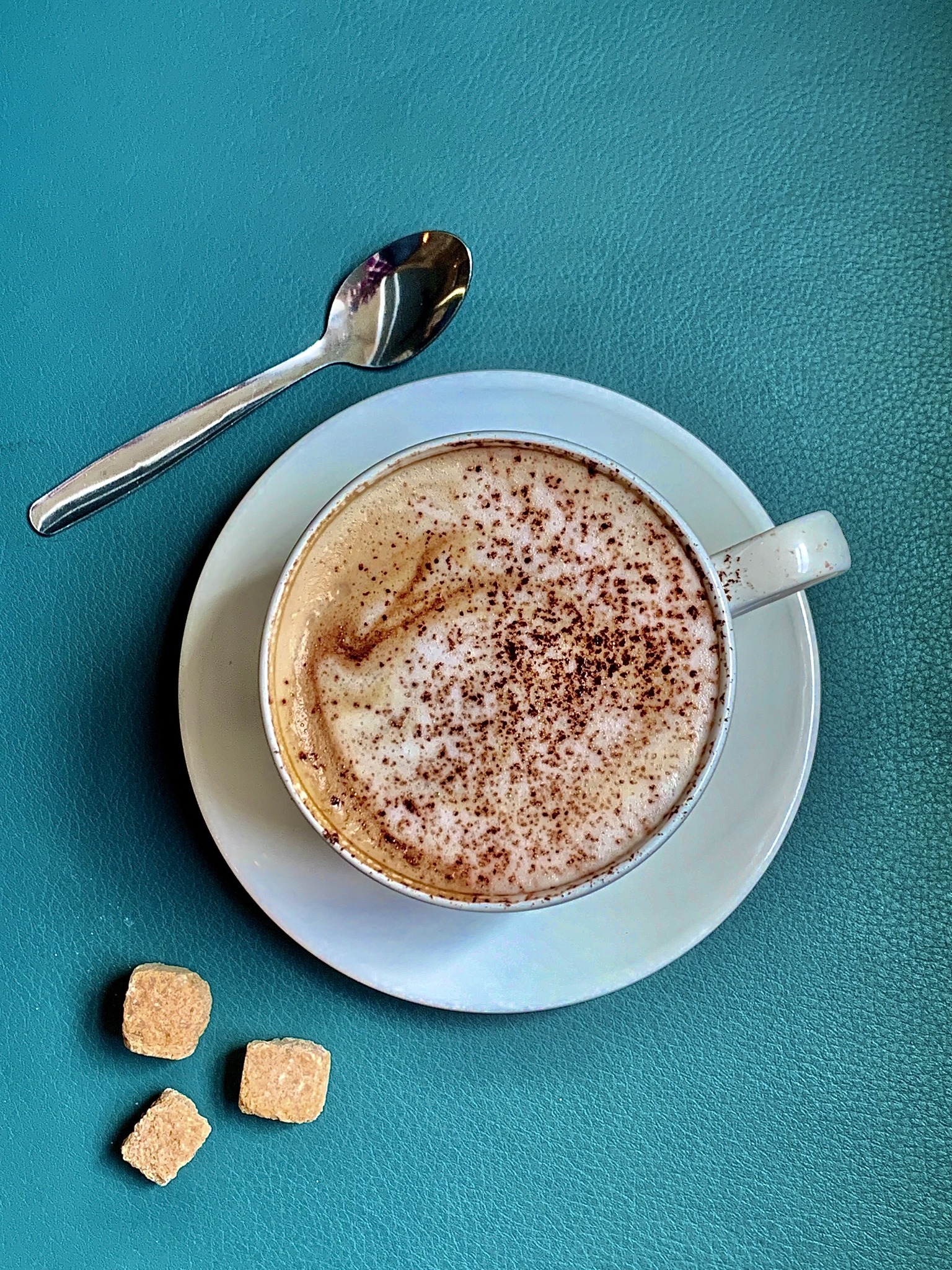
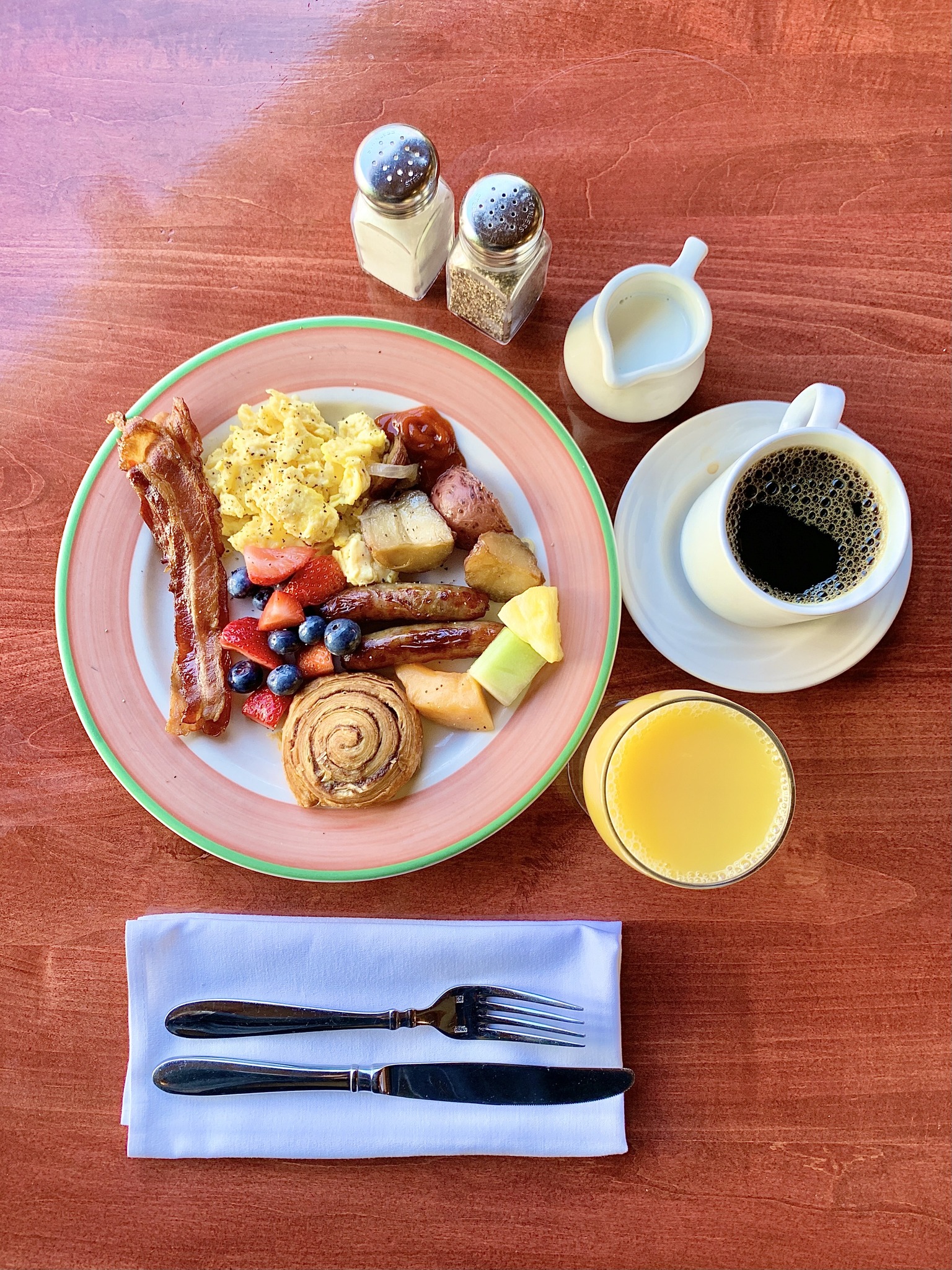
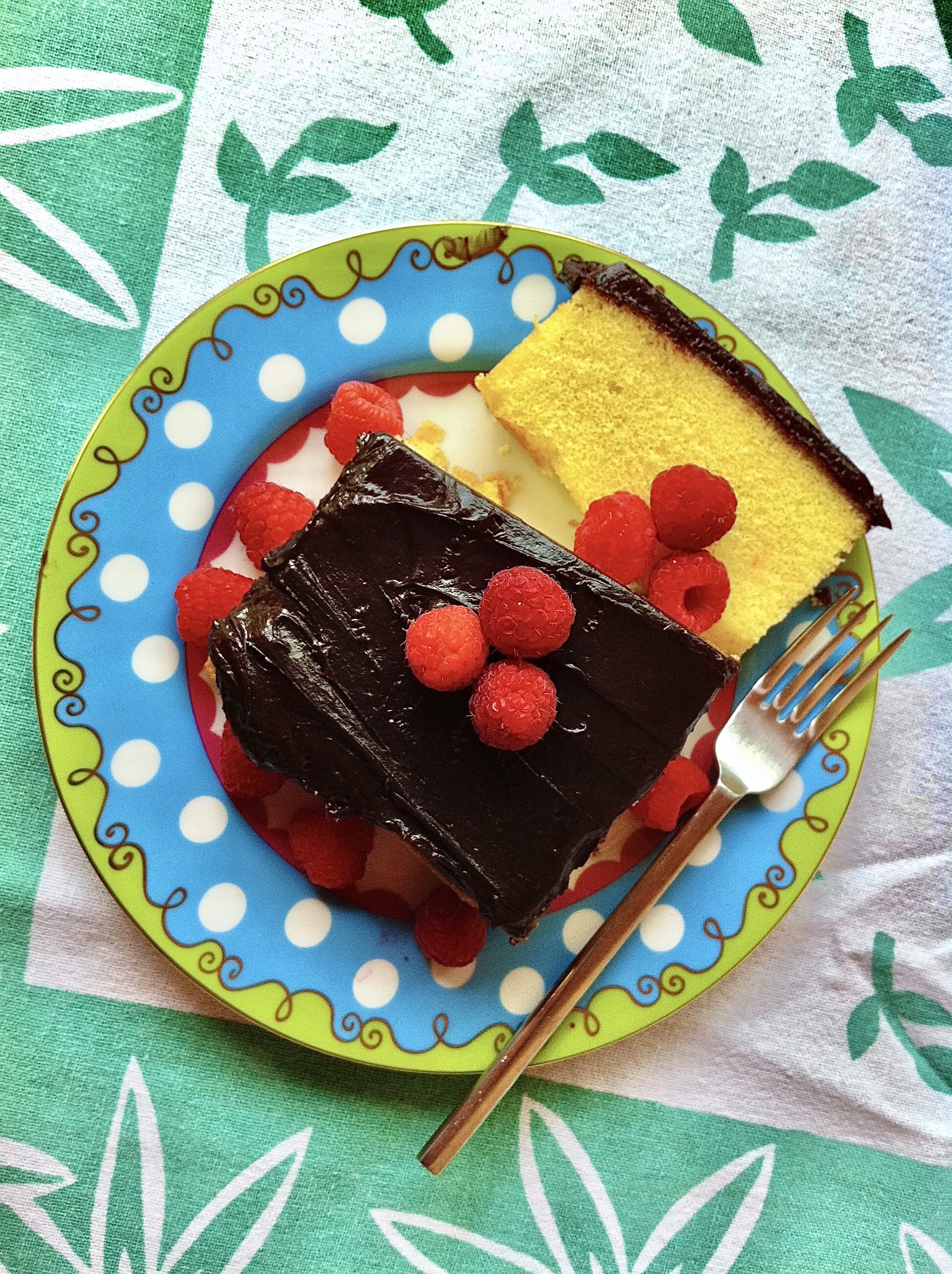
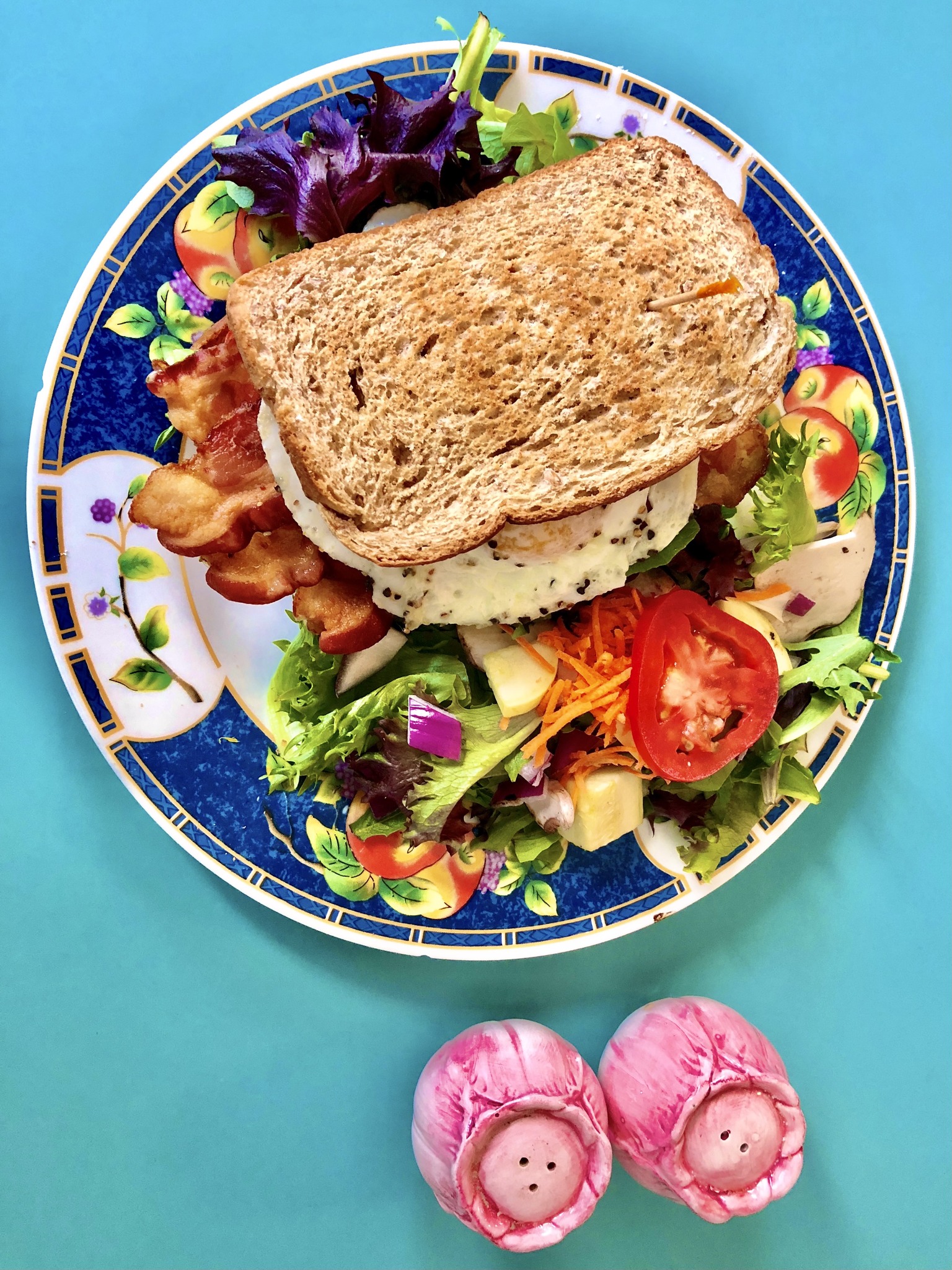
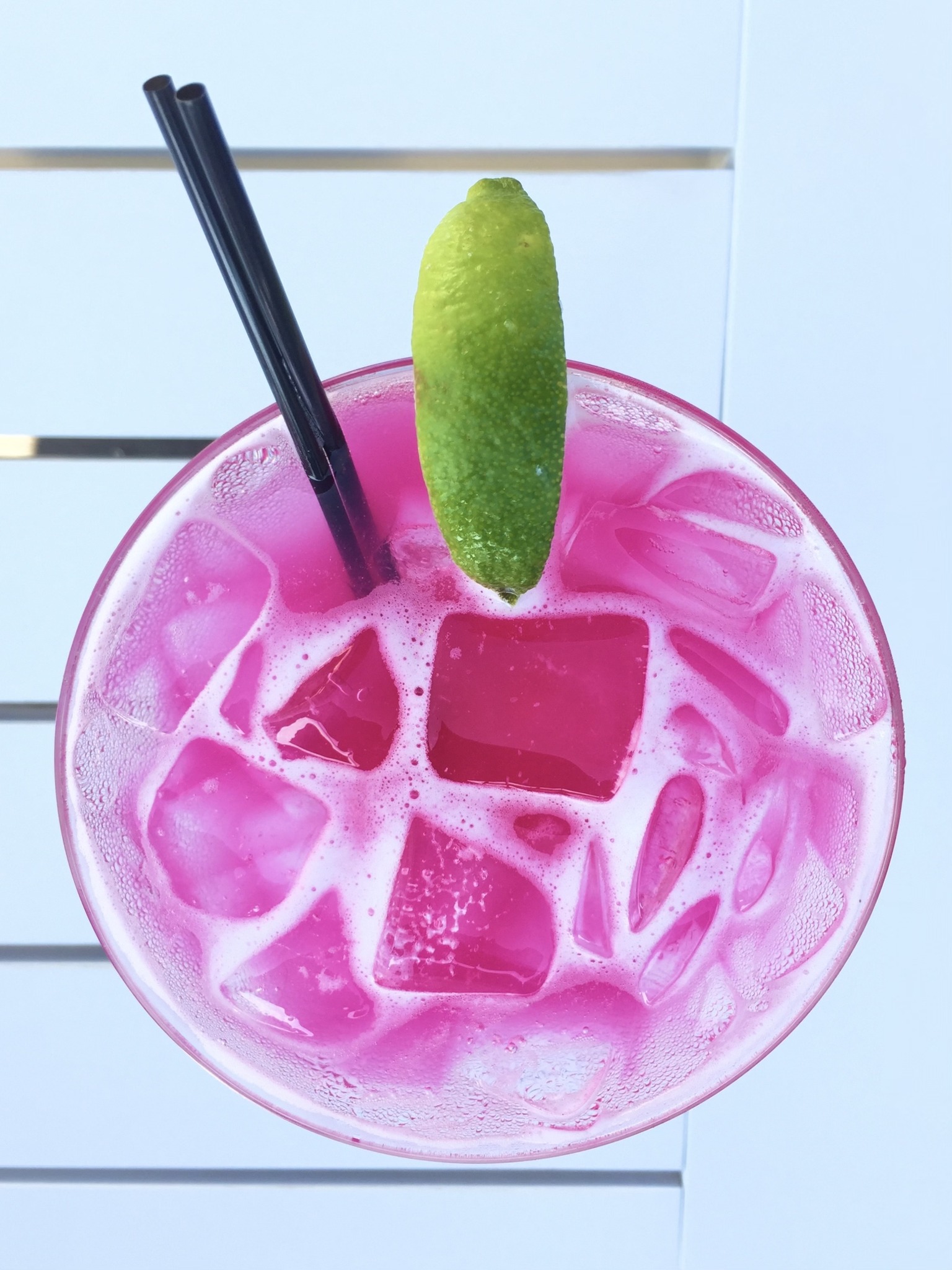
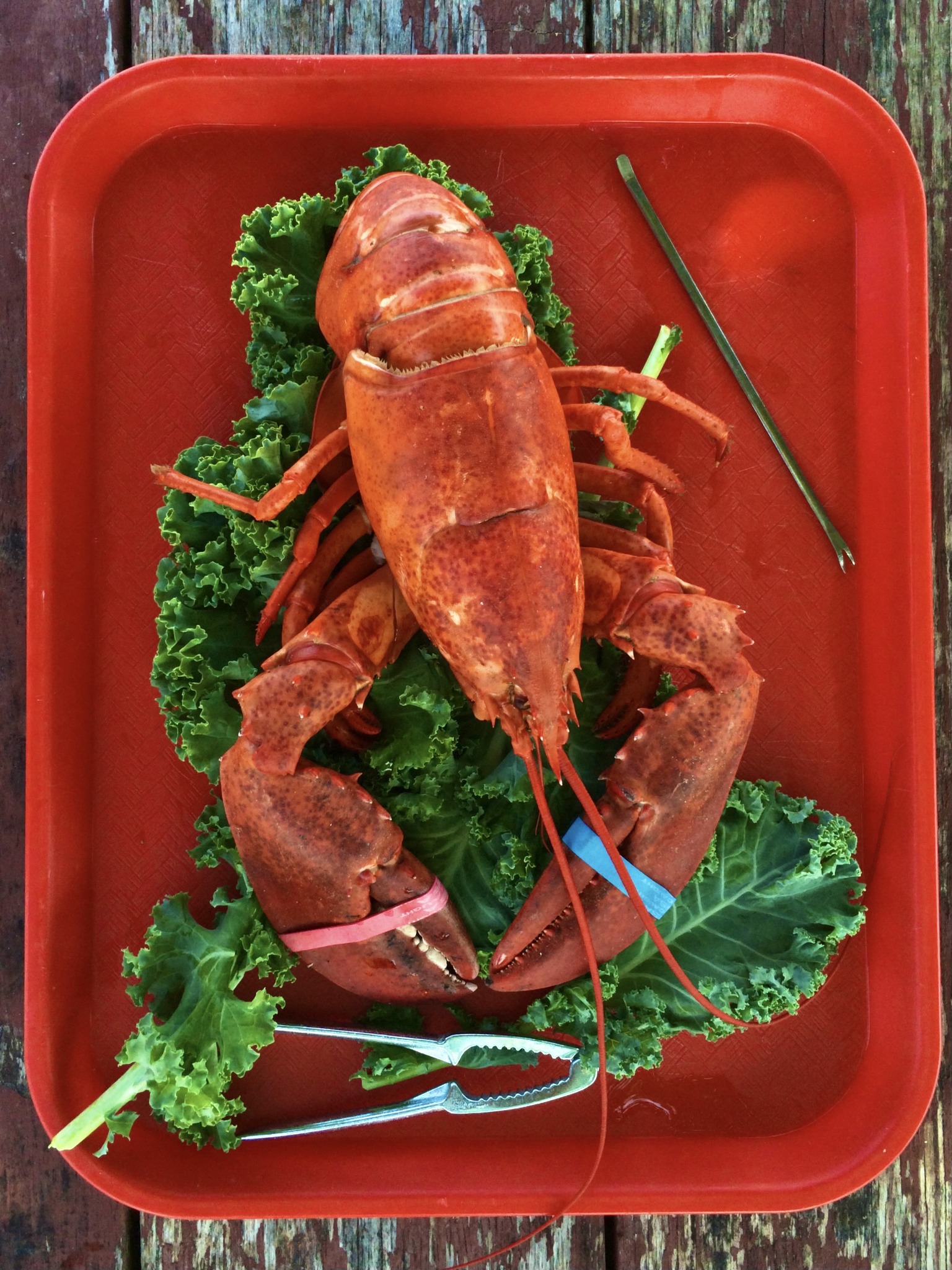
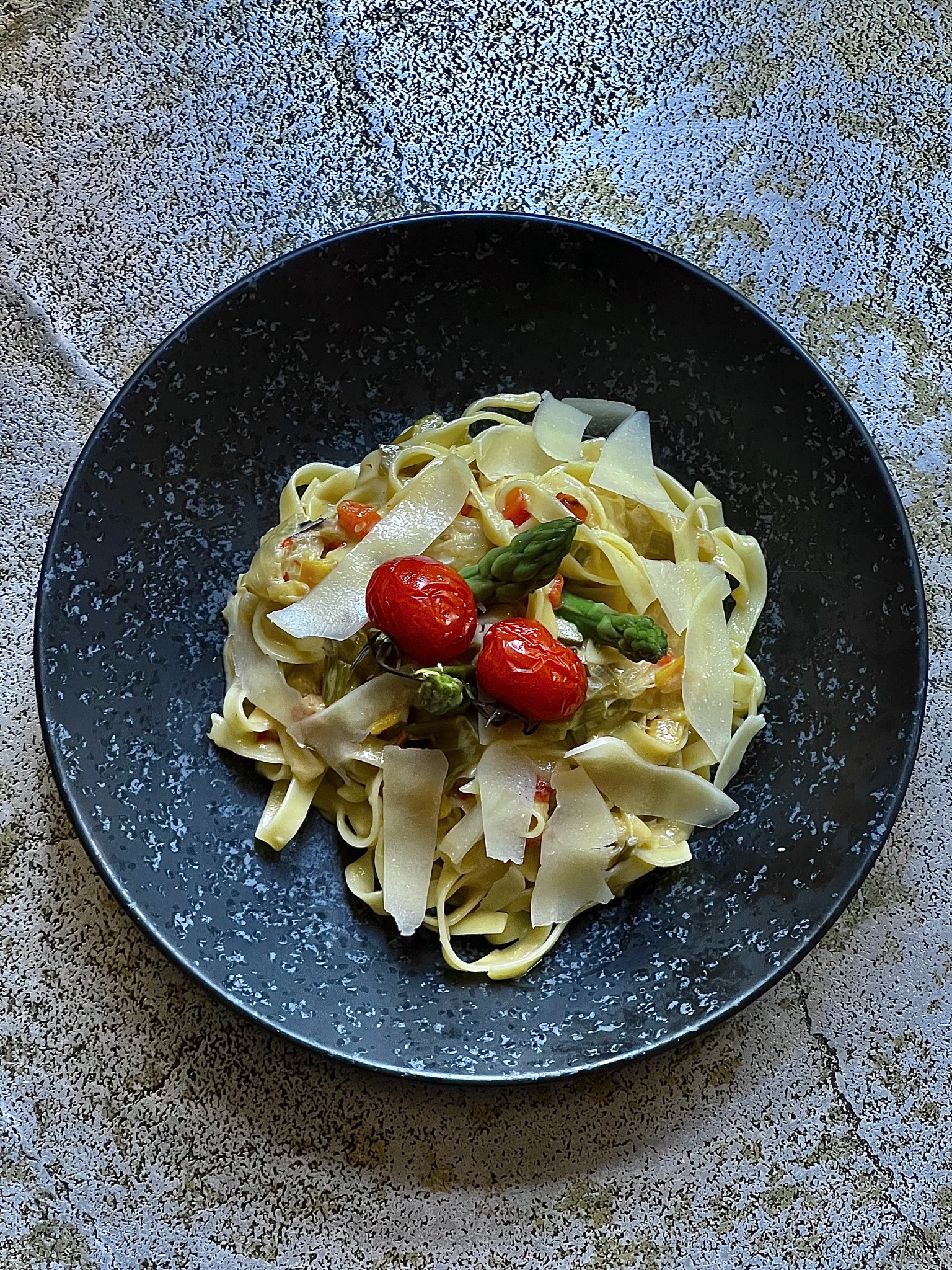
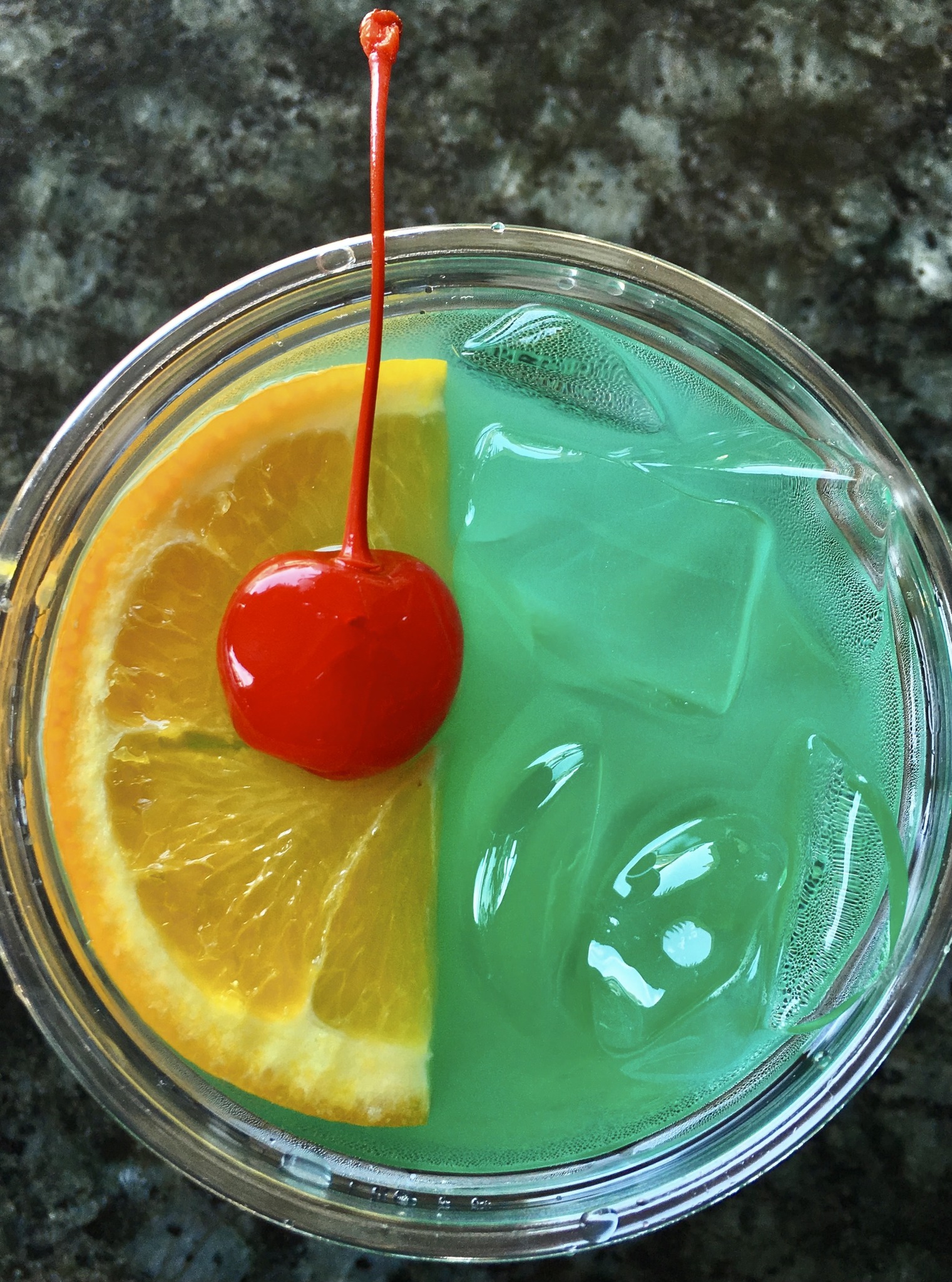
When you shoot from directly above, you immediately bring geometry into the visual equation. Circles, squares, triangles, lines, and grids—all begin to emerge with startling clarity. You see the rim of a plate as a perfect circle. The edge of a table as a crisp, straight horizon. Forks, knives, glasses, napkins—all become design elements instead of utensils.
From above, you’re not just capturing food—you’re designing with it. The top-down perspective transforms a messy lunch into a beautiful composition. It flattens the chaos into order. It arranges randomness into rhythm. Your camera becomes less of a recorder and more of a curator.
This is one reason why viewers are so drawn to these images. They’re not just seeing what’s for dinner—they’re experiencing an elevated, abstract version of reality. It’s not how we normally see our food, and that unfamiliarity sparks intrigue.
Control and Clarity
The overhead view gives you control. It neutralizes depth and lets everything sit on a single plane. This flattens the distractions and focuses the frame. You’re not wrestling with background clutter, distracting shadows, or awkward lighting angles. Everything is right there in front of you.
And because the depth is minimal, focus is consistent. You don’t have to worry about f-stops or falloff. The sharpness is uniform across the frame, and that makes editing easier too.
It’s also the perfect angle for storytelling. You can bring multiple elements into the frame without confusion. A bowl of pasta, a glass of wine, a linen napkin, a candle, a book—all laid out on the same plane, all contributing to the same mood. The story is not layered front-to-back—it’s side-by-side.
A Democratizing Perspective
Top-down is not a fancy studio trick. It doesn’t require a lot of gear or technical know-how. You don’t need a tilt-shift lens or a complicated lighting setup. Most of the time, I’m shooting with nothing more than an iPhone, natural light, and a table.
That’s what makes this angle so accessible. Anyone can do it. The challenge is not in the gear—it’s in the seeing.
When you move directly over a scene, you’re forced to stop, stand still, and really look. You can’t just snap from the hip or casually aim. You have to compose. You have to be intentional. You have to slow down.
And that’s the quiet genius of the top-down angle: it teaches you to be present.
A Universal Language
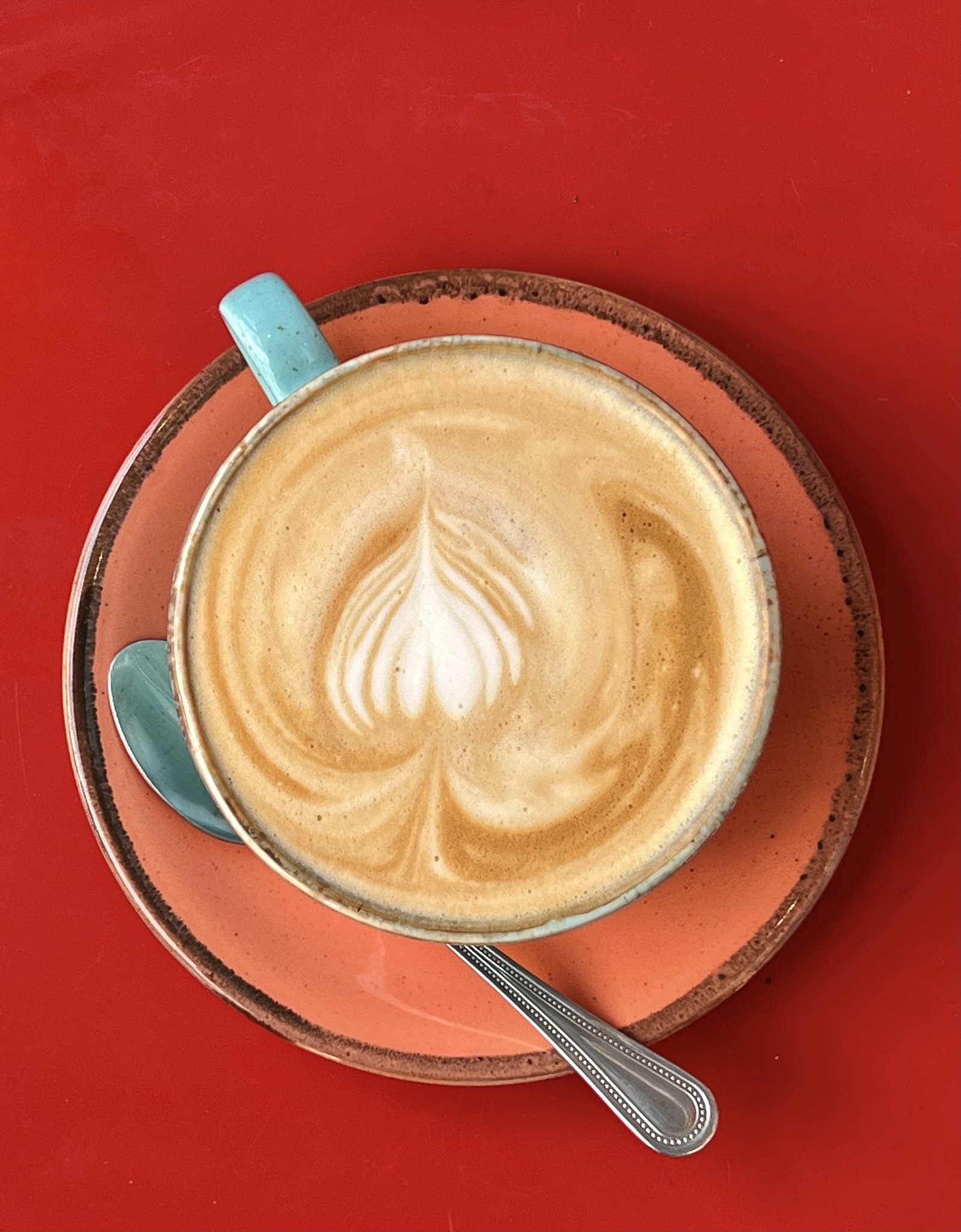
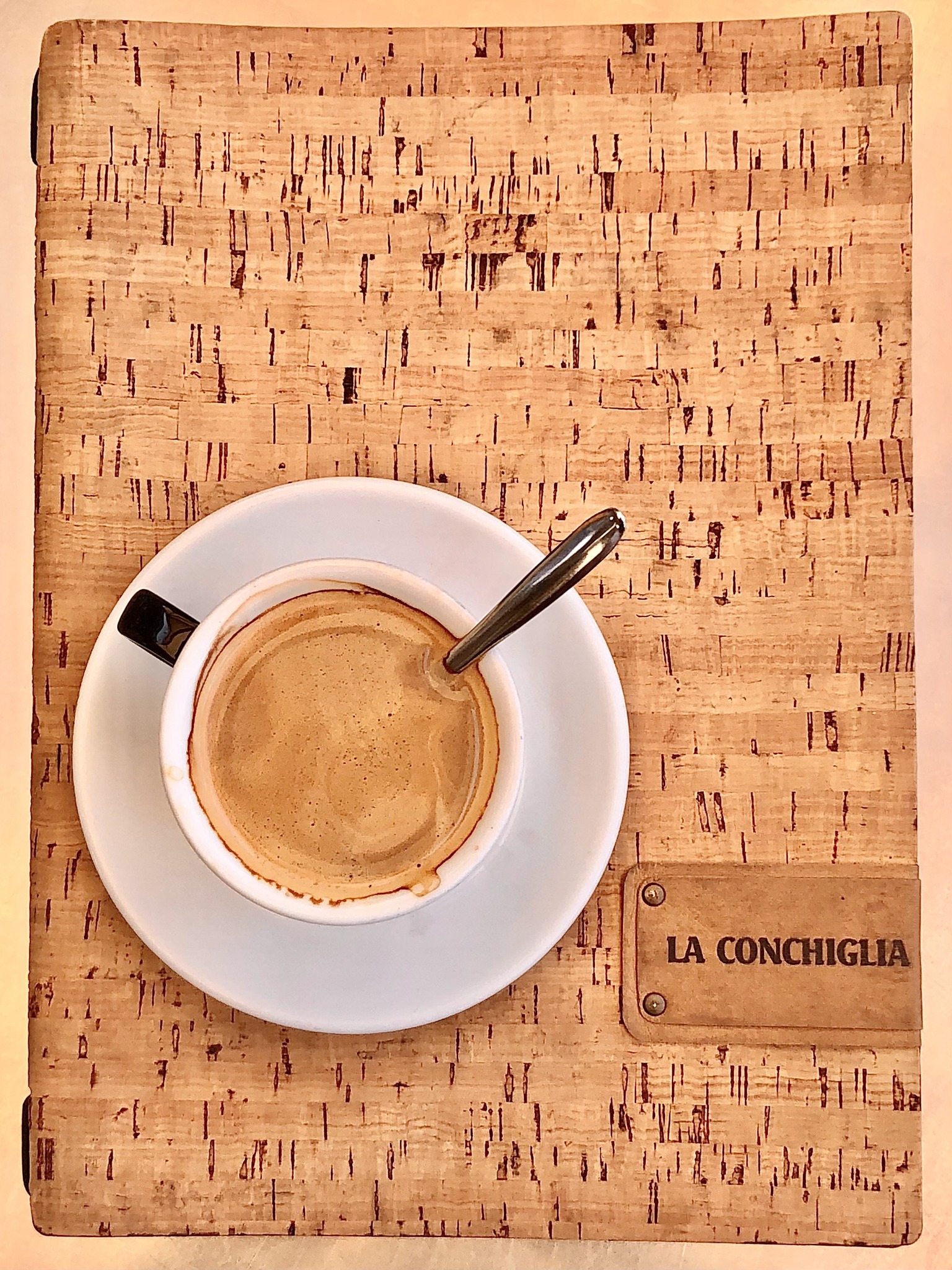
Overhead food shots transcend culture. Whether it’s a French breakfast, a Japanese bento box, or a Cuban café con leche, the top-down view invites you to experience the layout, the texture, the story of the cuisine.
It’s not about the food being expensive or fancy—it’s about it being beautiful.
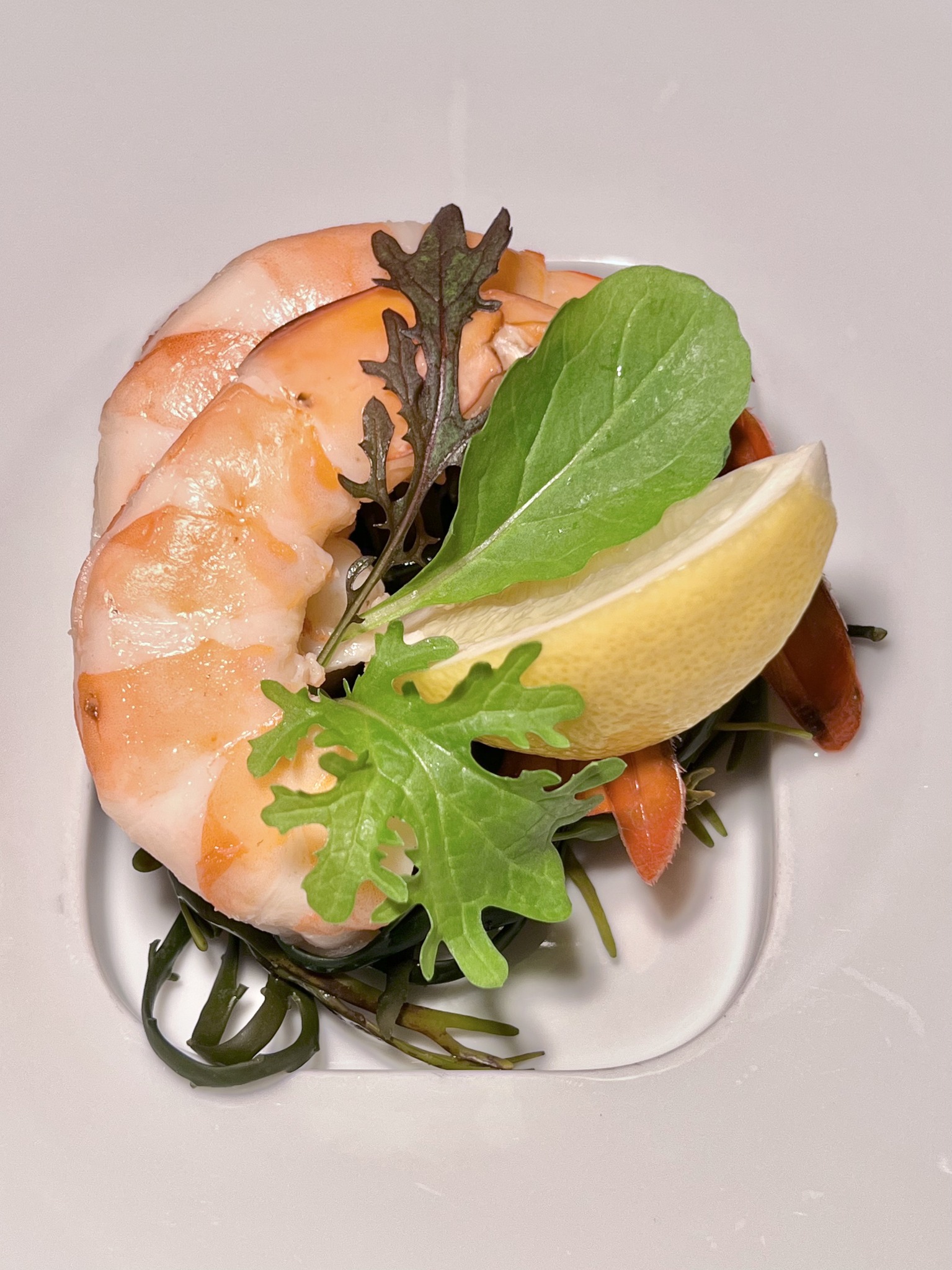
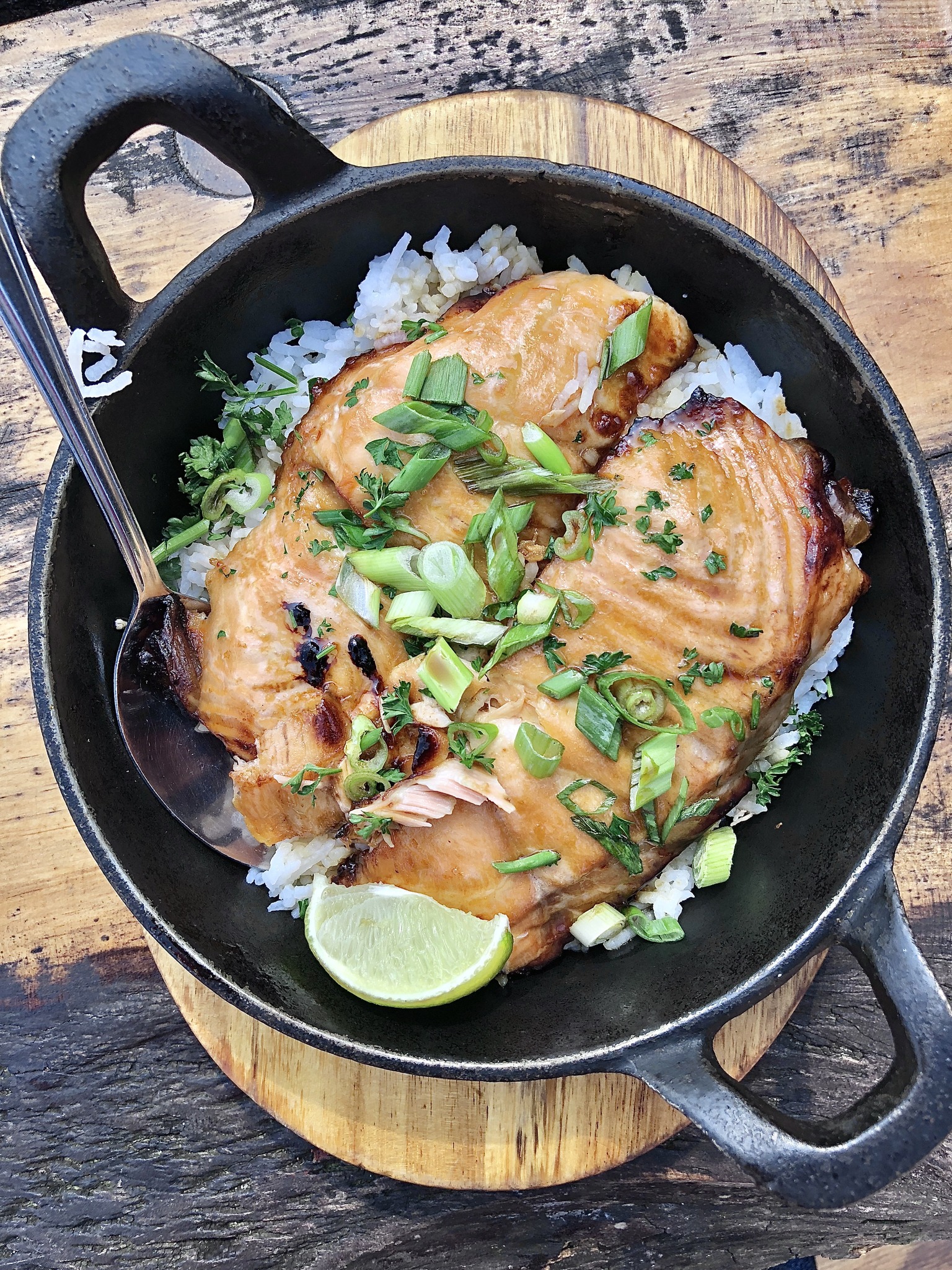
People instinctively respond to symmetry, color, repetition, and negative space. And these visual elements pop in a top-down shot. You see the contrast of green herbs against a ceramic plate. The steam from a cup of coffee rising gently. The crumbs scattered like punctuation marks across a tablecloth.
None of that would register as clearly from a side view.
Minimalism Meets Maximalism
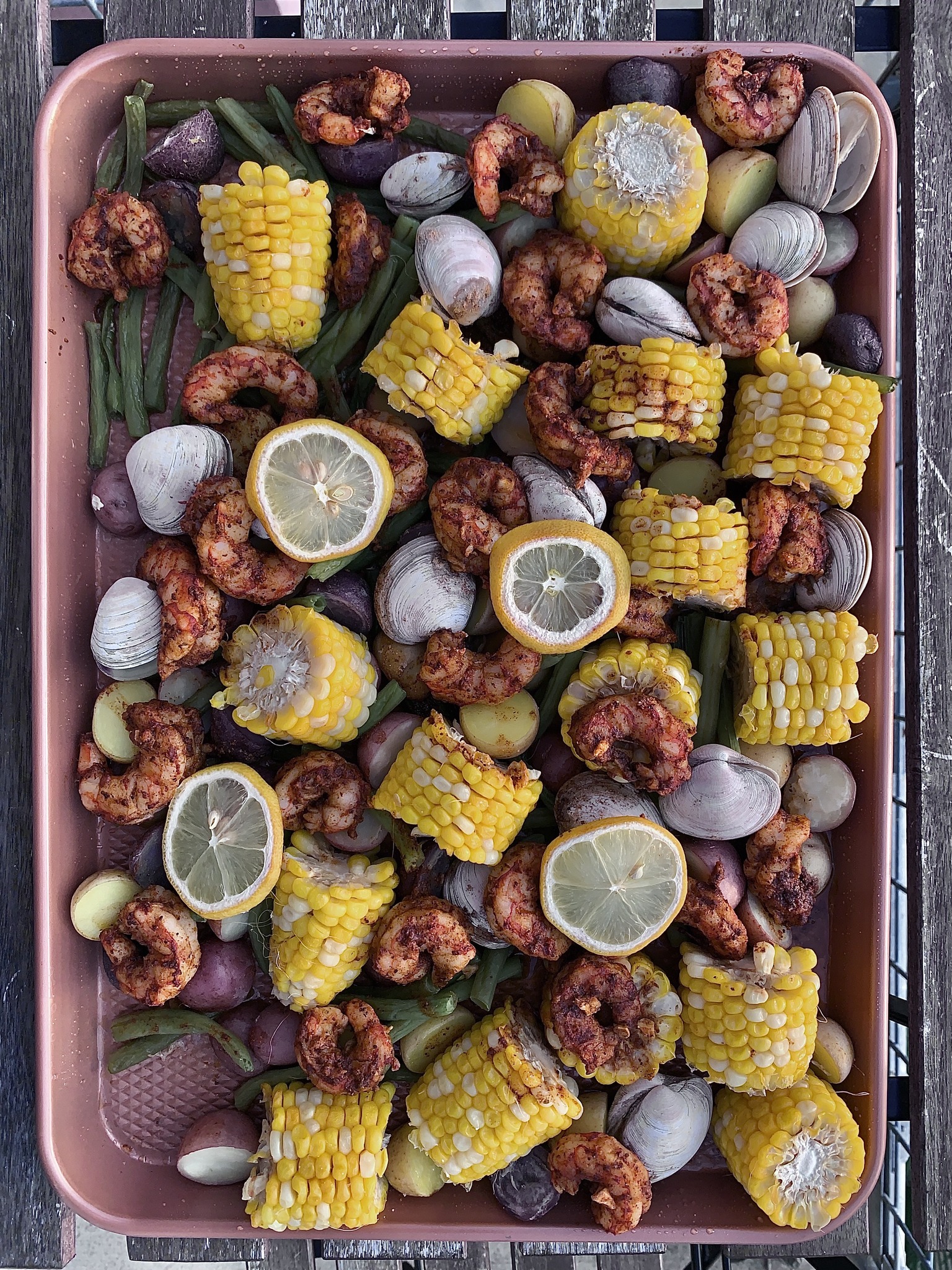
One of the joys of top-down shooting is how flexible it is. You can go minimalist—one item, one plate, one shadow—and it feels refined. Or you can go maximalist—fill the frame with textures, layers, utensils, splashes, smears—and it feels alive.
Either way, the top-down frame holds the space. It doesn’t get overwhelmed. That’s because everything is oriented to the same gravity. Every item has the same weight. The viewer isn’t looking up or down—they’re looking in.
You’re not constructing a scene in 3D. You’re building a map. And every detail matters.
Practical Tips I Live By
Here’s what I keep in mind when I shoot top-down:
First, I always clean the surface—physically and visually. Clutter kills the frame.
Second, I stand directly above the subject. Not at an angle. Not sort of above. Directly overhead. Precision matters.
Third, I move things around with intention. I edit the scene before I shoot, not after.
Fourth, I keep the light soft, even, and directional. Window light is my best friend.
And fifth, I remember that the food is not the only subject. The plates, the cutlery, the table, the negative space—they’re all part of the story.
Why I Keep Coming Back
I’ve shot over a million iPhone photos in my life. A ridiculous number of them are top-down food photos. Not because I’m stuck in a rut—but because I’ve found a well that never runs dry.
Every time I shoot overhead, I discover something new. A better layout. A cleaner line. A richer shadow. A subtler color story.
This isn’t a trend I’m following—it’s a language I’ve learned to speak. One that’s simple, honest, and effective.
What You’ll See in This Series
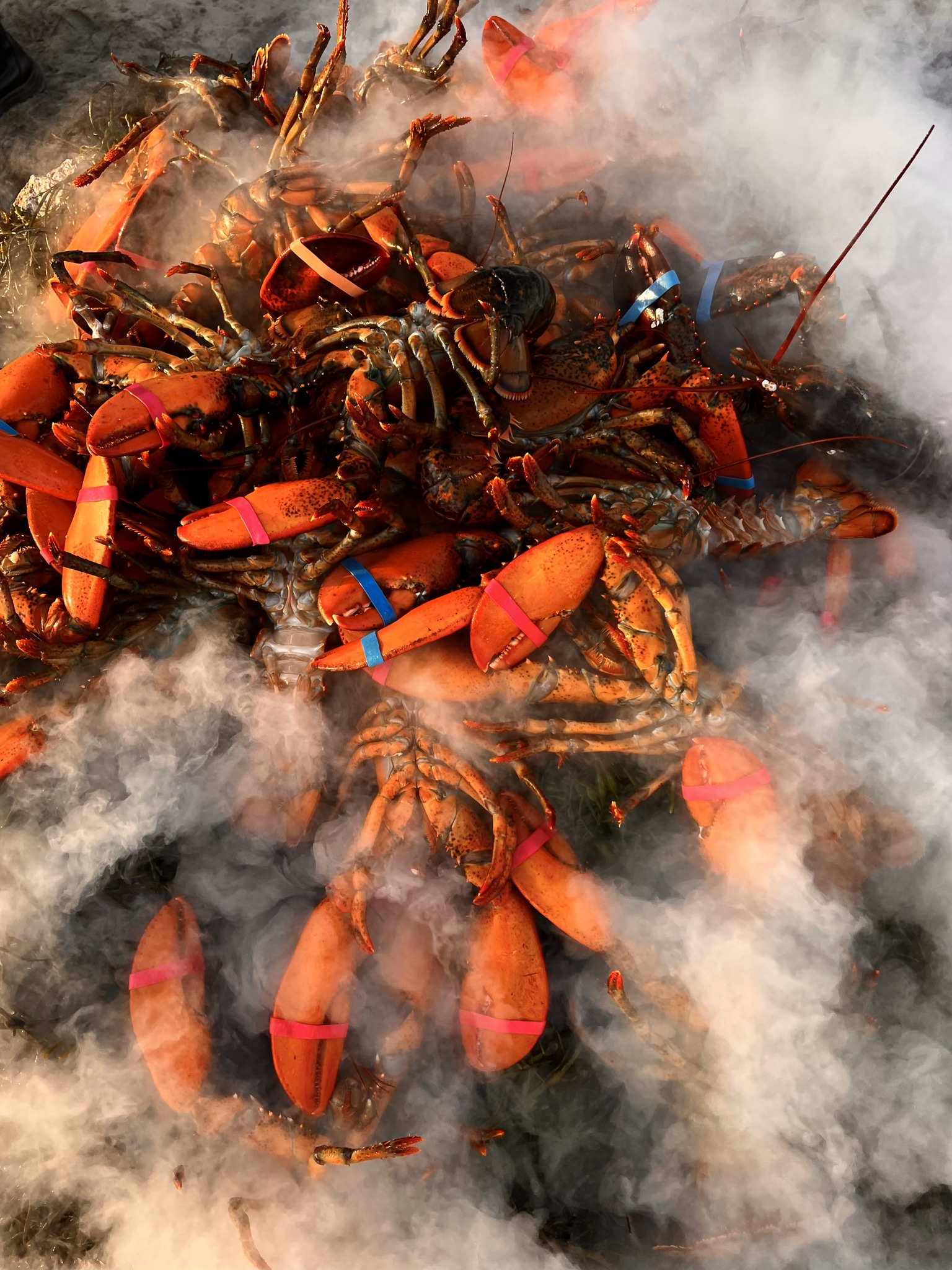
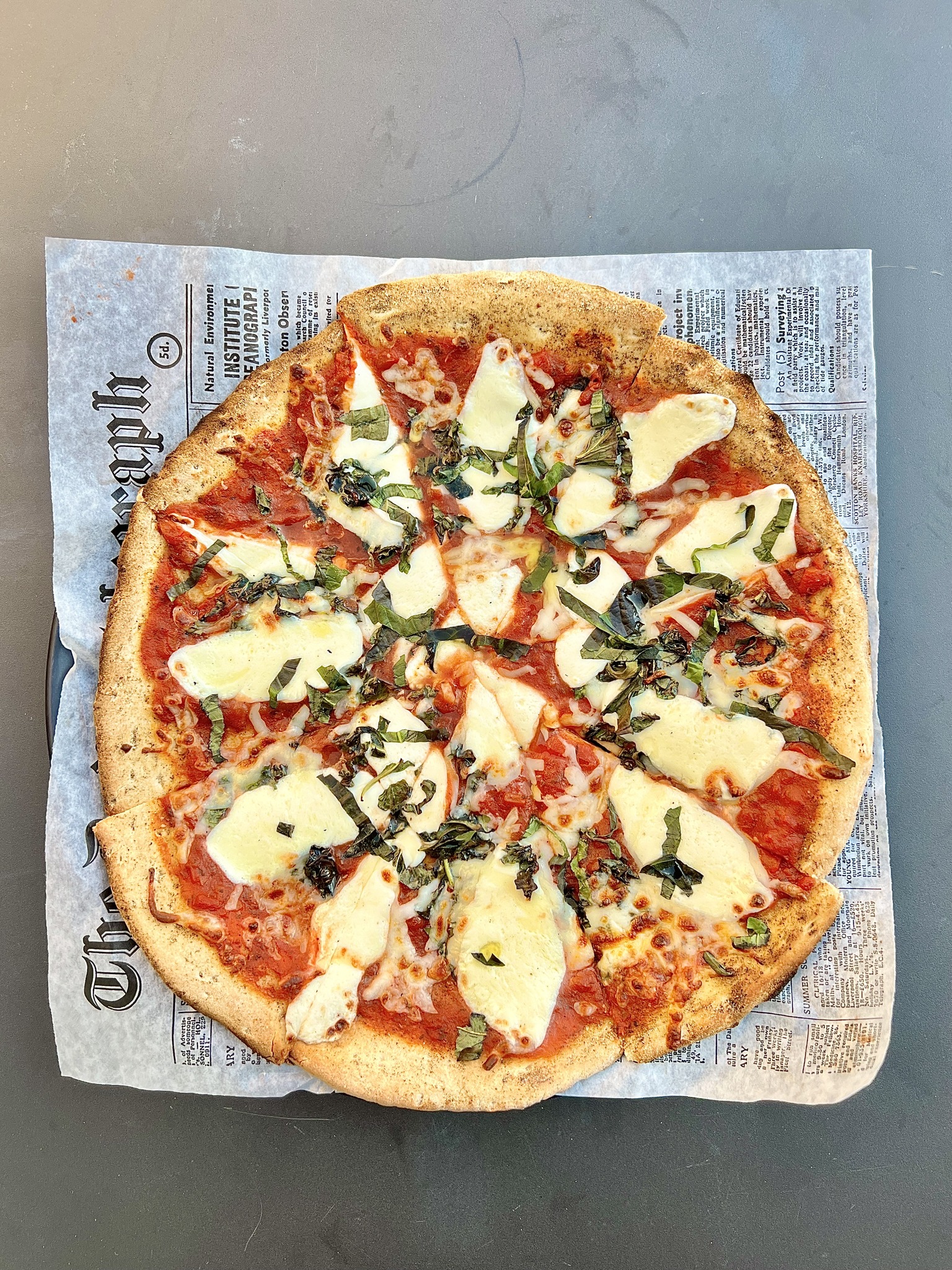
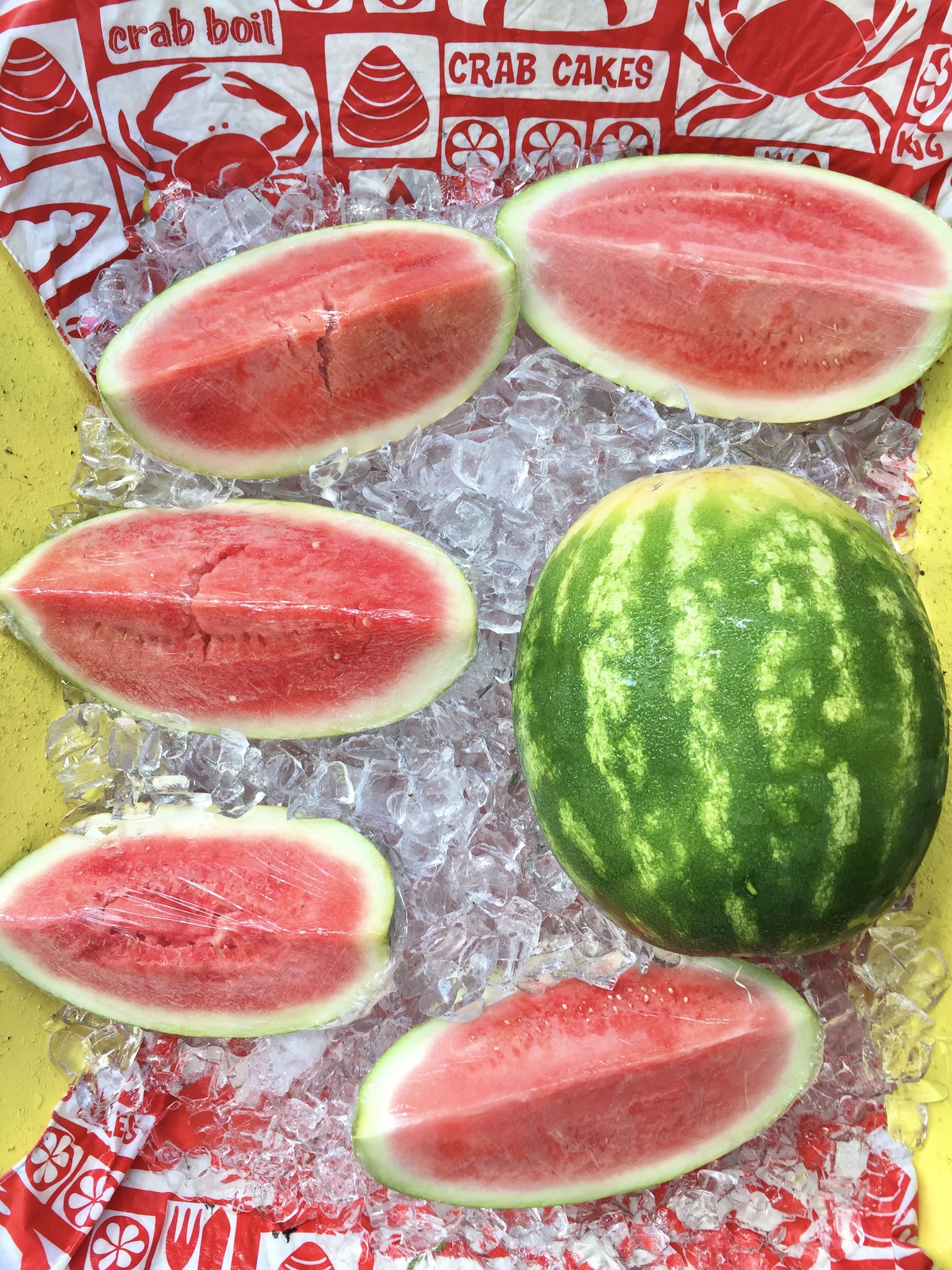
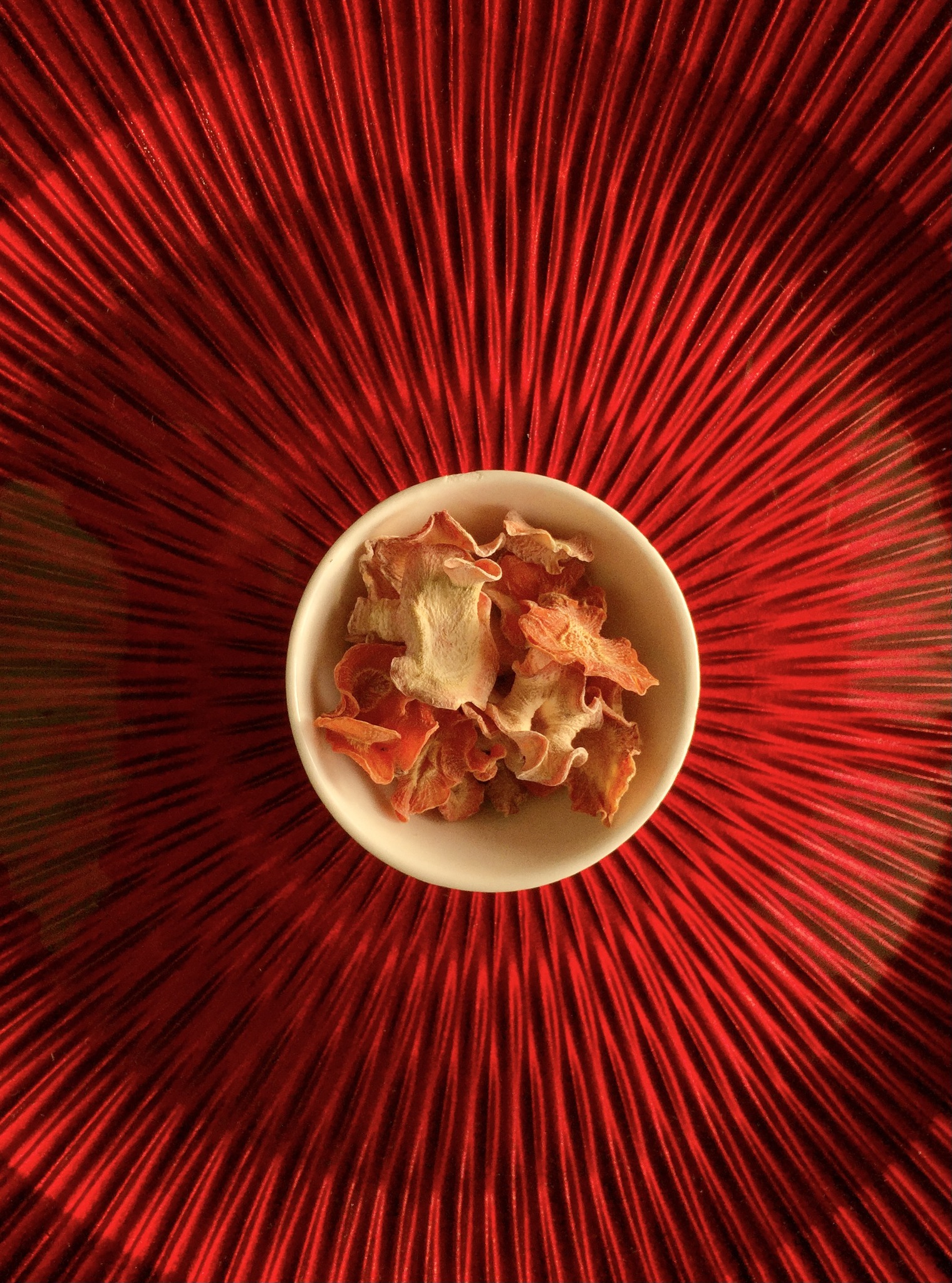
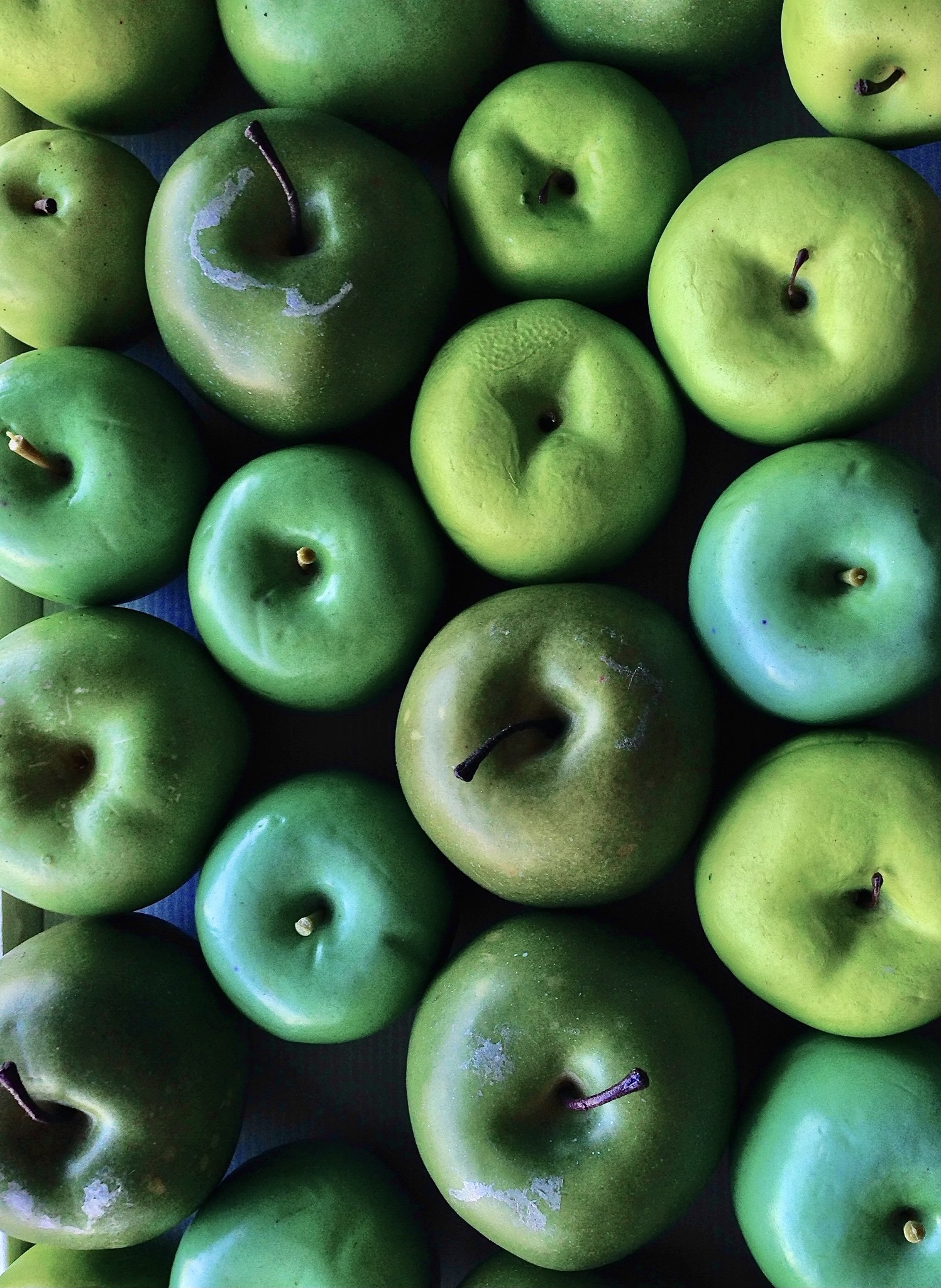
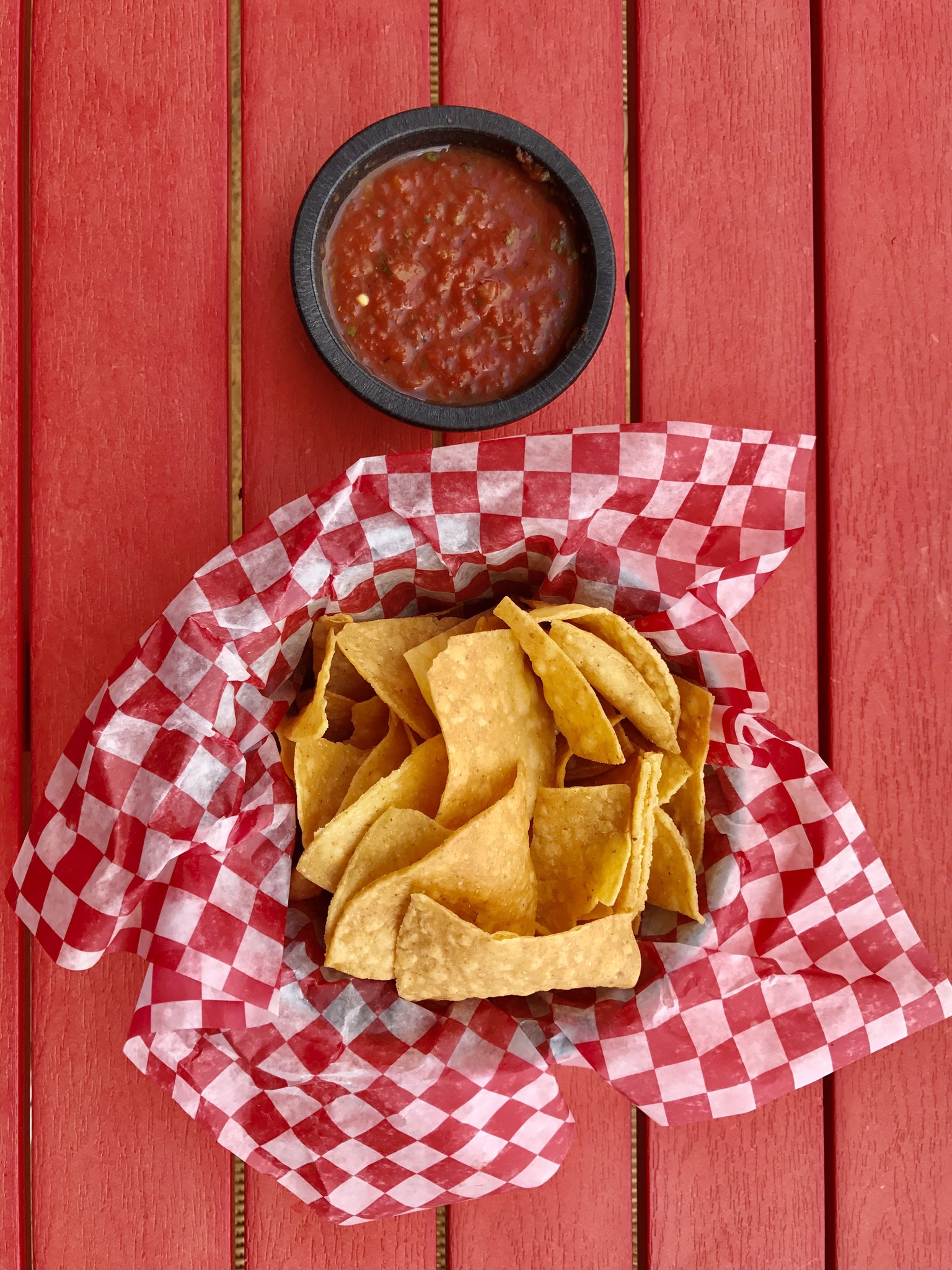
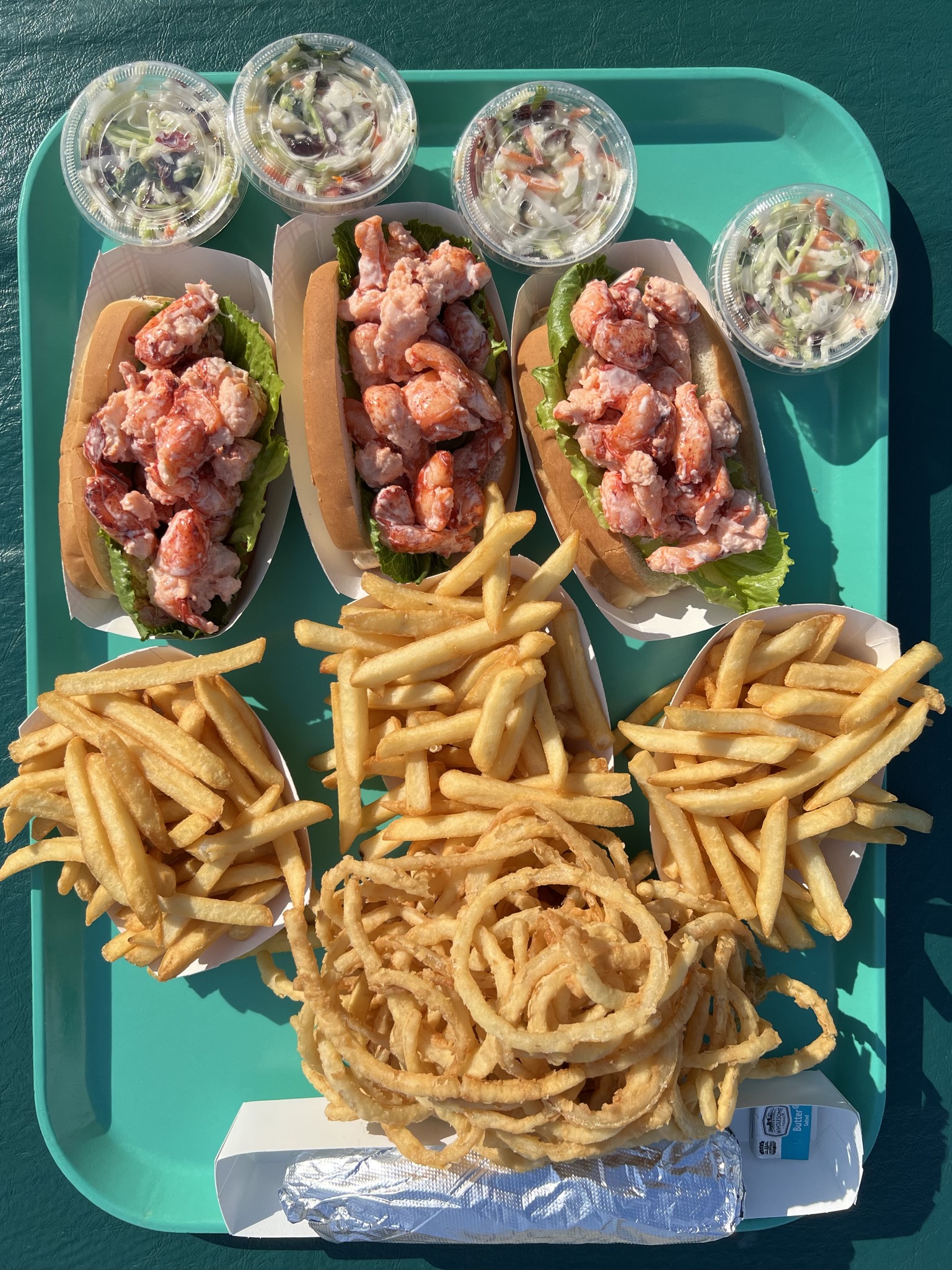
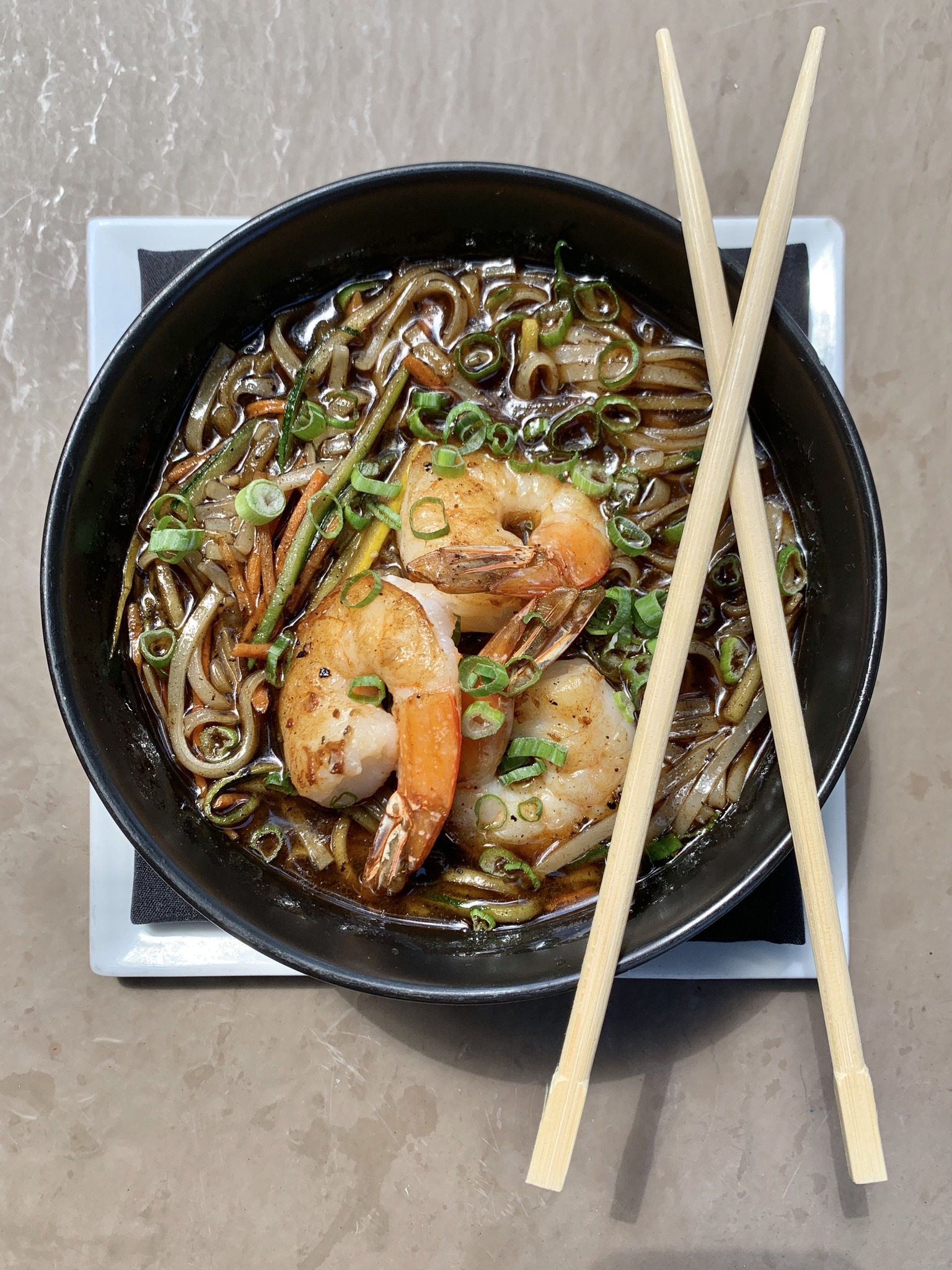
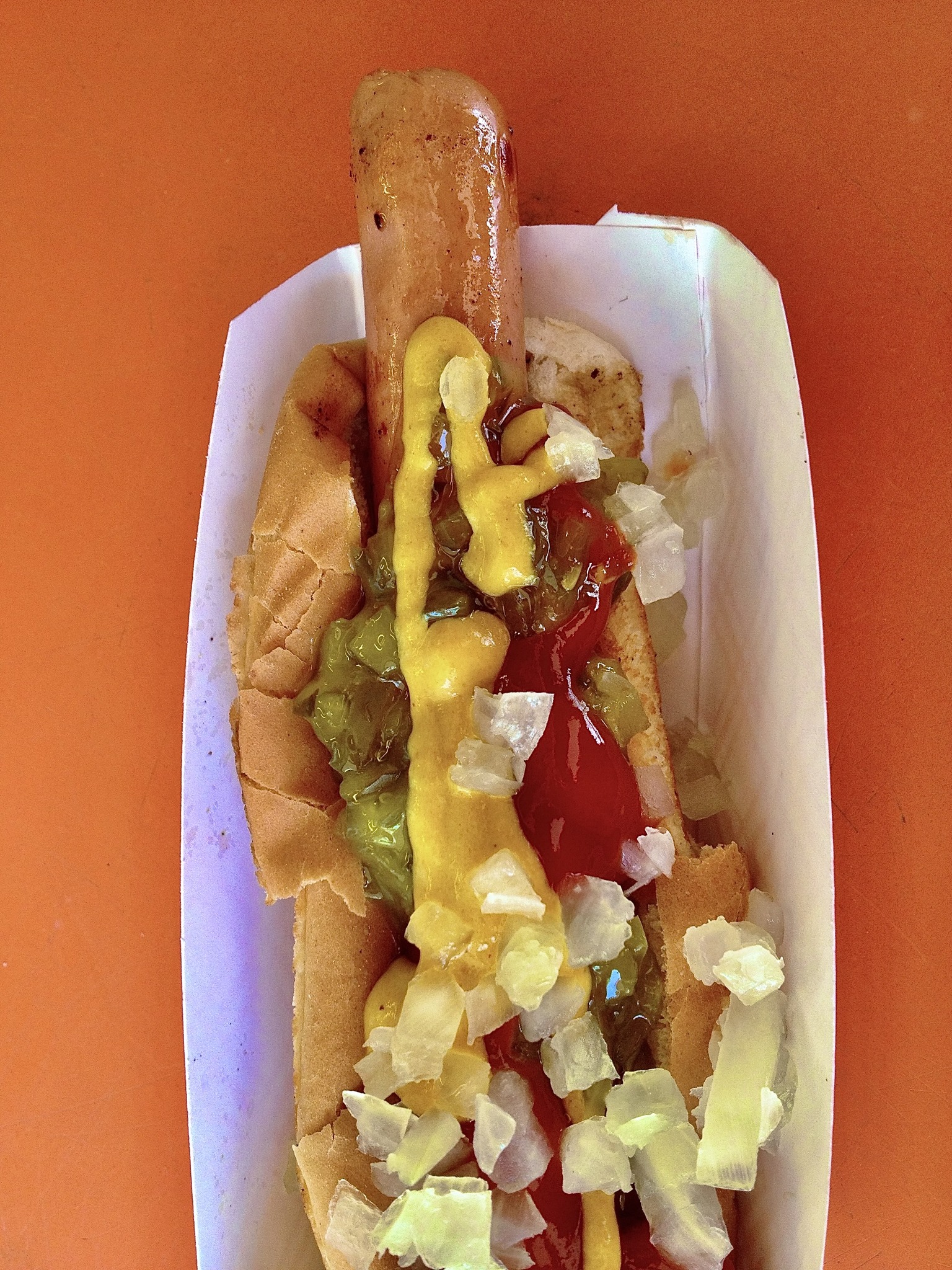
In the images that follow, I’m going to show you 25 different top-down food and drink shots. Different meals. Different moods. Different setups. But all with one thing in common:
They were seen from above.
Not because it’s fashionable. Not because it gets likes. But because it works.
The top-down angle doesn’t just document a dish—it celebrates it. It turns food into form, flavor into feeling, and everyday scenes into visual poetry.
It’s not about being clever. It’s about being clear.
And sometimes, the best way to see things clearly…
is to look straight down.
Click.
Jack.