FM170: The Road Between Here and There
The Symbolism of the Open Road
For someone like me, the road has always been both literal and symbolic. It’s asphalt and imagination. Geography and psychology. It’s never simply about getting from one place to another. It’s about movement itself. Motion. Escape. Curiosity. Reinvention. The road is possibility. It’s the visual equivalent of turning the page.
Maybe that’s why I’ve always been drawn to roads that feel slightly dangerous, slightly forgotten, slightly out there. Roads with mystery baked into them. Roads that don’t feel polished or corporate or overly civilized. Roads that make you feel smaller than the landscape around you. Roads that remind you the world is still wild in places.
FM170, down in far West Texas, is one of those roads.
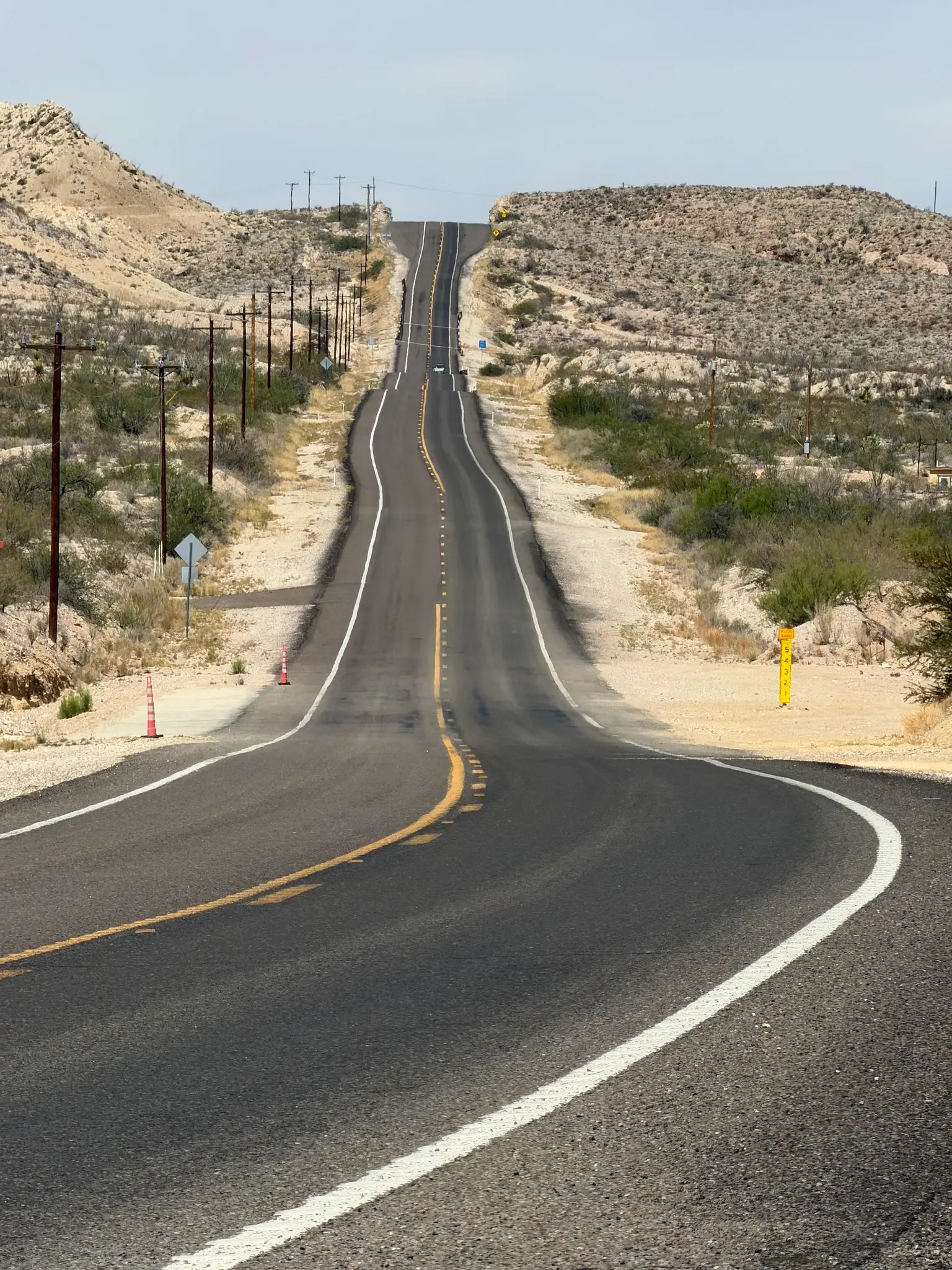
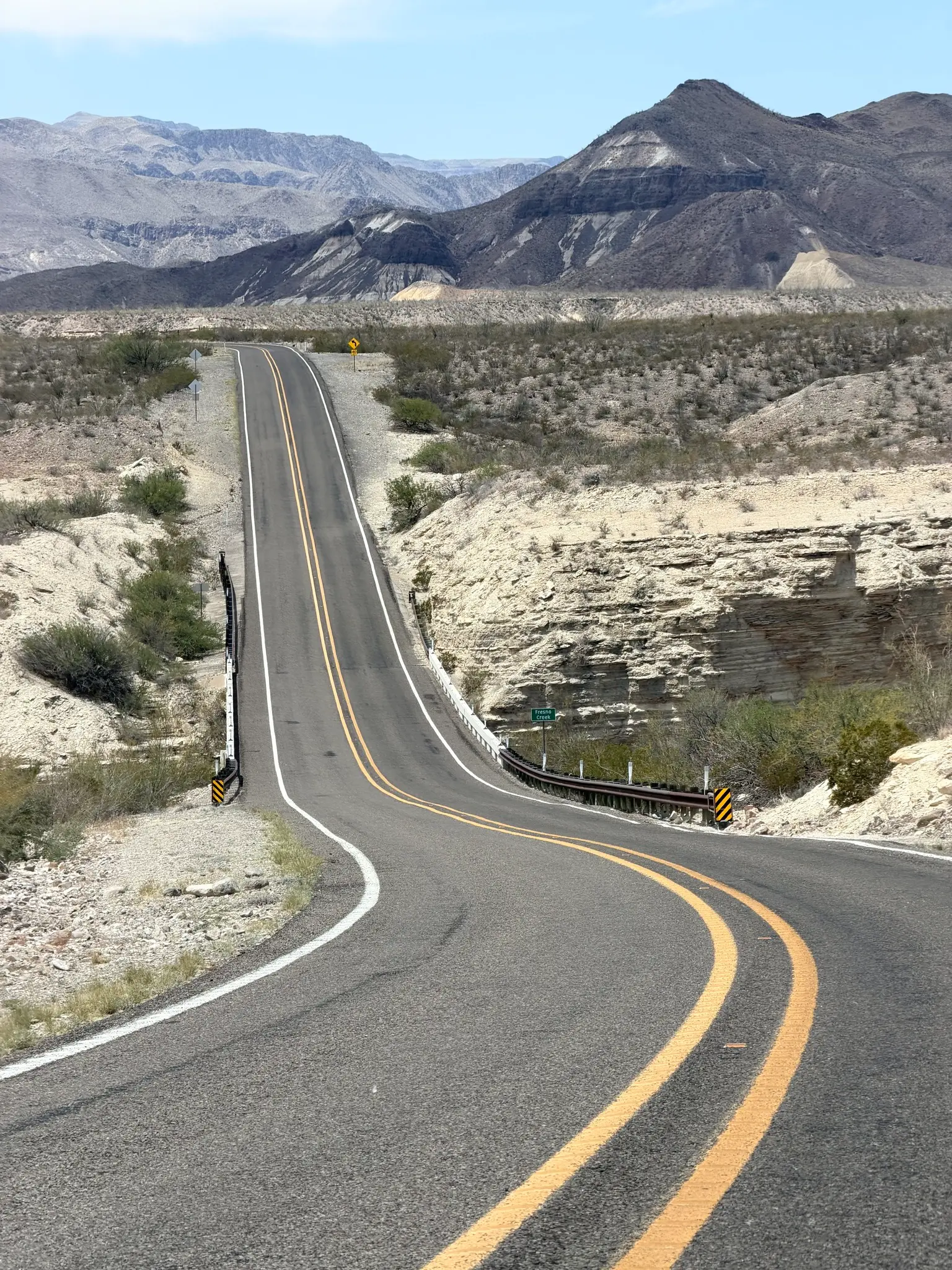
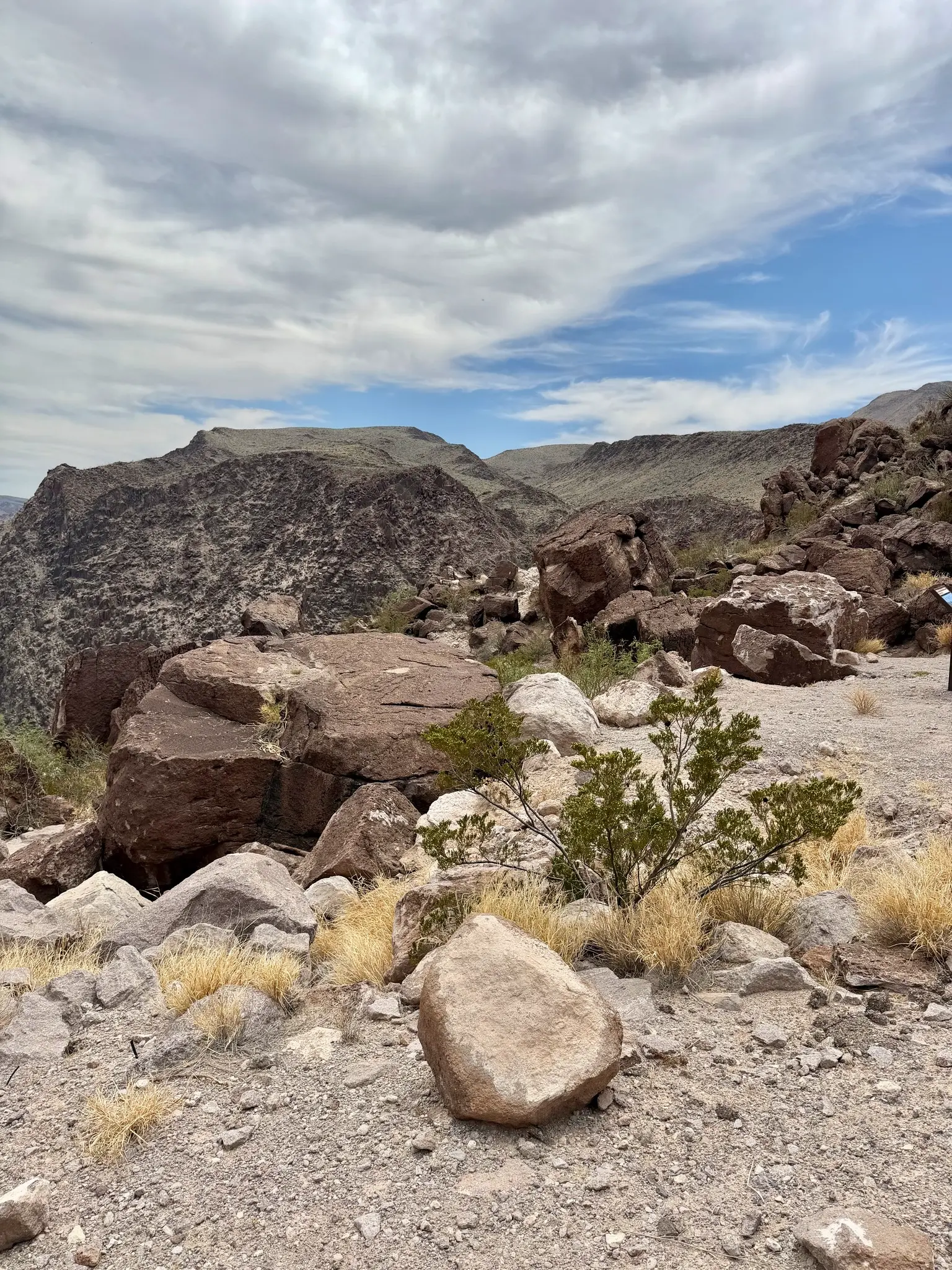
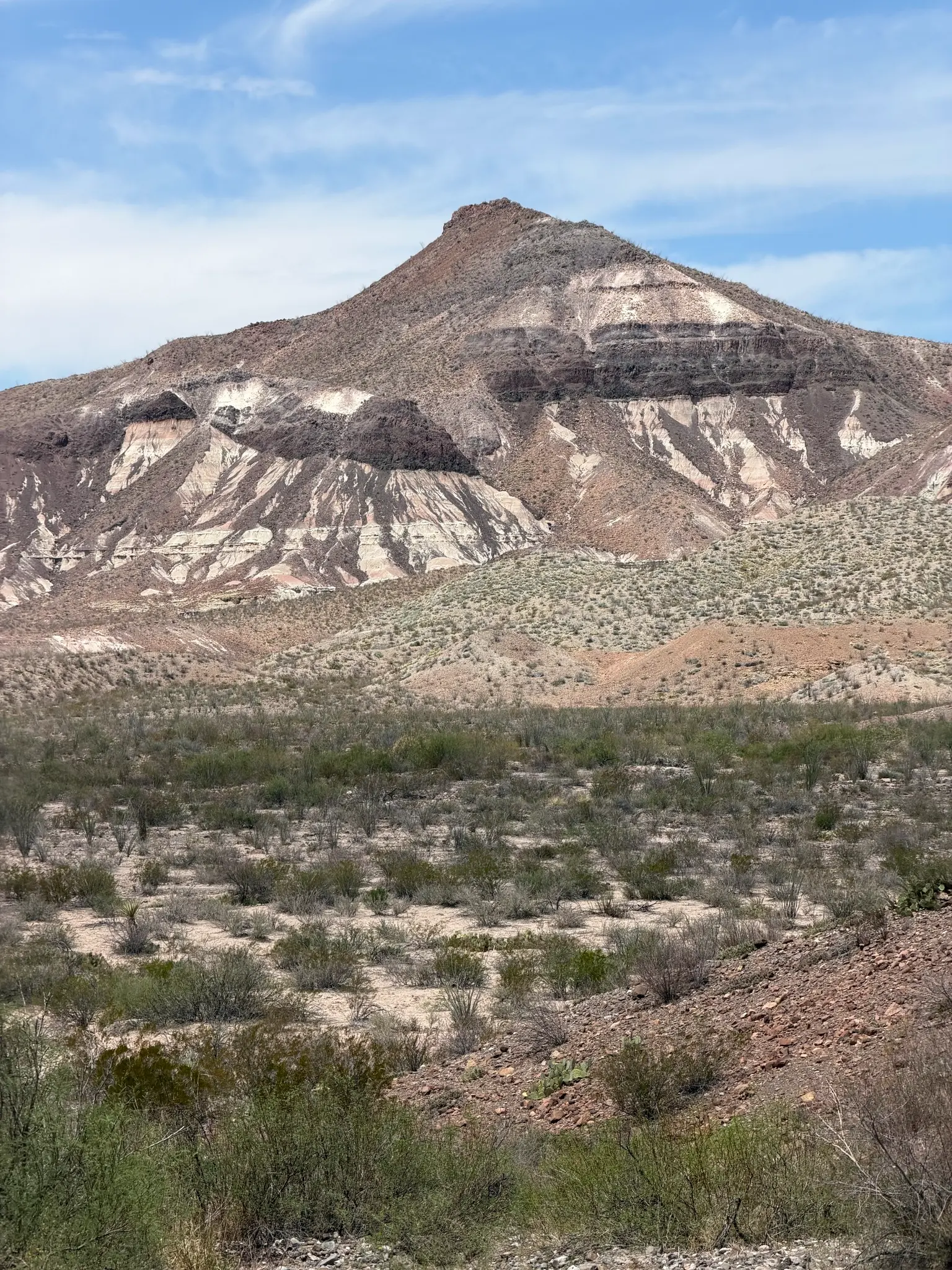
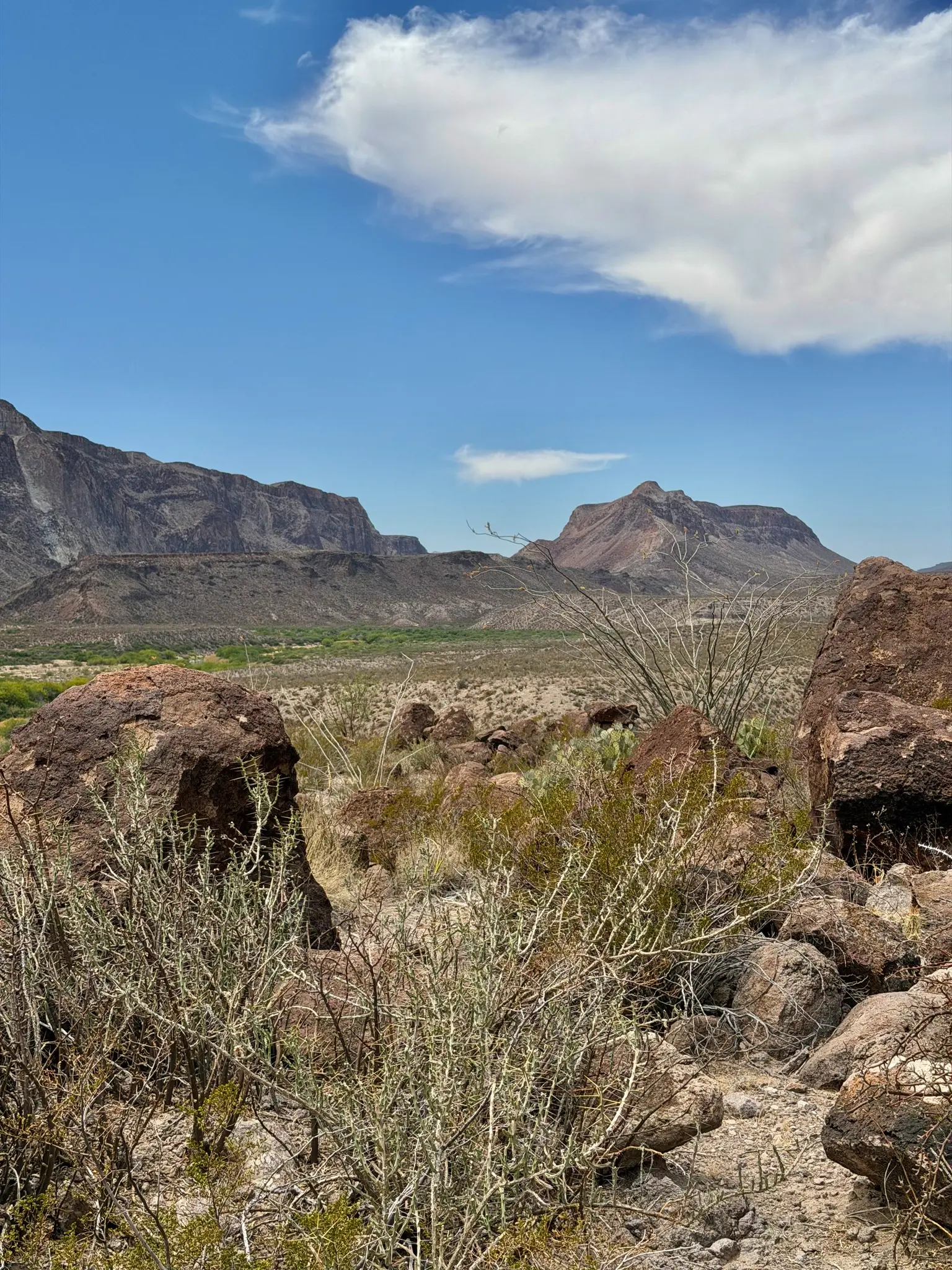
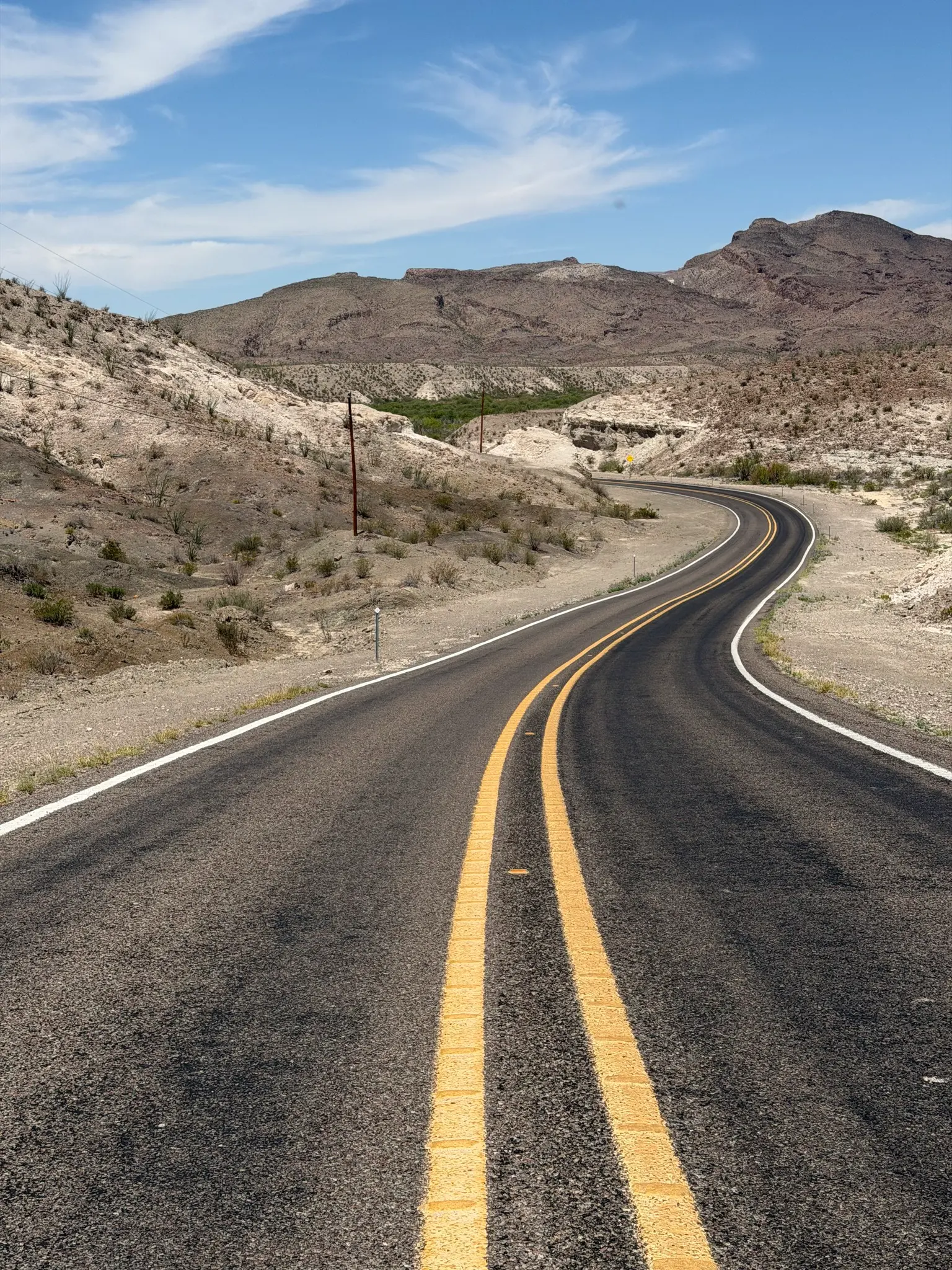
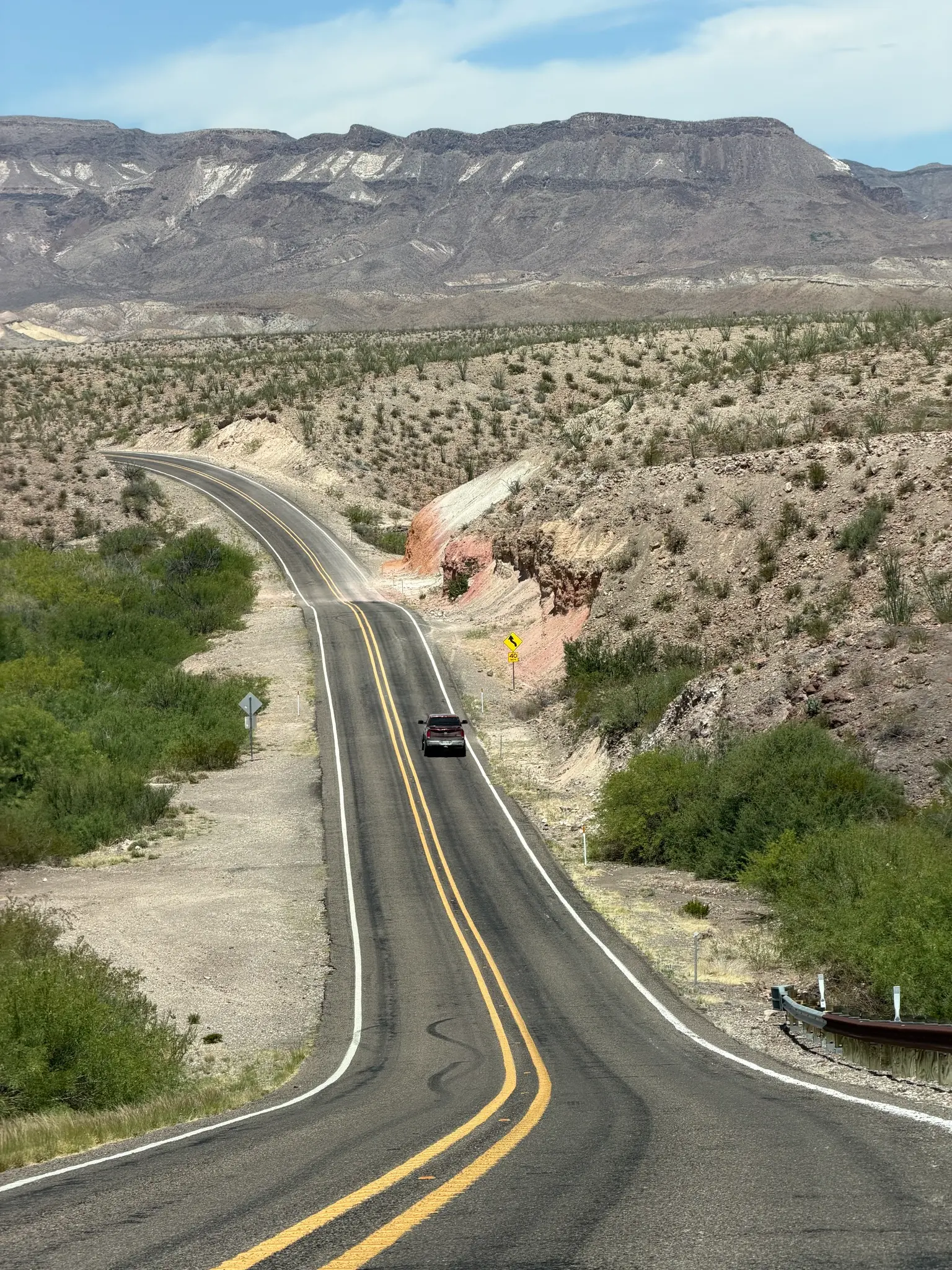
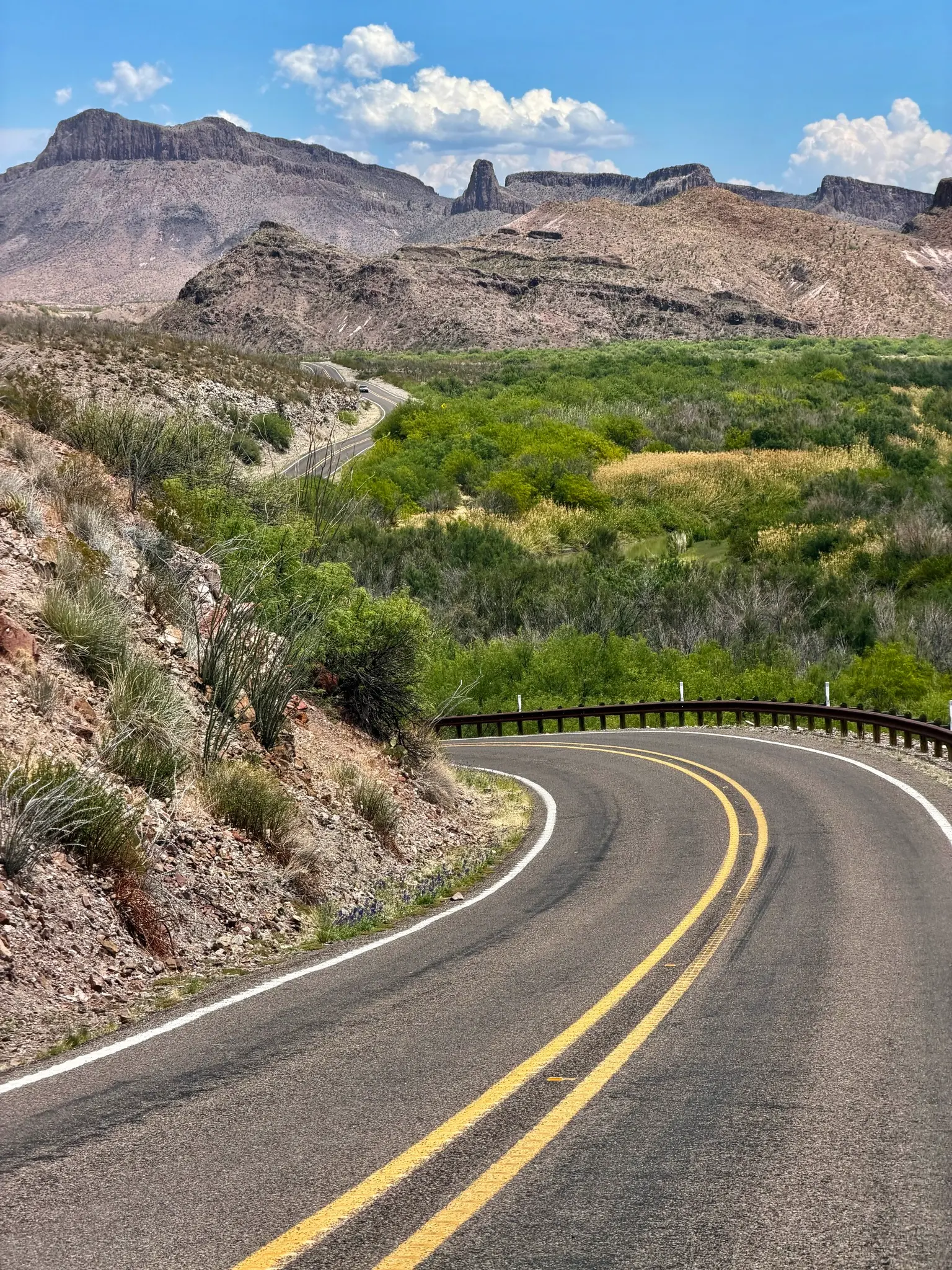
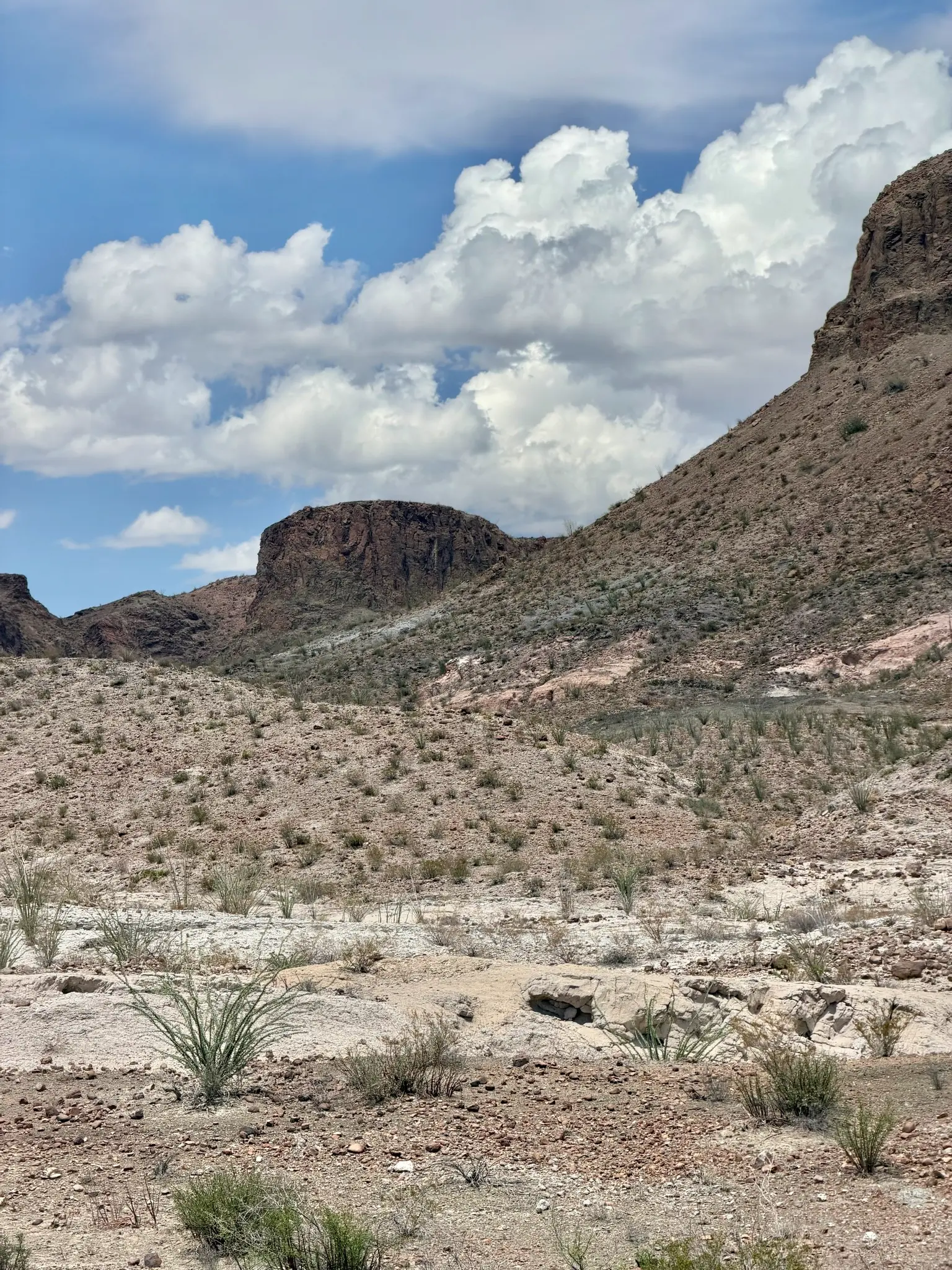
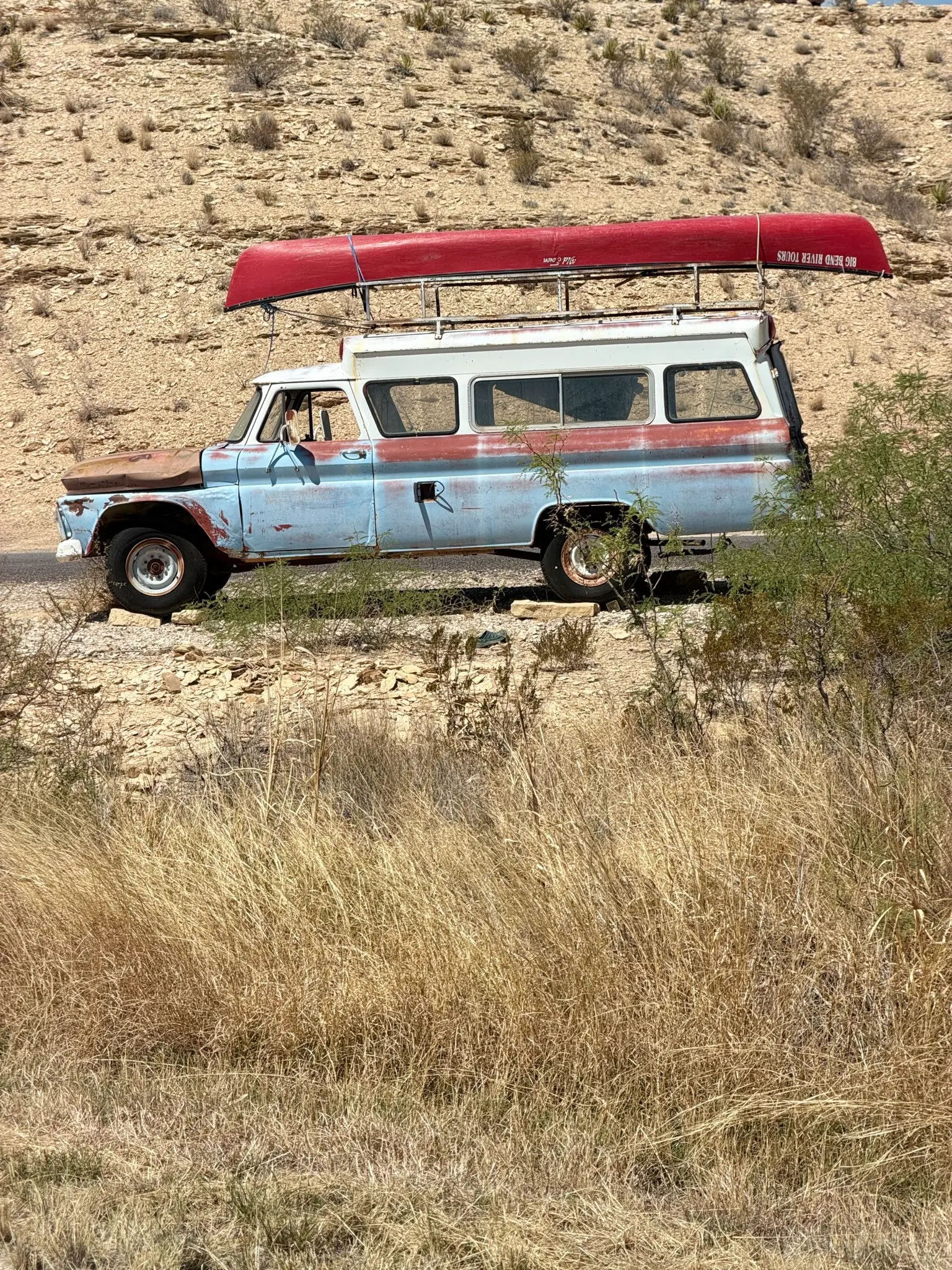
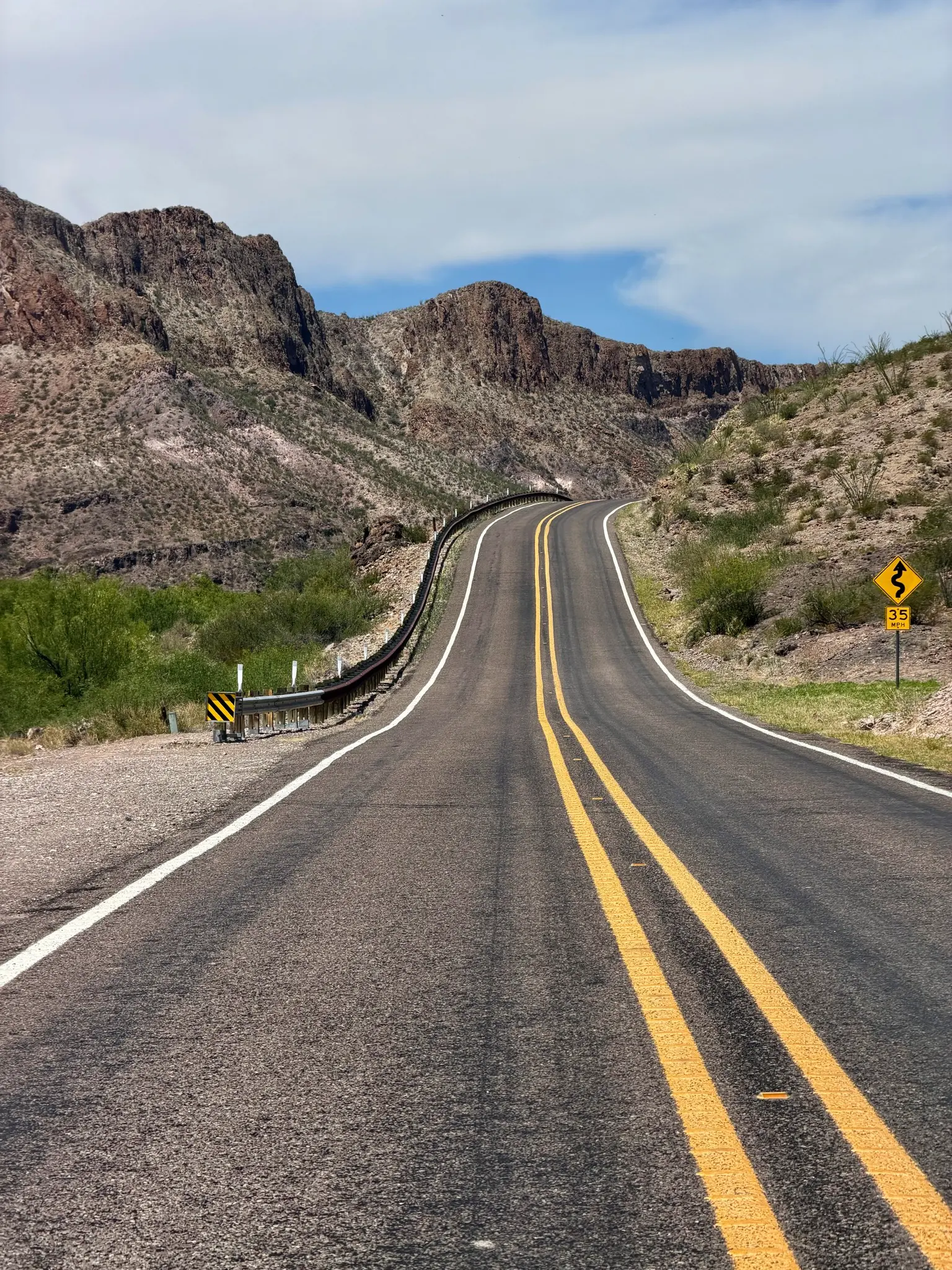
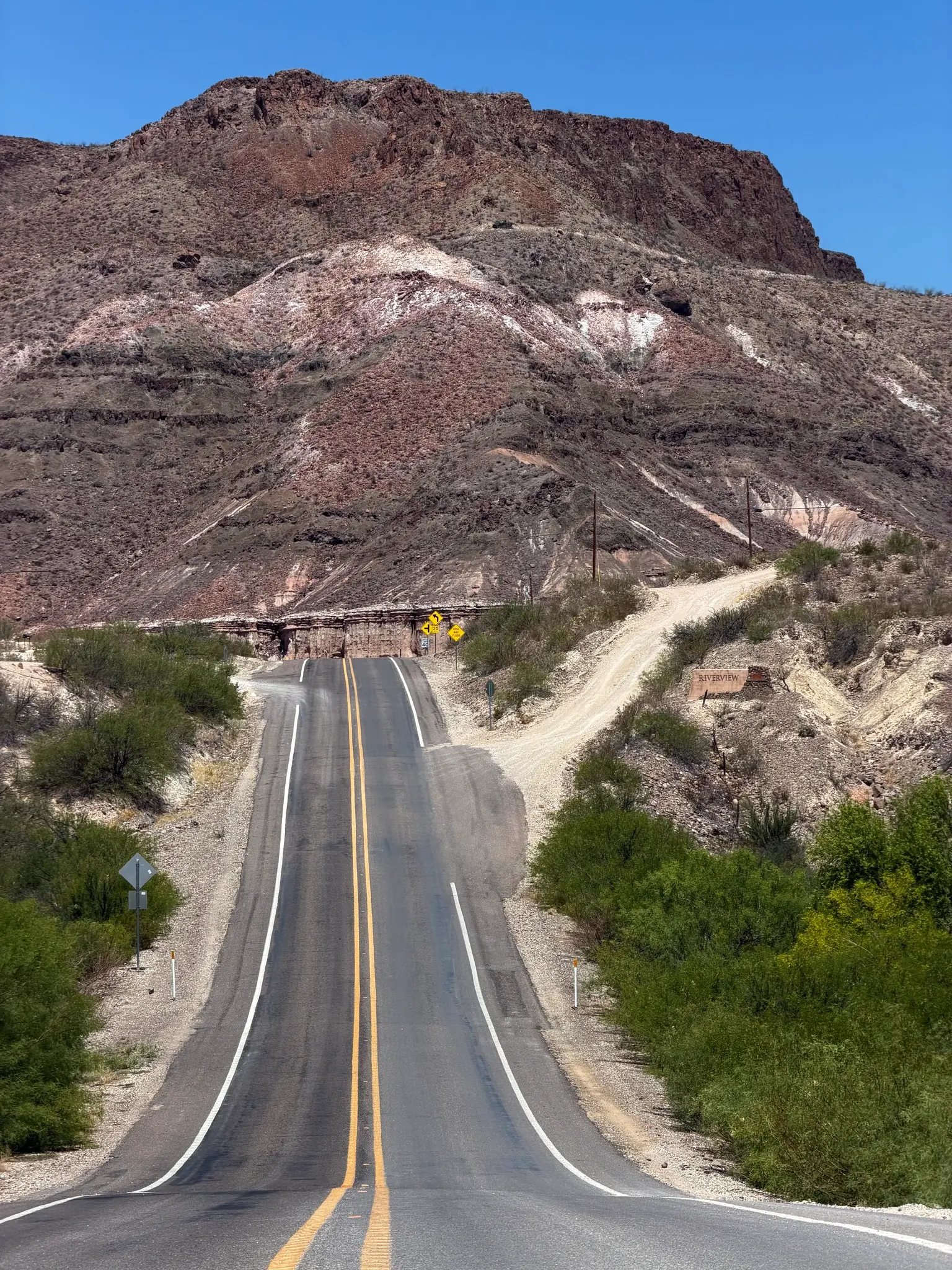
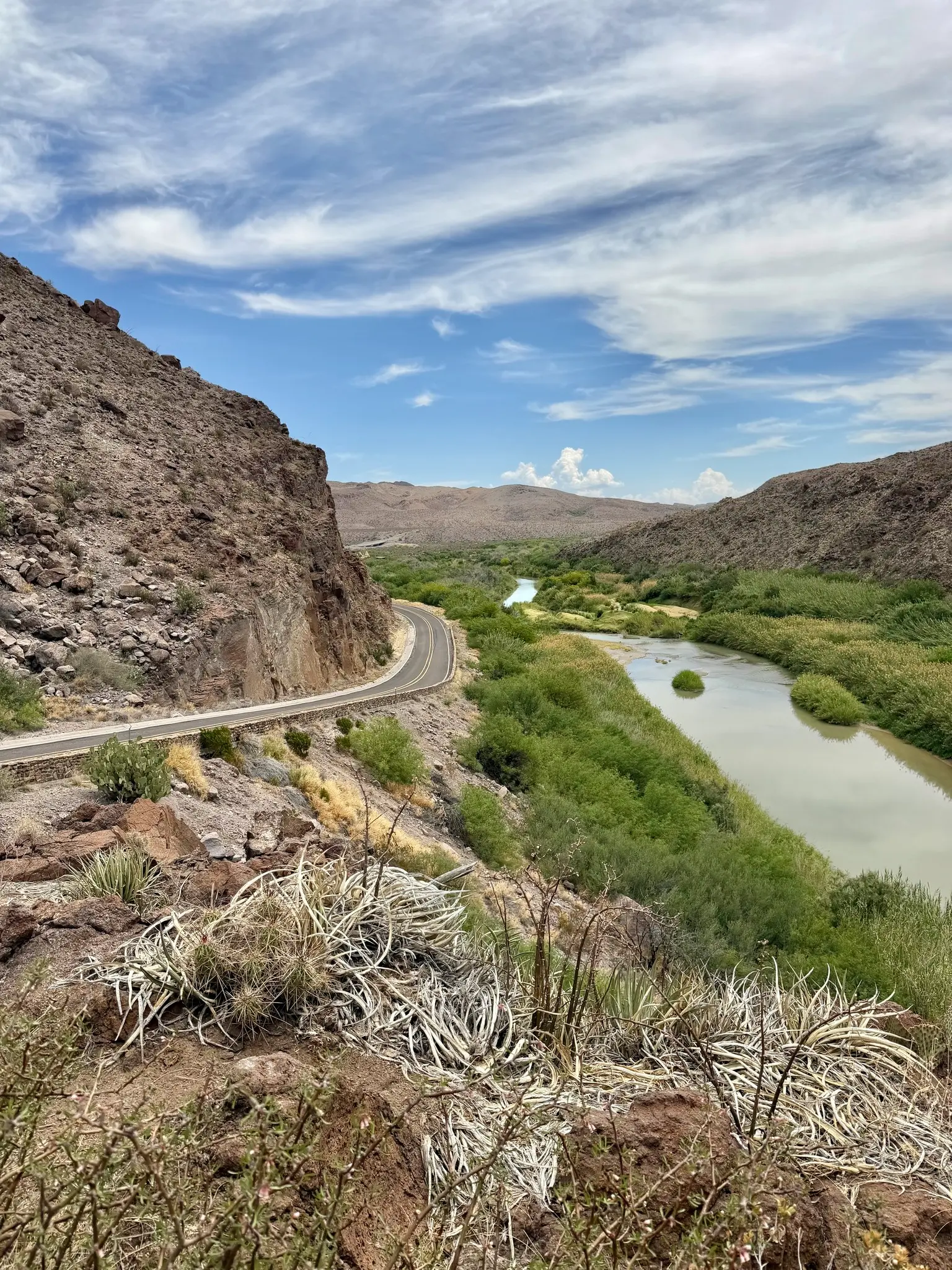
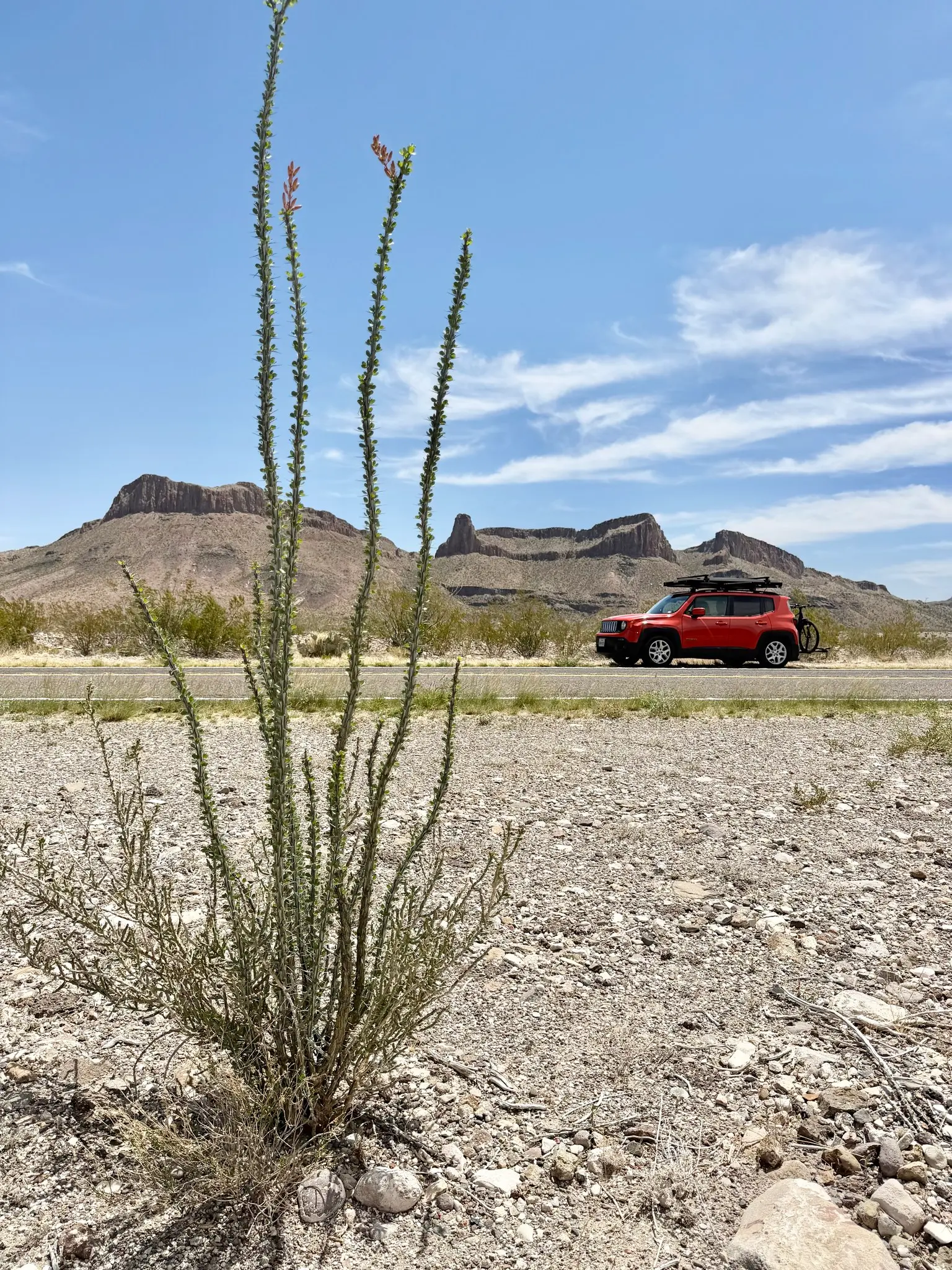
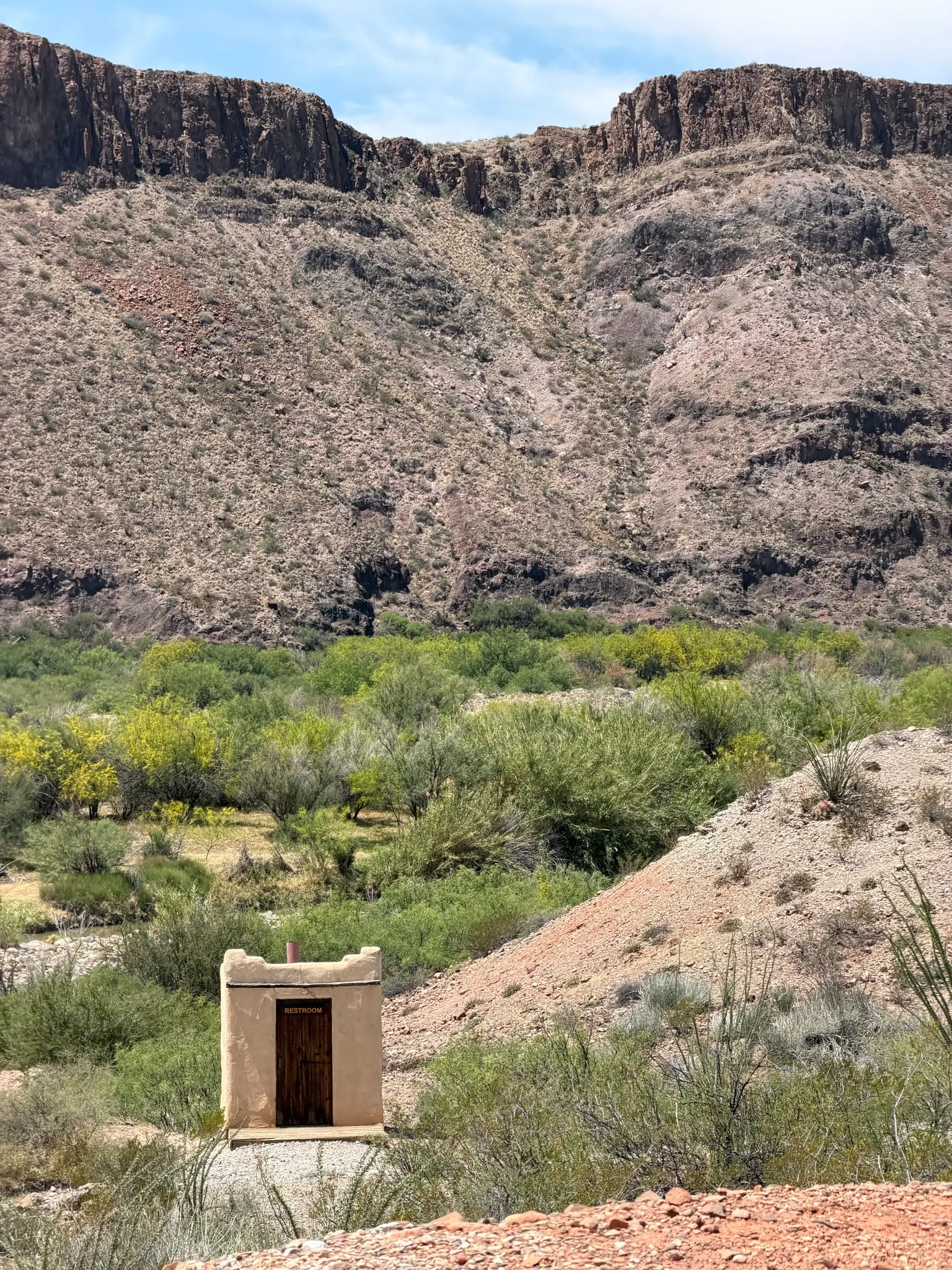
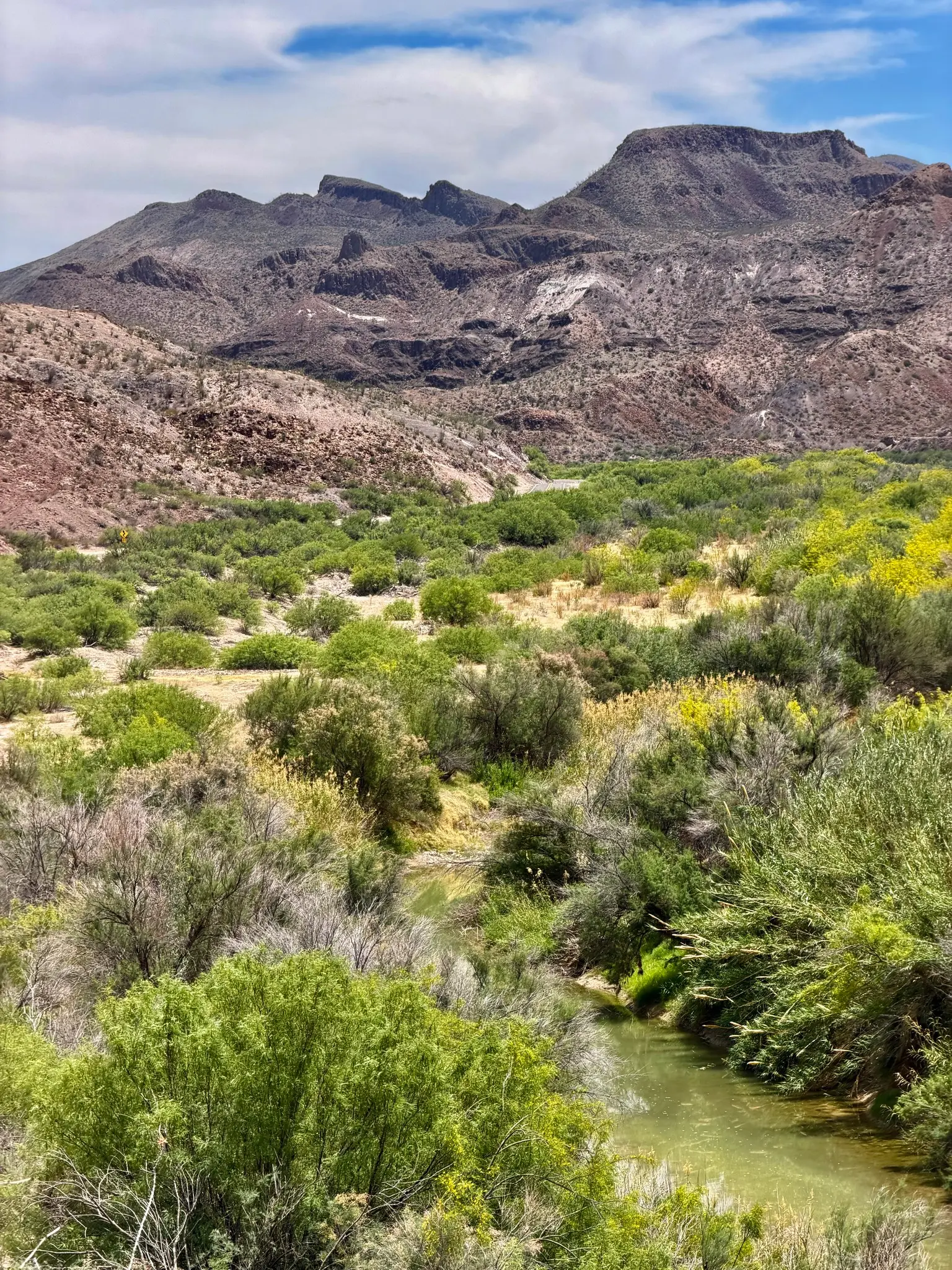
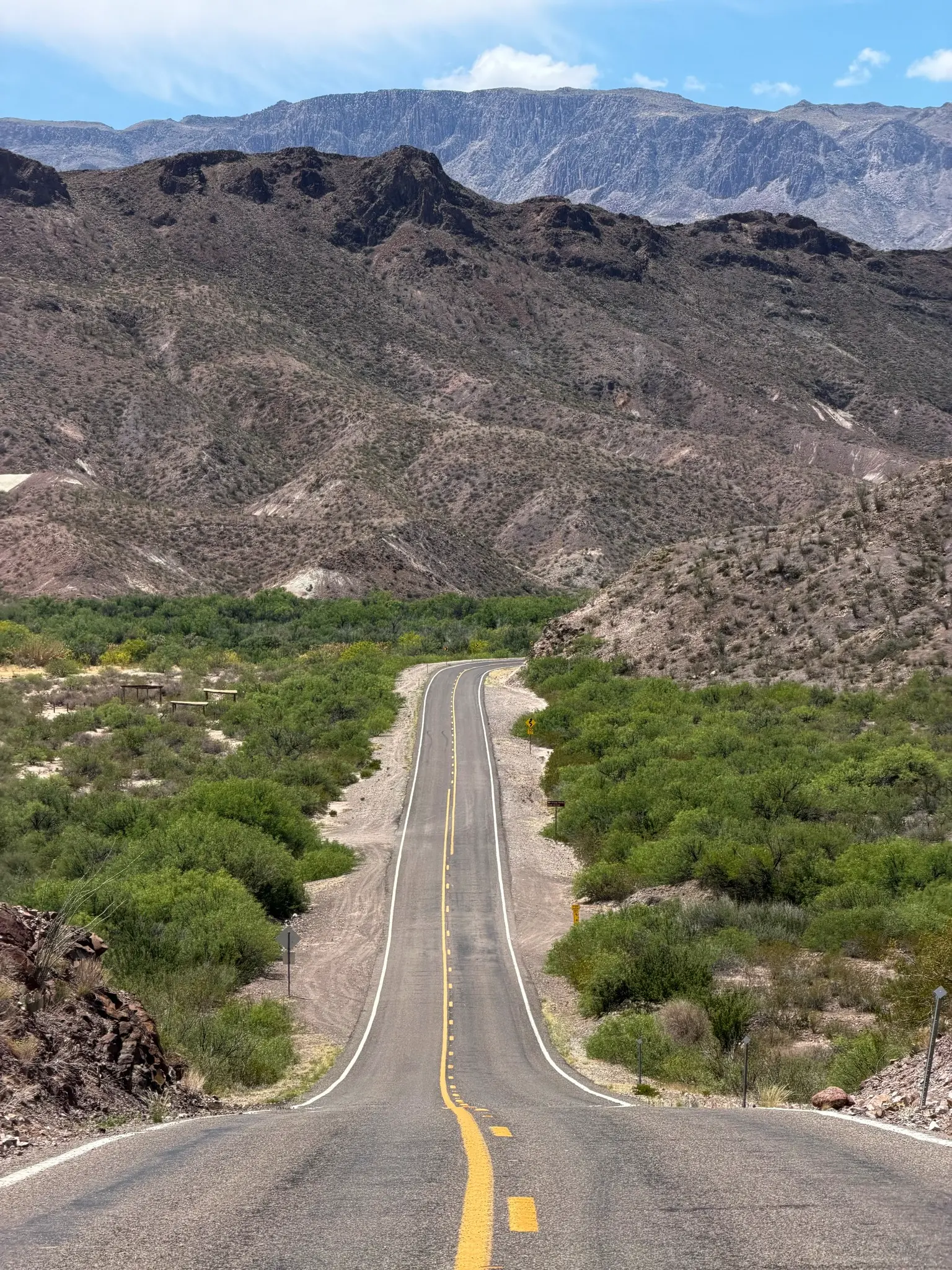
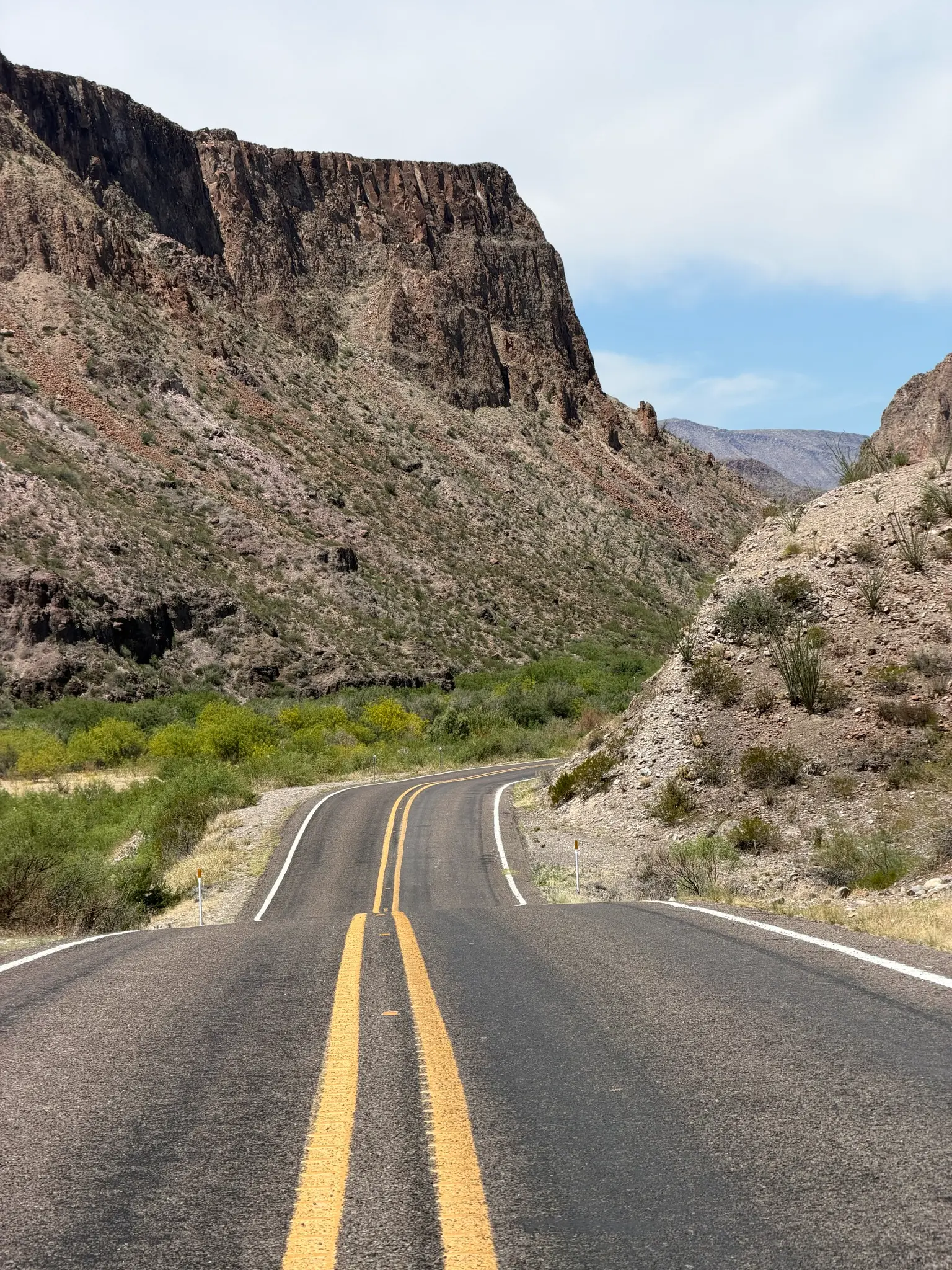
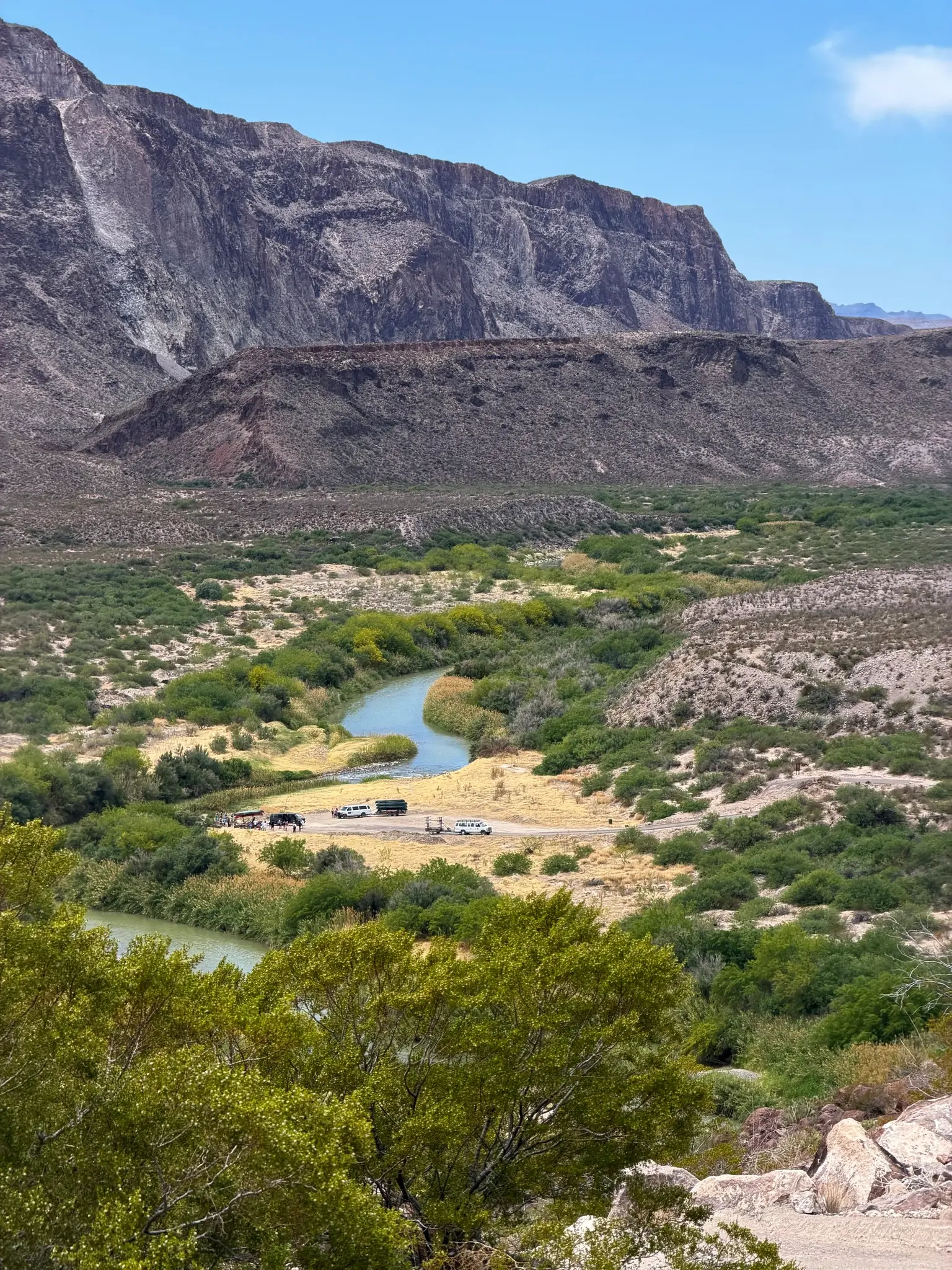
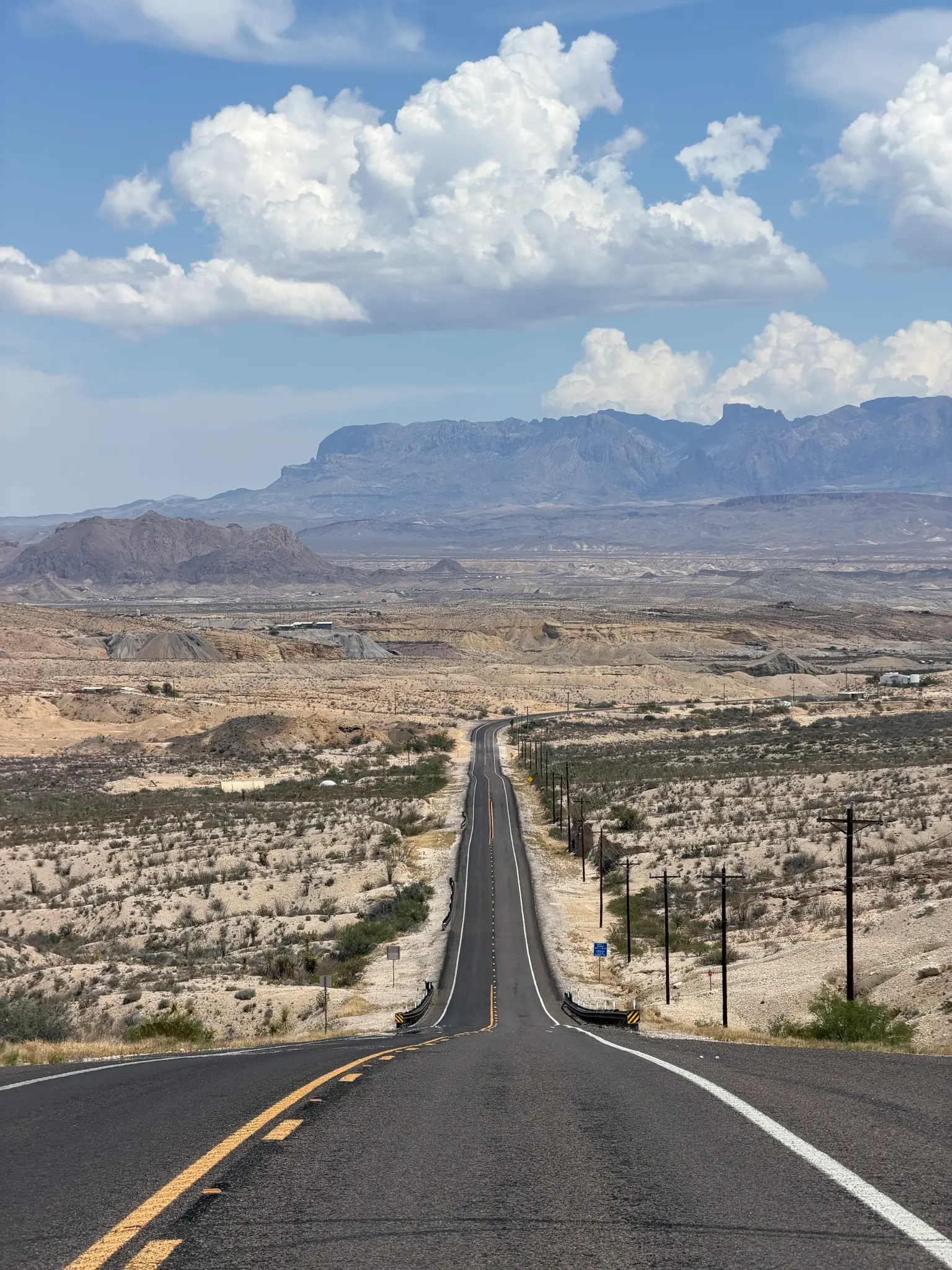
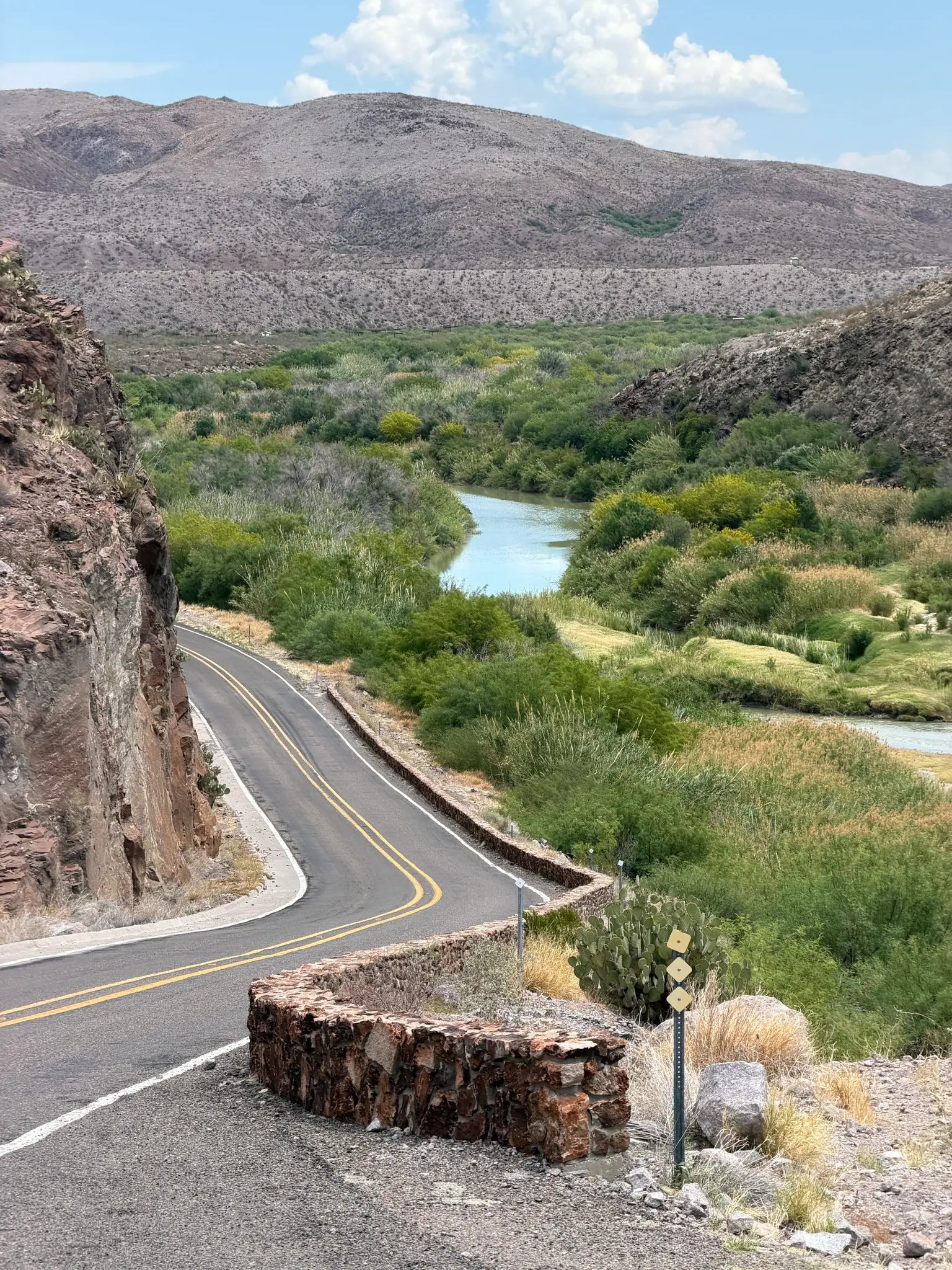
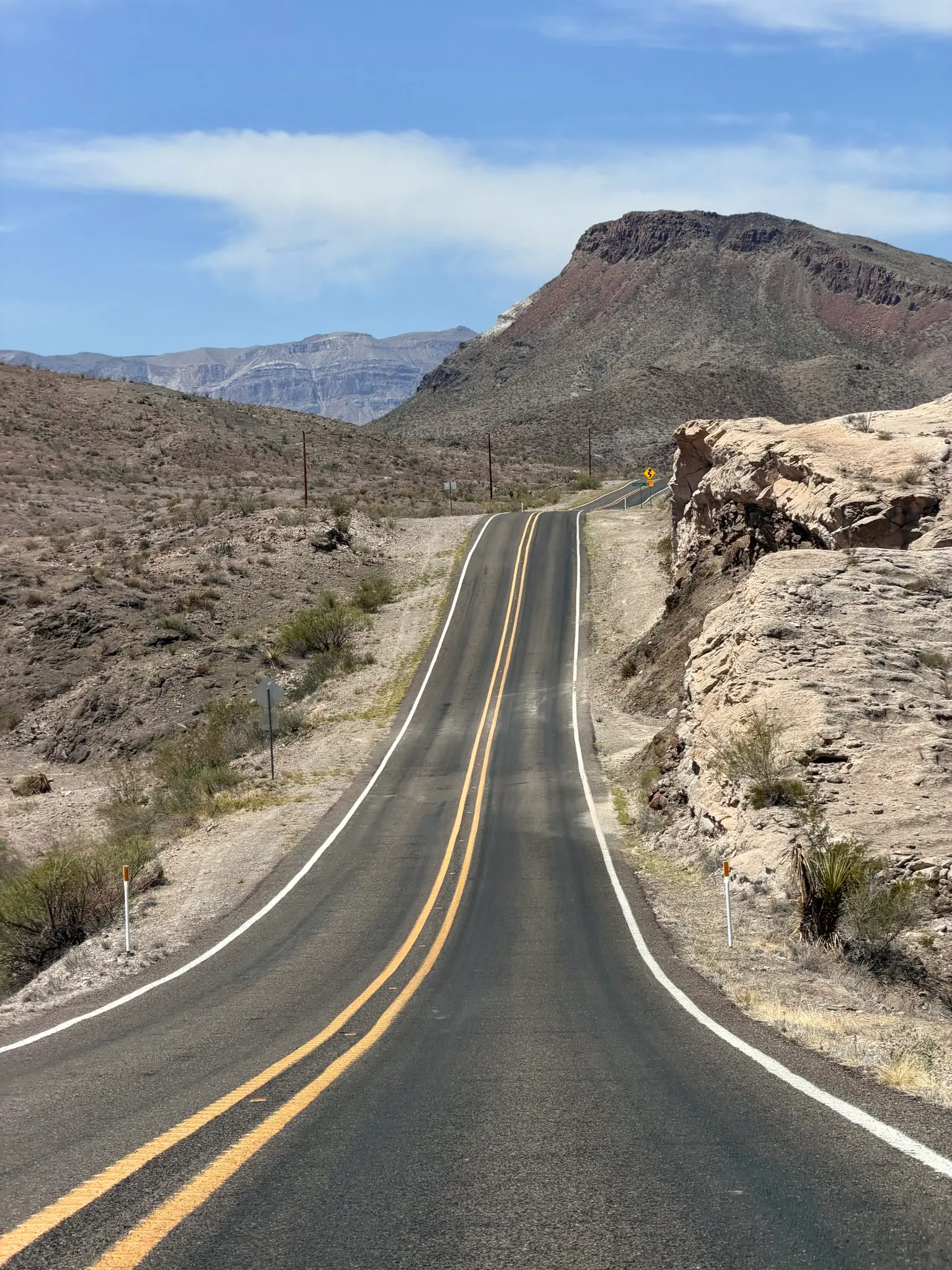
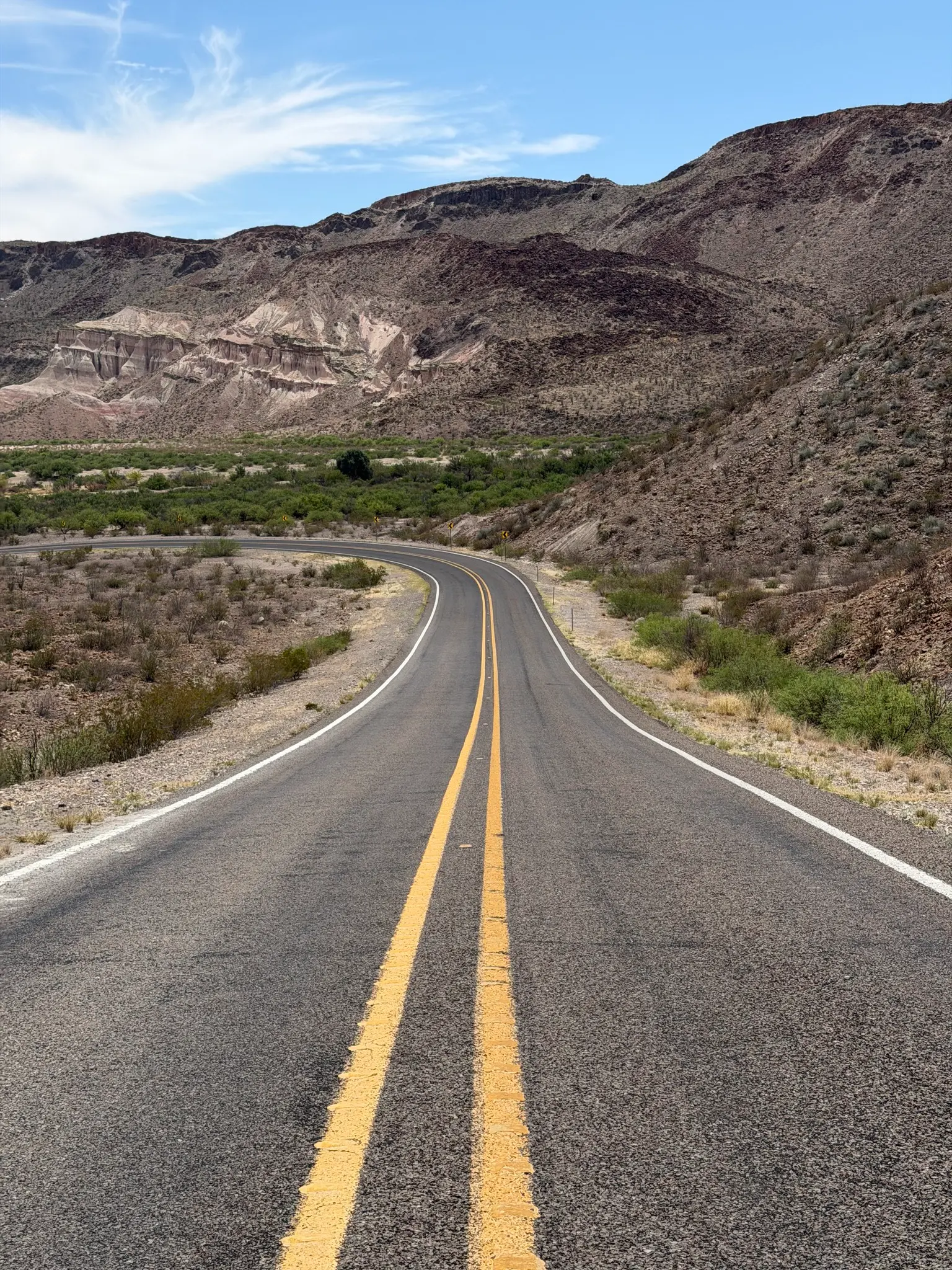
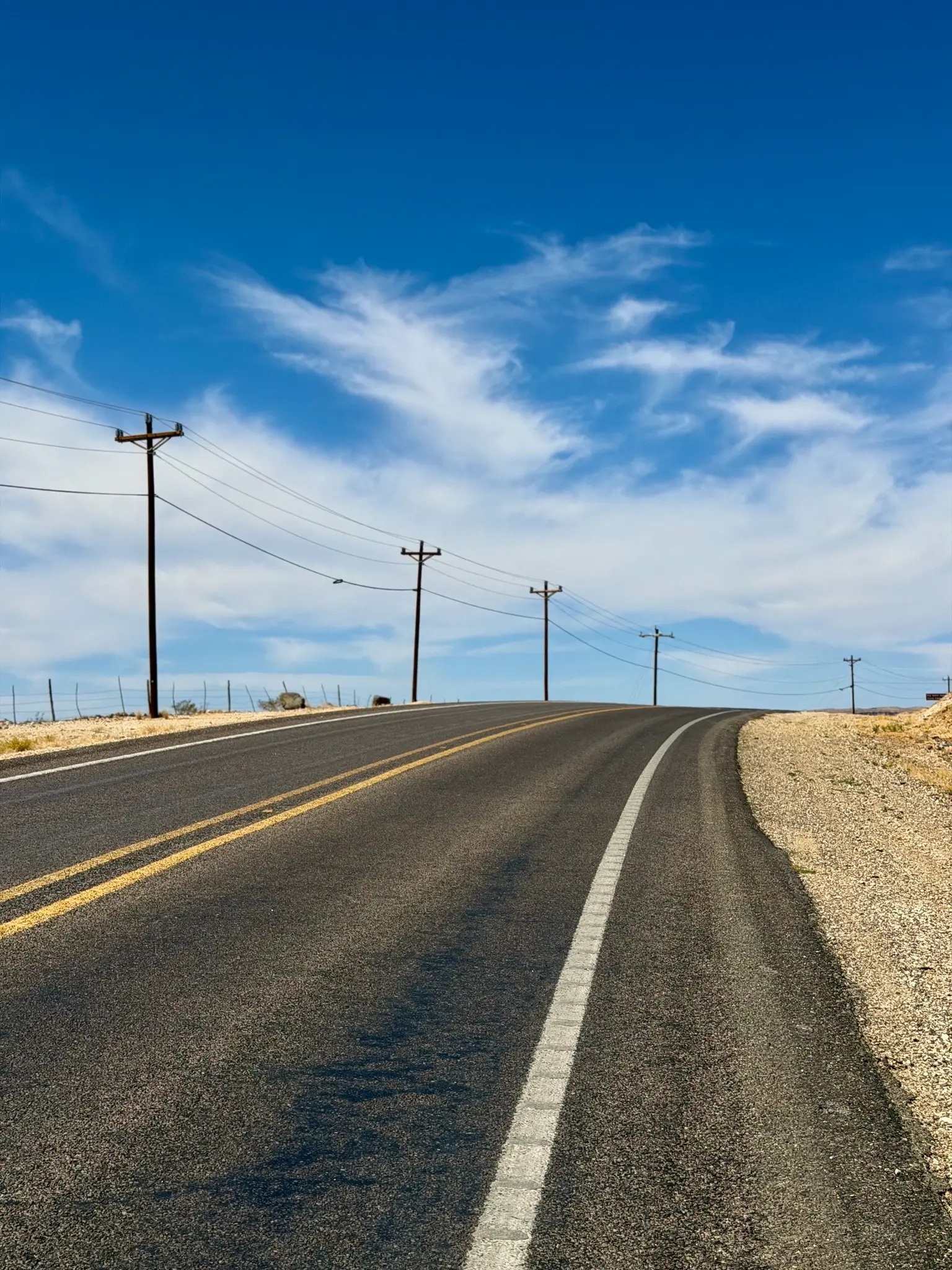
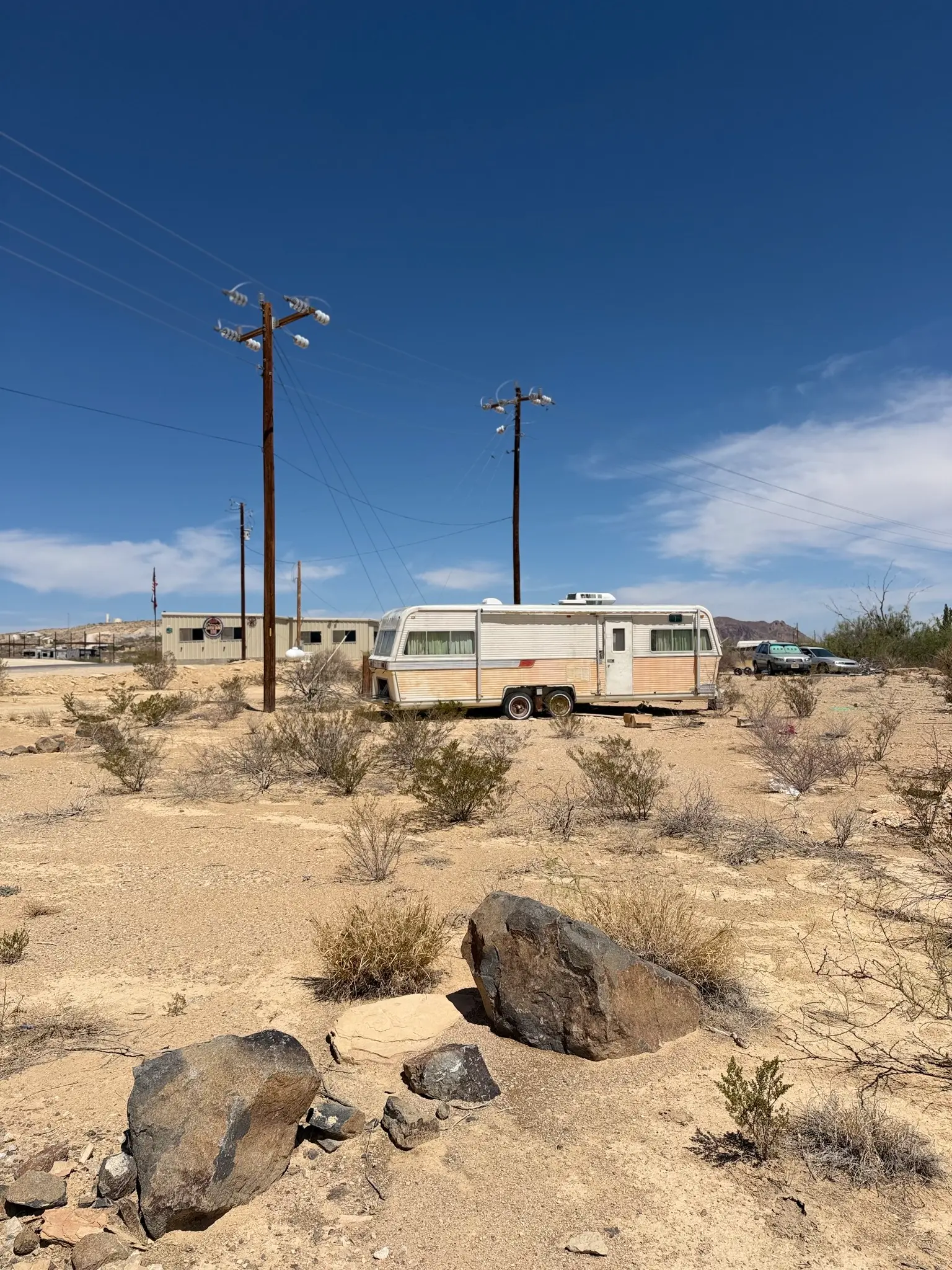
Officially known as River Road, FM170 snakes along the Rio Grande between Terlingua and Presidio, hugging the Mexican border like an old scar. It’s dry, rugged, isolated country. The kind of place where your phone signal disappears, gas stations become rare, and the horizon feels infinite. The road rises and falls dramatically through volcanic hills and desert canyons, often with nothing around you but rock, cactus, wind, and sky. Some stretches feel almost lunar. Others feel biblical. It’s one of the most visually arresting roads in Texas, maybe even America, not because it’s lush or beautiful in the conventional sense, but because it feels so raw and untamed.
You don’t drive FM170 casually.
You experience it.
Growing Up Small
What’s funny is that, as a kid growing up in Reading, Massachusetts, our family hardly traveled at all. My parents were hard-working, practical people. My dad was a respected high school teacher and football coach, deeply rooted in community and routine. Travel, in the grand adventurous sense, simply wasn’t part of our family culture. We weren’t jet-setters. We weren’t explorers. We weren’t “let’s see the world” people.
Our annual version of travel was driving from Reading to South Yarmouth on Cape Cod for the summer. Roughly seventy-five miles. That was our big migration. And honestly, as a kid, it felt magical enough. Cape Cod was dreamy. Salt air. Fried clams. Mini golf. Humidity. Hydrangeas. Cold Atlantic water. Sweatshirts at night. Bare feet all day. Those summers shaped me profoundly.
But the idea of seeing the larger world? Europe? Asia? Deserts? Mountains? Foreign languages? That world felt impossibly far away from the little New England neighborhood life I knew growing up on Lowell Street, with our back door opening onto Barrows Road.
Then came 1975.
My first overseas trip happened almost accidentally, when I boarded a merchant marine ship bound for Europe. I was young, restless, curious, and probably far less prepared than I imagined myself to be. But the moment that ship left American waters, something inside me permanently shifted. Europe cracked open my world. Different architecture. Different food. Different light. Different pace of life. Different faces. Different histories.
And somewhere during that trip, two lifelong obsessions fused together inside me almost simultaneously: travel and photography.
I was hopelessly hooked on both.
A Life Spent Moving
As karma would eventually play out, I ended up spending most of my professional photography career working inside the Travel, Leisure, and Hospitality industries. Airlines. Cruise lines. Hotels. Resorts. Tourism campaigns. My cameras became passports. My assignments became movement itself.
I traveled more than most people ever will.
I’ve photographed sunsets in Santorini, fishing villages in Norway, crowded streets in India, glaciers in Iceland, river cruises through Europe, beaches in the Caribbean, luxury hotels in Asia, tiny cafes in Italy, desert highways in Texas, and countless anonymous roadside diners in between. My life has unfolded through terminals, highways, rental cars, cruise ships, hotel rooms, and long stretches of windshield time.
And yet, for all the glamorous stamps in the passport, some of the most meaningful travel moments of my life have happened alone on roads like FM170.
Not Paris.
Not Rome.
Not Singapore.
A lonely desert road in far West Texas.
Because roads like this strip away the noise.
Why the Road Matters
The open road, to me, will always symbolize freedom, uncertainty, solitude, reinvention, and hope. It represents the possibility that life can still surprise you. That you can still stumble upon beauty you weren’t looking for. That you can still become someone slightly different by the time the sun goes down.
The road doesn’t care who you used to be.
That’s part of its magic.
Out there, especially in West Texas, nobody cares about your résumé, your social media following, your politics, your bank account, or your status. The desert is wonderfully indifferent to human ego. It humbles you quickly. You realize how small you are. How temporary you are. And oddly enough, that realization feels liberating rather than depressing.
FM170 especially carries this emotional weight for me because it feels untethered from modern life. You drive it and suddenly the world slows down. The frantic pace disappears. Notifications vanish. The noise evaporates. You become hyperaware of light, shape, texture, distance, weather, silence.
As a photographer, that kind of environment is intoxicating.
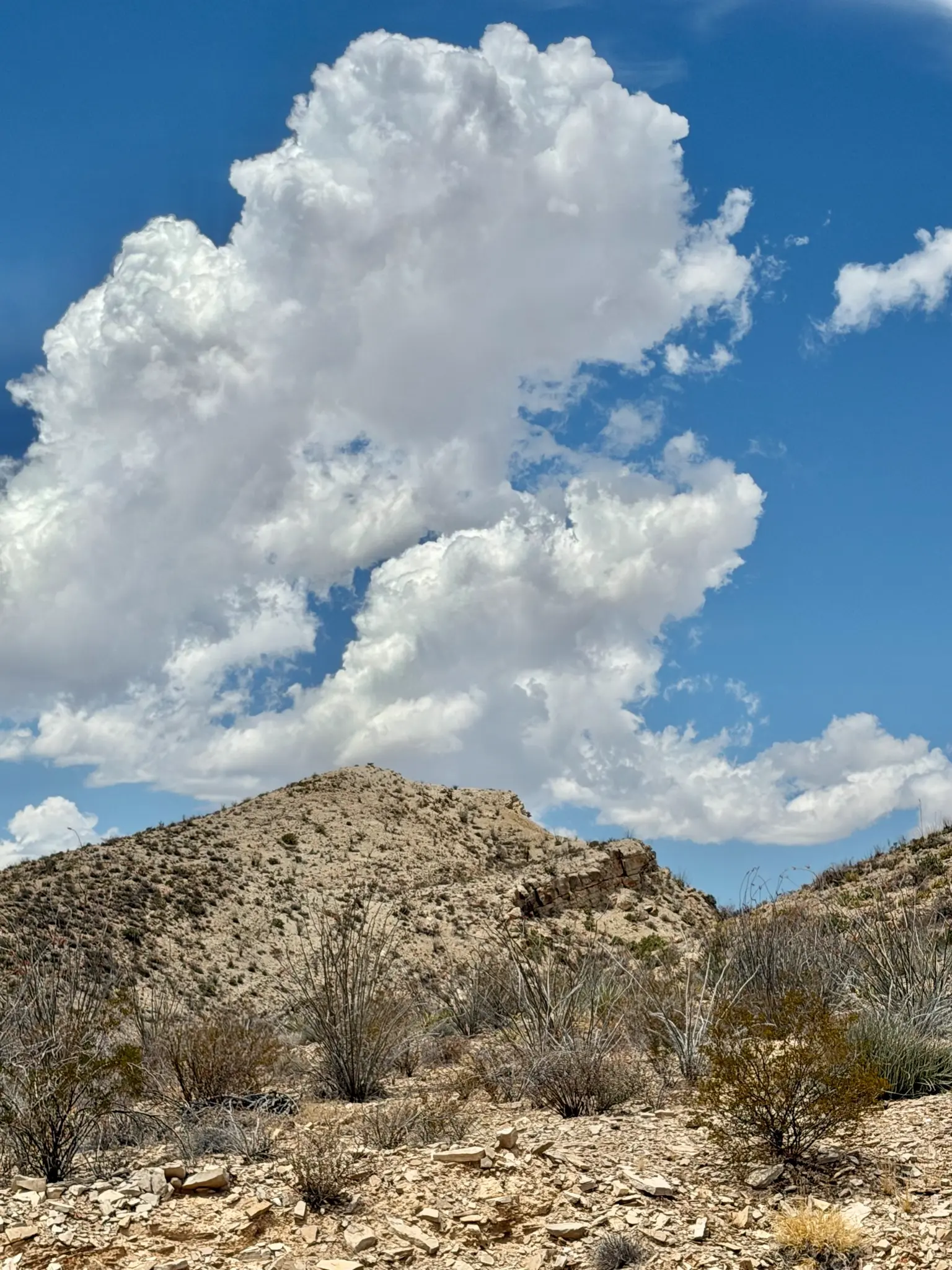
The desert teaches you to notice subtlety. Tiny shifts in light become monumental. A single cloud matters. A sliver of shadow matters. The color of dirt matters. You stop searching for spectacle and start paying attention to nuance.
Click.
Click.
Click.
Photography, at least the kind I care about now, has less to do with capturing things and more to do with paying attention. Roads like FM170 force attention upon you. There’s nowhere else to look except outward and inward at the same time.
The Road Ahead
At seventy-two years old, I’ve come to understand something important about myself. I’m probably never going to stop moving. Even if my body slows down someday, my mind won’t. Curiosity still pulls me forward. Photography still pulls me forward. The next bend in the road still pulls me forward.
And honestly, I hope it always does.
Because the road isn’t really about geography for me anymore. It’s about staying emotionally alive. Staying awake to the world. Staying curious. Staying open. Refusing to calcify into certainty and routine.
That’s what FM170 represents to me.
Not simply a road in West Texas.
But a reminder that life itself is still unfolding.
Still moving.
Still calling.
Click.
Jack.