Big Bend: Overlooks Are Overrated
Why the most photographed views in Texas rarely make the best photographs
There are certain things you are simply expected to love as a photographer. Sunsets. Mountains. Waterfalls. Forests. National Parks. Golden light spilling across majestic landscapes while some bearded guy in a floppy hat stands on the edge of a cliff staring heroically into the distance. Photography culture practically demands it. The problem is, I’ve never fully bought into it. I’ve never been much of a nature photographer, at least not in the traditional sense. I’m no tree-hugger. I love being outdoors, absolutely, but nature itself has rarely been the thing pulling me toward the shutter button. More often than not, I would rather experience it than photograph it.
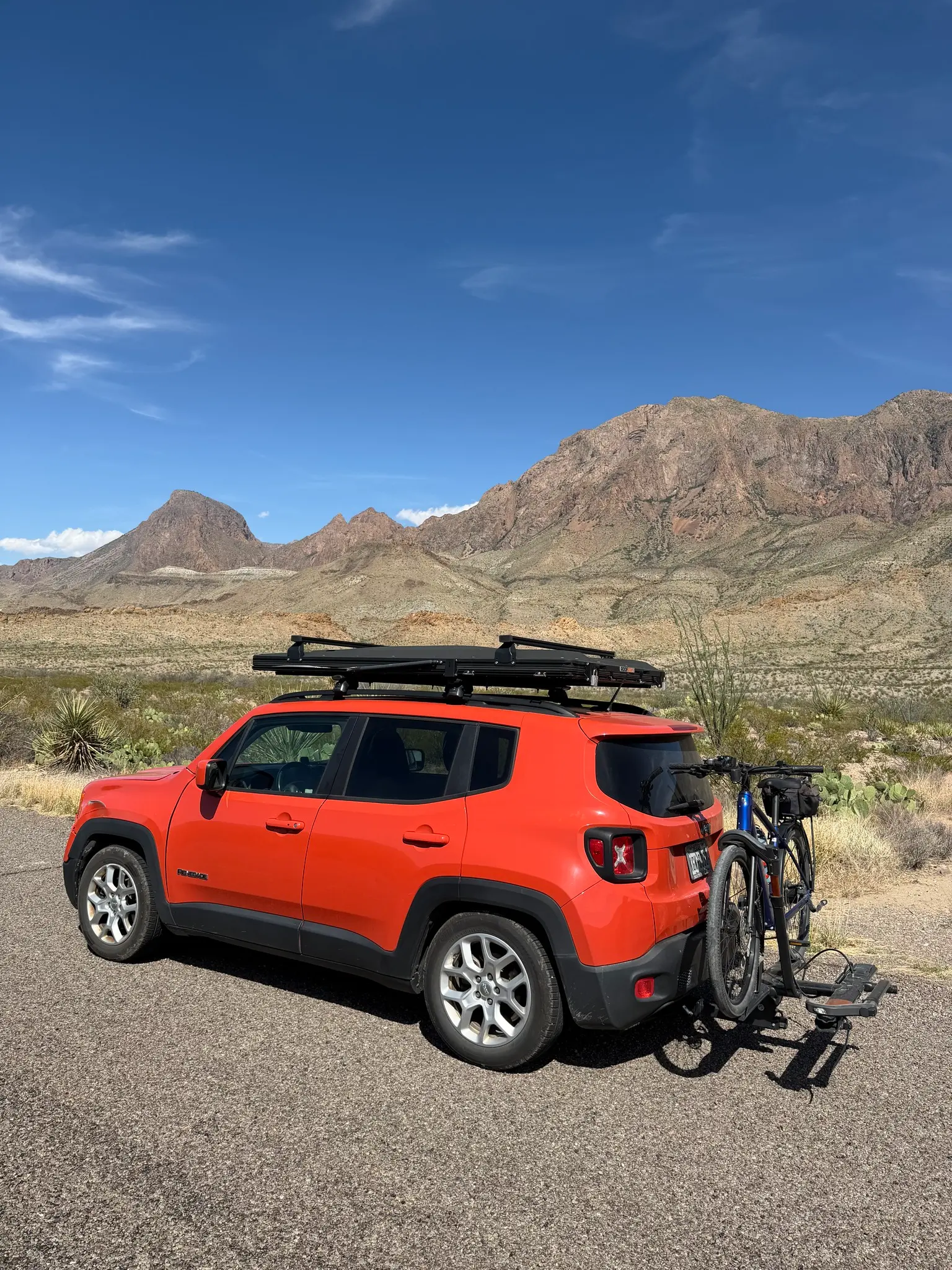
That probably sounds strange coming from someone who has spent countless days wandering around Big Bend National Park with an iPhone in his hand. But it’s true. I don’t arrive there thinking about “capturing the grandeur of nature.” I arrive there because I like how the place makes me feel. Vast. Quiet. Insignificant. Human. The landscape doesn’t necessarily make me want to photograph it. It makes me want to sit with it. There’s a difference.
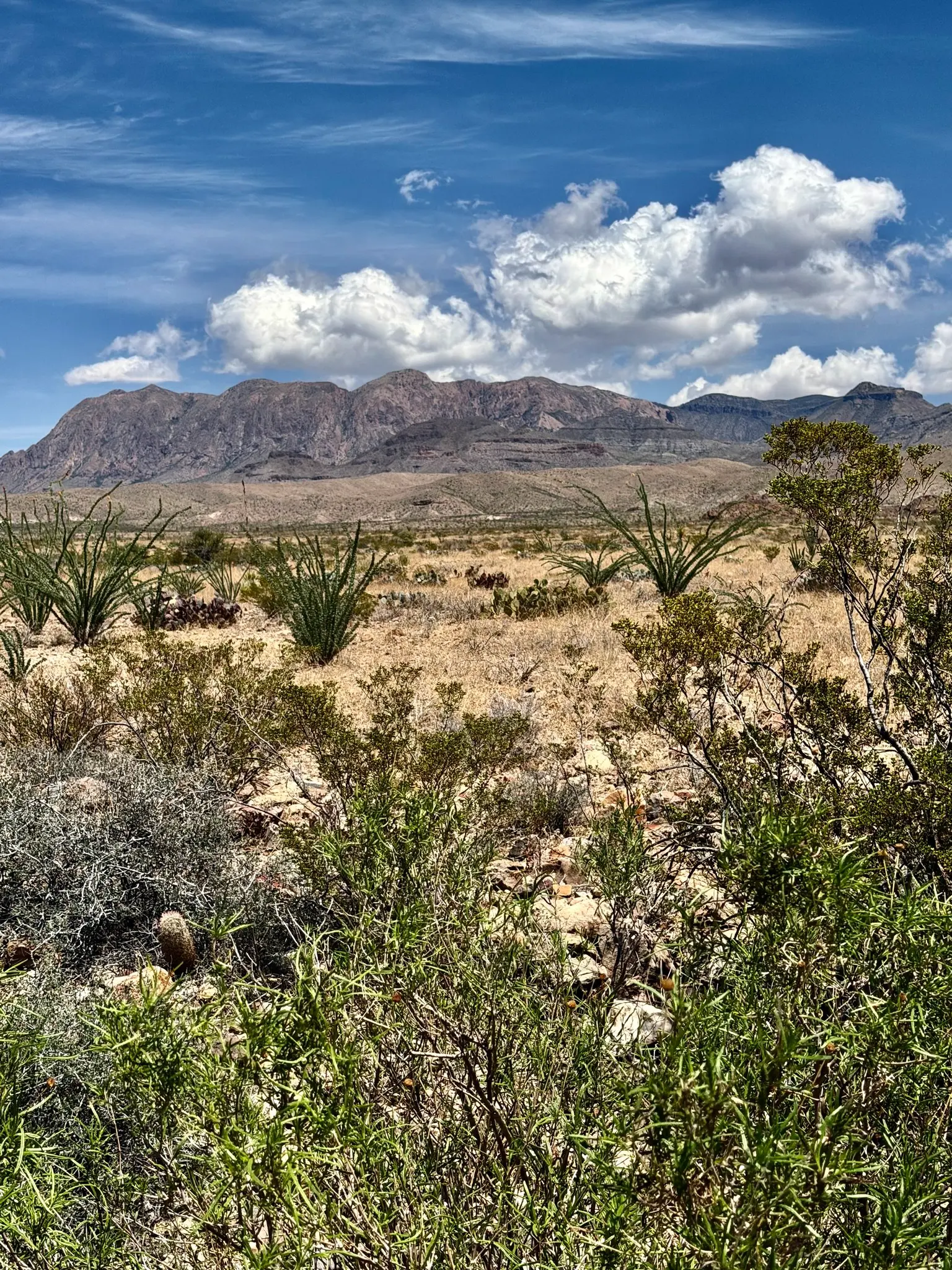
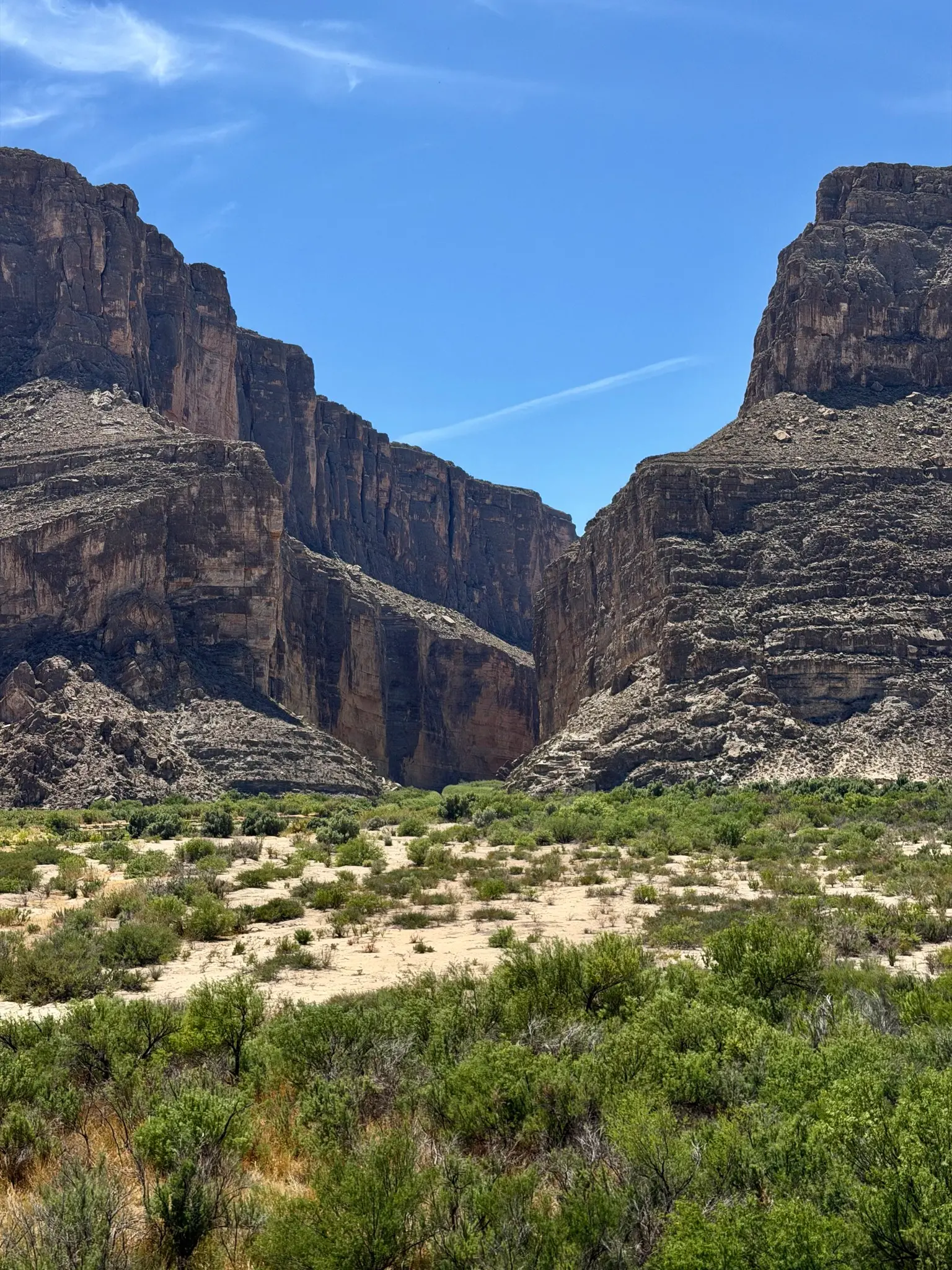
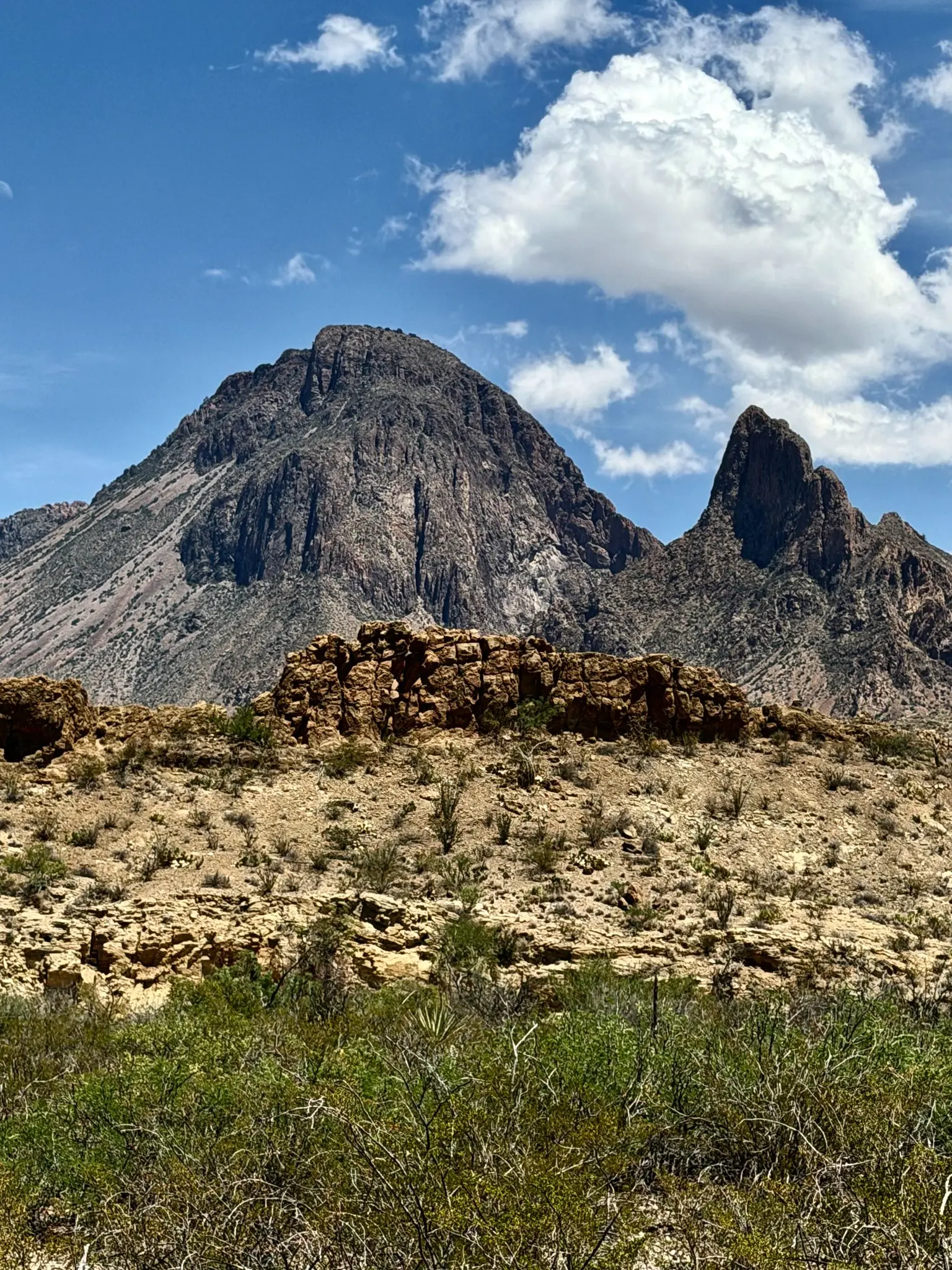
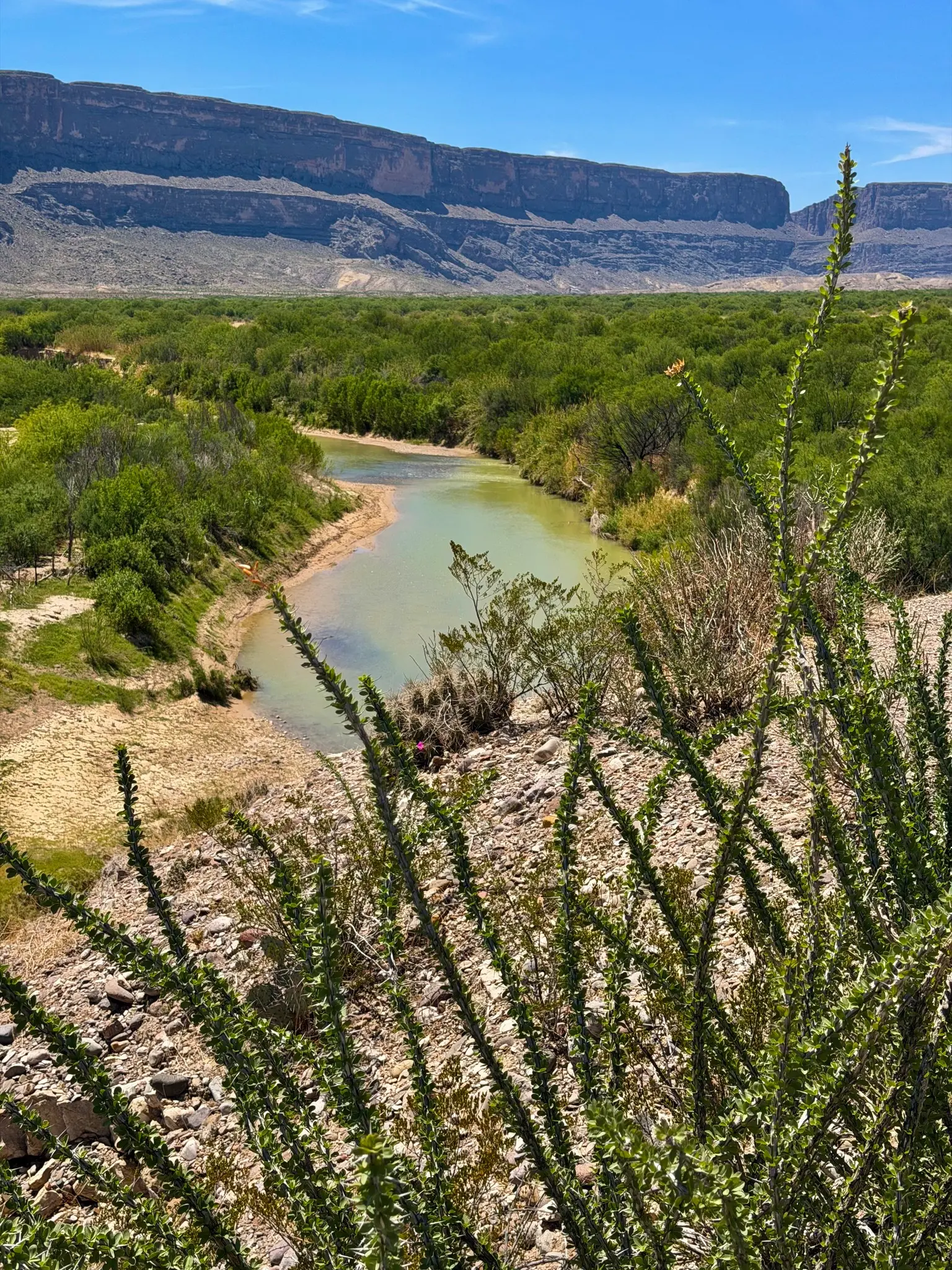
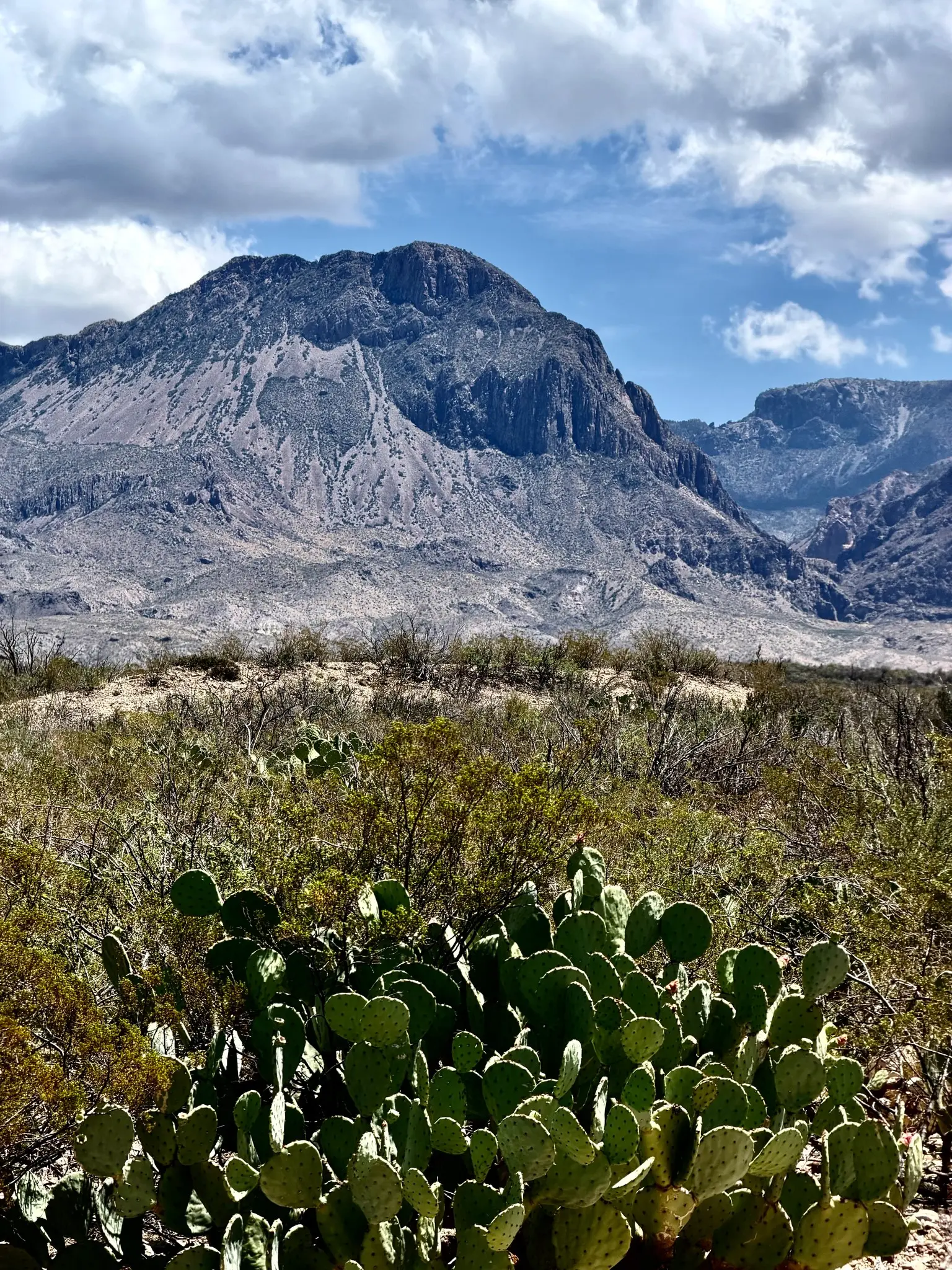
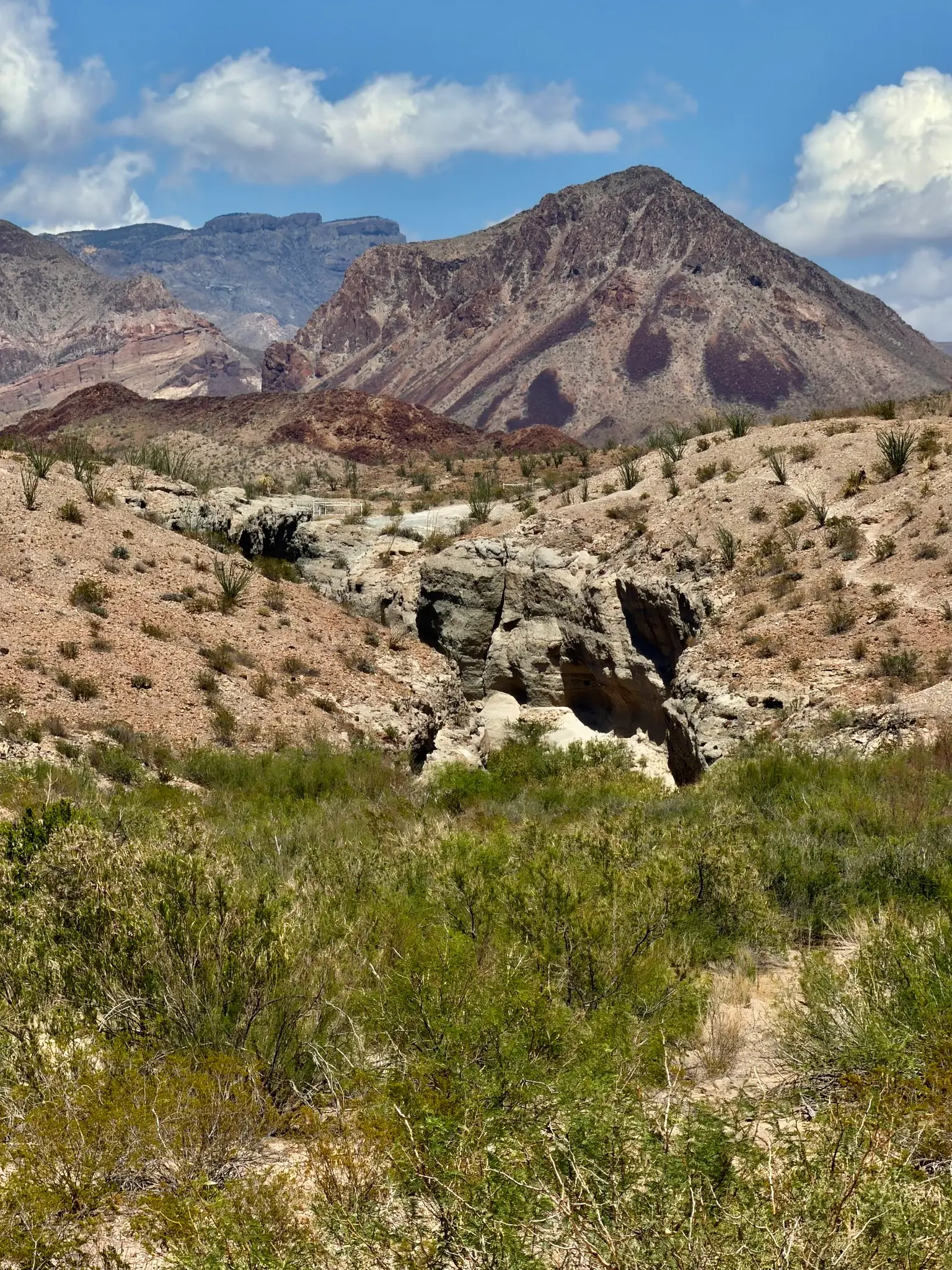
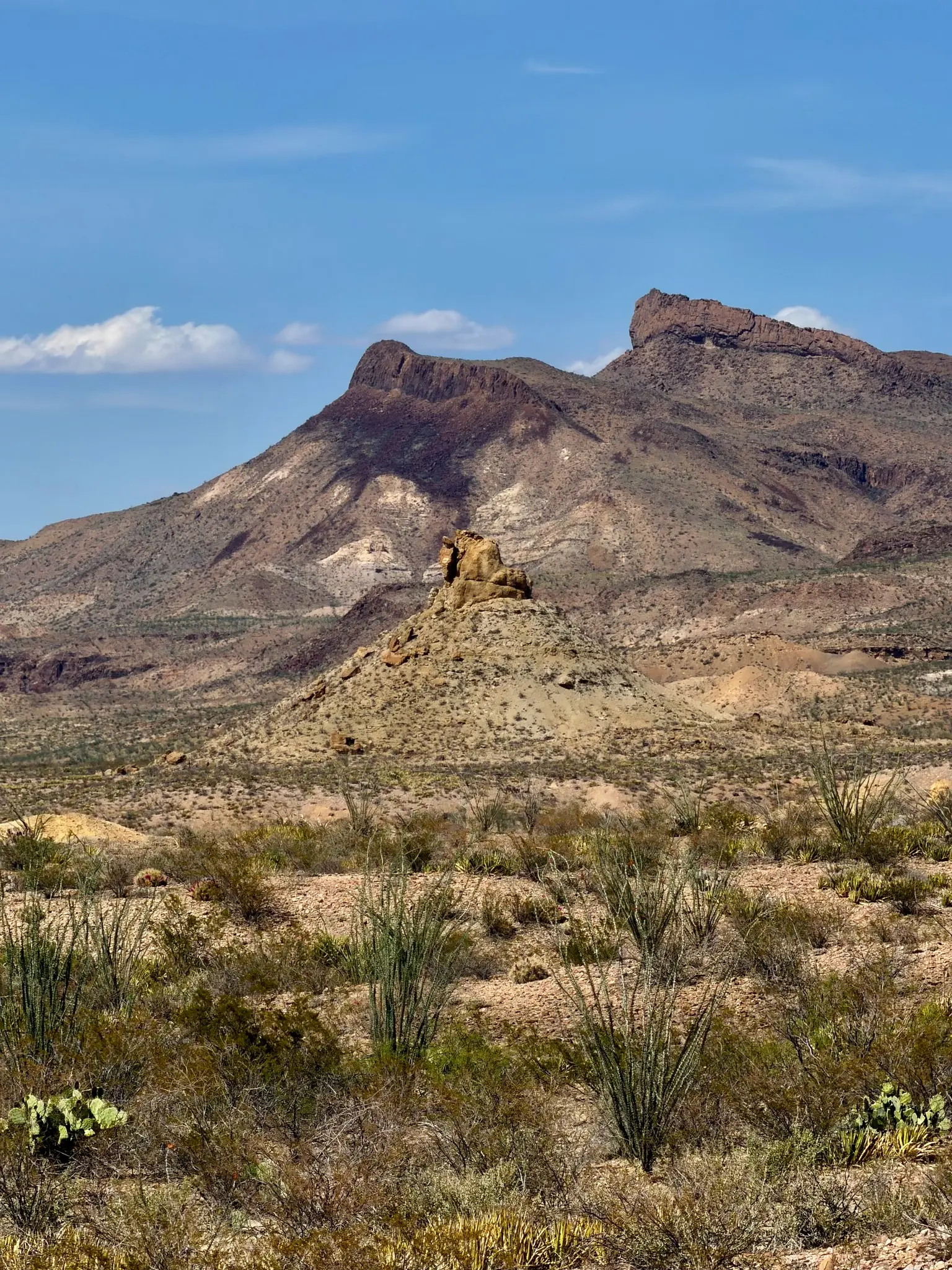
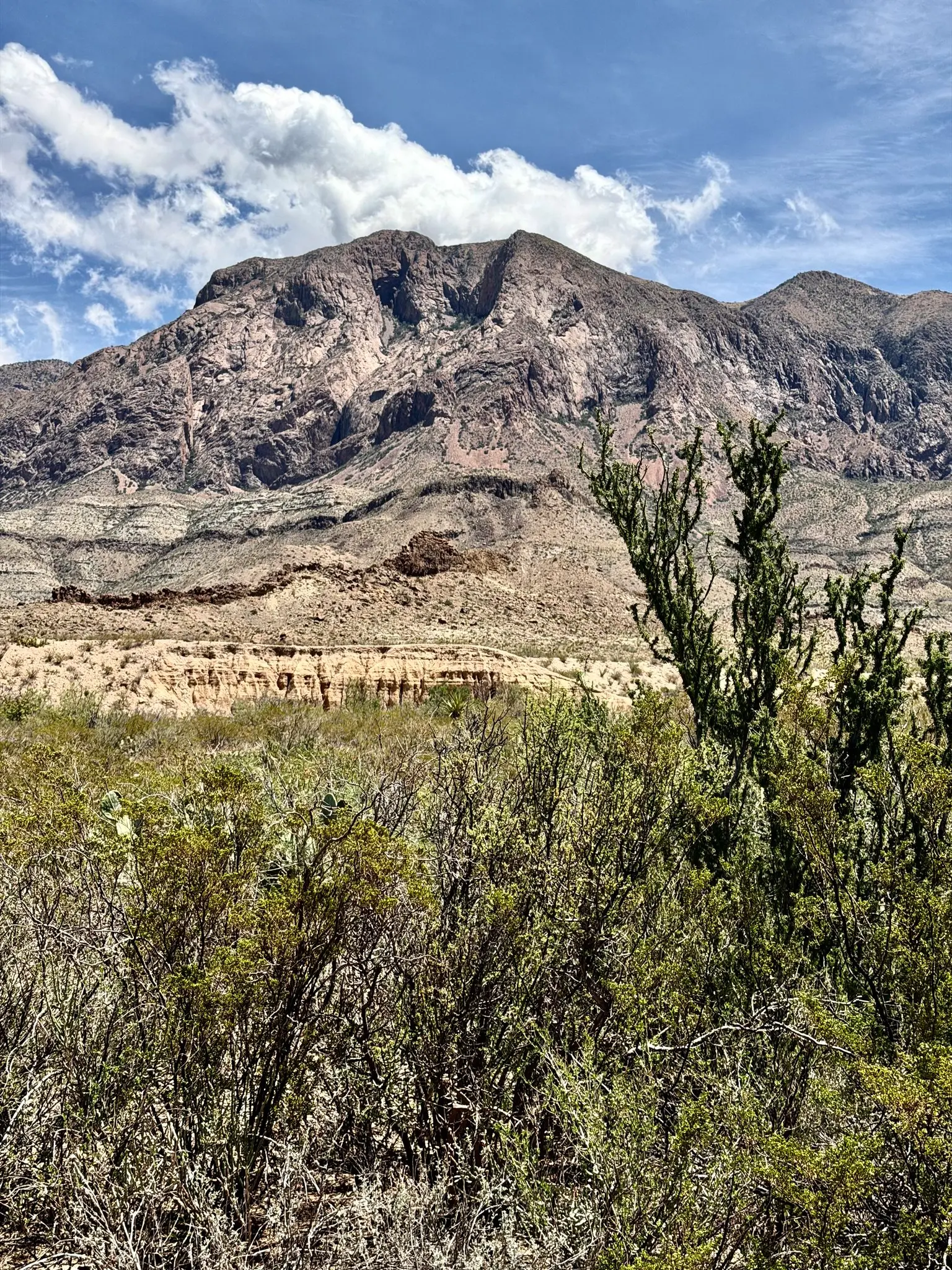
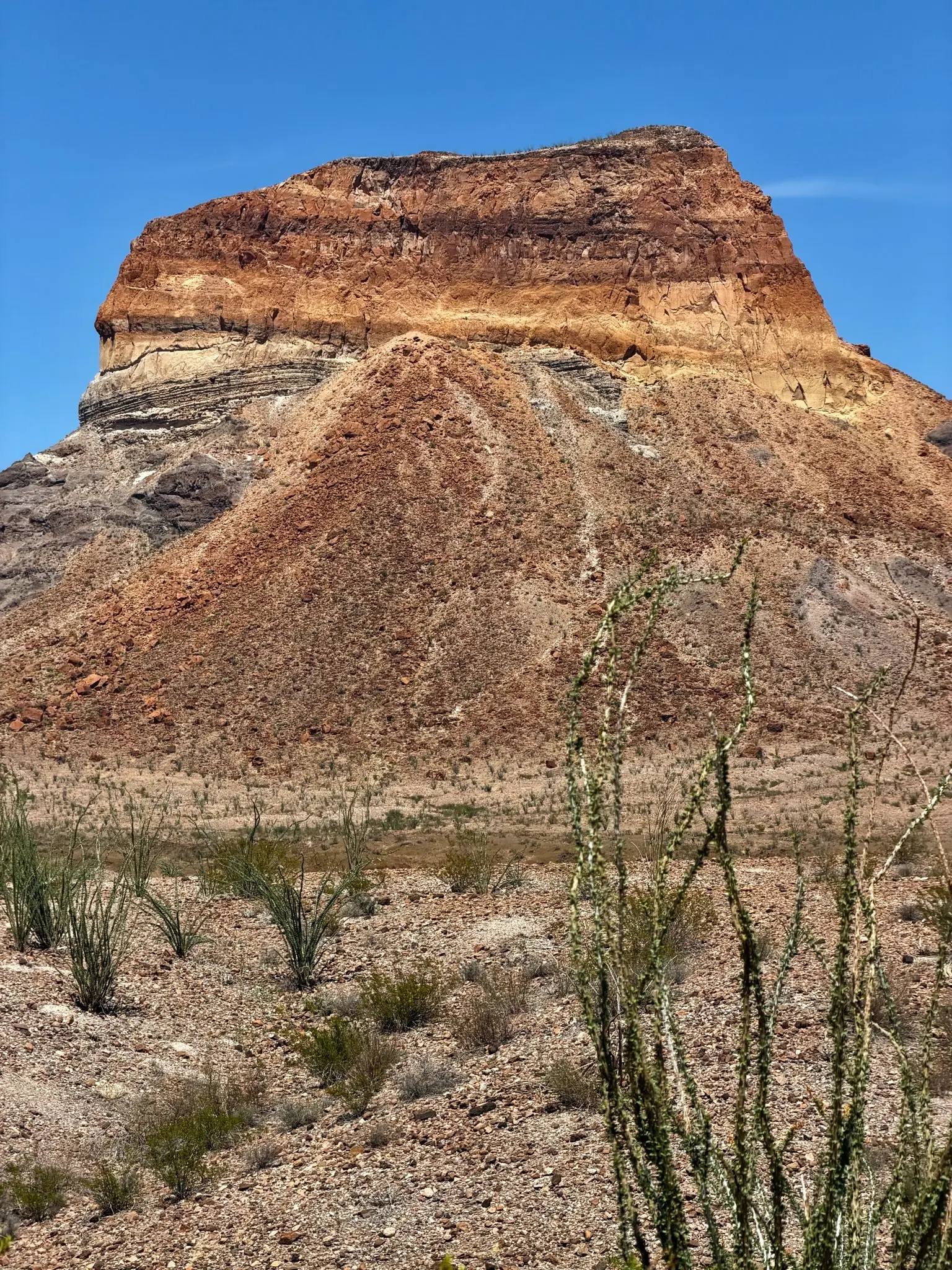
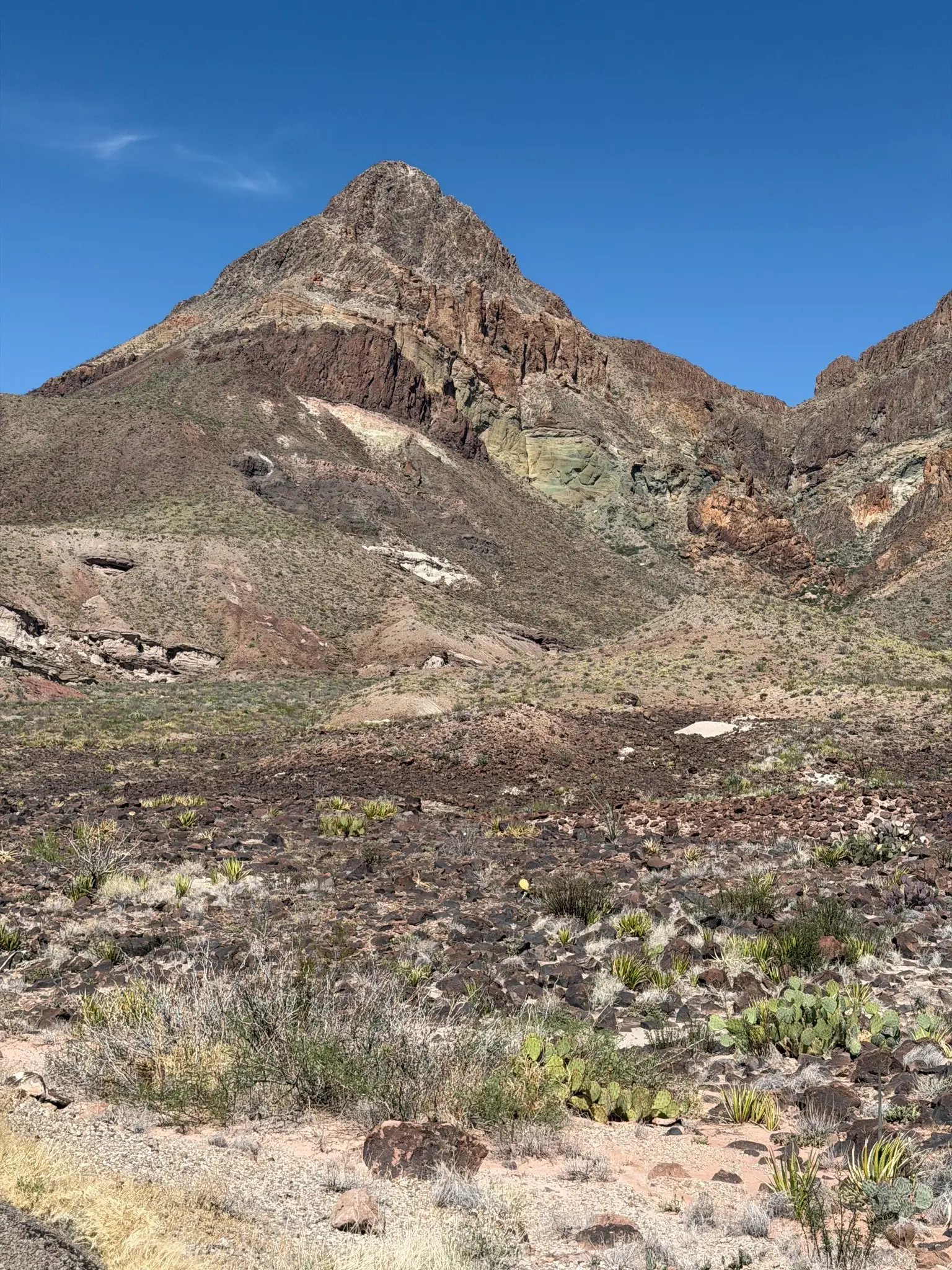
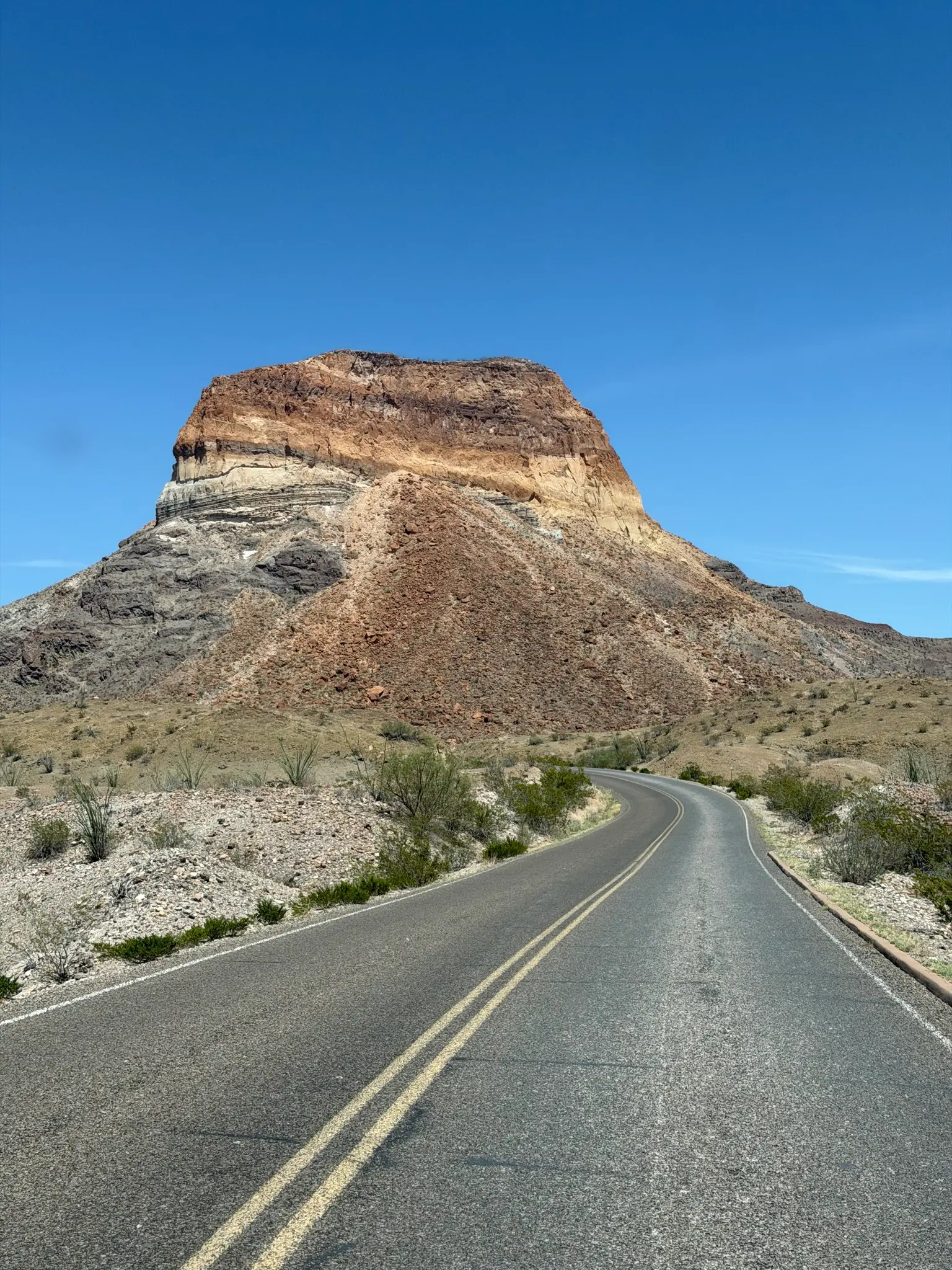
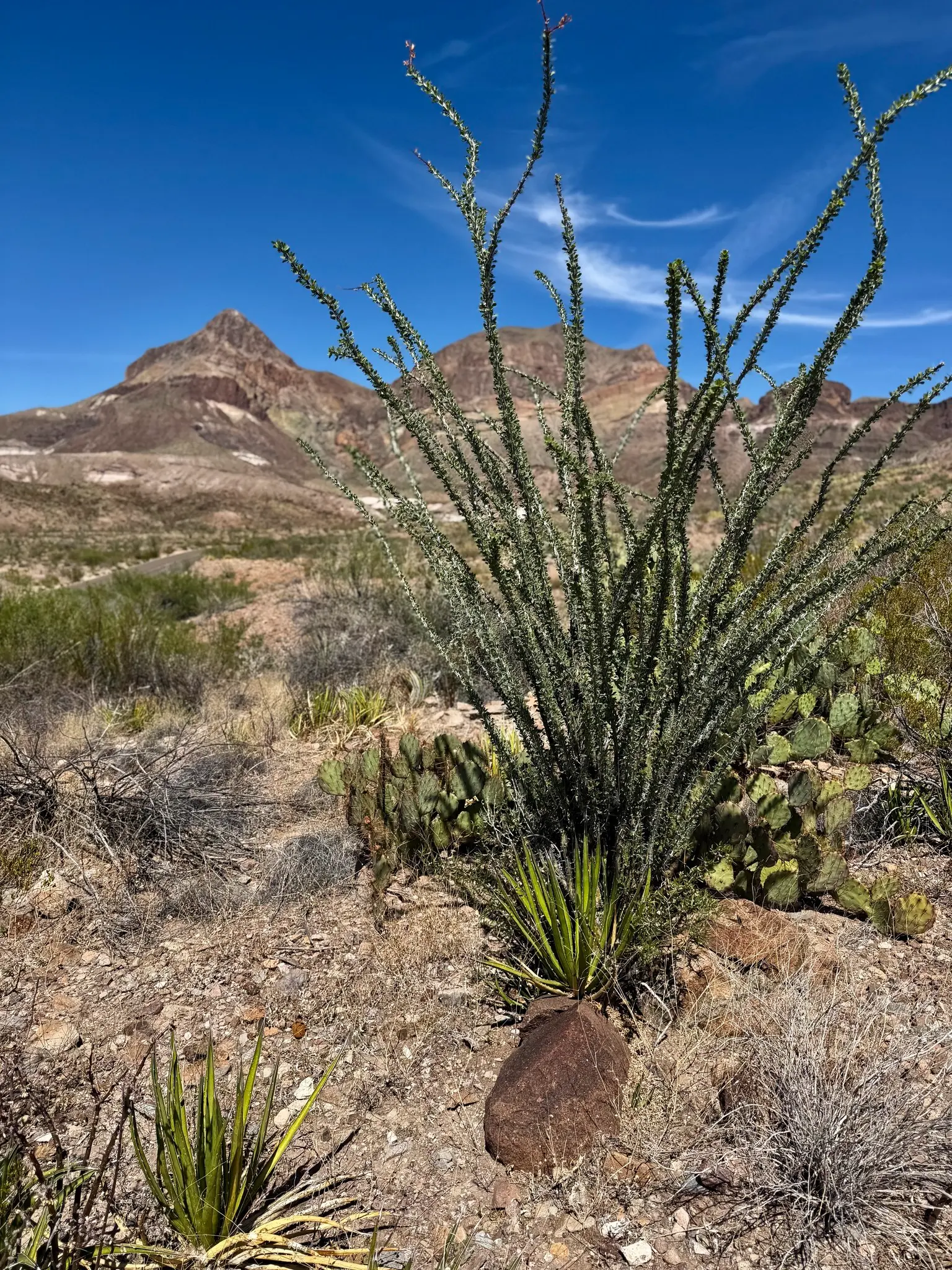
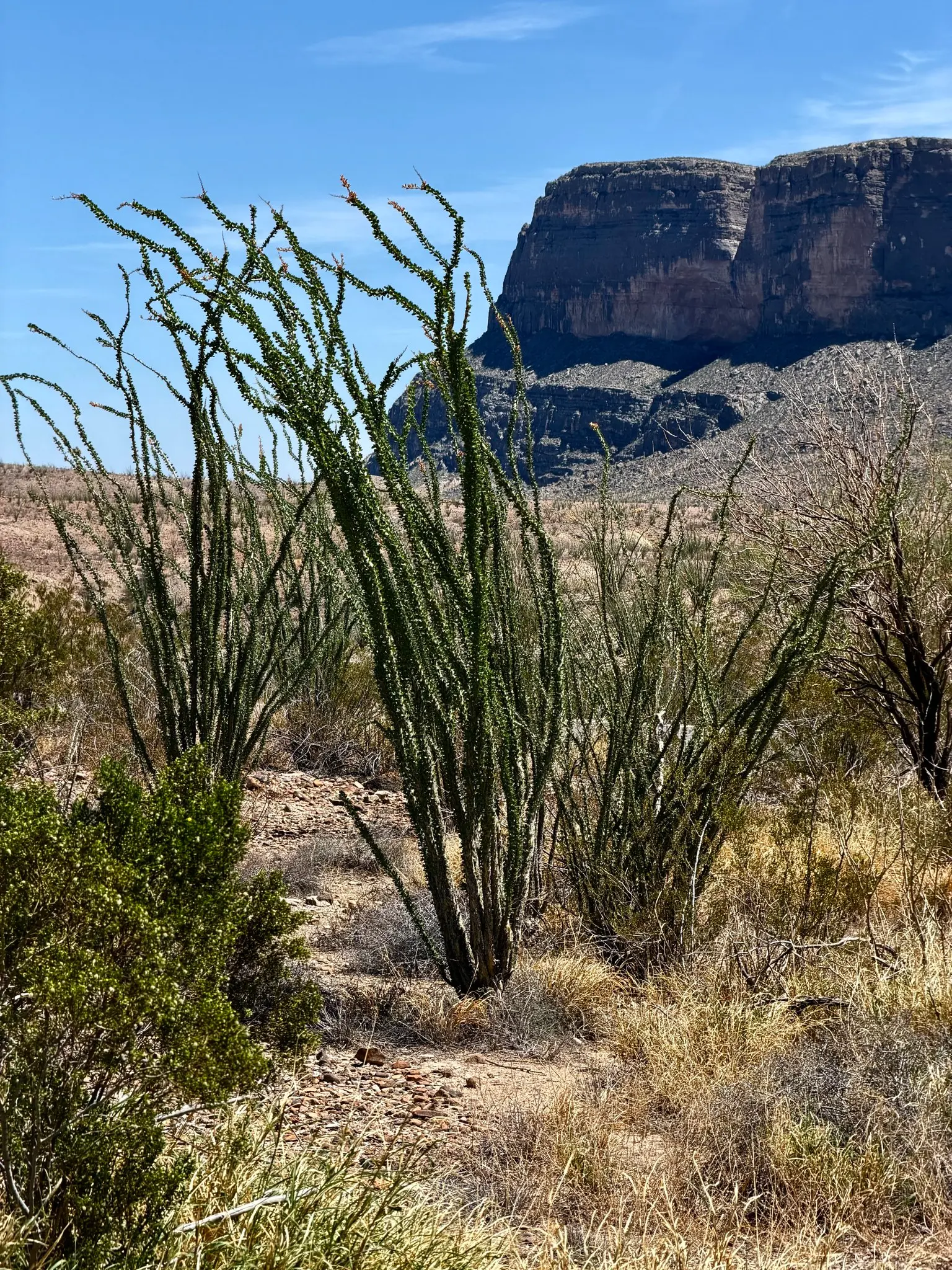
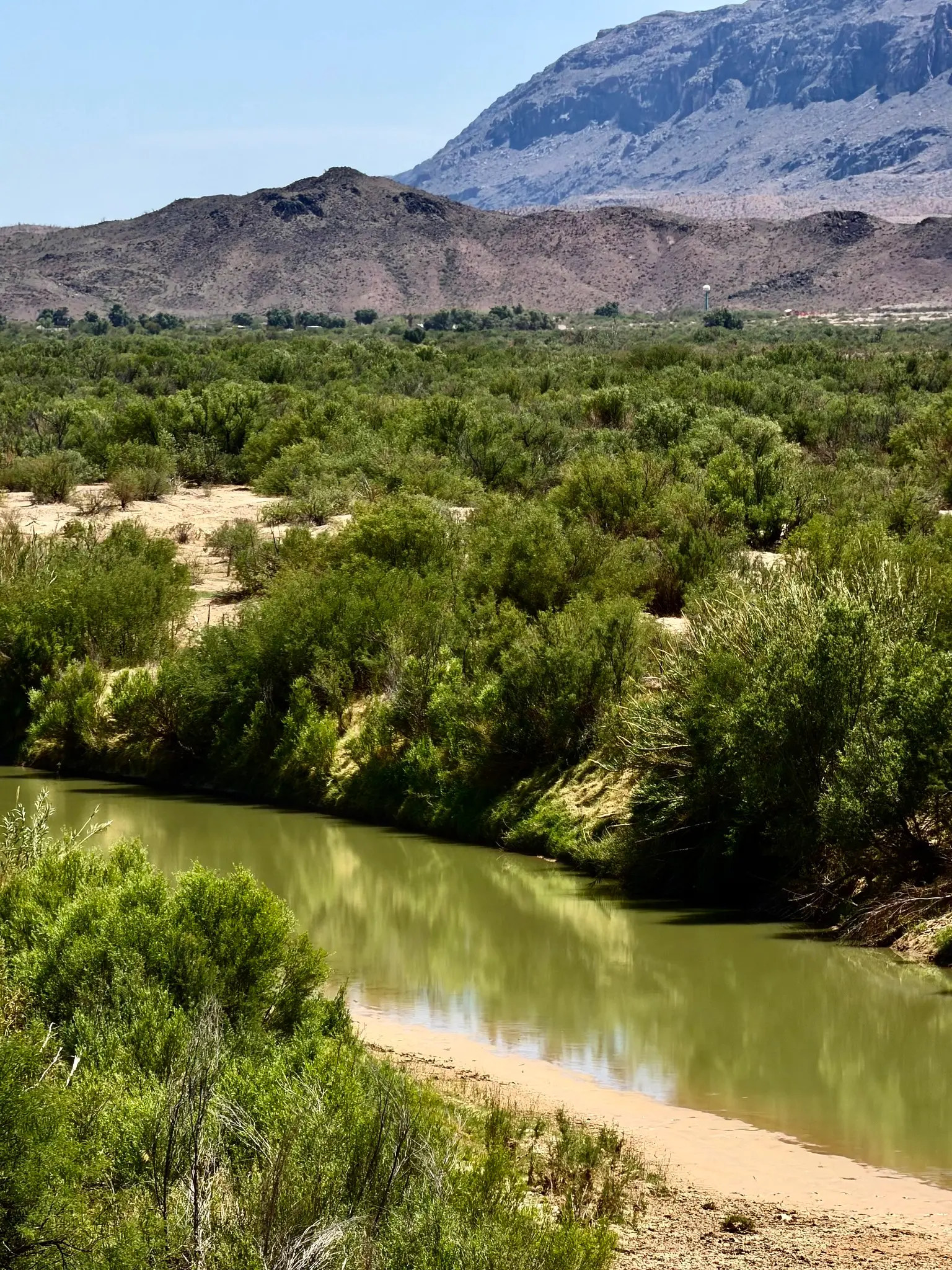
Big Bend is one of the most visually dramatic places in Texas, maybe even the entire country. The scale of it is difficult to explain unless you’ve been there firsthand. Mountains rise out of nowhere. The Rio Grande snakes through giant canyons like some ancient scar cut into the earth. The desert stretches forever in every direction, full of dust, silence, heat, and emptiness. It feels old out there. Older than people. Older than politics, religion, trends, and social media. The place humbles you fast.
And because of that dramatic scale, overlooks are everywhere.
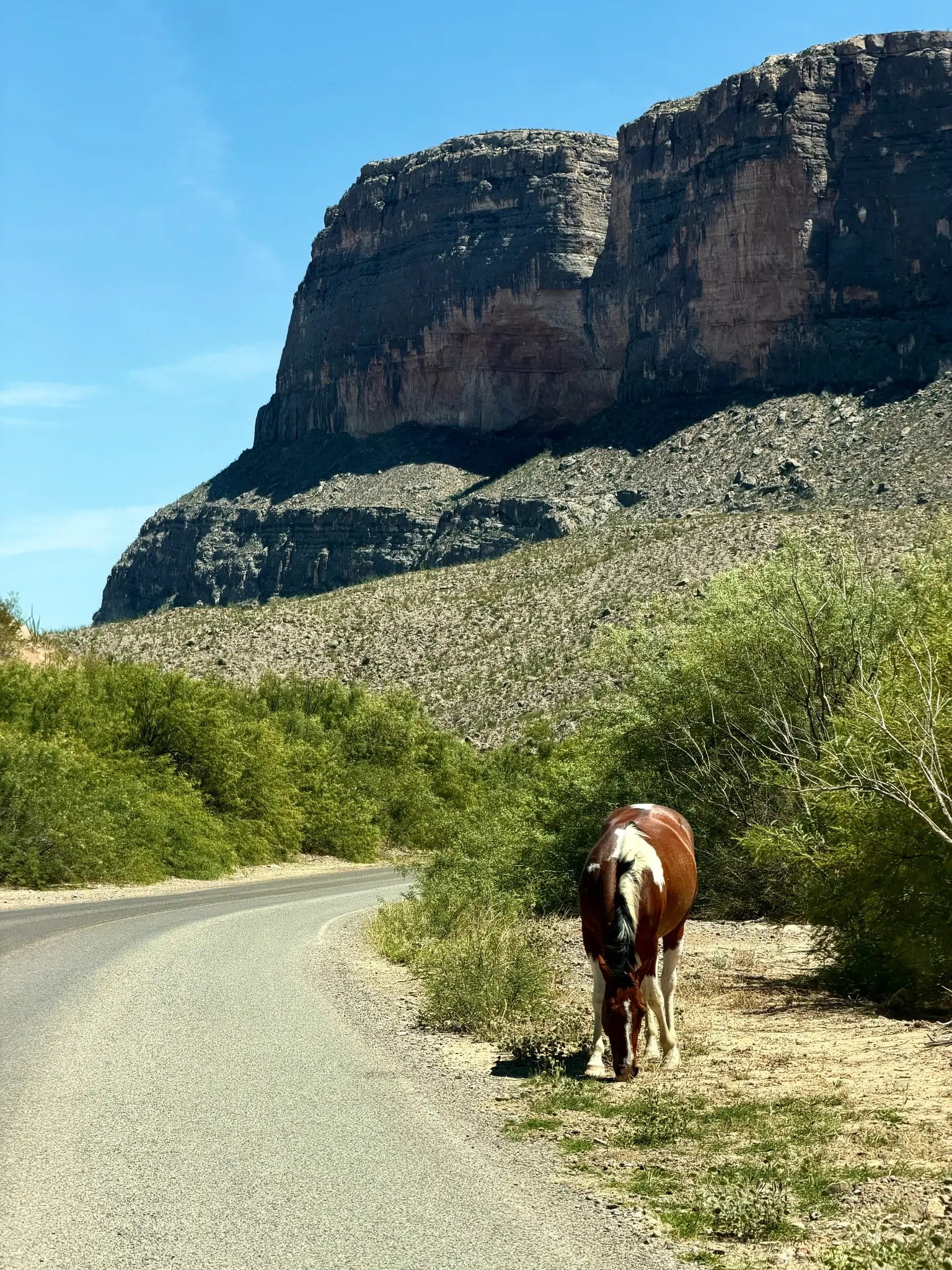
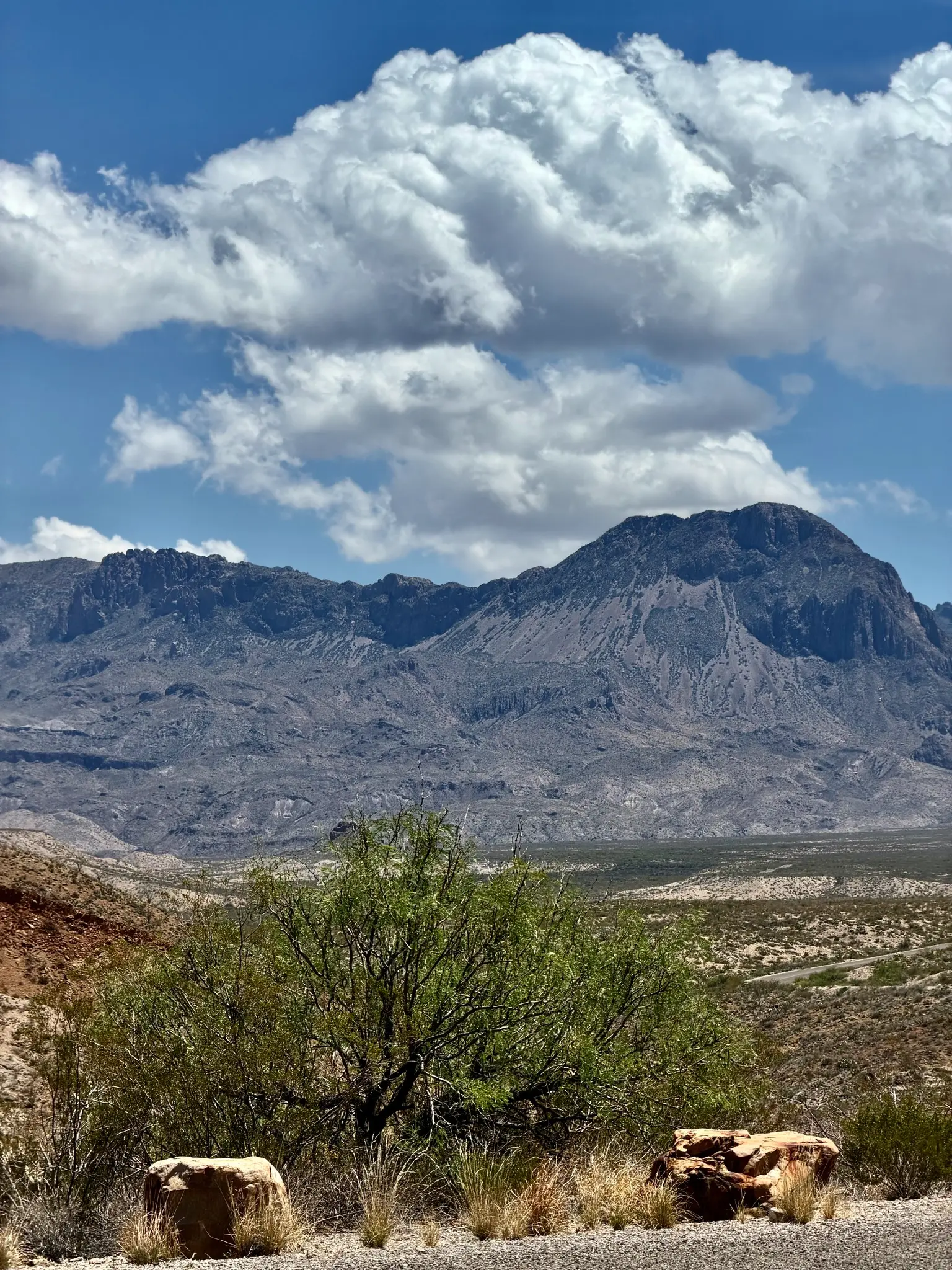
Every few miles there’s another scenic turnout. Another place to pull over. Another sign telling you to stop and admire the view. Ross Maxwell Scenic Drive alone is basically one giant overlook parade. Tourists pile out of rental cars and RVs carrying giant dedicated cameras with lenses the size of bazookas. Tripods come out. Neutral density filters appear. Somebody starts talking loudly about dynamic range. Somebody else starts discussing the optimal focal length for landscape compression. Then everybody points themselves toward the exact same giant view.
Click. Click. Click.
And honestly? Most of the photographs end up looking almost identical.
That’s the dirty little secret of overlook photography nobody really wants to admit. The scene itself is doing almost all the work. The photographer often becomes secondary. The location carries the image. You are basically photographing a postcard somebody else already designed for you fifty years ago.
Now don’t get me wrong. You still need good light. You still need proper exposure. You still need the right lens and some understanding of composition. Bad photographers can still butcher a beautiful landscape. But the trippy part about overlook photography is how difficult it is to translate a living, breathing, three-dimensional experience into a flat two-dimensional photograph.
That’s the real problem.
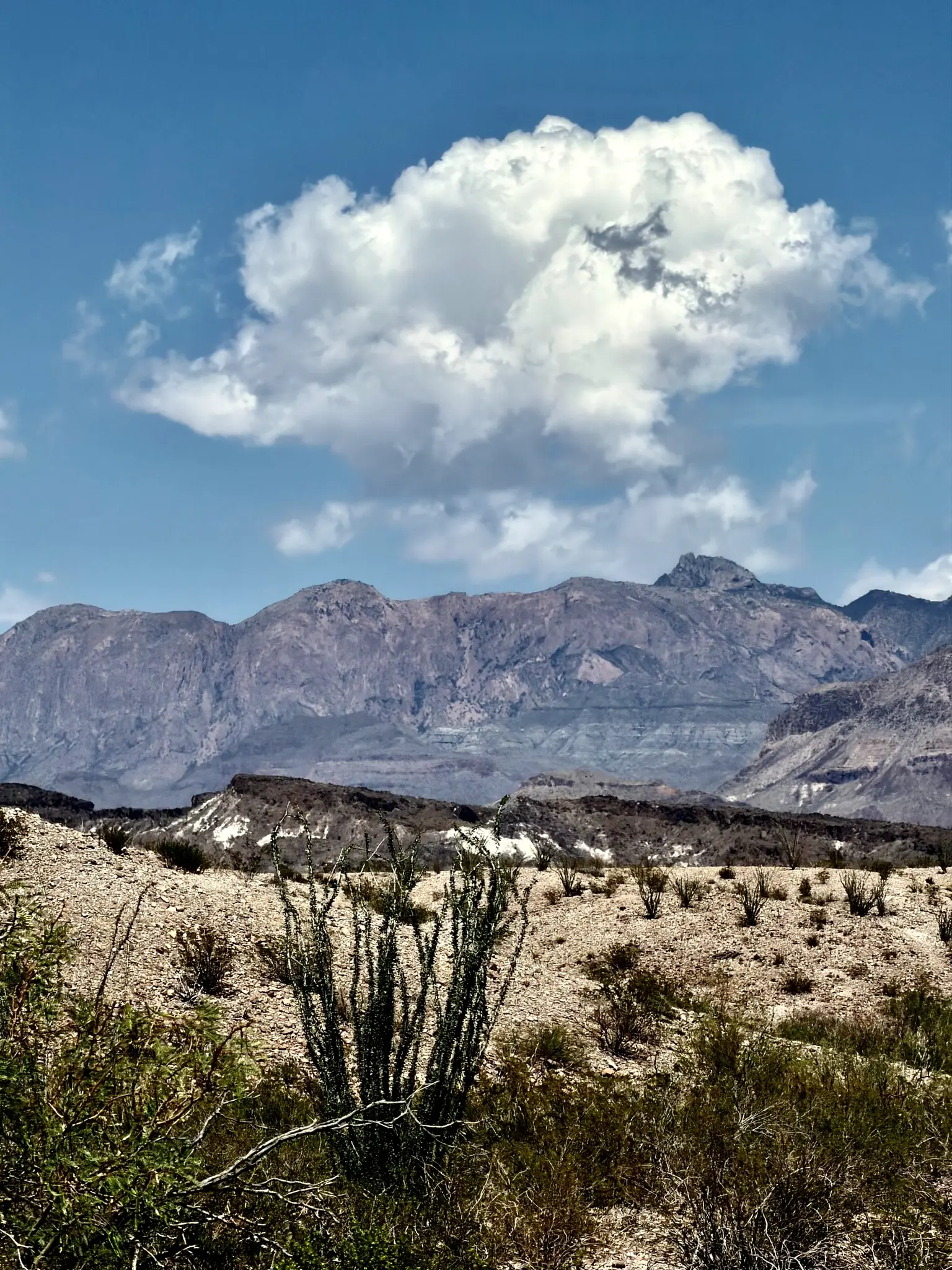
Standing at an overlook in Big Bend can feel absolutely transcendent. The wind is hitting your face. The desert air smells dry and mineral-like. Your peripheral vision stretches for miles. You can physically feel the depth and scale around you. But the second you lift a camera, all of that collapses into a rectangle. The photograph flattens everything. Distance compresses. Atmosphere disappears. Emotion evaporates. Suddenly the scene that felt overwhelming in person looks oddly ordinary in the frame.
Photography is always subtraction. Always. The camera removes more than it includes. It steals depth. It crops experience. It edits reality down into fragments. That’s why so many overlook photos fail. The actual experience of standing there is infinitely better than the photograph itself.
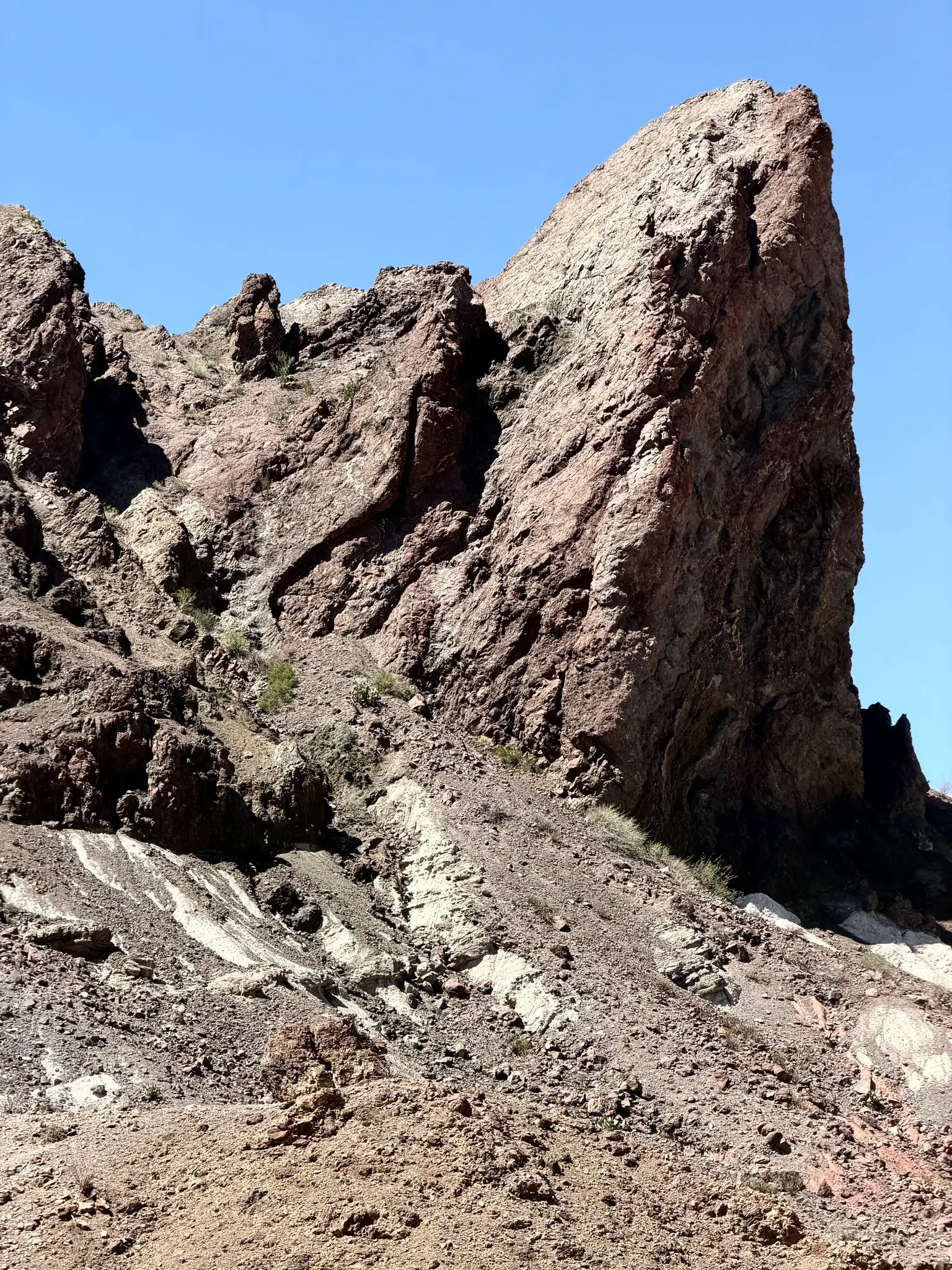
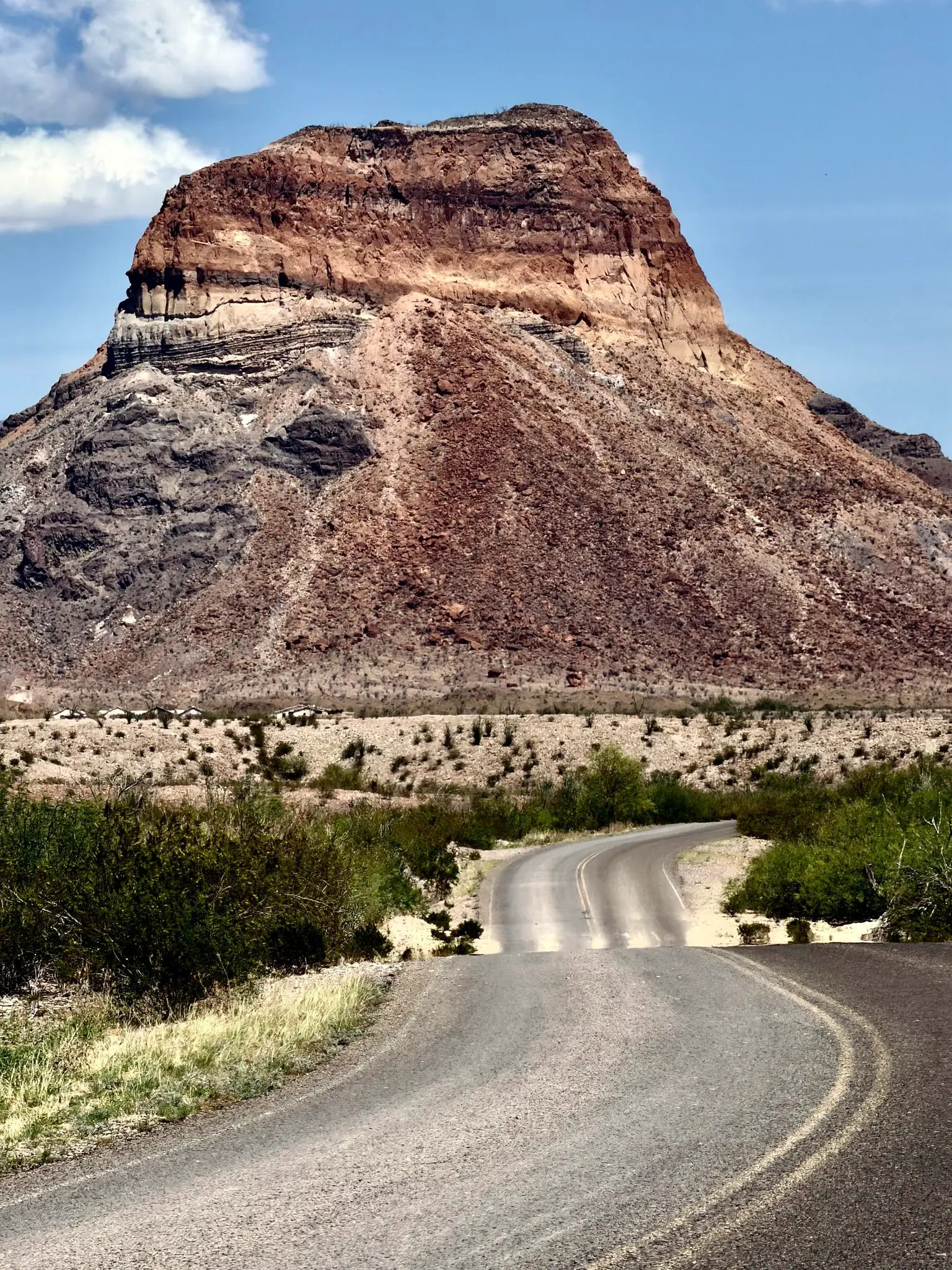
I think that’s one of the reasons I’ve always gravitated more toward intimate photography than grand landscape photography. I’d rather photograph a beat-up gas station in Terlingua with beautiful side light hitting an old Coke machine than another giant overlook everybody has already photographed a million times before. I’d rather isolate small moments inside large places. A shadow. A curve. A texture. A lonely road. A fence post. A color relationship. Something personal. Something interpretive.
Overlooks tend to encourage spectacle instead of seeing.
And spectacle, eventually, gets repetitive.
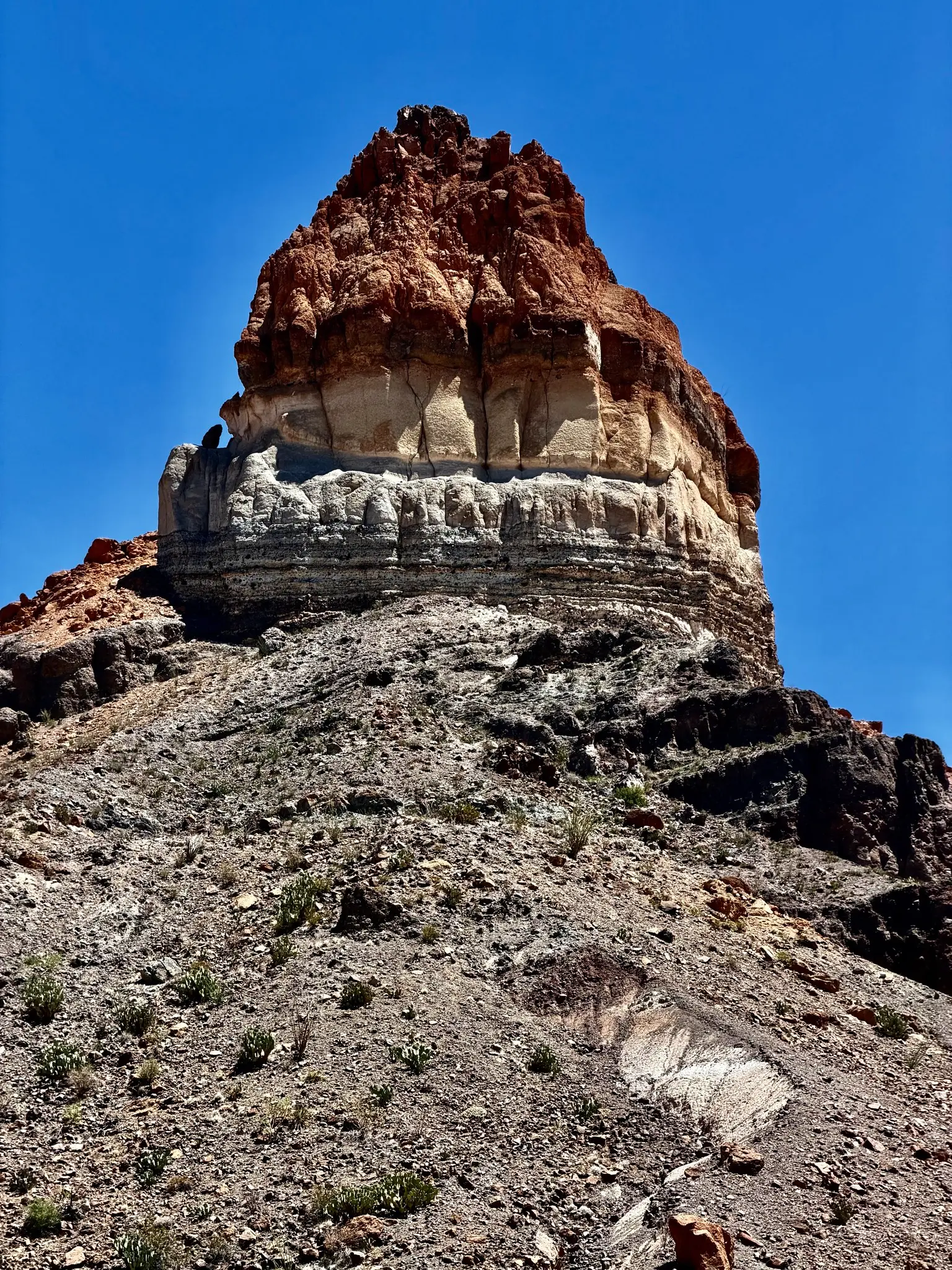
The irony is that Big Bend has actually taught me more about seeing than almost any other place I photograph. Not because of the giant landscapes themselves, but because the desert strips everything down. There is less visual clutter out there. Less noise. Less chaos. The simplicity forces your eye to work differently. Light becomes more important. Shape becomes more important. Color becomes more important. You begin noticing tiny shifts and subtleties because there isn’t much else competing for your attention.
That’s where Big Bend finally hooked me photographically.
Not the giant overlooks. The quieter stuff.
The negative space.
The minimalism.
The silence.
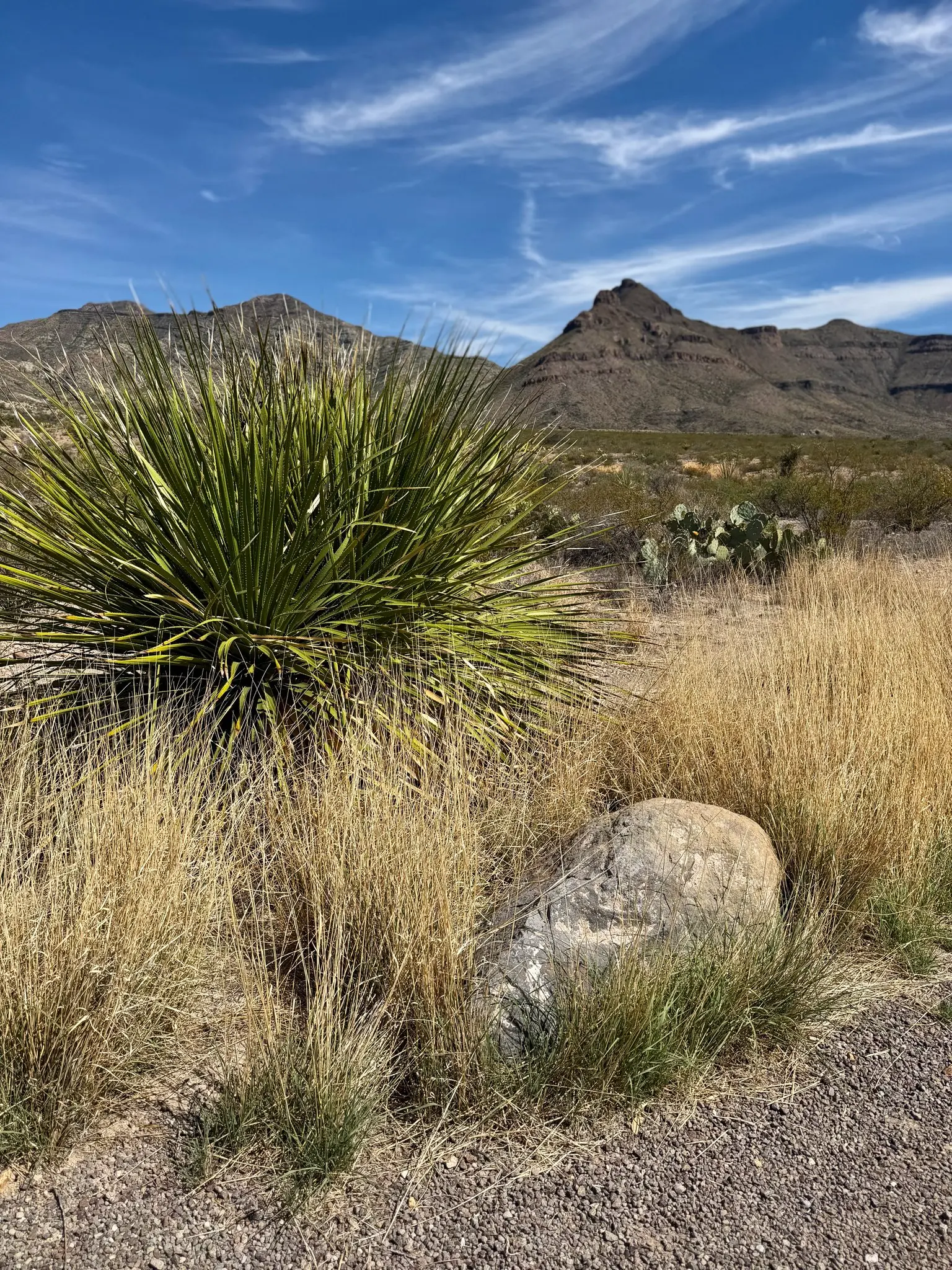
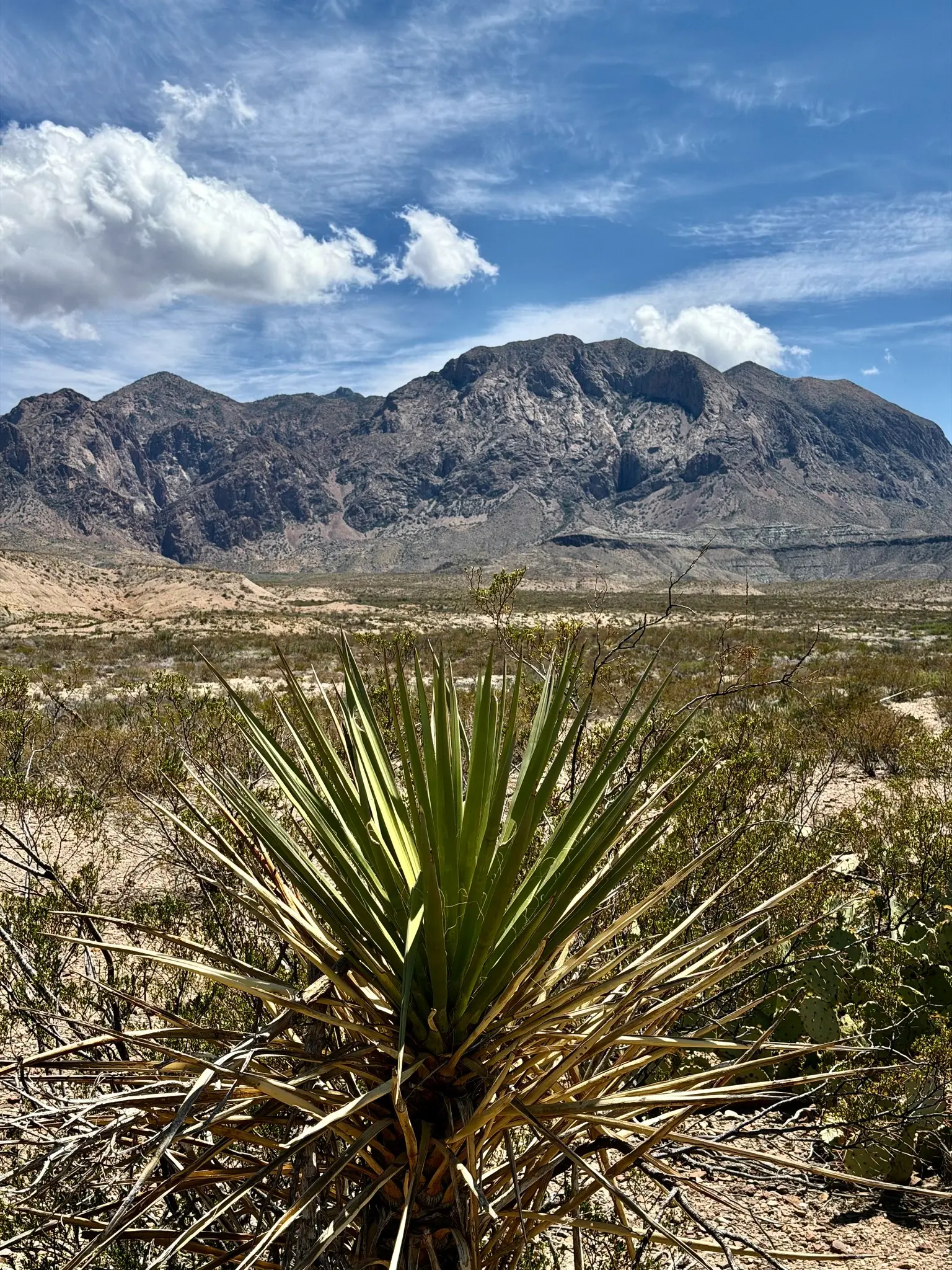
The way morning light barely grazes the edge of a mountain ridge for about thirty seconds before disappearing. The way shadows slowly crawl across desert floors late in the afternoon. The way a single yucca plant can suddenly become visually interesting if isolated correctly against an empty background. The way dust softens distant mountains into layers of muted blues and grays.
Those are the photographs I end up caring about.
Not the obvious ones.
I’ve come to realize that my relationship with nature is probably less romantic than many photographers. I don’t anthropomorphize it. I don’t think nature is speaking to me spiritually. I don’t hug trees. I don’t stand there pretending the universe is downloading cosmic secrets into my soul while soft piano music plays in the background. But I do respect what nature does psychologically. It quiets the static. It slows the brain down. It reminds you that you are not the center of the story.
That may be the greatest gift Big Bend offers.
Perspective.
Not photographic perspective. Human perspective.
When you stand at some giant overlook in Big Bend, staring across endless miles of desert and mountain terrain, your problems suddenly feel very temporary. Your ego shrinks a little. Your urgency softens. The world becomes older and bigger than whatever nonsense you carried into the park with you.
And maybe that’s why I continue returning there, camera in hand, despite not really thinking of myself as a traditional nature photographer.
I go because places like Big Bend force me to pay attention again.
Not just to photography.
To life itself.
The funny part is that some of my favorite photographs from Big Bend barely look like Big Bend at all. They aren’t sweeping epics. They aren’t calendar-cover masterpieces. They’re quieter than that. Smaller. More personal. More interpretive. Sometimes they barely explain the location whatsoever.
And I’m okay with that.
Because at this stage of my life, I’m less interested in proving I was somewhere and more interested in revealing how it felt to stand there.
Click.
Jack.