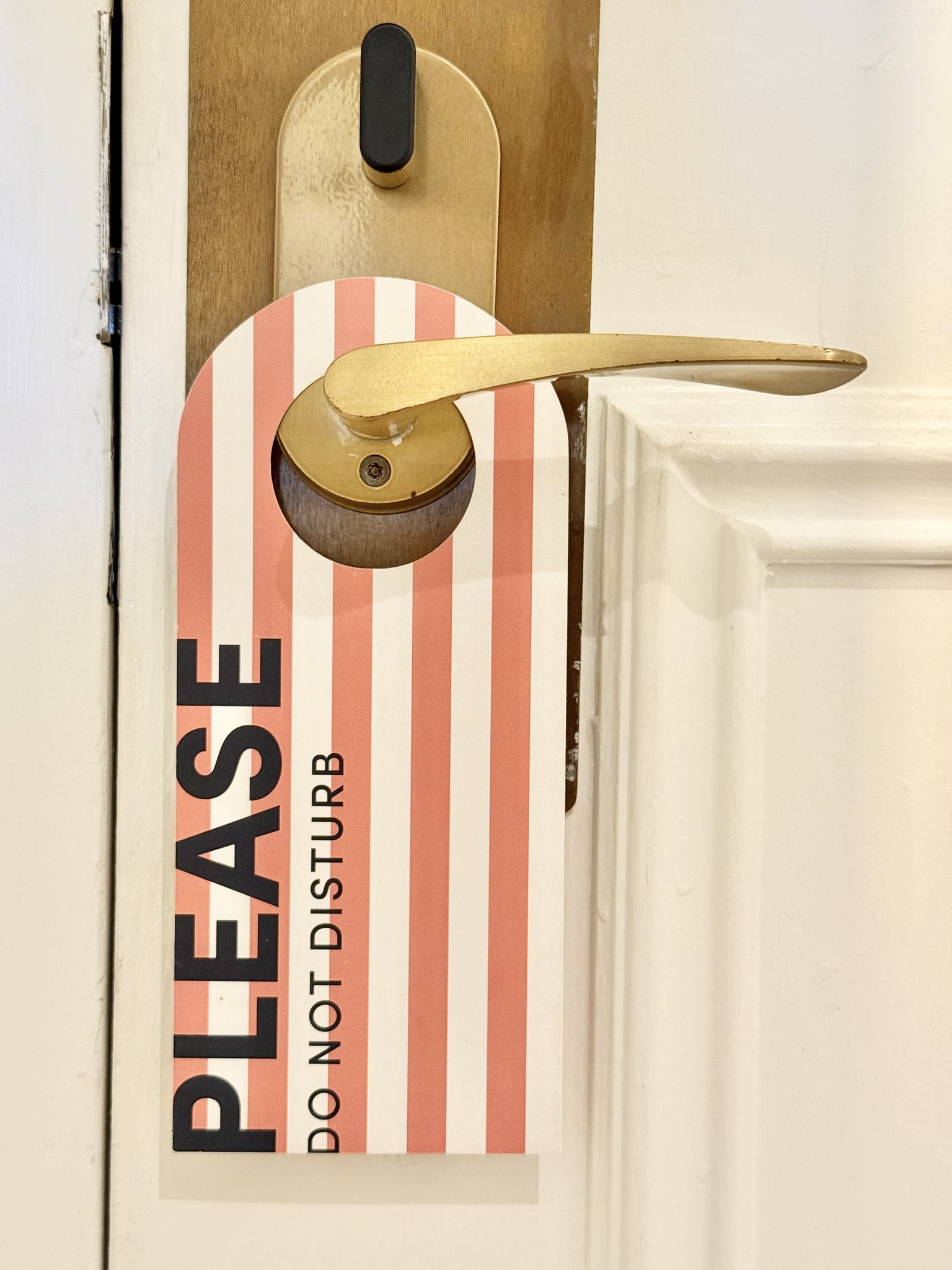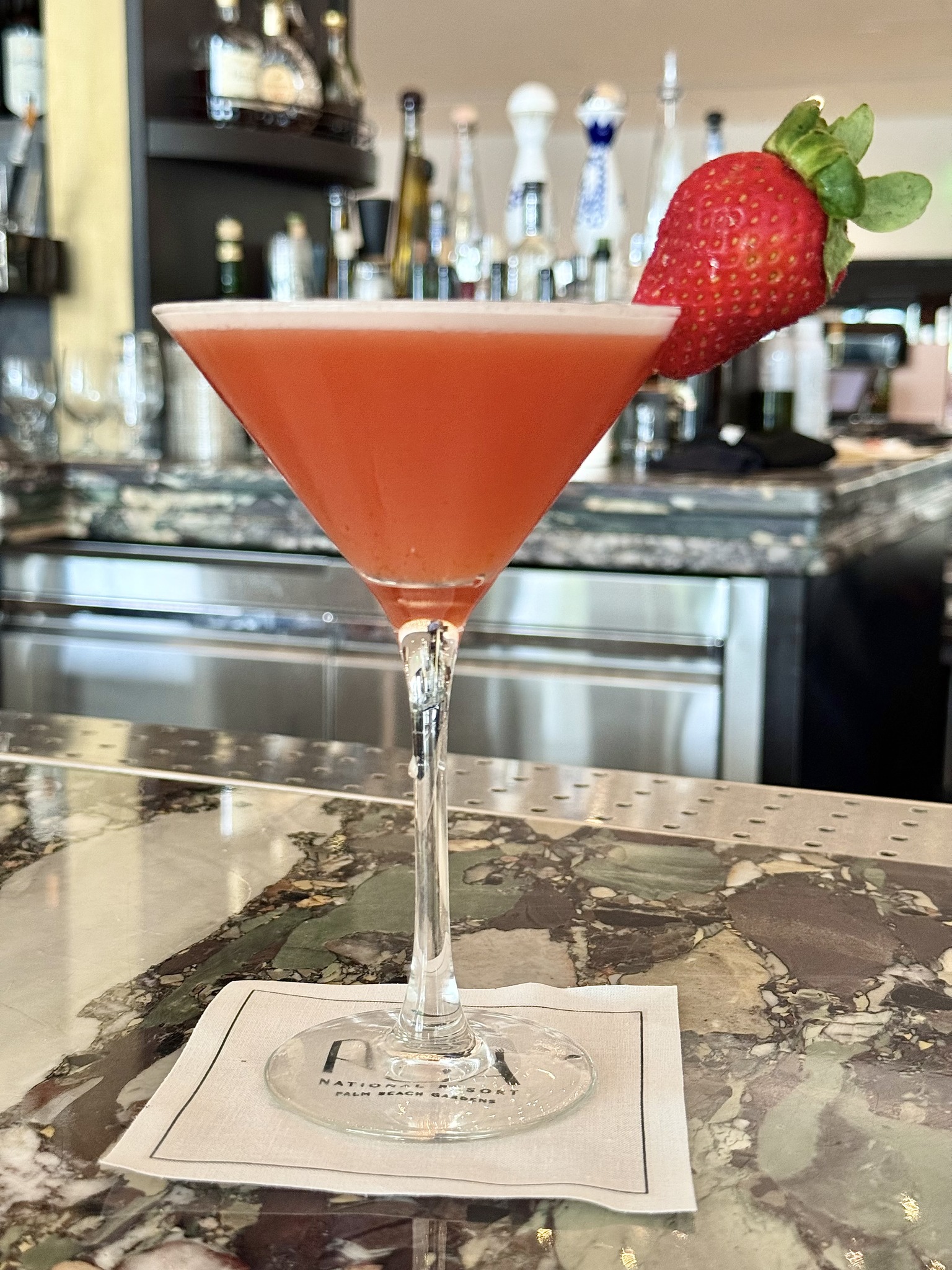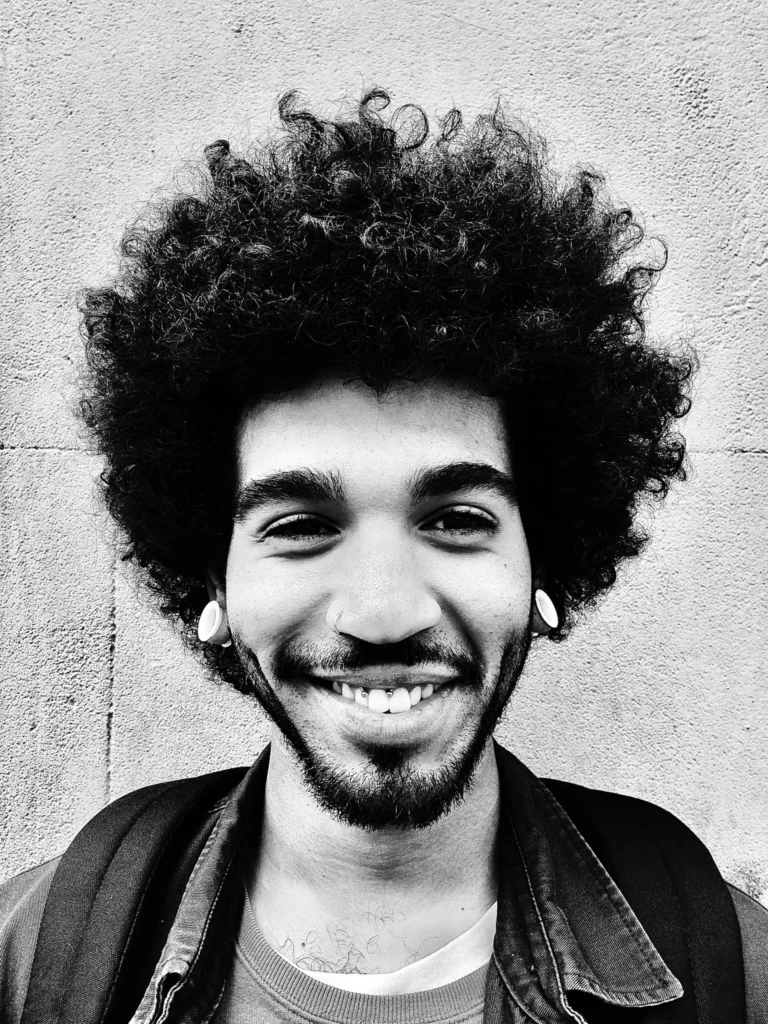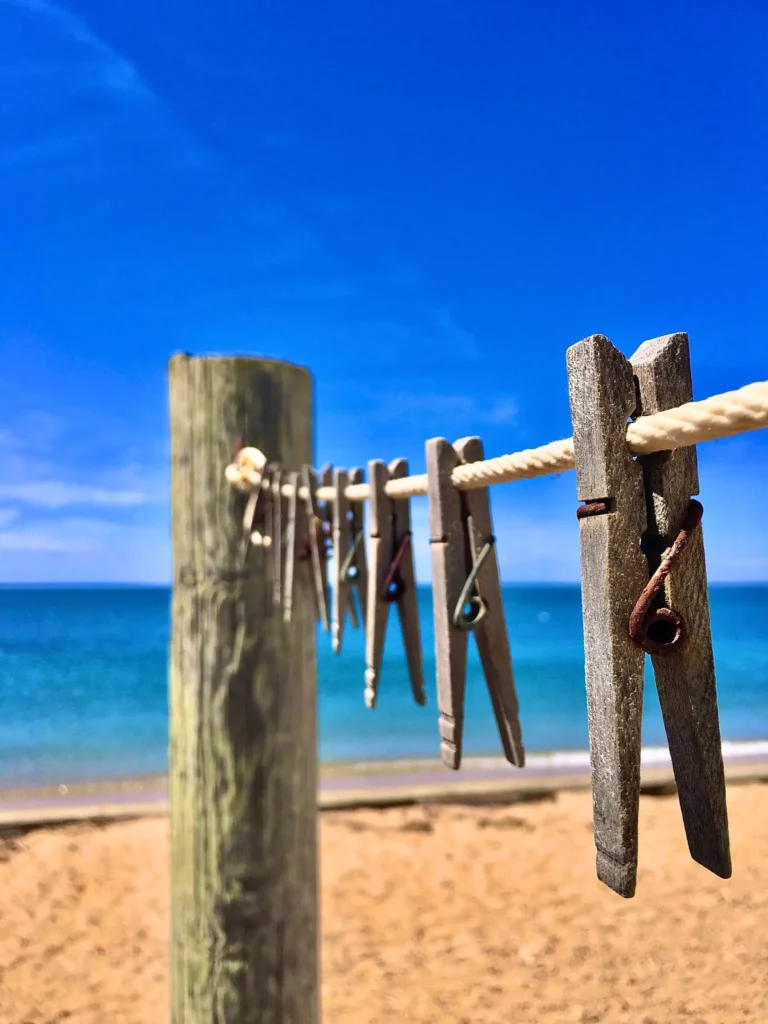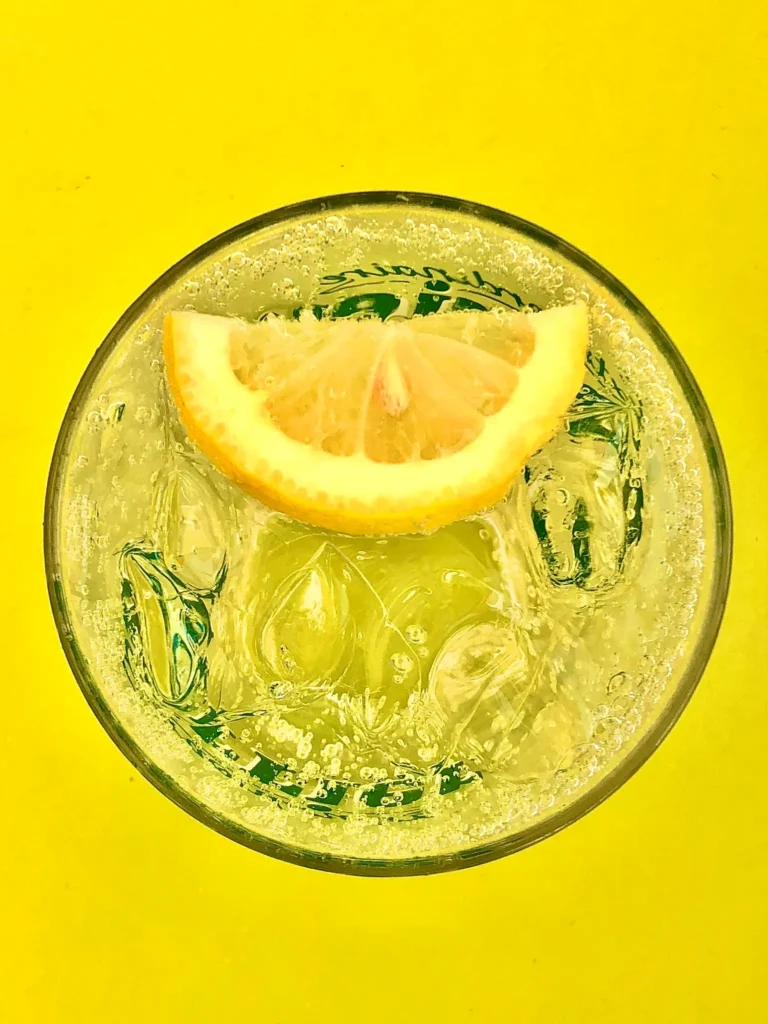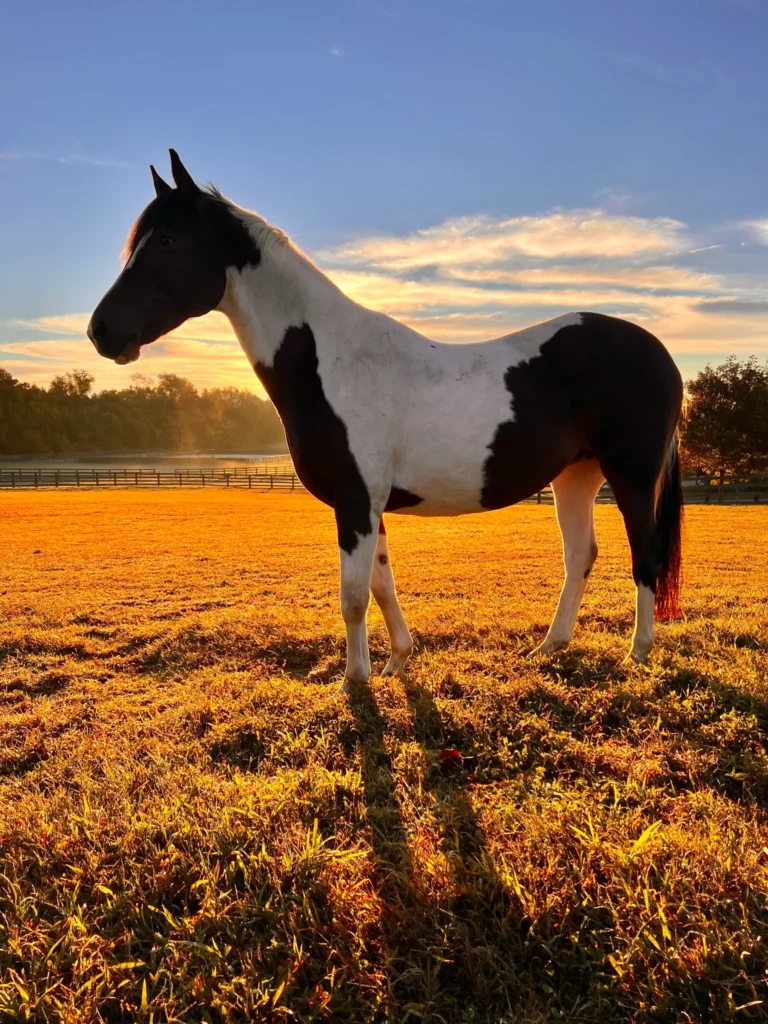
Note. The following photos were taken at PGA National Resort commissioned by Salamander Collection and #shotoniphone16promax
When I’m hired to shoot a commercial assignment—especially for a hospitality property like a resort, lodge, or luxury rental—the client’s shot list usually looks like a well-organized spreadsheet of architectural exteriors, food and beverage setups, poolside ambiance, spa treatments, activities, and high-angle prperty shots.. It’s all predictable, all standard fare, and almost always missing one thing:
Portraits.
You’d be surprised how rarely the human face makes it onto a client’s priority list—especially when I’m shooting with an iPhone.
Why?
I’ll be blunt. I think many clients, even without realizing it, carry a quiet bias. They subconsciously see the iPhone as a casual or candid tool. Great for lifestyle. Great for ambiance. Great for “capturing the vibe.” But when it comes to portraits—especially “serious” ones—they think you need the bokeh blur of a full-frame DSLR or mirrorless body, the heft of a zoom lens, and the gravitas of a professional lighting kit.
Bullshit.
Let me tell you what I’ve learned from 14 years and well over a million iPhone photographs, many of them taken across five continents, in every kind of light, location, and setting imaginable:
The iPhone is one hell of a portrait camera.
Not in theory. In practice. Daily, weekly, monthly practice.
I’ve shot portraits in hotel lobbies, behind bar counters, on sun-drenched terraces, beside beach loungers, and tucked into cozy guest rooms. Most of these weren’t even on the schedule. But I saw them. I felt them. And I captured them anyway.
The Problem With Shot Lists
Let’s talk about these sacred little shot lists for a second. If you’ve never worked in commercial photography, here’s the deal: Clients love to pre-define the visual assets they think they need. A dozen angles of the pool. The spa menu with a flower tucked under the corner. Aerial shots that scream “we paid a drone guy.” And if it’s a high-end place? Expect a whole folder’s worth of golden hour balcony shots with the curtains gently blowing.
But here’s the truth no one tells the client: The most compelling image—the one that gets shared, saved, and remembered—often isn’t on that list.
People don’t just want to see the building. They want to see themselves in the building.
They want to feel what it would be like to be there.
That’s where portraits come in.
Even if the brand doesn’t ask for them, portraits deliver the human connection clients think they’re buying when they approve a photography budget.
What the iPhone Sees
Let me tell you what my iPhone sees when I walk into a resort:
It sees the bartender whose laugh fills the room as she pours a flaming cocktail.
It sees the yoga instructor stretching beside a rising sun, her silhouette soft and strong at once.
It sees the housekeeper gently placing a flower on the pillow, unaware anyone’s watching.
It sees the wrinkled, sun-worn face of the groundskeeper leaning on a rake, taking a break with dignity.
These are the portraits no one asked for. But I shot them anyway.
Why? Because they matter.
Because they speak.
Because they say something real.
The iPhone sees these people without fuss. Without pretense. It moves quickly. It doesn’t intimidate. It doesn’t need setup time or light stands or modifiers. You tap. You focus. You shoot. And nine times out of ten, you get something honest.
iPhone vs. Dedicated Cameras
Let’s go there for a moment.
I spent three decades shooting with “real” cameras—dedicated, heavy, expensive, full-frame beasts. There is undeniable power in those tools, especially when you have control over light, depth, and styling.
But iPhone portraiture brings something that those rigs often can’t: presence.
You can get in close, shoot fast, shoot silent, and stay human.
You’re not behind a massive lens, barking orders. You’re in the moment, connected. And that shows up in the image. You can’t fake it.
I’ve found that, especially in commercial resort work, when you do take portraits—when you sneak them into your shot flow without even being asked—they often become the client’s favorite image. “Oh wow, who is that?” they’ll say. Or “This one makes me feel like I’m there.” Or “Can we feature this in the brochure?”
They forget that it wasn’t on the list. Because the photo worked.
Portraits Are Everywhere
Here’s the truth: I don’t need “portraits” to be on the list.
I see them everywhere.
My radar for the human face is always on. I’m looking for light, for emotion, for gesture, for interaction. I’m looking for the unplanned and unscripted. And I’m always looking for the right moment to raise the iPhone and say, quietly:
“Hold still.”
Sometimes I’ll ask. Sometimes I won’t. Sometimes it’s a quick candid as they walk past. Sometimes I’ll chat for a few minutes before I lift the camera. But always, always, I’m tuned into the human element of the scene. Because photography without people, for me, feels like food without salt. Technically fine. But emotionally flat.
What Clients Learn (Eventually)
Over the years, I’ve noticed something shift.
The more I show my portrait work—shot entirely on iPhones—the more respect the images command. The surprise slowly fades. The assumptions dissolve. Clients stop asking “Wait, you shot that on a phone?” and start asking “Can you do more of these for our next campaign?”
It’s funny. The most human photos often have to fight their way into commercial photography. But once they arrive, they never leave.
Portraits stick.
They carry emotional weight. They bring intimacy to sterile visuals. They breathe life into brochures, websites, and social feeds.
I don’t shoot them because I’m told to.
I shoot them because I can’t not.
Final Thoughts: What I Know For Sure
I’ve been around the world more times than I can count, camera in hand. I’ve shot multimillion-dollar campaigns and scrappy local gigs. I’ve worked with agencies, hotels, tourism boards, and small brands looking to stand out. And if there’s one truth that never fails, it’s this:
People make pictures sing.
Buildings are beautiful. Beaches are lovely. But it’s the people—the faces, the expressions, the shared moments—that bring everything together.
And the iPhone? It’s not just capable of capturing portraits.
In the right hands, with the right mindset, it can elevate them.
So no, you won’t always find “portraits” on my shot list.
But you’ll always find them in my heart.
And you’ll always find them in the final folder.
Because whether or not they were asked for, they were needed. And that’s reason enough.
Click.
Jack.