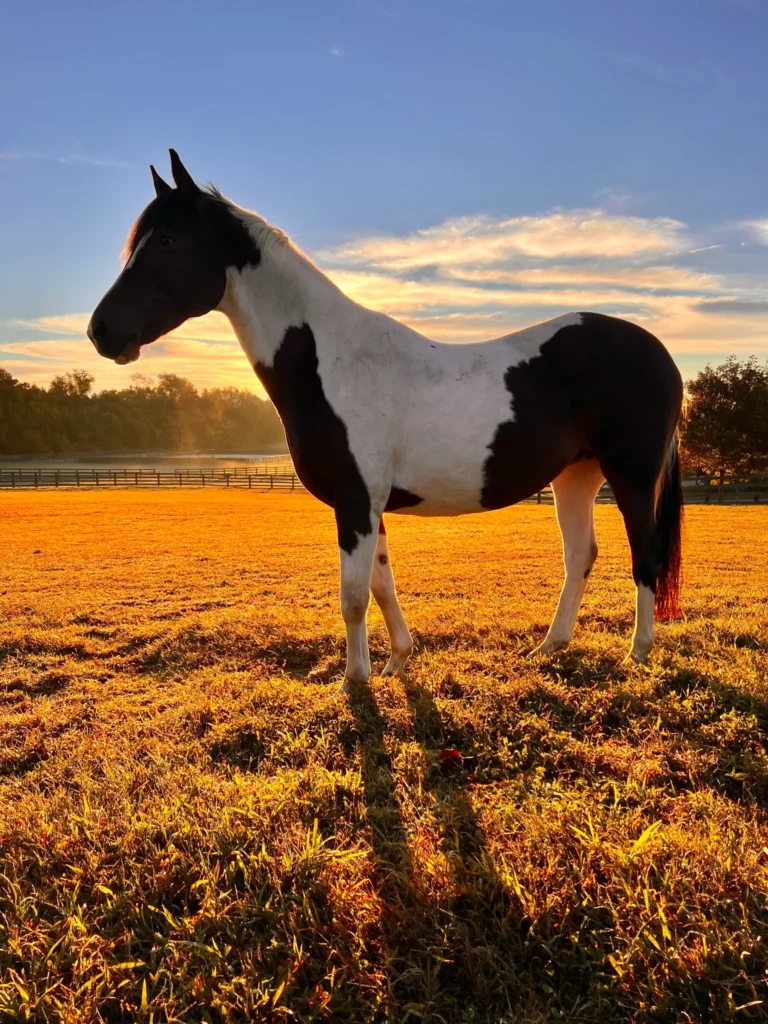
Note. The following photos were taken at PGA National Resort commissioned by Salamander Collection and #shotoniphone16promax
Let’s get something out of the way, right up front: I love interior photography.
Homes. Hotels. Lofts. Airbnbs. Restaurants. Retail. Museums. Even random architectural corners that feel like they’re whispering stories under their breath. I’ve always had an eye—and a heart—for built spaces. There’s something about how light spills across tile, how lines converge in a hallway, how design meets function. Interior photography is about mood. Space. Structure.
It’s also about discipline.
Let’s not kid ourselves. Interior photography—done right—is one of the most demanding genres in the craft. It’s not just about pointing and shooting a pretty room. It takes patience, precision, a deep understanding of composition and light, and a whole lot of gear most folks never think about.
And that’s where my challenge begins.
Because I shoot exclusively on iPhone.
Yes, I said it. Proudly. Since 2011, I’ve shot only with an iPhone—no DSLR, no mirrorless, no full-frame this or medium-format that. My life, my work, my art, my brand… all fit in my pocket.
But when it comes to interiors? That’s where I hit what I affectionately (and half-sarcastically) call my “interiority.”
It’s my term for the conversation I inevitably find myself in when explaining to clients, collaborators, or even friends why shooting interiors with an iPhone isn’t as easy—or as impressive—as the rest of what I do.
Yes, You Can Shoot Interiors with an iPhone
Let’s be clear. Can you shoot interiors with an iPhone? Yes.
Can you make them look good? Yes.
Can you do it in well-lit spaces, for casual use, social media, content marketing, or lifestyle storytelling? Absolutely. I’ve done it hundreds of times.
But here’s the hard truth:
If you’re trying to replicate the clean, high-dynamic-range, distortion-free, magazine-worthy look of traditional architectural photography, the iPhone simply doesn’t compete.
Not because it’s a bad camera. But because physics still matter.
The Technical Reality of iPhone Interiors
Let’s break it down, piece by piece—nicely, but honestly.
1. Sensor Size
This is the biggest limitation. The iPhone’s sensor is tiny—roughly the size of your pinky fingernail. Compare that to a full-frame DSLR sensor, which is closer to a playing card.
Small sensors mean limited light gathering. Which means:
More noise in low light
Reduced dynamic range
Difficulty resolving fine shadow and highlight detail simultaneously
Indoors—especially in ambient light—this is a problem.
2. Lens and Perspective Distortion
Most architectural photographers use tilt-shift lenses or wide-angle primes designed to control distortion and maintain parallel lines.
The iPhone’s ultra-wide lens is fun, but let’s face it:
It bends lines like a funhouse mirror
It exaggerates perspective
It often feels cartoonish in tight spaces
Yes, you can correct distortion in post. Yes, newer models have improved edge rendering. But it’s still not the same as using dedicated glass.
3. Dynamic Range
Rooms are tricky. You’ve got windows blasting bright light. Shadows in corners. Reflections bouncing off metal and glass.
Dedicated cameras have larger sensors and RAW headroom to handle these extremes more gracefully. iPhones have come a long way with HDR and Smart HDR algorithms, but they can still:
Overcompress contrast
Flatten textures
Introduce halos or artifacts around window frames
The result? Photos that look “processed,” not polished.
4. Lighting Limitations
Interior photographers often bring their own lighting kits: strobes, diffusers, bounce cards, or LED panels to paint the room with soft, even light.
iPhone shooters? Not so much.
We rely almost entirely on ambient light—which means:
Dark rooms look muddy
Mixed lighting looks yellow-green
Highlights blow out fast
You can bring in small lights or even apps that simulate long exposures. But those are workarounds, not replacements.
5. Tripod and Stability
Traditional interior photographers shoot on tripods, sometimes bracket exposures, and blend them in post.
iPhones can shoot handheld, but:
Low-light shots get soft or blurry
Tripod use with iPhone requires extra gear
Long exposures with Deep Fusion or Night Mode can be unpredictable
But Here’s the Silver Lining
Despite all that—despite the tiny sensor, the limited lens choices, the dynamic range bottleneck—here’s what I love:
The iPhone still invites me into the room.
It teaches me to see differently.
It doesn’t let me hide behind 20 pieces of gear. It forces me to look for good light. For symmetry. For simplicity. It encourages me to slow down and find beauty in the basic.
Some of my favorite interior shots have been taken with nothing more than a shaft of sunlight across a wood floor. Or the way window light skims a kitchen counter at 4:43 pm.
That’s what the iPhone can do beautifully.
Managing Expectations
When clients ask me to shoot interiors, I’m honest.
I say:
“I can get you lifestyle-driven, emotionally rich interior shots. Stuff that feels authentic, lived-in, editorial. But if you want sharp, glossy, high-resolution, real estate-style images with pin-sharp corners and every wall perfectly lit? That’s not what an iPhone does best.”
I tell them this because trust matters. So does understanding the tool in your hand.
I’m not anti-iPhone. Hell, I’ve staked my career on it. But I’m also not a blind cheerleader. I believe in being realistic and respectful—to the craft, to the gear, and to the expectations that come with it.
The Case for Casual Interiors
If you’re a content creator, lifestyle blogger, Airbnb host, interior designer, or small business owner who wants quick-turnaround, aesthetically pleasing shots for web, social, or email, the iPhone is your best friend.
Use:
Natural light from windows
Portrait mode sparingly
Tap to expose and lock focus
Snap at eye level or slightly above
Use the 1x lens, not ultra-wide, for natural proportions
And embrace the iPhone’s convenience and spontaneity.
Not everything needs to look like Architectural Digest. Sometimes it just needs to feel real, warm, and human.
Final Thoughts
The iPhone may not be a full-frame architectural workhorse. But it is a sketchbook. A partner. A reminder that photography is about presence, not perfection.
When I shoot interiors with my iPhone, I’m not pretending to be something I’m not. I’m leaning into what I am—an observer of light and life, using the camera I always have with me to see the world a little more clearly.
And while I may still have to explain my “interiority” to clients now and then, I do it with pride. Because if you know what you’re doing—and you’re honest about the limitations—there’s still magic to be made inside four walls.
Even with a camera that fits in your back pocket.
Click.
Jack.