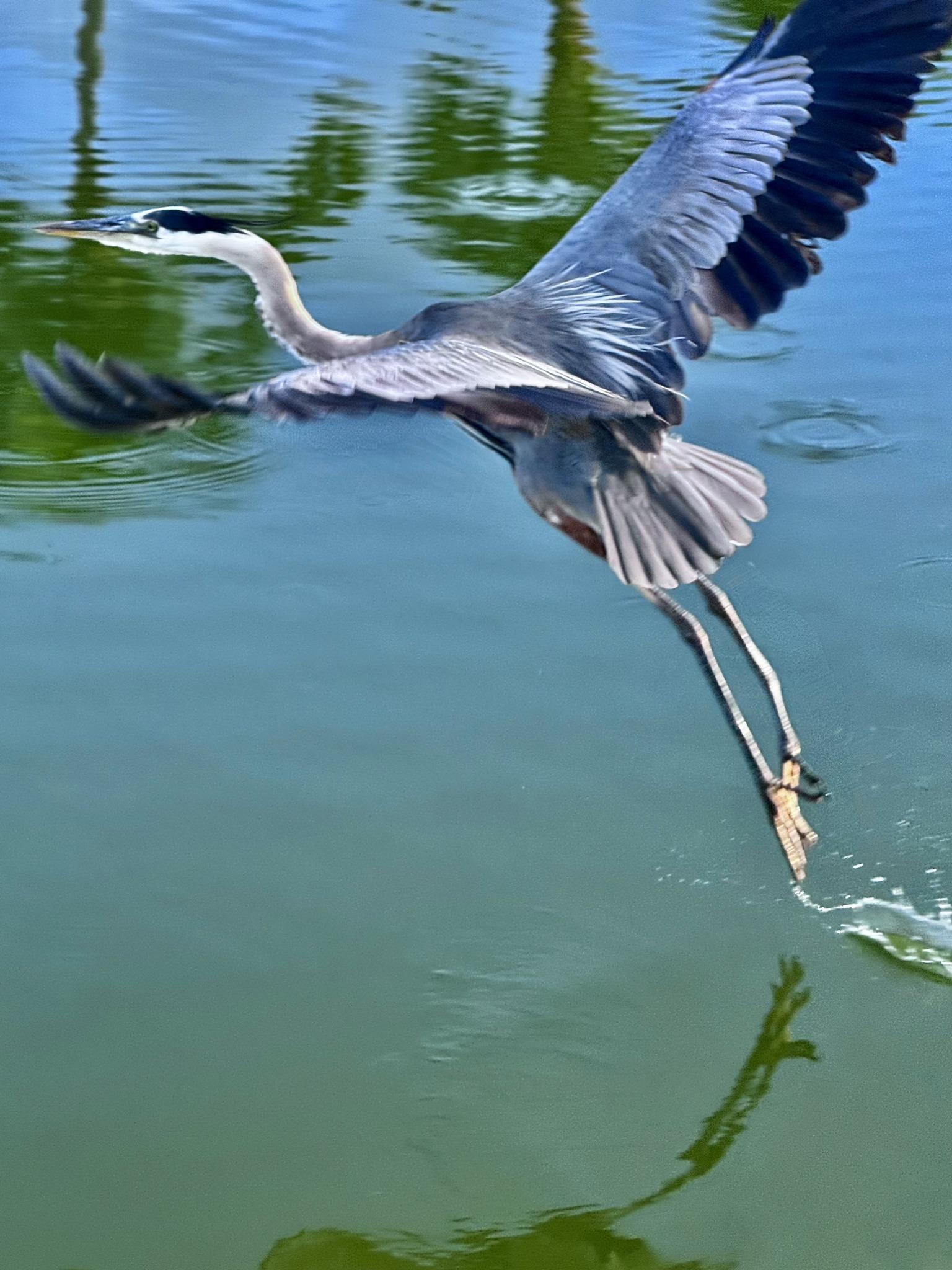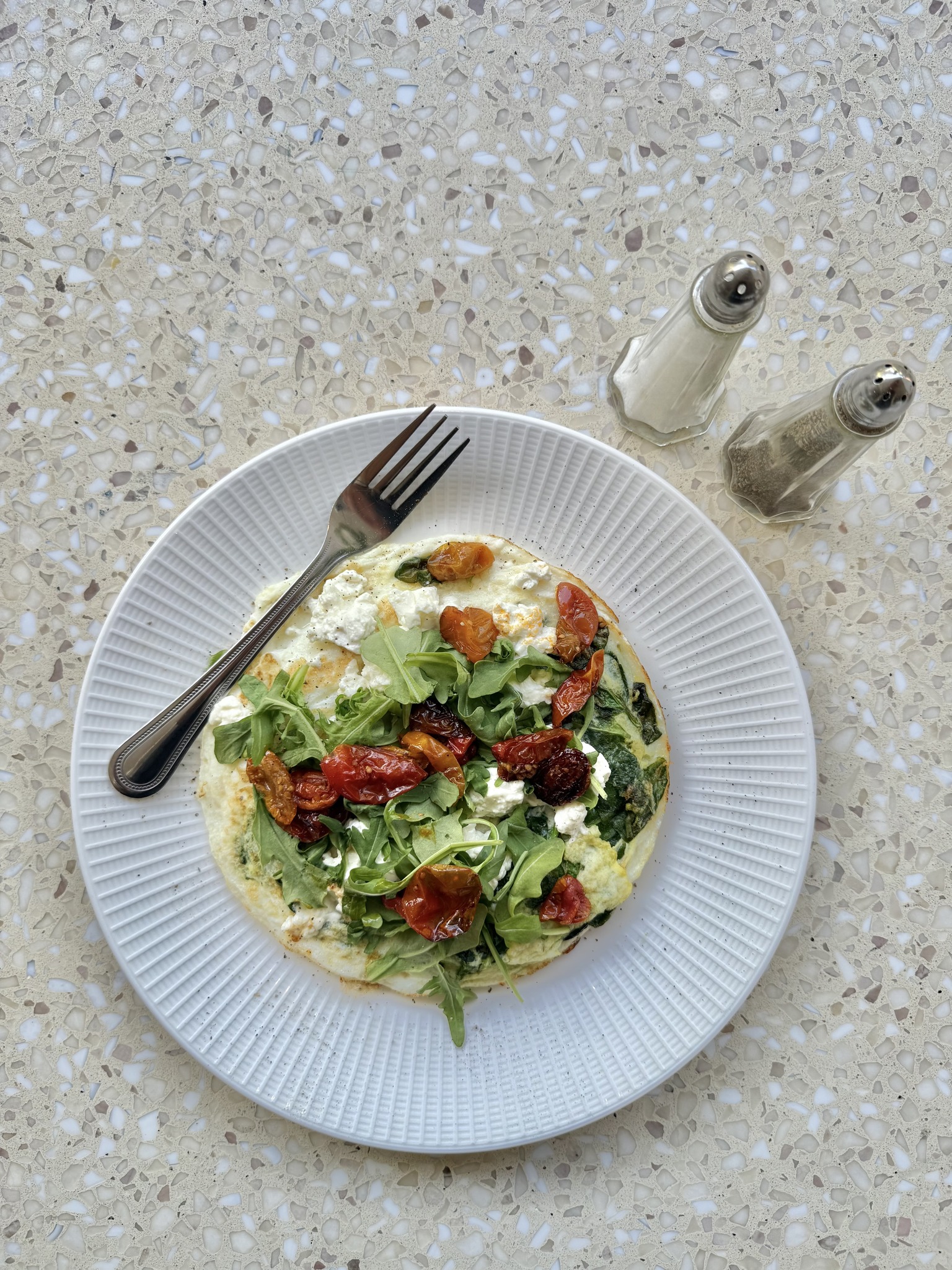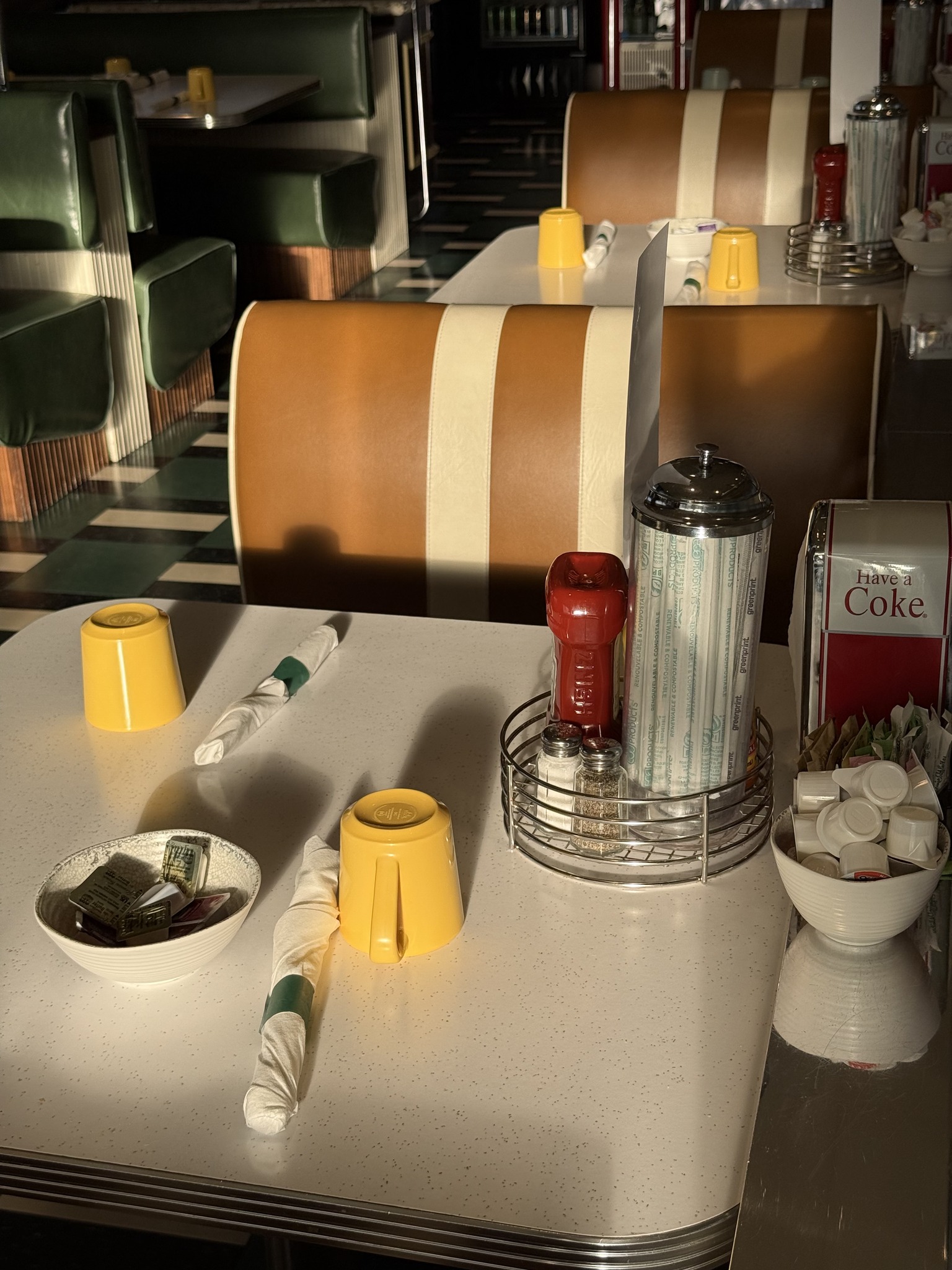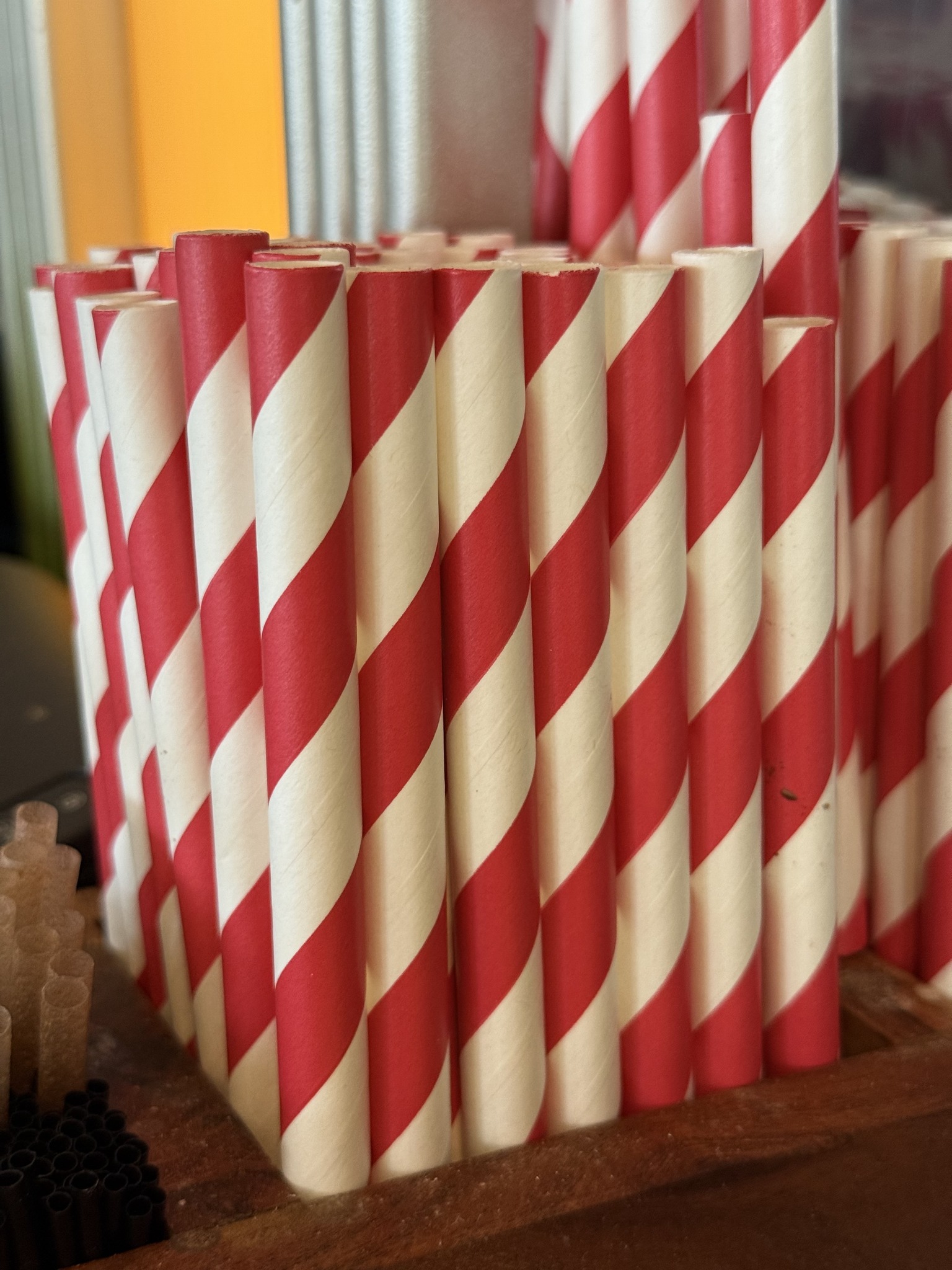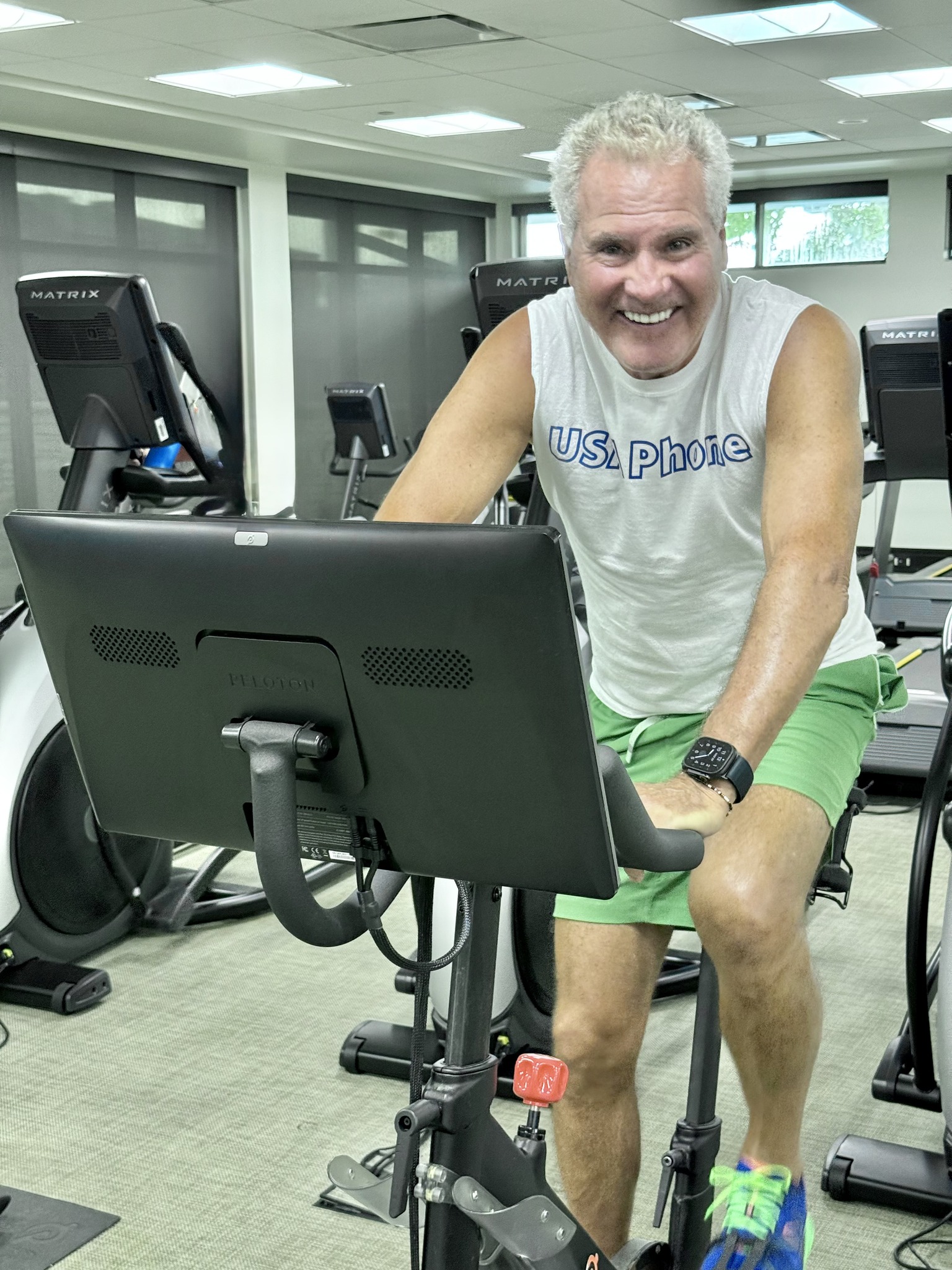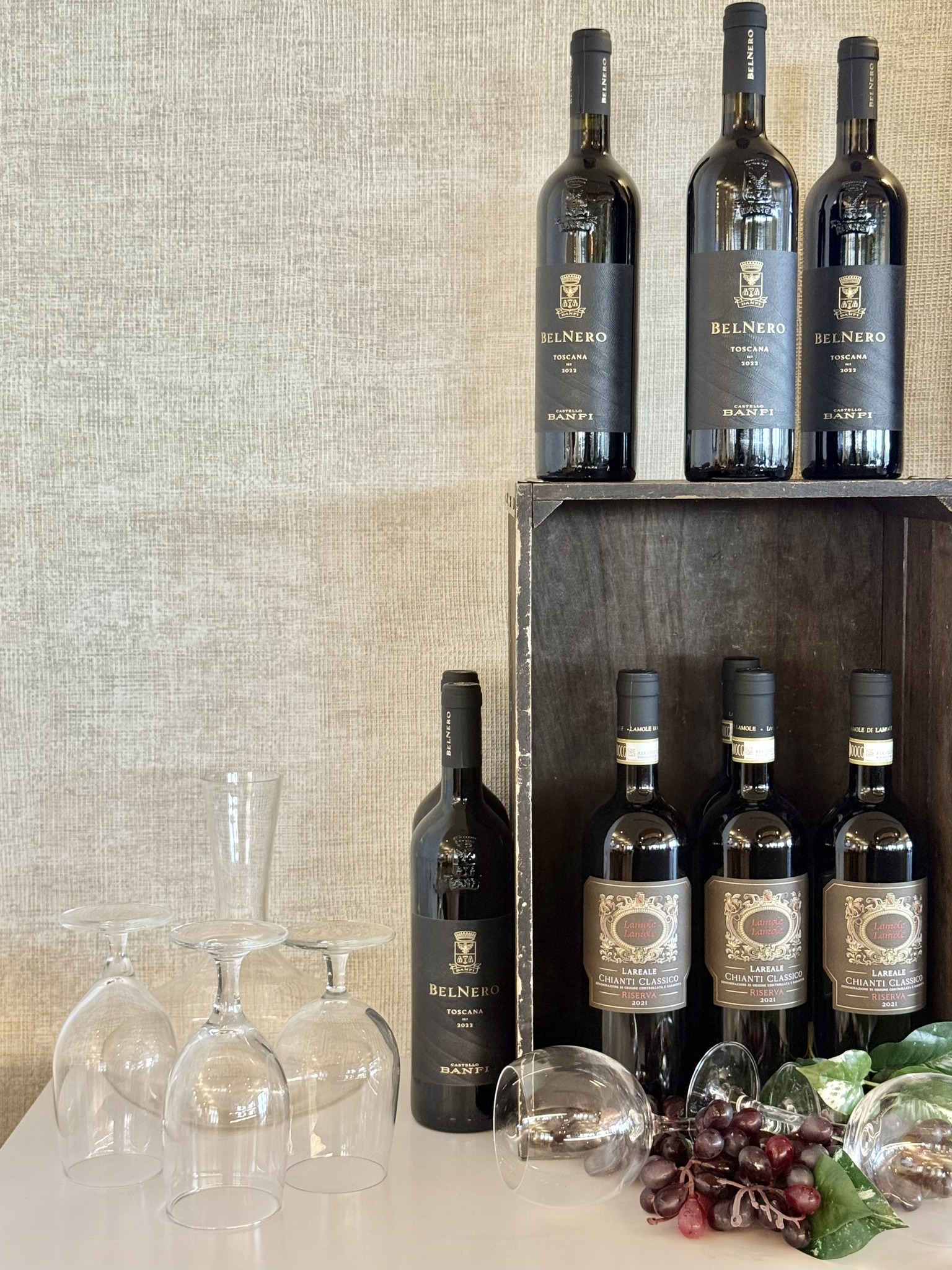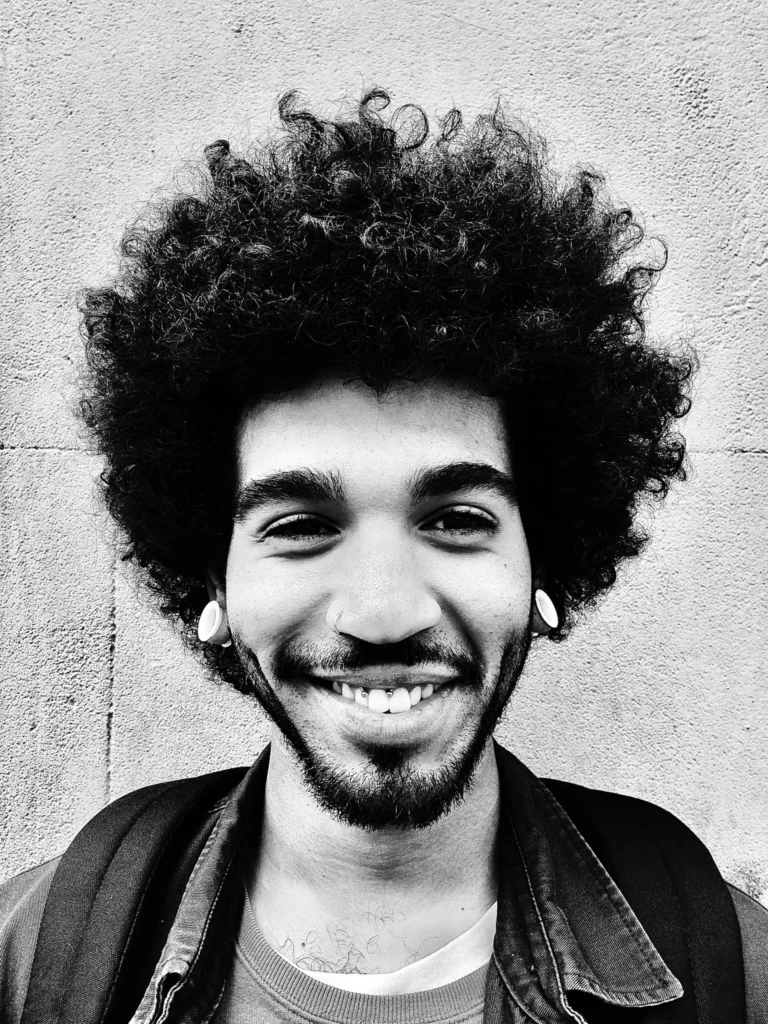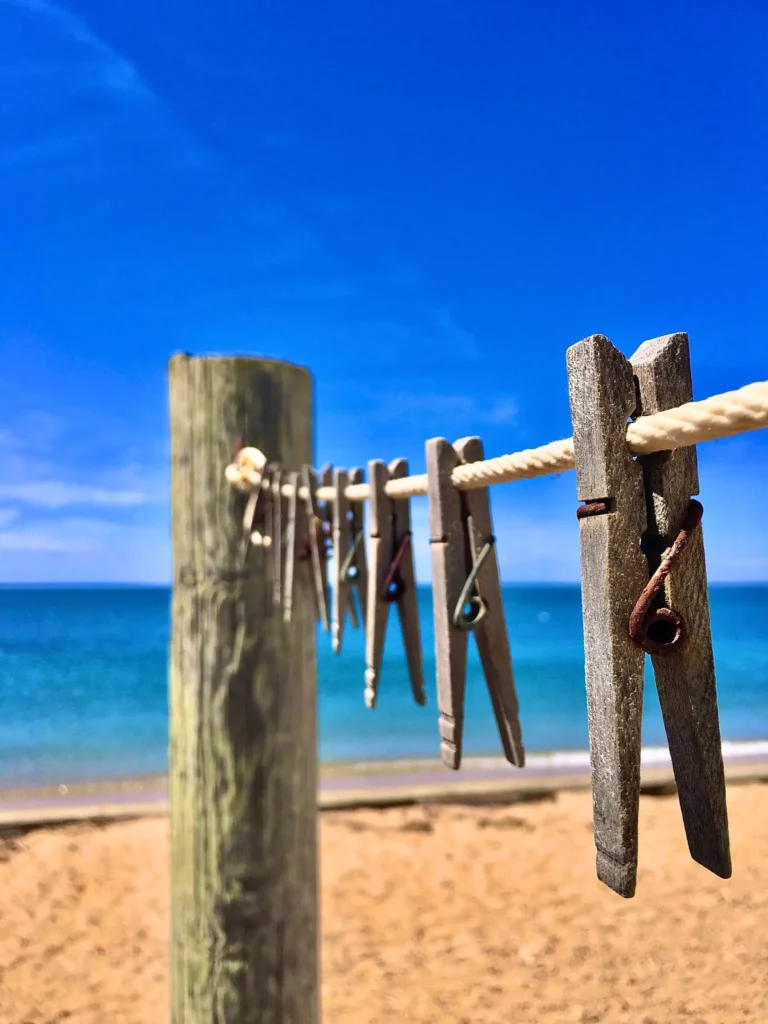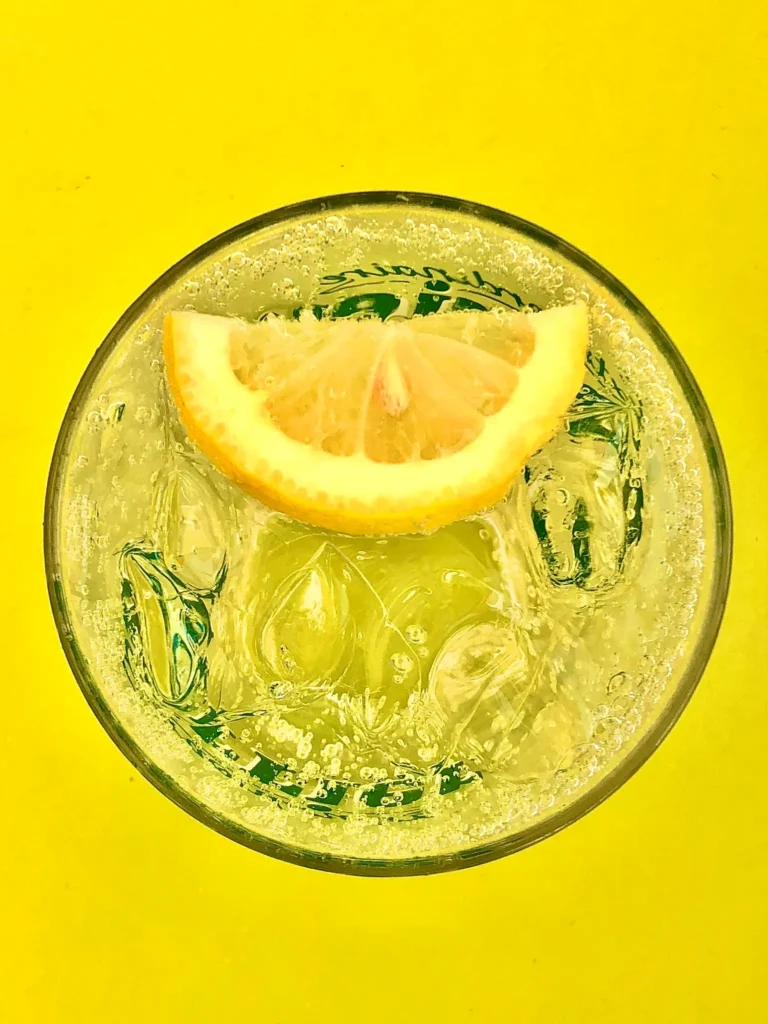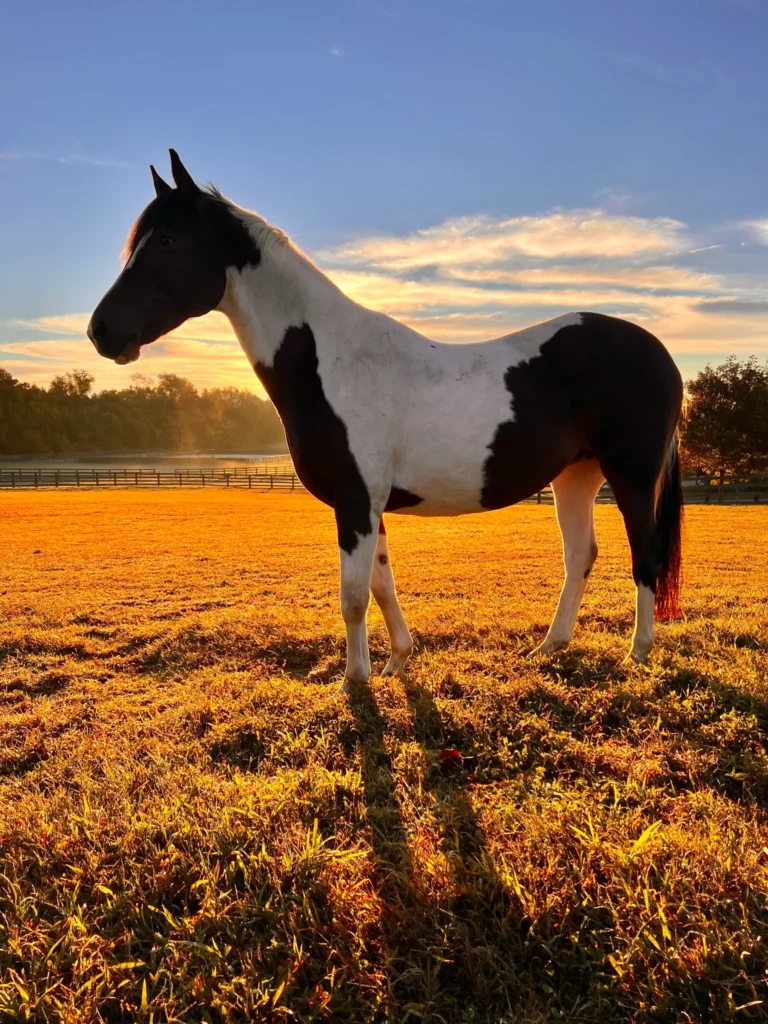
Note. The following photos were taken at PGA National Resort commissioned by Salamander Collection and #shotoniphone16promax
I just wrapped another commercial resort shoot—one of several dozen I’ve done over the years. This one, like most, was shot entirely on my iPhone. And you know what? The actual mechanics of photographing a resort with a phone camera aren’t wildly different than doing it with a traditional DSLR or mirrorless system.
Same book. Different chapter.
Sure, you might lose some shallow depth of field. You don’t have the same lens arsenal. And yeah, there are lighting conditions where a big sensor would technically perform better. But in real-world use? The iPhone holds its own—especially in skilled hands. Especially in the hands of someone who knows how to see.
What is wildly different—radically different—is the mindset.
This is the part no one tells you.
It’s Not About You
Let me make this clear for every weekend snapper, content creator, or influencer who thinks shooting for a brand or resort is just “run and gun with vibes”: that’s not commercial photography. That’s hobbyism with a hashtag.
When you’re hired to shoot a resort—pool, bar, golf course, staff, rooms, food, activities—you’re not there to chase your own creative whimsy. You’re there to fulfill a shot list, serve a vision, and make the client look good. The camera, whether it’s an iPhone or a Phase One, is just the tool.
What matters is: Can you tell the story they want told?
You don’t shoot what you want to shoot.
You shoot what they want to see.
That’s commercial work.
That’s the job.
The Myth of “Creative Freedom”
I can’t tell you how many people imagine this job as me skipping around a property with my iPhone, finding beautiful angles, snapping what I please, editing later over a glass of wine by the pool.
Uh, no.
That’s vacation.
This is work.
I start with a shot list—usually created by a marketing team who’s never actually stepped foot on the property. I get briefed by the in-house manager. I sign legal forms. I scout lighting. I do walk-throughs. I take notes. I talk to chefs, concierges, GMs, and event planners.
Then I build a schedule—mapping when and where the best light hits each section of the resort. I calculate for crowds, service hours, and weather. I get up before sunrise. I wait for twilight. I return to locations three, four, five times until the moment is just right.
And all the while, I’m shooting with my iPhone.
Not because I have to.
Because I choose to.
Why iPhone Works
There are three big advantages to shooting with an iPhone on these jobs:
Speed: I can shoot, edit, and deliver previews almost in real-time. No card readers, no Lightroom tether, no external monitor. I capture, curate, and send. Instantly.
Volume: I don’t need to be precious about each frame. I can overshoot scenes, bracket exposures, and experiment—then cull down later. I’ll often take thousands of images and deliver a couple hundred finals.
Intimacy: People drop their guard around phones. I can walk into a busy kitchen, or up to a housekeeping crew, and grab authentic moments without interrupting the flow of work. Try doing that with a full rig and a strobe.
But none of that matters if I’m not mentally in the right place.
Living Inside the Client’s Head
This, to me, is the real art of commercial photography: climbing inside someone else’s brain and seeing what they want to see—before they see it.
You’re not just fulfilling a checklist.
You’re interpreting a brand.
You’re creating perception.
Think about it: most resort guests have never been there before. They’re shopping with their eyes. They want to know: “What will this experience feel like?” My job is to bottle that feeling in pixels.
Yes, I bring my style. Yes, I bring my taste. Yes, I look for moments of beauty. But ultimately, I’m serving someone else’s message.
It’s not my name on the brochure.
It’s theirs.
Not Just a Point-and-Shoot
Some people think that because I’m using a phone, I must be less serious, or the job must be easier.
Let me tell you what’s easy: pointing your phone at whatever you want, whenever you want, and posting it for likes.
Let me tell you what’s hard: shooting 150+ deliverables across 12 categories in 4 days, in every kind of light and weather, while coordinating with staff, keeping to a schedule, handling client feedback, and still producing polished, brand-consistent imagery that feels effortless and real.
The iPhone doesn’t make that happen.
The mindset does.
Professionalism Is Not in the Gear
I used to carry gear bags that weighed more than my daughter. Lights, stands, modifiers, lenses, reflectors—an entire circus just to shoot a single room or plate of food. Today? I can do it all with what fits in my back pocket.
But just because I’ve simplified the gear doesn’t mean I’ve dumbed down the job.
In fact, I have to be more prepared. More precise. More in tune with light, space, subject, timing. I don’t have as many crutches. I have to get it right in-camera. I have to shoot intentionally.
This is what so many people miss.
The iPhone doesn’t make you a better photographer.
But it will absolutely expose whether you are one.
Final Thought
If you’ve never shot for a client—really shot—you may not understand what it feels like to be creatively constrained in service of a brand.
It’s not a burden. It’s a craft.
And when you do it well—when you show a client what they couldn’t quite articulate, when they light up with recognition and say, “Yes, that’s it”—you’ve done more than take a photo.
You’ve translated vision into image.
You’ve made the invisible, visible.
You’ve done your job.
With an iPhone.
And a mindset.
Click.
Jack.