This afternoon, I spent two hours on the Austin Hike-and-Bike Trail, under a sky so impossibly blue it felt like it had been painted just for me. The sun was merciless, the air heavy, the kind of summer heat that slows your bones. But I didn’t care. I had Bob Dylan in my ears—the greatest hits, the holy canon of one man’s restless, relentless life’s work.
Blue skies, fluffy white clouds, sweat down my back, and Dylan’s voice—raspy, unapologetic, untamed—threading itself into every step I took.
Knockin’ on Heaven’s Door rolled in first, that simple chorus working like a hymn, but stripped of any altar. Then came Like a Rolling Stone, the way he spits it out—how does it feel?—and I swear, in that moment, it felt like he was talking right to me, and to anyone who’s ever woken up one day to realize they’ve been faking parts of their own life.
Blowin’ in the Wind. The Times They Are A-Changin’. Hurricane. Girl from the North Country. A Hard Rain’s A-Gonna Fall. Don’t Think Twice, It’s All Right. Desolation Row. Tombstone Blues. Masters of War. One after another. Like waves. Like weather. Like the unpredictable unfolding of a life.
It wasn’t just music—it was a sermon without a pulpit, a meditation without a god, a confession without shame.
I like Dylan because he doesn’t pretend to have it all figured out. He never wraps his words up in neat, certain answers. He’s the poet laureate of doubt, of ambiguity, of shrugging at the universe while still somehow making you feel that it matters. He sings about injustice like it’s a bruise you can still press your fingers into. He sings about love like it’s both salvation and a con job.
Maybe Bob Dylan never walked on water.
Never turned water into wine.
Never healed the blind or fed five thousand.
But for this wayfaring, earthbound humanist, he’s done something rarer: he’s kept me company through the desert of not knowing.
Dylan is a living contemporary, breathing the same air I breathe, stumbling through the same flawed century I’m stumbling through. He’s not some vague historical figure from a world I’ll never recognize. He’s here, now—a man who has looked around, seen the same mess I see, and turned it into music that somehow makes the mess more bearable.
He doesn’t promise me paradise or punish me with hell. Instead, he reminds me that life’s worth wrestling with, worth noticing, worth putting into words even when the words fall short. Especially when they fall short.
That’s why I call him, in my own godless vocabulary, both poet and priest. The poet part is obvious—the imagery, the turn of phrase, the lines that lodge themselves in your chest and stay there. But the priest part… that’s about how he gathers people in. How his words connect strangers on opposite sides of the world. How he blesses the broken without pretending to fix them.
There’s a certain freedom in walking the trail with Dylan’s voice in my ears, matching his freewheeling spirit to the steady rhythm of my own feet. Sometimes his songs are wide open—Blowin’ in the Wind—and sometimes they’re tight little puzzles—Desolation Row. But either way, I feel like I’m in conversation with him. Or maybe I’m just eavesdropping on his conversation with himself.
When he says, “You don’t need a weatherman to know which way the wind blows,” I smile—not because it’s clever, but because it’s true, and because it’s a reminder that common sense is often the rarest thing in the room.
When he sings, “All the truth in the world adds up to one big lie,” I wince, because I know that one too well.
When he tells me, “You better start swimmin’ or you’ll sink like a stone,” I think about all the times I’ve let myself sink, and all the times I’ve fought my way back to the surface.
Some songs felt like walking companions today. Don’t Think Twice, It’s All Right whispered about letting go, about not needing to win every goodbye. A Hard Rain’s A-Gonna Fall warned me about storms that are more than weather. Masters of War reminded me that power always has a face, and it’s rarely smiling.
Dylan’s not afraid to be bitter, to be angry, to point fingers. He’s not afraid to admit love hurts more often than it heals. But in between all that, he still manages to find something worth singing for. That’s the real magic—how he can be cynical and still give you hope, weary and still give you fire.
It’s why, for me, he’s more than an artist. He’s a compass. Not the kind that always points north, but the kind that reminds you there’s a whole horizon out there, and you’re free to walk in any direction you choose.
By the time I looped back to where I started, drenched in sweat, my playlist was winding down. Tangled Up in Blue came on, and I slowed my steps just to let it play out. That song has always felt like a life in miniature—messy, nonlinear, full of missed connections and chance encounters that still shape you years later.
That’s the thing about Dylan. His songs don’t just tell stories—they fold you into them. You become the drifter, the lover, the protester, the observer. His words are both a mirror and a map.
And when he finally faded out, I didn’t feel lighter or heavier. I just felt… steadier. As if for those two hours, someone had been walking alongside me, nodding at the absurdity, the beauty, the heartbreak of being alive.
Maybe Dylan’s never calmed a storm, raised the dead, or fed a multitude. But he’s fed me, in his way. He’s given me language when I’ve run out, music when I’ve gone quiet, and a reminder that you can live without certainty and still live well.
For me, that’s more than enough.
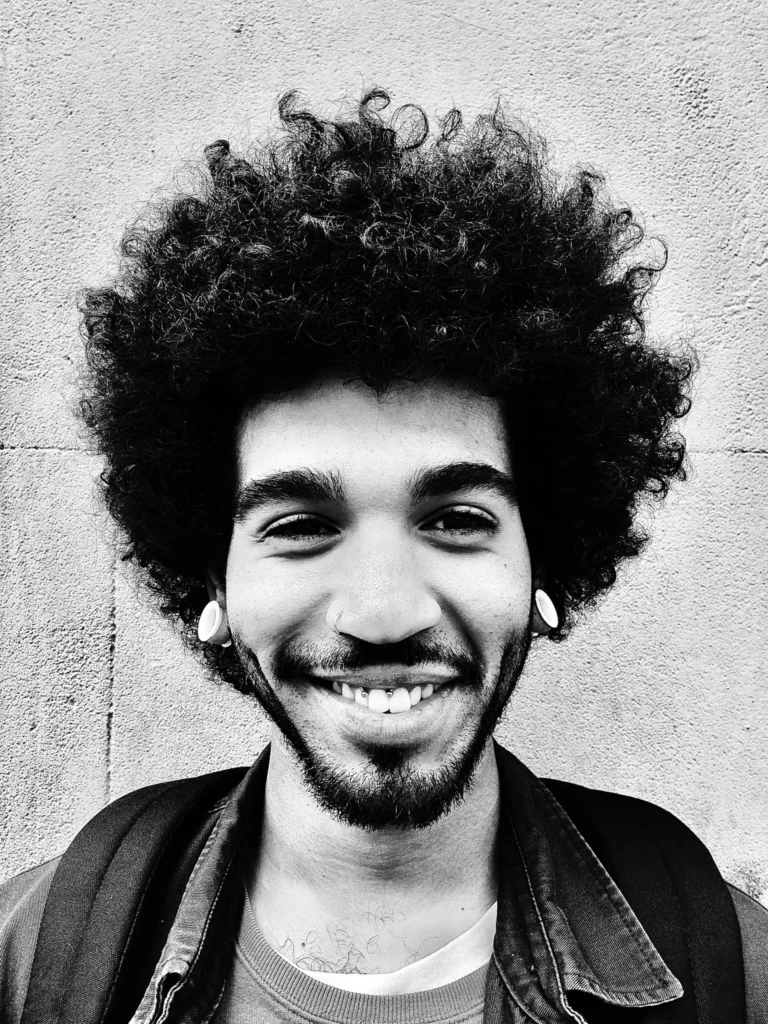
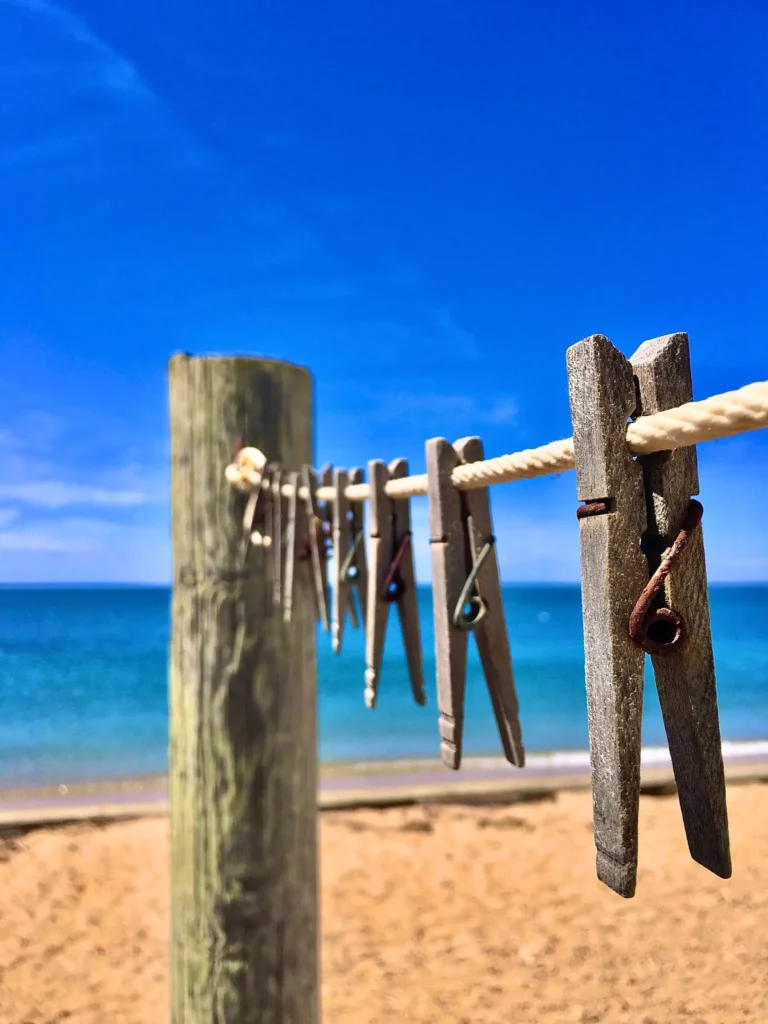
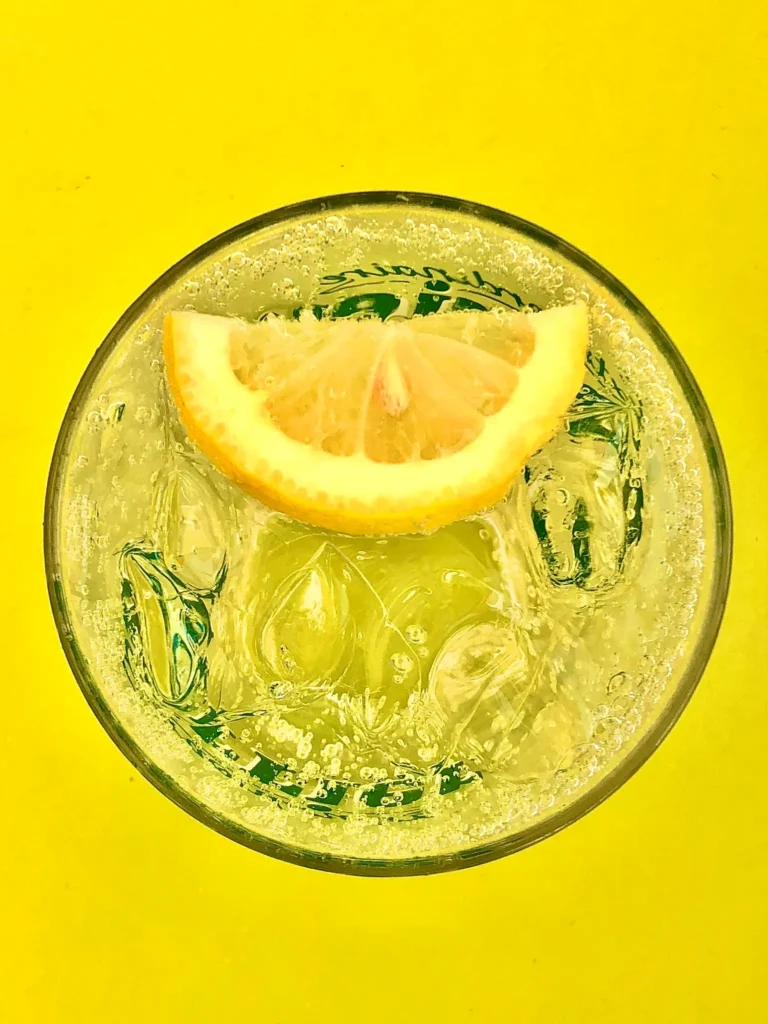
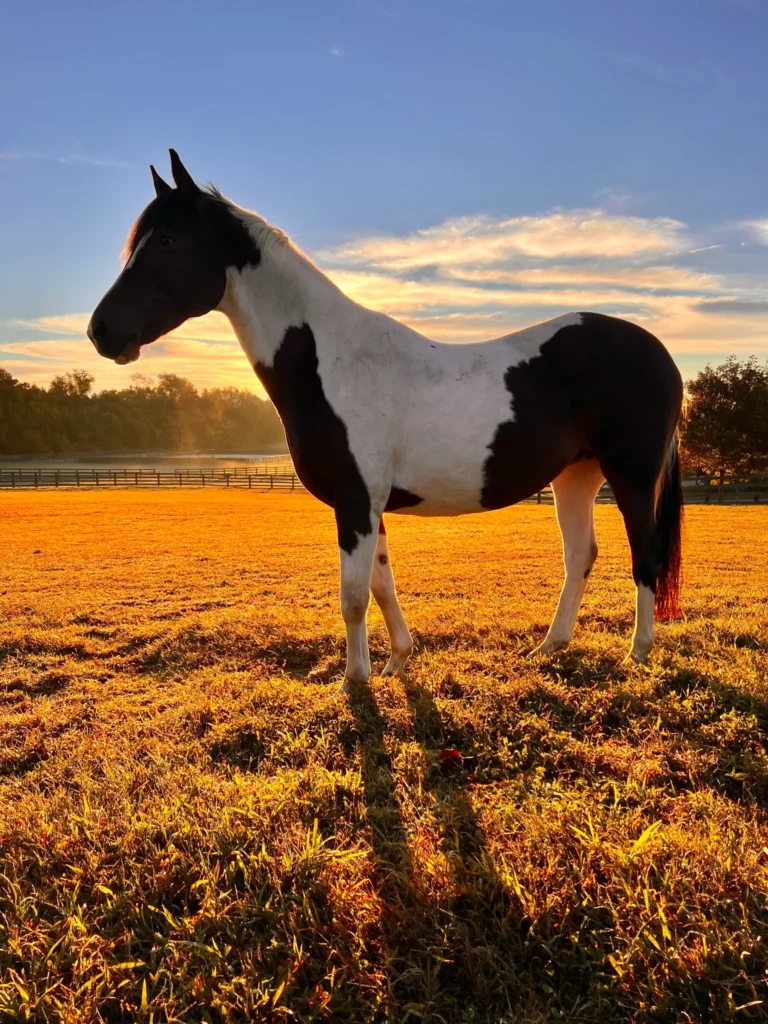
When I finally got home and cleaned up, I hit my camera roll to express my own entanglement
This is what I saw, with Dylan still in my head.
Click.
Jack.