What the Desert Gives That the City Cannot
Editing the Trip
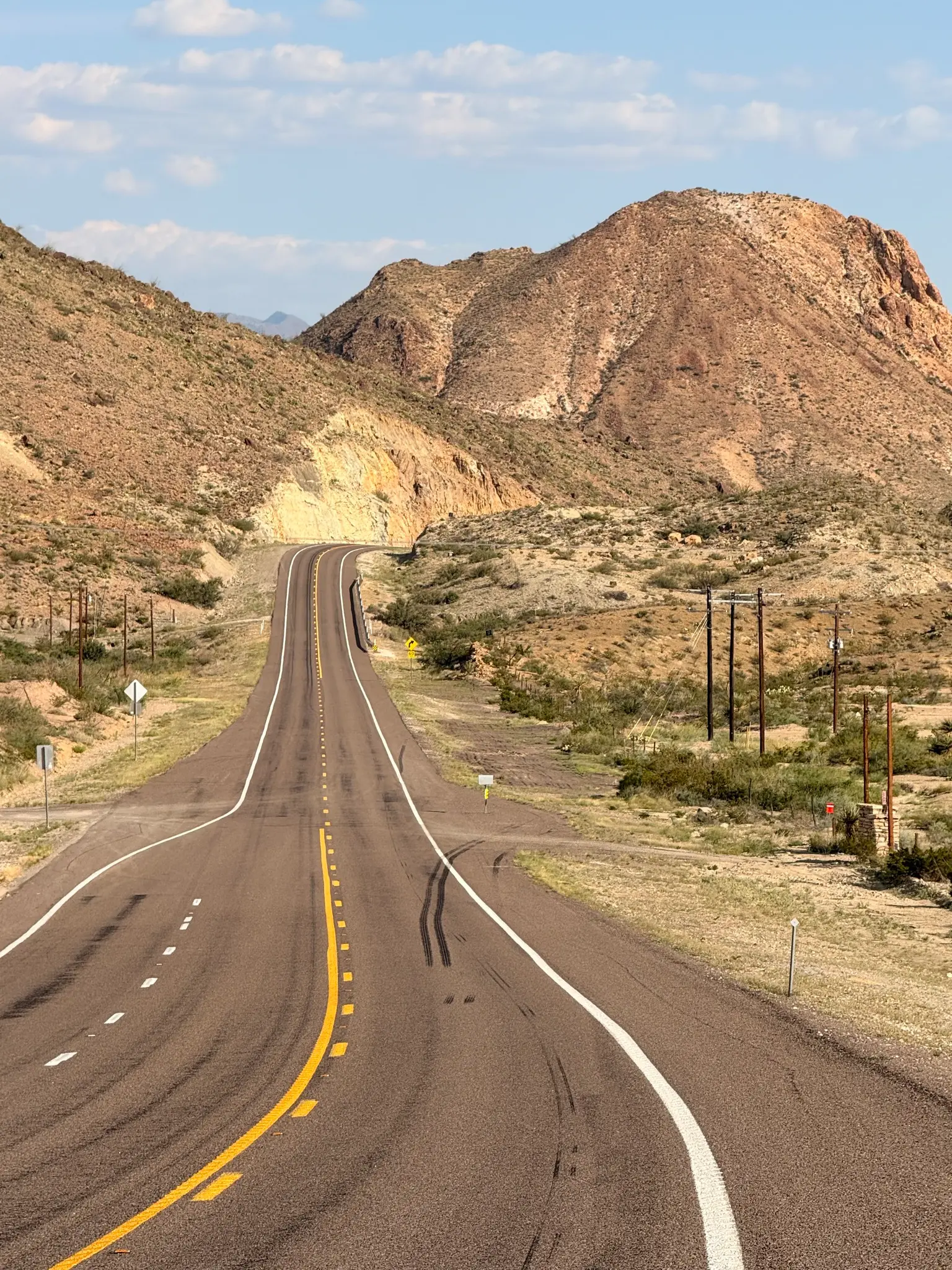
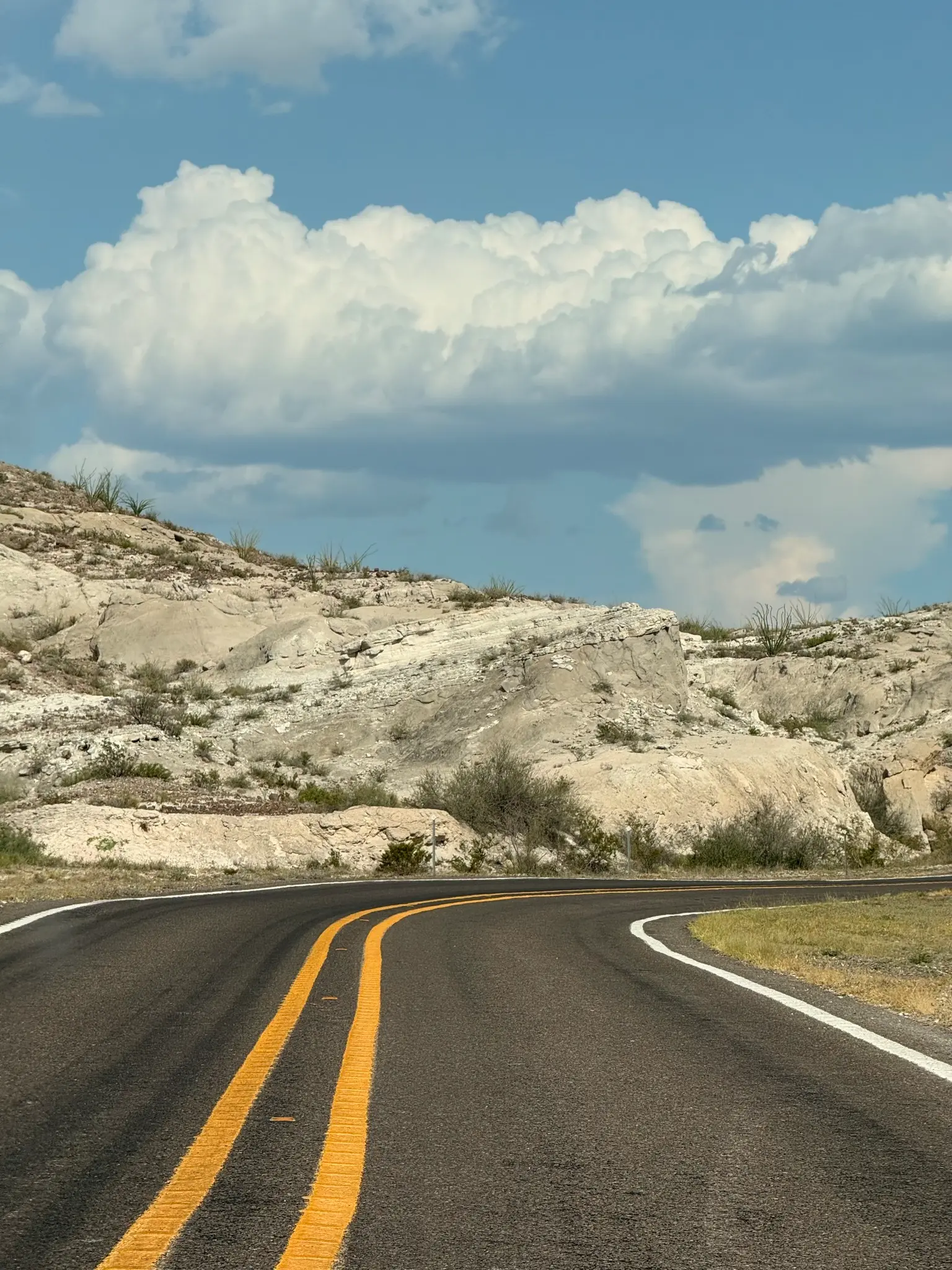
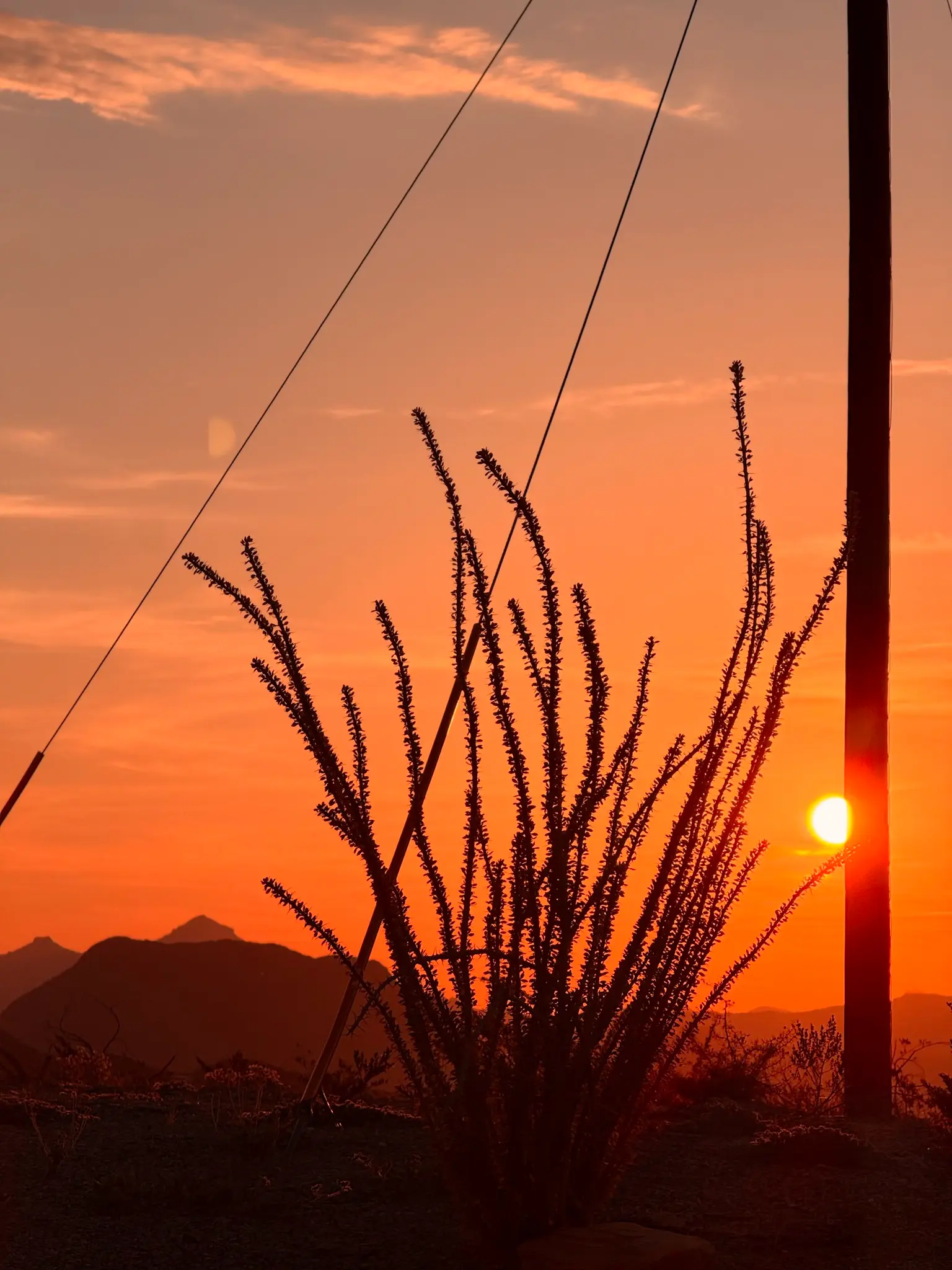
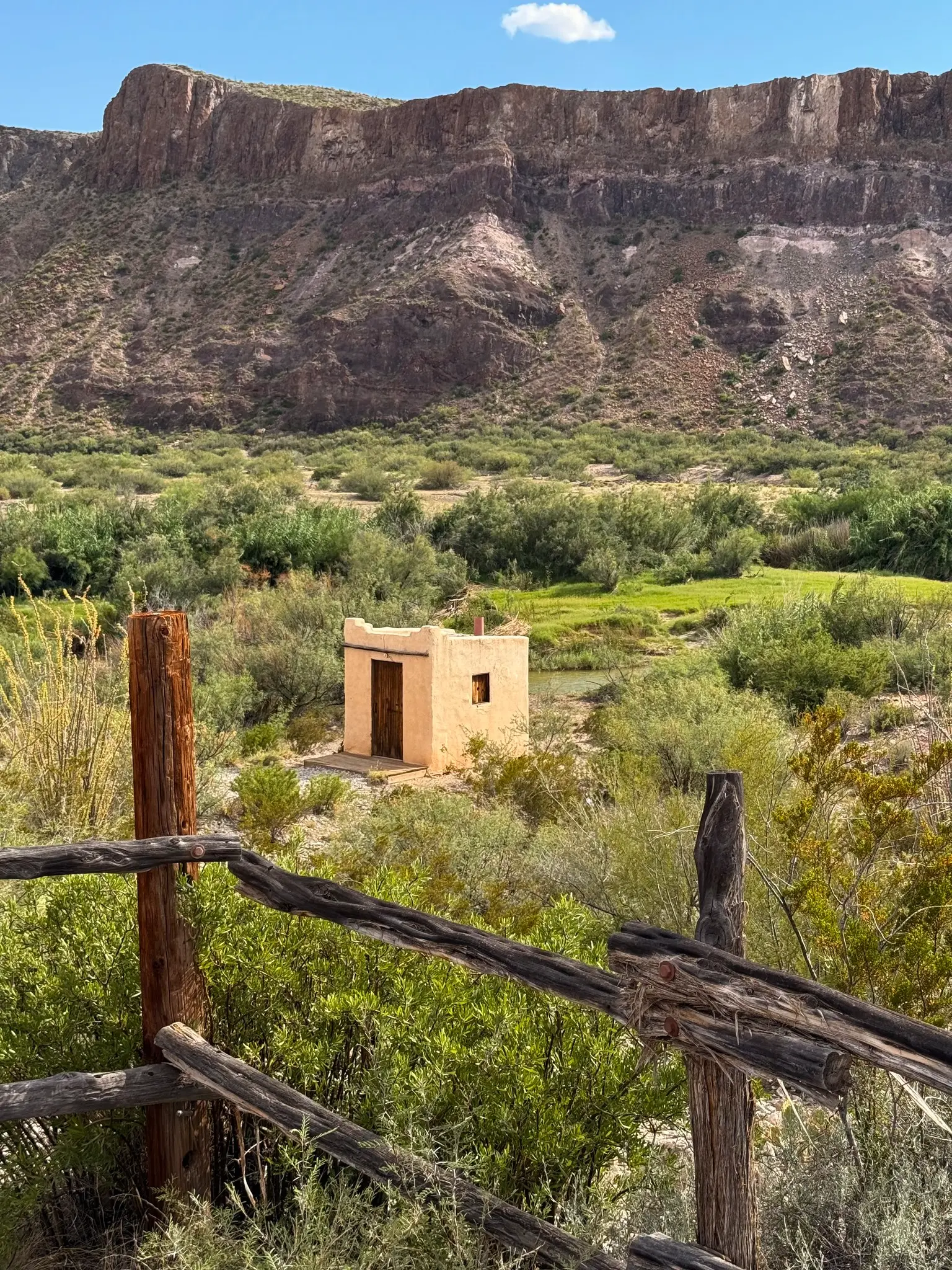
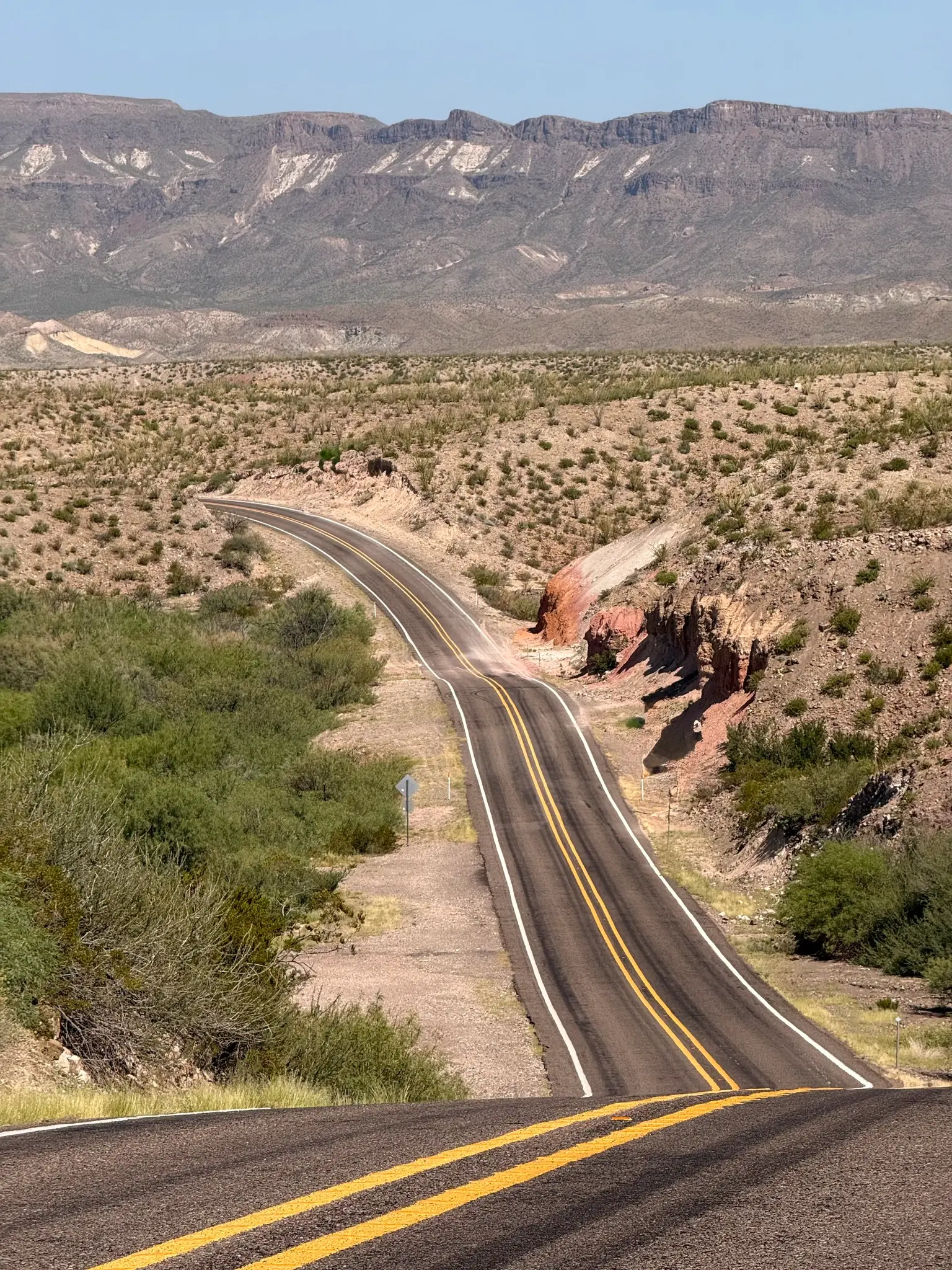
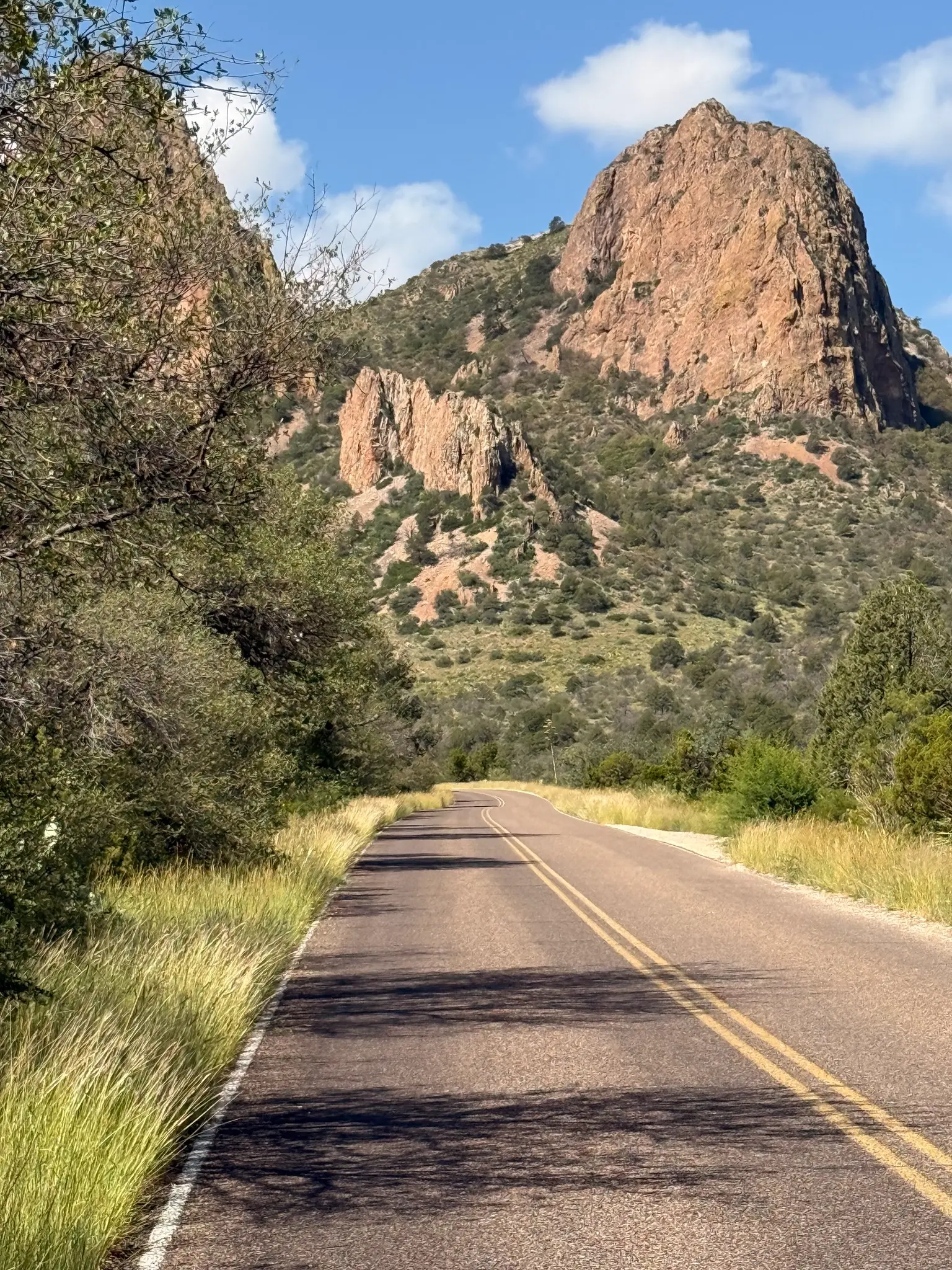
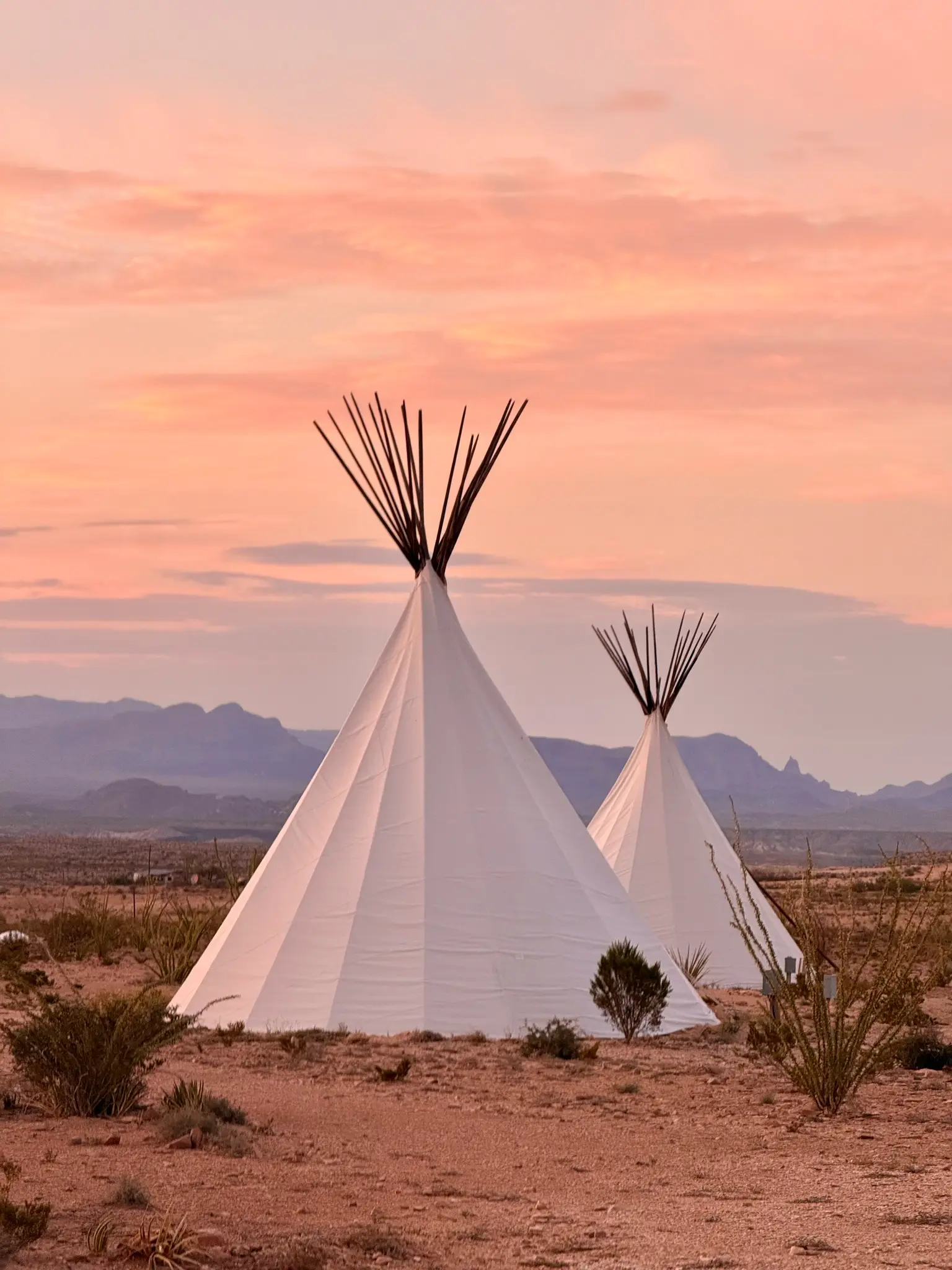
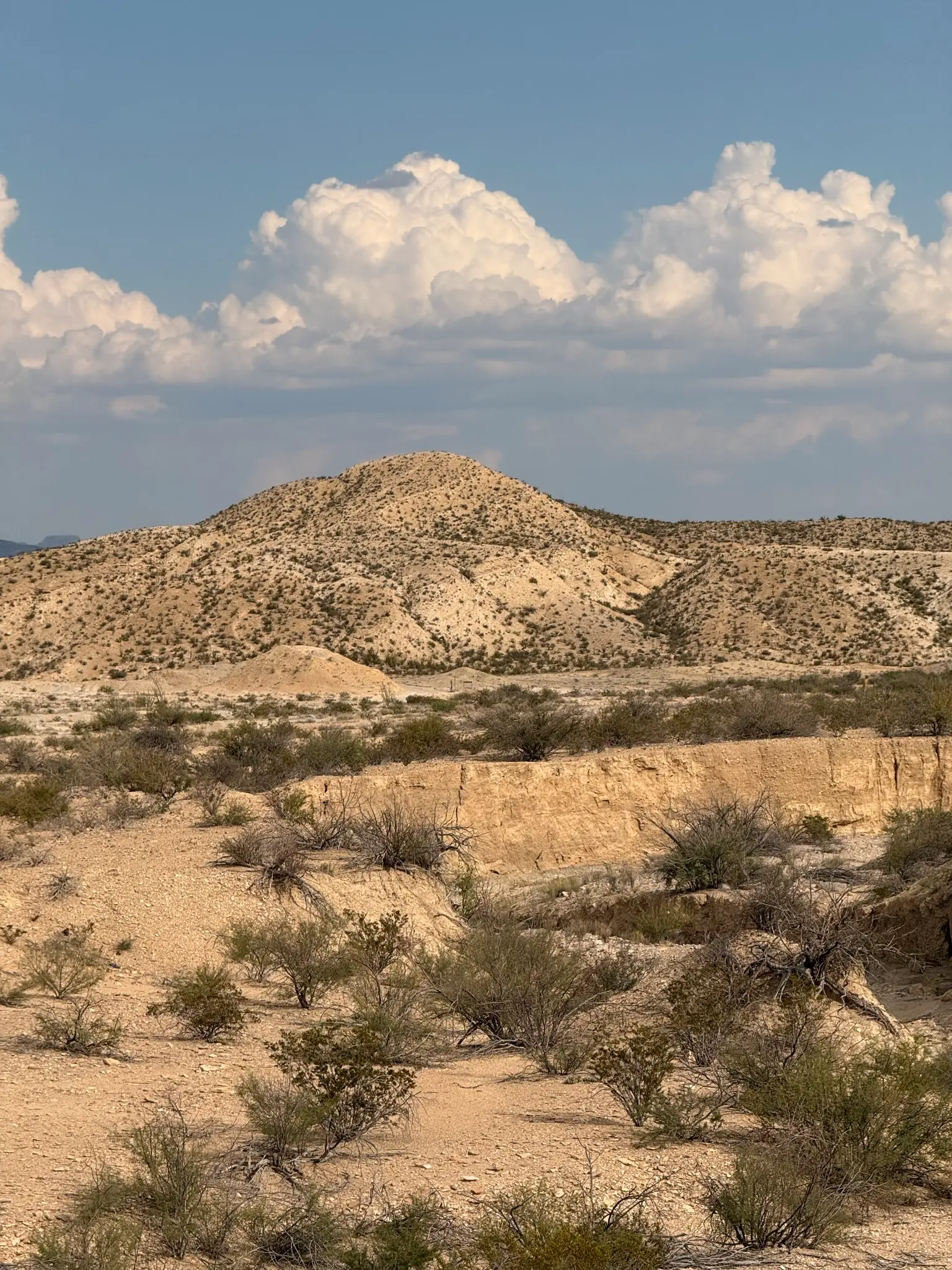
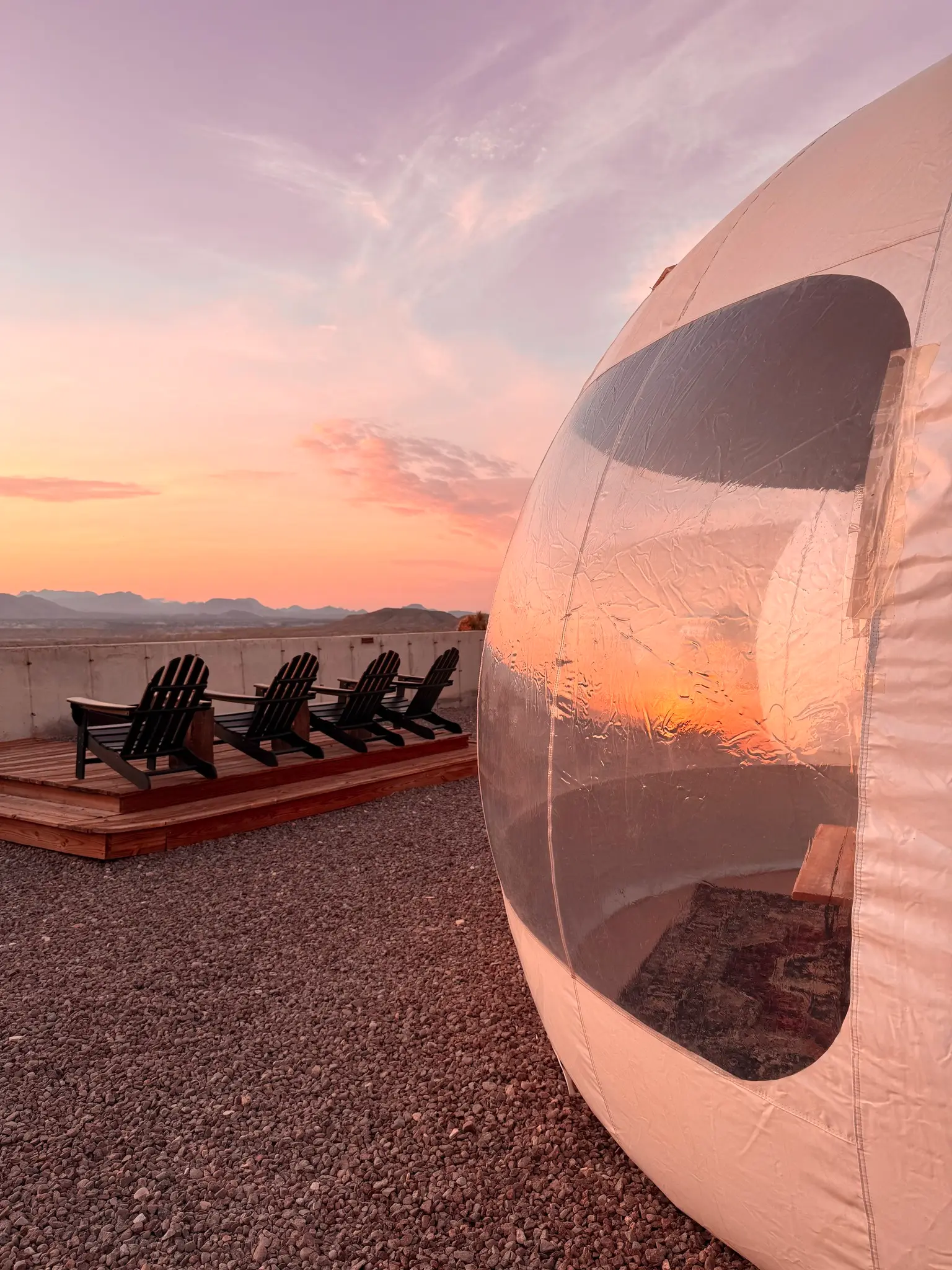
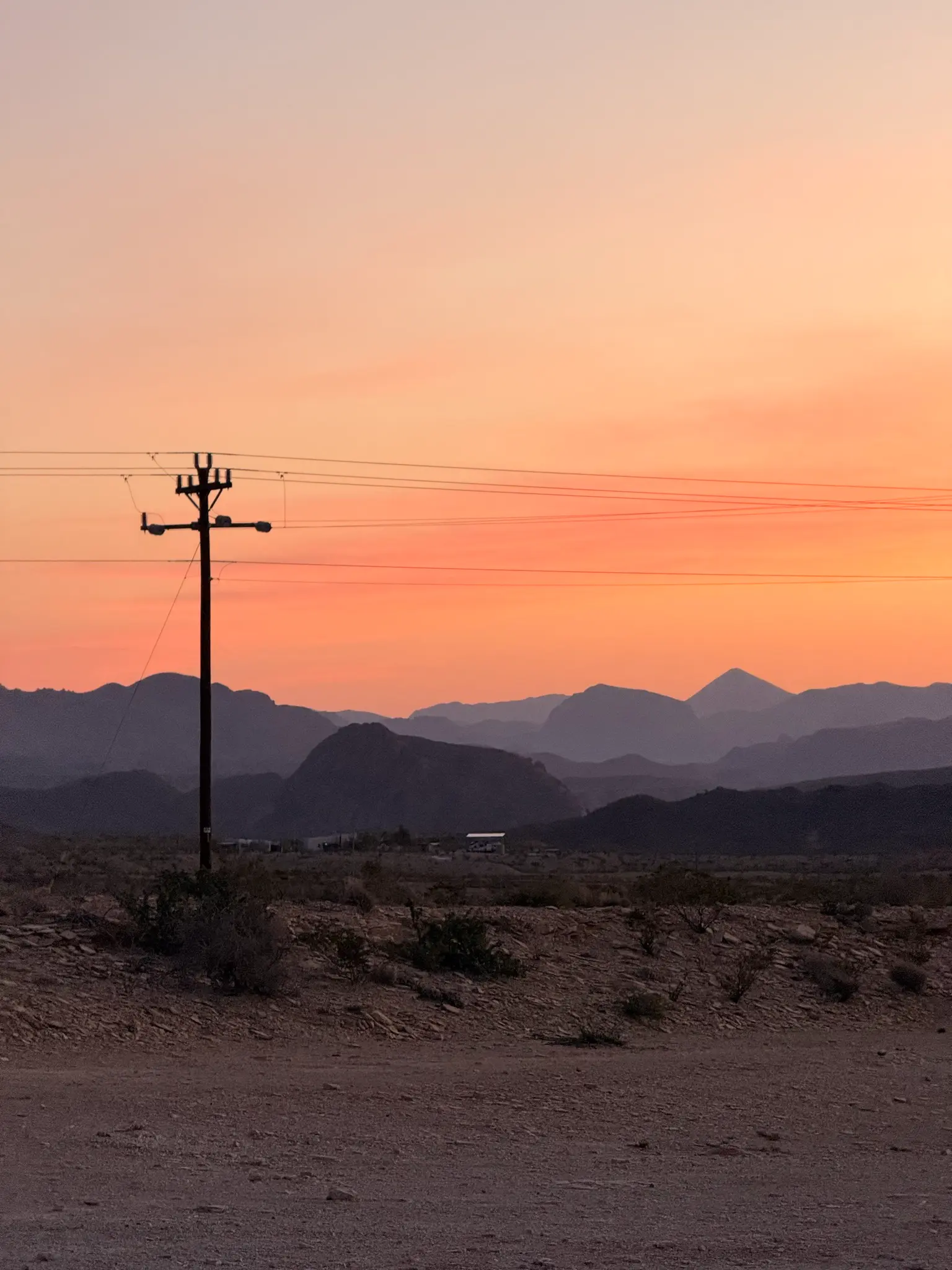
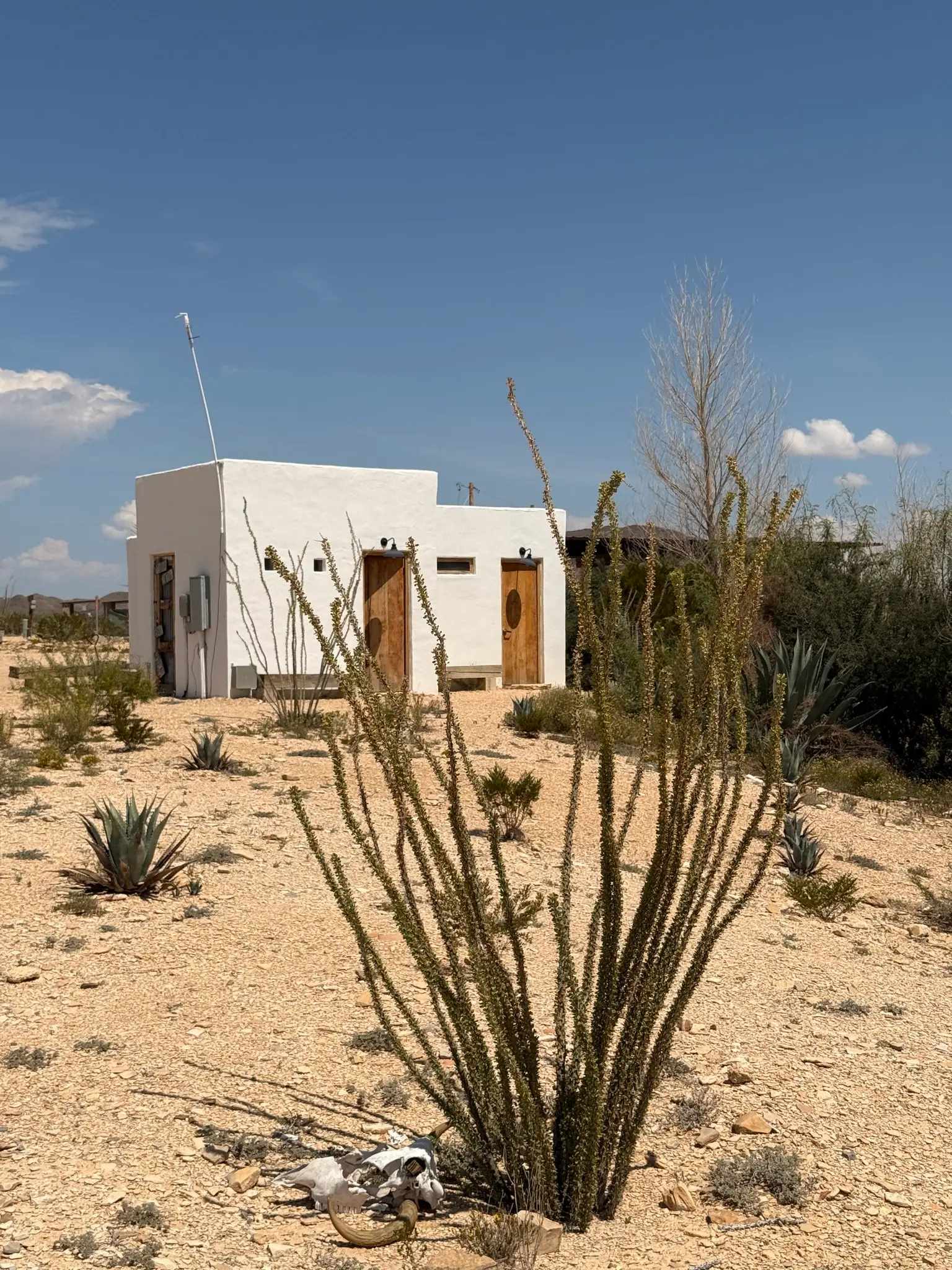
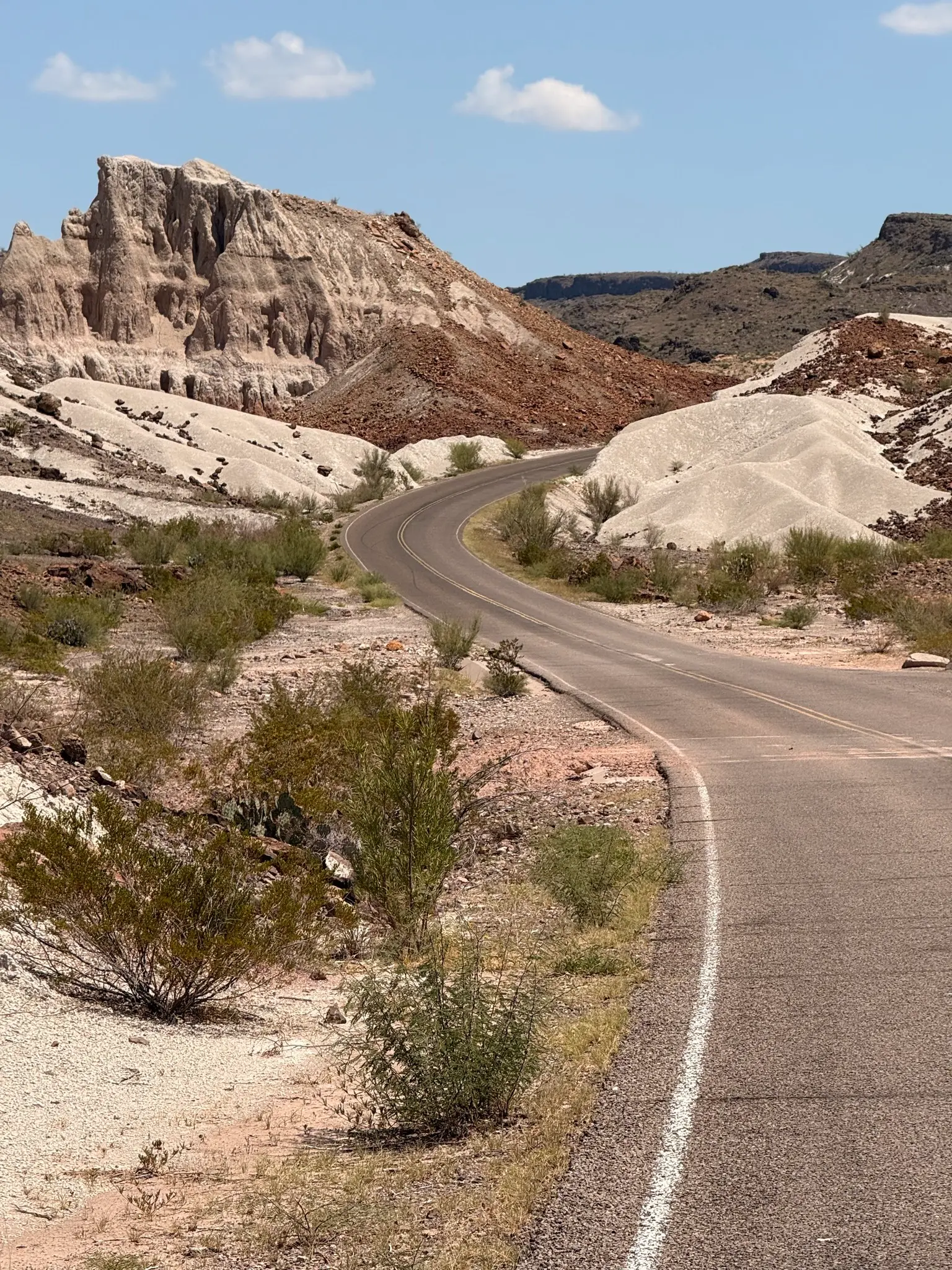
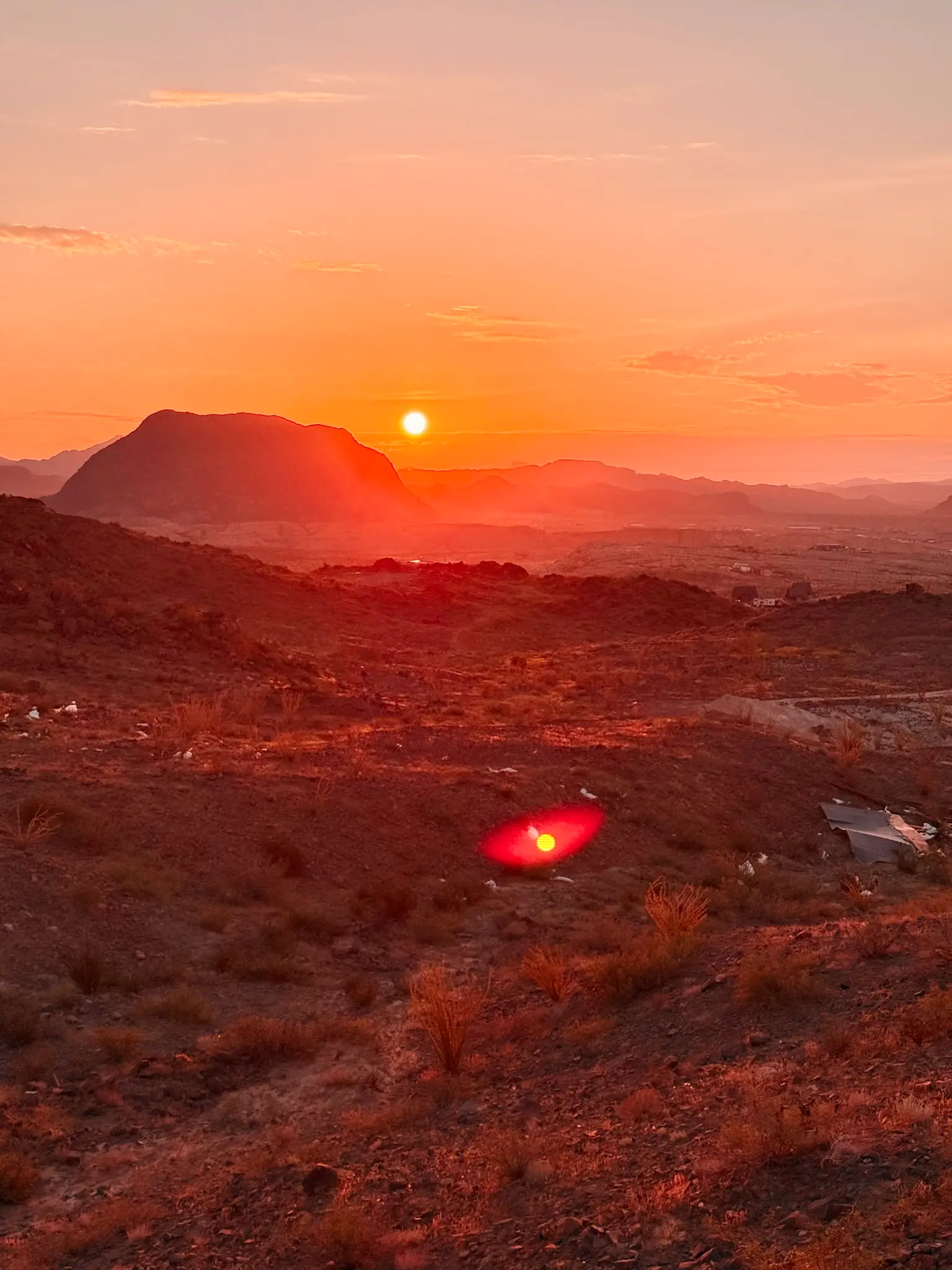
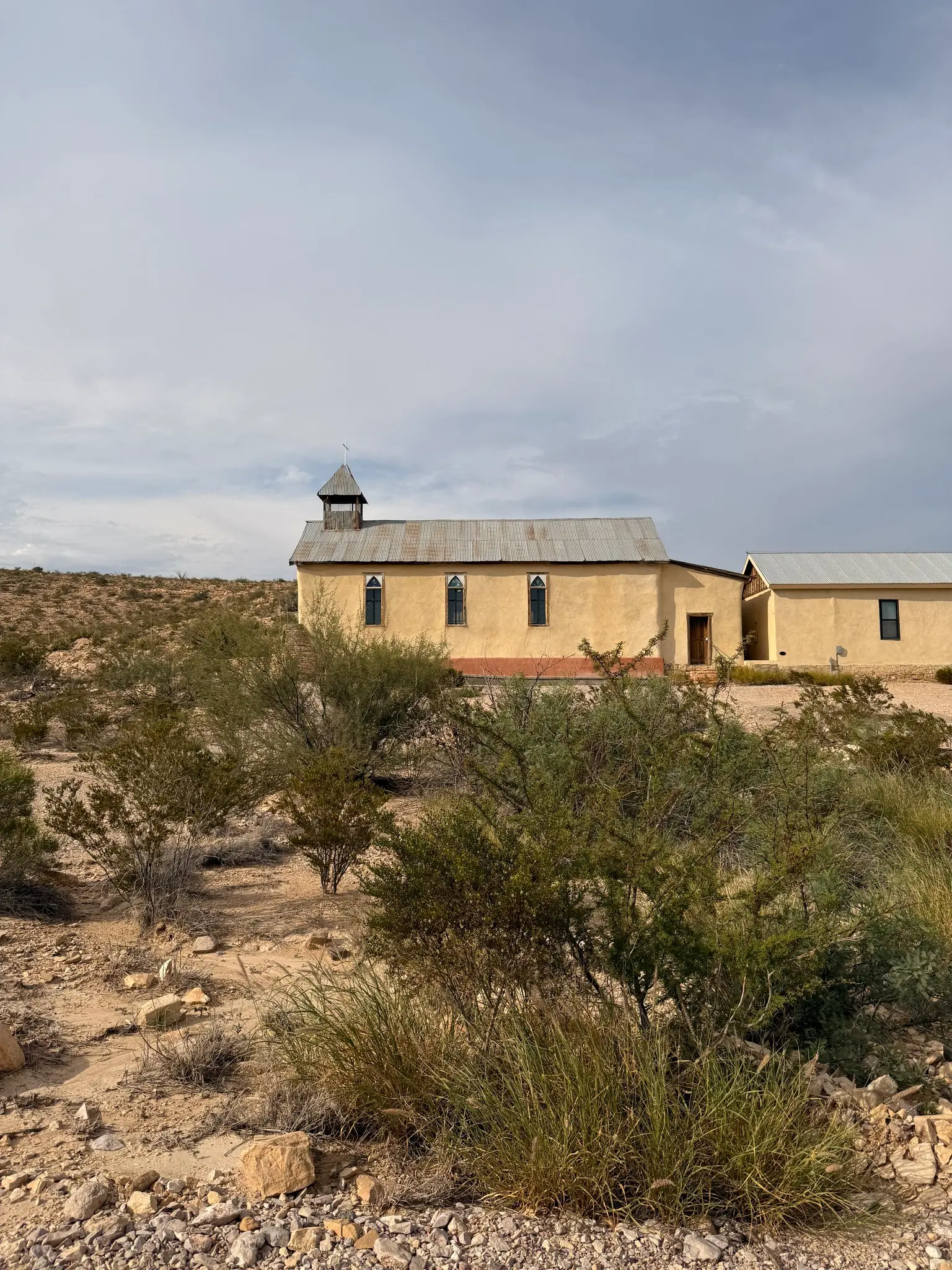
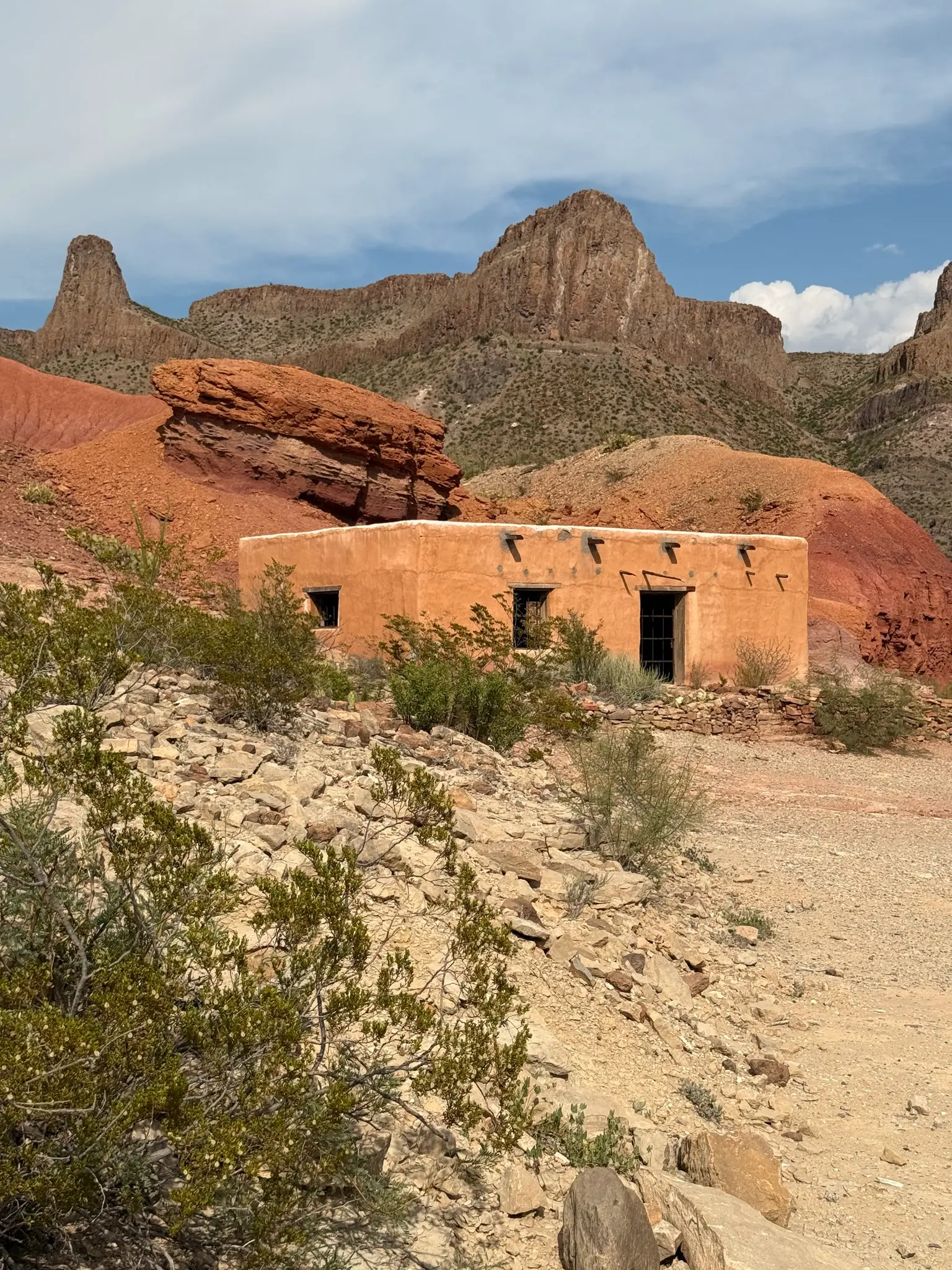
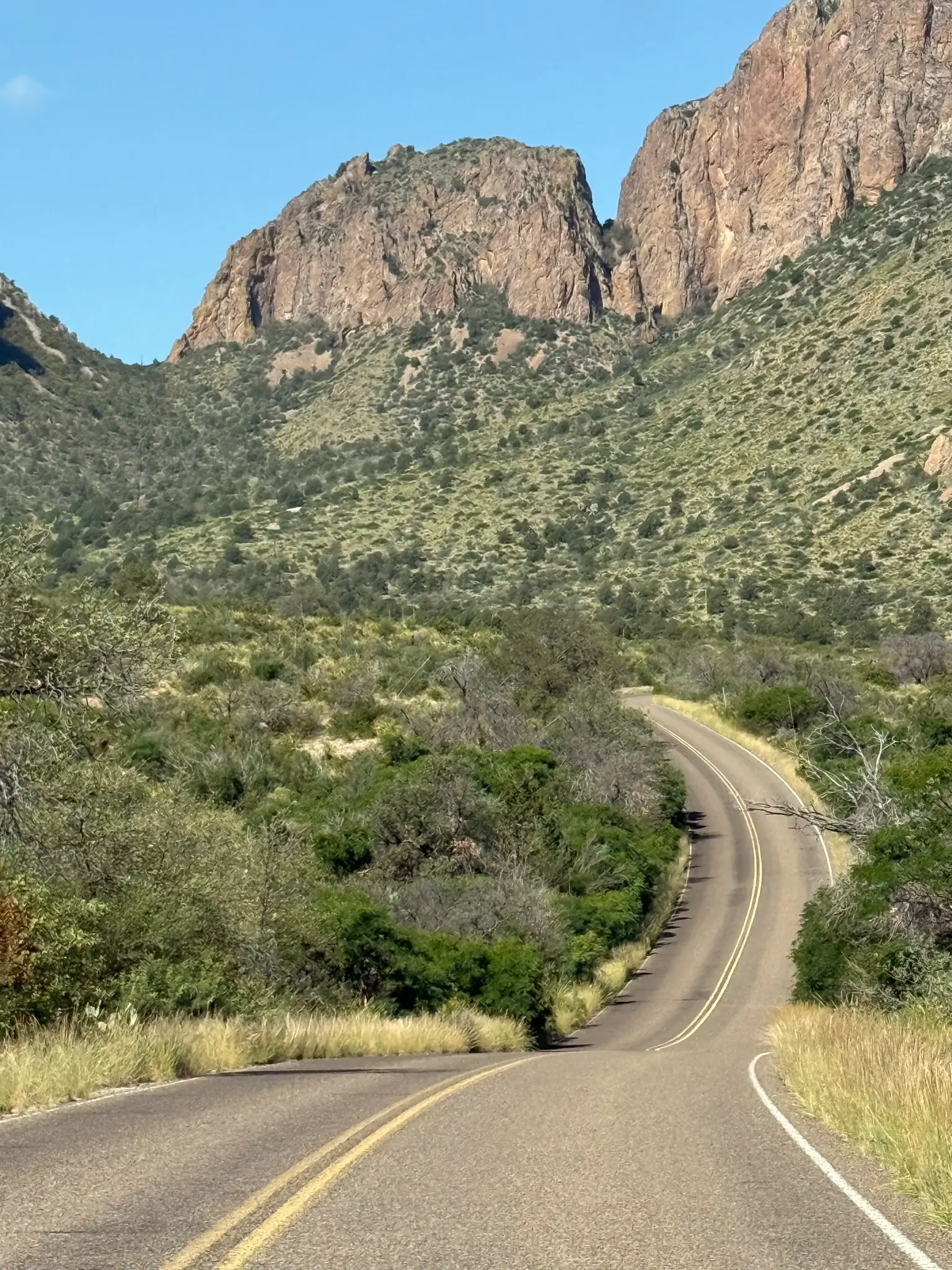
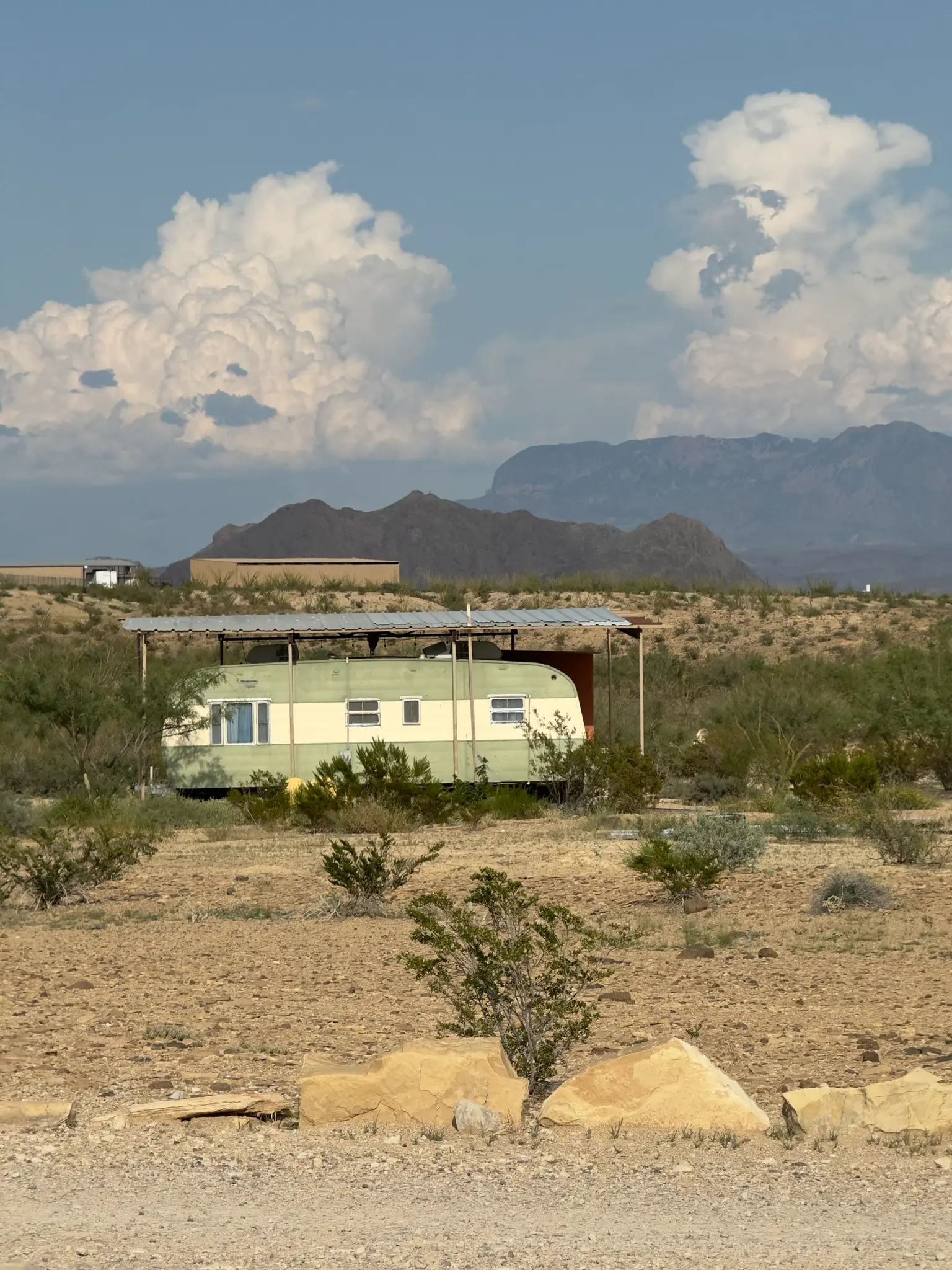
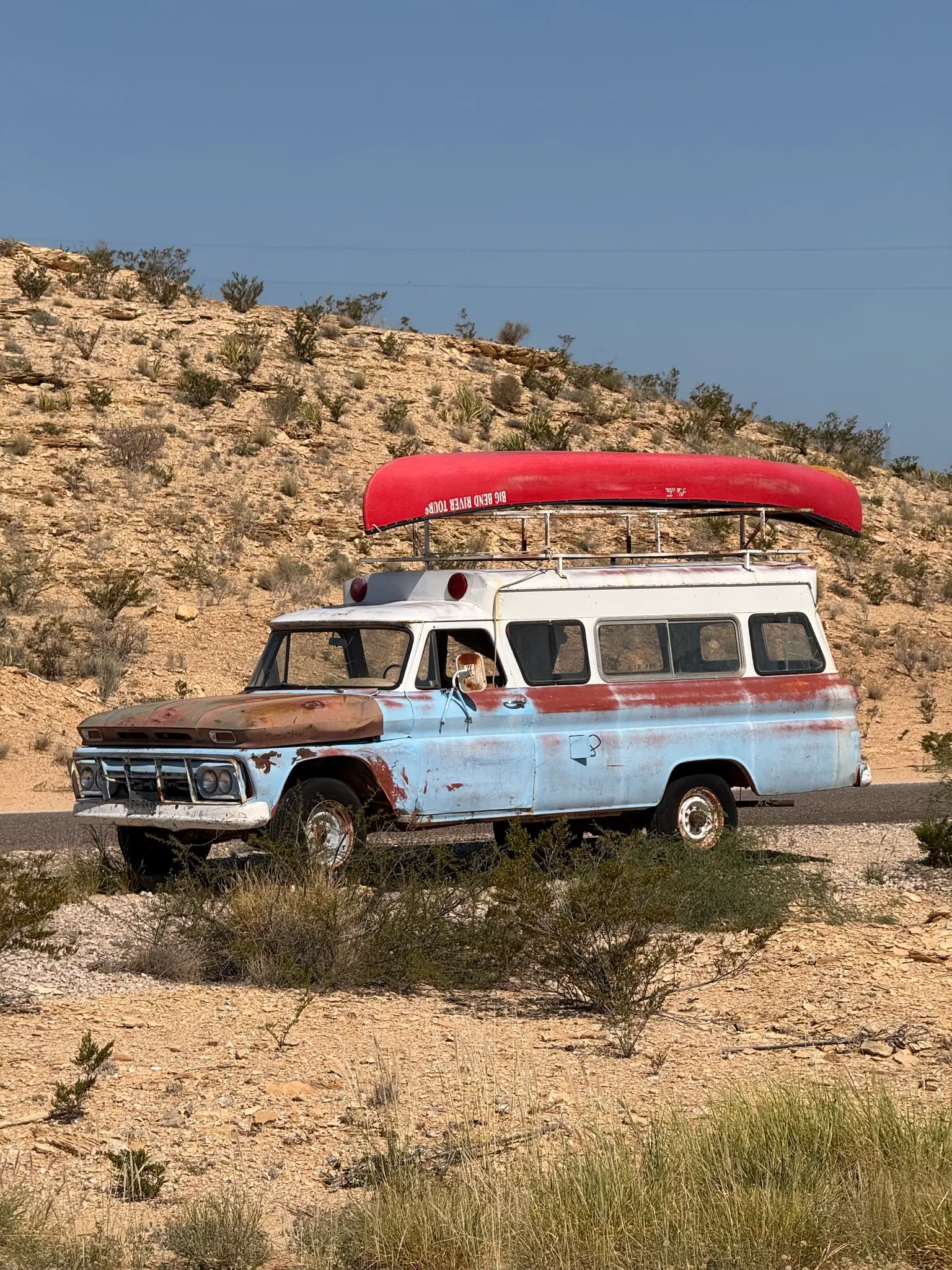
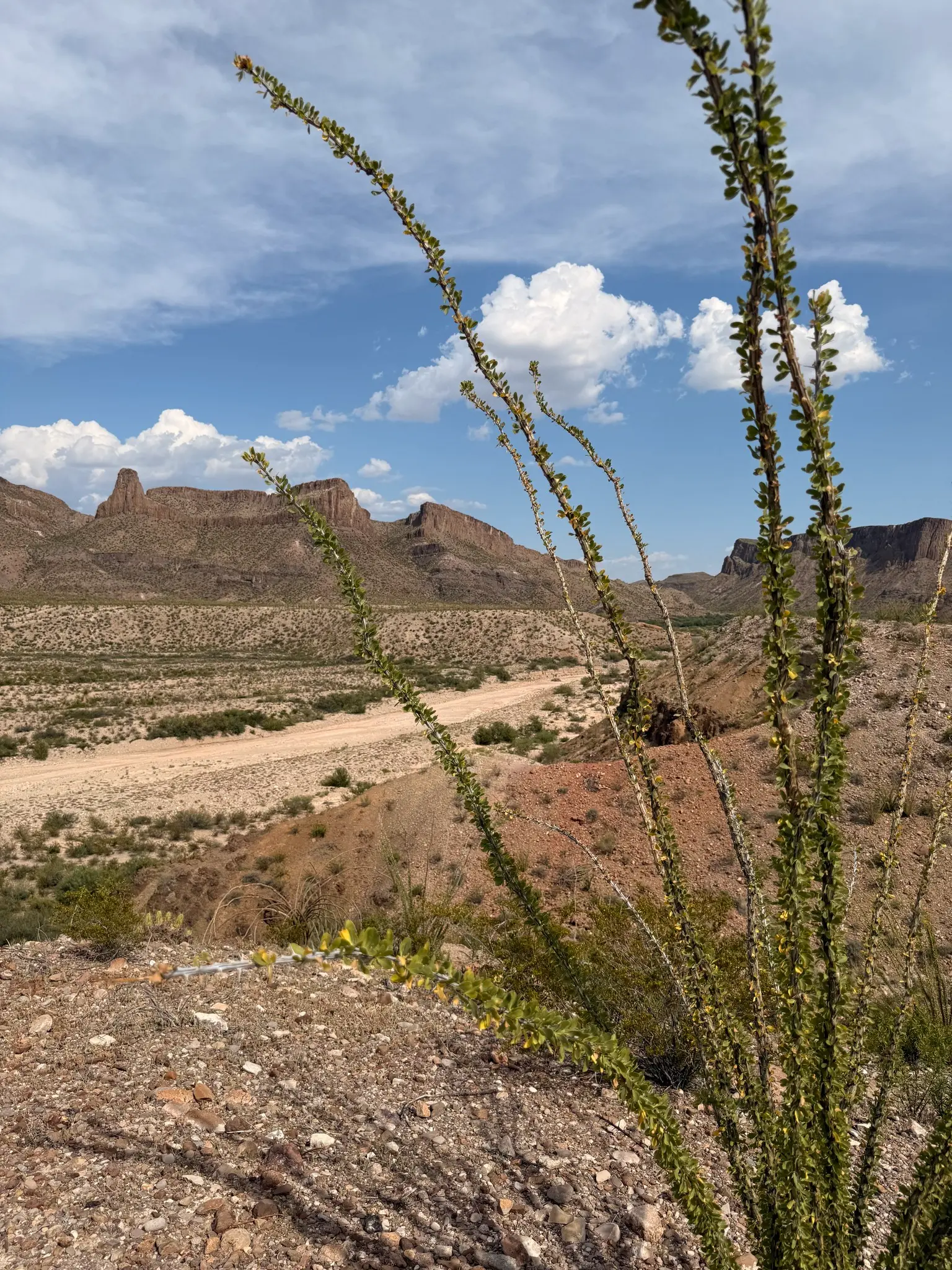
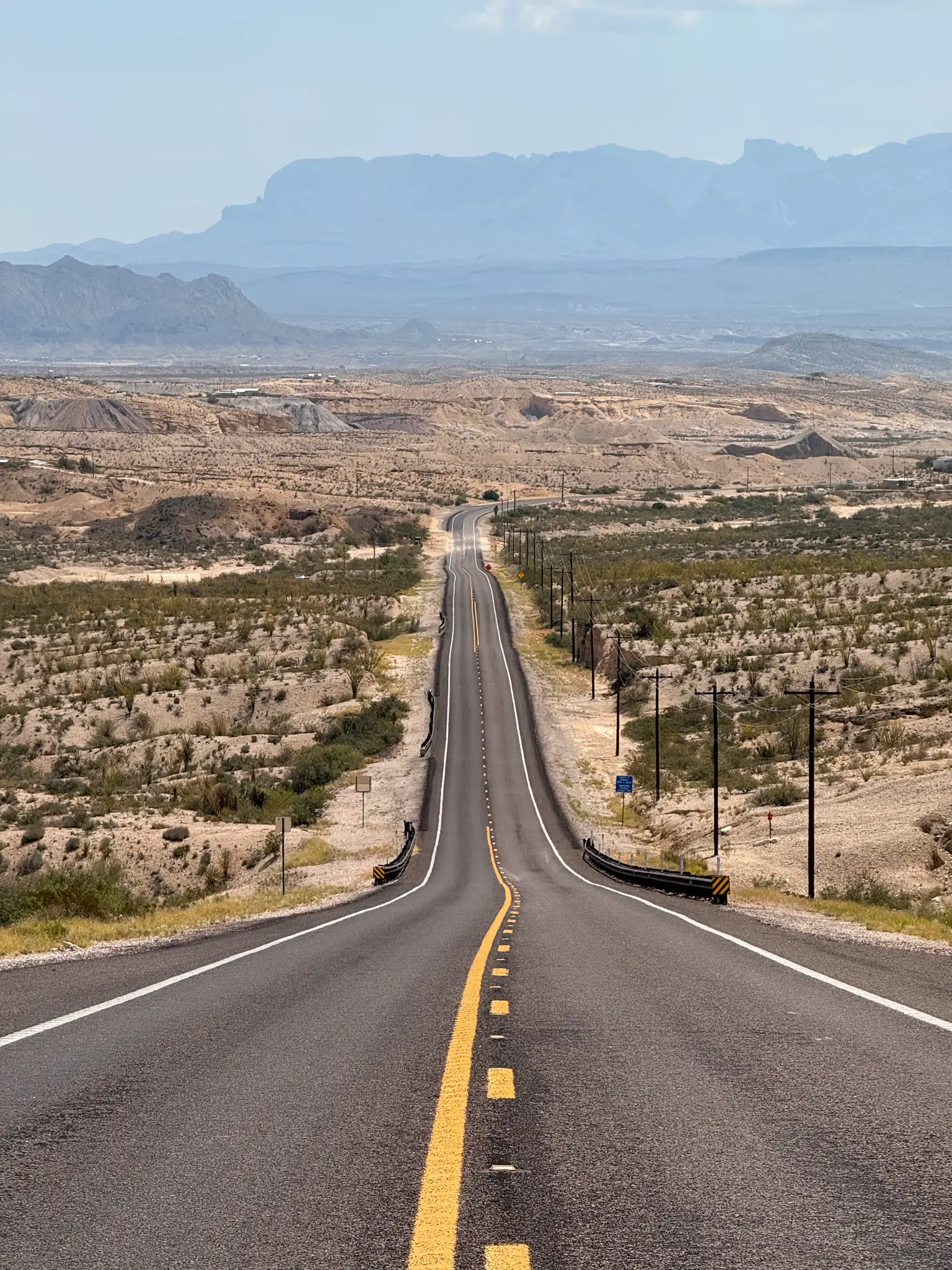
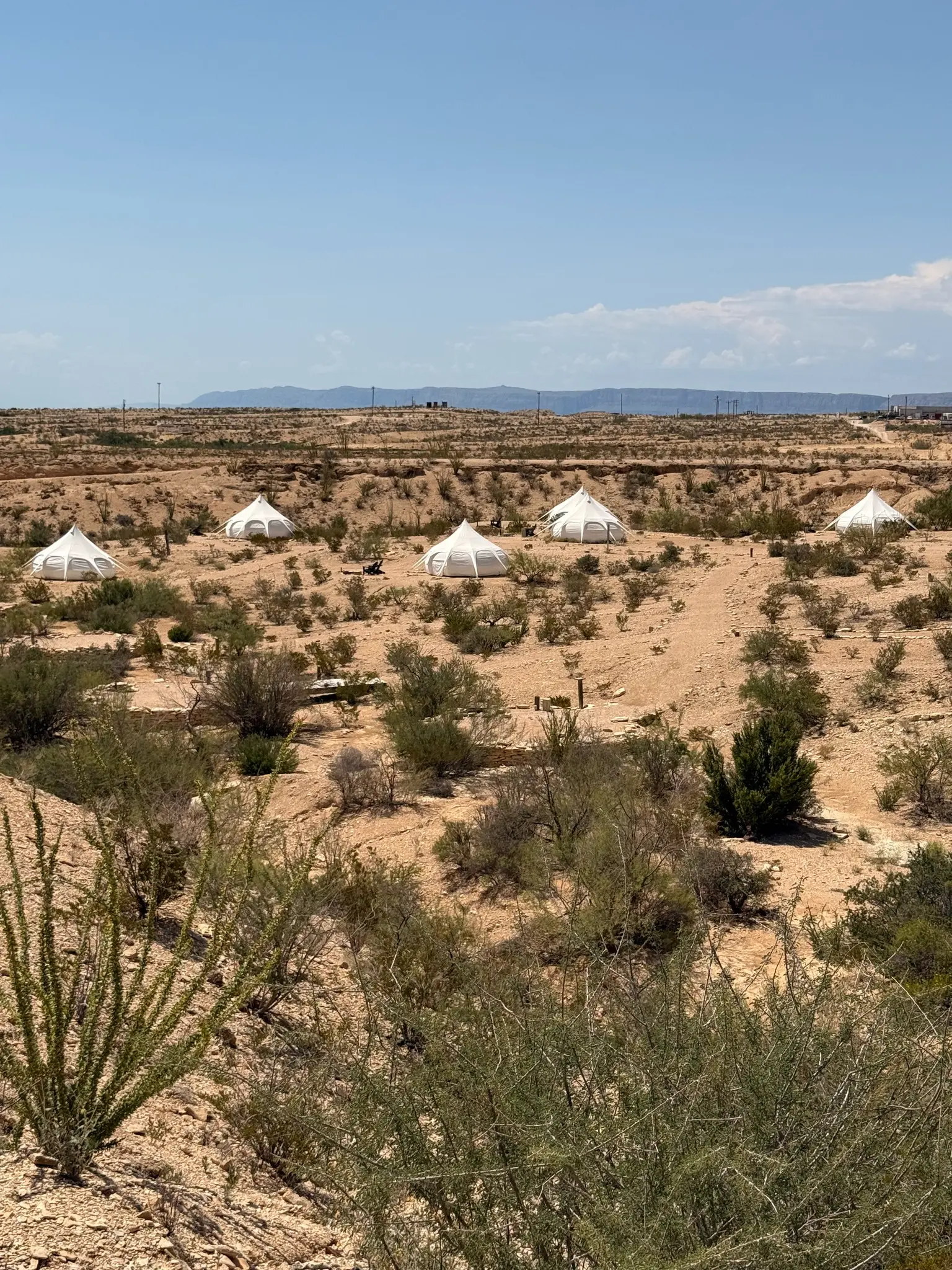
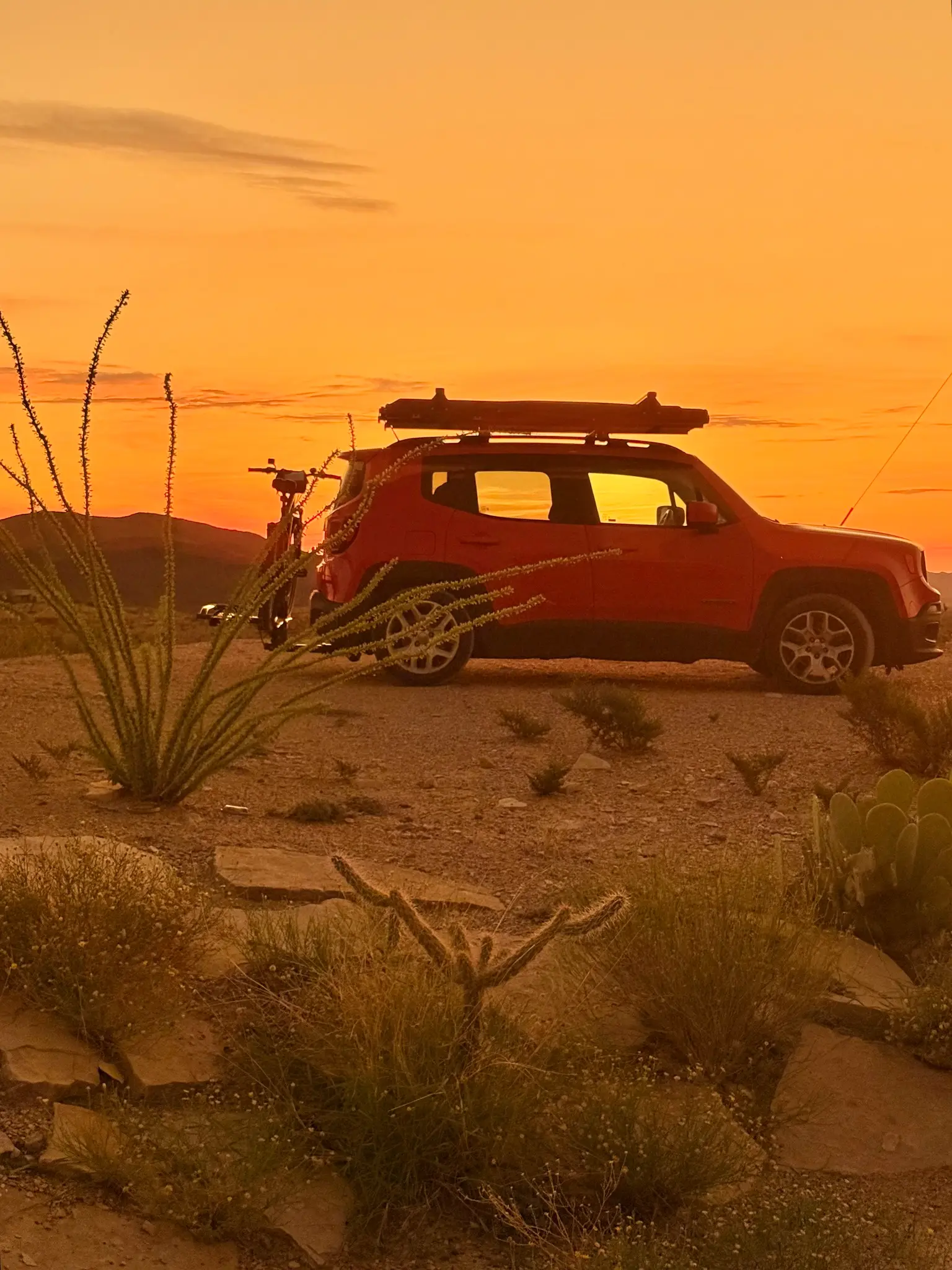
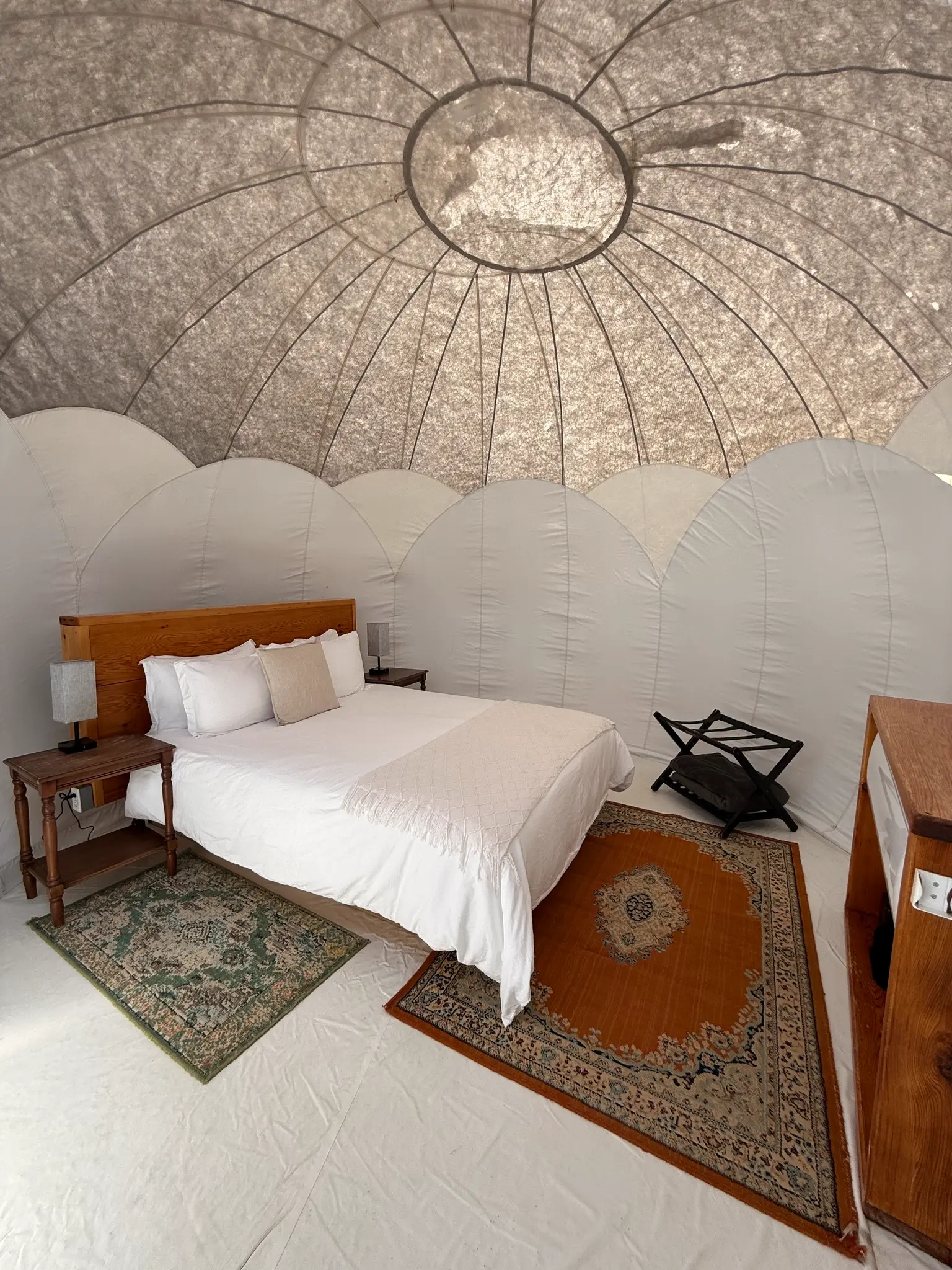
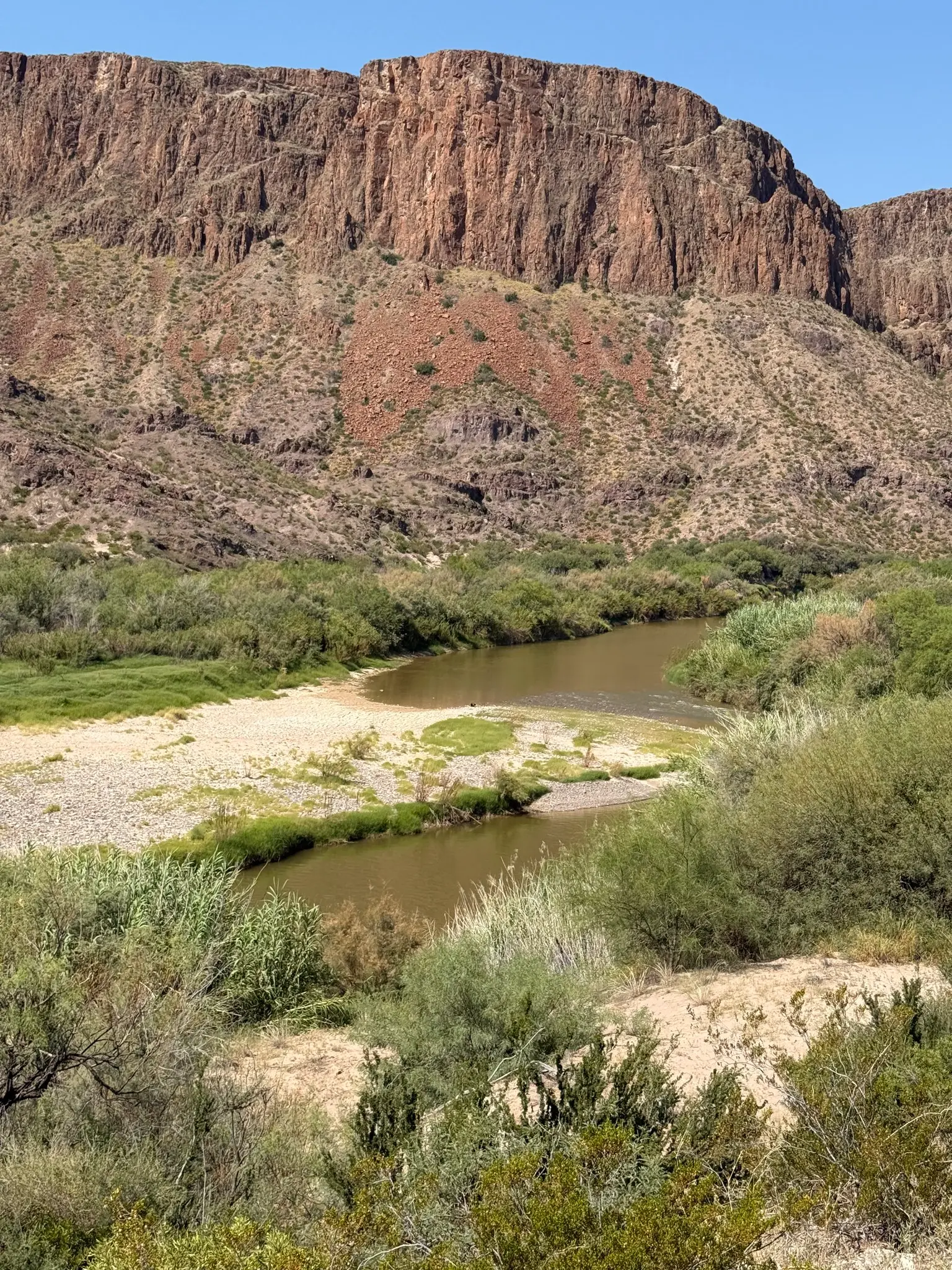
I have been editing photographs from a recent trip to Big Bend in West Texas. The ritual itself is familiar: open the Photos app, scroll slowly through the camera roll, and relive the trip frame by frame. Every photographer knows this quiet second act of the journey. The photographs are already made, the dust has settled, and now the images begin to reveal what the trip was really about. As I moved through the frames—canyon walls glowing in late afternoon light, long empty roads cutting through desert valleys, pale mountains rising against a washed-out sky—I felt that familiar flutter photographers know well. It wasn’t just excitement about the pictures themselves. It was something deeper, something emotional that I hadn’t fully articulated while I was there.
What dawned on me, image by image, was that the visual and emotional allure of West Texas stands in almost perfect opposition to the life I live in Austin. The photographs seemed to repeat the same message over and over again, like a quiet refrain that ran beneath the entire trip.
Open. Quiet. Stark.
Those three words, once they surfaced, explained everything I was feeling.
The Density of City Life
My day-to-day life in Austin is many wonderful things, but it is rarely open, quiet, or stark. Austin is energetic, social, and relentlessly alive. The city hums with movement and activity from early morning until well after midnight. There are restaurants packed with conversation, cyclists weaving through traffic, music pouring out of open doors along Sixth Street, and the constant rhythm of people moving from one obligation to the next. Even when you attempt to find a moment of stillness in the city, some background noise almost always creeps in: traffic in the distance, a plane passing overhead, a neighbor mowing a lawn, a dog barking two houses away.
Cities thrive on stimulation. Their entire purpose is density—of people, of ideas, of commerce, of culture. Austin is especially vibrant in that regard, a place where creativity and energy circulate constantly through the streets. It is a place of restaurants, music venues, bookstores, coffee shops, and conversations that stretch late into the evening. I love the city for those very reasons. It offers community and stimulation and a sense of cultural momentum that can be intoxicating in its own way.
But cities also have a way of filling every available space with activity. Silence is rare. Empty space is rarer still.
The Long Drive West
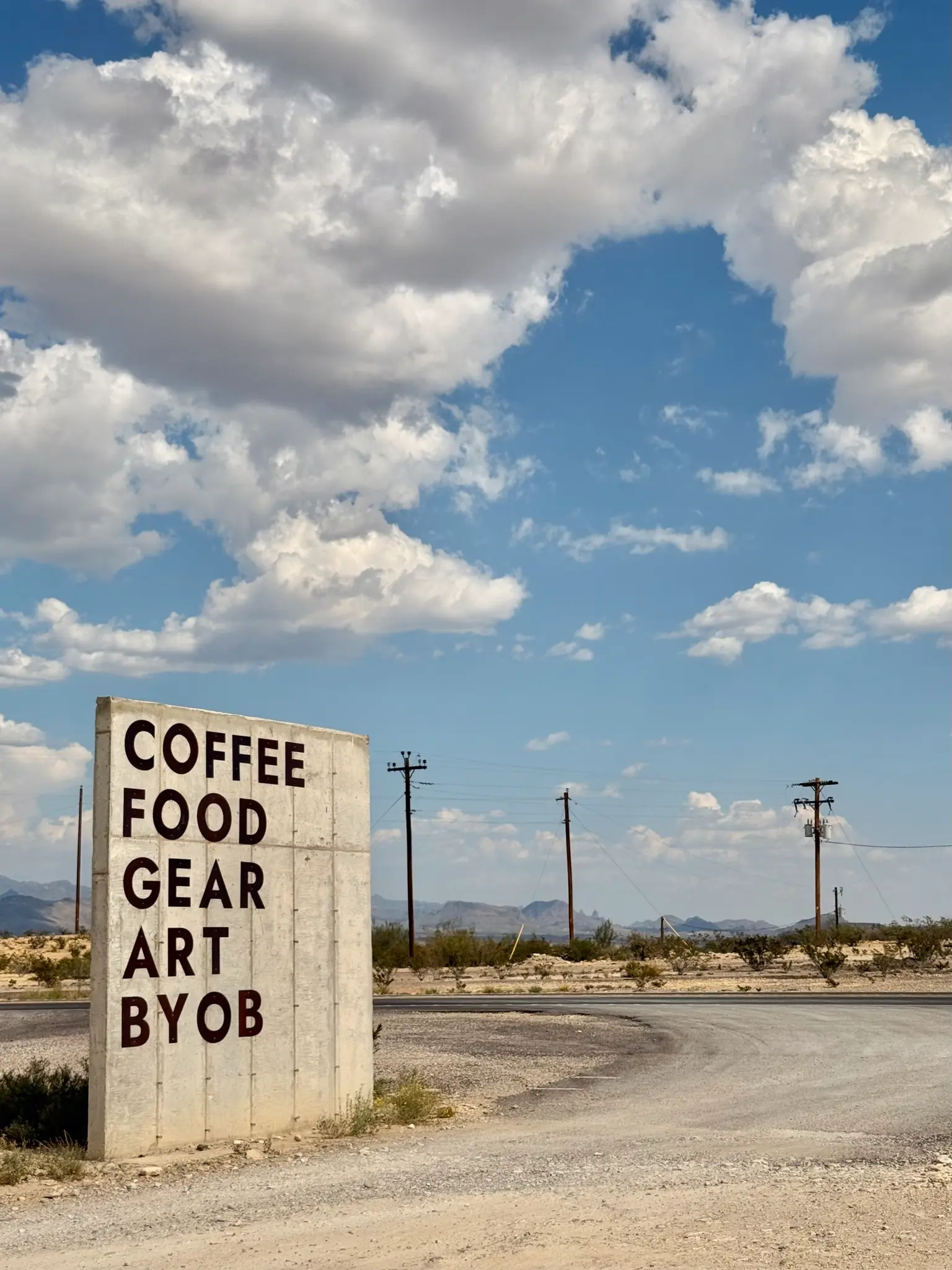
Driving west out of Austin begins to loosen the grip of that density. The change does not happen immediately, but mile by mile the landscape begins to simplify. The trees thin out, the buildings become sparse, and the traffic that once felt constant gradually fades into long stretches of open highway. Towns grow smaller and farther apart. Gas stations become landmarks rather than conveniences. Billboards disappear almost entirely, leaving the horizon unbroken.
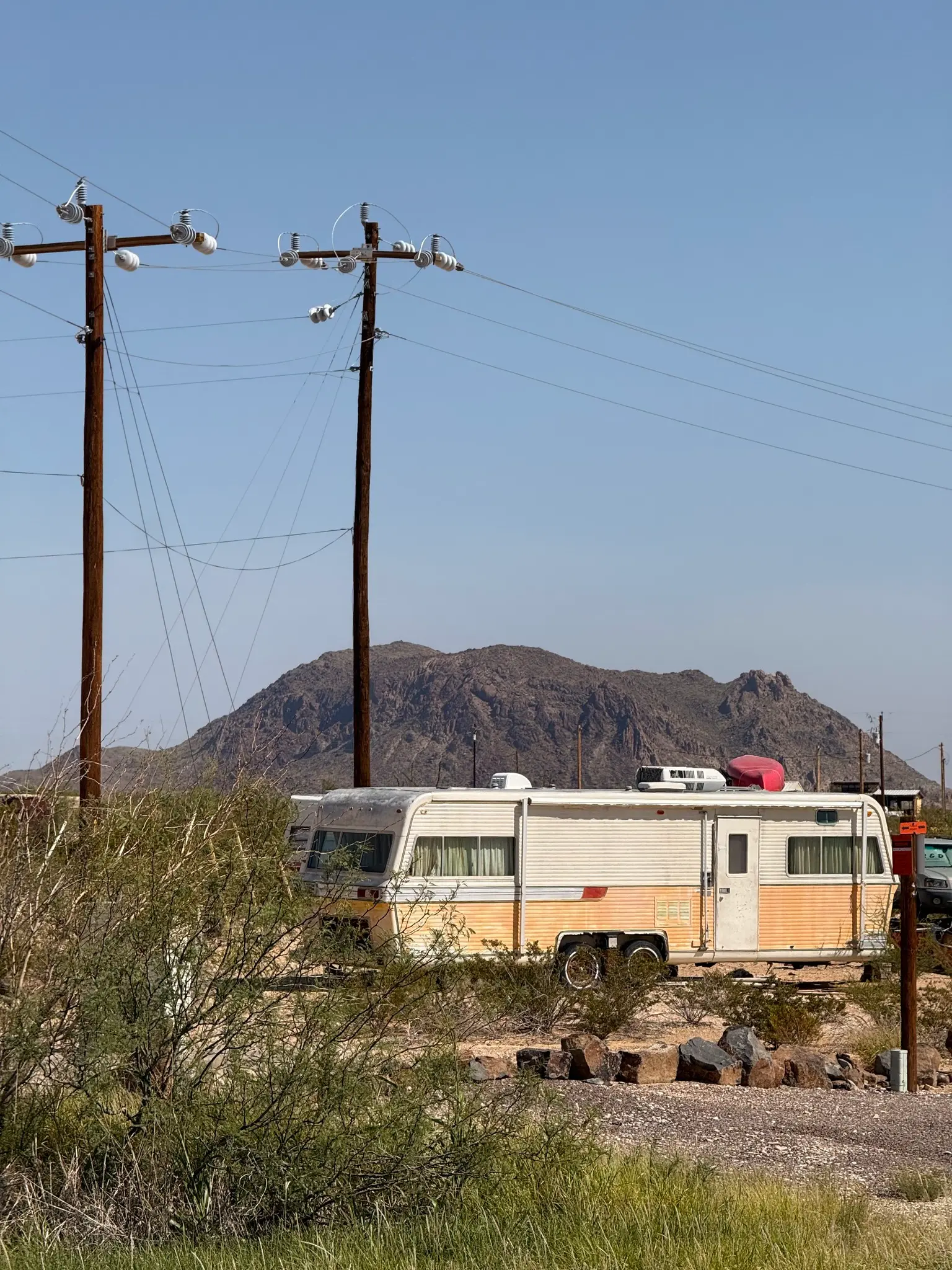
By the time you approach Big Bend, the scale of the landscape begins to feel almost theatrical. The land opens outward in every direction, and the sky expands to a size that city dwellers often forget is even possible. Mountains rise suddenly from the desert floor, not crowded by neighboring structures but standing alone in quiet authority. The roads stretch across vast distances, sometimes appearing to vanish into the horizon itself.
The first thing you notice, however, is not the size of the landscape but the silence that accompanies it.
The Quiet That Changes Everything
The quiet of West Texas is unlike the quiet of a quiet room. It is not the absence of conversation or the muffled hush of an indoor space. It is a deeper quiet, the kind that arrives when there are simply fewer human structures competing for attention. In Big Bend, the sounds that remain are elemental: wind moving across dry ground, birds circling above distant cliffs, the faint crunch of gravel beneath your boots as you walk across a trail.
This kind of silence alters the way you experience the world. Without the constant soundtrack of modern life, your senses recalibrate themselves. Small sounds become noticeable. The wind carries texture. Even your own breathing begins to feel more present. The environment stops demanding attention and instead begins offering space.
For photographers, that space can be transformative.
The Beauty of Starkness
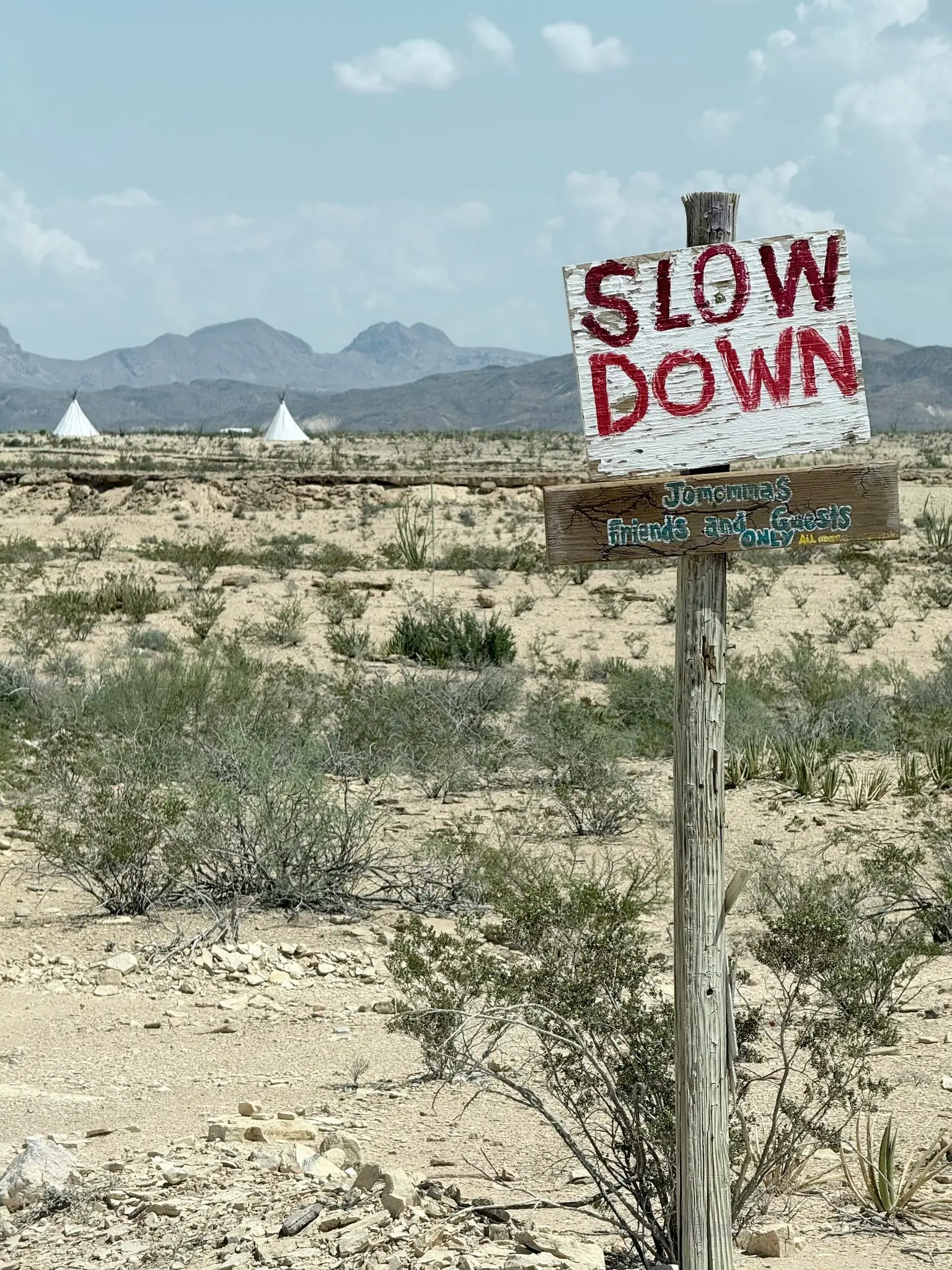
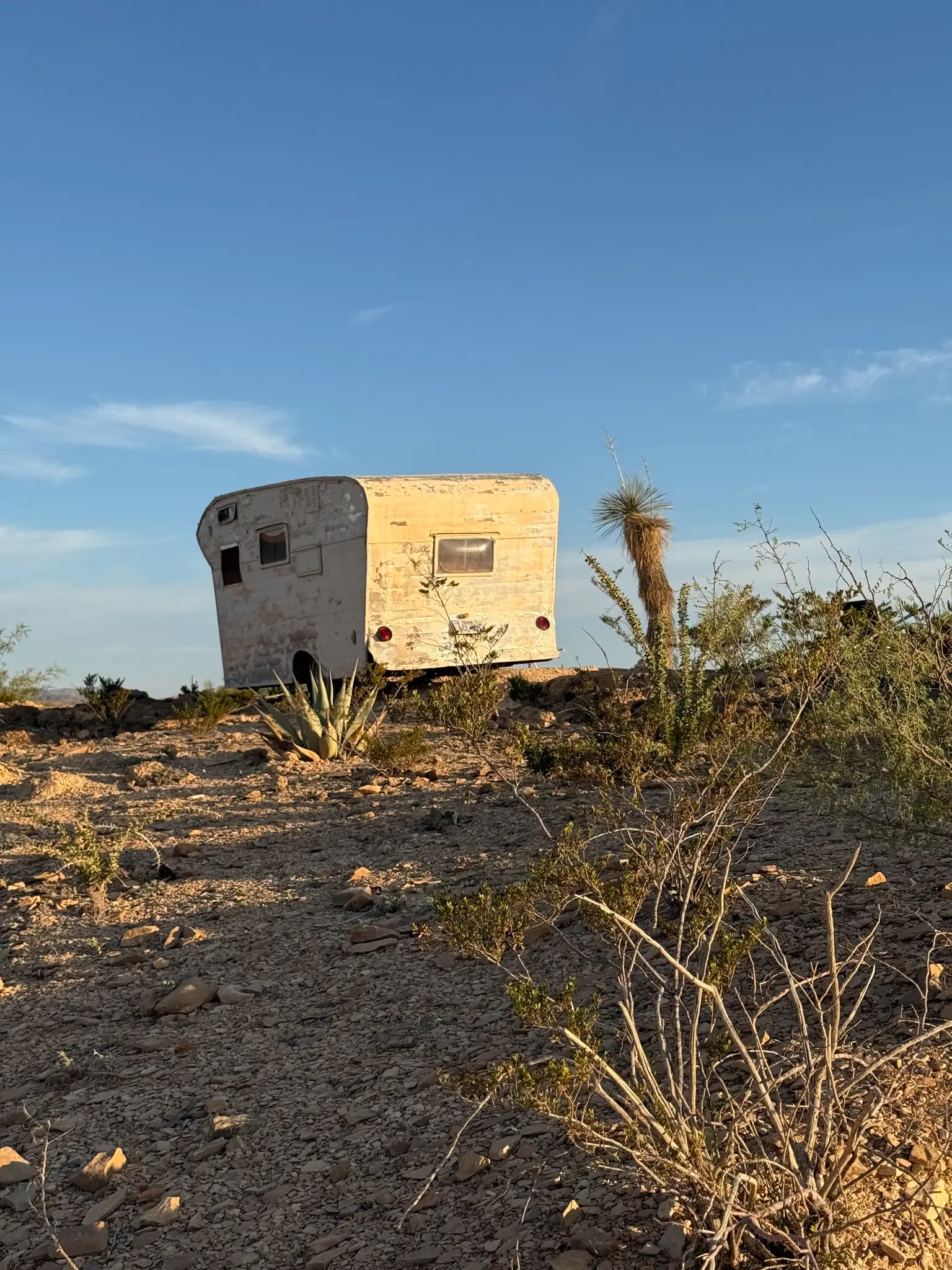
The third word that kept resurfacing as I reviewed the photographs was stark. West Texas does not overwhelm the eye with lush color or dense vegetation. It does not seduce you with easy beauty. Instead, it offers something far more restrained and deliberate. The landscape often appears stripped down to the essentials: rock, sky, light, and shadow.
At first glance, that restraint can feel almost austere. The desert offers little in the way of visual excess. Trees are sparse, water is scarce, and the palette of the land often leans toward muted tones of sand, rust, and faded green. But it is precisely this starkness that makes the place visually compelling.
Without visual clutter, the eye begins to notice subtleties that might otherwise go unseen. The texture of rock surfaces becomes more pronounced. The shape of shadows stretching across a canyon wall becomes more dramatic. A single road line cutting across empty terrain becomes an act of visual poetry.
The desert edits itself.
Why Photographers See Differently There
For photographers, simplicity can be a gift. In busy environments, the camera often struggles against visual overload. There are too many elements competing for attention—too many shapes, colors, and movements crowding the frame. Composition becomes an act of subtraction, a constant effort to eliminate distractions.
In a place like Big Bend, however, the landscape has already done much of that editing for you. Shapes become clearer. Lines reveal themselves more naturally. The light behaves with a theatrical purity that photographers spend years chasing in more complicated environments. A single tree against a mountain ridge becomes a complete composition. A winding road across open land becomes a visual narrative.
The environment simplifies the act of seeing.
The Photographer’s Escape
Looking back at the images from the trip, it became clear to me that my journeys west are not simply about travel or adventure. They are, in many ways, an escape from the density of everyday life. Austin fills my senses with energy and stimulation, while Big Bend empties them in a way that feels restorative.
In the city, my photographs tend to revolve around human stories—people walking through neighborhoods, storefront reflections, spontaneous moments unfolding in public spaces. The camera becomes a witness to interaction and movement.
In the desert, the photographs become quieter. They focus on distance, geometry, and the relationship between land and light. The images breathe differently. Instead of documenting human activity, they seem to capture the presence of the landscape itself.
The Gift of Two Worlds
What fascinates me most about this contrast is how the same camera—the same iPhone in my pocket—produces such dramatically different photographs depending on where I stand. In Austin, the lens gravitates toward life unfolding in real time. In Big Bend, the lens gravitates toward stillness.
Neither environment is better than the other. They simply reveal different ways of seeing.
Cities sharpen our attention to people and stories. Deserts sharpen our attention to space and silence.
And as photographers, we move between these worlds, allowing each environment to shape the way we observe.
Why the Desert Calls Us Back
Big Bend is not an easy place. It is remote, vast, and occasionally unforgiving. Distances are long, services are limited, and the terrain demands a certain respect. Yet photographers continue to return to landscapes like this again and again.
The reason, I suspect, is that the desert offers something modern life rarely provides: clarity. When the world is reduced to light, land, and silence, the mind begins to settle into a different rhythm. The noise of daily obligations fades into the background, and the act of seeing becomes simpler.
Editing those photographs reminded me of that feeling.
Open. Quiet. Stark.
Those three words describe the landscape of West Texas, but they also describe a mental state that is increasingly difficult to find in the modern world. For a few days in the desert, the noise falls away and the world becomes visually—and emotionally—simple again.
And sometimes that simplicity is exactly what a photographer needs.
Click.
Jack.