Finding Photographs in the Middle of Nowhere
Somewheres and Nowheres
As you might imagine, from someone who spent much of his commercial life globetrotting for clients and customers, I have seen my share of epic monuments and landmarks. I’ve photographed cities whose names alone carry the weight of history. I’ve stood in front of buildings that appear in textbooks, postcards, and coffee-table books. I have watched the sun rise over famous skylines and set behind famous mountains. When you work professionally long enough, those places eventually find their way onto your itinerary.
And yet, here is the honest truth.
These days, I often find more photographic challenge—and more creative satisfaction—in photographing nowheres rather than somewheres.
The famous places have already been seen. They have already been interpreted. They arrive in your mind prepackaged with expectations. You show up already knowing what the photograph is supposed to look like, because you have seen it a thousand times before. The Eiffel Tower at dusk. The Golden Gate Bridge in fog. The Taj Mahal at sunrise.
Beautiful, of course. Timeless, certainly.
But creatively speaking, those places are crowded long before you ever lift the camera.
A small town in the middle of nowhere, on the other hand, asks something very different from a photographer. It asks you to work.
The Problem With Famous Places
Let me be clear about something before anyone jumps to conclusions.
I am not saying that photographing epic landmarks is easy.
But it is.
At least comparatively speaking.
When you stand in front of something universally recognized as visually spectacular, half the work has already been done for you. The architecture, the scale, the historical significance, the grandeur of the location—these elements carry enormous visual weight before you even press the shutter.
Your job, in many ways, is simply not to mess it up.
Frame it well. Wait for good light. Maybe add a human element. But the location itself is doing the heavy lifting. The photograph comes with built-in drama.
Small towns don’t offer you that luxury.
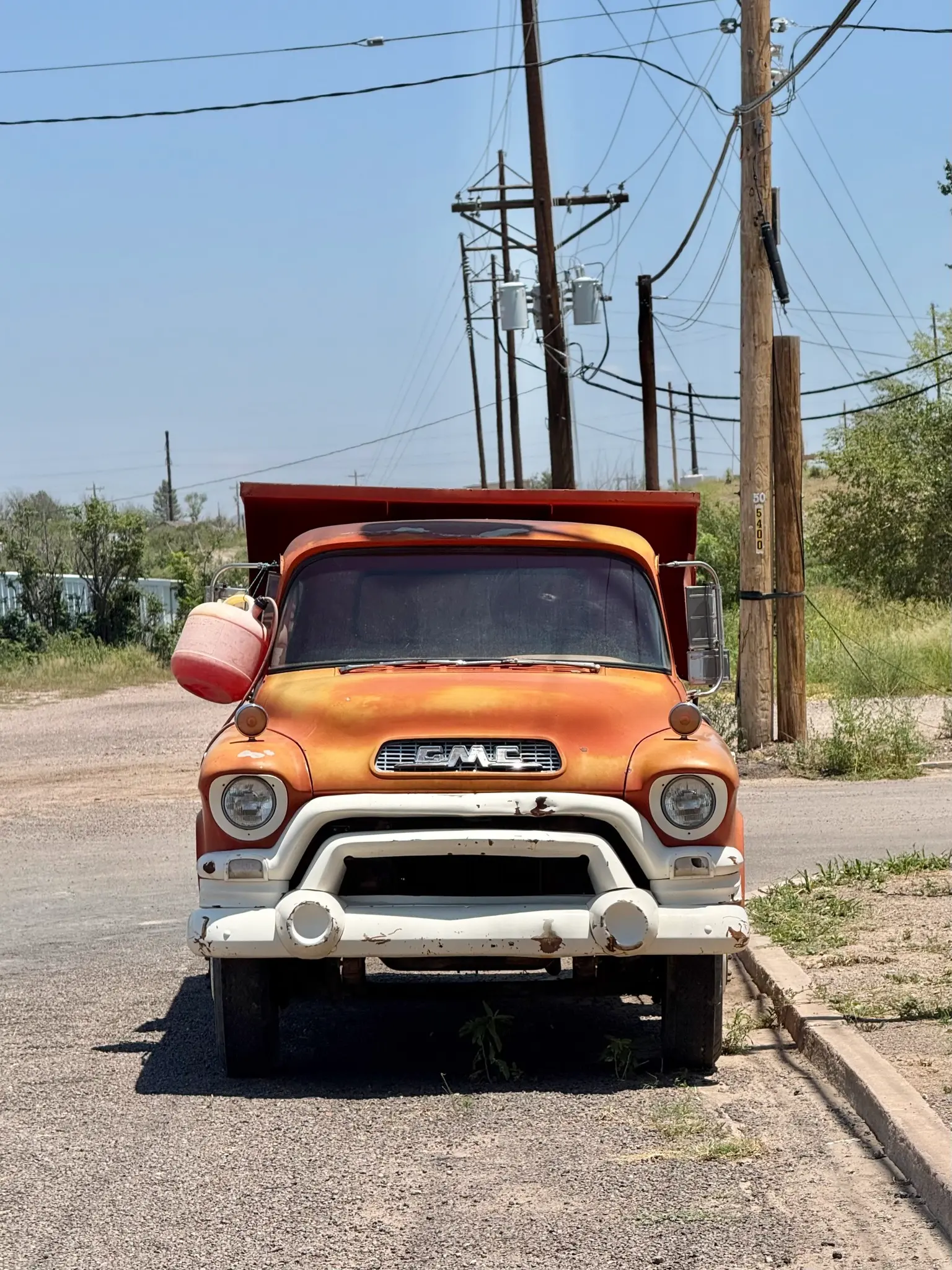
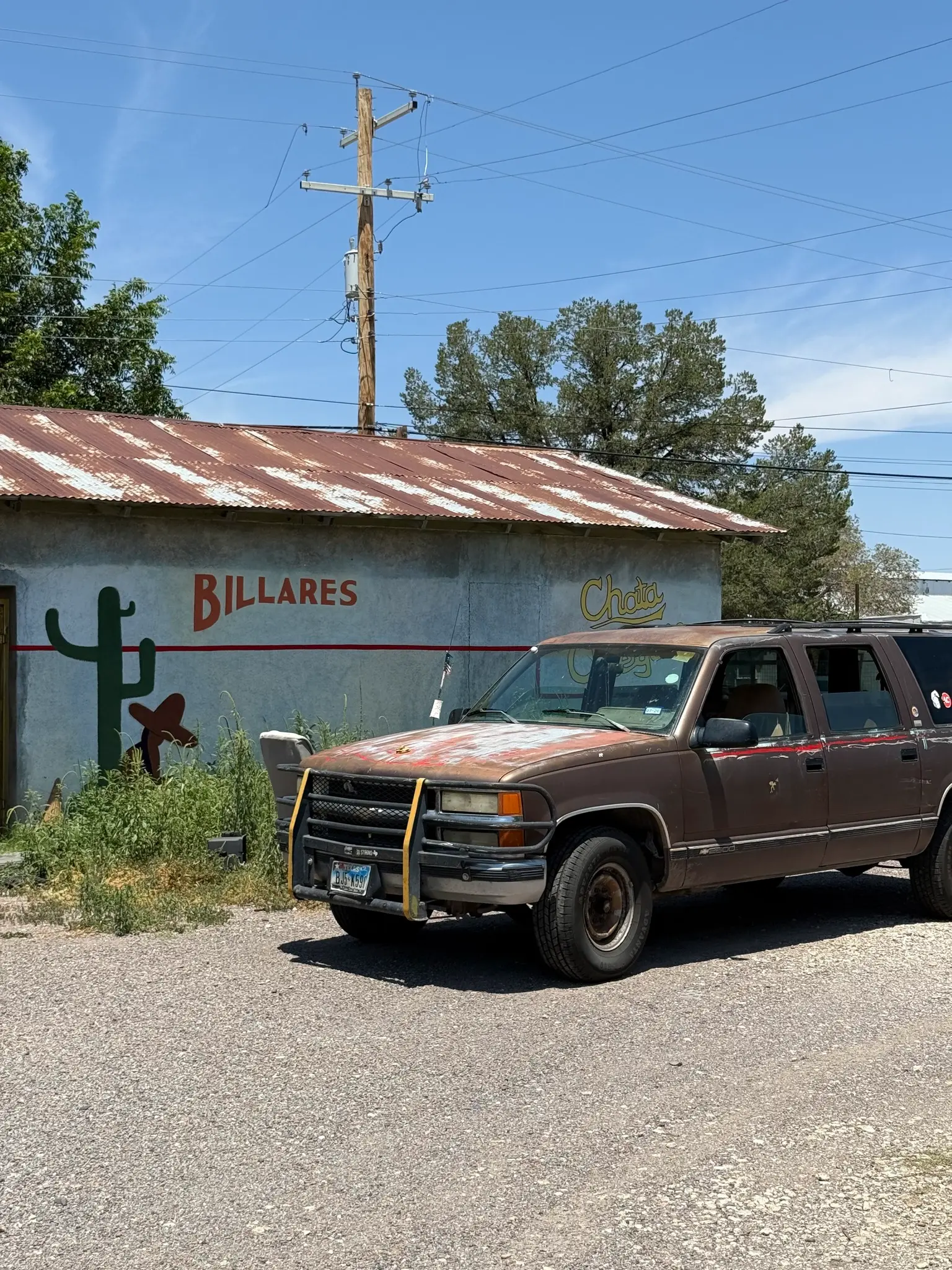
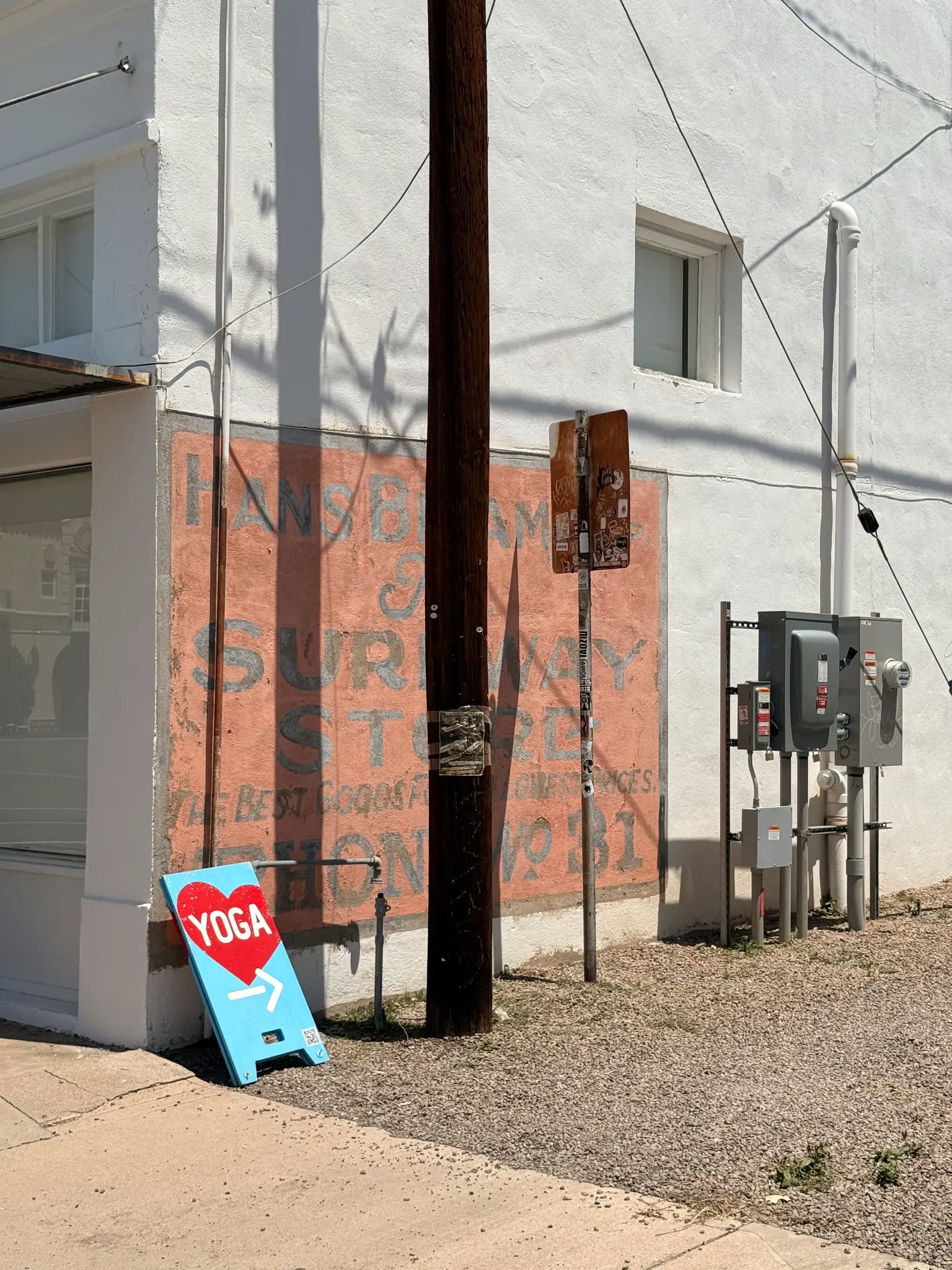
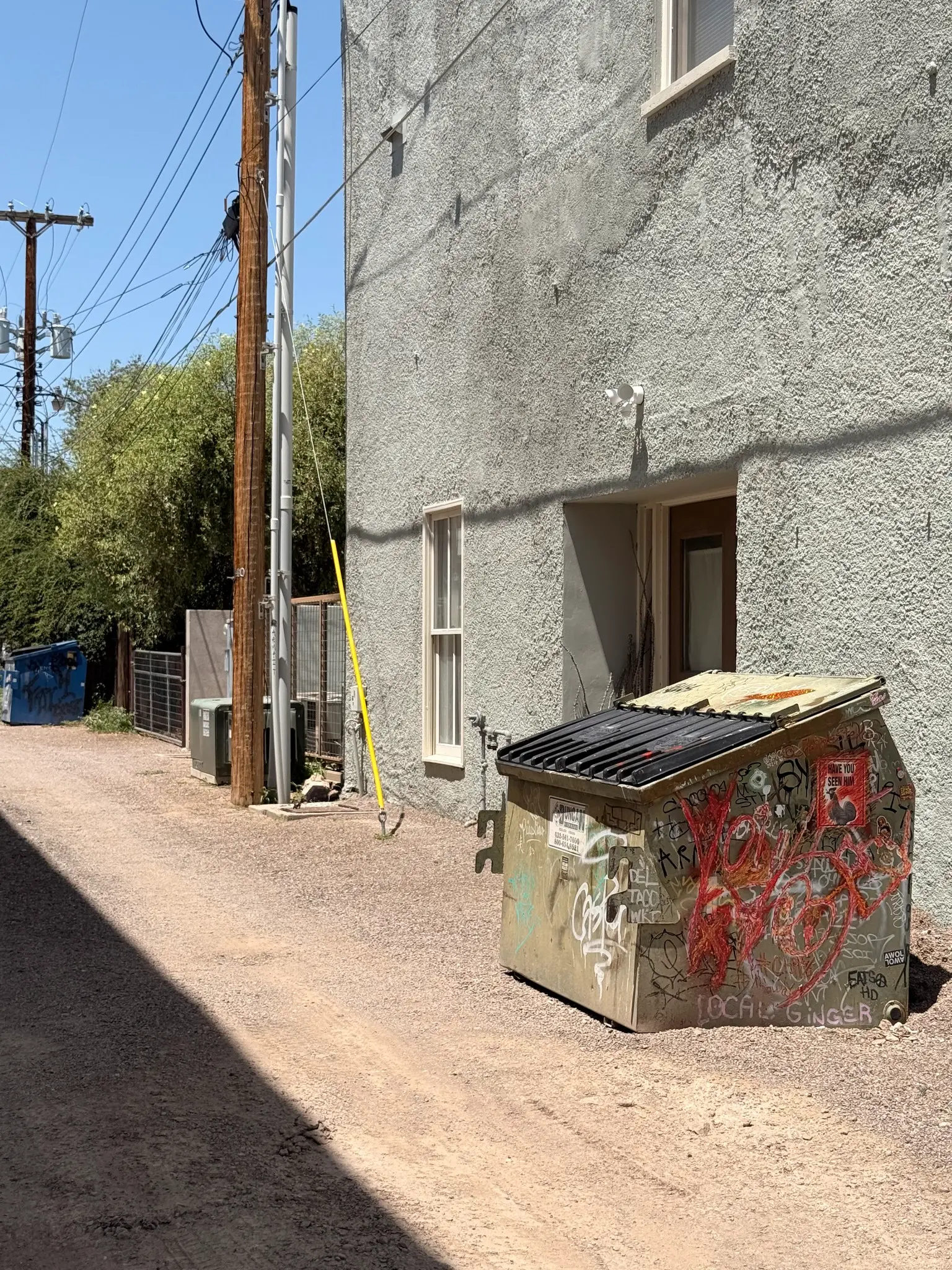
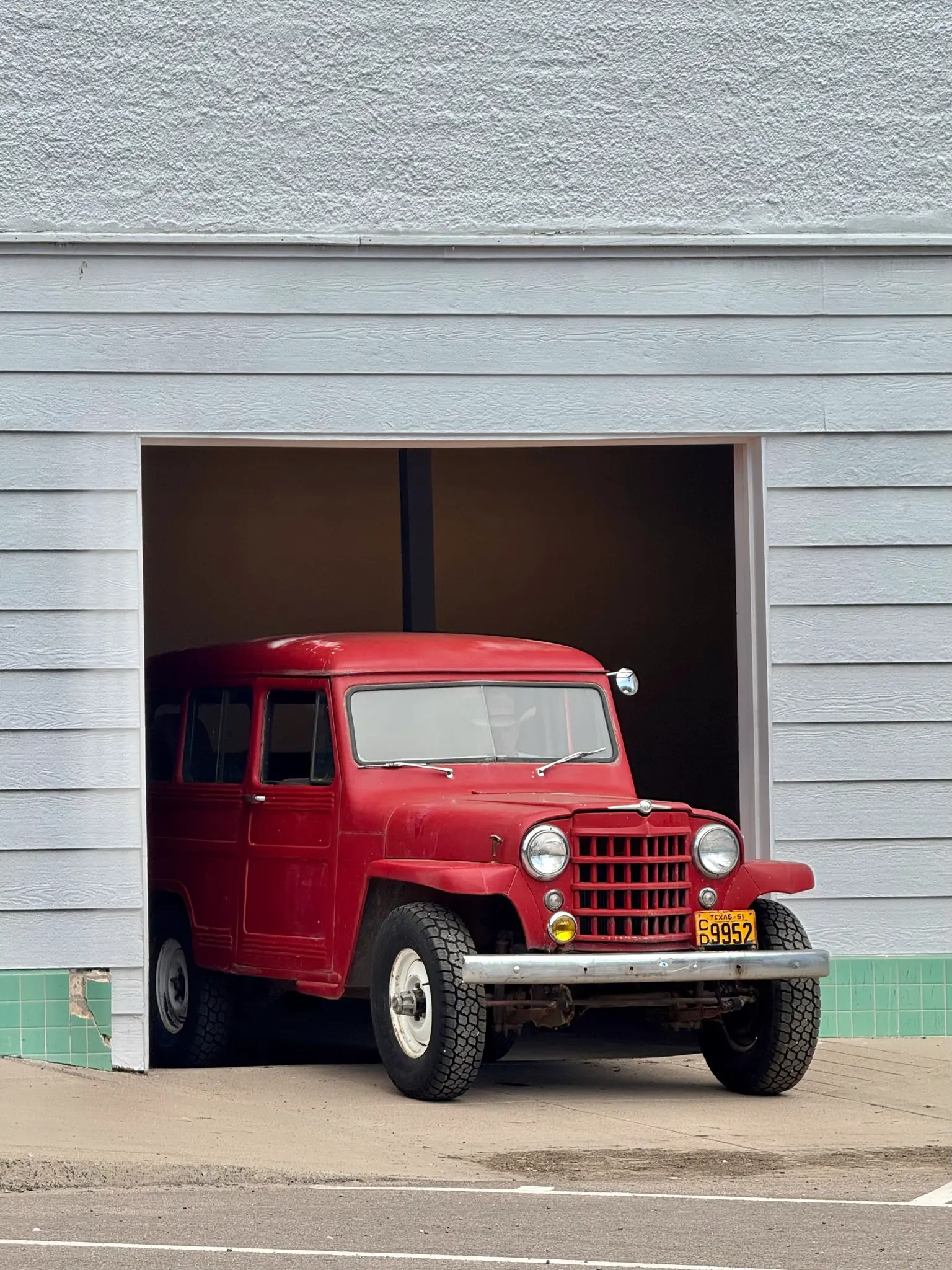
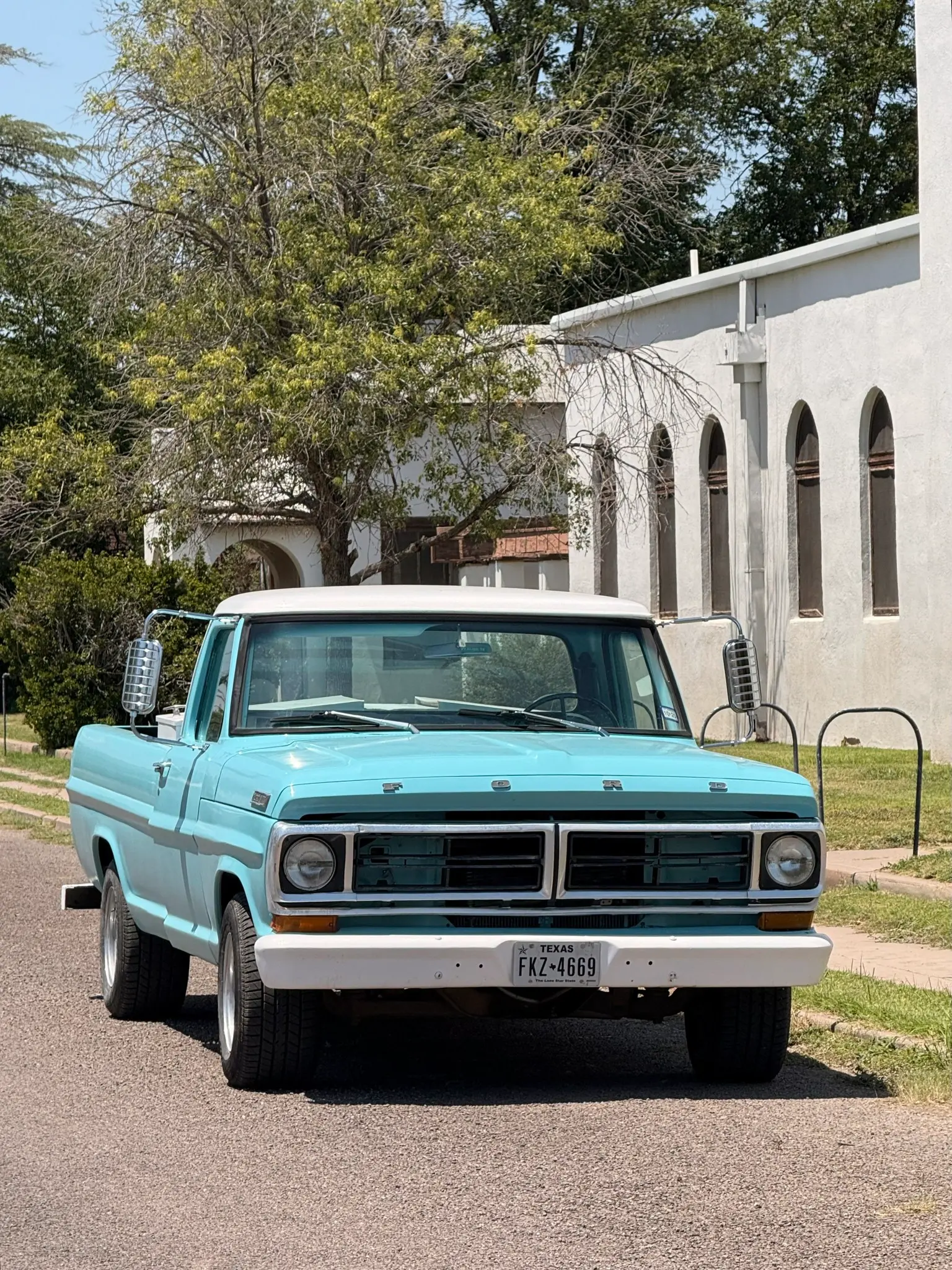
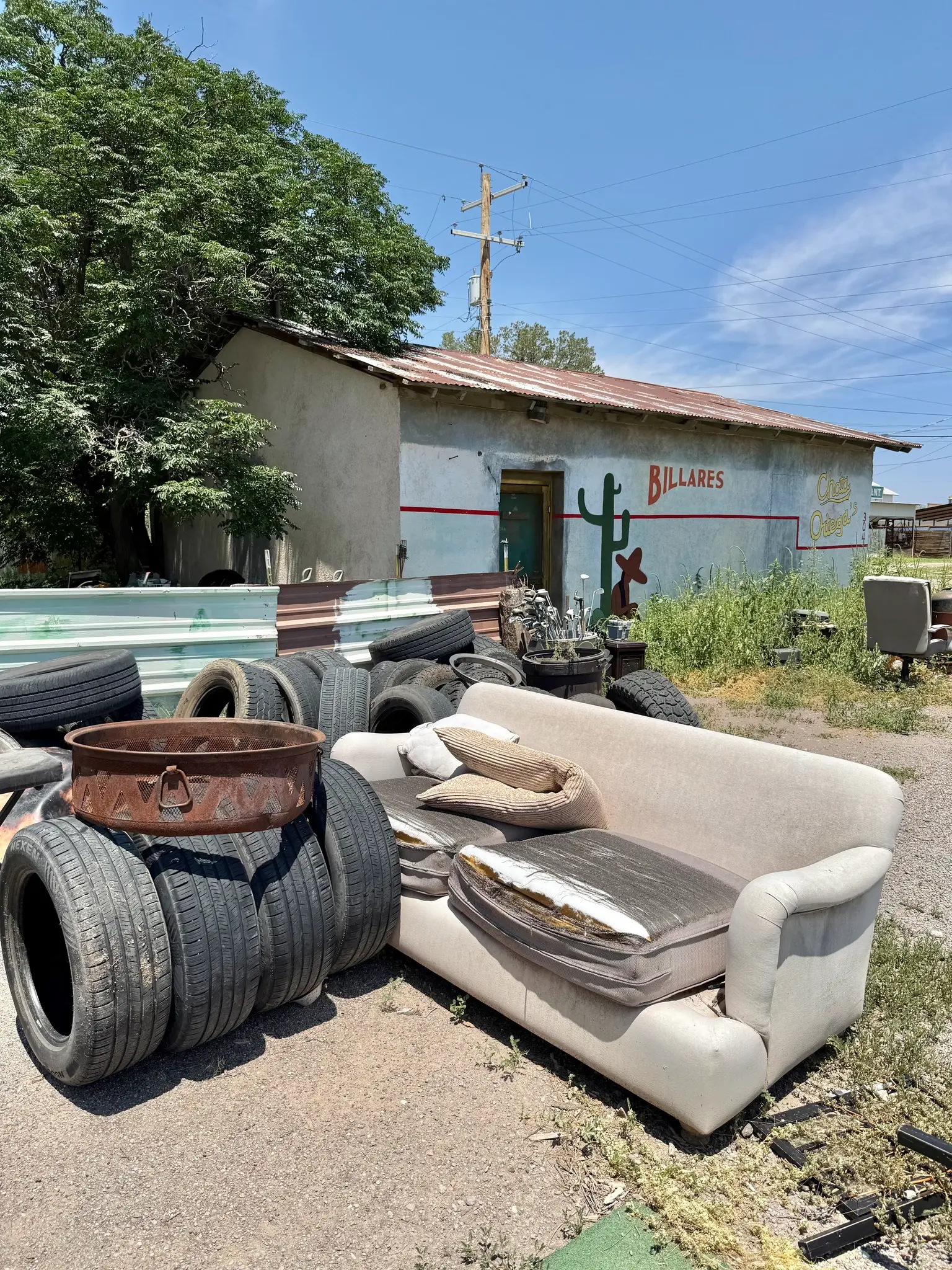
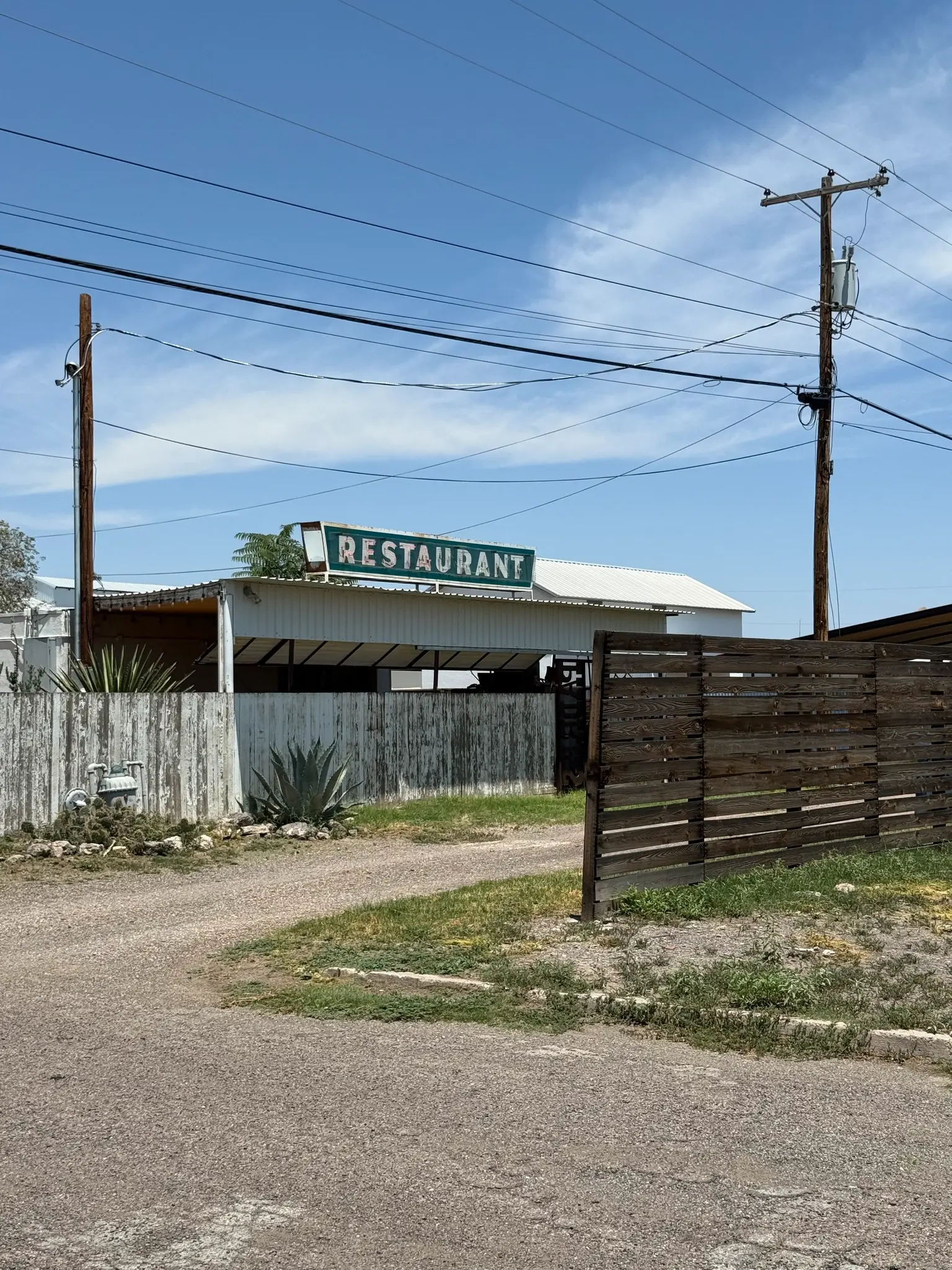
There is no architectural spectacle waiting around the corner. No postcard skyline announcing itself. No sweeping monument demanding attention. Instead, you are confronted with the quiet ordinariness of everyday life. A storefront. A dusty road. A faded sign. A pickup truck parked at an odd angle in front of a diner that has probably been there for forty years.
To most people, there is nothing particularly remarkable about any of it.
To a photographer, however, that is precisely the point.
The Creative Stretch
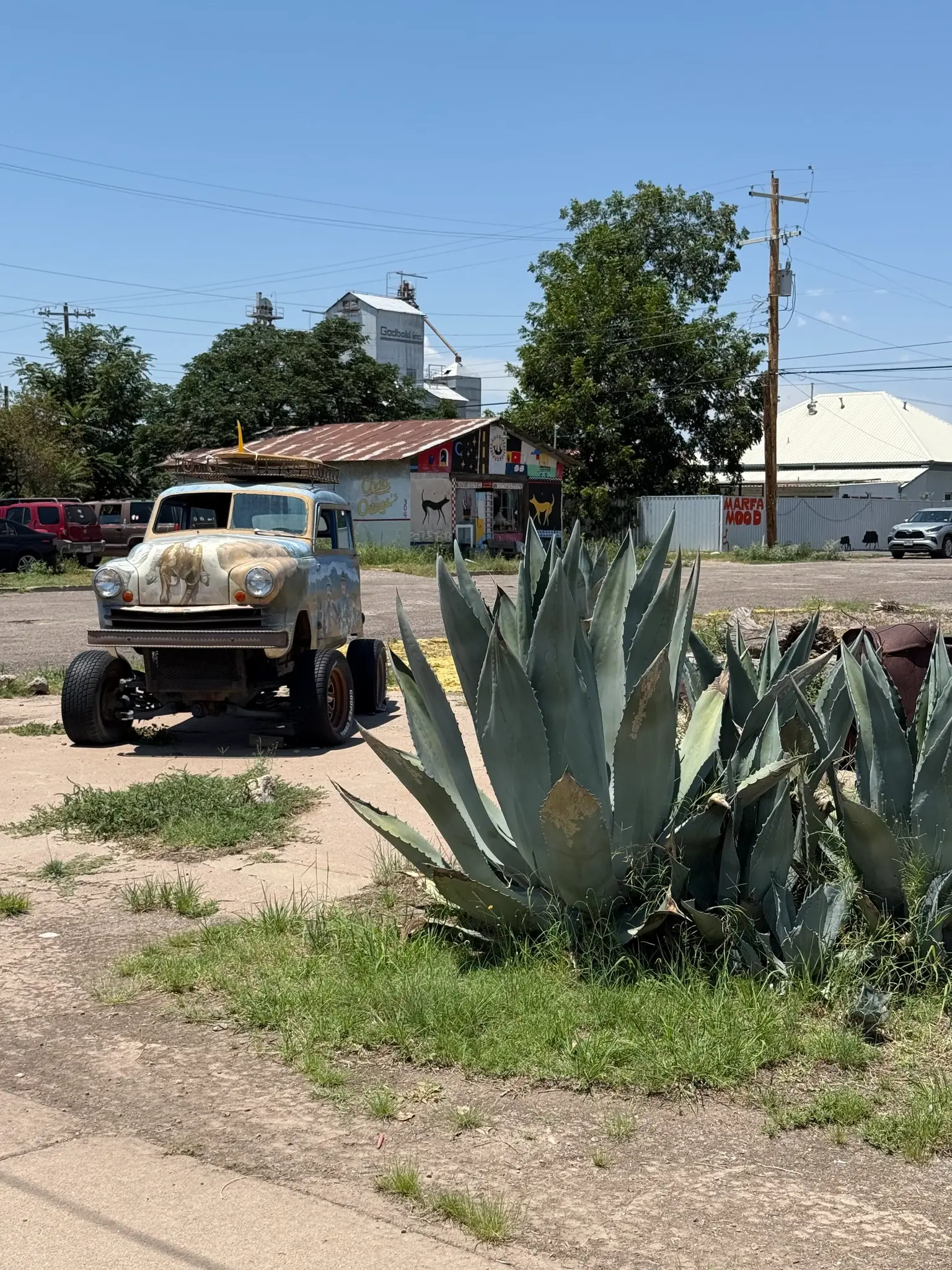
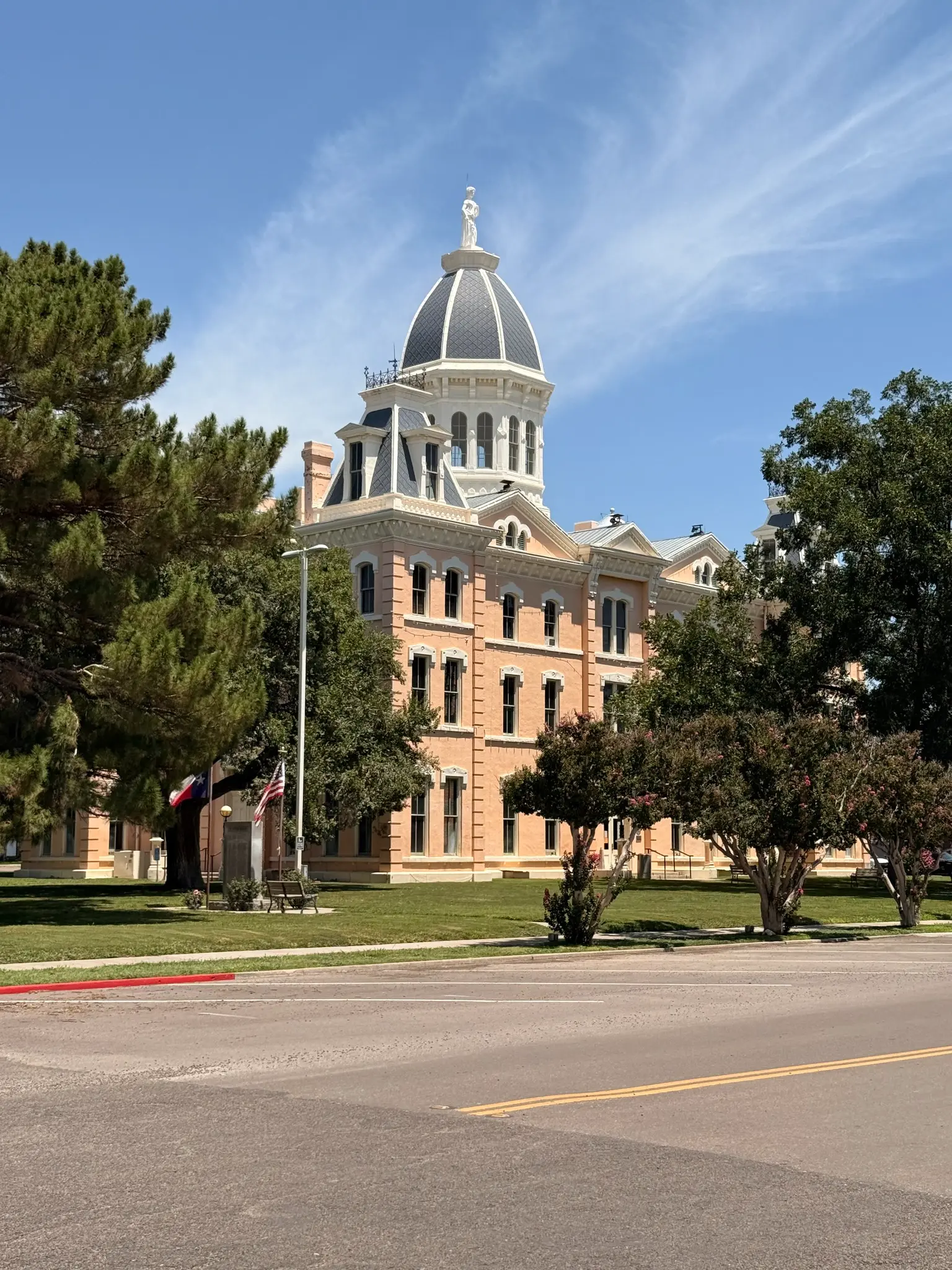
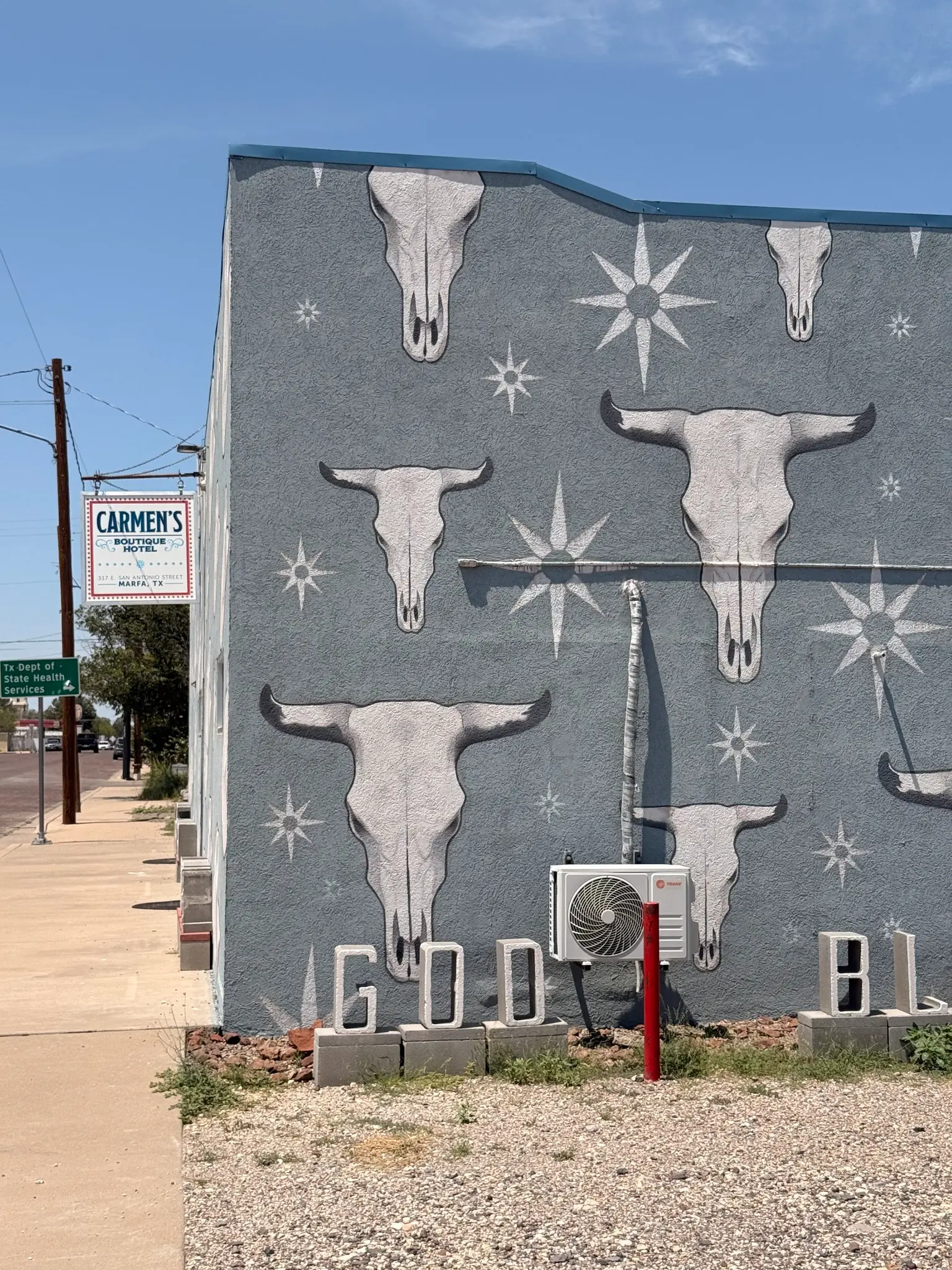
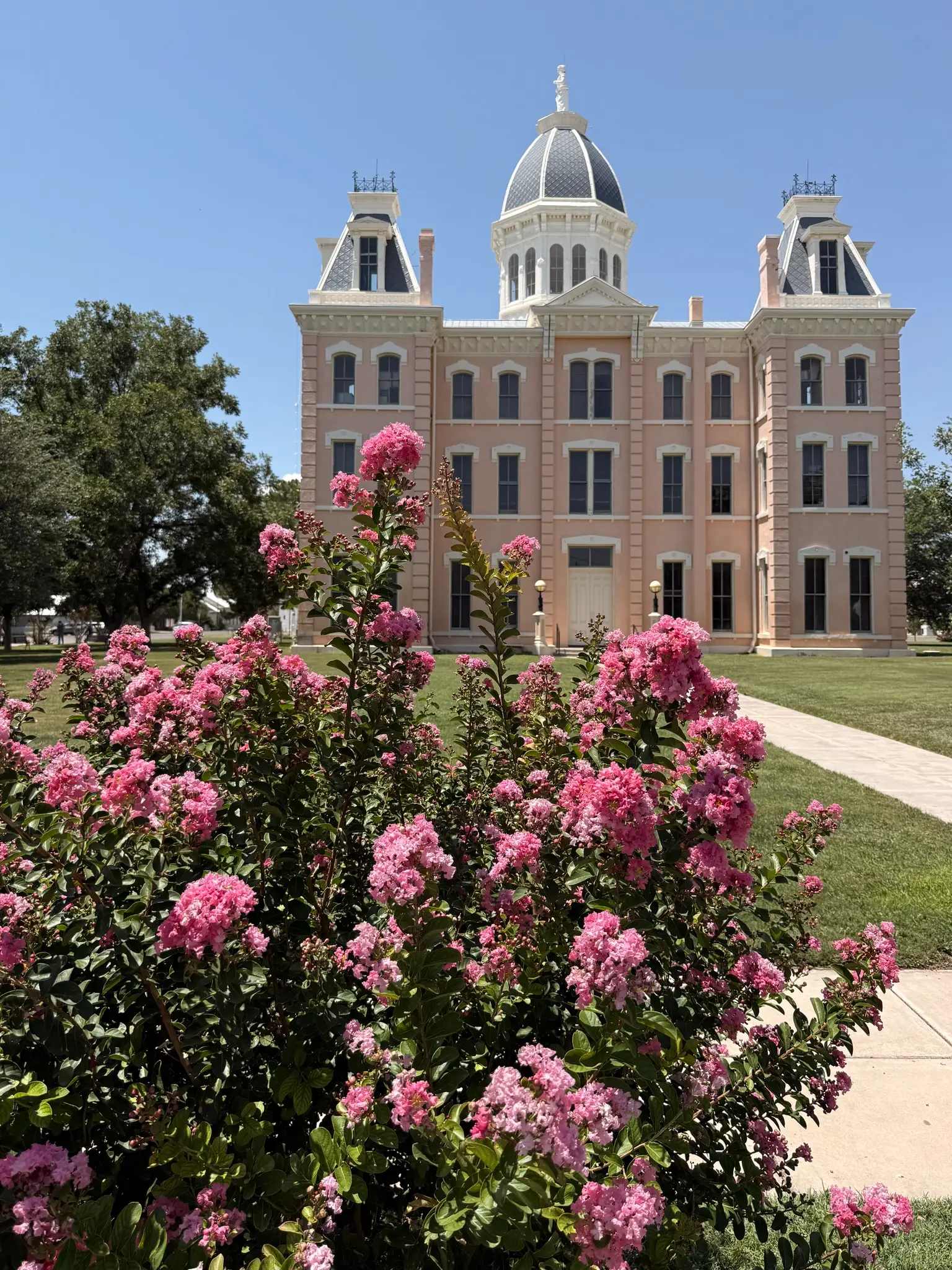
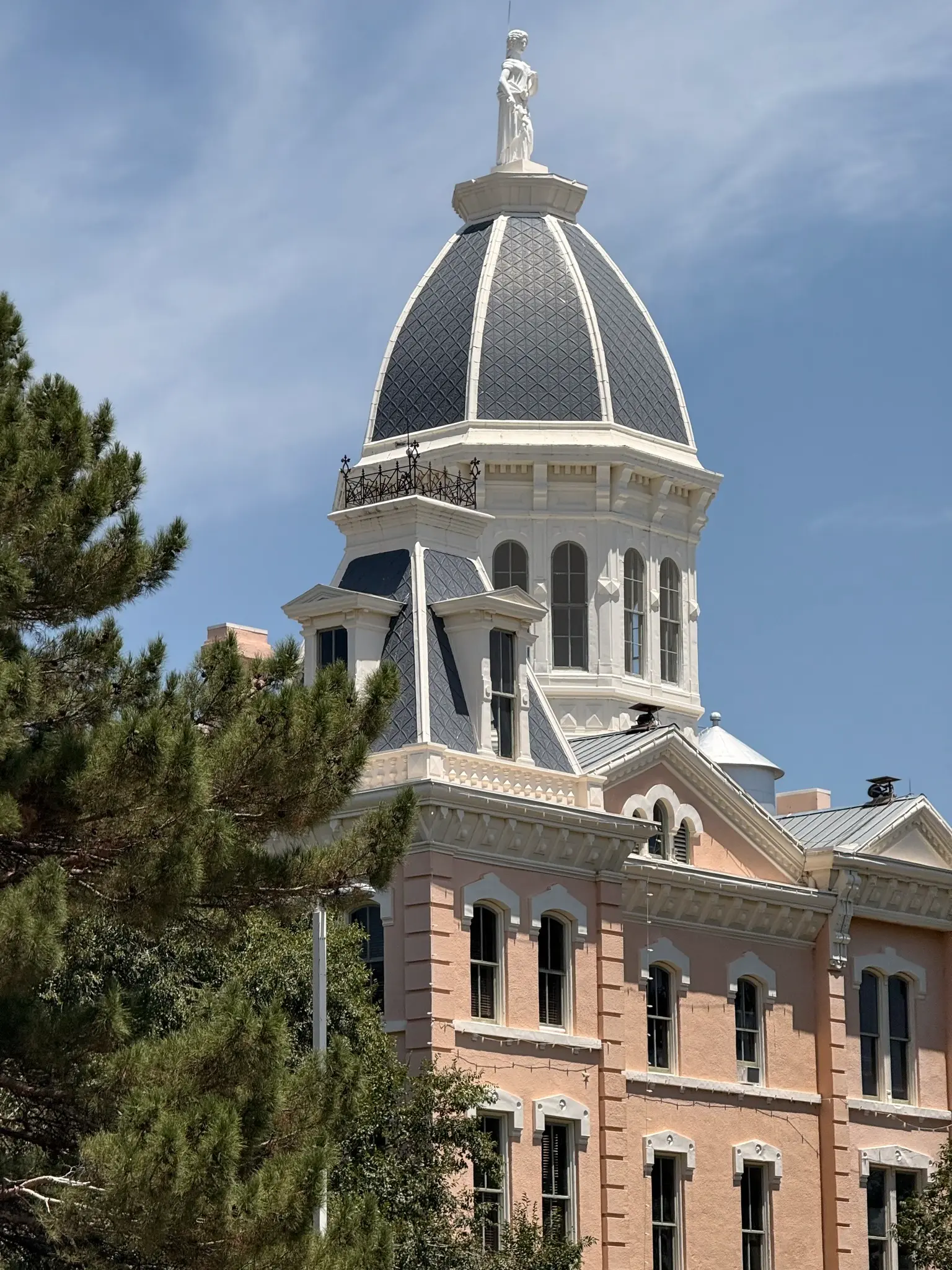
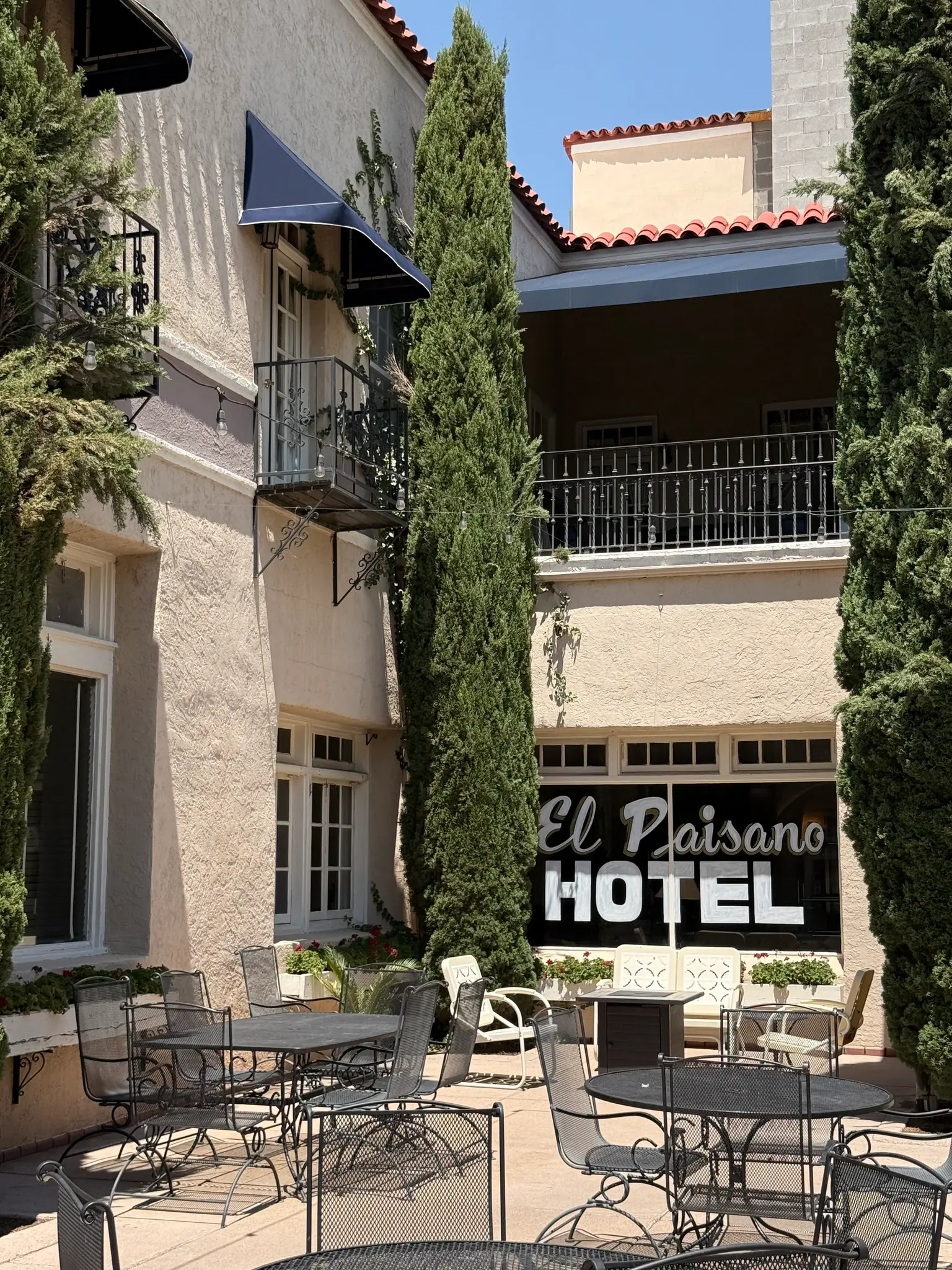
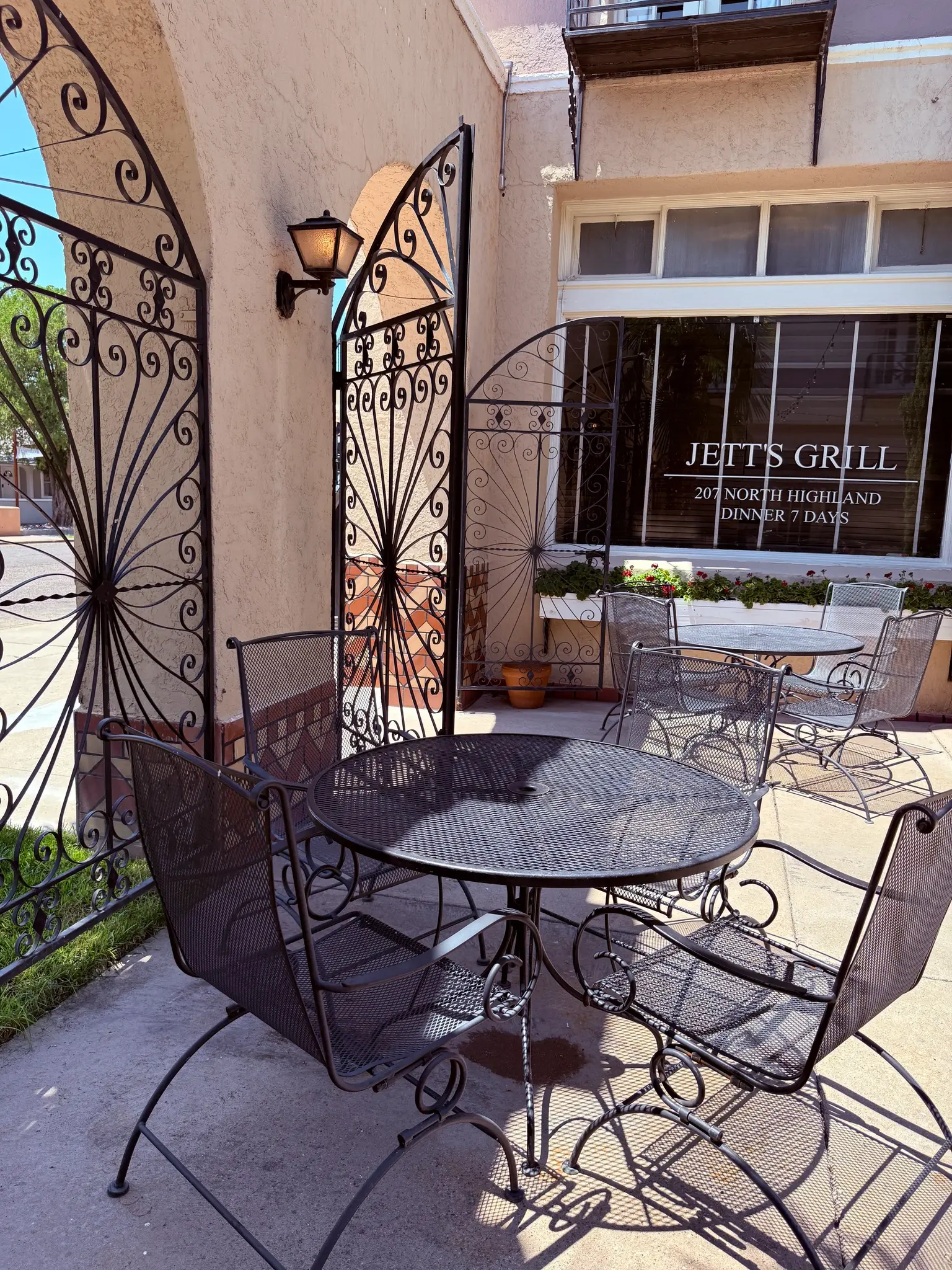
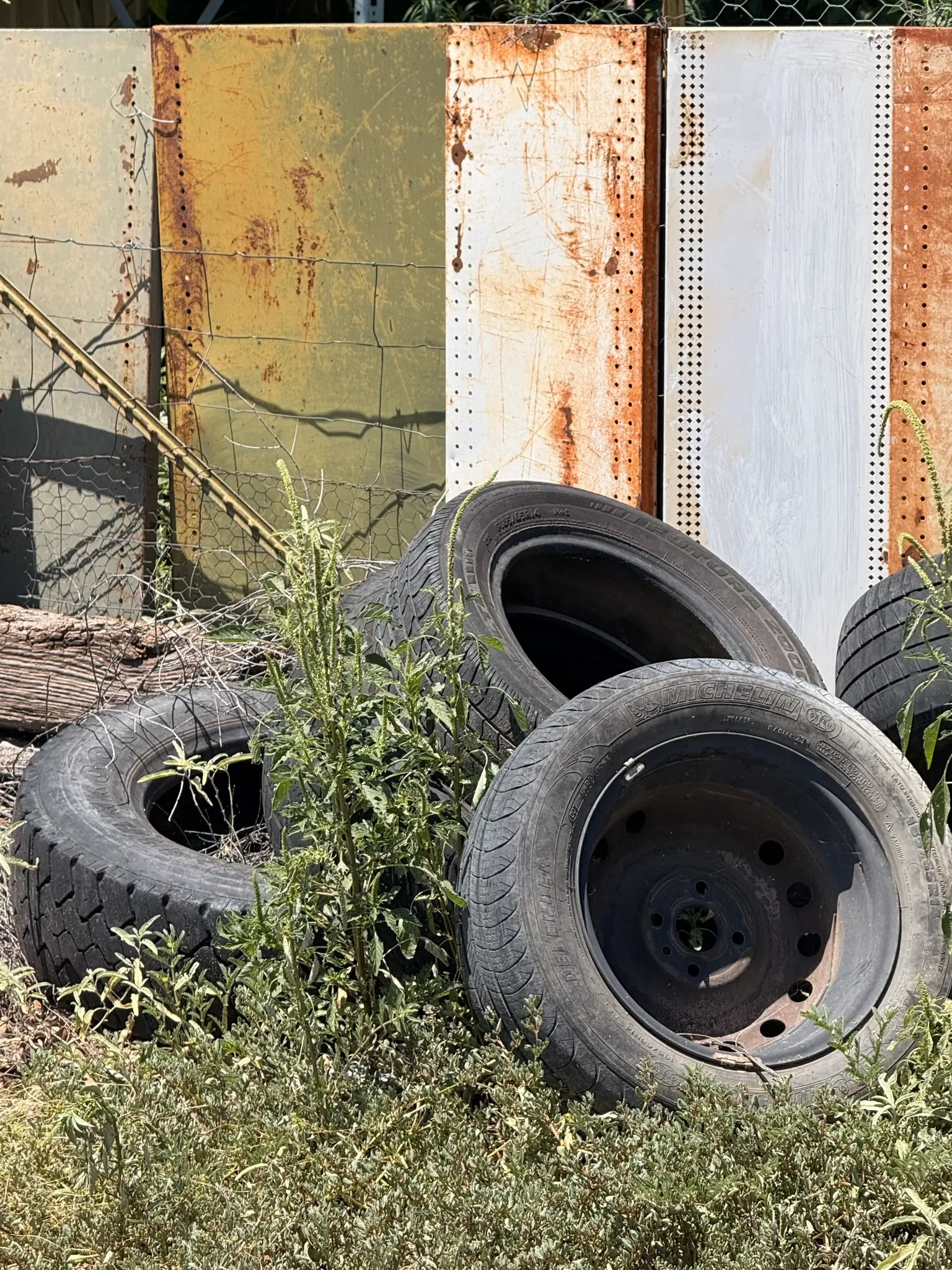
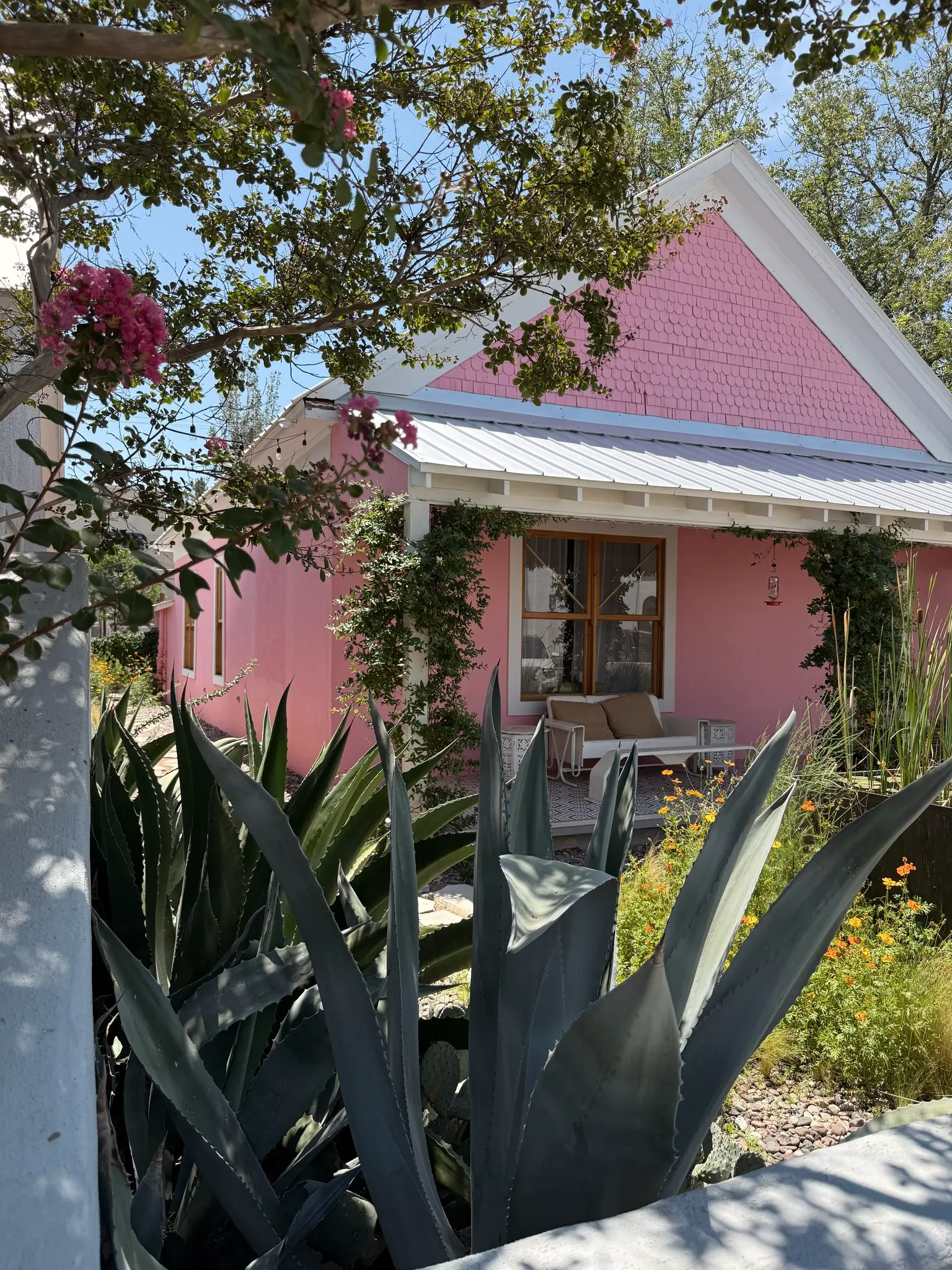
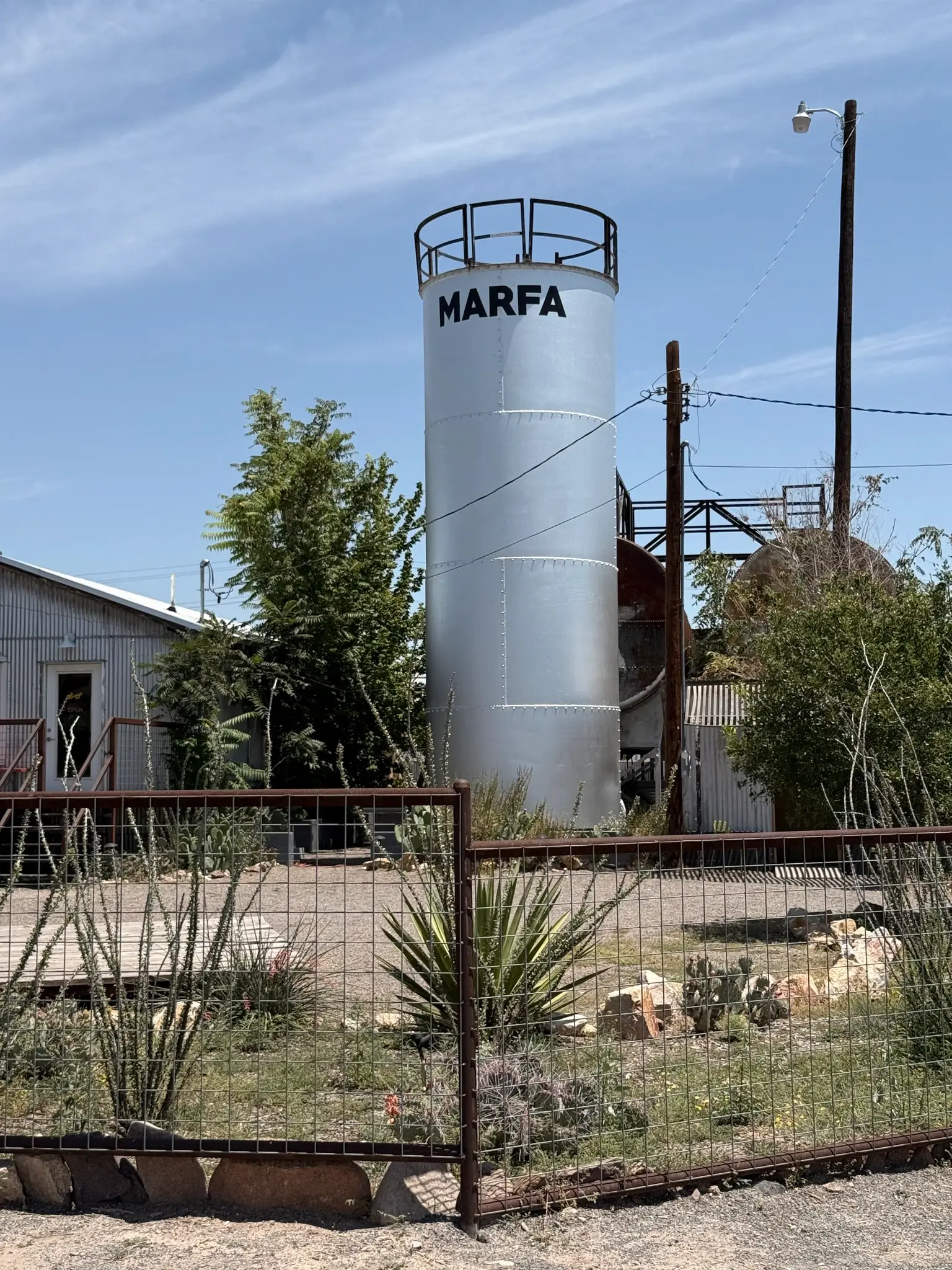
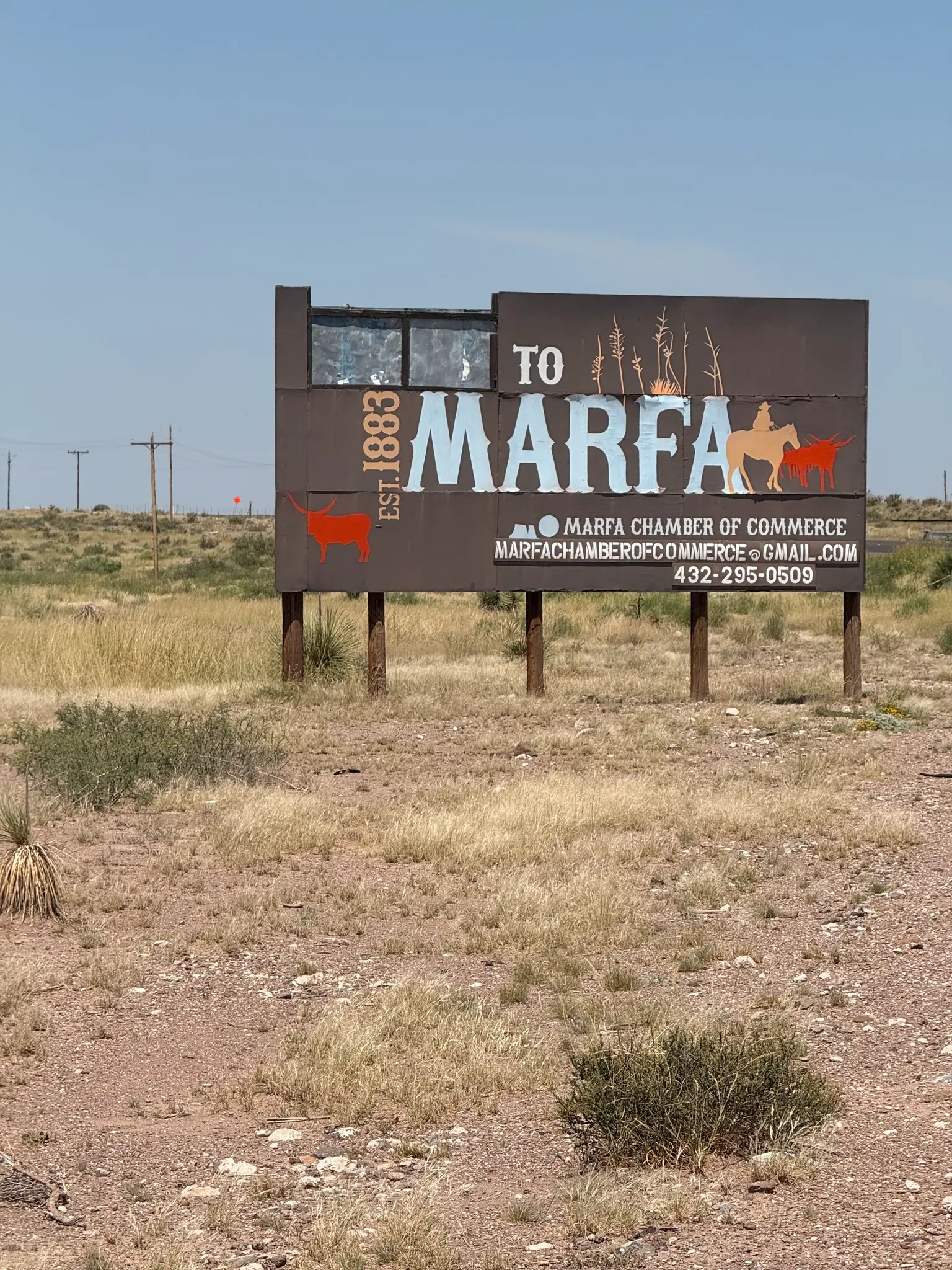
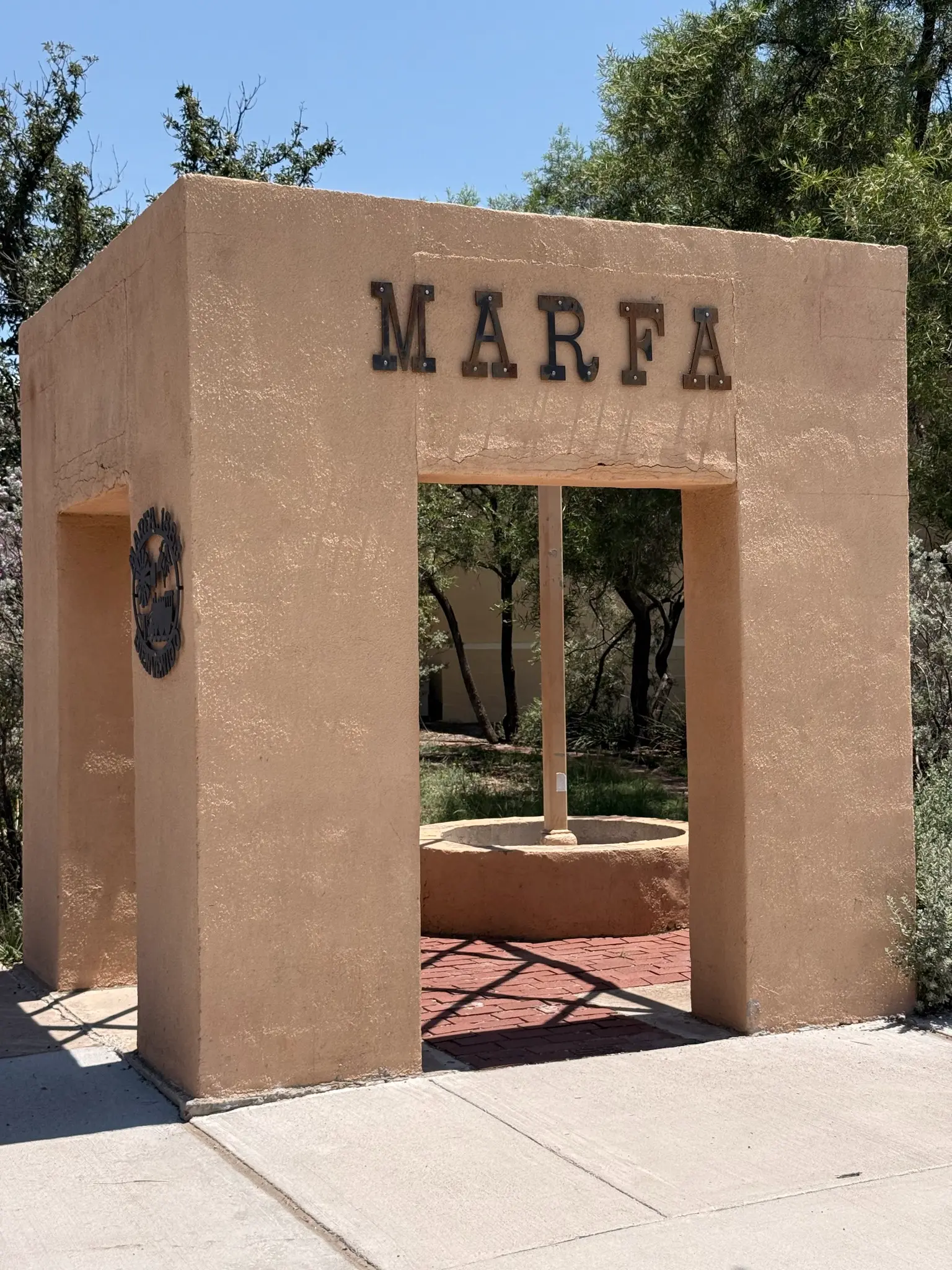
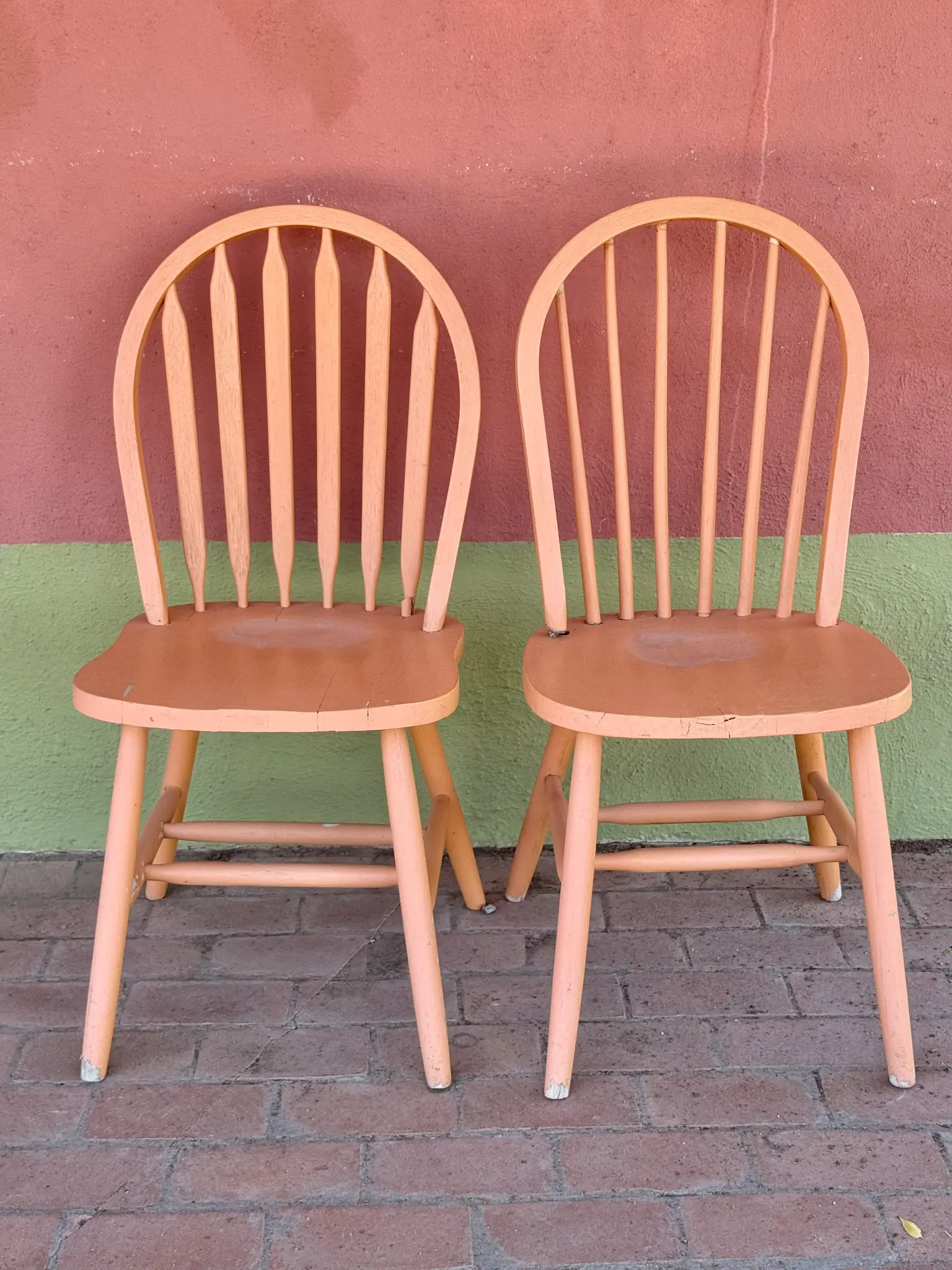
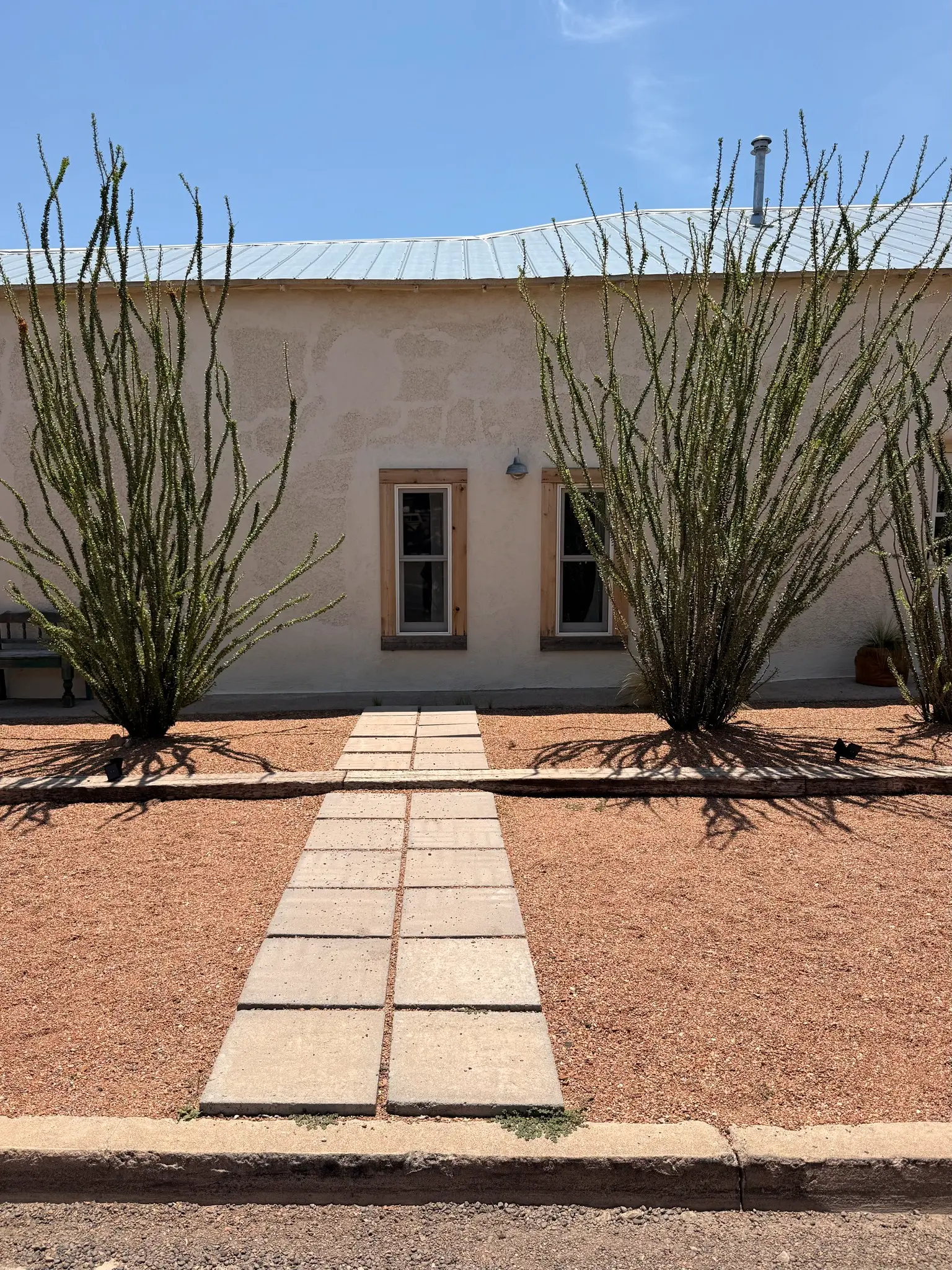
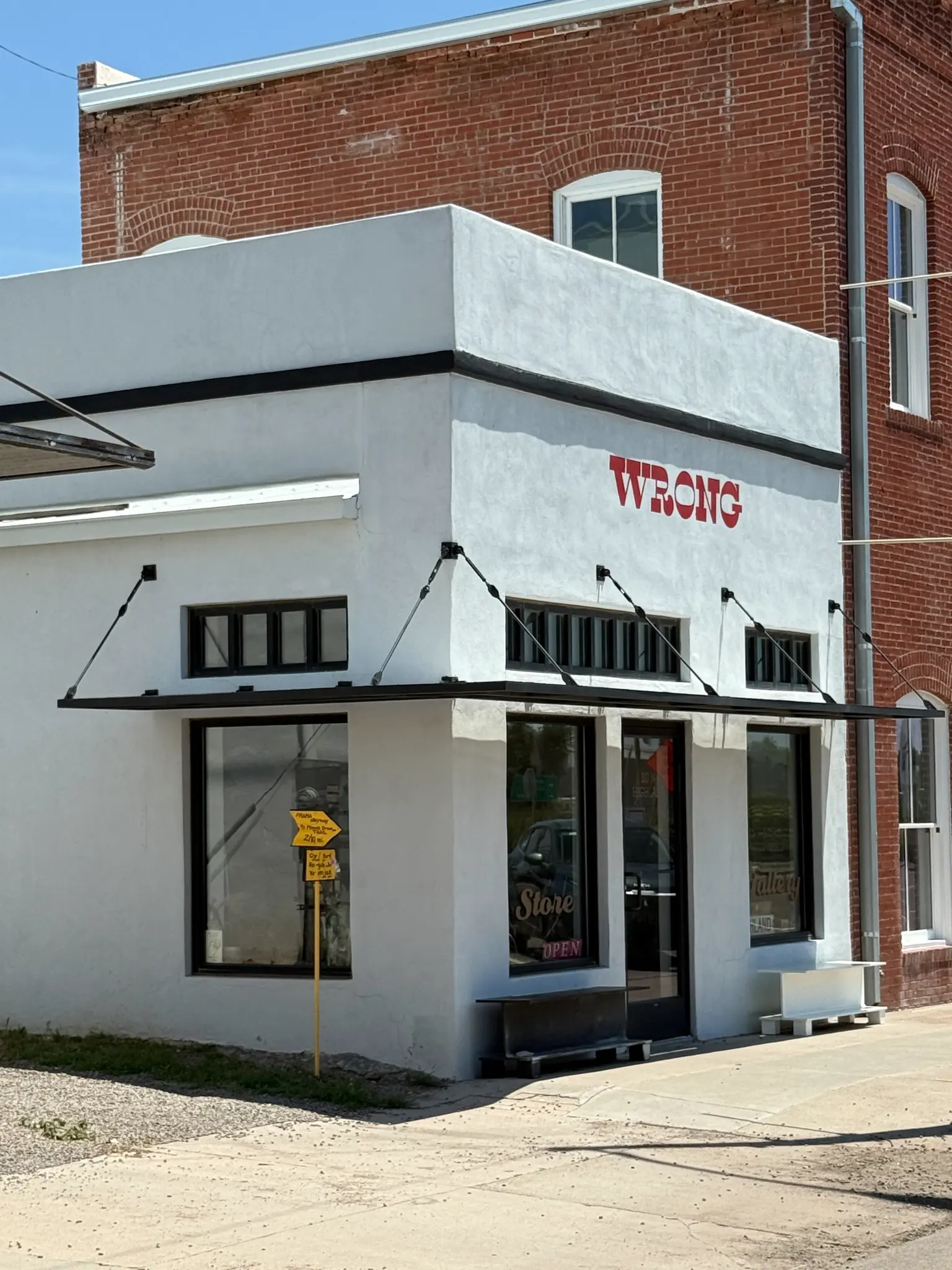
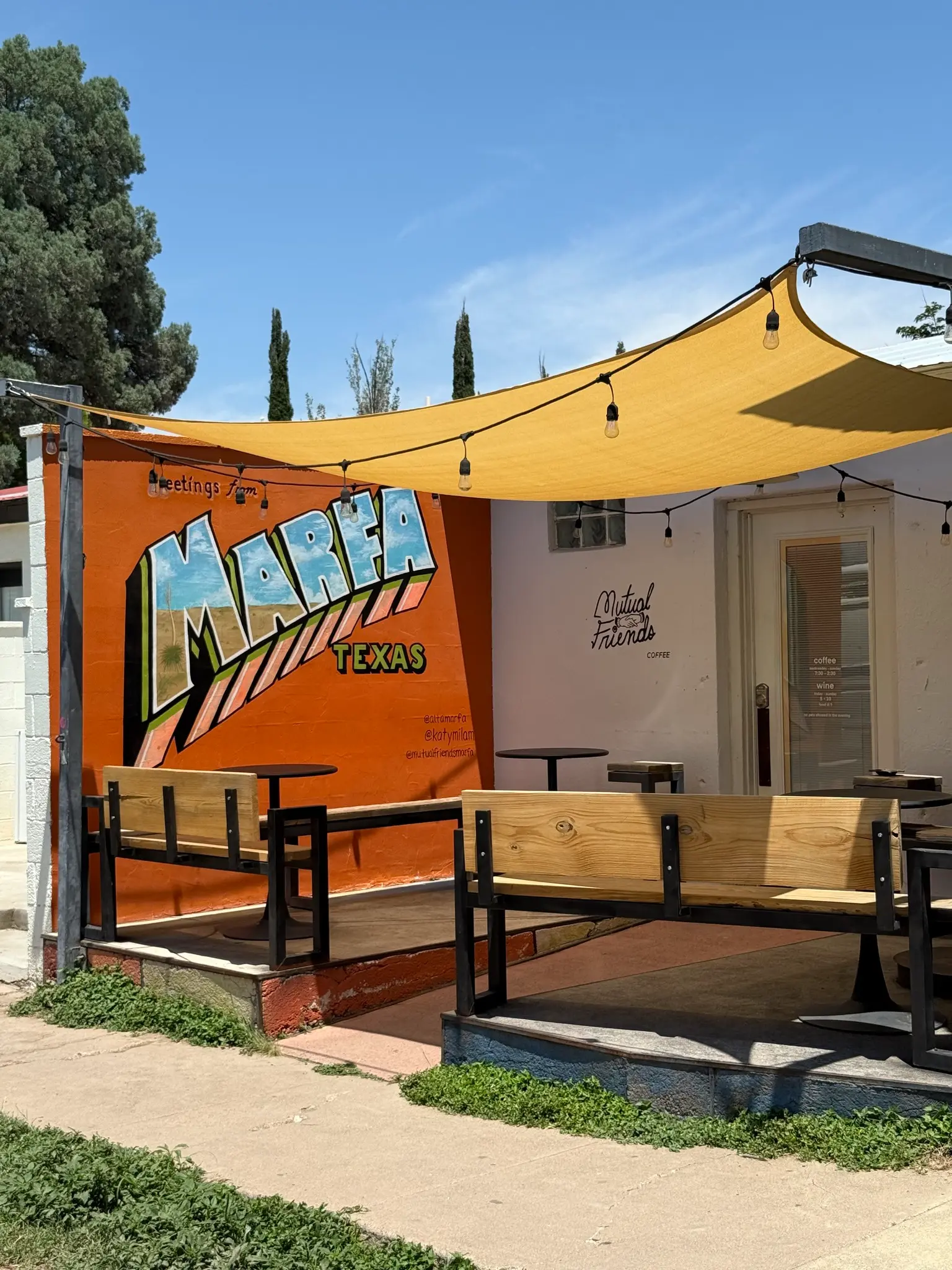
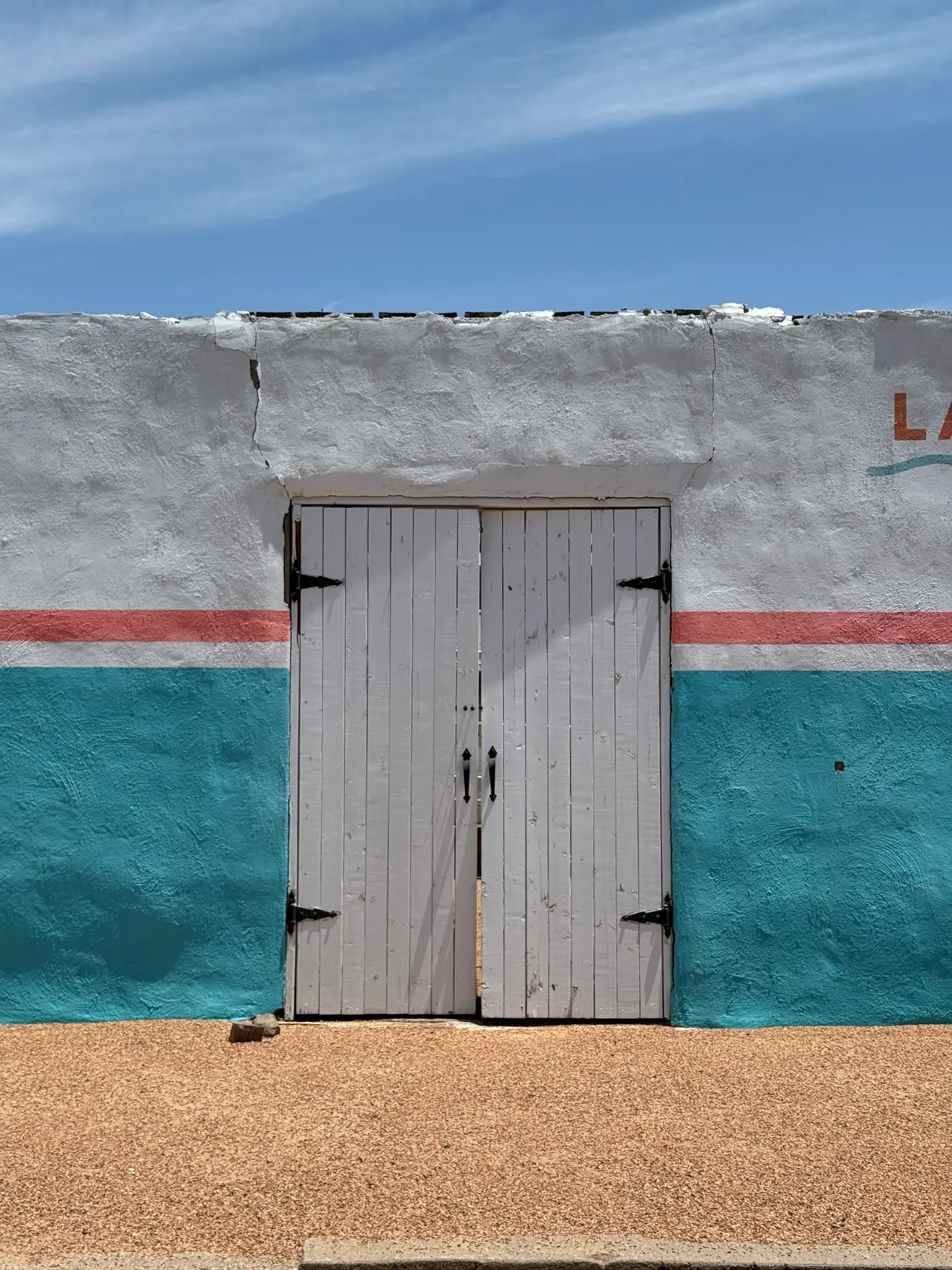
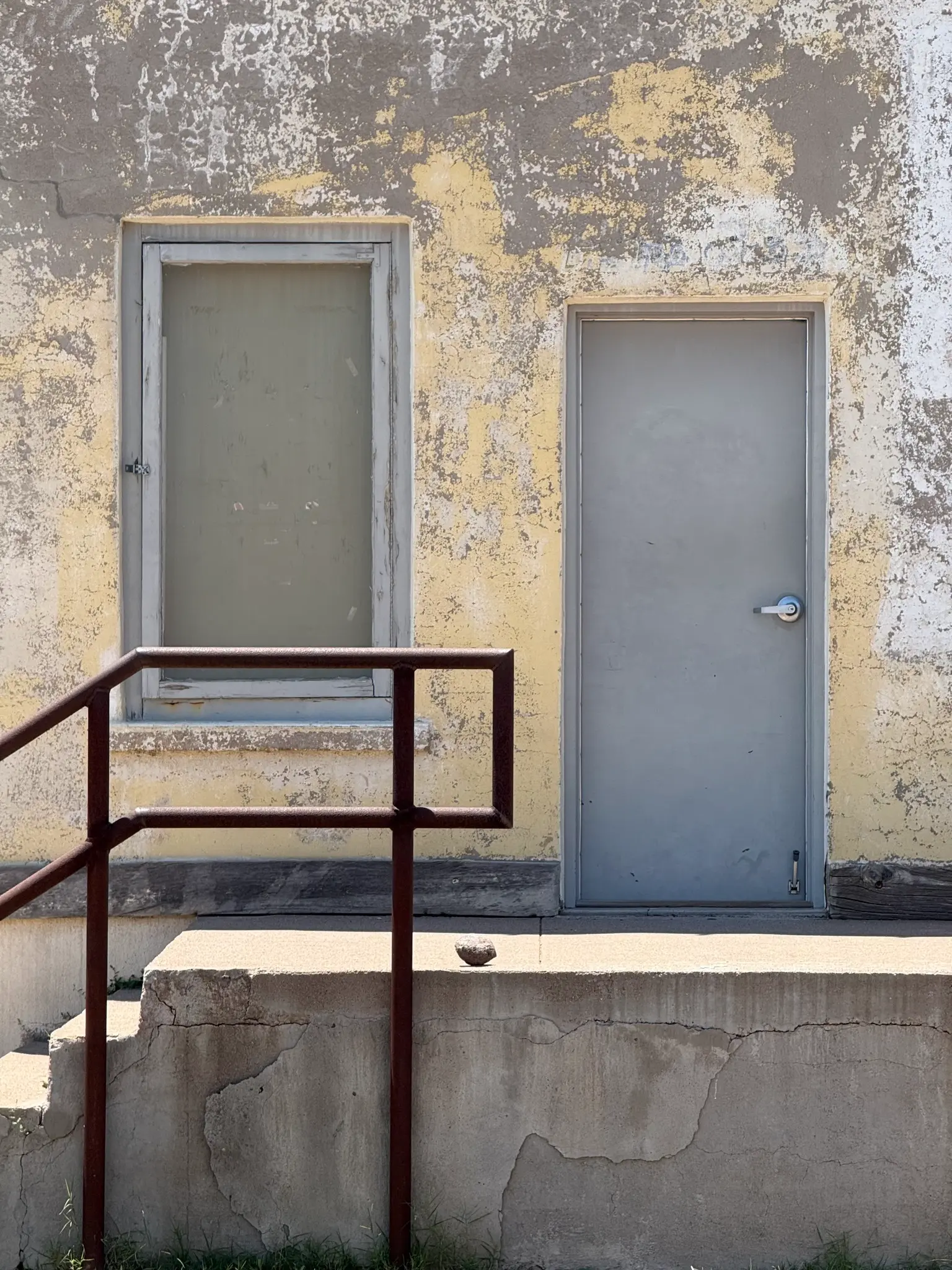
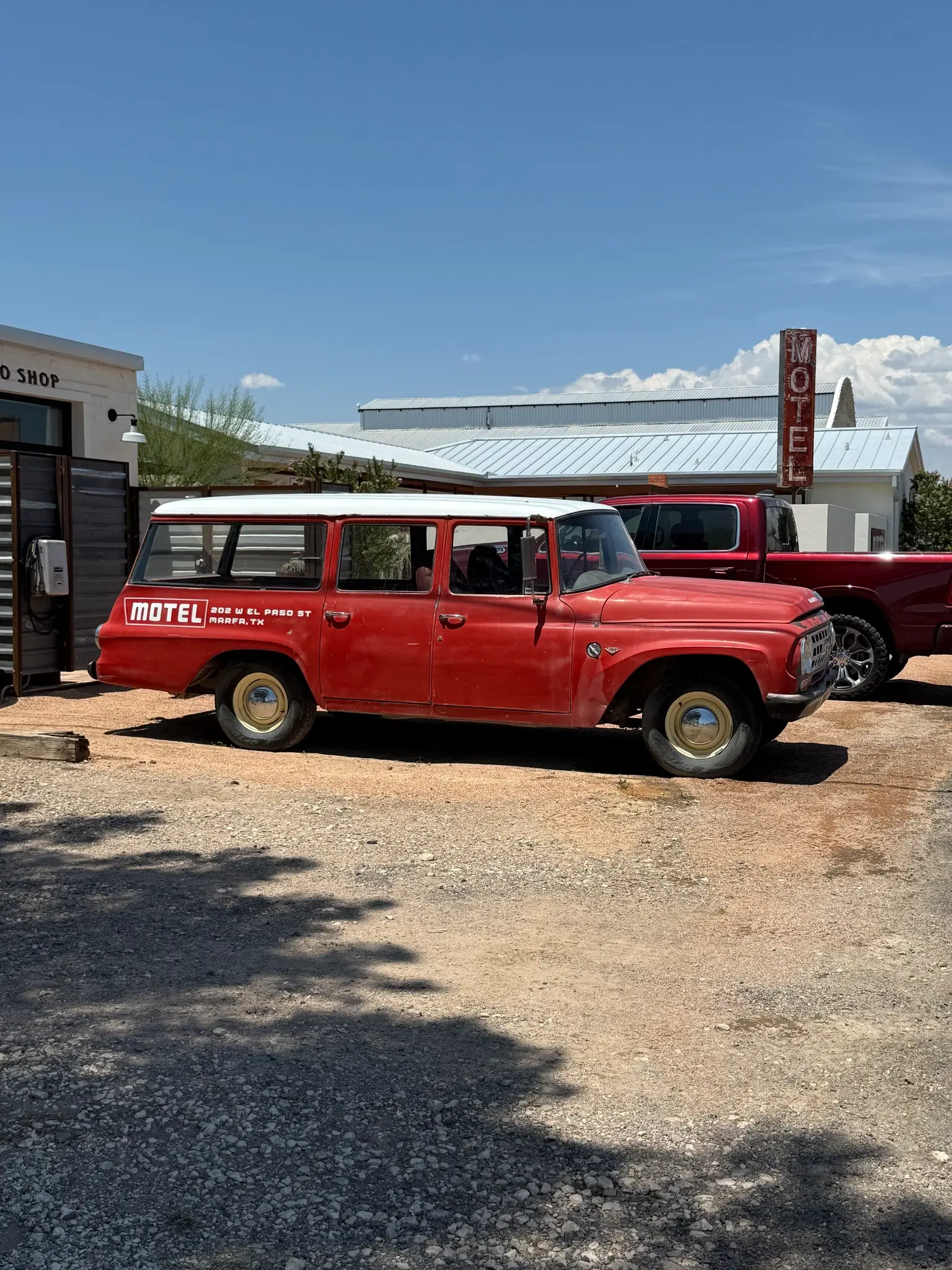
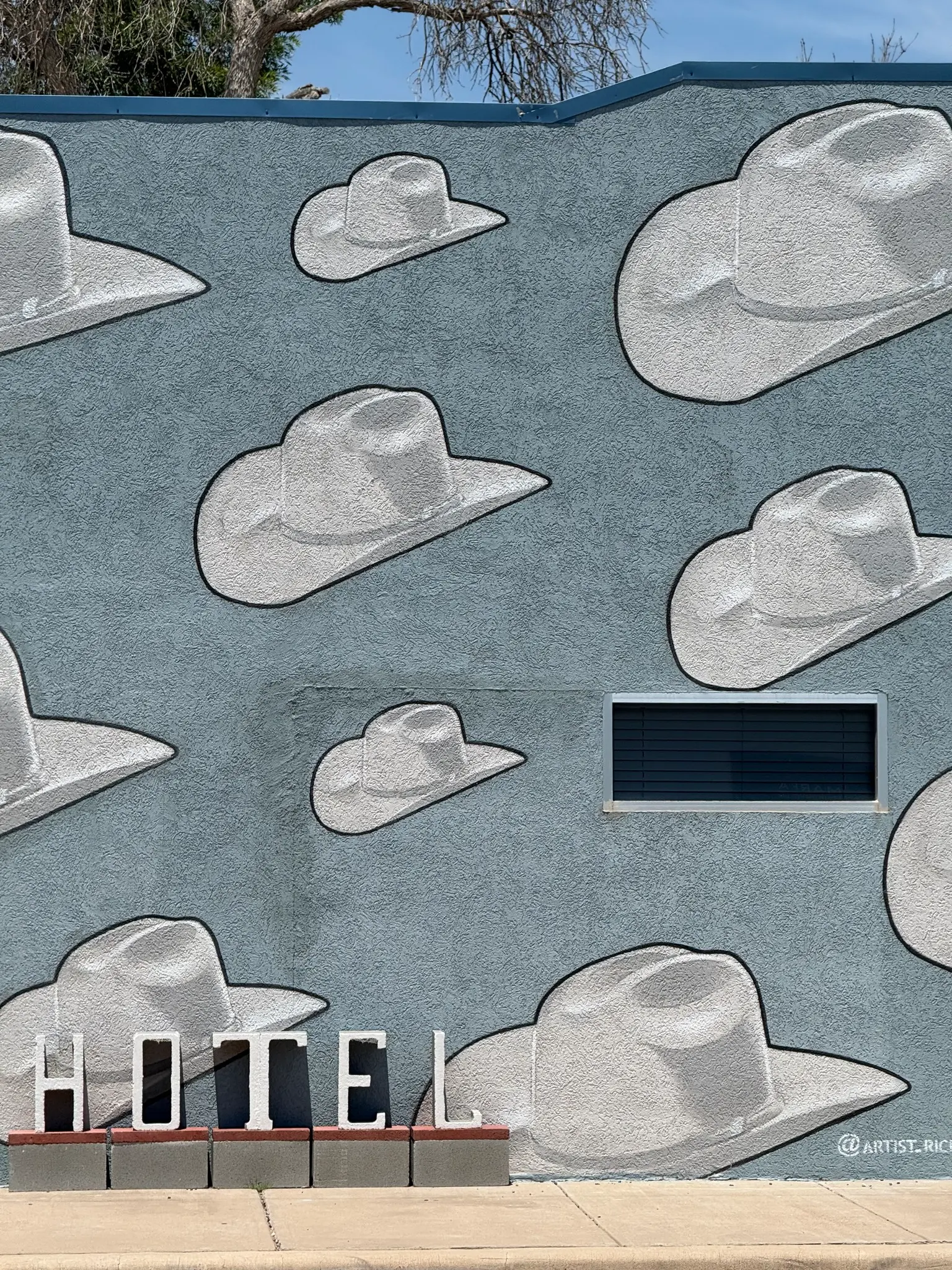
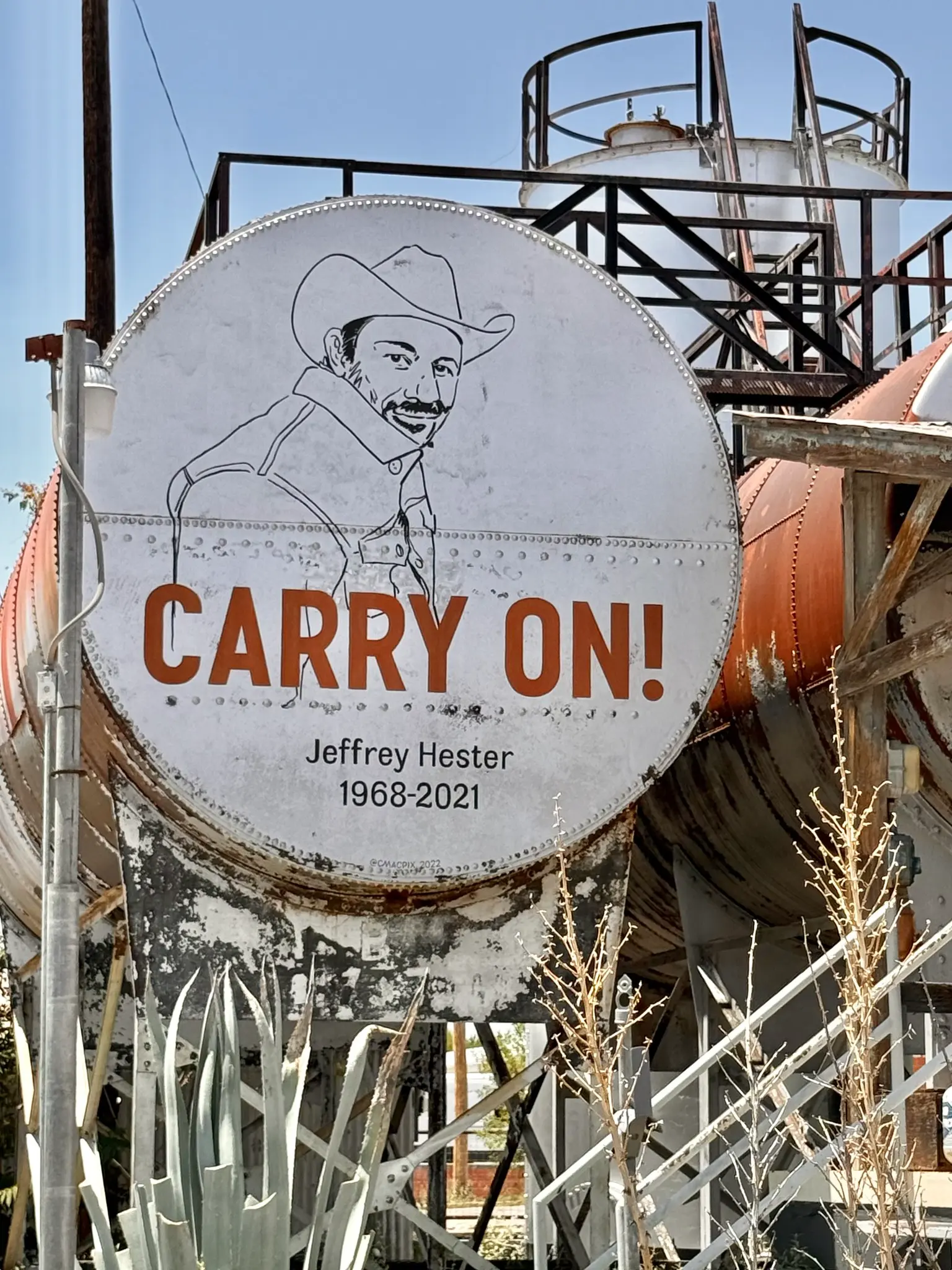
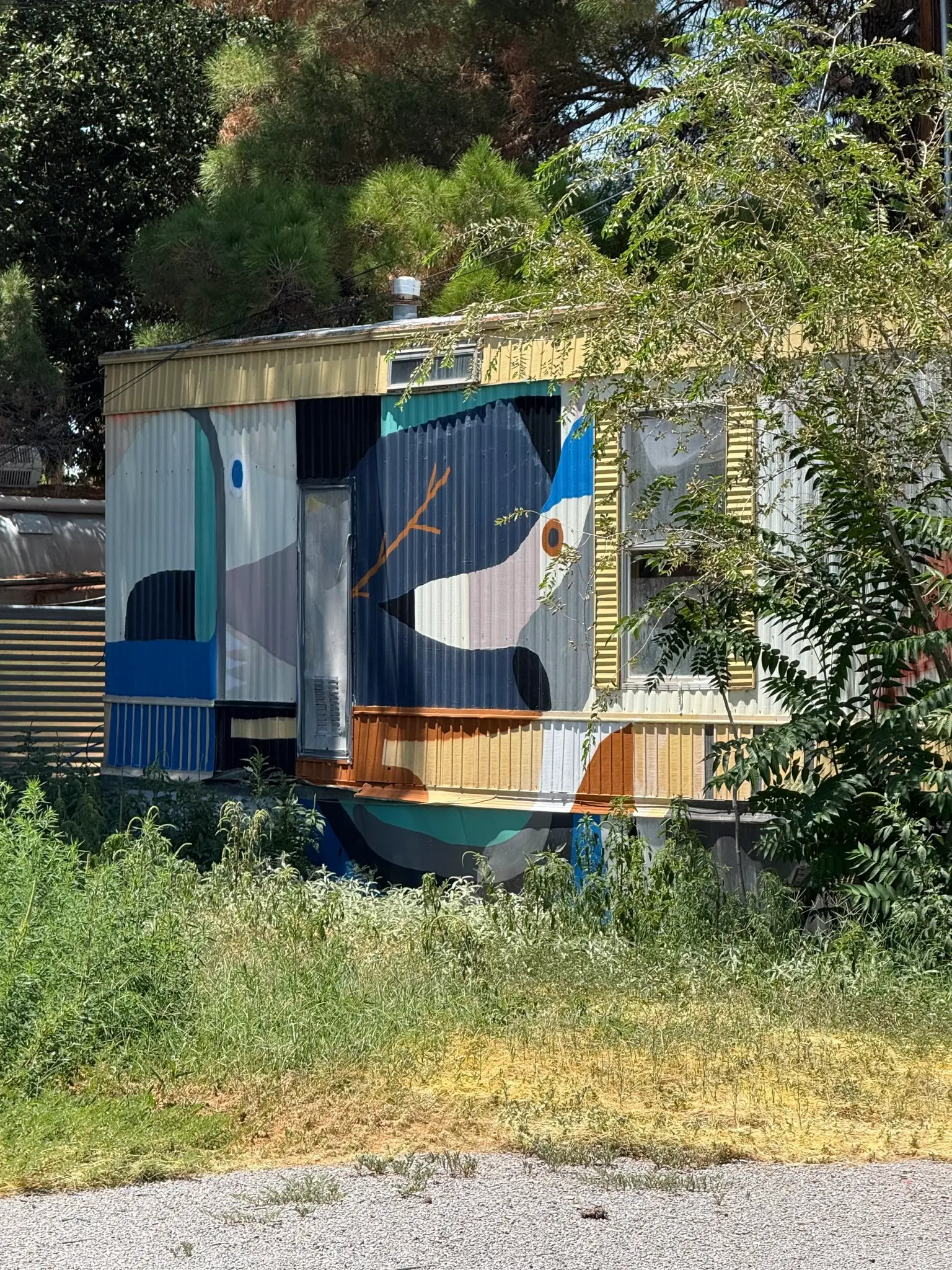
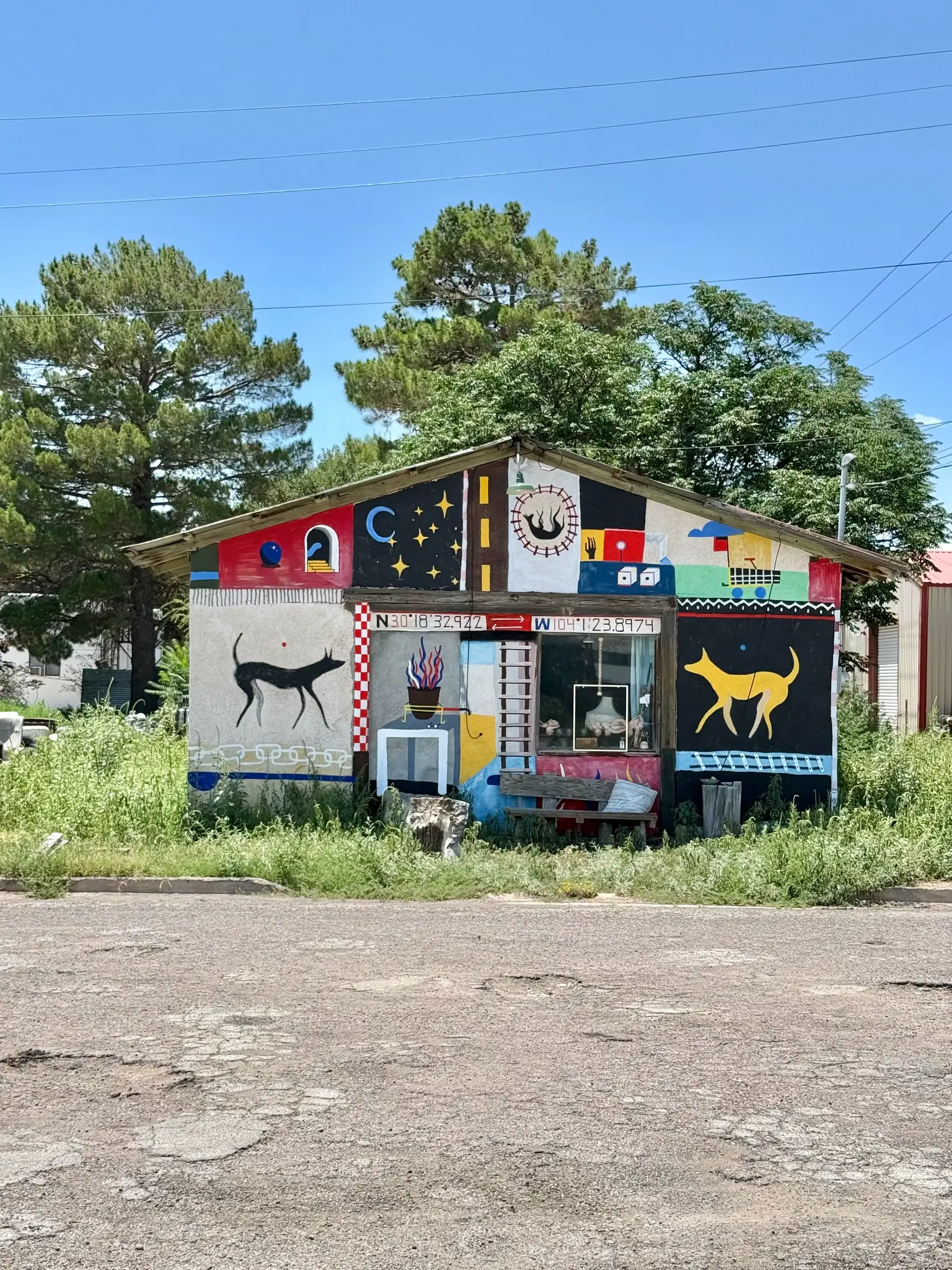
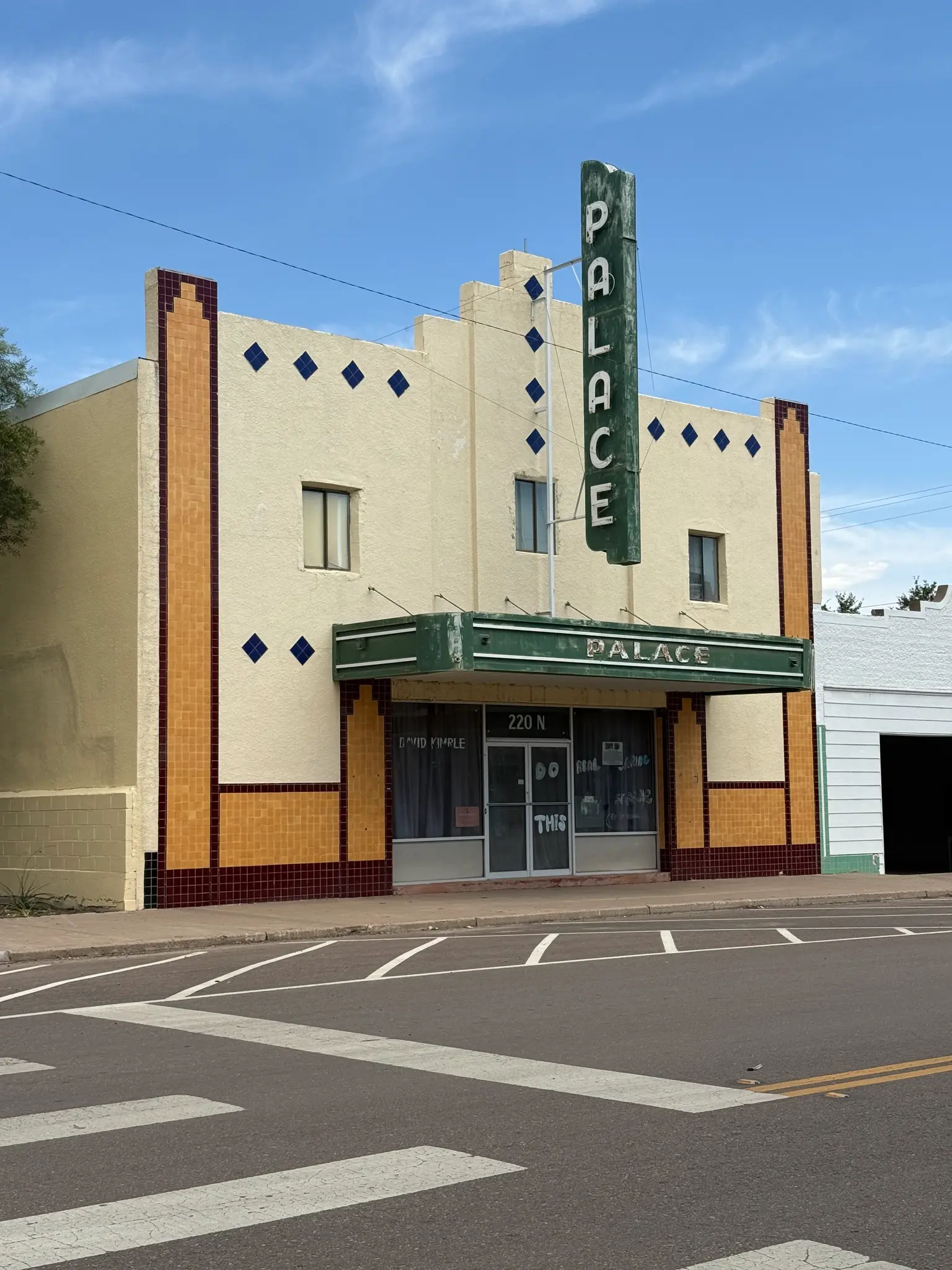
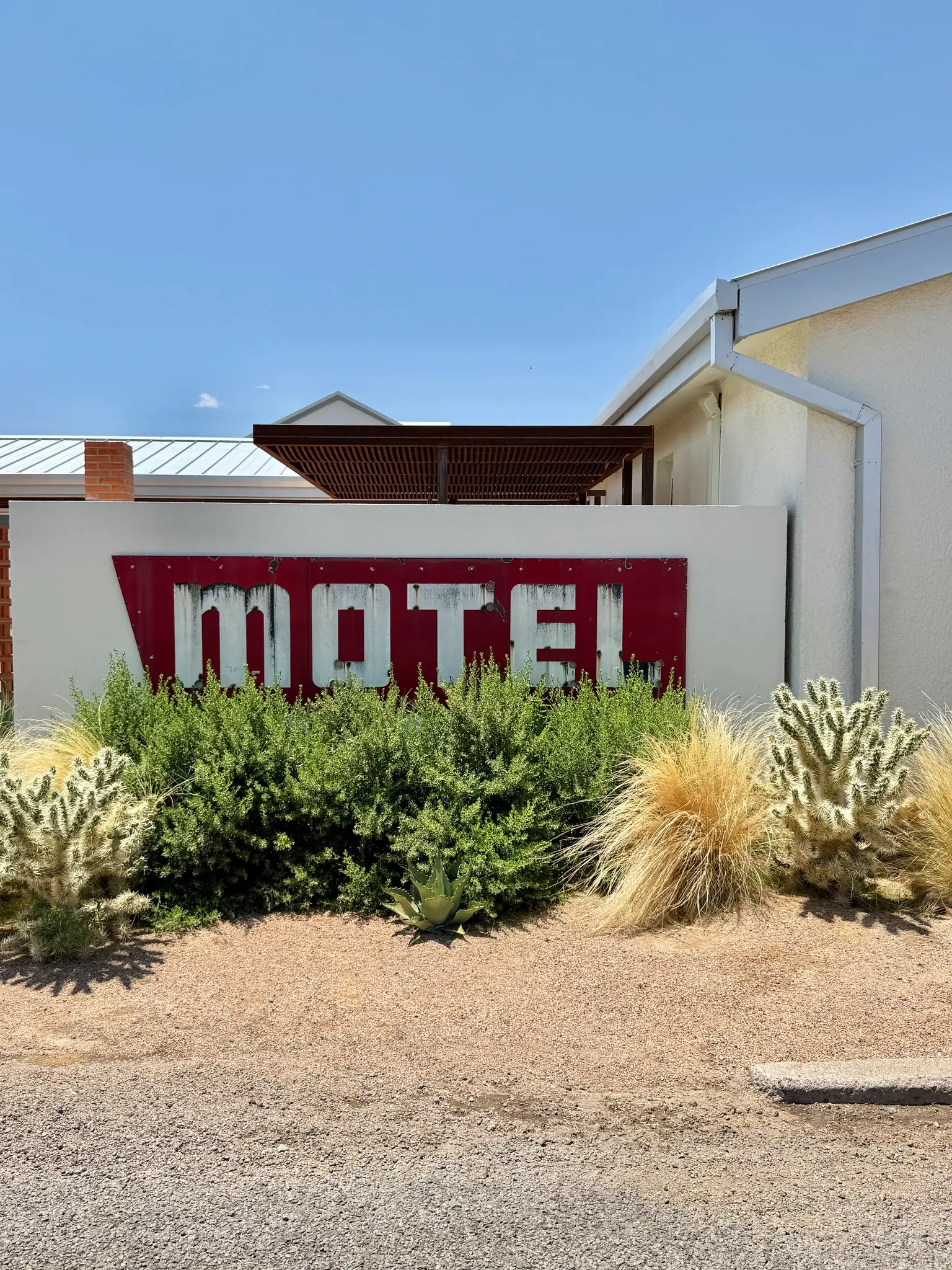
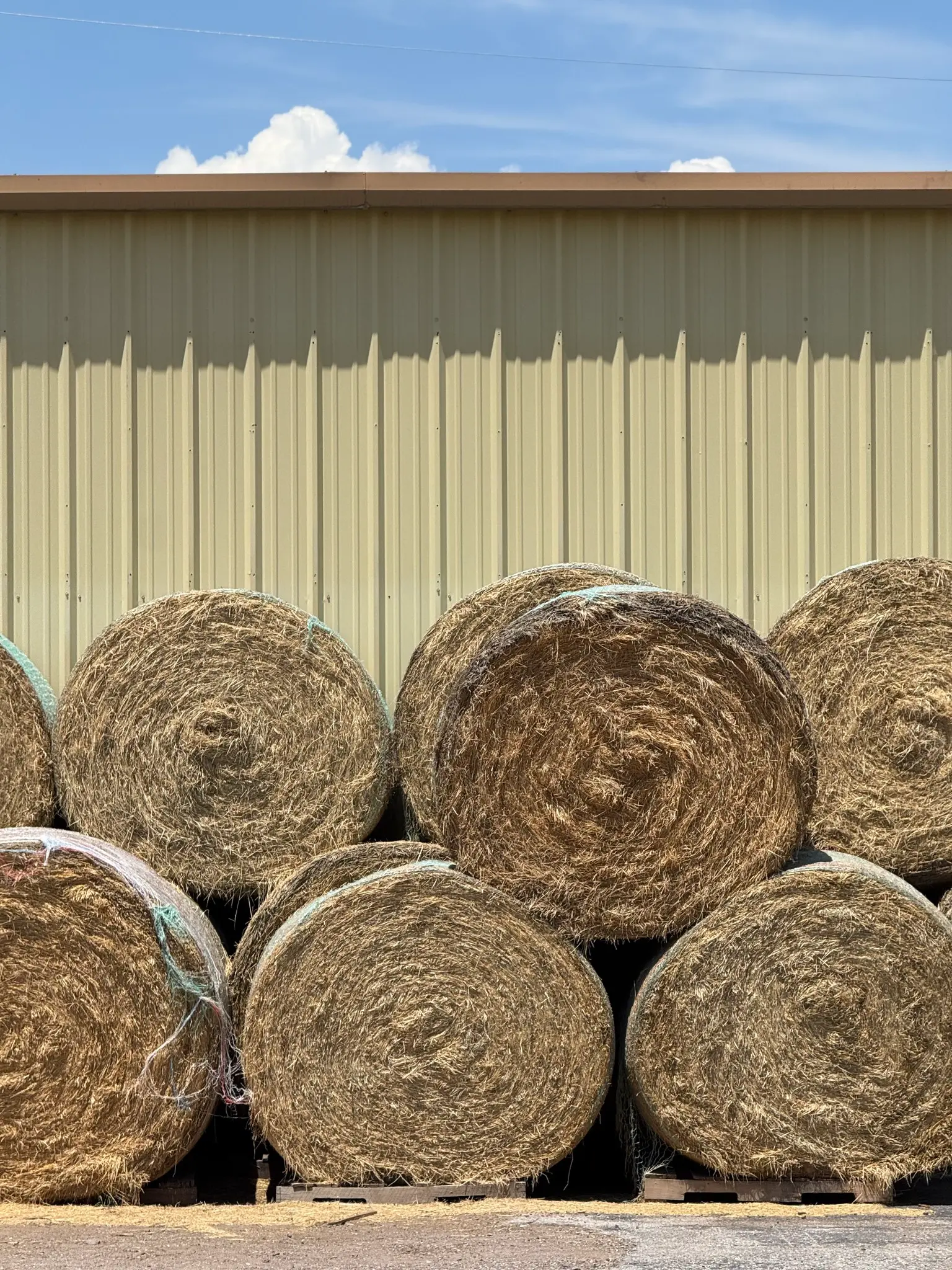
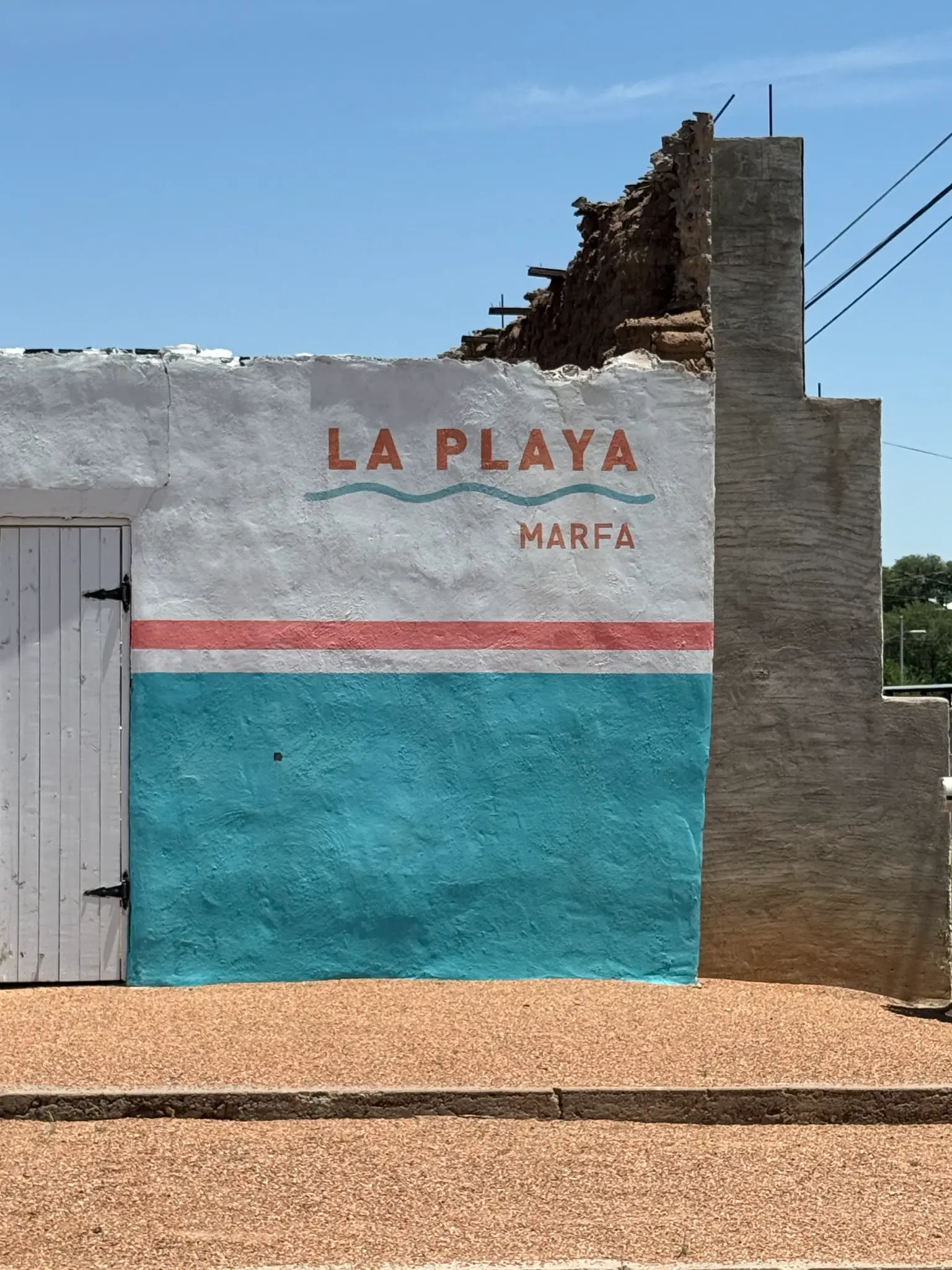
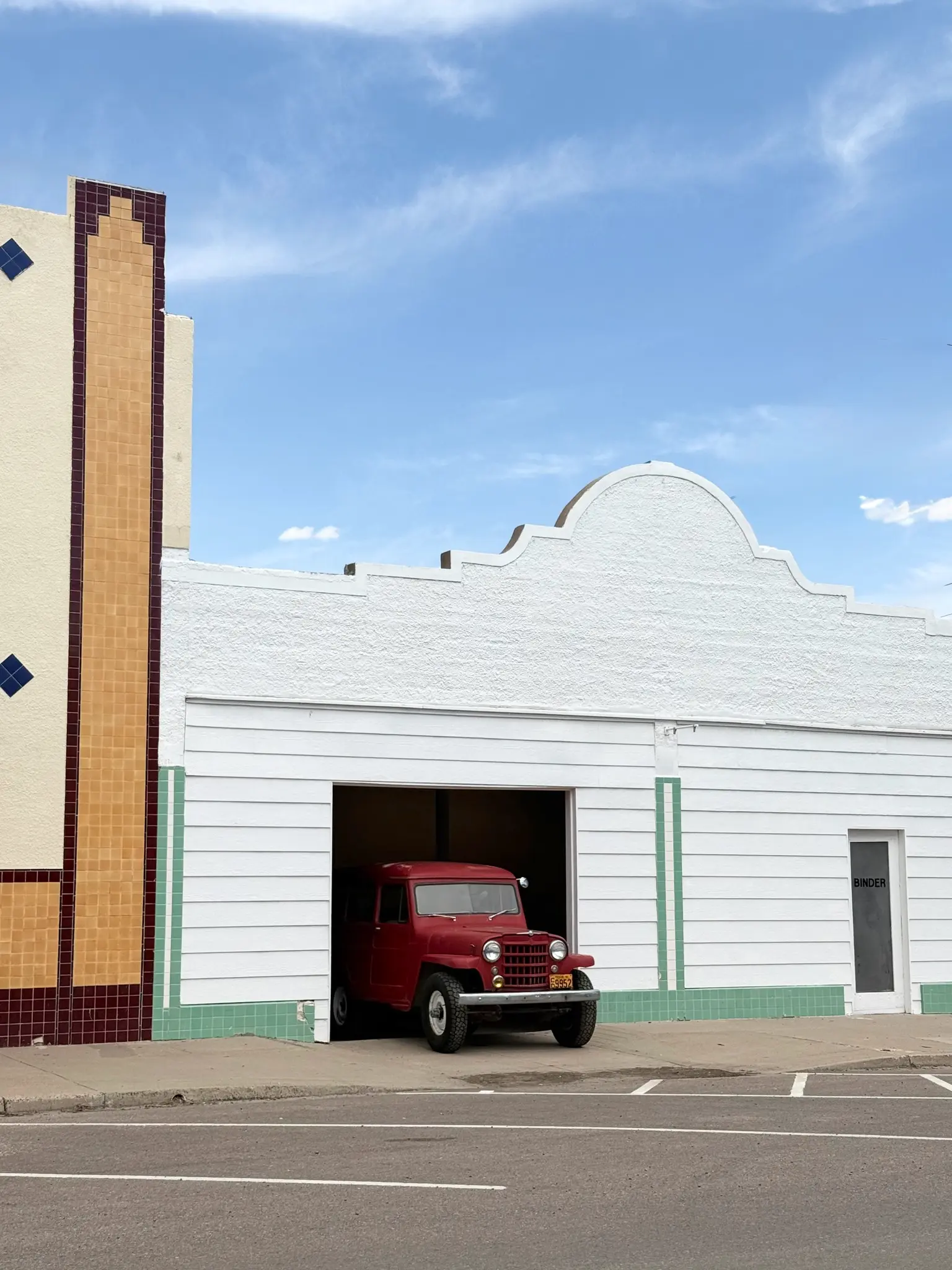
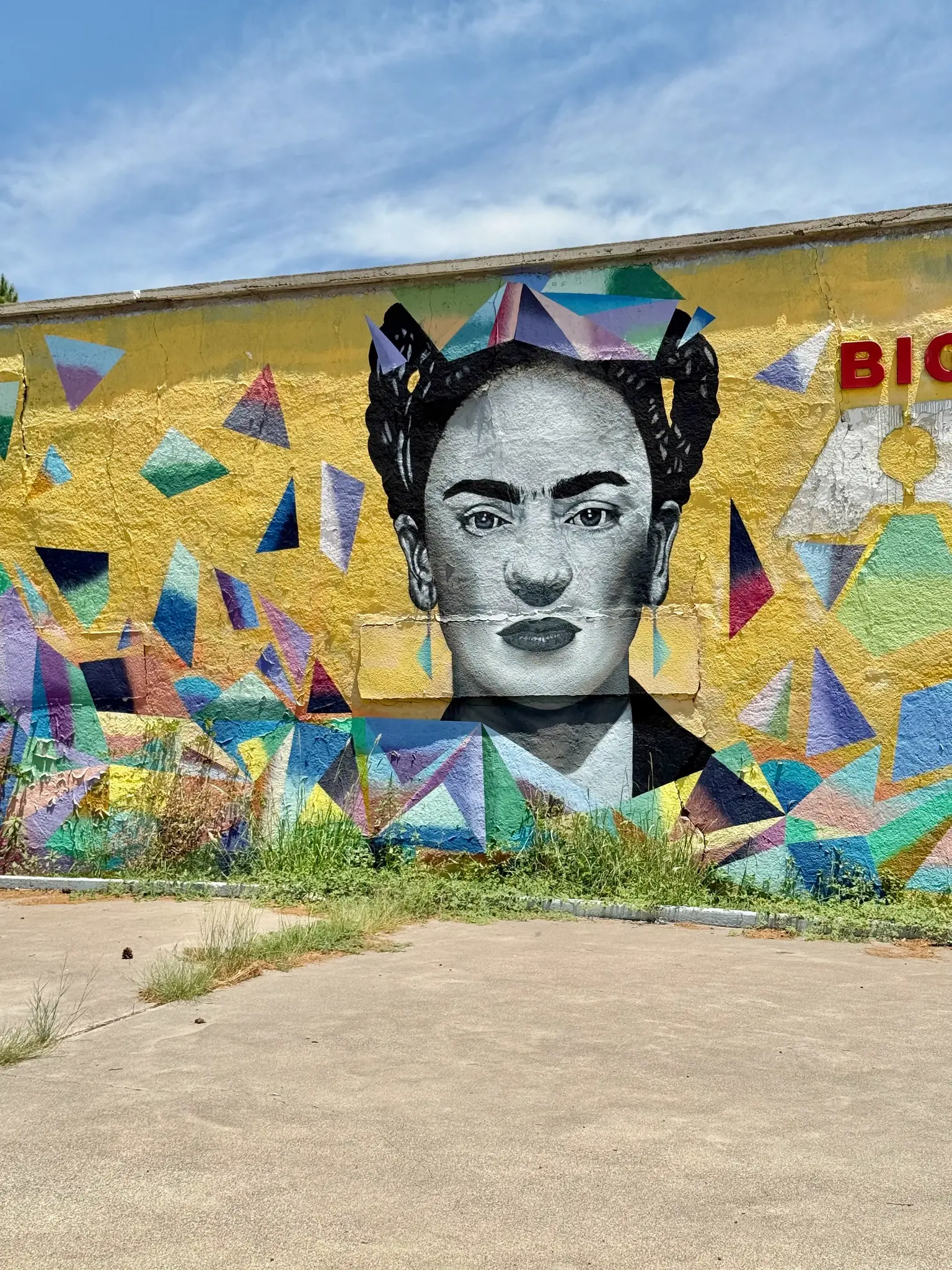
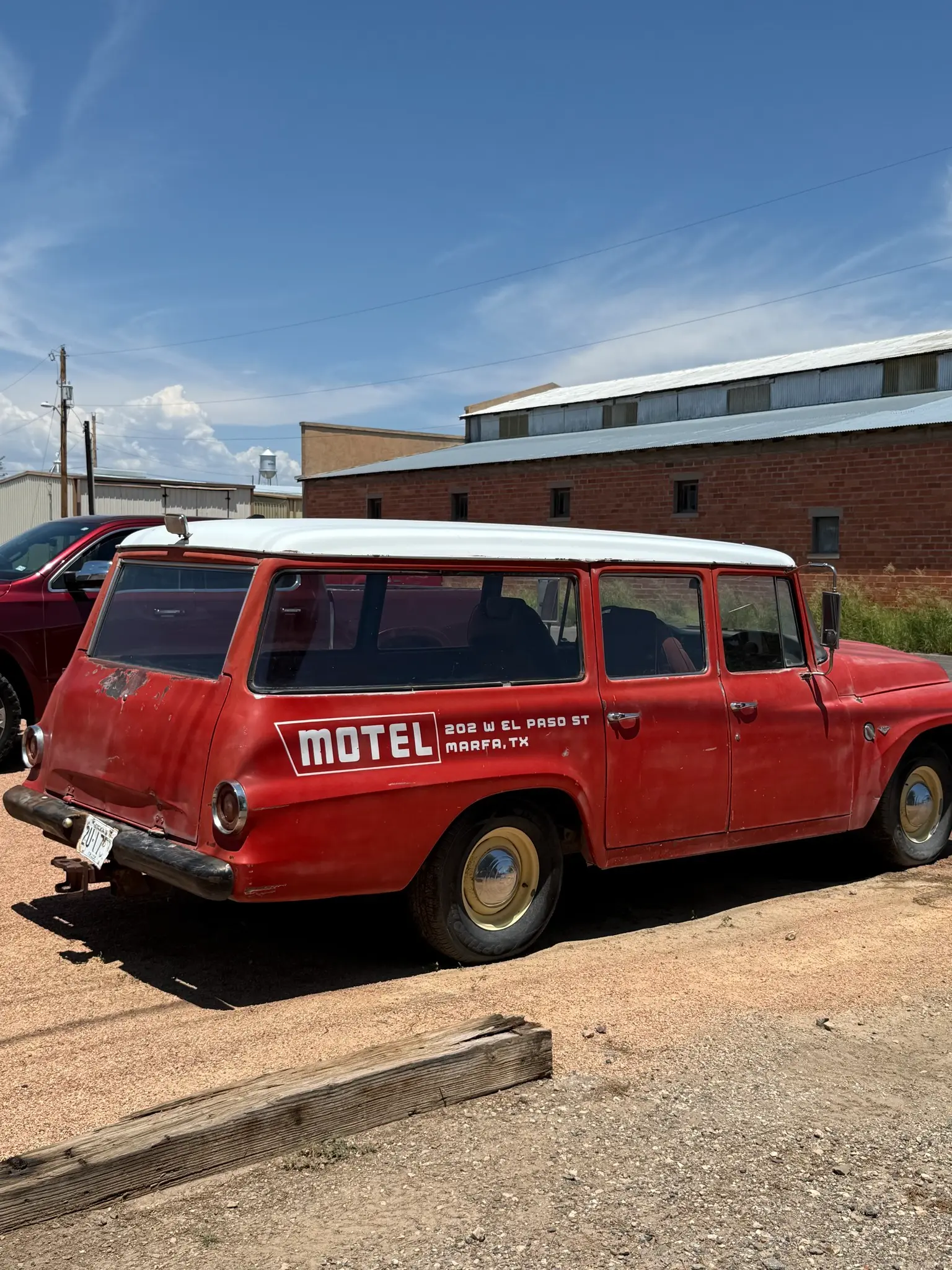
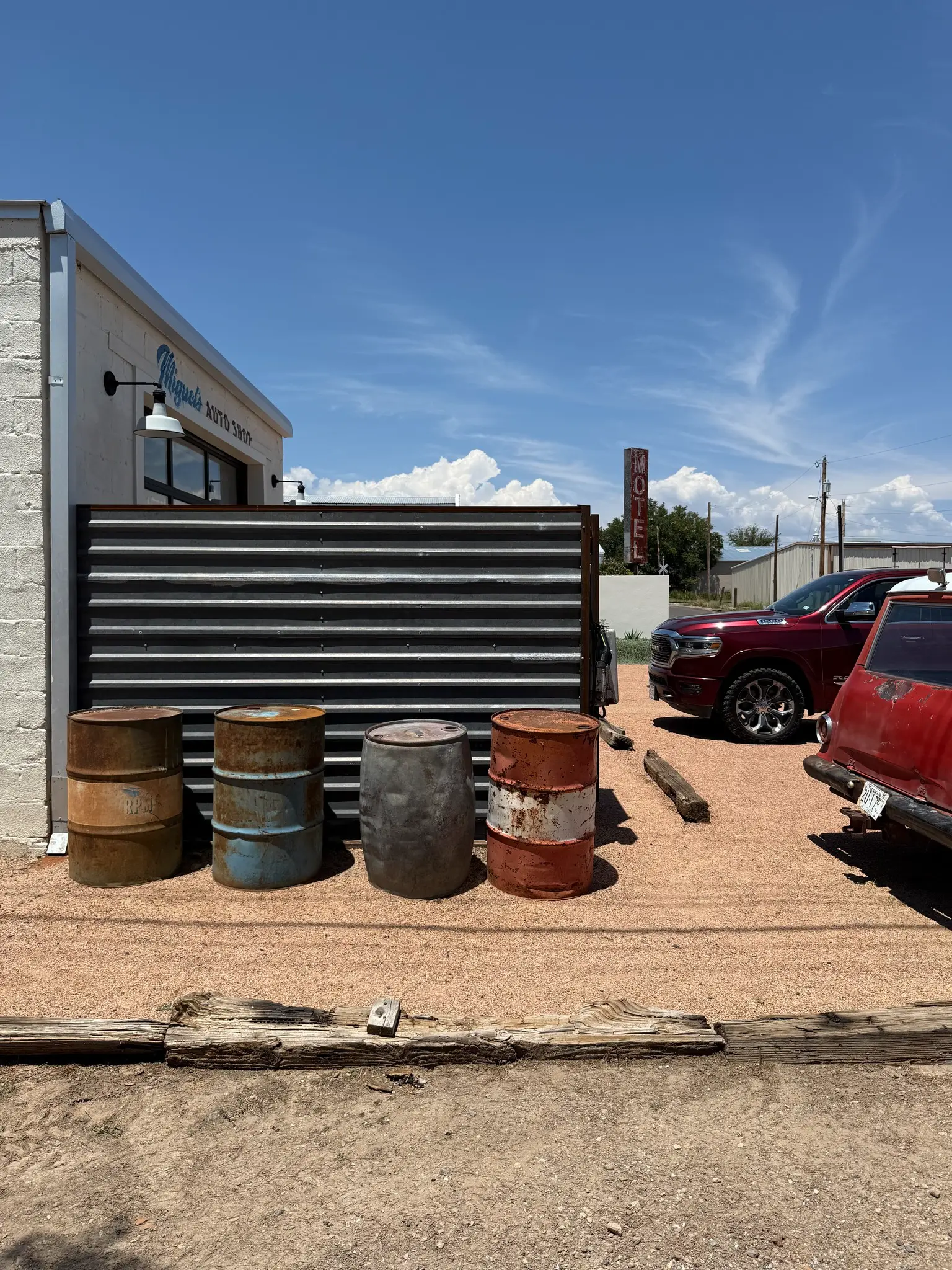
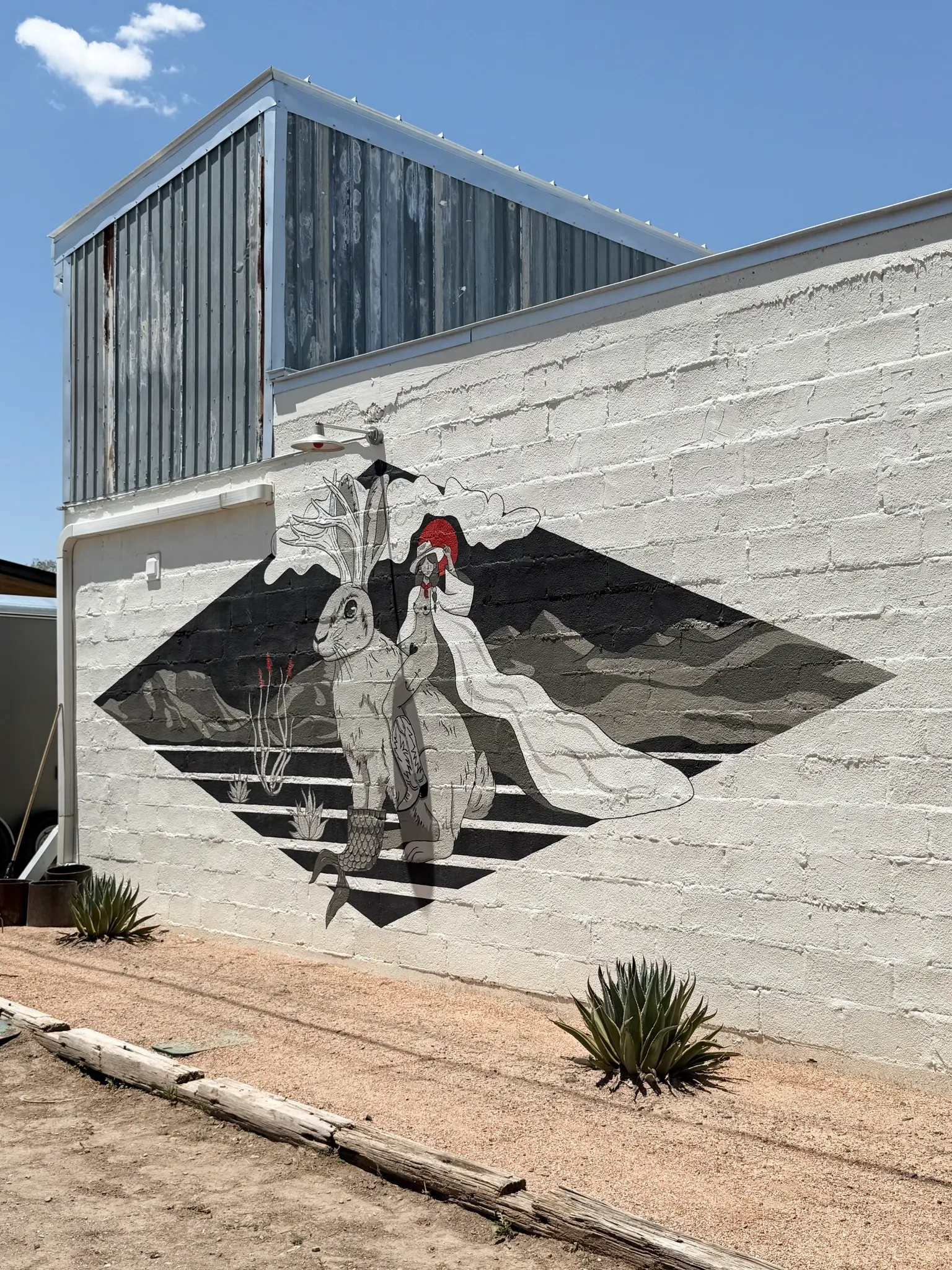
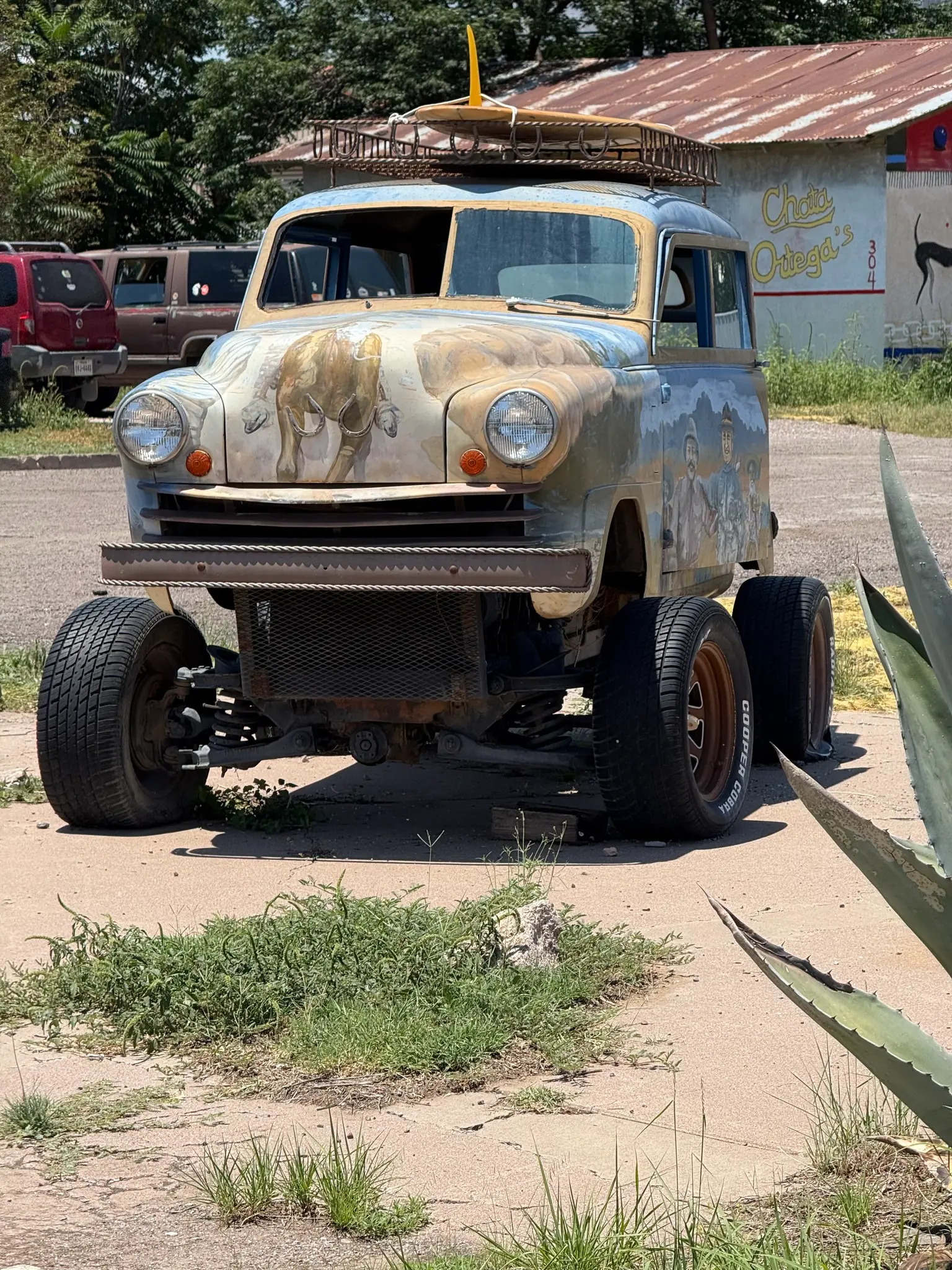
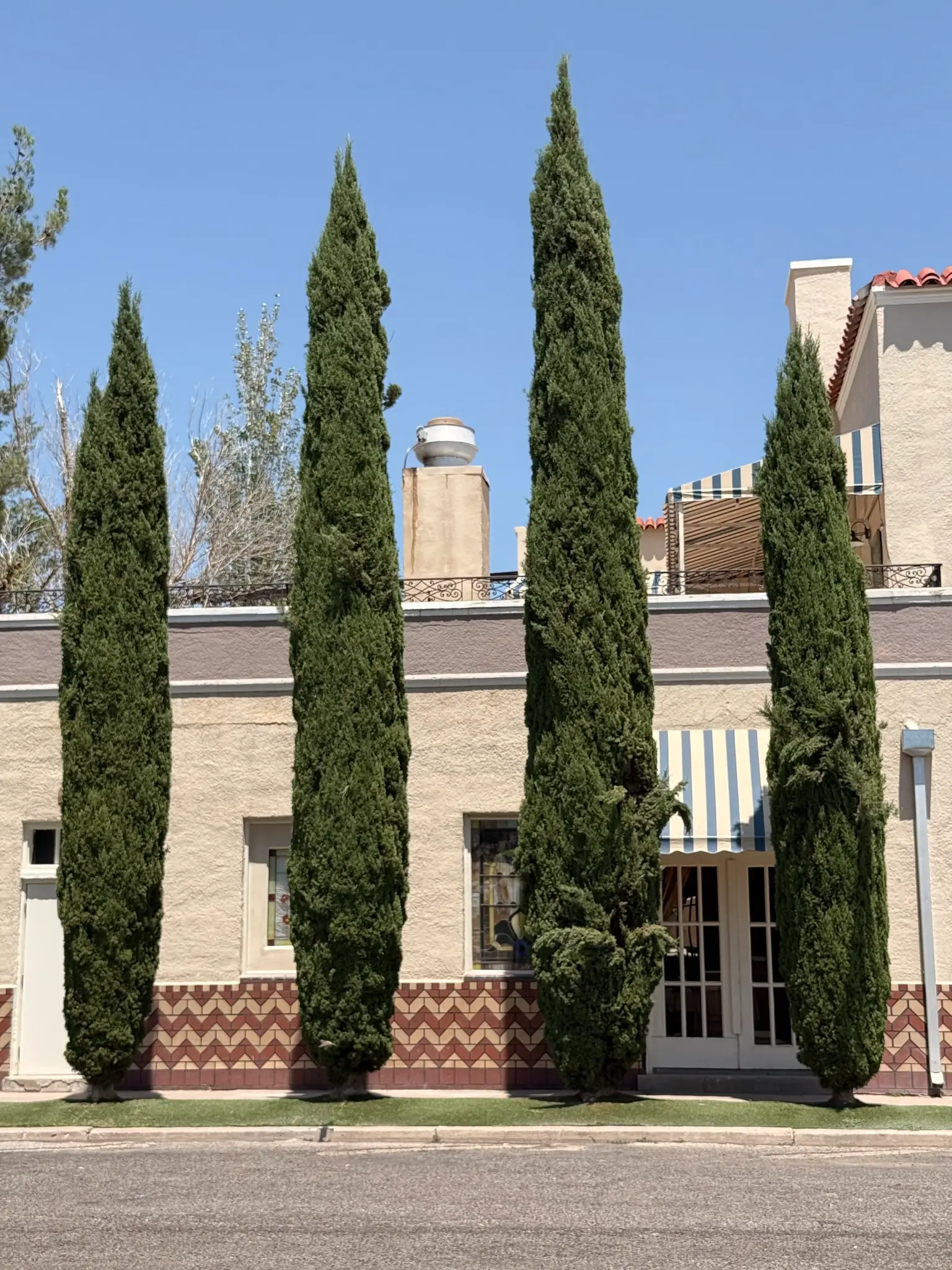
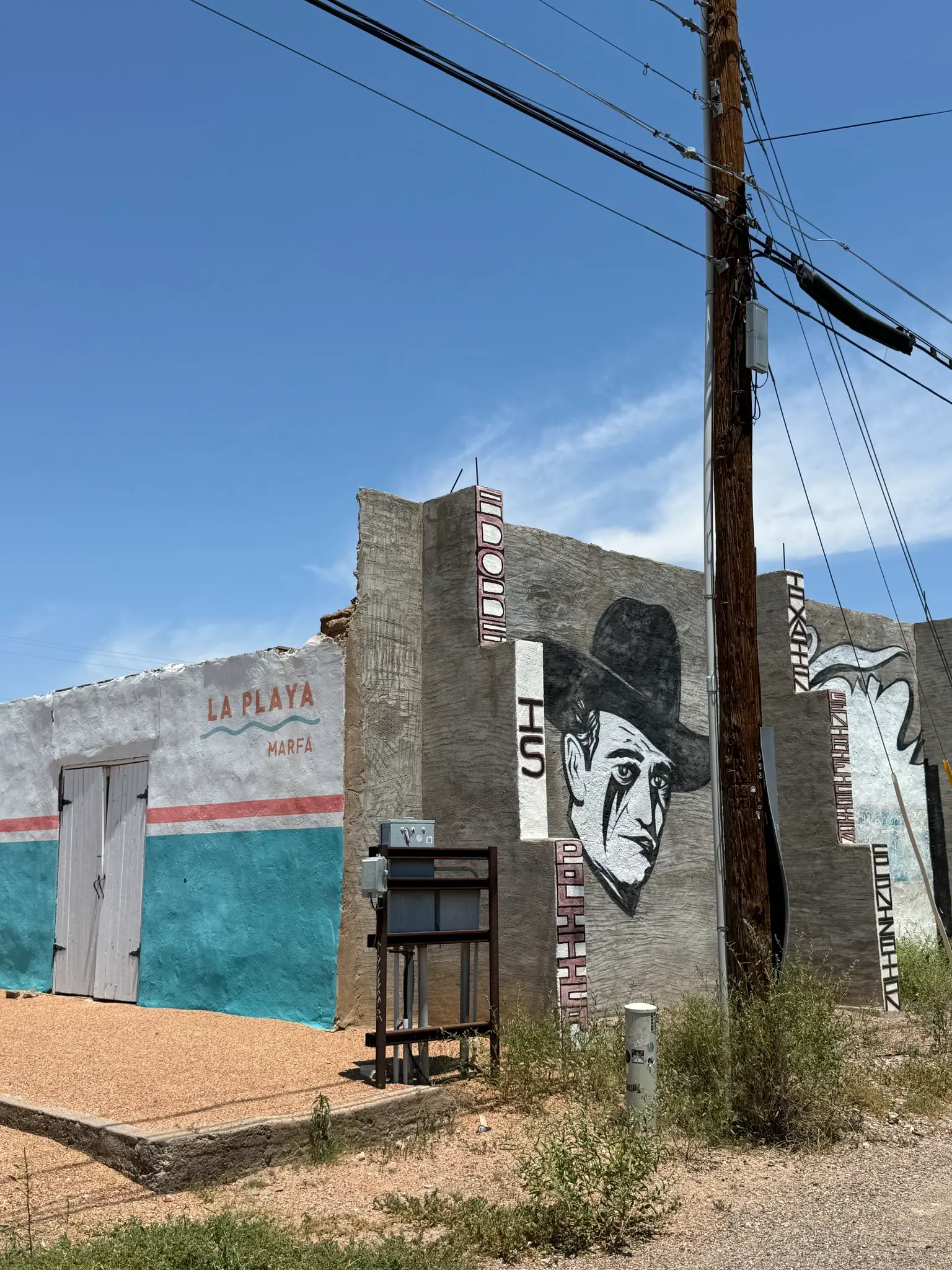
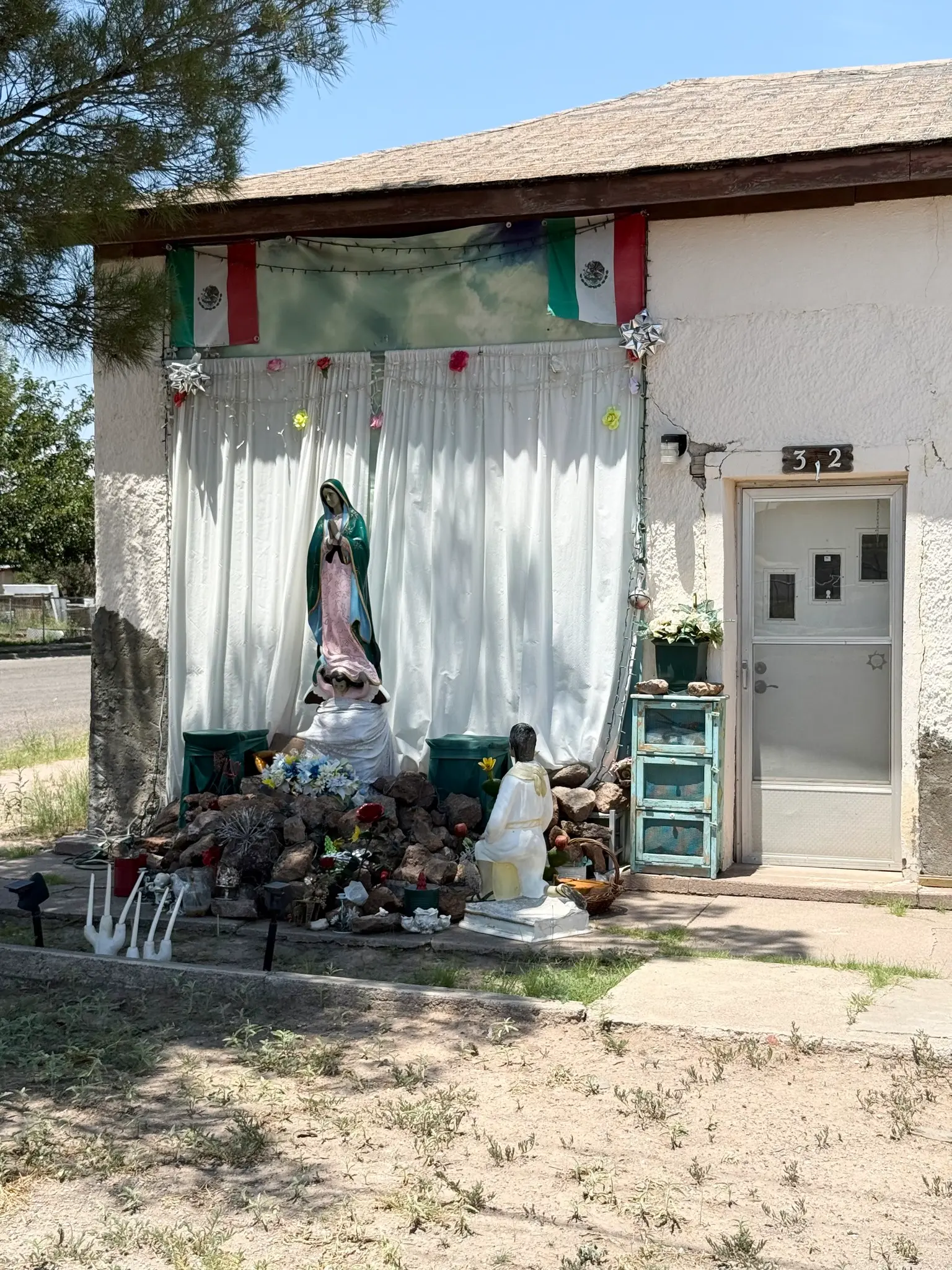
Photographing places like Marfa, Texas—one of the small towns represented in the gallery I am showing here—forces me to stretch creatively in ways that famous places rarely do.
When you arrive in a place like Marfa, you cannot rely on spectacle. The photographs are not waiting for you out in the open. They are hidden inside ordinary things. You have to slow down. You have to pay attention. You have to look harder.
The real work begins with seeing.
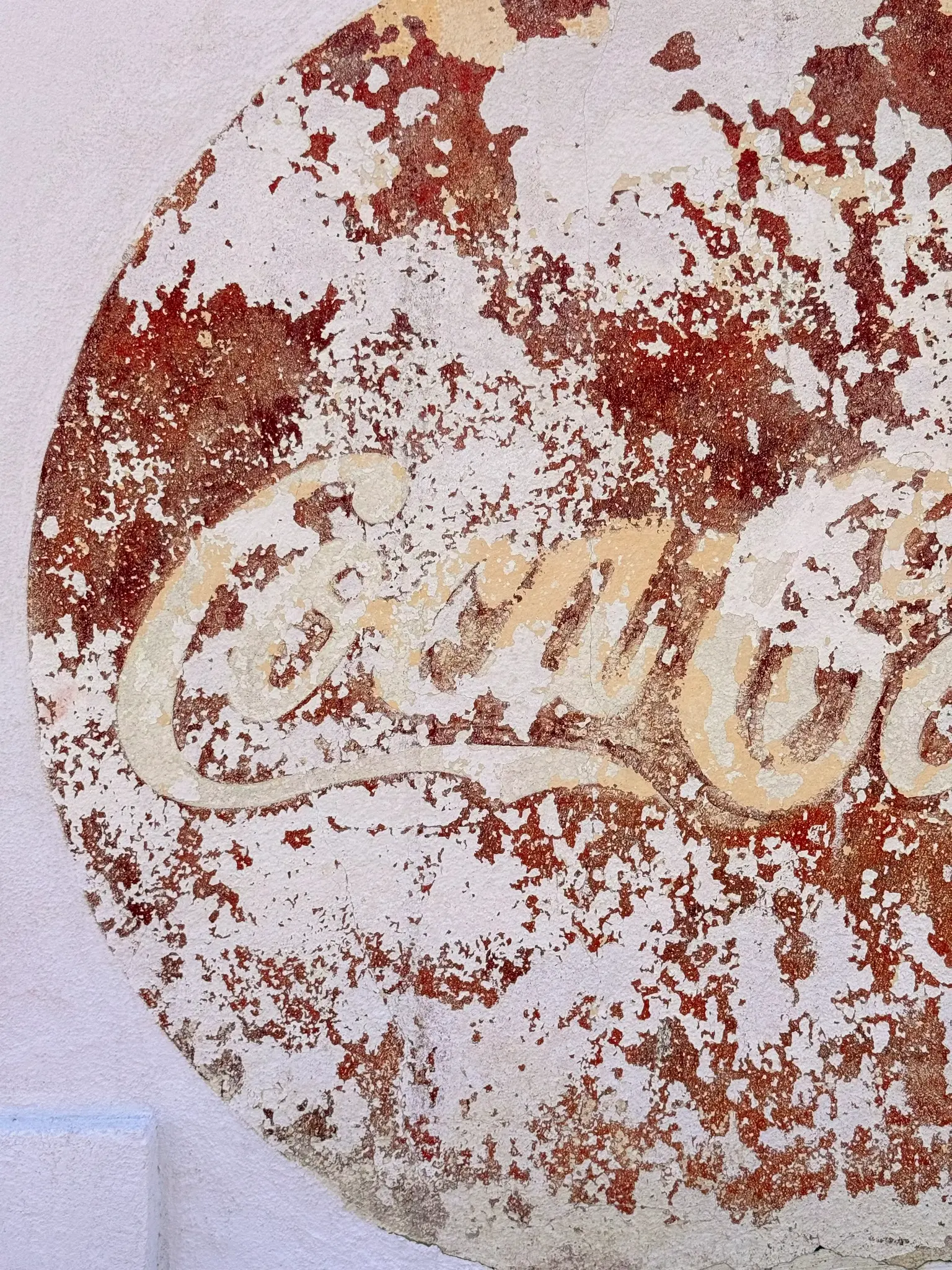
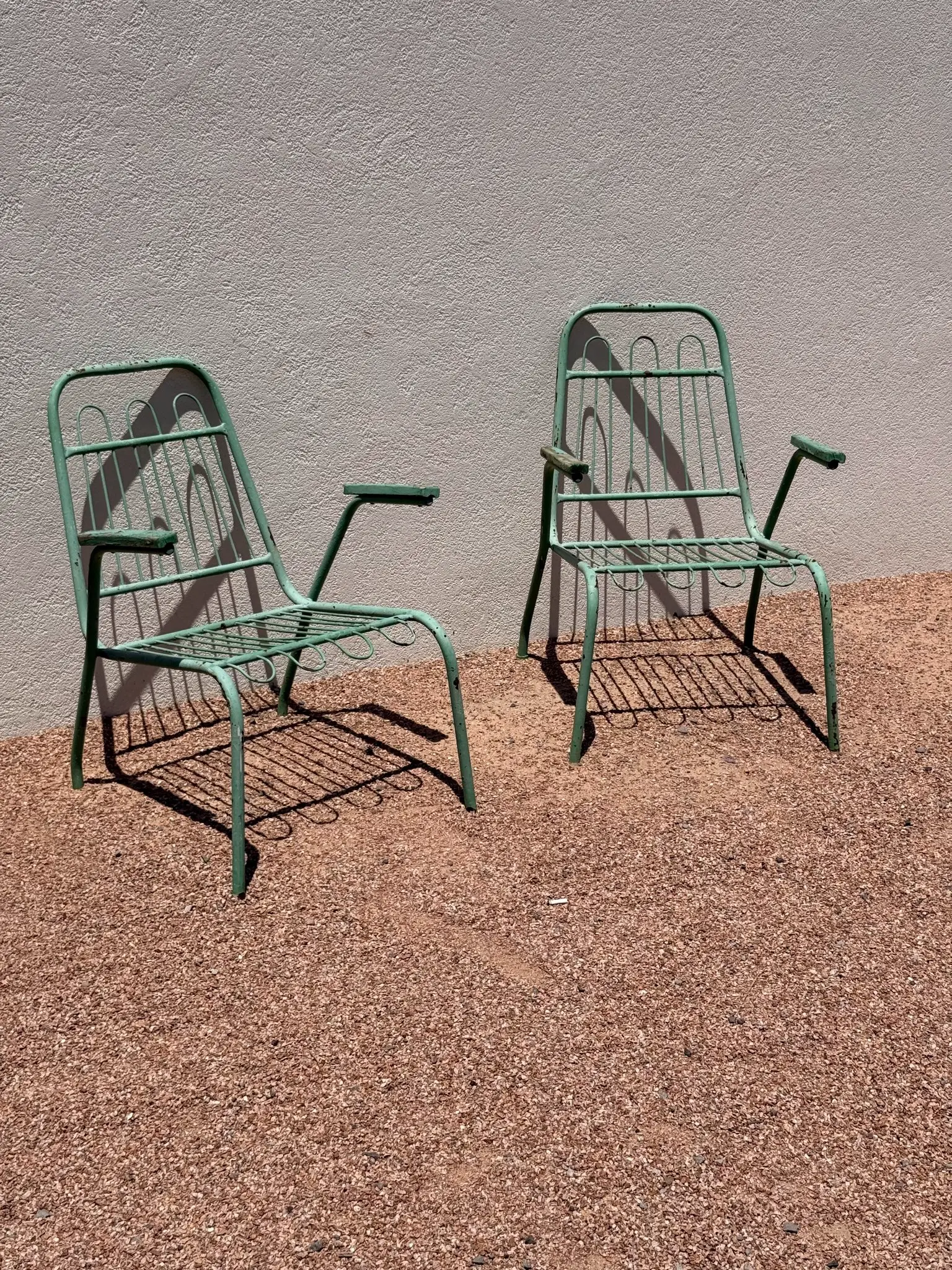
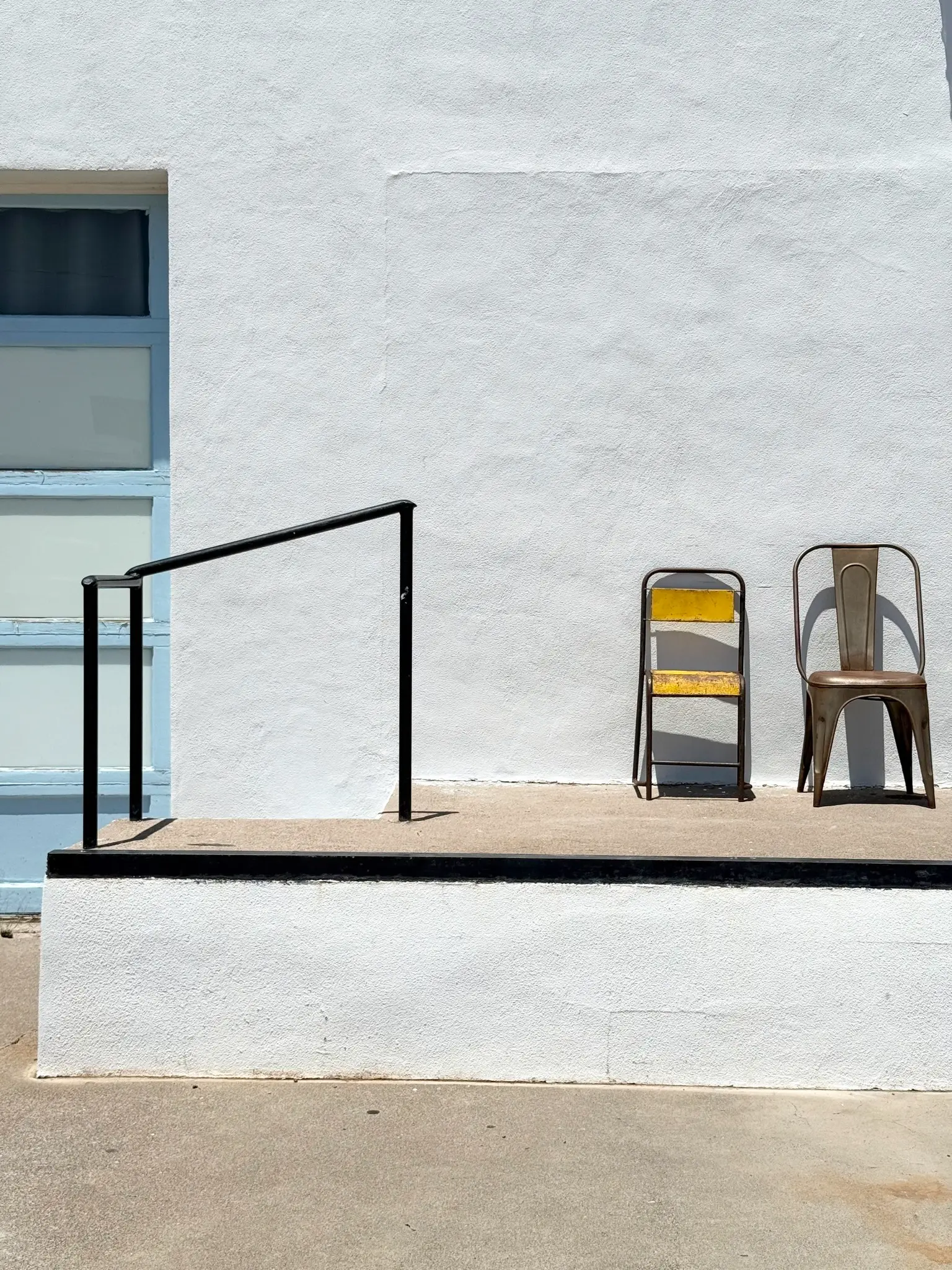
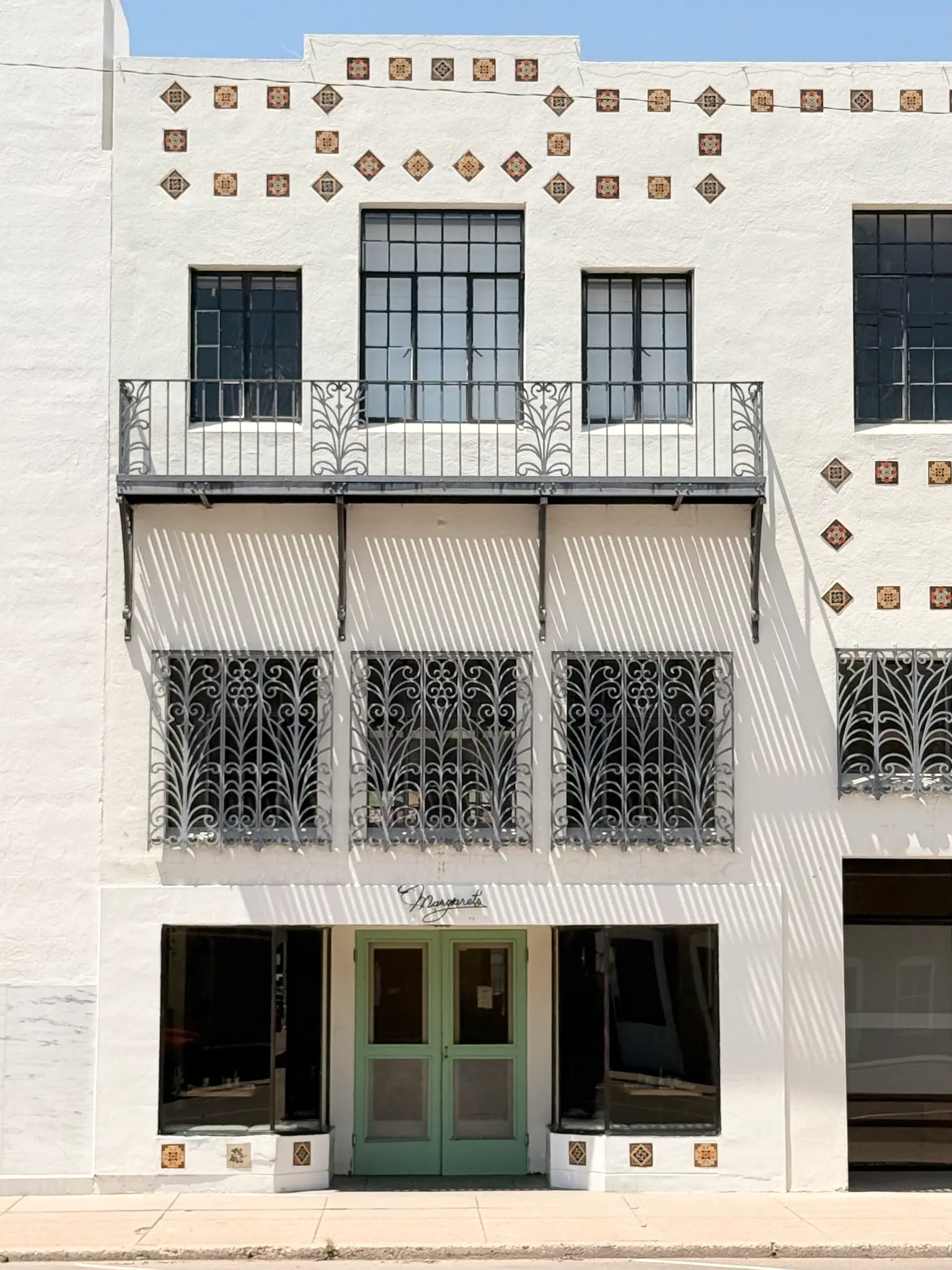
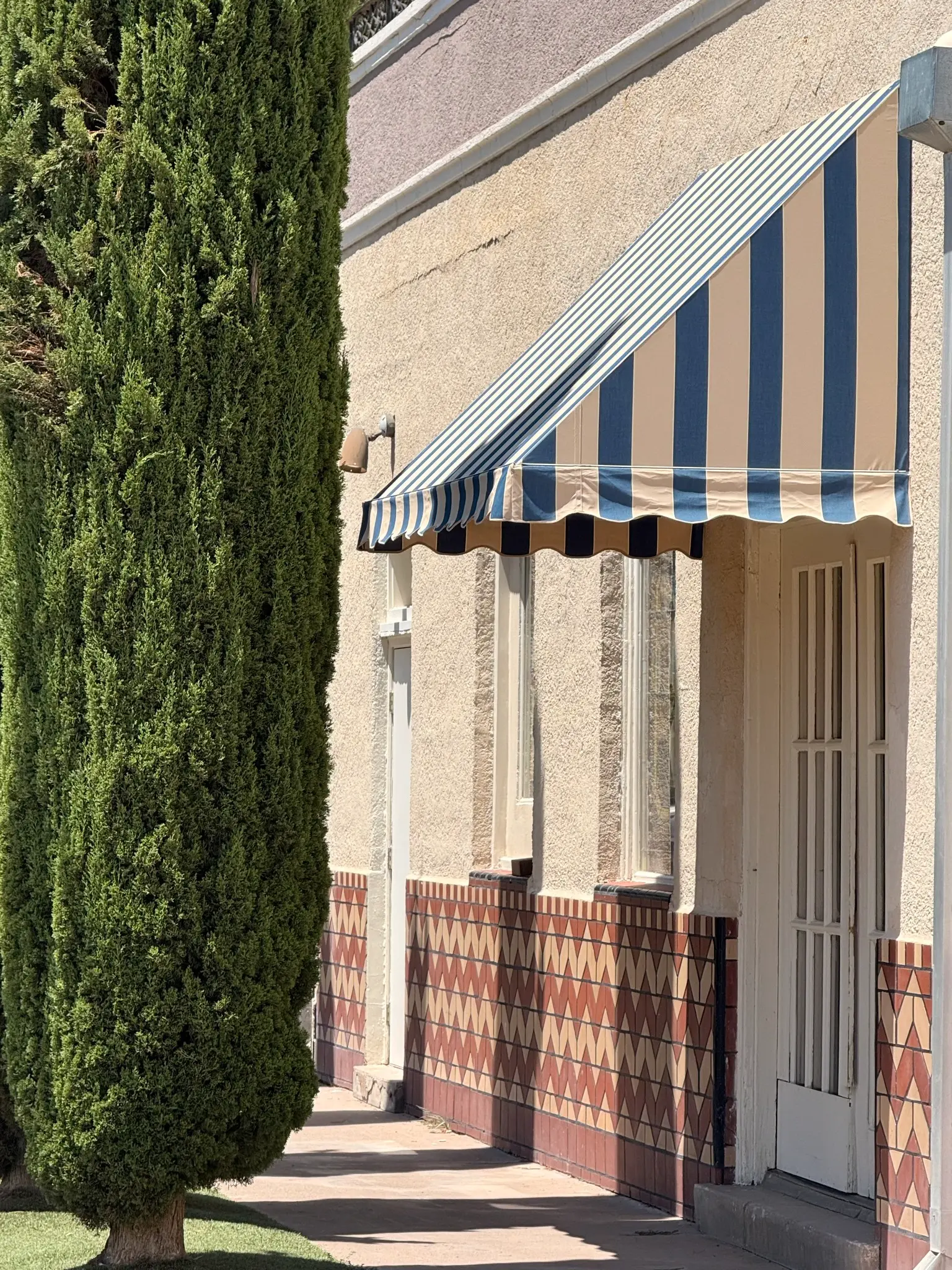
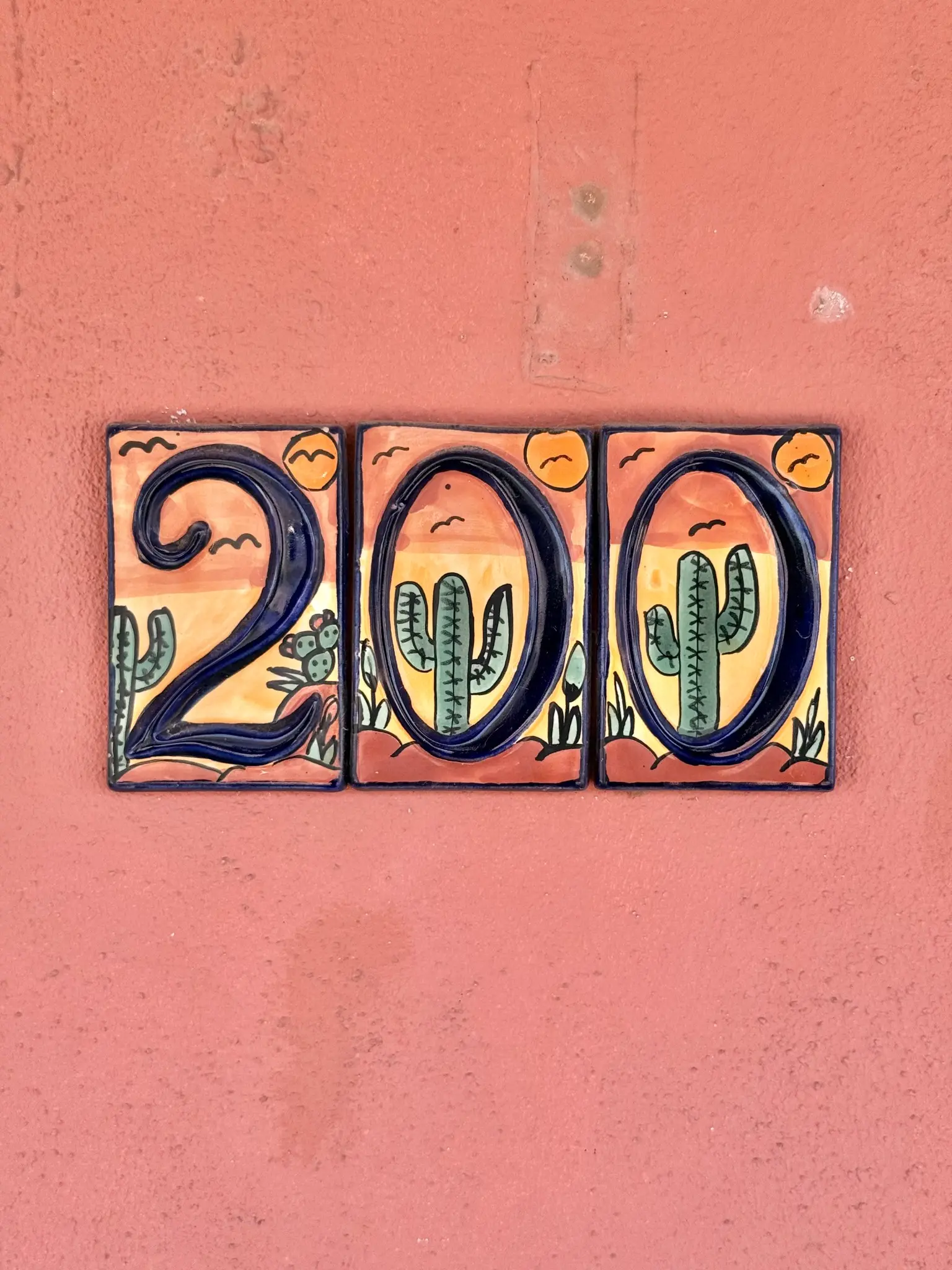
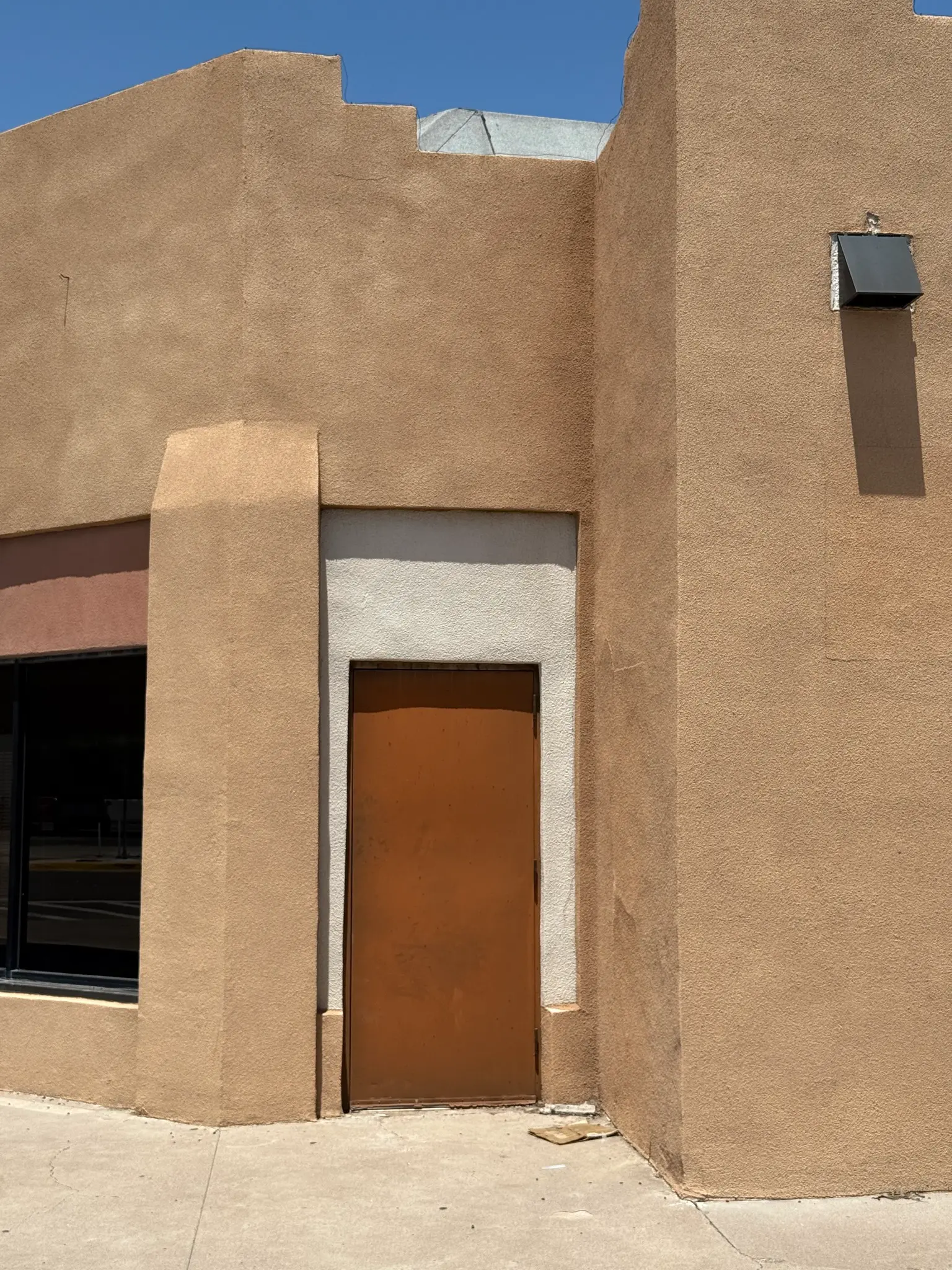
A sliver of afternoon light cutting across a stucco wall suddenly becomes a composition. A cracked sidewalk and a painted doorway begin to form a relationship. A long shadow stretching across an empty street introduces tension and balance where none existed a moment before.
None of this shouts at you.
In fact, most of it whispers.
Which means you must become the kind of photographer who listens.
Why Small Towns Matter
Small towns are wonderful places for photographers because they strip away the distractions that often accompany famous destinations.
There is no crowd gathered at the best vantage point. There is no line of tourists waiting to take the same photograph. There is no pressure to produce the expected image. The landscape is quieter, simpler, more open-ended.
That simplicity can be intimidating at first.
Without the obvious subject matter of monuments and landmarks, you are left with the raw ingredients of photography itself—light, color, line, shape, texture, and timing. These are the building blocks that matter everywhere, of course, but in small towns they become unavoidable. You cannot hide behind spectacle. You must rely on your ability to see.
Marfa, in particular, has this strange, understated visual character. It sits out there in West Texas like a quiet punctuation mark in the landscape. The town itself is small, sparse, almost minimalist in its design language. Low buildings. Wide streets. Strong desert light. Muted colors interrupted by occasional bursts of paint and signage.
The environment invites simplicity.
And simplicity, for a photographer, can be both terrifying and exhilarating.
The Discipline of Attention
Photographing a place like Marfa requires a certain discipline of attention.
You cannot rush it.
In big cities or iconic locations, photographers often move quickly from one scene to the next, chasing the obvious. There is always another monument, another skyline, another famous street waiting around the corner.
In Marfa, there is no next big thing.
There is only the thing in front of you.
A door. A wall. A parked car. A long stretch of empty pavement disappearing into the distance.
You learn very quickly that the photograph is not going to announce itself. You must discover it. And discovery takes patience. It requires standing still longer than feels comfortable. It requires looking again at something you almost walked past.
More often than not, the photograph reveals itself slowly.
And when it does, it feels earned.
Working Harder for the Shot
This is why I often say that photographing nowhere places requires more work.
Not technical work. The camera itself doesn’t change. The settings remain the same. But the creative labor increases dramatically. You must invest more attention, more curiosity, more patience.
You begin asking yourself different questions.
Where is the light falling? What shape is being created by that shadow? Why does that patch of color feel interesting against that wall? What happens if I move three feet to the left? Or crouch lower? Or wait for someone to walk through the frame?
The photograph emerges from these small acts of observation.
Little by little, the ordinary begins to reveal its structure.
The Gift of Quiet Places
There is another gift small towns offer photographers, one that is harder to measure but impossible to ignore.
Quiet.
Places like Marfa slow you down. The pace of life shifts. The noise level drops. Your attention settles into a different rhythm. You start noticing things you might otherwise overlook in busier environments.
The hum of wind moving down an empty street. The subtle variations in color on an old building. The way desert light changes minute by minute across a simple facade.
Photography thrives in that kind of quiet.
It gives the mind space to wander, to experiment, to notice small visual relationships that might otherwise pass unseen.
Nowhere as Somewhere
In the end, the irony is this.
The places we casually refer to as “nowhere” often become the most meaningful photographic locations of all.
Because in those places, the photographer cannot rely on spectacle or reputation. The work must come from within—from curiosity, from patience, from a willingness to look more closely at the ordinary world.
Small towns like Marfa remind me that photography is not really about famous places.
It is about attention.
Give a good photographer a spectacular monument, and they will make a good photograph.
Give a good photographer an empty street in the middle of nowhere, and they might make something even better.
Because when there is nothing obvious to photograph, everything becomes possible.
Click.
Jack.