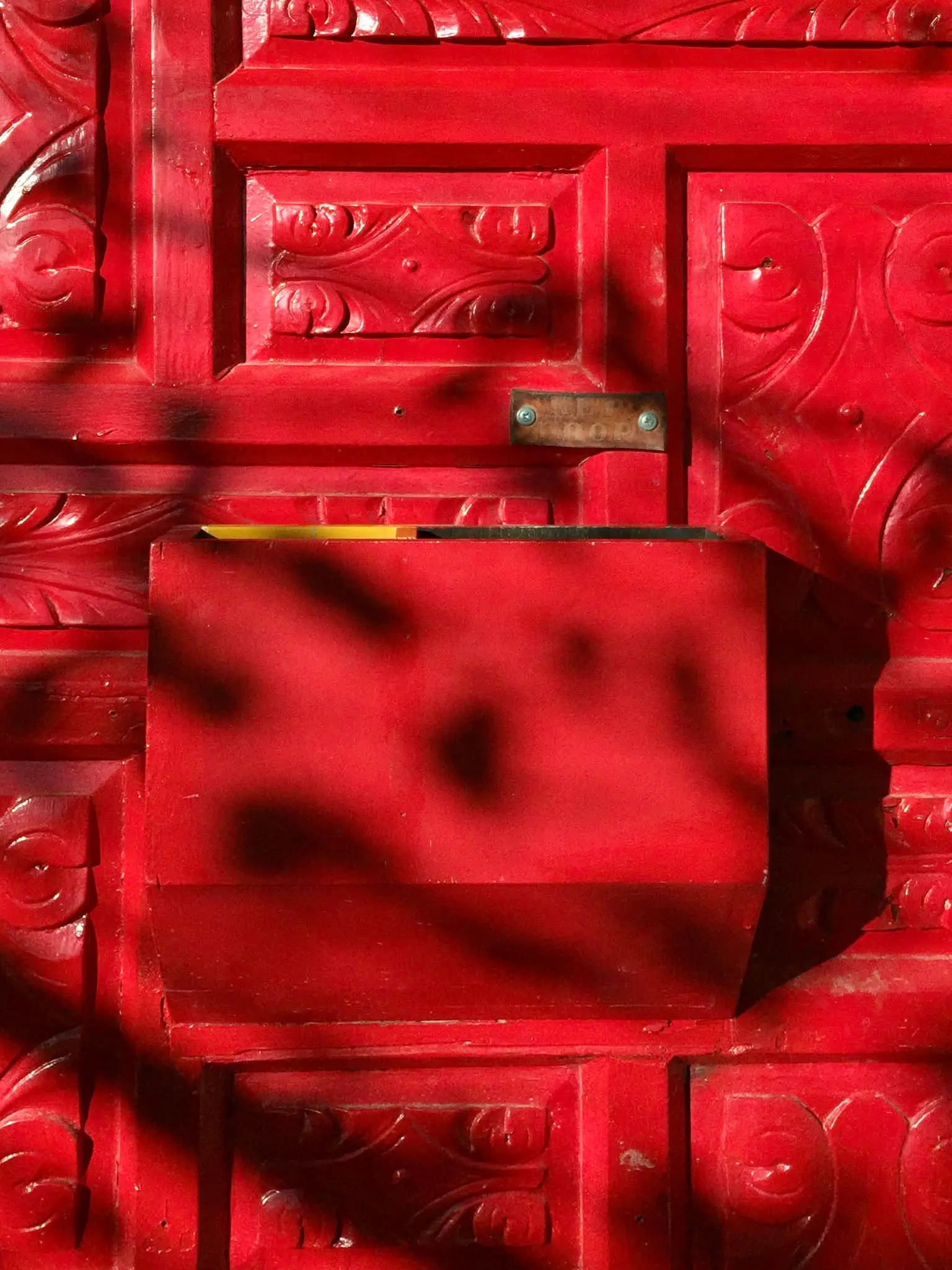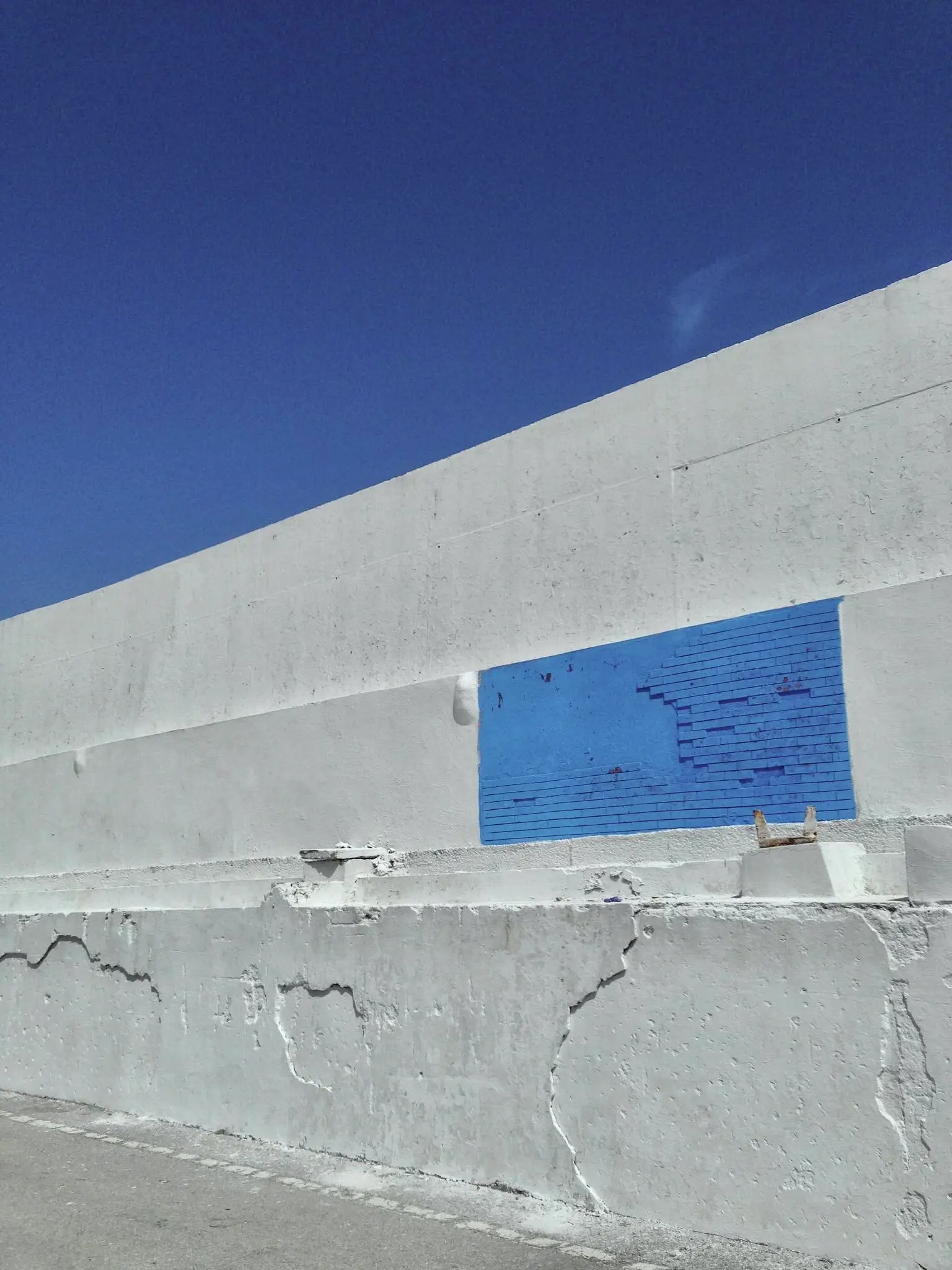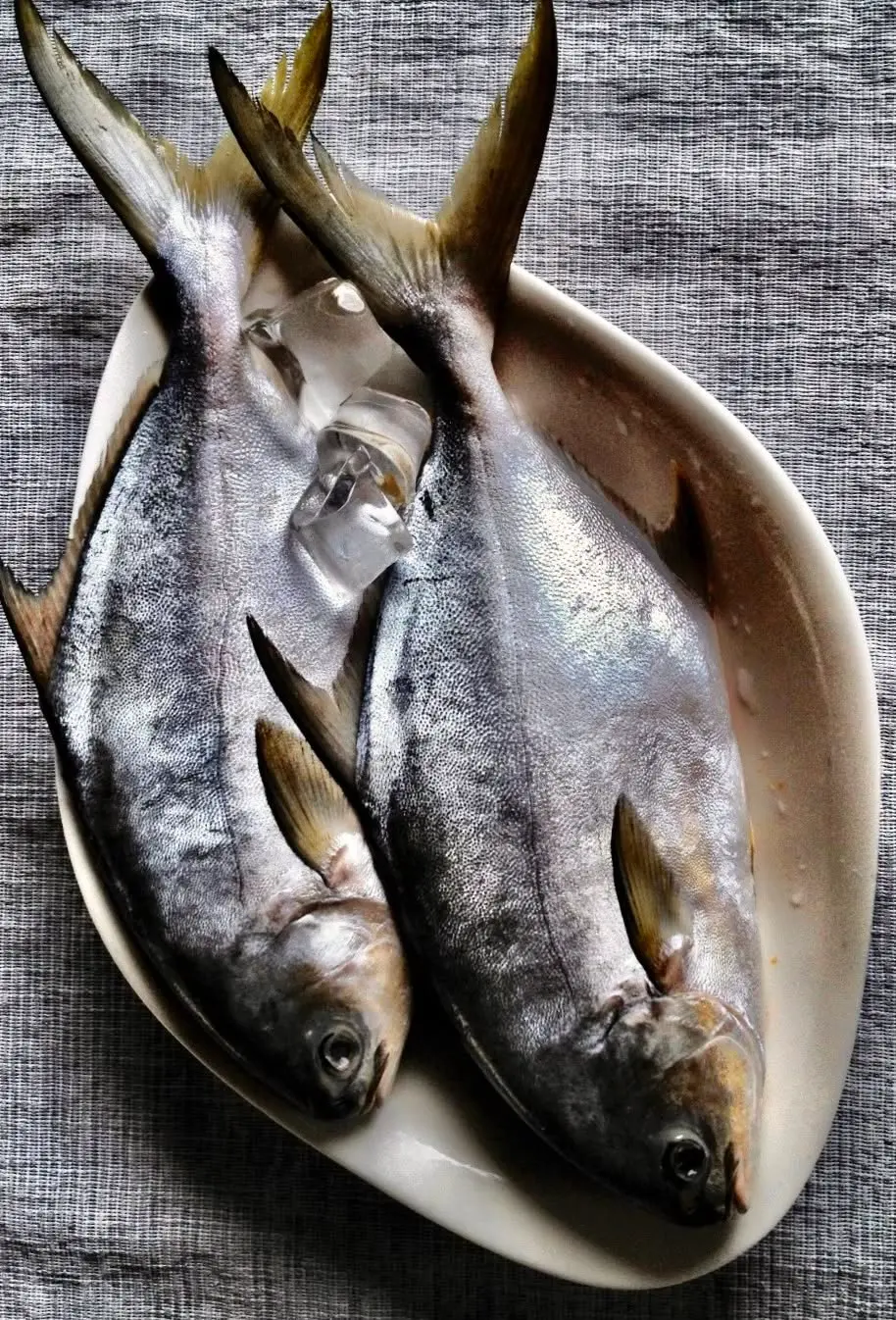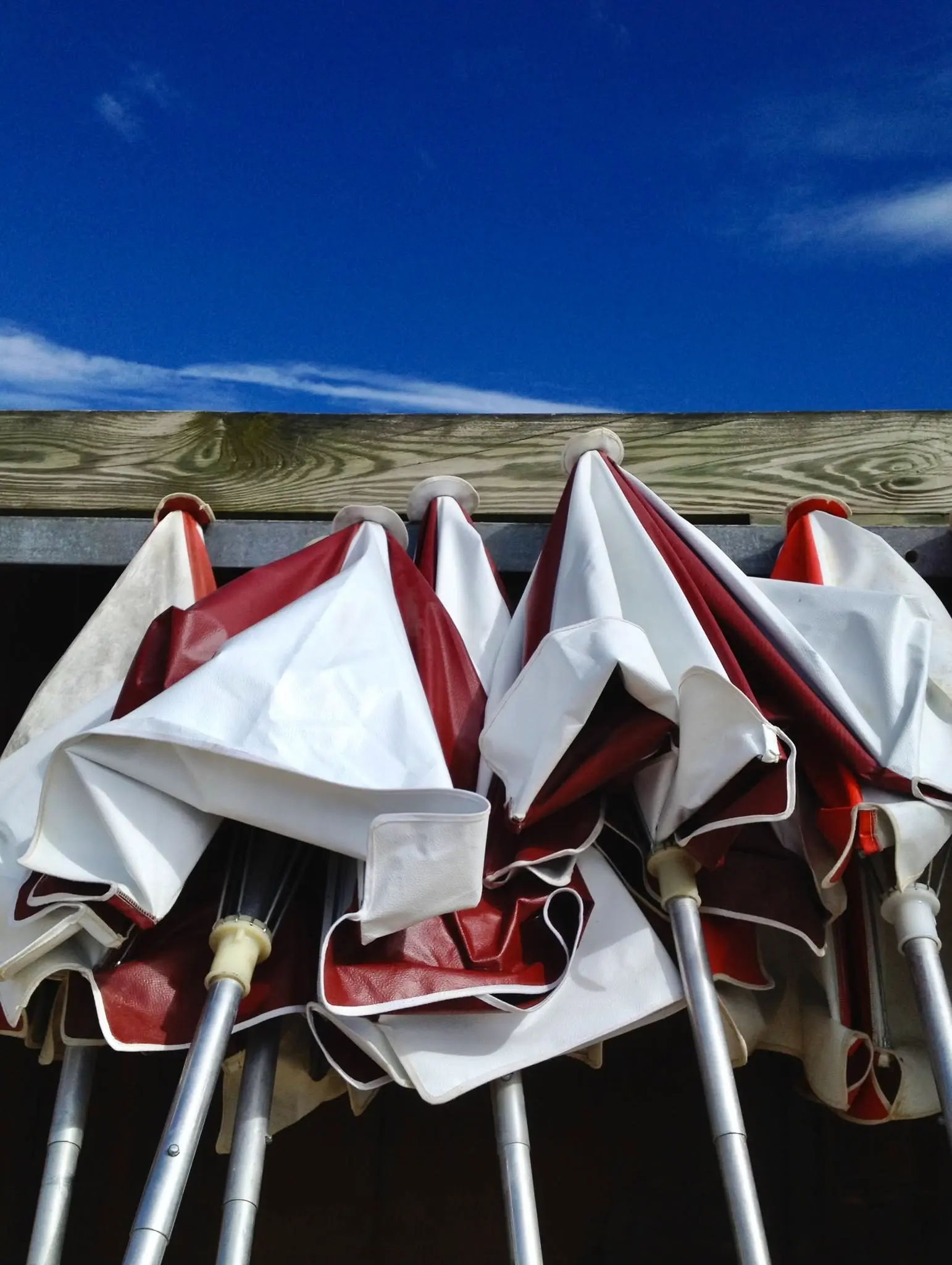
Be careful how much of yourself you shave away just to fit in.
A square peg has four distinct sides and four sharp corners. Nothing ambiguous about it. It knows its shape. The trouble begins when somebody hands it a round hole and says, “Here. This is where you belong.”
And, like it or not, life—and sometimes photography—can feel like one big, giant, fucking round hole.
Fit in. Be reasonable. Follow the formula. Say what people expect you to say. Make the photographs people already understand. Be yourself, of course, but preferably a version of yourself that doesn’t make anybody uncomfortable.
I have spent a fair amount of my life trying to negotiate that arrangement. Trying to remain recognizably me while becoming acceptable enough to get the invitation, land the assignment, keep the peace, or belong to the group.
Sometimes I did it consciously. Sometimes I didn’t notice until I looked down and found little pieces of myself on the floor.
That’s how it happens. Nobody necessarily asks you to surrender your entire identity. They just suggest you soften this opinion. Hide that doubt. Stop talking about something that matters to you. Photograph what sells. Smile when you’d rather ask a question. Eventually, all those seemingly harmless adjustments start adding up.
The peg fits. Everybody applauds. And you’re standing there wondering why belonging feels so much like disappearing.
Now, before this turns into a manifesto for being an insufferable asshole, let me clarify something. Having edges doesn’t give me permission to cut everybody who gets close. Listening matters. Kindness matters. Learning that I’m wrong matters. Some of my rough spots have needed sanding, and the people who loved me enough to say so did me a favor.
But there is a difference between becoming a better person and becoming a less recognizable one. I want to keep learning how to tell those two things apart.
Photography has given me plenty of practice. There is always a preferred look, a fashionable subject, a piece of equipment you’re supposed to own. There are photographs that reliably collect applause and photographs you love that seem to wander into the room unnoticed. It takes a certain stubbornness to keep making the latter.
After more than fifty years with a camera, I still feel that little tug toward approval. Of course I do. I put a photograph into the world and hope somebody sees what I saw. I’m independent, but I’m not made of fucking granite.
The danger comes when I start anticipating the applause before I even take the picture. When the imagined audience becomes a passenger on every walk, leaning over my shoulder, directing my attention. Pretty soon, I’m photographing for people who aren’t even there.
I’ve had to learn to leave them at home occasionally.
My move to the iPhone gave me another opportunity to examine all this. I had decades invested in being a professional photographer, along with some deeply ingrained ideas about what one was supposed to carry. Then this little device started changing how I worked and what I enjoyed. Following that curiosity meant getting comfortable with a few raised eyebrows, including my own.
I’m glad I followed it.
And I wonder how many people are sitting on something they love because they’re waiting for it to look more respectable. A way of making pictures. A change in direction. An opinion they’ve finally earned the courage to express. Something that feels deeply theirs but doesn’t fit neatly into the available opening.
Maybe that’s you. Maybe you’ve become so good at accommodating everyone that you can barely remember your original dimensions.
Start small. Make the photograph you keep dismissing. Admit that something you used to believe no longer makes sense. Tell someone what you actually want. You don’t have to announce a revolution. You can begin by noticing the moments when you say yes and feel yourself getting smaller.
There will be consequences. Some people prefer the version of you that requires less adjustment from them. I understand that. I’ve probably preferred convenient versions of other people myself. Giving one another room takes effort.
Still, I want friendships, work, and a creative life with enough room for the person I actually am. And I want to offer that room to others.
So resist the reflex to reach for the sandpaper every time you don’t fit.
Take a breath. Look at the opening. Consider whether you even want to go through it.
Those corners may still have work to do.
Click.
Jack.