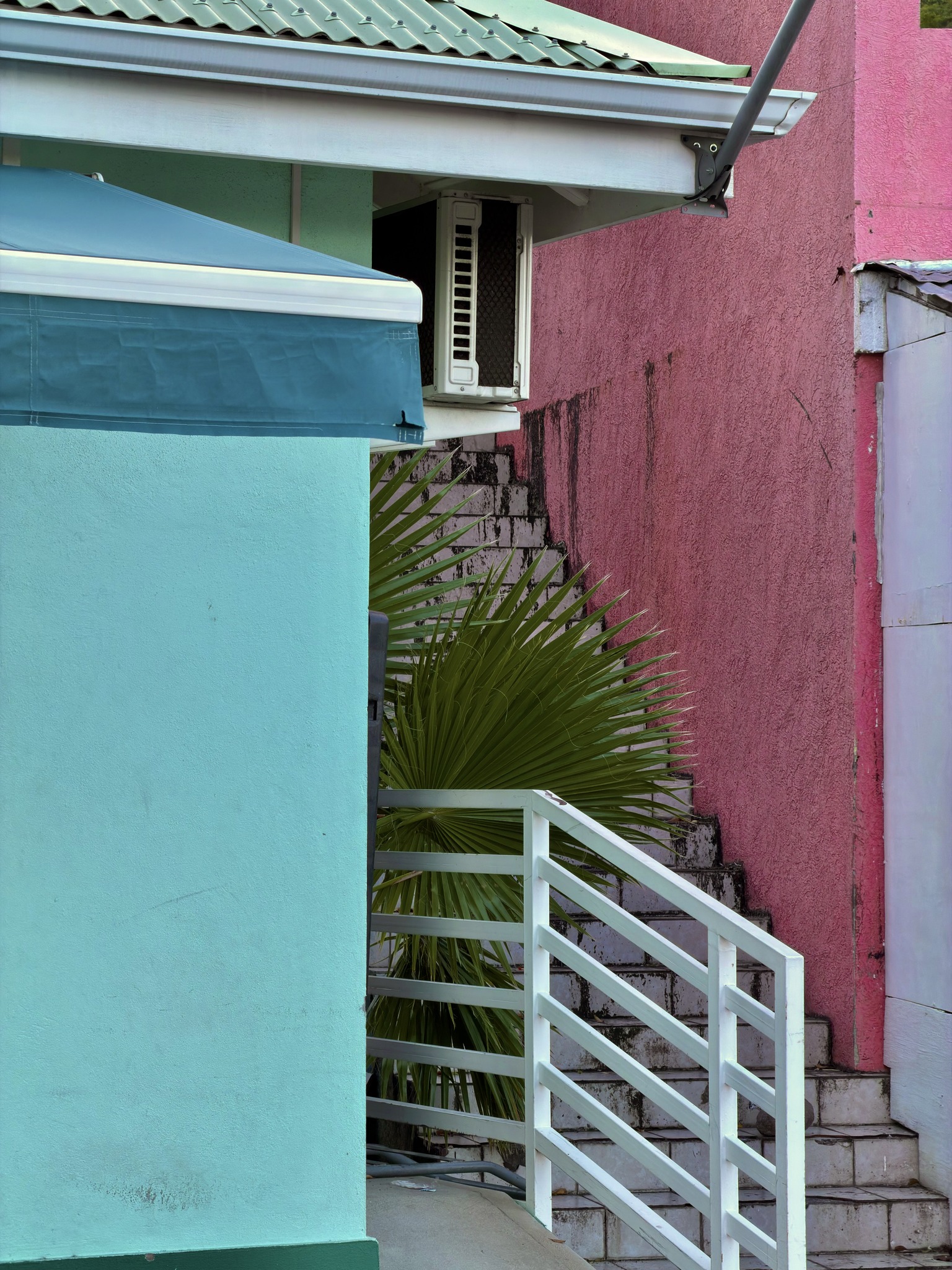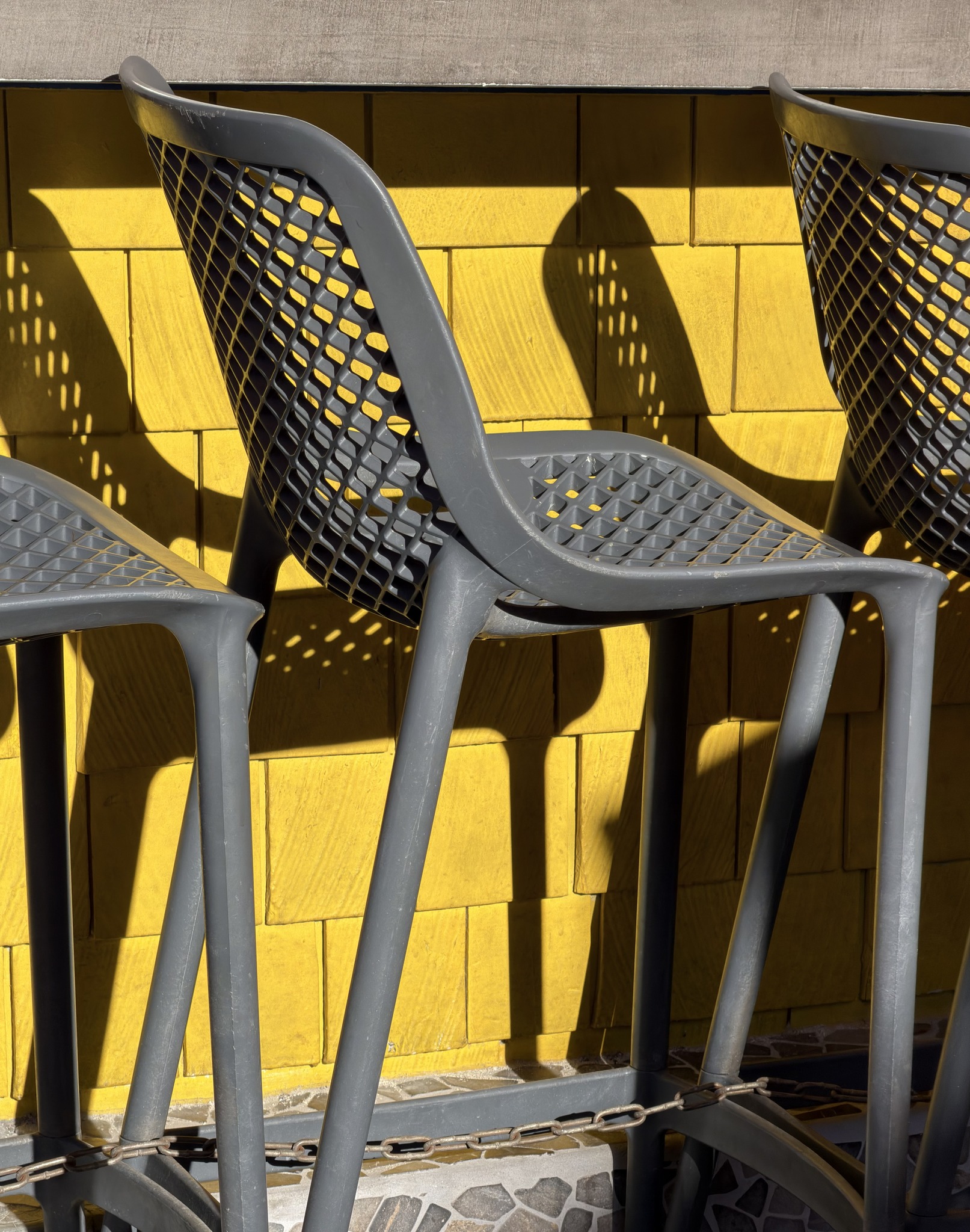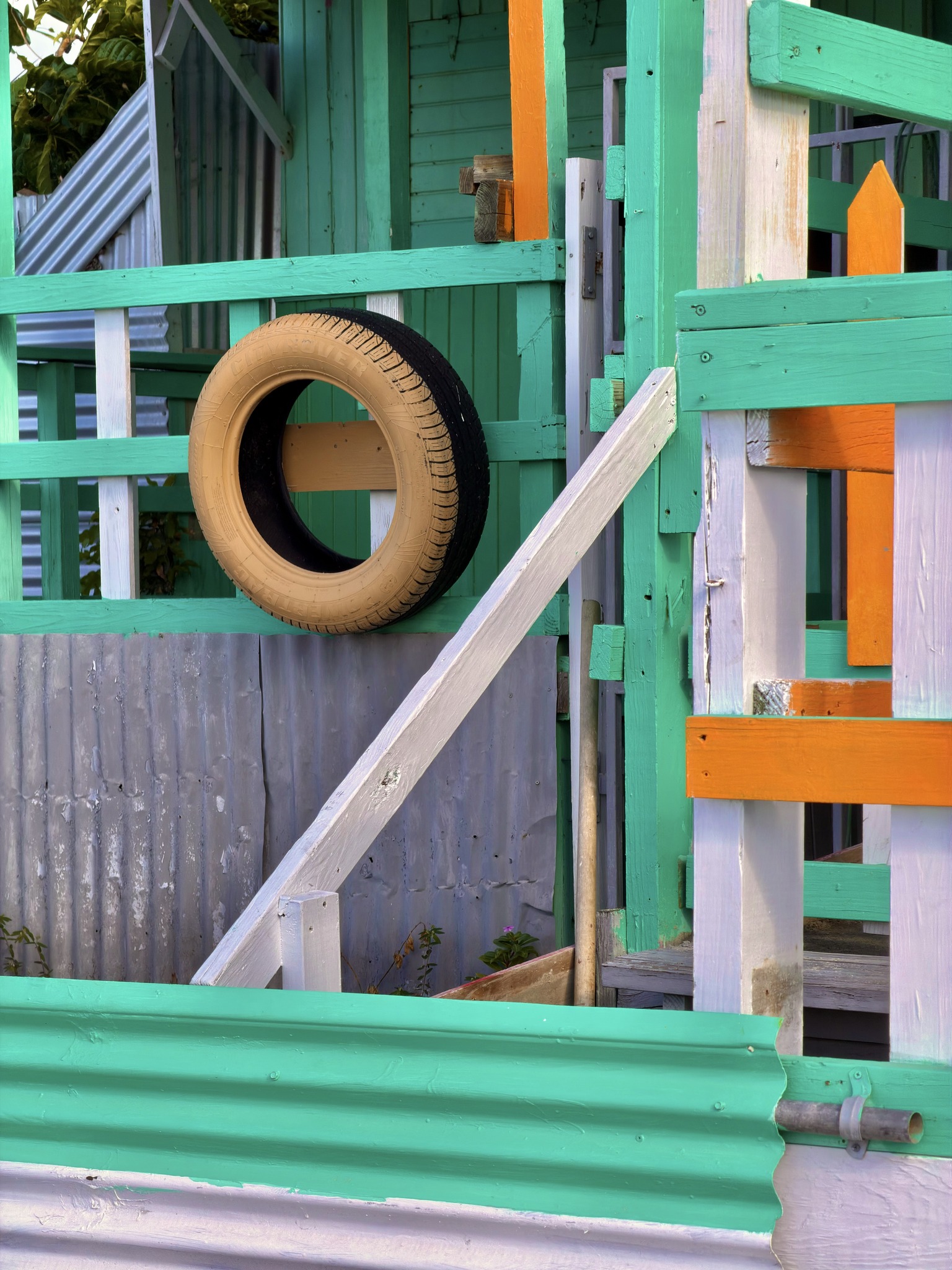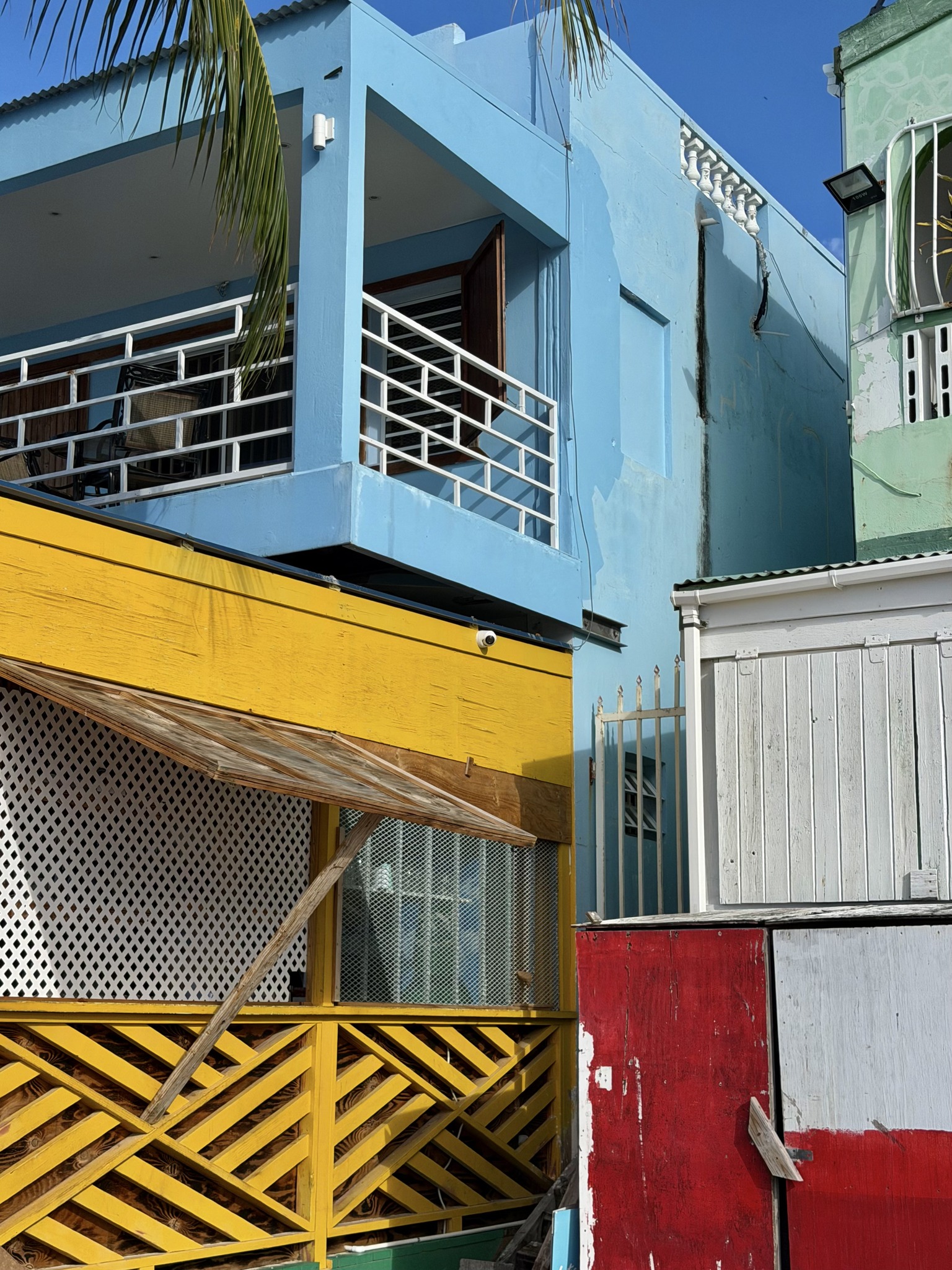
Why I Keep Photographing the Ordinary—and Calling It Enough
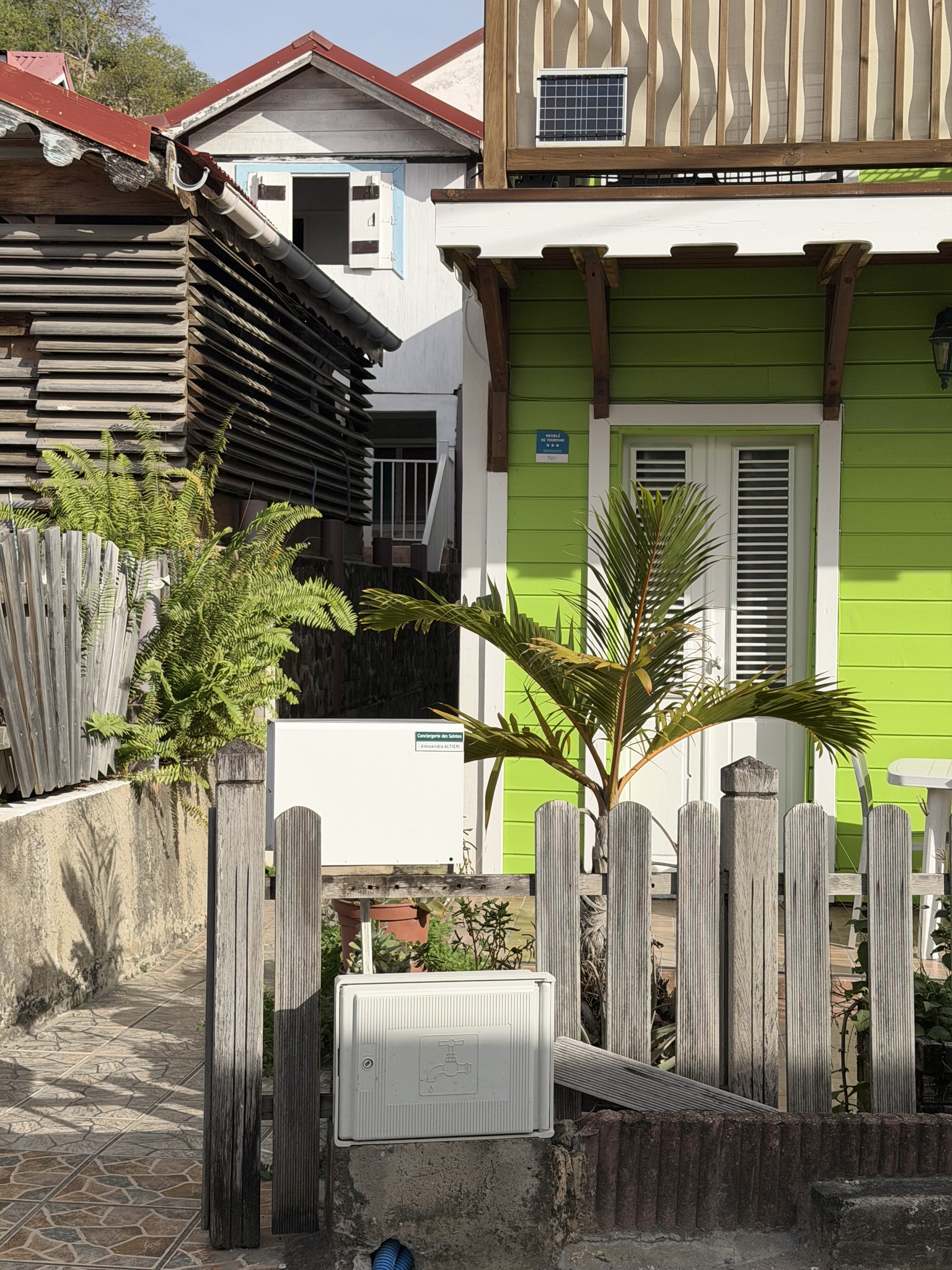
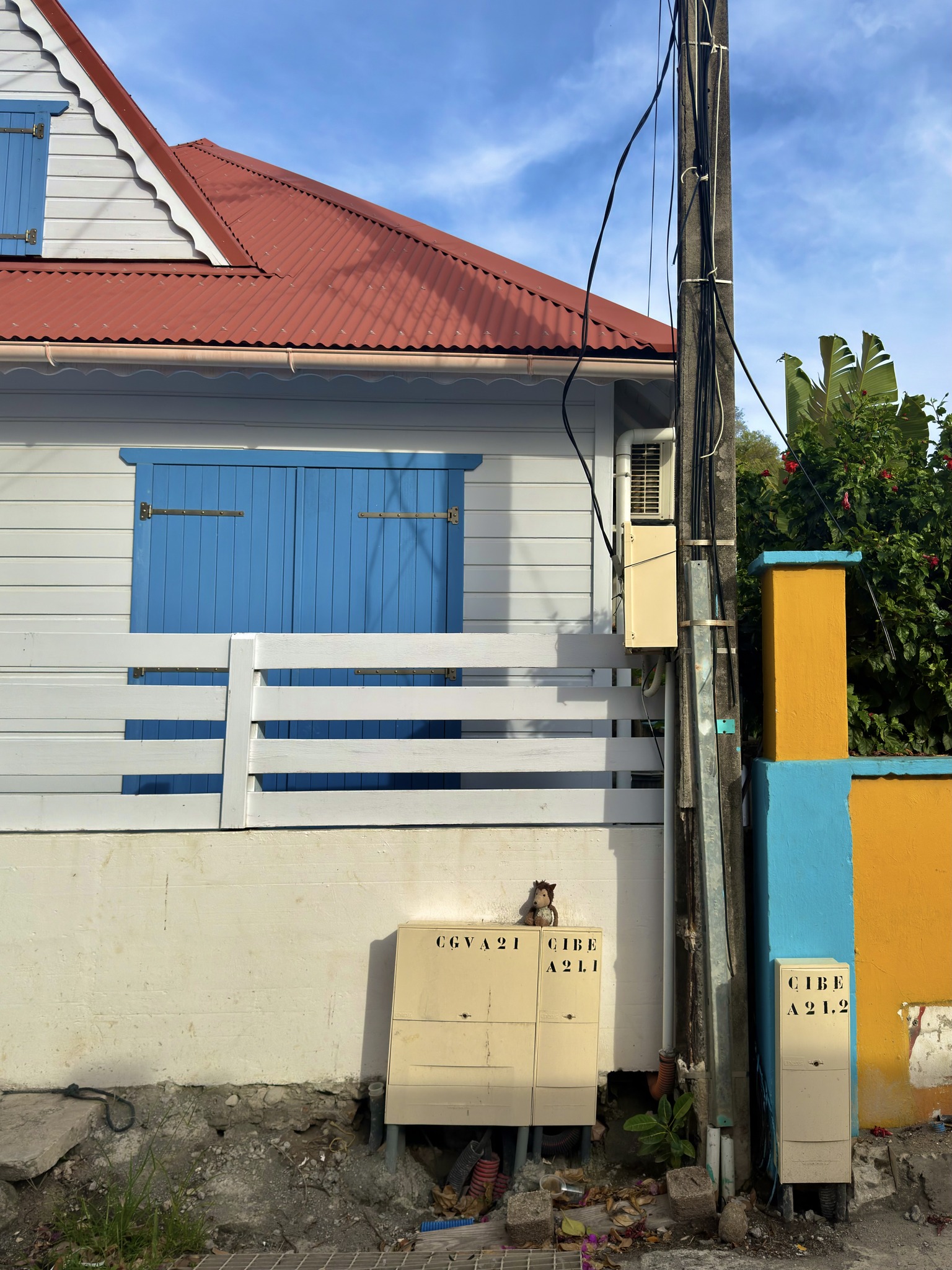
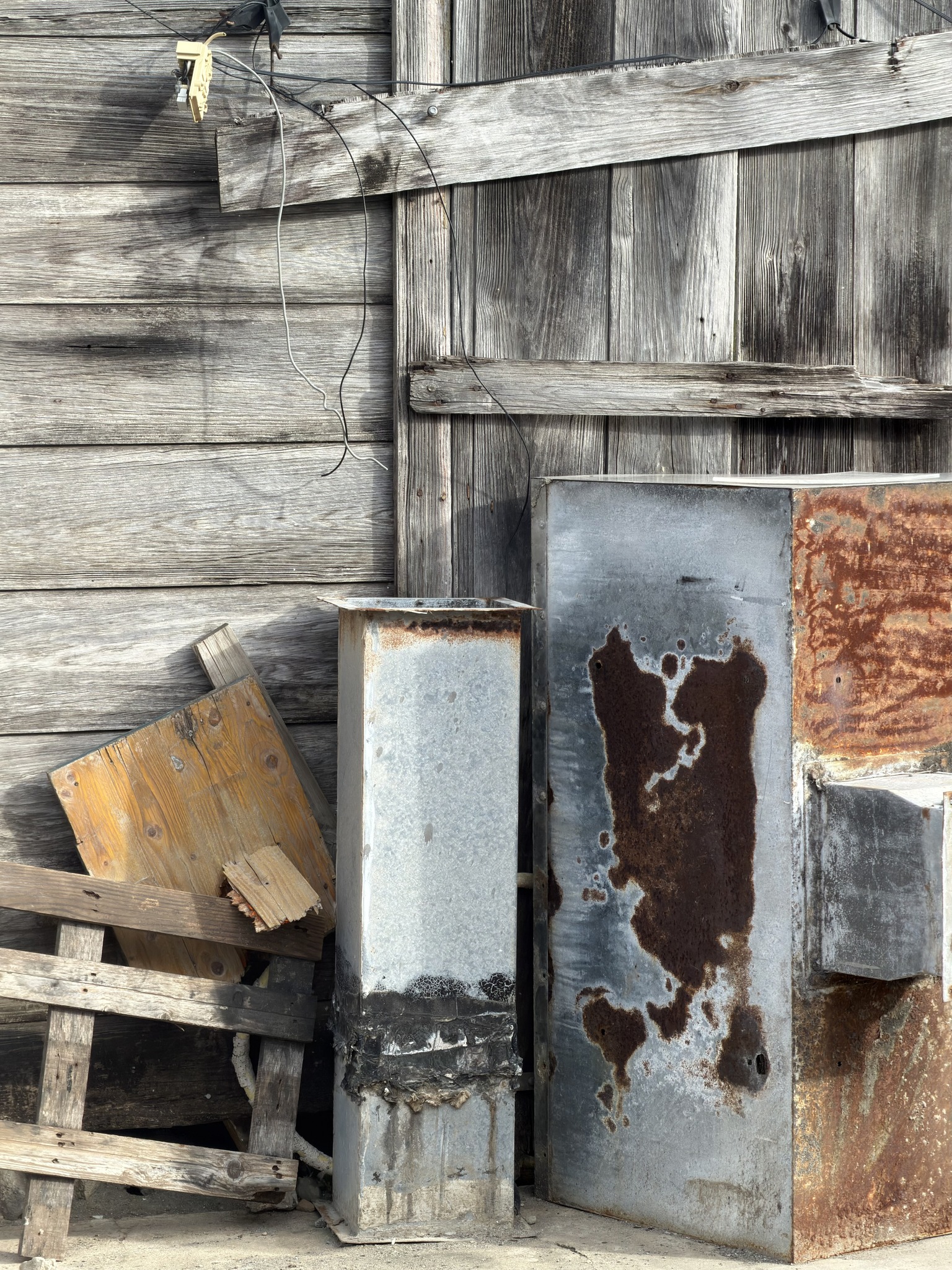
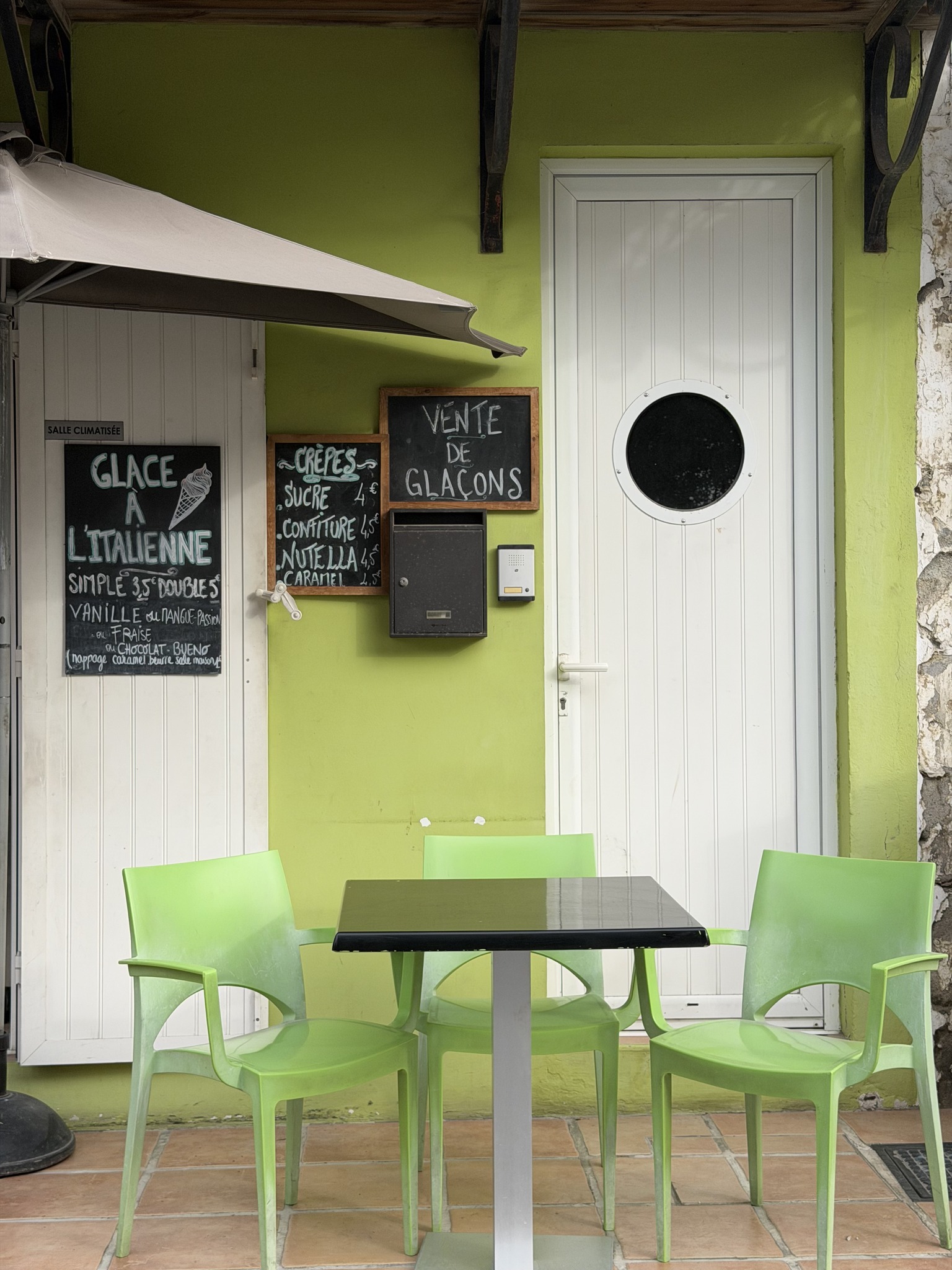
Most people will look at the next twenty-plus photographs I’m about to show and shrug.
Shingles.
Paint.
Walls.
Corners.
Colors rubbing up against each other.
A sliver of light.
A crooked line.
A quiet edge.
Nothing, they’ll say.
Or worse—Why?
I get it. I really do.
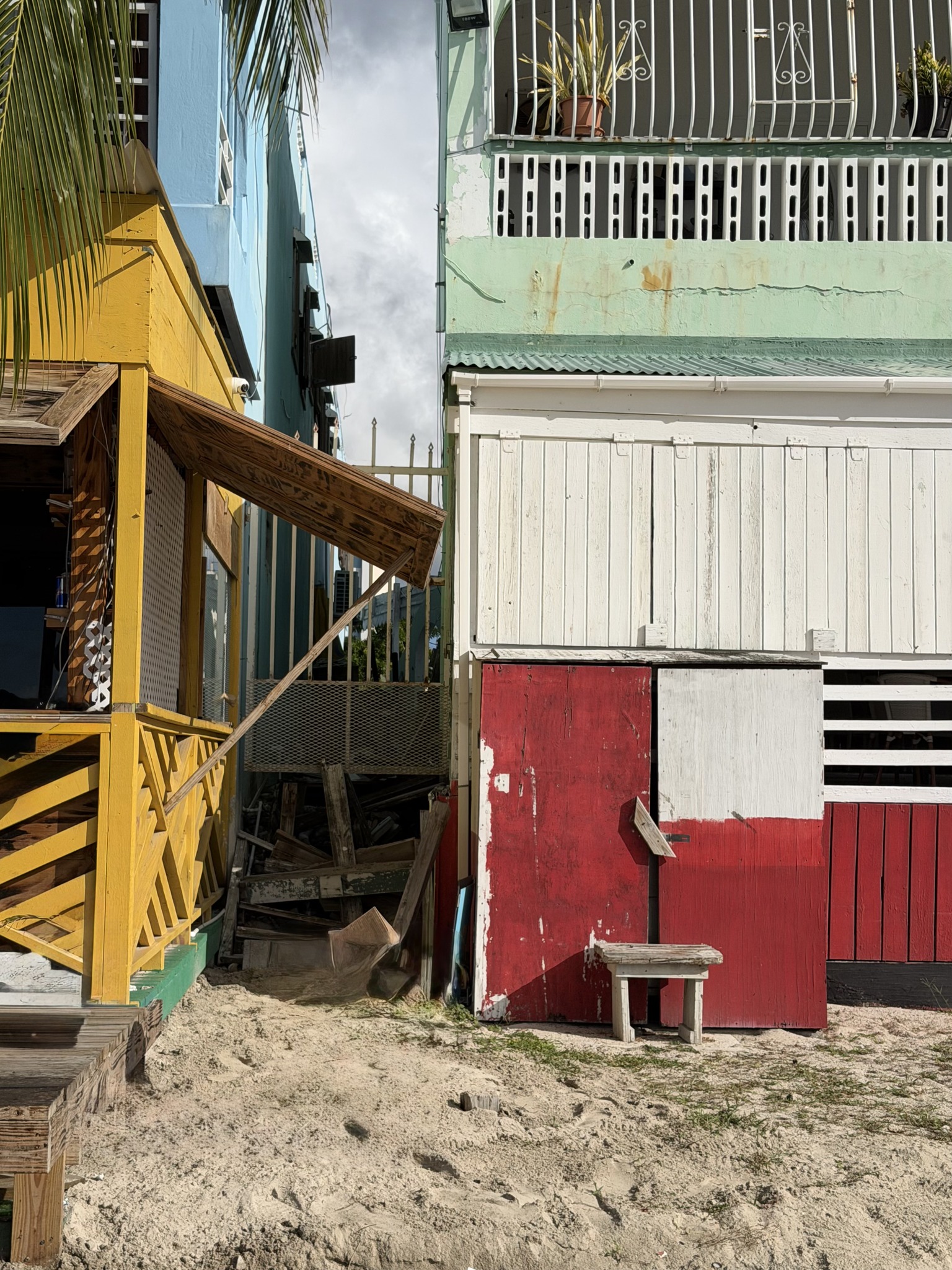
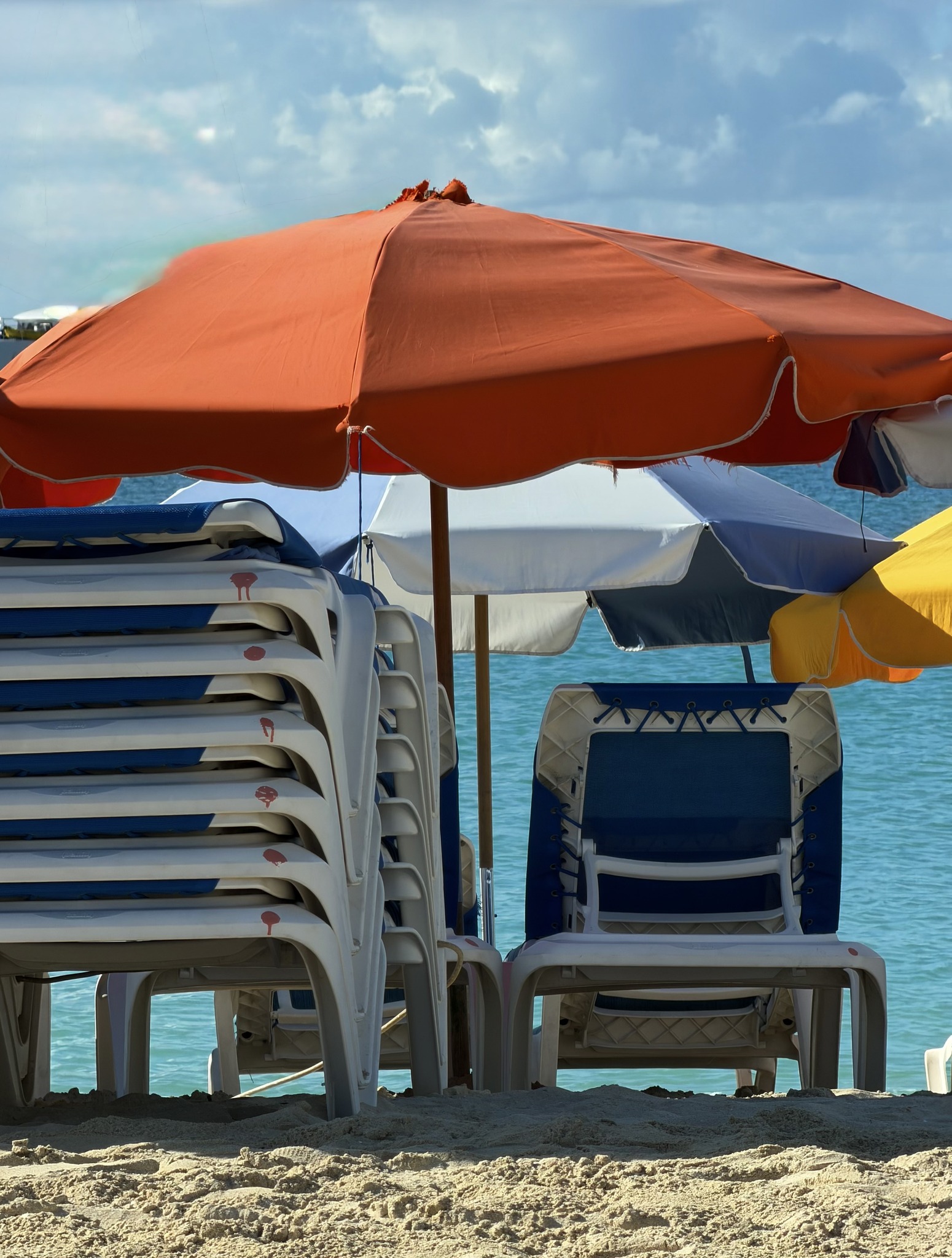
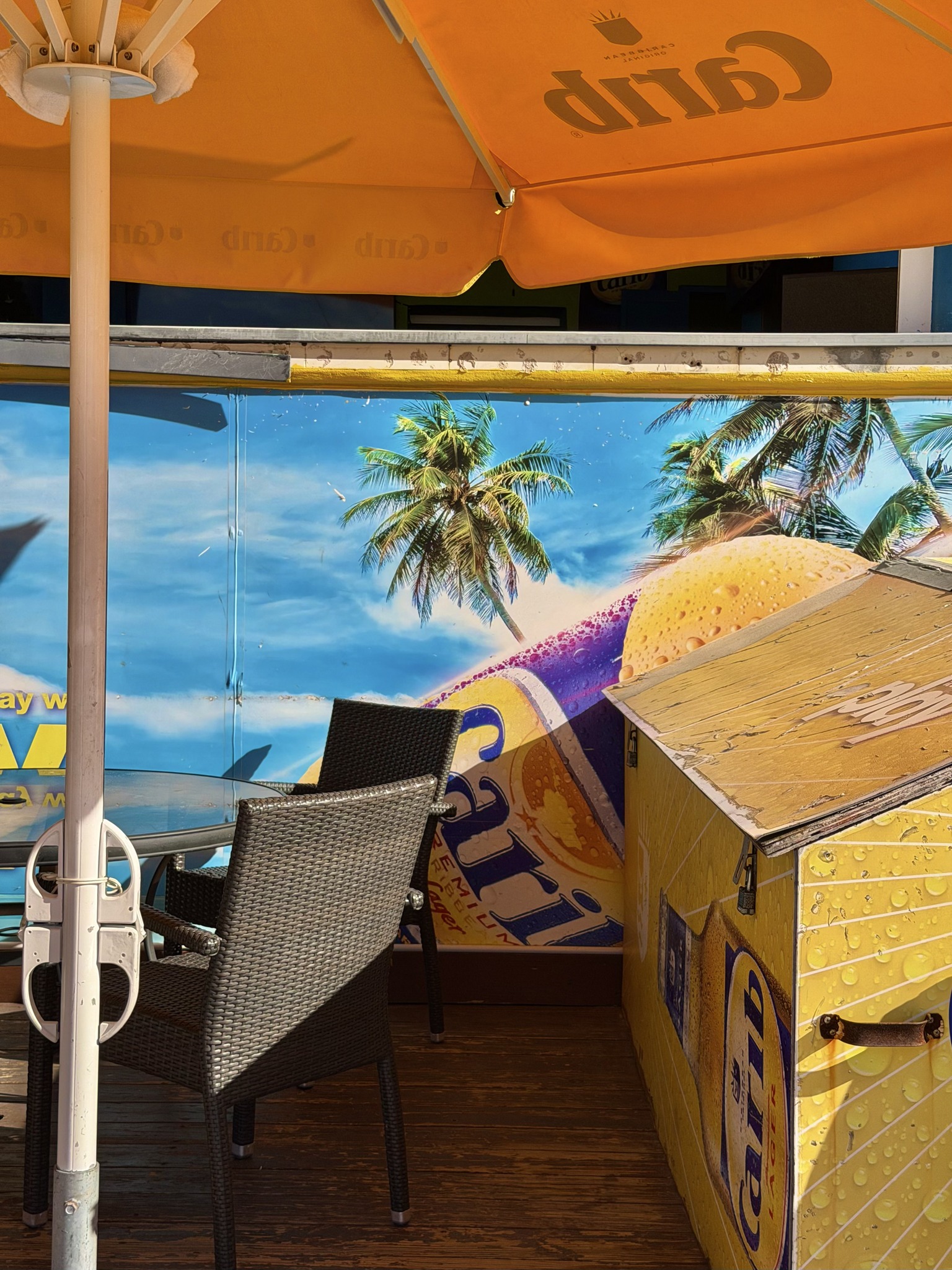
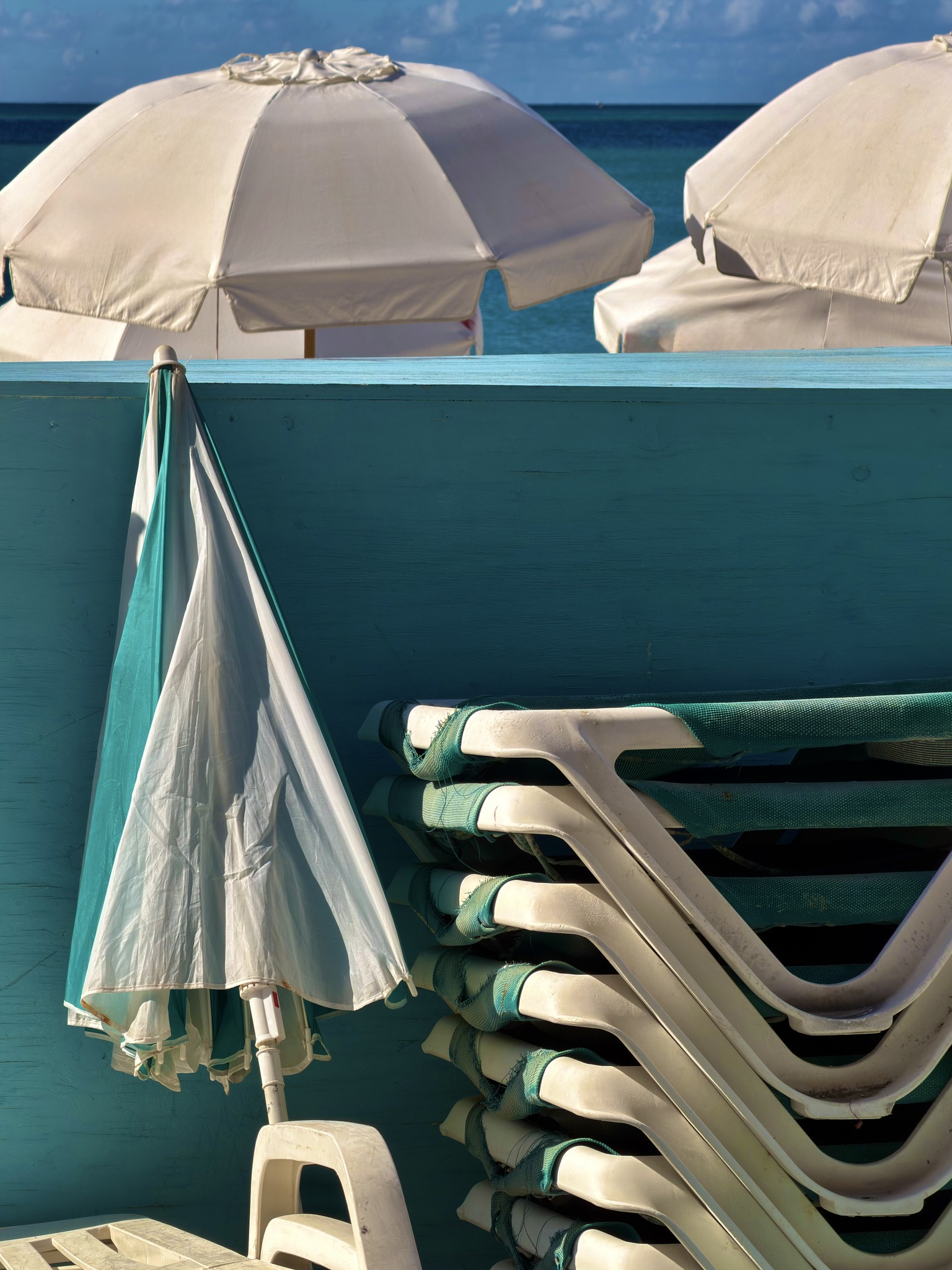
Because what I photograph doesn’t announce itself. It doesn’t wave its arms. It doesn’t beg to be liked. There’s no cathedral moment here. No sunset drama. No cruise-brochure climax. No obvious subject doing something obvious in an obvious place.
Just urban color.
Fragments.
Surfaces.
Perspective.
The quiet geometry of places people pass without noticing.
Most people call that nothing.
I call it everything.
Or maybe—urbanscapes.
Not quite street photography.
Not quite architecture.
Not abstraction either.
Just… the way my mind organizes the world when I’m paying attention.
This is how I see.
And I’ve stopped apologizing for it.
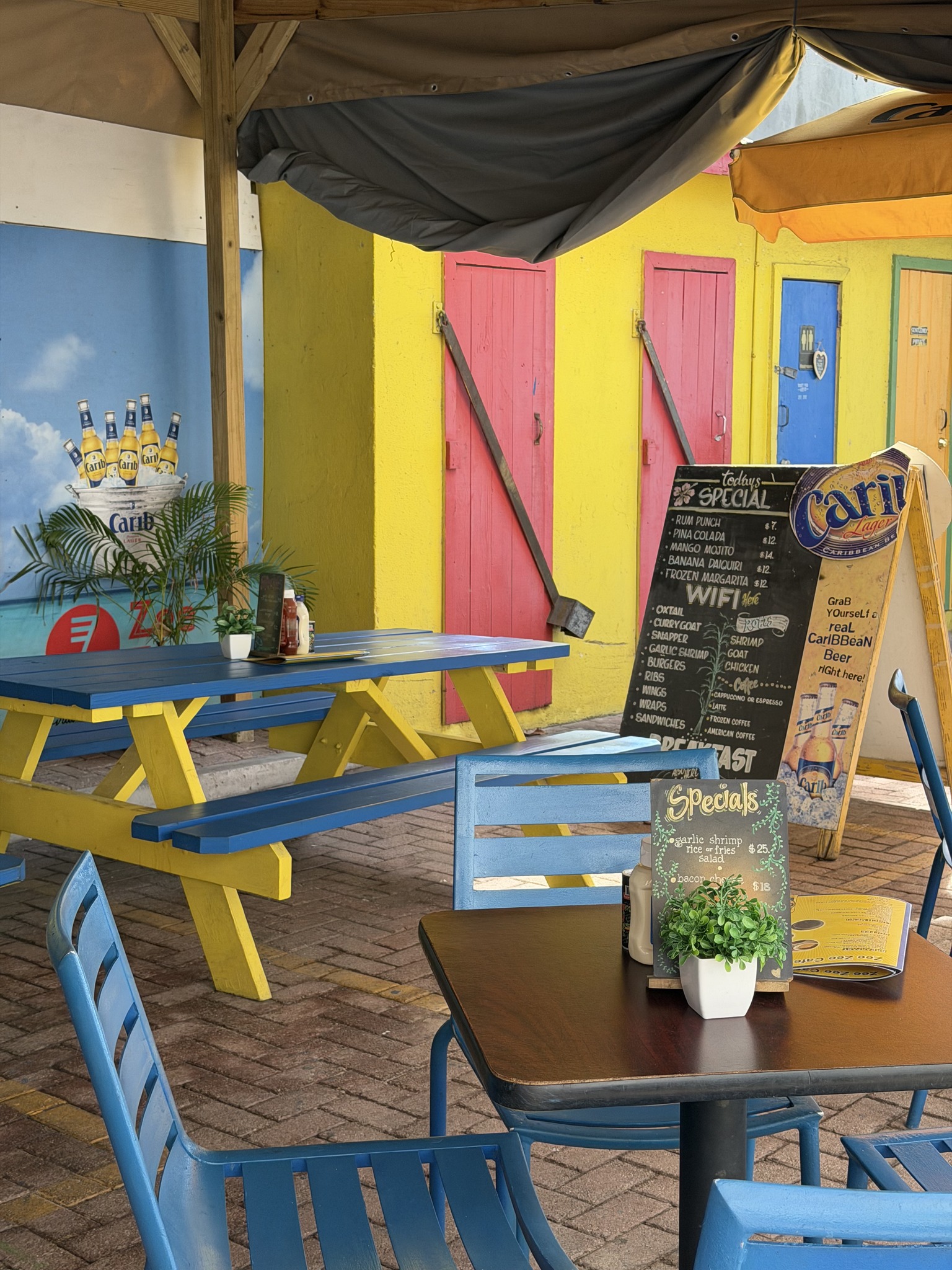
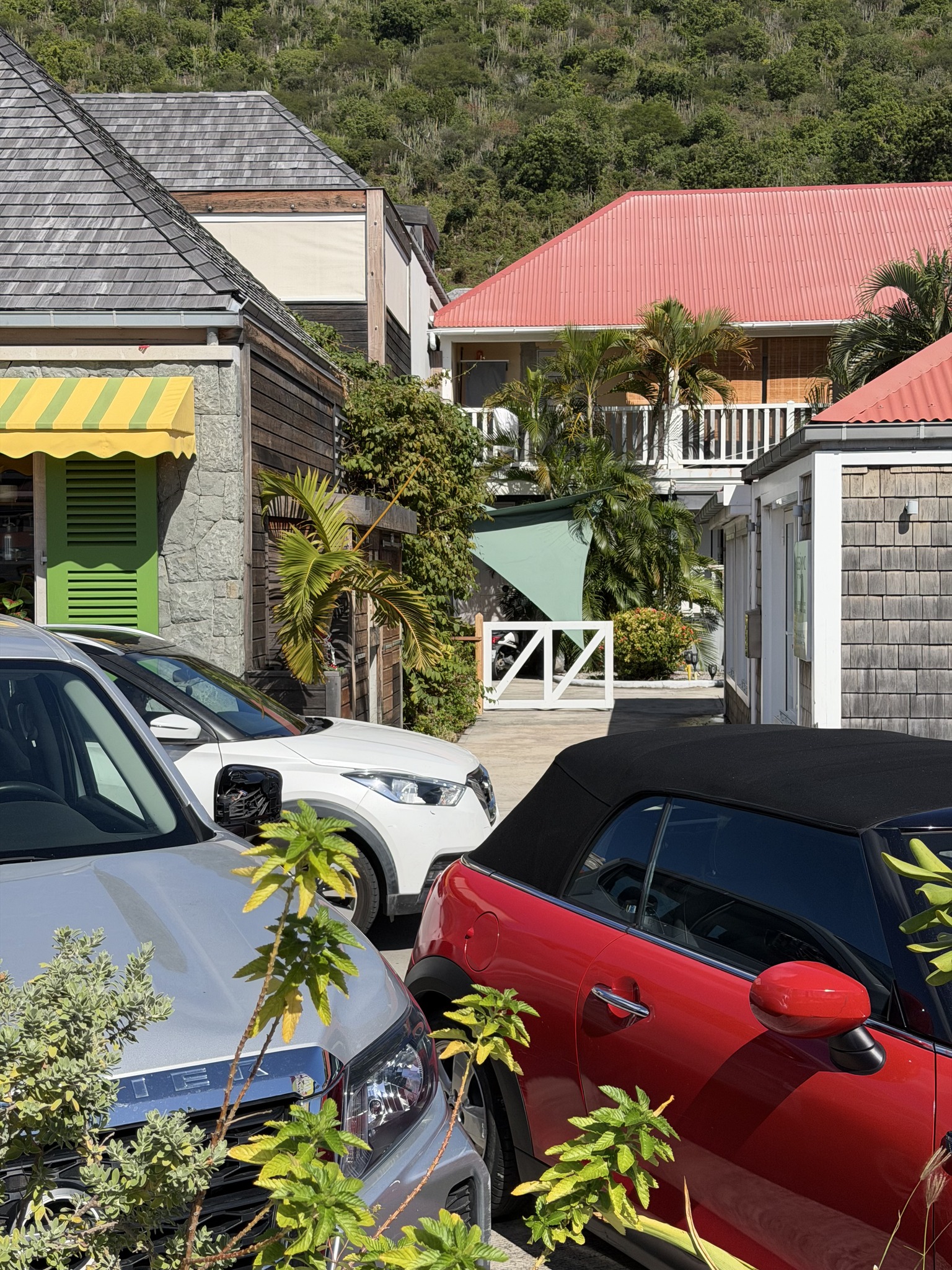
These photographs came out of the Caribbean—sun-washed, salt-scarred, over-looked corners of towns where everyone else was pointing their cameras at the water. I turned away from the obvious. Not to be contrarian. Not to be clever. But because my eye has never stayed where it’s told.
I’ve always been more interested in the edges than the headline.
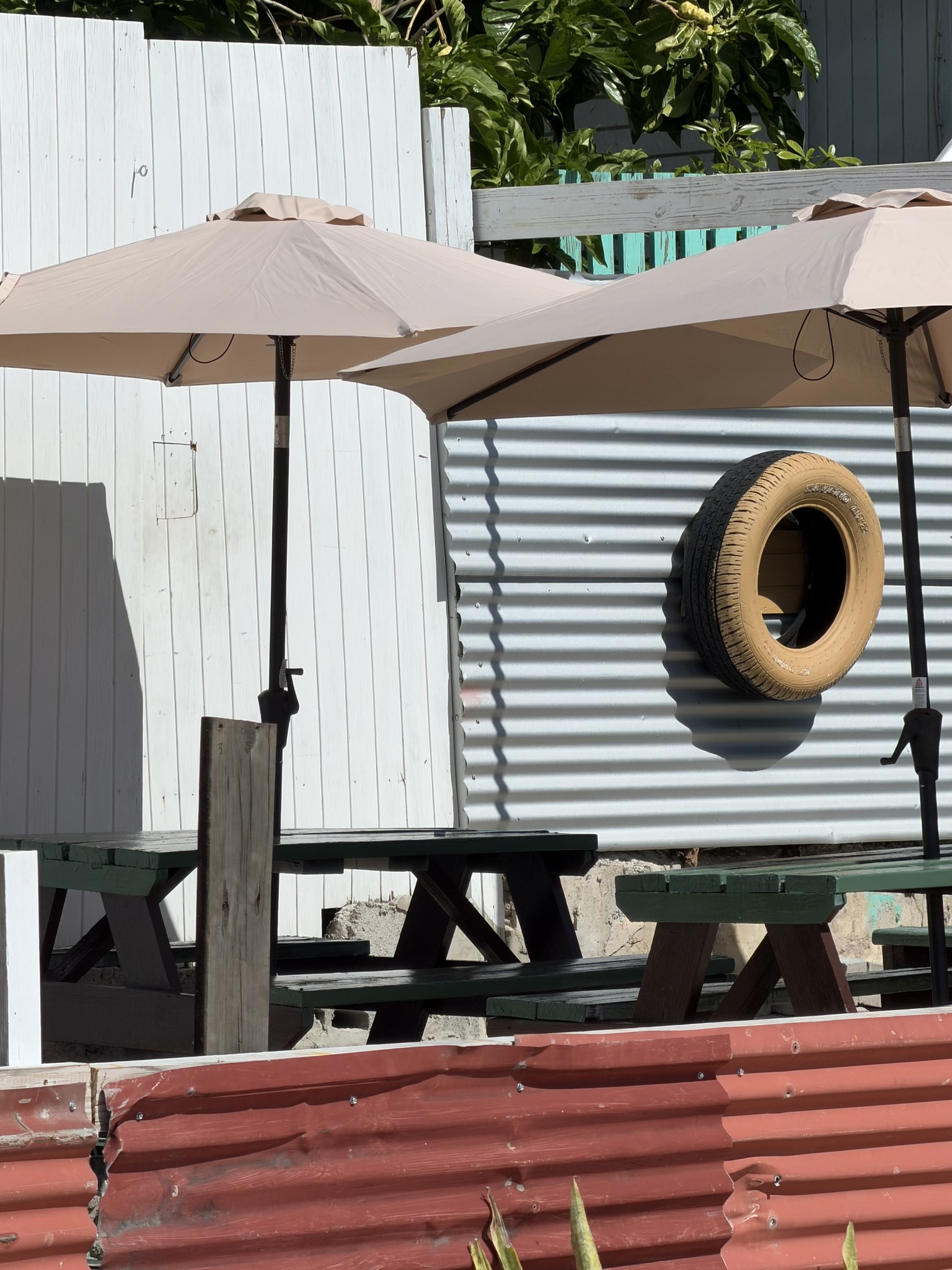
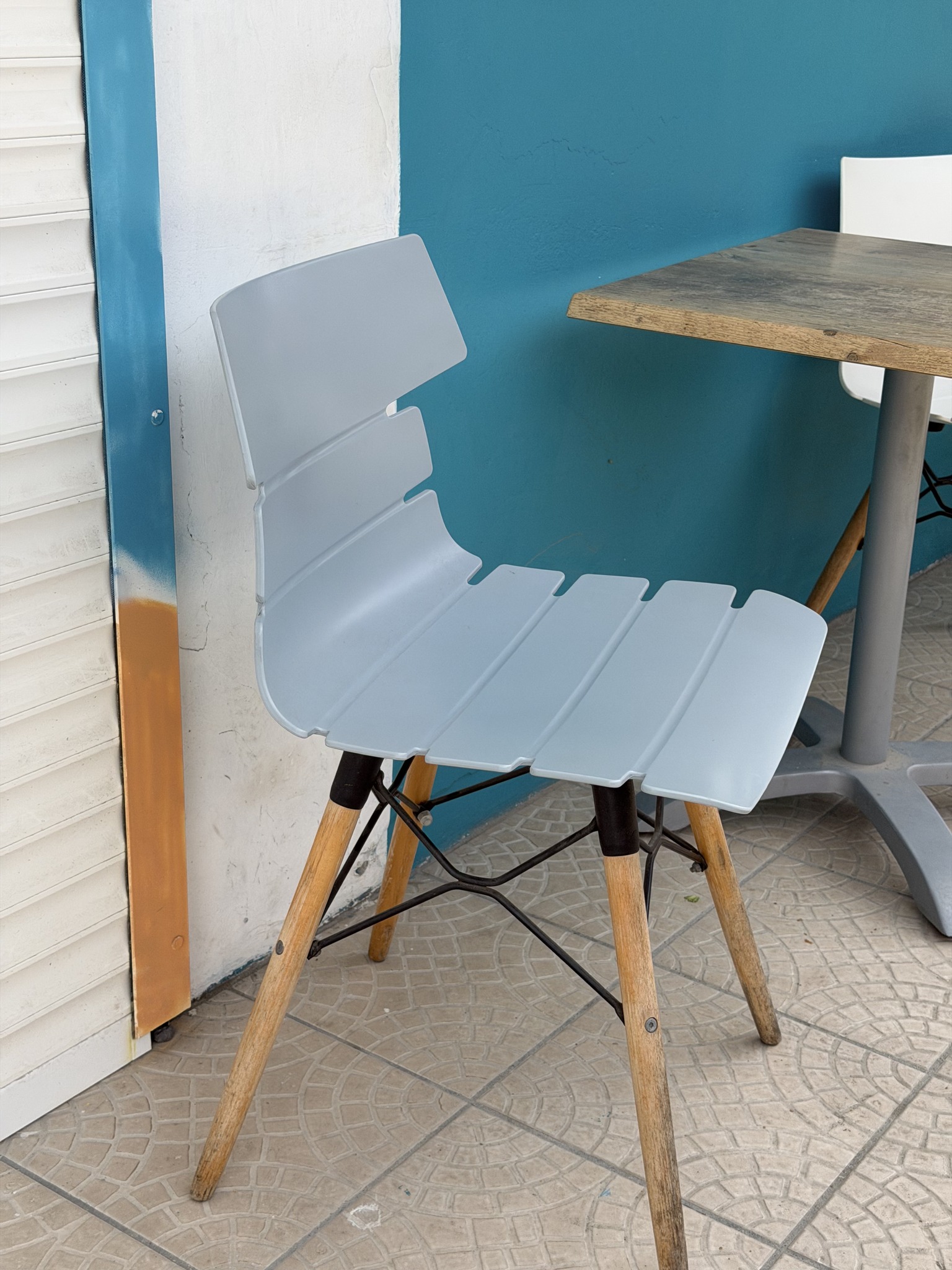
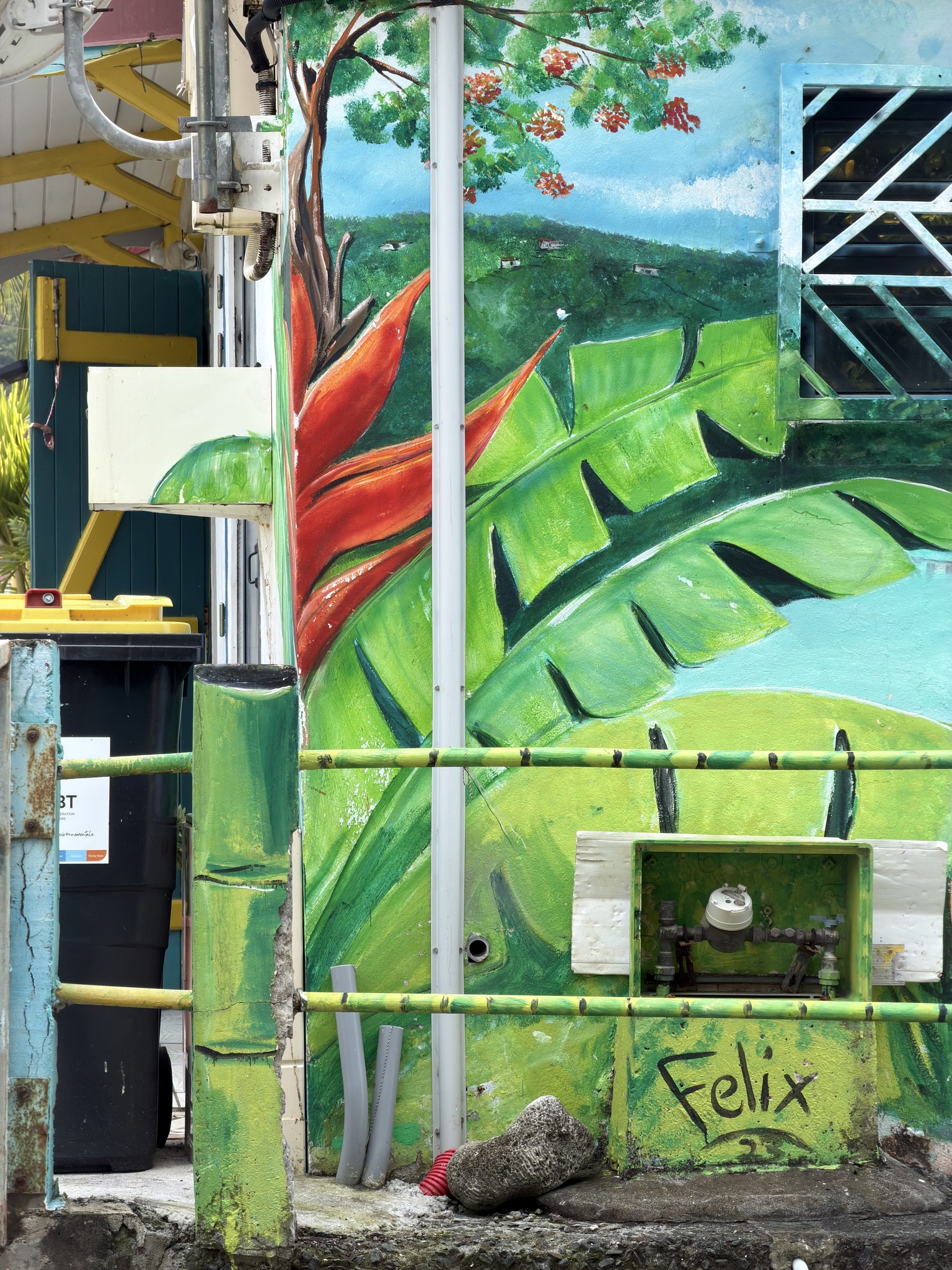
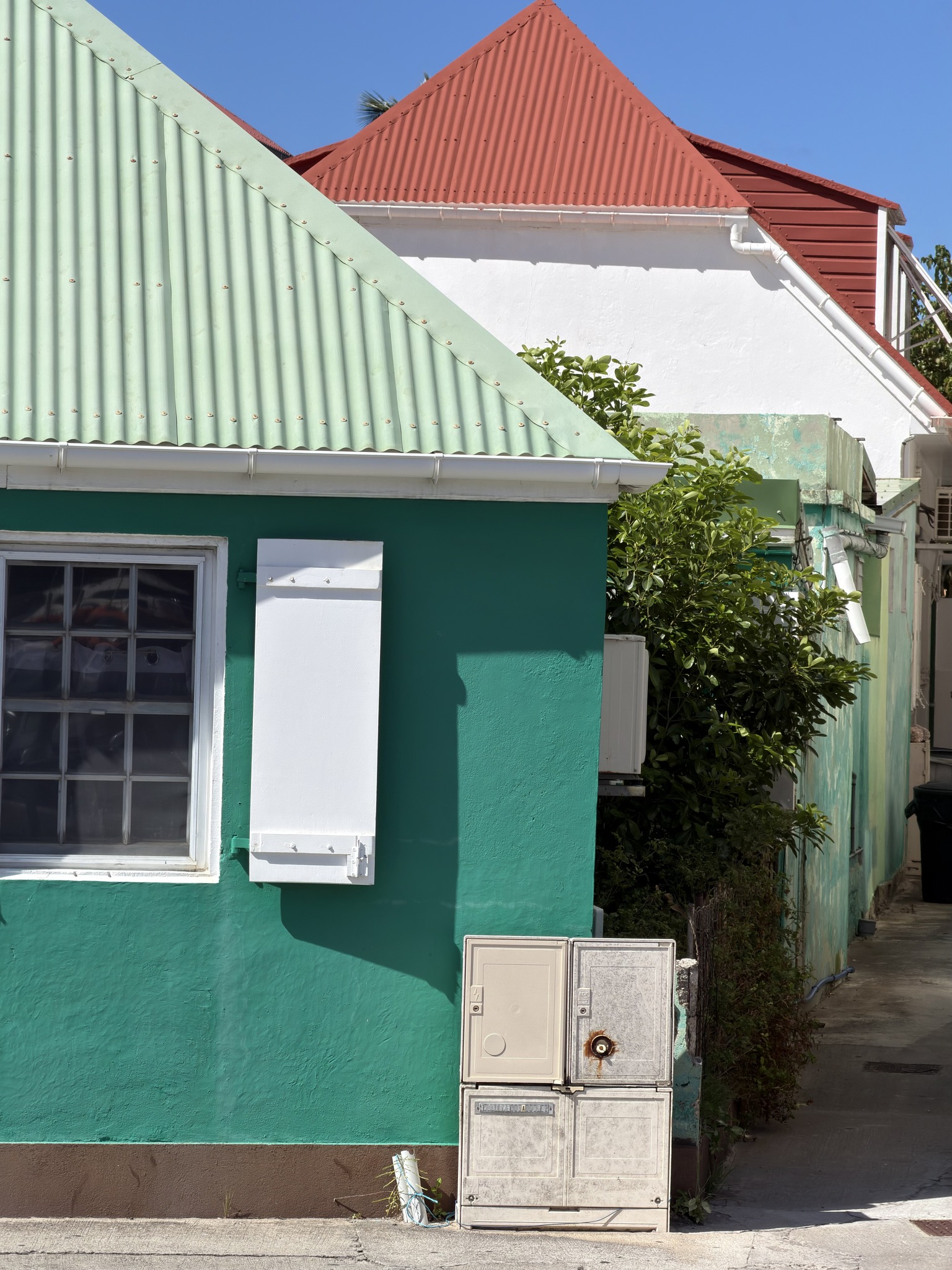
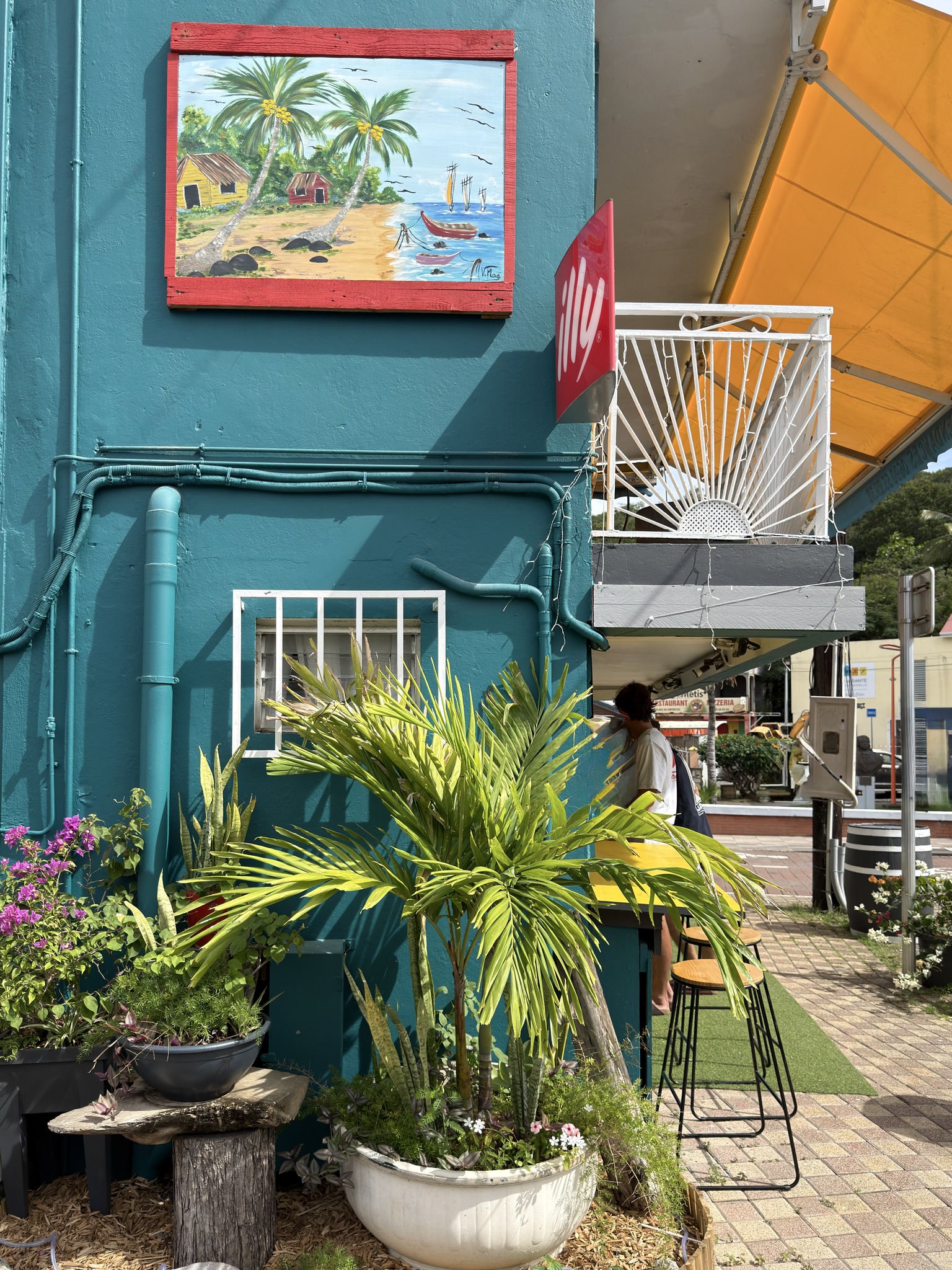
Give me a wall where turquoise meets rust.
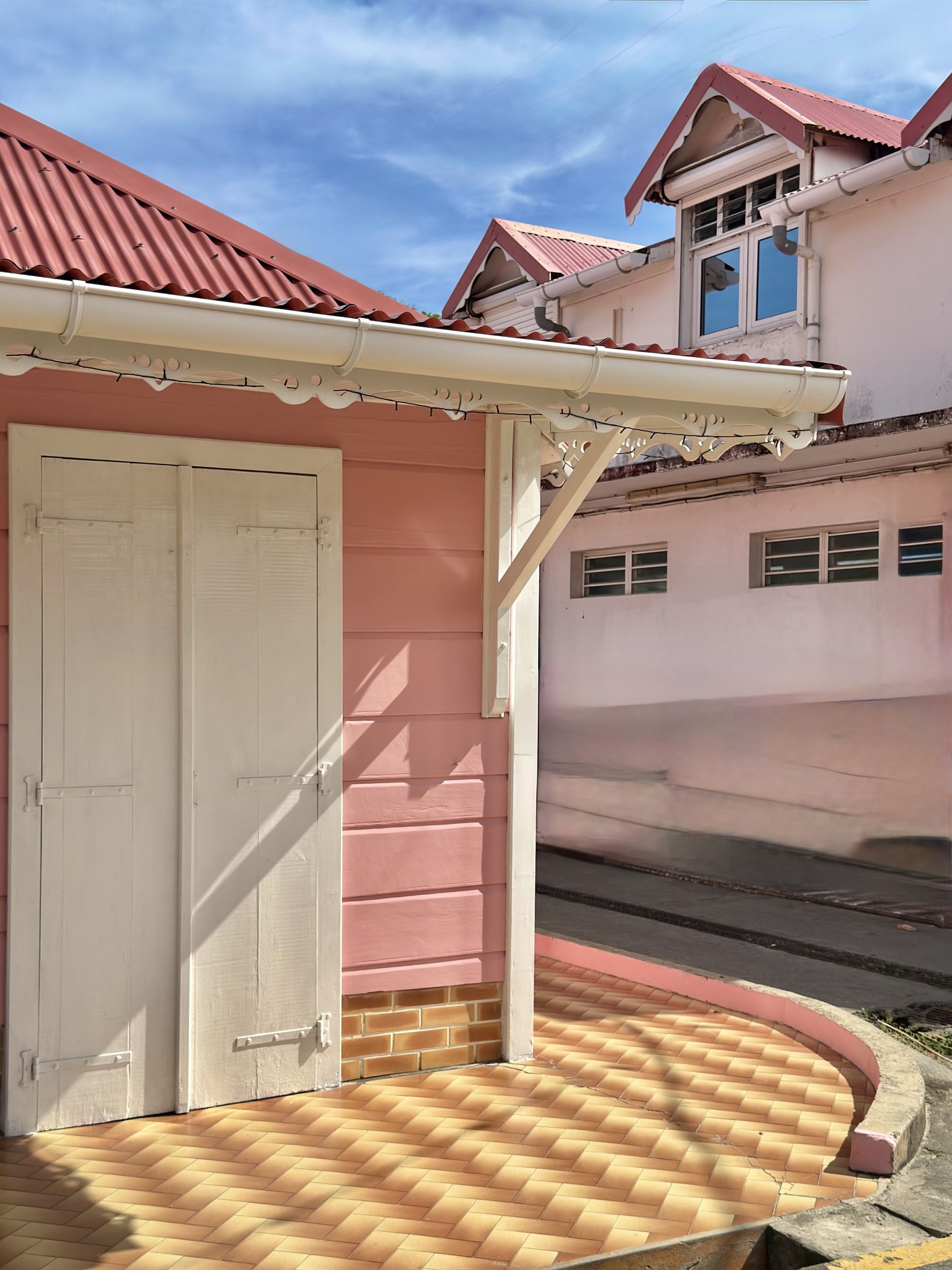
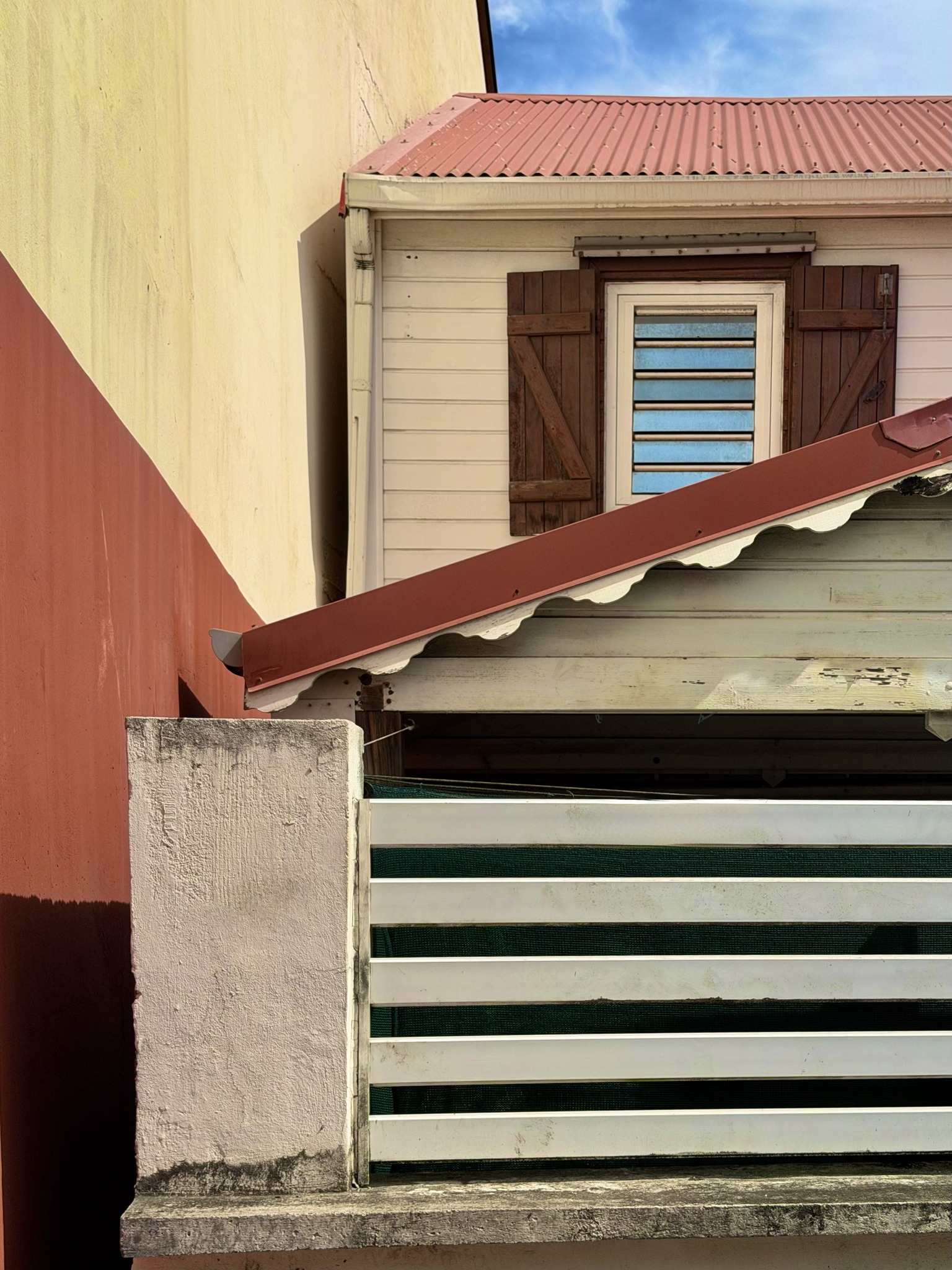
Give me shingles sun-bleached into submission.
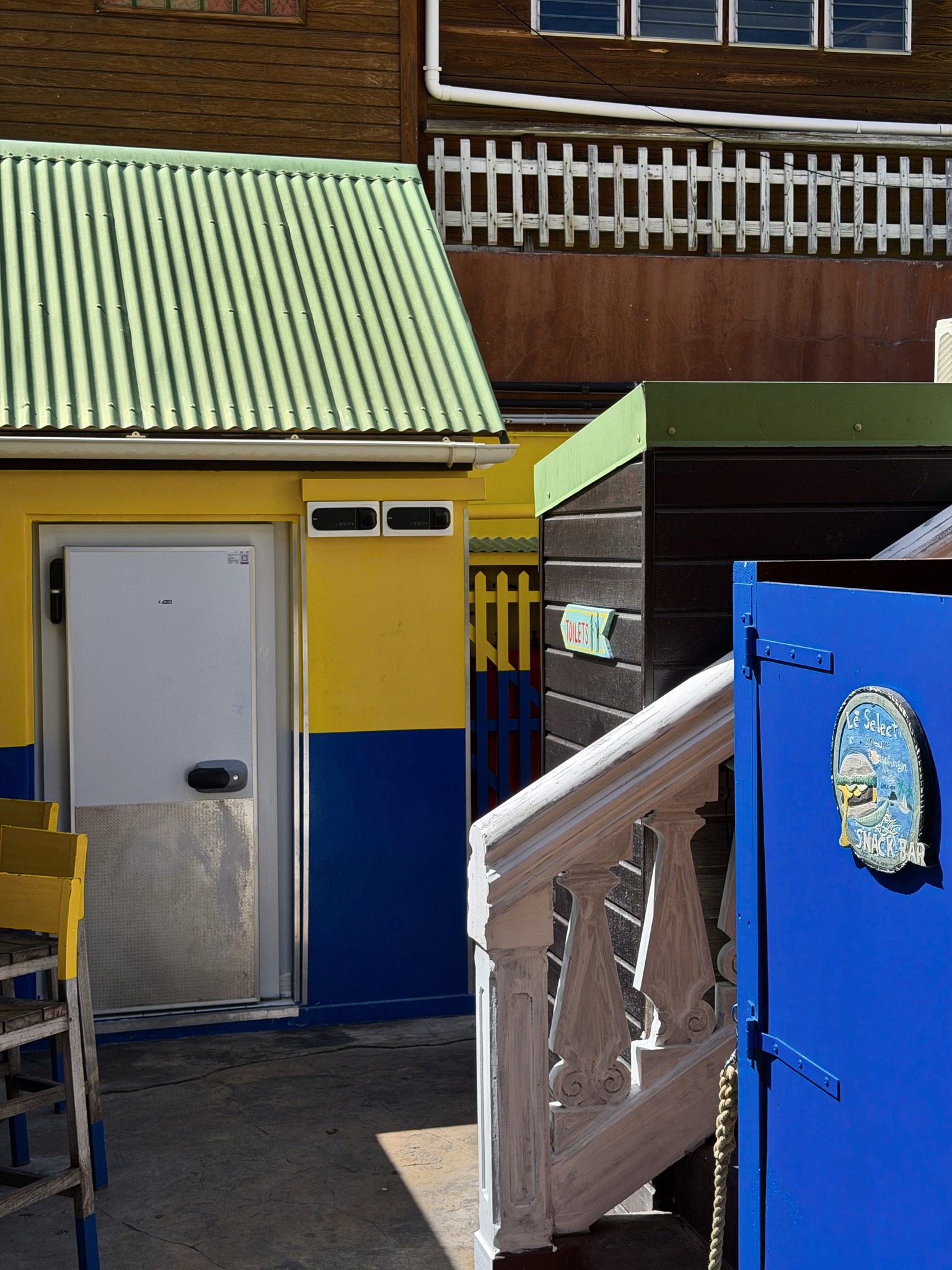
Give me a staircase that leads nowhere important.
Give me a shadow that doesn’t explain itself.
That’s where the conversation is.
To most people, these images feel unfinished. Incomplete. Like I forgot to include the “real subject.”
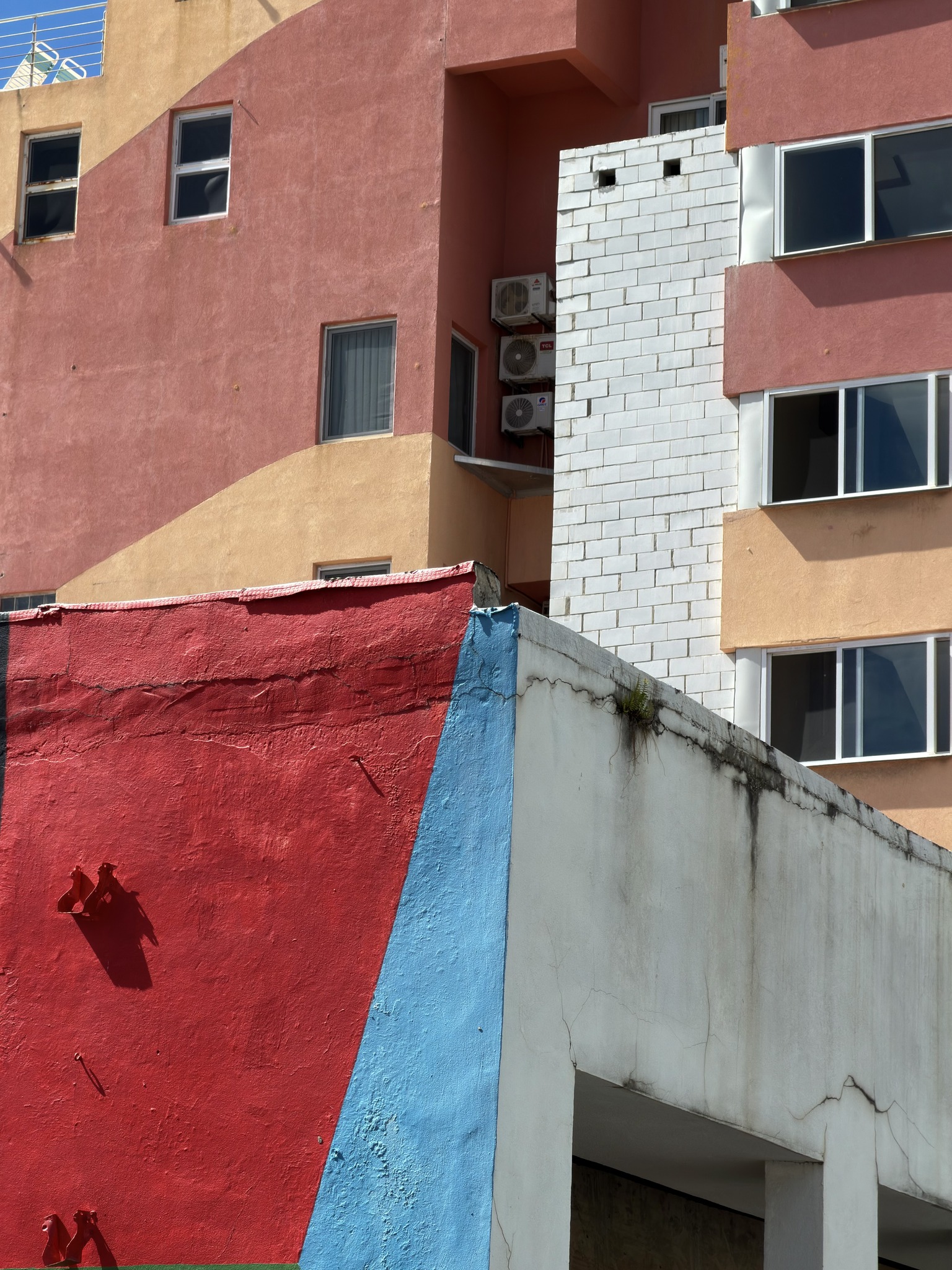
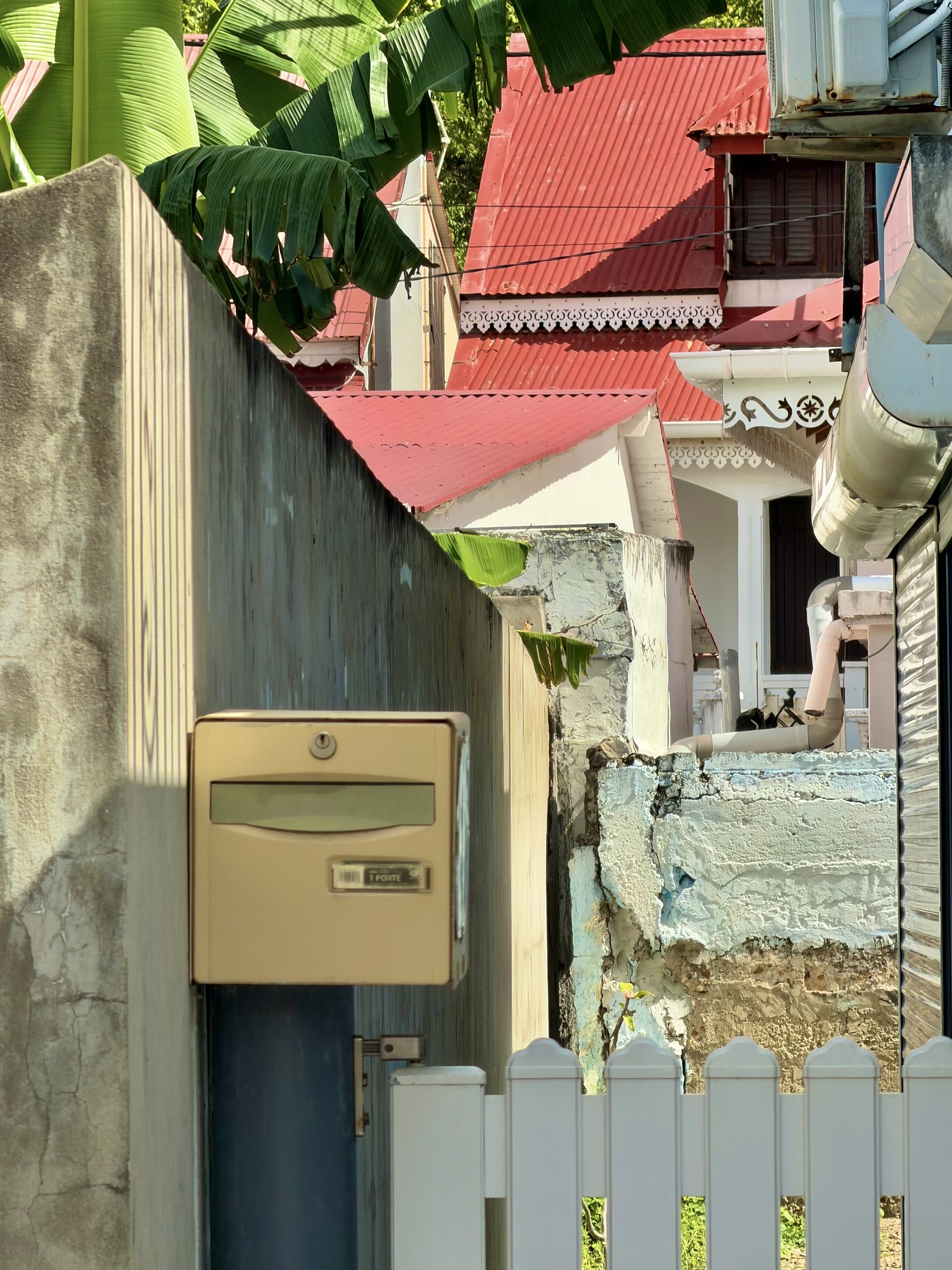
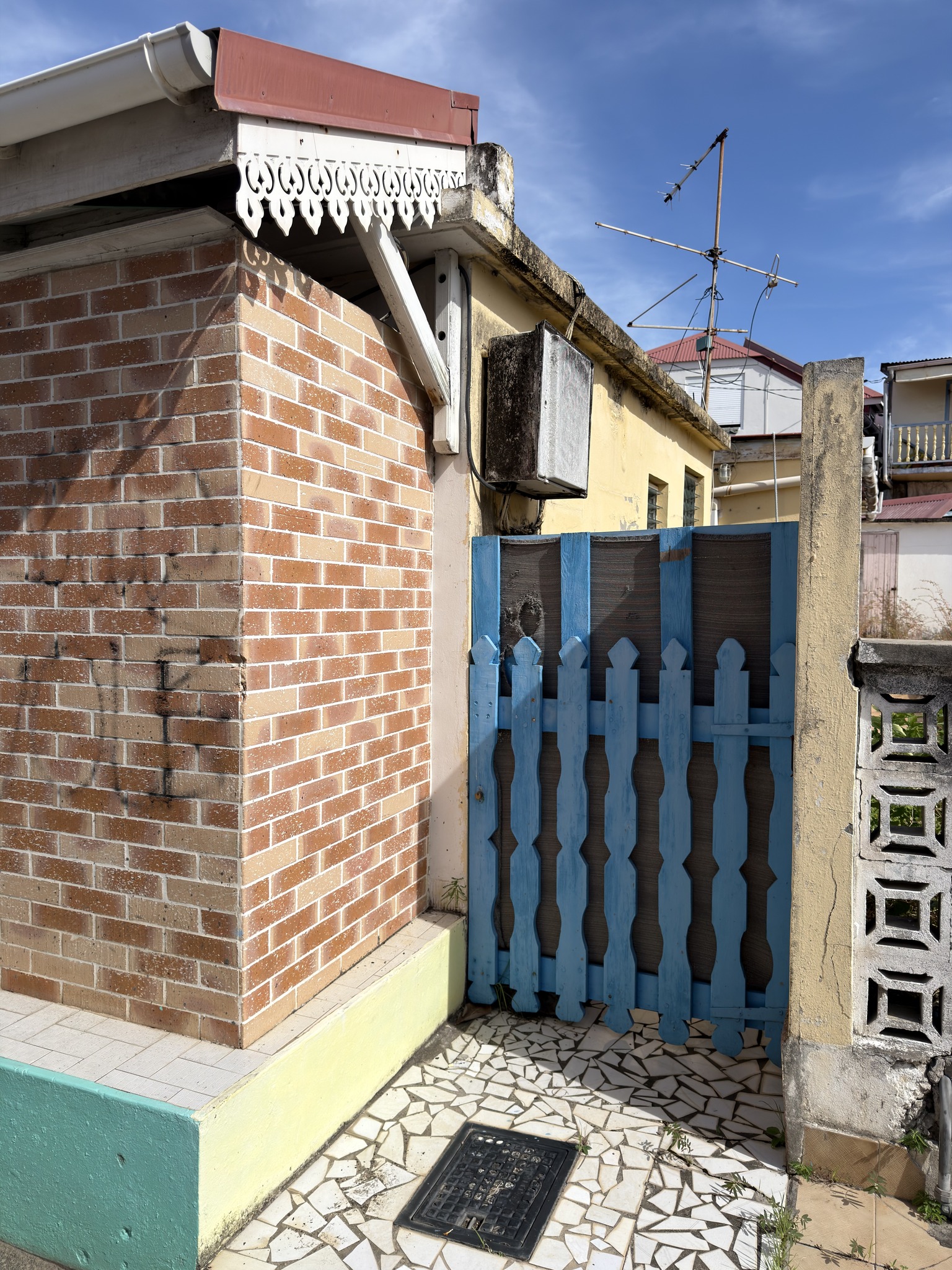
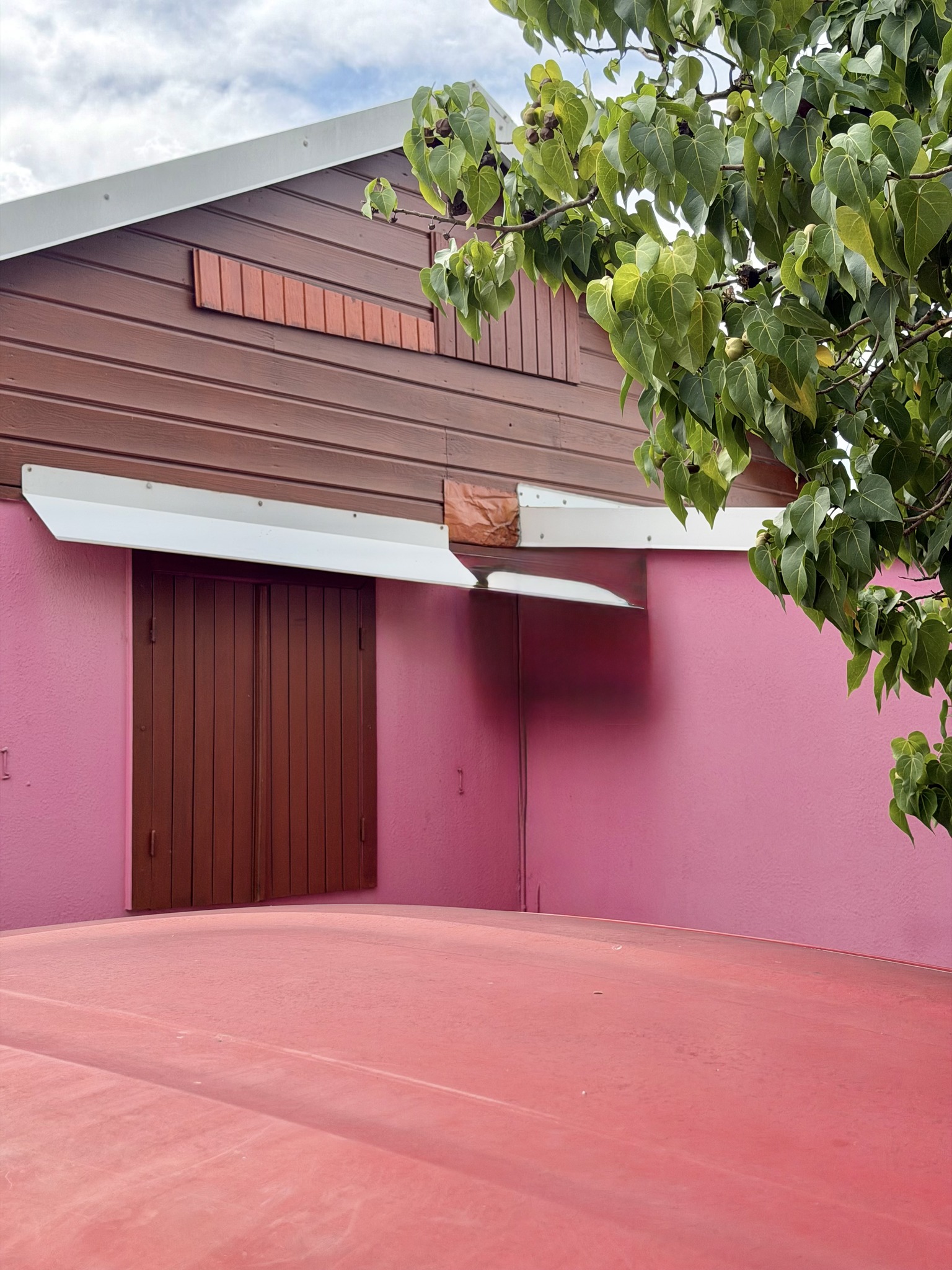
But the subject is the geometry.
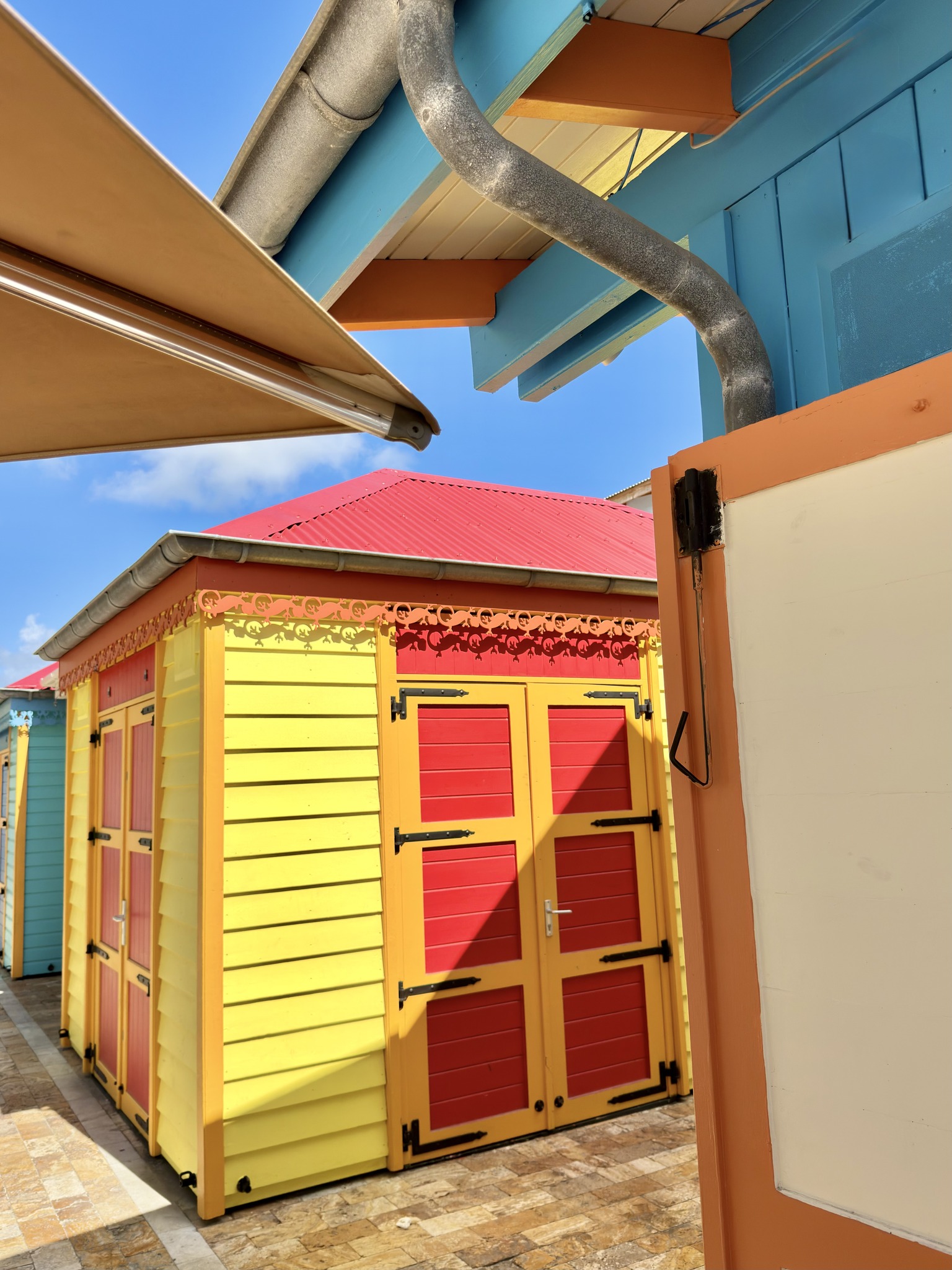
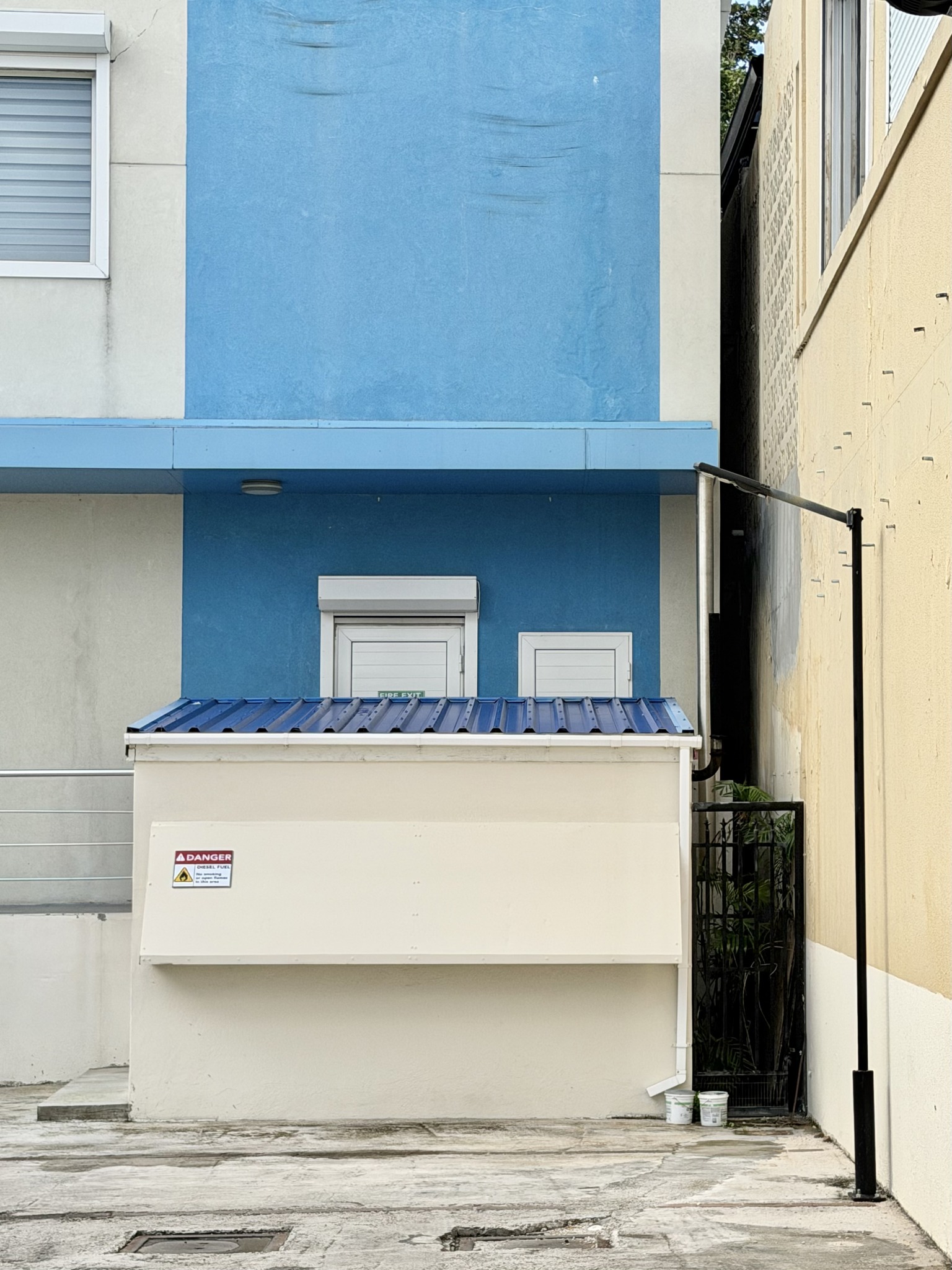
The subject is the tension between colors that weren’t meant to touch.
The subject is the angle that slightly refuses symmetry.
The subject is the quiet decision to stop and look when nothing is demanding attention.
These photographs don’t shout.
They mutter.
They linger.
They wait for you to meet them halfway.
And that’s intentional.
I’ve been accused—politely and otherwise—of photographing “too small.” Of missing the big picture. Of making pictures that require explanation.
Here’s my humble response:
No explanation required.
Just attention.
This work isn’t about documenting what was there. It’s about honoring how it felt to notice. The noticing comes first. The photograph follows.
That’s always been my process.
I don’t hunt for subjects. I respond to relationships—between shapes, lines, tones, and space. I’m not interested in what something is. I’m interested in how it sits in the frame. How it leans. How it resists. How it cooperates.
Geometry isn’t cold to me.
It’s emotional.
A rectangle leaning against a diagonal can feel uneasy.
Two parallel lines drifting just slightly out of sync can feel human.
A block of color interrupted by shadow can feel like memory—clear in parts, vague in others.
If that sounds like I’m talking about life instead of photography, good. Because I am.
Photography, at its best, isn’t about objects. It’s about relationships. Between things. Between moments. Between who we were and who we are becoming.
That’s why I don’t chase spectacle.
Spectacle ages badly.
What holds up—what always has—is nuance. Tension. Restraint. The stuff you notice only after you slow down long enough to let the world speak softly.
These images are not accidents. But they’re not over-thought either. They’re instinctive. Decades of seeing distilled into a half-second decision: Yes. This matters. Even if no one else agrees.
Especially if no one else agrees.
There’s a James Dean quality to this way of working. Not the leather jacket nonsense—the attitude. The refusal to perform for approval. The quiet insistence on liking what you like without explaining yourself to the room.
James Dean meets Camera Roll.
I’m not here to convert you.
I’m not here to convince you these are masterpieces.
I’m here to stand beside the work and say, plainly: This is mine.
And yes, in my own quiet, non-theatrical way, this is me saying:
Fuck off. I like what I like.
That sentence isn’t defensive.
It’s liberating.
Because once you stop asking for permission, the work gets honest.
These photographs are full of geometry, yes—but also juxtaposition. Old paint against new repairs. Care against neglect. Order against entropy. Human intention slowly losing an argument with time.
That’s not nothing.
That’s the whole story.
Every wall tells the truth eventually.
Every surface keeps score.
Every color fades toward something more honest.
If you’ve lived long enough, you recognize that.
And maybe that’s why these images resonate more deeply with me now than they would have thirty years ago. I’ve lived long enough to appreciate what doesn’t announce itself. I’ve outgrown the need for applause.
What I want now is resonance.
I want photographs that feel like sentences without punctuation. Images that don’t end so much as pause. Pictures that don’t explain, but allow.
Life works the same way.
The best parts are rarely the ones you planned. They’re the in-between moments. The side streets. The off-ramps you took because the light looked better over there.
That’s what these images are:
Visual side streets.
They reward the patient.
They bore the hurried.
They refuse to compete.
And that’s their strength.
If you’re looking for drama, you won’t find it here.
If you’re looking for clarity, maybe.
If you’re willing to sit with ambiguity, absolutely.
Isn’t that what photography is about?
Isn’t that what life is about?
Learning to stand in front of something simple and let it be enough.
No spectacle.
No justification.
No apology.
Just seeing.
And for me, that’s everything.Title
Everything, Apparently Nothing
Subtitle
Why I Keep Photographing the Ordinary—and Calling It Enough
Most people will look at the next twenty-plus photographs I’m about to show and shrug.
Shingles.
Paint.
Walls.
Corners.
Colors rubbing up against each other.
A sliver of light.
A crooked line.
A quiet edge.
Nothing, they’ll say.
Or worse—Why?
I get it. I really do.
Because what I photograph doesn’t announce itself. It doesn’t wave its arms. It doesn’t beg to be liked. There’s no cathedral moment here. No sunset drama. No cruise-brochure climax. No obvious subject doing something obvious in an obvious place.
Just urban color.
Fragments.
Surfaces.
Perspective.
The quiet geometry of places people pass without noticing.
Most people call that nothing.
I call it everything.
Or maybe—urbanscapes.
Not quite street photography.
Not quite architecture.
Not abstraction either.
Just… the way my mind organizes the world when I’m paying attention.
This is how I see.
And I’ve stopped apologizing for it.
These photographs came out of the Caribbean—sun-washed, salt-scarred, over-looked corners of towns where everyone else was pointing their cameras at the water. I turned away from the obvious. Not to be contrarian. Not to be clever. But because my eye has never stayed where it’s told.
I’ve always been more interested in the edges than the headline.
Give me a wall where turquoise meets rust.
Give me shingles sun-bleached into submission.
Give me a staircase that leads nowhere important.
Give me a shadow that doesn’t explain itself.
That’s where the conversation is.
To most people, these images feel unfinished. Incomplete. Like I forgot to include the “real subject.”
But the subject is the geometry.
The subject is the tension between colors that weren’t meant to touch.
The subject is the angle that slightly refuses symmetry.
The subject is the quiet decision to stop and look when nothing is demanding attention.
These photographs don’t shout.
They mutter.
They linger.
They wait for you to meet them halfway.
And that’s intentional.
I’ve been accused—politely and otherwise—of photographing “too small.” Of missing the big picture. Of making pictures that require explanation.
Here’s my humble response:
No explanation required.
Just attention.
This work isn’t about documenting what was there. It’s about honoring how it felt to notice. The noticing comes first. The photograph follows.
That’s always been my process.
I don’t hunt for subjects. I respond to relationships—between shapes, lines, tones, and space. I’m not interested in what something is. I’m interested in how it sits in the frame. How it leans. How it resists. How it cooperates.
Geometry isn’t cold to me.
It’s emotional.
A rectangle leaning against a diagonal can feel uneasy.
Two parallel lines drifting just slightly out of sync can feel human.
A block of color interrupted by shadow can feel like memory—clear in parts, vague in others.
If that sounds like I’m talking about life instead of photography, good. Because I am.
Photography, at its best, isn’t about objects. It’s about relationships. Between things. Between moments. Between who we were and who we are becoming.
That’s why I don’t chase spectacle.
Spectacle ages badly.
What holds up—what always has—is nuance. Tension. Restraint. The stuff you notice only after you slow down long enough to let the world speak softly.
These images are not accidents. But they’re not over-thought either. They’re instinctive. Decades of seeing distilled into a half-second decision: Yes. This matters. Even if no one else agrees.
Especially if no one else agrees.
There’s a James Dean quality to this way of working. Not the leather jacket nonsense—the attitude. The refusal to perform for approval. The quiet insistence on liking what you like without explaining yourself to the room.
James Dean meets Camera Roll.
I’m not here to convert you.
I’m not here to convince you these are masterpieces.
I’m here to stand beside the work and say, plainly: This is mine.
And yes, in my own quiet, non-theatrical way, this is me saying:
Fuck off. I like what I like.
That sentence isn’t defensive.
It’s liberating.
Because once you stop asking for permission, the work gets honest.
These photographs are full of geometry, yes—but also juxtaposition. Old paint against new repairs. Care against neglect. Order against entropy. Human intention slowly losing an argument with time.
That’s not nothing.
That’s the whole story.
Every wall tells the truth eventually.
Every surface keeps score.
Every color fades toward something more honest.
If you’ve lived long enough, you recognize that.
And maybe that’s why these images resonate more deeply with me now than they would have thirty years ago. I’ve lived long enough to appreciate what doesn’t announce itself. I’ve outgrown the need for applause.
What I want now is resonance.
I want photographs that feel like sentences without punctuation. Images that don’t end so much as pause. Pictures that don’t explain, but allow.
Life works the same way.
The best parts are rarely the ones you planned. They’re the in-between moments. The side streets. The off-ramps you took because the light looked better over there.
That’s what these images are:
Visual side streets.
They reward the patient.
They bore the hurried.
They refuse to compete.
And that’s their strength.
If you’re looking for drama, you won’t find it here.
If you’re looking for clarity, maybe.
If you’re willing to sit with ambiguity, absolutely.
Isn’t that what photography is about?
Isn’t that what life is about?
Learning to stand in front of something simple and let it be enough.
No spectacle.
No justification.
No apology.
Just seeing.
And for me, that’s everything.
Click.
Jack.