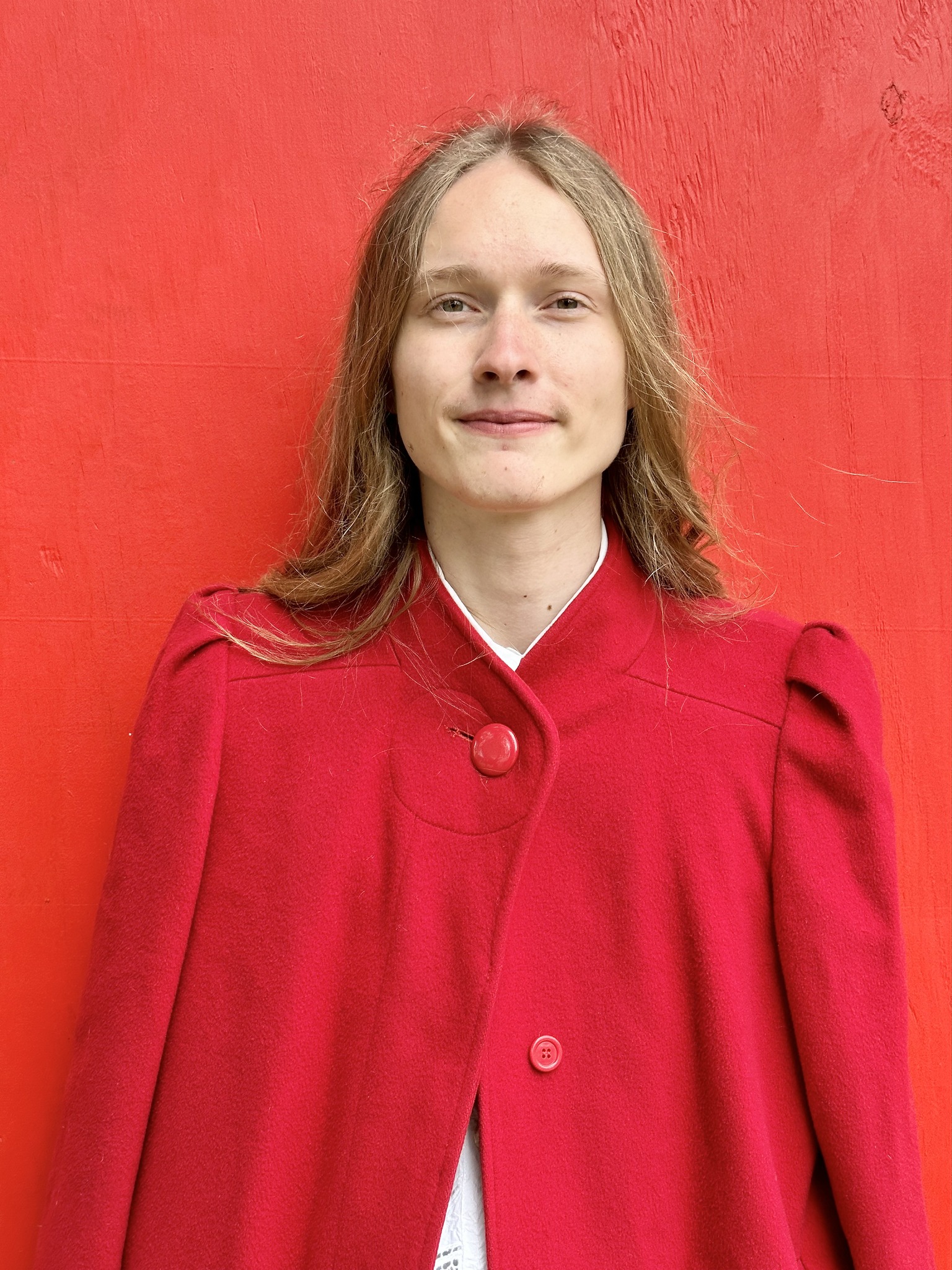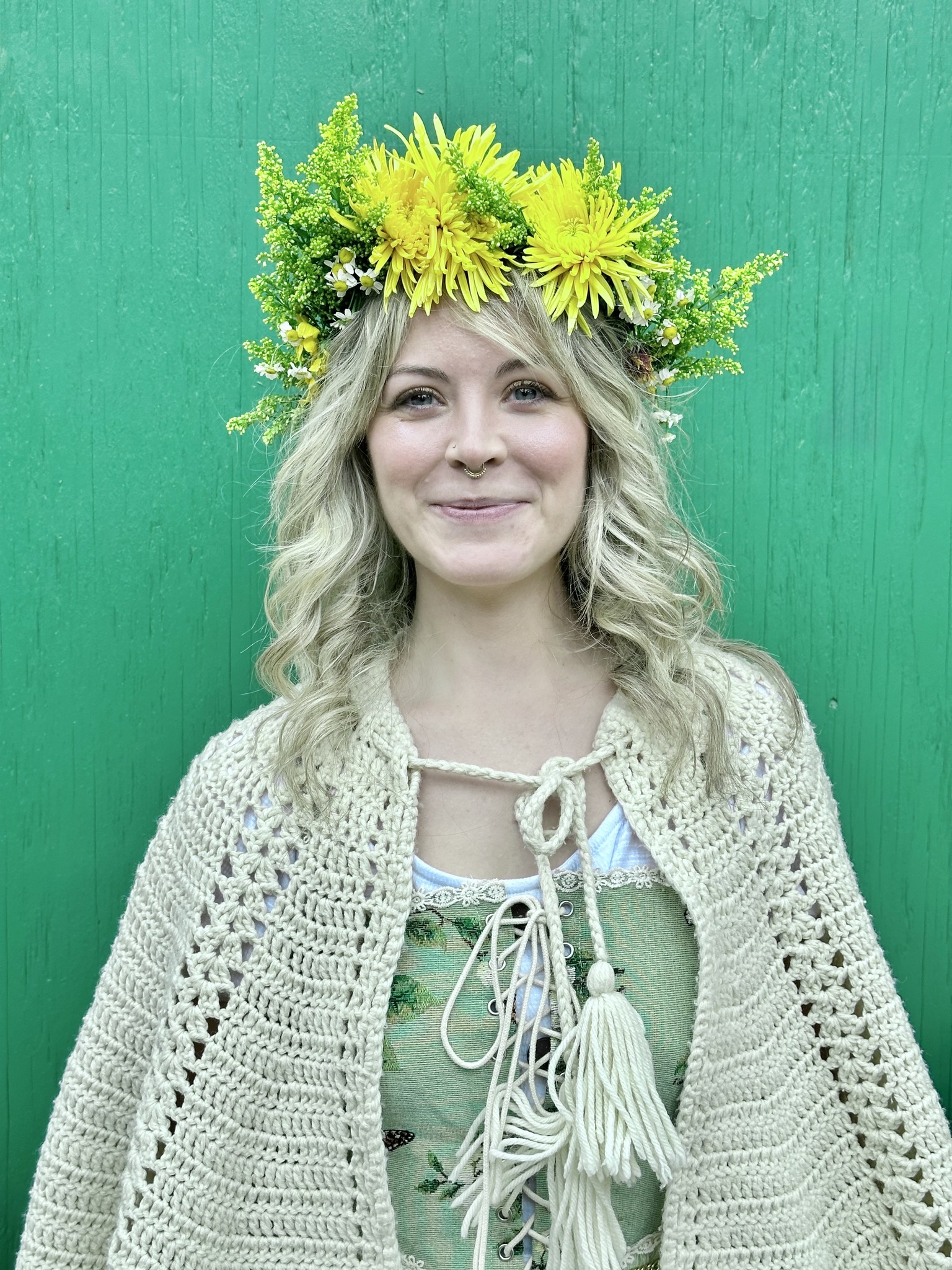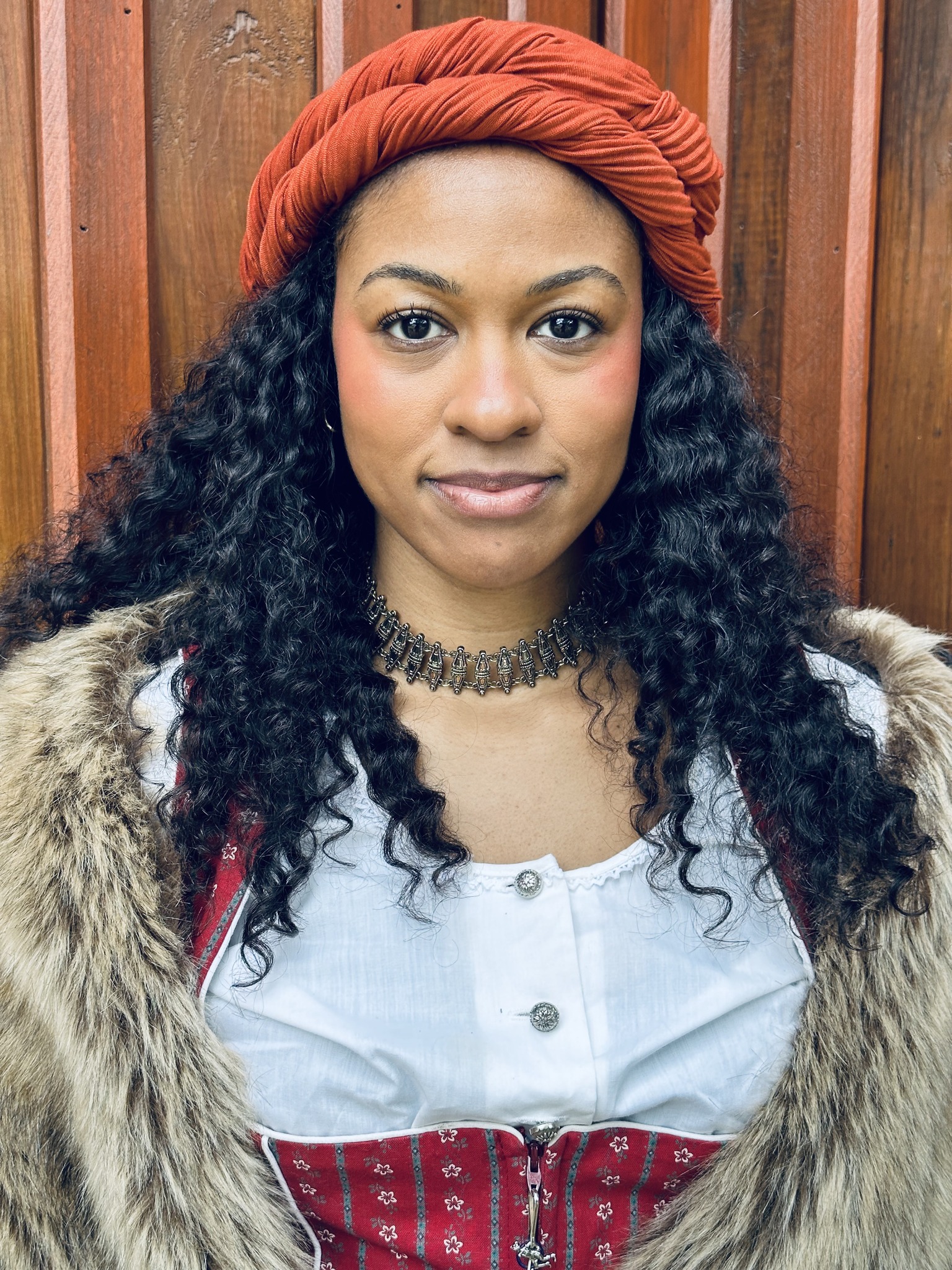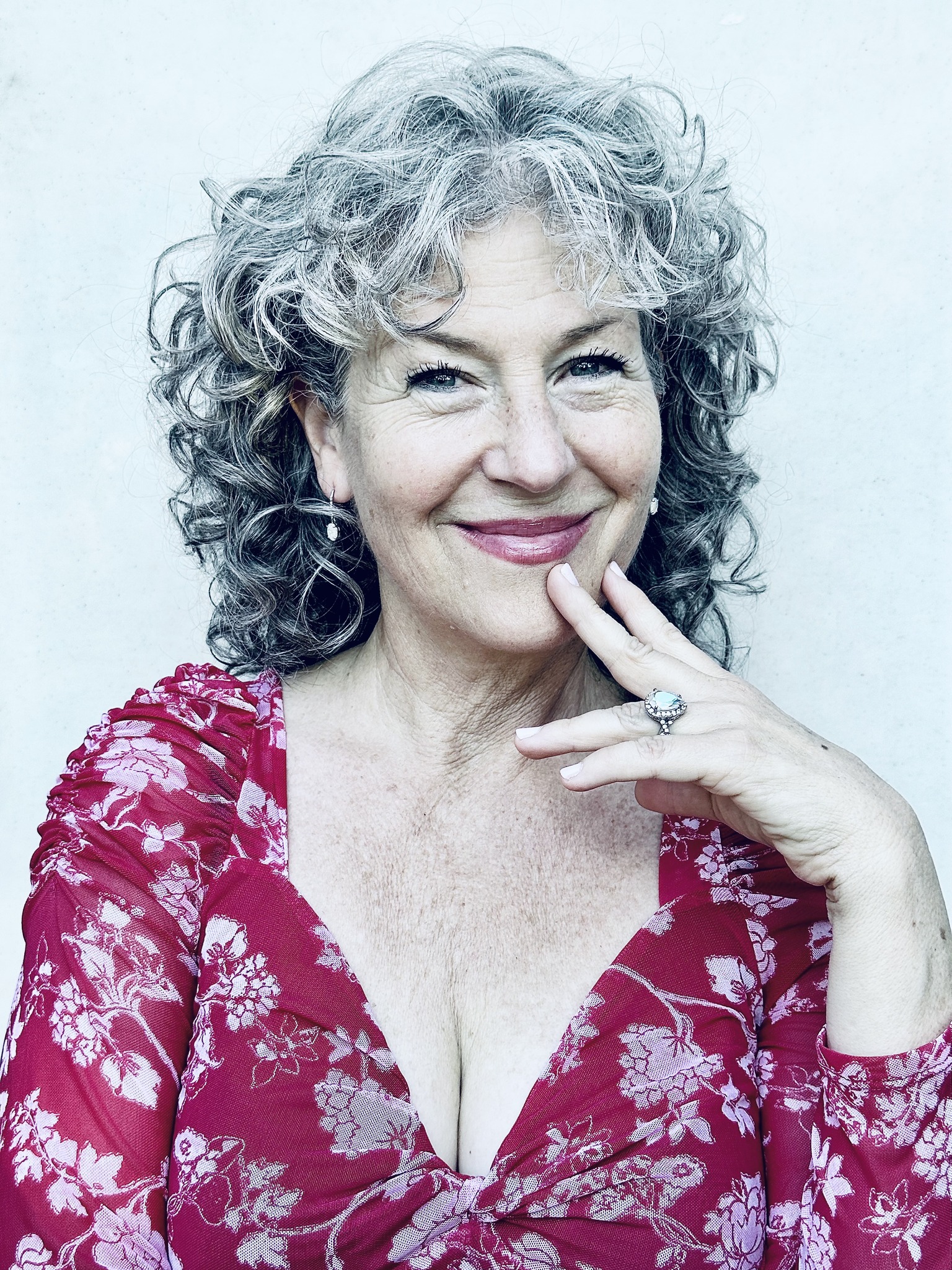
A meditation on brevity, attention, and why the shortest moments carry the most charge
Let’s get something out of the way early.
Fifteen seconds is not a random number.
Most men know this number well. Intimately. Uncomfortably well. It’s short. Embarrassingly short. Over before you’ve fully processed what just happened. Long enough to feel something real. Not nearly long enough to explain yourself afterward.
Which, now that I think about it, makes it a strangely perfect unit of measurement.
Because the intimacy I’m talking about in this book works the same way.
It’s brief. It’s charged. It shows up without warning and disappears just as fast. There’s no warm-up, no rehearsal, no shared history to lean on. Just a sudden alignment of attention—two people fully present at the same time—and then it’s gone.
That’s street portraiture.
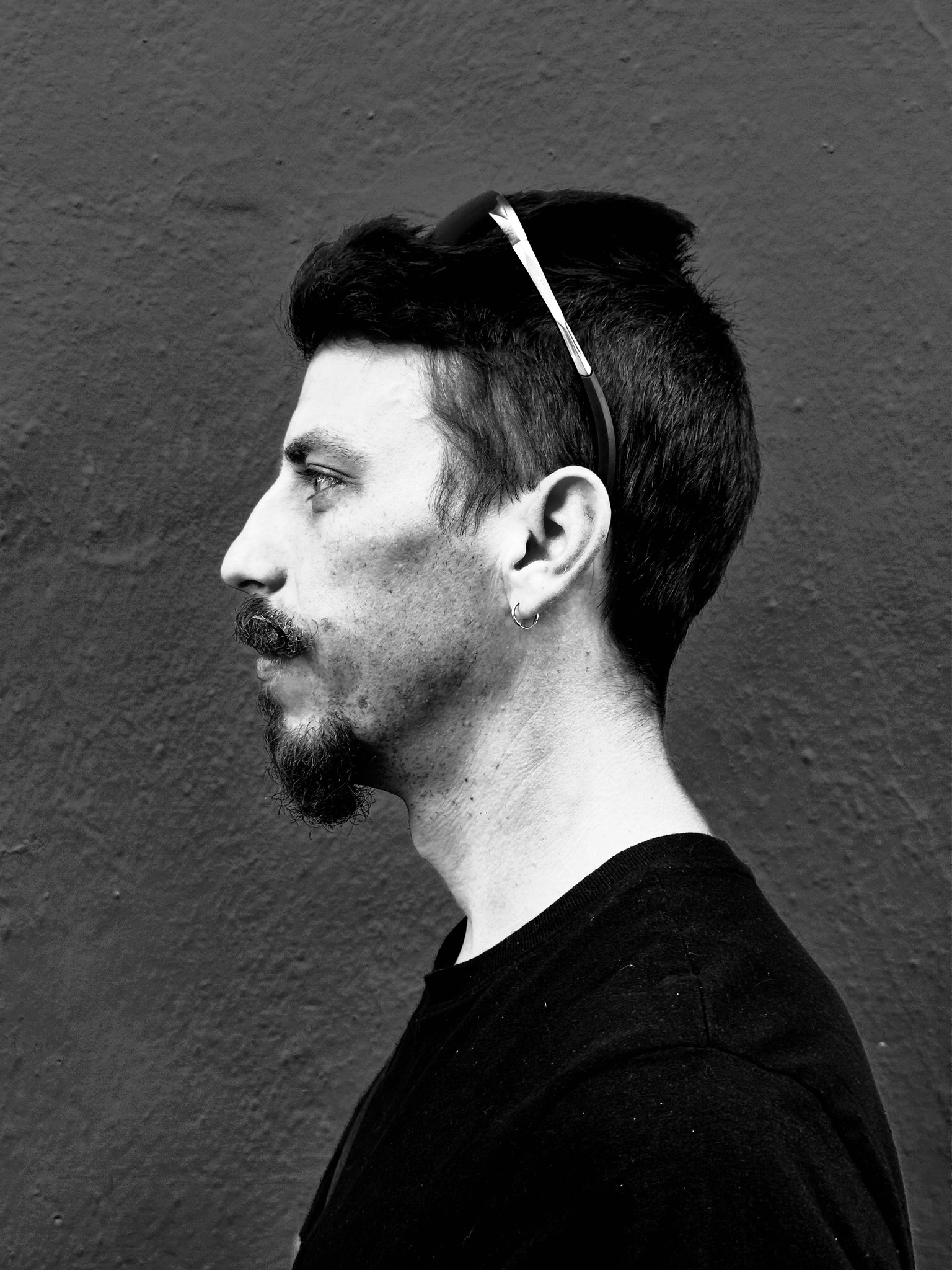
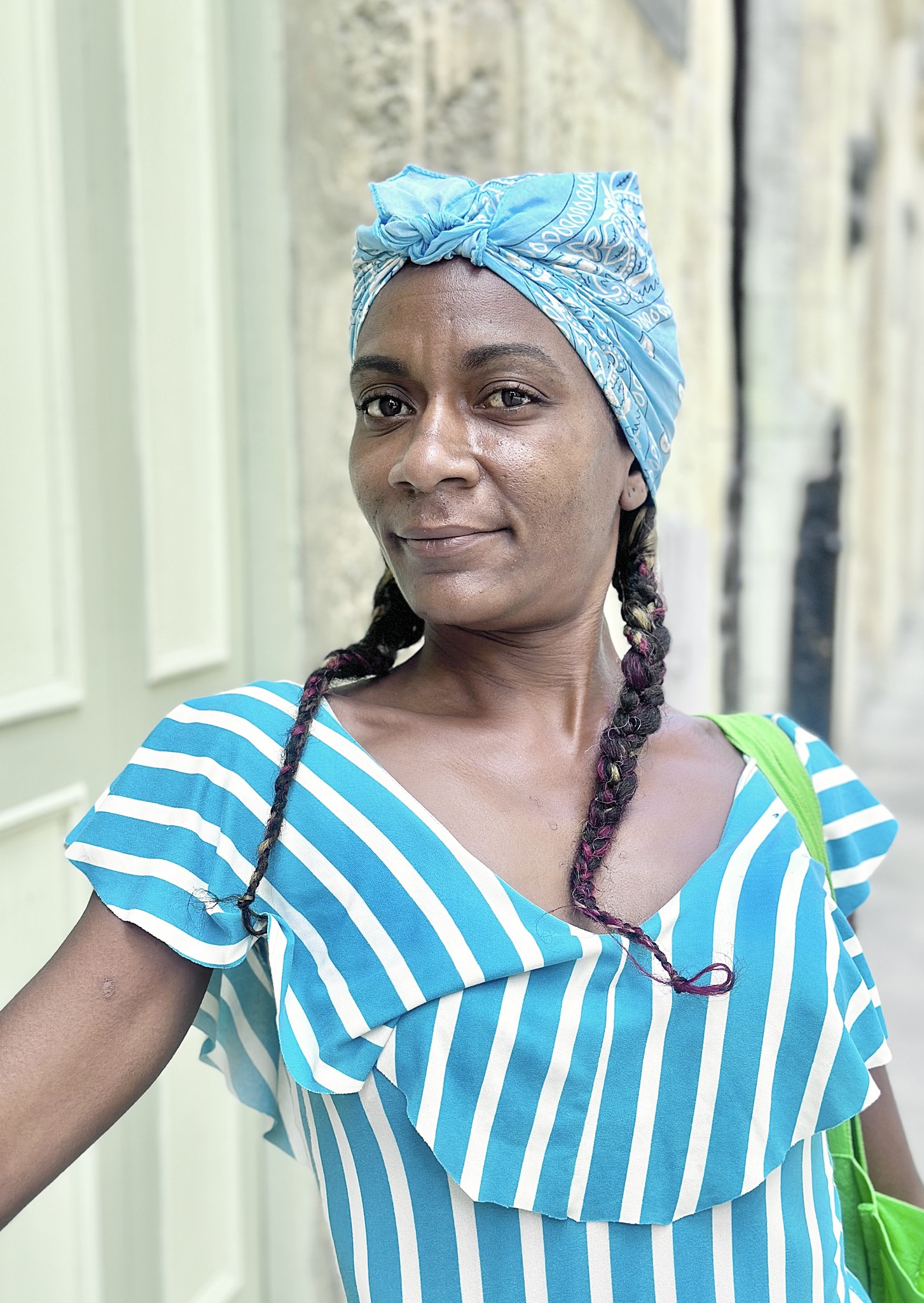
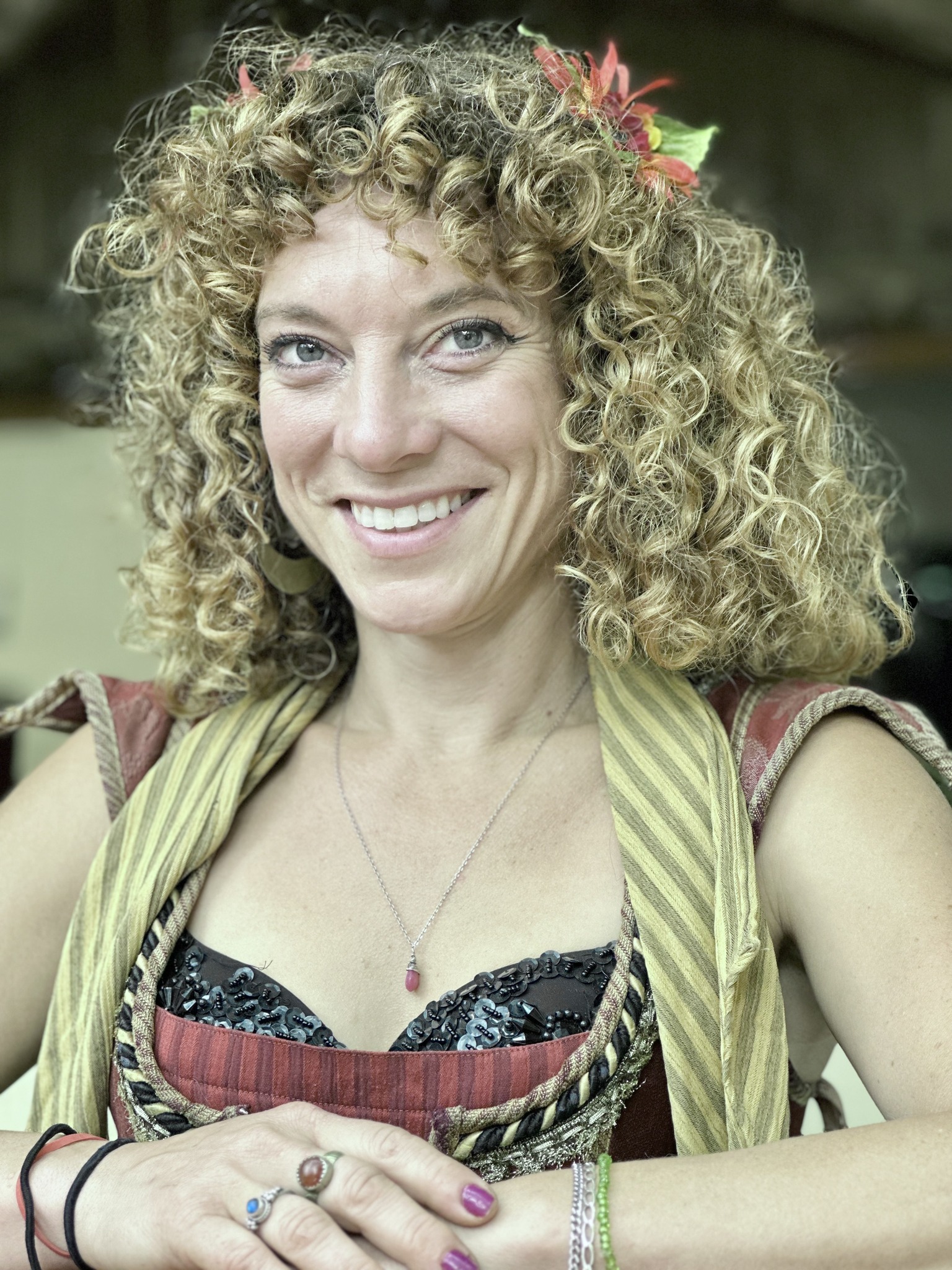
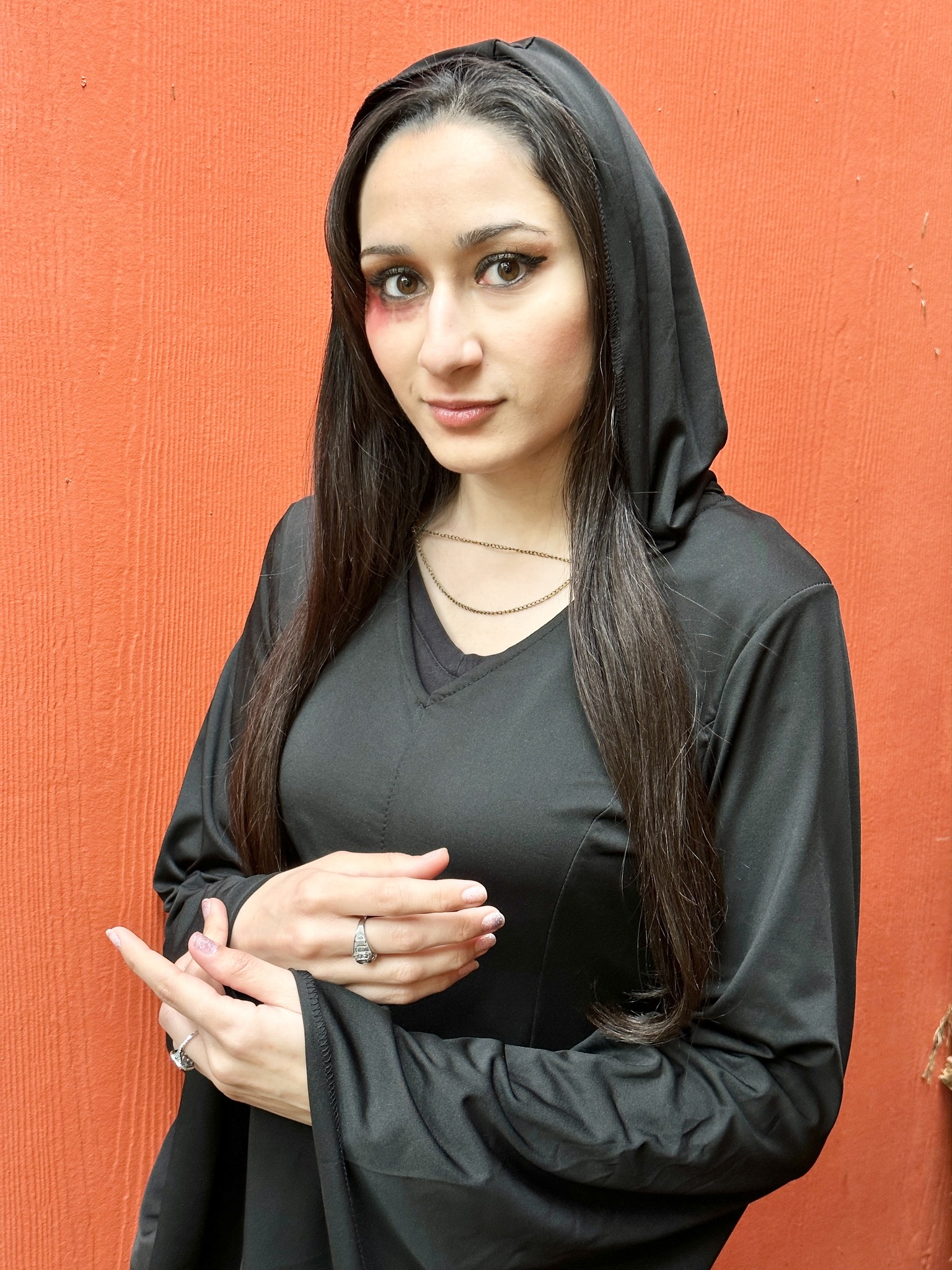
Today, I’m starting a new book called 15 Seconds of Intimacy.
I know what some of you are thinking.
Jack, are you fucking crazy?
Fair question. Reasonable reaction. If I saw that title on a table somewhere, I’d probably pause too. Maybe look around to see who noticed me noticing. Titles carry expectations, and this one comes with a raised eyebrow baked in.
Good.
Because this book isn’t about sex. It’s not about romance. It’s not about shock value or cheap provocation. The intimacy I’m talking about isn’t sexual at all.
It’s sensual.
And by sensual, I mean what the word actually means—not what we’ve shrunk it down to. Sensual as in rooted in the senses. Seeing. Feeling. Noticing. Being awake. Being present in your body and aware of another human being standing right in front of you.
Photographic intimacy.
When most people think about portrait photography, they think about time. Lots of it. A slow build. Conversation. Coffee. Lighting setups. Lens changes. “Okay, now tilt your chin just a little.” A shared backstory, or at least the illusion of one.
And that kind of portraiture is beautiful. I’ve done it for decades. It can be deep, thoughtful, even luxurious.
But that’s not what this book is about.
Street portraits are different.
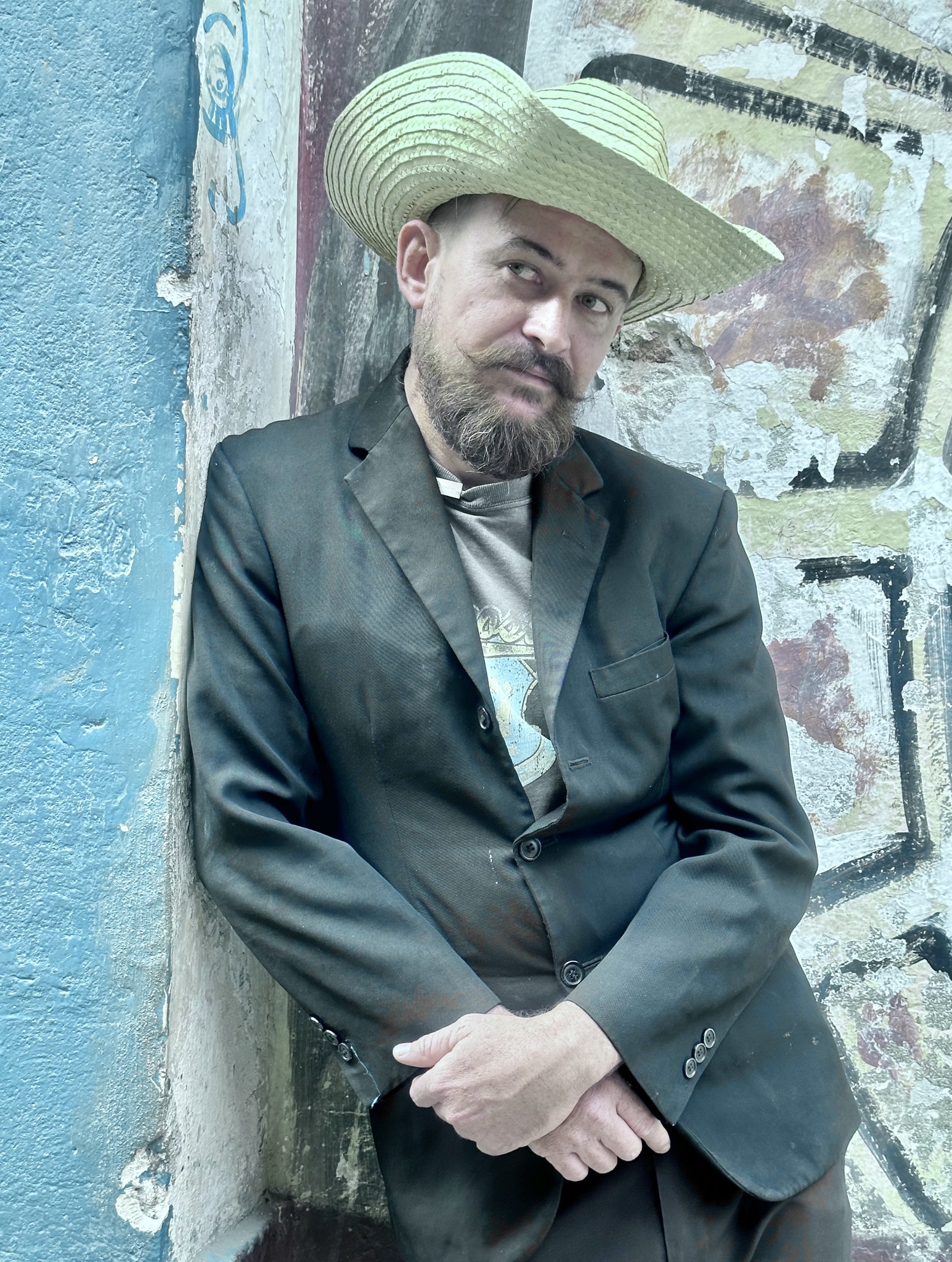
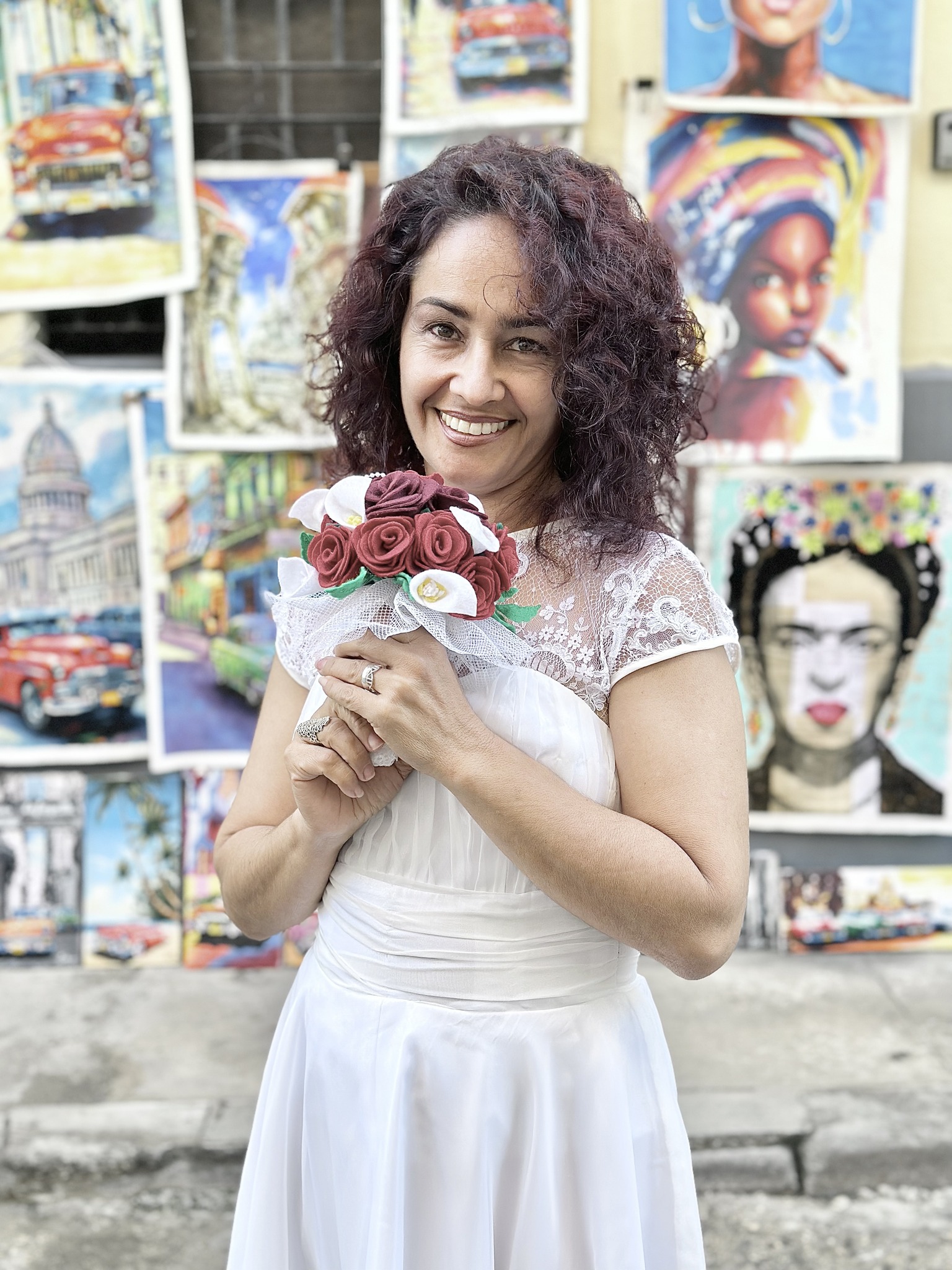
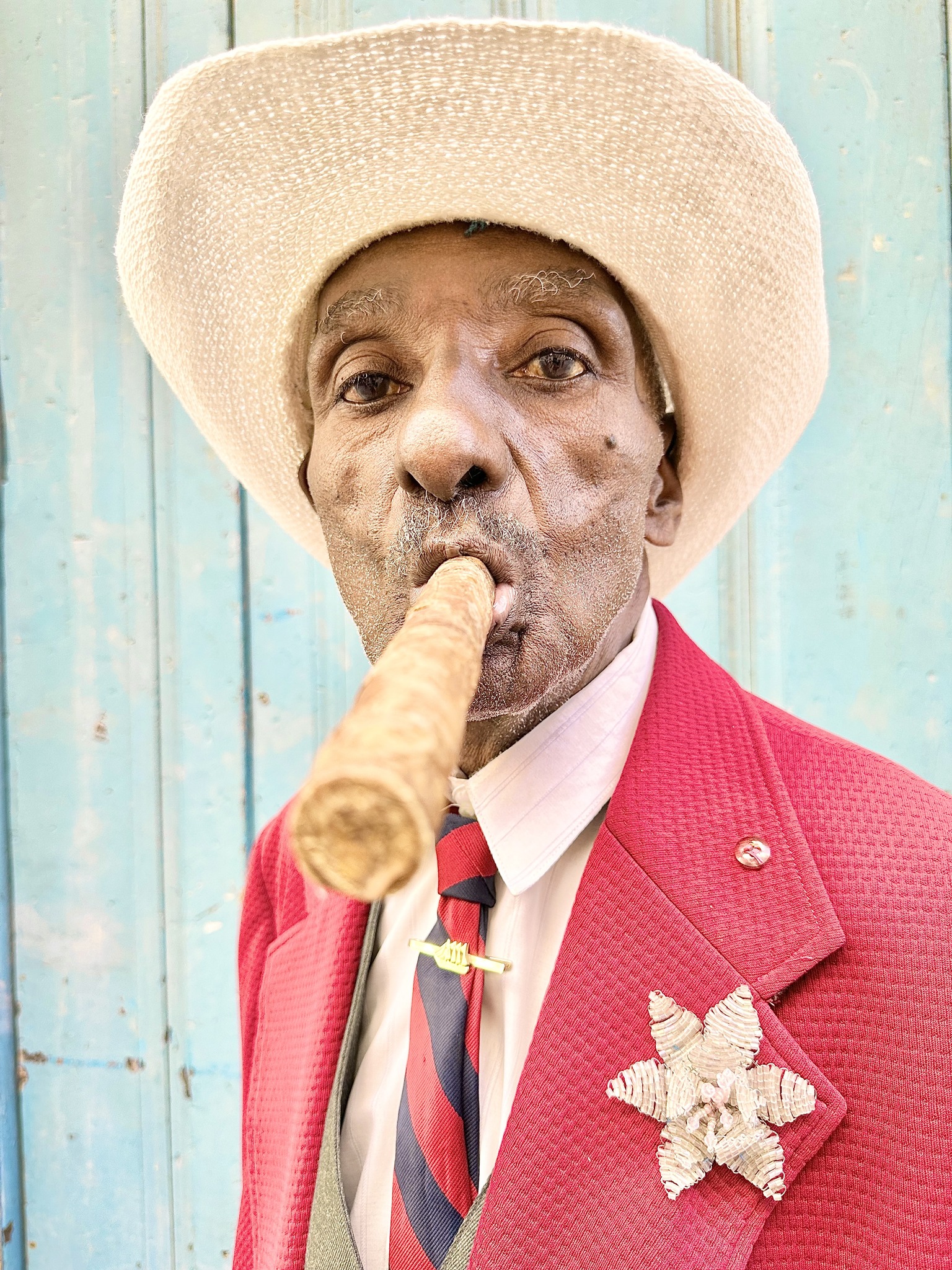
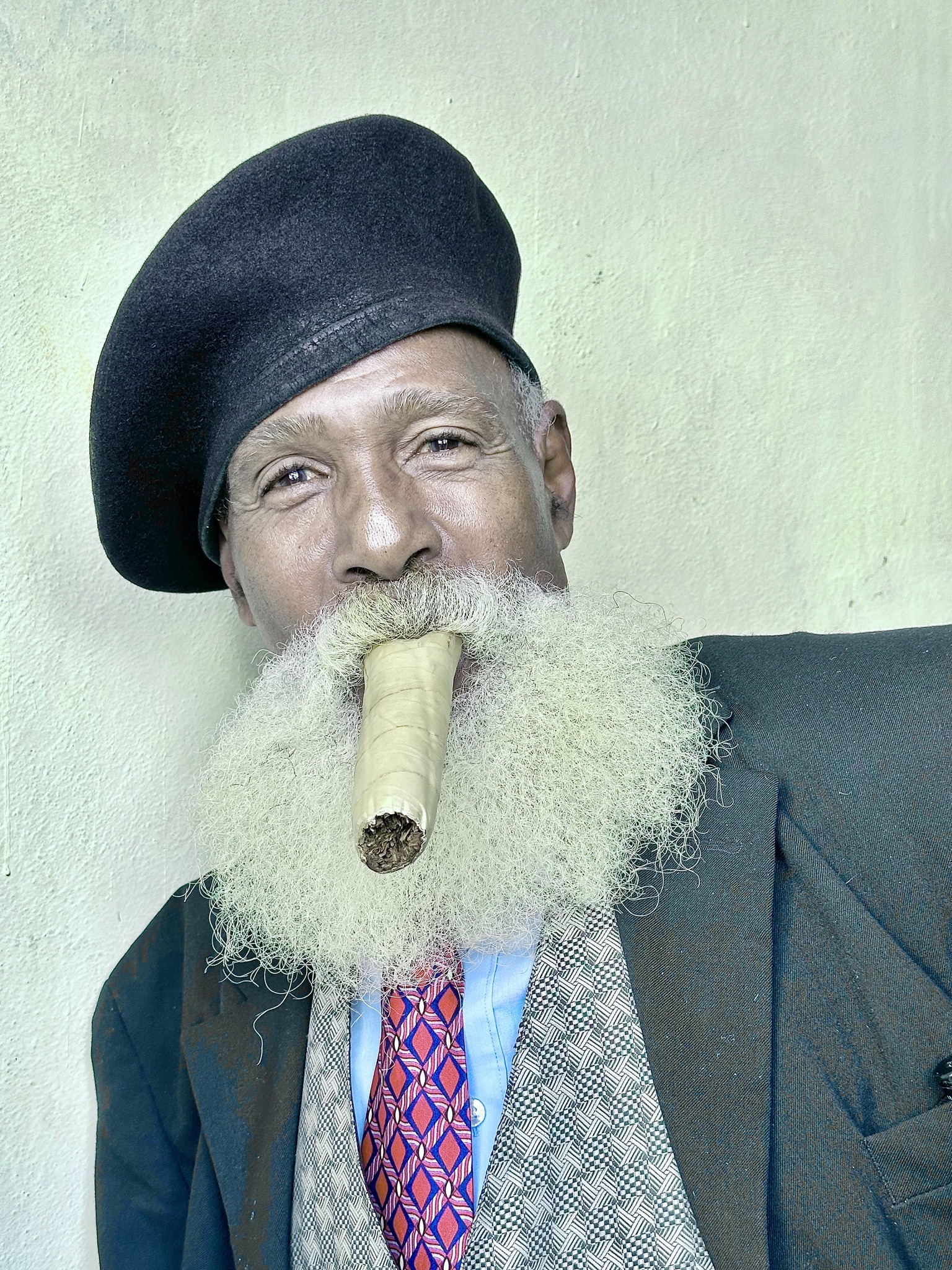
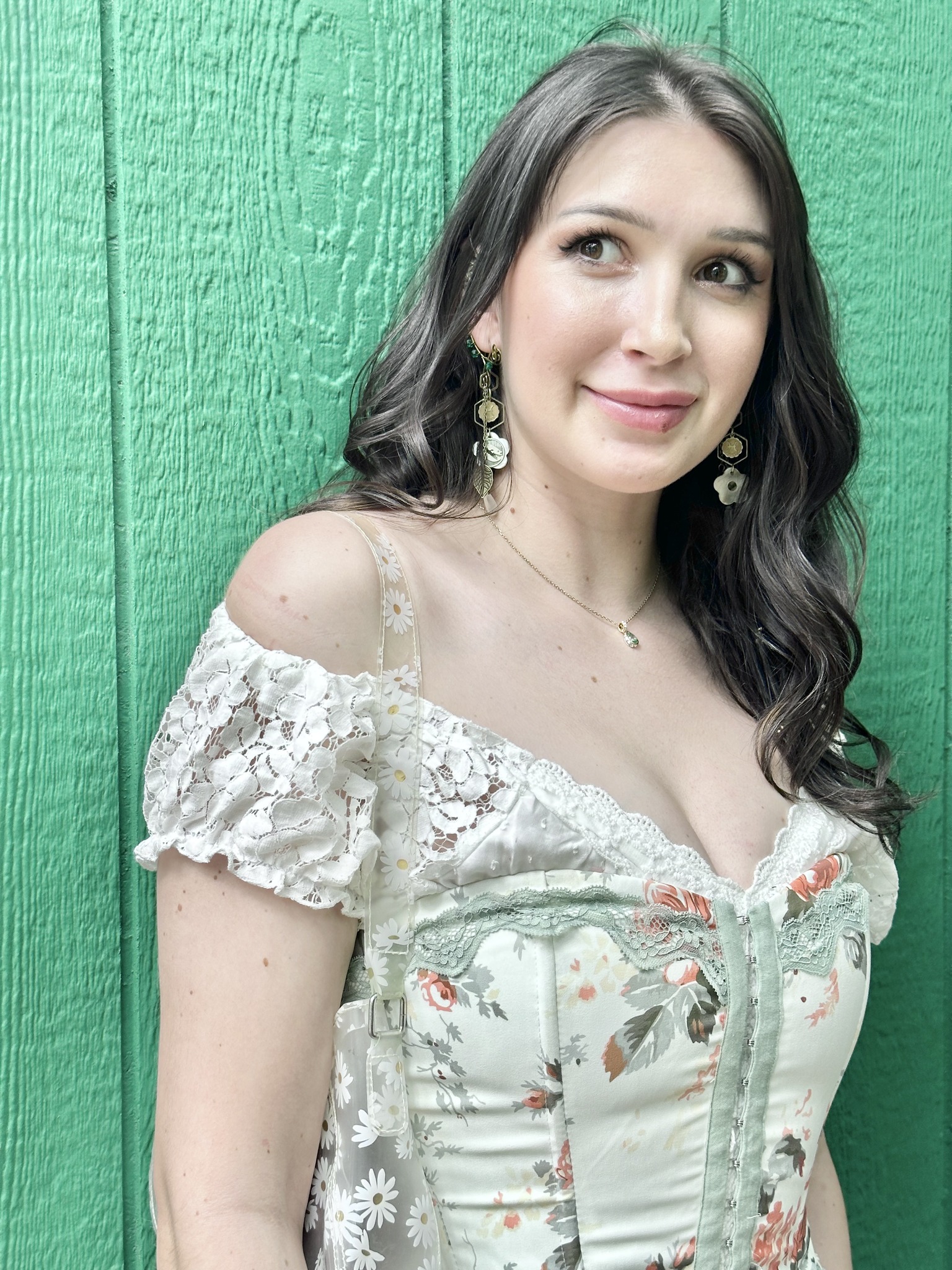
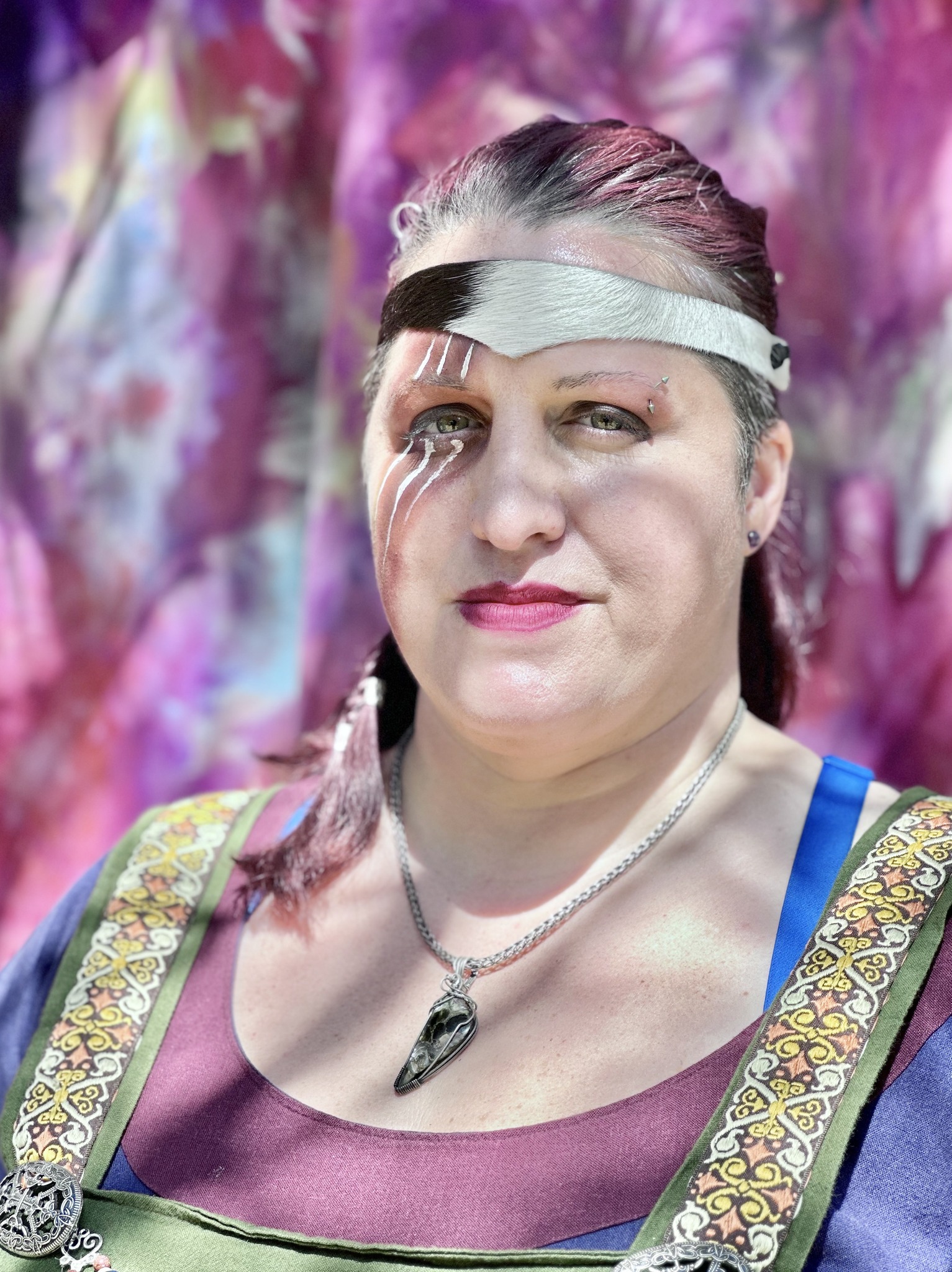
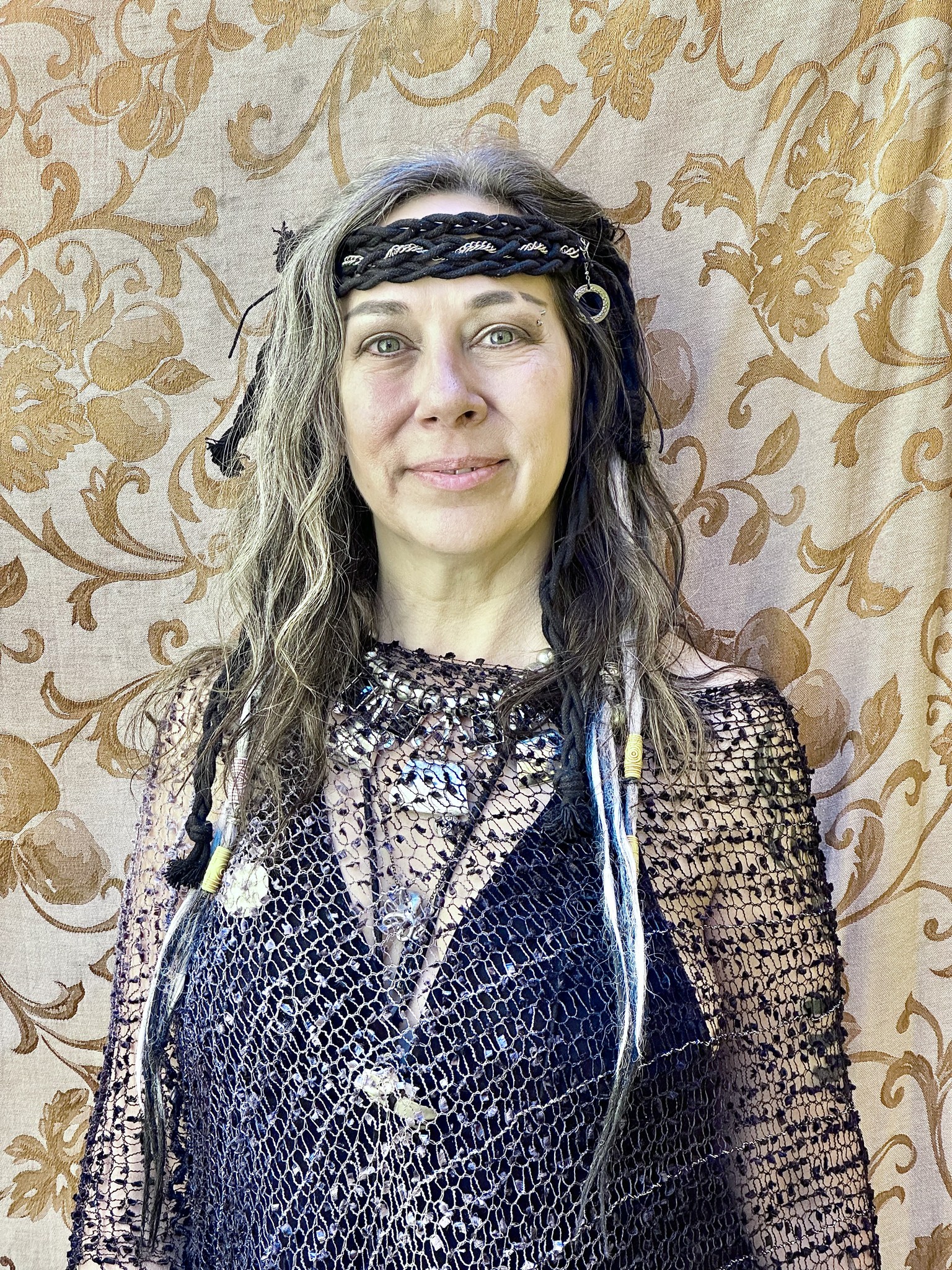
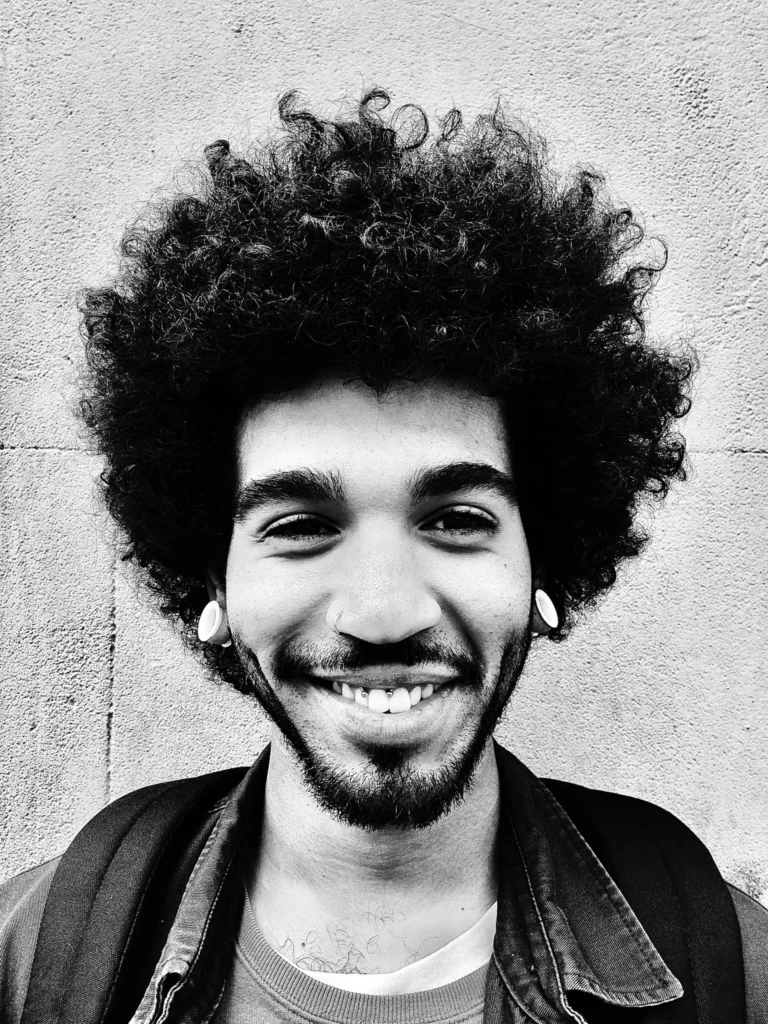
Street portraits are abrupt. They are unpolished. They are a little feral. I walk up to someone I’ve never met. They’re living their life. Thinking their thoughts. Carrying groceries, or grief, or impatience, or joy. And then—interruptus.
A look.
A question.
A nod.
A half-smile.
And suddenly, the clock starts.
Fifteen seconds is generous, by the way. Sometimes it’s ten. Sometimes it’s five. Sometimes it’s over before it begins. A shake of the head. A polite no. A look that says, not today. Fair enough. I move on.
But when it works—when they say yes, when they pause, when they stay—that’s where the intimacy lives.
Not because we know each other.
Precisely because we don’t.
There is something profoundly human about being seen by a stranger. No backstory. No reputation to manage. No future consequences. Just a brief, silent agreement: I will stand here, and you will look at me, and neither of us will pretend this is nothing.
That’s the deal.
And both people feel it.
The subject feels it because they are suddenly aware of themselves. Their face. Their posture. Their presence. Not filtered through a mirror or a screen or a lifetime of self-storytelling—just here I am, right now.
The photographer feels it because there is no safety net. No second chances. No time to “work into it.” You either arrive present or you miss it.
That’s why fifteen seconds matters.
In those seconds, I’m not thinking about gear. I’m not thinking about settings. I’m not thinking about whether someone later will say, “There’s no way you took that with an iPhone.” None of that matters.
What matters is whether I can meet a stranger without flinching.
Can I be calm enough that they relax?
Can I be grounded enough that they feel safe?
Can I be quick enough that the moment doesn’t collapse under its own weight?
Most people think the difficulty of street portraiture is technical.
It isn’t.
The camera part is easy. The hard part is emotional.
You are asking someone for something they do not owe you. Time. Attention. Vulnerability. Even for fifteen seconds, that’s not nothing.
And they are reading you just as quickly as you are reading them.
They know if you’re rushed.
They know if you’re performative.
They know if you’re hunting content instead of connection.
Humans are astonishingly good at this. We’ve been doing it a very long time.
That’s why these portraits feel intimate. Because they are built on mutual assessment and mutual consent, compressed into a tiny window of time.
There is no pretending.
In longer portrait sessions, people eventually settle into a version of themselves they want to present. On the street, there’s no time for that. You get who they are right now. The tired eyes. The guarded posture. The curiosity. The skepticism. Sometimes the joy sneaks in. Sometimes it doesn’t.
Both are honest.
And honesty—even brief honesty—is intimate.
I’ve often said that street photography isn’t about stealing moments. That language has always bothered me. Stealing implies taking without permission. What I’m doing is asking for a loan.
Fifteen seconds.
I promise to give it back intact.
When it works, something subtle happens. The subject straightens just a little. Or exhales. Or looks directly into the lens in a way that says, Okay. I’m here. Let’s do this.
Click.
And it’s over.
They step back into their life. I step back into mine. We don’t exchange numbers. We don’t follow each other. Sometimes we don’t even exchange names. The photograph becomes the only evidence that the encounter happened at all.
That’s not a flaw.
That’s the point.
In a culture obsessed with duration—with relationships that sprawl, entangle, and demand constant maintenance—there is something quietly radical about valuing the short encounter. About saying: this mattered, even though it was brief.
Especially because it was brief.
Fifteen seconds forces clarity. It strips away performance. It leaves no room for manipulation. You either connect or you don’t. And when you do, the result carries a charge—a sense that something real passed between two people and then moved on.
Just like those other famous fifteen seconds.
Awkward to talk about. Impossible to extend. Revealing in ways longer experiences often aren’t.
This book isn’t a how-to. It isn’t a script for talking strangers into letting you photograph them. It’s not a system. It’s about cultivating attentiveness. Presence. The ability to show up fully when time is not on your side.
Because the truth is, moments like this are offered to us constantly. On sidewalks. In checkout lines. At intersections. We just don’t notice them. Or we’re too distracted to accept them. Or we’re afraid of what might happen if we slow down and actually look.
Street portraits have taught me that intimacy does not require duration.
It requires willingness.
A mutual decision to pause. To stand still in the middle of everything else. To allow yourself to be seen without explanation.
Fifteen seconds is enough.
More than enough.
Sometimes, it’s everything.
Jack.