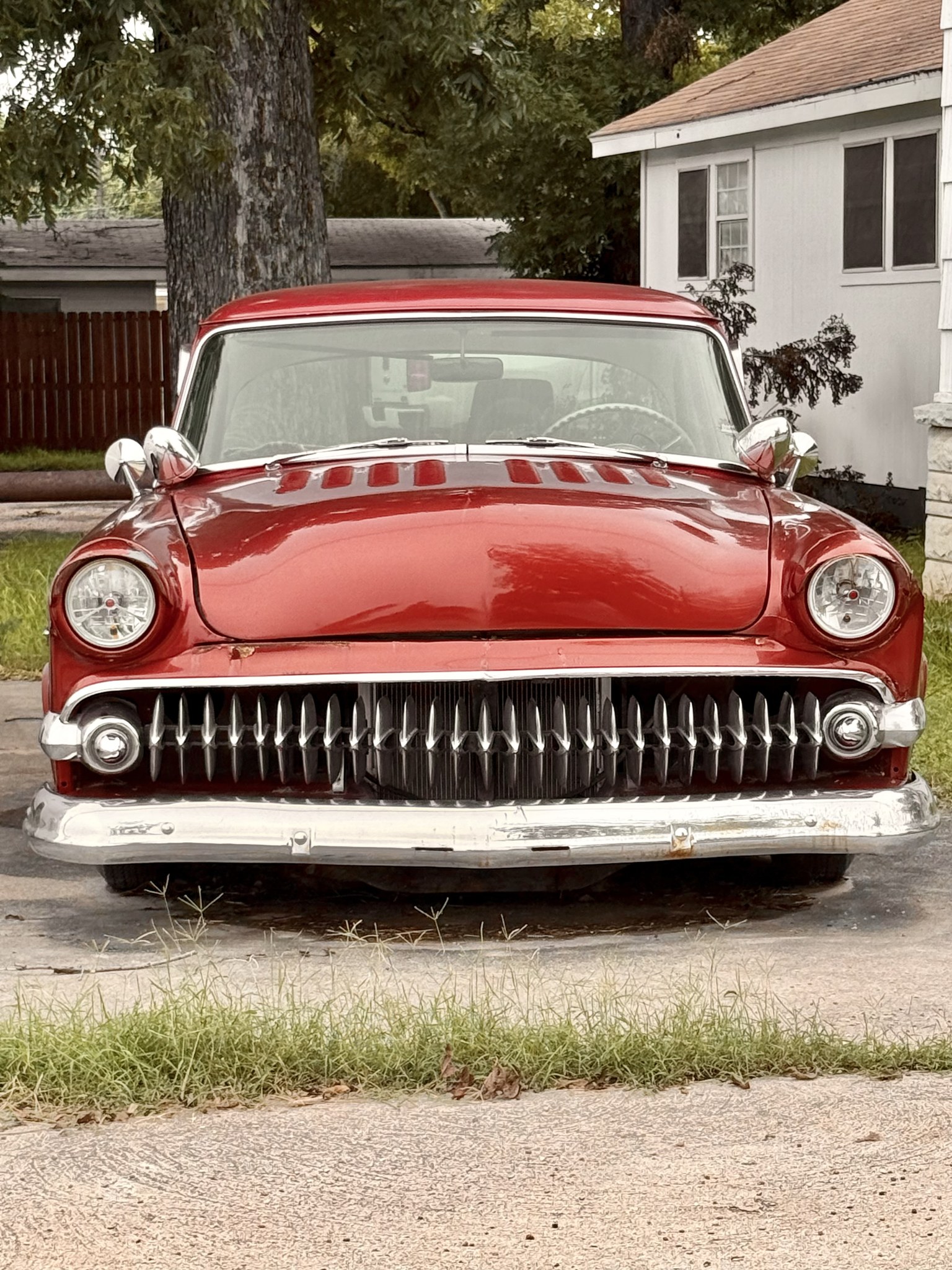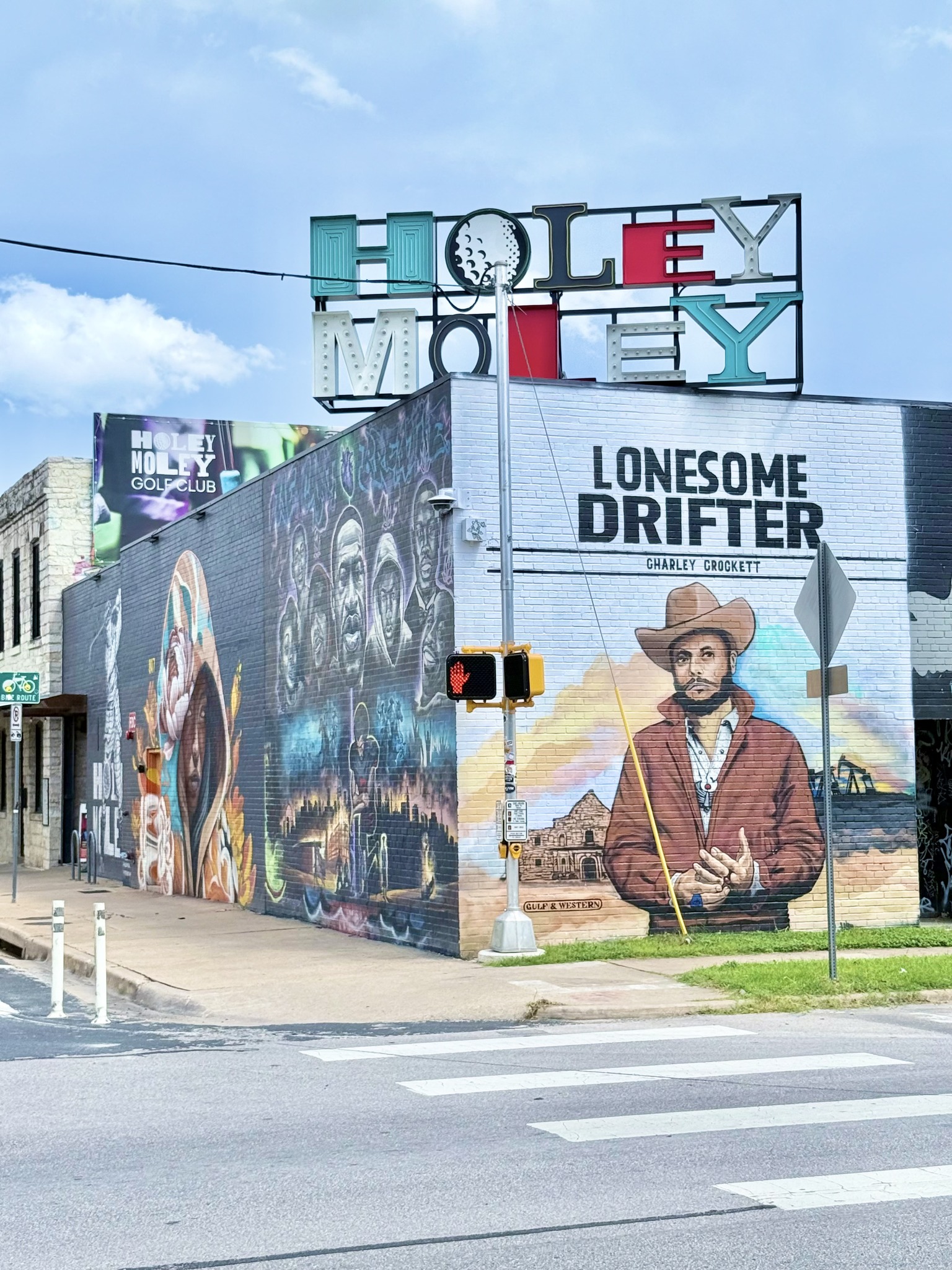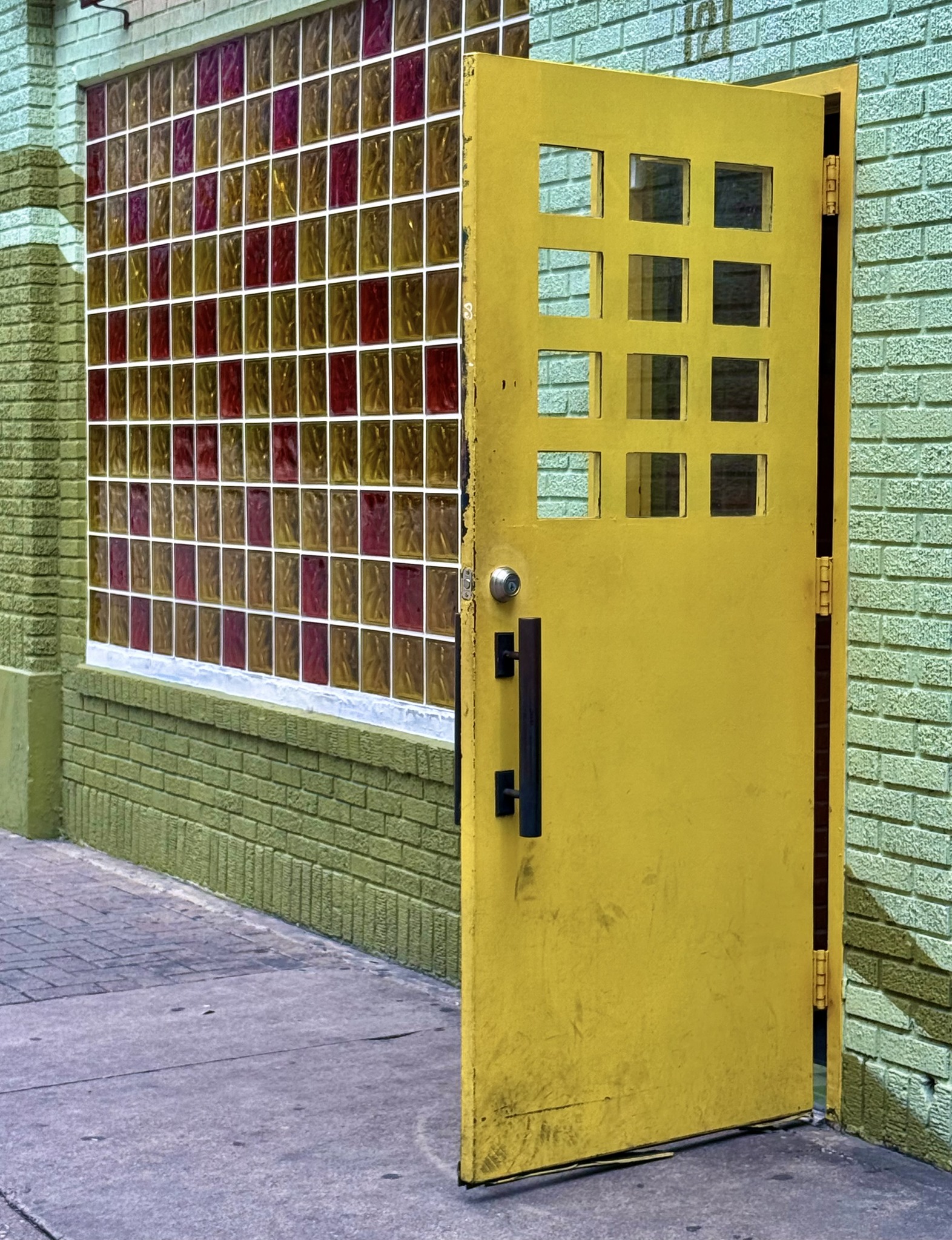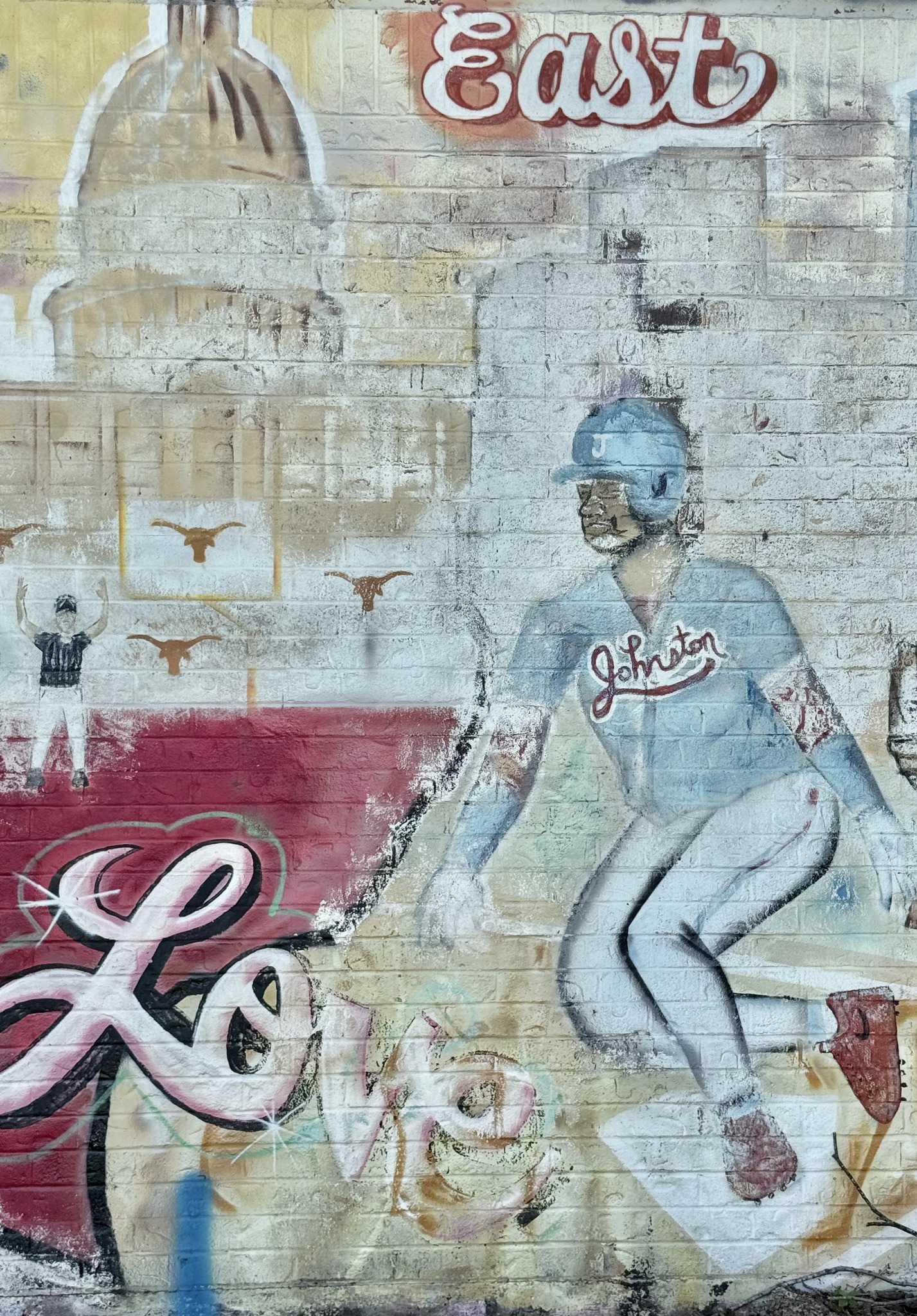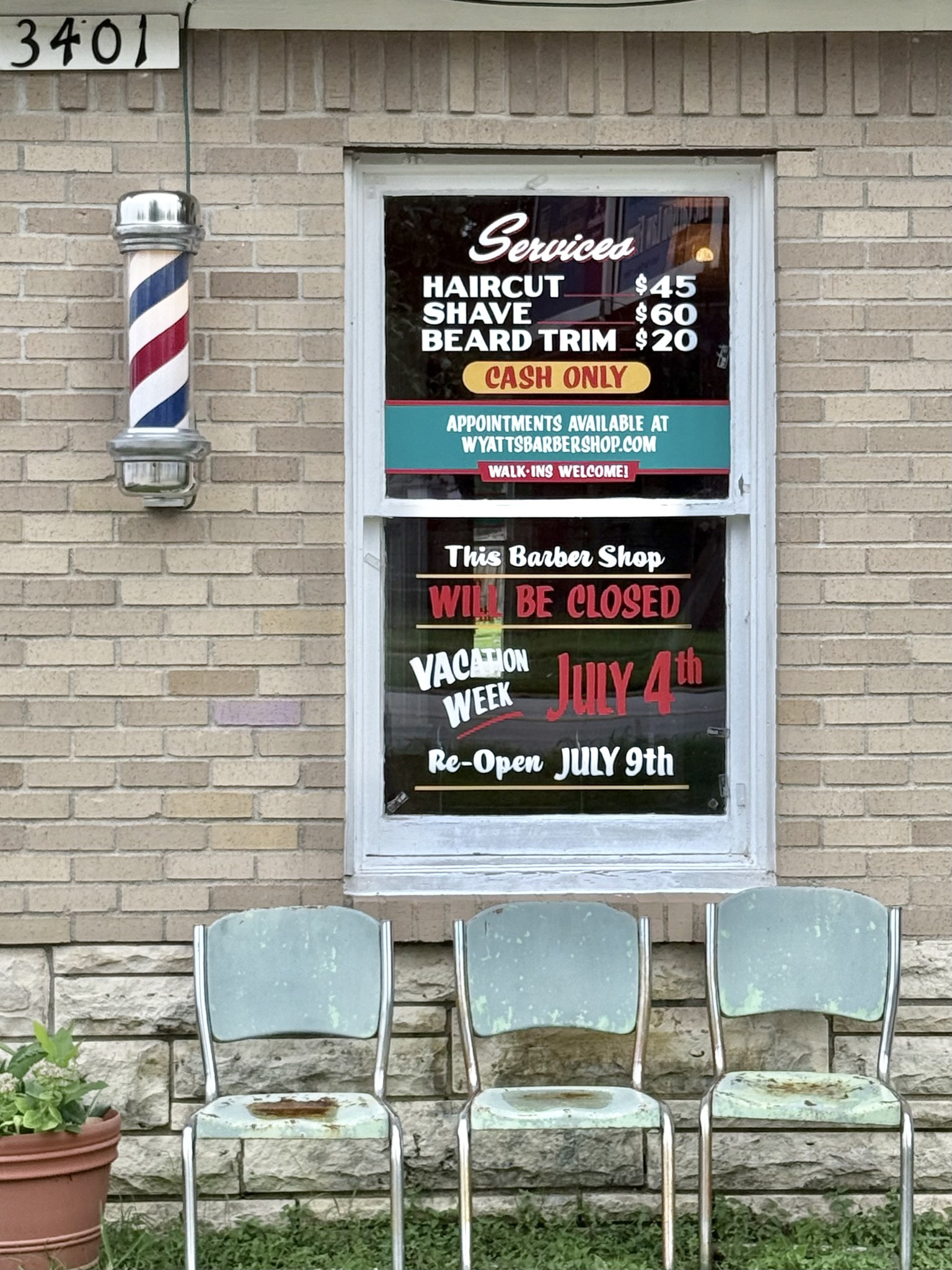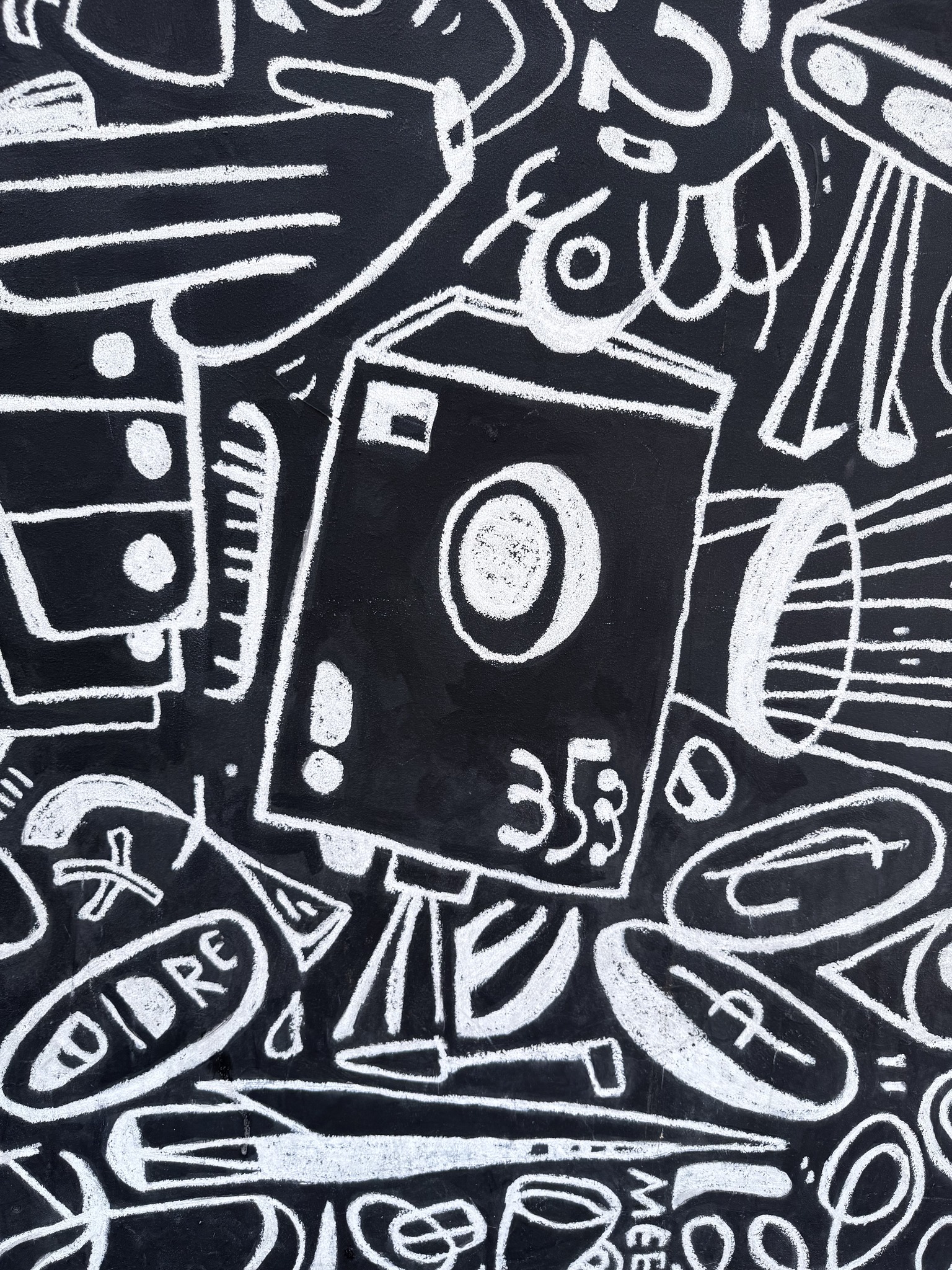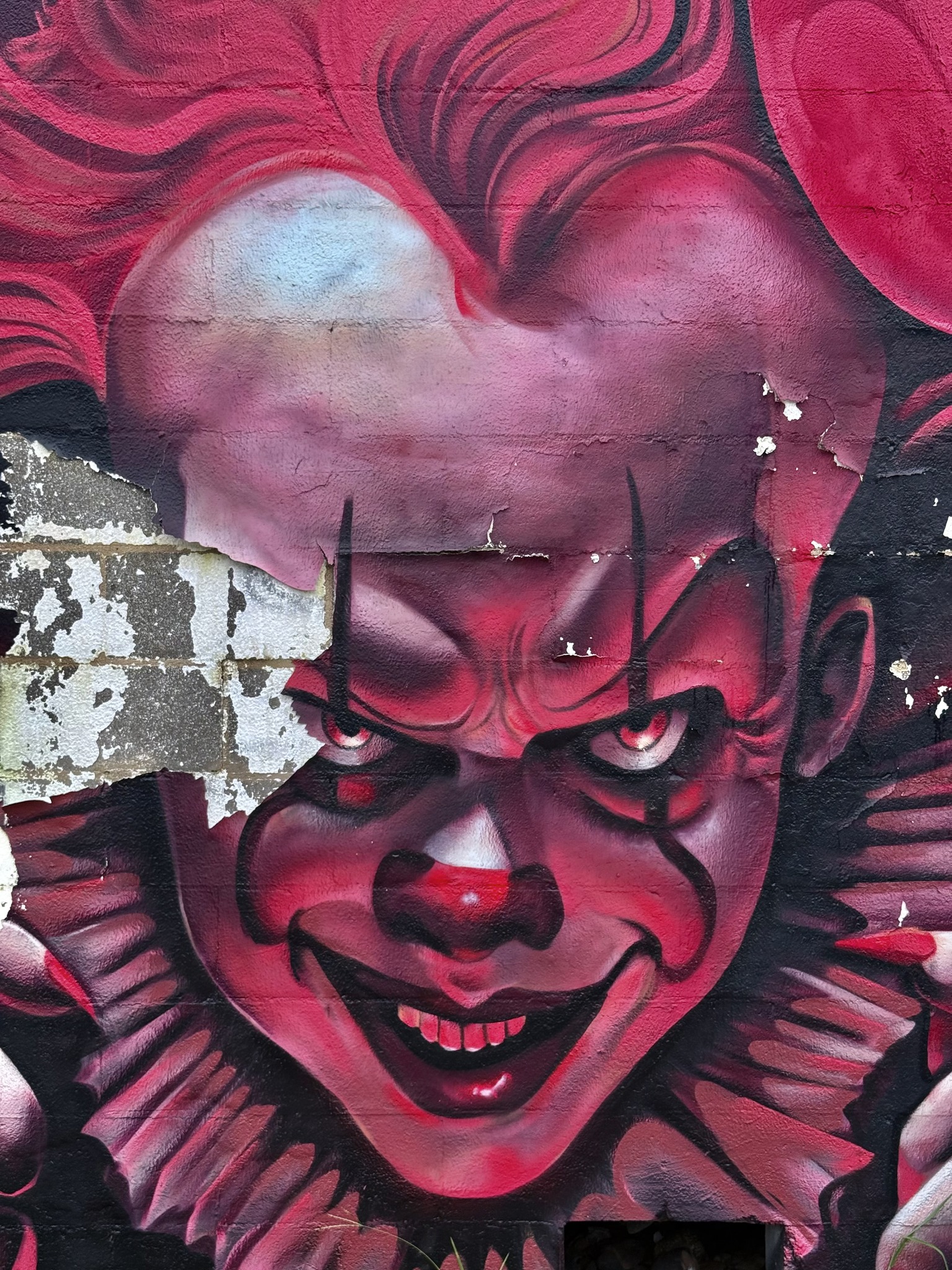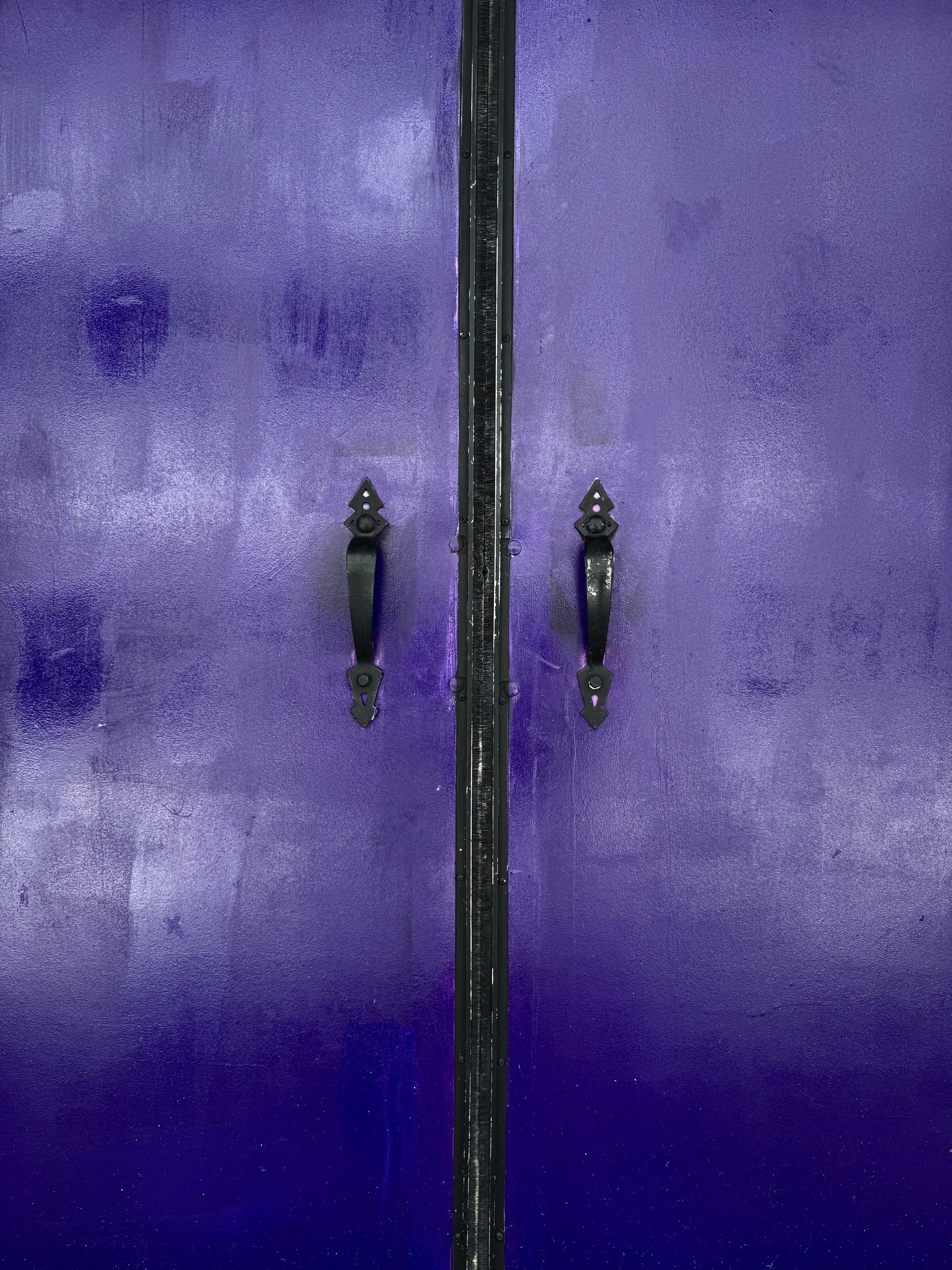
As many of you already know, I’ve had a camera in my hands since 1975. That’s five decades—50 years—of pointing a lens at the world. For the first 35 of those years, I worked almost exclusively with traditional cameras—film and then digital—shooting for commercial clients across the globe.
That meant someone else was usually picking the subject matter.
Don’t get me wrong, I was well-paid. I built a career that supported a family. I traveled the world. I sharpened my craft across genres: fashion, lifestyle, corporate, architecture, portraits, events, products, travel. All of it. I shot the clean, polished, client-approved stuff—the stuff that makes it to the cover, gets printed in ads, or gets mounted on office walls.
But in February 2011, something changed. I got my first iPhone camera.
At first, I treated it like a toy. A backup. A fun little point-and-shoot. But the more I used it, the more I realized something life-altering:
This wasn’t just a phone.
This was freedom.
And not just creative freedom. Emotional freedom. Visionary freedom.
The freedom to shoot what I wanted to shoot.
No more mood boards. No more art directors. No more bidding wars or call sheets or approvals.
Just me. My eye. My phone.
And that changed everything.
The Shift from Commercial to Personal
The first thing I noticed was this: I stopped chasing the “right” shot.
The hero shot. The money shot. The client-winning shot.
Instead, I started chasing the honest shot, the art shot, the personal shot
That meant letting go of many of the traditional subjects I had built a career around.
Not because I hated them. But because I’d done them. Over and over.
And something in me was hungry for more.
Not more complexity. Not more production value. Not more gear.
More meaning. More connection. More truth.
That’s when I started paying attention to the kinds of images no one else was shooting.
Not because they weren’t good—but because they were invisible.
The Beauty in the Overlooked
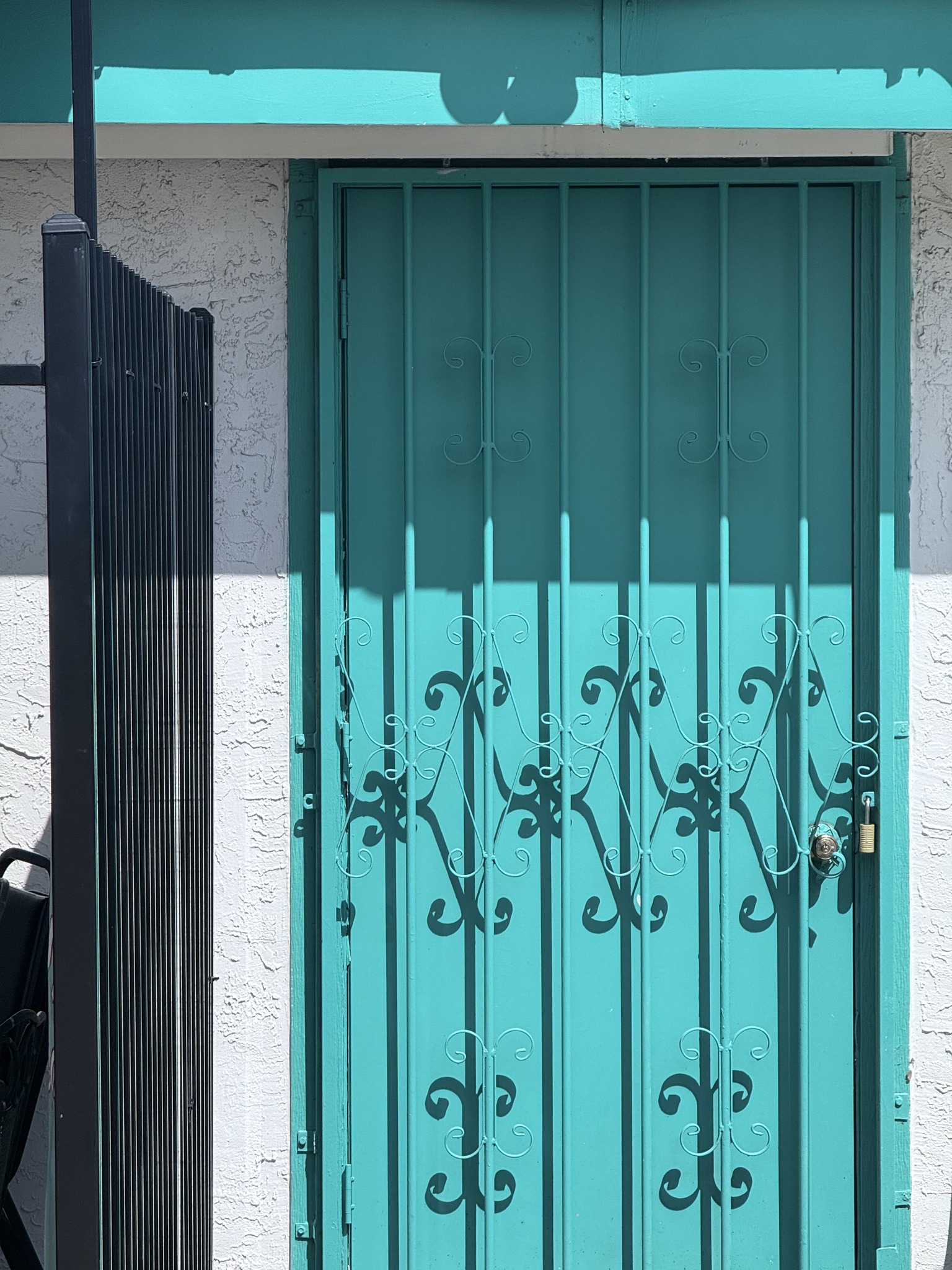
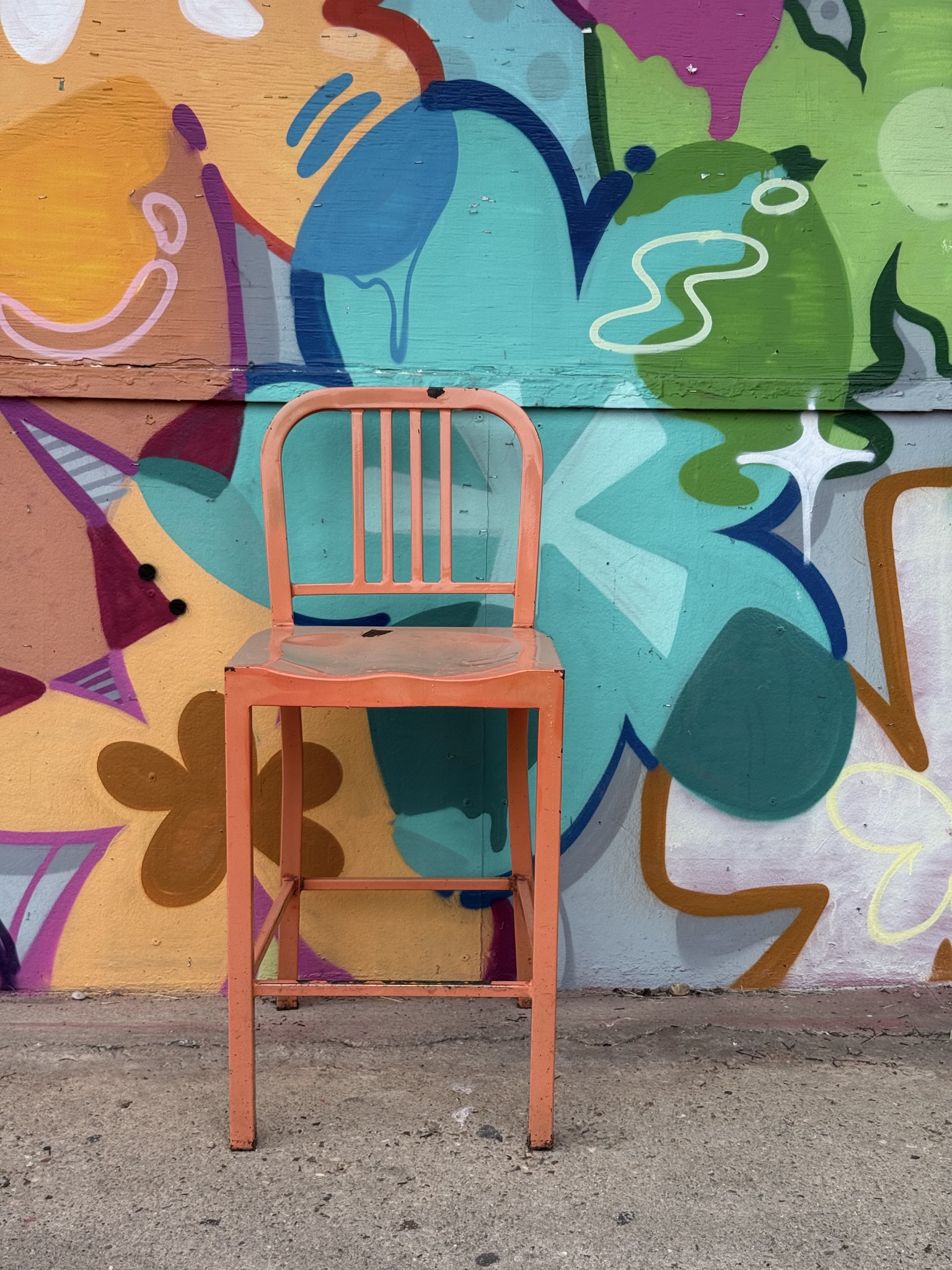
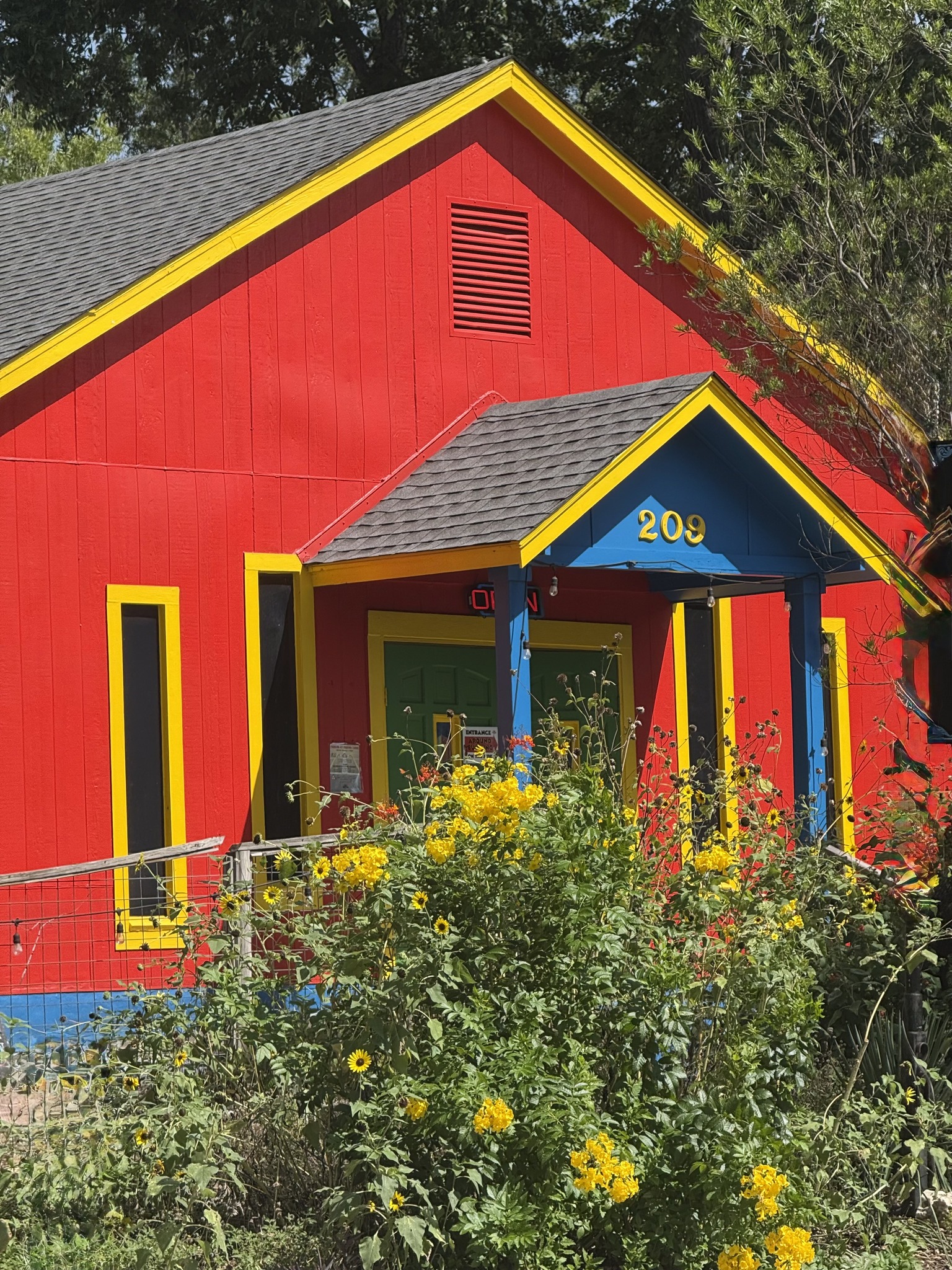
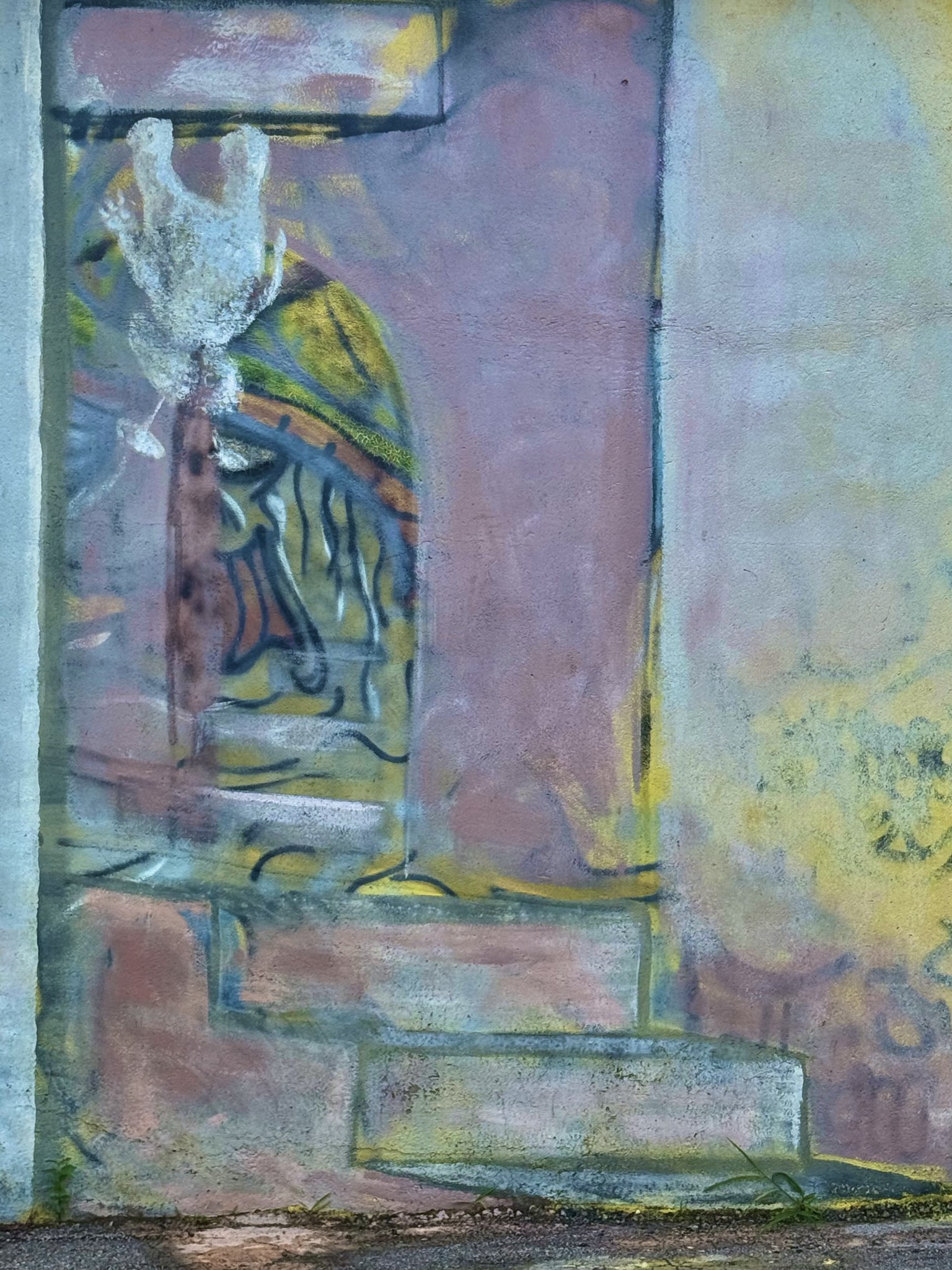
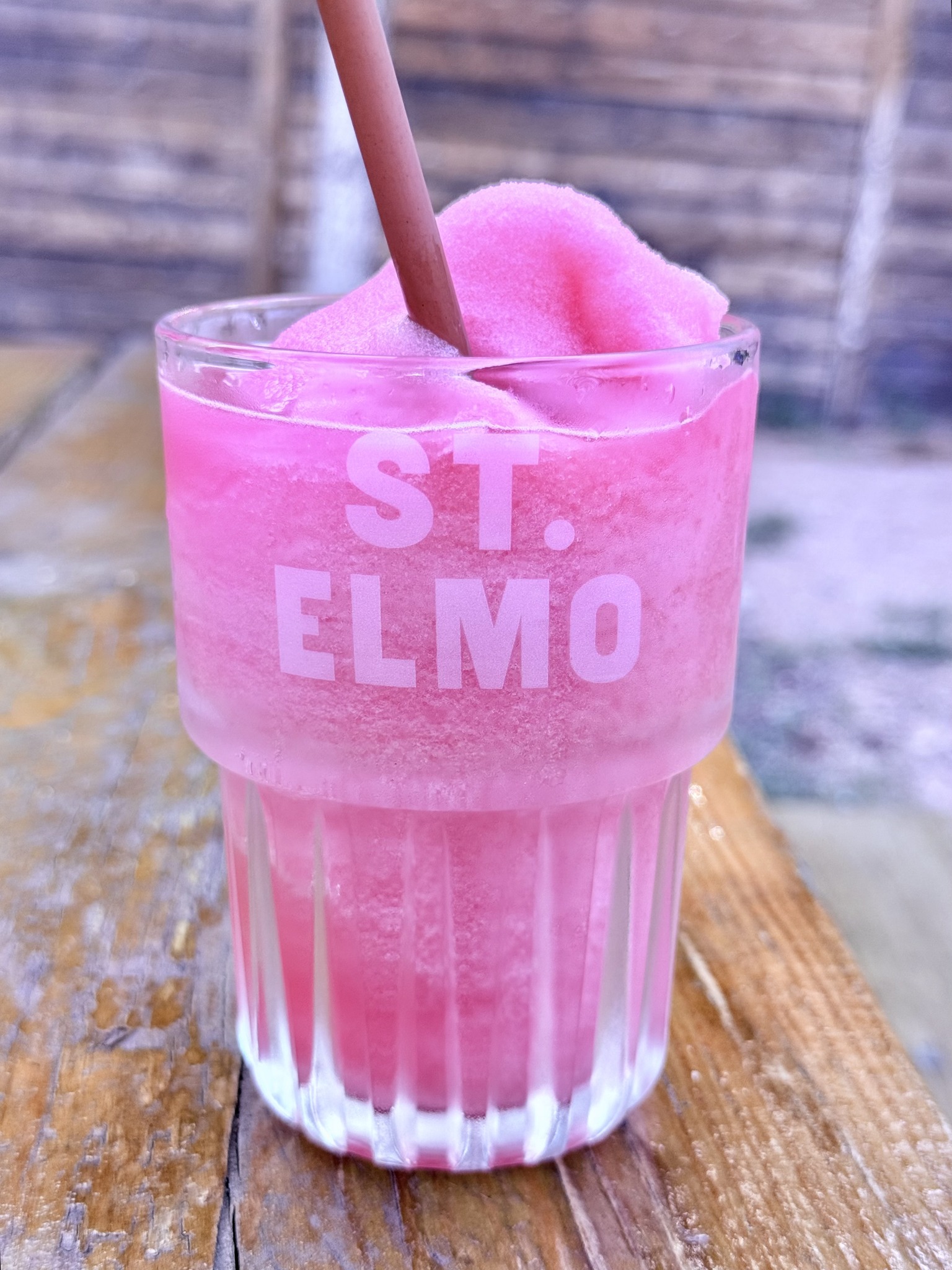
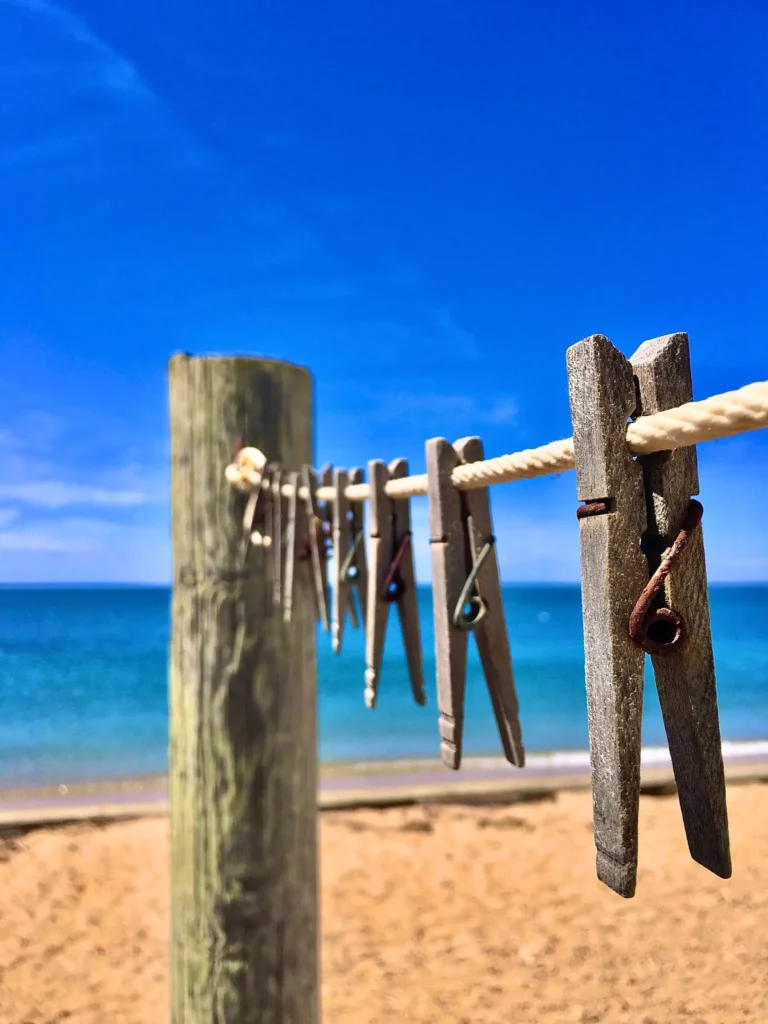
I’m talking about puddles on asphalt. The crooked shadows on a motel curtain.
Rust stains on a fence. A leaf pressed into a car windshield.
The fogged-over glass of a laundromat window at 6:00am.
Tiny, passing, in-between moments.
These aren’t what most people stop to photograph.
They’re too ordinary. Too subtle. Too quiet.
But if you learn to slow down, to see,
you’ll find they whisper something louder than most posed portraits ever could.
There is deep poetry in the overlooked.
And if you’re paying attention, it can feel like the whole world is handing you secrets—free of charge, no permission required.
It’s all right there, waiting to be seen.
Why Most People Miss It
We live in a world obsessed with spectacle.
Bright lights. Big moments. Viral-worthy views.
The average person walks past a thousand possible photographs every day without seeing a single one.
They’re in too much of a hurry.
Or too distracted.
Or too convinced that only sunsets and skylines are worth the effort.
But the truth is:
Some of the most hauntingly beautiful photos I’ve ever taken weren’t of “beautiful” things.
They were of honest things.
Simple things.
Unfiltered moments, caught in passing.
Not because I was searching for something profound—
but because I was awake to it.
That’s the real trick. Not better gear. Not better editing.
Just better seeing.
iPhone as Enabler, Not Limitation
One of the biggest reasons I’ve stuck with the iPhone for the past 15 years is because it invites a kind of uncomplicated seeing.
You’re not weighed down by gear. You don’t need a tripod, or a lens case, or a backpack full of accessories.
You just pull it out of your pocket and shoot.
And that speed, that simplicity, has opened me up to a whole new visual vocabulary.
The iPhone doesn’t demand your image be epic.
It doesn’t care if the moment is “portfolio-worthy.”
It just lets you respond.
And that instinctive, spontaneous response—
that’s where the magic lives.
A Call to Photographers
So here’s what I want to say to every photographer who feels stuck, uninspired, or overwhelmed:
Stop chasing what everyone else is chasing.
Stop trying to impress.
Stop trying to go viral.
Stop trying to shoot what you think you’re supposed to.
Start shooting what moves you.
Start noticing what others don’t.
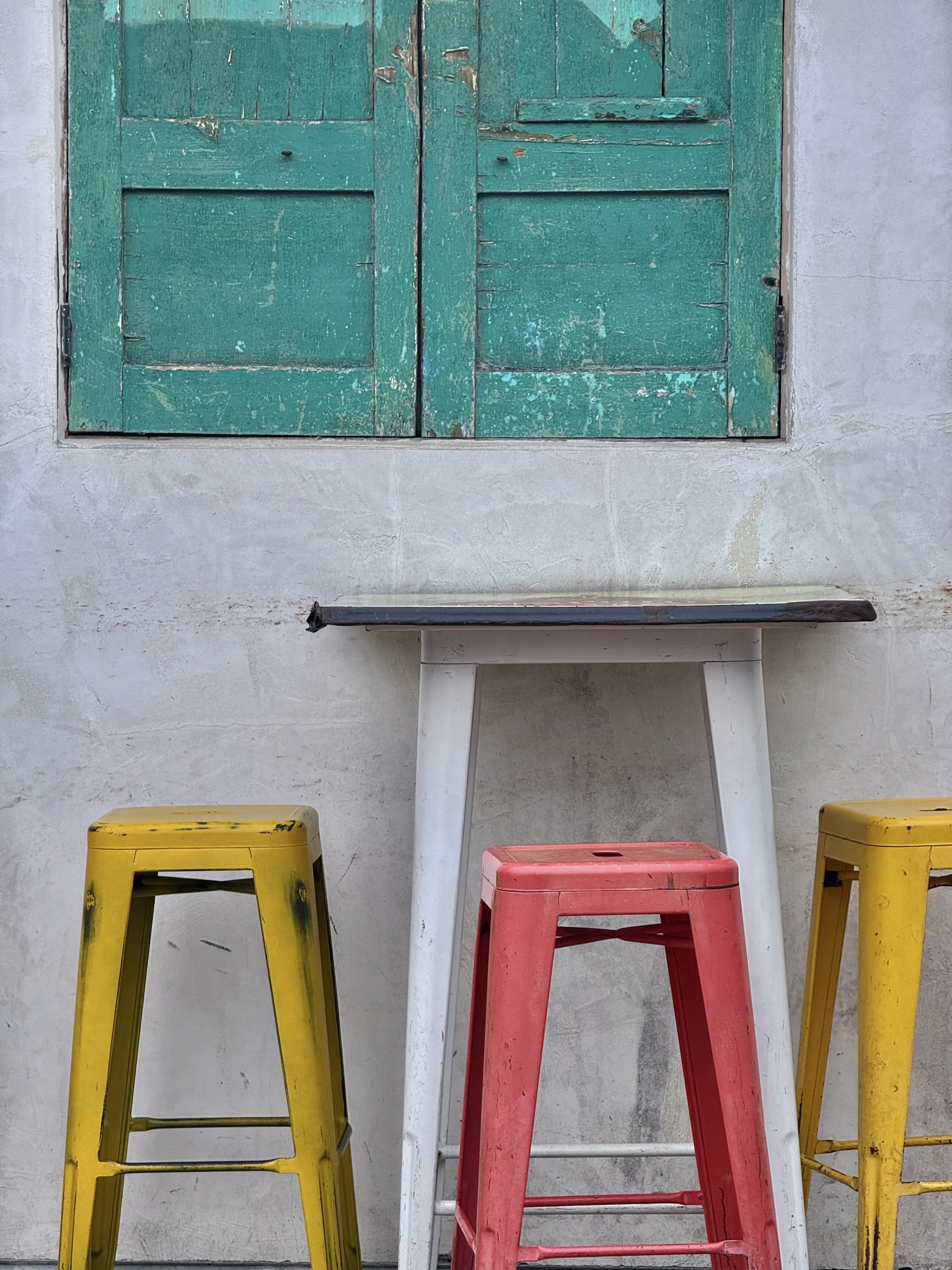
That chipped tile on the café wall?
That lonely lawn chair in the middle of a field?
That quiet hour when the light turns everything blue?
That’s your subject.
That’s your invitation.
Shoot What You Can’t Stop Seeing
There are photos I return to in my camera roll—not because they’re technically perfect, but because they still make me feel something.
They remind me of where I was.
Of what I saw.
Of how it felt.
And more importantly—
they remind me that the point of photography is not to show off—
it’s to wake up.
To engage with the world as it actually is.
Messy. Moody. Beautiful. Boring. Sacred. Stupid. Strange.
And worthy.
Always worthy.
Final Frame
After 50 years behind the lens, I can say this with absolute certainty:
The most memorable photos I’ve ever made are not the ones that got published or paid for—
they’re the ones no one else would’ve bothered to take.
That’s the real heart of this craft.
Not just shooting what’s in front of you…
but honoring it.
Not just taking a picture…
but giving a damn.
So shoot the things most people overlook.
And in doing so,
you might just discover the parts of yourself
that you’ve been overlooking, too.
Click.
Jack.