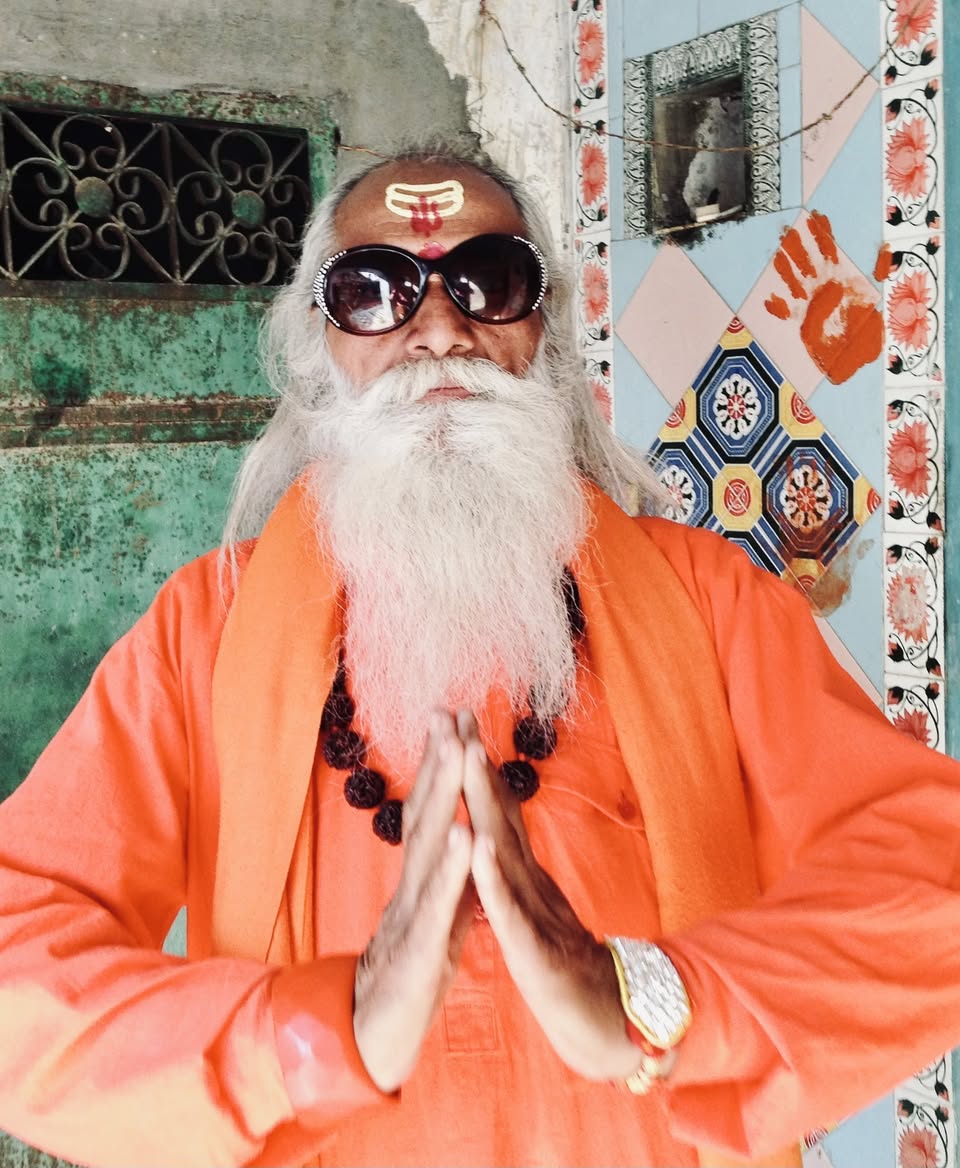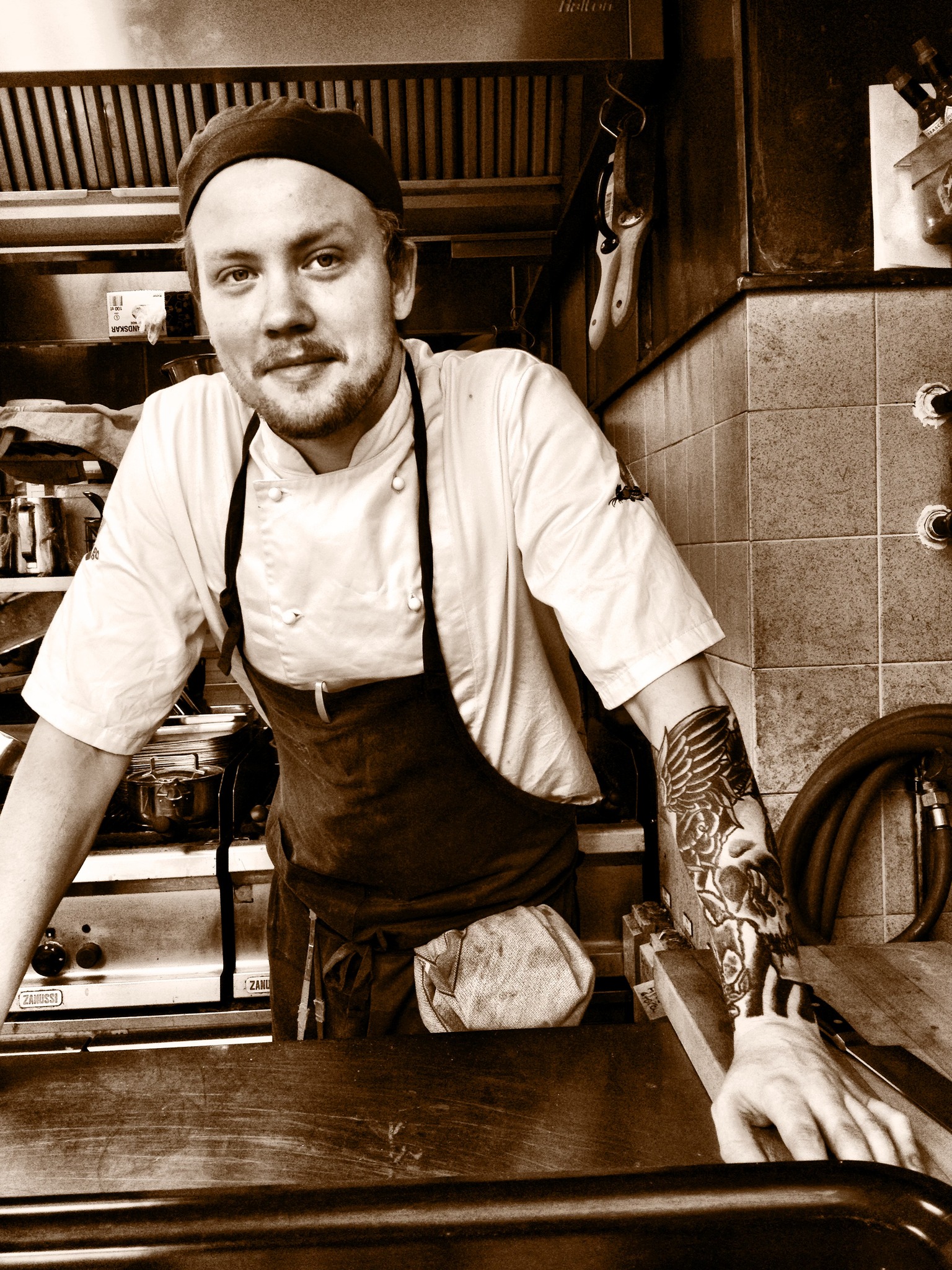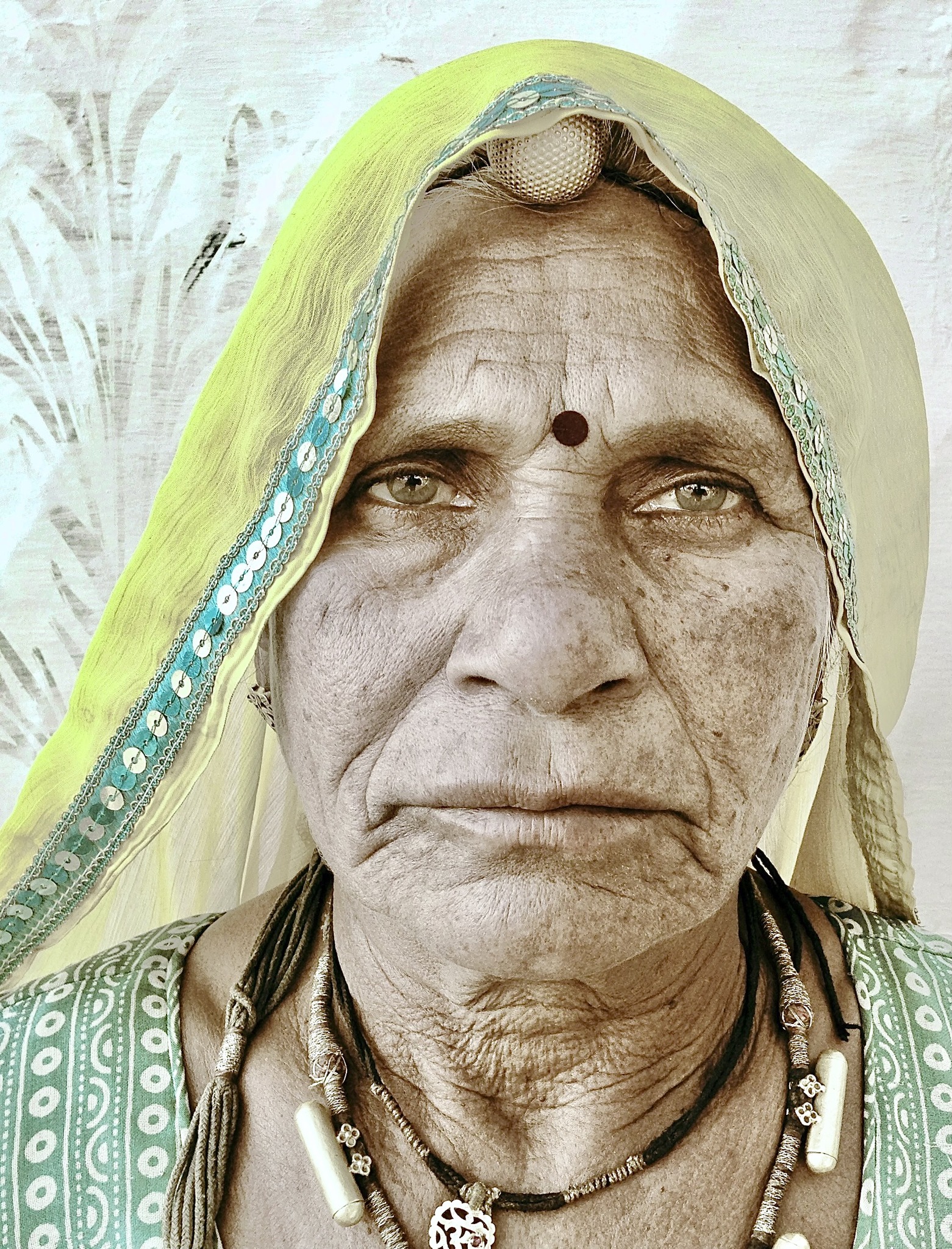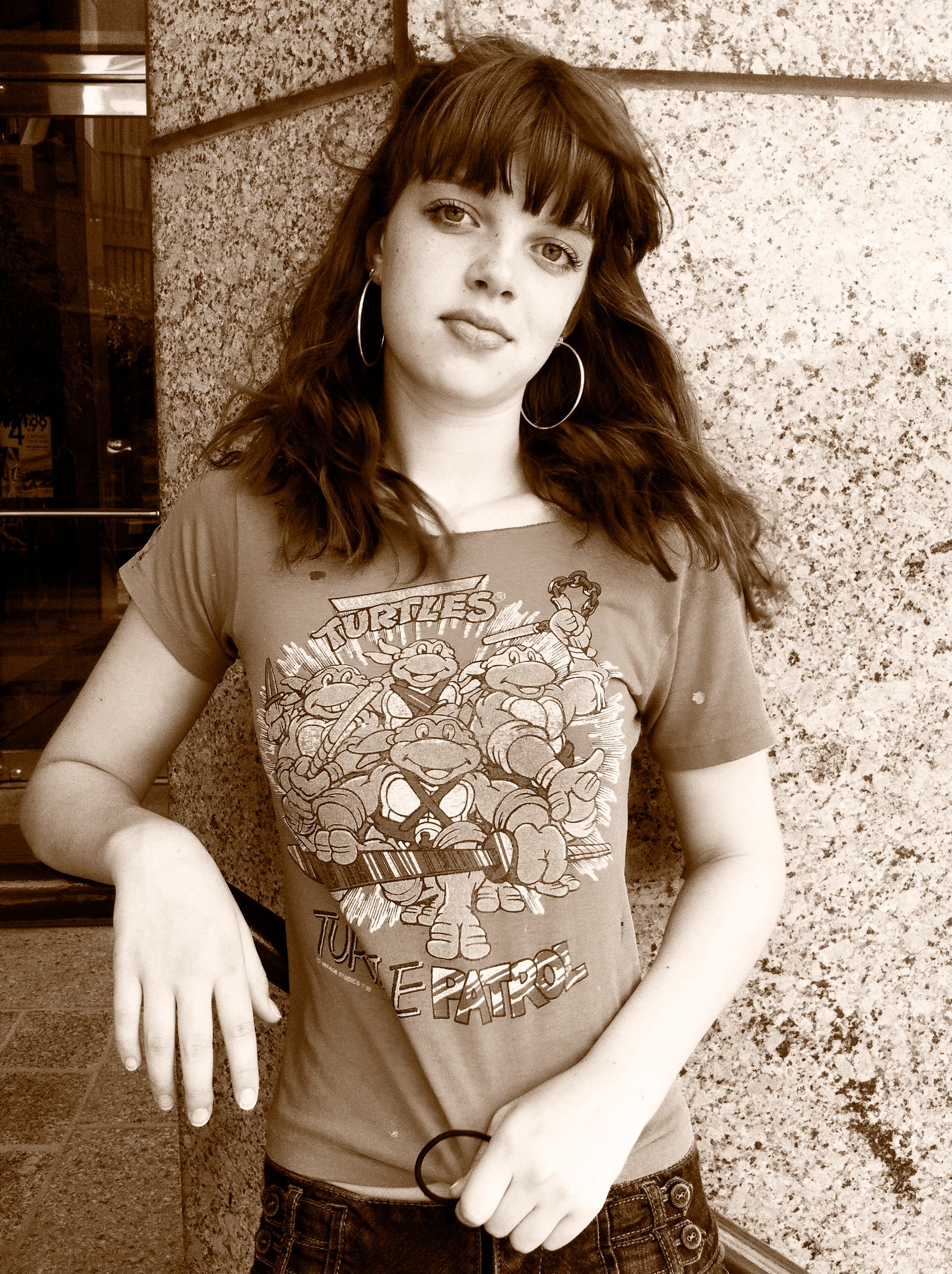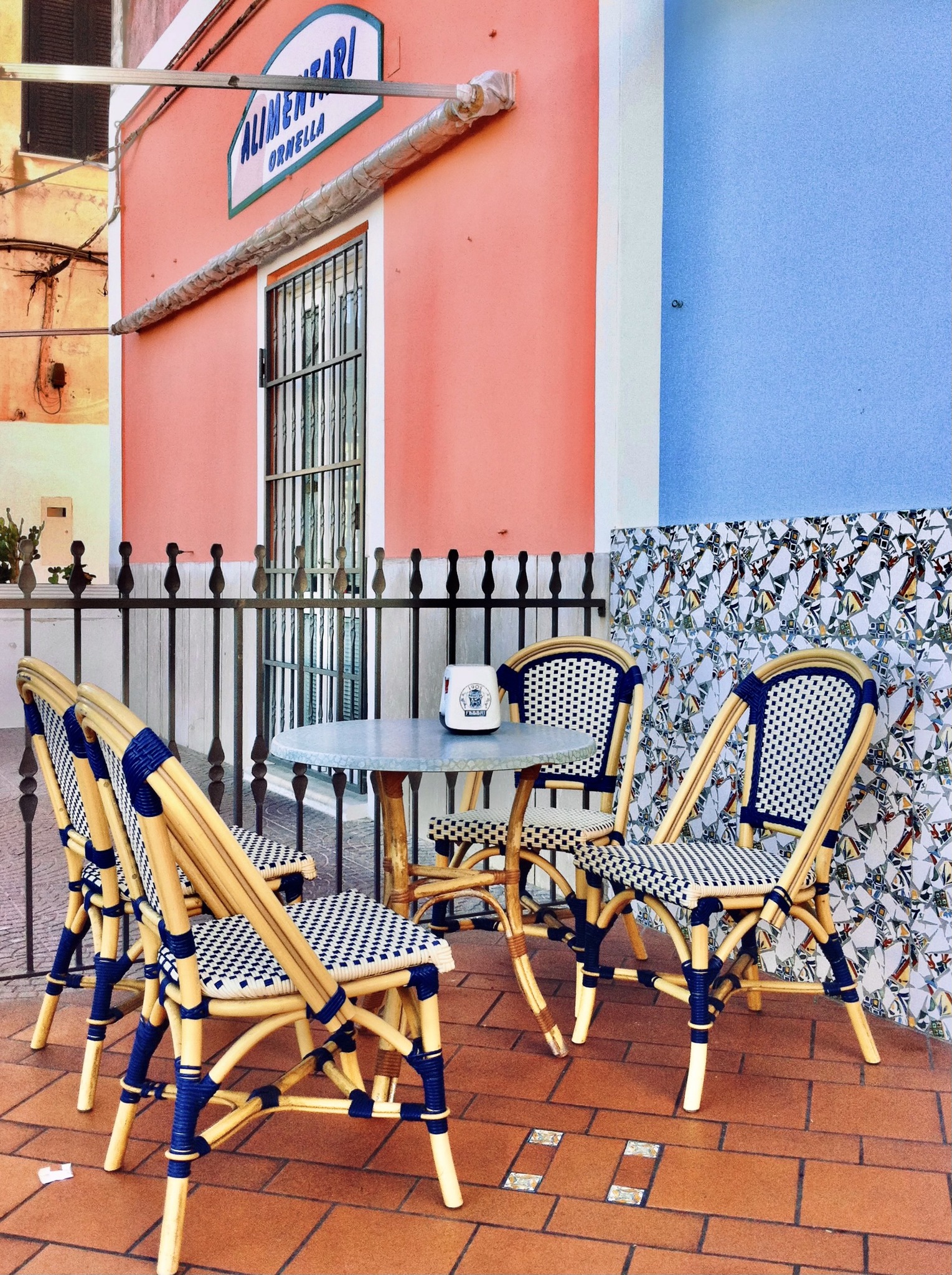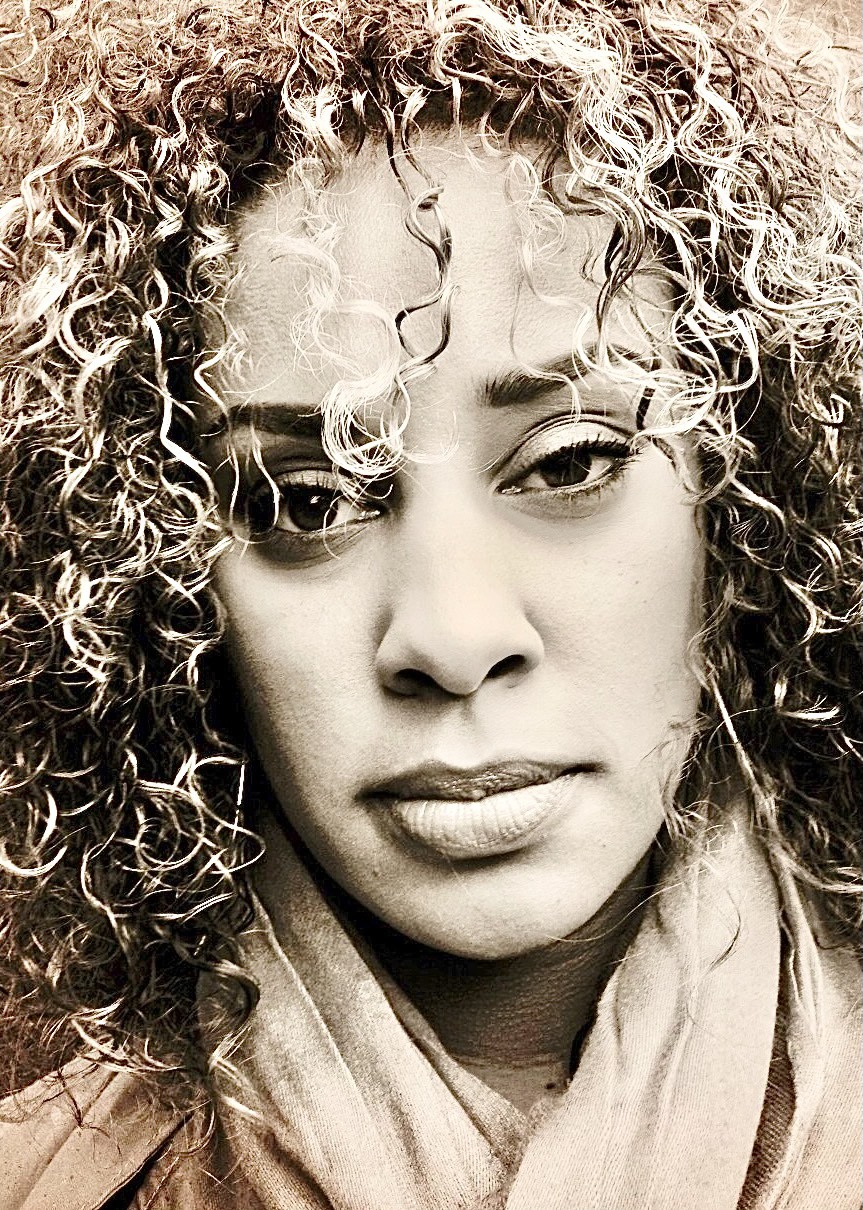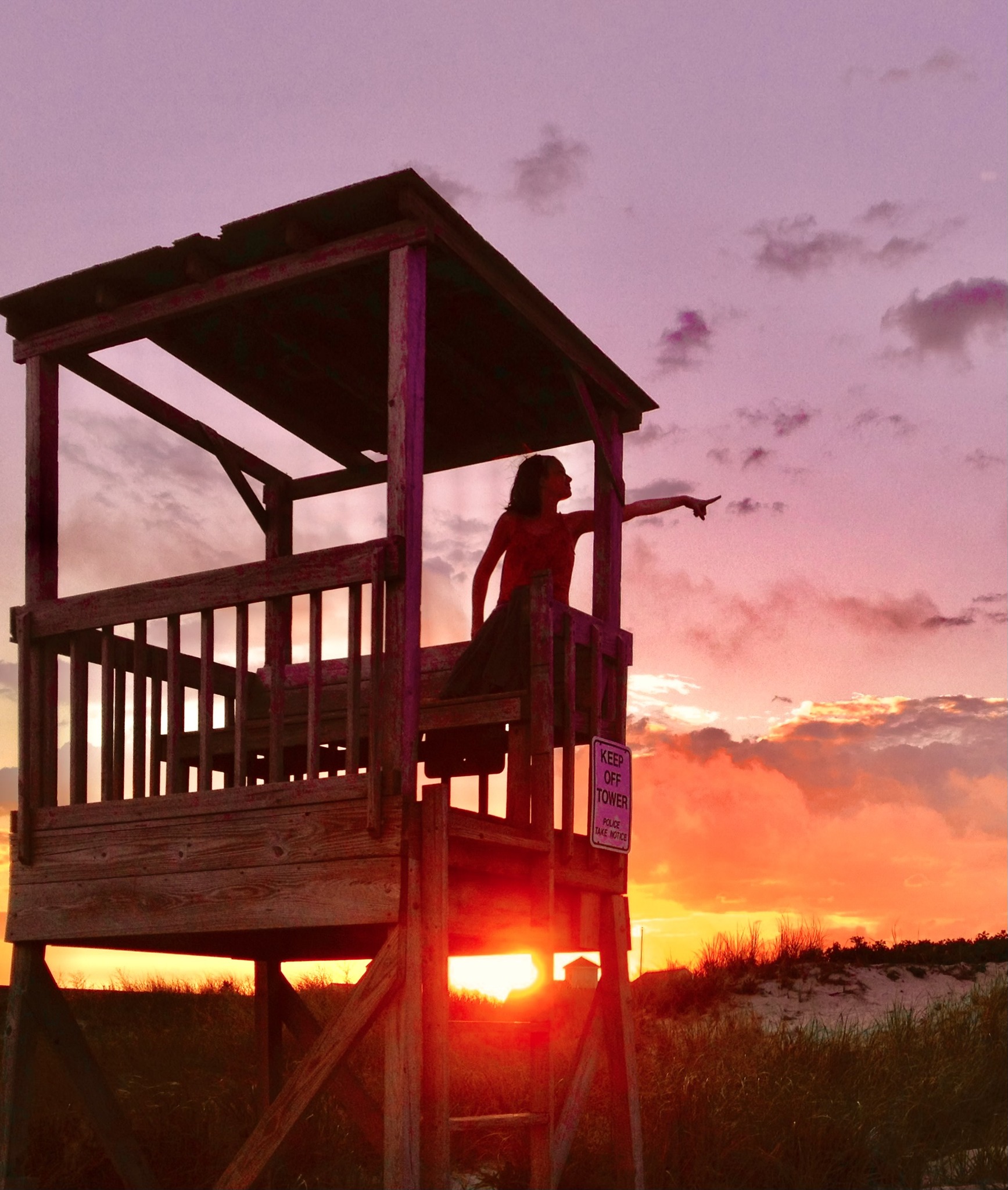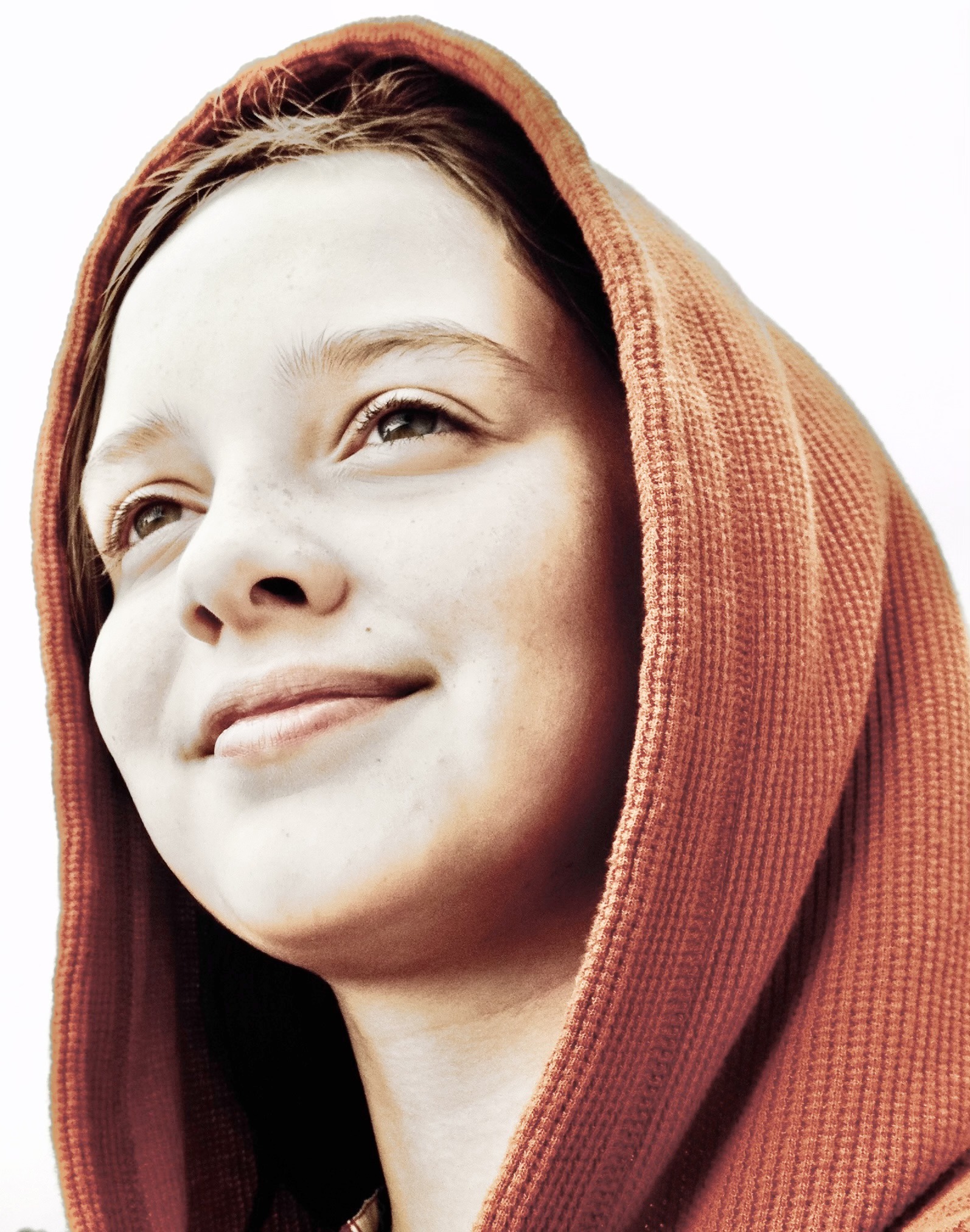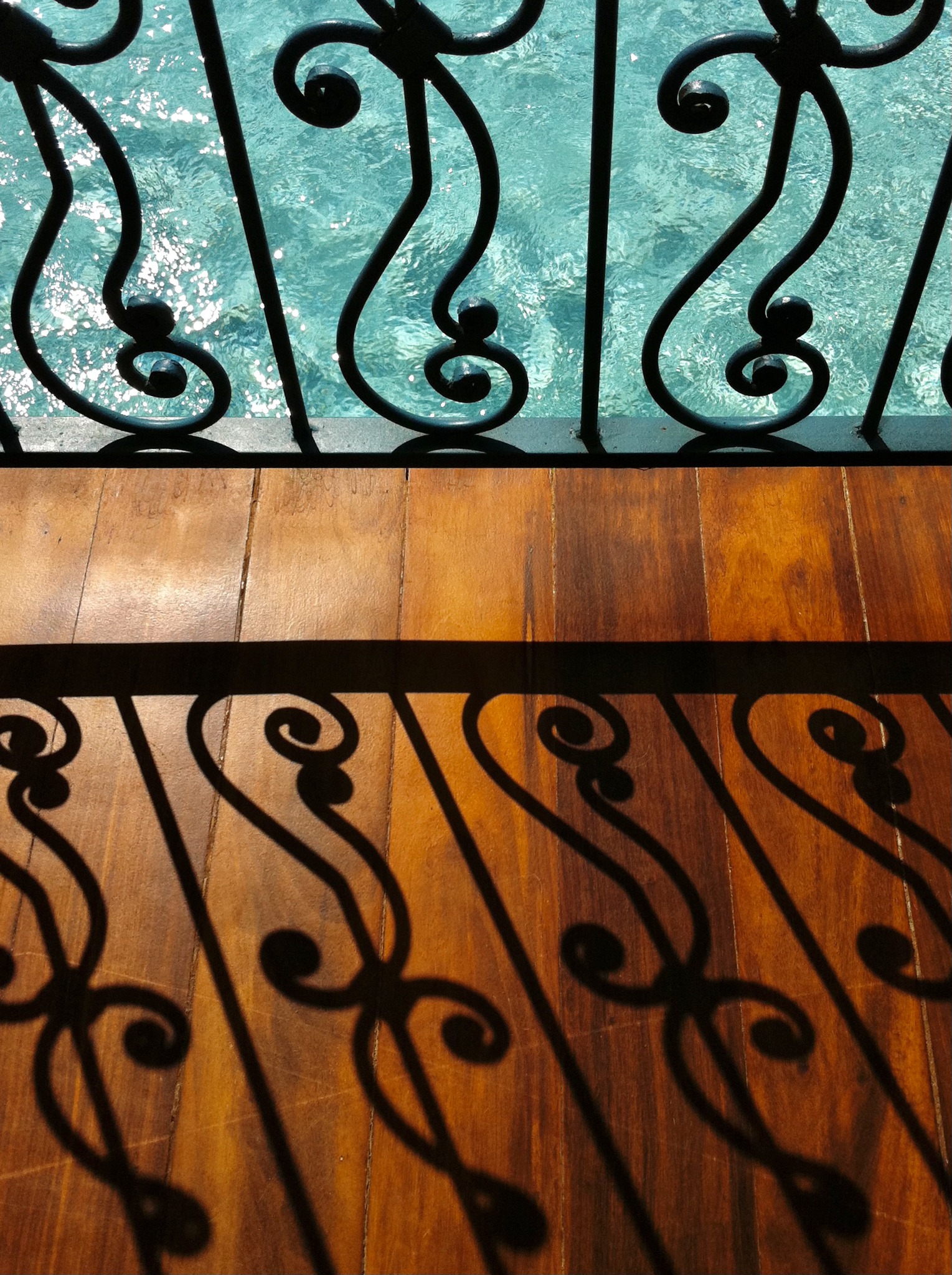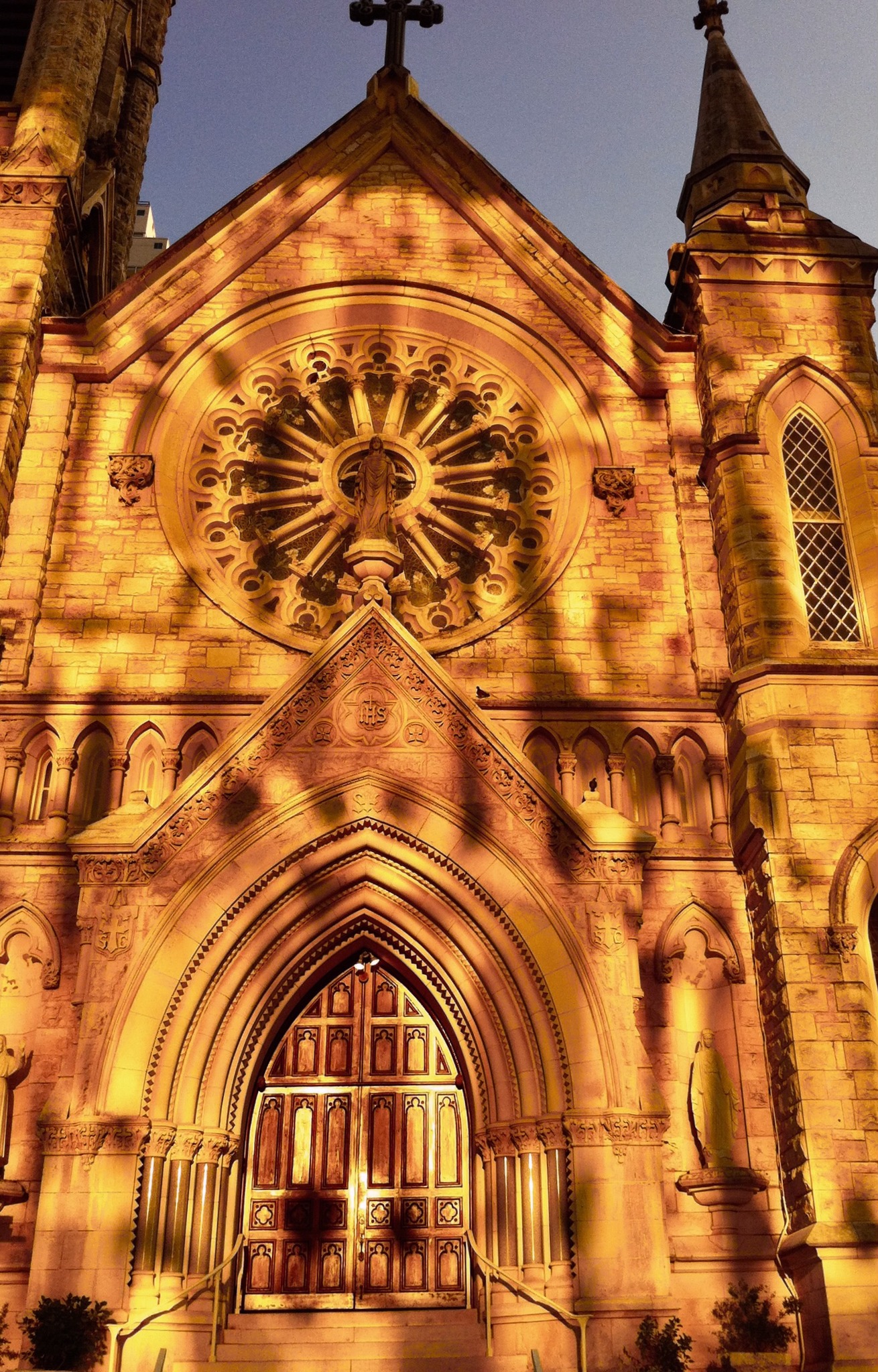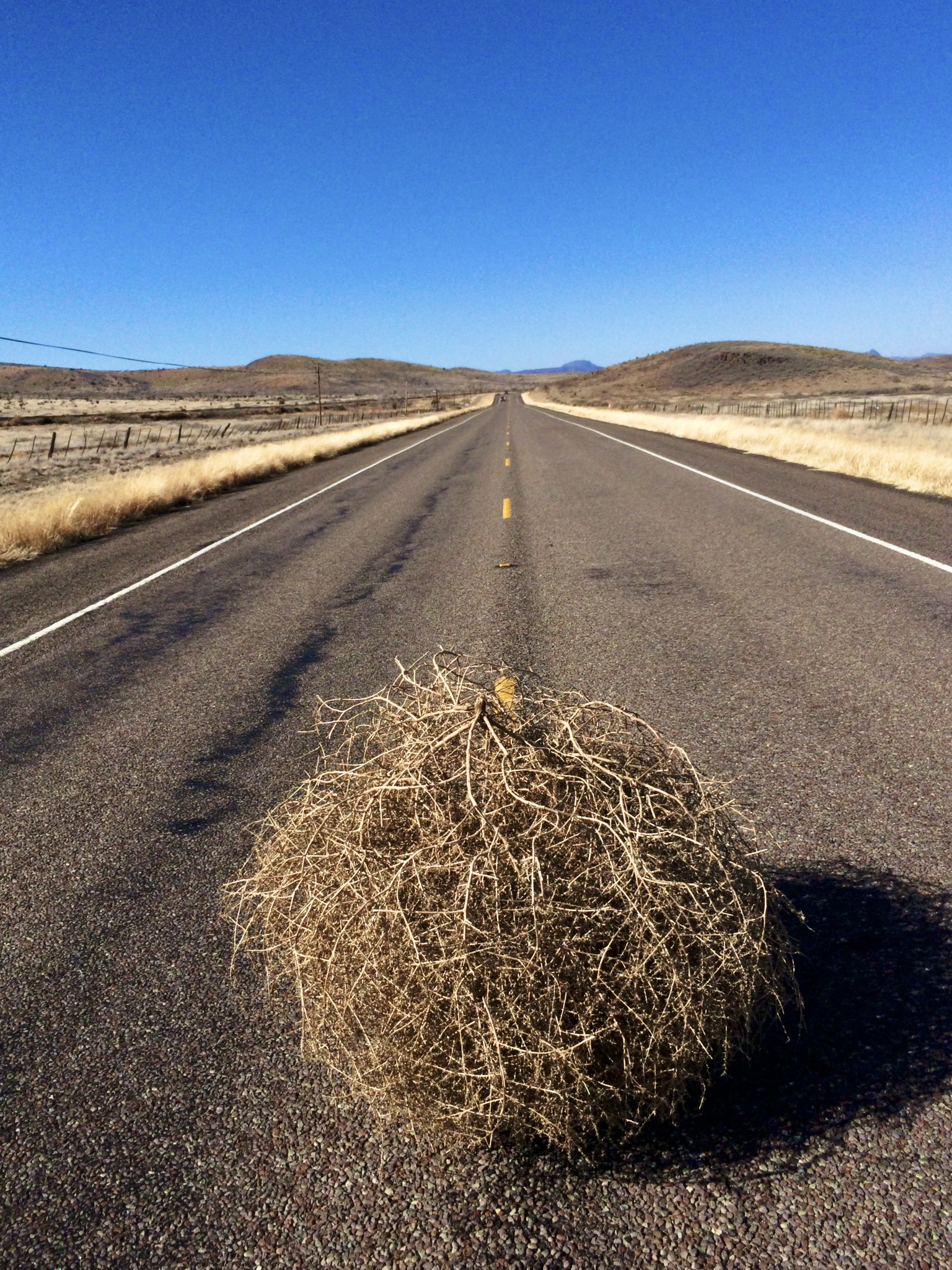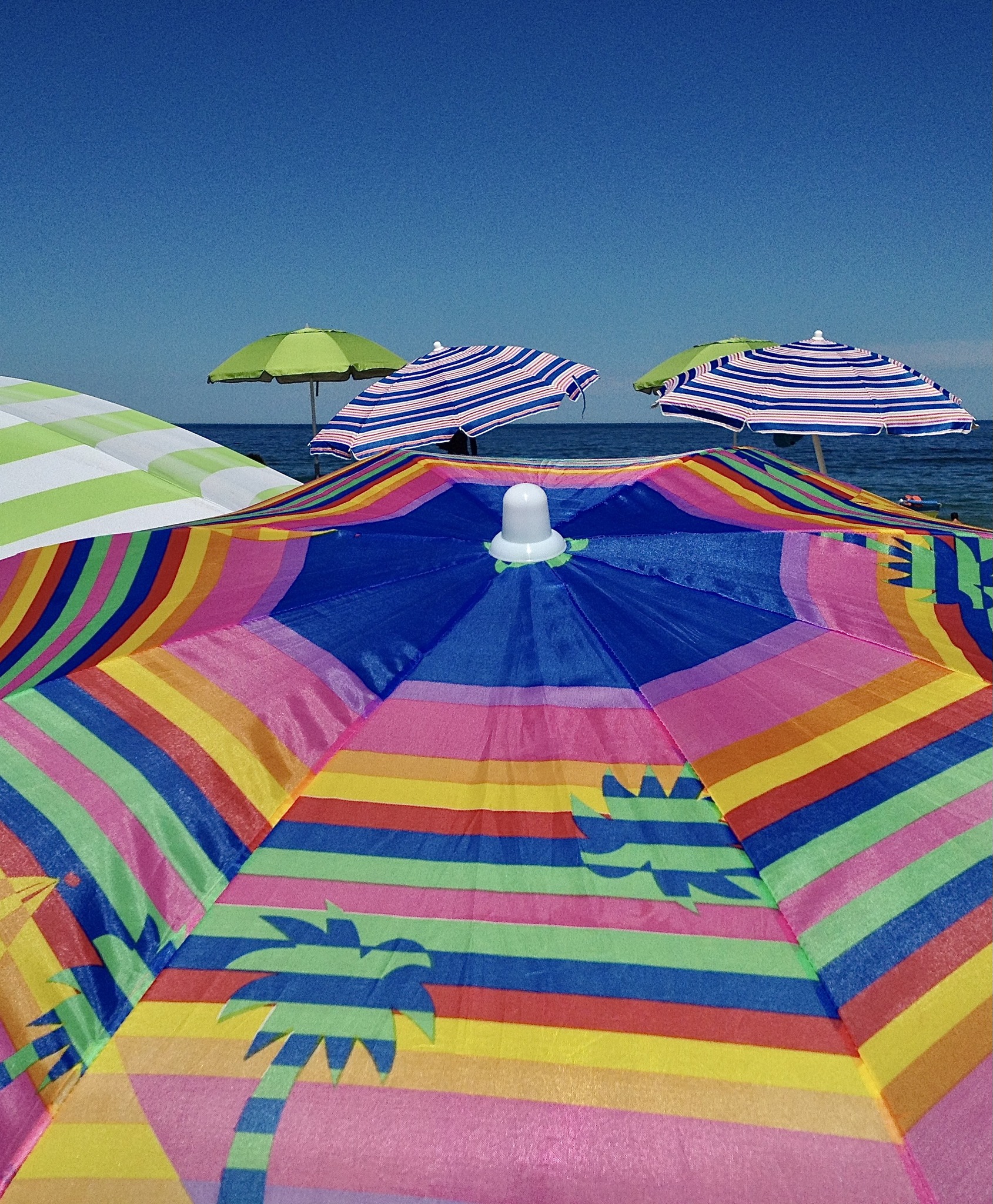
When I first picked up an iPhone—really picked it up with the heart of a photographer, not just as a phone—I had this strange, deep, almost unshakable sense that something was happening. Something big. I couldn’t explain it. I couldn’t label it. I couldn’t even talk about it for a while, because I wasn’t sure what box this thing belonged in. It didn’t look like a camera. It didn’t act like a camera. It didn’t carry the weight, the seriousness, the status of a camera.
But it made photos
.
And the photos it made? They had something I hadn’t experienced before. Not better pixels. Not superior sharpness. Certainly not dynamic range or low-light performance—at least not in the beginning.
What they had was presence.
And that changed everything.
At first, I was quiet about it. I kept the experiment to myself. I didn’t want to get laughed out of the room, especially by other pros. I’d spent a lifetime with big, beautiful, heavy, expensive gear—gear that made statements, both in the work it produced and in how it made me look to the outside world. I was a photographer, dammit. I had paid my dues. Built my career. Bought all the toys. Knew how to use them.
And here I was, sneaking around with this tiny pocket slab, asking myself questions I didn’t yet have the courage to answer.
But then came the early trips.
The road sessions with Manav, the long wanderings with Neil, the slow, meditative walks with Michael, the street adventures with Jonathan. We didn’t know what we were doing exactly. All we knew was that it felt like we were chasing something real again—something raw and alive and right there in our hands. No bags. No gear lists. No tech stress. Just a camera that didn’t get in the way.
Looking back, those shoots were fucking epic. Not because the photos were the best I’d ever taken, but because they unlocked something in me I hadn’t felt since I first fell in love with photography in the first place. That sense of wonder. Of play. Of being present.
That was the start.
And slowly but surely, belief followed.
I began to suspect, and then say aloud, that this tiny slab of glass and metal would one day become the most influential camera in the entire history of photography. Not the best. Not the most capable. Not the one with the biggest sensor or the sharpest lenses or the richest RAW files. But the most influential—because of one simple thing:
It’s the camera we always have with us.
And that fact alone changes the entire game.
I started leaving my big gear at home. Then I started selling it off. Then one day, it hit me like a thunderclap: I’m never going back.
Did I make the right decision?
Every once in a while, I hear the whispers. The familiar doubts. The snide comments. The sideways glances at the photowalks. The smug little reminders from the gear bros and the full-frame faithful:
“Smartphones are just toys.”
“Real photography is still done with real cameras.”
“You can’t control everything on an iPhone.”
Yeah, yeah, yeah. I’ve heard it all before. I’ve even said some of those things myself back in the day.
But let me be perfectly clear:
Yes. I made the right decision.
No. Smartphones are not toys.
No. Real photography is not limited to big cameras.
Real photography is done with eyes and heart and presence and story. Real photography is what happens when you care enough to see.
And this device—the iPhone—is the most frictionless seeing machine I’ve ever held in my hands.
I don’t care if it doesn’t have manual ISO dials. I don’t care if it doesn’t have a tactile aperture ring or a sensor the size of a tortilla. I care that I can make photos wherever I am. At the café. In the car. On a hike. At a wedding. In the middle of nowhere or the center of the universe. I care that it lets me move—light, nimble, free. I care that it’s invisible in my hand and invisible to the world. I care that it feels more like a sketchbook than a sculpture.
And I care, deeply, that it has helped millions of people all over the world fall in love with photography who might never have otherwise dared to try.
That is not a toy. That’s a revolution.
So when people ask if I miss my old gear—the lenses, the DSLRs, the mirrorless marvels, the carefully packed Pelican cases—the answer is simple:
No.
Not even a little.
Because I’ve never felt more alive, more productive, more connected to the work I’m making than I do now with this simple, everyday camera that lives in my pocket.
It’s not nostalgia. It’s not novelty. It’s not rebellion. It’s a realization:
The iPhone connects me to what matters most.
It connects me to life—to the moment in front of me, not the one I’m planning for six months from now with a rented lens and a $5,000 rig.
It connects me to art—not in the grandiose, gallery-snob sense of the word, but in the everyday act of seeing something ordinary and choosing to elevate it with light, framing, emotion, and timing.
It connects me to other people—because it removes the intimidation, the wall that sometimes forms between subject and shooter when a big camera enters the room.
And it connects me to myself—to my instincts, to my curiosity, to my capacity for wonder.
That’s not a downgrade. That’s an upgrade.
Will I ever use a “real” camera again? Who knows. Maybe someday. Maybe not.
But I can say this with full conviction: I’m not going back.
Not because I think the iPhone is better in every measurable way. But because I feel better when I use it. And I make better work—not because of the specs, but because of the freedom.
No more bags. No more barriers. No more bullshit.
Just me, the light, the subject, and a camera that fits in my front pocket.
Bring it on.
Click.
Jack.